Starship survives reentry to splash down in the Indian Ocean after successful fourth flight test

SpaceX’s Starship just soared through a series of critical milestones in its development, surviving reentry through Earth’s atmosphere and demonstrating a landing burn for the first time, before splashing down in the Indian Ocean. Starship lifted off from the company’s Texas Starbase at around 8:50AM ET for its fourth flight test, which focused on demonstrating the reusability of the massive spacecraft and the Super Heavy booster.

A few minutes after launch, Super Heavy separated from Starship and successfully performed a controlled descent to splash down in the Gulf of Mexico as planned. Starship continued flying for about an hour, starting its reentry a little after the 45 minute mark. Live views from an onboard camera made for a nailbiting final few minutes — at an altitude of about 33 miles above Earth, one of the ship’s flaps started to burn off. Then the camera cracked, obscuring the view so little more than flashes of light from plasma could be seen. 

A flap on Starship is seen separating from the ship and burning

But the ship managed to stay intact enough to keep sending data all the way through the moment of its landing burn. SpaceX confirmed splashdown just before 10:00AM ET. The test marks a major success for SpaceX as it works to develop Starship as a transportation system that could carry humans to the moon and Mars.

This article originally appeared on Engadget at https://www.engadget.com/starship-survives-reentry-to-splash-down-in-the-indian-ocean-after-successful-fourth-flight-test-142912013.html?src=rss

Craste uses crop residue to create tree-free packaging

As someone who manages ecommerce stores and is also a frequent consumer of products from various online stores, I see a lot of waste when it comes to packaging. There are a lot of single-use plastics lying around our office and my house that I often feel guilty about contributing to all that waste. While we still try to re-use what we can, I do hope that there will be better packaging solutions that can be adapted by the general public.

Designer: Craste

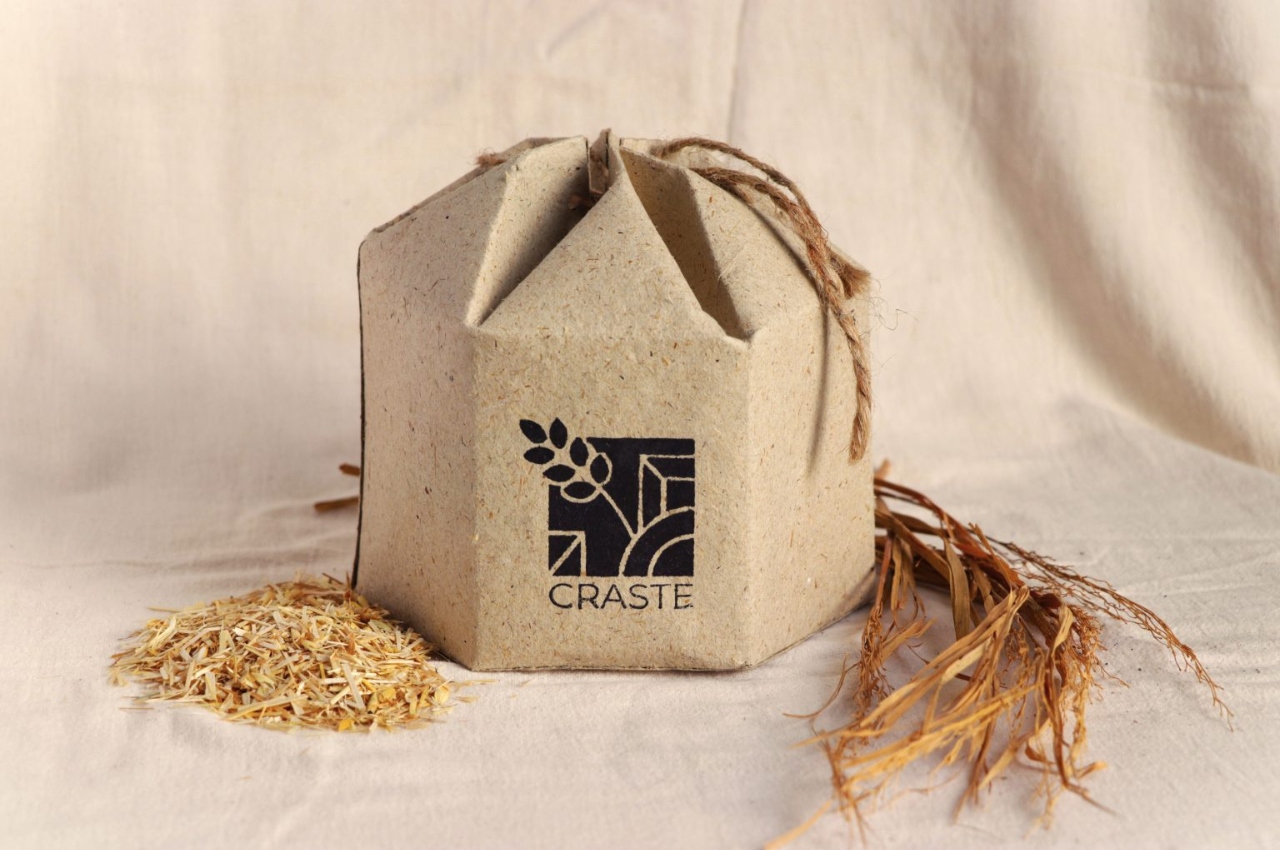
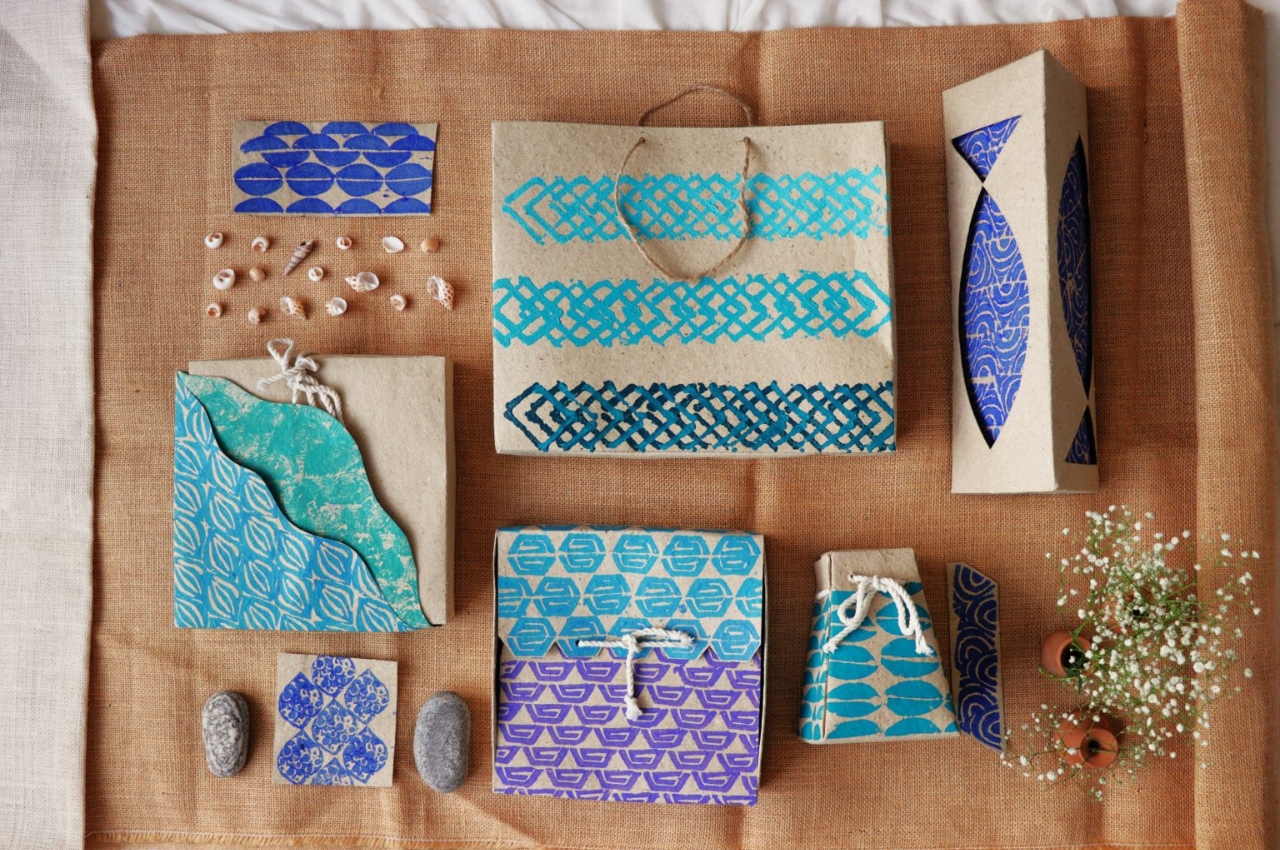
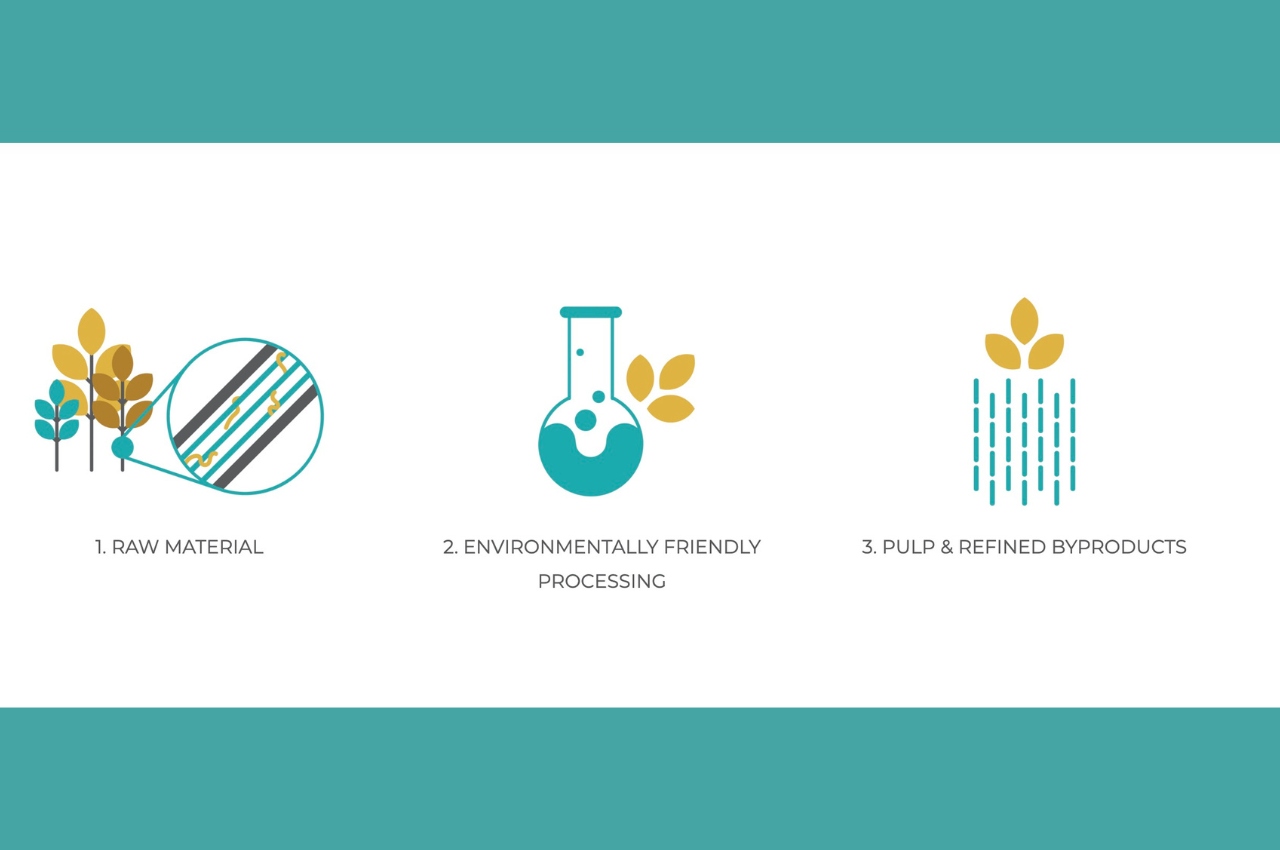
Craste is a company based in India that is the country’s first 100% tree-free packaging solution. Since the country produces 500 million tonnes of crop residue every year which contributes to 150 million tonnes of carbon dioxide released in the atmosphere, they thought of using crop waste to create eco-friendly packaging. They collected crop residue from the farmers and then convert it to tree-free pulp through a circular fiber technology (whose patent is still pending). This process uses less water consumption and Zero Level Discharge from the unit.

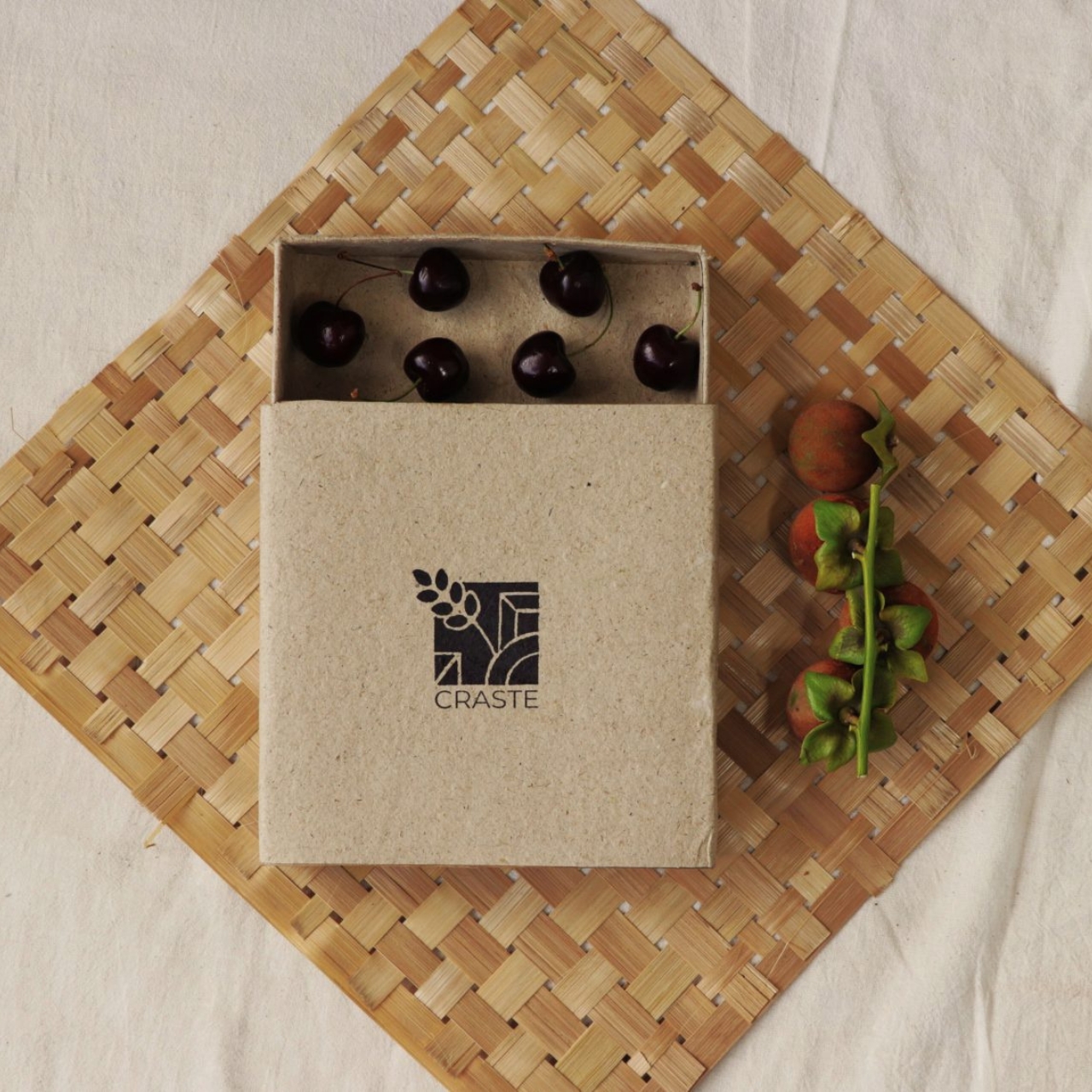
The pulp is then turned to high-quality paper that can be used for different kinds of packaging like boxes, paper bags, envelopes, etc. The packaging created is also food-grade so it’s safe for food products. It is also strong but flexible that it can retain the form and shape of the packaging it is turned into. They also aim to create “highly durable, environmentally friendly, cost-effective, wood-equivalent crop residue derived straw panel board with a formaldehyde-free adhesive”.

One issue with alternative packaging of course is the cost. Things like single-use plastic, bubble wrap, and the likes are pretty cheap and the more eco-friendly options are more expensive. Hopefully if companies like Craste can create more sustainable packaging for brands, we’ll be able to have better packaging consumption in the next few years.

The post Craste uses crop residue to create tree-free packaging first appeared on Yanko Design.

New Alfa Romeo Junior EV Starts at £33,895

Alfa Romeo Junior

The recent unveiling of the Alfa Romeo Junior EV marks a significant step forward for the renowned Italian automaker as it embraces the future of electric mobility. This compact and sporty vehicle seamlessly blends Alfa Romeo’s signature style, performance, and innovation, offering a driving experience that is both thrilling and environmentally conscious. With a choice […]

The post New Alfa Romeo Junior EV Starts at £33,895 appeared first on Geeky Gadgets.

Humane is said to be seeking a $1 billion buyout after only 10,000 orders of its terrible AI Pin

It emerged recently that Humane was trying to sell itself for as much as $1 billion after its confuddling, expensive and ultimately pretty useless AI Pin flopped. A New York Times report that dropped on Thursday shed a little more light on the company's sales figures and, like the wearable AI assistant itself, the details are not good.

By early April, around the time that many devastating reviews of the AI Pin were published, Humane is said to have received around 10,000 orders for the device. That's a far cry from the 100,000 it was hoping to ship this year, and about 9,000 more than I thought it might get. It's hard to think it picked up many more orders beyond those initial 10,000 after critics slaughtered the AI Pin.

At a price of $700 (plus a mandatory $24 per month for 4G service), that puts Humane's initial revenue at a maximum of about $7.24 million, not accounting for canceled orders. And yet Humane wants a buyer for north of $1 billion after taking a swing and missing so hard it practically knocked out the umpire.

HP is reportedly one of the companies that Humane was in talks with over a potential sale, with discussions starting only a week or so after the reviews came out. Any buyer that does take the opportunity to snap up Humane's business and tech might be picking up somewhat of a poisoned chalice. Not least because the company this week urged its marks customers to stop using the AI Pin's charging case over a possible “fire safety risk.”

This article originally appeared on Engadget at https://www.engadget.com/humane-is-said-to-be-seeking-a-1-billion-buyout-after-only-10000-orders-of-its-terrible-ai-pin-134147878.html?src=rss

Google’s NotebookLM gets Gemini 1.5 and extra tools

Google first launched NotebookLM, its AI-powered research tool, in summer 2023 and now the company is expanding its capabilities and access. In a new blog post, Google announced that NotebookLM is officially running on Gemini 1.5 Pro, an upgrade from the original Gemini Pro model that brings a host of new features. The research and writing assistant has also expanded to over 200 countries and territories. 

NoteBookLM works differently than many other AI-powered tools in that it only takes from the resources you provide, rather than a plethora of general knowledge. The research assistant has always accepted files such as transcripts, research notes and corporate documents from Google Docs or in PDF format, but now you can also upload Google Slides and web URLs. 

Other new features include letting you ask questions about images, charts and diagrams, along with including images in citations as further supporting evidence. Then there's a boost to inline citations, which now bring you directly to the supporting passages so you can confirm the AI knows what it's talking about. Plus there's Notebook Guide, which will convert your sources into clear formats like FAQs and briefing docs. 

This article originally appeared on Engadget at https://www.engadget.com/googles-notebooklm-gets-gemini-15-and-extra-tools-133054595.html?src=rss

ASUS Project DALI concept slaps a color E Ink display on the back of laptops

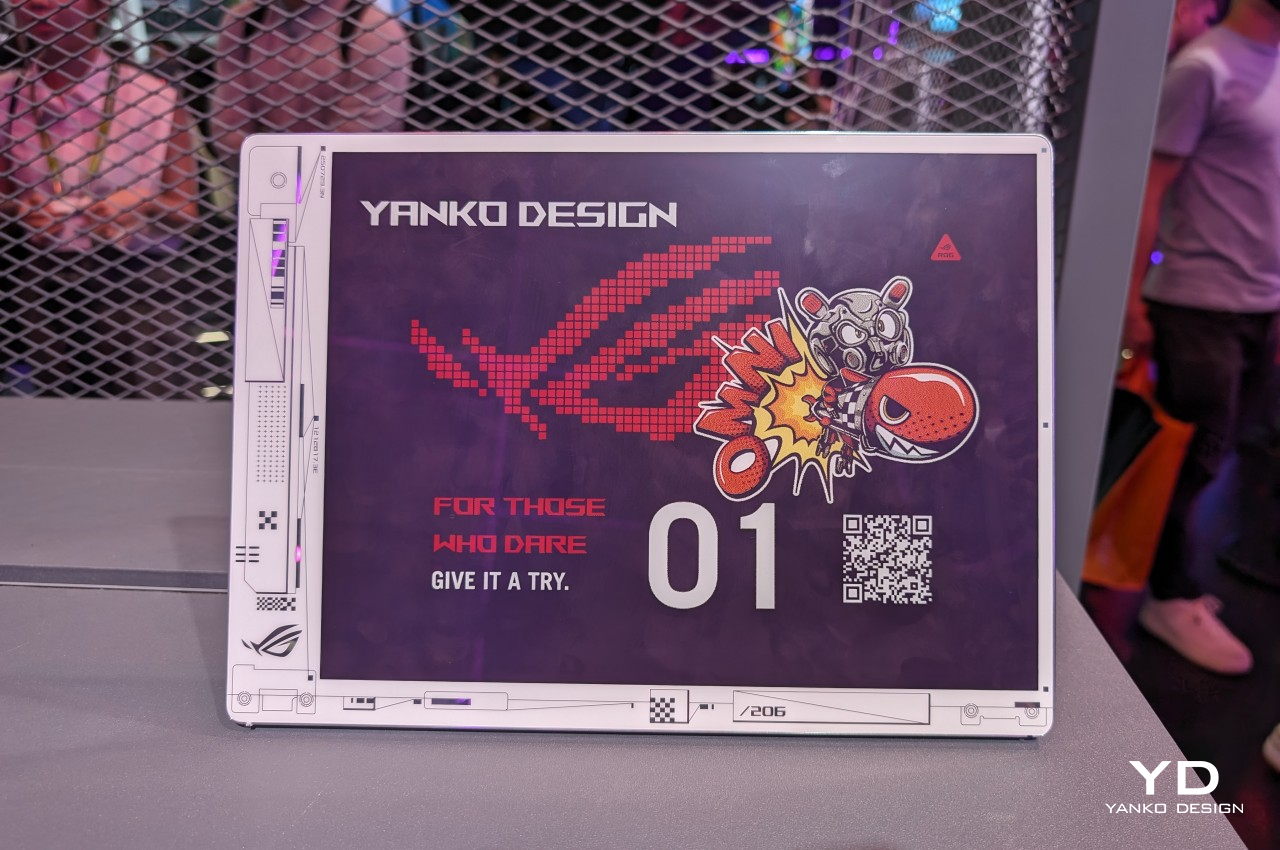
As much as laptop makers wax philosophical about the power of their hardware and the beauty of their screens, what most people will probably admire the most about their products will be the laptop covers. Like with smartphones, this is the most visible part of a laptop and, therefore, also the most expressive. You can almost tell a lot about the laptop owner from the design and stickers they have on their laptops or, conversely, from the lack of any embellishment. Unfortunately, there hasn’t been any easy way to cater to the varied tastes of laptop owners, at least until now. At Computex 2024, ASUS is showing off one of its latest concept designs that lets owners change the design of their laptop covers with a press of a key, and it won’t cost either power or money to keep changing it on a whim.

Designer: ASUS
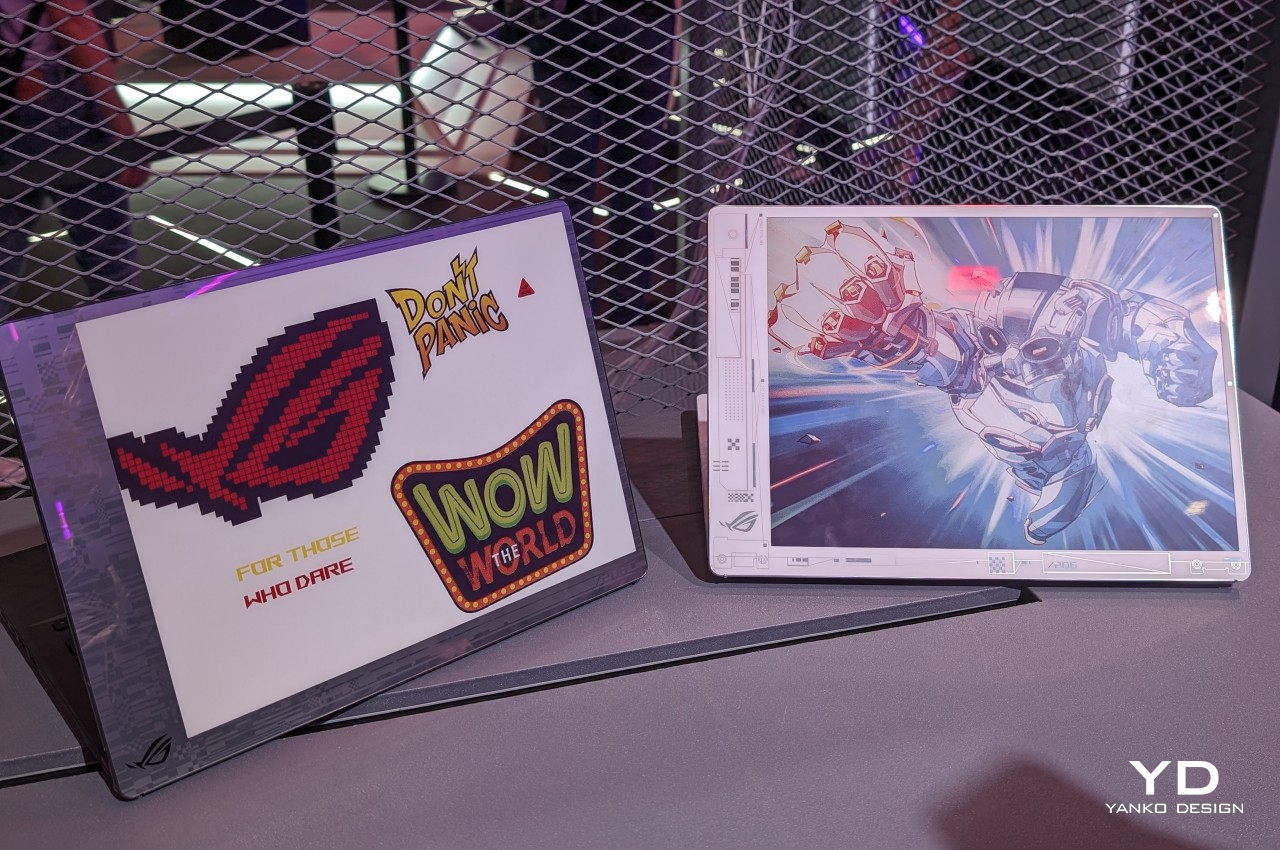
You could, in theory, put a second LCD screen on the back of your laptop for a dazzling display of images or even captivating videos, but that would put a drain on your laptop’s battery, especially if you need to keep that cover display visible even when the laptop is closed and shut down. As with any problem involving power-hungry LCDs and OLEDs, the solution is using ePaper Display or EPD, like E Ink’s popular panels for eBook Readers. And wouldn’t you know it, E Ink has the perfect technology for that, and ASUS is slapping it on its Project DALI laptop concept to make laptops more personal without having to stick anything to it.
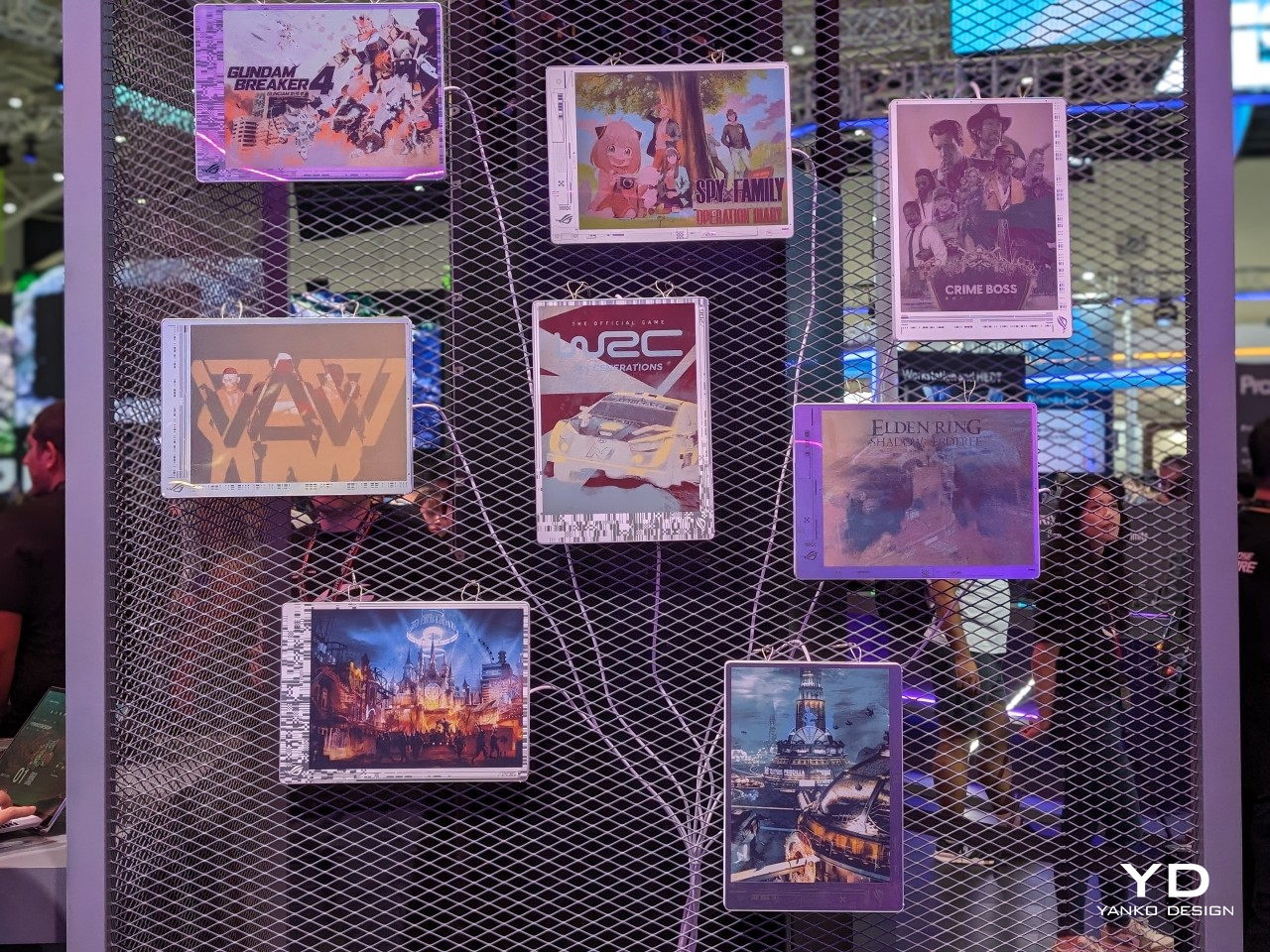
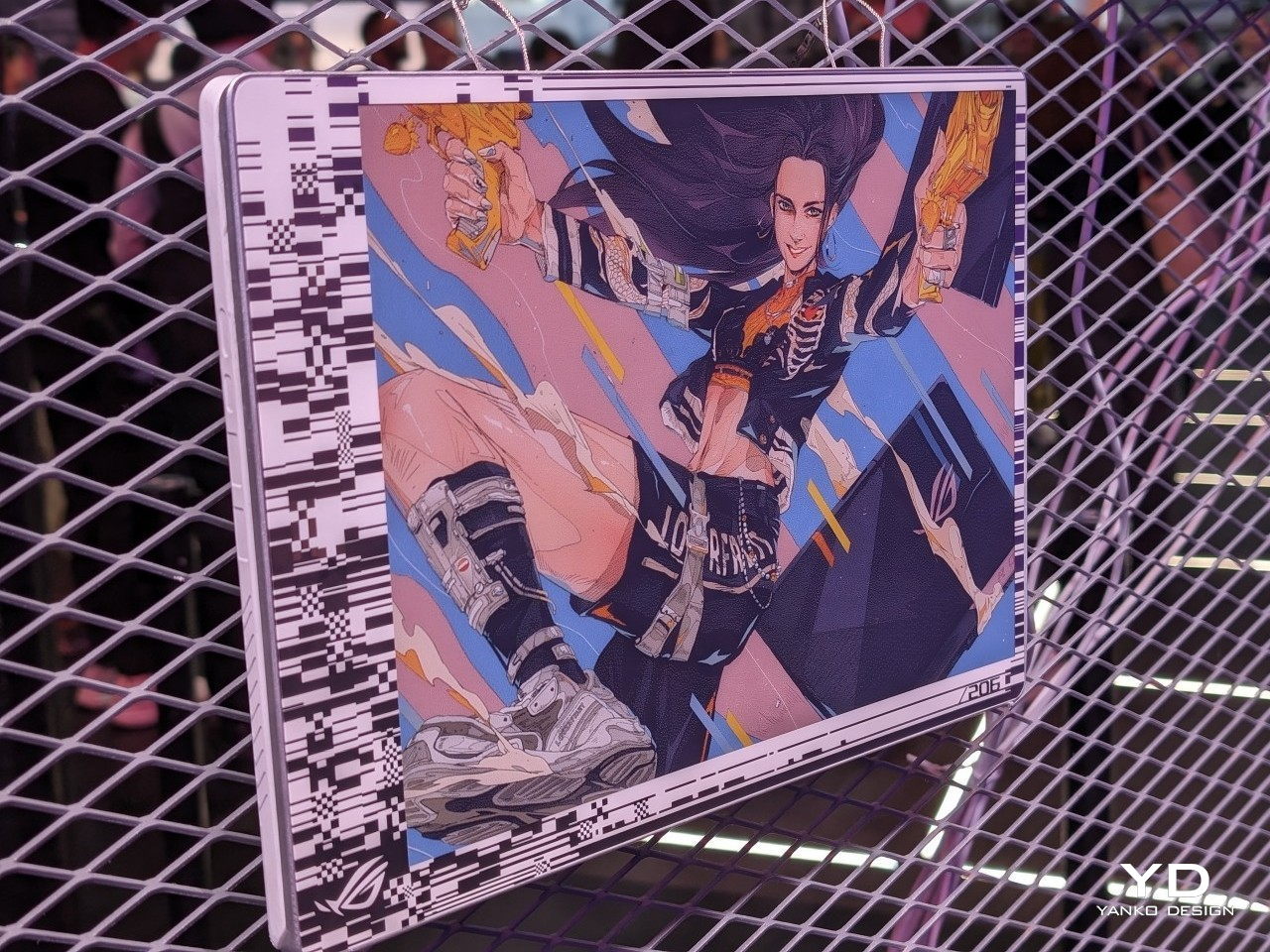
Although it’s primarily being used for signage installations, the E Ink Spectra 6 brings a touch of color to the eye-friendly and battery-conservative E Ink screen. It’s not going to match the vibrant colors of even the crudest LCD, but it has one very important advantage. Once you change the image displayed on it, it will no longer consume any power and can display that image for a long, long time. In other words, it’s perfect for a semi-permanent display that doesn’t change much, something like what the back of your laptop could have.
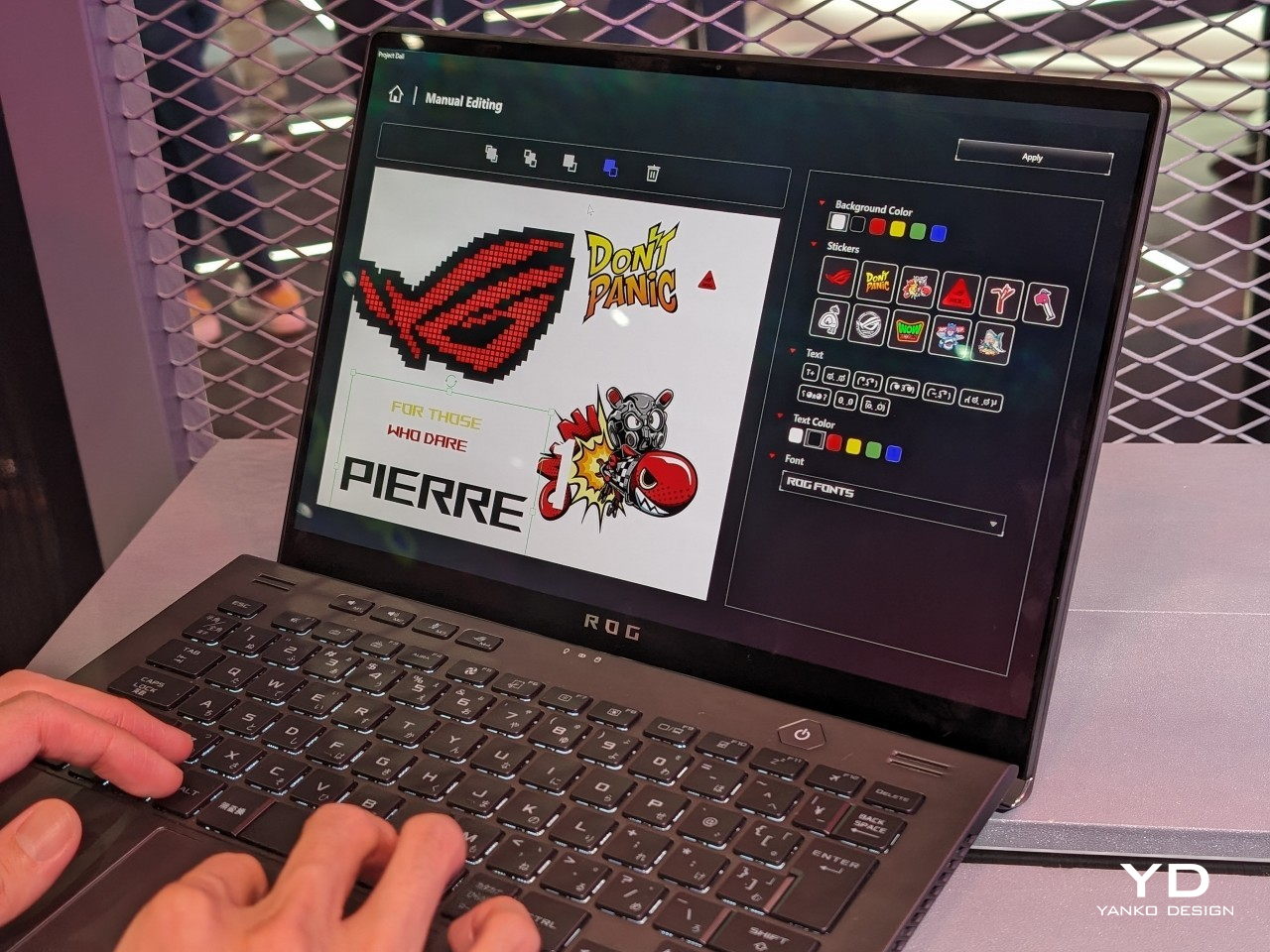
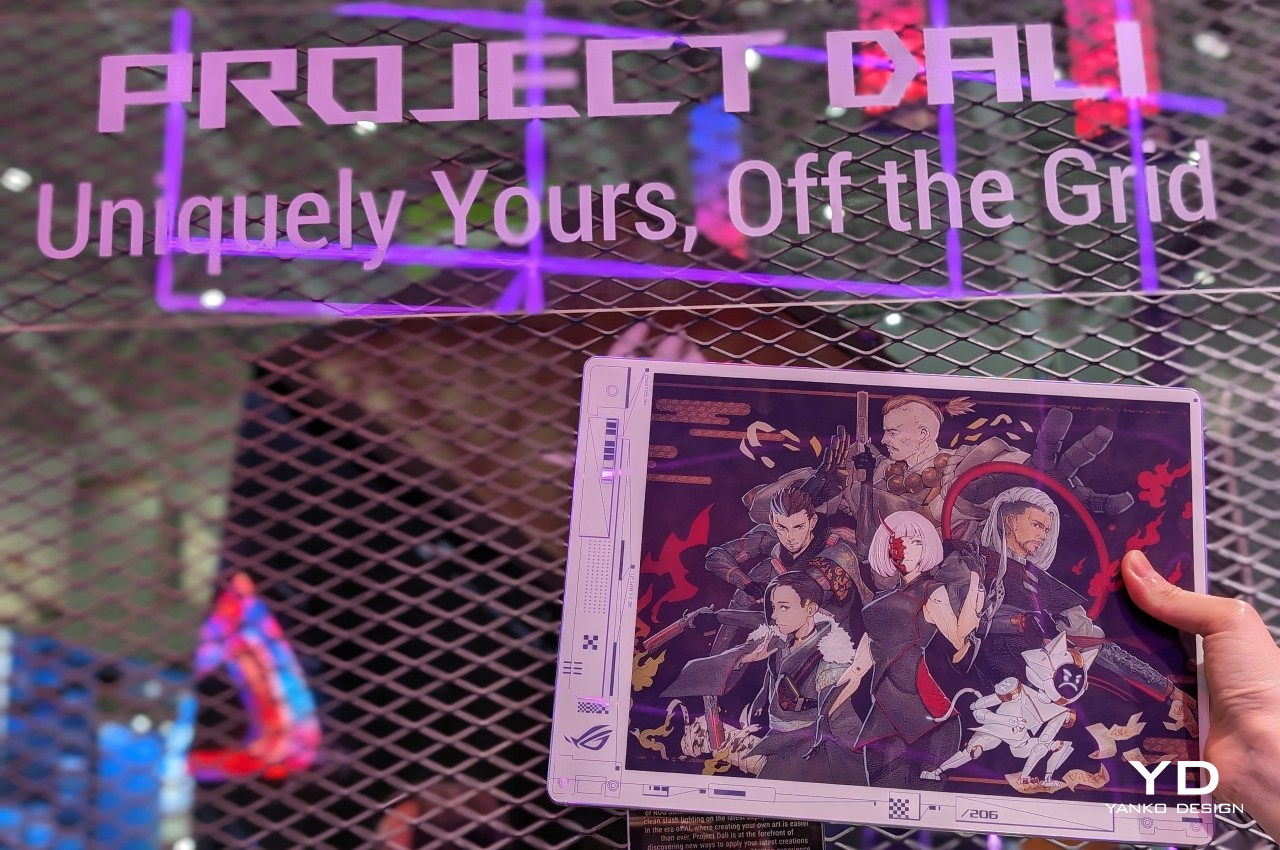
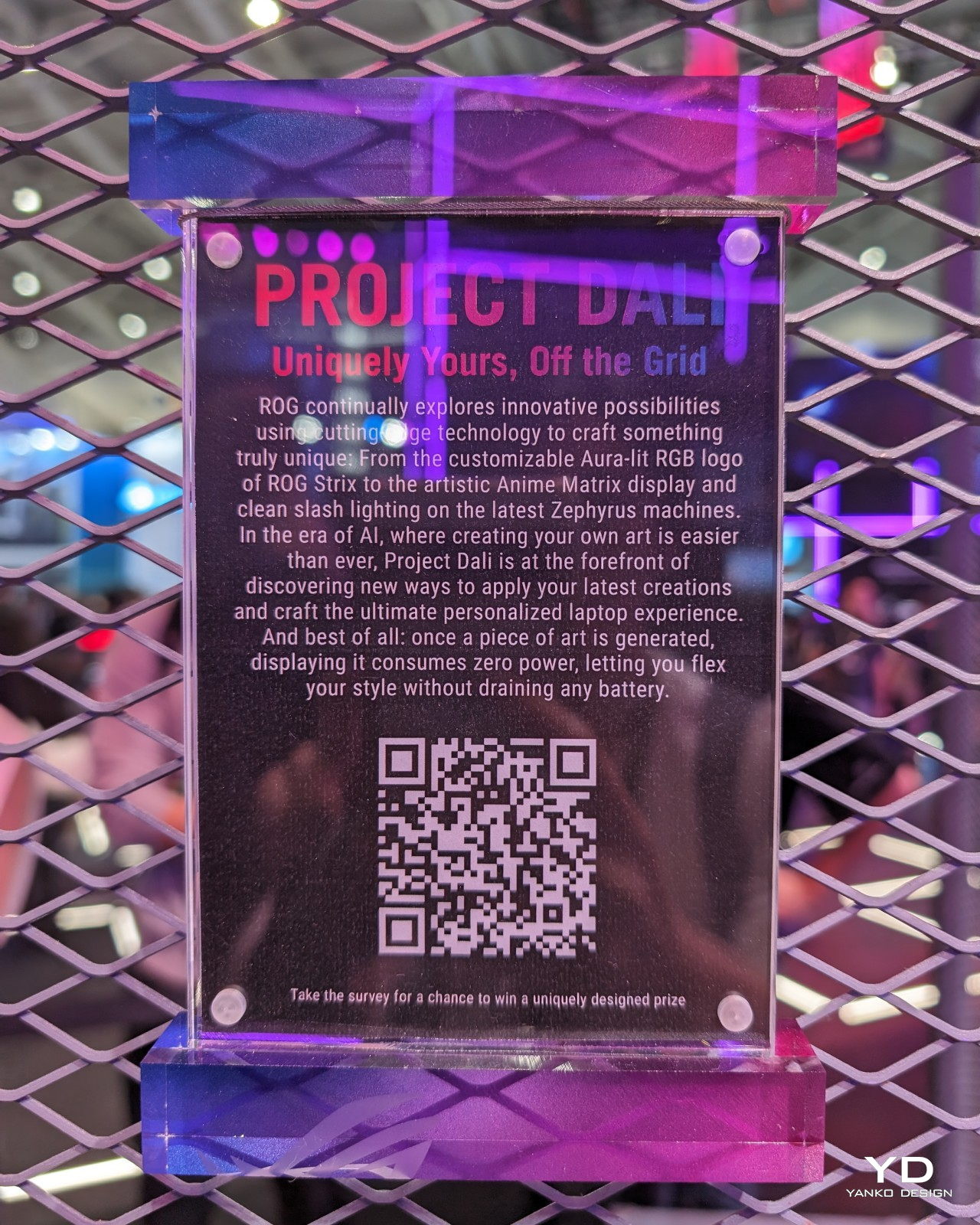
Project DALI puts this technology to offer an unprecedented level of personalization to laptop owners, something you can’t even imagine doing with stickers or skins. With ASUS’s special software, you can either select from a few preset designs or make your own, allowing you to express your tastes, interests, and personality the way you want it. Best of all, you can change it any time you want, and it will only cost you a bit of time and effort, not money from buying new stickers or energy from cleaning off those pesky adhesive residues.
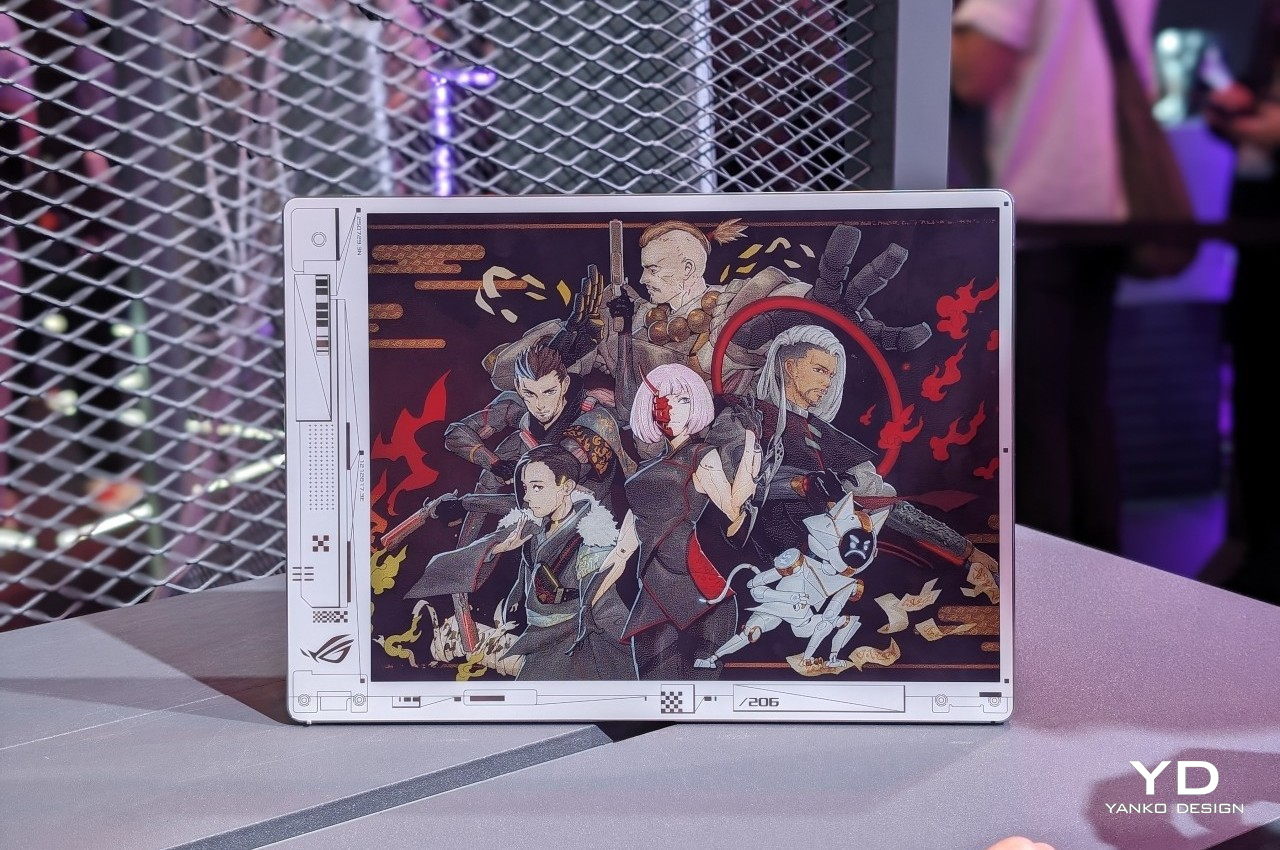
ASUS Project DALI is hardly the first to put an E Ink display on the back of a laptop, as Lenovo also demonstrated a similar idea back in January at CES 2024. DALI, however, uses a newer Spectra 6 technology with higher color DPI, though the number of supported hues is, of course, still limited. Unfortunately, there is still no word on whether Project DALI will become an official ASUS product, but it’s bound to win plenty of fans once it does.
The post ASUS Project DALI concept slaps a color E Ink display on the back of laptops first appeared on Yanko Design.
Google Sheets’ new tool lets you set specific rules for notifications.

I'm the first to admit that the amount of joy Google Sheets brings me is a bit odd, but I use it for everything from tracking my earnings to planning trip budgets with friends. So, I'm excited to see that Google is making it easier to get notified about specific changes to my spreadsheet without me learning to code (something I've just never gotten into). The company has announced that Google Sheets is getting conditional notifications, meaning you can set rules in spreadsheets that send emails when certain things happen.

For example, you could set it to send you an email notification when a number drops below or above a certain amount or when a column's value changes at all. You can also set rules that align more with a project manager tool, like getting a notification when a task's status or owner changes. This tool only requires edit access, with anyone able to set notifications for themselves or others by entering their email addresses. Don't worry, you can unsubscribe if someone starts sending you unwanted notifications.

To use conditional notifications, go to tools and then conditional notifications or just right-click in a cell. From there, click add rule (you can name the rule or let Google auto-label it) and then select a custom range or column. You can add additional criteria for the rule, such as exactly what a box should say for you to receive a notification. Then, you can manually input email addresses or select a column containing them. However, Google warns that if you do the latter, the number of cells must match the number included in the rule. So, if you have three cells in the rule, you can only highlight three cells with email addresses. If you get confused, Google gets into all the nitty-gritty of it here.

Google Sheet's conditional formatting is available to anyone with the following workplaces: Businesses Standard and Plus, Education Plus and Enterprise Starter, Standard, Plus or Essential. It started rolling out for Rapid Release domains on June 4 and will begin showing up for Standard Release domains on June 18. In both cases, conditional formatting might take up to 15 days to appear.

This article originally appeared on Engadget at https://www.engadget.com/google-sheets-new-tool-lets-you-set-specific-rules-for-notifications-133030113.html?src=rss

Xiaomi Redmi 13 Smartphone Gets Official

Xiaomi Redmi 13

The highly anticipated Xiaomi Redmi 13 smartphone has officially been unveiled, bringing an impressive array of features and specs that will delight tech enthusiasts and casual users alike. Here’s an in-depth look at what you can expect from this new release. Body and Design The Xiaomi Redmi 13 boasts a sleek and modern design with […]

The post Xiaomi Redmi 13 Smartphone Gets Official appeared first on Geeky Gadgets.

Popular US news app accused of using AI to make up fake stories

NewsBreak, a popular free news app in the US, has been publishing fictitious stories written by AI since 2021, according to Reuters. The app publishes licensed content from legitimate news sources, such as CNN, AP and Reuters itself, but it also uses artificial intelligence tools to rewrite press releases and local news. One of the most egregious examples of a false news story by NewsBreak was published on Christmas Eve last year. The app's writeup claimed that there was a shooting in Bridgeton, New Jersey when no such incident took place. 

New Jersey's police department dismissed the claims made in the article before the app, which said it got the information from another website, took it down four days later. In January, February and March, a Colorado-based food bank told Reuters that it had to turn people away because NewsBreak published the wrong time for food distribution. It also received no response from the company when it complained about its inaccurate reporting. 

Another charity in Pennsylvania said NewsBreak published a report, twice, that claimed it was holding a 24-hour foot-care clinic for homeless people when it wasn't. The app removed all the false stories involving the charities after Reuters notified it. In March, it added a warning on its homepage that says its content "may not always be error-free," as well. Aside from publishing erroneous stories, NewsBreak allegedly copied articles from websites without permission and had previously settled copyright infringement cases with at least two publications. Reuters describes NewsBreak as the "most downloaded US news app." If you haven't heard of it before, that's probably because its users are predominantly women above the age of 45, who don't have college degrees and who live in suburban and rural US. It's known for posting links on social networks like Facebook, and clicking on one will prompt you to download the app. 

NewsBreak, which is only available in the US, launched in the country as a subsidiary of China-based company Yidian, which is partly owned by a Chinese state-linked media firm. Yidian is no longer connected with the app, but one of its primary investors is IDG Capital, a Beijing-based company that the Pentagon says is affiliated (PDF) with the Chinese military. 

Former employees told Reuters that NewsBreak's China-based engineers do most of the work on its algorithms, even though the app presents itself as a US-based company with US investors. NewsBreak CEO Jeff Zheng told Reuters that it complies with US data and privacy laws and that it's maintained on Amazon servers based in the United States. Its Chinese staff, Zheng said, can only access anonymous data stored on those servers. It's worth noting that despite its connection to China, Reuters didn't find evidence that NewsBreak has published stories that showed the Chinese government in a positive light. 

This article originally appeared on Engadget at https://www.engadget.com/popular-us-news-app-accused-of-using-ai-to-make-up-fake-stories-140016882.html?src=rss

FTC launches an antitrust probe into Microsoft’s deal with Inflection AI

Microsoft is under investigation by the Federal Trade Commission over its deal with Inflection AI, according to The Wall Street Journal. Back in March, the company hired almost all of Inflection AI's employees, including founders Karén Simonyan and Mustafa Suleyman, who was also a DeepMind cofounder. In addition, Microsoft paid Inflection AI $650 million to license its artificial intelligence technology. Now, the FTC wants to know whether the companies deliberately structured the deal to avoid being the subject of regulatory antitrust review. 

As The Journal notes, companies are required to report any acquisition that's valued at $119 million or more to federal antitrust agencies. The FTC or the Justice Department could then investigate whether the deal stifles competition in the industry and then sue to block the merger or the investment that it deems to be anti-competitive. When companies want to hire all the talent in another firm, they typically buy the other out in an "acquihire." But Microsoft didn't buy Inflection, which denied that the bigger company has any power over it. Ted Shelton, its new COO, told the publication that it still operates as an independent company under new leadership. 

The FTC has already sent out subpoenas to both Microsoft and Inflection, asking for relevant documents over the past two years. If it does determine that the companies entered into an agreement in a way that would give Microsoft control over the other while dodging regulatory review, then Microsoft could be fined, and the transaction could be suspended pending a more in-depth investigation. 

Microsoft provided Engadget with the following statement: "Our agreements with Inflection gave us the opportunity to recruit individuals at Inflection AI and build a team capable of accelerating Microsoft Copilot, while enabling Inflection to continue pursuing its independent business and ambition as an AI studio. We take our legal obligations to report transactions under the HSR Act seriously and are confident that we have complied with those obligations."

US federal agencies have been cracking down on monopolistic practices by the world's largest tech companies over the past few years. To be even more efficient in conducting antitrust investigations involving the current biggest players in artificial intelligence, the agencies have also just struck a deal on how they're dividing their responsibilities. The Justice Department will take the lead in investigations involving NVIDIA, while the FTC will take charge of antitrust probes involving Microsoft and OpenAI.

Update, June 6 2024, 11:46AM ET: This story has been updated to include a statement from Microsoft.

This article originally appeared on Engadget at https://www.engadget.com/ftc-launches-an-antitrust-probe-into-microsofts-deal-with-inflection-ai-130038896.html?src=rss