Like with other simulators, motion sickness – leading to dizziness and nausea – is common in VR. Some people get uncomfortable when they don a headset and dive into virtual reality. This is because the brain essentially gets disturbed while you stand still and the environment around you moves. This disturbance in brain equilibrium means you begin feeling nauseous or dizzy.
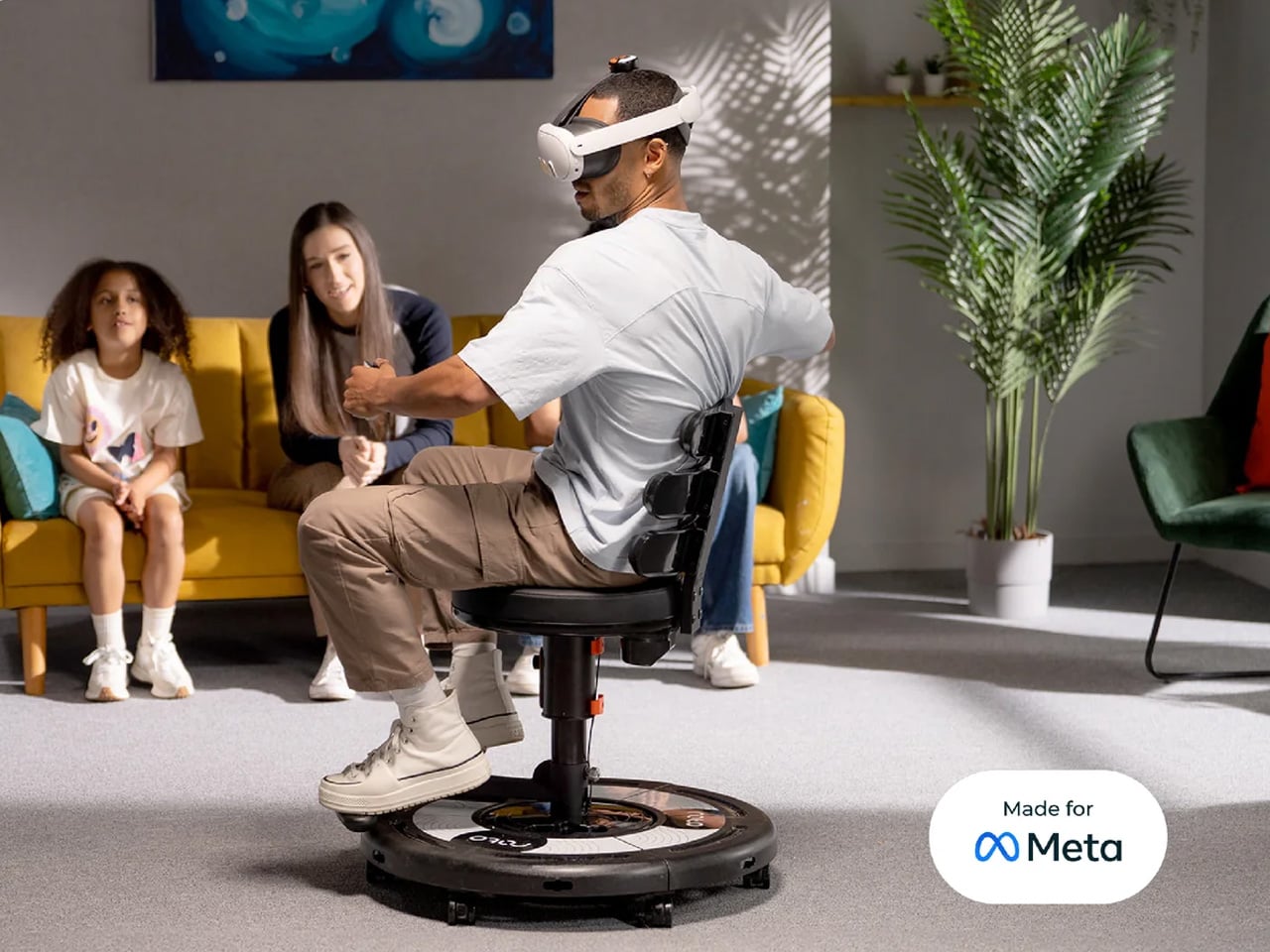
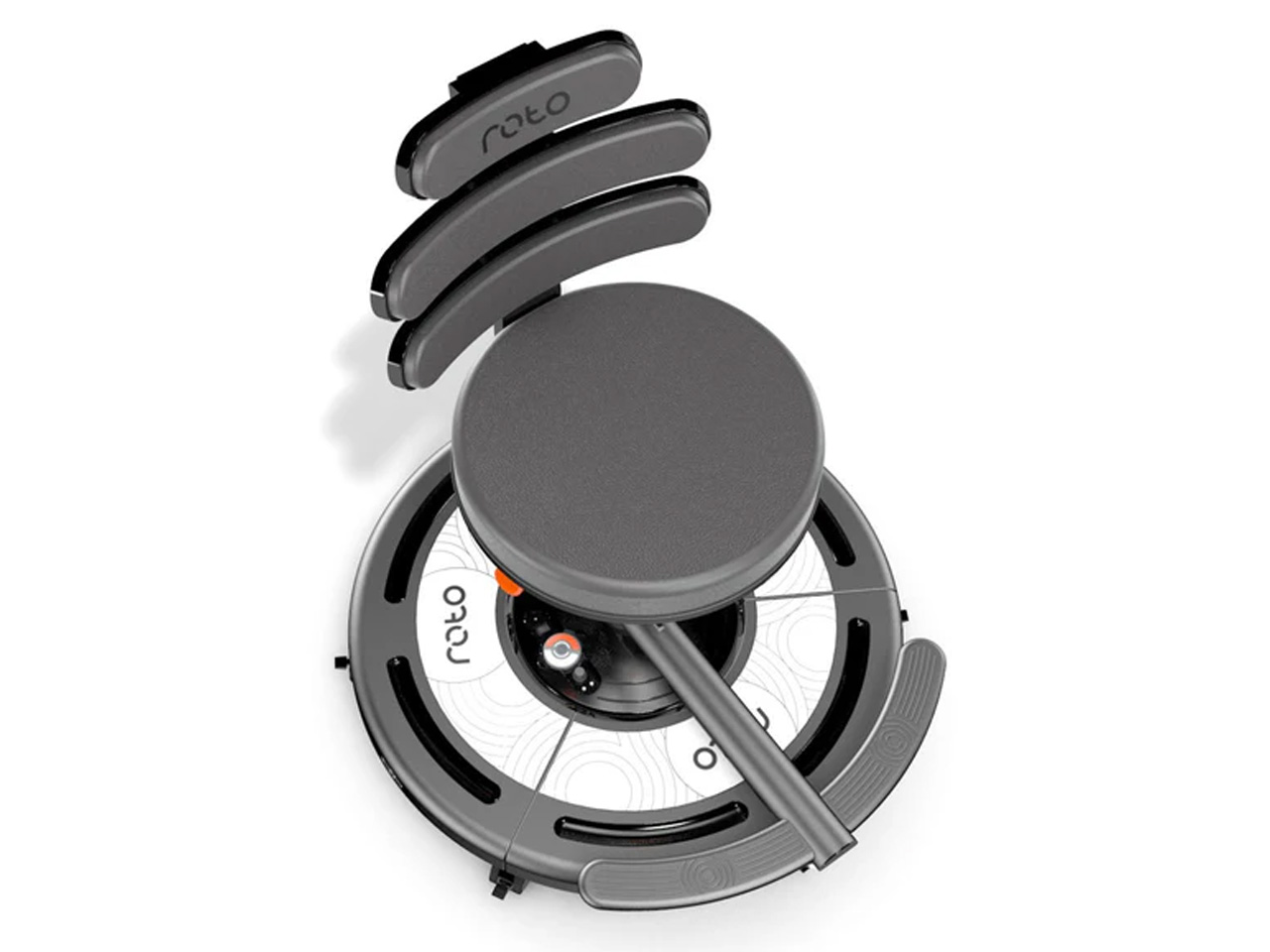
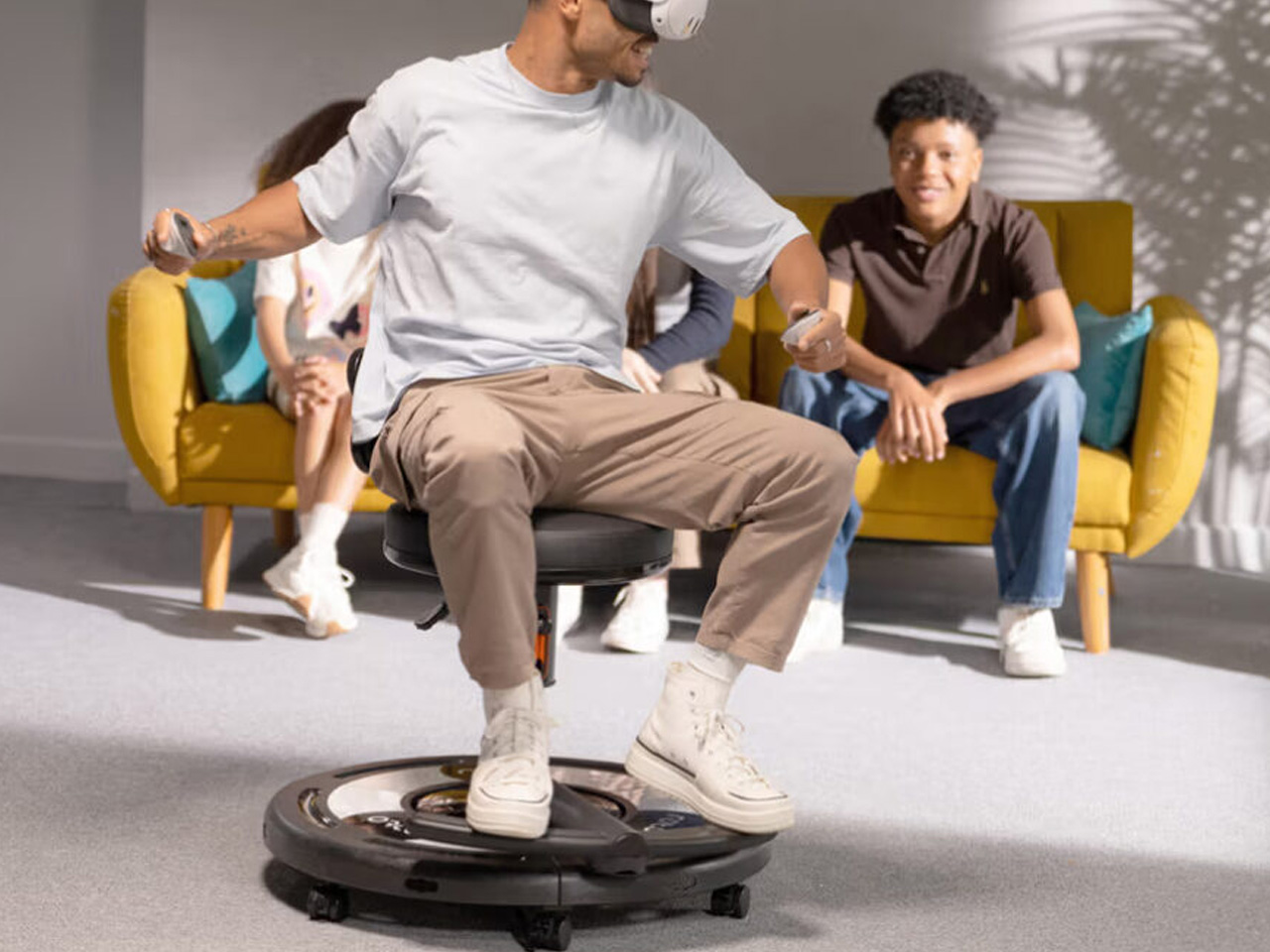
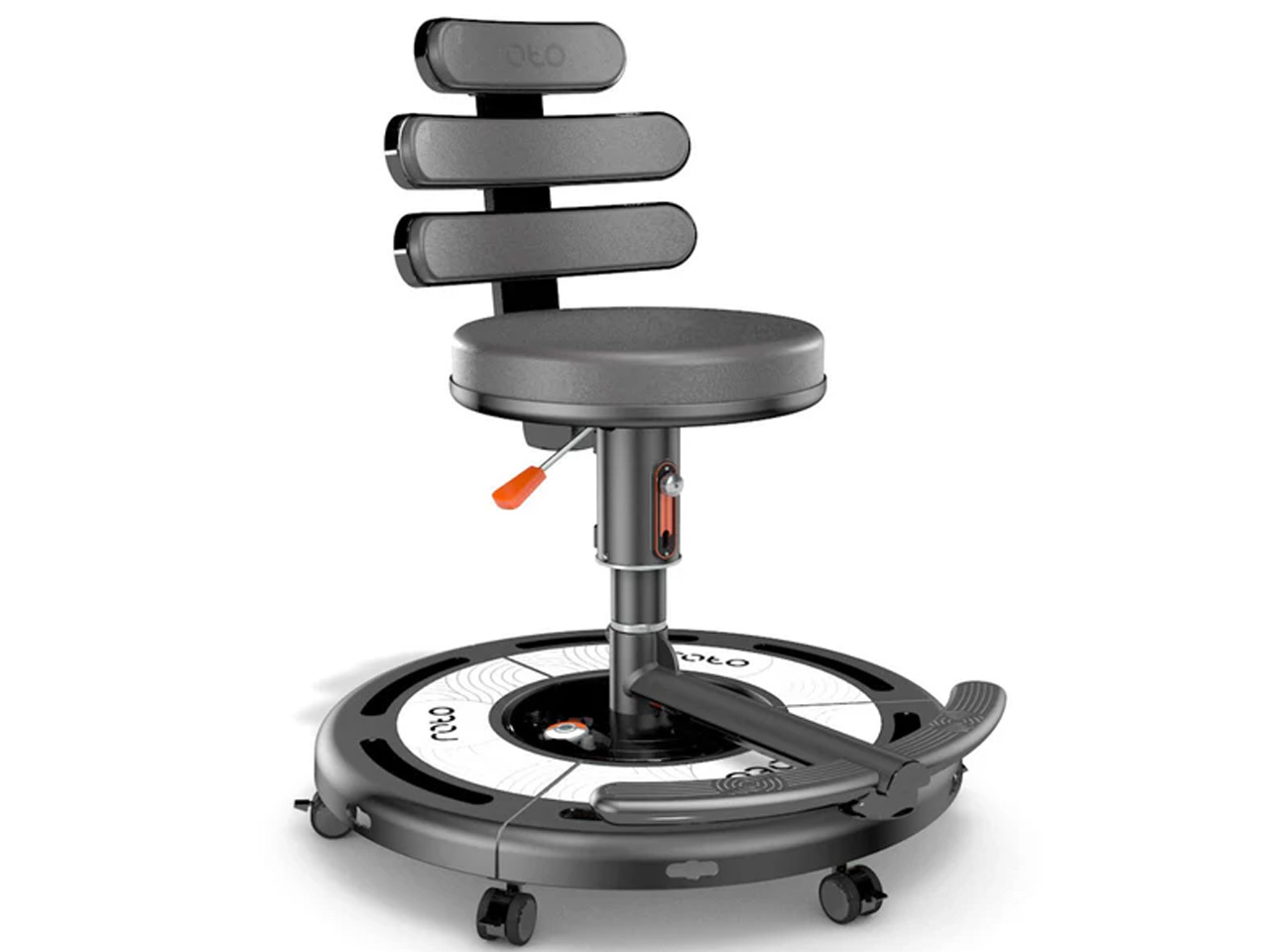
London-based Roto VR is ready to change the game for someone who feels the symptoms with the introduction of a motorized Explorer chair that rotates with the movement of the VR user’s head, making sure there is no indecisive movement in the environment, which the brain cannot register and begins to trigger nausea. Chair intends to make the virtual environment more immersive and less distorting!
This is a major piece of VR furniture that matches real-world movements with that of the headset. Of course, then it requires a headset to function and would take up a lot of space in your home. But it is significant for all of us who desire complete physical transportation into the virtual world, which is far and above what the headsets have to offer even after evolving rapidly in the last few years.
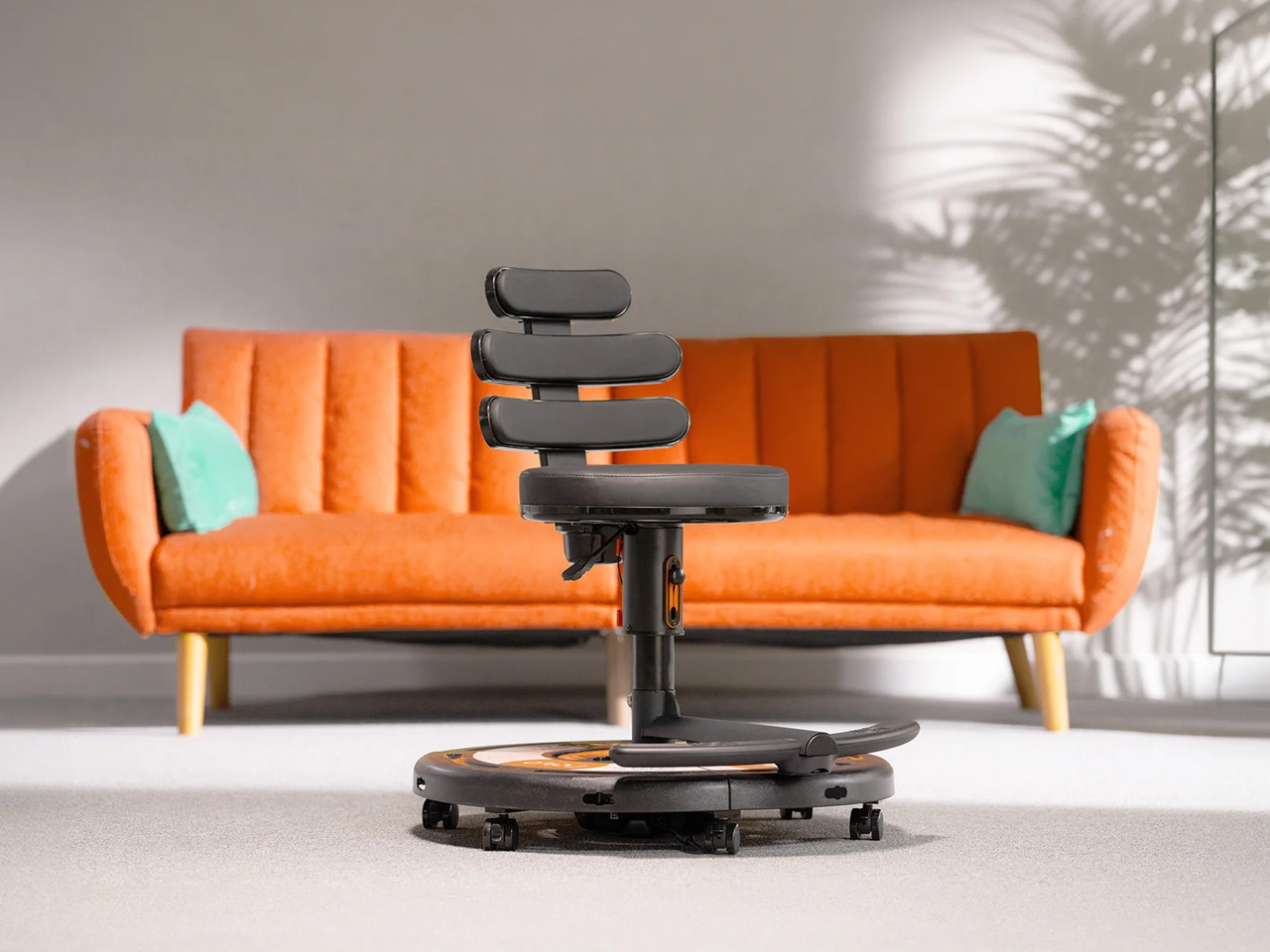
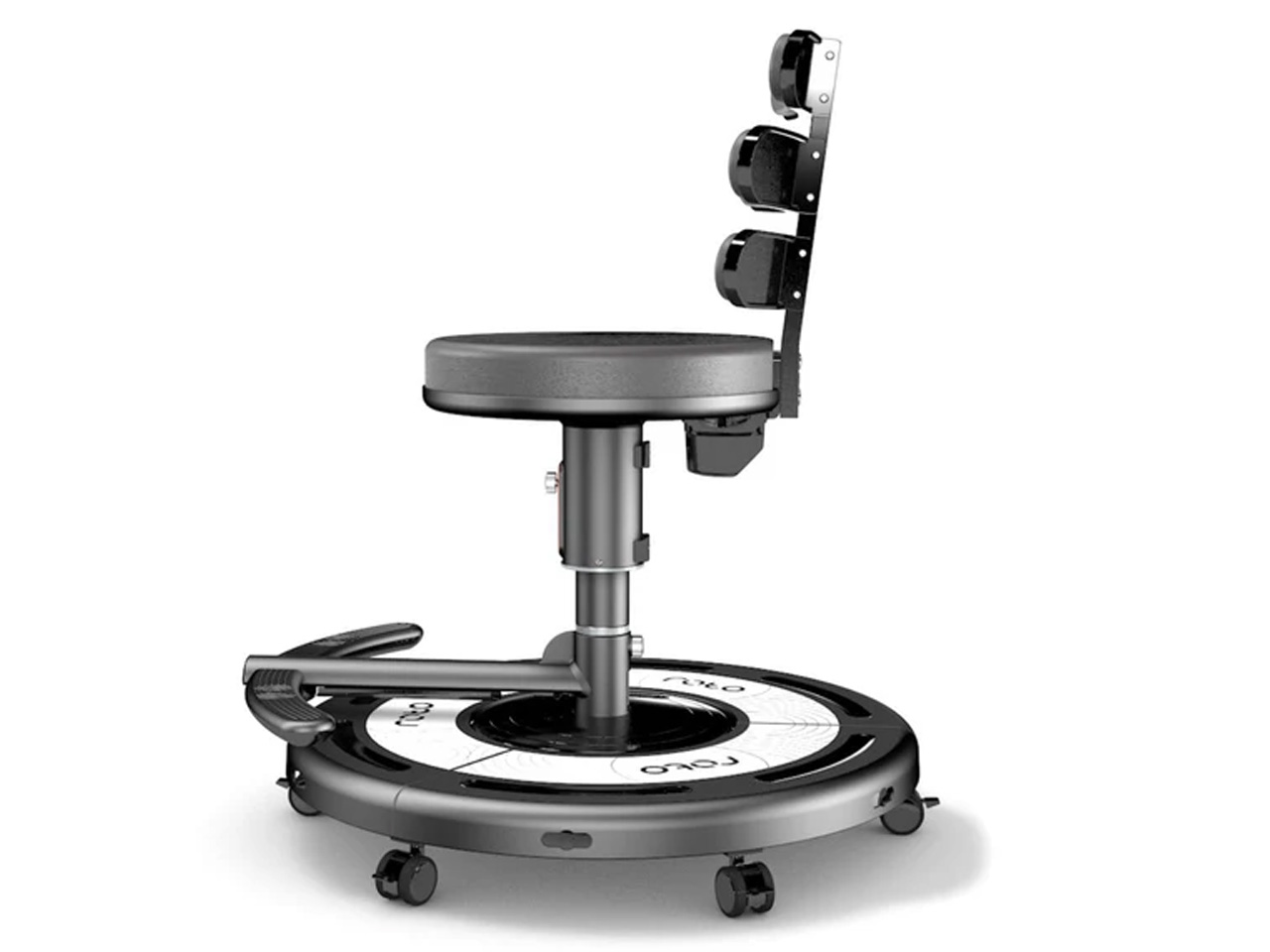
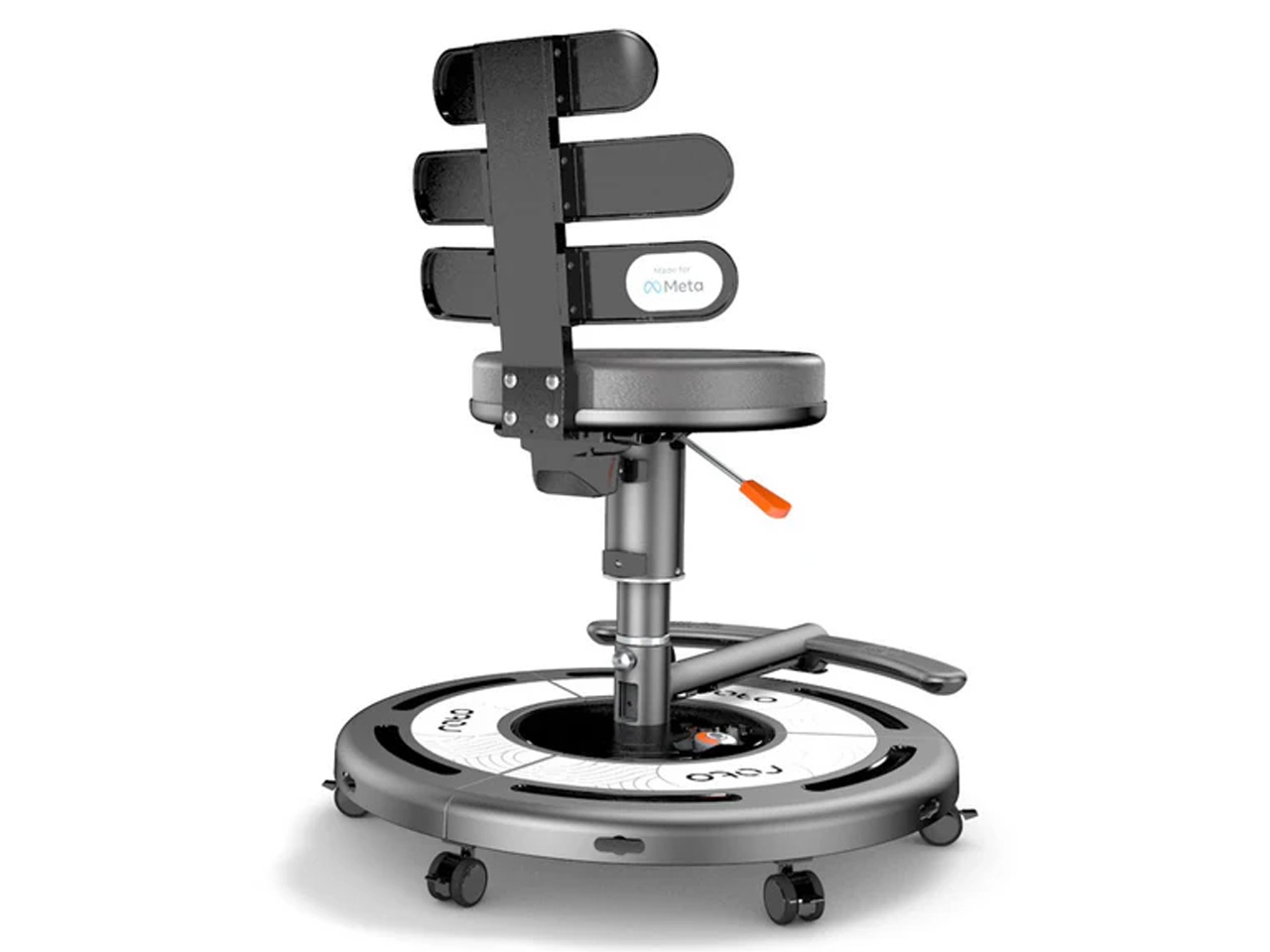
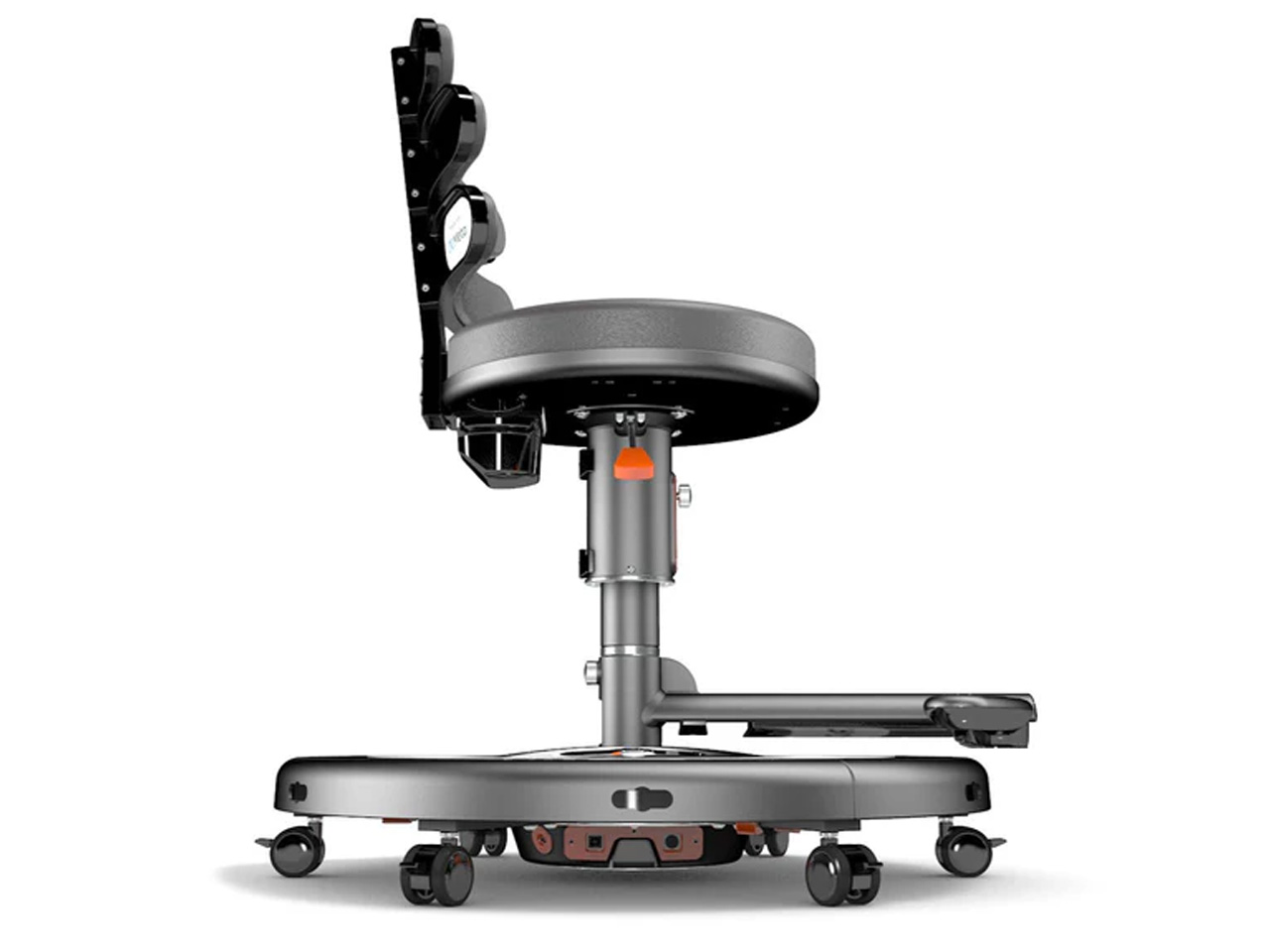
World’s first interactive VR chair, the Roto VR Explorer, is a sophisticated motion device that provides haptic feedback to the body. The chair looks pretty ordinary until you gawk at its round base integrated with an electric motor. This base rotates the chair 360-degrees at up to 21 revolutions per minute (though the speed matches the intensity and speed of the user’s head). Slow head movement, equally slow rotation, and the faster the movement, the quicker it spins until reaching the top speed.
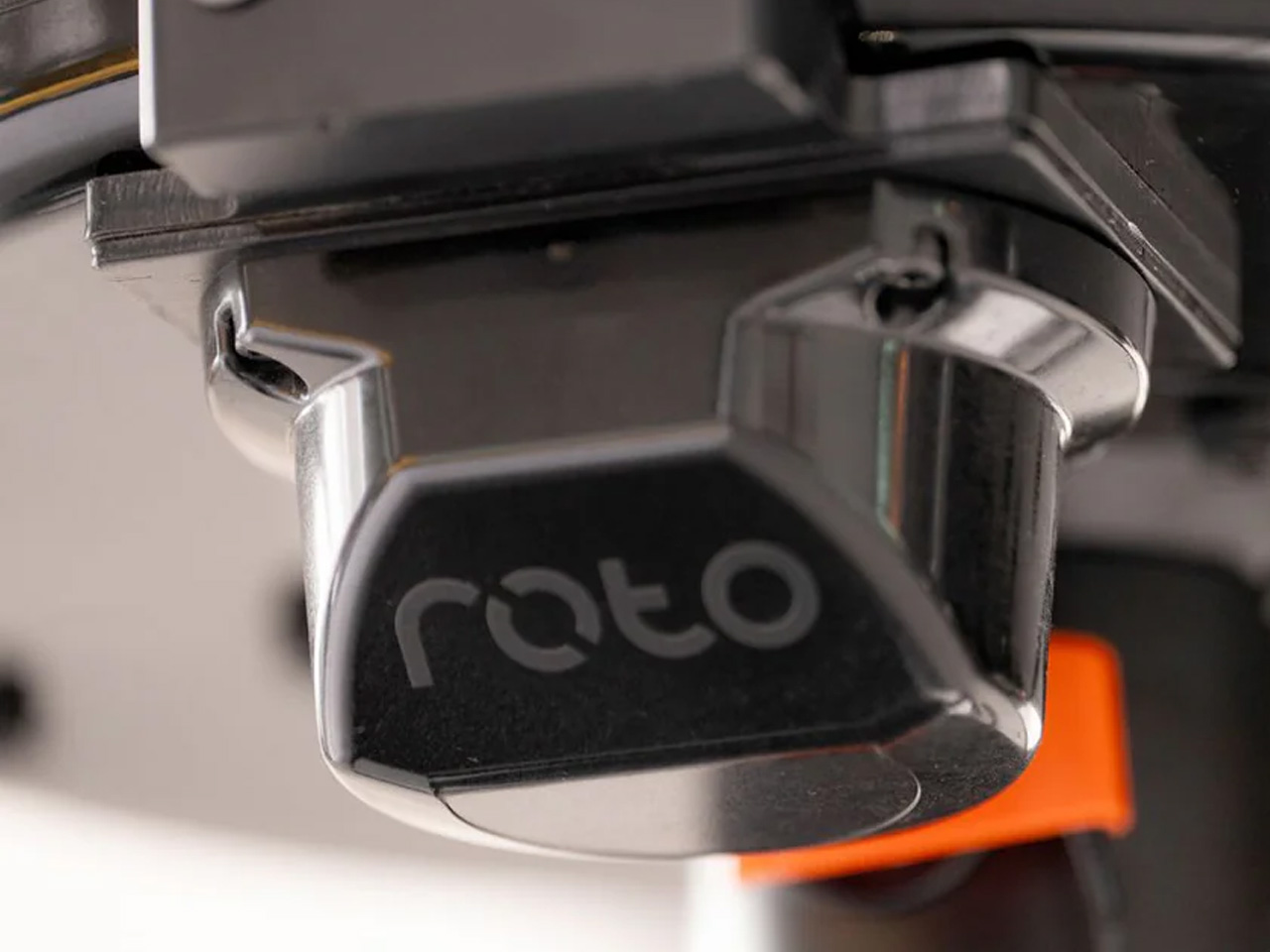
The chair spins in the direction of the head of the user with a Meta Quest headset on. The head strap of the Quest is attached to a dedicated Roto head tracker, which can capture the motion and head movement for precise motion tracking. Interestingly, the Roto VR Explorer chair is provided with the “Made for Meta” stamp, substantiating that the device is authorized by Meta and meets all industry standards. That said, the rotation of the chair is triggered by the motion sensing tracker attached to the headset, which suggests that the chair can be used with other headsets as well and there is no rigidity despite that Meta earmarking.
The Roto VR Explorer chair is attached with two pedals – right above its base – for running simulation. Of course, the chair does not vouch to eliminate motion sickness entirely; VR users will still experience nausea moving back and forth. If you think, the chair deserves a chance in your VR environment, you can now preorder it at £799. Delivery will begin in October 2024.
ASUS has made a significant splash at Gamescom 2024 by unveiling three new Wi-Fi 7 devices: the ROG Rapture GT-BE19000, ASUS RT-BE86U, and ROG USB-BE92. The new wireless hardware promise outstanding range, throughput, and low latency, ensuring exceptional wired and wireless connectivity. Wi-Fi 7 Wi-Fi 7, also known as IEEE 802.11be, is the […]
Neuralink has published an update on the second patient in its early human trials, and it said that "promisingly," it has "observed no thread retraction" in the participant. The Elon Musk-led startup implants a chip into the human brain, allowing paralyzed patients to control devices, browse the internet and play video games with their thoughts. It implanted a chip into its first patient back in January, and while the procedure went well, some of the implants' connective threads retracted from the brain weeks later. That reduced the brain signals the device could receive.
For its second patient called Alex, the company employed mitigation measures to prevent the same thing from happening, or at least lower its probability. It said it reduced brain motion during surgery and also reduced the gap between the implant and the surface of the brain. The company hasn't observed any thread retraction in the patient, so far. As for its first patient, it modified an algorithm to improve how his implant detects and translates signals after the was observed. It said the first patient's threads have stabilized and his implant has since recovered.
Weeks after his surgery in July, Alex has already been able to use computer-aided design (CAD) software to design a custom mount for his Neuralink charger. The mount was 3D printed, and he has since added it to his setup. He has also been able to use his implant in conjunction with a mouth-operated joystick to play Counter-Strike 2 more effectively, because he can now move and aim at the same time.
Neuralink say it's now working on making its chip capable of decoding multiple clicks and movements to "deliver full mouse and video game controller functionality." It's also developing algorithms that can recognize a user's intent to write by hand, which would enable faster text entry. That would then allow people who cannot speak, such as those with ALS, to be able to communicate with others more easily. Finally, the company apparently plans to give its implants the capability to interact with the real world, so that people can use it to move their own wheelchair or a robotic hand to feed or clean themselves.
NEWS: 2nd Neuralink patient Alex plays the first-person shooter game Counter-Strike 2 on his laptop computer using the Link.
This article originally appeared on Engadget at https://www.engadget.com/science/neuralink-says-it-may-have-fixed-its-brain-implant-problem-130055143.html?src=rss
The highly anticipated Google Pixel 9 series, including the Google Pixel 9 Pro XL, Pixel 9 Pro, and Pixel 9, is now available on Vodafone, The Nation’s Network. These innovative smartphones come with a range of flexible and affordable plans, making it easier than ever for customers to access the latest mobile technology. Vodafone’s tailored […]
Editing video can be a daunting task, especially when you’re just starting out with Adobe Premiere Pro. You might find yourself struggling with disorganized timelines, awkward cuts, or even physical discomfort from long hours at your desk. The good news? These issues are common and entirely fixable. In this guide, the Content Creators team identify […]
UK tech entrepreneur Mike Lynch, 59, has been confirmed dead after multiple days of search and rescue efforts, multiple news agencies report. The 183-foot super-yacht, Bayesian, capsized off the coast of Sicily around 5 AM local time on Monday morning during a violent storm. Lynch was one of 22 individuals on board, including passengers and crew, with 15 individuals rescued and one body found immediately following the events. Five more bodies, including Lynch's, have since been recovered. At this time, his daughter is the only person still missing, Reuters reports, citing sources close to the rescue operation.
Lynch co-founded tech companies Autonomy and Darktrace and founded venture capital firm Invoke Capital. Following the $11 billion sale of Autonomy to Hewlett-Packard, Lynch has spent the past decade-plus engulfed in a legal battle over allegations of inflating sales and misleading HP. A San Francisco jury acquitted him in June of all 15 counts of fraud.
The yacht excursion was meant to celebrate Lynch's recent victory, with family, friends, and business associates joining him. Other members of the deceased include the yacht's chef, Neda and Chris Morvillo, a Clifford Chance lawyer who represented Lynch and Judy and Jonathan Bloomer, a non-executive chairman of Morgan Stanley International. Angela Bacares, Lynch's wife, escaped the wreckage and is safe.
Lynch's co-defendant, Stephen Chamberlain, 52, also faced tragedy this week. The BBC reports he was hit by a car on Saturday, August 17, while out running in Cambridgeshire, England, and died from his injuries.
This article originally appeared on Engadget at https://www.engadget.com/british-tech-billionaire-mike-lynch-confirmed-dead-after-yacht-sinking-121856262.html?src=rss
Ever wondered how you could leverage AI to automate tasks or enhance your applications but felt daunted by the technicalities? You’re not alone. Many of us dream of creating AI-driven solutions but are held back by the fear of complexity. What if I told you there’s a way to build AI agents easily, even if […]
The latest updates to iOS 18 and iPadOS 18 bring a host of new features and improvements to the Calculator app, making it more powerful and user-friendly than ever before. With the introduction of the Calculator on the iPad and significant updates to the iPhone version, users can now enjoy enhanced functionality and a more […]
In January, calls using an AI-generated voice imitating President Biden instructed voters not to take part in the New Hampshire Primary. Now, as the 2024 election nears, the Federal Communications Commission is sending a message by further cracking down on those responsible for the Biden deepfake. Lingo Telecom, which transmitted the fraudulent calls, will pay the FCC a $1 million civil penalty and must demonstrate and implement a compliance plan.
In response to the settlement, The Enforcement Bureau Chief Loyaan A. Egal stated, "..the potential combination of the misuse of generative AI voice-cloning technology and caller ID spoofing over the U.S. communications network presents a significant threat. This settlement sends a strong message that communications service providers are the first line of defense against these threats and will be held accountable to ensure they do their part to protect the American public."
This step follows the FCC's proposed $6 million fine for Steven Kramer, the political consultant who directed the calls. The FCC alleges he also violated the Truth in Caller ID Act by spoofing a local politician's phone number. The enforcement action in Kramer's case is still pending.
This article originally appeared on Engadget at https://www.engadget.com/fcc-fines-telecoms-operator-1-million-for-transmitting-biden-deepfake-120010234.html?src=rss
If you’re a hardcore audiophile or have a few hardcore music lovers in your life, then you know a true blue audiophile just needs a bunch of amazing audio devices to set his/her mood. All an audiophile needs is a collection of impressive audio designs to blast out their favorite tunes. Whatever your musical need may be, it is integral to own clear, distortion-free, nifty, and interactive audio devices. And if you manage to get retro-themed music players, then it’s a whole new experience for you! Retro-style music players take you to an era gone by while maintaining some modern functionality. And, we’ve curated a collection of our favorite retro music players for you. These gadgets are wonderfully retro-esque, they have been imbibed with modern functionality. Their aesthetics may be from their past, but their utility is embedded in the future.
1. Black Wheel
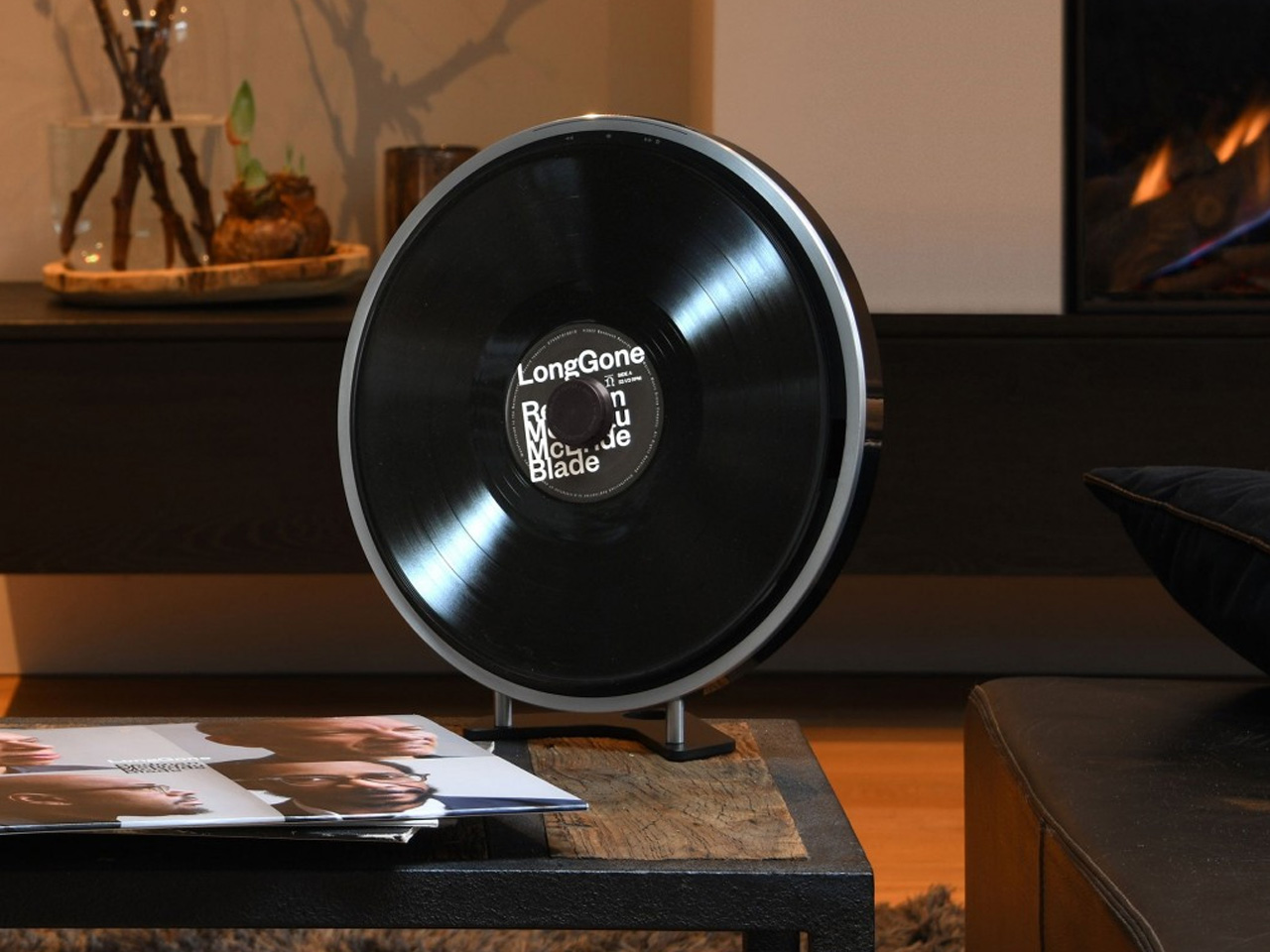
Named Black Wheel, this one-of-a-kind innovation is the latest iteration of the stunning Wheel design by Miniot. The turntable cleverly conceals the electronic and mechanical components beneath the record, which stores all the varied parts within a thin circular yet sturdy body, which vanishes once you put a record on.
Why is it noteworthy?
When placed upright, the Black Wheel creates a pretty apparent illusion. It features a minimal and classy charm that attracts you instantly, even when placed horizontally. It includes a unique control system that can be felt but not seen.
What we like
Equipped with a thin and compact body that doesn’t alter audio quality
Features a space-saving design
What we dislike
It has an old-fashioned charm which may not appeal to users of modern products
2. SP3000T
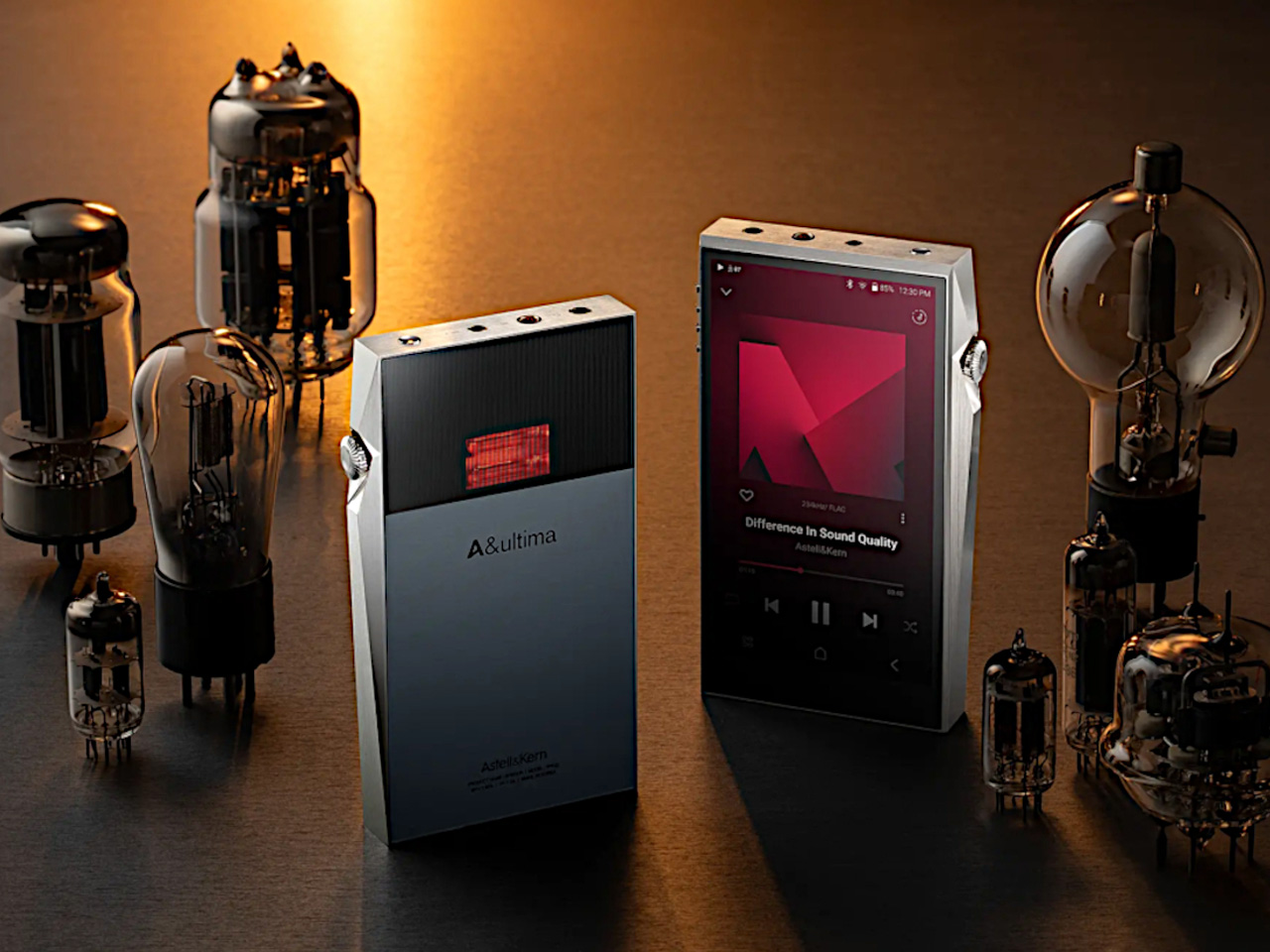
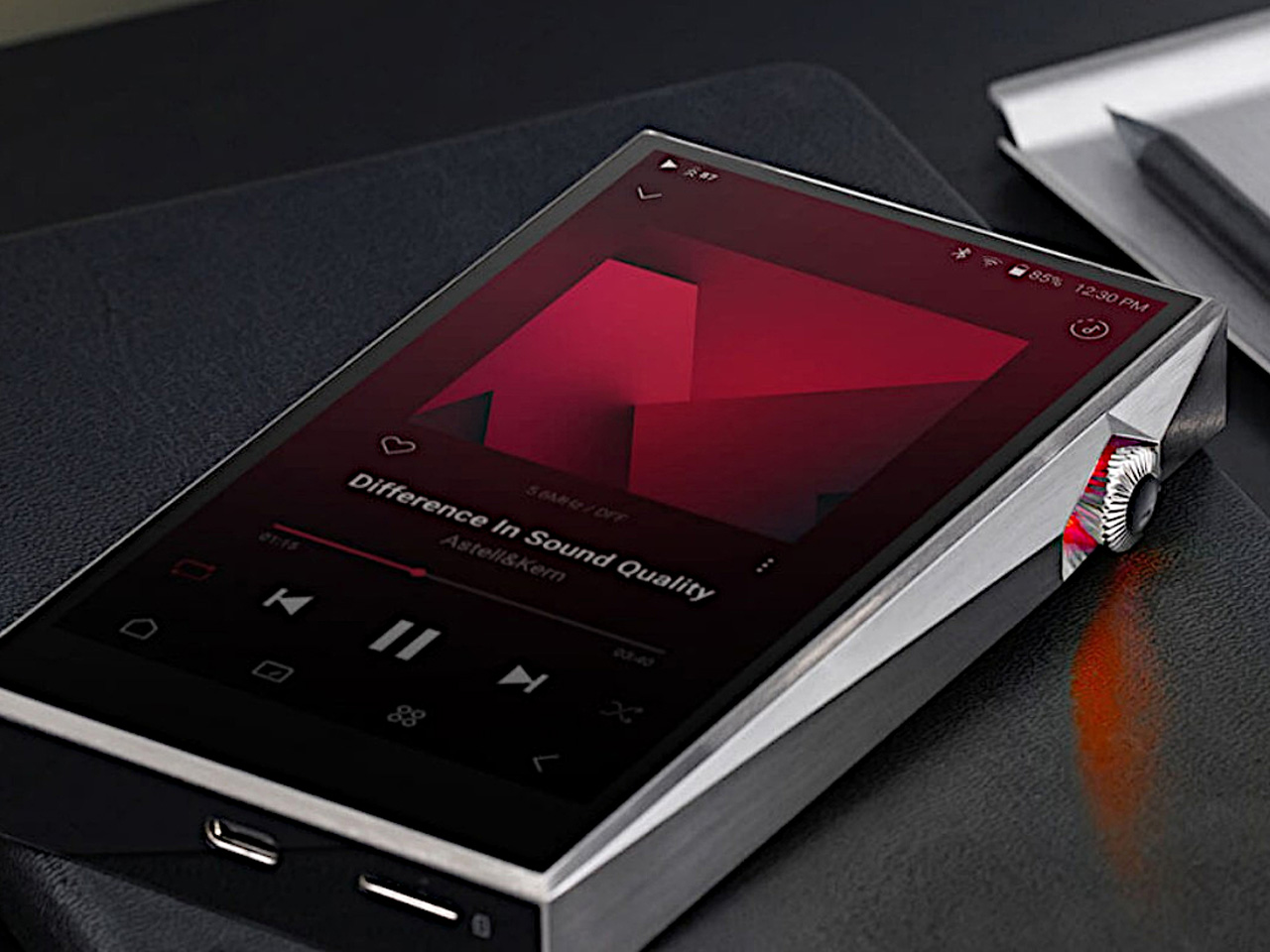
Say hello to Astell&Kern’s latest portable music player, which attempts to bring a modern device that looks retro on the outside but partially retro on the inside, creating a device that merges the past and present. Called the SP3000T, this device features a retro twist, since it incorporates dual vacuum tube amplifiers on the back.
Why is it noteworthy?
The tube amps aren’t just for sure, they function the way tube amps did in the past. They provide the device with an analog appearance and sound, offering a unique audio quality that is warm and pretty soothing, something that cannot be achieved by only digital sound.
What we like
You can switch between analog tube amplifiers and the digital op-amp mode
Equipped with 8GB of memory
What we dislike
Too large and heavy for a portable player
Expensive price tag
3. FUTURAHEAD Headset
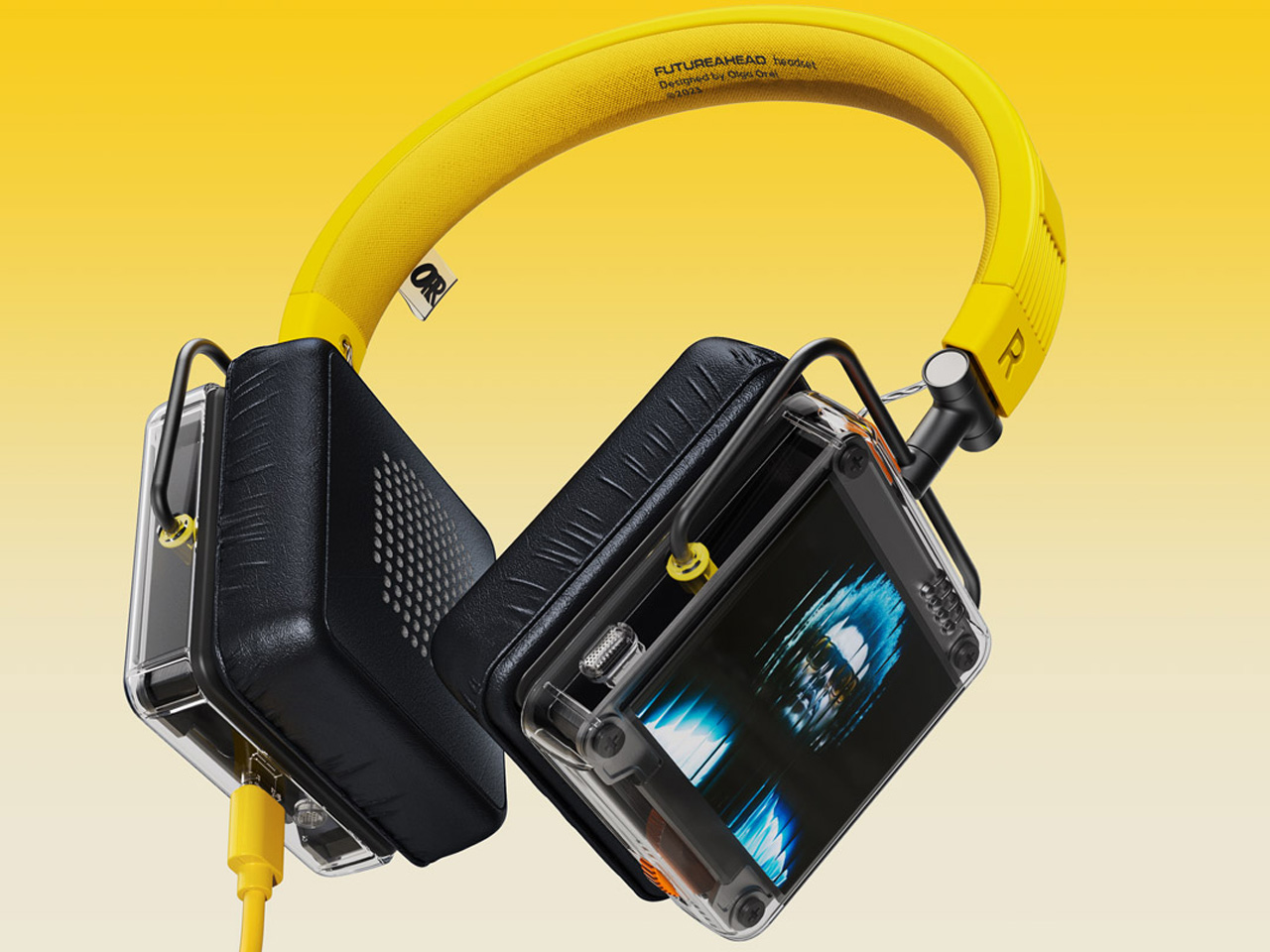
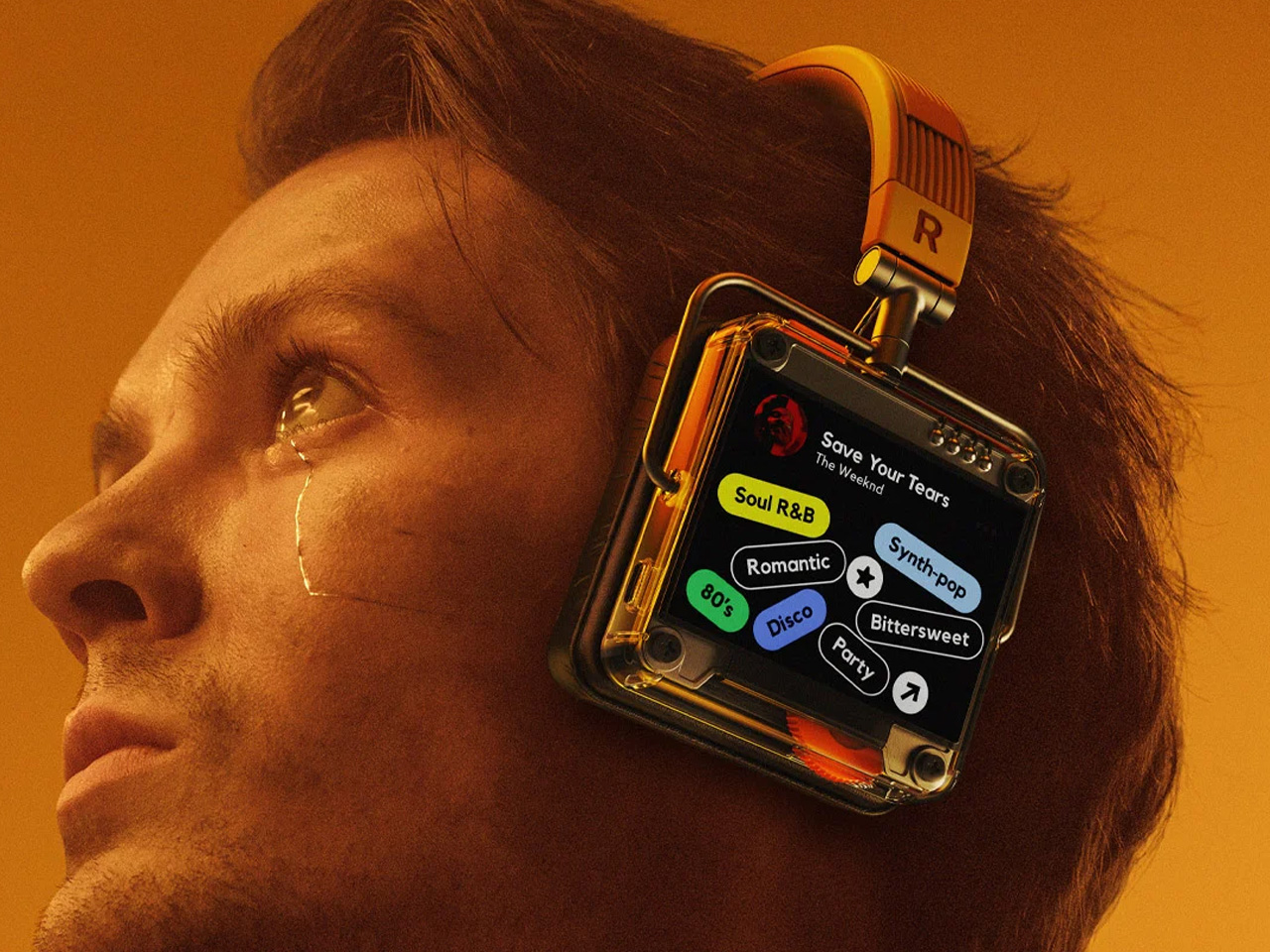
Say hello to the FUTURAHEAD headset, which provides a whole new music-listening experience. These conceptual headphones feature a digital screen that has been integrated into the outer shell to display playlists, videos, the user’s mood, as well as the rhythm of the music, genre, or images. The square shape of the cans is inspired by the retro design of headphones of the past.
Why is it noteworthy?
With the FUTURAHEAD headset, Olga wanted to create a product that merges retro looks and modern tech, while ensuring the functionality is top-notch. According to the designer, “Future Nostalgia as a visual style became a source of inspiration for this project.”
What we like
Amped with peppy details, and charming aesthetics
What we dislike
If you’re a private person, you may not like the fact that the music you’re listening to is being displayed on the digital screen
4. LEGO Radio
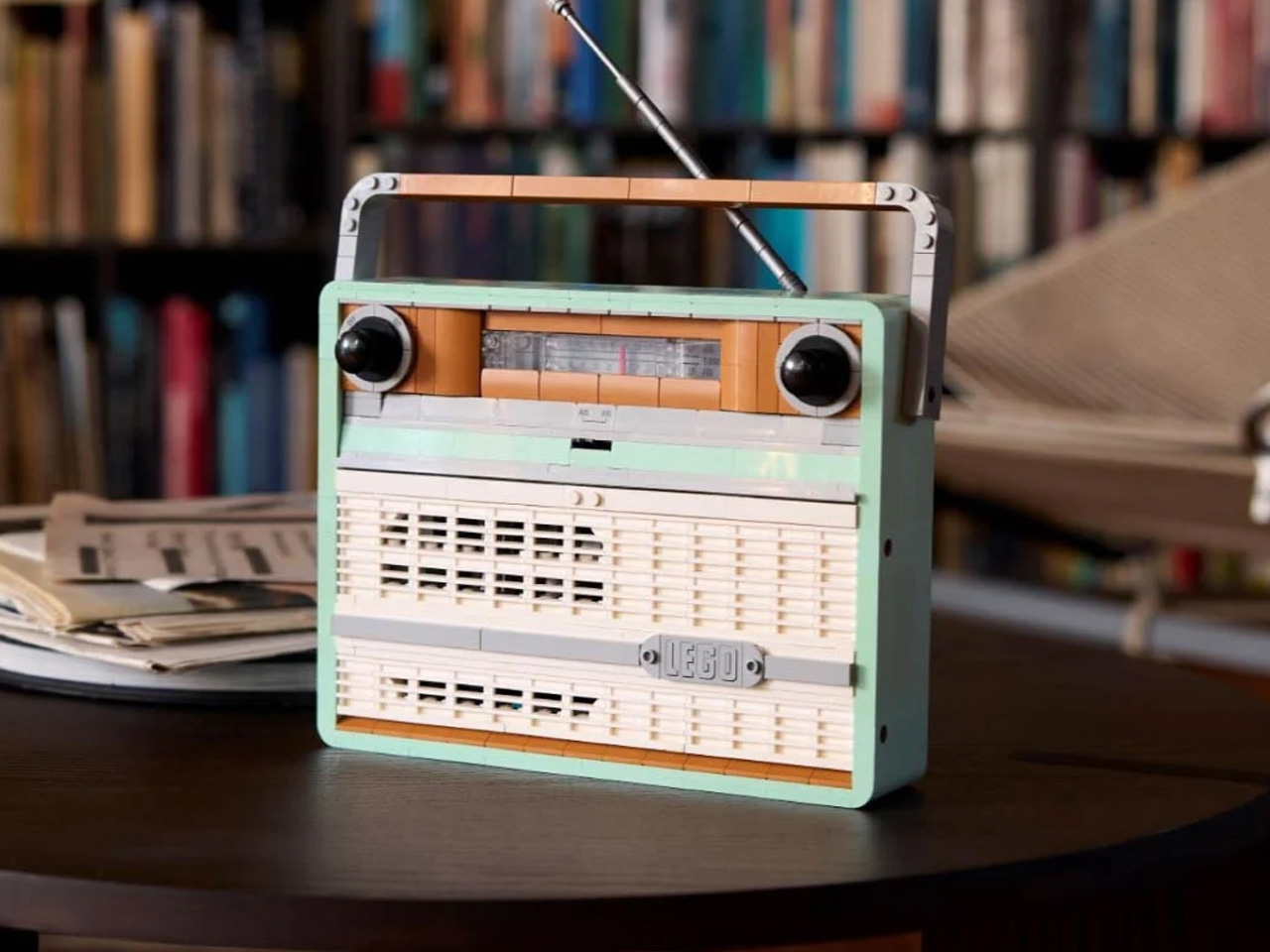
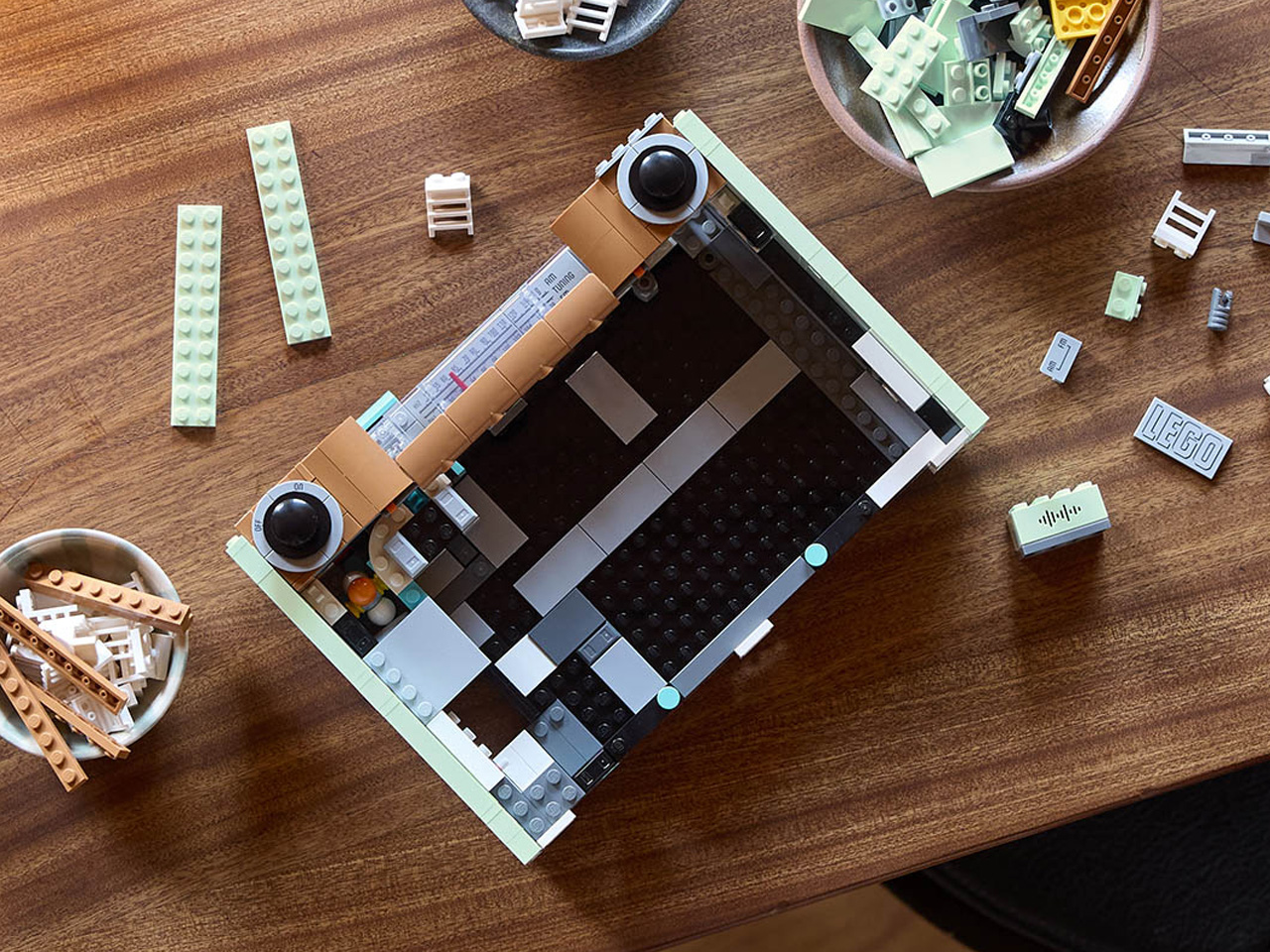
This LEGO Radio is the perfect retro-themed music player! It cannot play your local radio station, but you can play the pre-recorded tunes that come along with it. You can turn on the dial, and Spotify and Apple Music too. It is equipped with an extendable antenna and tuner window to offer some old-school feelings.
Why is it noteworthy?
The adorable LEGO Radio is functional and it is amped with Apple Music/Spotify support. It has a lovely color palette which elevates the whole nostalgic aesthetic. It is 13 inches high, 9 inches wide, and 2.5 inches deep.
What we like
Features a stunning vintage-inspired green and beige palette
You can connect your smartphone in the hidden compartment on the back, and play your fav tunes
What we dislike
It doesn’t have an actual transmitter to play live radio stations
5. Portable CD Cover Player
Say hello to the Portable CD Cover Player – a minimal CD player with a lovely retro design that provides an excellent listening experience, with the pleasure of pretty visual art. You can put in the CD jacket or sleeve within the specially-designed pocket, and showcase your favorite CD with pride.
The Portable CD Cover Player is essentially the physical equivalent of showcasing digital album art, with the extra benefit of being able to showcase your physical original CD.
What we like
Portable and easy-to-carry product with a 40mm full-range speaker and woofer unit
Equipped with a powerful battery which offers 7-8 hours of top-notch audio
What we dislike
You cannot sync it with any digital medium, it only supports analog music listening
6. Battery-free Amplifying iSpeakers
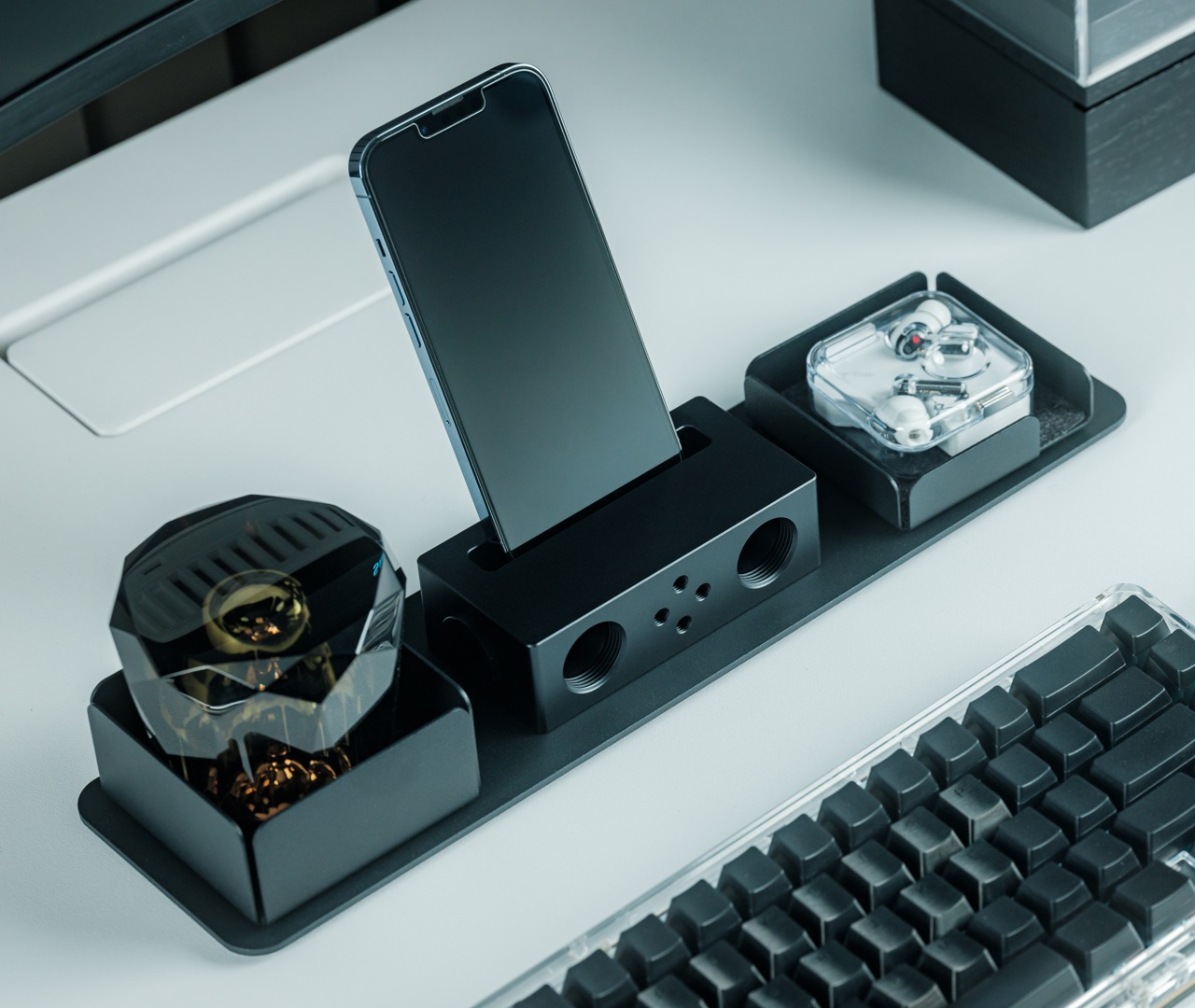
These are the Battery-Free Amplifying iSpeakers, and they’re portable and battery-free. This iPhone speaker is a novel and exciting version of the conventional no-power smartphone speaker. It is made from metal, making it pretty functional and valuable, unlike typical speaker designs you see nowadays.
The speakers are built from Duralumin – an aluminum alloy that is used in aviation and aerospace industries since it has vibration-resistant properties. You can place the smartphone into the speaker, and the sound surrounds the room and you.
What we like
Does not require any power, and is electricity-free
Minimal, sleek, and unique aesthetics
What we dislike
Incompatible with bulky smartphone covers and cases
7. Retio
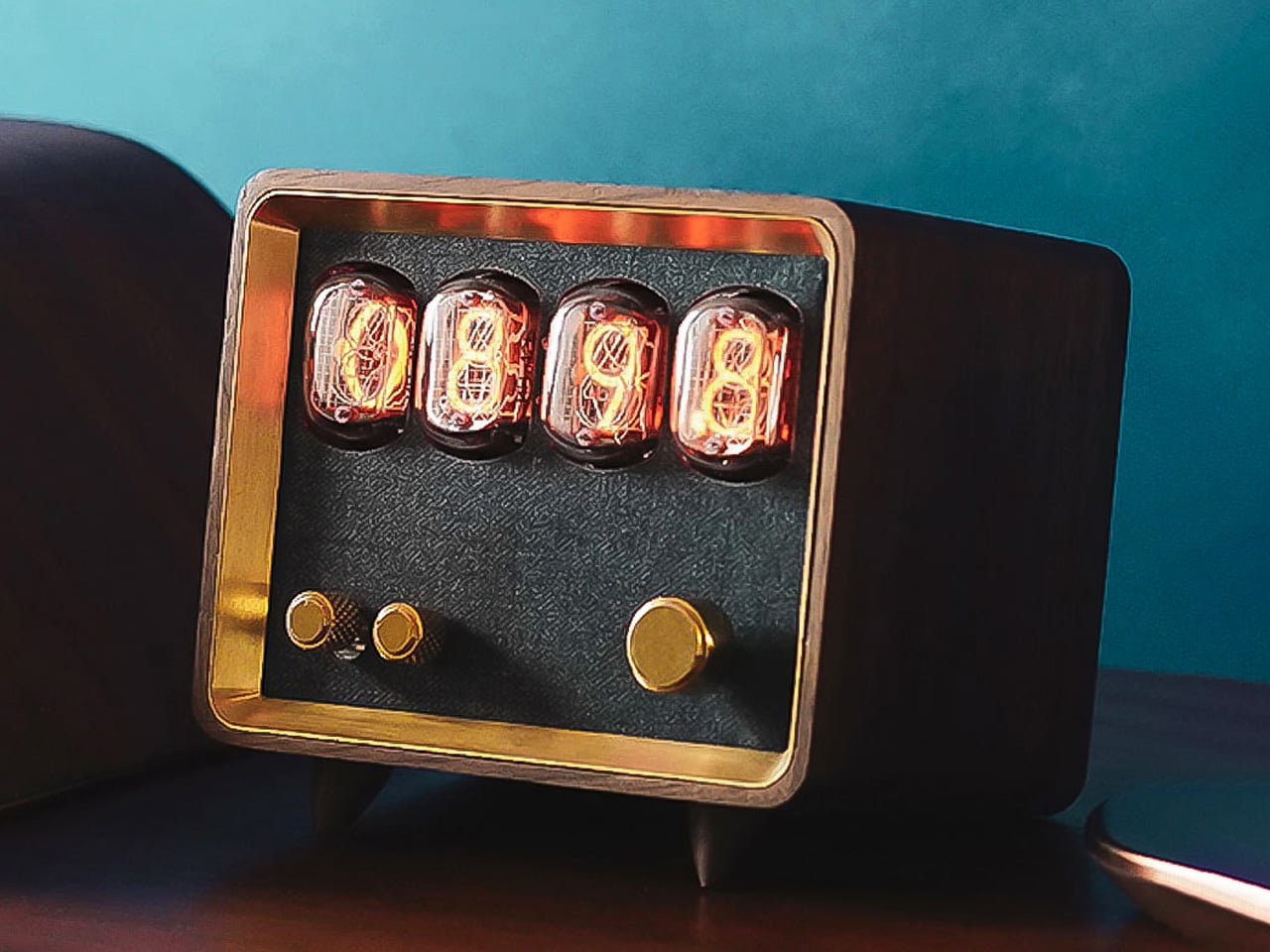
This stunning retro speaker is called Retio, and it is made using vintage Nixie tubes, creating a gadget that beautifully blends past aesthetics with modern utility. The Retio serves as a Bluetooth speaker and a clock. It features Nixie tubes that were made during the 70s to 90s, adding a hint of retro-ness to the product.
Why is it noteworthy?
The Retio is a portable product amped with 6 hours of playback time. It is powered by a 6800mAh battery, and the Nixie tubes have an impression lifespan of 22 years. The speaker is equipped with a powerful 10W Class-D amplifier and has been created with meticulous care and attention to detail.
What we like
Perfectly merges the past with modern functionality
Hand-crafted and amped with steampunk flavor
What we dislike
The numbers for the clock are difficult to read from a distance
8. Floating Record
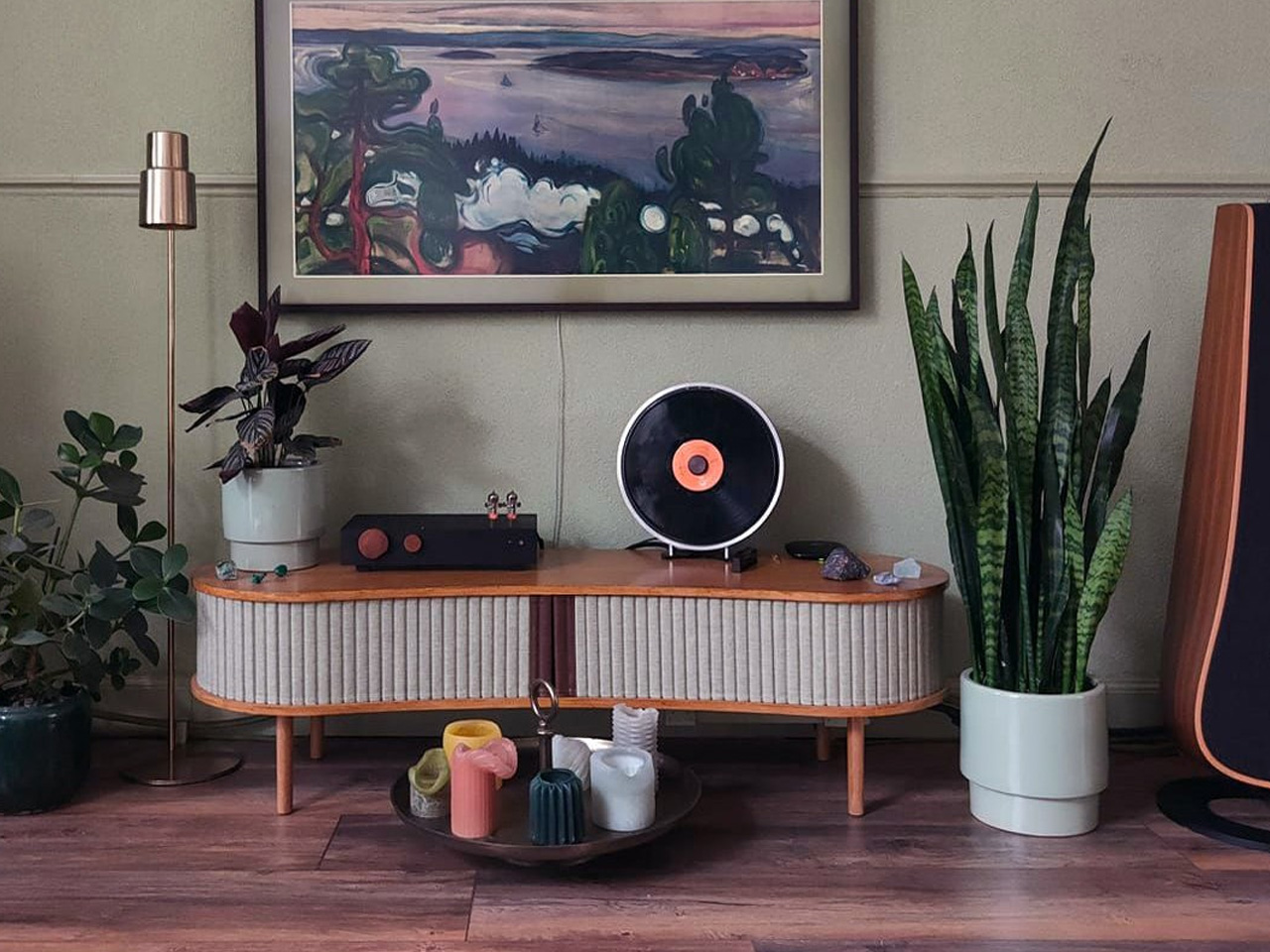
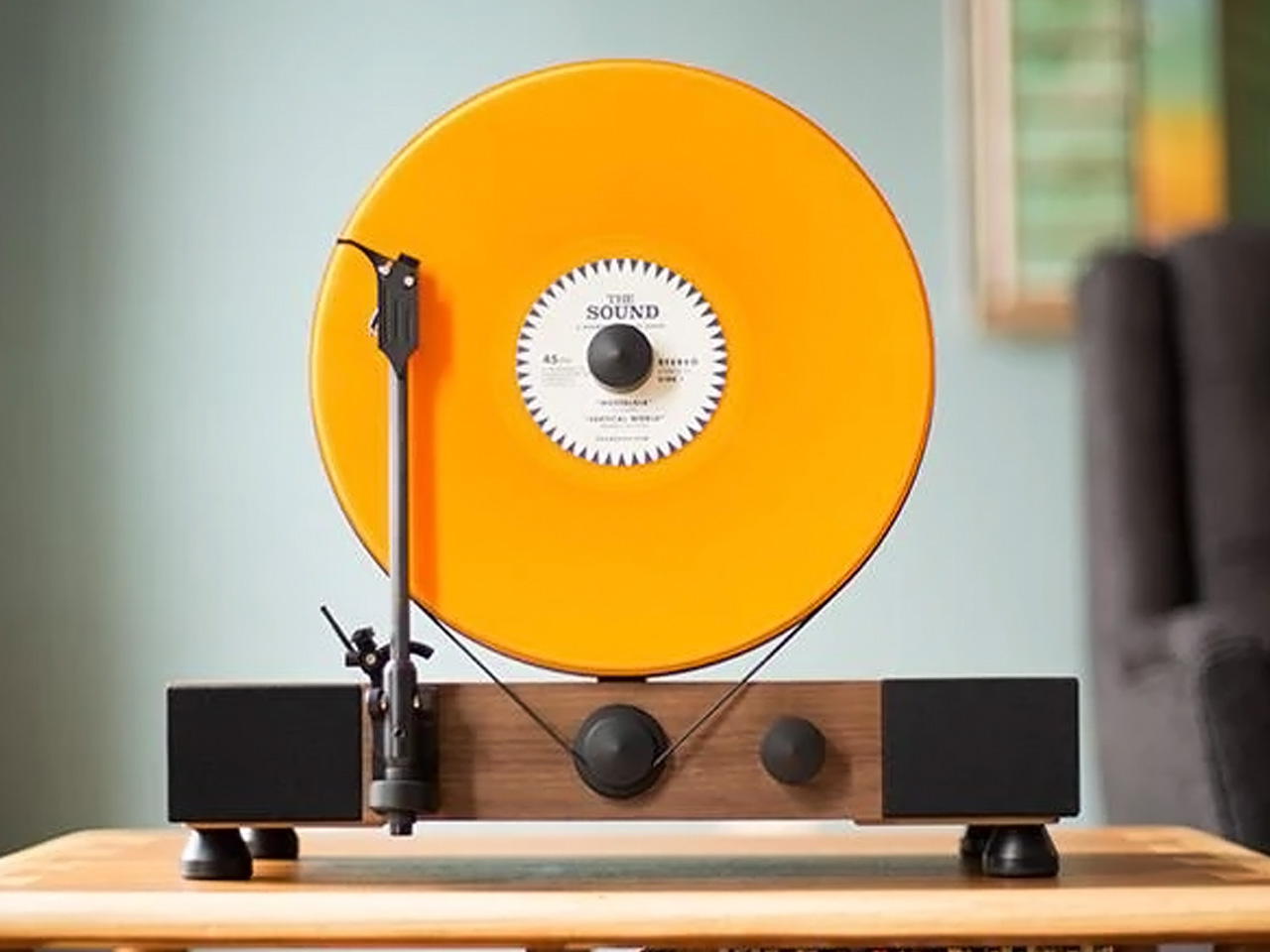
Called the Floating Record, this high-performance turntable plays your record vertically, with the help of built-in full-range stereo speakers. It features a walnut wood base and a Carbon Fiber tonearm. It is made using high-quality materials, which add a whole new level of class to your living space.
Why is it noteworthy?
The Floating Record is essentially turntable tech reimagined to create a visually and mechanically interesting way to experience vinyl music. It is a must-have for all the vinyl lovers out there – ranging from the first-time record listener to the seasonal vinyl enthusiast.
What we like
No external gear is needed, it’s all integrated into the design
Perfectly blends with different interiors and environments
What we dislike
The turntable is pretty fragile and can skip if you don’t position the record properly
9. VIBESPIN
Meet the VIBESPIN – a super cool portable record player. This compact record player is designed by vinyl lovers for all the vinyl lovers out there. It features an elegant and timeless design, amped with modern features and high-quality elements. It is the perfect turntable for camping trips, outdoor adventures, or even parties in your home!
Why is it noteworthy?
What makes VIBESPIN unique, is that it works well for the indoors and the outdoors. You can use it on a road trip, or if you’re simply chilling at home. It features a retro vintage design, and its style will bring to mind the image of a big 1950s car, despite this, the turntable is pretty lightweight and ergonomic.
What we like
Occupies half the area of a 12″ record
Among the smallest record players available today
What we dislike
The stylus is pretty basic and doesn’t have a true aux out
10. iBoy Retro Toy
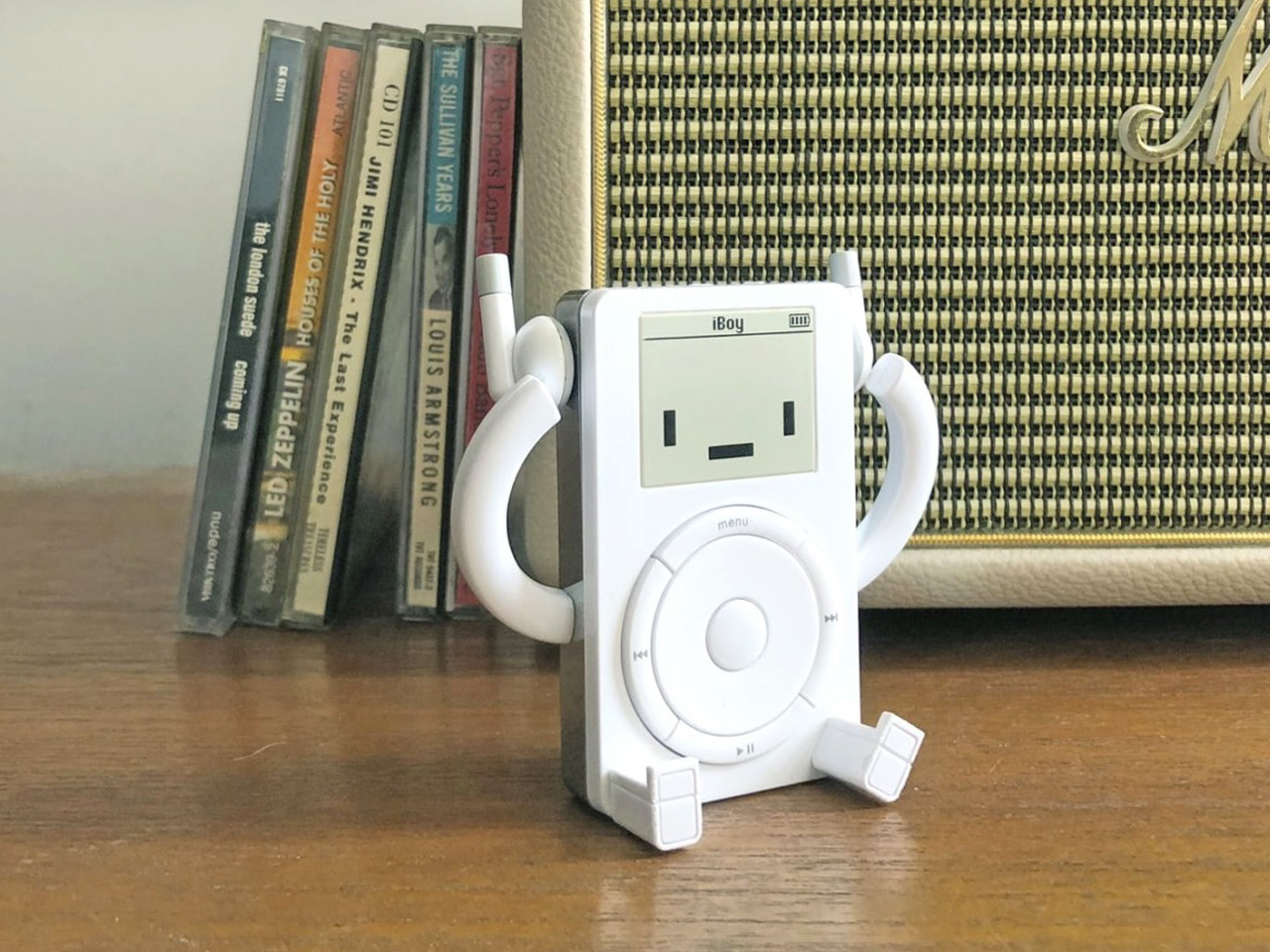
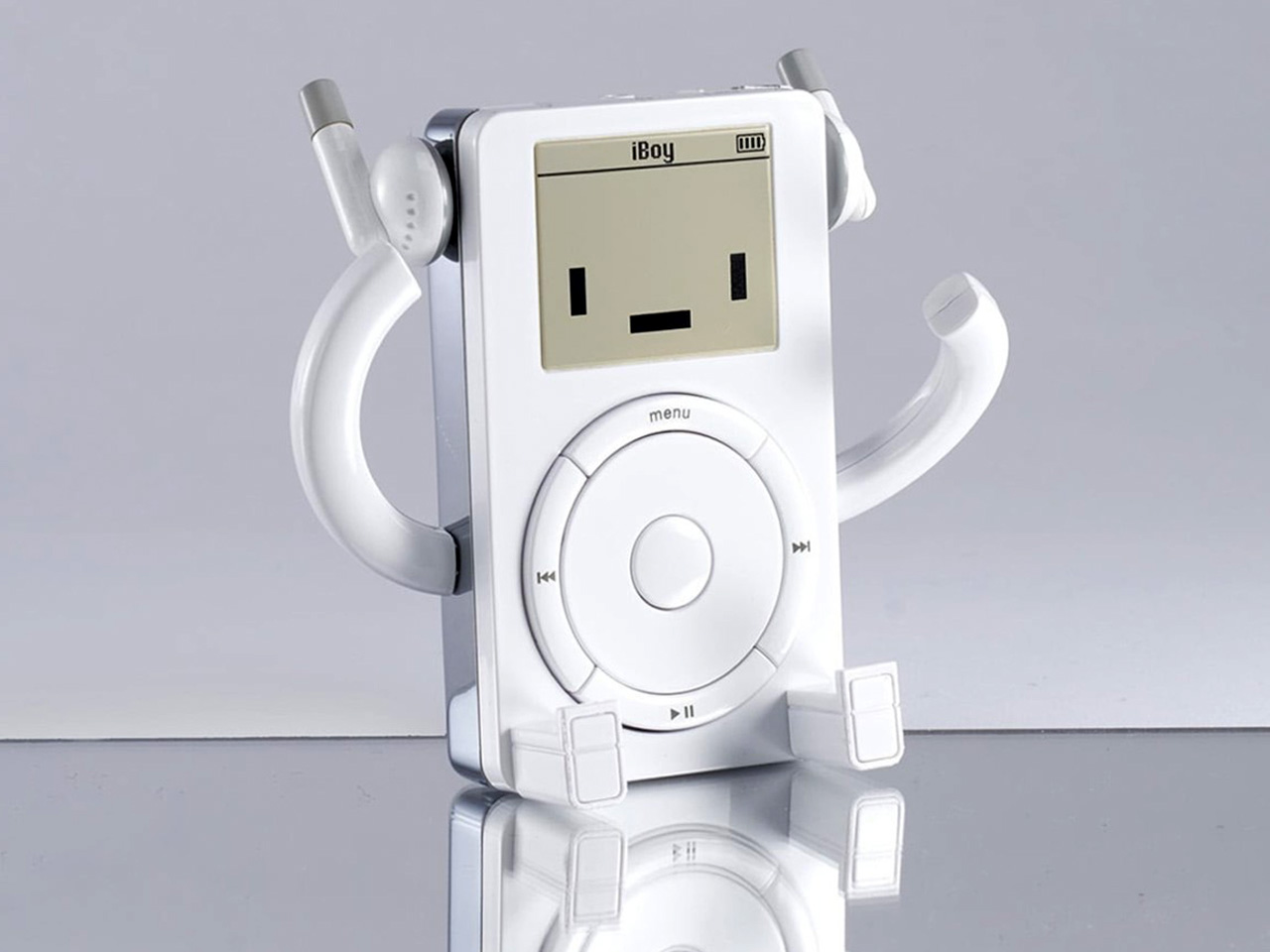
Designed by Classicbot, and called the iBoy Retro Toy, this adorable little product is a tribute to the iconic MP3 player. It features arms, legs, and earbuds for ears. He looks like a friendly little MP3 player! The Retro Toy can be used at home or in your office, adding a hint of nostalgia to both these settings.
Why is it noteworthy?
The iBoy features magnetic joints that support his arms and legs. He can be posed in any way you like. You can play around with the little toy, and get a whole bunch of poses, around a thousand! It serves as a helpful fiddling toy for when you’re stressed out, and need to distract and give yourself a little break,
What we like
Functions as a toy for grownups with detachable and lifelike headphones