The Apple Watch Ultra 2 drops below its Prime Day price

The Apple Watch Ultra 2 is cheaper than we’ve ever seen it before, dropping well below the Prime Day price. The company’s premium smartwatch is available via Amazon for $689, which is a savings of $110.

This is Apple’s latest and greatest (for now) ultra-premium smartwatch. It boasts the company’s Double Tap feature, which lets users pinch quickly in mid-air to bring up the home screen and make adjustments.

The high-end watch is geared toward serious athletes and others with specialized fitness-tracking needs, so the sensors are on point and the exterior is incredibly durable. It still features the same 49-millimeter form factor as the original, so it's not too chonky. The screen is much brighter than the OG Ultra, up to 3,000 nits. This should make it easier to read in low light conditions, which is another boon for extreme athletes who do early morning training sessions. 

As for power, the smartwatch includes Apple’s new S9 chip, which allows for the aforementioned Double Tap gestural controls and upgraded Siri functionality. The battery can last up to 72 hours on a single charge, so long as it’s in low power mode. Otherwise, it’ll brick out after around 36 hours.

This is a whole lot of smartwatch. Not only is it double the price of the Apple Watch 9, but it's chock full of features that most people don’t need. This is a machine for serious fitness enthusiasts or those who go off the grid for long periods of time. With that being said, today’s sale makes this thing pretty darn attractive for the rest of us.

Follow @EngadgetDeals on Twitter and subscribe to the Engadget Deals newsletter for the latest tech deals and buying advice.

This article originally appeared on Engadget at https://www.engadget.com/deals/the-apple-watch-ultra-2-drops-below-its-prime-day-price-163255875.html?src=rss

A four-pack of Apple’s AirTags falls back to $75, plus the rest of the week’s best tech deals

It's a bit of a slow week for tech deals, if we're honest, as many of the better offers we're seeing this Friday are leftovers from last week's Labor Day sales. Still, there are a few discounts worth checking out: A four-pack of Apple's diminutive AirTag trackers are $24 off Apple's list price, for instance, while Keychron's C3 Pro, our favorite mechanical keyboard for those on a budget, is still at an all-time low of $25. Other picks from our guides to the best microSD cards and affordable wireless earbuds are on sale as well, as is Sonos' bag-friendly Roam 2 speaker and Elgato's new Stream Deck Neo control panel. Here are the best tech deals from this week that you can still buy today. 

This article originally appeared on Engadget at https://www.engadget.com/deals/a-four-pack-of-apples-airtags-falls-back-to-75-plus-the-rest-of-the-weeks-best-tech-deals-160757509.html?src=rss

A four-pack of Apple’s AirTags falls back to $75, plus the rest of the week’s best tech deals

It's a bit of a slow week for tech deals, if we're honest, as many of the better offers we're seeing this Friday are leftovers from last week's Labor Day sales. Still, there are a few discounts worth checking out: A four-pack of Apple's diminutive AirTag trackers are $24 off Apple's list price, for instance, while Keychron's C3 Pro, our favorite mechanical keyboard for those on a budget, is still at an all-time low of $25. Other picks from our guides to the best microSD cards and affordable wireless earbuds are on sale as well, as is Sonos' bag-friendly Roam 2 speaker and Elgato's new Stream Deck Neo control panel. Here are the best tech deals from this week that you can still buy today. 

This article originally appeared on Engadget at https://www.engadget.com/deals/a-four-pack-of-apples-airtags-falls-back-to-75-plus-the-rest-of-the-weeks-best-tech-deals-160757509.html?src=rss

The new Philips Hue Sync Box can keep up with your game console’s framerates

Signify launched a more future-proofed Philips Hue Sync Box, the company’s gizmo that plugs into your TV and creates a light show synced with your onscreen content. Unlike the original model from 2019, the upgraded box supports HDMI 2.1, making it better suited to the PS5 and Xbox Series X/S.

The Philips Hue Play HDMI Sync Box supports resolutions up to 8K at 60Hz for video and 4K at 120Hz for gaming. In theory, this should make for a smoother, more screen-accurate Hue-powered light show. Even if you don’t have a current-gen gaming console or compatible TV, the box will be better equipped to handle the gear you buy down the road.

Closeup of a game controller and console (in shadows) in a colorfully lit room.
Signify

The box can sync with up to 10 color-capable Hue lights. As with the previous model, you can tweak the brightness and intensity to your liking in the Hue app. The system also works with Alexa, Google and Siri voice assistants, a feature the company added to the older model during Covid lockdowns.

The Philips Hue Play HDMI Sync Box 8K is available now from the company’s website. It costs $350.

This article originally appeared on Engadget at https://www.engadget.com/home/smart-home/the-new-philips-hue-sync-box-can-keep-up-with-your-game-consoles-framerates-160025361.html?src=rss

The new Philips Hue Sync Box can keep up with your game console’s framerates

Signify launched a more future-proofed Philips Hue Sync Box, the company’s gizmo that plugs into your TV and creates a light show synced with your onscreen content. Unlike the original model from 2019, the upgraded box supports HDMI 2.1, making it better suited to the PS5 and Xbox Series X/S.

The Philips Hue Play HDMI Sync Box supports resolutions up to 8K at 60Hz for video and 4K at 120Hz for gaming. In theory, this should make for a smoother, more screen-accurate Hue-powered light show. Even if you don’t have a current-gen gaming console or compatible TV, the box will be better equipped to handle the gear you buy down the road.

Closeup of a game controller and console (in shadows) in a colorfully lit room.
Signify

The box can sync with up to 10 color-capable Hue lights. As with the previous model, you can tweak the brightness and intensity to your liking in the Hue app. The system also works with Alexa, Google and Siri voice assistants, a feature the company added to the older model during Covid lockdowns.

The Philips Hue Play HDMI Sync Box 8K is available now from the company’s website. It costs $350.

This article originally appeared on Engadget at https://www.engadget.com/home/smart-home/the-new-philips-hue-sync-box-can-keep-up-with-your-game-consoles-framerates-160025361.html?src=rss

What the Car? hits Steam, and it’s still one of the best games you’ll play this year

What the Car? is a celebration of gaming through pure creativity, unfettered by the trappings of narrative logic. It isn't as wildly surprising as What the Golf?, and it doesn't have the VR immersion of What the Bat?, but like those previous two games, it still delivers more charm and whimsy than you'll see in most other titles. Why does the car have legs, you ask? Shut up and play.

As we learned from What the Golf?, the developers at Triband Games specialize in subverting your expectations. So while your main character is indeed a car, you won't actually be racing on four wheels over boring old tracks. Your car sprouts legs early on, and that alone teaches you to expect the unexpected. Every level you play twists the weirdness a bit further: You'll get long legs; you'll get a rocket pack and springy legs; you'll be transformed into a soccer ball.

What the Car? escalates its gameplay ideas to levels of sheer absurdity, but that's what makes it so great. After playing as a soccer ball for a bit, a few stages transformed into massive foosball tables. The game didn't need to pause and explain the changes or tell me which buttons to press. I intuited that the car's action button flipped the kickers, and my brain quickly remapped itself around foosball rules. This experience might be a little frustrating for those unfamiliar with the glory of tabletop soccer, but the game effectively uses failure as a teaching tool.

After debuting on Apple Arcade last year, What the Car? is now available to PC players on Steam. And before you ask, yes, it does make for a truly perfect portable Steam Deck experience. While it's lush with a vivacious aesthetic and cartoonish characters, the game doesn't require advanced graphics hardware. (Its minimum specs? A mere 2.6GHz Intel Quad Core chip, 2GB of RAM and an 11-year-old GeForce GT 750M mobile GPU.)

What the Car?
Triband

For the most part, levels in What the Car? aren't too difficult, but if you want more of a challenge you can try to get gold trophies by completing stages faster. That carrot was enough to make me replay stages multiple times. There's also a hidden collectible card in every stage, as well as other secrets.

While Triband Games claims you’ll be able to complete What the Car?’s core stages in three to five hours, it estimates it’ll take another nine to 12 to get all of the secrets and gold trophies. There are also user-generated levels to consider (most of which are truly punishing), as well as a level builder for your own creations.

What the Car?
Triband

These days, I'm often playing games side-by-side with my five year old daughter Sophia, who in the past few months has become absolutely Minecraft-pilled. (Is there some sort of Minecraft support group for tired parents who never got into it? Someone please hook me up.) She ended up sacrificing some of her limited gaming time just to watch me play What the Car?. She was thrilled when I was able to reach gold on particularly tough stages, and she couldn't stop laughing at the car's silly transformations and the damage it would inevitably inflict on bears populating the levels.

I could relate to her sense of awe. Through its whimsy and delirious inventiveness, What the Car? is a testament to the power of games. It's something I felt at the same age, when I first encountered Super Marios Bros. on the NES. I didn't question why mushrooms made Mario get stronger, or why I could go down pipes. My daughter never questioned why the car had legs, or why the rules of the game kept changing. She was just thrilled to be along for the ride.

This article originally appeared on Engadget at https://www.engadget.com/gaming/pc/what-the-car-hits-steam-and-its-still-one-of-the-best-games-youll-play-this-year-153007118.html?src=rss

This Anker 5K power bank for iPhones is cheaper than ever

Modern life dictates that the longer you have a smartphone, the crappier the battery gets. That’s where power banks come in. One of Anker’s leading 5K models for iPhones has dropped to its lowest price ever. The power bank is just $18, down from $26.

This is a well-regarded product. As a matter of fact, a variant of this model made our list of the best power banks. It’s portable and doesn’t even beef up the iPhone too much when attached. It offers 12W fast charging and provides 20 hours of additional smartphone use. That’s a whole lot of doomscrolling, or even joyscrolling.

It folds up and can easily fit into a pocket or bag when not in use. The power bank also includes the company’s ActiveShield safety system that continuously monitors the temperature to avoid overheating.

While advertised as being for iPhones, the power bank is also great for iPads and even some retro iPods. That leads us to the main downside of this device. It uses a Lightning connector, so it won’t work with newer iPhones or iPads with USB-C ports. However, iPhones had a Lighting connector all the way up to the iPhone 14. Statistically, you’re probably reading this on one of those iPhones right now. If that’s true, this is a great power bank for the money.

Follow @EngadgetDeals on Twitter and subscribe to the Engadget Deals newsletter for the latest tech deals and buying advice.

This article originally appeared on Engadget at https://www.engadget.com/deals/this-anker-5k-power-bank-for-iphones-is-cheaper-than-ever-145758805.html?src=rss

UK watchdog claims Google’s ad tech practices are harming competition

Google is facing yet more scrutiny over its ad tech practices after the UK’s competition watchdog provisionally found that the company is abusing its dominant market position. In a statement of objections, the Competition and Markets Authority said Google is harming competition in the country “by using its dominance in online display advertising to favor its own ad tech services.”

The watchdog contends that, since 2015, Google has taken advantage of its dominant position in the sector as the operator of the Google Ads and DV260 ad-buying tools and DoubleClick For Publishers, a publisher ad server, to bolster its AdX advertising exchange. The CMA said that AdX is at the heart of the company's ad tech stack and it's the platform on which it charges the highest fees to advertisers — approximately 20 percent of each bid for ad space that's processed there.

The CMA provisionally found that "the vast majority of publishers and advertisers use Google’s ad tech services in order to bid for and sell advertising space" on websites. By preferencing its own services, "Google disadvantages competitors and prevents them competing on a level playing field to provide publishers and advertisers with a better, more competitive service that supports growth in their business," the CMA stated.

The statement of objections gives Google a chance to provide feedback and the CMA will consider those representations before it makes any final decision. A case decision group comprising three people (none of whom were involved in the preliminary investigation or sending the statement of objections). If the CMA ultimately determines that Google has infringed competition rules, it can fine the company up to 10 percent of its global annual revenue and order legally binding changes to the ad tech business.

Google disagrees with the decision and “will respond accordingly,” Dan Taylor, vice president of Google Ads, said. “Our advertising technology tools help websites and apps fund their content, and enable businesses of all sizes to effectively reach new customers,” Taylor told CNBC in a statement. “Google remains committed to creating value for our publisher and advertiser partners in this highly competitive sector. The core of this case rests on flawed interpretations of the ad tech sector.”

Regulators elsewhere have taken aim at Google's position in the ad tech space. The European Commission accused the company of "abusive practices" in the online ad space in June last year. The EC said that a potential order for Google to implement remedies may not be enough to resolve those practices. That could lead to the EU breaking up Google's ad business.

Meanwhile, the Department of Justice and Google are set to go head-to-head in a trial that will start on Monday. The agency has called for the company's ad tech business to be broken up, citing an alleged illegal monopoly Google holds in that market. Google failed in an attempt to have the case dismissed. Last month, a federal judge ruled that Google illegally abused a monopoly over the search industry following a trial that stemmed from a separate DOJ lawsuit.

This article originally appeared on Engadget at https://www.engadget.com/big-tech/uk-watchdog-claims-googles-ad-tech-practices-are-harming-competition-144944451.html?src=rss

“Learn to ‘pitch’ your process” AEG+Electrolux Leadership talks about Design Ethos, Career Growth, etc.

It’s rare that we as consumers get a look behind the curtain to see the design process behind the products we use. In fact, even as designers, we’re usually very appreciative of a final product, not having any idea of the process behind it… and rightfully so – companies hold their cards close to their chest. You’re probably never going to get an insight into how Apple makes its phones, or how Lockheed Martin makes its jets. All these processes are highly confidential, however, for creatives, there’s a lot to be learnt from getting exposure to great design companies, their processes, and even the mindsets of their creative leads and heads. It’s rare for us to get such an insight, but not entirely impossible. We got the opportunity to sit down with the design leads at Electrolux and its premium brand, AEG, and ask them questions we wouldn’t normally get to ask. Keeping products and launches aside, we spoke about design processes, thought patterns, approaches to sustainability, and even managed to ask them the most important question of all: What does it take to get hired at Electrolux/AEG! Take a stroll through the interview below with Thomas Gardner (Global Senior Design Lead for Product Line Taste at Electrolux Group) and Christopher Duncan (Head of Product Line Taste at Electrolux Group in Europe APMEA), and be sure to bookmark the page for later.
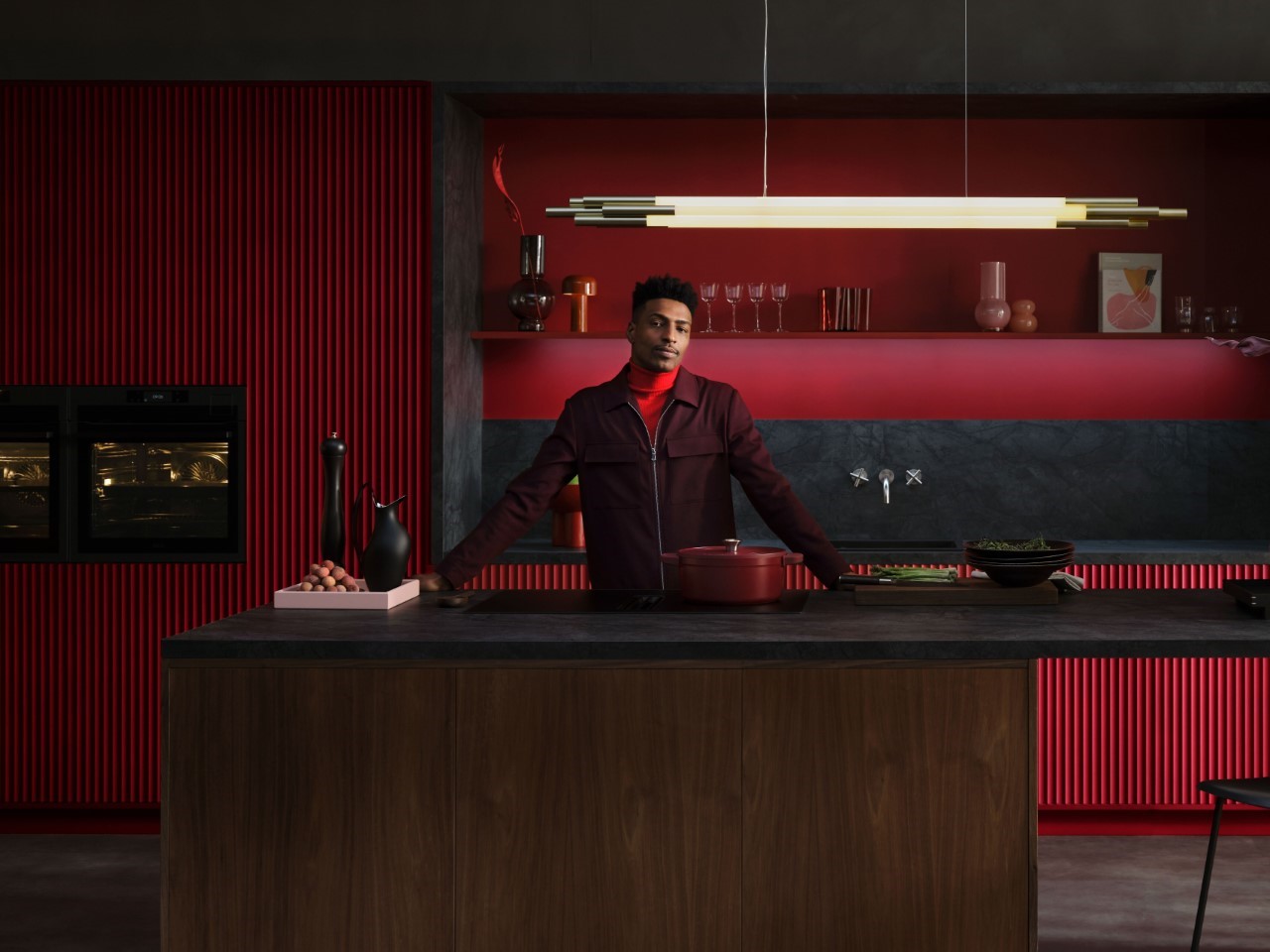
Yanko Design: For our readers who are getting their first insight into AEG’s design wing, tell us a little bit about the philosophy behind how you operate.

Thomas Gardner: With consumer-centricity and sustainable living as our guiding principles, design has become so much more than just giving form to objects. Working on such a complex ecosystem of appliances involves so many different skillsets and expertise, from usability research to materials specialists, digital craftsmanship and project leadership. We’re not just designing products, we are creating an entire cooking experience that spans all manner of technology and platforms. Being able to create a cohesive and harmonious outcome, that’s the real magic of delivering a range of products such as this.

YD: Does the design team spearhead which direction the company innovates in? Or is it more of a collaborative effort between management, marketing, engineering, design, etc.?

Thomas Gardner: It is absolutely a collaborative effort, since good innovation rarely happens in a vacuum. The only way we can innovate in a meaningful way is to base the creative process on real observations and genuine consumer understanding.

Christopher Duncan: Design has been one of the key ingredients in our innovation process. Because at Electrolux Group we see the designers not just focusing on 3D design. They are at the center of our so-called innovation triangles, our cross-functional teams working on innovation, at the forefront of developing great solutions for our consumers. Thinking out of the box to deliver functional and meaningful design.
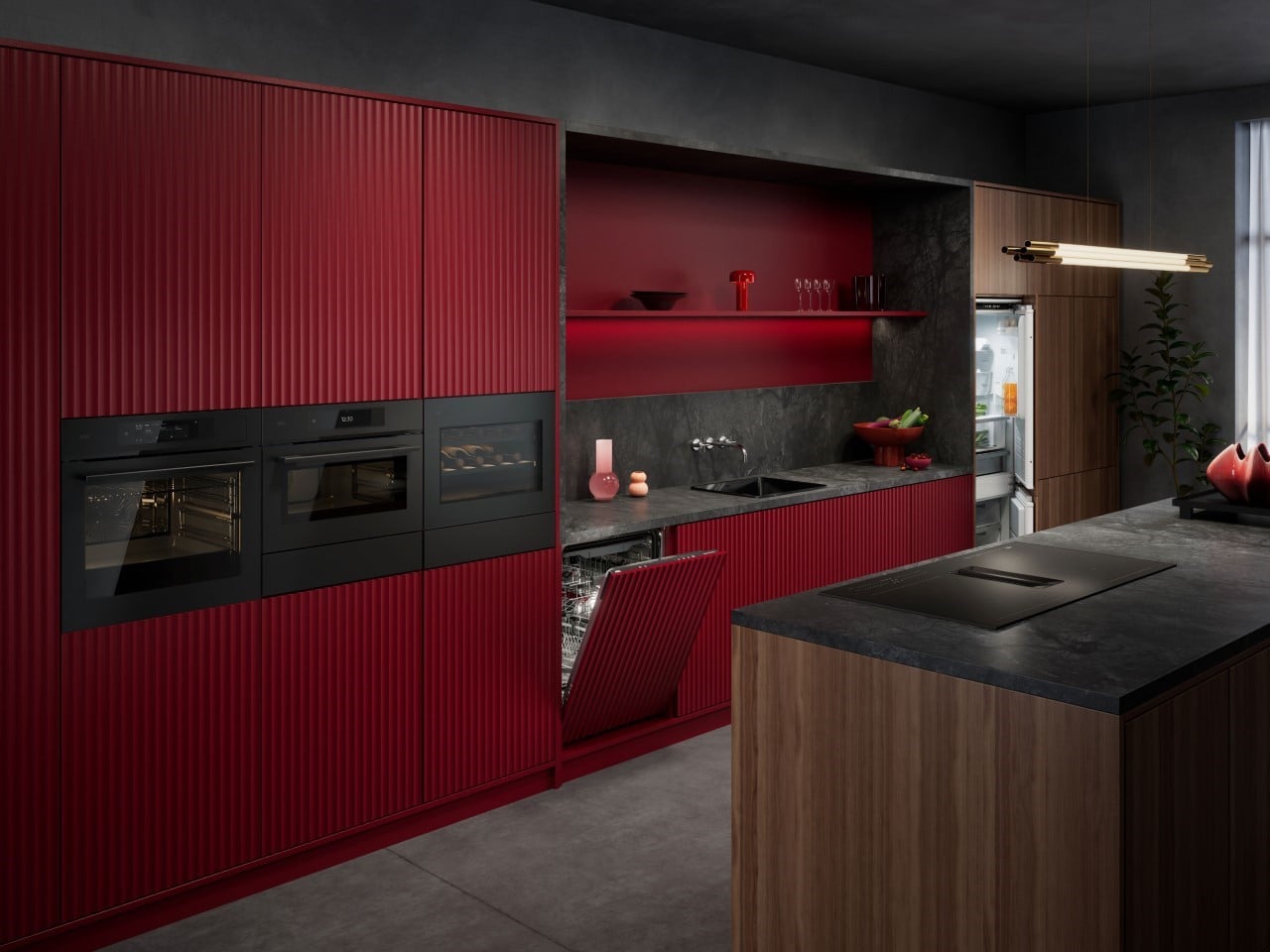
YD: Tell us a little about the current line being debuted at IFA 2024.

Thomas Gardner: The three pillars that underpin this range are SUSTAINABLE, PERSONALISED, and INTUITIVE. Sustainable, as in using the full potential of a connected ecosystem in order to guide the user to make smarter decisions about what they cook and how they cook it. Personalized, as in offering an experience that grows and develops with you, guiding you into exploring new techniques and technologies. Intuitive, as in everything being exactly where you need it and where you expect it. As an example, we’ve been working with eye-tracking technology to validate the placement of functions, buttons etc… So let’s say you ask 100 people ‘How would you turn on the oven’ and a majority of the participants first looks in lets say the top left corner of the product, well, you may not have the final solution but you have a really good clue to research further… just one example of how we research and validate that which may seem obvious.

YD: What about the new features being debuted this year?

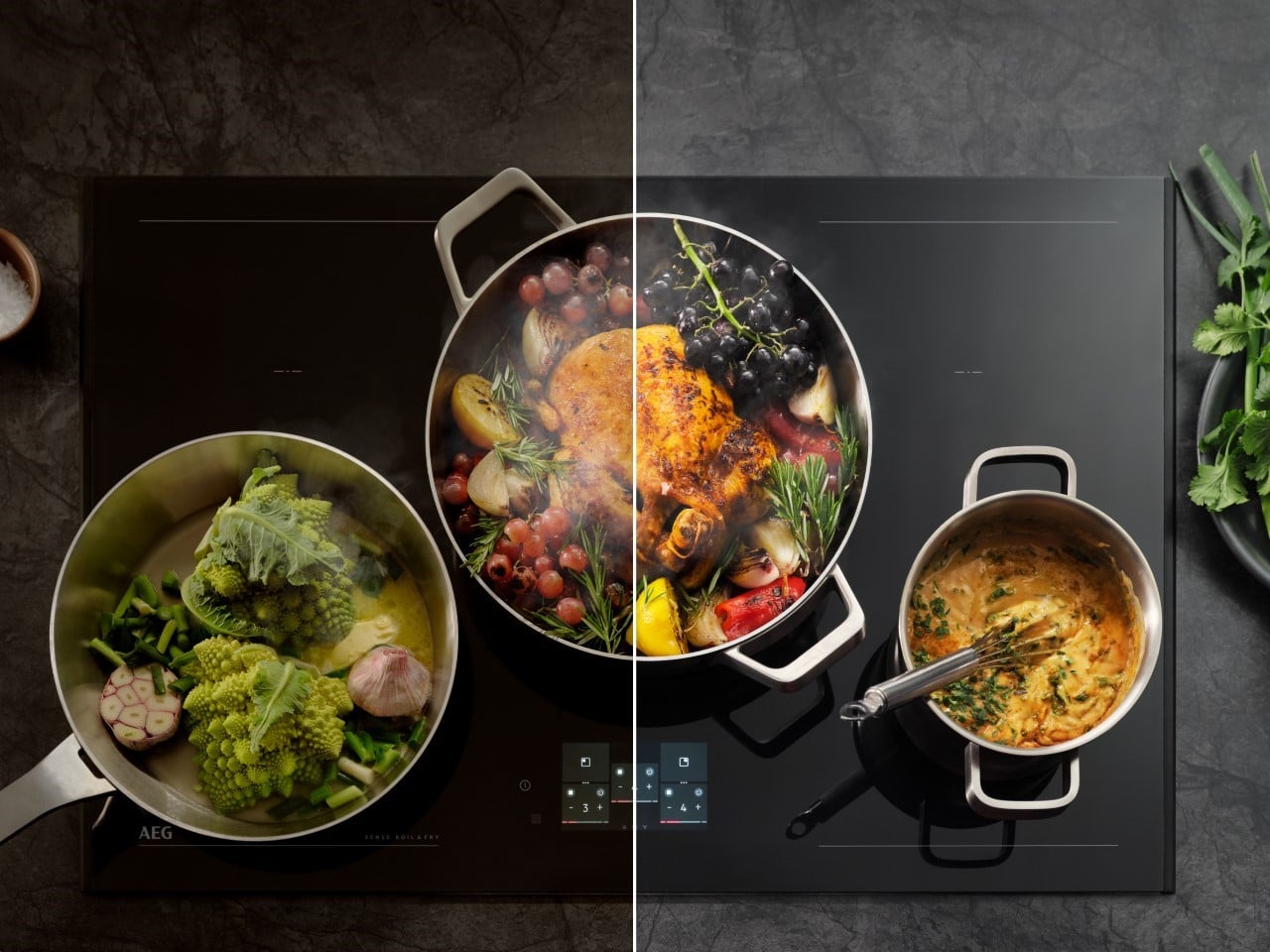
Christopher Duncan: The new AEG Kitchen Range is articulated around 3 main pillars: A Striking Design, Sustainability enablers, and Assisted Cooking redefined. The jewel of our kitchen design lineup is our stunning AEG SaphirMatt Induction Hob, which received the “Best of the Best” Red Dot Design Award. It’s a perfect example of what I call functional design. Thanks to the matte texture of the ceramic glass we can offer 4 times more scratch resistance and no more fingerprints.

When it comes to responsible living & sustainability, we strengthen our AEG Ecoline offering with better energy class across the whole range and provide eco guidance tips to consumers helping them to save 30% energy across the range.

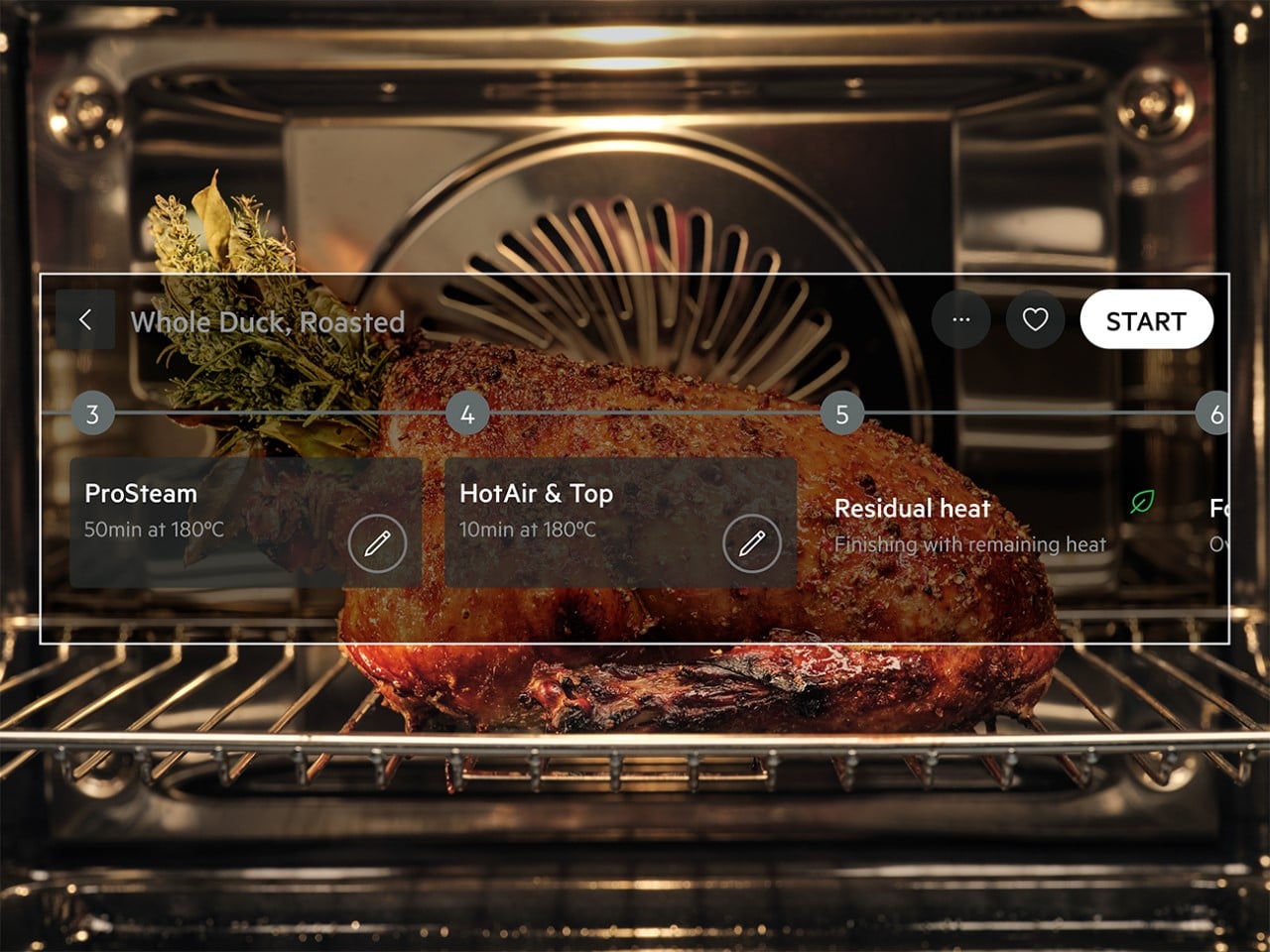
Let me now elaborate a bit more on what we are doing to bring more assistance to the consumers. We are coming up with new connected User Interfaces, across ovens and hobs, which we call CookSmart Touch. And we are launching a world premiere with AI TasteAssist. This is a cool feature enabled by our AEG App that helps consumers to turn online recipes into optimized settings for their oven. The key insight is that 80% of consumers look online for recipes. And most of these recipes recommend a top-bottom heat 180 degrees program… simply because they are universal recipes that have to apply to any oven. Thanks to AI TasteAssist, we are able not only to automatically translate the recipe into cooking settings for the oven, but we are able to optimize the settings for better taste and more healthy cooking thanks to Steam.
YD: How would you describe your design language?

Thomas Gardner: What I’m personally really proud of is how we’ve managed to keep the design language really restrained. It’s all about having a few visual elements that can be applied across different product categories, creating a sense of familiarity without feeling forced on the individual product. It’s really understated which I feel conveys a strong sense of confidence and purpose. Maybe the best example of this being the execution of the AEG logotype on our Matte Glass products, where the appearance of the logo is simply the absence of matte surface. Our logo, our most precious commodity, simply being expressed in negative space. I really like that.

YD: We’re actually debuting a collaborative Design Competition shortly too, can you tell us what kind of decor do you see these products fitting in? Do you personally believe in a cohesive design language or do you like the idea of products standing out against their surroundings?

Thomas Gardner: For what we do, how we sell our products, and the context they work in, I believe a cohesive design language is critical. Just as an example, having the same tone of black across the range rather than multiples thereof helps not just in simplifying production but also in creating a sense of whole, harmony, and completeness. This becomes even more important in the creation of user interfaces, where learning new icons and behaviors for each product would be extremely frustrating and inefficient for the user.

YD: I’m sure sustainability plays a very important role in the way products function. We remember seeing quite a few unique features in the dishwashers and washing machines from a few years ago. How is this current product line championing sustainability and zero waste on the design end?

Christopher Duncan: As I mentioned, Sustainability is one of the three pillars for this new range. Since 85% of the global climate impact of an appliance is coming from the usage phase, we dedicated more effort to reducing their energy consumption. That means we secured updated energy classes for all products in line with industry best practice. We then spent more time to give eco guidance to our consumers through our new CookSmart Touch User Interfaces, helping them to reduce energy consumption by 30%. Let me give you two examples. On our hobs we offer the SenseBoil technology. Thanks to vibration sensors in the hob, we’re able to detect when the water is boiling, and therefore able to reduce the power at that stage. Did you know that 20 seconds of overboiling with an induction hob consumes as much as charging fully your mobile phone? The second example is on ovens: we have configured our cooking cycles in a way that uses the residual heat in the oven cavity to finish the cooking, to reduce energy wastage. Consumers are really welcoming such smart solutions that help them to reduce their carbon footprint and at the same time save money.
YD: As far as the consumer goes, how do the sustainability-driven features affect/uplift their lives? There was a debate in 2019 about how the ‘Eco’ feature in dishwashers may take less time, but it ends up using more water and energy. How is Electrolux Group approaching these issues this time?

Christopher Duncan: It’s more and more important for consumers, not only because they have become more eco-conscious due to climate change, but also they have felt every month the increasing cost of energy affecting their purchasing power especially during the energy crisis last year. The challenge for us is to make people understand what drives energy consumption in appliances. For example, our dishwashers eco programs take more time. Why? Because what drives most energy consumption is the heating of the water. So to reduce energy consumption, we lower the temperature of the water but we then need to compensate this with more mechanical action from the water jets in order to deliver the same washing performance. It’s quite counterintuitive for consumers to understand that longer dishwasher cycles consume less energy. That’s why we developed the QuickSelect user interface. Slide your finger along the MyTime slider to set the cycle duration. The display will show the program length and provide guidance on energy and water consumption, indicated by green ECO bars on the left-hand side. The more green bars, the less energy and water you use.

YD: What sets your design ethos apart from other brands in this space?

Thomas Gardner: As I touched on before, having the confidence to go understated and restrained, rather than loud and decorative. Having the final consumer in mind rather than the crowded shop-floor environment has guided our process into one of calmness and intuitive, simple usability. Our continued commitment to a more sustainable way of living and eating is also pretty unrivaled in the industry and it carries across to the products we make, no matter if it’s the materials we use or the guidance we provide.
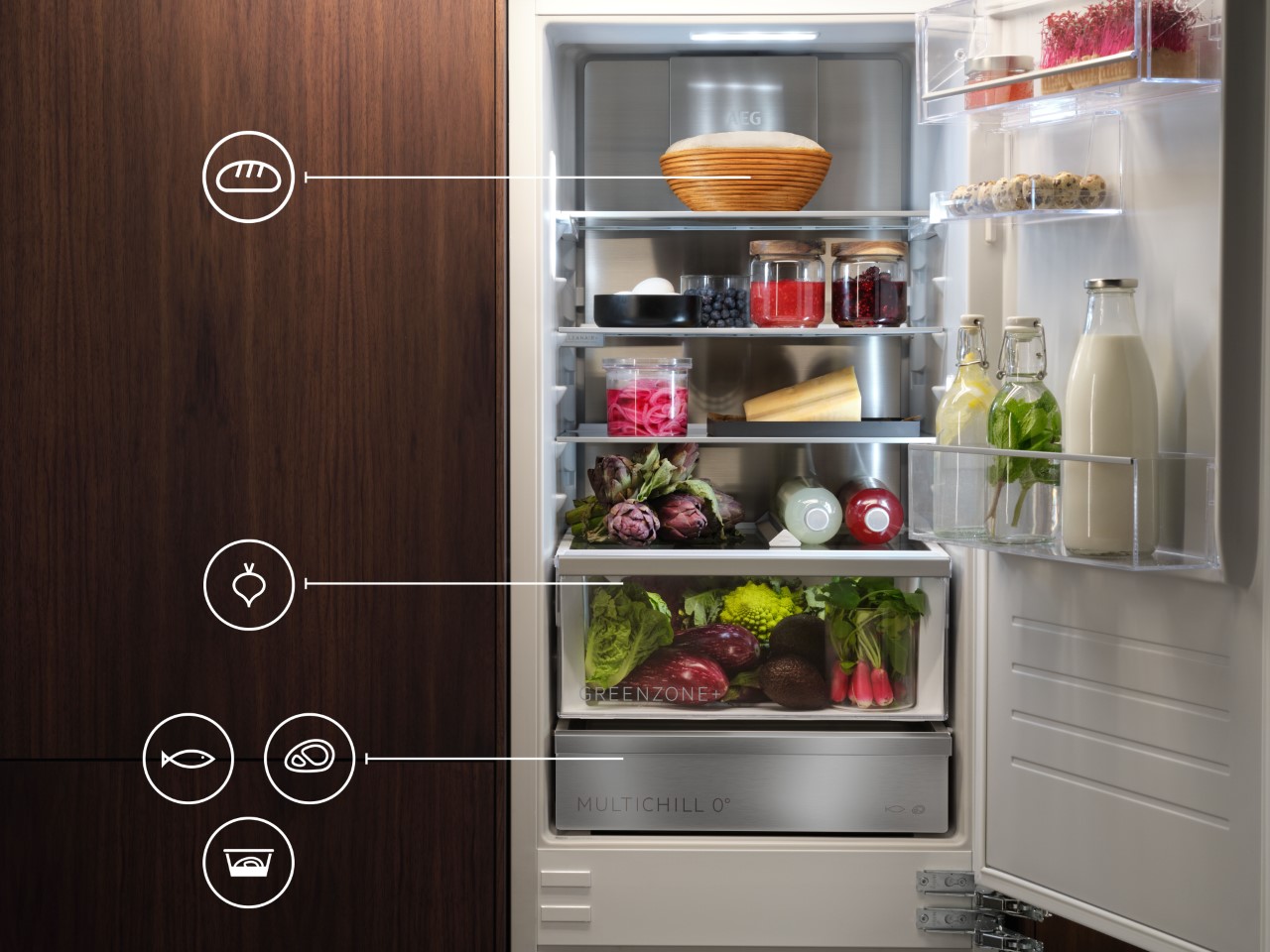
YD: A lot of our readers are designers or aspiring designers. What’s the one thing you learned on the job that you didn’t learn at design school?

Thomas Gardner: Communication and collaboration is everything, at least if you wish to work on complex industrial products like these, that literally involve hundreds if not thousands of people across multiple-year long timelines. The trust and respect of your colleagues is the single most valuable currency you have and it takes years to build up. The language you use is as important as the pictures you show, whether it’s giving a presentation or writing an email. So make sure you master both.

YD: Finally, a portfolio question. What do you look for in a designer/creative and a manager in product line when they apply for a job at Electrolux Group?

Thomas Gardner: Finding that perfect person to join your team can be one of the most challenging yet rewarding and stimulating experiences you encounter as a design leader.

Normally, let’s say I’m hiring for a junior designer, I would be looking for two things, mainly:
1: Does this person have the capacity to be somewhat productive from day one? To know that, I’m looking for some nice computer renders, perhaps some storyboard illustrations, basic Photoshop work, a good sense of visual space, layout etc… Since I’m probably looking at many portfolios in a short amount of time, less is usually better. So pick your top 5-7 projects, no more. But make sure they show variation, no point in showing 10 projects that all demonstrate the same skillset (unless you’re looking for a job to do that exact task, of course).

2: Learn to ‘pitch’ your process. Not the outcome, it’s usually less relevant than you think. But the journey you took, how you got there, that’s what I’m keen to hear. To understand how you think, your process, your enthusiasm for the subject at hand. Don’t be afraid to ‘nerd out’ on some small detail, those things are usually where the magic happens, the thing that stands out and makes your presentation memorable. It’s really hard to disagree with someone who is absolutely passionate over what they have created…

Christopher Duncan: Good tips from Thomas there. From my side, I look for curious people. People who ask the “Why?” question 5 times. Because truly understanding the consumer pain points is what leads to great and relevant innovation. And then having a collaborative mindset. We believe a lot in co-creation at Electrolux. Each function comes with its expertise in the discussion. The outcome is usually surprisingly good. And finally, for a designer/creative, it is very powerful to be able to visualize ideas and concepts quite early in the concept. Because this triggers even more innovative thinking from the cross-functional team.
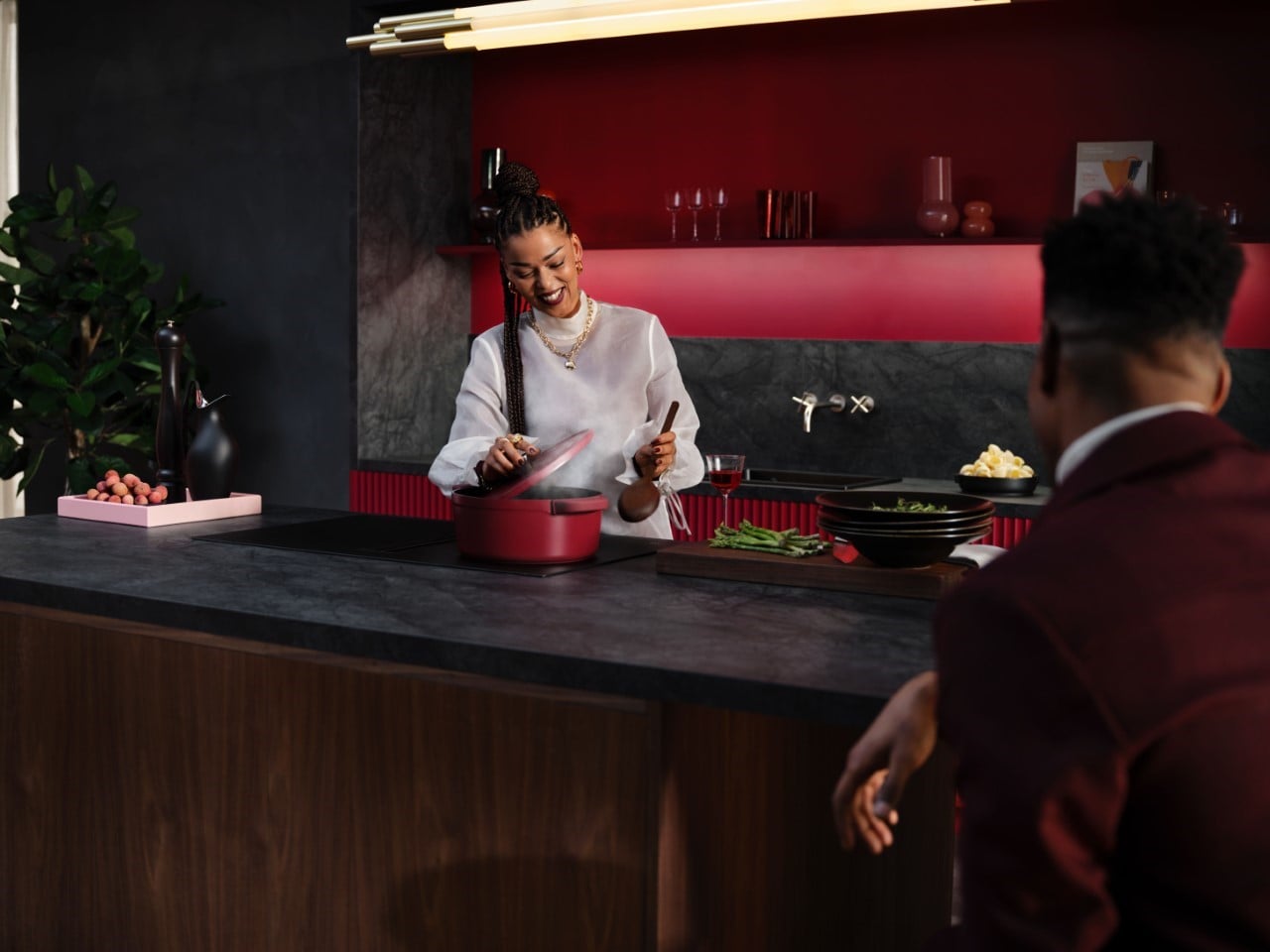
The post “Learn to ‘pitch’ your process” AEG+Electrolux Leadership talks about Design Ethos, Career Growth, etc. first appeared on Yanko Design.