Astro Bot PS5 review: One of the best games Sony has ever made

Astro Bot is not just for kids. Team Asobi clearly designed it for players of all skill levels, and that includes children and newbies, but at its core Astro Bot feels purpose-built for video game fans. It’s a skill-driven celebration of everything that makes the format so memorable and joyful, and at the same time, it’s an excellent introduction to the language of games. With precise and responsive controls, adorable characters, and an exciting variety of mechanics and environments, Astro Bot is easily one of the best games that Sony has ever produced.

Astro Bot is technically the fifth entry in the Astro universe, though it’s the series’ first fully fledged — and fully priced — installment. It follows The Playroom (a 2013 mini-game collection for PS4), The Playroom VR (a 2016 PlayStation VR jam), Astro Bot Rescue Mission (a 2018 PS VR platformer starring just the bots), and Astro’s Playroom (a 2020 DualSense demo that’s pre-loaded on every PS5). Astro Bot takes ideas from these earlier titles and compiles them into a focused 3D platformer with dozens of main worlds, a bevy of additional unlockable planets and a wide range of satisfying mechanics. On top of this, the robot protagonists are super cute in every situation. The fact that some of the characters and settings in Astro Bot are recognizable from popular video games only makes the whole thing sweeter.

Astro Bot
Sony Interactive Entertainment

Players are on a mission to rescue all 300 of their robot friends after an alien intercepted their spaceship, a super-charged PS5, and scattered the crew across six dangerous galaxies. Perched atop a lone DualSense, Astro scours 50 total planets and collects other bots by punching or kicking them — you know, in a friendly way — and then storing them inside the touchpad of the on-screen controller before dumping everyone on a secure world. At the same time, Astro is searching for the missing parts of the PS5 spaceship, which are being guarded by bosses in each galaxy.

The hub world, where the ship and rescued bots live, has customization portals for the DualSense and Astro, a gatcha machine with items that bring your bots to life, and a safari zone where you can take pictures with animals you find. There are also small regions to fix up with extra puzzles for Astro and his friends. Outside of the hub planet, the game’s baseline loop involves collecting coins, puzzle pieces and bots by completing platforming challenges and surviving Koopa-like enemies, but new dangers and even-trickier environments appear at every turn.

Astro Bot
Sony Interactive Entertainment

Many of the planets that Astro lands on introduce new mechanics, such as spring-loaded boxing gloves that look like frog faces, an octopus that blows Astro up like a balloon, a mouse backpack that shrinks him at will, a penguin-propelled swimming booster, and a stopwatch that freezes time for a short while. Stages are designed around these unique mechanics and the diversity on display is impressive, from a spooky castle filled with toxic-green ghosts and invisible platforms, to a deconstructed space station in a delectable cosmic setting, and an entire planet built out of giant, neon-lit casino props.

Even before picking up any cool new toys, Astro has a laser-propelled hover ability that lets him destroy enemies while jumping over them, plus a standard punch and a chargeable spin move. These three abilities, plus whatever tool he picks up, are the entirety of Astro’s arsenal. This mechanical focus allowed Team Asobi to perfect each move and then apply them all in a thousand different ways, and the result is a rewarding and robust platformer. All the cuteness is just an added bonus.

Astro Bot
Sony Interactive Entertainment

Astro Bot is not punishing, but it’s not easy either. Plenty of stages require patience, awareness and a high degree of platforming skill, though resets are generous and failure doesn't cost anything other than your time. Completionists will have a great time with this one — there are so many secret passages and hidden bots to find, most of them cleverly tucked away and easily missed unless you’re actively looking for them. On the flipside, speedrunners should enjoy Astro Bot as well, since it offers planets of platforming challenges with incredibly responsive controls.

There are 300 bots to find, and many are pulled from the wider world of gaming. Plenty of the branded bots originate outside of Sony’s stable, with big hitters from Capcom, Konami and Sega represented well — a few of them definitely made my partner yell in excitement, which was adorable in its own right. Some of the more memorable levels stem from popular Sony franchises like God of War, with Astro wielding Kratos’ ax on one planet. Team Asobi really mined Sony’s vaults, far beyond simple Crash Bandicoot callbacks, and into weird and wonderful games like LocoRoco and Vib-Ribbon.

Astro Bot
Sony Interactive Entertainment

And now, allow me to really gush. Astro Bot is beautiful, and not just in a cartoony kind of way. Its landscapes are sharp and alive with interactive details, and it seems like every pixel has been polished to perfection. But it’s the game’s physics that energize everything — when Astro lands on top of a giant inflatable daisy, the material buckles under his little feet, indenting with each step and sway, and making the entire scene look utterly squeezable. 

When skating in the snowy levels, Astro picks up speed and pivots on a dime, and the DualSense responds with the sounds and vibrations of a sharp knife slicing through thick ice. (Side note: I could happily play an entire game of just ice skating… as long as it’s not called Astro Glide.) Piles of tactile objects like sprinkles, dice, skulls and glass stars are scattered around the levels, and running through them is not only gratifying in an ASMR sense, but it sometimes uncovers a new secret. When rain hits Astro’s transparent umbrella hat, the sound is mirrored perfectly on the DualSense, along with the feeling of raindrops on the grips. Each stage has background music to match, funky or big band or synth-y, and always with a catchy hook. Astro Bot’s sound effects, haptics, graphics and physics harmonize flawlessly, transforming every surface into a playground. It’s magical.

Astro Bot
Sony Interactive Entertainment

On the cute side of things, Astro reacts to his environments with endearing animations like shivering in the cold, quivering in fear and tapping his tiny metal feet in excitement, and his bot friends are similarly expressive. When Astro boops his head on an impassable ceiling, he makes the sweetest little flinching motion. The bots turn around and shake their booties at Astro right before he punches them into the DualSense. On the pause screen, you can flick all of your collected bots out of the digital controller and they flail in mid-air before landing safely back inside the touchpad. Pretty much everything the bots do is charming.

Astro Bot highlights the importance of play. It’s Super Mario Bros. for a new generation of video game fanatics, at once an introduction to common mechanics and also a significant challenge for seasoned players. In both cases, Astro Bot radiates joy. If this, alongside new titles like Lego Horizon Adventures, signals a new and less stuffy direction for Sony, then I’m excited to see what the future holds. For now though, you’ll find me trying to 100-percent Astro Bot, cursing and laughing the whole way through.


Psst: Astro Bot has now joined the hallowed ranks of our favorite PS5 games guide. You can view all of our picks — 21 at the time of writing — at The best PS5 games for 2024.

This article originally appeared on Engadget at https://www.engadget.com/gaming/playstation/astro-bot-ps5-review-one-of-the-best-games-sony-has-ever-made-120014494.html?src=rss

AI Embeddings explained in depth

AI Embeddings explained in detail

Tired of sifting through pages of irrelevant search results? What if you could find exactly what you’re looking for with just a few keystrokes? Enter AI embeddings—a fantastic option in the world of search technology. By understanding the context and nuances of your queries, embeddings can deliver highly relevant results that traditional search engines often […]

The post AI Embeddings explained in depth appeared first on Geeky Gadgets.

Posted in Uncategorized | Tagged ,

Verizon will buy Frontier for $20 billion to expand its fiber network

Verizon is acquiring Frontier for $20 billion, the provider announced one day after reports emerged that the two companies were in talks. The deal will expand Verizon's fiber network across the United States, allowing it to better compete with its rival, AT&T. Frontier will add 2.2 million fiber subscribers in 25 states, extending Verizon's reach to about 10 million customers in 31 states and Washington, DC. Verizon has experienced slowing revenue, and acquiring Frontier could give it the boost it needed in less time than it would take to expand its own network. 

"The acquisition of Frontier is a strategic fit," said Verizon Chairman and CEO Hans Vestberg in a statement. "It will build on Verizon's two decades of leadership at the forefront of fiber and is an opportunity to become more competitive in more markets throughout the United States, enhancing our ability to deliver premium offerings to millions more customers across a combined fiber network."

Frontier has experienced a rocky few years. The company declared Chapter 11 bankruptcy in 2020 and pivoted to a "leaner business" but faced concerns about emptying its bank account before finishing ongoing upgrades. Furthermore, the FTC sued Frontier in 2021, claiming it misrepresented its actual speeds. The company had to pay over $8.5 million and remove all false information. 

This article originally appeared on Engadget at https://www.engadget.com/verizon-will-buy-frontier-for-20-billion-to-expand-its-fiber-network-114532971.html?src=rss

Khadas Mind V2 16 core mini PC

Khadas Mind V2 mini PC

The Khadas Mind V2 is a innovative mini PC that packs an impressive array of features and capabilities into a compact, portable form factor. This 2024 model builds upon the success of its predecessor, introducing significant upgrades that make it an ideal choice for users who demand high performance and versatility in a small package. […]

The post Khadas Mind V2 16 core mini PC appeared first on Geeky Gadgets.

This Solar-Powered Tiny Houseboat Lets You Enjoy A Peaceful Life On The Water

Dubbed the Fàng Sōng, this houseboat is designed by Crossboundaries and is powered by a solar panel setup. The houseboat features a clever space-saving interior that draws inspiration from tiny homes. The name is derived from the Chinese word for relaxation. The owners commissioned Crossboundaries to create a home that lets them live near the coast, enabling them to enjoy a peaceful life on the water. The houseboat serves as a comfortable yet tiny abode to live and work in.

Designer: Crossboundaries

“Crossboundaries has re-designed a fully solar-powered motorboat with high-end, tiny-home characteristics that enable it to function as a slow-motion traveling nest,” said the firm. “The five-year-old boat caught Marianne’s eye, its exterior’s resemblance to a bus on the water and the potential for the interior design quickly sparked her interest. With enough space for up to two persons as well as guests, it had the potential to easily become a personal retreat for re-energizing and a cozy getaway to invite friends and family.”

The interior of the houseboat is quite spacious and occupies around 667 sq ft over one floor. The dwelling comfortably floats above water and is amped with generous glazing, most of which is operable. The glazing allows light to stream in through the day and supports ventilation. The interior decor is vibrant and bright with hues of red and yellow. Although the red and yellow maybe too loud and extravagant for some people, so it depends on personal preferance.

Most of the available floor space is occupied by the living room, which includes a big sofa bed, shelving, and a work desk placed in front of a window. The kitchen is also included in this space, and it is well-stocked and designed with an oven, four-burner propane-powered stove, fridge, drink, and a folding dining table that can be put away when not in use. A folding bed can also be fitted over the helm. The whole home is amped with underfloor storage, which is truly quite useful. The home is heated by a pellet stove, which can be controlled via an app. The space also includes a terrace area with seating.

As mentioned the home is solar-powered, but we are unaware of the capacity of the solar panels. The solar panels have been installed on the rooftop and the facade. The firm says that in good weather conditions, the small houseboat can be powered completely by the solar panels, allowing it to cruise for around 31 miles per day.

The post This Solar-Powered Tiny Houseboat Lets You Enjoy A Peaceful Life On The Water first appeared on Yanko Design.

How to to stream with a VPN on your Apple TV

The Apple TV is one of the best streaming devices you can get right now to add Netflix, Disney+, Max and other streaming apps to your boring old TV. It costs more than the competition, but it offers a more polished experience (the screensavers are worth the price of admission) as well as more privacy protections. But you may not know that, with a VPN, you can use your Apple TV to access even more content. By downloading one of several VPN apps directly to the Apple TV, you can spoof your IP address, tricking your system into thinking you’re in a different country. And because most streaming services license different shows in different territories, flipping the VPN to an international location lets you access a wider array of content. Here’s how to use a VPN on your Apple TV and why you might want to install one.

As of the September 2023 release of the tvOS 17 software update, the Apple TV platform supports third-party VPN apps. Setting them up is easy; just follow these steps (these may vary slightly between VPNs):

  1. In the Apple TV App Store, search for the VPN you want to download or search for the keyword “VPN” to see your options.

  2. Download and install your chosen VPN.

  3. Sign up or log in.

We have a comprehensive guide on how to stream video to your TV using a VPN, which covers Apple TV installation and provides alternative methods for connecting a VPN to your Apple TV.

As previously mentioned, using a VPN on your Apple TV allows you to change your IP address to make it seem like you’re browsing from a different country. This happens as the VPN encrypts your connection and tunnels it through the VPN’s digital or physical servers located in other countries. So if you’re in the US and tunnel to a UK VPN server, you’ll be able to access the UK Netflix content library and watch shows on UK-only services like BBC iPlayer.

VPNs can also be essential security tools, although their features apply best when you’re using them on a smartphone or PC where you do most of your internet browsing. If you purchase a VPN subscription with your Apple TV in mind, we recommend using it on your smartphone and laptop, too. A VPN can help keep you anonymous online and protect your data from malicious parties or advertising networks. If you care about digital privacy and anonymity, it’s good practice to use a VPN across all devices with internet connectivity.

Apple TVs only work with a limited number of VPNs. Although that seems like a hindrance, Apple vets the VPNs it allows on its App Store, and you can feel reassured knowing they’re trustworthy options. Every one of the top picks on our best VPNs list is on the Apple TV app store.

We encourage you to do your own research when choosing a service. Although each VPN has the same basic functionalities, their price and extra features vary. Before deciding which one is right for your needs and the devices you have, take some time to look at what each one offers and see what other users have to say.

Don't have an Apple TV? Good news: Robust VPN options (or alternatives) exist for the other major streaming platforms, too.

This article originally appeared on Engadget at https://www.engadget.com/cybersecurity/vpn/how-to-to-stream-with-a-vpn-on-your-apple-tv-113345975.html?src=rss

Hands free inflatable tent and camping system hits Kickstarter

Gouse Tent & Luli Canopy Kickstarter

Imagine arriving at your campsite and setting up your tent in just 7-8 minutes without breaking a sweat. With the Gouse Tent and Luli Canopy, this dream becomes a reality. These innovative, hands-free inflatable tent and camping systems are designed to make your outdoor adventures more enjoyable and hassle-free. Picture yourself effortlessly inflating your shelter […]

The post Hands free inflatable tent and camping system hits Kickstarter appeared first on Geeky Gadgets.

Beginner’s Guide to AI coding with Cursor

Guide to AI coding with Cursor

Cursor AI is transforming the coding landscape by harnessing the power of artificial intelligence to simplify and streamline the development process. This comprehensive beginner’s guide will walk you through the steps of using Cursor AI to build and deploy a fully functional, live website from scratch. By the end of this guide, you will have […]

The post Beginner’s Guide to AI coding with Cursor appeared first on Geeky Gadgets.

Posted in Uncategorized | Tagged ,

The Morning After: reMarkable’s new e-ink tablet has a color display

One of the standout e-ink slates around is finally getting upgraded. The reMarkable’s third-gen tablet is its first with a ‘pro’ moniker, but it’s appropriate. The Paper Pro has a bigger display and, crucially, a color screen. It’s an e-paper slate with a stylus (or keyboard) for reading, writing or editing your own documents.

I’ll never stop being intrigued by e-ink devices, and color is a nice addition. The new Paper Pro has a different look and feel too, less like just another tablet. The edge band is sharper but still comfortable to hold. It’s also the first reMarkable with a frontlight — addressing another bugbear of reMarkable owners over the last few years. The reMarkable Paper Pro is available to order today from the company’s website for $579 with the standard Marker stylus.

— Mat Smith

Acer finally has a gaming handheld

You can finally fish in No Man’s Sky

The iOS 18 release date is this month, but is your iPhone compatible?

​​You can get these reports delivered daily direct to your inbox. Subscribe right here!

TMA
Engadget

With the $400 Hero 13 Black, the company is bolstering its position as the go-to action cam with more versatility and features aimed at high-level users who’ve probably owned a GoPro or two for years. GPS is back, the battery is bigger and there are upgrades to slow-motion capture and more, but the big news might be outside of the camera unit itself. A new family of modular lenses includes ultra-wide, anamorphic (unfortunately not ready for testing) and macro, as well as a ND (neutral density) filter four-pack. However, the camera sensor is largely unchanged.

Continue reading.

Sony and Firewalk Studios have stopped selling the PS5 and PC game before taking it offline this Friday, two weeks after its launch. And yet, some folks are still striving to unlock Concord’s Platinum trophy before it goes. The most time-consuming trophy requires players to reach a reputation level of 100. Some Concord players have found a way to speed up matches and farm XP faster: jump to their deaths off the map, over and over again. It seems they’re primarily doing so in Rivalry, a mode in which players only have one life and don’t respawn.

Continue reading.

The race to build the most compelling AI PC processors continues, and this time, it’s Intel’s turn to boast the top TOPs and more. Back in June, we learned these Lunar Lake laptop chips would feature a powerful 48 TOPS (tera operations per second) neural processing unit for AI work, and, surprisingly enough, they’d also sport up to 32GB of built-in memory for faster performance and lower power consumption. If you like numbers associated with RAM, NPU, GPU, TOPS and FLOPS, read on.

Continue reading.

This article originally appeared on Engadget at https://www.engadget.com/general/the-morning-after-remarkables-new-e-ink-tablet-has-a-color-display-111510657.html?src=rss

WPC Unveils Ki Standard: A New Era for Cordless Kitchens

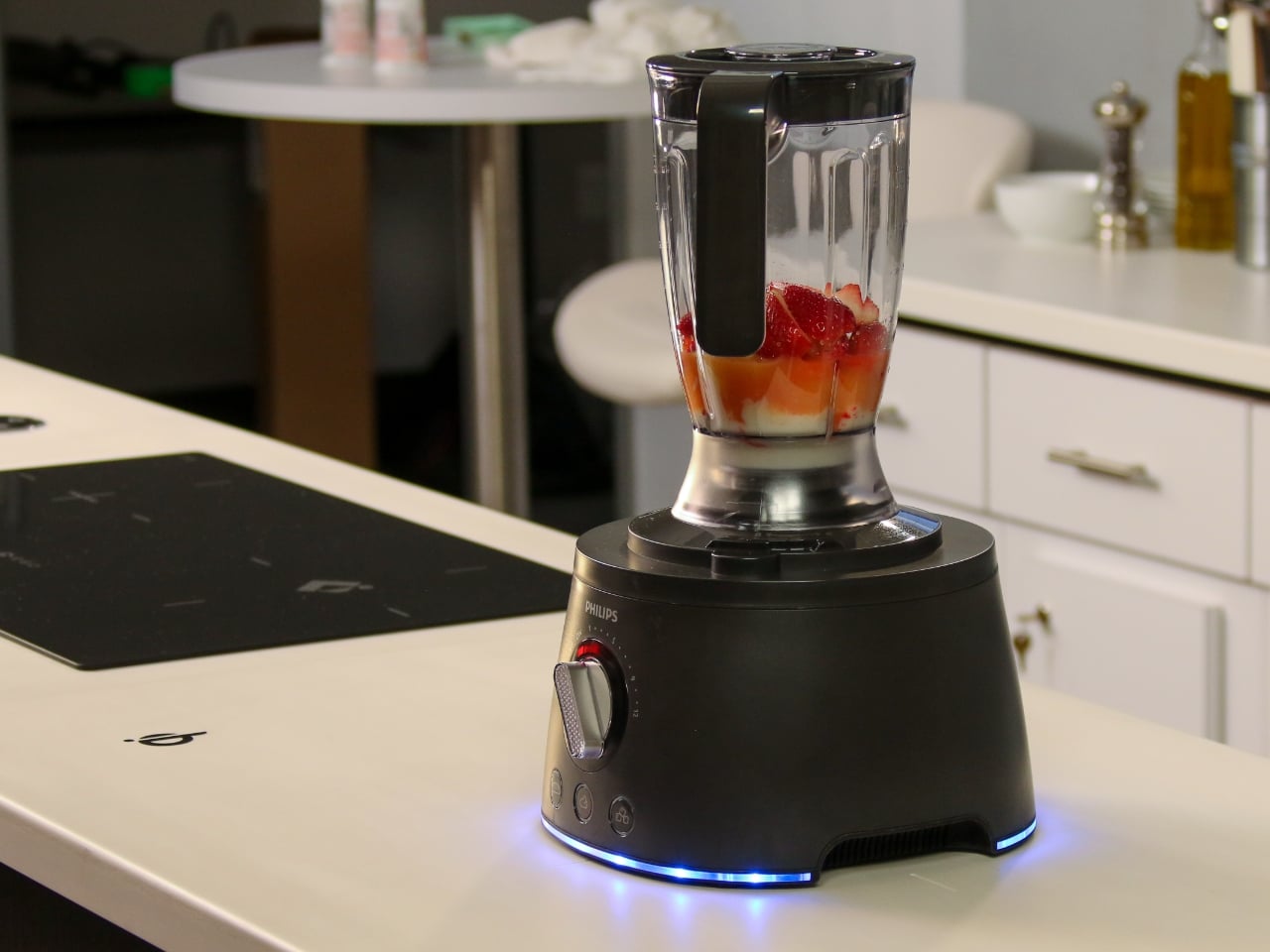
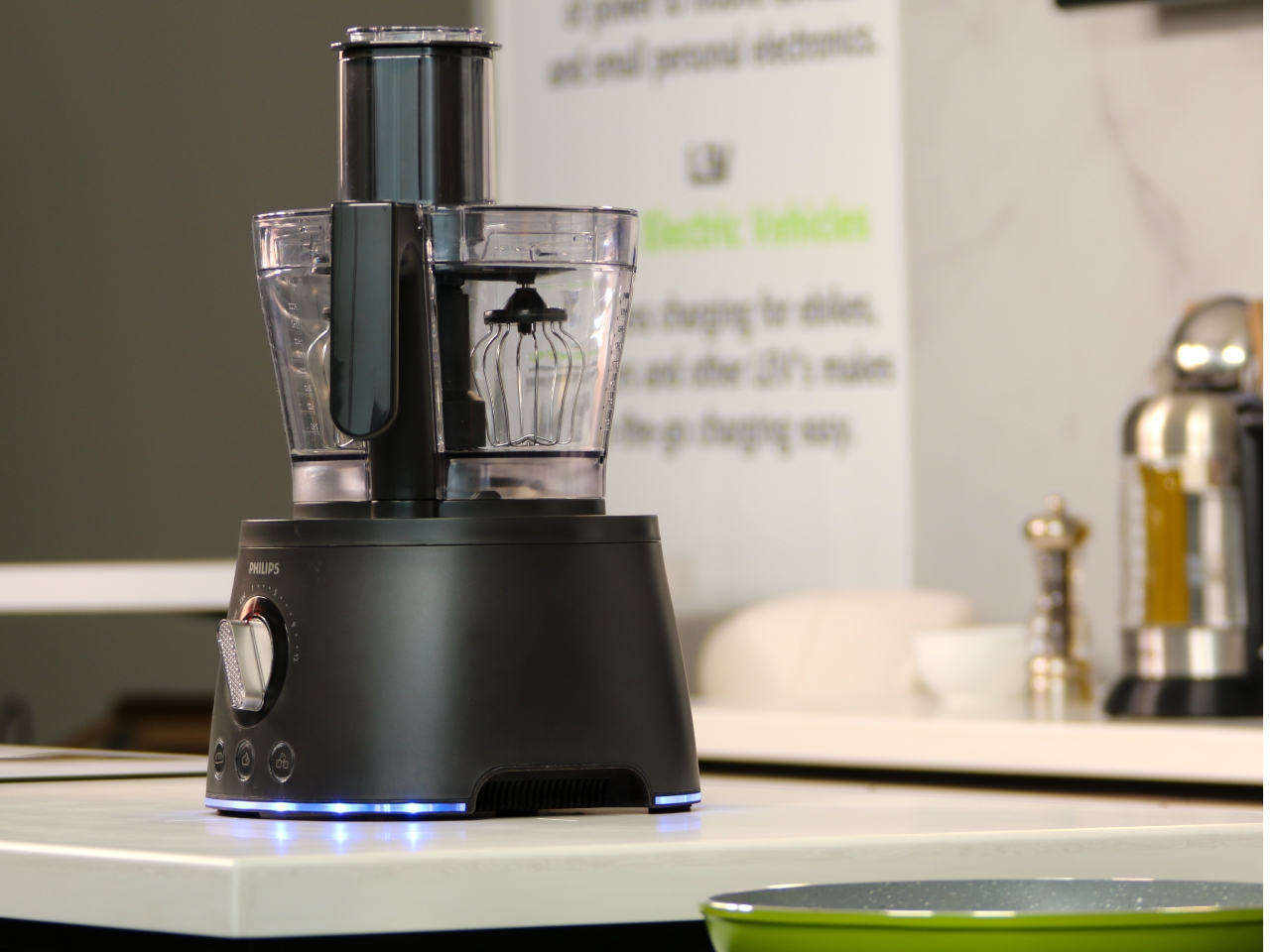
The Wireless Power Consortium (WPC) has announced the launch of the Ki standard, a breakthrough in bringing wireless power to the kitchen. Following the success of the Qi2 standard, which enhanced wireless charging for small electronics, the Ki standard eliminates the need for power cords in everyday kitchen appliances like blenders, toasters, and air fryers. Instead, appliances will communicate with a Ki power transmitter, which can be integrated into induction cooktops or hidden beneath countertops and kitchen islands. Delivering up to 2.2 kW of power, the Ki system promises to make kitchens more efficient, convenient, and safer while creating cleaner and more organized spaces.

Designer: Wireless Power Consortium (WPC)

Paul Struhsaker, Executive Director of WPC, explained how Ki will transform kitchen design. “Not only are we cutting the cord, but we’re eliminating it altogether,” Struhsaker said, noting that this advancement would inspire homeowners and designers to rethink how kitchens are used. Ki offers an innovative way to power smart appliances with greater convenience and flexibility, whether for new builds, remodels, or smart home upgrades.

New Possibilities for Kitchen Design

The introduction of the Ki standard opens up new design opportunities for kitchens. Without power cords, appliances are no longer restricted to placement near outlets. This freedom allows designers to create more open and modern layouts. With appliances able to sit on any Ki-enabled cooktop or countertop, there’s more room for creative solutions in kitchen design.

The ability to hide transmitters under countertops brings even more design flexibility. Kitchens can adopt sleek, minimalist looks, free from the clutter of cords. This feature will be especially useful in open-plan designs, where maintaining a streamlined aesthetic is important.

In addition to improving the look of kitchens, the Ki system enhances safety. Accidents are less likely to happen if no cords get tangled or cause trips, particularly in homes with children. The system’s wireless power shuts off automatically when an appliance is removed from the cooktop or transmitter, keeping surfaces cool and reducing the risk of burns.

Smarter Appliances

Ki also introduces smarter appliances. Future Ki-enabled devices will offer advanced features that allow users to control them remotely via smartphones. These smart functions will provide more control over cooking and make kitchens safer and more convenient.

Ki Wireless powering food processor bottom-lit

For designers, this brings an opportunity to incorporate advanced technology into kitchen layouts. Smart appliances connected through the Ki system will be part of the growing trend of smart home integration, offering homeowners easier ways to manage their kitchens.

Space Efficiency and Flexibility

Ki helps improve kitchen space utilization by removing the need for power cords. Without cords cluttering countertops, appliances can be placed more efficiently, and storage areas can be used more effectively. Transmitters hidden under countertops also allow for clean, unobstructed surfaces.

This feature will appeal to those designing smaller kitchens or maximizing the available space in larger ones. With fewer restrictions on where appliances can go, Ki enables more creative and functional kitchen designs.

Next Steps for Kitchen Technology

The development of the Ki standard has involved collaboration from leading appliance brands such as Midea, Beko, Philips, Miele, and E.G.O. These companies are working with WPC to bring Ki-enabled appliances to market, with certification testing expected to begin by the end of 2024.

Ki Wireless powering kettle to boil water

WPC’s certification process ensures that Ki-enabled products meet the highest standards for safety and interoperability. Once certified, products will display the Ki logo, assuring consumers that their appliances meet the standard.

Ki Wireless Power Blender and Pot on EGO cooktop

As Ki becomes more widespread, companies are encouraged to join WPC and use this new technology. With the potential to reshape kitchen spaces, Ki offers designers and manufacturers a chance to lead the next generation of kitchen innovation.

The post WPC Unveils Ki Standard: A New Era for Cordless Kitchens first appeared on Yanko Design.