Amazon is gradually rolling out its next-generation Alexa assistant within its own product ecosystem, but the latest recipient of Alexa+ is BMW. Amazon has announced the latest version of Alexa Custom Assistant, the platform that allows companies (including BMW) to build their own AI assistants that leverage Alexa tech, which will be powered by Alexa+ going forward.
With Alexa+ architecture working under the hood, drivers will benefit from a more natural, conversational style of in-vehicle interactions, while making use of the assistant’s more comprehensive agentic capabilities and ability to deal with more complex instructions than it could previously. Alexa+ can access more than 70 large language models (LLM), and Amazon has promised that any conversation you’ve had with one of its home devices can be continued in the car.
BMW was already using Alexa Custom Assistant as the foundation of its in-vehicle voice assistant tech, which it calls the BMW Intelligent Personal Assistant (IPA), and it’ll be the first car manufacturer to get access to Alexa+. At CES 2024, the two companies also debuted a new feature that effectively allows Alexa to absorb the driver’s manual so it can answer any question about your car in real-time.
BMW has gone all in on Amazon’s ecosystem, with its connected features also powered by the Amazon Web Services (AWS) cloud platform. The new Alexa Custom Assistant will come to select BMW models soon, but we don't currently have any specifics as to the exact date or which vehicles will get it.
This article originally appeared on Engadget at https://www.engadget.com/ai/alexa-is-coming-to-bmw-vehicles-161455252.html?src=rss
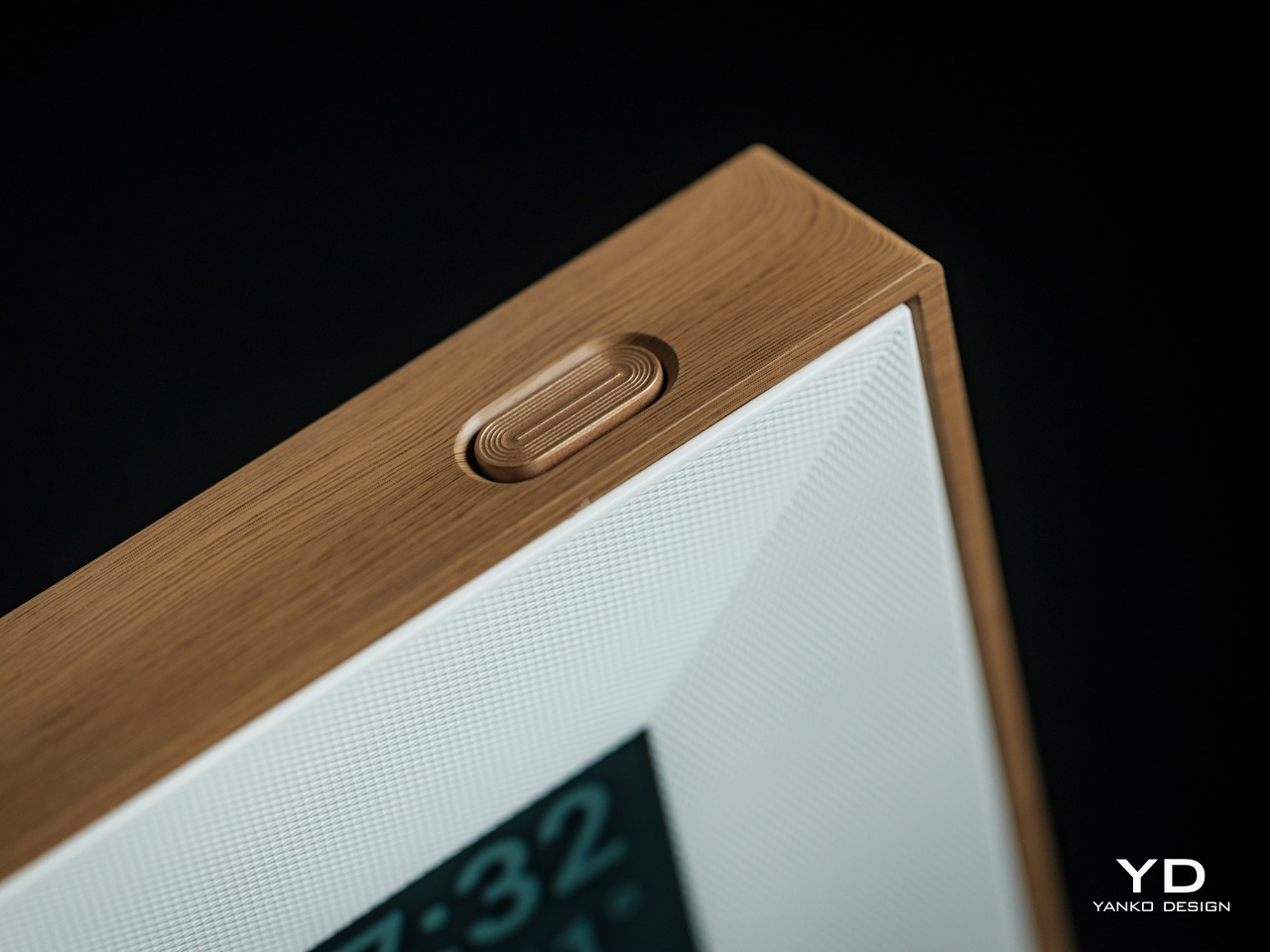
Premium design with wood grain finish and canvas-like matting
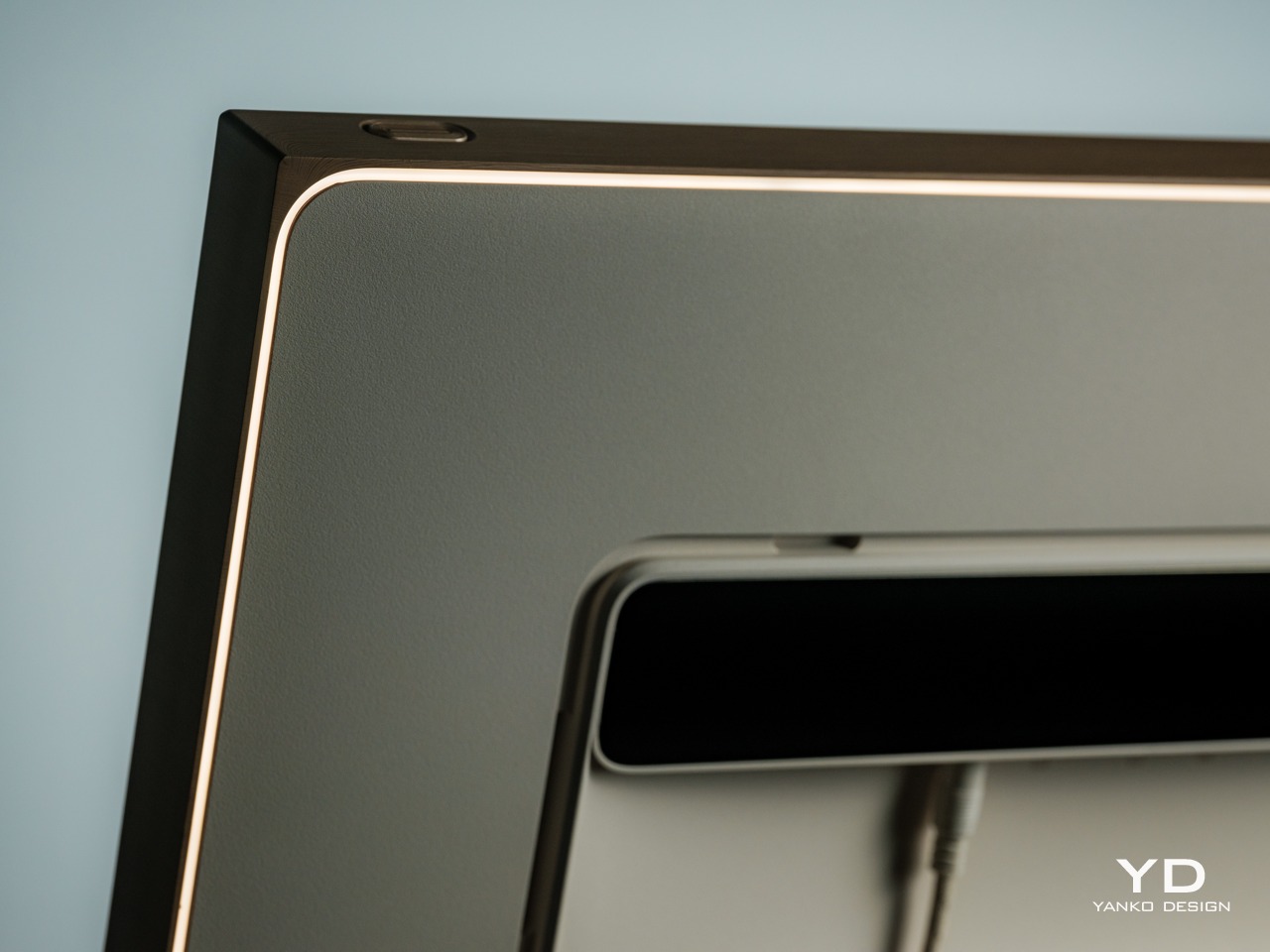
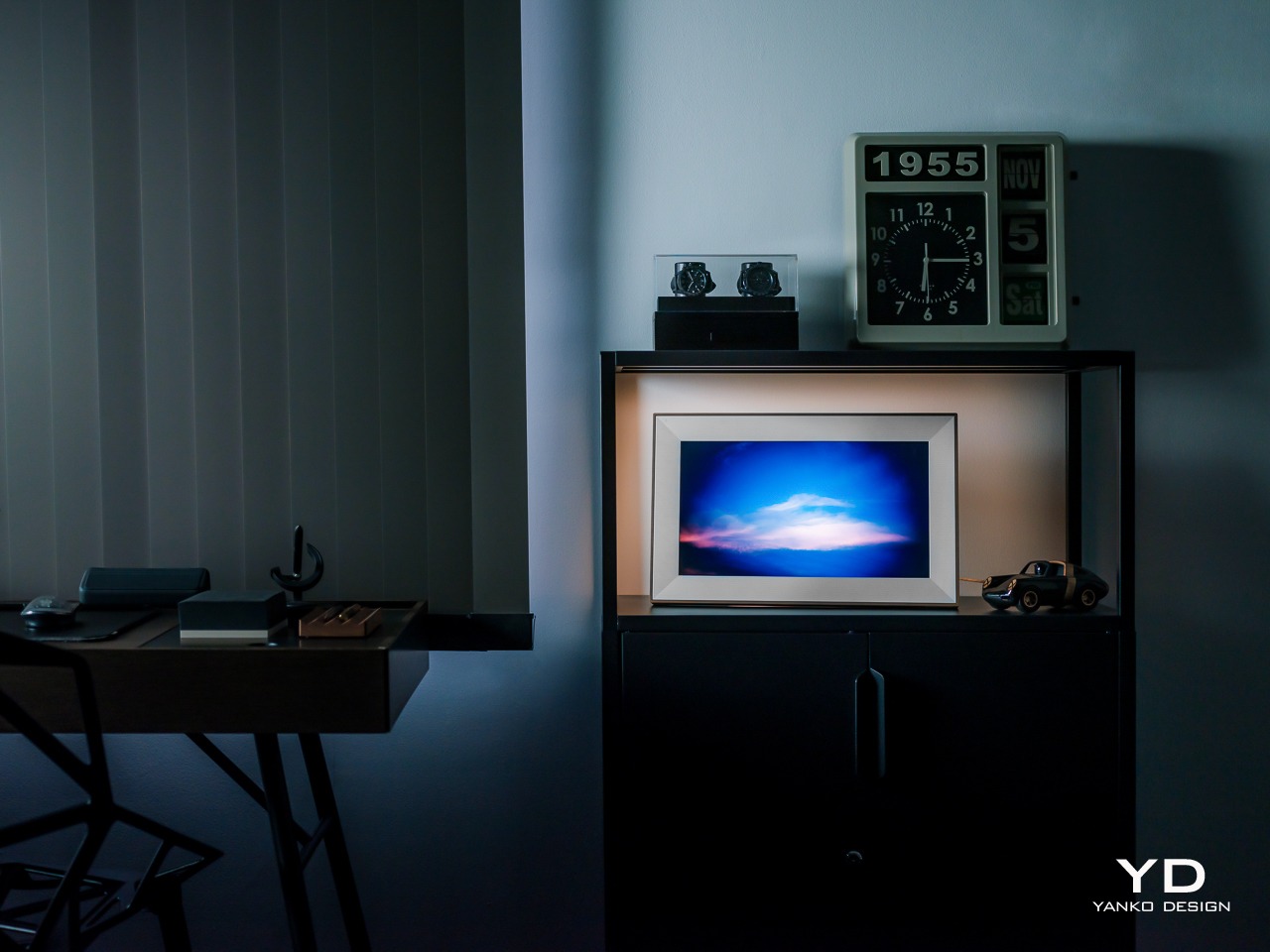
Rear LED Gallery Lighting adds warmth and dimension to photos
Large 15.6-inch anti-glare display with excellent visibility
Generous 64GB internal storage
Simple setup and effortless sharing via the Frameo app
CONS:
No built-in battery
Video playback is capped at 15 seconds
Uploading more than 10 photos at once remotely requires the optional Frameo+ subscription
RATINGS:
AESTHETICS
ERGONOMICS
PERFORMANCE
SUSTAINABILITY / REPAIRABILITY
VALUE FOR MONEY
EDITOR'S QUOTE:
The Pexar Starlight blends premium design and an all-new gallery lighting into a digital frame that finally feels as special as the memories it displays.
Digital photo frames have been around for years, but finding one that actually looks good in your living room remains surprisingly difficult. Most feel like gadgets that happen to show pictures rather than thoughtful décor pieces. They display photos well enough, but they rarely inspire the kind of emotional connection that makes you want to give them the best spot in your home.
The Pexar Starlight 15.6-inch Digital Picture Frame approaches photo display differently by adding integrated lighting that makes memories glow like gallery pieces. Born from Lexar’s imaging expertise, this frame combines a generous screen with thoughtful design details that celebrate photos rather than just showing them. Let’s see how it actually fares in practice.
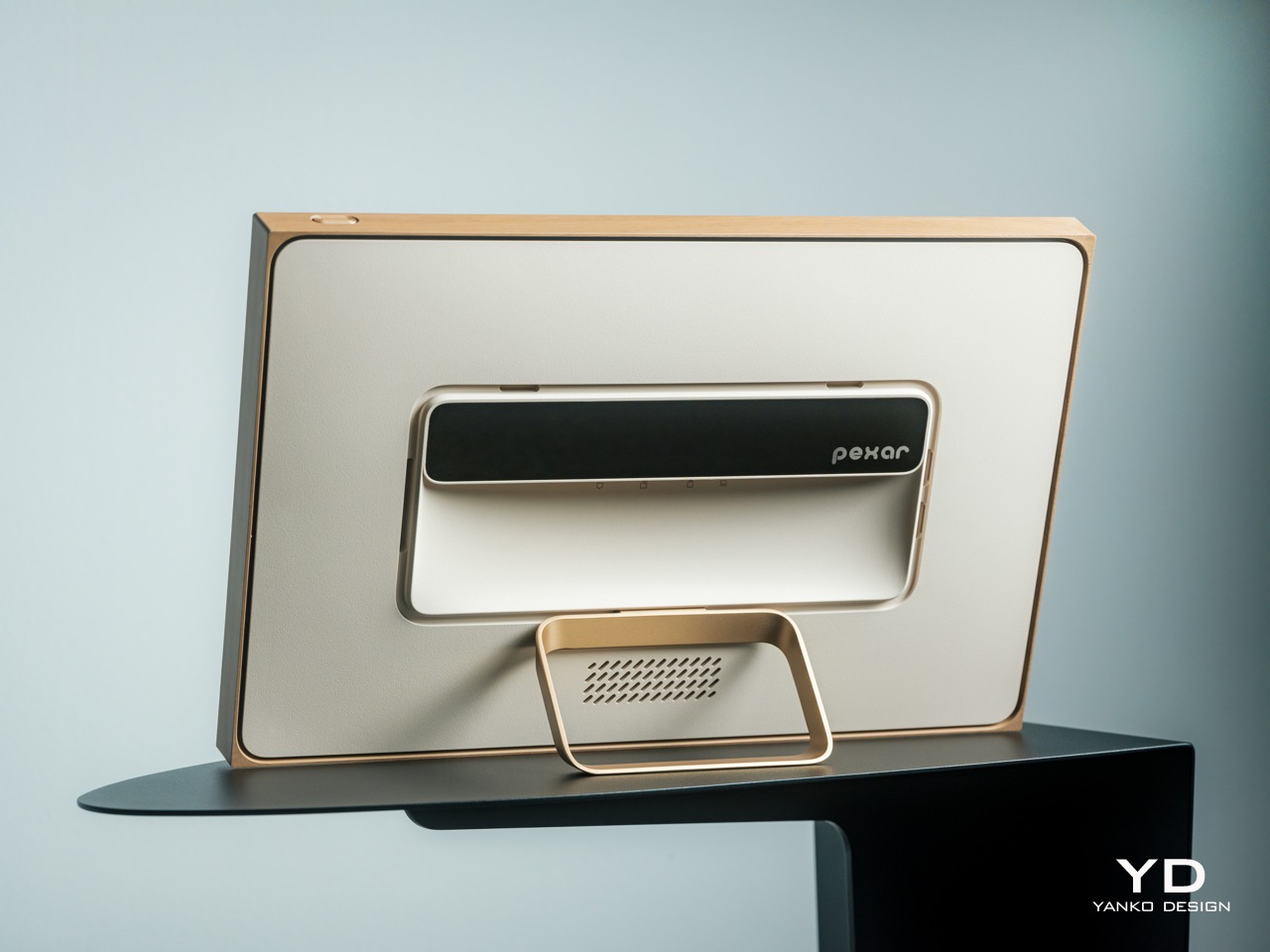
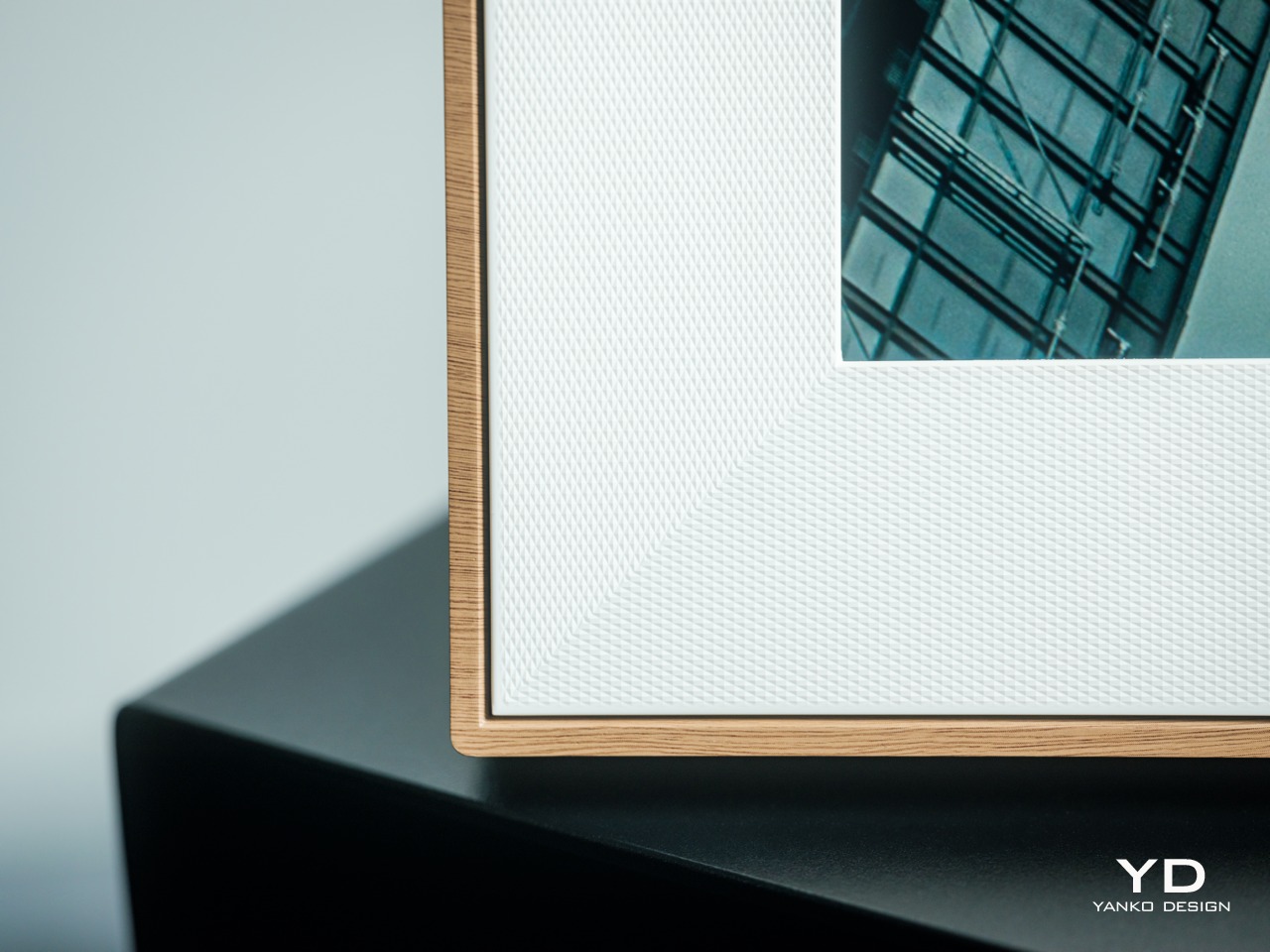
Unboxing the Starlight reveals a wood-grain finish that immediately separates it from typical digital frames dominated by glossy plastic. The texture has genuine depth and character, not just a printed pattern attempting to mimic wood. Running fingers across the surface reveals a tactile quality that makes the frame feel substantial, like furniture designed to last rather than disposable tech.
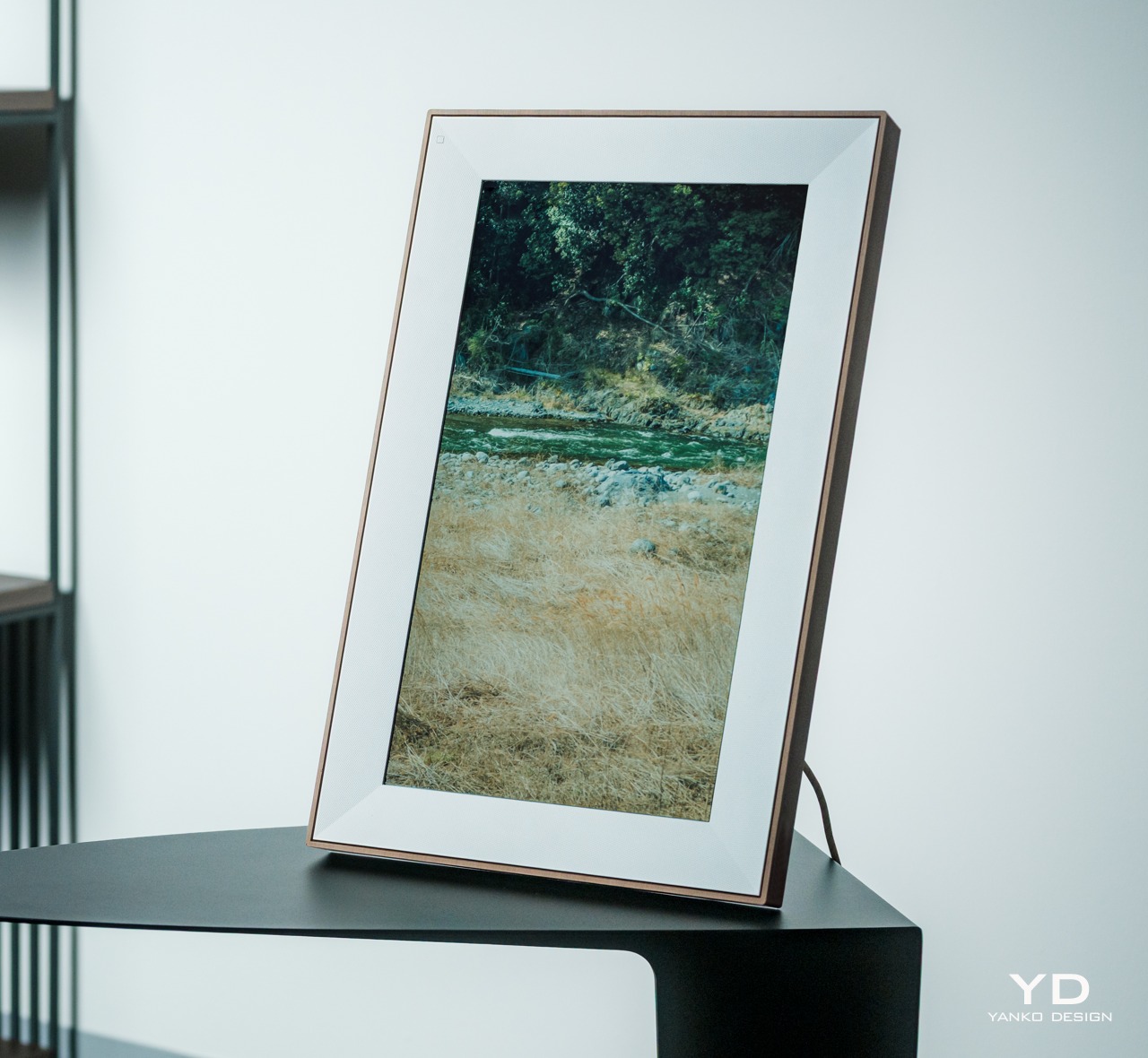
The canvas-like matting surrounding the display creates instant gallery vibes without trying too hard. Every photo cycling through looks intentional and curated, as if someone carefully selected each image for exhibition. This presentation quality works magic on even casual smartphone snapshots, making everyday moments feel more special than they did when scrolling through a camera roll mindlessly.
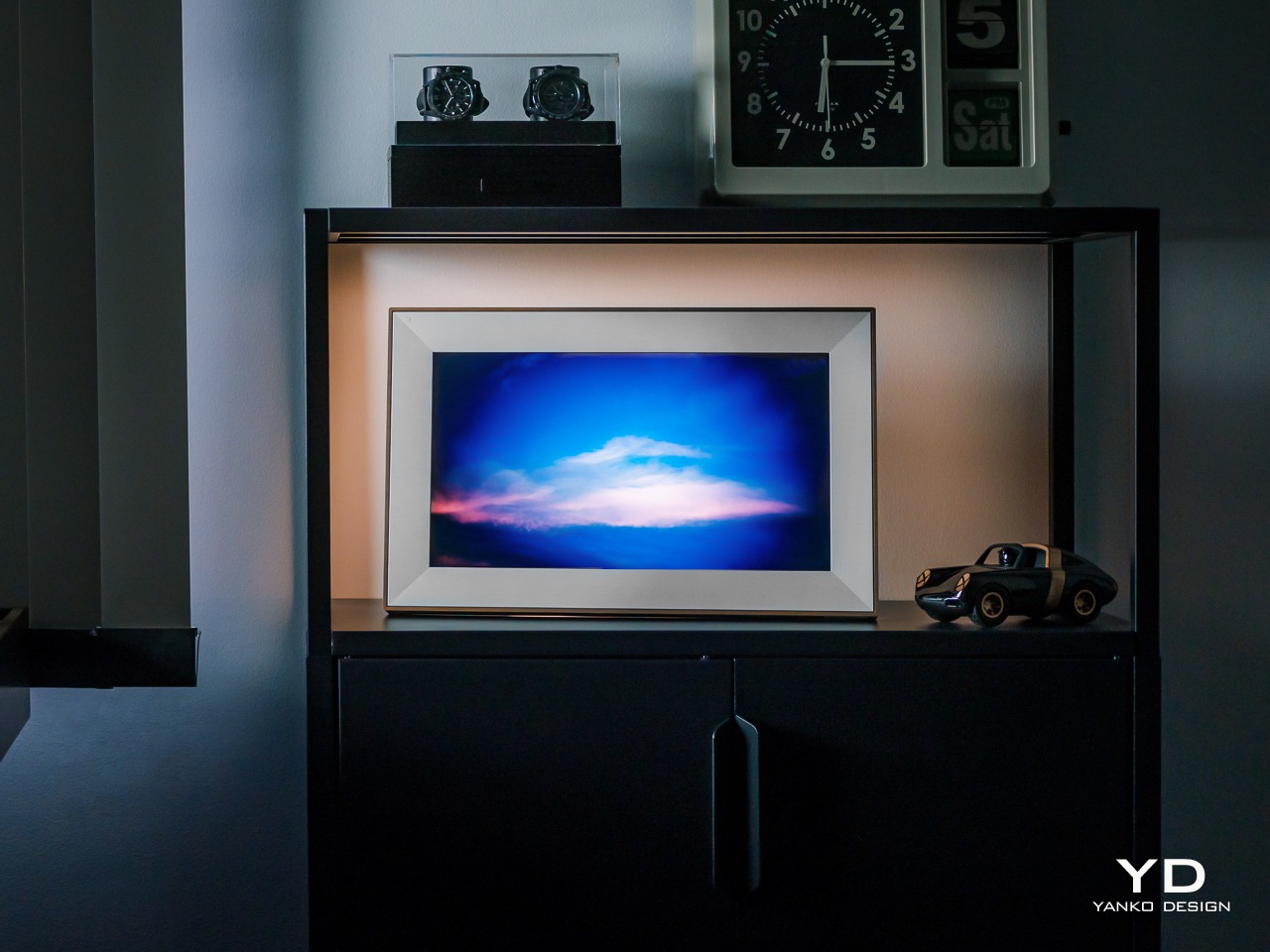
Placing the frame on a living room shelf shows how the thin bezel maximizes screen space without screaming for attention. The proportions feel balanced, with enough frame to provide visual weight but not so much that it dominates nearby objects. The design quietly commands attention rather than demanding it, which matters more than expected when living with something daily.
The innovative gallery lighting changes how photos feel in a room entirely. During daylight hours, the warm glow adds a subtle dimension that makes images pop against the wall behind them. As evening arrives and ambient light fades, the lighting becomes more prominent, casting a soft halo that naturally draws the eye toward whatever memory is currently on display.
Watching the lighting interact with different photos throughout the day reveals careful tuning and attention to detail. The warmth complements skin tones beautifully while enhancing golden hour sunsets and cozy indoor shots taken during winter evenings. The lighting never fights with images but rather supports them, creating depth without becoming a distraction from the actual photographs.
The anti-glare screen proves its value in challenging lighting conditions that would ruin most displays. Positioning the frame near windows or under bright overhead lights doesn’t create reflective hotspots that make screens unreadable. Photos remain clearly visible from multiple angles throughout the day, maintaining their visual impact regardless of how sunlight shifts across rooms.
The packaging deserves special mention for winning the 2025 MUSE Design Awards with its completely eco-friendly design. The gift box uses 100 percent recyclable materials with a green fiber coating and sand-gold metallic accents, drawing on Nordic and Japanese aesthetics for a premium unboxing experience. The paper pulp construction eliminates plastic entirely while feeling surprisingly luxurious, making the Starlight especially thoughtful for holiday gifting when presentation matters as much as the gift itself.
Ergonomics
Setup takes barely a minute from opening the box to displaying your first photo on screen. Power on, pick language and time zone, connect to Wi-Fi, name the device, finished. The whole process feels refreshingly simple, with clear prompts that don’t require consulting manuals or watching tutorial videos to figure out what’s happening.
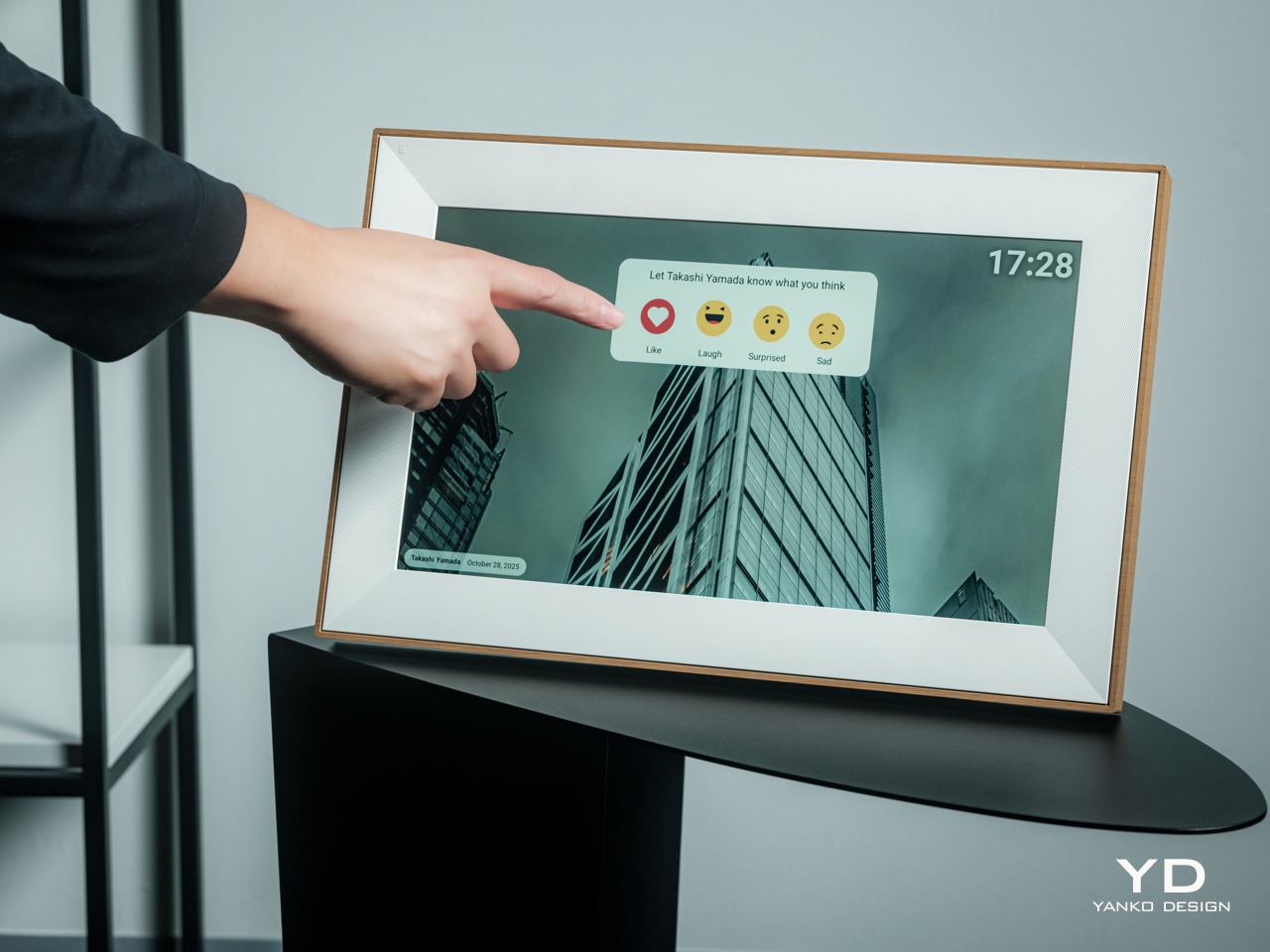
The Pexar Starlight’s touchscreen responds accurately to every tap and swipe without the frustrating lag that makes cheap displays annoying to actually use. Navigating settings, albums, or display options feels smooth and predictable throughout. The interface clearly borrows from modern smartphones, making it immediately familiar even for people who typically struggle with new technology and avoid anything labeled “smart.”
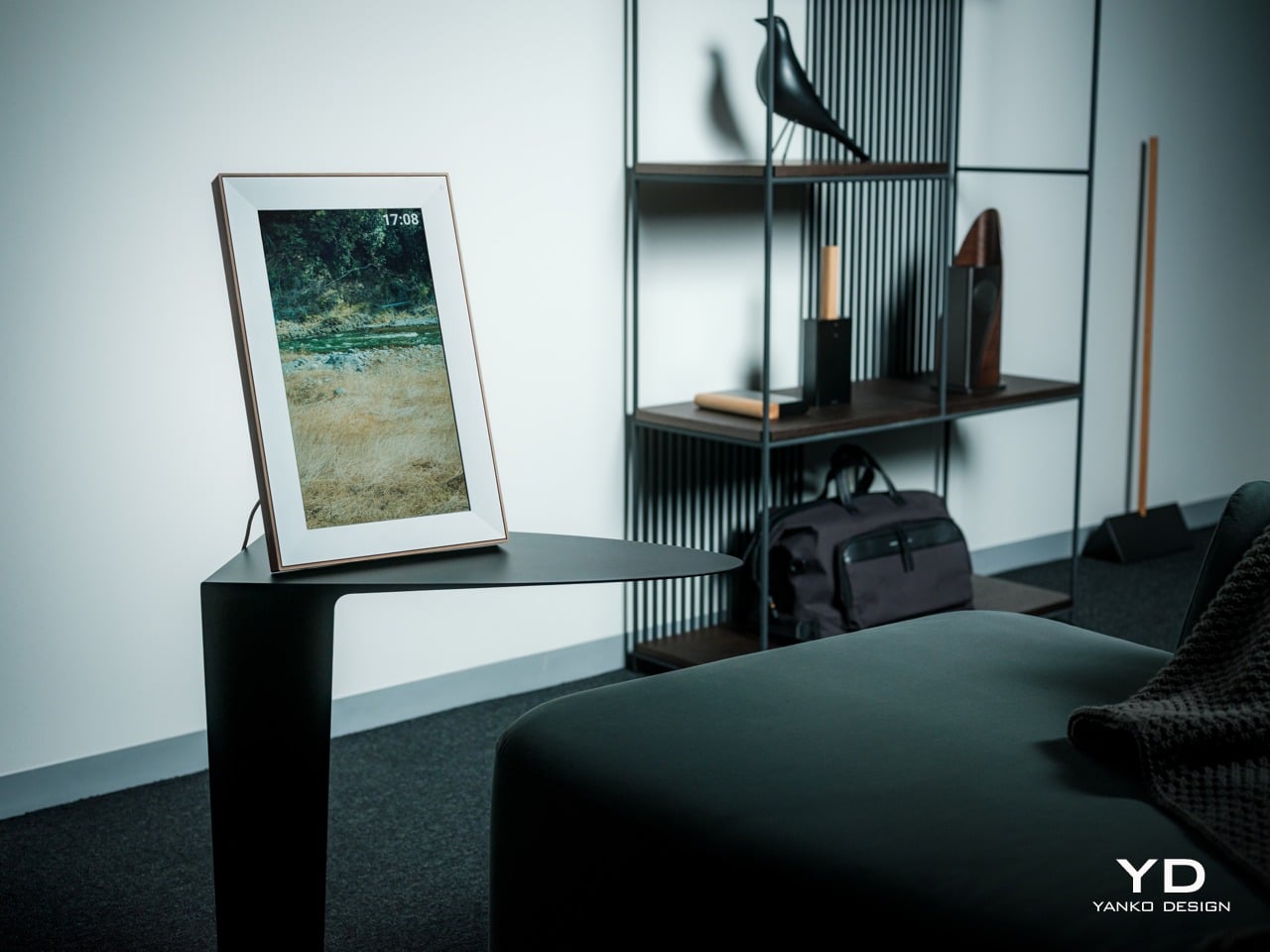
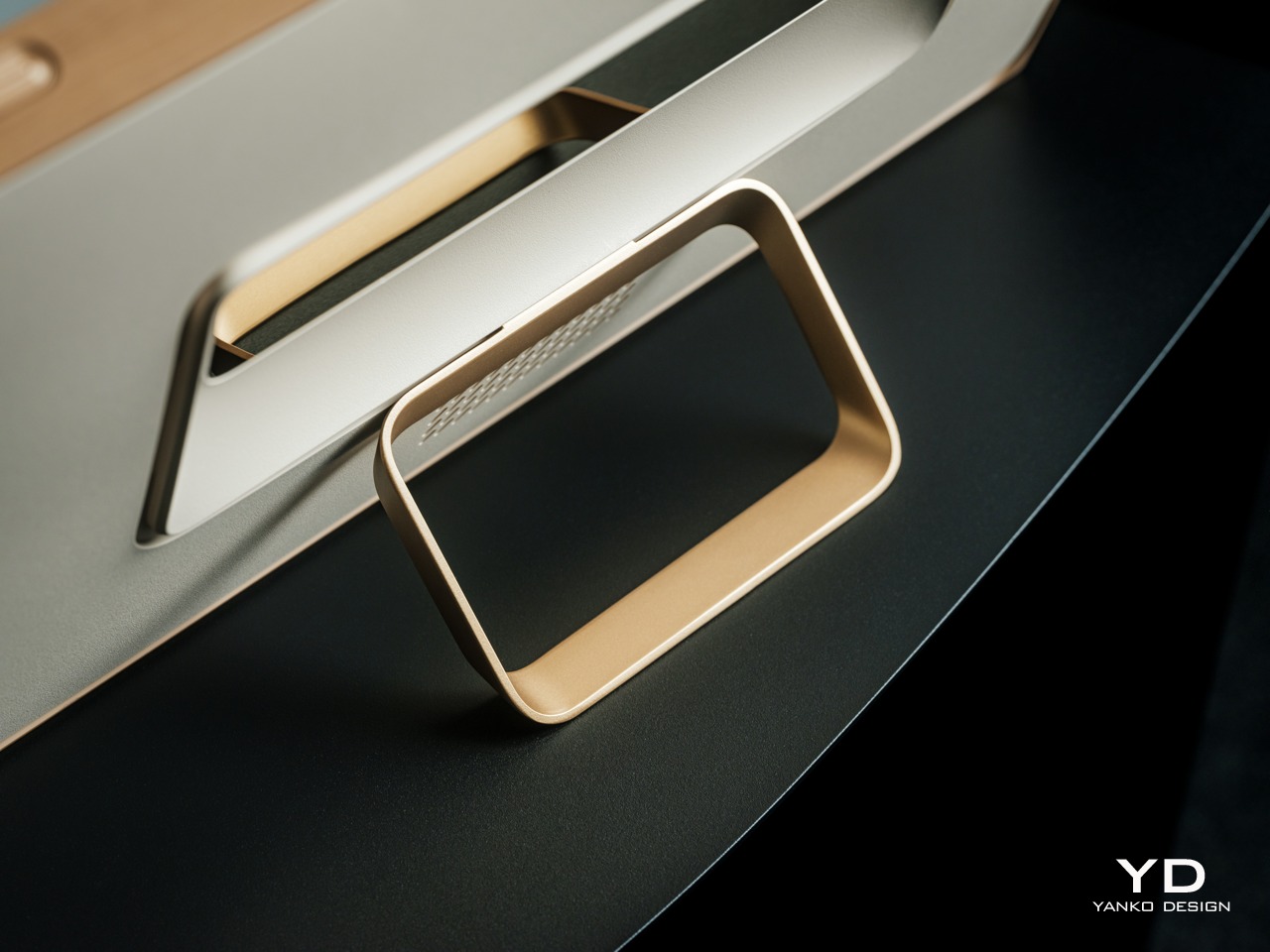
The metal stand holds the frame securely in both portrait and landscape positions without complaint. Switching orientations reveals smooth, stable positioning without wobbling or tipping concerns that would make you nervous about bumping the table. The stand’s minimal footprint doesn’t hog surface area, fitting easily on crowded shelves or narrow surfaces without requiring furniture rearrangement.
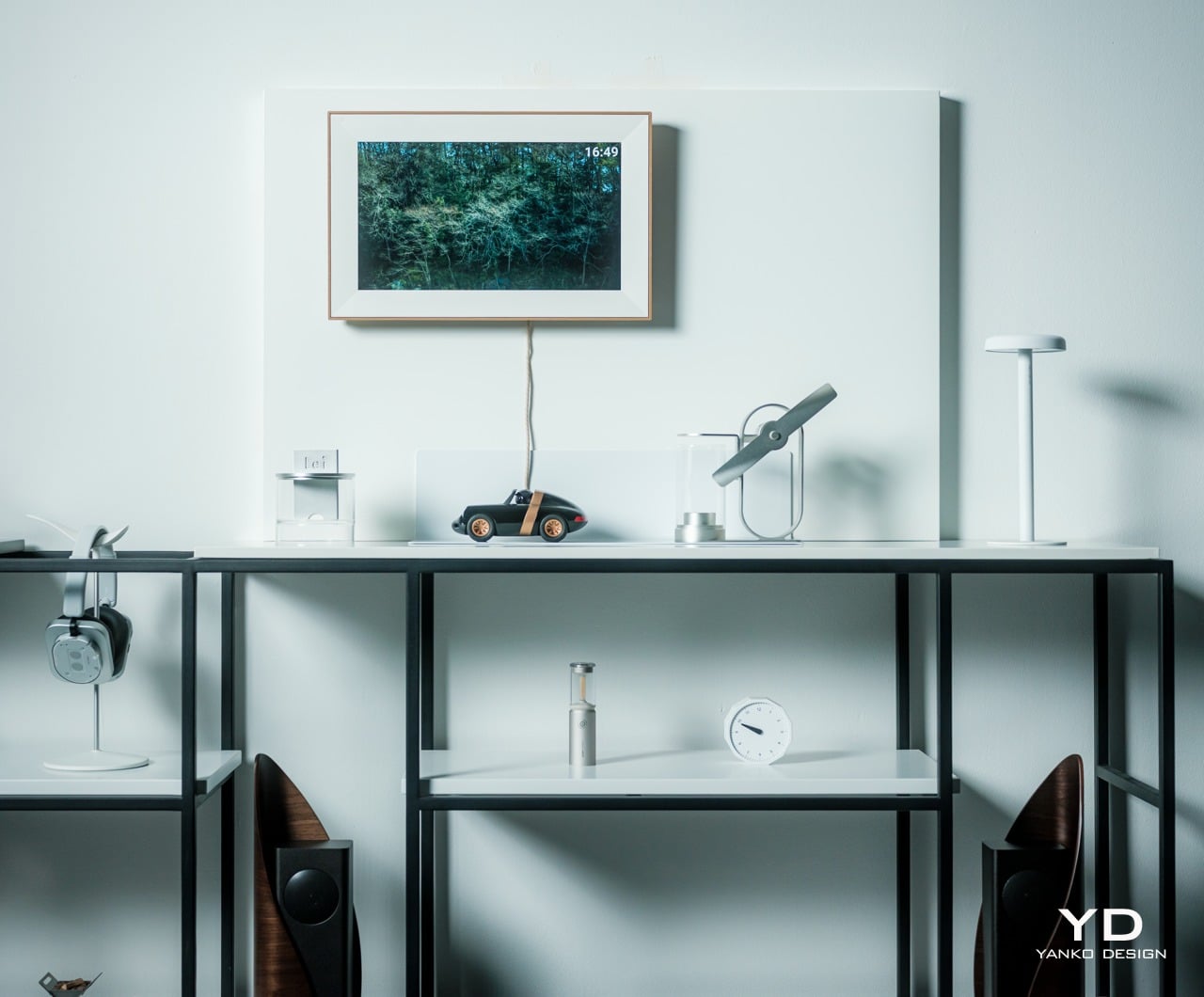
Wall mounting keeps everything flush while allowing proper clearance for the gallery lighting to project its characteristic glow. The hardware feels robust enough to trust with a device this size and weight. Once mounted, the frame looks intentional rather than like tech equipment awkwardly stuck to the wall, which becomes important when it’s a permanent fixture in your space.
Auto-rotation works like magic when repositioning the frame between portrait and landscape orientations. Pick it up, turn it sideways, and the display adjusts instantly without requiring button presses or menu navigation. The automatic sensing means photos always display correctly regardless of orientation, whether you’re trying different placements or just moved it to a new room.
Performance
With a 1920×1080 screen resolution, the Pexar Starlight delivers sharp, detailed images that look great from typical viewing distances across the room. Fine details in photos remain crisp and clear, while text in captions or greeting cards stays perfectly readable. The pixel density feels well-matched to screen size, providing clarity without that overly processed digital look that sometimes makes photos feel artificial.
Colors pop with vibrancy that feels realistic rather than artificially boosted like oversaturated TV displays. Photos show rich, engaging hues that don’t cross into unrealistic territory that makes images look fake. Skin tones appear natural and flattering, while blue skies and green landscapes maintain the depth and richness you remember from actually being there.
The 64GB internal storage swallows photo libraries without breaking a sweat or showing performance issues. Loading several thousand images reveals no slowdown, stuttering, or lag during transitions. The frame cycles through photos smoothly, maintaining quick changes and responsive controls regardless of how many memories are crammed into storage over months.
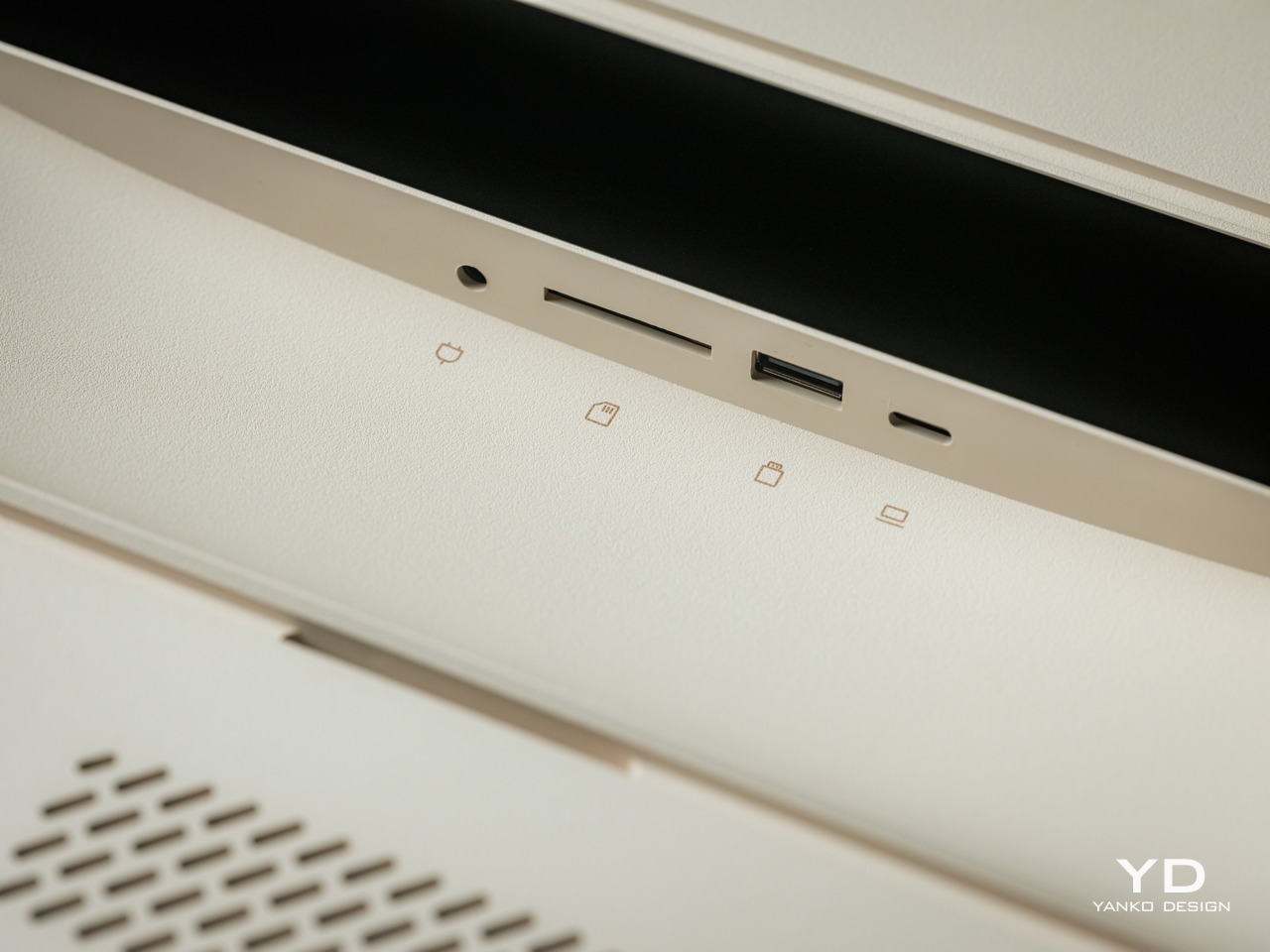
Loading photos via SD card or USB feels straightforward and surprisingly quick for large batches. Insert the storage source, navigate to Settings, select Import Photos, choose your images, and let the frame handle everything else. The interface makes it easy to select all photos at once or cherry-pick specific favorites, depending on how curated you want the current collection.
Of course, sending photos to the Starlight from your phone makes the experience feel almost magical, thanks to integrated Frameo support. The mobile app connects to the frame instantly without drama or confusion. Scan the QR code or type in the frame code, and your phone recognizes the device immediately. Sending photos becomes as natural as texting pictures to friends, which matters enormously for getting family members to actually contribute images regularly rather than forgetting about the frame.
The Frameo ecosystem makes sharing photos feel effortless and genuinely social rather than technical. Family members in different cities or countries send images that appear on the frame within seconds of tapping send. The system handles multiple contributors gracefully, organizing incoming photos by sender and allowing everyone to see who shared what without confusion.
Video clips up to 15 seconds capture brief, meaningful moments that photos alone can’t convey completely. While longer videos would expand creative possibilities, the time limit encourages sharing highlights rather than full recordings nobody watches. The built-in speaker provides clear audio for these short clips, adding voices and context that bring moments back to life.
The ten-photo limit for remote uploads seems restrictive initially but rarely causes problems during everyday use. Most sharing happens in small batches anyway: a few shots from dinner, a handful from the weekend trip. For complete vacation albums with hundreds of images, the SD card slot and USB connection handle bulk transfers without making you babysit uploads or watch progress bars creep forward.
Sustainability
The frame’s construction suggests durability designed for years of daily use rather than quick obsolescence. The wood grain finish shows remarkable resistance to fingerprints, smudges, and general wear from regular touchscreen interaction. After days of handling, the surface maintains its original appearance without visible degradation, dulling, or wear patterns that would diminish its premium look.
Storage expansion capabilities prevent the frame from becoming obsolete as photo libraries grow from thousands to tens of thousands. Rather than hitting capacity limits and requiring complete replacement, the frame adapts to increasing storage needs through affordable SD cards. This flexibility supports sustainable consumption by extending the useful lifespan instead of forcing upgrades.
The digital format reduces environmental impact compared to traditional photo printing and physical framing habits. A single Starlight displays thousands of memories that would otherwise require paper, ink, shipping materials, and physical frames. For households that previously printed select favorites, the frame offers a more sustainable way to enjoy entire collections.
The frame’s offline functionality provides independence from cloud services that could potentially disappear or change. Once photos are loaded onto internal storage, they remain accessible forever regardless of internet connectivity or ongoing service availability. This autonomy means memories stay safe and visible even if business models change or companies discontinue cloud support unexpectedly.
Value
The Starlight occupies premium territory in the digital photo frame market, and pricing reflects the larger screen and distinctive features. Comparing gallery lighting, screen quality, and storage to similarly priced options reveals competitive positioning that justifies the investment. The feature combination makes sense for people who prioritize design and want tech that enhances spaces.
Gallery lighting alone differentiates the Starlight from most frames in any price range currently available. Competing products focus exclusively on display quality without considering how the device impacts room ambiance and atmosphere. The integrated lighting makes the Starlight both a photo display and a mood lighting element, effectively serving two purposes simultaneously.
The 64GB storage outpaces many frames offering 8GB or 16GB that charge extra for expansion cards. Starting with a generous internal capacity avoids constant photo management or forced deletions to accommodate new images. This abundance provides better long-term value by eliminating storage anxiety that ruins the experience of actually owning and enjoying the frame.
The Pexar Starlight works beautifully as a gift for parents, grandparents, or distant family members who might struggle with complicated tech. The simple setup and multi-contributor functionality make it especially valuable for keeping families connected across distances. The thoughtful packaging and premium presentation reinforce its identity as a meaningful gift rather than just another gadget.
Unlimited distance sharing adds genuine practical value for families spread across different cities, states, or countries. Grandparents receive photos from grandchildren instantly without wrestling with email attachments or complicated file transfers that confuse them. This simplicity increases the likelihood that the frame actually gets used regularly rather than gathering dust after initial novelty fades.
The wood grain finish and gallery lighting ensure the frame enhances home décor rather than detracting from carefully curated spaces. This design consideration adds real value for people who view their purchases through an aesthetic lens first. Premium looks justify premium pricing when the alternative means compromising on how your living space feels, functions, and welcomes guests.
Verdict
Living with the Pexar Starlight reveals a frame designed by people who understand both technology and how families actually interact with their memories. The gallery lighting, thoughtful materials, and anti-glare screen create experiences that go beyond simply displaying photos. Small design choices add up to something that feels special rather than utilitarian, making the frame something you want to show off.
The Starlight shows how digital frames can contribute to atmosphere and aesthetics without sacrificing useful features. For anyone seeking a way to display memories that enhances their space while keeping loved ones connected, it delivers on both fronts convincingly. The frame makes digital memories feel as meaningful as the moments they preserve, which is ultimately what any photo display should accomplish.
Blue Origin has announced a target date for New Glenn’s second launch: November 9. This time, the mission will deploy real payloads, not just carry a technological demo for the company. Specifically, the spacecraft will be carrying the NASA Escapade mission’s twin satellites, which are headed to Mars. New Glenn, Blue Origin’s heavy-lift launch vehicle that was designed to be reused for a minimum of 25 flights, had its maiden flight in January. While the rocket made it to space, the company failed to land its first stage on its recovery ship in the Atlantic Ocean.
In a tweet, Blue Origin CEO Dave Limp said it won’t be a problem if it fails to stick the landing again. “We've got several more New Glenn boosters already in production,” he said. The mission’s primary goal, he clarified, is to get the Escapade satellites safely into orbit.
NG-1's goal was clear: reach orbit, everything after that was a bonus. NG-2 builds on that with our primary goal to get Escapade safely to orbit and land the booster. What if we don't stick the landing? That's ok. We've got several more New Glenn boosters already in production.… https://t.co/MtZ5057zTH
Mars missions typically launch during a narrow window of time when the red planet and the Earth are aligned. It’s a phenomenon that only happens once every two years. Colorado aerospace company Advanced Space designed Escapade’s trajectory for Mars missions that do not launch within that timeframe. The satellites will linger in the L2 Lagrange point between the sun and the Earth for a year. In November 2026, they will do a slingshot around our planet in order to reach Mars sometime in 2027 during that once-in-every-two-year alignment. “Can we launch to Mars when the planets are not aligned? Escapade is paving the way for that,” said Jeffrey Parker of Advanced Space.
New Glenn will lift off from Cape Canaveral Space Force Station’s Launch Complex 36. The company is aiming for a 2:45 PM Eastern time launch on November 9. As SpaceNews notes, the US government shutdown could limit NASA’s coverage, though the agency is still expected to livestream the event.
This article originally appeared on Engadget at https://www.engadget.com/science/blue-origins-second-new-glenn-launch-will-carry-real-nasa-satellites-153000627.html?src=rss
Peloton is recalling 833,000 units of the original Bike+ over a safety issue related to the seat post. The Consumer Product Safety Commission (CPSC) said the company received three reports of the seat post breaking during use, including two reports of injuries sustained "due to a fall."
The CPSC said owners of the original Bike+ should stop using the device immediately and contact Peloton for a free replacement seat post that they can install themselves. You can identify whether your Bike+ is part of the recall if you see a serial number that starts with "T" — for instance, TABCSSXXXXX — inside the front fork, behind the front fork or behind the flywheel.
The recall affects all of the original Bike+ units that Peloton sold in the US. The company said it had not received reports of a seat post breaking on any of the 44,800 units it sold in Canada. Peloton made the original Bike+ between 2019 and 2022. CNBC notes that the company was still selling those bikes until April this year.
Peloton also had to recall 2.2 million base Bike units in May 2023 over a seat post issue. At the time, the CSPC said there were 35 reports of the seat post breaking during use, with 13 reports of related injuries.
The company refreshed its lineup last month, adding new features such as an AI-powered camera that’s designed to check users' form. The new Cross Training versions of Peloton's exercise machines came with a price hike. The company increased subscription prices too.
This article originally appeared on Engadget at https://www.engadget.com/home/peloton-recalls-833000-bike-units-after-reports-of-seat-posts-breaking-151324141.html?src=rss
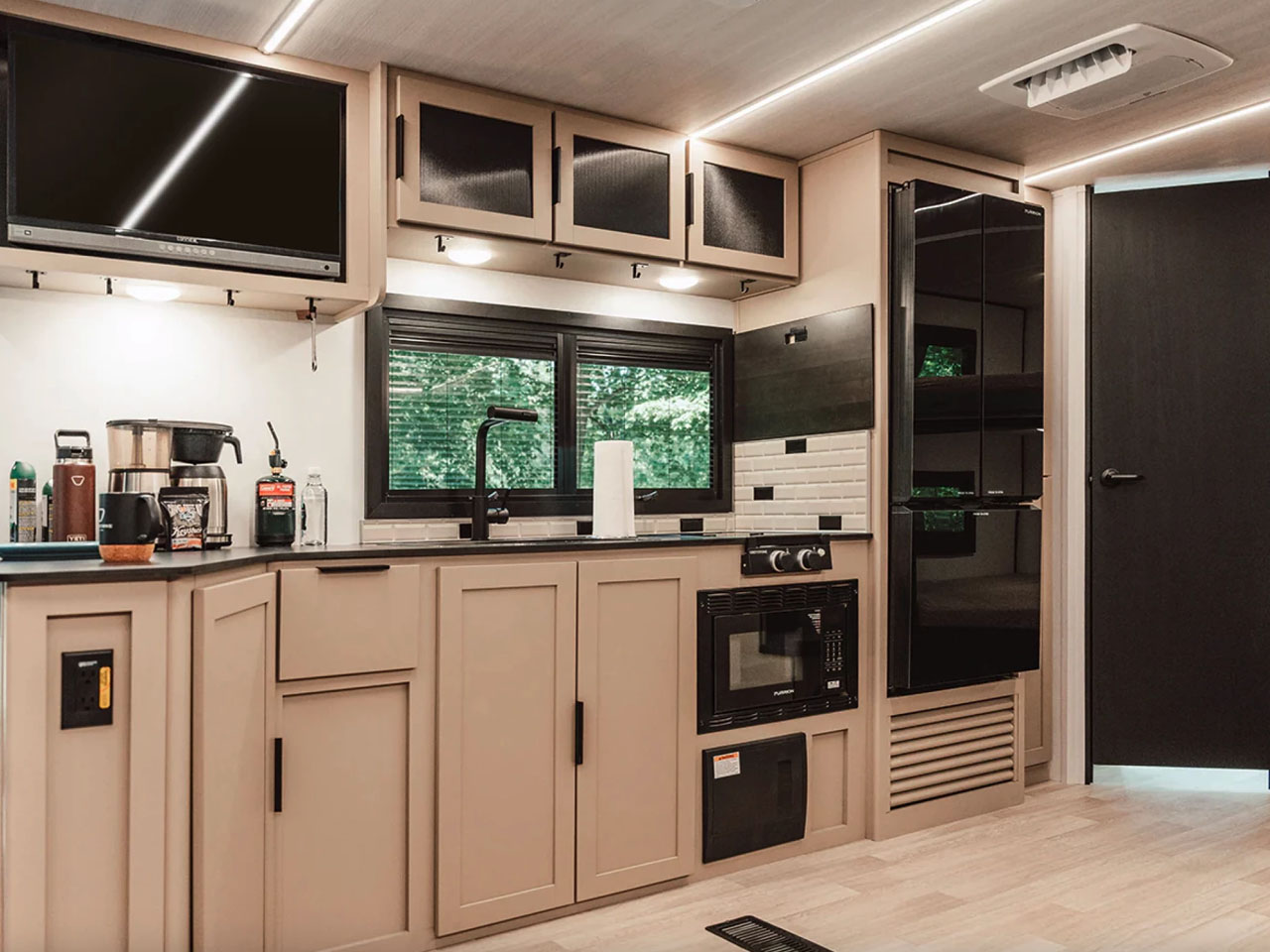
Keystone, one of the major manufacturers of towable recreational vehicles, has grown in the shadows and not had its chance to shine like it would now with the launch of the Walkabout 26 Max: a purpose-built travel trailer that commands your attention. Its bold, adventure-ready design looks formidable on the outside while promising capability and durability on almost all terrains when paired with a strong tow vehicle.
The RV industry has evolved more dramatically than any other in recent years, with many motorhome, trailer, and camper manufacturers rising and fading over time. Founded in 1996 by Cole Davis in Goshen, Indiana, Keystone RV quickly became one of the top manufacturers of towable RVs in North America by the turn of the millennium. Recognizing its success, THOR Industries acquired Keystone in 2001, a move that helped establish THOR as the world’s largest manufacturer of recreational vehicles.
Much of THOR’s growth and prominence can be attributed to Keystone’s strong performance, characterized by its lineup of stylish and soulful towable travel trailers, fifth-wheelers, and toy haulers. Now combining the goodness of its previous iterations with the nuances of the American and the Australian RV industries, the Walkabout is feature-packed for a prolonged outing in the wilderness.
The construction is pretty straightforward. Keystone eliminates wood in favor of aluminum panels, making up a more enticing auto-inspired finish, which elevates the Walkabout from its travel trailer DNA into a flavorful motorhome with ample onboard storage for your gear. Of course, the interior is a breakaway from the industry norm; the exterior is no short of sublime: the trailer home is, it’s safe to say, designed to maximize comfort outdoors and inside.
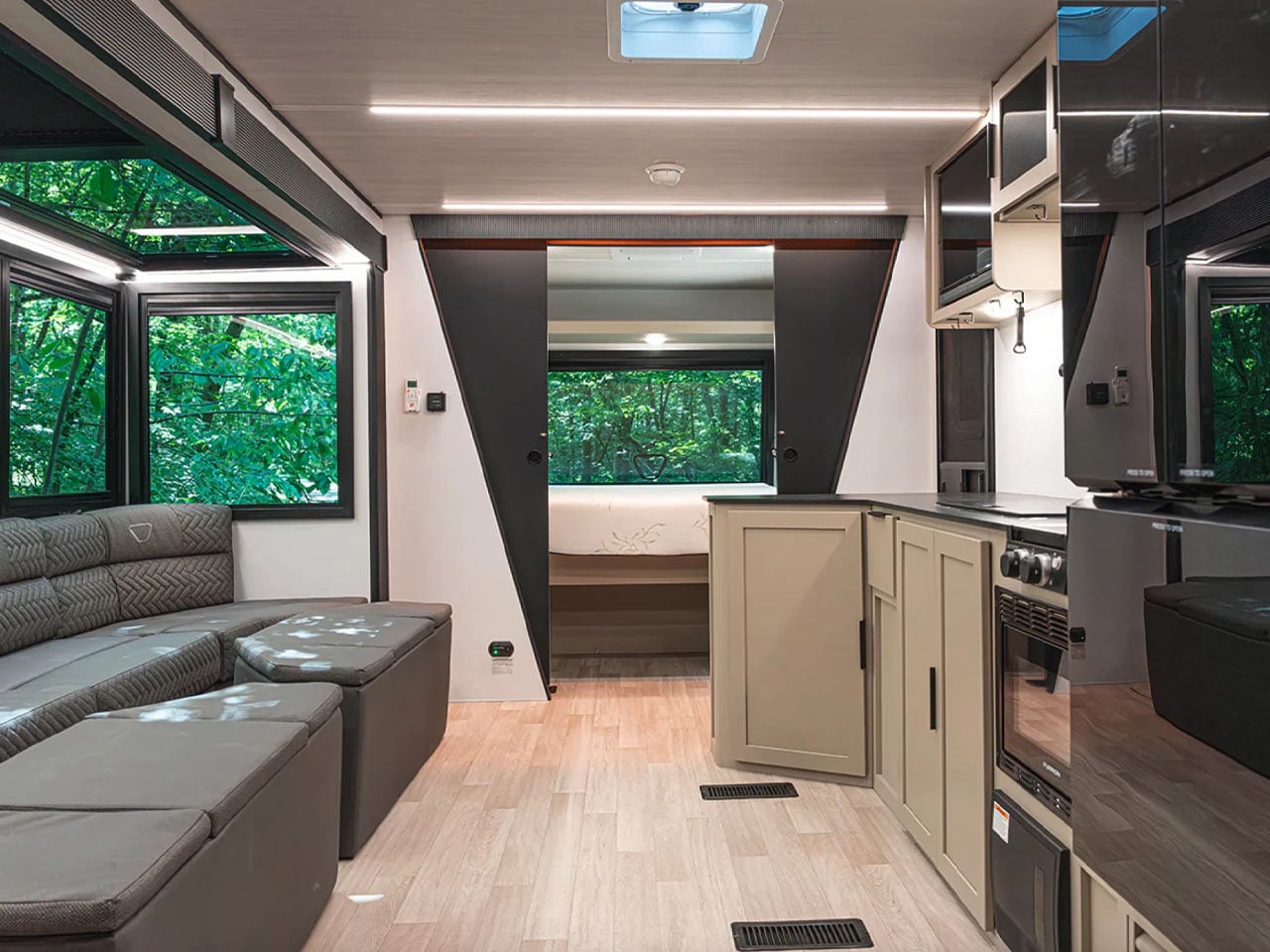
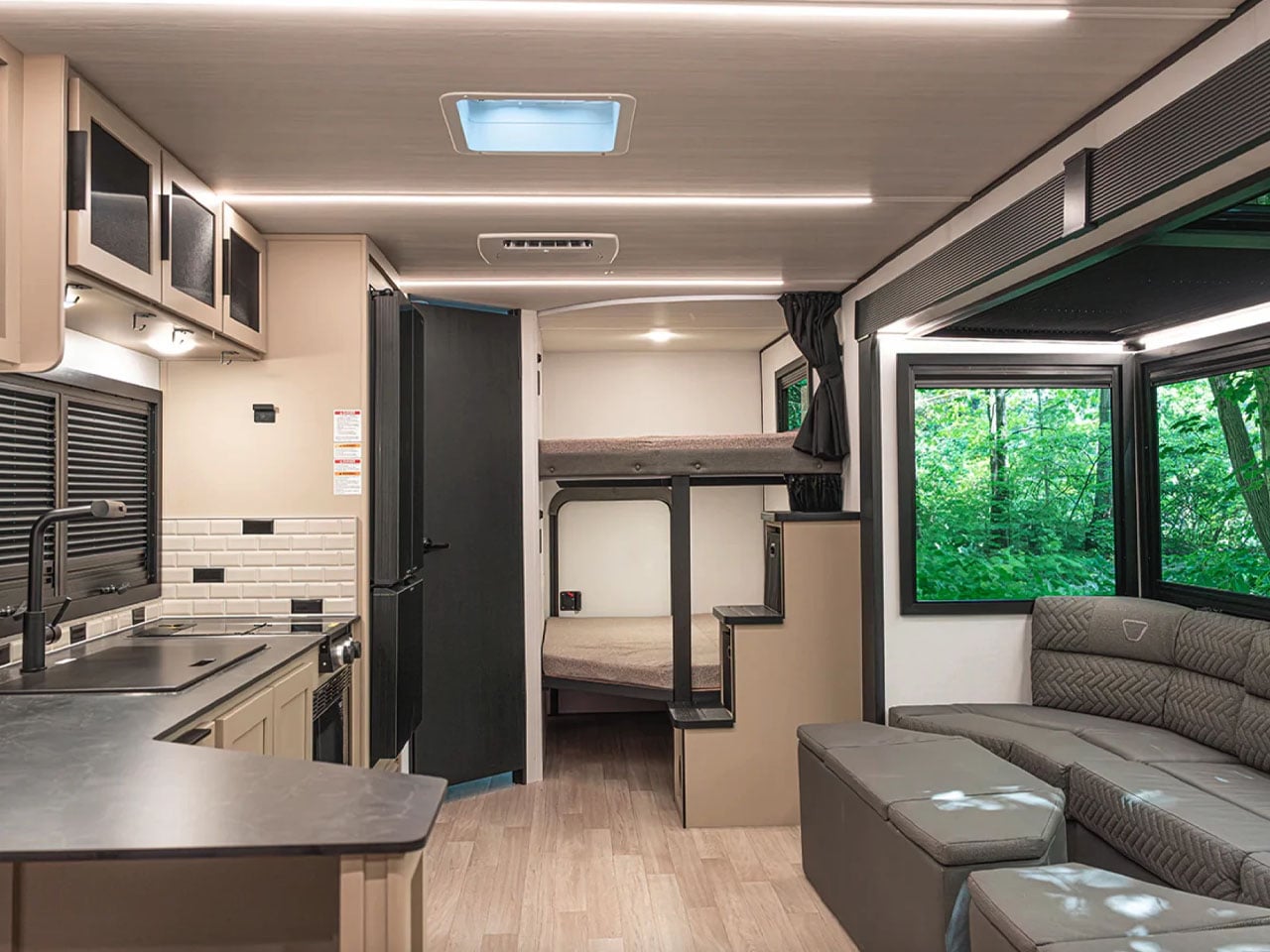
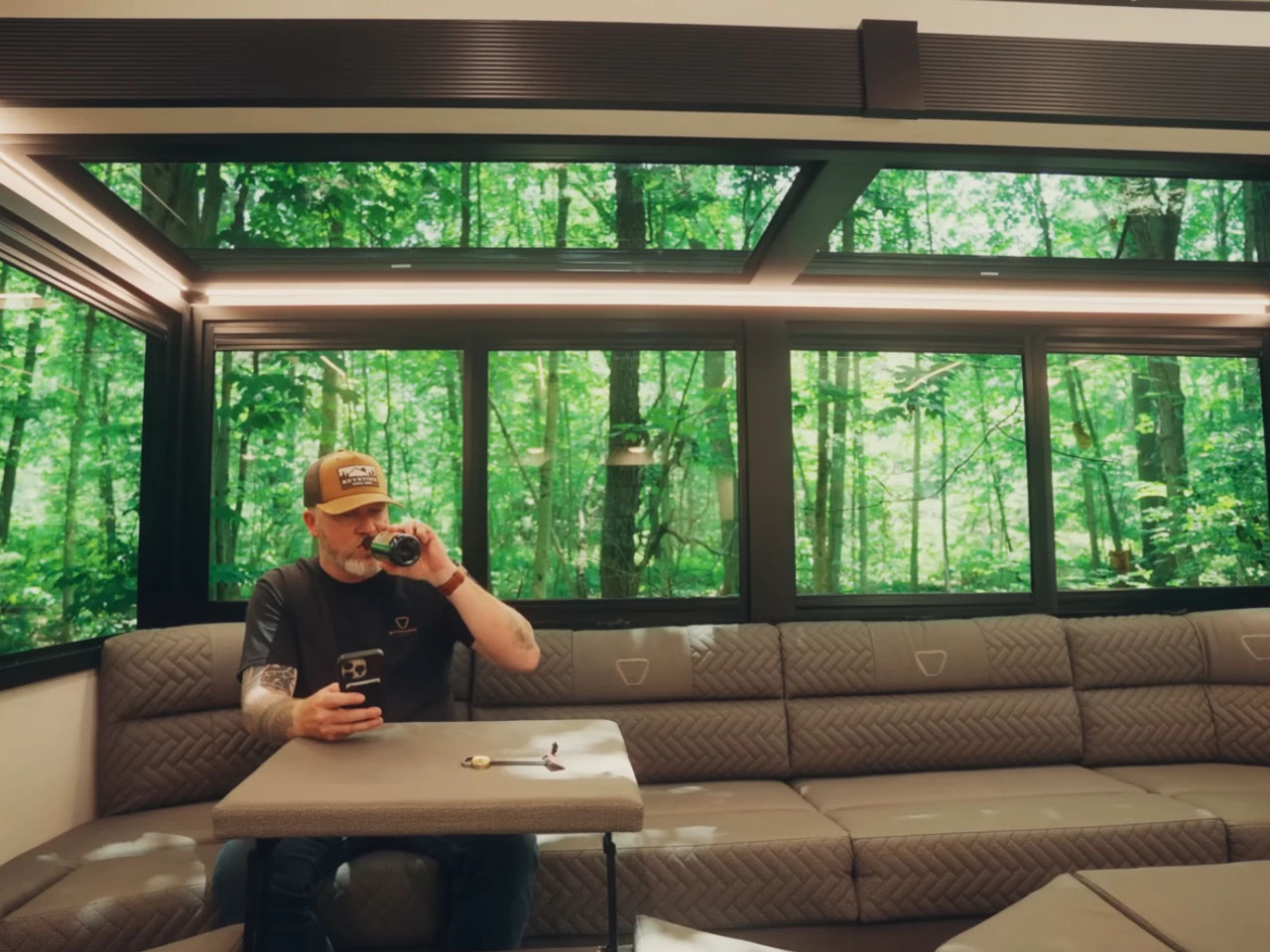
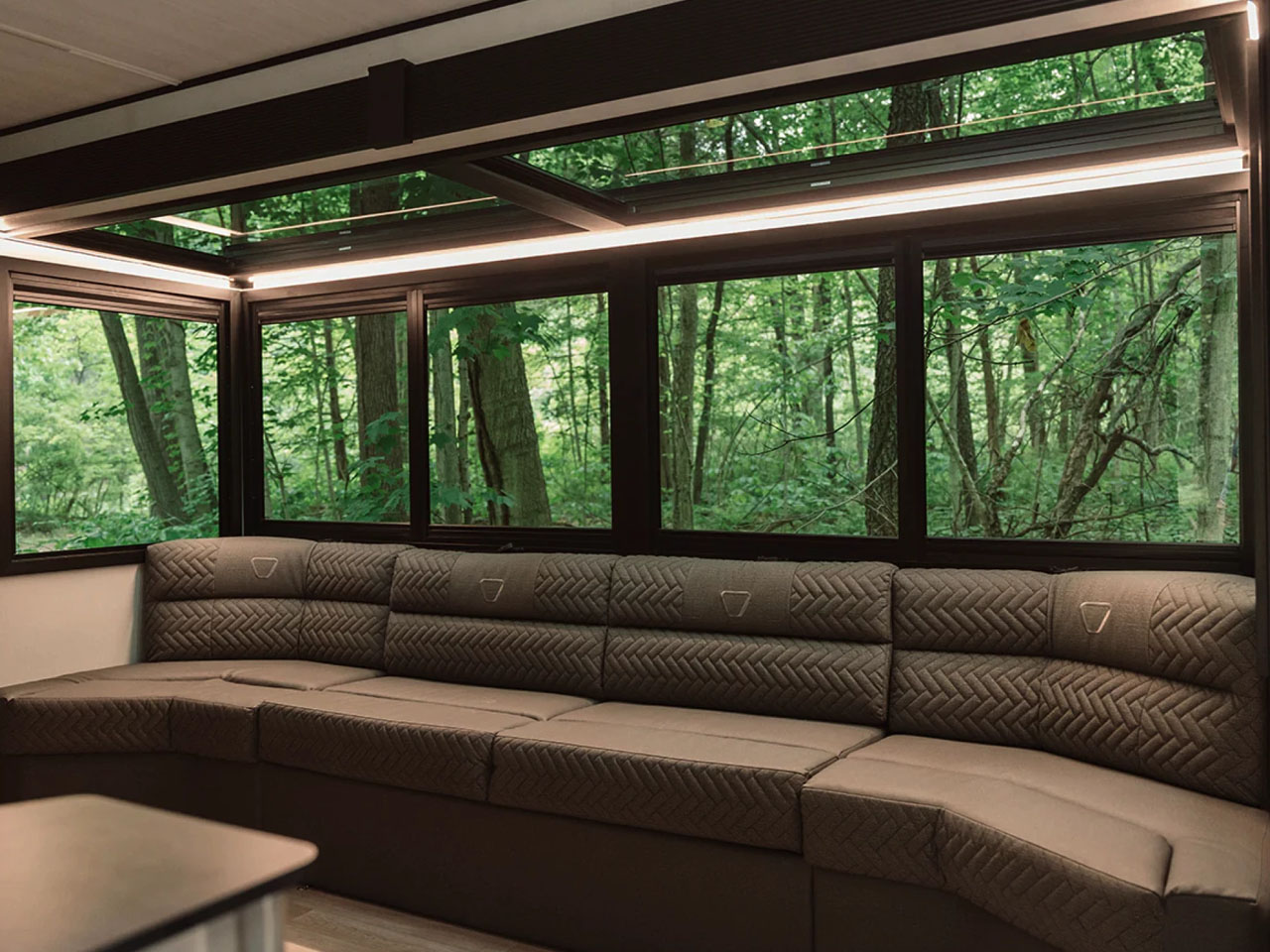
Starting underneath, the Walkabout is provided with CURT Touring Suspension for a balanced ride on bumpy trails. It rides on 15-inch all-terrain tires and features anti-lock brakes and one-touch 3-point leveling to automatically level the vehicle into position at camp. The 7,000-odd-pound trailer is slapped with panoramic windows around its perimeter and has more natural light and spaciousness flooding into the interior through the atrium-style sliding ceiling above the living area, providing a super, storage-integrated sofa for the whole family and a pair of trapezoid-shaped dinette tables.
While the layout inside is close to your home’s comfort with a full-sized, well-equipped kitchen – comprising workable counter space, a two-burner stove, a residential-sized fridge and storage cabinetry – spacious bathroom, bunk bed, a family-friendly living area, and a master bedroom cordoned off by a sliding double-door, which is perhaps the first of its kind I have seen in a travel trailer.
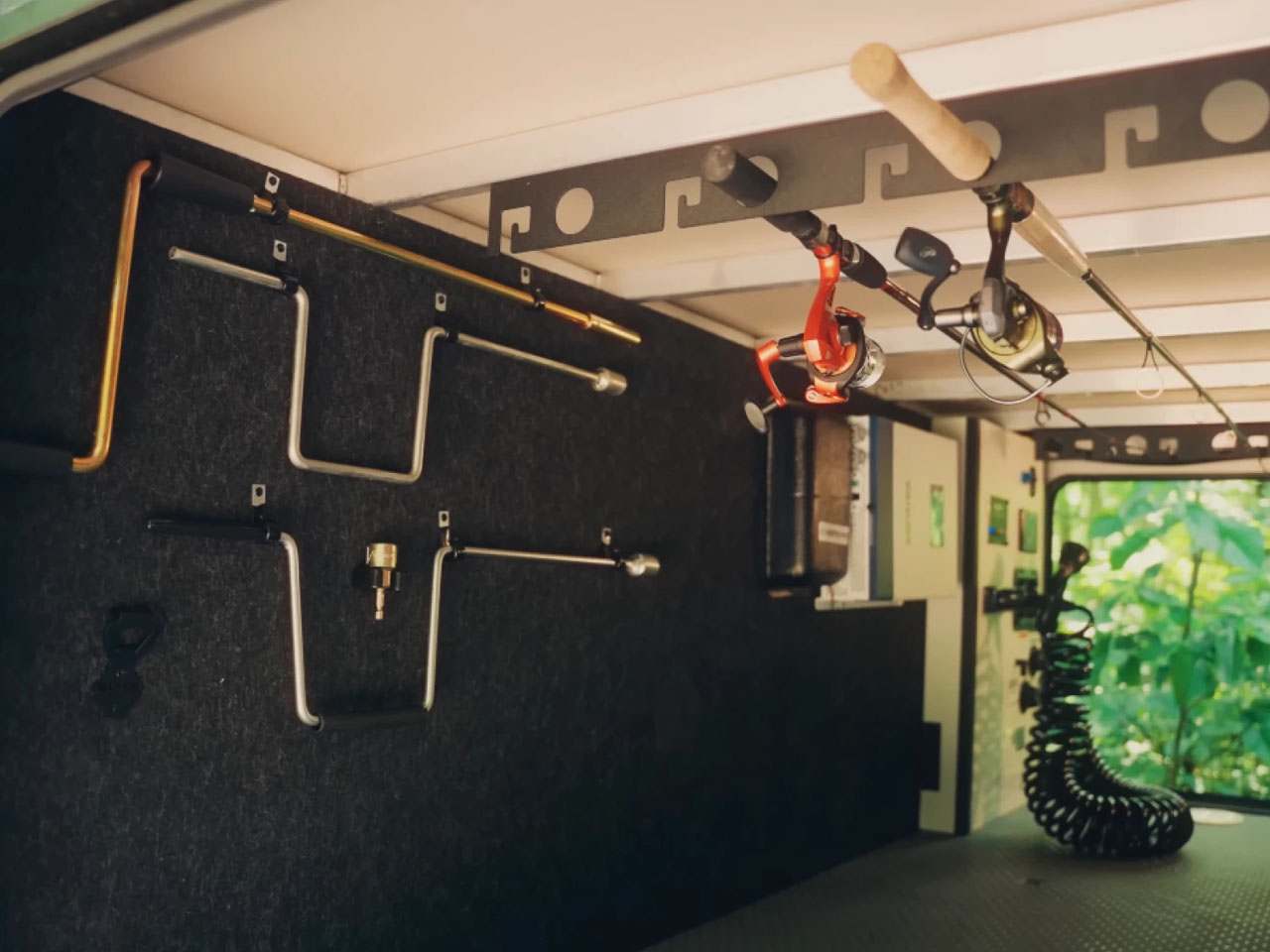
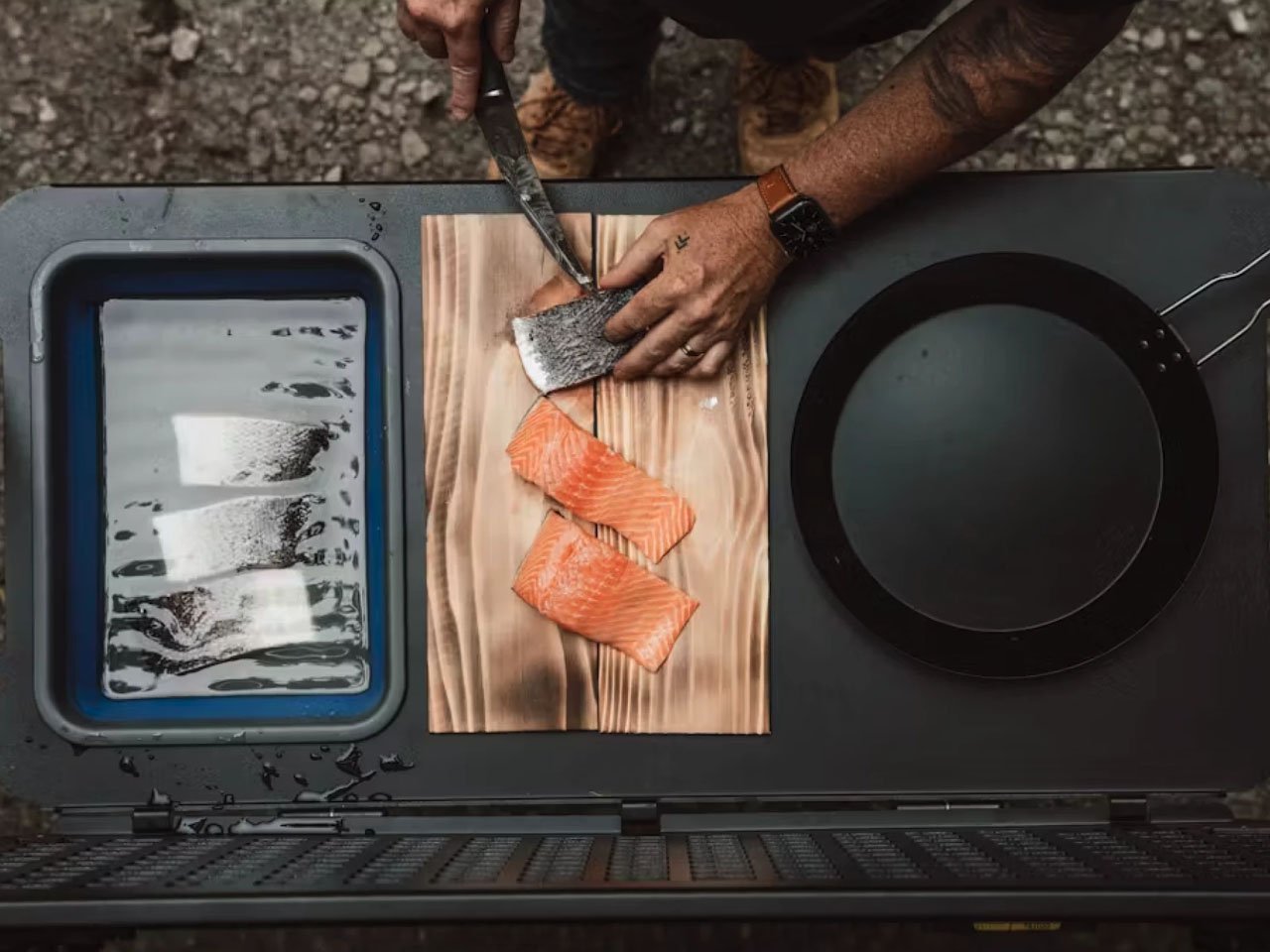
The glossy exterior of the Walkabout is packed with a lot of slide-outs, a toy hauling space in the rear, and a huge pass-through storage bay at the front. It is provided with hooks, stands, and supports for your equipment. An interesting slide-out for your muddy boots and gear alongside an outdoor shower makes cleaning them easy before the next use or storage. To hold the campers out in the fresh air, the trailer also adds an outdoor cooking station with a fold-down worktop. Keystone also puts a spare tire mount on the back and provides an awning and a telescoping ladder for roof access. Capable of being provided with an off-grid-ready add-on, the Walkabout 26 Max starts at $60,000.
Ring is today announcing Single Event Alert, the company’s new approach to cutting down on unnecessary notifications. Rather than a ping every time the camera watches something unfold, the system uses generative AI to group recurring events together.
Historically, whenever your Ring camera detected something happening in its field of vision, it’d let you know. Hell, in the earliest days of Ring’s doorbells, you’d get a little tinkling motion alert even if a sufficiently big truck went past your door enough to change the light levels.
The company uses the example of your kids playing in the back yard, which would previously trigger an alert every time it detected motion. Now, once it’s identified that it’s just your kids playing, it’ll tell you once and then let you get back to whatever else you were doing.
This is the latest in a series of turns toward AI Ring has enabled in the last year or so, including Smart Video Search and AI Video Descriptions. Like those features, Single Event Alert is rolling out to Ring Protect Home subscribers in the US (except IL) and Canada from today.
This article originally appeared on Engadget at https://www.engadget.com/home/smart-home/ring-uses-generative-ai-to-cut-down-on-unnecessary-alerts-150033561.html?src=rss
Samsung is poised to make a significant impact in the smartphone industry with the highly anticipated Galaxy S26 Ultra. As the flagship model of the Galaxy S26 series, which includes the S26, S26 Plus, and S26 Ultra, this device is expected to introduce bold design changes and advanced features that cater to both aesthetics and […]
Two former Meta employees are launching a new AI-powered smart ring. Stream Ring is the debut product from Sandbar, and it’s available to pre-order right now. Sandbar describes Stream as "your extended self," which is to say that it’s a deliberately minimalist smart ring that you can use to take voice notes and interact with a chatbot directly using the built-in touch-activated microphone.
When you create a voice note, the Stream Ring uses haptic feedback to confirm that it’s been recorded. You hold the sensor to speak and tap it if you want to interrupt and start over. It can automatically transcribe your voice interactions, whether you’re simply compiling a grocery list on the go, asking it to fetch some information from the web, or having a more back-and-forth conversation with the device. These notes will appear in the Stream app via Bluetooth, which will be iOS-only at launch.
Sandbar thinks a ring is the best form for its wearable to take as it’s always available and accessible, whatever you’re doing, so you easily can log a thought as soon as it pops into your head. It wants people to think of the Stream Ring as a "mouse for voice," and says the mic will always be able to pick up your voice clearly in a noisy room. Crucially, it isn’t always listening either, only activating when you hold the touchpad.
As for the chatbot, it’s designed by default to somewhat mimic your own voice using AI, a feature Sandbar calls Inner Voice. You can update it if you think it sounds off, or if the whole concept creeps you out you can also switch to a non-personalized voice. Away from the core voice note functionality, the Stream Ring can also be used to control media playback using gestures, and Sandbar says it’s compatible with any headphones.
Sandbar will offer a free plan that includes unlimited notes but limits AI interactions. For $10 per month you can upgrade to a Stream Pro subscription (you get three months for free with a new purchase), which enables unlimited chats and immediate access to any new features. Sandbar says your data is encrypted at rest and in transit and it will not sell your information to other companies. You can also delete data stored in the app at any time.
Other smart rings have promised a seamless interactive experience built around AI, and the Stream Ring isn’t going down the health tracking route that many other products in this increasingly crowded space market themselves on. But if the transcription feature works as reliably as advertised and Sandbar’s AI proves to be a genuinely useful assistant, the Stream Ring could be a useful accessory that doesn’t get in the way when it isn’t needed.
The Stream Ring is available in sizes 5-13 and is designed to be worn on your index finger. Sandbar promises "all-day battery life" but doesn’t go into specifics. It’s expected to start shipping next summer in the US and costs $249.
This article originally appeared on Engadget at https://www.engadget.com/wearables/the-ai-powered-stream-ring-is-designed-for-on-the-fly-voice-notes-143530840.html?src=rss
Google released Gemini’s Deep Research feature in March, a few months after unveiling the tool, giving you the capability to ask the AI chatbot to create comprehensive reports on complex topics. Deep Research uses sources from the web to write reports for you, but now a new update also allows it to pull information from your Gmail, Docs, Drive and Chat. Google says it’s one of the tool’s most requested features, and you’ll be able to take advantage of it in Gemini, even if you’re not paying for a subscription.
With Google’s latest update, Deep Research is now able to use your emails, all the Slides, Docs, Sheets and PDFs in your Drive, as well your chat history as references. That translates to a more personalized report, since Gemini wouldn’t just be using sources from the web. If you ask it to write a marketing analysis for you, for instance, it will take into account your notes, any document your team has written or any back-and-forth between you and your colleagues on email. It can cross-reference information from your account with public data to make, say, comparison spreadsheets for competitor analysis.
Take note that you will be able to control which Google service to link to, if you’re uneasy about giving Gemini access to all your information. When you click on the Deep Research tool in Gemini, you’ll see a drop-down menu where you can tick on Search, Gmail, Drive and Chat individually. At the moment, the feature is only available on desktop, but it will make its way to mobile devices “in the coming days.”
This article originally appeared on Engadget at https://www.engadget.com/google-gemini-can-now-do-deep-research-on-your-gmail-and-drive-data-143000300.html?src=rss
What really happens behind the closed doors of one of the world’s most influential AI organizations? The recent revelations by Ilia Sutskever, a co-founder of OpenAI, have pulled back the curtain on a saga of internal power struggles, controversial decisions, and fractured leadership. From the shocking ousting of CEO Sam Altman to the boardroom battles […]