JBL’s AI Wireless Speakers Can Remove Vocals, Guitars, or Drums From Any Song While You’re Jamming

Walk into any rehearsal space and you will see the usual suspects. A combo amp in the corner, a Bluetooth speaker on a shelf, maybe a looper pedal on the floor. Each tool has a single job. One makes your guitar louder, one plays songs, one repeats whatever you feed it. You juggle them to build something that feels like a band around you.

JBL’s BandBox concept asks a different question. What if one box could understand the music it is playing and reorganize it around you in real time. The Solo and Trio units use AI to separate vocals, guitars, and drums inside finished tracks, so you can mute, isolate, or replace parts on the fly. Suddenly the speaker is not just a playback device. It becomes the drummer who never rushes, the backing guitarist who never complains, and the invisible producer nudging you toward tighter practice.

Designer: JBL
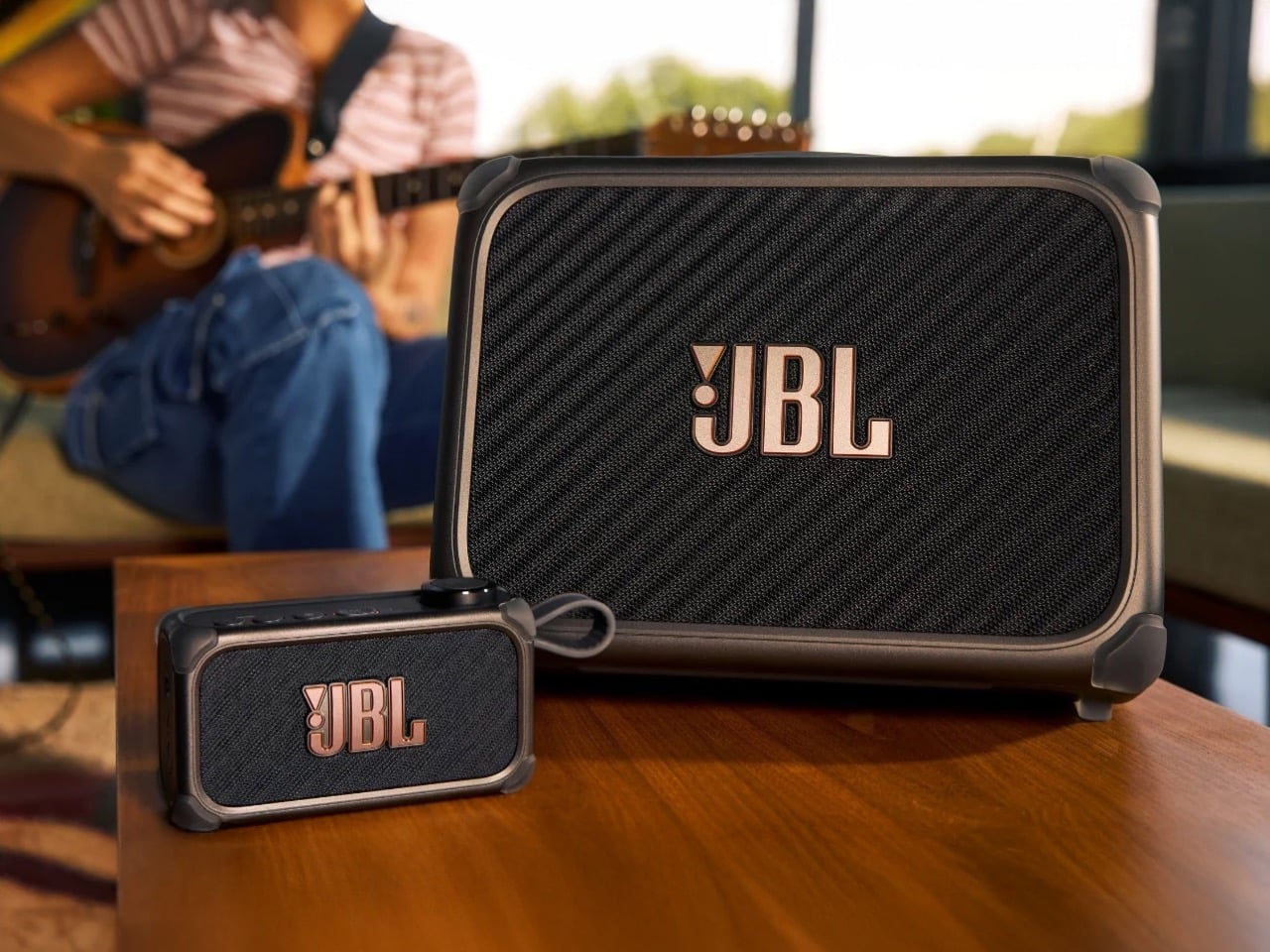
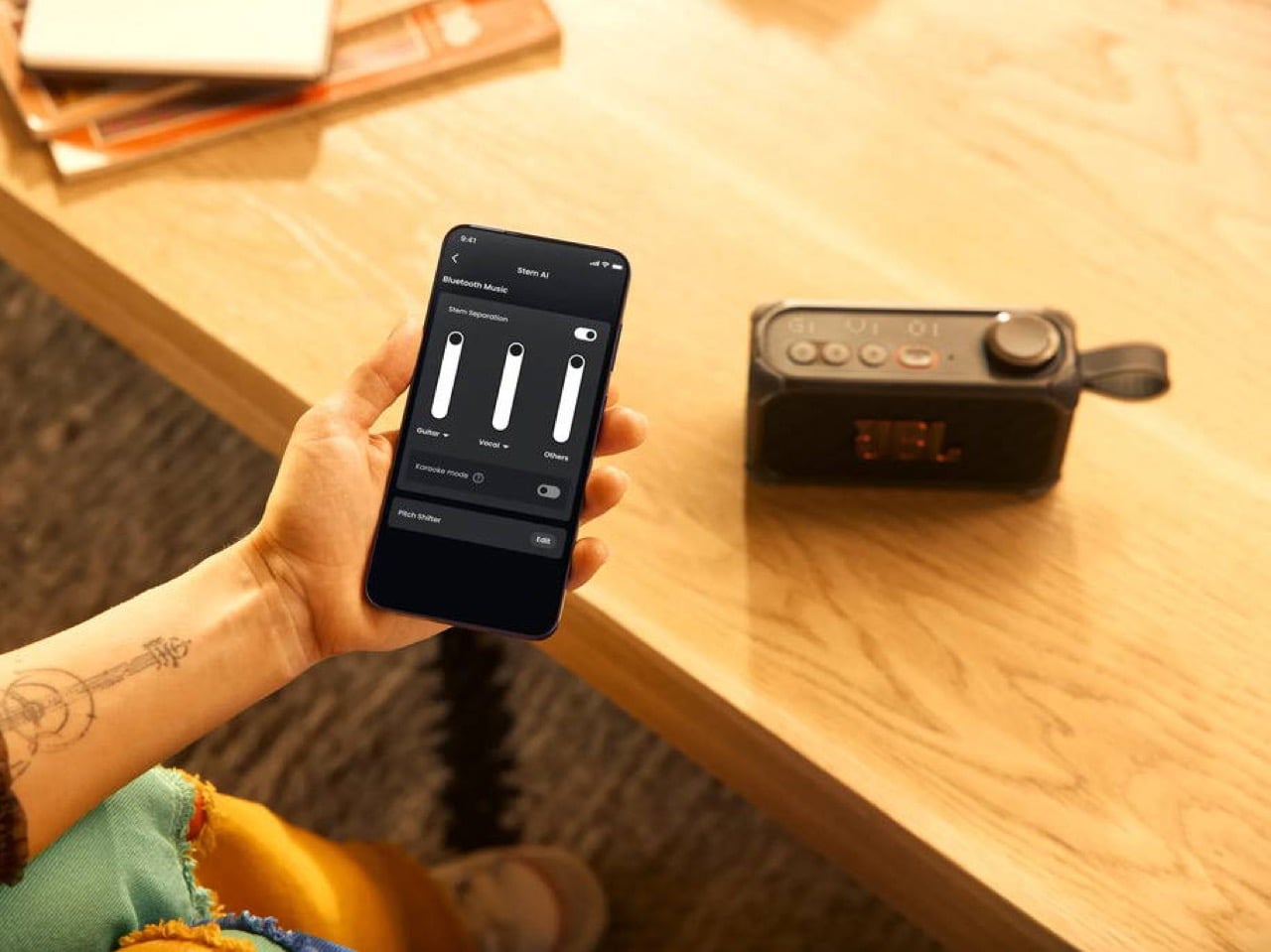
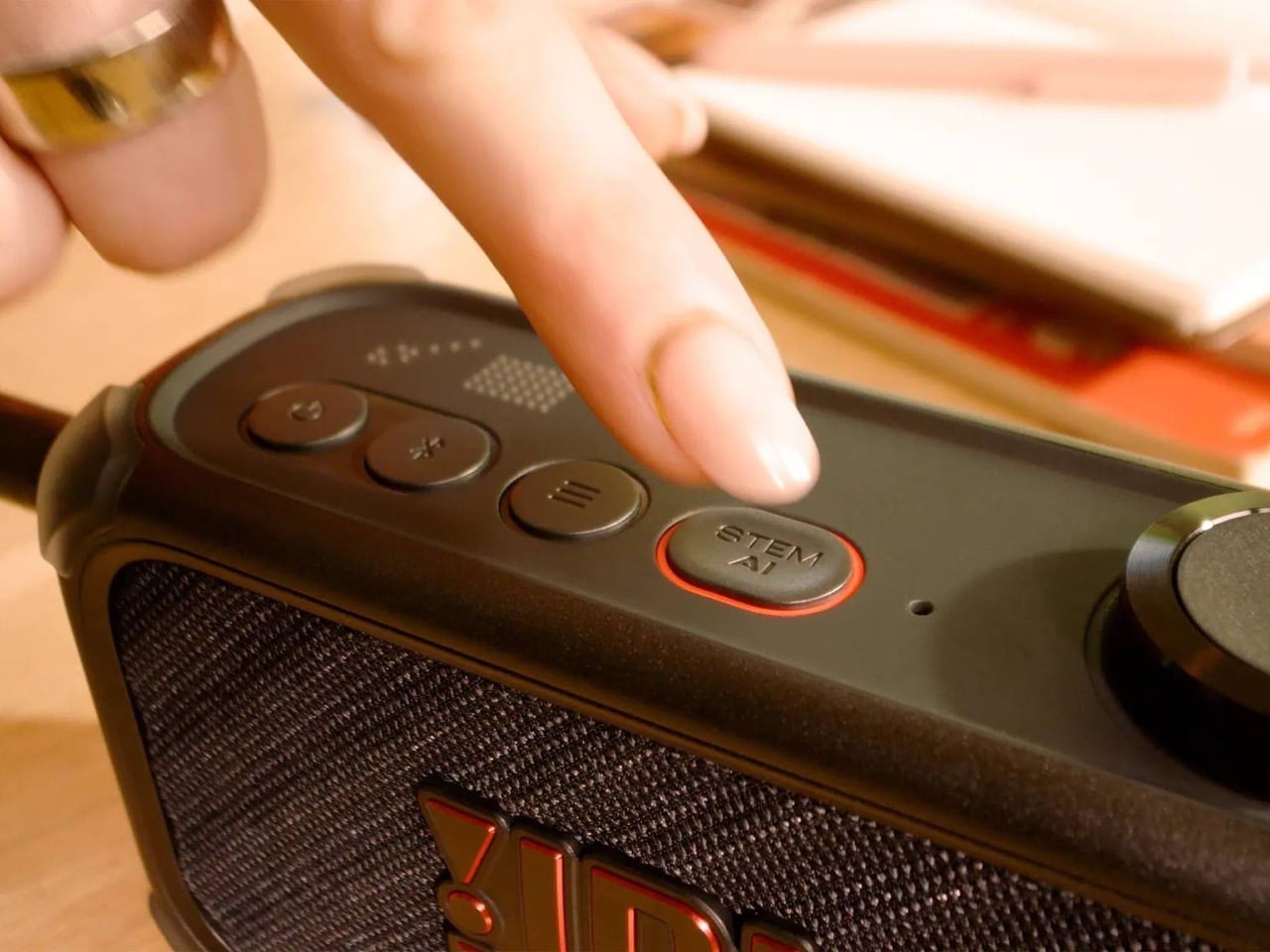
This ability to deconstruct any song streamed via Bluetooth is the core of the BandBox experience. The AI stem processing happens locally, inside the unit, without needing an internet connection or a cloud service. You can pull up a track, instantly mute the original guitar part, and then step in to play it yourself over the remaining bass, drums, and vocals. This is a fundamental shift in how musicians can practice. Instead of fighting for space in a dense mix, you create a pocket for yourself, turning passive listening into an interactive rehearsal.
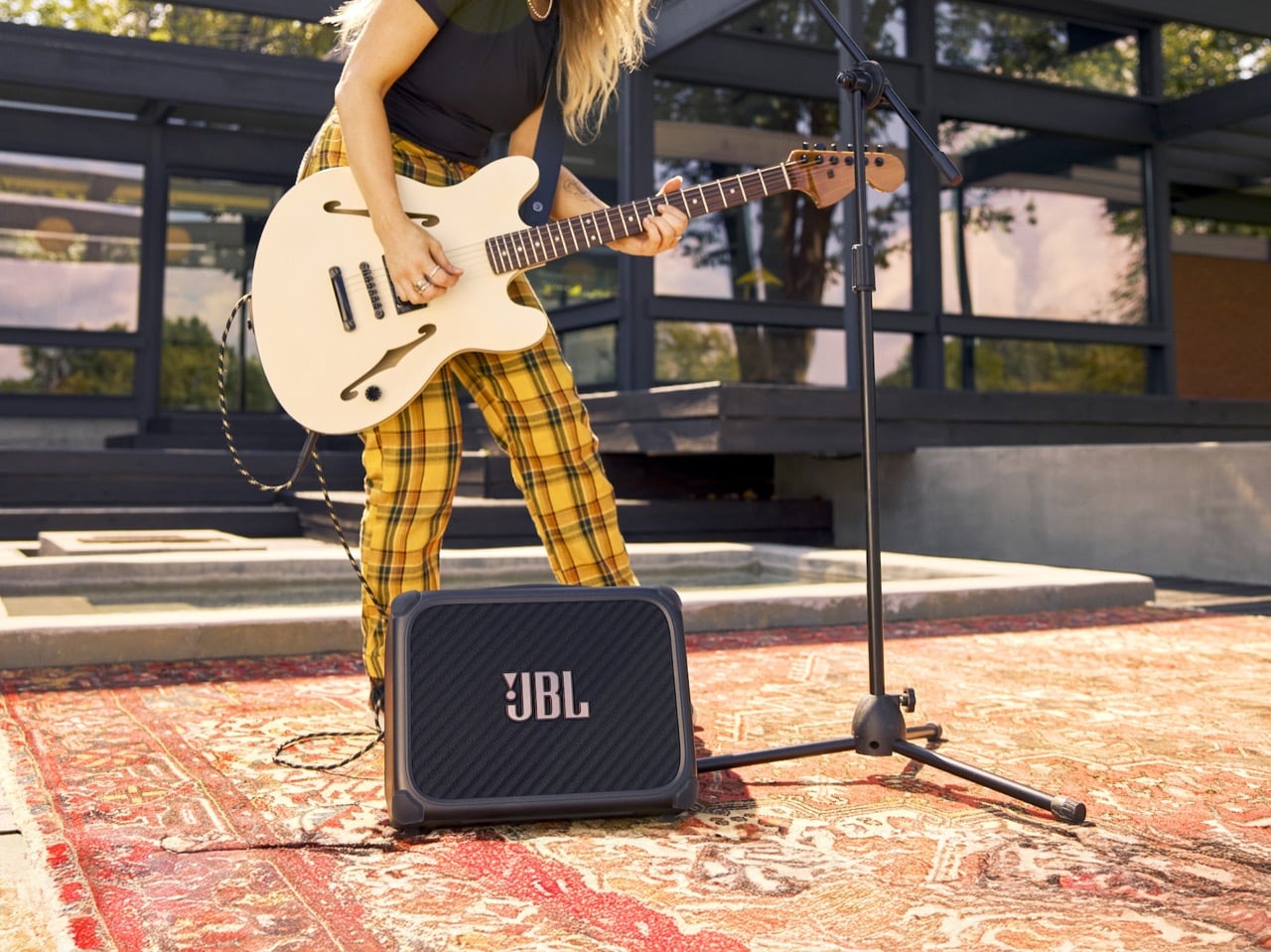
The whole system is self-contained, designed to work straight out of the box without a pile of extra gear. Both models come equipped with a selection of built-in amplifier models and effects, so you can shape your tone directly on the unit. Essentials like a tuner and a looper are also integrated, which streamlines the creative process. You can lay down a rhythm part, loop it, and then practice soloing over it without ever touching an external pedal. It is this thoughtful integration that makes the BandBox feel less like a speaker and more like a complete, portable music-making environment.

The BandBox Solo is the most focused version of this idea, built for the individual. It is a compact, easily carried device with a single combo input that accepts either a guitar or a microphone. This makes it an obvious choice for singer-songwriters or any musician practicing alone. The form factor is all about convenience, with a solid build and a top-mounted handle. A battery life of around six hours means you could take it to a park for an afternoon busking session or just move it around the house without being tethered to a wall outlet. It is a self-sufficient creative station in a small package.

When practice involves more than one person, the BandBox Trio provides the necessary expansion. It is built on the same AI-powered platform but scales up the hardware for group use. The most significant change is the inclusion of four instrument inputs, which transforms the unit into a miniature, portable PA system. A small band or a duo can plug in multiple guitars, a bass, and a microphone, all running through the same box. This is a clever solution for impromptu jam sessions, stripped-down rehearsals, or music classrooms where setting up a full mixer and multiple amps is too cumbersome.

Both units share a clean, modern design that aligns with JBL’s broader product family. The controls seem to be laid out for quick, intuitive access, a must for musicians who need to make adjustments without interrupting their flow. Connectivity extends beyond just playing music; a USB-C port allows the BandBox to double as an audio interface. You can connect it directly to a computer or tablet to record your sessions or lay down a demo, adding a layer of studio utility that makes the device even more versatile. It is not just for practice, it is for capturing the ideas that come from it.
Of course, none of this would matter if the sound was not up to par. JBL’s reputation in audio engineering creates a high expectation, and the BandBox aims to meet it by delivering a full-range sound that can handle both a dynamic instrument and a complex backing track simultaneously. The goal is to provide a clear, responsive guitar tone that cuts through, while the underlying track remains rich and detailed. This dual-functionality is key, ensuring it performs just as well as a high-quality Bluetooth speaker for casual listening as it does as a dedicated practice amp.
The JBL BandBox series has started its rollout in Southeast Asian markets, with promotions and availability already noted in the Philippines and Malaysia. A wider international release is expected to follow. While pricing will fluctuate by region, the BandBox Solo appears to be positioned competitively against other popular smart amps on the market. The Trio, with its expanded inputs and group-oriented features, will naturally sit at a higher price point, offering a unique proposition as an all-in-one portable rehearsal hub.

The post JBL’s AI Wireless Speakers Can Remove Vocals, Guitars, or Drums From Any Song While You’re Jamming first appeared on Yanko Design.


Ayaneo’s first smartphone is a major callback to the Xperia Play

Close enough, welcome back Xperia Play. After releasing a teaser video in early November, Ayaneo fully revealed its first smartphone called the Pocket Play. As suspected, the Ayaneo Pocket Play features a sliding mechanism that transforms it from a chunky smartphone into a gaming handheld.

In its gaming configuration, the Pocket Play features a controller setup with a D-pad, ABXY buttons and four shoulder buttons. However, Ayaneo has modernized the Xperia Play design by incorporating two touchpads, which will also be seen in the handheld maker's next flagship device called the Next II. According to Ayaneo, you can map these touchpads as virtual joysticks or customizable inputs. Ayaneo hasn't revealed the specs of the Pocket Play yet, but the device appears to have slots that could hint at expandable storage options.

The Pocket Play will be Ayaneo's first foray into the smartphone world, albeit with mobile gaming in mind. It'll have to compete against the likes of other gaming-specific smartphones like the Redmagic 10 Pro or the Asus ROG Phone series, as well as the latest iPhone and Samsung Galaxy smartphones that can also handle demanding mobile games. Ayaneo will launch the Pocket Play on Kickstarter soon, but hasn't revealed any pricing details yet.

This article originally appeared on Engadget at https://www.engadget.com/mobile/smartphones/ayaneos-first-smartphone-is-a-major-callback-to-the-xperia-play-165206332.html?src=rss

A Decade of Camping Led to This 747-Square-Foot Cozy River Retreat

Dan Wheeler spent ten years sleeping in tents on his riverfront property before building anything permanent. The software engineer bought the land along Washington’s Wenatchee River in 2010, drawn by years of rafting trips with friends through the area’s rushing waters. Every camping trip reinforced what he already knew: this spot needed something, but only when the time felt right. Those years weren’t wasted time but rather an extended conversation with the landscape, understanding how light moved through the trees, where water pooled during spring runoff, and which views mattered most when morning broke over the mountains.

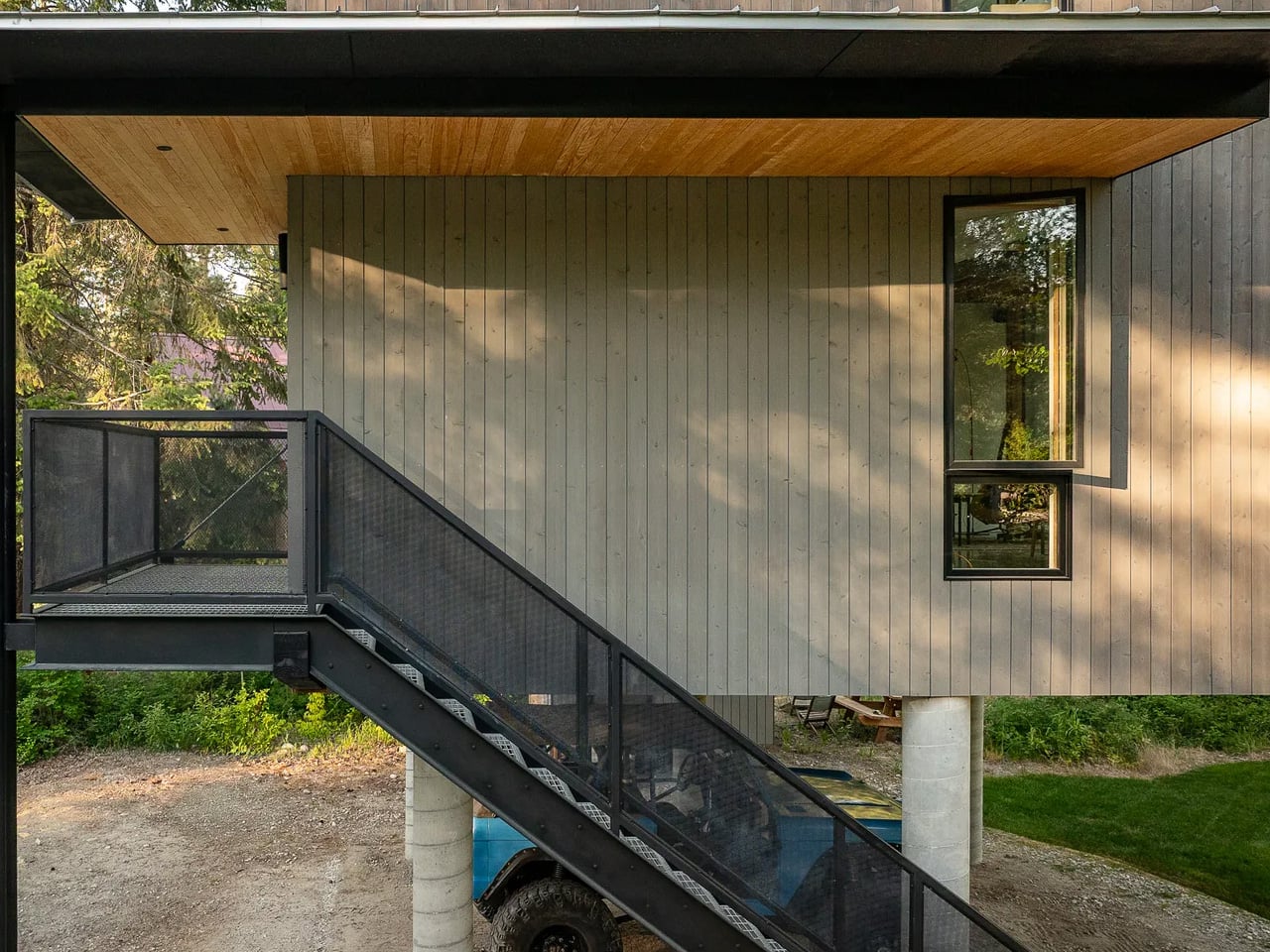
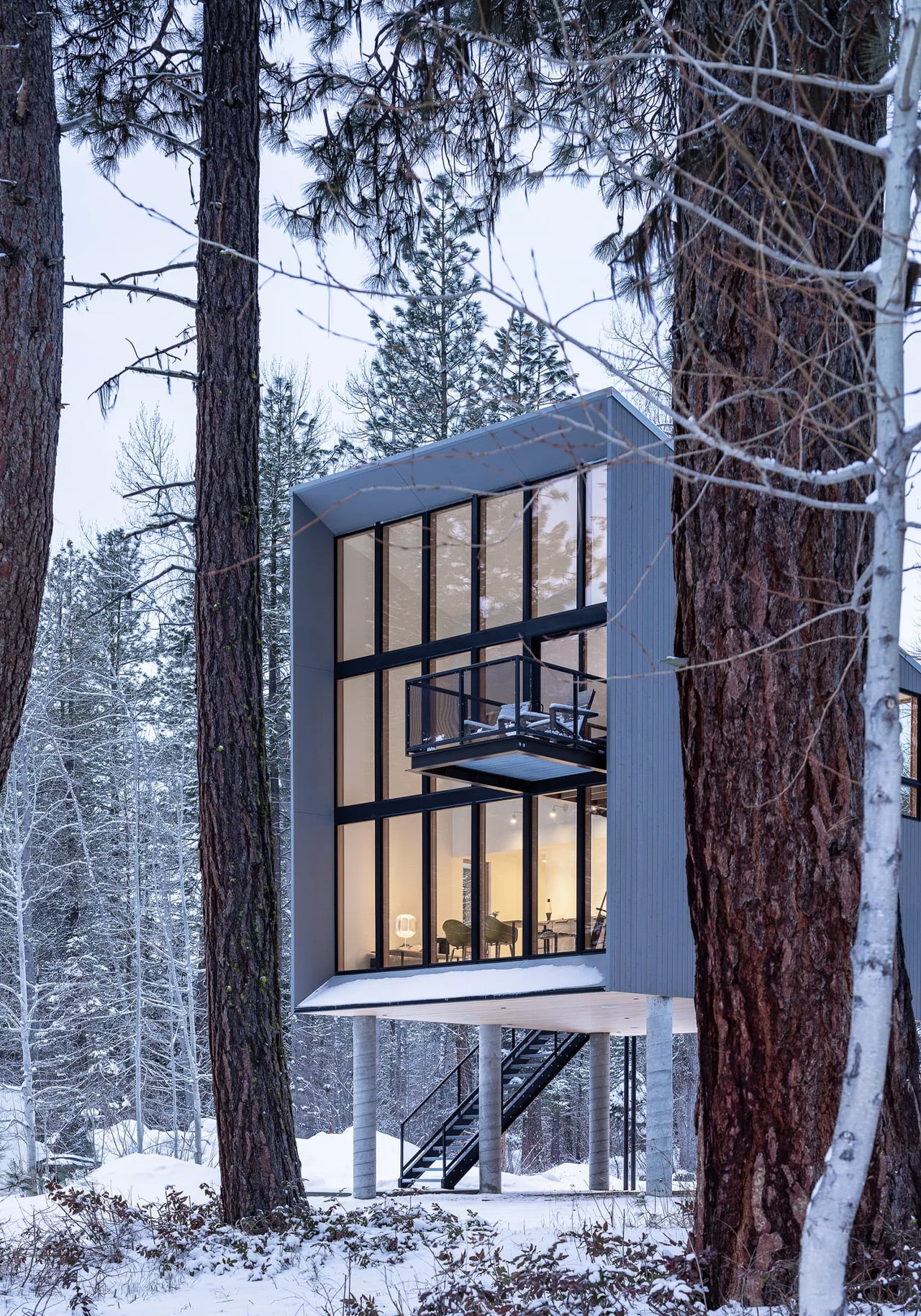
When Wheeler finally decided to build, he approached Seattle-based Wittman Estes with a clear vision. He wanted something modern and sculptural, a structure that would honor the decade he’d spent living simply on the land. What emerged is a 747-square-foot, two-story cabin elevated ten feet above the ground on concrete columns. The metal-clad wedge faces directly toward the river, its form shaped by the surrounding Okanogan Wenatchee National Forest. The angular design creates a striking profile against the forest backdrop while maintaining a compact footprint that respects the wilderness setting.

Designer: Wittman Estes

Architects Matt Wittman and Julia Frost designed the one-bedroom retreat to create what they call “a harmonious relationship between shelter and nature,” seeking interdependence between the ecosystem and the architecture itself. The elevated design serves multiple purposes beyond aesthetics. Lifting the cabin protects it from flooding and snow accumulation while minimizing the footprint on the forest floor. The positioning allows Wheeler to maintain the connection to the landscape he cultivated during those camping years, where cooking happened outdoors and shelter remained temporary.

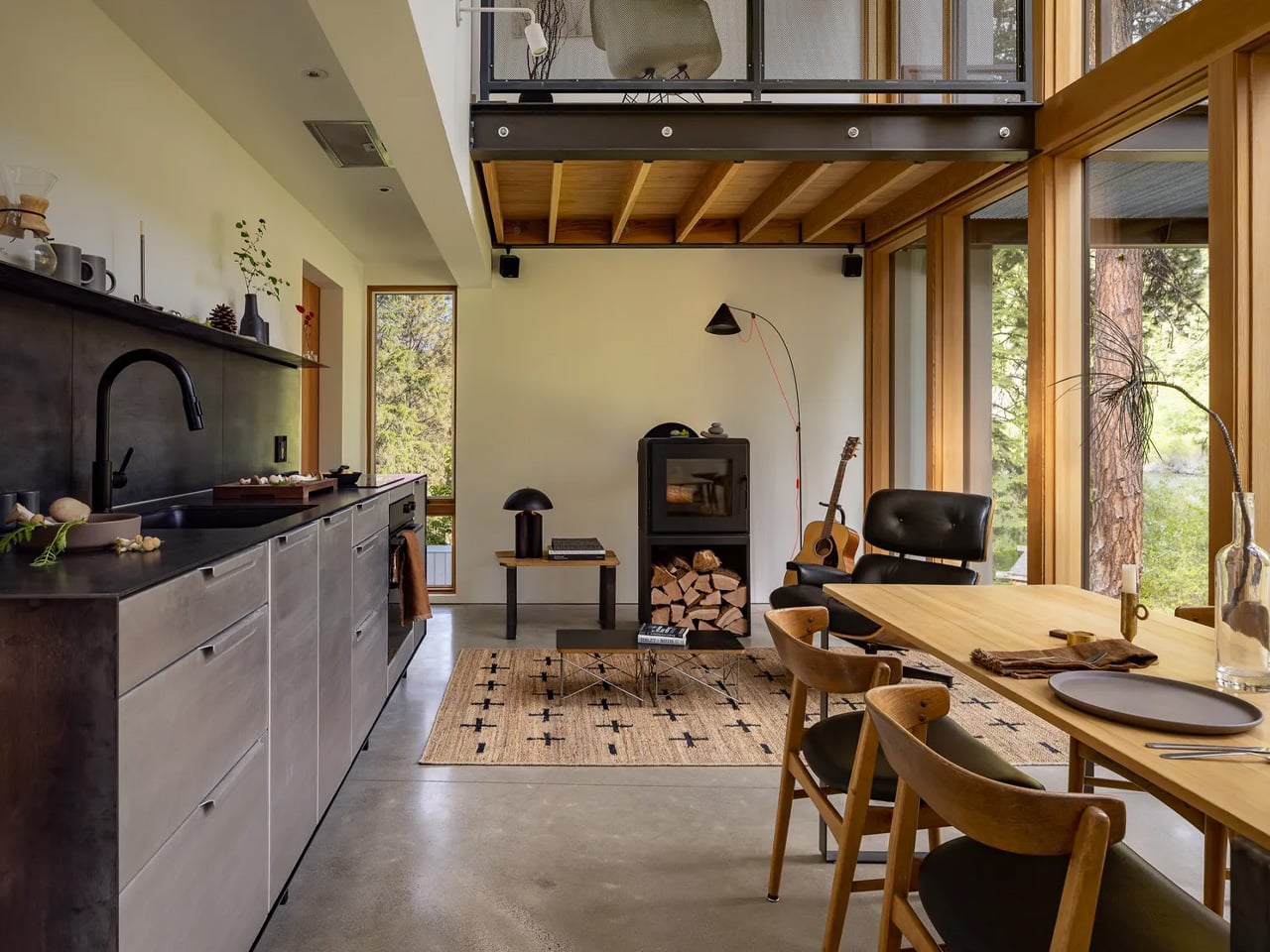
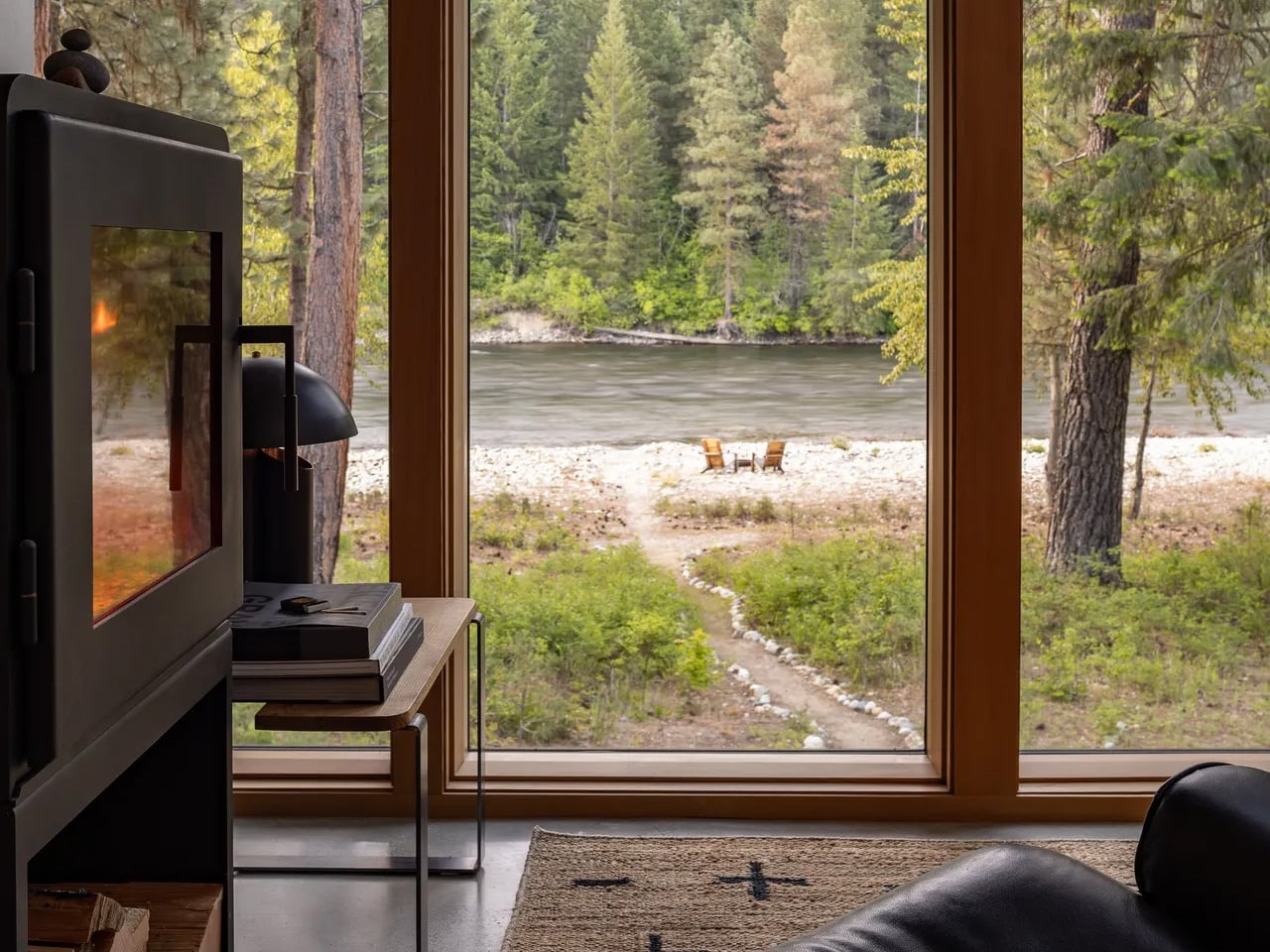
Inside, the compact footprint forces intentionality. At just over 700 square feet, there’s no room for excess. The design reflects Wheeler’s desire to live with “less stuff,” embracing the simplicity he discovered through a decade of tent living before walls and windows entered the equation. The scale might seem small by contemporary standards, but the visual connection to the river and forest expands the perceived space dramatically. Floor-to-ceiling windows blur the boundary between interior and exterior, making the surrounding wilderness feel like additional living area.

What started as a weekend escape transformed into something unexpected. Wheeler now lives in the cabin full time, proving that downsizing doesn’t mean sacrificing quality of life. The transition from occasional retreat to permanent home happened gradually, much like the decade-long deliberation that preceded construction. The move represents a fundamental shift in how Wheeler defines comfort and necessity, stripping away the accumulated possessions that filled his previous life.

The Wenatchee River Cabin stands as proof that restraint can produce better results than expansion. By waiting, observing, and understanding the land first, Wheeler and Wittman Estes created something that feels inevitable rather than imposed. The cabin doesn’t fight its environment or demand attention. It simply exists where it should, elevated above the forest floor, facing the river that made Wheeler fall in love with the place fifteen years ago. The project demonstrates that the best architecture sometimes requires patience, letting years of experience inform design decisions rather than rushing to build.

The post A Decade of Camping Led to This 747-Square-Foot Cozy River Retreat first appeared on Yanko Design.
Unlock iOS 26.2: Hidden Settings You Need to Change Now

Unlock iOS 26.2: Hidden Settings You Need to Change Now

Apple’s iOS 26.2 brings a host of new features and improvements designed to enhance your iPhone’s performance, security, and usability. From optimizing network connectivity to introducing advanced accessibility tools, this update offers significant benefits for all users. To fully use these enhancements, it’s important to adjust a few key settings. Below is a detailed video […]

The post Unlock iOS 26.2: Hidden Settings You Need to Change Now appeared first on Geeky Gadgets.

Posted in Uncategorized

The Nuclear Fusion Breakthrough Scientists Once Said Was Impossible

The Nuclear Fusion Breakthrough Scientists Once Said Was Impossible

What if the key to solving the world’s energy crisis was hidden in a process so ambitious, so technically demanding, that even experts once dismissed it as science fiction? For decades, nuclear fusion—the same process that powers the stars, has been heralded as the ultimate clean energy solution. Yet, the challenges of harnessing it on […]

The post The Nuclear Fusion Breakthrough Scientists Once Said Was Impossible appeared first on Geeky Gadgets.

Posted in Uncategorized

Rotating Kitchen Cubes Make Wasting Food Actually Impossible

We’ve all been there. You buy fresh produce with the best intentions, tuck it away in the fridge or pantry, and then discover a wilted mess two weeks later. It’s frustrating, wasteful, and honestly, it happens way more often than we’d like to admit. But what if your storage system actually worked with you instead of against you?

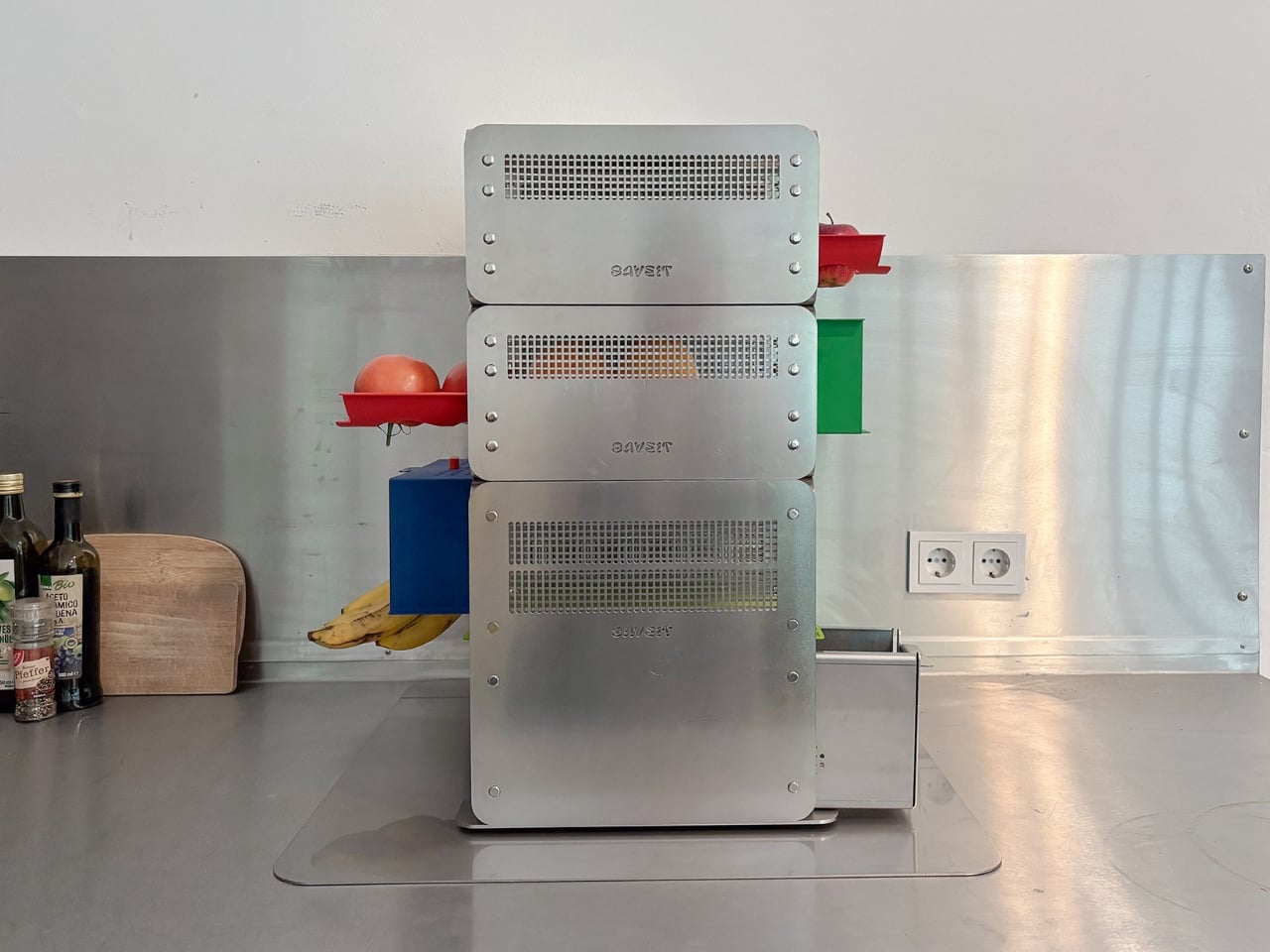
Enter Saveit, a modular food storage concept by designer Yerin Kim that’s making me rethink everything about how we organize our kitchens. At first glance, it looks like something straight out of a design museum with its sleek metal boxes, perforated panels, and pops of color. But the real magic happens when you actually use it.

Designer: Yerin Kim

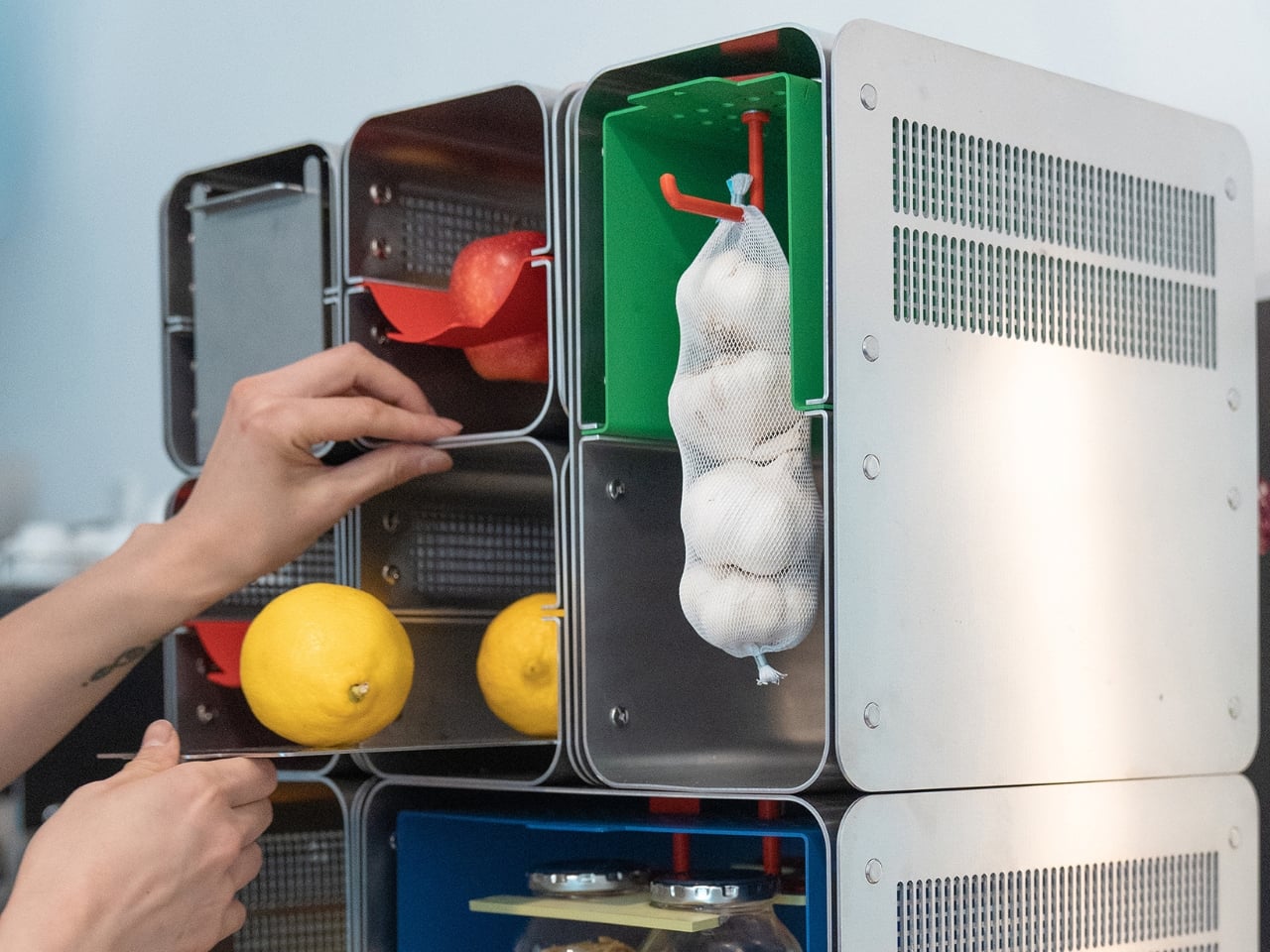
The system is built around a brilliantly simple idea: rotating storage that follows the FIFO principle (first in, first out). You know how grocery stores stock their shelves so older items move to the front? That’s exactly what Saveit does for your home. The modules feature these clever two-way rotating structures, so when you add new food from one side, the older items naturally move toward the exit point. No more mystery tomatoes rotting in the back of your produce drawer.

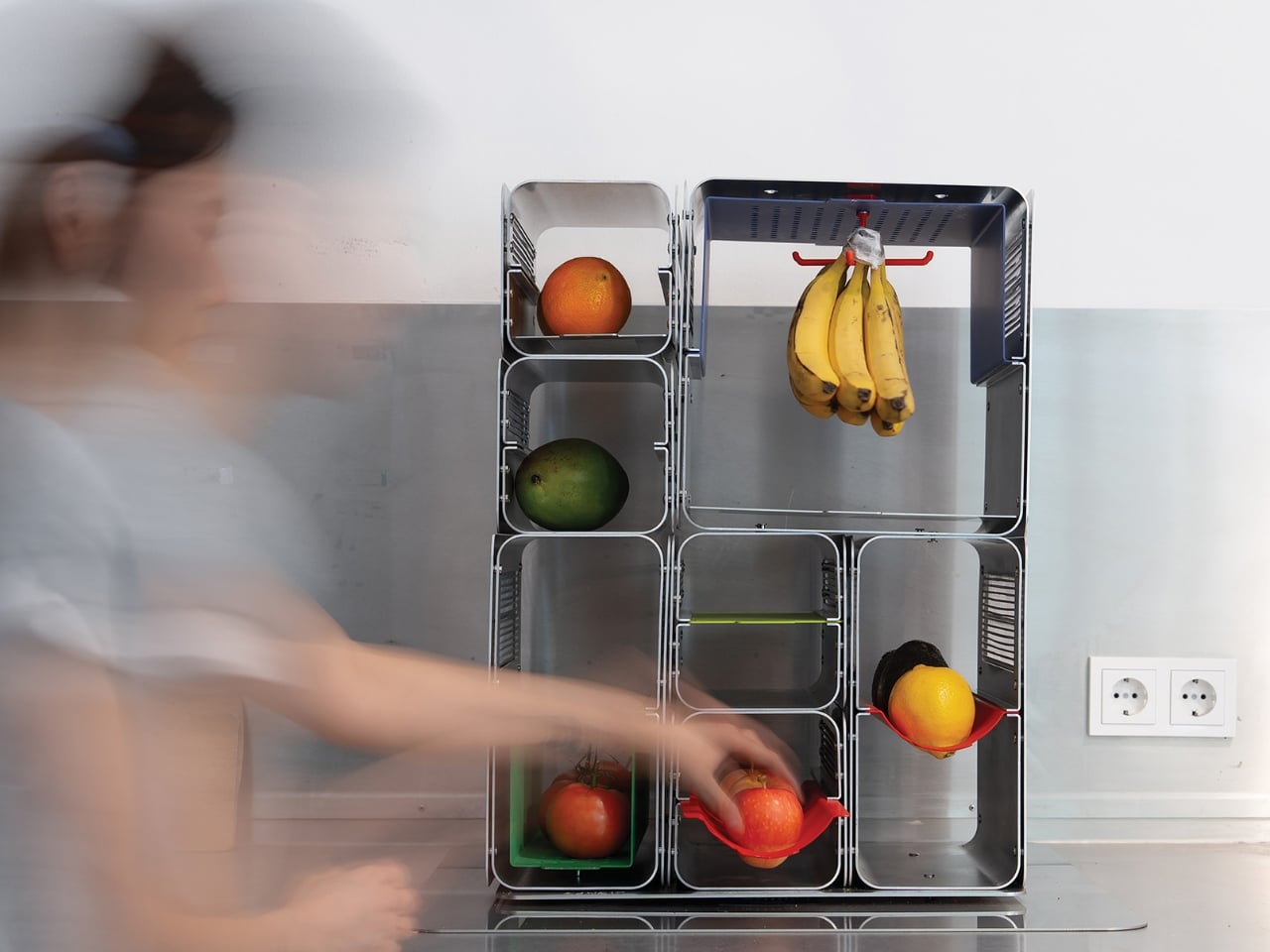
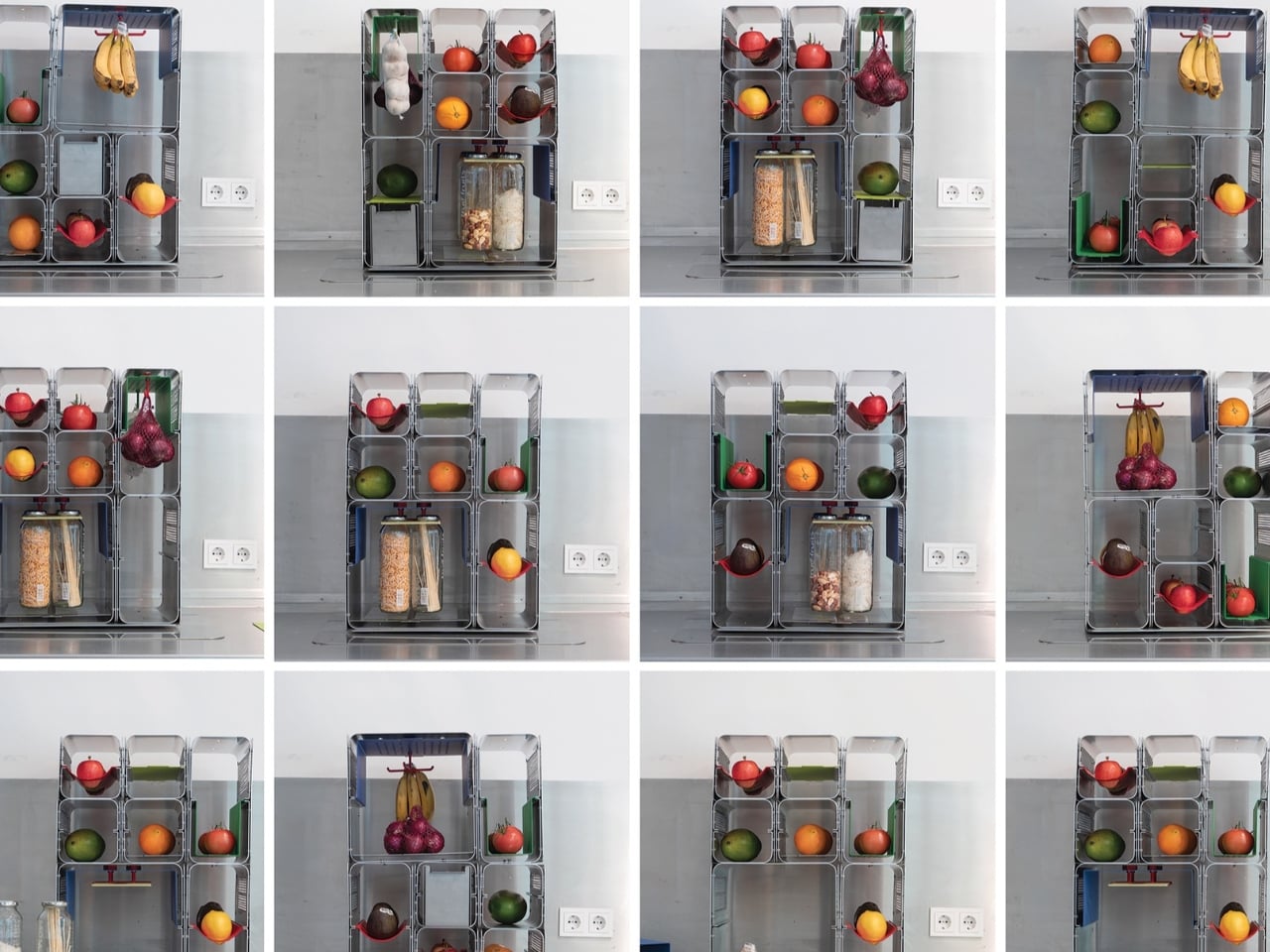
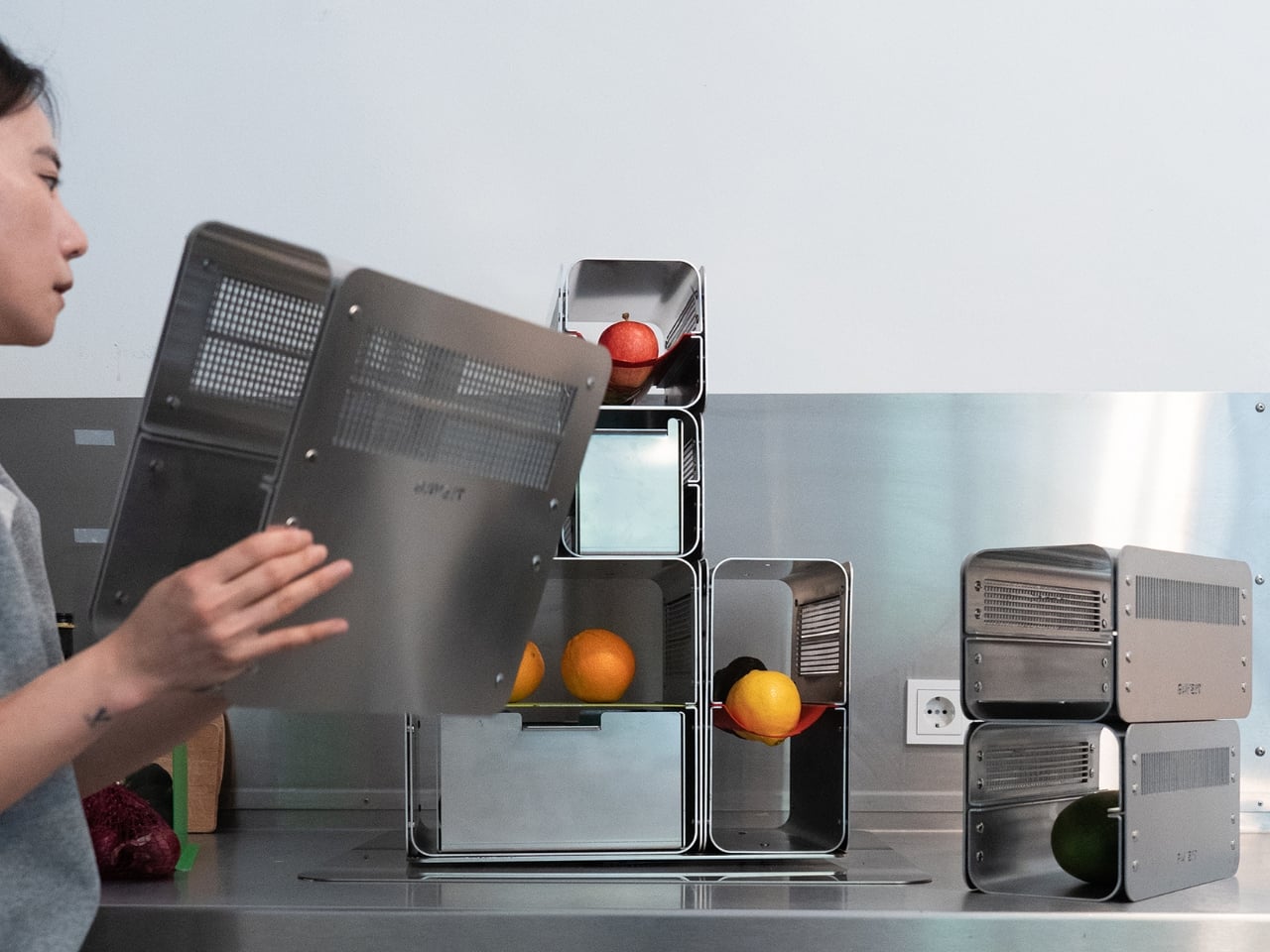
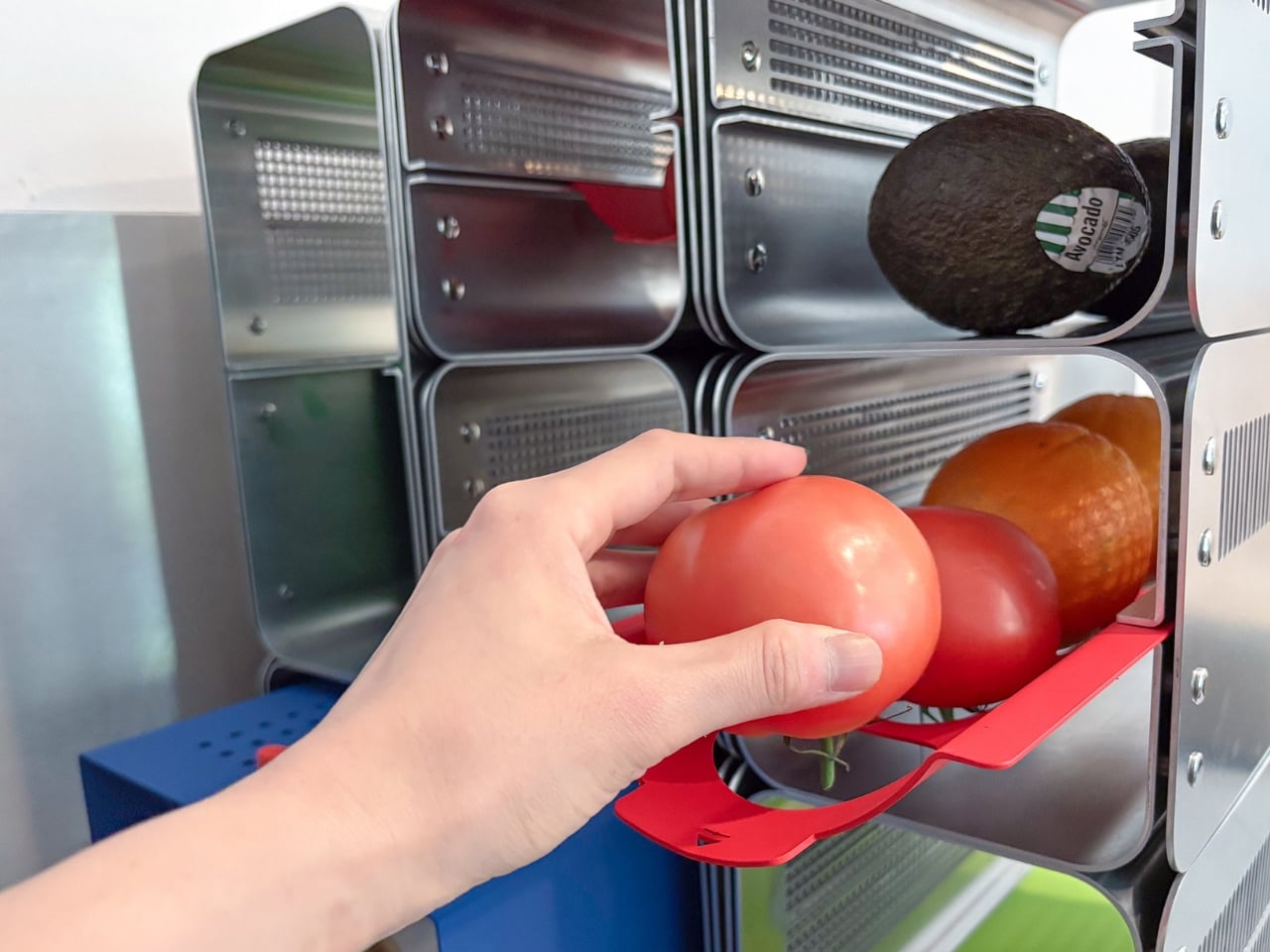
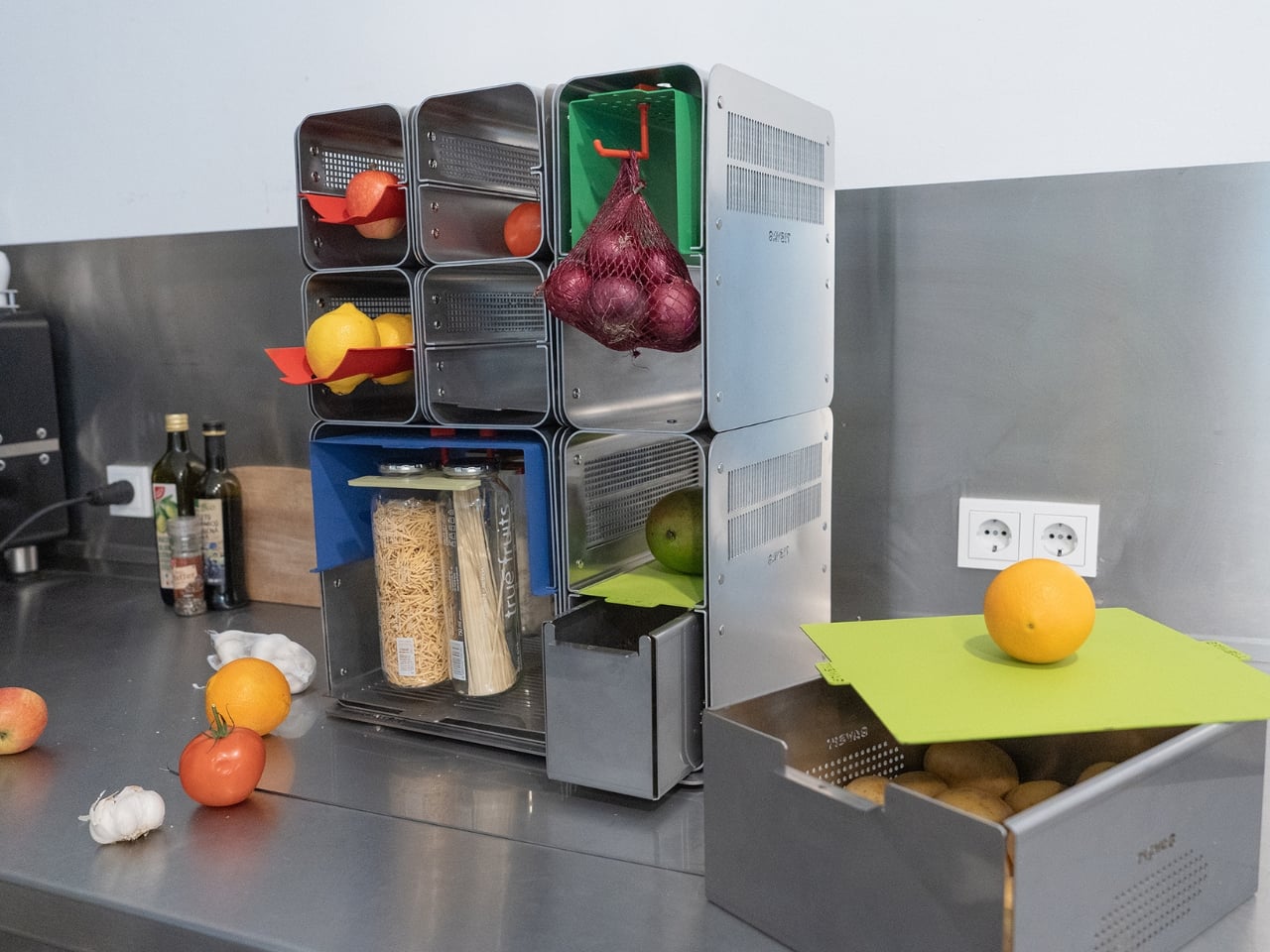
What makes this system feel genuinely different is how modular and adaptable it is. The stackable metal units can be configured in countless ways, kind of like edible Tetris. Need more space for root vegetables this week? Rearrange. Stocking up on citrus? Adjust accordingly. The colored sliding trays and hanging hooks accommodate everything from loose potatoes to bunches of bananas, and each component is designed to maximize airflow through those perforated backs, keeping produce fresher longer.

The aesthetic is industrial meets playful, with that brushed metal finish that feels both serious and approachable. Those bright red, green, blue, and yellow accents aren’t just for looks either. They help you quickly identify different food categories or rotation systems at a glance. It’s functional design that doesn’t sacrifice personality.

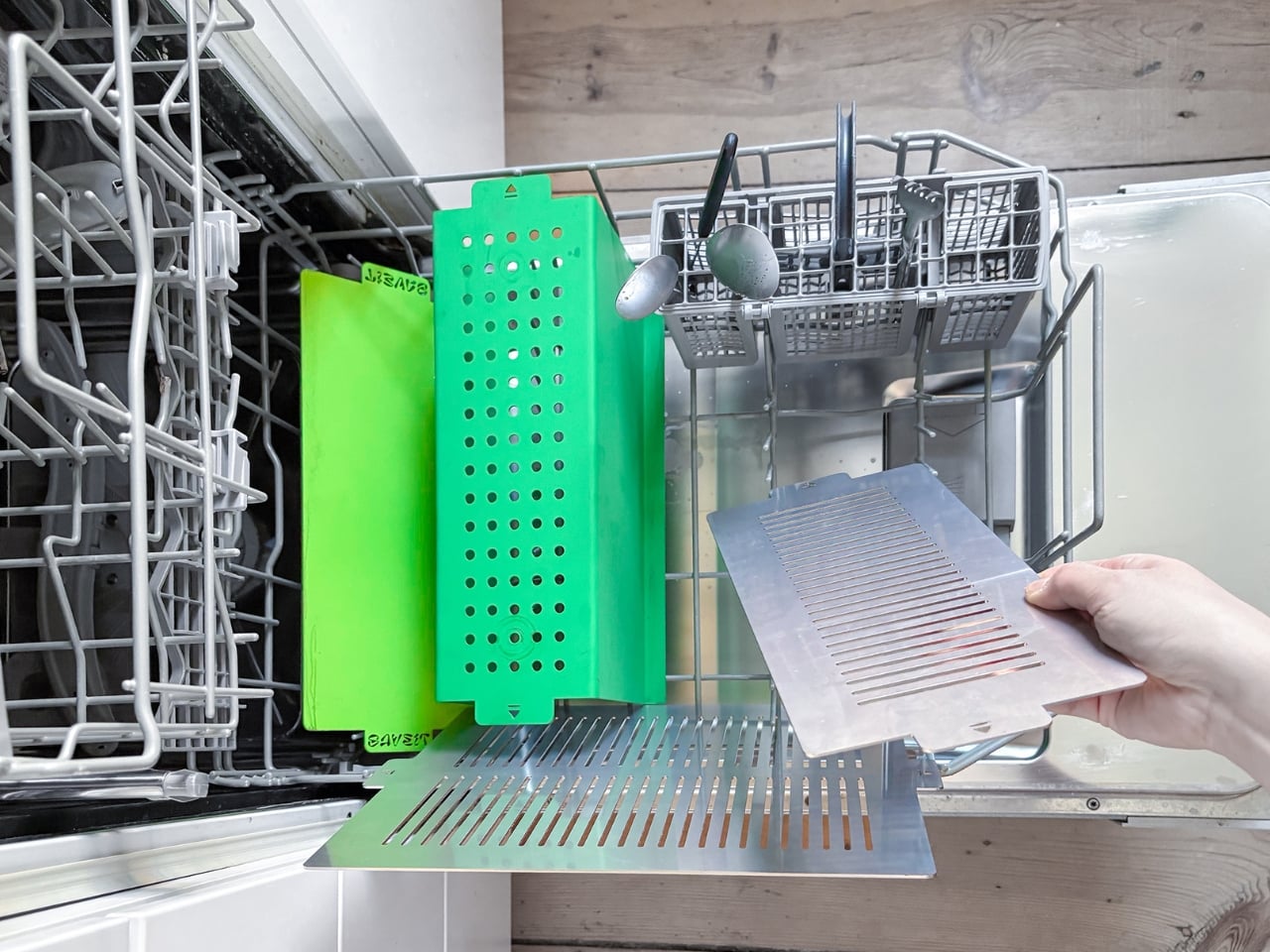
But here’s what really sold me on this concept: every single part slides out and pops into the dishwasher. Anyone who’s ever tried to clean a traditional produce basket or drawer knows that trapped dirt and sticky residue situation. Saveit eliminates that headache entirely. The removable design means you can actually keep your storage clean without contortionist-level flexibility or a dedicated scrub brush.

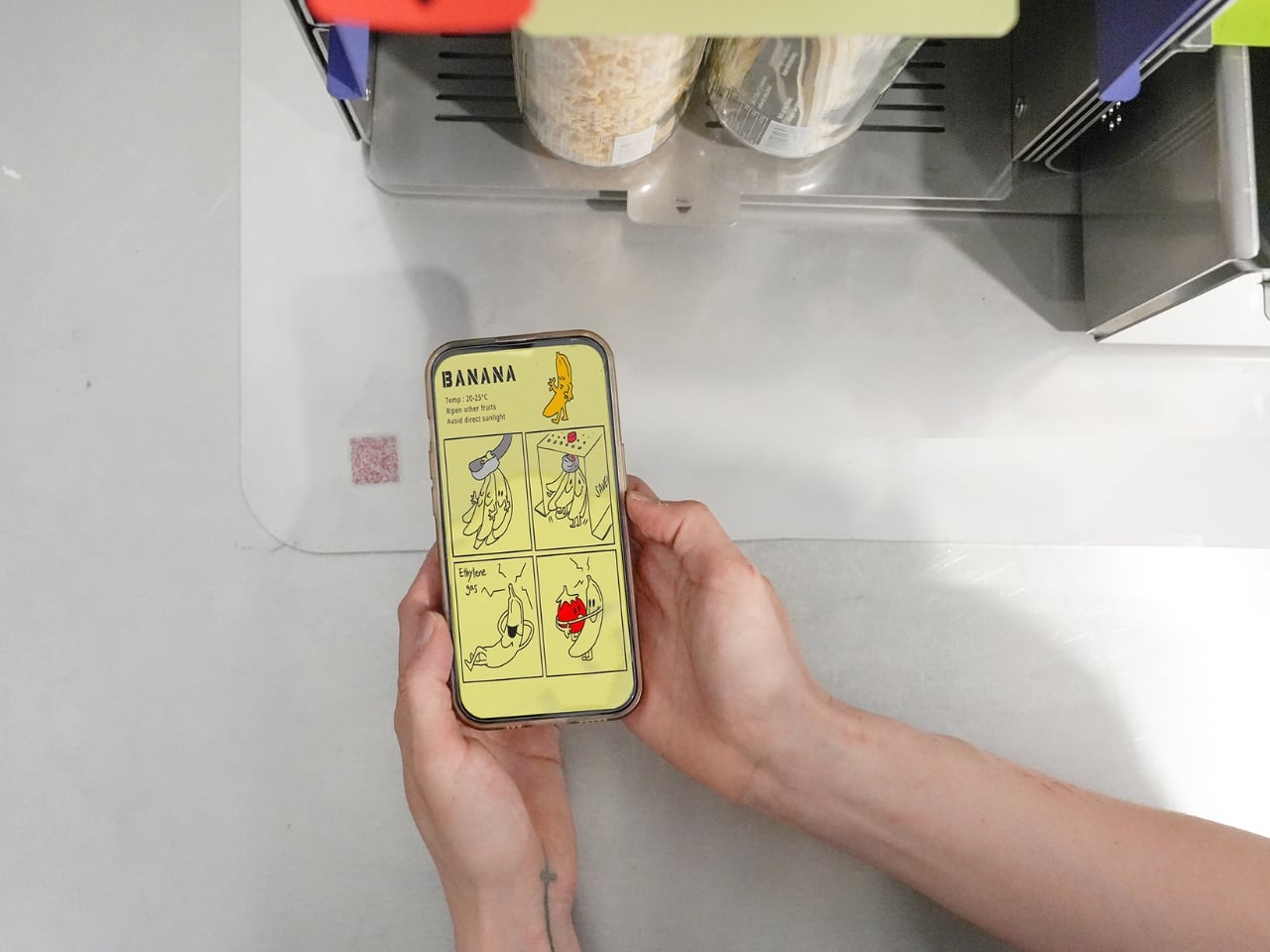
The environmental angle here is significant too. Food waste is a massive problem. We’re talking about roughly a third of all food produced globally ending up in the trash, which contributes to greenhouse gas emissions and represents billions of dollars thrown away annually. While Saveit won’t solve food waste entirely, it tackles one of the root causes: poor visibility and organization at home. When you can actually see what you have and the system naturally prioritizes older items, you’re far more likely to use everything before it goes bad. There’s something refreshing about design that solves real problems without overcomplicating things. Saveit doesn’t require an app, doesn’t need to be plugged in, and doesn’t come with a subscription service. It’s just smart, thoughtful design applied to an everyday challenge. The kind of thing that makes you wonder why storage hasn’t worked this way all along.

Yerin Kim’s creation sits at this interesting intersection of sustainability, functionality, and visual appeal that feels very now. It’s the type of design that tech enthusiasts appreciate for its systematic approach, that eco-conscious consumers love for its waste-reduction potential, and that design lovers simply want to display on their countertops. It transforms a mundane task (food storage) into something that actually feels considered and intentional. Whether Saveit moves from concept to production remains to be seen, but it represents a shift in how we think about kitchen organization. Storage shouldn’t be something you work around. It should work for you, making sustainable choices easier and more intuitive. And if it looks this good while doing it? Even better.

The post Rotating Kitchen Cubes Make Wasting Food Actually Impossible first appeared on Yanko Design.

Rotating Kitchen Cubes Make Wasting Food Actually Impossible

We’ve all been there. You buy fresh produce with the best intentions, tuck it away in the fridge or pantry, and then discover a wilted mess two weeks later. It’s frustrating, wasteful, and honestly, it happens way more often than we’d like to admit. But what if your storage system actually worked with you instead of against you?

Enter Saveit, a modular food storage concept by designer Yerin Kim that’s making me rethink everything about how we organize our kitchens. At first glance, it looks like something straight out of a design museum with its sleek metal boxes, perforated panels, and pops of color. But the real magic happens when you actually use it.

Designer: Yerin Kim

The system is built around a brilliantly simple idea: rotating storage that follows the FIFO principle (first in, first out). You know how grocery stores stock their shelves so older items move to the front? That’s exactly what Saveit does for your home. The modules feature these clever two-way rotating structures, so when you add new food from one side, the older items naturally move toward the exit point. No more mystery tomatoes rotting in the back of your produce drawer.

What makes this system feel genuinely different is how modular and adaptable it is. The stackable metal units can be configured in countless ways, kind of like edible Tetris. Need more space for root vegetables this week? Rearrange. Stocking up on citrus? Adjust accordingly. The colored sliding trays and hanging hooks accommodate everything from loose potatoes to bunches of bananas, and each component is designed to maximize airflow through those perforated backs, keeping produce fresher longer.

The aesthetic is industrial meets playful, with that brushed metal finish that feels both serious and approachable. Those bright red, green, blue, and yellow accents aren’t just for looks either. They help you quickly identify different food categories or rotation systems at a glance. It’s functional design that doesn’t sacrifice personality.

But here’s what really sold me on this concept: every single part slides out and pops into the dishwasher. Anyone who’s ever tried to clean a traditional produce basket or drawer knows that trapped dirt and sticky residue situation. Saveit eliminates that headache entirely. The removable design means you can actually keep your storage clean without contortionist-level flexibility or a dedicated scrub brush.

The environmental angle here is significant too. Food waste is a massive problem. We’re talking about roughly a third of all food produced globally ending up in the trash, which contributes to greenhouse gas emissions and represents billions of dollars thrown away annually. While Saveit won’t solve food waste entirely, it tackles one of the root causes: poor visibility and organization at home. When you can actually see what you have and the system naturally prioritizes older items, you’re far more likely to use everything before it goes bad. There’s something refreshing about design that solves real problems without overcomplicating things. Saveit doesn’t require an app, doesn’t need to be plugged in, and doesn’t come with a subscription service. It’s just smart, thoughtful design applied to an everyday challenge. The kind of thing that makes you wonder why storage hasn’t worked this way all along.

Yerin Kim’s creation sits at this interesting intersection of sustainability, functionality, and visual appeal that feels very now. It’s the type of design that tech enthusiasts appreciate for its systematic approach, that eco-conscious consumers love for its waste-reduction potential, and that design lovers simply want to display on their countertops. It transforms a mundane task (food storage) into something that actually feels considered and intentional. Whether Saveit moves from concept to production remains to be seen, but it represents a shift in how we think about kitchen organization. Storage shouldn’t be something you work around. It should work for you, making sustainable choices easier and more intuitive. And if it looks this good while doing it? Even better.

The post Rotating Kitchen Cubes Make Wasting Food Actually Impossible first appeared on Yanko Design.
2026 iPad 12th Gen: Features, Specs, and Release Date Explained

2026 iPad 12th Gen: Features, Specs, and Release Date Explained

Apple is preparing to reshape the entry-level tablet market with the highly anticipated 2026 iPad 12th Gen.. This device is rumored to feature the advanced A19 chipset, promising a significant leap in performance, AI capabilities, and connectivity while maintaining its reputation as a budget-friendly option. Designed to meet the needs of students, casual users, and […]

The post 2026 iPad 12th Gen: Features, Specs, and Release Date Explained appeared first on Geeky Gadgets.

Posted in Uncategorized

New NotebookLM Tools : Create Slides, Scripts & Content Fast

New NotebookLM Tools : Create Slides, Scripts & Content Fast

What if you could transform hours of tedious content creation and SEO optimization into a seamless, almost magical process? Enter Google’s NotebookLM, a innovative AI platform that’s rewriting the rules of digital content strategy. Imagine brainstorming a concept for a blog post and, within minutes, having not just a polished draft but also a suite […]

The post New NotebookLM Tools : Create Slides, Scripts & Content Fast appeared first on Geeky Gadgets.

Posted in Uncategorized

Supercharge Your Mac: 12 Apps to Install Immediately

Supercharge Your Mac: 12 Apps to Install Immediately

The right apps can transform your Mac into a highly efficient and functional tool. Whether you’re a professional managing multiple projects or a casual user seeking to enhance your experience, these 12 carefully selected apps are designed to streamline workflows, improve usability, and optimize your system. From automating repetitive tasks to enhancing media playback, each […]

The post Supercharge Your Mac: 12 Apps to Install Immediately appeared first on Geeky Gadgets.

Posted in Uncategorized