Insta360, a company most known for its action cameras, has released two new AI-powered 4K webcams, the Link 2 Pro and Link 2C Pro, aimed at creators, educators and remote professionals. The company's goal with these models is "a webcam experience that looks and sounds remarkably close to a professional camera and microphone setup."
Both models use a larger 1/1.3-inch sensor with dual native ISO for improved low-light performance over the previous generation, and both support HDR. Insta360 says the audio on both models leverages beamforming technology as well as AI noise canceling to help voices sound clearer in noisy environments. Users can choose from four pickup modes designed for different sound sources like "Focus" that isolates a single voice or "Wide" if there are multiple speakers.
Video resolution on both models tops out 4K at 30 fps, and Insta360 says its updated True Focus system uses phase-detection autofocus to lock onto subjects, keeping them in focus while they move. There's also a "Natural Bokeh" mode meant to mimic the shallow depth-of-field look of a traditional DSLR camera, for users who enjoy that look.
As for what sets them apart, the Link 2 Pro sports a 2-axis gimbal for AI-assisted tracking, which offers single or group-mode framing, while the Link 2C Pro is static and designed for fixed-position setups. Both models offer gesture control features, allowing users to control certain functions hands-free. These include starting or stopping tracking and zooming in or out. Both models also include a magnetic mount for easy placement on metal surfaces.
Several different modes are offered that aid in teaching and presenting. Among them are Smart Whiteboard mode, which will automatically detect a user's whiteboard and keep it clearly in frame, and DeskView mode, which captures an overhead view of a user's desk. There's also a green screen mode, a portrait mode and support for virtual backgrounds.
The new webcams also support Insta360 InSight, the company's subscription AI-powered meeting assistant. InSight can record meetings, generate transcripts, create summaries and more.
The Link 2 Pro will retail for $250 while the Link 2C Pro will go for $200. Both models are available for purchase now.
This article originally appeared on Engadget at https://www.engadget.com/cameras/insta360-releases-ai-powered-follow-up-to-its-link-webcams-130003572.html?src=rss
What if humanoid robots could think, move, and adapt to the world around them as seamlessly as humans do? In this walkthrough, LimX Dynamics shows how its new operating system, LimX COSA, is turning that vision into reality. COSA, short for Cognitive OS of Agents, is the first-ever physical-world-native agentic operating system designed to unify […]
Japanese design philosophy has long celebrated the marriage of form and function, transforming everyday objects into tools that spark joy while serving practical purposes. This ethos shines brightest in stationery design, where minimalism meets innovation to create products that streamline workflows and declutter both physical and mental spaces. The items on this list represent a modern evolution of this tradition, offering solutions that fit seamlessly into contemporary life.
Organization isn’t just about having the right storage solutions; it’s about surrounding yourself with tools that inspire consistent use and thoughtful habits. These seven Japanese-inspired stationery essentials combine intelligent engineering with aesthetic restraint, ensuring that staying organized feels less like a chore and more like a natural extension of your creative process. Each piece has been selected for its ability to eliminate friction from daily tasks while adding visual harmony to your workspace.
1. OrigamiSwift Folding Mouse
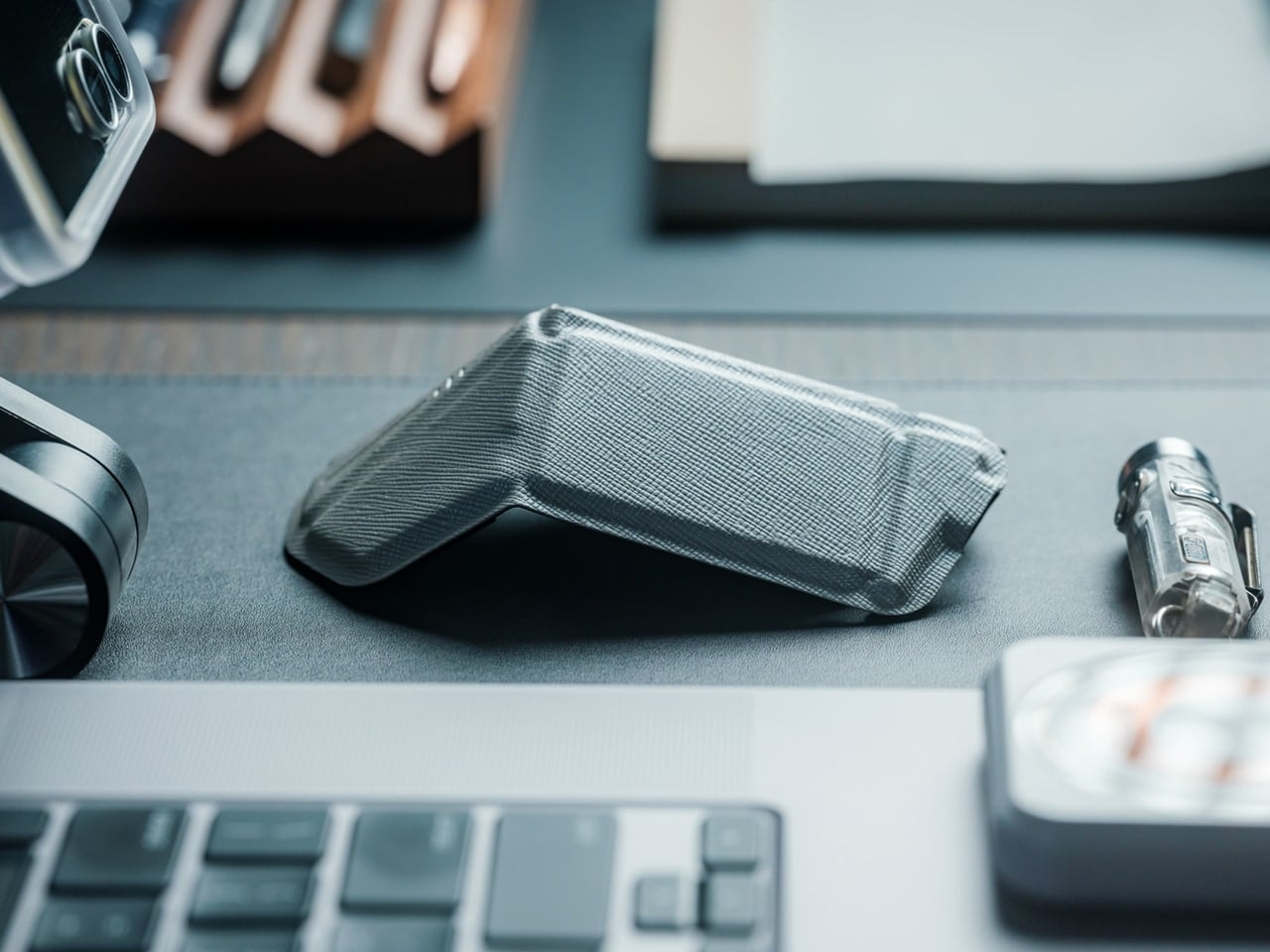
Staying organized in a mobile work environment means carrying the right tools without the bulk. The OrigamiSwift reimagines the traditional computer mouse through the lens of Japanese paper-folding artistry, creating a device that collapses to pocket size yet delivers full desktop functionality. This ingenious design features a triangular skeletal structure that folds completely flat when not in use, allowing digital nomads and hybrid workers to maintain their preferred setup regardless of location.
The transformation happens in less than half a second with a simple flick of the wrist, instantly morphing from a slim card into a responsive input device. Weighing just 40 grams, this featherweight mouse disappears into bags and pockets until the moment productivity calls. The aluminum construction ensures durability despite the mechanical complexity, while the ergonomic contours cradle your hand during marathon editing sessions or detailed design work. For anyone juggling multiple workspaces throughout their day, this folding marvel eliminates the compromise between portability and performance.
Deploys in under 0.5 seconds for instant workflow activation.
Origami-inspired triangular structure provides surprising rigidity and stability when deployed.
Ultra-lightweight 40-gram design makes it virtually unnoticeable in bags.
Fits in pockets and tight spaces without compromising on full-sized mouse functionality.
What We Dislike
Ultra-slim profile requires an adjustment period for users accustomed to bulkier mice.
Mechanical hinges need occasional maintenance to preserve smooth folding action.
2. Everlasting All-Metal Pencil
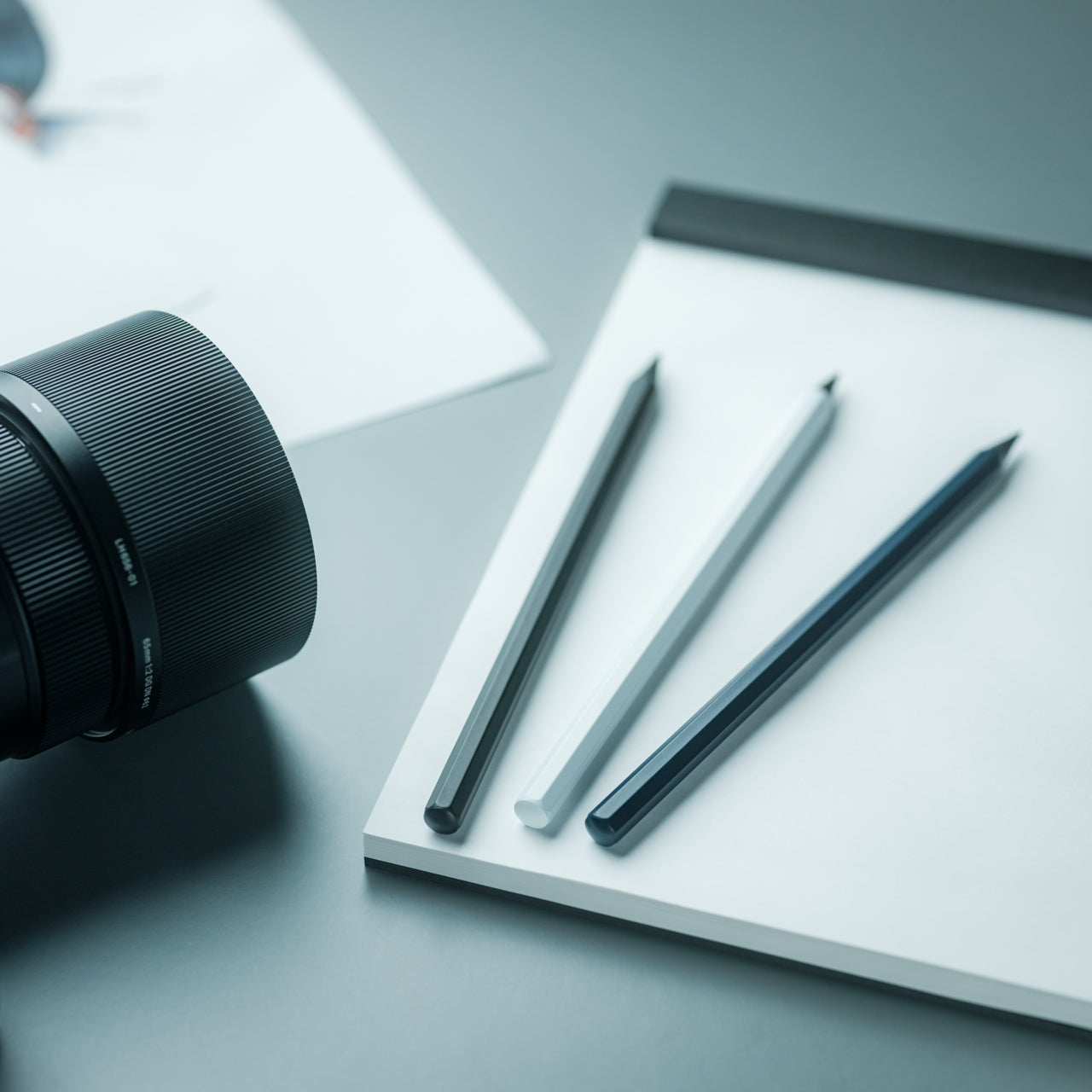
Few things disrupt creative flow like a broken pencil lead or the constant need to sharpen. The Everlasting All-Metal Pencil eliminates these frustrations through material innovation rather than mechanical complexity. Crafted from a specialized alloy core encased in aluminum, this writing instrument leaves graphite-like marks on paper without wearing down at the accelerated rate of traditional pencils. The result is a tool that writes for years rather than weeks, producing consistent lines that erase cleanly with standard erasers.
The tactile experience mirrors conventional pencils closely enough that your hand won’t notice the switch, yet the absence of sharpening fundamentally changes how you interact with the tool. You can sketch freely without monitoring lead length or calculating whether you have enough left for a particular project. The weight distribution feels substantial without being cumbersome, lending a sense of permanence that disposable writing tools simply cannot match. This pencil becomes a reliable companion rather than a consumable supply, encouraging deeper attachment and more intentional use.
Never needs sharpening, creating a completely uninterrupted workflow.
Alloy construction lasts for decades, eliminating constant supply replenishment.
Marks erase cleanly with standard erasers just like traditional pencils.
Reduces waste and mental load of managing consumable supplies.
What We Dislike
Fixed line weight offers less variation than traditional graphite pencils with different grades.
Higher initial cost compared to conventional pencils.
3. MagBoard Clipboard
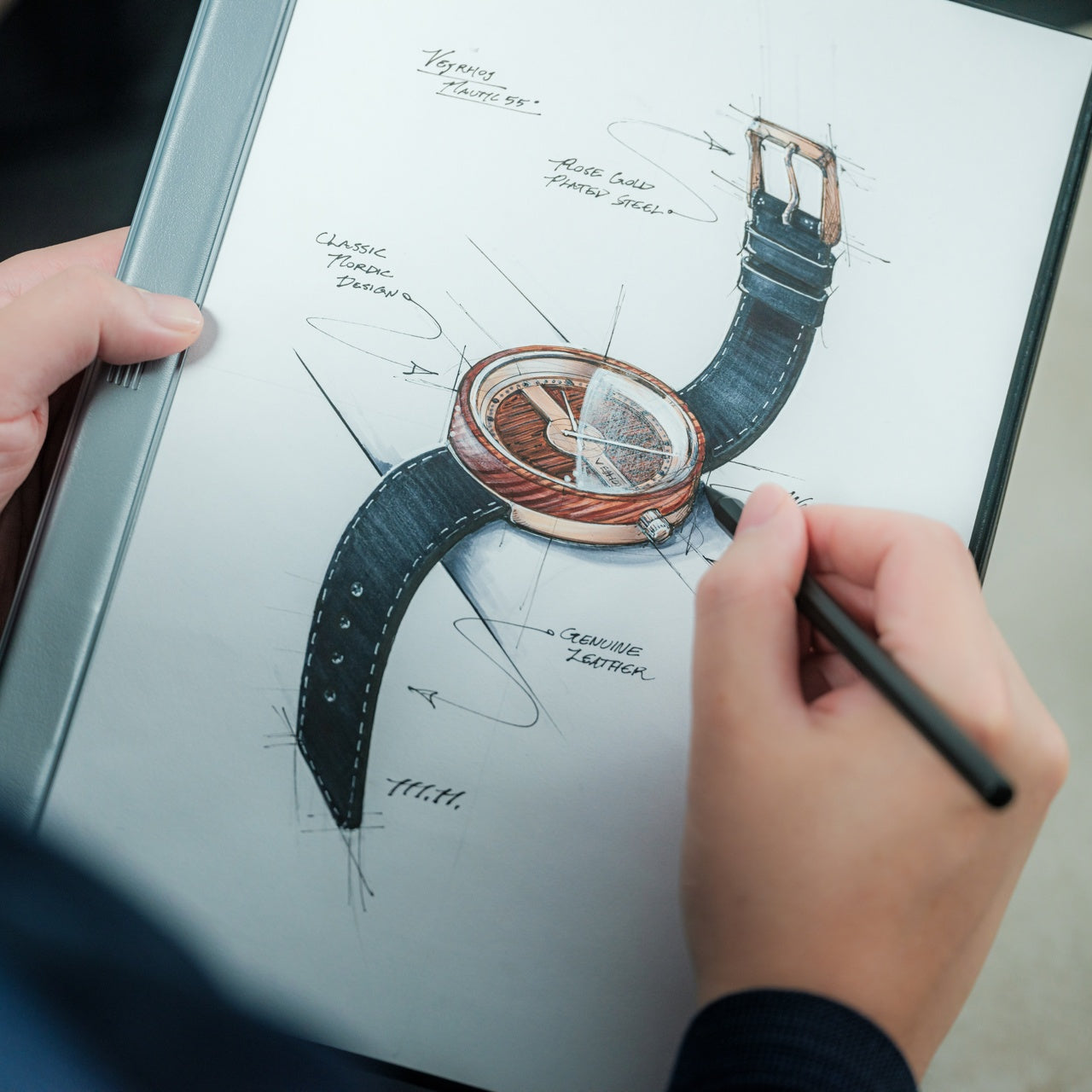
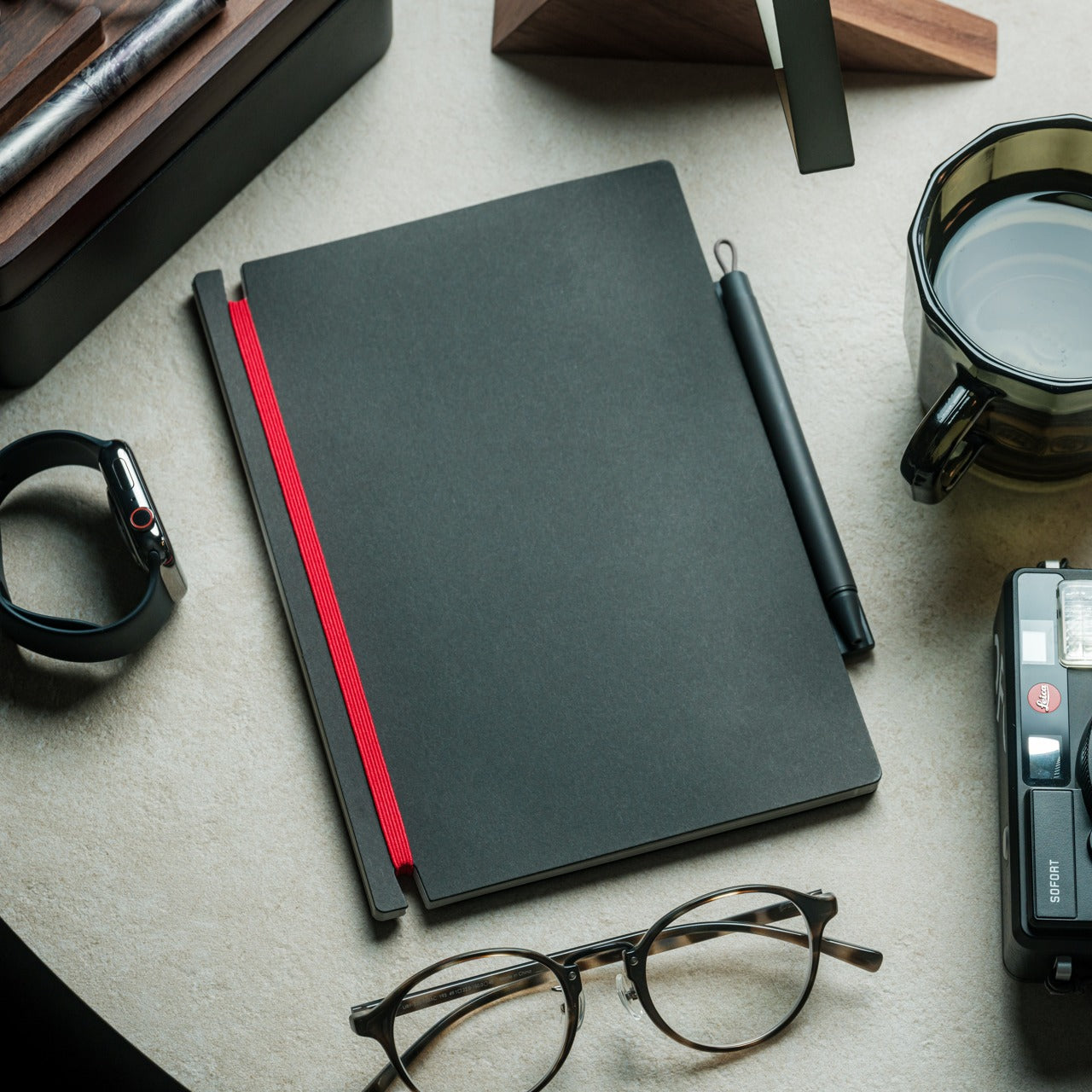
Traditional notebooks impose structure that sometimes stifles rather than supports organization. The MagBoard Clipboard embraces flexibility through its magnetic lever mechanism, securing up to 30 loose sheets while allowing instant reordering, removal, or addition. This hardcover design functions equally well on a desk or held against your torso while standing, transforming any environment into a viable workspace. The rigid backing provides writing stability without the permanence of bound pages.
The magnetic closure system offers satisfying tactile feedback while maintaining security during transport. Water-resistant materials ensure your notes survive coffee spills and sudden weather changes, protecting work that might otherwise be lost to environmental hazards. The ability to shuffle pages means your organizational system can evolve with your projects, accommodating non-linear thinking patterns that don’t fit neatly into numbered sequences. You might start a meeting with prepared sheets, add new observations throughout, then reorganize everything based on priority before leaving. This adaptive format respects how actual work happens rather than imposing artificial constraints.
Instant page reorganization without tearing or rewriting saves significant time.
Hardcover design allows comfortable note-taking while standing or moving.
Water-resistant materials protect notes from spills and weather damage.
The magnetic lever mechanism secures up to 30 sheets during transport.
What We Dislike
30-sheet capacity may feel limiting for extensive multi-page projects.
Magnetic mechanism adds noticeable weight during extended holding periods.
4. Inseparable Notebook Pen
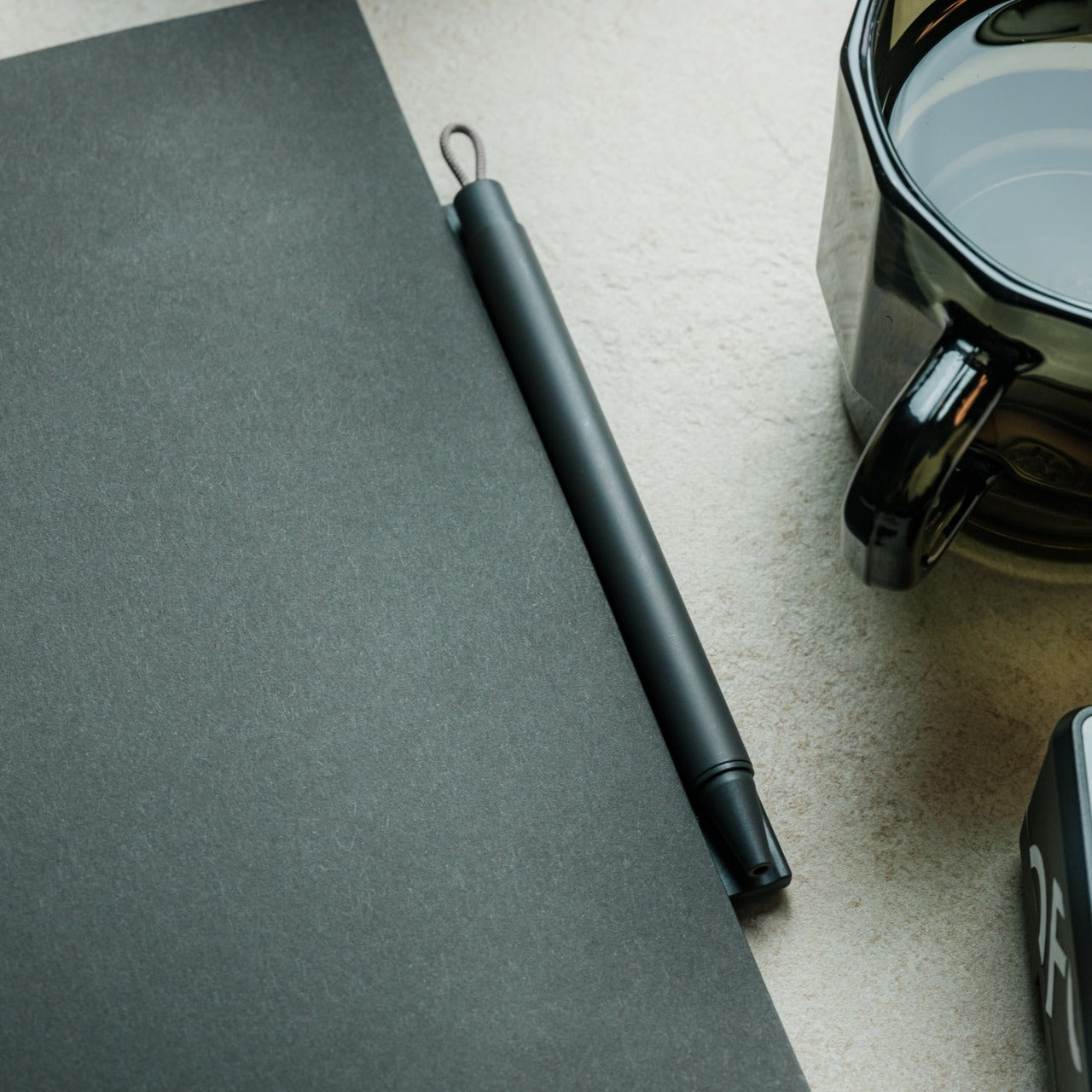
Misplaced pens represent one of the organization’s most persistent frustrations. The Inseparable Notebook Pen solves this through integration rather than attachment, creating a writing instrument designed specifically to remain with your notebook. The minimalist profile slides easily alongside pages without creating bulk, while the smooth ink flow ensures thoughts transfer to paper without skipping or pressure adjustments. This isn’t just a pen that happens to fit your notebook; the entire form factor was conceived around coexistence.
The grip diameter and length strike a balance between portability and comfort, allowing extended writing sessions without cramping. The understated aesthetic avoids competing for attention, letting your content remain the focus rather than the tool itself. By designing the pen and notebook as a unified system, this approach eliminates the common scenario of finding a notebook but lacking something to write with. The relationship between tool and substrate becomes seamless, reducing decision fatigue and creating muscle memory around a consistent setup. When reaching for your notebook, it always means having a reliable pen immediately available, and capturing fleeting ideas becomes automatic rather than conditional.
Integrated design creates consistent habits around a single unified system.
Slim profile maintains notebook portability without adding noticeable bulk.
Smooth ink flow ensures reliable writing without skipping or pressure issues.
Eliminates the common frustration of finding notebooks without pens.
What We Dislike
Specialized design may not fit other notebooks in your collection.
Requires replacing the specific design rather than using generic pen replacements.
5. Scissors with Magnetic Base
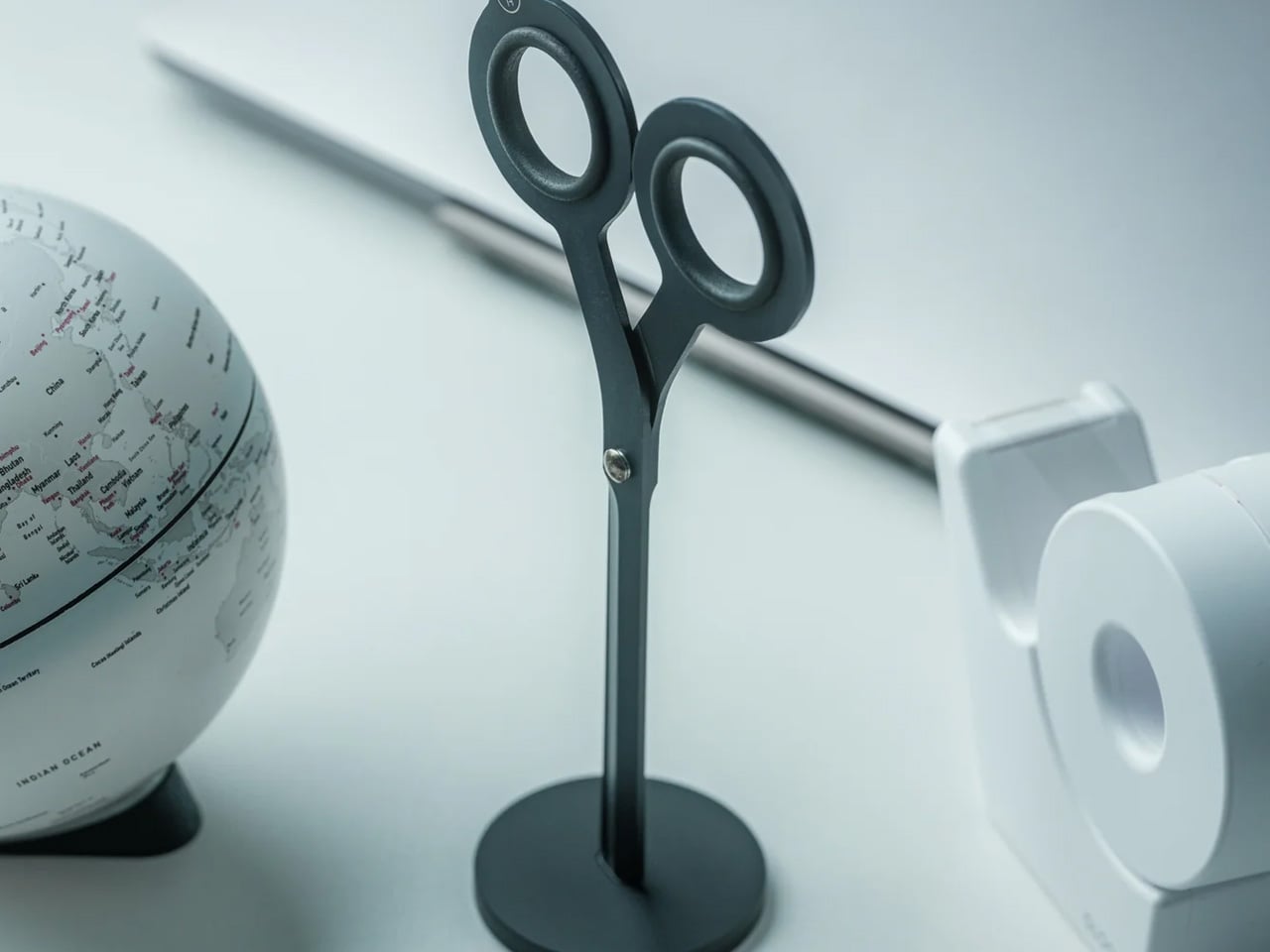
Office scissors typically live in drawers or cups, creating search friction when you need them urgently. These Scissors with Magnetic Base stand perpetually upright on your desk, always visible and immediately accessible. The weighted aluminum base uses magnetic attraction to hold the Japanese stainless steel blades in an elegant vertical position, transforming a utilitarian tool into a sculptural desk element. The Teflon coating on the blades ensures smooth cutting through various materials while preventing adhesive buildup from tape or labels.
The substantial weight of the all-metal construction provides satisfying heft during use, allowing the scissors’ sharpness to do the work rather than requiring excessive hand pressure. One finger ring incorporates a hidden box cutter blade, adding functionality without compromising the clean aesthetic. The upright storage position protects blade edges from the dulling contact that occurs when scissors roll around in drawers. By giving these scissors a permanent home that celebrates rather than hides them, you’re more likely to use the right tool for cutting tasks instead of making do with whatever’s closest. The magnetic base also prevents the gradual migration that causes tools to disappear into desk clutter.
Always-vertical positioning eliminates search time and tool misplacement.
Japanese stainless steel with Teflon coating maintains sharp cutting performance.
One finger ring doubles as a box cutter for added functionality.
Magnetic base transforms a utilitarian tool into a sculptural desk element.
What We Dislike
A dedicated base makes scissors less practical for mobile use or multiple workstations.
A prominent vertical display requires a dedicated desk surface area.
6. Paperweight and Pen Holder
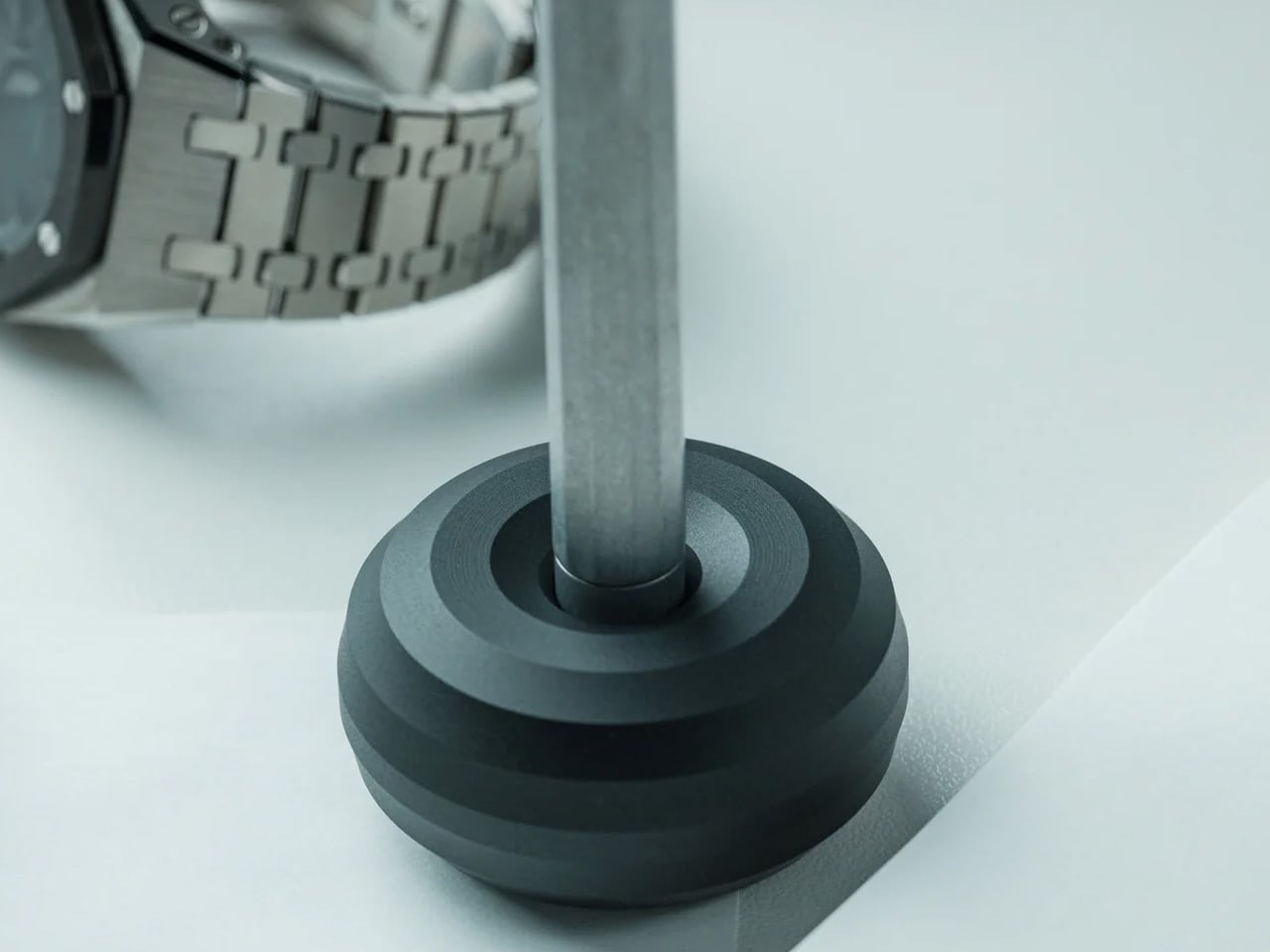
Desktop organization often suffers from single-purpose items that crowd surfaces without earning their real estate. The HMM Paperweight serves dual functions through its donut shape, holding papers securely while offering a stable pen rest when writing tools aren’t in use. The milled aluminum construction features twelve beveled faces that create visual interest through their geometric precision, catching light differently throughout the day. Weighing 101 grams across a 50mm diameter, the compact form factor delivers substantial anchoring power without dominating your workspace.
The central cavity accommodates standard pen diameters, creating a natural resting place that keeps writing instruments from rolling away or getting buried under papers. The tactile quality of the machined surfaces invites idle handling during thinking moments, providing subtle sensory engagement that can aid focus. This piece exemplifies multi-functionality done thoughtfully, where each purpose enhances rather than compromises the other. The paperweight function works best with reference documents you need visible but secure, while the pen holder keeps your preferred writing tool elevated and ready. Together, these capabilities reduce desktop chaos by giving key items defined homes that look intentional rather than cluttered.
Dual functionality maximizes usefulness while minimizing desk footprint.
Twelve beveled aluminum faces create a premium aesthetic appeal.
Compact 50mm diameter delivers substantial anchoring without dominating the workspace.
Tactile machined surfaces provide satisfying sensory engagement.
What We Dislike
The central hole only accommodates vertically positioned pens.
The 101-gram weight may struggle with larger document stacks.
7. Serenity Pen Stand
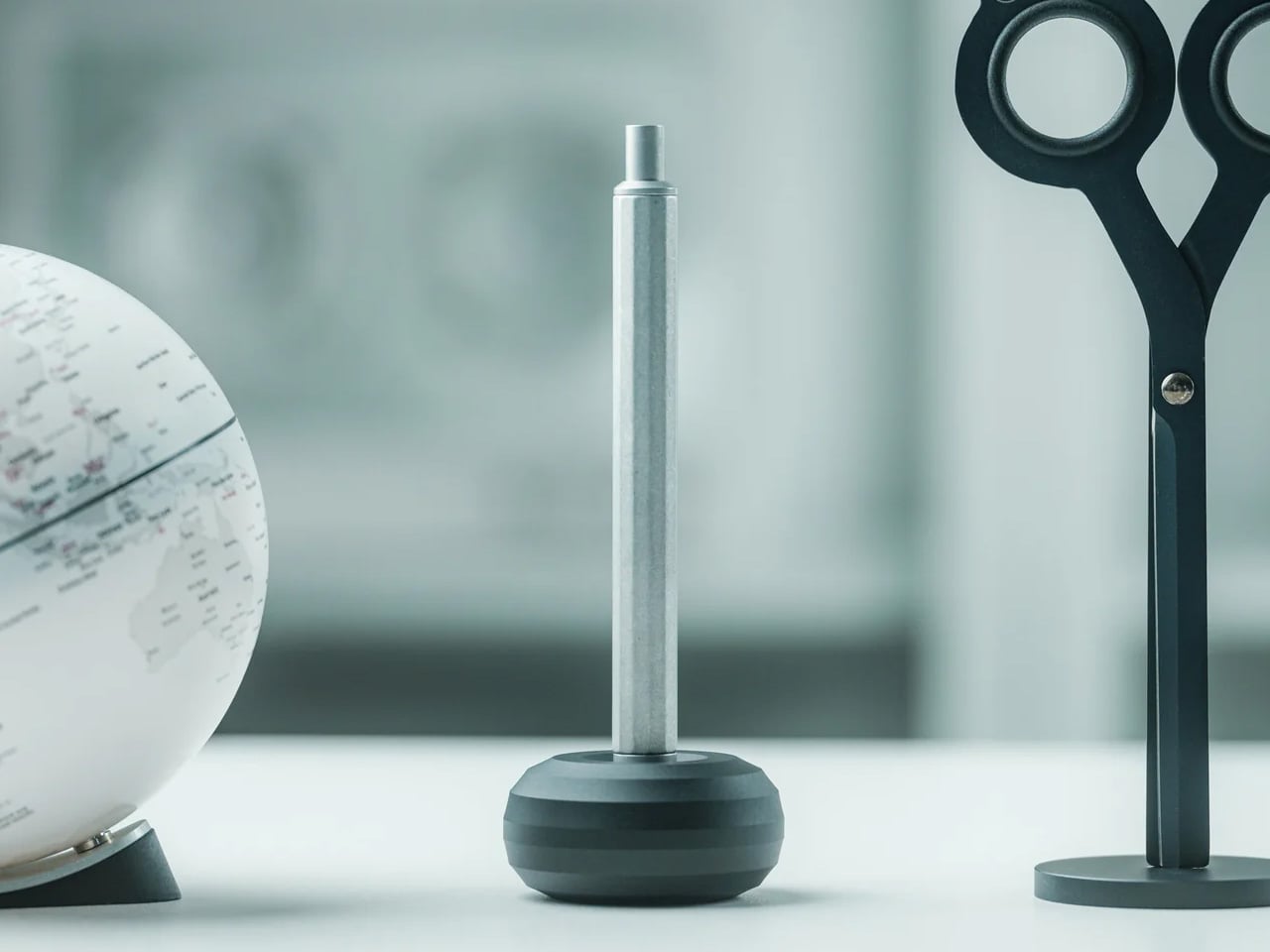
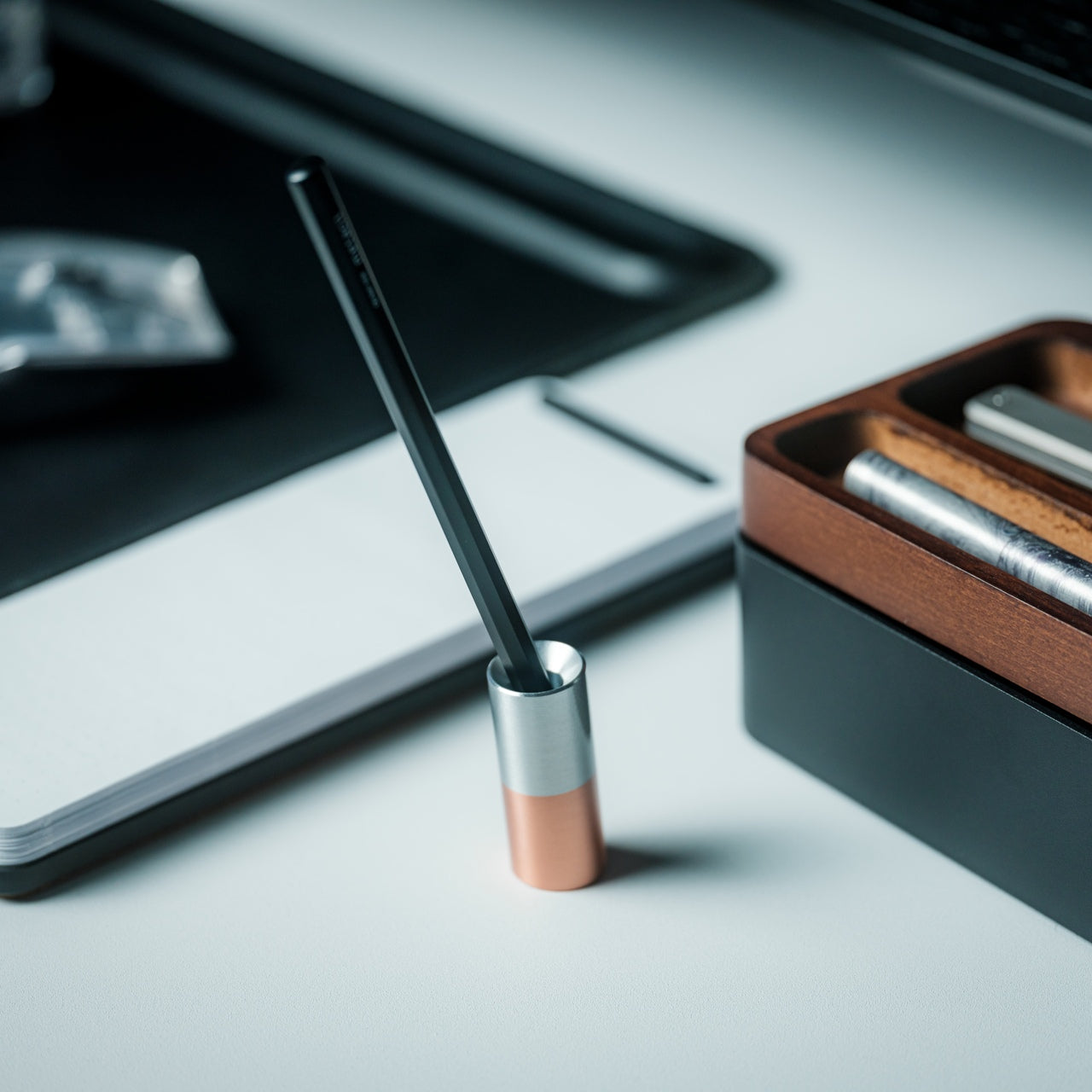
Most pen stands distract from the writing instrument they’re meant to showcase. The Serenity Pen Stand takes the opposite approach, reducing itself to near invisibility through radical simplicity. This minimalist cylinder features a cavity for pen tips and tilts slightly off-vertical for easier retrieval, creating an elegant pedestal that directs attention upward. The combination of aluminum body and copper base creates a subtle two-tone contrast while lowering the center of gravity for surprising stability despite the petite footprint.
The modest dimensions mean this stand occupies minimal desk space, fitting comfortably even on crowded surfaces. The weight distribution prevents tipping even with heavier pens, while the angled presentation makes grabbing your writing tool feel natural rather than requiring careful extraction. This design philosophy celebrates the pen as the protagonist, with the stand serving as supporting architecture rather than a competing feature. The copper bottom develops a natural patina over time, creating an evolving aesthetic that reflects your workspace’s history. For anyone who appreciates their writing instruments as prized tools rather than disposable supplies, this stand offers a reverent display option that respects both the pen and your desktop harmony.
Near-invisible design keeps visual focus on the pen itself.
Copper bottom provides excellent stability despite a tiny footprint.
Slight tilt makes pen retrieval feel natural and effortless.
Develops natural patina over time for evolving aesthetic character.
What We Dislike
Single-pen capacity requires multiple stands for instrument rotation.
A minimalist cavity may not accommodate unusual tip shapes or oversized barrels.
Organizing with Intention
The items featured here share a common thread beyond their Japanese design heritage. Each piece respects your attention by solving specific organizational challenges without introducing new complexity. Rather than adding systems that require maintenance and memory, these tools simply work better than their conventional alternatives. The result is an organization that happens naturally through superior design rather than forced discipline.
When your workspace contains tools that are genuinely pleasant to use and look at, maintaining order becomes effortless. These seven essentials prove that staying organized doesn’t require sacrifice or compromise. By choosing items that combine beauty, durability, and thoughtful functionality, you create an environment where productivity and tranquility coexist. The Japanese design philosophy embedded in each piece offers a masterclass in maximizing efficiency, transforming everyday objects into trusted companions.
The Samsung Galaxy S26 Ultra is poised to make a significant impact in the premium smartphone market. Scheduled for its official unveiling at the Samsung Unpacked event on February 25, 2026, in San Francisco, this flagship device combines innovative technology, refined design, and practical enhancements to deliver a superior user experience. Global sales are set […]
Have you ever spent hours painstakingly trying to remove a background from an image, only to end up frustrated with jagged edges or leftover fragments? It doesn’t have to be that way anymore. Howfinity outlines how advancements in AI-powered editing have made background removal faster, easier, and more precise than ever before. With so many […]
Apple and Google have confirmed that Gemini’s models power the new version of Siri and other generative AI features. CNBC broke the news, but Apple and Google soon followed up with a lengthy joint statement. Here’s part of it: “Apple determined that Google’s Al technology provides the most capable foundation for Apple Foundation Models… Apple Intelligence will continue to run on Apple devices and Private Cloud Compute, while maintaining Apple’s industry-leading privacy standards.”
In June, it was reported that Apple was considering partnerships with OpenAI and Anthropic for Siri (the voice assistant can currently tap ChatGPT for certain queries as part of Apple Intelligence). Two months later, Google emerged as a contender. Another report suggested Apple might build the new Siri using a custom version of Gemini — and that it would pay Google around $1 billion a year for the privilege. However, no official deal numbers were shared.
It’s also notable that current iPhones have direct access to OpenAI’s ChatGPT. But how long for?
Netflix’s hit show Adolescence received four awards, including best limited or anthology series. It also won best actor (Stephen Graham), supporting actor (Owen Cooper) and supporting actress (Erin Doherty) in a miniseries or television film.
KPop Demon Hunters — which my nieces refuse to stop talking about — won best animated feature and best original song. “I just want to say this award goes to people who have had doors closed on them, and I can confidently say rejection is redirection. So never give up.”
It’s not all good news. Netflix also won best performance in stand-up comedy on television for Ricky Gervais: Mortality. Apple and HBO Max each won three, and Hulu got one award on the night.
The agency is targeting a February launch date for Artemis 2.
A few years ago, NASA announced it was pushing the Artemis 2 mission back to April 2026. The agency now says it could launch as early as February. NASA is finalizing preparations for the mission and will soon roll out the Space Launch System (SLS) rocket and the Orion spacecraft to the launch pad at the Kennedy Space Center in Florida.
Artemis 2 is the first crewed mission to the moon since the Apollo program’s final flight in 1972. The 10-day mission will have four astronauts, who’ll test whether Orion’s critical life-support systems can sustain human passengers on future longer-duration missions. They will first orbit the Earth twice before making their way 4,700 miles beyond the far side of the moon.
Pre-orders for the first three Lego-Pokémon kits are open now. One of the debut pocket monsters is, of course, Pikachu. You can build the 2,050-piece kit to show Pikachu either at rest or leaping out of an open Poké Ball into battle. It costs $200.
There’s also a 587-piece model of Eevee, for $60. On the bigger side is a set featuring a trio of Pokémon: Venusaur, Charizard and Blastoise. This kit has 6,838 pieces and can show the group together in battle formation or separately in their own mini environments. It retails for $650 and is a bit much.
If you’re using an iPhone with iOS 26, you may not realize the full potential of your device. This latest operating system is packed with features designed to enhance productivity, convenience, and overall user experience. These tools are seamlessly integrated into the system, reducing reliance on third-party apps and simplifying everyday tasks. By exploring these […]
What if the biggest limitation of artificial intelligence isn’t how powerful the models are, but how well they understand the world around them? In this breakdown, Will Lamerton walks through how the real challenge in AI today isn’t about cramming more data into larger models, it’s about mastering context management. Imagine asking your AI assistant […]
What if your computer could handle your most tedious tasks while you focused on what truly matters? World of AI explores how Anthropic’s latest innovation, Claude Cowork, is redefining productivity by transforming your desktop into an intelligent, task-oriented assistant. Imagine delegating complex operations like organizing files, extracting data, or generating overviews, all with a simple, […]
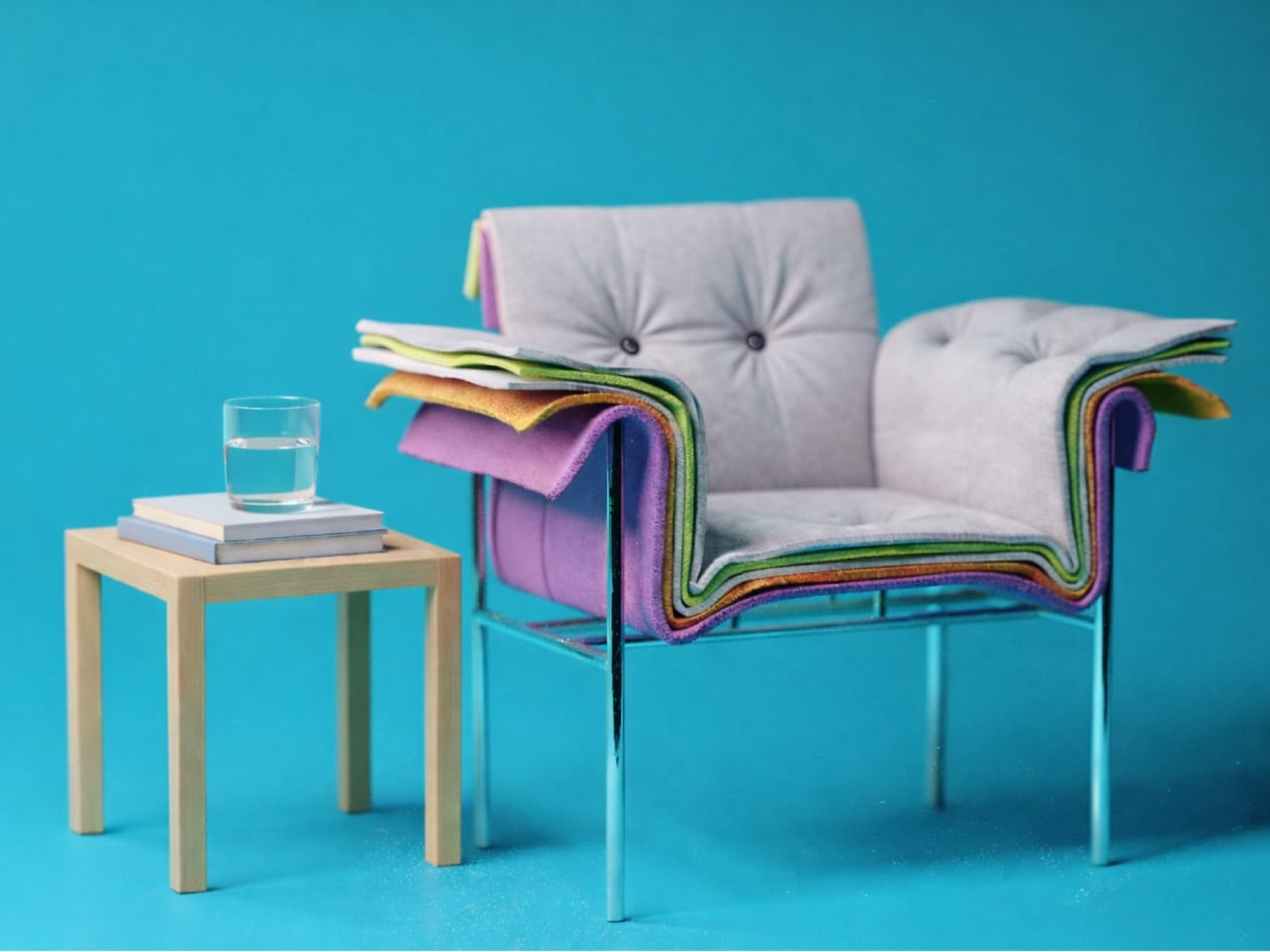
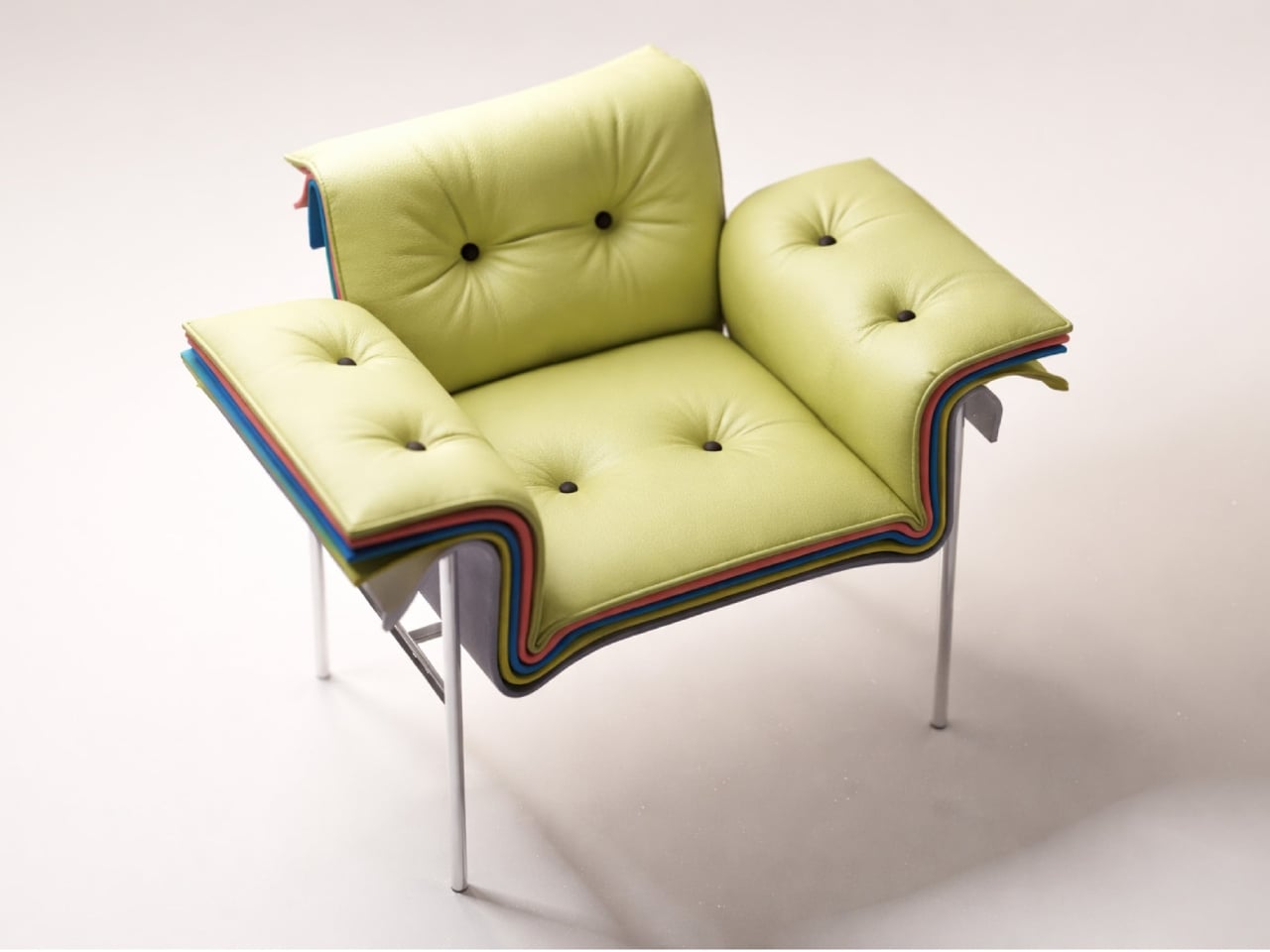
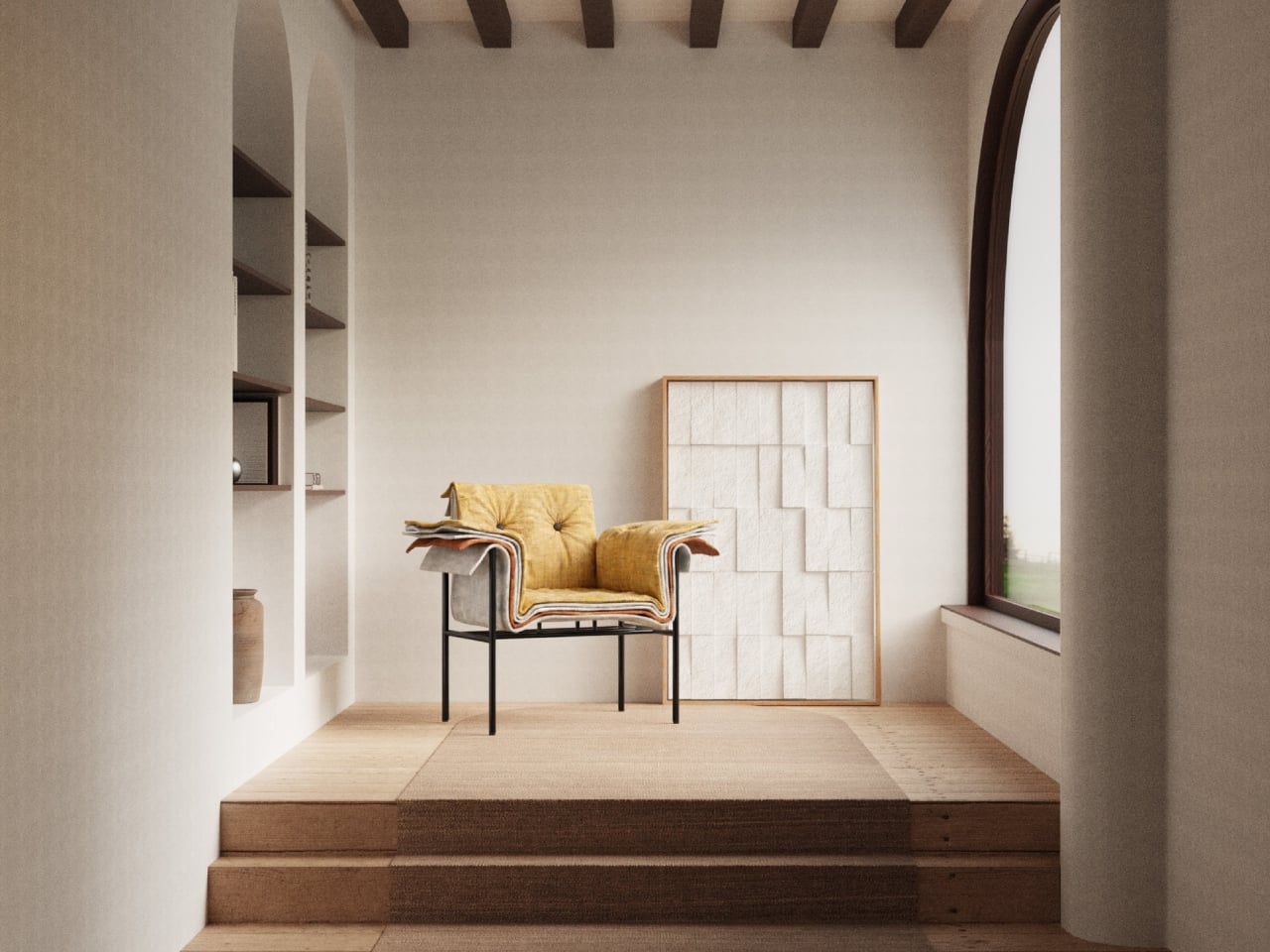
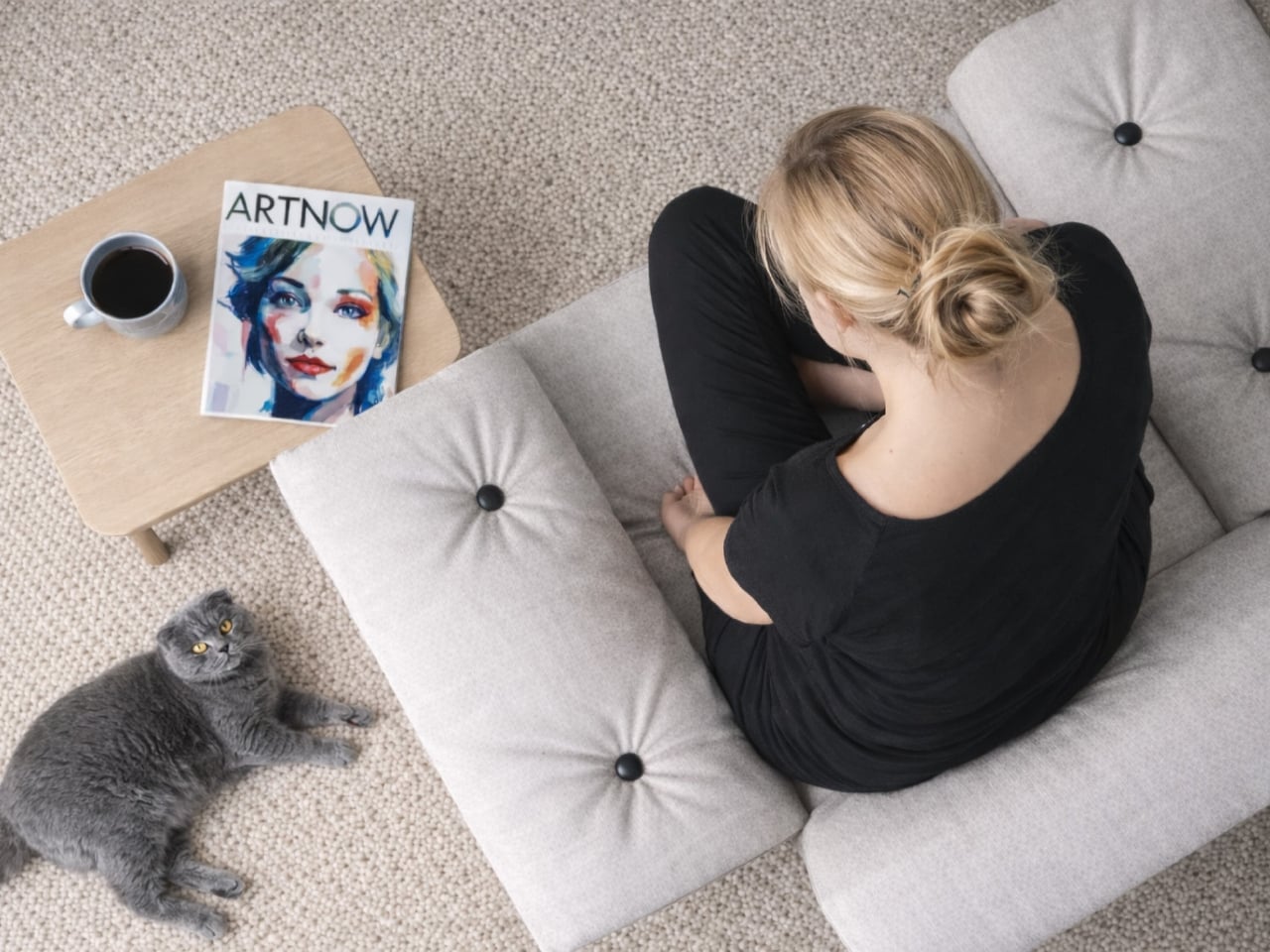
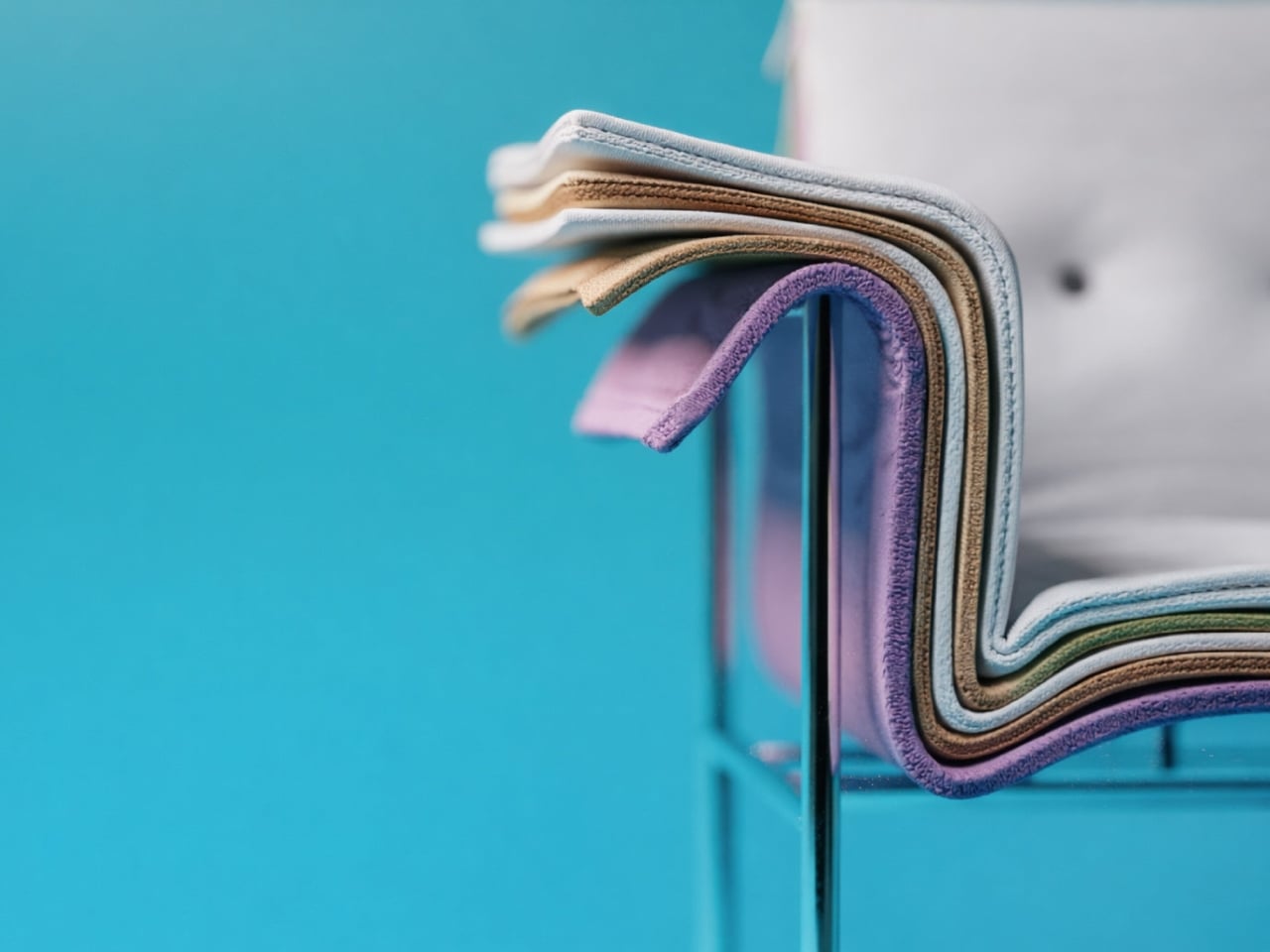
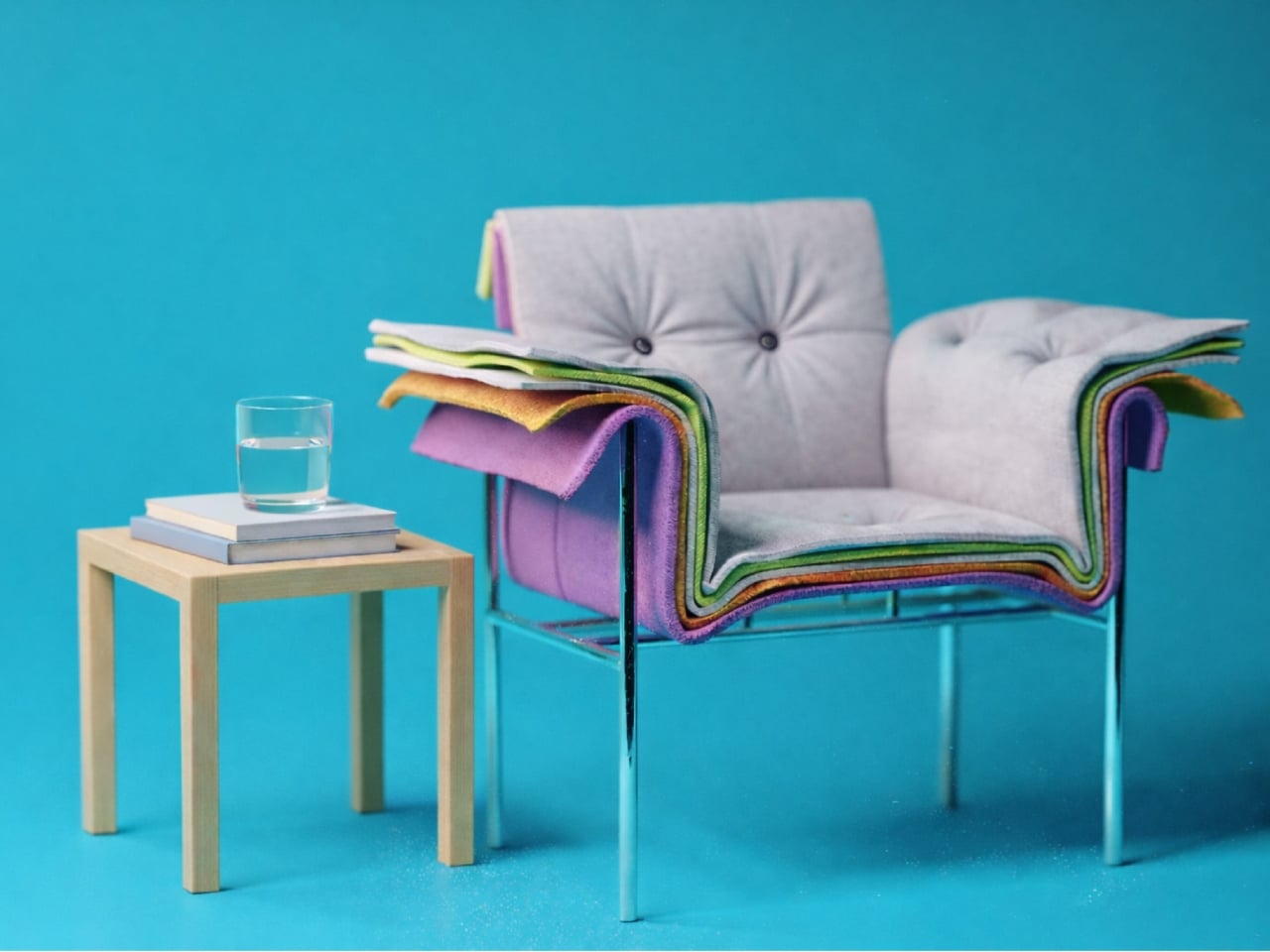
You know those material swatch books at fabric stores where every color fan out in perfect rainbow order? Designer Fatih Demirci apparently looked at one and thought, “What if that was a chair?” The result is the Kartela Chair, a concept design that turns the humble material sample into something you’d actually want to sit on.
Let’s be real. Most furniture design either plays it safe with neutrals or goes so wild that you’d only see it in a modern art museum. The Kartela Chair manages to walk this delightful line between practical and playful. Looking at it feels like stumbling upon a design secret, where function meets whimsy in the most unexpected way.
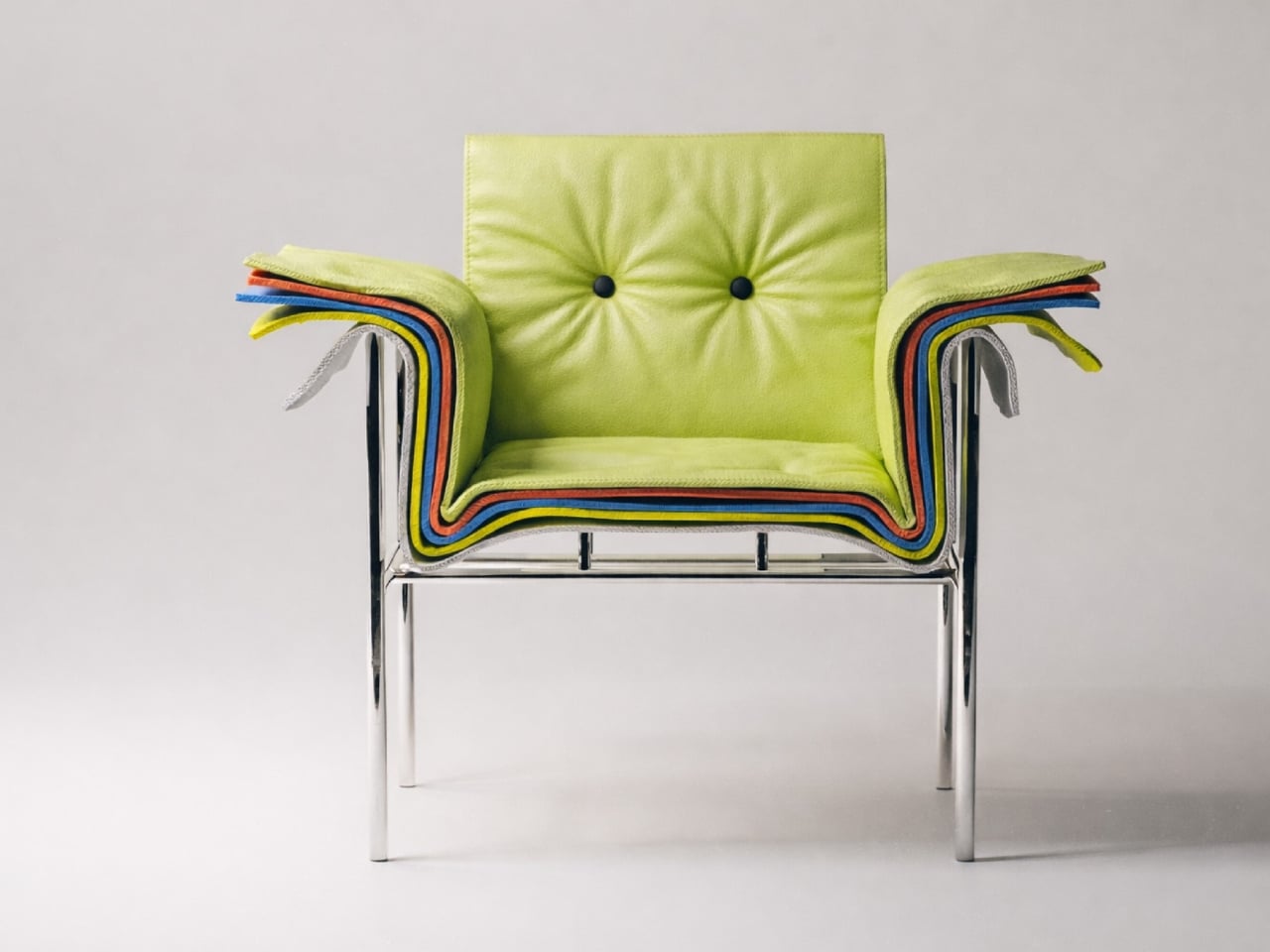
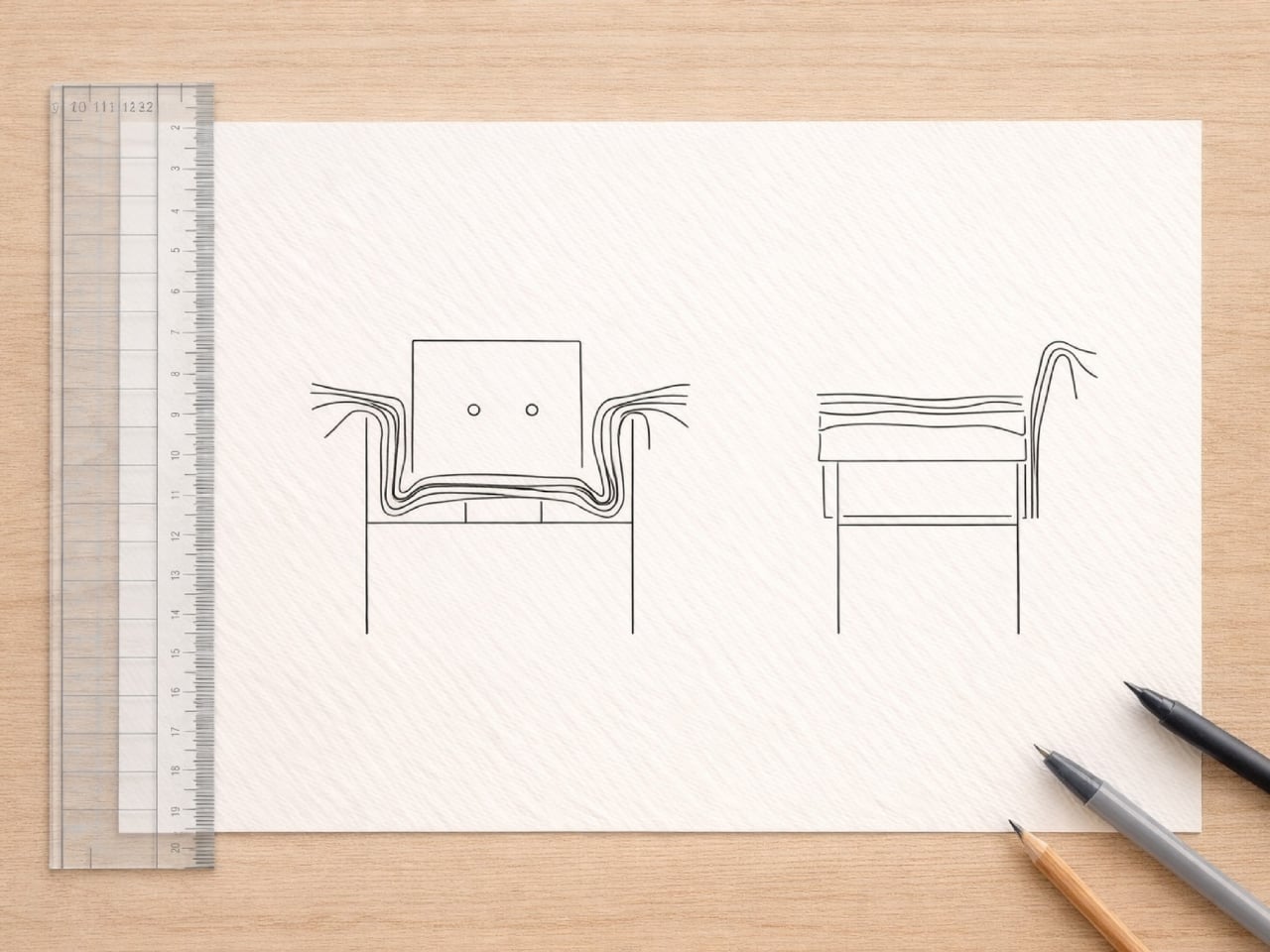
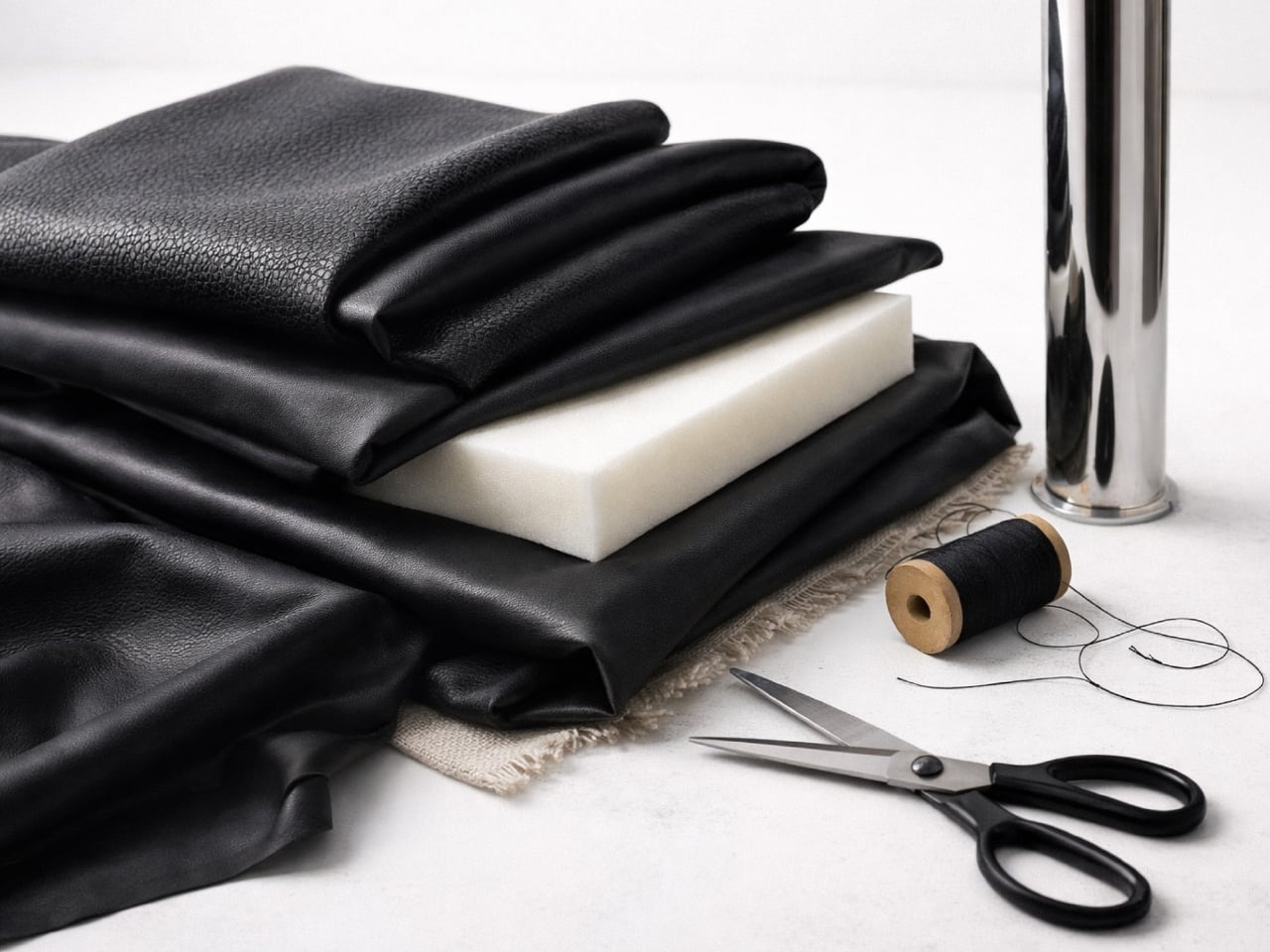
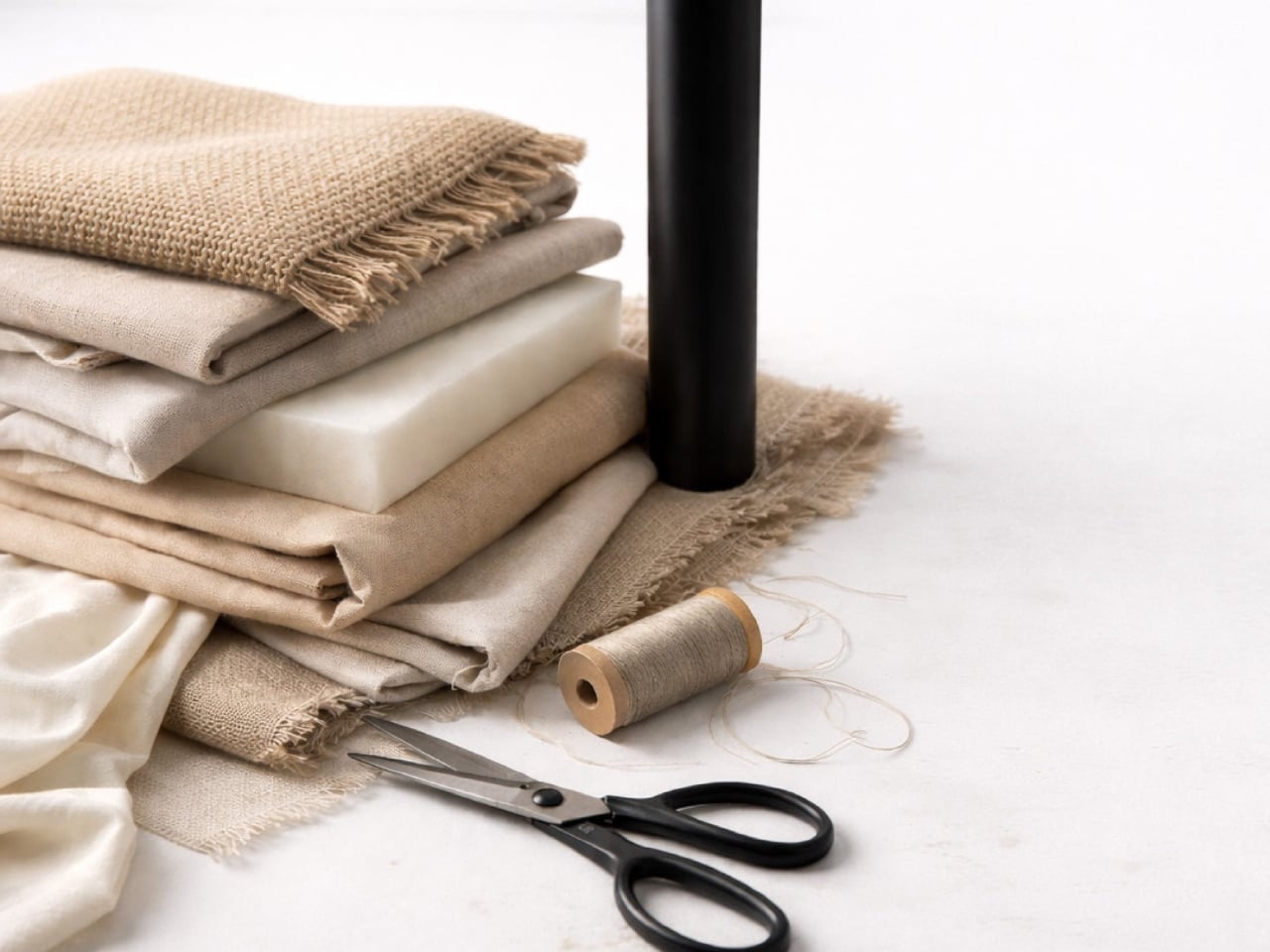
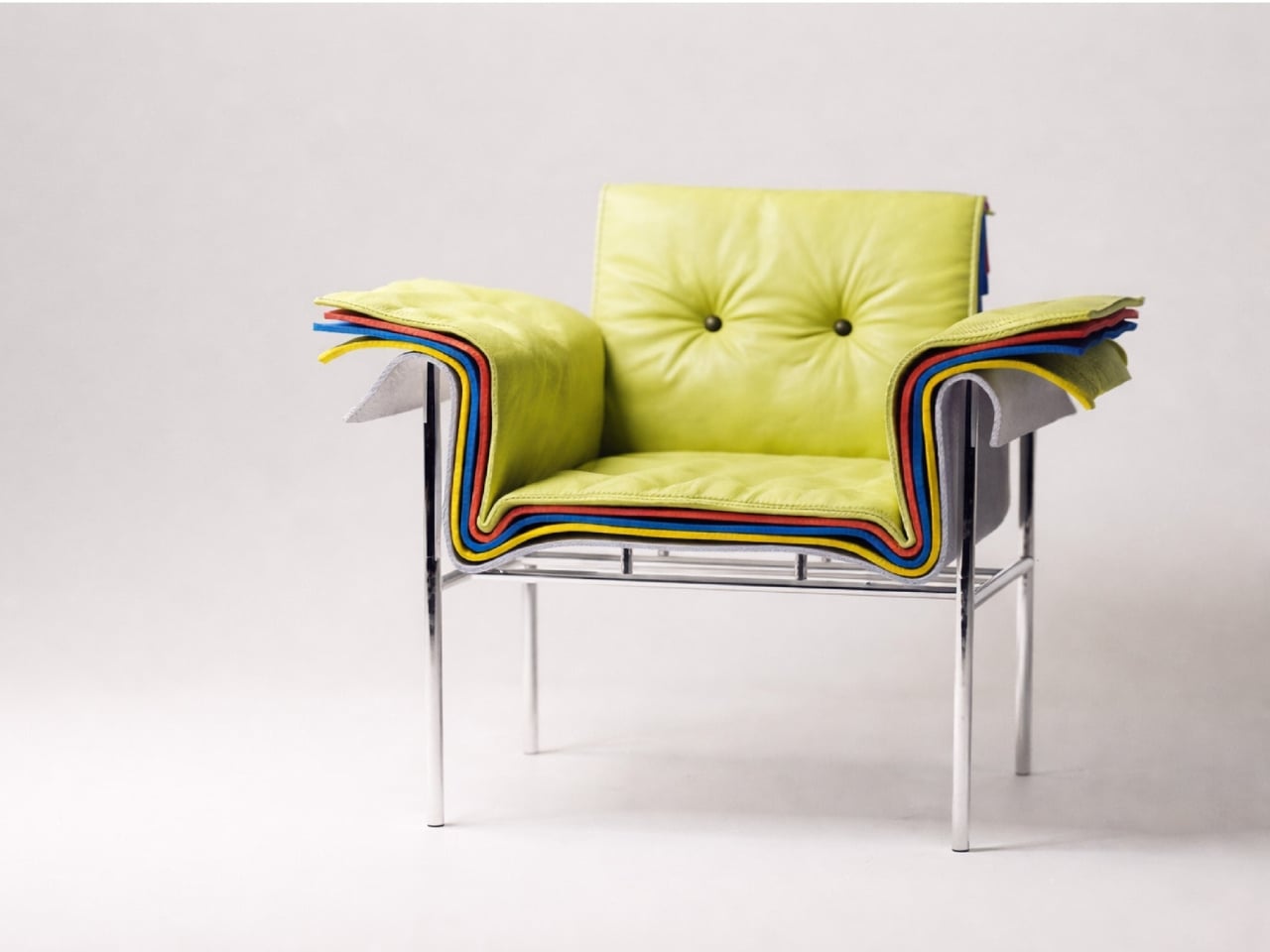
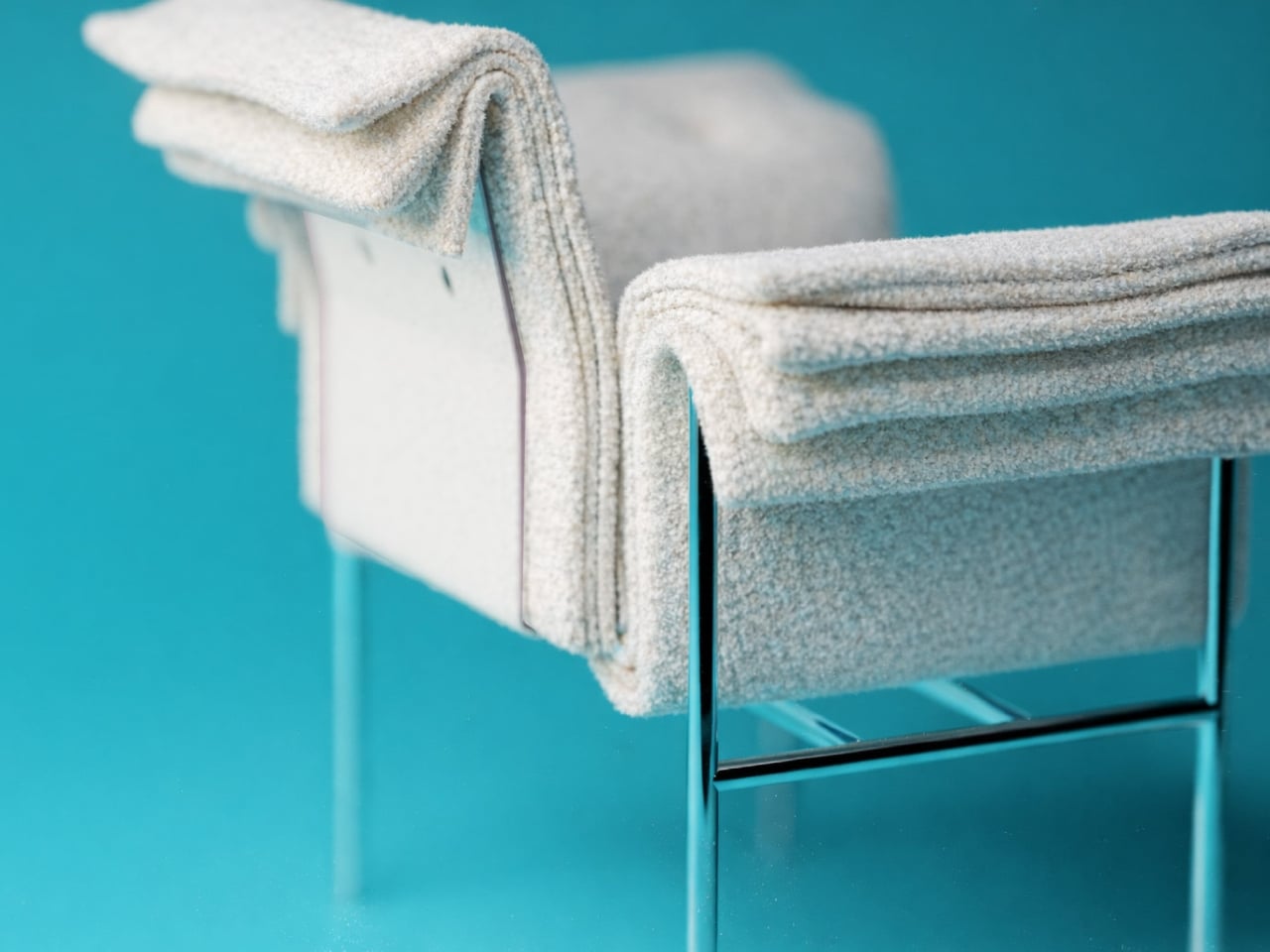
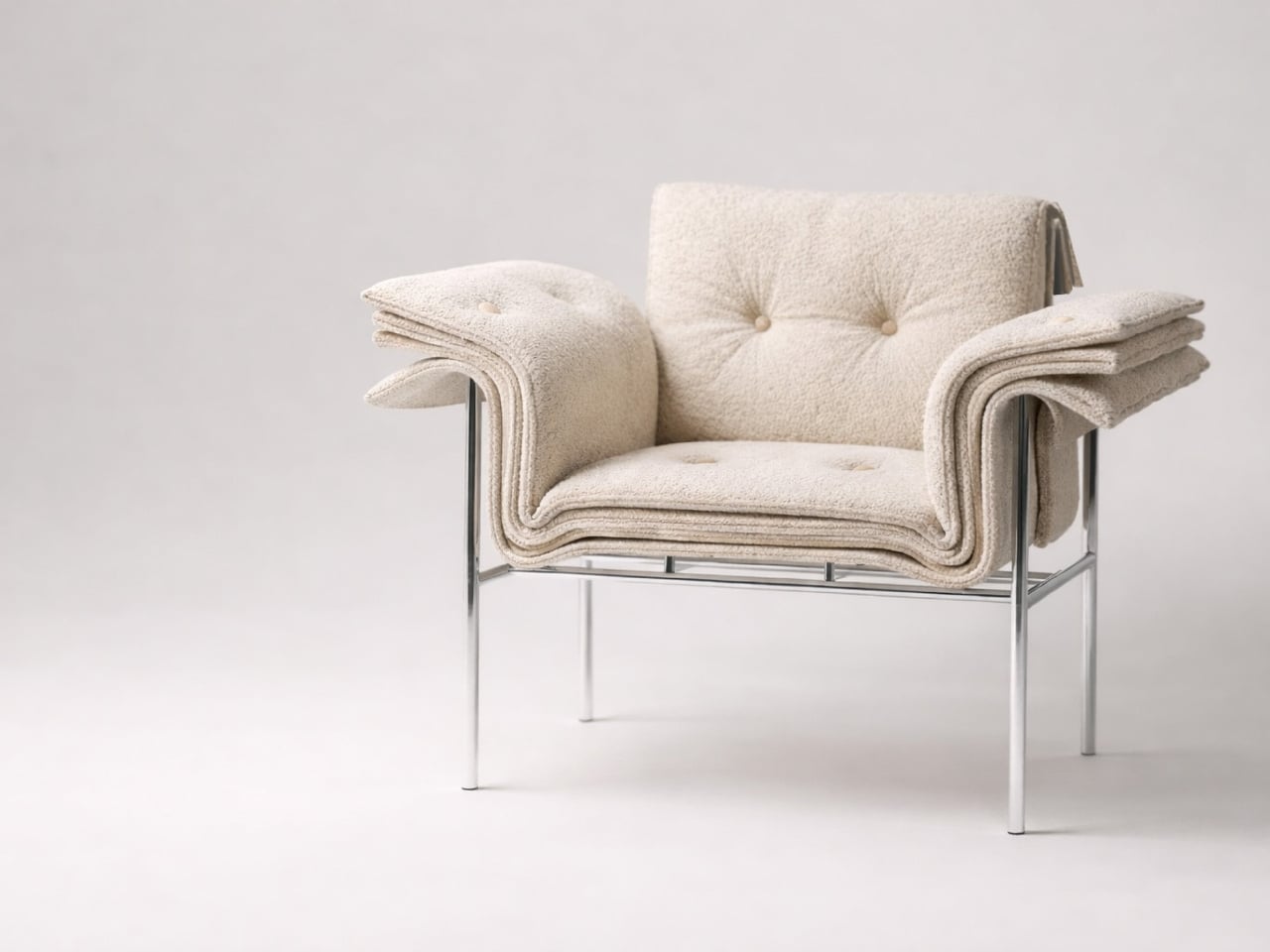
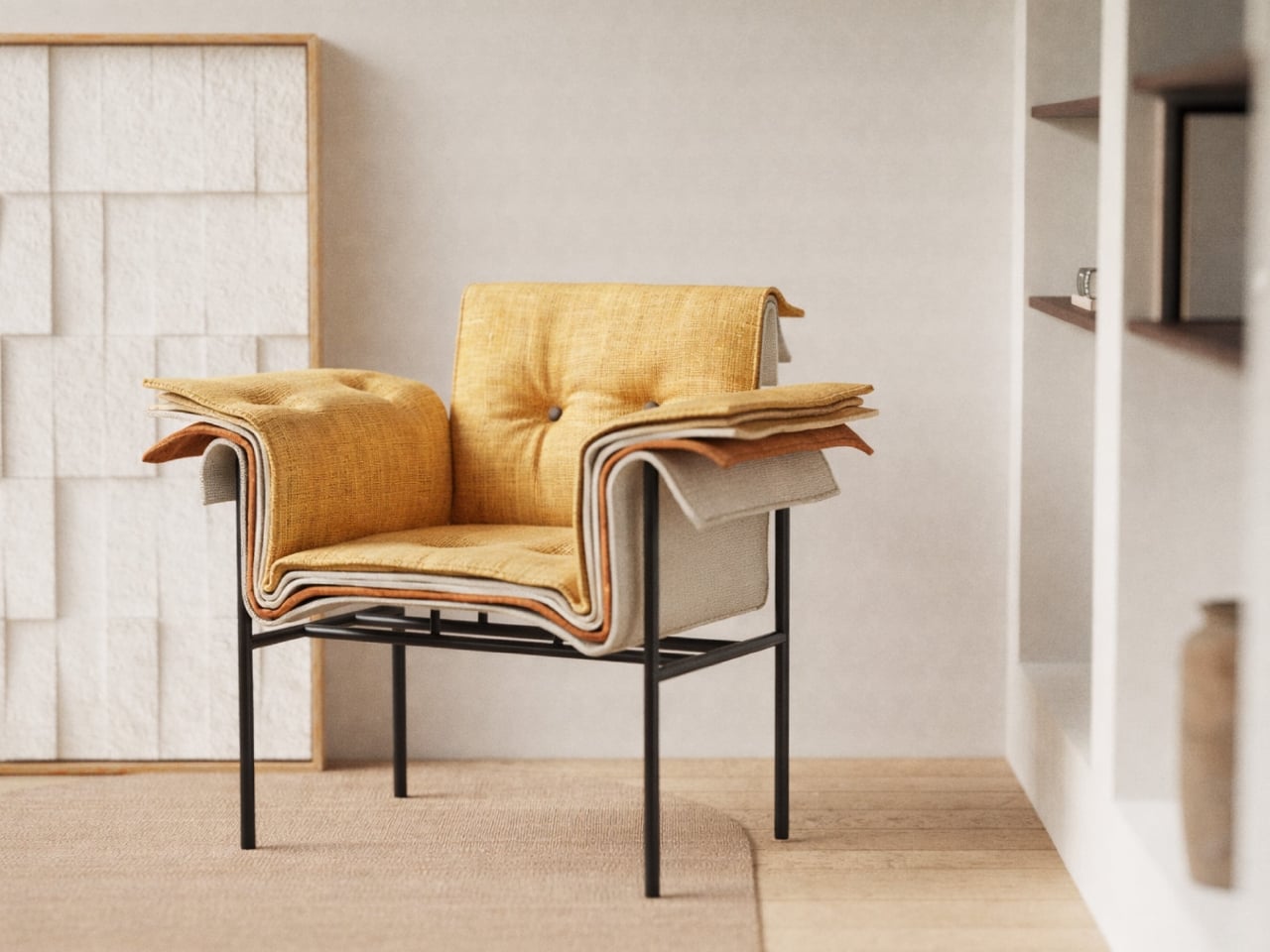
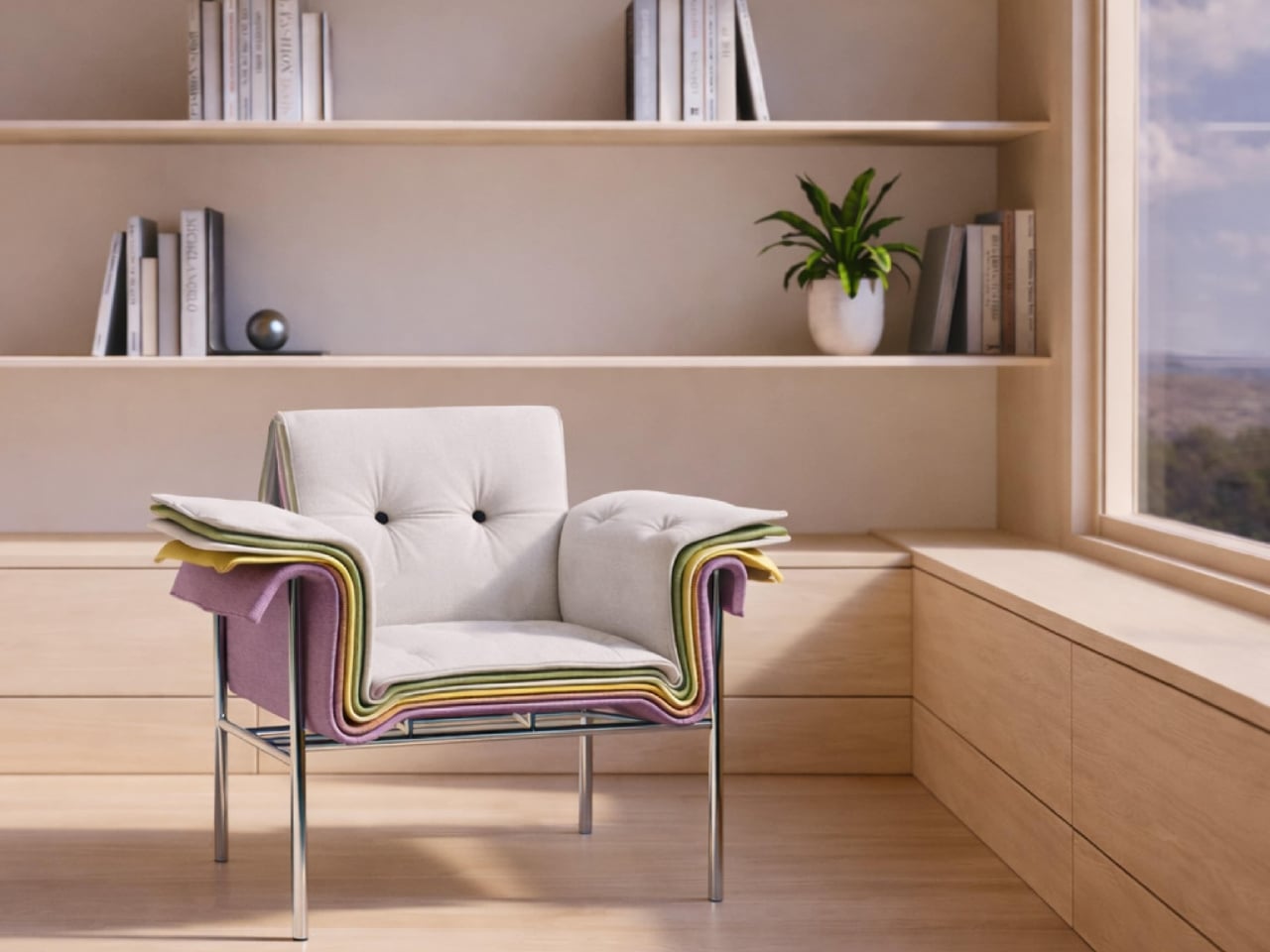
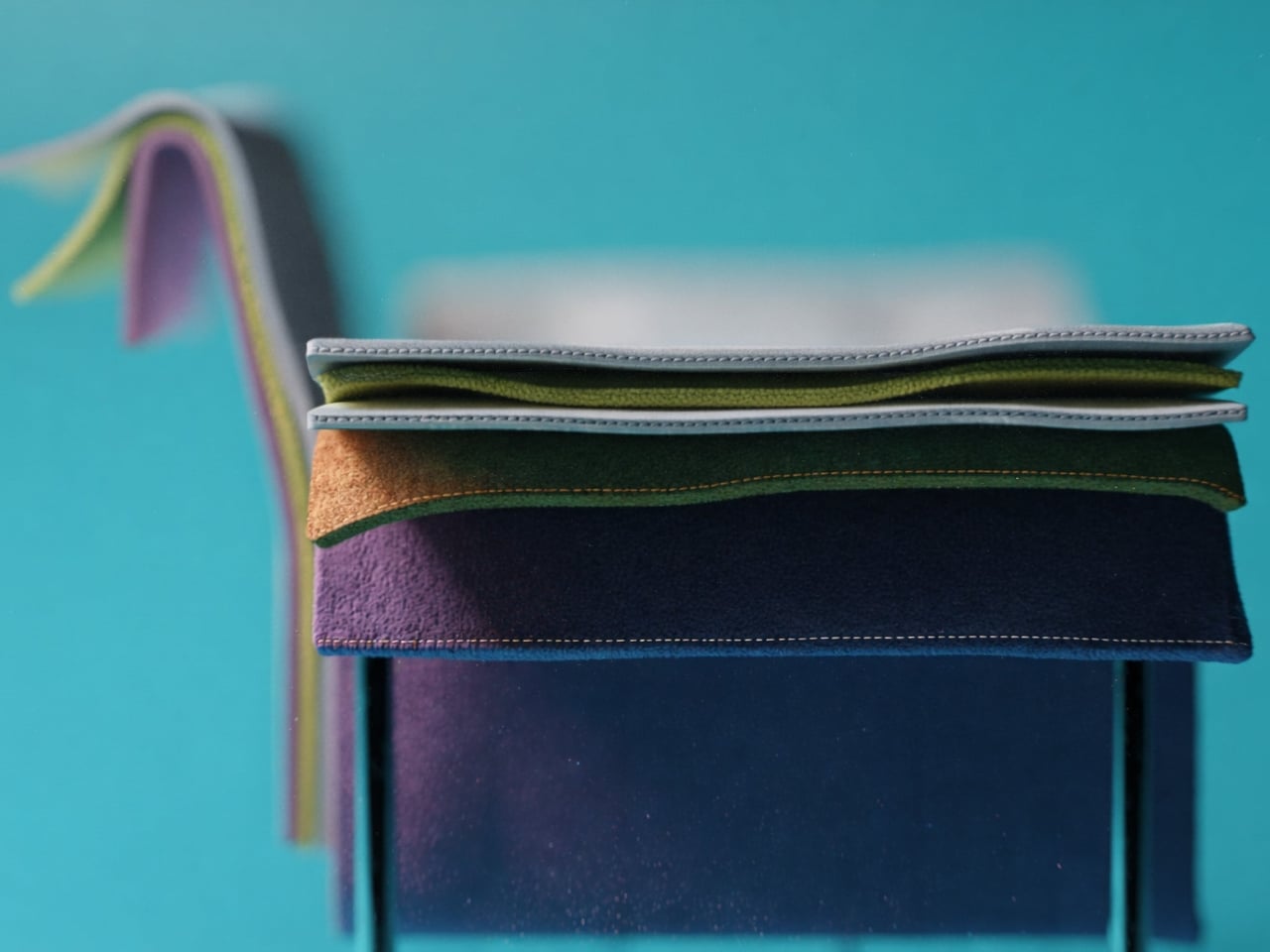
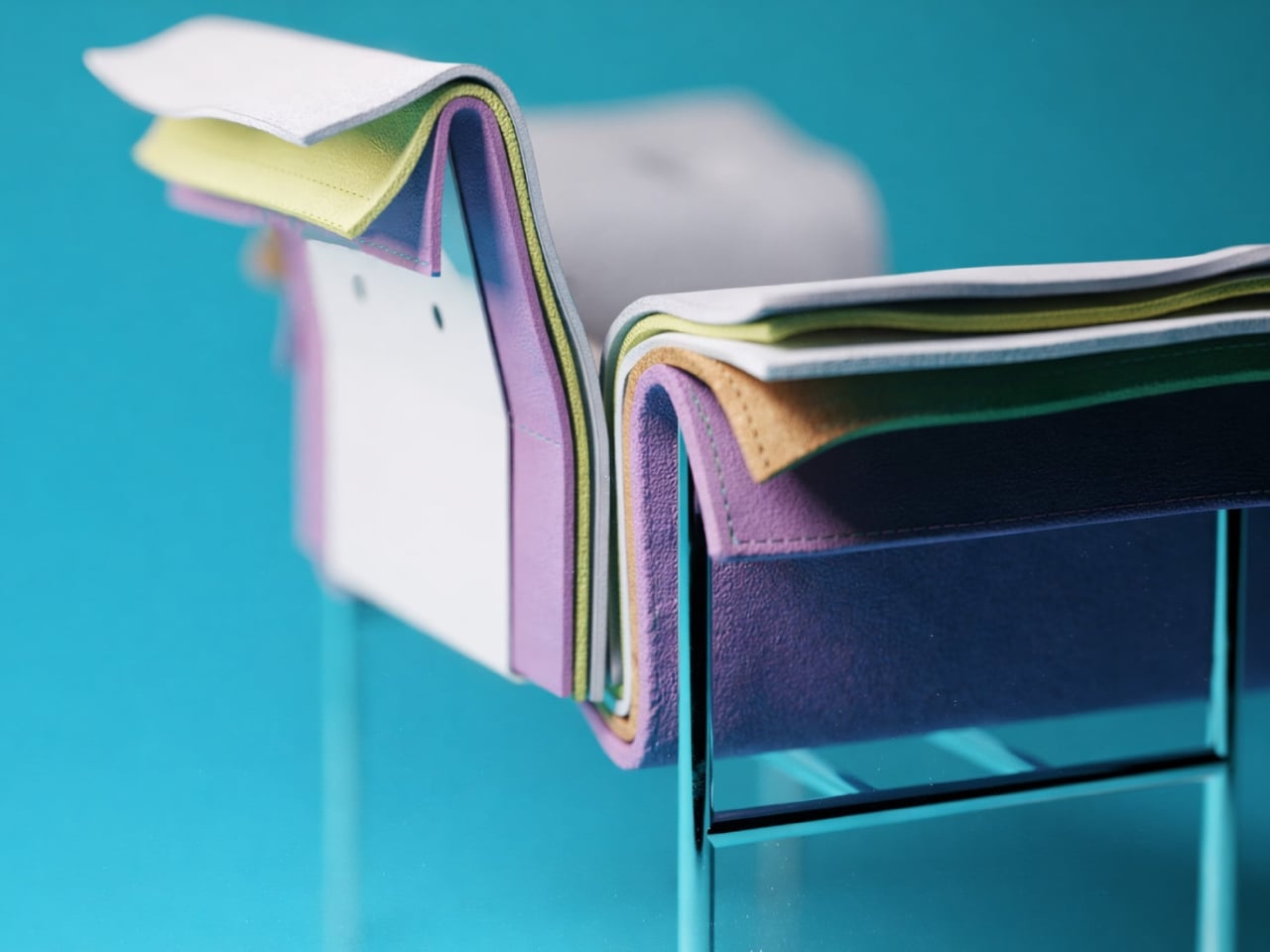
The concept is brilliantly simple yet visually striking. The chair features layers upon layers of cushioned upholstery stacked together, creating this incredible rainbow effect along the edges. Each layer represents a different color or texture, much like flipping through pages in a designer’s sample book. It’s the kind of thing that makes you do a double take. From one angle, you see a sophisticated seating piece with a clean, minimalist frame. From another, you catch those vibrant cascading layers that give it personality and depth.
What really gets me about this design is how it celebrates the materials themselves. Usually, upholstery is hidden away, tucked and stapled underneath where no one sees the construction. Demirci flips that script entirely. Here, the layers become the main event. Every fold, every color transition, every texture is on full display. It’s like the chair is saying, “Hey, look how I’m made, and isn’t it beautiful?”
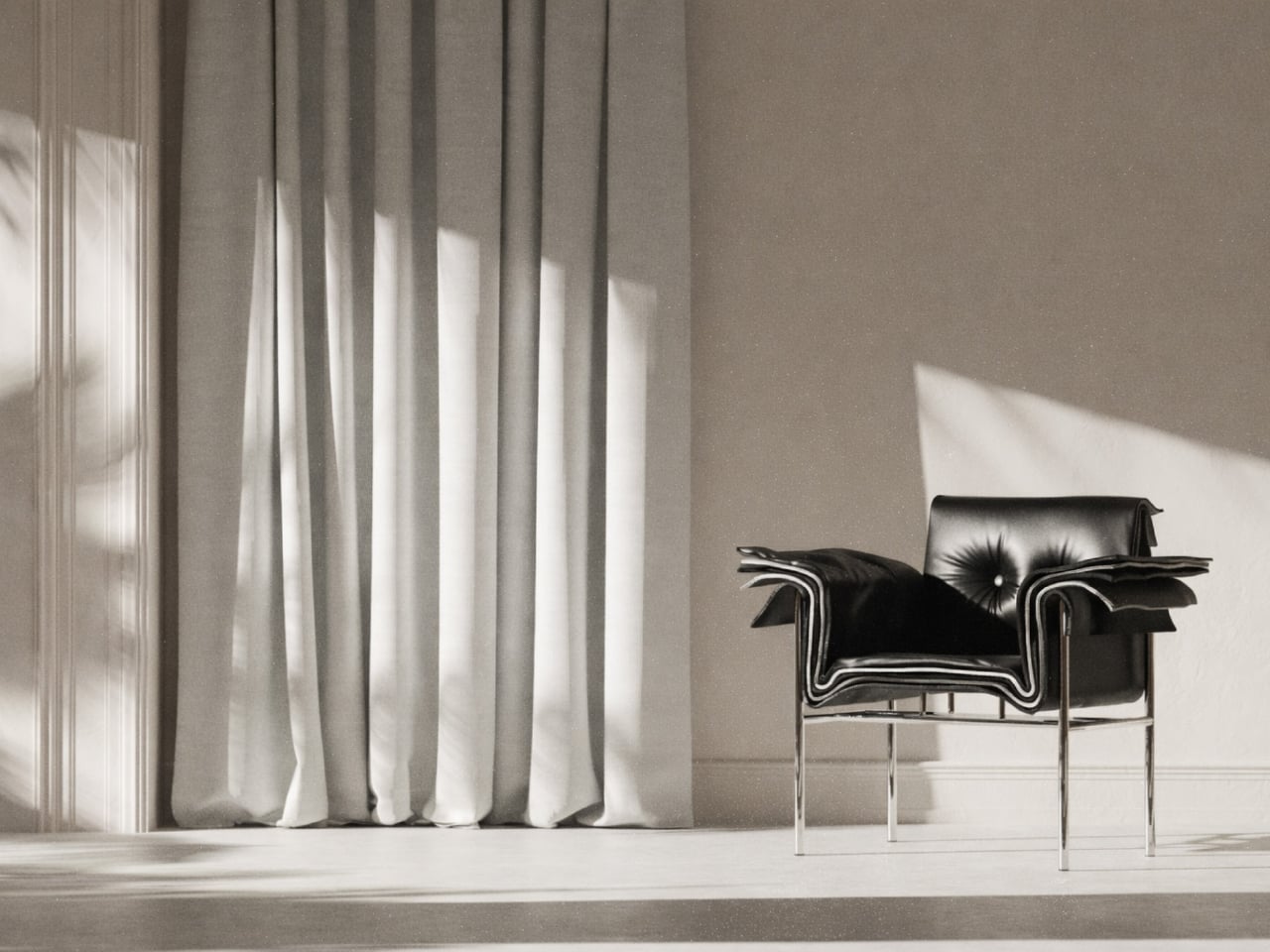
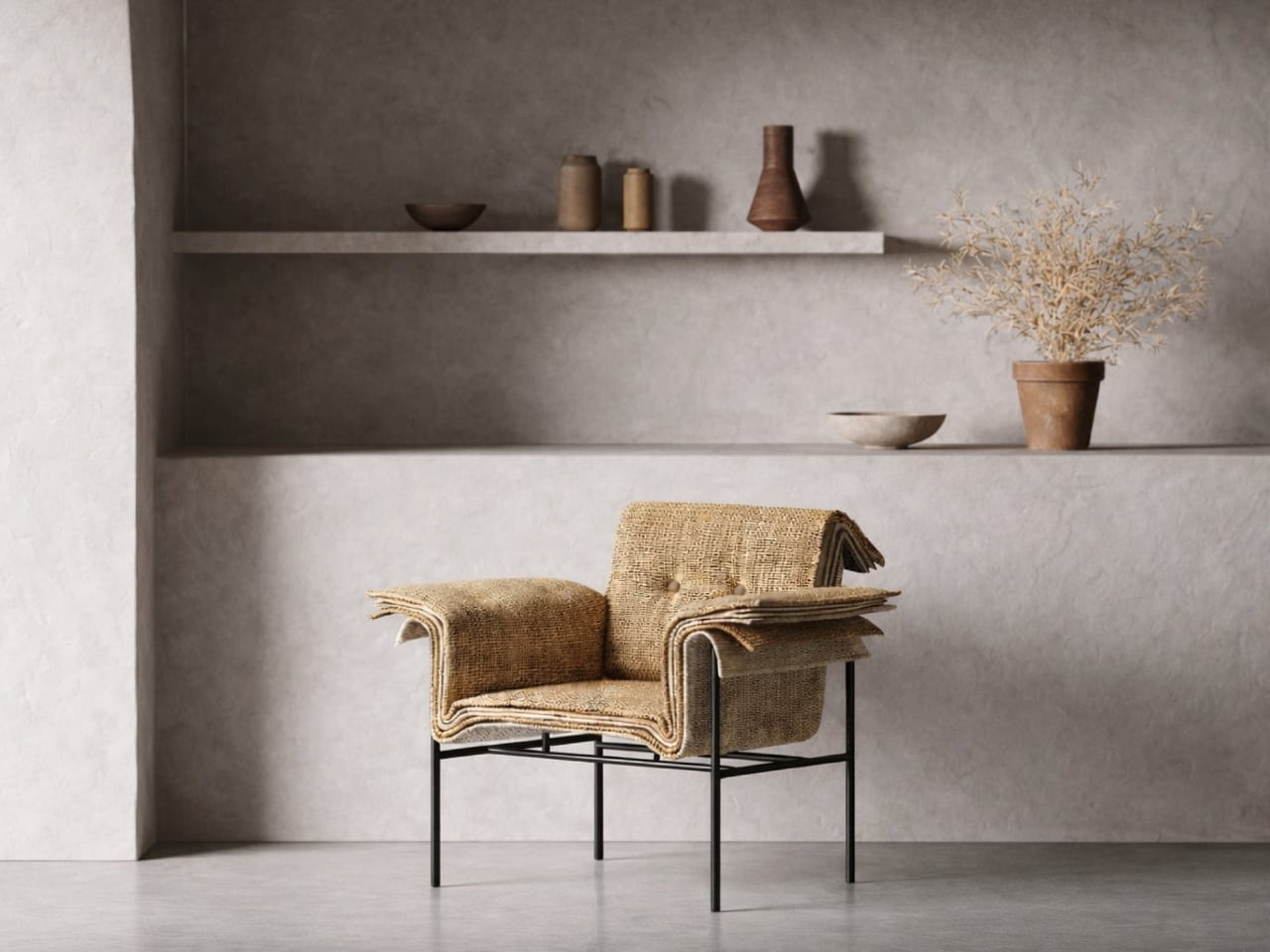
The Kartela Chair comes in different colorways, which honestly makes it even more fun. There’s a lime green version that practically vibrates with energy, perfect for someone who wants their furniture to make a statement. Then there are softer pastel combinations in lilacs, blues, and creams that feel more serene but still maintain that playful edge. And for those leaning toward earthy vibes, there are warm tones in mustards, tans, and terracottas that bring all that visual interest without overwhelming a space.
The frame itself keeps things grounded. Slim metal legs in either white or black powder coat give the chair an airy, almost floating quality. It’s a smart move. With all that cushioned drama happening above, a heavy base would make the whole thing feel clunky. Instead, the minimal structure lets those colorful layers take center stage while still providing solid support.
From a practical standpoint, this concept is interesting because it challenges how we think about customization. Imagine being able to choose your layer combinations like picking nail polish colors. Want more blues? Go for it. Prefer a monochromatic fade? That works too. The design naturally lends itself to personalization in a way that most furniture doesn’t.
There’s also something nostalgic about the aesthetic. Those tufted buttons on the seat and back cushions give off vintage vibes, like something your cool aunt might have had in her 70s living room, but updated for today. It’s retro without being costume-y, which is a hard balance to strike.
Of course, this is still a concept design, which means we’re looking at rendered images rather than something you can order online tomorrow. But that’s part of what makes furniture concepts so exciting. They push boundaries and make us reconsider what’s possible. Even if the Kartela Chair never makes it to mass production, it’s already done its job by sparking conversation and inspiring other designers to think outside the traditional furniture box. Whether this chair ever graces showroom floors or remains a digital darling, Fatih Demirci has created something that makes people smile. And in the end, isn’t that what good design should do?