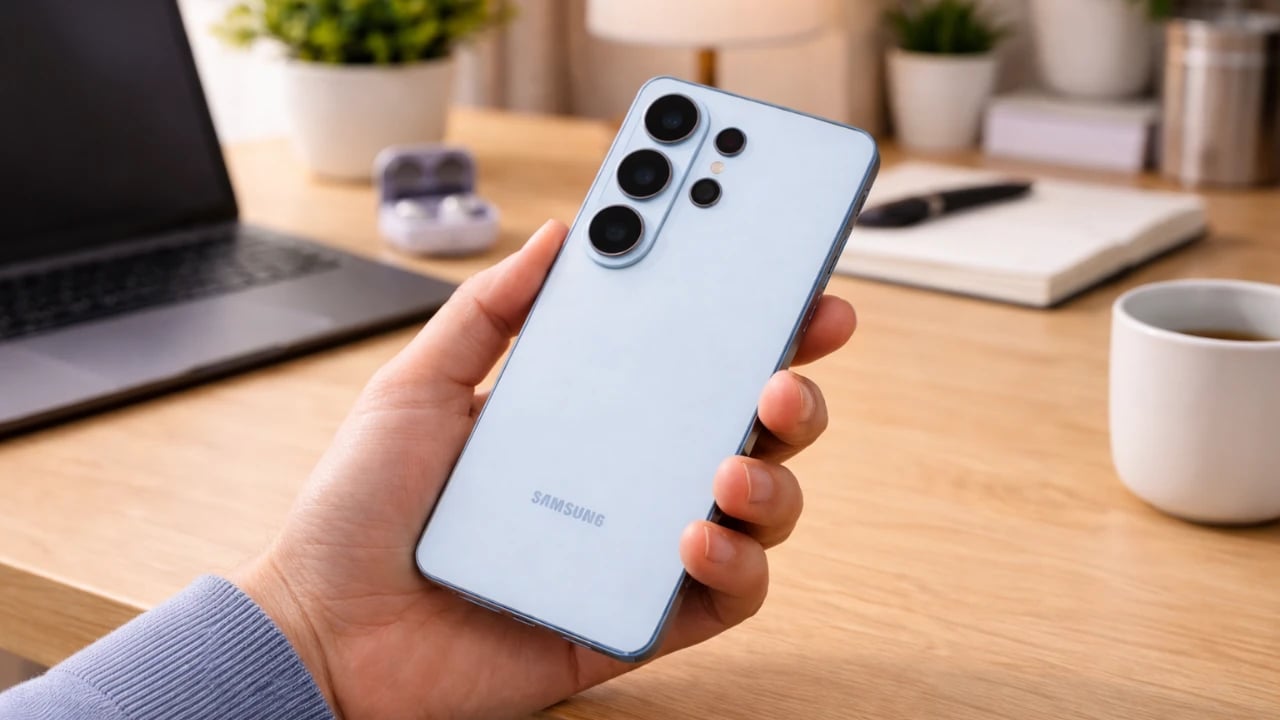
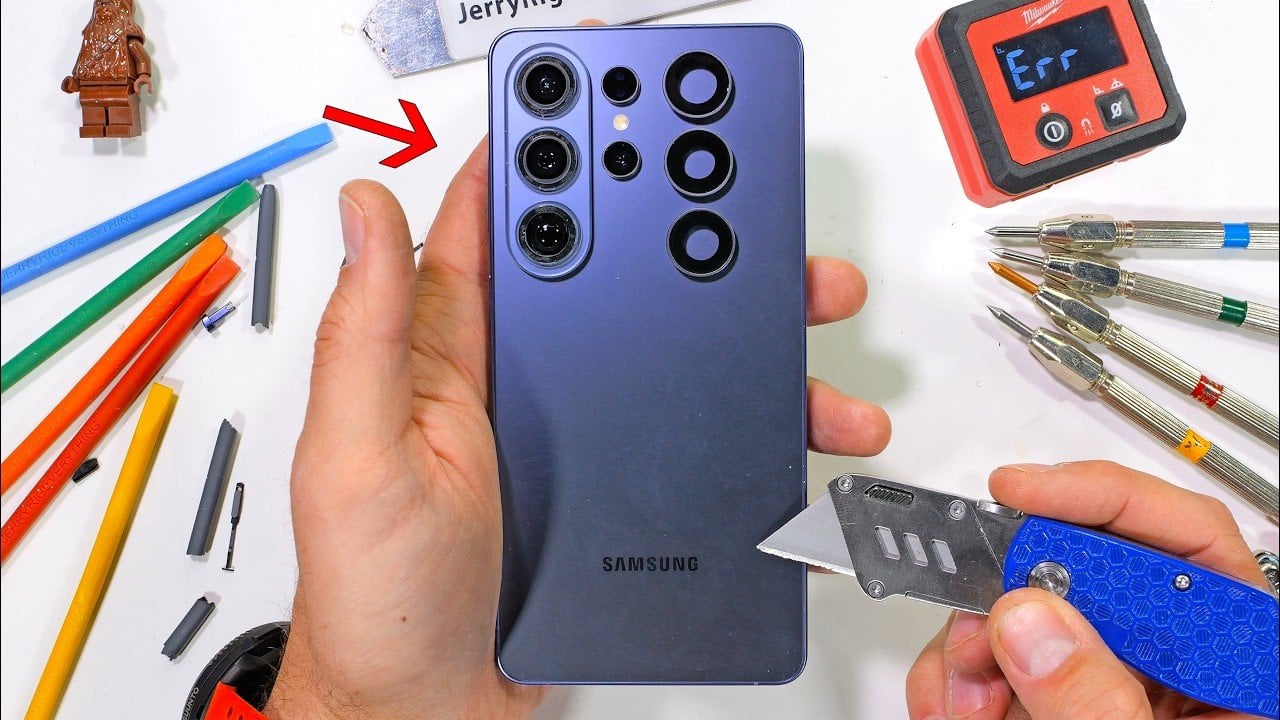
Samsung Galaxy S26 Ultra Durability Test: Does the Switch to Aluminum Pay Off?

Samsung Galaxy S26 Ultra Durability Test: Does the Switch to Aluminum Pay Off? Display scratch test on Gorilla Glass Victus 2, with the ultrasonic fingerprint scanner still reading touches.

The Samsung S26 Ultra represents a significant advancement in smartphone design, combining durability, functionality, and premium aesthetics to meet the needs of modern users. The video below from JerryRigEverything explores its standout features, evaluates its resilience and durability, and examines areas for potential improvement. Whether your priorities include privacy, camera performance, or long-term usability, the […]

The post Samsung Galaxy S26 Ultra Durability Test: Does the Switch to Aluminum Pay Off? appeared first on Geeky Gadgets.

Posted in Uncategorized

8 Best Japanese Stationery Finds So Clever You’ll Question Why the Rest of the World Even Bothers

Japanese stationery operates on a different set of assumptions. Where most of the world treats pens, notebooks, and desk accessories as afterthoughts, Japan treats them as design problems worth solving with the same precision applied to architecture or automotive engineering. The difference shows up in the details: magnetic closures calibrated to be silent, paper engineered for a specific ink behavior, and leather cut from a single hide. Hence, the grain tells a continuous story.

We have been collecting our favorites for a while now, and this batch feels particularly well-considered. These are not gimmicks dressed in minimalist packaging. Each product here earns its place through a specific, clever solution to a friction most people have accepted as normal. From a pencil that never needs sharpening to a wooden postcard case that borrows its form from ceramic storage traditions, this is stationery that makes the rest of the world’s offerings feel like rough drafts.

1. Inseparable Notebook Pen

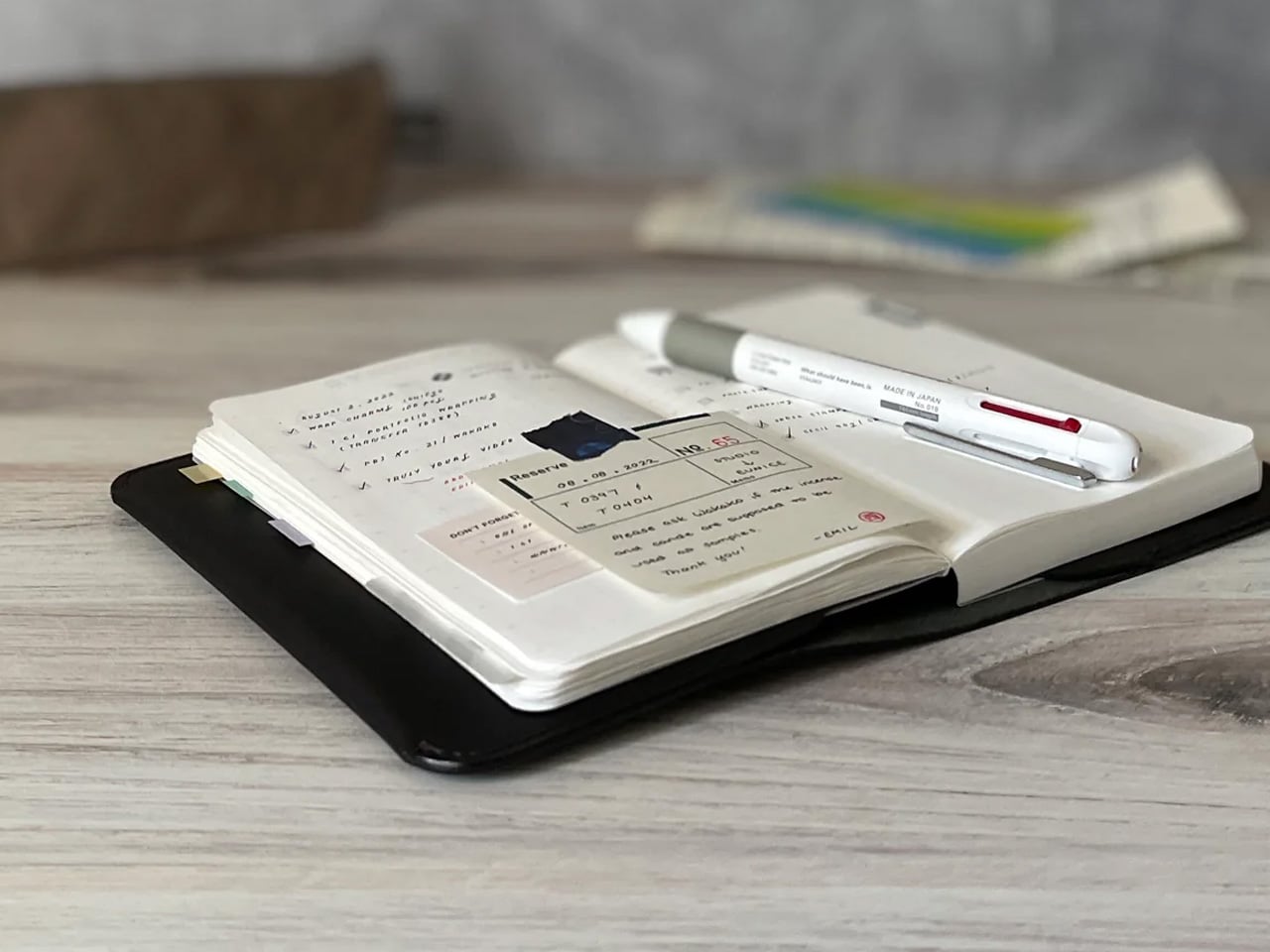
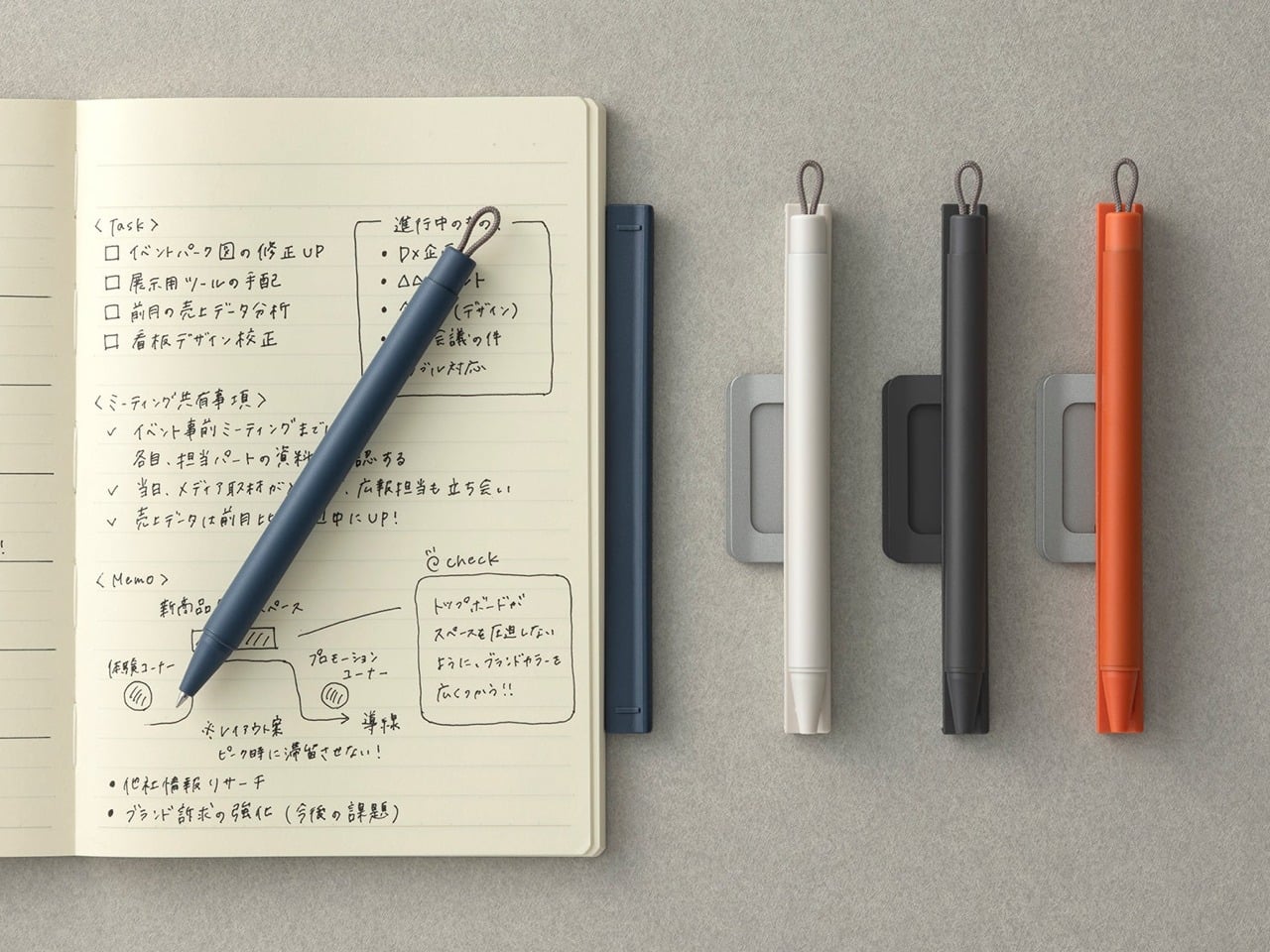
Most pens exist independently of the surface they write on. The Inseparable Notebook Pen rejects that premise entirely, using a magnetic clip to lock itself to your notebook cover. A built-in silencer dampens the attachment, so there is no click or rattle, just a quiet lock into place. The barrel is minimalist, comfortable during long sessions, and the ink flow is smooth and immediate.

Japanese stationery brands have long understood that the gap between reaching for a pen and writing is a moment of lost momentum. This pen eliminates that friction. The form is understated, almost invisible against a notebook cover, which is the point. Tools that disappear into your workflow tend to be the ones that last the longest.

Click Here to Buy Now: $19.95

What we like

  • The magnetic clip holds firm during transit but releases with zero effort when needed.
  • The silencer turns a mundane attachment into something tactile and deliberate.

What we dislike

  • The minimalist barrel may feel too slim for those who prefer wider-grip pens.
  • Ink cartridge options are limited, restricting personalization for specific ink preferences.

2. Stalogy Editor’s Series 365-day Notebook (A6)

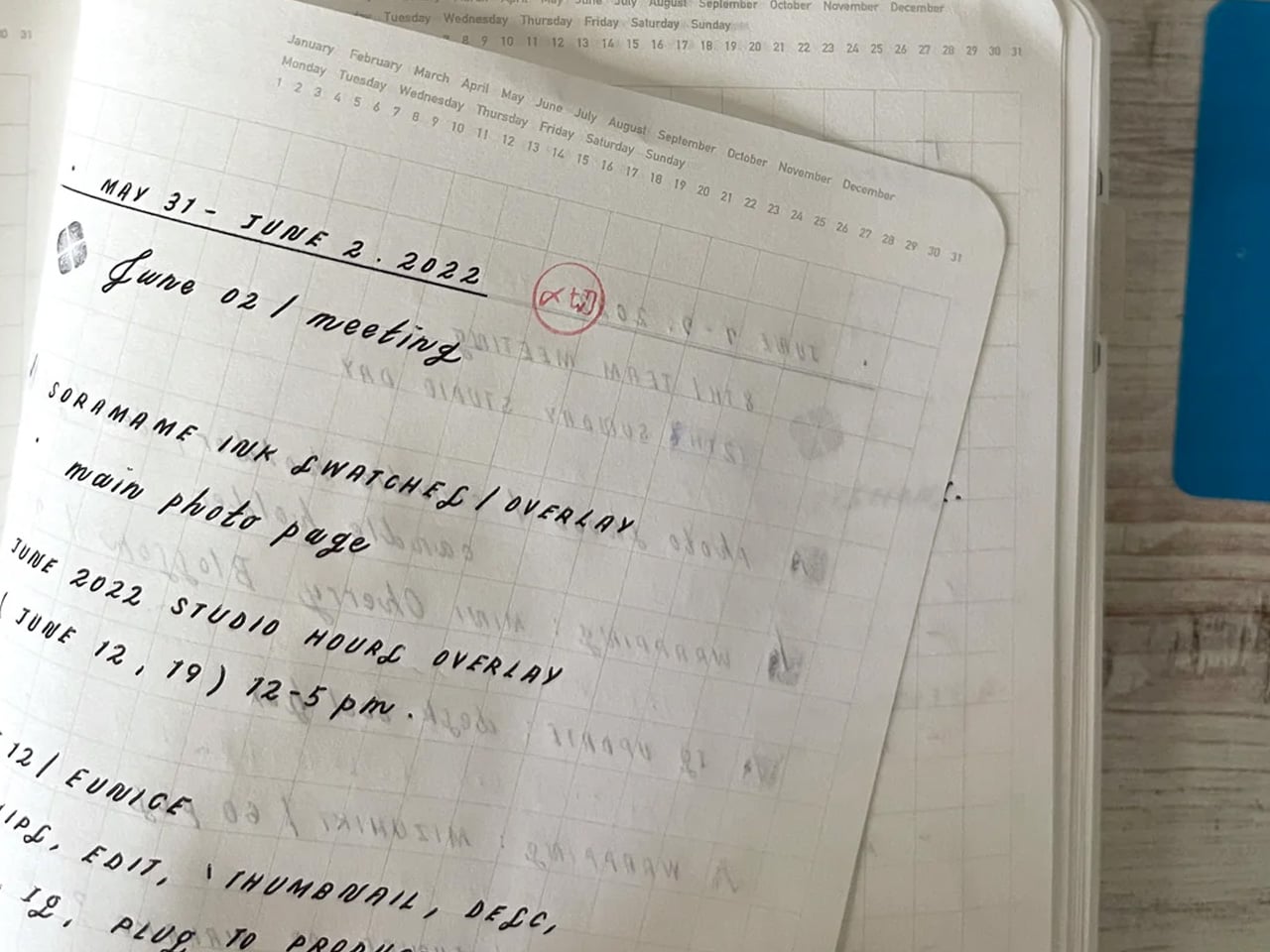
Stalogy’s 365 Days Notebook packs 368 pages of ultra-thin paper into an A6 form factor that still fits a coat pocket. Each page carries minimal printed detail: dates, days, a faint grid, and time indicators. Ignore them or use them. The paper writes with a smoothness that recalls Hobonichi Techo’s Tomoe River stock, letting ink glide without feathering or bleed-through.

The real strength is flexibility. This notebook works equally well with bullet journaling, daily planning, freeform sketching, or straightforward notes, all without forcing a single organizational method. Most planners assume they know how a day should be structured. This one steps back and lets the user decide, which is a rarer quality than it should be.

What we like

  • Thin paper keeps 368 pages from becoming a brick, maintaining genuine pocketability.
  • Minimal page markings make it equally useful for structured planning and unstructured creative work.

What we dislike

  • Date and time markings are printed extremely small, making them difficult to read in low light.
  • Heavy fountain pen inks will ghost through the thin paper, limiting compatibility with certain instruments.

3. FoldLine Pen Roll

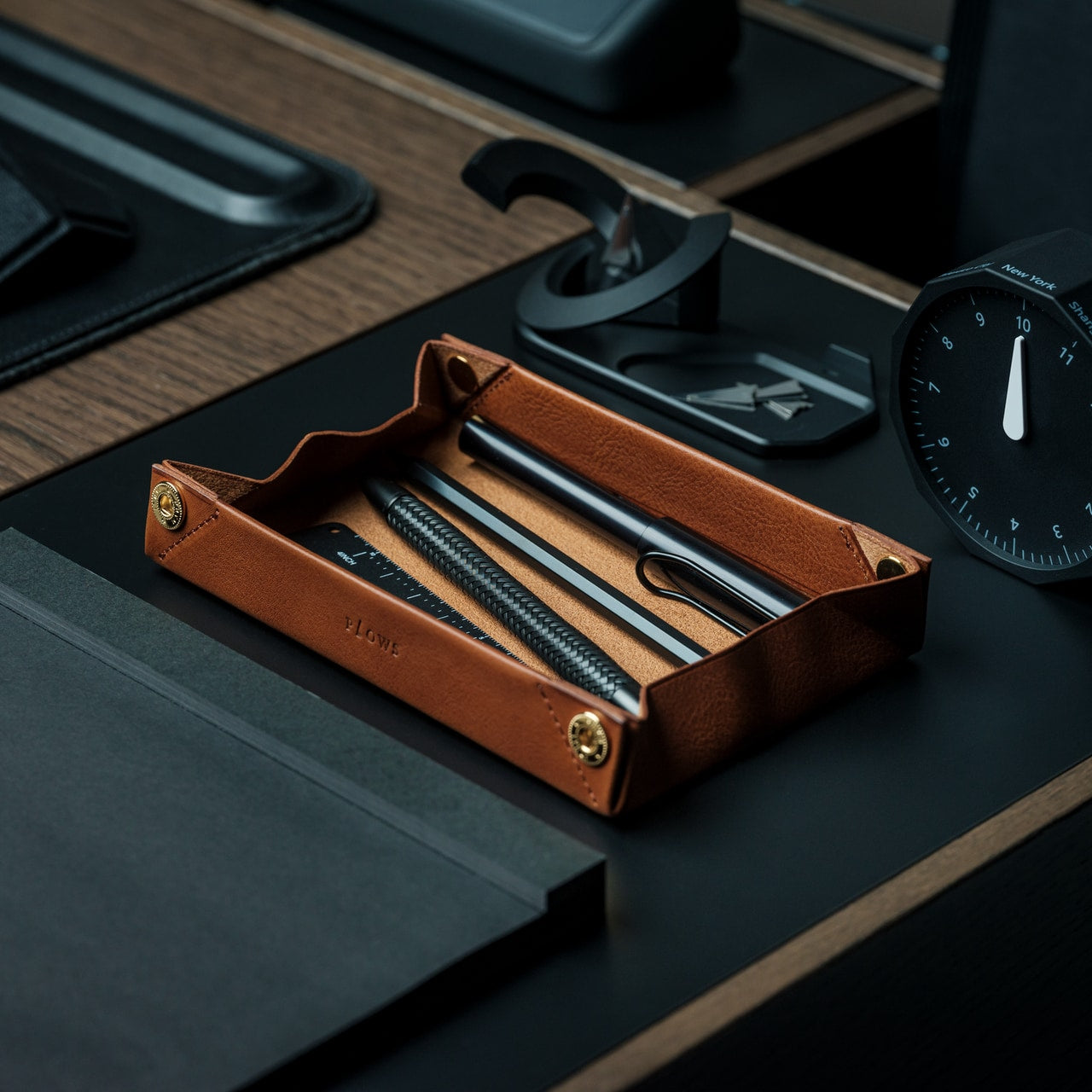
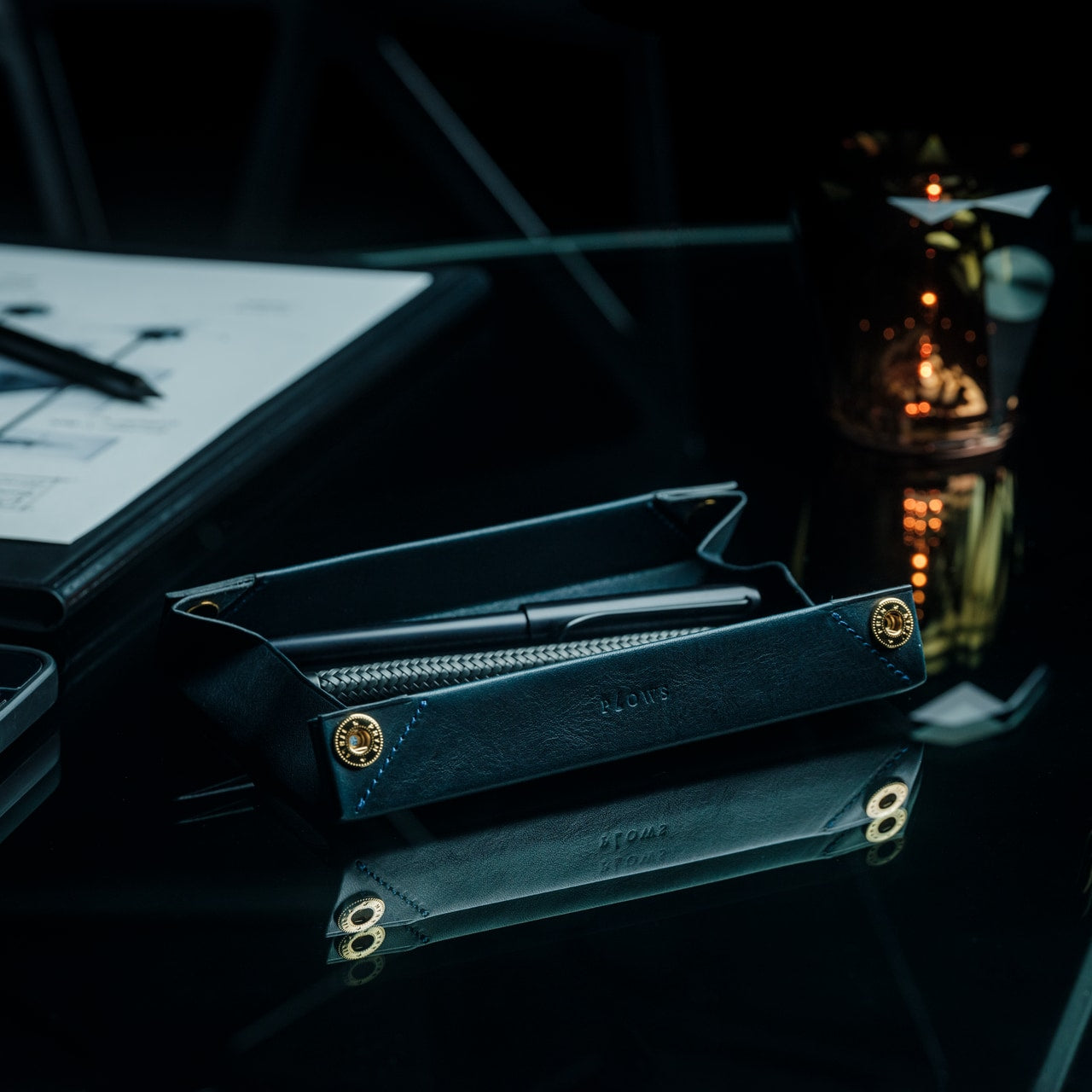
Cut from a single piece of Italian leather, the FoldLine Pen Roll converts from a carrying case to a functional desk tray in under two seconds using origami-inspired folding geometry: no stitched partitions, no zippers. The natural wrap of the fold separates and protects each pen, and metal-bodied instruments stay scratch-free without dedicated slots.

Unfolded, it creates a defined rectangular workspace on any surface: a cafe table, an airplane tray, a hotel desk. That containment matters. Scattered pens create micro-distractions, and a tray eliminates the chaos without occupying permanent desk space. The leather develops a patina over time, improving with age rather than deteriorating.

Click Here to Buy Now: $135.00

What we like

  • The two-step unfolding mechanism feels intuitive enough to be fast and intentional enough to feel like a ritual.
  • Single-piece leather construction means no stitching to fail and no partitions to limit capacity.

What we dislike

  • Without individual pen slots, instruments can shift during aggressive bag movement.
  • Italian leather at this quality carries a price premium well outside impulse-purchase territory.

4. Memento Business Card Log

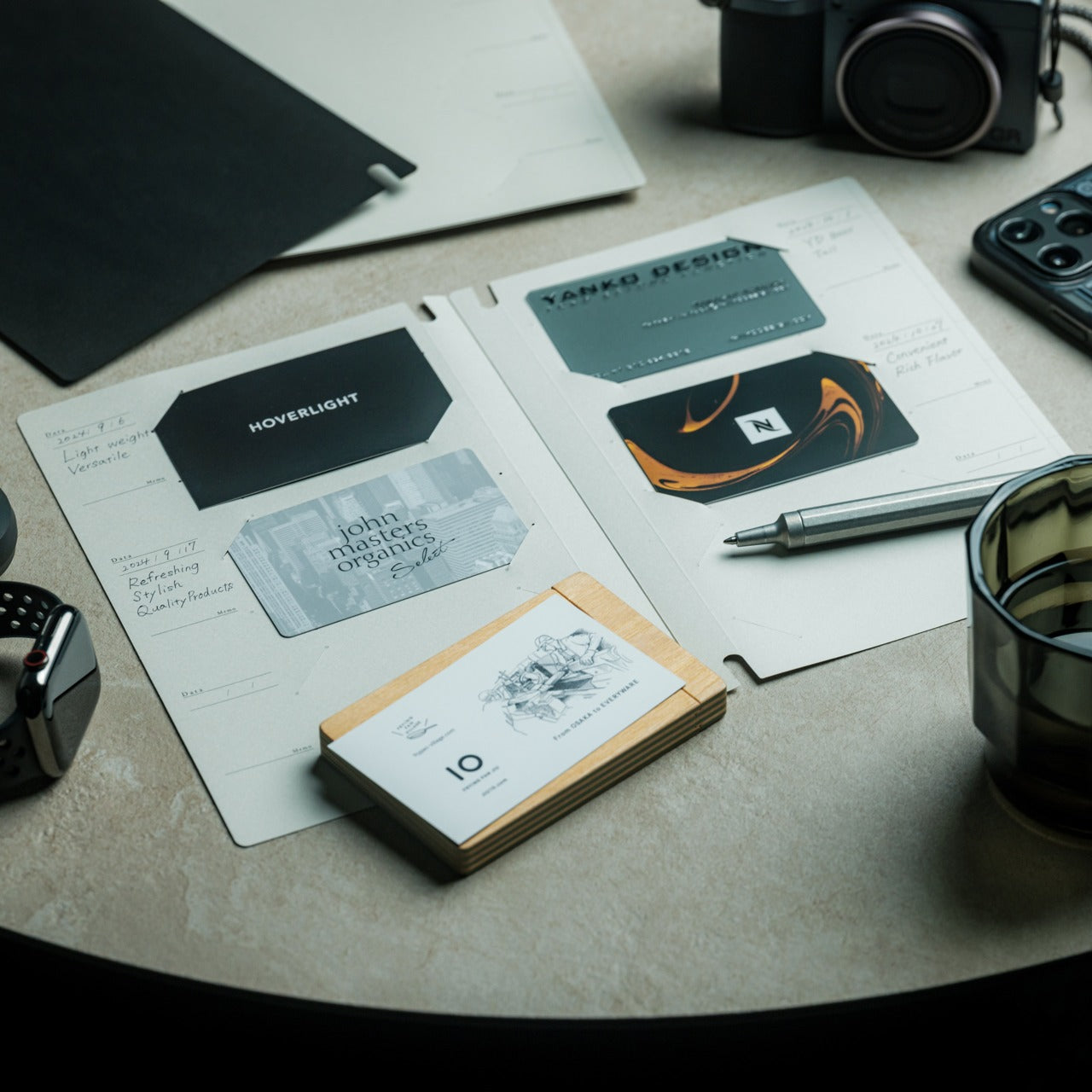
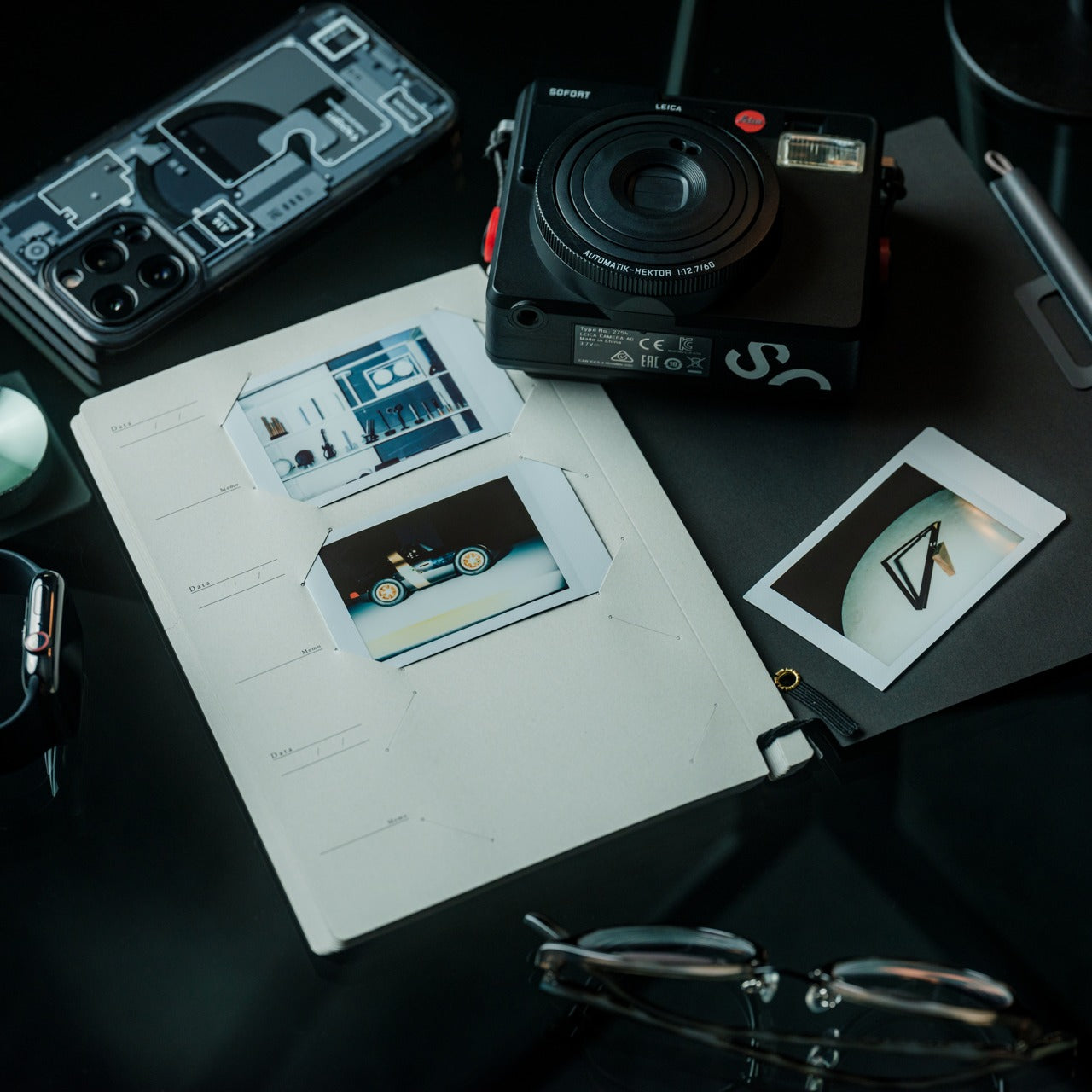
Business cards are collected, shoved into wallets, and forgotten. The Memento Business Card Log, designed by Japanese brand Re+g, rejects that cycle. It stores up to 120 cards using a two-point slit system that keeps each card secure, and the facing page offers dedicated space for handwritten notes about the person: a conversation detail, a follow-up date, a distinguishing trait.

Re+g’s proprietary binding allows pages to be reordered by category, importance, or any logic that makes sense. The paper stock has a warm, tactile quality. Writing a note by hand about someone forces a level of attention that tapping a phone screen cannot replicate. The log becomes a record not just of who was met, but of how those meetings felt.

Click Here to Buy Now: $35.00

What we like

  • The proprietary binding allows page reordering, so the system evolves with the user.
  • Dedicated note space alongside each card slot turns passive storage into active relationship memory.

What we dislike

  • At 120 cards, heavy networkers will fill the log fast, requiring a second volume.
  • The analog format means no search function, so finding a specific card requires manual browsing.

5. Classiky Chestnut Postcard Case

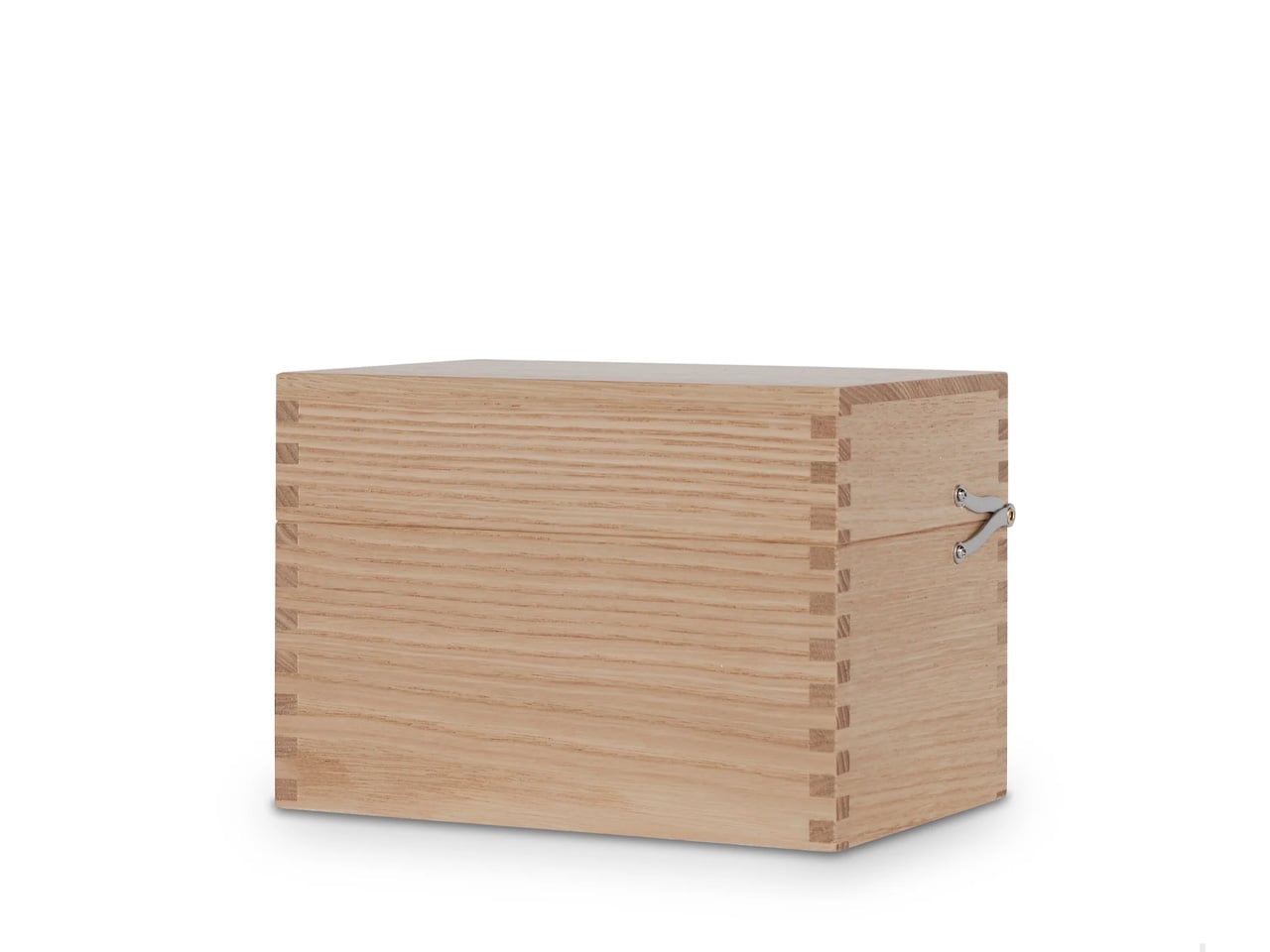
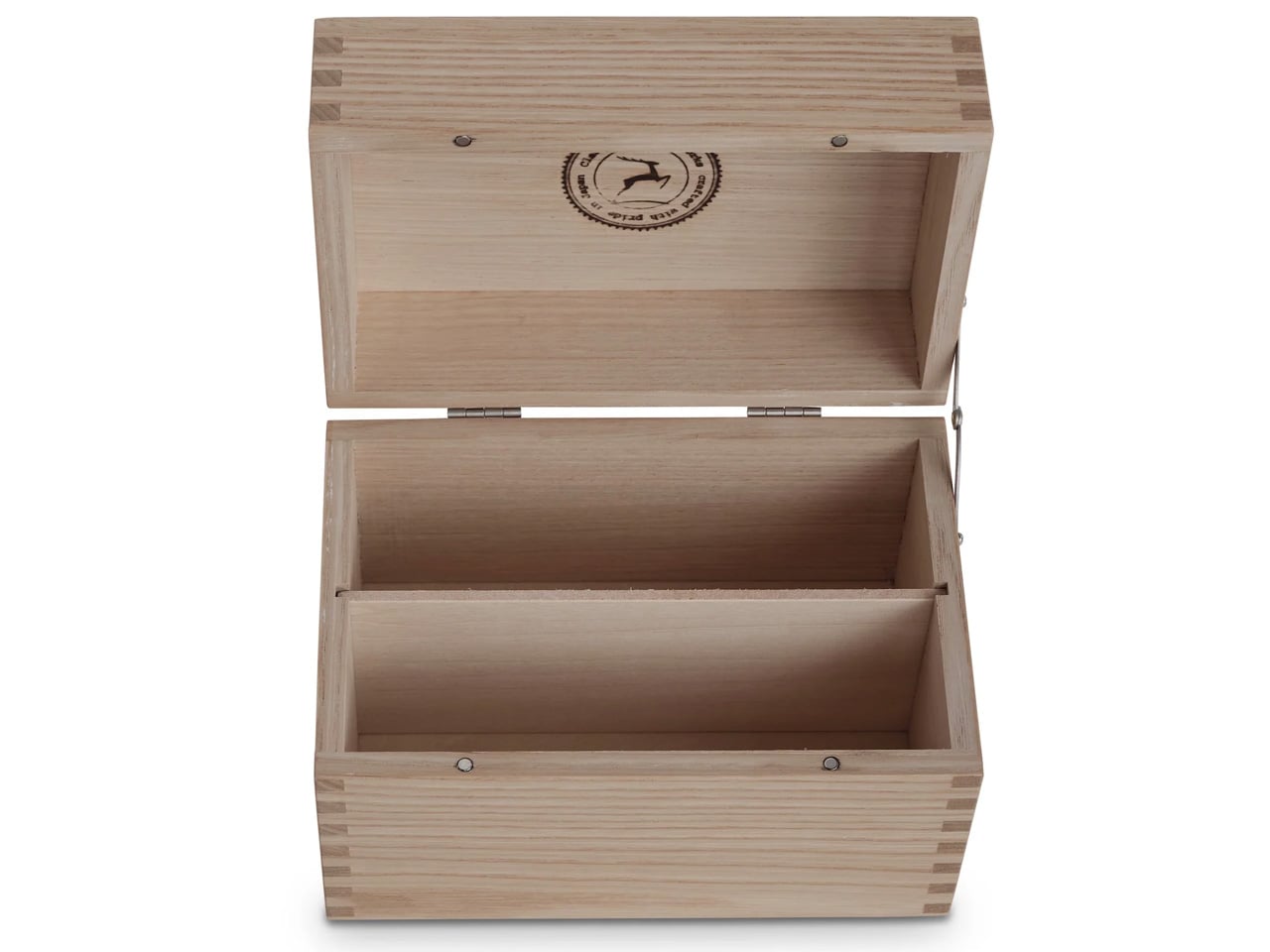
Classiky’s Chestnut Postcard Case borrows its design language from the wooden boxes used in Japan to store precious ceramics. Varnished Japanese chestnut wood gives it a warmth and grain that plastic or metal storage cannot approach. The proportions (17.6 x 11.6 x 12.4 cm) are calibrated for standard postcards, with two removable separators and a magnetic closure that shuts with clean, weighted precision.

This is a storage object built to outlast its contents. The chestnut deepens in color over years of handling rather than fading, and the removable separators allow flexible configuration depending on collection size. For collectors, letter writers, or anyone who values the physical artifact of a postcard, this case turns storage into curation.

What we like

  • Varnished Japanese chestnut ages beautifully, growing richer in tone over the years of handling.
  • Removable separators allow for a flexible internal configuration across different collection sizes.

What we dislike

  • Dimensions are postcard-specific, so the case cannot accommodate larger formats, such as A5 prints.
  • The craftsmanship and material quality place it at a premium that limits its appeal for casual purchases.

6. Sonic Kakusta

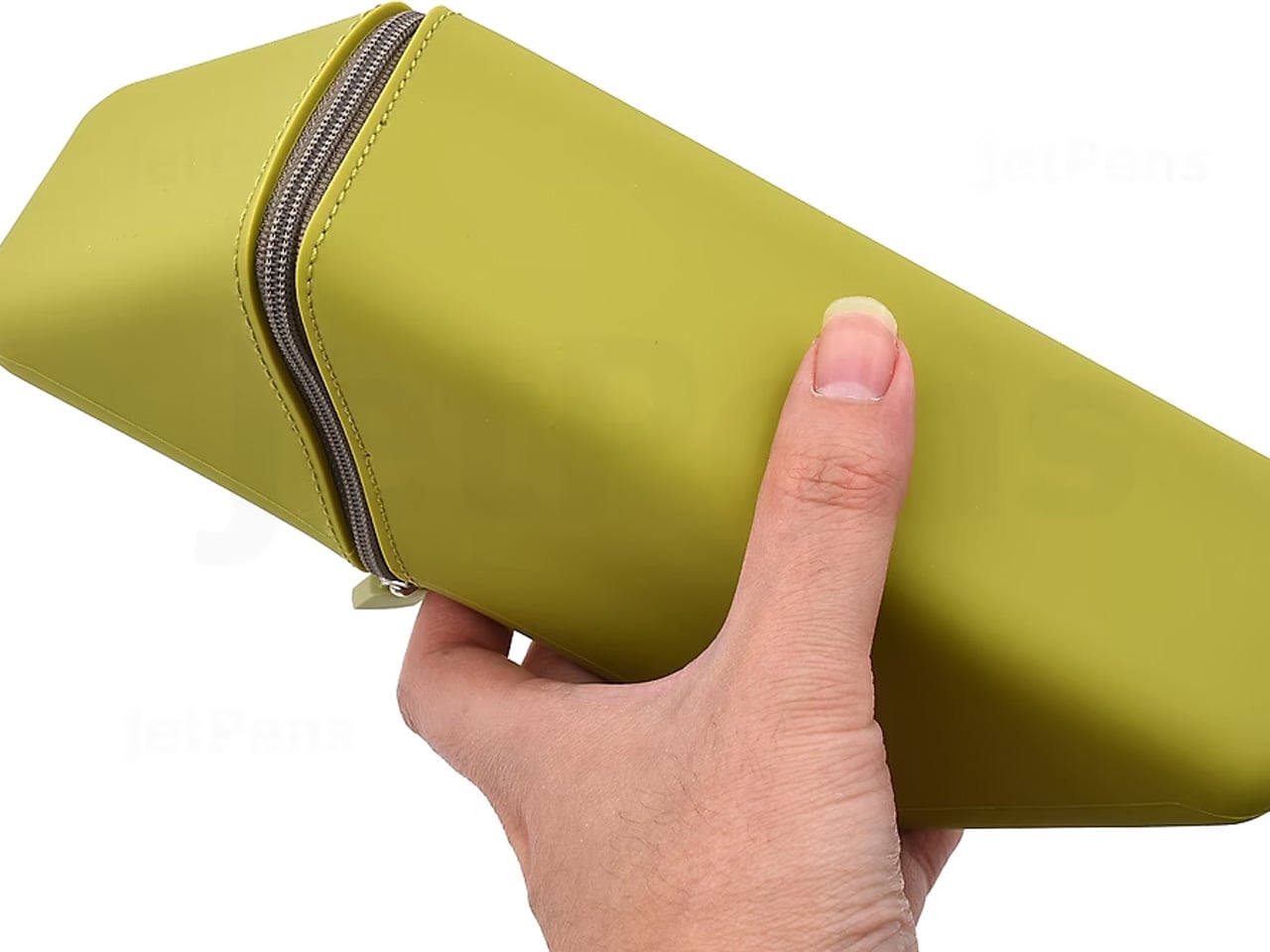
The Sonic Kakusta starts as a soft pen case and transforms into a triangular desk stand that props pens at a 60-degree angle for easy visibility and access. A built-in divider splits the interior into two sections, while a second divider in the lid creates a small shelf for erasers and sticky notes. Strong magnets hold the folded lid in place, preventing the stand from collapsing mid-use.

That 60-degree angle is the smartest detail. Steep enough to display pen tops for identification, shallow enough that pens slide in and out without tipping the case. For anyone working between home, office, and library, the Kakusta eliminates the need to carry both a case and a desk cup. One object handles both roles without appearing to be a compromise.

What we like

  • The magnetic lid holds the stand shape on uneven surfaces without collapsing.
  • The lid divider doubles as a shelf for small items, adding utility most pen cases ignore.

What we dislike

  • Soft material offers limited protection against crushing in an overpacked bag.
  • The triangular footprint is wider than a flat case, occupying more bag space than a traditional pouch.


7. Pocket Everlasting All-Metal Pencil

The Pocket Everlasting All-Metal Pencil uses a graphite and metal alloy tip that deposits marks through friction rather than material loss. The core does not shorten. The point does not dull. The manufacturer claims roughly 10 miles of writing, and the marks are erasable with a standard eraser. At 4.7 inches with a cap, it slips into a shirt pocket without protest.

Traditional pencils generate shavings, require sharpeners, and degrade in humid conditions. This pencil sidesteps all three. The all-metal body has a substantial heft without being heavy, and the graphite-alloy line plays well with watercolor and wet media because it does not bleed when painted over. For field note-takers who need a tool that never fails at the wrong moment, this is a quietly radical solution.

Click Here to Buy Now: $19.95

What we like

  • The graphite-alloy tip eliminates sharpening, shavings, and the risk of a dull point at the worst time.
  • Compatibility with watercolor and wet media makes it versatile for mixed-media sketching.

What we dislike

  • Line weight is fixed, so artists needing variable stroke thickness will find it limiting.
  • The metallic graphite tone differs subtly from traditional pencil graphite, which may bother purists.

8. Stellar Edge Scissors

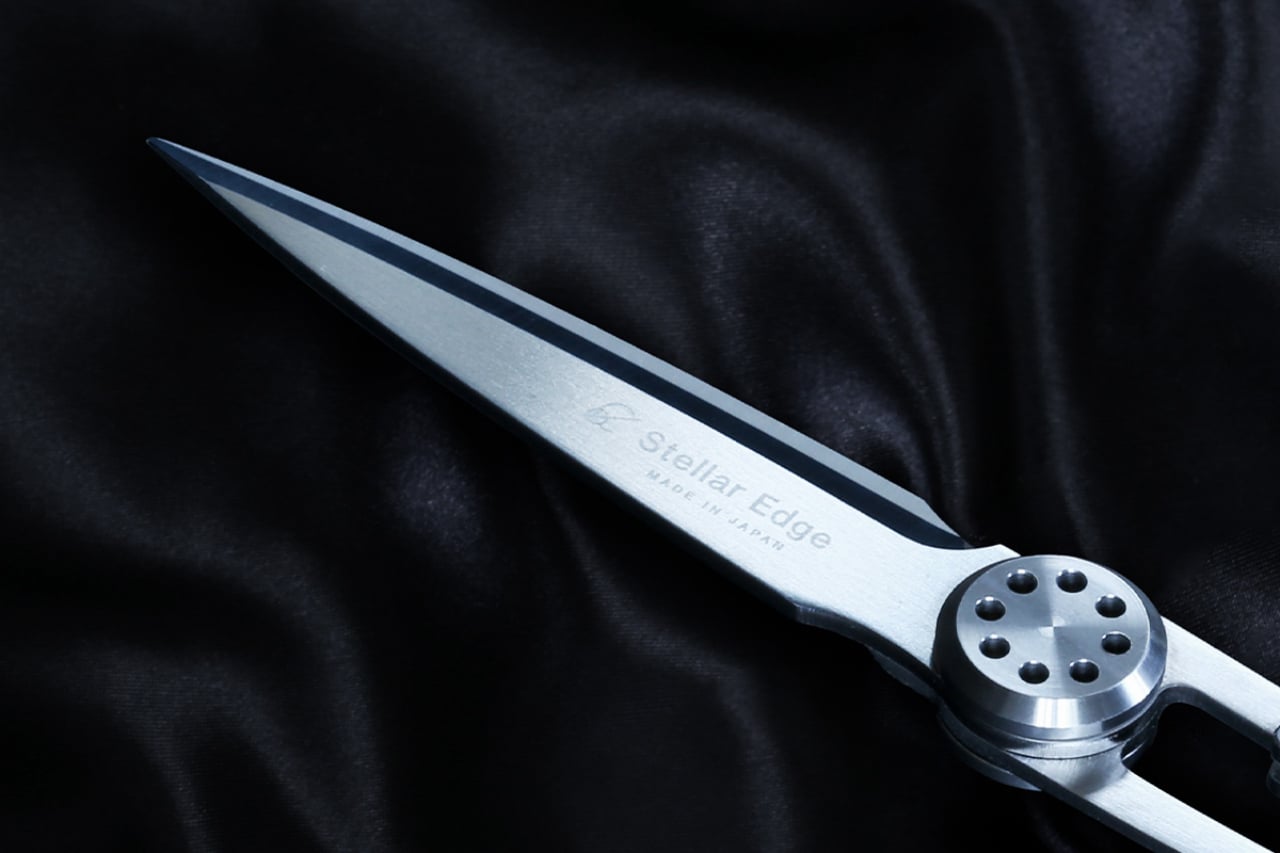
Scissors are the most overlooked object on a desk. The Stellar Edge Scissors argue that this neglect is a design failure. Crafted from Japanese stainless steel, the blades hold their edge far longer than standard office scissors, and the polished, seamless handles distribute weight so evenly that extended cutting sessions produce no hand fatigue. Every curve has been considered, from the finger loop radius to the pivot tension.

Each snip has a clean, controlled resistance that comes from precise blade geometry and tight manufacturing tolerances. The polished finish reduces friction against tape and adhesive paper, which tend to gum up matte or coated blades. The ergonomic shaping fits both left and right hands without the usual ambidextrous compromise. For anyone who uses scissors more than once a week, these make the ordinary feel considered.

What we like

  • Japanese stainless steel holds a sharp edge far longer than standard office scissor alloys.
  • Weight distribution across the handles eliminates fatigue during extended cutting sessions.

What we dislike

  • The premium material and finish come at a price point difficult to justify for occasional use.
  • The polished surface shows fingerprints easily, so it requires regular wiping to maintain a clean aesthetic.

Where this leaves us

Eight products, and the common thread is not aesthetics or branding. It is the refusal to accept that everyday tools should be disposable, forgettable, or merely functional. Japanese stationery design starts from the assumption that the interaction between a person and a tool is worth engineering down to the last magnetic click, the last gram of weight distribution, the last millimeter of paper thickness.

The rest of the world makes stationery. Japan makes instruments. The difference is not in the materials alone, though those matter. It is in the insistence that a pen’s relationship to a notebook, a scissors’ resistance against paper, or a wooden box’s aging behavior are all design problems that deserve solutions. These eight products are proof that once experienced, going back feels like a downgrade.

The post 8 Best Japanese Stationery Finds So Clever You’ll Question Why the Rest of the World Even Bothers first appeared on Yanko Design.

Anthropic Brings Imagine with Claude to Every Chat for Live Apps

Anthropic Brings Imagine with Claude to Every Chat for Live Apps Screenshot of Imagine with Claude running inside a chat, generating a small interactive app in real time.

Anthropic’s latest update to Claude AI introduces the “Imagine with Claude” feature, a significant step toward creating real-time, interactive applications. Unlike traditional systems that deliver static outputs, this feature allows users to build temporary, customized applications tailored to specific tasks, such as generating data visualizations or simplifying complex concepts through visual explainers. Prompt Engineering highlights […]

The post Anthropic Brings Imagine with Claude to Every Chat for Live Apps appeared first on Geeky Gadgets.

Posted in Uncategorized

Ball x Pit on mobile, Piece by Piece x2 and other new indie games worth checking out

Welcome to our latest roundup of what's going on in the indie game space. A bunch of intriguing games arrived this week, including a mobile port of one of the most absorbing things I’ve played in years and two completely different titles with the same name. Let’s get things started with a look at a few projects that were featured in the latest edition of the Future Games Show.

Hyperwired (from SidralGames and publisher SelectaPlay) is a 2D roguelike shooter with an interesting resource-management twist. To recharge your weapons and systems, you have to plug a cable that trails behind your spaceship into a socket. While you're plugged in, your movement is restricted by the length of the tether, but you gain more firepower. 

There are a whole bunch of upgrades and bullet modifiers to play around with here, including a slow-motion system you can activate at almost any time. Hyperwired is slated to hit Steam, PS4, PS5, Xbox One, Xbox Series X/S and Nintendo Switch this summer.

In Clean Up Earth, you and other players can work together to restore polluted environments. You can play solo if you like, but on the larger maps you'll need to team up with others to handle large bits of junk. One particularly neat aspect of Clean Up Earth is that in-game actions will automatically trigger micro-donations from developer Magic Pockets and its partners to environmental organizations.

Clean Up Earth is coming to Steam, Epic Games Store, PS5, and Xbox Series X/S on April 2. A Nintendo Switch 2 version is on the way in the future. There's a demo available on Steam as well. 

Mr. Magpie’s Harmless Card Game is a minesweeper-style riff on the likes of Inscryption and Buckshot Roulette. As with some other roguelike deckbuilders, you're trapped in a creepy situation and the only way to escape alive is to gamble and earn enough money in time to meet quotas. To do that, you'll need to twist the odds in your favor by building multipliers and synergies. You can boost your deck with powerful cards you can buy from a shop.

However, there are dangerous JERRY cards on the board that could spell doom if you flip them over. You can use hints and strategies to try to figure out where those cards are and avoid them. 

There's no release date as yet for Mr. Magpie’s Harmless Card Game, which is from Giant Light Studios. However, you can request access to a playtest on Steam.

A press release described Herdles as "Spyro meets Breath of the Wild, with a dog." I'm immediately sold.

Playing as a magical version of creative director Christian Hübel’s own dog, Snoopy, you'll "restore balance to a fracturing world" in this open-world platformer. On your journey, you'll rescue Herdles, or corrupted creatures. Doing so will unlock new powers, such as being able to glide, bust through walls and swim up waterfalls.

There's no combat or death in this game, which seems to be largely about solving puzzles, experimenting with physics-based abilities and exploring. It's said to have "deep accessibility and customization options" too. Fire Sword Studios and One More Journey are behind Herdles, which does not have a release window, though the Steam page is live.

I took an earlier-than-usual lunch break on Thursday to check out the mobile version of Ball x Pit (from Kenny Sun and friends and publisher Devolver Digital) as soon as it was released. I adore this game. I'm happy it runs smoothly on my iPhone 16, because that should give me more reason to avoid doomscrolling. 

It's the same Ball x Pit. It's still fantastic. The touchscreen dual-stick controls work well enough, especially when the auto-fire option is enabled. Still, a mobile controller like OhSnap's MCON or the Backbone Pro works better for me. 

A bunch more people will be able to enjoy Ball x Pit now that it's on iOS and Android. You can play the first level for free and it costs $10 to unlock the full game.

It's a pretty good week for folks who are into brick-breaking roguelites, because here's another one. ITER-8 (from fluckyMachine and publisher Fireshine Games) blends mining and tower defense. It's a bit like Dome Keeper

You're tasked with acquiring resources from an enormous monolith that's above your base. You'll need to drag these items back to your base so you can upgrade your character, ship, shield and weapon. There are relics to find and you can swap these for installations like lasers, barriers and cannons. There are also puzzle-based sections that sees your character leave their ship for some in-person mining and upgrade collecting, temporarily switching from 2D to 3D action.

After a while, the monolith starts to thrum with an ominous sound. That means it's time to race back to base (with the help of a fast-travel system) to fend off waves of alien enemies.

The two sides of ITER-8 work fairly well together and I've enjoyed my time with it so far. I actually find it pretty relaxing overall, though the tower-defense aspect could have been designed a bit more elegantly. Switching aim from one side of the base to the other doesn’t feel snappy enough. ITER-8 is available on Steam for $13. There's a 25 percent launch discount available until March 23.

Piece by Piece is billed as a cozy repair shop game from Gamkat and publisher No More Robots. It looks cute!

You can decorate your shop and make it homely by cleaning, keeping the log fire burning and making sure the cookie jar is full. Of course, you'll be fixing up heirlooms and antiques for customers too. It's out now on Steam for $12, with a 20 percent discount until March 25.

Piece by Piece is a puzzle platformer in the most literal sense. You manipulate levels by moving puzzle pieces around. It's a great idea from Neon Polygons and I'm keen to check this one out on Steam. It typically costs $13, but there's a 15 percent discount until March 27.

Wait a second here... Two games called Piece by Piece that were released in the same week? That's a heck of a coincidence. Thankfully, the teams behind both games saw the funny side. They've even created a bundle of both games so you can buy them both for an extra 10 percent off.

Here's another puzzle-forward game, albeit one that's more of an adventure. In Rhell: Warped Worlds & Troubled Times, you'll discover and combine spells in creative ways to solve riddles in similar fashion to games like Baba Is You. There are said to be more than a million ways to combine the magical keywords. Since every spell works on any object in the game, there are more than 102 million possible configurations. Neat!

Solo developer Alice Jarratt from SlugGlove spent three years making Rhell: Warped Worlds & Troubled Times and drew more than 10,000 frames of animation for it. The game is available on Steam for $15, with a 20 percent launch discount until March 26. A demo is available too. 

I've had Hoa on my wishlist for forever, so it's probably time for me to check out that puzzle platformer before the sequel arrives later this year. Hoa 2 (from Skrollcat Studio and publisher PM Studios) sticks with the hand-painted art of the original game but it’s a 3D game this time. 

It begins a long, long time after the end of Hoa, with the eponymous fairy returning to a world that's been transformed by time. But many of her old friends have passed away, so Hoa seeks a new purpose. 

Along with platforming and spatial puzzles, Hoa 2 features secrets and mini-games. It's coming to Steam, PS5, Xbox Series X/S and Nintendo Switch 2. 

I dig what I've seen of MotorSlice, which seems to have Mirror's Edge-style parkour action but in a much grittier-looking world. The developers also took inspiration from the Prince of Persia series and Shadow of the Colossus here — perhaps not too surprising in the latter case given that you'll be scaling huge bosses. This action adventure sees you on a mission to destroy every piece of machinery inside a ruined megastructure.

MotorSlice is coming to Steam this spring. A demo for this game from Regular Studio and publisher Top Hat Studios is available now. 

Being a lifelong soccer fan is a curse that's punctuated with infrequent moments of the most intense joy you'll ever feel. Plus, every few years, I lose about a month of my life to the most recent version of Football Manager (I gave up on the last one after winning every possible trophy with Borussia Mönchengladbach for three seasons in a row). So, it's safe to say that a game focused on perhaps the least glamourous job in soccer is up my alley.

Kitman — a job you might know of as "equipment manager" — is a sports management game with co-op for up to four people in which you take care of things behind the scenes of a soccer team. You'll clean locker rooms, polish boots, make sure players have the right uniforms and so on, while taking care of details on the fly on match days. 

There's a fun twist here in that you can secretly take on some of the manager's duties, such as scouting players and adjusting formations. Maybe that explains what's been happening with Tottenham Hotspur lately.

Kitman, from Outlier, is coming to Steam later this year. In the meantime, you can sign up to take part in a playtest.

If, like me, you adore Astro Bot, here's something to keep an eye on. Astrolander is a 2.5D platformer with lovely-looking 3D environments. As a robot named Feedback, you set out on a journey with a rocket-powered sidekick named Haptic (heh) to save bots known as the Most Valuable Programs, or MVPs. A second player can join in and help take control of Feedback.

Astrolander is from 16-year-old Max Trest of Lost Cartridge Creations. The PlayStation team (including its then-head of indie games Shuhei Yoshida) tried Astrolander at an event a few years back and offered Trest the chance to bring his game to PS5. Astrolander is also coming to Steam. It's set to arrive later this year.

This article originally appeared on Engadget at https://www.engadget.com/gaming/ball-x-pit-on-mobile-piece-by-piece-x2-and-other-new-indie-games-worth-checking-out-110000319.html?src=rss
Why the iPhone 18 Pro Max Might Look Exactly Like Today’s Models

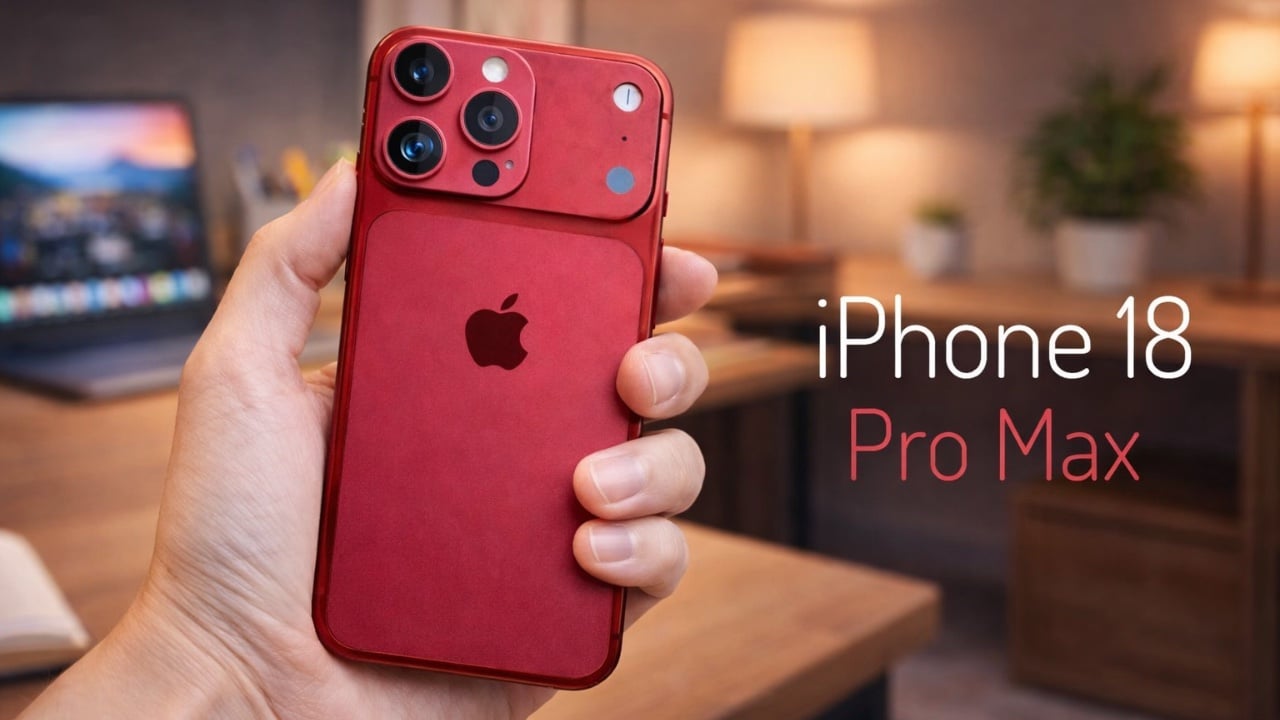
Why the iPhone 18 Pro Max Might Look Exactly Like Today’s Models iPhone 18 Pro Max

The iPhone 18 Pro Max is poised to continue Apple’s tradition of incremental innovation, focusing on refinement rather than dramatic overhauls. Leaks and rumors suggest that Apple is prioritizing performance, battery life, and efficiency, while maintaining the familiar design language that users have come to expect. Here’s a closer look at what the next flagship […]

The post Why the iPhone 18 Pro Max Might Look Exactly Like Today’s Models appeared first on Geeky Gadgets.

Posted in Uncategorized

A Practical Guide to Autonomous Evaluation Loops in Claude Code

A Practical Guide to Autonomous Evaluation Loops in Claude Code Diagram showing an auto-research loop that tests, scores, and updates Claude Code skills repeatedly.

Building self-improving AI skills in Claude Code involves using an autonomous iterative loop to refine performance over time. Simon Scrapes introduces this concept through the lens of Andrej Karpathy’s “auto-research” framework, which emphasizes structured, data-driven improvement. The process begins with testing specific skills, analyzing results against predefined metrics and refining outputs based on measurable success. […]

The post A Practical Guide to Autonomous Evaluation Loops in Claude Code appeared first on Geeky Gadgets.

Posted in Uncategorized

Samsung’s Wildest Design Yet: The 12.4-Inch Galaxy Z Roll 5G is Coming

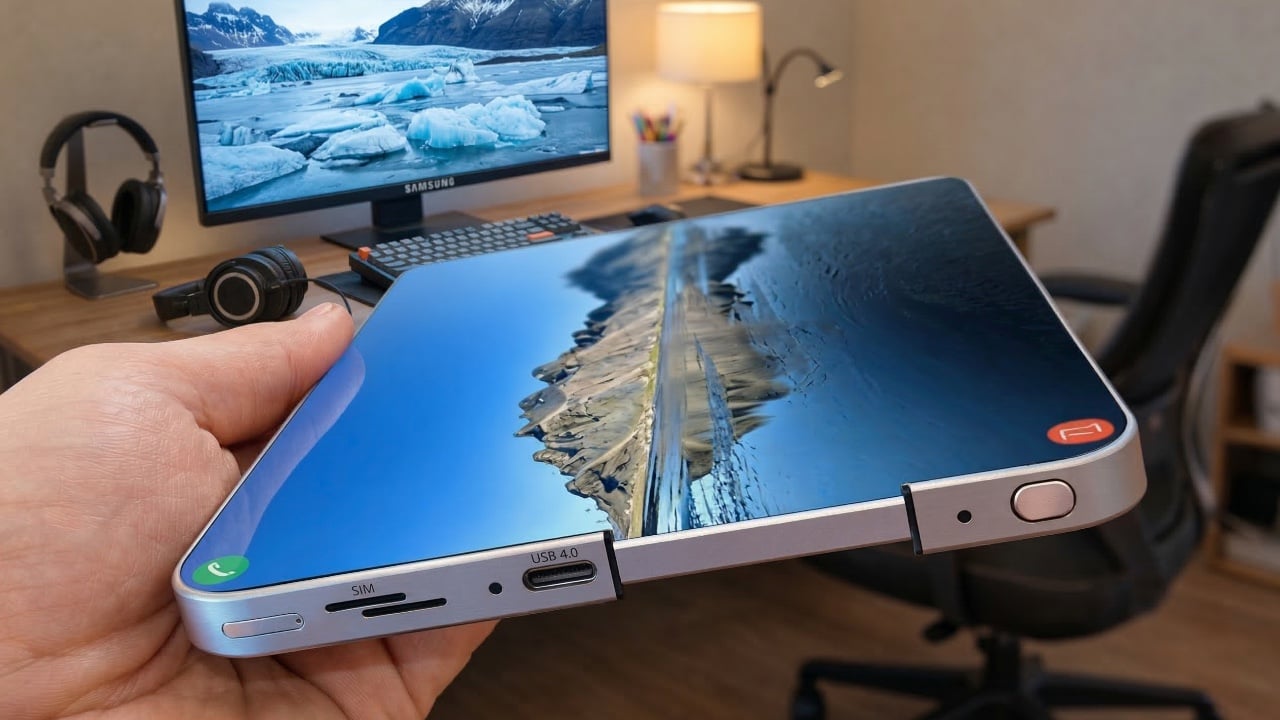
Samsung’s Wildest Design Yet: The 12.4-Inch Galaxy Z Roll 5G is Coming Samsung Galaxy Z Roll 5G

The smartphone industry has reached a plateau of glass slabs and incremental camera updates. While foldable devices like the Galaxy Z Fold series have successfully carved out a niche for power users, they have long been haunted by two primary engineering compromises: the visible display crease and the bulky, “sandwich” thickness of a hinged device. […]

The post Samsung’s Wildest Design Yet: The 12.4-Inch Galaxy Z Roll 5G is Coming appeared first on Geeky Gadgets.

Posted in Uncategorized

Apple Faces Top-Team Churn as Cook Era Nears End

Apple Faces Top-Team Churn as Cook Era Nears End Graphic showing recent Apple executive departures, including Jeff Williams and Luca Maestri, in a simple timeline.

Tim Cook’s eventual departure from Apple will mark the end of a significant chapter defined by operational excellence and record-breaking financial achievements. During his leadership, Apple reached a market valuation of nearly $4 trillion and optimized its supply chain while broadening its product offerings. However, as fpt notes, this era also brought a shift toward […]

The post Apple Faces Top-Team Churn as Cook Era Nears End appeared first on Geeky Gadgets.

Posted in Uncategorized

Apple MacBook Neo vs. MacBook Air: Specs, Price, and Performance Comparison

Apple MacBook Neo vs. MacBook Air: Specs, Price, and Performance Comparison Close view of MacBook Neo ports showing two USB-C connections, a headphone jack, and the missing MagSafe charger.

Apple has introduced the MacBook Neo, a $599 entry-level laptop designed for users who value portability and affordability. Positioned as a lightweight alternative to the MacBook Air, the Neo offers a practical balance of functionality and cost, albeit with some compromises. The video below from Brandon Butch provides insights into its design, performance, and target […]

The post Apple MacBook Neo vs. MacBook Air: Specs, Price, and Performance Comparison appeared first on Geeky Gadgets.

Posted in Uncategorized

Stealthy Samsung Settings to Make Your Galaxy S26 Awesome

Stealthy Samsung Settings to Make Your Galaxy S26 Awesome Samsung Galaxy S26

Customizing your Samsung Galaxy S26 is more than just a way to personalize your device; it’s an opportunity to enhance its functionality and make it uniquely yours. Samsung provides a wide range of tools and features that allow you to tailor your smartphone to your preferences. From visual upgrades to practical optimizations, here are 17 […]

The post Stealthy Samsung Settings to Make Your Galaxy S26 Awesome appeared first on Geeky Gadgets.

Posted in Uncategorized