Google now lets you have full conversations with Gemini for Home

Google announced today that it is upgrading the Gemini for Home service with a "continued conversations" feature. Continued conversation allows a user to have a natural discussion with the Gemini platform without prefacing every follow-up request with the "Hey Google" prompt. The microphone will remain active on a smart device for a few seconds after the Gemini AI assistant provides its reply. During that window, the lights on the hardware will pulse or glow, indicating that you can keep chatting normally with the chatbot without needing a wake word. Gemini should retain the context as the conversation progresses, which should allow it to provide the desired information faster without the need for a user to repeat key details.

The feature is rolling out today for all Gemini for Home voice assistant languages and in all supported regions. Continued conversations have to be manually enabled in the Google Home app through the settings menu under "Gemini for Home voice assistant." Google said that Gemini should be able to distinguish between follow-up questions addressed to the chatbot and other conversations happening in a room, but it should be interesting to track how successful that is given the past history of voice assistants unintentionally eavesdropping. 

Continued conversation was an option under the Google Assistant platform, but it had more limited availability. Google has been preparing Gemini for Home as a replacement for Google Assistant platform since the fall.

This article originally appeared on Engadget at https://www.engadget.com/home/smart-home/google-now-lets-you-have-full-conversations-with-gemini-for-home-160000511.html?src=rss

Samsung brings SmartThings integration to IKEA’s Matter devices

Samsung is expanding the SmartThings connectivity platform to include many IKEA products. The company promises "seamless integration" with the furniture giant's Matter-over-Thread devices, which include stuff like smart lights, air quality sensors, remote controls and smart plugs.

This is great news for IKEA fans who want to bark orders at a smart assistant to turn the lights off and on, as Samsung says users will be able to "effortlessly incorporate" these gadgets into daily life. The SmartThings platform allows for advanced home automation routines.

A device within an app.
Samsung

Samsung says it "built enhanced integrations" for IKEA's devices and that the two companies "conducted multiple rounds of validation to enhance connectivity stability and implemented a dedicated user experience within the SmartThings app for full compatibility." This should translate into a plug-and-play experience with minimal frustration.

The caveat here is that Matter is already supposed to offer a plug-and-play experience, without the need for this kind of intensive platform-specific work to get things going. IKEA customers have had serious problems connecting the company's Matter devices to networks. Matter is supposed to offer a comprehensive smart home integration solution to manufacturers, but that doesn't look to be working out.

Samsung has steadily been improving the SmartThings platform. It recently integrated Siri voice commands.

This article originally appeared on Engadget at https://www.engadget.com/home/smart-home/samsung-brings-smartthings-integration-to-ikeas-matter-devices-151819629.html?src=rss

Edge clamp-on power strip brings desk-level charging exactly where you need it

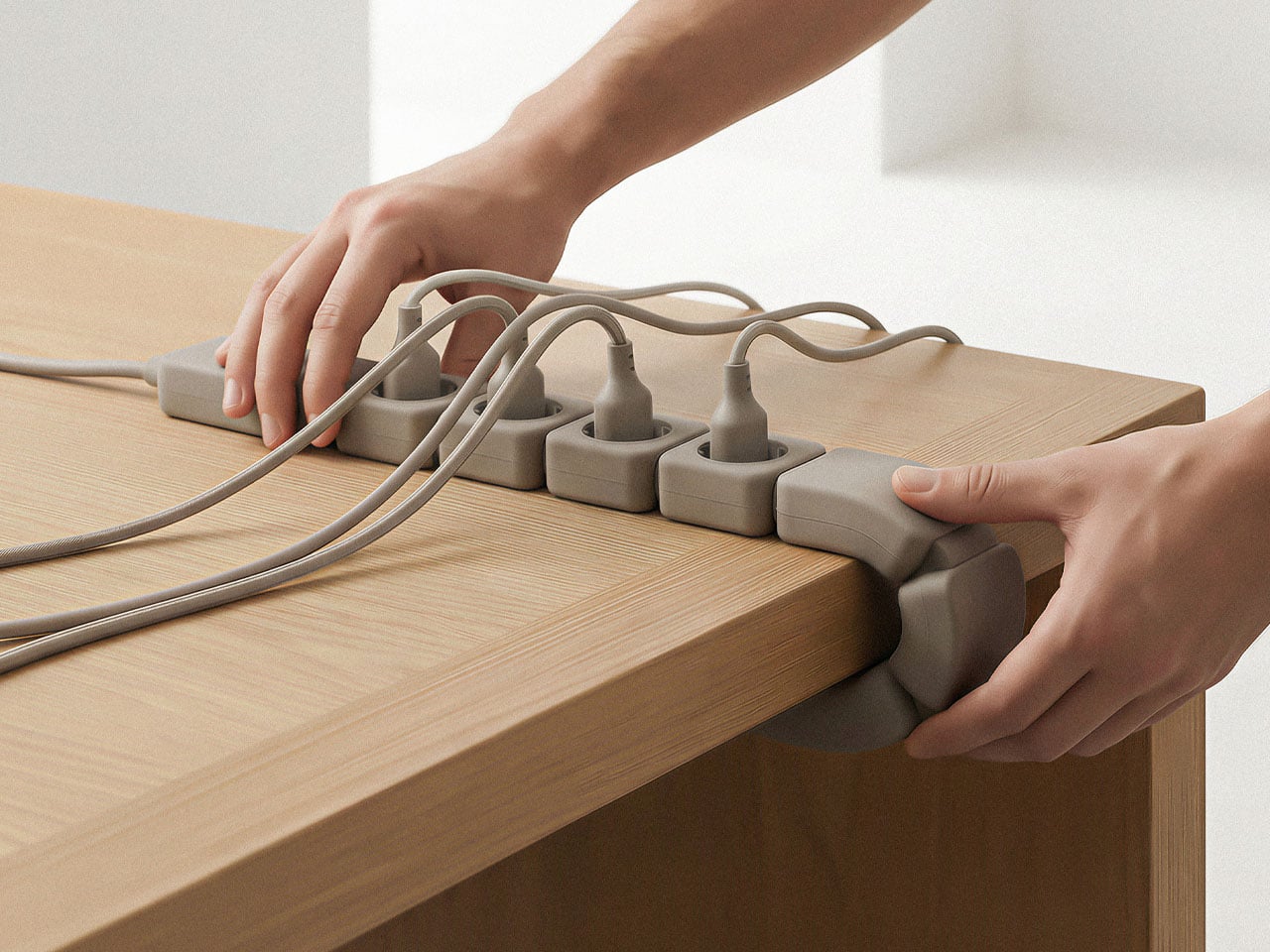
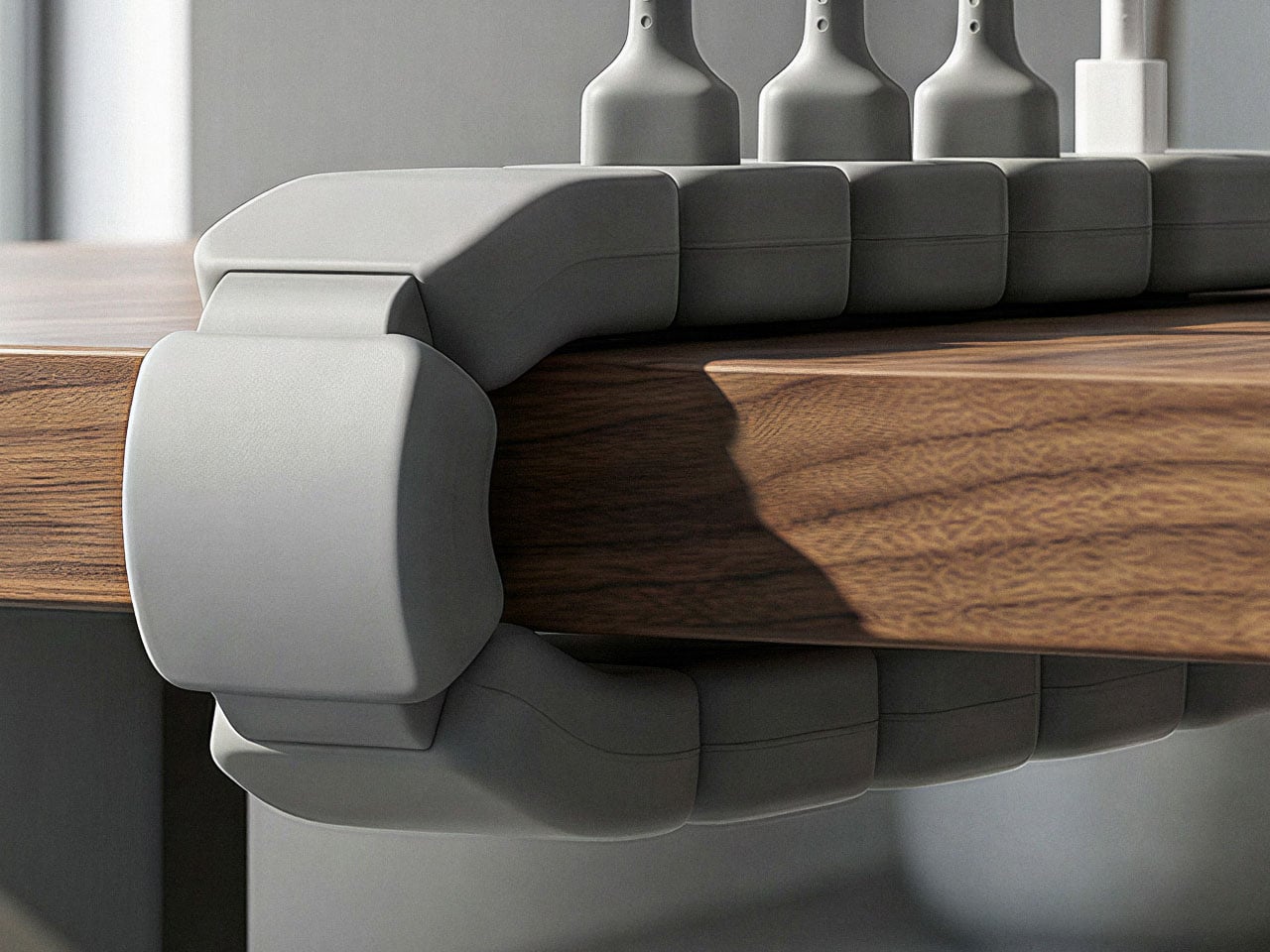
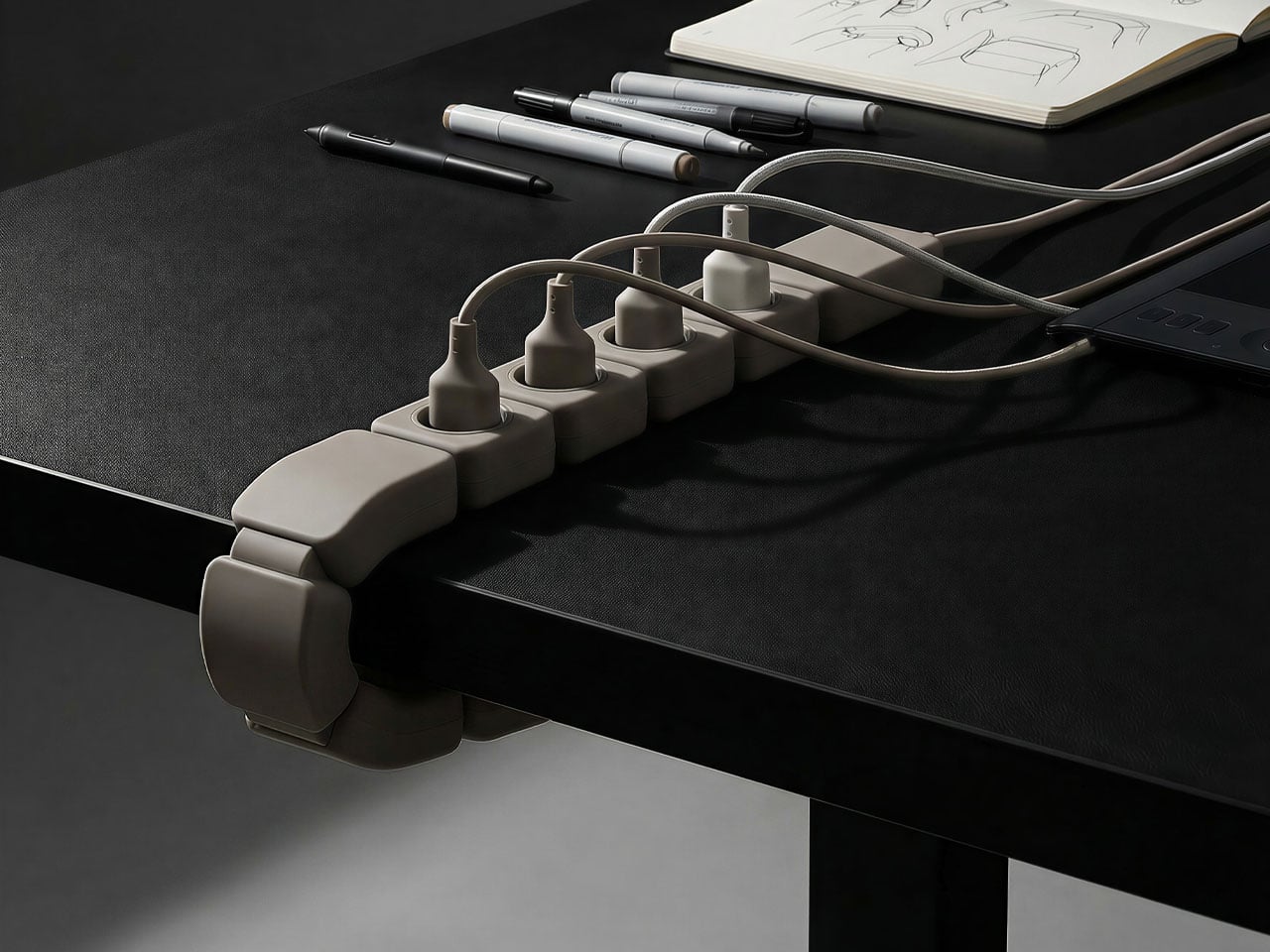
We’ve spent years upgrading our desks with sleeker materials, smarter layouts, and better ergonomics. But somehow, the humble power strip has remained stuck in the past design ethos. It still lives on the floor, tangled in cables, collecting dust, and forcing you to awkwardly reach under the desk every time your laptop needs juice. Edge: A Clamp-On Modular Power Solution, feels like one of those ideas that makes you wonder why it didn’t exist sooner.

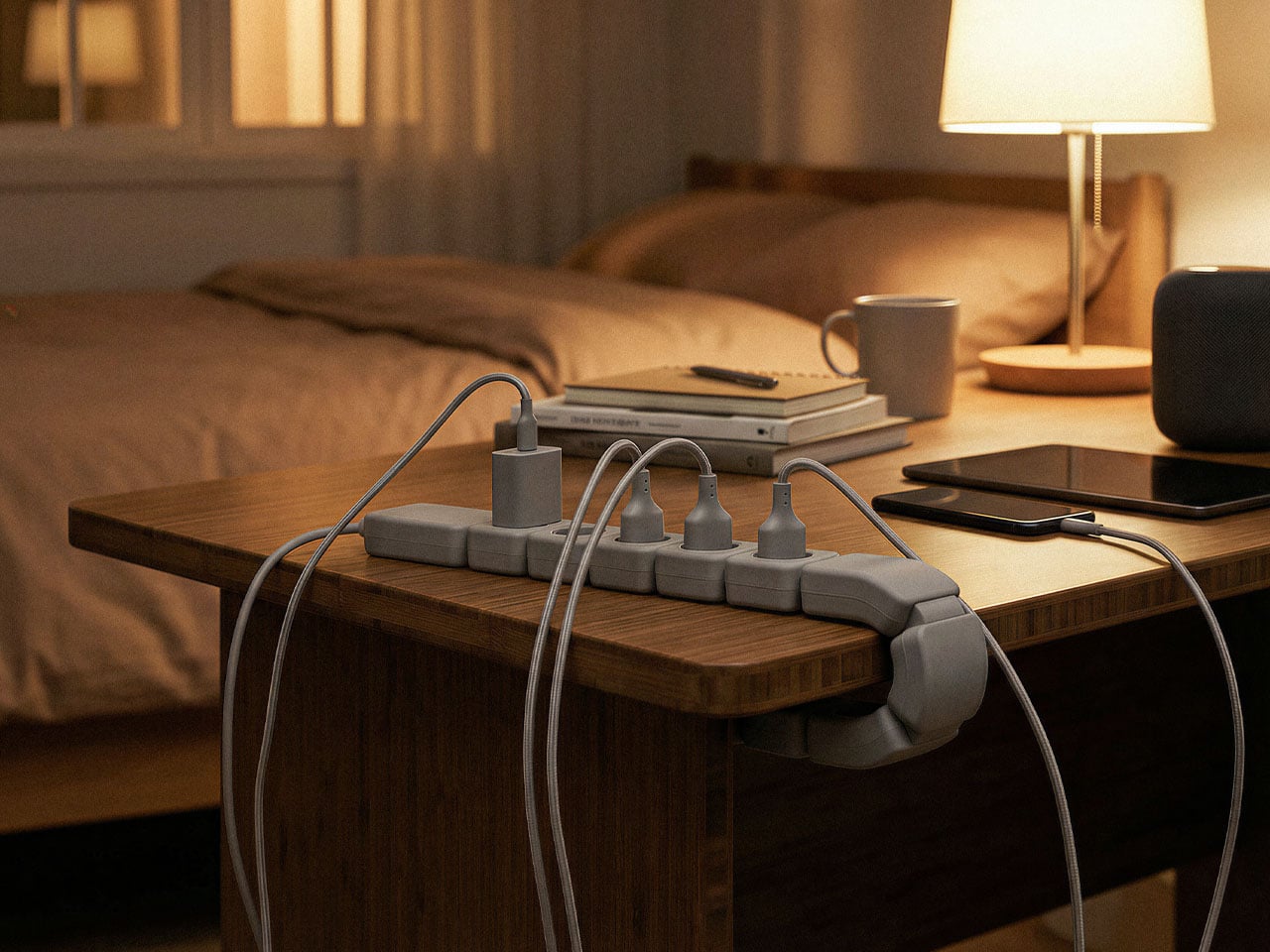
Instead of treating power as something hidden away, Edge brings it right to the desk’s edge, exactly where your hands already are. The shift sounds simple, but it completely changes the interaction. No more bending down, no more blindly searching for an empty socket, and no more dealing with cables stretching across the floor. It turns power into something immediate and accessible, almost like an extension of the workspace itself.

Designer: ChangZhou University

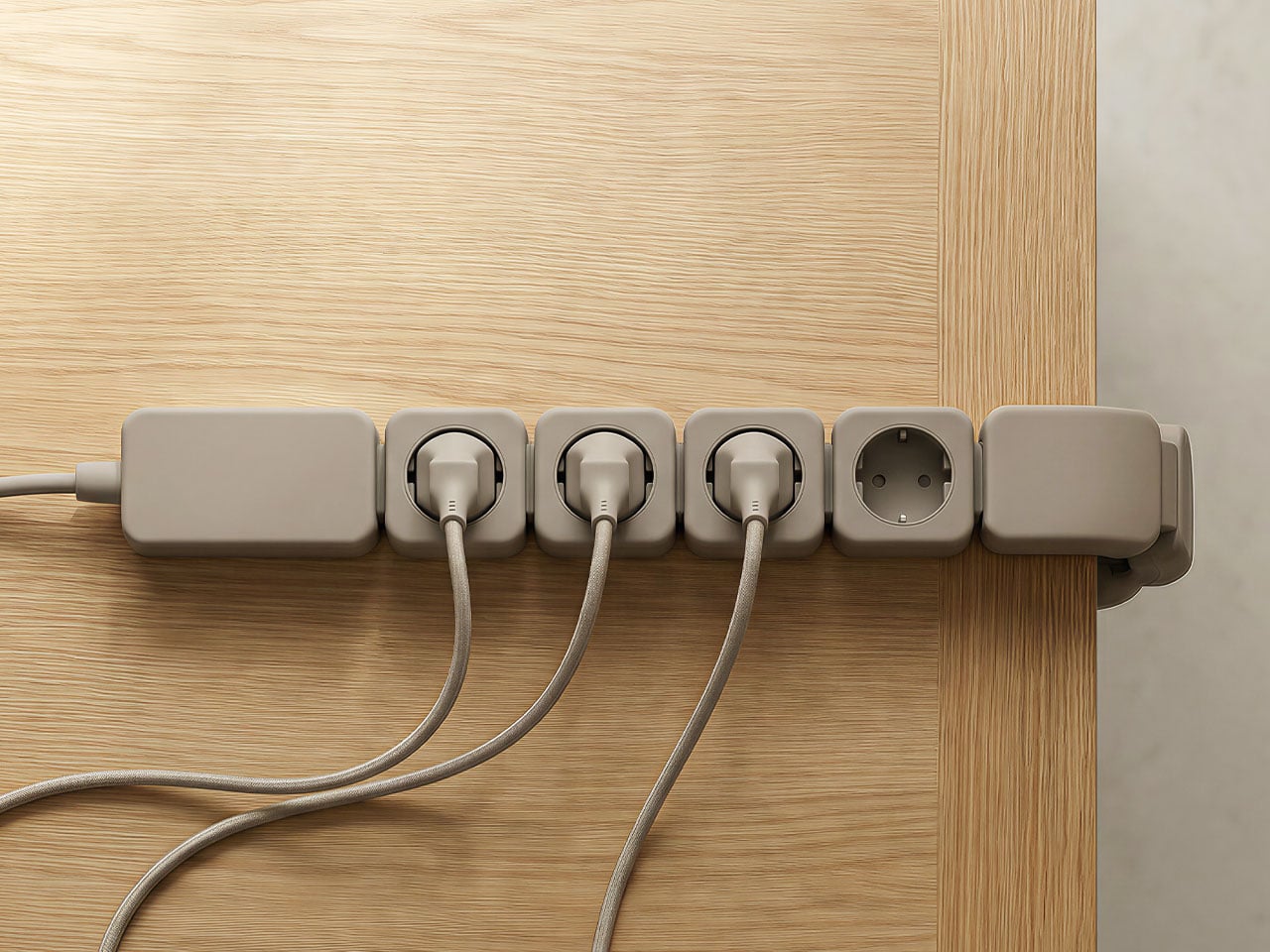
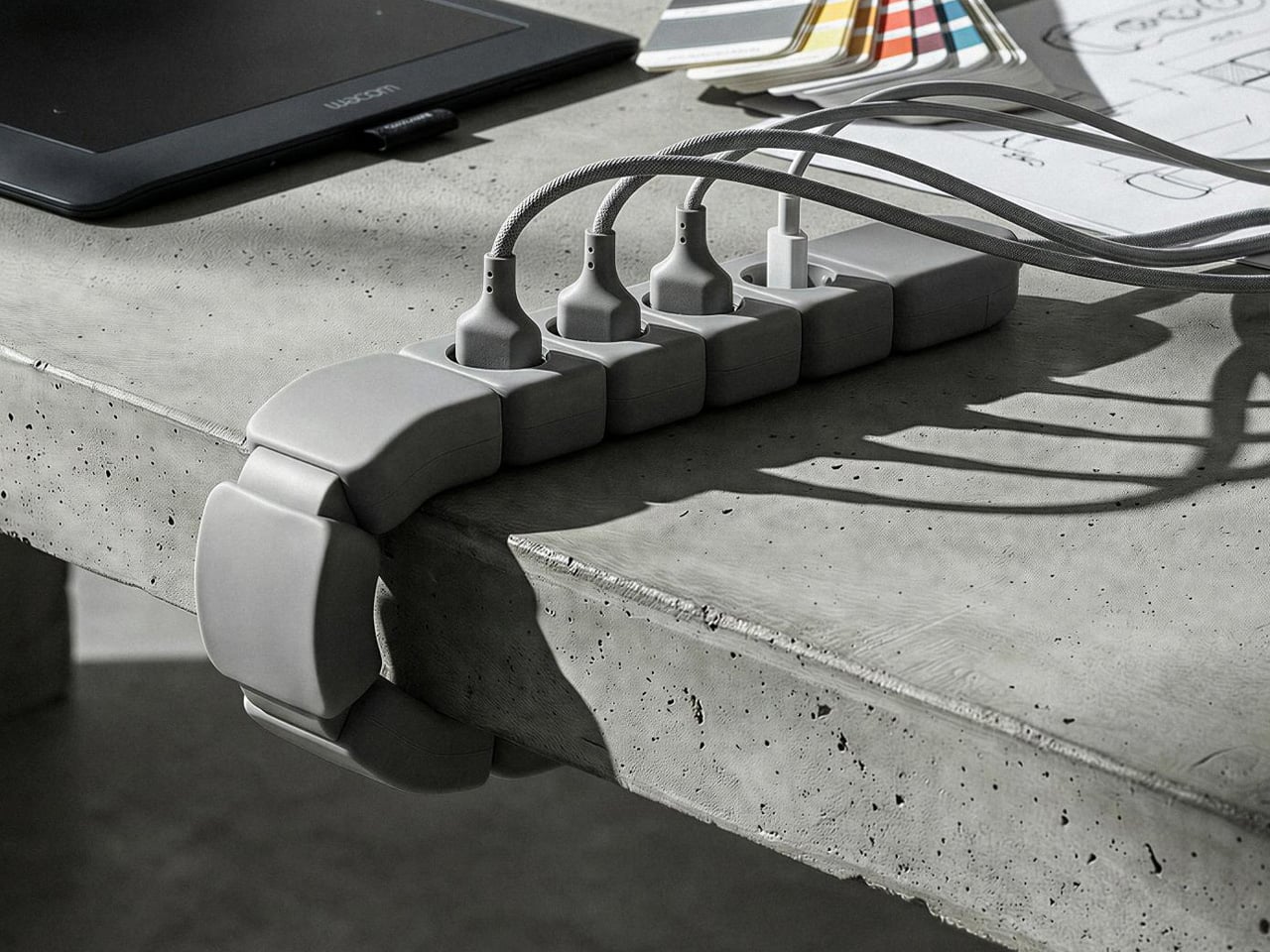
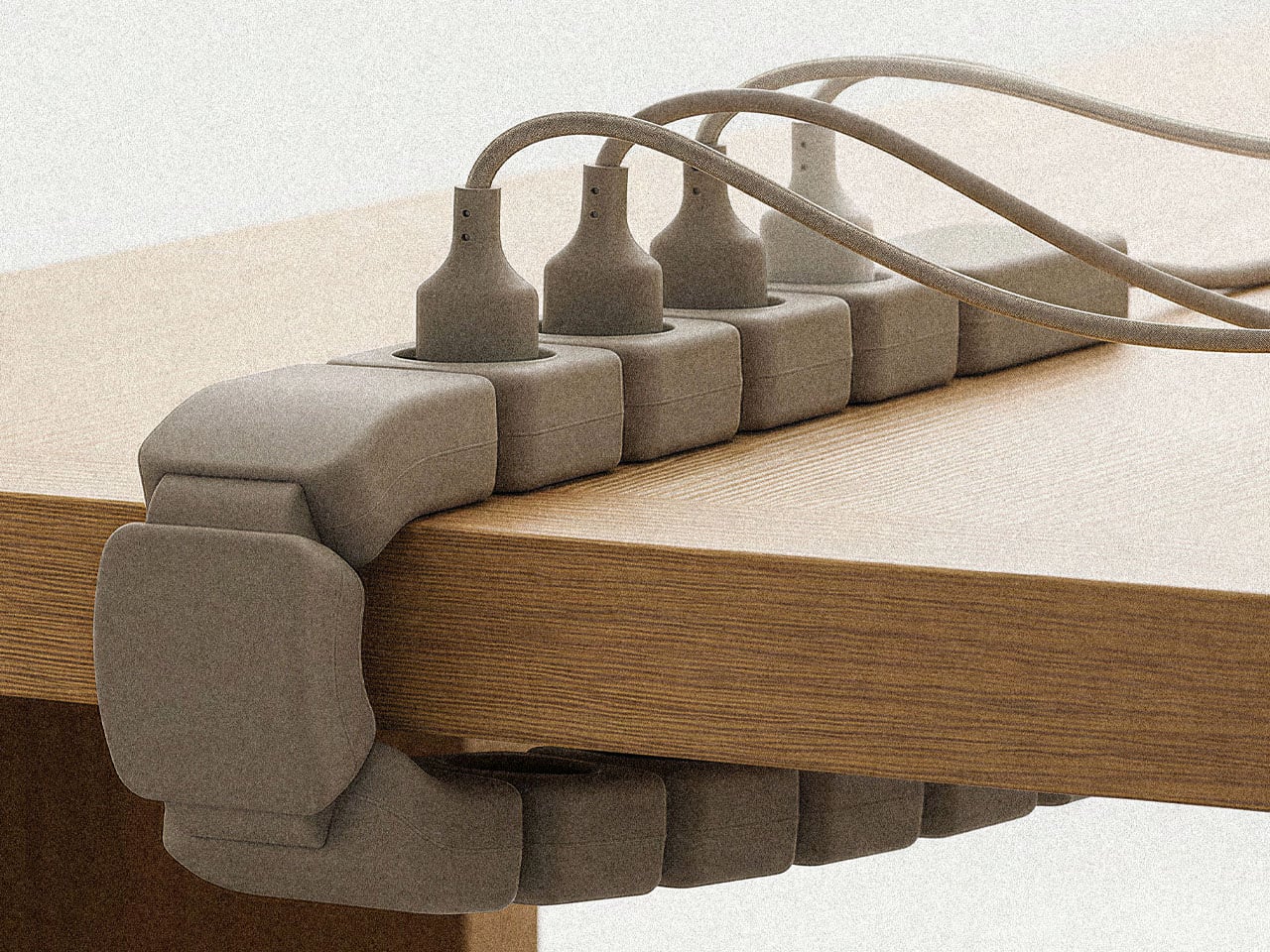
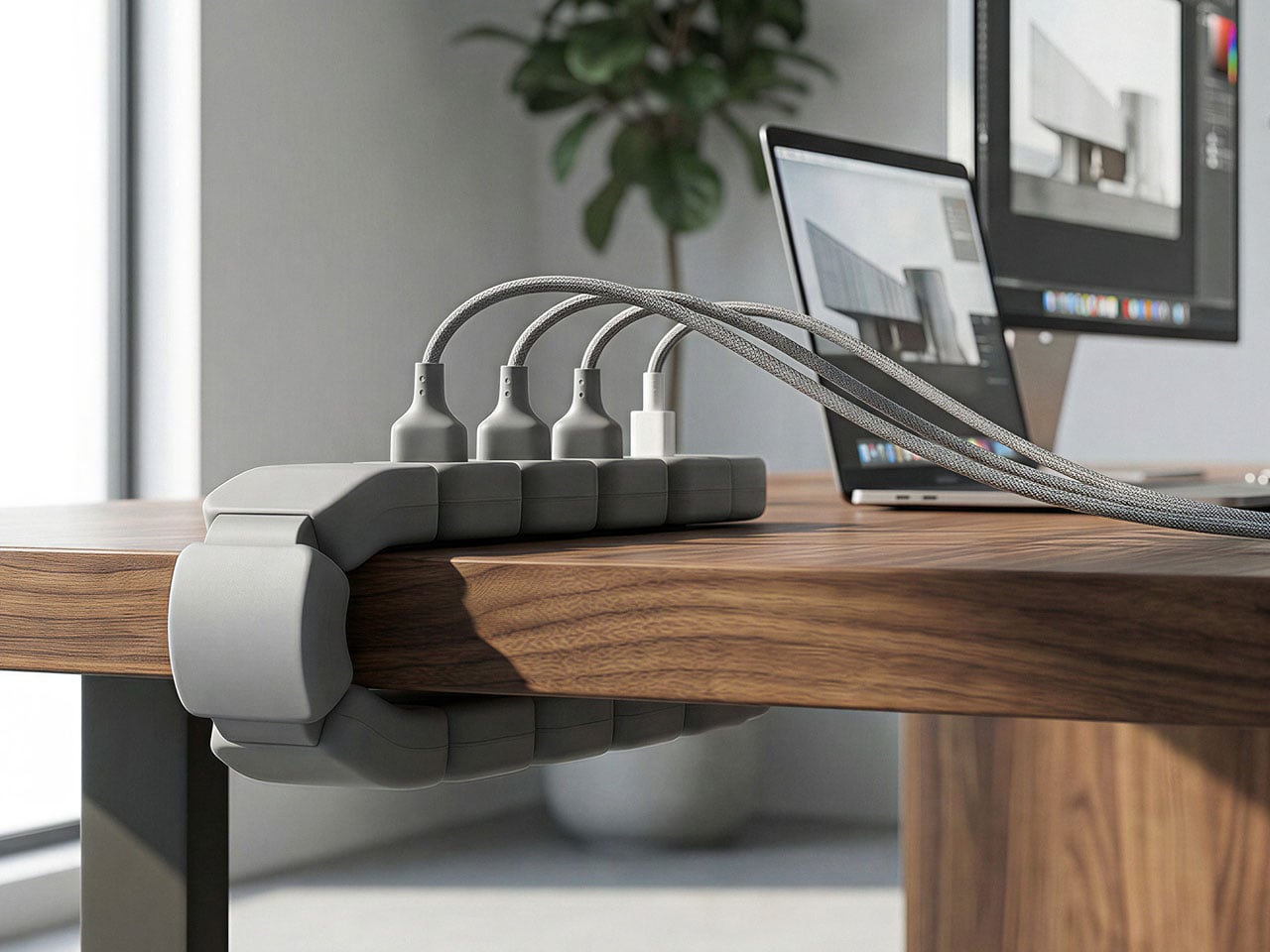
A worthy winner at the New York Product Design Awards, the product leans heavily into flexibility. Rather than locking you into a fixed setup, Edge follows an “add power anywhere” philosophy. You can clamp it wherever it feels right, move it when your setup changes, and adapt it to different desks without any tools. Whether it’s a home office, a shared workspace, or even a temporary setup, the system adjusts without friction. What makes the clamp particularly clever is its over-center, self-locking mechanism. As it closes, it passes a neutral point and locks into place, making it resistant to loosening over time. That matters more than it sounds, especially when you consider the constant push and pull of plugging in devices, cables tugging from different angles, or the occasional bump. The extended contact surfaces further stabilize the grip, reducing wobble and keeping everything firmly in place.

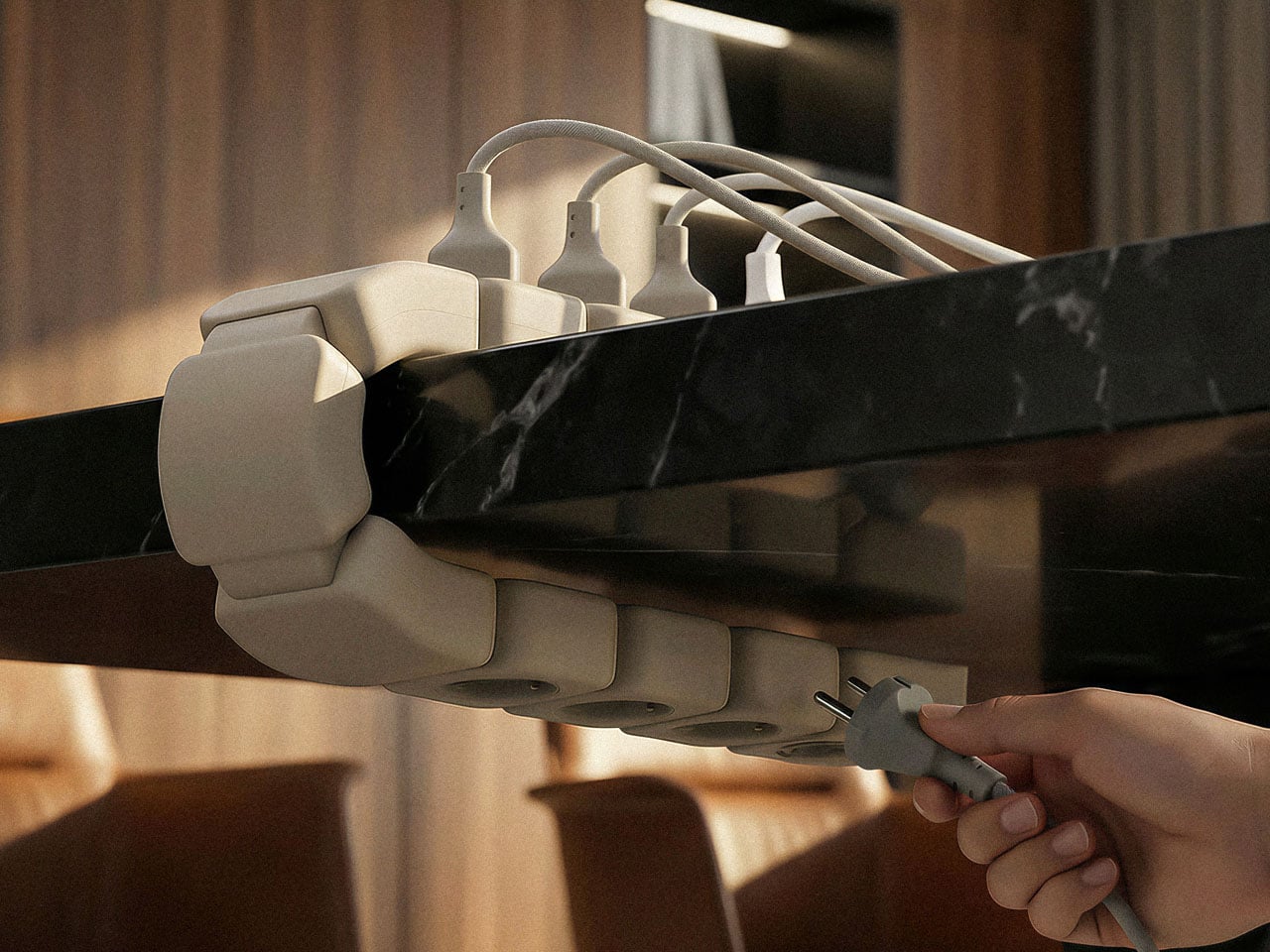
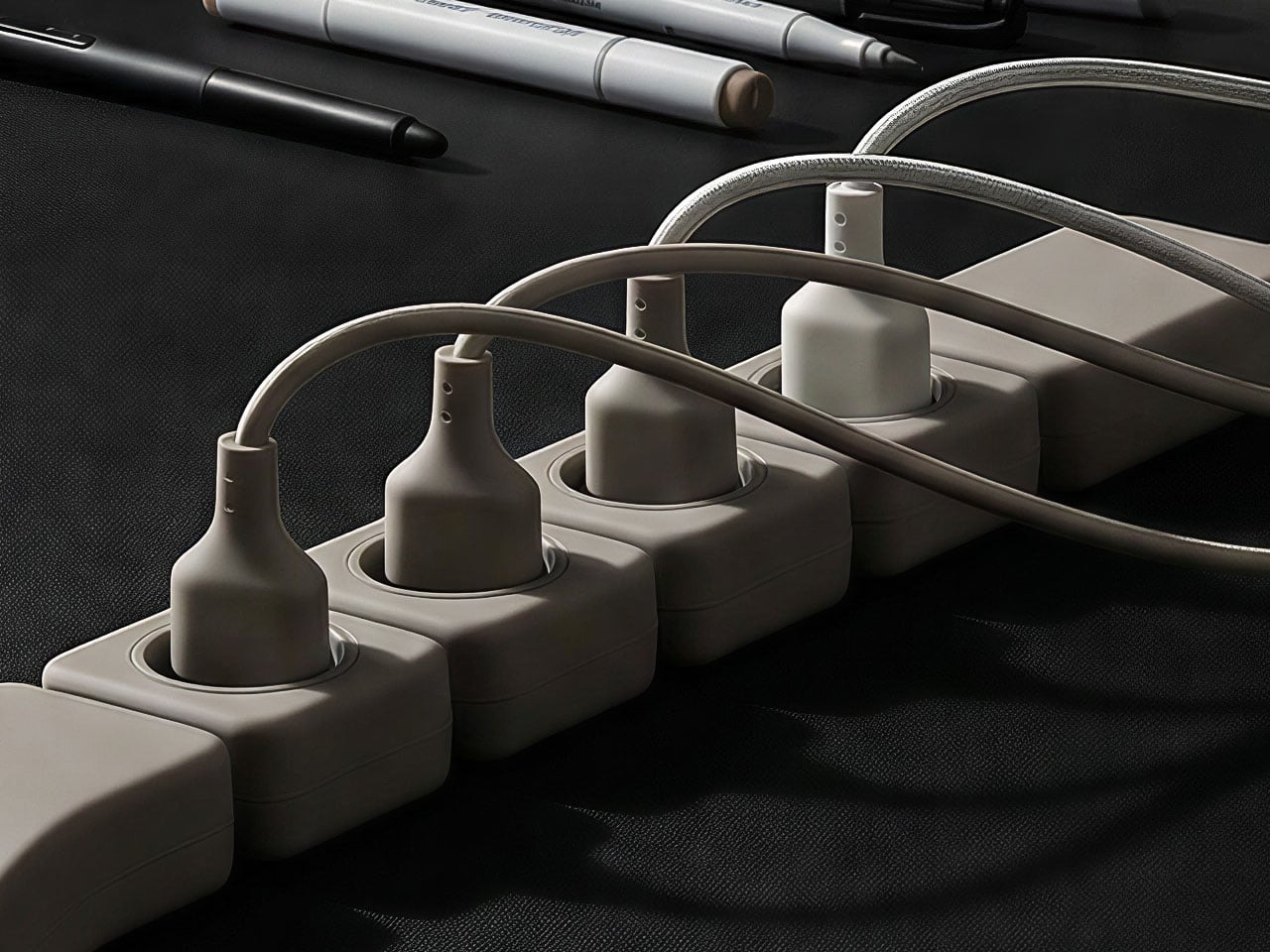
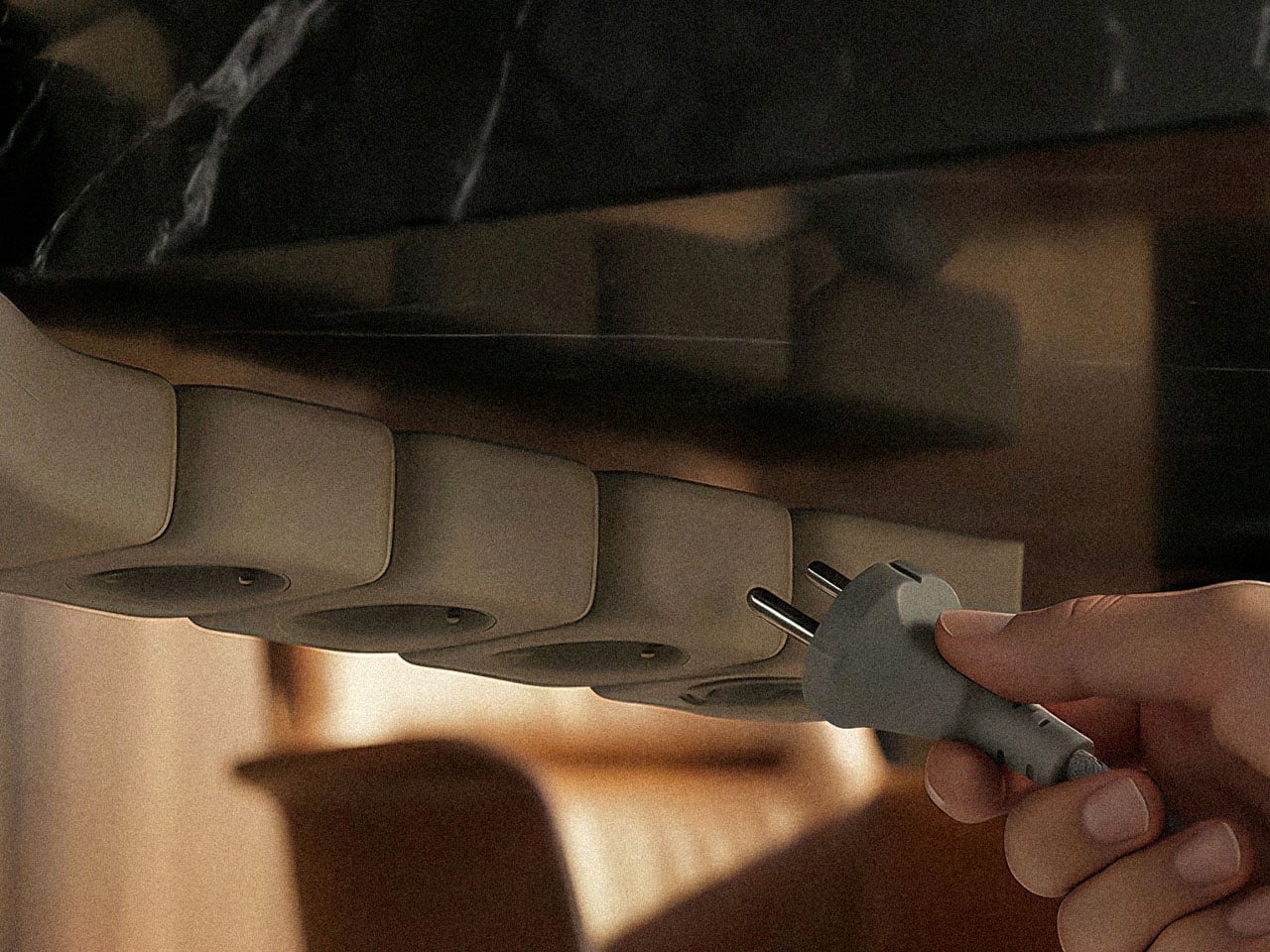
Functionally, Edge splits its eight outlets across two sides. Four sit on top for quick, everyday access, perfect for devices you’re constantly plugging in and out. The other four are tucked underneath, designed for chargers and connections that stay put. It’s a small but thoughtful detail that keeps the surface cleaner and prevents cables from turning into a visual mess. Lifting the power strip off the floor also solves a range of problems you might not immediately think of. It reduces exposure to spills, keeps it away from cleaning water, and eliminates the risk of stepping on it or snagging cables with your chair. The modular segmented body adds another layer of refinement, helping distribute stress while allowing the form to adapt across different desk setups.

I love the idea of Edge, as it simply repositions itself in a way that makes sense for how we work today. And in doing so, it transforms a neglected accessory into something that feels intentional and surprisingly satisfying to use.

The post Edge clamp-on power strip brings desk-level charging exactly where you need it first appeared on Yanko Design.

Splatoon Raiders lands on Nintendo Switch 2 on July 23

Nintendo has padded out the Switch 2 release slate for this summer by revealing that Splatoon Raiders is coming to the console on July 23. This is the first spinoff in the series and while it's a "single-player-focused Splatoon game," there is a multiplayer element. Nintendo announced Splatoon Raiders (the title of which is a soft pun on Tomb Raider) last June.

You play as a mechanic and after customizing your character's appearance, you'll go hunting for treasure across the Spirhalite Islands. You'll be working with Deep Cut — a fictional band that appeared in Splatoon 3 — and upgrading your weapons as you take on enemy sea creatures.

The colorful, inky action and wacky weapons in the latest trailer remind me a bit of Ratchet and Clank: Rift Apart. You can mount Deep Cut member Big Man (a manta ray) as you venture into battle and it seems as though you'll be able to cut through swarms of bad guys by firing a shark at them. Alongside Splatoon Raiders, Nintendo will release an Amiibo pack featuring the three members of Deep Cut.

The company also confirmed there's a multiplayer mode in Splatoon Raiders. You'll be able to team up with as many as three friends locally or online to take on raids together. 

This article originally appeared on Engadget at https://www.engadget.com/gaming/nintendo/splatoon-raiders-lands-on-nintendo-switch-2-on-july-23-140447901.html?src=rss

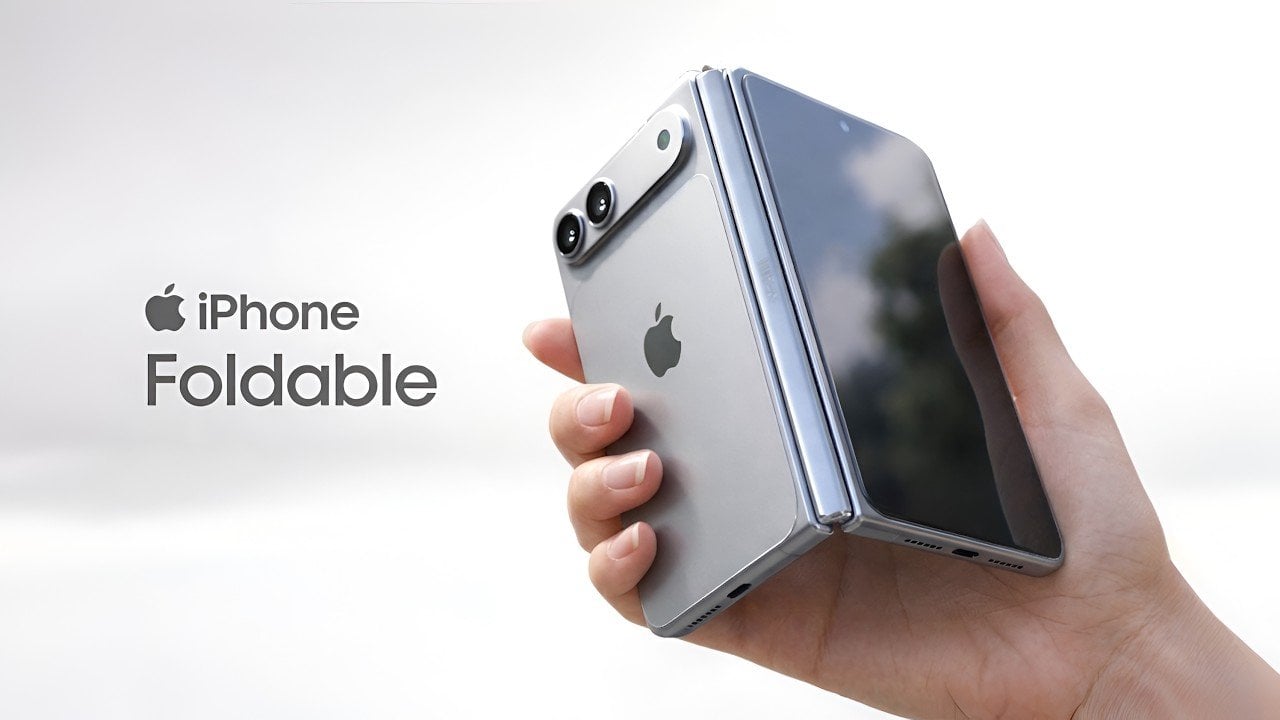
iPhone Ultra vs. Galaxy Z Fold 8: Should You Buy Samsung in July or Wait for Apple?

iPhone Ultra vs. Galaxy Z Fold 8: Should You Buy Samsung in July or Wait for Apple? Timeline graphic marking late July 2024 for Fold 8 and a possible iPhone Fold window in 2026 or 2027.

The foldable smartphone market is poised for a significant shift as Apple prepares to challenge Samsung’s dominance. Samsung’s Galaxy Z Fold 8 is expected to refine its well-established formula, while Apple’s rumored iPhone Fold could mark its entry into the foldable space. This competition between two tech giants has the potential to reshape the premium […]

The post iPhone Ultra vs. Galaxy Z Fold 8: Should You Buy Samsung in July or Wait for Apple? appeared first on Geeky Gadgets.

Posted in Uncategorized

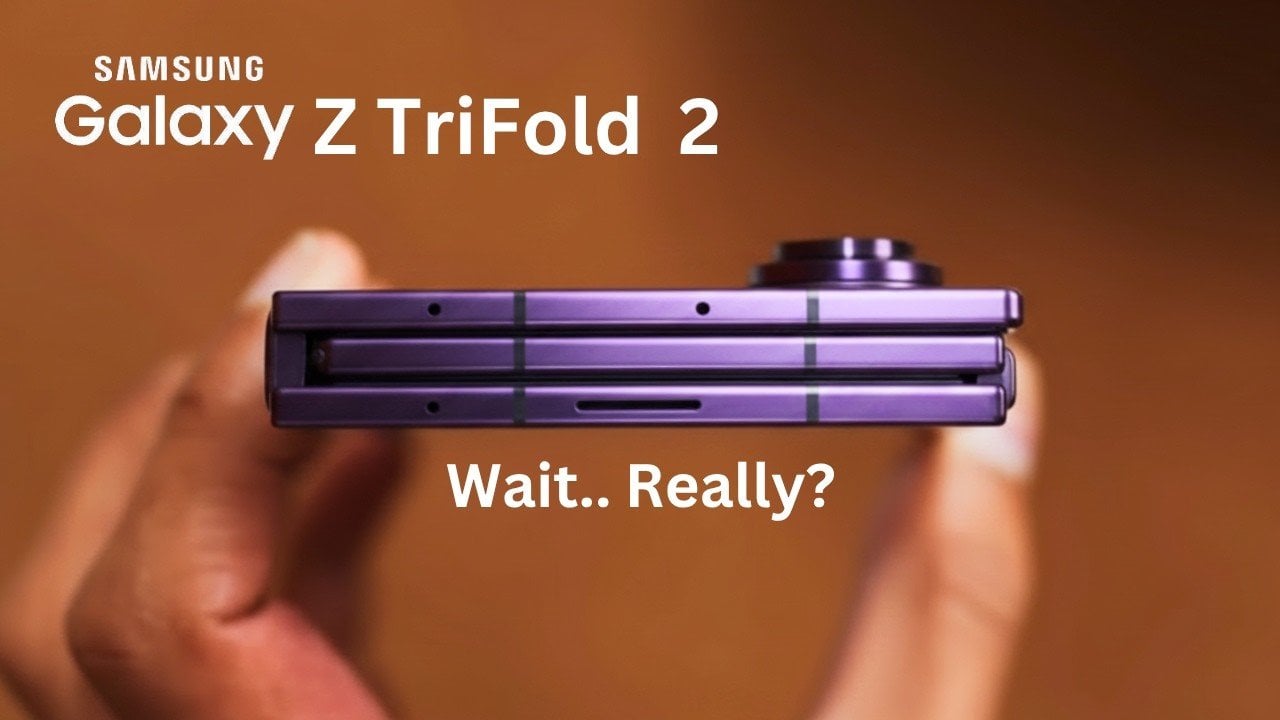
Samsung’s 3-Screen Comeback: The Secret Strategy Behind the Galaxy Z Tri-Fold 2

Samsung’s 3-Screen Comeback: The Secret Strategy Behind the Galaxy Z Tri-Fold 2 Close-up of a tri-fold hinge concept showing where Samsung may reduce thickness and improve folding stability.

Samsung continues to push the boundaries of foldable technology with its second-generation Galaxy Z Tri-Fold. This ambitious device reflects the company’s dedication to refining multi-foldable designs, addressing the challenges of its predecessor while exploring new possibilities. By focusing on improved design, enhanced usability, and market viability, Samsung aims to solidify its position as a leader […]

The post Samsung’s 3-Screen Comeback: The Secret Strategy Behind the Galaxy Z Tri-Fold 2 appeared first on Geeky Gadgets.

Posted in Uncategorized

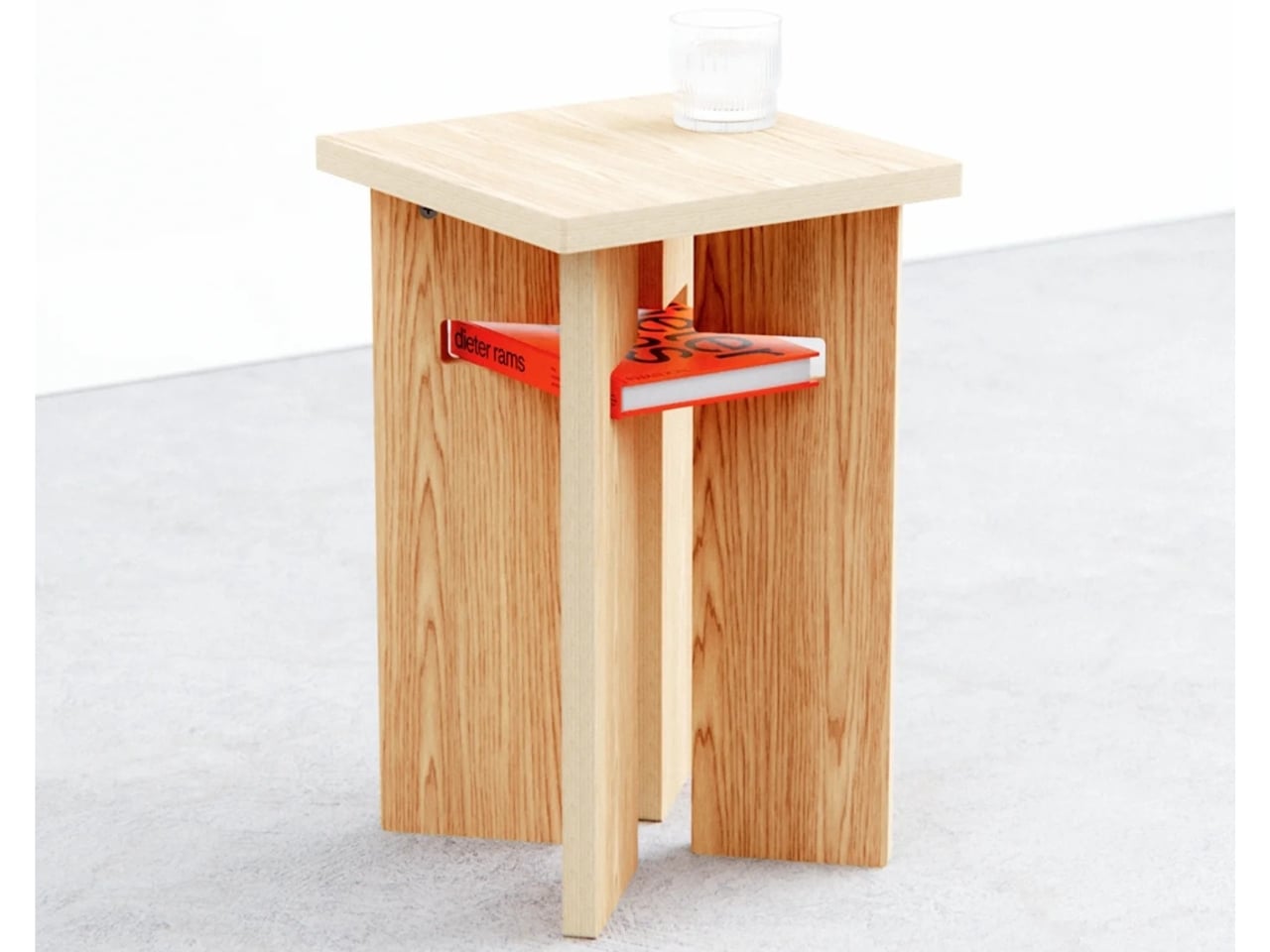
The Side Table That Holds One Book Right in Its Legs

Most furniture design is an exercise in addition. More drawers. More shelves. More compartments to fill with things we forget we own. It is refreshing, then, to come across a piece that does the exact opposite and still lands somewhere quietly brilliant.

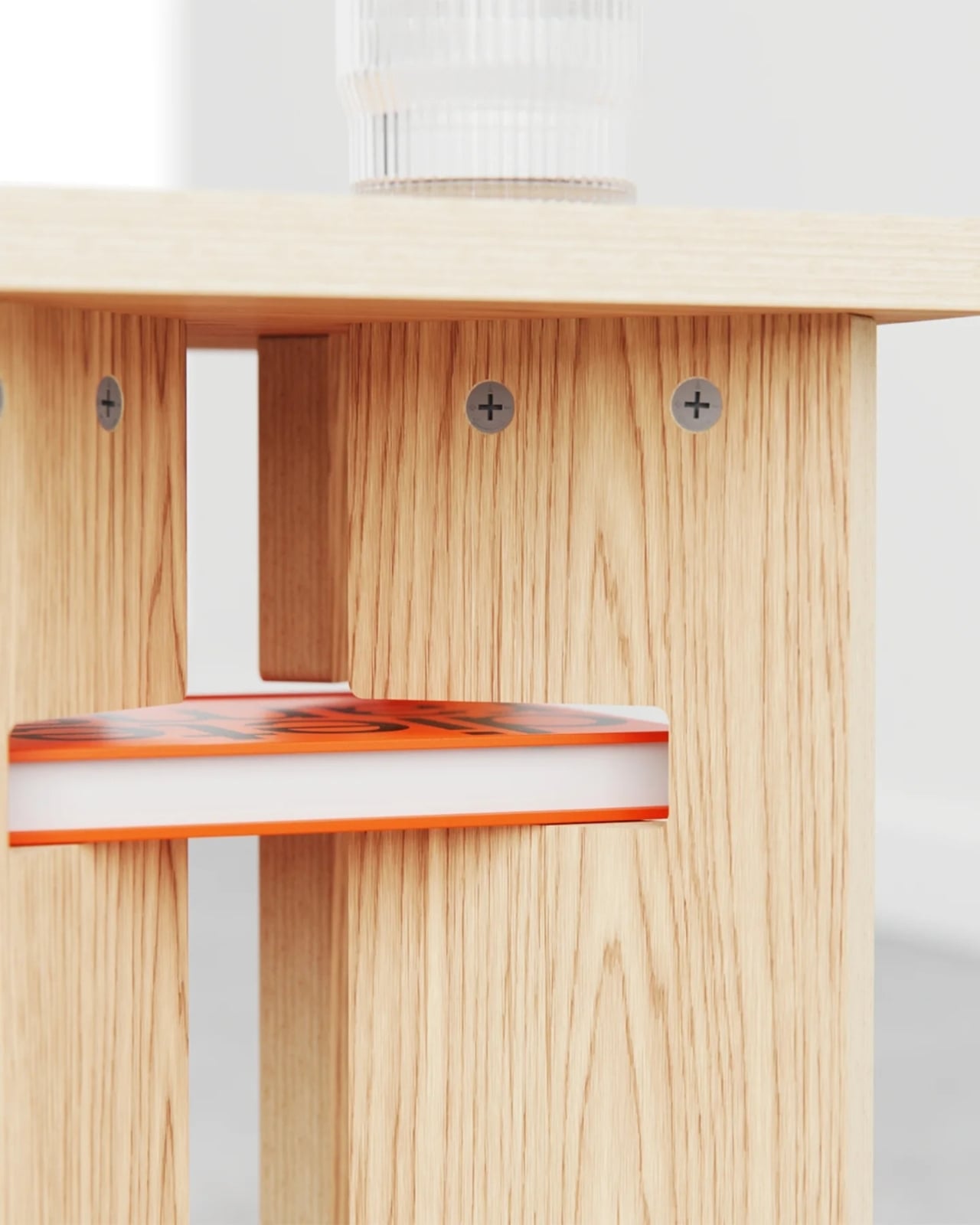
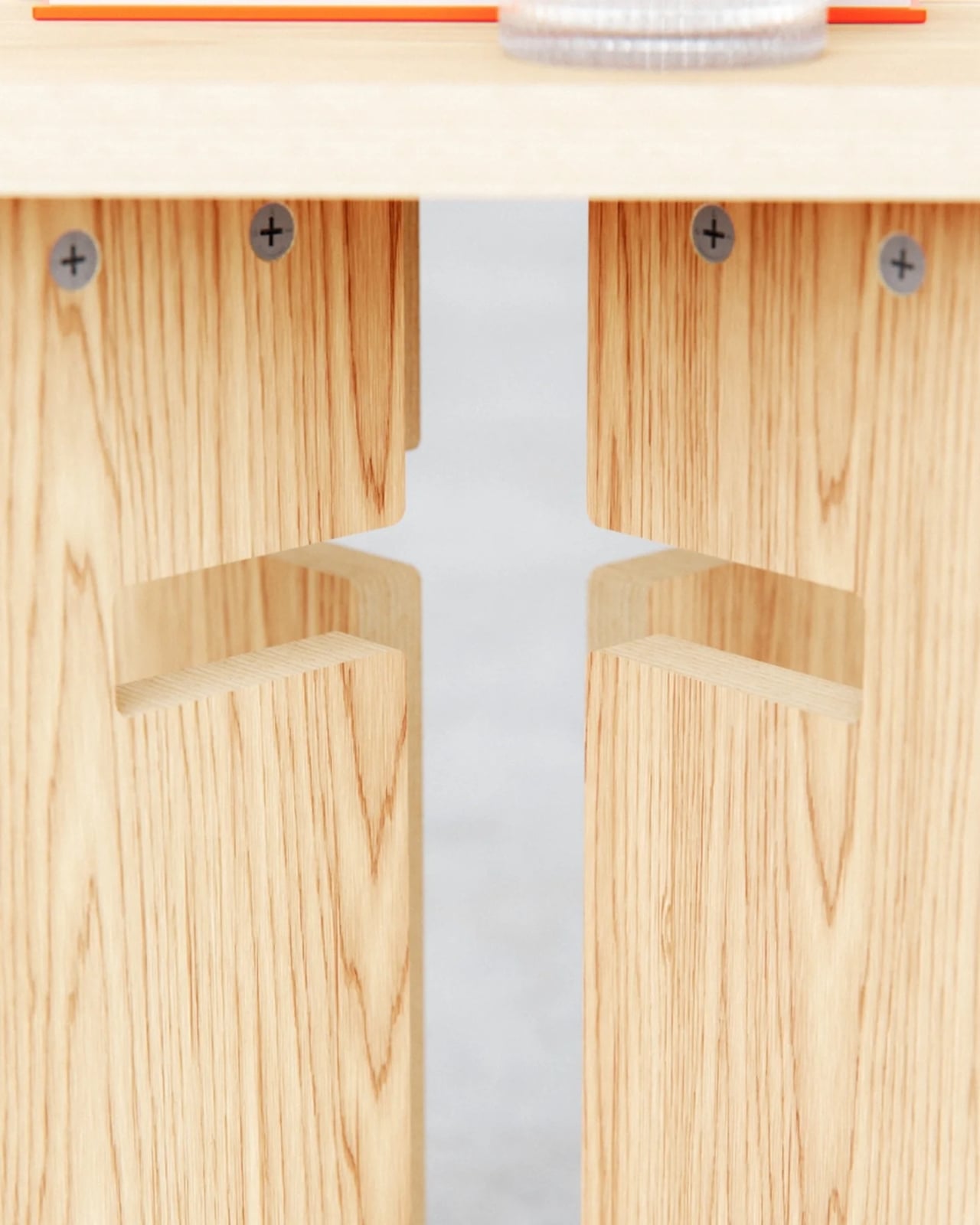
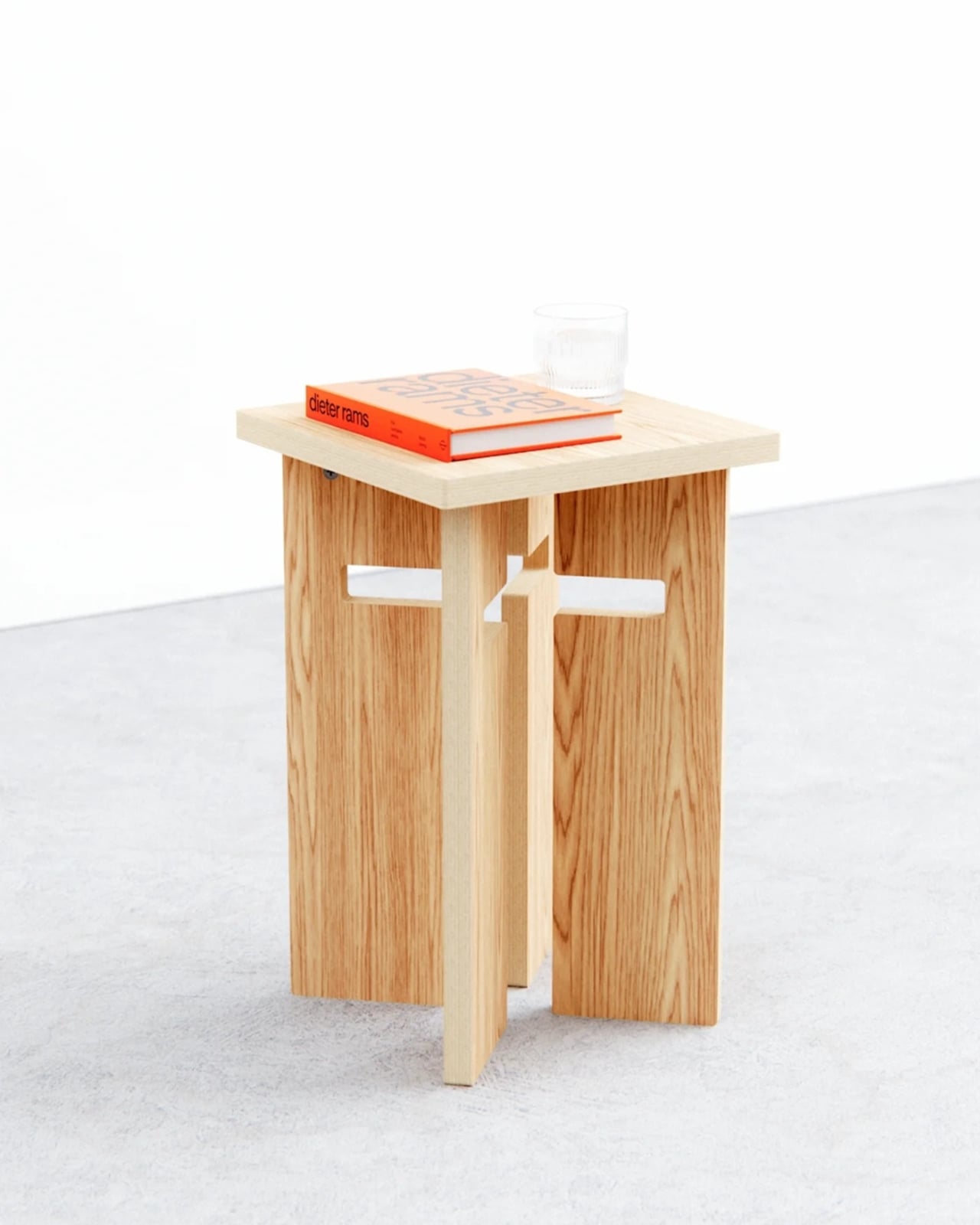
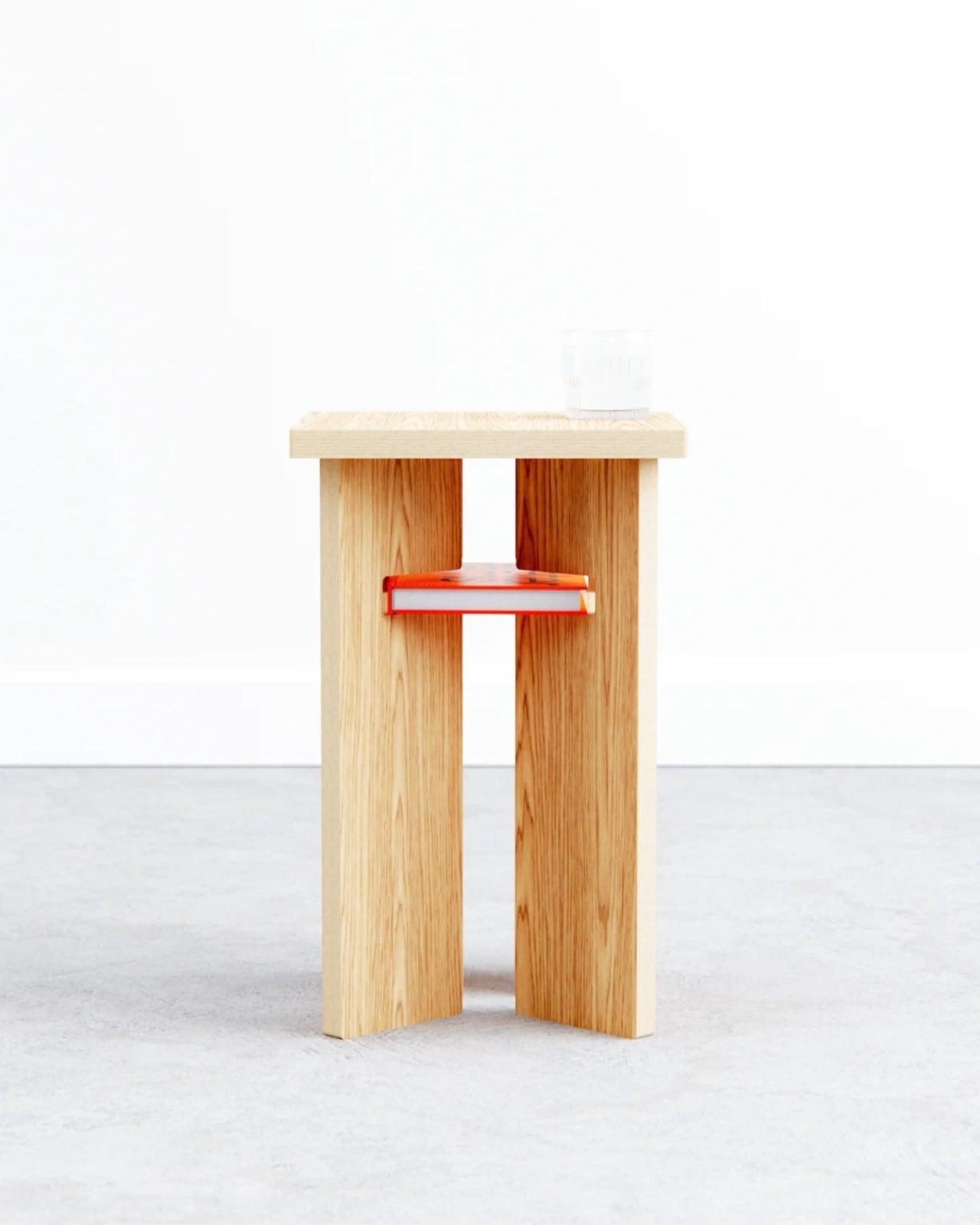
Meet the Notch Side Table, designed by Liam de la Bedoyere of Bored Eye Design. It is a flat-pack side table made of wood, clean-lined and minimal in the way that good, thoughtful furniture tends to be. From certain angles, it looks almost unremarkable. Two sets of paired legs, a flat top, honest grain. Then you look between the legs and notice the cutout, a precisely carved notch sized to hold a single book suspended between the panels, spine facing out, held steady by the tension of the slot. That is it. That is the entire idea. And somehow, it is one of the more satisfying design moves I have seen in a while.

Designer Name: Liam de la Bedoyere (Bored Eye Design)
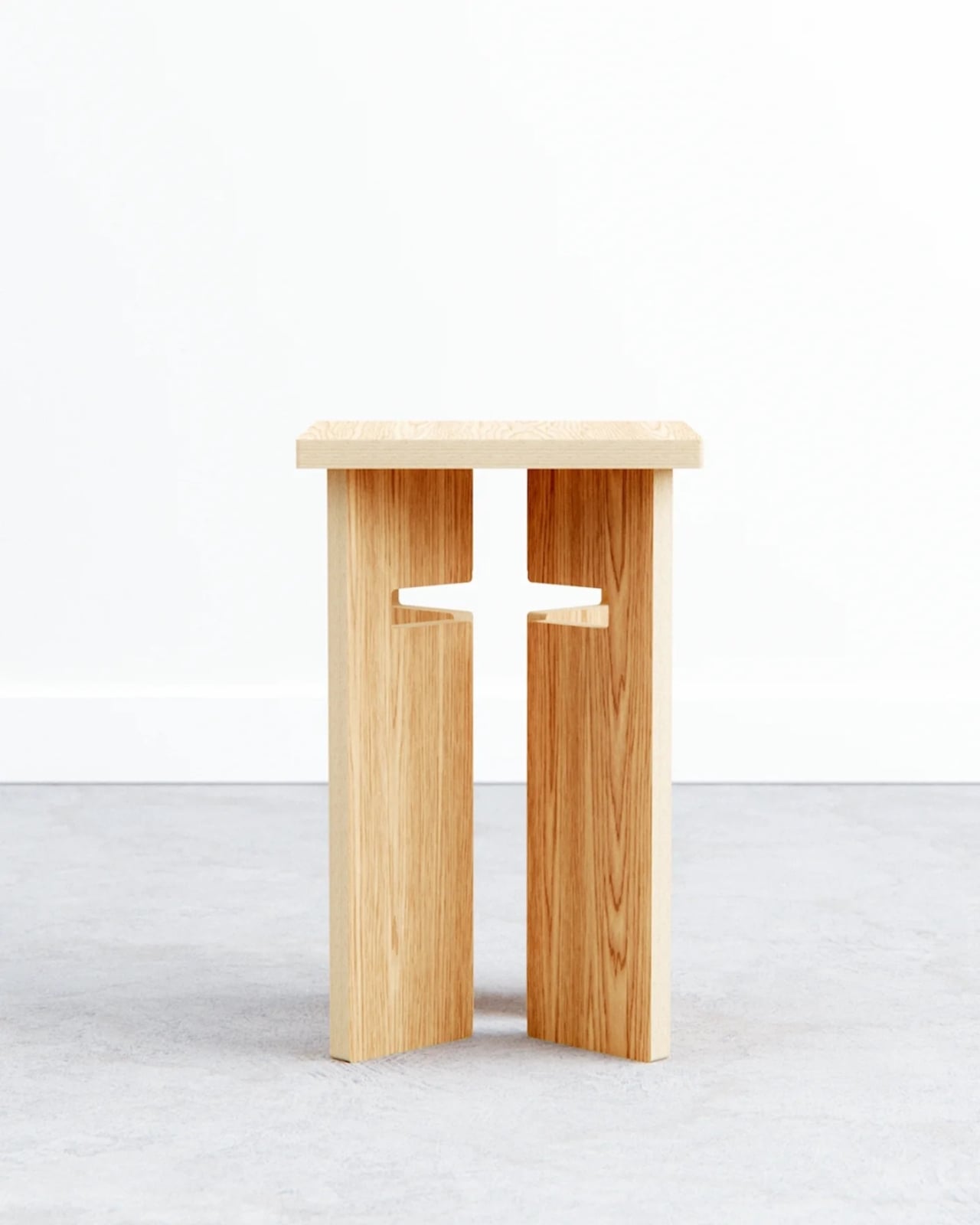
The designer’s own framing says it best: material is removed to add use. Rather than building up, de la Bedoyere carved away. By taking wood out, he created a dedicated slot that functions as a book holder without adding any extra hardware, brackets, or fussy mechanisms. The notch is load-bearing in the most elegant sense of the word. It is structural and functional all at once, and it costs the table almost nothing to include. That kind of efficiency is harder to achieve than it looks.
Bored Eye Design is a one-person independent studio, and the Notch feels like the kind of piece that could only come from someone working without a committee. There is a specificity to it, an opinion embedded in the design, that bigger furniture brands tend to sand down in favour of mass appeal. De la Bedoyere has been quietly putting out thoughtful concepts through his Instagram, and the Notch is the one that feels most resolved. It has a clear point of view.
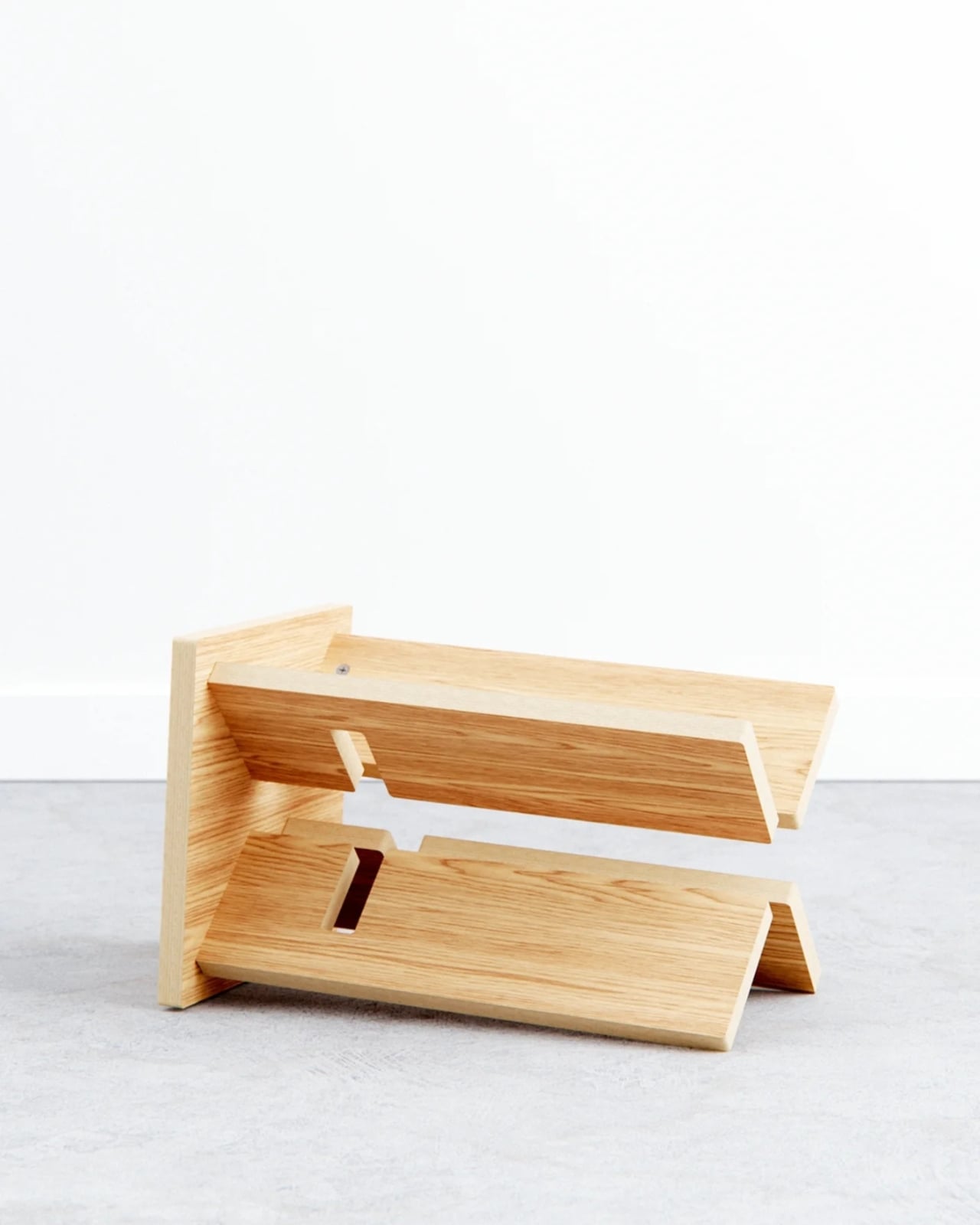
That point of view, as far as I can read it, is about intentionality. The notch holds exactly one book. Not a stack, not an assortment of odds and ends, just one. That constraint is a feature, not a limitation. It asks you to choose. It reminds you, every time you walk past it, that you had a book you were reading, that you actually meant to pick it back up. The book is not tucked away out of sight. It is displayed between the legs of the table like a small personal exhibit.
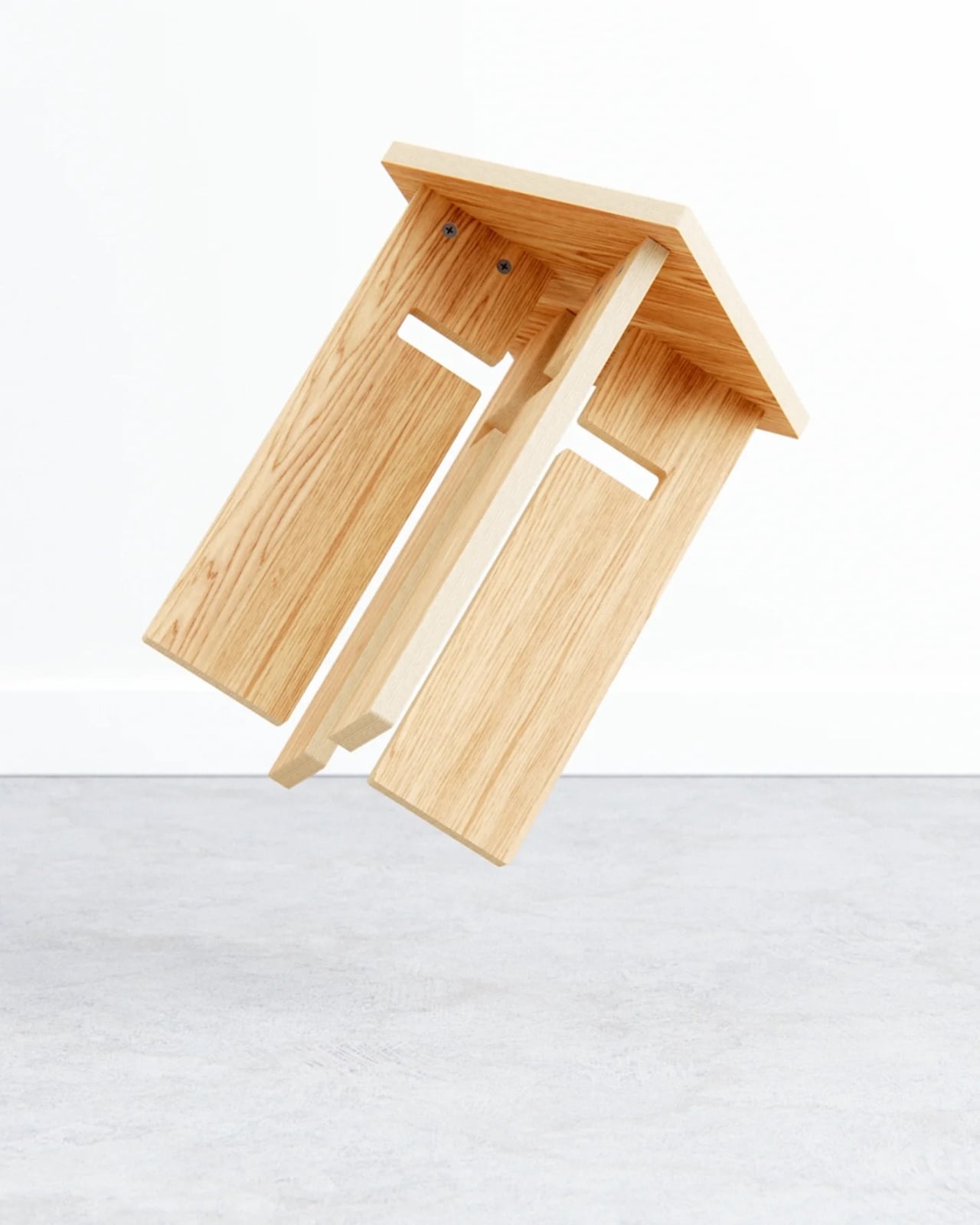
That is a subtle but genuinely interesting cultural statement about how we relate to the things we claim to care about. Books are increasingly used as decor, stacked artfully on coffee tables in colours that match throw pillows. The Notch does not stack them. It slots one in at midpoint, visible and accessible, in a way that feels more honest than a colour-coordinated pile ever could.
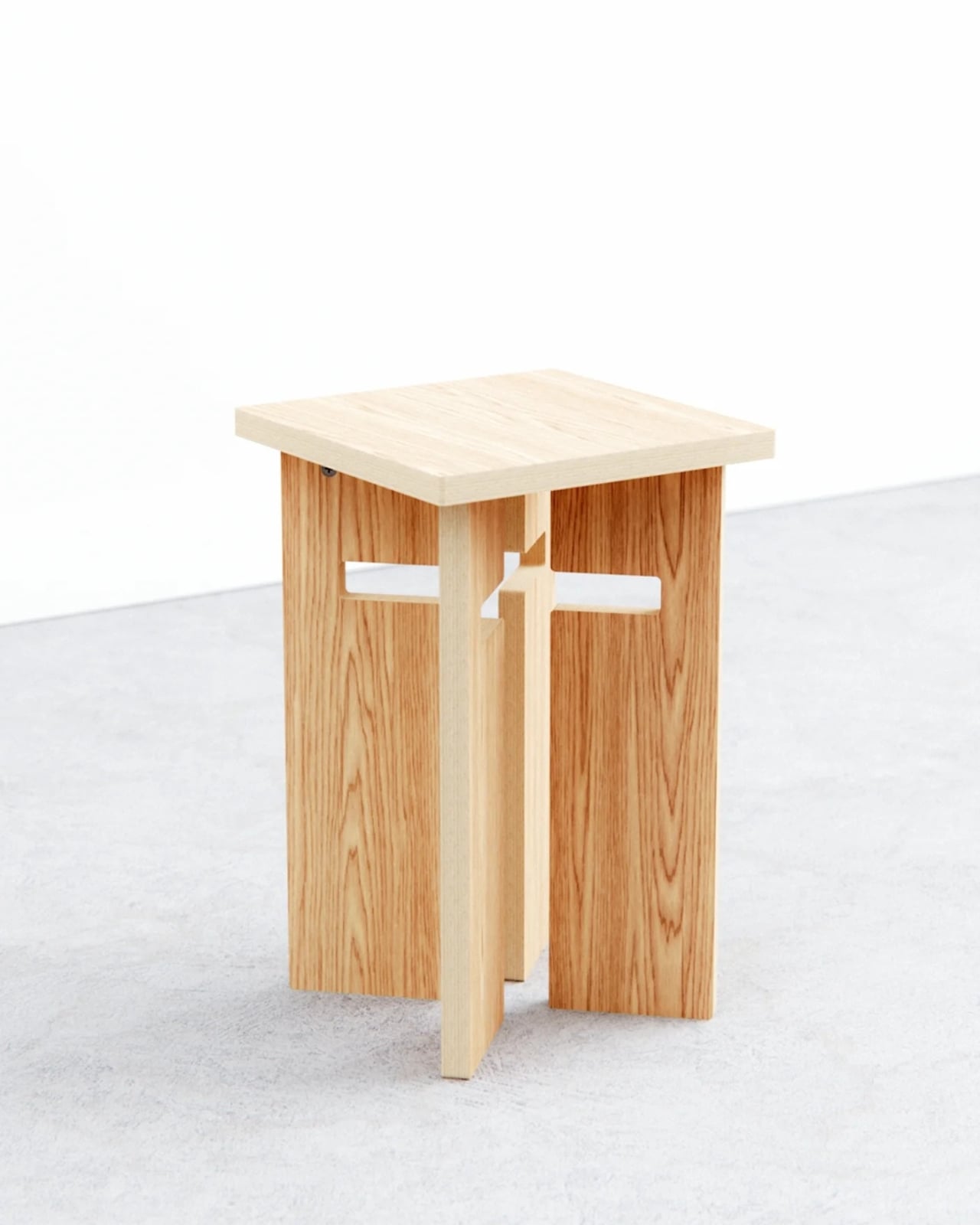
Practically speaking, the flat-pack construction means the table ships flat and assembles without tools that would make your Sunday miserable. The joinery is clean, and the interlocking parts are visible in the design in a way that feels deliberate rather than accidentally exposed. Looking at the disassembled photos, there is a puzzle-like quality to the whole thing that makes it more interesting, not less.
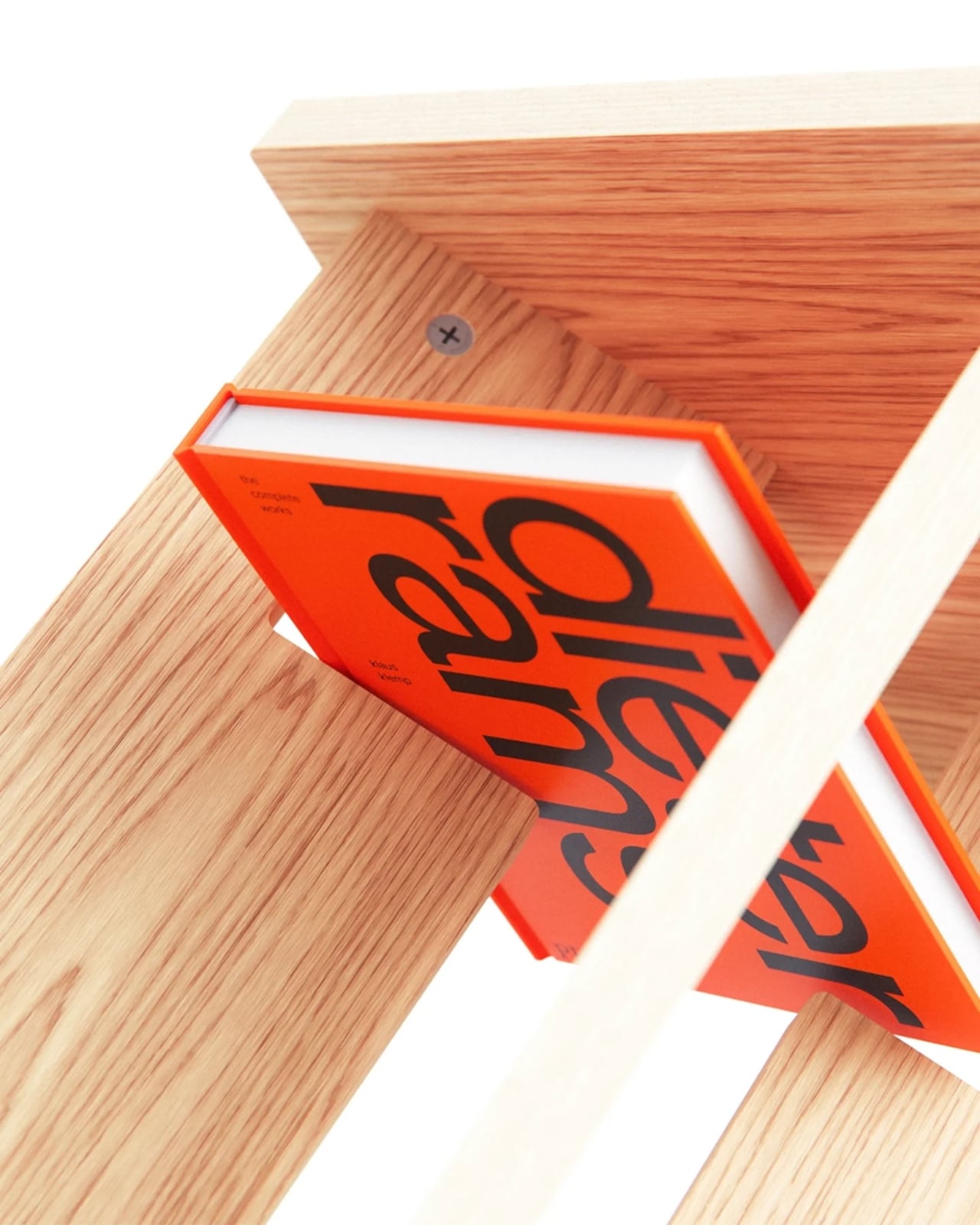
The material is ash wood with a warm, pale grain, and the photos styled with what appears to be a Dieter Rams monograph slotted in the notch feel entirely on brand. That orange spine against the pale timber is doing real editorial work, and it is hard not to appreciate the faintly meta quality of a design book being cradled by a well-designed table.
Whether the Notch moves into full production beyond its current personal project status, I genuinely hope it does. Furniture that nudges you toward more thoughtful habits without being preachy about it is rare. The Notch does not lecture you about slowing down. It just makes it a little easier to do exactly that, by doing less with considerably more conviction.
The post The Side Table That Holds One Book Right in Its Legs first appeared on Yanko Design.
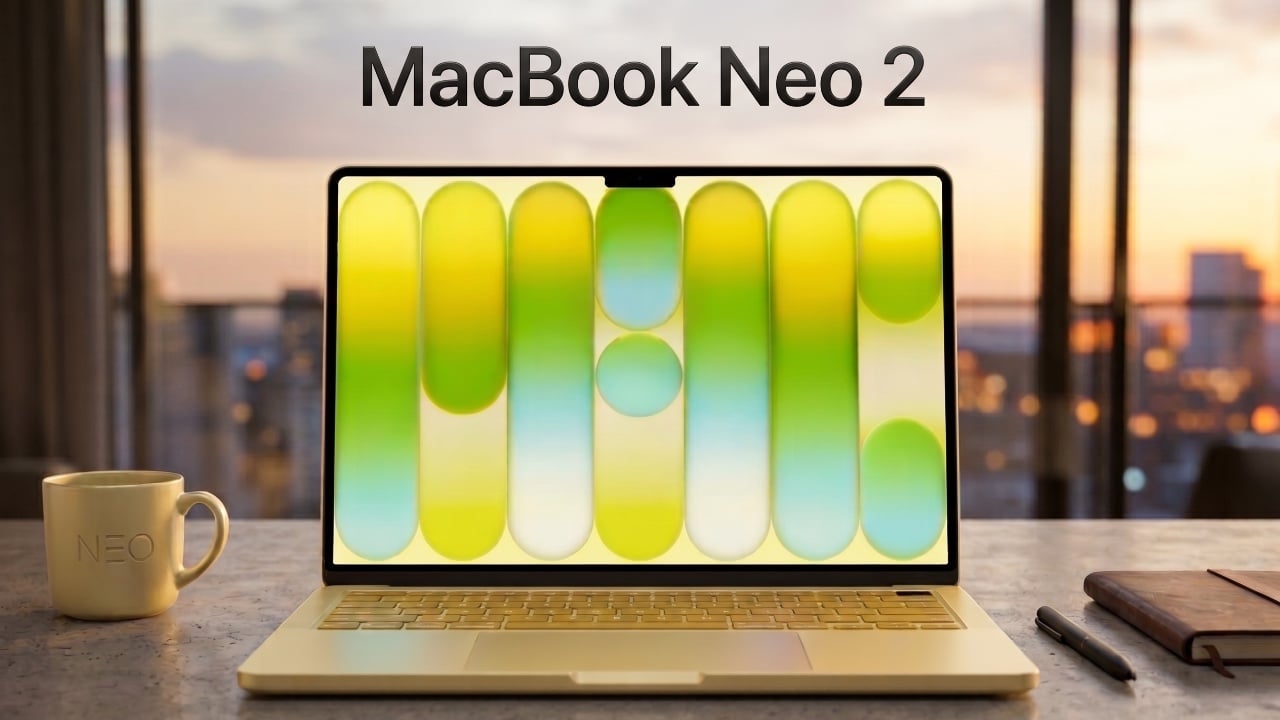
MacBook Neo 2 Leaks: A19 Pro Chip and Doubled SSD Speeds Rumored

MacBook Neo 2 Leaks: A19 Pro Chip and Doubled SSD Speeds Rumored MacBook Neo 2

The MacBook Neo 2 is shaping up to be a significant upgrade to Apple’s well-regarded MacBook Neo series. With the anticipated inclusion of the powerful A19 Pro chip and a notable increase in RAM, this device is expected to deliver enhanced performance while maintaining its reputation as an affordable and reliable option for everyday users. […]

The post MacBook Neo 2 Leaks: A19 Pro Chip and Doubled SSD Speeds Rumored appeared first on Geeky Gadgets.

Posted in Uncategorized

Chipolo and Secrid team up for a new trackable wallet

Chipolo has built a name for itself as the independent tracking company which happily integrates its products with both Apple and Google’s item-finding networks. Today, it’s announcing a partnership with wallet maker Secrid that, if you haven’t guessed already, sees the pair launch a compatible miniwallet. The Chipolo x Secrid Miniwallet Trackable is tailor-made to suit Chipolo’s Card tracker and accentuate all of its positives.

For instance, the tracker sits on the back of the wallet, with the Find button accessible from the outside to make it easier to find your phone. If you misplace your device, you can simply press the button and follow the noise back to whichever couch cushions it slid between. Even better, the wallet is designed to amplify the Card’s speaker, ensuring you’ll never not hear it when it goes off. The pair claim that the unit will boost the sound by up to 3dB, for the far more likely these days event you misplace your wallet.

The pair are also buffing the hardware’s sustainability credentials, made in the EU from responsibly sourced materials. And the tracker itself is made from 50 percent recycled plastic and has a wirelessly rechargeable battery that’ll regain all of its mojo after just two hours sat on a Qi pad. If any, or all of that, appeals, then you can order it from today for $140, €120 or £120, depending on your local currency.

This article originally appeared on Engadget at https://www.engadget.com/general/chipolo-and-secrid-team-up-for-a-new-trackable-wallet-130035324.html?src=rss

How Claude is Quietly Automating Complex Video Editing Workflows

How Claude is Quietly Automating Complex Video Editing Workflows Split screen comparing traditional video editing timelines with Claude AI text prompts

Claude is making waves in the video editing space by automating tasks that once required significant time and expertise. In a recent feature by Nate Herk, the focus is on how Claude uses natural language commands to simplify complex processes like motion graphics, subtitle generation and animations. For instance, with its web-based application, Claude Design, […]

The post How Claude is Quietly Automating Complex Video Editing Workflows appeared first on Geeky Gadgets.

Posted in Uncategorized