
Motorola announces the $600 Edge 2026 phone
Motorola has unveiled a new mid-range phone and earbuds.


The MemoMind One, launched by XJimmy in 2026, is a pair of smart glasses designed to prioritize privacy and productivity without incorporating a camera. Instead, it uses an AI long memory system to categorize interactions into formats like wish lists and journal entries, functioning as a personal digital memory assistant. According to Cas and Chary […]
The post MemoMind One Ditches the Camera to Redefine Smart Glasses appeared first on Geeky Gadgets.

NVIDIA’s Cosmos 3, introduced at GTC Taipei, represents a significant leap in multimodal AI by unifying five distinct data types, text, images, videos, audio and actions, into a single framework. This integration eliminates the need for separate models, streamlining complex tasks like text-to-video generation or predictive modeling. Sam Witteveen highlights how the model’s dual-tower transformer […]
The post Why NVIDIA’s Cosmos 3 is a Massive Leap for Multimodal AI appeared first on Geeky Gadgets.
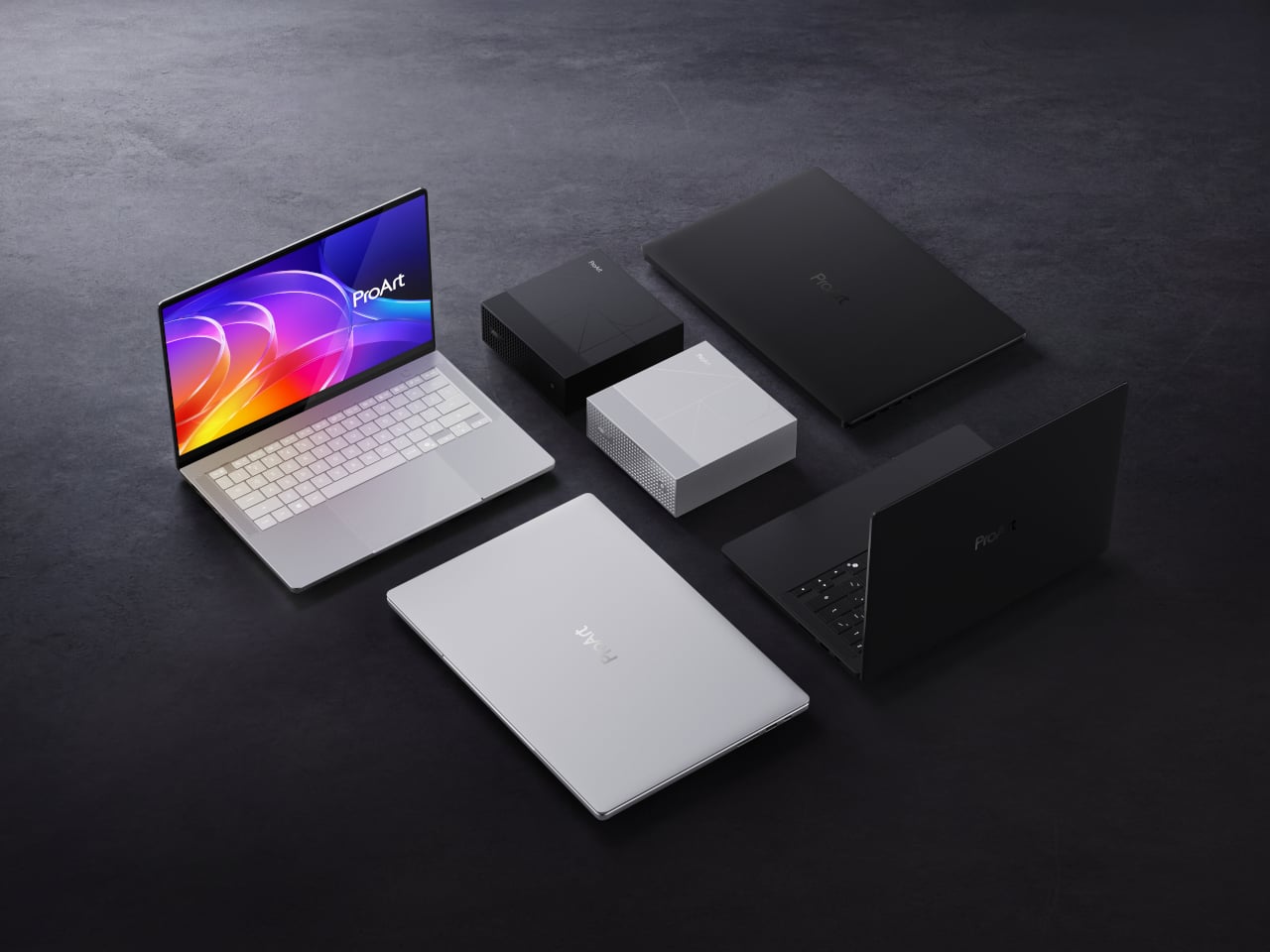
Creative professionals have been carrying a compromise for years. The laptop powerful enough for serious work tends to be too heavy or too loud, and the one thin and light enough for a day bag can’t handle the work. Purpose-built workstations solve the performance side but solve nothing about portability. The gap between the two has been a persistent frustration, not a deliberate choice most people would make.
ASUS is addressing that directly at Computex 2026, where the ProArt P16, ProArt P14, and ProArt Mini PC were unveiled as the first ASUS devices powered by NVIDIA’s RTX Spark superchip. The same ARM-based chip combining a 20-core Grace CPU with a Blackwell RTX GPU and up to 128GB of unified memory runs across all three products, making the performance difference between a laptop and a desktop largely a matter of form factor rather than capability.
Designer: ASUS

The ProArt P16 and P14 are the portable entries, and they arrive 13% thinner and 16% lighter than the previous P16 generation. The P16 weighs 1.77kg at 12.9mm, and the P14 comes in at 1.48kg and 13.9mm. Both are CNC-manufactured in Nano Black and Neo White finishes, and carry 99.9Wh batteries for all-day runtime, a detail that matters when the work is intensive enough to drain power quickly. The machines don’t sacrifice weight for performance or performance for weight.
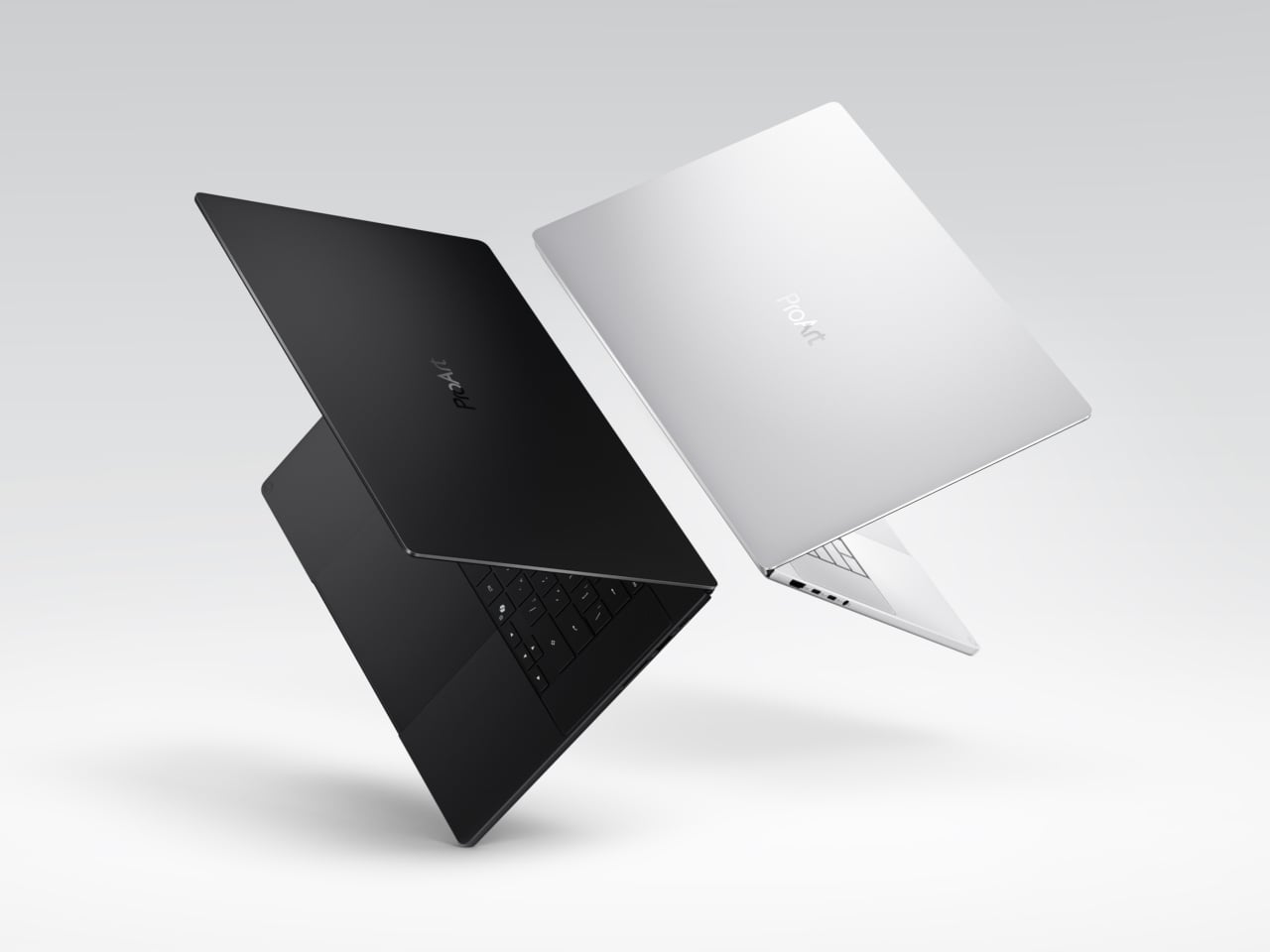
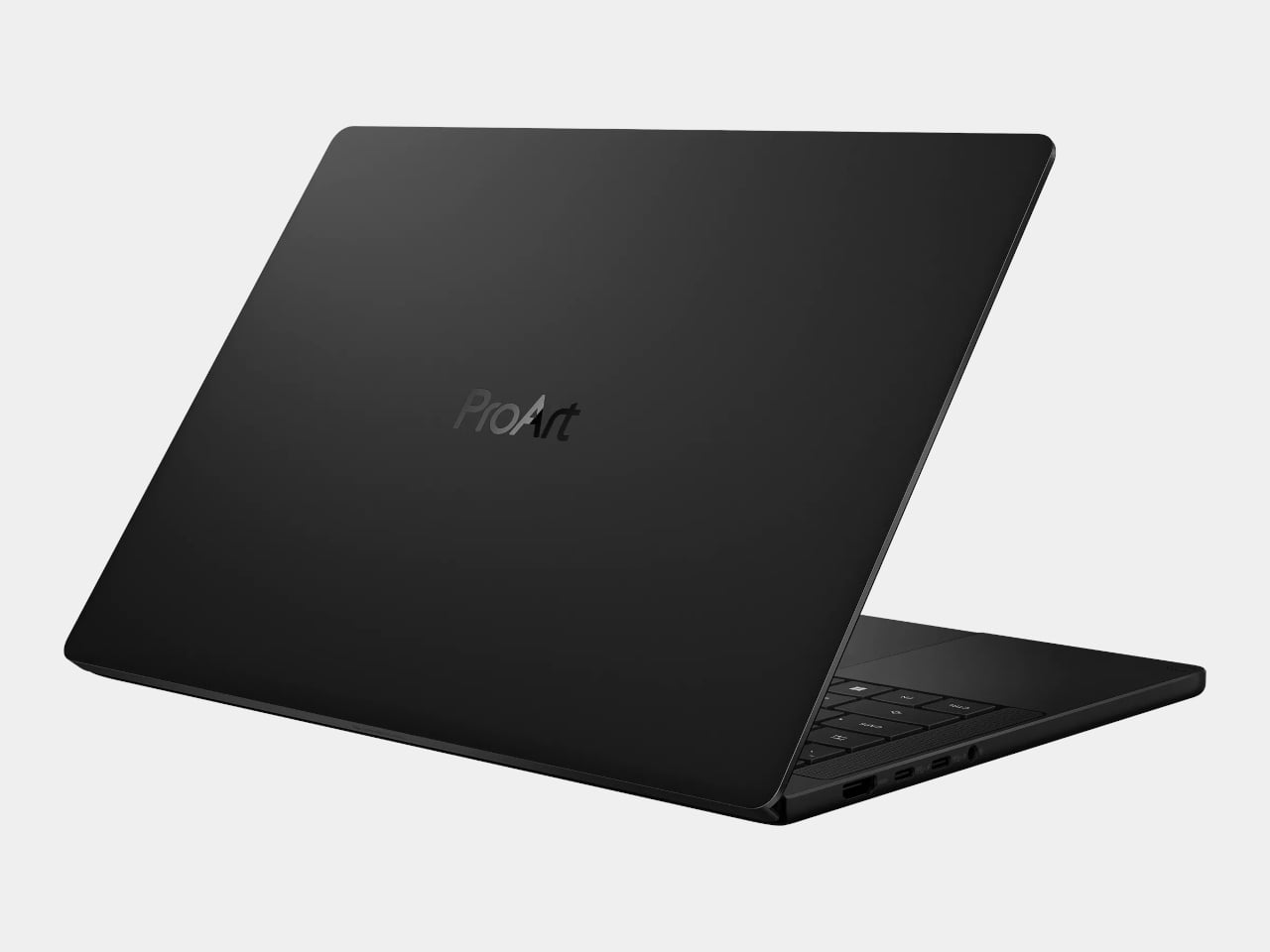
The display on both laptops is ASUS Lumina Pro OLED, calibrated to Delta E < 1 color accuracy, Pantone Validated, and certified for VESA DisplayHDR True Black 1000. Peak HDR brightness reaches 1,600 nits, which is more than three times what the previous ProArt generation could manage. A 120Hz variable refresh rate, 0.2ms response time, and an anti-reflection coating that cuts glare by 65% complete a panel that keeps color decisions accurate regardless of the lighting conditions a shoot or edit session happens to land in.
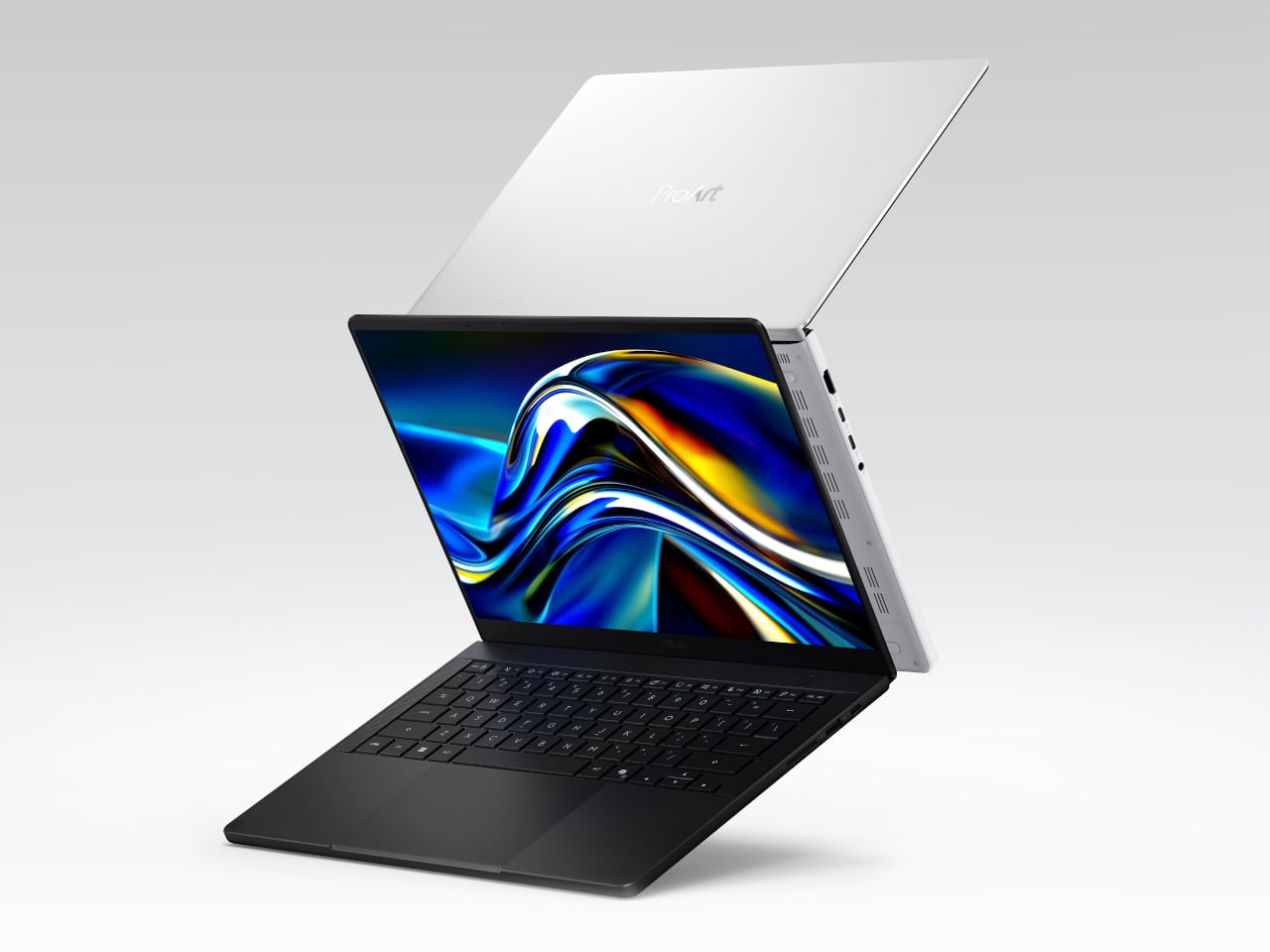
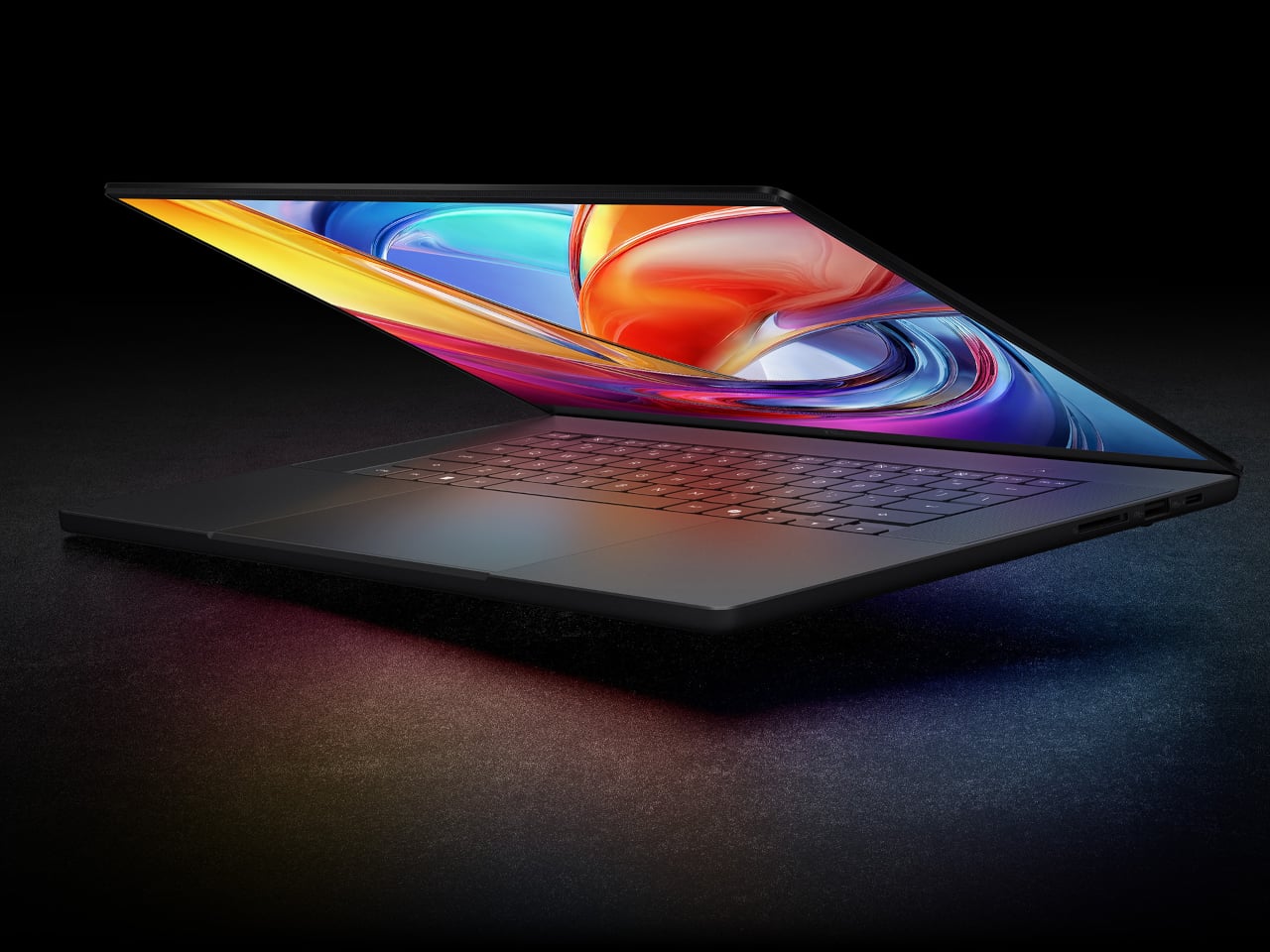
Under the hood, RTX Spark’s 1 petaflop of AI compute and unified memory pool change what locally processed work looks like. Rendering a 90GB-plus 3D scene, editing 12K 4:2:2 video, generating 4K AI video, or running a 120-billion-parameter language model locally are tasks that previously needed significantly bigger machines. Adobe is rebuilding Photoshop and Premiere specifically for RTX Spark to deliver 2x faster AI and graphics performance, and a three-month Creative Cloud subscription ships with the ProArt laptops.
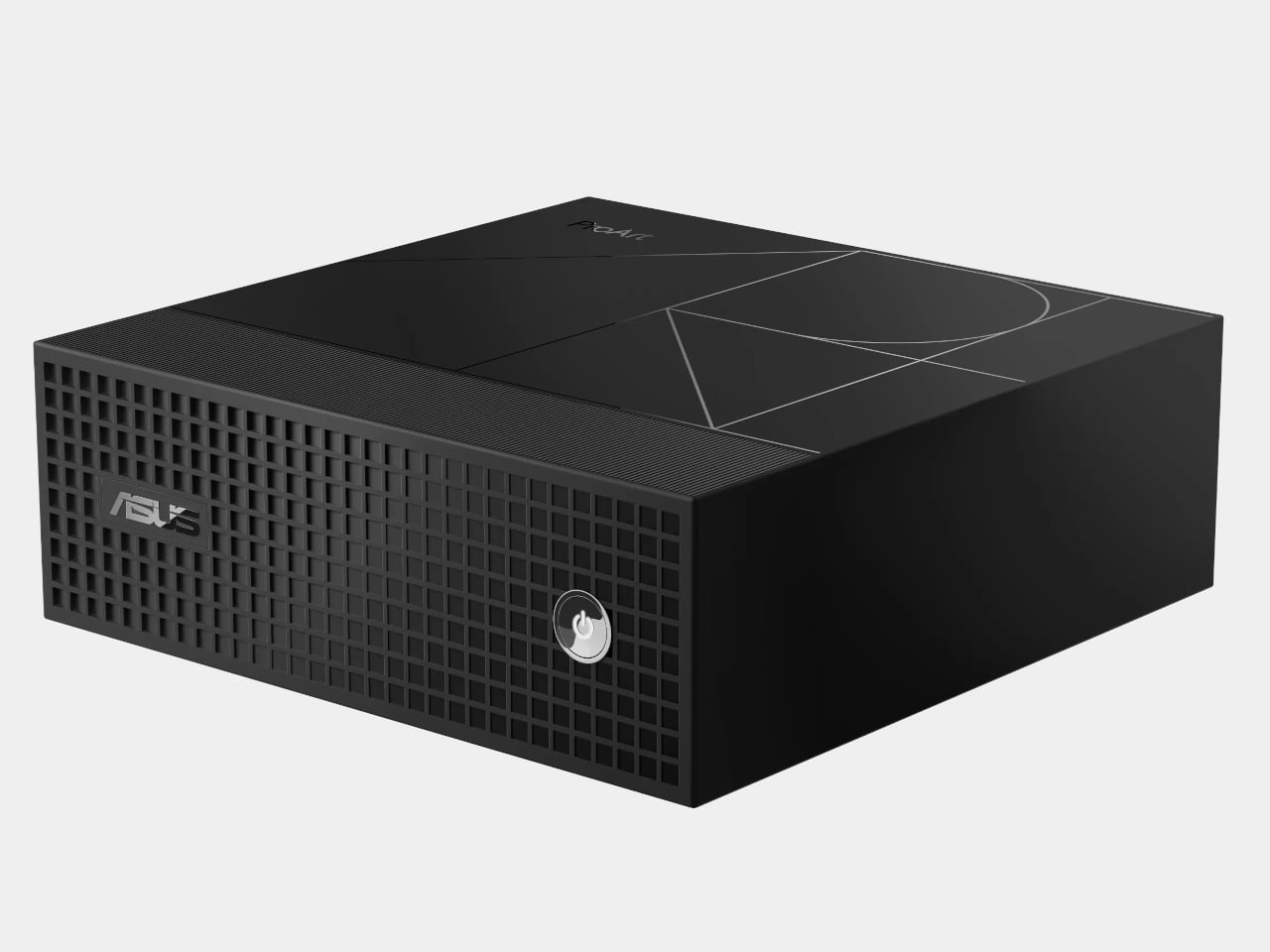
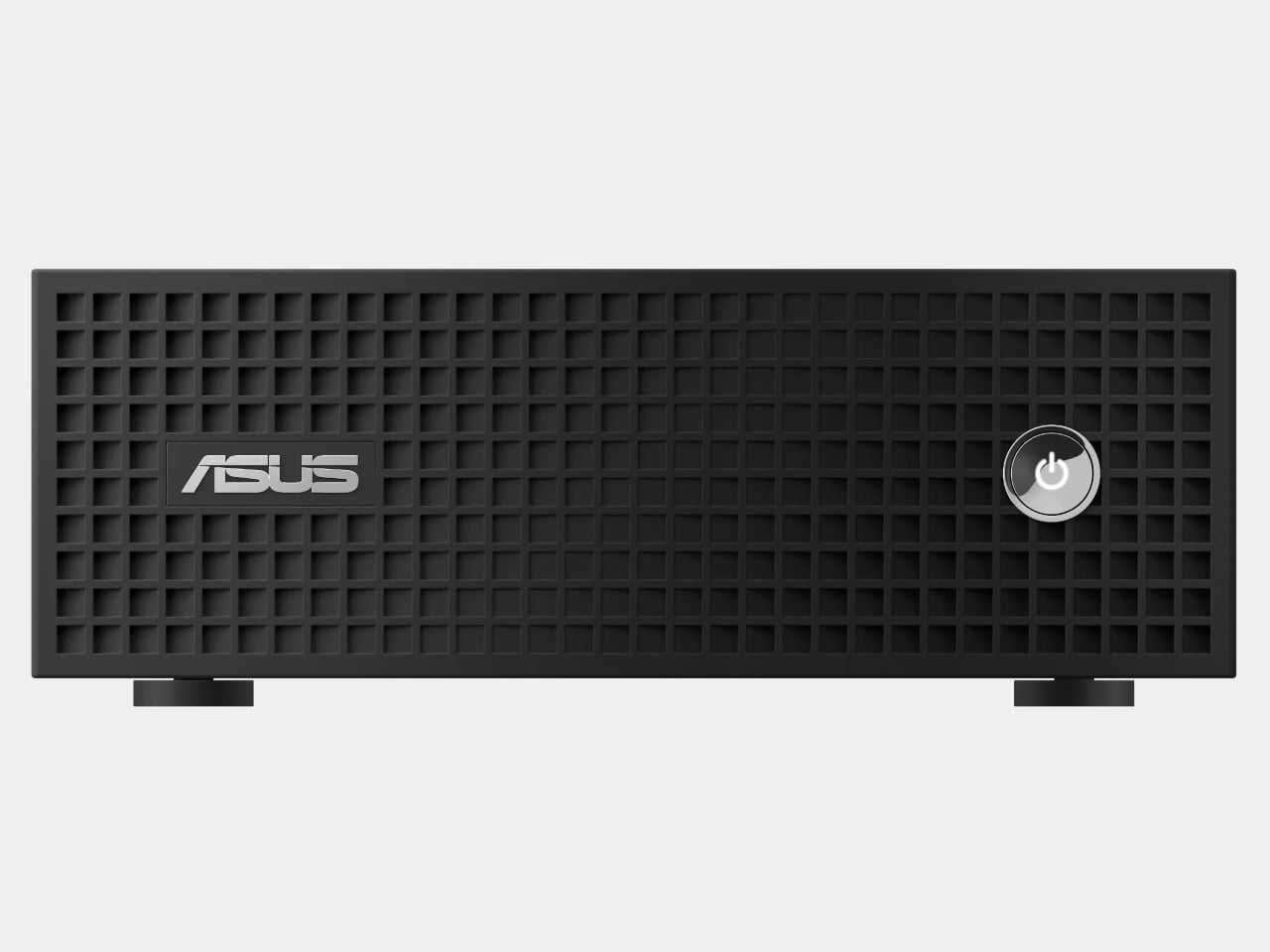
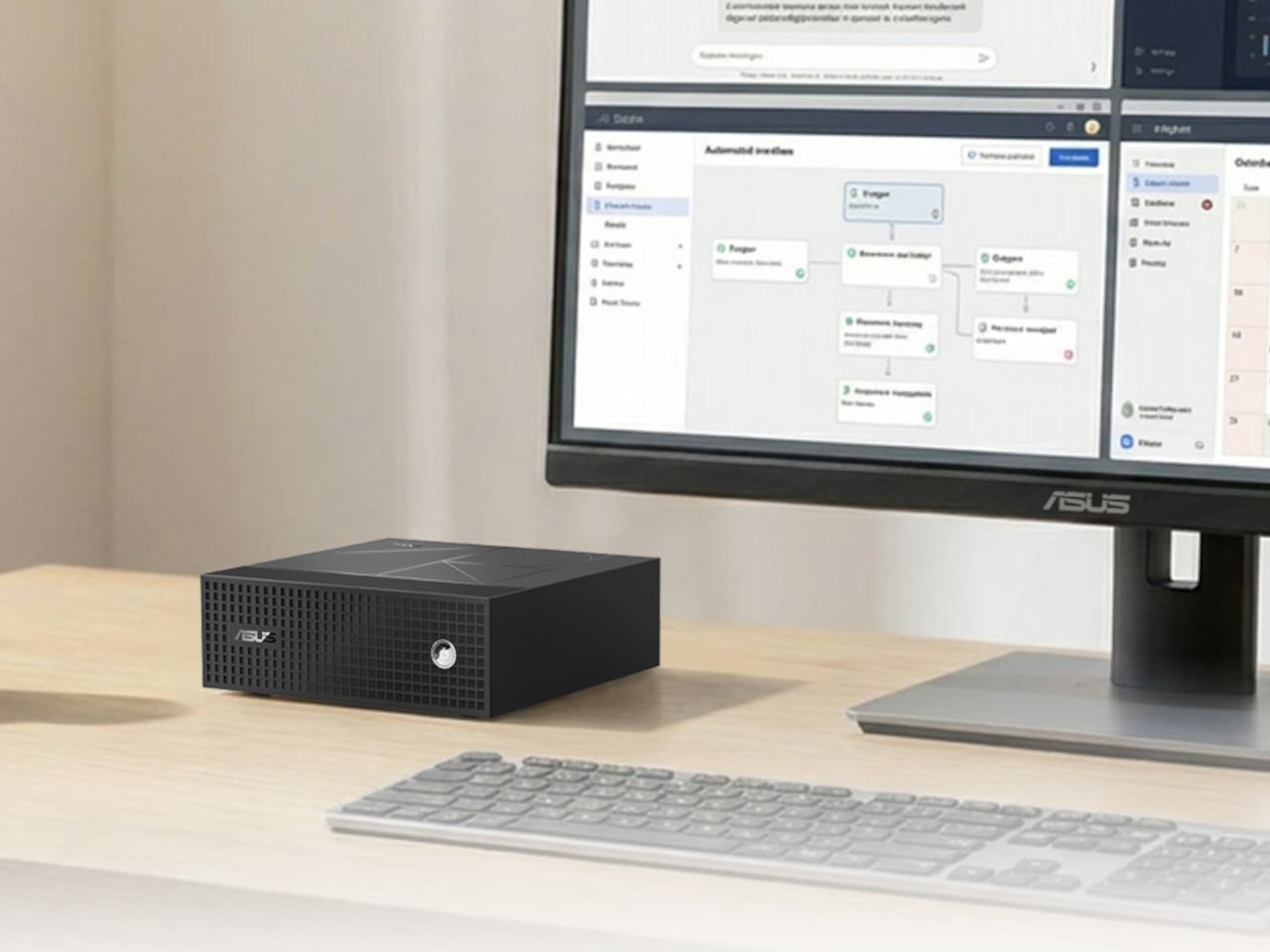
The ProArt Mini PC extends the same logic to the desk. At 150 × 150 × 51mm, it fits anywhere a small speaker would and carries up to 128GB of unified memory, 10GbE wired networking, M.2 PCIe Gen 5 expansion, and up to 140W of thermal headroom for sustained demanding workloads. A single RTX Spark-powered box of that size, running AI renders or local large language models around the clock, is a genuinely different proposition for a small studio or home setup than what was available previously.
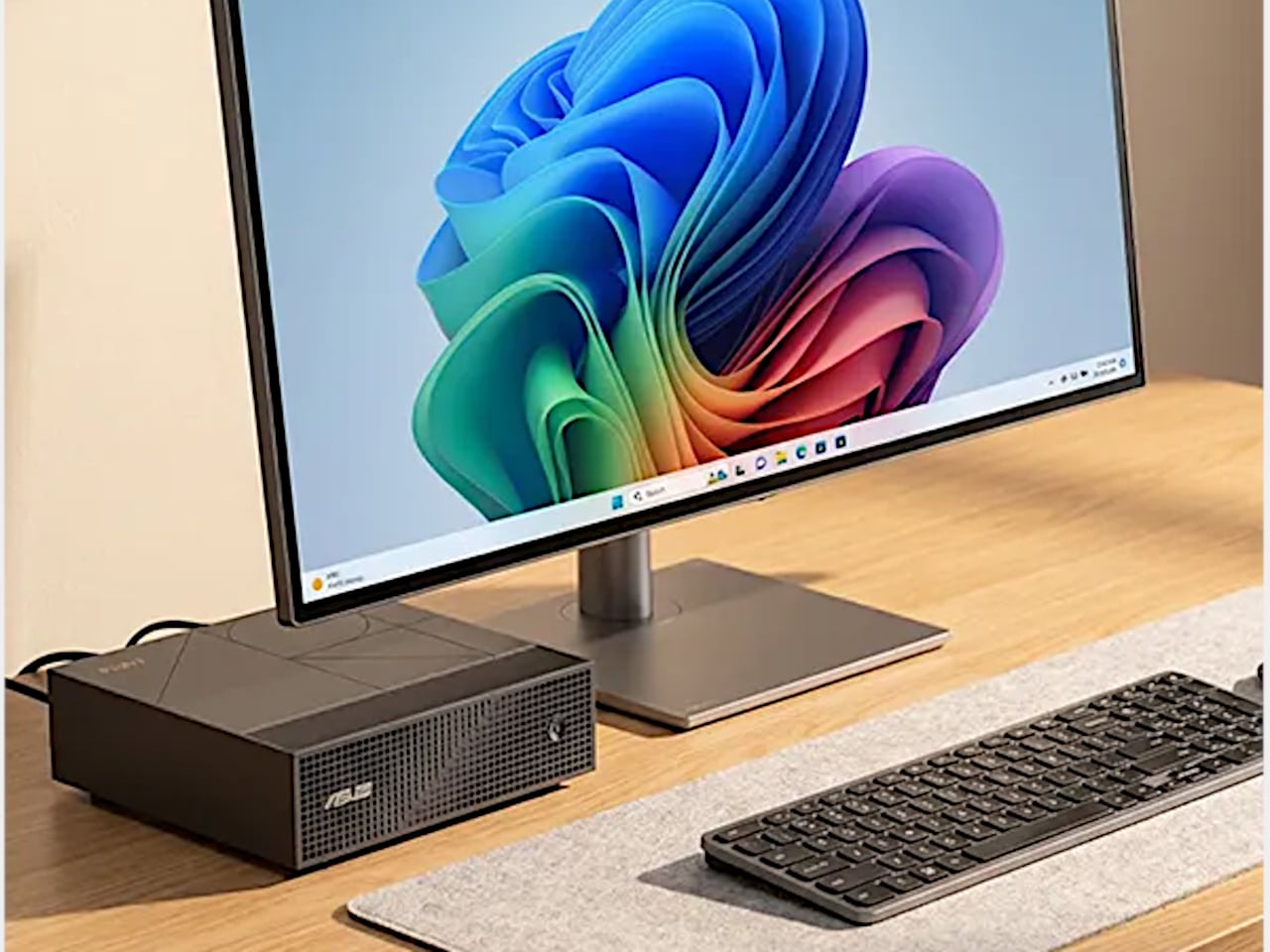
All three products sit within a broader ASUS ProArt ecosystem that integrates displays, peripherals, creator apps, and AI workflow software into a connected end-to-end experience. ProArt P16, P14, and Mini PC are expected to be available in fall 2026 in select regions, with additional configurations announced closer to launch.


The post ASUS ProArt Just Closed the Gap Between a Laptop and a Workstation first appeared on Yanko Design.

Apple is gearing up to unveil the Apple Watch Ultra 4 at its highly anticipated September 2026 event. This marks the first major redesign of the Ultra series in four years, introducing a range of enhancements that elevate both functionality and innovation. From advanced health tracking to innovative connectivity, the Ultra 4 is designed to […]
The post The Apple Watch Ultra 4 Redesign is Finally Confirmed: Here is What Changes appeared first on Geeky Gadgets.

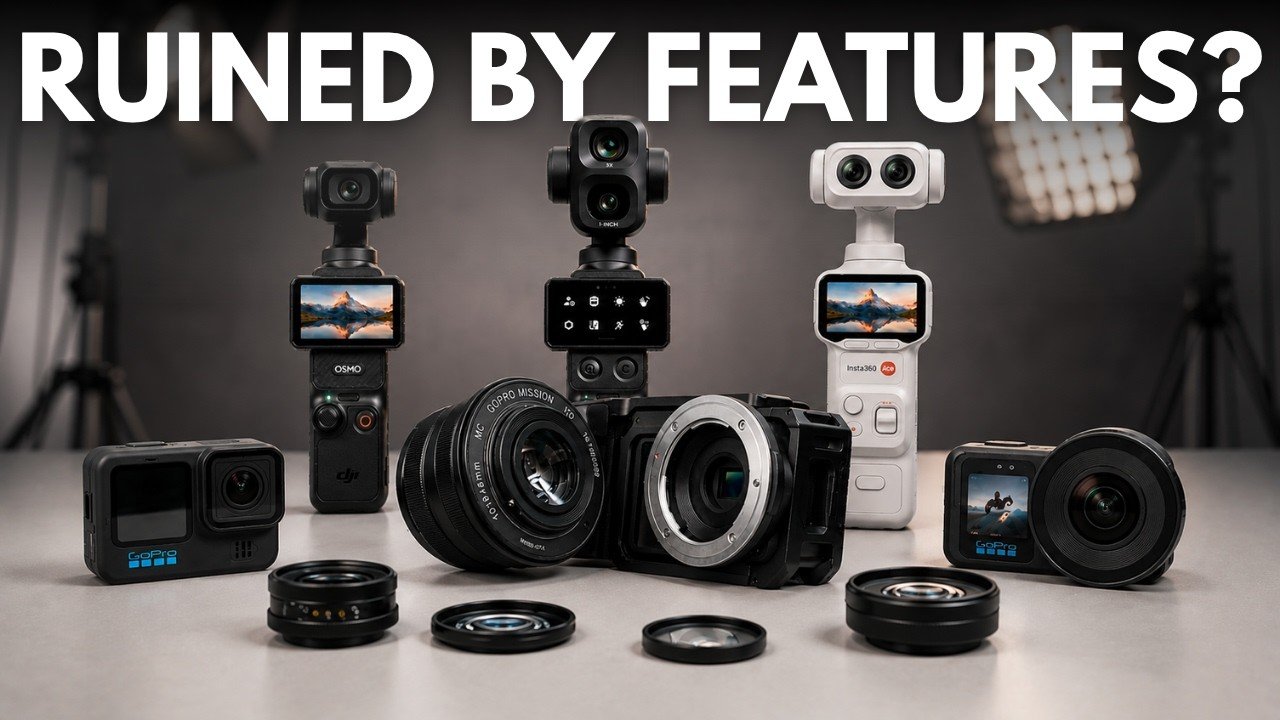
The evolving design of creator cameras is reshaping how they are categorized and used. As Tech Court explains, distinctions between devices like action cameras, smartphones and mirrorless systems are fading. For example, action cameras such as the GoPro Mission 1 Series now feature cinema-grade capabilities like interchangeable lenses, while smartphones integrate advanced stabilization and high-quality […]
The post Why Content Creators Are Ditching Complex Camera Gear appeared first on Geeky Gadgets.

Android tablets have had a complicated few years. The iPad solidified its lead at the premium end, and Android alternatives often competed on price rather than experience, producing devices that were acceptable but rarely compelling. Demand for something that genuinely rivaled the best tablets in the room, not on price alone, but on the quality of the thing itself, has been there for a while. It just hasn’t always been answered.
ASUS steps back into the conversation with the Pad, an Android 16 tablet announced at Computex 2026. The company stepped away from the tablet category for several years, and this is its return, built around a 12.2-inch dual-layer OLED display and a chassis light enough and slim enough to suggest that sitting on the couch with it for three hours isn’t something to plan around.
Designer: ASUS

The display is the obvious starting point, because the choice of dual-layer OLED is a meaningful one. Where a conventional OLED pushes through a single emission layer, the tandem structure stacks two of them. The result is better brightness, longer panel life, and improved power efficiency without demanding that any of those things trade off against each other. At a 2.8K resolution, 144Hz refresh rate, and full DCI-P3 coverage, the screen is built for content that benefits from all of that.
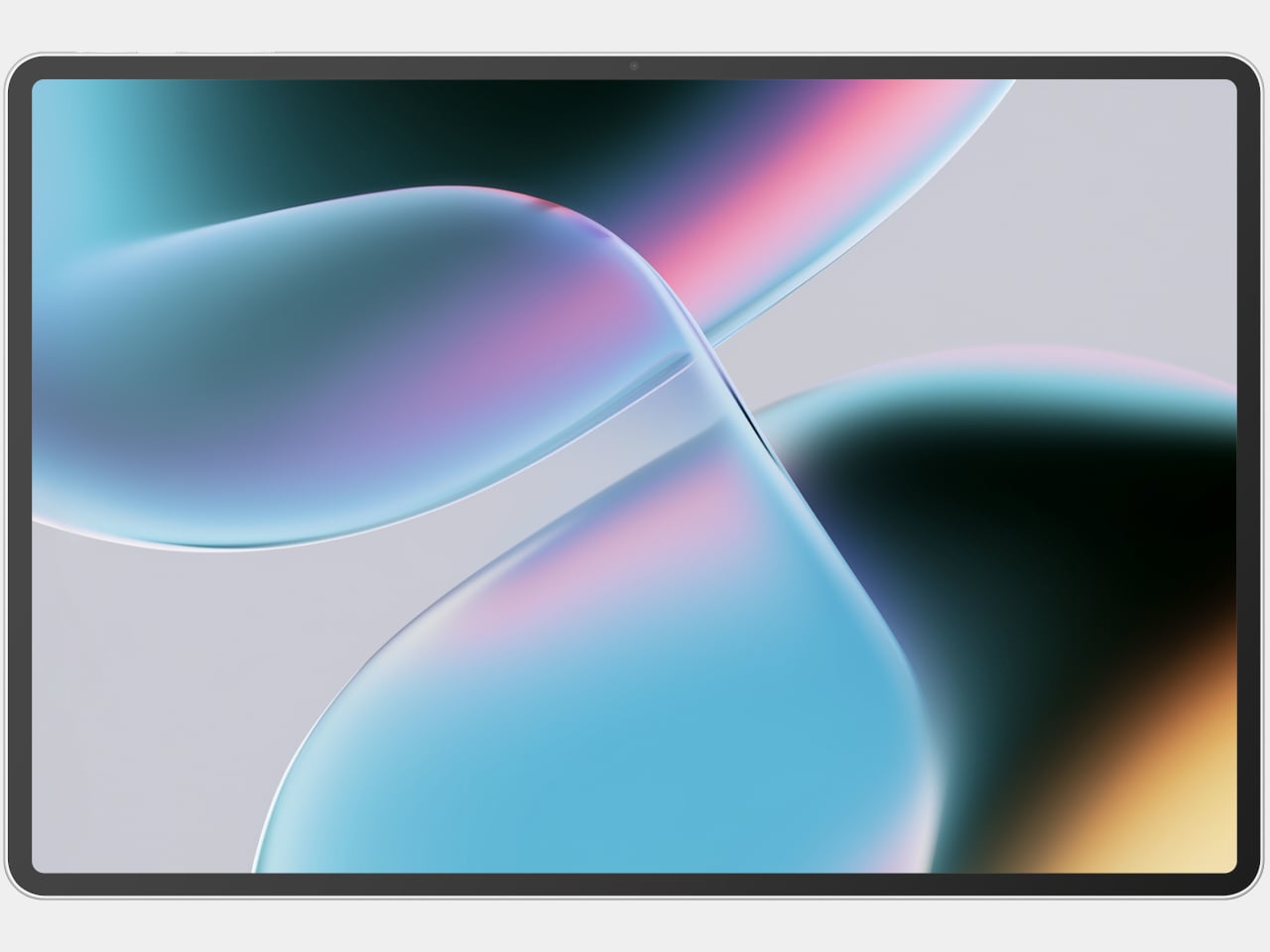
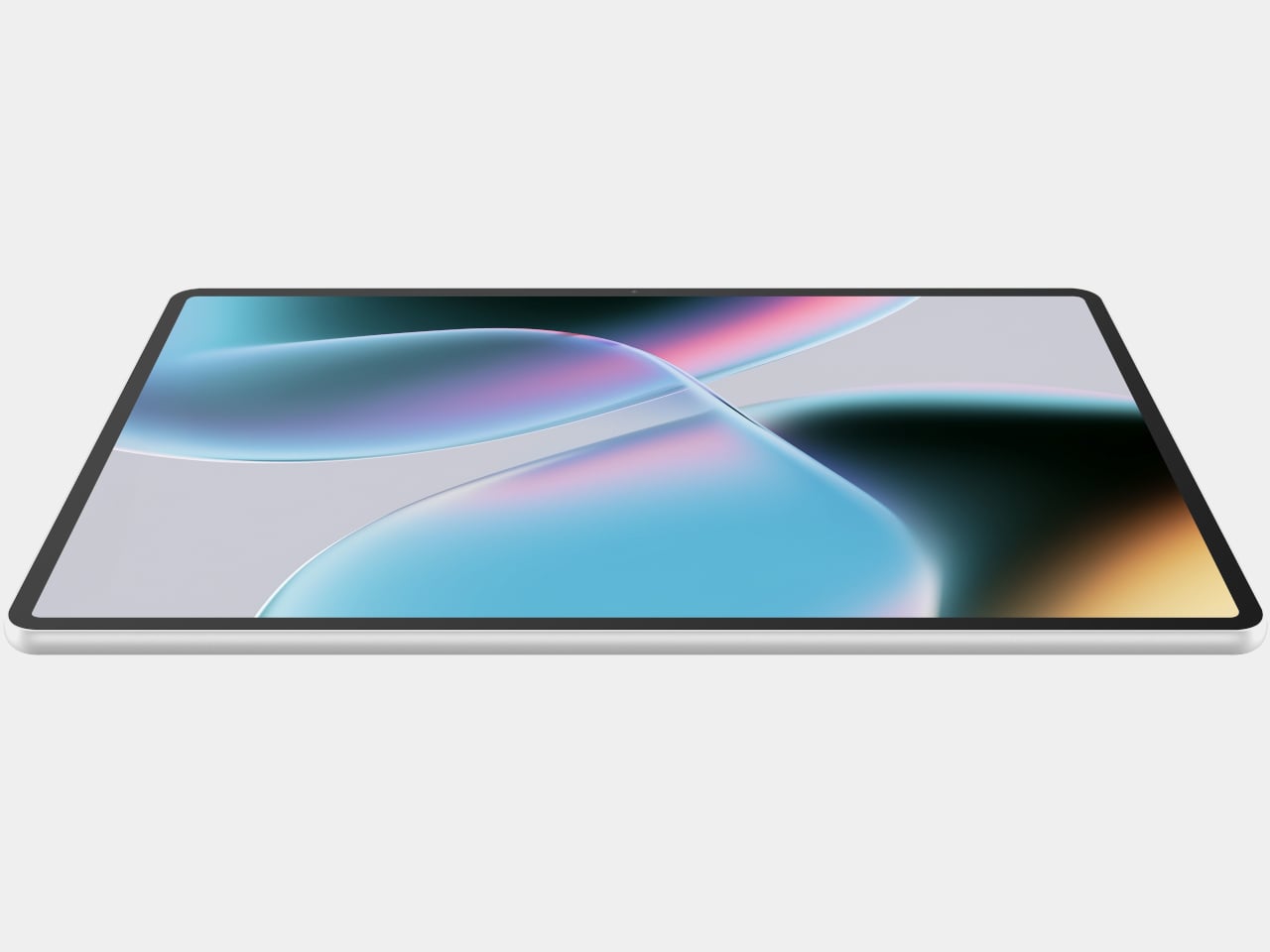
The body that carries it measures just 6.5mm thick and weighs 523g, built from a magnalium chassis with a fiberglass back. Those proportions bring the Pad well within the range of a device someone would actually carry in a bag or hold over a long flight without a second thought. Four speakers tuned with Dolby Atmos back up the display with audio that punches harder than the form factor suggests.
A MediaTek Dimensity 8300 chip handles the performance side, paired with 8GB of LPDDR5x RAM and storage in 128GB or 256GB configurations. A micro TF slot extends that to 1TB, keeping the device practical for anyone loading it with locally stored video or large files. The 9,000mAh battery charges to 50% in 30 minutes at 45W, and Wi-Fi 6E keeps the streaming side of things moving.
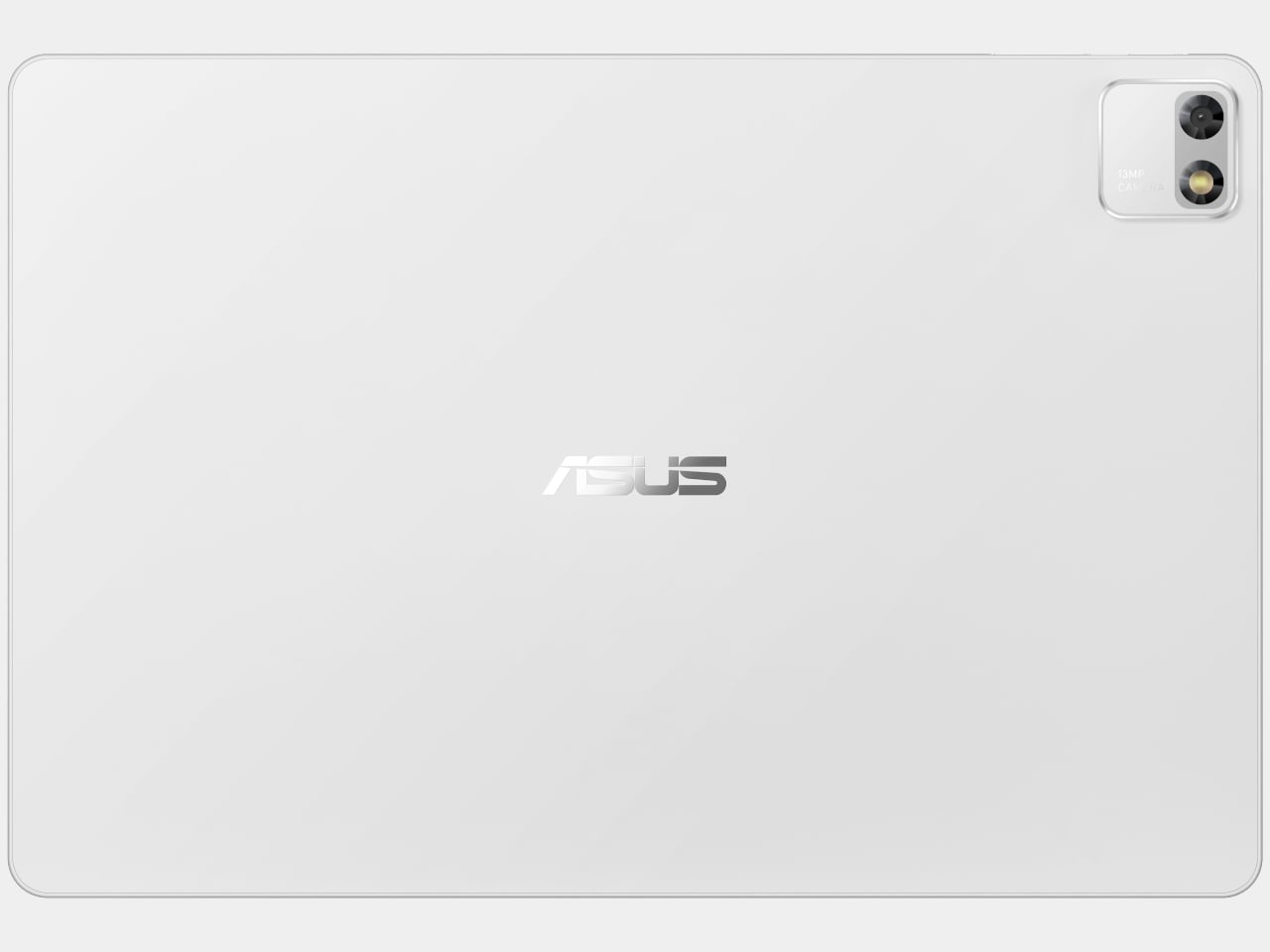
Software runs Android 16 with a handful of genuinely useful additions. ASUS GlideX handles cross-device connectivity, letting the tablet function as a secondary screen or swap files with a nearby laptop. Google Gemini integrates directly into the experience for AI assistance, while Circle to Search lets users search from anything visible on screen without disrupting what they’re doing. Face Login handles security without a passcode step.
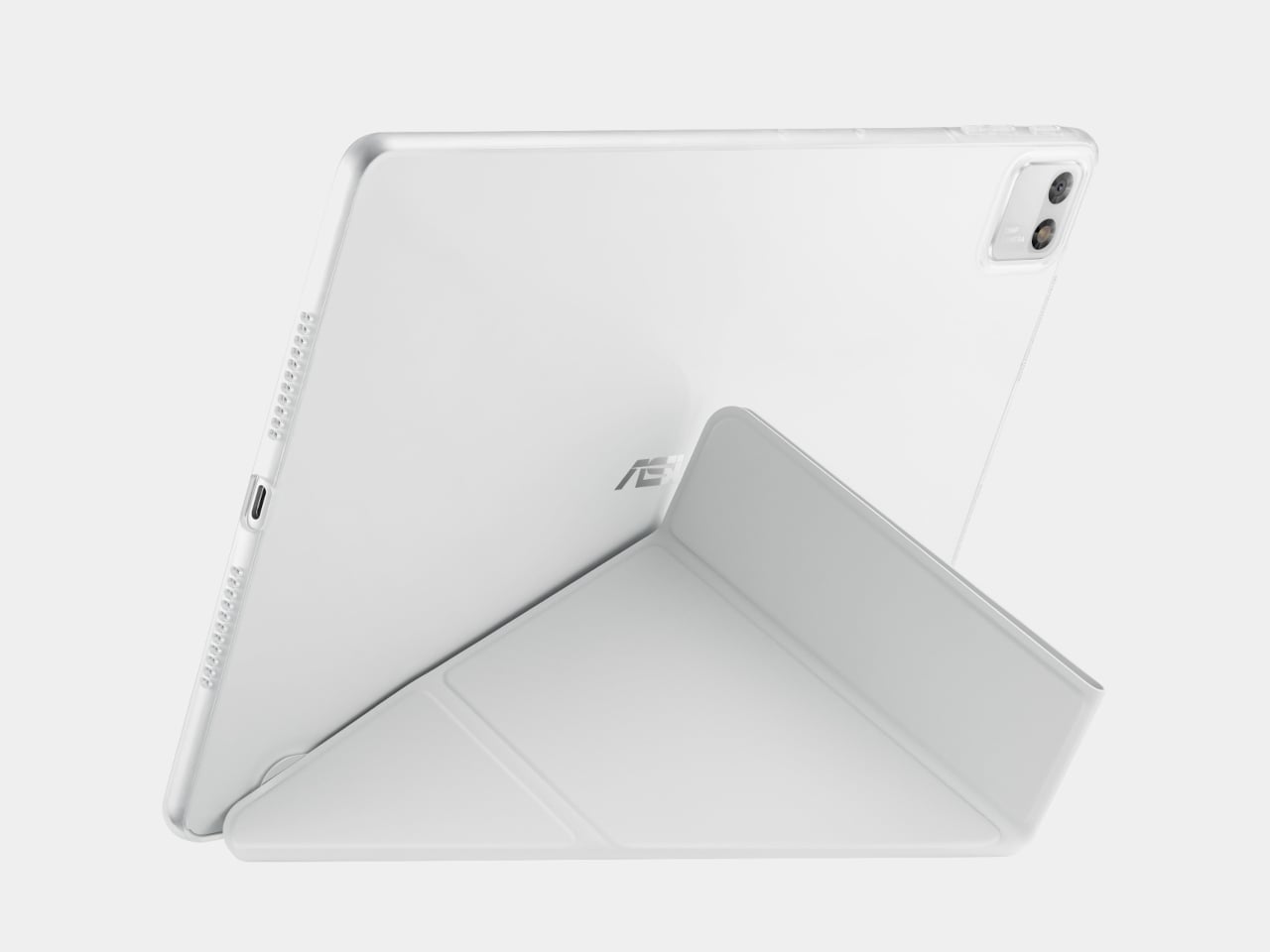
Accessory support rounds out what the Pad can do when the watching stops. ASUS Pen 2.0 enables handwriting and sketching, and Bluetooth keyboard support turns the tablet into something closer to a light laptop for longer text work. A protective case with a multi-angle origami stand ships in the box, meaning the setup is functional out of the packaging without anything additional to buy. Availability and pricing haven’t been confirmed yet, but the ASUS Pad is shaping up as a considered answer to a market that doesn’t always reward patience.

The post ASUS Just Returned to Tablets, and It’s Coming for the iPad first appeared on Yanko Design.