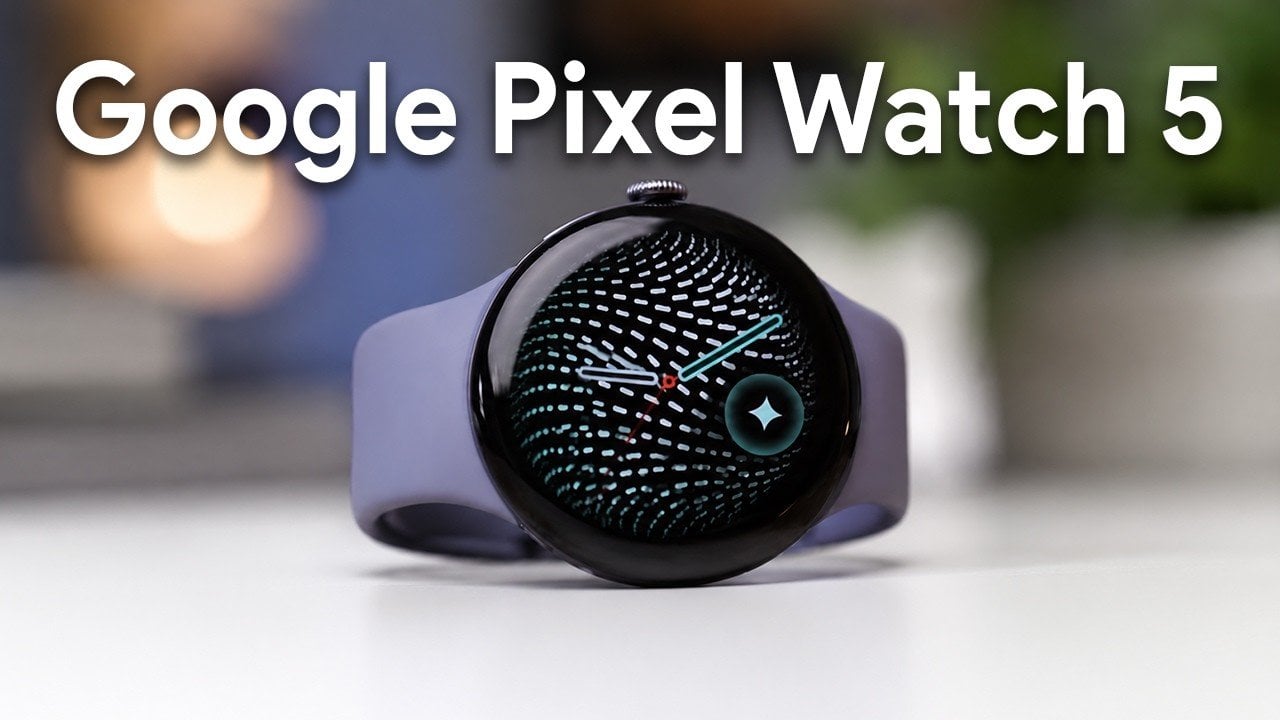
Leaked details about the upcoming Google Pixel Watch 5 suggest a blend of continuity and subtle upgrades, as highlighted by TechAvid. The smartwatch is expected to retain its signature circular dome display and minimalist design, while introducing an expanded color palette with finishes like warm gold and pyrite. However, a rumored $50 price increase across […]
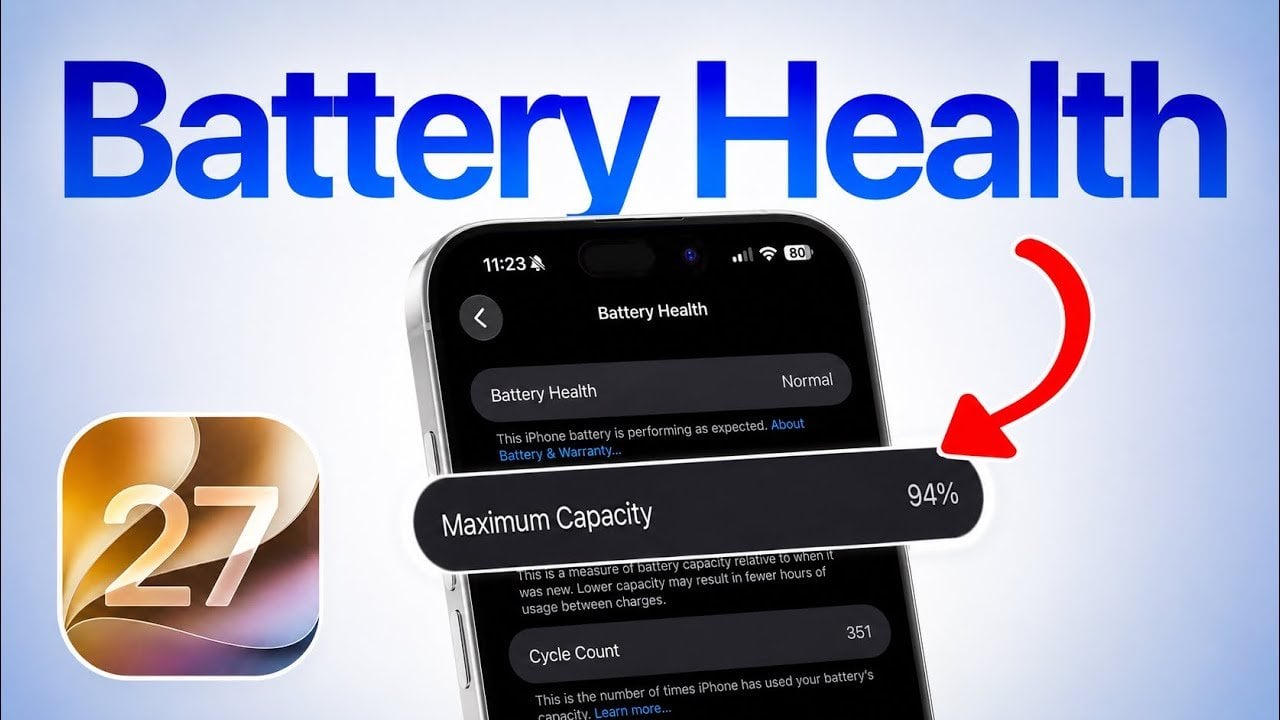
For years, iPhone users have expressed concerns about battery health, particularly those who rely on Pro Max models for their extended battery life. With the release of iOS 27 and the latest iPhone lineup, Apple appears to have made notable progress in addressing these long-standing issues. This article provide more insights into the battery performance […]
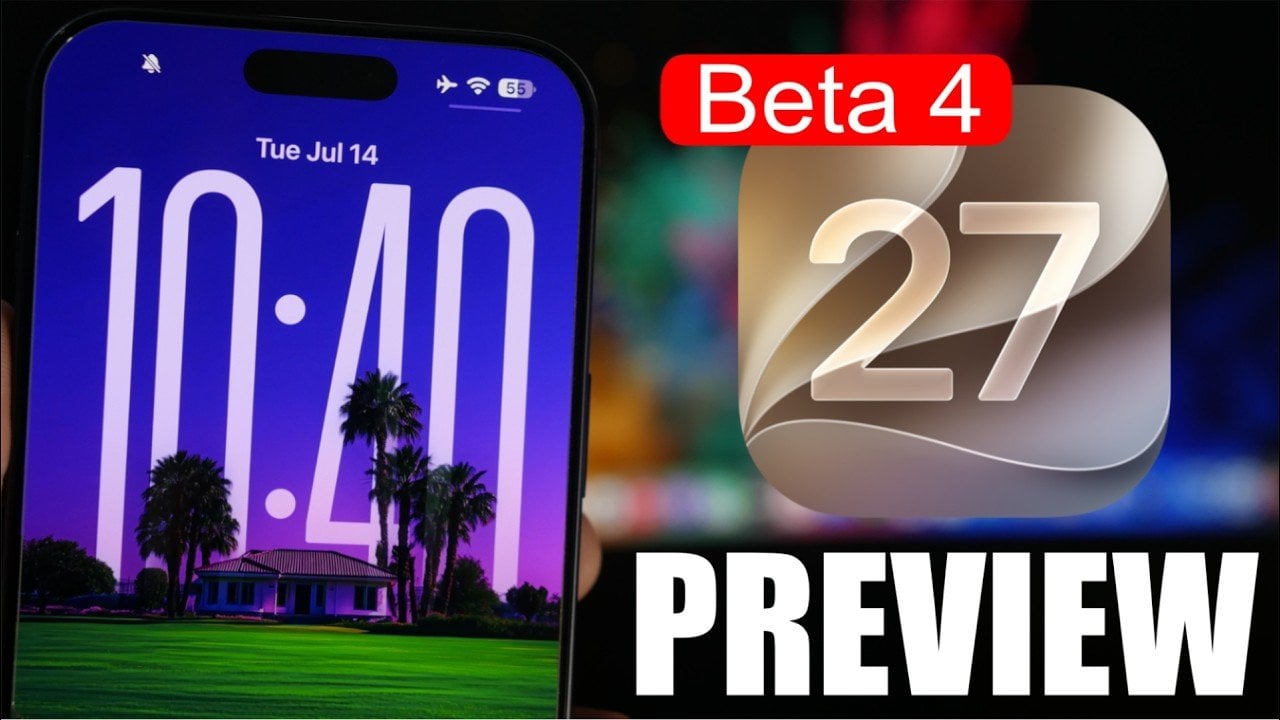
Apple is preparing to release the fourth beta of iOS 27 on July 20, continuing its methodical approach to software development. This update is designed to refine existing features, introduce new tools, and enhance overall system performance. Whether you’re a developer testing compatibility or an early adopter exploring the latest innovations, iOS 27 Beta 4 […]
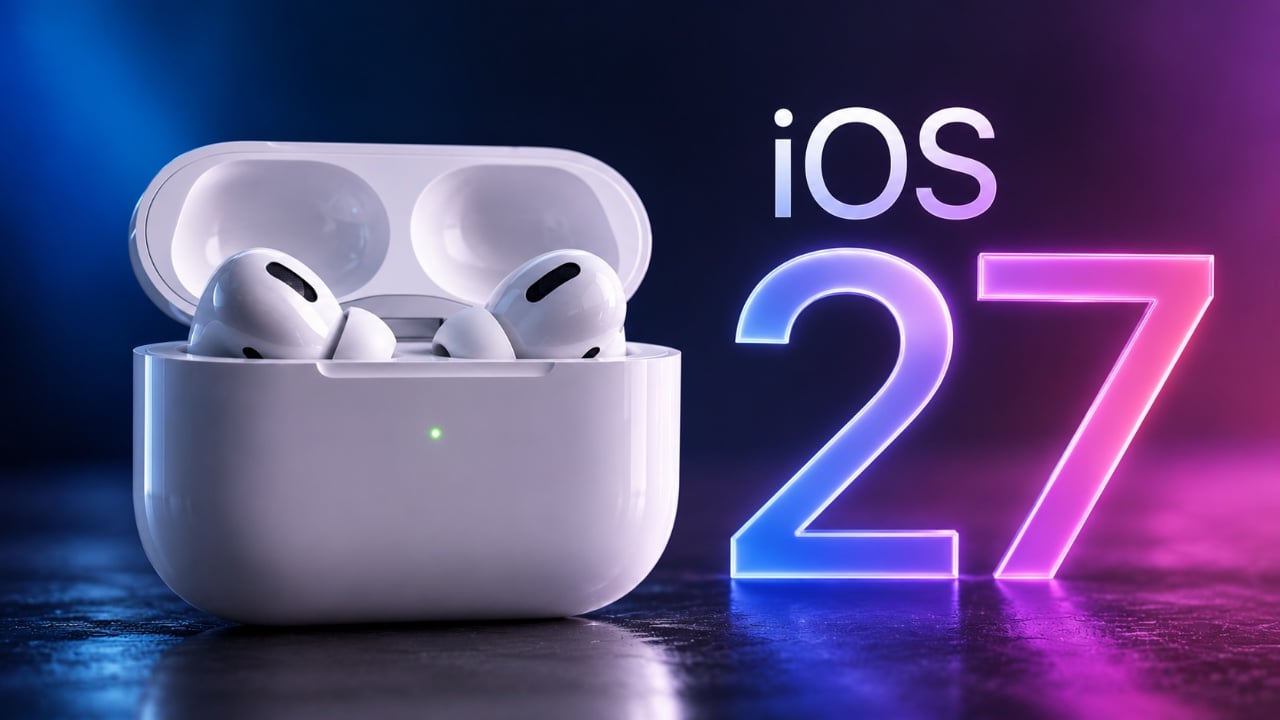
The release of iOS 27 public beta brings a host of updates for AirPods, focusing on improved usability, deeper customization, and seamless integration across Apple’s ecosystem. Whether you’re an audiophile or a casual listener, these enhancements are designed to elevate your audio experience. Below is a detailed look at the most notable changes and features […]
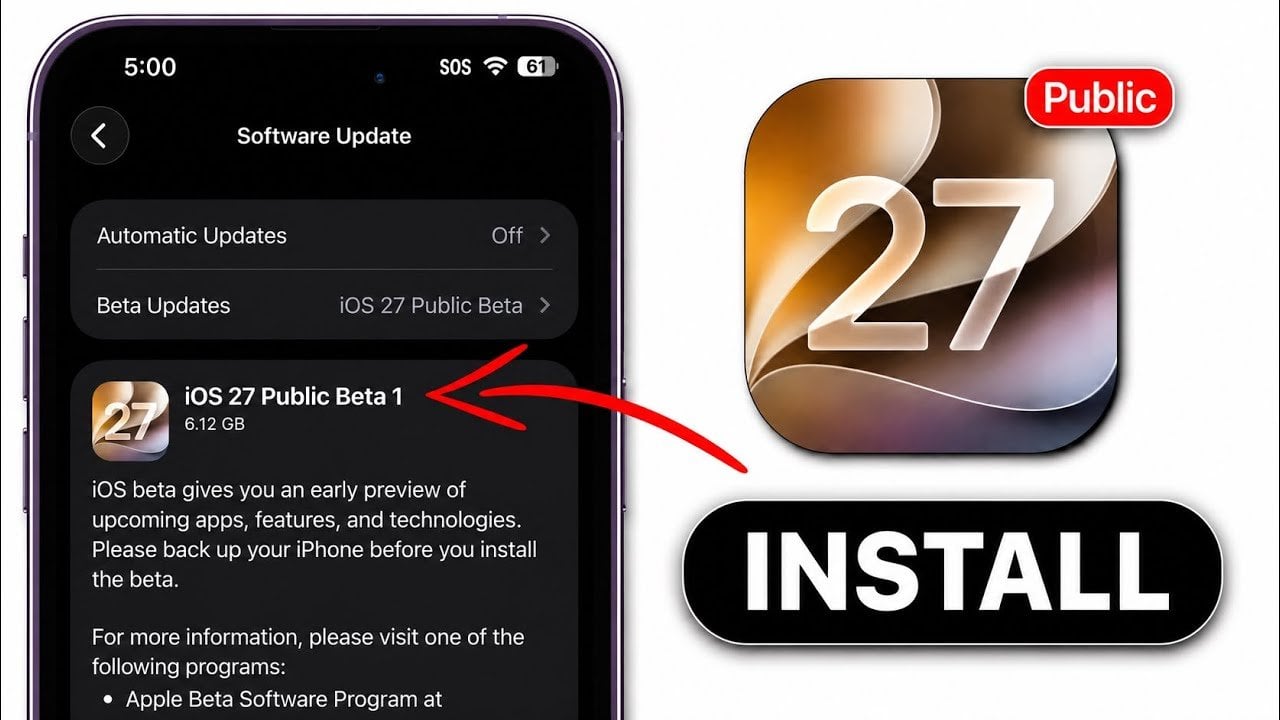
Apple has officially released the first public beta of iOS 27, offering you an early opportunity to explore the next version of its operating system. This public beta aligns closely with Developer Beta 3 in terms of features and stability, providing a glimpse into what’s coming before the full release expected in September. However, as […]
Samsung has officially unveiled the Galaxy Z Fold 8 Ultra, showcasing its latest advancements in foldable smartphone technology. Through carefully crafted marketing materials, the company has highlighted the device’s refined design, enhanced usability, and innovative features. As the newest addition to Samsung’s foldable lineup, the Z Fold 8 Ultra introduces meaningful upgrades, including an anti-reflective […]
Bang & Olufsen perfected the idea of audio equipment as art, creating speakers so sculptural and beautiful they demand to be looked at long before they are ever heard. This approach turned hi-fi systems into statement pieces, architectural elements that shape a room’s aesthetic just as much as they fill it with sound. The price for such artistry, however, often places it in the realm of museum-worthy gallery objects. A new design is taking a similar run at that “look at me” audio philosophy, finding its visual hook through an entirely different and arguably more dynamic method, without the five-figure price tag.
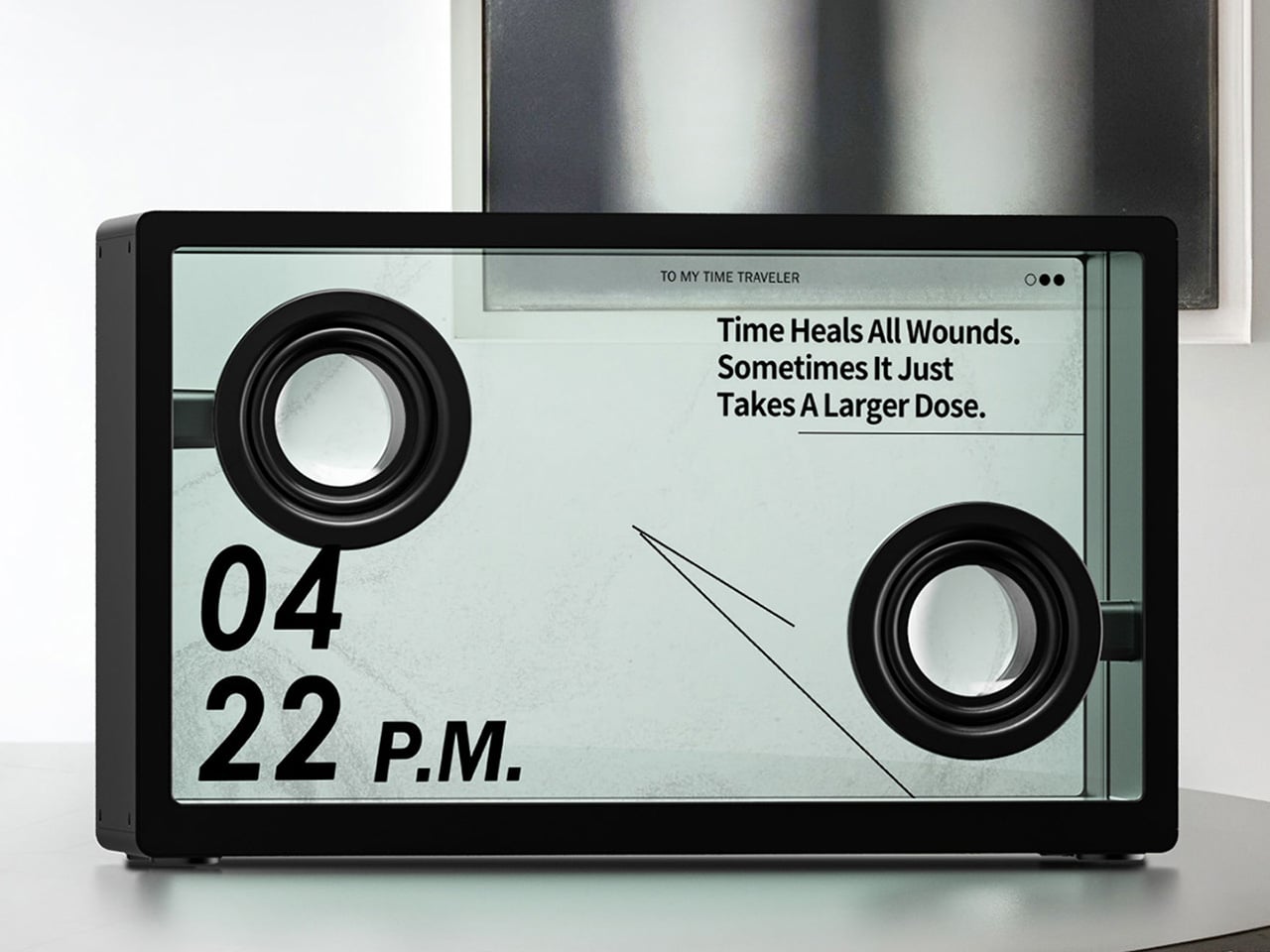
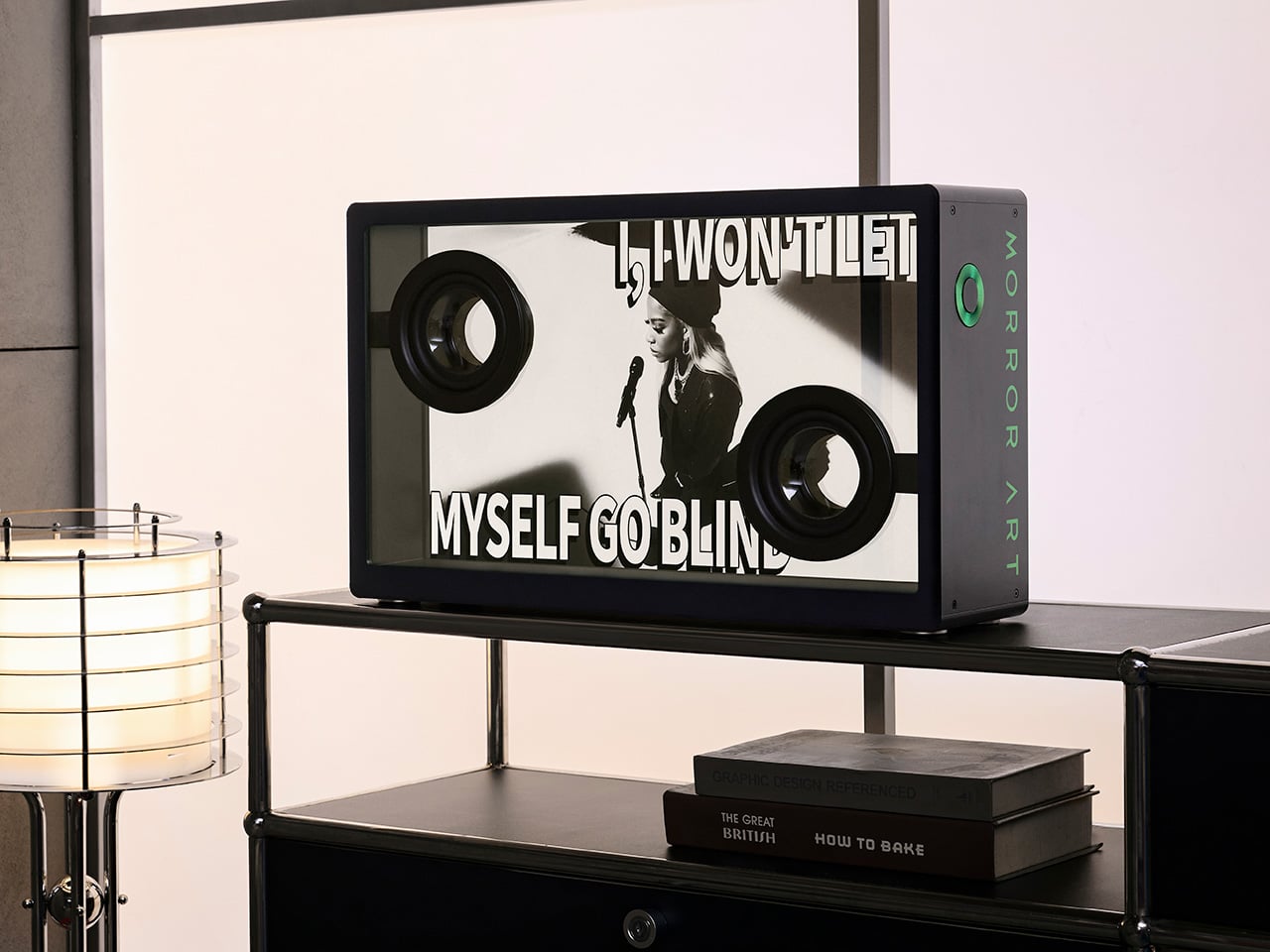
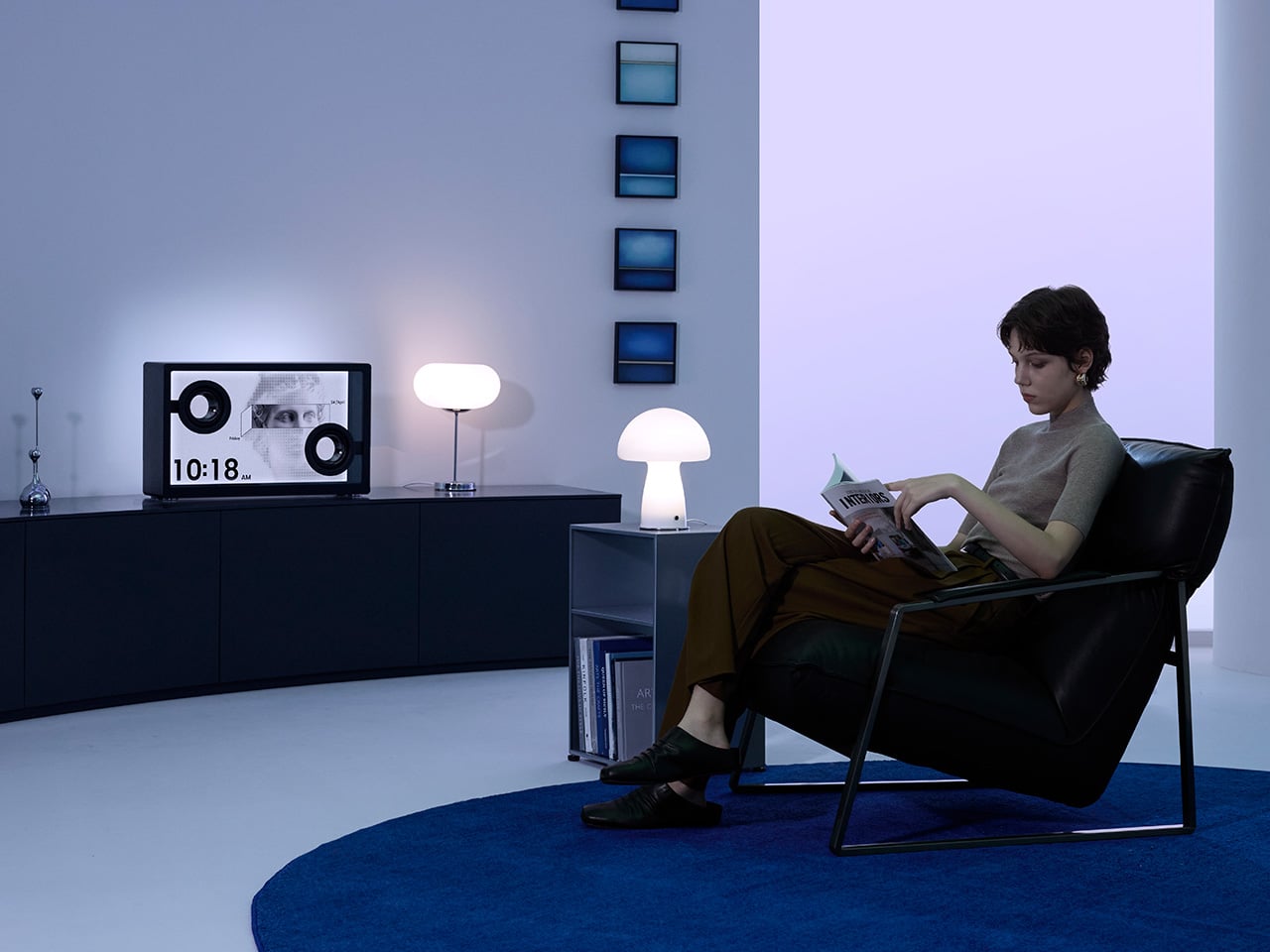
The MorningBlues SonicGlass A1 achieves its visual identity through engineered transparency. Instead of relying on exotic woods or polished aluminum, its beauty comes from revealing the inner workings of sound itself. The speaker’s main diaphragm is a sheet of clear glass, letting you watch the physical driver move and vibrate with the music. This turns the hardware into a performance, a living object that makes sound tangible. MorningBlues calls this “Visualized Music” – a vision where sound, lyrics, motion, and visuals become part of one unified experience rather than separate elements. It’s a clever way to create a decorative speaker that feels both technical and artistic, designed for people who appreciate seeing how their favorite things work.
This focus on a meaningful visual is a refreshing change of pace. We are, after all, intensely visual creatures. For decades, speaker companies have tried to give our eyes something to do while we listen, but the solutions have been uniformly uninspired. We’ve been served an endless buffet of dancing digital equalizers and pulsing RGB lights that flash along to the beat. These features feel disconnected from the soul of the music, reducing a complex song to a simple, repetitive light show. The SonicGlass A1 offers something far more compelling because it taps into the most human element of any track: the story.
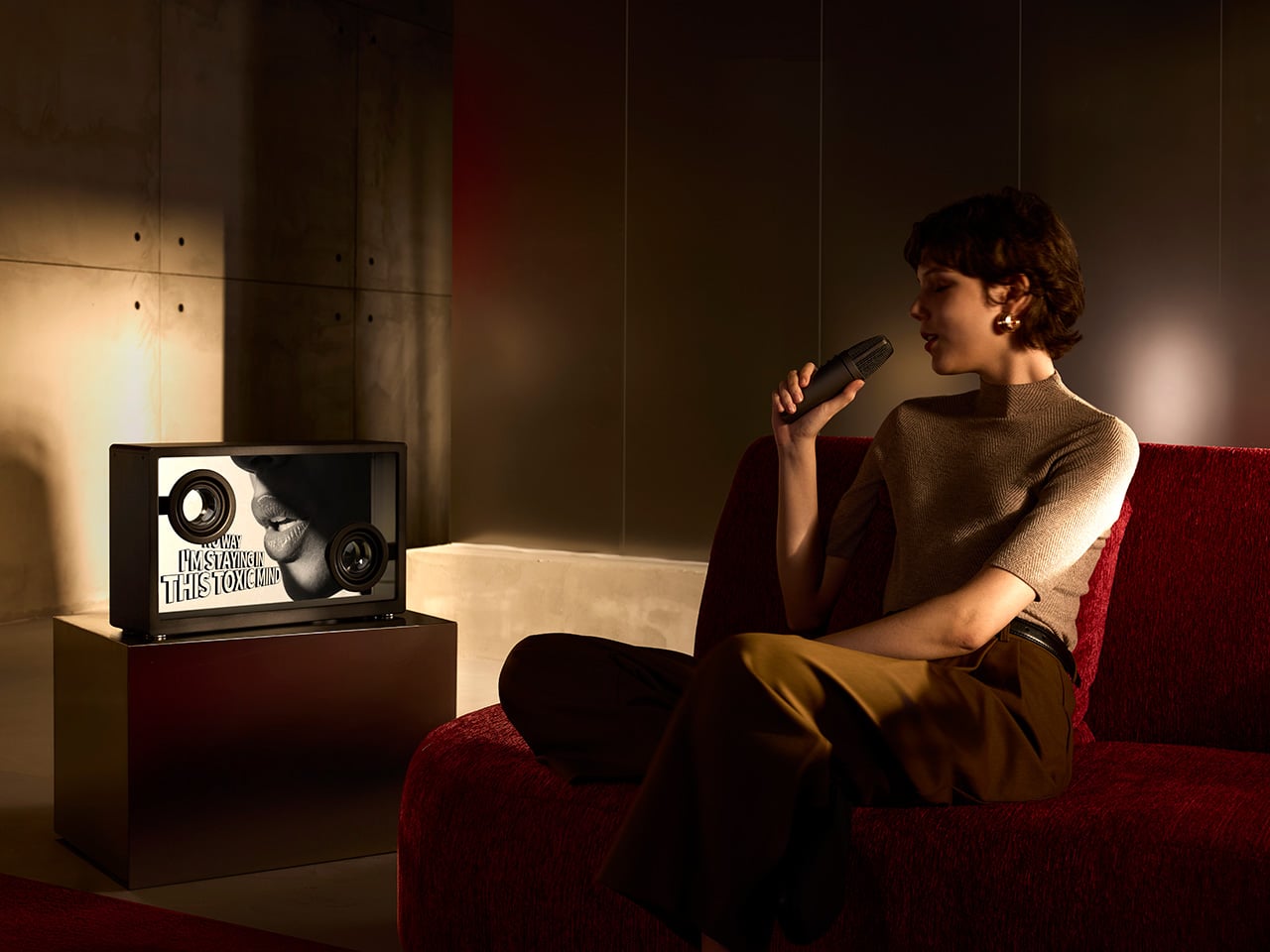
It’s basically captions for your music, an idea so immediately brilliant it’s a wonder it took this long to happen. Let’s be honest, almost nobody watches movies anymore without subtitles. Between mumbled dialogue and our own fractured attention spans, seeing the words has become essential. The SonicGlass A1 applies that same logic to listening. It uses its 21.5-inch transparent display to make lyrics appear to float in mid-air, animating and shifting with the rhythm and mood of the song. You can finally catch that one line you’ve been mishearing for years or appreciate the poetry of a verse without breaking the spell to look at your phone.
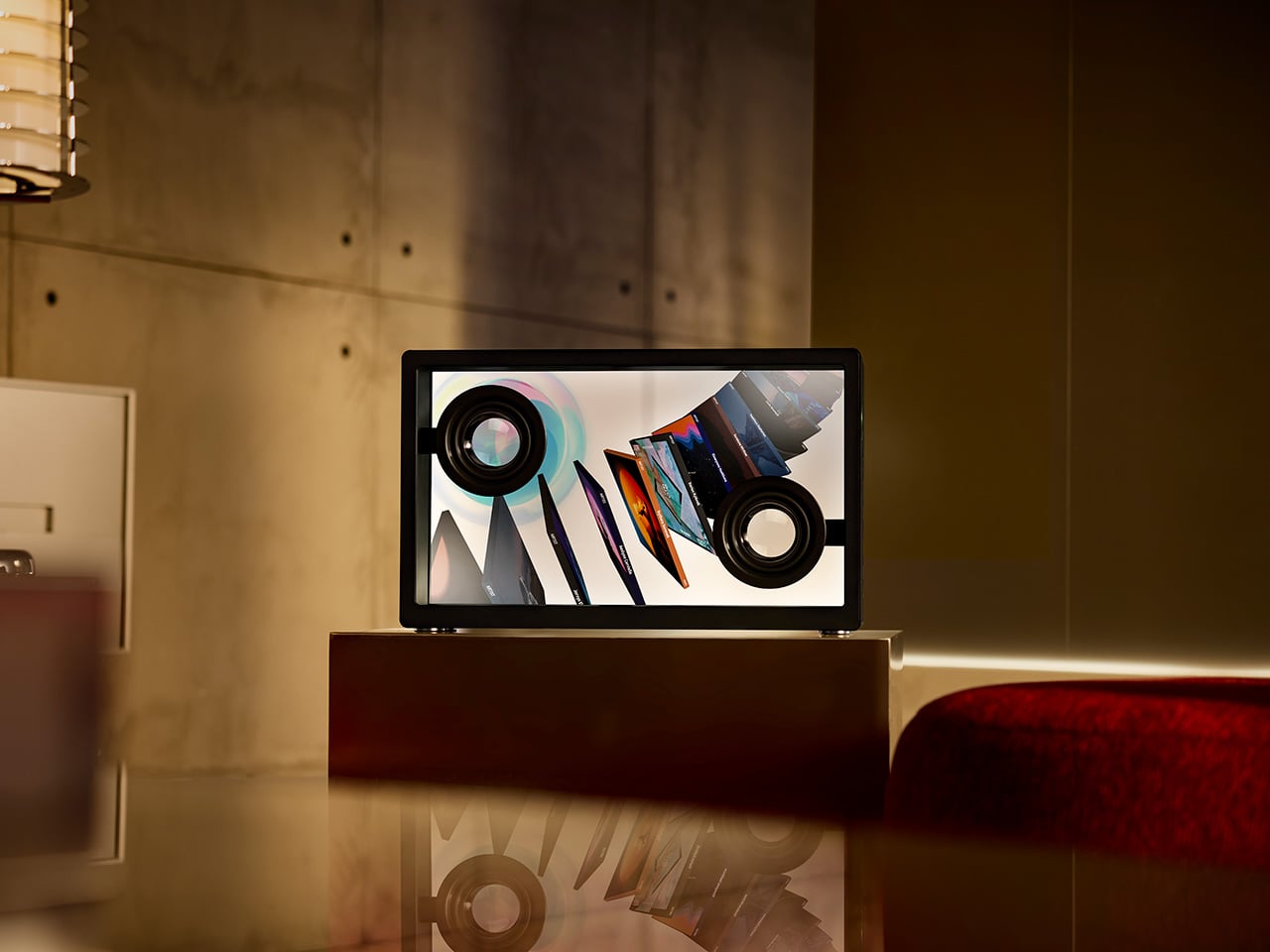
The real magic here is that the display isn’t just a screen sitting behind glass; the glass is the speaker. The entire front panel is an ultra-thin German Schott glass diaphragm, which vibrates to create sound. This panel is moved by a powerful neodymium magnetic system, turning the whole assembly into a transparent driver. It’s a remarkable piece of acoustic engineering that makes the visual effect feel earned, not tacked on. The transparency goes beyond just the surface, revealing the acoustic movement behind every note and creating a direct, physical link between what you hear and what you see.
This commitment to engineering extends to the audio quality. Inside the sealed enclosure are dual 4-inch full-range drivers powered by a pair of 80W Class-D amplifiers, delivering clean, room-filling stereo sound. The design prioritizes clarity and a balanced, natural reproduction, ensuring vocals are crisp and instruments feel distinct. It also features three different tuning modes, allowing you to tailor the sound profile to your room or your mood. It’s a system designed to prove that a speaker built around a visual novelty can also be a genuinely capable piece of hi-fi equipment.
While the speaker is a stunning object on its own, its personality is shaped through the MorningBlues smartphone app. This is the creative command center where you control the entire visual experience. The app’s “Lyric Lab” lets you customize the fonts, effects, and animations of the floating lyrics, tailoring them to your exact taste. It’s also where you can access the more futuristic AI features, like generating a music video for a favorite song or using a Face Swap tool to put yourself in the performance. For quieter moments, the app lets you display personal photos and videos or choose from a library of mindful meditation scenes, turning the speaker into a dynamic digital canvas.
If the app is the creative hub, the optional Music Hub is the tactile command deck for your entire audio ecosystem. This physical controller is a serious piece of kit, designed to manage your listening experience with dedicated controls. It features a prominent vocal removal button that instantly preps any song for karaoke. More impressively, it acts as a bridge to your existing audio gear, allowing you to pair the SonicGlass A1 with up to three other Bluetooth speakers from any brand. With its own enhanced audio decoding, the Hub ensures all connected speakers sound their best while giving you a single, elegant interface to control your multi-room setup.
This transforms the speaker from a standalone device into a social centerpiece. The combination of easy vocal removal and synchronized lyrics makes it an incredibly fun and intuitive karaoke machine. It’s an artful object for your daily listening, a conversation-starting decor piece when it’s quiet, and an interactive entertainment system when you have friends over. It’s one of the few devices that feels equally at home providing background music for a quiet evening or being the main event at a party.
The standard retail price for the SonicGlass A1 Lyric Speaker is $999. For its launch, MorningBlues is offering a super early bird price of $649. Several bundles are also available to build out a more complete system. A Stereo Pair of two speakers is offered at $1,299, down from a retail of $1,998. The Smart Audio Bundle, which includes one speaker and the Music Hub controller, is available for $849. For those looking to go all-in on the social features, a Karaoke Special bundle includes the speaker, the Music Hub, and a microphone for $879.
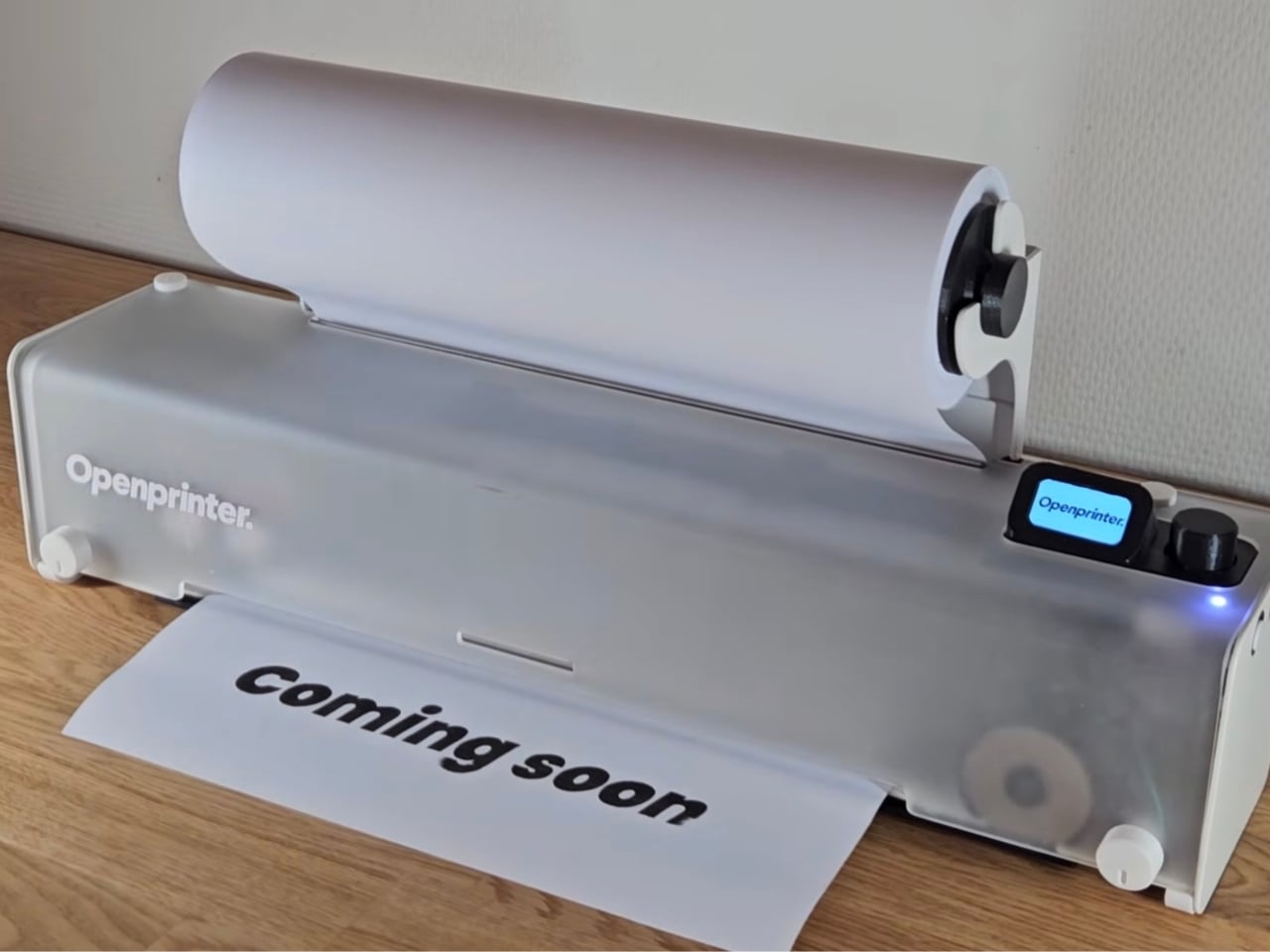
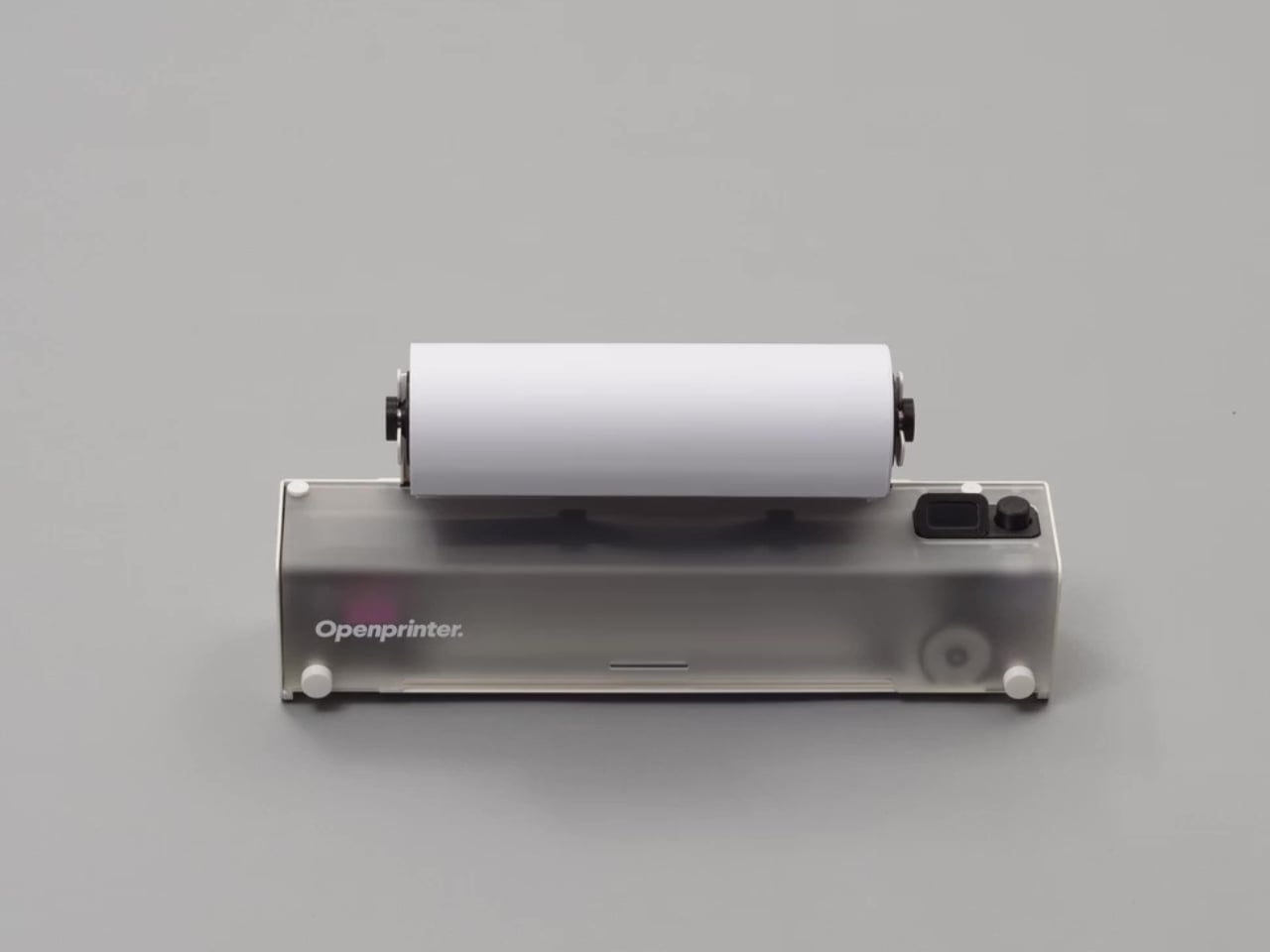
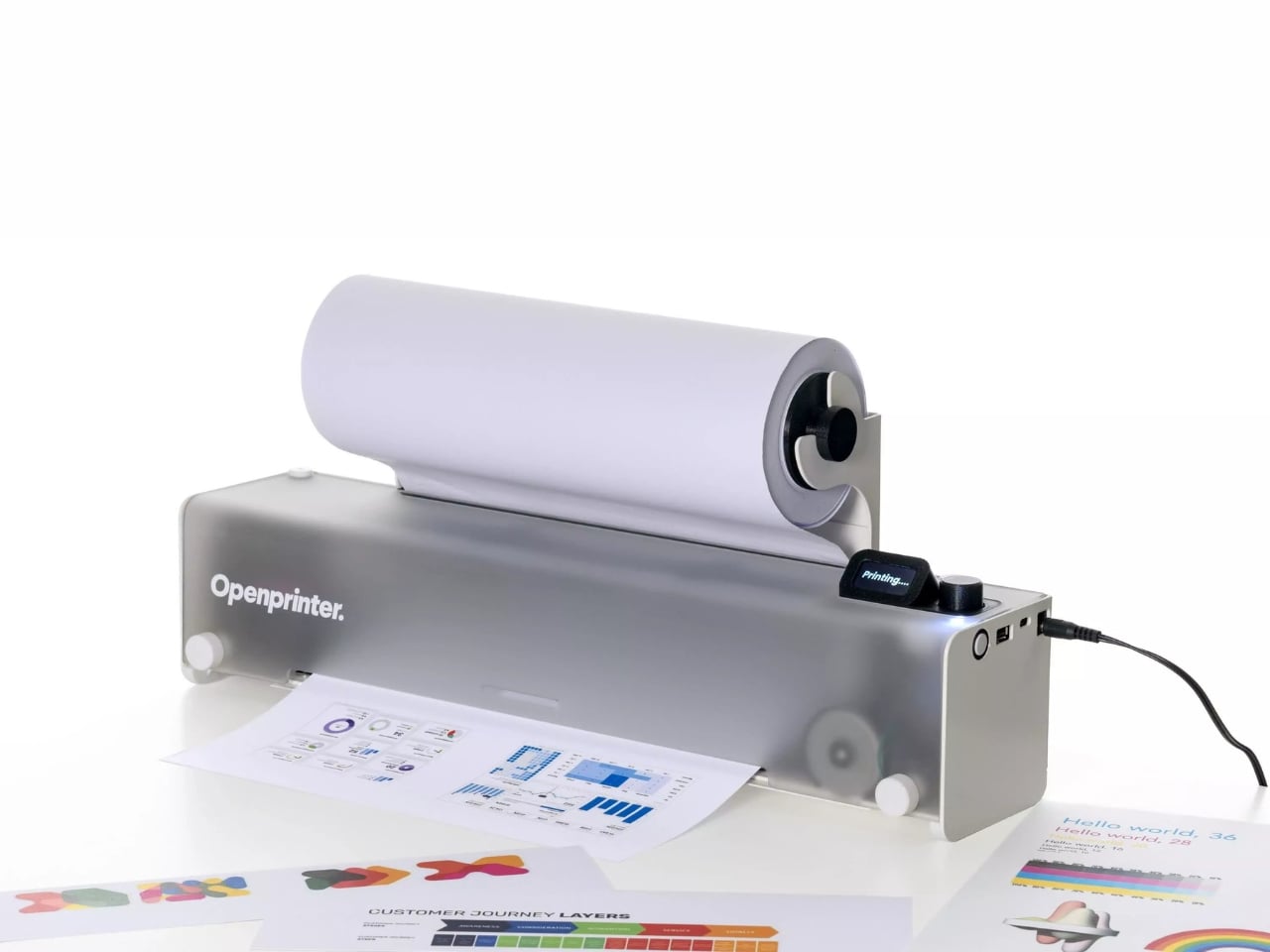
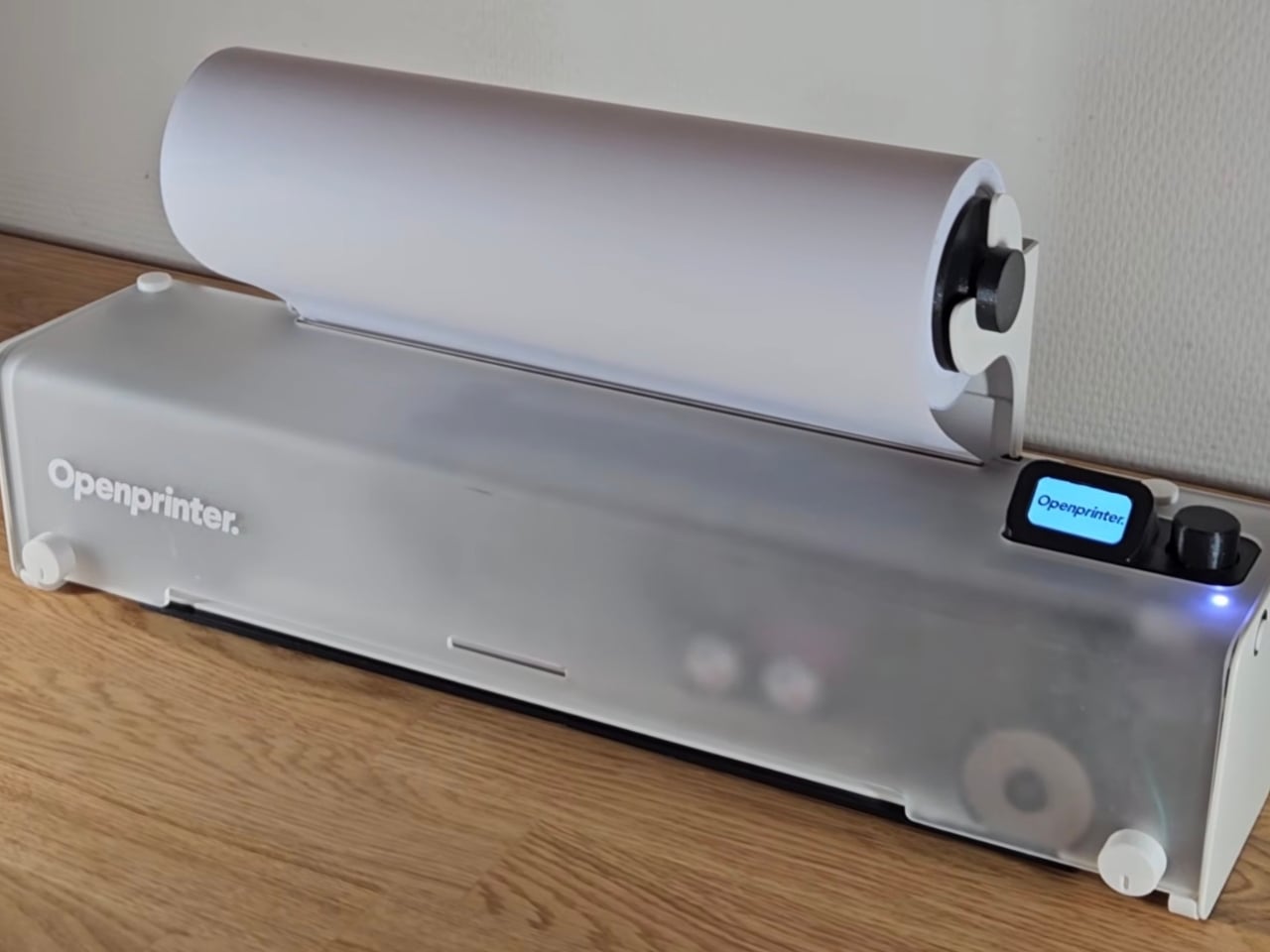
Nearly a year after Open Tools first introduced the idea, the Paris-based startup has released its first video of a working prototype of the Open Printer, a fully open-source inkjet that prints in both monochrome and full color. For a project that’s been generating buzz since its Crowd Supply debut in 2025, actually watching the thing print is a meaningful moment. Concepts are easy. Hardware is hard.
That said, the prototype arriving is only part of the story. Pricing hasn’t been confirmed, a shipping timeline hasn’t been locked in, and print speed figures are still undisclosed. So while the milestone is real, it’s also a reminder that the road from working prototype to finished product is rarely a short one. Still, the fact that the machine exists and functions is worth paying attention to, because what Open Tools is trying to do is genuinely unusual in a category that has spent decades doing the opposite.
Designer: Open Tools
Most of us have a complicated relationship with our printers. Not a love-hate situation so much as a hostage situation. The ink runs dry, and suddenly you’re buying a cartridge that costs more than the printer itself, only to get a pop-up warning that it’s been chipped to stop you from refilling it. It is, when you think about it, a strange arrangement to just accept. And yet, for decades, we have.
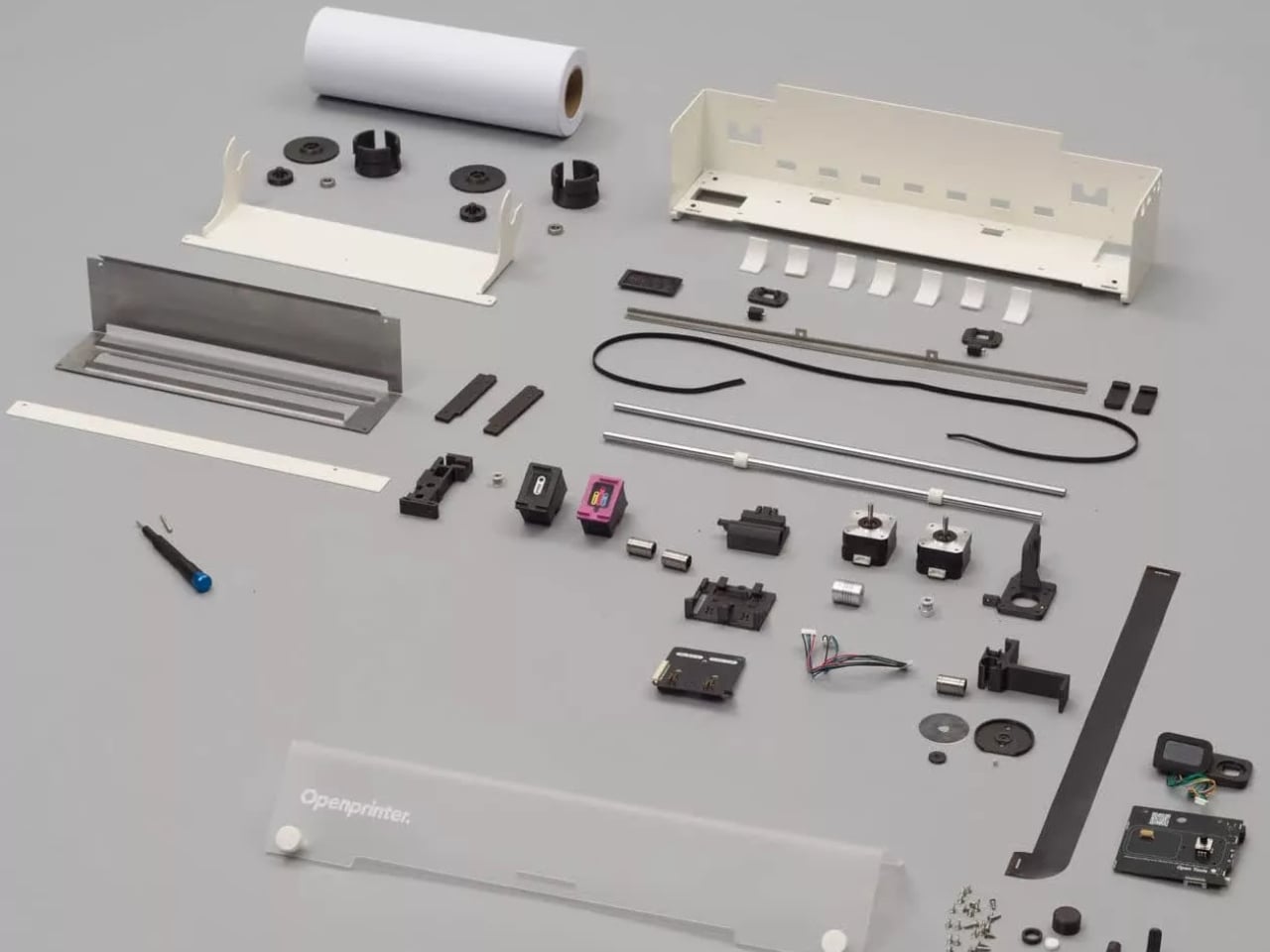
The Open Printer is built as a direct response to that. No proprietary drivers. No cartridge DRM locking you to a single brand. No subscription fees or ink-monitoring systems quietly draining your wallet. It runs on a Raspberry Pi Zero W, uses refillable HP cartridges with no digital restrictions attached, and connects to Windows, macOS, Linux, Android, and iOS through CUPS, an open-source print server. The whole point is that once you own it, you actually own it.
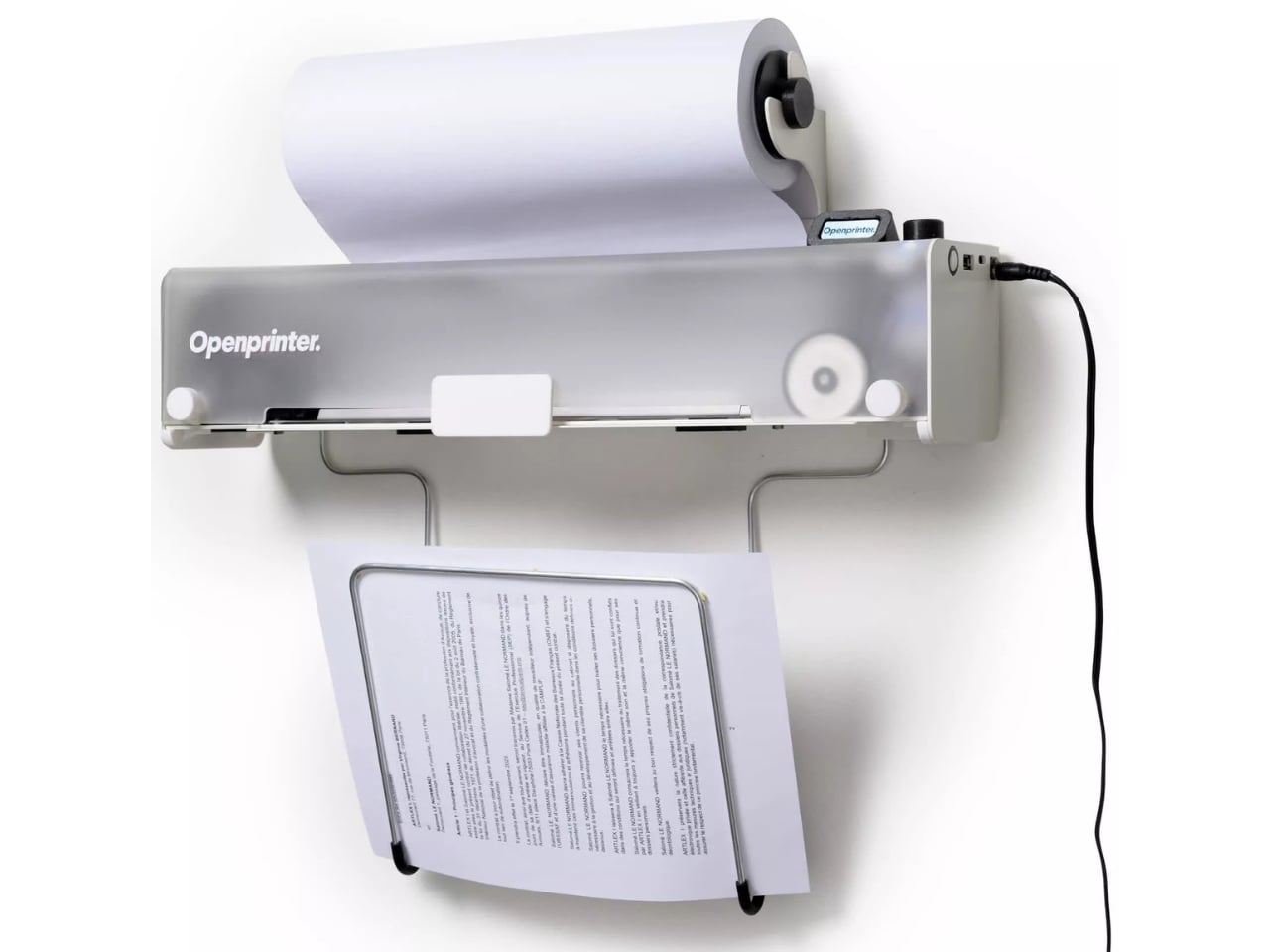
The design has a refreshingly honest quality to it. It’s modular, built from standard mechanical components, and comes either as a self-assembly kit or pre-assembled. It can sit on a desktop or mount to a wall. You can even 3D print custom parts and choose from different color finishes. These feel like small details, but they collectively signal something: the people behind this actually considered the user as someone with preferences and agency, rather than a recurring revenue stream.
Open Tools has released the project under Creative Commons BY-NC-SA 4.0 licensing, which means you can use, share, and modify it freely for non-commercial purposes. There has been debate in open-source communities about whether this fully qualifies under the strictest definitions of “open source,” and that’s a legitimate conversation. The non-commercial clause does limit what some users can do with it. But for a hardware startup trying to build something sustainable while keeping it genuinely accessible, the approach is at least pointed in the right direction. The project has also been nominated for a French Design Award in two categories, which suggests the idea is resonating well beyond just the maker community.
Printing might feel like a solved problem, so mundane it barely registers as a design category worth getting excited about. But the fact that it has become so reliably frustrating and expensive is itself a design failure, one that’s been normalized so gradually that most people stopped questioning it. We just assumed that’s what printers are.
The working prototype doesn’t change the industry overnight, and there are still plenty of unknowns before anyone can actually order one. But it does prove the concept is more than a crowdfunding pitch. For a project asking people to imagine a printer that works for them instead of against them, that’s not nothing.