
GitHub has been down for most of the morning
If you hear lots of grumbling in coffee shops this morning, GitHub's outage may be why.

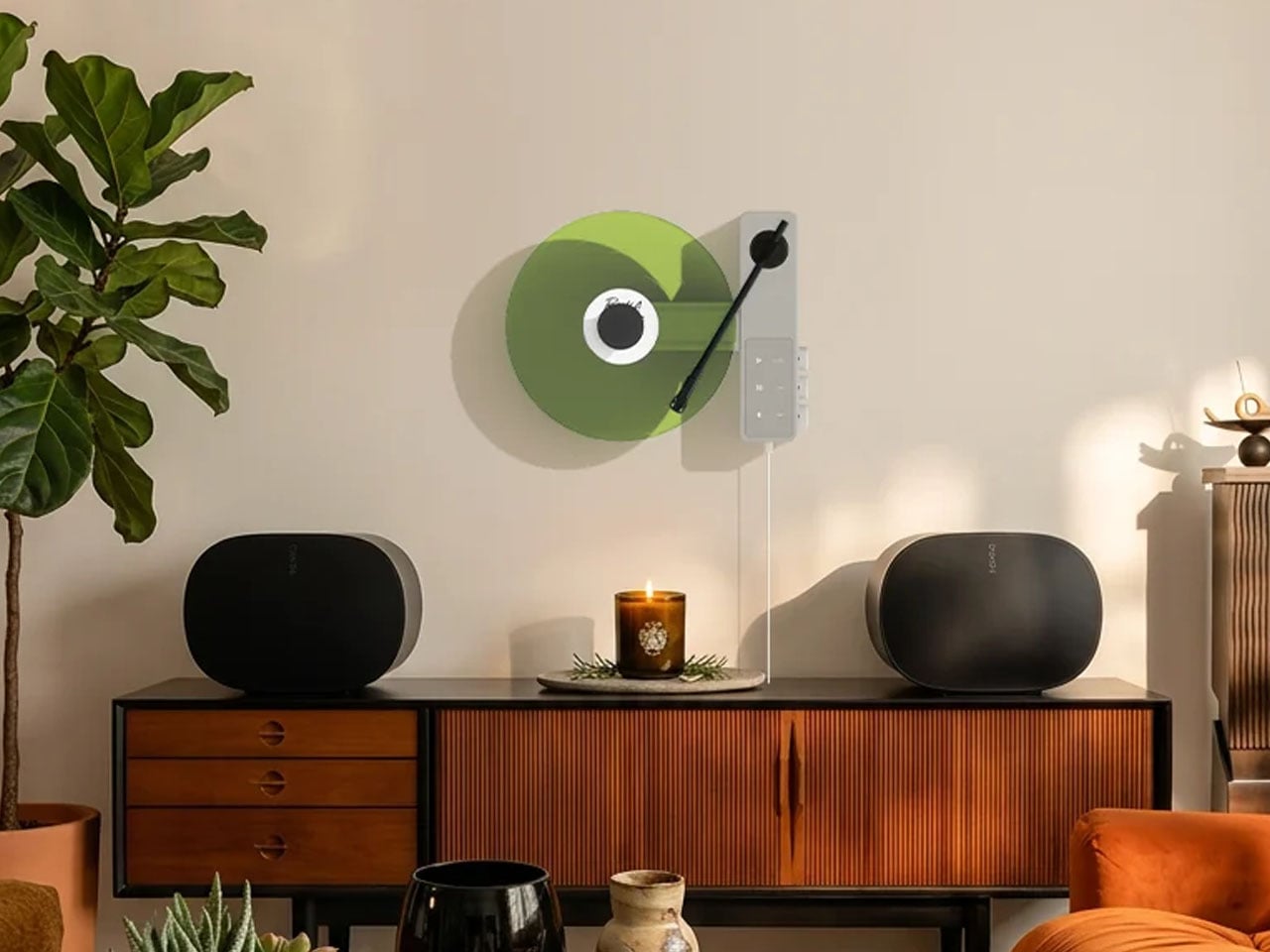
For a very long time, the world was fixated on horizontal vinyl players that took up a premium space on a table. Just recently, the tide has started shifting in favor of vertical record players that are designed to stand out instead of blending in. The new entrant in the category already explored by designer Fatih Demirci, CoolGeek, and Dutch Hi-Fi maker Miniot, is Ruka Studio – a Los Angeles-based company that was founded in 2024.
Relatively new in its existence, Ruka makes its presence felt with the wealth of experience that forms the DNA of the brand. Reportedly, Ruka Studio was founded by a group of former Apple engineers and designers, so a high-end turntable with a premium finish would be a given. But that’s not where it’s stopping; the company has launched its first vertical turntable called the TD-1.
Designer: Ruka Studio

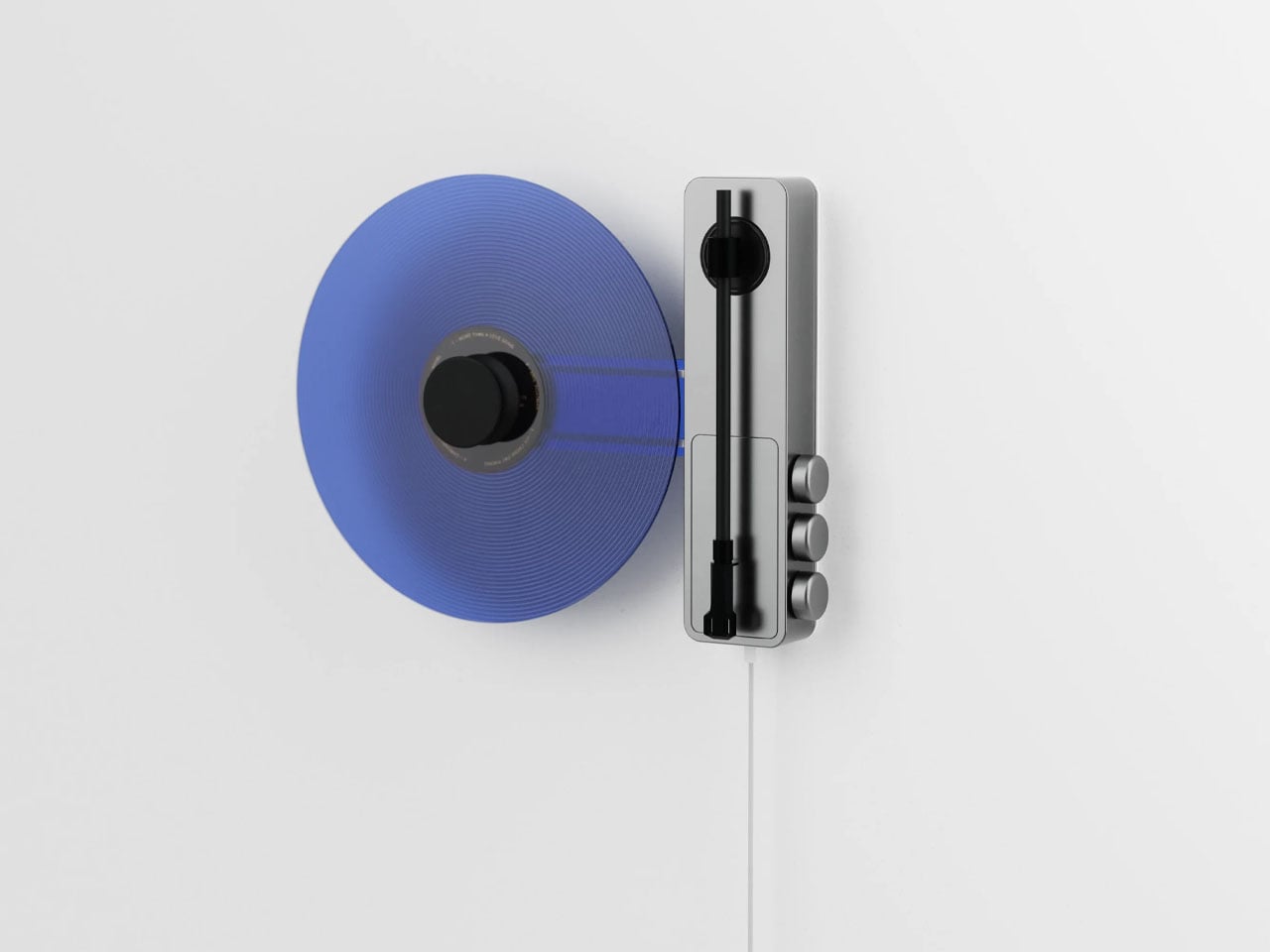
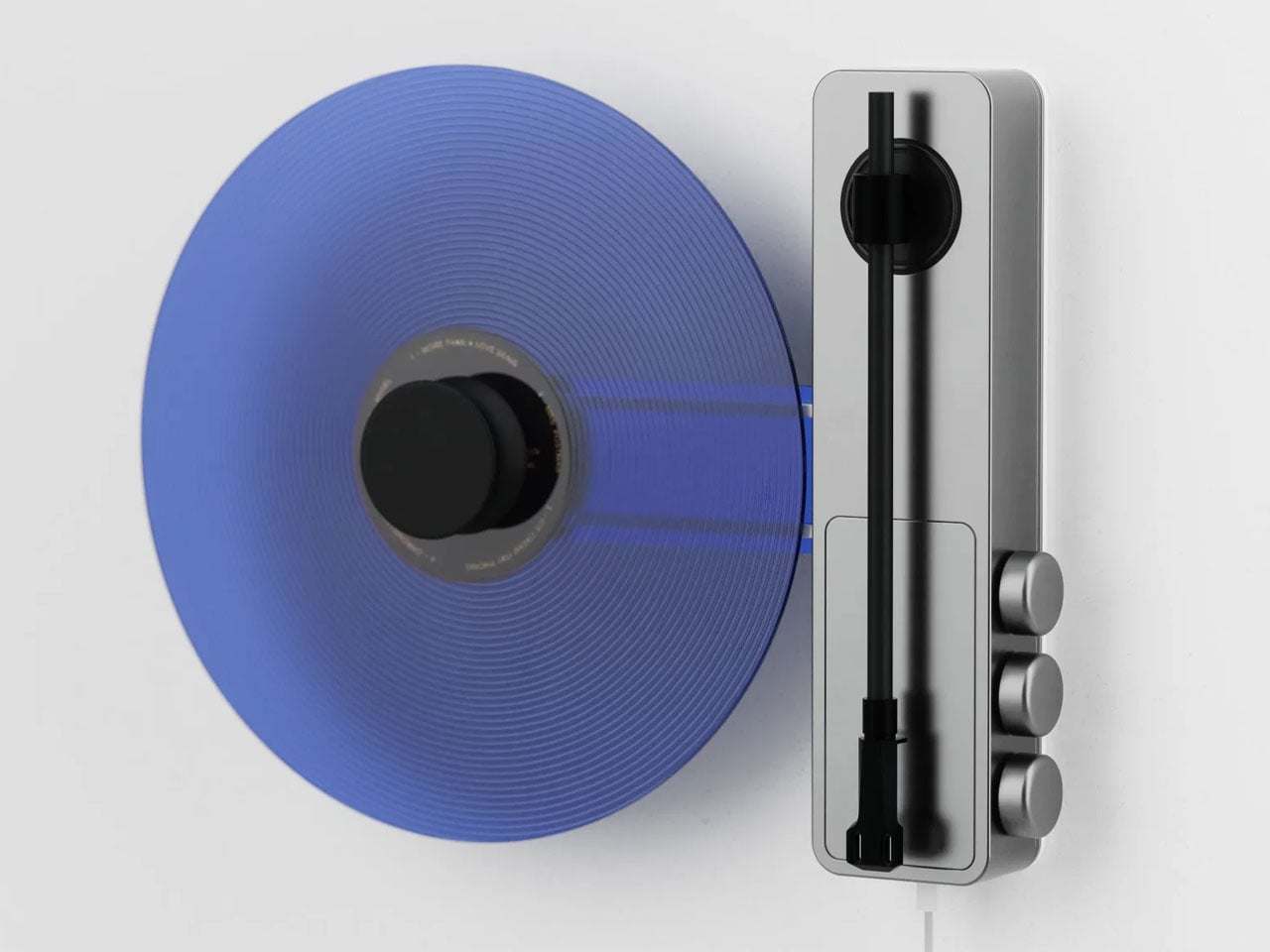
Designed as a turntable that mounts vertically on the wall, or stands upright on a floor stand, it becomes part of the room instead of taking over a table. The TD-1 can spin a vinyl record vertically, which is a treat to the eye and food for thought for your mind. The design is pretty seamless, and you’re left wondering how the giant disk is actually spinning without gravity acting upon it.


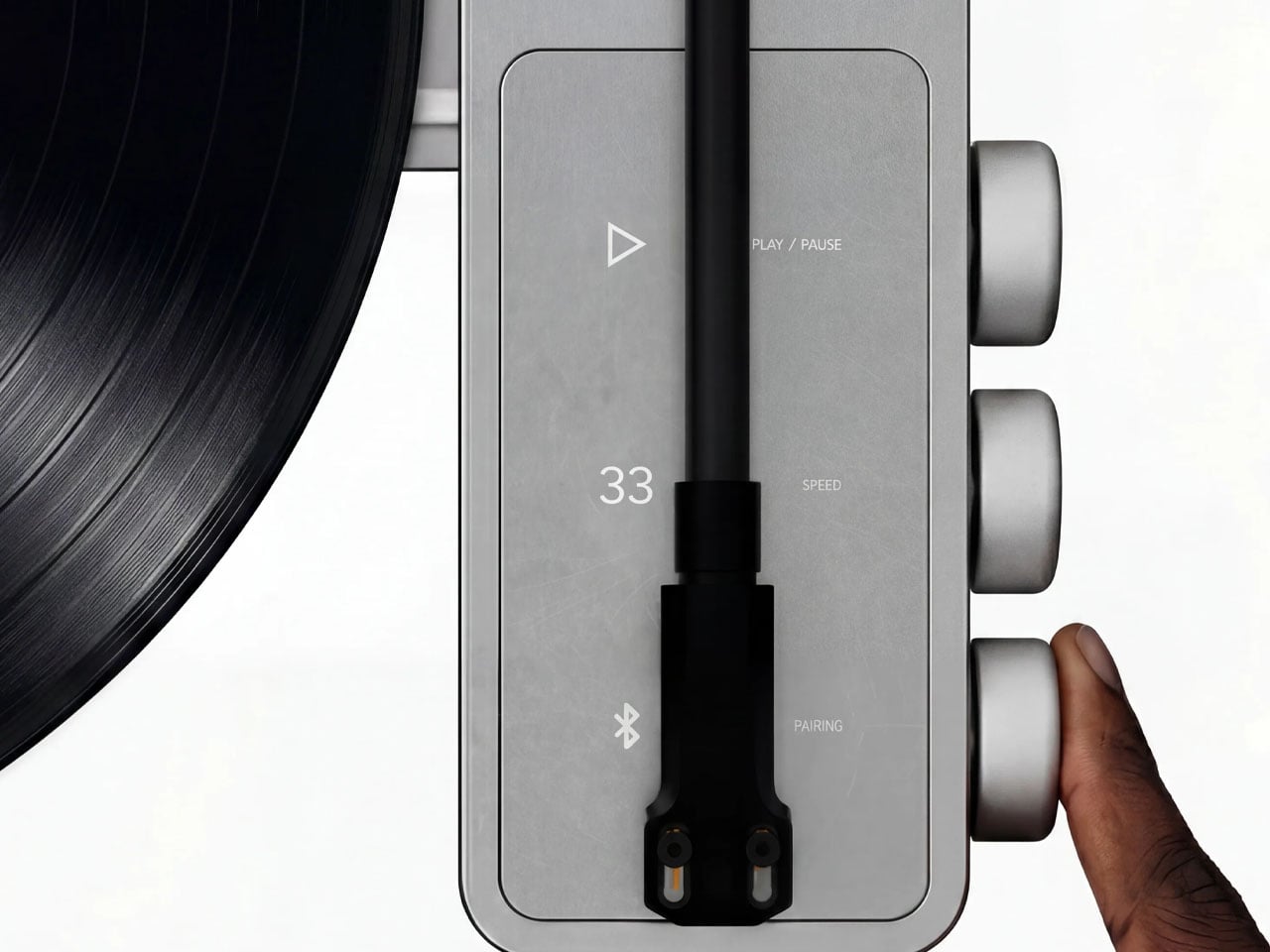
If you’re someone who holds your record collection dear and as a reflection of who you are. The TD-1 is conceived with the idea of enhancing that experience like no other has done before. Yes, there have been vertical record players we have seen in our time, but the Ruka’s model is a standout, thanks to its aluminum body and visibly enticing mechanical switches and knobs that turn and click to control playback, adjust the record’s rotational speed, and also to pair the device with a speaker system over Bluetooth. It also comes with wired output to connect with a hi-fi system.


When everyone is trying to integrate AI and convenient remote control via dedicated apps, the TD-1 remains as analog as the record playing was meant to be. The most it gets away from the analog commitment is to stream your vinyl records to a wireless Bluetooth speaker or compatible earbuds.
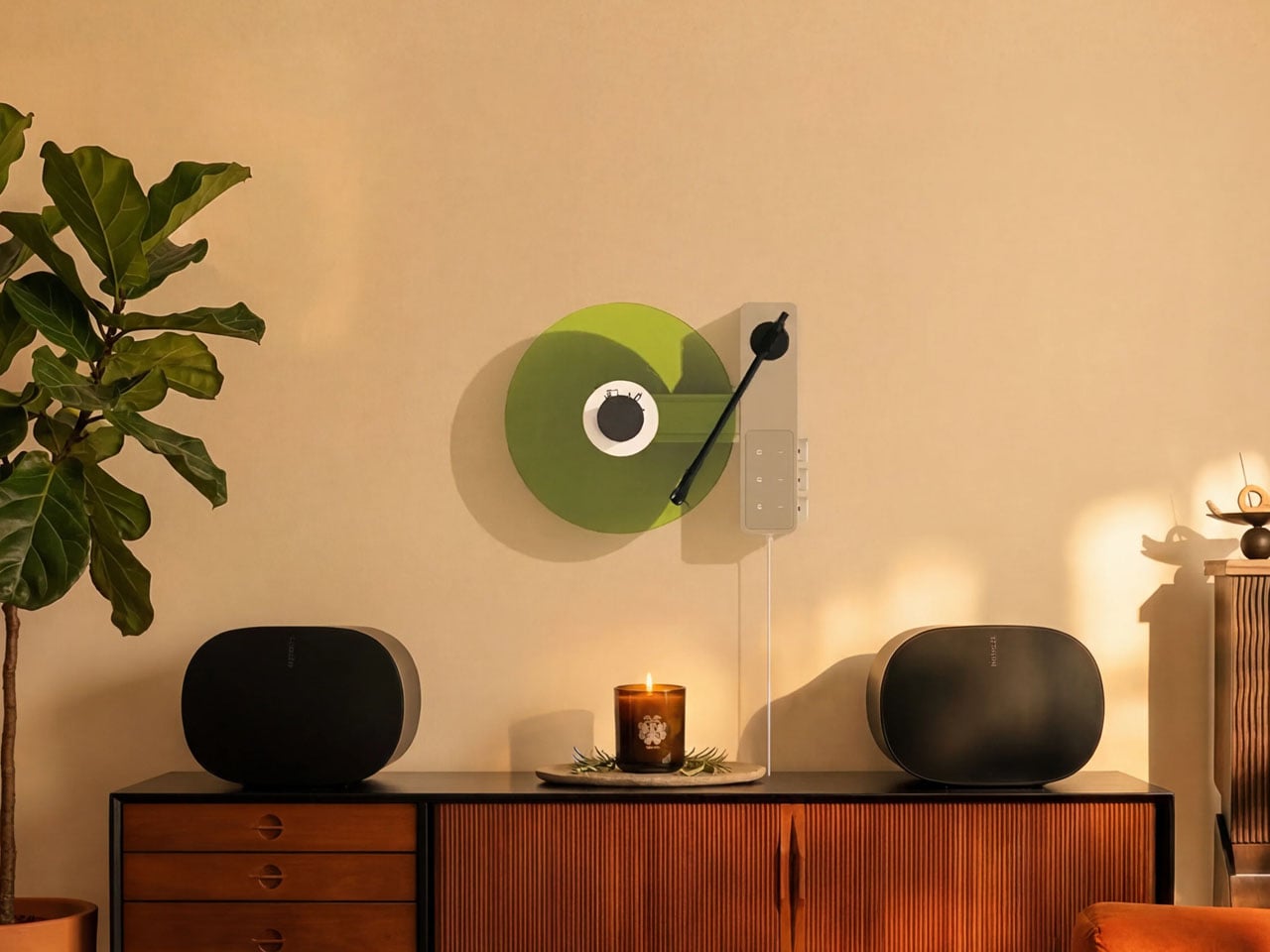

To make how it looks placed vertically more exciting, the TD-1 arrives with a rubber-coated magnetic plate that holds the record against the wall to appear as if it were floating in mid-air. To ensure you are not hassled with getting the placement straight, it comes with a built-in spirit level. The player features a swappable moving-magnet cartridge, which the company says should allow users to select the cartridge they want, of course for an additional cost from the device itself. The TD-1 turntable itself is belt-drive. The motor has been de-coupled from the acrylic platter to minimize vibration, ensuring smoother and quieter playback.
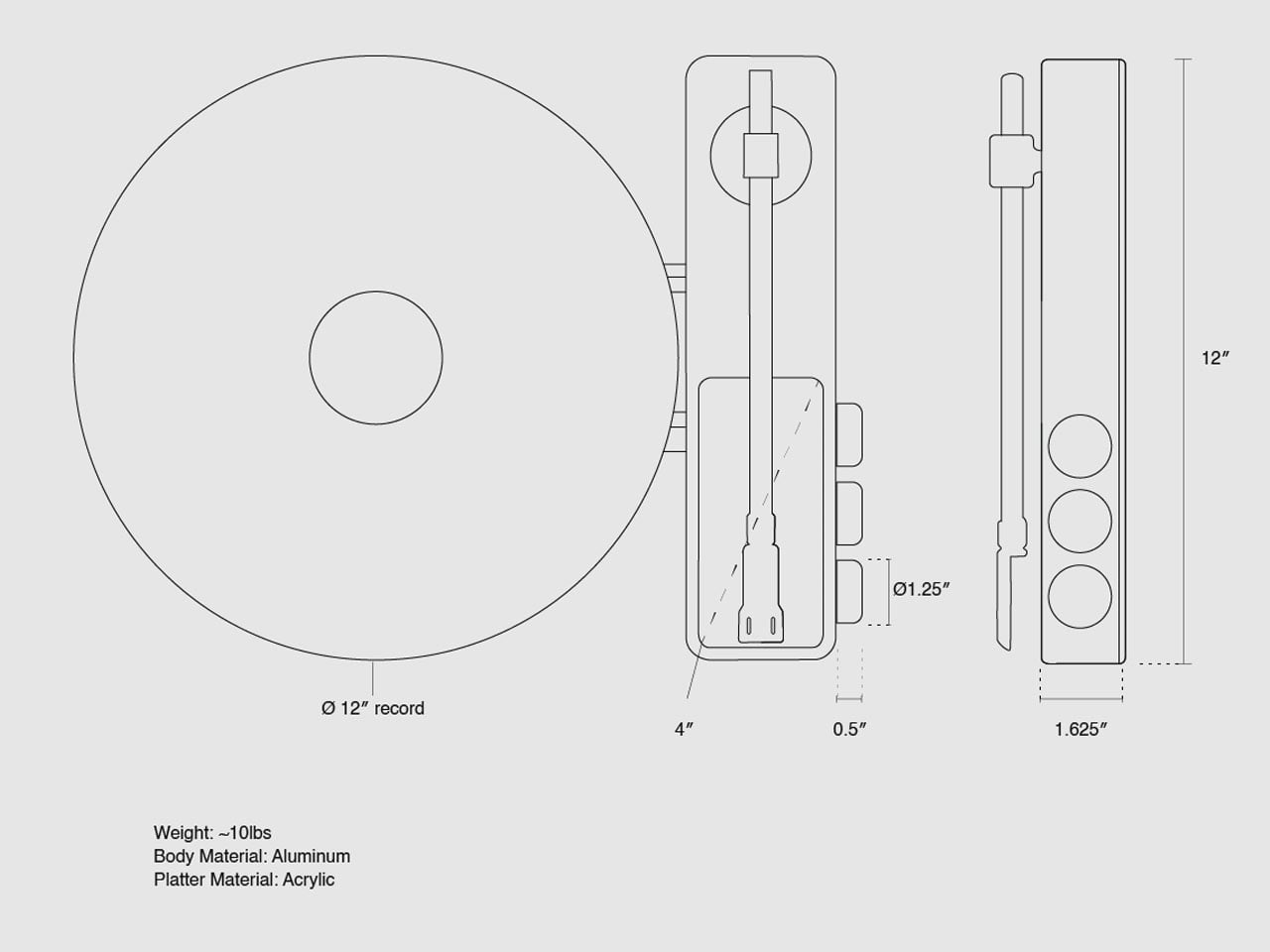
Ruka Studio TD-1 is available to preorder now starting at a reserve price of $100 on the company’s website. It is priced at $1,399, and preordered models are expected to ship in 2027. The $100 credit is fully refundable or will be adjusted in the final price when a device is shipped.

The post Ruka Studio’s TD-1 Vertical Turntable Turns Your Vinyl Collection Into Stunning Part of Your Room first appeared on Yanko Design.

Gunther Werks has introduced the GXR-Evo, a track-focused evolution of the air-cooled Porsche 911 platform, carefully crafted for purists who demand precision and performance. Limited to just 15 units worldwide, this engineering marvel seamlessly combines innovative motorsport technology with the raw engagement of analog driving. With its lightweight construction, advanced aerodynamics and a naturally aspirated […]
The post Gunther Werks Reveals the GXR-Evo: 15-Unit Street-Legal Race Car Unveiled appeared first on Geeky Gadgets.

Every fabrication lab in the country is quietly accumulating a problem. Failed prints, test runs, leftover filament, the ghost of every prototype that didn’t make the cut. Most of it ends up in the bin. Architect Hyojin Kwon noticed this and, instead of moving on, asked a different question: what if all that discarded plastic could hold a note?
The result is Ninefold: A Distributed Resonant Field, a collaboration between Kwon’s design studio Pre- and Post-, percussionist and composer Jeremy Muller, and architect and material researcher Misri Patel. It’s currently on view at the Reeves House Visual Arts Center in Woodstock, Georgia, through September, and it is one of the more quietly radical things happening in design right now.
Designers: Hyojin Kwon × Jeremy Muller x Misri Patel
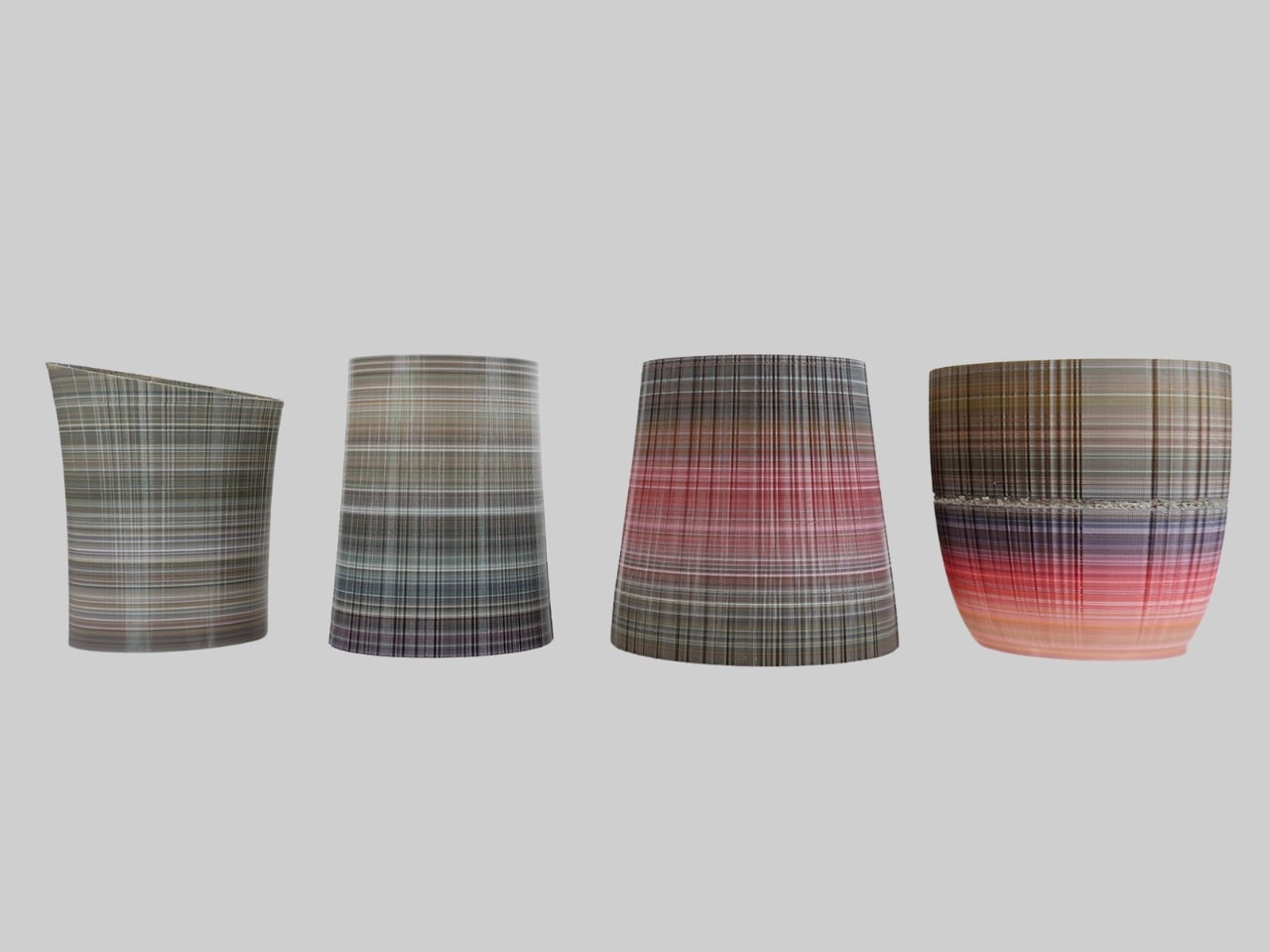
The installation is made up of nine large-scale forms, each one 3D-printed from discarded PLA collected from campus makerspaces and fabrication labs. The team shredded that waste into pellets, blended it with virgin material, and ran it through a pellet-based additive manufacturing process. The resulting objects are not identical. Some grow into tall, slender columns. Others widen into chambers or narrow toward their centers. Each carries its own texture, its own layered color variation from the mixed-batch sourcing, and its own distinct harmonic frequency. Together, they form a distributed sound field, meaning the sound is never coming from one place. It moves with you.


That last part is what makes this more than a sculpture show with a good concept. As you walk through the space, your position changes the acoustic picture entirely. Tones overlap, separate, recede. You’re not passively observing nine objects; you’re completing the field. The project draws on the thinking of composer Edgard Varèse, who called for “organized sound” as architecture, and on the spatial music systems of Iannis Xenakis and Le Corbusier. Those are not small reference points. They’re pointing at a lineage that treats space itself as a musical instrument, and Kwon, Muller, and Patel are building within that tradition using material that would have otherwise ended up as landfill.


The aspect of Ninefold that deserves real attention is how seriously it takes the material. The layered plastic isn’t hidden or smoothed over into something that looks deliberately “designed.” The texture is part of the expression. You can see the deposition, the color shifts, the history of what it was made from. The project doesn’t pretend the recycling didn’t happen; it foregrounds it. That honesty feels important at a moment when sustainability has become more of a marketing category than an actual practice.



The nine forms were also fabricated in modular sections, which means they can be transported, reconfigured, and reinstalled elsewhere. That might seem like a logistical footnote, but it matters: an installation about material longevity should probably have a long life. These objects weren’t made to be shown once and archived.
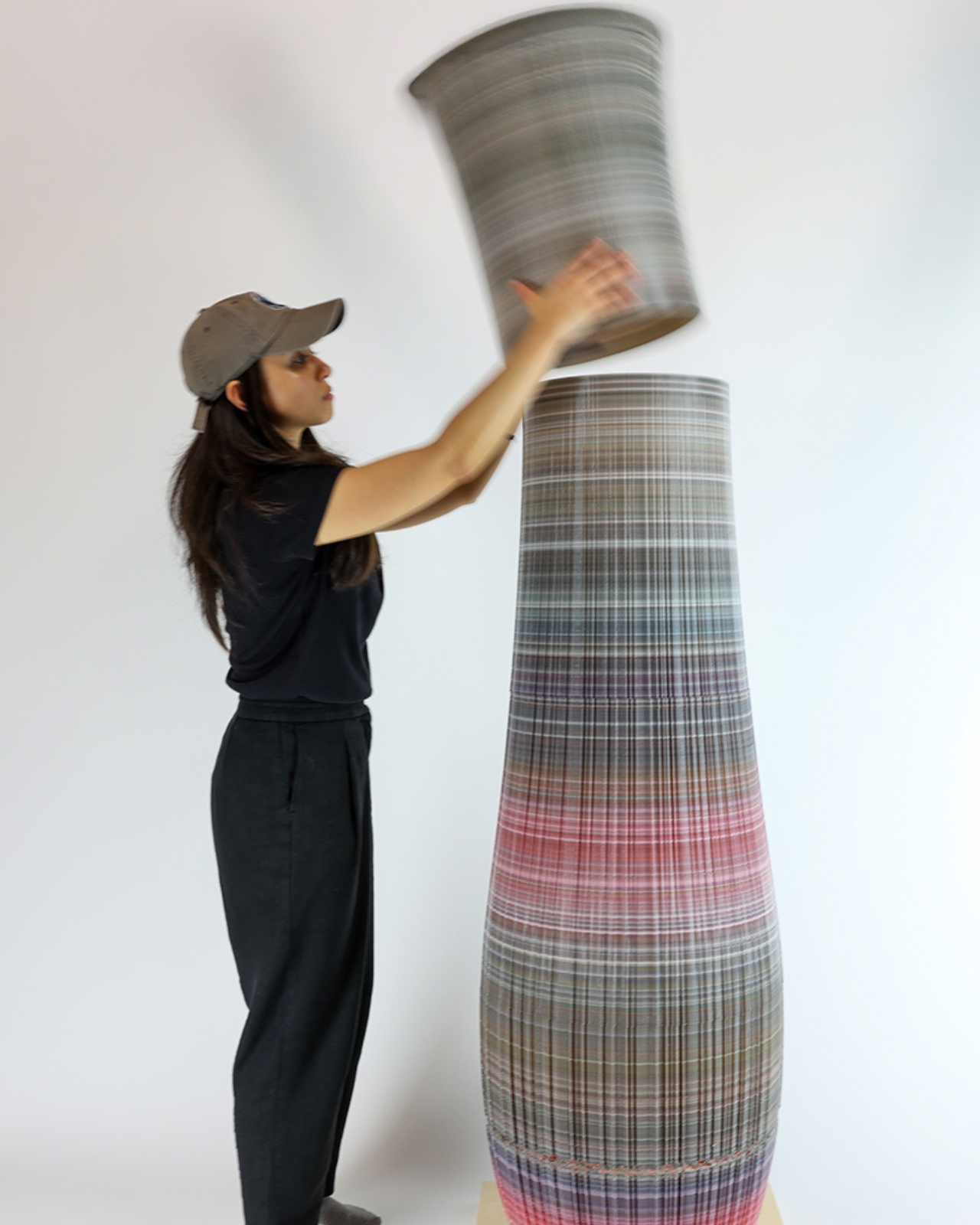
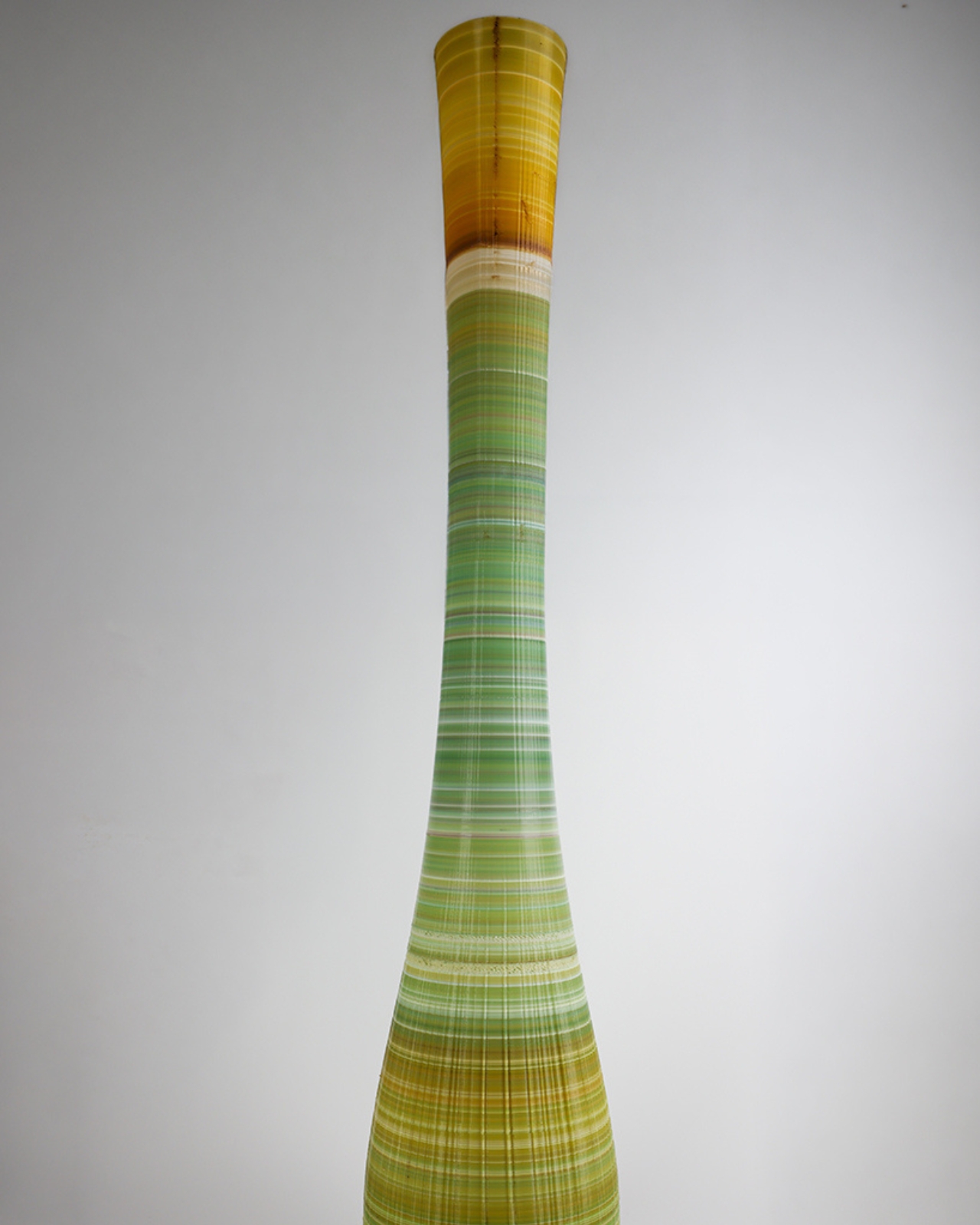
Ninefold is part of a dual exhibition that also includes Plastic Reimagined: Material Agency & Circular Design, developed with students from Georgia Tech’s graduate architecture program and curated by Carolina Cuevas. The full show runs through September at the Reeves House, and admission is free. If you’re near Woodstock, Georgia, it’s worth the trip. If you’re not, the images alone carry something worth sitting with. A lot of projects right now wear sustainability as a label. Ninefold actually earns it, and then manages to also be beautiful, which is rarer than it should be.

The post The Georgia Art Show Turning 9 Broken 3D Prints Into Music first appeared on Yanko Design.

Apple is reportedly preparing to launch its first foldable iPhone, a development that could significantly expand its product lineup and challenge competitors in the foldable smartphone market. Leaks suggest this highly anticipated device, potentially named the iPhone Ultra Fold, will incorporate advanced technology, premium materials, and a luxurious design. However, production challenges and a steep […]
The post iPhone Ultra Fold Changes Everything appeared first on Geeky Gadgets.



I am not a parent myself, but I have been around enough parents that I make some unsolicited observations (to myself, to be fair), especially when it comes to them carrying babies and toddlers. Whenever I see them carrying babies on a sling, I keep thinking, “That doesn’t seem to be that comfortable for both the parent and the kid.” So it’s interesting to see baby brands try to come up with design solutions for this kind of problem, since it’s something that will be around forever.
South Korean baby brand Konny’s contribution to easing the life of parents is the Dual Support Hip Seat Carrier. It aims to solve two of the prevalent problems that they face when using slings. First, it has a foldable hip pad and back pad to make it more comfortable for the kid. Second, the parent doesn’t just bear the weight on one shoulder because of this carrier’s Dual Support.
Designer: Konny

This portable baby hip seat carrier’s main purpose is to replicate the security of a parent’s arms so the baby is upright, safe, and comfortable. It has a foldable hip pad combined with a back pad to give this sense of security. It even has a non-slip bottom so the kid will not slide off the seat, which I sometimes see happen with other seat carriers. The seat is made of soft 3D mesh, giving a more comfortable feeling for your baby as you carry them around.


It also takes into consideration the comfort of the parents since they’re carrying the heavy load, so to speak. The carrier has wide shoulder straps that are able to spread the weight evenly across the back to avoid the one-shoulder strain that a lot of parents experience. You also have the option to carry the baby from a hip position or a front-facing hold. The fabric used is the same stretch-and-resilience material that the other Konny Baby Carriers use, a fabric tested and trusted through over one million carriers sold.


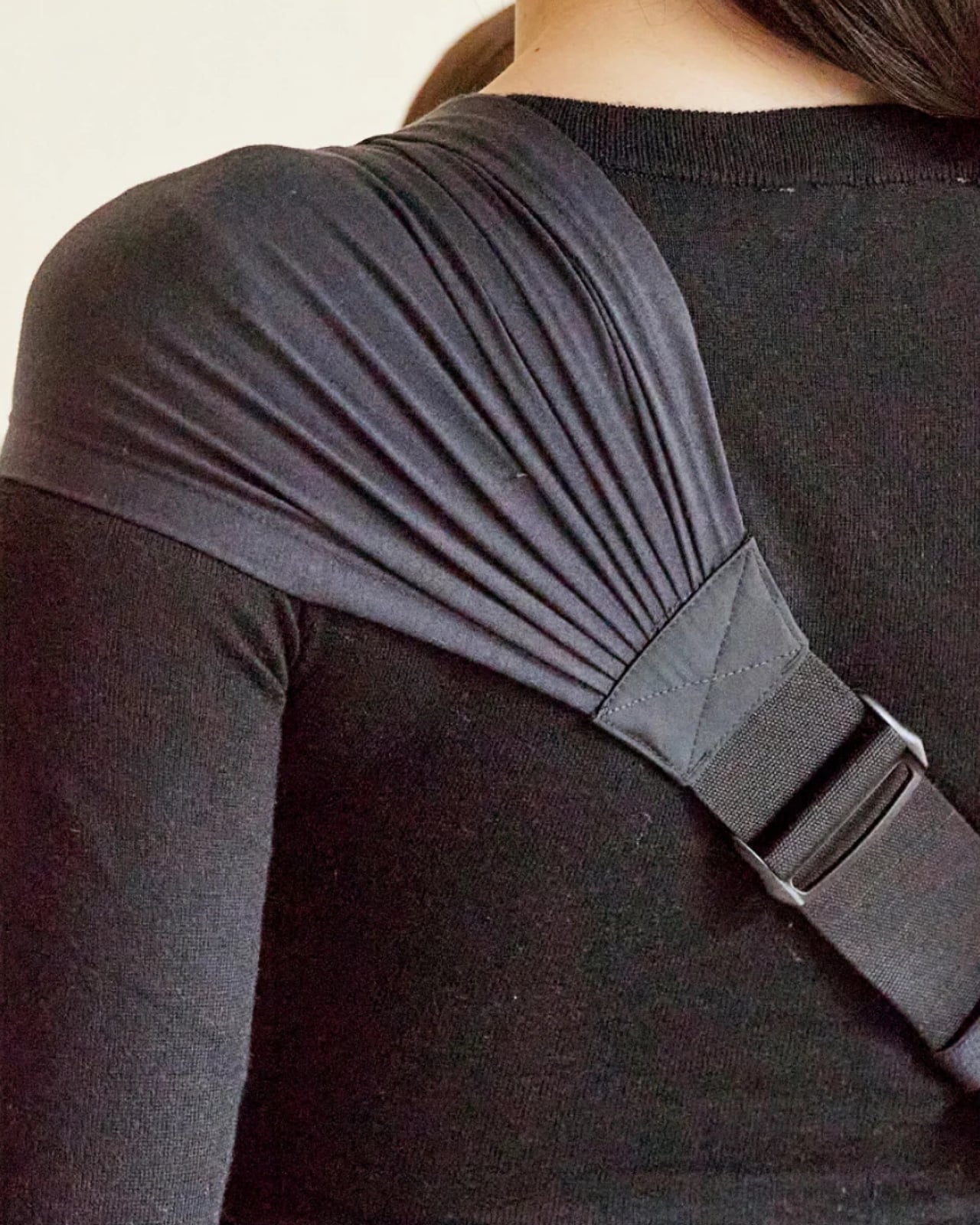
The Dual Support Hip Seat Carrier weighs only 0.5 lbs and can be folded into a small enough item to put in a purse or a diaper bag. But when not being used to carry a baby, it can actually function as a chic and stylish bag that you can carry stuff around with. It claims to be a one-size-fits-all accessory as it is accessible for all kinds of body types.



What I find particularly reassuring, especially for those who aren’t baby gear experts, is that the Dual Support Hip Seat Carrier is IHDI certified. The International Hip Dysplasia Institute recognizes baby carriers that actively support healthy hip development in infants, so this isn’t just a comfort win for parents; it’s a safety win for babies, too. That kind of certification adds a layer of trust that goes beyond just good design.


And speaking of good design, the carrier actually won the 2024 Good Design Award, one of the most prestigious design honors in the world. The jury praised it for achieving a “near-perfect balance between infant safety and parental convenience,” and honestly, it’s easy to see why. The fact that it doubles as a bag when you’re not carrying a baby is already a clever touch, but knowing that the structure was the result of dozens of prototypes and extensive real-world customer testing makes it even more impressive.


The Dual Support Hip Seat Carrier is available on konnybaby.com starting at $59.99, and it comes in a range of colors, from classic Charcoal and Black to more playful options like Green Tea and Blue Grey, as well as a Corduroy version for something a little more textured.



As someone who has watched many a parent struggle with a squirming toddler and a lopsided sling, I’d say this is the kind of product that makes you think, “Finally.” It may not replace the full-on baby carrier for long hauls, but for that “carry me now” stage, when your toddler suddenly decides their legs no longer work, this seems like exactly the right tool for the job.


The post Konny Just Solved the One Thing Baby Slings Never Could first appeared on Yanko Design.

The Sensoreo MS1 Interlink smoke alarms offer a practical approach to enhancing home safety by allowing local interconnectivity without relying on cloud services. Designed to communicate through a secure thread network, these alarms ensure that when smoke is detected in one area, all alarms in the system activate simultaneously. This feature is particularly valuable for […]
The post Smart Smoke Alarms That Keep Talking When Wi-Fi Goes Down appeared first on Geeky Gadgets.