
Razer just released a cute and teensy mobile game controller
It's called Prio and folds up when not in use, making it pocket-friendly.

Most residential towers in America solve one problem and create three more. They stack people vertically, sell the view as the amenity, and call it a day. What gets lost is everything that used to make a neighborhood feel like one: the corner bodega, the shade tree you actually stop under, the sense that your building belongs to the land instead of just occupying it. Walk through most new luxury developments in Miami, Austin, or Denver and you’ll notice the same pattern. The site gets cleared first, then the glass box goes up, then a landscaper is hired to fake back some greenery for the marketing renders.
There’s a second, quieter problem underneath that one. Architecture awards, and honestly most architecture headlines, tend to celebrate the towers rich people buy, not the housing most people actually need. Middle-income buyers get squeezed out of both the conversation and the design attention. So when a project comes along that’s built specifically for that gap, and wins on merit rather than price tag, it’s worth paying attention to.
Designer: Carazo Arquitectura
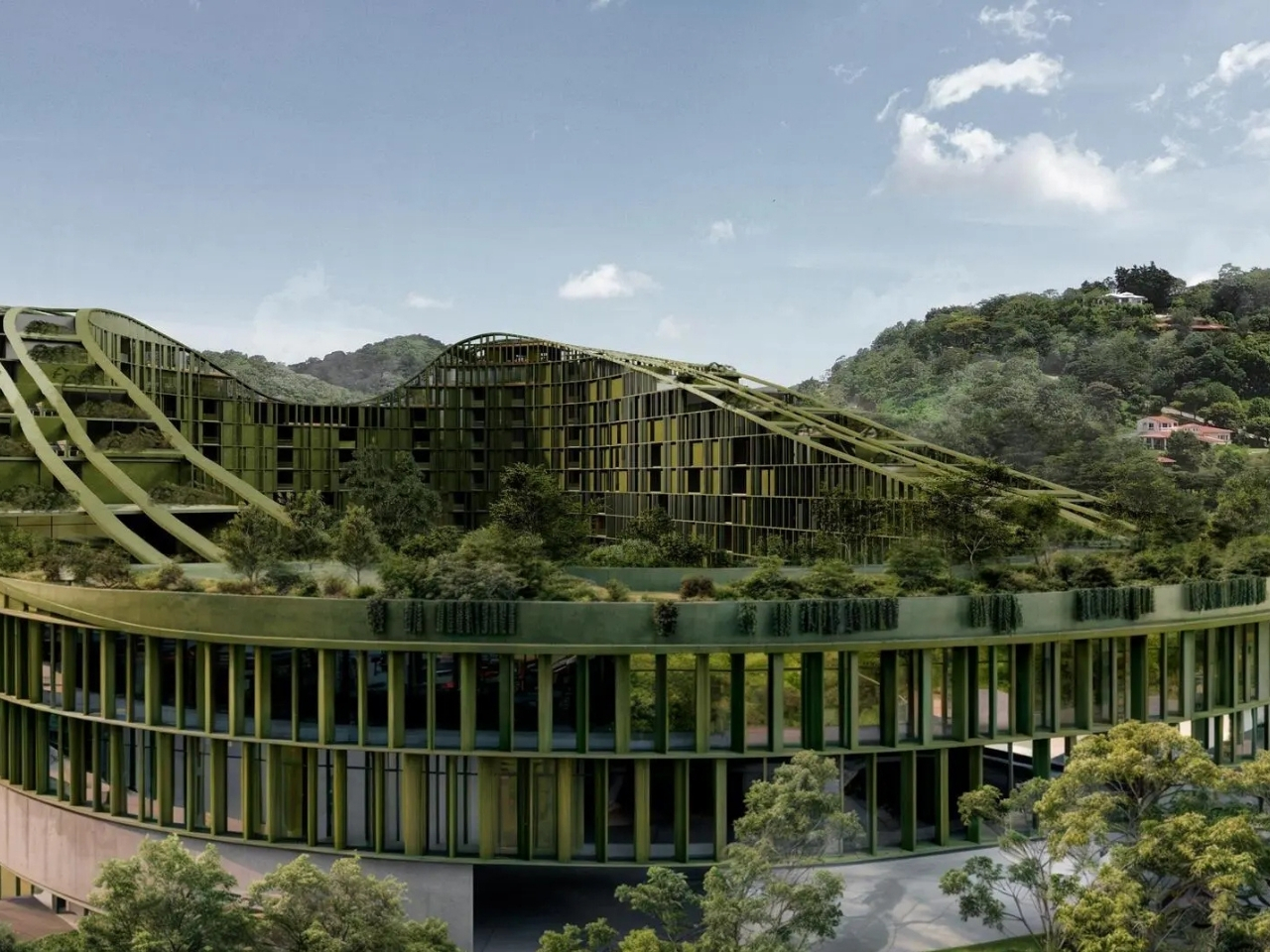
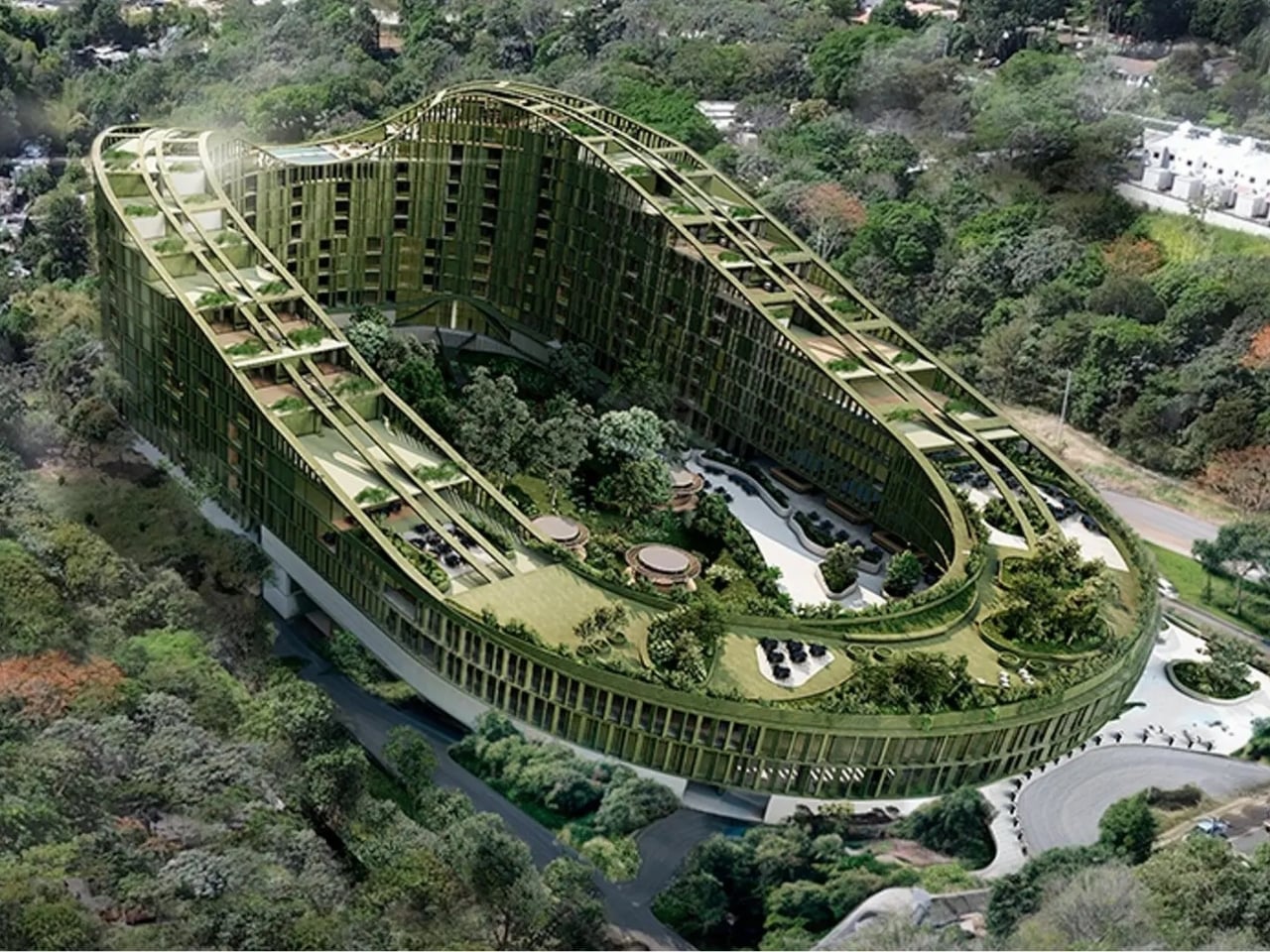
That’s what makes LTR1 interesting. Designed by Carazo Arquitectura, a Costa Rica-based studio working across Latin America, the project sits in Nuevo Cuscatlán, in the metropolitan area of San Salvador, El Salvador. It’s a 60,265-square-meter mixed-use development with more than 400 middle-income homes, and it just won both the Jury Winner and Popular Choice Winner titles at the 14th Annual Architizer A+Awards, in the Unbuilt Multi-Unit Housing category for buildings over ten floors. Winning both isn’t common. It means the critics and the public actually agreed on something for once.
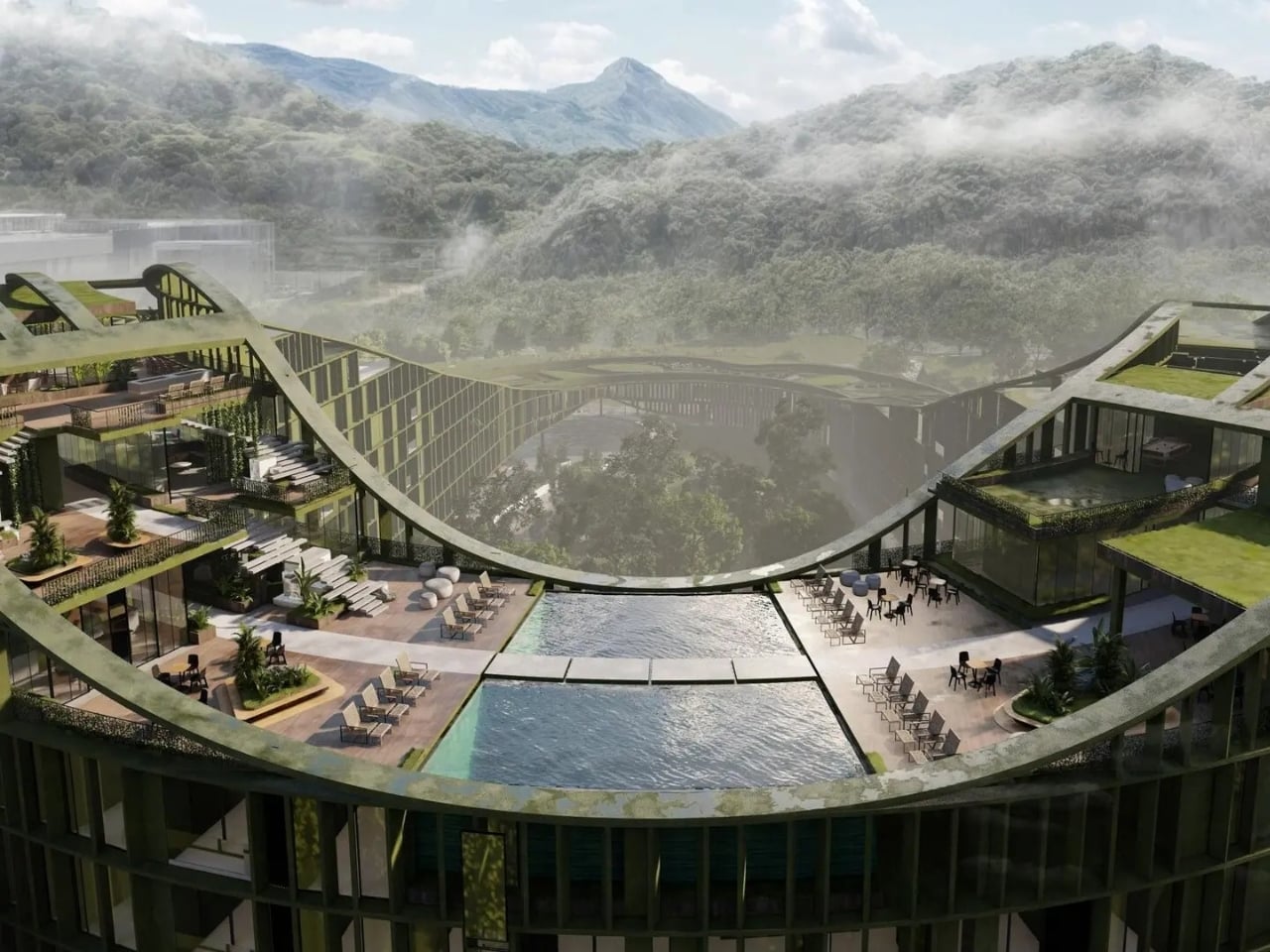
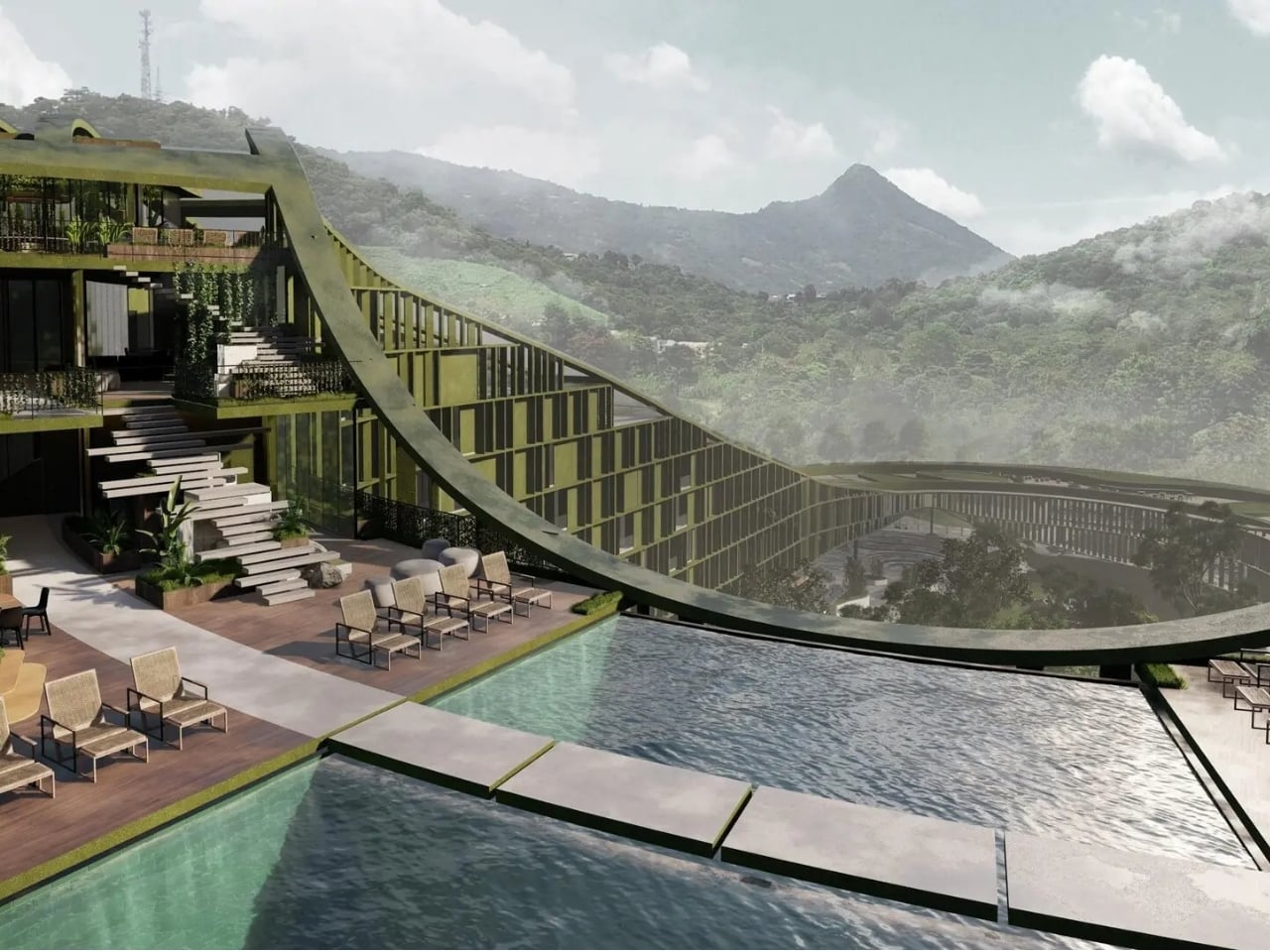
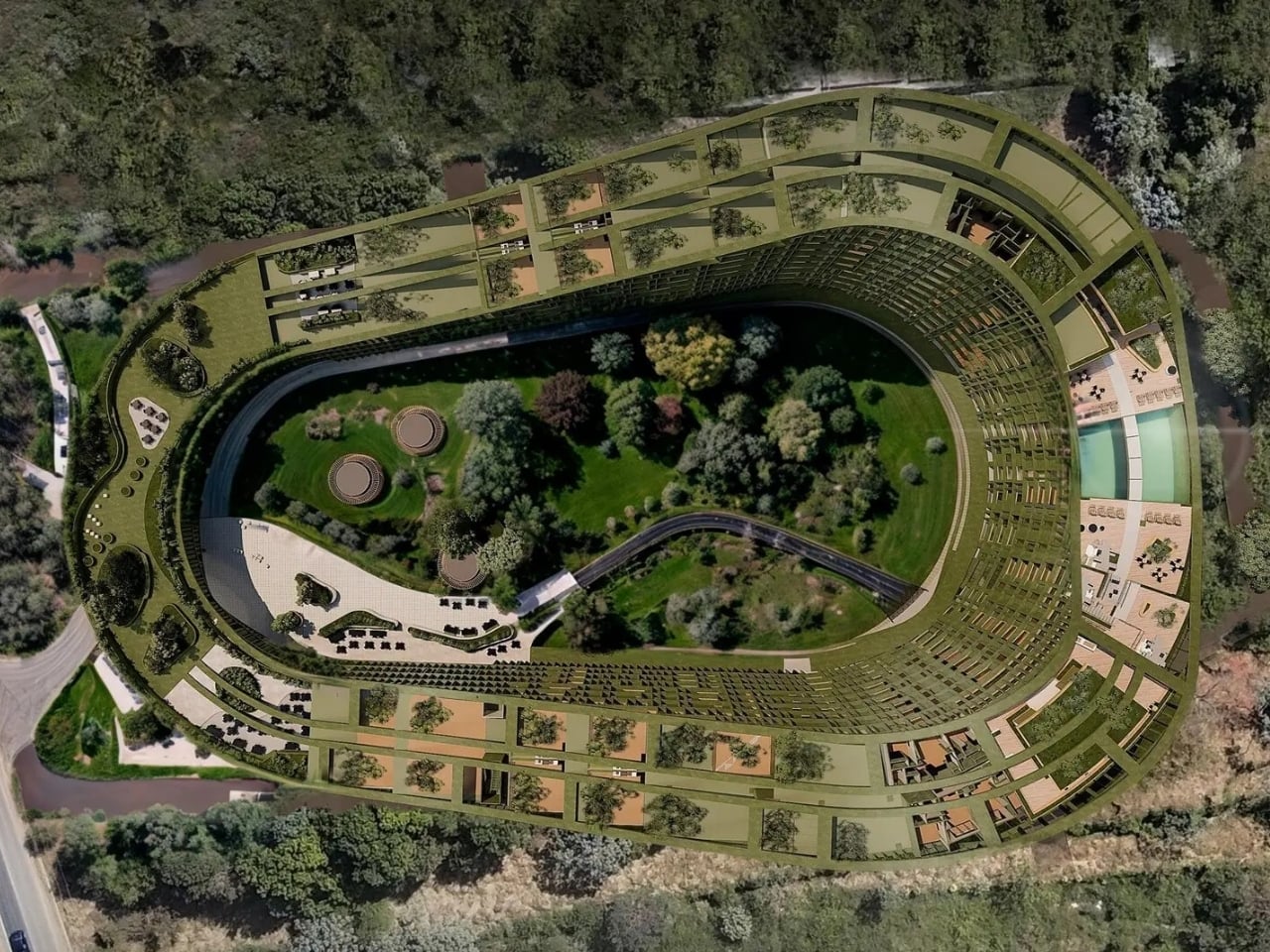
The reason they agreed is right there in the plan. Instead of clearing the site, Carazo Arquitectura designed a curved tower that wraps around an existing forest, letting the preserved landscape organize the whole building rather than sitting beside it as decoration. Housing, retail, restaurants, coworking space, wellness facilities, and public gardens are folded into the same structure, stacked and threaded around the trees instead of over them. It reads less like a building with a view and more like a neighborhood that happens to be vertical.
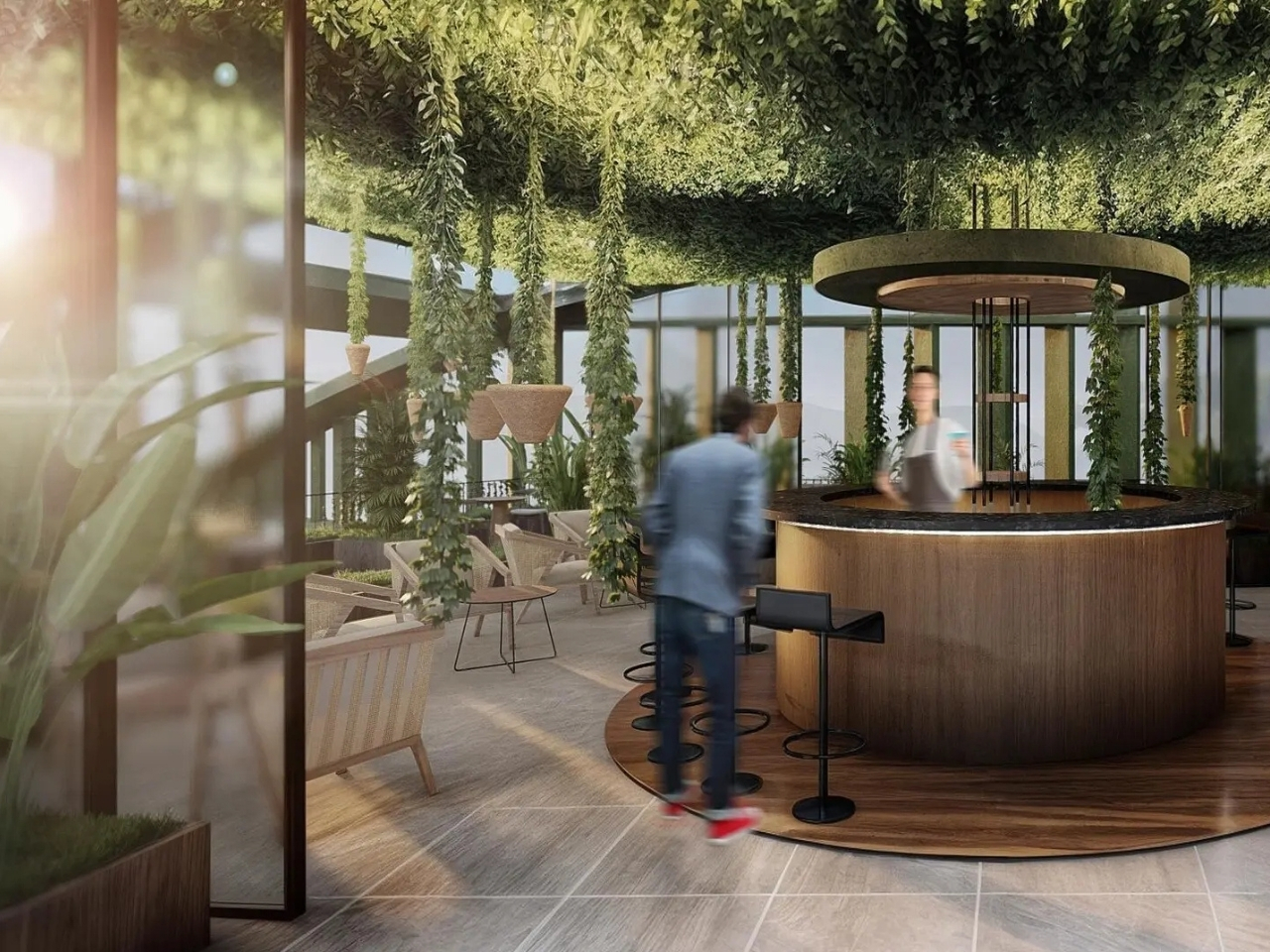
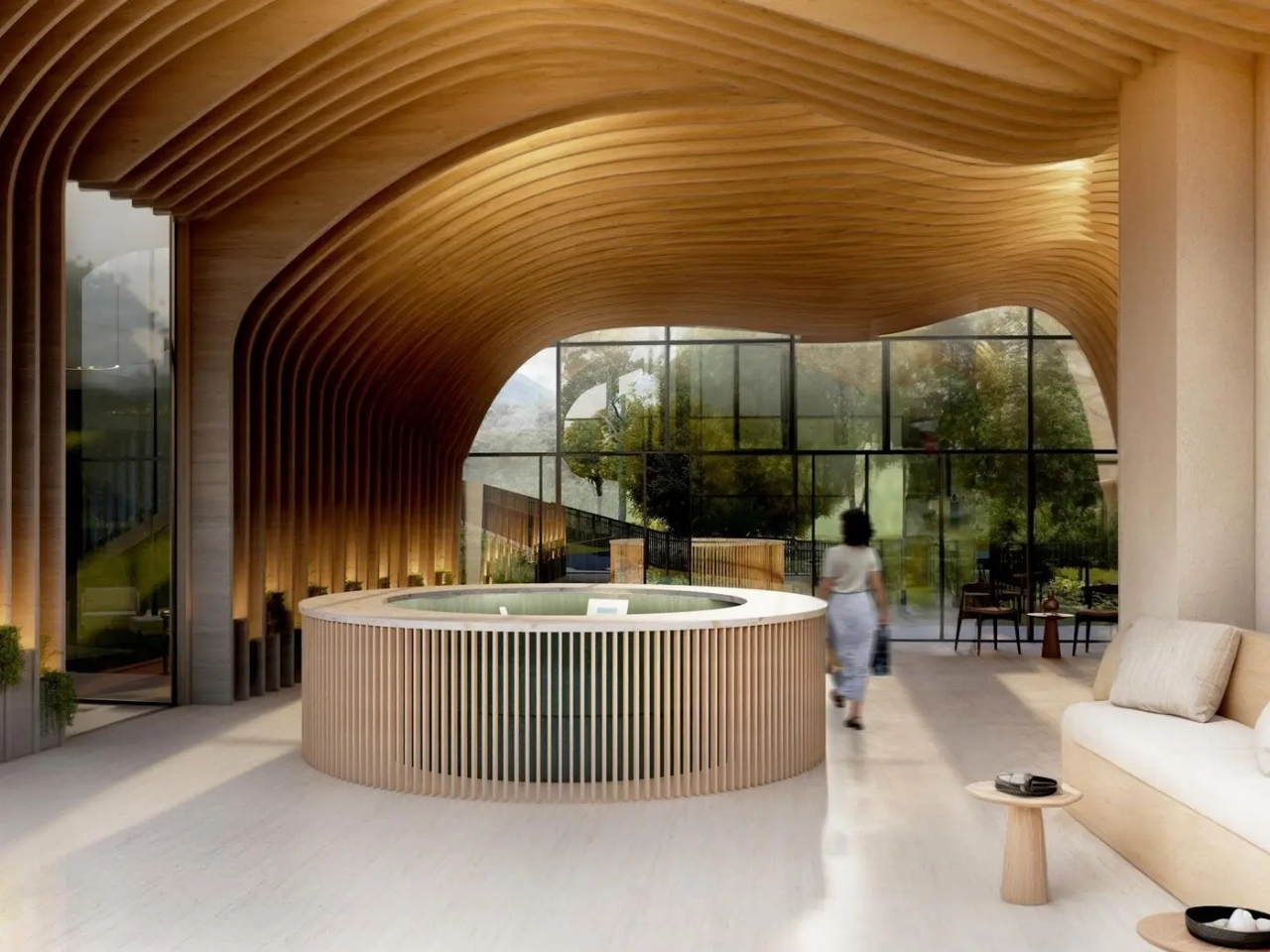
I’ll admit I’m a sucker for a building that pays attention to where it’s standing. The roofline isn’t arbitrary either. The architects photographed the profiles of El Picacho peak and the San Salvador Volcano from the site and translated those silhouettes into the building’s geometry, so the tower is quite literally shaped by the mountains around it. Carazo calls this research framework Tropical Vertical Urbanism, which is a mouthful, but the idea underneath it is simple: dense vertical living doesn’t have to mean cutting a place off from its own climate and terrain.
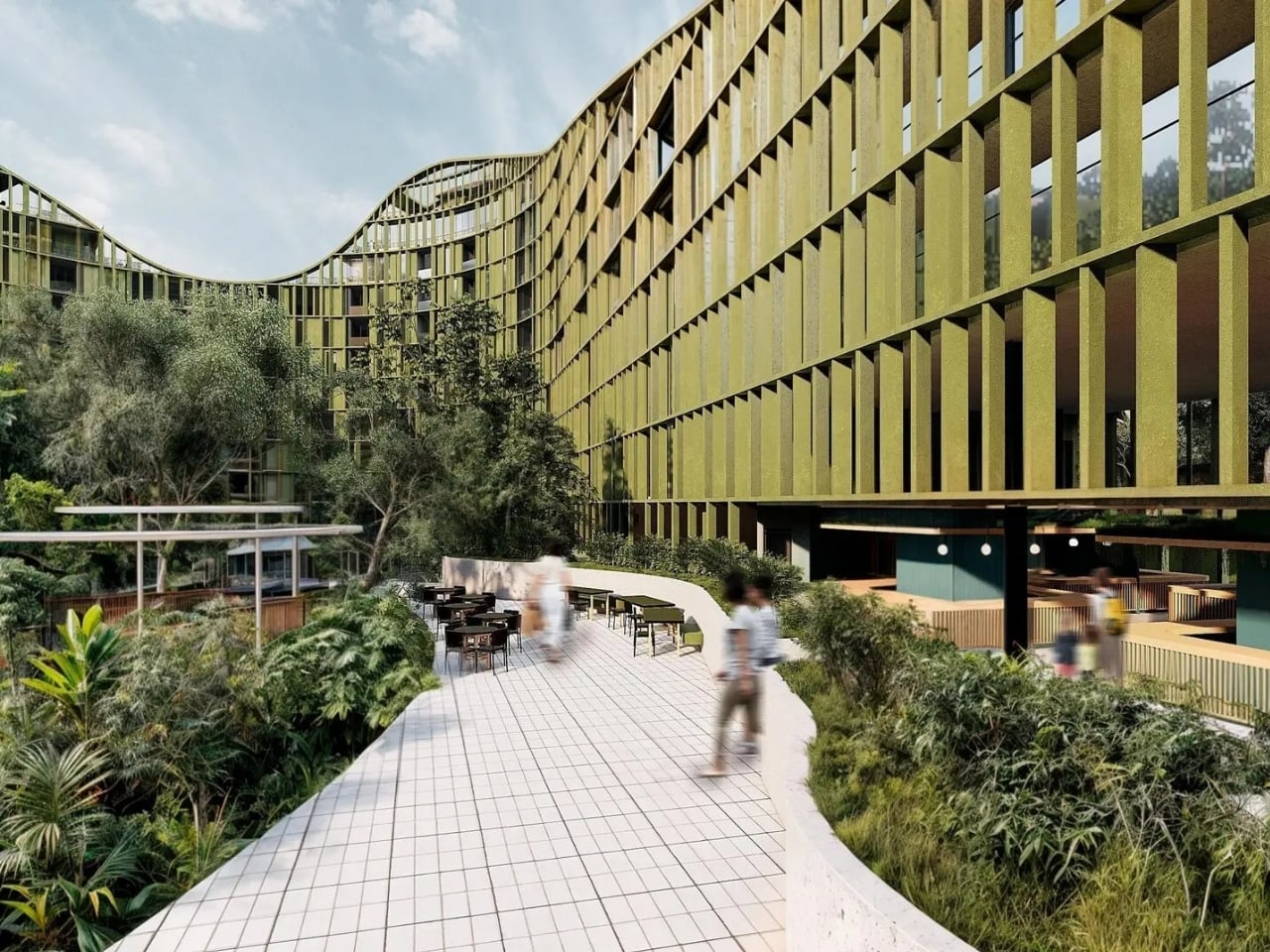
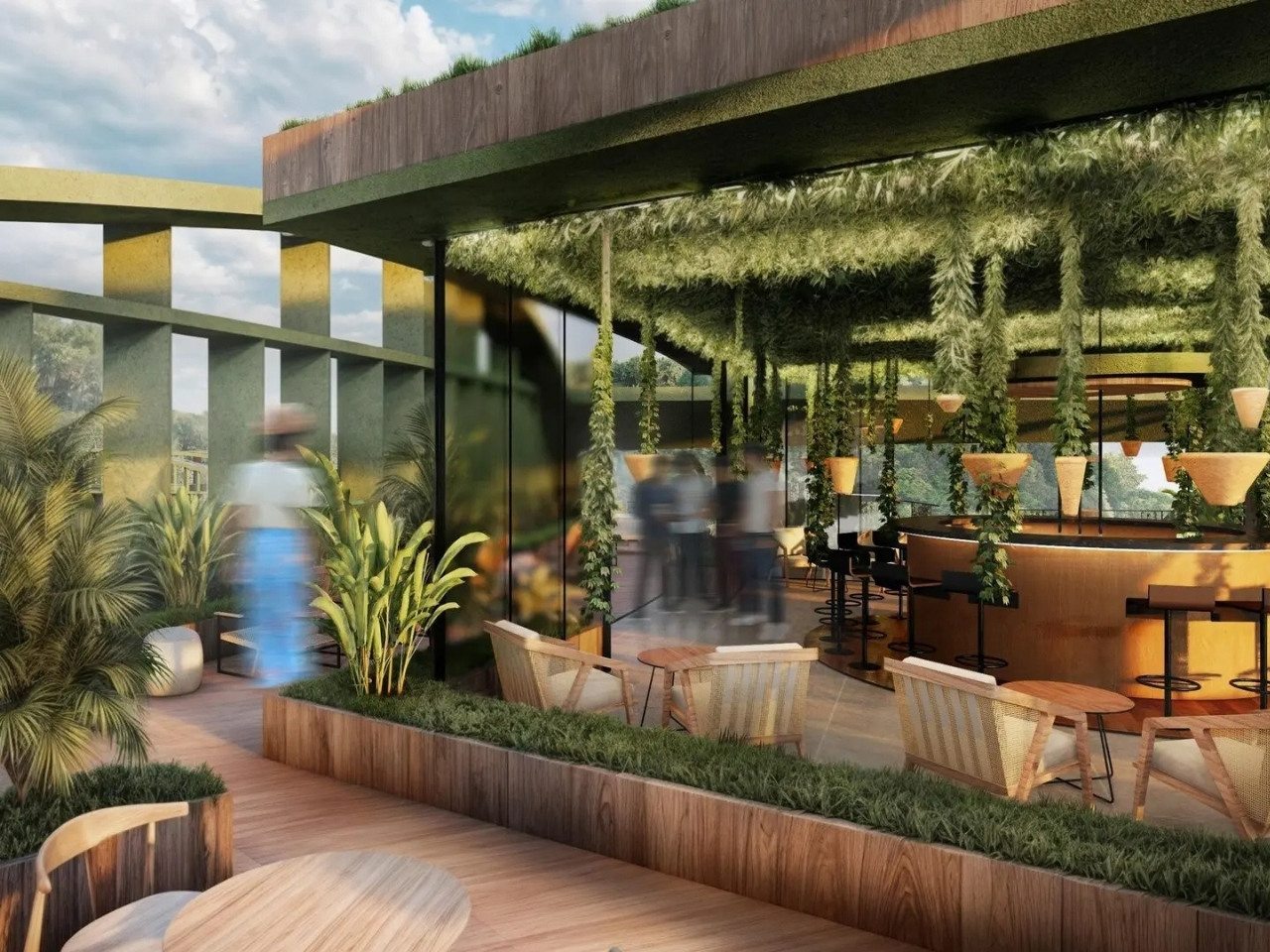
None of this should feel foreign to an American audience. We’re having the exact same argument here, about missing middle housing, about whether density has to mean sterility, about whether remote work and wellness culture deserve real architectural space instead of a gym in the basement. LTR1 answers all three at once without turning into a manifesto. It just builds coworking and wellness into the tower the same way it builds in the forest, as infrastructure, not amenity.
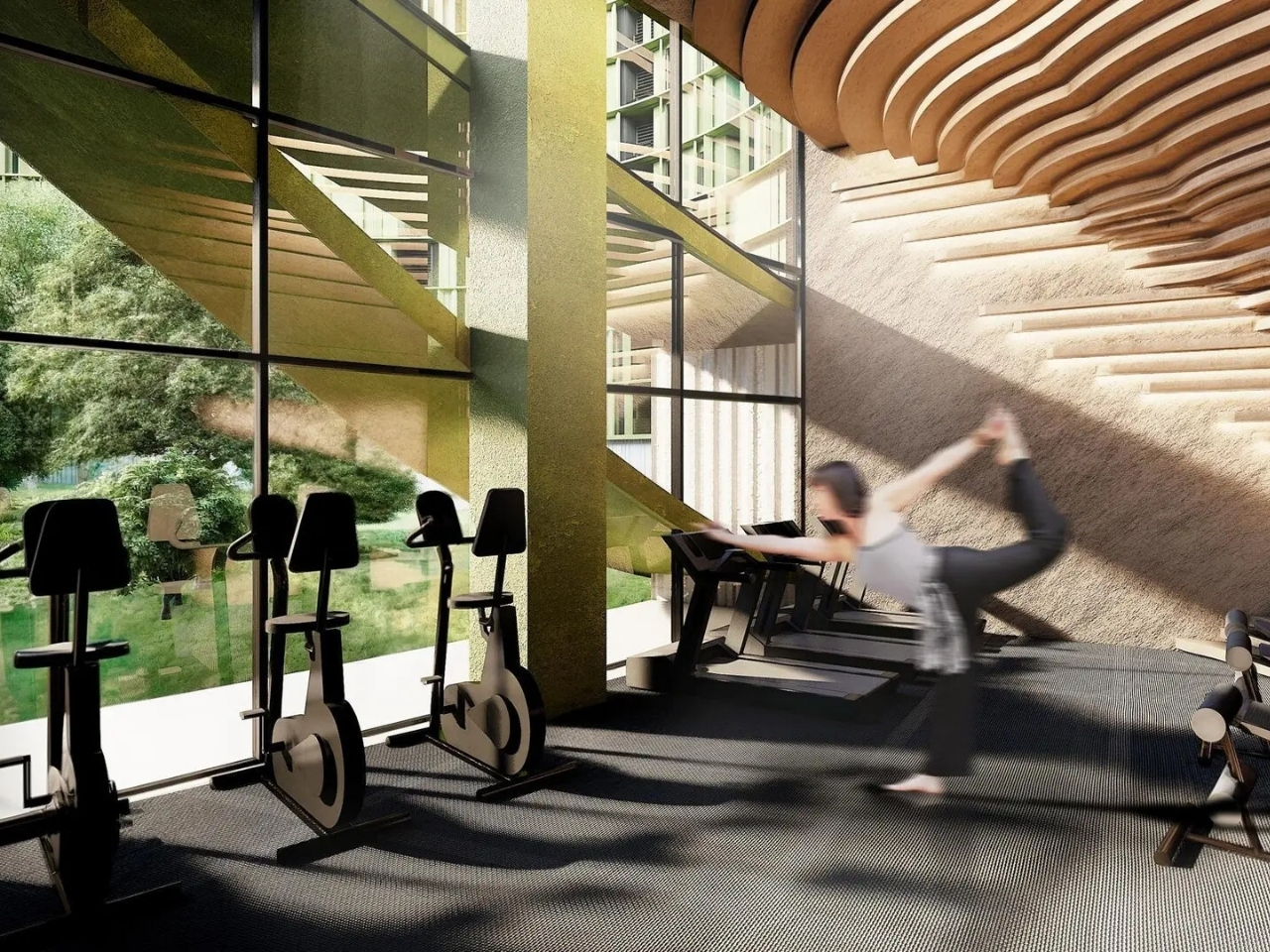
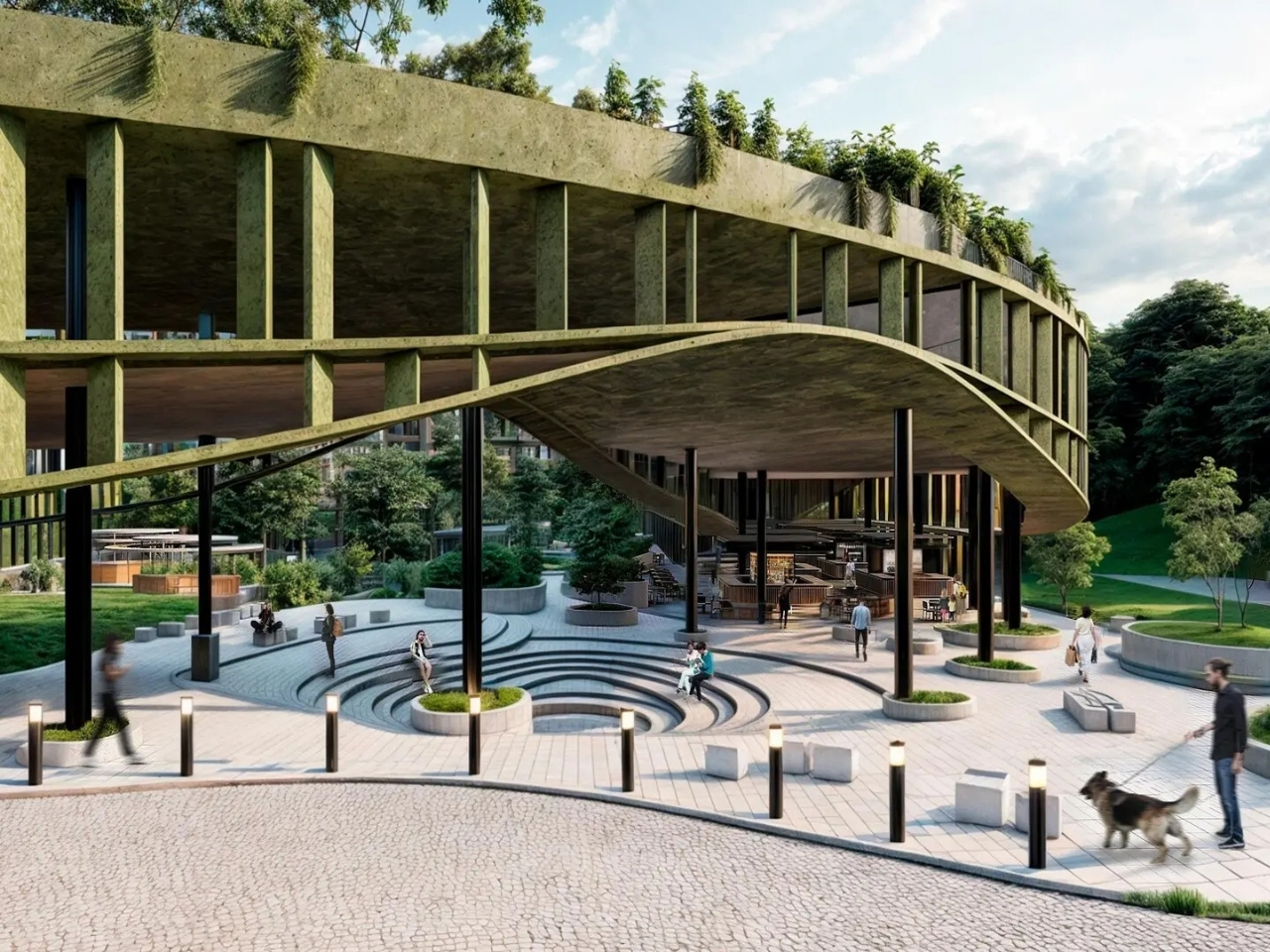
The project hasn’t broken ground yet, and I won’t pretend an unbuilt tower changes housing policy. But juries and the public rarely agree on the same building unless it’s touching something real. What LTR1 gets right is refusing the trade-off everyone assumes is necessary, that you either get density or you get nature, that you either build for the middle class or you build for awards. A forest that survives the construction of four hundred homes around it is a small, specific kind of promise. It’s the kind worth watching to see if it actually gets kept.
The post A Tower That Finally Builds Around Its Forest Instead of Over It first appeared on Yanko Design.






Flying cars were once considered a pipe dream, eventually moving into feasible territory. Now, after years of research and development by visionary minds, the distant dream is almost on the horizon, with prototypes and concepts in their final stages of fruition. Xpeng AeroHT eVTOL has been lurking in the shadows, ready to make the flying car dream a daily affair, Toyota is in hot pursuit with its eVTOL, and Fusion Flight is also in the mix with Axion.
As highways and freeways get even more congested, the idea of flying cars makes even more sense. Eventually, the buck will stop at how aesthetic your flying car is compared to your neighbour, and we are not talking about a very distant time when that’ll happen. Most eVTOL concepts and prototypes we’ve seen thus far are either too boxy or strikingly close to a helicopter design. That leaves no individual personality for a flying car to make itself heard.
Designer: Luigi Memola


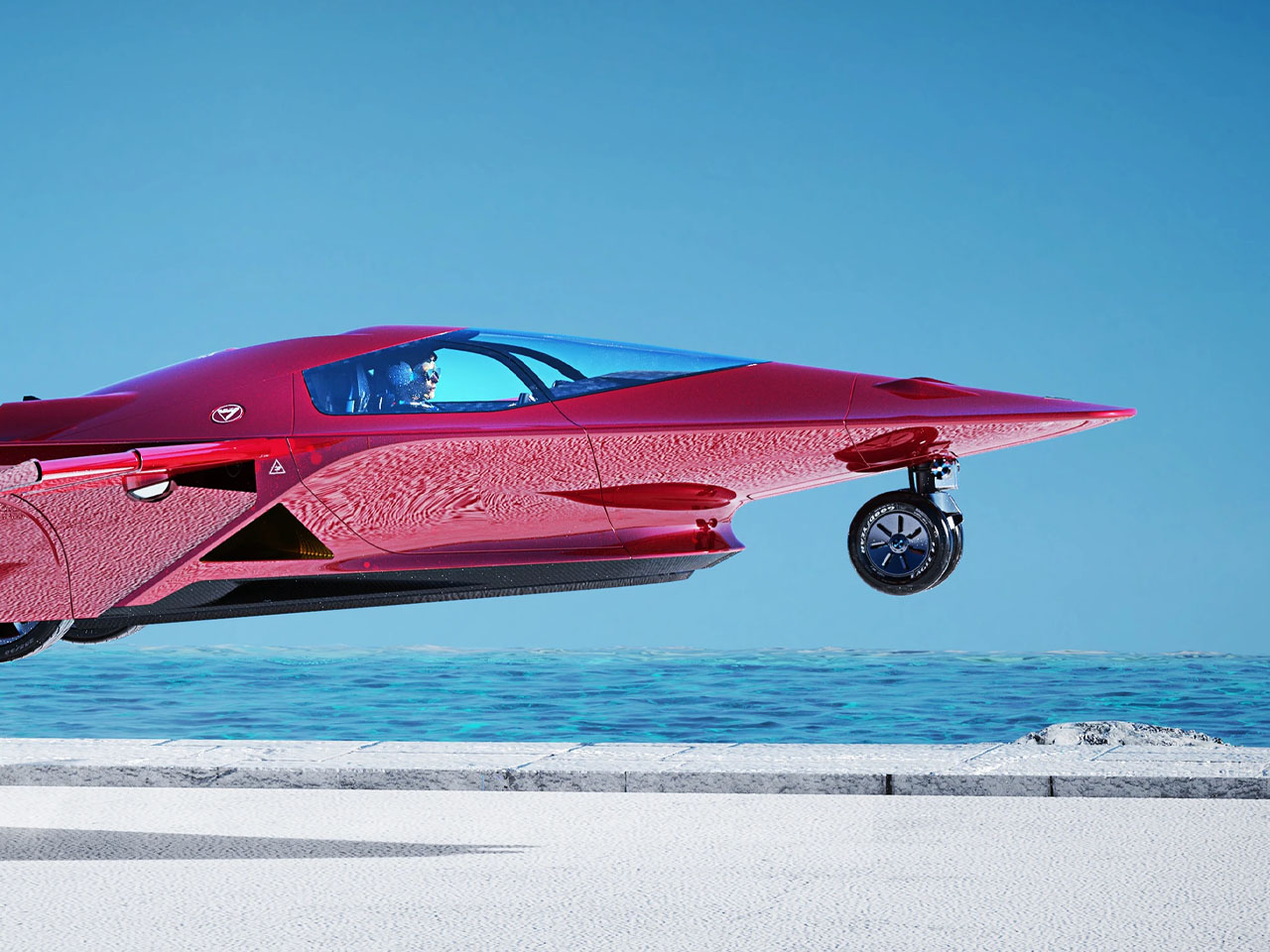
This prompted Luigi to come up with a flying car that has its own unique persona to be confident about while being completely within the realms of practicality. Meet the VEKTOR dual-mode vehicle that is as good on the tarmac as it is when high up in the air. The vehicle looks inspired by the aerodynamic form of fighter jets while adapting a supercar element to keep the motorheads excited about the prospect. The front section of the car is sharp to provide the least resistance to the flow of air, and curves on the sides to provide lift for smooth takeoffs.
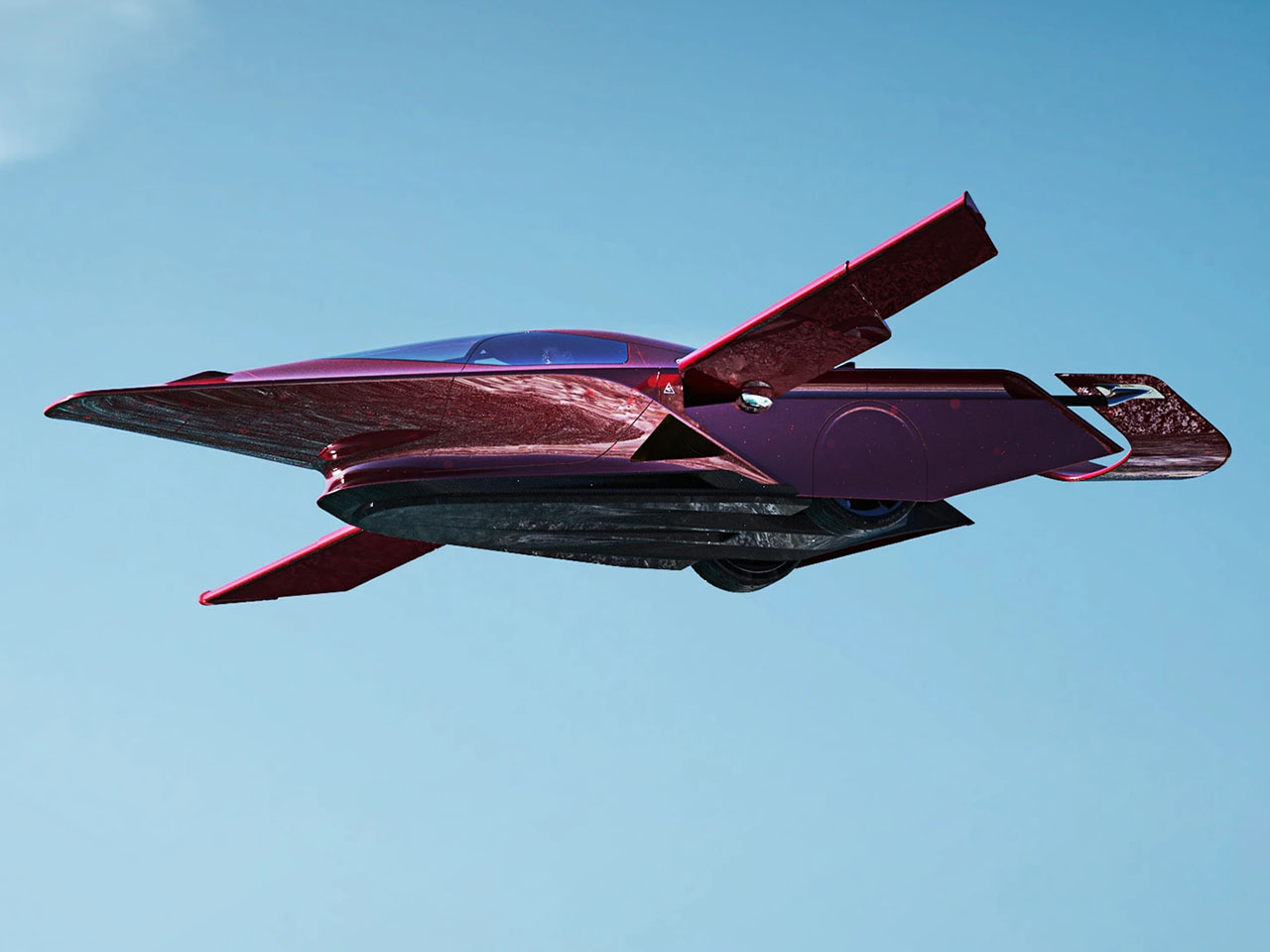

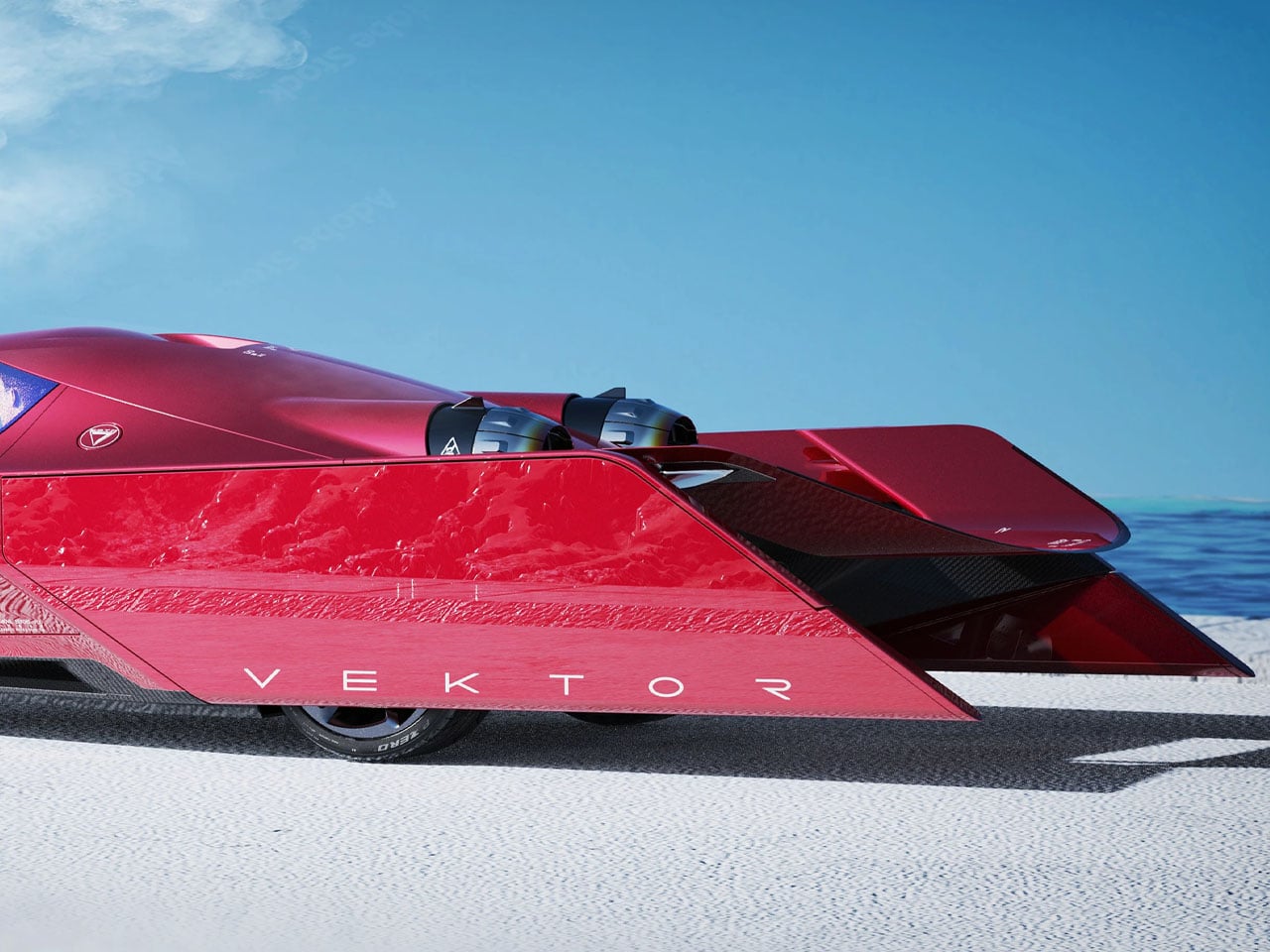
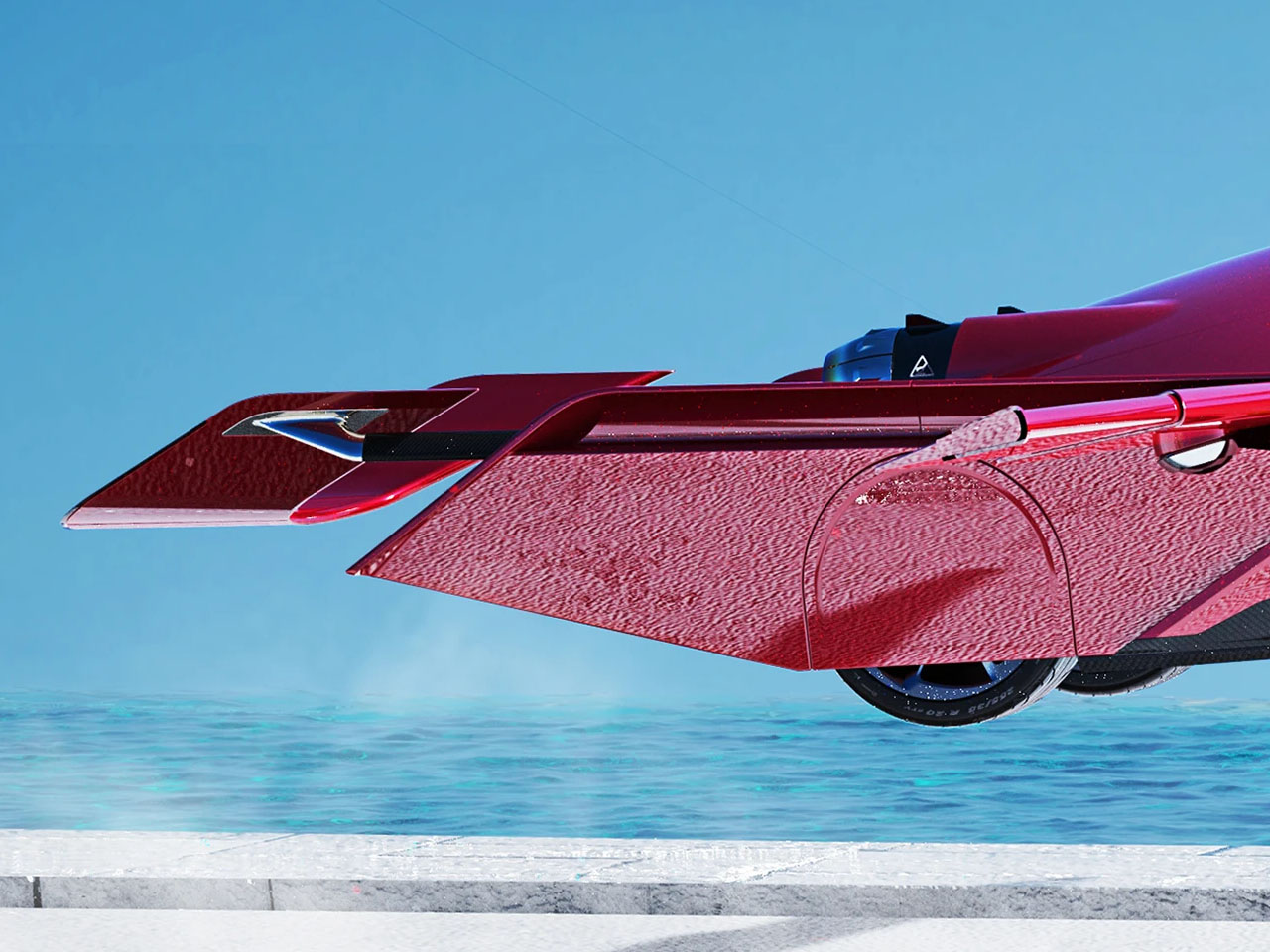
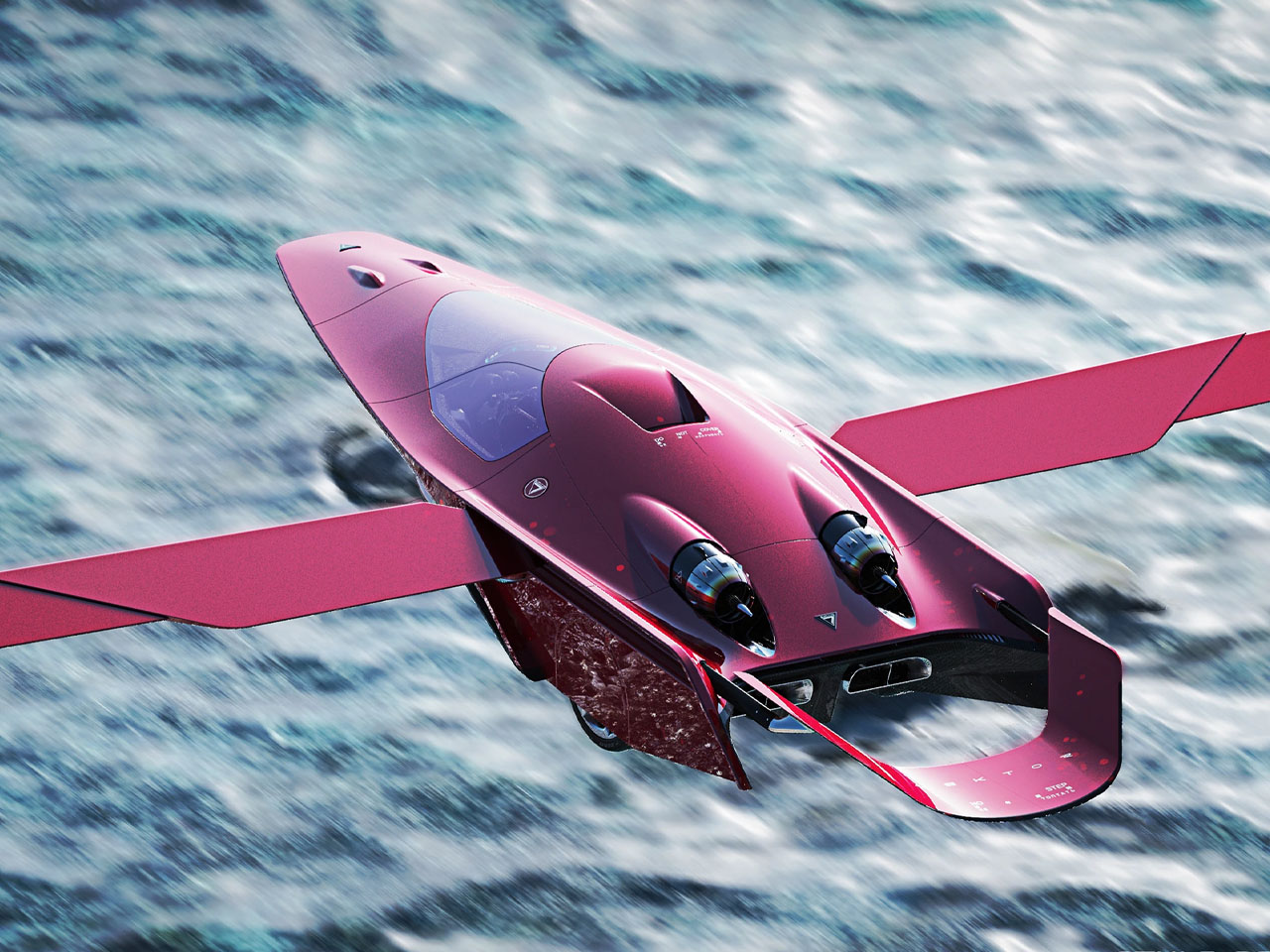
The single-seater flying car is built for adrenaline junkies who have got bored of showing off their exclusive supercars on roads. The next avenue for them is obviously the VEKTOR with its combination of raw power, ultra-manoeuvrability, and attractive looks. The car’s wide wingspan assists in very short take-off and landing, which is important for a smooth transition from riding the freeway tarmac and then taking off at will. The rear section of the flying vehicle has thrusters and exhaust, aided by the optimized spoiler design, which helps in staying airborne without burning too much fuel.
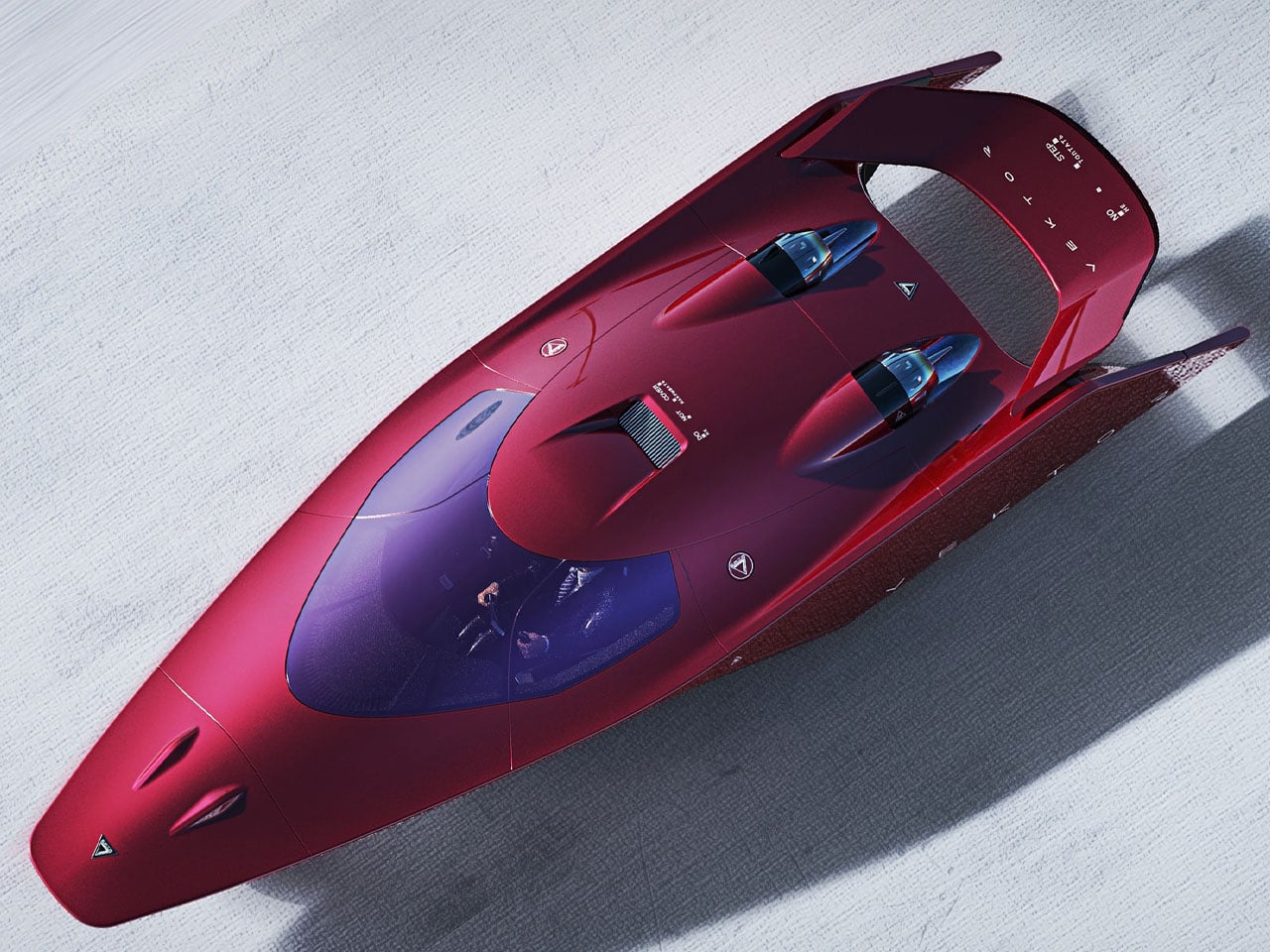
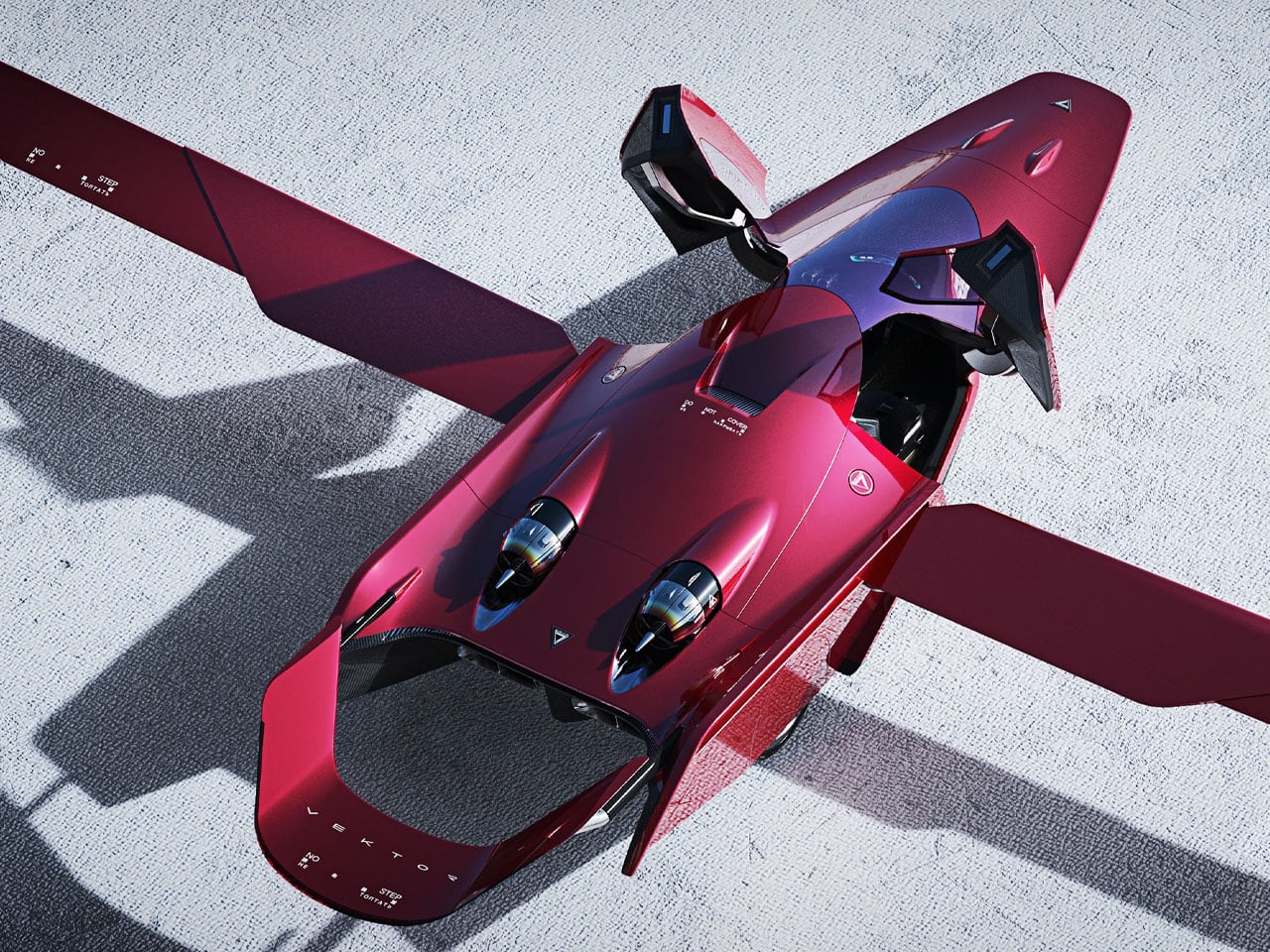
When airborne, the two rear wheels and the bigger front wheel retract back into the underbody to eliminate any drag. On the road, the vehicle’s wings retract sideways, just like the side skirts that go over a modified car. Everything seems like a part of the design, which speaks volumes about the concept iteration. Luigi has managed to complement the sporty performance of this flying vehicle with the beautiful aesthetics, draped in a pearl-finish crimson lake hue. Indeed, something anyone won’t mind paying a premium for in the near future, to be honest.




The post A gull-winged flying car concept designed to overshadow a Bugatti or Lamborghini first appeared on Yanko Design.