Wildlight Entertainment, the studio behind Highguard, has laid off many staffers. Level designer Alex Graner wrote in a LinkedIn post that the layoffs impacted "most of the team." The company says it's keeping a "core group of developers to continue innovating on and supporting the game." That sounds like a skeleton crew.
Today we made an incredibly difficult decision to part ways with a number of our team members while keeping a core group of developers to continue innovating on and supporting the game.
We're proud of the team, talent, and the product we've created together. We're also grateful…
Despite the company's efforts, the concurrent player count on Steam quickly dropped from around 100,000 to under 3,000 (where it sits right now.) It looks like that dwindling player count has now translated to massive layoffs just weeks after the initial release. Wildlight says it's "grateful for players who gave the game a shot, and those who continue to be a part of our community."
This article originally appeared on Engadget at https://www.engadget.com/gaming/highguard-studio-lays-off-most-of-its-team-just-weeks-after-the-game-went-live-165919815.html?src=rss
PlayStation’s first State of Play of the year is shaping up to be quite newsworthy. While Sony hasn’t revealed too much about what it will show off (with one notable exception), the stream is slated to last for over an hour, so there should be at least some interesting stuff. The showcase will get underway at 5PM ET on February 12. You can click the play button on the YouTube video above to watch the State of Play in English when the time is right.
The PlayStation YouTube channel is hosting alternative versions of the stream. One has English subtitles and the other is in Japanese. Otherwise, you can react to all the reveals live in Twitch chat.
The showcase will include “news, gameplay updates and announcements from game studios across the globe,” Sony said. It will “spotlight eye-catching third-party and indie games headed to PS5, along with the latest from teams at PlayStation Studios.”
Sony’s slate of first-party games has been relatively slim over the last few years, but the company is preparing to release a trio of them over the next couple of months. It’s likely that all three of those (Saros, Marathonand MLB The Show 26) will make appearances during the State of Play. Bungie has confirmed that Marathon will definitely be in the mix, though it dispelled rumors that another playtest for the extraction shooter will take place this weekend.
There are positive signs for news on the Silent Hill front as well. Konami has scheduled a Silent Hill Transmission presentation for 7PM on Thursday, which is soon after the State of Play wraps up. That stream will include new information about Silent Hill: Townfall, which was announced all the way back in 2022, but we could get a peek at that game during the State of Play too.
Elsewhere, we may get an update on Marvel Tōkon: Fighting Souls, a nifty looking tag-fighting game from Arc System Works that Sony is publishing. That’s slated to arrive this year on PS5 and PC (Steam and Epic Games Store). A recent update to the game’s Steam page — which was quickly reverted — revealed that the game will have 20 fighters at the outset, with more to come. The timing of the leak suggests that Marvel Tōkon: Fighting Souls may well show up during the State of Play.
However, Marvel’s Wolverine, which is set to arrive this fall, may not be featured during this particular State of Play. Developer Insomniac Games indicated on X that it would reveal more details about the game this spring. However, that doesn’t entirely preclude Sony from featuring the game at Thursday’s showcase. Perhaps we’ll get even a release date, given that GTA VI (a game that most publishers will want to stay very far away from) now actually seems to be on track to arrive in November.
This article originally appeared on Engadget at https://www.engadget.com/gaming/playstation/how-to-watch-playstations-hour-long-state-of-play-and-what-to-expect-162128585.html?src=rss
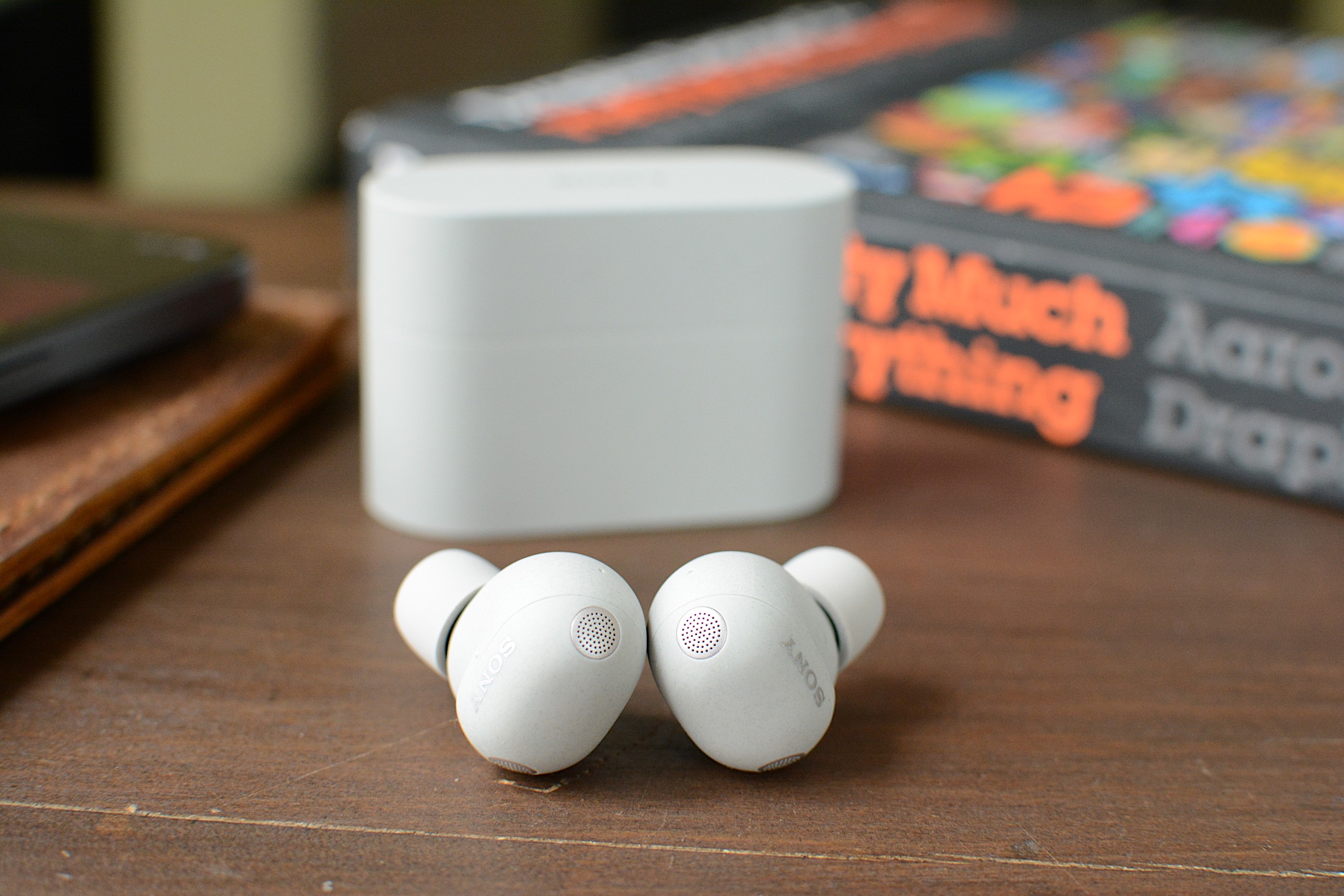
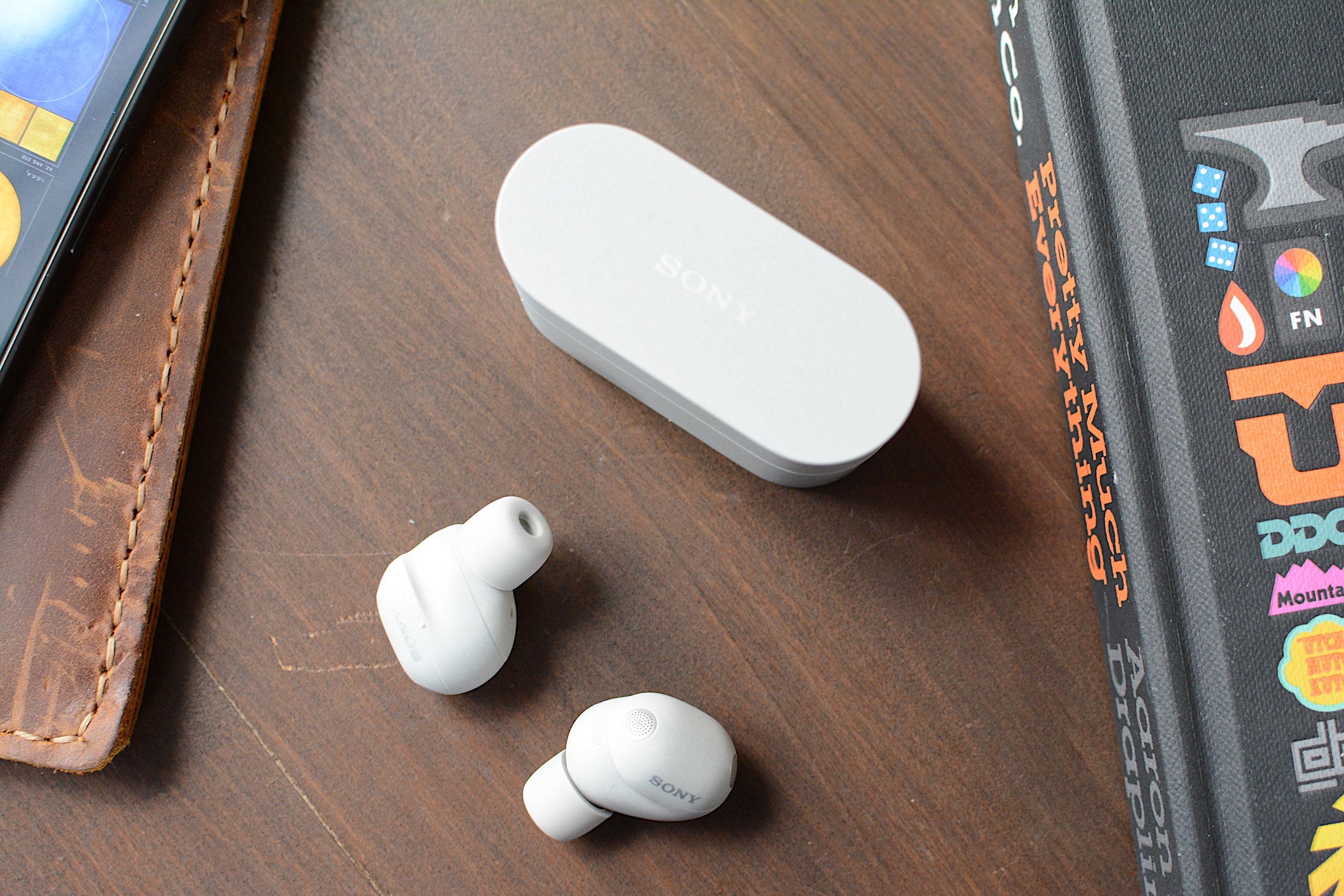
Sony’s 1000X earbuds have been at the top of Engadget’s best wireless earbuds list since we first published it. With each new generation, the company managed to retain its crown, primarily thanks to a massive collection of features and an effective mix of sound quality and active noise cancellation (ANC) performance. Today, Sony revealed the latest entry in the series, the WF-1000XM6, delivering yet another redesign both inside and out. The company’s tried and true formula of features and audio performance remains, but it may no longer be enough to elevate the M6 above the competition.
Design
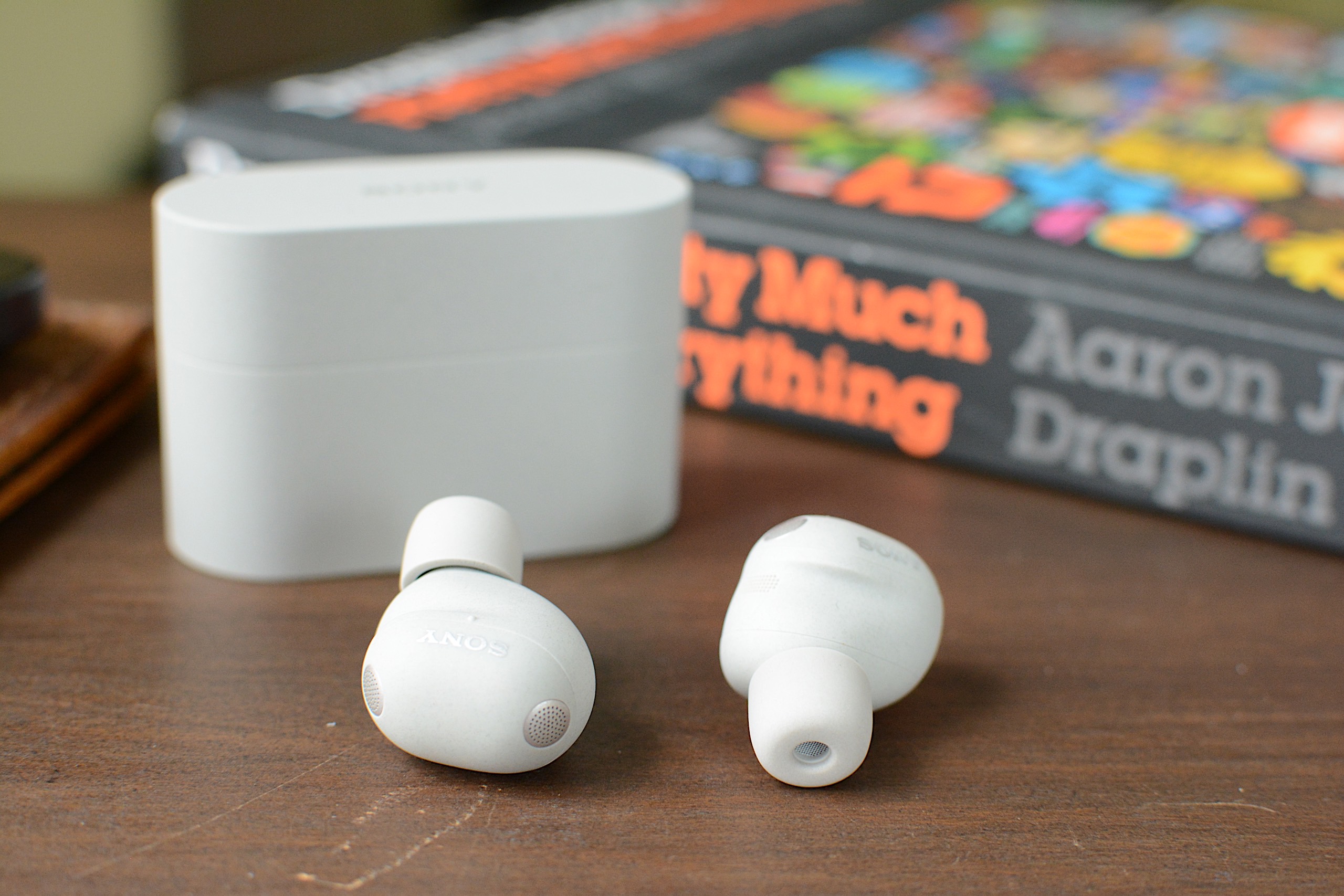
For the third time in a row, Sony overhauled the 1000X earbuds’ design. While the WF-1000XM5 was a clear revision of the WF-1000XM4, the M6 is a departure from both of them. The company managed to reduce overall size even further by using a rounder, pill-shaped enclosure for the earbuds’ main housing. I certainly applaud Sony for making these as tiny as possible, but I’m still not a fan of the company’s foam ear tips.
Sony introduced foam ear tips on the 1000XM4 earbuds and that led to an unstable fit during my testing. In fact, I ended up switching to the silicone M3 tips for a better feel. Things were slightly better on the M5, but the company regressed here on the M6. I tried every size of ear tips in the box and the fit test in the Sound Connect app only ever confirmed an air-tight seal in my right ear. This can impact sound quality and ANC performance, and the earbuds don’t feel like they’re sitting far enough inside my ears. I never got used to the fit in my three weeks of testing.
The exterior panel of the WF-1000XM6 is still touch sensitive, accepting a variety of taps for playback controls, calls, noise settings and more. Sony also included a repeated tapping gesture that’s used for volume control. Keep tapping on the right earbud to raise the volume and do so on the left to lower it. My disdain for touch controls is well-documented at this point, but the M6 reliably and quickly responded without me having to repeat a tap sequence.
WF-1000XM6 features
The WF-1000XM6 accepts taps for touch-based controls.
As is typically the case with its 1000X earbuds, Sony has loaded the M6 with features. Nearly all of these are holdovers from previous models, including Adaptive Sound Control that can automatically adjust settings based on your activity or location. Speak-to-Chat still pauses audio and activates ambient sound when you start talking, but it’s also still easily duped by coughs or clearing your throat. A quick access feature can put Amazon Music, Apple Music, Endel, Spotify and YouTube Music two or three taps away, depending on how you configure it.
The M6 earbuds also allow you to accept and reject calls with head gestures and you’ll have the option to pipe in your own voice during a call. Sony retained its existing option of operating the earbuds with voice commands: If you say “Assistant,” you can then ask it to play, pause, skip and replay songs. It will also adjust the volume for you, but that’s the extent of its abilities.
Sony included some handy power management features as well. First, there’s an Auto Power Save mode that will disable any custom EQ settings, DSEE Extreme upscaling, Speak-to-Chat and voice control/voice assistant to reduce power consumption when the M6 hits 20 percent battery remaining. A Battery Care tool will extend the life of the earbuds’ battery by stopping charging before it reaches 100 percent. Lastly, Automatic Power Off will turn the earbuds off when they’re outside of the case and haven’t been worn for some time.
Basic conveniences like multipoint Bluetooth, wireless charging and IPX4 water resistance are also here. Wear detection is onboard and you can use Sony’s EQ presets to alter the sound profile, or make your own and save them for future use. The Sound Connect app puts the battery levels of the individual earbuds and the case front and center, and you can edit the main screen to hide the features displayed there if you don’t need them.
Sound quality and ANC performance
Sound quality is one of Sony's strengths and that continues on the M6.
Billy Steele for Engadget
If Sony’s long list of features is its top advantage over the competition, overall sound quality is number two. For the WF-1000XM6, the company built new drivers with soft edges for deeper bass and a more rigid, lightweight dome for clearer treble. There are also notches around the edges for “clearer and smoother” sound quality overall, according to Sony. And of course, DSEE Extreme upscaling helps to recover details lost to compression while 360 Reality Audio and Spatial Sound Optimization are available for more immersive listening.
I found the M6 earbuds at their best with the stock EQ and DSEE Extreme active, much like I have on previous 1000X models. The sound is deep and warm, with thick bass that’s adequate without ever overpowering the mix. Highs cut through and there’s ample midrange, keeping those finer details from getting lost. Erika de Casier’s atmospheric Lifetime is a great example of what the WF-1000XM6 can do. Vocals seem to float over the top of the bassline and drums, with percussive piano chopping though and subtle synth details popping up throughout. When strings arrive on “Seasons,” the M6 ushers them into a prominent position rather than relegating them behind the beat.
On the WF-1000XM6, the chaos of Spiritbox’s “Holy Roller” doesn’t get condensed to a messy heavy metal roar either. And there’s plenty of texture in the synth-driven noise of Nine Inch Nails’ “As Alive As You Need Me To Be.” Even more straightforward rock tracks like Jimmy Eat World’s “Bleed American” have ample punch, with a wide soundstage that never feels claustrophobic or sounds compressed. Overall, the WF-1000XM6 holds its own against the best-sounding earbuds you can buy right now, though some of the competition, like Technics, have an edge in the way they handle the subtlest of nuances in songs.
If you were hoping for knock-out ANC abilities, I must report that the WF-1000XM6 isn’t the noise-canceling powerhouse that is Bose’s QC Ultra Earbuds. The M6 struggles mightily with human voices. While that’s the downfall of many ANC earbuds, you’ll want to keep it in mind if you plan to wear these in the office. I found I could also still hear constant noise sources like fans and white noise machines when wearing the M6 — items that the QC Ultra Earbuds combat effectively.
Using the WF-1000XM6 for calls
The WF-1000XM6 isn't as adept at calls as Sony advertises.
Billy Steele for Engadget
For calls, Sony says the M6 uses AI for both background noise reduction and voice capture with the beamforming microphones. What’s more, the earbuds are equipped with eight total mics for ANC and calls, plus bone conduction tech for improved voice pickup. Unfortunately, all of that doesn’t lead to stellar performance during calls. While the WF-1000XM6 is perfectly usable for voice and video calls, the overall quality is far from pristine. To make matters worse, the earbuds make you sound overly processed when you encounter significant background noise. Since the company prided itself on the upgrades here, the results are disappointing.
Battery life
Sony says the WF-1000XM6 will last up to eight hours on a charge or 24 hours when you factor in the full longevity of the charging case. During a battery test that I mostly ran with ANC active, I had no trouble hitting that single-charge figure. That’s with the volume around 75-80 percent and includes calls and virtual meetings where I switched over to ambient sound mode.
It’s worth noting that I had DSEE Extreme upscaling active the entire time, which can impact battery life. Plus, if you use the aforementioned Auto Power Save mode, you can extend play time when you have about a quarter of a tank left. Going without some of the M6’s best features in the interest of having tunes for a workout or commute is a fair trade in my book.
The competition
The WF-1000XM6 is still a compelling option, but it's not the clear favorite anymore.
Billy Steele for Engadget
When sizing up the competition for the WF-1000XM6, you have to choose your priorities. Simply put, no other company offers the comprehensive suite of features that Sony does. That’s been true for a while now and it continues with this model. If you want the strongest active noise cancellation, that will be Bose’s second-generation QuietComfort Ultra Earbuds. If the best sound quality is your goal, the Technics AZ100 is your best bet in this price range. I’ll also mention Sennheiser’s Momentum True Wireless 4 which offers great sound quality, respectable ANC and a comfier fit than the M6, but that set is almost two years old at this point.
Wrap-up
Sony continues its run of great earbuds with the WF-1000XM6, but this model isn’t the polished package that some of its predecessors were. The two most obvious places the company is lagging behind the competition is ANC performance and overall voice quality, not to mention my continued dissatisfaction with the fit that Sony’s foam tips provide. The M6 is also more expensive than the previous version was at launch, which makes it even harder to overlook any flaws. What you will get on the WF-1000XM6 is a ton of features, great sound quality and reliable touch controls in a smaller package. And for some, that might be enough to make you forget about the rest.
The WF-1000XM6 is available today in silver and black for $330.
This article originally appeared on Engadget at https://www.engadget.com/audio/headphones/sony-wf-1000xm6-review-facing-tougher-competition-160000652.html?src=rss
Amazon is launching a feature that will add a new artificial intelligence layer to its writing tablets. "Send to Alexa+" is rolling out to the current generation of Kindle Scribe and Kindle Scribe Colorsoft devices. This concept was announced when Amazon first debuted the Kindle Scribe Colorsoft last fall, but the company said that the feature wouldn't be available until this year.
As the name implies, “Send to Alexa+” lets users share their notebooks and documents from their supported Kindle with the Alexa+ AI assistant, making their information accessible on other Amazon platforms, including Alexa.com and the Alexa app. Prime members and Alexa+ subscribers will also be able to reach their Kindle documents on Echo and Fire TV devices. Alexa+ will be able to perform additional tasks such as summarizing notes, creating to-do lists and adding either calendar items or reminders.
This article originally appeared on Engadget at https://www.engadget.com/mobile/tablets/amazons-send-to-alexa-feature-arrives-on-kindle-scribe-and-scribe-colorsoft-140000093.html?src=rss
NVIDIA's cloud gaming service, GeForce Now, has expanded to another platform. Starting today, folks with select Amazon Fire TV sticks can install a native GeForce Now app. While it was already possible to access GeForce Now through the Fire TV platform, you won't necessarily need to sideload an Android app to do so anymore.
At the outset, the new app is compatible with the second-gen Fire TV Stick 4K Plus and second-gen Fire TV Stick 4K Max (running Fire OS 8.1.6.0 and later). It also works with the original Fire TV Stick 4K Max if you're running Fire OS 7.7.1.1 or later.
On the Fire TV platform, GeForce Now streaming quality tops out at a resolution of 1080p and a frame rate of 60 fps, with SDR visuals, H.264 video encoding and stereo audio. So you won't necessarily get the best GeForce Now experience here as the service has support for up to 5K resolution and up to 360 fps, along with HDR10 and 7.1 audio at the highest tier. But it's not a bad option if you already have the right hardware. You'll need a controller too, of course.
NVIDIA announced the GeForce Now app for Fire TV during CES last month. It joins other cloud gaming services on the Fire TV platform, including Xbox Cloud Gaming (PC Game Pass titles are available on GeForce Now as well) and Amazon's own Luna.
This article originally appeared on Engadget at https://www.engadget.com/gaming/nvidias-geforce-now-app-lands-on-amazon-fire-tv-sticks-140000516.html?src=rss
MasterClass has dropped the price of its annual memberships by 50 percent, making it a more affordable way to explore its full library of courses across cooking, business, photography, writing and more. With the discount applied, you’ll spend $10 per month when billed annually for the Premium tier, with lower-cost Standard and Plus options available depending on how many devices you want to use at once and whether you need offline viewing.
There are more than 200 classes on MasterClass now, and many are led by big names at the top of their fields. Depending on your interests, you might pick up cooking tips from Gordon Ramsay, learn storytelling from Margaret Atwood, explore business strategy with Richard Branson or get insights into performance and mindset from athletes and entertainers. The catalog spans everything from film and TV to wellness, music, science, leadership and photography, so it’s easy to dip in and find something that holds your attention.
Over the years, MasterClass has expanded into a broad learning platform that feels like part streaming service and part educational library. The catalog spans categories like food, film, music, wellness, sports and entrepreneurship, with lessons designed to be short and easy to follow. Since every plan includes access to the full course library, the choice mostly comes down to convenience. The Standard tier supports one device and doesn’t include offline mode, the Plus plan allows streaming on two devices with downloads, and the Premium tier increases that to six devices with offline access as well.
Classes are structured to be approachable whether you want to learn a new skill or just explore a topic out of curiosity. Lessons are broken into bite-sized segments, so it’s easy to watch one or two at a time on a commute or in the evening. Members also get access to a global community, occasional newsletters and the ability to switch between video and audio listening on supported classes.
If you’ve been considering trying MasterClass, this deal makes it a more affordable way to see if it works for you. A subscription can also double as a thoughtful gift, which is one reason it has appeared in Engadget’s roundup of the best subscription gifts to send to loved ones. With the current 50 percent discount applied across all tiers, it’s a relatively low-cost way to get access to a large library of professionally produced courses that you can watch at your own pace throughout the year.
This article originally appeared on Engadget at https://www.engadget.com/deals/masterclass-deal-its-the-last-day-to-get-50-percent-off-subscriptions-130500234.html?src=rss
Apple’s long-delayed AI-powered Siri redesign may not be rolling out this year, at least in the way the company had planned. According to Bloomberg’s Mark Gurman, Apple found problems with its software upon testing, such as the virtual assistant taking too long to accomplish tasks or even not processing queries properly altogether. Siri’s new version was also reportedly so sluggish during testing that its developers believed Apple would have to push back its launch by months. Instead of releasing the redesigned assistant in March as was previously reported, Gurman says Apple will roll out its capabilities piecemeal over future software updates.
The company originally unveiled the redesigned Siri back in 2024, promising an AI-powered assistant that can do tasks for you, such as finding specific photos or tracking details, adding information to contact cards, editing photos and sharing note summaries to be sent as emails. It was slated to make its way to iOS users in 2025, but Apple announced that year that it was going to be delayed. “It’s going to take us longer than we thought to deliver on these features and we anticipate rolling them out in the coming year,” the company said. Bloomberg reported back then that the new AI-infused Siri was going to be included in a planned iOS 26.4 update due in March instead. Based on this latest report, however, we might only get a portion of Siri’s new capabilities next month. More capabilities could be released with iOS 26.5 in May and with iOS 27 later this year.
In January this year, Apple confirmed reports that Google’s Gemini models will help power the new Siri. “After careful evaluation, Apple determined that Google's Al technology provides the most capable foundation for Apple Foundation Models and is excited about the innovative new experiences it will unlock for Apple users,” the company said in a statement. The revamped assistant is expected to behave like an AI chatbot, similar to OpenAI's ChatGPT, when it does become available.
This article originally appeared on Engadget at https://www.engadget.com/mobile/apples-siri-relaunch-is-reportedly-behind-schedule-125347471.html?src=rss
After warnings from lawmakers last year, WhatsApp has been blocked in Russia for as many as 100 million users, the Financial Times reported. Russian authorities removed the app from an online directory, effectively wiping it from Russia's internet. The government has previously said that it wants users to switch to an app called Max, an unencrypted WeChat clone.
"Today the Russian government has attempted to fully block WhatsApp in an effort to drive users to a state-owned surveillance app," Meta told the FT in a statement. "Trying to isolate over 100 million people from private and secure communication is a backwards step and can only lead to less safety for people in Russia."
The Russian government deleted WhatsApp rival Telegram yesterday, while also erasing Meta apps Facebook and Instagram. YouTube access was also reportedly degraded, though it's not clear if the app has been completely removed.
In July 2025, a Russian lawmaker who regulates the IT industry said it's very likely that WhatsApp would be placed on a list of restricted software. Parent Meta has been designated as an extremist organization in Russia, and last year Vladimir Putin issued a directive for the nation to further restrict communication apps originating from "unfriendly countries" that have sanctioned Russia.
The state has said that an in-house app would protect citizens from fraud and terrorism, given the large number of scammers on WhatsApp in the nation. However, restrictions on Telegram haven't gone over well domestically, even among Putin's allies, as residents along Ukraine's borders have relied on it for drone and missile alerts. "I am concerned that slowing Telegram could affect the flow of information, if the situation deteriorates," said the governor of one of those regions.
This article originally appeared on Engadget at https://www.engadget.com/social-media/whatsapp-is-now-fully-blocked-in-russia-110953485.html?src=rss
Apple’s in-house studio will be producing the future seasons of Severance, according to Deadline. The company has reportedly acquired the show’s IP and all rights from its original studio, Fifth Season, back in December in a deal that was worth approximately $70 million. Fifth Season will remain as an executive producer, but Apple Studios will now be in charge of the show. Severance will be one of Apple’s marquee titles, alongside other shows like Owen Wilson’s Stick and Kristen Wiig’s Palm Royale. Apple also previously acquired sci-fi dystopian series Silo after its first season.
Deadline reports that the show’s production costs were going beyond what Fifth Season could afford. The studio had already asked Apple for advances in the past and was considering moving the production from New York to Canada for bigger tax rebates. Apple has also apparently been helping Fifth Season not just with its budget, but also with securing advertisers.
Seeing as the second season of Severance became the streamer’s most watched series, and Apple definitely has the money to keep the show going, the company decided to take over the series completely. It will allow Severance’s production to stay in New York without having to worry about budget constraints. Deadline says the series is expected to have four seasons, with the spinoffs showrunner Dan Erickson and director Ben Stiller are open to now being in the realm of possibility.
This article originally appeared on Engadget at https://www.engadget.com/entertainment/streaming/apple-acquires-severance-and-will-produce-future-seasons-in-house-092405747.html?src=rss
Blizzard announced today that it is introducing the Warlock as a playable character to Diablo II: Resurrected. It brings the first new class in 25 years to this remaster of the original RPG. It’s part of the Reign of the Warlock DLC, which is available today and will run you $25. It also includes some other updates to the base game, including new items and a new pinnacle boss encounter against the Colossal Ancients. For those players who don’t already own the base game, you can also pick up the Infernal Edition of D2R for $40, which includes the new content.
When D2Rlaunched in 2021, it was an impressively faithful recreation of the game that so many Blizzard fans continued to adore over the years. Bringing in a whole new player class is a big win for those players who have stuck with the game in its contemporary era.
If D2R isn't your jam, though, Warlock is also being added to both Diablo 4 in its upcoming Lord of Hatred expansion this April and to Diablo Immortal. So aside from Diablo 3 not getting much love, just about all fans of the franchise will have a chance to get into the demon-summoning groove. Blizzard's 30th anniversary showcase video has all the details about what the other Diablo titles have in store during this year.
Blizzard has been keeping the news and updates rolling over the past few weeks in honor of the company's 35th anniversary. One of the more notable updates came for team hero shooter Overwatch, which lost the 2 in its name, but gained five more heroes in its big update yesterday.
This article originally appeared on Engadget at https://www.engadget.com/gaming/diablo-ii-resurrected-is-adding-warlock-as-a-brand-new-player-class-000130003.html?src=rss