ROLI Airwave Uses AI and Gesture Control to Transform Music Learning and Production

Think of if a Piano, a Theremin, and ChatGPT had a baby.

I distinctly remember seeing the music video for Greyhound by the Swedish House Mafia (and if you haven’t seen it I recommend you do). The video has the three members of the EDM group standing in an empty space, wearing headsets and controlling virtual objects that help them play music while also racing robotic greyhounds on salt flats. The music video released 12 years ago, but painted a very different picture of how people would make music in the future – not with instruments, but rather with gestures. Today, the folks at ROLI unveiled the first step to that future in the form of Airwave – an AI-powered device that uses advanced image recognition to not only help you learn to play music, but perform music intuitively using unique gestures.

Known for its revolutionary Seaboard, ROLI broke away from traditional keyboards by enabling musicians to explore the microtonal spaces between notes, opening up a vast universe of expressive possibilities. Now, with the Airwave, ROLI is set to disrupt the industry again—this time, by using AI to transform how people learn to play music.

For decades, aspiring musicians have been limited to traditional learning methods like in-person lessons, online courses, or YouTube tutorials. While each of these has its strengths, they often lack real-time, personalized feedback that adapts to the learner’s unique progress. ROLI’s Airwave, powered by its Music Intelligence (MI) platform, changes this dynamic by acting as a bridge between instrument and instructor. It introduces a new era of “intelligent pianos” that use cutting-edge AI, vision, and voice technologies to offer a truly immersive learning experience.

Designer: ROLI

“Music learning and playing have been far too difficult for too long: intimidating, expensive, and one-size-fits-all,” said Roland Lamb, CEO of ROLI. “With recent advances in computer vision and AI, we are finally able to innovate beyond the keys and bring this human-centric technology to music learners and creators alike.”

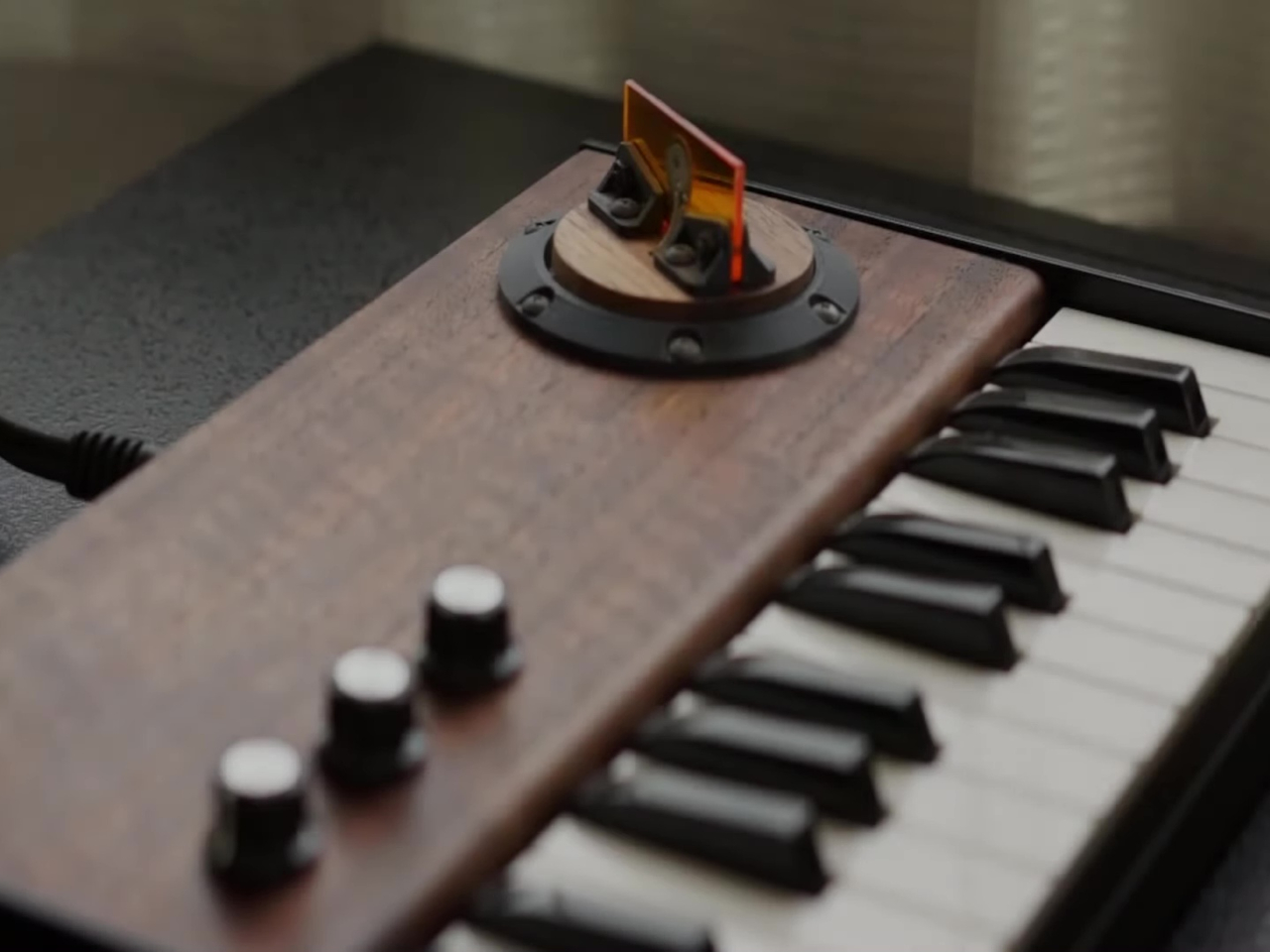
The Airwave works by utilizing 3D infrared cameras that, together with ROLI’s new Vision technology, can “see” your hands as they move across the keyboard, capturing intricate finger movements and gestures. This allows the system to offer highly personalized feedback based on precise tracking of your playing technique. Whether you’re a beginner struggling with finger positioning or an advanced player fine-tuning your dynamics, Airwave adjusts its guidance to match your skill level.
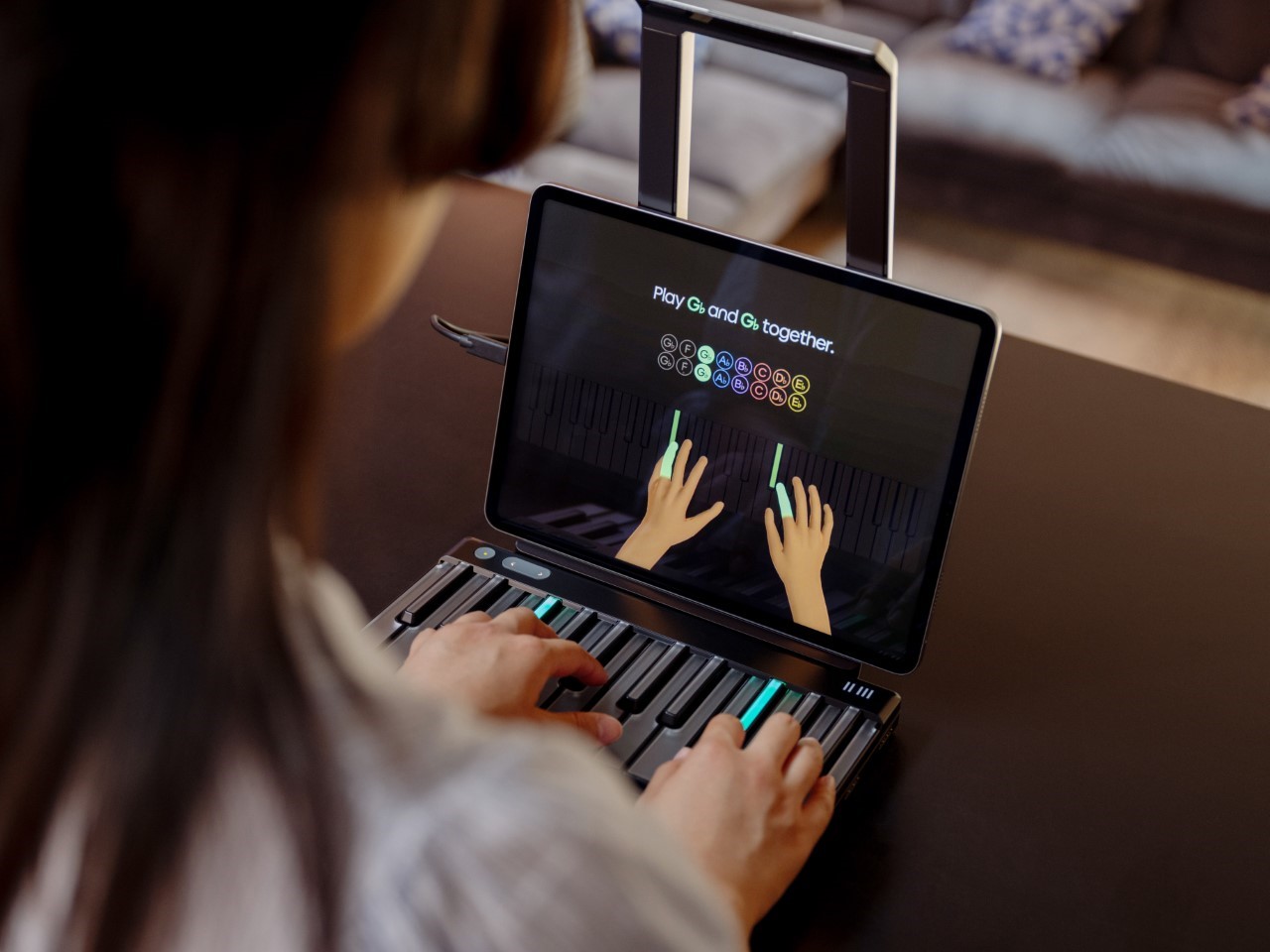
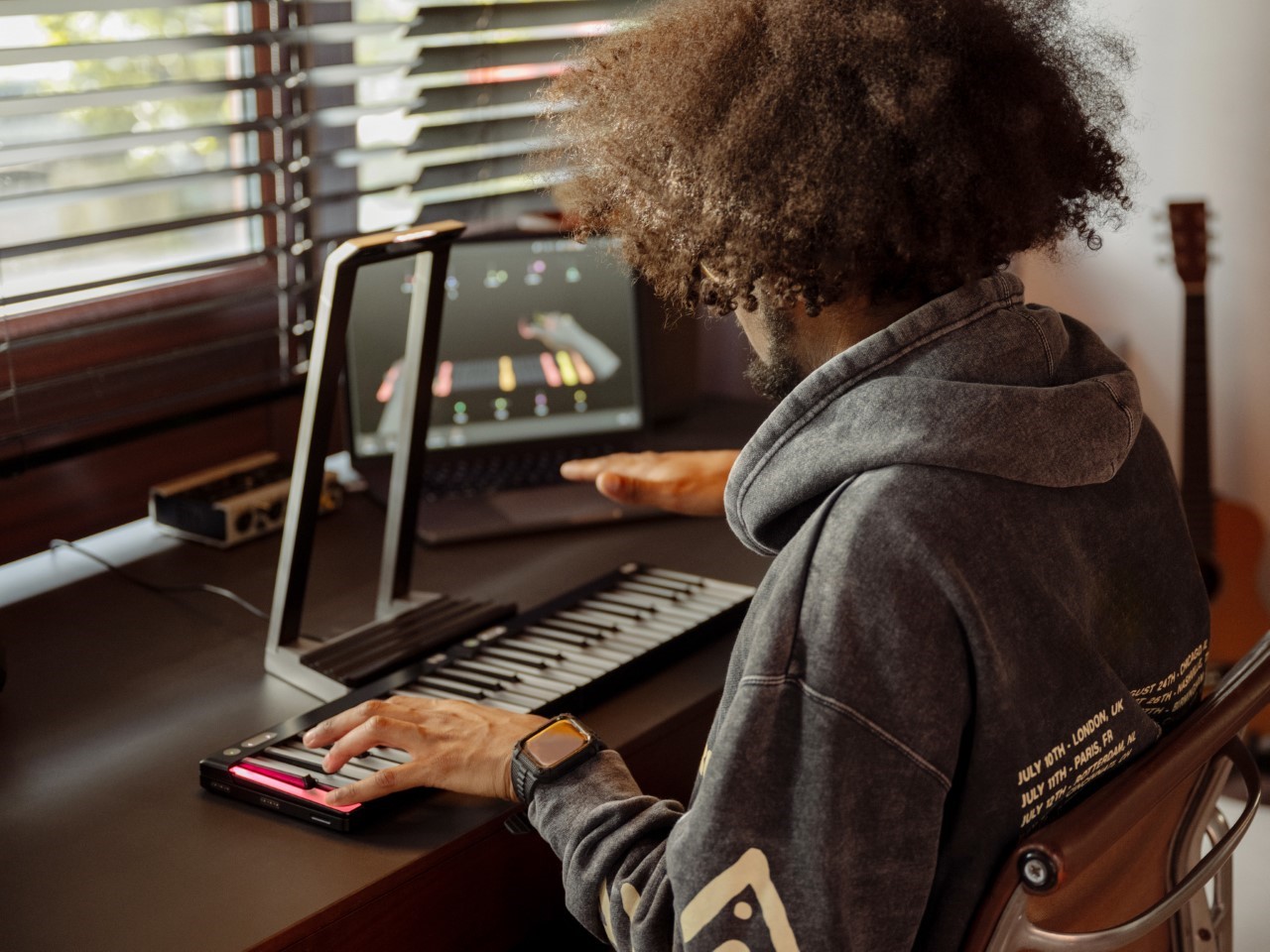
At the heart of this breakthrough is ROLI’s MI platform, which incorporates five key sensory technologies—sound, sight, touch, vision, and voice. These allow Airwave to not only track your hand movements but also respond to voice commands. Ask it to show you a chord, suggest a new piece to learn, or even guide you through tricky sections of a song. This transforms the learning process into an interactive, conversational experience that feels less like traditional lessons and more like having a personal music coach at your side.

The magic really comes alive when Airwave is paired with ROLI’s Piano M (formerly known as LUMI Keys). The Piano M’s light-up keys combined with Airwave’s real-time feedback make for a compelling, intuitive learning environment. Players can practice essential elements of piano technique such as posture, hand positioning, rhythm, and harmony, all while getting immediate, adaptive feedback. This system effectively builds better habits and speeds up the learning curve without the need for constant human instruction.

On the creative front, Airwave doesn’t stop at teaching—it’s also a powerful tool for composers and performers. Its gesture-based controls allow musicians to manipulate sound in novel ways. With a simple hand raise or wrist tilt, you can shift from a piano to a symphonic ensemble, blending different tones and effects in real-time. Marco Parisi, a renowned musician and producer, emphasized the revolutionary potential of Airwave: “Every movement and gesture creates a new sound unique to the musician. It will make music much more expressive and could even lead to new genres of music”.

Airwave is now available for pre-order, setting the stage for a new AI-powered era in human-led music technology. Whether you’re a budding musician looking for a smarter way to learn or a seasoned creator in search of fresh expressive possibilities, ROLI’s latest innovation promises to redefine what’s possible with music.

The post ROLI Airwave Uses AI and Gesture Control to Transform Music Learning and Production first appeared on Yanko Design.
Key-bowed hybrid violin and keyboard synthesizer produces pure musical joy

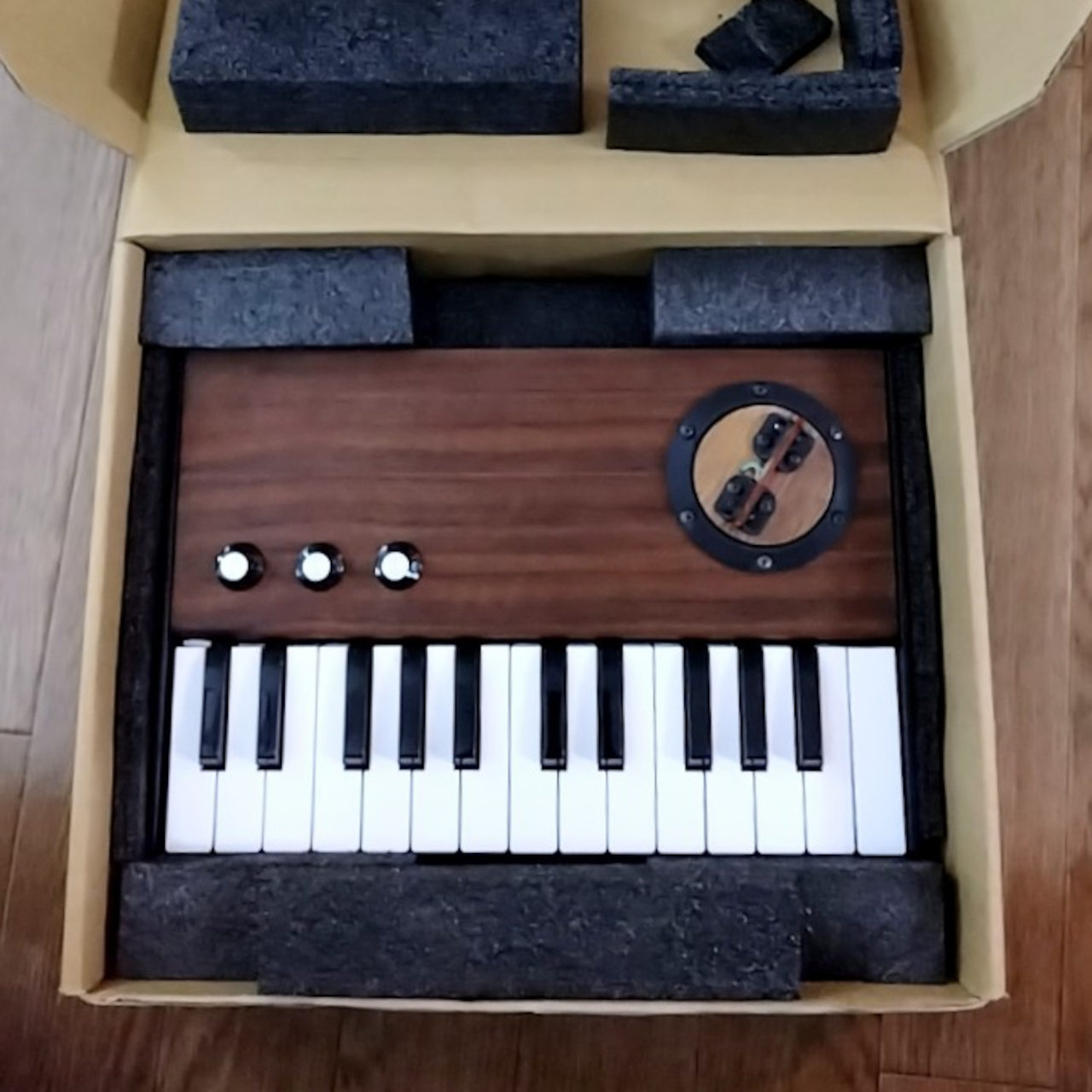
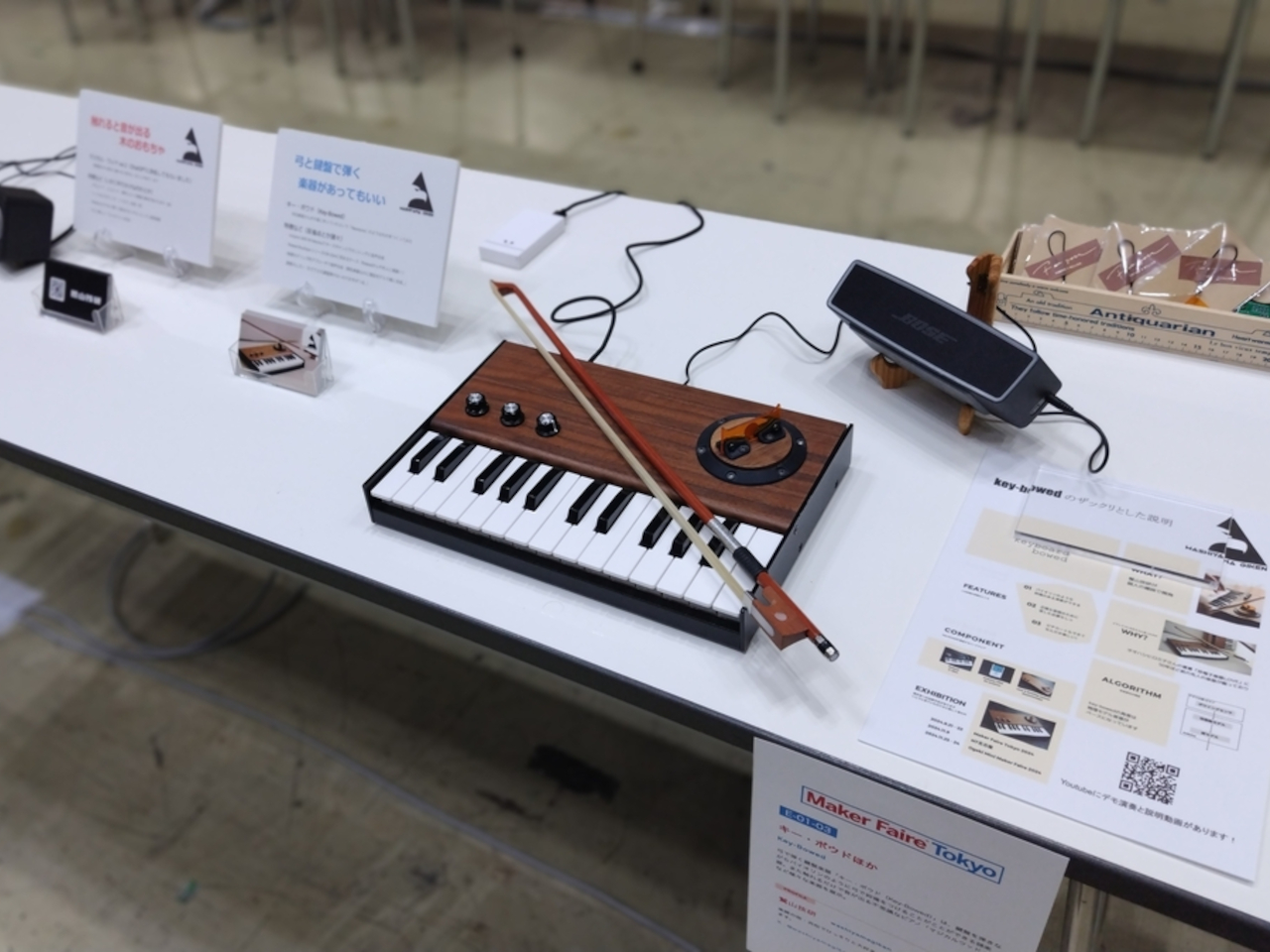
Of the many creative endeavors, music is probably one of the hardest to learn and practice. And of the well-known musical instruments, the violin is one of the hardest to play. But what if you can play the violin or some semblance of the instrument as easily as you could press down keys on a piano? And what if that produced the unique tonal quality of a violin while still hitting all the right notes perfectly? That’s the kind of musical experience that this DIY synthesizer offers, combining two classical instruments in a single form that might leave you confused with one hand playing the keyboard and the other playing the violin.

Designer: Washiyama Giken

Electronic keyboards can try to mimic the sounds of different musical instruments, but they don’t always work. They can’t, for example, reproduce the unique vibrating quality of the violin family, which at the very least would require some physical medium to produce that kind of sound. Conversely, violins are hard to master because you need to also move the bow at a very precise location to hit the right pitch, and that location isn’t marked like on a guitar.

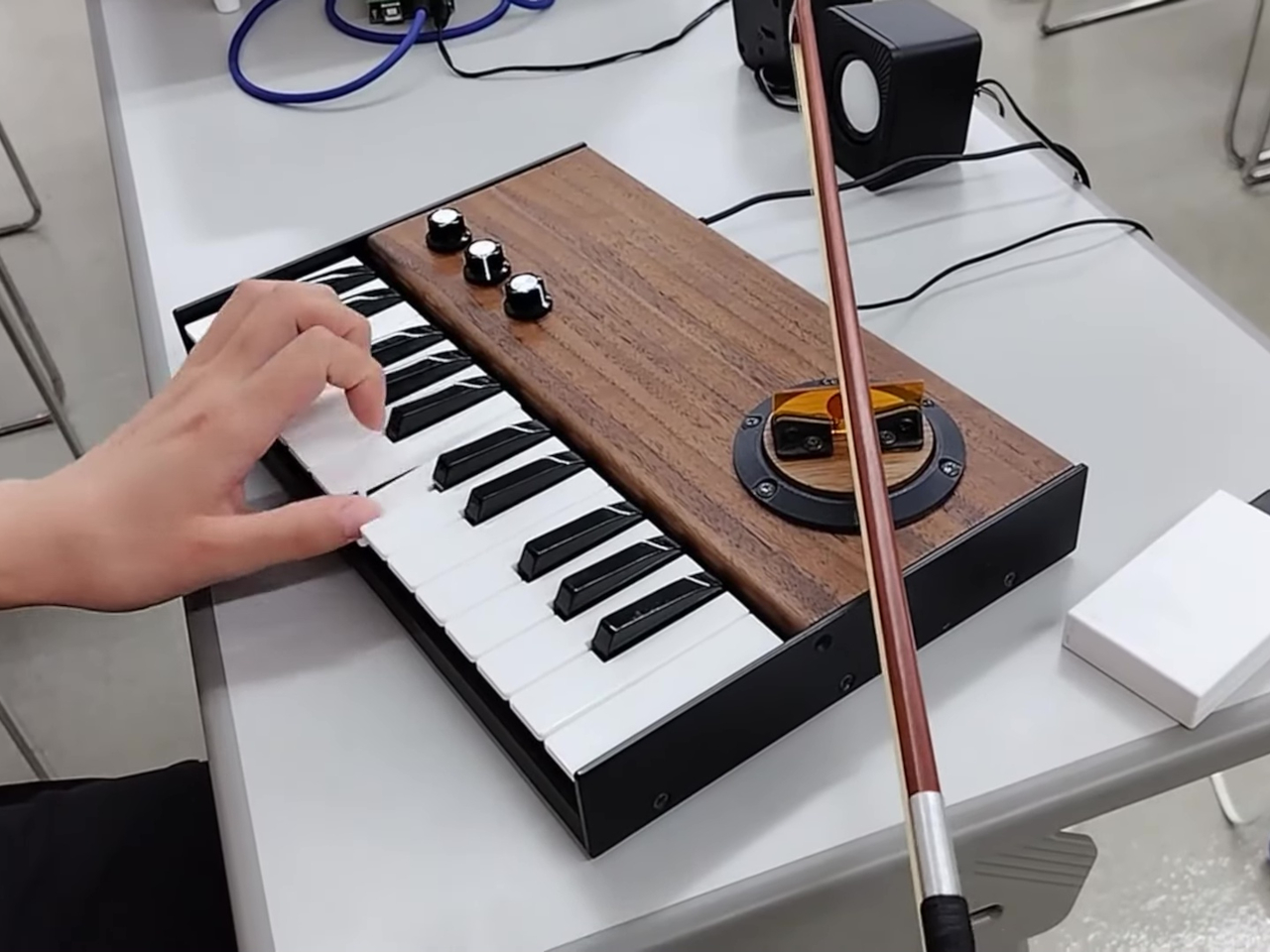
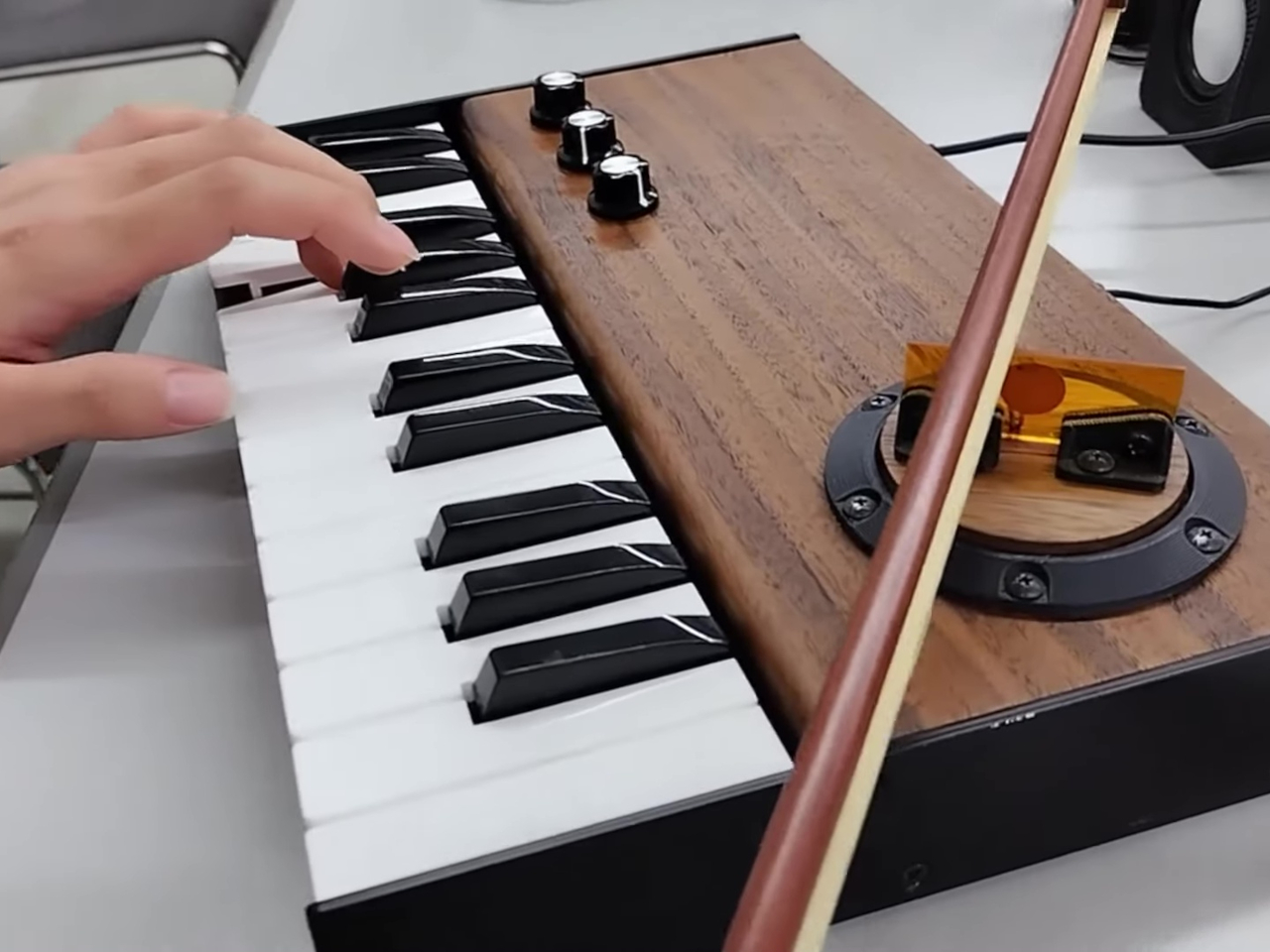
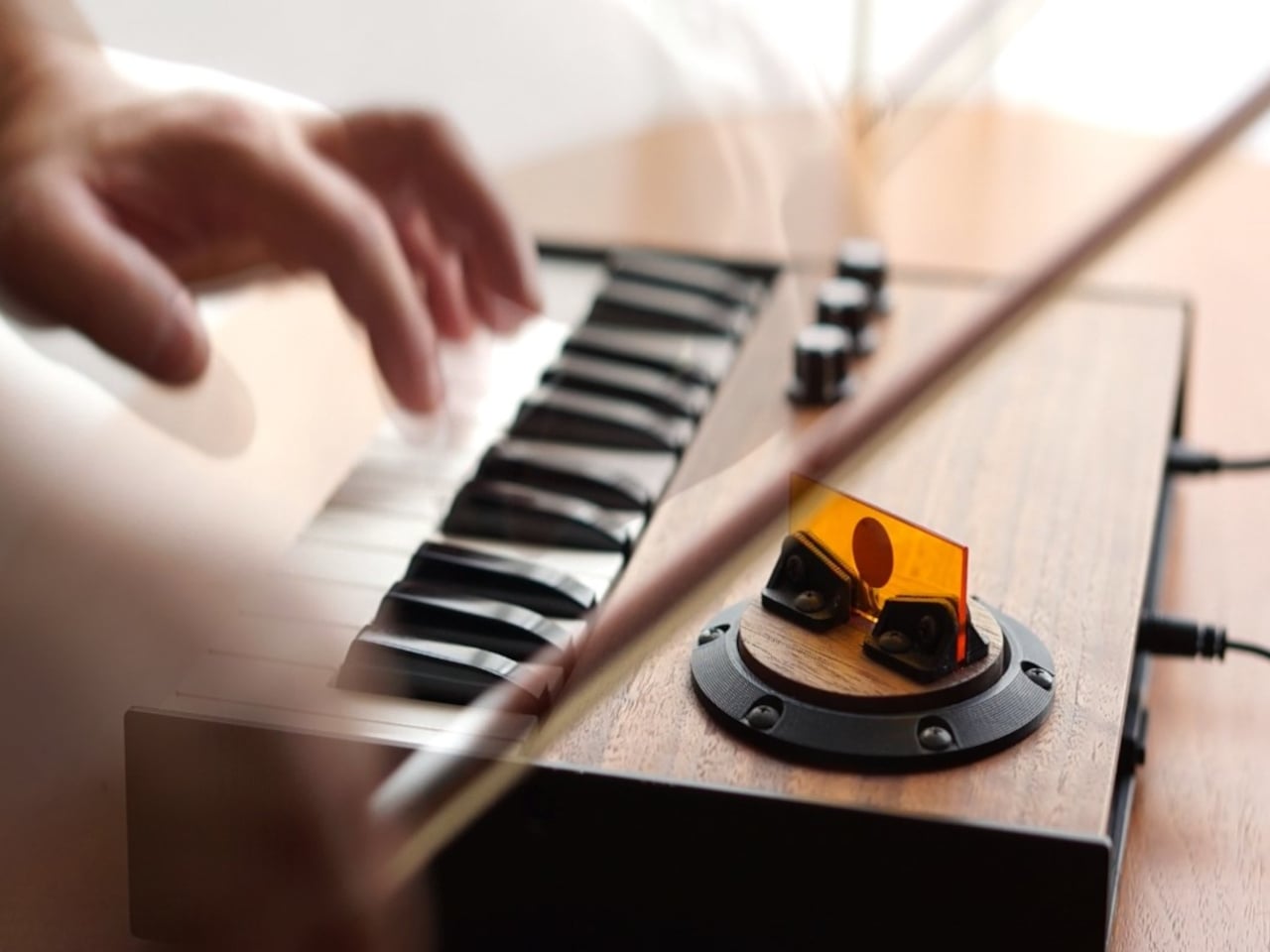
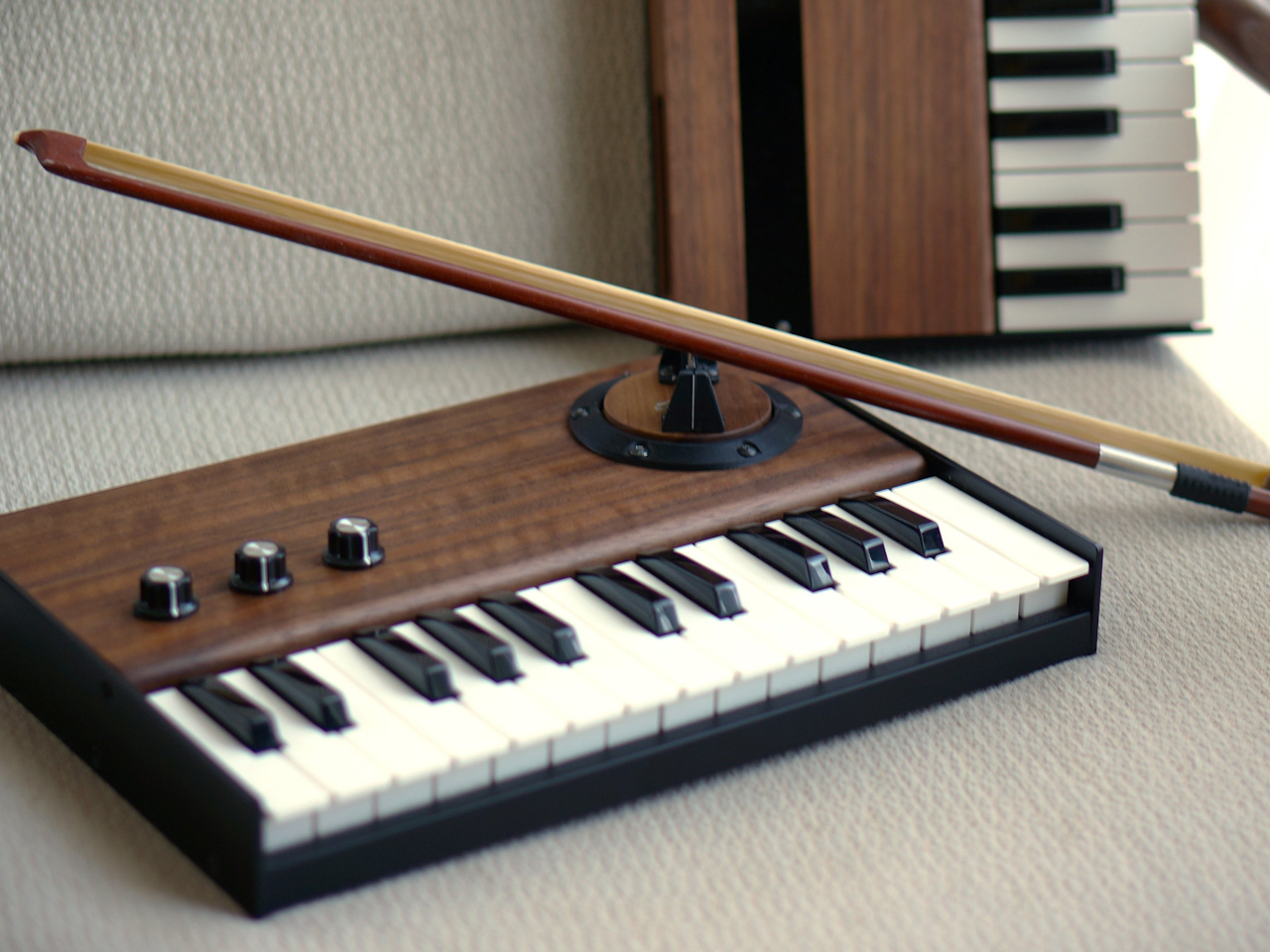
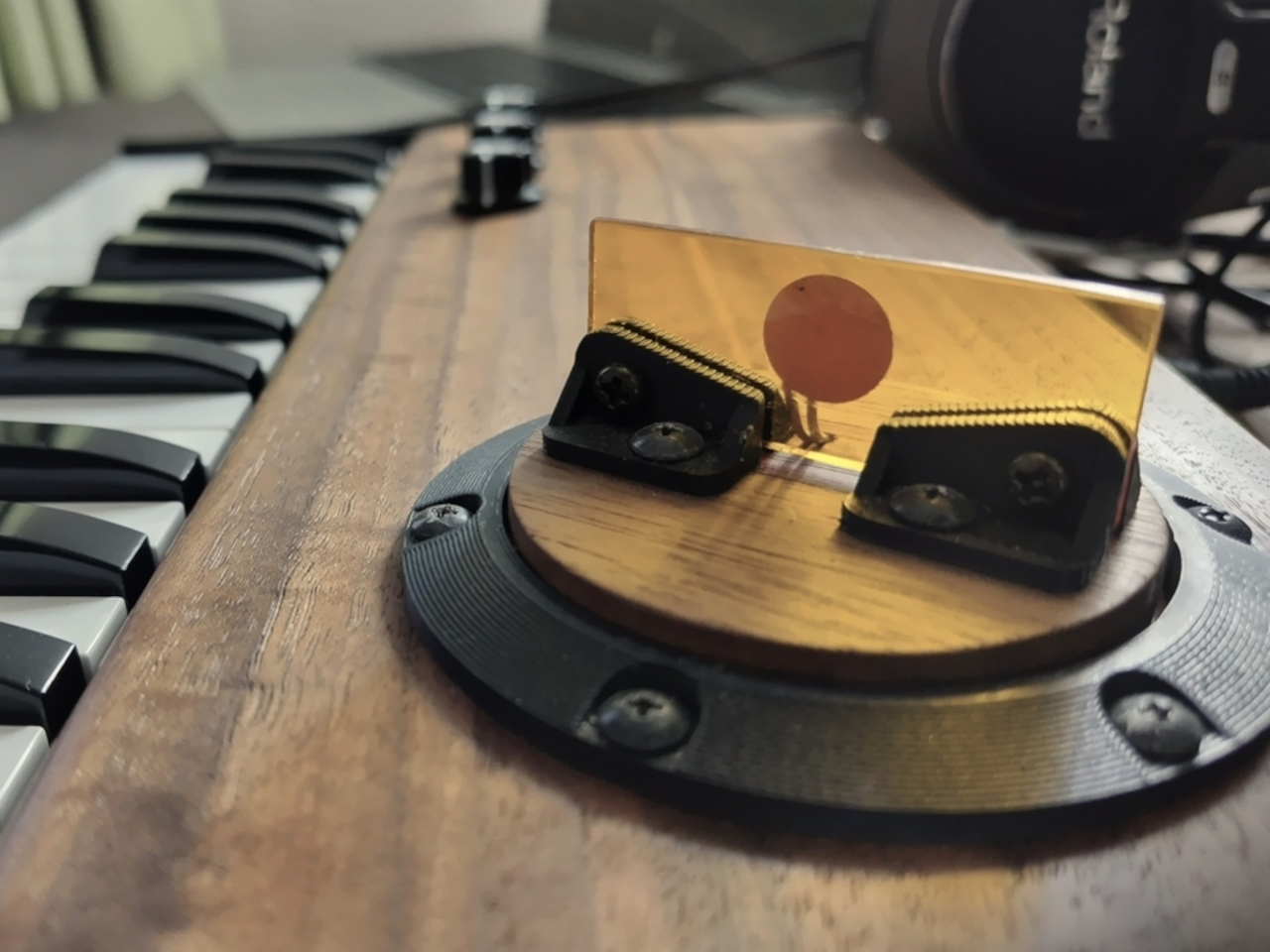
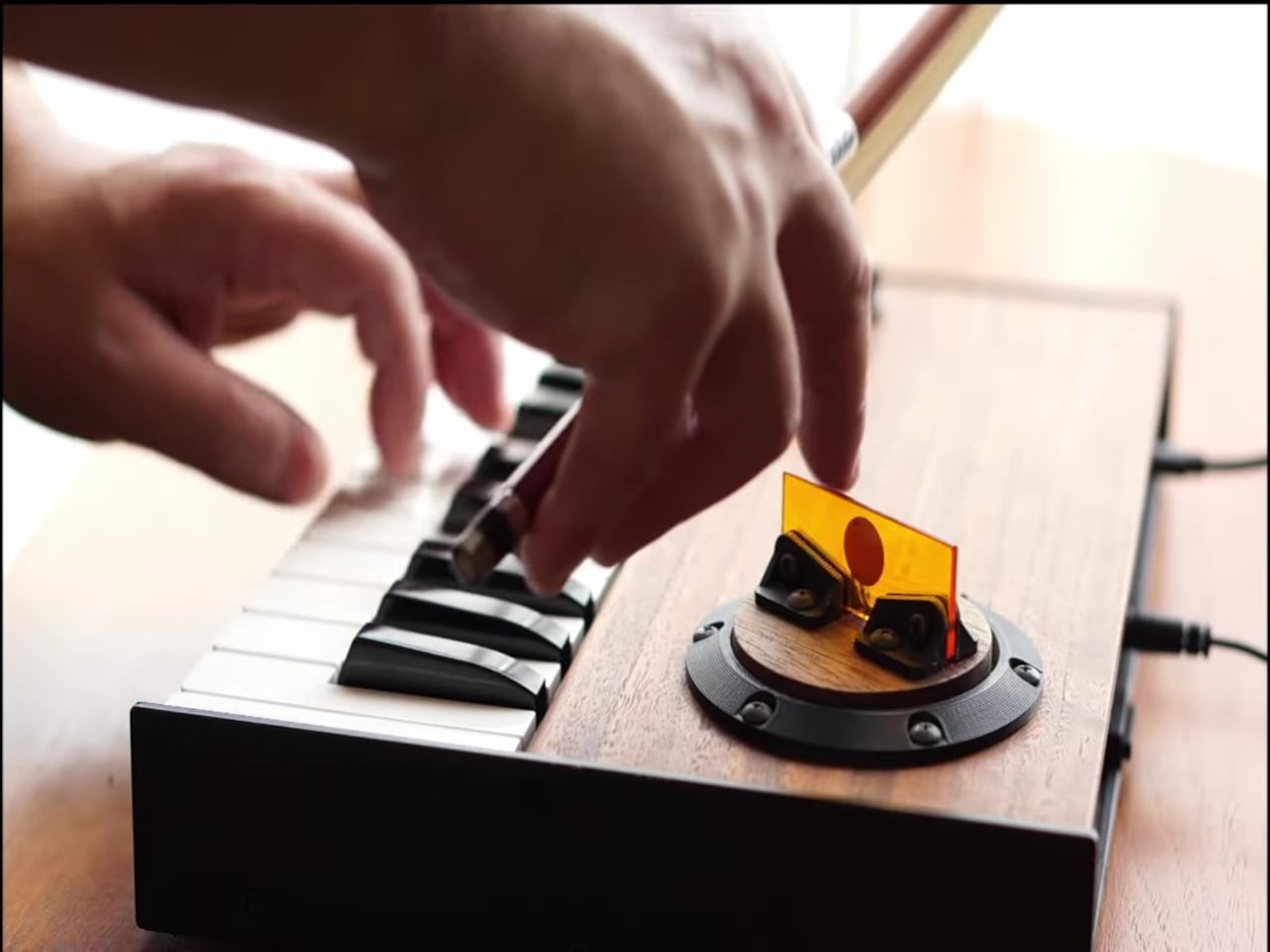
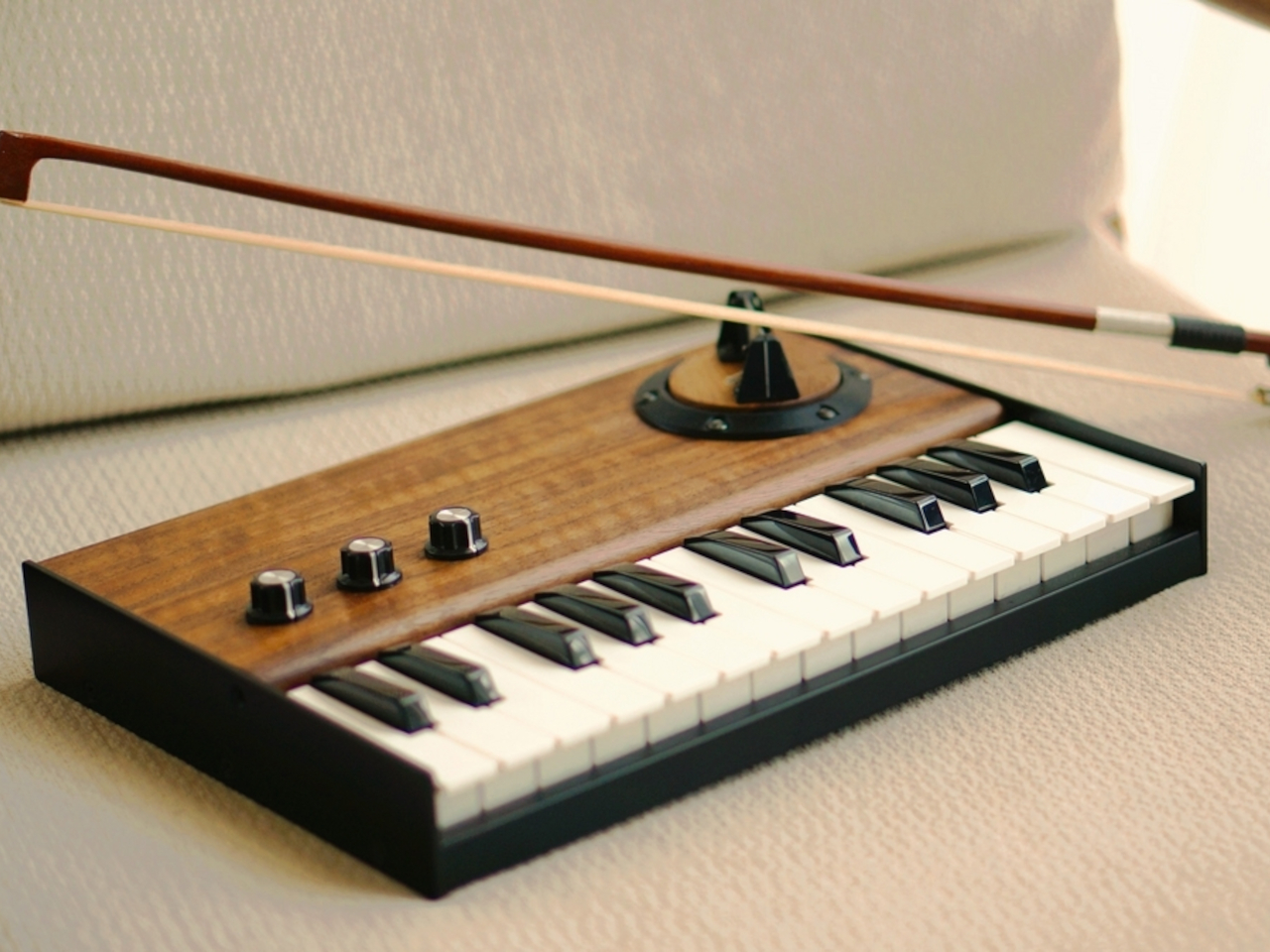
Key-bowed, which is a very creative name, tries to combine the strengths of both the keyboard and the violin with very few of the flaws. It’s actually an idea decades in the making, but it’s finally possible to pull it off thanks to modern technologies and hardware. The synthesizer combines a Roland K-25m keyboard, an Arduino Uno R4 minima controller, and a self-made bowing sensor with a vertical acrylic plate. Of course, the assembly also requires some programming know-how, especially when dealing with sound waves.

Despite the complexity of the build, using the Key-bowed looks pretty simple, at least for the musically inclined. You simply hit the keys with one hand to produce music like on a regular keyboard or piano, and then you use the other hand to move the bow across the acrylic plate as you would with a violin. The vibrations on the plate are detected by the sensor and then transformed into waves that modify the note that’s produced, resulting in a very realistic recreation of a violin sound, with perfect pitch, and without the screeches. You can even pluck the plate and make it sound like you’re really plucking a string.

240702181648552

Key-bowed is definitely a work of genius that makes playing music both fun and enchanting. It still requires you to have some basic music knowledge, of course, but it makes the execution less daunting, especially if you’ve always dreamed of playing the violin. Of course, there are limits to the music you can play, since you’re technically producing notes with only one hand, and the design is made for those who hold the violin bow with their right hand. Nonetheless, it still creates a captivating experience, and hopefully, it can become a commercial product that will let everyone enjoy that experience as well.

The post Key-bowed hybrid violin and keyboard synthesizer produces pure musical joy first appeared on Yanko Design.

What we’re listening to: Harlequin (or LG 6.5), Rack and more

In What We're Listening To, Engadget writers and editors discuss some of the recent music releases we've had on repeat. This installment has everything from jazz standards to The Jesus Lizard.

I wasn’t even a minute into Harlequin before I had the realization, Oh, I am going to become so annoying in my love for this. Unfortunately for everyone in my life (and doubly so because I’m singing along), I’ve had it blasting all weekend since the surprise drop on Friday. Gaga is a powerhouse, and as much as I adore her take on pop, I’m always blown away when I hear her do jazz. And Harlequin is brimming with it. 

Harlequin is a companion album to a soon-to-be-released movie (Joker: Folie à Deux) and almost entirely comprises cover songs — a combination that might typically put me off. But Gaga’s breezy versions of classics like “World on a String” and “Smile” are almost chilling. Her energy in tracks like “Gonna Build a Mountain” is through the roof. I could have done without “Oh, When the Saints,” but I’m really just nit-picking now. There are only two original songs on the album and they are completely different beasts, each impactful in its own way. “Happy Mistake” is a clear standout, and I’ll be softly weeping to that one for years to come.

On the exact opposite end of the spectrum, I’ve been really into punk band Babe Haven’s most recent album, Nuisance, lately. It’s 25-ish minutes of queer femme rage and I can't get enough of it. Check it out on Bandcamp

— Cheyenne MacDonald, Weekend Editor

Even laudatory reviews of comeback albums lean on expectations tempered with preemptive apology or pity praise. A comparison to headier days of musical urgency is inevitable; it stings for the same reasons as hearing "you look great for your age." I wish there were some way to take stock of Rack without that baggage, because The Jesus Lizard doesn't merely sound better than a band which took three decades off has any right to, it simply does not sound as though time has passed at all

Rack broods with baffling inconspicuousness amid their oeuvre. Sure, "What If?" doesn't reach the slash and sprawl of earlier meanderings like "Rodeo in Joliet," but "Lord Godiva" glides on the most Duane Denison of Duane Denison riffs, lightning and crude oil. The manic physicality of David Yow's voice is unaltered — neither more harried after 60+ years of swinging at ghosts, nor attenuated by the effort. 

So many bands seemingly frozen in amber reemerge denuded, as though covering themselves. They'd be frantically recapturing their glory days, if they had the energy to do anything frantic anymore. Rack, through sheer ferocity, is instead a band continuing to do exactly what it always has, just as well as it always has, and sounding really fucking cool doing it.

Avery Ellis, Deputy Editor, Reports

There's a part of me that hates keeping up with pop music, and that's the part of me that cringes when I realize the last few albums I've listened to have been the ones by pop princesses Ariana Grande, Billie Eilish, Taylor Swift and more. That's also the part of me that resisted listening to Sabrina Carpenter's latest album for months (and probably the part of me that refused to watch the incredible Schitt's Creek until this year).

I say all that only to explain why I'm so late to appreciate the goodness that is Short n' Sweet. And the non-self-judgy part of me has unabashedly loved Carpenter's new music and been asking all my friends if they've listened to her songs. When I talked to my various friend groups about her, what became clear is how there's something for everyone, regardless of the variety in our tastes.

I'm a fan of R&B, hip hop and basically anything I can dance or sing to. The tracks "bet u wanna," "Taste" and "Feather" have become highly repeated items on my playlist and yes, I did go back into her older discography for some of those titles. However, my current absolute favorite is "Espresso." It's got a catchy hook, clever lyrics and a groovy beat that delicately straddles the line between upbeat and lowkey. I love the wordplay and how, when woven with the rhythm and melody, it initially sounded to me like Carpenter was singing in a different language. And as someone who works in tech and is occasionally a gamer, I especially adored the use of the words "up down left right," "switch" and Nintendo. Truly, rhyming "espresso" with "Nintendo" wasn't something I would have expected to work, but work it did.

But back to the point I was making earlier: Even if that sort of chill dance club vibe isn't your thing, there's plenty in Short n' Sweet that might appeal to you. I wasn't as huge a fan of "Please please please," for example, but I know friends who love it. And while "Bed Chem" and "Good Graces" aren't hitting my feels the same way "Espresso" is, those two are among her highest played songs on Spotify. I'm also starting to warm up to "Juno."

All that is to say, we all have different tastes. Maybe you're more of a Chappell Roan fan. I like some of her latest tracks too, just not as much as I've enjoyed Carpenter's. I also really enjoy the brilliance that is "Die With a Smile" by Bruno Mars and Lady Gaga, which is something I'll be adding to my karaoke duet repertoire, but am already playing less frequently nowadays. If you have a preference for music from the likes of Ariana Grande, NewJeans and Doja Cat, you'll probably have a good time with Sabrina Carpenter. And since I'm so late to the party, you probably have already.

Cherlynn Low, Deputy Editor, Reviews

This article originally appeared on Engadget at https://www.engadget.com/entertainment/music/what-were-listening-to-harlequin-or-lg-65-rack-and-more-003037241.html?src=rss

This Outdoor JBL Speaker is designed to Blend In as well as Stand Out

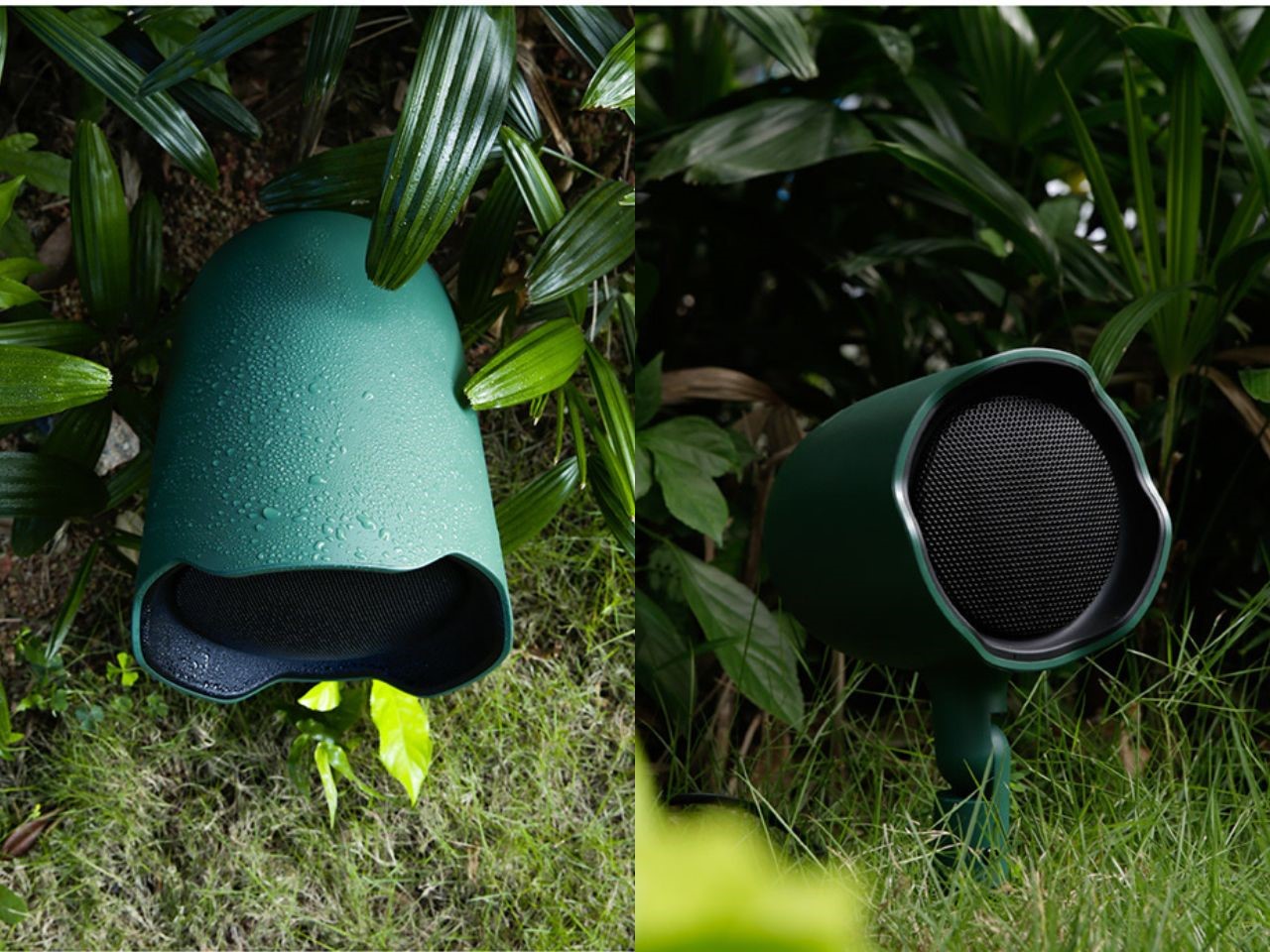
This JBL speaker design stands out in the world of outdoor sound systems with its weather-resistant Garden Series, a line of speakers designed to deliver outstanding audio fidelity while blending seamlessly into various outdoor commercial environments. The series consists of the GSF ground-stake full-range speakers and GSB in-ground subwoofers, both tailored to provide expansive coverage in settings like shopping malls, theme parks, sports venues, and hospitality establishments.

Designers: Hoyean Kim and Huemen Design

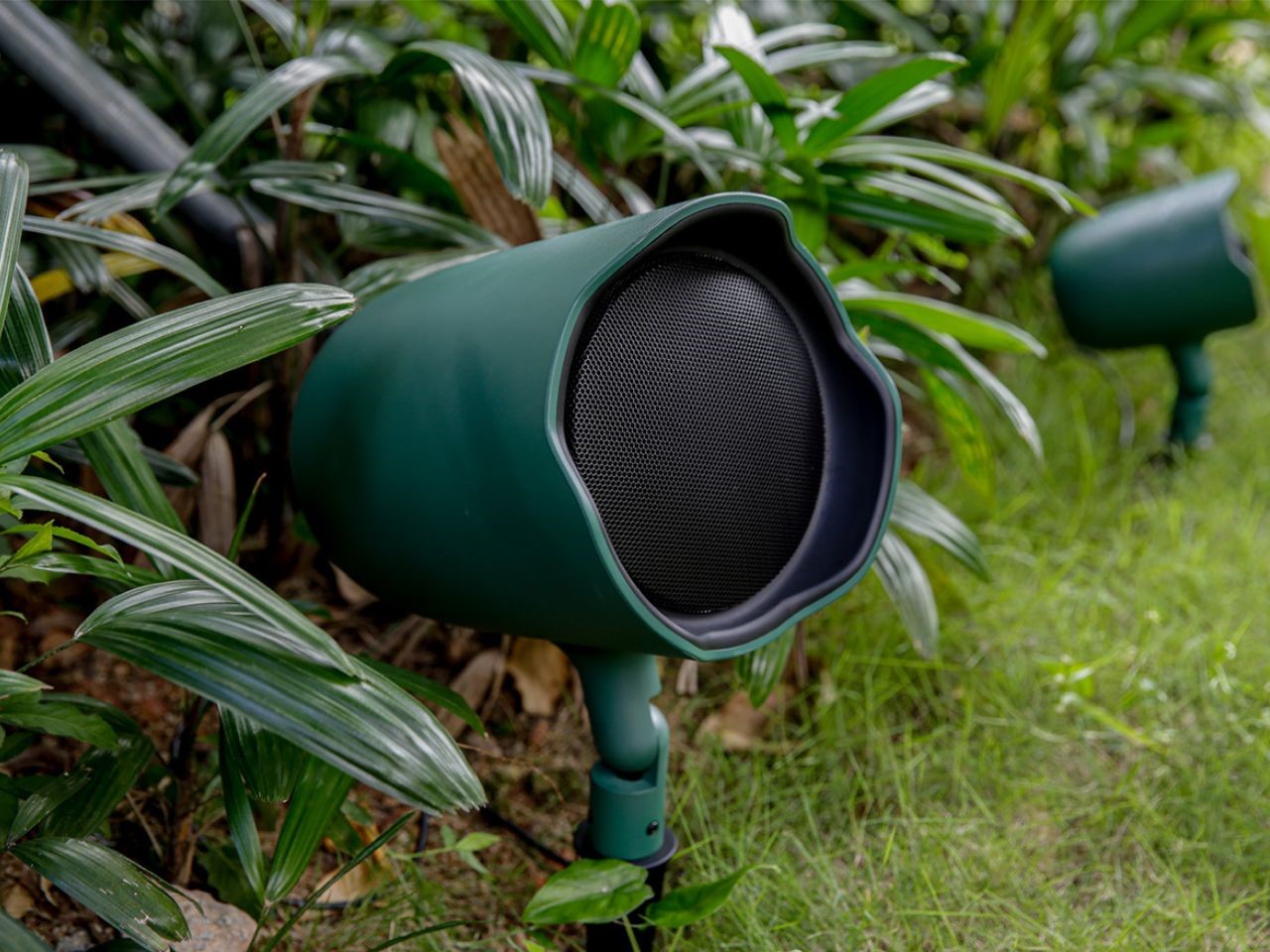
One of the standout features of the JBL Garden Series is its blend of aesthetic appeal and practical durability. Available in subtle hunter-green and tan finishes, these speakers are crafted to harmonize with outdoor landscapes, making them both functional and discreet. Whether nestled in the greenery of a mall garden or set up in a bustling theme park, these speakers offer a stylish solution that withstands the elements while delivering premium sound.

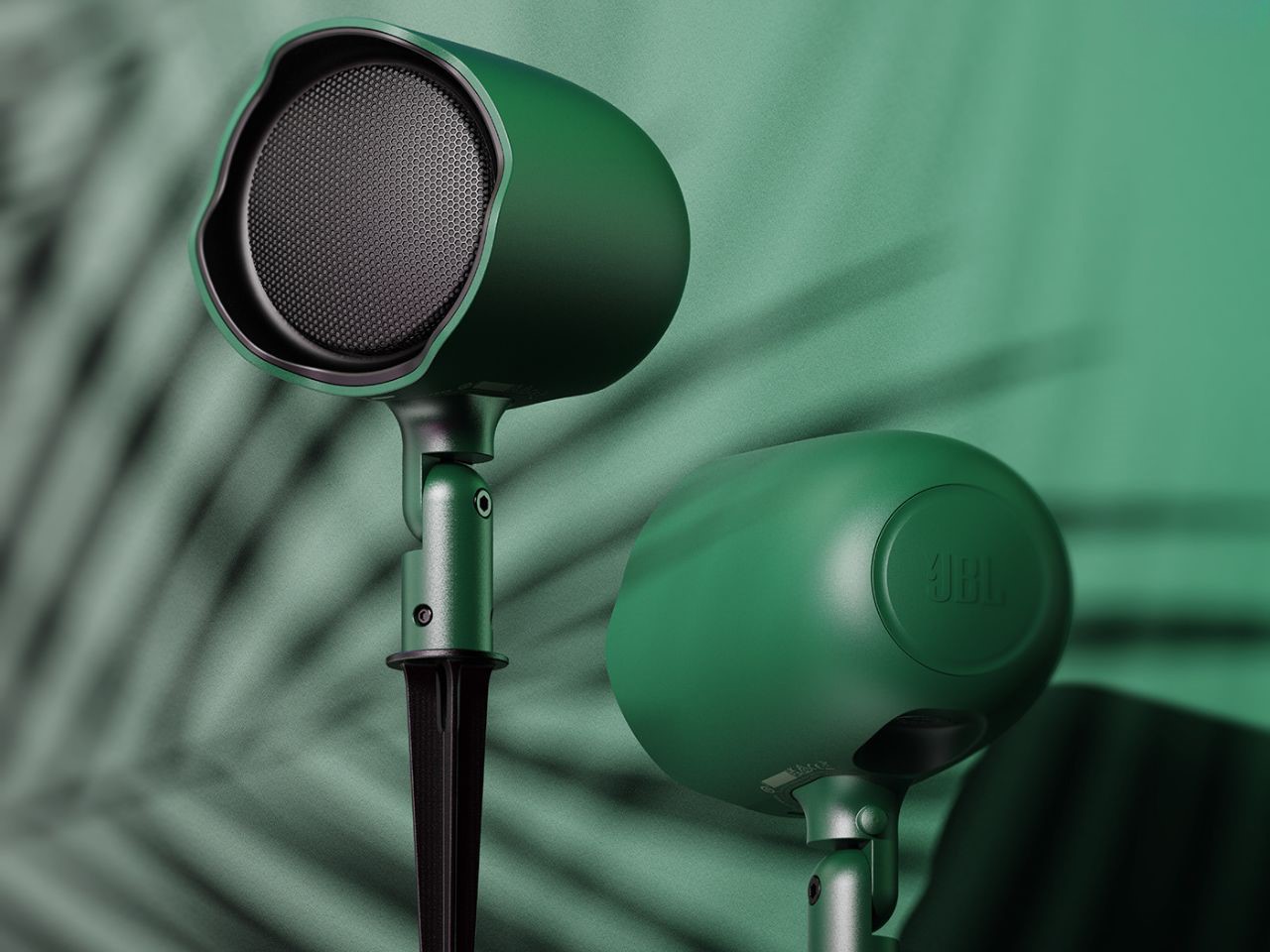
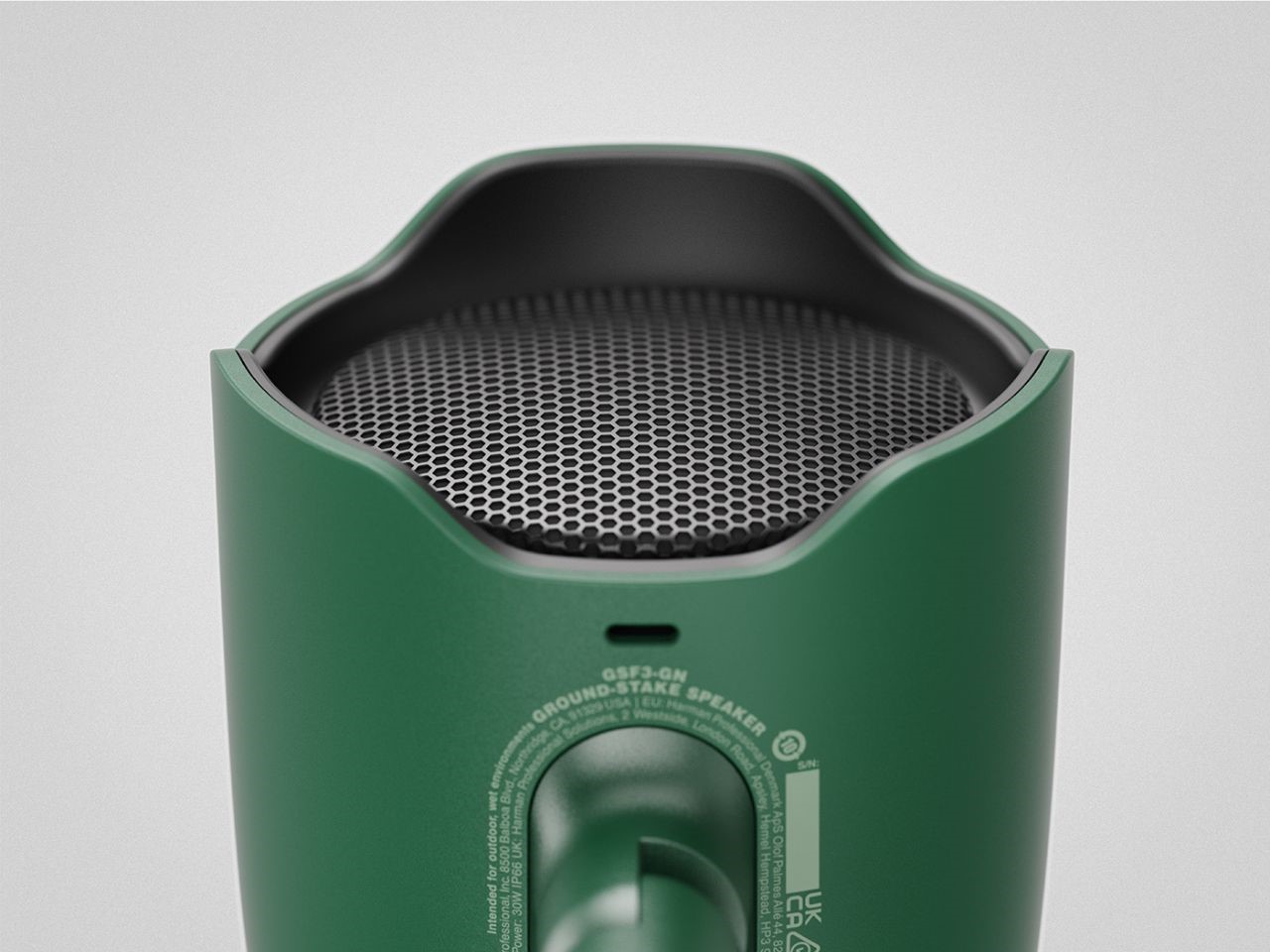
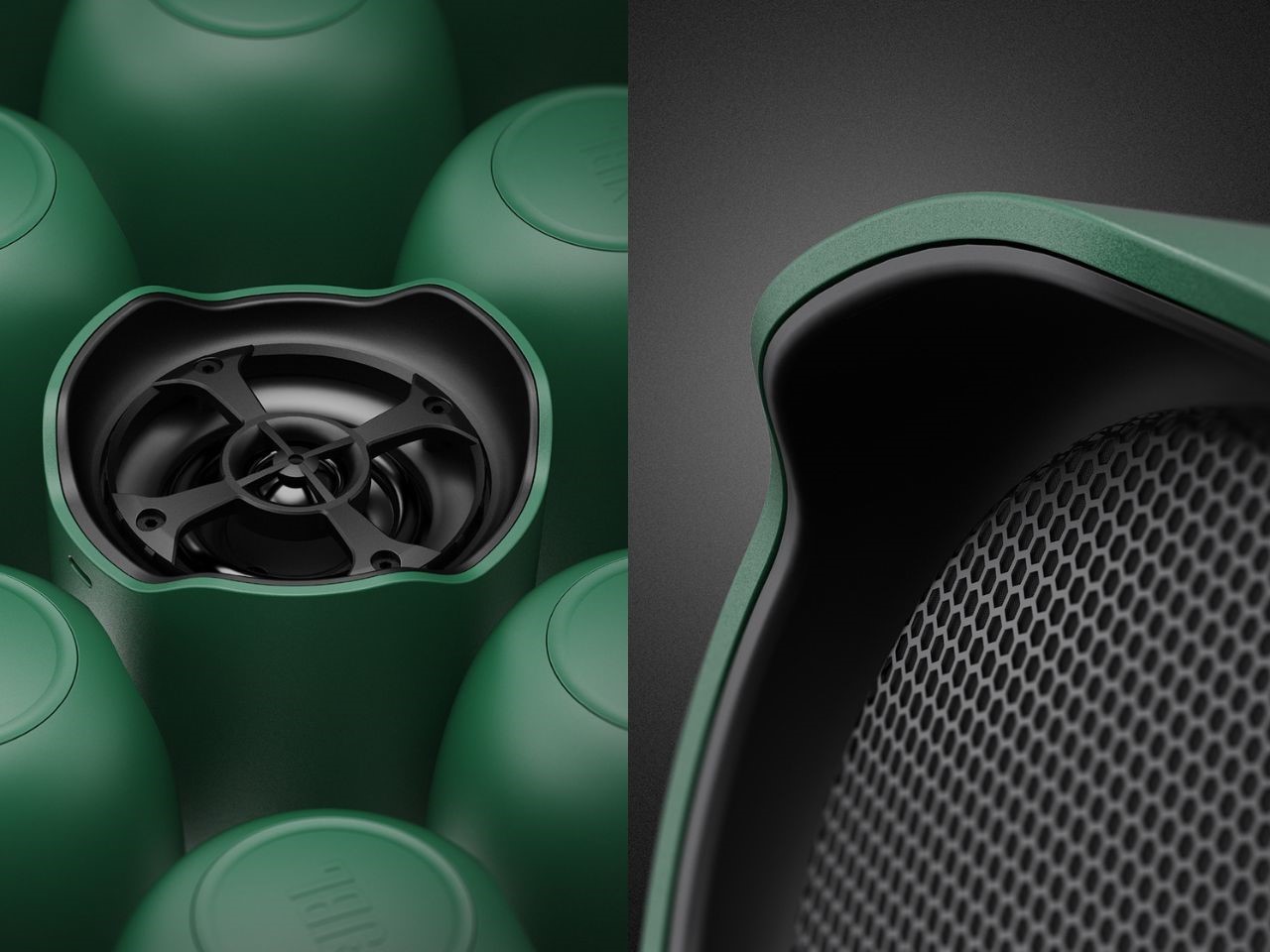
The GSF cabinet’s design takes inspiration from nature, featuring a unique, leaf-like silhouette. This eye-catching design isn’t just for show, it serves a practical purpose, too. The grille extends over the speaker like a protective roof, shielding the system from rain, while an integrated drain hole ensures that water is efficiently channeled away. The result is a system built to thrive in unpredictable outdoor weather conditions without compromising on performance.

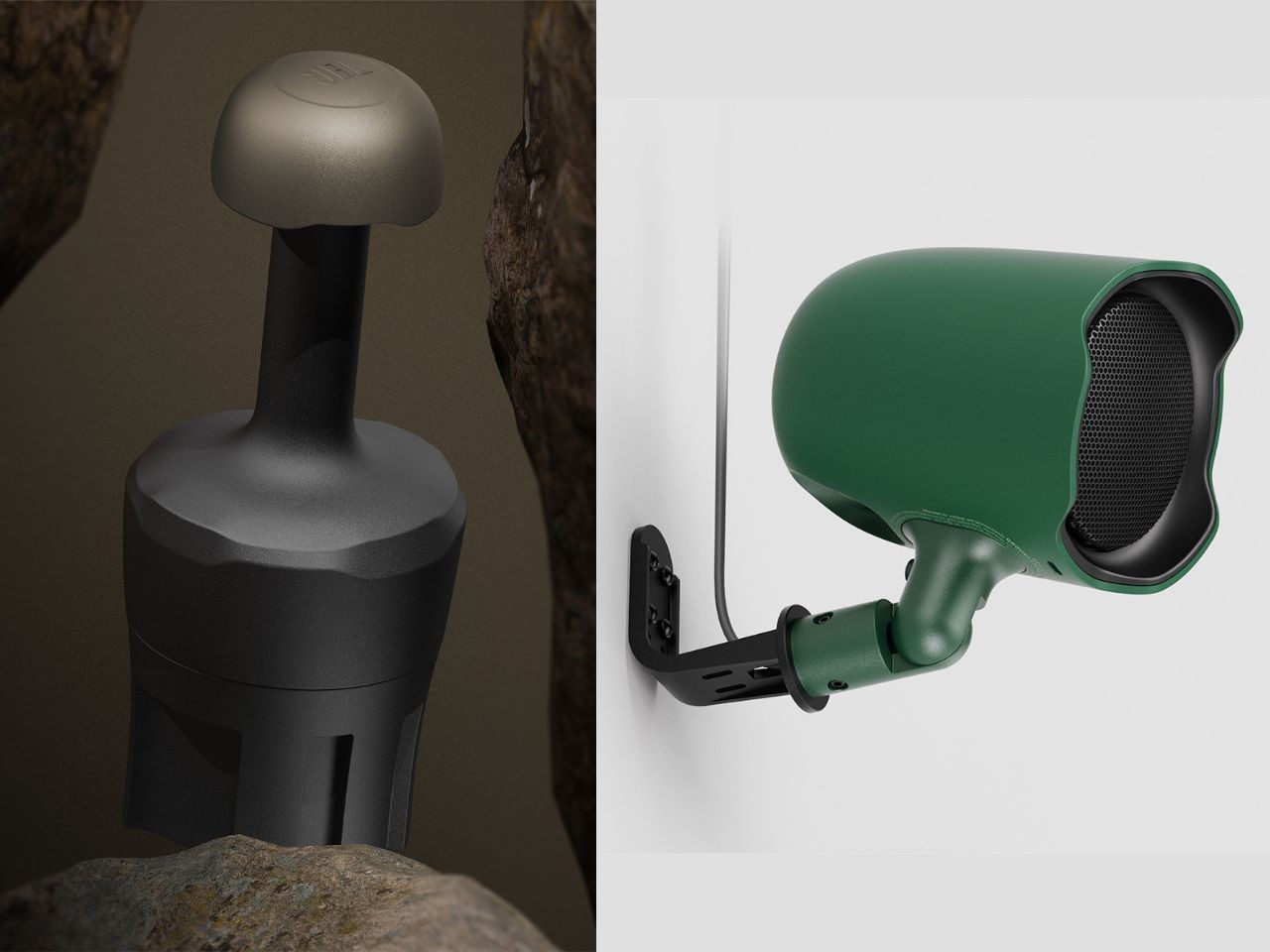
Incorporating branding into the speaker design without disrupting the overall aesthetic is a challenge the designers have expertly tackled with the Garden Series. The prominent JBL logo is subtly embedded at the top of the GSB subwoofer and on the back of the GSF cabinet, blending seamlessly into the speakers’ earthy design while still showcasing the brand’s heritage in audio excellence. This integration allows the speakers to maintain a clean look while also adding a touch of sophistication.

As with any JBL product, performance is at the heart of the Garden Series. The GSF full-range speakers are designed with a tweeter placed directly above an advanced waveguide, which is integrated into the front of the coaxial driver structure. This ensures superior sound distribution. Available in two sizes – 3-inch and 6-inch, these speakers offer flexibility for different sound needs, allowing users to tailor their setup to the specific acoustics of their space.

The GSB subwoofer is designed for flexibility in installation, offering both above-ground and buried options to optimize the sound environment. Its vertical form factor is particularly effective in enhancing the transmission of low-frequency sounds, creating a rich, immersive audio experience in any outdoor environment.

The GSF full-range speakers in the JBL Garden Series are designed with versatility in mind. With multiple mounting options, these speakers can be easily installed using a ground stake or mounted on horizontal or vertical surfaces using an L-bracket. This flexibility, combined with the speakers’ low-profile design, ensures they blend into their surroundings, whether they’re placed along pathways or mounted discreetly against a wall. Additionally, the adjustable hinge, equipped with a refined metal gear wheel-shaped groove, allows users to precisely aim the speaker for optimal sound coverage, ensuring no corner of the space is left silent.

The JBL Garden Series represents a perfect balance of form and function, offering a weather-resistant, high-fidelity audio solution for commercial outdoor spaces. With its distinctive design, integrated branding, and flexible installation options, this speaker system is an ideal choice for businesses looking to elevate their outdoor sound experience without sacrificing style. Whether you’re looking to enhance the ambiance of a shopping center, theme park, or sports venue, the JBL Garden Series is the ultimate solution for durable, stylish, and high-quality outdoor audio.

The post This Outdoor JBL Speaker is designed to Blend In as well as Stand Out first appeared on Yanko Design.

FIIO K15 DAC’s nostalgic cassette tape charm complements the modern aesthetics

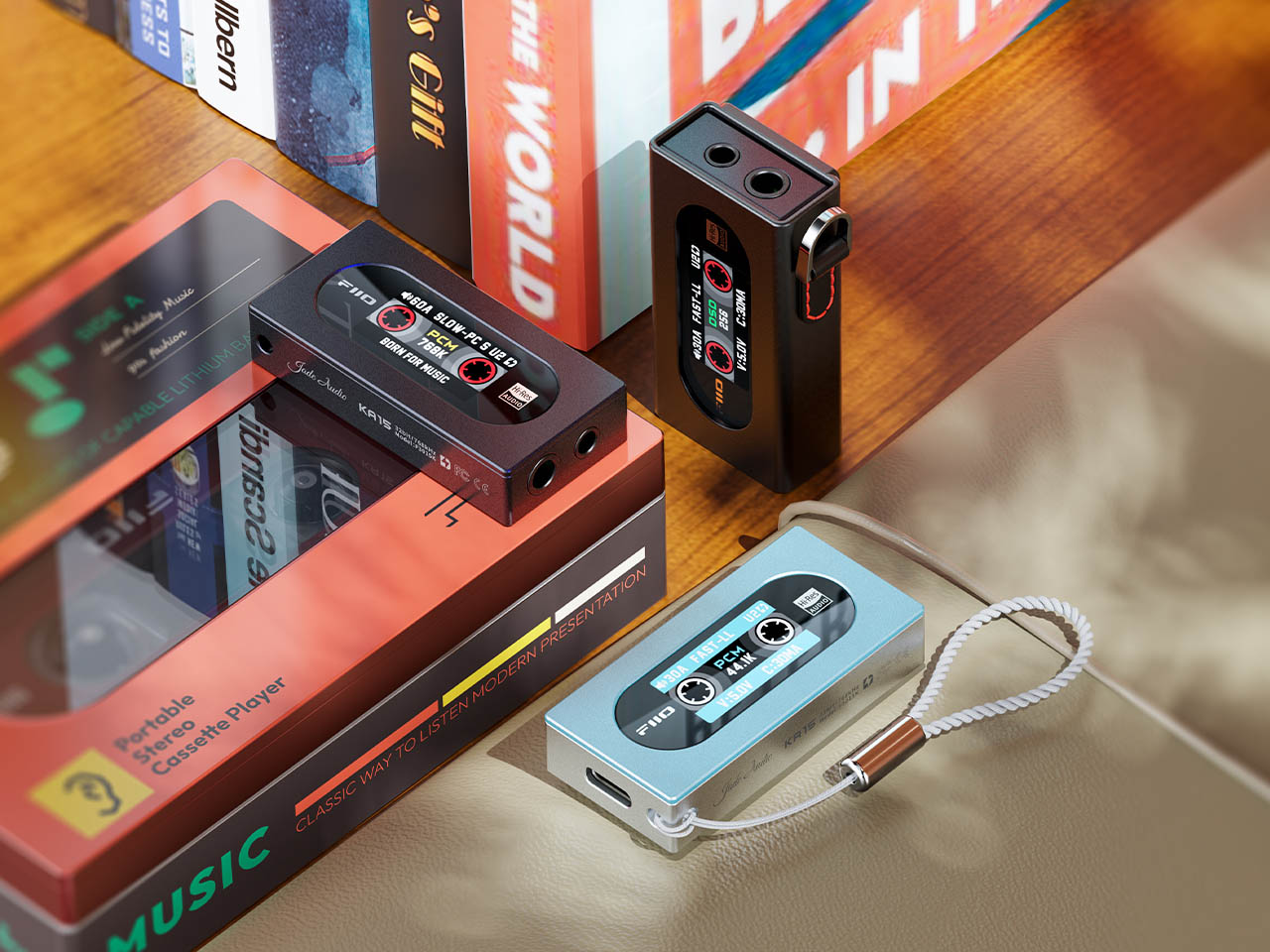
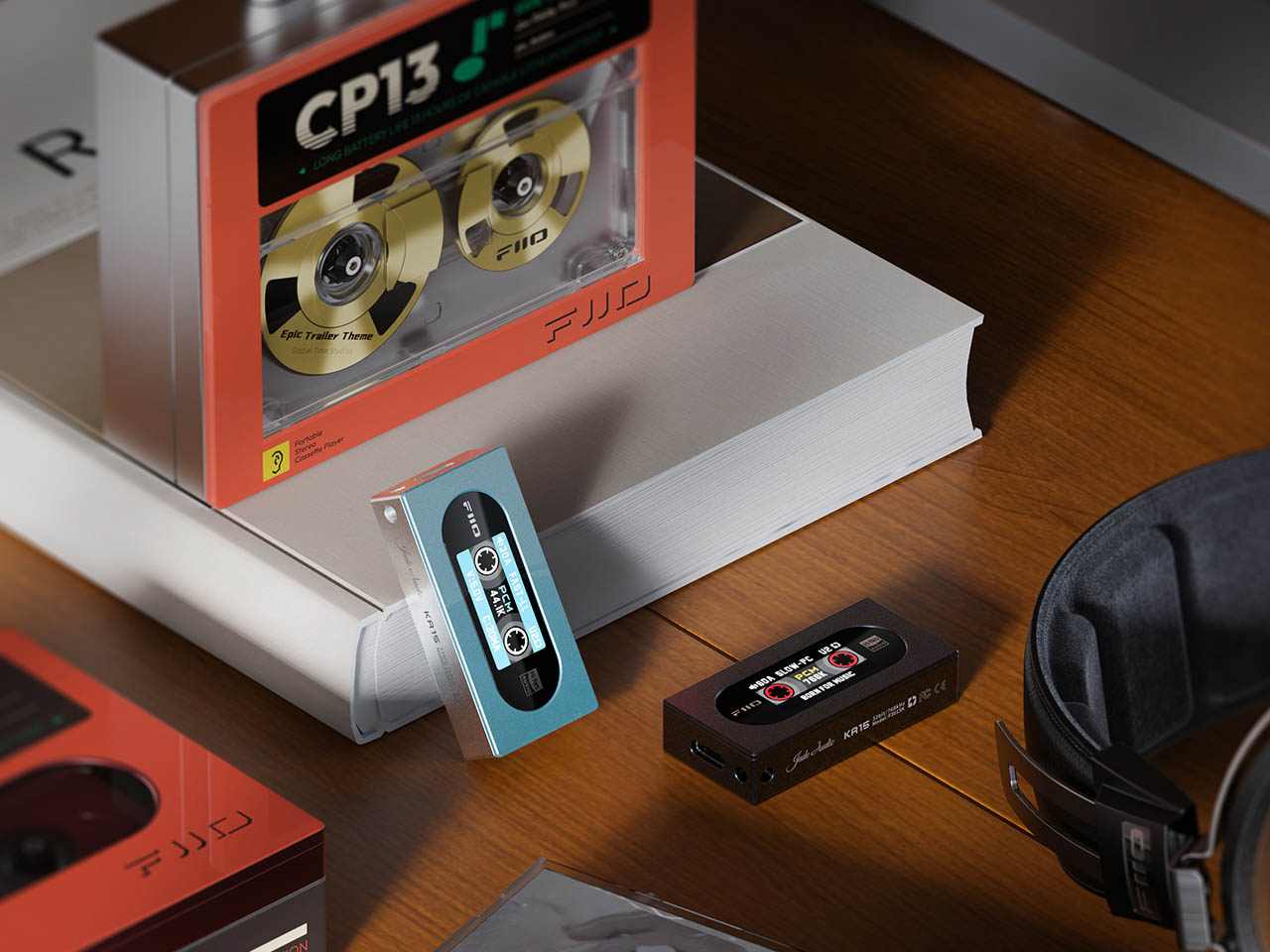
FIIO has a peculiar knack for reinventing audio accessories with a modern twist. The CP13 cassette player released at the beginning of 2024 is one of them. That’s probably inspired FIIO to design a DAC and headphone amplifier that’s modern on the inside but carries a distinct retro appeal on the outside. Yes, a classic tape recorder on the outside spices up the otherwise contemporary Digital-to-Analog Converter players.

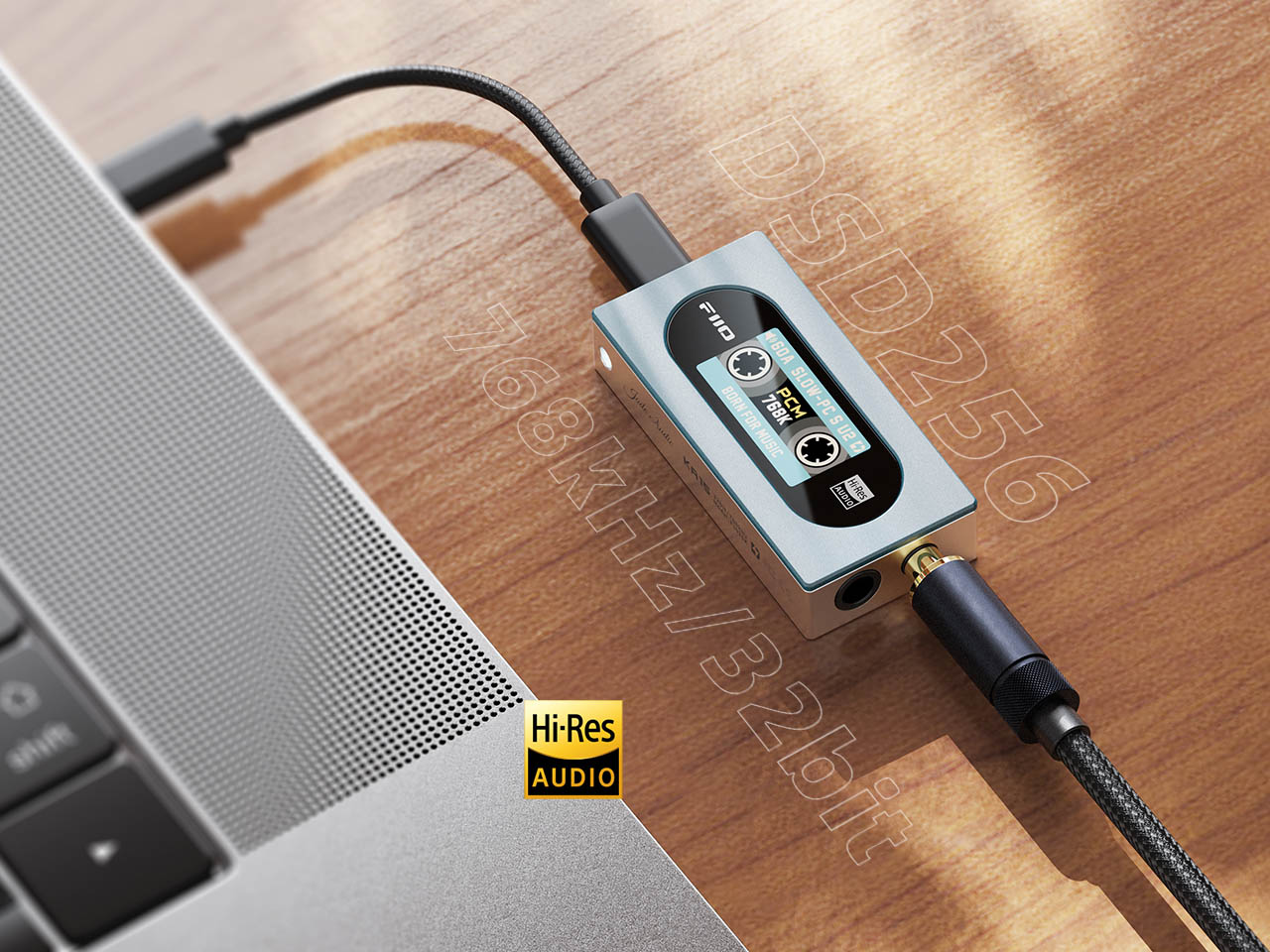
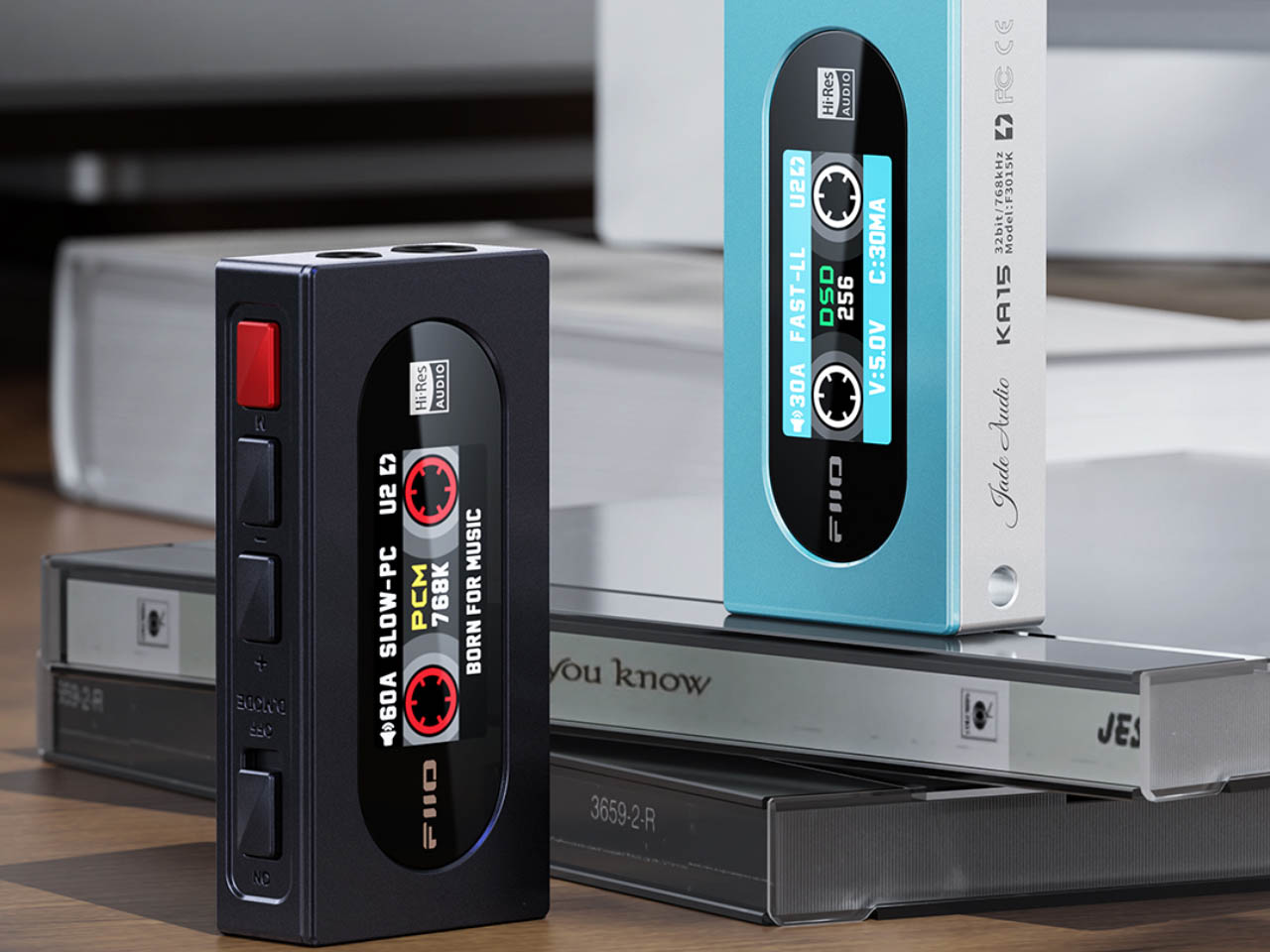
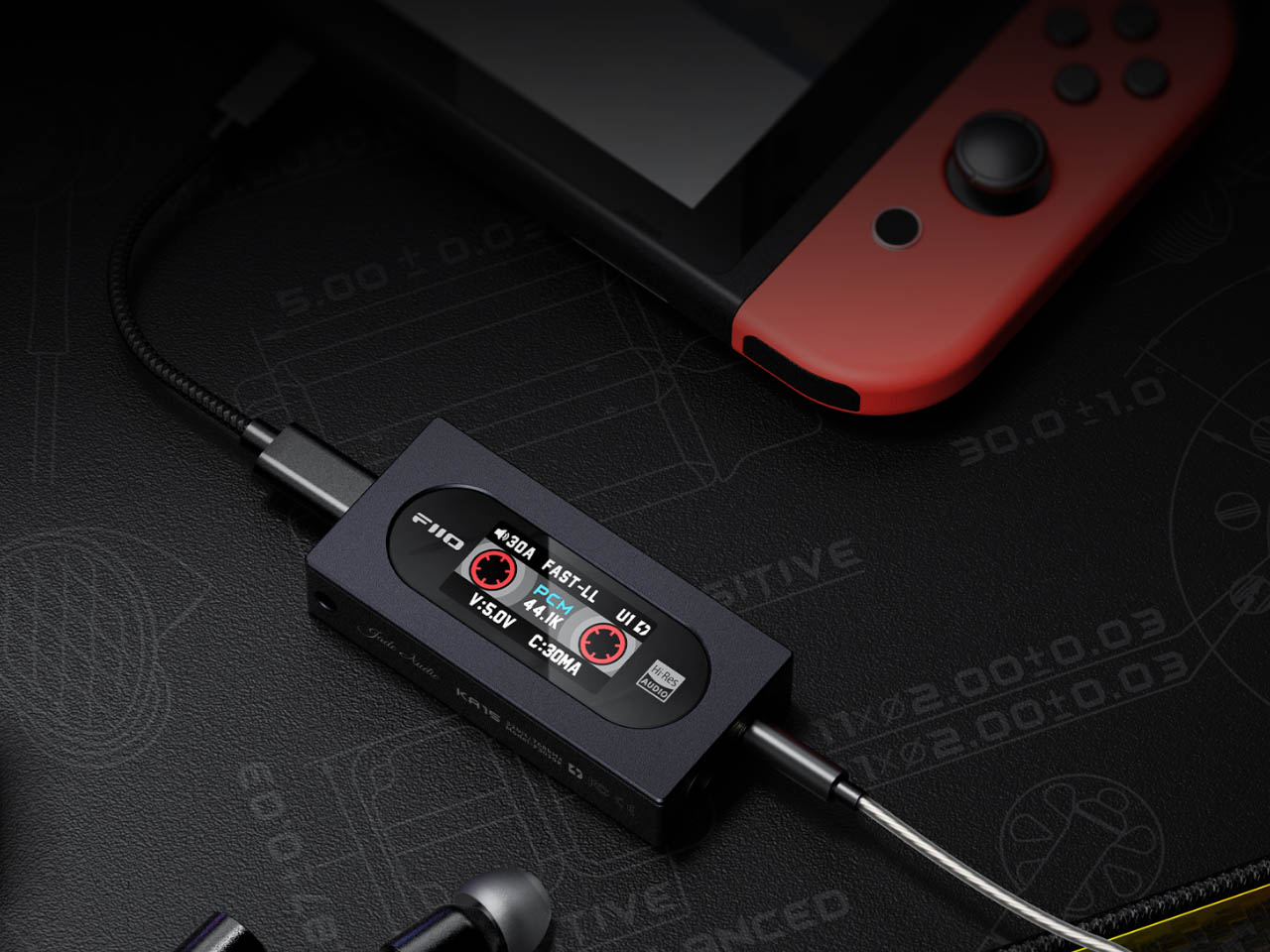
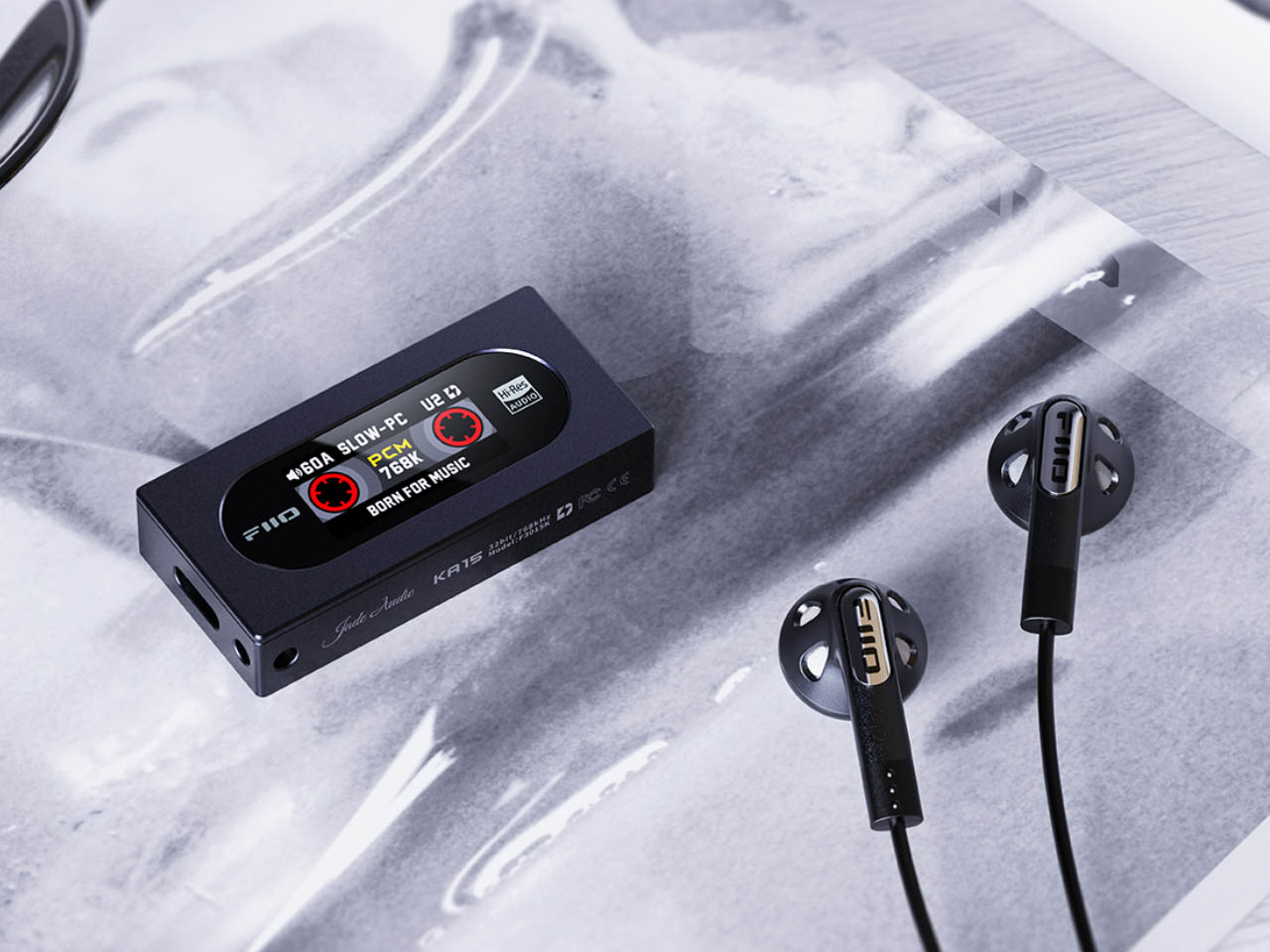
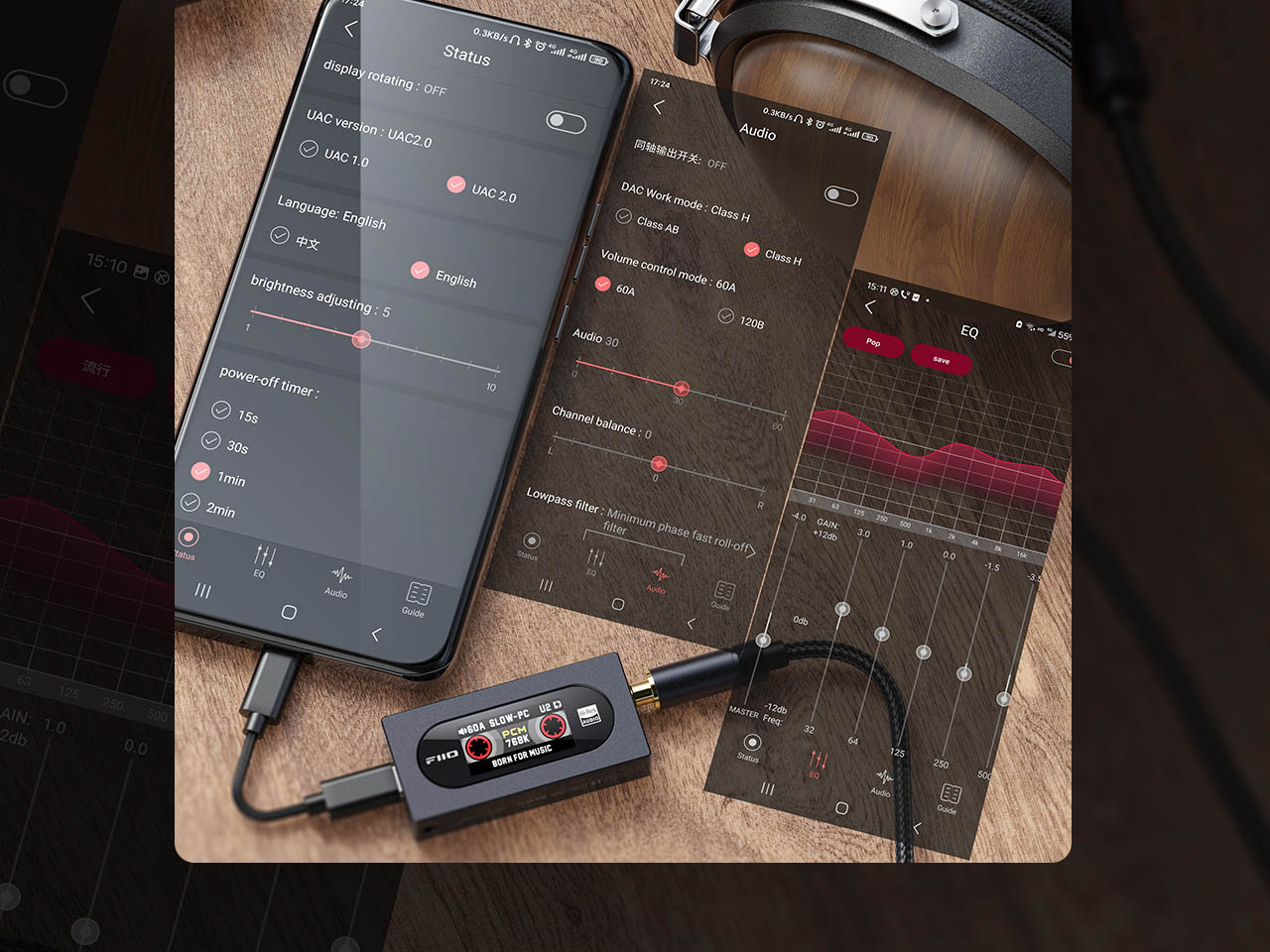
The portable DAC amps up your audiophile-grade music listening experience if analog is your thing – both audio-wise and visually. The FIIO K15 DAC has an inch-wide LCD that emulates the look of a cassette player, replicating the spinning six-toothed spools and music information.

Designer: FIIO

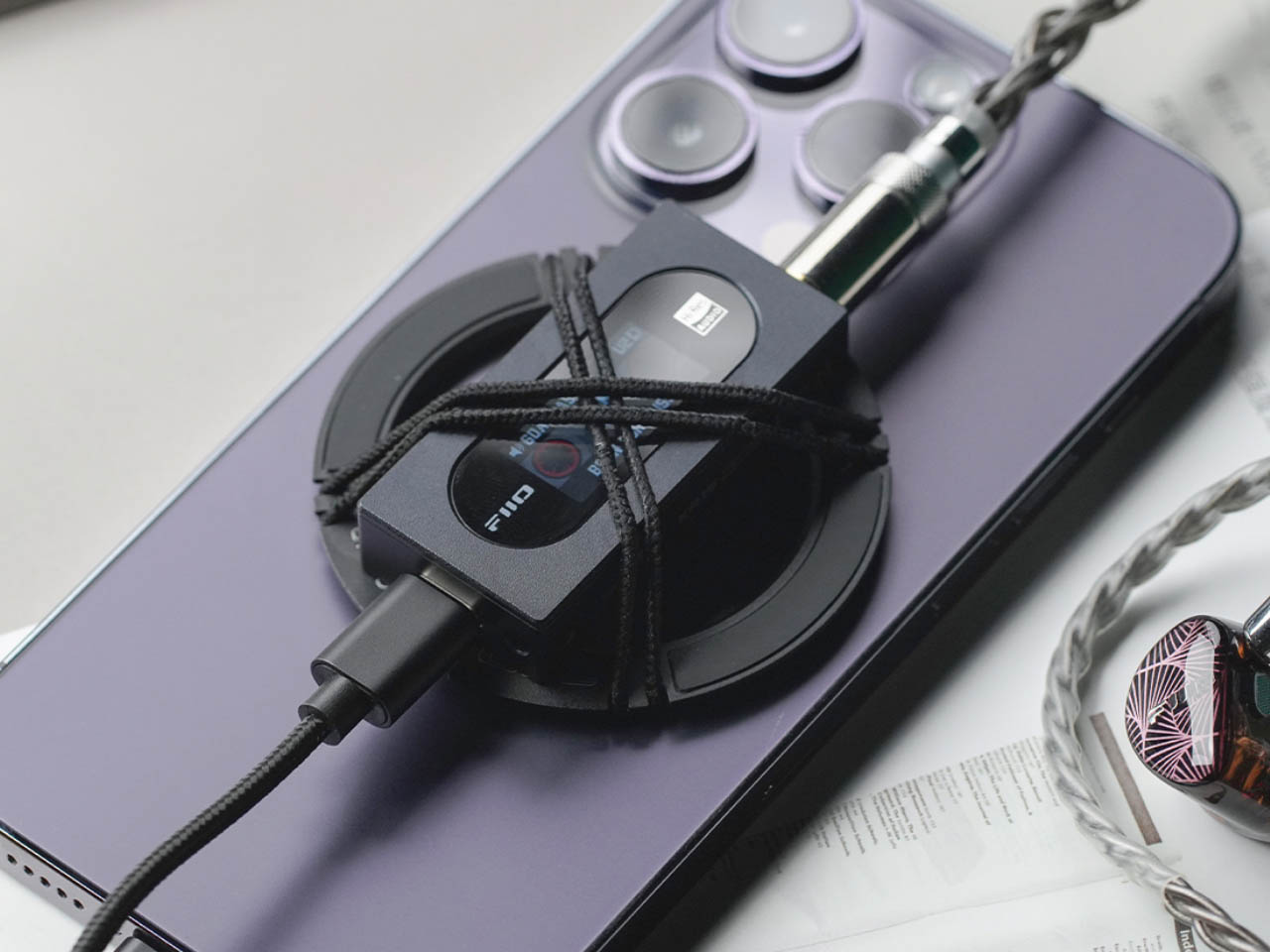
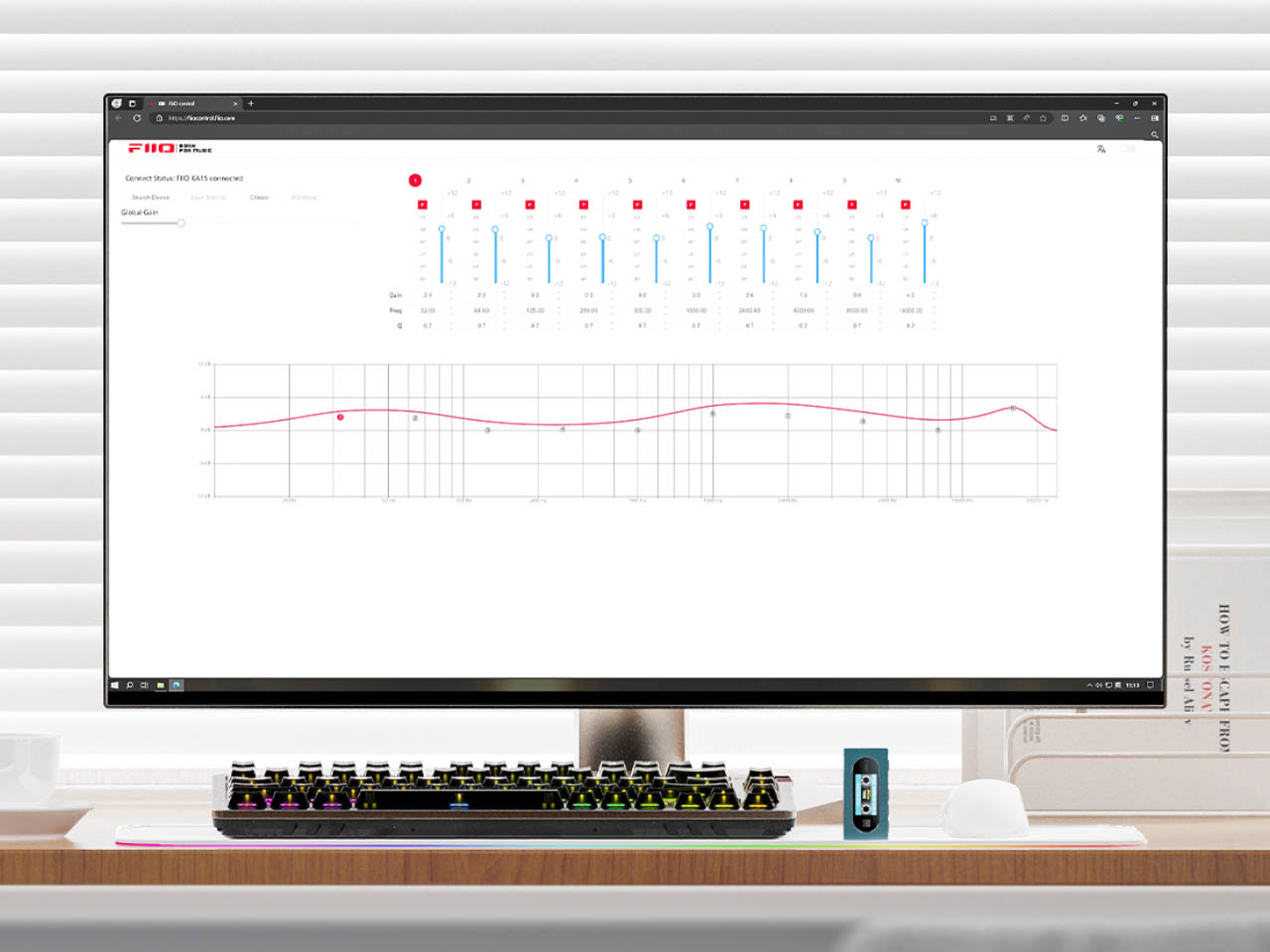
Unlike your high-end phone, the audio accessory has two Cirrus Logic chips and dual op-amps with support for 32-bit/768-kHz and DSD256 decoding. This results in crystal clear sound reproduction even with high-impedance headphones. The companion app lets you toggle the high-precision 10-band parametric equalizer (found mostly on affordable digital audio devices) to fine-tune the listening experience. Since we are talking about audiophile-grade audio accessories, connectivity with your smartphones, PC, handheld gaming device or gaming console is possible with a USB-C jack. Those who use high-end wired headphones get the option to plug in the amplifier via a 3.5mm jack or the balanced 4.4mm jack.

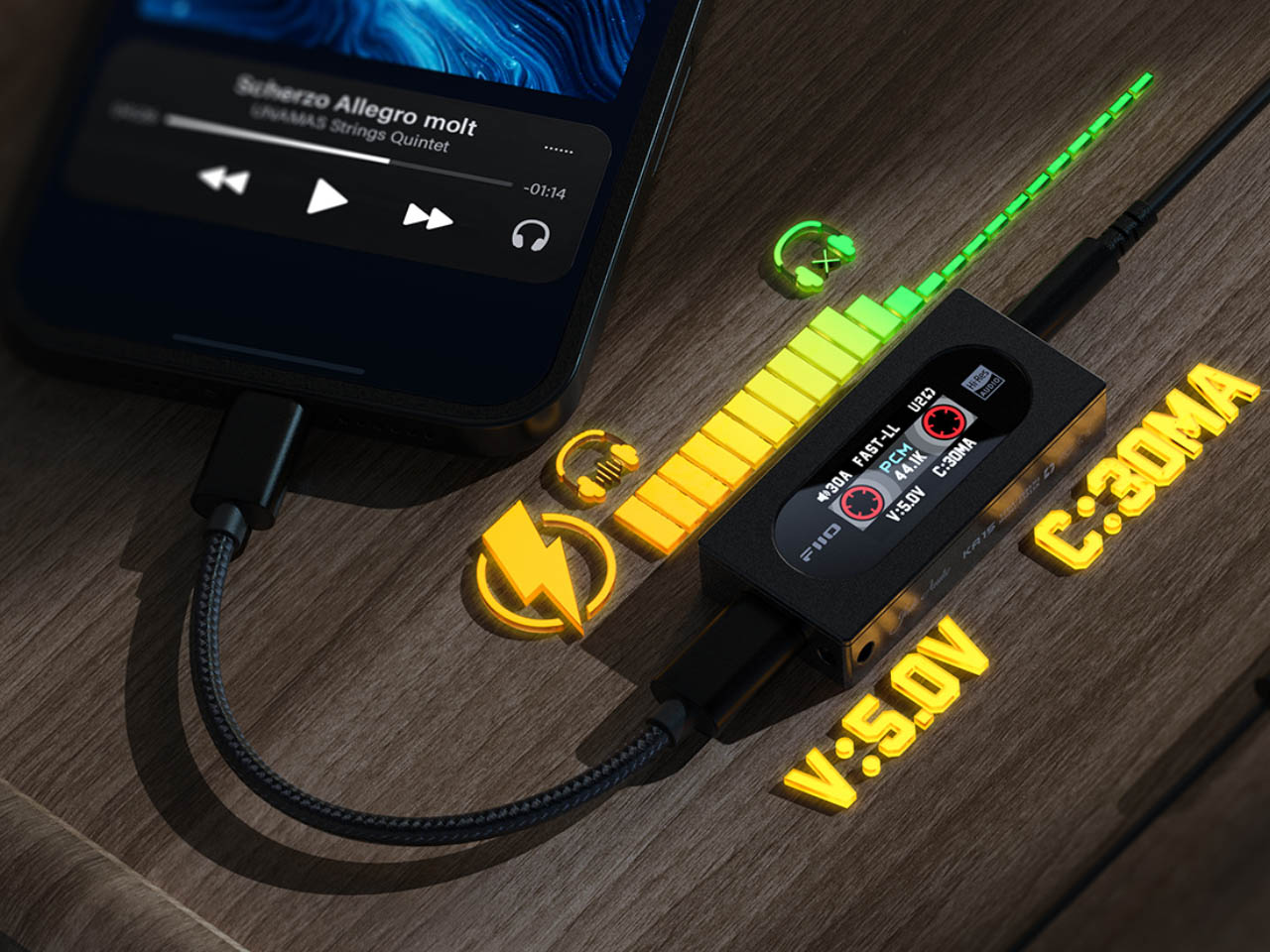
The pocketable audio accessory stands out from its competitors with the unique display interface, while other features are more or less similar to current generation DACs. These include options like real-time voltage and current monitoring to make any dynamic power adjustments. An inline mic also gives you the liberty to take calls or attend Zoom meetings when connected to a phone or laptop. For a price tag of $109, the K15 portable DAC by FIIO is the perfect accessory to own if you’ve got bored with the usual stuff.

The post FIIO K15 DAC’s nostalgic cassette tape charm complements the modern aesthetics first appeared on Yanko Design.

Apple Clear Series reimagines AirPods Max, AirPods Pro and Watch Ultra in transparent skin

Nothing brought a new dimension to the world of gadgets with their Nothing Ear (1) TWS earbuds. This gave young listeners a reason to show off their audio accessory having see-through aesthetics. The visible hardware of the earbuds and then later on the Phone (1) smartphone created quite a buzz before launch for the invisible aesthetics.

Beats got hooked on the idea and released their version of transparent Studio Buds + TWS. The craze for gadgets with visible innards is obvious as they look cool, and I believe, it’s not just another fad. The Apple subsidiary owned by the Cupertino giant since 2014 might give the big daddy some inspiration for a transparent series of gadgets fit for Gen-Z. Yes, of course, we are in the concept realm on this one!

Designer: Vadzim Sadouski

Dubbed the Apple Clear Series, this concept design reimagines the suite of Apple products with see-through aesthetics. Got bored with your AirPods Max in Blue color? The AirPods Max Clear are meant for you, with the dope transparent cans that expose the rear portion of the earcups. Here we are not talking about Open-Back headphones, but rather ones with the cups covered in a thick layer of acrylic fiber for structural strength. The see-through design continues to the headband with cushioning at the bottom for comfort.

Then there is the AirPods Pro Clear which more or less looks inspired by the sister brand Beats. Of course, we would have loved more renders to let loose our imagination but the designer has created just the frontal view of the earbuds. Just like the transparent headphones, the third proposed gadget is the Apple Watch Ultra Clear with a transparent shell encapsulating the watch. Interestingly the rubber strap is also wrapped in the see-through material.

The post Apple Clear Series reimagines AirPods Max, AirPods Pro and Watch Ultra in transparent skin first appeared on Yanko Design.
Loog x Duolingo portable piano teaches you the language of music, the fun way

Learning a new language is never easy, whether it’s human language, programming language, or harmonic language. It takes time, effort, and more importantly, drive to go through the process, but it doesn’t have to a be painful and dreadful experience all the time. Of the many strategies that make learning languages both fun and effective, Duolingo is perhaps the best-known service. What few people realize, however, is that the green owl has been teaching music for over a year now, applying the same principles it uses in teaching Spanish or Mandarin to do-re-mi’s. Unlike smartphones and spoken languages, however, music has to be played to really be learned, which is why Duolingo has come out with a small digital piano so that you can do that anywhere you are.

Designer: Loog x Duolingo

A piano isn’t the only instrument you can use to learn music, but it’s one of the most convenient and can be designed into an electric and portable form that doesn’t require minding strings that could break. You don’t even need a full-sized piano to get started, but you do need one that’s small enough to be carried around yet has a decent size and a decent sound as well. Rather than relying on a smartphone piano app that doesn’t give the same tactile experience, Duolingo teamed up with Loog, a popular brand of musical instruments for kids and beginners, to make one.

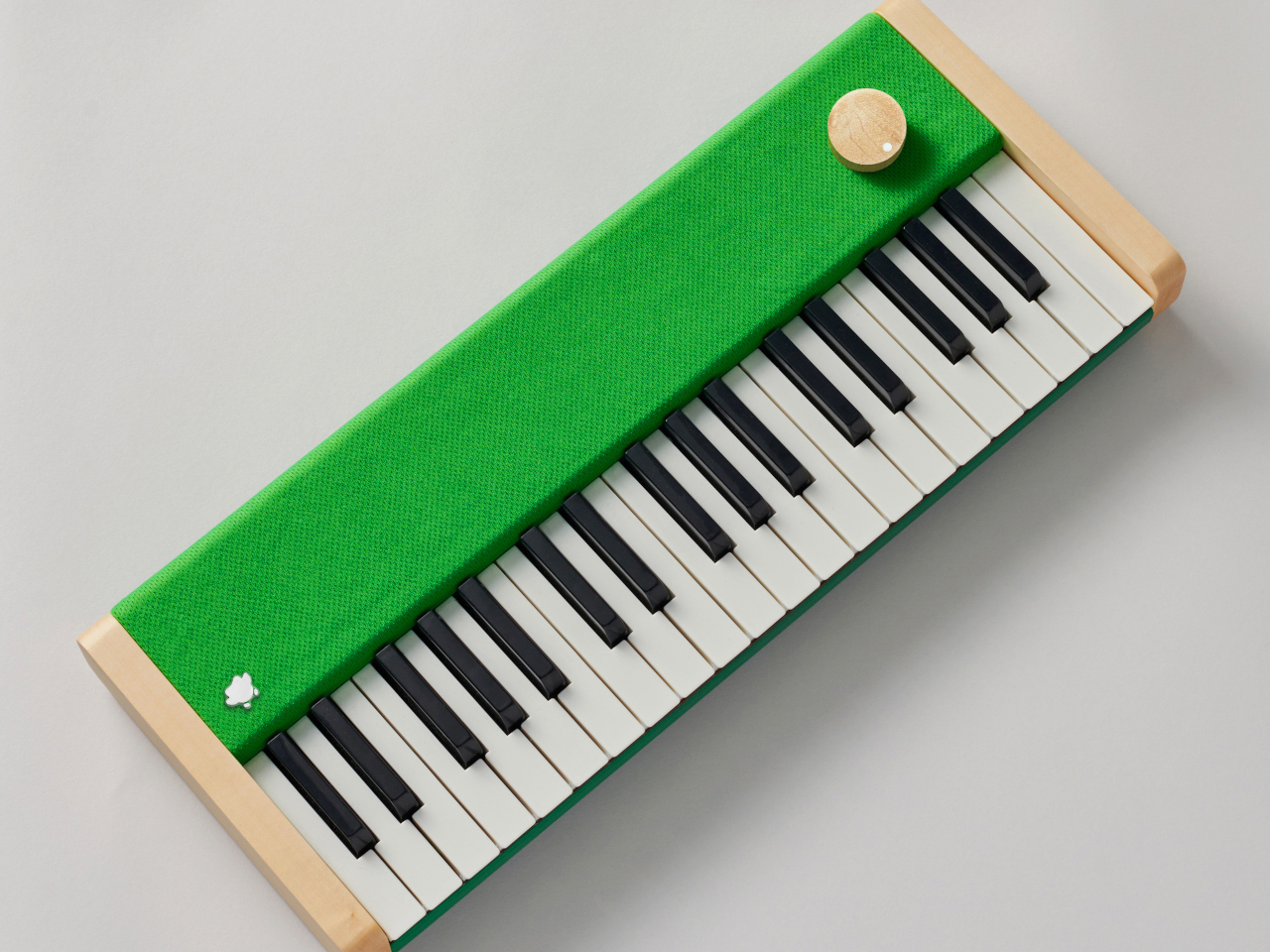
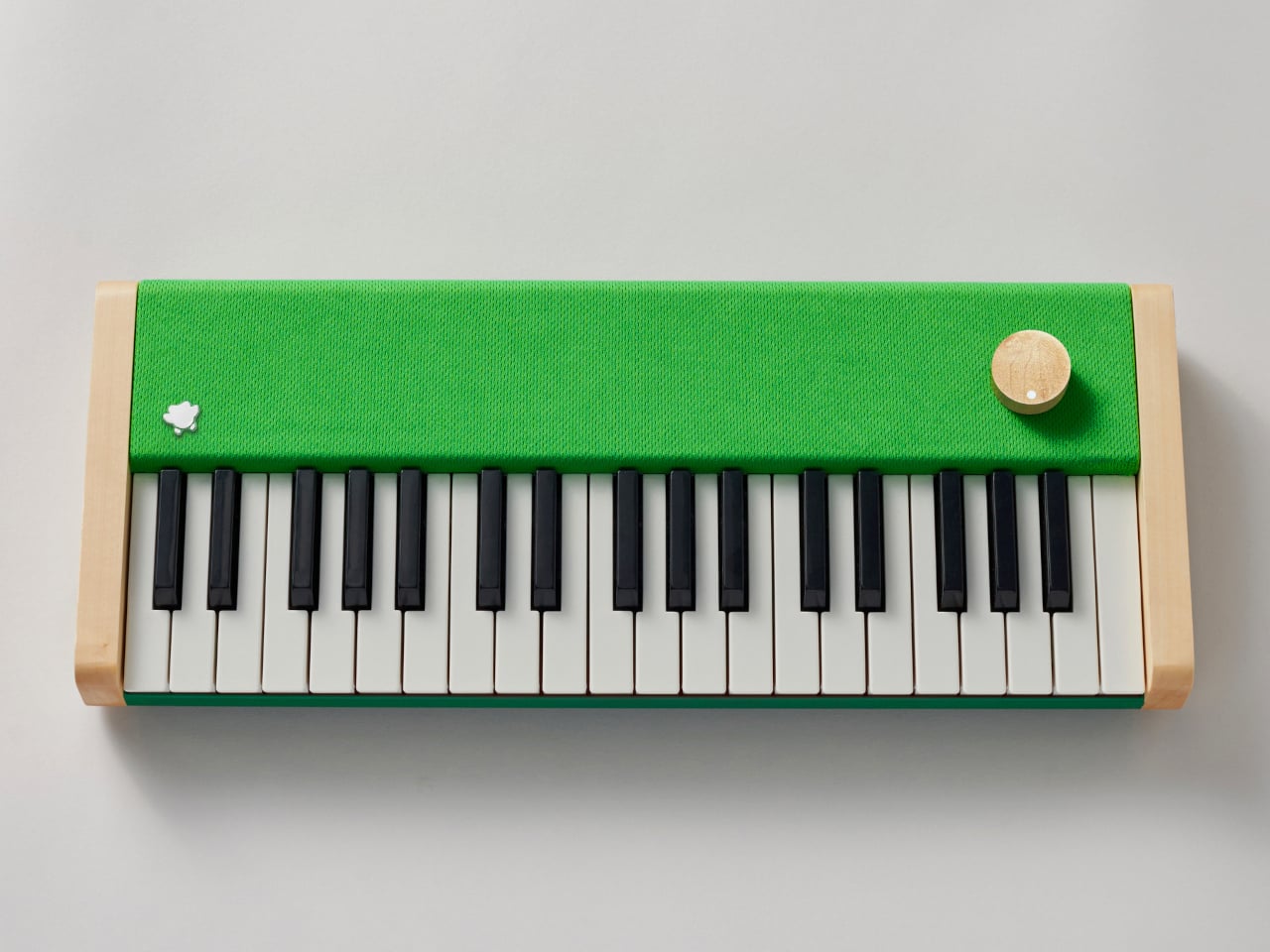
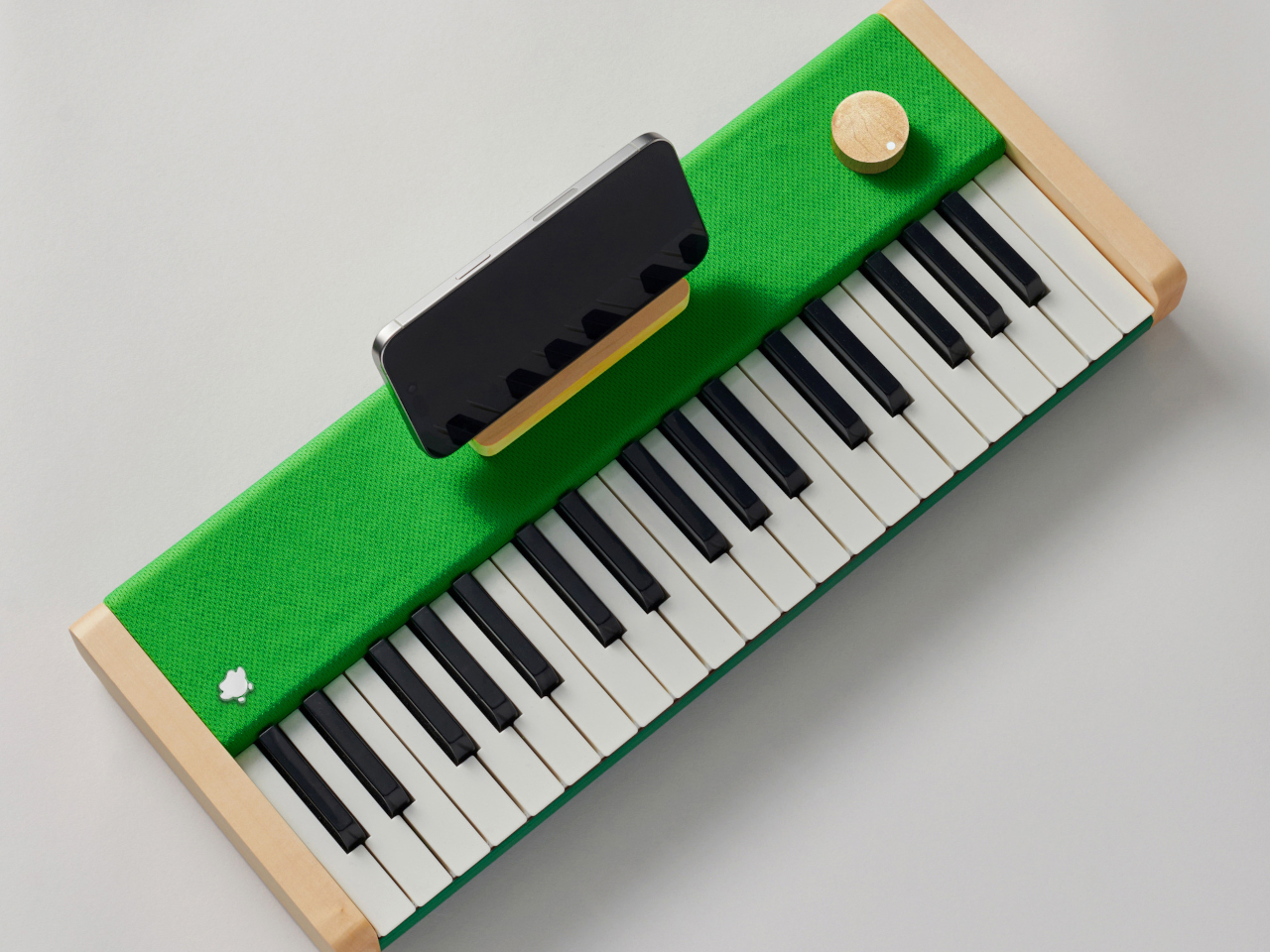
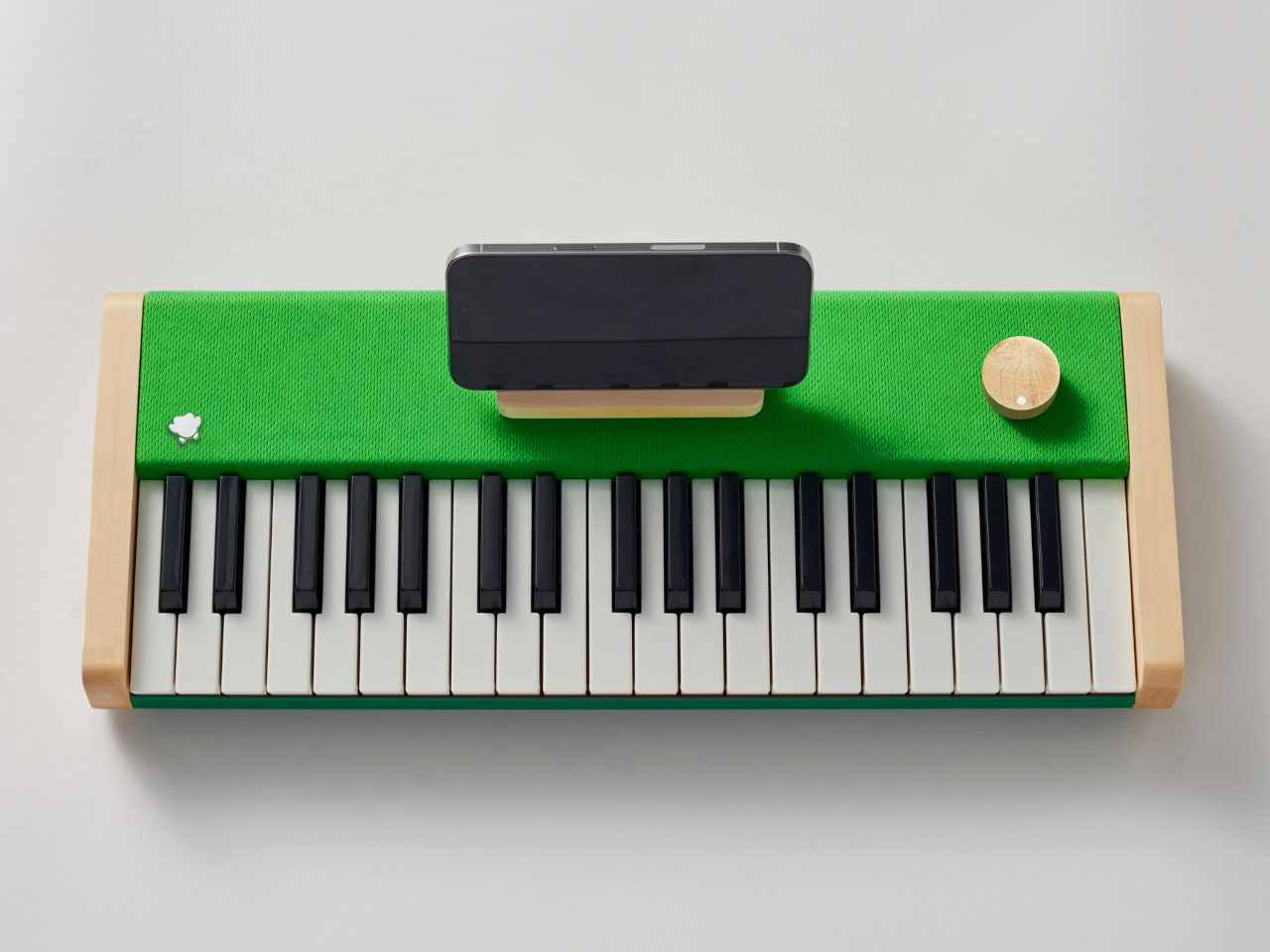
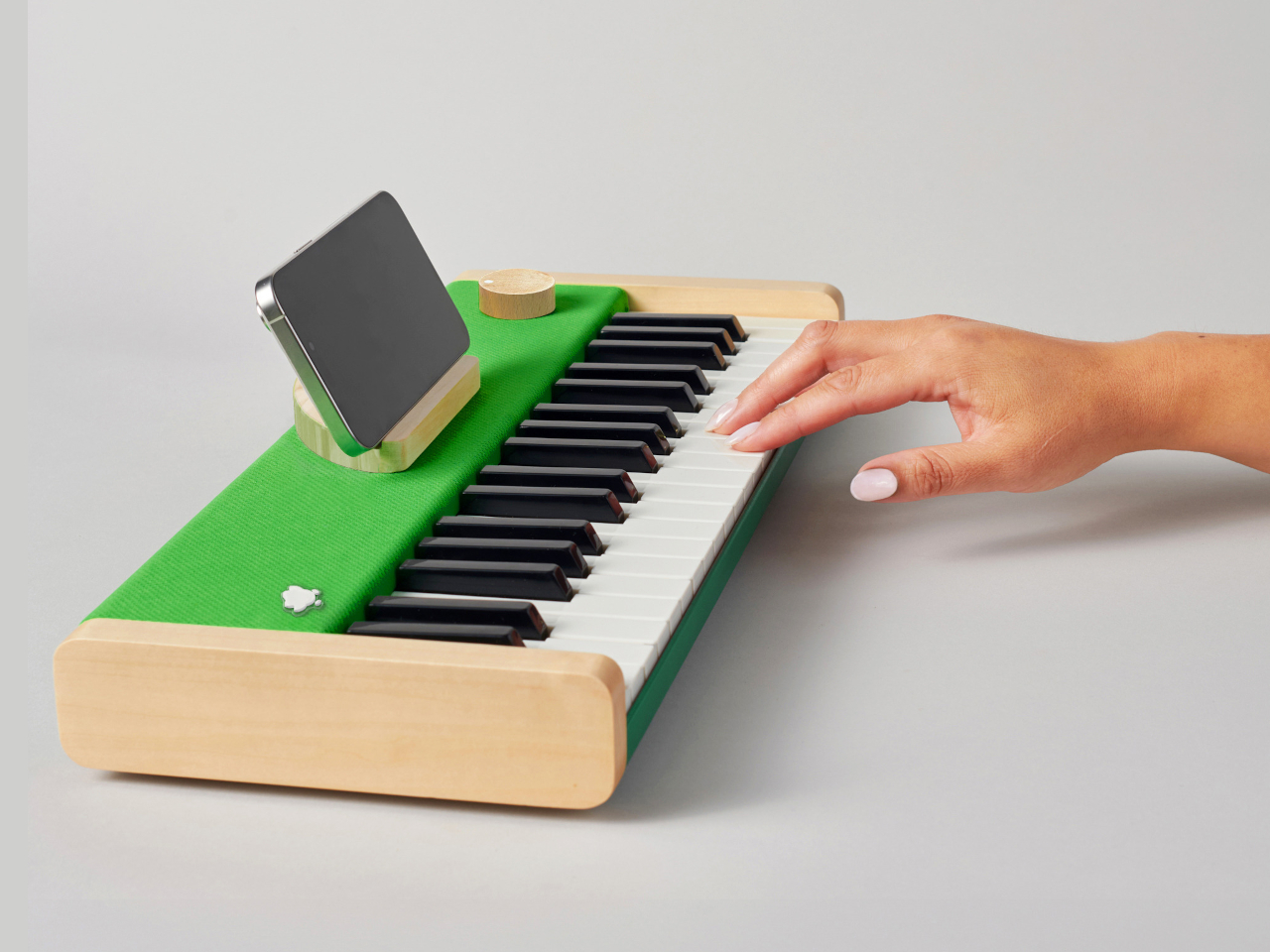
That’s what the Loog x Duolingo Piano brings to the table, figuratively and literally. It’s basically a special version of the Loog piano themed with Duolingo’s iconic green hue. It’s still the same piano made with solid wood panels that enhance the acoustics, making it sound almost like a real classical piano. It also has the same velocity-sensitive keys that implement proper dynamics, meaning that you can hit the keys harder to make the note sound louder, just like a real piano.

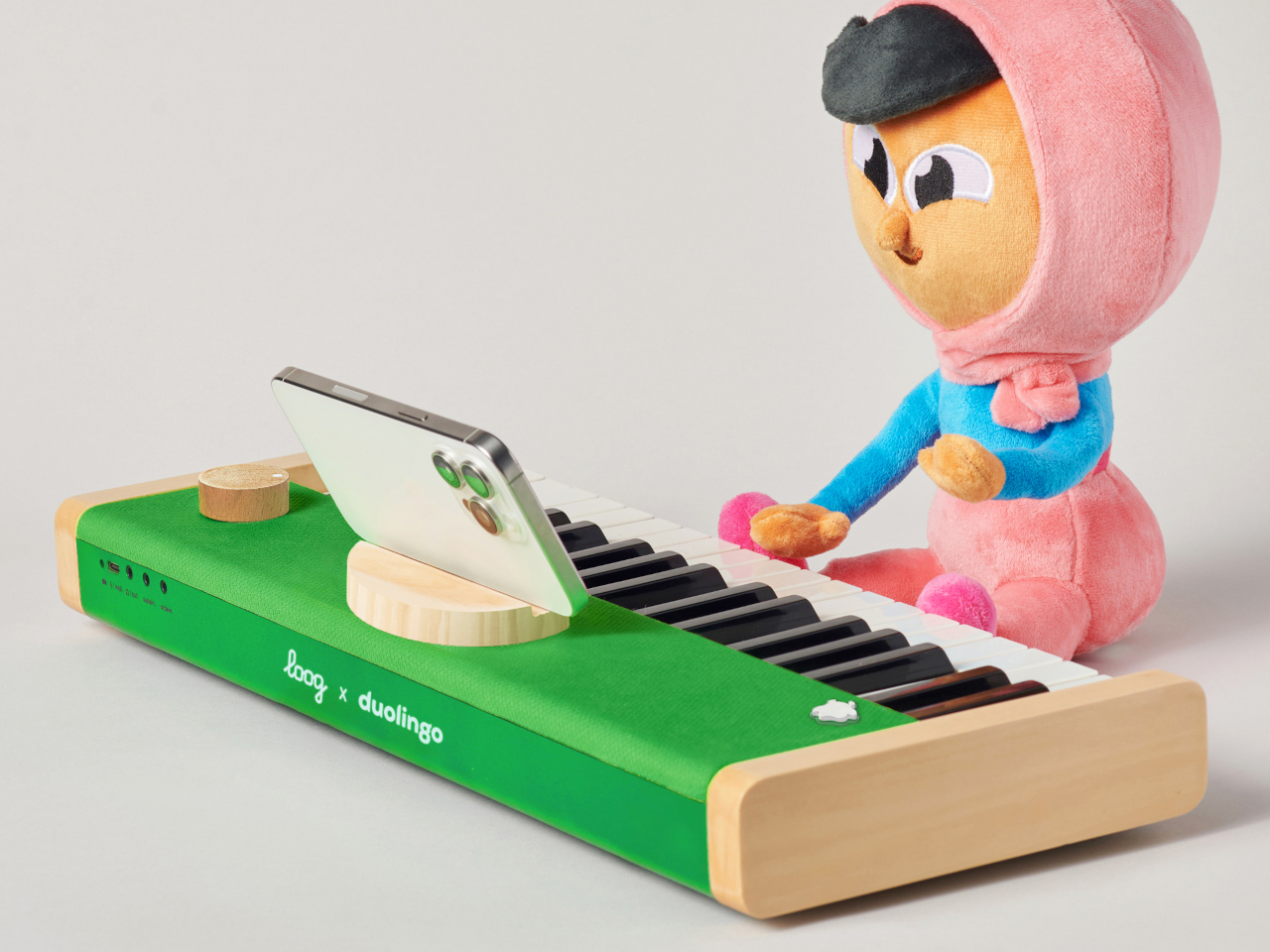
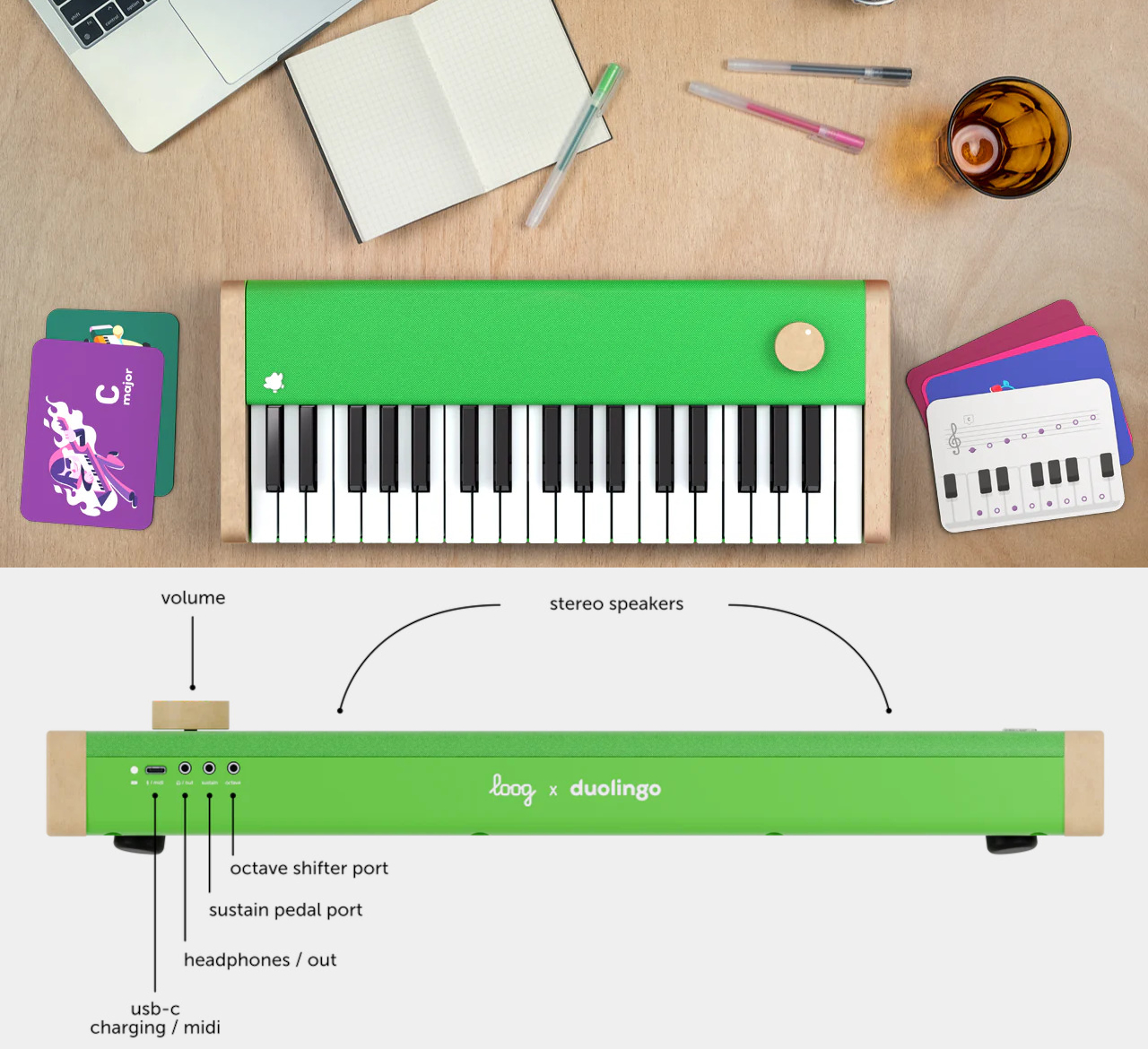
It’s not just a Duolingo-branded Loog piano, though, as this particular kit is designed with the easy-to-use and fun learning service in mind. There’s a wooden phone stand that matches the aesthetics of the piano, perfect for holding up the phone while you learn and play. And for a more offline learning experience, the package includes Piano Flashcards as well.

The Loog x Duolingo Piano is more than just a simple digital piano. It can be used as a MIDI controller when connected to an instrument via its USB-C port, and there are also ports not just for headphones but also for pedals and octave shifters. It might look like a kid’s toy, but this piano definitely has the guts to stand proudly as a proper musical instrument so that its use doesn’t stop after you’ve already mastered everything Duolingo has to teach.

The post Loog x Duolingo portable piano teaches you the language of music, the fun way first appeared on Yanko Design.
TikTok Music is on its way out

TikTok Music is shutting down following an attempt to translate views on its base app to music streaming. The music arm announced the news that accounts will close by November 28, with all user data and login information deleted.  

Google subscribers whose subscription ends after November 28 should automatically get a refund or can request one through Google Play before TikTok Music shuts down. On the other hand, Apple users must request a refund through Apple support before the 28th to get one. Anyone who actually uses TikTok Music might want to wait a minute, though, as the premium service will no longer be available once a refund is processed. Speaking of deadlines, anyone who wants to transfer their playlists from TikTok Music to another music streamer has to do so by October 28. 

TikTok Music first launched in Indonesia and Brazil in July 2023. It replaced another music platform called Resso from ByteDance (TikTok's parent company). Around the same time, it became available as a closed beta test in Australia, Mexico and Singapore, fully launching in those locations that October. Despite ByteDance filing for a "TikTok Music" trademark application in May 2022, the platform never made it to the US. 

This article originally appeared on Engadget at https://www.engadget.com/apps/tiktok-music-is-on-its-way-out-143058957.html?src=rss

Nothing launches sports-friendly Ear (open) earphones with built-in ChatGPT for just $149

No, it isn’t Phone (3), but to be honest, haven’t we had enough phone launches already?!

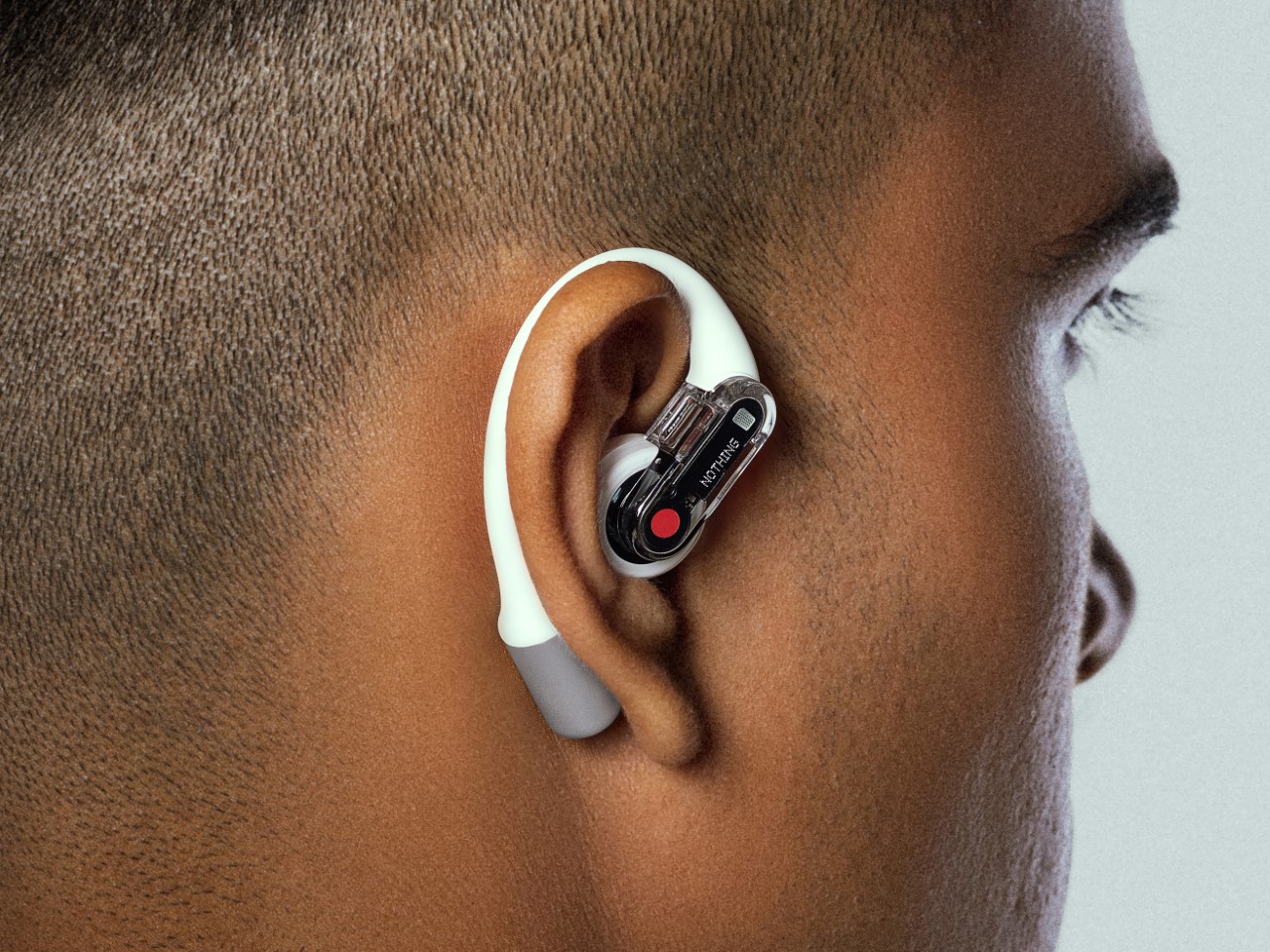
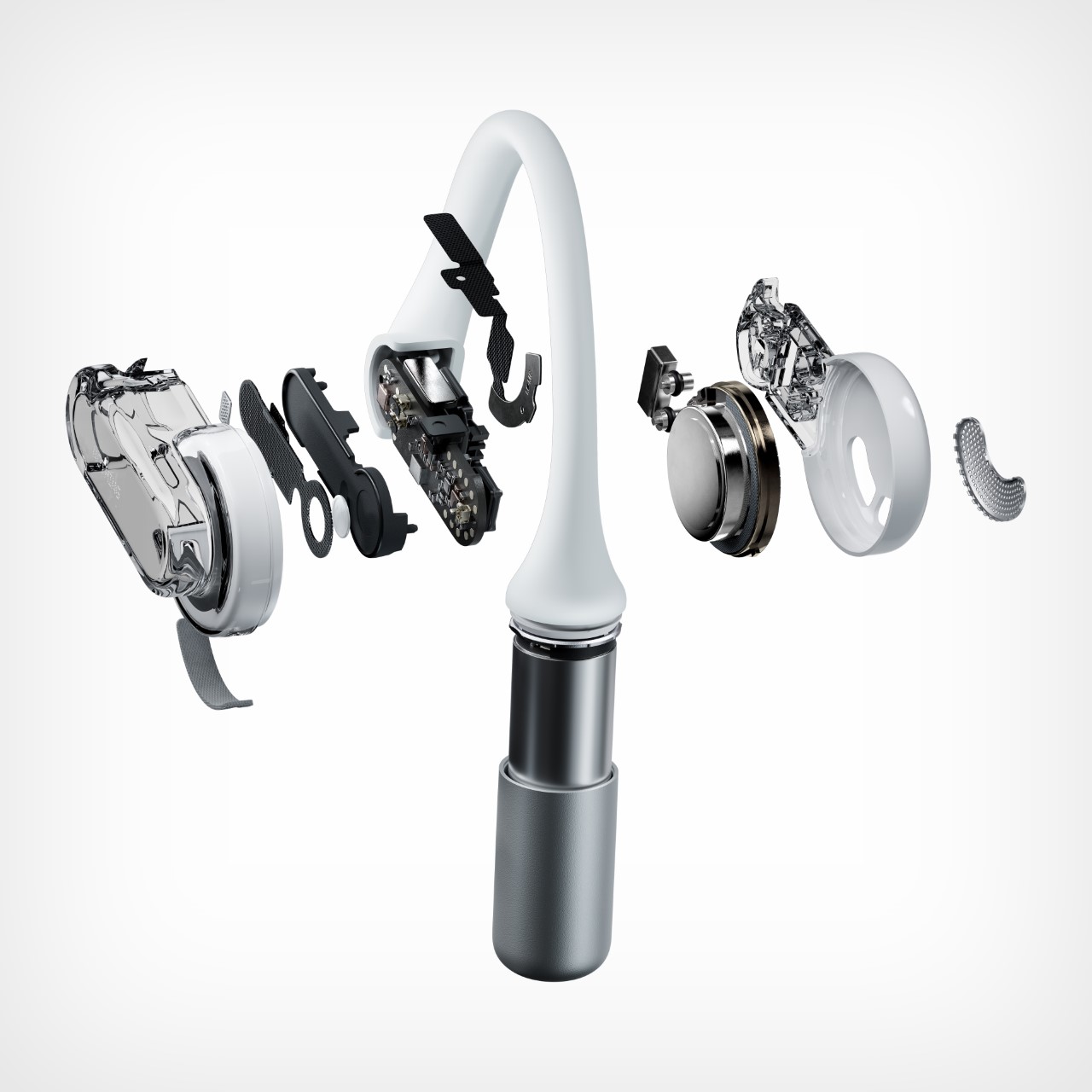
Say hello to the Nothing Ear (open), the latest ‘hearable’ from London-based tech-brand Nothing. Designed in vein with their existing Nothing Ear series, the Ear (open), as its name suggests, is an open-ear wearable and the first of its kind from the company. The newly launched device introduces a distinctive open-ear design that prioritizes comfort, situational awareness, and superior sound quality. This marks the company’s fourth mainline set of earbuds, not counting special editions (like the Nothing Ear (stick)) and their CMF budget line. Known for pushing the boundaries of audio tech with a bold design, Nothing seems intent on revolutionizing the way we experience audio on the move.

Designer: Nothing

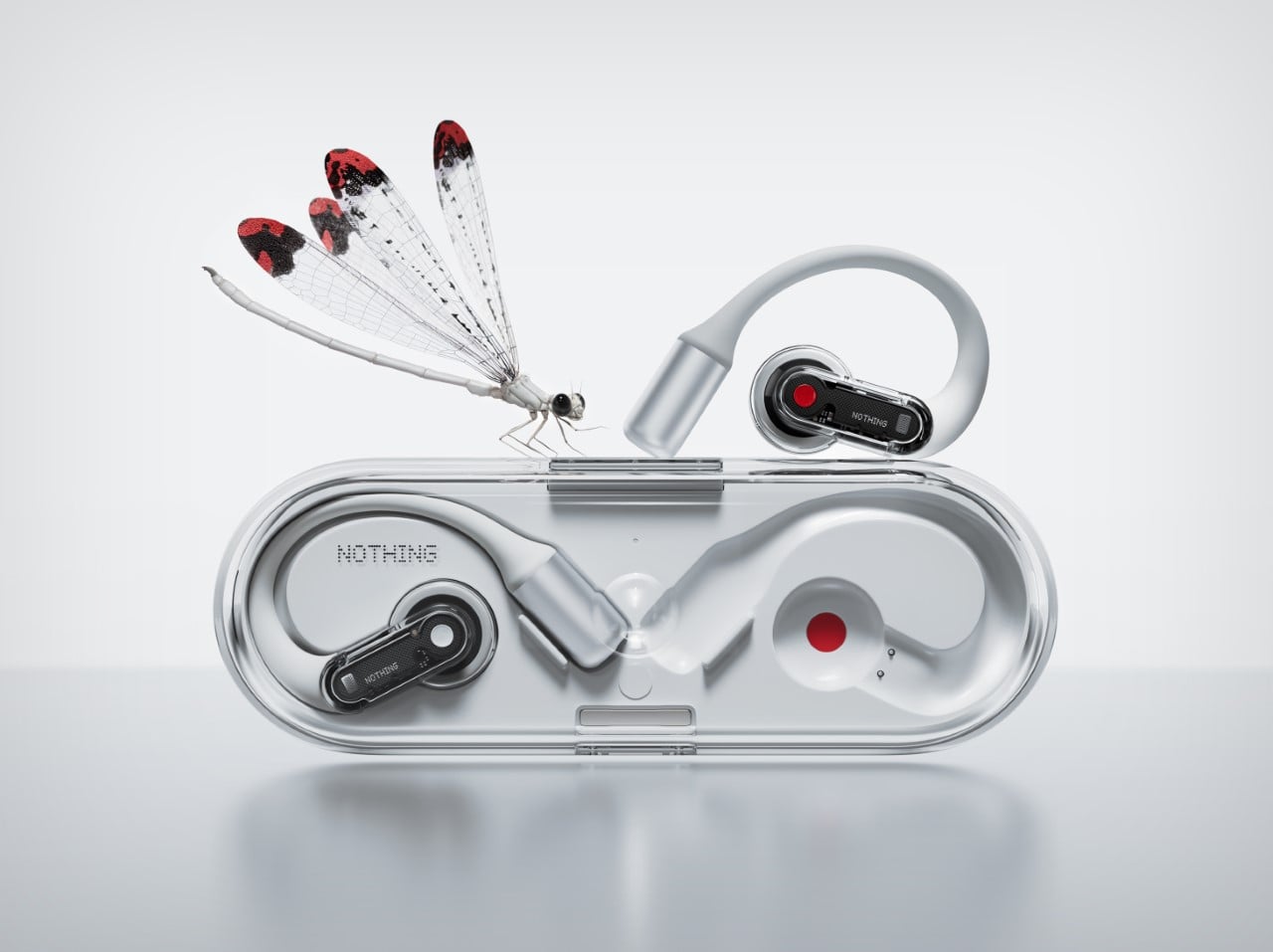
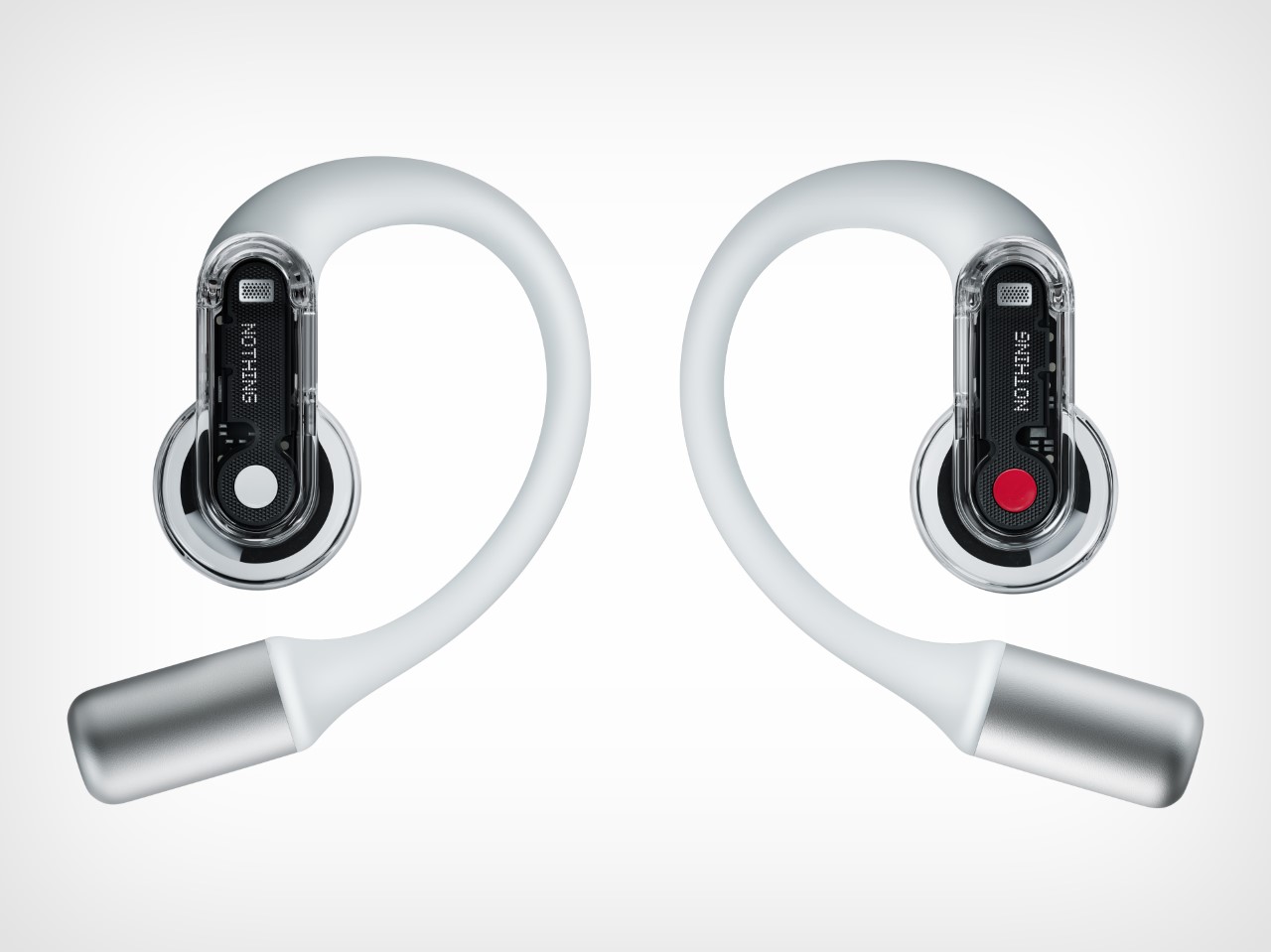
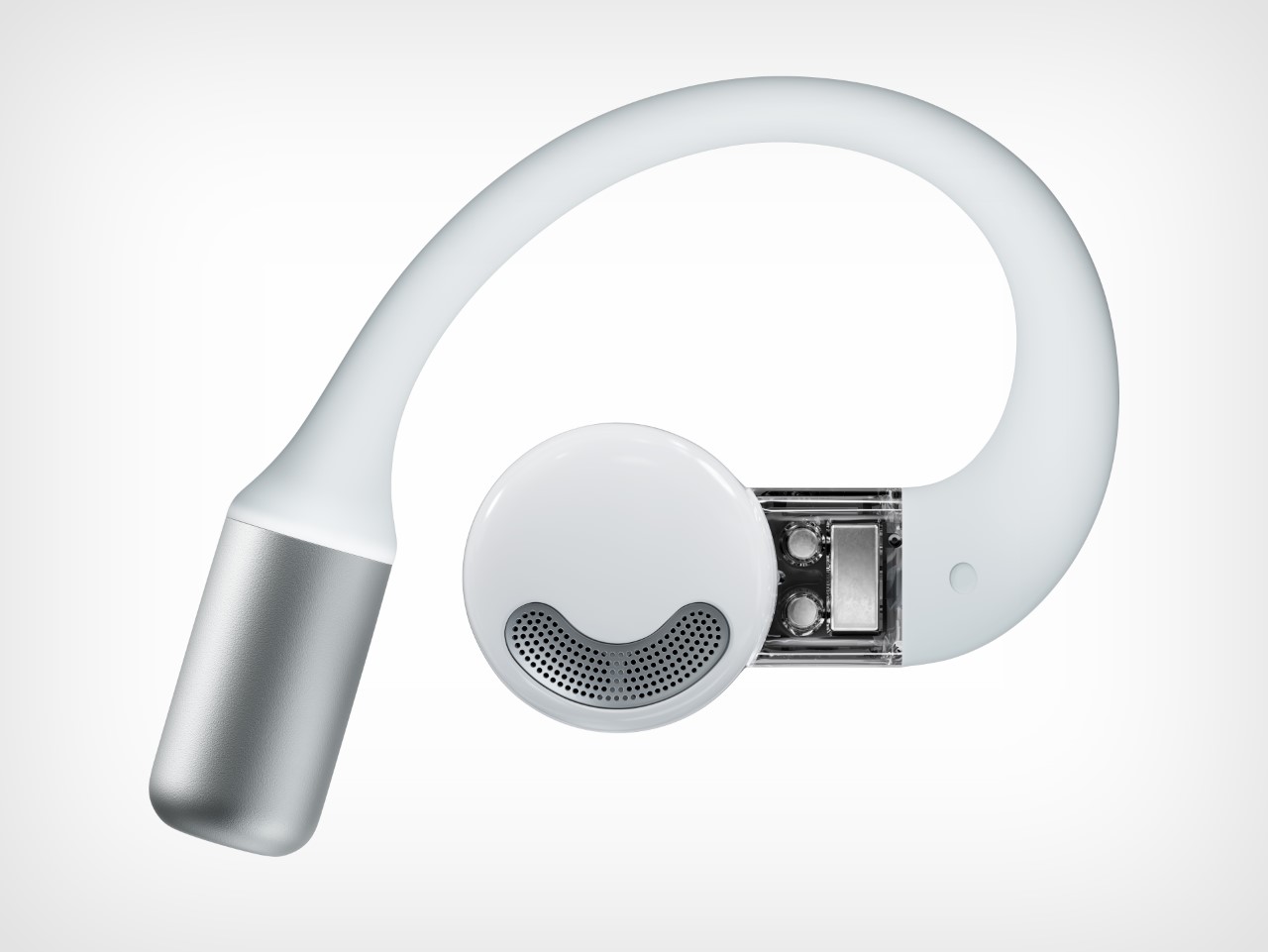
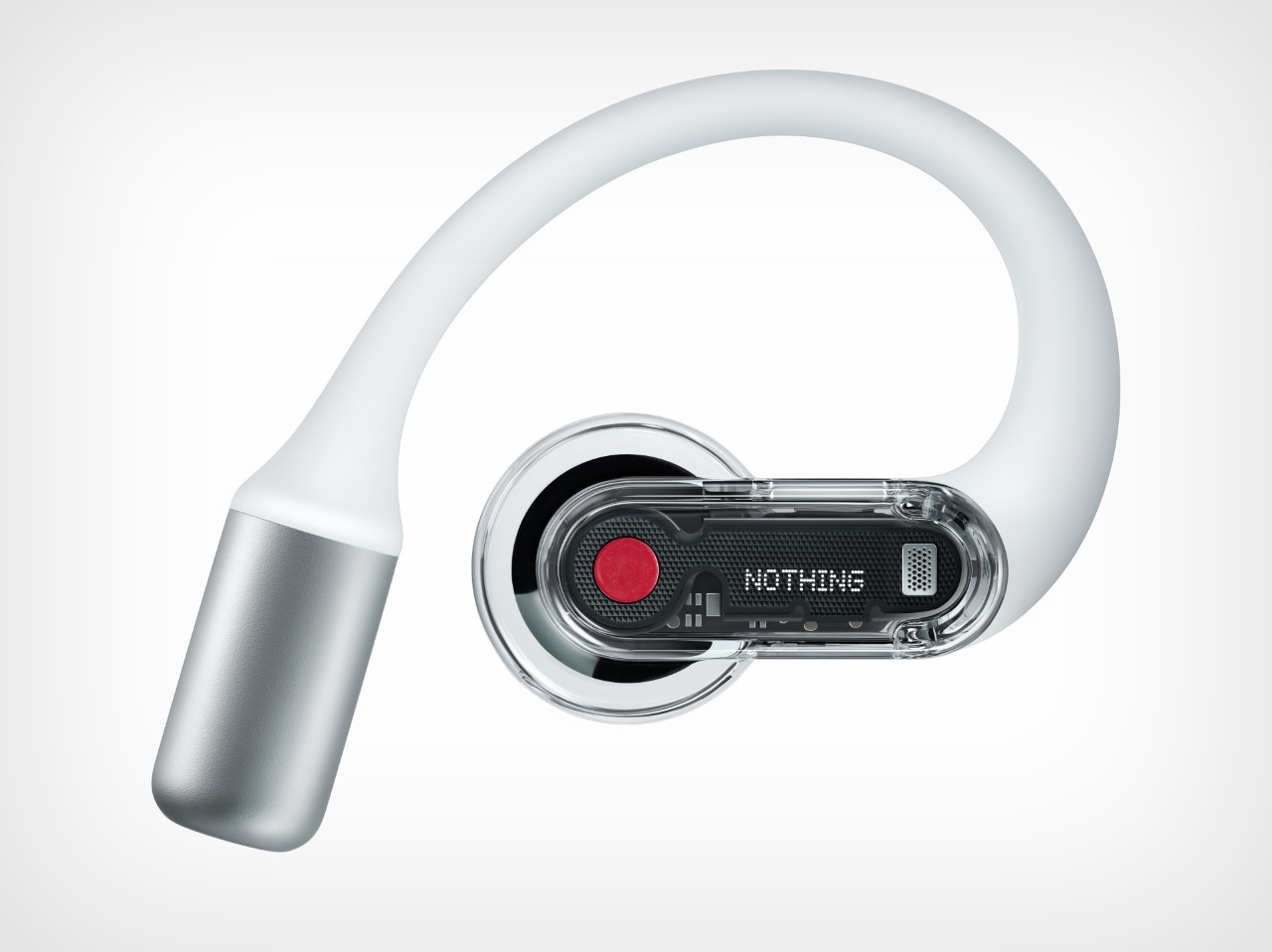
One glance at the Nothing Ear (open), and you immediately notice the company’s signature minimalist aesthetic. Transparency is the name of the game here. Rather than having earpieces with silicone tips that create an airtight seal to lock in sound and minimize audio leakage, these open-ear wearables rest against your ear canal, firing audio directly in without compromising your ability to hear the world around you. Sort of like how holding your phone up to your ear lets you hear calls but also lets environmental sounds to make it to your ear so you’re aware of your surroundings. “A lot of people were skeptical internally, but I was really bullish on this form factor because you see people wearing regular earbuds these days, and sometimes they only wear earbuds with one bud in the ear and the other one out… because they want to what’s, you know, happening all around them”, says Nothing founder Carl Pei. “But this form factor opens up, so that you can hear all your surroundings without having to do that.”

Staying true to their design philosophy, the Ear (open) showcases a slim, see-through form factor that emphasizes the craftsmanship behind its sleek exterior. Weighing just 8.1 grams per earbud, these are designed to be lightweight and portable, and with the case measuring a mere 19 mm in thickness, you can easily slip them into your pocket. The buds also come equipped with a smart case that mirrors the same transparency-focused design the company has come to be known for, along with a dimple in the center of the lid for fidgeting purposes. Obviously, the case acts as a charging dock for the earphones when not in use.

The Ear (open) shines with its Open Sound Technology, a software feature that aims to let users enjoy immersive sound while staying connected to their environment. Whether you’re on a busy city street or in a park, these earbuds let ambient sounds like traffic or birdsong through, without drowning out your music or calls. This makes them ideal for those who want to stay aware of their surroundings—whether for safety reasons or just to feel more present.

Supplementing the open-ear design is the Sound Seal System and directional speakers. These features work together to minimize sound leakage, ensuring that you get a rich, personal listening experience without disturbing those around you. This system’s privacy-oriented design addresses one of the common pain points with open-ear earbuds, giving you the best of both worlds—situational awareness and high-quality sound.

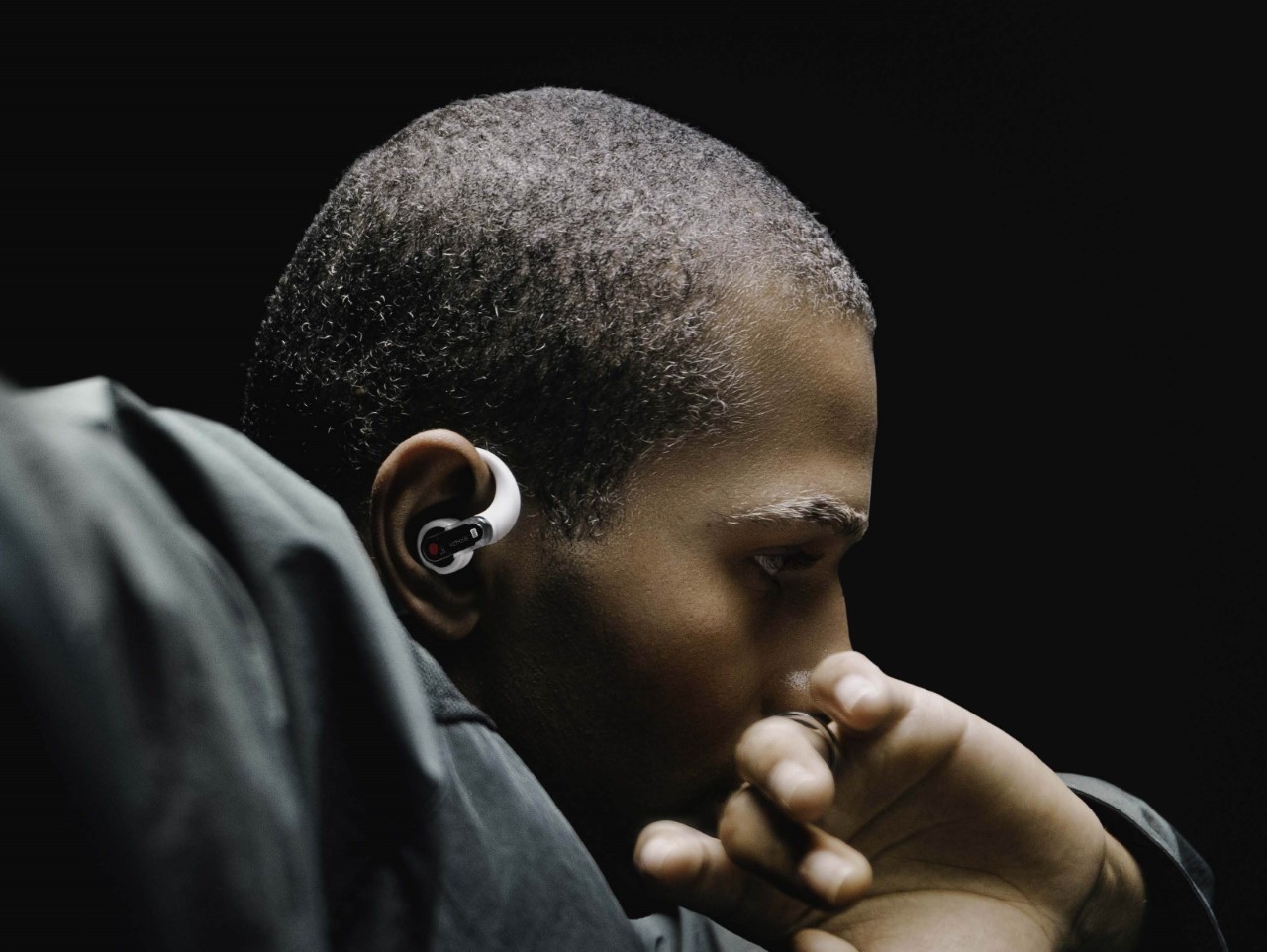
The earbuds feature a three-point balance system that, alongside flexible silicone ear hooks, ensures the earbuds sit securely in your ears. Designed with the intent of being worn while running, exercising, cycling, or just walking through the city, the Ear (open) promises a secure fit that won’t fall out during your activities. Combined with their feather-light weight, these earbuds are designed to make you forget you’re even wearing them.

On the performance front, the Ear (open) delivers with its custom patent-pending diaphragm, titanium coating, and ultra-light driver setup. These earbuds are built to handle both the deep lows and the crisp highs, offering a balanced soundstage that’s sort of rare for open-ear designs (although we intend to verify this when we get our review unit!) The bass is further enhanced by an automatic Bass Enhance algorithm, giving the low frequencies an extra punch without distorting the sound quality… something we’ll definitely confirm once we try these bad-boys on.

You’ll get 8 hours of continuous playback on a single charge, with the total extending to 30 hours when factoring in the charging case. And if you’re pressed for time, a quick 10-minute charge provides an additional 2 hours of playback. For those who take a lot of calls on the go, the Clear Voice Technology uses AI-enhanced processing to deliver crystal-clear call quality, even in noisy environments. Trained on over 28 million noise scenarios, this tech ensures that your voice comes through loud and clear, regardless of your surroundings. Additionally, Dual Connection allows seamless switching between devices, and a Low Lag Mode is designed specifically for gaming, ensuring minimal audio delay during gameplay.

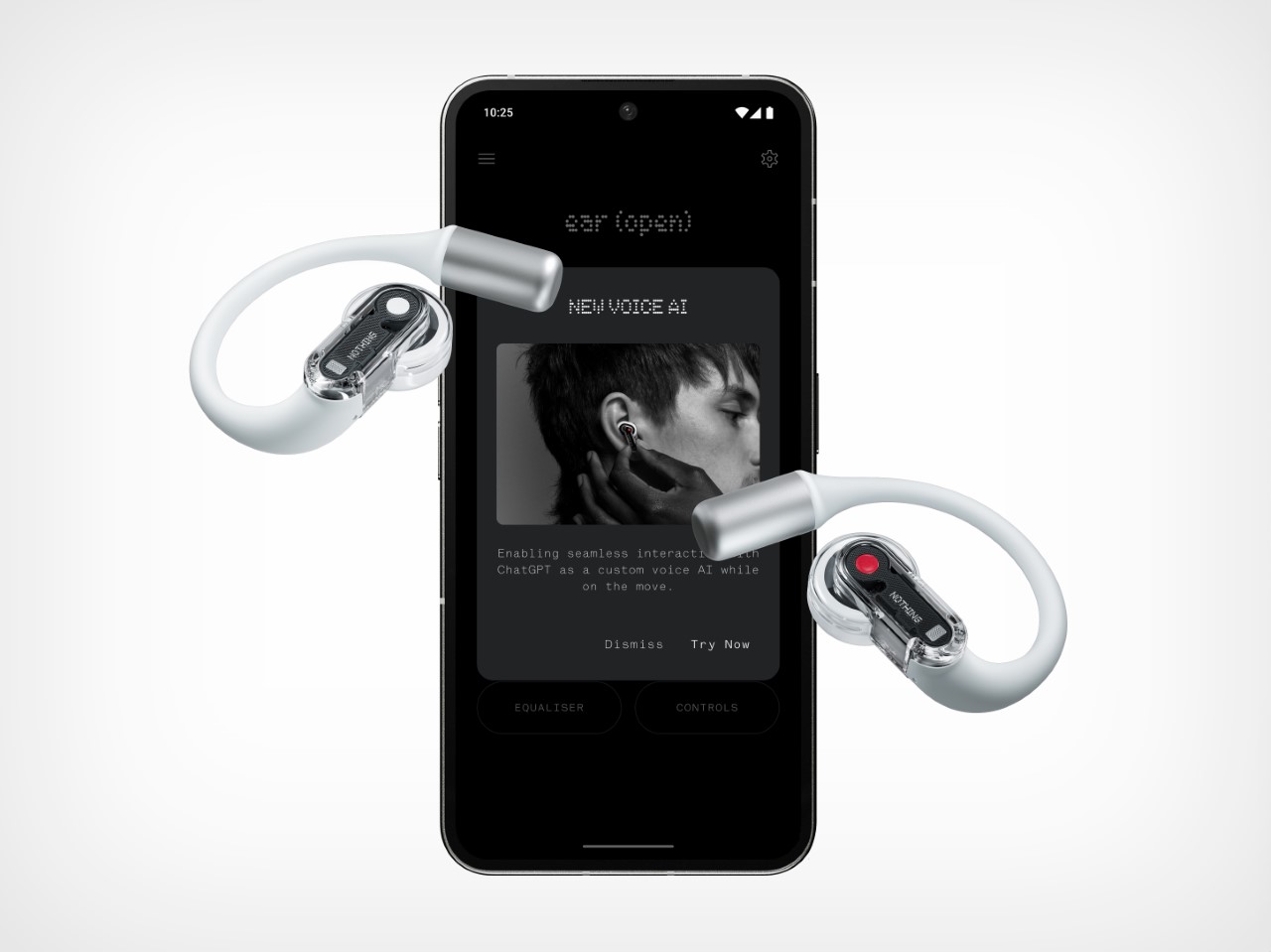
Earlier in the year, Nothing announced it was bringing ChatGPT to all its earphones, and the Ear (open) gets this feature too, allowing you to tap into GPT instead of your phone’s assistant for a more intuitive, intelligent conversation. Need to check the weather before heading out or quickly look up an answer to that random question nagging at you? Just ask—no need to fumble for your phone. The ChatGPT feature is accessible directly from your earbuds via the Nothing X app, making real-time information just a voice command away. Whether it’s getting directions, solving a debate, or grabbing quick updates on the go, ChatGPT turns your earbuds into more than just audio devices. That’s more than you can say for a pair of AirPods that are still yet to get Apple Intelligence.

The Nothing Ear (open) will be available for pre-order starting September 24th, with the official launch on October 1st. Priced at $149 USD (£129/€149), these earbuds are positioned to offer great value for those who want cutting-edge technology and user-friendly design without breaking the bank. If you’re the kind who needs music while exercising or training, these open-ear wearables might just be perfect to give a try. Especially at that affordable price point.

The post Nothing launches sports-friendly Ear (open) earphones with built-in ChatGPT for just $149 first appeared on Yanko Design.
Apple Music brings its audio haptics feature to all users as part of iOS 18

Apple’s Music Haptics feature is now live, as part of the official release of iOS 18. This is an accessibility tool that integrates with Apple Music on iPhones. Simply put, it uses the phone’s speaker-based haptics system, which the company refers to as the Taptic Engine, to create “taps, textures and refined vibrations to the audio of the song.”

This is quite obviously aimed toward those affected by hearing loss, allowing them to feel the music. It works with Apple Music, but also with Apple Music Classical and Shazam. The company says it’ll also integrate with some third-party apps, so long as the iPhone is connected to Wi-Fi or cellular. 

To get started, just head into the Accessibility settings menu and turn on “Music Haptics.” An easily identifiable logo will appear on the Now Playing screen in the Apple Music app when activated. Tapping this logo will pause the feature and tapping it again will turn it back on. Music Haptics is supported globally on iPhone 12 and later, as long as the device is updated to iOS 18.

To commemorate the launch, Apple Music has released a series of playlists that take advantage of the haptic technology. These channels have names like Haptics Beats and Haptics Bass, so they are filled with songs with plenty of opportunity for taps and vibrations.

People have already been experimenting with the feature. Some users have suggested that it “sounds like an Atari game” when a phone is placed on a box with Music Haptics turned on. I don’t agree but, well, listen for yourself.

This article originally appeared on Engadget at https://www.engadget.com/mobile/smartphones/apple-music-brings-its-audio-haptics-feature-to-all-users-as-part-of-ios-18-184753345.html?src=rss