The ChatGPT app on your iPhone is evolving into much more than a conversational AI tool. It now serves as a secondary app store, offering an expanding ecosystem of third-party integrations. These integrations empower you to perform a wide range of tasks directly within the ChatGPT interface—whether it’s creating playlists, designing graphics, ordering groceries, or […]
The everyday “what should I wear today?” moment has gotten more complicated by online shopping. You can scroll endless outfits, but a screen cannot show how something fits, feels, or plays with what you already own. Ovme is a concept that treats the mirror as a missing link between your closet, your feed, and your actual body, closing the gap between seeing and knowing.
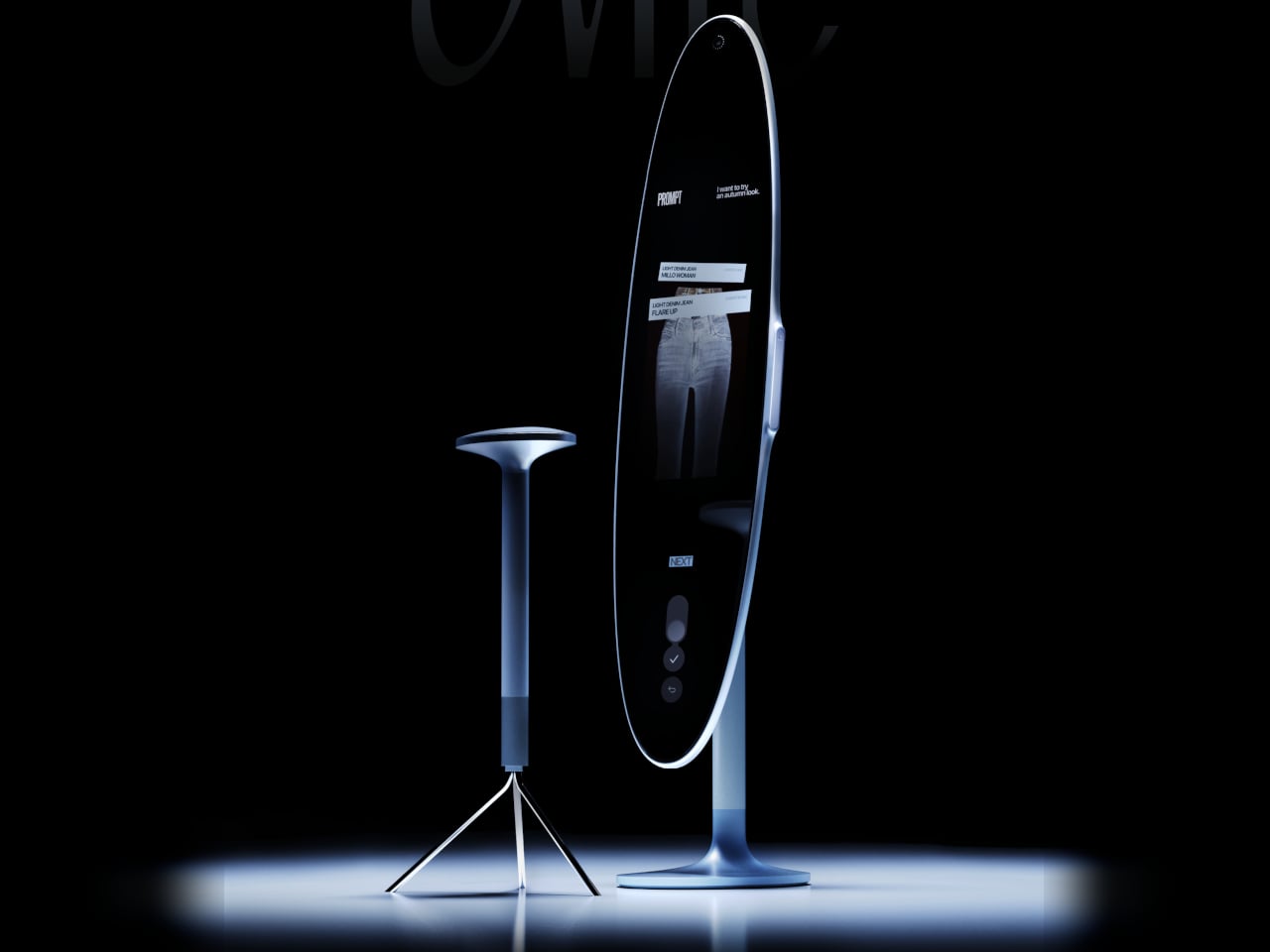
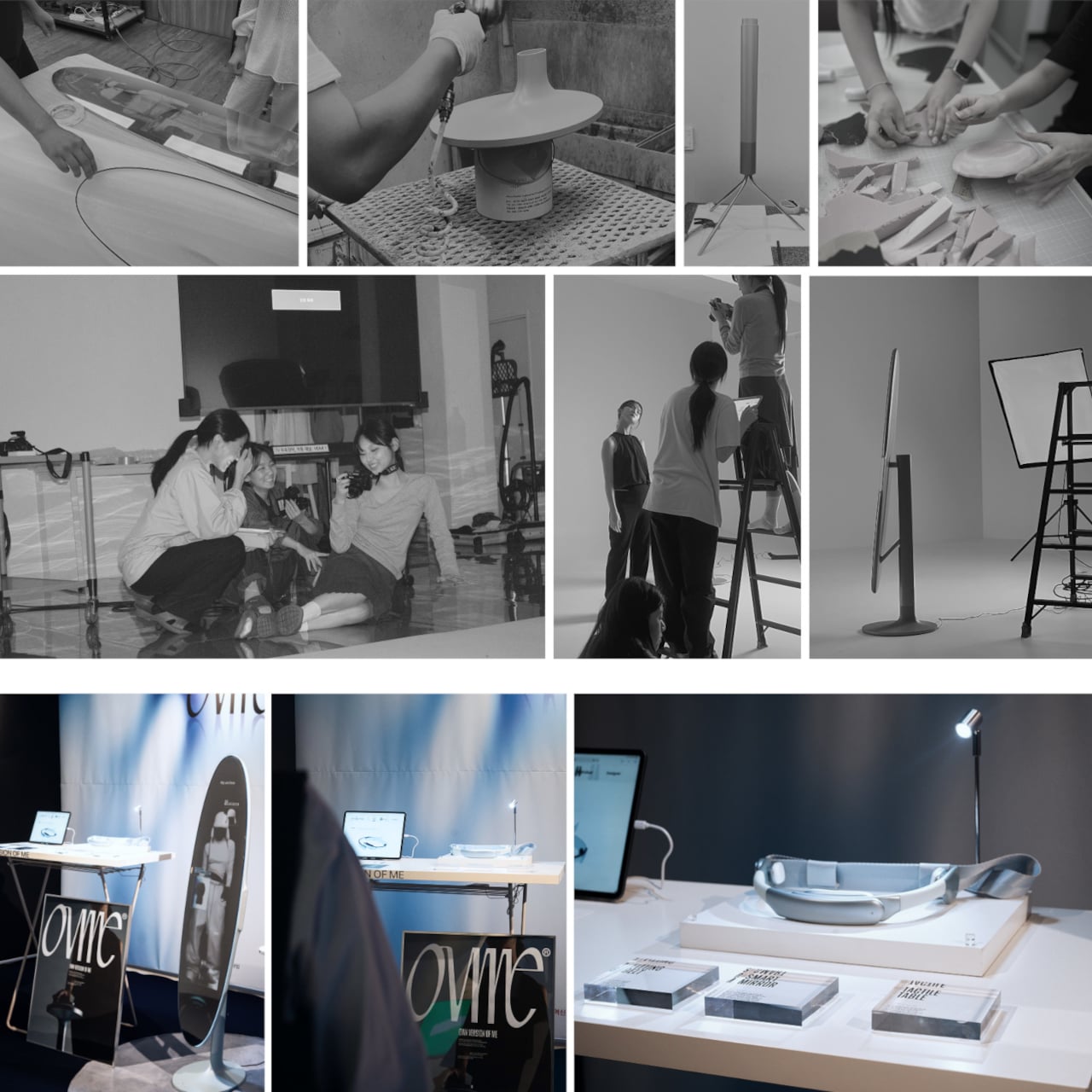
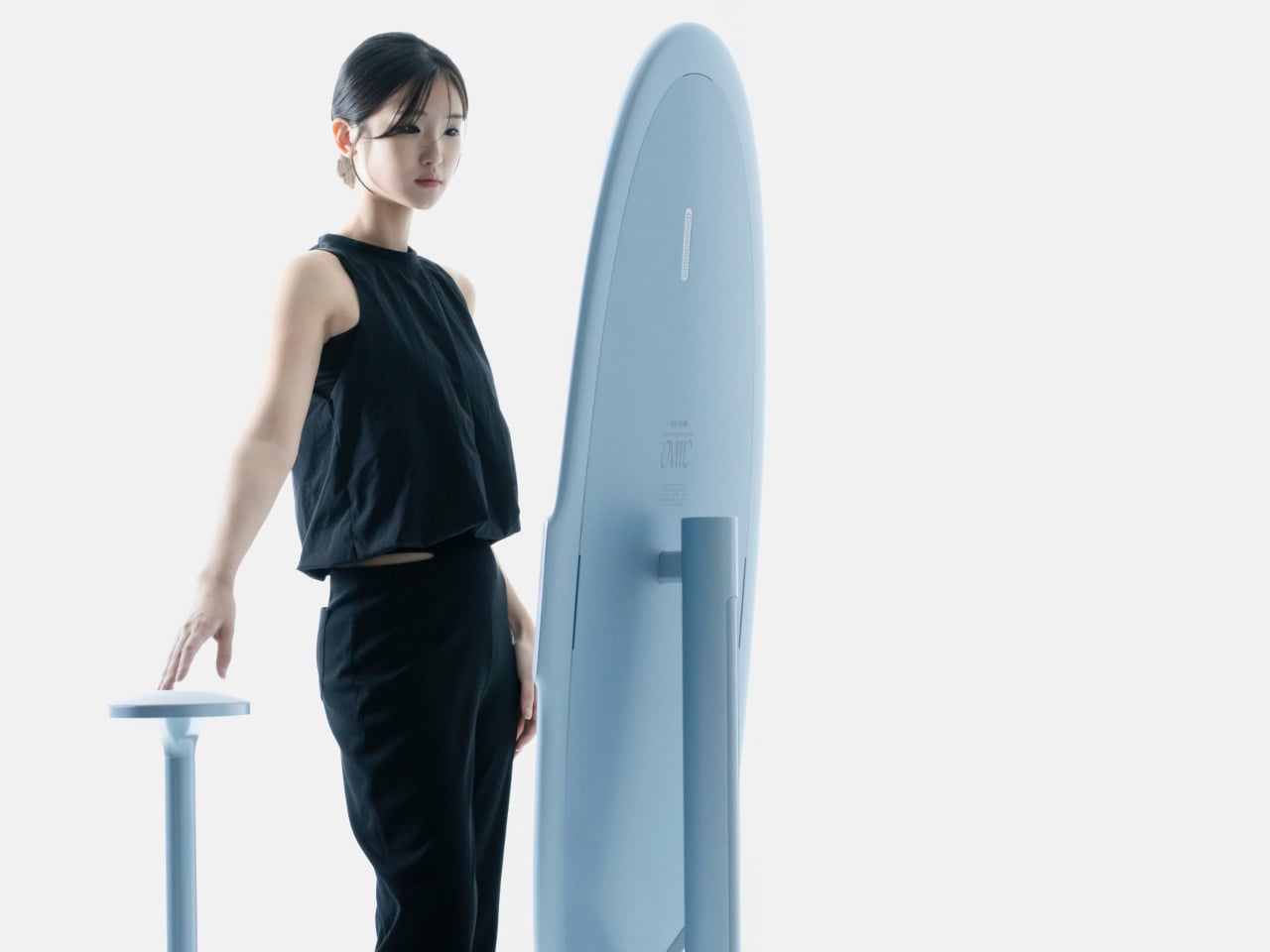
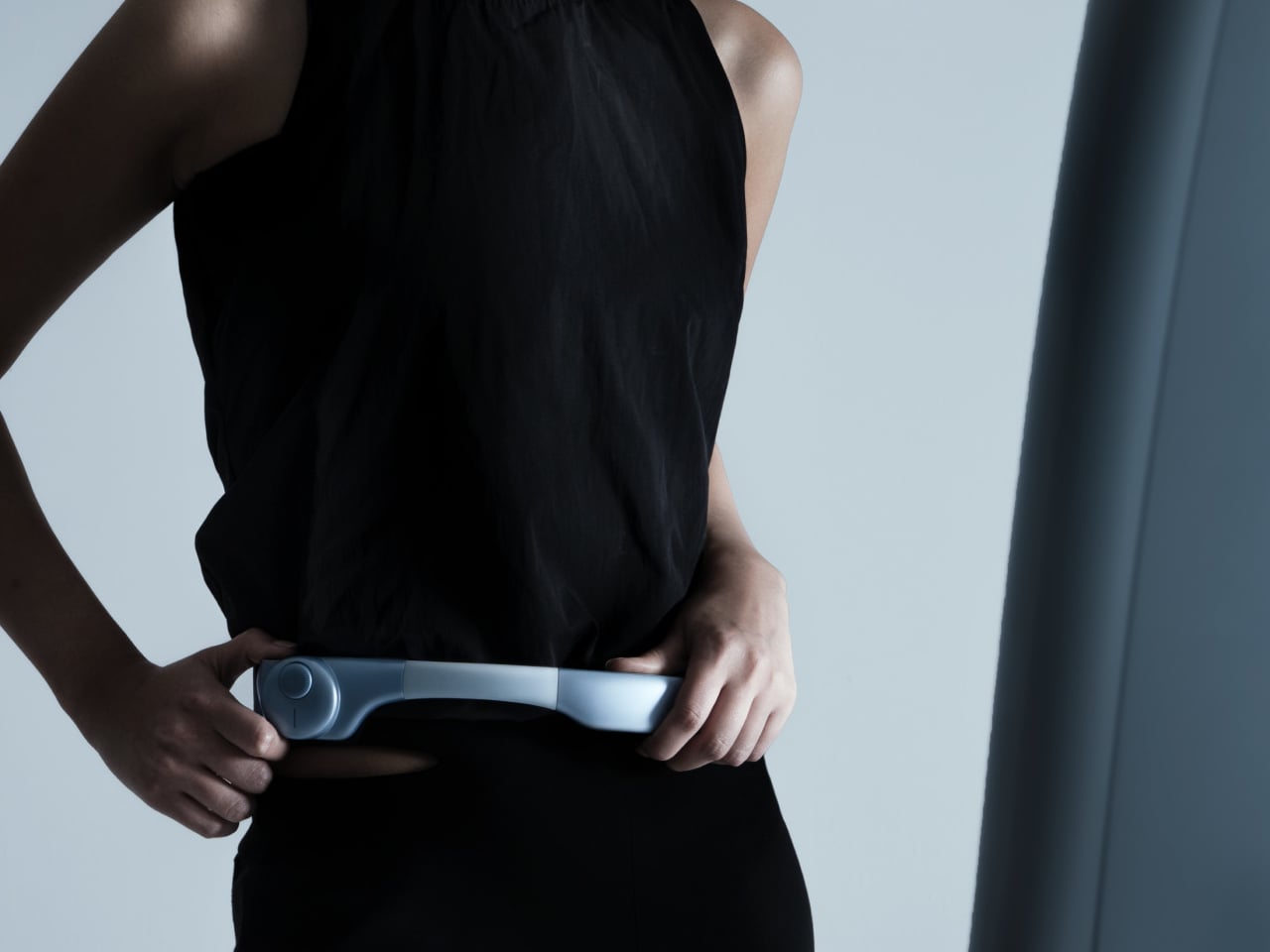
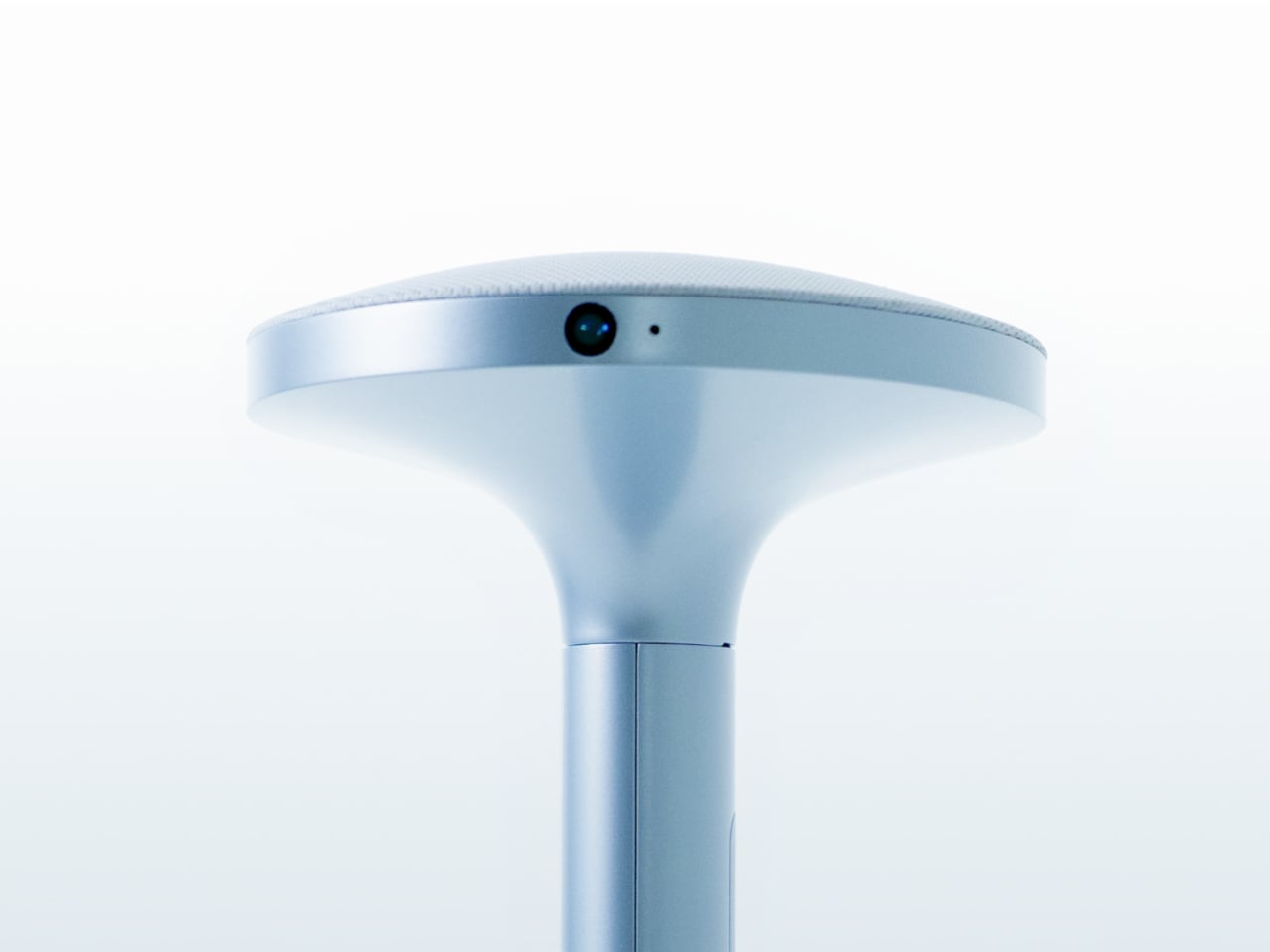
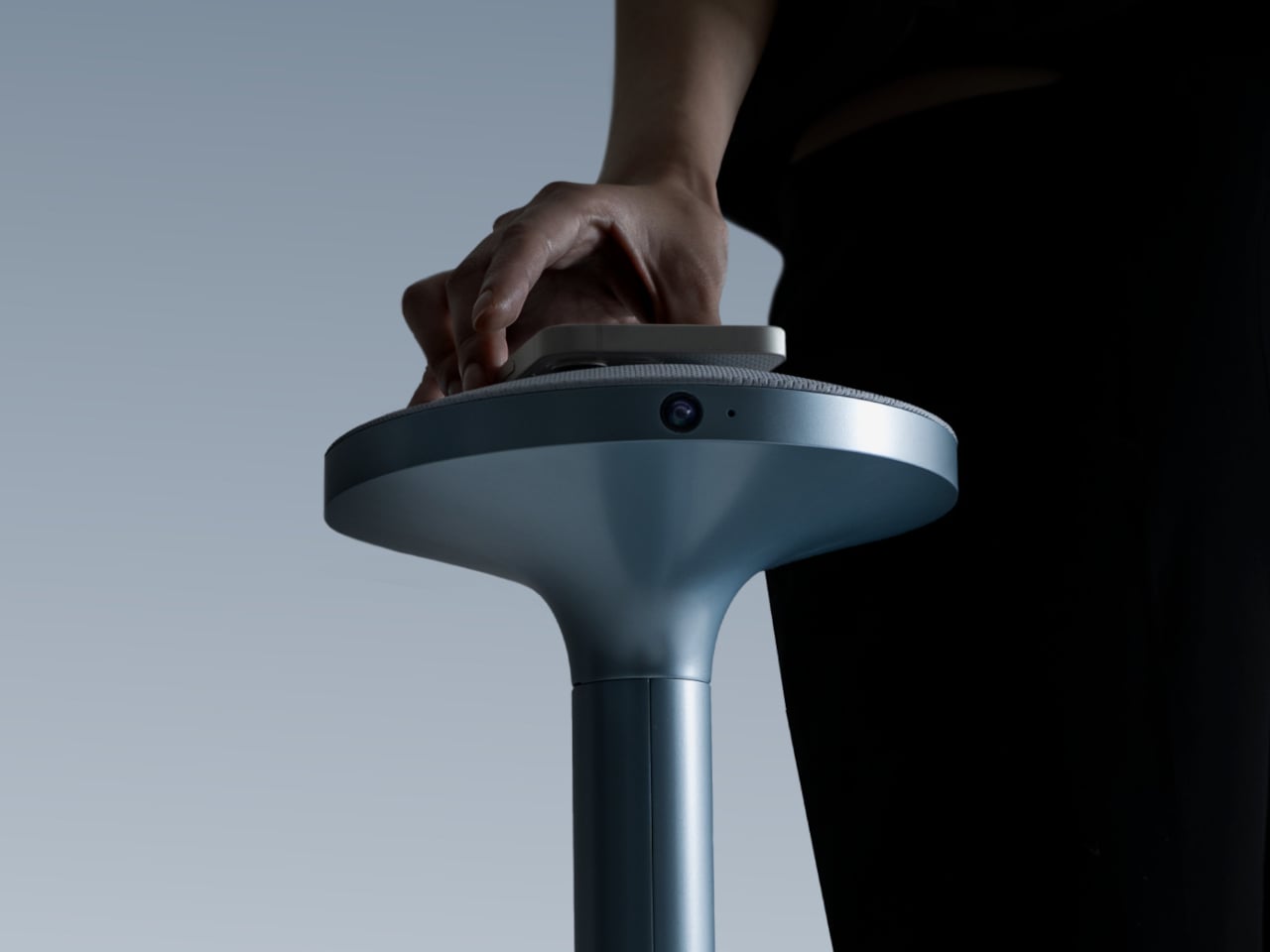
Ovme is an AR smart mirror ecosystem built around three objects: a full-height mirror, a sensor-laden fitting belt, and a haptic tactile table, plus a companion app. The name stands for “Own version of me,” and the system is designed to help you find new styles, feel how they fit, and touch virtual fabrics before you ever click buy or open your wallet.
Designers: Daun Park, Seyeon Park, Chawon So, Yewon Shim, Yejin Hong
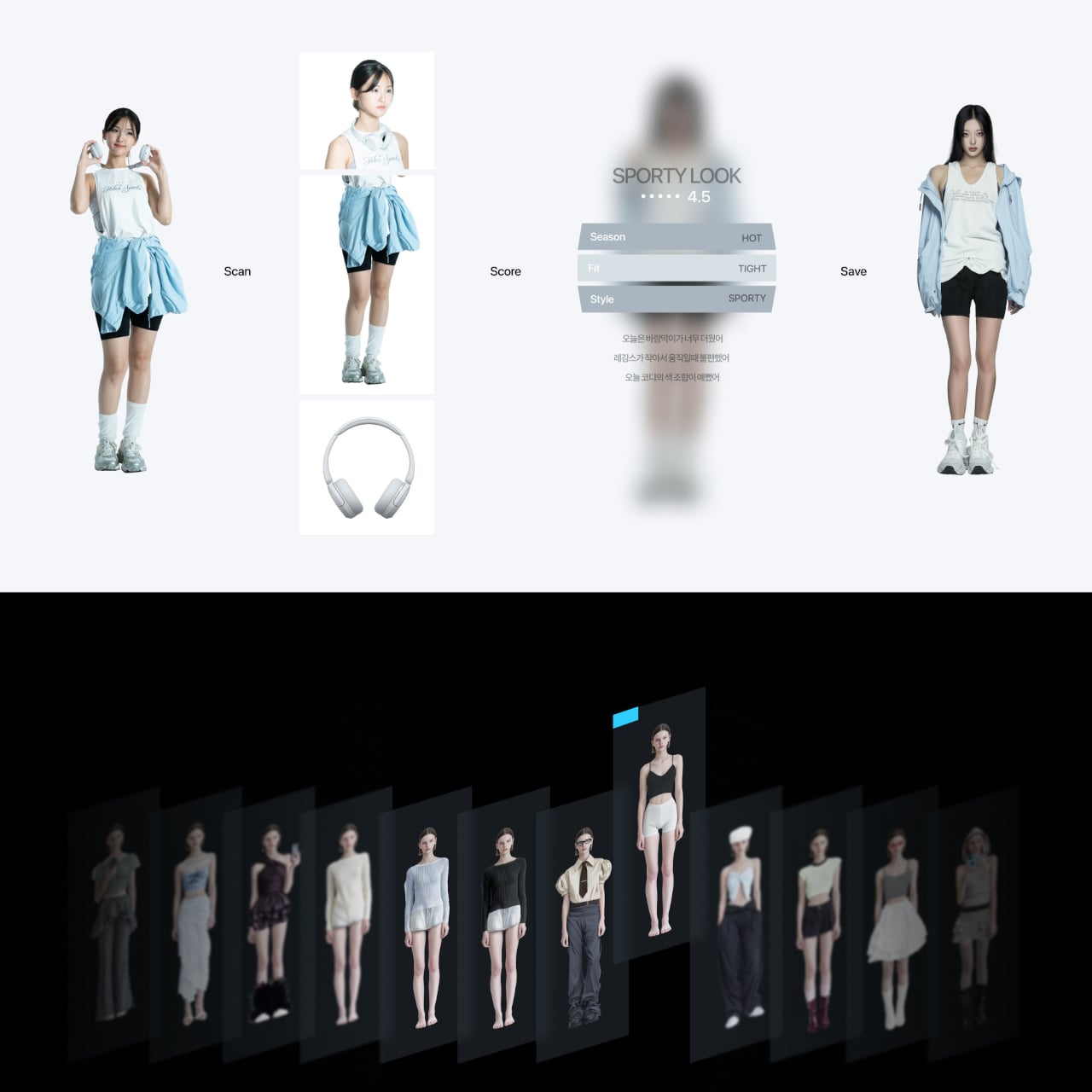
The mirror acts like a personal stylist, overlaying outfits on your reflection and pulling from three sources: new looks, your existing wardrobe, and reference images you feed it. You can swipe through categories like formal, sporty, or feminine, and see complete outfits assembled around your silhouette, then save the ones that feel right into a virtual closet for later when you need inspiration or want to revisit.
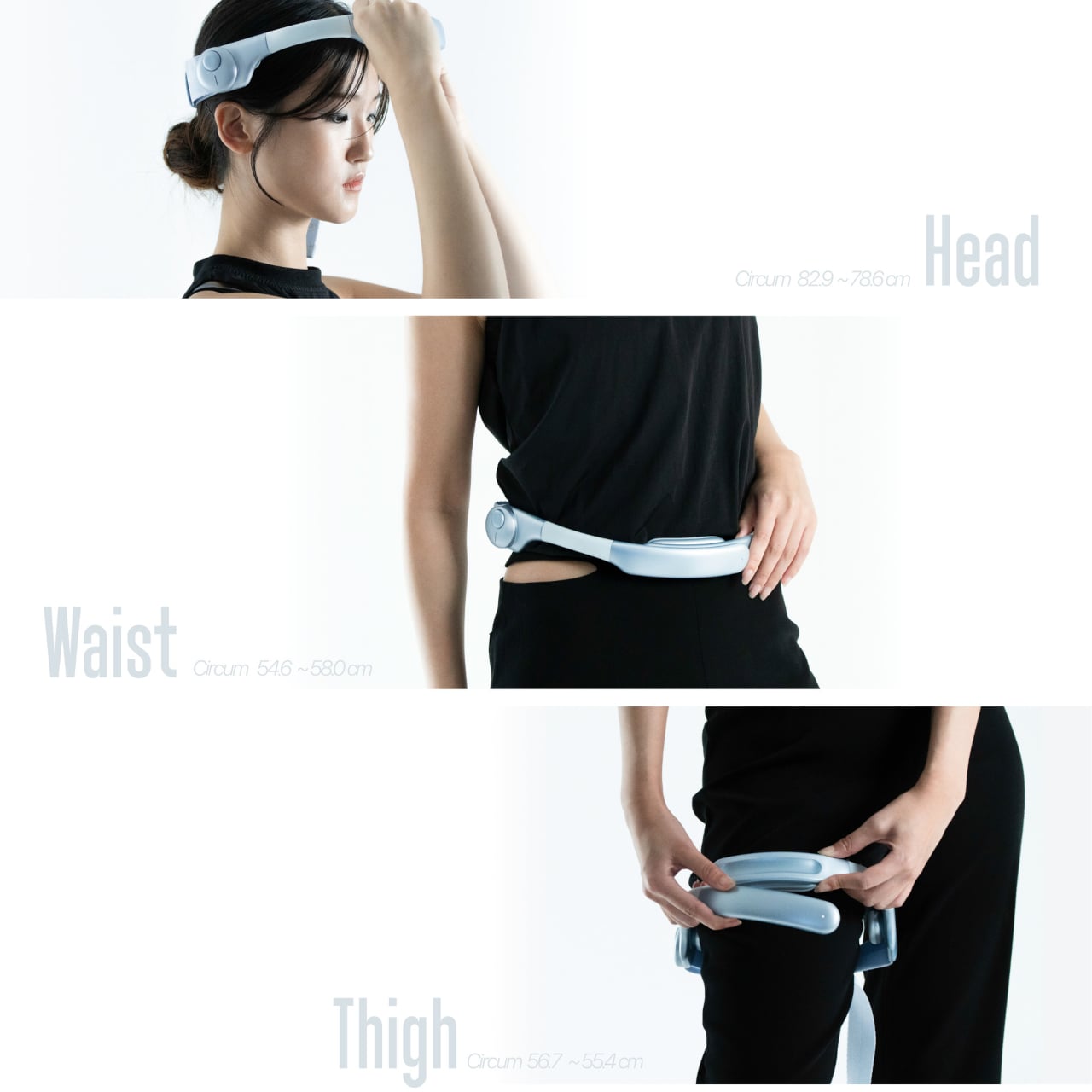
The fitting belt is a flexible band with sensors that can wrap around your head, waist, or thigh. It measures circumference and applies gentle pressure, tightening or loosening to simulate how a garment would hug or hang on that part of your body. On the mirror, the virtual outfit responds in real time, turning fit from a guess based on size charts into something your body can actually sense.
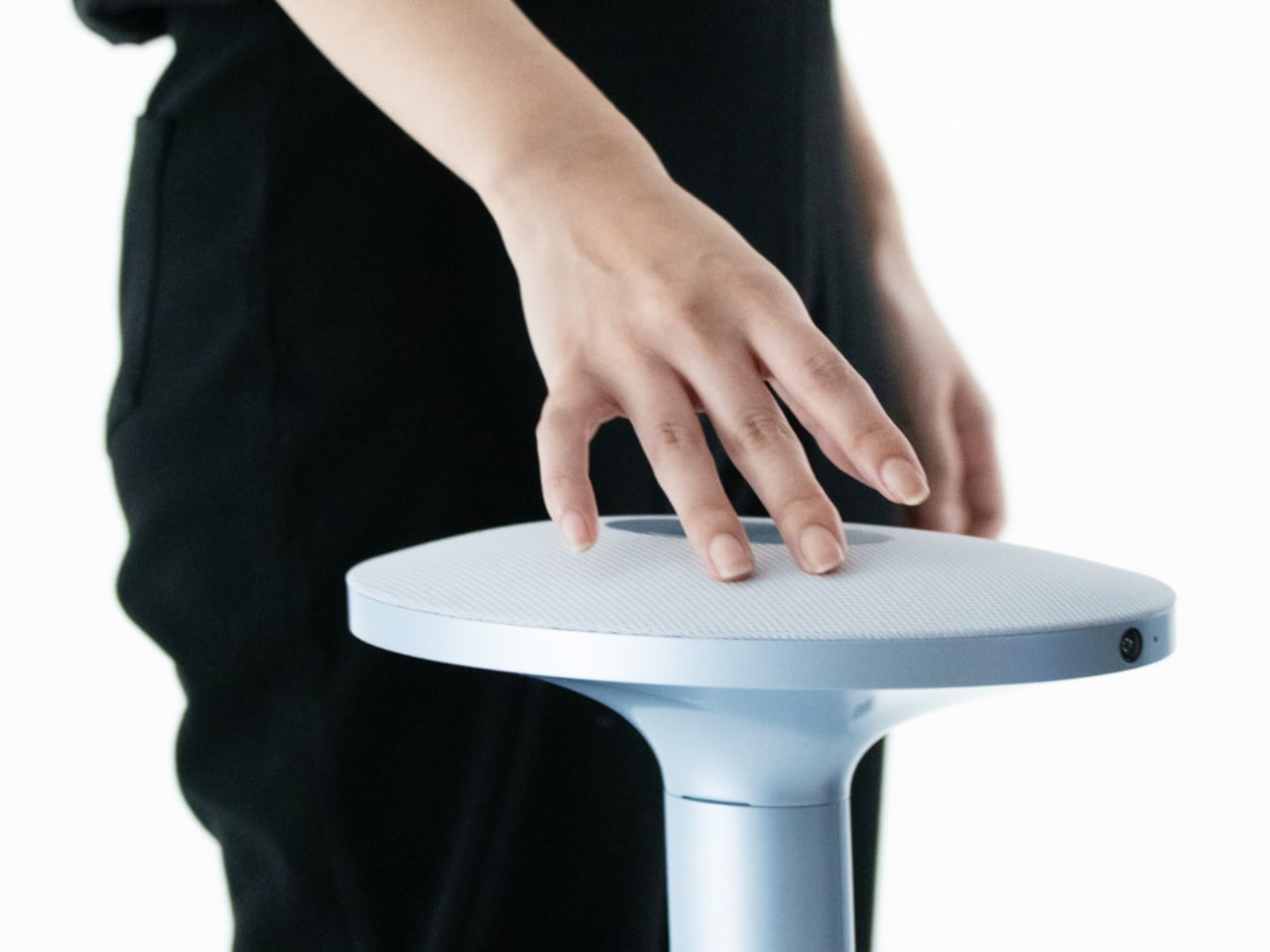
The tactile table is a slim pedestal with a haptic surface that uses electro-tactile feedback to mimic fabric textures. When you place your hand on it, the system can suggest sensations like smooth silk, textured knit, or structured leather in sync with what you see in the mirror. It attempts to close the gap between seeing a material and knowing how it might feel against your skin or draped over your shoulders.
Ovme also acts as a style diary. It can scan what you are wearing today, score the outfit, and save it to a timeline called My Closet, so you can revisit past looks and see patterns in what you actually wear. A social layer called OvUS lets you browse other people’s saved styles and mood boards, turning the mirror into a place to share and borrow ideas rather than stare at yourself alone.
Ovme treats getting dressed as an ongoing design process, not a daily panic, and uses AR, haptics, and sensing to give online fashion some of the feedback loops of a real fitting room. Whether or not this exact hardware ever ships, the idea of a home mirror that helps you experiment, feel, and remember your style captures a direction that deserves attention, especially as wardrobes become more scattered across platforms and shopping becomes more remote.
What if the way you work, create, and solve problems in 2026 could feel as effortless as flipping a switch? In this insightful video, All About AI breaks down how they will use artificial intelligence in 2026 to transform workflows, from automating tedious tasks to unlocking entirely new avenues of creativity. Imagine a world where […]
The Samsung Galaxy Z Fold 8 represents a significant milestone in the evolution of foldable smartphones, blending advanced features with a refined design. Building on the foundation of its predecessor, the Z Fold 7, this latest iteration introduces key enhancements, particularly in its camera system, while maintaining the core attributes that have defined Samsung’s foldable […]
What if you could access a coding AI that’s not only faster and smarter but also significantly cheaper than its competitors? That’s exactly the promise of GLM 4.7, the latest open source model from ZAI, which has been making waves in the AI community. In the video, WorldofAI breaks down why this model might just […]
Apple’s internal code leak has unexpectedly unveiled early details about the iPhone 17e, offering insights into its design, features, and market positioning. This mid-tier model appears to refine the E series by addressing the shortcomings of its predecessor, the iPhone 16e, while maintaining a balance between affordability and functionality. The iPhone 17e represents Apple’s effort […]
What if you could harness the power of innovative artificial intelligence without relying on the cloud? Imagine running advanced AI models directly on your laptop or smartphone, with no internet connection required and complete control over your data. Below, David Ondrej breaks down how local AI models are transforming the way we interact with technology, […]
The Apple Watch is more than just a timepiece—it’s a versatile device designed to enhance your health, productivity, and connectivity. Whether you’re a first-time user or upgrading to the latest model, this guide will provide you with the knowledge to set up, navigate, and maximize its features. By understanding its capabilities, you can seamlessly integrate […]
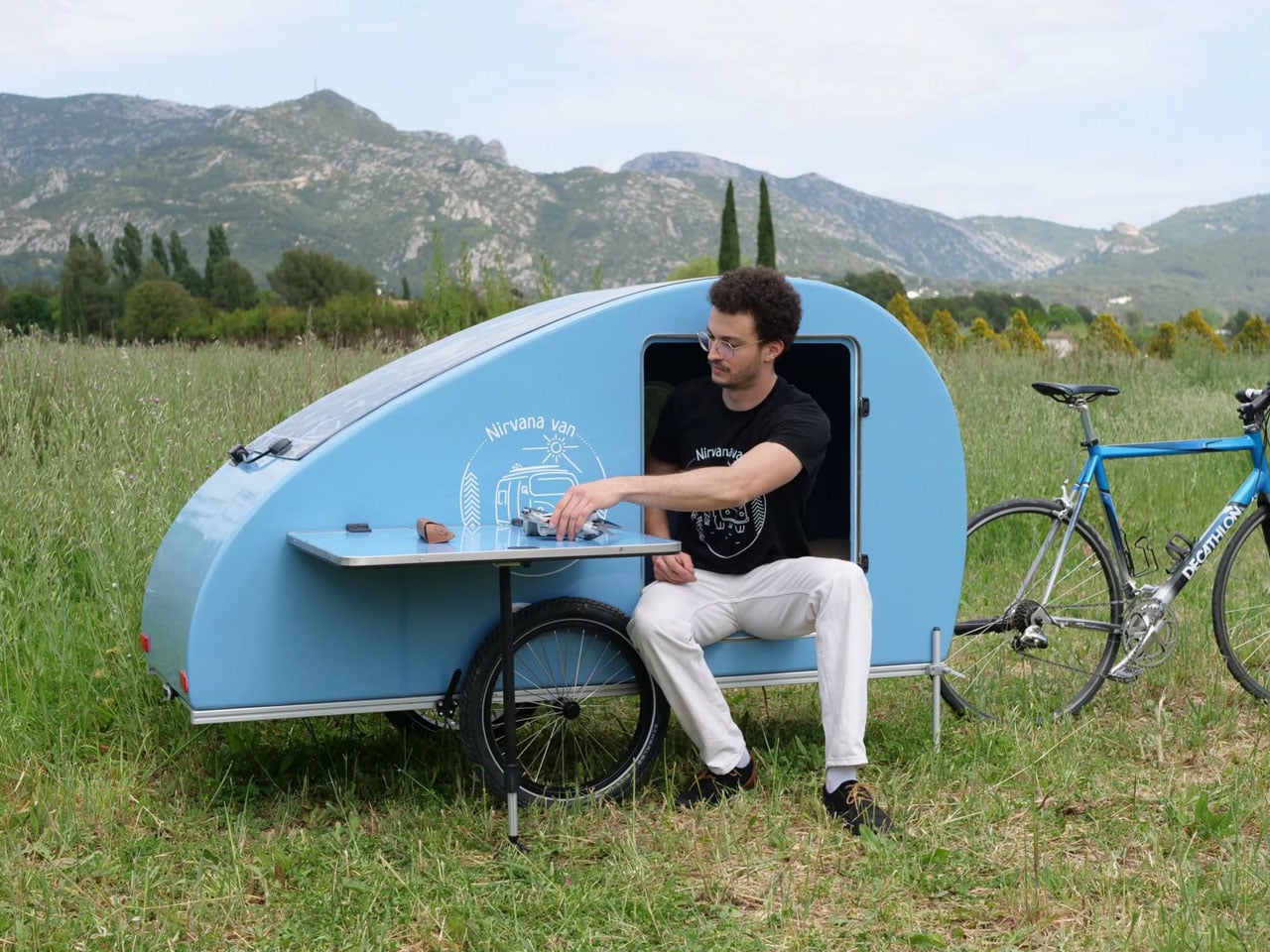
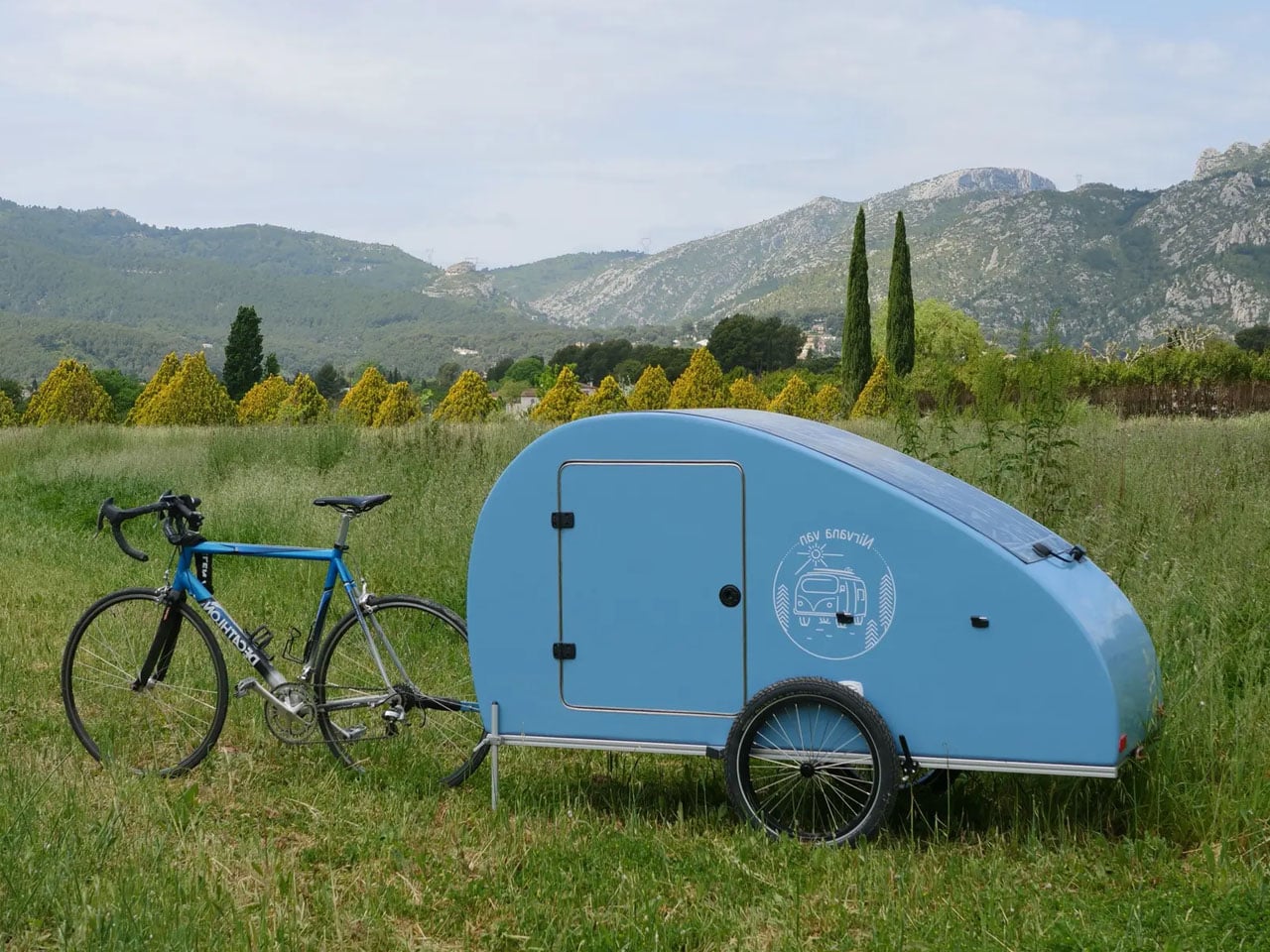
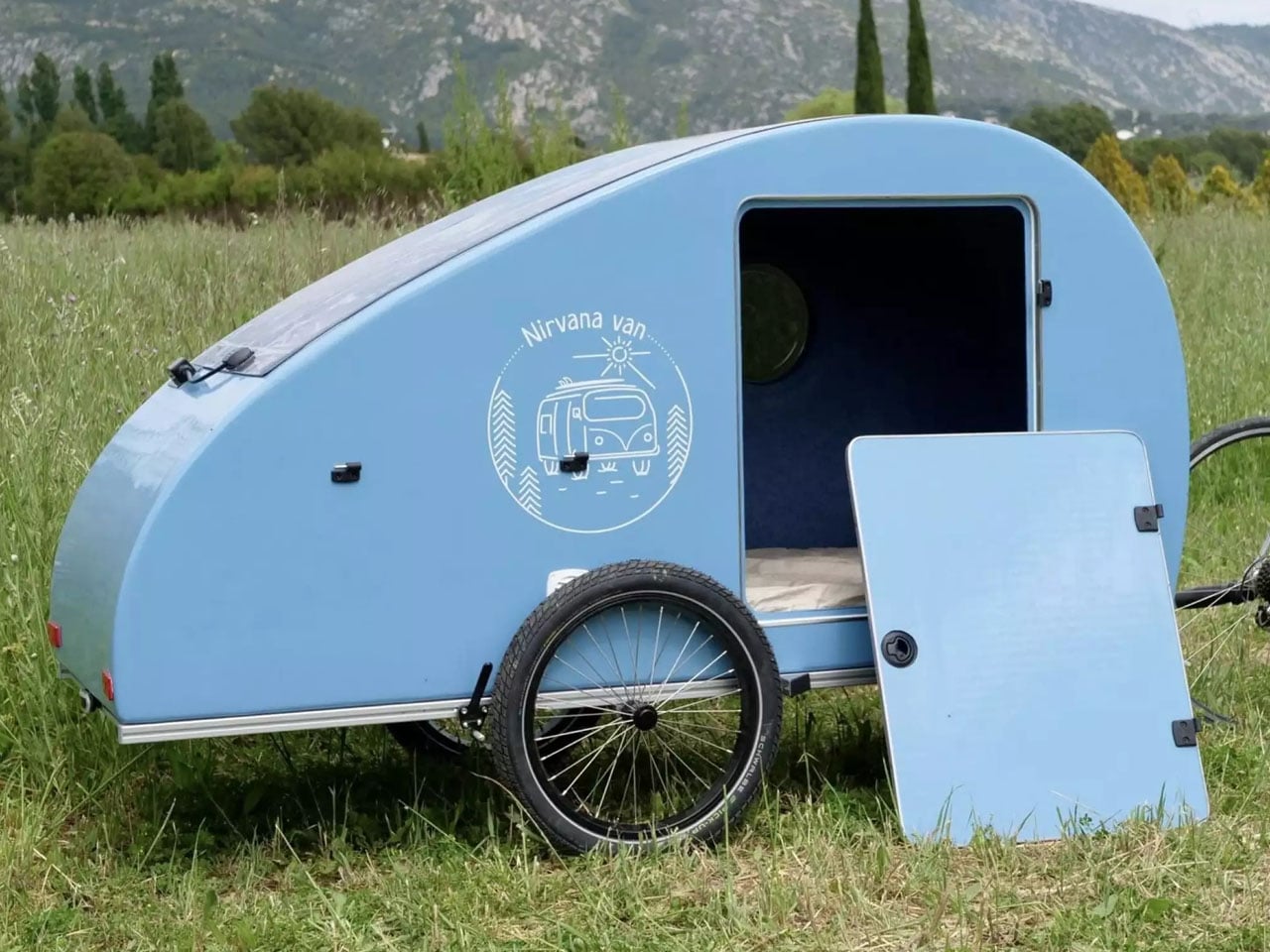
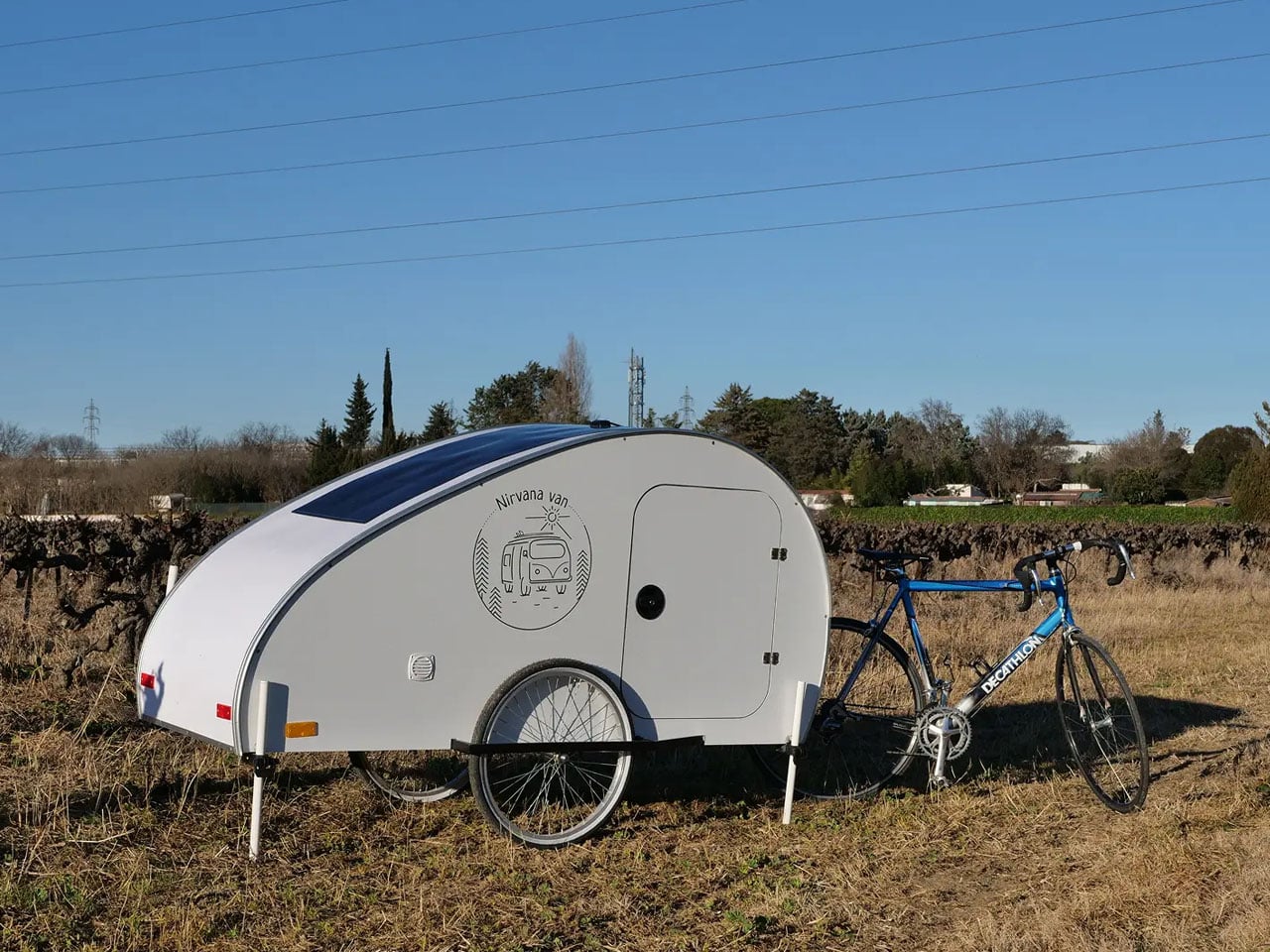
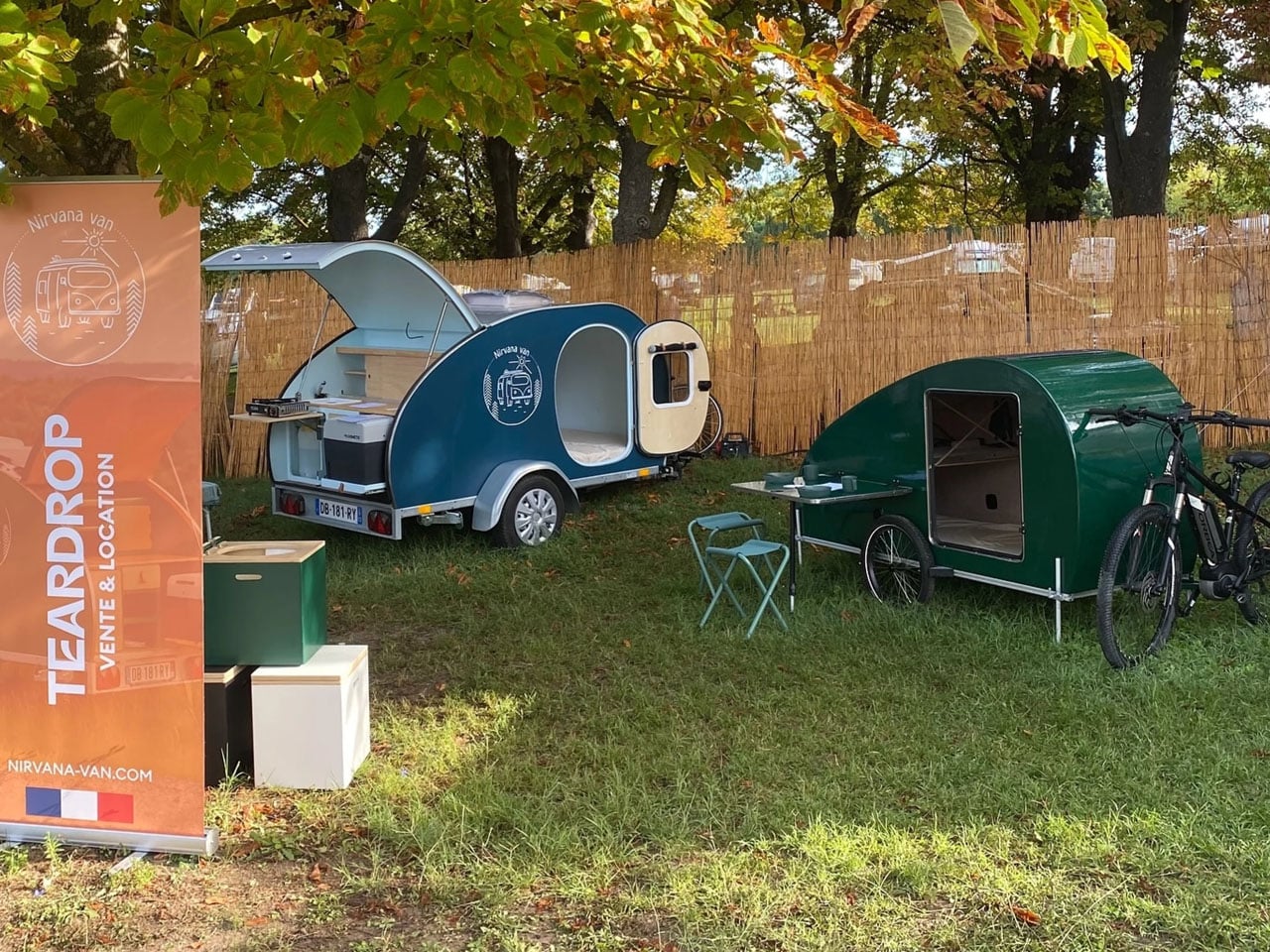
For me, the ultimate luxury of biking is the combination of self-fitness and environmental friendliness. If there were another dimension to add, it would be the wonder of knowing where to sleep or relax after a tiring day riding up to the favorite spot in the wilderness. This is where the all-new bike camper, from Nirvana Van based in France, pedals in, towing behind a capable e-bike.
The makers argue, it can tow behind a regular bike without much effort on a level path, but that’s not what you want the trailer for. You want the towing residence to go where your electric bike, grit, and adventure take you, and that’s what the bike camper promises to do without a hiccup.
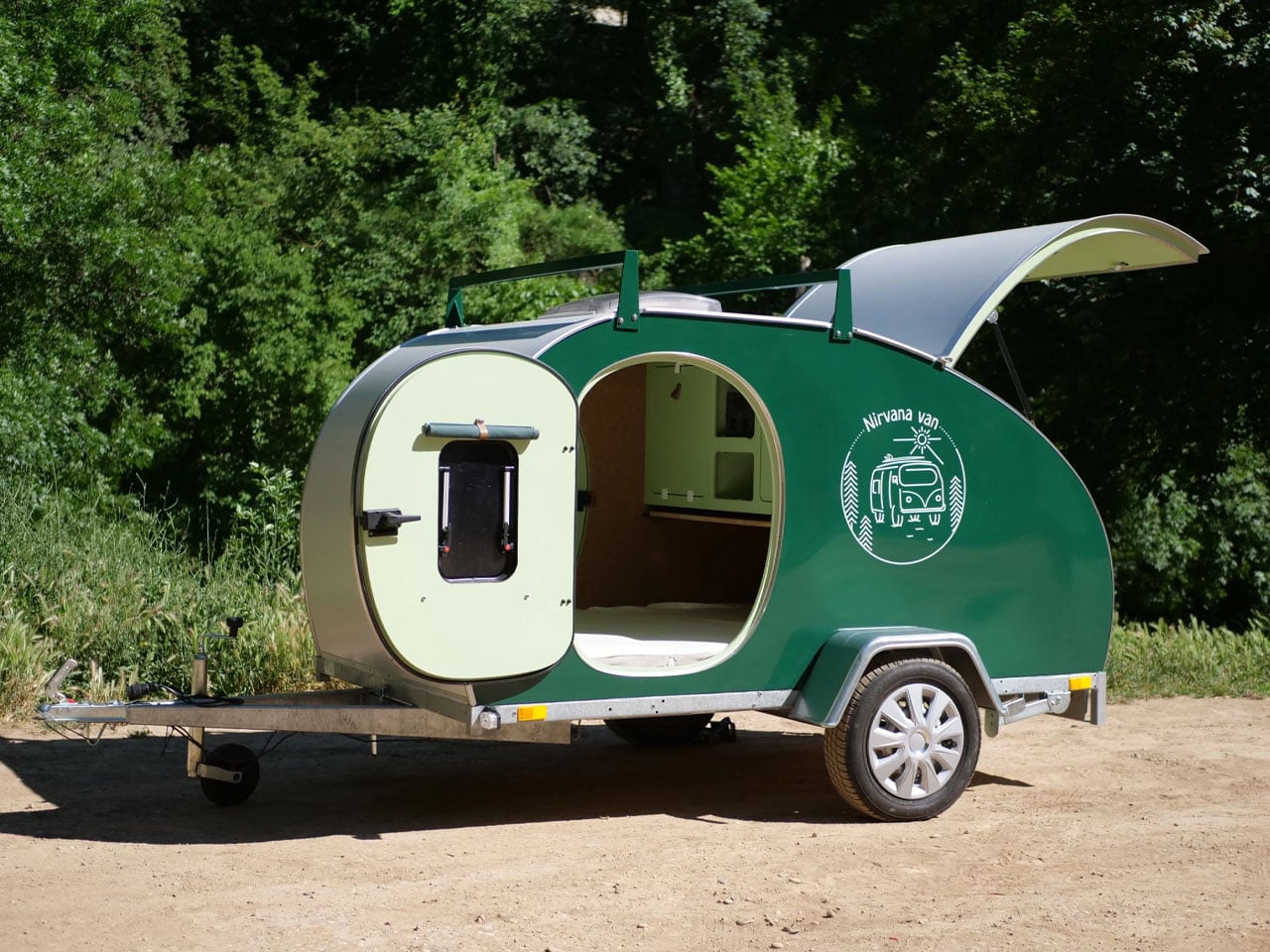
Bike campers like this one have been around for a while. Towable teardrop trailer from ModyPlast is a good example. Such compact teardrop trailers present the eco-conscious camping enthusiasts with an undeniable reason to ride, explore, and live at the place of their choosing. It is, in comparison, a cheaper and more environmentally-friendly way to spend a weekend in a picturesque location, something the regular trailers fail to do. They are luxurious and designed for more than a couple. But if you’re adventuring on a bike, surely you are doing so to go solo, and for that, the compact bike camper is a good choice.
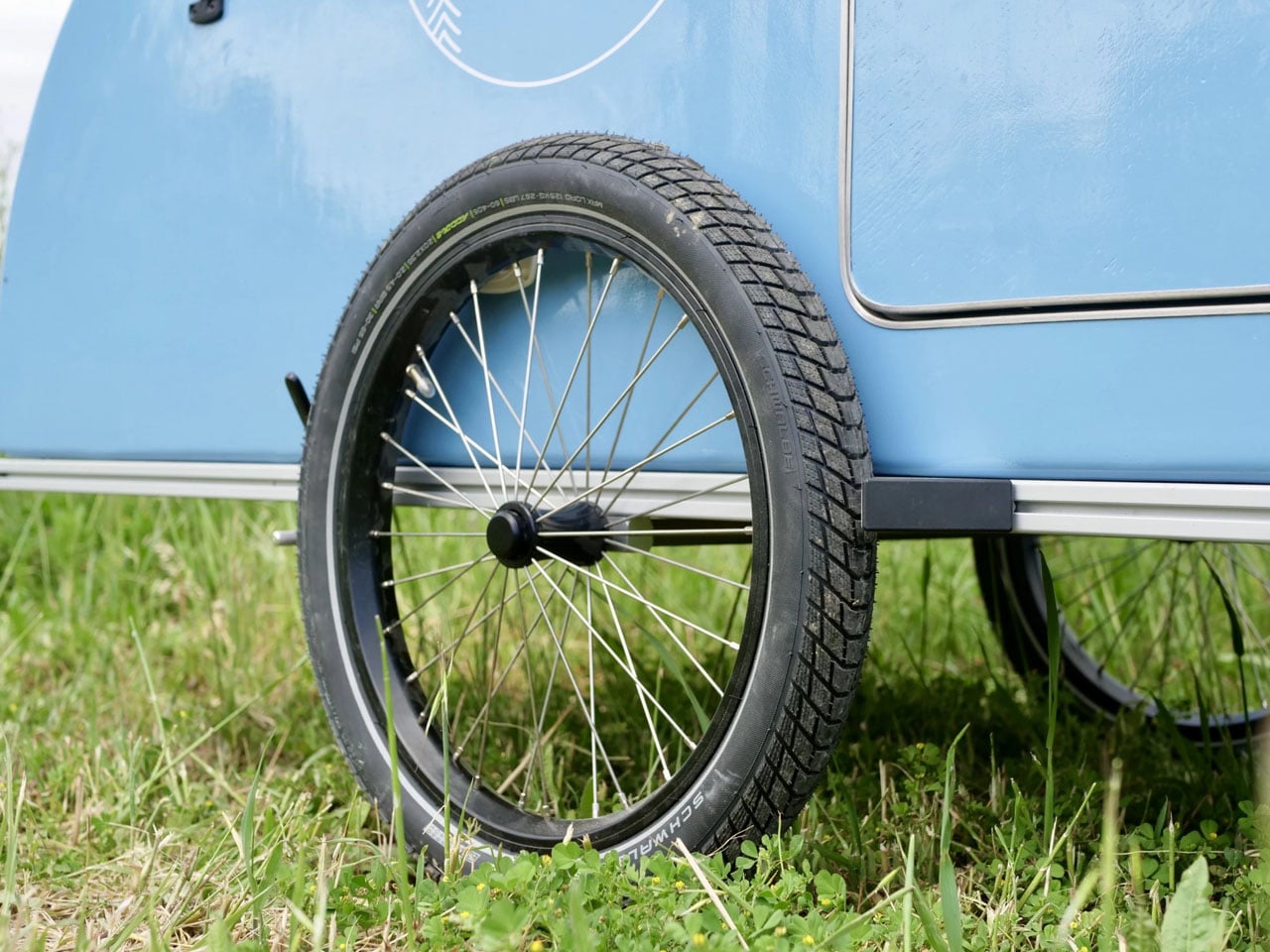
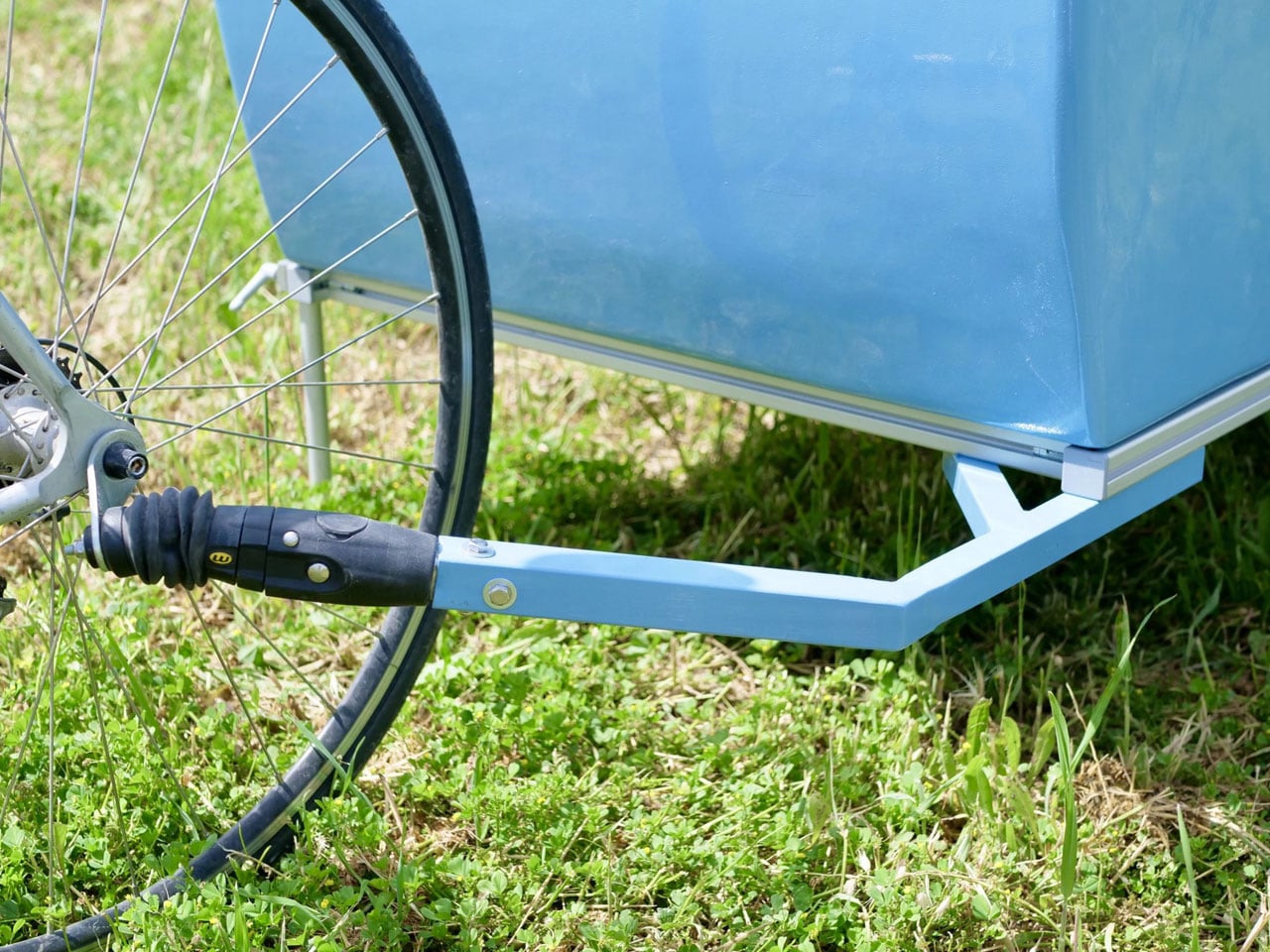
If you remember the SpaceCamperBike, it was an electric bike you can ride, work, sleep, and camp in. The Nirvana Van’s idea of the teardrop trailer is pretty traditional: a trailer to tow behind. The company can customize the trailer hitch to suit a varied choice of electric bikes, making it compatible with whatever brand you own. The bike camper’s efficiency and durability have been put to the test by Raphaël Dakiche of Nirvana Van with over 1200 km journey across France: living out of the trailer riding behind the electric bike.
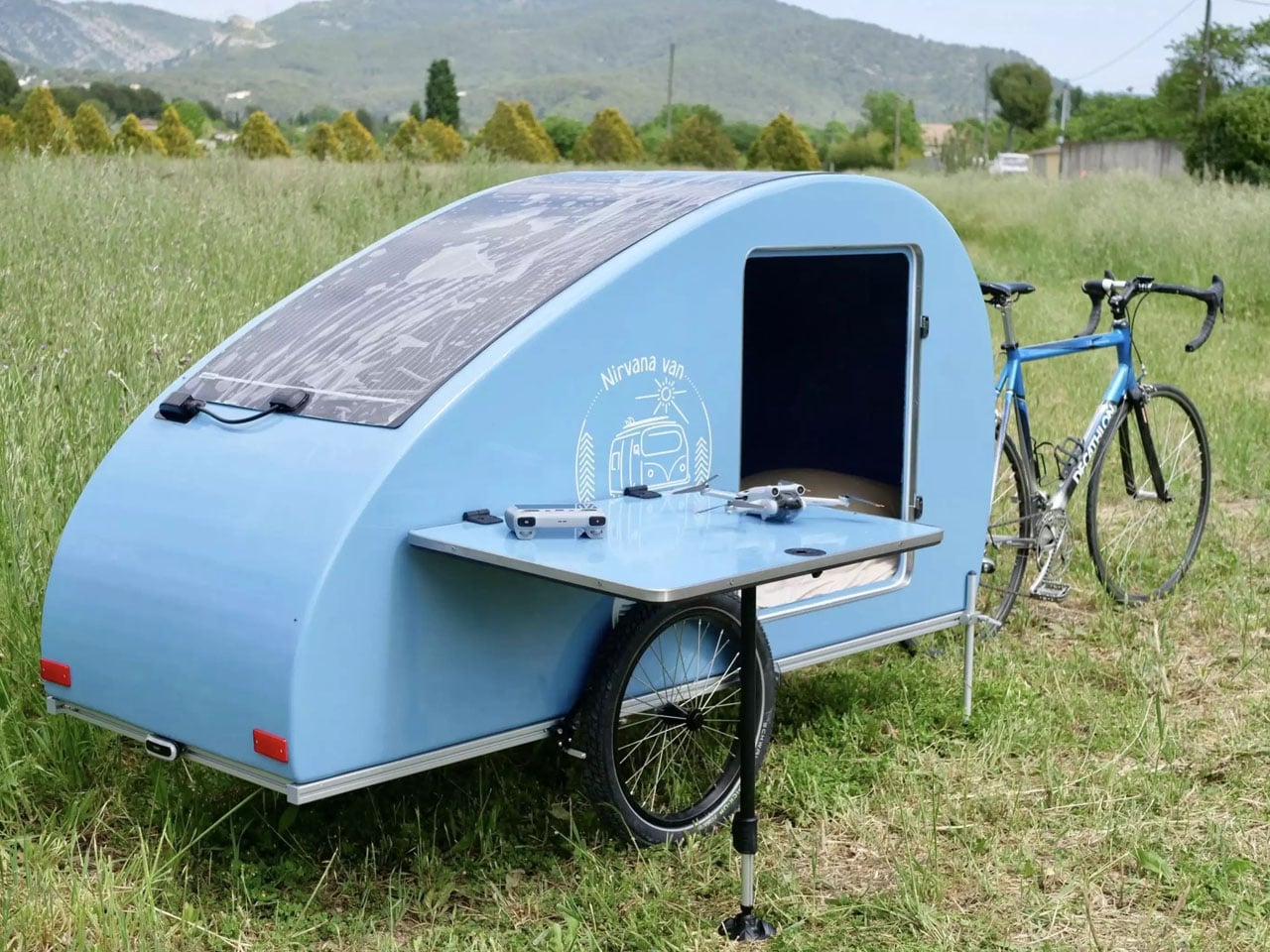
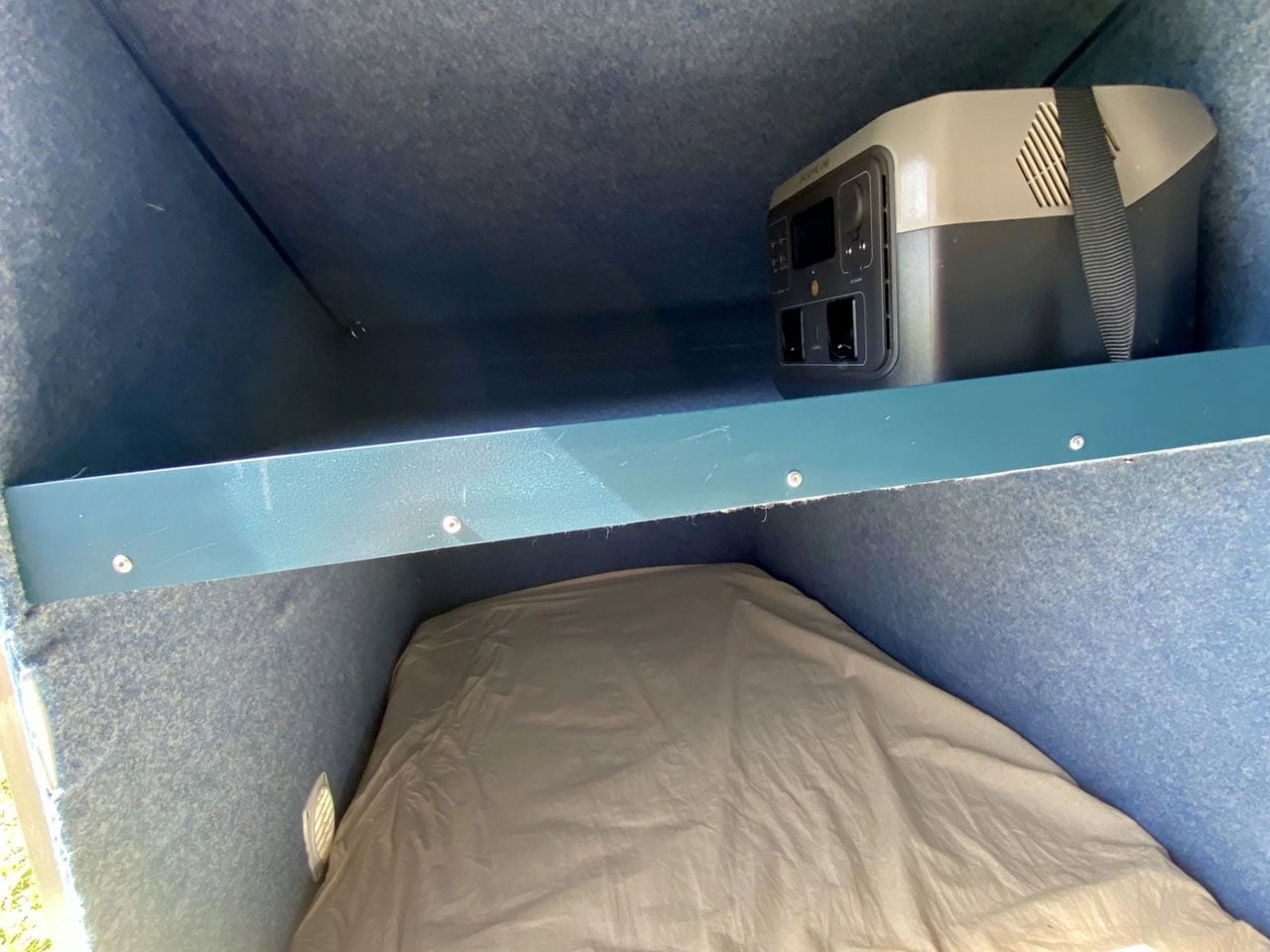
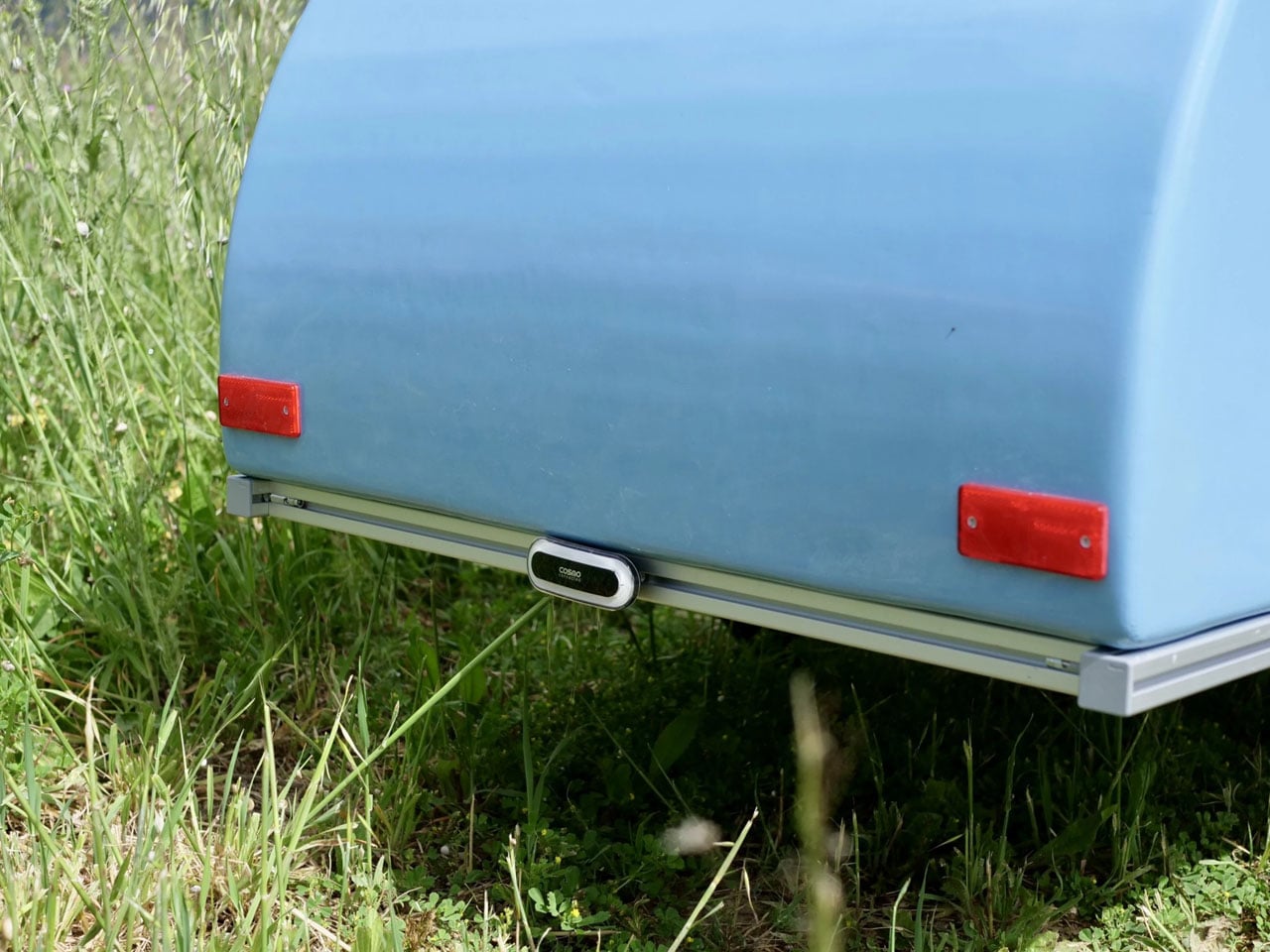
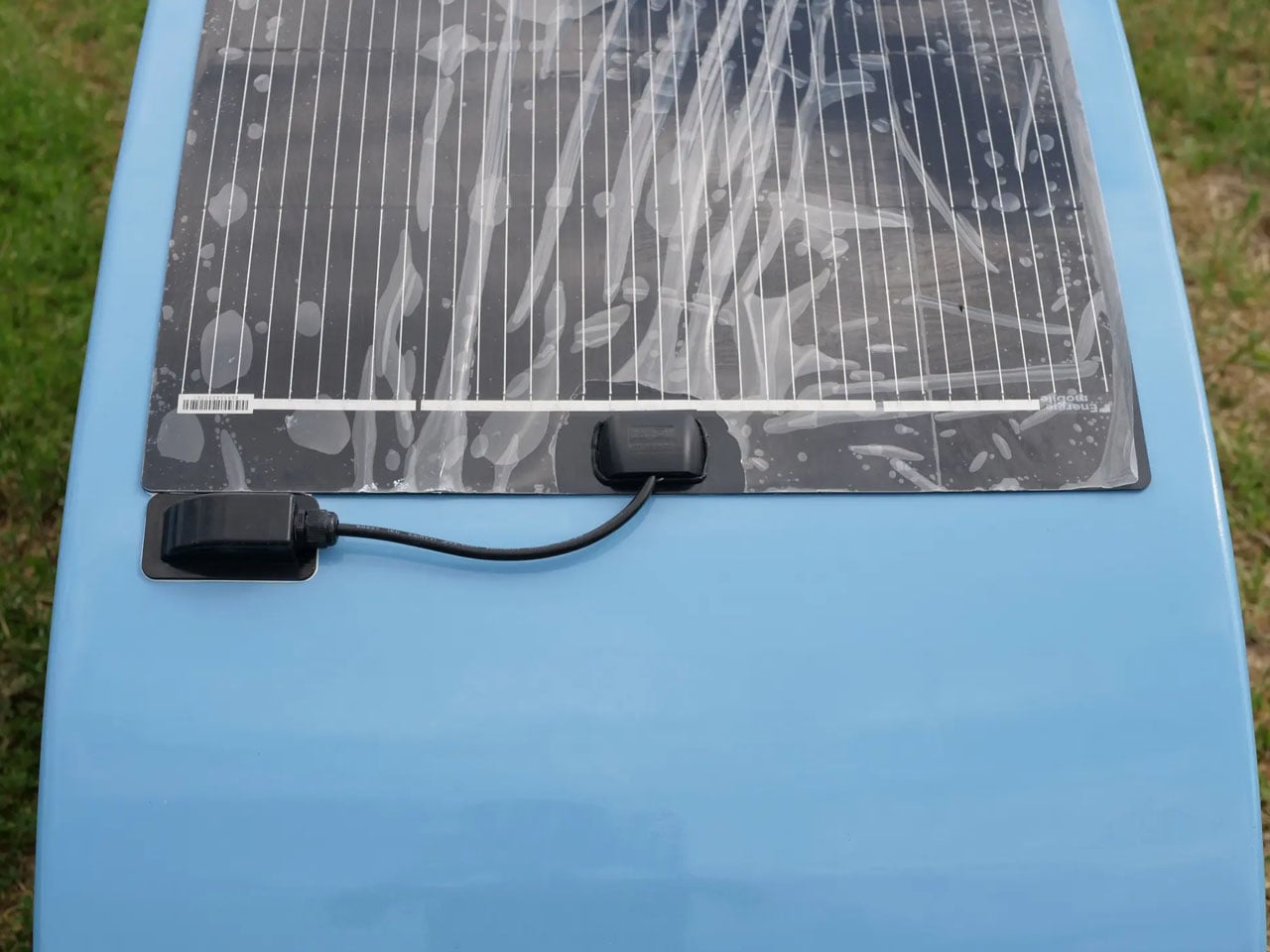
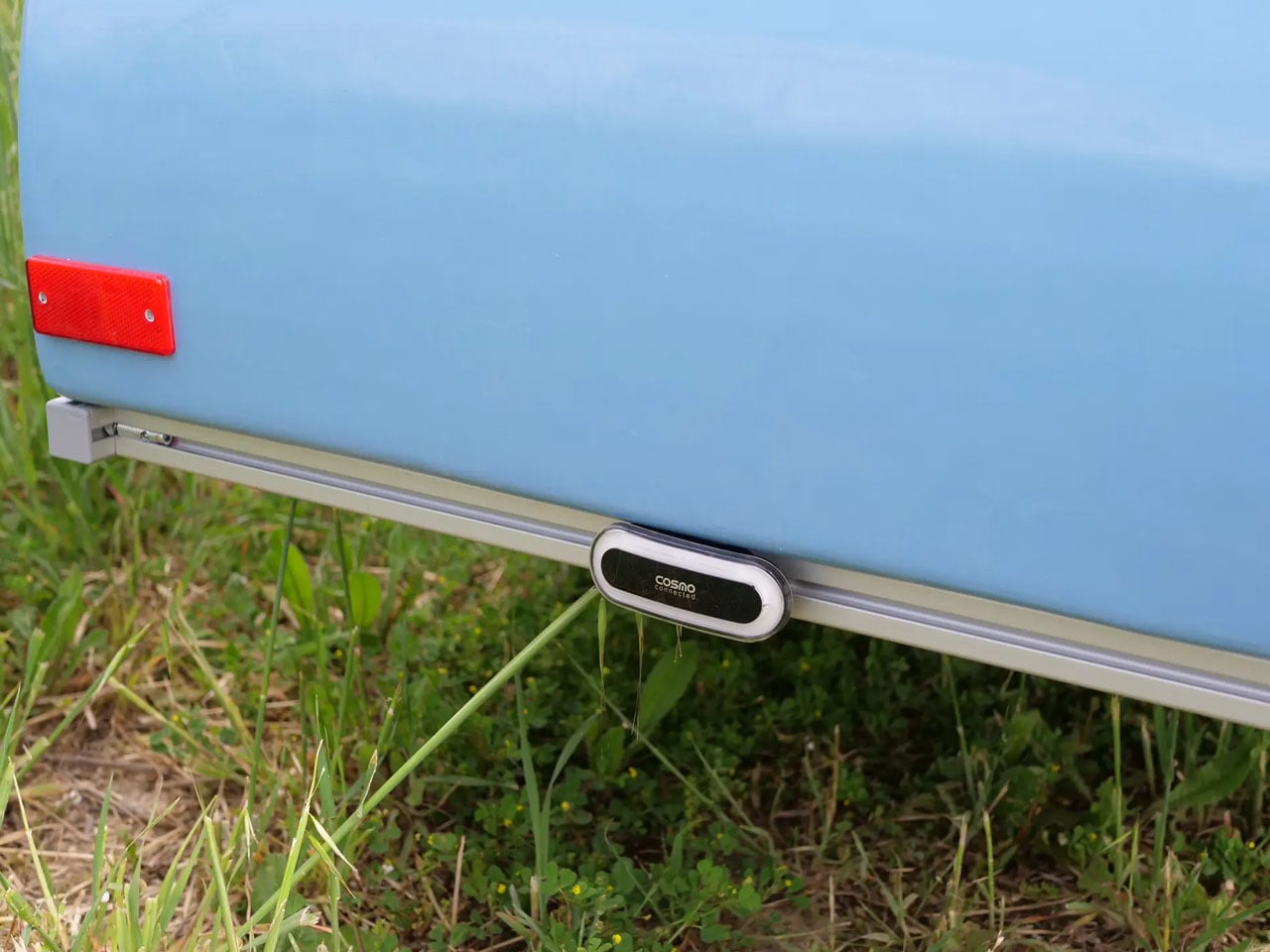
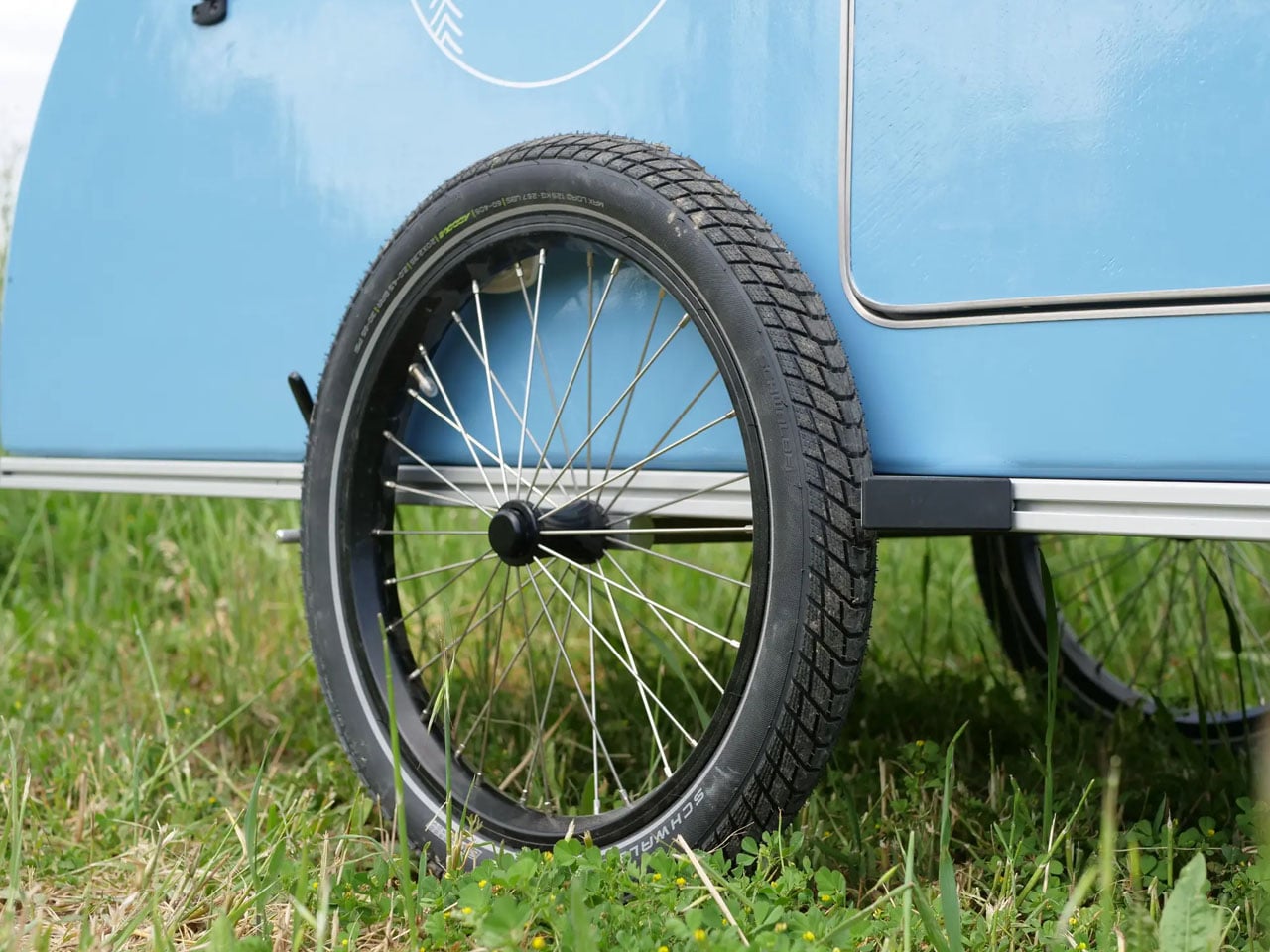
So, whether you are planning a long-distance adventure or just a short weekend trip, the camper is ready to go where you want it to. The easy-to-tow and set-up trailer, which is proposed to be a reliable and comfortable shelter at every stop, is made available in two variants: 67kg Classic and 57kg Premium. The former is made using a cellular polypropylene shell and a steel chassis, while the latter is a fiberglass shell on an aluminum chassis. These come with optional 250Wh or 850Wh batteries, and the choice of either 105W or 190W roof-mounted solar panels.
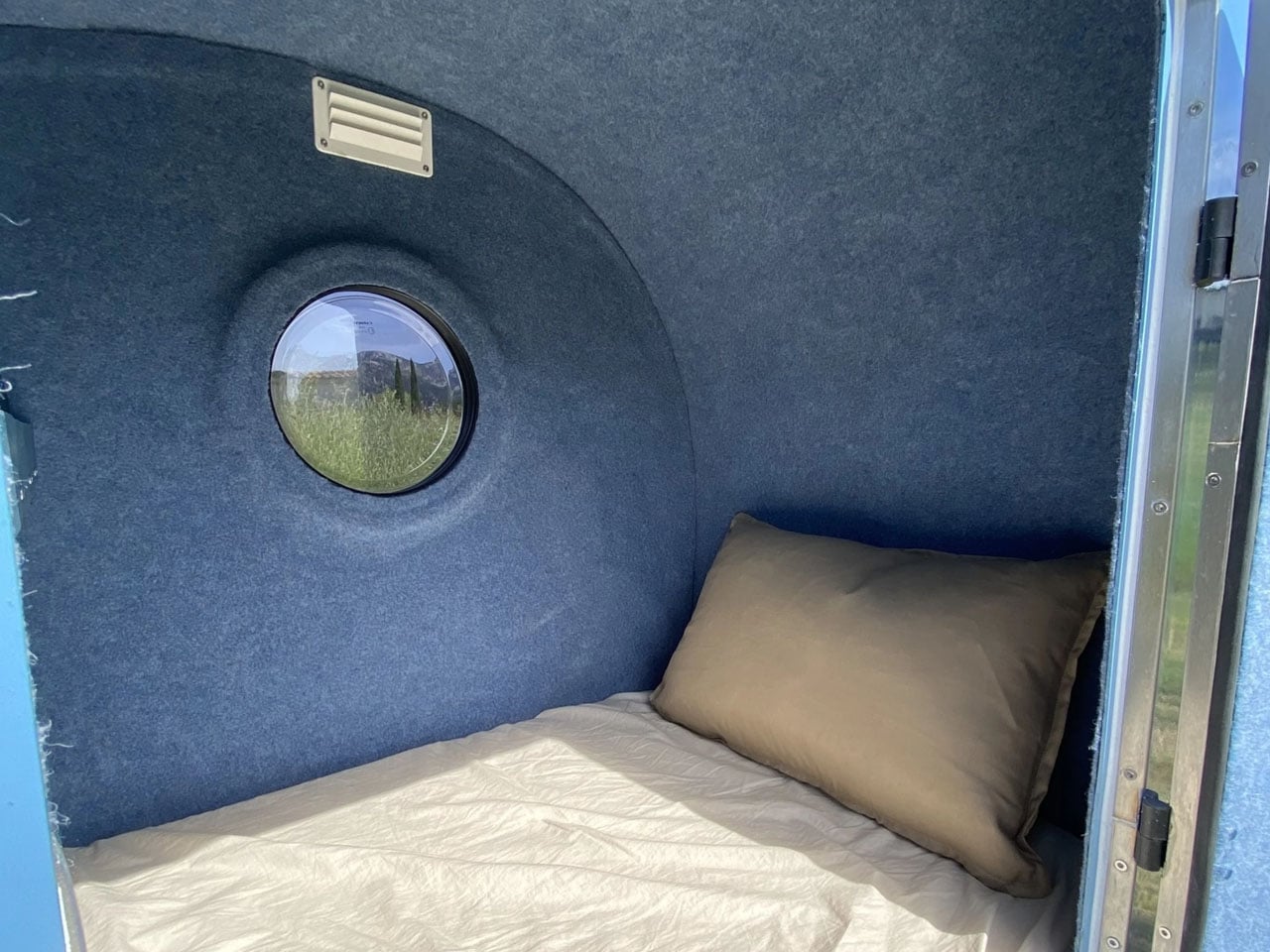
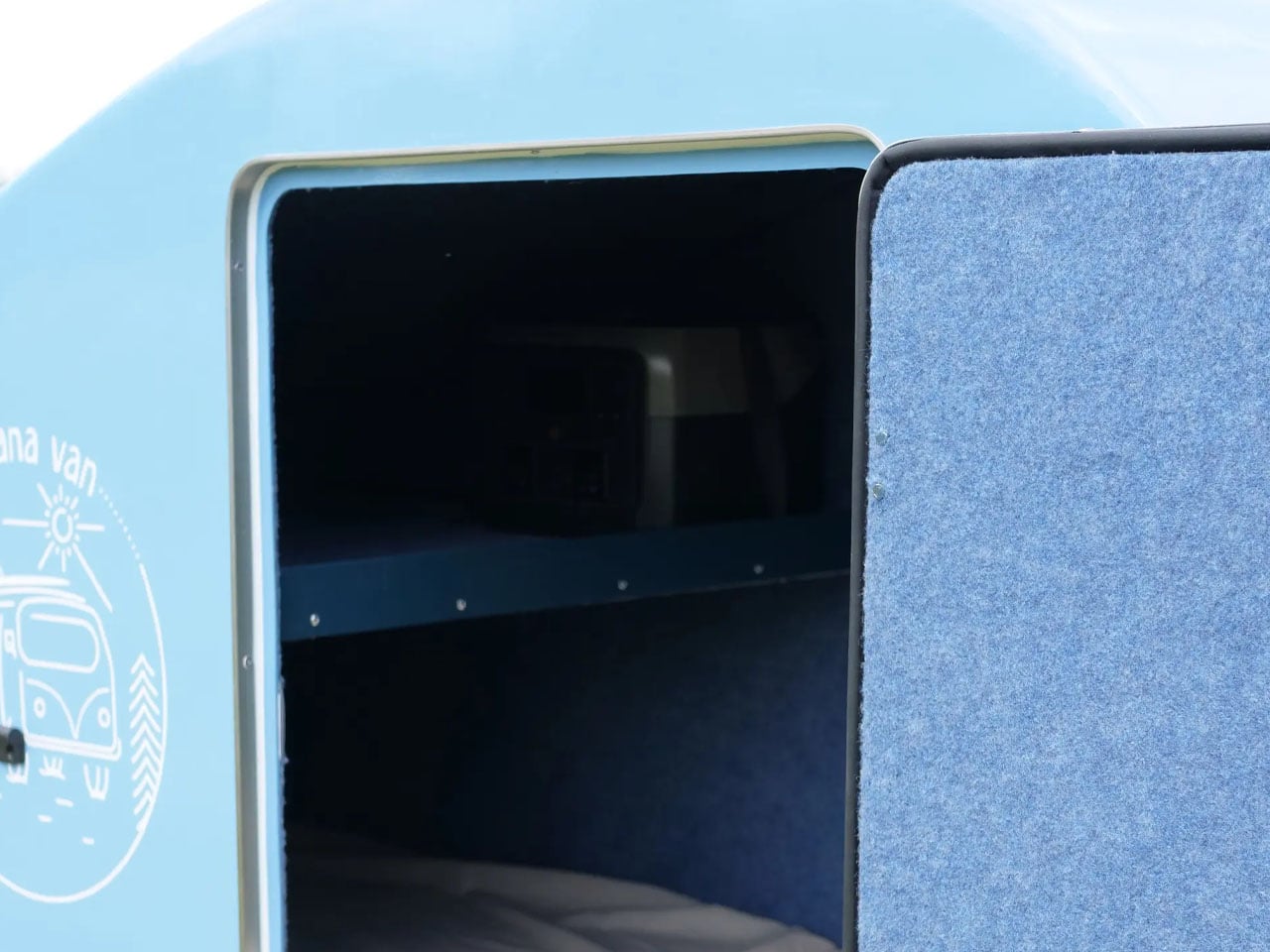
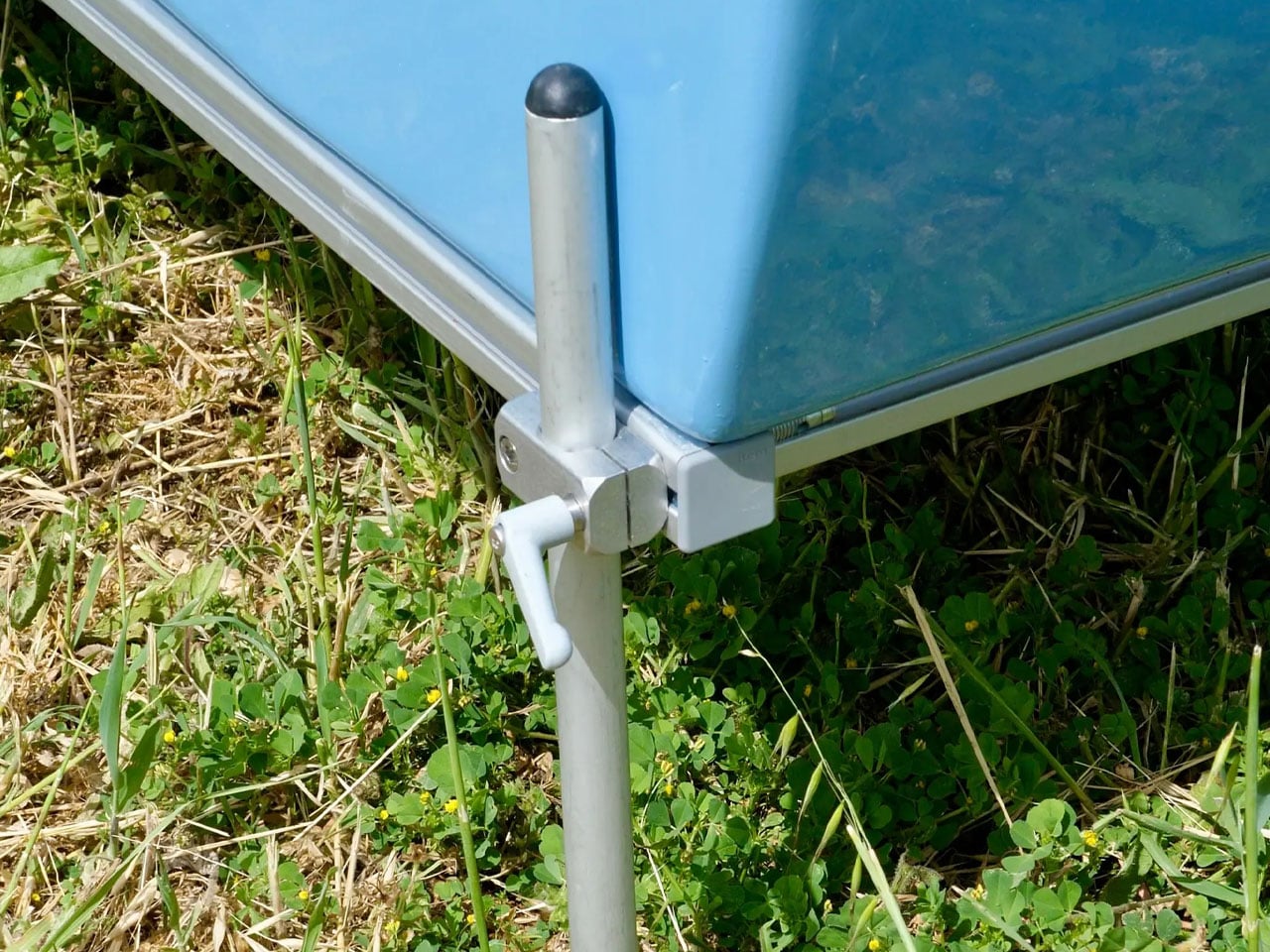
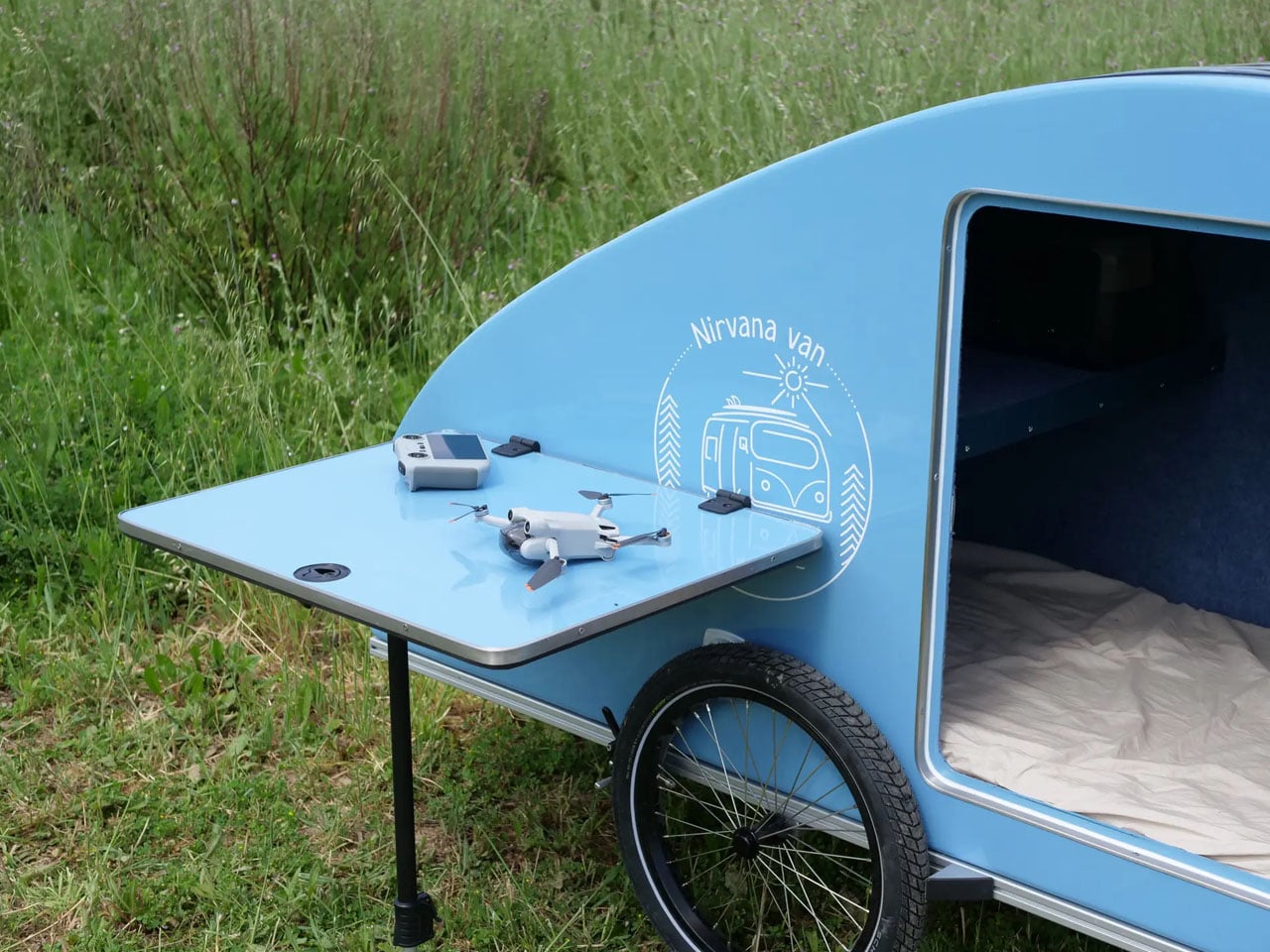
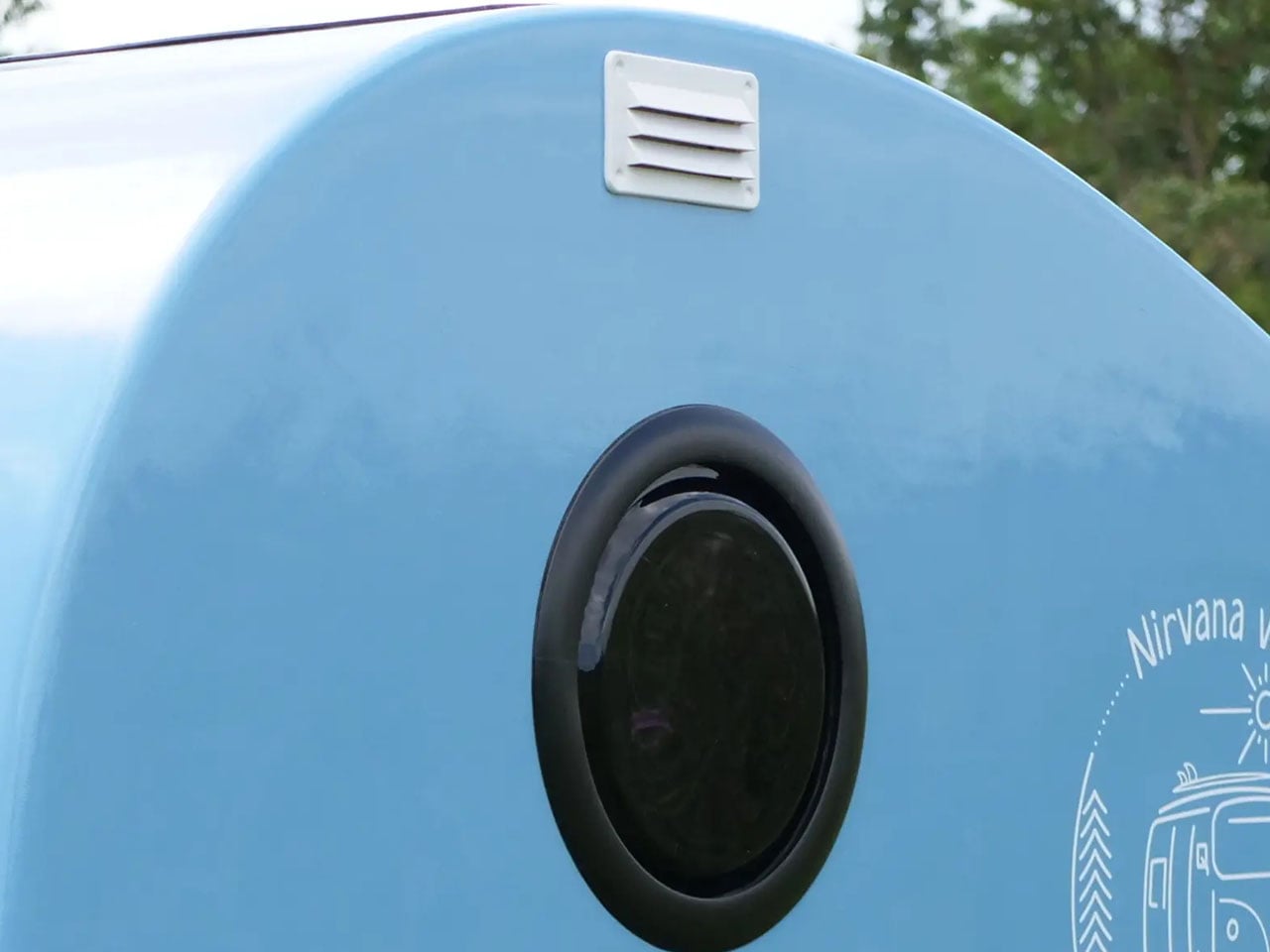
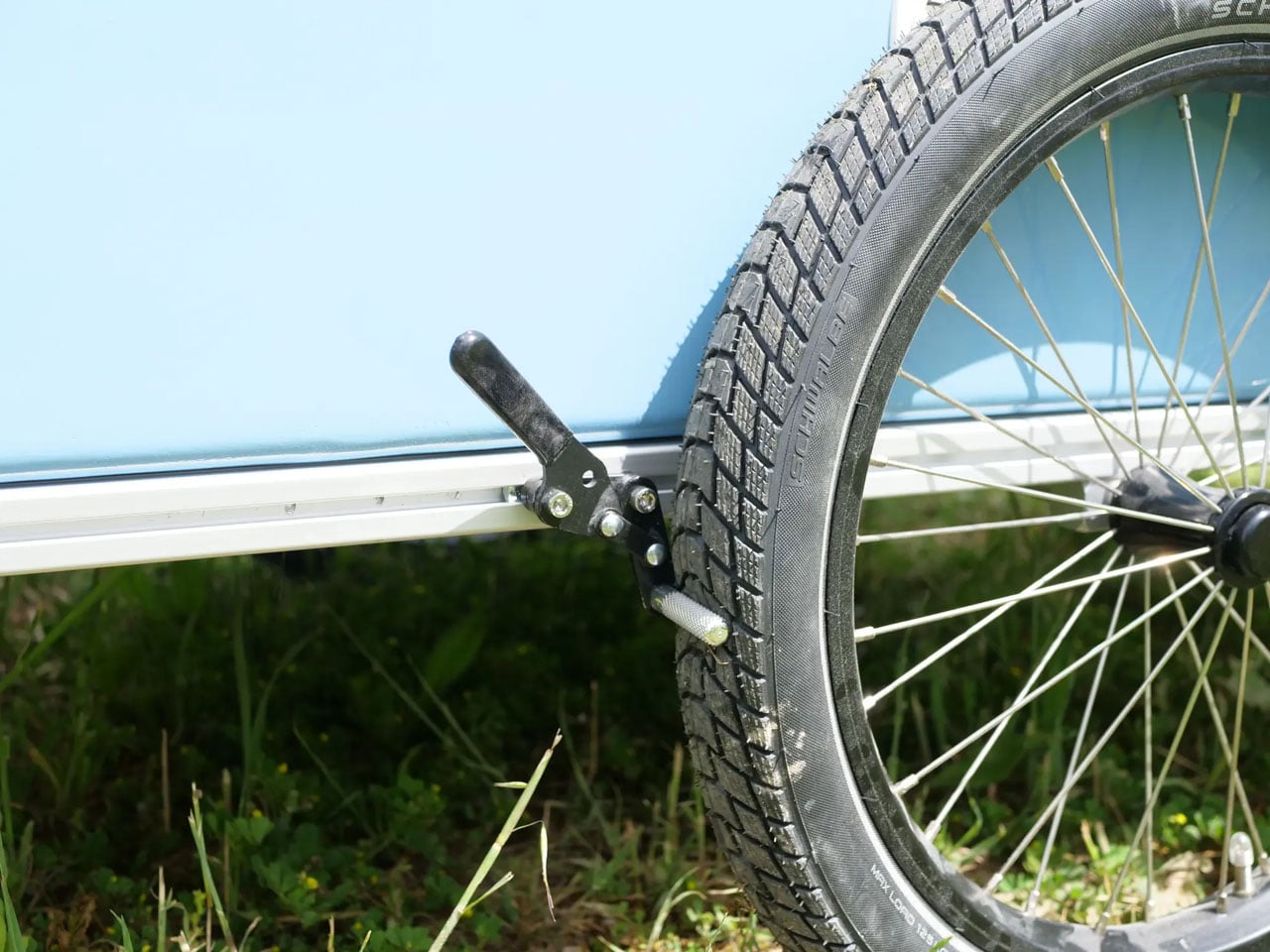
Irrespective of the model, the teardrop trailer is provided in a size measuring 6.8 feet long and 3.1 feet wide. The bike camper is made comfortable for year-round camping with 20mm extruded polystyrene (XPS) foam insulation and safety on the road is managed by the lockable door and leg stabilizers. The circular window makes for ventilation inside, where you get a bed and ample storage. The Classic starts at €3,500 ($4,100) and the Premium costs €3,900 ($4,300).