Apple has reintroduced the Split View feature in iPadOS 26.2 beta 3, marking a significant step forward in improving multitasking capabilities on iPads. This update integrates Split View seamlessly with existing multitasking tools, creating a more unified and efficient experience for users. Currently available in the developer beta, the feature is expected to roll out […]
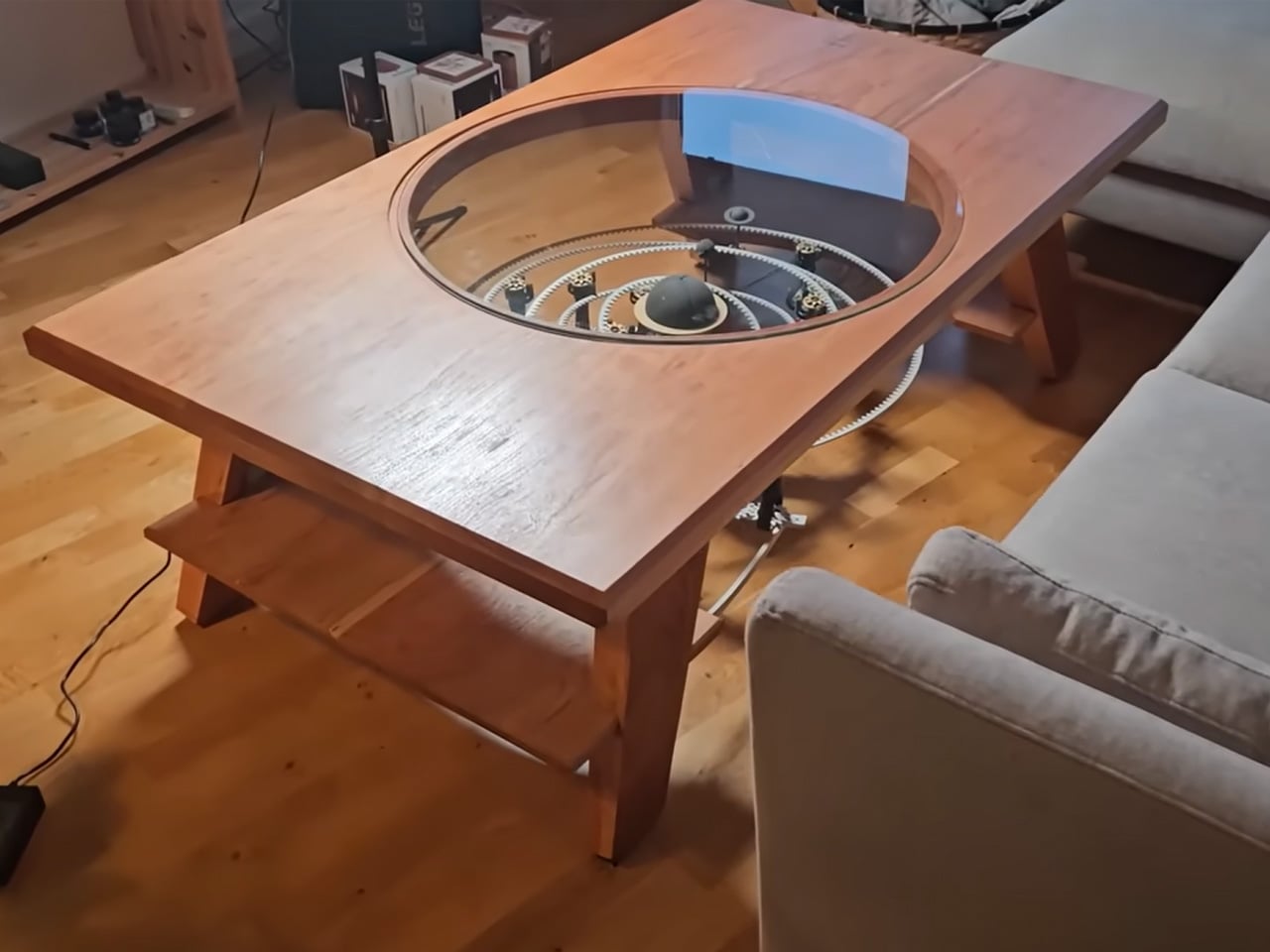
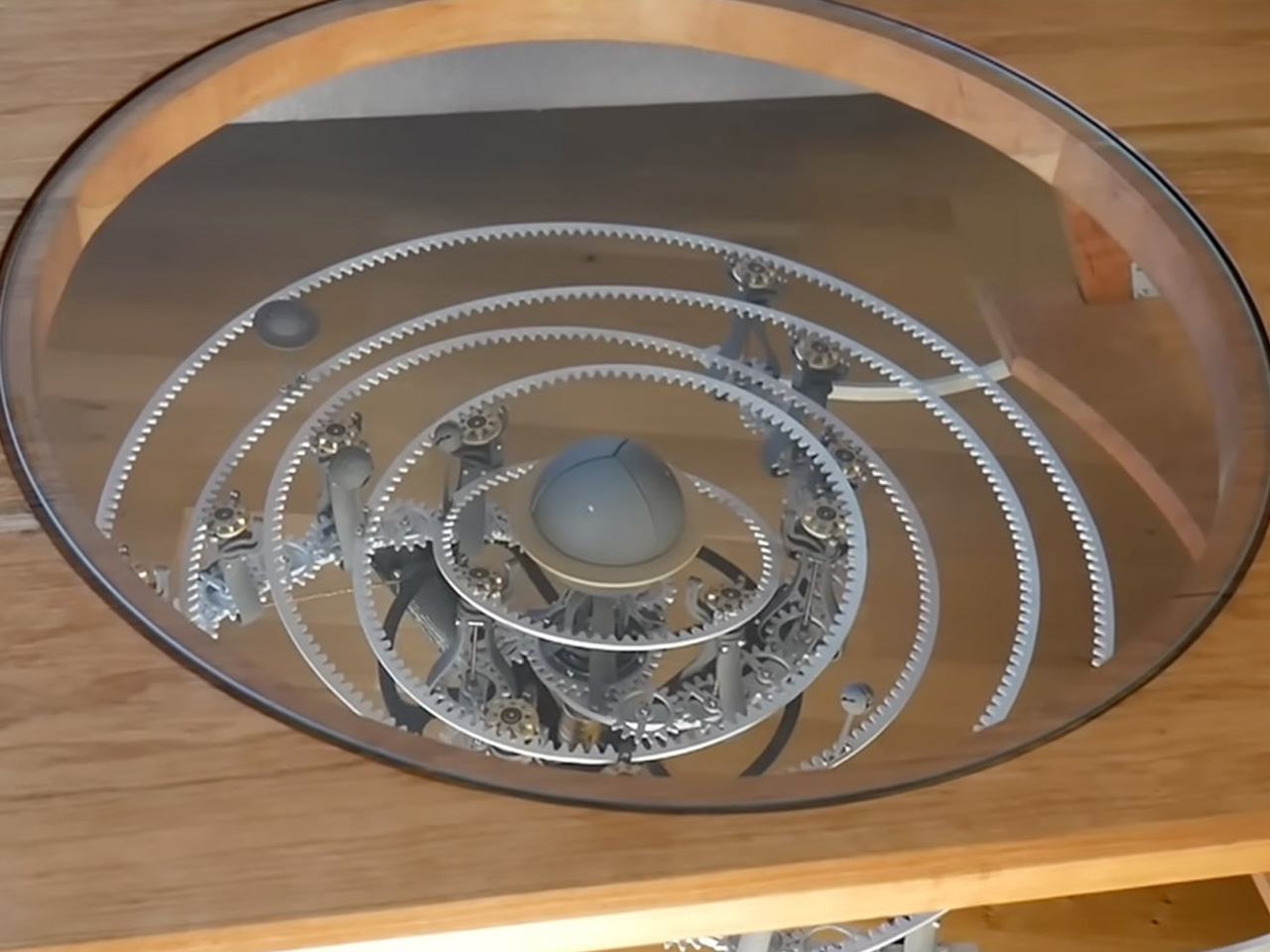
Have you ever dreamed of sitting around the solar system? Modder at The 5439 Workshop on YouTube may have just made it possible with this new kind of solar system inside a coffee table. This is a cherry wood and aluminum coffee table with a precision cutout in the middle where a “mechanical orrery with both tilting orbits and an exploding star” finds refuge under a glass cover.
The modder refrains from calling this contraption a “particularly practical one,” but I stand to disagree. At the first given chance, I would put this guy in my living room without a thought and flaunt the celestial magnificence it beholds to just about anyone walking inside the main entrance.
Designer: The 5439 Workshop
If you don’t know much about 5439, the Swedish modder doesn’t have a massive following, that’s why. With only three published videos and a modest 5.6K followers, he is just starting out with robotics, and this coffee table is perhaps the “most mechanically complicated” – in his own words – thing he has designed and built. Before we get to the details of the star system, let’s get the other details of the table out of the way.
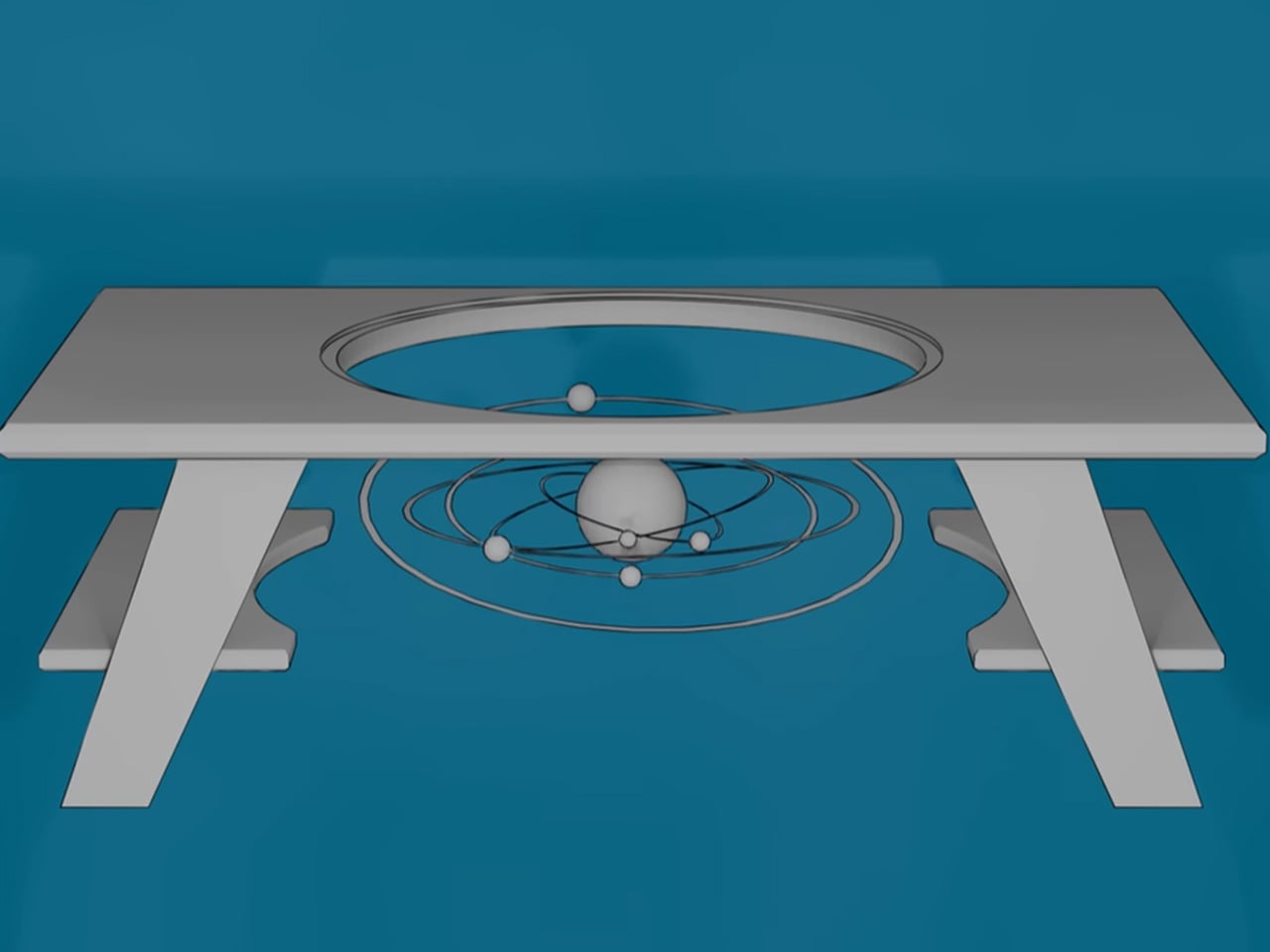
The table, as mentioned, is meticulously crafted from cherry wood. The wood is essentially chosen for its warm texture and its ability to reflect light at the right place. The two-layered table is nicely engineered by squaring the cherry wood planks – two of them, which are combined with three white boards to make up the tabletop. Once the top is created, a giant cutout is made in the middle, which, along with the glass top, creates a viewing window to the mechanical star system hidden below. The table sits on four robust pillars (legs) attached to a base frame.
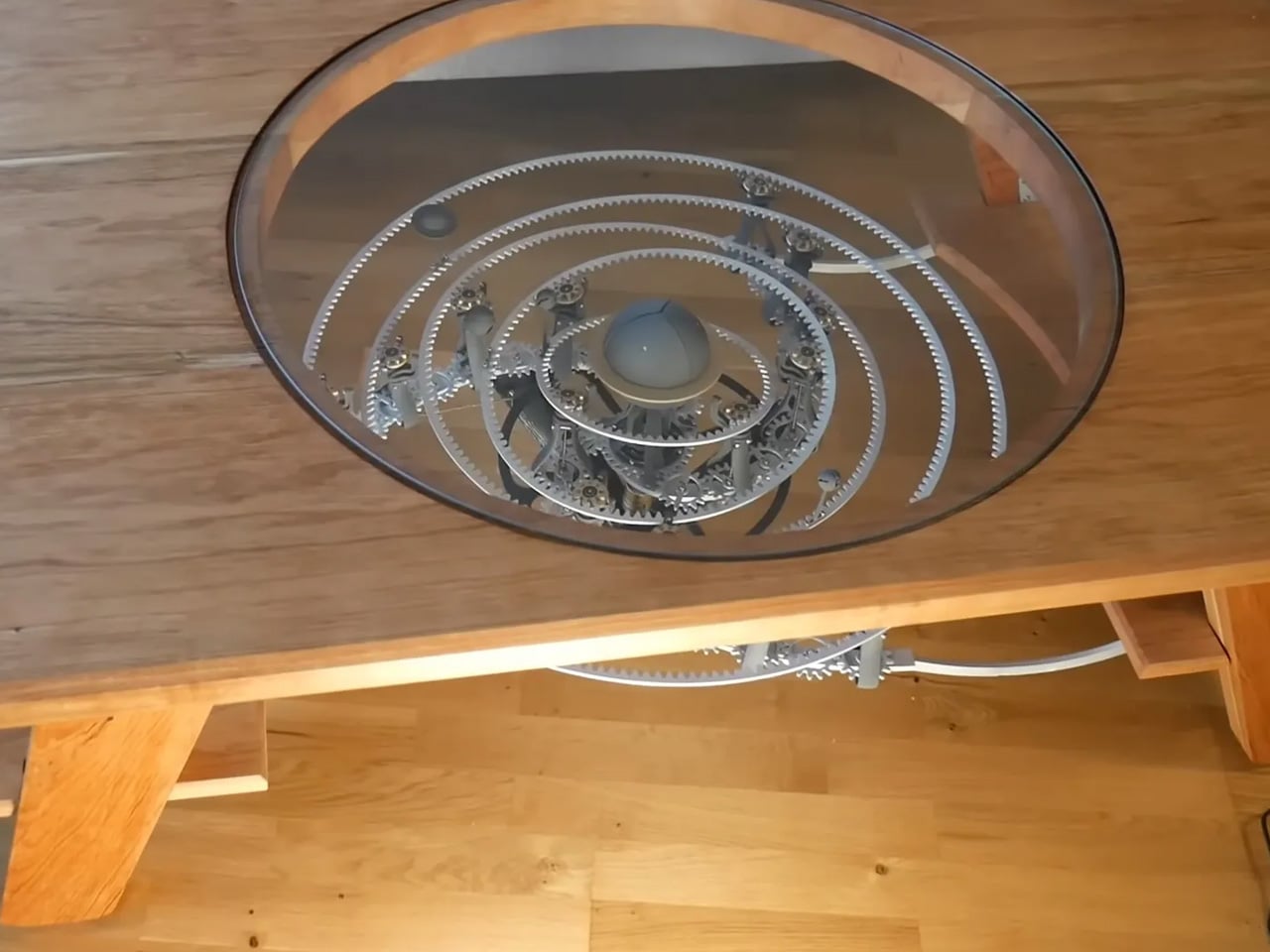
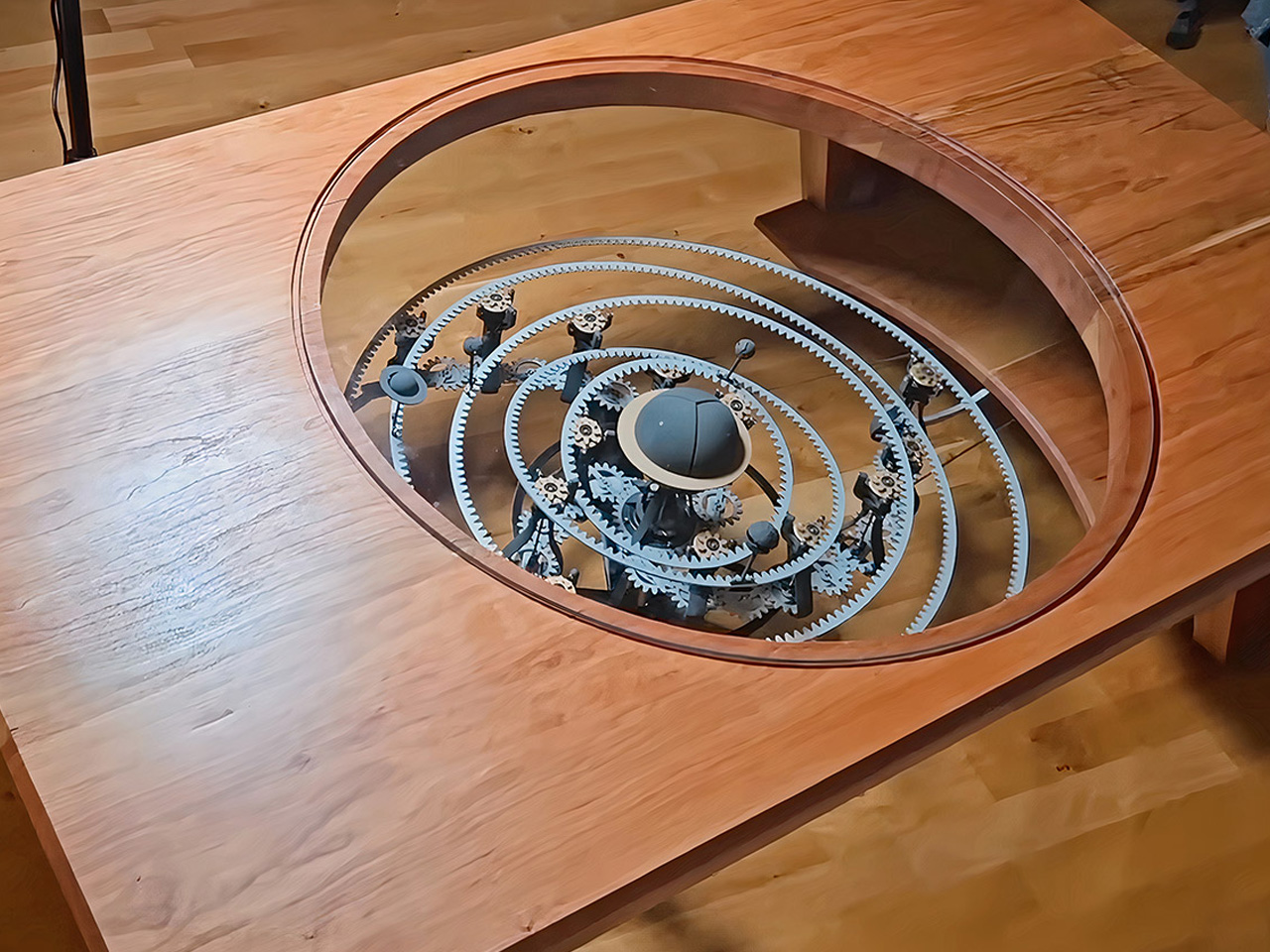
After sanding and smoothing all the blemishes (after the glueing) in the top and the rough parts of the center cutout, the modder gets to creating the covering of the center hole with the sheet of glass and then gets to the bottom of the t where the celestial goodness is built. Visible through the glass viewport, this mechanical model of the planets dancing around the sun is not short of a feat.
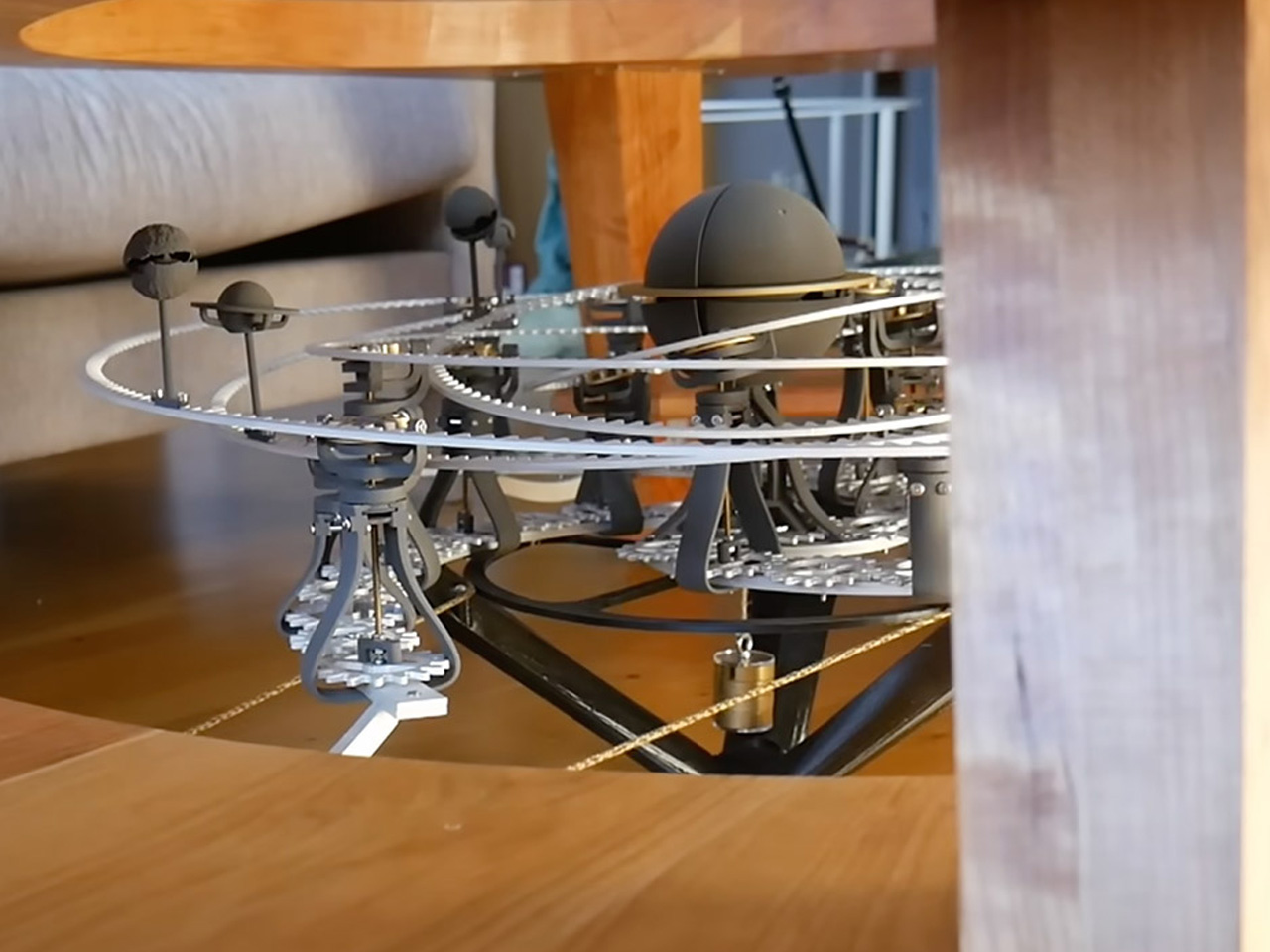
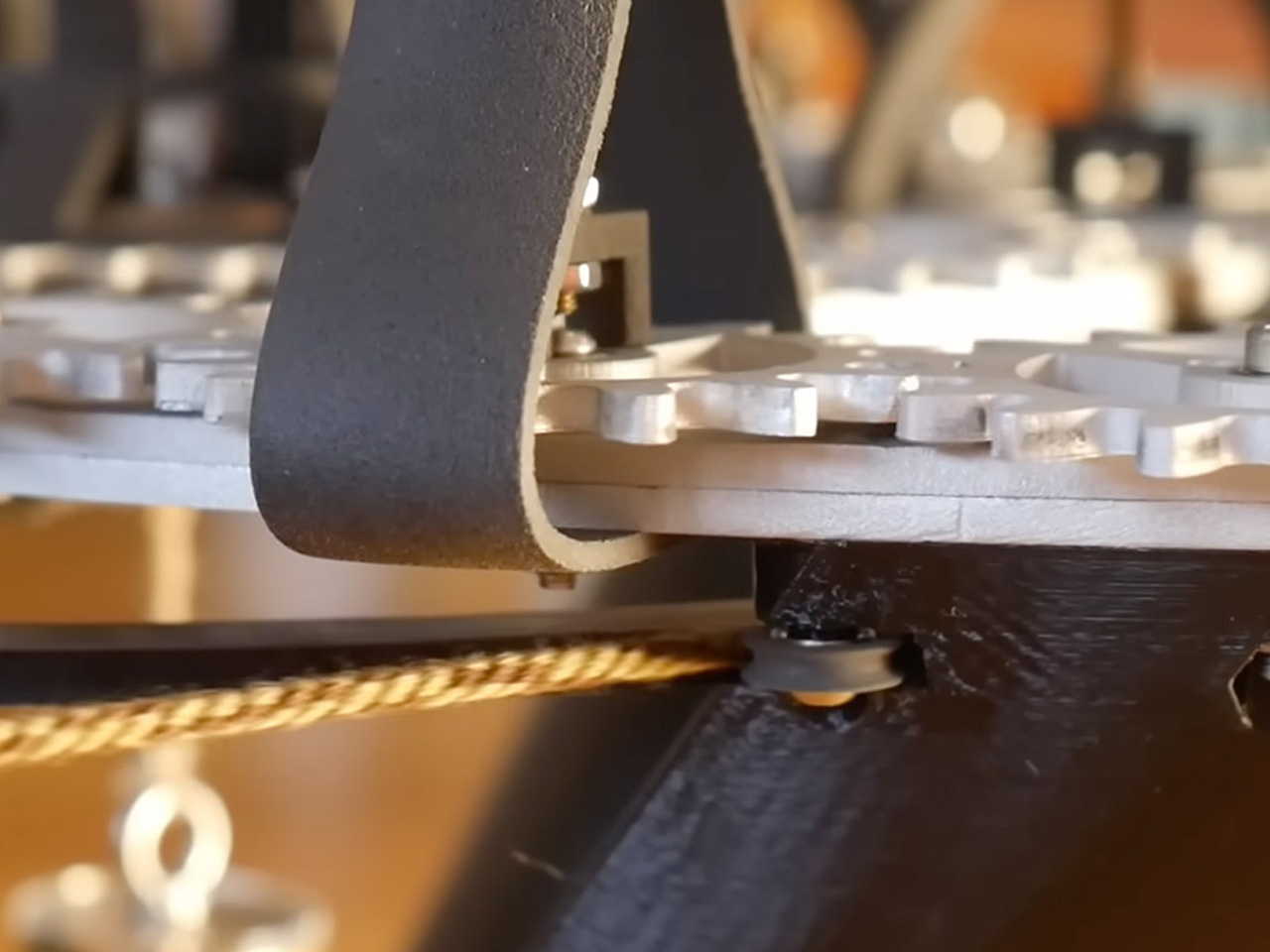
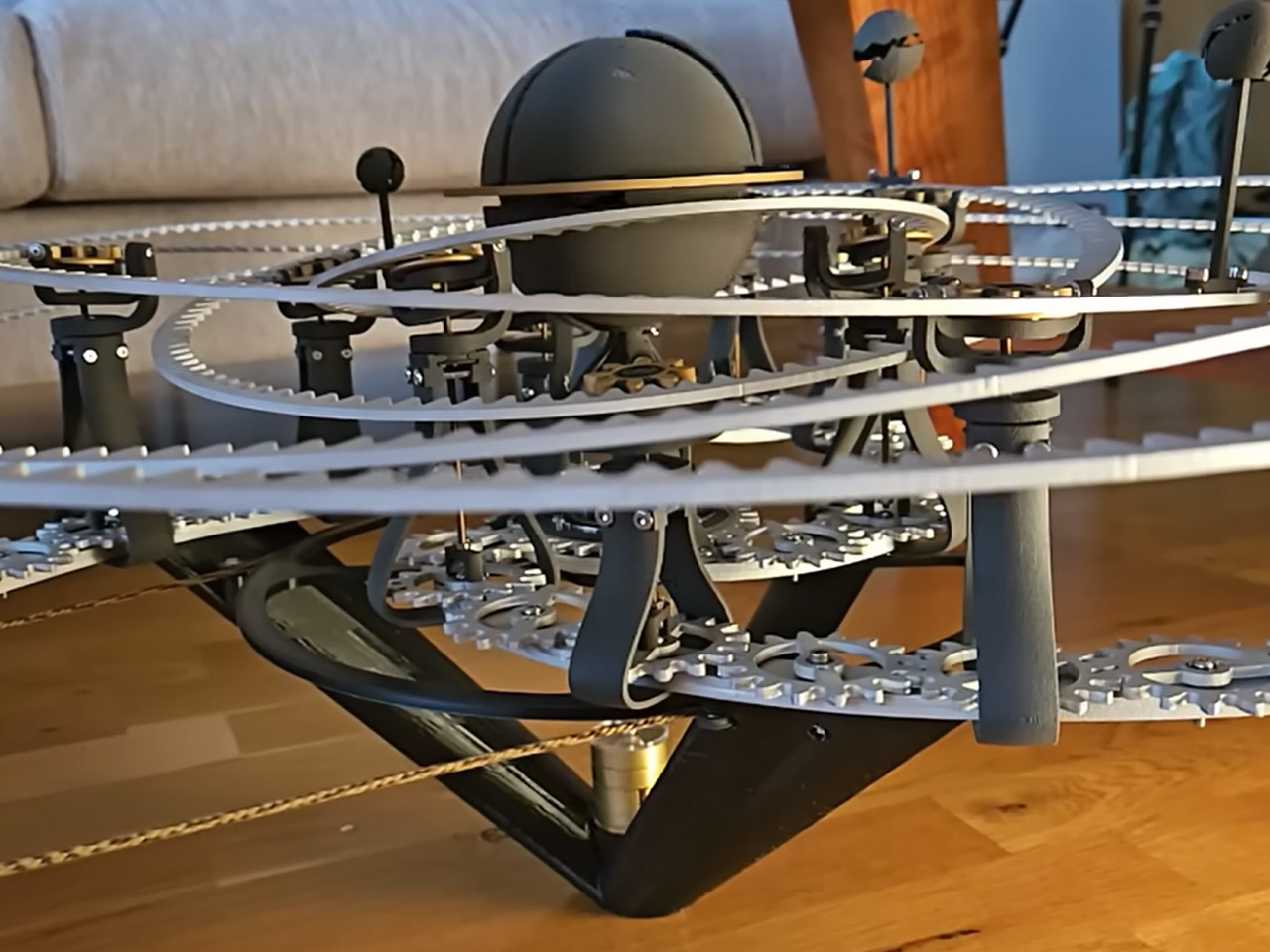
The entire contraption of gears, bearings and motors finds an exploding sun at its center with the planets (in their usual) revolving around, happily on their own axis that of course, are elliptical and tilting to mimic the universe. The sun is notably a fist-sized sphere, built layer-by-layer using a selective laser sintering (SLS) printer with nylon powder, which splits open like the flower petals when it explodes.
Made of anodized aluminum parts, the star system features rings tilting at unexpected angles, making the planets move up and down on a single plane with the power of a nearly silent motor tucked into the table frame. The YouTube community seems to like what they see in the video demonstration (embedded above). The comment section is filled with positive feedback, including ideas where one commenter “suggests walling off the sides,” while the other recommends adding a “black run” underneath “to really make the mechanism pop.” What do you think?
Ghost of Yōteiis a lengthy game with tons of activities to do. But if you've beaten it and are already itching to jump back in, it might be best to wait until at least November 24 to do so. That's when developer Sucker Punch will release an update that will introduce a bunch of new features to the PS5 title, including a New Game+ mode.
That means you'll be able to experience Atsu's mission for revenge from the beginning again with all of the weapons, abilities and armor sets you unlocked from your first playthrough. Those early-game enemies are about to feel the wrath of many a flaming kusarigama.
You'll need to finish the main story before you can unlock New Game+, which includes tougher difficulty options and a pair of new trophies to snag. The free update will introduce extra upgrades for existing weapons and armor sets, along with a new ghost flowers currency that you can swap for fresh armor sets, weapon dyes and charms while playing New Game+.
There are a number of features coming to the base game as well (i.e. for all players, not just those who dip into New Game+). Directional button remapping is one of several new accessibility options. Photo Mode will gain new filters, a shutter speed tool and a composition grid. Also, after you've beaten the main story, you'll be able to replay missions and quests. With a new stats display, you'll be able to see how long it took you to win a given duel, for instance.
Ghost of Yōtei isn't getting an expansion quite yet. We're crossing our dual katana for an Iki Island-style DLC for the game. In any case, Sucker Punch has already confirmed that Ghost of Yōtei Legends — which will be akin to the multiplayer mode in Ghost of Tsushima— is on the way in 2026.
This article originally appeared on Engadget at https://www.engadget.com/gaming/playstation/a-ghost-of-yotei-update-will-add-a-new-game-mode-harder-difficulties-and-more-on-november-24-150750632.html?src=rss
The Porsche Cayenne Electric represents a groundbreaking evolution in the luxury SUV market, seamlessly blending the brand’s iconic DNA with innovative electric technology. This all-electric SUV features an impressive 850 kW (1,156 PS) of power, allowing it to accelerate from 0-100 km/h in a mere 2.5 seconds. With a range of up to 642 kilometers, […]
What if you could build anything, yes, anything—with just a few clicks or even your voice? Imagine an AI so advanced it could not only write code but also debug, optimize, and adapt it to your specific needs, all while being completely free to use. Enter Gemini Build Mode, the latest innovation from Google DeepMind, […]
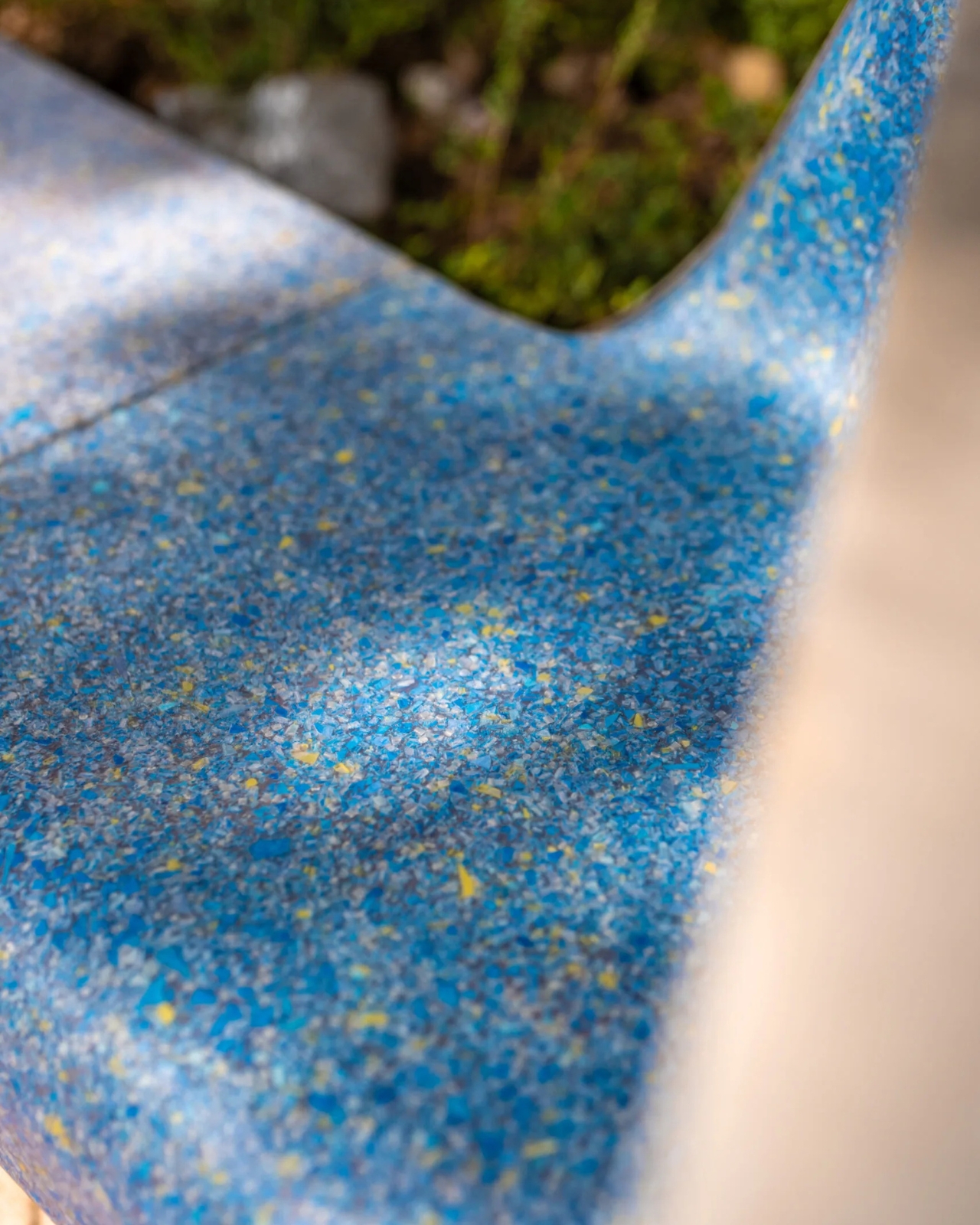
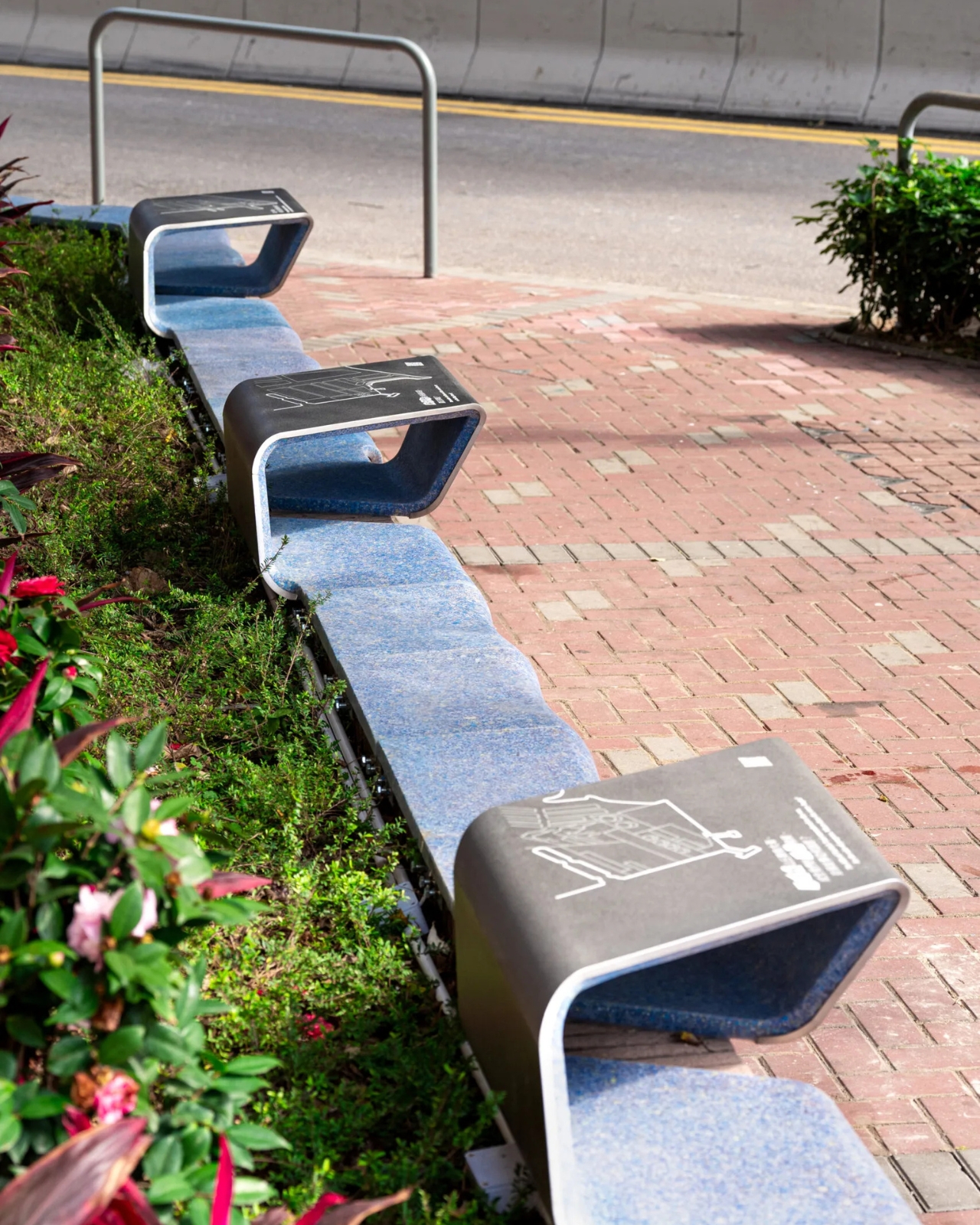
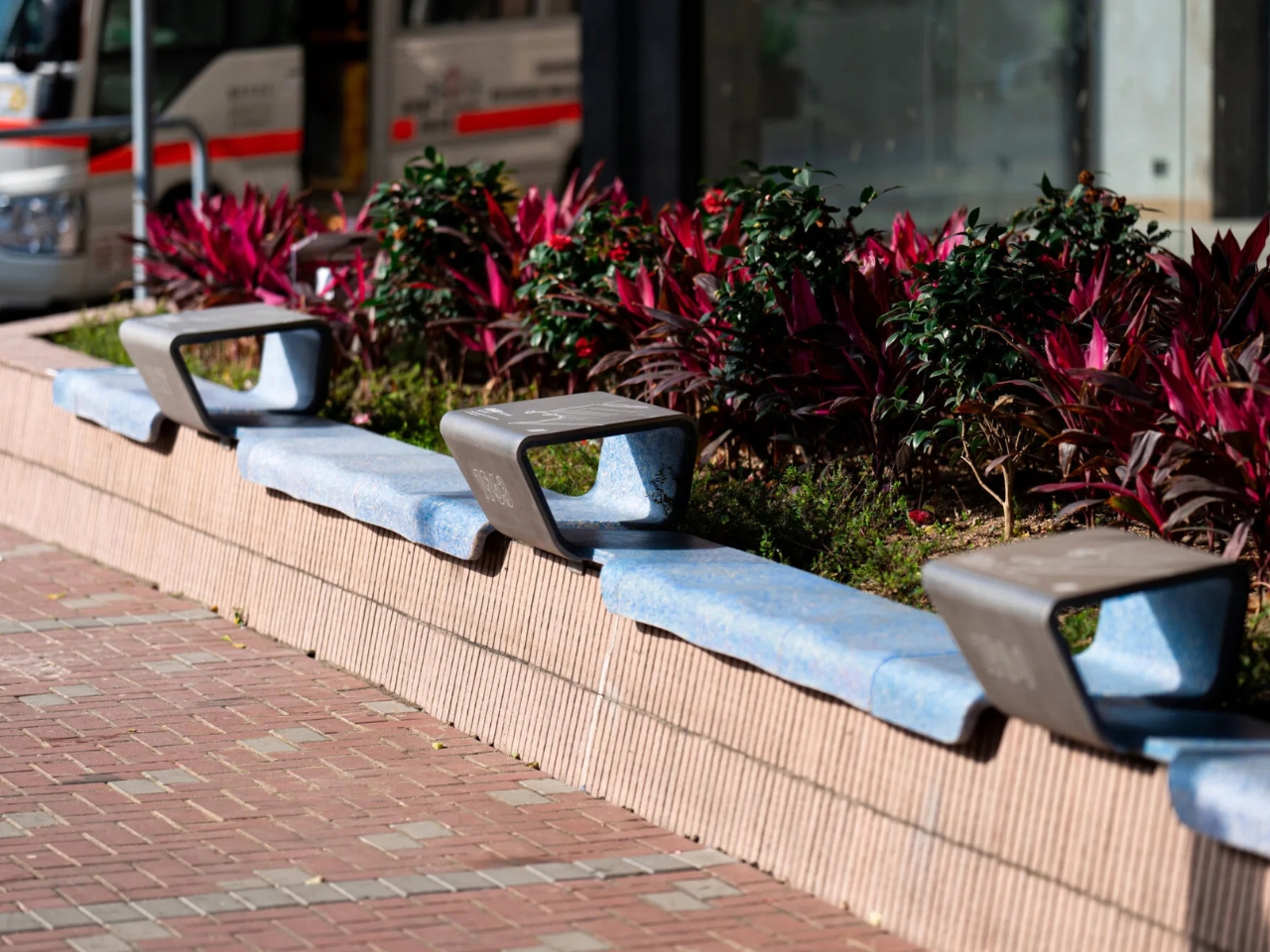
Here’s something you don’t expect to sit on: surgical masks. Nearly 10,000 of them, to be exact. But that’s exactly what Design PY created in Hong Kong’s Tai Kok Tsui neighborhood with Tidal Stories, a spiraling urban installation that quite literally traces where the ocean used to be.
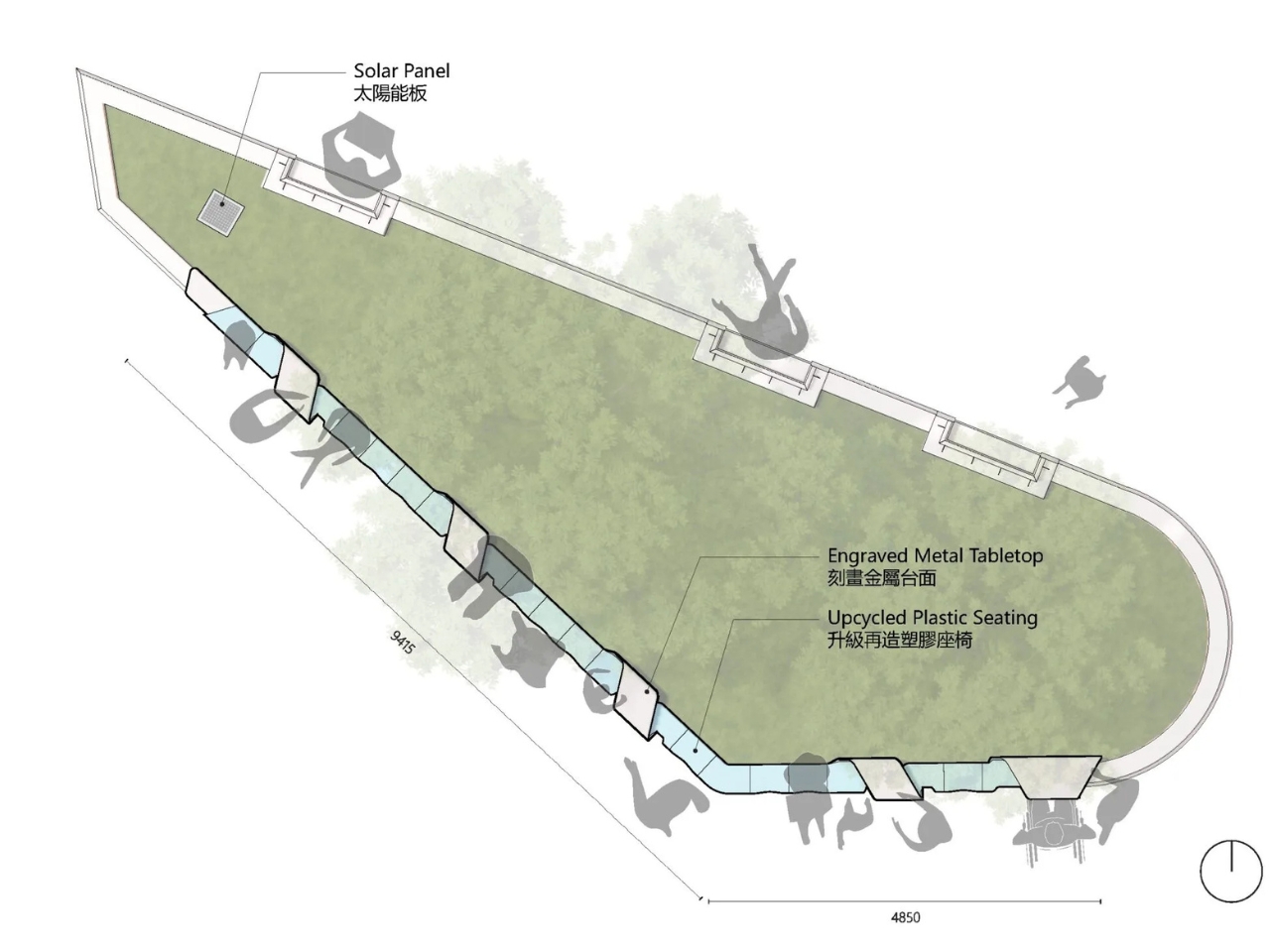
The concept is brilliant in its simplicity. Tai Kok Tsui was once a coastal area, but over a century of land reclamation pushed the shoreline further and further away. Today, most people walking through this district have no idea they’re treading on what was once underwater. Design PY decided to make that invisible history visible again through a helical seating structure that maps the old coastline right onto the public space.
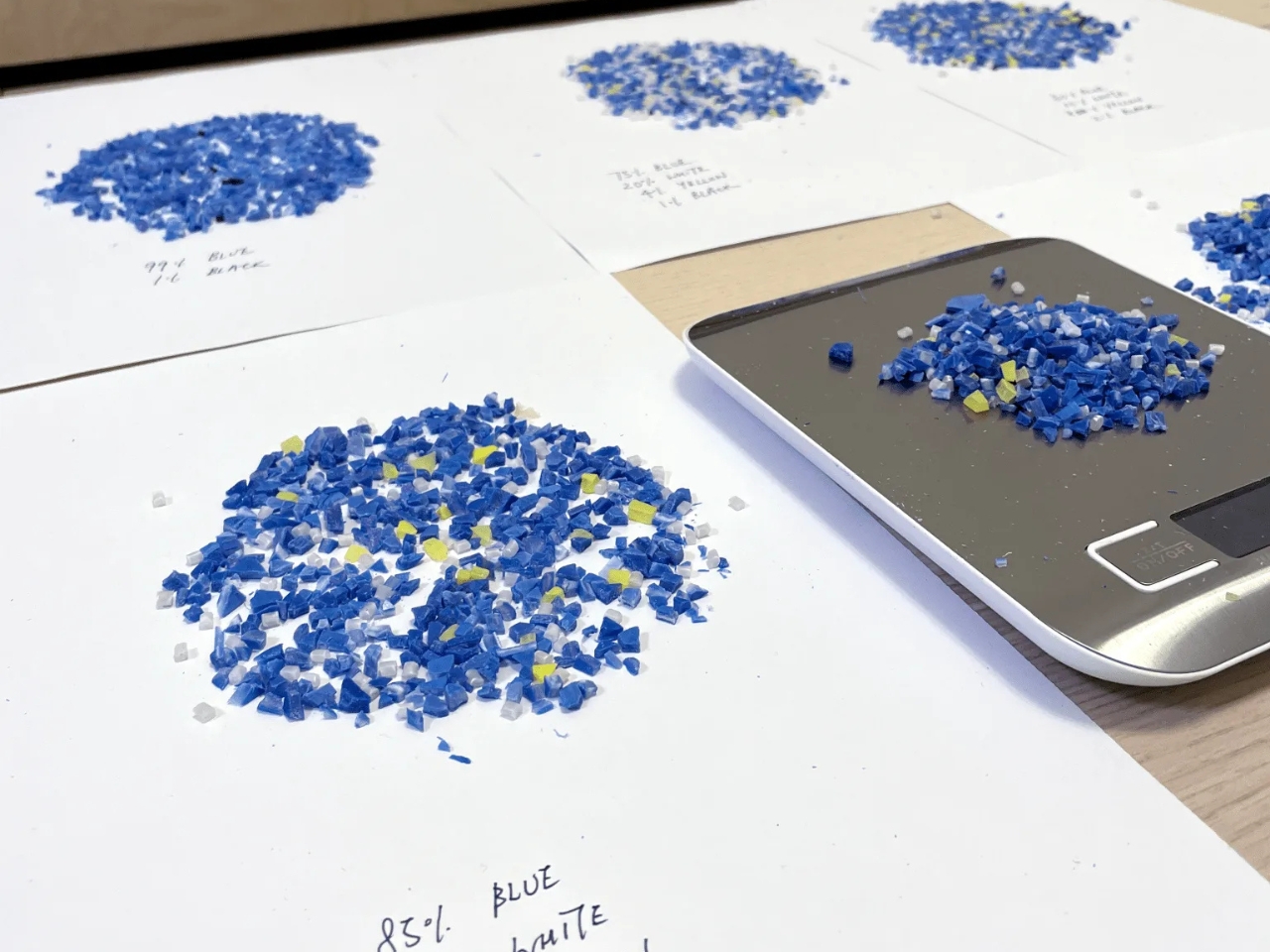
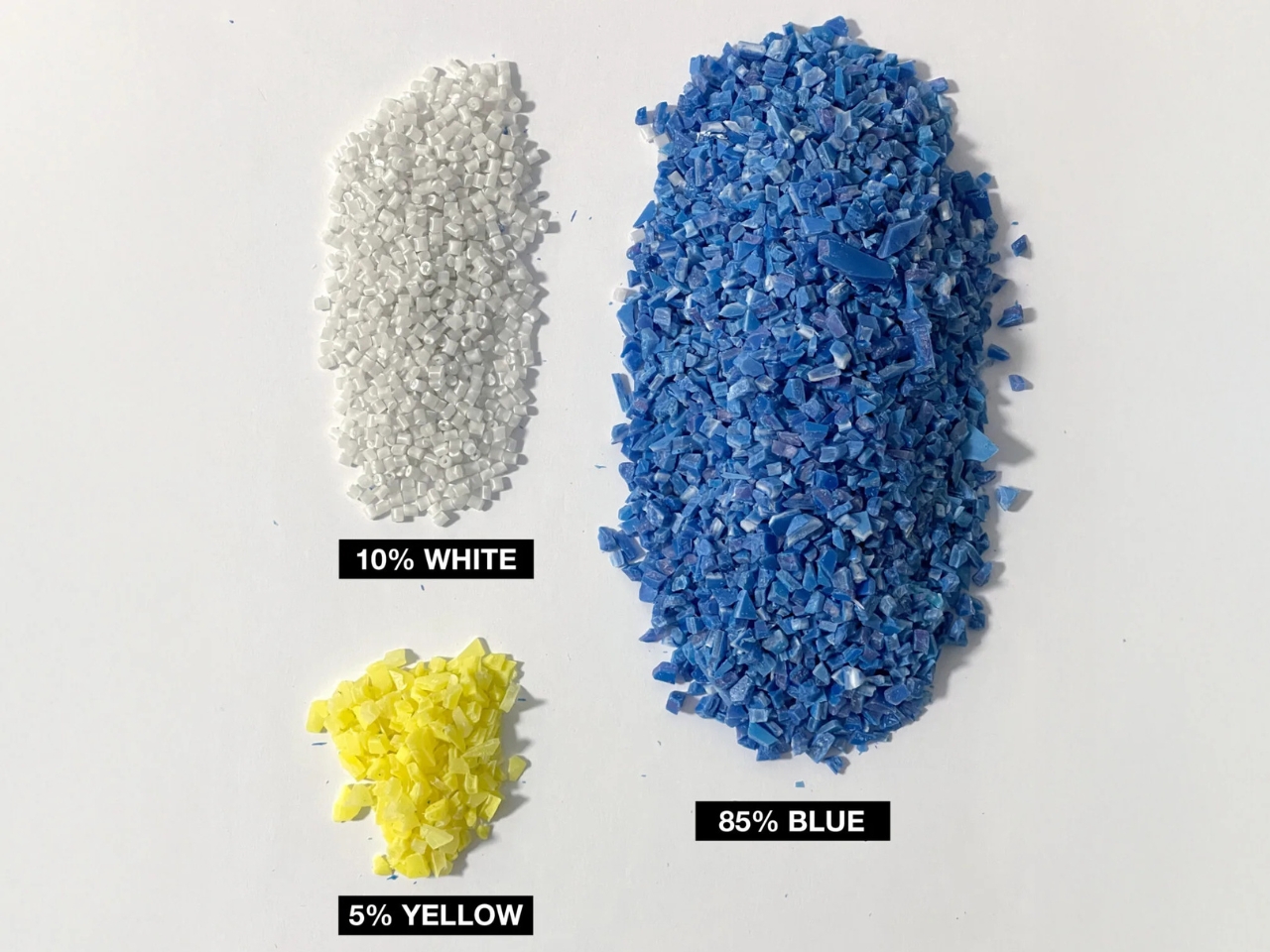
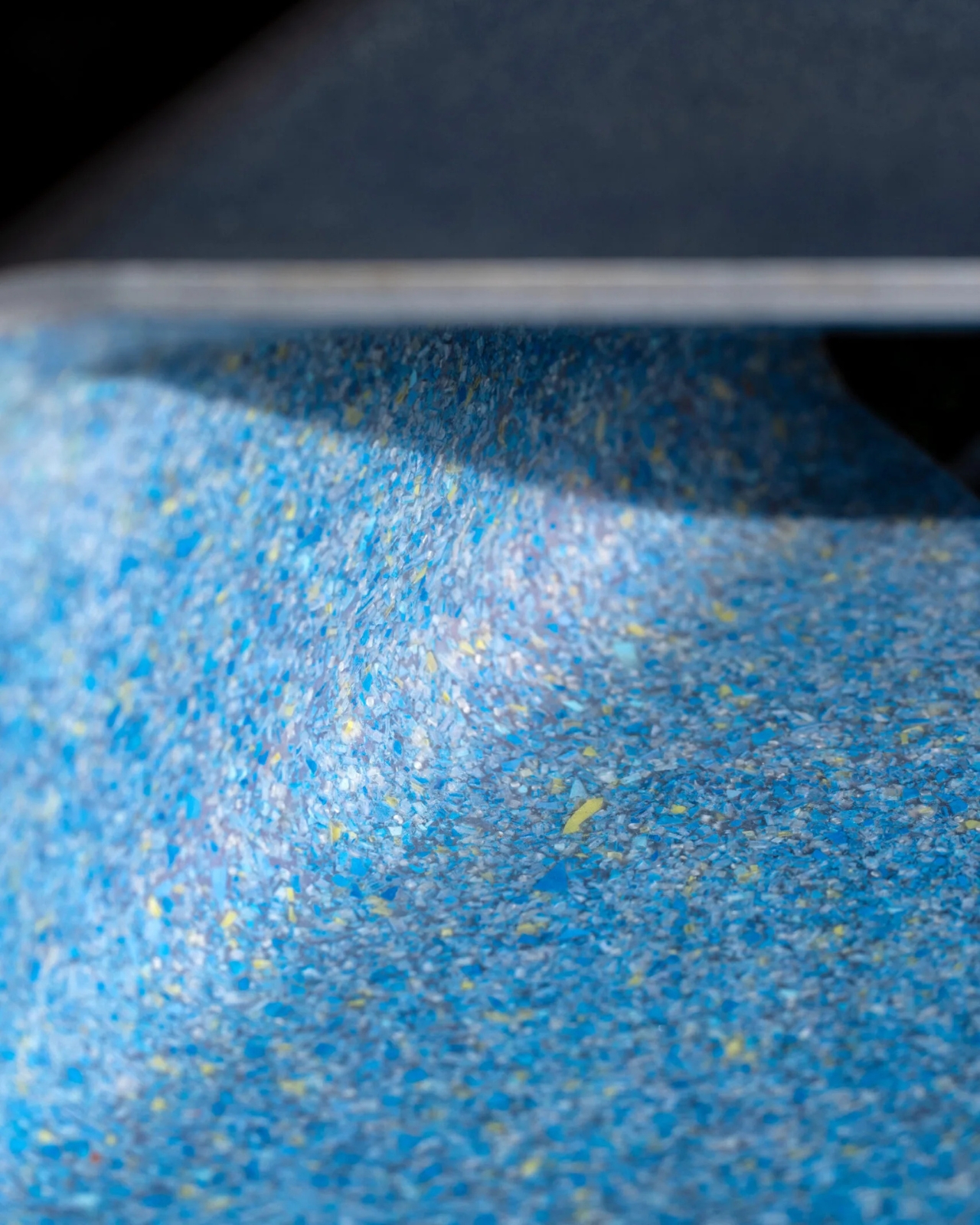
What makes this project especially clever is how it tackles two challenges at once. First, there’s the environmental angle. The pandemic left us with a staggering amount of medical waste, and those 9,200 upcycled surgical masks in the installation are just a tiny fraction of what ended up in landfills and oceans. By incorporating them into public furniture, Design PY transforms waste into something functional and meaningful. Second, there’s the cultural preservation piece. Urban development often erases neighborhood memory, but Tidal Stories brings it back in a form people can literally interact with every day.
The installation isn’t just about looking pretty or making a statement (though it does both). It’s actually being used. Elderly residents rest on the benches. Nearby workers grab lunch there. People passing through stop to sit and chat. The design reactivated what was basically a forgotten corner of the neighborhood and turned it into a gathering spot.
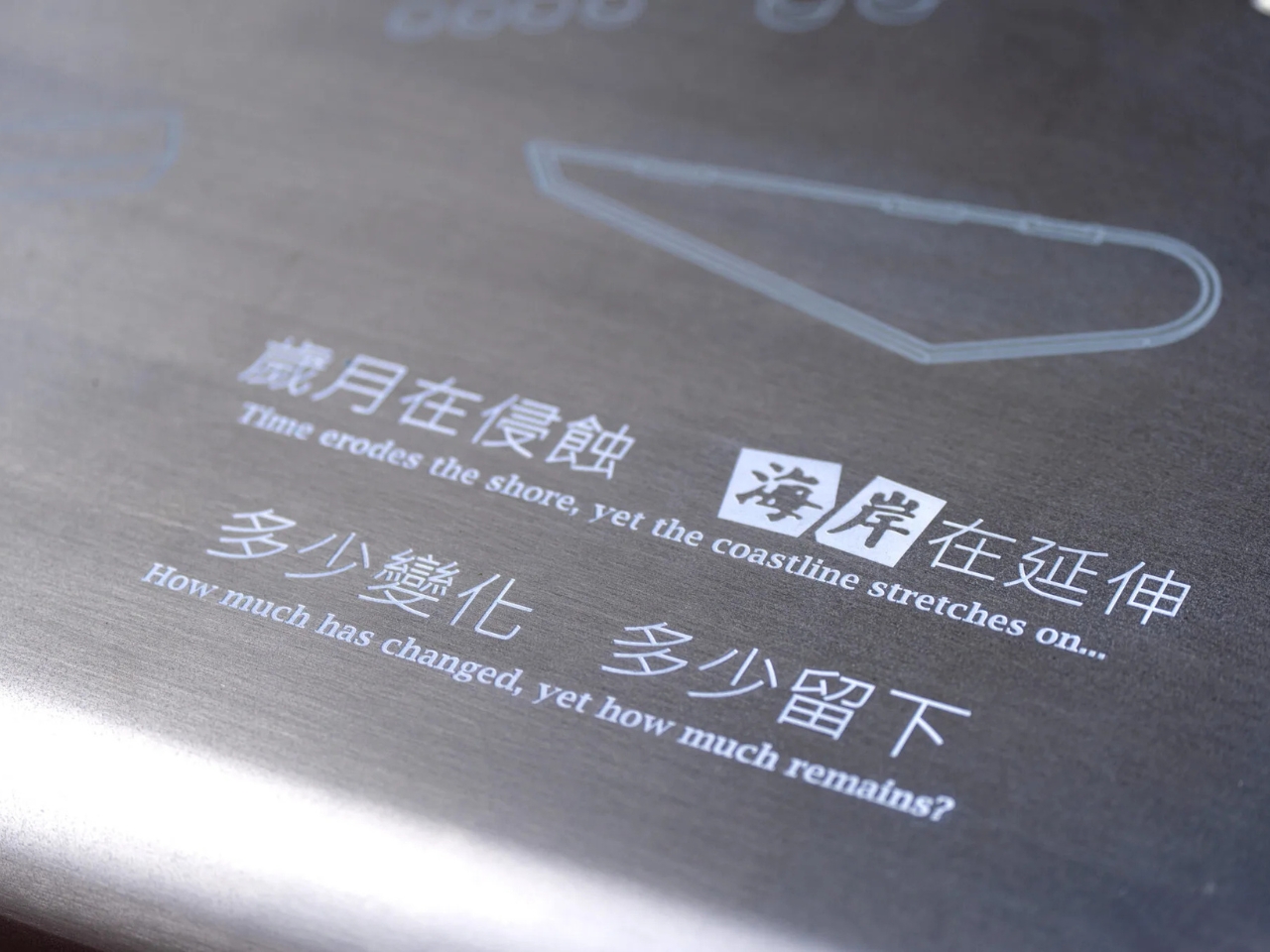
But here’s where it gets even more interesting. The metal tabletops aren’t just tables. They’re engraved with references to Tai Kok Tsui’s industrial and coastal past, functioning as both amenities and educational tools. The whole installation doubles as an informal museum, hosting architectural tours and community events that help people understand how their neighborhood evolved from fishing village to dense urban district.
This kind of design thinking feels especially relevant right now. We’re all grappling with questions about sustainability, about how to deal with waste we’ve created, about preserving cultural identity in rapidly changing cities. Tidal Stories doesn’t just answer these questions theoretically. It shows what’s possible when you combine circular design principles with community engagement and historical awareness.
The helical form itself is striking. It curves and spirals through the space, creating natural gathering points and visual interest without overwhelming the neighborhood’s existing character. You can see the installation from different angles as you approach, and each perspective tells a slightly different story about the relationship between past and present.
What’s refreshing about this project is that it doesn’t lecture. It invites. There’s no heavy-handed messaging about environmentalism or preservation. Instead, it creates an experience that lets people discover the layers of meaning on their own terms. Maybe you just want a place to sit. Maybe you’re curious about the unusual materials. Maybe you start reading the engravings and realize your neighborhood used to look completely different. All of these are valid ways to engage with the work.
The use of surgical masks as a primary material might seem gimmicky at first, but it makes perfect sense when you think about it. The pandemic was a collective experience that generated collective waste. Using that waste to create something that serves the collective good completes a kind of circle. Plus, it’s a reminder that design solutions don’t always require pristine new materials. Sometimes the most sustainable choice is working with what we already have too much of.
Tidal Stories proves that urban furniture can be so much more than benches and tables. It can be a history lesson, an environmental statement, a community hub, and a work of art all at once. That’s the kind of multifunctional thinking we need more of as cities continue to evolve.
What if the AI tool you’ve been waiting for didn’t just meet expectations but completely redefined them? With the release of Gemini 3 Pro, Google has delivered a new innovation that feels less like an upgrade and more like a paradigm shift. From its multimodal reasoning—capable of seamlessly integrating text, images, and data, to its […]
You have to give Porsche credit for going in early on EVs. The Taycan is a stellar sedan/wagon that's only gotten better. But even for a niche manufacturer like Porsche, it's not exactly a mass-market machine. To really move the needle on EVs, you need something more family friendly, and for the brand from Stuttgart, that's the Macan.
Porsche's gas-powered crossover SUV is its best-selling machine in the US, so it's an absolutely vital piece of the company's success. It's also Porsche's second full-on, battery-powered machine to hit the market. The Macan Electric doesn't replace its internal combustion predecessor, rather living alongside it on the dealership floor, creating a brutal sibling rivalry and a potentially difficult choice for buyers: gas or electric?
Actually, Porsche made it a pretty easy decision. This is the right one.
Hardware tour
The Macan Electric shares a silhouette and a segment with that other Macan, but from a technology standpoint, there's little the two agree upon. The Macan Electric is built on a new platform called PPE, which at one point was destined to be the underpinnings of a smorgasbord of electrified offerings from both Porsche and Audi, including the A6 E-Tron and Q6 E-Tron.
For now, at least, Americans' increasingly fickle attitudes toward EVs have stymied some of those plans, meaning this Macan and the upcoming Cayenne Electric are the only two Porsches built from those bones. The Macan is the smaller of the two, powered by a variety of different configurations, starting with a single-motor, rear-drive configuration with 355 horsepower on the low end, up to the 630-hp, dual-motor Macan Turbo Electric on the high end. Buyers can also select the dual-motor Macan 4 Electric, speedier 4S Electric or quicker still GTS Electric.
I tested a base Macan Electric, its rear-mounted, 355-hp motor enough to scoot this 5,004-pound SUV from zero to 60 mph in 5.4 seconds. The top-shelf Macan Turbo Electric gets to 60 in 3.1 seconds, absolutely humiliating the quickest exhaust-spewing Macan GTS's 4.3-second time.
At first glance, the electric Macan looks like a Tesla Model Y -- especially in dark blue.
Tim Stevens for Engadget
Of course, this is a Porsche, not a drag machine, and so cornering is key. Helping with the handling is an adaptive air suspension that not only lets you go from stiff to firm at the twist of a knob but also raises or lowers dynamically. When you're hunting for range or speed, the SUV gets down into an aerodynamic tuck low to the earth. If you're looking to head off-road, it'll hike itself up by 1.6 inches.
While I wouldn't consider this an off-roader as such, the dual motor configurations should be competent in lower-grip situations. Open differentials at either end will keep your all-roading aspirations limited, but on some icy, slippery roads during the week I spent living with one, even the rear-drive Macan proved sure-footed and easy to handle, despite its summer-oriented Pilot Sport EV tires.
At the heart of all that is a 100-kilowatt-hour battery, which offers the Macan Electric an EPA-rated range of up to 315 miles, depending on which trim you go with. In my testing, which included extended periods of driving with my foot flat to the floor, I managed 2.8 miles per kWh. That's a theoretical maximum range of 280 miles if you're driving like you stole it. Anyone doing the school run in a more sedate way will have no problem meeting or beating that EPA rating.
User interface
The Macan's interior is equipped with multiple displays.
Tim Stevens for Engadget
Beyond performance, the Macan Electric has another advantage over its internal combustion counterpart: it has a more modern interior. The highlight is the 12.6-inch, curved gauge cluster. Using buttons on the steering wheel, you can cycle through various views and telemetry elements to suit your desire for data or need to remain undisturbed.
That's paired with a 10.9-inch touchscreen in the middle, and you can even opt for a third display embedded way over on the right side of the dashboard. This one allows you to access streaming services like YouTube. I've never seen the point in that, though, but that's only because I've yet to meet a passenger who wouldn't rather just use their smartphone.
Porsche's PCM interface on that central touchscreen is simple and clean, with more than a passing iOS resemblance. Perhaps that's why the company has been an early adopter of CarPlay Ultra. For the Android faithful, wireless Android Auto is here too, and it works great, looking nearly native on the widescreen display.
The Macan's gauge cluster is a curved 12.6-inch display.
Tim Stevens for Engadget
Through simple menus, you can do everything from track lap times to enable or disable the augmented digital engine tone, which Porsche calls Electronic Sport Sound. I confess the futuristic whirring and whooshing does make driving aggressively a bit more fun, but most of the time I prefer to have it off.
Thankfully, not everything is controlled through the touchscreen. There's a separate, capacitive-touch panel just below it for climate-related functions, including toggling the prodigiously warm heated seats (which I'm enjoying as I write this). You'll find a physical volume knob there, too.
The Macan seats five comfortably, though I'd stick to four for anything longer than a quick run to a team lunch. Front and rear seats are comfortable, and there's a tolerable amount of legroom in the back. Headroom back there, though, is limited. If you have tall co-workers, they'll be tripping over each other to call shotgun.
Dynamics
Despite it's size, the Macan is surprisingly agile, which is partly due to its unique suspension.
Tim Stevens for Engadget
In the grand spectrum of SUVs on the roads today, the 188.3-inch-long Macan Electric is on the smaller side. But, as an EV, it's heavy for a crossover. At just a tick over 5,000 pounds, it's a substantial 850 pounds heavier than a regular base Macan.
Porsche's engineers addressed that as best they could with the aforementioned fancy suspension, plus larger, 20-inch wheels on each corner. The result is an SUV that is, in Sport or Sport Plus modes, remarkably fun to drive. Its steering is extremely quick for an SUV, which makes this thing feel lighter than it is.
All the grip provided by those tires and suspension really gives you the confidence to push through the corners, too. And, when you push too hard, it breaks away quickly and predictably. I enjoyed romping on the throttle hard mid-corner to kick the tail out, the Macan giving me just enough time to grin and give a bit of a steering correction before everything was right and the tires were stuck again.
It's not a sports car, no doubt about that, and it tends to wallow a bit on bumpy roads thanks to all that weight, but it is far more engaging and fun than just about anything else in this category. Even this base model is quick off the line, but its breakneck initial throttle response is tempered by a somewhat flat acceleration at higher speeds. It just doesn't have the kind of Autobahn-dominating top-end that Porsches are typically known for.
The electric Macan's biggest flaw is the complete lack of lift-off regenerative braking.
Tim Stevens for Engadget
I suppose I'd have to cough up the extra $10,000 for the GTS, or a further $20,000 for the $109,000 Turbo if I really wanted that. Yes, these things get expensive quick. The base Macan Electric I drove started at $73,500, but carried enough options to drive its out-the-door price to $86,865.
You are, at least, getting a machine that readily does double-duty. Despite its responsiveness and eager handling, the Macan Electric does a stellar job of settling down when you twist that Drive Mode knob on the steering wheel to the left, unwinding the suspension and relaxing the experience. The SUV manages excellent compliance over broken roads, flying over railroad tracks without complaint, and just generally being a calm and competent cruiser.
But there's one, undeniable flaw that drove me absolutely nuts in the Macan Electric: a complete lack of lift-off regenerative braking. Porsche continues its adamant refusal to offer anything even approaching a one-pedal driving experience. That's a frustrating thing to me — maybe not quite as frustrating as GM phasing out Android Auto and Apple CarPlay, but pretty close.
Wrap-up
The electric Macan commands (at least) a $10,000 premium over its gas-powered sibling.
Tim Stevens for Engadget
After driving a few different prototypes of the Macan Electric during its development phase, I very much enjoyed my time with a final, production version on some familiar roads around my home. It excelled in the dry and on slippery, early winter roads, made me smile when I was feeling rowdy, and then disappeared into the background when I just wanted to get home.
It isn't a perfect machine. I'd hoped for a little more roominess inside, I lament the lack of one-pedal driving, and honestly, I wish Porsche's exterior designers had gone a little crazier. At a quick glance, it looks a lot like a first-gen Tesla Model Y, especially in Gentian Blue Metallic, which is a dead ringer for Tesla's Deep Blue Metallic.
And there's also the significant premium that you'll have to pay to get into one: $10,000 over a base, gas-powered Macan. For that, you're getting a lot of extra performance, a dose of extra tech and all the joys and simplicities that come with living the EV lifestyle. That makes it well worth it in my book.
This article originally appeared on Engadget at https://www.engadget.com/transportation/evs/2025-porsche-macan-electric-review-the-obvious-choice-when-the-budget-allows-140000851.html?src=rss
For several years, Samsung has followed an increasingly aggressive playbook for its flagship Galaxy S series, inching launch events earlier and earlier until they settled comfortably into mid-January. That cadence gave Samsung a strong early-year spotlight and helped push competitors onto the defensive. But as 2026 approaches, credible industry reporting suggests Samsung may be preparing […]