Revopoint RANGE 2 3D scanner makes short work of scanning large objects

3D scanning has traditionally been the domain of big production studios and companies because of the size of the equipment and their prohibitive costs. With the arrival of handheld scanners, however, the doors were thrown wide open for anyone in any field to make their own 3D models from real-world objects, whether it’s for fun, art, health, or profit.

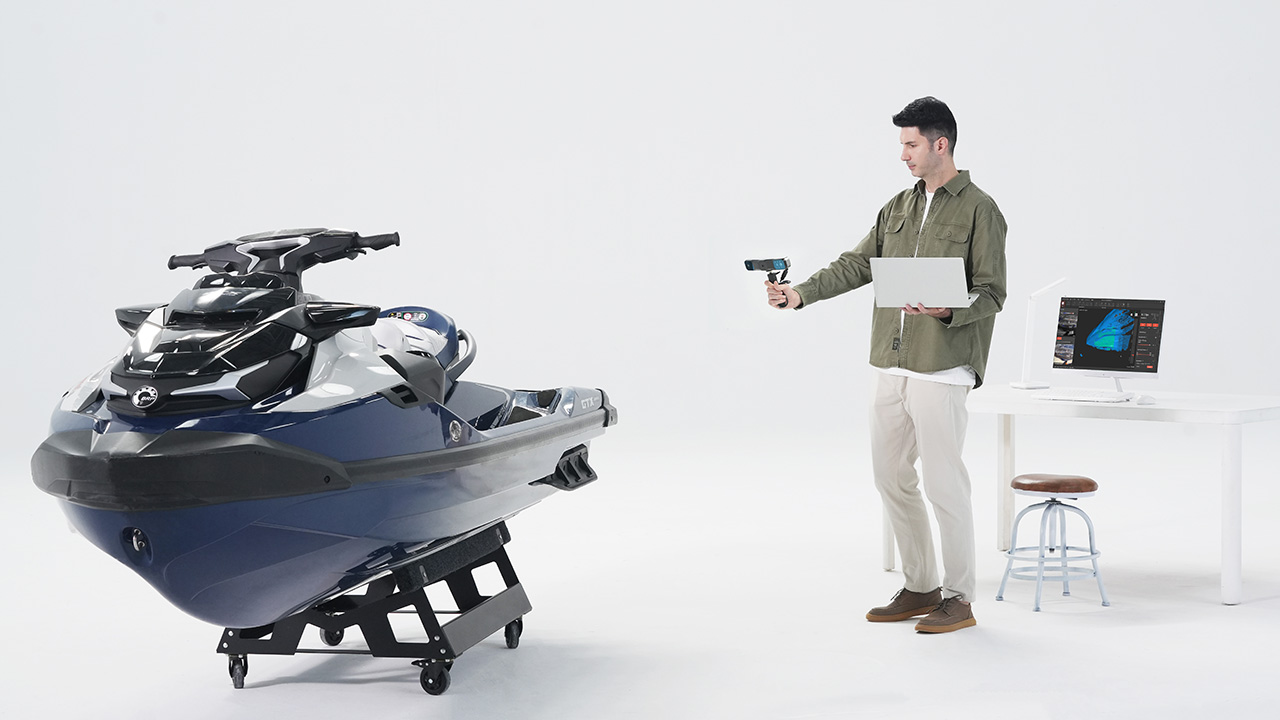
Typical handheld 3D scanners work great when working with small objects that are no larger than the device itself. Of course, real-world objects like car parts, whole vehicles, and even human bodies are quite big and push these smaller scanners to the limit. Enter the new Revopont RANGE 2, the latest in a line of lightweight but powerful 3D scanners designed to handle large objects without breaking a sweat, making sure that your creativity and productivity aren’t limited by the size of your model.

Designer: Revopoint Team

Click Here to Buy Now: $656.10 $729 (10% off, use coupon code “YKD10”). Hurry, deal ends in 48 hours!

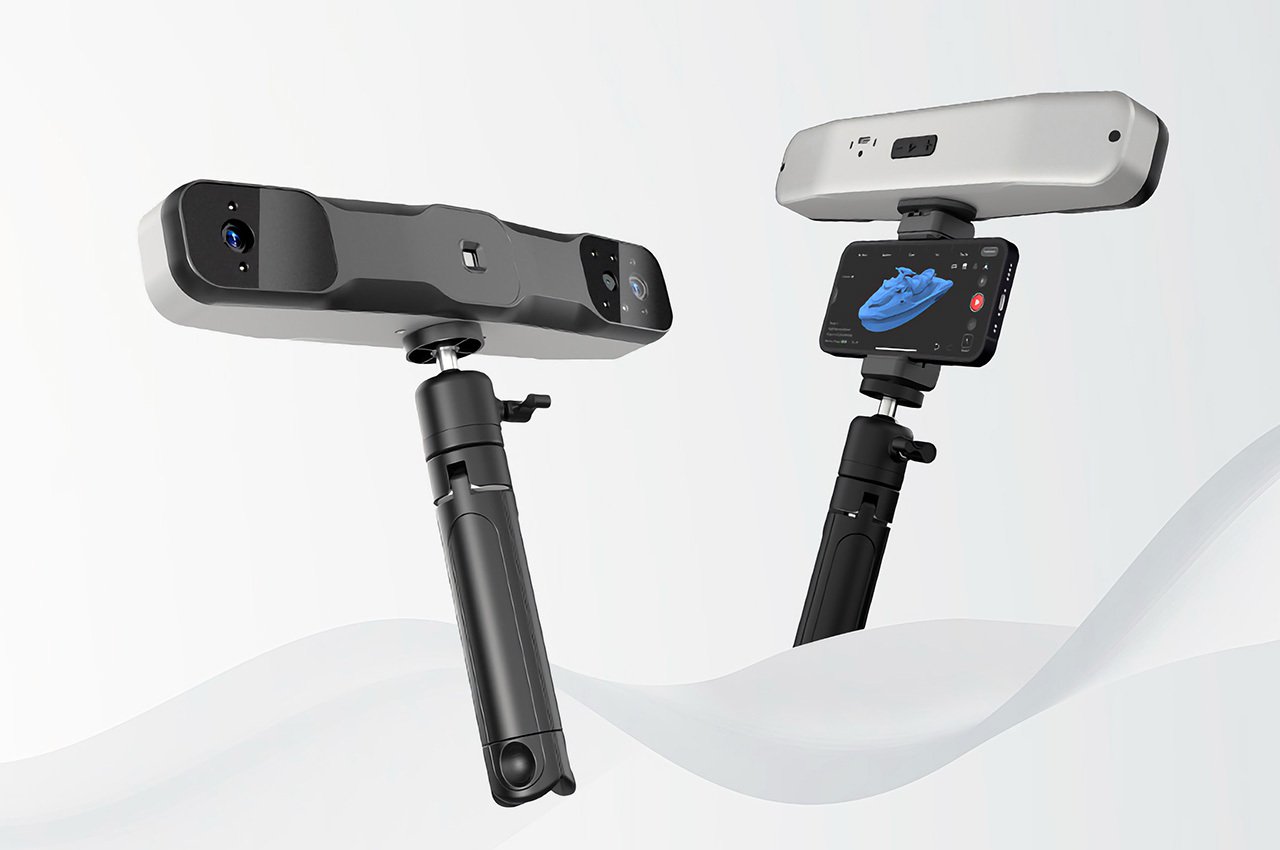
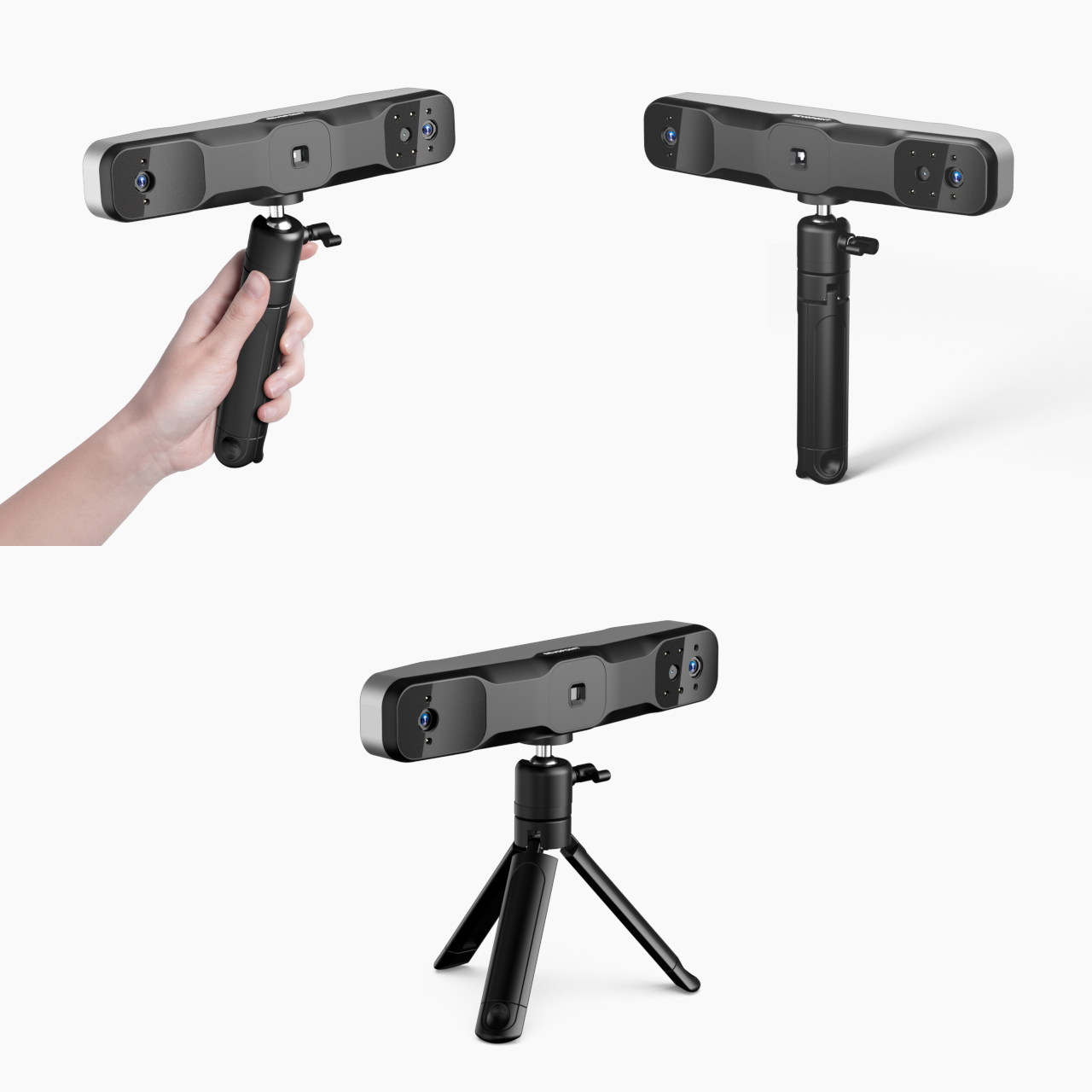
Revopoint RANGE 2 is a portable handheld dual depth camera structured infrared light 3D scanner designed for capturing large objects like furniture, people, and vehicles.

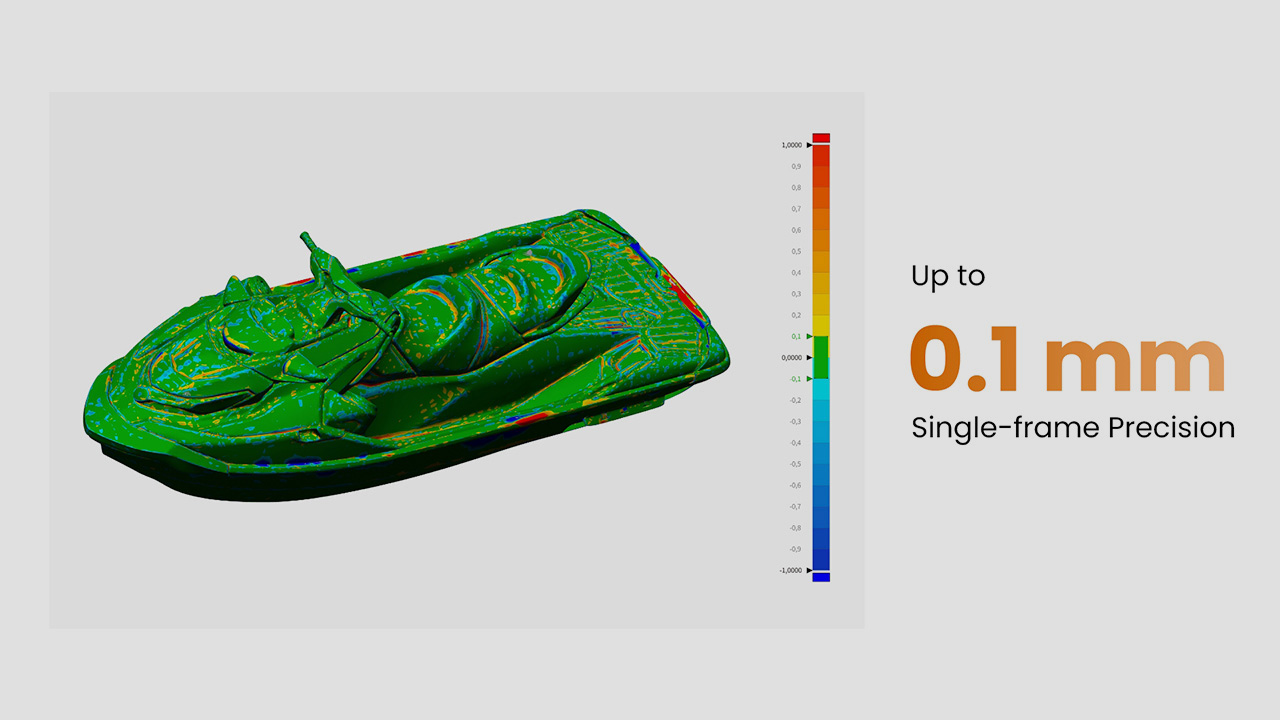
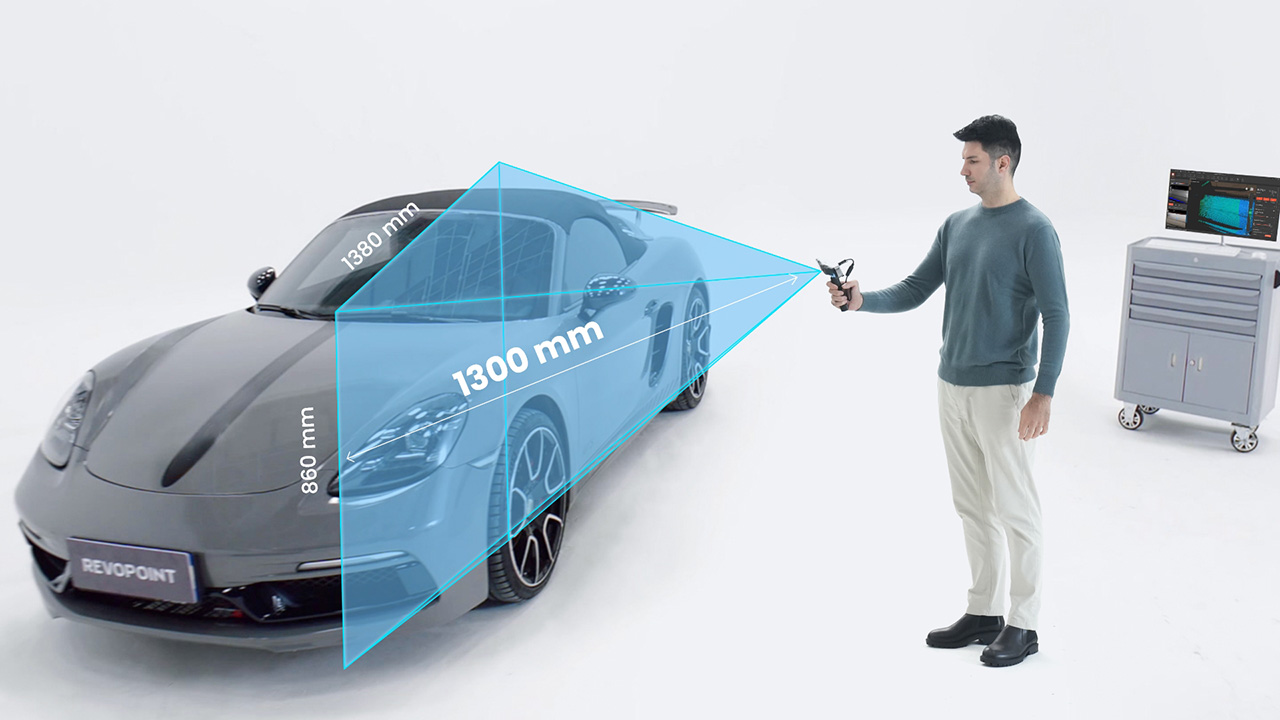
Because handheld 3D scanners work by guiding the depth cameras across and around the target, the devices need to be able to capture a great amount of detail with great depth quickly and steadily with accuracy and precision. That’s a rather tall order for a small device, especially one that is made to be accessible to both amateurs and pros alike, but Revopoint’s expertise really shines through with the upgrades that its RANGE 2 3D scanner packs in a compact and portable form. For example, thanks to new depth cameras that have double the sensor size, the Revopoint RANGE 2 can work on a distance ranging from 400 mm to 1,300 mm, a 60% increase that makes it even faster to capture large objects compared to the previous generation, and can scan an area up to 860 x 1380 mm in size.

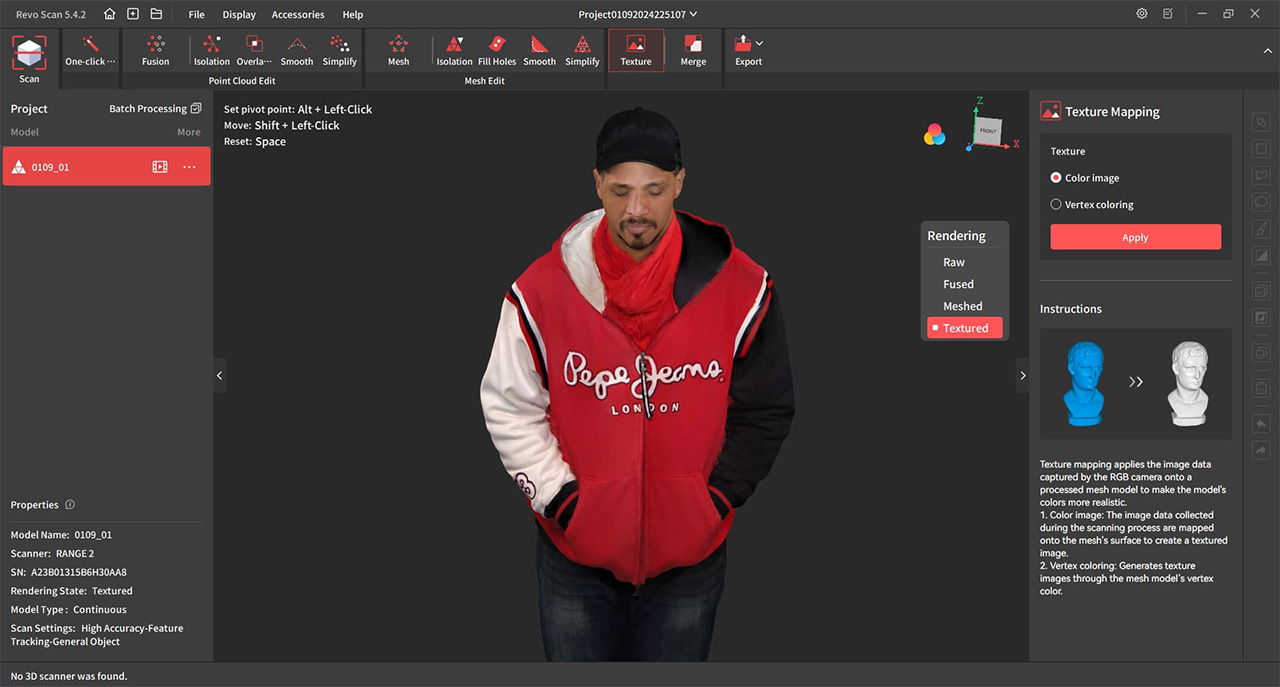
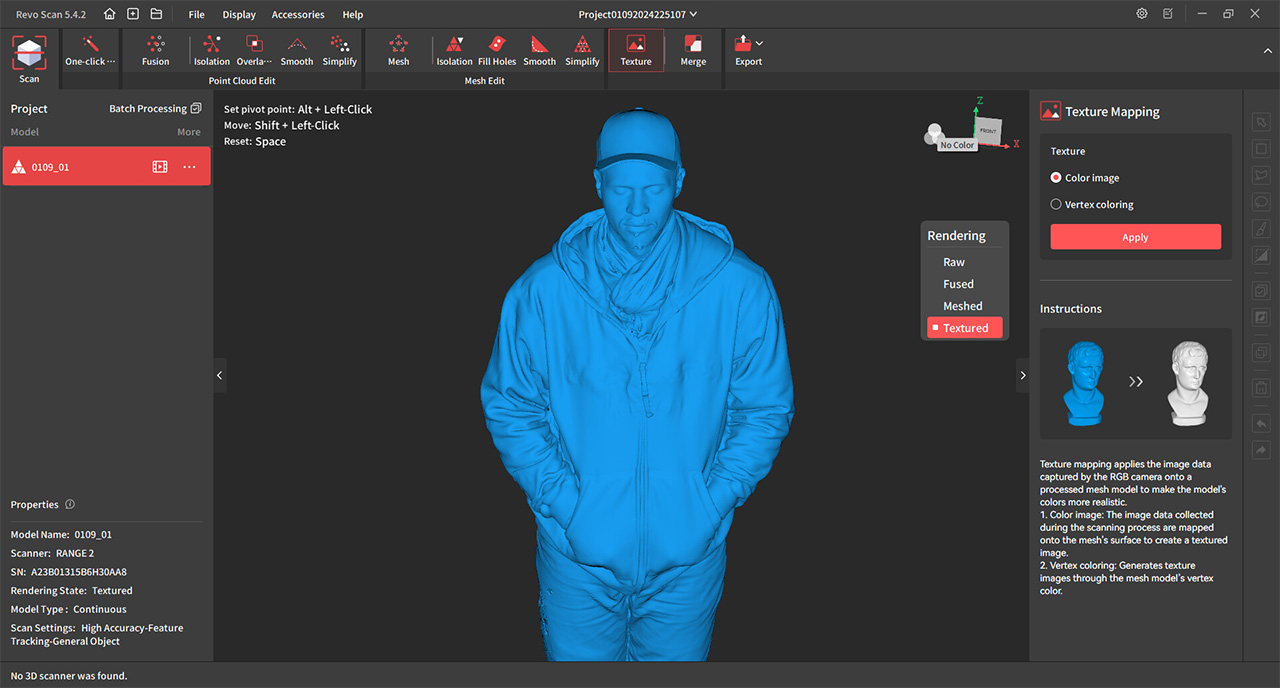
Scan of the body by Revopoint RANGE 2. Image credit: PUTV

Range isn’t the only thing that’s bigger and better on the RANGE 2, of course. Four flash LEDs banish shadows for a more uniform color capture, while an improved RGB camera with a bigger aperture is able to capture more color information, ensuring clear color capture with higher levels of detail for more accurate textures and realistic-looking 3D models. An upgraded tracking system utilizes the device’s built-in 9-axis IMU (Inertial Measuring Unit) to keep the scan steady even if your hands aren’t. Four Infrared LED fill lights also make it easier to recognize markers, resulting in more accurate frame stitching in marker mode.

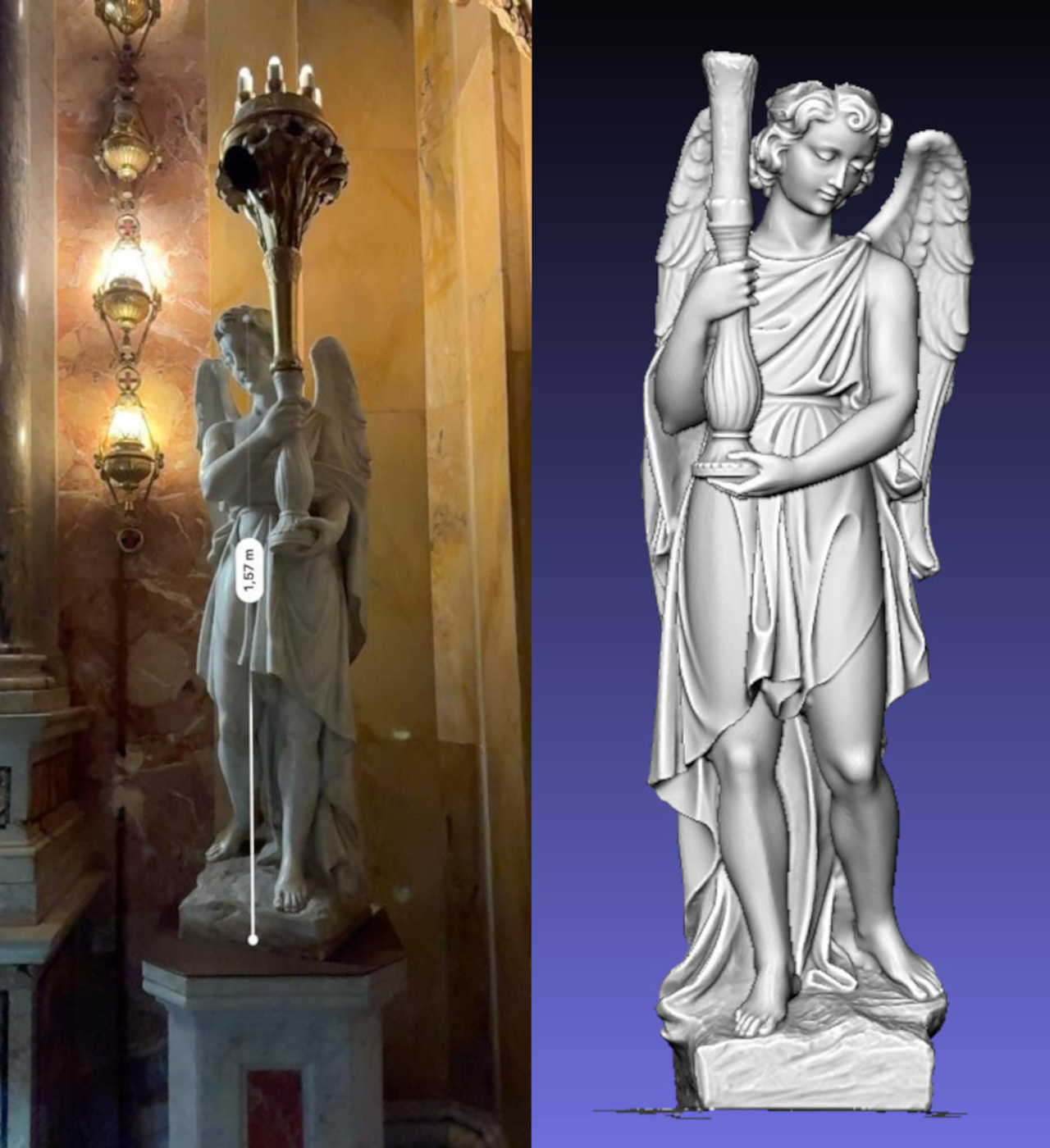
Angel Candelabra scanned with Revopoint RANGE 2. Image credit: dfodaro

Thanks to these powerful features, the Revopoint RANGE 2 is even more versatile and as flexible as before. With Wi-Fi 6 and USB-C connections, you can be assured that transmitting critical data will be fast and stable. As before, the scanner is compatible with Windows, macOS, Android, and iOS devices, functioning in handheld mode or set on a stand in front of a turntable. And with the Revo Scan 5 software, the scanning process couldn’t be easier, especially with post-processing features, such as frame editing, hole filling, overlap detection, etc, to enhance your workflow.

With the Revopoint RANGE 2 3D scanner, you have a whole new world of large objects you will be able to scan. You can easily scan car or mechanical parts, offering a cost-effective and high-performance way to study them through reverse engineering or produce replacements. Archaeologists, scientists, and museum creators can now also digitize artifacts to preserve them for posterity or turn them into XR experiences. And, of course, artists and creators now have a portable yet powerful tool to bring their ideas to life. Scanning big objects for your big projects will no longer be a problem with the new and improved Revopoint RANGE 2!

Click Here to Buy Now: $656.10 $729 (10% off, use coupon code “YKD10”). Hurry, deal ends in 48 hours!

The post Revopoint RANGE 2 3D scanner makes short work of scanning large objects first appeared on Yanko Design.
Acer Predator SpatialLabs View Pro at CES 2024 makes 3D really pop out

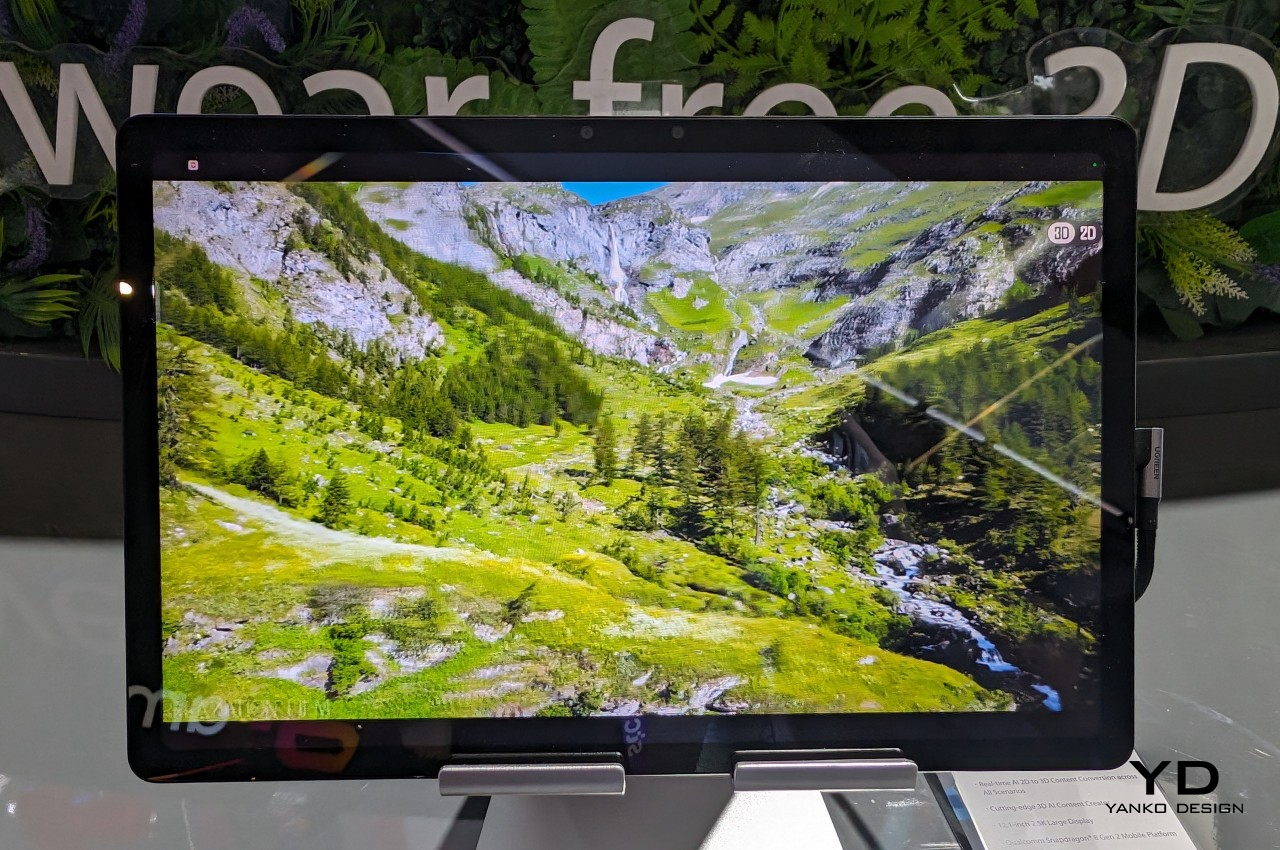
Mixed reality is a huge thing these days, especially with Apple finally throwing in its bet with the Vision Pro. But even without VR, AR, and everything in between, we’ve become used to and even dependent on 3D content, from games to interfaces to even NFTs. Even with the help of AI (which is quite controversial), creating this type of content is no easy task, especially because our computer screens are only capable of displaying flat 2D images. Whether it’s for appreciating 3D content or actually creating it, we need a better way to see in 3D without having to wear inconvenient glasses, which is exactly what Acer’s SpatialLabs Stereoscopic 3D products are bringing to the table at CES 2024.

Designer: Acer

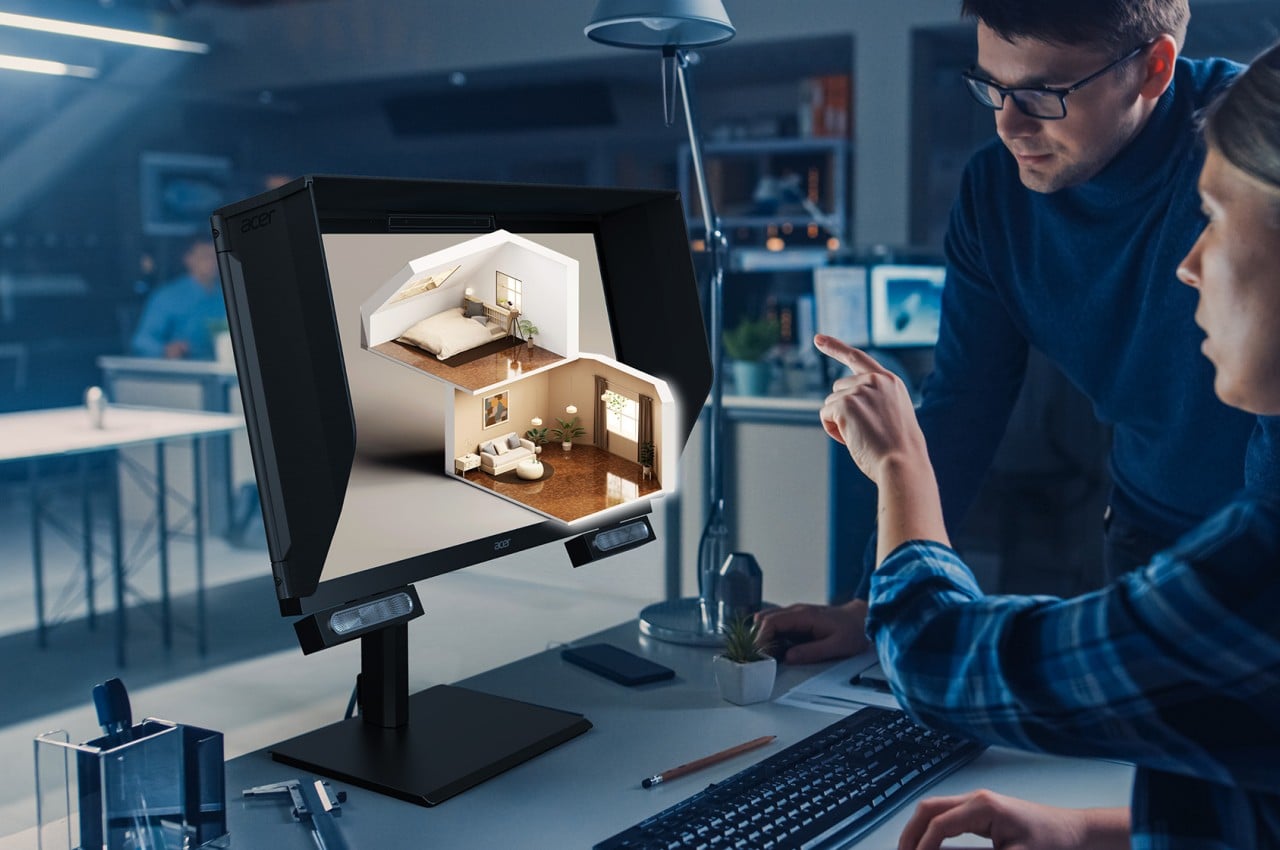
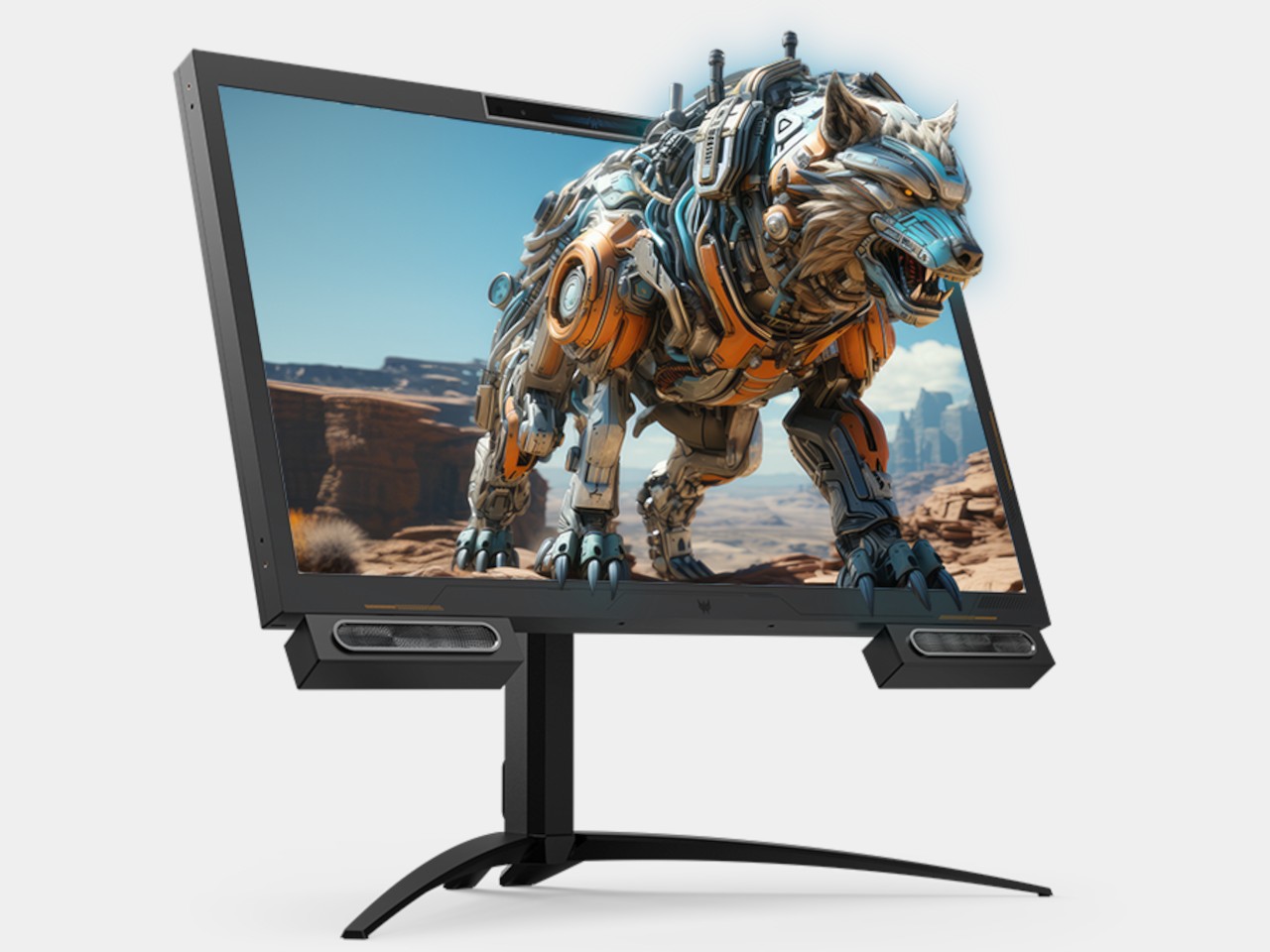
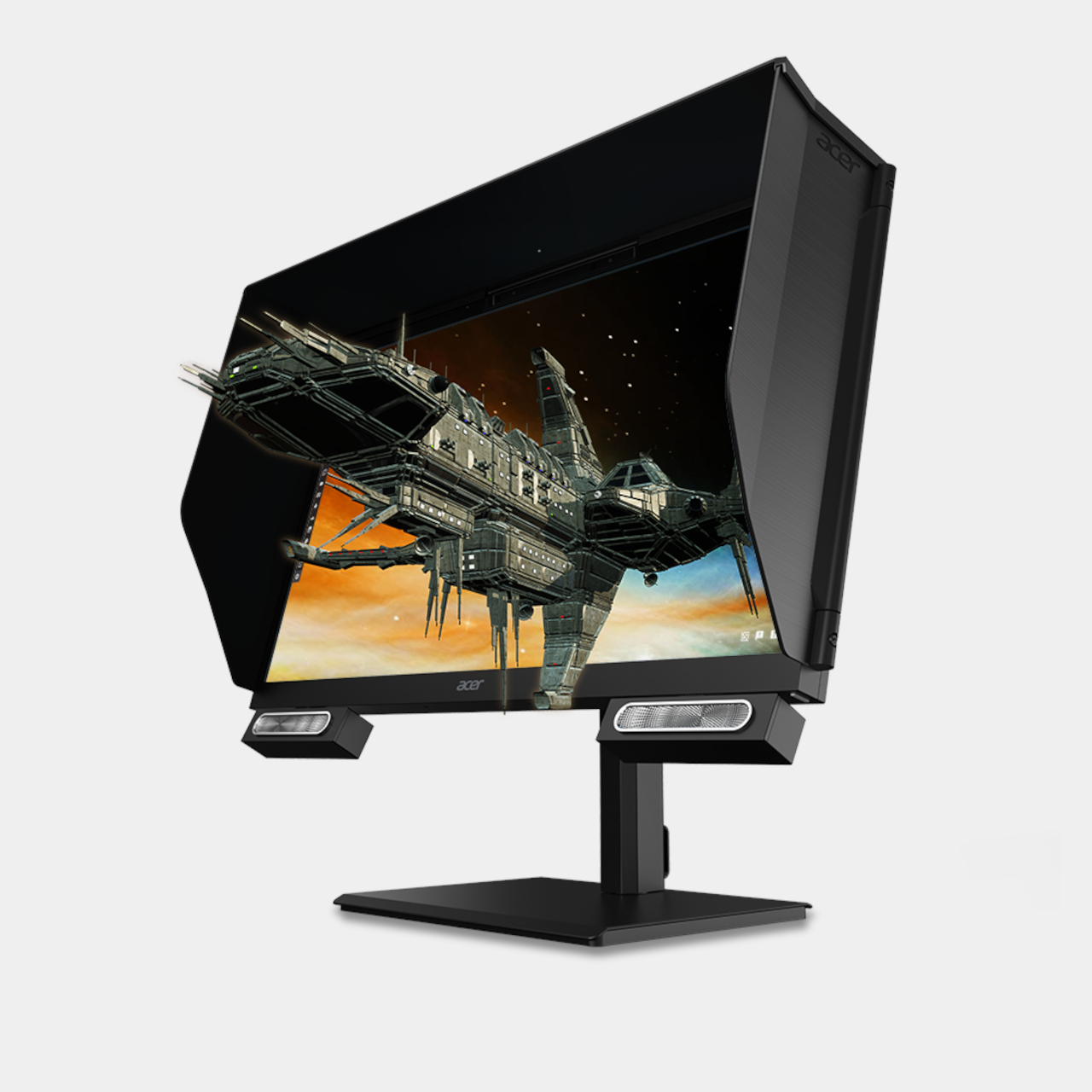
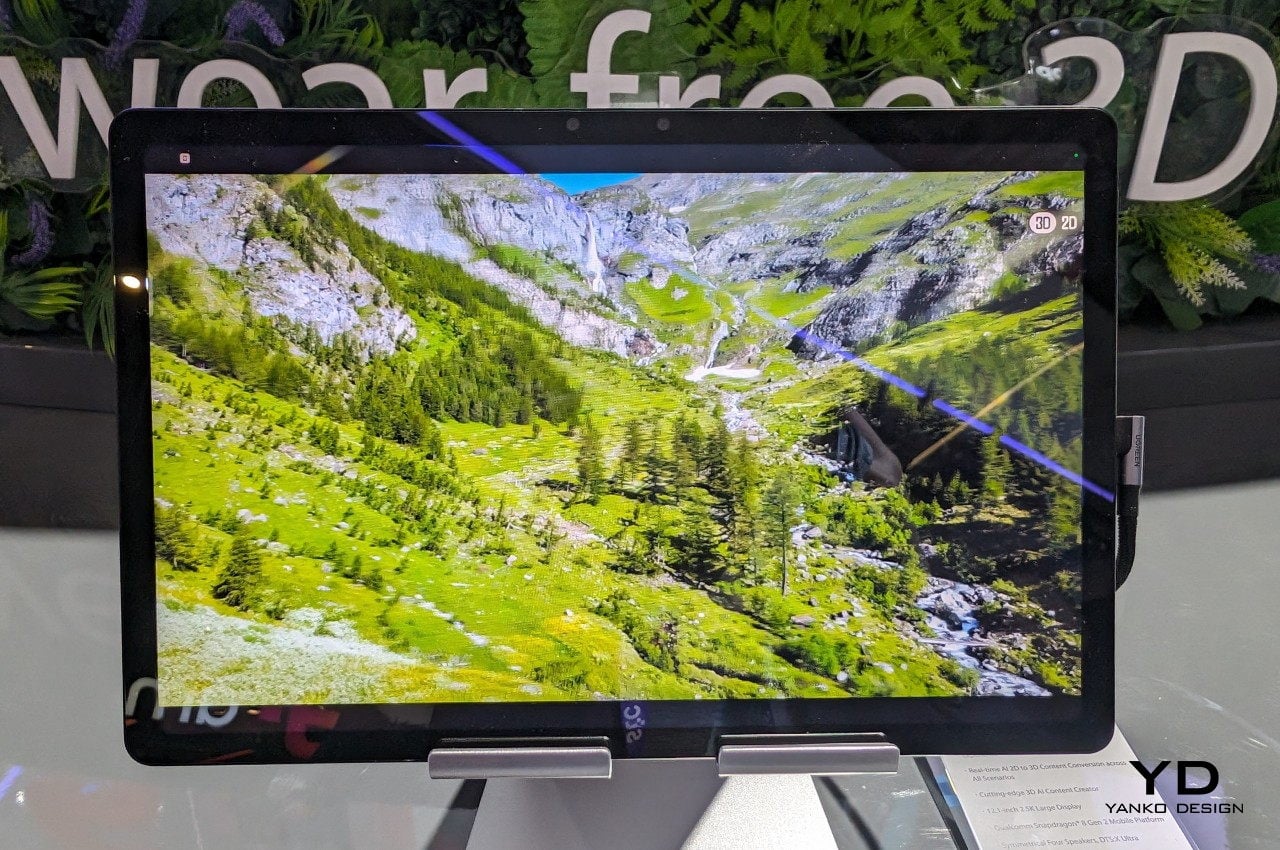
Most of us have probably experienced watching a film in “true” stereoscopic 3D and how convincing the effect can be. Of course, even the most advanced theater systems require you to wear specialized glasses to experience this, otherwise, you’ll only get disconcerting blurry images. That’s not exactly an ideal situation to be in, especially if you have to work for hours on crafting a 3D model. Thankfully, PC makers are developing technologies that can bring that same vision to desktops and laptops, and the new Acer Predator SpatialLabvs View Pro 27-inch 4K monitor is the latest tool to be added to creators’ arsenal.

Thanks to special cameras, this kind of monitor can follow the viewer’s eyes and instantly adjust its display, creating a stereoscopic 3D image without having to put anything on your face. The new Predator SpatialLabs View Pro improves the experience with a second virtual camera, rendering 3D content as intended by designers and developers. Acer’s Immerse Audio complements these visuals with spatial sound technology, leveraging AI-driven beamforming and head-tracking to create the effect of surround-sound audio without wearing headphones as well. While these features directly benefit 3D games, they’re also useful in helping designers and creators craft a more convincing stereoscopic 3D experience since they’re able to see and hear it directly for themselves.

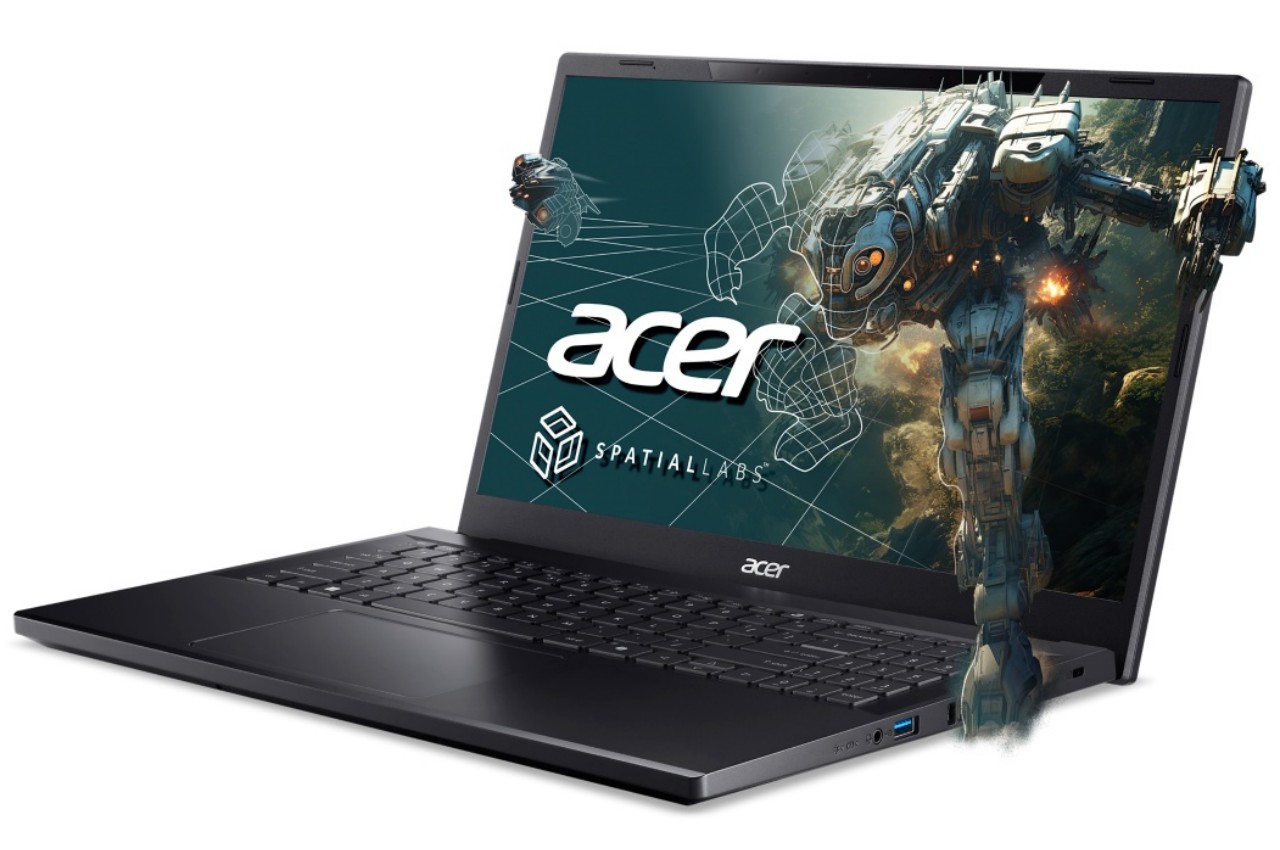
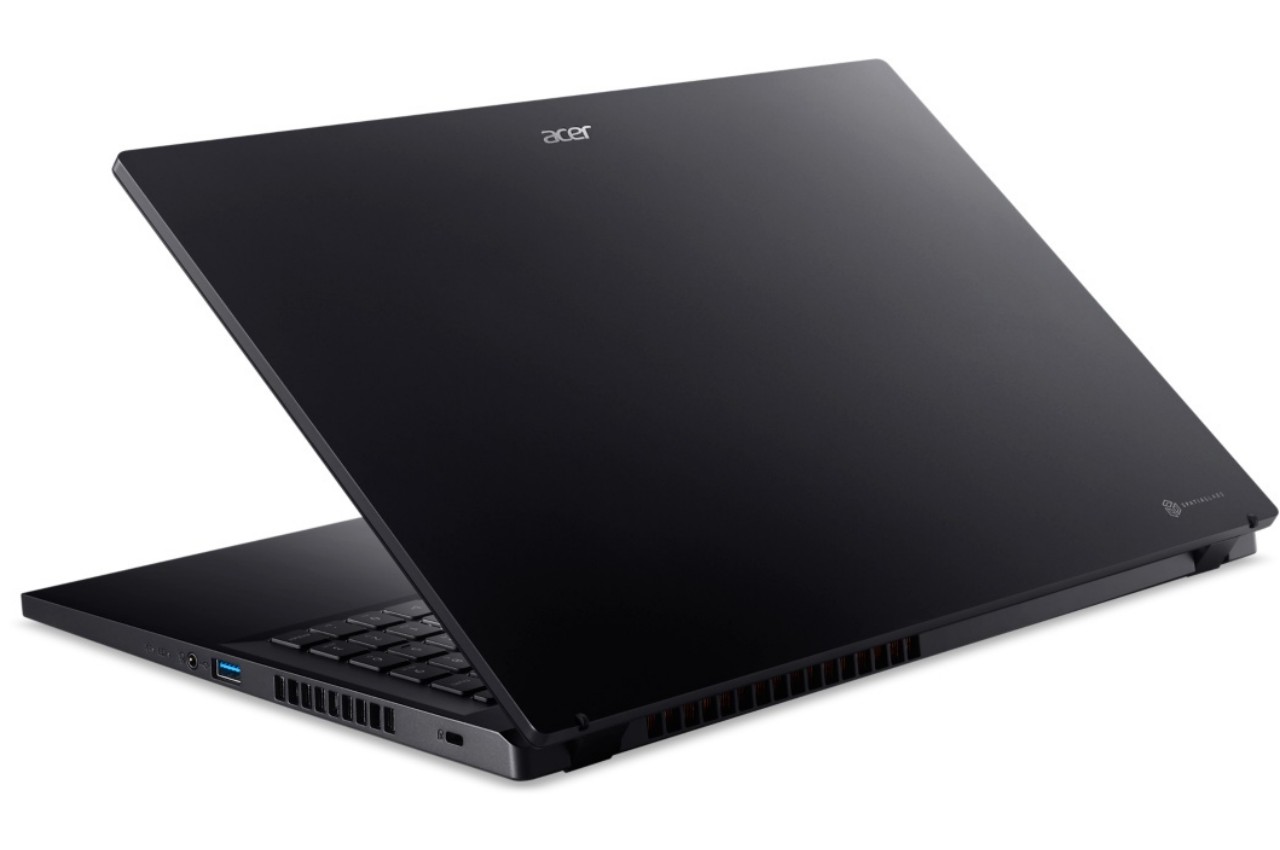
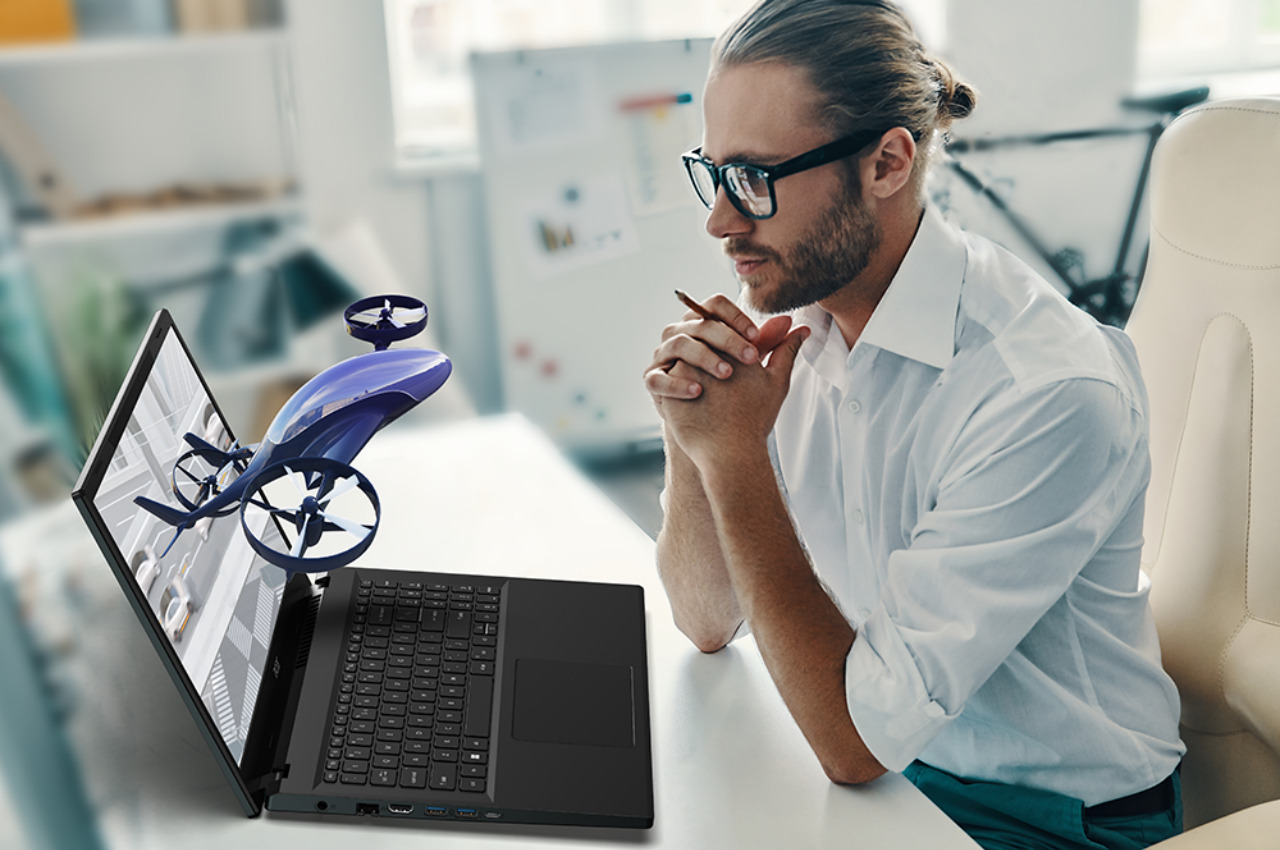
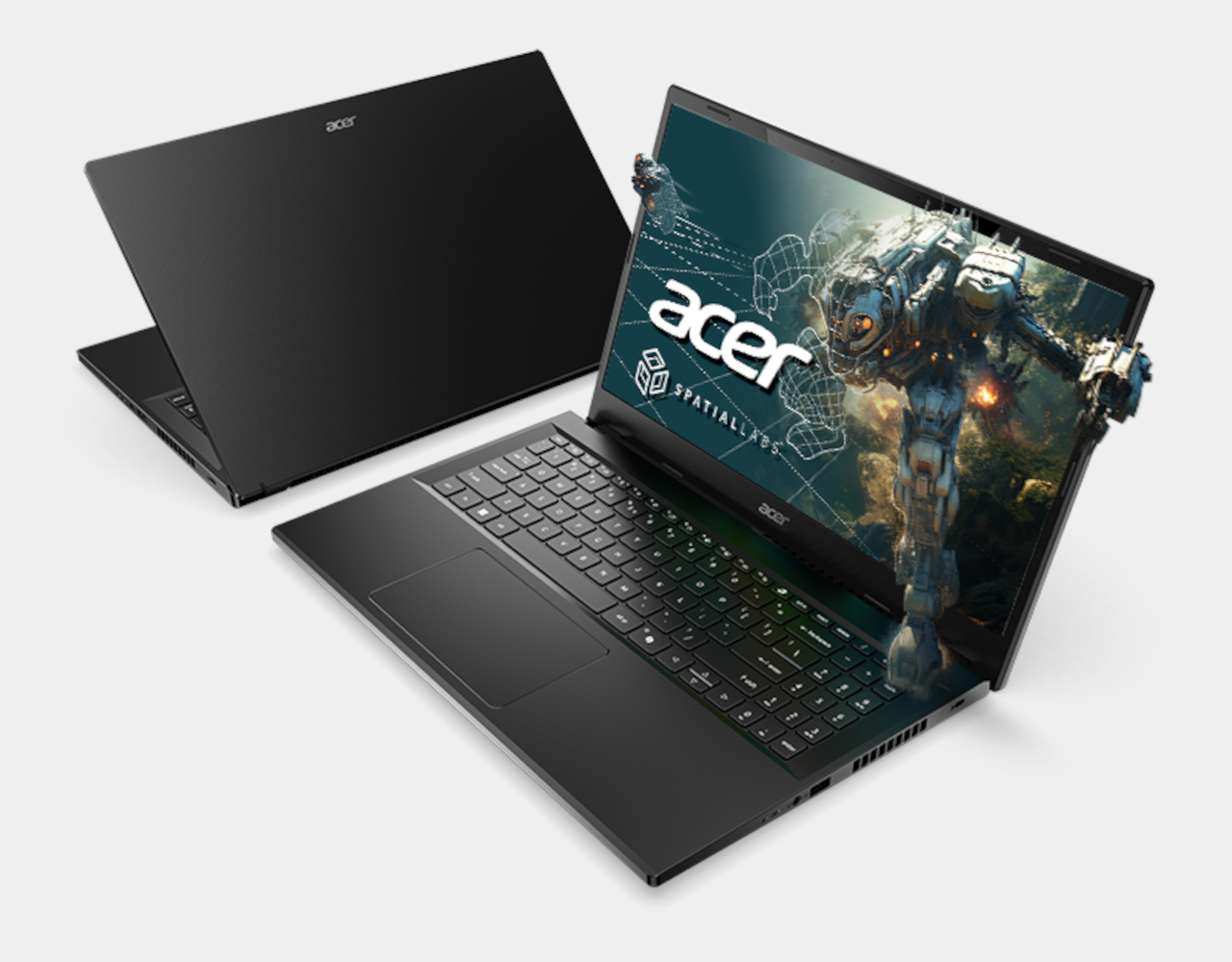
For creators on the go, the Acer Aspire 35 15 SpatialLabs Edition offers a more portable version of this same stereoscopic 3D magic. In addition to viewing 3D content as they were intended to be seen, Acer’s SpatialLabs Go software can even transform flat 2D content into mind-blowing 3D images instantly, thanks to some AI help, of course. With up to an Intel Core i7-13620H processor and NVIDIA RTX 4050 laptop graphics, this portable workstation is built to serve the needs not just of gamers but also of professionals who need to take their 3D craftsmanship to the next level.

Whether it’s for leisure or for work, Acer’s latest line of SpatialLabs stereoscopic 3D products will bring those 3D objects to life without burdening your eyes and your head with unnecessary peripherals. The Acer Predator SpatialLabs View Pro 27 will be available in North America in the second quarter of 2024 with a starting price of $1,999, while the Acer Aspire 3D 15 SpatialLabs Edition will land in North America next month and will start at $1,399.99.

The post Acer Predator SpatialLabs View Pro at CES 2024 makes 3D really pop out first appeared on Yanko Design.
3D modeling device concept imagines what it’s like to create 3D with 2D tools

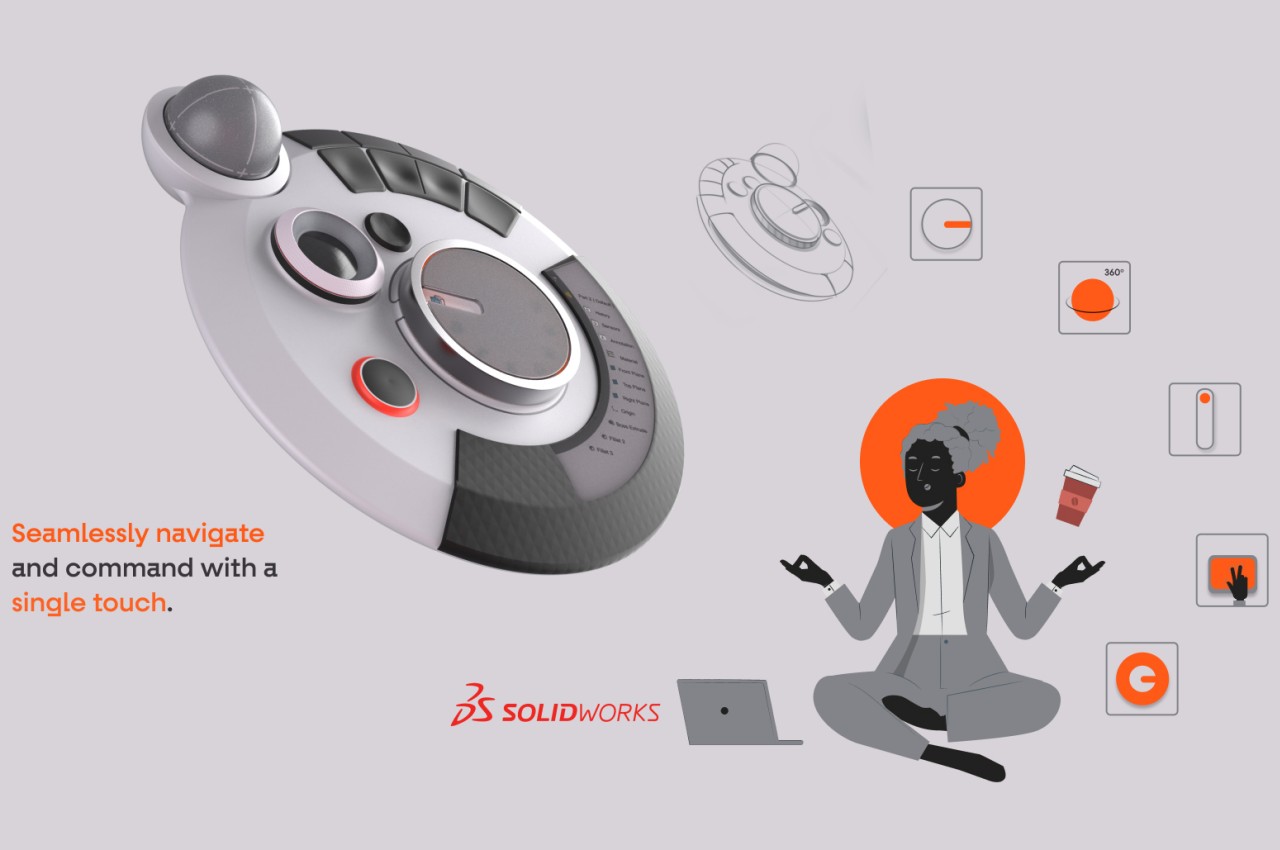
We live in a three-dimensional world, but we see the digital world through flat computer screens. That’s why 2D input devices like mice, trackballs, and pens are fine for most creative work that is made to be seen in 2D anyway. With the increase in 3D objects in mixed reality spaces, however, these tools are no longer sufficient and can even become painful to use. Our hands are used to manipulating real-world three-dimensional objects, but our computer tools are confined to the 2D space, making them inefficient and counterintuitive. For the new age of 3D, we need newer and better tools designed specifically for those needs, and this concept imagines a new device designed from the ground up to offer a better way to create those 3D models that will populate the virtual worlds of the future.

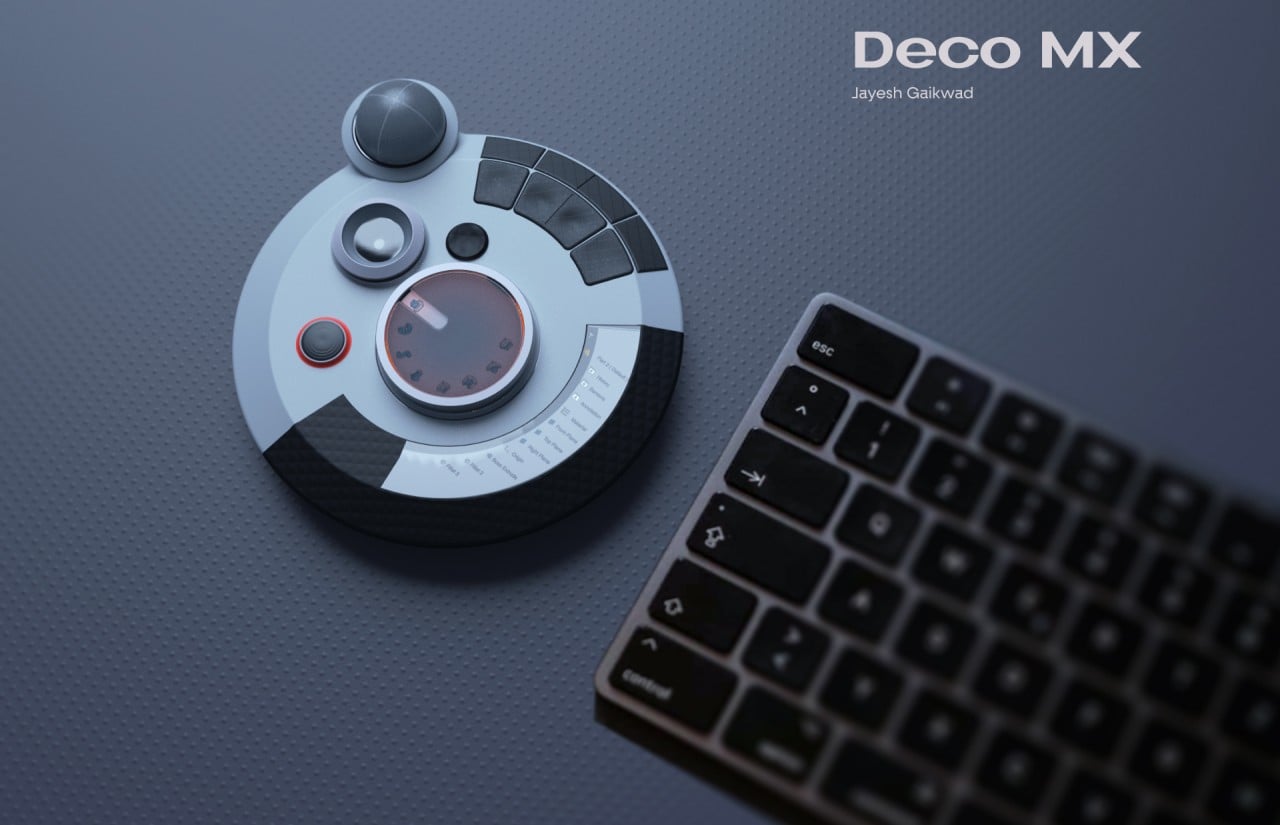
Designer: Jayesh Gaikwad

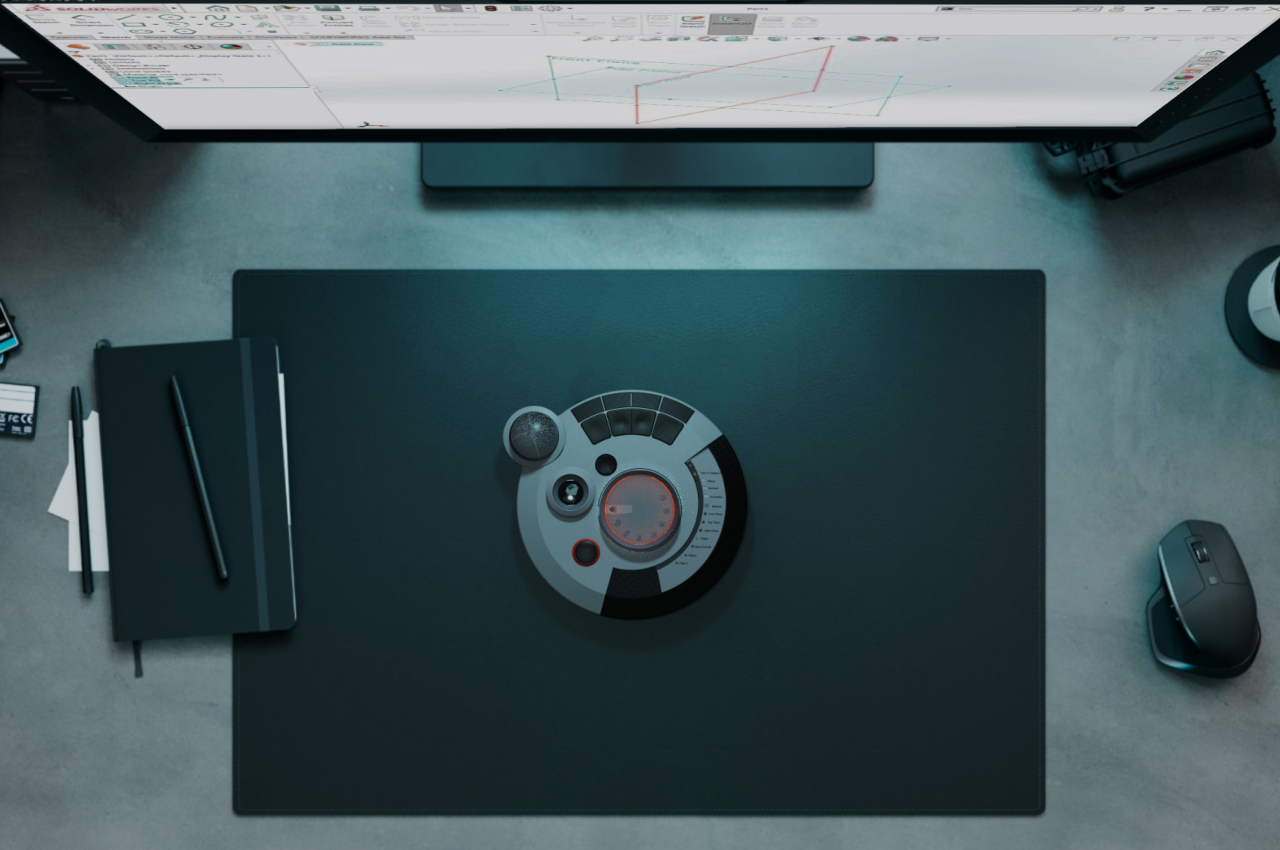
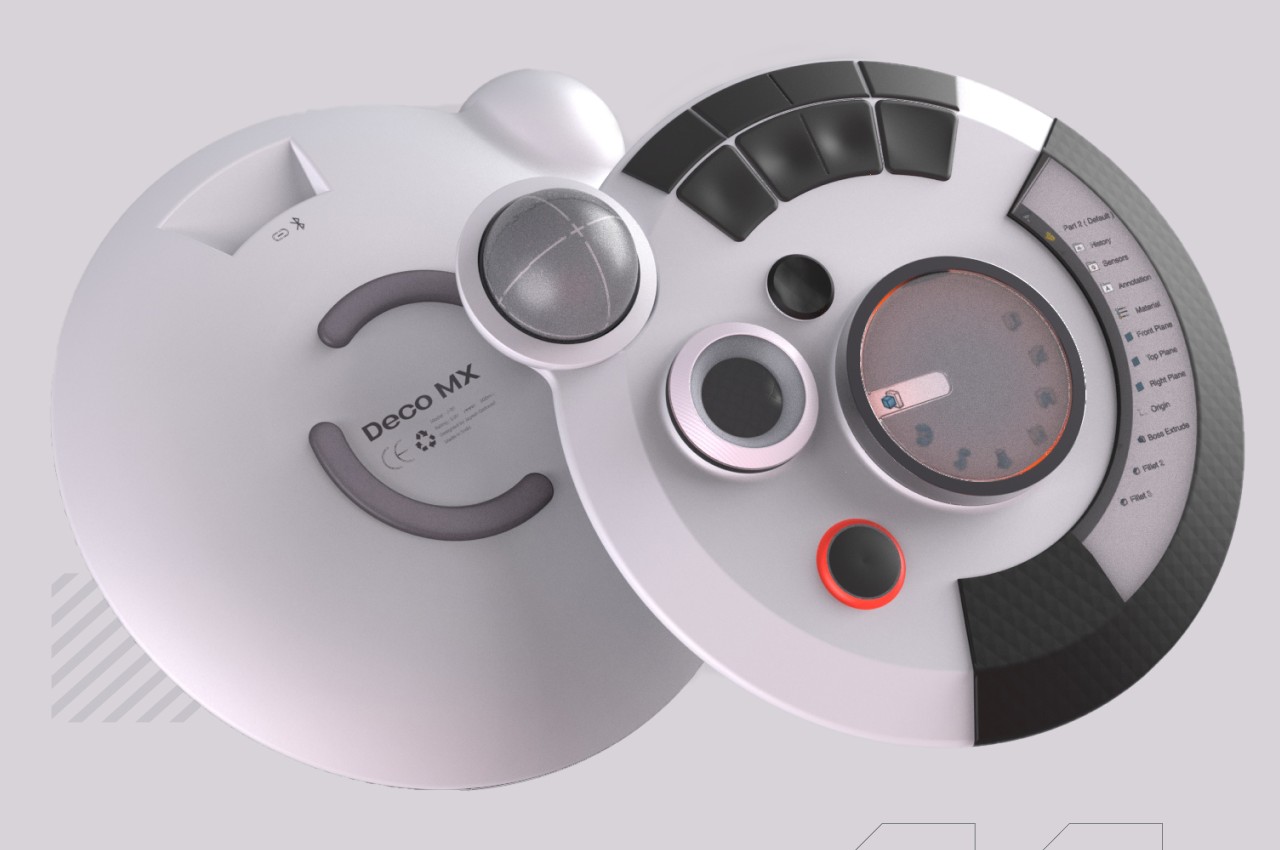
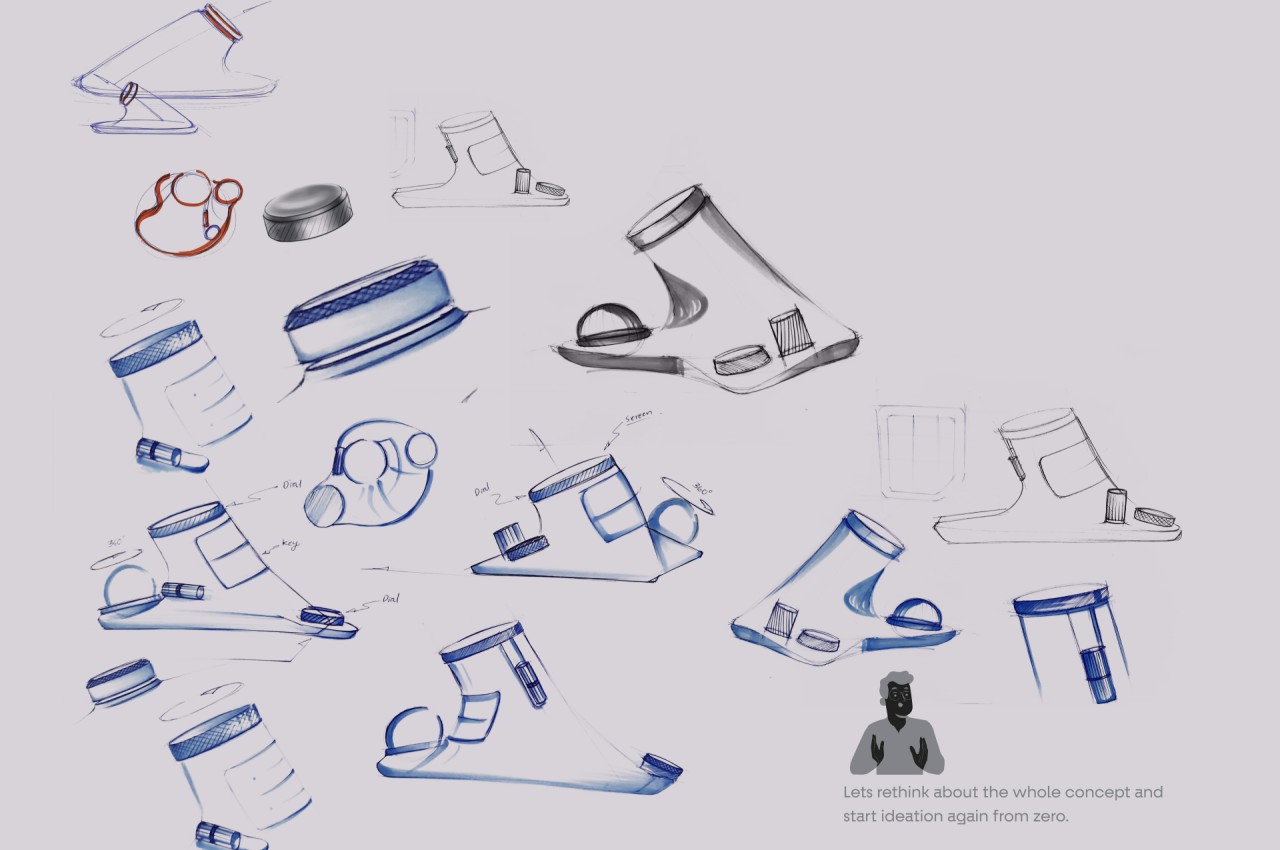
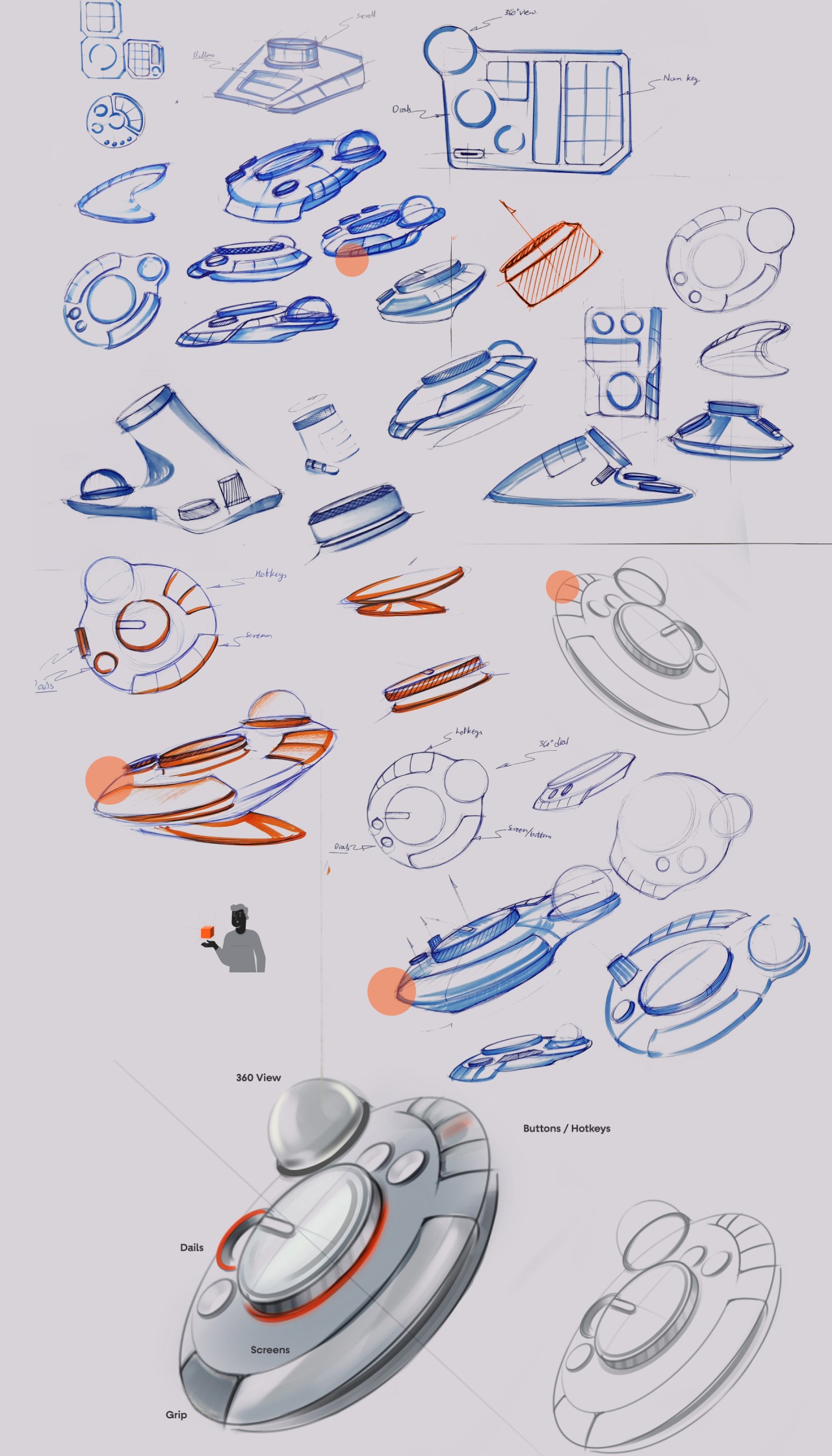
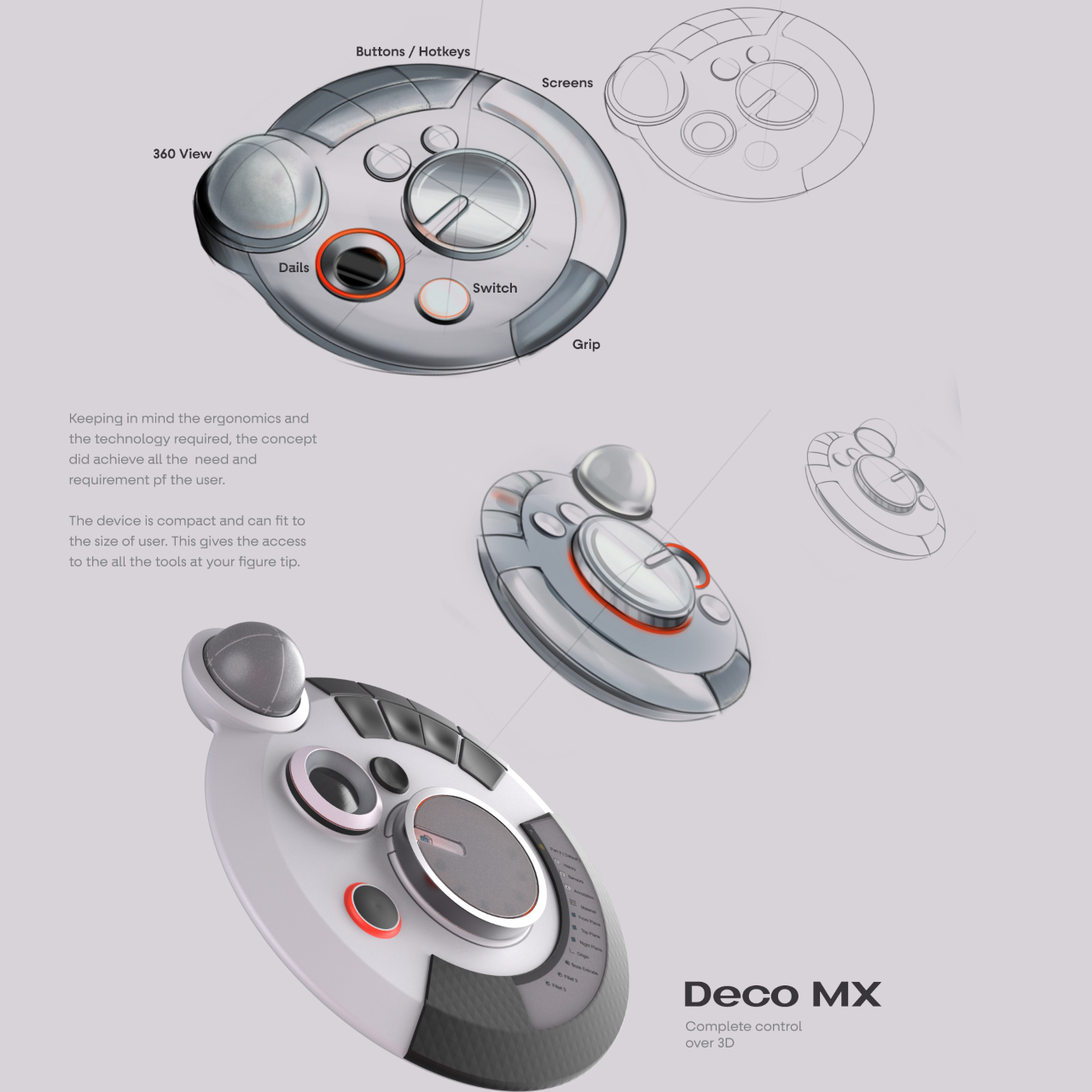
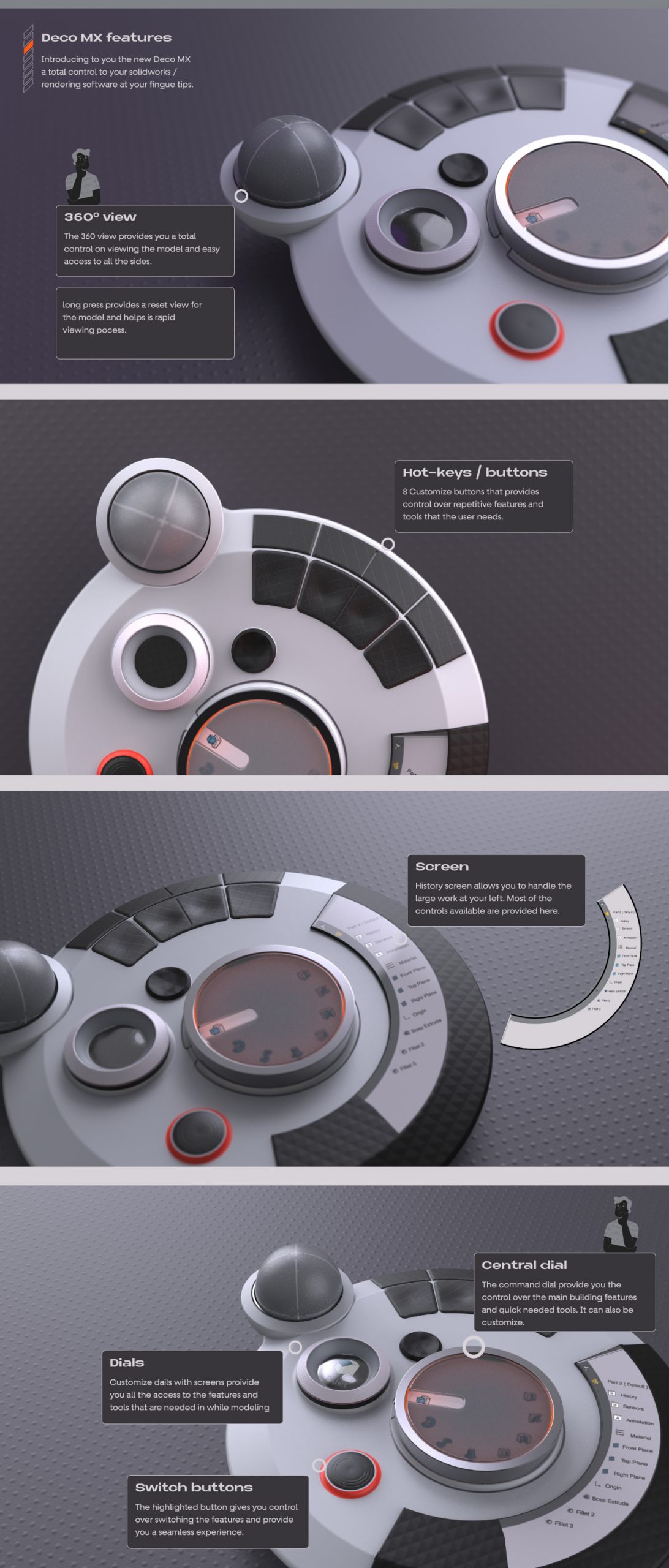
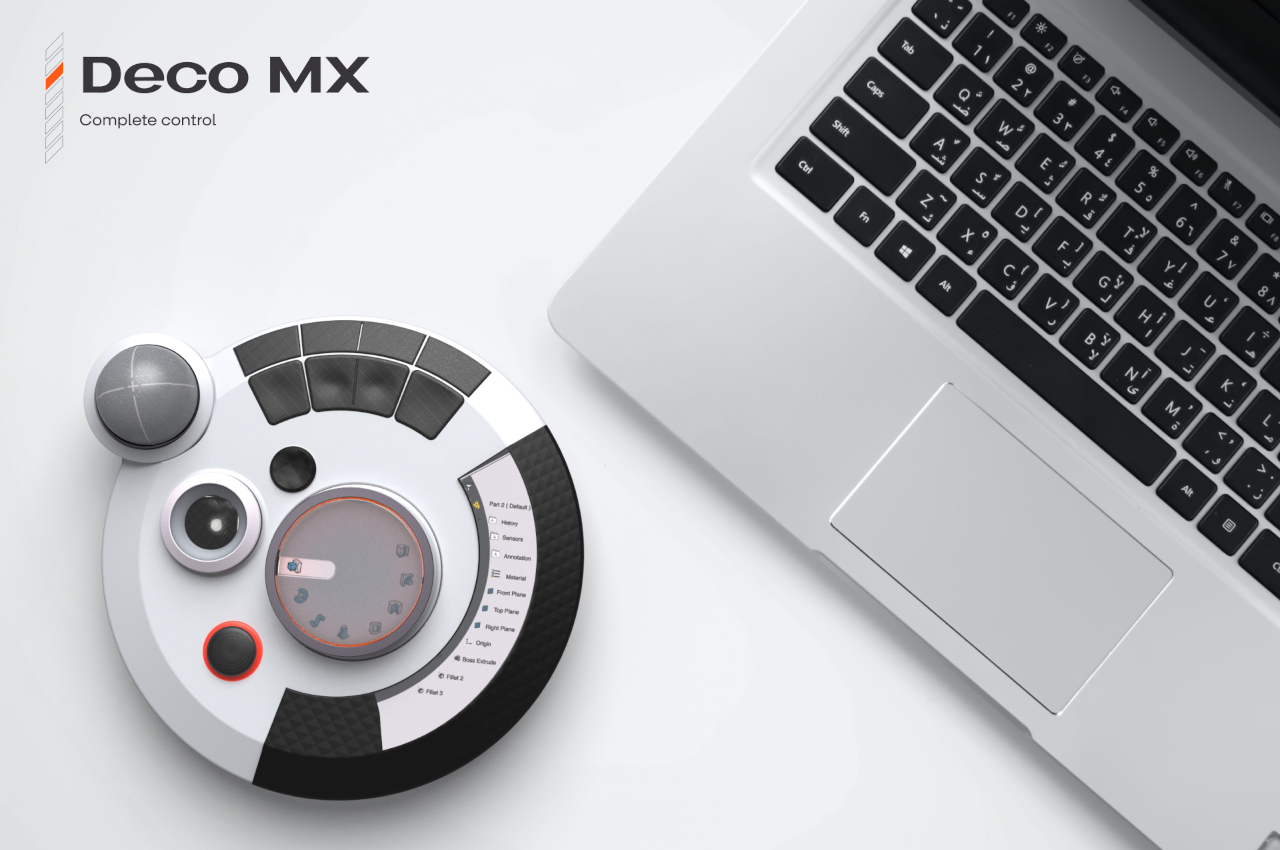
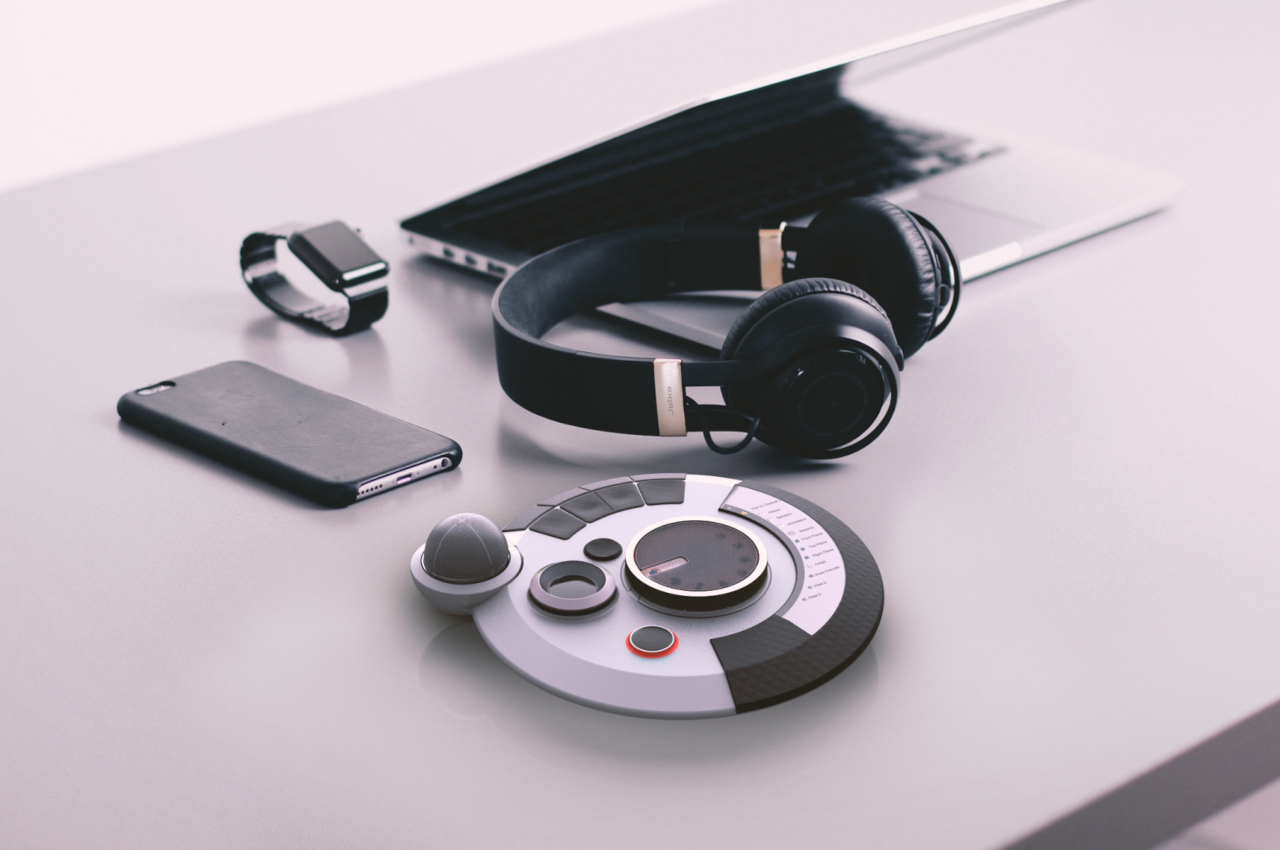
You might brush the Deco MX off as a glorified trackball, but that couldn’t be farther from the truth. After all, a trackball is still just like a mouse that moves a cursor on a 2D screen. You can use that cursor to move and rotate a 3D object, but it’s a clumsy and awkward gesture that doesn’t map what we have in our mind when we want to turn those 3D objects living inside our flat displays. That’s what that ball in the corner of the Deco MX is for, letting you rotate an object more naturally in all three axes, making it easier to see the 3D model from all angles.

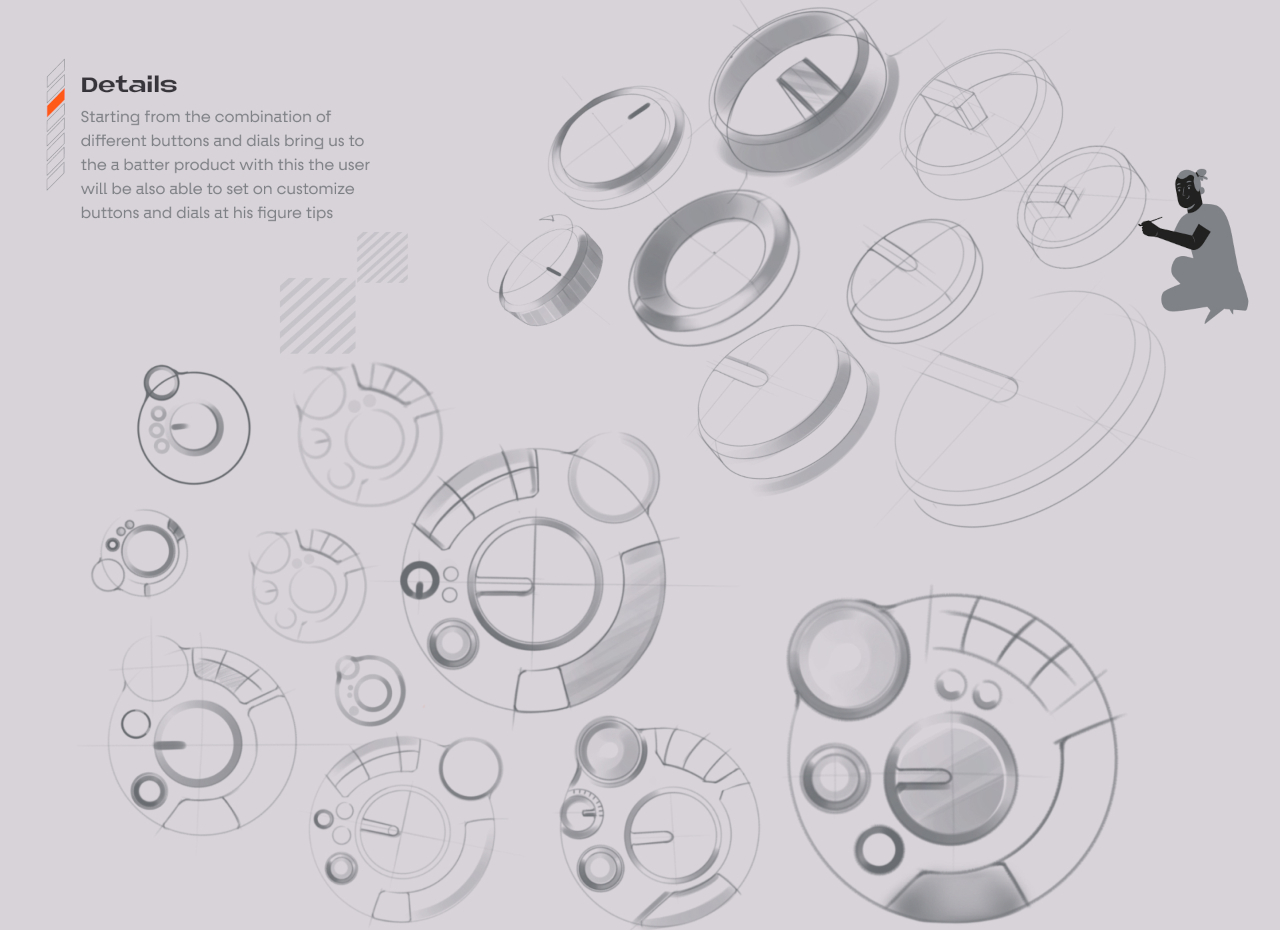
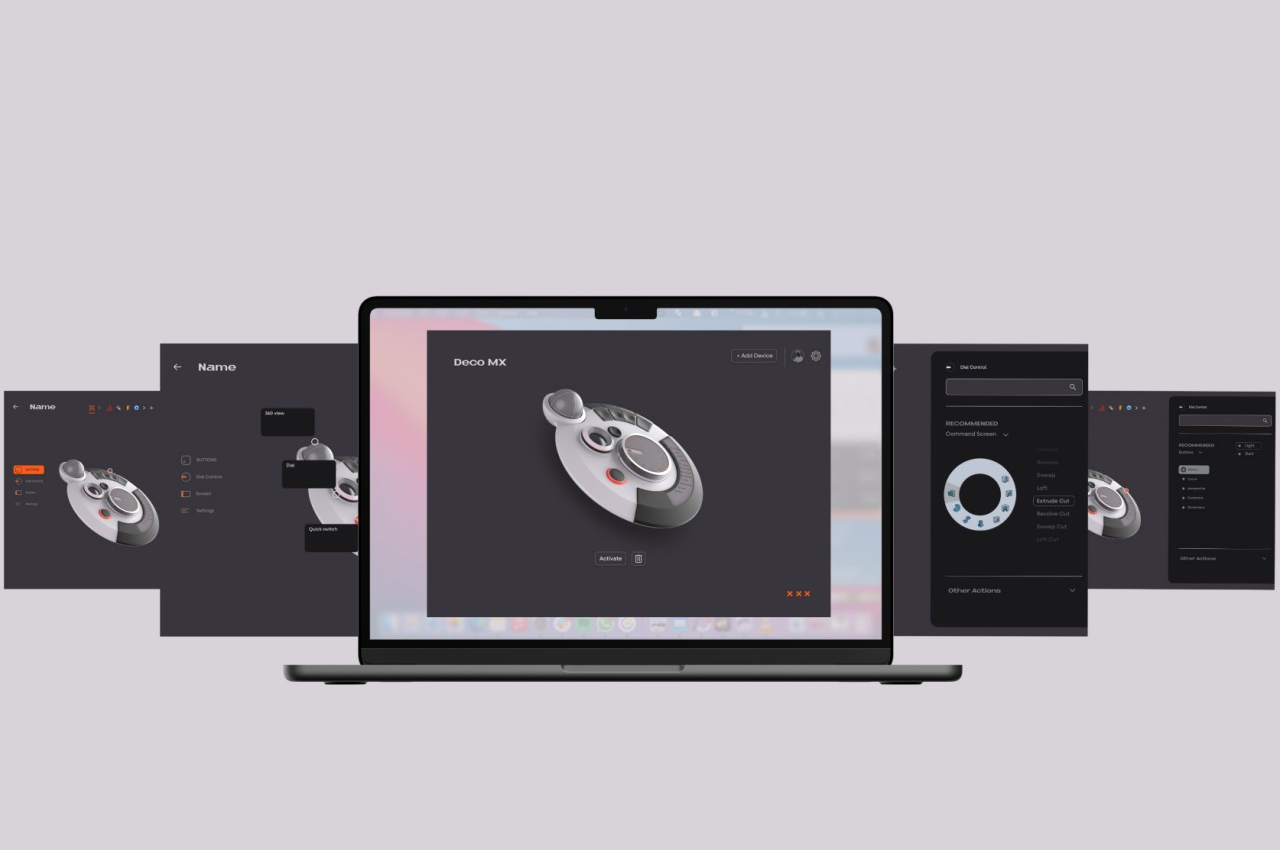
The rest of the device is made to give easier access to the tools that a designer needs when building those 3D models. There are programmable buttons to set your own shortcuts within the app, as well as dials to switch tools quickly. The central dial is, in fact, the biggest control on the Deco MX, and it gives access to the most common building and editing tools in a program. You can change which tools those are to suit your workflow, of course.

What makes the Deco MX extra interesting is the amount of screen on it. There’s one that arcs to the side, showing a history of actions you’ve taken so far. The central dial also has a screen underneath that changes depending on the tools you’ve set to be your favorite ones. There’s also a small circular screen to the side that shows you the currently selected tool without having to squint your eyes too hard.

While this 3D modeling device offers an innovative interface, the software we use today still presumes a 2D input device like a mouse or a stylus. Deco MX still can’t replace that and is instead designed to supplement it, perhaps taking the place of a large and cumbersome keyboard. Admittedly, the existence of screens on the device might actually make it harder to actually produce, but the concept has enough strong points that manufacturers should consider, especially as we journey deeper into mixed reality worlds.

The post 3D modeling device concept imagines what it’s like to create 3D with 2D tools first appeared on Yanko Design.