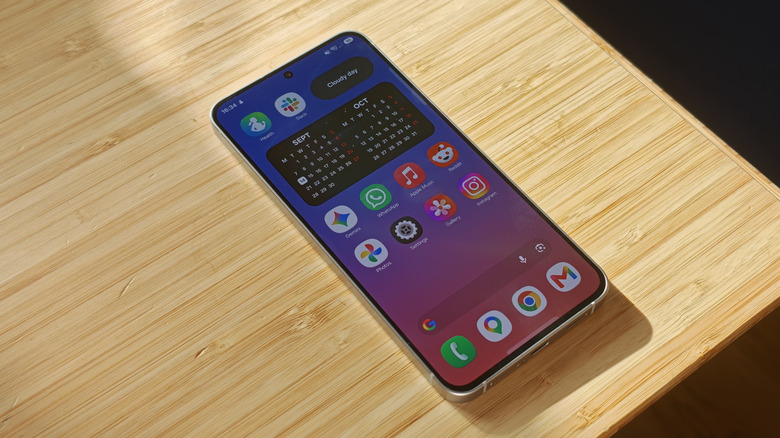
Samsung Galaxy S26 FE review: An incremental price hike for incremental updates
It's tough times for the midrange phone.
The latest Bazzite 44 update brings a host of enhancements aimed at improving gaming compatibility, hardware support and overall user experience. Gardiner Bryant highlights key additions like the Input Plumber, which simplifies controller management and input remapping and the SteamOS Manager, offering streamlined session switching and TDP control for better performance and energy efficiency. Notable […]
The post Bazzite 44 Enables HDMI 2.1, Variable Refresh Rates and More appeared first on Geeky Gadgets.


When you ask an AI a question, what happens behind the scenes is far more intricate than it seems. Two Bit da Vinci explores how AI systems process queries, breaking down the journey from your input to the final response. Central to this process is inference, where neural networks with billions of parameters analyze your […]
The post How Your AI Questions Are Answered: Inside Modern Data Centers appeared first on Geeky Gadgets.
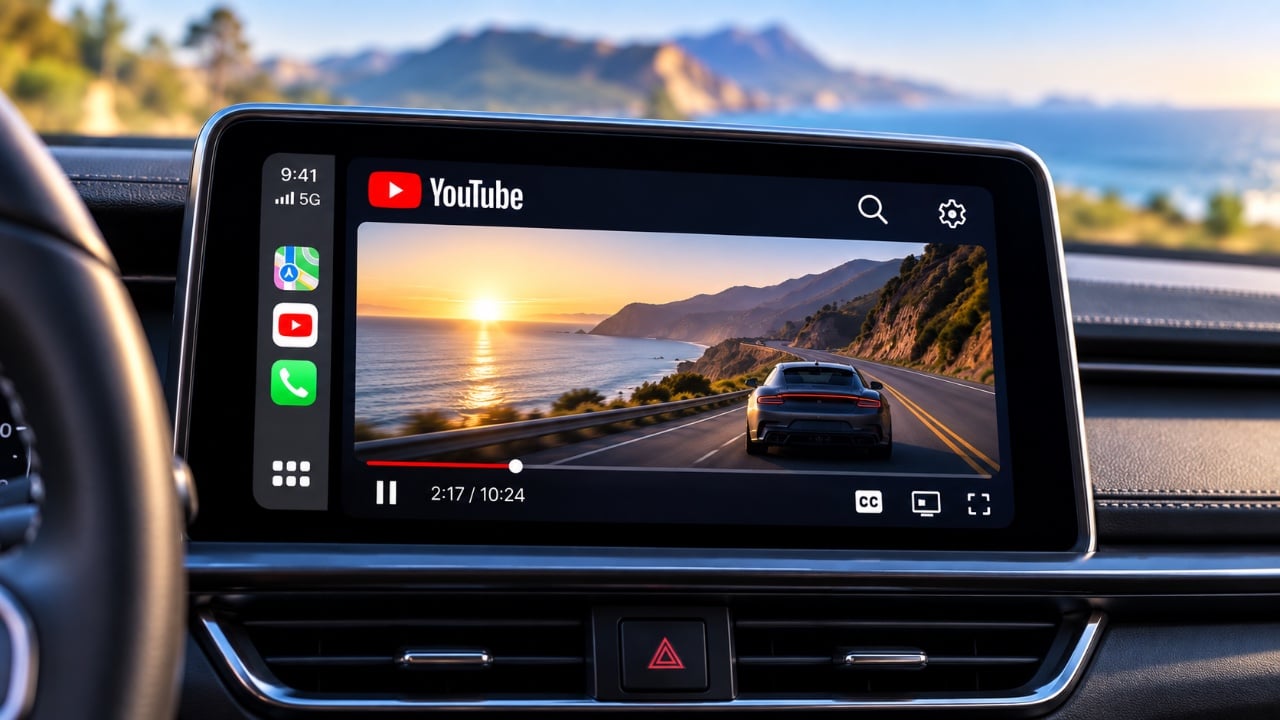
Apple’s iOS 27 introduces a highly anticipated feature for CarPlay users: the ability to stream YouTube videos directly on your car’s infotainment display using a third-party app. This new functionality is powered by the beta app “Cafari”, which integrates seamlessly with CarPlay-enabled vehicles. Importantly, this feature does not require any additional hardware or aftermarket modifications, […]
The post iOS 27 Lets You Watch YouTube on Apple CarPlay: How It Works appeared first on Geeky Gadgets.
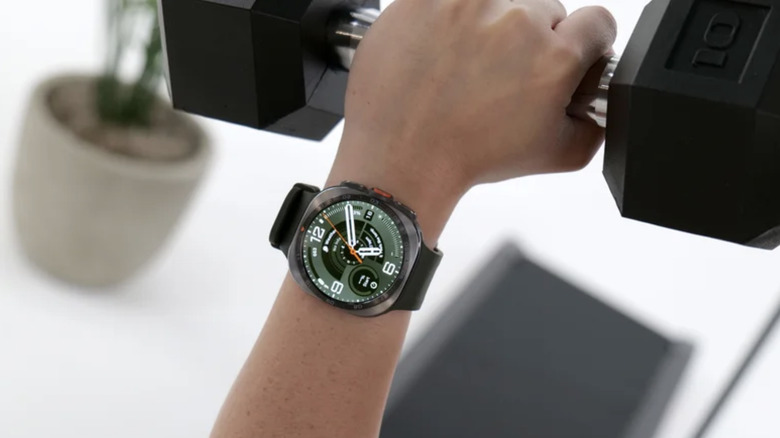
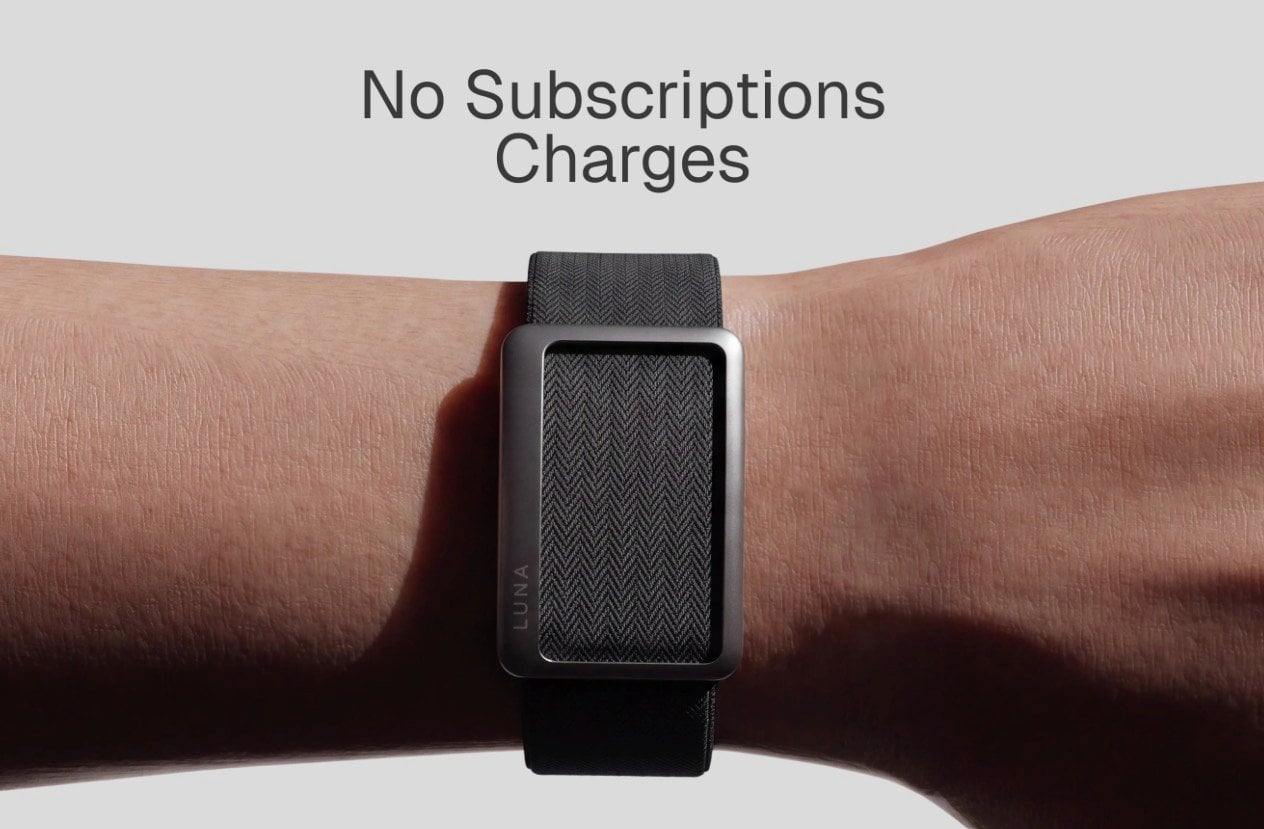
The Luna Band, a $150 wearable, aims to stand out with its sleek, modular design and customizable app interface. However, as The Quantified Scientist highlights in their initial review, the device struggles to deliver on its core promise of reliable health tracking. For instance, its heart rate monitoring shows inconsistent results, particularly during exercise, where […]
The post Luna Band vs Fitbit Air: Which Fitness Tracker is Better? appeared first on Geeky Gadgets.
Streaming gave us convenience and took away everything else. No album art worth holding, no ritual of pressing play, no object that tells you something about the person who assembled it. The cassette and the compact disc never fully disappeared, but they got buried under playlists, autoplay, and whatever the algorithm decided you needed to hear next. These nine gadgets are the corrective — physical media products designed better than the originals, for a generation that has decided passive listening isn’t enough.
What’s striking about this particular wave of retro audio hardware isn’t the nostalgia. It’s the execution. Transparent housings that show mechanisms in motion. Bluetooth built into bodies shaped like tape decks. CD players that double as wall art. These aren’t reproductions of old technology. They’re new objects built around old formats, each one making a specific argument for why holding your music matters more now than it did when these formats first appeared. Here are nine that make the case best.
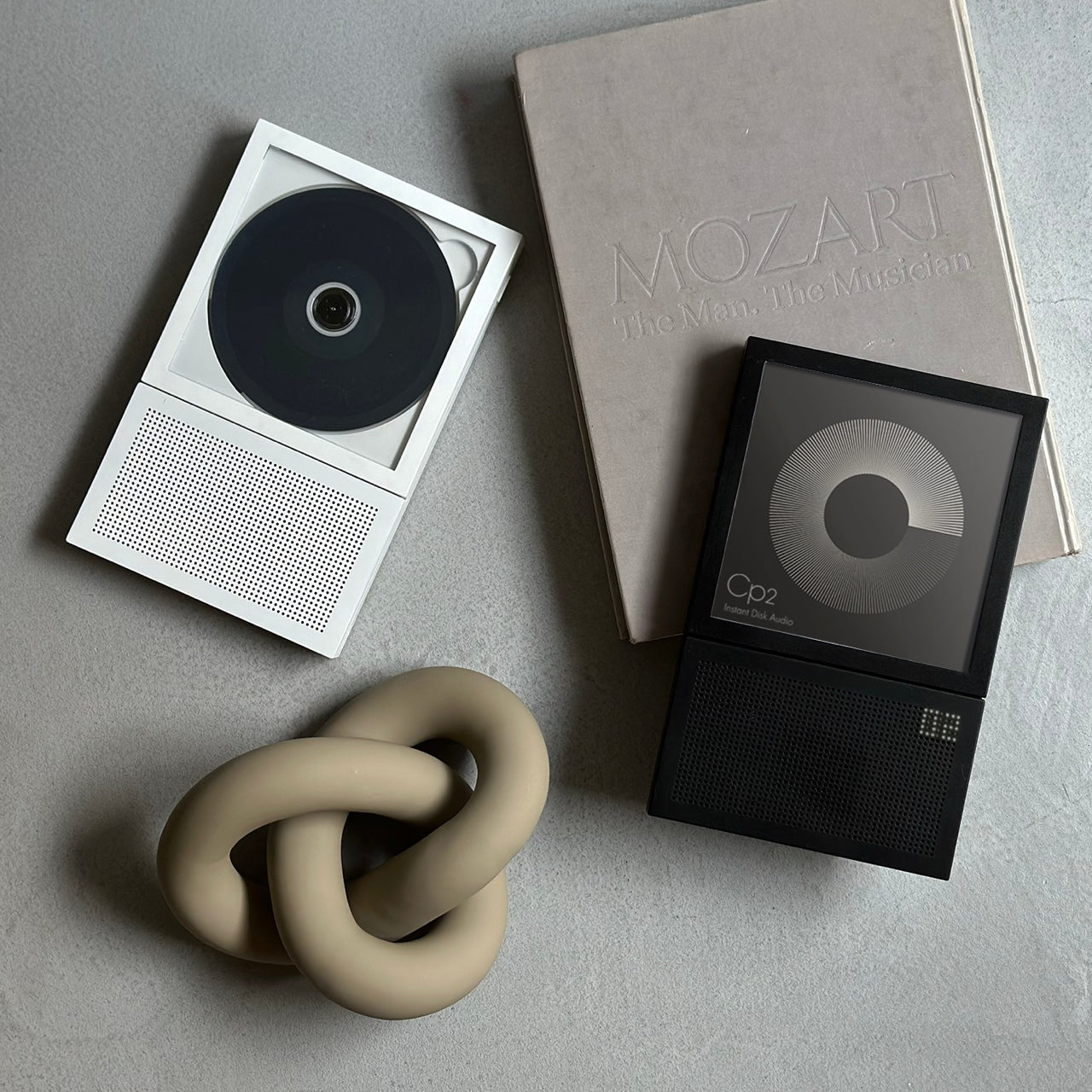
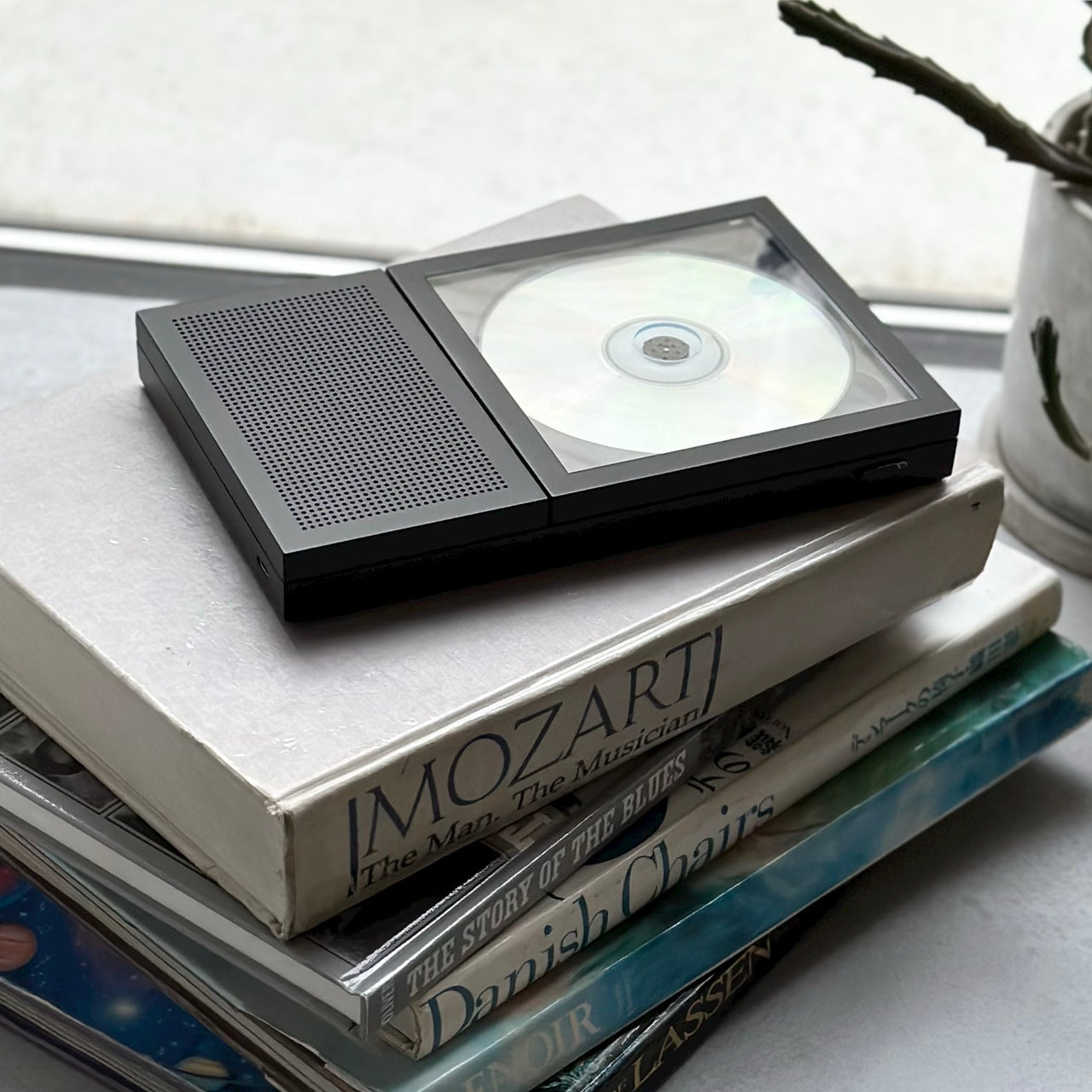
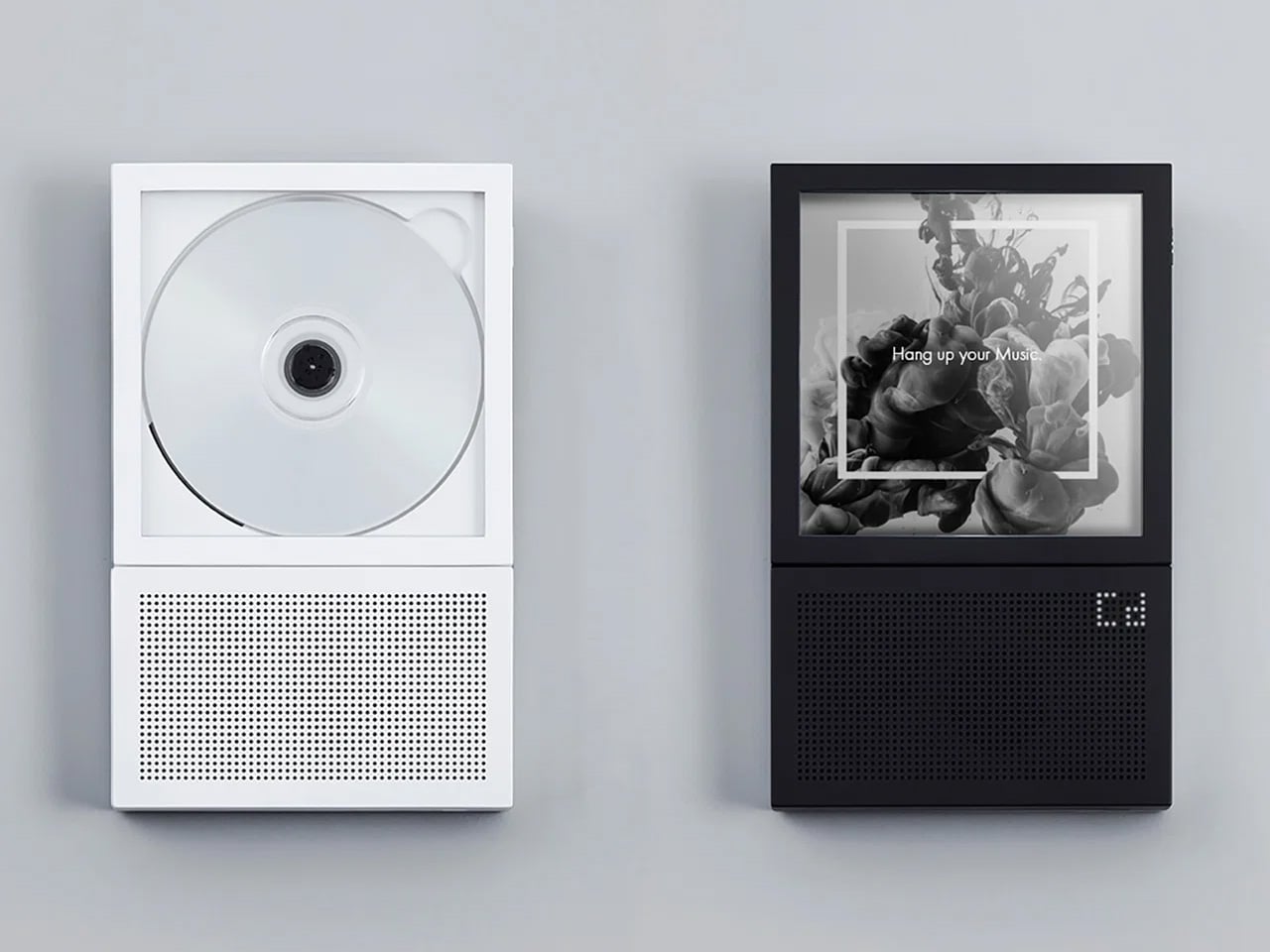
The Portable CD Cover Player does something no streaming service can: it lets you hold the music. The disc slots in, the jacket slides alongside it, and the album art isn’t something you glance at between phone notifications. It’s front and center, the way it was designed to be. Available in white and black, the player is minimal to the point of restraint — shaped around the ritual of putting on a record rather than around a feature list.
It earns its place at the top of this list because it makes the strongest possible case for physical media without leaning on nostalgia as a crutch. The two-tone color option means it works across more rooms and more shelves than it might first suggest. There’s no gimmick here. Just a player that understands the object it was built around and was designed directly for it.
Click Here to Buy Now: $199.00
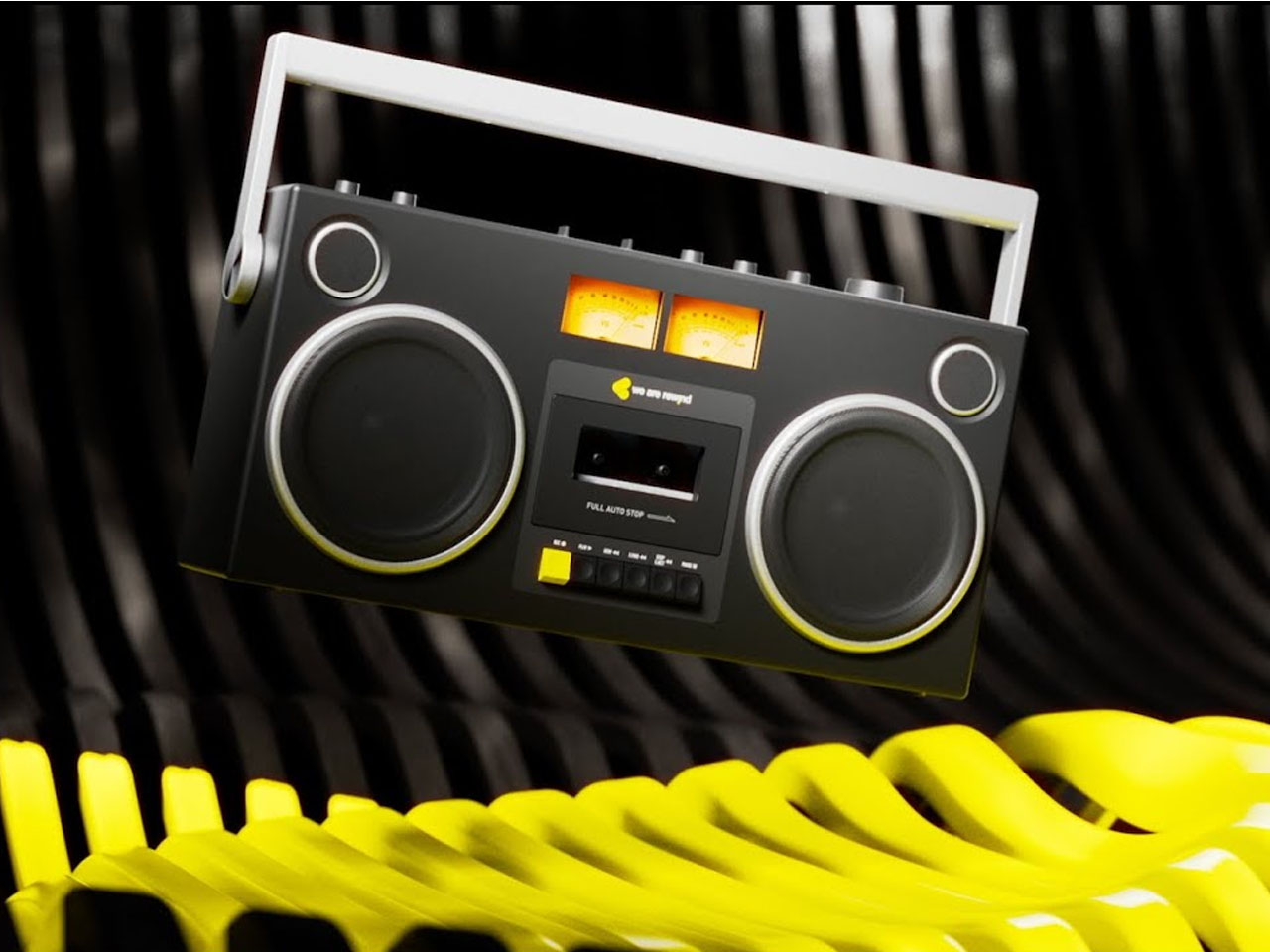
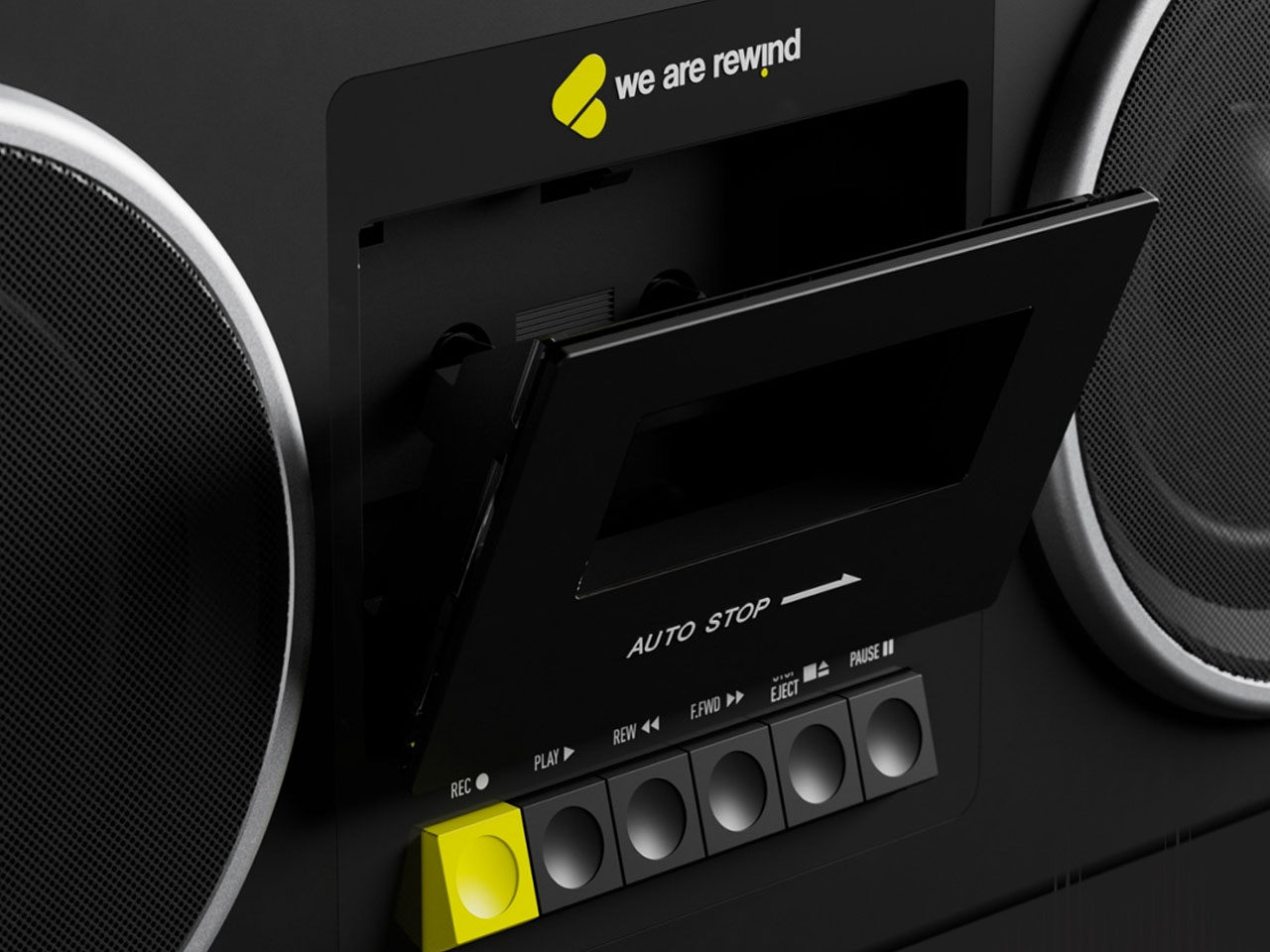
The GB-001 is a proper boombox in the original sense of the word — something you carry by its full-width folding handle and set down in a room that then belongs to the music. Four hi-fi speakers, two Class D woofer amplifiers, and two tweeters push 104 watts across a frequency response of 40 to 20,000Hz. The cassette deck plays and records. A guitar amp input takes a real guitar. These are functional commitments, not features added to round out a marketing page.
Backlit VU meters that are functional and warm rather than decorative set the tone for what the GB-001 is trying to be. Bluetooth 5.4 handles streaming when the tapes run out, and a 3,000mAh battery delivers up to 10 hours of playback on tape and speaker. At 19 inches wide and 15 pounds, it’s not designed for a bag. It was never trying to be. The GB-001 is what happens when a company commits to the full premise of a format rather than borrowing only its aesthetic.
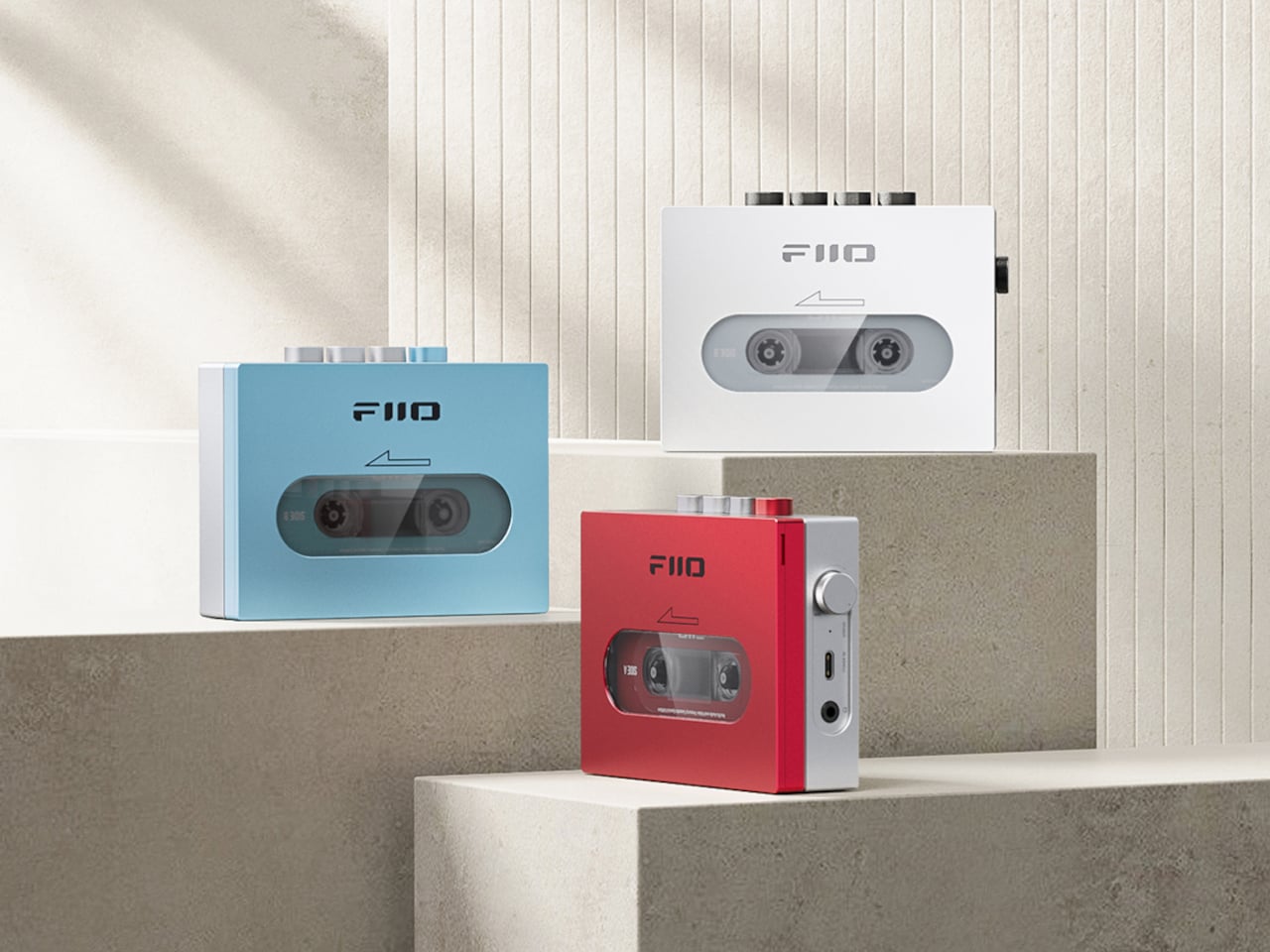
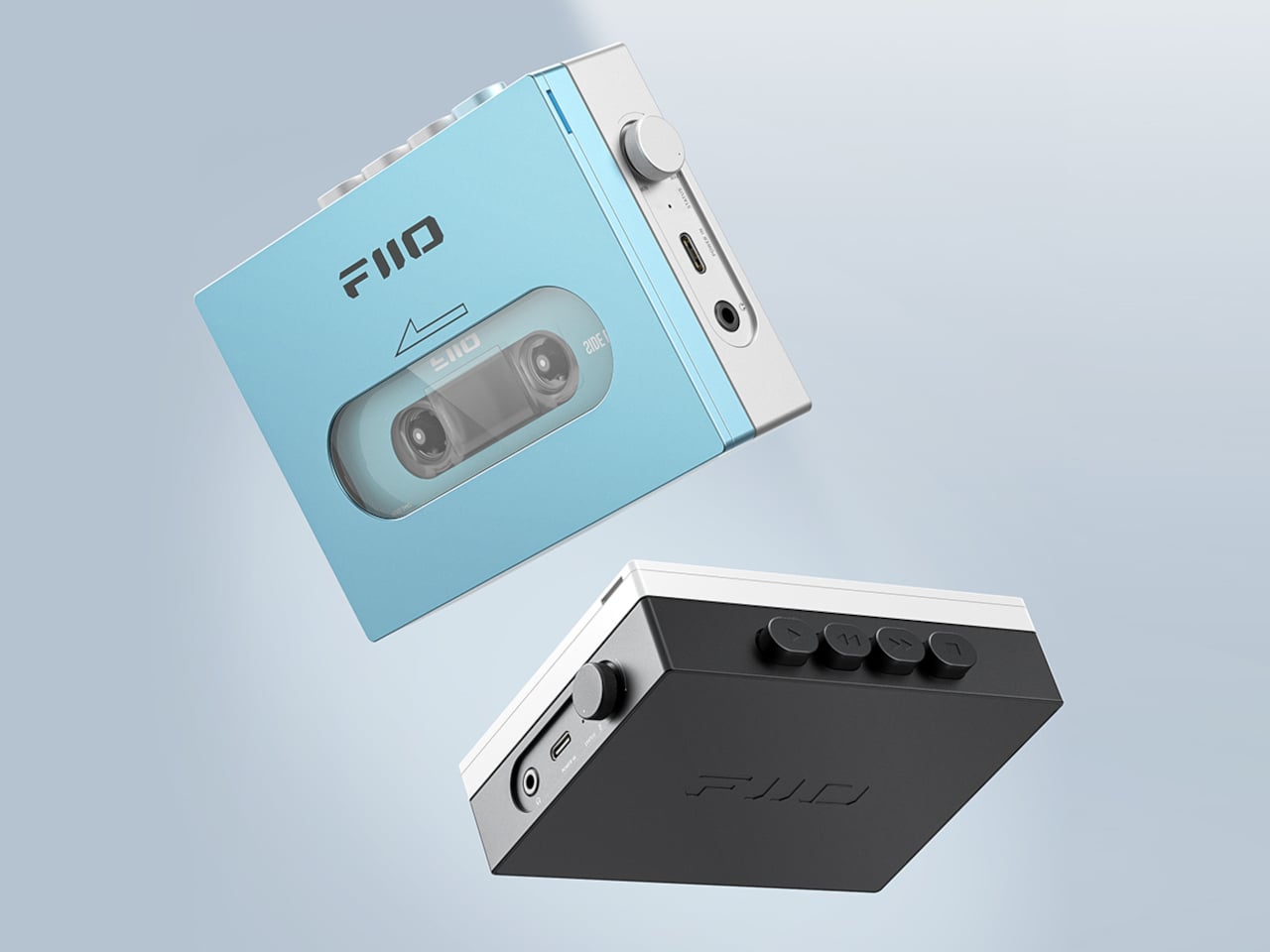
The FiiO CP13 is built around one decision that every other modern cassette player quietly avoids: no Bluetooth. The signal runs straight from the magnetic tape head, through a JRC5532 op-amp, and out the 3.5mm jack with no digital conversion anywhere in the chain. It supports Type I through Type IV tape formats, covering virtually every cassette most collections contain. The result is a player that treats the format as the point, not as packaging around a wireless speaker dressed up in retro styling.
An 1800mAh lithium cobalt oxide battery delivers 13 hours of playback and charges via USB-C, which means the hardware is modern even when the philosophy isn’t. The transparent body shows the mechanism running, which is the correct decision at any price — analog gear earns its keep when you can see it working. At $87.99, the CP13 is the most affordable commitment to doing cassette properly on this list, and that makes it the clearest first recommendation for a buyer who wants the format done right rather than done cute.

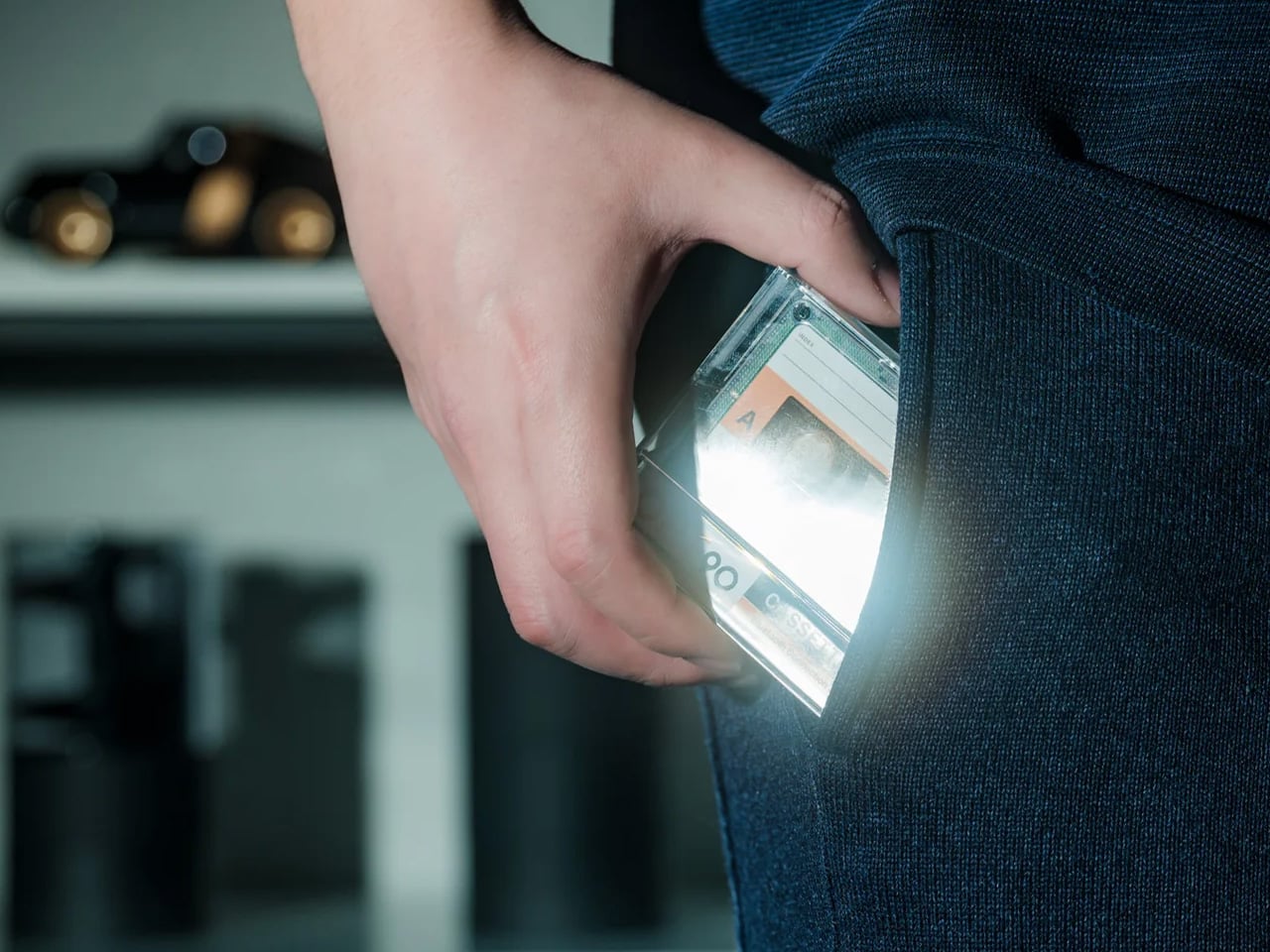
The Side A Cassette Speaker costs $49, weighs 80 grams, and is the most immediately photographable thing on this list. The transparent shell, the Side A label, the dimensions that match a real tape — it reads as a cassette the moment you see it. Inside, it’s a Bluetooth 5.3 speaker with microSD playback and a sound profile tuned to echo the warm character of analog tape. It’s the entry point that makes no apologies for what it is: a very good-looking, very affordable reason to engage with this category.
The clear case converts into a display stand, giving the speaker a second life as a shelf object between listening sessions. It’s the only product on this list that functions as décor without trying too hard. The honest caveat: this is a speaker shaped like a cassette, not an actual cassette player. That distinction matters to purists and not at all to the people who will buy one, set it on a shelf, and love it without reservation. Both responses are valid. The design earns both of them.
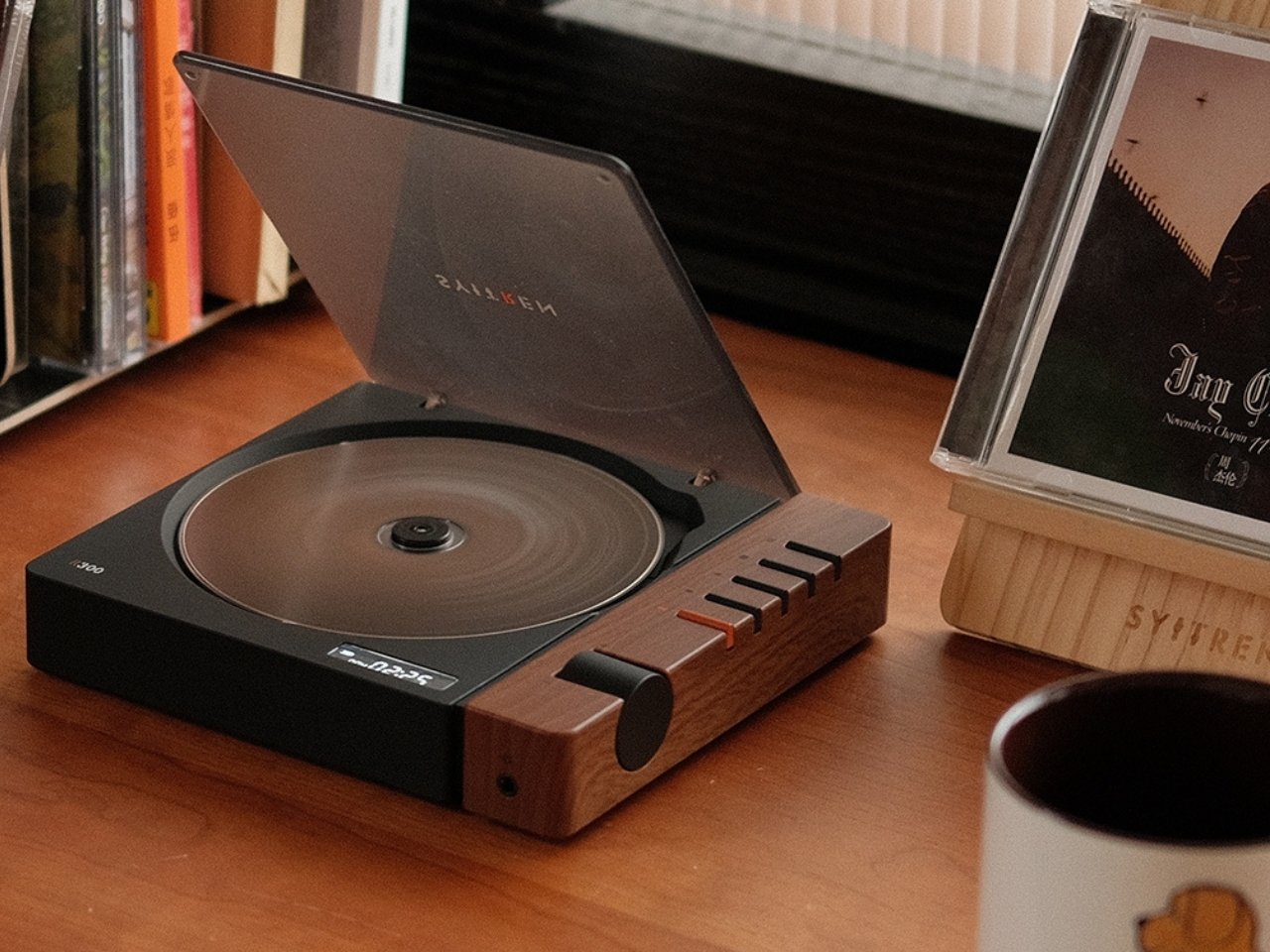
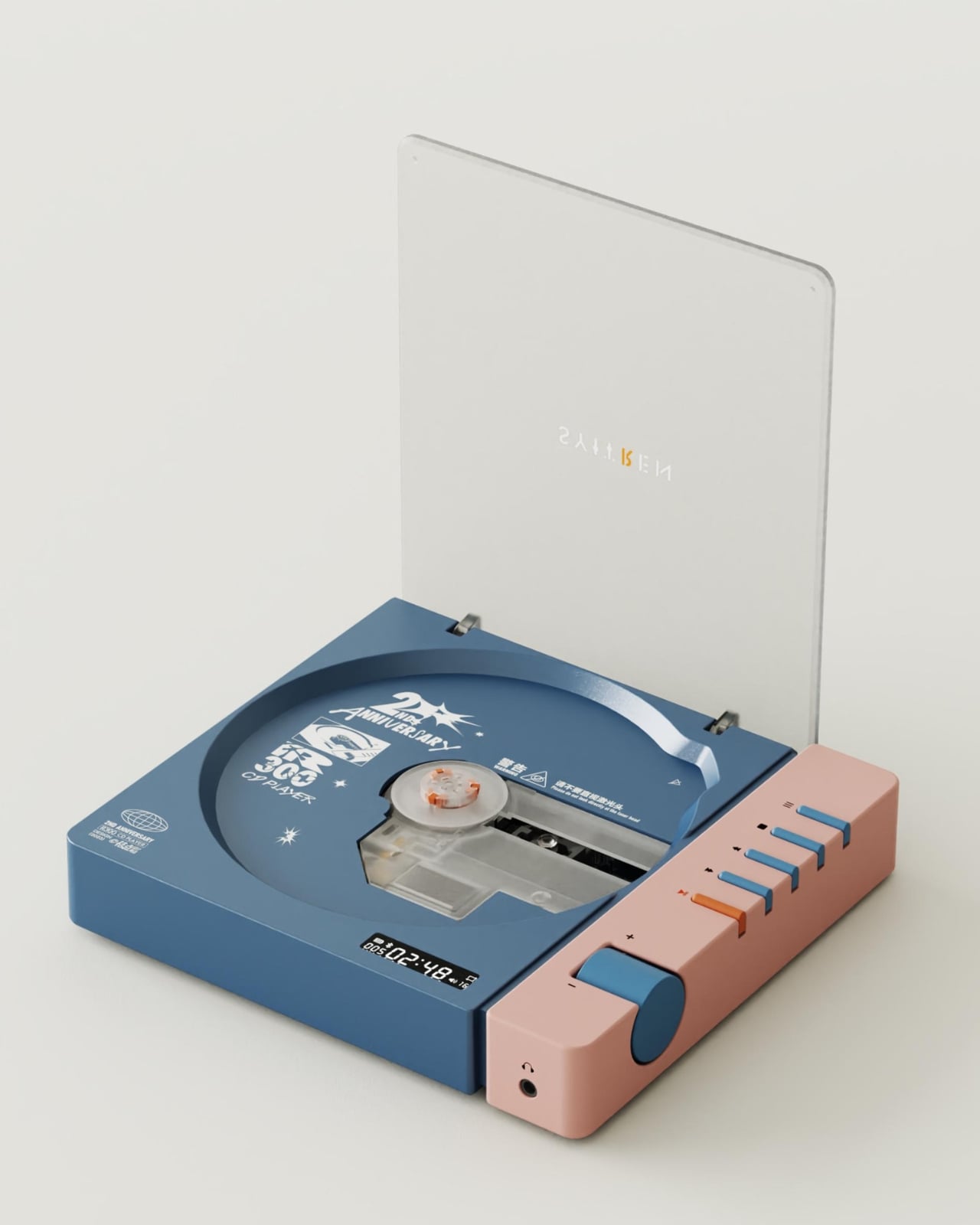
The SYITREN R300 won a MUSE Design Gold Award in the Audio and Video Devices category, and you can see the reasoning from across a room. Clean lines, available in wood grain, white, and a fruit green that commits fully to being a statement — the R300 treats the CD player as an object with considered presence rather than just a disc-reading appliance. It supports CD, CD-R, and CD-RW formats, covering practically every disc in most collections, with Bluetooth output that connects to whatever speaker you already own.
The R300 makes a case that a CD player is worth looking at, not just using. Design award credentials at under $100 are uncommon. The fruit green finish is a choice that earns its place in any room — not a novelty colorway but a genuine aesthetic commitment. The practical limitation is that there’s no built-in speaker, so the R300 depends on a Bluetooth pairing or headphones to produce any sound. For listeners who want a single, self-contained unit, that’s a real constraint worth knowing before the purchase is made.
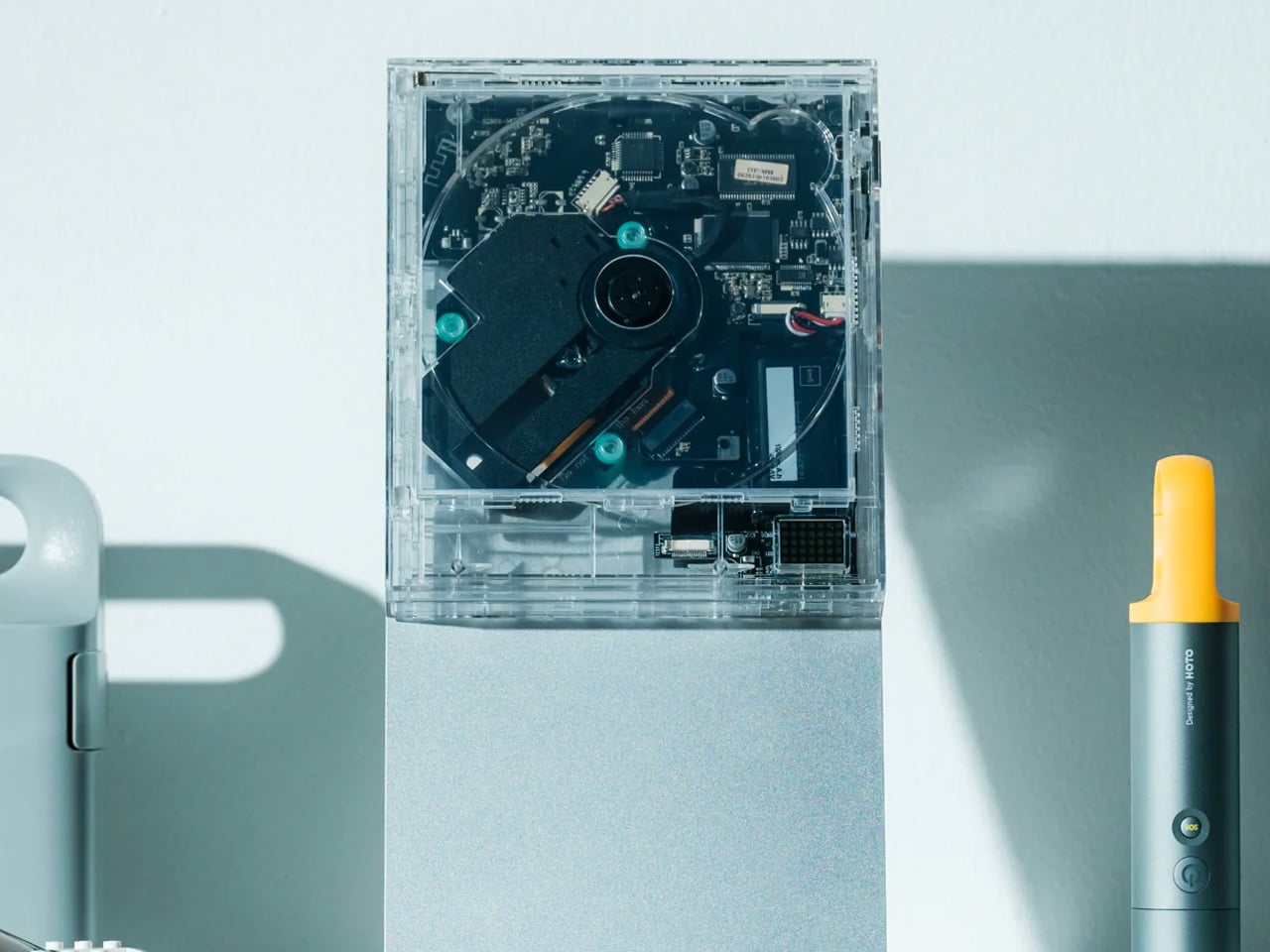
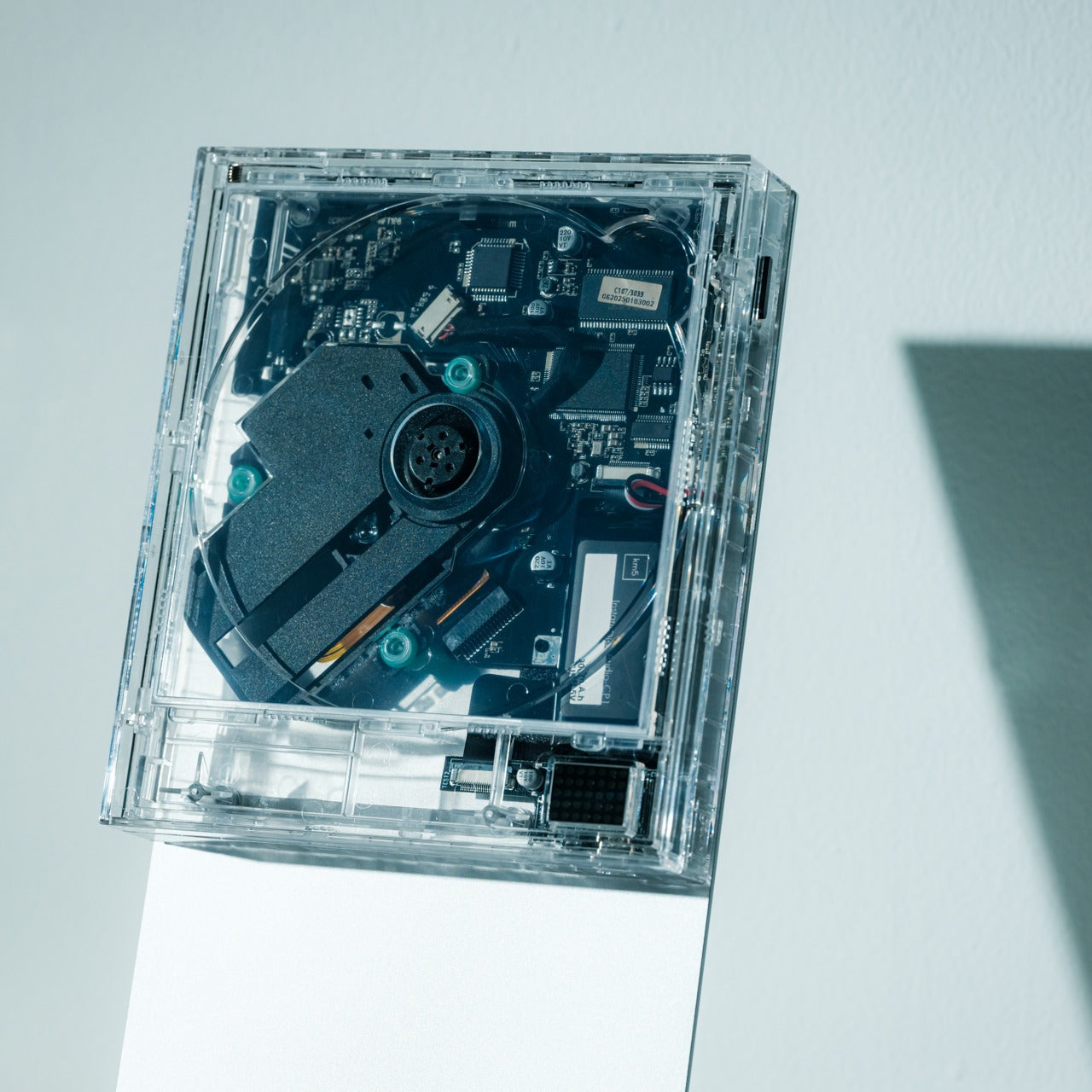
The ClearFrame CD Player does not pretend the disc is incidental to the experience. The crystal-clear polycarbonate body frames the album as a visual object — turning the most overlooked part of CD ownership into the centerpiece. Album art, spinning disc, visible mechanism: all of it on display, exactly where it should have been all along. It’s the wall-mountable entry on this list, the one you buy when you want the music to be as visible as it is audible, and the design earns that brief completely.
The square silhouette and clear housing create an object that reads differently depending on where you put it. On a wall it functions as art. On a shelf it functions as a player. That dual reading is harder to pull off than it looks, and the ClearFrame manages it without novelty as a crutch. At $199, it is the most considered purchase in the CD category on this list, and it rewards that consideration with an object that actively improves whichever room it occupies, regardless of whether anything is playing.
Click Here to Buy Now: $200.00
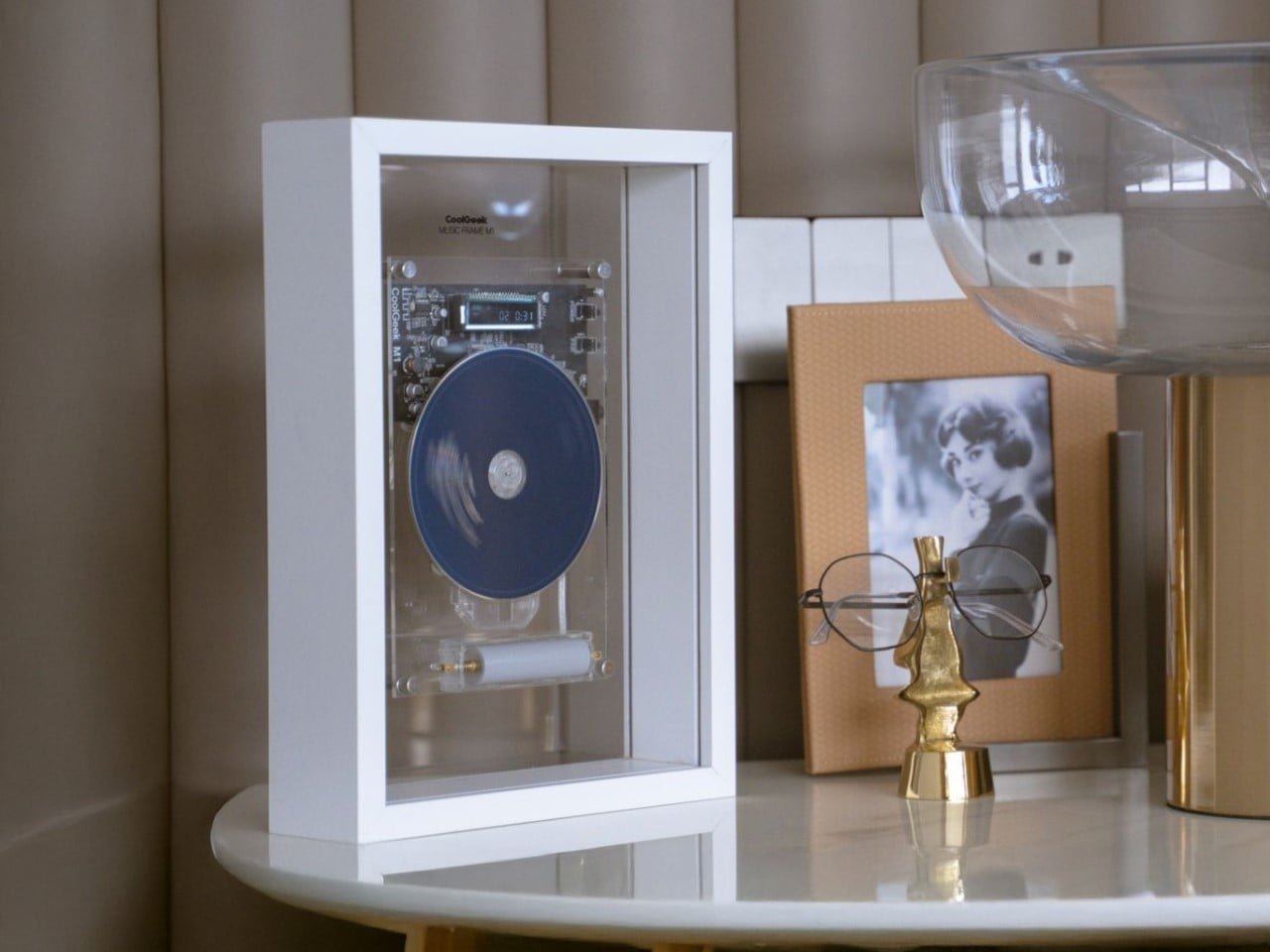
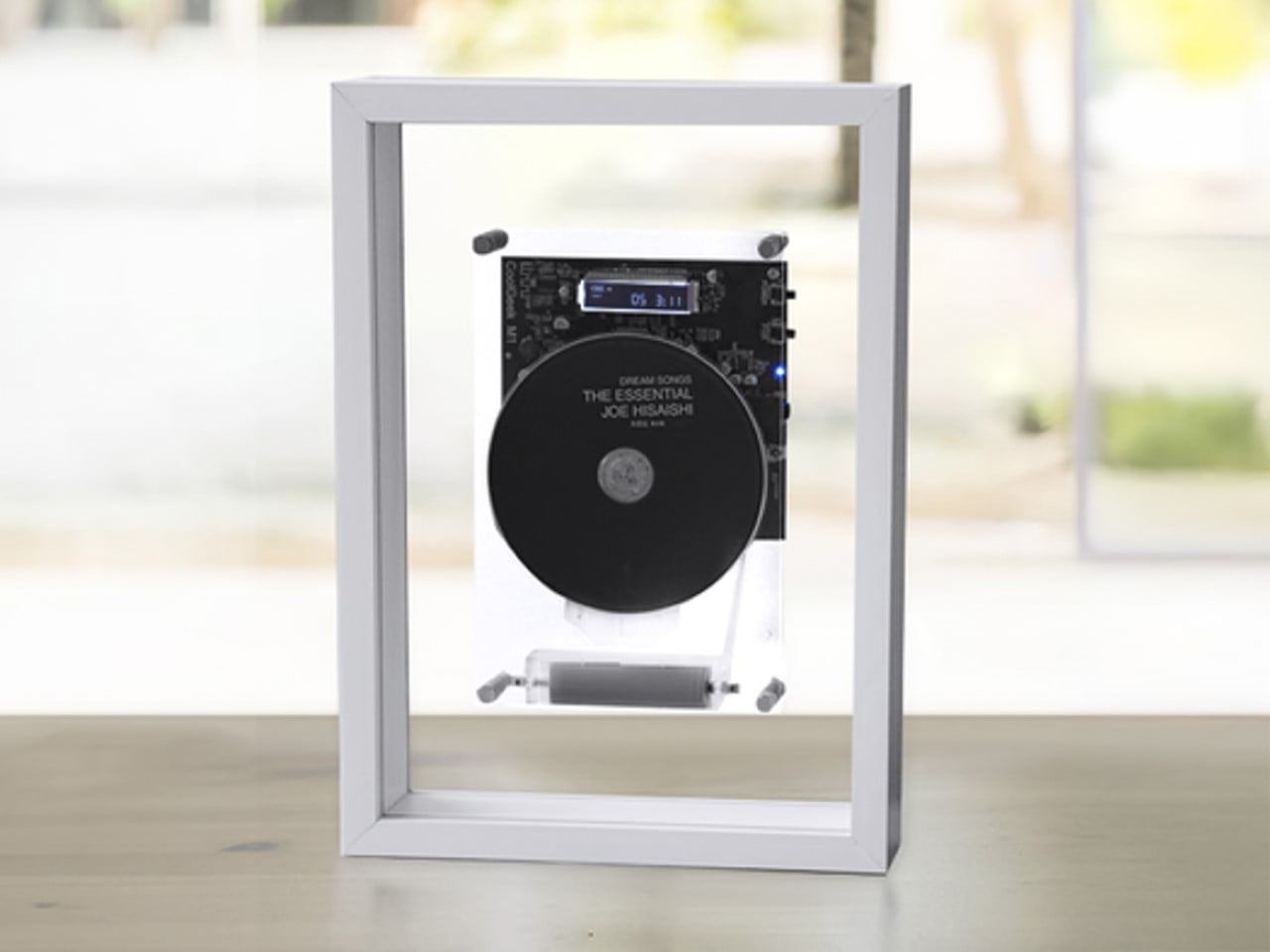
The MusicFrame M1 makes the same argument as the ClearFrame for $100 less, and it makes a slightly different case for why that matters. The transparent enclosure gives a full view of the player’s internal architecture. The square, geometric silhouette reads as framed art whether it’s mounted on a wall or sitting on a table. At $99 it is the most accessible entry into the CD-as-object format on this list, and it makes the case without asking for a premium before you know if the idea is for you.
The M1 is proof that the display CD player isn’t a single-brand concept. Clean geometry, a transparent body that shows the mechanism in motion, and a price point that makes a first purchase feel low-risk: these are the conditions for converting a listener who liked the idea but wasn’t ready to spend $199 finding out. The limitation is the same as the ClearFrame — this is a settled piece, not a portable one. Portability wasn’t part of the brief, and the design is sharper for that honesty.
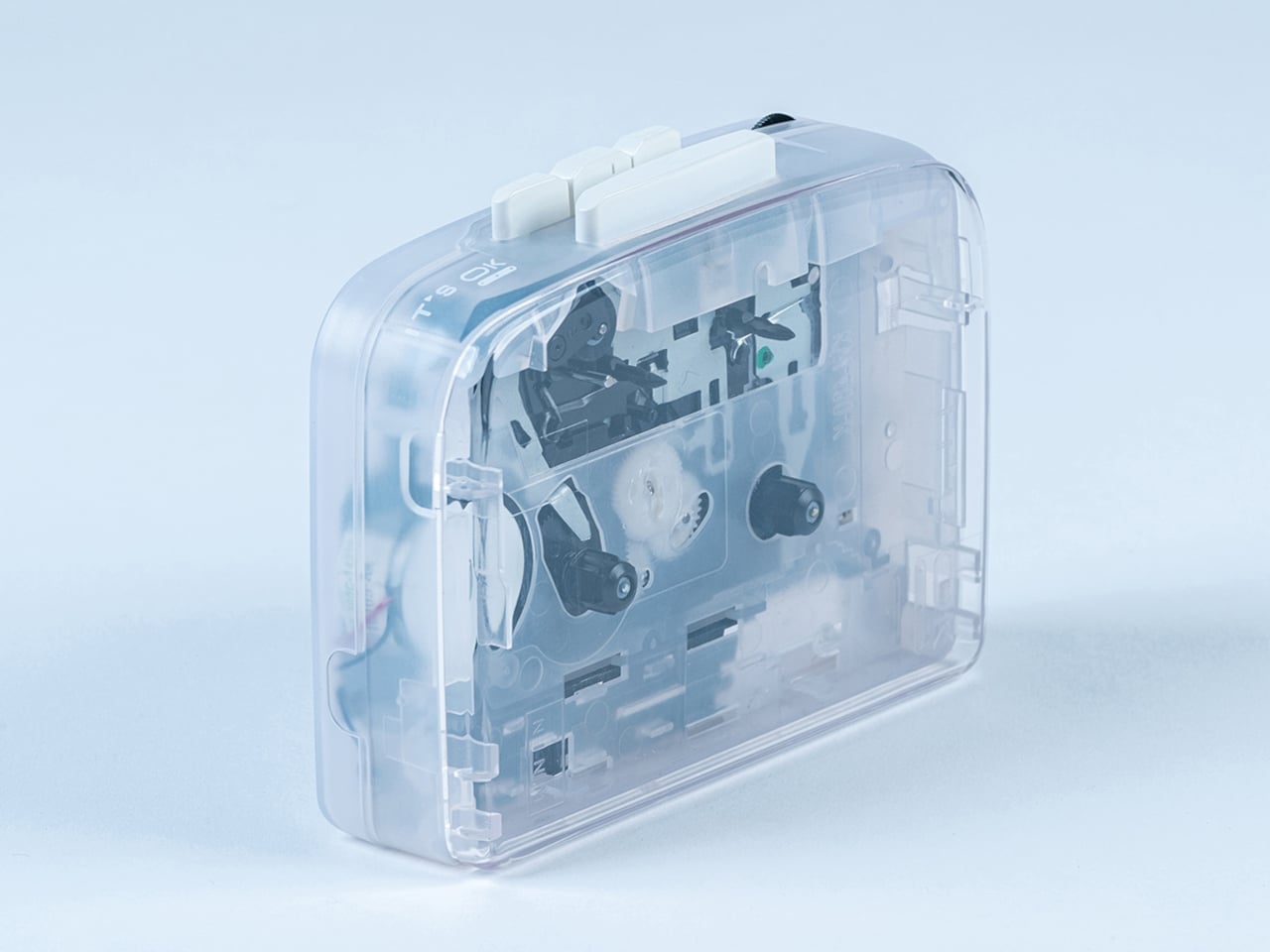
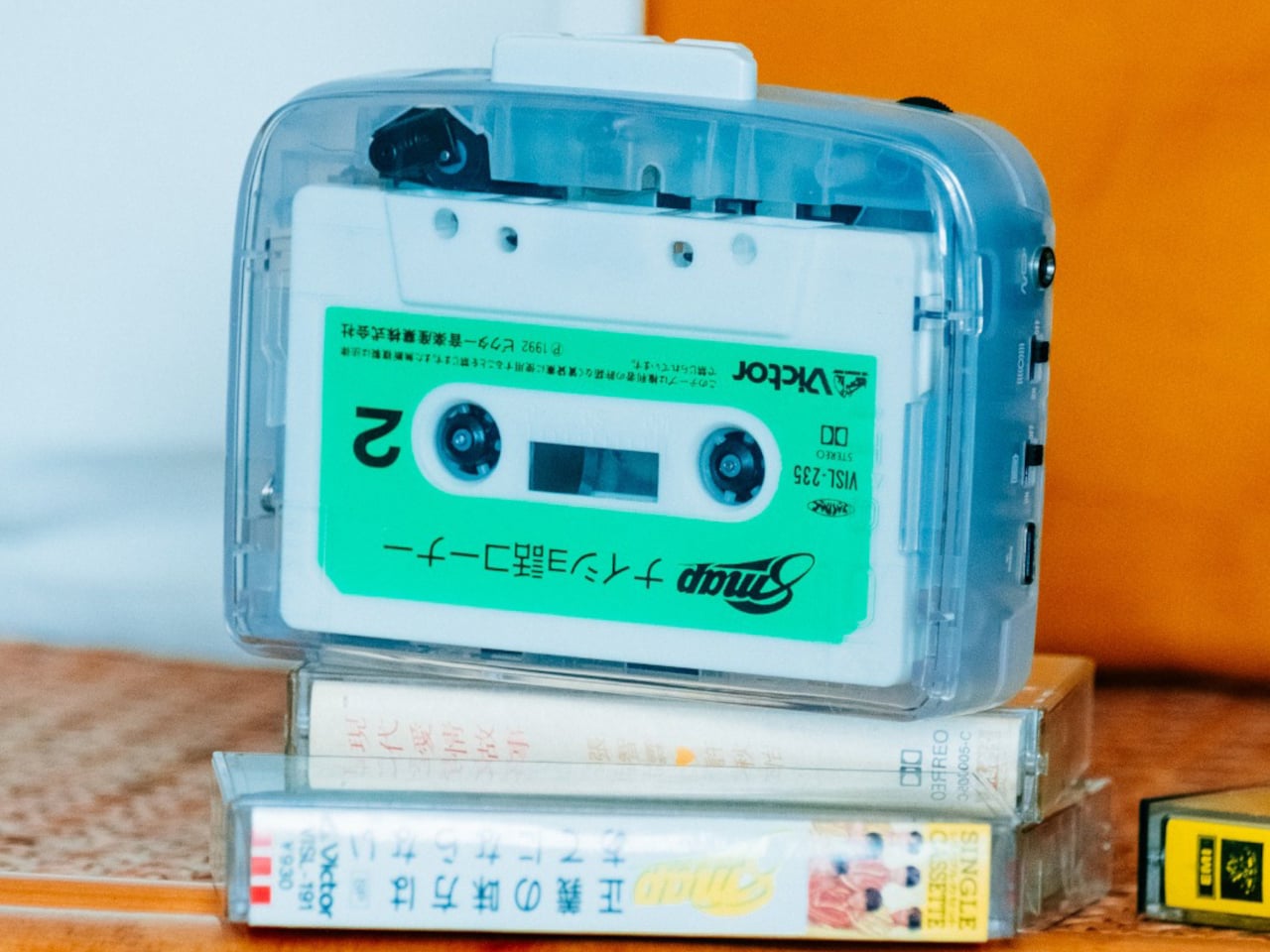
NINM Lab’s IT’S OK series launched via Kickstarter in 2019 as the world’s first Bluetooth-enabled cassette player. The IT’S OK TOO is the second generation, and the upgrade is meaningful: stereo output replaces mono, Bluetooth 5.0 delivers a faster and more stable connection, and a semi-transparent matte body refines the iconic look of the original without abandoning it. The tape is visible in motion through the housing — the right decision in 2019 and still the right decision now, regardless of how many transparent cassette players have since followed.
The IT’S OK TOO operates on a one-player, two-possibilities premise. Listen privately through Bluetooth headphones or wired earphones, or share by connecting to a Bluetooth speaker. Bluetooth 5.0 handles the switching with a wider wireless range and faster transmission than the original. Inspired by the experience of cassette listening in the 1980s, it carries the format forward with enough modern infrastructure to be genuinely useful rather than simply charming. The HK$798 price adds an import step for most Western buyers, but that’s the only real friction in an otherwise considered package.
What we like:
What we dislike:
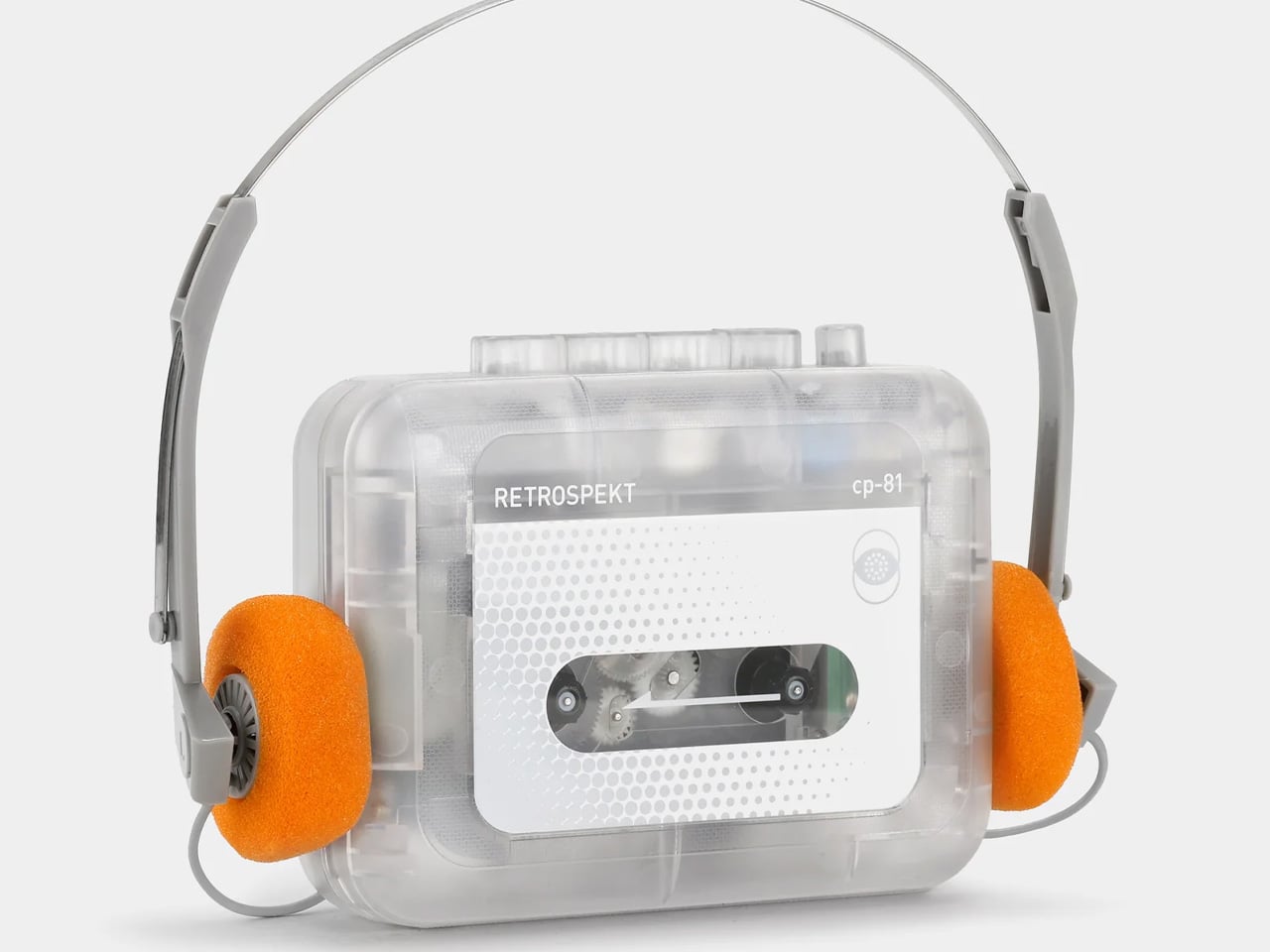
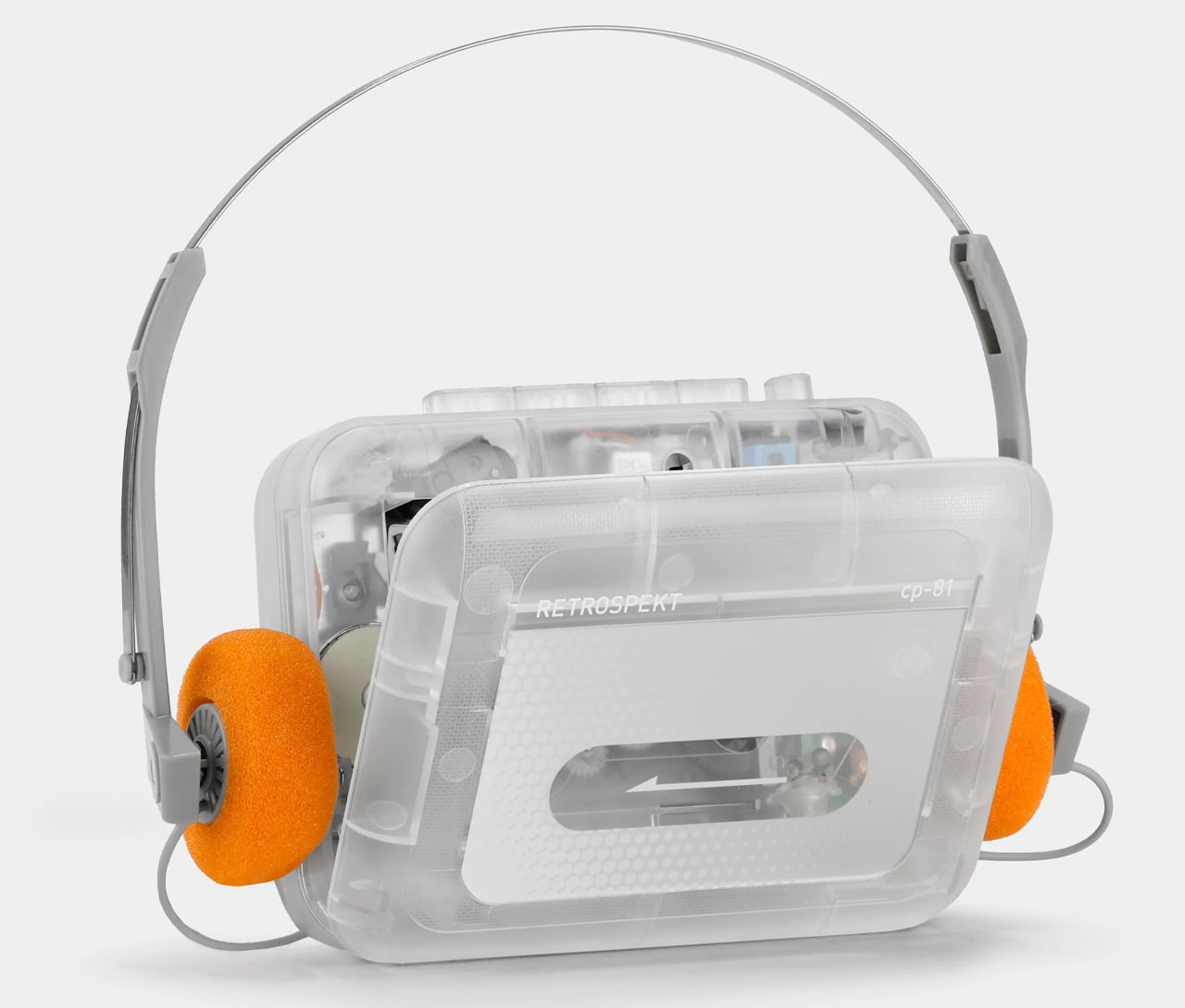
The Retrospekt CP-81 stopped trying to be a hi-fi device and leaned fully into being a cultural artifact, and somehow that turned out to be exactly right. The clear plastic body shows the mechanism in full. The controls are exactly where you’d expect them. The included Koss headphones with orange foam pads and a stainless-steel headband make the whole package feel like something pulled from a very specific corner of 1983. Sold at the MoMA Design Store, Nordstrom, and Urban Outfitters, the CP-81 has earned both its context and its audience.
What grounds it is that it actually works as a cassette player. The CP-81 plays, fast-forwards, rewinds, and records, with a line-in microphone jack that most modern cassette players quietly removed from the spec sheet. Power comes from two AA batteries or a USB-C input. It carries 4.8 stars across 174 reviews. Collaboration editions with Miffy, Peanuts, and Hello Kitty treat the cassette player as a canvas rather than a device. The people who buy one tend to keep it on a desk rather than in a drawer. That’s the design doing its job.
The cassette and the CD didn’t come back because of nostalgia. They came back because streaming made listening passive, and these formats make it physical. Every object on this list asks you to do something — pick a tape, slide in a disc, press a real button. That is not a limitation of older technology. It’s a feature that the streaming era quietly removed, and a growing number of listeners have decided they want it back in their hands, not filtered through an algorithm.
The right pick depends on what you’re after. For the most considered visual object, the ClearFrame. For the most committed analog signal path, the FiiO CP13. For the most complete boombox revival, the GB-001. For the most surprising value, the Side A Cassette Speaker at $49. For the most culturally loaded package, the Retrospekt CP-81. Nine gadgets, nine specific arguments for the same conclusion: physical media sounds better when you can actually hold it.
The post 9 Retro Audio Gadgets Bringing Cassettes and CDs Back From the Dead first appeared on Yanko Design.
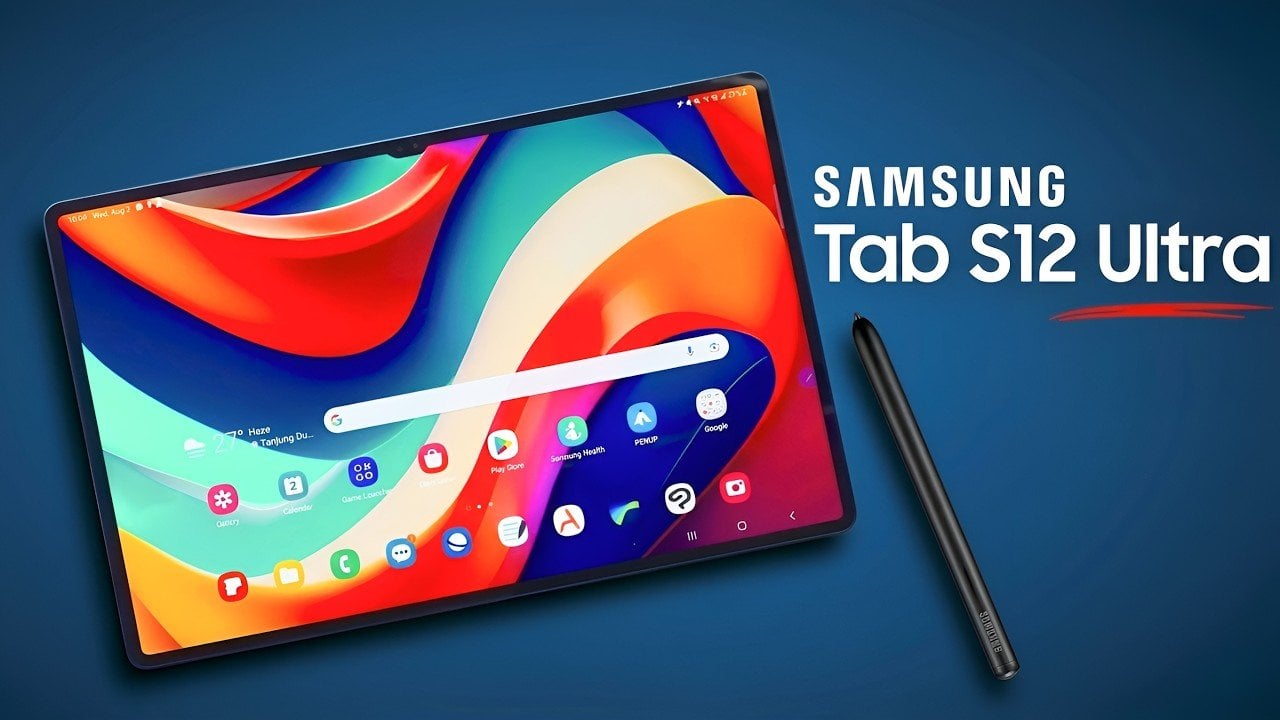
Samsung is preparing to unveil its latest flagship tablets, the Galaxy Tab S12 Ultra and S12 Plus, on October 7th, 2026. These devices are designed to reinforce Samsung’s position in the premium tablet market, but early impressions suggest they may face challenges in meeting consumer expectations. With steep pricing and only incremental improvements over their […]
The post Samsung Galaxy Tab S12 Ultra: the Biggest Upgrades Leaked So Far appeared first on Geeky Gadgets.