Sony's 2025 PlayStation Wrap-Up is now available. The recap, which is similar to those from music streaming services, sums up gaming habits from throughout the year. It shows players how many hours they used their PS4 or PS5, what games they played the most, preferred genres, trophy counts and more.
These digital cards are shareable on social media, which is kind of the whole point. Nothing says "bragging rights" more than offering definitive proof of how long you spent on a couch grinding in Clair Obscur: Expedition 33 or wandering the wasteland in Death Stranding 2.
Sony
This year, the recap provides insight into how much players interacted with accessories like the PlayStation Portal and PS VR2. It also details the "most used DualSense wireless controller design."
The 2025 Wrap-Up will be available until January 8. Once completed, players also get a "unique glass-themed avatar." It's only available for adults.
The PlayStation Wrap-Up has been around since 2017, though it ran into some issues with accessibility in 2024. Spotify introduced the basic idea with Wrapped back in 2015. Since then, the concept of a shareable year-end streaming list has spread like a virus. Just about everyone does it now, from Apple Music to Nintendo and even YouTube. We love to reflect on things we recently experienced, don't we folks?
This article originally appeared on Engadget at https://www.engadget.com/gaming/playstation/playstations-2025-wrap-up-is-here-so-you-can-see-how-many-hours-youve-sunk-into-death-stranding-2-191508693.html?src=rss
You can add the Switch 2 to the (long) list of platforms where you can play The Elder Scrolls V: Skyrim. The bad news: It costs $60 to play the 2011 game optimized for Nintendo's 2025 hardware. The good news: It costs less (or nothing) if you own one of the versions for the original Switch.
The (digital-only) Switch 2 port is the Anniversary Edition of Skyrim, released in 2021. That includes the base game and three expansions (Dawnguard, Dragonborn and Hearthfire). You'll also find hundreds of Creation Club items, like quests, weapons, armor, spells and dungeons. The Anniversary Edition's Zelda crossover content (Master Sword, Hylian Shield and Champion's Tunic) is also there. So, at least there's plenty of content.
The game also offers technical upgrades for the Switch 2 hardware. It has enhanced resolution, DLSS anti-aliasing, faster load times and general performance optimizations. There's also mouse support, motion controls and Amiibo support. The trailer below gives you an idea of what to expect.
In an interview with Nintendo Life, Bethesda Creative Director Matt Carofano said the Switch 2 port was "an easy development process and actually pretty quick" to make. He described the team's motivation for porting it as bringing back "one of our most beloved games to the Switch 2 and see how we can improve it and make it the best experience for that console."
Okay, cool, but I'm gonna go on a limb and say money was also a factor. That’s because, if you don't already own Skyrim for the OG Switch, you'll have to fork over a whopping $60 in the Nintendo Store for the 14-year-old game. Meanwhile, if you own the standard version of Skyrim for the original Switch, you’ll pay $20 to upgrade. Finally, if you have the Skyrim Anniversary Edition on the OG Switch, you can install the new version for free.
If you own the Switch 1 version, first install that on Switch 2 and start the game. When you see the eShop banner advertising the new version, press Y to access the store and upgrade. You can do that with both digital and physical versions of Skyrim for Switch 1.
This article originally appeared on Engadget at https://www.engadget.com/gaming/nintendo/skyrim-arrives-on-the-switch-2-175200223.html?src=rss
Microsoft Flight Simulator 2024 just got a fairly bizarre expansion inspired by the Netflix show Stranger Things. If you've ever wanted to fly over a fictional Indiana town in the 1980s, this is the update for you.
That's right. The game now lets folks fly over Hawkins, Indiana and check out more than 40 iconic locations from the series, including Starcourt Mall, the junkyard, the government lab and, of course, the upside down.
Microsoft Flight Simulator 2024 introduces Netflix’s Stranger Things expansion, out Dec 9
📡 Recreation of Hawkins with more than 40 iconic locations 🚁 Five exhilarating missions
Inexplicably, this isn't just a joyride. There's an actual game here, with five helicopter-based missions that have players arranging supply drops, rescuing characters and chasing bad guys. Murray Bauman, portrayed by Brett Gelman, is on hand to assign missions and engage in banter.
This is a free update and it's available right now, so get out there and blast that one Kate Bush song over and over (and over.) As for Stranger Things, the second part of season five drops on December 25, followed by the series finale on January 1. Microsoft Flight Simulator 2024, which first came out last year, recently launched for PS5.
This article originally appeared on Engadget at https://www.engadget.com/gaming/microsoft-flight-sim-2024-now-has-a-stranger-things-expansion-173944325.html?src=rss
Somewhere along its never-ending quest to increase engagement, Meta realized that giving Facebook users more of what they want would make it more likely that they'll stick around. The company has announced a bunch of updates designed to help improve the feed and the broader Facebook experience by making it easier to find, create and share interesting things. (Because primarily showing updates from your friends with the occasional ad or meme post is maybe just too complicated.)
Simplification is a big focus of this overhaul. First, the Facebook feed will be a bit more streamlined. Whenever you post multiple photos, Facebook will arrange them into a standardized grid. When you click into anything on the feed, you'll be able to see it in a full screen view. And there's a very welcome change in that you'll be able to like a photo by double-tapping it. Just be careful with that when you're swiping through an ex's or a crush's photos.
Simplified Facebook feed.
Meta
Search results are now said to "show more content in a more immersive grid layout that supports all content types," according to Meta. The company is trying out a new full-screen viewer for Facebook that "lets you explore different photo and video results without losing your place in search," which it plans to expand to "more content and post types in the coming months."
In addition, the company says you’ll be able to provide feedback on a Facebook post or Reel to help make future recommendations more relevant. More ways for you to "shape your feed" and offer feedback on what the algorithm serves up are coming soon.
The Facebook feed sucks, and it's good that Meta knows it sucks. There have been numerous occasions over the last couple of years where I've had to scroll through a couple dozen uninteresting posts from pages and creators I've never heard of before seeing something from a friend. The glut of spam and AI slop isn't helping (things are pretty grim for creators who have been dealing with content thieves too).
There was a spell of several months last year when, every single time I opened Facebook, I would see an utterly garbage AI-generated image of a "tiny house," a supposedly cozy domicile where not much actually made sense (three TVs in a living room, stairs and railings that had the telltale signs of AI warping). I'd always provide feedback that I didn't want to see any posts from that page again. But the next day there'd be another rotten "tiny house" image from a different page in my feed.
Here's hoping Meta will actually take feedback related to recommendations on board and act on it. If the company does, it might actually make the feed more interesting to scroll through again.
Elsewhere, Facebook will place the most-used tab bar features — such as Reels, Friends, Marketplace and Profile — front and center on the tab bar for easier and faster access. Meta is also promising a refreshed look for the menu and "cleaner" tab notifications.
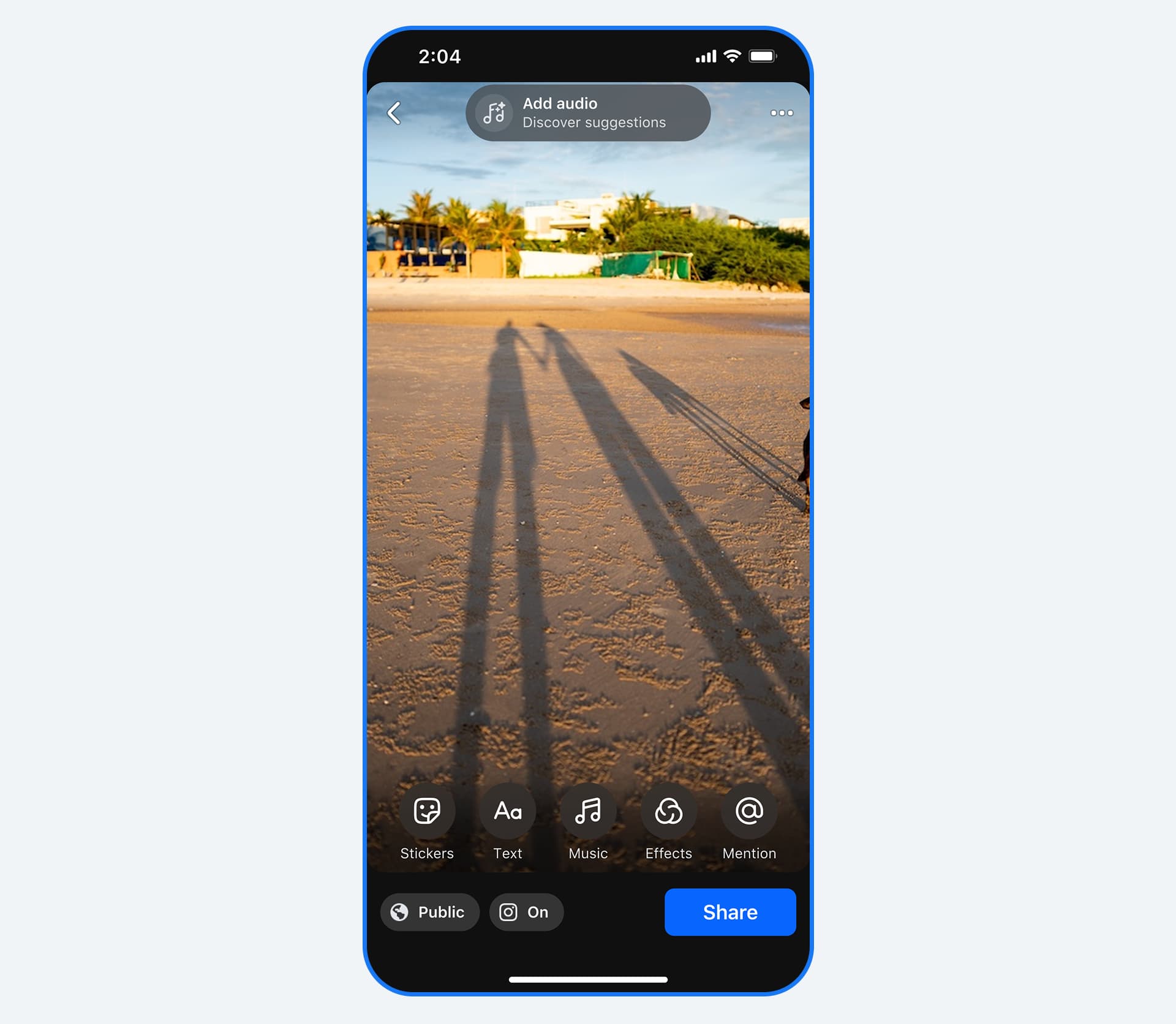
Facebook Story creation screen
Meta
Facebook is making it easier to access more popular Story and Feed post creation tools like music and friend tagging by giving them more prominent placement. Advanced options like text background colors will be an extra tap or two away. The post and Story composer feature audience and cross-post settings prominently, so that you have ease of control over who can see what you're sharing. Meta has updated how comments work across the feed, Groups and Reels as well to make things more streamlined and easier to follow.
On top of all of that, when you make changes to your profile, you might start seeing suggestions for friends with shared interests. Meta suggested that, "if you update your profile to show you're into sourdough bread baking or planning a trip to Nashville, Facebook will show you friends who can give you sourdough starter tips or offer suggestions on the best local spots." As always, though, you can decide who sees what on your profile or simply opt to share none of this personal info with Facebook at all, especially if you feel that Meta already knows too much about you.
This article originally appeared on Engadget at https://www.engadget.com/social-media/meta-is-trying-to-make-facebook-suck-less-by-simplifying-things-a-bit-171910771.html?src=rss
It has been two months since Google released the Pixel Watch 4 and now the company is introducing new updates to the wearable. In our review, Engadget managing editor Cherlynn Low was impressed enough with the watch to give it an 86, but called out the lack of gesture-based interactions. The new one-handed gesture features, like double pinch and wrist turn, should make up for that.
In an industry that involves constant borrowing of ideas, it should come as no surprise that these features are very similar to those available on the Apple Watch. Double pinch works much the same to the Apple Watch's double tap. Pixel Watch 4 users should be able to pinch their fingers together twice on the same hand to do things like answer or end a call and pause timers. The Pixel Watch will also offer "context hints" on its screen about when a person should consider using double pinch.
Then there's wrist turn, Google's answer to Apple's wrist flick. It should allow Pixel Watch 4 users to take actions like dismissing incoming calls by turning their wrist.
Currently, users can rotate their wrist to scroll through notifications. They can also summon Gemini by bringing their wrist to their mouth, but it's a bit finicky, requiring them to start at the homepage and be extremely accurate in their movements. Google is rolling out a new step-by-step tutorial for this raise to talk feature, so hopefully it becomes a bit easier to use moving forward.
This article originally appeared on Engadget at https://www.engadget.com/wearables/google-pixel-watch-4-gets-double-pinch-and-wrist-turn-features-170024210.html?src=rss
The organizations partnered to enroll 437 shoppers in an experiment across four cities, where each shopper added the same items to their carts within Instacart from the exact same store. Almost 75 percent of grocery items were shown to shoppers at multiple price points, with as many as five different prices shown for the same item. The average difference between the highest and lowest price shown was 13 percent, while the highest delta on an individual item was a whopping 23 percent.
Engadget reached out to Instacart and received the following response. It reads in part: "Just as retailers have long tested prices in their physical stores to better understand consumer preferences, a subset of only 10 retail partners — ones that already apply markups — do the same online via Instacart. These limited, short-term, and randomized tests help retail partners learn what matters most to consumers and how to keep essential items affordable." An Instacart spokesperson added that this is not dynamic pricing (insofar as it is not based on supply and demand), that no personal demographic data is used in the process and that these experiments are random.
The bulk of the tests were conducted at Safeway and Target stores, which both yielded similar results. A Target spokesperson told the New York Times that the company "is not affiliated with Instacart and is not responsible for prices on the Instacart platform." Instacart told the Times that they were "evaluating different approaches" to cover the platform's costs at the time of the study, but have since discontinued pricing tests on Target orders.
Instacart published a blog post today attempting to explain how these tests that showed higher prices are actually meant to help retailers invest in lower prices. It also waxes poetic about Instacart's commitments to affordable groceries for consumers.
This article originally appeared on Engadget at https://www.engadget.com/big-tech/study-shows-that-instacart-was-charging-different-amounts-for-the-same-items-165108224.html?src=rss
Pebble just announced the Index 01, a smart ring for recording thoughts. It's a little ring with a built-in microphone and that's about it. The Index 01 is almost anti-tech in its simplicity. There's no needless AI component shoehorned in, aside from speech-to-text. It's a ring with a microphone that you whisper ideas into and I want one.
Here's how it works. You get an idea while walking down the street, so you quietly whisper it into the ring. The ring sends the idea to a notes app or saves it for later review. Pebble founder Eric Migicovsky calls this an "external memory" for the brain, but I call it a nice way to avoid having to dig the phone out of a pocket or bag just to utter something like "pizza, but for cats."
The ring doesn't record unless a button is pushed, so it won't be listening in on private conversations, and it doesn't require a paid subscription of any kind. It's on the smaller side, about the size of a wedding band, and is water-resistant.
The battery also lasts for "years" and never needs to be charged. The ring is designed to be worn at all times, so users develop the muscle memory of holding down the little button when they have something to share. See what I mean? I want one, and I've quite literally never worn a ring in my life.
Pebble
Migicovsky says this is an open source product and that Pebble is "leaving the side door open for folks to customize." He envisions people will integrate AI voice agents and that the ring will eventually work with stuff like ChatGPT, Beeper, Google and other services.
The Pebble Index 01 works with iPhone and Android and is available for preorder right now. It costs $75 during this preorder period, but the price jacks up to $99 when shipments start going out in March.
This article originally appeared on Engadget at https://www.engadget.com/wearables/pebble-is-making-a-weird-little-smart-ring-for-recording-thoughts-161723645.html?src=rss
When someone asks me for gadget buying advice, I normally tell them to stick with their current device. In 2025, most new tech products aren't a worthwhile upgrade over even something that was released a few years ago — and with the price of everything going up, that new iPhone can wait. But things aren't normal right now.
On December 3, The Wall Street Journal reported memory manufacturer Micron would wind down Crucial, its consumer business, to focus on components for the AI industry. The PC I'm writing this article on has an SSD and RAM from Crucial. Overnight, Micron decided to end a business it spent decades building, and from a certain perspective, I guess it makes sense. In recent months, OpenAI has signed more than $1.4 trillion worth of infrastructure deals, creating unprecedented demand for server-grade solid-state storage and RAM.
To meet the moment, manufacturers have been allocating more of their production capacity and wafers to high-margin commercial customers. For consumers, the result has been skyrocketing RAM prices, with some DDR5 kits now costing as much as two or three times as much as they did a couple of months ago. Recent analysis from TrendForce shows the price of some consumer-grade SSDs increased between 20 and 60 percent in November for the same reason. Then there's LPDDR5X memory, which is used in both smartphones and NVIDIA's Grace Blackwell and Vera Rubin platforms. In 2026, it's expected to increase in price as well. The demand for AI infrastructure is such that all consumer electronics may cost more in the coming months.
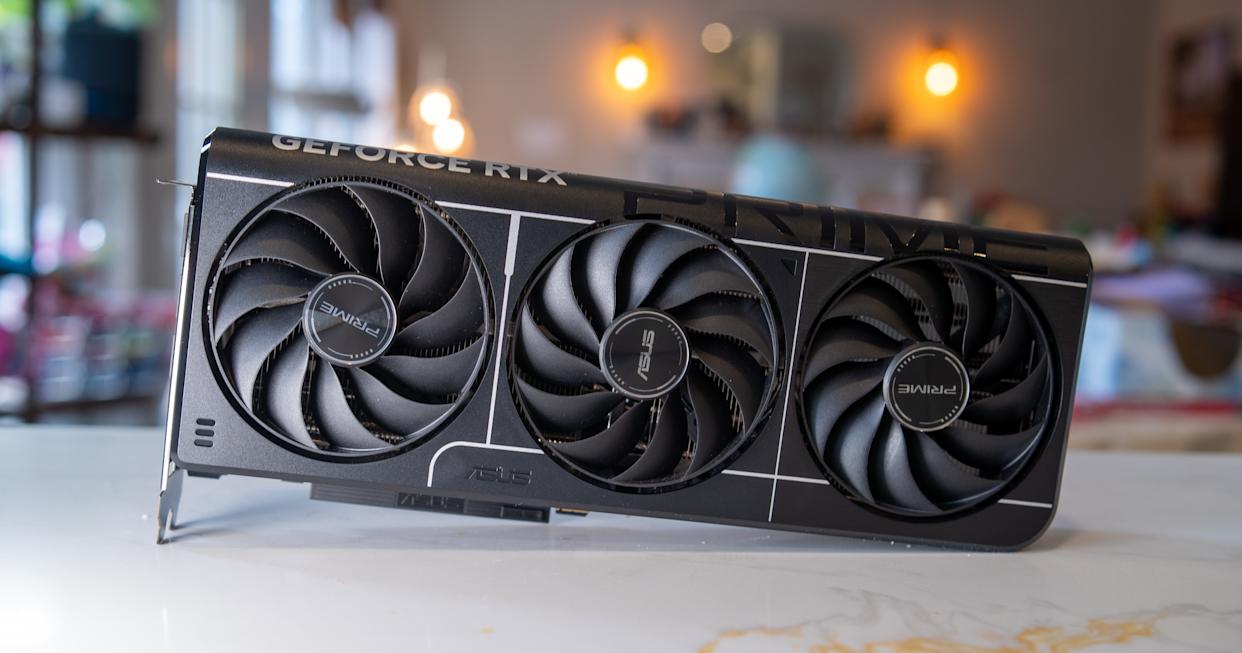
That gets me to the purpose of this article. If you've been thinking about upgrading to a new graphics card, I would recommend you buy one sooner rather than later. The AI boom came for RAM first, and there are already signs it will come for GPU pricing next. A recent report suggests AMD is considering raising the MSRP of its 8GB models by $20 and 16GB models by $40 due to the price of GDDR6 memory. NVIDIA, meanwhile, is rumored to have recently told its board partners it would no longer supply them with VRAM for their cards.
Neither NVIDIA nor AMD responded to comment requests from Engadget requesting they share how they plan to work with their board partners to ensure GPU prices remain stable. NVIDIA also did not comment on reports the company will stop providing VRAM to its board partners.
Separate from the memory shortage, neither NVIDIA nor AMD are expected to release new GPUs soon. According to recent rumors, the earliest a Super refresh of the Blackwell line could arrive is sometime in the middle of 2026 — not at CES in January as the 40-series Super cards did in 2024. The memory crunch could complicate things there too, since the company has typically relied on more and faster VRAM to offer better performance on its Super cards. With 50-series Super GPUs, it might not be the case that NVIDIA announces them at the same MSRP as their non-Super predecessors, which was the case with the 40-series.
As for AMD, the company debuted its RDNA 4 cards at the start of the year. We know it's already working on RDNA 5, and if a recent chat with Sony's Mark Cerny is any indication, the new architecture will be a major step change for AMD. However, right now rumors indicate the earliest RDNA 5 could arrive is sometime in 2027.
In other words, with nothing new on the horizon and pricing of existing stock likely to increase, there might be only a short window where you can get a new GPU at a reasonable price. It's impossible to predict the future, but if you're in need of an upgrade and have the means to purchase, there might not be a better opportunity before the end of 2026.
Recommendations
The recommendations in Engadget's recent GPU guide are still as relevant today as they were a few months ago. Once again, the best advice I can give is to buy a card with at least 12GB of VRAM, and preferably 16GB if your budget allows for it. Unless you mostly plan to play older games on a 1080p monitor, it's not worth considering a model with 8GB of VRAM — it won't last you long enough to warrant the purchase price.
Our recommendations are grouped from most affordable to most expensive. Where possible, I've tried to find options from both Newegg and Amazon. You won't find any high-end picks like the RTX 5080 since if you can afford that card, this guide isn't for you.
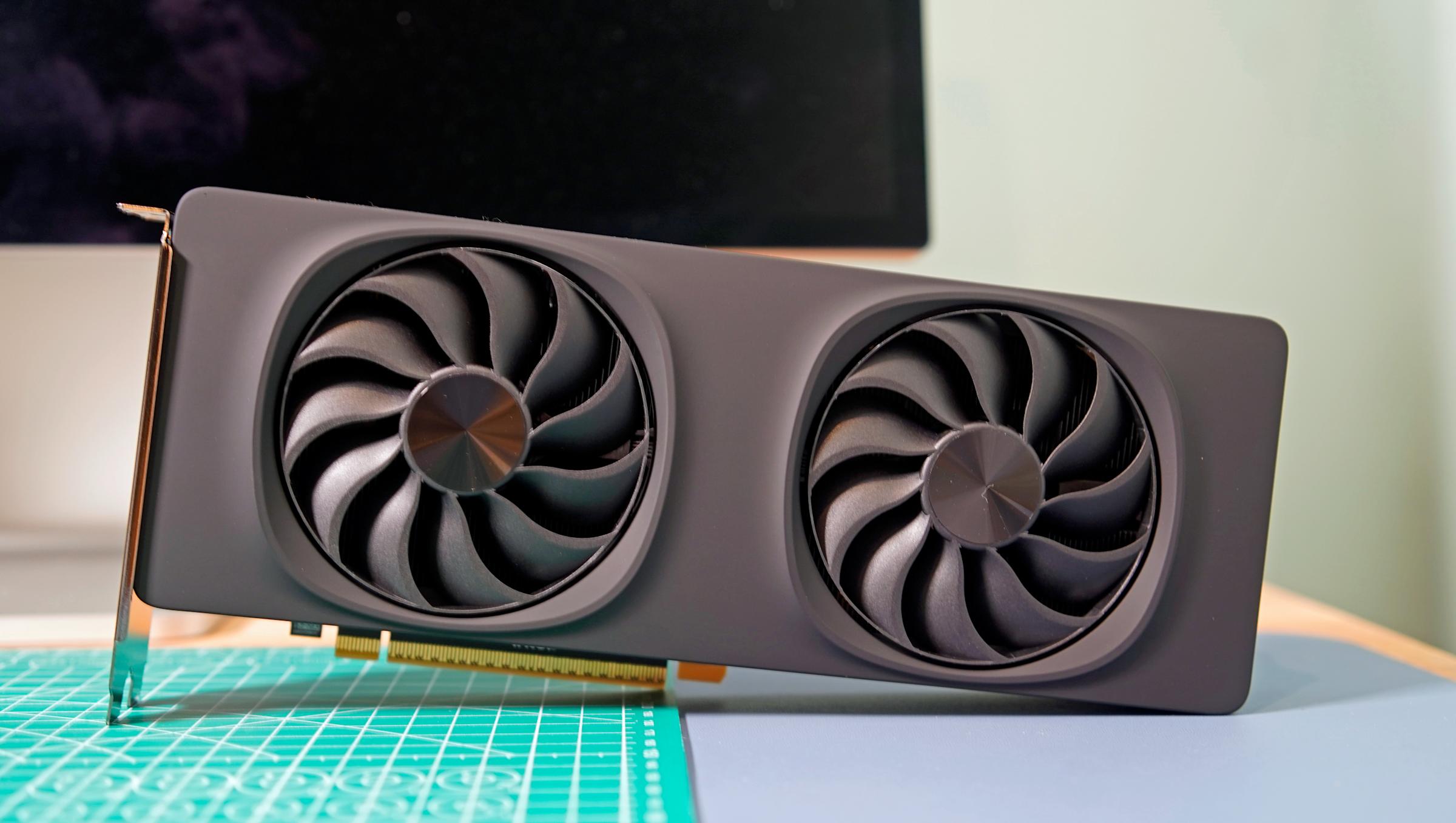
Intel Arc B580
Intel's Arc B580 is a great budget option, as long as you can put up with some driver issues.
Devindra Hardawar for Engadget
For those on a tight budget, I would start and end my search with the Intel Arc B580. Newegg has models from ASRock and Onix at or under the card's $250 MSRP. I can't speak to the quality of ONIX cards, but ASRock is well-regarded. Over on Amazon, you can find the B580 for $300. With Intel cards you sometimes need to put up with odd driver issues, but as far as budget options go, the B580 offers value that's hard to beat. The one thing about budget cards like the B580 is they’re likely to face the most pricing pressure from the memory crunch due to the smaller margins manufacturers are making on them.
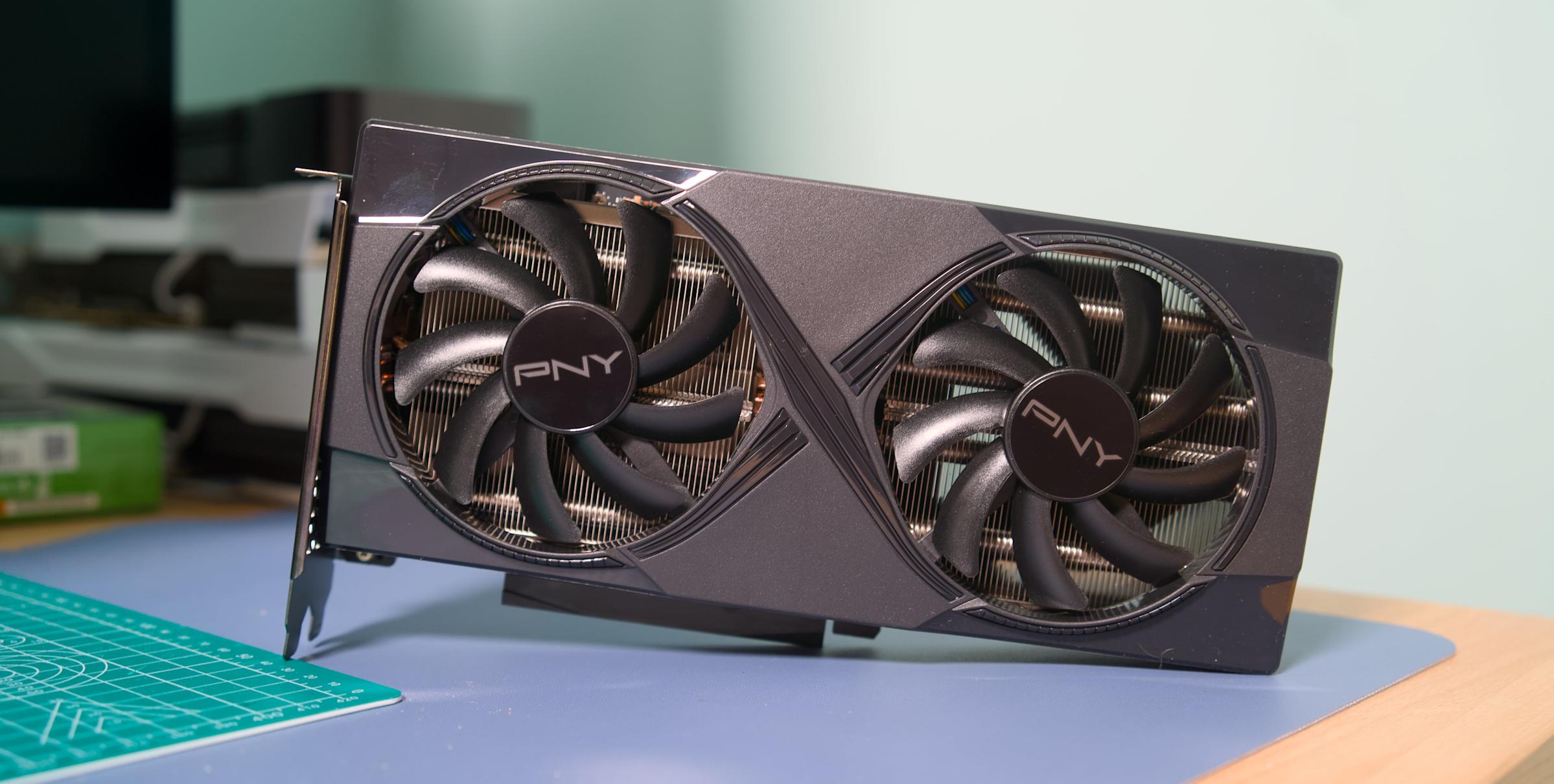
NVIDIA RTX 5060 Ti 16GB
If you decide to go with the RTX 5060 Ti, be sure to buy the 16GB model.
Devindra Hardawar for Engadget
If you have more than $250 to spend on a GPU, the RTX 5060 Ti is the GPU to buy. Avoid the 8GB model and go straight for the 16GB variant. NVIDIA announced the 5060 Ti at an MSRP of $429, and luckily as of the writing of this article, you can still find one close to that price.
Newegg, for instance, is selling the MSI Ventus Black Plus version of the card for $440. Amazon has the silver colorway of that same GPU listed for $460 currently. The retailer also has models from Gigabyte and Zotac in and around that same price.
If I had to pick between the 5060 Ti and 5070, which NVIDIA only offers with 12GB of VRAM, I would pick the former. The 5060 Ti is a safer bet, and offers nearly as much performance, particularly in games that include ray tracing as an option.
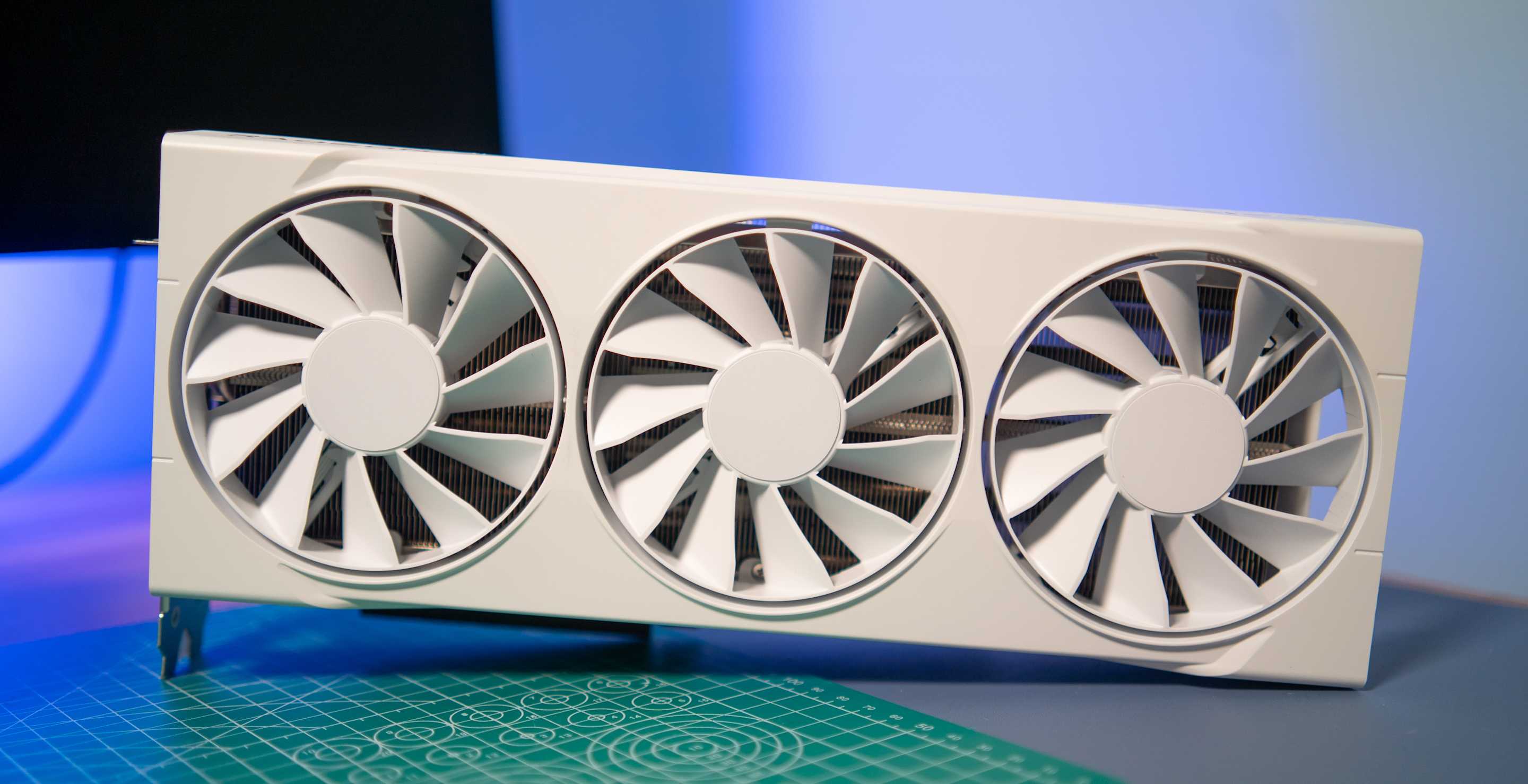
AMD Radeon RX 9070 and RX 9070 XT
If you're a fan of Team Red, the Radeon RX 9070 and 9070 XT are among the best cards of this generation.
Devindra Hardawar for Engadget
For a mid-range option, the Radeon RX 9070 and 9070 XT offer excellent value. Of the two cards, the 9070 is the better purchase for most people due to its less demanding power requirements, but if you got a PSU that can handle the 9070 XT, go for it.
Right now, Newegg has a few 9070 models from ASRock and Sapphire just under the card's $549 MSRP. My friend recently bought the Sapphire card linked above, and has had nothing but good things to say about it. You'll pay more going through Amazon, but the company has a couple of options around $600 from XFX and Gigabyte.
When it comes to the 9070 XT, Newegg has an ASRock model priced right at the card's $599 MSRP. Many of the other options from Sapphire and XFX are unfortunately priced between $650 and $700. The same is true on Amazon, where the cheapest model I could find was $630.
NVIDIA RTX 5070 Ti
If you have more money to spend, the RTX 5070 Ti is a performance beast.
Devindra Hardawar for Engadget
For our final recommendation, consider the RTX 5070 Ti. It's a great option if you want to play games at 4K for less than what the 5080 and 5090 cost. Newegg has MSI and Zotac models on sale for $750, the card's recommended price. There are also a handful of other options from ASUS and Gigabyte that are just over $800. Amazon, meanwhile, is selling one Gigabyte variant for $749.
This article originally appeared on Engadget at https://www.engadget.com/gaming/pc/the-ai-boom-could-soon-send-gpu-prices-soaring-so-nows-a-good-time-to-buy-one-153000063.html?src=rss
If you're traveling for the holidays, there are few things more useful to take with you than a portable charger. Whether you're using your phone for music and navigation on a long drive or music and logistics before, during and after a flight, you'll want it to stay alive for the entire door-to-door journey. A number of our favorites — like this Anker MagGo 10K bank — are on sale right now for record-low, or close to them, prices.
Even better, the Anker MagGo power bank is currently on sale for $60, down from $90. This 34 percent discount brings the power bank to only $5 more than its all-time low price. We're big fans of Anker's MagGo power bank — one of the first and best Qi2-certified products available. You can get about 1.7 iPhone 15 charges out of it and bring your phone from five percent to 60 percent in a little more than 45 minutes. Plus, the stand makes it easy to keep using your phone while it charges.
Two of our other picks for best MagSafe power bank are also on sale — and down to record-low prices. The Baseus Picogo 25W Power Bank is 24 percent off and down to $53 from $70. Meanwhile, the Ugreen MagFlow 10,000mAh 25W Power Bank has dropped to $60 from $90 — a 33 percent discount.
This article originally appeared on Engadget at https://www.engadget.com/deals/pick-up-our-favorite-anker-magsafe-power-bank-while-its-on-sale-for-34-percent-off-151039668.html?src=rss
Spotify is finally letting the United States join its music video party. Music Videos have started rolling out in beta today to Premium users across the US and Canada, offering not only official artist videos but also new formats like live performances and covers.
Music Videos first arrived last year in 11 countries, but the United States wasn't one of them. The reason for that was simple — Spotify simply didn't have the rights. However, last month the streaming service struck a deal with the National Music Publishers' Association (NMPA) that included new provisions for video content, paving the way for the new feature.
Here's how to access Music Videos. If you're a Premium subscriber in one of Spotify's beta markets, you can simply open a track (on TV, desktop, IOS and Android devices) and tap "Switch to video." The music video will then start playing where the song left off. To return to background listening, hit "Switch to audio." You can get a full-screen experience by turning your device to landscape mode.
When the service first launched, it was limited to "thousands" of music videos, but Spotify promised that the list would expand rapidly. In discussing the benefits to artists, the company said early this year that "users who discover a song and then watch the music video on Spotify are 34 percent more likely to stream the song again the following week." In a job listing spotted by The Verge, Spotify said it planned to build a "best-in-class video experience to rival the biggest players, like YouTube or TikTok."
This article originally appeared on Engadget at https://www.engadget.com/entertainment/music/spotify-finally-brings-music-videos-to-the-us-150037974.html?src=rss