Microsoft offers Windows 10 users a year of security updates for $30

Windows 10 will reach end of support on October 14, 2025, which is less than a year from now. This means that the operating system won’t be getting anymore crucial security updates past that date. However, Microsoft just announced an Extended Security Updates (ESU) program for regular users that will let people purchase a one-year extension for $30.

ESU programs have long been in place for commercial entities, but this is the first one intended for personal use. For $30, Windows 10 diehards will get a full year of security updates, bug fixes and technical support. Enrollment doesn’t start until next year, as we get closer to that end of support date.

It’s worth noting that this is only a one-year option. Commercial ESU users can purchase up to three years of support, which brings them all the way to 2028. However, commercial licenses are more expensive and double in price every year until 2028. Personal users just get the year, but that $30 price is right.

Microsoft isn’t entirely heartless. Windows 10 will continue to receive security intelligence updates for Defender Antivirus until “at least” October 2028. More than anything, though, the company wants people to give up on the relatively antiquated Windows 10 and move onto Windows 11.

“With the Windows 10 End of Support moment, now is the time to move to Windows 11 with confidence. We understand change is never easy, but we are committed to making this transition as smooth as possible. Thank you for your passion and loyalty for Windows,” the company wrote in a blog post.

Once upon a time, Microsoft called Windows 10 the "last version of Windows." Things didn't exactly work out that way. 

This article originally appeared on Engadget at https://www.engadget.com/computing/microsoft-offers-windows-10-users-a-year-of-security-updates-for-30-160036244.html?src=rss


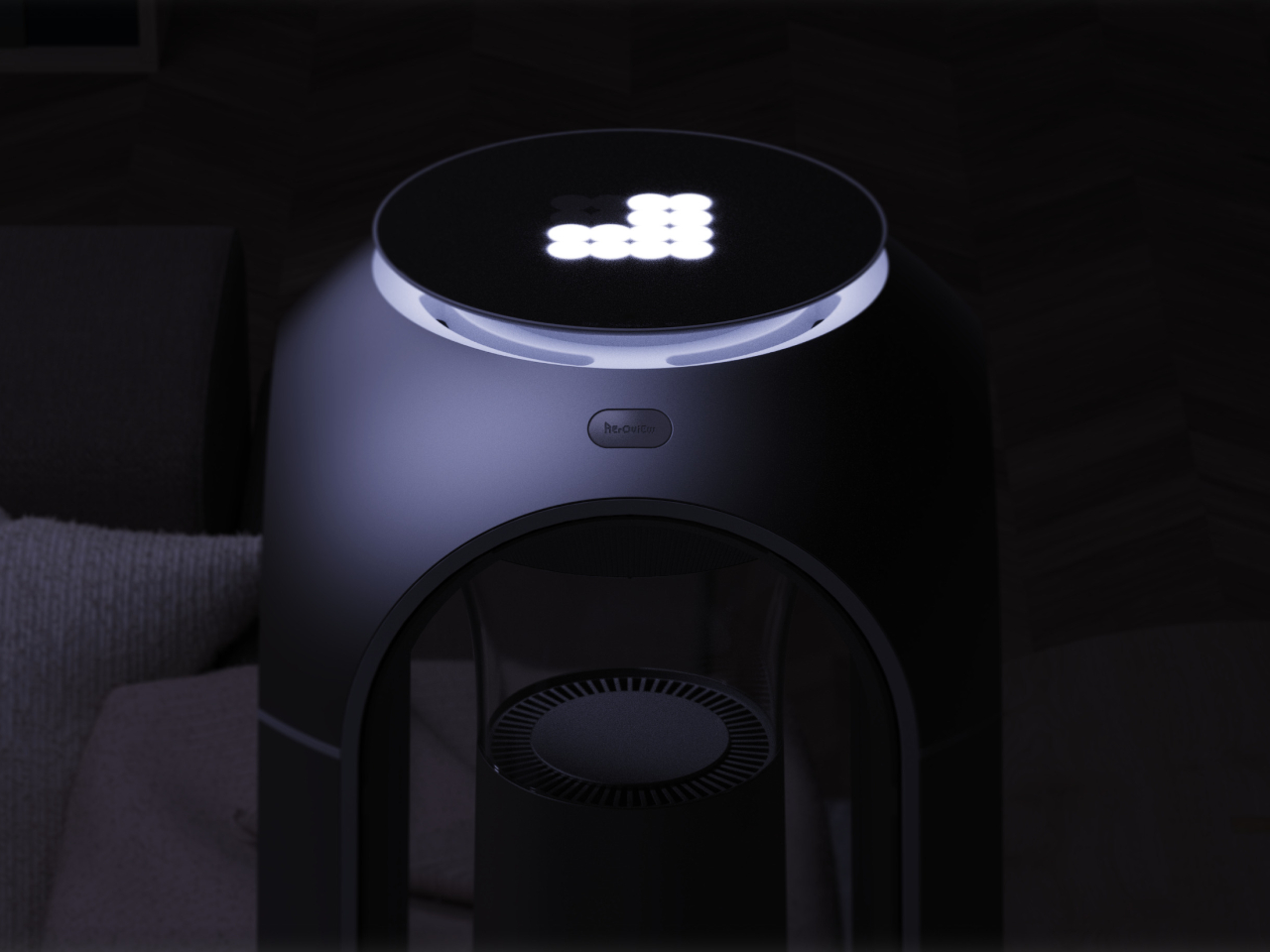
Air purifier concept visualizes indoor pollution for easier visibility

Given how people are now so aware of the air quality in their own homes, it’s no surprise that air purifiers are becoming a staple in living spaces. At first, these appliances looked the part they played, clinical and technical, sticking out like a sore thumb in your living room. Some designs now incorporate more interesting aesthetics, colors, and materials, but in exchange, they have also become a little bit more difficult to use because of their hidden interfaces.

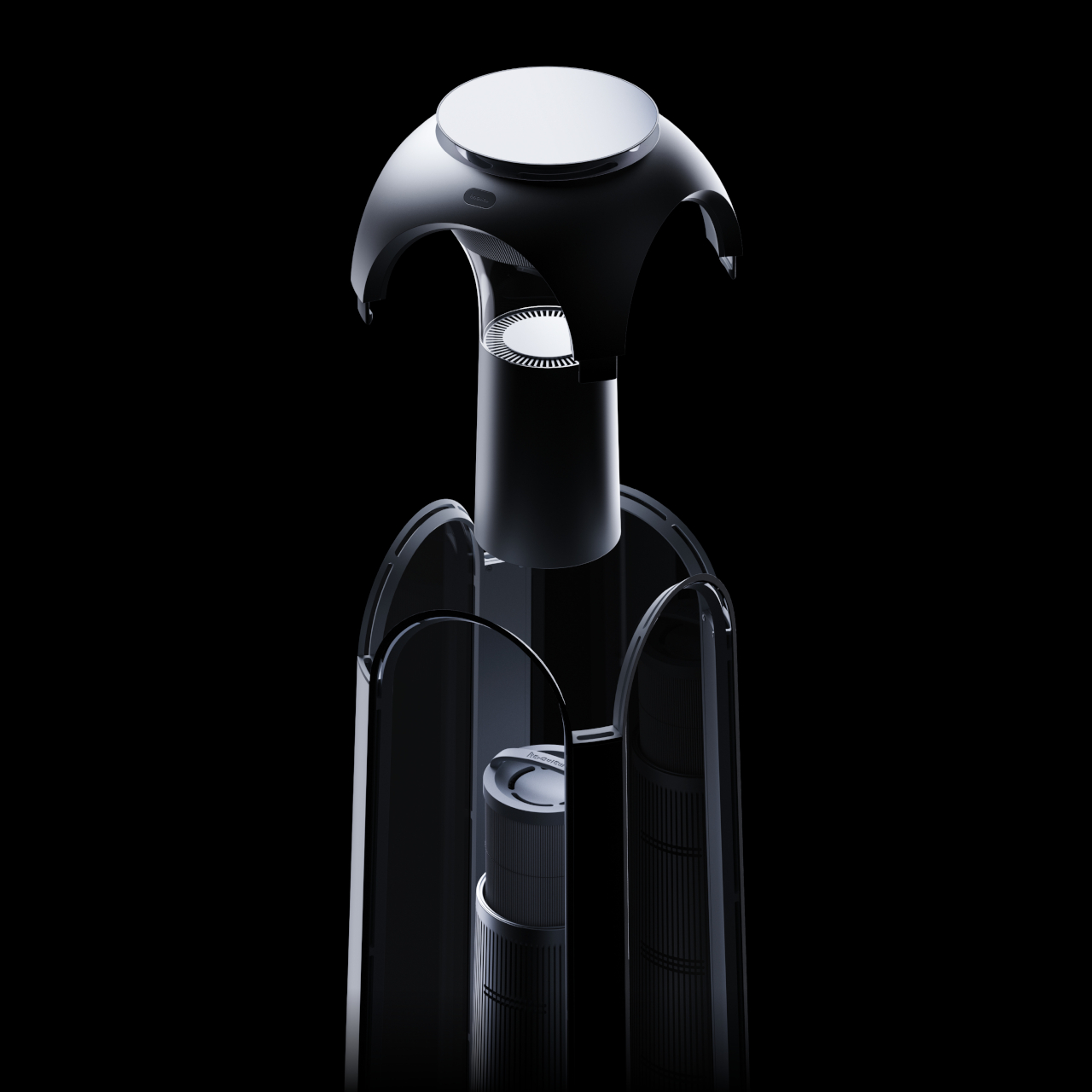
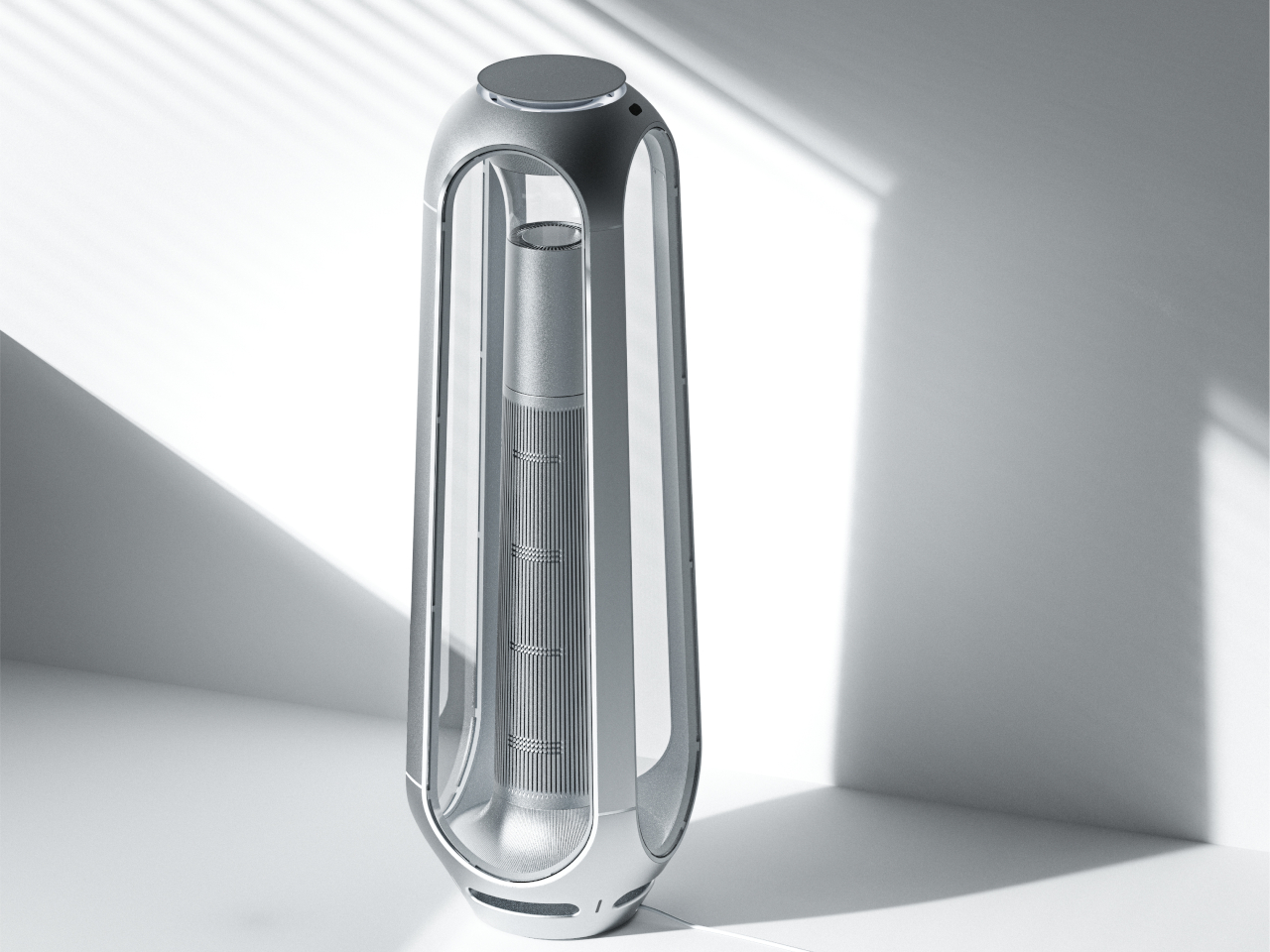
Aeroview is a concept design that tries to blend these two worlds together. Although it does stand tall in the middle of a room, it has a certain visual that comes off as more than just an appliance. More importantly, it makes its operation so simple that you only need to take a look to see how dirty the air is, and a little tap to clean it up as well.

Designers: Jihun Choi, Youngbin Yu, Jiseong Kim

Knowing how the level of indoor pollution, or rather the volume of particular matter (PM), isn’t just a matter of interest. It can help make an air purifier more efficient by only turning it on when it’s actually needed. Many devices show the information as numbers on a display, but that often requires you to waste your time walking to the air purifier, bending down, or squinting to see the numbers.

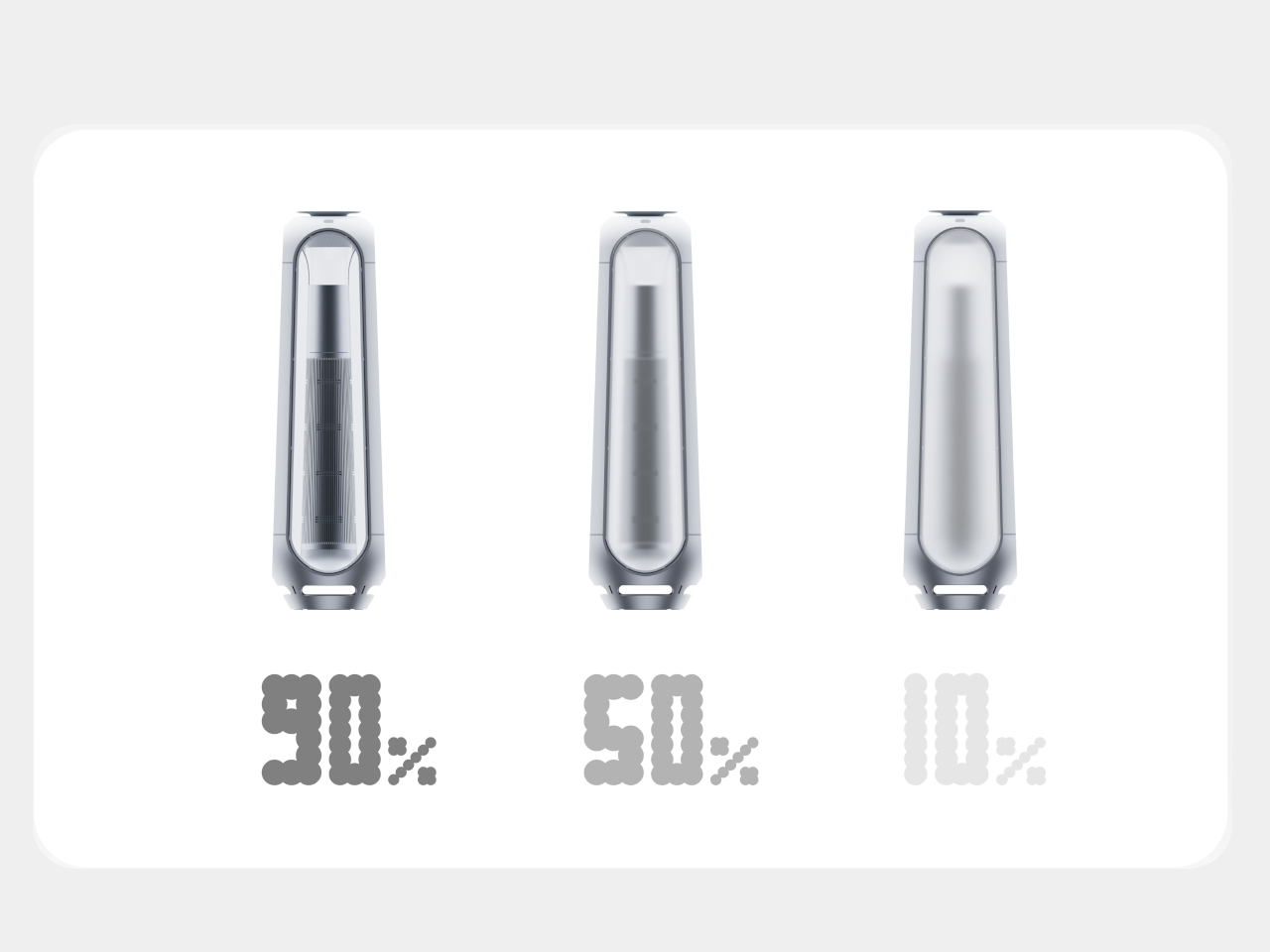
This air purifier design concept uses a more visible visual to convey the same information even from a distance. The tall tower of the appliance has transparent PDLC glass film on all four sides, and its opacity changes depending on the detected amount of fine dust and other particles in the air. It would be like watching a glass window get murky and opaque as dust starts to accumulate on its surface.

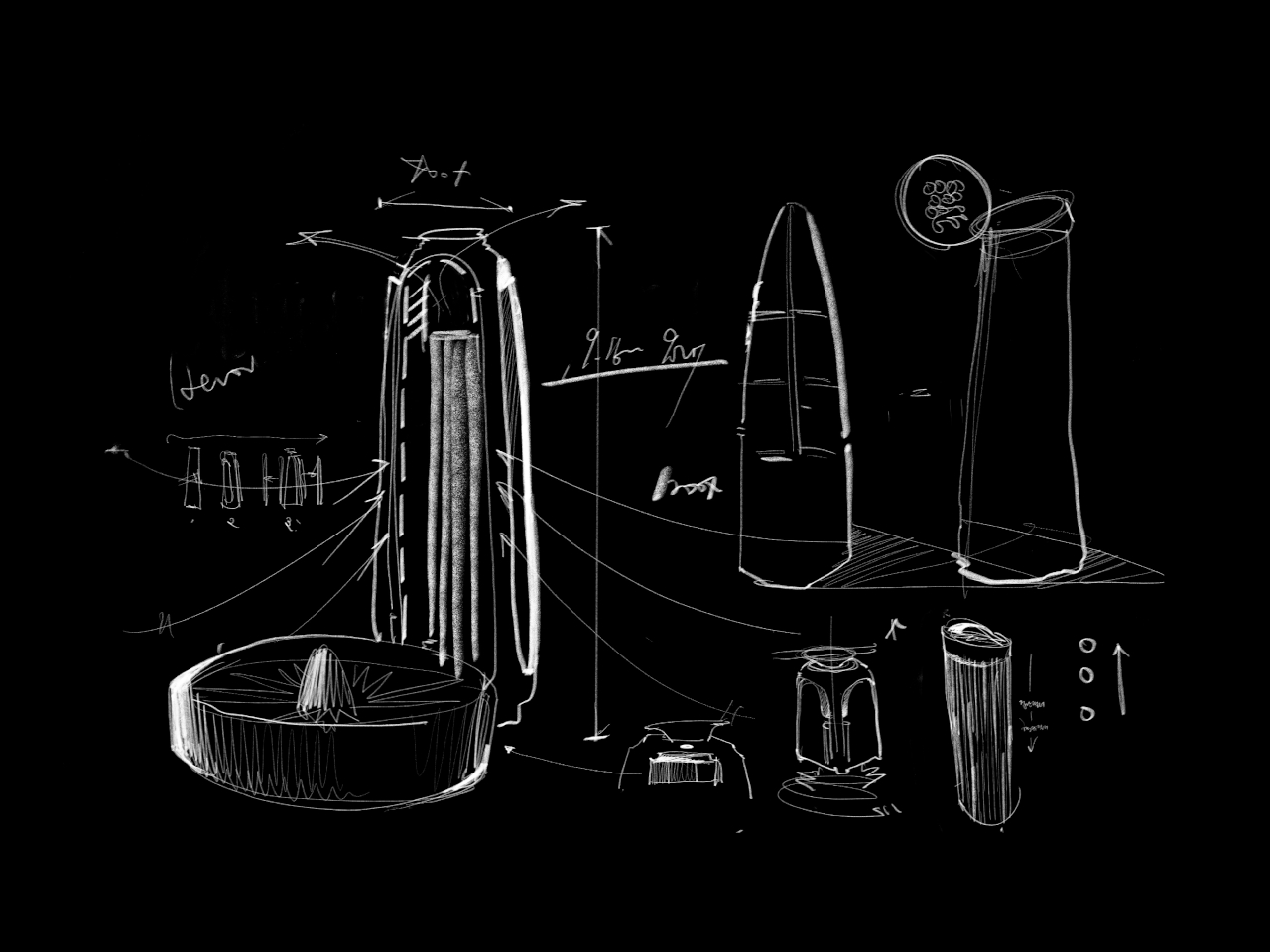
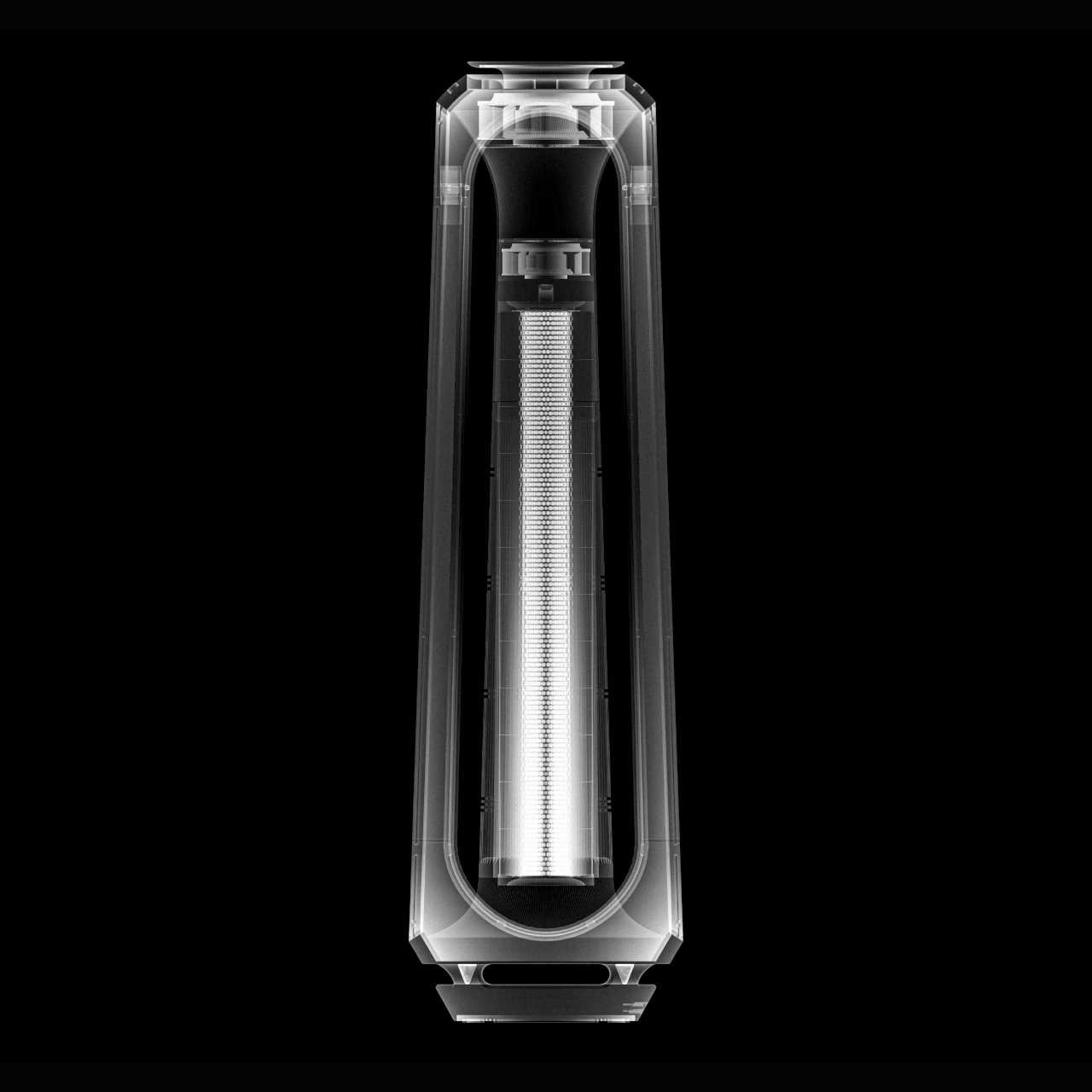
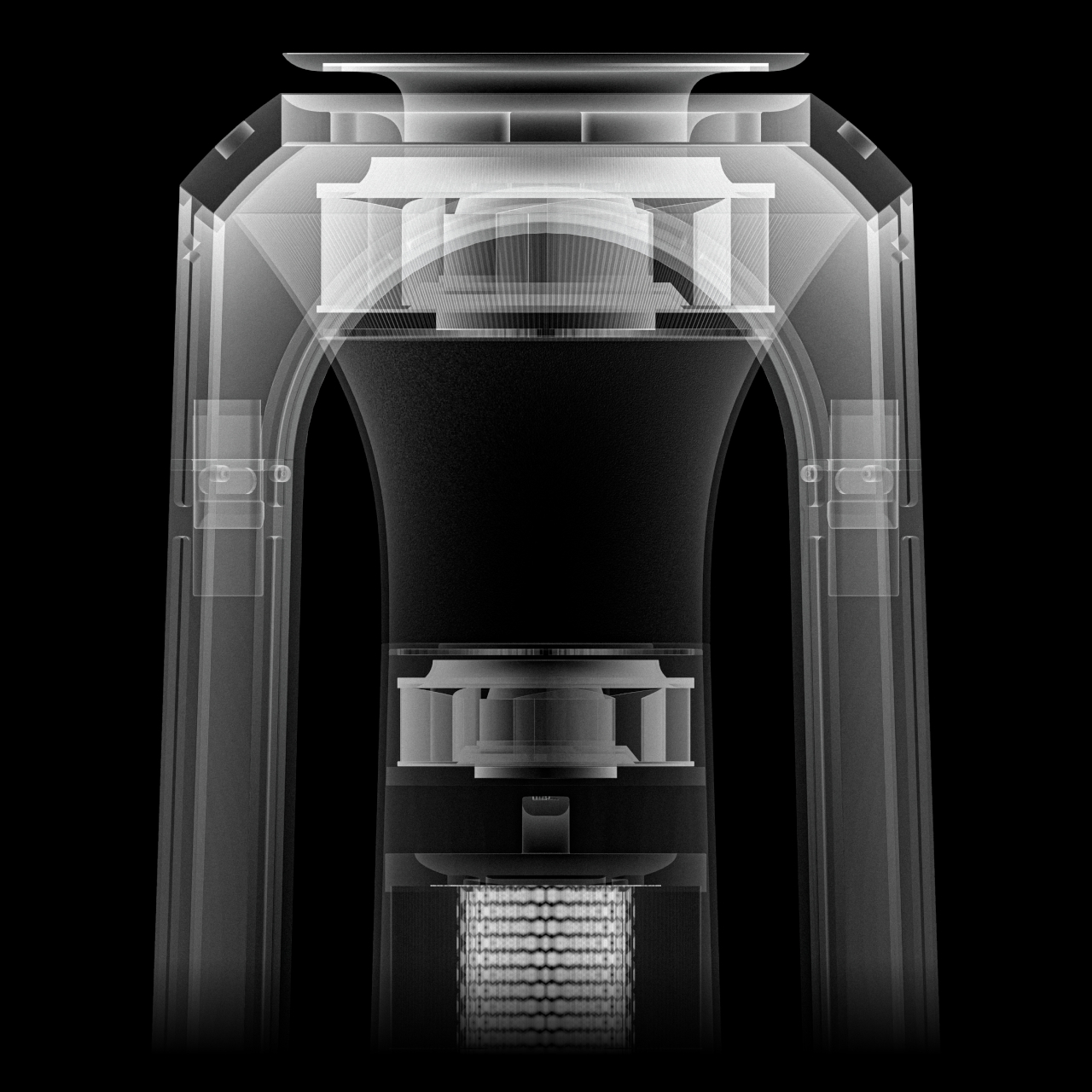
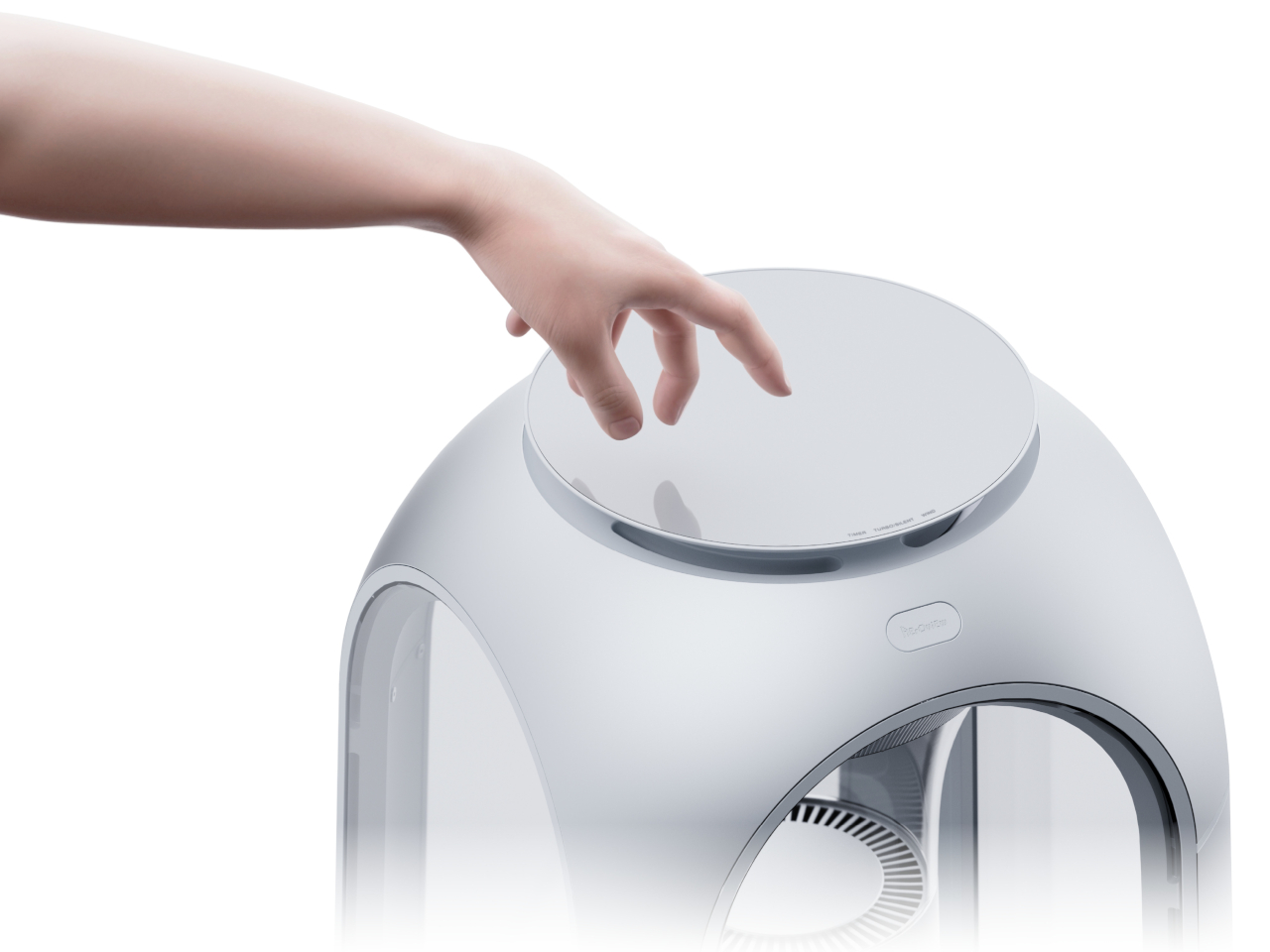
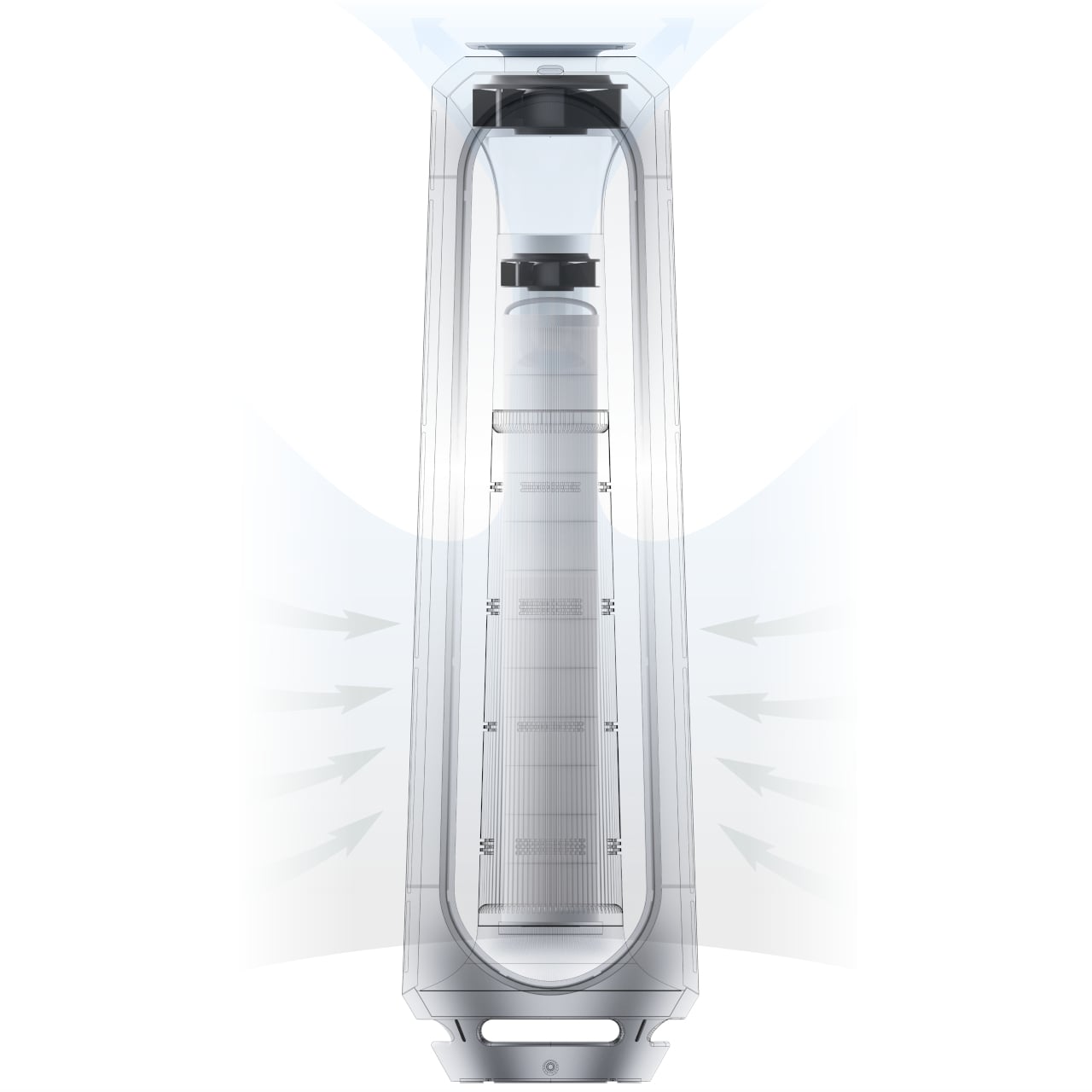
Using Aeroview is also just as easy. Simply press down on its domed top to activate the mechanism that lifts that cover and pushes the sides out, creating paths for dirty air to flow in from the side and purified air to blow from the top. The whole user experience revolves around simplicity without burying information behind multiple levels of menus, though the iconography used to convey that information does leave a bit of guesswork.

Aeroview is a fusion of stylish design and technological marvel, operating in a manner that brings some visual interest to your space. It doesn’t completely hide its identity as an air-purifying appliance, but it also uses that very same characteristic to make it look more at home in your home.

The post Air purifier concept visualizes indoor pollution for easier visibility first appeared on Yanko Design.

iRobot’s entry-level Roomba vacuum and mop combo hits a new record low

We're racing toward the giving time of year and what better way to treat a loved one (or even yourself) than with the gift of time and convenience. Robot mops and vacuums can all but wipe out the time you spend on a chore that often has to be taken care of. An entry-level Roomba has dropped to a price that may make that proposition even more enticing for newcomers to the robot-cleaner world.

The Y011 Roomba Combo Robot Vacuum and Mop from iRobot has dropped to $160. That’s 42 percent off the regular price of $275 and a new record low.

This unit doesn’t have some of the funkier features of pricier models, such as self-emptying or advanced object detection. But it should do a solid job of keeping your floors clean.

The Y011 cleans your space in neat rows, vacuuming and mopping in one pass. It has a low-profile design to help it slink under beds and sofas, while an edge-sweeping brush helps it pick up debris from corners and edges. The Roomba uses sensors to move around furniture and avoid tumbling down stairs. If there's a particularly dirty spot that needs extra attention, the spot cleaning feature enables the device to spin in place and keep cleaning that area for up to two minutes. On top of that, you can start an ad-hoc cleaning using Alexa or Google Assistant.

According to iRobot, this model will run for up to 120 minutes on a single charge and automatically return to its charging station when it needs more juice. The washable microfiber mop pad can be reused up to 30 times. 

Meanwhile, an entry-level vacuum-only Roomba has dropped to $140, down from $250. That’s a decent deal as well, but plunking down an extra $20 for iRobot to take care of mopping as well may be a more compelling option.

Follow @EngadgetDeals on Twitter and subscribe to the Engadget Deals newsletter for the latest tech deals and buying advice.

This article originally appeared on Engadget at https://www.engadget.com/deals/irobots-entry-level-roomba-vacuum-and-mop-combo-hits-a-new-record-low-151054307.html?src=rss

The name YouTube Shorts isn’t a trademark infringement, UK court rules

Be prepared, you might never read another article using the word "shorts" so many times again. Ready? A UK high court has ruled Google is free to use the word shorts (here we go!) for YouTube's platform Shorts. A British short films television channel called Shorts International, sued Google last year, arguing the name Shorts infringed on its existing trademark for the word, you guessed it, shorts. 

The court disagreed. "None of Google’s uses of signs including the word “shorts” gives rise to a likelihood of confusion as to origin," Judge Michael Tappin stated in his ruling. "While the similarities between Google’s signs and SIL’s trade marks will give rise to a link in the minds of the limited group of UK consumers amongst whom SIL’s trade marks have a reputation, Google’s uses of signs including the word “shorts” will not cause damage to the distinctive character or repute of SIL’s trade marks." 

YouTube Shorts launched in 2020 in response to the popularity of other short video platforms like TikTok. It reached over 1.5 billion monthly users two years later and can now show videos up to three minutes long — still pretty short (that's 12 short(s) for you).

This article originally appeared on Engadget at https://www.engadget.com/big-tech/the-name-youtube-shorts-isnt-a-trademark-infringement-uk-court-rules-150258393.html?src=rss

Audi A6 e-tron: New Entry-Level Models Offer Power & Efficiency

Audi A6 e-tron

The Audi A6 e-tron entry-level models are set to transform the electric vehicle market by offering a perfect balance of power, efficiency, and affordability. These new models, which come in both Sportback and Avant body styles, are equipped with a single rear-mounted motor and an 83kWh battery, capable of delivering an impressive 326PS. This configuration […]

The post Audi A6 e-tron: New Entry-Level Models Offer Power & Efficiency appeared first on Geeky Gadgets.

China sanctions US drone maker Skydio in ongoing trade war

China has sanctioned Skydio, America’s largest drone maker, for providing unmanned aerial vehicles to Taiwan’s national fire service. Skydio CEO Adam Bry publicly acknowledged the sanctions on Wednesday. “A few weeks ago, China announced sanctions on Skydio for selling drones to Taiwan, where our only customer today is the National Fire Agency,” Bry wrote in a blog post.

As first reported by the Financial Times, the ban has sent Skydio racing to find alternative battery suppliers. Although the company manufactures its drones in the US and sources many of the components that go inside of them from outside of China, Skydio had been wholly dependent on a single Chinese provider for batteries before October 11, when the country’s government imposed the embargo.

According to Bry, the company has a “substantial stock” of power cells on hand, but those supplies won’t be enough to prevent near-term rationing, and the alternate suppliers Skydio is working to engage won’t “come online until the spring of next year.” Subsequently, future shipments of the company’s flagship X10 drone (pictured above) will only come with one battery for the time being.

Among the customers Skydio has been contracted to provide X10 drones to was Ukraine’s military, which planned to use the UAV for reconnaissance missions. Before the sanctions, Ukraine had requested thousands of X10 units, according to the Financial Times.

Skydio’s relationship with Taiwan may have only been a pretext for the sanctions. “We suspect Skydio was targeted by Beijing because it is likely seen as a competitor to DJI,” a US official told the Financial Times. “If there is a silver lining, we can use this episode to accelerate our work to diversify drone supply chains away from … China.”

DJI, it should be mentioned, has long been in the crosshairs of the US government. In mid-October, the Chinese drone maker filed a lawsuit against the Department of Defense over a decision the Pentagon made to designate it as a “Chinese military company.” Earlier in the year, DJI narrowly avoided a national ban when the US Senate released its version of the 2025 National Defense Authorization Act.

This article originally appeared on Engadget at https://www.engadget.com/general/china-sanctions-us-drone-maker-skydio-in-ongoing-trade-war-144507154.html?src=rss