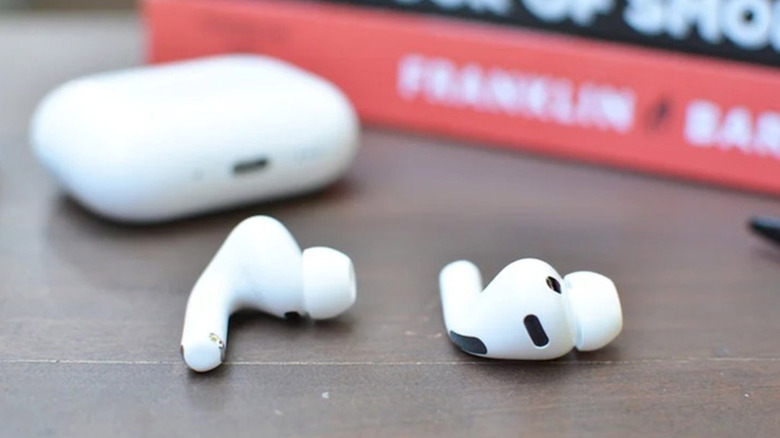
Apple appears to have leaked its camera-equipped AirPods
Apple may have leaked its camera-equipped AirPods in a video tucked into macOS Tahoe 26.7.
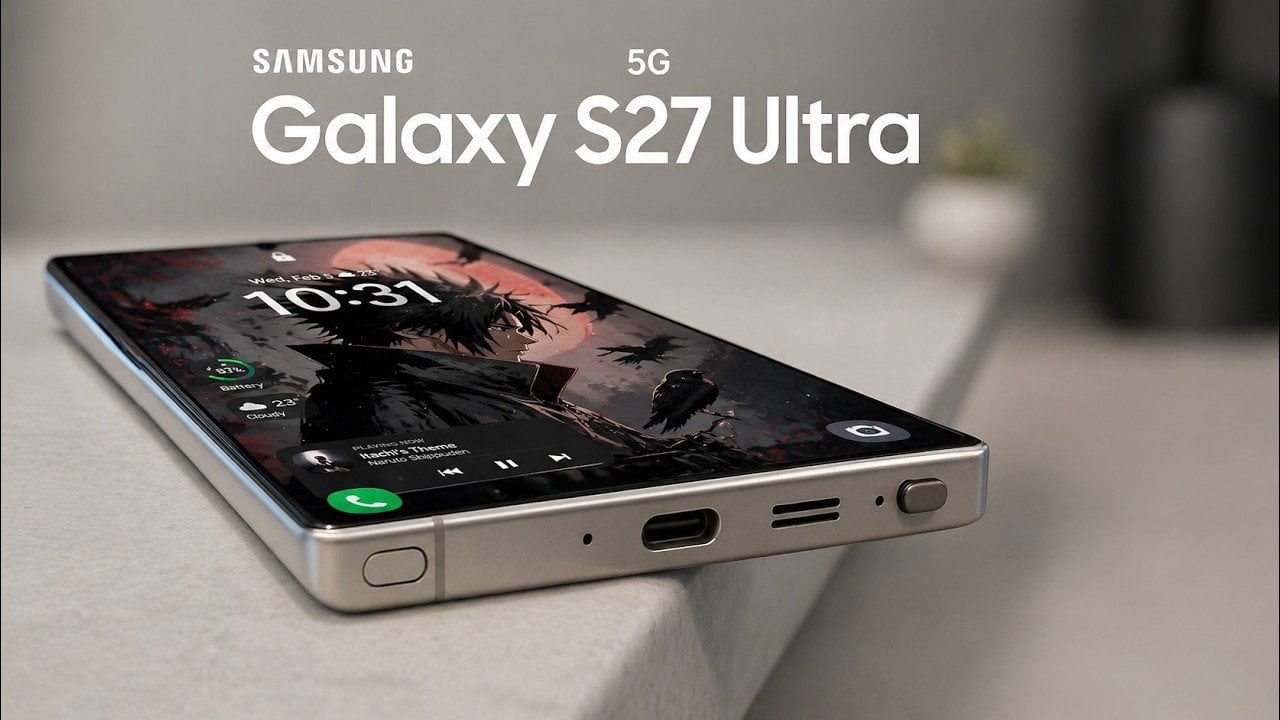
The Samsung Galaxy S27 Ultra is poised to set new standards in flagship smartphone performance. Early reports suggest a remarkable 35% performance boost compared to its predecessor, with leaked benchmarks revealing an impressive AnTuTu score of 4,835,412 points. This positions the device as a potential leader in the Android market. However, rising component costs and […]
The post Samsung Galaxy S27 Ultra Chip Leak: Custom 2nm Snapdragon Powerhouse Confirmed? appeared first on Geeky Gadgets.

OpenAI’s Astra has made headlines by solving ten long-standing mathematical problems, showcasing its ability to operate autonomously over extended periods. These breakthroughs include proving the existence of a non-sofic group and disproving K’s rigidity conjecture, both verified using the Lean 4 proof assistant. While Astra’s achievements highlight its potential as a research-oriented system, AI Master […]
The post OpenAI Astra Solves 10 Historic Math Problems Autonomously appeared first on Geeky Gadgets.

Long workdays rarely end when people leave the office. Evenings often continue with emails, streaming, or one last scroll before bed, making it harder to fully switch off. A 2025 study published in JAMA Network Open found that 41.2% of adults use electronic screens before bed every day, a habit associated with poorer sleep quality […]
The post Brainlume’s Head-Worn Wellness Device Keeps Near-Infrared Light Simple appeared first on Geeky Gadgets.
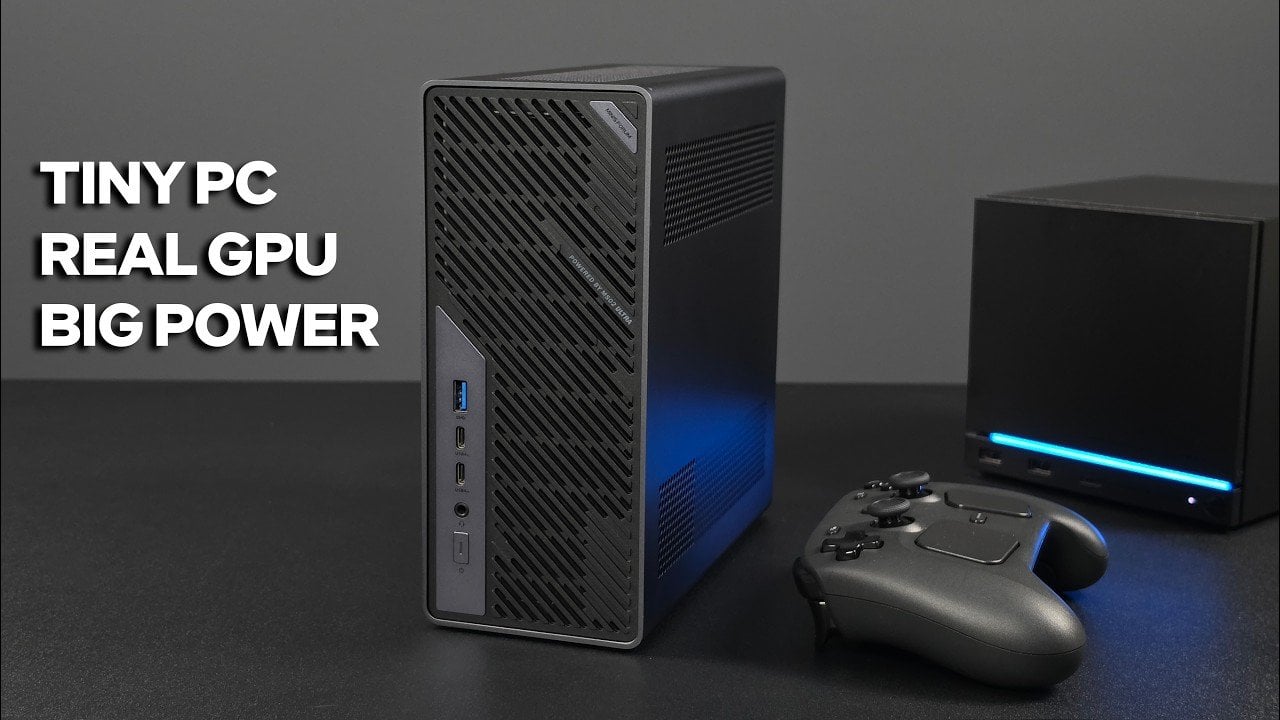
The Minisforum MS02 Ultra is a 4.8L mini PC that supports a full desktop GPU, such as the NVIDIA RTX 4060 or RTX 5060, through its PCIe Gen 5 x16 slot. As detailed by ETA Prime, this compact system is powered by a 14-core Intel Core Ultra 235HX CPU and can accommodate up to 256GB […]
The post Minisforum MS02 Ultra Fits an NVIDIA RTX 4060 in 4.8L appeared first on Geeky Gadgets.
The latest open source AI models, Qwen 3.8 and GLM 5.3, are making waves in the artificial intelligence landscape by challenging the dominance of closed, proprietary systems. Qwen 3.8, developed by Alibaba, exemplifies this shift with its ability to run locally on consumer-grade hardware, requiring as little as 13.5 GB of RAM. This feature not […]
The post Alibaba Qwen 3.8 Rivals Claude Opus with Local 13.5GB RAM Operation appeared first on Geeky Gadgets.
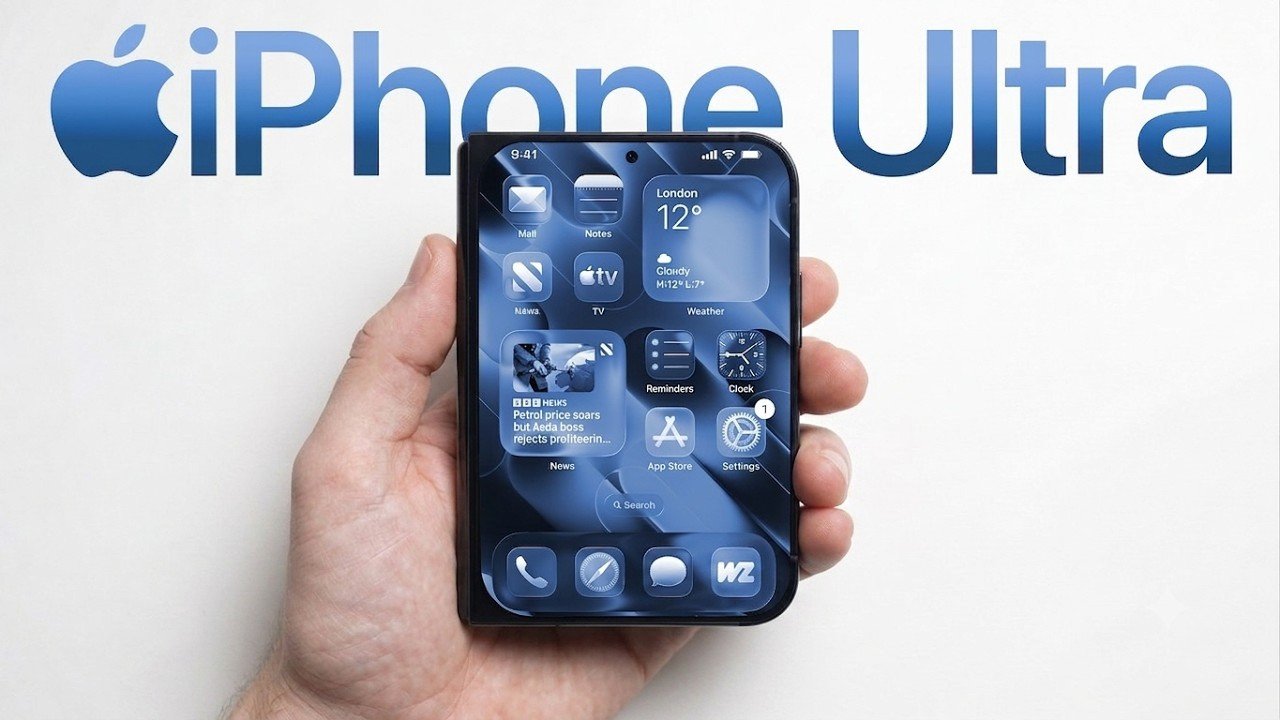
Apple is gearing up to enter the foldable smartphone market with the highly anticipated iPhone Fold Ultra. This premium device, expected to debut during Apple’s September 2026 event, is poised to showcase innovative technology and design. However, the road to its release is proving to be complex, with significant production challenges threatening to delay its […]
The post Apple’s $2,600 iPhone Ultra Fold Hits a Problem appeared first on Geeky Gadgets.
TEKTO built its entire reputation on blades that fold, flip, and fire out the front. The Maine-based brand spent nearly a decade getting serious about automatic and folding knives, quietly becoming a go-to for people who want an OTF that actually holds up. Their design playbook was consistent: lean into a tactical DNA, use premium materials that punch above their weight, and build everything with a certain rugged honesty. It was a solid formula that earned them a loyal following. So when TEKTO dropped the X1 ATLAS, their first fixed blade ever, it felt less like a new product and more like a declaration. Ten years in, they stepped out of the OTF lane entirely and planted a flag in fixed blade territory.
The ATLAS is a 7.70-inch fixed blade with a 3.30-inch drop point ground from CPM MagnaCut, the steel that has dominated knife talk for years for good reason. Its handle is skeletonized G10 on a full-tang frame, a clever move that keeps the whole knife down to a featherlight 3.88 ounces. A Kydex sheath with an adjustable belt clip comes standard, ready for vertical or horizontal carry right out of the box. TEKTO even offers custom blade engraving for ten bucks, a nice touch on a tool designed for hard use. The ATLAS is made in the USA and priced at $249.99, positioning it as the flagship of a new fixed blade line for a brand confidently stepping into a new arena.
Designer: TEKTO Knives
Click Here to Buy Now: $212.5 $249.99 (15% off, use coupon code “ATLAS”). Hurry, deal ends in 48-hours!
CPM MagnaCut, developed by metallurgist Dr. Larrin Thomas at Crucible Industries, did something the knife world had been waiting for: it solved the toughness-corrosion trade-off. Most premium steels forced a choice between the two. High corrosion resistance, think M390, meant giving up toughness. High toughness, think S35VN, meant accepting some rust risk. Thomas eliminated chromium carbides from the microstructure, freeing chromium to stay in solution and fight corrosion without touching hardness or edge retention. For a brand debuting their first fixed blade ever, choosing MagnaCut over something more conservative is a signal I like. TEKTO hardened the ATLAS blade to 60-62 HRC, the sweet spot for the steel’s properties to fully express themselves.
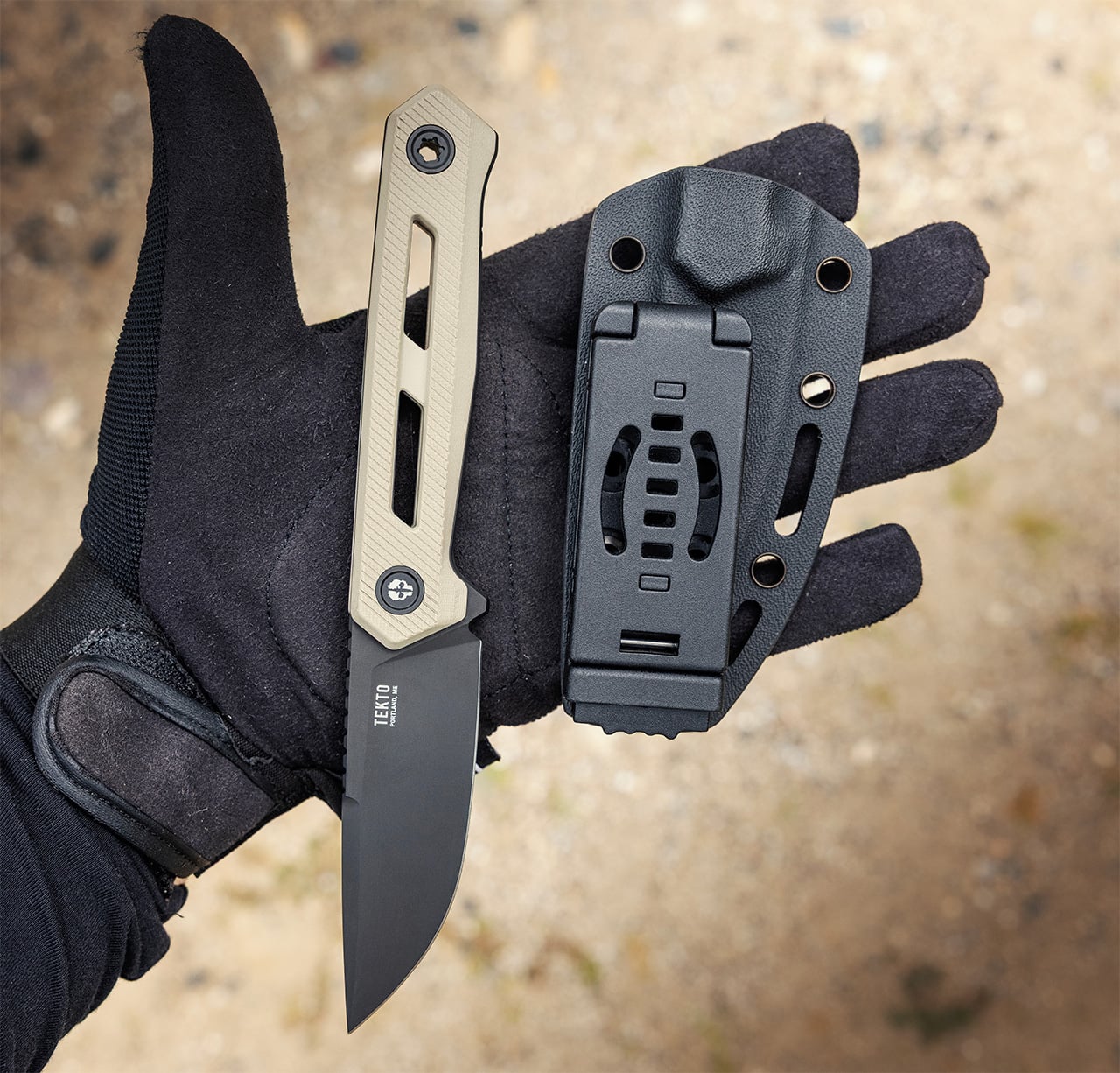
The ATLAS runs a drop point profile, the blade geometry that wins the “which shape do you actually want in the field” argument most of the time. The spine slopes gradually from handle to tip, creating a robust, centered point and a long useful belly that handles slicing and fine work without compromise. That shape resists tip damage under lateral loads, which matters once the ATLAS gets handed something harder than kitchen cardboard. Running steel continuously through the full 4.40-inch handle as a full tang eliminates the structural weak point at the blade-handle junction, the exact place a partial tang fails under hard chopping or batoning. The 3.30-inch blade length keeps the ATLAS legal in most carry situations while still being genuinely useful.
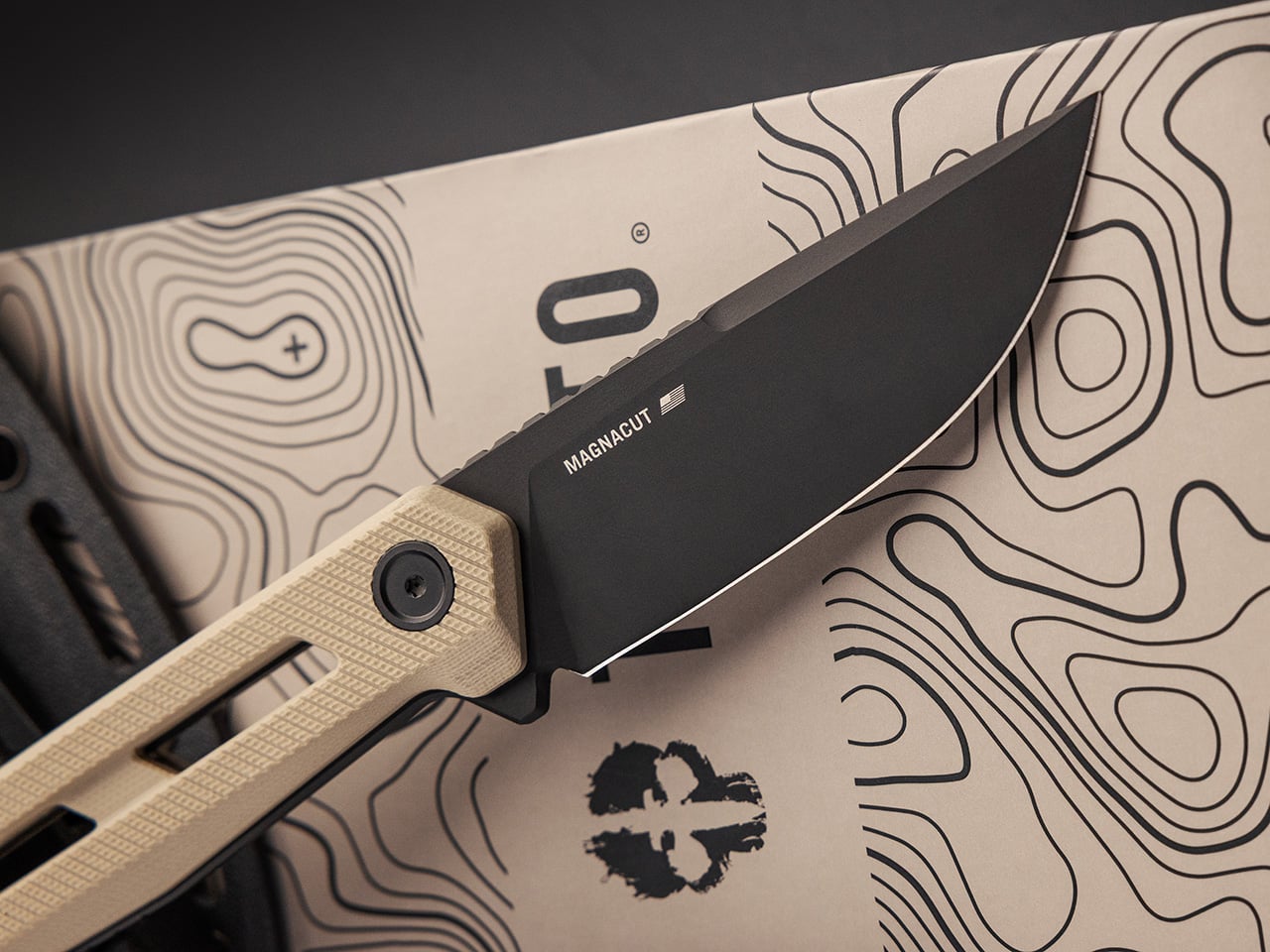
Skeletonized G10 is what makes 3.88 ounces possible on a full-tang fixed blade with this much handle real estate. G10 is a fiberglass and epoxy resin composite, laminated and cured under high pressure, producing a material that resists impact, moisture, and chemicals without adding unnecessary weight. Skeletonizing means CNC milling away material from non-load-bearing sections of the handle scales, cutting mass without compromising structural integrity. The resulting surface is textured, grippy, and stable across temperature extremes, which matters for a brand literally founded on the frustration of knives that quit in cold Maine winters. The one early reviewer on TEKTO’s site noted the handle felt grippy and surprisingly light, which is exactly the combination a full-tang fixed blade needs to pull off.
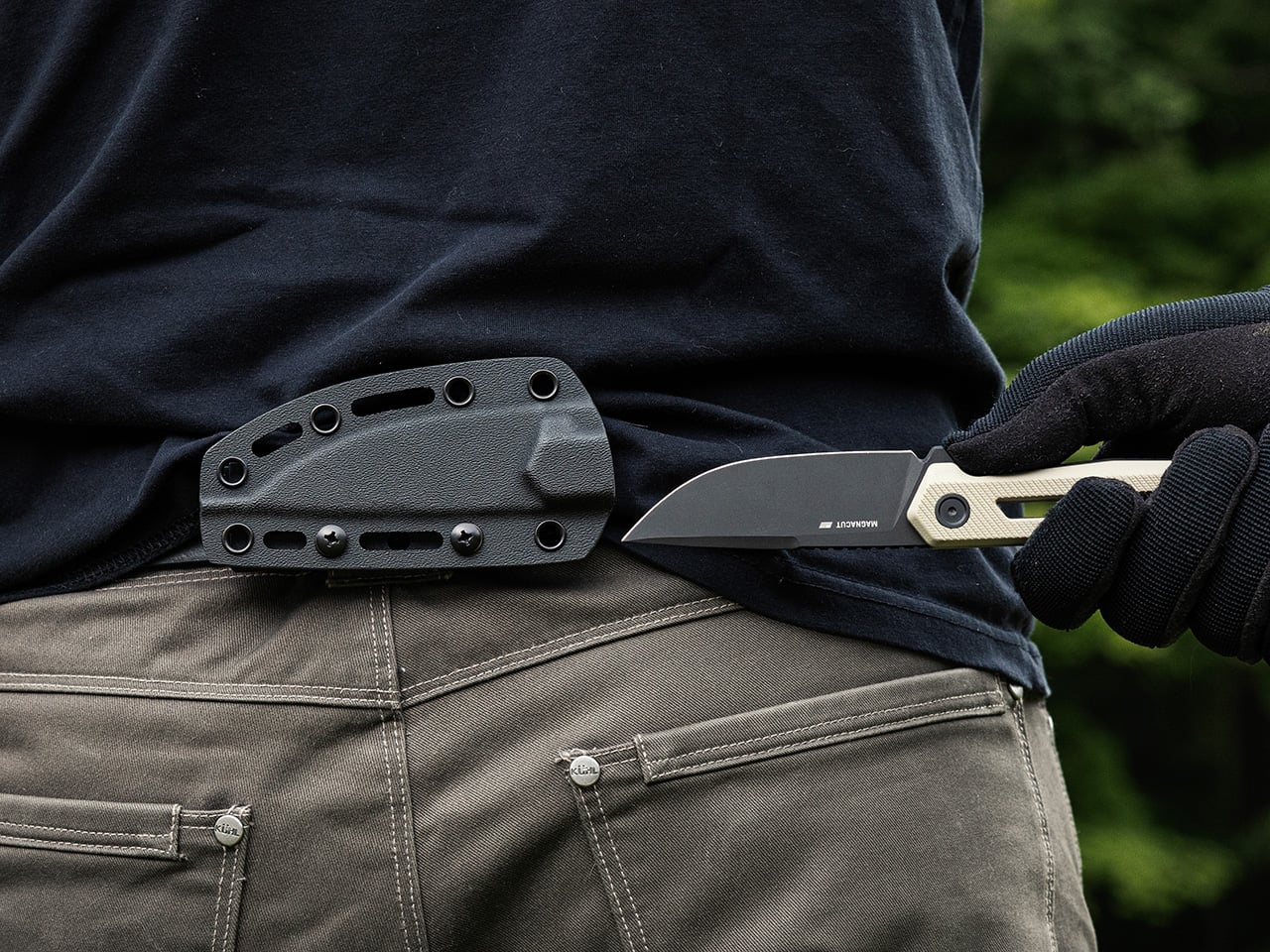
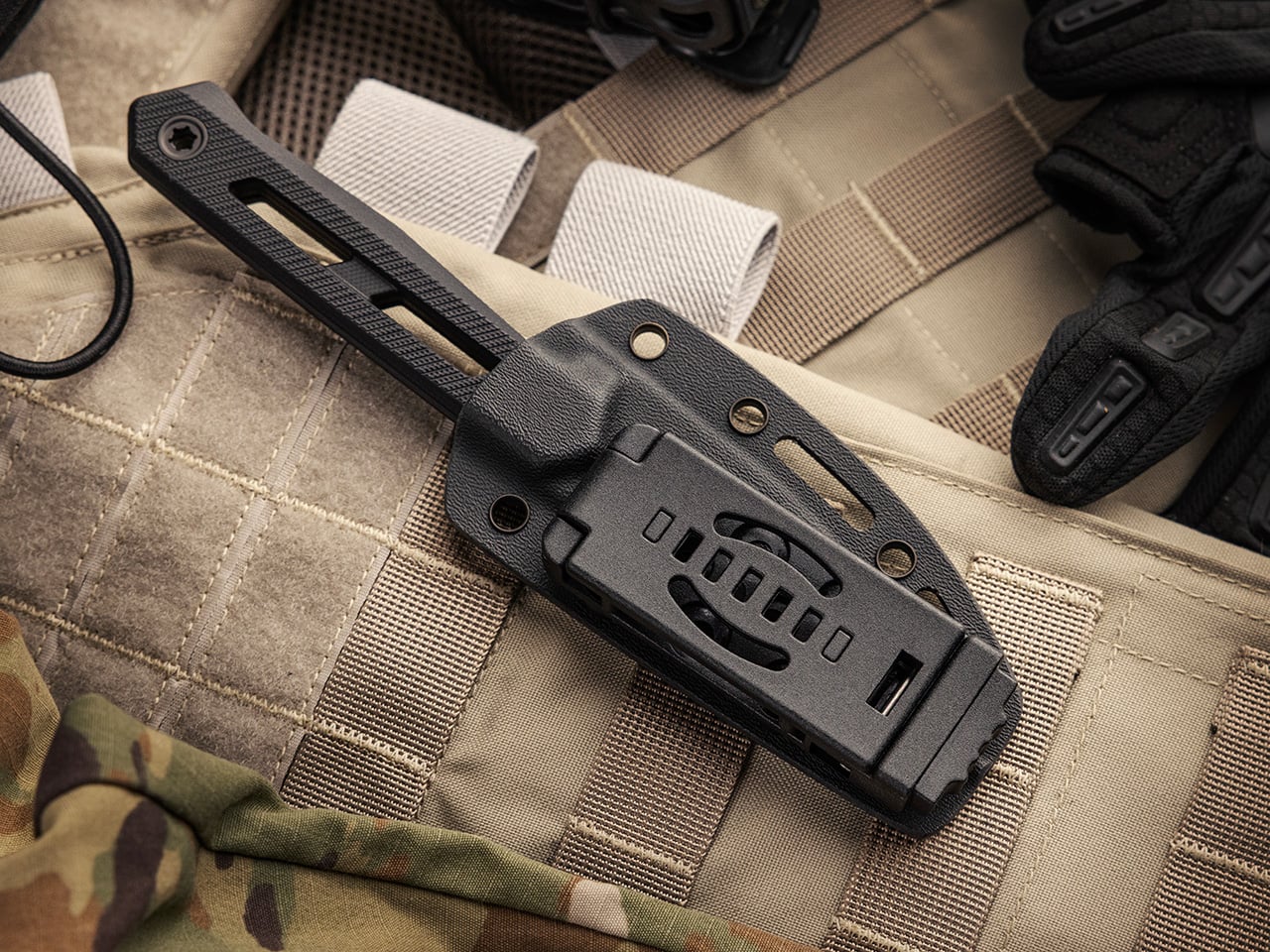
The Kydex sheath that ships with the ATLAS is purpose-molded to the knife, meaning retention is consistent from the first draw rather than requiring break-in time. Kydex is a thermoplastic material that holds its shape, shrugs off moisture and sweat, and skips the periodic conditioning that leather demands. The adjustable belt clip configures for vertical or horizontal carry, a practical detail for users whose setup changes between contexts, say a belt rig in the field versus a horizontal setup at a work site. A lanyard hole at the butt of the handle adds the option for wrist tethering or utility cord attachment. The sheath ships ready to use, no aftermarket upgrades required to make the carry system work.
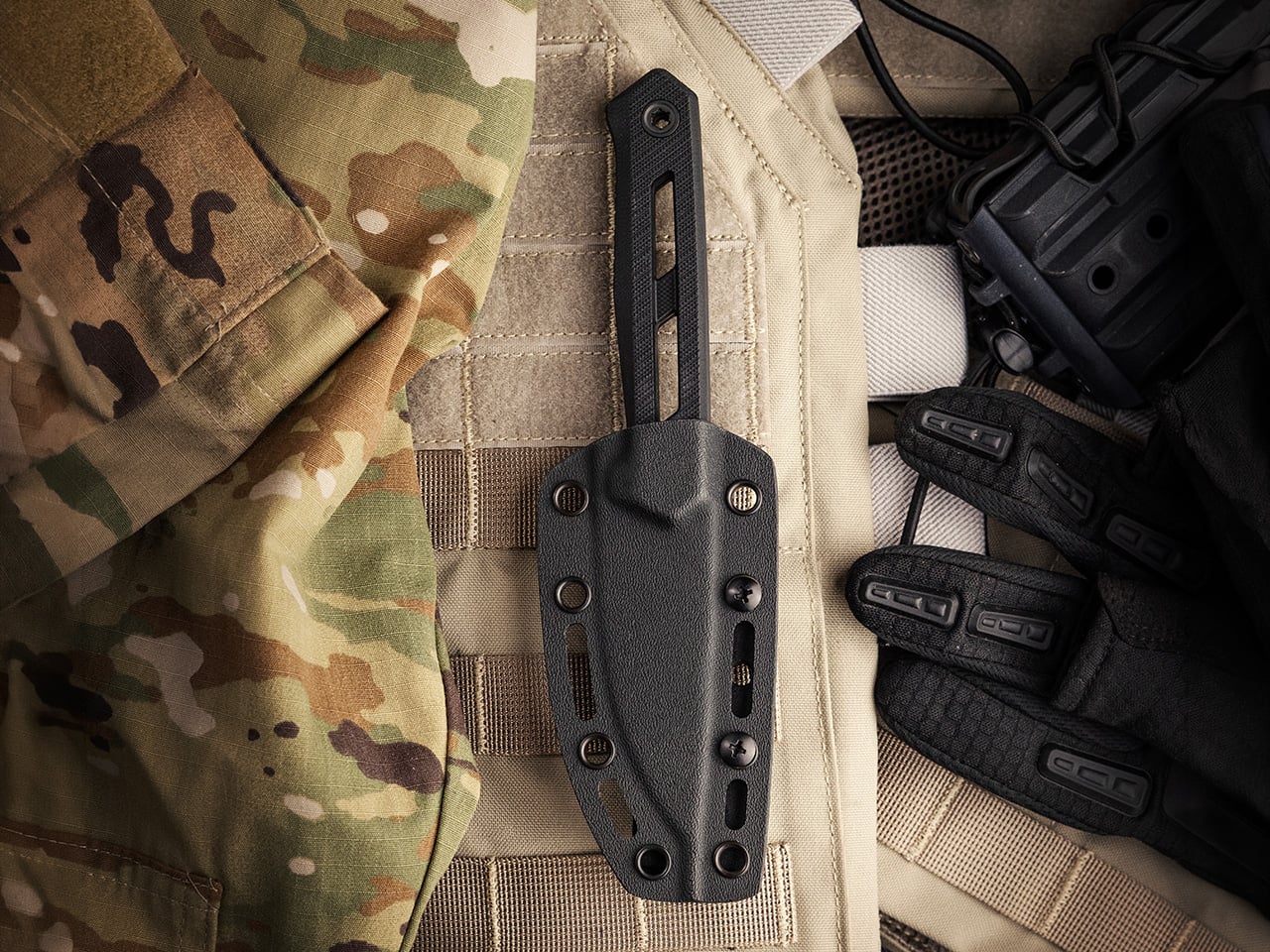
The X1 ATLAS retails for $249.99 and is currently available in Black G10 directly through TEKTO’s website, with free US shipping and returns included. TEKTO backs it with a limited lifetime warranty covering defects in materials and workmanship, so if the knife ever fails because of the knife rather than the user, they will repair or replace it at no charge. Custom blade engraving is available as a $9.99 add-on at checkout. At this price, the ATLAS shares shelf space with USA-made fixed blades like the Benchmade Puukko, but the MagnaCut specification pushes it into a stronger materials conversation. For a brand making its very first fixed blade, this is an unusually confident place to start.
Click Here to Buy Now: $212.5 $249.99 (15% off, use coupon code “ATLAS”). Hurry, deal ends in 48-hours!
The post TEKTO’s First Fixed Blade Is a Full-Tang MagnaCut Drop Point That Weighs Under 4 Ounces first appeared on Yanko Design.
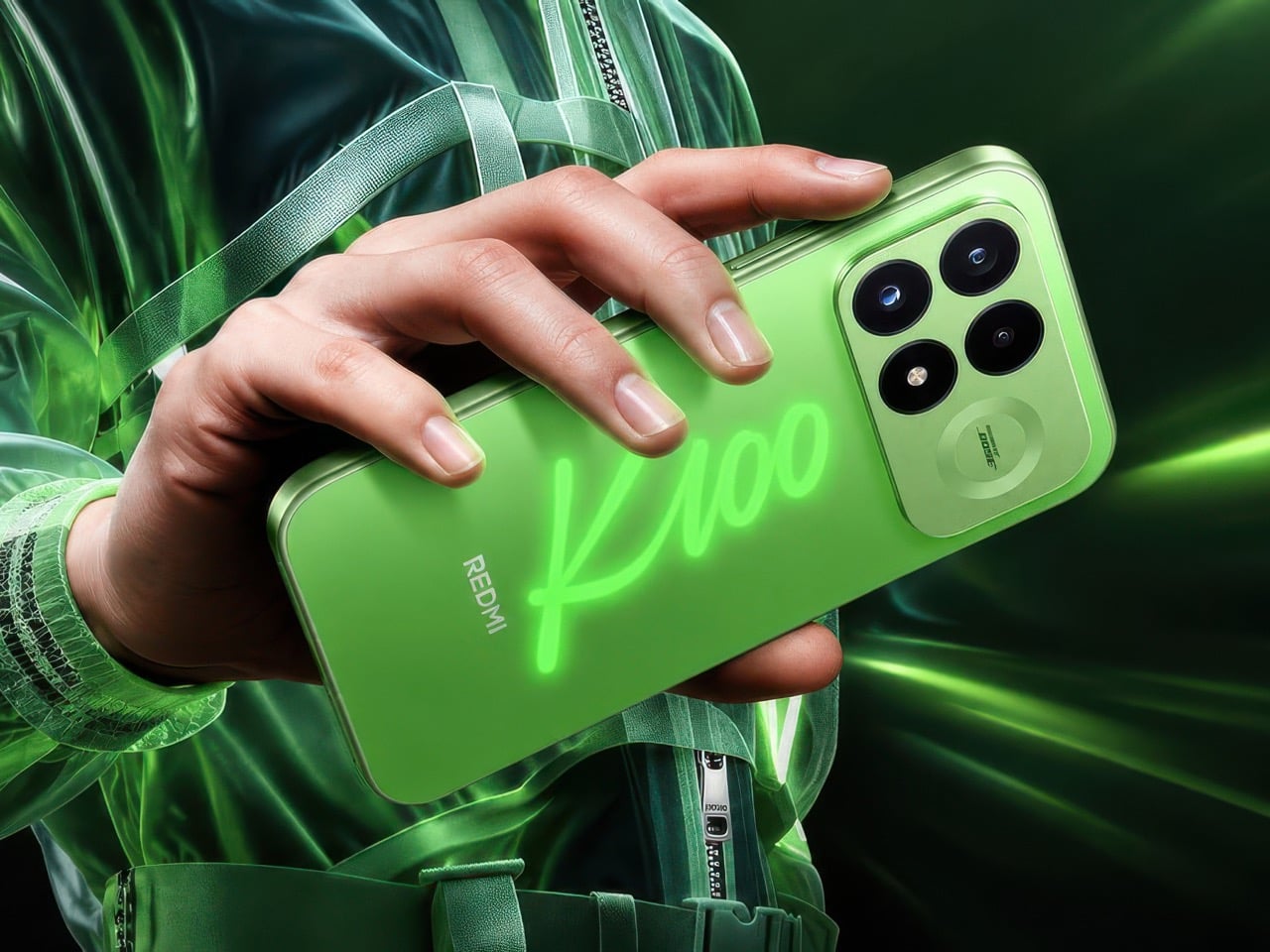
Photoluminescent material is not new. It is the stuff in your kid’s ceiling stars, in old wristwatch dials, in every glow stick you have ever cracked at a concert. What is new is putting that decades old chemistry on the back of a flagship smartphone and letting the owner become the artist instead of the factory. That is exactly what Redmi did with the K100 Pro, and it might be the single most fun thing to happen to phone design all year, mostly because it does not take itself too seriously.
The finish is called Glowing Firefly, and it works by hiding a luminescent layer between the phone’s glass back and its green ink coating, invisible in daylight and glowing wherever you point a flashlight or light pen after dark. Redmi launched the K100 Pro in China on August 11, pairing the party trick with a legitimately serious spec sheet that includes a 185Hz OLED, a Snapdragon 8 Elite Gen 5 V Series chip, and a 200MP camera. The phone can keep up with any flagship on paper. It just also happens to double as a doodle pad.
Designer: Xiaomi
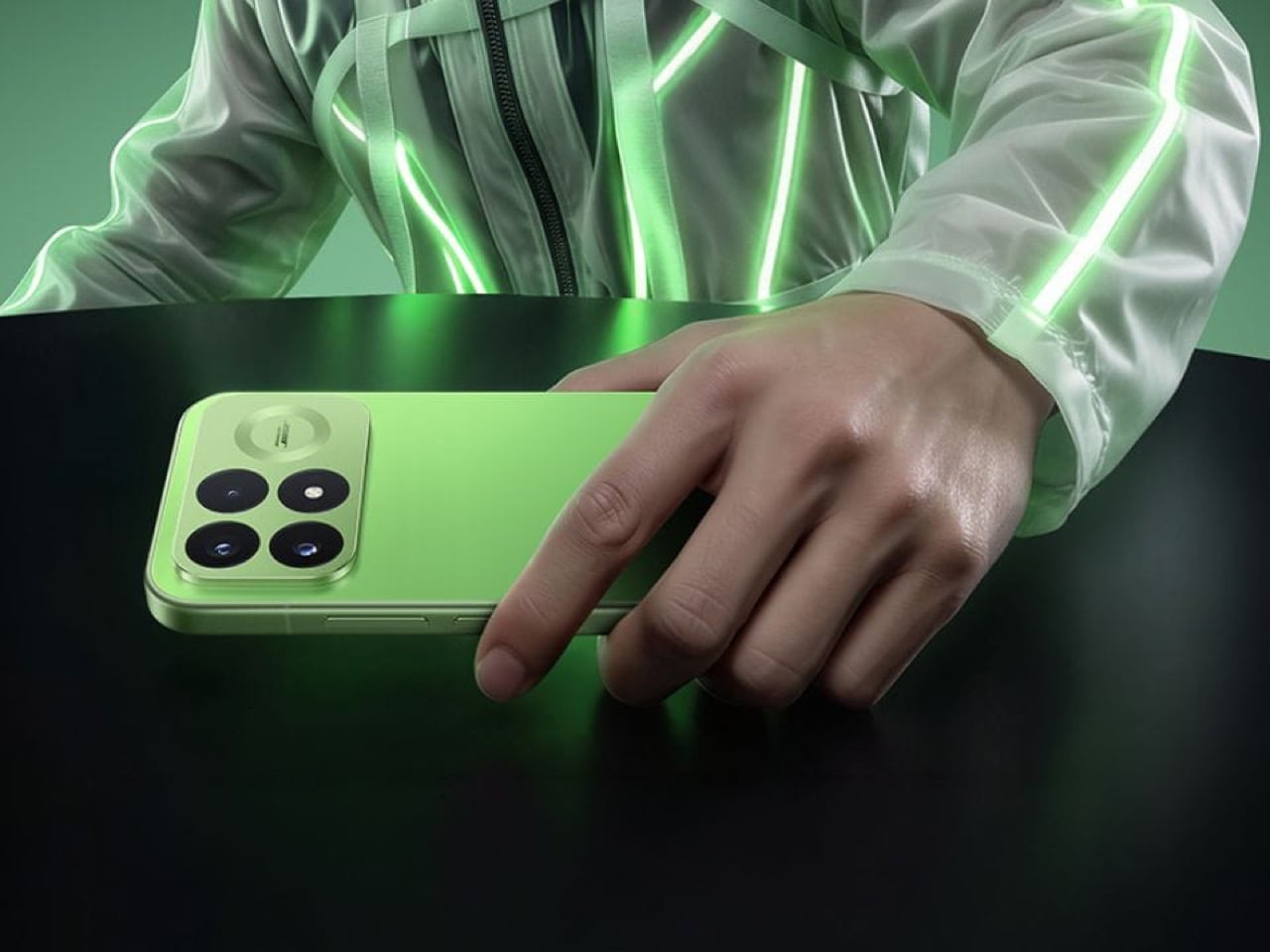
Redmi’s own language calls the back panel a light painting canvas, and that description holds up better than most marketing copy tends to. Point a flashlight, a laser pointer, or a dedicated light pen at the glass and the material soaks up the energy along the exact path the light traveled, then releases it slowly as a glowing outline. Write your name, sketch a smiley face, sign the thing like a yearbook, and watch it fade out over the following minutes. There is no chip involved, no battery drain, nothing to charge separately. It is closer to a Lite Brite than to anything Qualcomm builds, which is honestly the charm of it.
Nothing tried something adjacent with the Phone 2a Plus Community Edition, and I still think about that phone. It used a green phosphorescent coating along the ribbon cables and camera trim, charged by ambient light and glowing softly on its own without any input from you. It was quiet, tasteful, very on brand for a company obsessed with making internals look intentional. Redmi took that same chemistry and handed the pen to the user instead of the factory. One phone glows because the designers told it to. The other glows because you told it to, and that distinction matters more than it sounds.
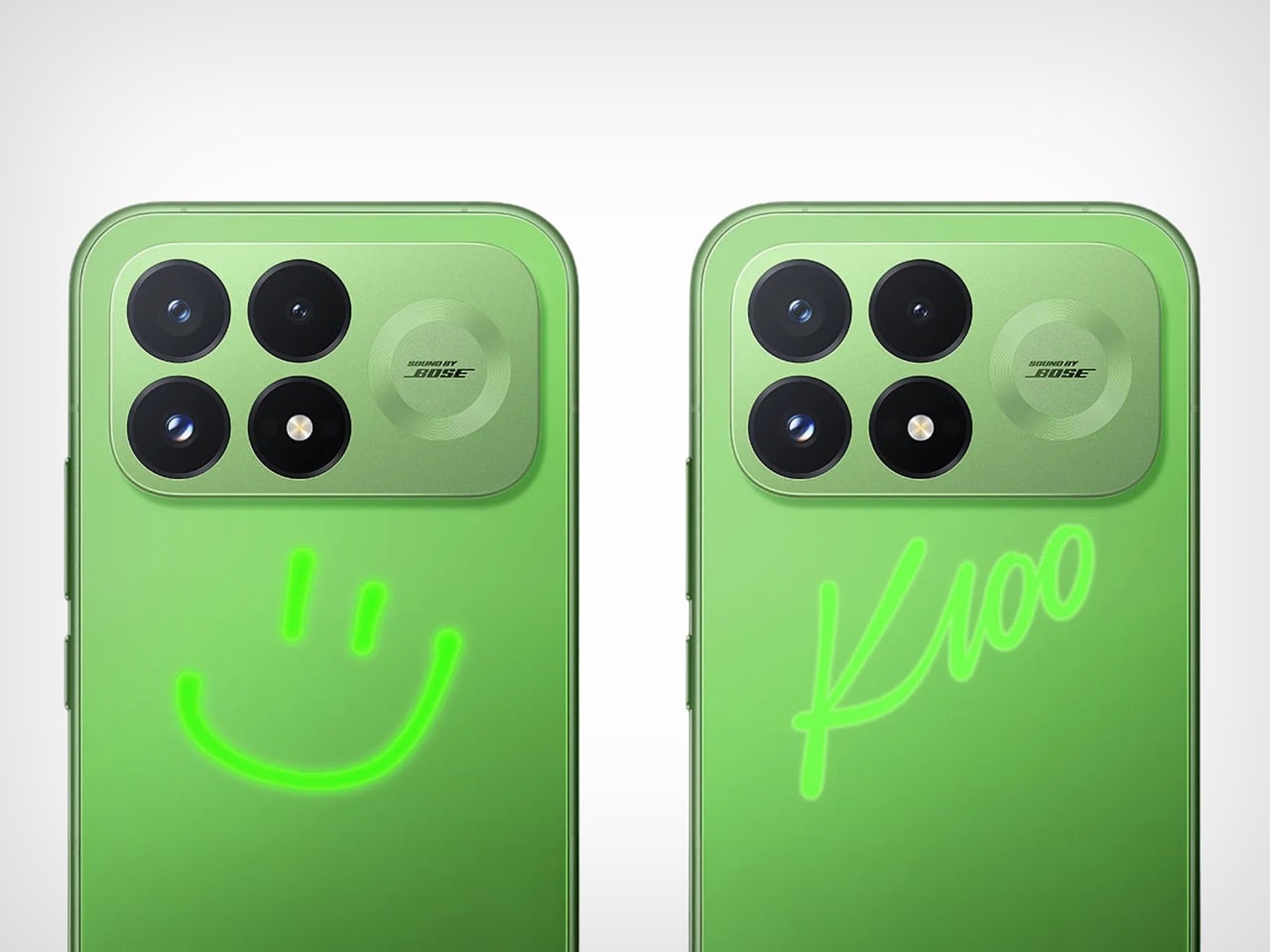
None of this changes what the K100 Pro is underneath the finish, a genuinely stacked gaming flagship with an 8,580mAh battery, 100W charging, and a cooling system built for long sessions. But the spec sheet was never going to be the reason anyone remembers this phone. The reason is a green slab that lets you leave a temporary signature in light, fading like sidewalk chalk, gone by morning, ready for you to draw on it again tomorrow.
The post The Redmi K100 Pro Turns Its Glass Back Into a Glowing Sketchpad first appeared on Yanko Design.
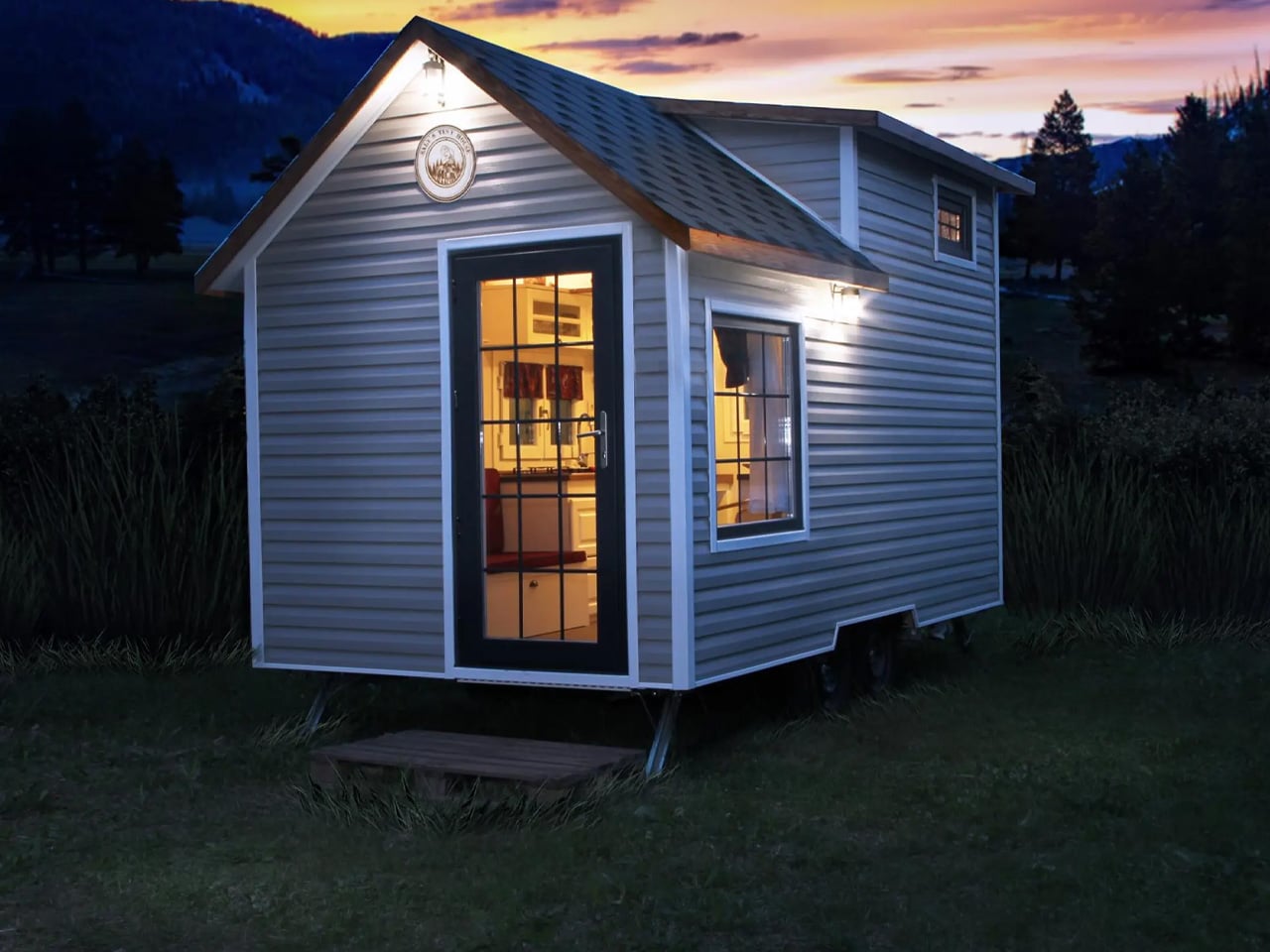
The tiny home movement has been quietly drifting toward bigger. Floor plans stretch, footprints grow, and somewhere along the way, the original appeal — freedom, lightness, the ability to leave — gets traded for a second bathroom. Saly Karavan, the Turkish caravan maker, went the other way. The Sunrise Tiny House is 20 feet long, road-ready, and designed around one core idea: that a home should be able to go wherever you do.
Built on a hot-dip galvanized double-axle trailer with a 3,000 kg axle capacity, the Sunrise sits at a standard road-ready width, which means no special permits, no wide-load headaches, just a truck and an open road. The exterior is finished in American siding with a shingle roof, giving it a classic cottage silhouette that reads warmer than the flat-panel aesthetic dominating the tiny home space right now. An optional Finnish pine exterior is available for those who want a more tactile, natural feel on the outside.
Designer: Saly Karavan
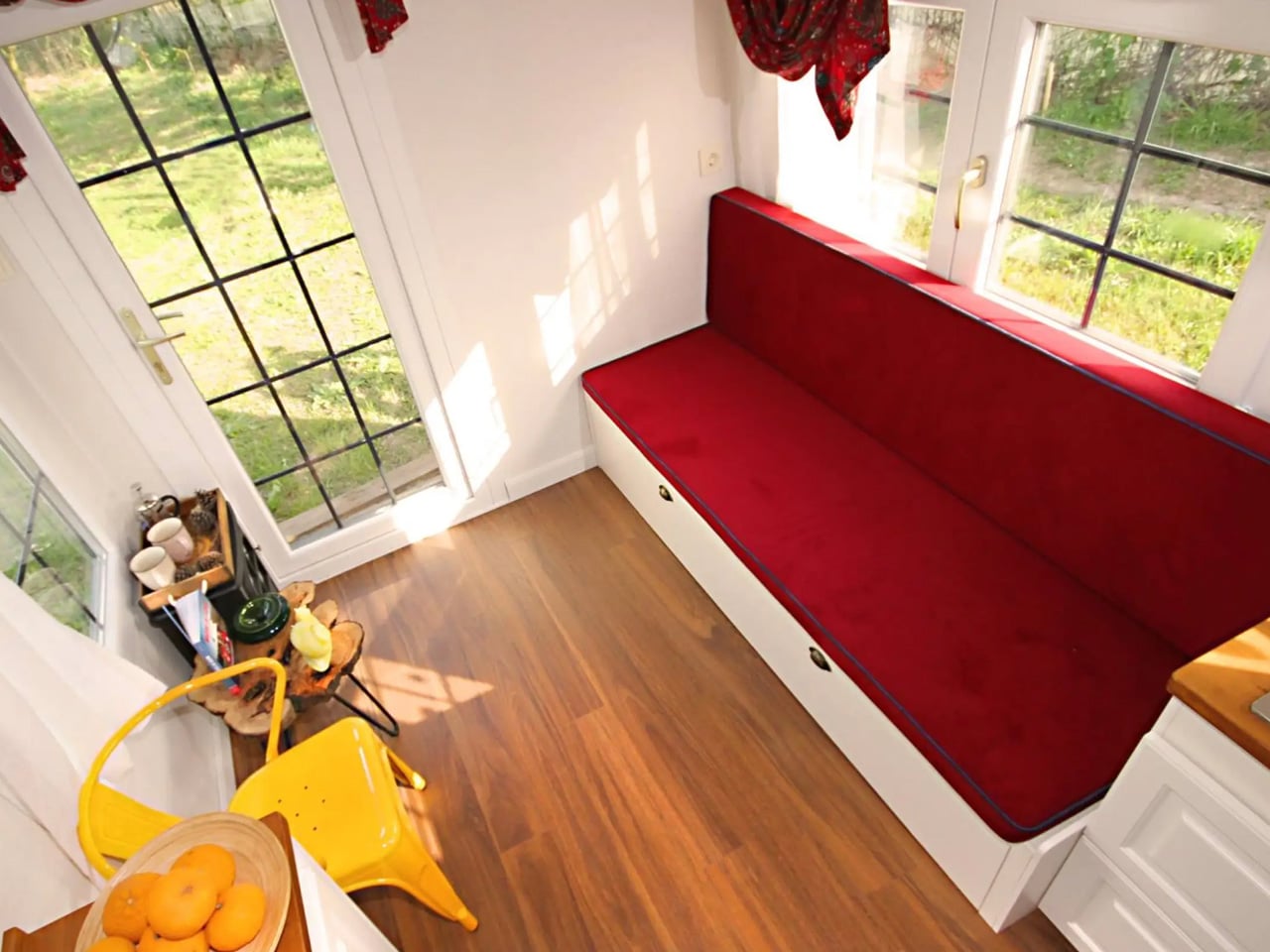
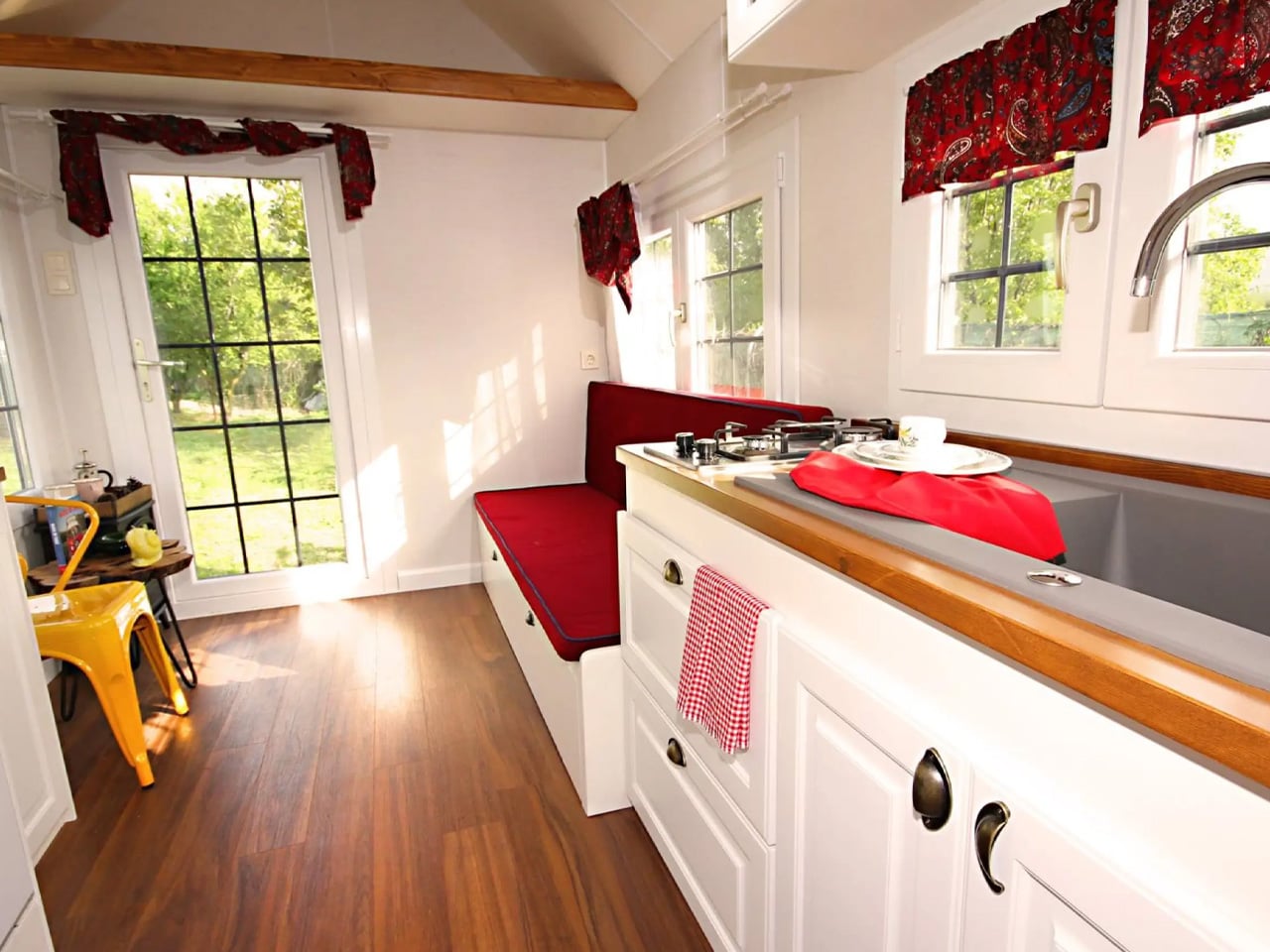
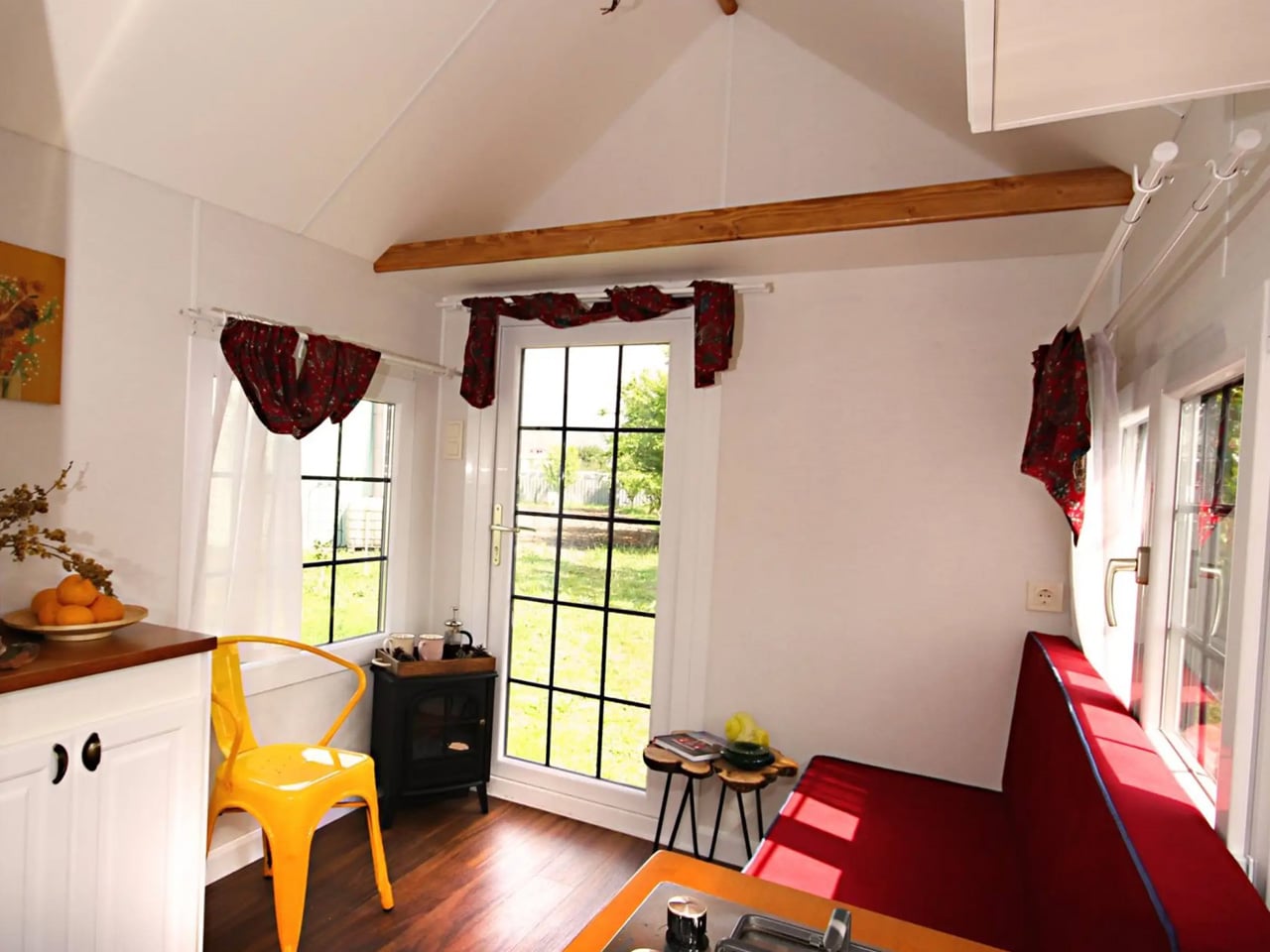
Step through the glass entrance door and the interior opens up more than the dimensions suggest. Generous double-glazed windows pull in daylight and keep the space from feeling like a box. The living room runs along the main floor, centered on a two-seater sofa that converts into a bed, with integrated storage tucked underneath. A small coffee table completes the picture. Above the living area sits a secondary loft, intended purely for storage — a smart detail that keeps the ground floor clear.
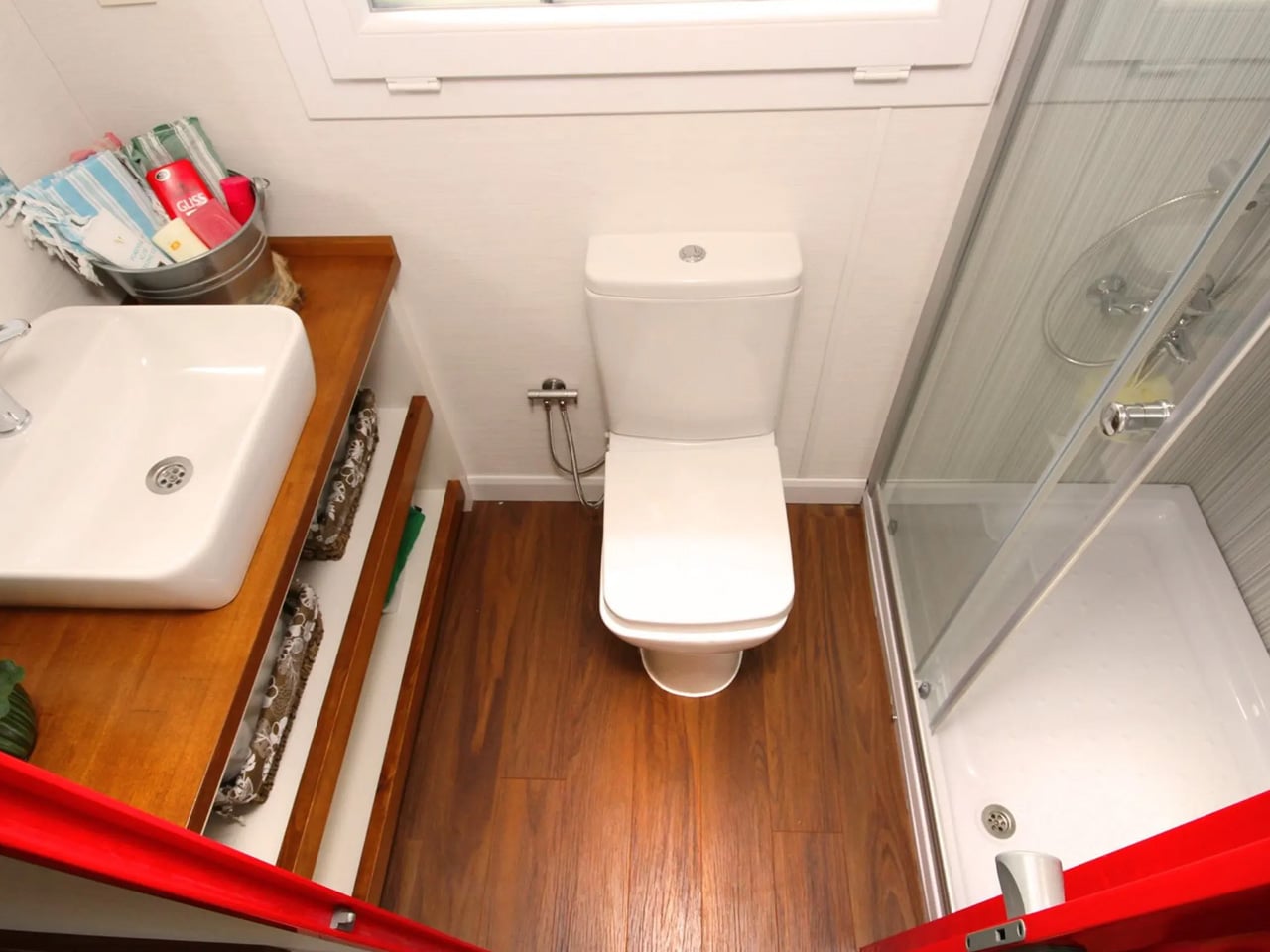
The kitchen is compact but considered. A Thetford three-burner stove with a glass lid, a Thetford sink, and a 152-liter 12V compressor refrigerator handle the basics without taking up more space than necessary. The bathroom, accessed through a sliding door, is private and fully functional: a 110×80 shower cabin, a washbasin, a home toilet, and a mirrored upper cabinet. Nothing superfluous. Nothing missing.
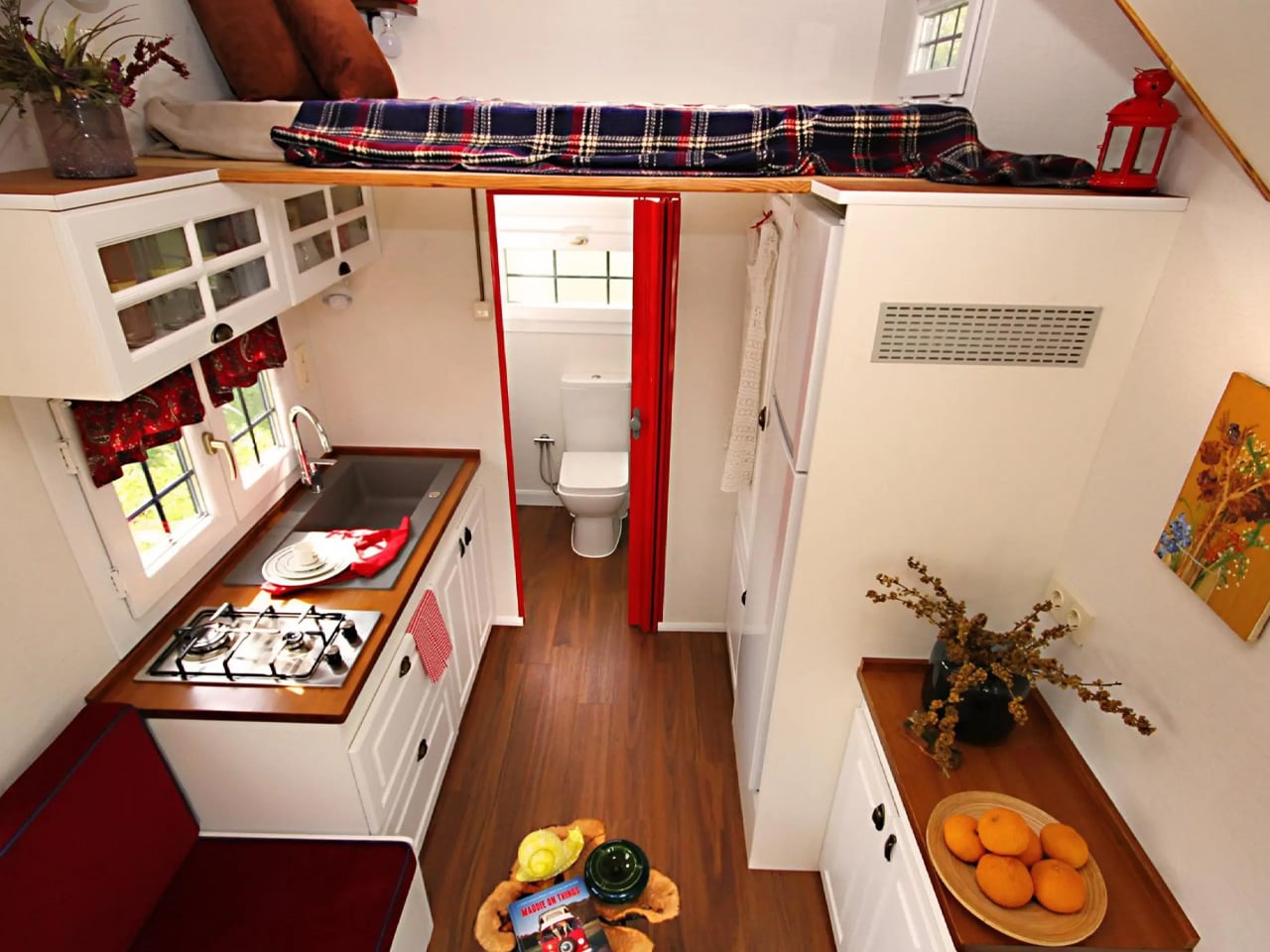
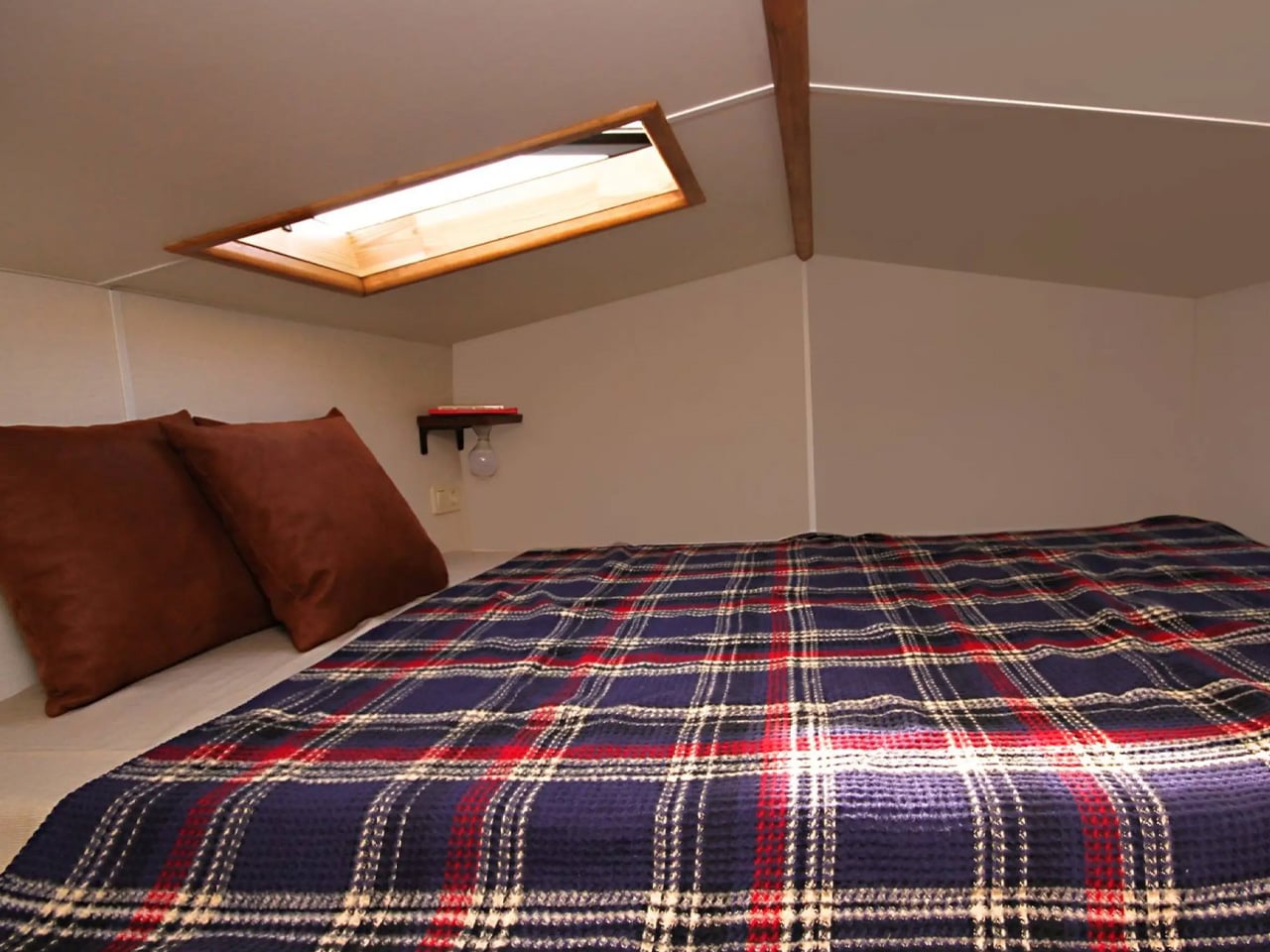
The bedroom is a fixed loft above the kitchen and bathroom, reached by a removable ladder. A skylight sits overhead, which makes waking up somewhere new feel like the point of the whole thing. The Sunrise sleeps four — two in the loft, two on the sofa bed — which gives it genuine flexibility as a couple’s full-time home or a traveling retreat for a small family.
The off-grid configuration supports up to four 205W monocrystalline solar panels paired with either gel or lithium batteries, alongside a 125-liter clean water tank. Optional upgrades include a Truma heating system, a Dometic aspirator, a Truma Saphir air conditioner, and an L-shaped exterior platform for outdoor living. Pricing is available on request directly from Saly Karavan.
The post This 20-Foot Tiny Home by Is Built for Nomads Who Refuse to Compromise first appeared on Yanko Design.