European researchers have made a significant breakthrough in data storage technology by developing a novel 3D metamaterial. This innovative material allows for the storage of entire bit sequences in tiny cylindrical domains, potentially transforming data storage and sensor technologies. The research, conducted by teams from Helmholtz-Zentrum Dresden-Rossendorf (HZDR), TU Chemnitz, TU Dresden, and Forschungszentrum Jülich, […]
EDC essentials are trending for the right reasons and they can range from pocket knives and multitools to pens and personal care items. USB cables have also become an important everyday carry item that needs to be handy all the time for power-hungry gadgets or transferring big files across multiple devices.
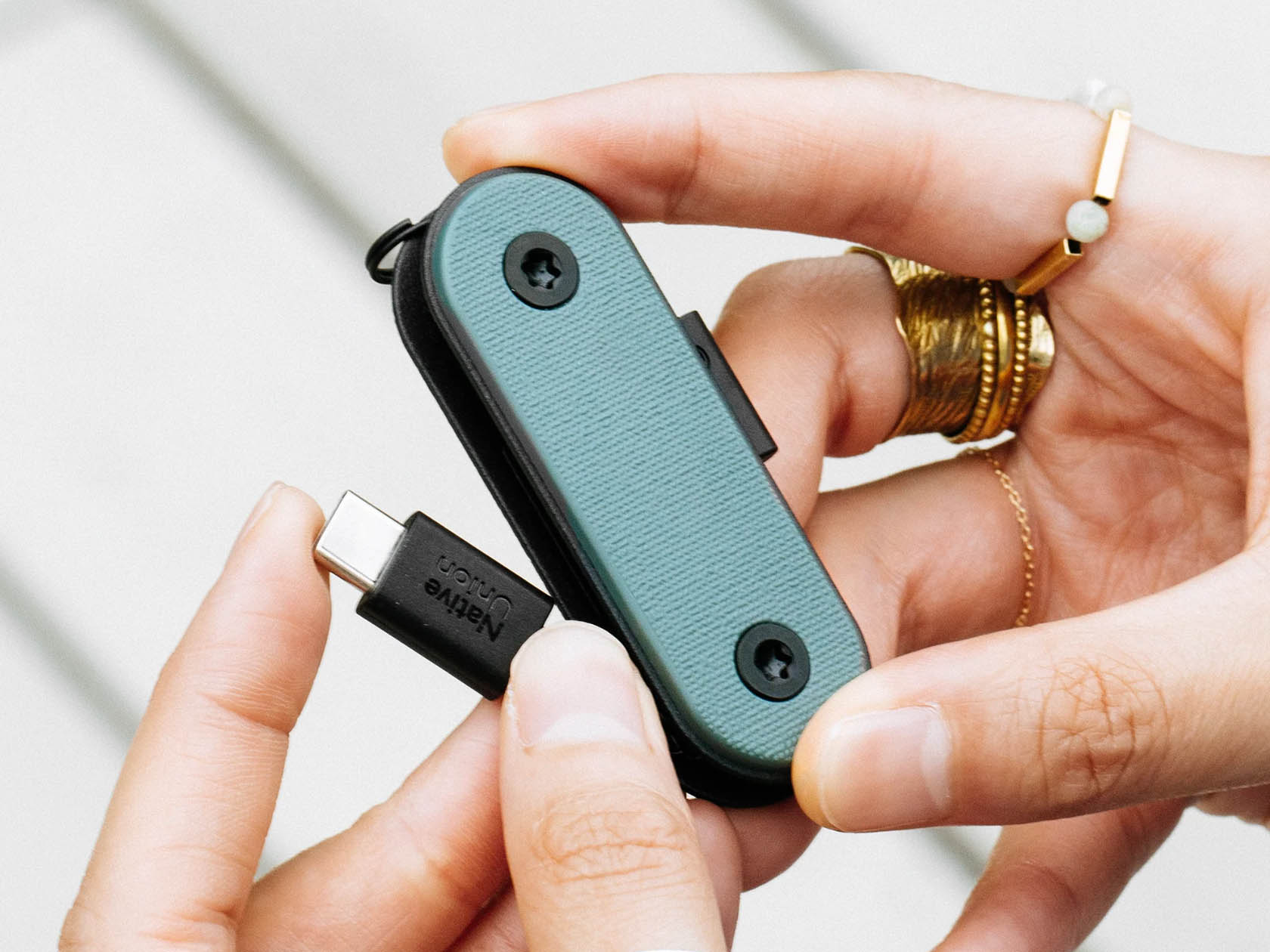
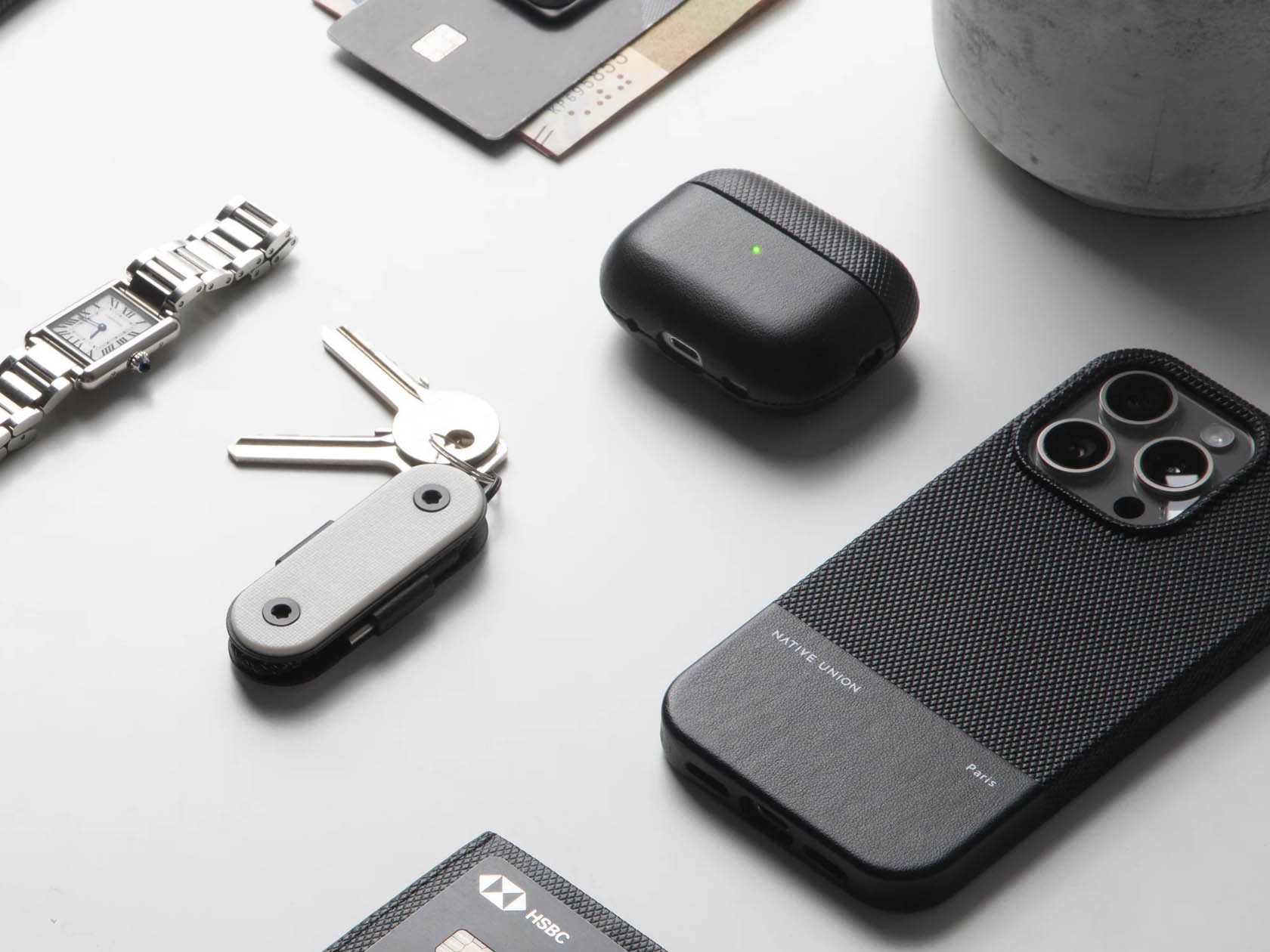
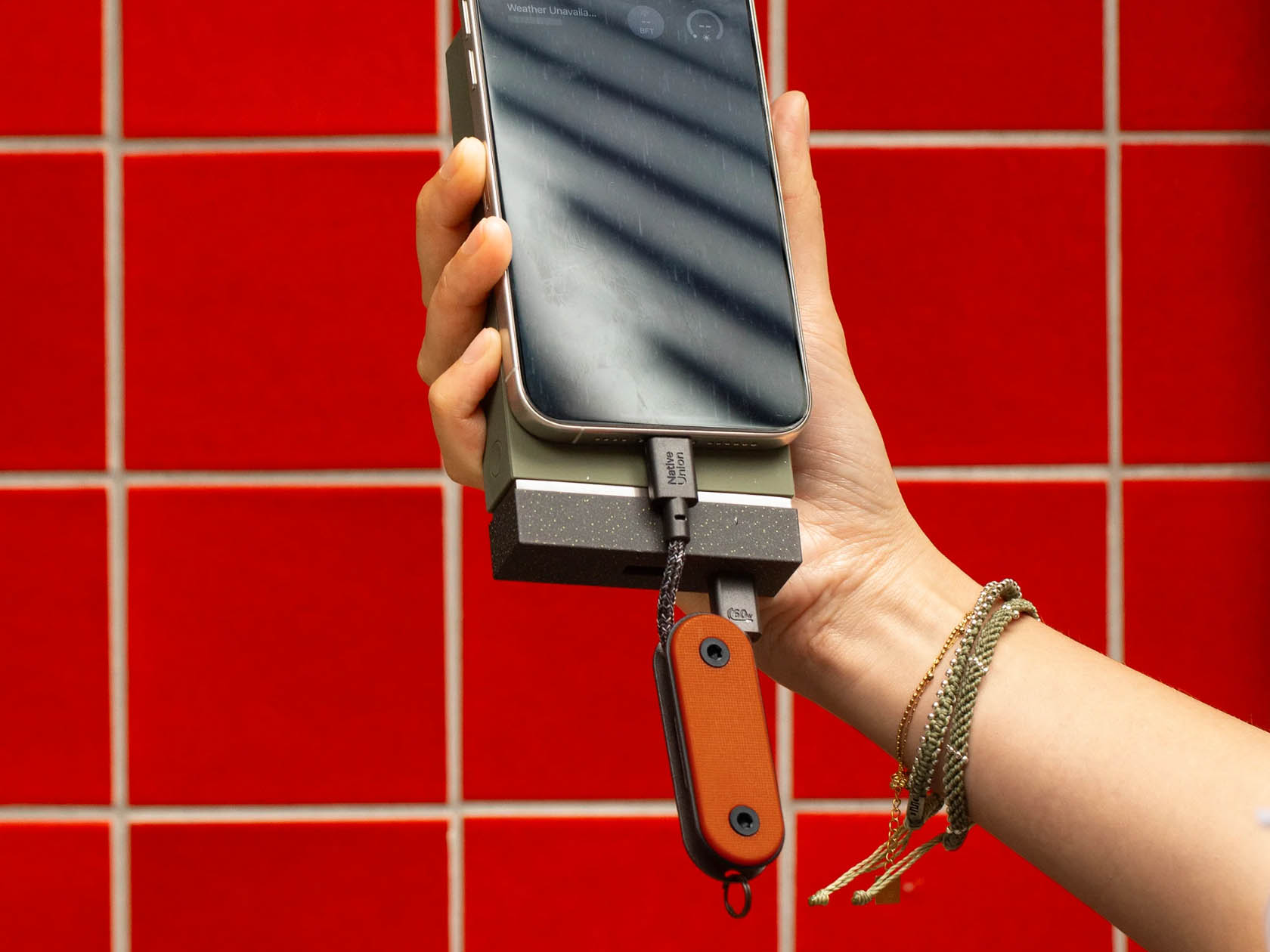
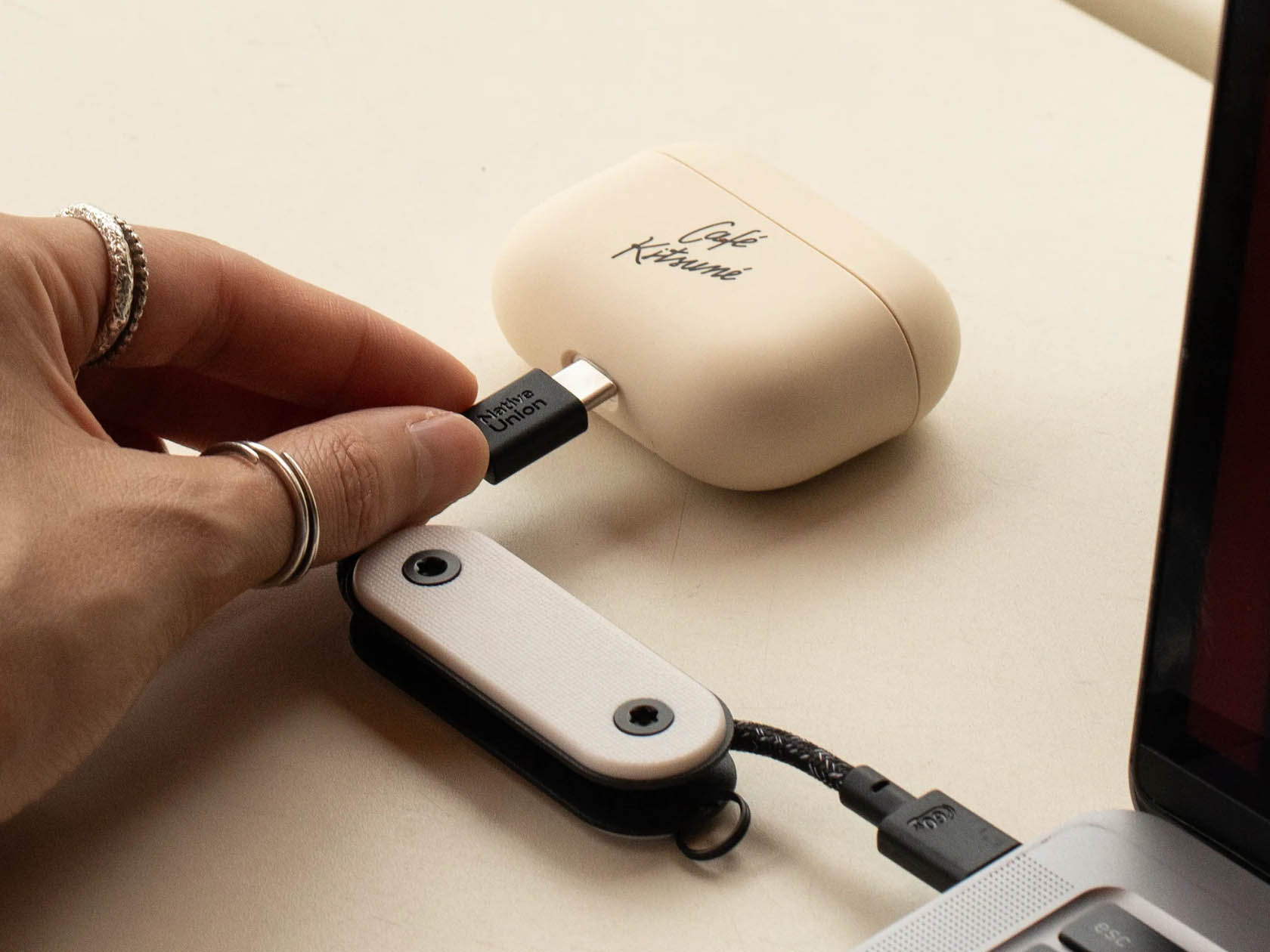
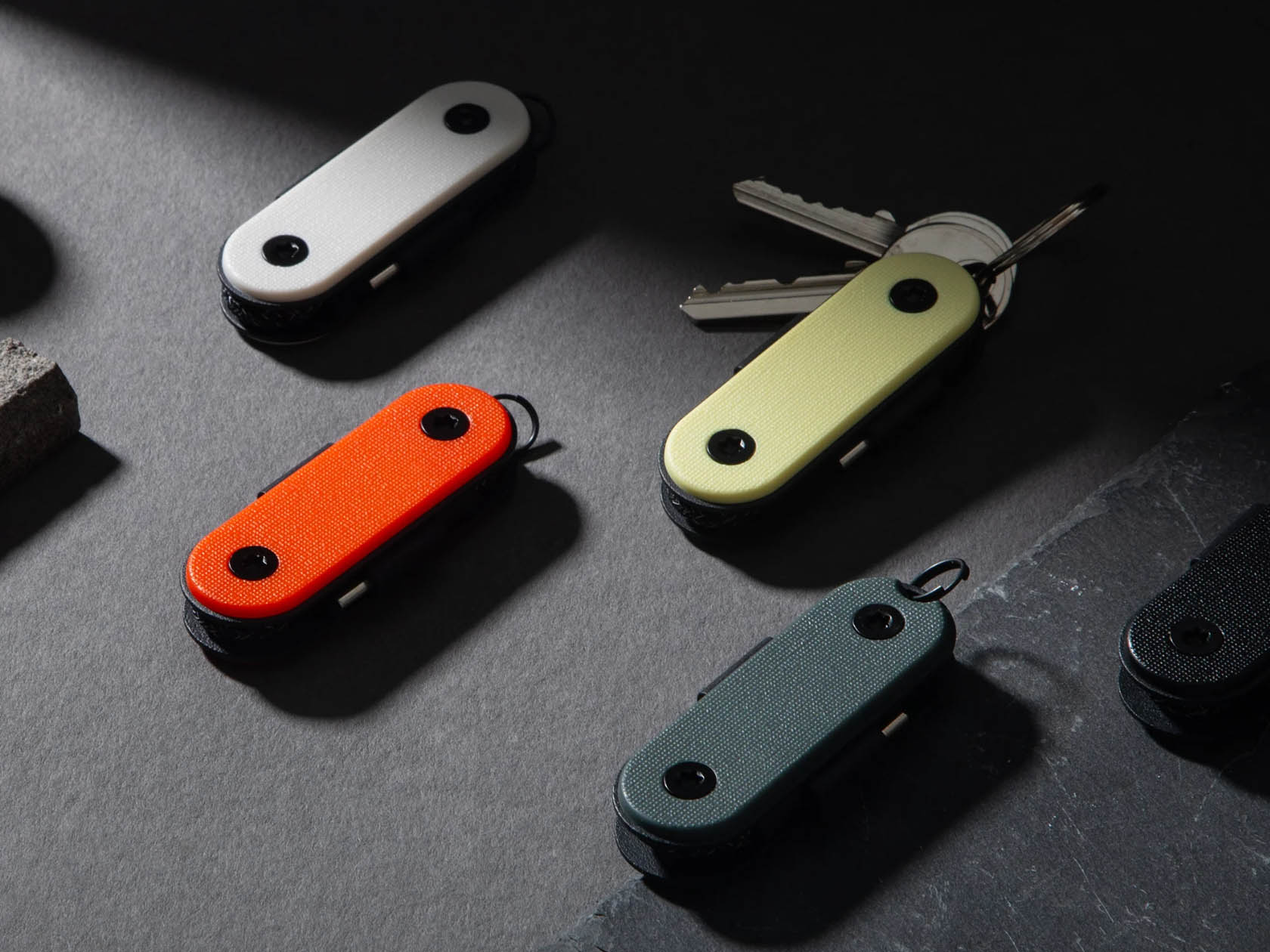
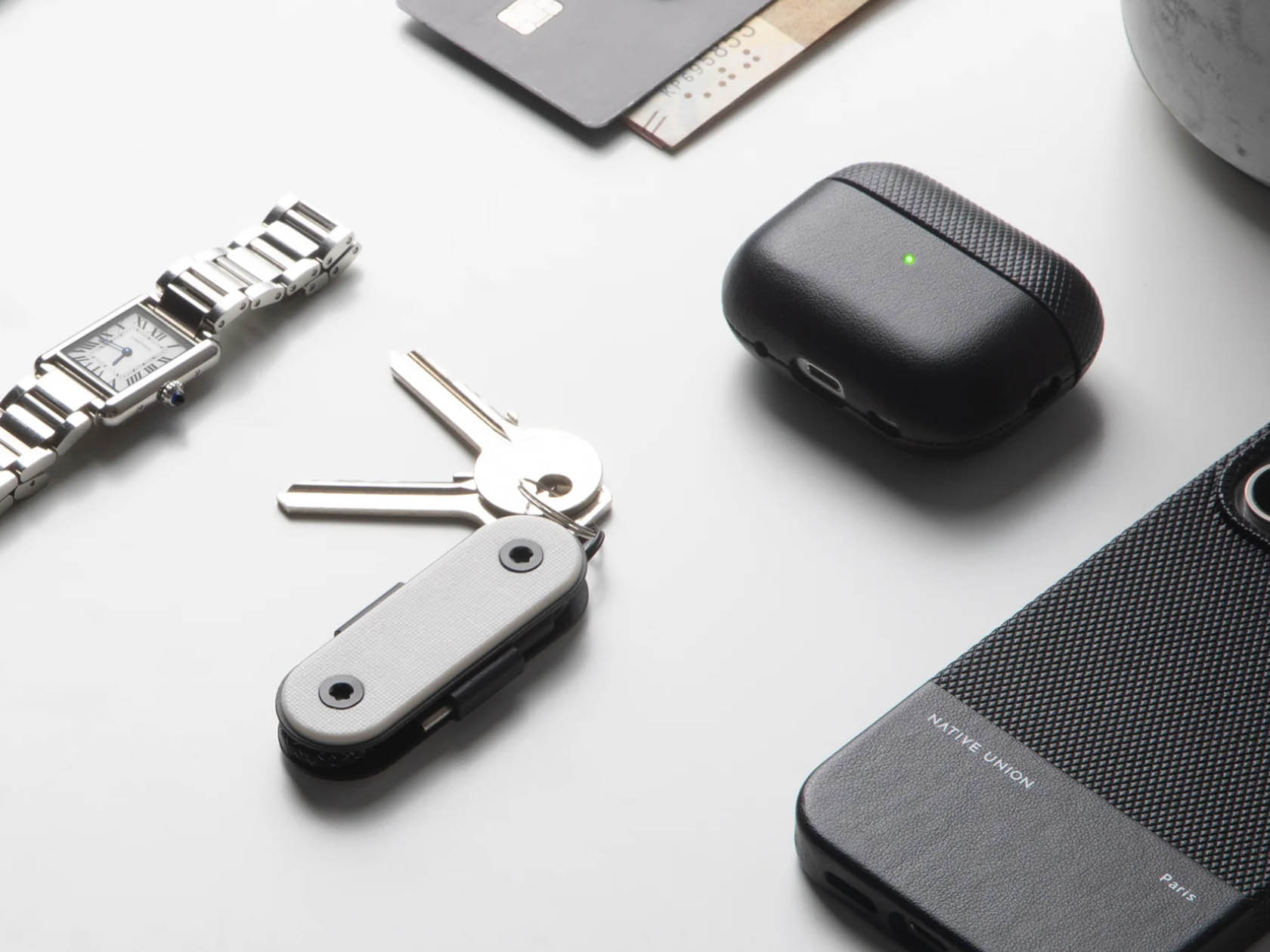
This cool EDC brings both worlds together into a form that’ll be pocketable, utilitarian and essential to have in your arsenal. The Pocket Cable by Native Union wins us over for its clever design that most of us needed but never knew could exist. There are many other charging cable management solutions but this one stands out for its compact design that keeps the function at the forefront.
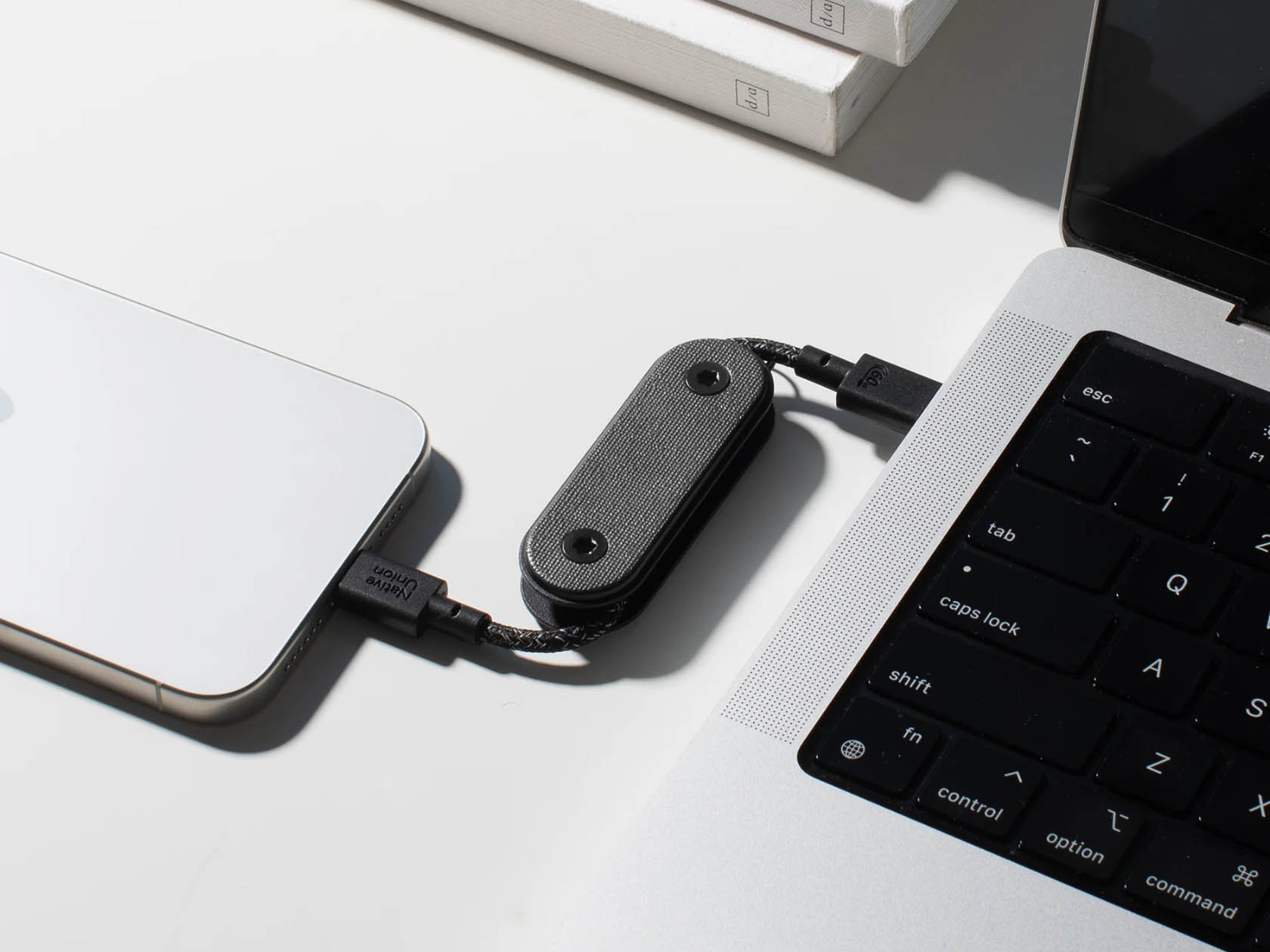
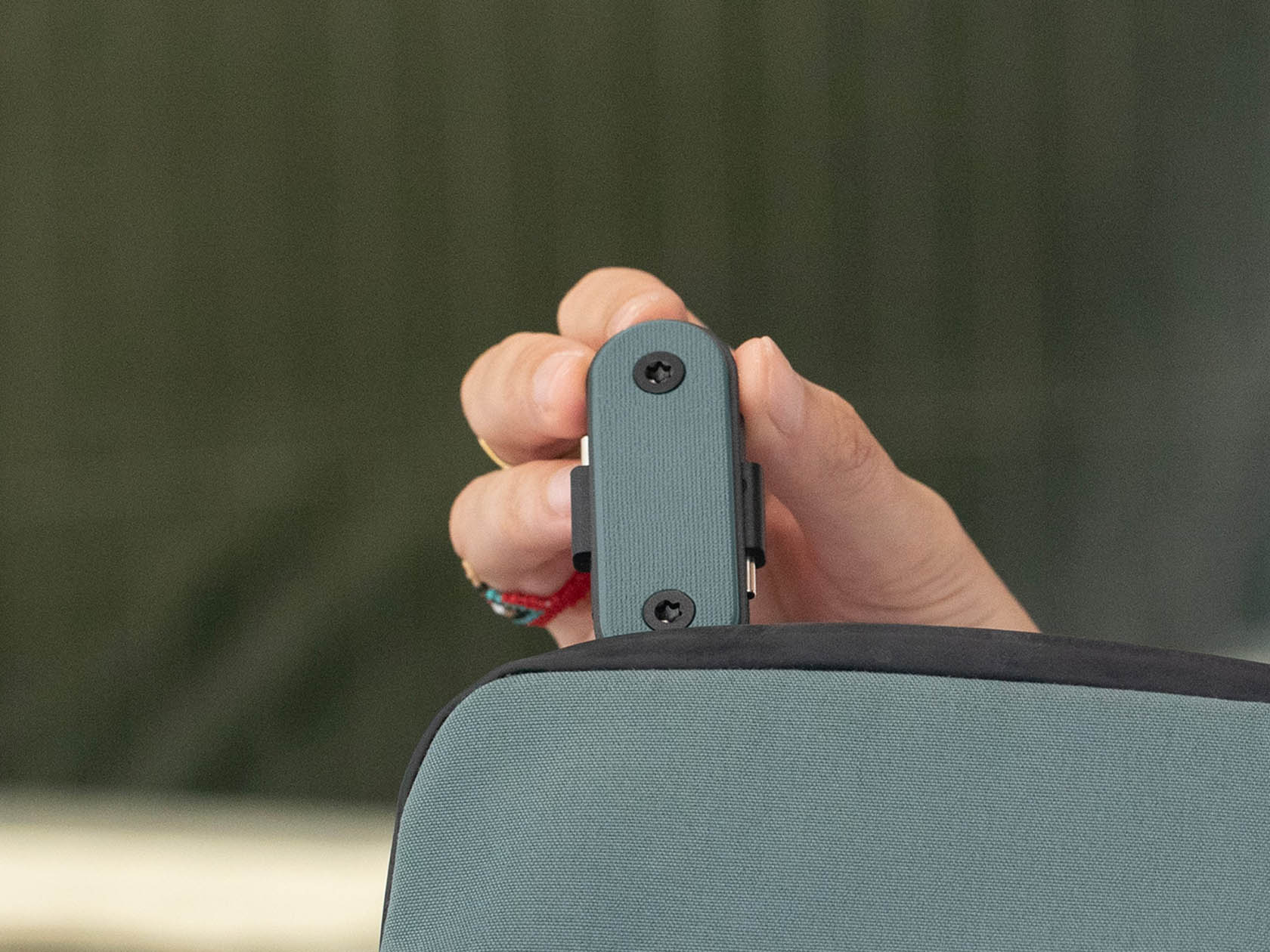
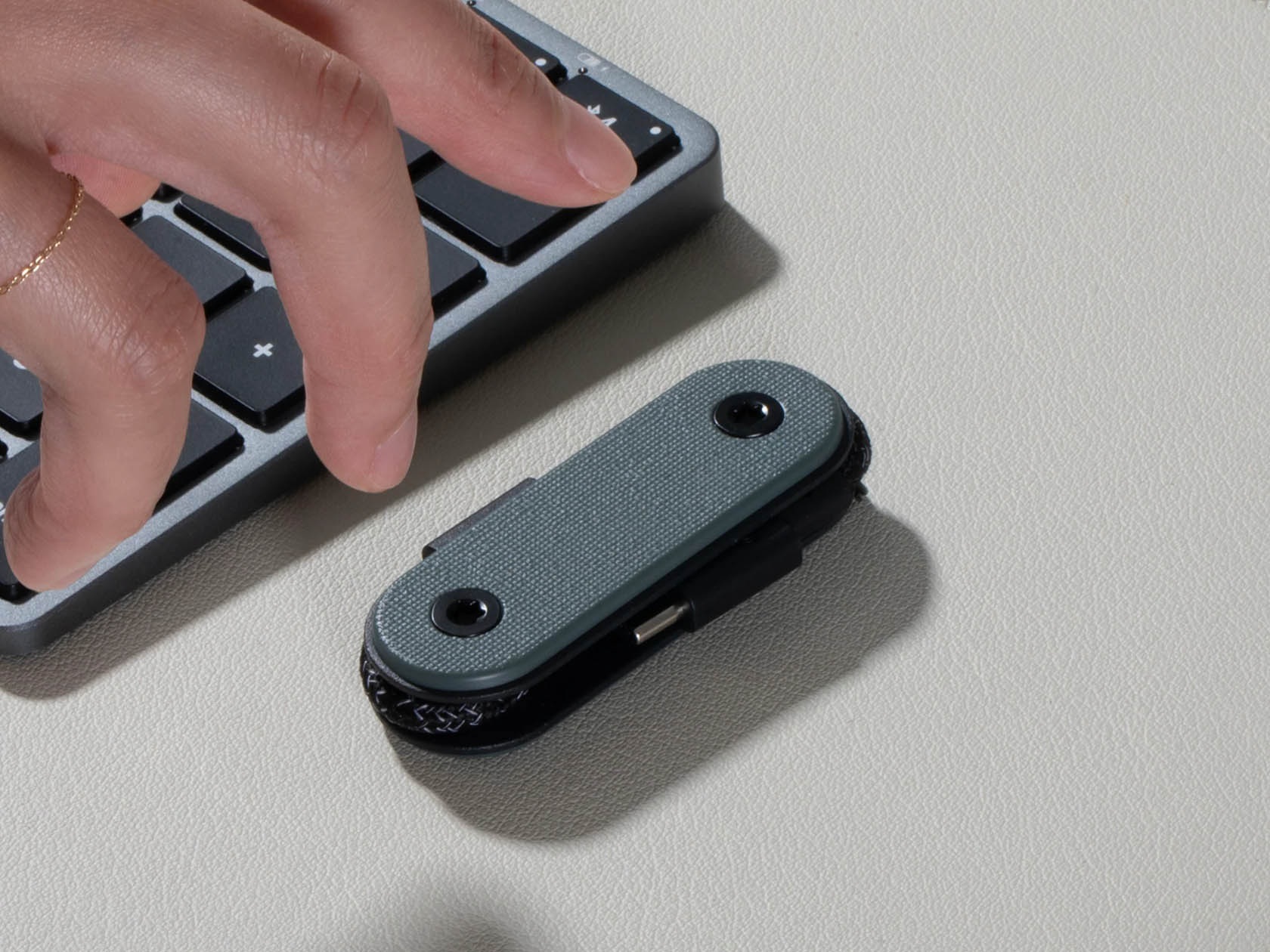
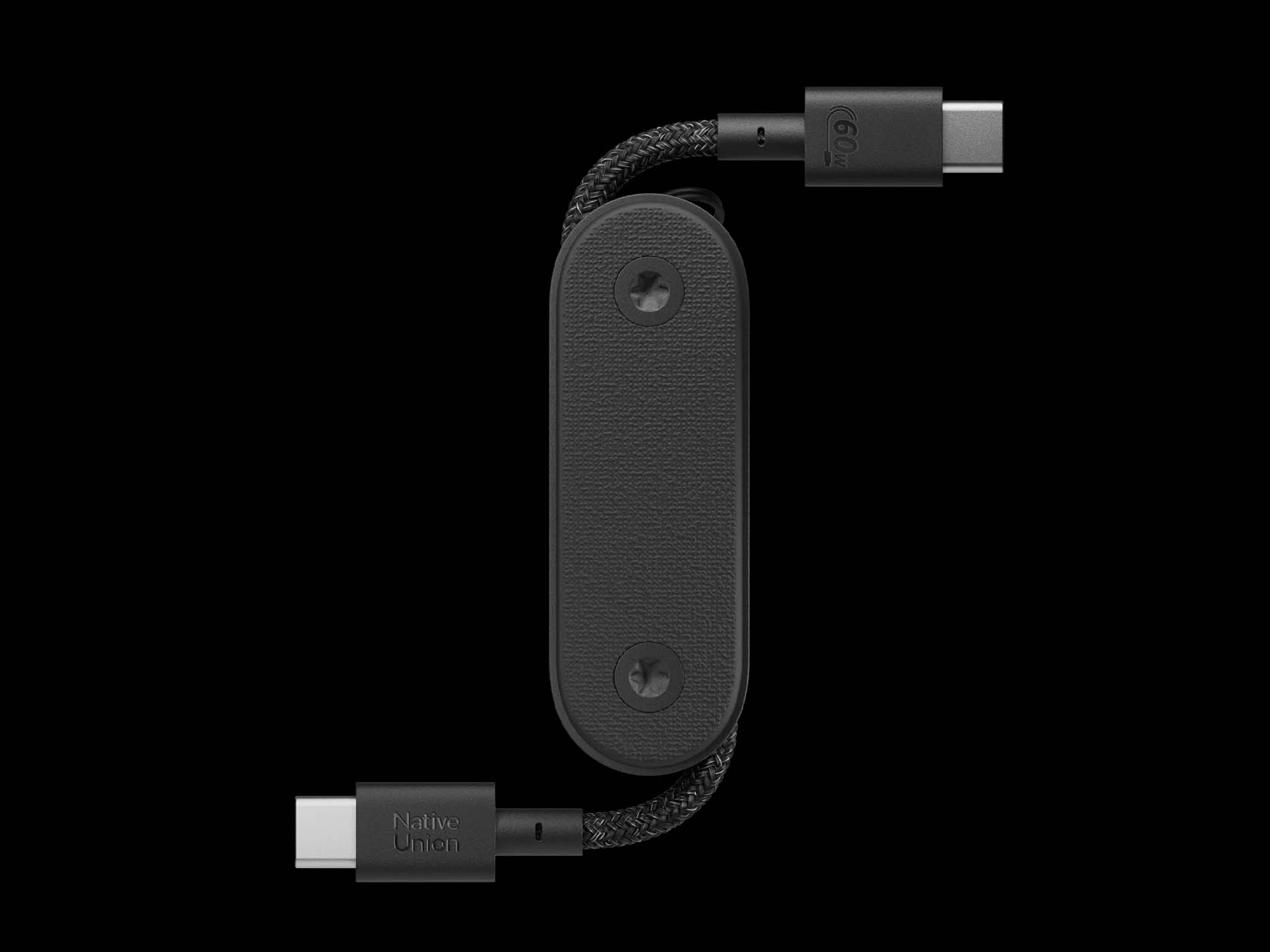
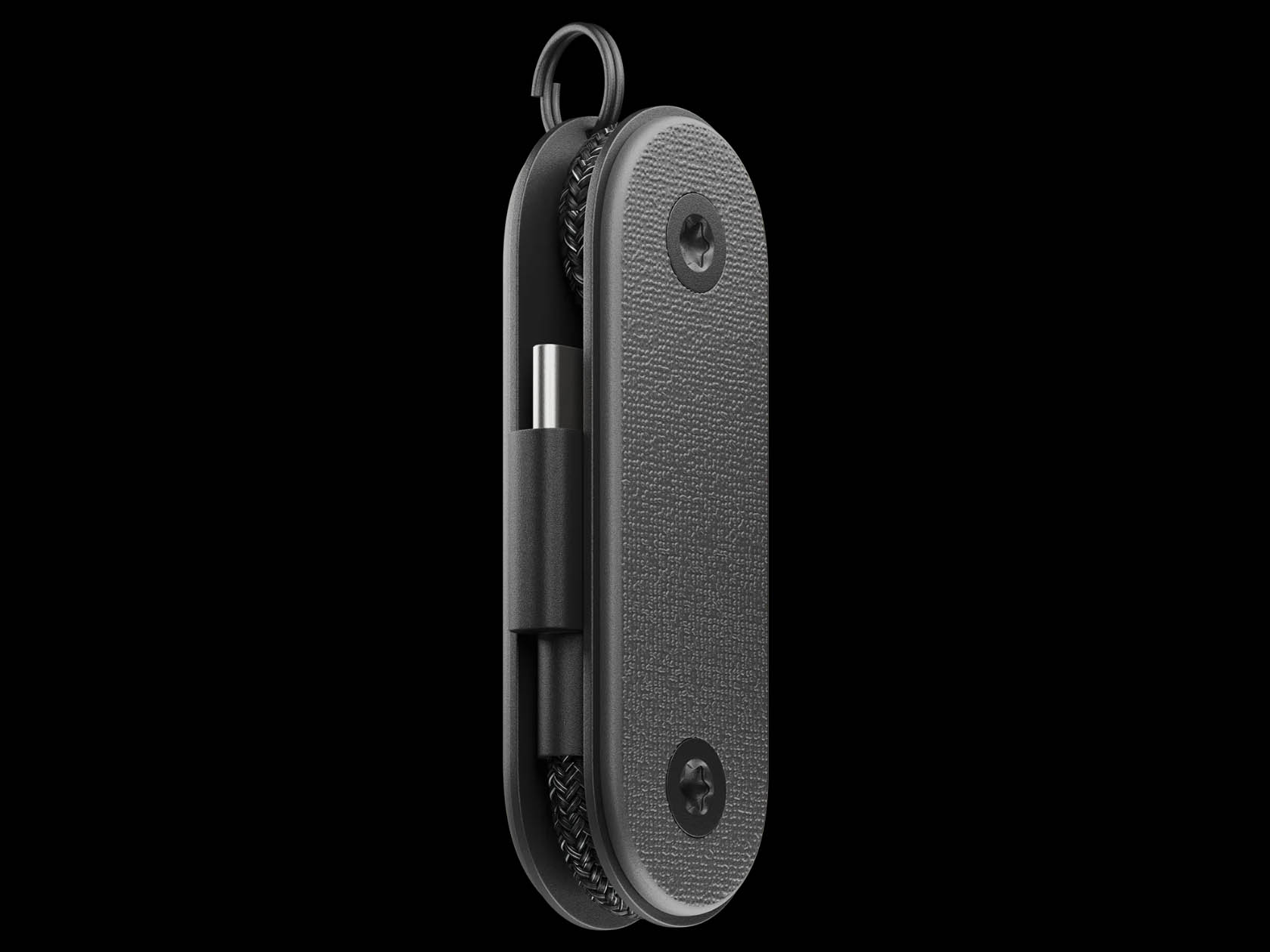
The Pocket Cable is inspired by pocket knives, and the design proves it all right. The USB-C to USB-C charging cable works pretty similar to the popular EDC, keeping everything well disguised and managed. That’s something that inherently can be a problem with charging cables. At first glance you might mistake it for a Swiss Army Knife enclosure but on the inside resides a 7-inch-long cable for all your tech needs. The 60W power ensures you are covered for transferring big data in a jiffy and fast charging needs. You can juice up your fast-charging Android devices as well as MacBook and iPad without any problem.
Durability is also not ignored here as the highly-resistant cable is crafted from 100 percent recycled PET reinforced braiding, enclosed in a 100 percent TPU closure. There’s another layer of aramid fiber core that gives the Pocket Cable a whopping 30,000-plus bend lifespan. Most charging cables give away at the joints of the connectors, so Native Union has included an O-Flex strain relief layer that’s almost two times more robust than a normal strain relief design.
If you are wondering whether the cable is certified for compatibility with all USB-C devices, then the answer is a loud yes. It has a chip with an E-Marker to regulate power depending on the requirements and limitations of the connected device. For $30 the Pocket Cable is a useful EDC to have handy since it measures just 4 inches when winded up. The only thing that is a bit of a downer is the cable length which could have been longer, but we have to consider how compact this thing actually is.
The Mistral AI team has introduced a new large language model and AI coding assistant named Codestral Mamba, designed specifically for coding tasks. This model, based on the Mamu architecture, boasts 7 billion parameters and supports a 256k token context window, making it suitable for extensive coding tasks. It is available under the Apache 2.0 […]
As far as the EU is concerned, TikTok requires strong, ongoing regulations. The EU's General Court dismissed an action brought by TikTok's parent company, ByteDance, which argued that the platform shouldn't be considered a "gatekeeper" under the Digital Markets Act (DMA). The designation came in September 2023, and ByteDance filed to undo it just two months later.
ByteDance had painted TikTok has an up and comer EU market, citing pushback through the development of Reels and Shorts — the General Court disagrees: "Although in 2018 TikTok was indeed a challenger seeking to contest the position of established operators such as Meta and Alphabet, it had rapidly consolidated its position, and even strengthened that position over the following years, despite the launch of competing services such as Reels and Shorts, to the point of reaching, in a short time, half the size, in terms of number of users within the European Union, of Facebook and of Instagram."
ByteDance had argued that TikTok was not dominant in the EU market, citing Instagram's Reels and YouTube's Shorts as meaningful competition. The General Court disagreed, writing that "although in 2018 TikTok was indeed a challenger seeking to contest the position of established operators such as Meta and Alphabet, it had rapidly consolidated its position ... to the point of reaching, in a short time, half the size ... of Facebook and of Instagram."
The General Court added that TikTok meets the qualifications set out to be a gatekeeper: a €75 million ($82 million) global market value, over 45 million monthly active end users and over 10,000 yearly active business users across the EU over the last three years.
The DMA went into effect in March and prohibits gatekeepers — including Alphabet, Meta, Amazon and more — from favoring their own platforms or forcing users to stay inside their company's ecosystem. ByteDance has just over two months to launch an appeal with the Court of Justice, the EU's highest court.
This article originally appeared on Engadget at https://www.engadget.com/tiktok-will-still-be-a-gatekeeper-under-the-digital-markets-act-eu-rules-131534890.html?src=rss
At about 1,230 feet across, the Apophis asteroid is slightly smaller than the Empire State Building. On April 13, 2029, that skyscraper-sized space rock will approach Earth, and the European Space Agency plans (ESA) to shadow it. The ESA has announced the Rapid Apophis Mission for Space Safety (Ramses), a planetary defense mission. The plan is to have a spacecraft reach Apophis in early 2029 and follow it during the flyby — though this would require quick action for an April 2028 launch.
Scientists discovered Apophis in 2004, and it wasn't until 2021 that NASA confirmed it shouldn't smash into Earth for at least 100 years, despite the upcoming close encounter. Instead, it will come within 20,000 miles of Earth — less than one-tenth the Moon's proximity. According to the ESA, objects of this size only get as close as Apophis will about every 5,000 to 10,000 years, providing a rare opportunity to study an asteroid and how to avoid one colliding with Earth without needing to travel deep into space.
"Ramses will demonstrate that humankind can deploy a reconnaissance mission to rendezvous with an incoming asteroid in just a few years. This type of mission is a cornerstone of humankind's response to a hazardous asteroid," Richard Moissl, head of ESA's Planetary Defence Office, said in a statement. "A reconnaissance mission would be launched first to analyse the incoming asteroid's orbit and structure. The results would be used to determine how best to redirect the asteroid or to rule out non-impacts before an expensive deflector mission is developed." The ESA will decide whether to proceed with the mission in late 2025, but preparatory work will begin imminently.
NASA, in turn, will follow the aftermath of Apophis' flyby. The space agency is using the spacecraft from last year's Osiris-Rex mission, which collected samples from the Bennu asteroid, for a new mission, Osiris-Apex. The spacecraft should reach Apophis about one month after the asteroid reaches its closest distance to Earth. The Osiris-Apex mission is meant to study any physical changes that Apophis undergoes due to Earth's gravitational pull, such as quakes or landslides. The hope is to get a look at what exists beneath its surface. Individuals in parts of Europe, Africa and Asia should also be able to see Apophis with the naked eye.
This article originally appeared on Engadget at https://www.engadget.com/the-european-space-agency-will-follow-a-skyscraper-sized-asteroid-as-it-flies-past-earth-130030777.html?src=rss
AAEON, a leading manufacturer of compact embedded solutions, has recently announced the launch of two new products in its RISC computing line: the PICO-AM62 and the SRG-AM62. These innovative solutions are powered by Texas Instruments AM62x Sitara Processors, offering a blend of performance, reliability, and cost-efficiency. The PICO-AM62 is a single-board computer built on the […]
Apple Arcade is a subscription-based gaming service that provides users with access to an extensive library of over 200 games. These games are carefully curated and designed to offer an immersive, ad-free gaming experience without the need for in-app purchases. With Apple Arcade, you can enjoy a wide variety of games across multiple Apple devices, […]
DJI has introduced a new video transmission device that will allow creators to control cameras and gimbals and view video from up to 1.8 miles away. Called DJI SDR Transmission (SDR stands for "software defined radio"), it's designed for use in "complex environments" and is targeting small- to medium-sized film crews.
The system consists of transmitter and receiver (each weighing 5.1 ounces), sold separately or in a combo. You can also purchase a phone or tablet holder kit, along with an RX to phone connection cable.
On monitors (which can be dedicated Atomos-type systems, iPhones or tablets), filmmakers will see a 1080p/60fps live feed with a 20Mbps bitrate and latency as low as 35 milliseconds. Video can be transmitted up to three kilometers (1.8 miles) and remain stable in obstacle-laden environments thanks to "superior penetration capabilities," DJI said.
DJI
DJI SDR Transmission can output three SDR signals and two Wi-Fi signals at once. In broadcast mode, it can connect to unlimited receivers for multiple users. Users can connect to monitors via SDI/HDMI and smartphones/tablets via USB-C or Wi-Fi. "The Wi-Fi option allows for a cost-effective, dual-channel monitoring experience without another receiver," according to DJI.
Along with monitoring, the system allows for remote control of cameras and gimbals. That enables features like virtual joystick and gimbal recentering, along with DJI's Force Mobile function that lets you control a gimbal by tiling and rotating your smartphone. It supports PTP (USB-C) camera control for supported devices, along with CEC for Sony Cameras that gives you all the camera's controls on a remote screen.
DJI
The new product is not unlike DJI's Transmission system, which transmits 1080 60p video over 20km (12.4 miles) but costs $2,500. It appears to be part of DJI's effort to diversify away from drones in the face of a possible US ban. DJI is likely to get even more deeply into the camera market if that happens, given the success of the DJI Osmo Pocket 3 and other products.
The DJI SDR Transmission system is now available in the US, Europe and elsewhere priced at $549 for the combo, or $309 for the transmitter or receiver sold separately. The phone and tablet holders are $49 each, while the RX to phone connection cable is $10.
This article originally appeared on Engadget at https://www.engadget.com/djis-latest-gadget-lets-you-control-cameras-and-view-video-remotely-130049291.html?src=rss
When you’re working in film, video, or photography, precision in light measurement can make or break your project. Enter the LIT DUO 1 camera light meter, an innovative tool designed to streamline your workflow and elevate your craft. This compact, intuitive device integrates six essential measurement tools into one user-friendly package, ensuring you have everything […]
In today’s fast-paced digital landscape, artificial intelligence (AI) automation tools have become essential for streamlining workflows and boosting productivity. Two prominent players in this field are Magical and Zapier, each offering unique features and capabilities. This overview guide created by Corbin Brown offers more insight into features of these tools, focusing on their performance in […]