Unveiling Egypt’s Architectural Wonders: A Journey Through Time

Ancient Egyptian architecture is deeply rooted in the divine relationship between humans the kings and their Gods. This symbolism is echoed in the tombs, pyramids, and temples of Egypt. The prevalent use of materials such as limestone, sandstone, and granite evolved from sun-baked mud bricks, with architectural designs reflecting a harmonious mix of religious, social, and political influences.

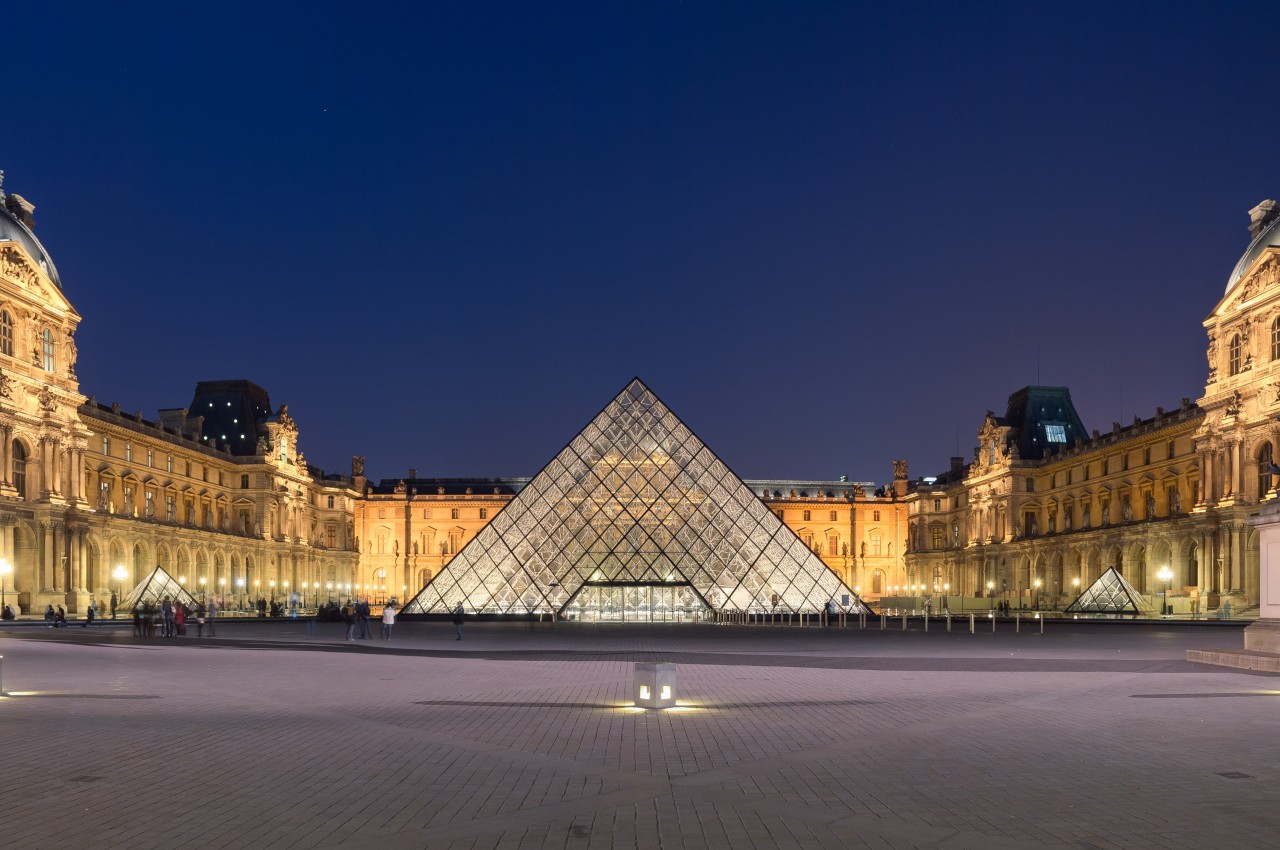
Designer: I. M. Pei
Egyptian Art Timeline

Egyptian art history is characterized by three key epochs:

Old Kingdom (circa 2,700-2,200 B.C.E.)

The Old Kingdom was characterized by political stability and economic prosperity. This period witnessed the construction of grand pyramidal tombs for Egyptian monarchs, while early Egyptians employed mastabas for marking their deceased graves.

The Middle Kingdom (2,050-1,800 B.C.E.)

This period is often regarded as the golden age which gave rise to some of its most exceptional works of art and literature.

The New Kingdom (approximately 1,550-1,100 B.C.E)

The history of Egyptian Architecture is marked as a flourishing era of architecture and art. During this period, the Pharaoh’s empire was achieved through diplomacy, trade, and warfare, securing centuries of political stability and prosperity.

Characteristics of Egyptian Architecture

• Materials: The temples and pyramids were constructed from stone, while houses were primarily made from mud brick. Most of the Egyptian structures featured flat roofs, which were supported by exterior walls and columns.
• Monumental Scale: Egyptian architecture is known for its monumental scale as in the Great Pyramid of Giza, standing over 450 feet tall.
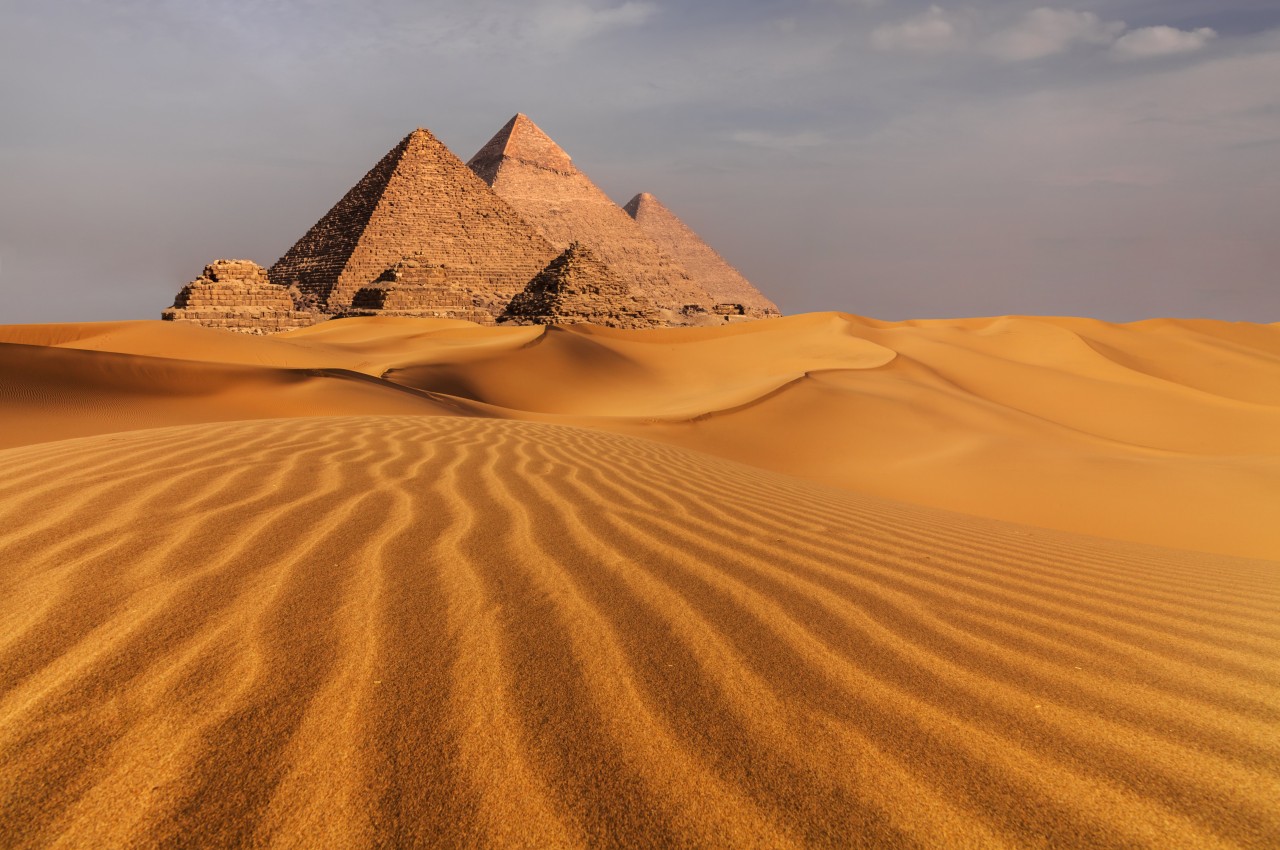
Image courtesy of: antonpetrus

• Hierarchical Planning: Hierarchical Planning in Egyptian architecture arranges spaces deliberately. Karnak Temple Complex is a testament to the planning skills as it incorporates a strategic layout, leading to the grand Hypostyle Hall, emphasizing its religious importance.
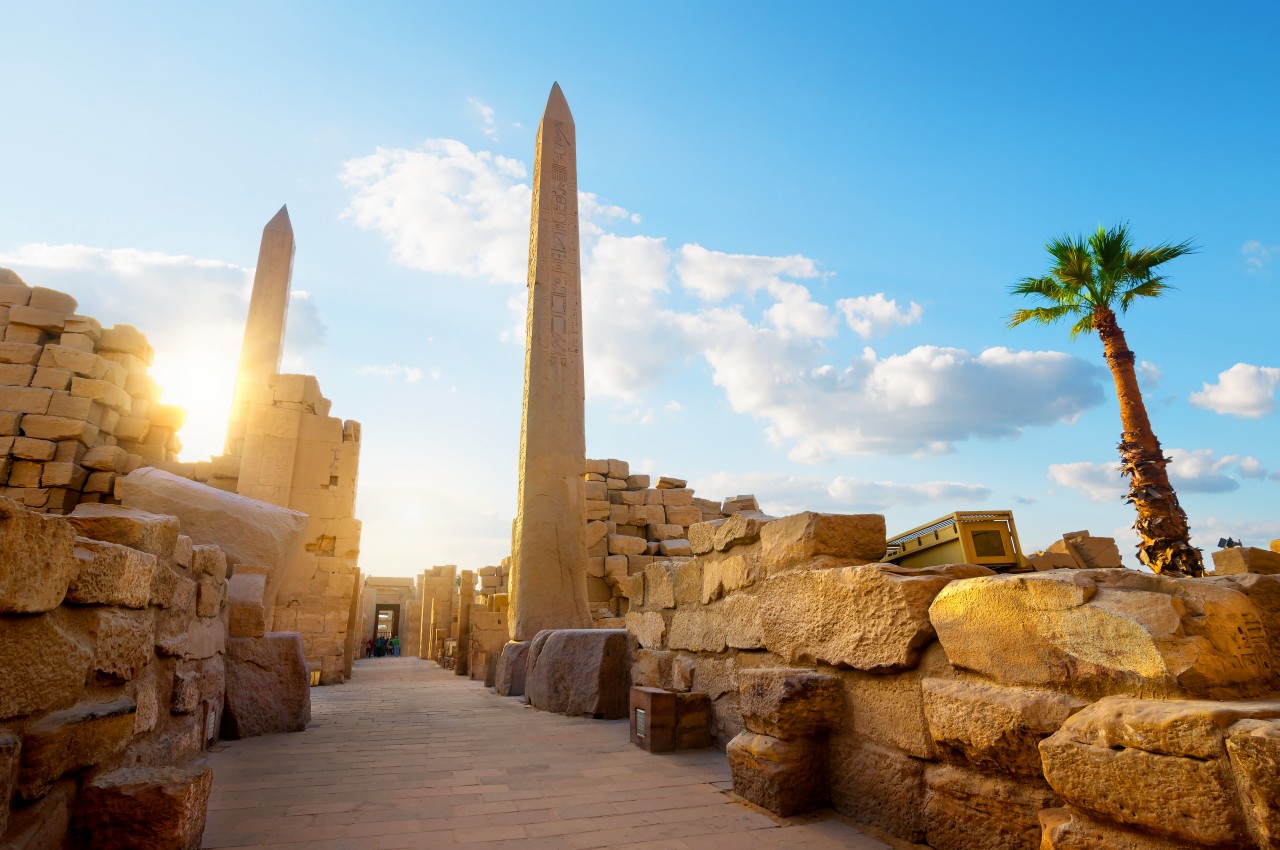
Image courtesy of: Givaga

• Symbolic Decoration: Symbolism forms an integral part of Egyptian architecture. Deir el-Bahari’s Temple of Hatshepsut is beautified with intricately carved reliefs and sculptures that narrate her divine birth, reign, and religious significance.
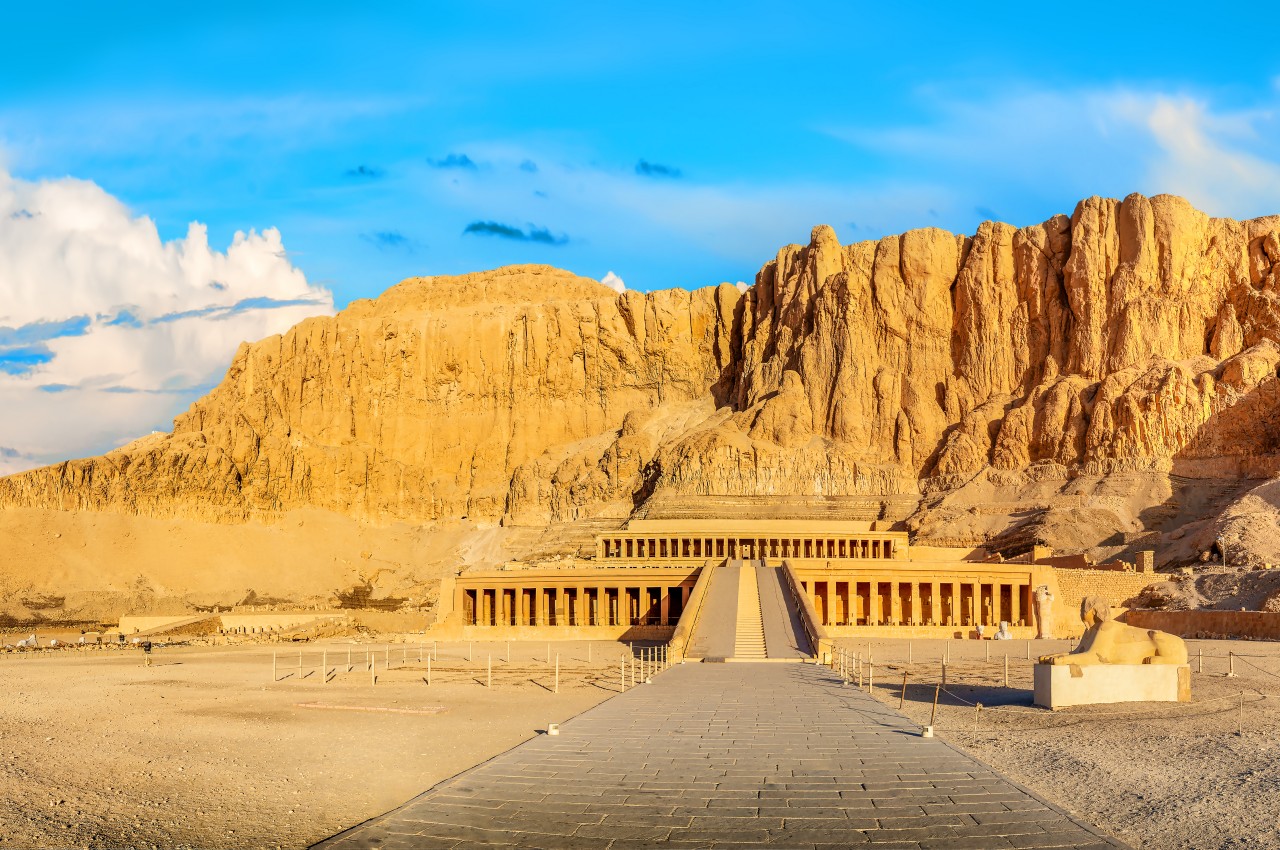
Image courtesy of: Givaga

• Hieroglyphs: Hieroglyphs are formal inscriptions on papyrus and wood. They encompass logographic, syllabic, and alphabetic elements, portraying real or abstract concepts, and holding religious significance.
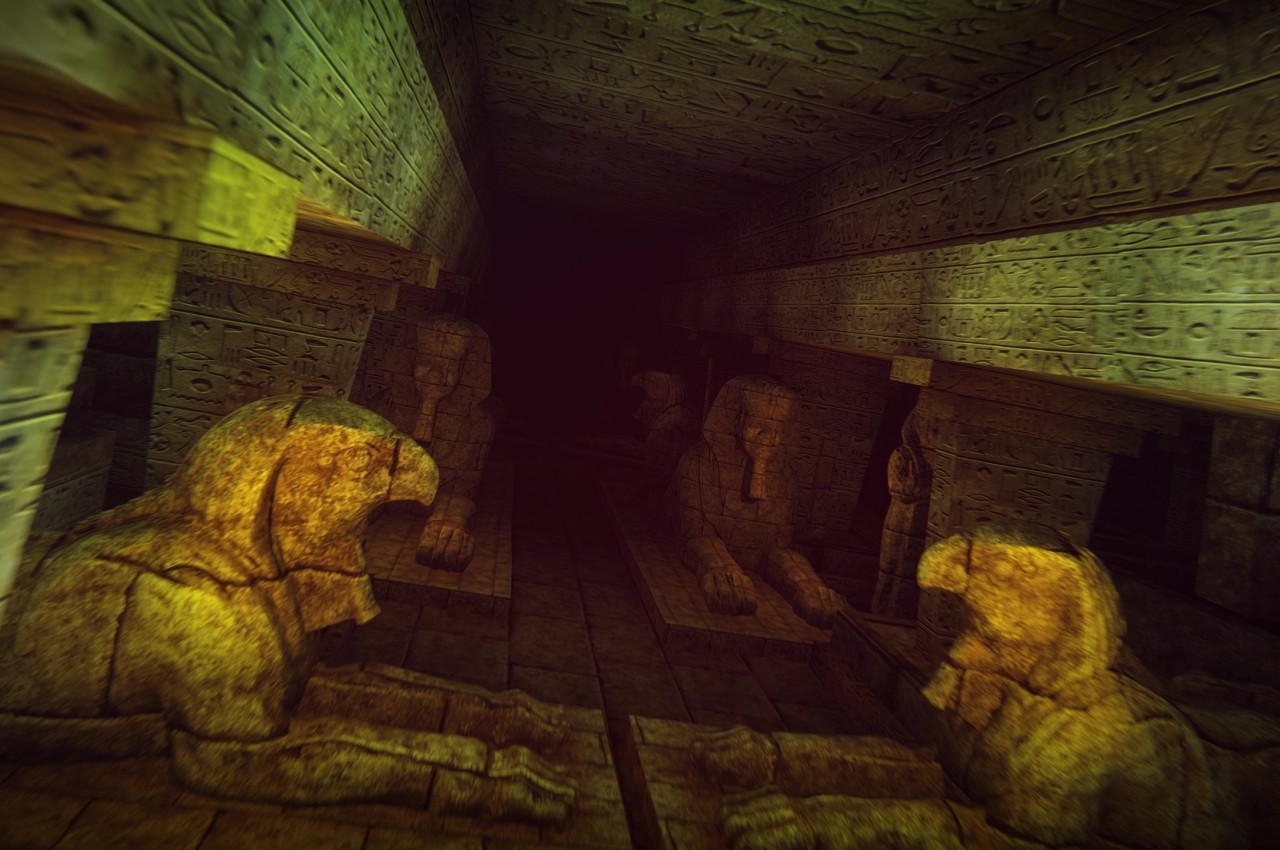
Image courtesy of: animix

• Pylon Gateways: Pylon gates of the Temple of Horus at Edfu, feature immense, sloping structures marking the transition from the secular to the sacred world and it is adorned with intricate artwork.
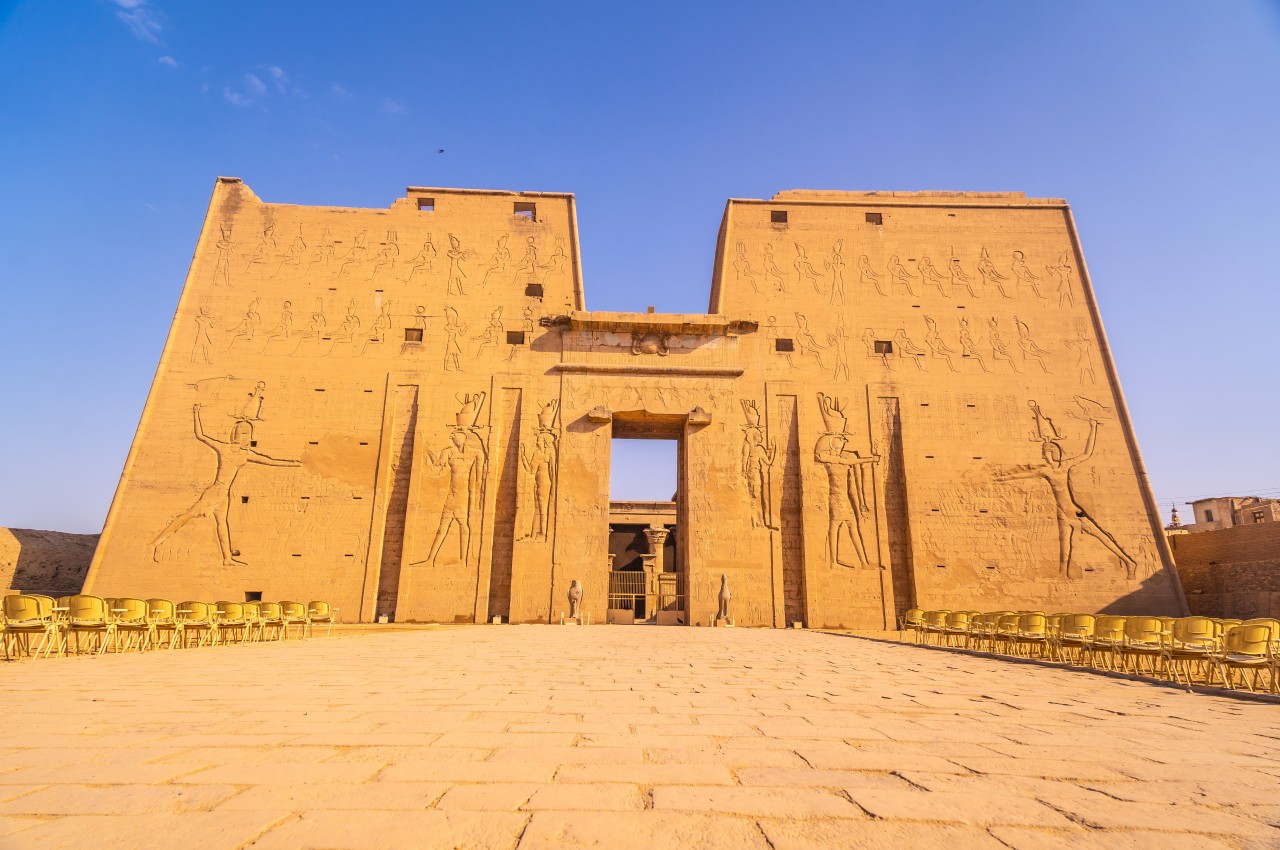
Image courtesy of: wirestock

• Mortuary Temples: Mortuary temples are dedicated to pharaohs like Ramesses II. They were places of worship, featuring colossal statues and detailed reliefs, aimed at preserving the pharaoh’s legacy and ensuring divine favor.
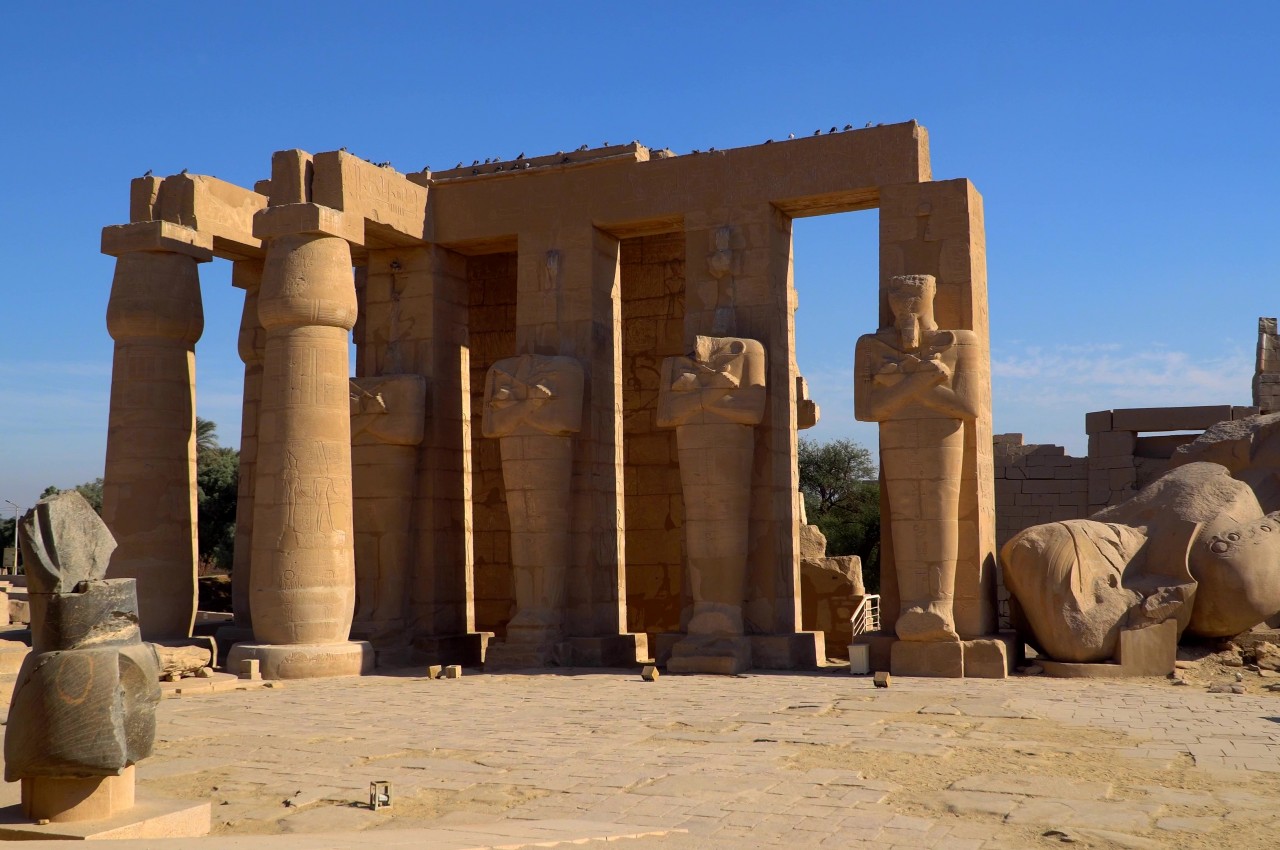
Image courtesy of: Merlinus74

• Hypostyle Halls: In Egyptian architecture, Hypostyle halls are expansive spaces featuring numerous colossal columns, as seen in the Temple of Luxor’s magnificent hall with 74 intricately adorned columns.
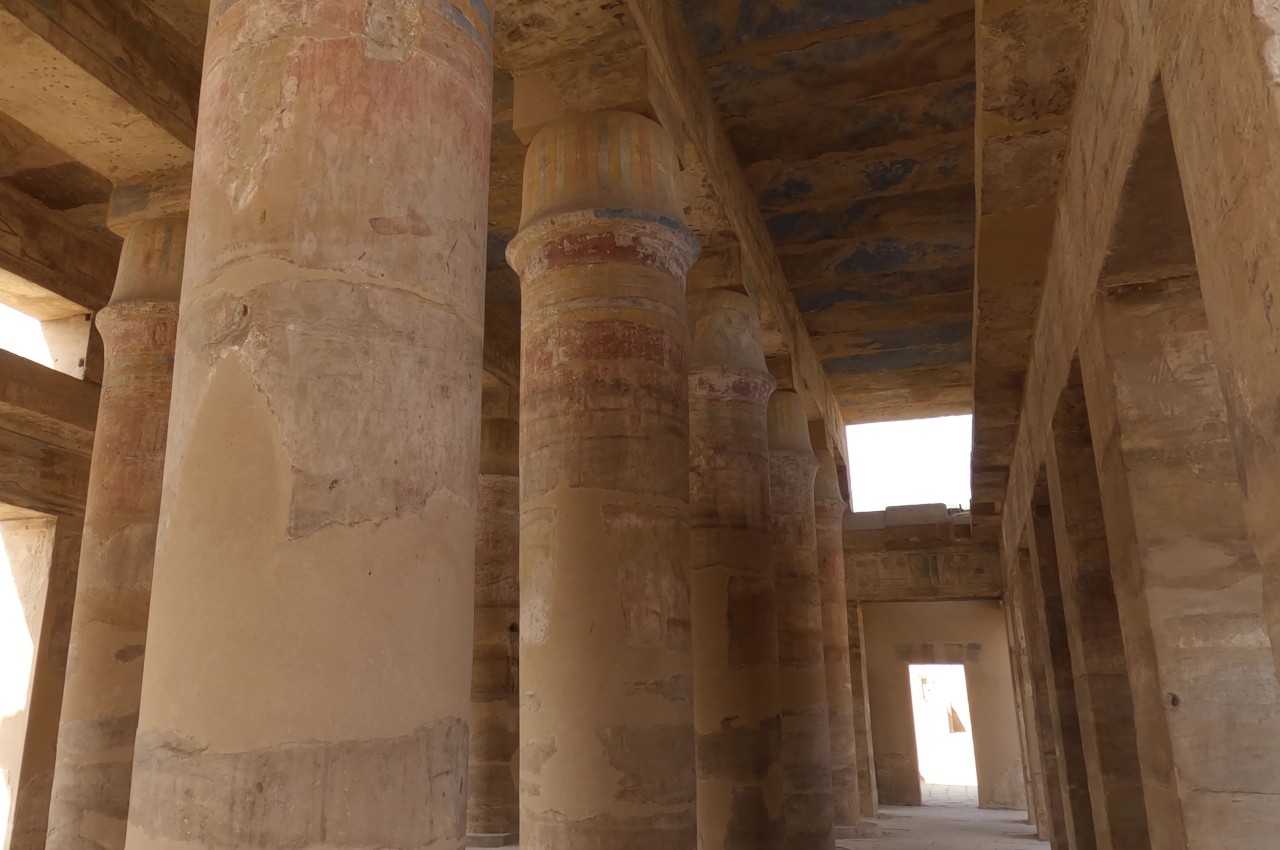
Image courtesy of: BlackBoxGuild

• Carved stone images: Architects utilized indigenous stones like soft limestone, sandstone, calcite, and schist to craft sculptures of deities, monarchs, and royalty. These sculptures conveyed tales of victories, battles, foreign conquests, and pharaohs’ lives.
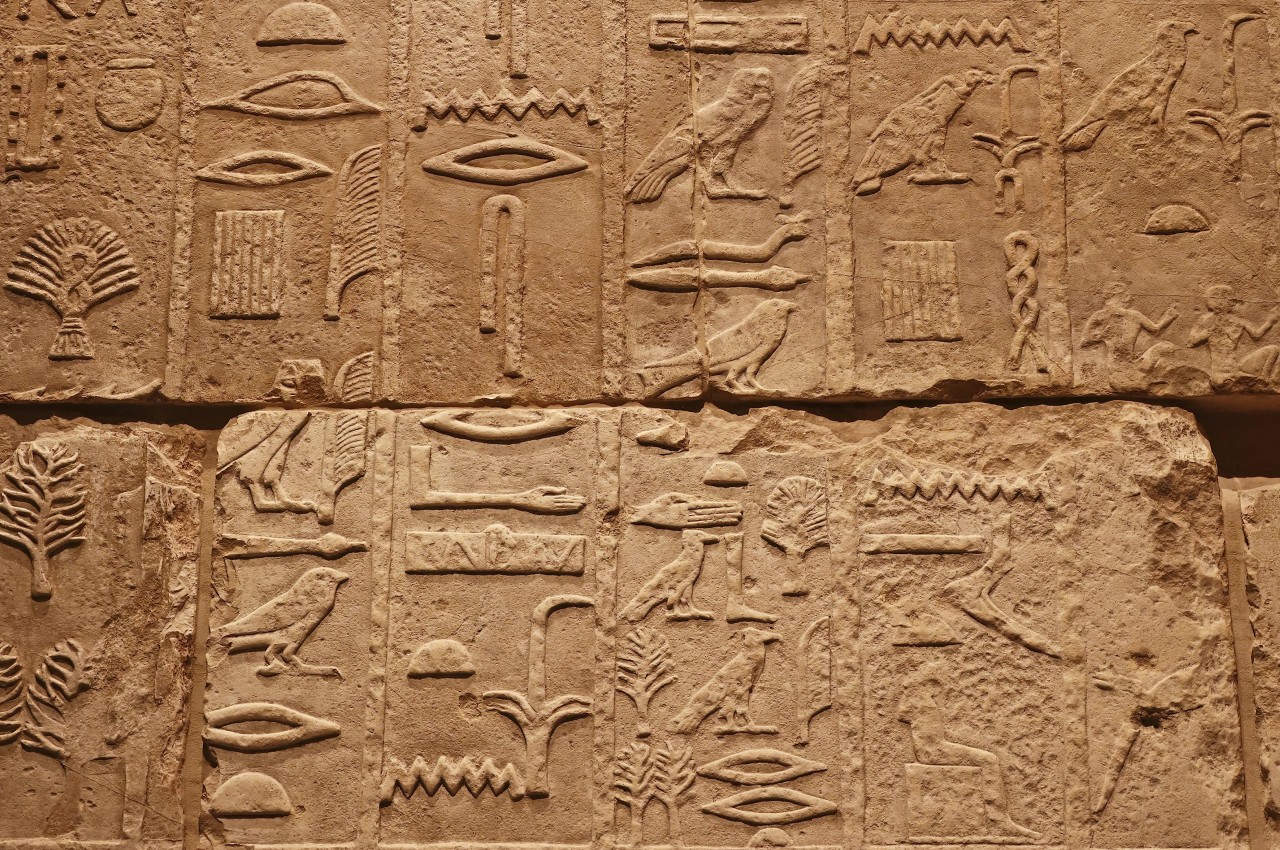
Image courtesy of: BreakingTheWalls

• Mastabas: A hallmark of Egyptian architecture, mastabas, served as burial tombs along the Nile’s banks. Inspired by pyramid construction, these brick and stone structures entombed kings and their families. The structure featured rectangular shapes, sloping walls, and interiors with statues, vaults, and chambers.
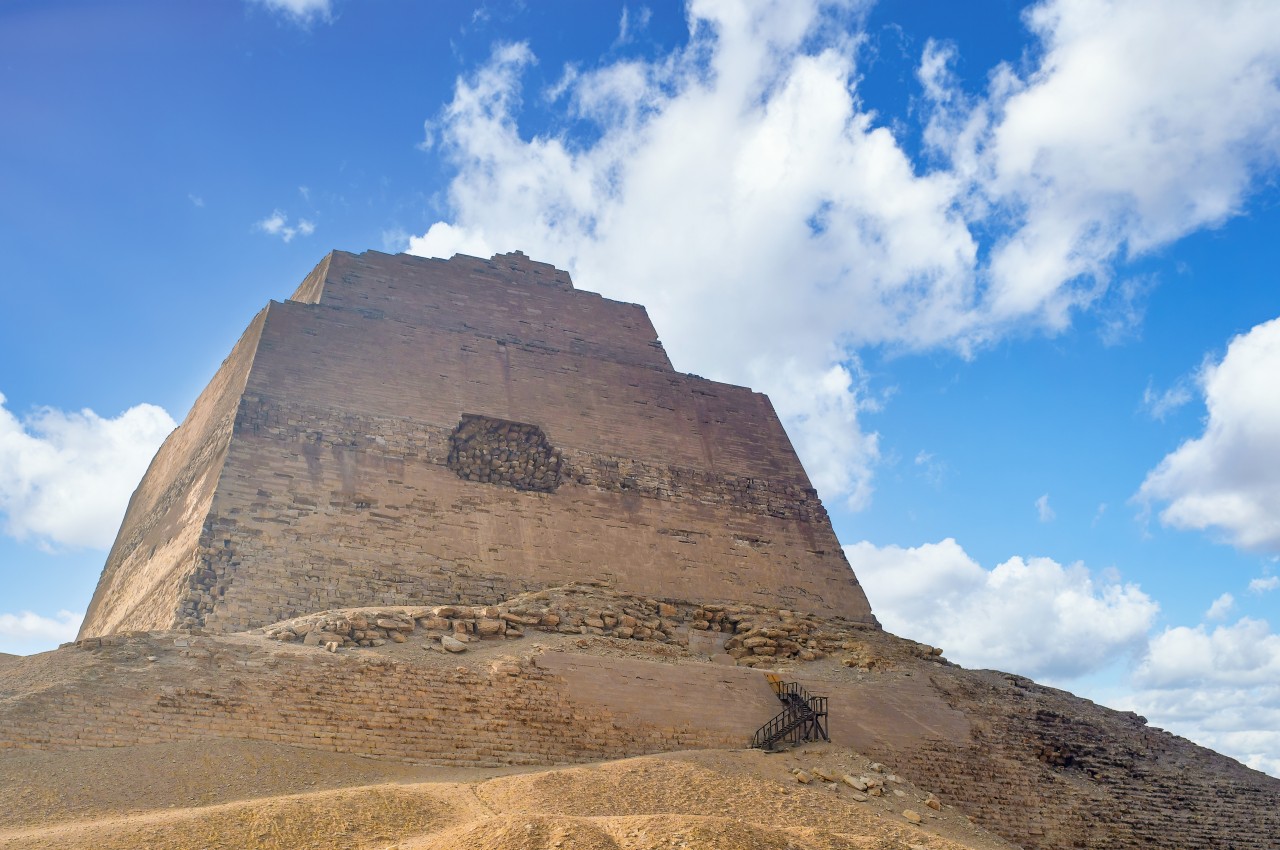
Image courtesy of: wirestock

• Clerestory Windows: Clerestory windows were positioned on high walls as they channel natural light into sanctuaries. This divine illumination enhances spiritual experiences, harmonizing with architecture.
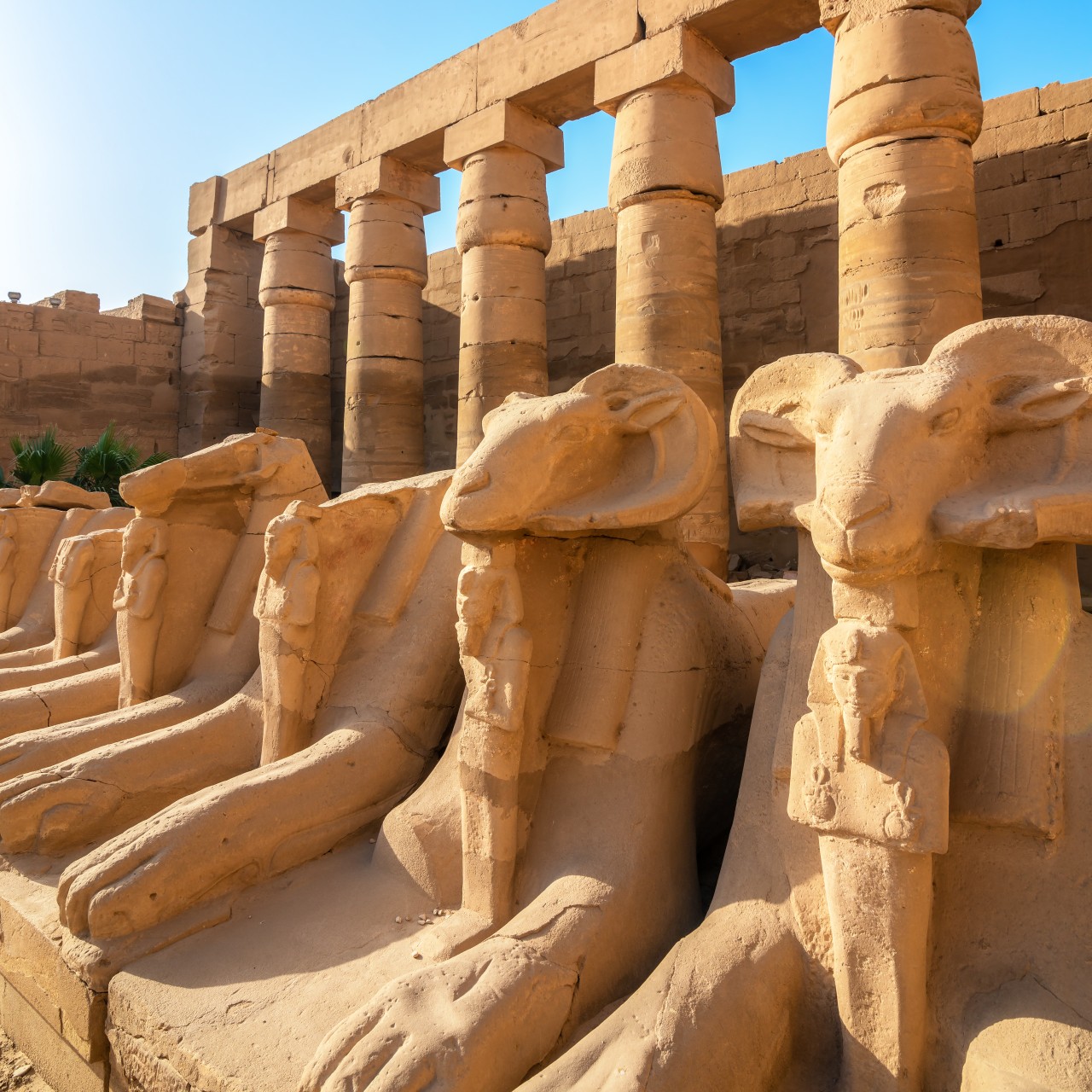
• Obelisks: Obelisks are iconic in Egyptian architecture due to their towering, slender structures topped with pyramids, exemplified by the Luxor Obelisk, formerly located at Luxor Temple.
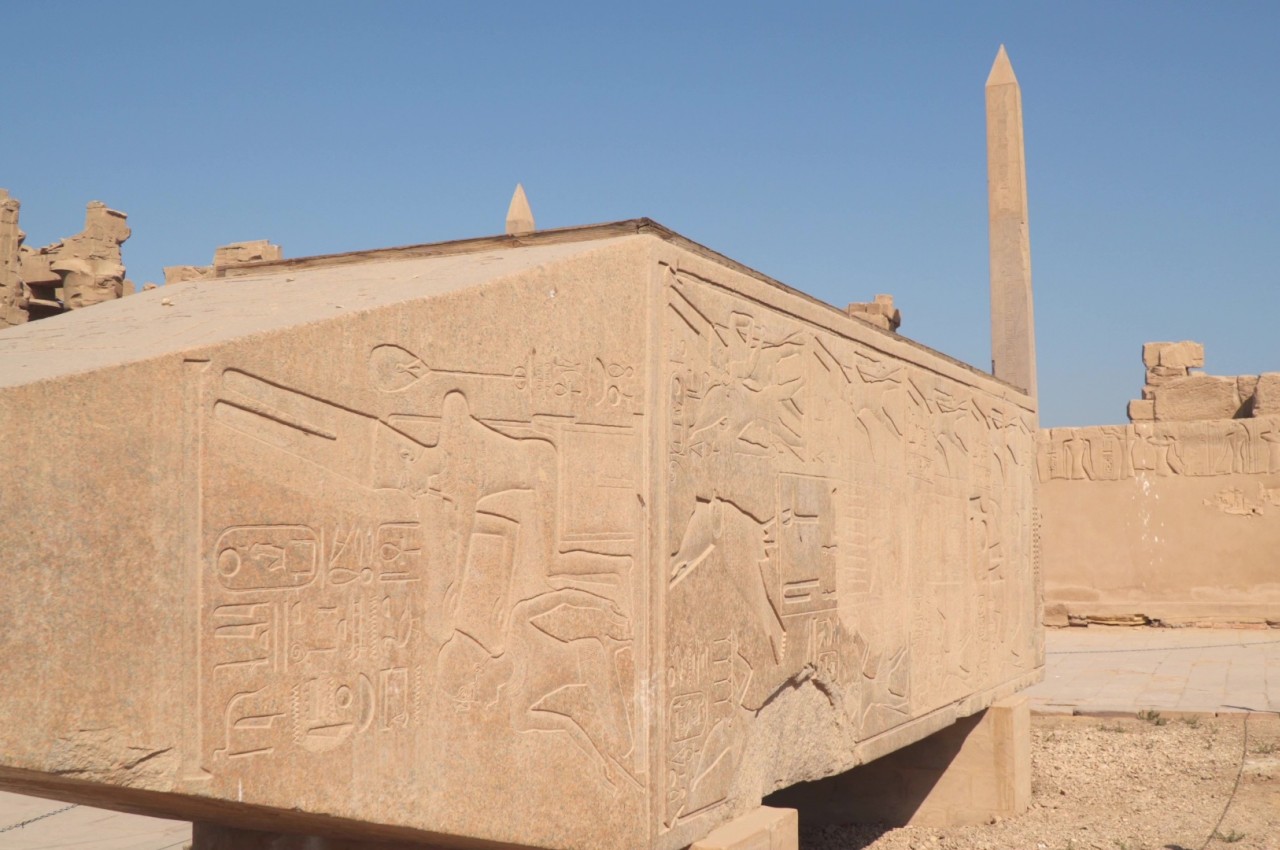
Image courtesy of: filin72

Top Ten Egyptian Structures

Many remarkable ancient Egyptian marvels have withstood the test of time and dedicated archaeologists have unveiled the stories hidden within these grand temples, statues, tombs, and the pharaohs responsible for them. Below, explore ten of Egypt’s most extraordinary ancient monuments.

1. Great Pyramids of Giza
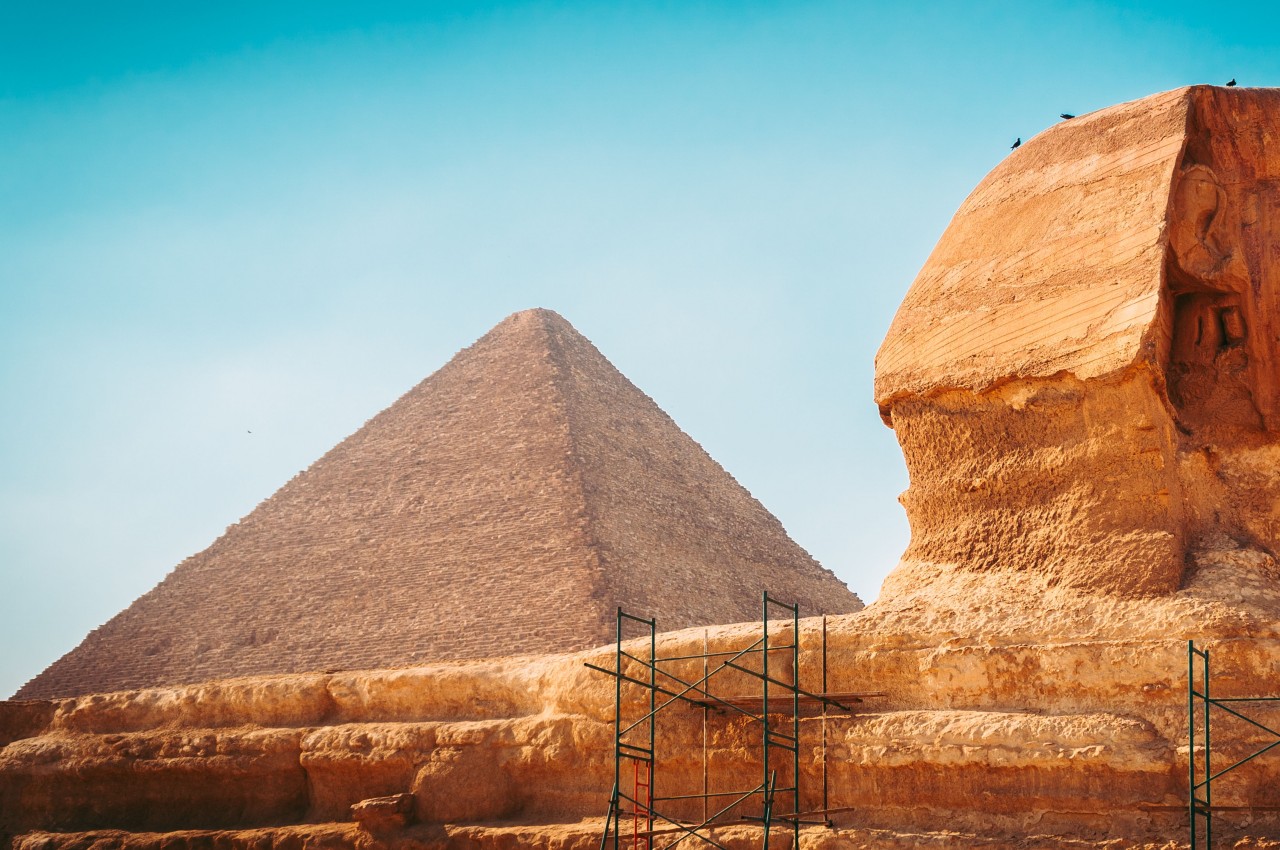
Image courtesy of: wirestock

The Great Pyramid, part of the Giza necropolis in Cairo, was built by Khufu during Ancient Egypt’s 4th Dynasty. Standing at 139 meters and employing 100,000 craftsmen, it’s the last of the Seven Wonders of the World. Khufu’s son, Khafre, built the second, slightly shorter pyramid, while Menkaure constructed the smallest.

2. Abu Simbel
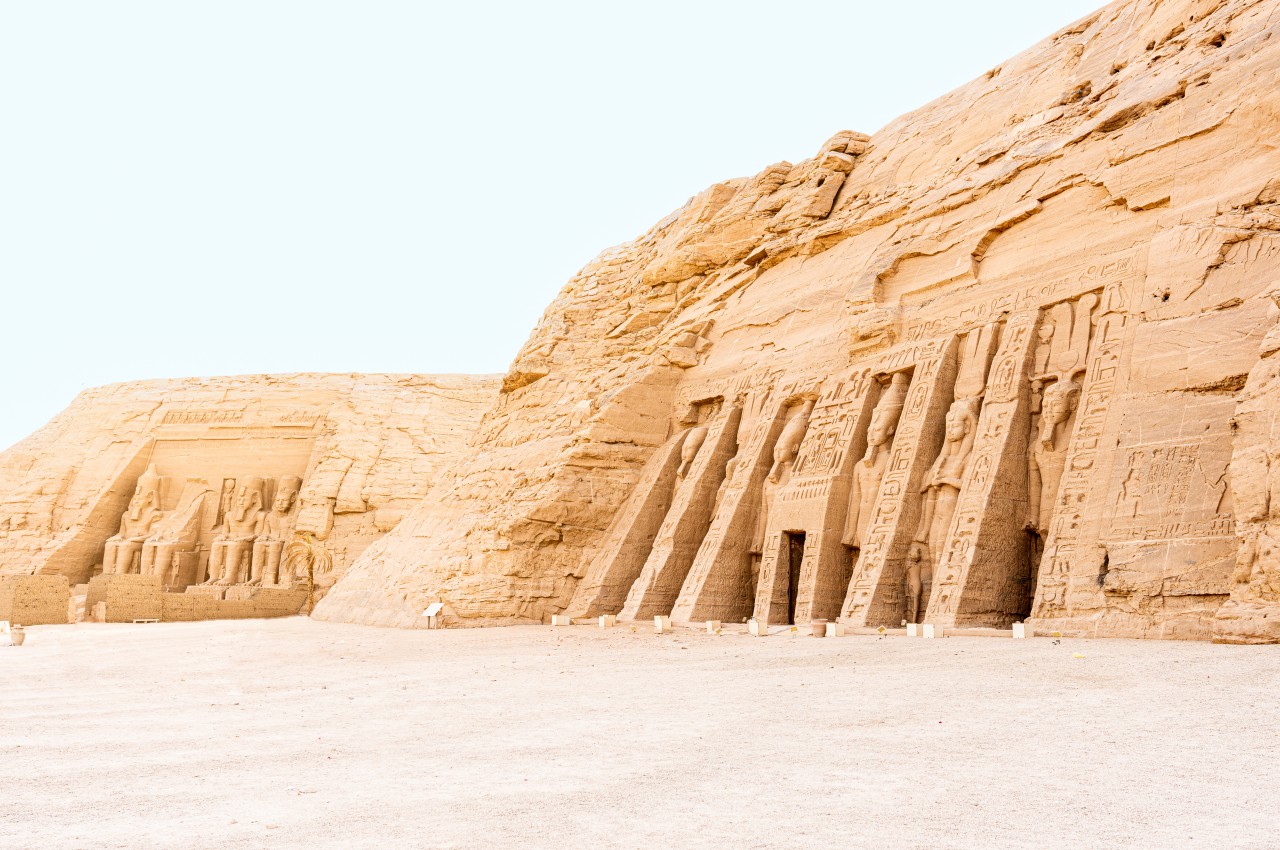
Image courtesy of: ivanmorenosl

During the 19th Dynasty, Ramesses the Great carved the imposing Abu Simbel temple into solid rock to assert his divinity in Nubian territory. The Great Temple’s entrance is guarded by four colossal 20-meter statues of Ramesses II, with hieroglyphs inside depicting his feats and interactions with gods. The Small Temple, dedicated to the sky goddess Hathor, features statues of Ramesses II’s wife, Queen Nefertari, standing 10 meters tall.

3. The Great Sphinx, Giza
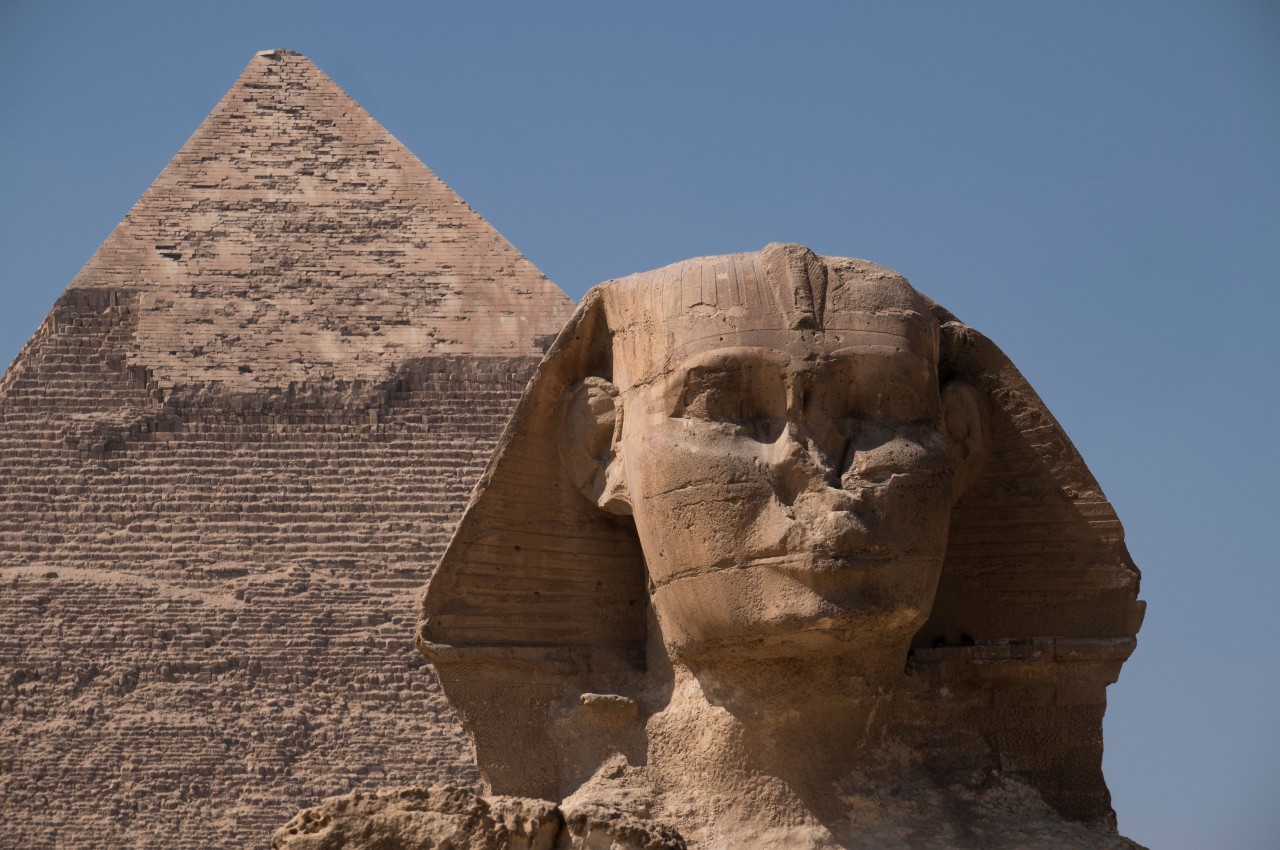
Image courtesy of: wirestock

The Great Sphinx, near Khafre’s pyramid complex, is a unique monument crafted in the 4th Dynasty of Ancient Egypt. Khafre added his face to a lion’s body. The nose, often attributed to Napoleon’s soldiers, was likely removed by 14th-century Muslim groups to discourage offerings from local farmers, dispelling earlier myths.

4. Luxor Temple

Image courtesy of: Givaga

Luxor Temple served as a site for New Kingdom pharaohs to rejuvenate their kingship before the gods. Amenhotep III and Ramesses II erected monuments to celebrate the Opet festival, during which gods like Amun, Maat, and Khons journeyed from Karnak to Luxor for a 24-day celebration. Notable structures include the Colonnade of Amenhotep III, the Great Court of Ramesses II, the First Pylon, and the Standing Statue of Ramesses II.

5. The Mortuary Temple of Hatshepsut
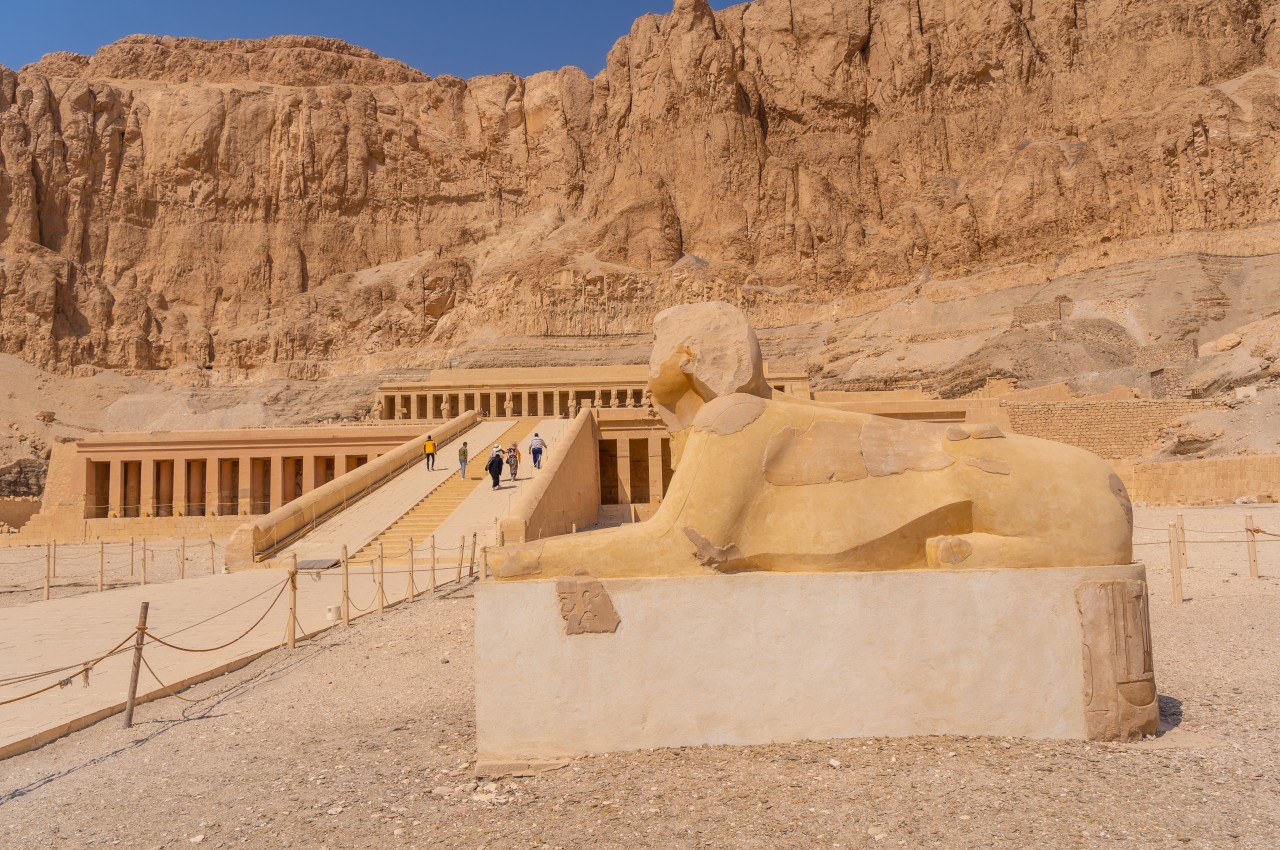
Image courtesy of: Unai82

Built during Egypt’s 18th Dynasty, the Mortuary Temple of Hatshepsut is near the Valley of the Kings, beneath Deir el Bahari’s cliff. Architect Senenmut designed it, dedicated to the god Amun. Hatshepsut, a unique female Pharaoh, ruled for nearly two decades and is considered history’s first “great lady.” She accidentally poisoned herself while treating a hereditary skin condition.

6. Karnak Temple
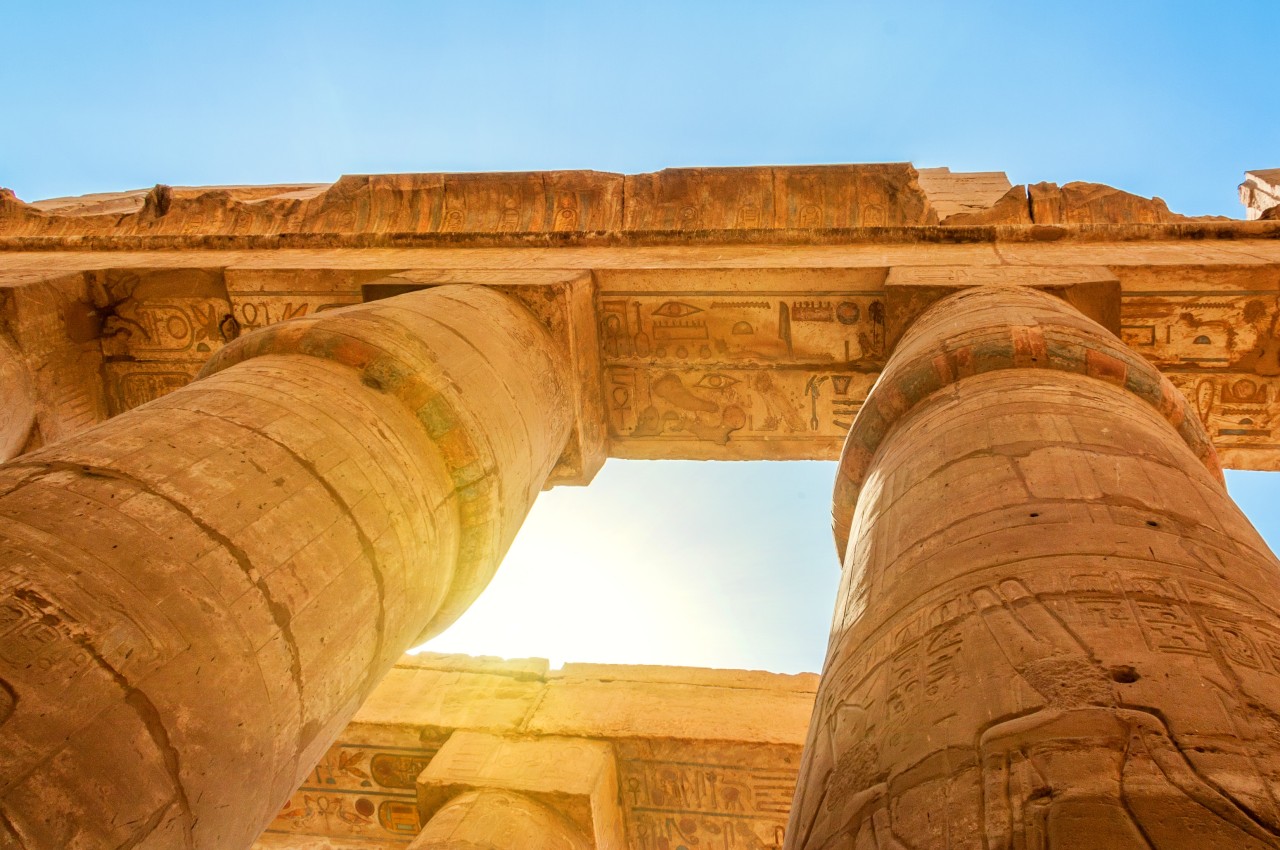
Image courtesy of: Yakov_Oskanov

Karnak, a revered site in Egypt, was dedicated to Amun-Ra’s worship. This complex, central for Thebes’ festivals, evolved over 2,000 years. Akhenaten’s temple to Aten was demolished by Horemheb and Ramesses II. Prominent monuments include the Hypostyle Hall, Thutmose I’s Obelisk, Hatshepsut’s Obelisk, Horemheb’s Great Edict, and the Avenue of Sphinxes.

7. The Valley of The Kings
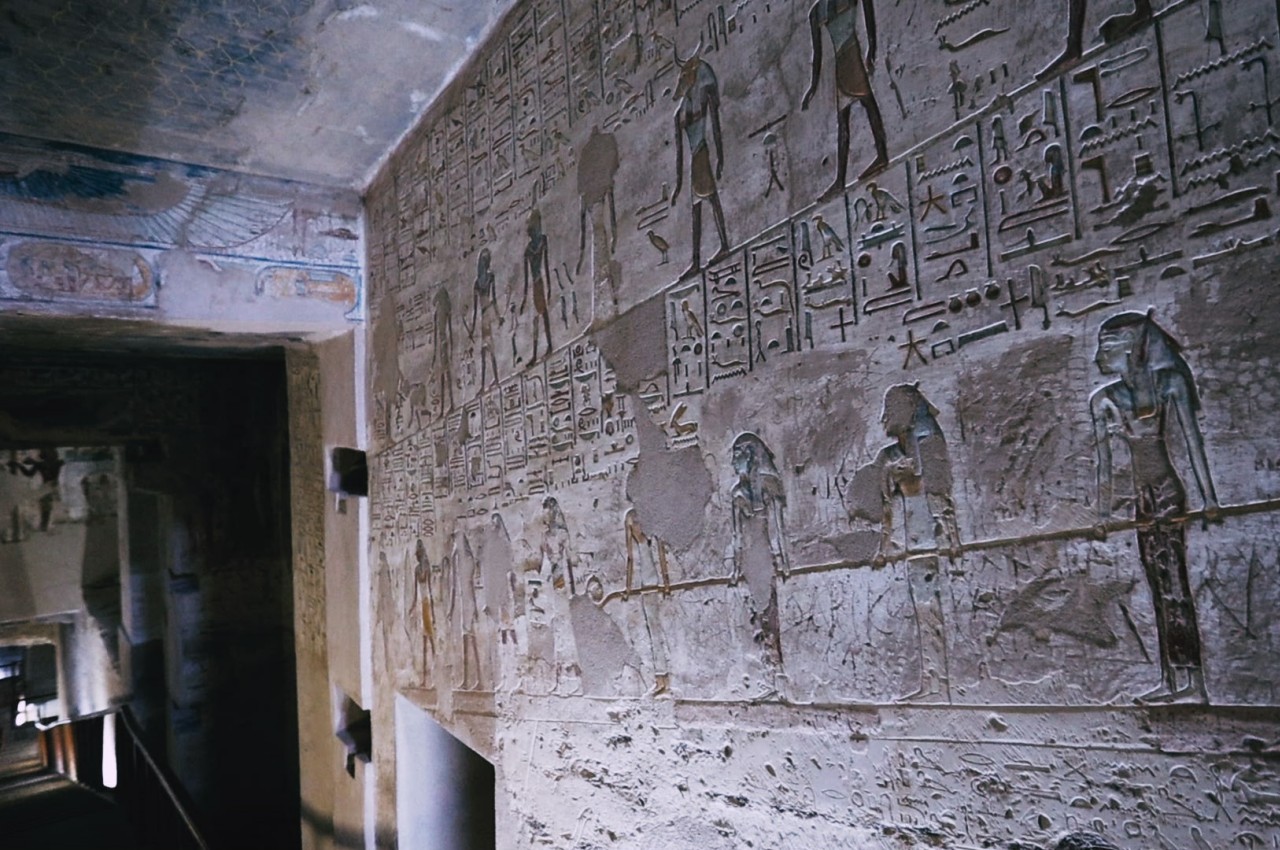
Image courtesy of: DavePrimov

The Valley of the Kings, located on the west bank of the Nile near Luxor, served as the New Kingdom pharaohs’ burial ground. It contains various tombs, ranging from single coffins to elaborate underground family tombs for the afterlife. The most renowned is King Tutankhamun’s, discovered by Howard Carter in 1922. Attempts to erase Tutankhamun from history by later pharaohs protected his tomb from disturbance for nearly 3,500 years.

8. The Bent Pyramid and Red Pyramid of Sneferu
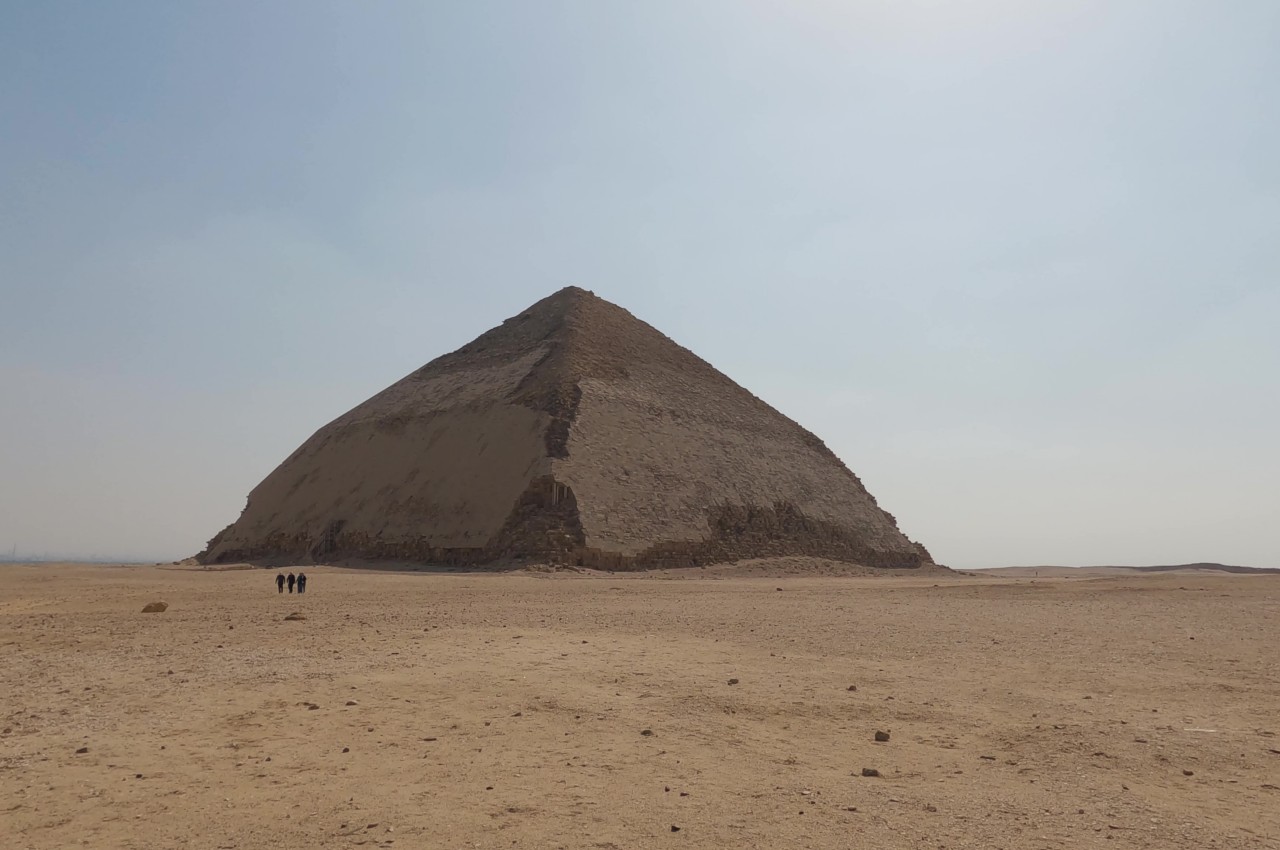
Image courtesy of: BlackBoxGuild

Sneferu, the inaugural pharaoh of Egypt’s 4th Dynasty and Khufu’s father, reigned for around 50 years. He constructed three pyramids, including the Bent Pyramid, named due to mid-construction angle adjustments. The Red Pyramid, known for its reddish color due to limestone oxidation, once had a white limestone casing stolen by robbers due to its flat sides, leaving the red core visible.

9. The Colossi of Memnon

Image courtesy of: Givaga

The Colossi of Memnon, two 20-meter-tall statues of Amenhotep III, are now part of the Theban Necropolis in Luxor. Originally part of his mortuary temple, they are massive stone structures stacked without mortar. The statues were restored multiple times, even by Roman Emperor Septimius Severus, but face recent deterioration due to pollution and wear. Efforts are underway to prevent further damage and collapse. “Memnon” is the Greek name given in honor of their hero from the Trojan War.

10. Temple of Edfu
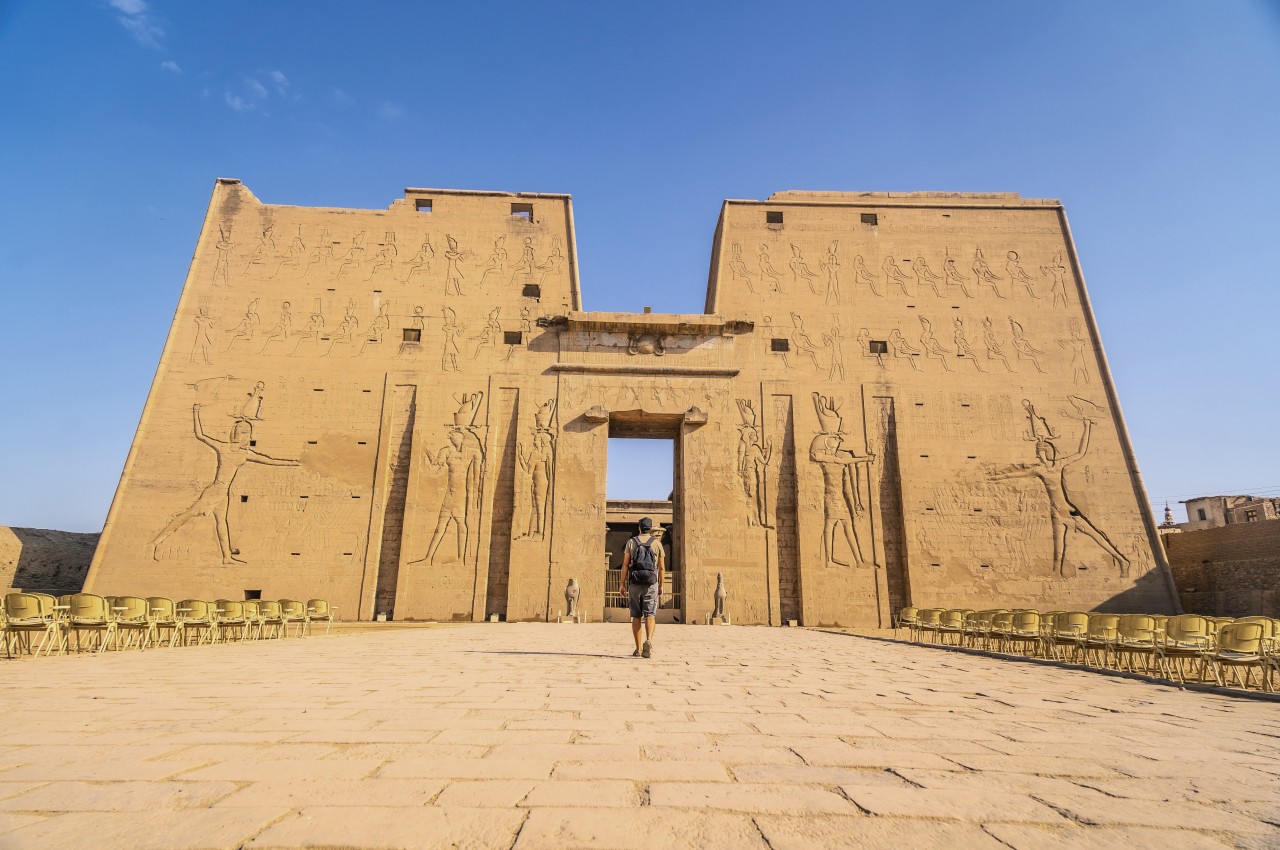
Image courtesy of: Unai82

Constructed in the Ptolemaic Kingdom, the Temple of Edfu is a tribute to Horus and Hathor. With the ascendance of Christianity in the 4th century, the temple lost its religious significance, suffering arson and vandalism. Villagers later built over and nearly buried the site. Today, Edfu attracts tourists on Nile riverboats, offering a glimpse into Egypt’s history.

The post Unveiling Egypt’s Architectural Wonders: A Journey Through Time first appeared on Yanko Design.

How to screenshot on Windows 11 in 2024

Most of us already know how to capture a screenshot when using Microsoft’s Windows operating system but due to new tweaks, enhancements and features added by Microsoft to its latest Windows 11 OS. You can now take and manage windows screenshots even more efficiently in Windows 11. How to Screenshot on Windows 11 Windows 11 […]

The post How to screenshot on Windows 11 in 2024 appeared first on Geeky Gadgets.

Posted in Uncategorized | Tagged

The Morning After: The US Treasury finalizes tax rules for crypto

Welcome to the first day of July. Summer is here in earnest, but let me keep you, briefly, indoors with tales of finalized rules for crypto in the US, and how Lego is making bricks from stardust. 

A new rule finalized by the US Treasury Department will ensure that people that dipped their toes into crypto (and crypto trading) are paying the proper amount on their sales. The new rule will require cryptocurrency platforms like exchanges and payment processors to report their users' transactions to the IRS. Brokers will have to start reporting sales proceeds on digital assets in 2026 for all transactions accomplished in 2025, which means crypto traders are still on their own for now.

The rule will make easier for people to declare their earnings because their brokers will now have to provide them with a 1099 form. The form has a threshold of $10,000 to report on transactions involving stablecoin, which are cryptocurrencies that track fiat money like the US dollar.

— Mat Smith

China is plowing $11 billion into a solar, wind and coal energy project

Samsung’s Unpacked 2024 event: What to expect

Amazon Prime Day 2024: The best early Prime Day deals

​​You can get these reports delivered daily direct to your inbox. Subscribe right here!

Officials insisted in a press conference Friday afternoon that astronauts Butch Wilmore and Suni Williams are not “stranded” on the International Space Station. “We’re not in a rush to come home,” said Steve Stich, manager of NASA’s Commercial Crew Program. Boeing’s Starliner has been docked with the ISS since June 6 for what was meant to be a 10-day flight test. However, during approach, the craft experienced problems with five of its thrusters, and a known helium leak appeared to worsen.

It was initially stated that Starliner could only stay docked at the ISS for a maximum of 45 days due to limitations with its batteries, but Stich said during the conference that these batteries are being recharged by the space station, so this can be extended.

Continue reading.

The US has a higher incarceration rate per 100,000 people in its population than any other NATO country. Hashem Al-Ghaili, a molecular biologist and science communicator, claims he’s got the solution. In an interview with Wired, he outlined how a virtual prison could work. Instead of locking prisoners up for long periods of time, prisoners would be subjected to artificial memories in a virtual environment. The system creates customized AI-generated content that’s converted to visual information and delivered to the prisoner’s brain as well as the parts of their DNA and RNA linked to memory formation to establish a long term memory pattern. There are a lot of wrinkles and road bumps, but the biggest may be that such technology just doesn’t exist.

Continue reading.

Image of a lego brick made with moondust
Lego

Lego has teamed up with the European Space Agency (ESA) to make Lego pieces from actual meteorite dust. They are on display at several Lego store locations until September 20, although it all isn’t just for giggles, or Lego kit upsell. It’s a proof of concept to show how astronauts could use moondust to build lunar structures.

Continue reading.

This article originally appeared on Engadget at https://www.engadget.com/the-morning-after-the-us-treasury-finalizes-tax-rules-for-crypto-111534062.html?src=rss

Pieces AI coding assistant an alternative to GitHub Copilot

Pieces AI coding assistant

Pieces is a new artificial intelligence (AI)  powered application taking the form of an on-device AI coding assistant designed to enhance developer productivity by understanding and integrating into their workflow. The app supports Mac OS, Windows, and Linux, and provides a comprehensive suite for managing code snippets, technical documentation, and collaborative projects. If you are […]

The post Pieces AI coding assistant an alternative to GitHub Copilot appeared first on Geeky Gadgets.

Apple M4 MacBook Air: Specs & Release Details Revealed

M4 MacBook Air

Apple enthusiasts and tech aficionados alike are eagerly awaiting the release of the Apple M4 MacBook Air, the latest iteration of the company’s popular lightweight laptop series. Set to hit the market in early 2025, this new model promises to deliver significant performance enhancements while maintaining the sleek and portable design that has become synonymous […]

The post Apple M4 MacBook Air: Specs & Release Details Revealed appeared first on Geeky Gadgets.

Nyobolt Concept EV Charges to 80 Percent in Just 5 Minutes

Nyobolt Concept

Nyobolt, a pioneering company in the electric vehicle (EV) industry, has recently unveiled a groundbreaking advancement in **ultra-fast EV charging** technology. This innovative solution promises to transform the way EVs are charged, making them more practical and convenient for everyday use. Nyobolt’s innovative batteries can charge from 10% to 80% in just under five minutes […]

The post Nyobolt Concept EV Charges to 80 Percent in Just 5 Minutes appeared first on Geeky Gadgets.

AutoFull M6 Gaming Chair €700 with integrated ventilation system

AutoFull M6 Gaming Chair

The AutoFull M6 Gaming Chair is transforming the gaming experience with its innovative features designed to enhance comfort and support during long hours of gaming or working. This chair stands out in the market due to its unique combination of heating and ventilation technology, 6D foldable mechanical armrests, and ultra-soft porous leather. These features make […]

The post AutoFull M6 Gaming Chair €700 with integrated ventilation system appeared first on Geeky Gadgets.

Building a NAS using a RISC-V BPI-F3 and OpenMediaVault

RISC-V NAS BPI-F3 OpenMediaVault

If you are interested in building your very own network attached storage (NAS)  you might be interested in a new tutorial published by the Explaining Computers channel which shows how you can use a RISC-V NAS BPI-F3 and OpenMediaVault. It’s a great tutorial if you have ever considered building a powerful and cost-effective Network Attached […]

The post Building a NAS using a RISC-V BPI-F3 and OpenMediaVault appeared first on Geeky Gadgets.

Pixel 9 and Pixel Watch 3 launch date set for mid-August

It seems that some companies are moving up their schedules this year. Samsung has officially confirmed that its Galaxy Unpacked Summer edition will happen a few weeks earlier compared to last year’s event, setting the date for the 10th of July. Google, however, isn’t going to be outdone and is actually taking an even earlier date, more than two months in advance, in fact. Although details are still a bit scant at the moment, Google has more or less announced that its next product launch is being held in August instead of October, enough reason for fans to be excited and, at the same time, perhaps a bit perplexed at the sudden change in cadence.

Designer: Google

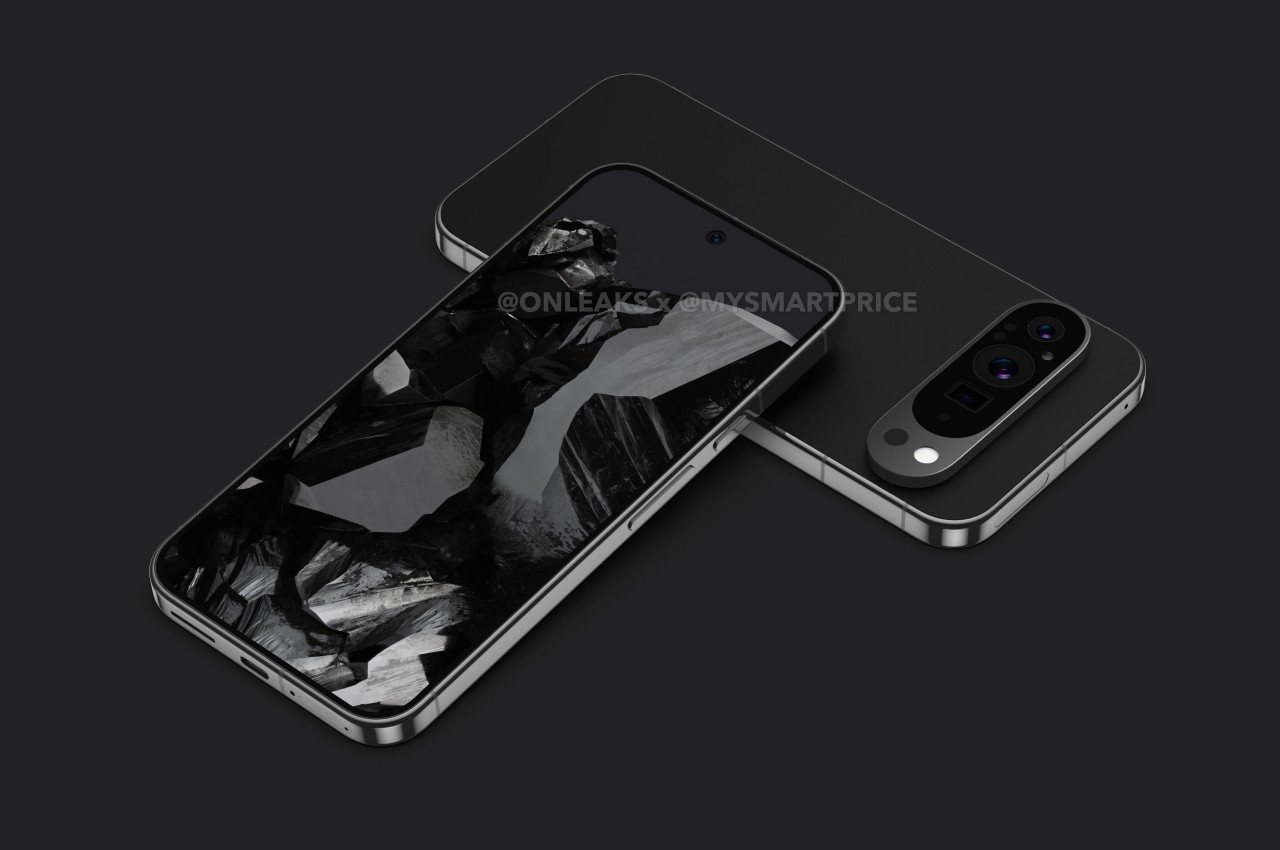
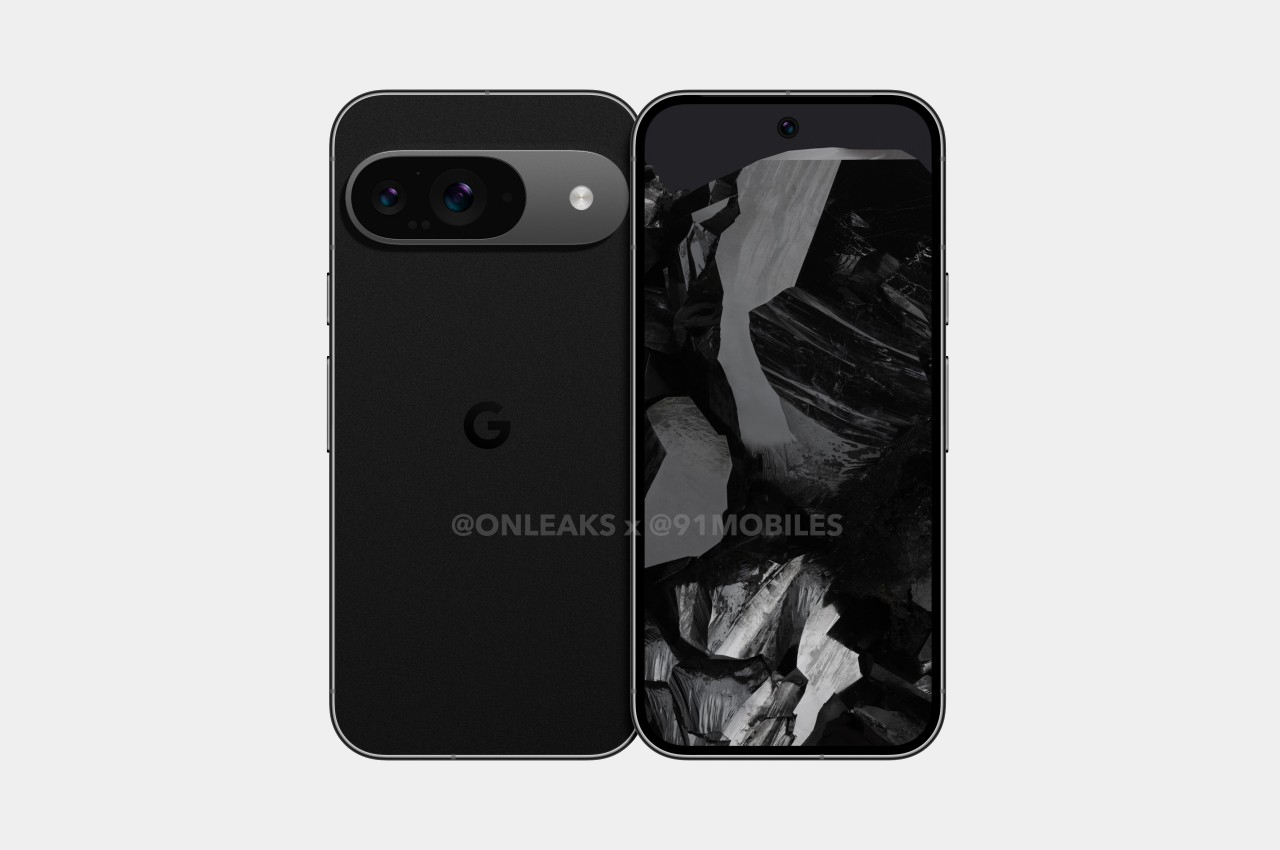
Pixel 9 Pro XL render

Picking a launch window for a product is actually a very complicated process. Companies have to take into consideration multiple factors, including the timeline of component manufacturers, their own previous products, as well as the movements of their rivals. For a few years now, Google has traditionally made October its stronghold while Samsung picked late July or early August and Apple has consistently used September for its own purposes.

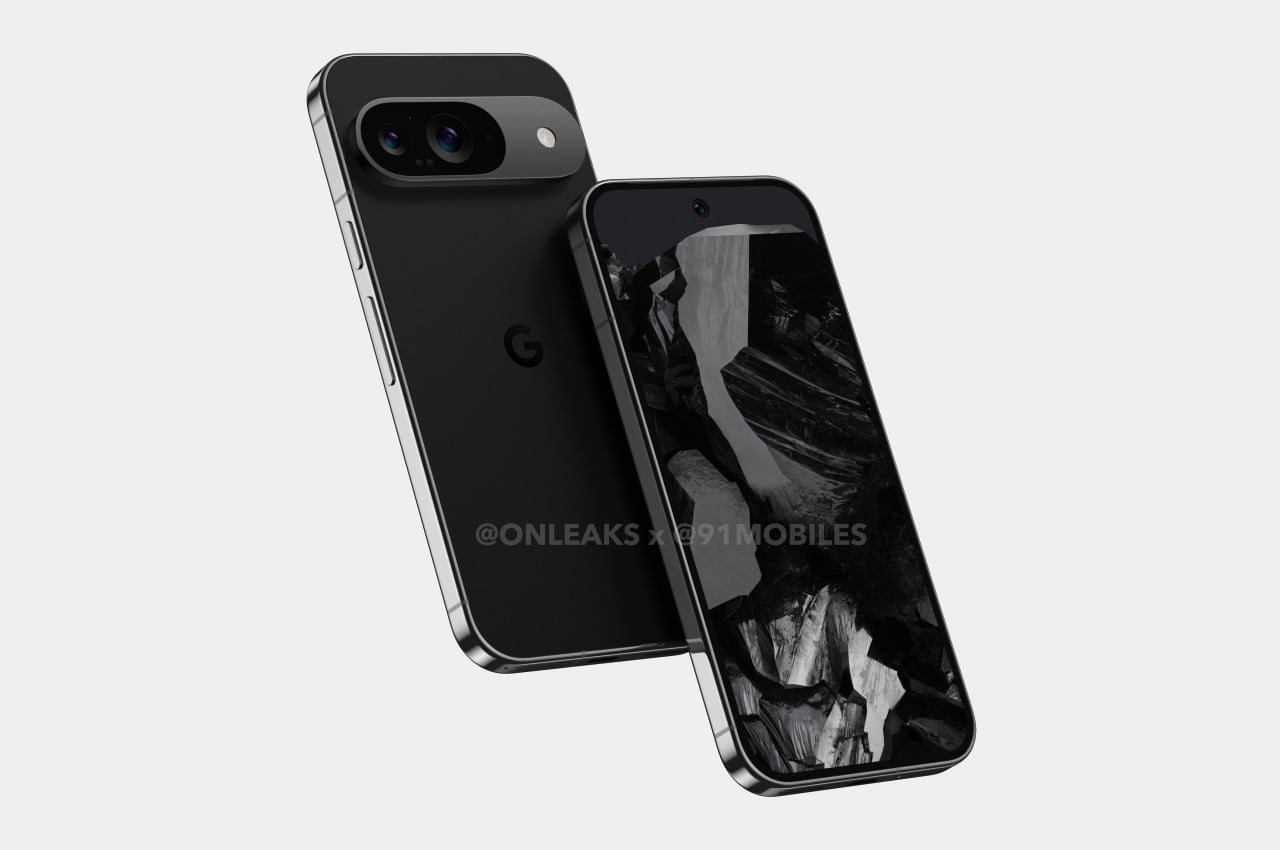
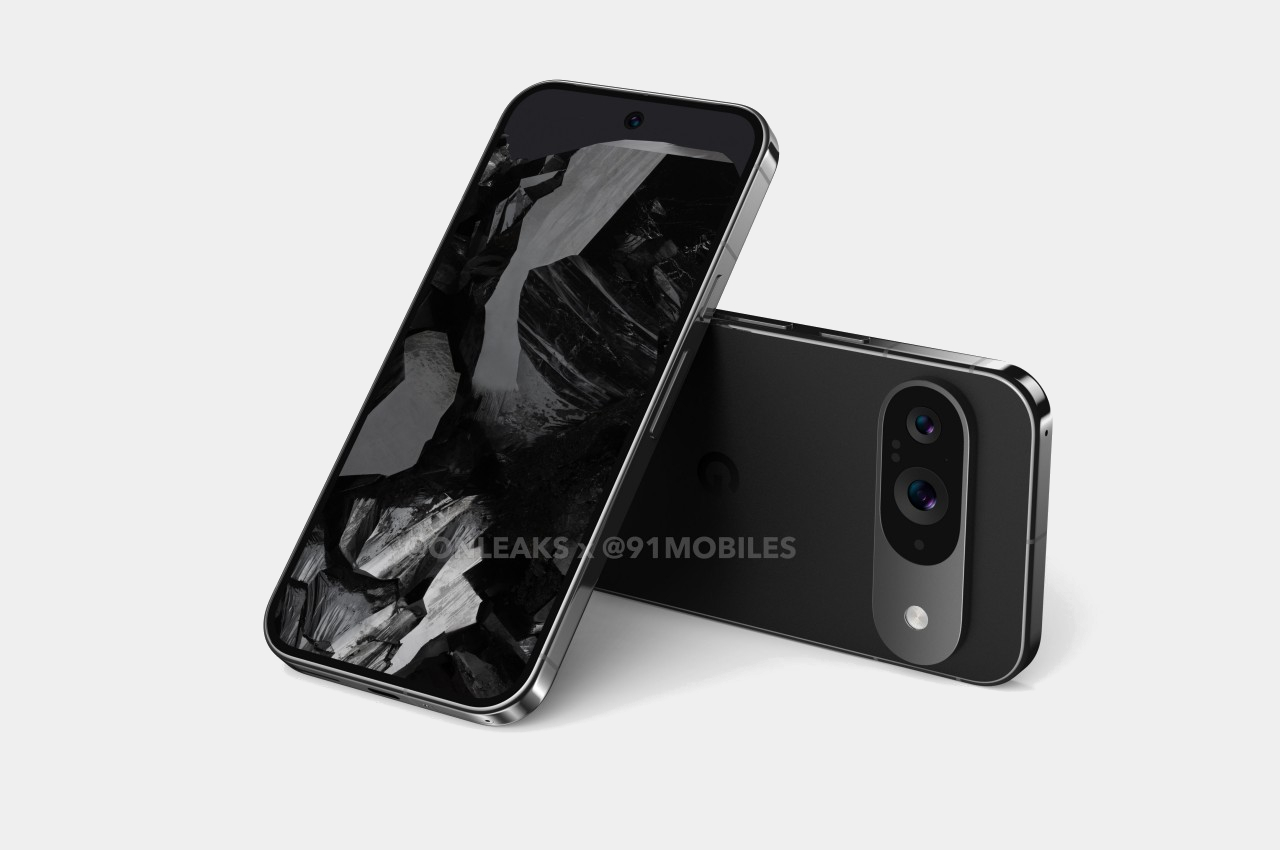
Pixel 9 renders

Now Google is seemingly throwing caution to the wind and will launch its next new products on August 13th, two months earlier than usual. There are a few theories being pushed forward as to why the tech giant decided on such a drastic change, including how there won’t be significant hardware upgrades that would require waiting for components to arrive first. The favorite speculation, however, is that Google wants to put a heavy focus on AI just as it did at I/O 2024 last May. Not only will it need to get the word out early, it also needs to do it before Apple’s own “Apple Intelligence” iPhone debut in September.

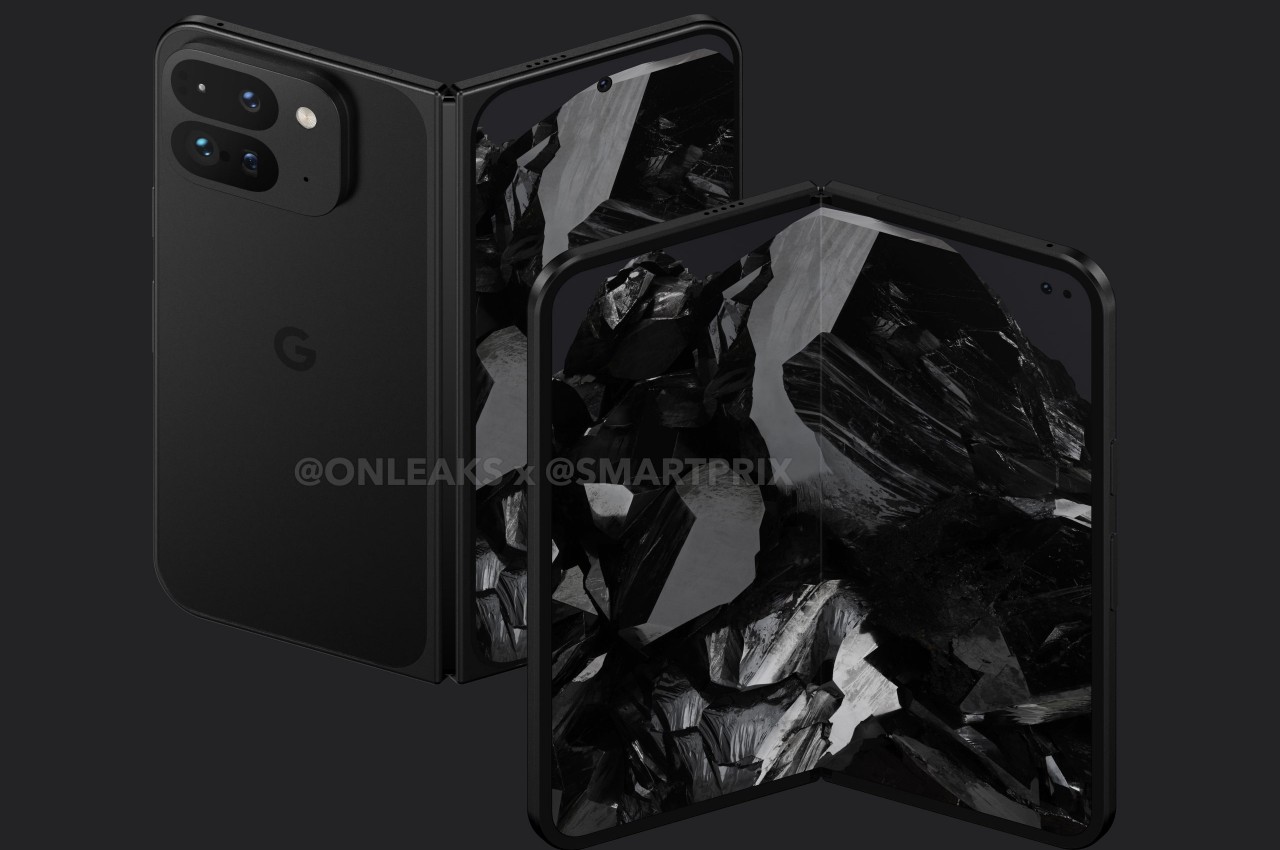
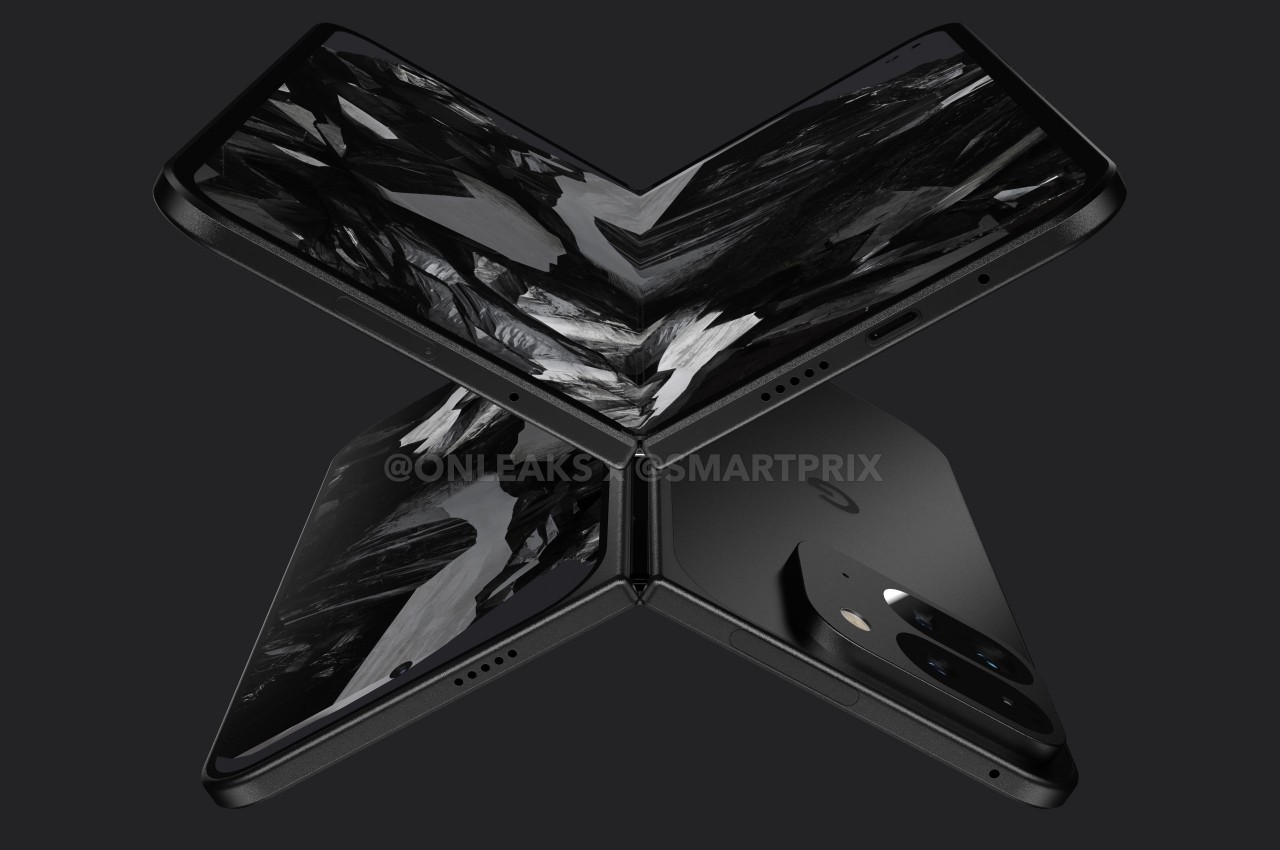
Pixel Fold 2/Pixel 9 Pro Fold renders

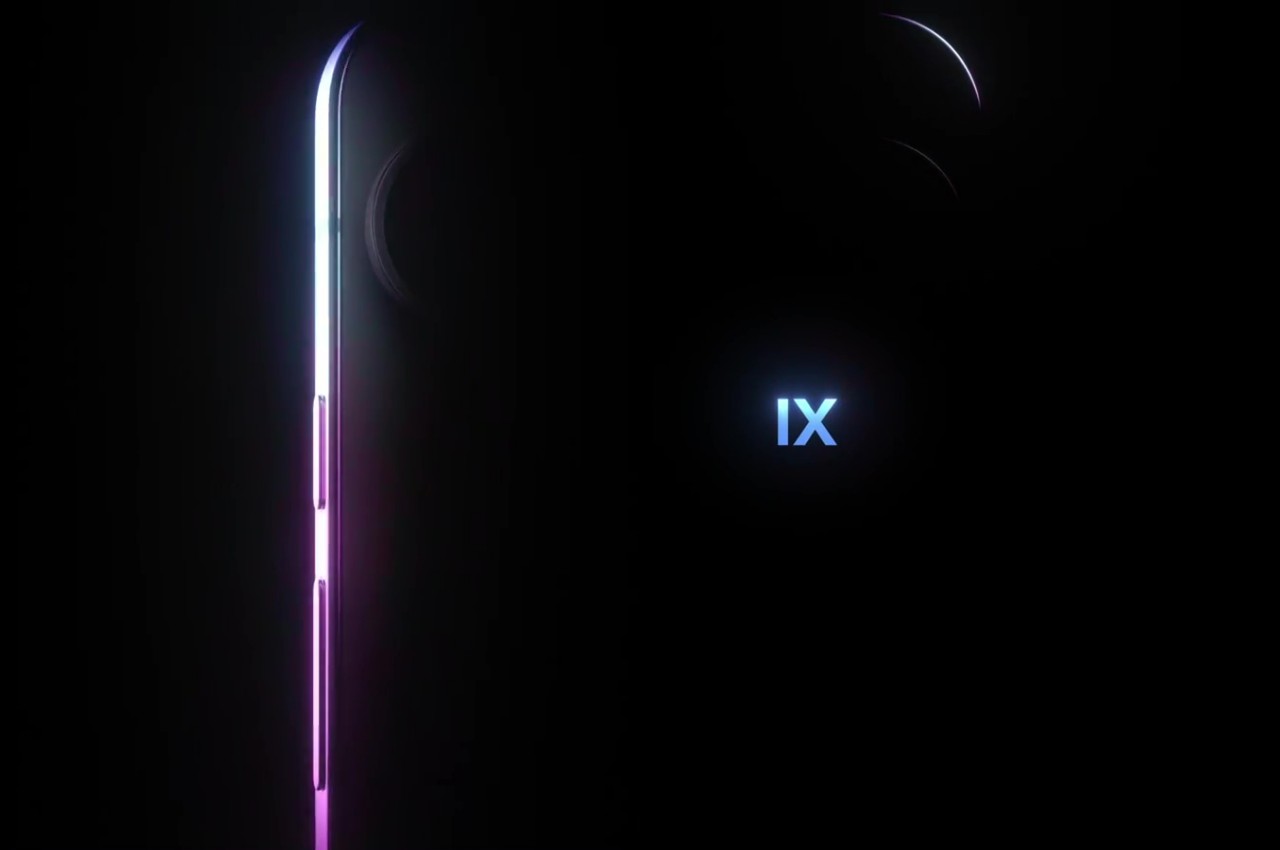
Regardless of the reason, Google’s product lineup is expected to be packed this year with no less than three Pixel 9 models, four if you include the Pixel 9 Pro Fold, formerly known as the Pixel Fold 2. Google’s own teaser pretty much confirms the big design change that will happen this year, with the iconic visor giving way to a rounded rectangle bar across the width of the phone’s back. It will definitely be a divisive change, just as the visor design itself proved to be controversial despite being quite distinctive.

Also expected to land next month are new Pixel wearables, including the Pixel Watch 3 and a long overdue Pixel Buds Pro successor. Based on rumors, the Pixel Watch 3 will not have any big design changes compared to its previous two predecessors, while details on the design of the Pixel Buds Pro 2 are almost non-existent. Either way, it seems that these two device lines haven’t made inroads in the design department, leaving a few Pixel fans probably a bit less enthusiastic about upgrading to them.

The post Pixel 9 and Pixel Watch 3 launch date set for mid-August first appeared on Yanko Design.
Secret iPhone Camera Features to Improve Your Photos

iPhone Camera Features

Your iPhone is more than just a device for capturing everyday moments. With its advanced camera features, you can elevate your photography skills and create stunning, professional-quality images. In this article, we will explore three powerful tools that can help you take your iPhone photography to the next level: Long Exposure Photos, Enhanced Portrait Mode, […]

The post Secret iPhone Camera Features to Improve Your Photos appeared first on Geeky Gadgets.