What is analog TV and how is it different from digital TV?
Going analog is all the rage, but does it apply to the small screen?
The boundary between a smartphone and a desktop computer has been narrowing for years. Modern flagship phones carry processor configurations, RAM capacities, and GPU performance that would have qualified as desktop territory not long ago. Most of the time, that hardware sits underutilized inside a slim glass slab, throttled by thermals the moment any sustained workload asks it to perform at its actual ceiling.
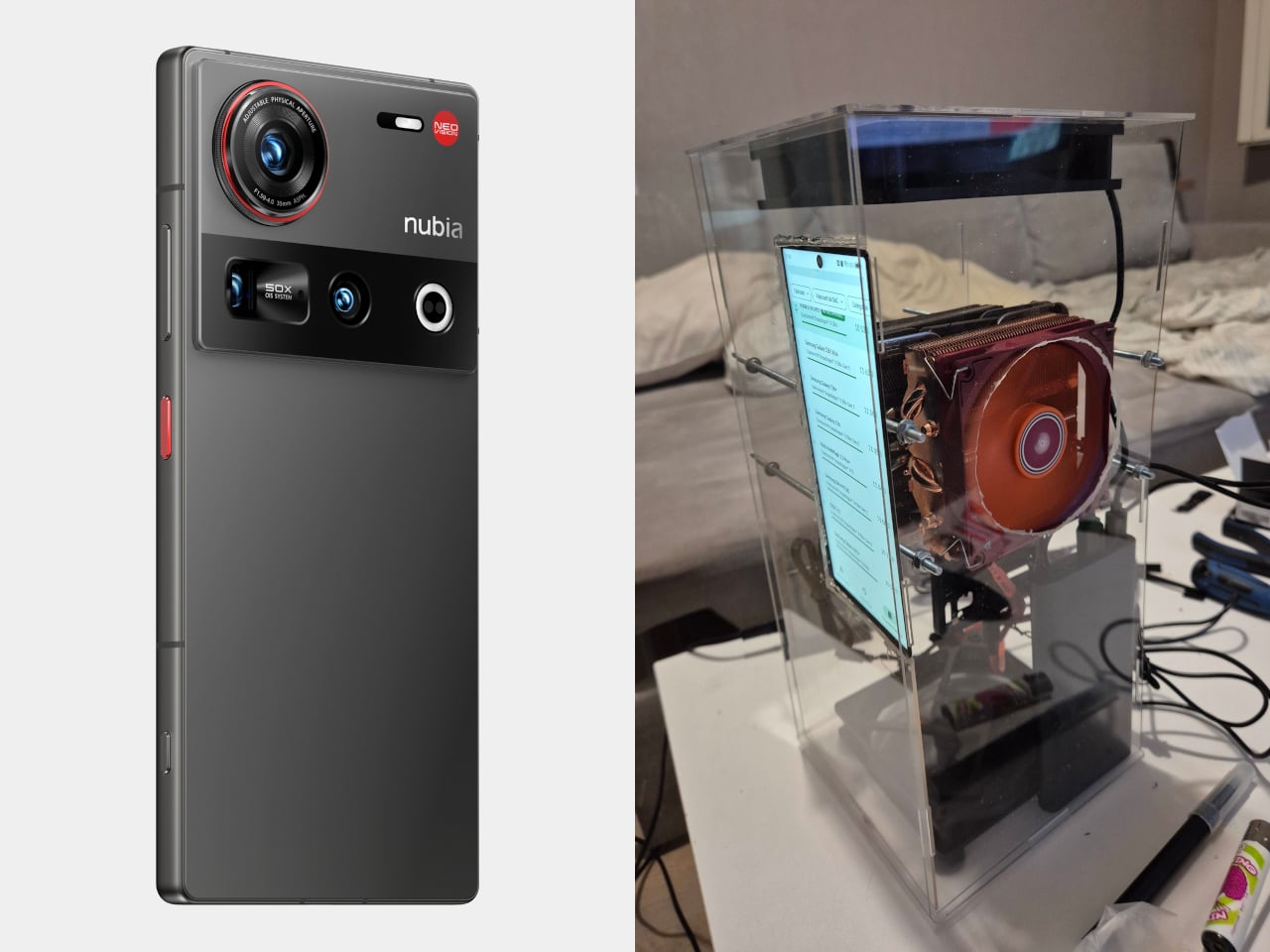
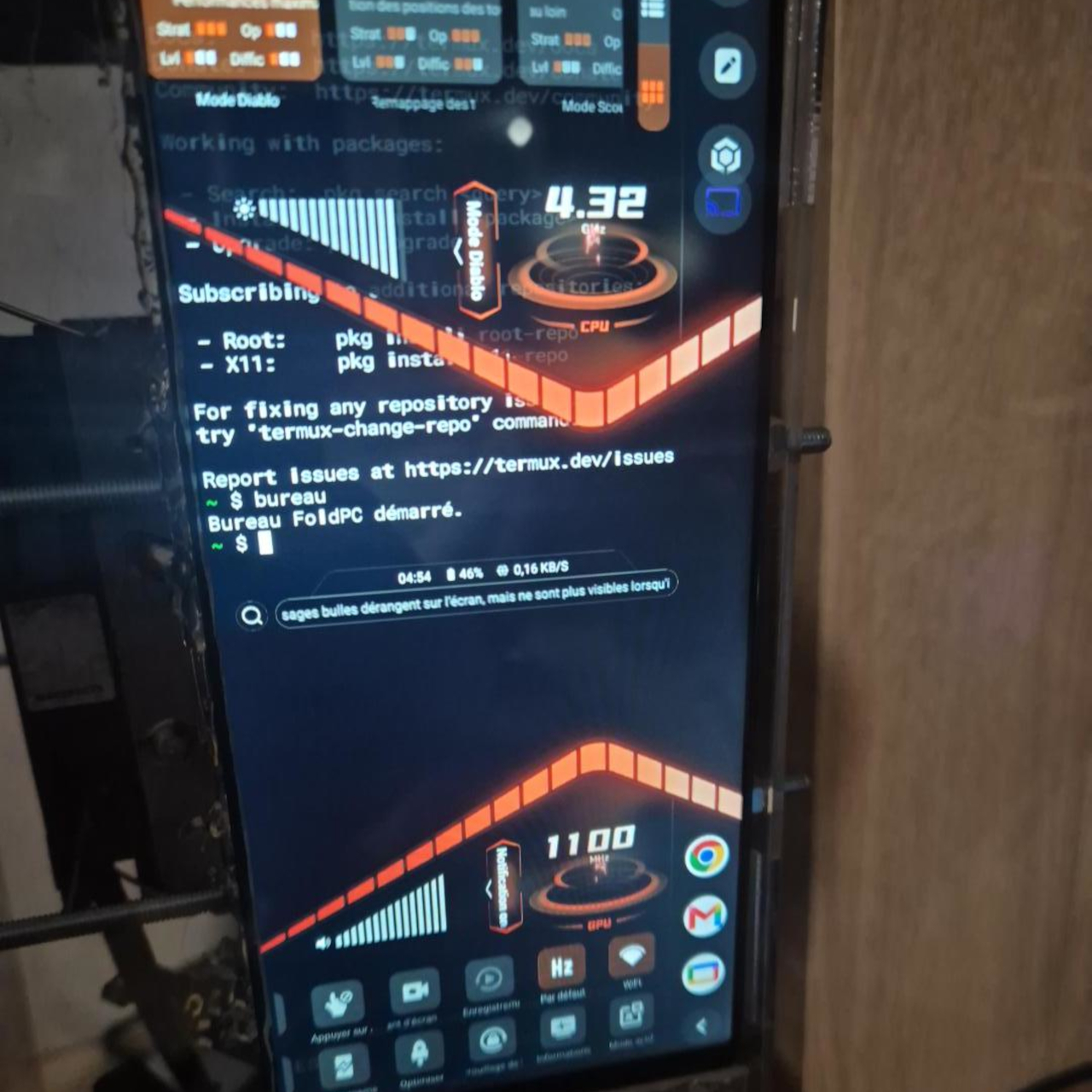
One modder decided to find out what a flagship Android phone such as the nubia Z70 Ultra could actually do if thermal throttling was removed from the equation. The answer involved relocating the screen to the front of a custom acrylic case and sandwiching the phone itself between two desktop-grade CPU coolers with direct contact against the Snapdragon chip’s shielding. The result doesn’t fit neatly into any existing product category.
Designer: ntsow
The Nubia Z70 Ultra carries a Snapdragon 8 Elite processor with a maximum clock speed of 4.32 GHz and 24 GB of RAM. Removing the screen was the key step: the CPU coolers need direct access to the chip’s shielding for full thermal contact, so the display had to migrate to the outside of the case. A power bank handles the energy supply, completing the self-contained build.
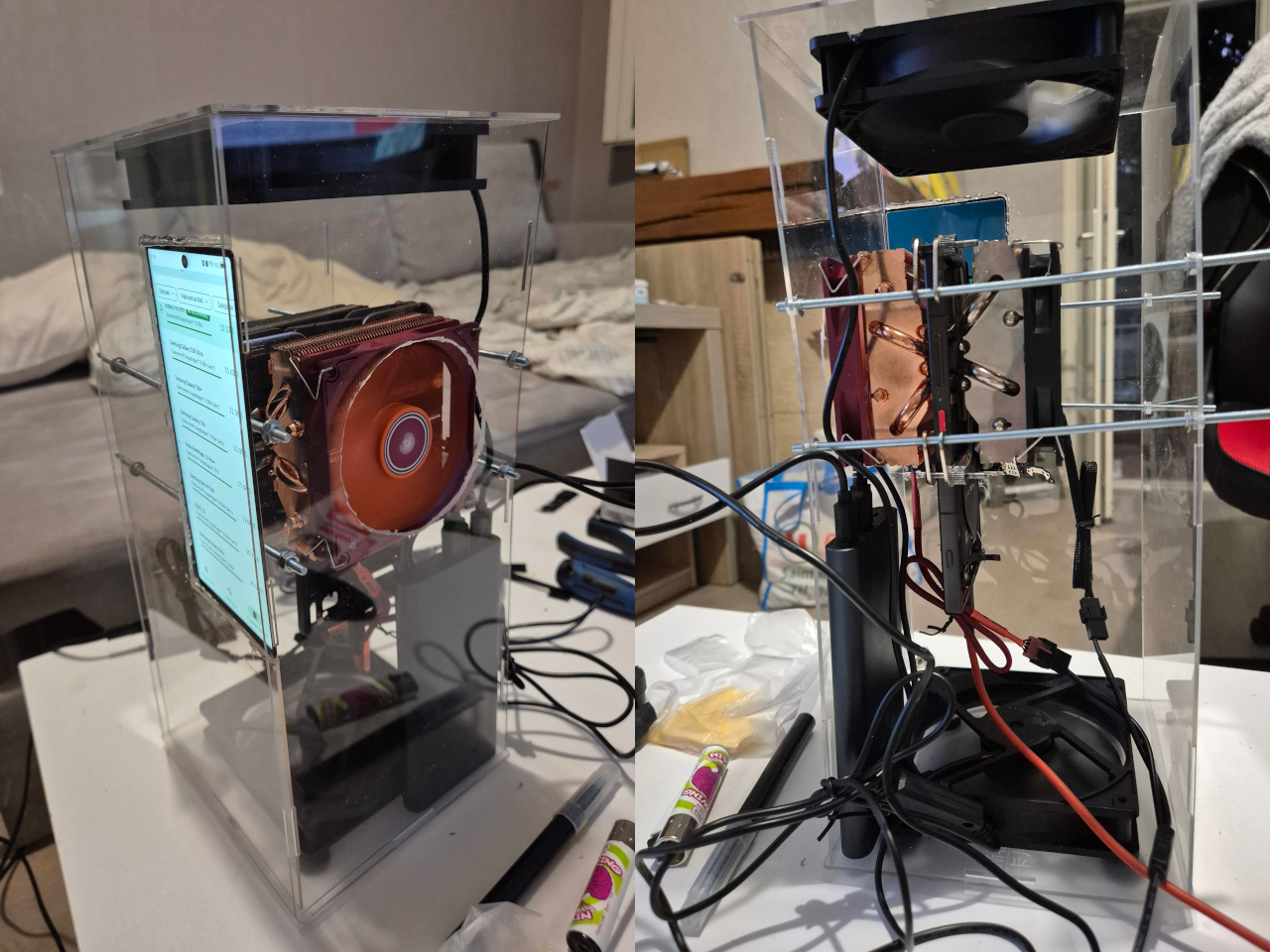
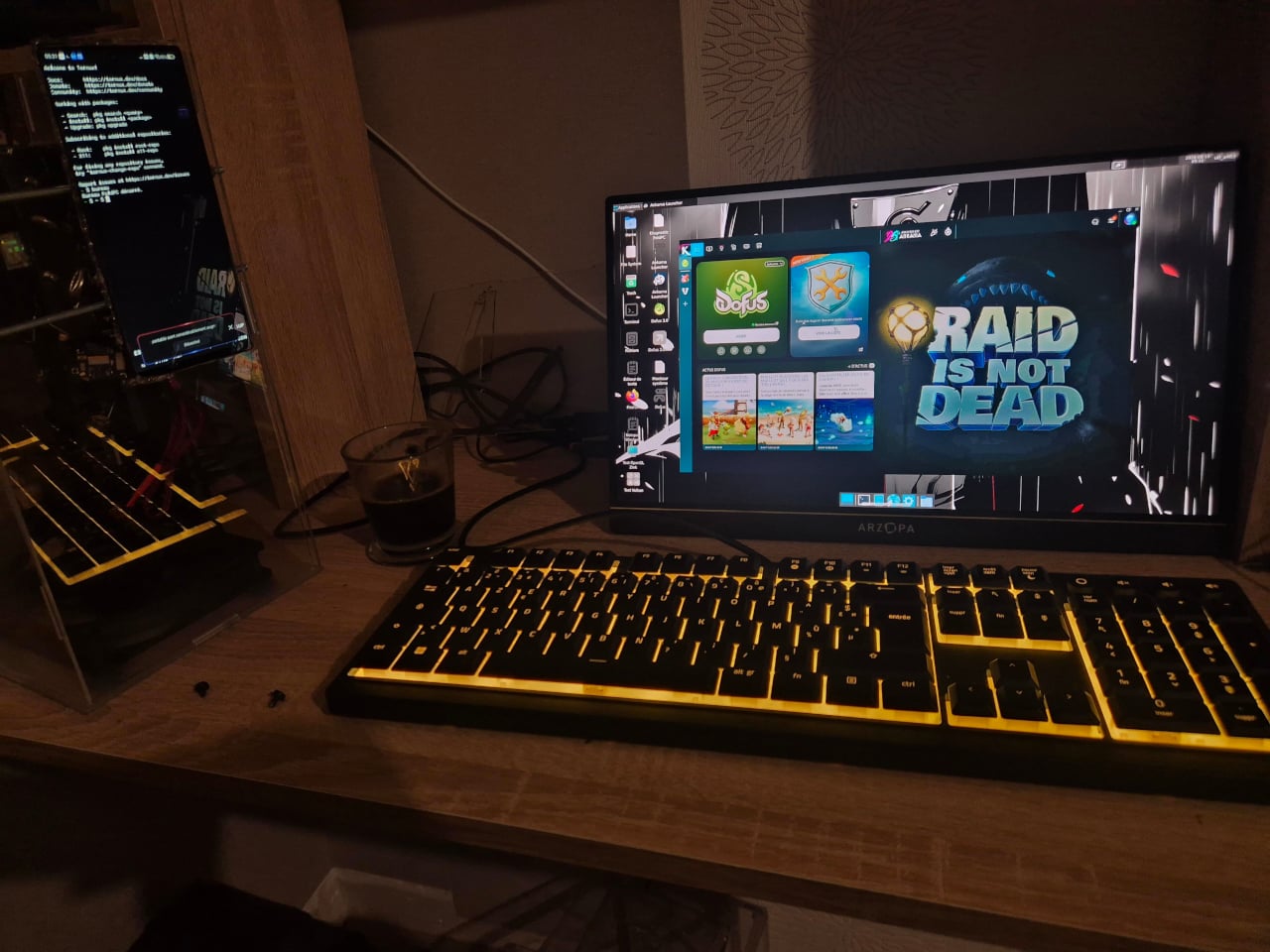
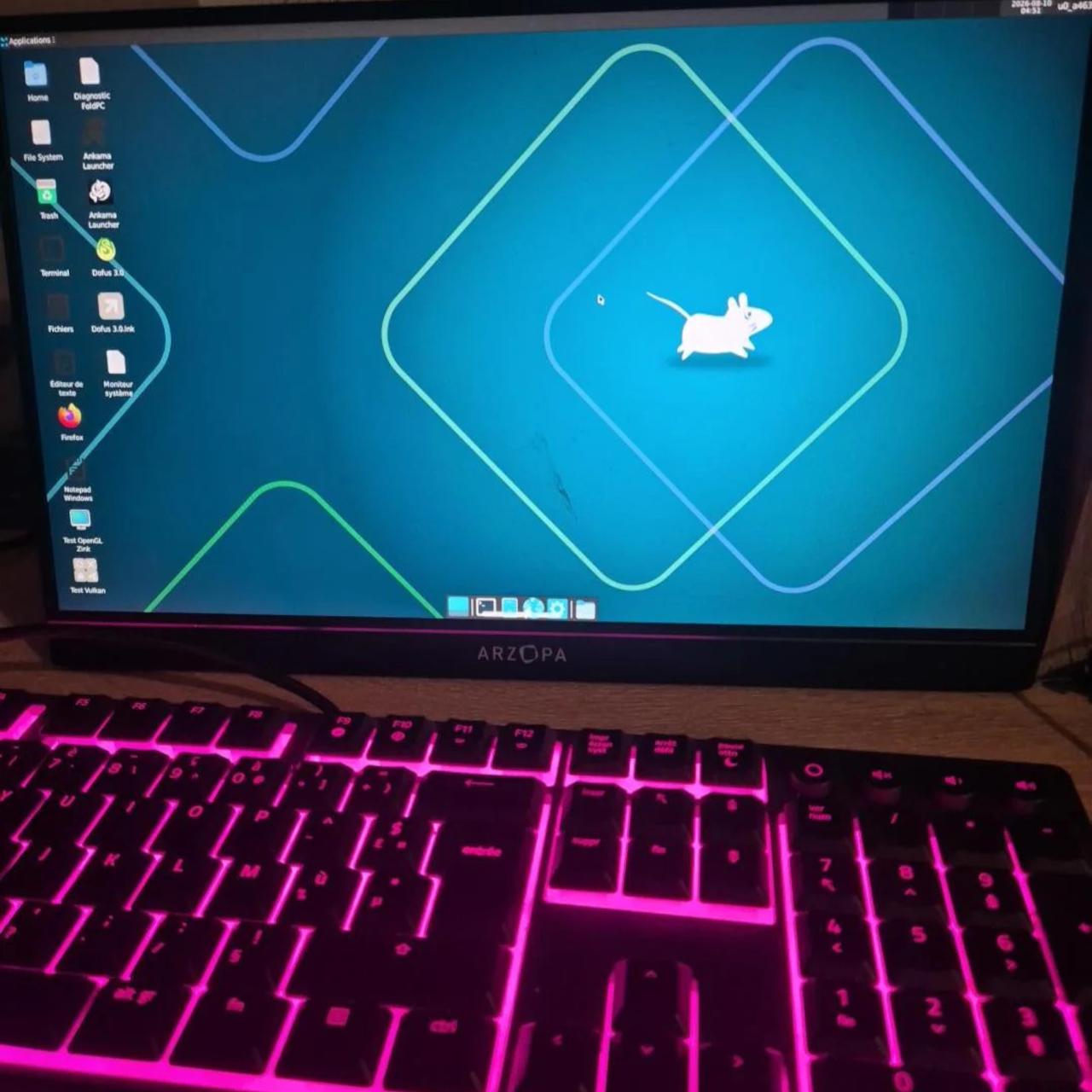
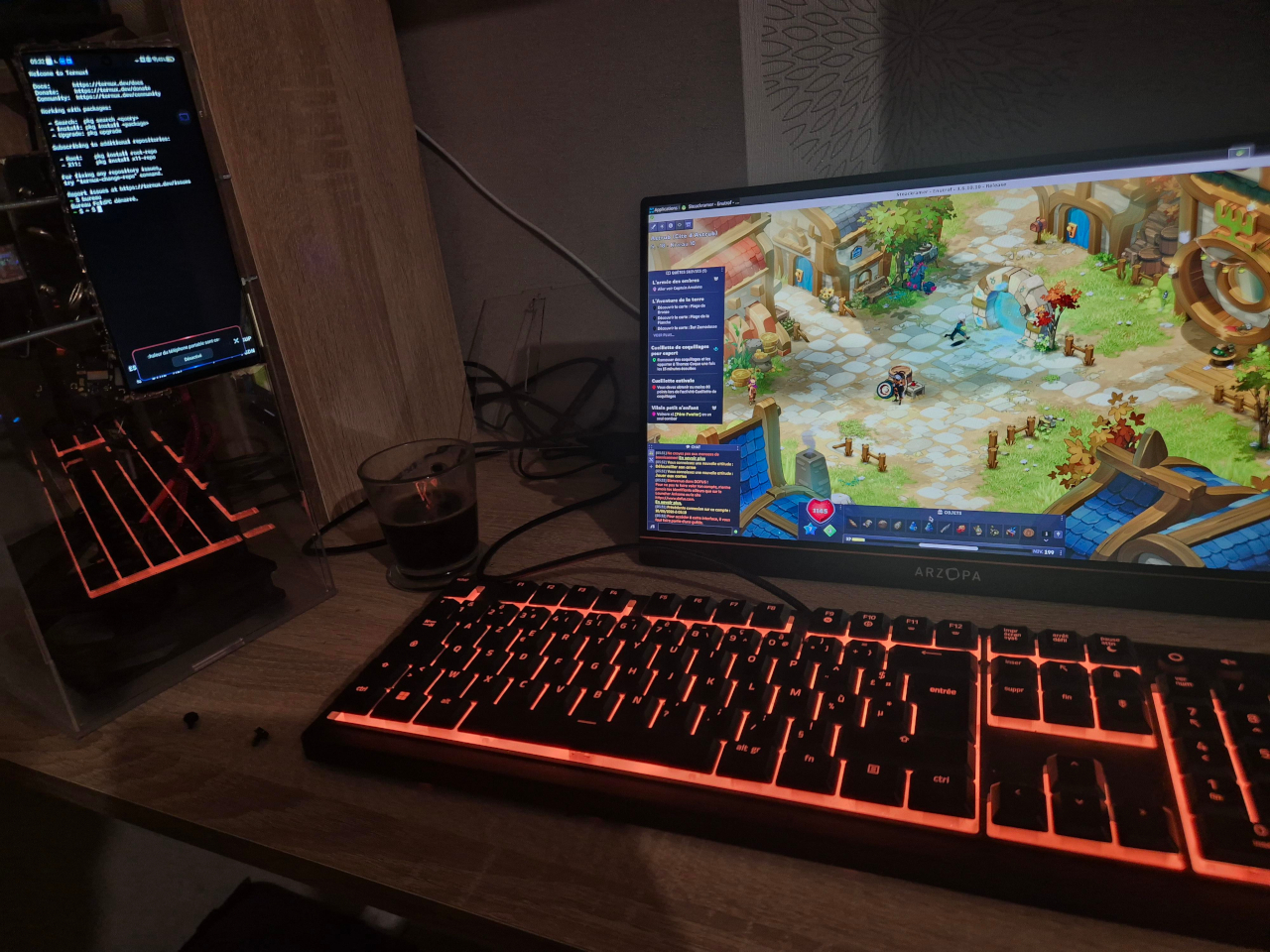
On the software side, the build runs a full XFCE Linux desktop through Termux with GPU acceleration, layering Windows application support on top via Wine and Box64. The Android system remains fully intact underneath, making the device simultaneously a phone, a Linux workstation, and a Windows gaming machine. The stated end goal is one device that handles everything, including native Linux work and full Windows game support.
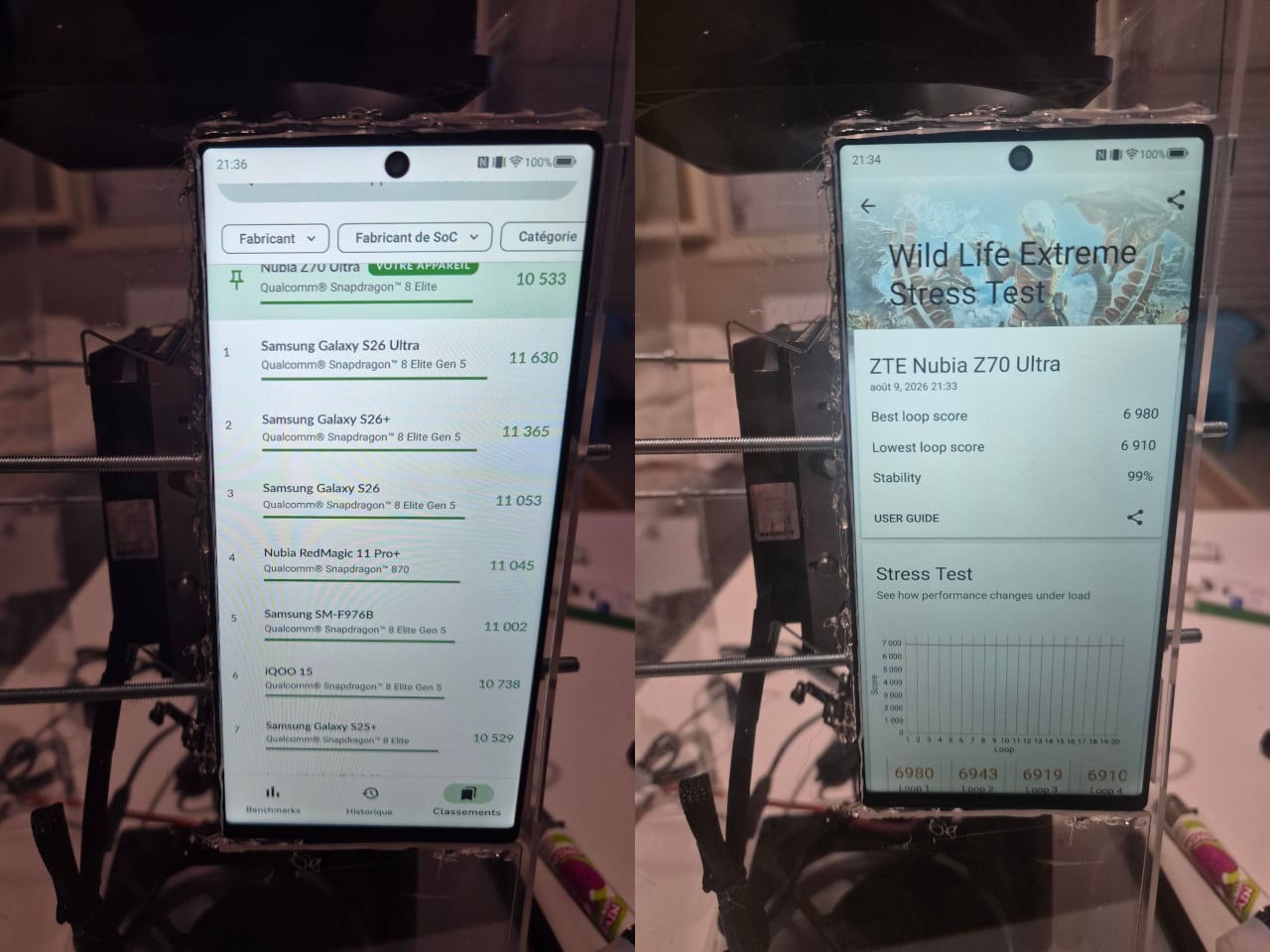
The cooling changes what the hardware is capable of sustaining. In 3DMark’s Wild Life Extreme Stress Test, the modified phone achieved 99% stability across 20 loops, outperforming the newer Snapdragon 8 Elite Gen 5, Apple A19 Pro, and Dimensity 9500 on the consistency metric. That sustained performance is the point: most mobile chips can briefly hit impressive scores, but they thermal-throttle within minutes under continuous load.
The Witcher 3 runs at 1080p with Ultra graphics settings, hitting 20 to 30 fps and occasionally exceeding 30 fps when the phone operates in its maximum-performance overclocking mode. The Adreno GPU runs at 99% utilization during those sessions, and the build connects to an external monitor with keyboard and mouse support for a genuine desktop gaming setup. For an Android phone, the performance is difficult to dismiss.
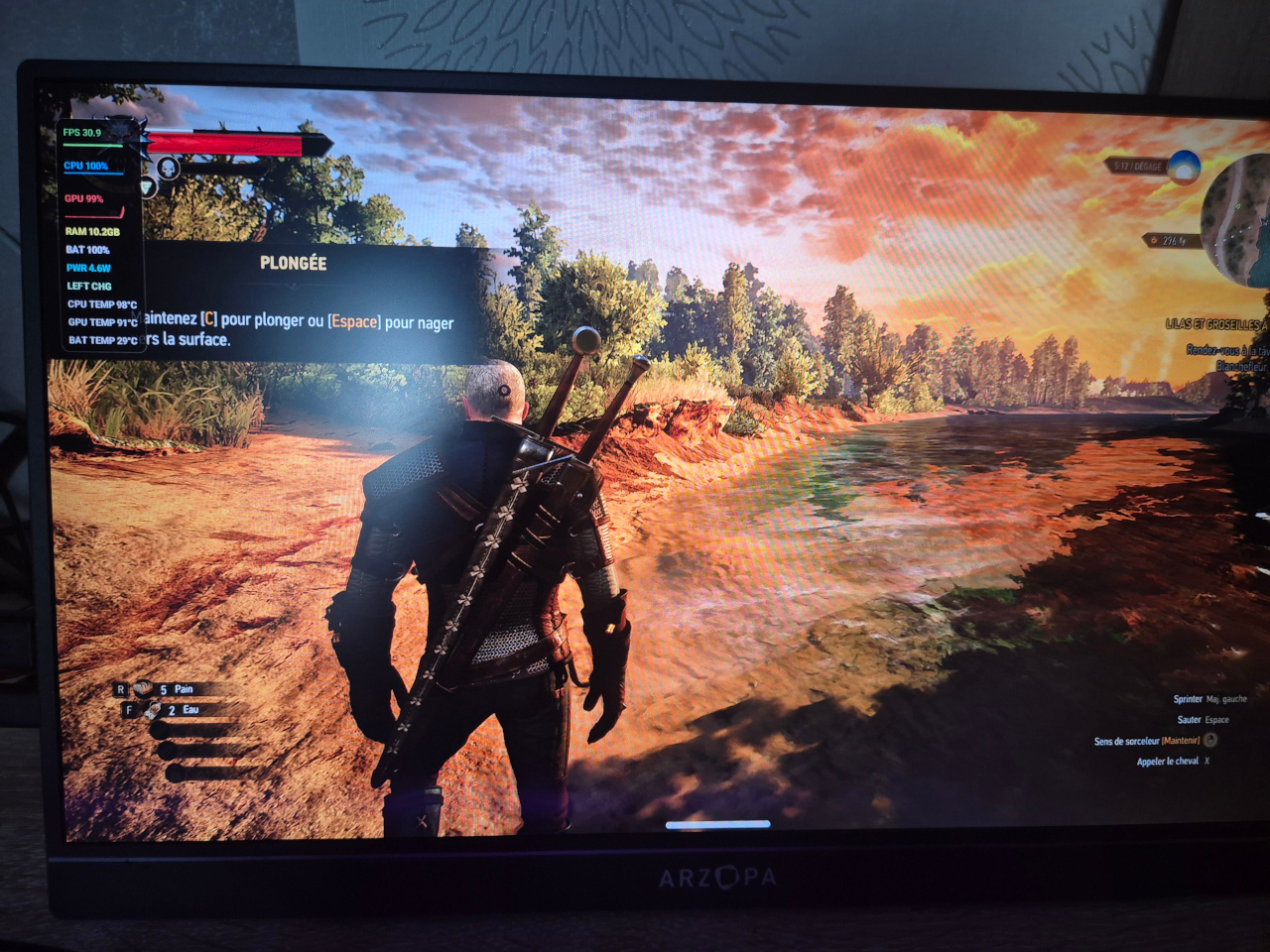
What the build demonstrates is less about running The Witcher 3 at any particular resolution and more about how far the gap between a phone and a desktop has actually closed. Adequate cooling was the only thing separating the Snapdragon 8 Elite from sustained desktop-class workloads. The question the project raises isn’t whether phones can replace PCs but how much work remains before the hardware inside them can already handle it.
The post This Modded Android Phone Runs The Witcher 3 at 1080p Ultra Settings first appeared on Yanko Design.
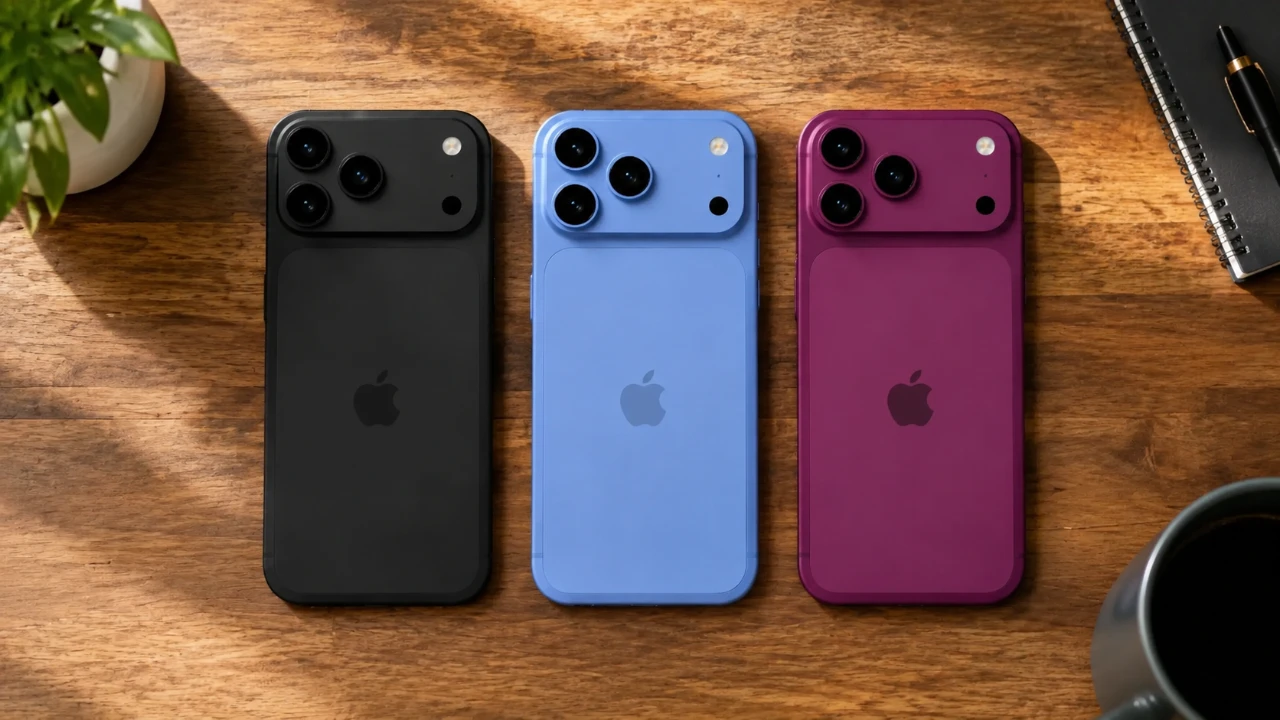
The iPhone 18 Pro Max introduces a range of noteworthy upgrades, from enhanced battery life to advanced display technology. However, rising production costs and potential price increases could influence purchasing decisions for some buyers. Below is a detailed breakdown of the key features and considerations to help you determine whether Apple’s latest flagship device is […]
The post Early iPhone 18 Reports Point to Major Unconfirmed Shifts appeared first on Geeky Gadgets.
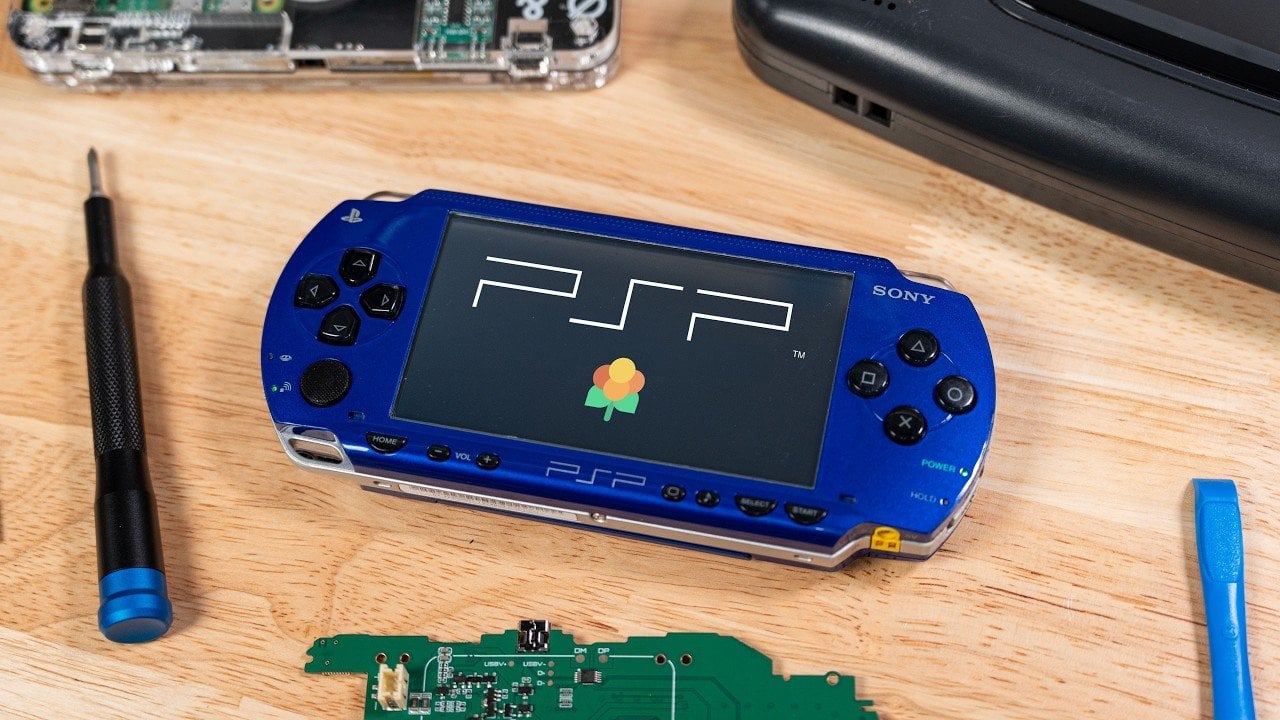
The PSPi mod revitalizes the classic PSP 1000 by integrating modern Raspberry Pi hardware while preserving its original design and controls. Developed by Adam, known as “othermod” on GitHub, this open source project uses components like the Raspberry Pi Zero or Compute Module 4 (CM4) to enable retro gaming through platforms such as RetroPie and […]
The post PSPi Mod Fits Raspberry Pi Compute Module 4 in PSP 1000 appeared first on Geeky Gadgets.
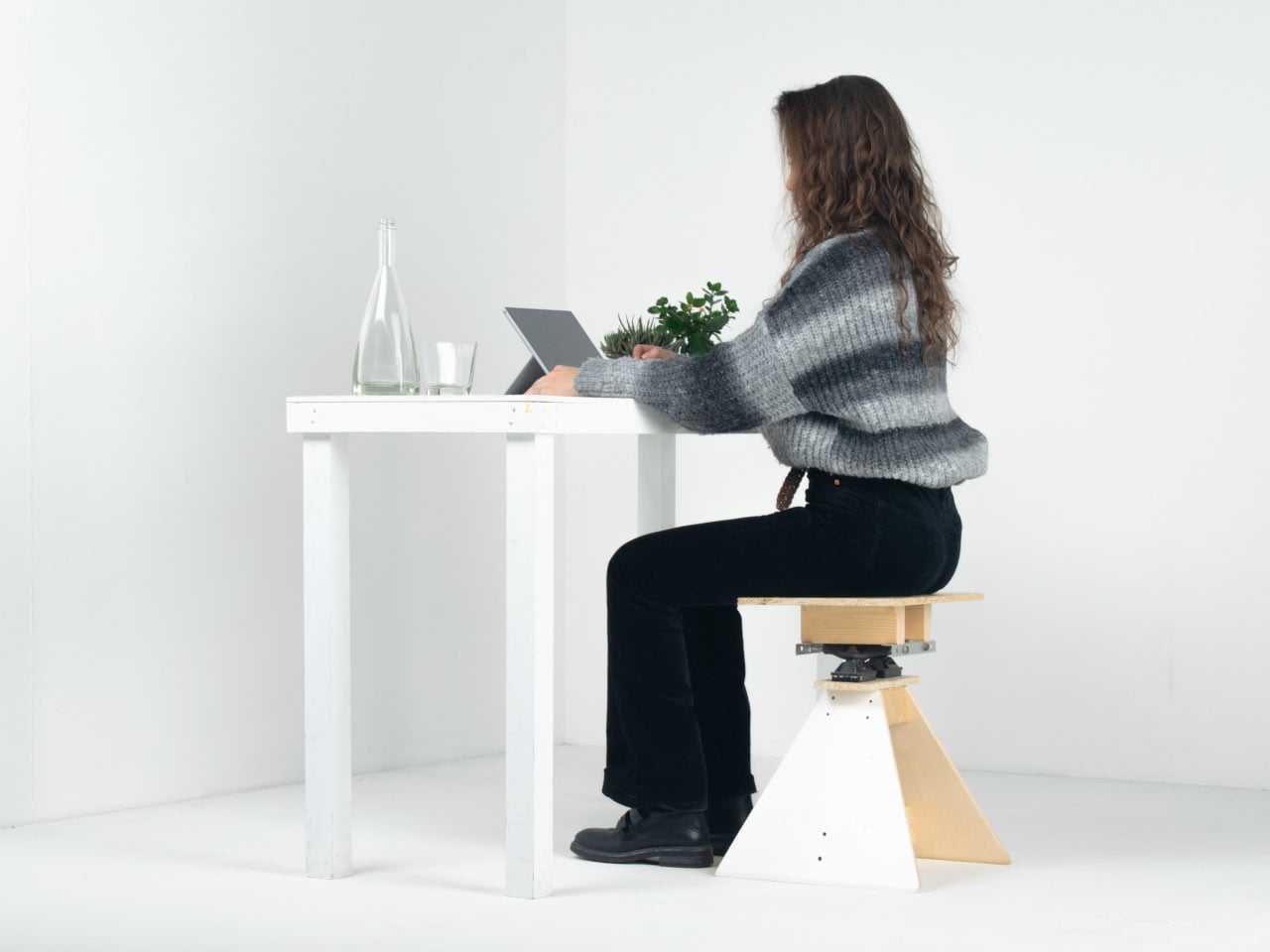
The active sitting market has been trying to solve the same problem for years by adding instability to an otherwise conventional seat. Balance boards, wobble stools, and kneeling chairs attempt to make sitting less sedentary through varying degrees of discomfort and compromise. Most solutions lean toward one extreme: either too unstable for focused work, or barely different from a regular chair once the body learns to compensate.
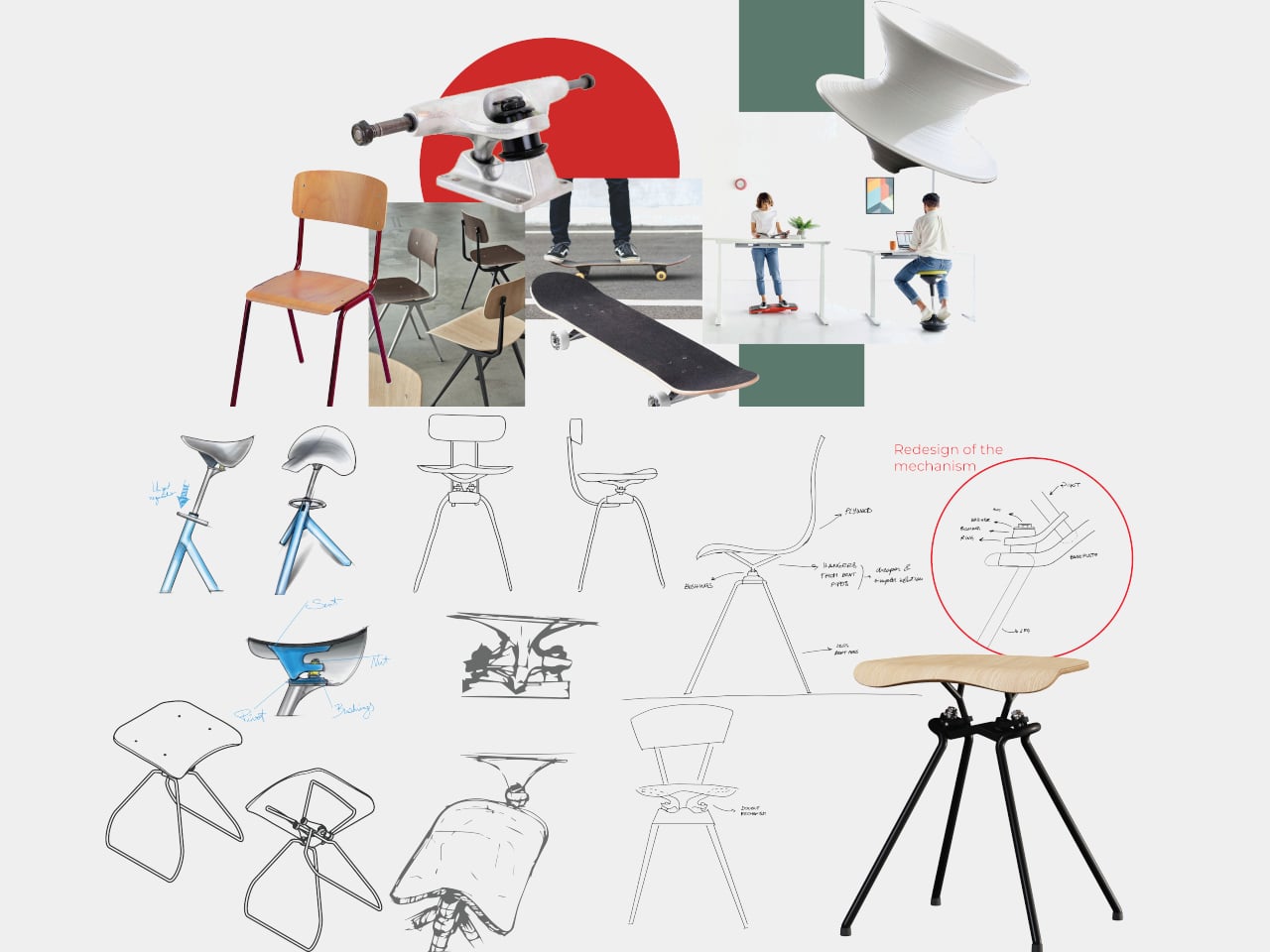
Ollie is a concept that emerged during the pandemic, when the question of how to stay physically active without leaving home became unusually pressing. Developed in collaboration with Italian furniture brand Magis, it approaches active sitting from an unexpected direction: the same equilibrium-based mechanism that makes a skateboard respond to a rider’s weight shifts turns out to be an ideal platform for a seat that keeps the body in motion.
Designers: Heitor Lobo Campos, Alessia Pinna
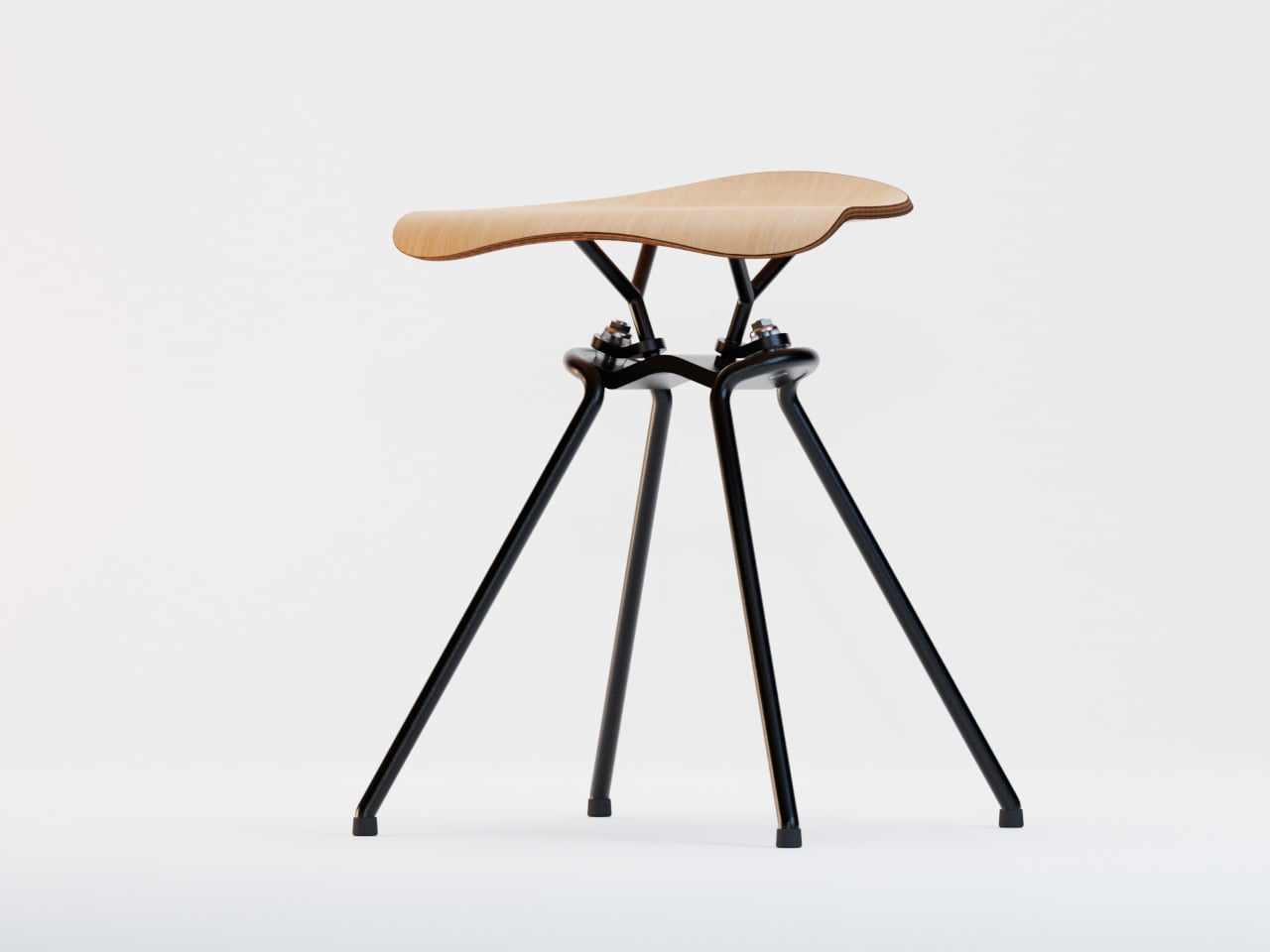
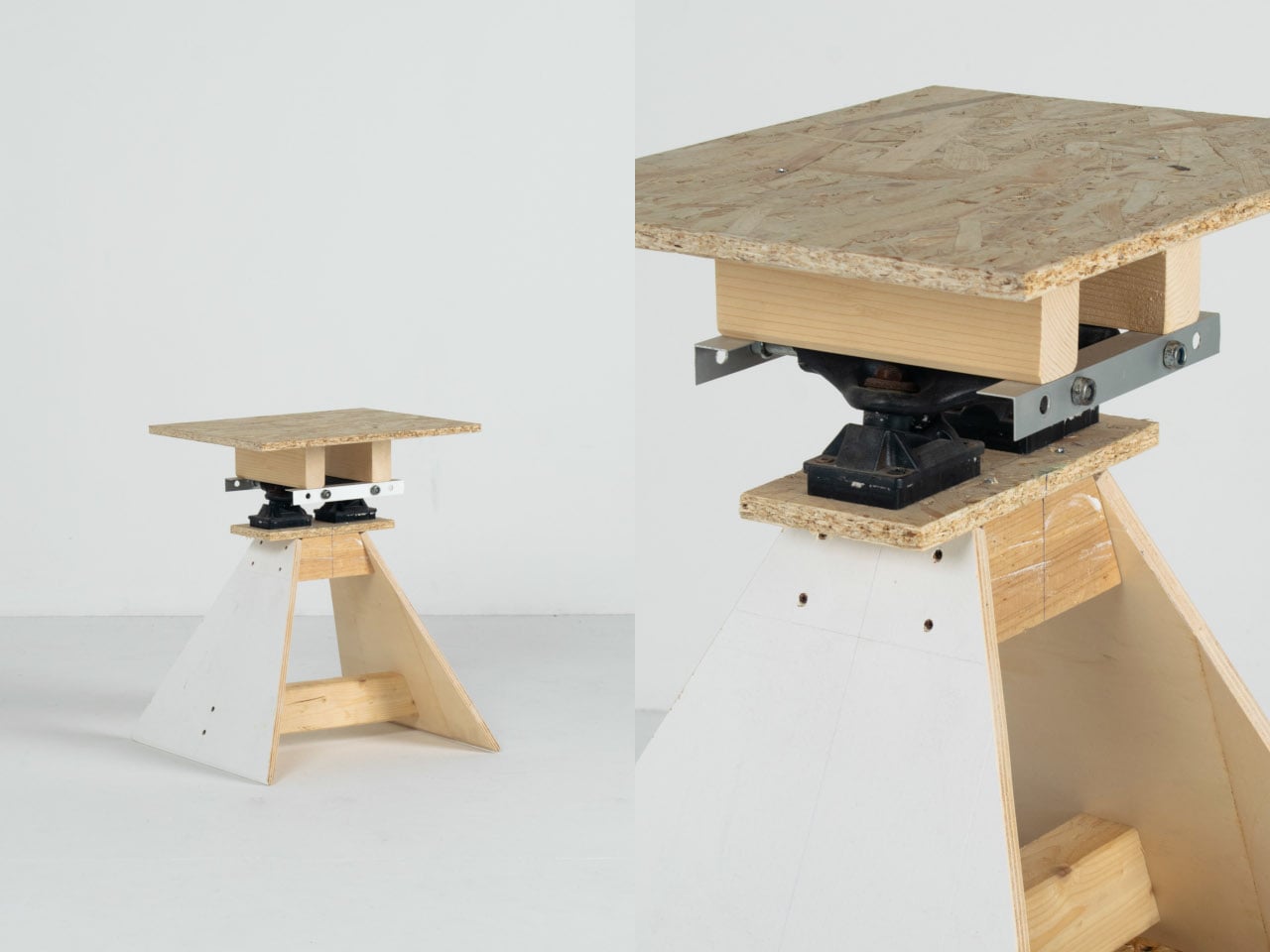
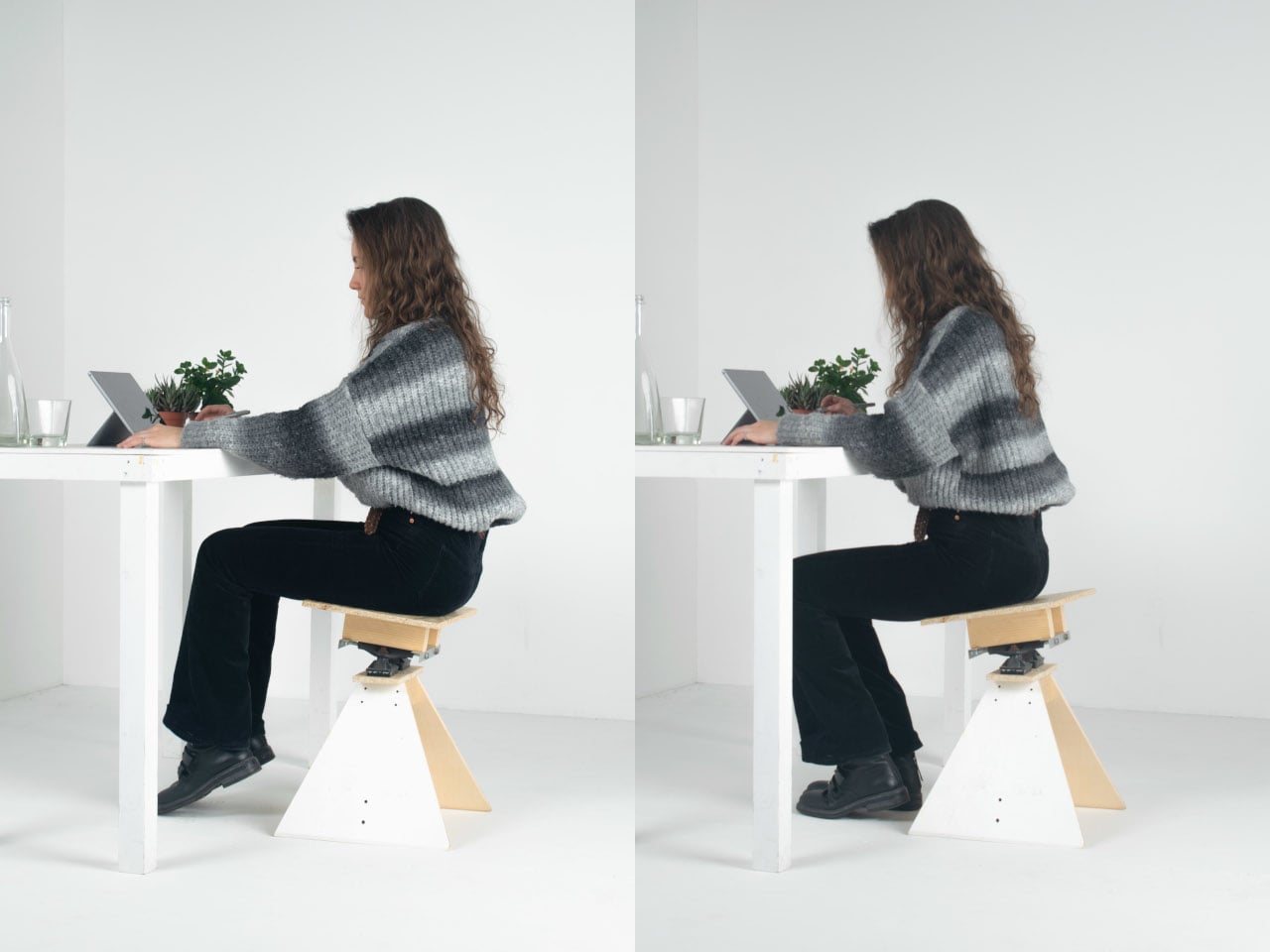
The connection to skateboarding goes beyond metaphor. The mechanism uses two skateboard trucks connected in parallel below the seat, with a central point pivoting on an axis controlled by a bearing. What lets a skateboard maneuver through a turn becomes what lets a seated person shift their weight, tilt, and continuously engage their core without interrupting what they’re working on.
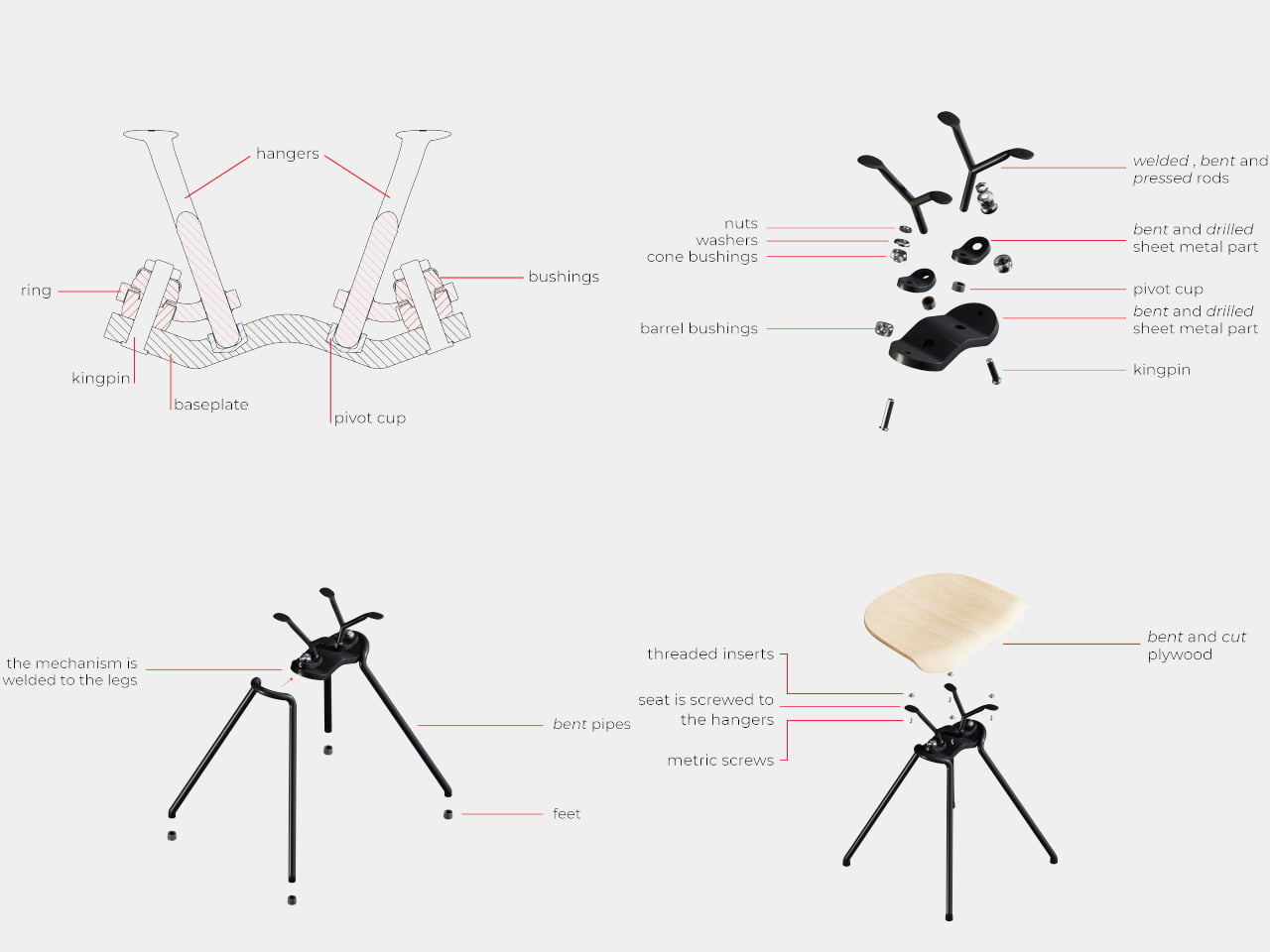
Resistance is tunable. The tightness of the bushings, the rubber rings that skaters adjust to control how stiff or responsive a truck feels, determines how much effort the seat requires to tilt. Tighten them for a more stable platform that still allows movement; loosen them for a seat that demands continuous micro-adjustments. That range makes Ollie adaptable to different users and different tasks without changing anything fundamental about the design.
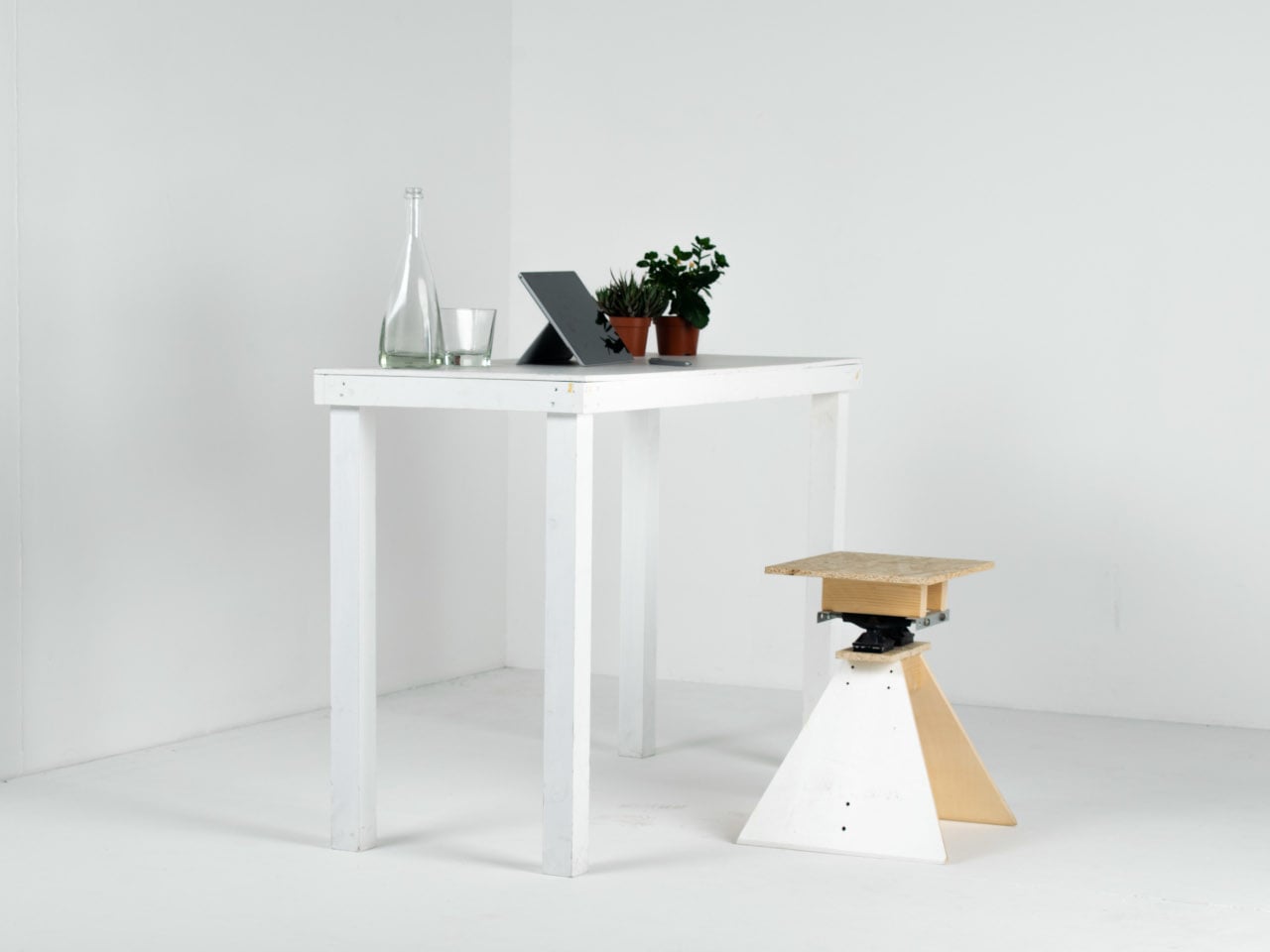
At a standing-height desk, Ollie puts the body in a middle position between sitting and standing, where the core and lower back engage in small amounts of stabilizing work throughout the session. The movement it introduces isn’t dramatic; it’s subtle enough that focus on work isn’t interrupted, but persistent enough that it adds up over the course of a day, particularly for anyone spending several hours at a screen.
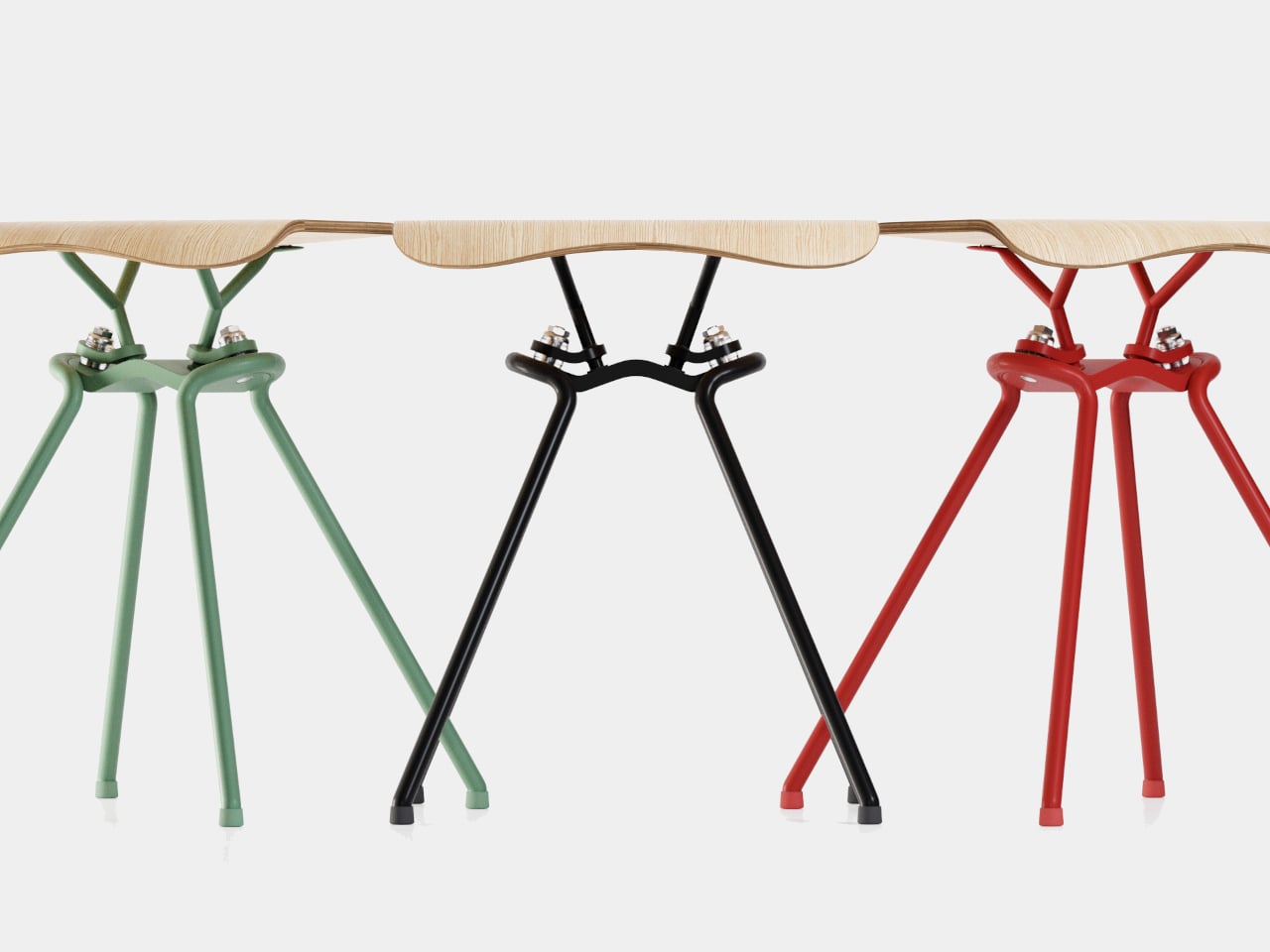
The seat is a bent plywood saddle that screws to the truck hangers through threaded inserts, making it removable with standard metric fasteners. The base uses bent steel pipes welded to the mechanism, keeping the frame visually minimal despite the mechanical complexity at its center. Three colorways, green, black, and red, give the frame character that ergonomic seating rarely attempts, preferring to disappear behind neutral plastics and black foam.
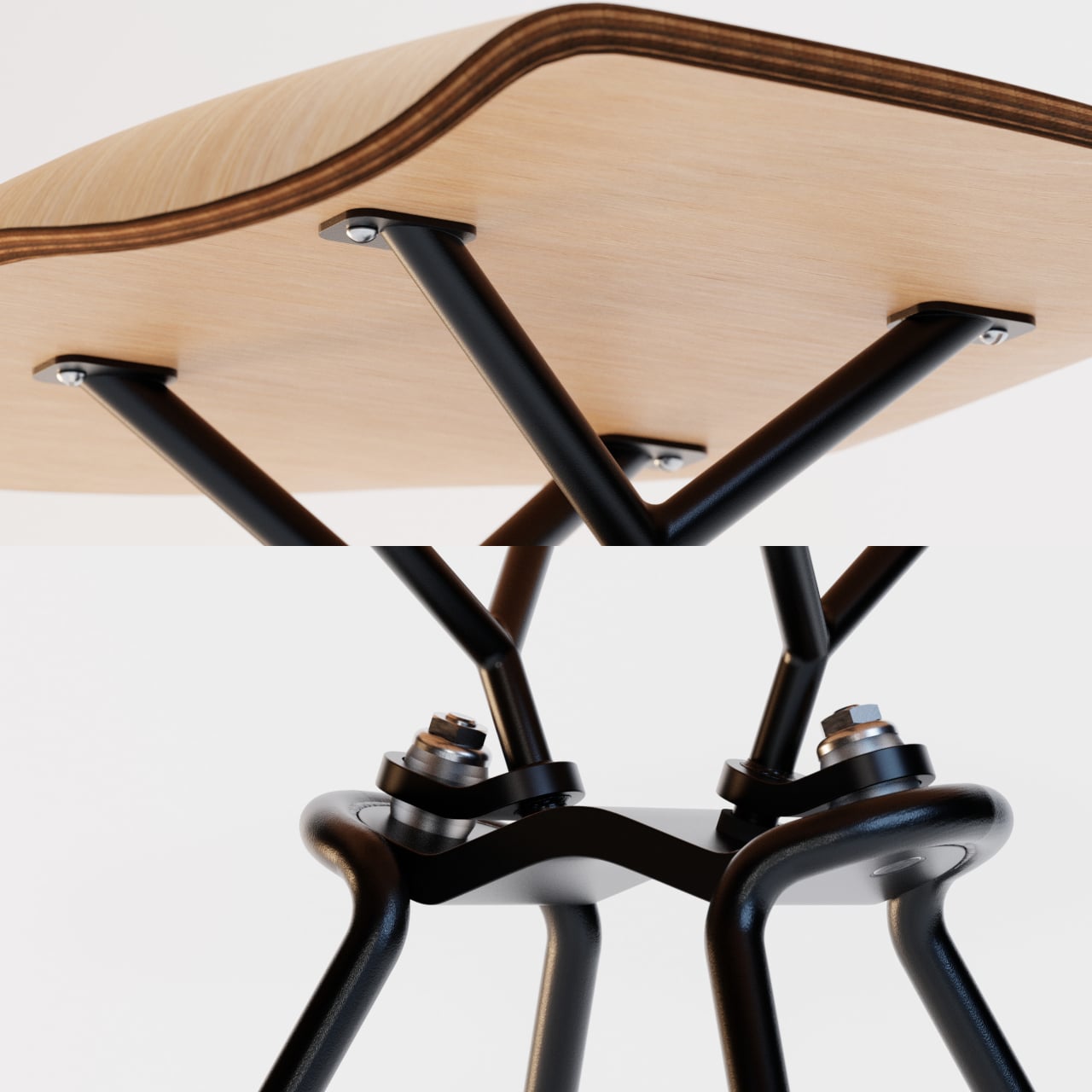
Repairability is a design principle rather than an afterthought. Every component on the Ollie can be removed and replaced individually, mirroring how skateboard culture has always approached maintenance. A worn bushing or a cracked seat doesn’t require replacing the whole stool, only the failed part. That approach extends the product’s useful life considerably without adding design complexity, and keeps manufacturing costs down on components that see the most stress.
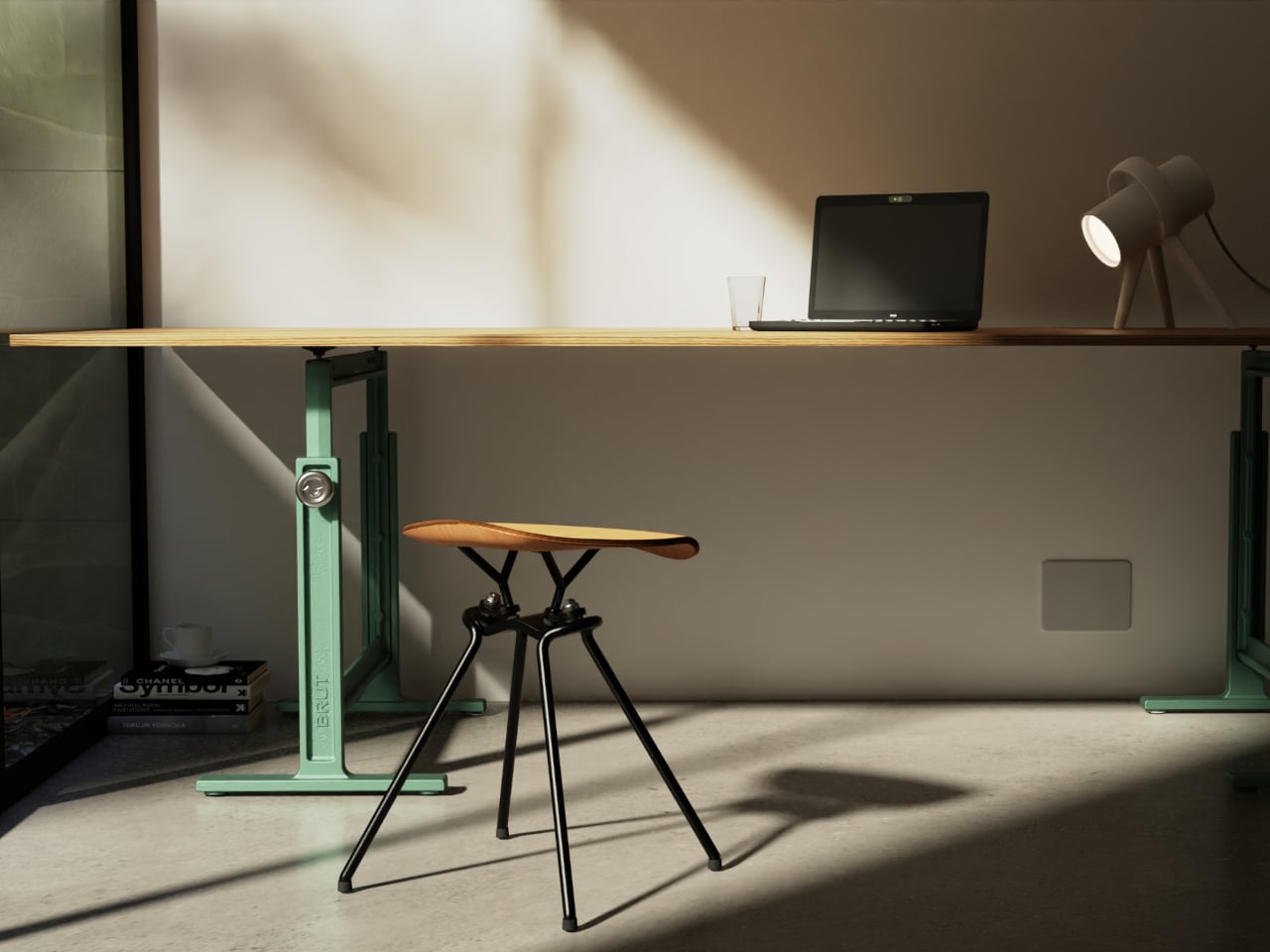
The name explains the concept more precisely than most product names manage. An ollie in skateboarding is the foundational jump, the first trick a skater learns and the prerequisite for everything that follows. The same equilibrium-based logic that gives a skateboard its flexibility in maneuvering gives Ollie its range of active response, which is a more direct lineage than most furniture carries from its sources of inspiration.
The post Most Active Stools Just Wobble, but This One Runs on Skateboard Trucks first appeared on Yanko Design.
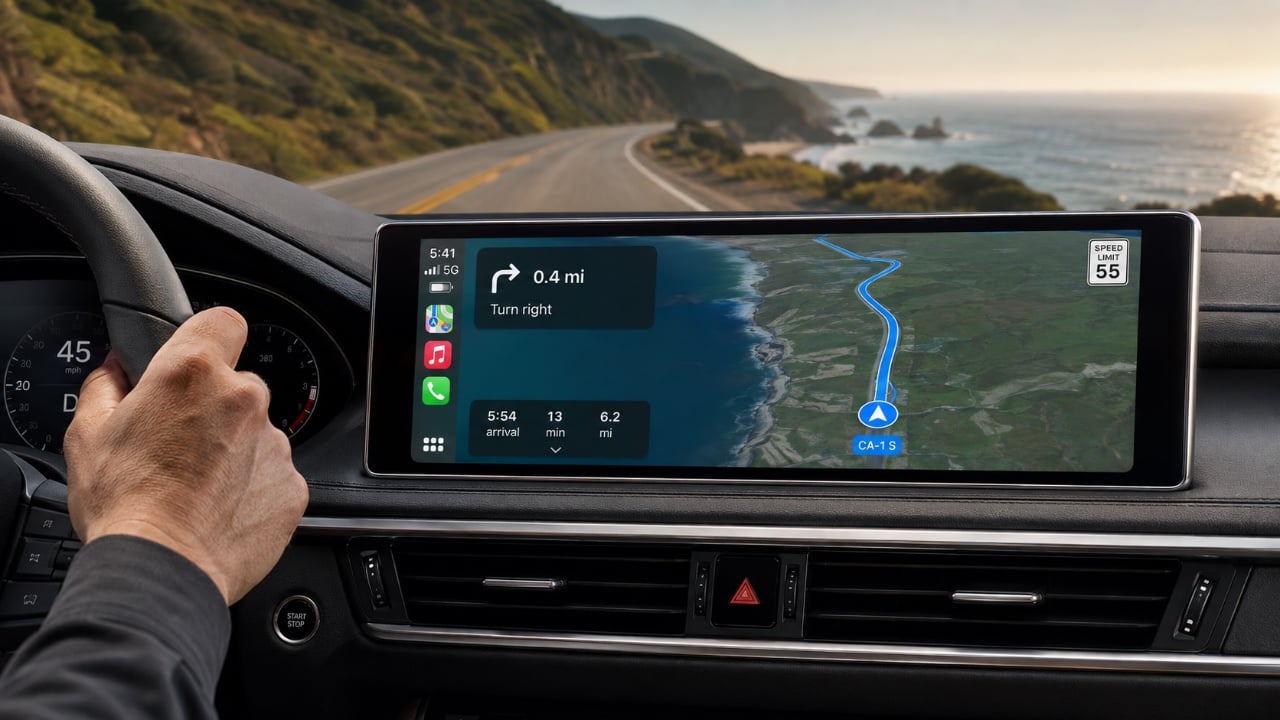
Apple Maps on CarPlay is a feature-rich navigation tool designed to enhance your driving experience. With capabilities that go beyond basic directions, it offers tools to make your journeys safer, more efficient, and tailored to your preferences. However, many users fail to use its full range of features, missing out on opportunities to improve their […]
The post These Hidden Apple Maps Settings Will Completely Upgrade Your CarPlay appeared first on Geeky Gadgets.