The iPad got its own native calculator app in 2024, just 40 years after Apple rolled out its first-ever GUI (graphical user interface) calculator for the Macintosh in 1984. The original was designed by Chris Espinosa, and was a favorite of Steve Jobs’ up until it was refreshed with the MacOS X in 2001. However, most of us are familiar with the original black and orange calculator UI that debuted as early as 2007.
The thing is, Apple’s calculator designs are a pretty great way to see the company’s design journey. Things went from strictly functional to visually contemporary to goddamn gorgeous (without ever compromising usability of course), and this LEGO set captures that journey perfectly. Put together with just 821 pieces, this fan-made build shows Apple’s transition through 4 stages – going all the way from the b/w 1984 calculator to the modern scientific calculator.
The first calculator design was put together by Espinosa at the young age of 22 while under the leadership of Jobs. Famously a pedantic, Jobs ripped apart almost every design that Espinosa shared with him. After multiple iterations, Espinosa went to him with what we now look at as the final design. It was accepted, but not without a strong dose of criticism from Jobs, who said “Well, it’s a start but basically, it stinks. The background color is too dark, some lines are the wrong thickness, and the buttons are too big.”

The calculator was finally tweaked on the UI and semantics front by Andy Hertzfeld and Donn Derman, who retained this Jobs-approved graphical version. This remained a standard on Macs all the way up until the end of OS 9. The following OS X, again led by Jobs’ vision to break past old and usher in the new, saw a more skeuomorphic approach.
In 2001, Apple transitioned away from its classic Mac OS 9 calculator, known for its simple, functional design (influenced by Steve Jobs and Dieter Rams’ Braun aesthetic), to the new Mac OS X, featuring a refreshed look that emphasized minimalism, better integration, and user-friendly details like larger zero buttons, reflecting Jobs’ philosophy of simplicity and intuitive interaction.
The final calculator design we see today wasn’t always like this. Apple loyalists will remember a phase in 2007 when the iPhone did have a calculator app with the familiar black and orange colorway, but with rectangular buttons instead of orange ones. The circles only made their way into the UI as late as 2024, although design-nerds will remember the Braun ET55 calculator which heavily inspired Apple’s design efforts. Braun’s entire design philosophy, crafted by legend Dieter Rams himself, helped craft Apple’s approach to industrial (and even interface) design. Shown below are two versions of the same iOS18 calculator design – in basic as well as scientific formats.

“This model utilizes interlocking plates, tiles, and inverted tiles for a smooth, tactile finish. It is designed as a modular desk display, perfect for students, engineers, and tech historians alike. With roughly 821 pieces, it offers a rewarding build experience that fits perfectly alongside other LEGO office or technology sets. Attention is paid to the scale of the model to match as closely as possible to the apps,” says designer The Art Of Knowledge, who put this MOC together for LEGO lovers on the LEGO Ideas forum. It currently exists as just a fan-made concept, although you can vote the build into reality by heading down to the LEGO Ideas website and casting your vote for the design. It’s free!

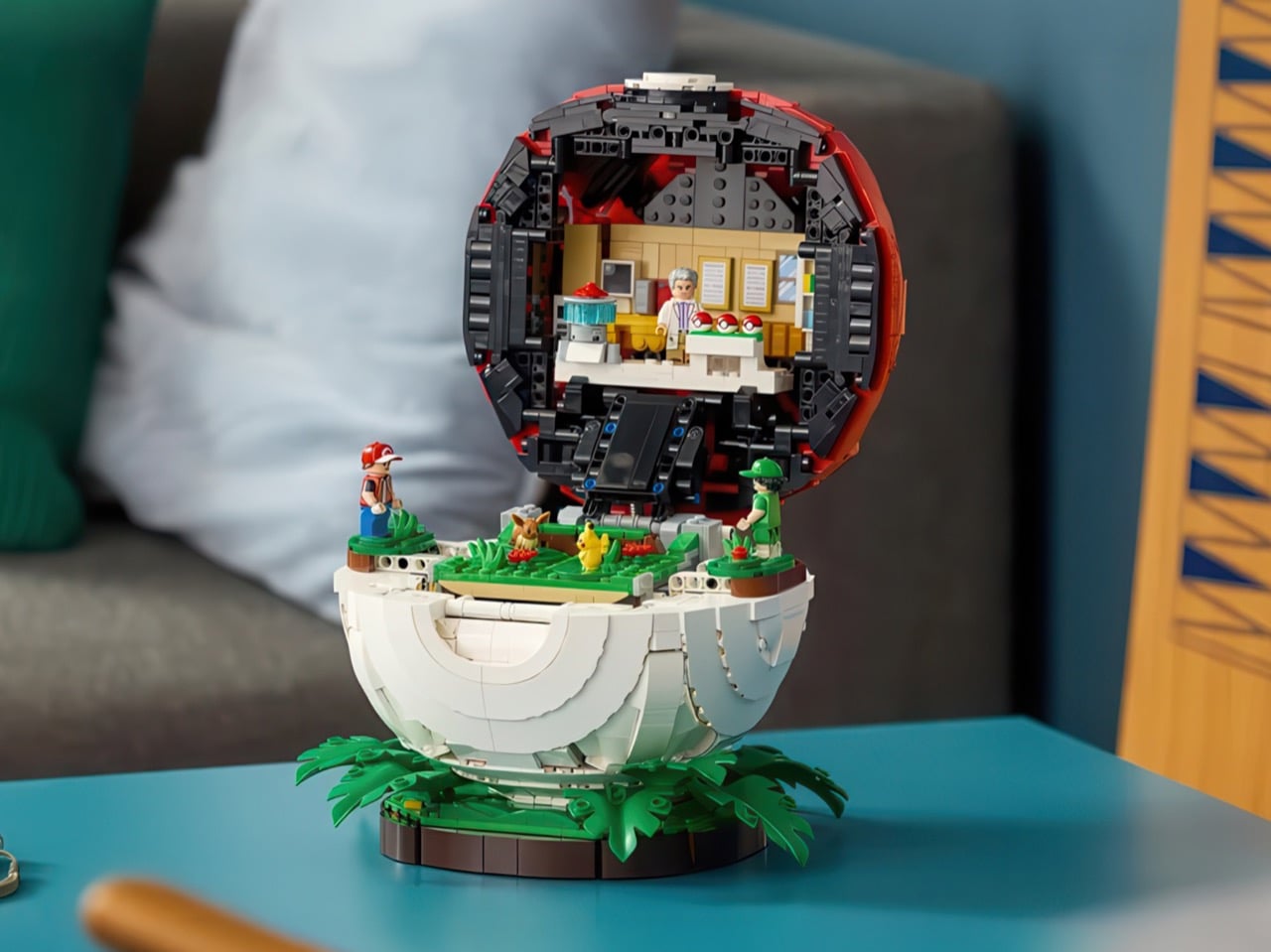
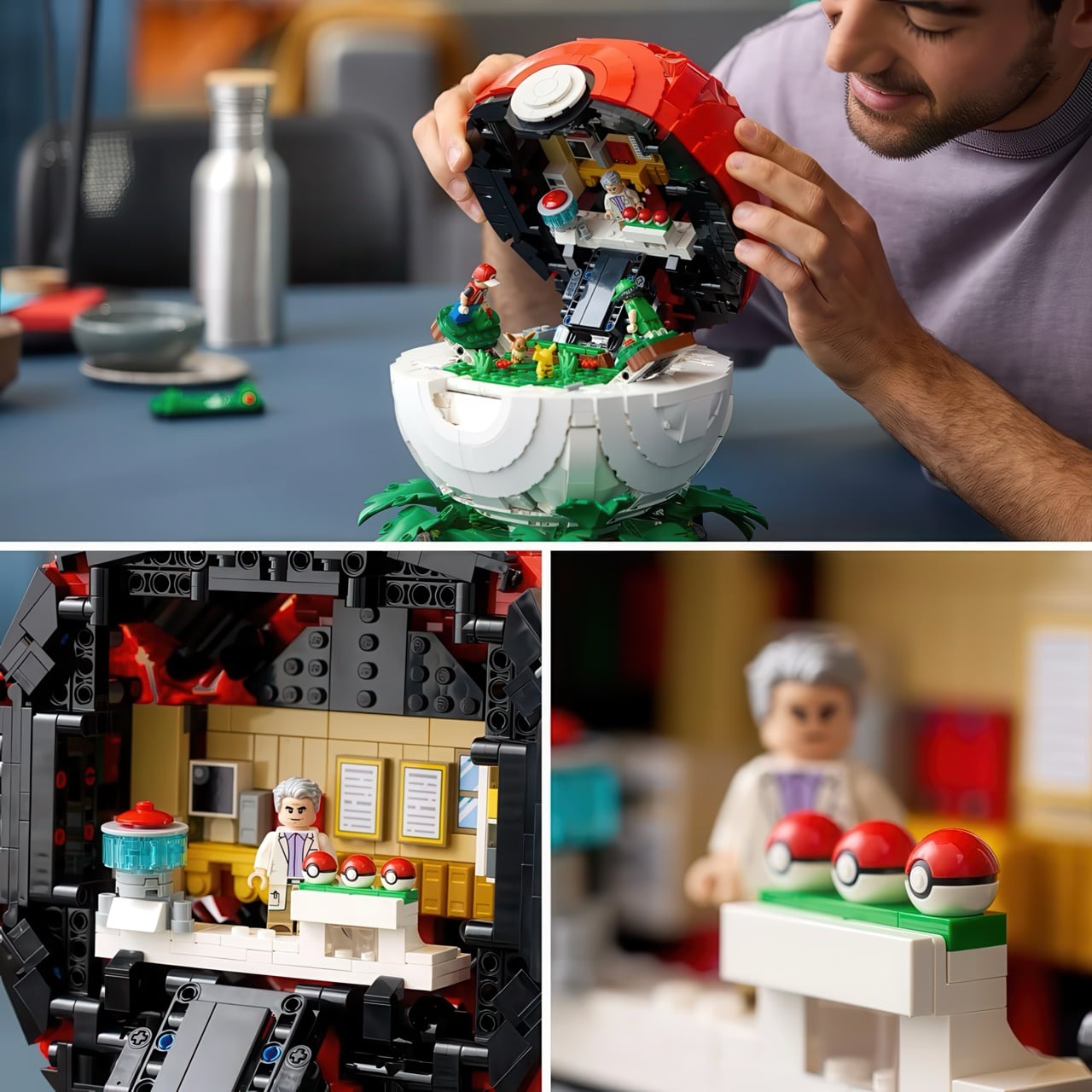
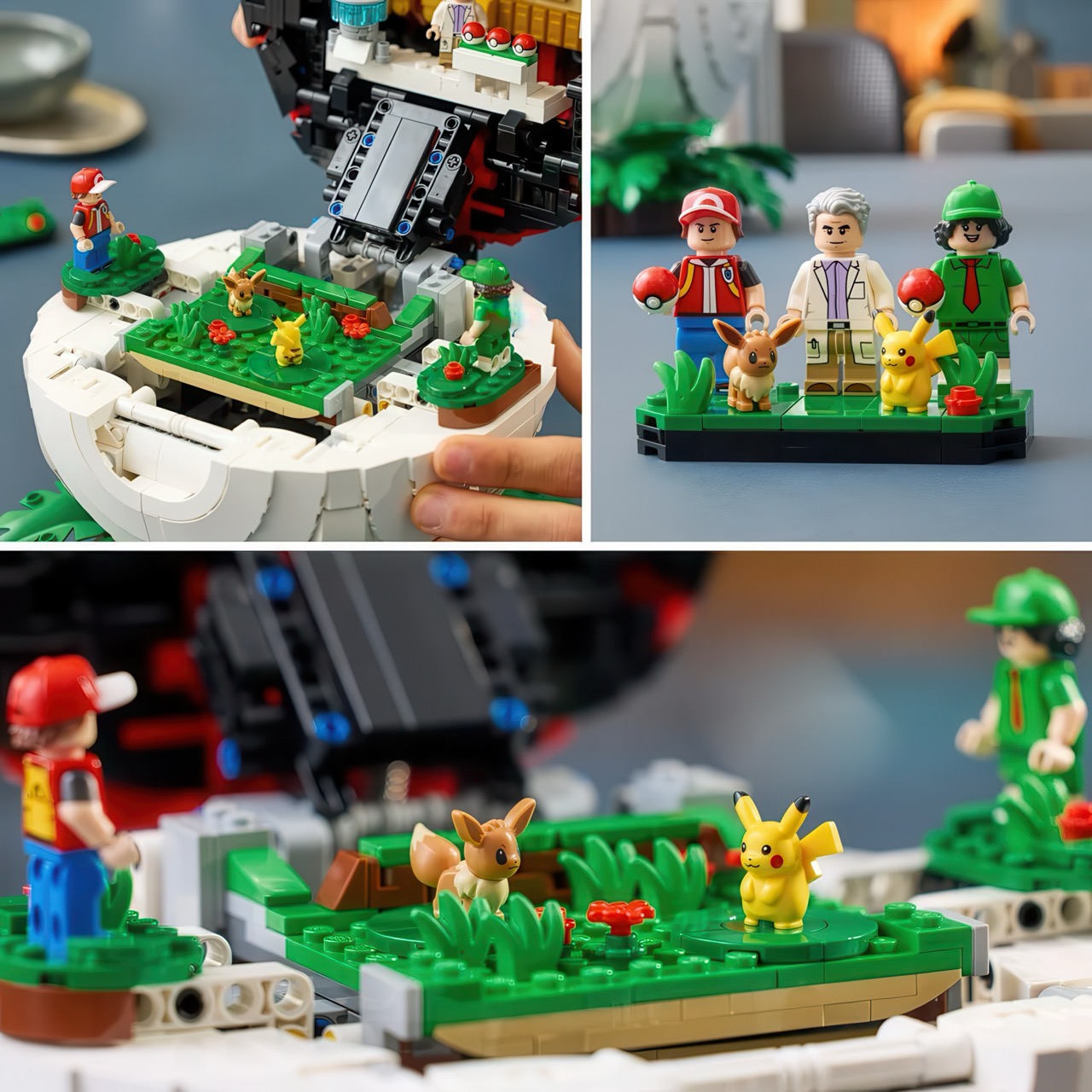
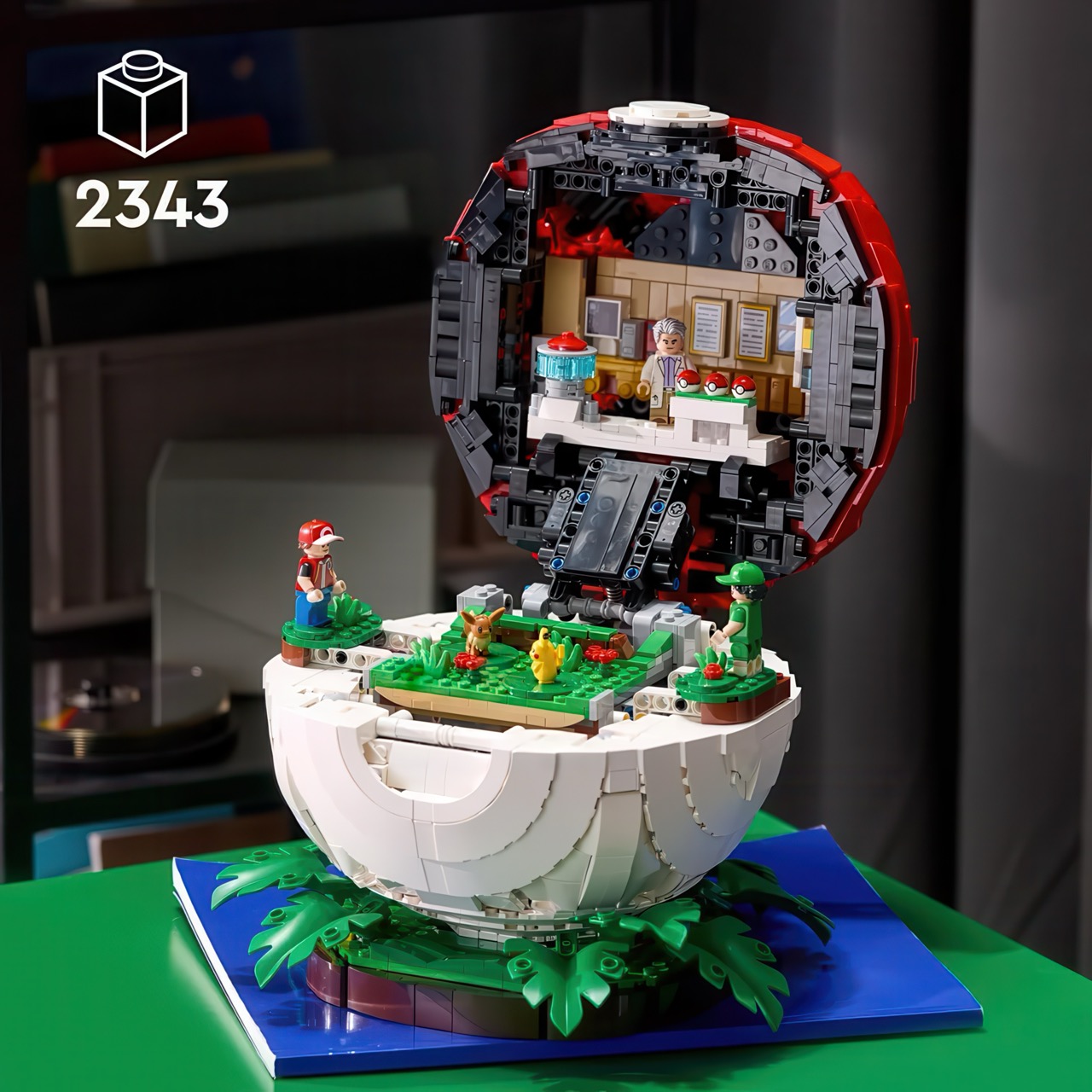
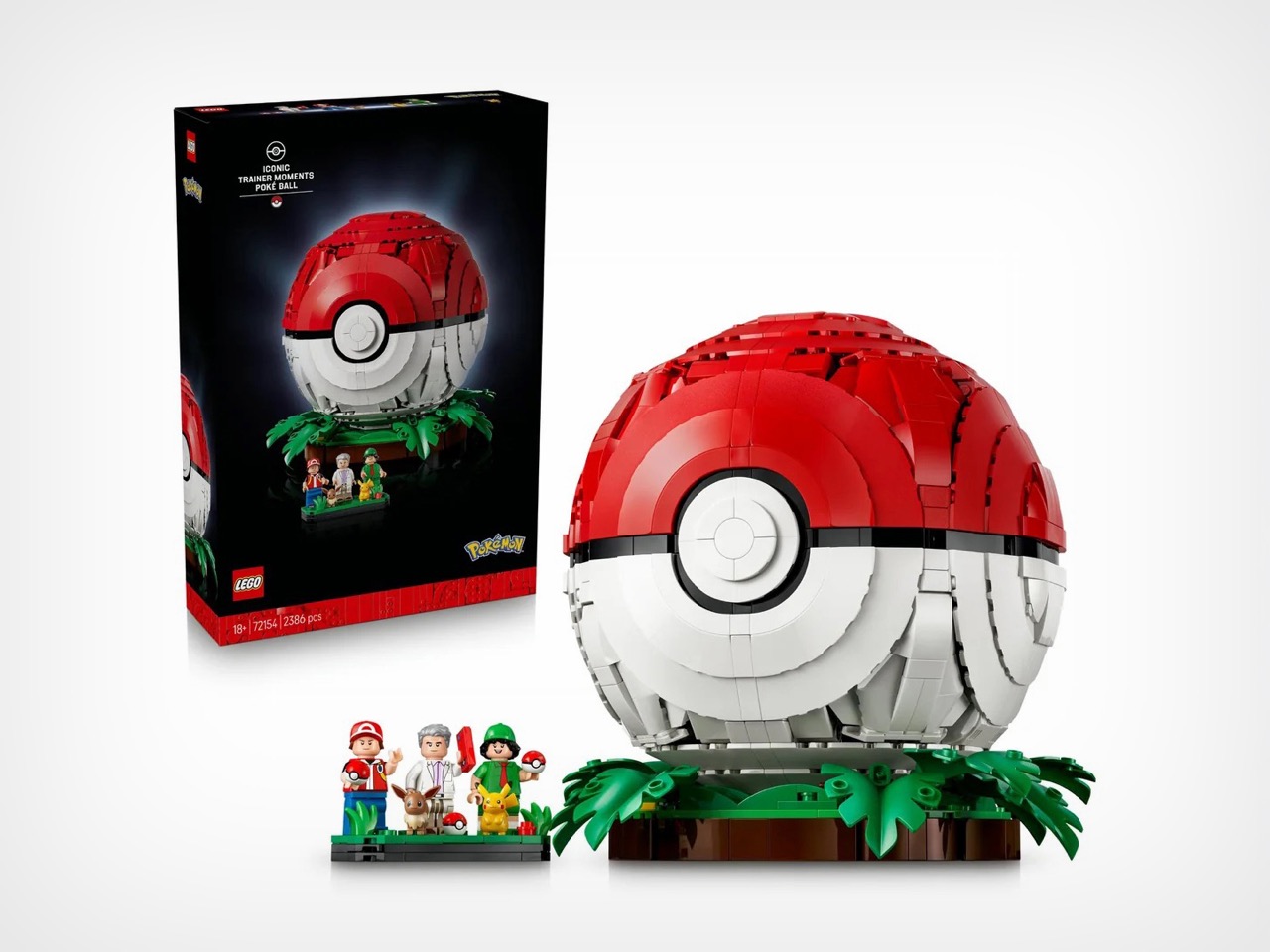
Pokémon franchise is turning 30 next month, and LEGO Group wants to celebrate the occasion with LEGO Pokémon sets. Following leaks and speculations, the official reveal has been made, with two sets of the three already up for pre-order. The three main sets will be shipped next month, coinciding with the 30th anniversary of the franchise on February 27. These will revolve around the star mascots Pikachu and Eevee, while the final evolutions of the original starter Pokémon Charizard, Blastoise, and Venusaur will add excitement for younger fans.
Pikachu and Eevee will make up for the two sets, having their standalone releases in the lineup. The biggest of them all will be the third, Starter Evolution set that’ll let you pose the three Kanto starters’ based on the theme choosen. It can be anything from the ush junglescape for Venusaur, a crashing wave for Blastoise, and a lava-dripping spire for Charizard to fly over.
The first set in this iconic collection centers on Eevee, the evolution-ready fan favorite. As the most accessible option, this 587-piece build is priced at $59.99 and stands just over 7.5 inches tall once assembled. Its design embraces Eevee’s signature charm with a brick-built face that gives the figure an expressive, almost lifelike presence.
Articulation in the head, ears, limbs, and tail allows subtle posing, while hidden nods to Eevee’s many evolutionary forms add a playful layer of detail for longtime Pokémon Trainers. The compact size and approachable price point make this an appealing choice for both seasoned LEGO builders and newcomers intrigued by the mash-up of brick construction and Pokémon nostalgia.
Pikachu and Poké Ball Set
Stepping up in scale and ambition, the Pikachu and Poké Ball set takes center stage with a 2,050-piece count and a $199.99 retail price. This model revisits one of the franchise’s most iconic moments: Pikachu bursting from its Poké Ball, ready for action. The brick-built Pikachu captures that dynamic energy with fully posable ears and limbs, enabling display configurations ranging from a relaxed stance to an aggressive battle pose.
Its display stand features a stylized lightning motif that evokes the Electric-type’s signature power, and LEGO designers have subtly incorporated Pikachu’s Pokédex number, “25,” into the base, a detail that resonates with franchise history. Whether perched atop the Poké Ball or displayed mid-leap, this iteration of Pokémon’s mascot offers a dramatic and nostalgic showcase piece.
Venusaur, Charizard and Blastoise Diorama
At the top of the inaugural range is the Venusaur, Charizard and Blastoise diorama, a monumental build that celebrates the original Kanto starter Pokémon in their final evolutionary forms. With 6,838 pieces and a $649.99 price tag, this set is designed squarely for adult collectors and hardcore fans. Each Pokémon figure stands individually with its own articulation, allowing builders to pose Venusaur’s vines, Charizard’s wings, and Blastoise’s water cannons in varied stances.
The figures are proportioned to stand roughly 7 to 9 inches tall, and they sit upon a richly detailed multi-biome base that reflects their elemental identities. These include a leafy jungle for Venusaur, volcanic embers for Charizard, and aquatic textures for Blastoise. Scattered throughout the build are Easter eggs and environmental cues that reward close inspection, making this set a centerpiece worthy of display in any fan’s collection.
To sweeten the launch, LEGO is also offering limited extras tied to these sets. Buyers of the starter trio set during the first week of release can receive a Kanto Region Badge Collection as a gift with purchase, while LEGO Insiders will have access to a mini Pokémon Center build through reward redemption.
There aren’t many LEGO sets designed to played with once they’re built. A lot of them are envisioned as show-pieces, and yes, you can do imaginary play with them like you would holding a LEGO Millennium Falcon and whooshing around the house, but this MOC from HH Bricks captures a kind of LEGO playability that’s absolutely rare. Inspired by his daughters’ love for building and playing with LEGO, HH Bricks designed this playable version of one of the world’s most popular tabletop games.
For those uninitiated, Connect 4 is a simple game where you drop tokens down a vertical slot-board, trying to build a set of 4 tokens in a straight line. Your job is to simply build a straight line without being stopped, while also consistently breaking your opponent’s ability to build a solid 4 streak on their own. The game just celebrated 50 years since it was first invented in 1974 (and commercially sold in ’75), and this set recreates the game’s strategic magic, just using LEGO bricks.
Designer: HH Bricks
Although HH Bricks doesn’t specify how many pieces come together to build this set, one could venture it’s easily in the higher end of the spectrum, just because of how many tiny single or double-stud bricks were used to build the set’s flat panels and the 42 tokens that come along with the board. Flat surfaces are fairly complex in LEGO, not because of any visual complexity, but just the fact that they require a lot of bricks to build out.
The rules are ridiculously simple. Each player chooses a color and gets to work, dropping tokens into any slot they want. Beat your opponent by building a connection of 4 tokens in the same color in a straight line (horizontal, vertical, or diagonal). Some people even play a double-streak round, trying to hit two connections to eventually win the game. Once the game is over, simply pull out the bottom tray and all the tokens come crashing out, reseting the game for the next session.
If you’re here you’ve probably heard of LEGO Ideas – the online forum where LEGO fans and enthusiasts build, share, and vote for MOCs (or fan-made My Own Creations). This LEGO Connect 4 set is a part of the Ideas forum too, having racked up more than 2,800 votes as of writing this. The ultimate goal is to hit the 10k vote mark (which this MOC has 478 more days to reach), following which LEGO’s internal team reviews the build and turns it into a retail box set if everything goes well. The first step, however, is to hit that 10,000 vote mark, which you can help HH Bricks reach by voting for their MOC on the LEGO Ideas website here!
Every January, the Las Vegas Convention Center fills up with ideas that sit somewhere between prototype and inevitability. Some will vanish after a single news cycle, but a few feel like early drafts of how we will actually live with technology, once the spectacle wears off and the hardware shrinks into something you can forget about until you need it. Those are the ones worth bookmarking, the quiet experiments that hint at new categories rather than just new specs.
This year’s crop of emerging tech has a very particular flavor. Robots are edging closer to being housemates instead of stage acts, ambient objects are getting just enough AI to feel expressive rather than chatty, and work gear is evolving into compact appliances that reclaim space instead of stealing it. None of these ideas are mainstream yet, but they are all far enough along that you can imagine them in your home or on your desk, which is exactly what makes them so interesting to watch.
Vbot Companion Robotic Dog
Most quadruped robots people have seen are either industrial, loud, or built for stage demos rather than living rooms. Vbot is a companion robotic dog engineered around a single principle, Made to Be Near, designed for safe, quiet, human-scale proximity. The rounded body has no sharp edges, pinch-free joints maintain 2.5cm safety gaps, and soft-touch mesh covers the mechanical core. Low-noise locomotion using 3D-printed shock-dampening feet and tuned motors makes it quiet enough to watch over a sleeping baby.
Vbot’s social intelligence turns that safe form into something that feels alive and helpful. It interprets natural-language commands through tone, context, and meaning, understanding verbs like bring, follow, lead, show, or find without a remote. Agent intelligence breaks down objectives into steps, guiding visitors, escorting someone along a route, or positioning itself as a camera buddy for hands-free filming. It matches walking pace and repositions for better engagement.
Under the skin, embodied and spatial intelligence allow Vbot to operate as a real physical agent. Its legs use 22cm segments proportioned to match 18-20cm stair standards, giving it leverage to climb steps where wheeled robots struggle. A proprietary N45 motor delivers more torque at 25% less weight, while a 594Wh battery supports more than five hours of outdoor operation. A perception system with 360-degree LiDAR and UWB positioning understands paths and obstacles without cloud latency.
Vbot signals an early consumer-grade physical AI category. Unlike robots adapted from industrial platforms, it is built from scratch around close human proximity, readable motion based on animation principles, reliable battery life, and modular interfaces for cargo baskets, cameras, and tow carts. Its three-layer intelligence, embodied, spatial, and agent, points toward robots that are sociable enough to join you outside, smart enough to anticipate intent, and gentle enough to belong in family spaces.
Airseekers Tron Ultra Robotic Lawn Mower
Robotic mowers have mostly relied on differential steering or front omni-wheels to navigate yards, which works for wide-open lawns but struggles with tight corners and complex obstacles. Airseekers Tron Ultra uses a 4SWD drive system with independent control of each wheel, allowing it to move in ways that feel closer to industrial robotics than consumer lawn care. The mower can rotate in place without a turning radius, shift laterally, horizontally, or even diagonally through narrow gaps between garden beds, and pivot around obstacles up to 2.36 inches tall without backing up. That four-corner independence changes how the mower approaches difficult terrain. Upgraded high-traction wheels give it the grip to climb inclines up to 85% grade and traverse wet grass without spinning out, while intelligent environmental detection adjusts power distribution per wheel to prevent soil compaction and turf damage.
Under the hood, Omni Navigation combines AI vision sensors, LiDAR, and VSLAM mapping with a 300° field of view to feed real-time data to the 4SWD controller, dynamically adjusting wheel speed and direction as terrain changes. A 594Wh swappable battery supports up to 0.49 acres per charge, with the mower autonomously returning to its dock and resuming exactly where it left off. Paired with 360° radar beacons that eliminate dead zones under trees and around structures, the Tron Ultra reduces manual intervention by over 50% compared to earlier models. It signals a shift from mowers that follow preset patterns to machines that move like outdoor robots, treating lawns as navigable environments rather than obstacle courses.
Baseus Spacemate RD1 Pro Desktop Dock
USB-C hubs and flat docks have become standard, but most still sprawl across the desk with cables radiating in every direction. Baseus Spacemate RD1 Pro is a vertical, 15-in-1 docking station that treats the dock as a compact desktop appliance instead of a dongle. A single USB-C cable links a Windows laptop to dual 4K monitors, 10 Gbps USB-C ports, SD and TF slots, and 1 Gbps Ethernet, while the tall, minimalist tower tucks ports on the back and keeps the footprint small.
The Spacemate RD1 Pro merges that connectivity with a serious GaN power stack. An included 180 W GaN adapter feeds up to 160W of total output, with 100W PD reserved for the laptop, dual USB-C 100W-capable fast-charging ports for accessories, and a retractable Qi2.2 25W magnetic wireless pad on top for phones or earbuds. Intelligent power management dynamically allocates power and surfaces status on a front LED display, showing per-port draw and alerts. It feels like an early example of vertical, multifunctional docks becoming central power-and-I/O blocks for increasingly dense, multi-device workspaces.
Switchbot OBBOTO
Desks and living rooms are filling up with smart lights and displays, but most still behave like obedient bulbs or tiny billboards. SwitchBot OBBOTO is a desk-sized pixel globe that tries to be something closer to a companion, using more than 2,900 RGB LEDs, motion sensing, and music visualization to turn light into an expressive presence. It can show time and weather as patterns, react when someone walks by, and sit alongside SwitchBot’s Comfort Tech lineup as the one that gives the room a bit of personality.
OBBOTO leans on AI-driven mood animations and ambiance modes to adjust to what someone is doing, shifting between sleep-friendly scenes, focus-oriented visuals, or relaxed, reactive patterns that move with music. Interactive pixel art and animations can be triggered or customized, making it as much a canvas as a lamp. It hints that tomorrow’s smart home might rely less on flat screens and more on small, characterful devices that quietly broadcast information and vibe at the same time.
OPSODIS 1 Compact 3D Audio Speaker
Surround sound has usually meant either a ring of speakers around the room, a big soundbar that leans on wall reflections, or headphones that lock you into a bubble. OPSODIS 1 is a compact desktop 3D audio speaker that tries a different route, using Kajima’s OPSODIS technology to project a 360-degree sound field from a single box. The 6-channel, 3-way, 6-driver array delivers natural spatial cues without depending on walls or ceilings, making it as at home on a desk as in a small living room.
OPSODIS, developed with the University of Southampton’s Institute of Sound and Vibration Research, uses optimal source distribution, crosstalk cancellation, and a symmetrical layout with high-frequency drivers near the center axis to send precise sound to your ears. Multiple inputs, from Bluetooth and USB-C to optical and 3.5 mm, plus listening modes like Narrow, Wide, and Simulated Stereo, adapt to different setups. It hints at a shift where immersive audio is moving beyond headphones and multi-box systems, toward single, research-driven speakers that create convincing 3D soundstages from one spot on your desk.
ASUS ROG NeoCore WiFi 8 Router
Most routers are still anonymous black slabs you hide behind a monitor or under a TV, even as they quietly run more and more of the home. ASUS ROG NeoCore takes the opposite approach, turning next‑gen Wi‑Fi 8 hardware into an object you actually want on the desk. The faceted polyhedral shell, somewhere between a gaming dice and a sci‑fi artifact, replaces the usual antenna farm with a sculptural form that can sit flat or be wall‑mounted without looking like infrastructure.
That shape is not just for show. A rigid exoskeleton frame wraps a ventilated inner core, giving the router plenty of airflow while keeping ports and heatsinks tucked into one face. The multifaceted body helps distribute antennas in three dimensions, supporting the tri‑band Wi‑Fi 8 radio stack that pushes more data, more efficiently, to many devices at once. NeoCore ends up feeling like an early glimpse of networking gear designed as part of a performance‑focused setup, where the box handling low‑latency gaming, 4K streaming, and dense device loads finally looks as intentional as the hardware it supports.
LEGO SMART Brick
LEGO has flirted with electronics before, but usually in the form of obvious hubs or screen-tethered experiences. LEGO SMART Play shifts that by hiding a custom chip smaller than a stud inside the new SMART Brick, along with sensors, a sound engine, and wireless charging. Paired with SMART Tags and SMART Minifigures, it lets familiar builds react to swoops, crashes, and docking maneuvers with lights, motion-aware sounds, and contextual behaviors, while still feeling like pure, open-ended brick play on the table.
This platform quietly turns the entire LEGO System-in-Play into a canvas for responsive, screen-free interaction. Instead of asking kids to stare at a tablet, the SMART Brick listens through its sound sensor, feels through accelerometers, and responds through an onboard synthesizer, making ships, turrets, and throne rooms hum, fire, and react as they are moved. Because it is fully compatible with existing bricks and anchored in more than 20 patented world-first technologies, it feels like the early layer of a long-term platform that hints at everyday building blocks quietly carrying embedded intelligence.
LG CLOiD Home Robot
Home robots that can actually do chores are finally edging out of concept videos and into real homes. Robot vacuums are now background noise, and companies are quietly testing machines that can sort laundry or help in the kitchen instead of just answering questions from a speaker. LG’s CLOiD feels like the next step in that progression, a full-body home robot that does not just connect to appliances; it moves through the house and physically uses them.
CLOiD can take milk from the fridge, slide a croissant into the oven, start laundry cycles, and fold and stack clothes after drying. A tilting torso, two seven-degree-of-freedom arms, and five-finger hands ride on a wheeled base tuned for stability around kids and pets. LG’s AXIUM actuators give its joints compact, high-torque behavior, while a Vision Language Model and Vision Language Action system trained on tens of thousands of hours of household tasks lets it recognize appliances and coordinate with the ThinQ ecosystem, making housework automation feel less like science fiction.
iPolish Color-changing Press-on Acrylic Nails
Fashion and beauty are quietly becoming the next frontier for consumer tech, from smart fabrics to LED-laced festival fits, but nails have mostly stayed analog. iPolish is a set of smartphone-driven digital press-on acrylics that behave like reprogrammable cosmetics, with wearable electronic nails that can display hundreds of rich colors on demand. You apply them like regular press-ons, then pair the iPolish app with the Magic Wand over Bluetooth to send your chosen palette, turning color changes into a quick gesture instead of a full removal and repaint.
The interaction is simple: you choose colors in the app, the Magic Wand stores them, and each nail cycles through options when inserted, pausing with a green blink at one of your selections so you can stop at the exact shade you want. Colors can last minutes, hours, or days, and if your outfit or mood changes, you just reselect and reinsert rather than soaking off layers of polish. Because the system works with accessories and fashionwear as well as nails, it feels like an early glimpse of where beauty tech is heading, where digital finishes become as swappable as makeup.
If you thought LEGO couldn’t possibly get any cooler, think again. At CES 2026, the iconic toy company just dropped what they’re calling their biggest innovation since the Minifigure debuted back in 1978. That’s nearly 50 years of building history, so yeah, this is kind of a big deal.
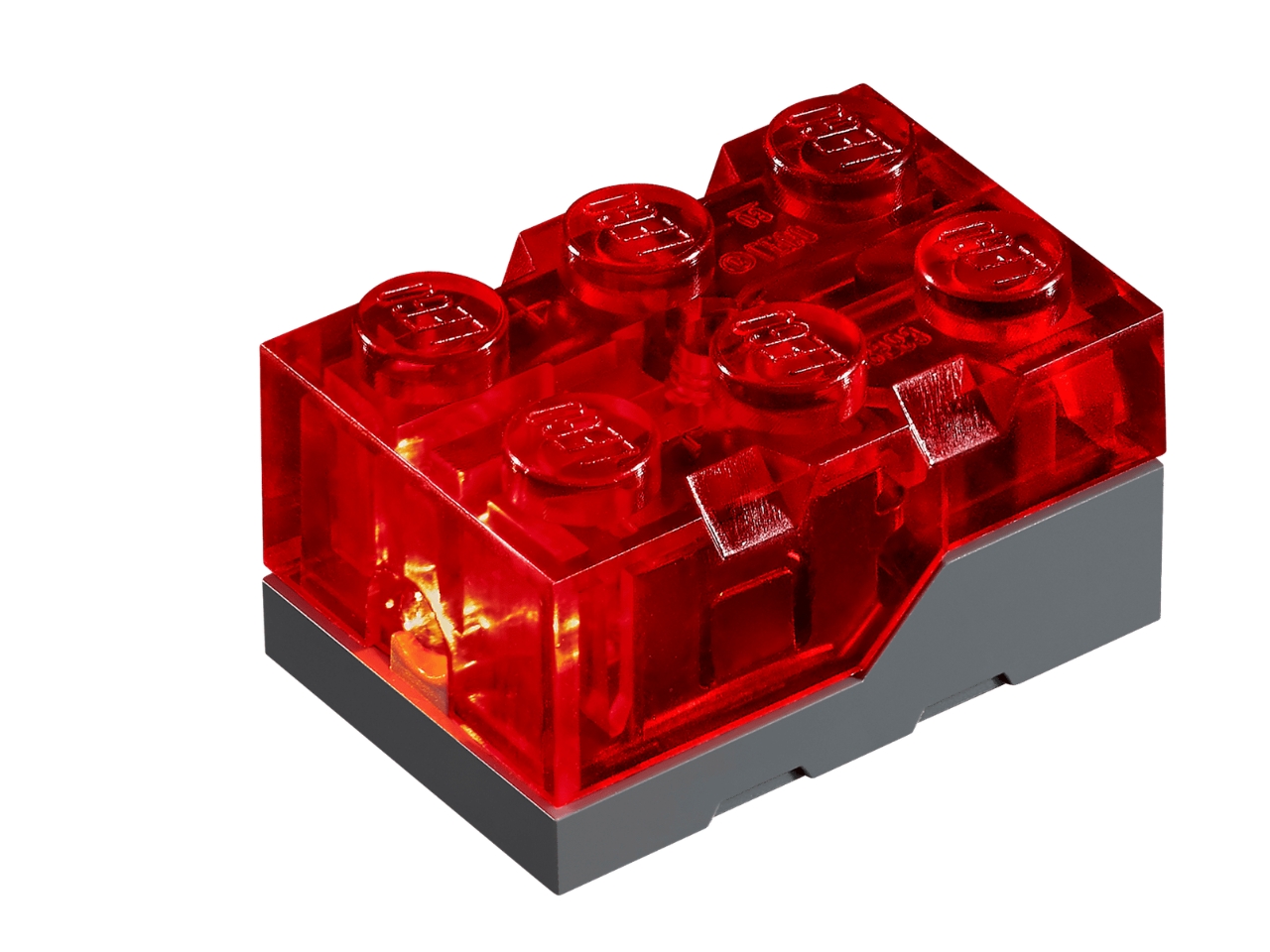
Meet the LEGO Smart Brick: a standard 2×4 brick that looks totally normal on the outside but is secretly packed with more tech than you’d think possible. We’re talking motion sensors, LED lights, a tiny speaker, and a custom-made computer chip that’s literally smaller than a single LEGO stud. The result? Your builds can now react to how you play with them, complete with authentic sounds and lighting effects. And the best part? No app or screen required.
LEGO is launching this new Smart Play system with three Star Wars sets hitting stores on March 1, and honestly, they picked the perfect franchise to showcase this technology. Because if there’s any universe that deserves the full immersive treatment, it’s Star Wars. And if there’s any fandom that would gobble these builds up, it’s those that love the galaxy from far, far away to bits.
The Smart Play system works through three components working together. There’s the Smart Brick itself, which is the brain of the operation. Then you’ve got Smart Tags, which are special tiles that trigger specific responses when the brick detects them. Finally, there are Smart Minifigures that activate character-specific sounds and interactions. The bricks communicate with each other using something LEGO calls BrickNet, a proprietary wireless system that creates what they describe as a “decentralized network” of interactivity.
In practice, this means when you place a Smart Brick into Luke’s X-wing and fire it up, you hear authentic engine sounds. Move it around, and the accelerometer responds with appropriate whooshes and laser blasts. Park it at the command center, and you’ll hear refueling sounds. Put Emperor Palpatine on his throne, and the Imperial March starts playing. It’s the kind of detail that makes Star Wars fans absolutely giddy.
The three launch sets cover different price points and iconic moments from the original trilogy. The most affordable is Darth Vader’s TIE Fighter at $69.99 with 473 pieces. It includes a Smart Darth Vader minifigure who breathes menacingly and delivers his famous lines. The mid-range option is Luke’s Red Five X-wing at $99.99 with 584 pieces, featuring Smart versions of Luke and Princess Leia, plus good old R2-D2. The premium set is the Throne Room Duel and A-wing at $159.99 with 962 pieces, which recreates that unforgettable final confrontation from Return of the Jedi. This one comes with two Smart Bricks and three Smart Minifigures, including Luke, Vader, and Palpatine.
What makes this feel different from LEGO’s previous tech experiments is how seamlessly integrated everything is. There’s no coding required like with Mindstorms, no video game component like Dimensions, and no augmented reality app like Hidden Side. The Smart Play system enhances the physical building and storytelling experience without pulling you into a digital world. For parents worried about screen time, that’s actually a pretty compelling selling point.
Of course, some play experts have raised concerns about whether adding technology might diminish the imaginative play that makes LEGO special in the first place. But LEGO’s approach here seems thoughtful. The tech is designed to respond to creativity rather than dictate it. Kids still build whatever they want, but now their creations can talk back.
Pre-orders open January 9, and LEGO has already teased that more Smart Play sets are coming later in 2026, including a Millennium Falcon, Mos Eisley Cantina, and a Landspeeder. They’re clearly betting big on this platform.
For collectors, these inaugural Smart Play sets represent something special: the ground floor of what LEGO is positioning as their most significant evolution in decades. Whether that claim holds up remains to be seen, but one thing’s certain. The Force is definitely strong with this one, and your childhood dreams of building Star Wars worlds that actually come alive just got a whole lot closer to reality.
One of the things that sports fans will be looking forward to this 2026 is that it’s a World Cup year. Still the most-watched sports event in the world, this year’s edition will be jointly hosted by the U.S, Canada, and Mexico this June-July. We’ve already seen several merchandise announced in 2025 and we can expect more to be released in the months leading up to the quadrennial soccer, excuse me, football, tournament.
LEGO is one of the brands that is banking on this World Cup fever. They’ve previously announced the FIFA World Cup Official Trophy LEGO replica as well as several player diorama sets (Messi, Ronaldo, Mbappé, Vinicius Jr). Now both football lovers and LEGO enthusiasts will have another thing to look forward to with the LEGO Editions 43019 Soccer Ball, slated to be available in a couple of months.
Designer: LEGO
This 1,498-piece round LEGO build is 2.8 inches in height, 15″ long, and 10.3″ wide once you’ve fully assembled it. While it’s obviously shaped like a ball, it isn’t something you can actually kick around on the pitch or in your backyard. It’s more of a toy for building alone or together and then displaying on your mantle. Another reason why you shouldn’t be kicking this ball around is that there’s a surprise within. It opens up to reveal a complete miniature stadium, complete with stands, a pitch, and other match details cleverly tucked inside. There are even tiny little fans cheering on the tiny little players running around on the pitch. Well, they’re not really running or cheering since this is a static toy, but you can let your imagination run wild.
You can display this LEGO set as a soccer ball replica (although it’s not an exact replica of the official 2026 match ball) or show it opened up to show the intricate stadium inside. That’s two completely different display options in just one set, perfect for showing off on your shelves, desks, or if you’re a super LEGO fan, in your dedicated LEGO display area. What really elevates the LEGO Editions 43019 Soccer Ball beyond just another sports-themed set is its innovative dual-purpose design. The engineering required to create both a recognizable soccer ball exterior AND a fully detailed stadium interior is genuinely impressive. This isn’t just a hollow ball with some loose pieces inside; it’s a thoughtfully designed piece that showcases LEGO’s commitment to surprising and delighting builders at every turn.
Parents and family builders will appreciate that the 10+ age rating makes this accessible for building together. With nearly 1,500 pieces, it offers enough complexity to be engaging without becoming frustrating. It’s the kind of project that can turn a rainy weekend into quality bonding time, all while building excitement for the upcoming tournament. At $129.99 (or €119.99-€129.99 depending on your region), the pricing sits comfortably in the mid-range category. It’s not an impulse buy like the smaller $29.99 player dioramas, but it’s also significantly more accessible than the premium $199.99 FIFA World Cup Official Trophy with its 2,842 pieces.
The LEGO Editions 43019 Soccer Ball is scheduled to launch in March 2026, giving you just enough time to build and display it before the World Cup kicks off in June. This timing is perfect; you can have your completed set proudly displayed during viewing parties, creating the perfect atmosphere for match days. Whether you’re displaying it closed as an elegant soccer ball or opened to showcase the intricate stadium scene, this set offers flexibility that few LEGO builds can match. It’s a celebration of the beautiful game, a testament to clever design, and a functional piece of art all rolled into one.
For anyone who’s ever dreamed of bringing the excitement of stadium atmosphere into their home, or who simply appreciates when toys transcend their basic purpose to become something truly special, the LEGO Editions 43019 Soccer Ball deserves a spot on your must-have list. Just remember: no matter how tempted you might be, resist the urge to actually kick it around.
LEGO’s newest Creator release proves that big ideas come in compact packages. The Space Exploration Telescope (set 31378) landed on shelves January 1, 2026, with 278 pieces that transform into three completely different models: a fully adjustable telescope with spinning planets, a working microscope, or a posable UFO. At $34.99, this set sits comfortably in impulse-buy territory while delivering the kind of replay value that keeps kids engaged long after the initial build.
What makes this set particularly clever is how it uses a single light brick across all three models. The telescope projects celestial images onto walls, the microscope illuminates specimens, and the UFO beams light from its underside. Three decorated lenses featuring a planet, star, and Moon add educational depth that goes beyond typical building sets. For parents seeking STEM toys that actually encourage experimentation rather than collecting dust on a shelf, this Creator set deserves serious consideration.
Designer: LEGO
That primary telescope build is surprisingly robust for being one of three options. Standing over 10.5 inches (27 cm) tall, it has a decent presence, and the tripod design is stable enough for actual play. The accompanying solar system, with its seven spinning planets, is a fantastic kinetic detail that adds life to the model. The projection feature is the real engineering win here. It takes what would be a static display piece and gives it an interactive purpose that cleverly mimics what a real telescope does: show you images of space. It’s a smart, elegant solution for a toy.
When you get tired of stargazing, the rebuild into a microscope shows the true genius of the part selection. The core housing for the light brick and lens assembly gets flipped vertically, and what was once a projection system becomes an illumination source. The same decorated lenses that projected planets now serve as makeshift slides, which is a brilliant way to teach kids about functional design and repurposing components. It’s a solid B-model that feels complete and intentional, demonstrating how form follows function with just a few clever reconfigurations of the same 278 bricks.
The final build, a UFO, is the set’s playful wild card. It shifts the entire theme from educational STEM hardware to pure science fiction. The designers did a great job creating a classic saucer shape with posable antennae and legs that flip out for landing. Here, the light brick serves as a simple beam underneath the craft, perfect for imaginative scenarios. This C-model provides an essential creative outlet, proving the set’s versatility extends beyond scientific instruments. It’s the build that lets kids take the parts and just have fun, which is arguably the most important function of any LEGO set.
The set is available now through LEGO’s official website, Target, and authorized LEGO retailers for $34.99. Batteries for the light brick come included, which saves you a trip to the store or the inevitable disappointment of discovering you need them mid-build. The recommended age is 8 and up, though younger kids with building experience could handle it with minimal supervision. Digital instructions are accessible through the free LEGO Builder app, which lets you zoom, rotate, and track build progress on your phone or tablet. LEGO’s website currently shows a 60-day shipping window, so if you’re ordering online, factor that into your timeline.
Most workspaces end up messy, with serious task lights that look like they belong in a lab and a general lack of objects that feel genuinely happy. A lot of lighting is either ultra-technical or purely decorative, rarely landing in the sweet spot where a lamp can handle focused work and still make you smile when you glance over at it. Analog was born from a designer who wanted a light that could sit in the middle of that chaos and still feel joyful.
Chris Granneberg was sitting at his messy desk in 2021 after playing Lego with his daughter when he sketched a stack of four cubes with another cantilevered off the side. That sketch became the Analog Task Light, a geometric lamp built from 10cm cubes, with a small footprint, a pop of color, and a form you want to look at during the day, even when it is off, which is exactly what he was after.
The task light turned into a family, with floor and wall versions built from the same cube language. The floor light stretches the stack into a tall stem with a cube head at the top, while the wall light compresses it into two cubes side by side, one as a mount, one as shade. The result is a collection that can move from desk to sofa to bedside without losing its identity or feeling like three different products that happen to share a name.
The three colorways shift the mood without changing the form. A bright orange and yellow combination leans into the toy reference, an all-black version feels more architectural, and a light grey body with an orange head sits between playful and neutral. The same geometry reads differently depending on the palette, which lets Analog slip into a MoMA-style white box or a more casual home office without feeling out of place.
Granneberg’s line about wanting something fun he would enjoy looking at during the day is the key. The stacked cubes and bold color blocking nod to Lego and building blocks without becoming literal toys. They are serious enough to light a desk or a reading corner, but soft enough in shape and proportion that they feel like characters in the room rather than anonymous fixtures you ignore until you need to turn them on.
What started as an Instagram render became a real collection when Gantri reached out to produce the lights, handling engineering details like how to remove the diffuser to change the bulb. The fact that Analog is also sold at the MoMA Store gives it a certain cultural stamp, but the story still traces back to a designer, a messy desk, and a sketch of cubes that felt joyful instead of just functional or serious.
Analog fits the current moment, where many people are rethinking their workspaces and looking for objects that do not feel purely utilitarian. A lamp that stacks cubes like a kid’s toy, throws a warm glow, and holds its own as an object when it is off fits that brief neatly. Analog makes the case that a task light can be both a tool and a small, daily source of joy, proving that even something as mundane as a desk lamp can feel happy if you build it from the right shapes and colors.
The Portal franchise has earned its place in gaming history through ingenious puzzle design, dark humor, and an aesthetic so iconic that a simple orange and blue color scheme instantly evokes the Aperture Science testing facility. Now, LEGO builder KaijuBuilds has translated that sterile-yet-sinister world into brick form with the Portal 2: Test Chamber Creator, a project currently seeking support on LEGO Ideas.
The set features a sophisticated modular tile system with 18 unique configurations across 29 total modules, allowing builders to reconstruct famous test chambers or design entirely new challenges. With around 1,280 pieces, the build includes Chell, Wheatley, Atlas, P-body, turrets, portals, a Companion Cube, and even that infamous cake. The attention to detail extends to overgrown tiles that reference Portal 2’s decayed facility sections, complete with a white rat as a nod to the mysterious Rattman. The modular approach mirrors the in-game test chamber editor, which means you can actually play with spatial configurations rather than building a single frozen scene.
Designer: KaijuBuilds
The Aperture Science facility aesthetic translates surprisingly well to LEGO’s design language because both share a love of modular systems and clean geometric forms. Portal works on minimalist white panels, colored power conduits, and spatial reasoning. This build captures that by making reconfigurability the core feature. Tiles come in different sizes (8×8, 4×4, 4×8) and snap onto an orange base with visible connection points. Some tiles show pristine testing surfaces while others feature vegetation breaking through panels, directly referencing Portal 2’s narrative about a facility decaying over decades. The observation windows sit where GLaDOS would watch test subjects fail, and those structural details do heavy lifting in establishing atmosphere.
The character roster features all the iconic beings and bots and whatnots. Chell appears in her orange jumpsuit with the Aperture Science tank top. Wheatley exists as a buildable personality core with his blue eye. Atlas and P-body (the co-op robots from Portal 2) demonstrate awareness that the franchise extends beyond Chell’s story. The turrets manage to look simultaneously adorable and threatening with their white chassis, red sensors, and antenna stems. Two portal pieces come in translucent orange and blue, likely using curved or printed elements to create those characteristic oval shapes. The portal gun sits in Chell’s hands, completing the loadout any fan would expect.
Those 18 unique tile types across 29 modules provide enough variety to build compact chambers or combine everything into larger, more complex puzzles. Some tiles feature orange and blue power line conduits that connect mechanisms in the actual game. Dark grey tiles break up monotonous white surfaces. Button tiles, overgrown sections, observation windows, and the Heavy Duty Super-Colliding Super Button all serve gameplay purposes Portal fans recognize immediately. The structure uses long and short connectors with technic pins and 2L axles to hold everything together, which should make reconfiguration reasonably straightforward without constant collapse during redesign sessions. The orange base with its studded connection points does the critical work of making the whole modular system functional rather than theoretical.
The functional elements push this past display territory into actual play value. The Companion Cube dropper holds and releases cubes, mimicking those ceiling-mounted dispensers from the game. The aerial faith plate triggers manually to launch minifigures upward. A tilting elevated platform angles in different directions for variable chamber layouts. The door swings open for chamber entrances and exits. These mechanisms aren’t revolutionary in LEGO terms, but they’re deployed strategically to recreate specific Portal gameplay moments. The laser grid uses red transparent pieces across a 3×6 area. It won’t vaporize minifigs, but it provides the visual language of hazards you’d design chambers around. The deadly goo gets two 8×8 tiles in translucent orange, which is the correct color unlike some fan builds that use green acid from generic video game conventions.
There’s even a cake hidden somewhere because at this point it’s mandatory for Portal merchandise. The cultural penetration of “the cake is a lie” has been both blessing and curse for the franchise, but you can’t release Portal LEGO without acknowledging it. The white rat perched on structural pillars references Doug Rattmann, the Aperture scientist who left cryptic murals throughout the facility. That’s a deeper cut than casual fans would catch. The test chamber sign displays “25” along with hazard pictograms, grounding the build in Aperture Science’s obsessive signage culture. The facility loved warning test subjects about dangers they couldn’t avoid. Small crows appear on the pillars too, adding those environmental details that make the difference between a good build and one that captures a world.
Portal maintains relevance fifteen years after its 2007 release through memorable writing, innovative mechanics, and an aesthetic that spawned endless memes. GLaDOS remains one of gaming’s most iconic antagonists. “Still Alive” transcended the game to become a cultural touchstone. The orange and blue portal color scheme is instantly recognizable across demographics. Portal 2 expanded the universe in 2011 with co-op gameplay, more complex puzzles, and deeper lore about Aperture Science’s history. The games influenced puzzle design across the industry and demonstrated that shorter, tightly designed experiences could compete with sprawling open-world titles. That legacy makes Portal a strong candidate for LEGO treatment, especially given LEGO’s existing relationship with video game properties and Valve’s general receptiveness to licensed products.
LEGO Ideas operates as a platform where fans submit designs for potential official sets. Projects reaching 10,000 supporters enter review, where LEGO evaluates production feasibility, licensing complexity, and market viability. The Portal 2: Test Chamber Creator sits at roughly 1,700 supporters with 543 days remaining. Voting requires a free LEGO Ideas account and takes about thirty seconds (you can cast your vote here). Reaching 10,000 votes doesn’t guarantee production since LEGO considers factors beyond popularity (licensing negotiations with Valve, manufacturing costs, retail strategy), but fan support gets projects in front of decision-makers. LEGO has produced gaming sets before, from Minecraft to various Nintendo properties. Portal’s enduring cultural presence and Valve’s track record with merchandise partnerships suggest this build has legitimate production potential if it clears the voting threshold.
In 1962, Andy Warhol turned a humble soup can into an art world phenomenon. Now, a LEGO Ideas submission is turning that same can into something equally revolutionary: a buildable gateway to understanding the artist himself. This isn’t just about stacking bricks into a cylindrical shape, though the technical achievement of creating such smooth curves at 24 studs diameter deserves recognition. This project represents months of research into Warhol’s working methods, his relationship with popular culture, and the visual language of The Factory that became synonymous with 1960s avant-garde creativity.
Open the can and the transformation is immediate. The metallic interior contrasts sharply with the familiar red and white exterior, creating an Alice-in-Wonderland moment where everyday packaging becomes an art studio. Printed artworks cover the walls and floor, reflecting Warhol’s habit of painting directly on the ground surrounded by his creations. The Andy Warhol minifigure with signature silver wig presides over a space filled with props from his actual studio: the disco ball, the motorcycle, the couch where celebrities and artists mingled. It’s both a display piece for design enthusiasts and an educational tool that makes pop art accessible, proving LEGO sets can be as culturally significant as they are fun to build.
Designer: HonorableImmenseWorriz
The build sits at 1,117 pieces and stretches to 32.6 centimeters tall, which sounds manageable until you realize the entire cylinder uses curved slope elements to achieve those smooth walls. Most builders avoid large-scale curves because getting a 24-stud diameter to look this polished requires serious geometric planning. The three-section hinge system adds another challenge since you need structural integrity while maintaining mechanical function. What separates this from typical pop culture tributes is the commitment to printed elements over stickers, with Campbell’s branding, artwork tiles, and even the gold medal seal all printed directly onto bricks. The Marilyn Monroe quad portrait, Flowers series, purple Cow prints, they’re all there on the metallic silver walls that reference The Factory’s legendary aluminum foil aesthetic.
HonorableImmenseWorriz , the builder, positions it as “a LEGO set for the kitchen,” which completes the conceptual loop Warhol started by elevating everyday consumer goods to fine art status. You build this, place it near your actual soup cans, and your kitchen becomes gallery space. The 32 stickers showing different Campbell’s soup flavors let you customize and swap variations, mirroring Warhol’s seriality philosophy from his original 1962 series that featured 32 different canvases. The father-son collaboration behind it shows in the prop selection too, each item chosen for historical accuracy rather than visual filler. That red couch, the orange motorcycle, the camera on tripod, they’re narrative anchors to The Factory’s actual chaos, not random accessories.
The project’s currently a fan submission on the LEGO Ideas website – an online forum where enthusiasts share their own creations and vote for favorites. MOCs (My Own Creations) that hit the 10,000 vote mark then get sent to LEGO’s team for approval before being turned into a retail box set that anyone can buy. If you fancy yourself a LEGO ode to Warhol (and Campbell), head down to the LEGO Ideas forum and cast your vote for this build! It’s free!