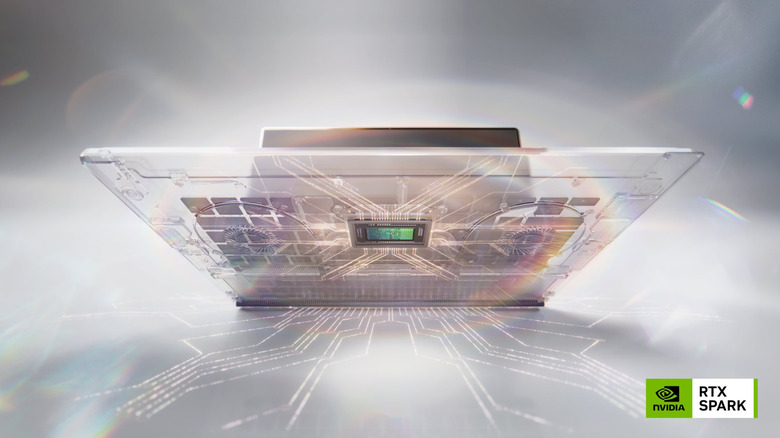
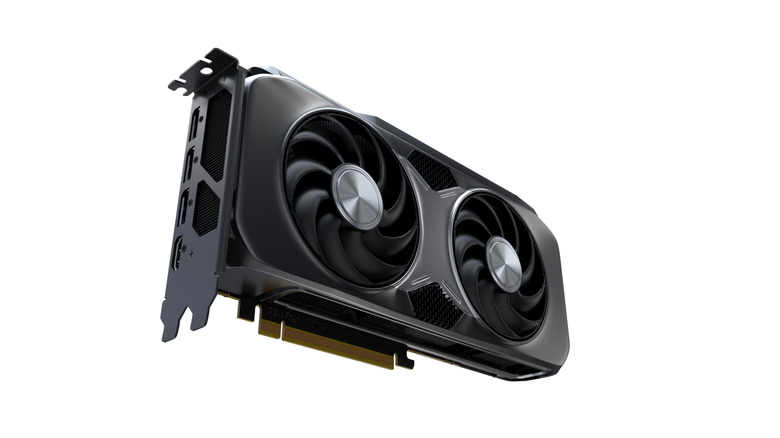
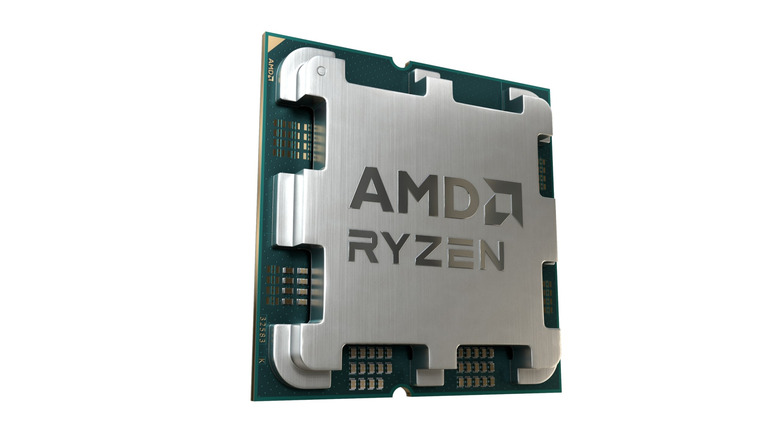
NVIDIA’s RTX Spark is an AI “superchip” that will power Windows laptops and desktops
NVIDIA claims the new RTX Spark chip for PCs will offer 1 petaflop of AI computing power.
URWERK builds watches that cost as much as a compact car. The Geneva-based studio has spent decades engineering satellite hour complications, where orbiting arms carry hour numerals into position around a central axis, revealing the current hour as they complete their circuit. It is horological theater at its most sophisticated, with collectors typically paying between $30,000 and $100,000 depending on the configuration. The wandering hour concept itself dates to 17th-century pocket watches, but URWERK transformed it into an entire brand identity that has spent the better part of three decades sitting behind a velvet rope. The visual language of satellite hours has remained firmly in luxury territory for nearly all of that time.
Mitico, a Hong Kong-based brand, just launched the PhantomX on Kickstarter at $399. It runs a four-arm satellite wandering hour system over a Miyota 9039 automatic, wrapped in a stainless tonneau case with a 3D star wheel mechanism that reveals only the current hour at any given moment. The campaign cleared 1,400% of its funding goal within days of going live. Something is clearly happening in independent horology right now, and the PhantomX is one of the most direct examples yet of the satellite hour complication finally escaping the velvet ropes. The gap between ambition and accessibility, in this category, is narrowing fast.
Designer: Mitico
Click Here to Buy Now: $429 $750 (43% off) Hurry! Only 12 days left.


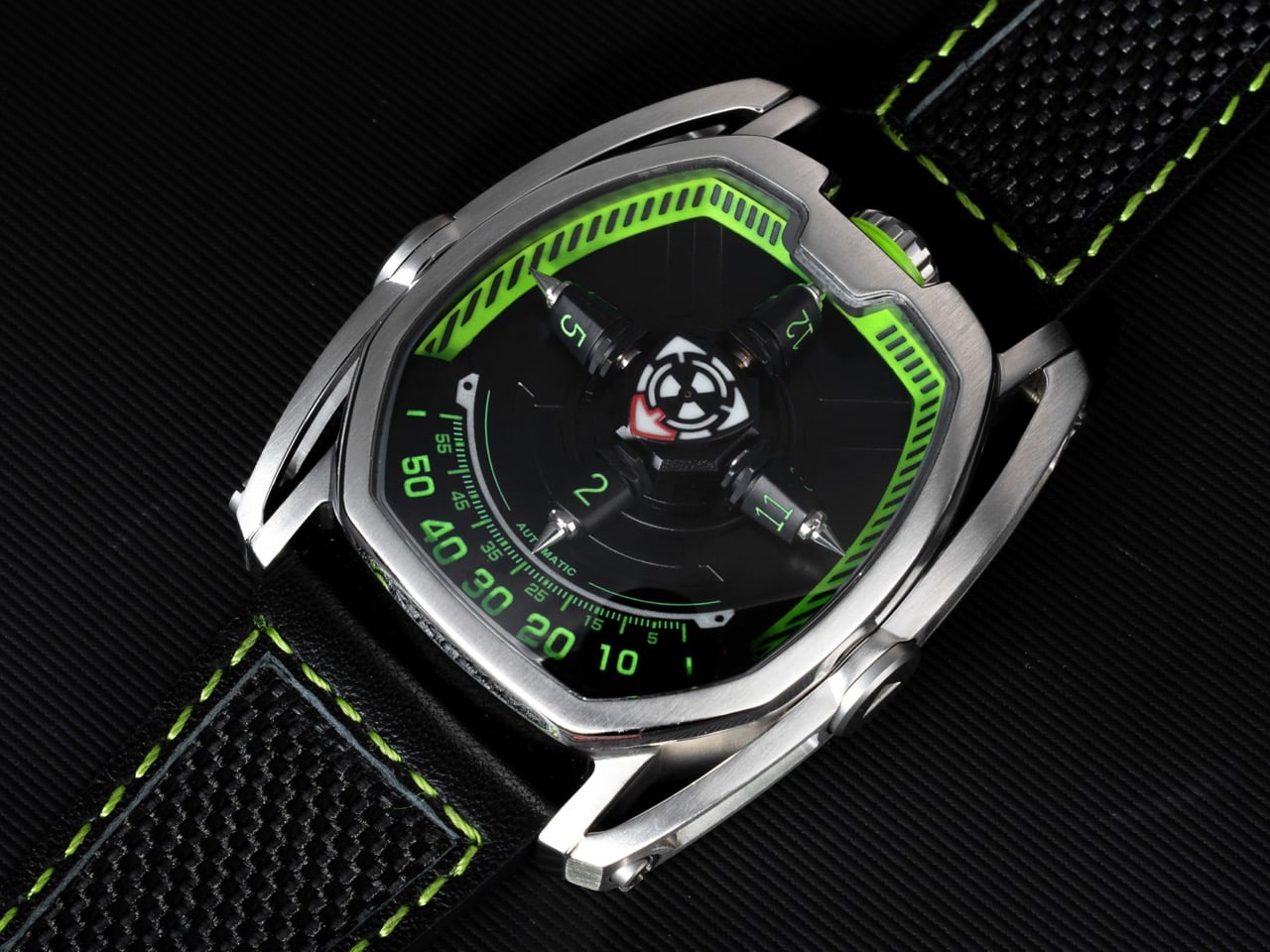
The wandering hour format has existed in some form since the 17th century, and Mitico’s interpretation adds a structural layer that separates the PhantomX from the current wave of indie satellite designs. Four arms orbit continuously around a central axis, each carrying three hour numerals on a sculpted 3D star wheel, with only the current hour numeral vertically aligned and fully visible at the dial center. Mitico calls this the “Only the Present Hour Revealed” concept, meaning the adjacent numerals stay tucked along the curved sides of the wheel, keeping the face uncluttered despite the mechanical complexity underneath. Time is read by finding the arm that has rotated into the central display position, then cross-referencing it against the clockwise 0-to-60 minute track. The result is a reading experience that demands a moment of engagement rather than a reflex glance.

A red triangular seconds hand sweeps steadily across the dial, acting as both a navigational beacon and a metronome for the entire orbital system. It gives the eye something to follow inside a display that is otherwise in constant, multidirectional motion, and the contrast between its singular sweep and the orbiting arms creates a layering effect that rewards watching rather than just checking. The dial center is sculpted with layered textures rather than left flat, adding mechanical depth that reveals itself at close range. Mitico applies high-intensity Swiss Super-LumiNova to the central time display, covering the rotating seconds, minute track, and hour indicators, for clear legibility in the dark. The upper inner dial ring gets standard-grade lume, providing a faint structural outline at night without competing with the primary display.

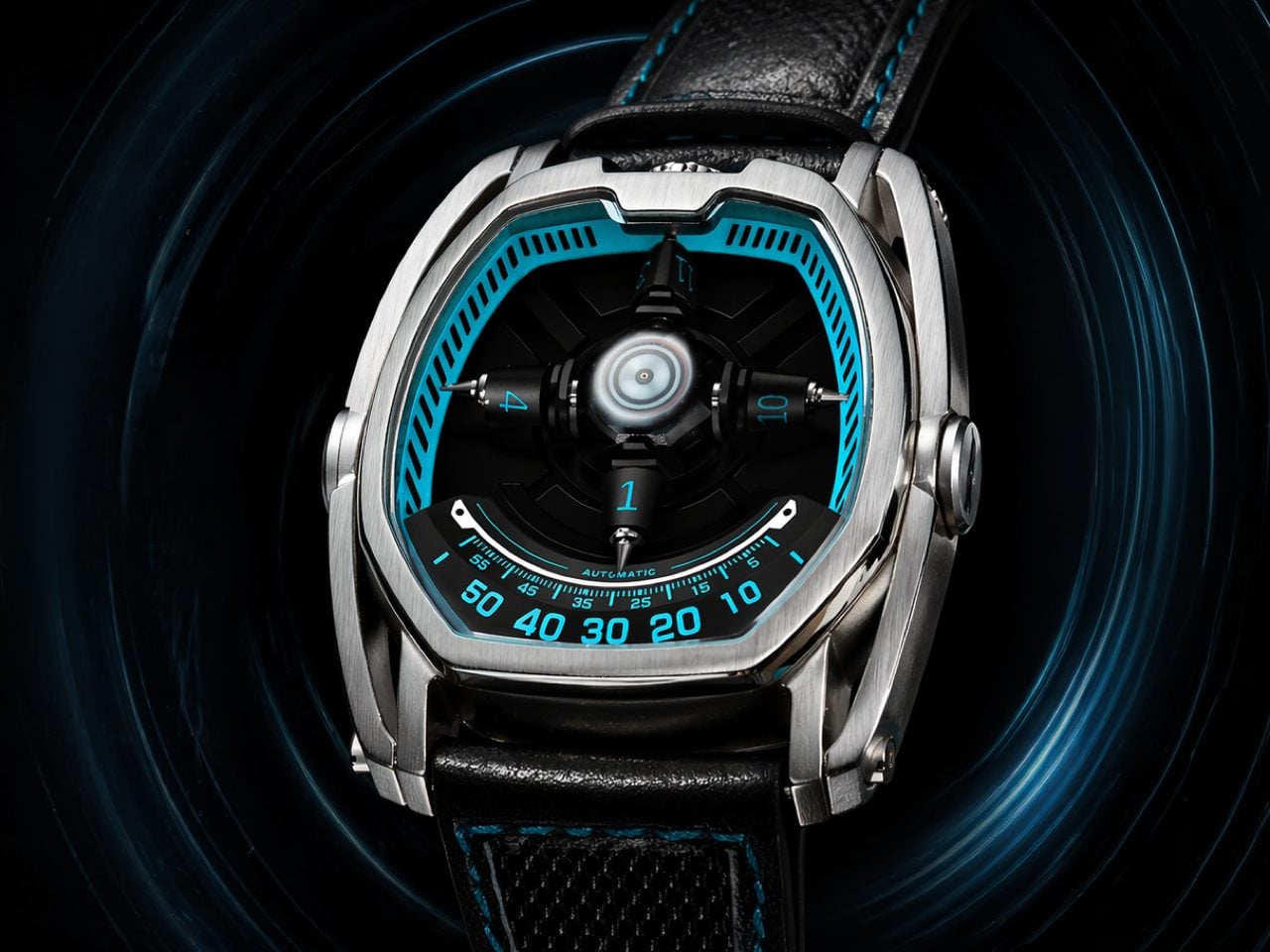
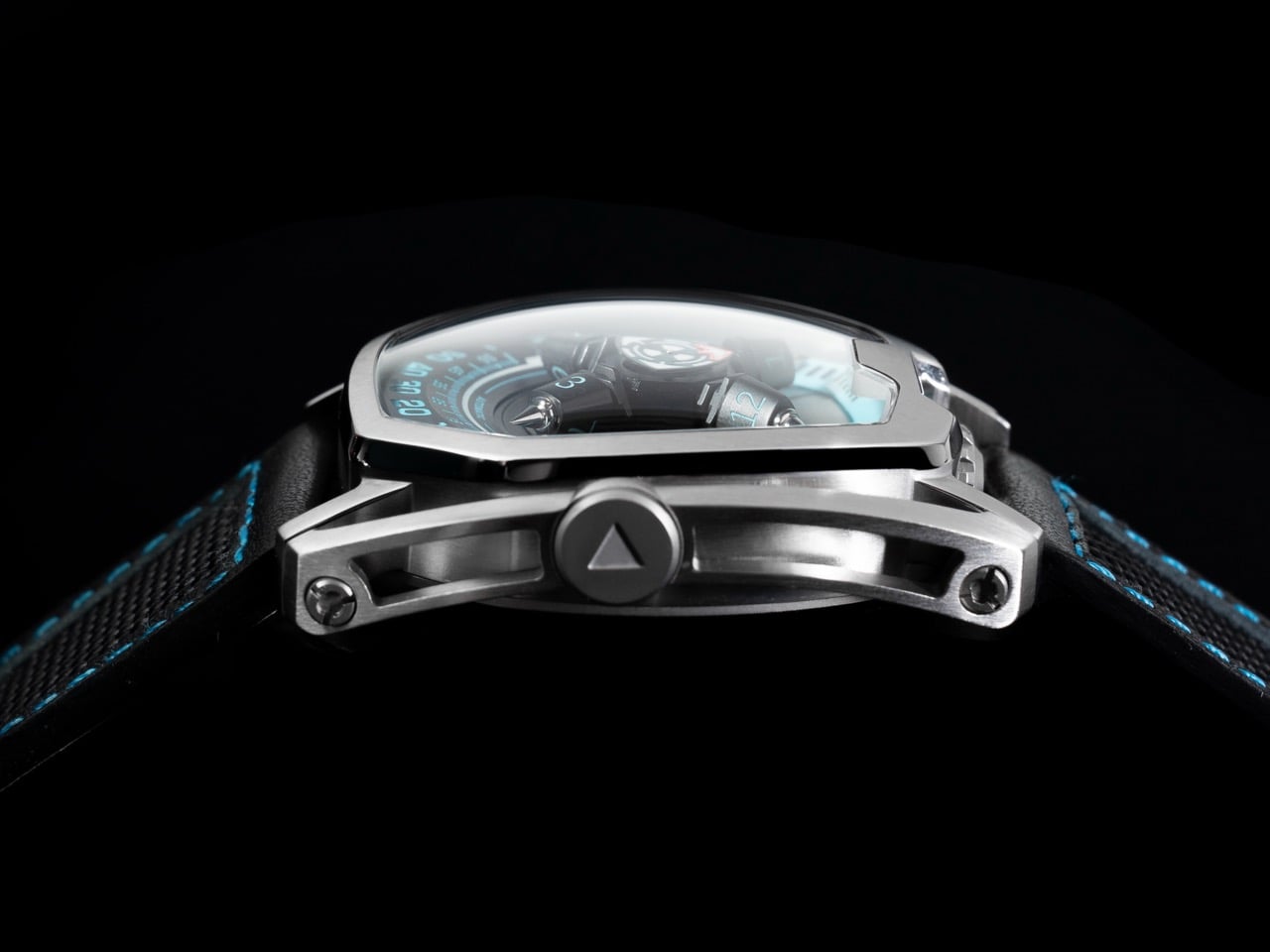
The tonneau-shaped stainless steel case measures 50.64mm wide by 43.32mm tall, with a case thickness of 15mm, dimensions that put this squarely in bold-statement territory. The skeletonized side architecture is machined to reduce visual bulk and overall weight while preserving structural rigidity, with every cutout doing double duty as both aesthetic element and structural support. Crown placement at 12 o’clock reduces wrist pressure during wear and allows more natural operation, one of those ergonomic decisions that sounds minor until you actually live with a conventionally crowned watch all day. A double anti-reflective sapphire crystal with a Mohs hardness of 9 sits over the dial, ensuring clarity from any angle. Water resistance is rated at 5 ATM.
The Miyota 9039 is a self-winding caliber running at 28,800 vibrations per hour with a 36-hour power reserve, and it is the right movement for a project at this price point. Miyota calibers in this family carry an established track record across the microbrand world, offering day-to-day reliability that lets a complex display module run on top without stress-testing the foundation. The 9039 carries no date complication, which is the correct call, because a date window would introduce visual noise into a dial already managing considerable simultaneous motion. Choosing a proven base over an untested proprietary caliber is the pragmatic engineering decision that separates a deliverable product from a concept. That the four-arm satellite module delivers stable, legible display on top of this foundation is the understated technical achievement at the center of the PhantomX.

The PhantomX arrives in ten colorways: Phantom Black, Arctic White, Solar Yellow, Stellar Blue, Nebula Green, Mars Orange, Flare Red, Abyss Blue, Orbital Brown, and Nova Purple, each carrying matching strap stitching and crown accent treatment across the same stainless case and movement platform. The strap is a nylon and genuine leather hybrid fitted with quick-release spring bars, so swapping requires no tools. Mitico estimates shipping to backers in August 2026, with the campaign running through June 13. At $399, the PhantomX is making the satellite hour complication accessible at a price point that no established watchmaker has approached at this level of mechanical ambition.
Click Here to Buy Now: $429 $750 (43% off) Hurry! Only 12 days left.
The post The $429 PhantomX Watch Has Four Rotating Arms That Tell Time Like a $50,000 URWERK first appeared on Yanko Design.
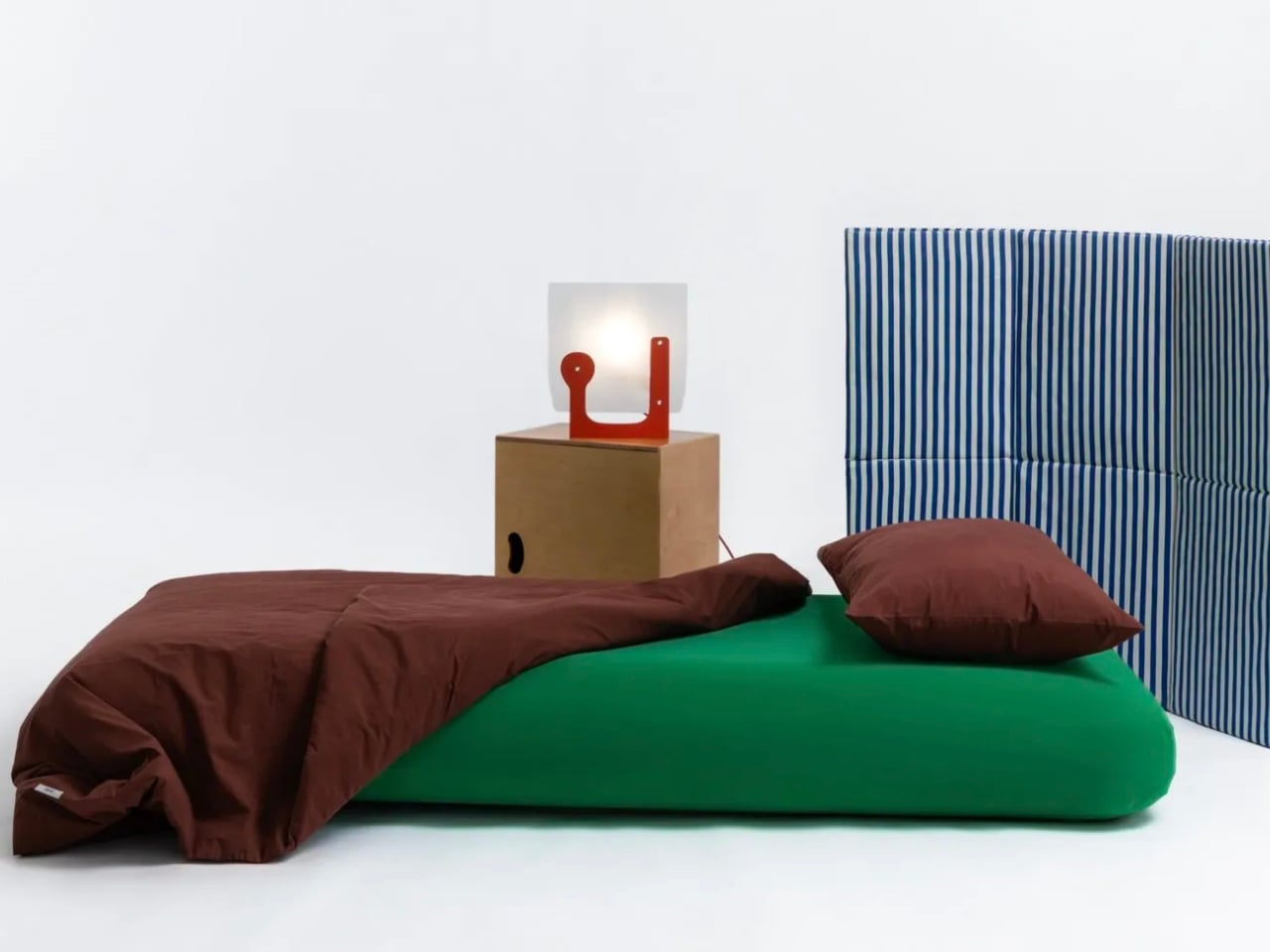
The spare room is a luxury. Most of us know this, even if we pretend otherwise. We squeeze guests onto pull-out sofas, loan them our beds and sleep on the couch ourselves, or simply apologize and point them toward the nearest hotel. It’s one of the quiet embarrassments of modern city living, that for all our carefully curated interiors, we often can’t offer the people we love a dignified place to sleep. French designer Thélonious Goupil and Italian brand Campeggi would like to change that, and they’ve done it with what is essentially a box.
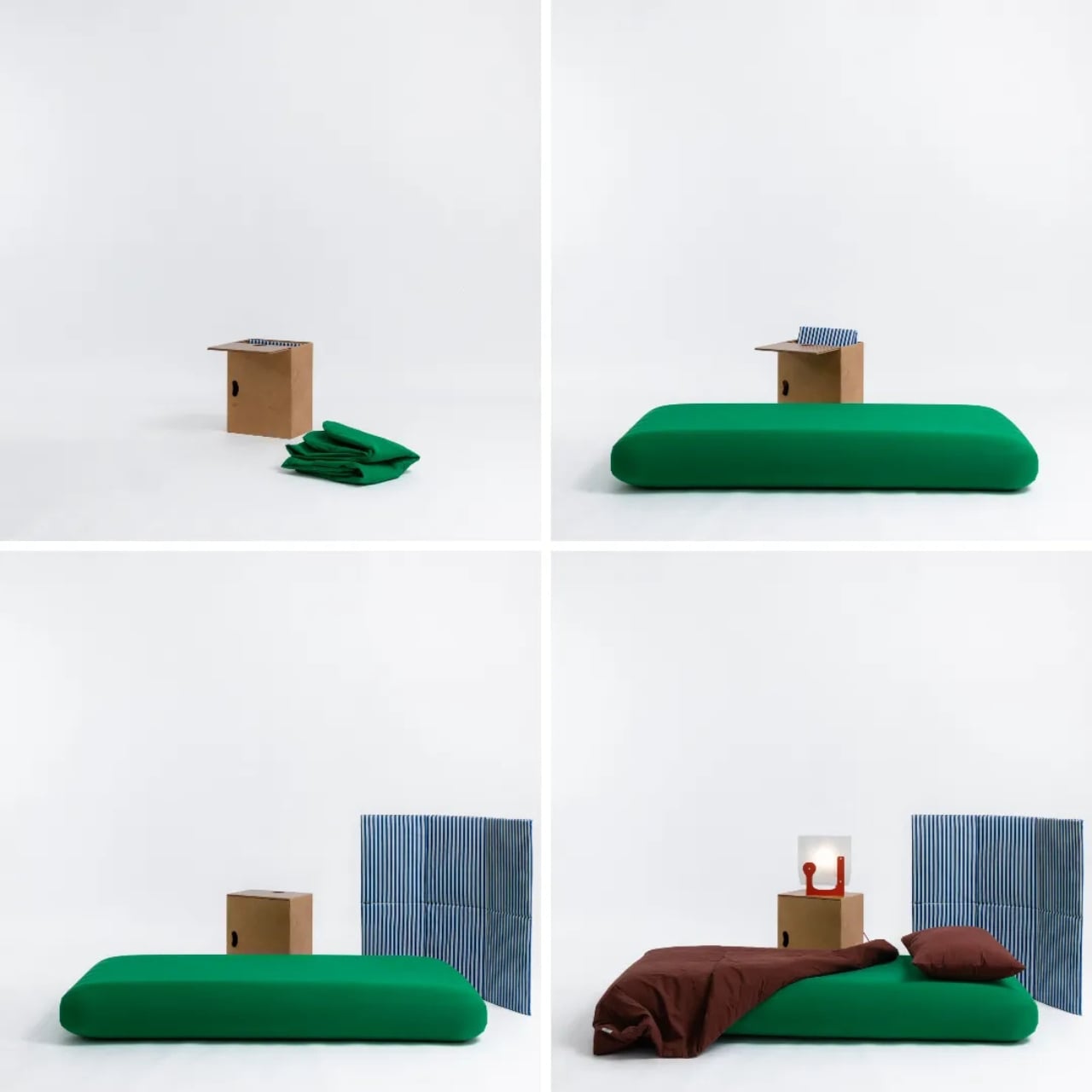
Bienvenue, which debuted at Salone del Mobile 2026 in Milan, is a compact shell made from stained birch plywood. In its resting state, it doubles as a stool or a side table, sitting quietly in a corner, minding its own business. Open it up, however, and it reveals an inflatable mattress 25 centimeters thick and a foldable headboard. Pull everything out and unfold it, and what you have is a proper sleeping space, a micro-architecture of hospitality that Campeggi describes as a temporary room rather than just a piece of furniture.
Designers: Thélonious Goupil and Campegg
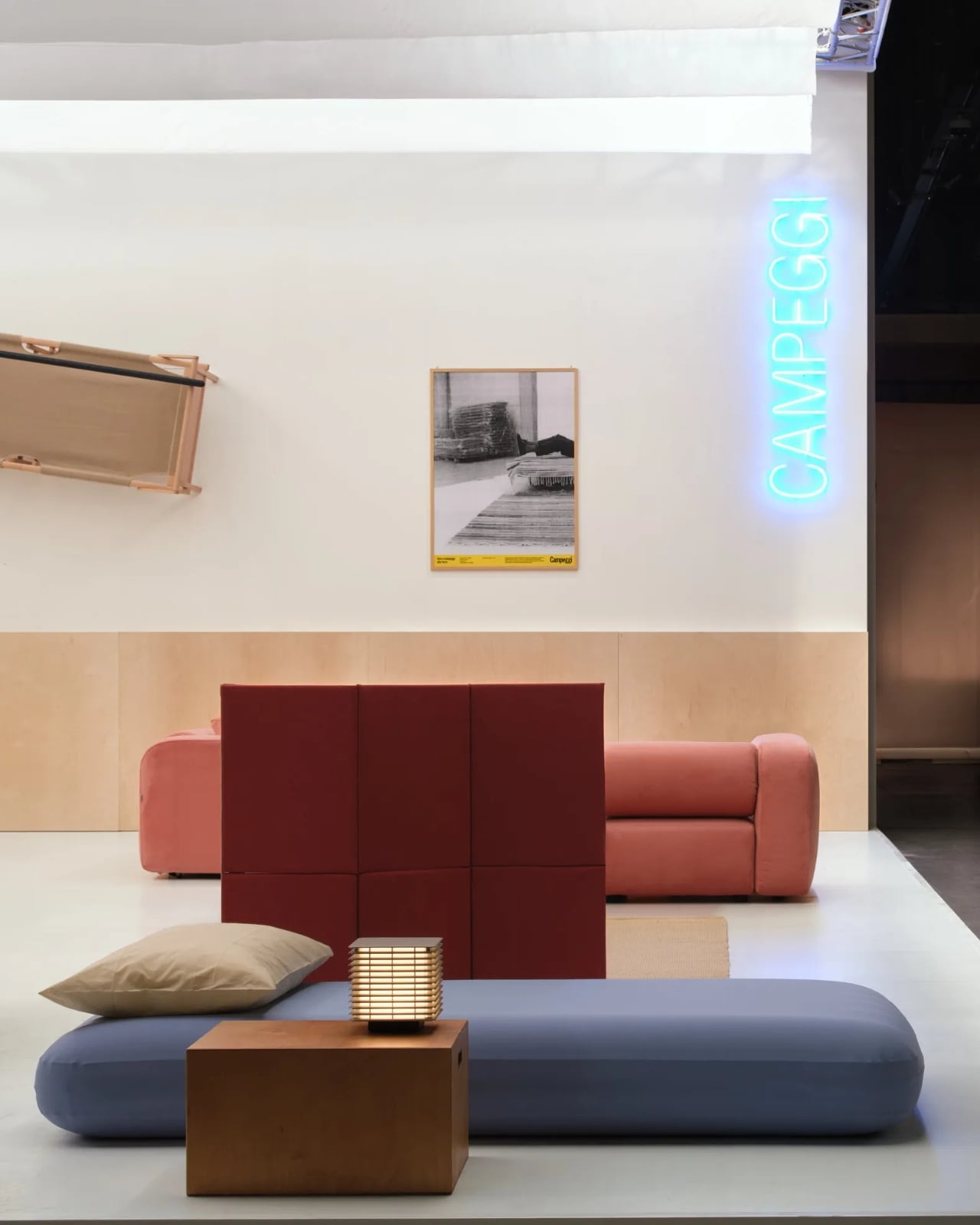
The name says everything. Bienvenue means “welcome” in French, and the choice feels intentional in a way that most product names rarely manage to be. The object is literally called welcome. It is not a storage unit that also sleeps two. It is not a sofa with a hidden secret. It is, from the beginning, defined by its purpose: to receive someone well.

Goupil, who is based in Paris and trained at the studios of Ransmeier Inc. and Jasper Morrison before founding his own practice in 2018, has built a reputation around objects that are, in his own words, “expressive and freed from conventional ideas of beauty.” Bienvenue fits that ethos without breaking a sweat. The birch plywood is humble but warm. The construction is honest, without pretension. And the whole thing, when folded back up, doesn’t announce itself as a bed or scream “I have compromised here.” It simply exists as furniture, unassuming and well-made.
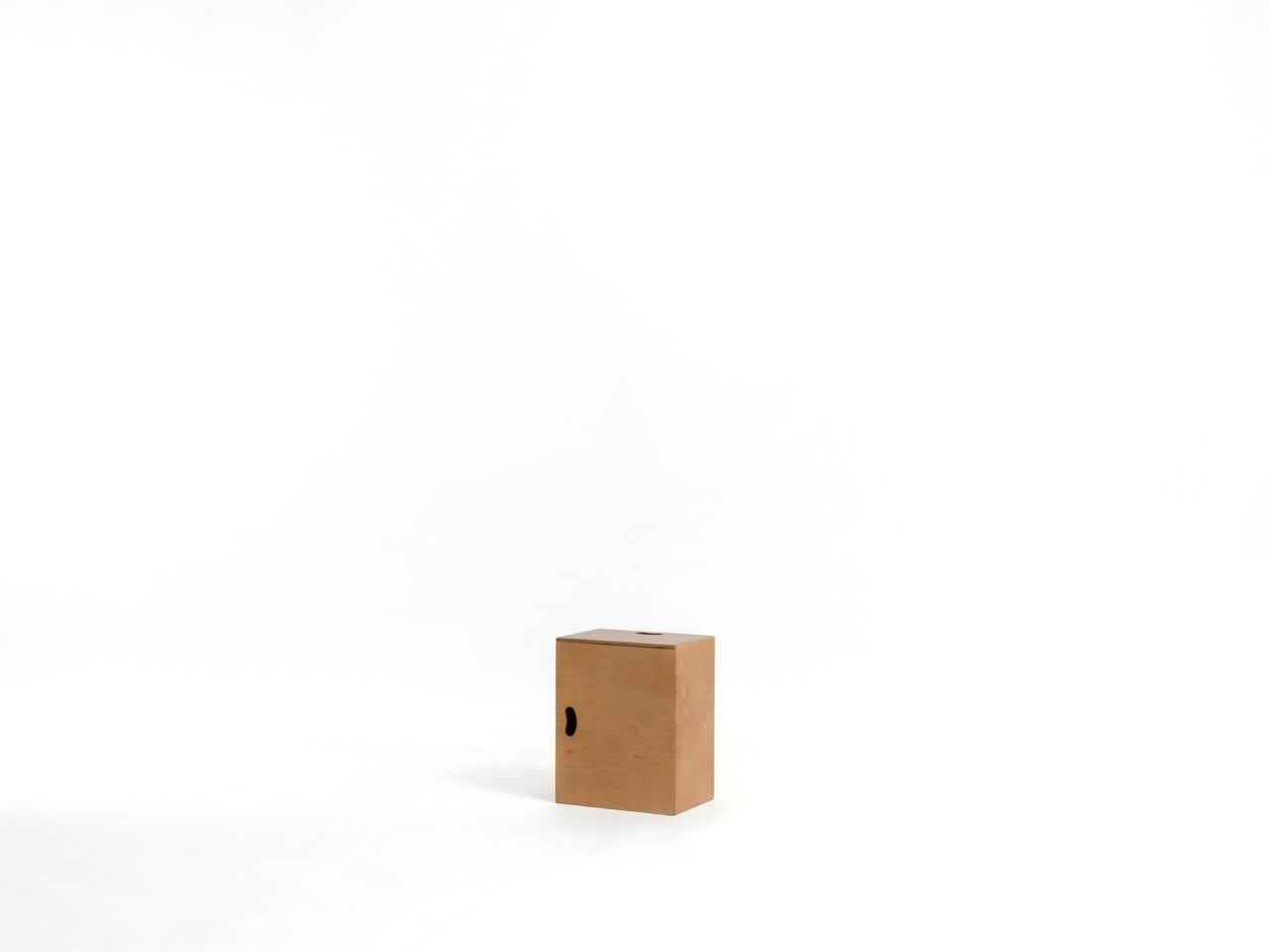

The collaboration with Campeggi makes obvious sense. The Italian brand has spent decades perfecting the art of transformable furniture, particularly around sleeping and hospitality, and they understand that the best multifunctional objects are the ones that don’t look desperate to be two things at once. Bienvenue succeeds because it commits to each of its forms fully. As a stool, it’s just a stool. As a guest room, it’s actually a guest room, not a sorry approximation of one.
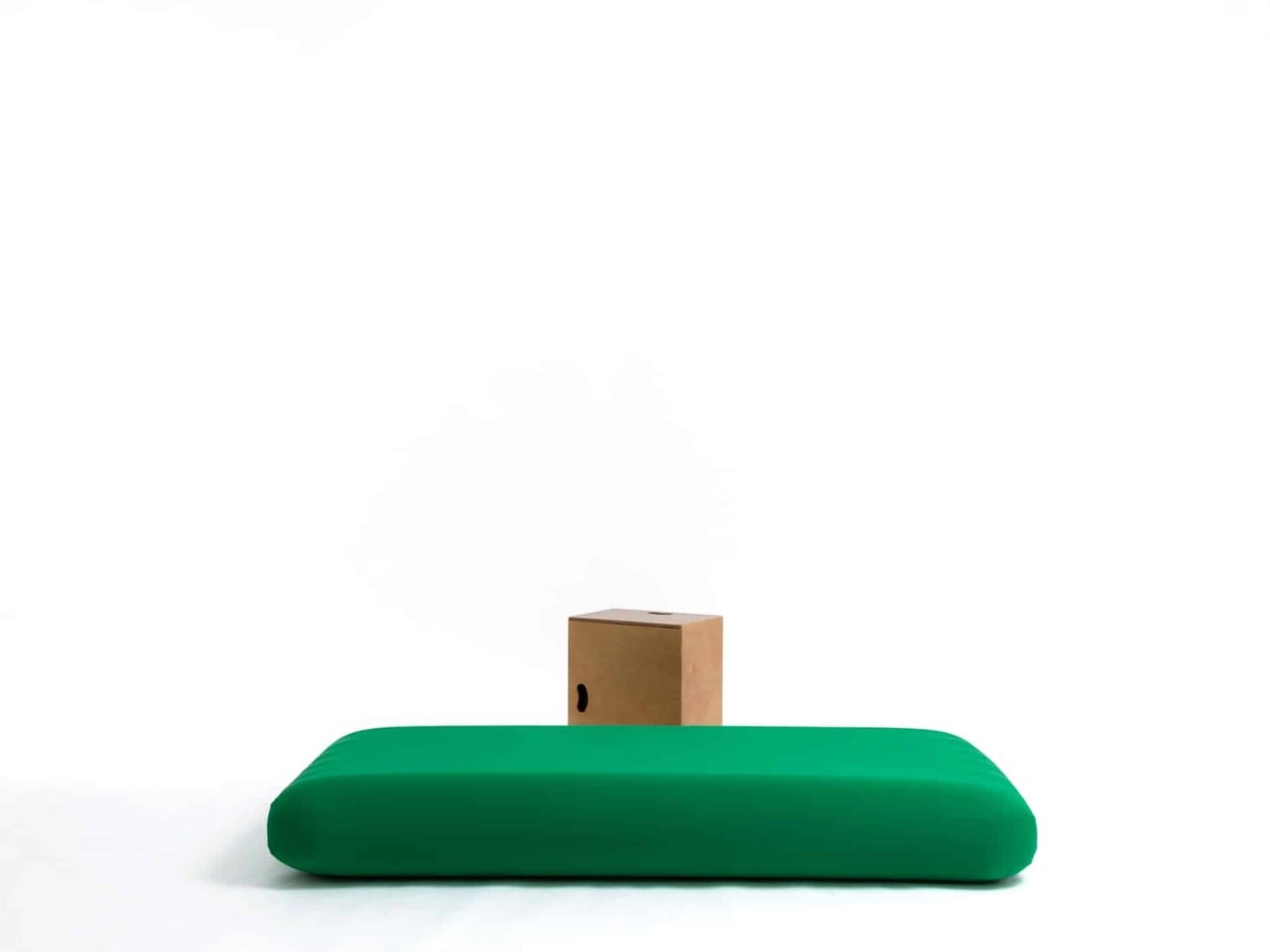
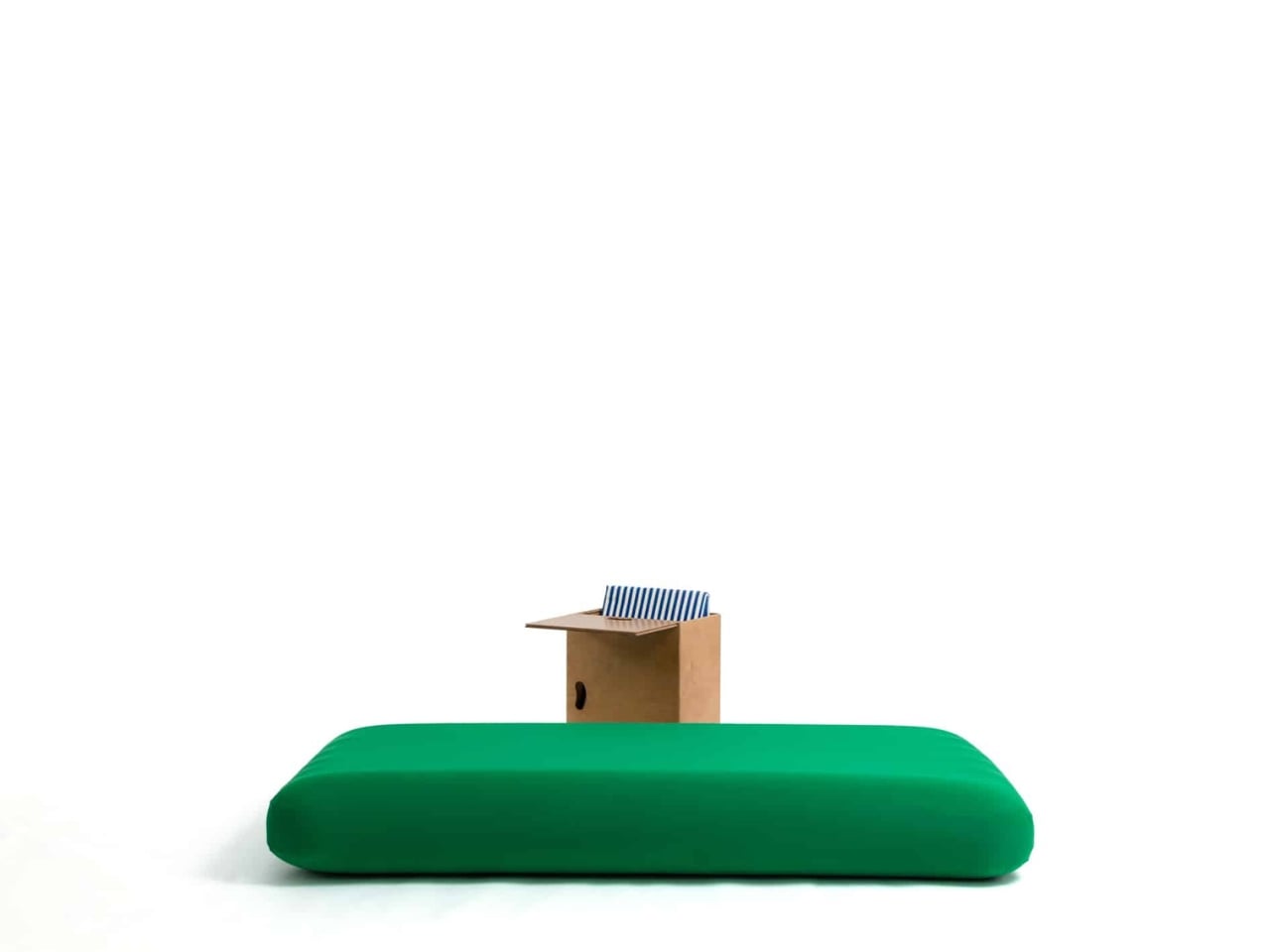
I’ll admit that my first reaction to seeing this was skepticism. We’ve all encountered the promises of space-saving design before: the folding chair that’s awkward to use, the Murphy bed that requires a contractor to install, the loveseat that technically converts but does so in a way that makes everyone involved feel slightly ashamed. Bienvenue doesn’t feel like any of those things. The approach is genuinely straightforward: store the hospitality, deploy it when needed, pack it back up when it’s done. No apologies, no assembly instructions, no three hours of confused labor at midnight.
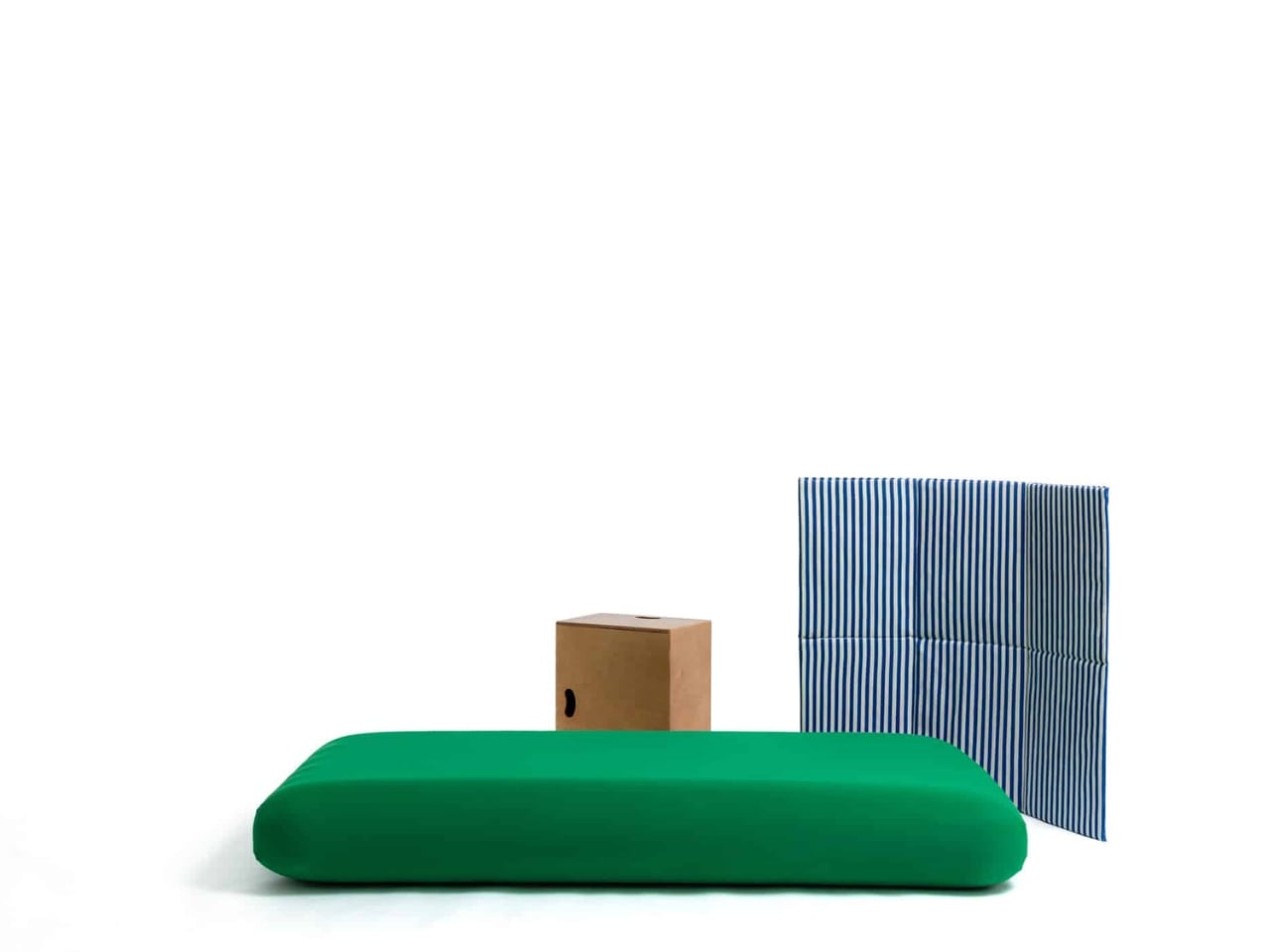
What makes this piece feel relevant right now is not just the engineering, clever as it is. It’s the acknowledgment that the way we live has changed and that good design should keep pace with that reality. Apartments are smaller. Lease agreements restrict renovations. Nomadic lifestyles mean that home is sometimes only a temporary address. Against all of that, Bienvenue offers a quiet kind of generosity: the ability to welcome someone properly, regardless of what your floor plan has to say about it.
Furniture has always been a reflection of how we want to live. A dining table says something. A bar cart says something. A compact plywood box that unfolds into a guest room says that you still believe hospitality matters, even when space doesn’t cooperate. Right now, that feels like exactly the right thing to be arguing for.
The post Forget the Spare Room. The Box Is Here Now. first appeared on Yanko Design.
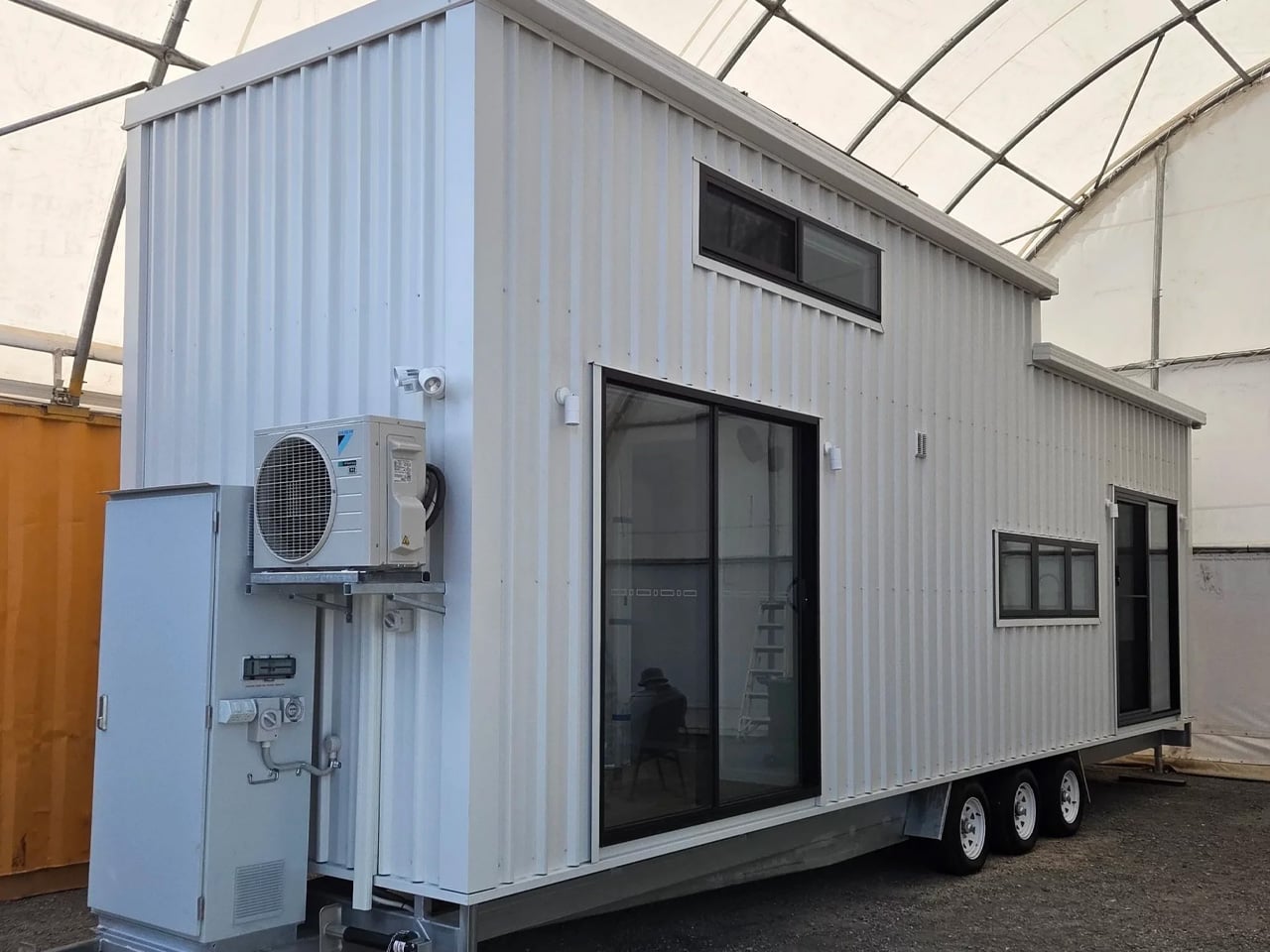
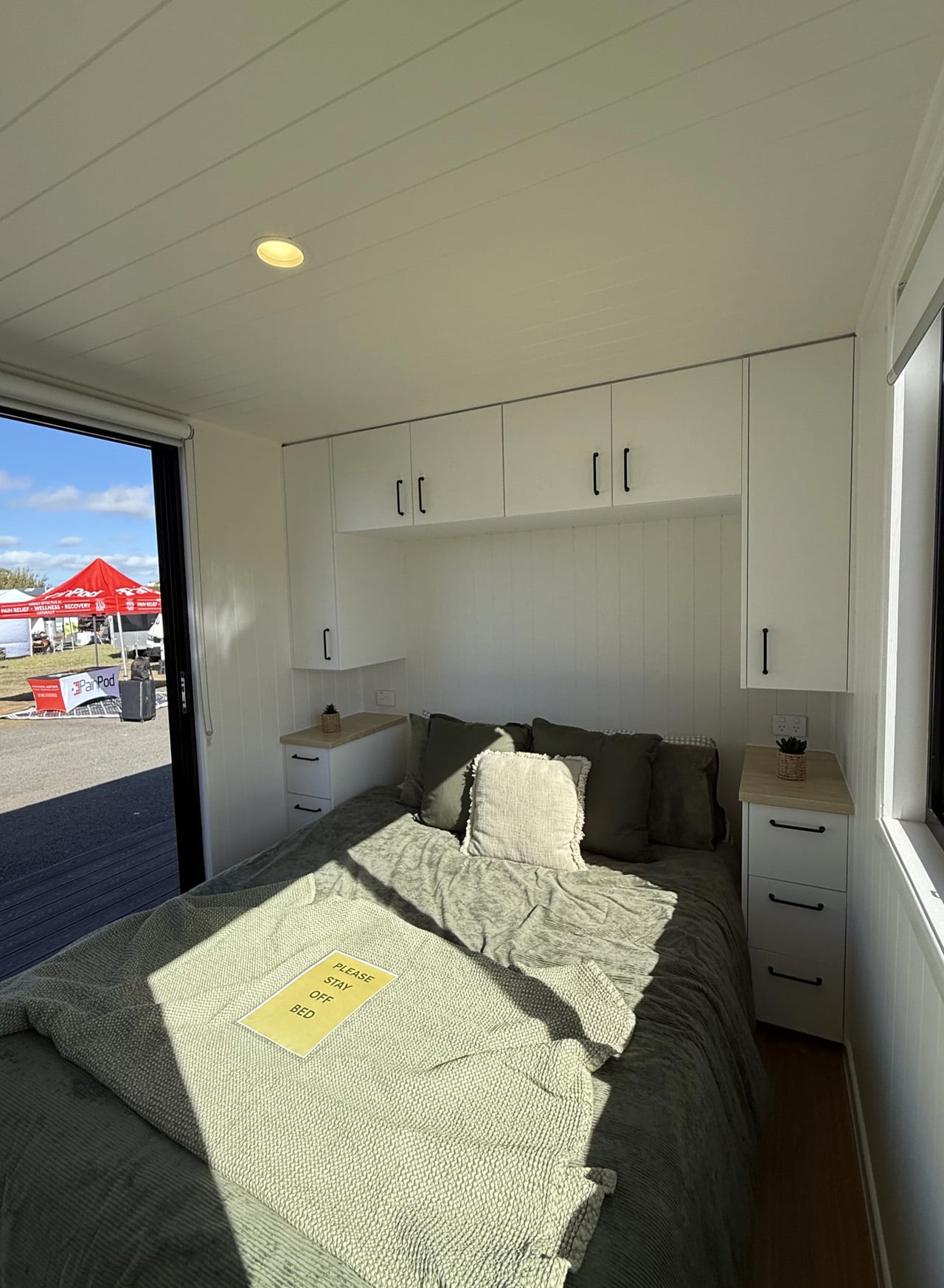
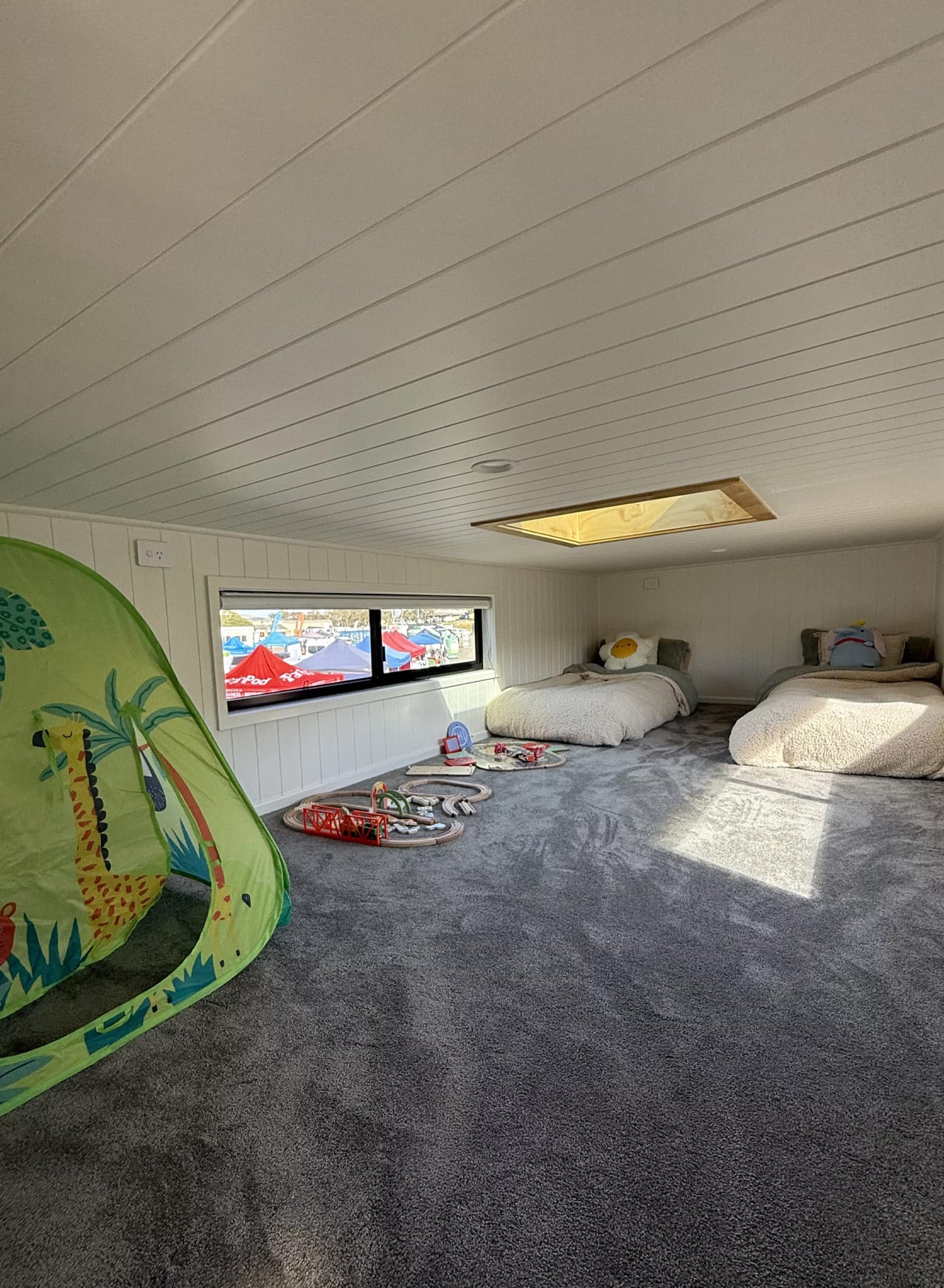
There’s a version of tiny home living that still feels like a proper home — not a camper van with aspirations, not a studio apartment on wheels, but something genuinely livable. The Cabarita by Removed Tiny Homes sits squarely in that category. It’s a two-bedroom towable built on a triple-axle trailer, measuring 9.6 metres long, 2.4 metres wide, and 4.3 metres high, totalling 33 square metres of considered space. The numbers alone don’t tell the story — the layout does.
Removed Tiny Homes is a Brisbane-based builder with a straightforward philosophy: tiny living shouldn’t mean compromise. The Cabarita is the clearest expression of that thinking. Downstairs, you get a full bedroom and a bathroom fitted with a glass-enclosed shower, vanity sink, and flushing toilet, plus a separate laundry area with a washer and dryer. The kitchen and living room flow together under a high ceiling with a large picture window that pulls the outside in — a detail that does a lot of heavy lifting in a compact floor plan. Upstairs, a generous loft functions as the second sleeping zone, giving the layout enough separation to actually feel like a two-bedroom home rather than a converted storage space.
Designer: Removed Tiny Homes
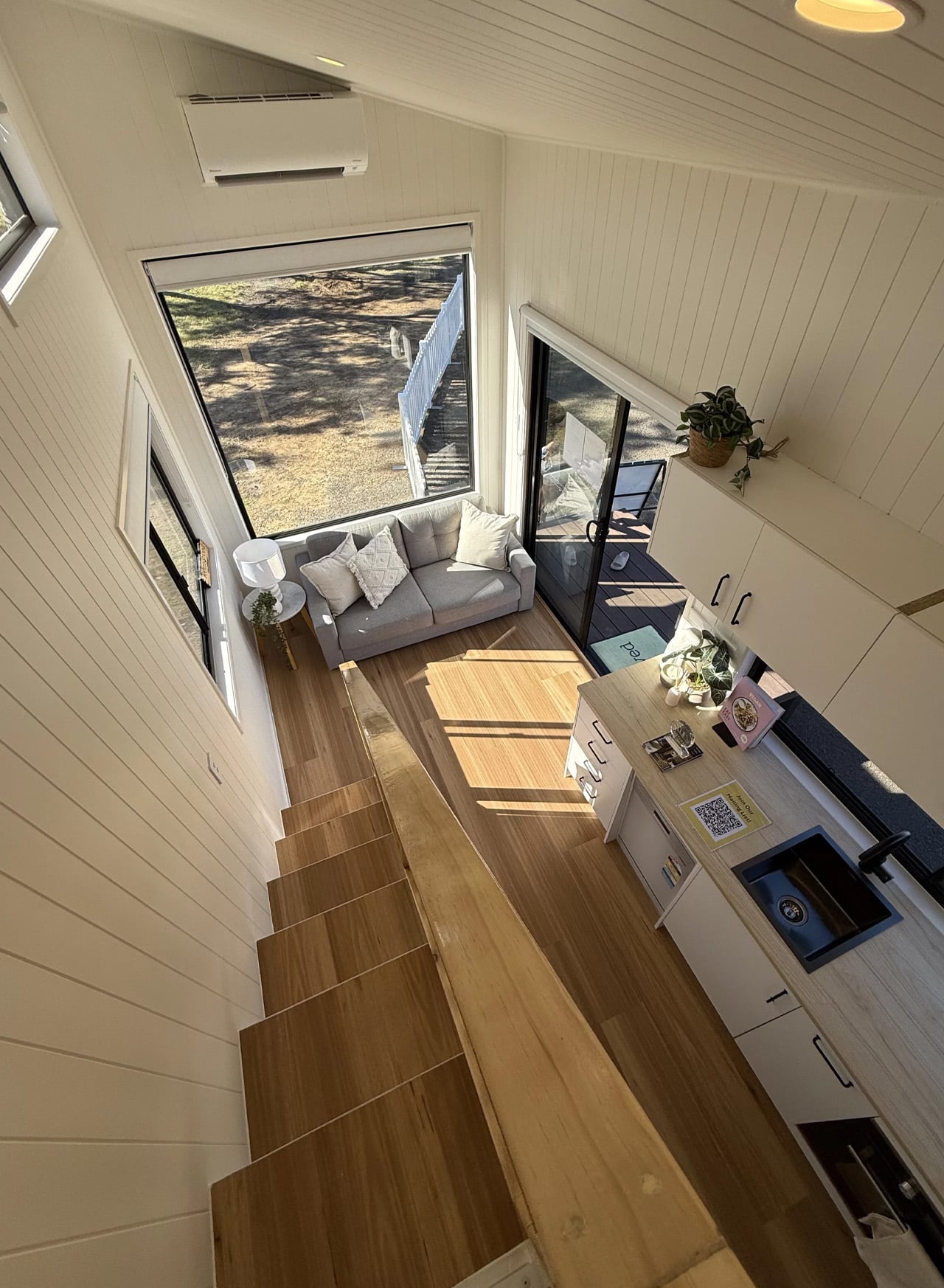
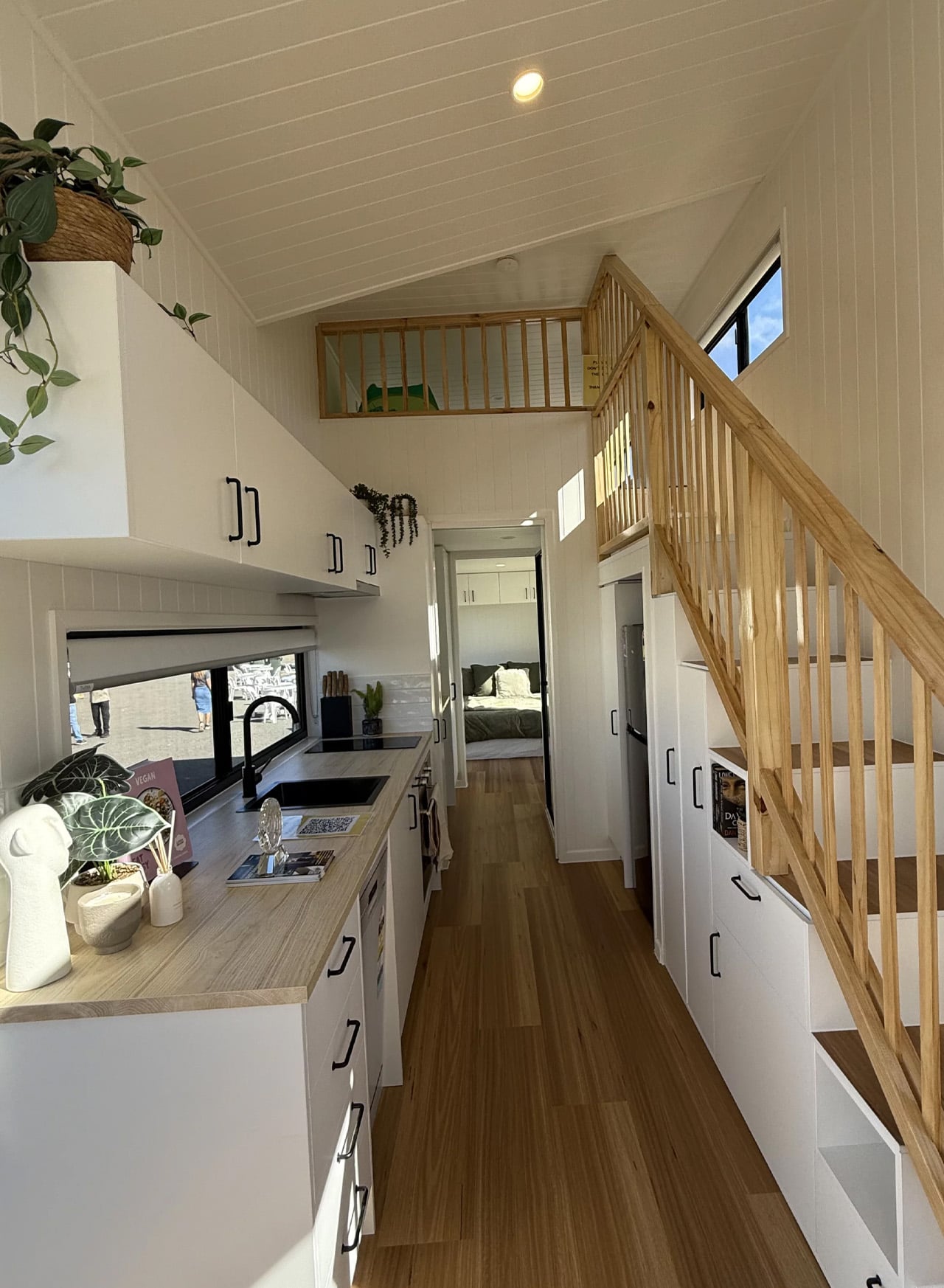
What makes the Cabarita worth paying attention to isn’t just how it looks — it’s how thoroughly it’s been thought through. The standard model includes high-efficiency air conditioning and gas hot water, and for those who want to live off-grid, Removed Tiny Homes offers three upgrade packages: solar power systems, rainwater tanks, and multi-stage water filtration. The trailer dimensions are calibrated so the home can be towed without requiring special permits, which keeps the mobility genuinely practical rather than theoretical.
The design language is unfussy — clean lines, warm timber, natural light prioritised over decoration. Nothing is trying to prove itself. The Cabarita reads as a home for someone who’s done the math on what they actually need versus what they’ve been conditioned to want. At approximately USD $97,800, it’s not cheap in absolute terms, but relative to the property market it was designed as an alternative to, the numbers land differently.
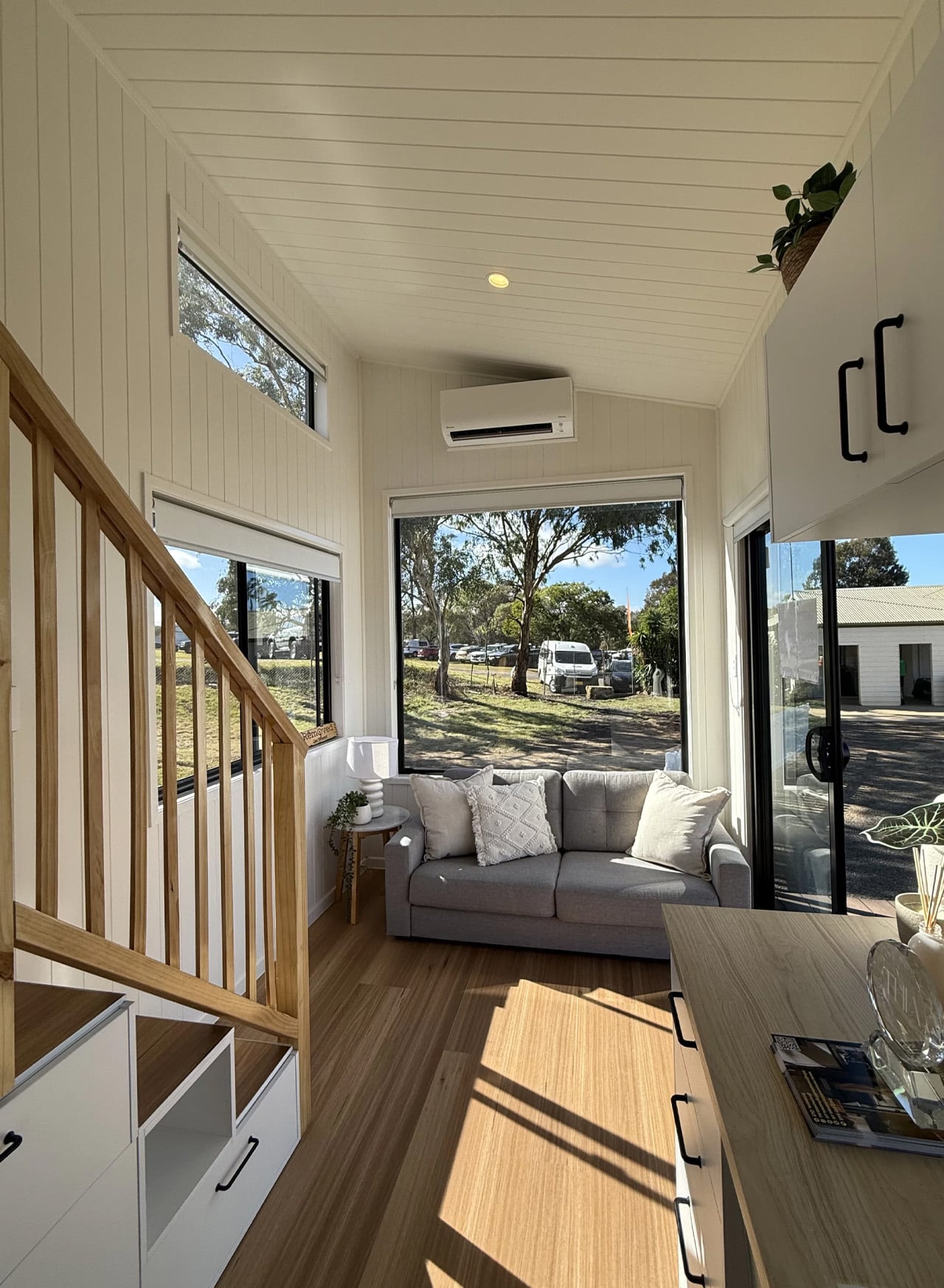
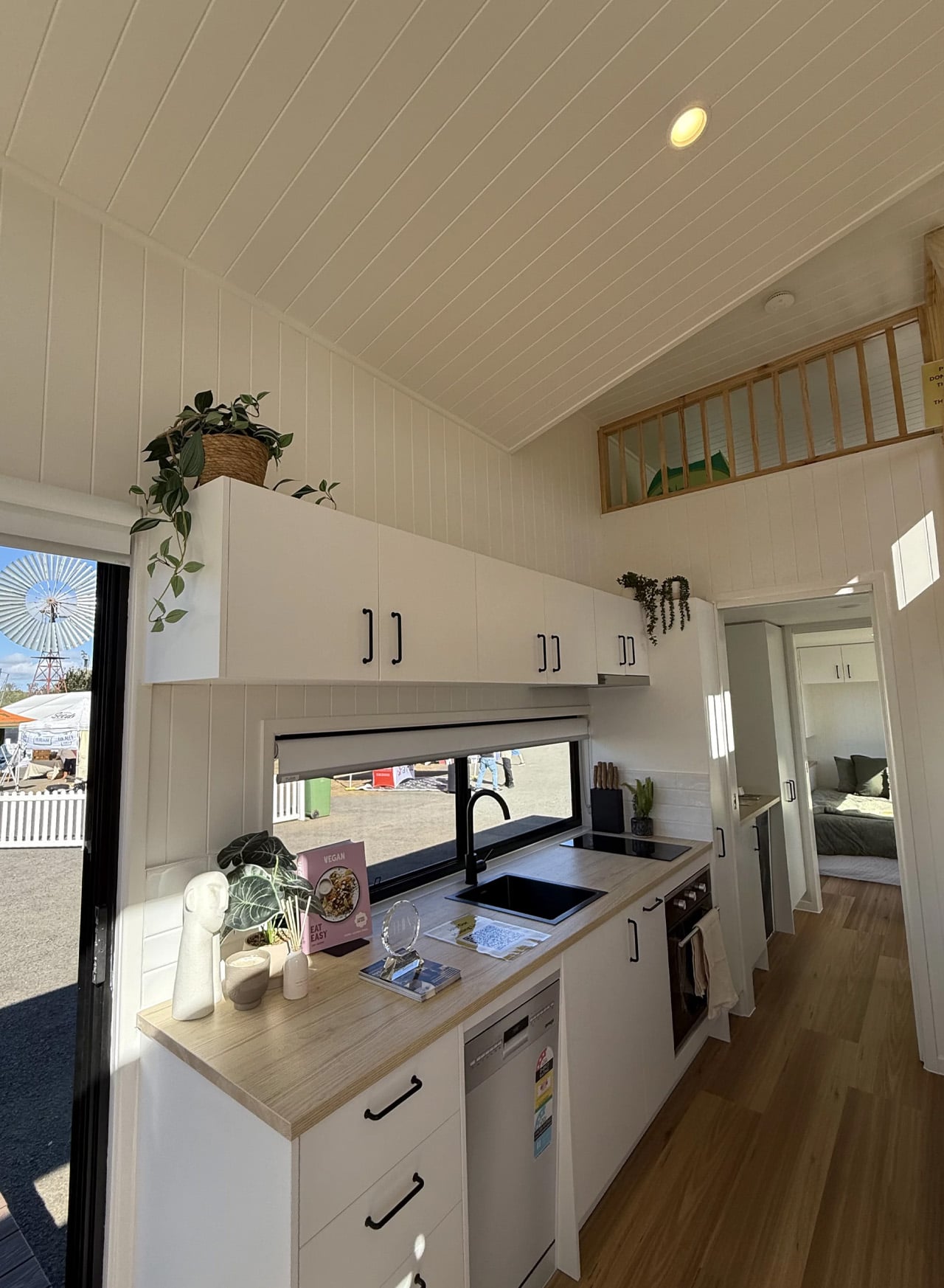
The tiny home space is crowded with concepts that photograph well and compromise everywhere else. The Cabarita isn’t that. It’s a workable, well-proportioned home that happens to be towable — and that distinction matters more than any design trend currently circulating.
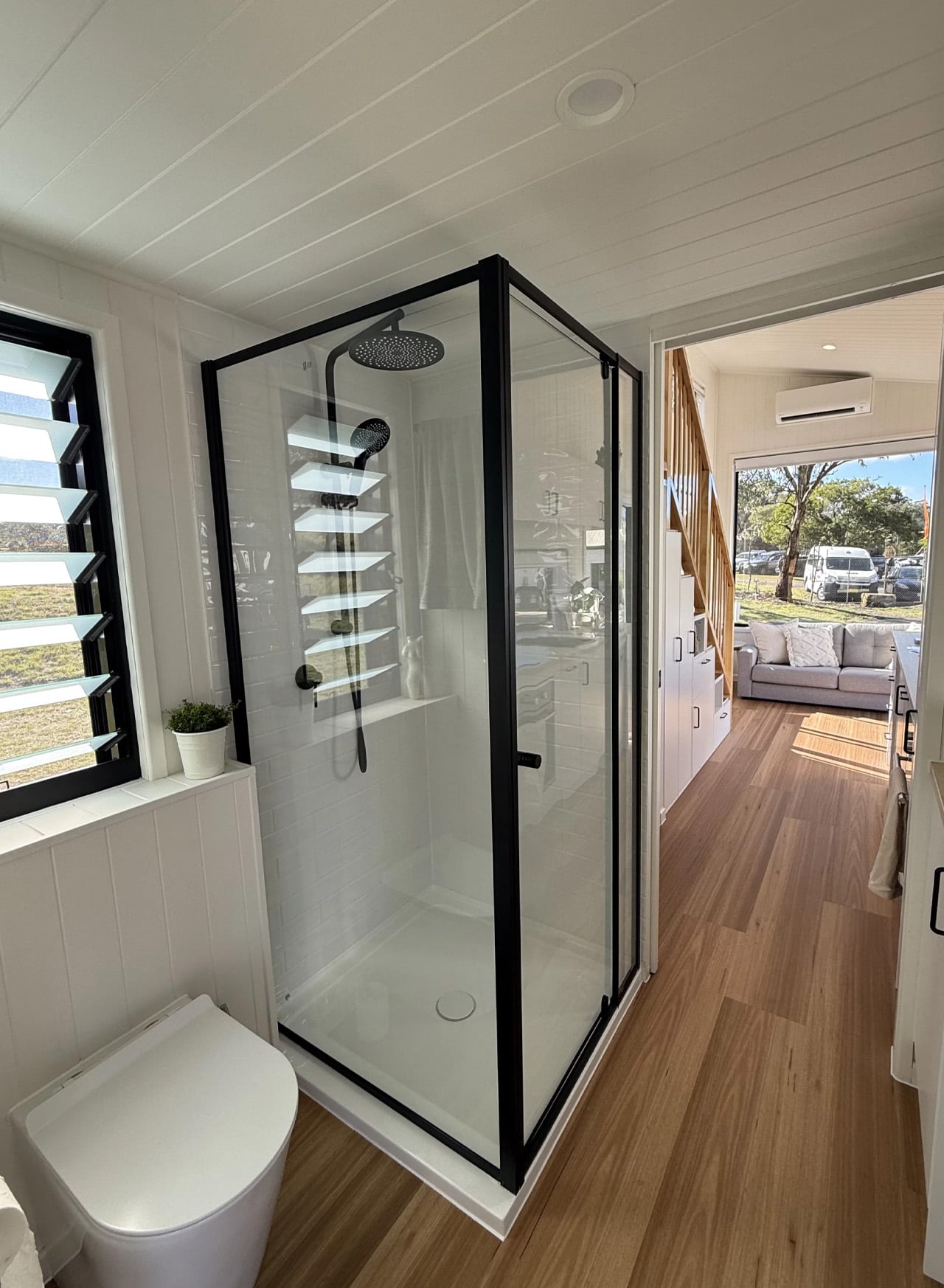
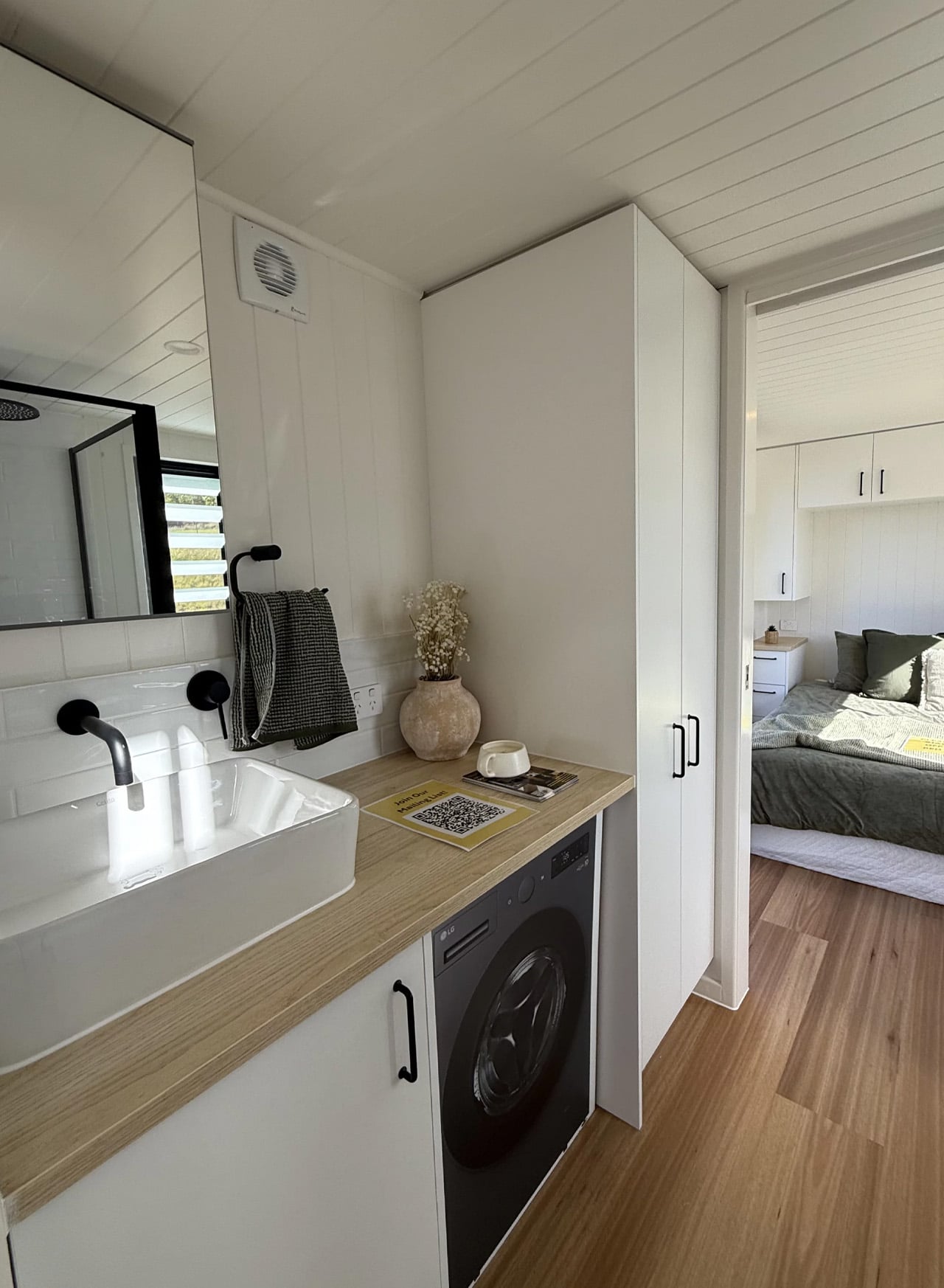
The post At 9.6 Metres, the Cabarita Might Be the Most Livable Tiny Home on Wheels first appeared on Yanko Design.

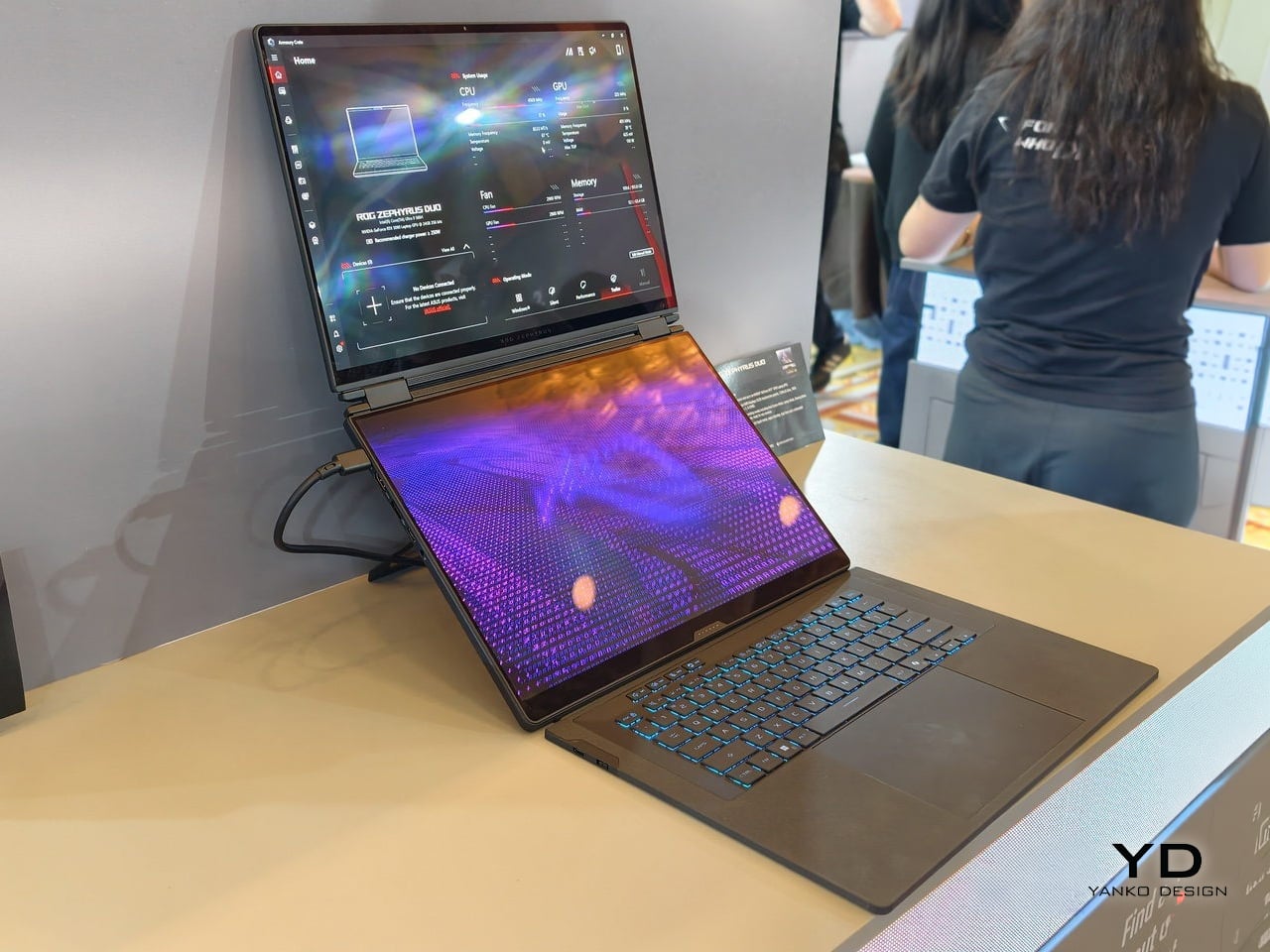
Dual-screen laptops have been ASUS’s long game. The Zenbook Duo spent several years proving that two displays could coexist for productivity users before the form factor felt genuinely mature. The ROG Zephyrus Duo carried that logic into gaming territory, though the 2022 original hedged its bets with a half-sized secondary panel perched above the keyboard. The 2026 GX651, which first appeared at CES earlier this year and got its US pricing confirmed at Computex this week, drops the hedge completely. Two full 16-inch OLED panels, same resolution, same refresh rate, same brightness ceiling.
The base configuration opens at $4,499, and the Computex backdrop gives that number useful framing. Nvidia and Microsoft were teasing ARM-based laptop chips a few booths over, and the rest of the gaming hall was running its annual RTX refresh cycle. None of that noise touched the Duo’s story, because its headline was a chassis decision rather than a silicon one. After six years and three generations, ASUS finally has a dual-screen gaming laptop that leads with the screens and lets everything else follow.
Brand: ASUS ROG
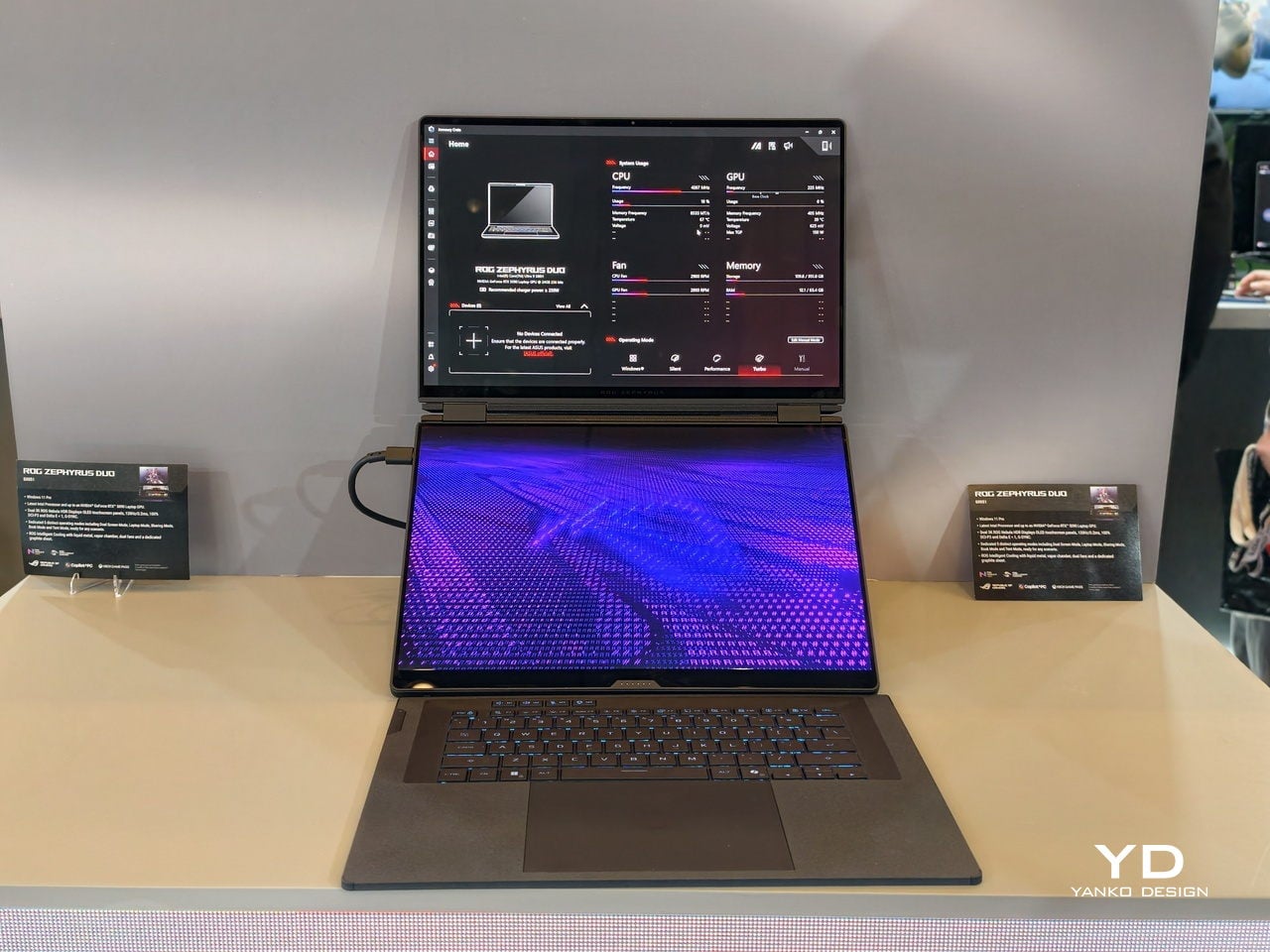
Matching the displays across both panels is the design decision that signals intent. Both screens deliver 3K resolution at 2880 x 1800 pixels, both run at 120Hz with variable refresh rate support, and both hit 1,100 nits peak brightness in HDR with full DCI-P3 color coverage. The top panel gets G-Sync compatibility because it handles gaming duties, but the bottom screen doesn’t get downgraded to compensate. Previous Zephyrus Duo models gave you a flagship display up top and a secondary utility screen below, a hierarchy that made sense when the bottom panel was physically smaller. The GX651 treats parity as the baseline, which changes the relationship between the two surfaces entirely. One screen runs your game, the other runs Discord, Spotify, streaming software, browser tabs, whatever parallel workflow gaming actually requires in 2026.
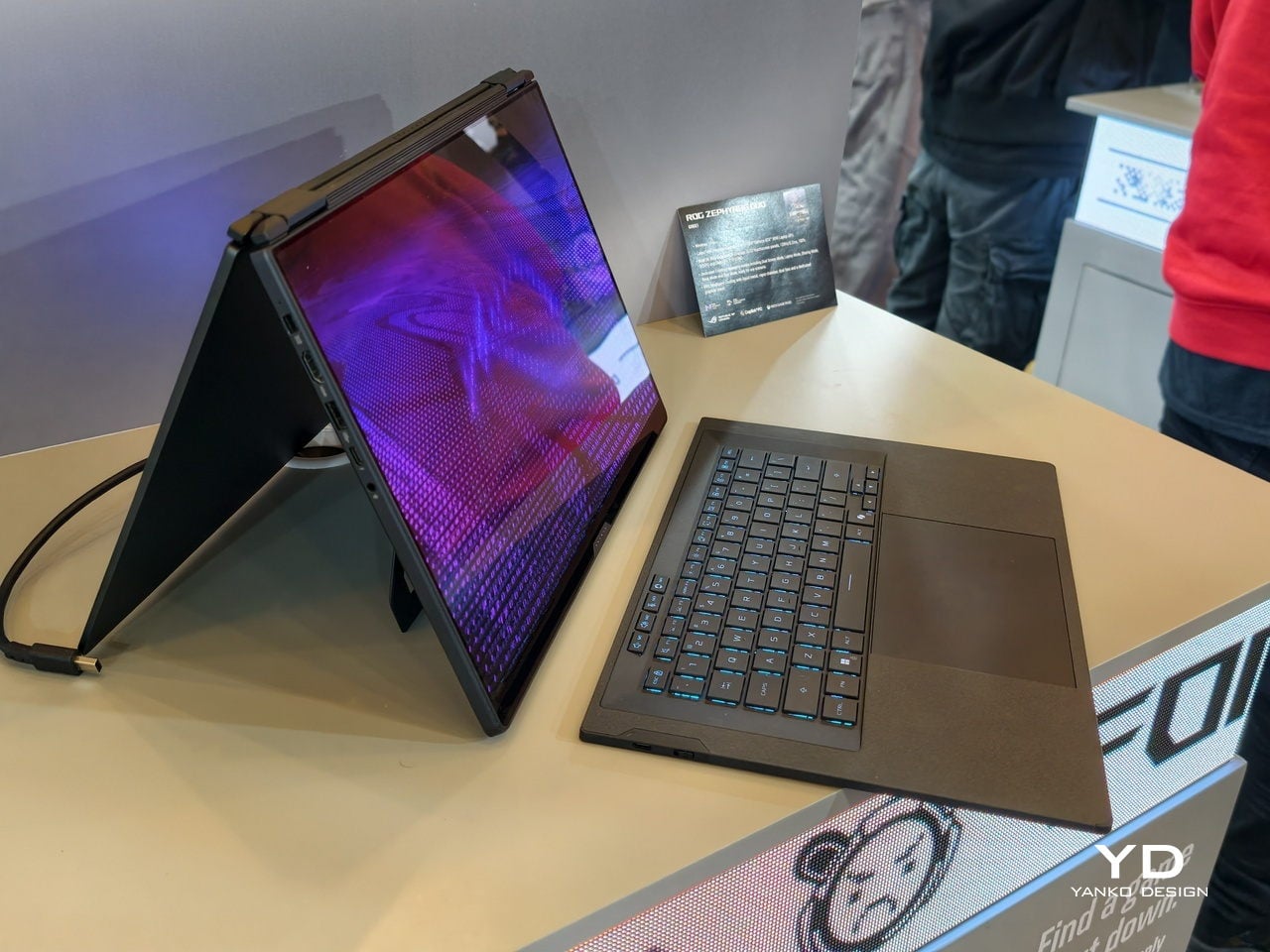
The keyboard detaches completely and connects over Bluetooth when separated from the chassis, continuing the design language ASUS refined with the Zenbook Duo line over the past few years. Magnets hold it in place when docked, covering the lower display for traditional laptop mode, but the machine was engineered to run with both screens exposed. Pull the keyboard free and set it wherever makes ergonomic sense, angled on a stand or flat on the desk beside the laptop itself. The trackpad lives on the keyboard folio, so input travel is part of the design assumption. ASUS isn’t treating detachment as a party trick or an edge case. The entire thermal layout, the hinge mechanism, and the port placement assume you will use this machine with the keyboard removed.
The silicon inside follows the screen-first brief rather than leading it. The base $4,499 configuration ships with an RTX 5070 Ti, while the top-end model pushes into RTX 5090 territory at a price ASUS hasn’t officially published yet but Gizmodo clocks at $5,500. Intel’s Panther Lake CPUs handle the processor side, with options ranging across the Core Ultra X series depending on configuration. All of that is competitive hardware in mid-2026 terms, but the specs themselves are table stakes. What matters is how ASUS packaged them. The cooling system has to manage thermals across a chassis that expects both displays to be running simultaneously under load, and the hinge assembly has to support the weight and structural integrity of two full glass OLED panels without compromising rigidity. Those are the engineering problems that define this product, and the GPU choice is downstream of solving them.
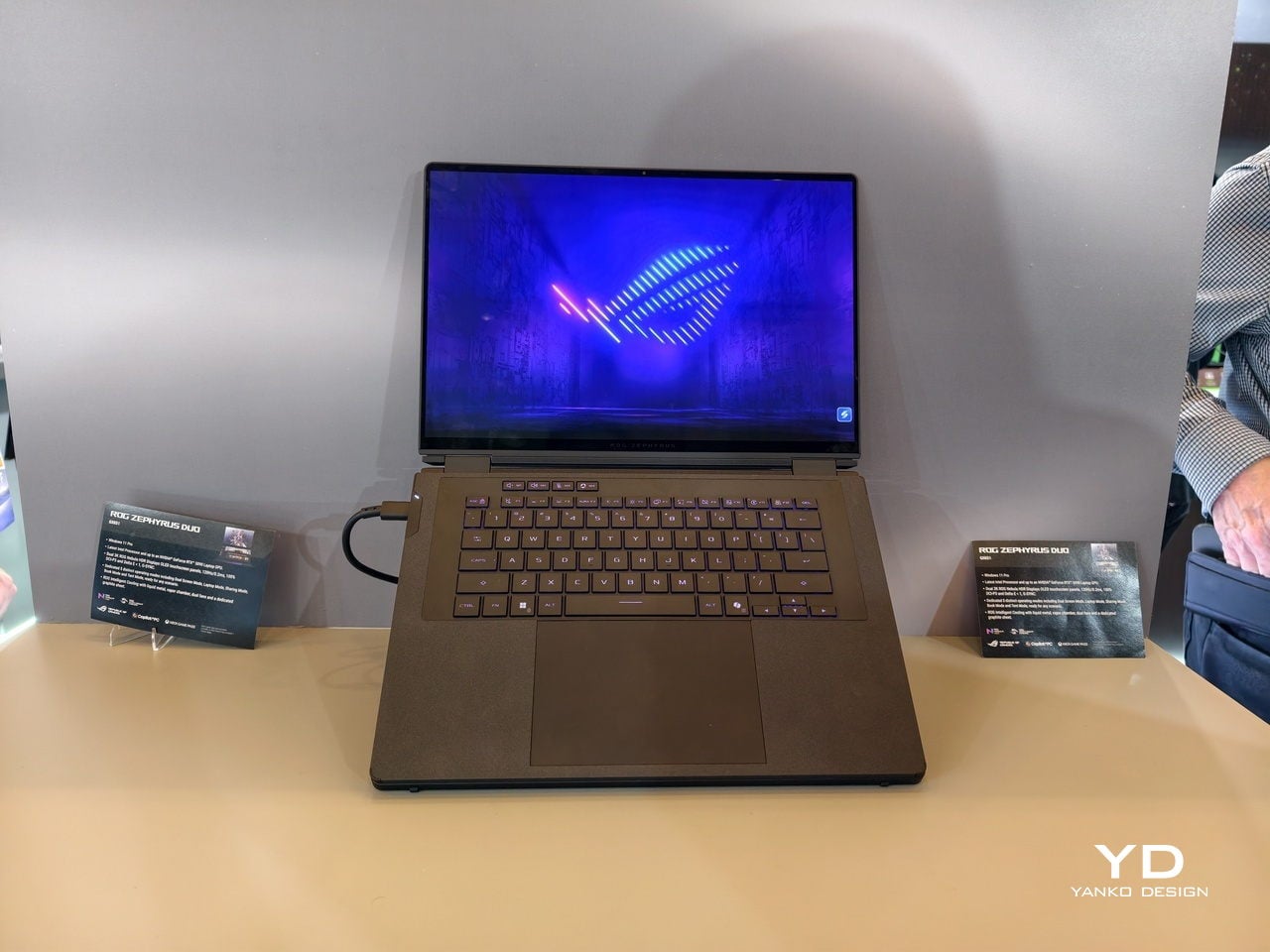
ASUS confirmed US availability at Computex after showing the hardware at CES in January, which means the company spent the better part of six months watching feedback, finalizing logistics, and preparing the supply chain for a machine that doesn’t fit neatly into any existing SKU category. At $4,499 the Zephyrus Duo GX651 costs meaningfully more than a conventional gaming laptop with identical silicon, and the delta is purely the dual-screen chassis. That premium is either justified or deal-breaking depending on whether you’ve spent the last several years wishing your gaming laptop had room for a second panel. ASUS is betting that enough buyers have been waiting for exactly this. Computex 2026 will be remembered for Nvidia’s ARM tease and the RTX 5090 mobile flood, but the Zephyrus Duo is the machine that asked a different question entirely and shipped with an answer.
The post The $4,499 ASUS Gaming Laptop With Two Full Screens Will Make You Question Every Laptop You’ve Owned first appeared on Yanko Design.