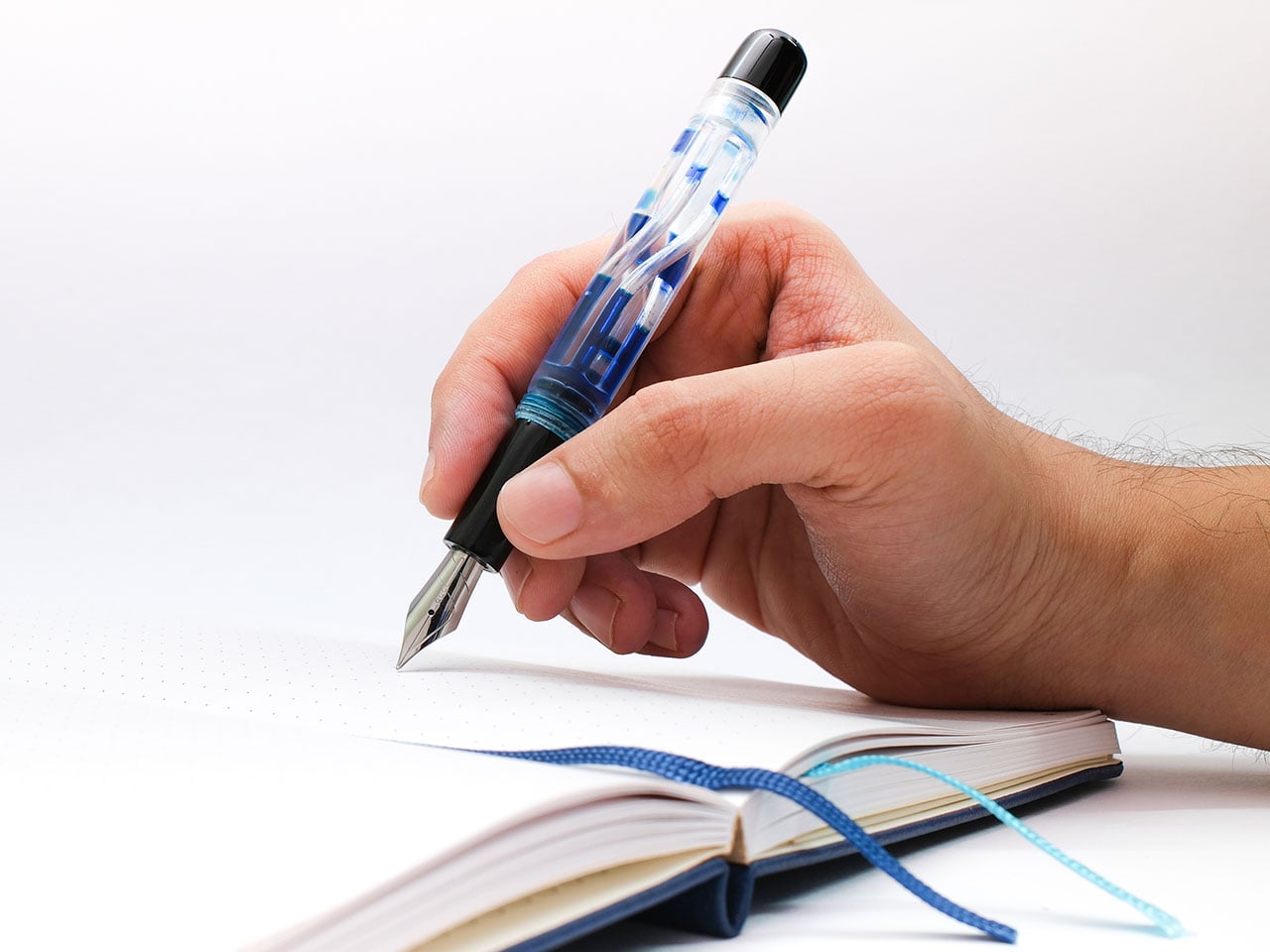
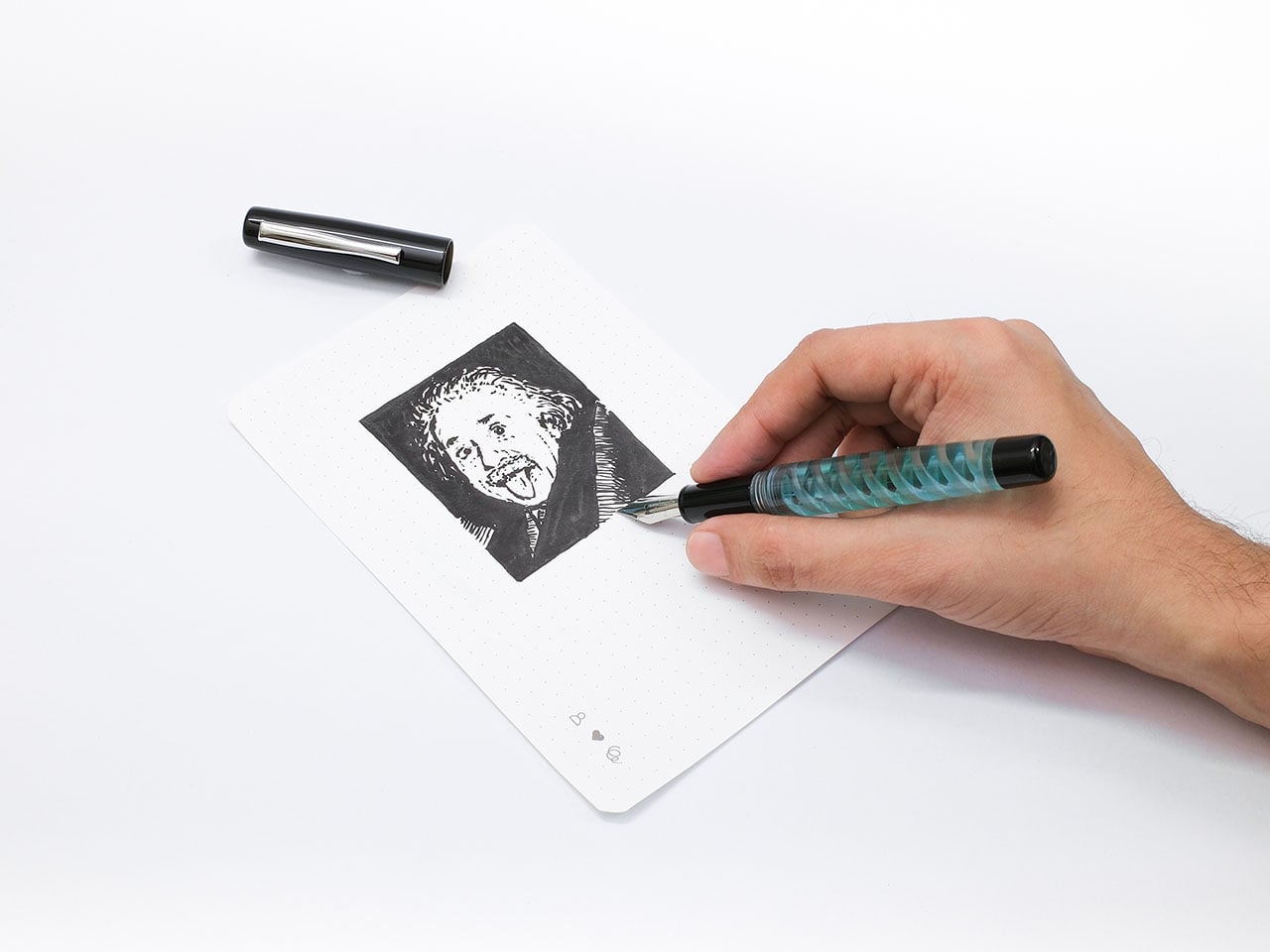
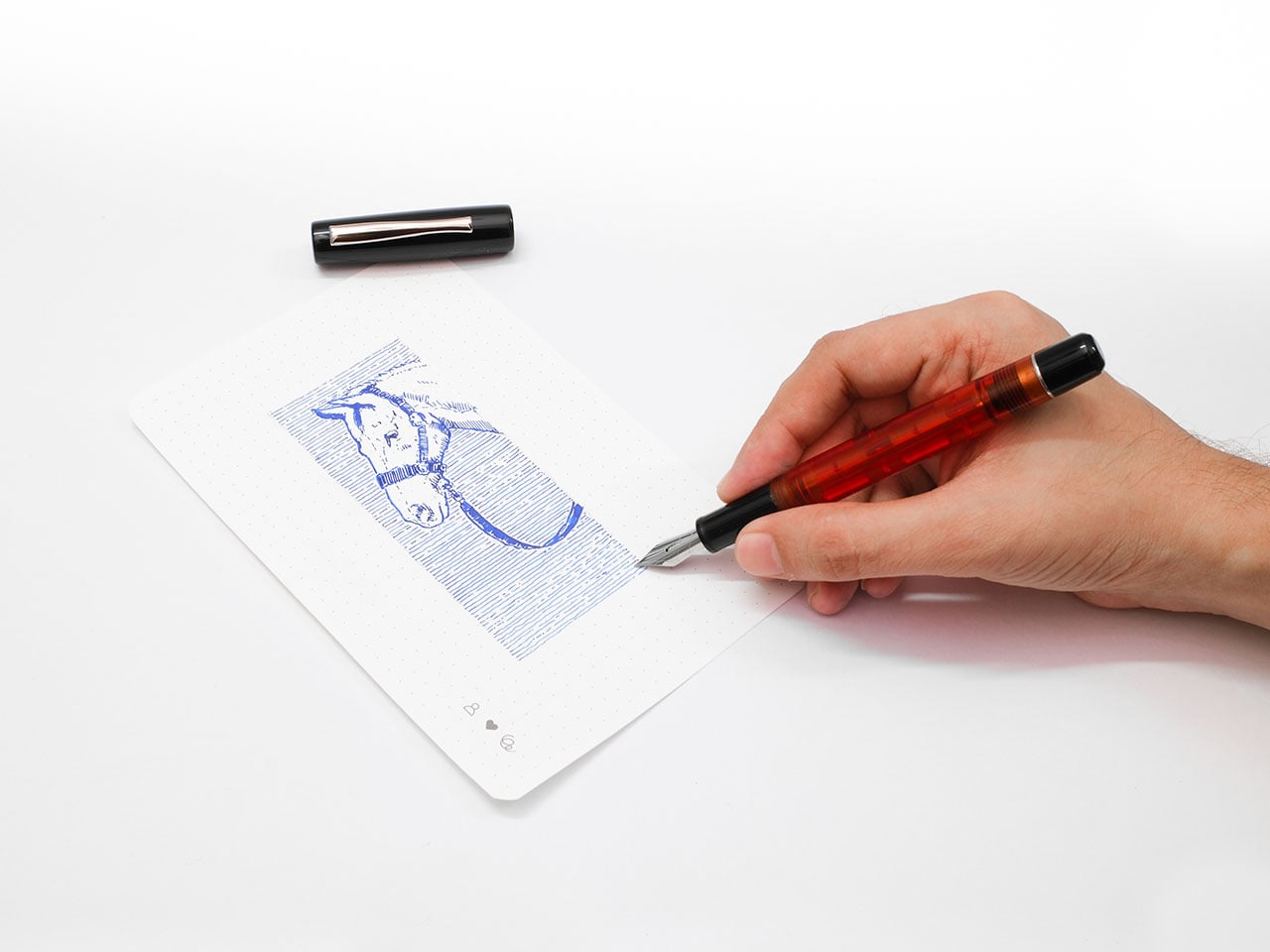
Nib is the first thing I want right when choosing a fountain pen, then I look for its design and aesthetics afterwards. Endless Stationery, a Chennai, India-based global stationery brand, that successfully created a retractable fountain pen and raised close to $250,000 in funding for it in 2024, wants to change my idea in favor of aesthetics without compromising the writing experience.
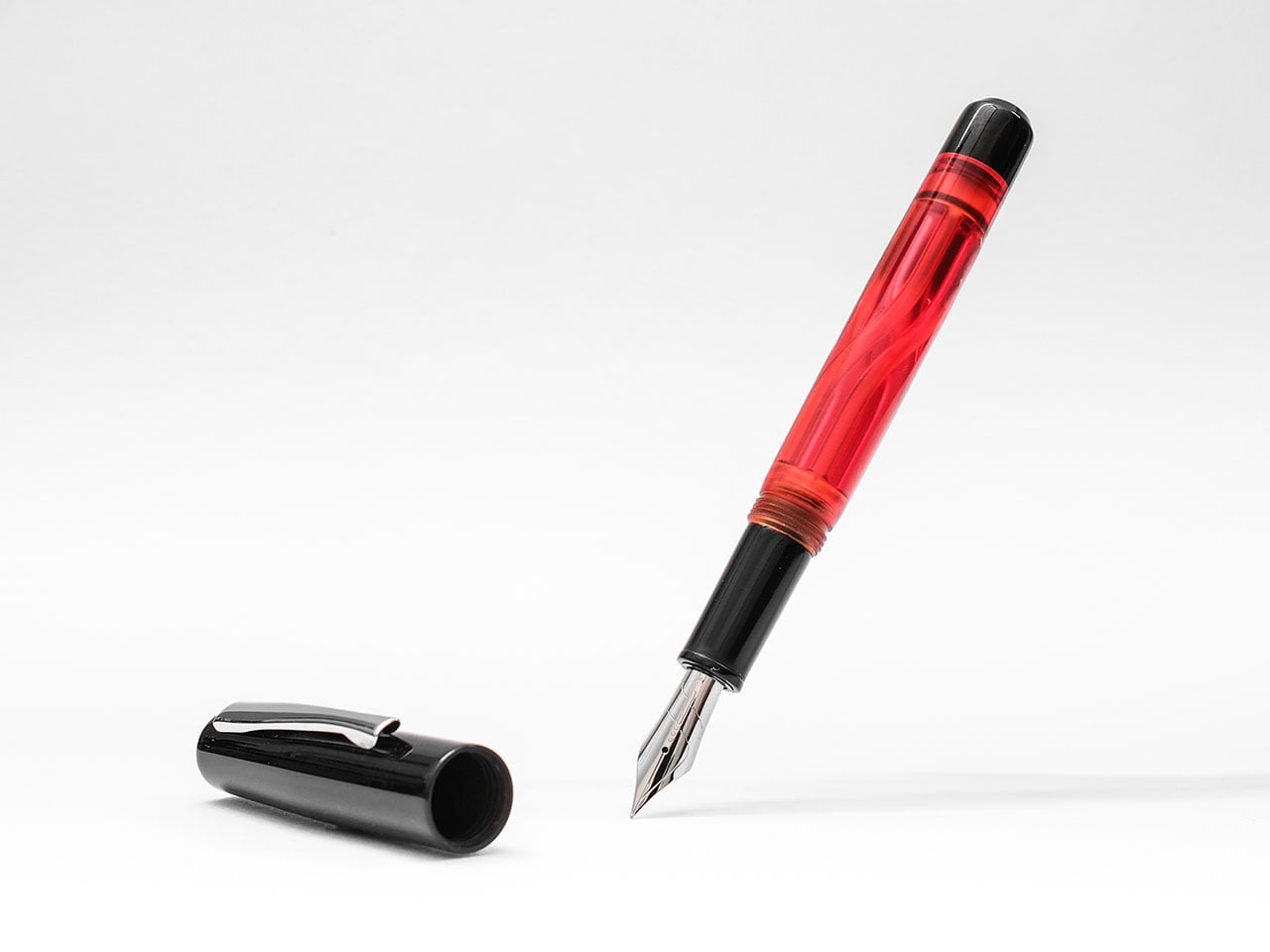
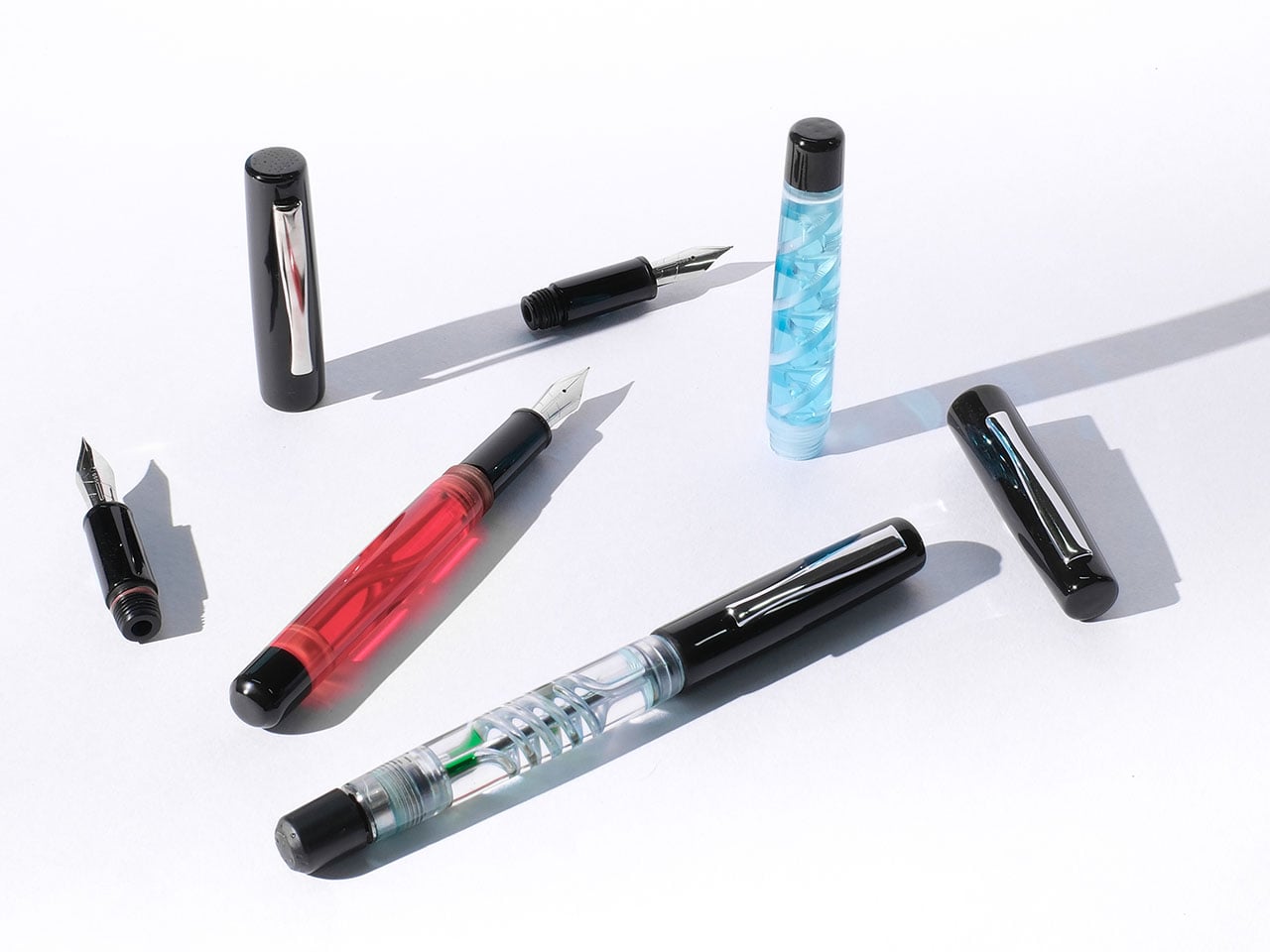
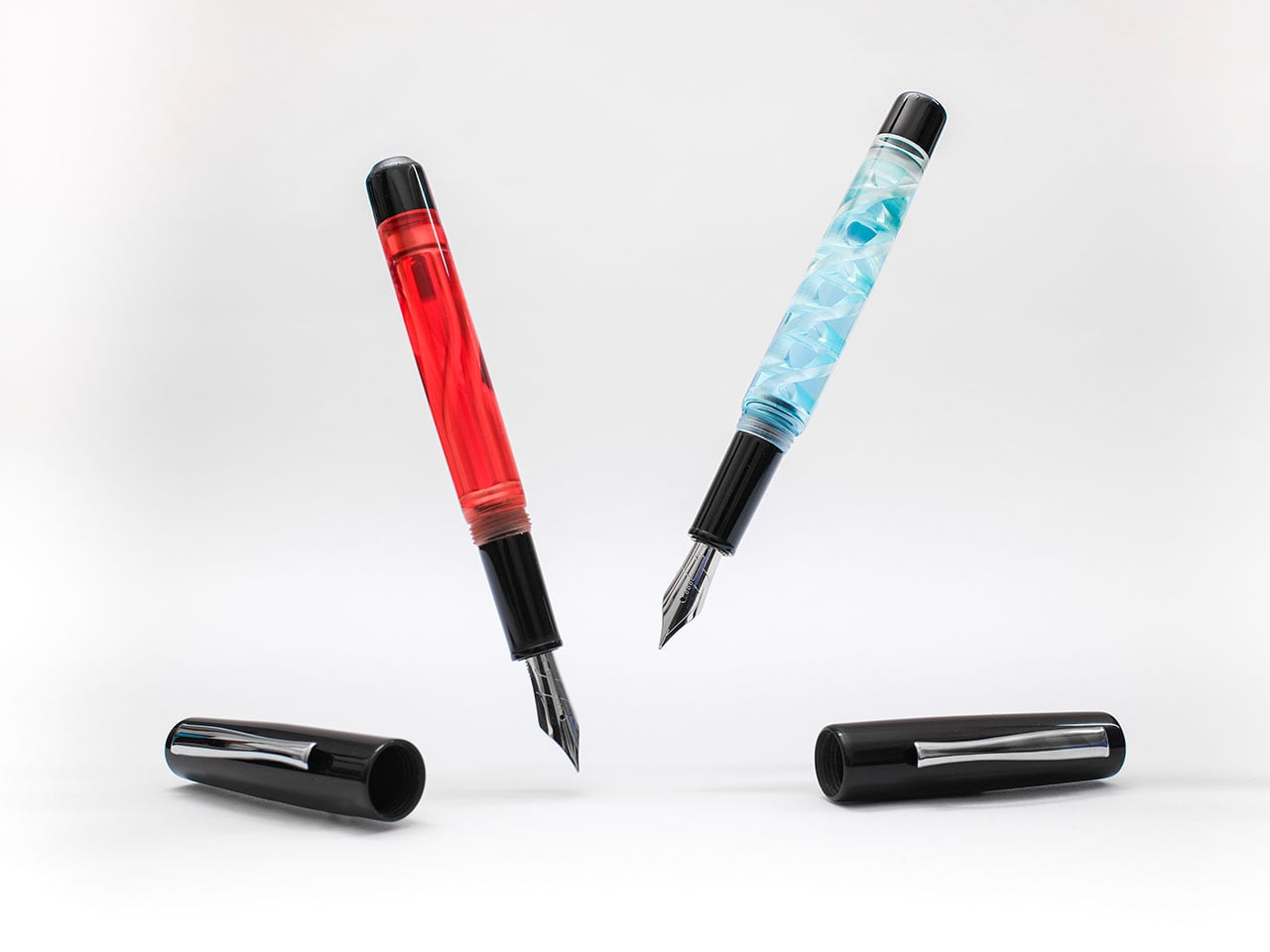
The company has partnered with 3D printing experts Arclayer to design and launch Maze fountain pen, which makes “what used to be hidden… the star of the show.” The new series of fountain pens has a see-through body, allowing you to gawk at the flowing ink within the geometric patterns 3D printed inside the pen.
Arclayer is redefining the writing instrument as we know it through these visually appealing 3D-printed fountain pens for Endless Stationery. The Maze pen created in partnership, answers the simple question, “why can’t a pen be beautiful on the outside and the inside,” which the makers asked themselves before getting down to creating a fountain pen built from “light, resin, and imagination.”
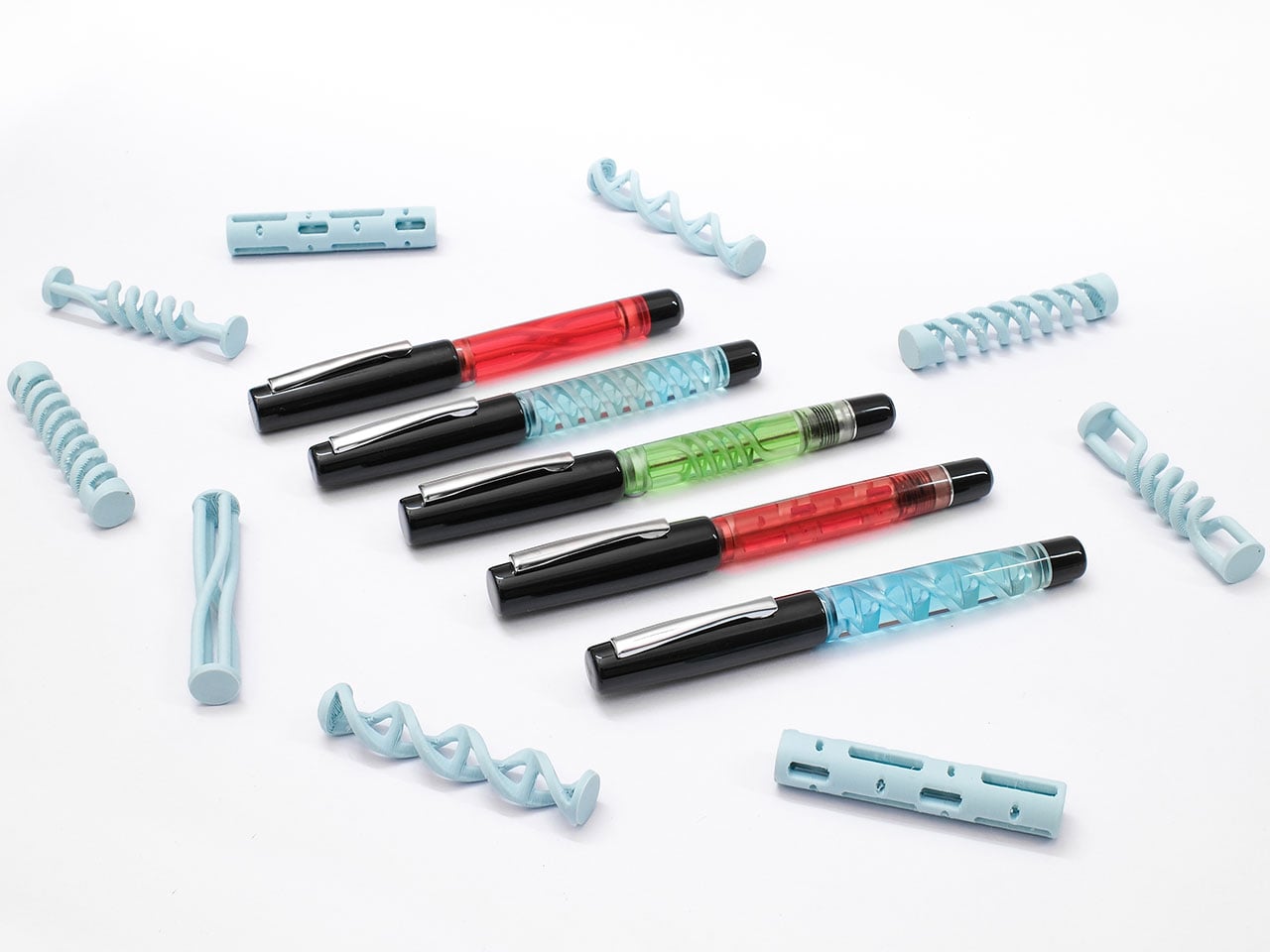
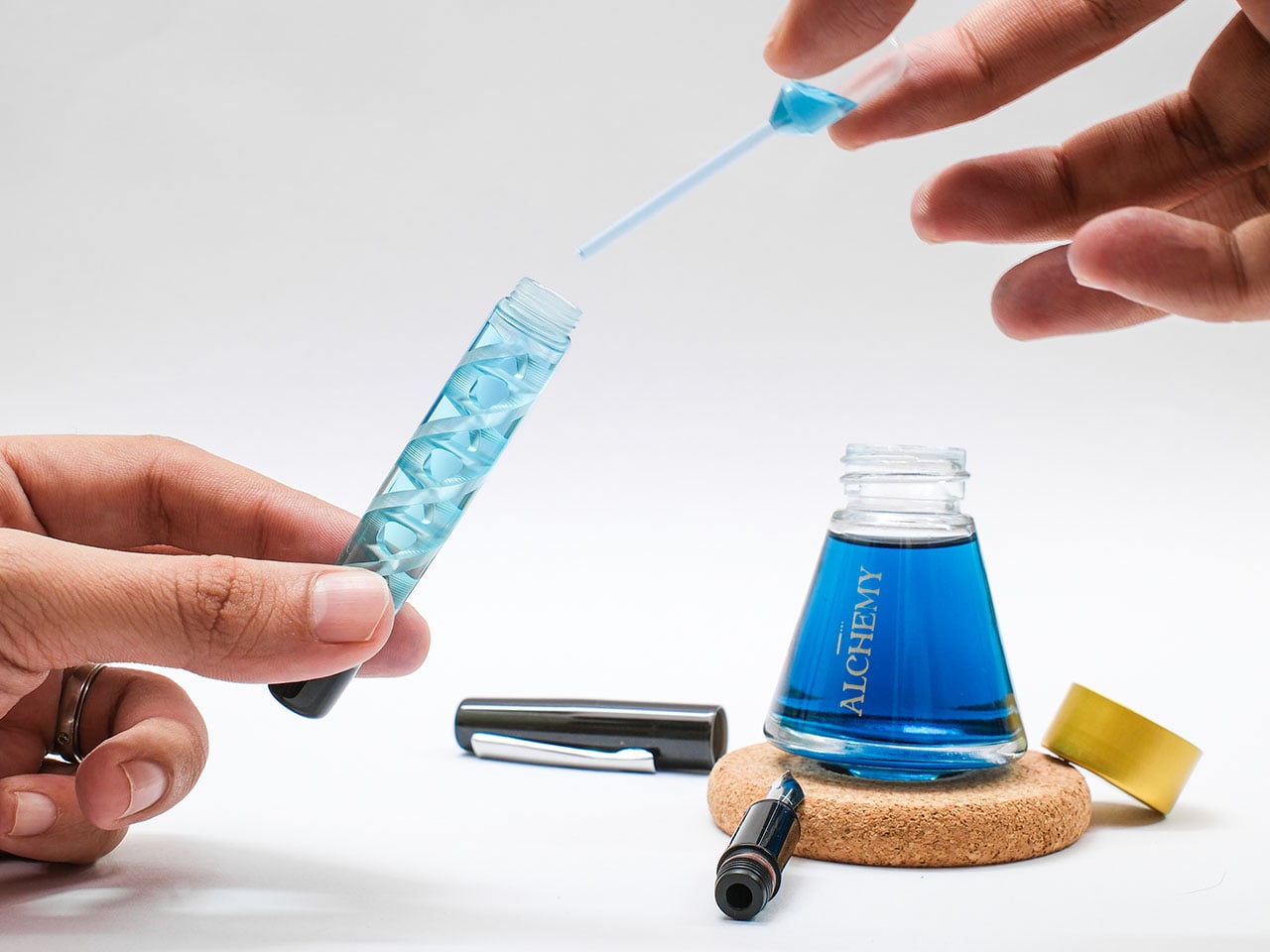
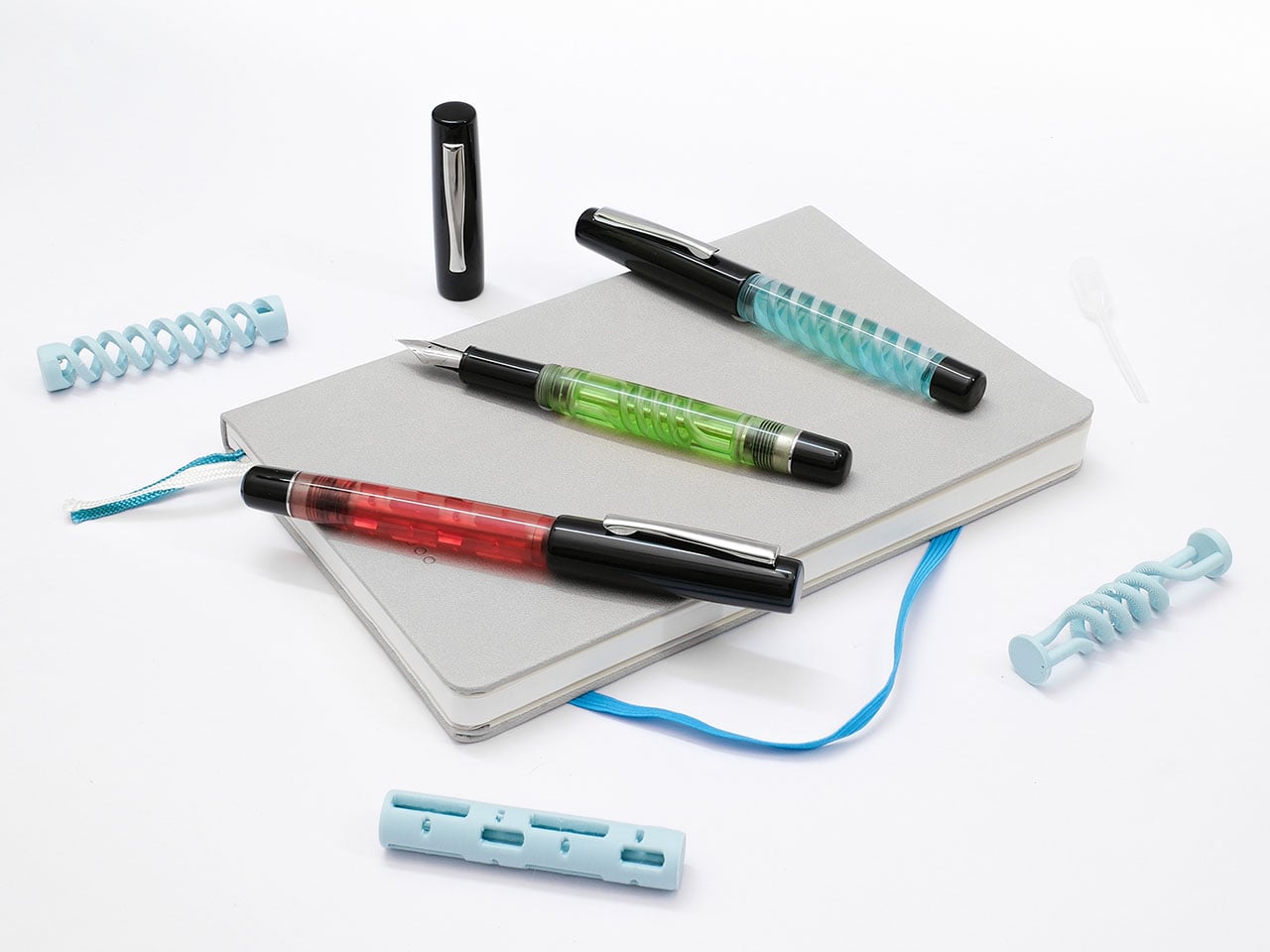
Within each Maze pen is a 3D printed architecture in the form of DNA, pattern or spiral, which allows the ink to flow through them, creating a visually exciting display unlike anything ever seen before in a pen. While Maze pens are standard, the Maze Pro features the Japanese eyedropper inking system that makes the pen easy to carry in movement-intensive journeys or even on airplanes; soring at high altitudes without worrying about the ink leaking at pressure changes.
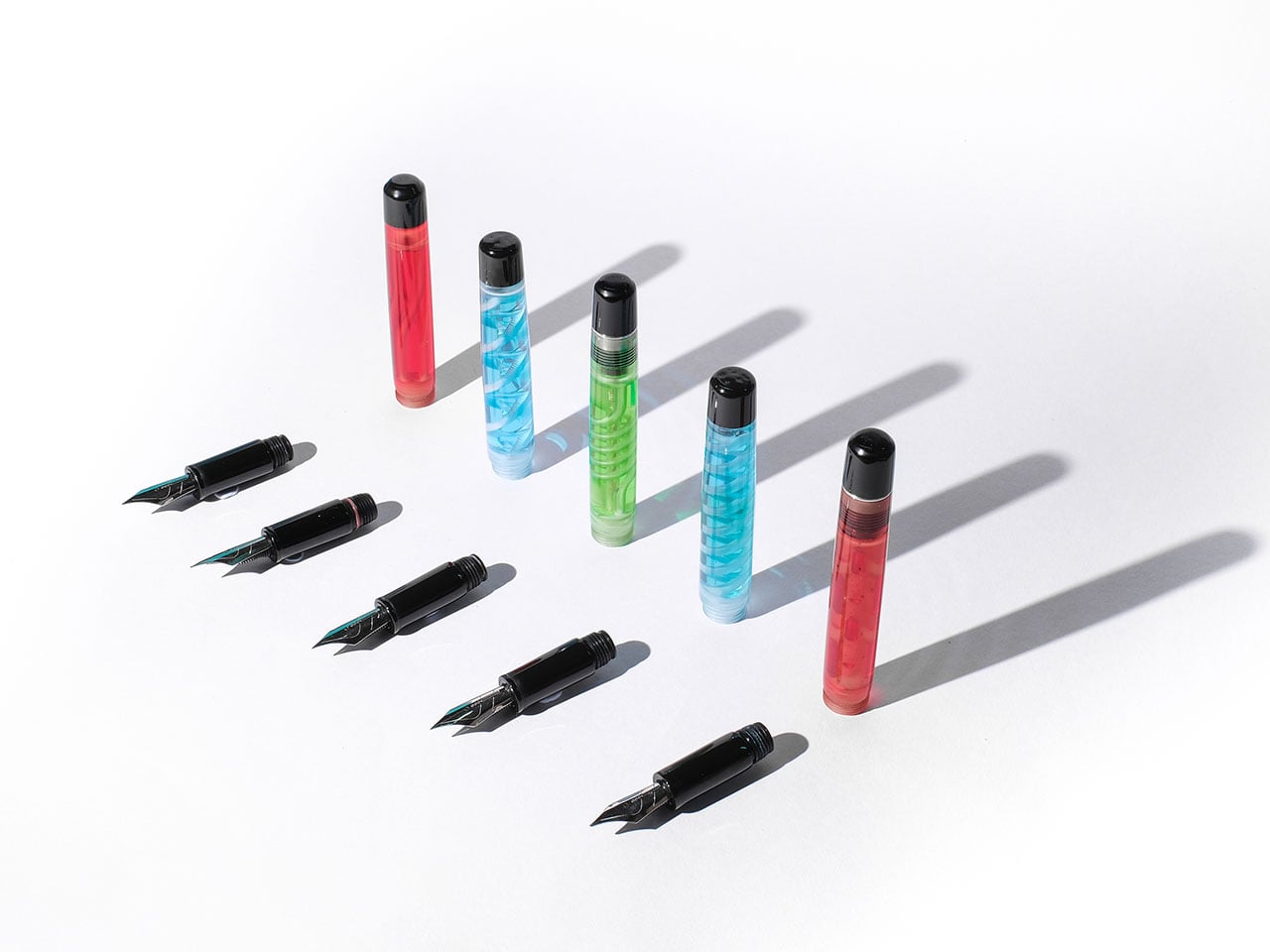
For the design of these pens, the upper body and the grip section are made from acrylic, while the barrel is made by 3D printing resin. All the Maze pens are formed using resin printing, which makes it possible to have the ink chambers designed the way they are. 3D printing allows a clear finish and internal geometry without adding weight to the pen design. It comes in a special casing which doubles as a fidget toy, if that’s something you tend to spend extra on.
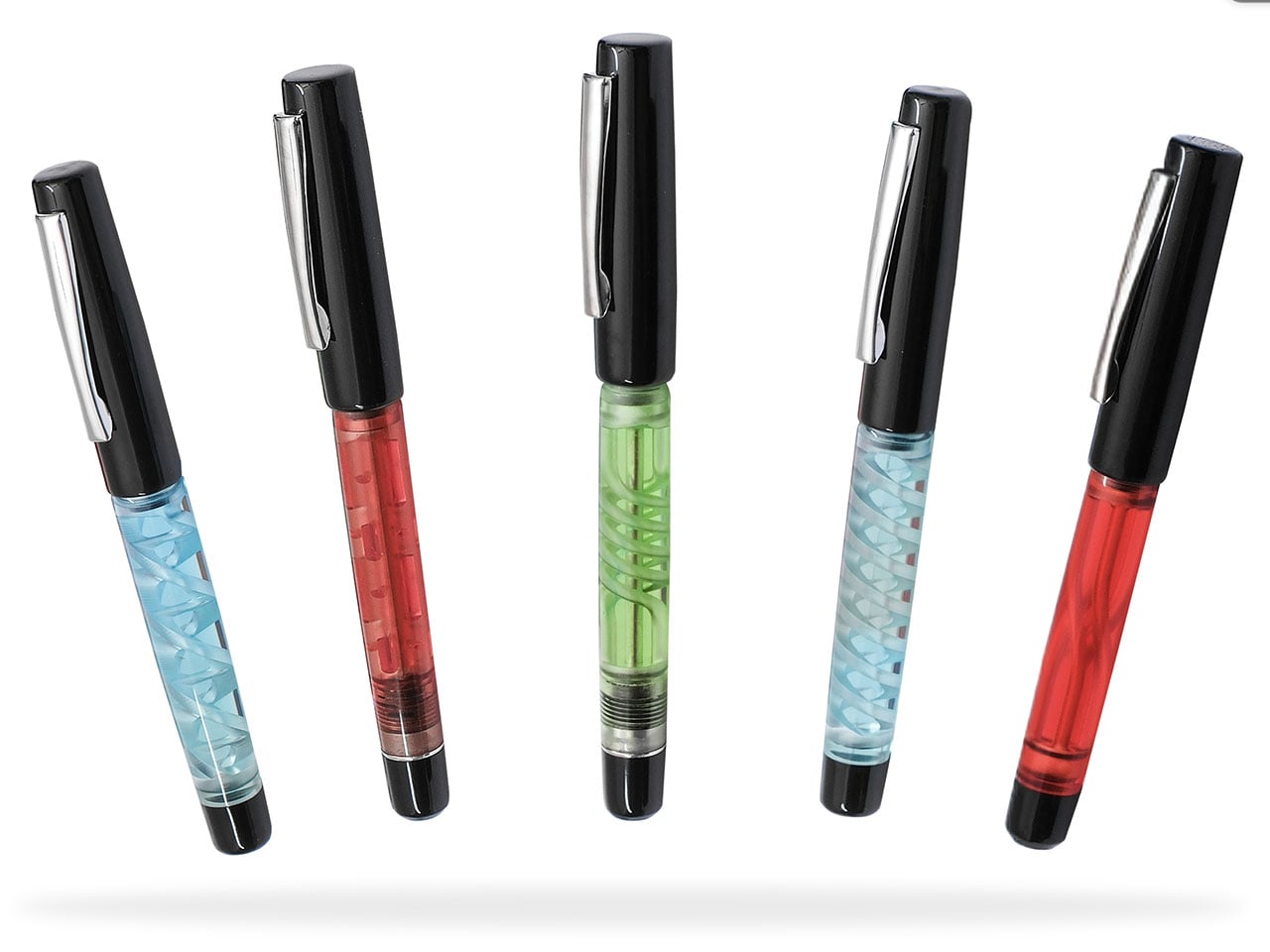
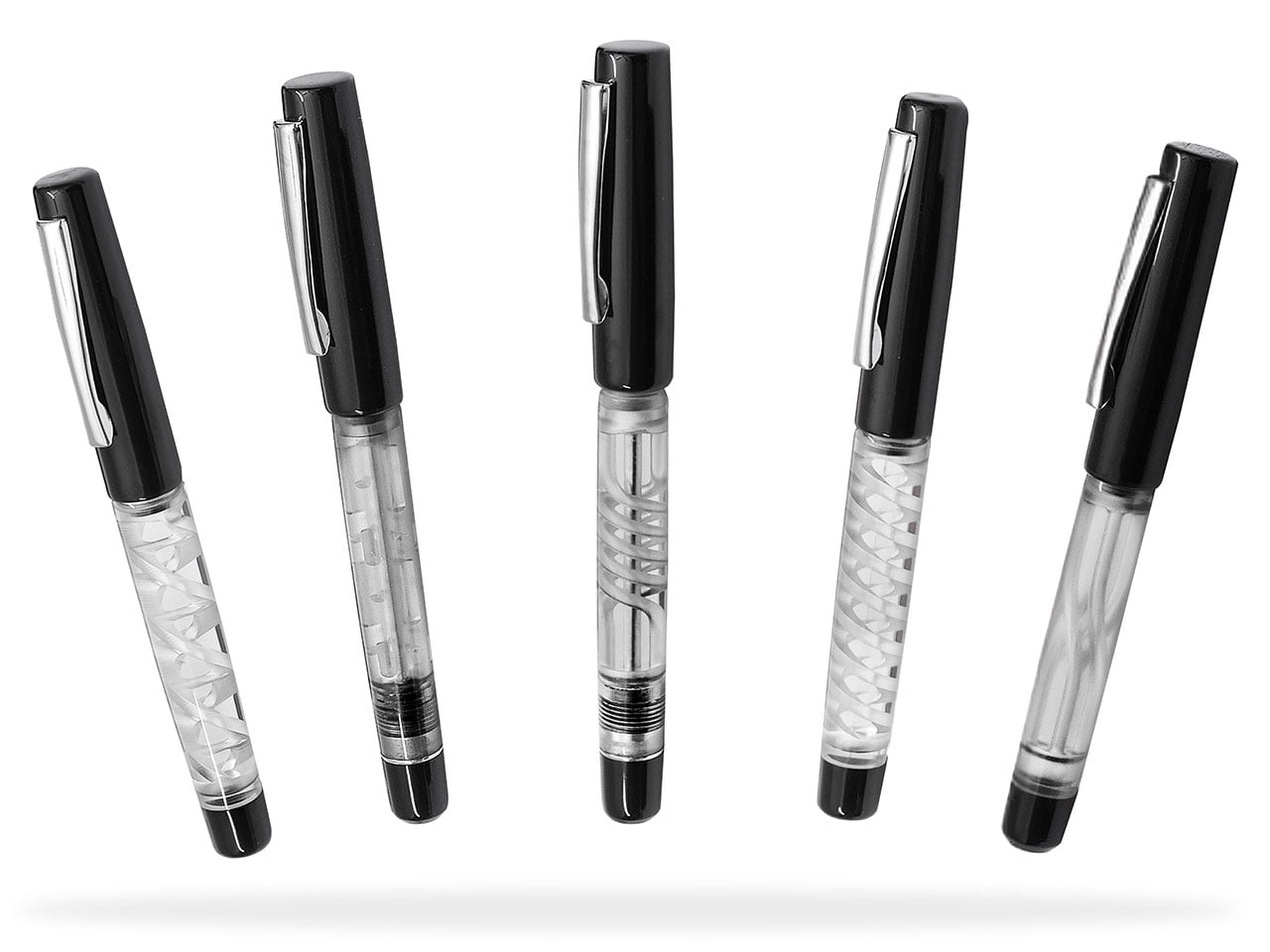
The pen interiors are lively and show the company’s own Alchemy Ink flow through the interesting architecture, yet the intriguing design is easy to clean. It can be rinsed with water to keep the ink flow smooth. The Maze pens come in five unique patterns, DNA, Morse, Twist, Coil, and Swirl and as many colors, with the choice to pick from extra-fine, fine, medium, broad, and a special architect nib.
Currently, the Maze and Maze Pro fountain pens are available for preorder through Kickstarter, where they are enjoying a successful crowdfunding campaign. You can preorder a Maze fountain pen starting $89, while the Maze Pro costs $10 extra. The campaign is also providing a celebratory Christmas combo, which you can get for $135 now. It includes a Maze Pro, a pen pouch, Alchemy Ink, and a set of Storyboard Pocket Notebook.
The everyday carry community has always valued function over flash, but 2025 proved you don’t need to choose between the two. This year brought knives that deploy using gravity, blades inspired by anime mechas, and utility tools that double as desk sculptures. Each design addresses the fundamental tension in EDC culture: creating something small enough to forget about until you need it, yet substantial enough to handle real work when called upon.
What separates these seven innovations from the flood of generic pocket tools is their refusal to play it safe. They experiment with opening mechanisms, embrace unconventional materials, and challenge assumptions about what compact really means. Whether you’re drawn to Damascus steel artistry or minimalist titanium efficiency, these designs prove that the best EDC gear elevates everyday tasks into something worth appreciating. The pocket knife evolved this year, and these are the designs leading that charge.
1. ScytheBlade: The Grim Reaper’s Weapon Goes Micro
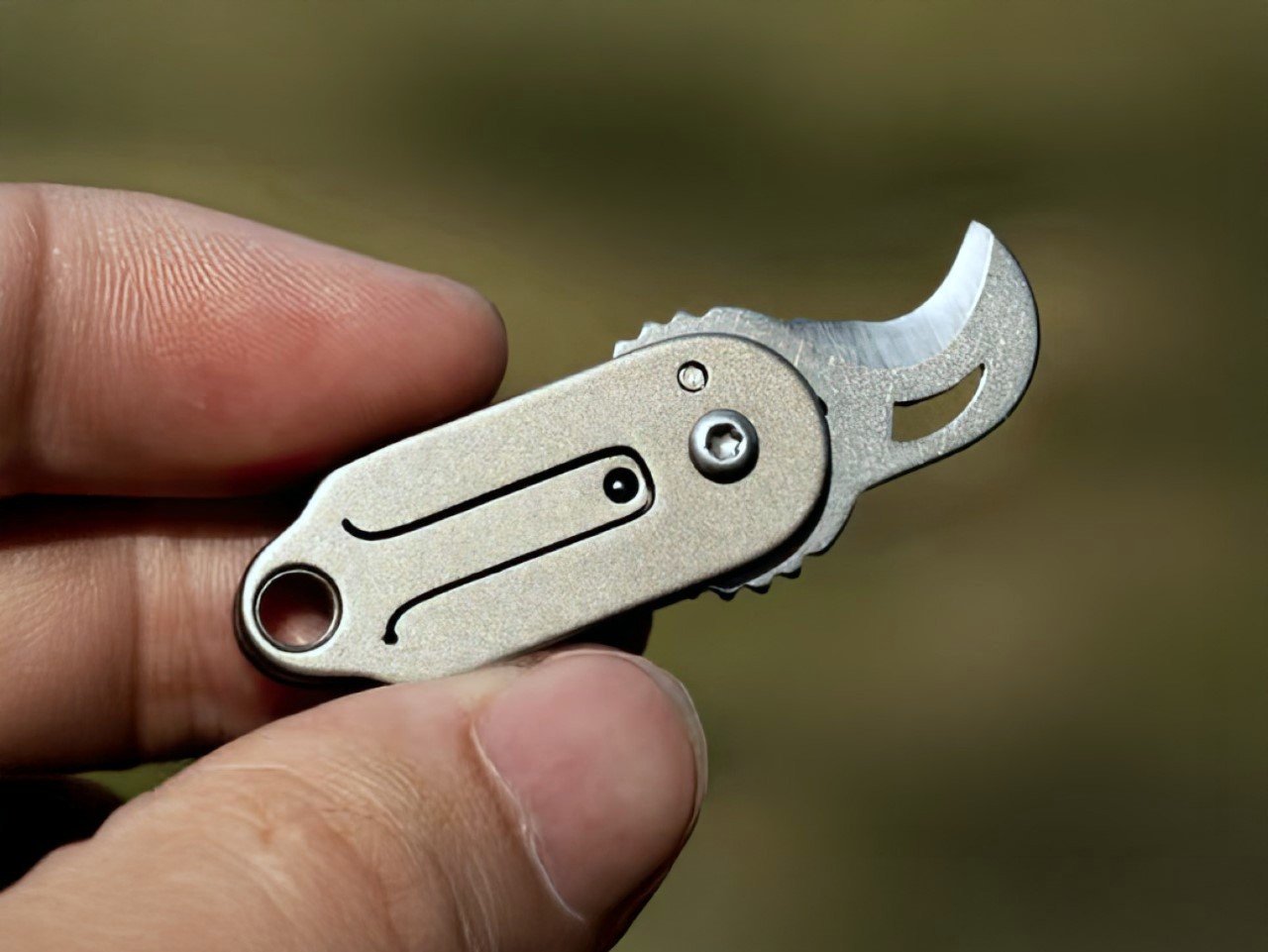
The curved blade of a scythe doesn’t seem like an obvious choice for pocket carry, but the ScytheBlade makes it work through radical miniaturization. This titanium EDC knife borrows the Grim Reaper’s iconic profile and shrinks it down to something resembling a tiger claw, creating a blade shape that looks dangerous because it genuinely is. At just 46mm when deployed, this folding knife challenges the idea that effective cutting tools need generous proportions. The curve concentrates force in ways straight blades can’t match.
Titanium construction keeps the ScytheBlade incredibly light at just 8 grams while delivering strength that feels disproportionate to its size. The material brings natural corrosion resistance without demanding constant maintenance, which matters when you’re carrying something this small. You won’t notice it clipped to your pocket until the moment you need it, then that curved blade profile becomes immediately relevant. The ScytheBlade proves that unconventional blade shapes can translate to micro formats when the engineering backs up the ambition.
What we like
The 46mm curved blade profile concentrates cutting force effectively.
Titanium construction delivers an 8-gram weight with serious durability.
What we dislike
The scythe shape may feel awkward for users accustomed to straight blades.
The extremely compact size limits cutting capacity for larger tasks.
2. Cubik: The Gravity-Powered Pocket Knife That Defies Convention
Knife designers typically rely on springs, flippers, or complex bearing systems to deploy blades, but the Cubik tosses those conventions aside in favor of gravity. Press the trigger, hold it upside down, and the blade casually emerges. Release the trigger, and it locks securely in place. This elegantly simple mechanism eliminates springs that rust, bearings that fail, and maintenance headaches that plague traditional folders. The knife works with physics rather than fighting it.
The satisfying simplicity doesn’t compromise capability. The Cubik locks solidly enough to pierce hardwood, proving that mechanical simplicity and functional strength aren’t mutually exclusive. The tungsten carbide glass breaker integrated into the rear end transforms this gentleman’s folder into a legitimate emergency tool. That addition elevates the Cubik beyond novelty into genuinely useful territory. When most EDC knives chase complexity through additional features, the Cubik finds innovation by stripping away everything unnecessary and trusting gravity to do the work.
What we like
The gravity-powered deployment eliminates complex mechanisms that fail or need maintenance.
The tungsten carbide glass breaker adds emergency capability without compromising the profile.
What we dislike
Gravity deployment requires a specific orientation that may feel awkward initially.
The mechanism works less reliably if debris enters the blade channel.
3. Split Handle Damascus Knife: Where Artistry Meets Engineering
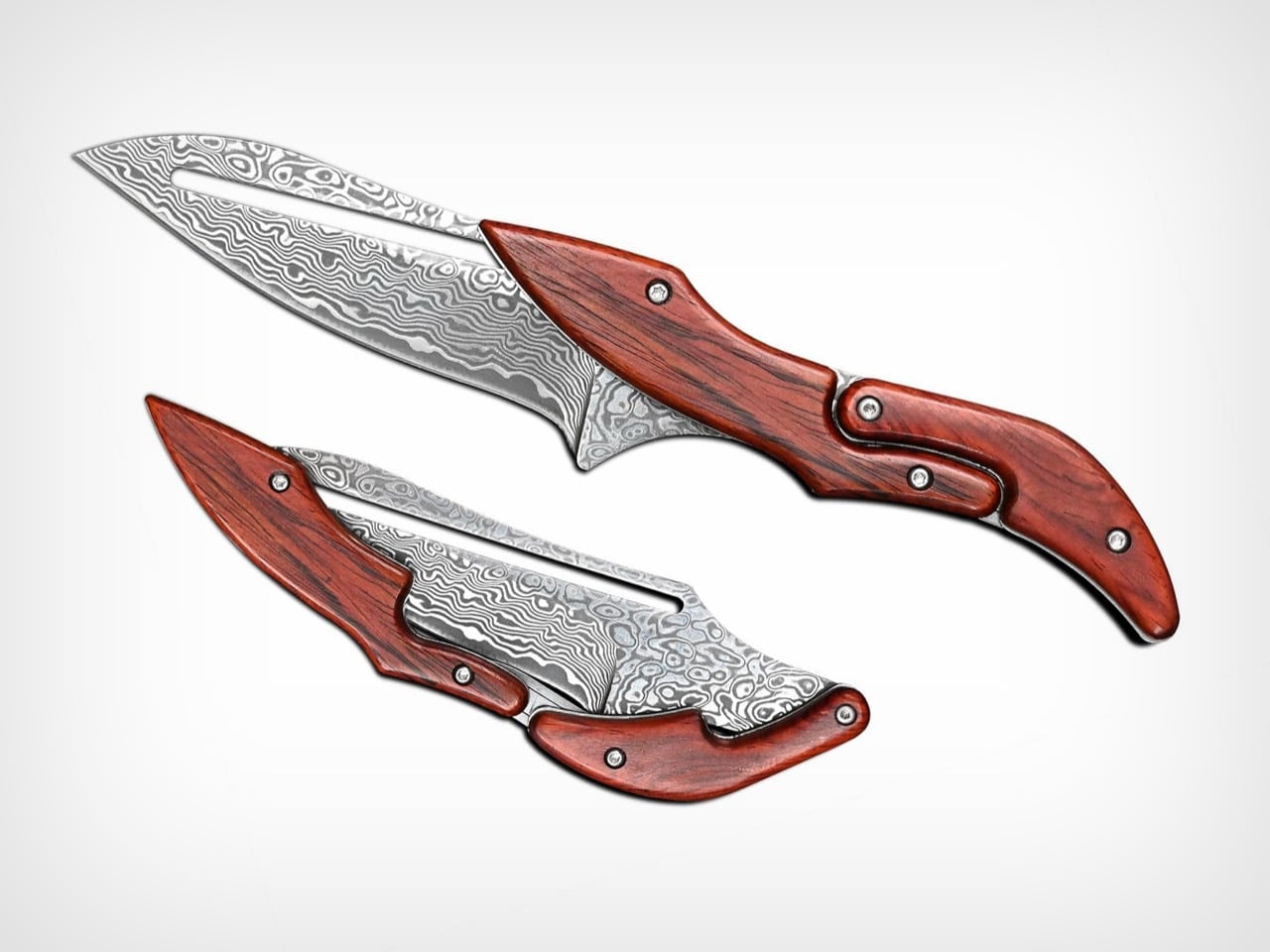
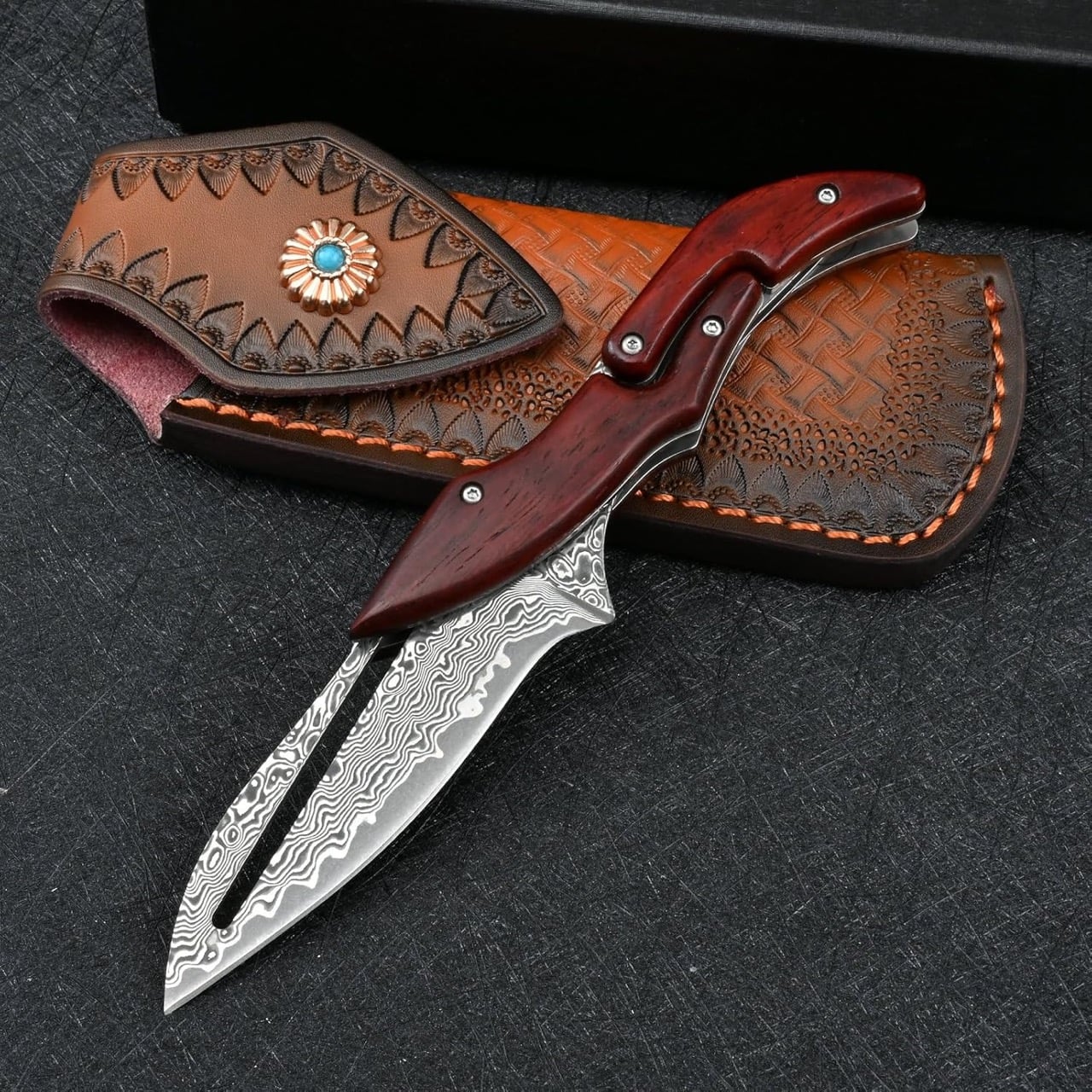
VG10 Damascus Steel paired with Yellow Sandalwood already positions this knife in elite material territory, but the split-handle opening mechanism pushes it into something approaching jewelry. Rather than flipping open conventionally, the handle disassembles before reassembling into an open knife through a clever linkage system. The transformation is mesmerizing, morphing from ergonomic grip to protective sheath and back again. This isn’t the knife you grab for tactical situations or utilitarian tasks.
Damascus Steel brings the visual appeal of marbled metal created by forge-welding multiple steel types together, then acid-etching to reveal the folded layers. The technique originated in Damascus, Syria, though the original method vanished into history. Modern Damascus pays homage to that lost art while remaining highly prized by collectors for the craftsmanship involved. The Split Handle Damascus Knife exists for people who appreciate knives as objects worth contemplating, not just using. It elevates pocket carry into something approaching art, which matters when craftsmanship becomes rarer in mass-produced EDC gear.
What we like
The split-handle mechanism creates a uniquely mesmerizing deployment process.
Damascus Steel and Sandalwood construction elevate this into collectible territory.
What we dislike
The complex mechanism prioritizes aesthetics over practical daily deployment speed.
Premium materials make this knife too precious for rough use or potential loss.
4. Nucleus Frame Lock: The Mecha-Inspired Pocket Knife
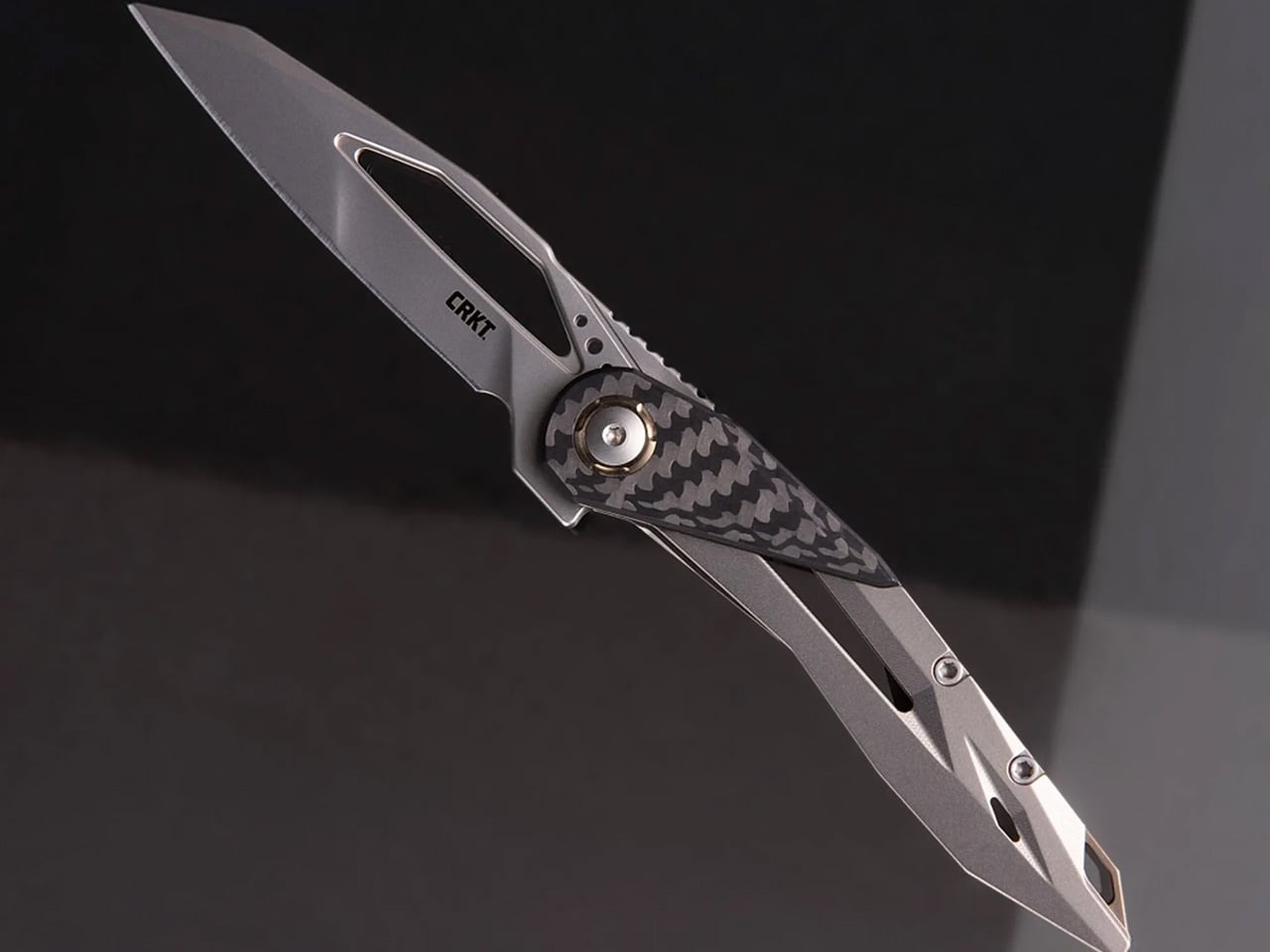
Princeton Wong designs knives that look like they escaped from anime, and his Nucleus Frame Lock for CRKT commits fully to that vision. Inspired by Mobile Suit Gundam, this Italian-made folder brings mecha aesthetics to everyday carry through sharp, angular lines characteristic of Japanese manga. The symmetrical bolster conceals the frame lock and mechanical notching with precision that reveals Wong’s obsessive attention to detail. This knife functions as a serious cutting tool and a fidget-friendly desk toy simultaneously.
Multiple opening options make the Nucleus genuinely fun to manipulate, delivering that fidget spinner satisfaction while remaining a capable blade. Wong derives inspiration from nature and pop culture, translating those influences into knives that refuse safe silhouettes. The angular design isn’t randomly achieved; it represents deliberate choices about how form can enhance rather than compromise function. While most knife makers stick to conservative profiles, Wong proves that unconventional aesthetics and practical performance can coexist when the designer understands both EDC fundamentals and visual impact.
What we like
The mecha-inspired angular design brings genuine visual personality to EDC.
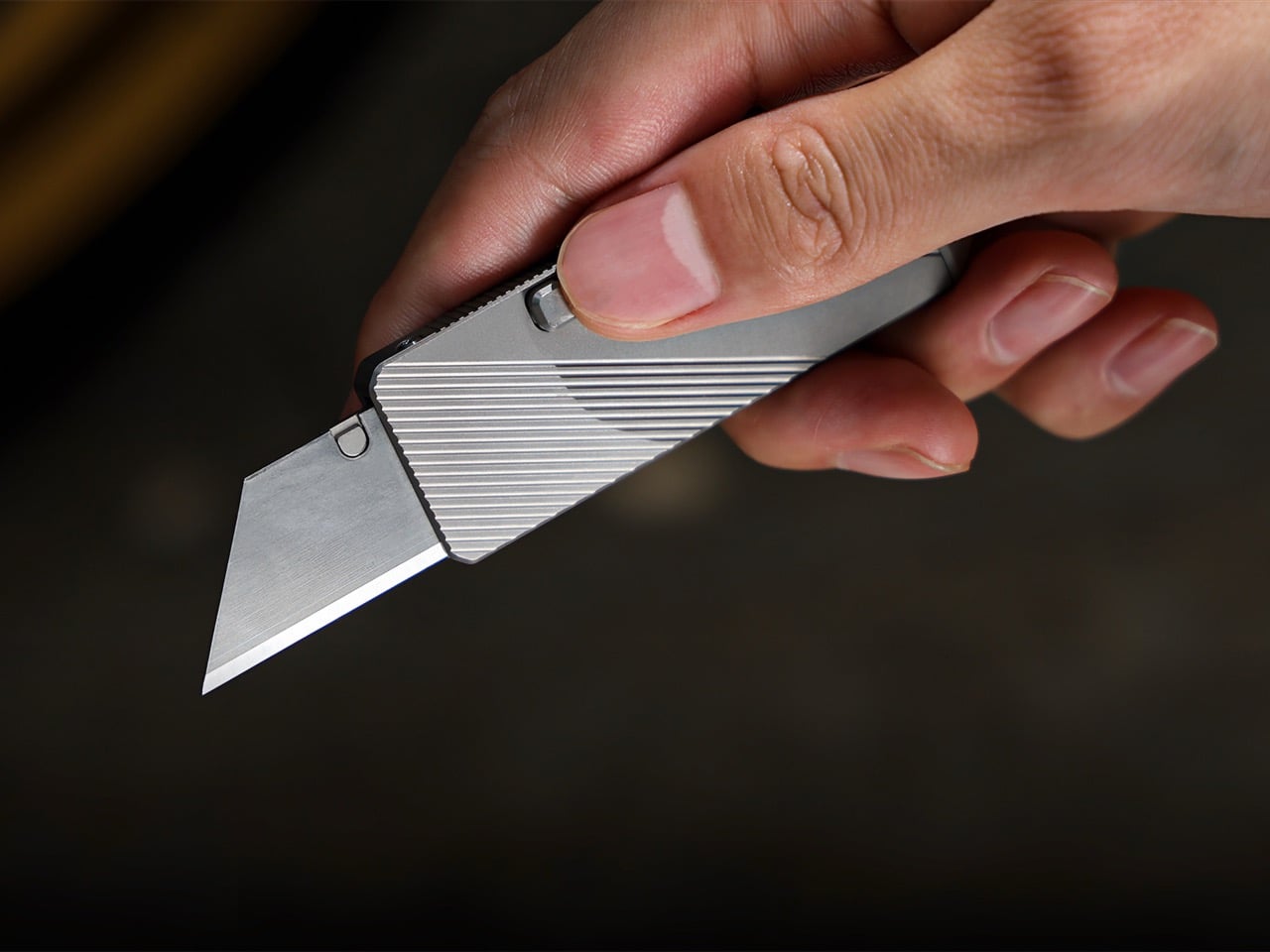
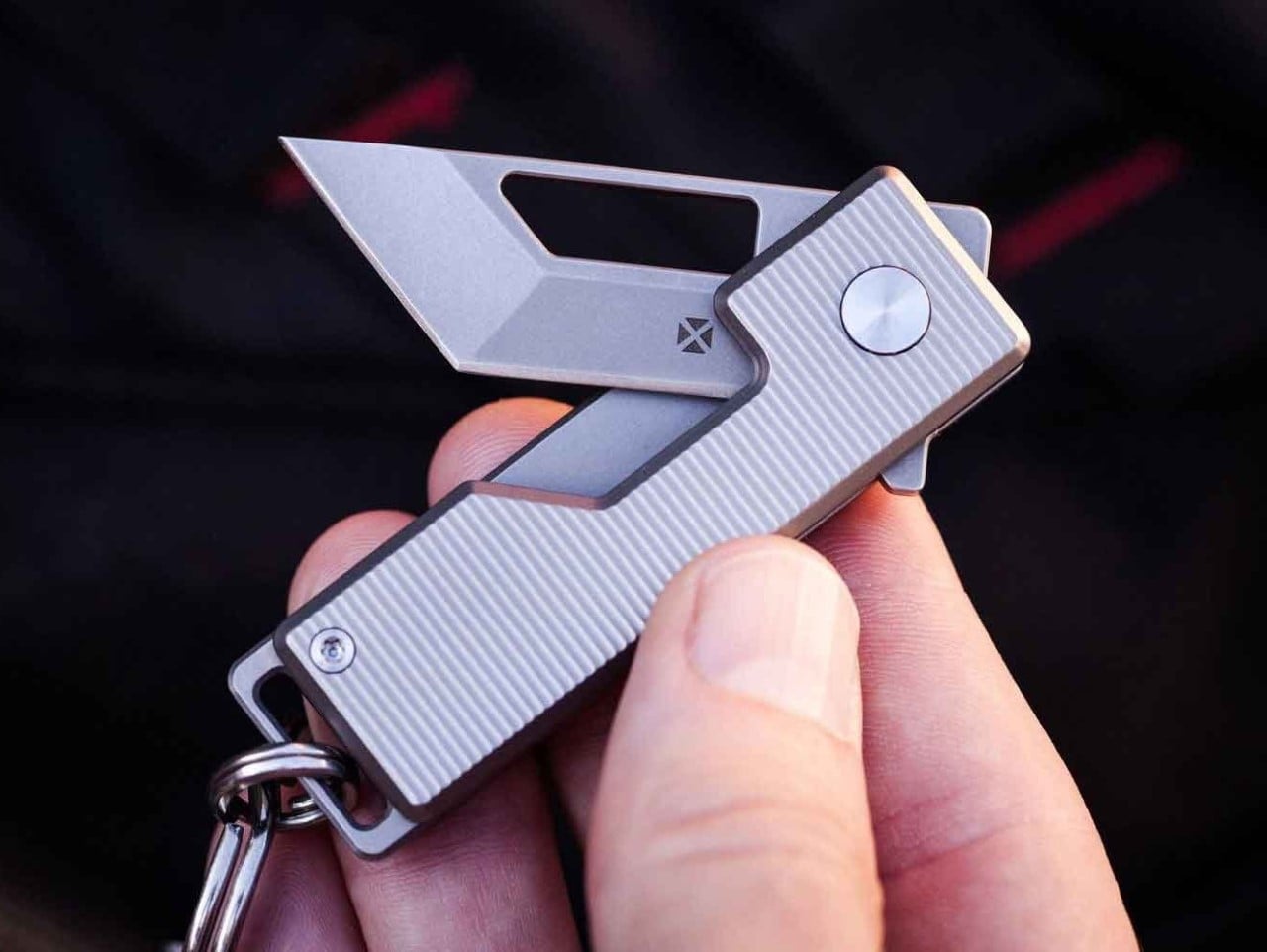
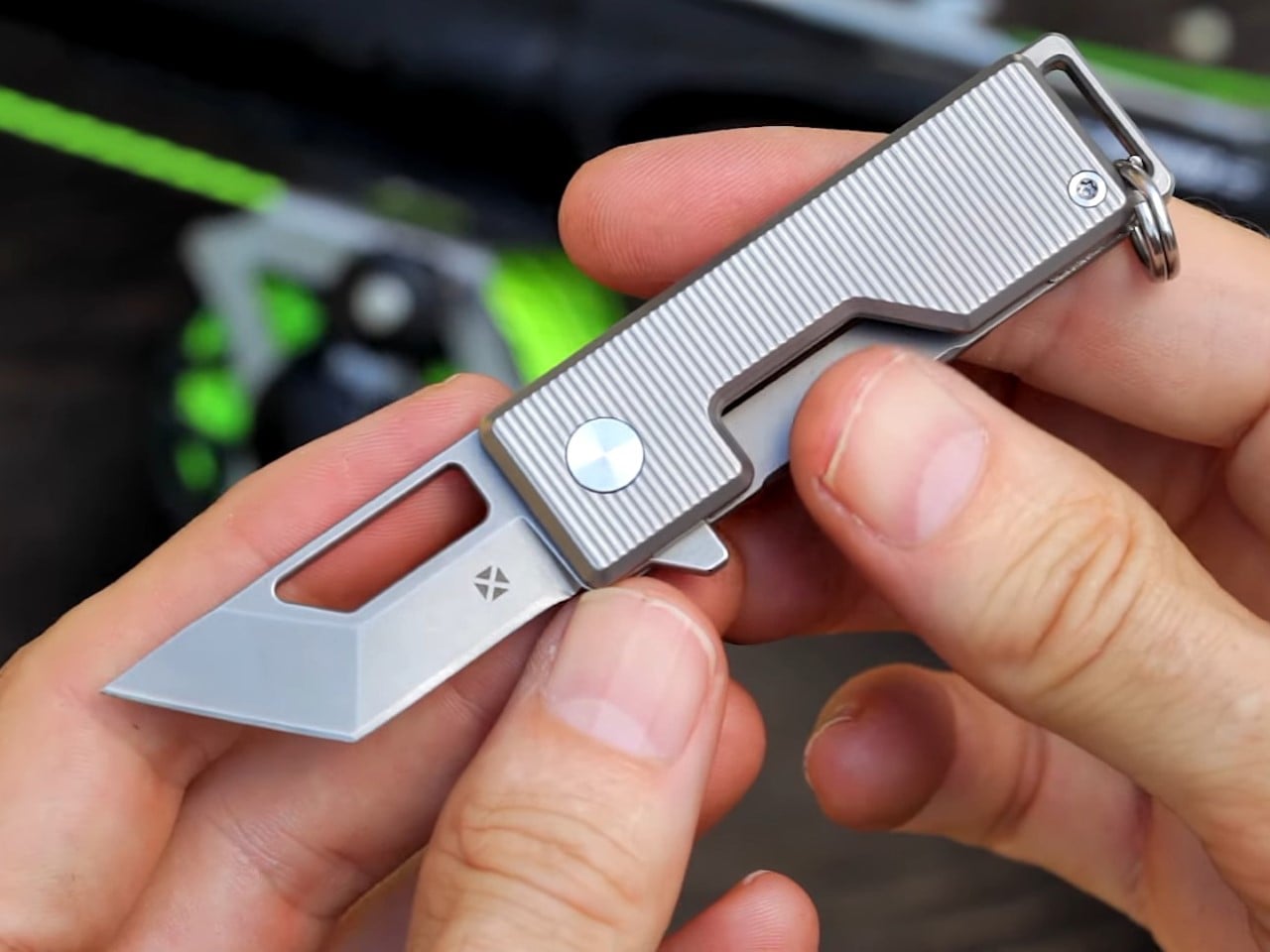
Most tanto knives lean into aggressive over-the-top styling, but the Pocket Tanto pursues restraint. The ribbed handle evokes Rimowa luggage more than tactical gear, housing an American Tanto blade forged from M390 steel. Two variants exist: all-titanium or carbon fiber scales, both delivering compact sophistication. The blade measures just 1.5 inches, which sounds inadequate until you understand how the dual-edge American Tanto format multiplies cutting versatility beyond what single-edge blades offer.
Two piercing points and two cutting edges transform this compact blade into something unexpectedly capable for activities from opening letters to scraping flint for fire starting. The tanto-shaped cutout reduces weight while creating a comfortable two-handed opening point. M390 steel brings high-performance edge retention without demanding constant sharpening. The Pocket Tanto fits most pockets easily, disappearing until needed. It succeeds by rejecting the notion that small knives need to look aggressive to be effective, proving that refined aesthetics and practical capability complement rather than contradict each other.
What we like
The American Tanto format delivers dual edges and dual points in a compact package.
M390 steel construction provides exceptional edge retention and durability.
What we dislike
The 1.5-inch blade length limits reach for certain cutting tasks.
The minimalist aesthetic may feel too understated for users wanting visual impact.
6. Berm Keychain Knife: Titanium-Coated Micro EDC
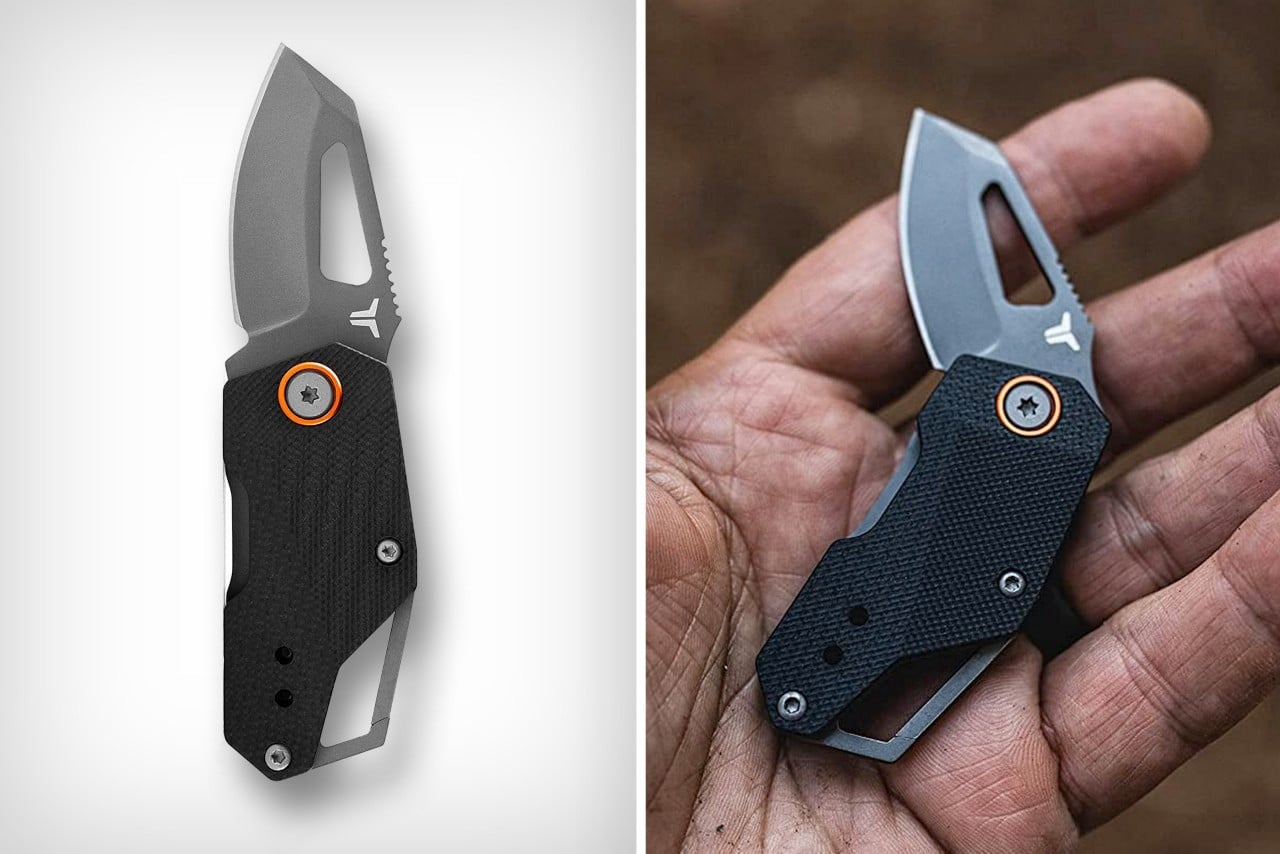
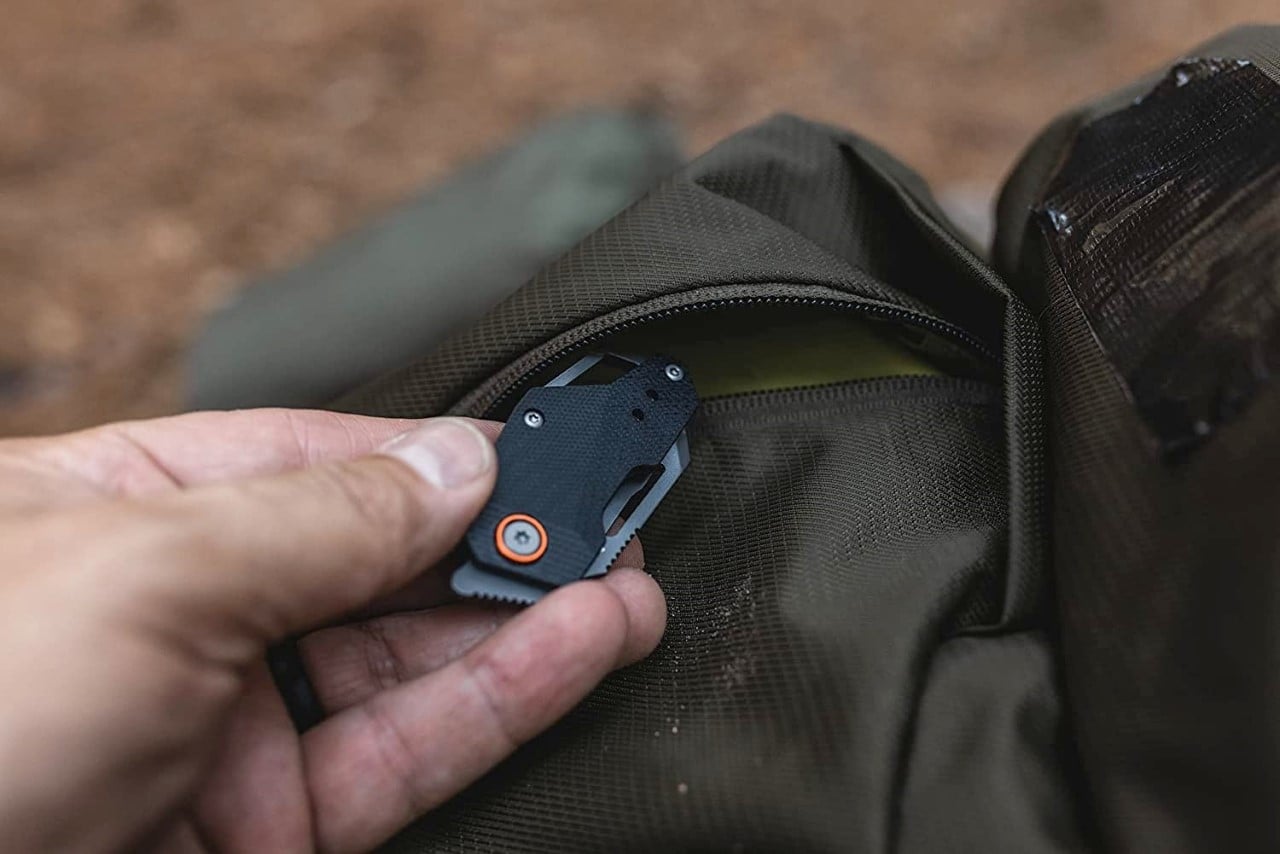
Measuring just 2.66 inches tall and weighing 77 grams, the Berm represents the keychain knife category done right. The G10 composite handle brings lightness and durability with exceptional grip, while the 7Cr17MoV stainless steel blade gets a titanium nitride coating for added toughness. The sheepsfoot profile excels at cutting and carving without the accidental piercing risk that pointed blades carry. The top cutout keeps weight minimal while maintaining structural integrity, making this genuinely pocket-friendly rather than just pocket-sized.
Ball-bearing pivot and liner-locking mechanisms make the Berm surprisingly reliable for outdoor use and emergencies despite its diminutive size. The reversible pocket clip and built-in carabiner offer carrying flexibility, whether you prefer pocket carry or backpack attachment. This knife succeeds by understanding that keychain EDC shouldn’t mean compromised capability. It remains dependable and portable simultaneously, which matters when you’re choosing something to carry literally every single day. The Berm proves you don’t need aggressive sizing to create a knife worth trusting.
What we like
The 2.66-inch size and 77-gram weight make this genuinely unobtrusive to carry.
The sheepsfoot profile lacks the piercing capability of pointed blade designs.
The keychain size may feel too small for users with larger hands.
7. Craftmaster Utility Knife: The Desk-Worthy Cutting Tool
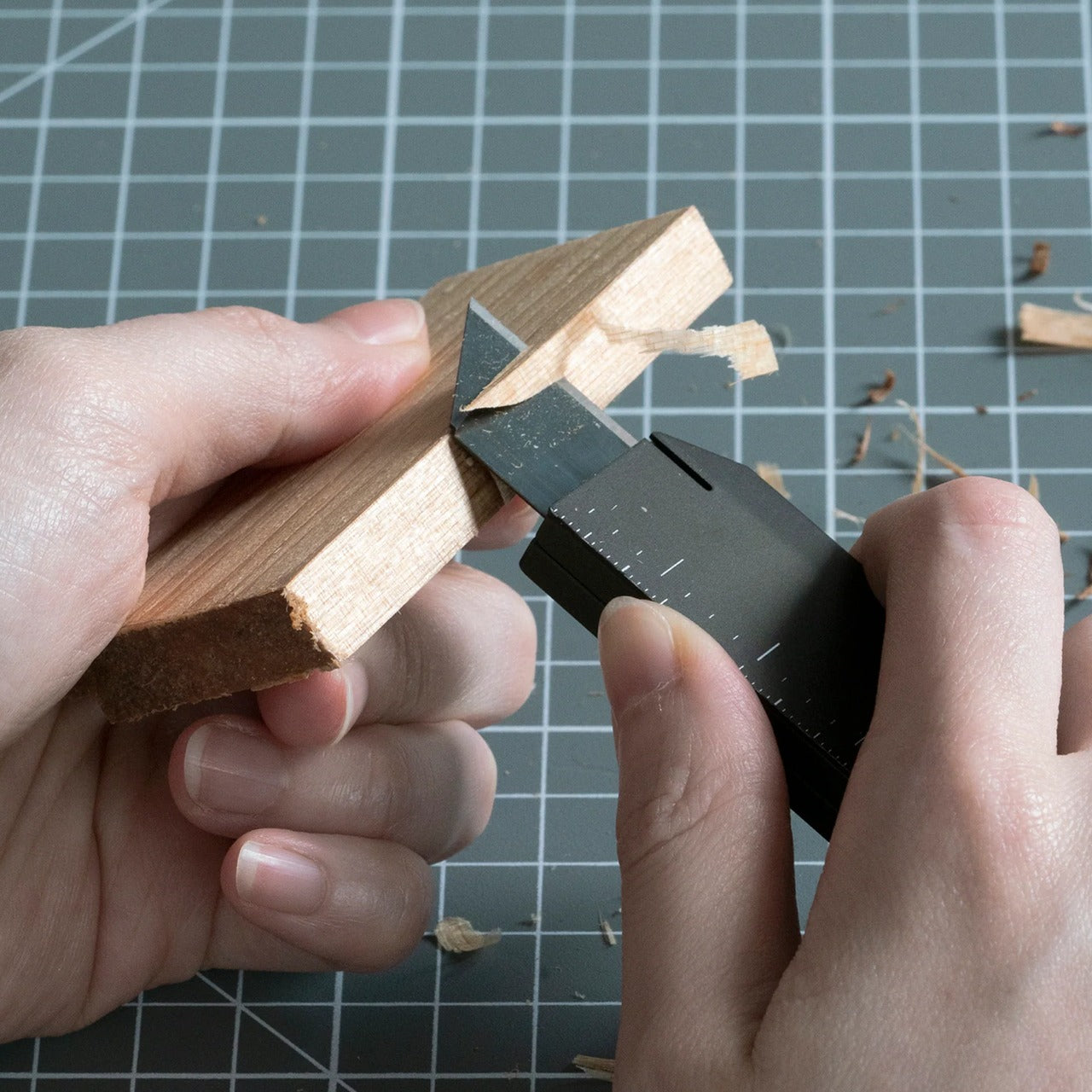
Most utility knives prioritize pure function, but the Craftmaster pursues something more refined. The clean metallic form and minimalist aesthetic transform this into a statement piece that works equally well on your desk as in your pocket. The hefty metal exterior feels substantial and reliable, while the OLFA blade deploys via a tactile rotating knob rather than cheap sliding mechanisms. At just 0.3 inches thick and 4.72 inches long, this knife disappears into pockets but commands attention when placed on surfaces.
The magnetic back docks a companion metal scale featuring both metric and imperial markings, a raised edge for easy lifting, and a blade-breaker for snapping off dulled edges. The scale’s 15-degree curvature prevents finger cuts during use, while the 45-degree inclination protects contents during box opening. The OLFA blade system allows easy replacement when edges dull, extending the knife’s usefulness indefinitely. This utility knife acknowledges that tools used in professional environments should look the part, bridging the gap between workshop utility and office aesthetic without compromising either.
The minimalist metal design elevates utility knife aesthetics to desk-worthy status.
The magnetic scale with blade-breaker adds genuinely useful functionality.
What we dislike
The metal construction adds weight compared to plastic utility knives.
The refined aesthetic makes this feel too nice for rough job site use.
The Evolution of Pocket Carry
These seven knives represent something larger than individual product excellence. They signal a shift in EDC design philosophy away from pure tactical utility toward pieces that deliver capability while respecting aesthetics. The days of choosing between function and visual appeal are ending, replaced by designs that demand both simultaneously. From gravity deployment to mecha styling, these innovations prove that knife design still has unexplored territory worth investigating.
What makes this collection particularly relevant is how each piece addresses different aspects of everyday carry. Some prioritize ultimate compactness, others embrace artistic materials, and a few experiment with unconventional mechanisms. The common thread is the refusal to accept established conventions as final answers. Whether you’re drawn to Damascus craftsmanship or minimalist utility, 2025 delivered EDC knives that respect both the practical demands of daily carry and the aesthetic pleasure of owning something genuinely well-designed. That balance feels increasingly rare and worth celebrating.
A new year offers permission to refresh, recalibrate, and reimagine the things that surround you. Not through drastic overhauls, but through intentional upgrades that make daily life smoother, smarter, and more satisfying. These ten designs aren’t about chasing trends or filling space. They’re about solving problems you didn’t know had such elegant answers.
Each piece here earns its spot through thoughtful engineering, aesthetic restraint, or sheer utility. Some will help you work better, others will keep you grounded when things go sideways, and a few exist simply to make the ordinary feel remarkable. Starting 2026 right means surrounding yourself with objects that respect your time, elevate your routines, and age gracefully alongside your ambitions.
1. ChatGPT-Enabled TWS Earbuds with Built-In Cameras
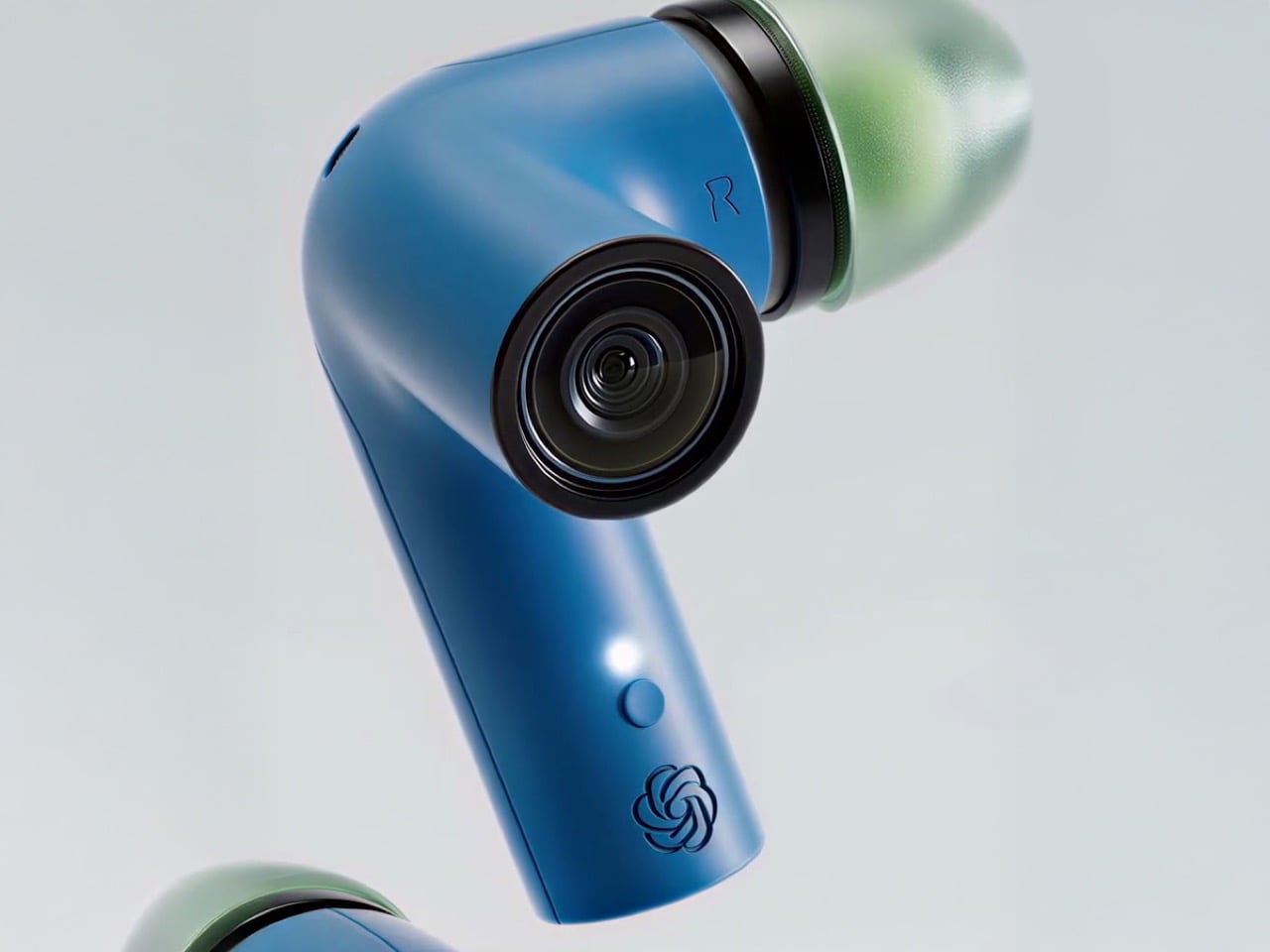
The idea of wearing cameras near your ears might sound dystopian at first, but this concept from designers reimagining AI hardware makes a surprisingly strong case. Each earbud features a small camera positioned at the end of an extended stem, roughly aligned with your natural line of sight. Paired with ChatGPT, the setup turns your audio gear into a live visual assistant that can translate signs, describe surroundings, read menus, and guide you through unfamiliar cities without forcing you to stare at a screen. The form stays recognizable as earbuds, but the function feels genuinely new.
What sets this design apart is how it sidesteps the awkwardness of face-mounted cameras while keeping the tech close enough to be useful. The industrial design leans into a retro sci-fi aesthetic, with the lens sitting like a tiny action cam, surrounded by a colored ring that serves as both an accent and a functional cue. Translucent tips and playful shell colors keep it from looking overly serious. It reads as audio first, AI second, which matters when you’re asking people to trust optics hanging off their heads.
What we like
The camera placement avoids the social friction of smart glasses while staying in your natural line of sight.
Pairing visual input directly with conversational AI turns assistance into something ambient rather than intrusive.
What we dislike
Battery life will likely take a hit with dual cameras running alongside audio and AI processing.
The inevitable privacy conversation around always-available lenses in public spaces.
2. RetroWave 7-in-1 Radio
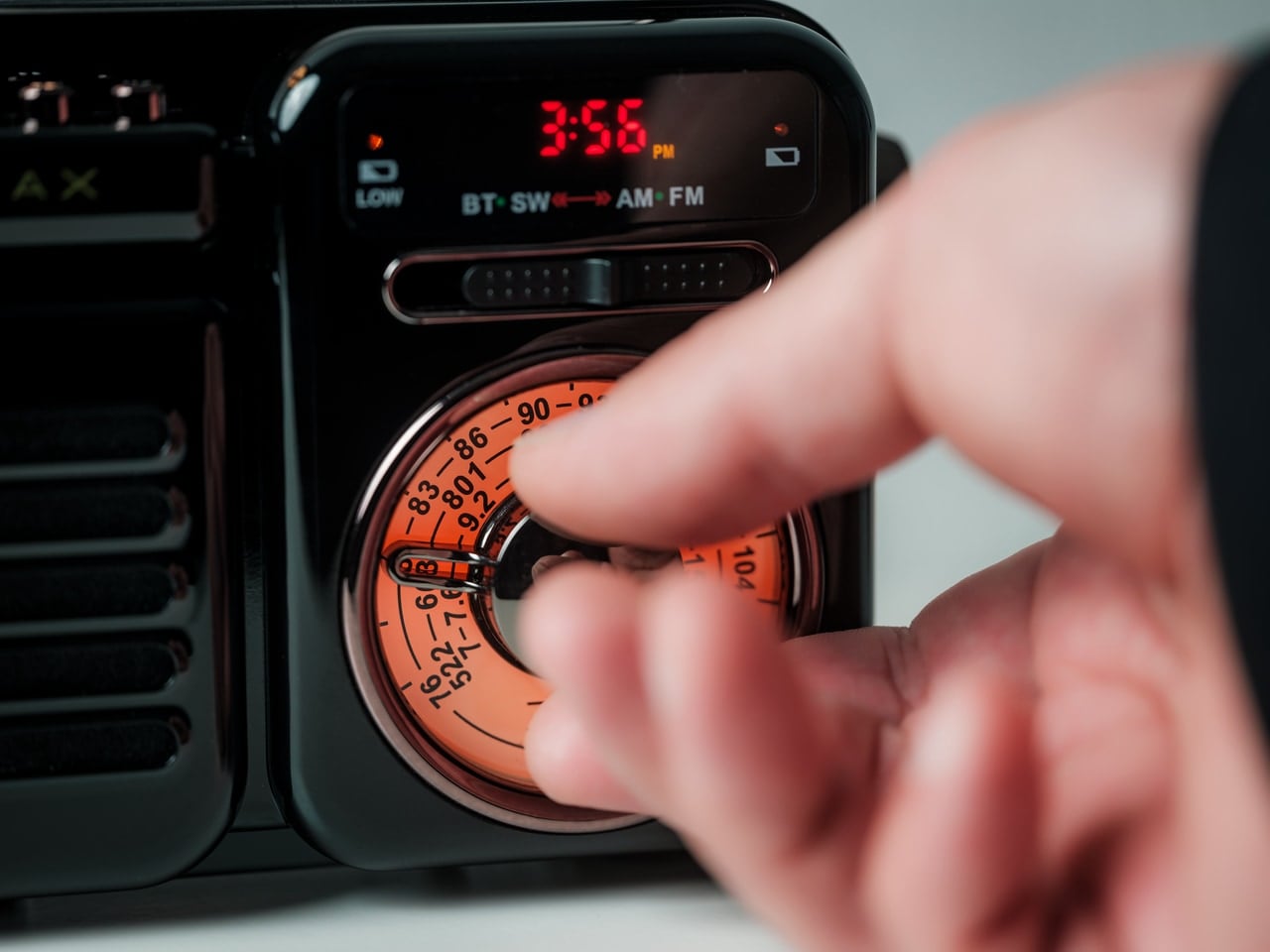
Some mornings call for jazz and coffee. Other days demand emergency power and a working flashlight. The RetroWave handles both without flinching. This compact device packs seven functions into one retro-styled body: Bluetooth speaker, MP3 player, FM/AM/SW radio, flashlight, clock, power bank, and SOS siren. It streams from your phone or plays music directly from USB and microSD cards, making it useful whether you’re online or completely off-grid. The hand-crank and solar panel charging options mean you’re never fully powerless.
Beyond survival scenarios, the RetroWave fits surprisingly well into everyday routines. It sits comfortably on a nightstand as a clock radio, doubles as a desktop speaker during work hours, and transitions into a camping essential on weekends. The 2000mAh battery delivers up to 20 hours of radio time or six hours of emergency lighting. Its lightweight build and thoughtful design make it easy to pack and easier to justify keeping around. It’s the kind of object that earns its spot by being genuinely useful, then stays because it looks good doing it.
True multi-functionality that works in daily life and crises alike.
Hand-crank and solar charging remove dependency on outlets entirely.
What we dislike
The 2000mAh battery feels modest for powering multiple devices in extended off-grid situations.
Retro styling won’t appeal to everyone seeking modern minimalism.
3. Auger PrecisionLever Nail Clipper
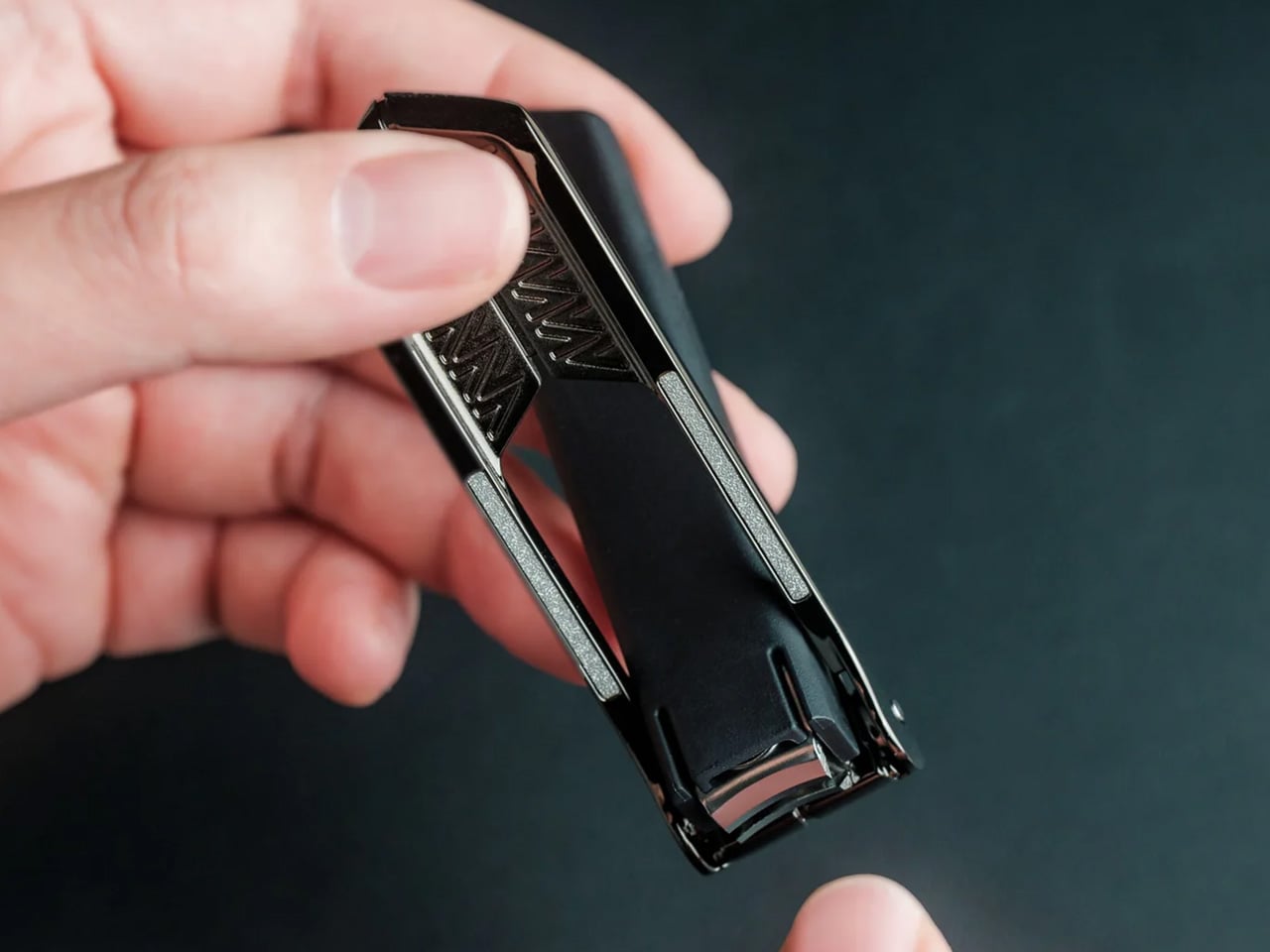
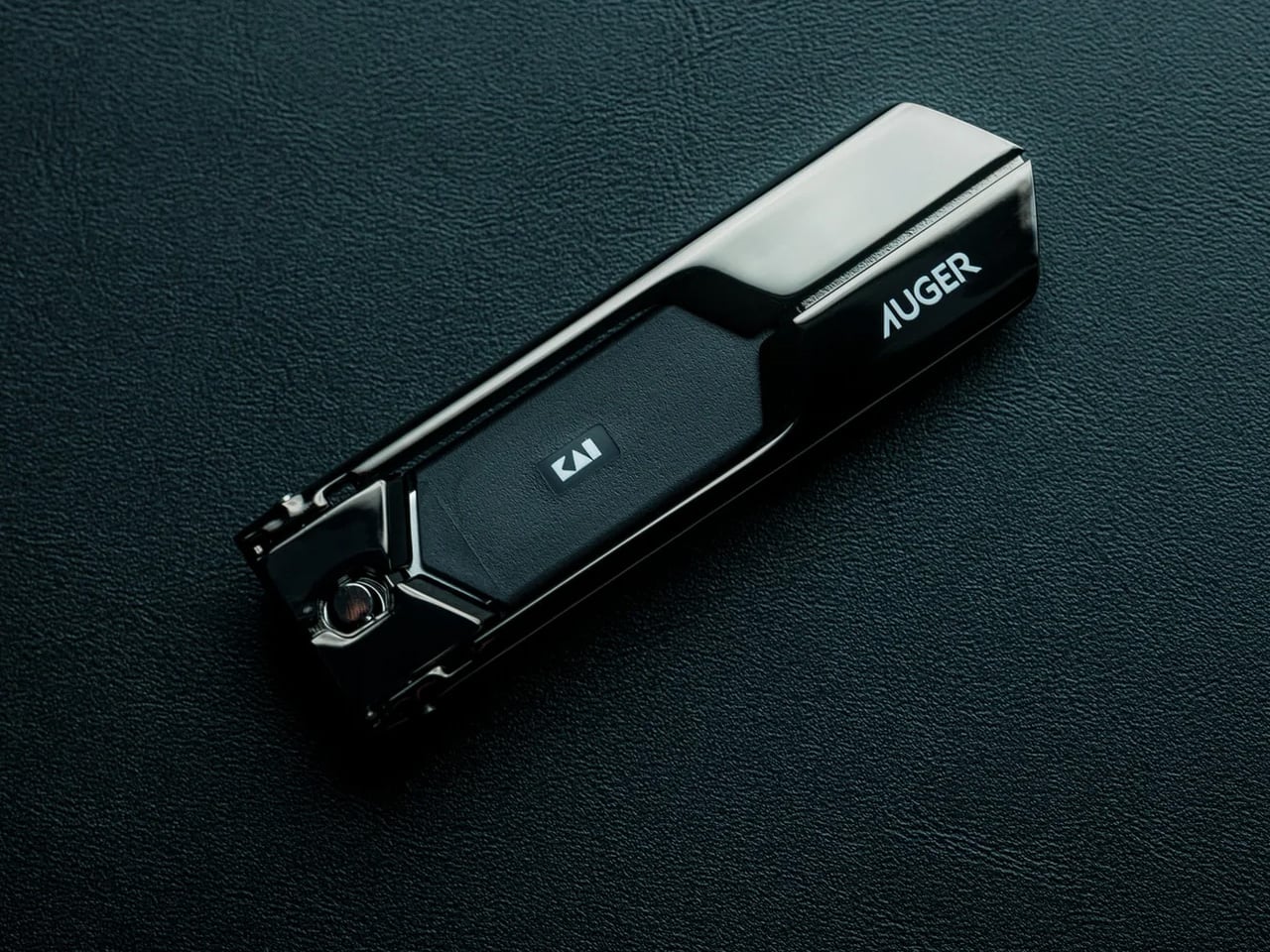
Grooming tools often get overlooked in design conversations, but a well-made clipper can turn a mundane task into something oddly satisfying. The Auger PrecisionLever uses a patented rotating lever mechanism that shifts the pivot point closer to the blade, maximizing cutting power with minimal hand effort. Made from stainless cutlery steel by Japan’s Kai Corporation, a blade-making authority since 1908, the clipper delivers clean cuts through thick nails without tearing or splitting. At 67 grams, it carries enough weight to feel substantial without being cumbersome.
The design balances mechanical efficiency with understated aesthetics. The zinc die-cast lever features a sleek plated finish, while thermoplastic stoppers and a stainless steel filing surface add functional durability. At 86mm in length, it slips easily into a Dopp kit or drawer. The press-and-release action is smooth and quiet, delivering crisp results without the jarring click of cheaper clippers. It’s grooming stripped to essentials: precise, deliberate, built to last, and refined enough to make you appreciate the engineering behind something you use weekly.
The patented rotating lever reduces effort while increasing control, especially on thicker nails.
Kai’s century of blade-making expertise translates to noticeably cleaner cuts.
What We Dislike
The 67-gram weight, while satisfying in hand, makes it heavier than most travel clippers.
Premium pricing may feel steep for a category that people usually buy cheaply.
4. Fire Capsule Oil Lamp
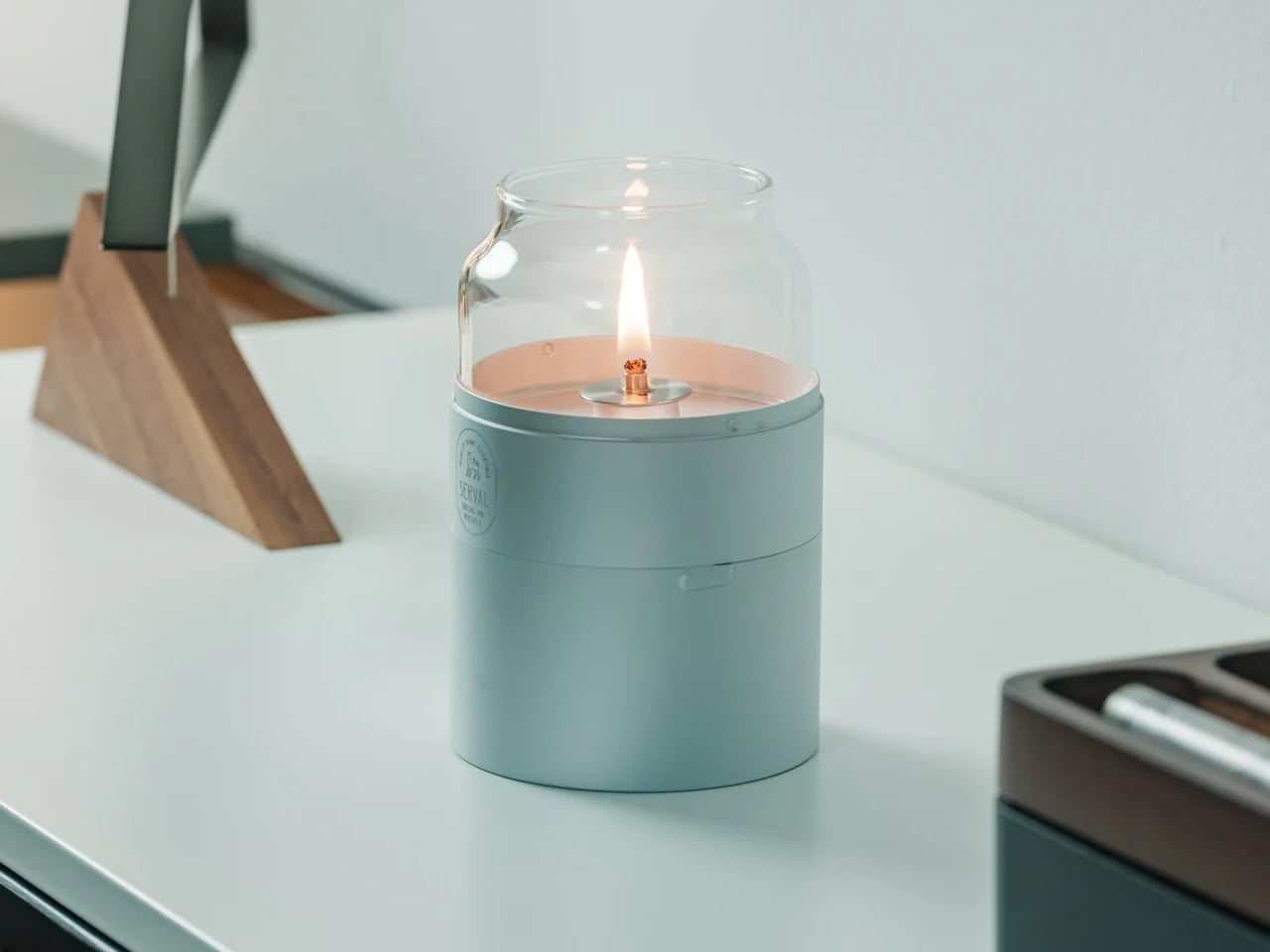
Candlelight without the mess, wax, or weak flame. The Fire Capsule reimagines the oil lamp as a modern minimalist object, wrapped in sleek cylindrical glass with a precision-engineered lid that keeps dust out and clarity intact. The 80ml capacity provides up to 16 hours of continuous light, enough for a full evening gathering or an extended power outage. Burn paraffin oil with insect-repelling properties, and it becomes an outdoor companion that sets ambiance while keeping bugs at bay. An included aroma plate lets you infuse spaces with scent, turning functional lighting into a sensory experience.
What makes the Fire Capsule work is its refusal to compromise portability for aesthetics. At just 180 grams, it’s light enough to pack for camping trips or move between rooms without thought. The flat-topped design allows stacking for storage, and it comes with a protective drawstring pouch. Paraffin oil burns clean and odorless, making it approachable for beginners while offering reliability for experienced users. It’s the kind of object that transitions seamlessly from dinner party centerpiece to emergency kit essential, looking intentional in both contexts.
Sixteen hours of burn time from a compact, stackable form that travels easily.
Clean-burning paraffin oil eliminates the smoke and scent issues of traditional candles.
What we dislike
Paraffin oil requires a separate purchase and proper storage, adding a layer of maintenance.
Open flame always carries risk, requiring more supervision than battery-powered alternatives.
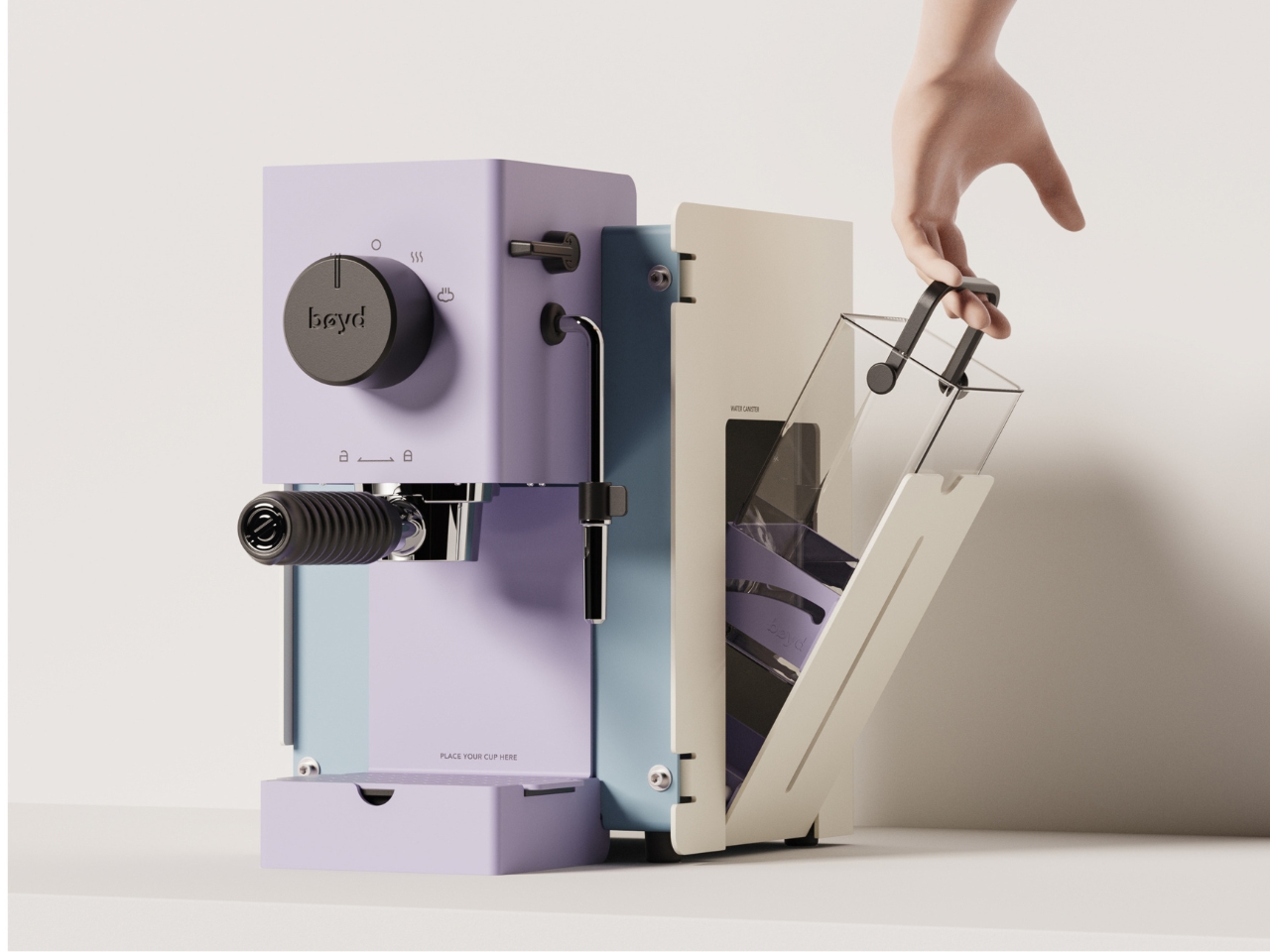
5. BØYD Minimalist Espresso Machine
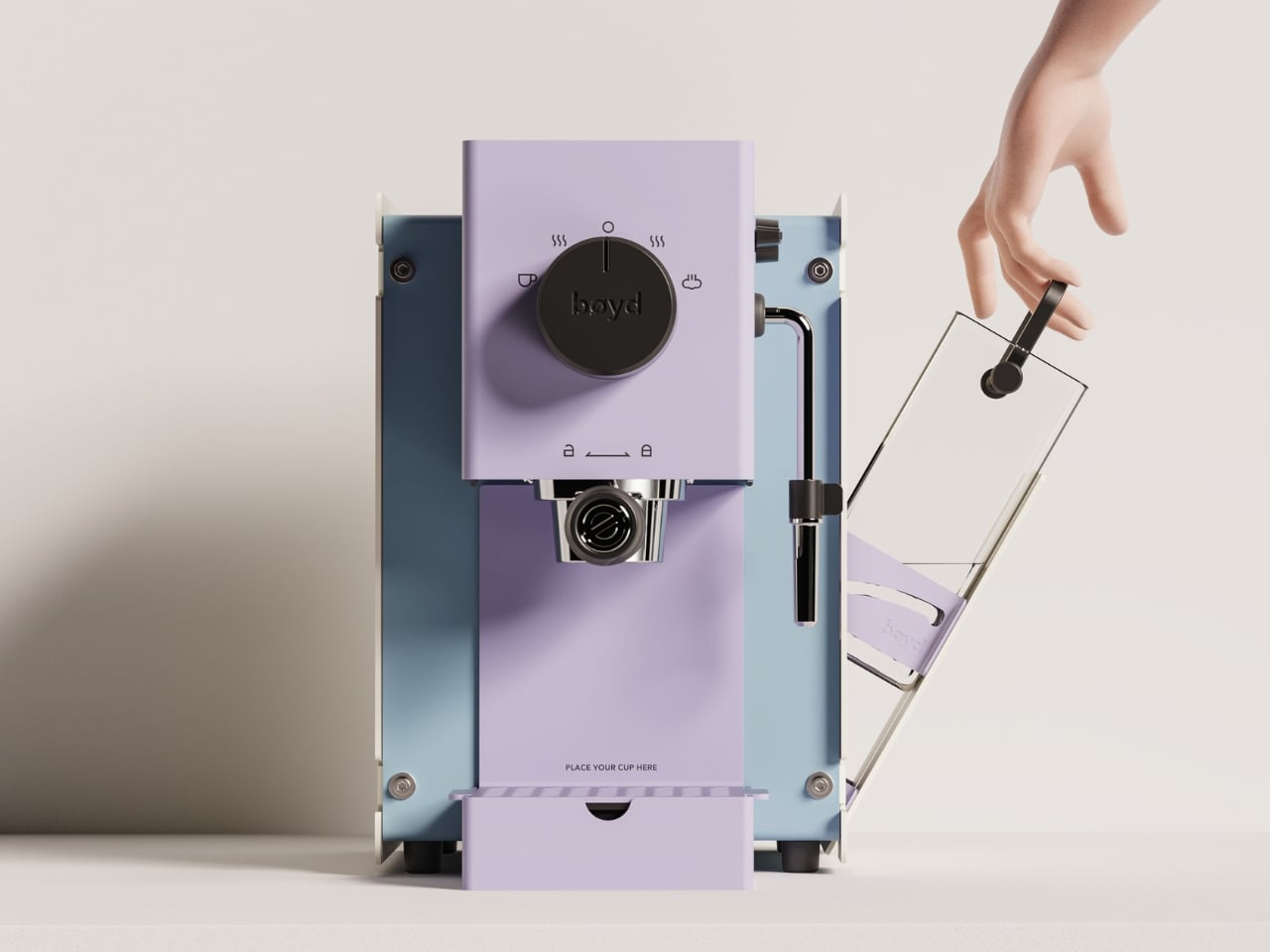
The BØYD espresso machine concept strips coffee-making down to pure geometric form. NYZE Studio designed it as a sculptural statement first, functional appliance second, though the two aren’t mutually exclusive. Smooth curves and clean lines replace the usual visual clutter of traditional machines. The handle arches naturally for ergonomic grip, and the interface stays minimal, eliminating the multi-button confusion that often accompanies morning caffeine rituals. It’s the kind of design that makes you reconsider what kitchen appliances could look like if form and function started on equal footing.
Though still conceptual, the BØYD demonstrates how thoughtful industrial design can transform utilitarian objects into conversation pieces. The silhouette feels more like modern sculpture than a small appliance, yet the user experience remains intuitive. Imagining it on a countertop, it commands attention without demanding maintenance or complexity. For coffee lovers who care as much about their space as their brew, it’s a vision of what’s possible when designers prioritize restraint over feature bloat. It’s also a reminder that sometimes the best designs exist first as provocations, pushing categories forward even before production begins.
What we like
Bold minimalist form turns a functional appliance into a sculptural statement piece.
Simplified interface suggests a more intuitive, less overwhelming user experience.
What we dislike
As a concept, it’s not available for purchase or real-world testing.
Extreme minimalism may sacrifice the practical features that experienced espresso users expect.
6. Bookish Bookmark
Reading shouldn’t require improvised solutions like mugs, random objects, or cracked spines. The Bookish bookmark solves a persistent problem with elegant simplicity: it’s a book-shaped transparent paperweight with curves designed to hold pages open naturally. Made from clear acrylic resin, it sits across your book without blocking text, letting you read hands-free while protecting pages from smudges or accidental creases. The curved form respects the book’s natural arc rather than forcing it flat, preserving spine integrity while keeping your place.
The genius here is restraint. Instead of adding complexity, the design removes friction from an activity that should be relaxing. It works equally well for cookbooks in the kitchen, textbooks on a desk, or novels on a nightstand. The transparency ensures it doesn’t interfere with your reading experience visually, while the weight keeps pages secure without damage. For anyone who’s ever balanced a book awkwardly while eating, taking notes, or trying to follow a recipe, this is the kind of micro-solution that feels obvious in hindsight but surprisingly rare in practice.
Transparent design allows uninterrupted reading while keeping pages open securely.
Curved shape holds books naturally without damaging spines.
What we dislike
Acrylic scratches over time with regular handling and storage.
Size may not accommodate very large or very small books equally well.
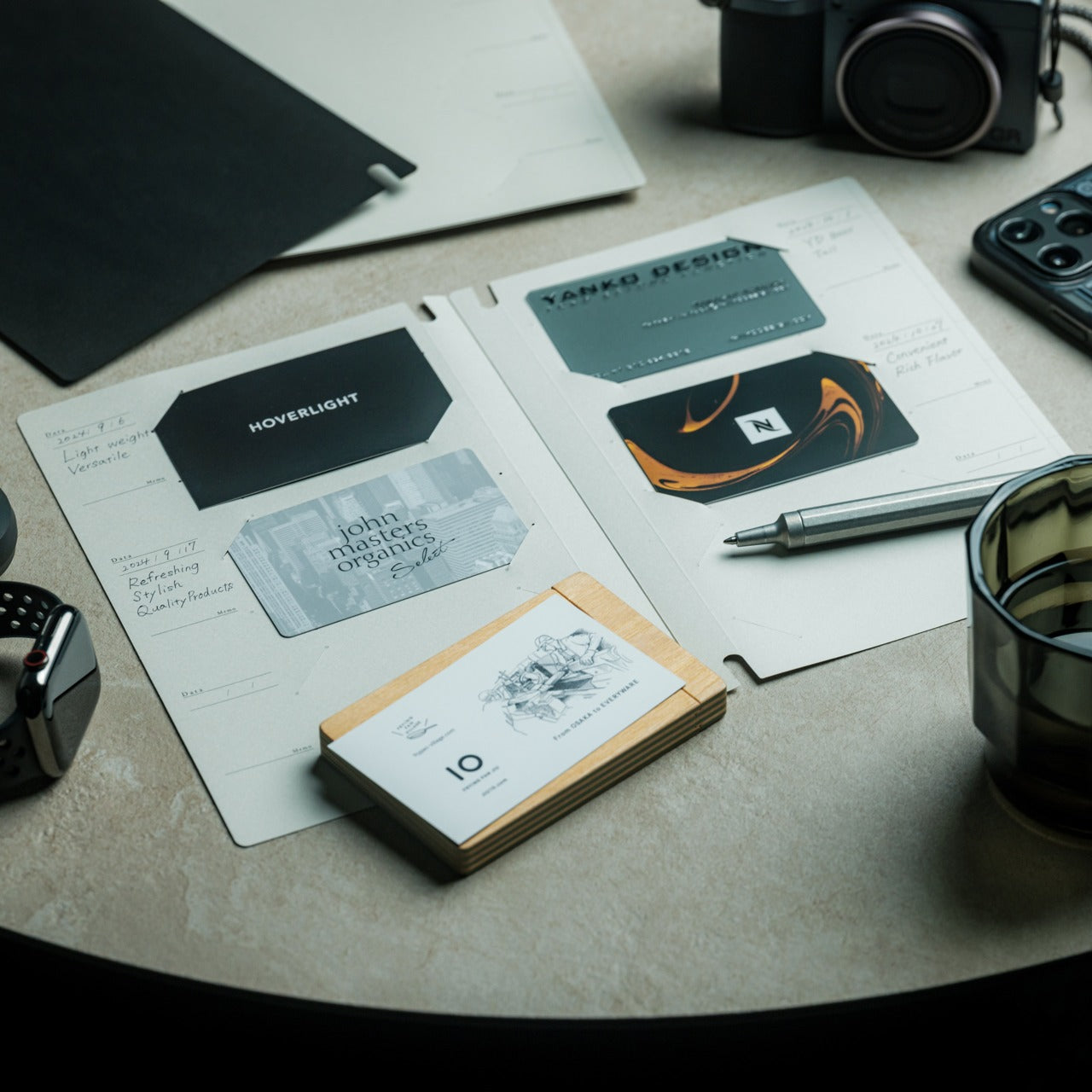
7. Memento Business Card Log
In a digital age, handwritten notes carry unexpected weight. The Memento Business Card Log preserves the memory of every important meeting by pairing physical cards with space for personal observations. It holds up to 120 business cards using a two-point slit system, with a dedicated room beside each card for jotting down conversation details, characteristics, dates, or context. Those handwritten notes become memory triggers, helping you reconnect with both the person and the moment long after the meeting ends.
Japanese brand Re+g brings expert craftsmanship to organizational tools, using a proprietary binding system that allows seamless page reordering and easy reorganization as your network grows. The minimal paper design offers a warm, tactile experience that elevates this beyond simple storage into something closer to a professional journal. For people who value relationships built slowly through attention and follow-through, it’s a tool that respects the analog ritual of connection. It acknowledges that sometimes the best way to remember someone isn’t through CRM software, but through your own words written in the moment.
Combines card storage with note-taking space, creating a richer context for each contact.
The proprietary binding system allows flexible reorganization as your network evolves.
What we dislike
Physical storage requires dedicated space compared to digital contact management.
Capacity maxes out at 120 cards, requiring eventual archiving or purging.
8. AirTag Carabiner
Forgetting where you left your bag, bike, or umbrella becomes significantly less stressful when Apple’s Find My network can pinpoint it. This handcrafted metal carabiner holds an AirTag securely while attaching to nearly anything you’d rather not lose. Made from Duralumin composite alloy, the same material used in aircraft and spacecraft, it’s lightweight yet remarkably strong. Each piece is individually crafted by hand, also available in untreated brass and stainless steel for different aesthetic preferences.
The engineering behind Duralumin makes it suitable for extreme environments, from high altitudes to marine use, meaning your everyday carry won’t wear out from rain, bumps, or daily abuse. The carabiner clips easily onto bag straps, bike frames, or jacket loops, turning Apple’s tracking ecosystem into a passive insurance policy for your belongings. For busy people who’d rather spend mental energy on meaningful decisions than retracing steps, it’s a small investment in peace of mind. The tactile quality of metal also makes it feel like a deliberate accessory rather than a cheap plastic add-on.
Duralumin alloy provides aircraft-grade strength at minimal weight, ensuring durability in varied conditions.
Handcrafted quality and material options give it accessory-level appeal beyond pure function.
What we dislike
Requires separate purchase of Apple AirTag, adding cost and platform dependency.
Carabiner attachment may not suit all bags or accessory types equally well.
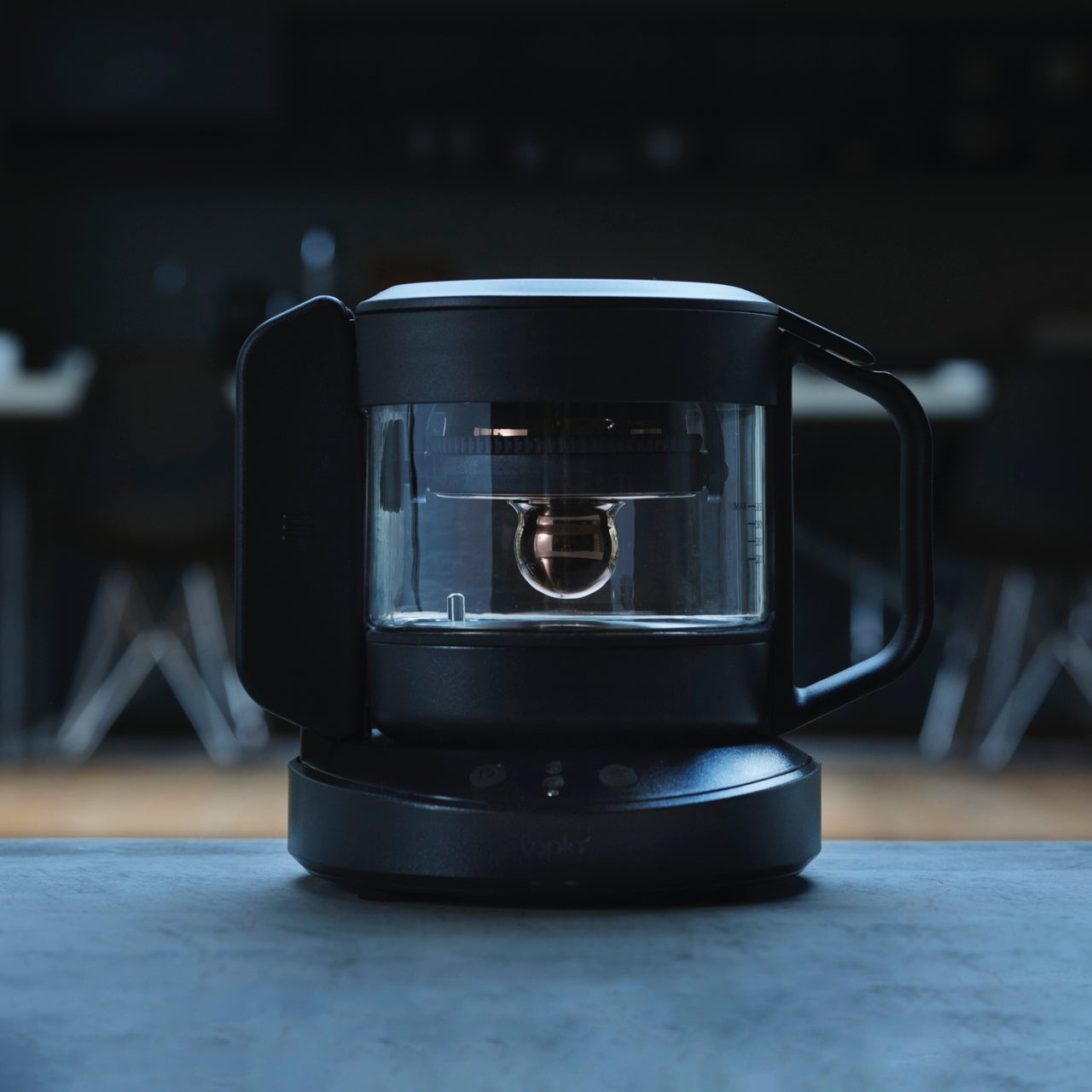
9. Smart Tea Pot
Tea brewing becomes genuinely personalized with this smart teapot that tailors every cup to your biometric data and environment. Six built-in sensors analyze heart rate, finger temperature, and ambient conditions, then adjust brewing parameters to match your physical state and mood. An app-connected system lets you select tea types from a comprehensive database containing optimal conditions for varieties from green to herbal. A patented rotary brewing system replicates traditional Japanese tea master techniques, mimicking the nuanced wrist movements that bring out full-bodied flavor and aroma.
What elevates this beyond gadget territory is how it removes guesswork while honoring tea culture’s precision. Each brew adapts to whether you need relaxation or focus, automatically adjusting temperature, steeping time, and agitation intensity. The interface stays intuitive despite advanced tech underneath, and the sleek design fits naturally into modern kitchens. For tea enthusiasts tired of inconsistent results or intimidated by traditional preparation complexity, it offers a middle path: professional-grade quality through automation that respects the ritual. It’s technology serving tradition rather than replacing it.
Biometric sensors personalize each brew to your current physical and emotional state.
Comprehensive tea database ensures optimal brewing conditions across a wide variety of tea types.
What we dislike
App dependency means the teapot’s advanced features require smartphone connectivity to function fully.
Price point likely positions it well above standard electric kettles and traditional teapots.
10. ScytheBlade
The ScytheBlade takes visual inspiration from the Grim Reaper’s signature tool, scaling the curved blade profile down into a tiny EDC knife that punches well above its weight class. At just 46mm in length when deployed and weighing only 8 grams, it’s one of the smallest folding knives available without sacrificing capability. The body is crafted from lightweight titanium, offering exceptional strength and corrosion resistance without demanding constant maintenance. The curved blade design, reminiscent of both scythes and tiger claws, concentrates cutting power efficiently despite compact dimensions.
Titanium construction ensures durability that outlasts cheaper materials while remaining virtually unnoticeable in a pocket until needed. The tiger claw blade profile isn’t just aesthetic; it provides leverage and cutting efficiency that straight blades struggle to match at this scale. For anyone seeking a backup blade that won’t weigh down a keychain or require special care, the ScytheBlade delivers. It’s proof that smart material choices and thoughtful blade geometry can create something genuinely capable without requiring a belt sheath or bulk. The design respects both form and function, looking deliberate while performing reliably.
What we like
Titanium construction provides an exceptional strength-to-weight ratio at only 8 grams.
Small size, while portable, limits cutting capacity for larger tasks or extended use.
Unique blade shape may require adjustment for users accustomed to traditional knife designs.
Why These Ten Designs Matter
Starting a year right isn’t about acquiring more things. It’s about choosing objects that align with how you actually live, work, and move through the world. These ten designs share common DNA: they solve real problems with restraint, respect your intelligence, and refuse to sacrifice aesthetics for function or function for aesthetics. They’re the kinds of purchases you make once and keep using.
Whether it’s a clipper that makes grooming feel intentional, a radio that keeps you connected when infrastructure fails, or a teapot that finally understands tea as both science and art, these designs earn their space. They represent the best of what thoughtful design offers: objects that improve daily life quietly, age gracefully, and remind you that quality still matters when everything else feels disposable and temporary.
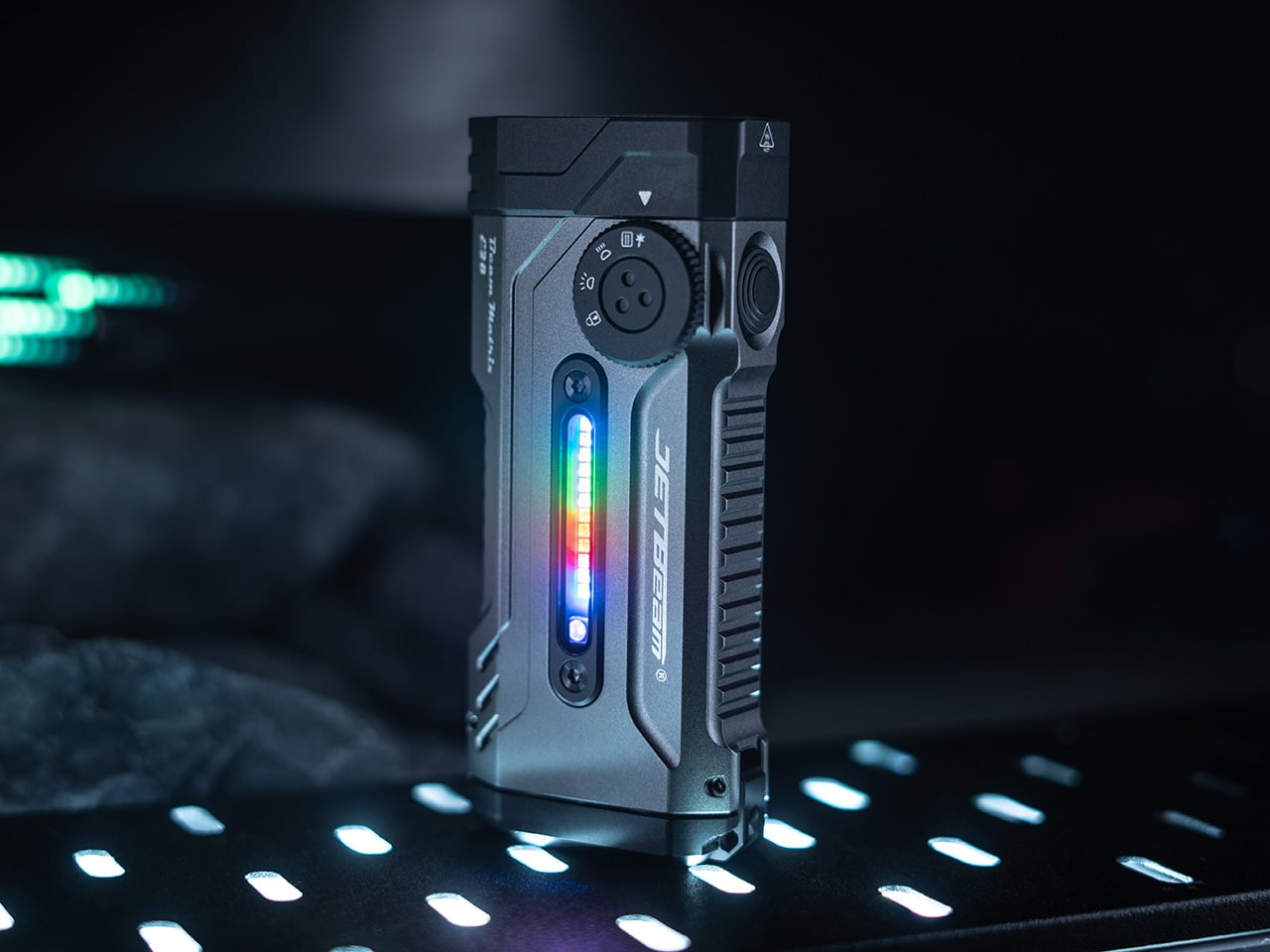
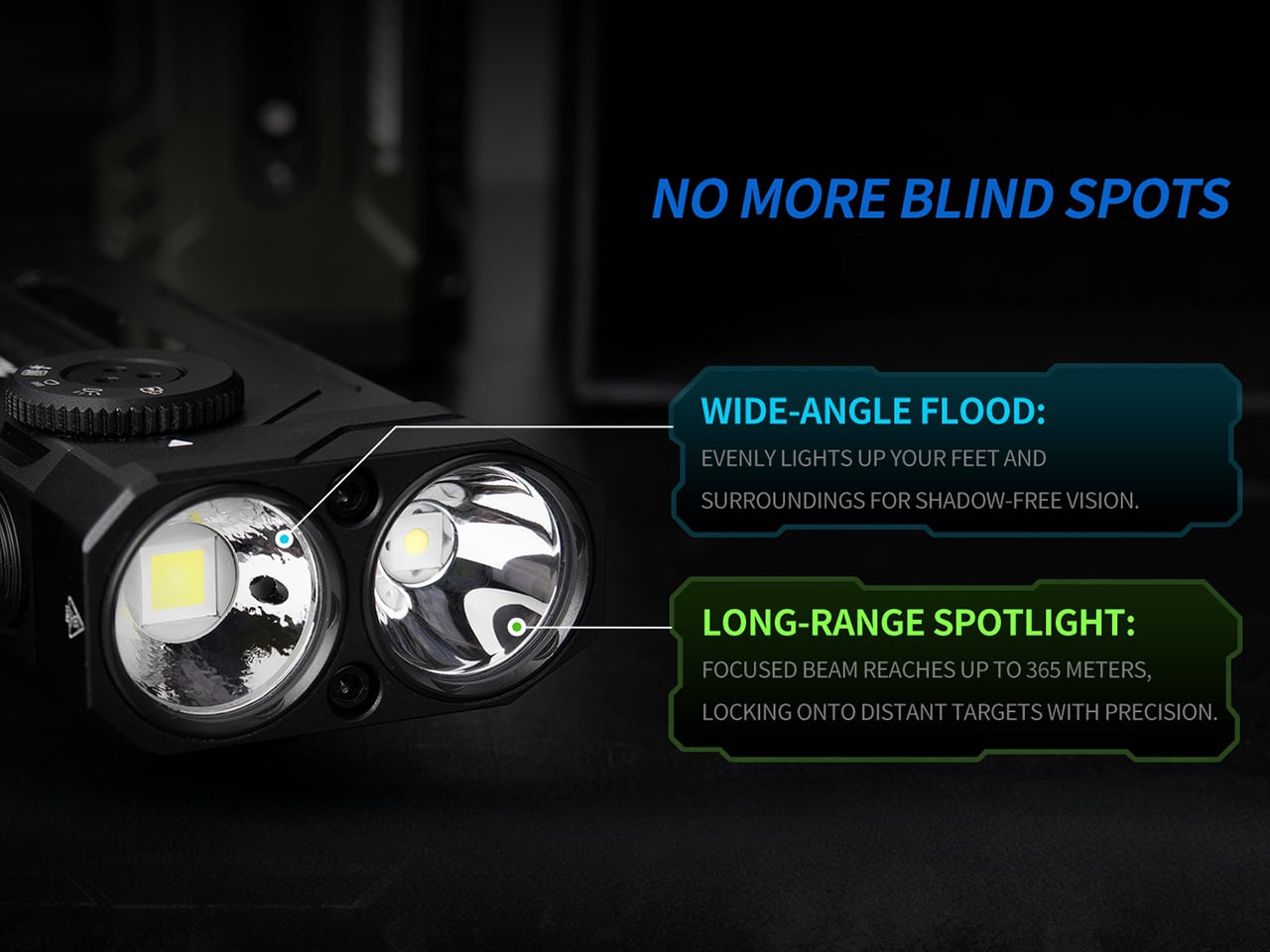
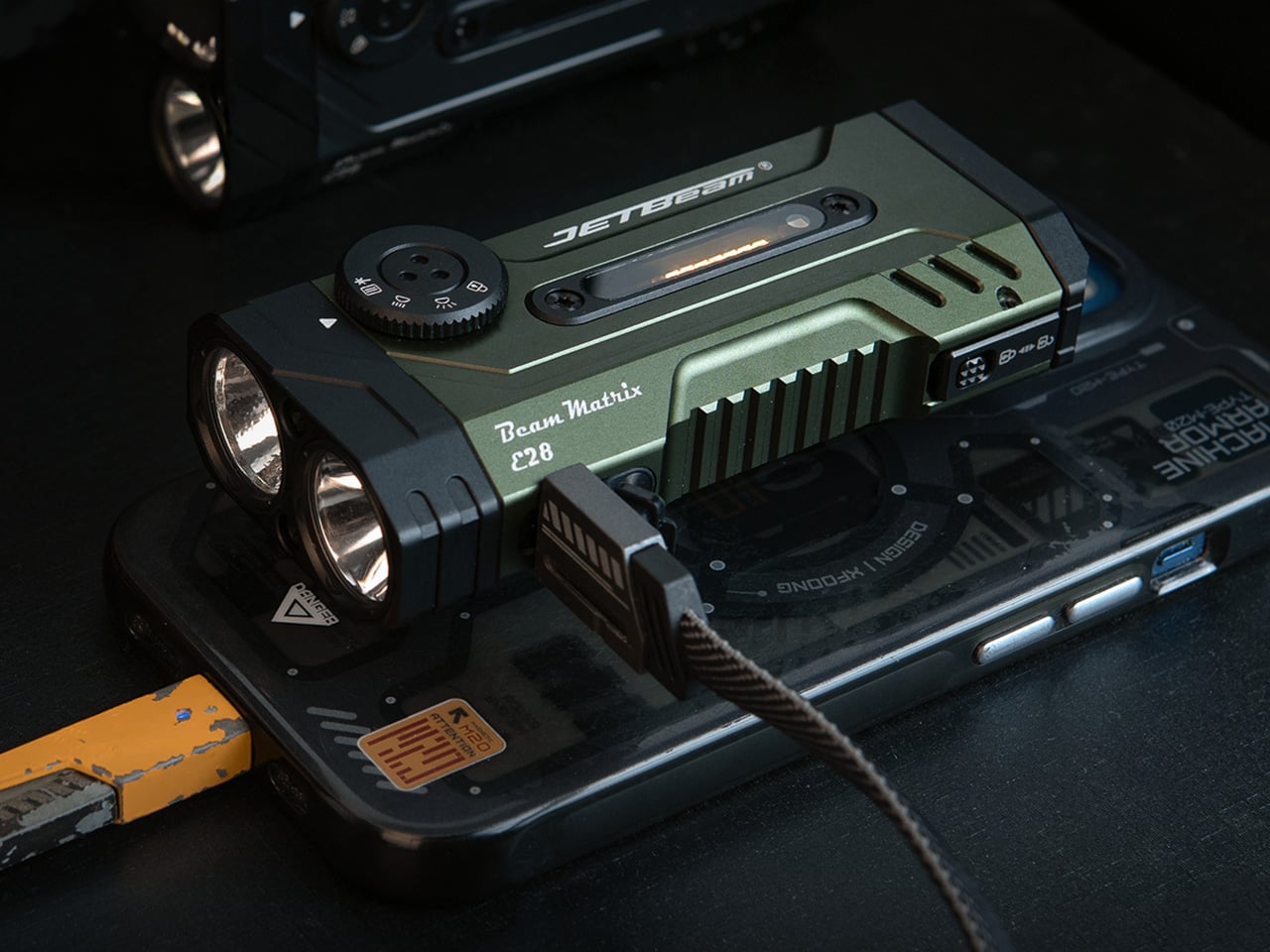
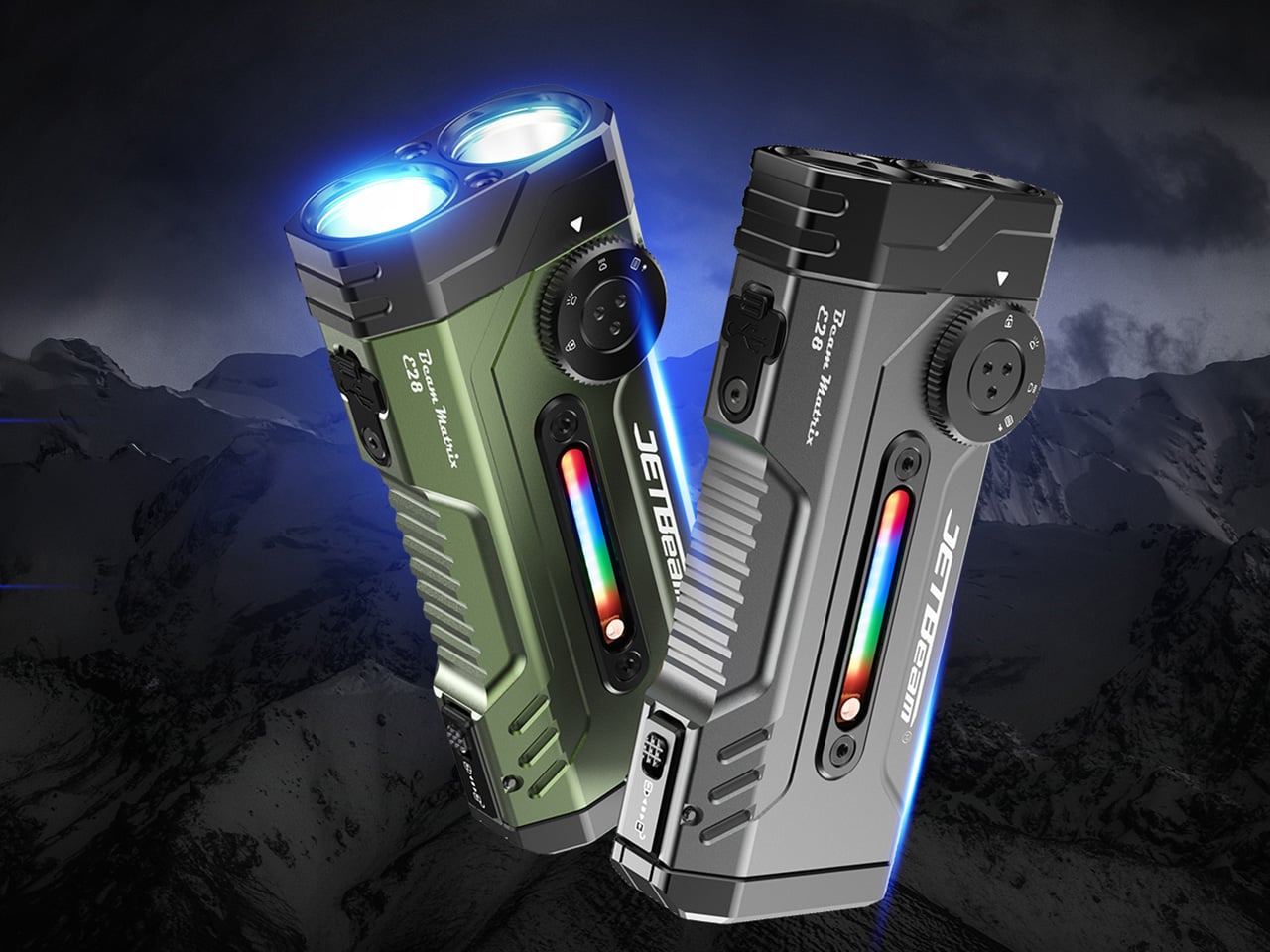
Most flashlights ask you to choose. Throw or flood. Pocket size or runtime. A simple beam or specialty features. Jetbeam’s E28 walks into the room and suggests you stop choosing altogether. This flat, brick-shaped EDC light packs dual independently controlled white beams (one flood, one throw), a 365 nm UV emitter, a 520 nm green laser, an RGB side strip with nine modes, and a 7,000 mAh power bank into a single 251-gram body. It is the sort of design that makes you wonder whether the engineers were trying to solve real problems or just win a feature-count contest.
Here’s the thing: the spec sheet sounds like overkill until you actually think about the situations where you need more than a basic beam. Checking a hotel room for cleanliness with UV. Using the laser as a presentation pointer by day and a pet toy by night. Mounting the light magnetically under a car hood while the flood beam lights your work and the throw beam spotlights a distant part number. The E28 is betting that enough people want a true multi-tool in flashlight form, and the early reviews suggest Jetbeam might be onto something.
Two 18650 cells sit inside a flat aluminum body measuring 107.6 × 48 × 26.6 mm, delivering 7,000 mAh of total capacity. That translates to 8.3 hours at 500 lumens in flood mode or 13.2 hours at 300 lumens in throw mode, which are the runtimes that actually matter when you cannot swap batteries mid-hike. Moonlight mode allegedly hits 350 hours, though nobody is realistically running a light that dim for two weeks straight. The dual-cell setup adds weight, pushing the E28 to 251 grams with batteries installed, but that heft comes with the benefit of never worrying about your light dying during an evening walk or a weekend camping trip.
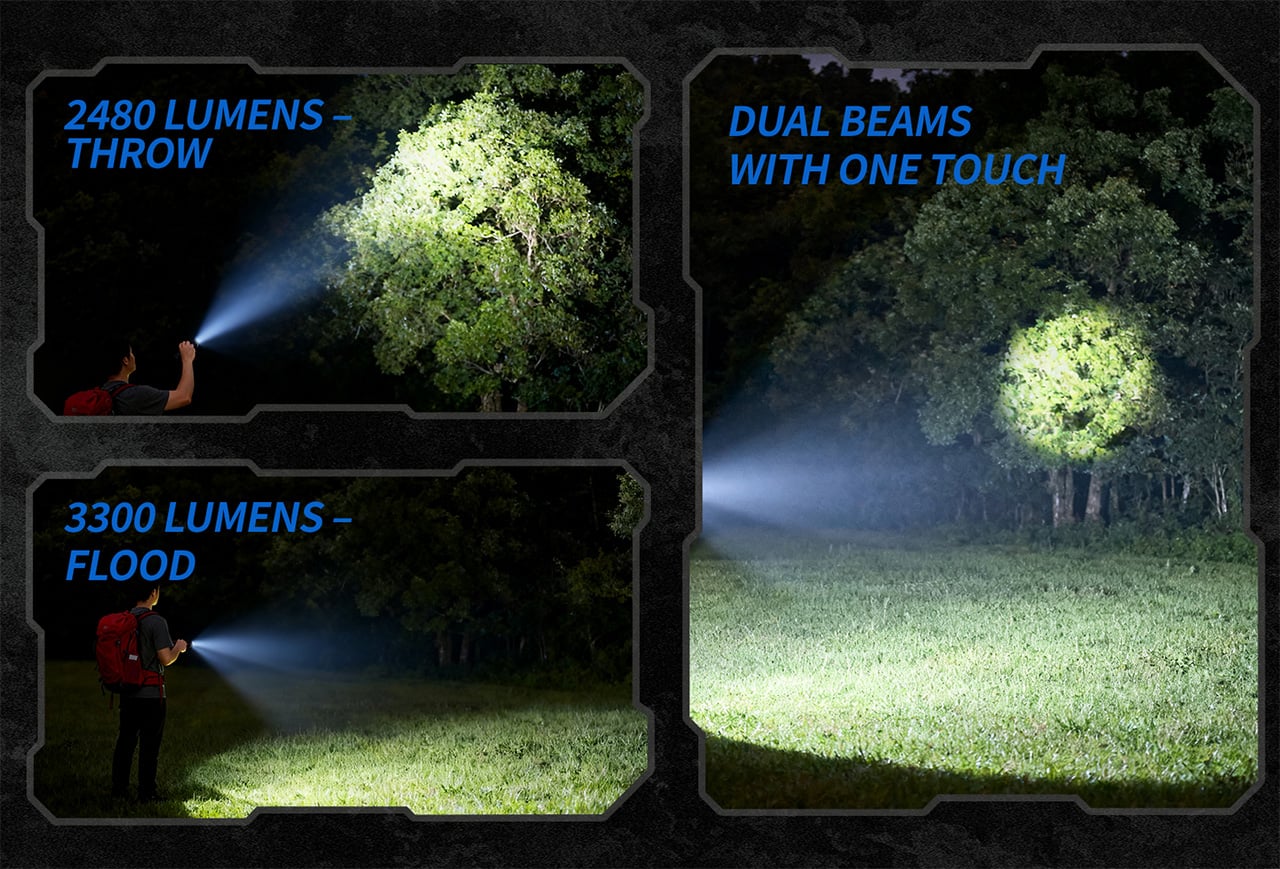
Jetbeam gave each beam its own proper optics instead of cramming compromised emitters into a too-small head. The flood side uses a 7070 LED with a wide, shallow reflector, maxing out at 3,300 lumens (briefly, before stepping down to 1,500 then 1,000 as heat builds). It is a wall of light that illuminates everything within 10 meters with zero shadows, exactly what you want for close work or navigating a dark campsite. The throw channel uses a Luminus SFT-42R with a smooth, focused reflector, hitting 2,480 lumens and reaching 365 meters with a 33,375-candela hotspot. That is search-and-rescue level throw from a light you can slip into a jacket pocket. Running both channels simultaneously gives you a beam profile with bright center punch and complete peripheral coverage, which is how dual-beam lights should work but rarely do because most manufacturers cheap out on one emitter or the other.
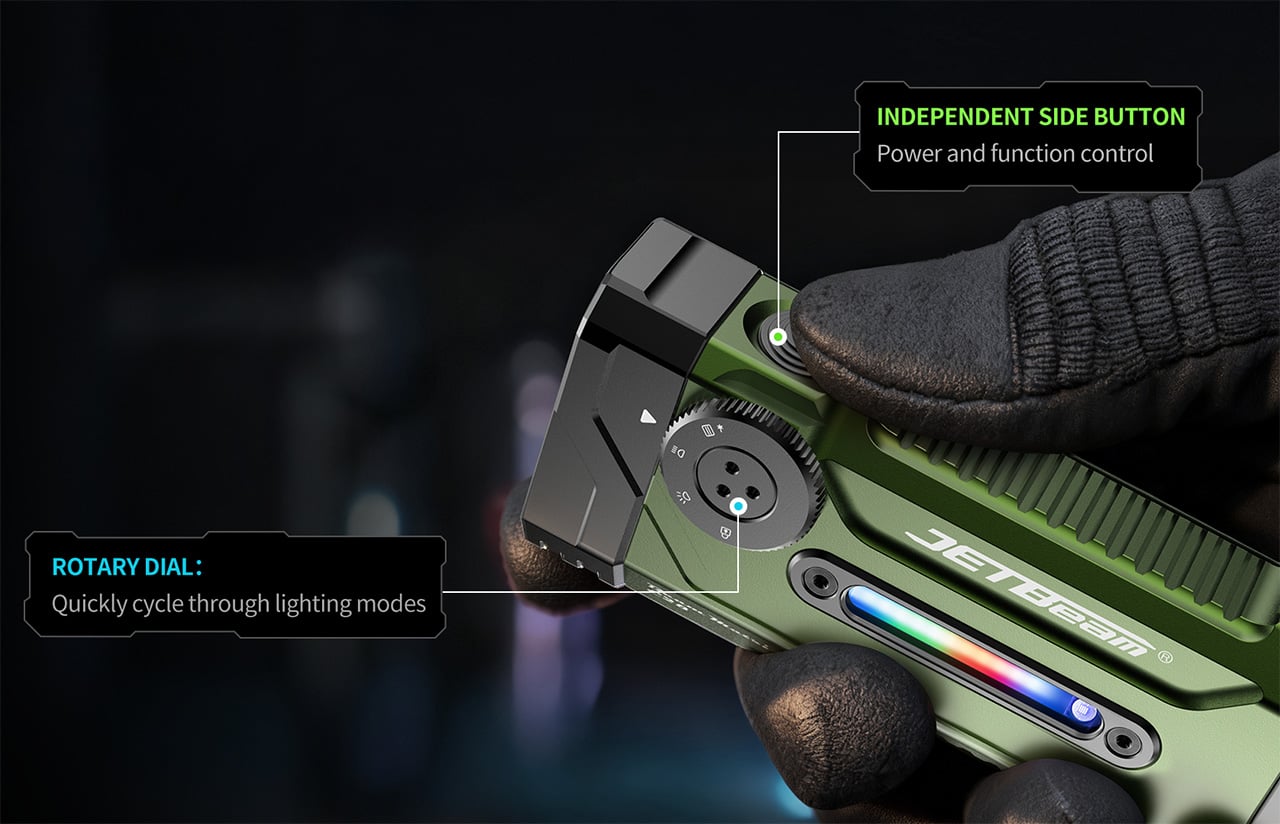
A rotary dial handles mode switching, which immediately sets this apart from the “click seventeen times to find strobe” nonsense that plagues most multi-mode lights. Rotate to flood, throw, dual-beam, UV, laser, or RGB, then tap the side button to turn on or cycle brightness. It takes maybe ten minutes to learn and then becomes completely intuitive. You can operate it one-handed even with gloves because the dial has positive detents and the button is chunky and easy to find by feel. Jetbeam clearly spent time thinking about how people actually use lights in the field instead of just designing a UI that looks good on paper.
The UV emitter sits on one side at 365 nm, which is proper ultraviolet (not the 395 nm purple wash that cheap lights use). This wavelength makes currency security features glow, reveals pet stains on carpets, highlights HVAC leak-detection dye, and generally makes invisible contaminants visible. If you work in automotive, HVAC, or forensics, this is a tool you already carry separately. If you travel frequently and care about hotel cleanliness, same deal. For everyone else, it is a fun party trick that might come in handy twice a year. The 520 nm green laser sits opposite, useful for presentations, pointing out distant landmarks, or entertaining pets. It is low-powered enough to be safe but bright enough to be visible across a parking lot at night. The RGB strip runs along the side with nine different modes: solid colors, breathing patterns, meteor effects, rainbow flow. Red light preserves night vision when you are reading maps. Multicolor modes create ambient lighting at camp or act as fill light for photos. Solid white functions as a secondary task light. Some people will use this constantly; others will turn it on once, say “neat,” and forget it exists.
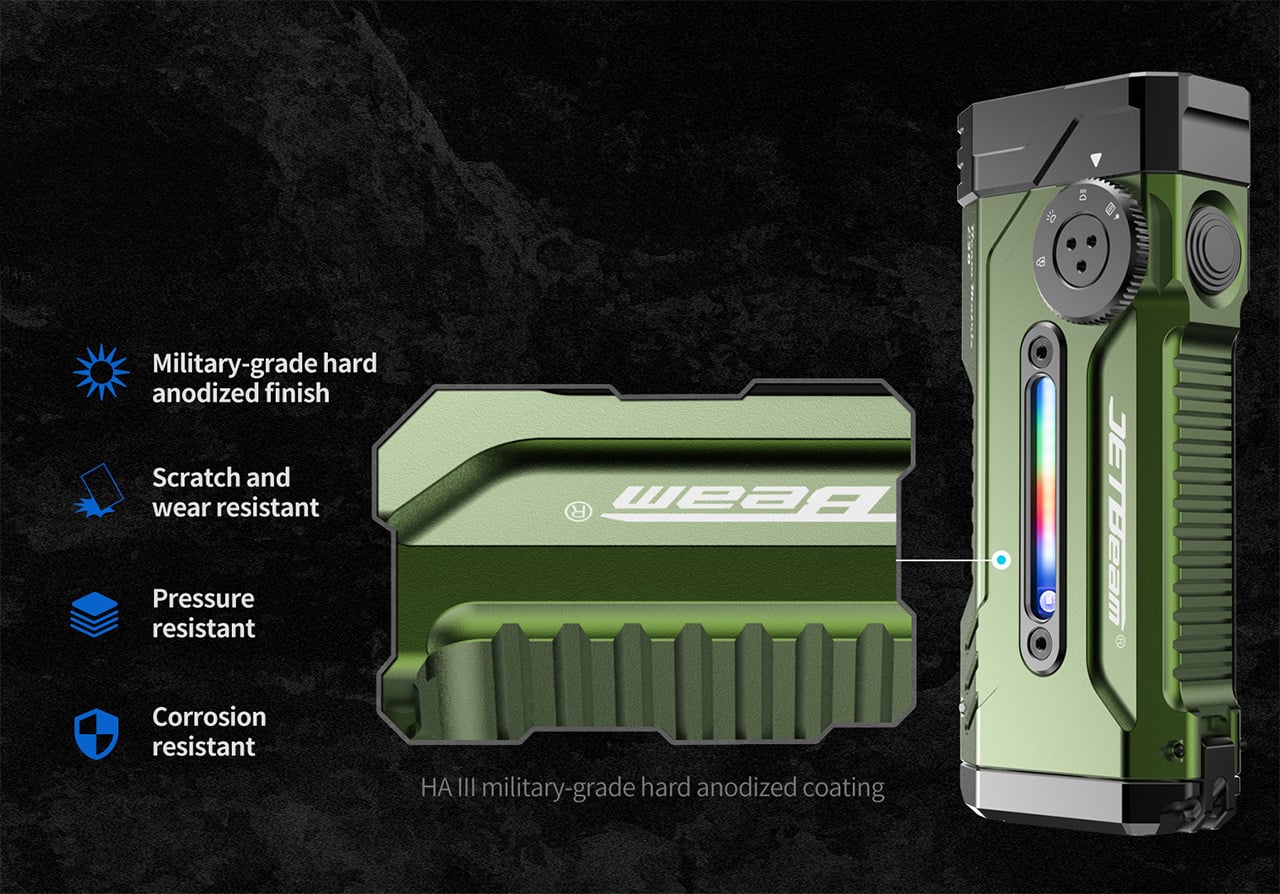
Aerospace-grade aluminum with HA III hard anodizing means the body can take scratches, drops, and general abuse without looking like it fell off a truck. The machining cuts along the flat sides double as heat fins and grip texture, which is functional design instead of just aesthetics. IPX8 waterproofing handles 2 meters of submersion, and the USB-C port hides behind a sealed rubber cover. The magnetic tail holds firm on steel surfaces even when the light is pumping out heat on high mode, making hands-free work actually practical. A removable clip mounts in either direction for cap-brim carry, backpack straps, or belt attachment, and the base plate is compatible with GoPro-style action camera mounts, so you can stick this on bike handlebars, helmets, or quick-release brackets.
The power bank function turns 7,000 mAh of onboard capacity into emergency phone charging via USB-C. You can fully charge most phones at least once, which makes the E28 useful during power outages or long days away from outlets. It is not replacing a dedicated battery bank, but as something that lives in your car or go-bag anyway, having that backup option adds real value. The RGB strip shows battery status for five seconds on power-up, cycling through colors to indicate remaining charge, which is smarter than trying to guess voltage by how bright the beam looks.
Jetbeam ships the E28 with two 3,500 mAh 18650 cells, a USB-C cable, lanyard, mounting clip, hardware, and a hex wrench, so you can use it immediately without buying accessories. Pricing lands at $87.45 with 2 color options to choose from – a tactical green, and a classic grey, which feels reasonable for a light that consolidates a flood beam, throw beam, UV source, laser pointer, and power bank into one 251-gram package. If you already carry multiple single-purpose tools, the E28 is the Swiss Army knife consolidation you did not know you needed. If your lighting needs are simple, a $25 single-beam EDC or even your phone’s flashlight will serve you fine. But for anyone who regularly finds themselves thinking “I wish I had X tool right now,” Jetbeam built exactly that.
The fancy pen set has become the most predictable gift in the design world. Sleek metal barrels tucked into velvet cases, often expensive, rarely used. They end up in drawers alongside forgotten business cards and mystery cables. Designers know this pattern well because they’ve received these sets multiple times, smiled politely, and wondered why gift givers keep missing what actually matters: tools that solve real problems beautifully.
The best gifts for designers aren’t decorative. They’re functional objects elevated through thoughtful design, things that get touched daily and spark small moments of satisfaction. The tools below earned their place on studio desks and in everyday carry rotations because they do their jobs exceptionally well while looking good doing it. Each one beats the fancy pen set by actually getting used.
1. Stud Measure
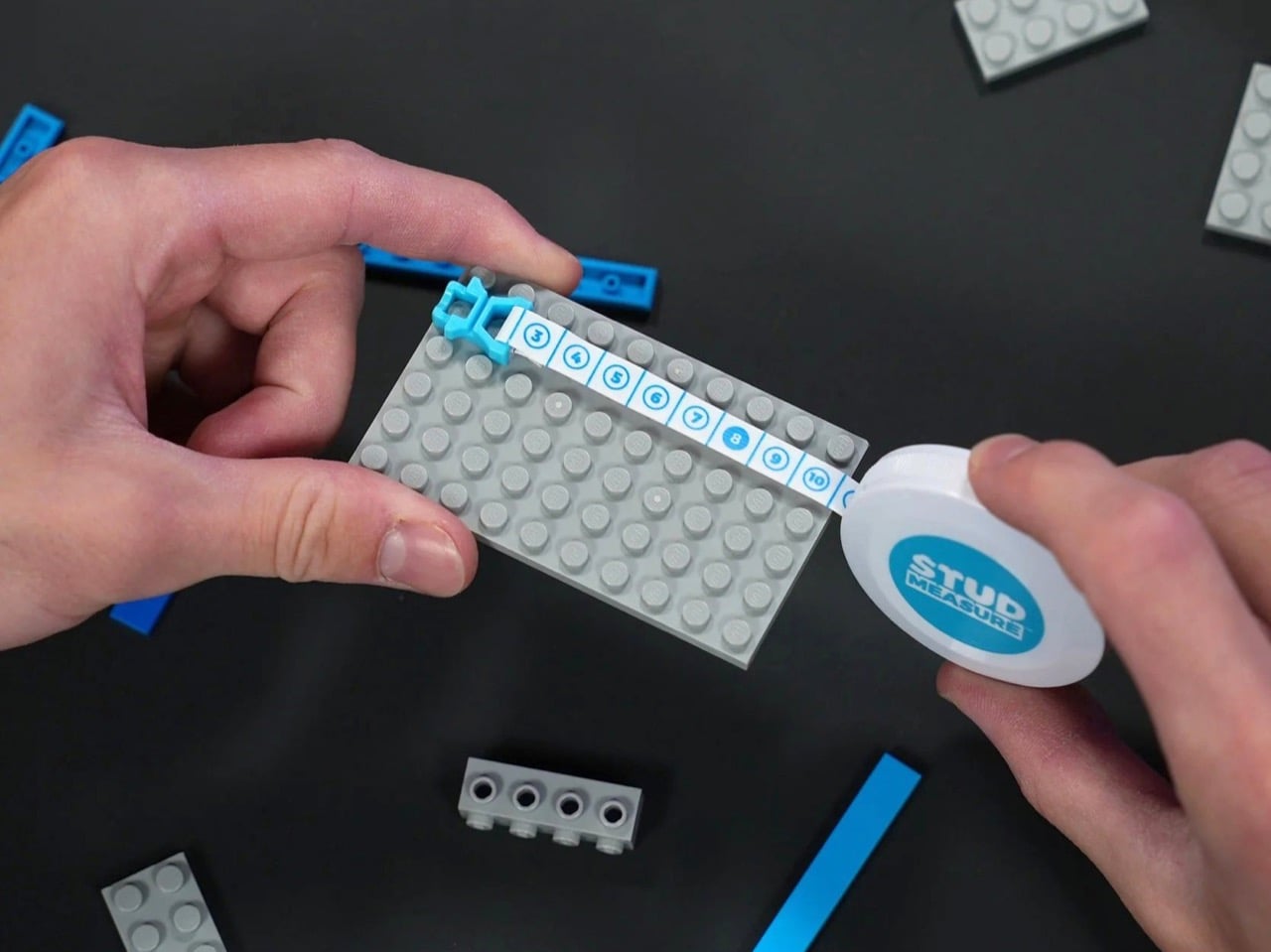
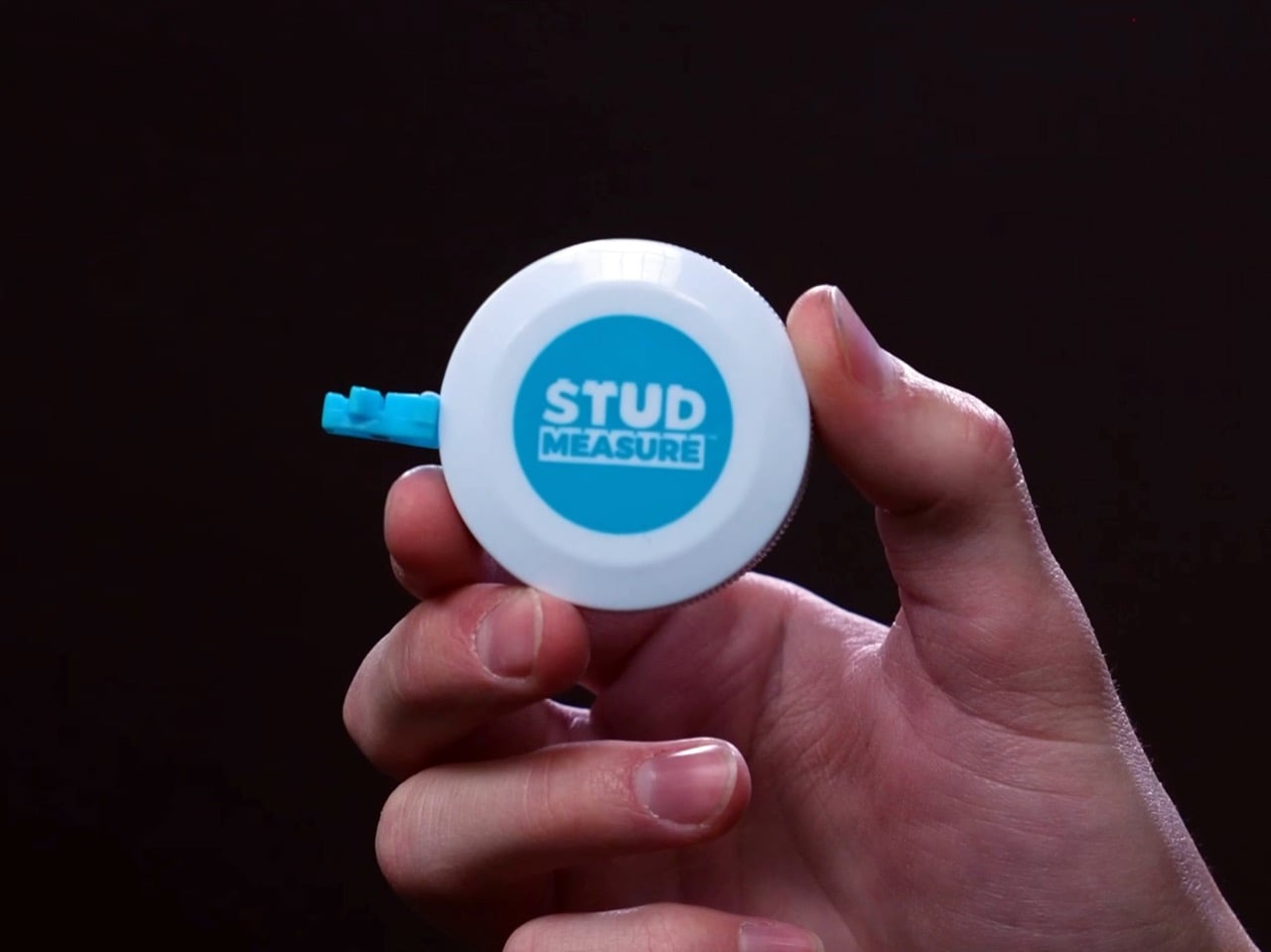
The LEGO builder’s toolkit has remained surprisingly incomplete for decades. Brick separators arrived to spare fingernails, storage systems evolved to organize thousands of pieces, but measuring stayed primitive. Counting studs by hand across baseplates or estimating dimensions by eye works until precision matters. The Stud Measure addresses this gap with a measuring tape designed specifically for LEGO’s geometry, speaking the language of studs, bricks, and plates, rather than forcing builders to convert from inches or centimeters.
Riley from Brick Science designed this tool after years of building on camera for over two million subscribers. The bright blue clip snaps directly into LEGO studs, anchoring the tape without dangling metal hooks or slipping off edges. The flexible tape extends to 190 studs, covering roughly 60 inches of real-world distance. That length handles most train layouts, modular building displays, and tabletop city builds without needing to retract and reposition. The markings translate directly into LEGO measurements, turning what used to require mental math into something you can read at a glance.
What we like
The clip integration feels obvious once you see it, snapping into studs the same way bricks do.
The 190 stud length covers serious builds without falling short when you need it most.
Pricing sits at $9.99, low enough to grab without overthinking the purchase.
The tape works equally well measuring horizontal baseplates or vertical wall constructions.
What we dislike
The single color option limits personalization for builders who customize everything.
The tape’s flexibility means it can bow slightly on unsupported long measurements.
Storage becomes another loose item in the parts bin without a dedicated home.
The niche appeal means non-LEGO builders won’t find much use for it.
2. Magboard Clipboard
Clipboards haven’t changed much in generations. A rigid board, a spring clip, maybe a storage compartment if you’re lucky. They work fine for static documents but fall apart the moment you need to rearrange pages, add sheets mid-project, or work with different paper sizes. The Magboard rebuilds this basic tool using magnets and a lever mechanism that holds up to 30 sheets while letting you reorganize on the fly.
The hardcover design maintains writing stability even when you’re standing or moving between spaces, giving you the structure notebooks provide without forcing a predetermined page order. Water resistance protects your work when coffee tips over or rain hits unexpectedly. The magnetic clip releases and secures smoothly, creating a tactile interaction that feels more intentional than wrestling with a bent spring clip. Loose sheets stay loose, giving you complete freedom to sketch, annotate, shuffle, and discard without worrying about binding.
The magnetic mechanism handles 30 sheets without feeling strained or weak.
Rearranging pages mid-project happens instantly instead of requiring unbinding and rebinding.
The hardcover support makes vertical note-taking actually practical for site visits or standing meetings.
Water resistance means the clipboard itself survives the chaos that kills paper.
What we dislike
The minimalist design lacks storage pockets for pens or business cards.
Magnets can interfere with some types of metallic ink or magnetic stripe cards if stored together.
The rigid form takes up more bag space than flexible clipboards.
Premium materials push the price higher than basic office supply versions.
3. Z3RO Mini Knife
Keychain knives usually feel like compromises. Light enough to ignore until you need them, flimsy enough to make you wish you’d brought a real blade. The Z3RO mini knife weighs 11 grams and measures around 5 centimeters, but uses materials borrowed from surgical tools and industrial cutters: tungsten alloy for the cutting tip, carbon fiber for the body, and titanium for the backbone. It fits on a keychain without adding bulk yet handles daily cutting tasks with the kind of precision that makes cheap utility knives feel sloppy.
Tungsten alloy rates at Mohs hardness nine, sitting just below diamond on the scale. That hardness means the tip shrugs off cardboard, cord, plastic packaging, thick tape, and cable ties without dulling quickly or developing the microchips that ruin cheaper blades. The tasks designers face constantly, opening sample shipments, cutting shrink wrap, trimming threads, slicing through layers of tape, all happen cleanly without needing to swap blades every few weeks. The carbon fiber body keeps weight minimal while the titanium backbone provides the structural support that makes the knife feel like a precision tool rather than an emergency backup.
The tungsten tip maintains sharpness through months of daily abuse without needing replacement.
The 11-gram weight makes it genuinely keychain-friendly instead of pocket sagging.
Material choices create a tool that feels premium rather than disposable.
The compact size handles travel restrictions better than full-size knives.
What we dislike
The small size limits cutting leverage on thicker materials.
Replaceable tips aren’t as widely available as standard utility blades.
4. FoldLine Pen Roll
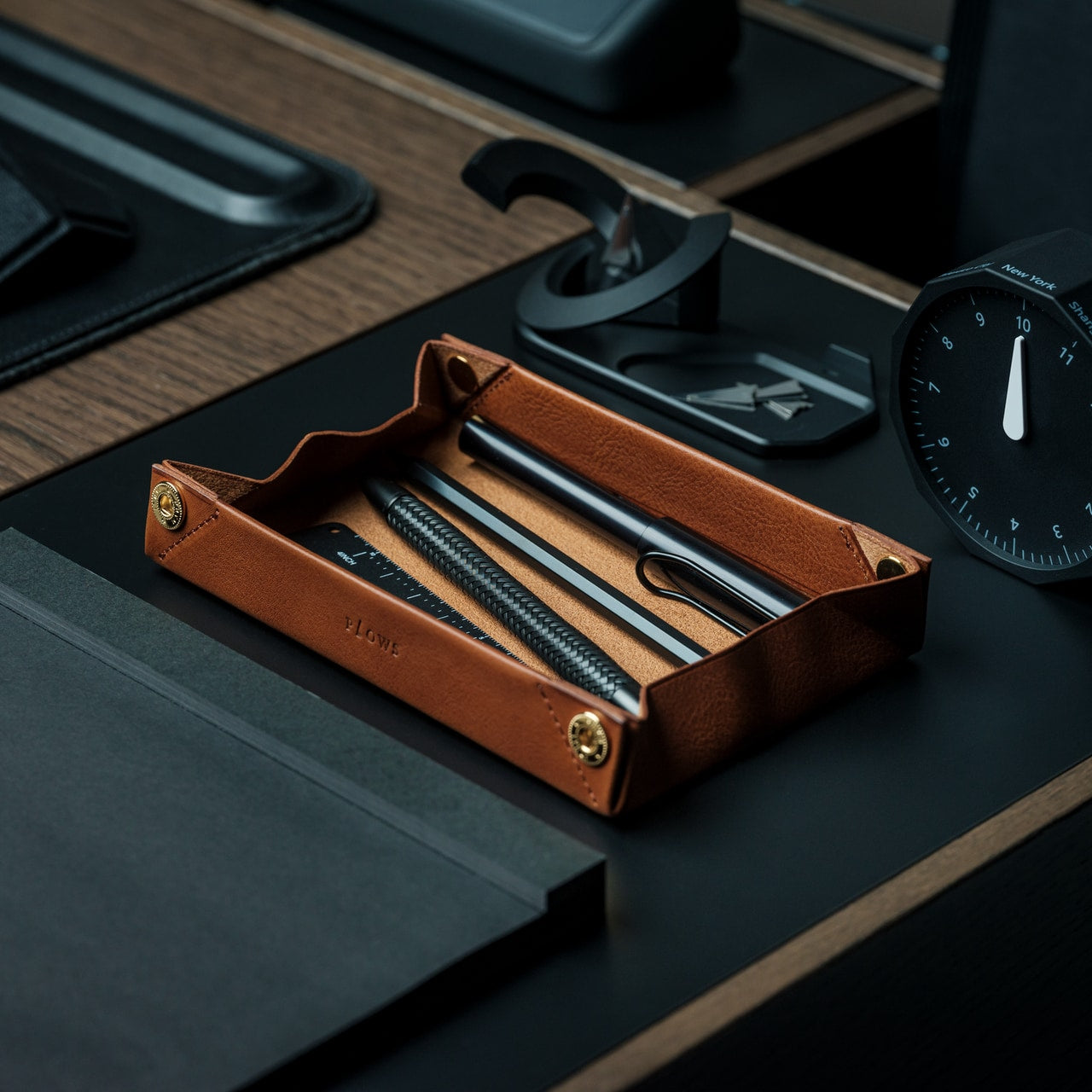
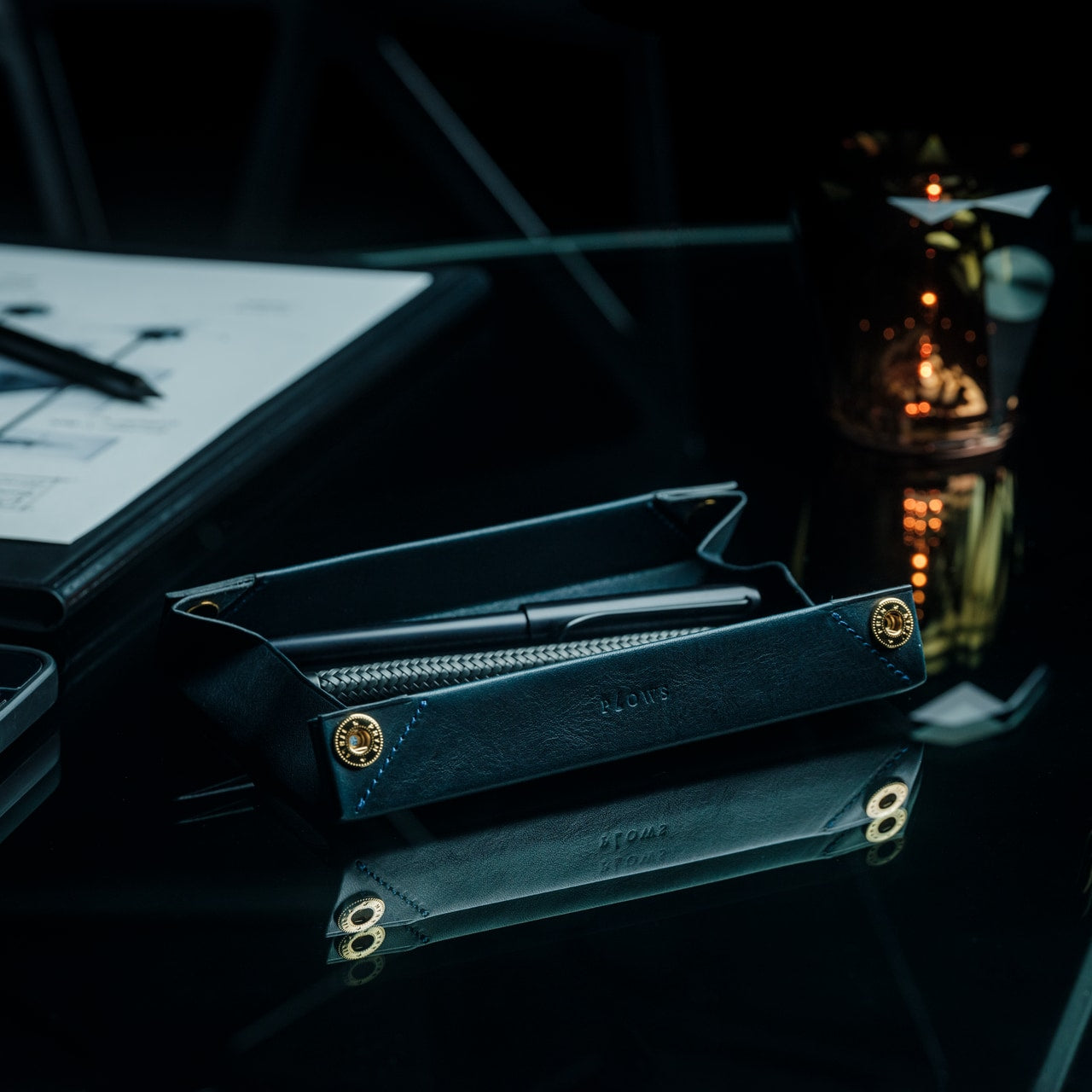
Pen storage tends toward two extremes: cases that rattle and clatter with every movement or rigid boxes that take up excessive space. The FoldLine Pen Roll takes a different approach, using a single piece of Italian Minerva Box leather that folds into structure without stitched dividers or internal compartments. It opens in two seconds, transforming from a compact roll into a stable tray that turns any surface into an organized workspace.
The folded leather naturally separates pens without requiring individual slots, wrapping each writing instrument in soft material that prevents scratching and eliminates the metallic clinking that makes some pen cases sound like tackle boxes. The symmetrical design works equally well for left or right-handed users, opening cleanly from either side without a preferred orientation. The leather comes from Badalassi Carlo tannery in Italy, vegetable tanned and enriched with cow leg oil, so it develops a unique patina over time while softening rather than cracking. The closure uses a machined snap from Italy’s PRYM, creating a satisfying click that signals quality in a detail most pen cases overlook.
The tray transformation provides instant workspace organization without requiring a dedicated desk.
The partition-free design adapts to different pen sizes and quantities naturally.
Minerva Box leather ages beautifully instead of showing wear as damage.
The ambidextrous design eliminates the frustration of cases built for one-handedness.
What we dislike
The premium leather commands a higher price than nylon or synthetic alternatives.
The soft material offers less impact protection than hard-shell cases.
The roll format requires slightly more bag space than flat cases.
Limited capacity means collectors with extensive pen rotations need multiple rolls.
5. Craftmaster EDC Utility Knife
Standard utility knives work, but rarely feel good to use. Plastic bodies flex under pressure, blades wobble in cheap housings, and the overall aesthetic screams contractor’s toolbox rather than designer’s kit. The Craftmaster EDC Utility Knife rebuilds this category with a metal exterior that’s only 8 millimeters thick, a tactile rotating knob for blade deployment, and a magnetic back that docks with a metal scale combining measurement with blade maintenance.
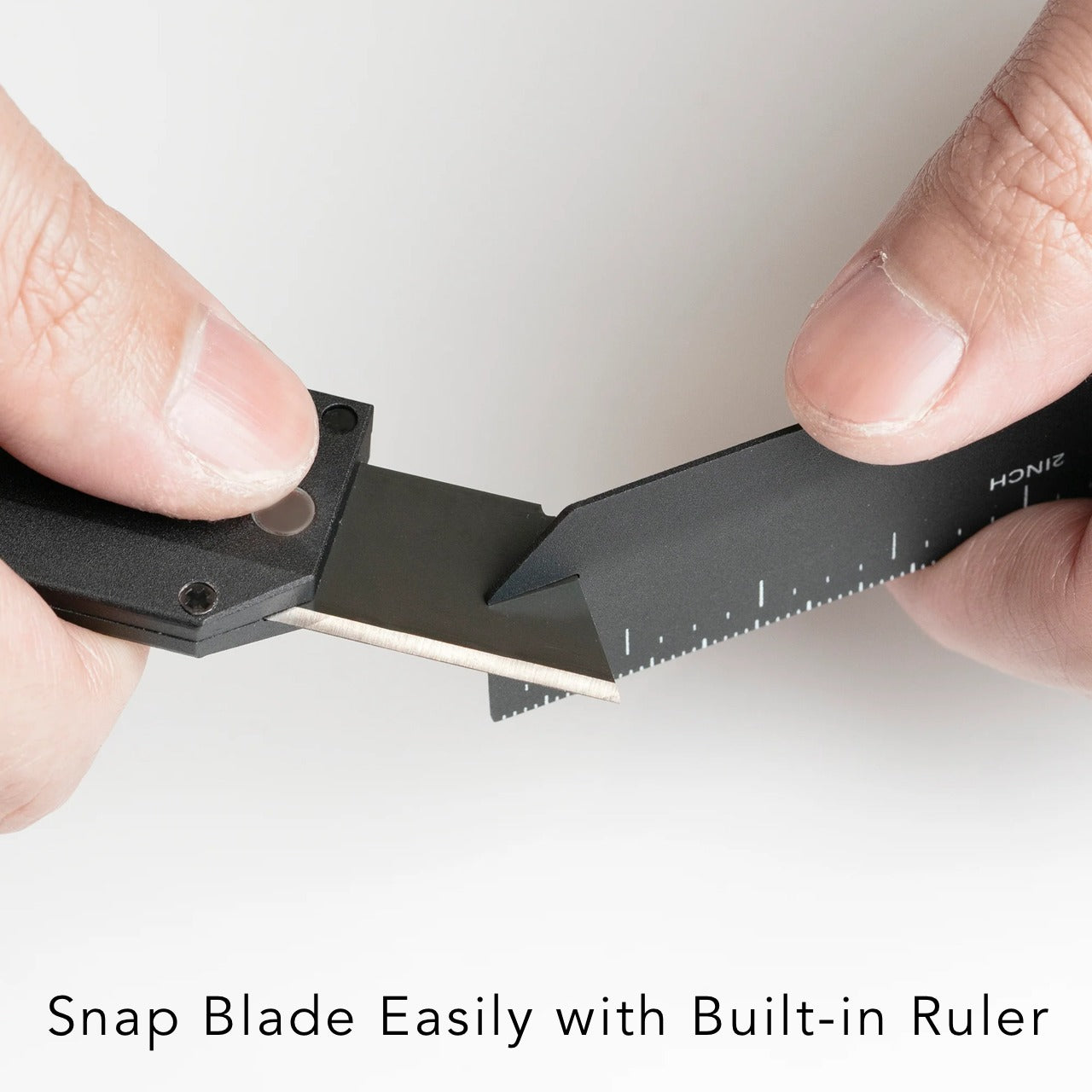
The OLFA blade inside is easily replaceable, but the way you interact with it changes everything. The rotating knob deployment feels mechanical and precise rather than fumbling with a sliding lever. The magnetic back lets you store the knife on any metal surface, keeping it visible and accessible rather than lost in a drawer. The companion scale sports both metric and imperial markings with a raised edge that makes it easy to lift off flat surfaces, doubling as a cutting guide. The scale includes a blade breaker for snapping off dulled segments, keeping the knife sharp without requiring tools or leaving dangerous blade pieces loose.
The metal construction creates a tool that feels substantial and reliable in hand.
The rotating deployment mechanism provides satisfying tactile feedback with each use.
The magnetic scale pairing turns two separate tools into an integrated system.
The 8 millimeter thickness keeps the knife genuinely pocket-friendly despite the premium materials.
What we dislike
The metal body adds weight compared to plastic utility knives.
The premium price point makes it a significant investment for a utility blade.
The magnetic feature only works with ferrous metal surfaces.
The minimalist design lacks the blade storage compartments that some utility knives include.
6. Casta Universal Design Scissors
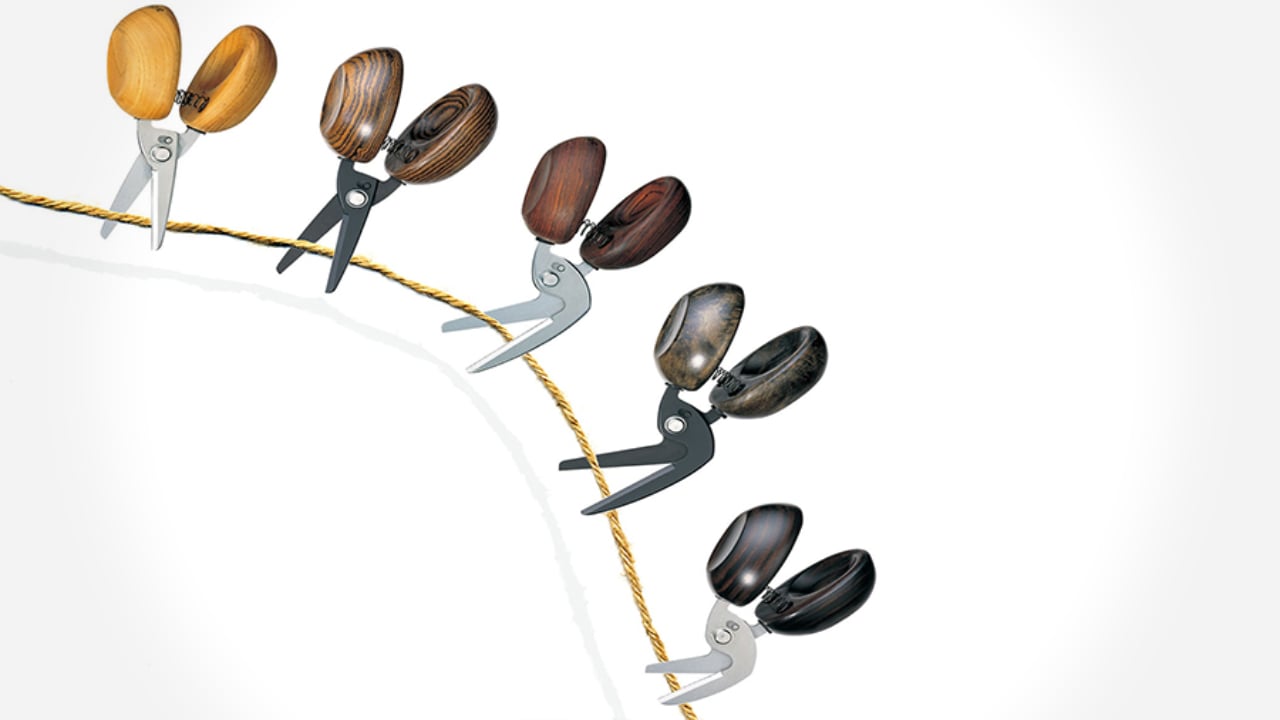
Scissors typically divide users into camps: right-handed tools that torture lefties or ambidextrous compromises that work poorly for everyone. The Casta Universal Design Scissors use perfectly round handles that rest in your palm regardless of hand dominance, creating equal comfort for all users. Inside each handle, a round concave shape produces a clicking sound that changes based on the material you’re cutting, adding unexpected sensory feedback to a tool most people tune out completely.
The round handles eliminate the finger loops that create pressure points during extended cutting sessions, distributing force across your palm instead of concentrating it on a few digits. The clicking sound might seem like a gimmick until you experience how it brings awareness to the cutting process, making routine tasks feel slightly more engaging. The ergonomic benefits combine with the acoustic element to create scissors that work efficiently while sparking small moments of satisfaction each time you use them.
What we like
The true ambidextrous design serves left and right-handed users equally well.
The palm grip distributes pressure more comfortably than finger loop handles.
The acoustic feedback adds unexpected delight to mundane cutting tasks.
The universal design makes sharing scissors in studios and offices friction-free.
What we dislike
The unconventional handle shape requires a brief adjustment period for users accustomed to traditional scissors.
The acoustic feature may distract in quiet environments or annoy those who prefer silent tools.
The specialized design typically commands a premium over standard scissors.
The round handles offer less precise control for detail cutting work.
7. Høvel Pencil Plane
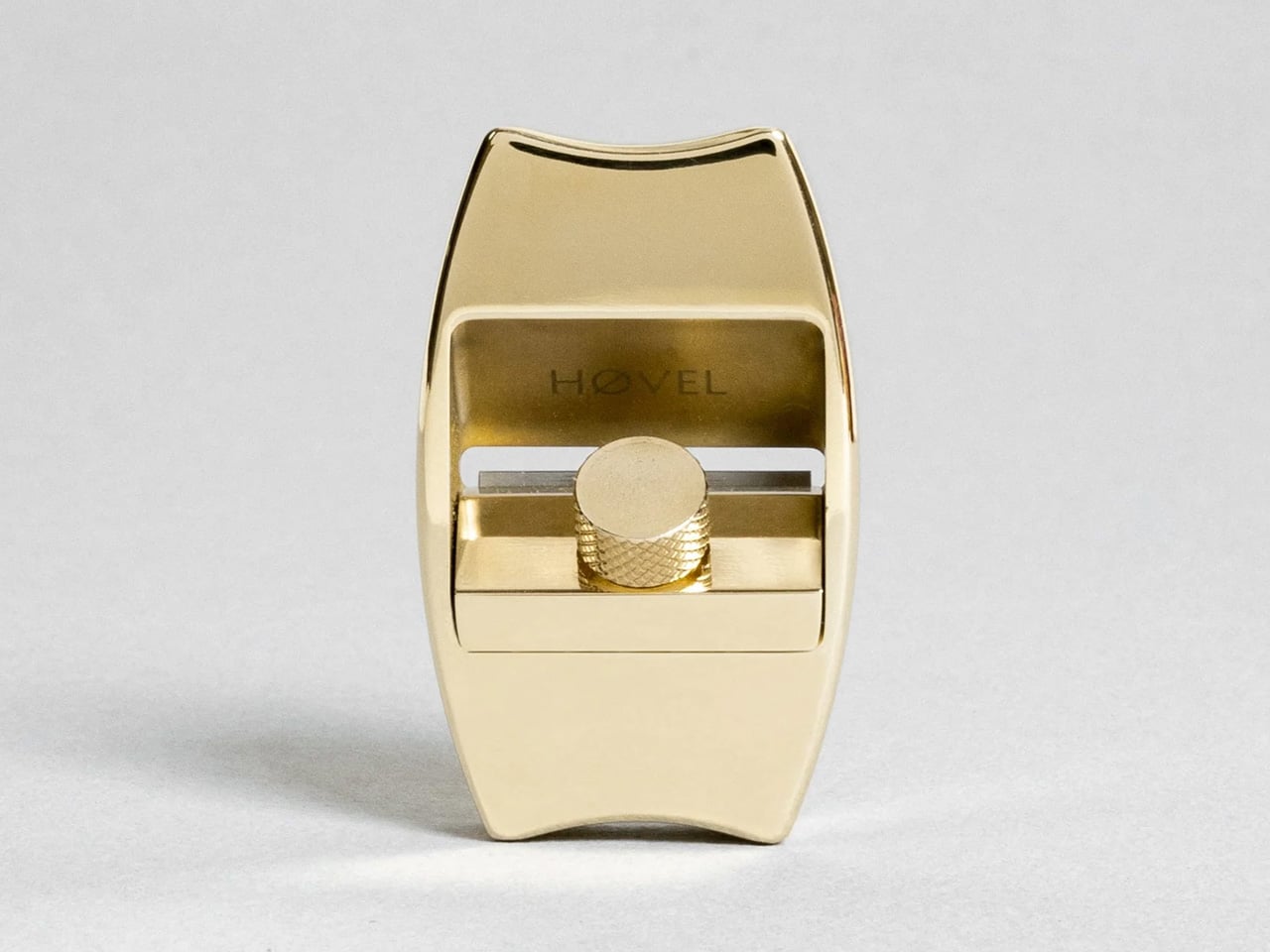
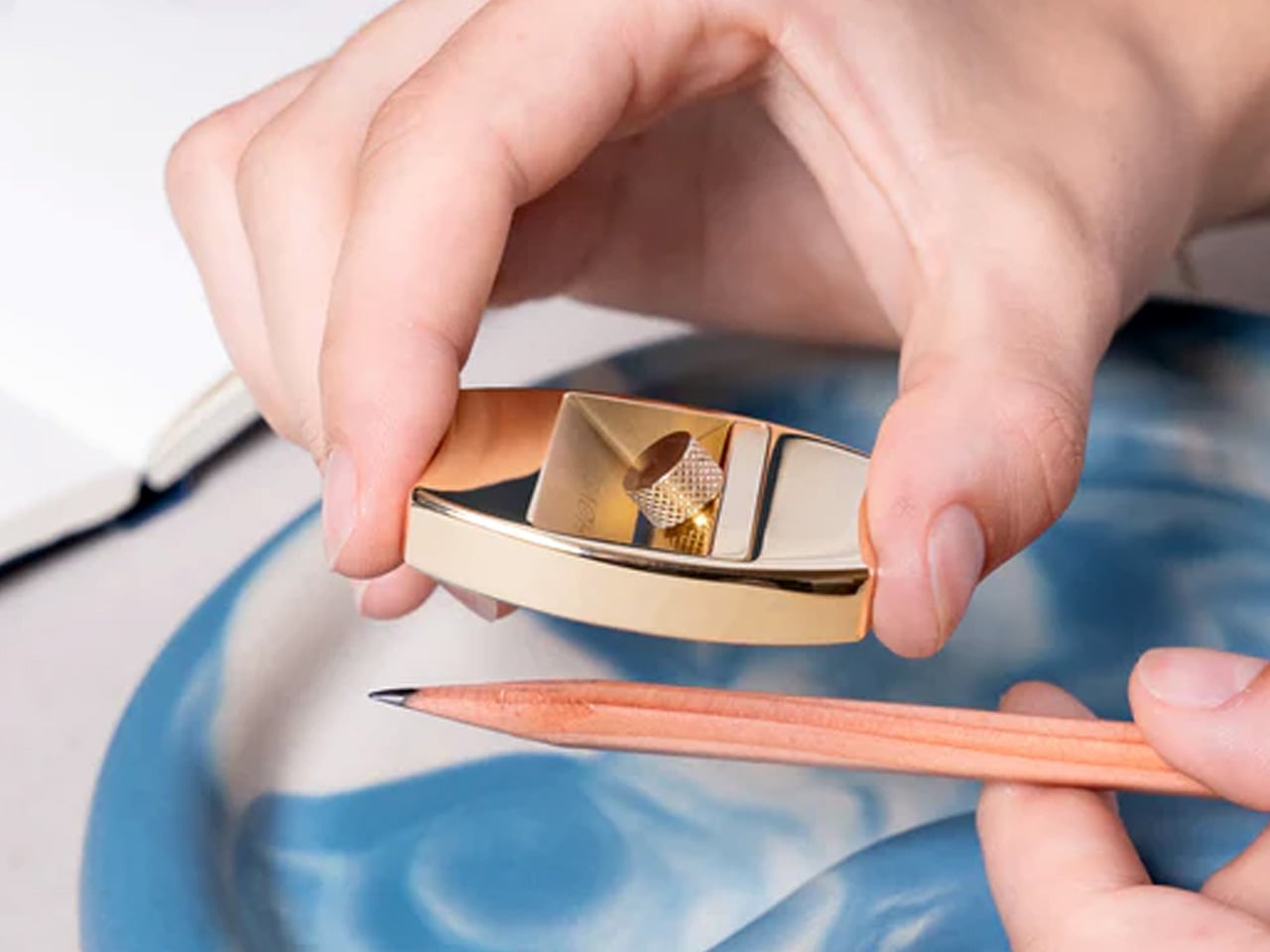
Pencil sharpeners haven’t evolved much beyond the basic mechanism: insert pencil, twist, hope the lead doesn’t snap. The Høvel reimagines this tool completely, functioning as a miniature plane that lets you whittle your pencil to any desired point. The solid brass body weighs enough to feel substantial in hand while developing patina over time, gaining character instead of looking worn out.
Traditional sharpeners twist and stress the graphite core, often snapping it inside the wood and forcing you to sharpen repeatedly just to find intact lead. The Høvel’s planing action removes wood cleanly without torquing the core, working especially well with soft pencils, pastels, or makeup pencils that shatter in conventional sharpeners. The blade changes easily without tools, staying sharp through hundreds of sharpenings. You control the point shape precisely: long and needle sharp for detailed work, short and sturdy for bold strokes, or even flat like a chisel for calligraphy and lettering.
What we like
The brass construction ages beautifully instead of degrading over time.
The mechanism prevents lead breakage that wastes expensive art pencils.
Blade replacement happens in seconds without requiring screwdrivers or specialty tools.
The point customization serves different drawing and writing techniques equally well.
What we dislike
The manual process takes longer than electric or crank sharpeners.
The shavings scatter rather than collecting in a container.
The premium brass version costs significantly more than plastic sharpeners.
The technique requires practice to achieve consistent results at first.
Why These Tools Win
Fancy pen sets fail because they prioritize appearance over utility, offering solutions to problems designers don’t have. The tools above succeed because they solve actual daily frustrations while looking good on your desk or in your bag. They’re objects you reach for constantly rather than display once and forget. That’s the difference between a gift that impresses for a moment and one that earns permanent space in someone’s workflow.
The best design gifts acknowledge that designers value function as much as form. These seven tools deliver both, turning routine tasks into small satisfactions and proving that the most thoughtful presents are the ones that actually get used. The fancy pen set will keep collecting dust, but these tools will be reaching for them tomorrow.
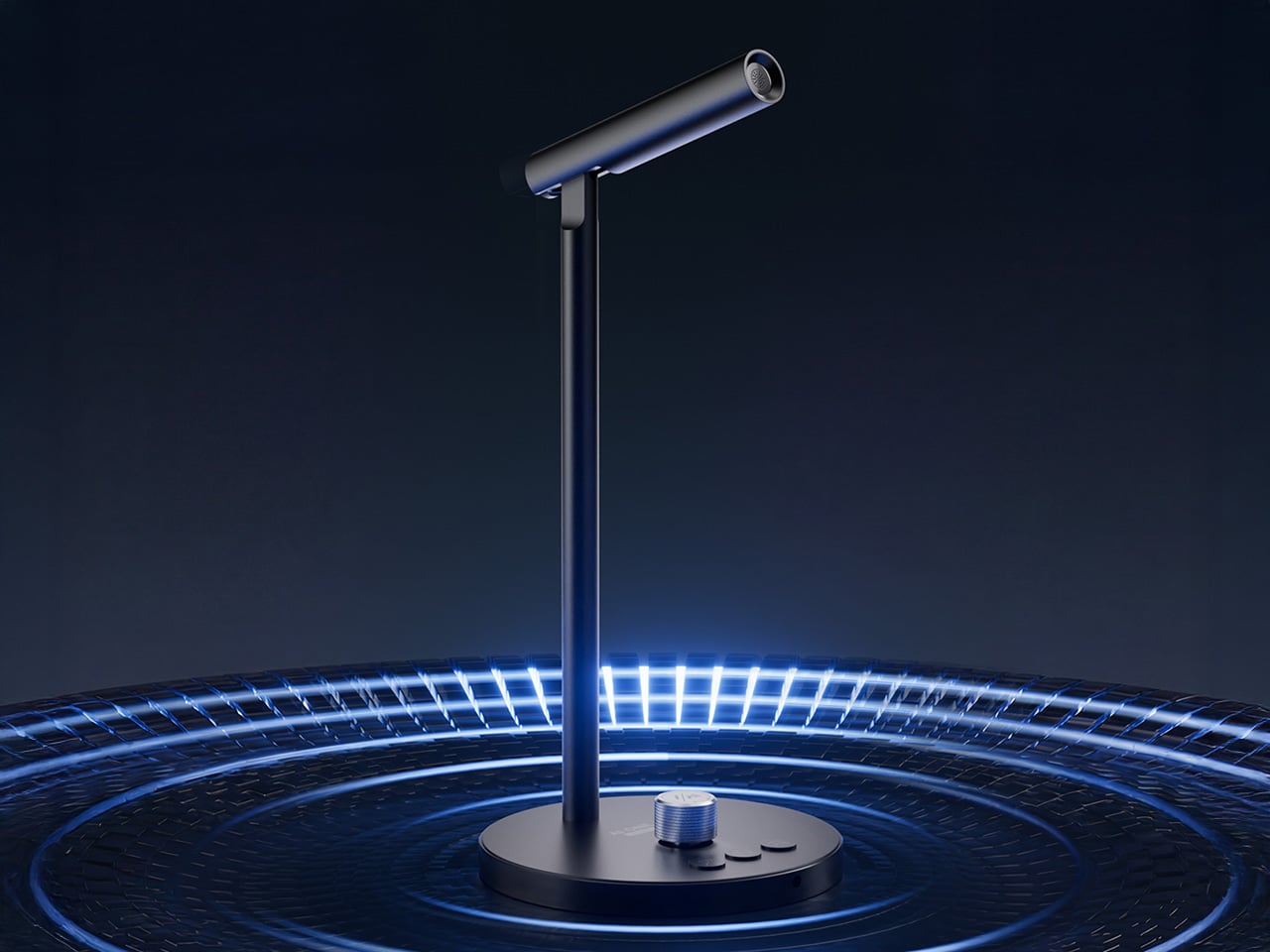
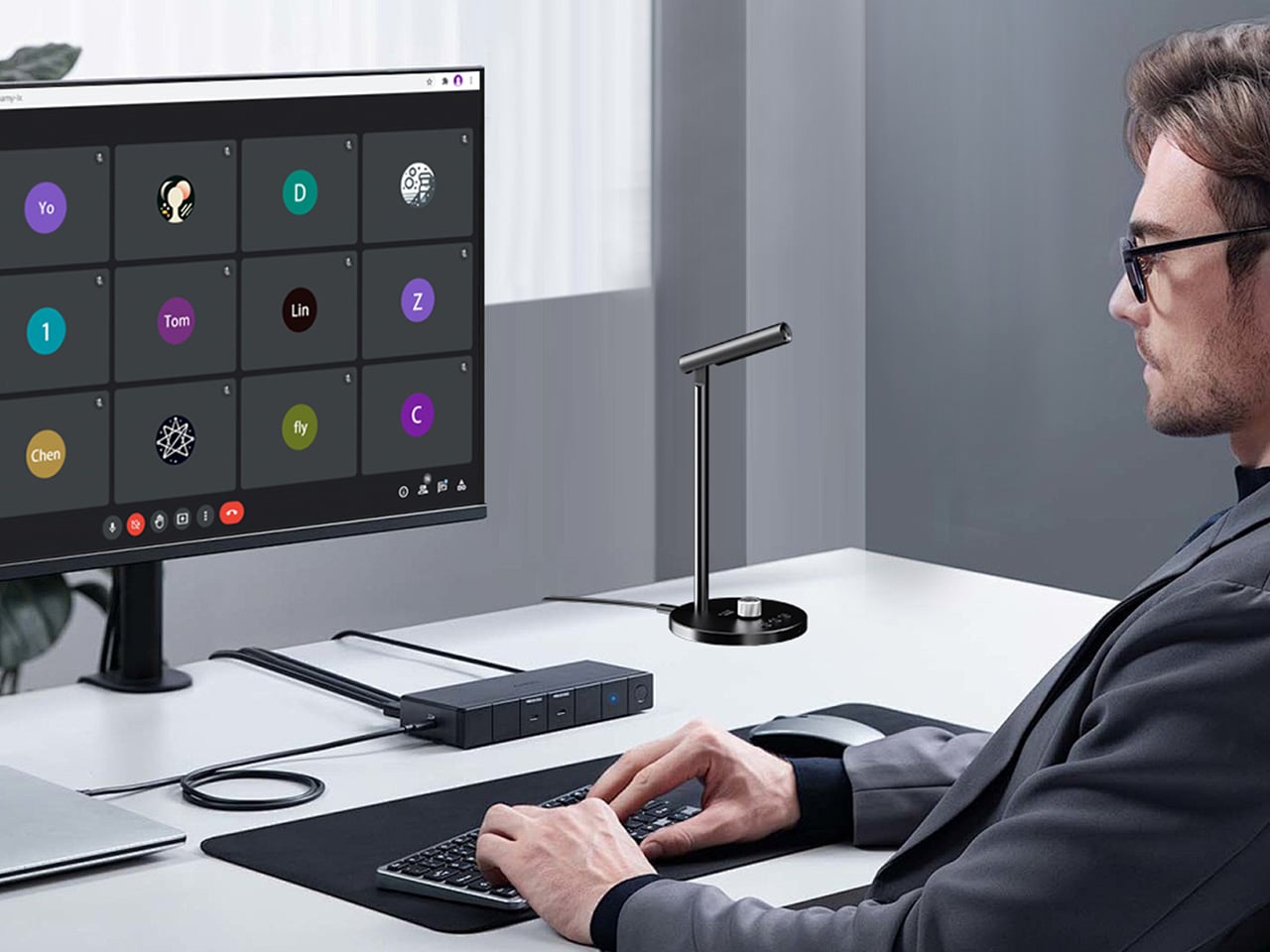
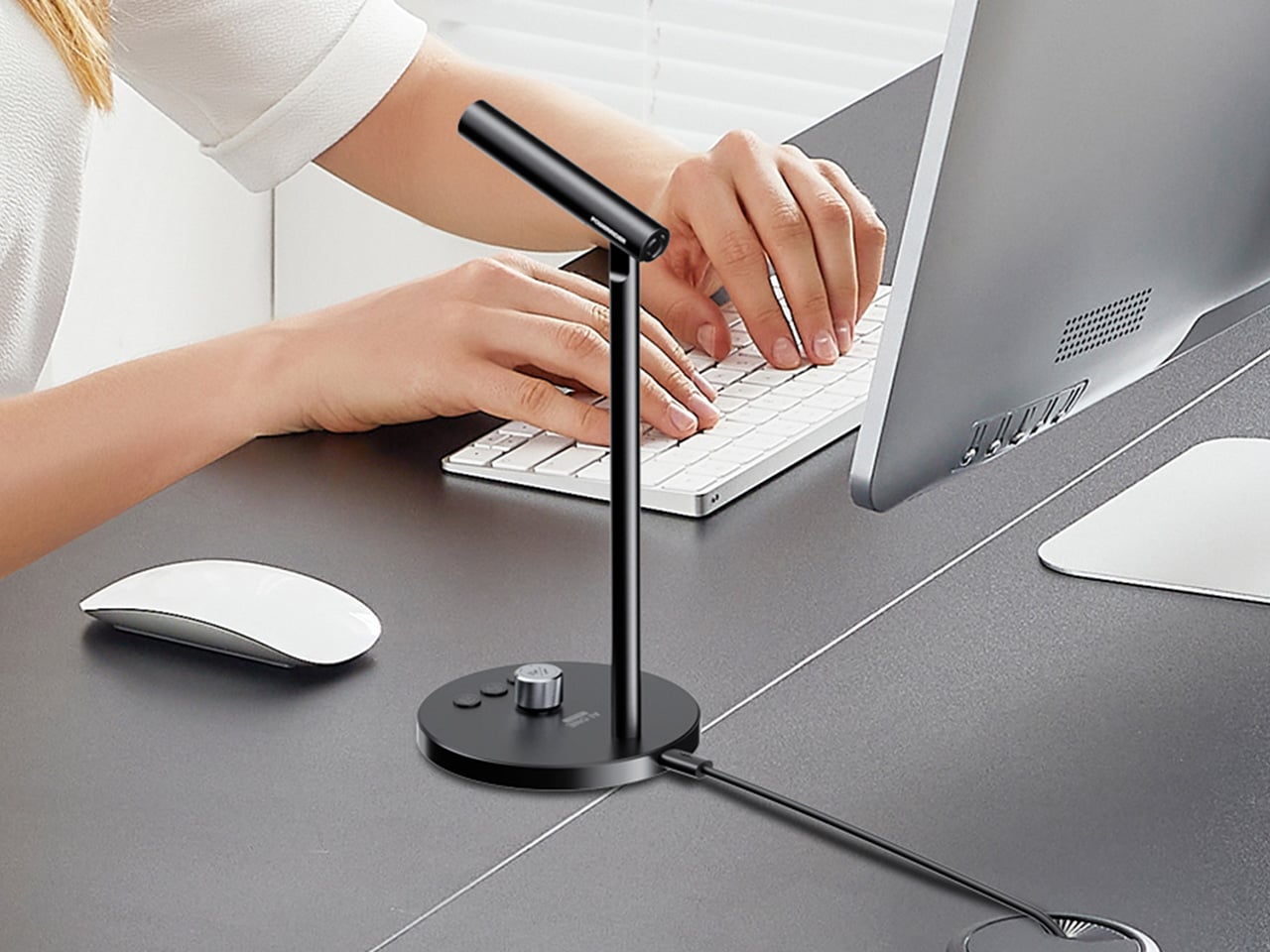
The most interesting AI hardware this year might not be a new screen or headset. It might be a microphone. Powerrider frames that idea very literally. It takes the form factor of a conference mic and refits it as a GPT‑4o terminal, so the same stem on your desk that handles Zoom calls can also translate in real time, summarize a briefing, or draft follow‑up emails while the meeting is still in progress.
What makes it feel clever is how little ceremony it adds. There is no new display to manage, just a few sculpted buttons for voice input, translation, and AI control. Tap, talk, and the response appears on your existing laptop, ready to paste into a chat, a slide deck, or a script. In a single accessory you get cleaner audio for podcasting and live streaming, plus a dedicated channel that turns casual speech into an ongoing conversation with ChatGPT.
The hardware itself (model M1) weighs 290 grams and stands 107 millimeters tall, machined from aluminum alloy with a 60‑degree adjustable boom so you can talk comfortably without hunching over your keyboard. The capsule is an omni‑directional condenser tuned to pick up voice across a 100 to 15,000 Hz range, with DSP noise reduction baked into the signal chain. It samples at 16‑bit/48kHz, which puts it squarely in the clean‑enough category for content work without venturing into audiophile overkill. USB‑C handles both power and data, plus there is a 3.5mm jack if you want to monitor through headphones. The base houses four physical buttons, each programmable through companion software. One button wakes the AI mode, another triggers translation, a third handles dictation, and the fourth is a rotary knob that doubles as a mute toggle and volume dial.
This is where Powerrider stops being a mic and starts being a control surface. You can map those keys to custom GPT‑4o prompts, so tapping one button might fire off “translate the last paragraph into Spanish and make it sound conversational,” while another could trigger “rewrite this email to sound less corporate.” The software supports Windows 7 and up, plus macOS 10.15 or later, which covers most setups that still get security patches. The AI functions pull from a pretty expansive toolkit: text translation, PPT generation, AI drawing, background removal, speech writing, document conversion, image analysis, code generation, reading comprehension, Q&A, writing assistance, table creation, and mind mapping. Some of those feel gimmicky (I have yet to meet anyone who genuinely wants AI‑generated mind maps on demand), but the core translation and drafting tools hit real pain points if you work across languages or spend half your day rewriting the same three types of message.
The hook here is immediacy. Most of us already talk to ChatGPT, but we do it through a browser tab or a pinned app, which means context‑switching, copying text, pasting prompts, and generally breaking flow. Powerrider tries to make that interaction feel more like push‑to‑talk in a game or on a two‑way radio. You hold a key, speak the command, release, and the result lands in your active window or in a floating overlay, depending on how you configure it. That workflow collapses a six‑step process (open ChatGPT, type or paste, wait, copy response, switch back, paste again) into a two‑step one (press, speak). If you live in tools like Notion, Google Docs, or any IDE that supports text injection, the time savings compound quickly. The software also handles screenshot translation, which is genuinely useful if you are reading documentation, design files, or research papers in another language and want inline conversion without manually copying blocks of text into DeepL.
Because the mic itself is a legitimate audio interface, you can use it in OBS, Zoom, or any DAW that recognizes standard USB microphones. The frequency response is wide enough for vocal clarity but not so hyped that you get harsh sibilance or boomy proximity effects. Think more “podcast interview” than “ASMR whisper track.” The omni pickup pattern means you do not have to aim it perfectly, which is nice if you are someone who gestures while talking or shifts around in your chair. The DSP noise reduction does a decent job of killing keyboard clatter and ambient hum, though it is not going to save you if you are recording next to a mechanical keyboard with clicky blues or a window AC unit. For meeting‑quality audio and streaming voiceover work, it sits comfortably in the same tier as entry‑level USB mics like the Blue Yeti Nano or the HyperX SoloCast, but with the GPT layer on top.
The company behind the Powerrider is positioning this as part of a broader peripheral ecosystem, which is where things get more interesting. They are also offering an AI‑powered keyboard (model K1) and an AI‑powered mouse (model S1), both of which follow the same philosophy: take an essential input device and wire it directly to GPT‑4o so you can invoke AI functions without leaving your workspace. The keyboard is a 98‑key Crater mechanical with RGB backlighting, a volume knob, and three custom macro keys dedicated to AI tasks. It supports both wired USB and wireless 2.4GHz/Bluetooth 5.0 across four channels, and the battery will run for 148 hours of continuous typing with the backlight off, or about 16 hours with the RGB cranked. The mouse is a wireless optical with adjustable DPI up to 4000, seven buttons (including dedicated AI, custom, and search keys), and a two‑hour charge time for what they claim is several days of use. Both peripherals plug into the same software suite as the mic, so you can trigger translation, text generation, or document conversion from any of the three devices depending on which one is closest to your hand.
Powerrider is live on Kickstarter right now with a few weeks left in the campaign, and the pricing is structured around bundles. A single mic starts at $59 for the super early bird tier (limited to 300 units) or $69 for the regular early bird. The full “Powerrider AI One Suite” bundle, which includes one mic, one keyboard, and one mouse, is priced at $269 (down from a claimed $608 MSRP). You can also grab the mic plus keyboard for $169 or the mic plus mouse for $149. Add‑on pricing if you are already backing is $119 for the keyboard, $99 for the mouse, and $59 for an extra mic. Those numbers put the mic roughly on par with mid‑tier USB condensers, but with the AI layer effectively thrown in as the value‑add. Whether that trade‑off makes sense depends entirely on how much friction you currently feel when bouncing between your tools and ChatGPT, and whether you are willing to let a hardware button own part of that workflow instead of a keyboard shortcut or Alfred snippet.
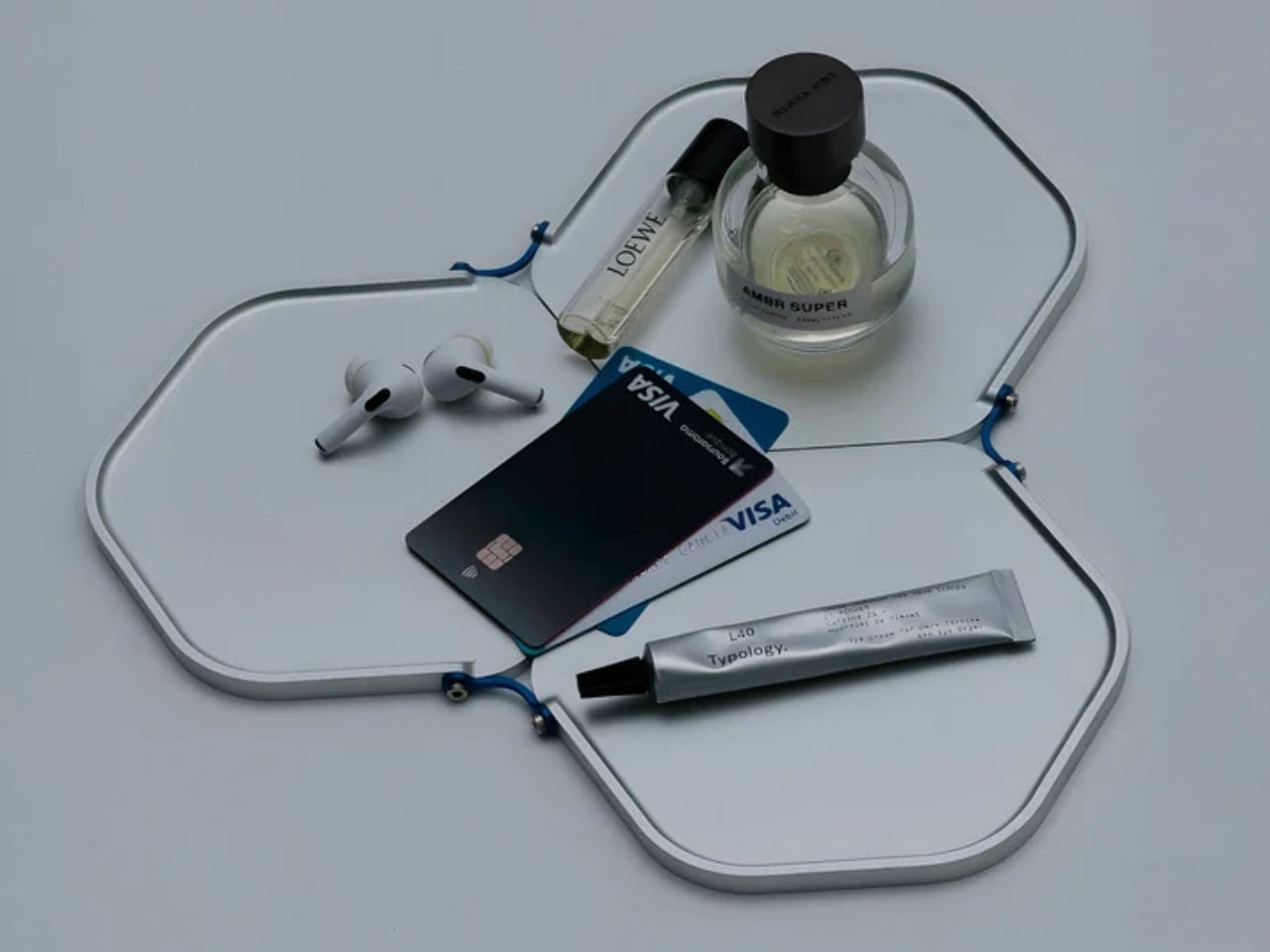
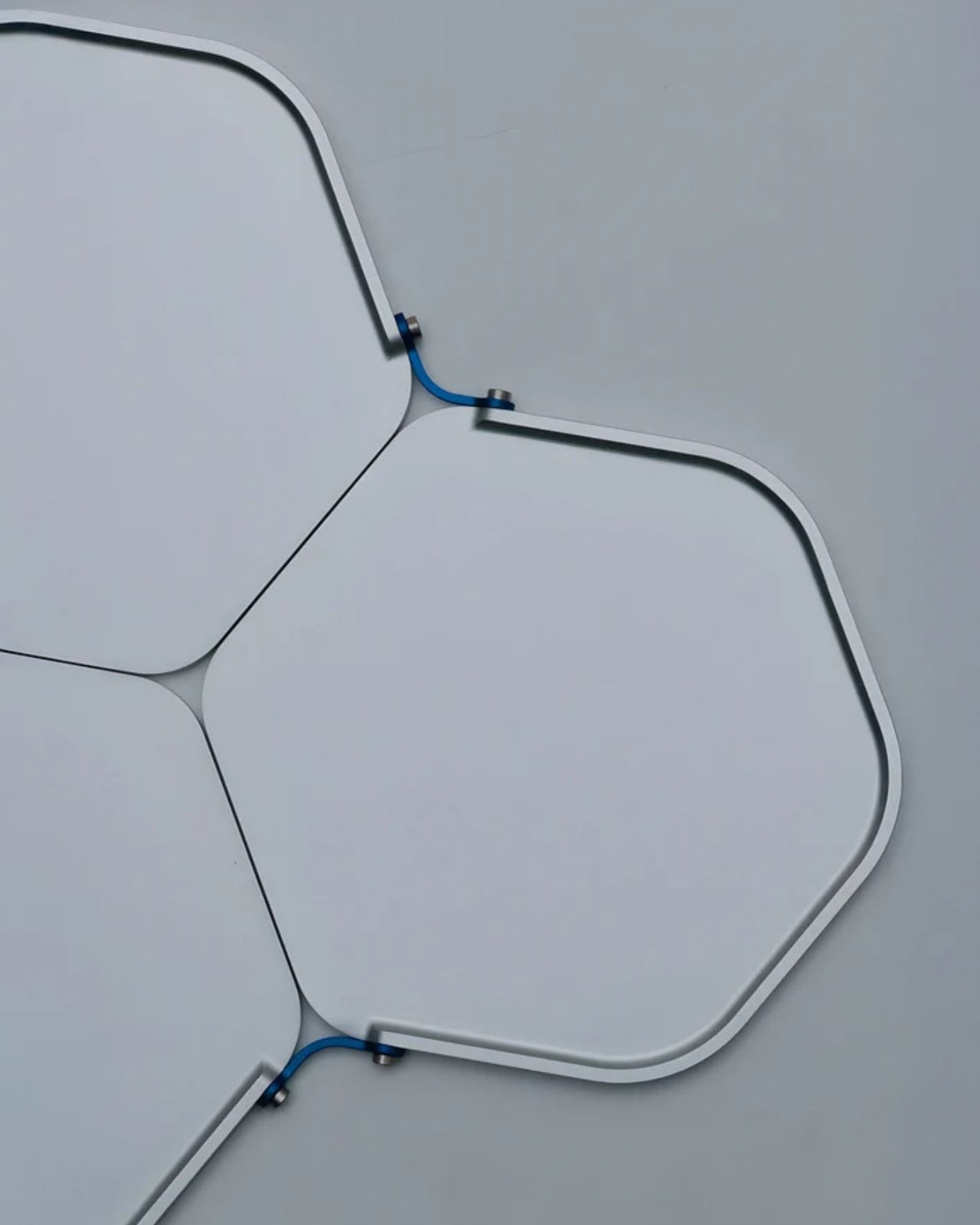
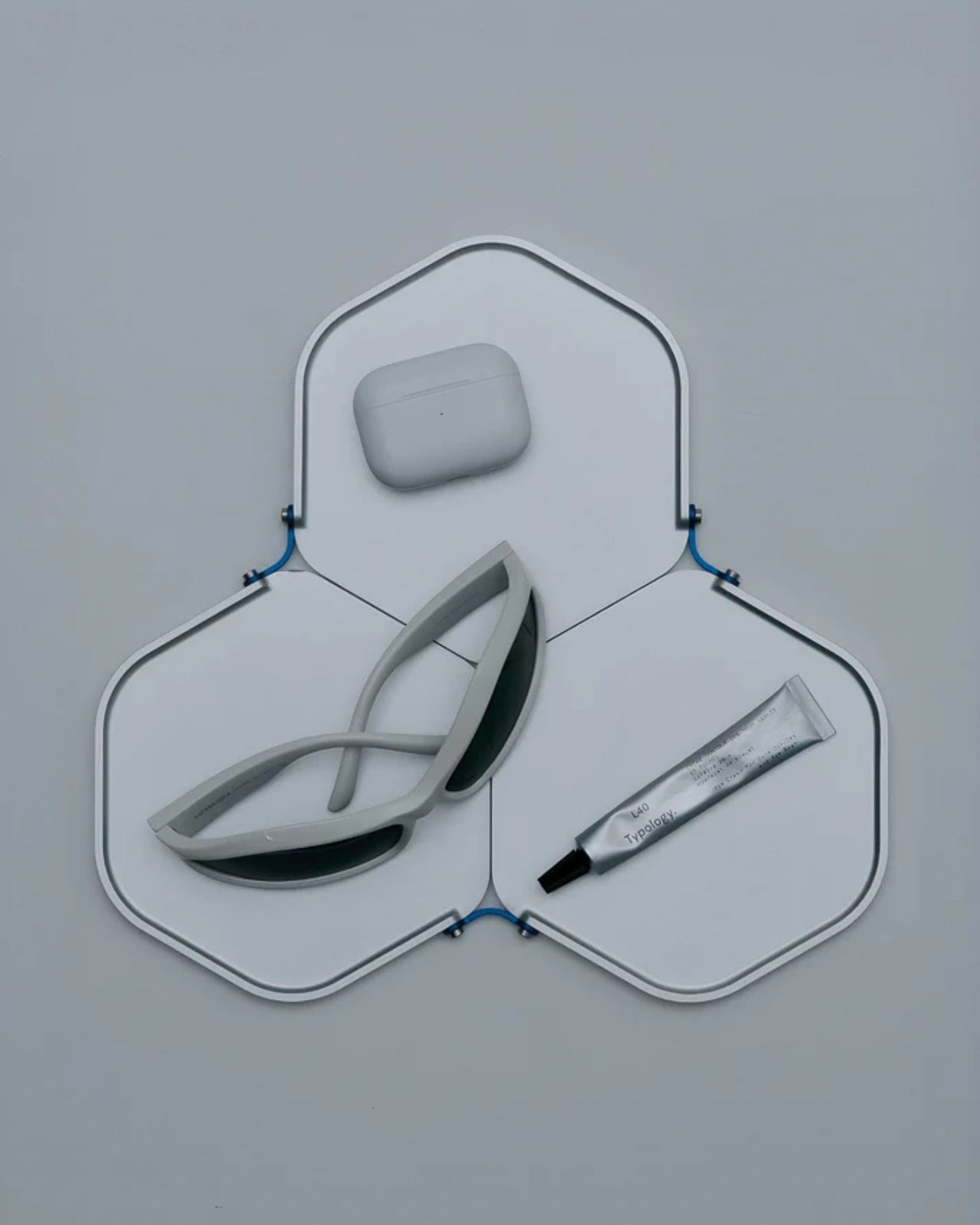
You know that thing where you walk into your bedroom at the end of the day and just start emptying your pockets onto whatever flat surface is closest? Keys land on the dresser, wallet gets tossed on the nightstand, watch goes who knows where. It’s a universal ritual of coming home, and it’s exactly the kind of everyday moment that aerospace engineers Javier De Andrés García and Anaïs Wallet decided to redesign.
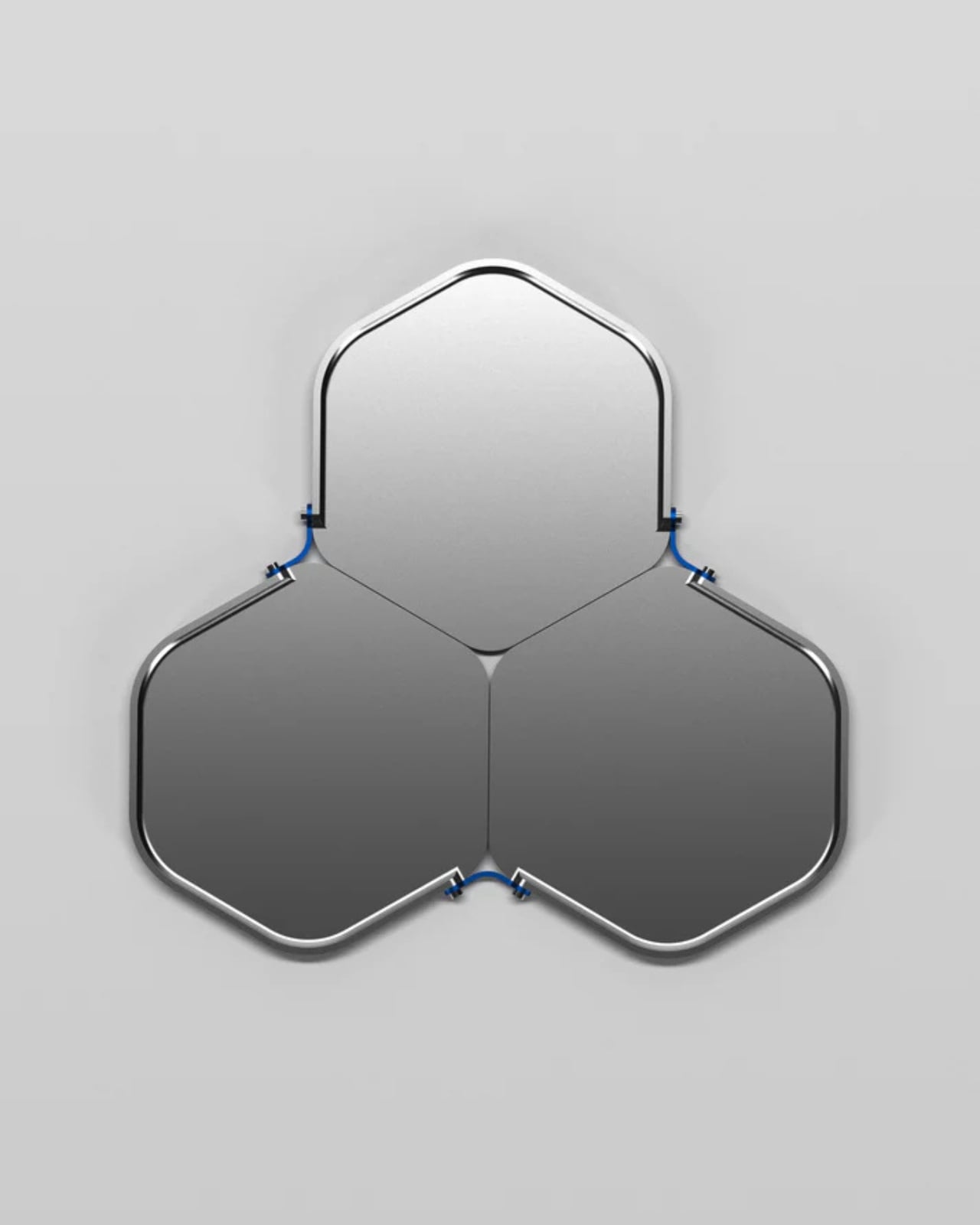
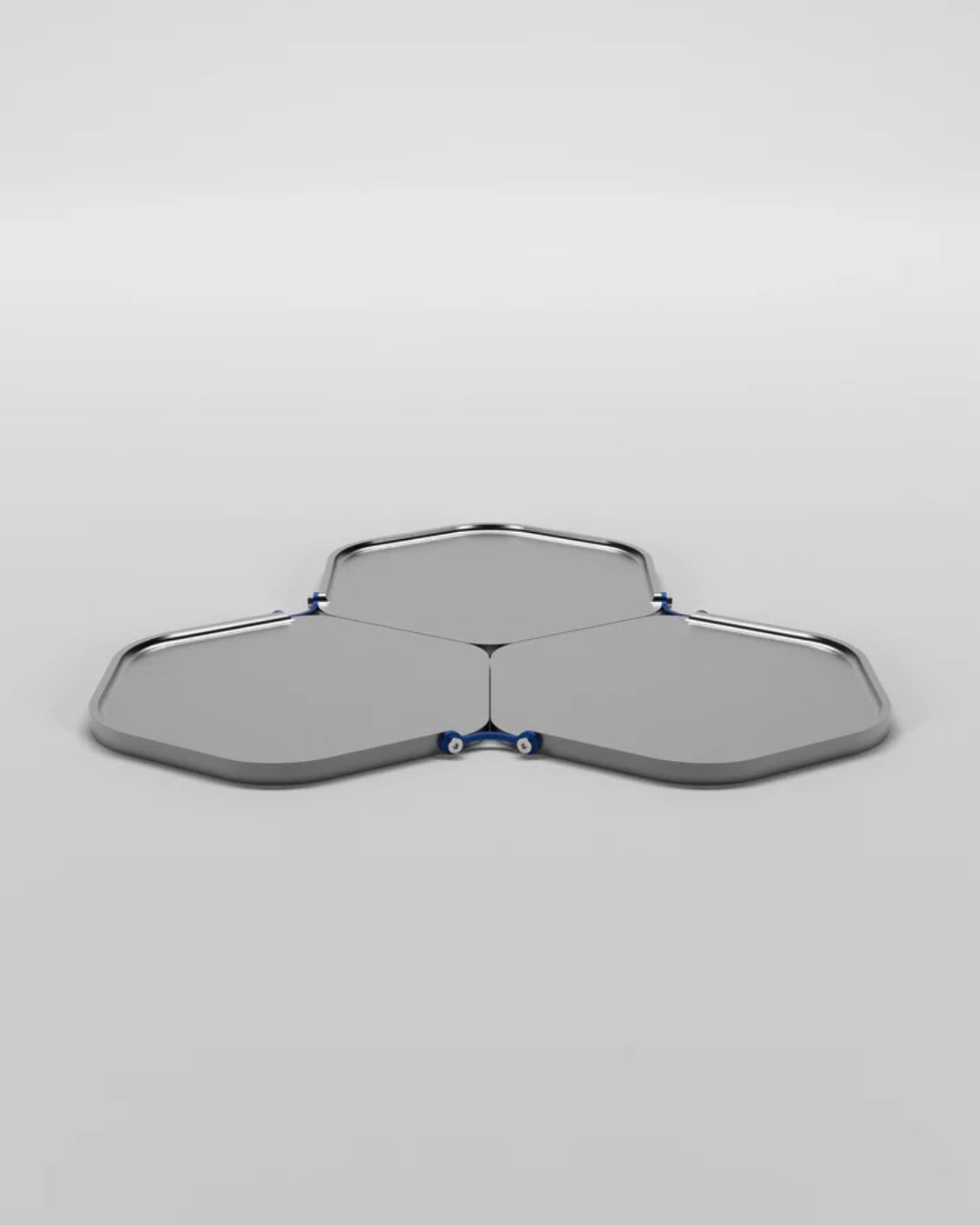
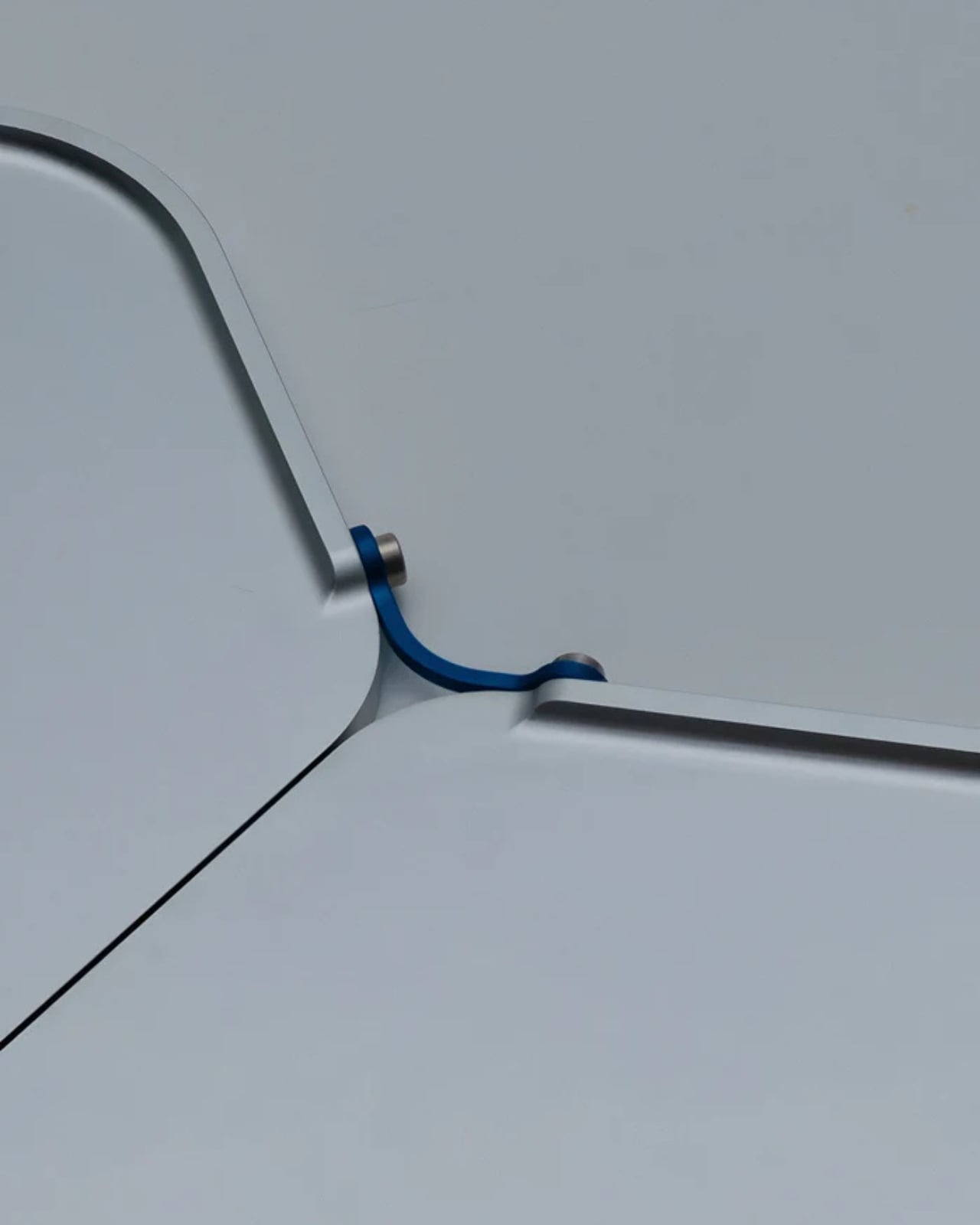
Their brand, Unavela, takes the precision and intentionality of aerospace engineering and applies it to the mundane objects we interact with daily. The Unavela Valet Tray is a perfect example of this philosophy: it’s a catchall that doesn’t just catch, it elevates the entire experience of organization into something that feels considered and purposeful.
What makes this particularly interesting is the design pedigree behind it. De Andrés García and Wallet aren’t your typical product designers who sketch pretty shapes and call it a day. They come from a world where every gram matters, where form follows function with almost religious devotion, and where materials are chosen based on performance characteristics rather than trends. When aerospace engineers decide to make a tray for your keys, you can bet they’ve thought about it differently than everyone else.
The valet tray sits in that sweet spot between utilitarian and beautiful. It’s not trying to disappear into your decor, nor is it screaming for attention. Instead, it occupies space with quiet confidence, the way really good design tends to do. Think of it as the functional equivalent of that friend who just makes everything run more smoothly without making a big deal about it.
Valet trays themselves have an interesting history. Originally, they were the domain of well-appointed gentleman’s dressers, a place to organize pocket watches, cufflinks, and collar stays. But in our modern world of smartphones, AirPods, car key fobs, and whatever else we’re carrying, the valet tray has become even more relevant. We might not wear pocket watches anymore, but we’ve got more stuff to keep track of than ever before.
What Unavela brings to this category is a fresh perspective. When you look at their work across different products, you see a consistent thread: they’re interested in what they call “functional objects.” Not decorative objects that happen to be functional, but pieces where the function itself becomes the aesthetic statement. It’s a subtle but important distinction. The beauty comes from how well something works, not from applied decoration or styling tricks.
This approach feels particularly resonant right now. We’re living in an era where people are increasingly interested in buying fewer, better things. The whole concept of everyday carry (EDC) has evolved from a niche hobby into a broader cultural conversation about intentionality and quality. People are thinking more carefully about the objects they interact with daily, and they want those objects to reflect thoughtfulness and care. The Unavela Valet Tray fits perfectly into this mindset. It’s not fast furniture or disposable decor. It’s a considered piece that’s designed to be used daily and to improve with that use. There’s something deeply satisfying about having a designated spot for your everyday items, about the ritual of emptying your pockets into a tray that was designed specifically for that purpose.
From a design perspective, what’s compelling is how Unavela bridges the gap between industrial design and consumer products. Aerospace engineering isn’t typically associated with home goods, but maybe it should be. After all, if you can design components for aircraft where failure isn’t an option and weight is critical, you probably have some interesting insights about how to make a really excellent tray. The beauty of good design is that it often looks simple, even inevitable, but that simplicity is the result of countless decisions and refinements. Every angle, every dimension, every material choice has been considered. It’s the difference between something that works and something that works exceptionally well.
For anyone interested in design, tech, or the intersection of engineering and everyday life, the Unavela Valet Tray represents something larger than just a place to put your keys. It’s a statement about bringing rigor and intentionality to the objects we live with. It’s about applying aerospace-level thinking to earthbound problems. And honestly, in a world full of stuff that’s designed to be replaced rather than cherished, that’s a pretty refreshing approach.
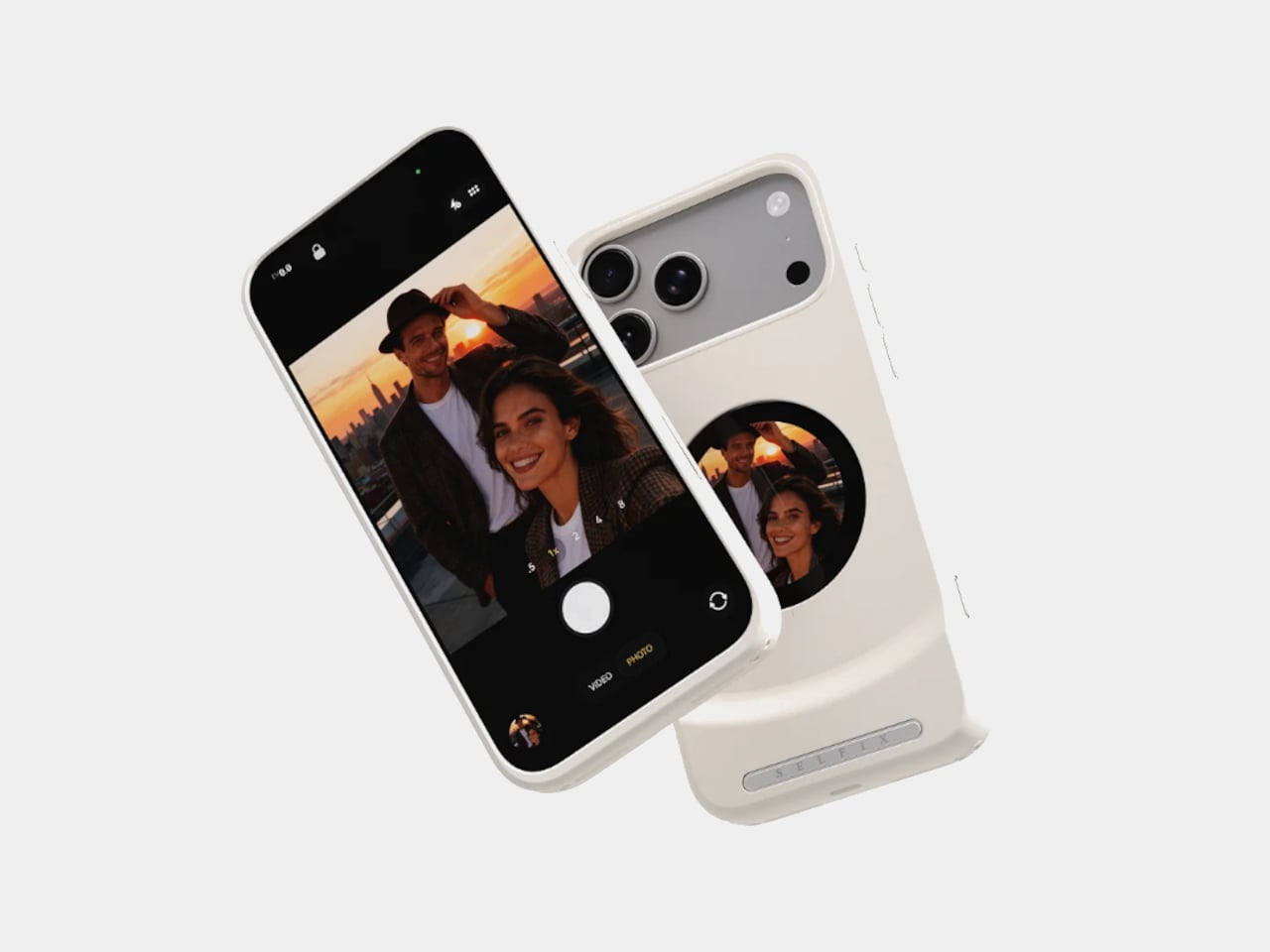
The iPhone’s rear cameras keep getting better, but selfies still rely on a smaller, lower-resolution front sensor, and storage upgrades cost considerably more than a microSD card. People who shoot a lot of photos and video feel squeezed on both fronts, choosing between spending hundreds on internal storage or dealing with blurry front-camera selfies. Selfix is a case for the iPhone 17 Pro that tackles both problems at once.
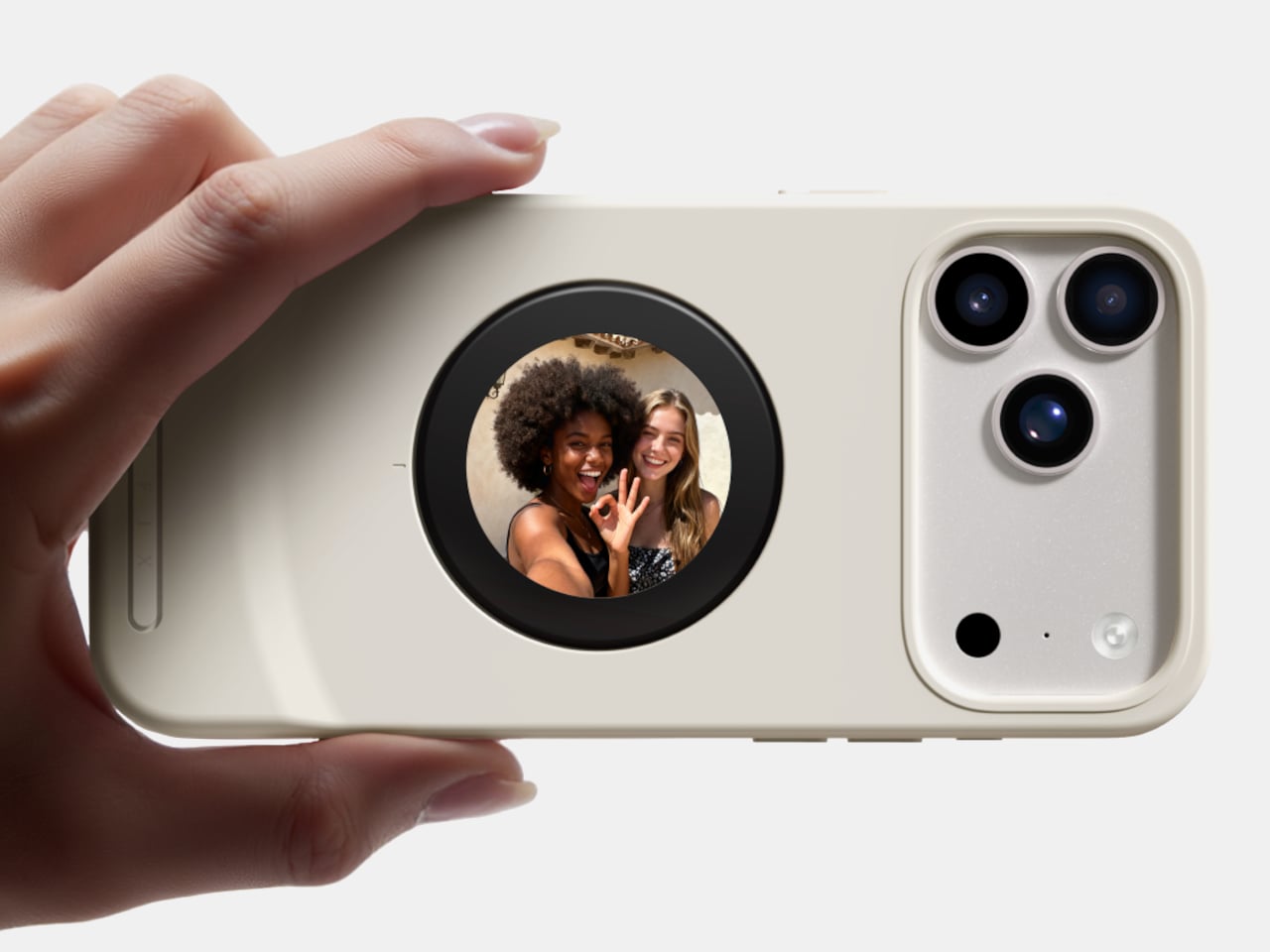
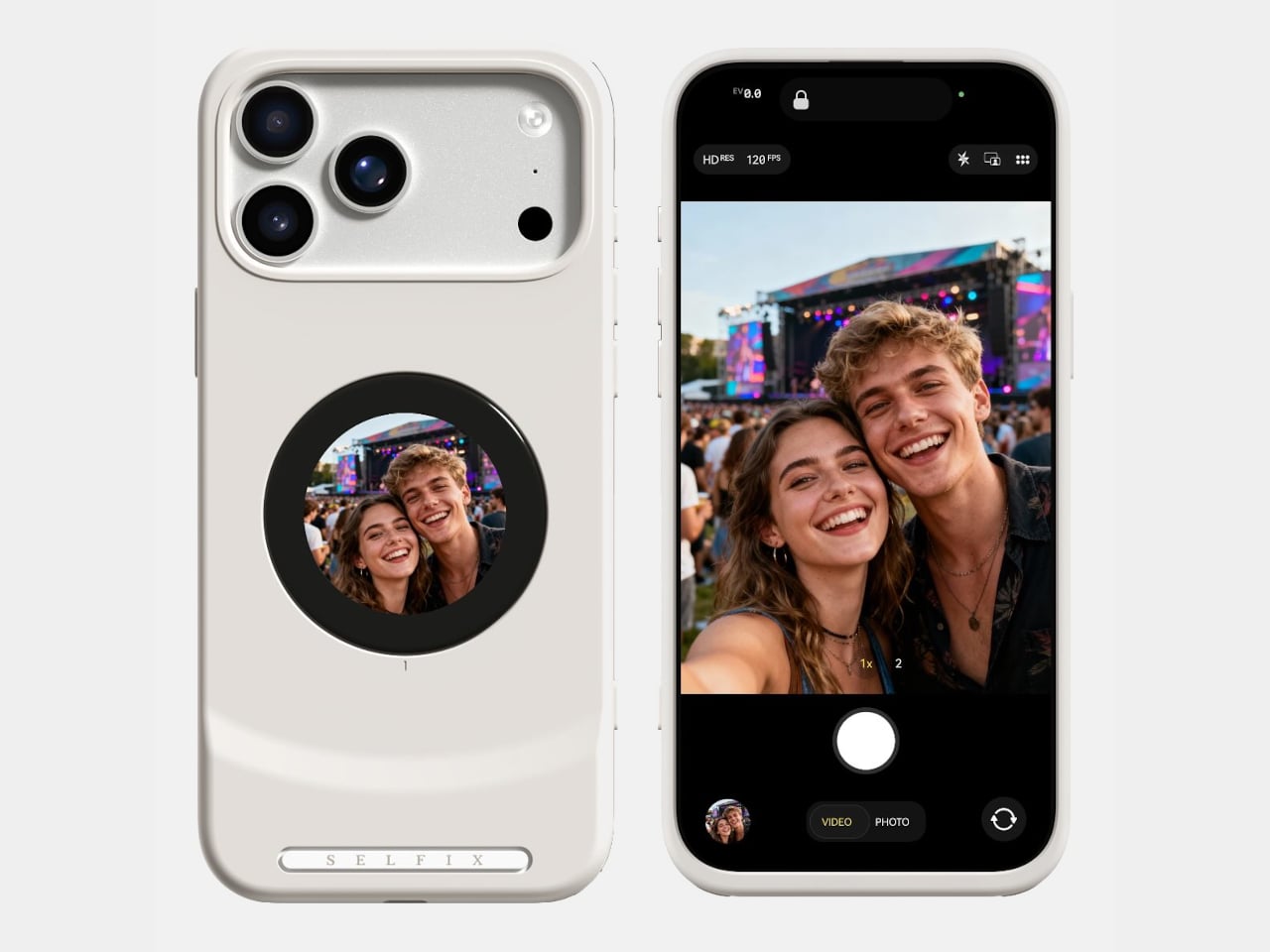
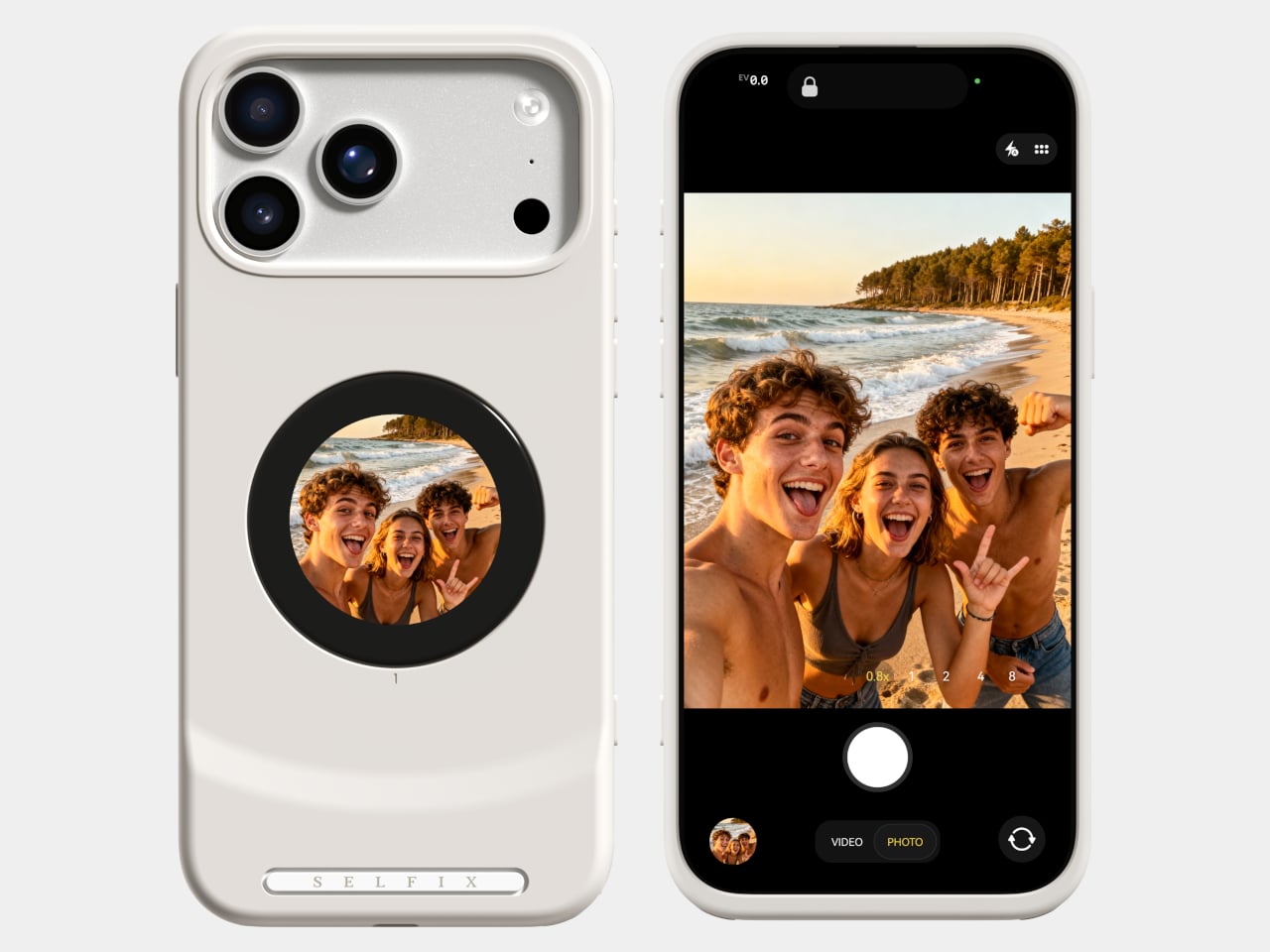
Selfix is a case for the iPhone 17 Pro and Pro Max that adds a circular 1.6-inch AMOLED screen to the back and hides a microSD slot inside. The rear screen acts as a tiny viewfinder so you can use the 48 MP rear cameras for selfies, while the card slot lets you add up to 2 TB of storage without touching Apple’s upgrade menu or monthly cloud fees.
The rear display mirrors the camera view so you can frame yourself, adjust in real time, and pick any of the rear lenses, from ultra-wide group shots to telephoto portraits. You get the main sensor’s larger 1/1.28-inch glass, Night Mode, and up to 8× optical zoom for selfies, instead of guessing with a cropped front camera and hoping everyone fits into the narrower field of view.
Selfix connects through the phone’s USB-C port and does not need a separate app. You snap the case on, open the camera, and the rear screen wakes up. A dedicated button on the case lets you turn the display off when you are not using it to save battery. The idea is to feel like a built-in second screen, not another gadget that needs pairing, permissions, and a drawer full of instructions.
The case includes a microSD slot that supports cards up to 2 TB, using the same USB-C connection to integrate with the phone. A 512 GB card costs around $50, while Apple’s $200 jump for the same capacity makes swappable storage a compelling alternative. Heavy shooters can archive trips or projects without paying monthly cloud fees or deleting older work to make room for new sessions.
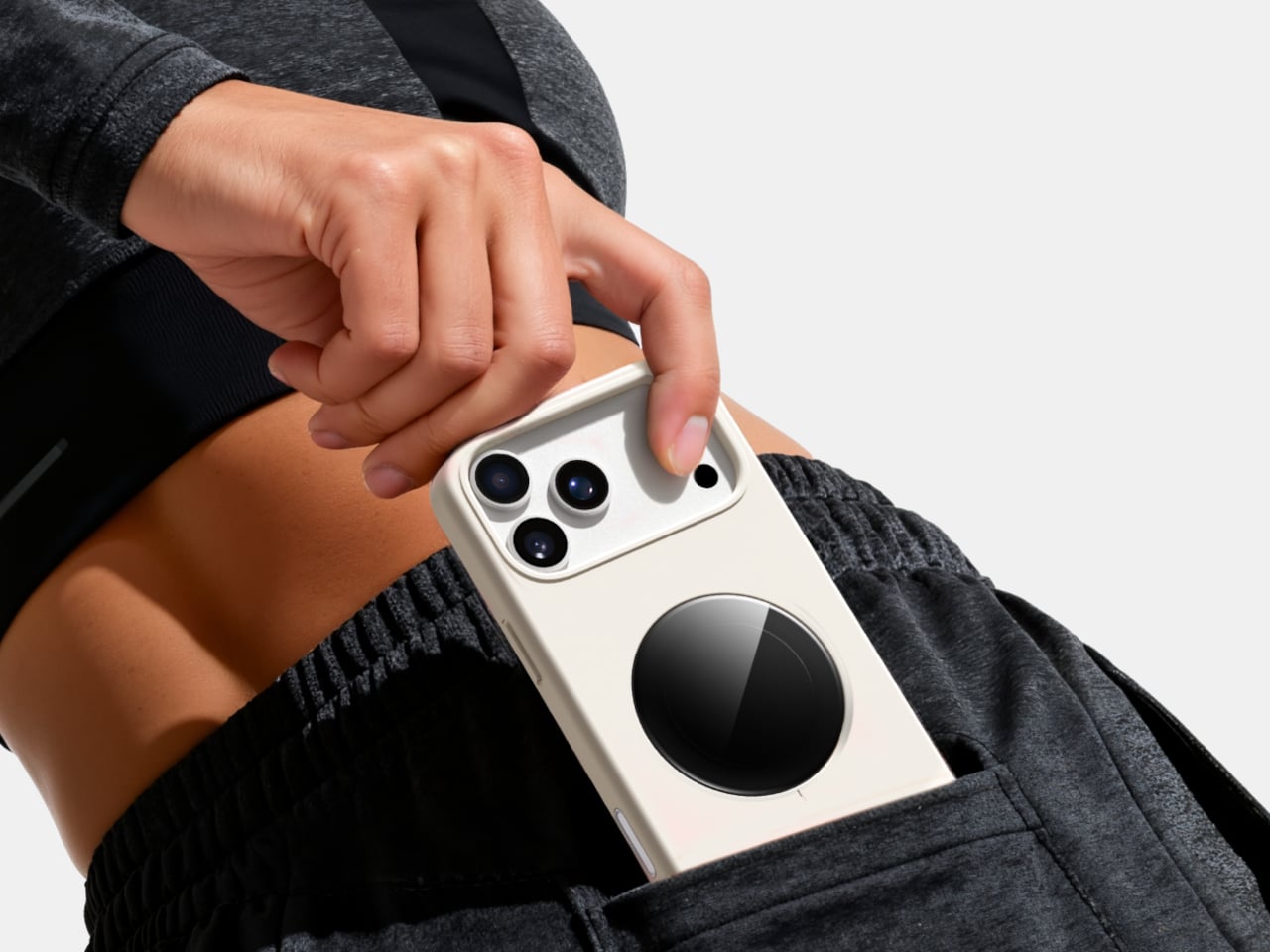
Selfix is made from high-quality TPU and comes in Oat White, Blush Pink, and Midnight Black, sized to match the 17 Pro and Pro Max. It adds some thickness, bringing the total to 17mm, but in return, you get a grippy shell, a second screen, and a hidden storage bay. The design aims to look like a natural extension of the phone rather than a bolt-on camera rig or accessory that screams afterthought.
Selfix is aimed at people who care enough about image quality to use the rear cameras for everything, and who are tired of juggling storage or paying the upgrade tax. A case that quietly turns the iPhone into a dual-screen shooter with expandable memory makes you wonder why the phone did not ship this way, especially when the rear cameras already outclass the front by a significant margin, and storage remains artificially expensive.
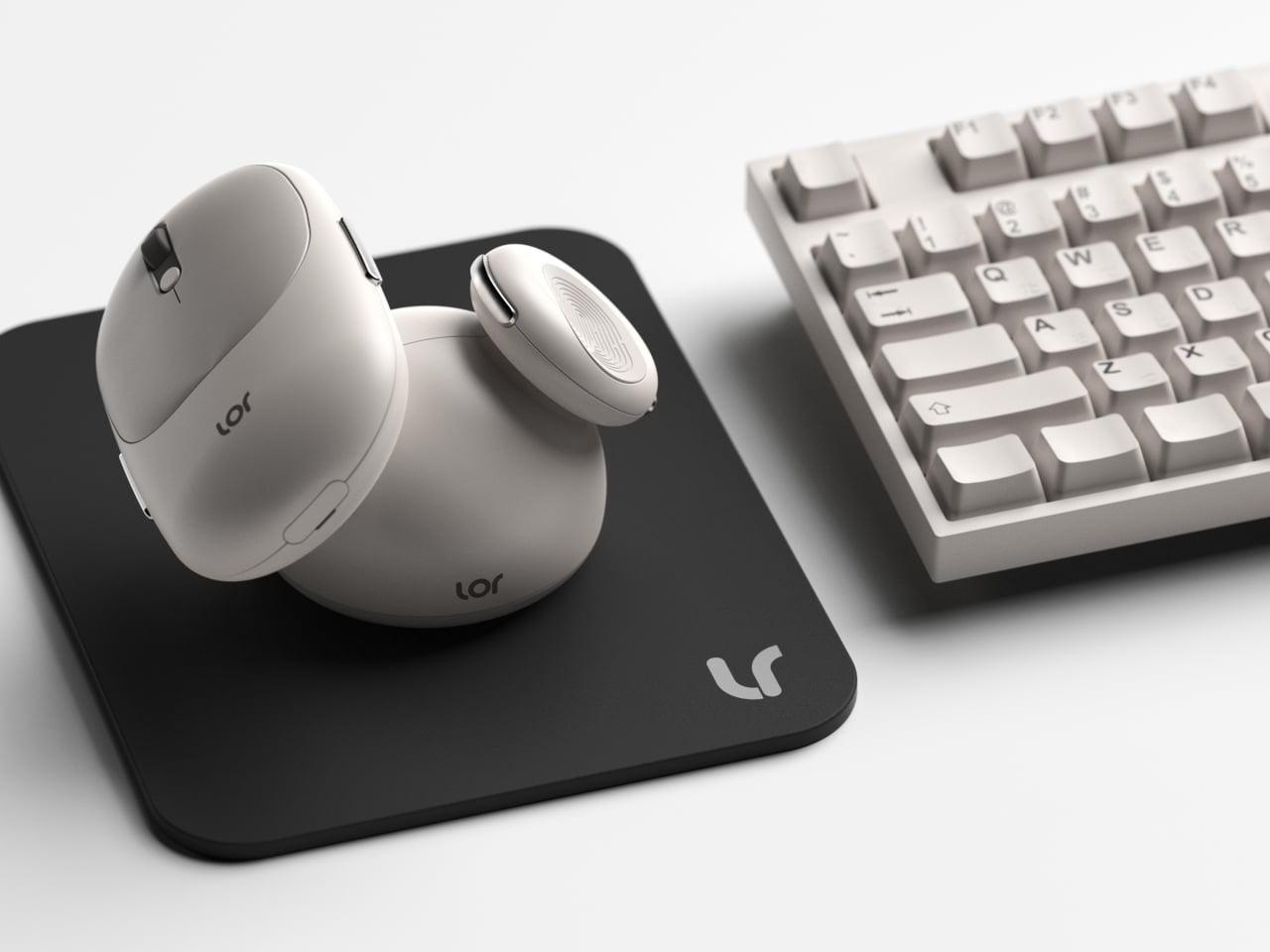
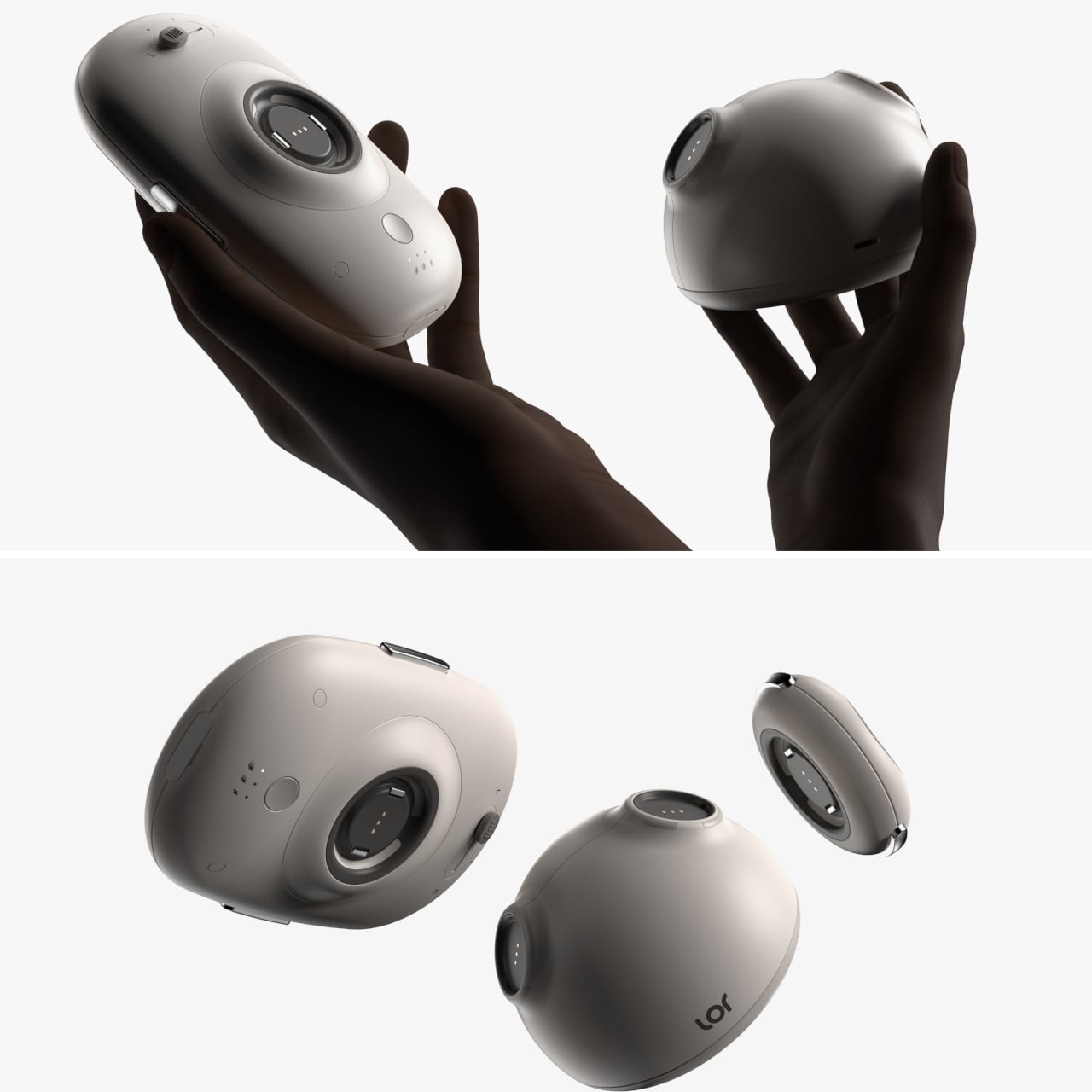
Most everyday products, from scissors to mice, are designed around right-handed users, leaving left-handed people to adapt or struggle. That adaptation becomes invisible labor, especially with tools used all day like a mouse. Lor is a vertical mouse concept that takes that critique seriously and tries to design hand dominance out of the equation, treating hand dominance as something you configure through assembly rather than accept as a fixed product trait.
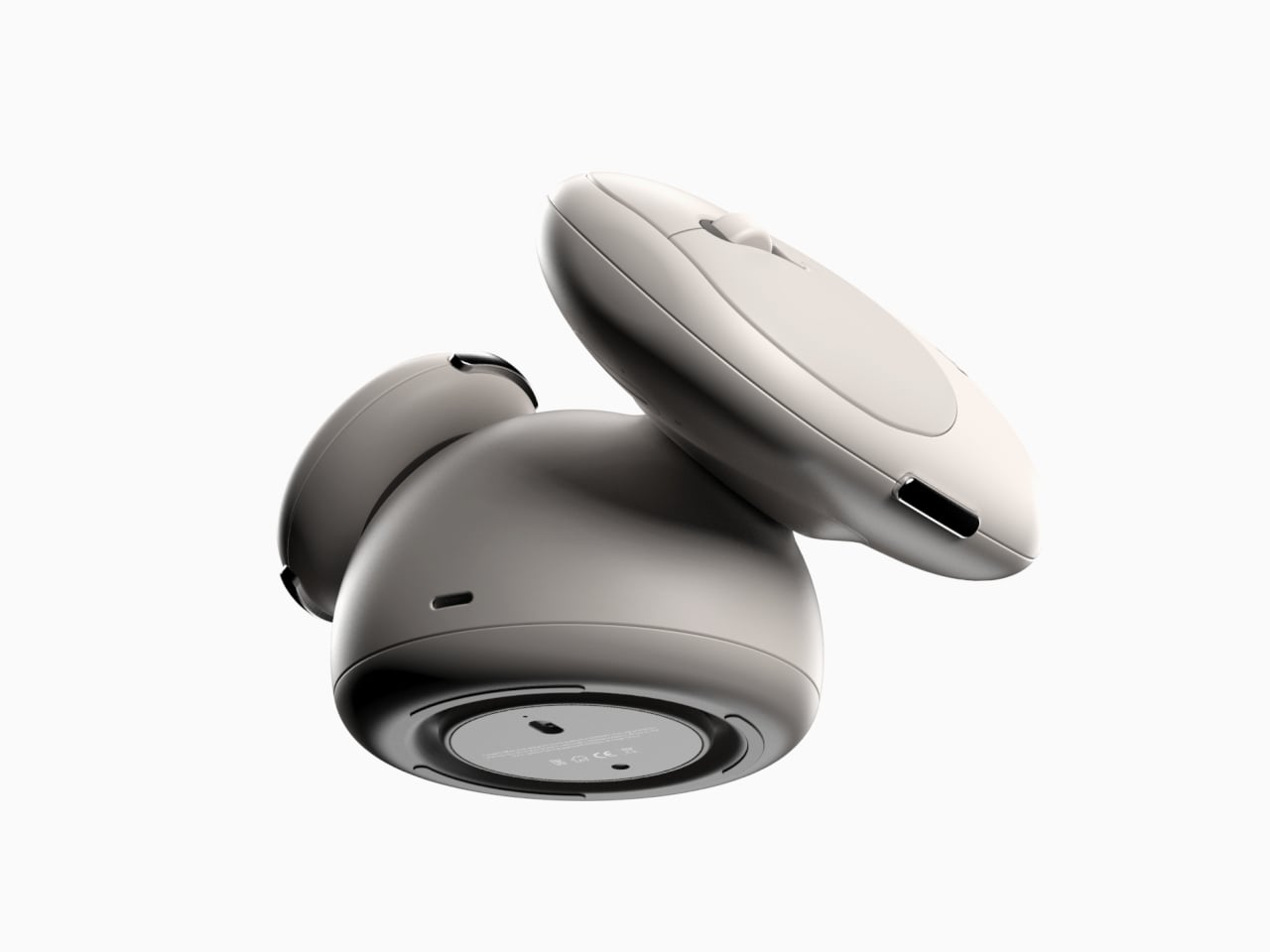
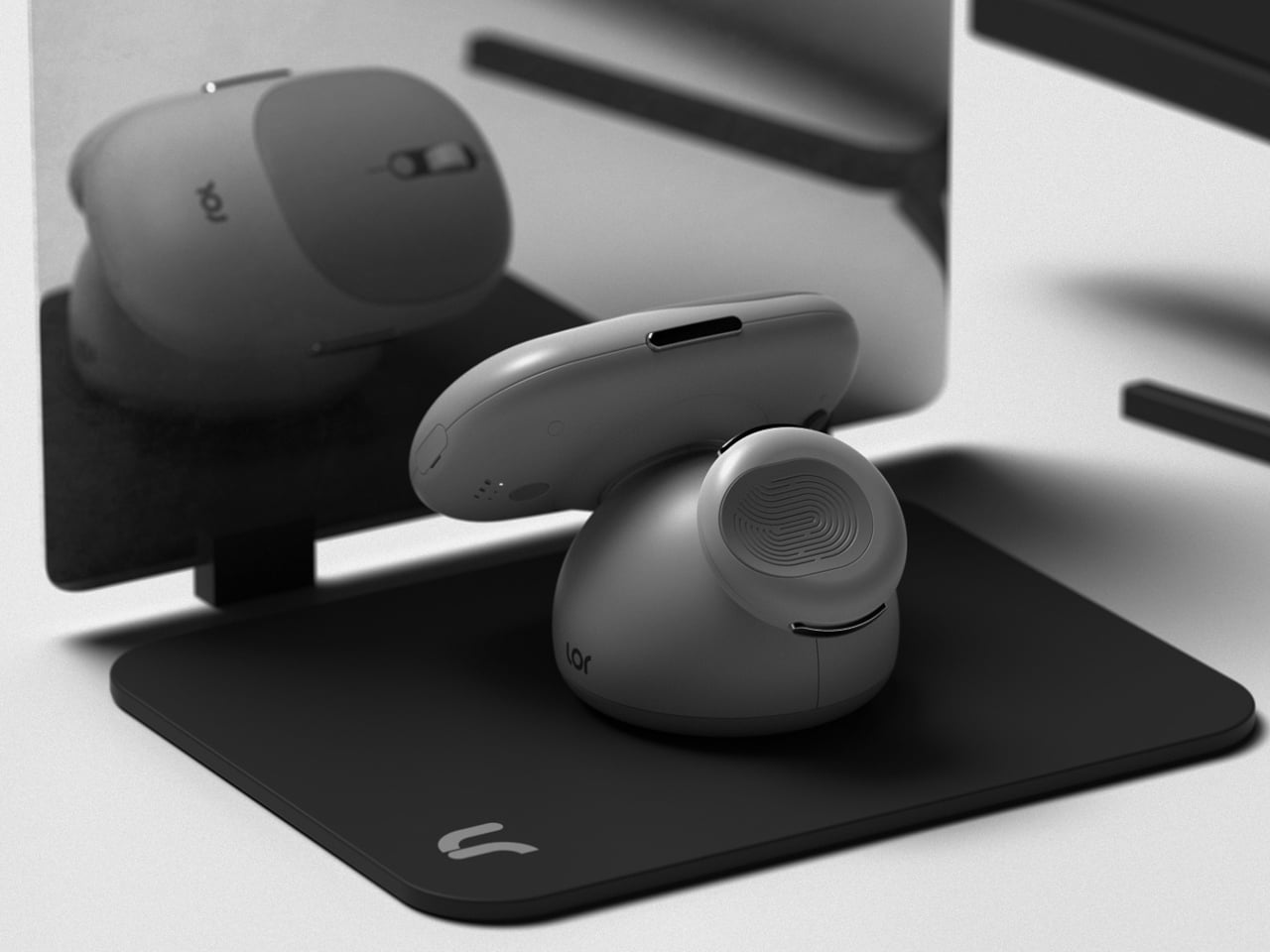
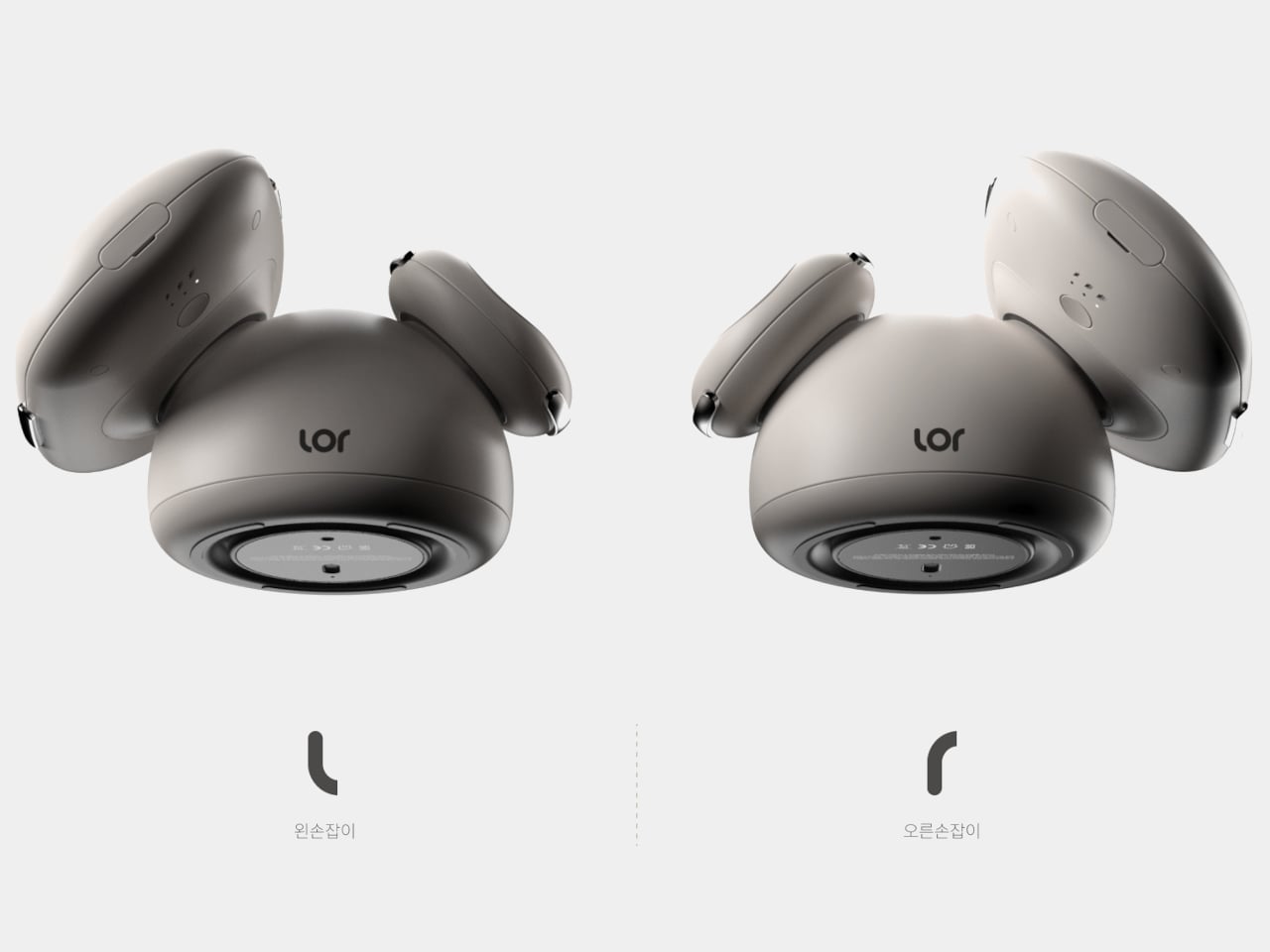
Lor is a vertical mouse that blurs the line between left-handed and right-handed, asking what would happen if flipping a product for the opposite hand was as simple as looking in a mirror. Instead of selling separate left and right models, Lor breaks the mouse into modular parts that can be rearranged, giving both user groups an equal product experience from the same hardware, without forcing anyone into a symmetrical compromise.
Designer: Youngbin Kwon
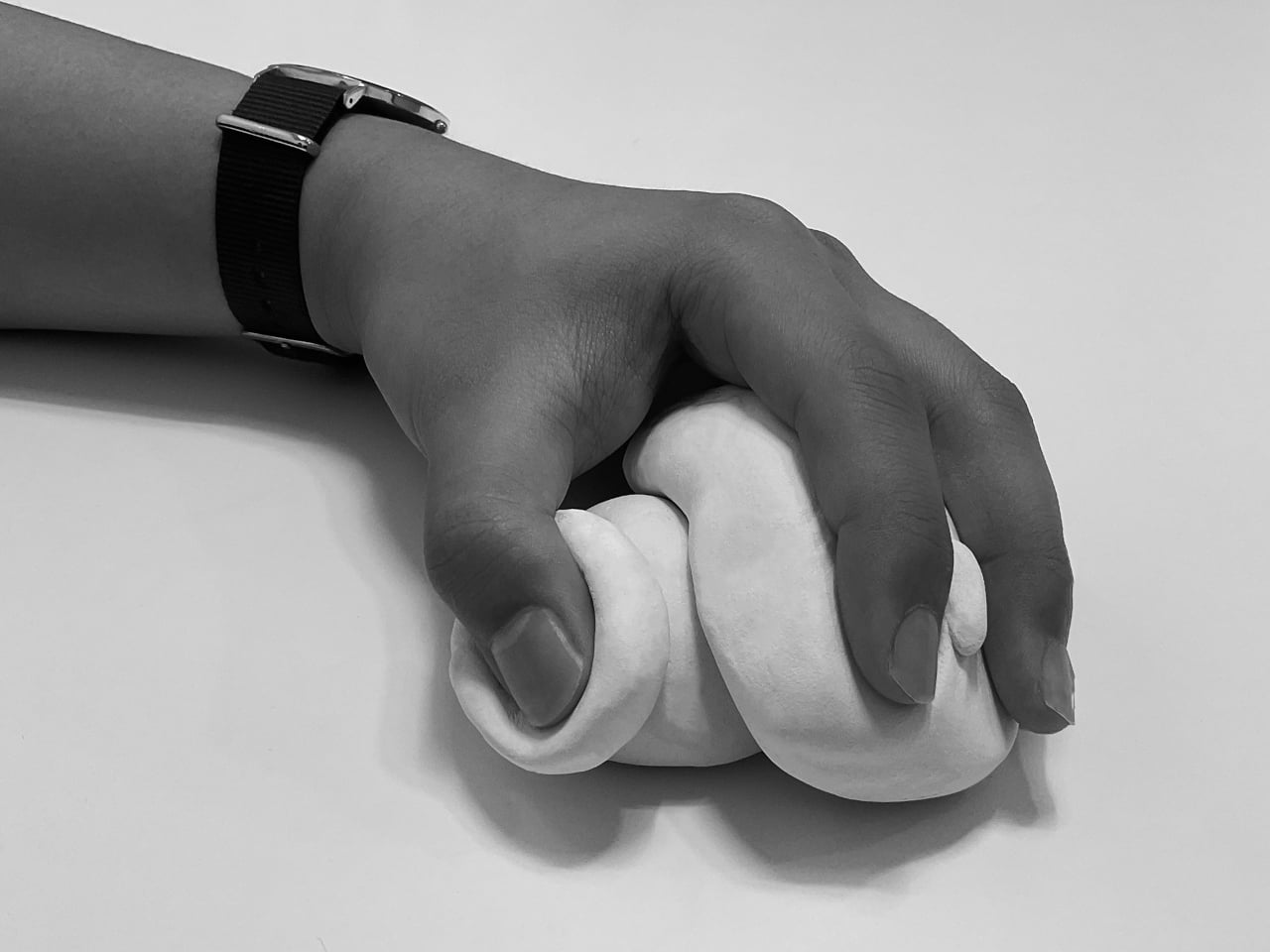
The main ergonomic idea is a grip that feels like holding smooth pebbles, designed to protect the wrist during long sessions. The mouse uses soft, rounded forms that encourage a more neutral hand posture than a flat mouse, leaning into the vertical-mouse logic without looking like a medical device. The pebble metaphor keeps the form approachable and hints at a more relaxed, natural grip that feels less technical.
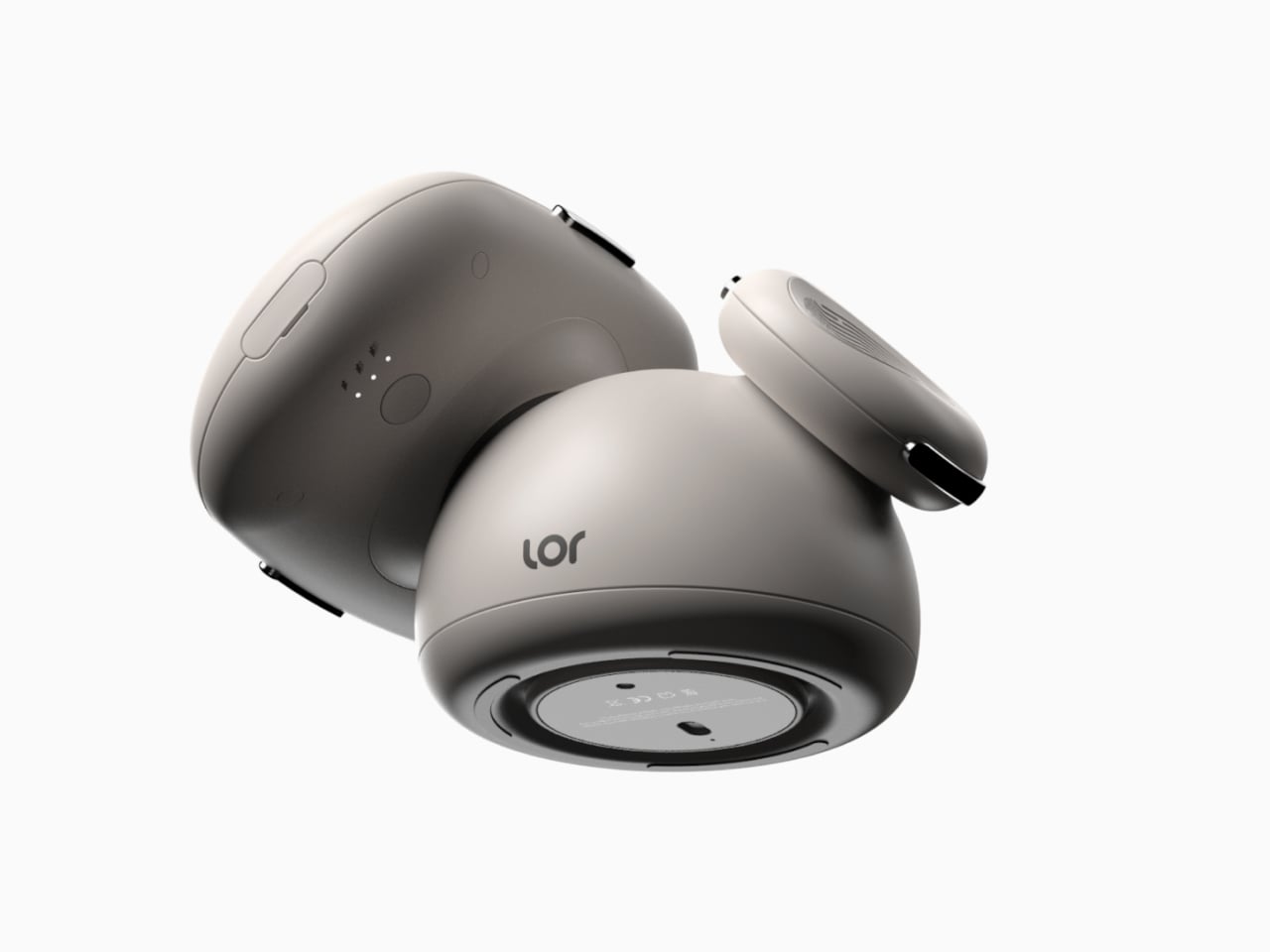
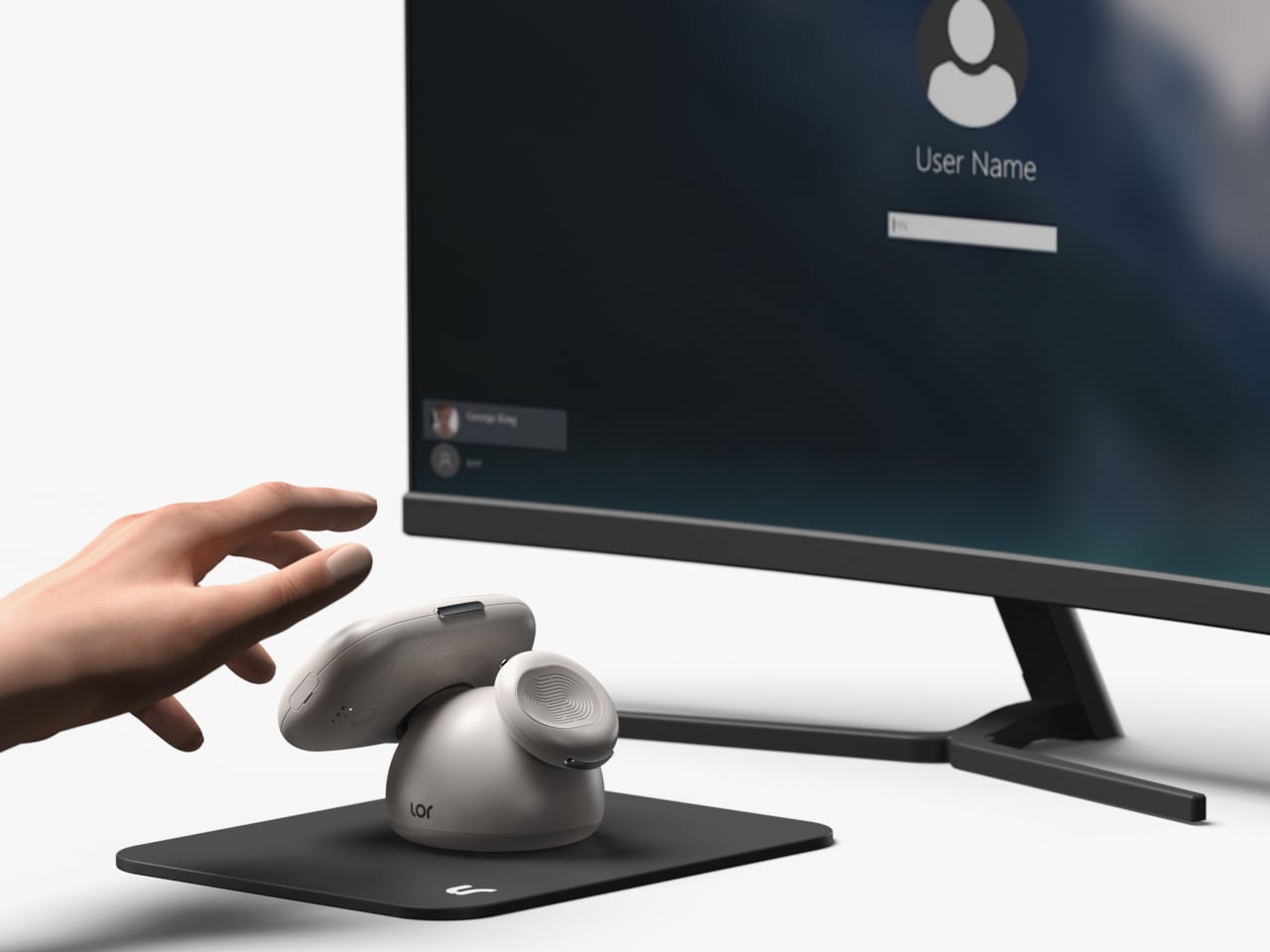
Lor is built around a central spherical base and two detachable pebble grips that can be attached on either side. Like assembling toy blocks, users decide the shape and orientation, snapping the grips into a left-handed or right-handed configuration. Mirroring happens at the form level, not just in software, so thumb rests, buttons, and support surfaces end up exactly where each hand expects them to be without remapping or awkward reaches.
This approach benefits more than just left-handed users. Shared desks, studios, or home setups can keep a single mouse that reconfigures in seconds, and people who switch hands to rest a wrist can physically flip the layout instead of fighting a symmetrical compromise. It is a formative way, as the designer puts it, to satisfy both user groups with one product without flattening ergonomics into a one-size-fits-none solution.
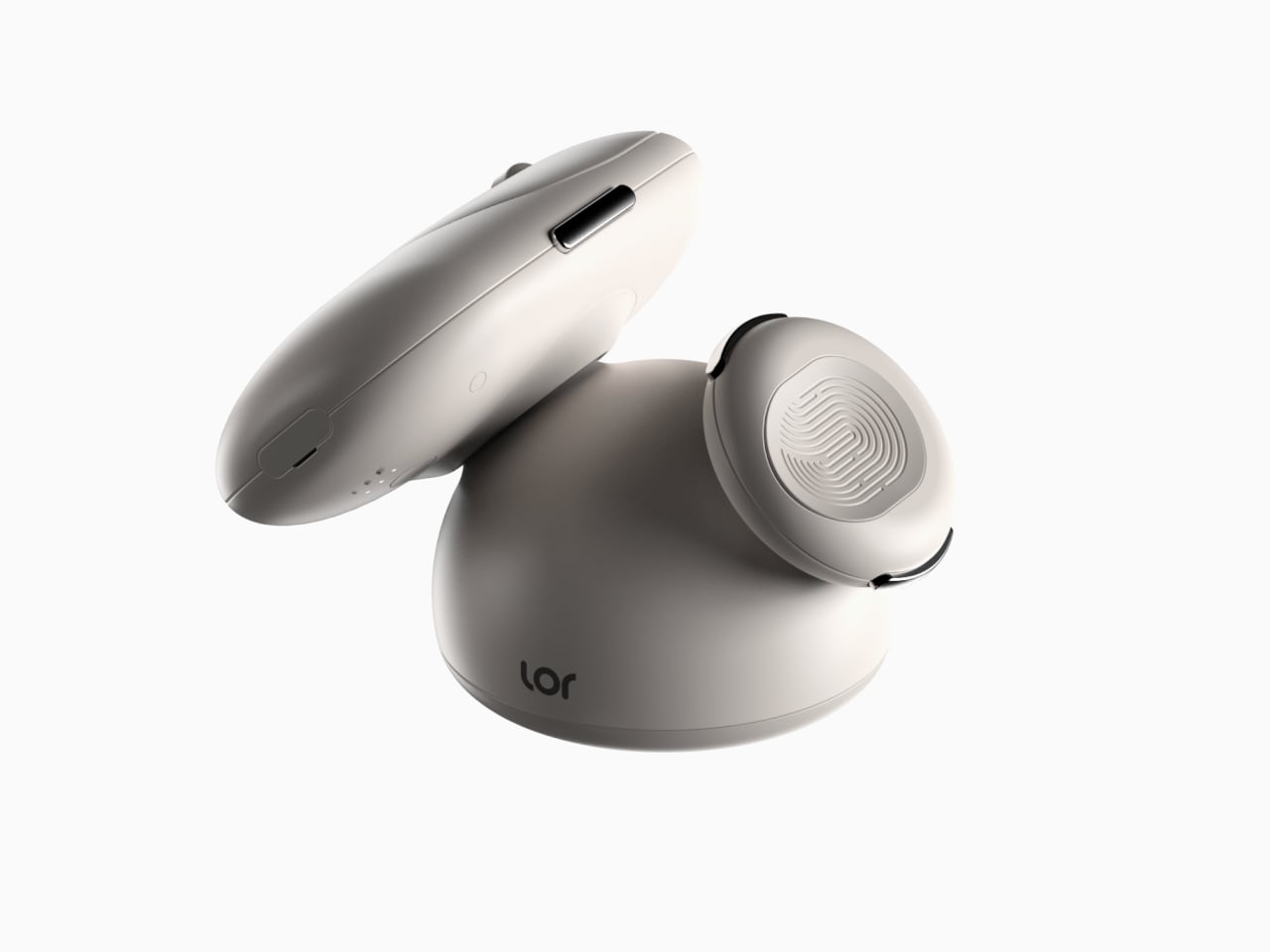
A fingerprint unlock sensor is built into one of the grips, letting you log into your computer with a touch. It is a small feature, but it reinforces the notion that the mouse is a personal object that can recognize you, not just a generic input device. It also hints at future possibilities, like per-user profiles that travel with the mouse in shared environments or family workstations.
Lor treats handedness as a design parameter rather than an afterthought. Instead of asking left-handed people to adapt to right-handed tools, it lets the product adapt to them through a simple, understandable act of assembly. In a category where vertical mice are often strongly handed and ambidextrous options are usually ergonomic compromises, the idea of a modular, mirrorable form turns inclusion into something tactile, giving left-handed users the same thoughtful experience that right-handed users have always quietly taken for granted.
Phone cases change often. New phone, new case, new colour, and those old cases quietly pile up in drawers or end up in landfill. The accessory industry treats cases as fast fashion, even though the phone inside is already a major environmental hit. Gomi is a small Brighton studio trying to slow that churn down with a different promise, a case that can be repaired forever and remoulded when you upgrade.
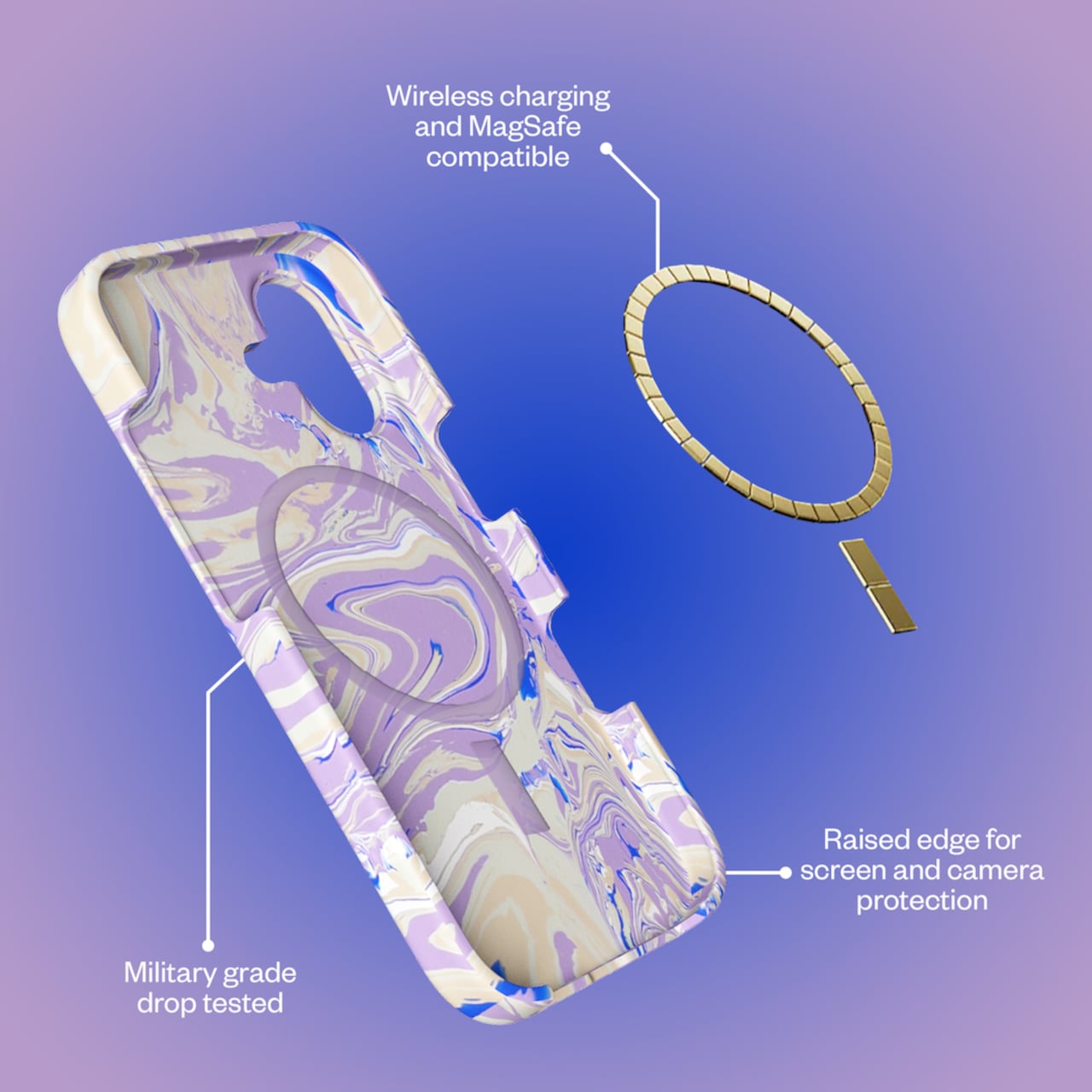
The forever phone case is handmade from 100% recycled plastic, backed by a simple guarantee, free repairs for life, and a £20 (around $28) upgrade when you get a new phone. Instead of buying a new case every upgrade cycle, you send the old one back, and they remold the same material into a new form factor, turning the case into something closer to a subscription on the material itself rather than another piece of disposable gear.
The case is made from recycled plastic that can be reheated and reshaped, so chips and cracks can be repaired, and whole cases can be melted down into new ones. There is no such thing as an end of life in their model; the material either becomes another case or another Gomi product. That circular loop is the core idea, not just the fact that the plastic came from waste in the first place.
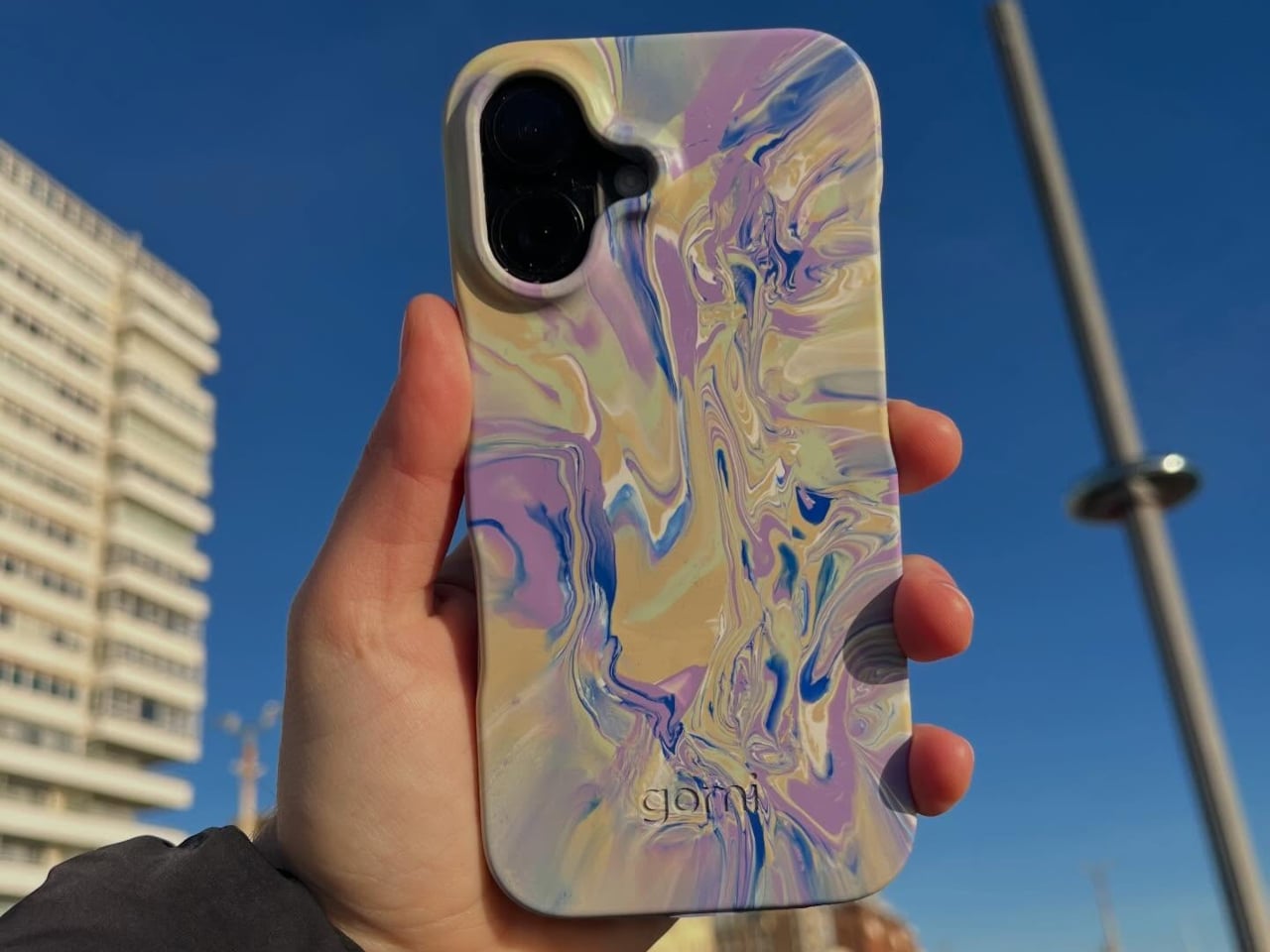
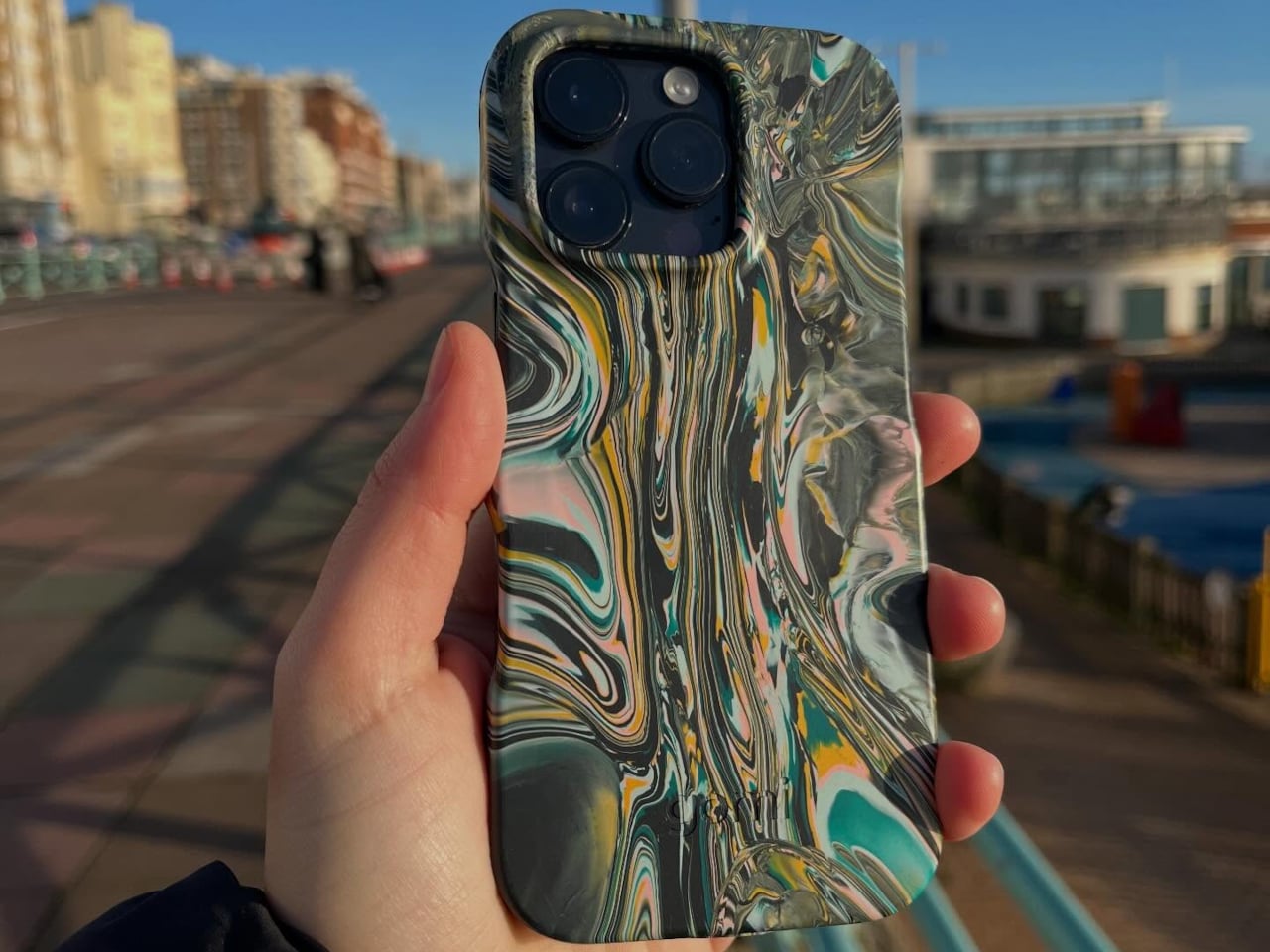
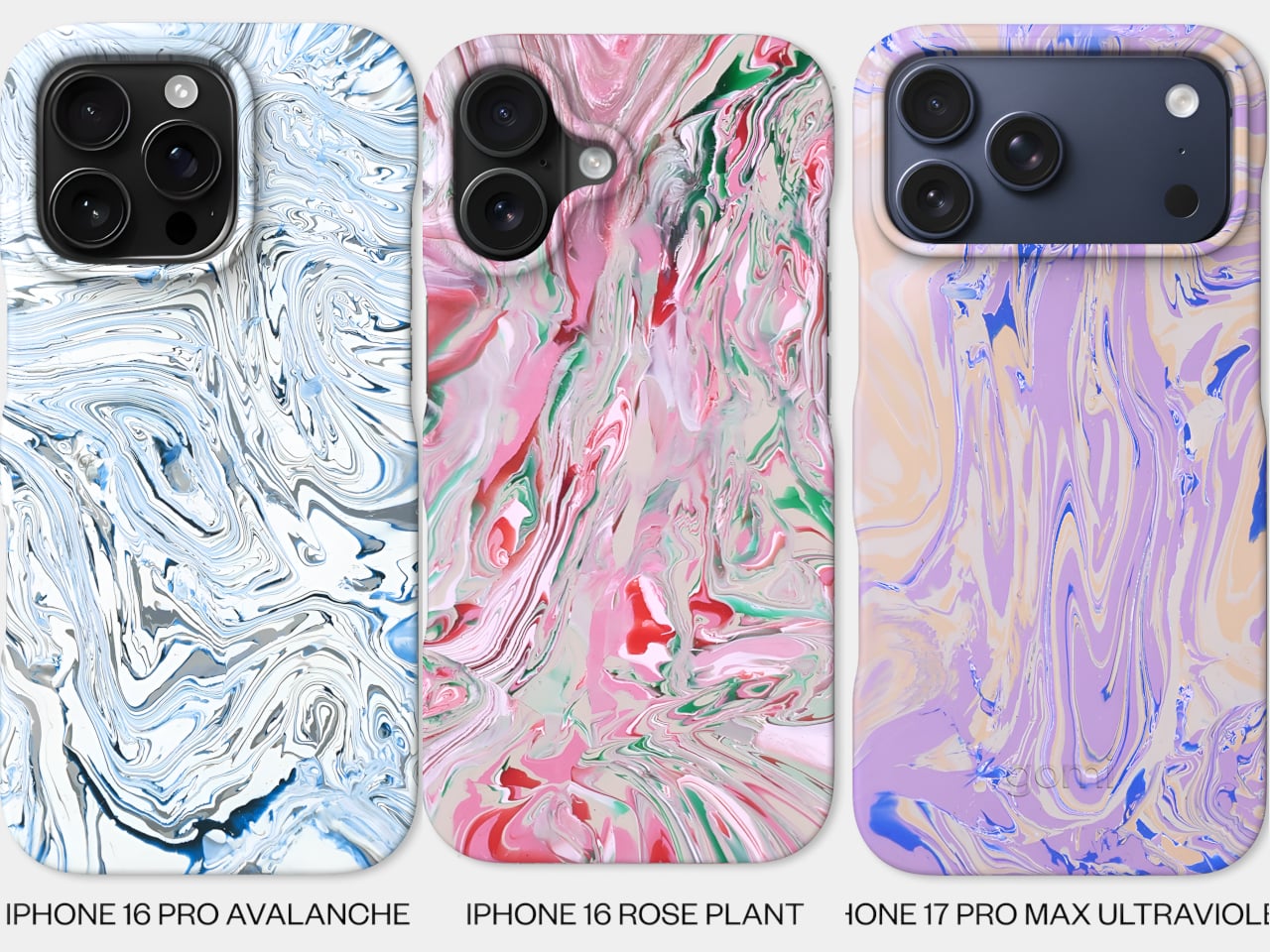
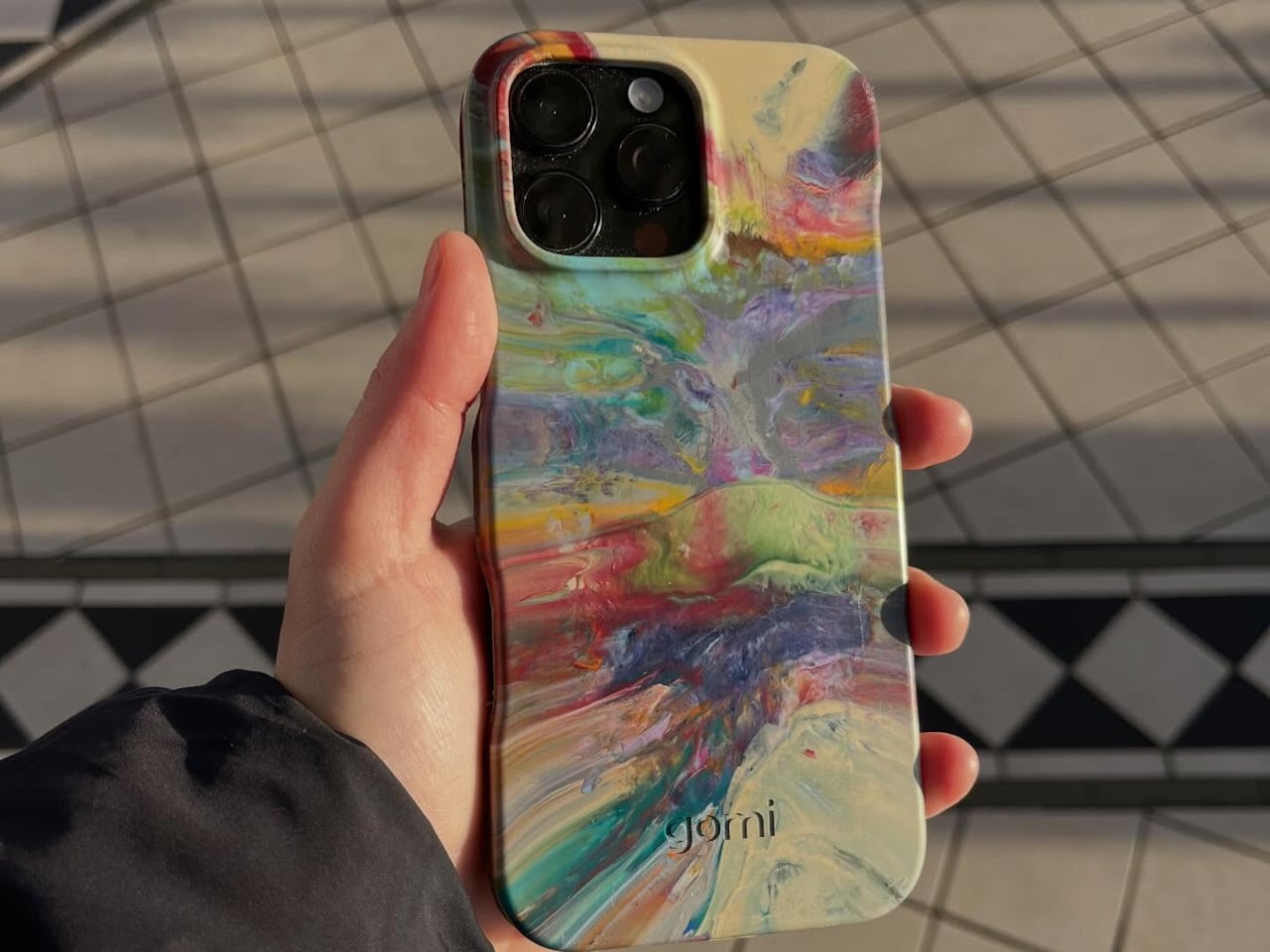
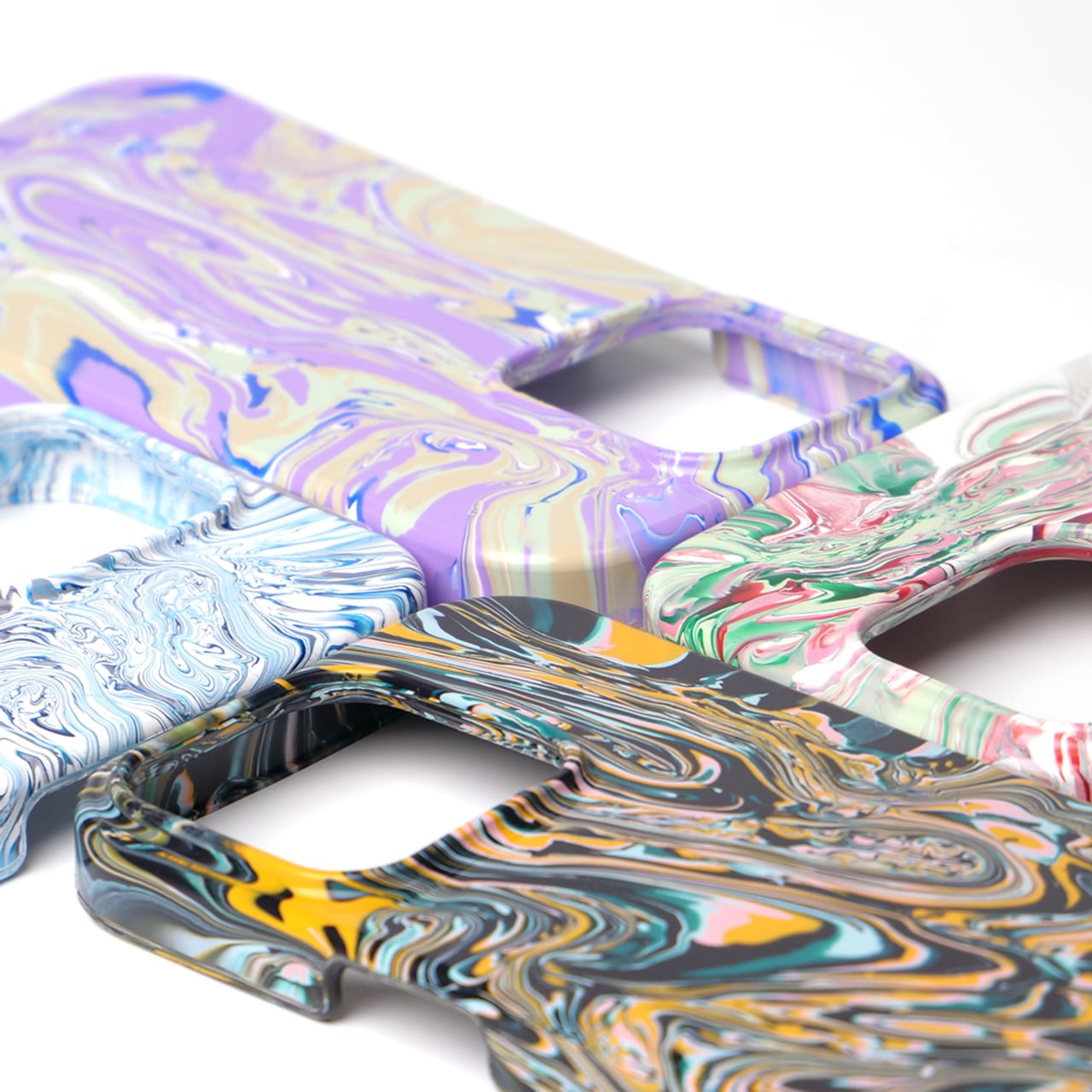
Each case is pressed from mixed plastic, creating a marbled pattern that cannot be repeated. No two cases are the same, which makes the randomness part of the appeal rather than a defect. Colourways like Panther or pastel mixes become loose guidelines rather than exact prints, and the result is a one-of-one object that looks like a tiny slab of recycled terrazzo wrapped around your phone, and no one else has the exact pattern.
The practical side covers raised edges for screen and camera protection, a snug fit, and drop testing to what Gomi calls military grade. You can add MagSafe compatibility as an option, which means a ring of magnets inside the case to keep chargers, wallets, and docks aligned. If you do not use MagSafe accessories, you can skip it, but the option keeps the case compatible with modern iPhone habits and workflows.
Every case is handmade in Brighton, UK, by a small independent team, and buying one supports that workshop rather than a faceless factory. The brand leans into that, promising free delivery across the UK, EU, and USA, and a 30-day money-back guarantee. It is a small detail, but it reinforces the idea that this is a long-term relationship, not a one-off impulse buy you forget about when the next design trend arrives.
The forever case quietly asks you to think about your phone differently. The device may still change every few years, but the material wrapped around it does not have to. A case that can be repaired, remoulded, and upgraded for a small fee instead of being replaced entirely is a modest shift, yet in a category built on disposability and seasonal colour drops, it starts to feel like a surprisingly radical one.