The G512 X is Logitech’s most advanced and customizable gaming keyboard yet

Thanks to the adoption of features like rapid triggers, analog switches and TMR sensors, the tech in fancy gaming keyboards has changed surprisingly quickly in the past few years. So to keep up with the pace of development, Logitech is putting a bunch of advanced components in its latest flagship offering — the G512 X — to create what may be its most configurable keyboard to date. 

Available in both 75 and 98 percent layouts, the G512 X is based on a novel design that supports both mechanical and analog switches. Out of the box, every key features PBT keycaps and uses one of Logitech's MX mechanical switches. However, for important buttons like WASD, users can swap in up to nine bundled Gateron KS-20 magnetic analog switches. This means that when combined with the keyboard's 39 tunneling magnetoresistance (TMR) switch beds, users can enable support for customizable rapid triggers and multipoint actuation, complete with five bundled second actuation pressure point (SAPP) rings in case you need even more control over every keystroke. The one potential downside is that Logitech only added TMR switch beds to the left side of the keyboard, so if you prefer more unusual keybinds, you won't have quite as many configuration options. 

The 39 TMR sensors on the left of the keyboard are the ones that support the included TMR switches.
Logitech

Meanwhile, to meet the demands of competitive gamers who need lightning-fast response times, Logitech added an 8K polling rate. This includes both 8K reporting and processing to deliver input times of just 0.125 milliseconds. Elsewhere, the G512 X comes with dual dials, a large RGB lightbar and game mode presets — all of which can be tweaked in Logitech's G Hub app. 

However, the coolest thing about the G512 X might be all the handy little details scattered across the keyboard. For example, its adjustable feet serve double duty as keycap and switch pullers, so when you want to adjust your layout, you won't need to go searching elsewhere for the right tool. On top of that, there is built-in storage for the nine included magnetic analog switches and five SAPP rings, so you'll always have them on hand if you want to make changes. Finally, while it is an optional accessory, Logitech created a transparent palm rest with a laser-etched surface that will enhance the G512 X's onboard RGB lighting. 

Logitech's optional palm rest really boosts the output of the Logitech G512 X's front-mounted RGB lightbar.
Logitech

Unfortunately, at $180 for the 75 percent layout or $200 for the 98 percent model, the G512 X is a bit pricey. And unlike some other members of Logitech's G5 family, there's no option for a wireless variant. But if you want a keyboard with practically all the latest tech and a ton of customizability (including the ability to select linear, tactile or clicky switches), the G512 X is a very intriguing option for demanding gamers.  

The G512 X is available directly from Logitech today, with wider availability slated for May 2.

This article originally appeared on Engadget at https://www.engadget.com/gaming/pc/the-g512-x-is-logitechs-most-advanced-and-customizable-gaming-keyboard-yet-070100610.html?src=rss

Google Just Leaked the Pixel 11 Pro Fold Inside the New Android 17 Beta

Google Just Leaked the Pixel 11 Pro Fold Inside the New Android 17 Beta Android 17 beta wallpaper files showing internal color labels linked to Google Pixel 11 Pro Fold finishes.

The Google Pixel 11 Pro Fold has been unintentionally unveiled through the Android 17 beta software, providing a glimpse into its potential design and color options. Leaked wallpapers tied to internal names “Midnight” and “Pine” suggest the device could feature two distinct finishes: a dark, monochrome-inspired shade and a green-tinted alternative. These findings align with […]

The post Google Just Leaked the Pixel 11 Pro Fold Inside the New Android 17 Beta appeared first on Geeky Gadgets.

Posted in Uncategorized

VITURE Luma Ultra AR Glasses : a 152-Inch Screen in Your Pocket

VITURE Luma Ultra AR Glasses : a 152-Inch Screen in Your Pocket Simulated view of multiple virtual desktop screens displayed through VITURE AR glasses

The VITURE Luma Ultra XR/AR glasses offer a dynamic way to interact with digital content, blending advanced display technology with portability. As highlighted by Cybernews, these glasses simulate a virtual display equivalent to a 152-inch screen, making them ideal for gaming, streaming, or multitasking. Powered by Sony micro OLED panels, they deliver high contrast, vibrant […]

The post VITURE Luma Ultra AR Glasses : a 152-Inch Screen in Your Pocket appeared first on Geeky Gadgets.

Posted in Uncategorized

Claude Opus 4.7 Just Outperformed ChatGPT in Complex Reasoning

Claude Opus 4.7 Just Outperformed ChatGPT in Complex Reasoning Interactive 3D model of a historical timeline generated by Claude Opus 4.7.

Claude Opus 4.7, the latest AI model from Claude, introduces significant updates aimed at refining both technical and creative processes. According to Skill Leap AI, one notable feature is its customizable reasoning modes, which include Max, High and Xigh settings for API users, offering tailored outputs based on specific needs. For app users, an adaptive […]

The post Claude Opus 4.7 Just Outperformed ChatGPT in Complex Reasoning appeared first on Geeky Gadgets.

Posted in Uncategorized

Samsung Galaxy S26 vs. Plus vs. Ultra: Is the $400 "Ultra Tax” Still Worth It?

Samsung Galaxy S26 vs. Plus vs. Ultra: Is the $400 Benchmark screen on a Galaxy S26 phone referencing Snapdragon 8 Gen 5 performance and sustained speeds under load.

The Galaxy S26 series introduces three distinct models, S26, S26 Plus, and S26 Ultra, each designed to cater to different user preferences. Whether you value affordability, balanced performance, or innovative features, understanding the differences in price, size, display, camera, and battery life is essential for making the right choice. Below is a detailed comparison video […]

The post Samsung Galaxy S26 vs. Plus vs. Ultra: Is the $400 “Ultra Tax” Still Worth It? appeared first on Geeky Gadgets.

Posted in Uncategorized

iOS 26.5 Beta 4 Released: Top Features Revealed

iOS 26.5 Beta 4 Released: Top Features Revealed CarPlay dashboard view showing smoother transitions after iOS 26.5 Beta 4 stability and performance fixes.

Apple has officially released iOS 26.5 Beta 4, a developer-focused update aimed at refining system performance, introducing incremental yet meaningful features, and resolving bugs identified in previous versions. This update is part of a synchronized rollout across Apple’s ecosystem, including iPadOS, macOS, watchOS, tvOS, HomePod OS, and Vision OS. While developers have immediate access to […]

The post iOS 26.5 Beta 4 Released: Top Features Revealed appeared first on Geeky Gadgets.

Posted in Uncategorized

Apple Watch Acting Up? Here are the Fixes for the Most Common Issues

Apple Watch Acting Up? Here are the Fixes for the Most Common Issues Apple Watch notifications panel with Apple Maps alerts disabled while CarPlay navigation runs on the car display.

The Apple Watch is a powerful and versatile device that combines convenience with functionality, but it’s not without its occasional challenges. From managing notifications to resolving connectivity issues, these common problems can sometimes hinder your experience. By addressing these concerns with practical solutions, you can ensure your Apple Watch operates seamlessly and enhances your daily […]

The post Apple Watch Acting Up? Here are the Fixes for the Most Common Issues appeared first on Geeky Gadgets.

Posted in Uncategorized

This Wine Cooler Scans the Label and Sets Its Own Temperature for You

Wine culture has never been more accessible, with good bottles showing up at rooftop dinners, backyard gatherings, and weekend trips just as often as they do at restaurant tables. What hasn’t quite kept up, though, is how we actually serve them once we’re there. Temperature is the detail that most people overlook, and it’s arguably one of the most important variables in how a wine actually tastes.

That’s the gap that Porta is designed to fill. It’s a smart, portable wine cooler that keeps a bottle at the right serving temperature without ice, without a power outlet, and without any of the fuss that usually comes with trying to manage these things outside of a dedicated wine space. It’s compact, rechargeable, and built for the kind of drinking occasions that happen well beyond the kitchen.

Designer: Metaproi

Click Here to Buy Now: $249 $599 (58% off). Hurry, only 363/500 off. Raised over $57,000.

A bottle can come from a great producer, be stored perfectly, and still taste flat if it’s poured too warm or too cold. Serve a red too warm, and the alcohol starts to overwhelm everything else. Too cold, and the aromas shut down. There’s a narrow window where the flavors actually show up the way they were intended, and that window closes faster than most people realize.

Cellars and wine fridges solve the storage part just fine. But once the bottle comes out and ends up on the dinner table, or worse, goes into an ice bucket, the situation changes pretty quickly. An ice bucket drops the temperature too far and strips the wine of the very character you chose it for. Porta addresses that moment specifically, which is where it actually matters.

The companion app is where Porta’s smarter side comes in. Pair it with your phone, point the camera at the label, and the app identifies the grape variety and sets the chiller to an appropriate temperature automatically. You can also adjust manually, log wines, add tasting notes, and build a personal wine list, making it quite useful for something that just sits quietly on your table.

There’s also a decanting timer built into the workflow, a small detail that makes a real difference. Once you open the bottle and let it breathe, Porta tracks the time and lets you know when it’s ready to pour. It removes the guesswork from a process that casual drinkers tend to skip entirely, adding a bit of structure to the ritual without making it feel like homework.

What makes Porta genuinely interesting as a design object, though, is how cordless it actually is. It runs on an internal 10,000 mAh battery good for up to eight hours of sustained cooling, and charges via USB in about three and a half hours. That makes it as useful on a terrace or a picnic blanket as it is at a formal dinner table.

The cooling itself is handled by a thermoelectric system that operates without any mechanical movement, which keeps things quiet and vibration-free. The interior circulates chilled air around the bottle while a cork-filled insulating frame holds the temperature steady, even when the ambient conditions outside change. It can bring wine down to 46°F and sustain those conditions throughout a meal without needing you to fuss over it.

Two angular wine coolers on a table, one holding a green bottle, with a glass of red wine and a blurred person in the background.

The design itself is worth noting separately. Porta comes in Champagne Gold and Matte Black, with a faceted, geometric silhouette that tends to draw attention at the table. That’s intentional. The front window keeps the label visible while the bottle chills, turning it into part of the setting rather than something to be tucked away. It’s the kind of object that actually belongs where the drinking happens.

Click Here to Buy Now: $249 $599 (58% off). Hurry, only 363/500 off. Raised over $57,000.

The post This Wine Cooler Scans the Label and Sets Its Own Temperature for You first appeared on Yanko Design.

This Wireless Gaming Controller Splits Apart To Reveal Its Cartridge Slot

Imagine a Nintendo Switch without a screen. Just two Joy-Cons that click together for wireless gaming. Now imagine that was it. That was the product. That’s what the Clicon gaming controller/console is pitching itself has. Handheld wireless gaming with anything you want as the screen. Split the controller apart and a cartridge fits into it, sandwiched between the two halves. Click the halves shut and you’ve effectively ‘loaded’ a game. Now pick a screen and game on it.

Spiritually, it feels exactly like what I’d expect from an indie company trying to be the next Nintendo. Out-lite the Switch Lite by ditching the screen altogether. The 2-part controller looks gorgeous, is portable, and ends up acting as a cartridge holder just by virtue of its design. Plus, the Duracell colorway definitely gives it a funky touch that’s hard to ignore!

Designers: Yasuaki Iijima & Jason Chen

This format is easily the first in the handheld gaming segment and that’s perhaps the one thing that excites me the most. Seeing a design so fairly radical it grabs your attention for a second, making you question how it works, and whether it would work, plausibly. The Clicon is still conceptual, obviously, but the designers are apparently working on a prototype.

The renders show a basic arcade-style cartridge that is housed inside the controllers, sitting just within their parting line and jutting out the middle the way your AirPods jut out when you flip the lid. This means no mano-a-mano gaming the way you would on a Switch. This entire thing is just one console, and doesn’t work when split apart. Lock it together and you’ve got something akin to the SNES controller with a pill-shaped design that feels decent enough to hold for hours at a stretch.

Meanwhile, as controls go, the Clicon packs them all, action buttons, arrow keys, two sets of shoulder buttons, the works. A home button and +/- buttons on the front, another transparent button on the top, and a USB-C port to charge the device as well as potentially stream content via cable. It would also make sense to assume that wireless streaming is a possibility.

Designers Yasuaki Iijima & Jason Chen are apparently working on a prototype. Their instagrams show 3D prints of mock-ups, even with bare-basics circuitry. It’s way too early to even ask for things like a timeline, specs, pricing, etc. but what we can do is judge the design for what it is. And hope that a feasibility run doesn’t result in too much of the design changing in the process! Heck, is it possible we see a ‘Nintendo Switch Lite Lite’ before GTA 6?

The post This Wireless Gaming Controller Splits Apart To Reveal Its Cartridge Slot first appeared on Yanko Design.

This Tiny Home Has No Wheels and That’s Exactly the Point

Craft House’s latest model arrives without wheels and makes no apology for it. The obsession with portability is slowly giving way to something more intentional, and the Lukas makes a strong case for planting roots.

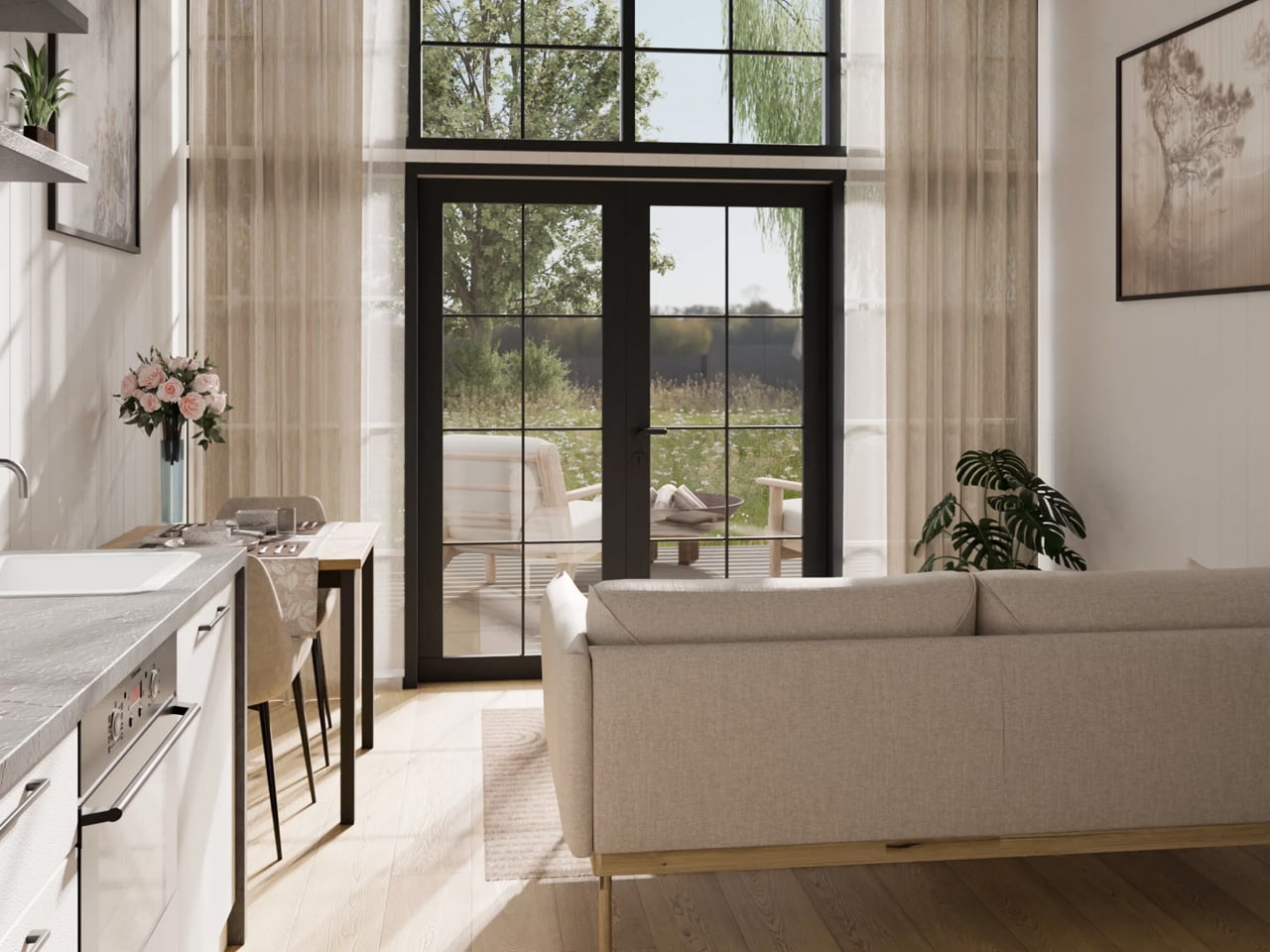
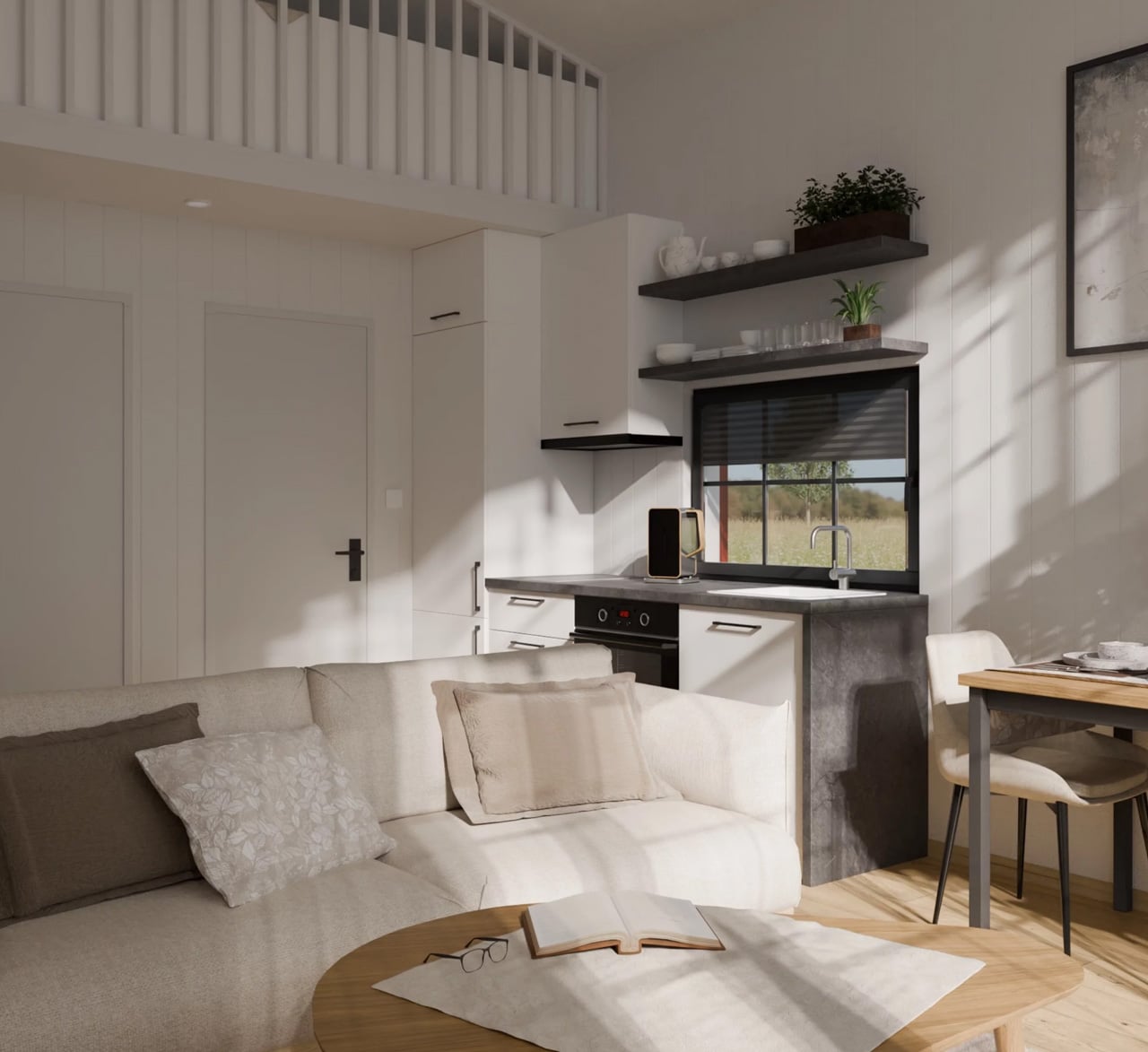
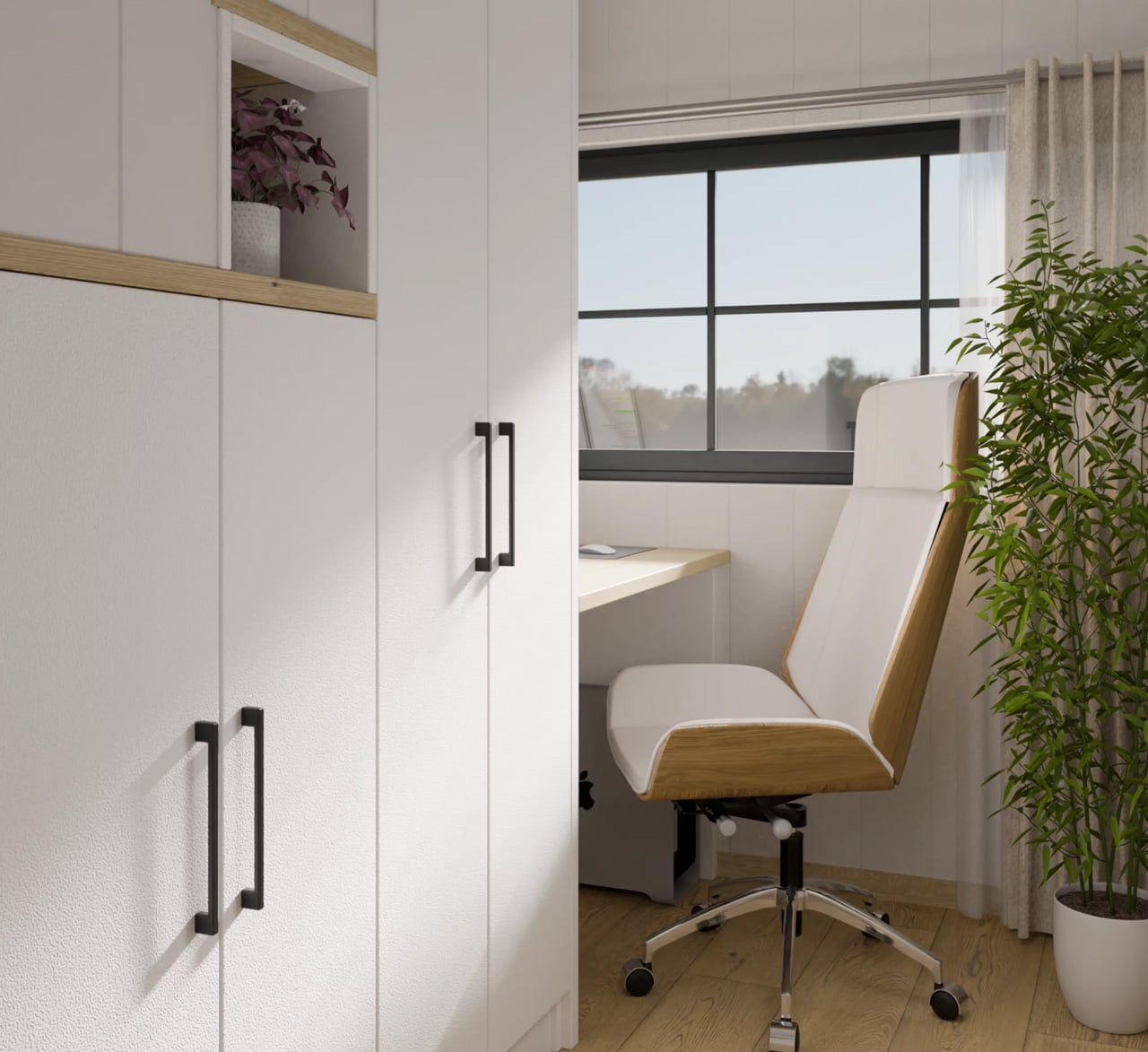
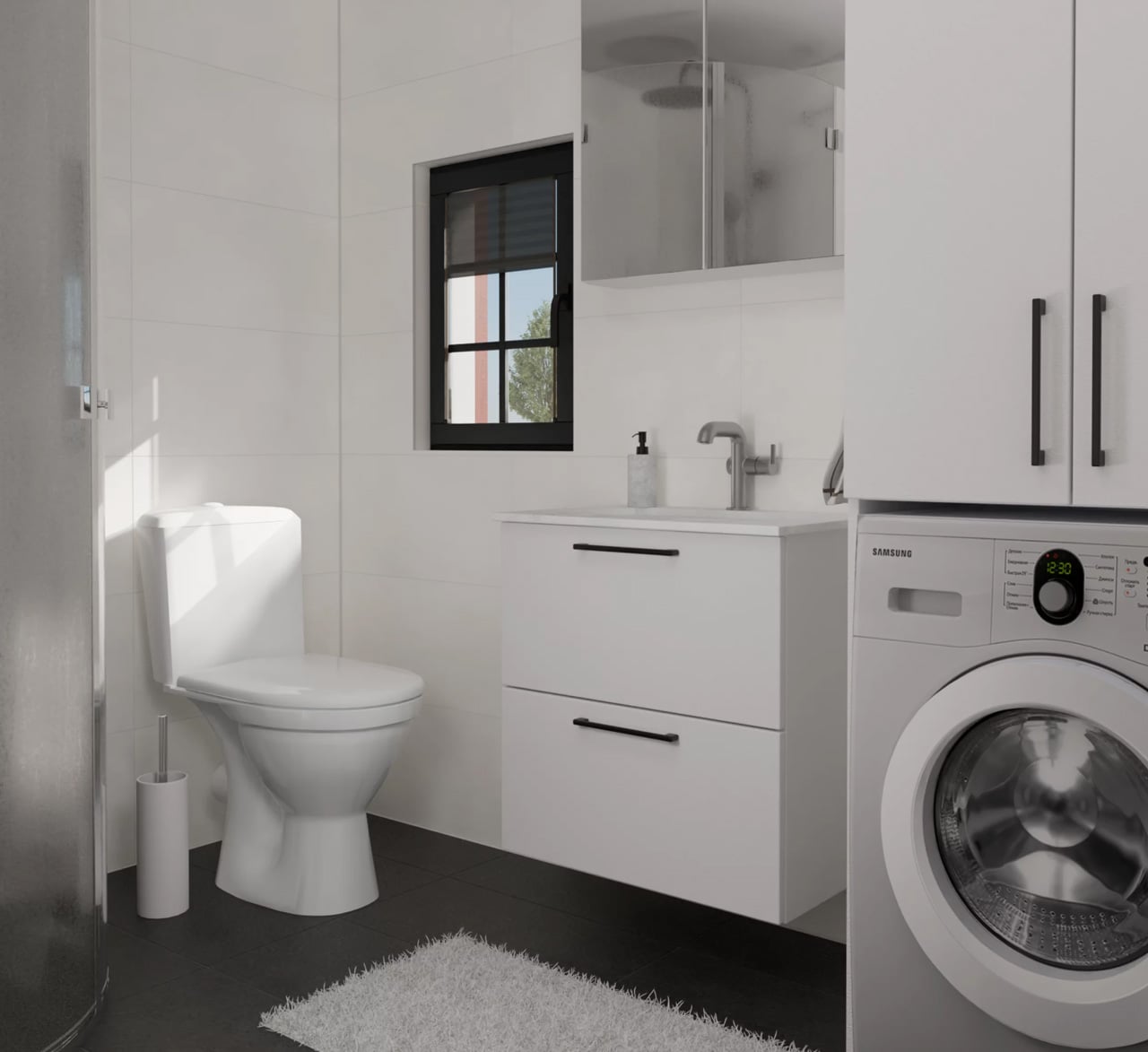
The Lukas is not towable. It has no wheels, and it arrives at its destination by truck. For anyone dreaming of nomadic living, that might sound like a dealbreaker. But step inside, and the trade becomes immediately clear. What Lukas gives up in mobility, it returns in space, comfort, and a roomy interior that genuinely feels like a proper apartment.

Designer: Craft House

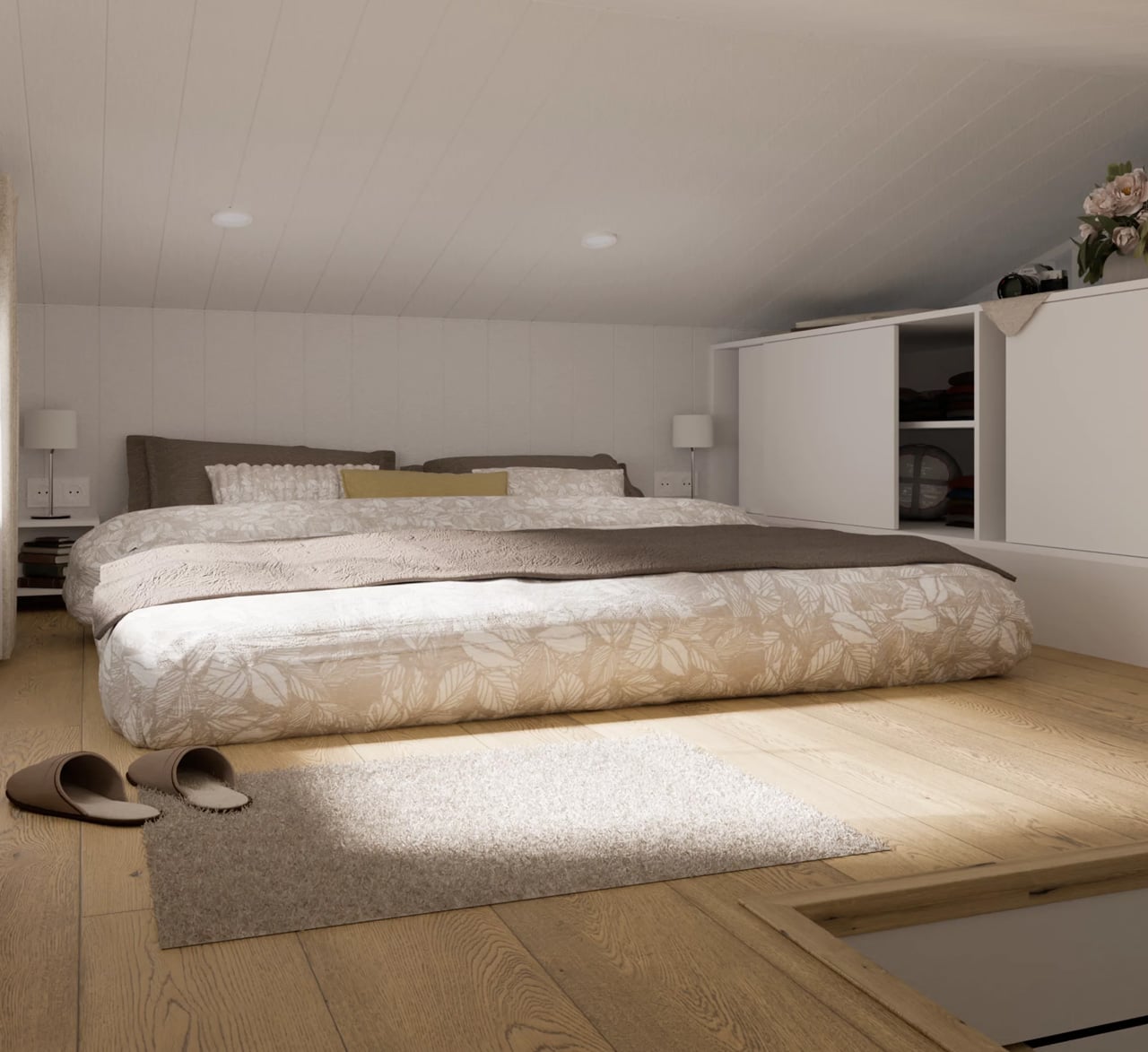
At 10 meters long and 3.5 meters wide, the Lukas sits in an interesting middle ground. It is compact enough to earn the tiny home label with a straight face, yet generous enough to sleep four people comfortably. That is no small feat for a structure of this scale, and Craft House pulls it off without compromising the refined design language that has come to define the brand across its previous models.

The exterior reads clean and considered. Engineered wood and standing seam aluminum make up the cladding, a material pairing that signals permanence without heaviness. It shares visual DNA with earlier Craft House models like the Katrin, though the Lukas carries a quieter confidence that comes from not needing to justify its footprint.

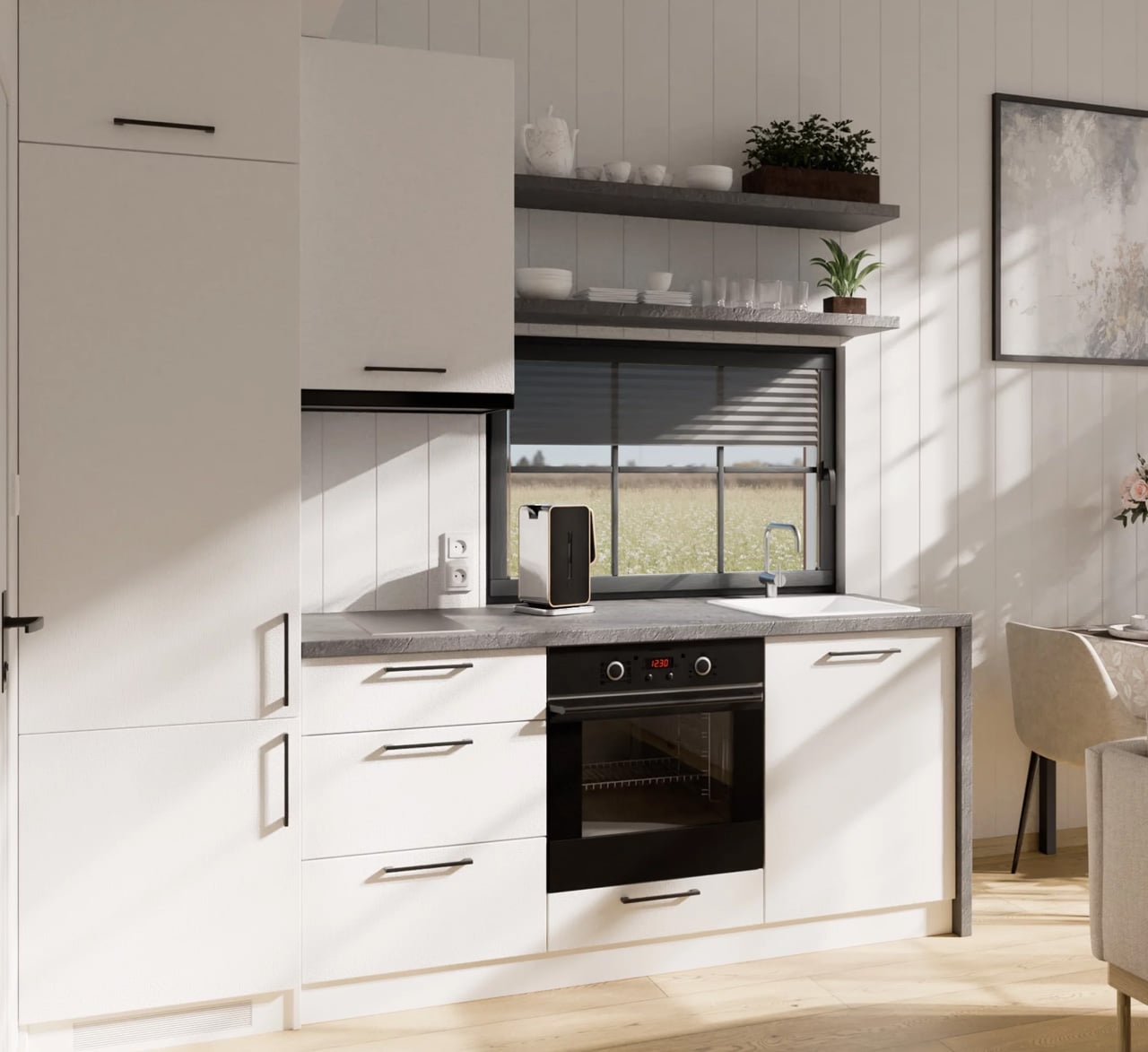
Inside, light does a lot of the work. Generous glazing runs throughout, and multiple skylights flood the space with natural brightness that makes the interior feel larger than its dimensions suggest. The kitchen is a genuine highlight, offering real cabinetry and a breakfast bar for two. This is not a kitchenette tucked into a corner. It is a proper cooking space built for everyday use, and it shows that Craft House understands what people actually need when they downsize.

Like other models in the Craft House lineup, the Lukas is built to order, which means buyers can shape it to their needs. An outdoor terrace is available as an optional extra, and those wanting full independence from the grid can opt for a complete off-grid package, making it viable as a permanent, fully independent residence in almost any location.

Pricing starts at roughly $88,000 USD. For a structure of this quality, finish, and livability, that number is competitive. Delivery timelines are not publicly listed at this time, so those seriously interested are encouraged to reach out to Craft House directly to discuss lead times and configuration options. The Lukas will not suit everyone. But for those willing to let go of the fantasy of endless movement, it offers something arguably more valuable: a small home that actually feels like one.

The post This Tiny Home Has No Wheels and That’s Exactly the Point first appeared on Yanko Design.