Some people watch the game. Others build a whole experience around it. The living room becomes the venue, the couch becomes the seat, and somehow the right gift makes the whole setup feel intentional rather than assembled over years of impulse buys. These nine picks span every corner of the room, from the screen to the sound to the table that keeps the energy going long after the final whistle blows and nobody is ready to leave just yet.
A great game-day room is not really about having the biggest TV. It is about having a room that works. Sound that fills the space without fighting for attention. A screen that earns its place on the wall even when the game is not on. A table that gives the energy somewhere to go at halftime. These gifts solve real problems in that space, and each one carries enough design thinking behind it to feel like a genuinely considered choice rather than a last-minute add to cart.
1. Portable CD Cover Player
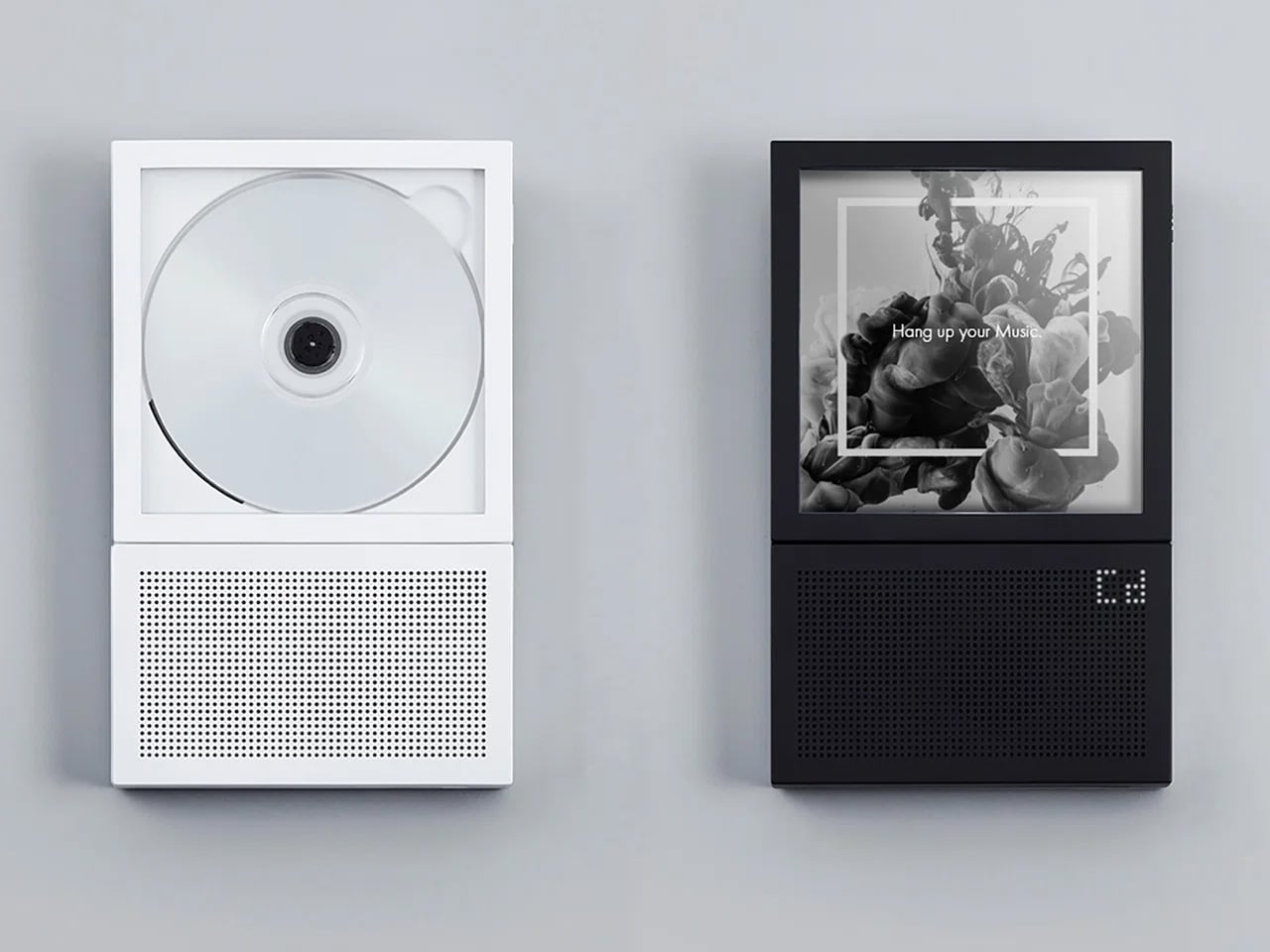
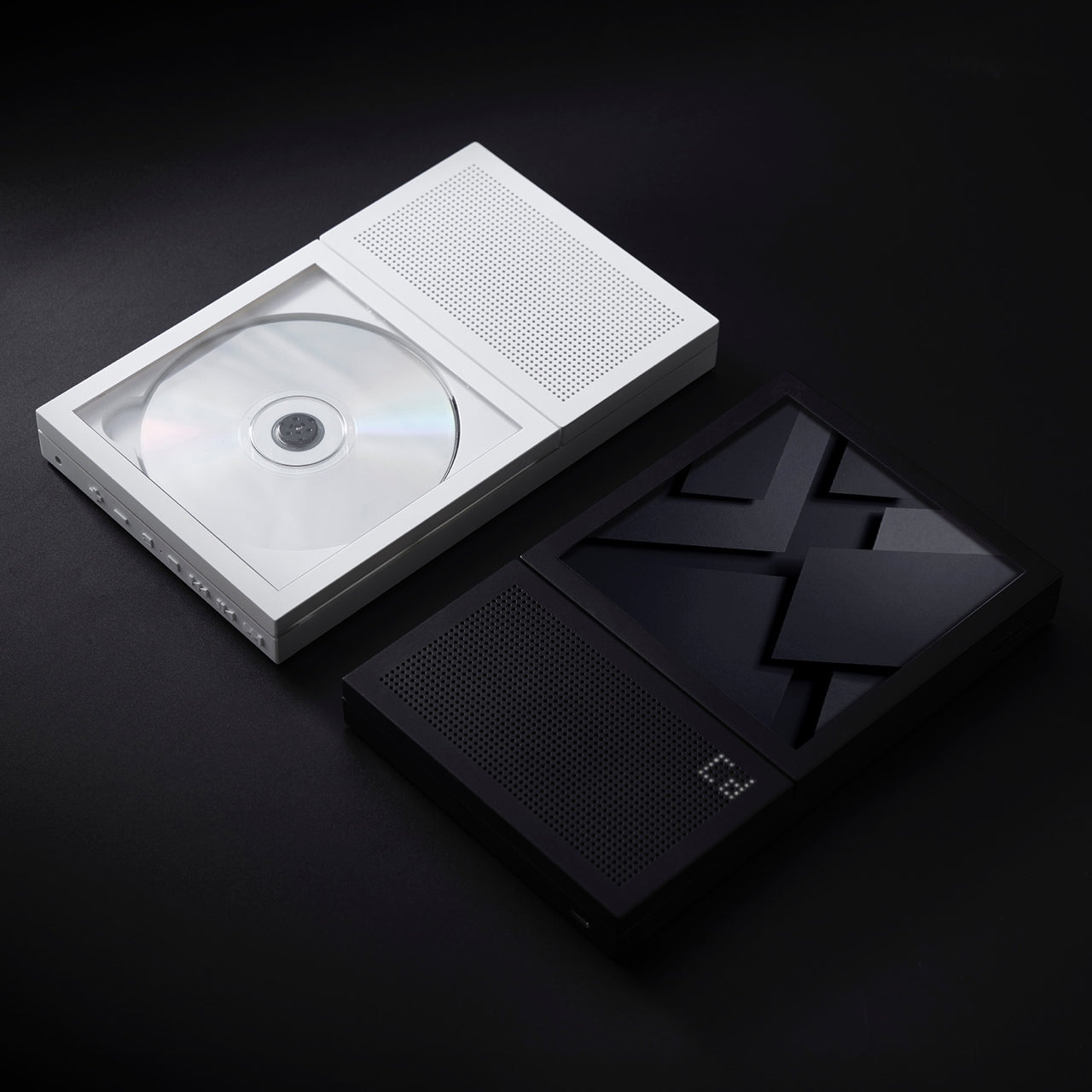
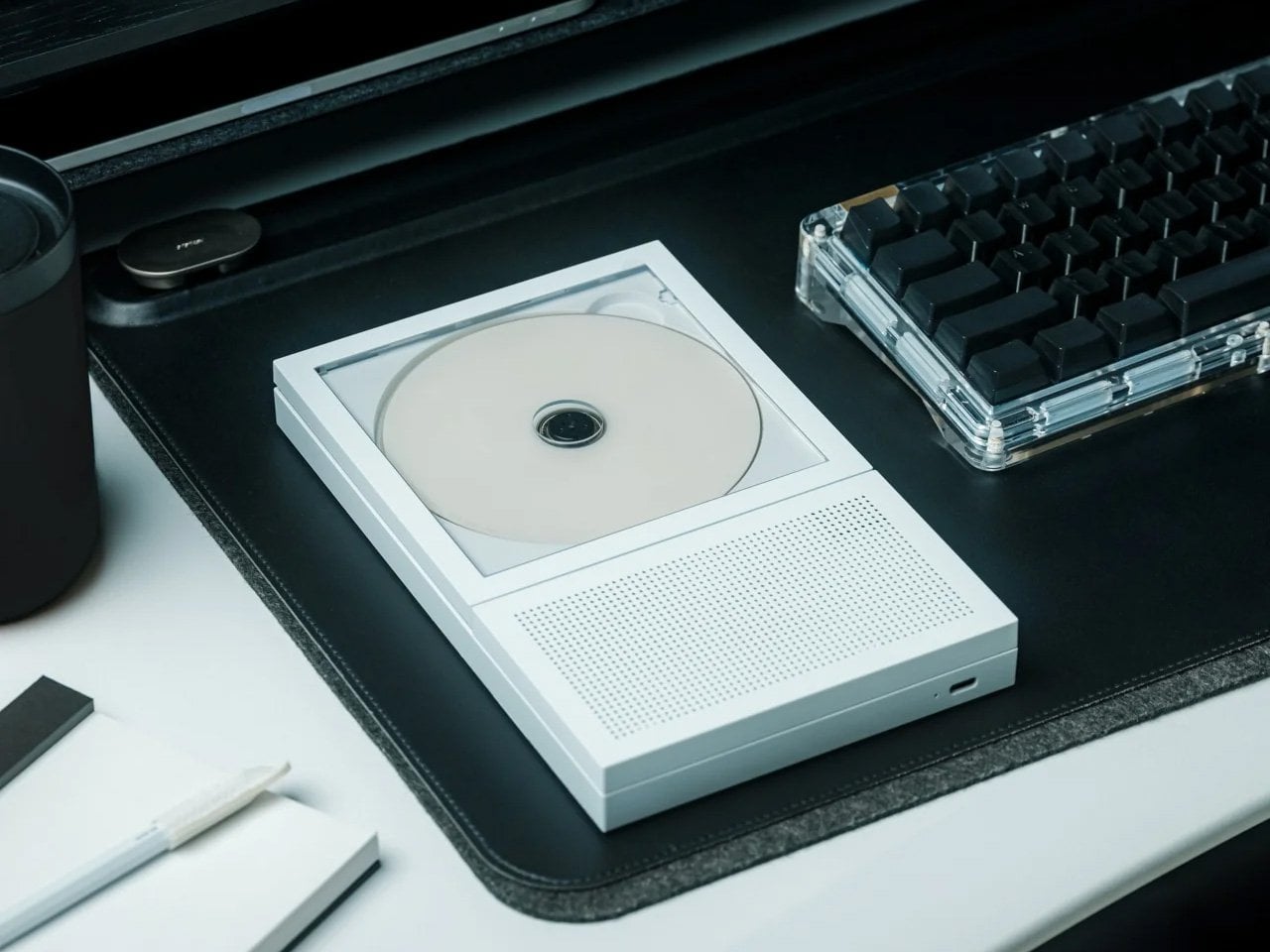
Most pregame rituals revolve around a playlist nobody agreed on. The Portable CD Cover Player changes the format entirely, looking exactly like a CD jewel case standing on edge, which means it earns its shelf spot before anyone presses play. For someone who has put real money into making their living room feel right, a music player that doubles as a sculptural object is the kind of gift that holds its ground in the room long after the season ends and the decorations come down for good.
Beyond the form, it delivers. Slot a disc in and the music plays back with the kind of warmth a streaming service on a phone speaker simply does not replicate. It reads as the pregame companion: the thing that sets the tone before the screen takes over and the broadcast audio fills the room. For the host who treats game day like an event rather than a habit, this is the detail that tells everyone in the room that the person running the setup actually thought it through from the first quarter to the last.
Click Here to Buy Now: $199.00
What We Like
- The form is genuinely surprising without being gimmicky, earning a permanent shelf spot rather than a junk drawer after the novelty wears off in the first week.
- At from $199 on YD Select, it sits in a gift tier that feels considered without crossing into impractical territory for most budgets.
What We Dislike
- Physical media is a deliberate commitment, and someone who has moved entirely to streaming will need to rebuild a CD library, which is either a feature or a friction point depending entirely on who is receiving it.
- Pricing for different color or finish variants beyond the base entry price is not confirmed on the current listing.
2. Hisense U6SF Pro
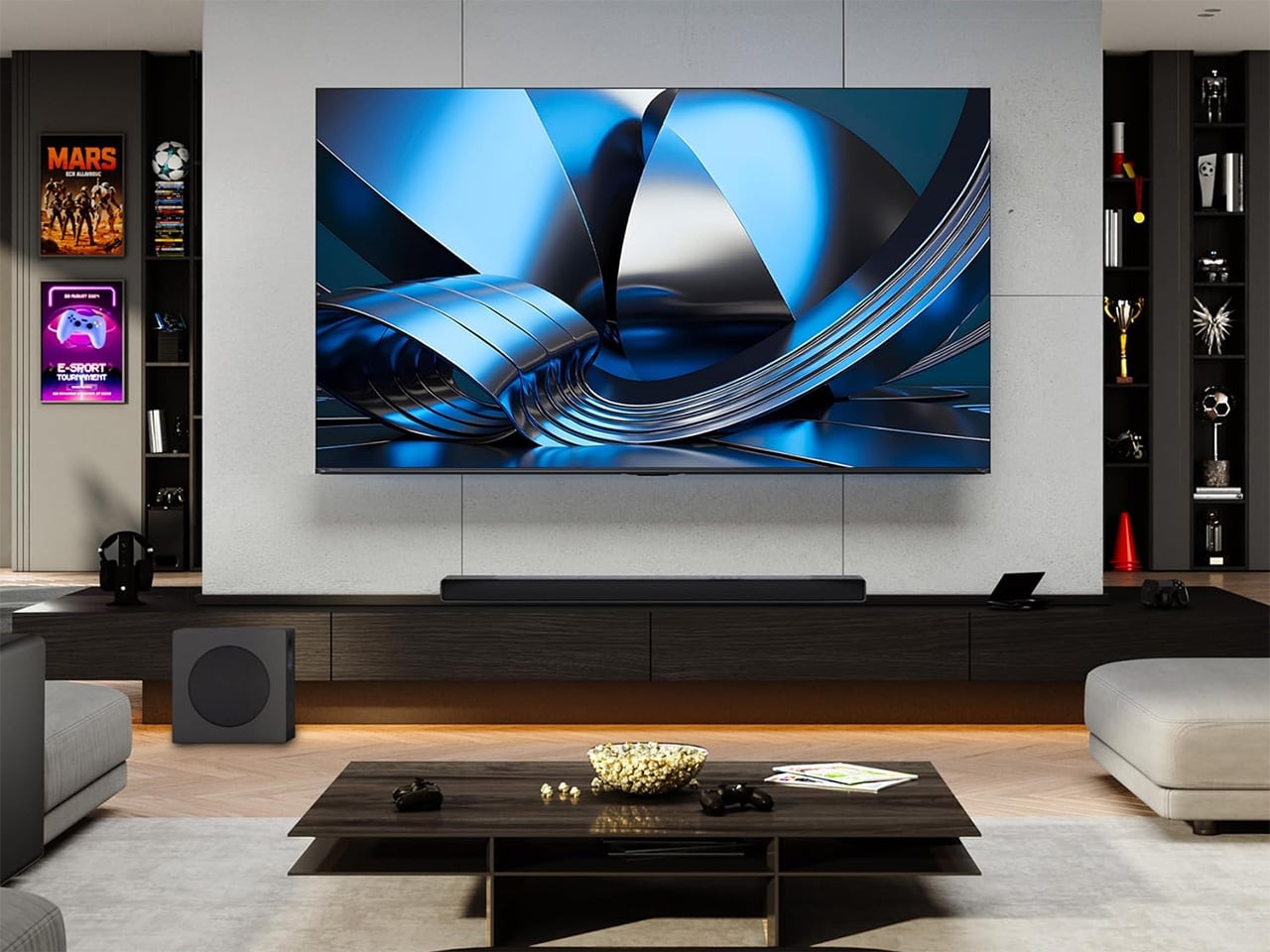
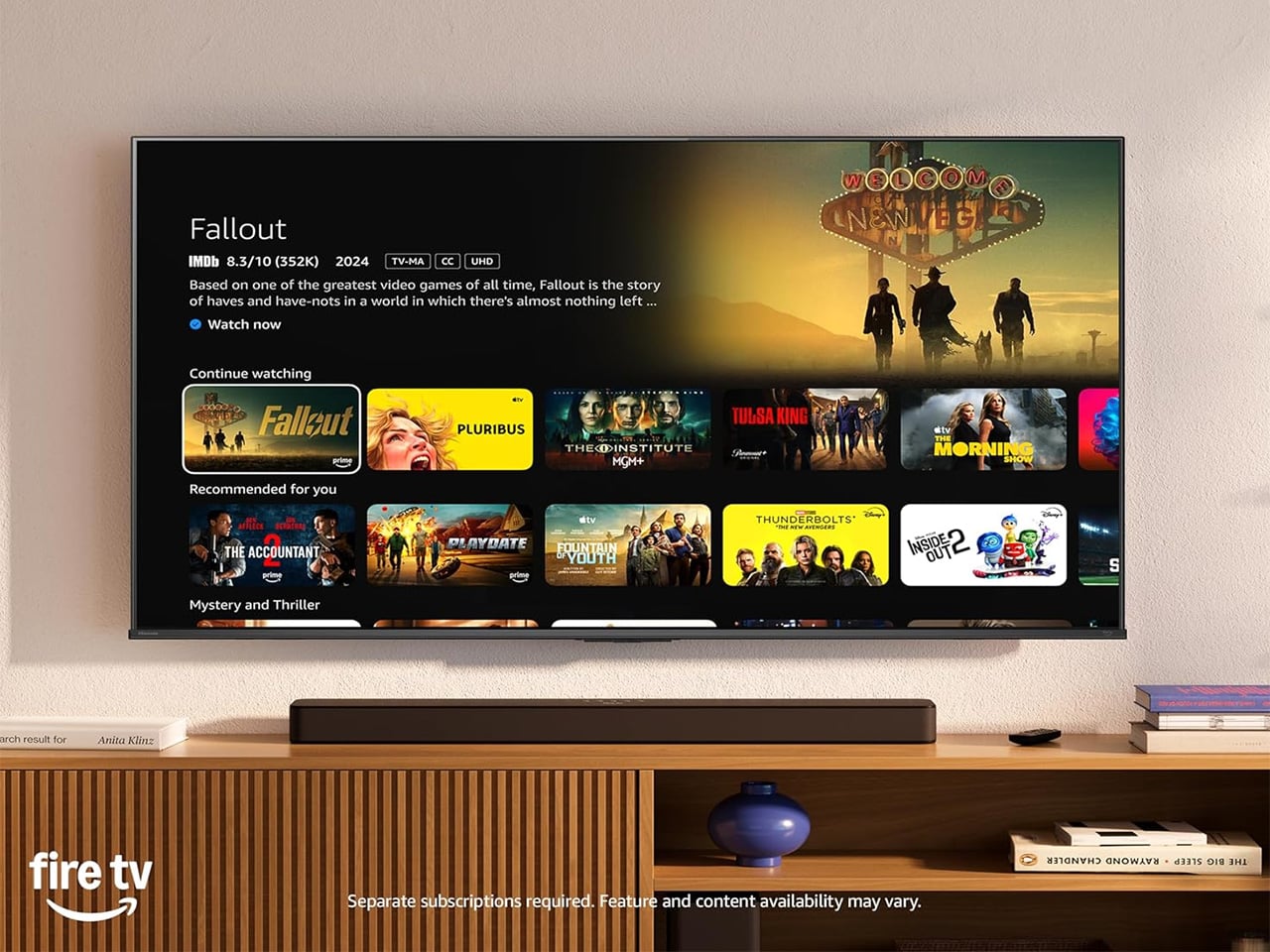
The U6SF Pro solves the problem most living rooms never fully address: glare. Sunlight through a window, a lamp left on during an afternoon game, the overhead light nobody turned off before kickoff. A standard panel washes out and flattens the image before halftime arrives, but Hisense’s anti-reflection, glare-free coating treats the room’s actual conditions as part of the design brief. Tom’s Guide’s reviewer noted they never once had to adjust the room lights during a full testing session with this panel in a real living room.
At $699, down from its original launch price of $1,099, the U6SF Pro puts a 1,200-nit Mini LED panel with a native 144Hz refresh rate and a built-in subwoofer into a price bracket that used to feel out of reach for this level of picture performance. That combination of brightness ceiling, motion handling, and built-in bass makes it the natural anchor for a game-day living room that is serious about the setup without being unreasonable about what the whole thing should realistically cost.
What We Like
- The glare-free anti-reflection coating is a tested, real-world differentiator in rooms that are not dedicated dark home theaters, which describes most living rooms where the game actually gets watched.
What We Dislike
- The built-in subwoofer is a convenient feature, but committed audio setups will likely still want a dedicated soundbar or speaker pair running alongside it for full-range coverage.
- Available in larger screen sizes that may not suit every living room layout, so confirming dimensions before committing to this as a gift is worth the extra step.
3. XGIMI MoGo 4

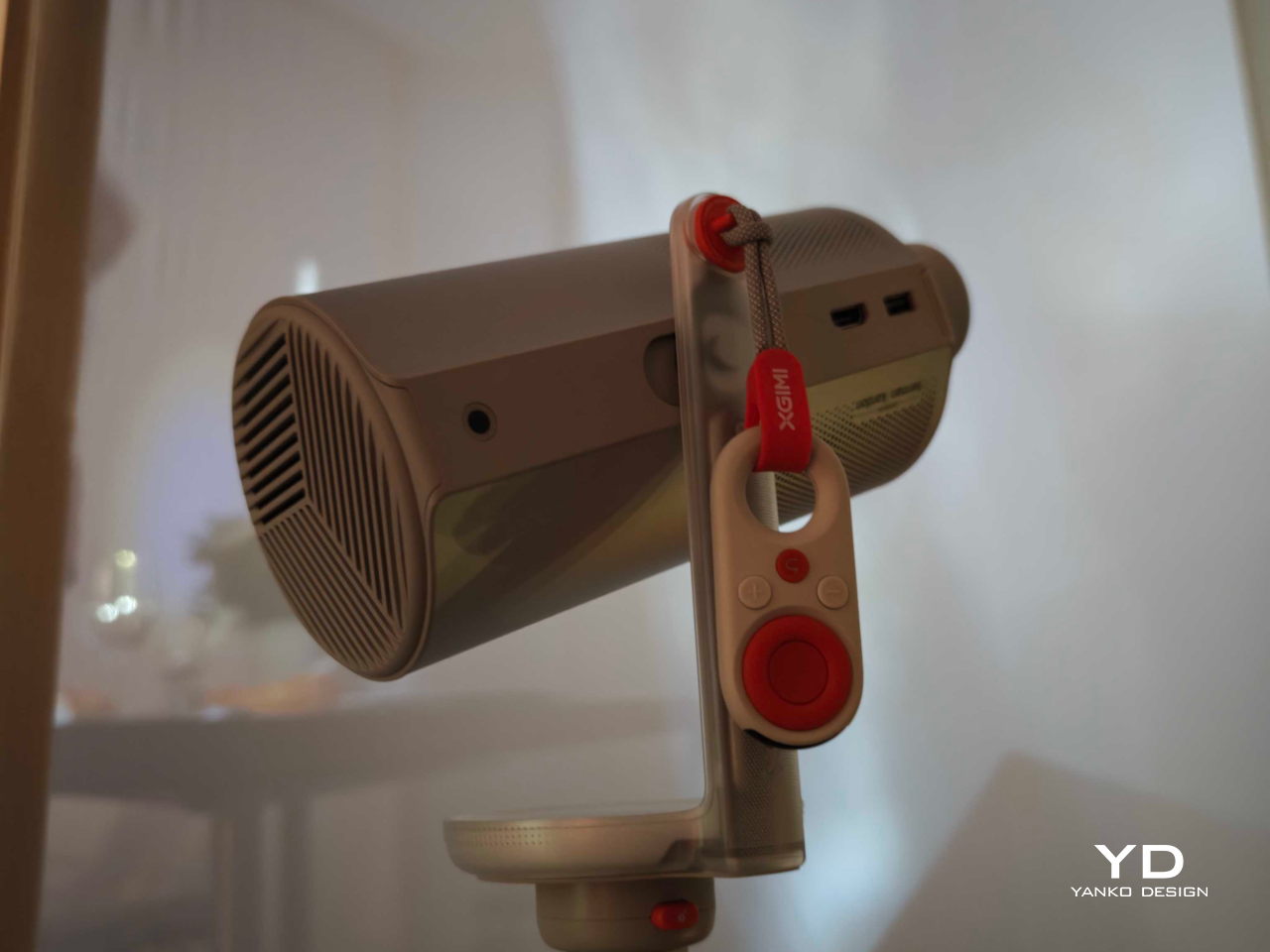
The second-screen problem- where does the overflow crowd watch when the main room fills up- never gets planned for until it is actively happening. The XGIMI MoGo 4 is the answer that does not require buying a second television. A 1080p portable projector with 450 ISO Lumens, a 360-degree adjustable stand, Google TV with licensed Netflix built in, and dual 6W Harman Kardon speakers, it throws up to a 200-inch image from a cylinder compact enough to sit on a coffee table without commanding the room.
The 71.28Wh built-in battery delivers up to 2.5 hours of playtime, covering most games without needing a wall outlet nearby. Running on Wi-Fi 5 and Bluetooth 5.1, the setup is entirely wireless from start to finish. For a host who wants a backyard overflow screen, a garage viewing option, or a second room covered on playoff day, this is the projector that pulls all of that off without a permanent installation, a ceiling mount, or a second cable subscription attached to the monthly bill.
What We Like
- The 360-degree adjustable stand means it can project onto a ceiling, a garage door, or a blank wall with the same minimal setup effort every single time.
- Google TV with licensed Netflix built in removes the need for an external streaming stick or any additional device running alongside it out of the box.
What We Dislike
- At 450 ISO Lumens, bright-room performance has real limits, and this works best in a controlled-light environment rather than a fully sunlit afternoon kickoff.
- 2.5 hours of battery life covers a standard game comfortably but falls short for overtime-heavy playoff marathons without a power source kept nearby.
4. Come Together
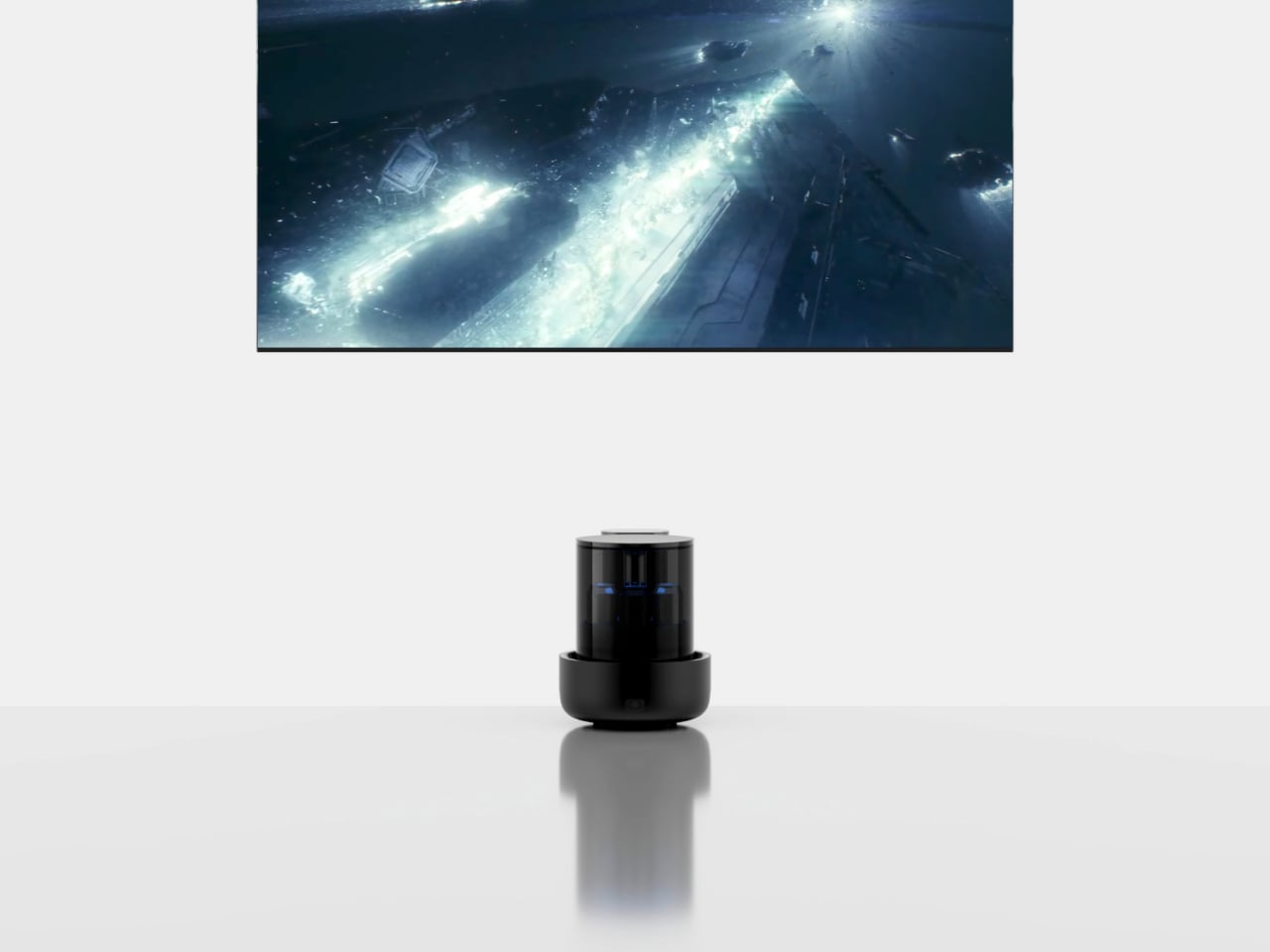
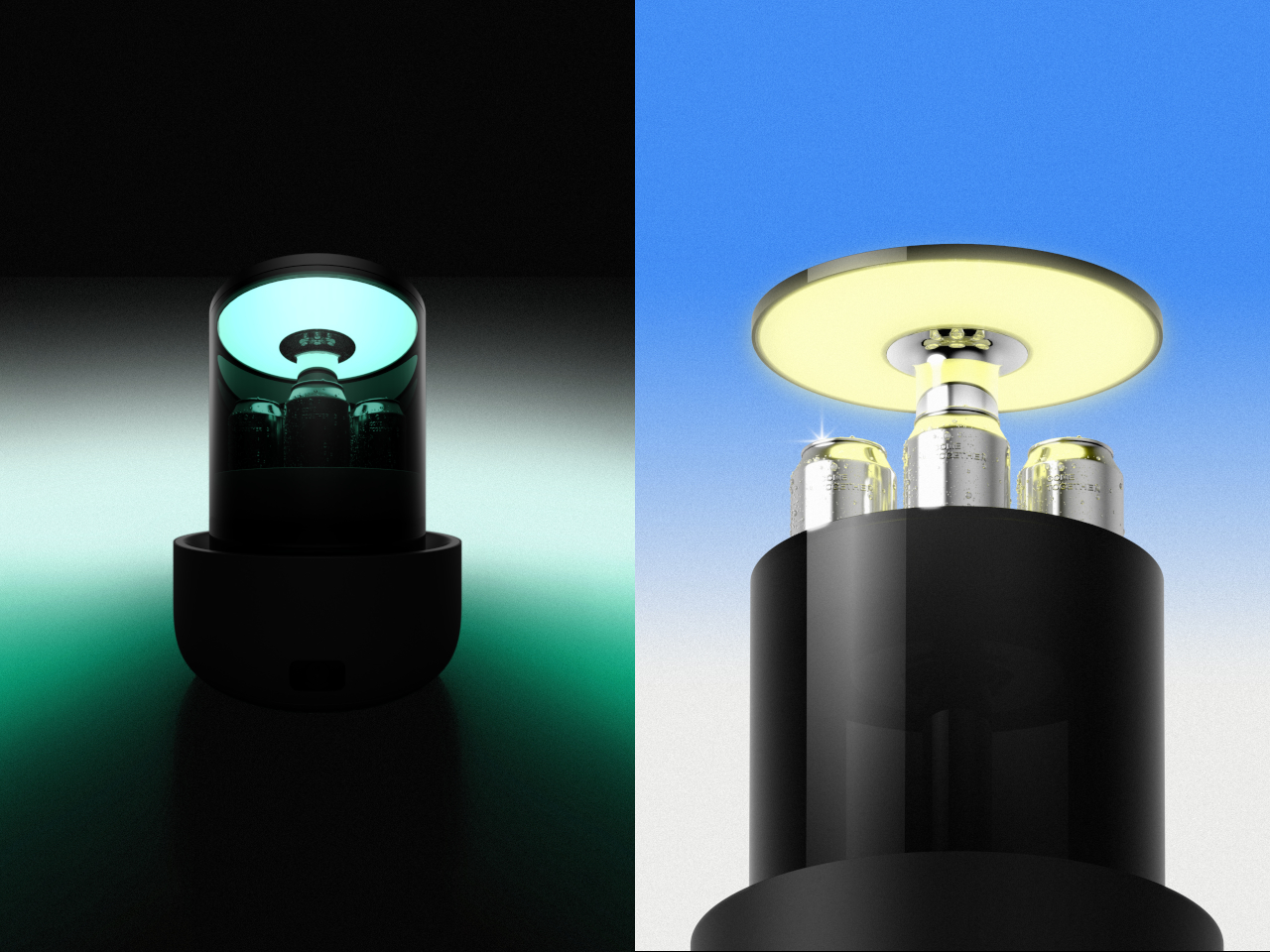
Most game-day setups eventually arrive at the same friction point: someone has to get up to restock the drinks, and that person misses the play everyone is going to be talking about for the next ten minutes. Come Together is a three-piece robotic system designed specifically around that problem. The Tower sits as a calm black cylinder until it is needed, then rises to reveal a built-in mini fridge capable of holding up to five cans, with a tray on top that swaps in for snacks when the cooling function is not the priority.
The Base handles the sound half of the equation. It is a circular spatial audio unit that maps the room, figures out where people are sitting, and positions itself for the best possible coverage without anyone adjusting a thing. A Qi2 wireless charging pad keeps phones topped off through a long game without anyone leaving the couch to find a cable. For the host who has optimized everything else and still loses someone to the kitchen every twenty minutes, this is the piece that quietly closes that gap.
What We Like
- The Qi2 wireless charging integration solves the dead-phone problem during long games without adding another cable to a setup that is already managed tightly.
- A spatial audio unit that actively repositions itself for the room’s seating layout is a genuinely considered detail for a couch-forward, game-first viewing environment.
What We Dislike
- Five cans is comfortable for one or two people but runs short for a full game-day group without a refill run, which somewhat undercuts the core convenience premise.
- Consumer purchase availability should be confirmed before gifting, as this was covered at the concept-design stage and current retail status should be verified against the original coverage.
5. RetroWave 7-in-1 Radio
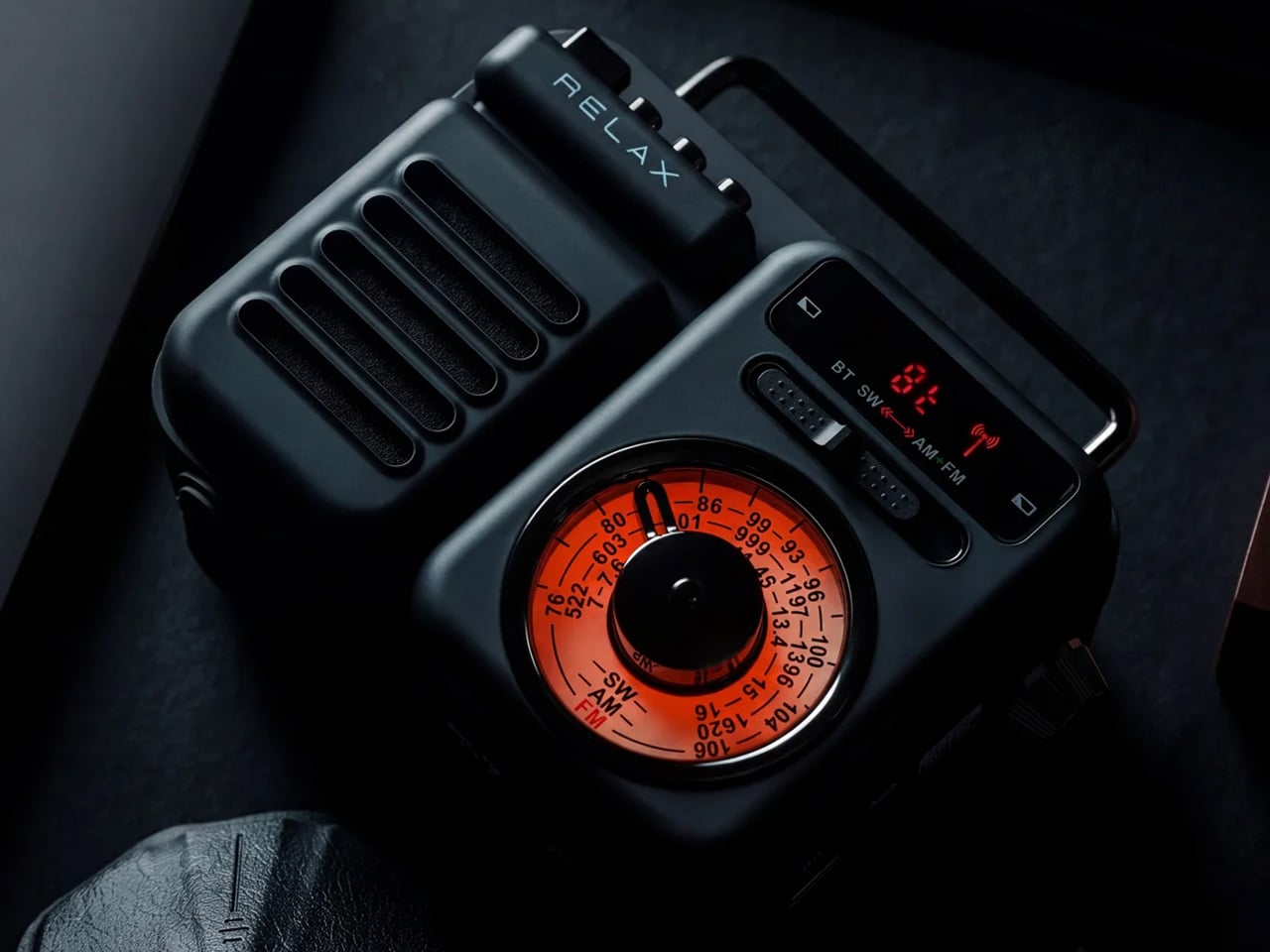
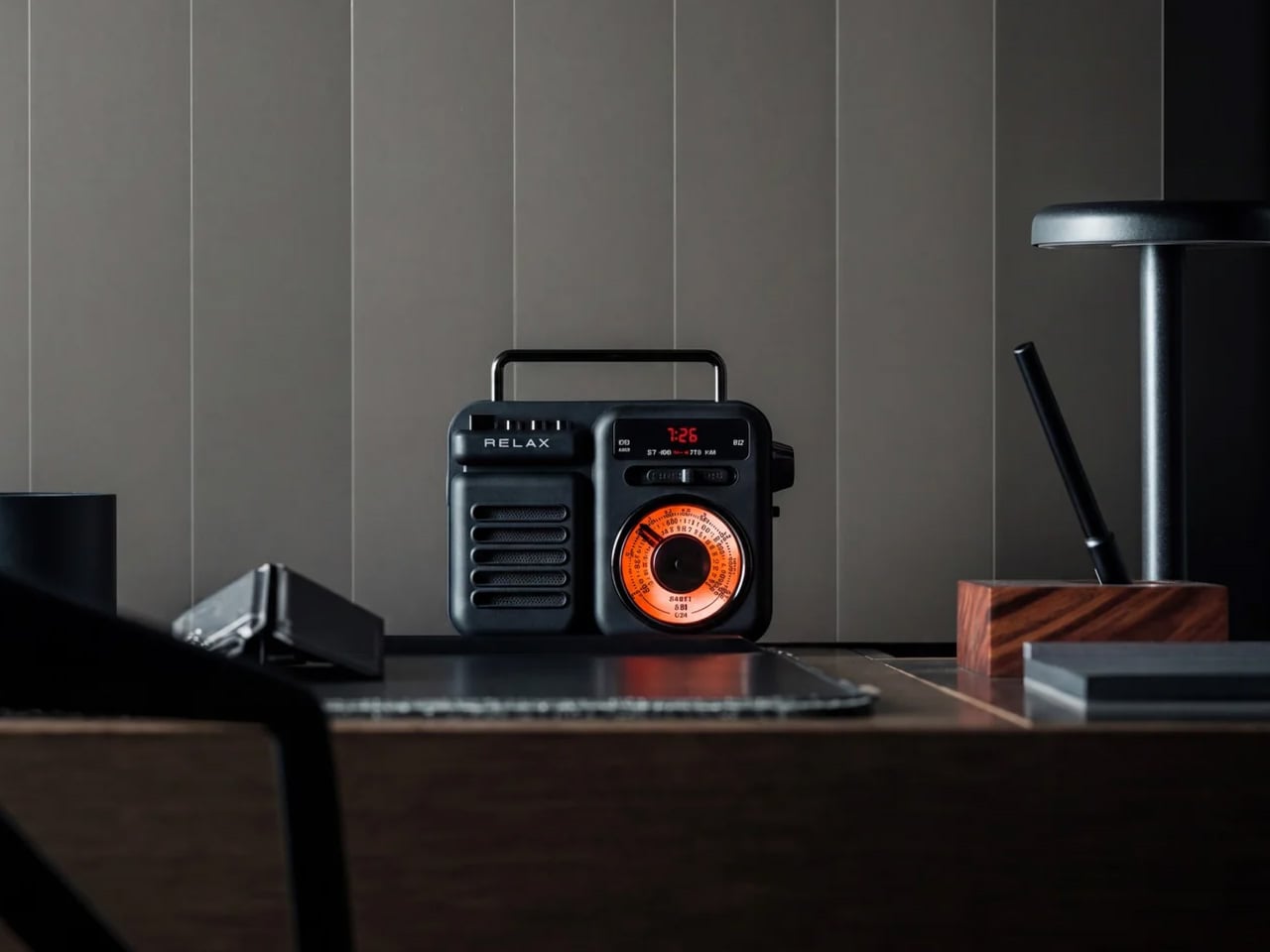
The RetroWave 7-in-1 Radio has the look of a vintage Japanese radio and the utility of something designed entirely for now. Behind the tactile tuning dial and compact body, measuring 5.04 inches wide and 3.86 inches tall in ABS resin and iron, it pulls in FM, AM, and shortwave stations, streams music over Bluetooth, plays MP3s via TF card, and carries a built-in flashlight and SOS alarm. For a game-day room, it earns its shelf spot the moment it arrives. Nobody in that room mistakes it for an afterthought.
During a game, its job is focused: fill the room with the pre-broadcast energy, the live radio commentary, or the kind of ambient music that does not demand a playlist decision before kickoff. When the power cuts out, and at some point it does, the radio keeps going in a way a smart speaker or a streaming device simply cannot promise without a signal. At $89, it is the gift that reads as a design object on the shelf and earns the label of genuine essential in the room and well beyond it.
Click Here to Buy Now: $89.00
What We Like
- Seven real functions in one compact body, covering speaker, MP3, radio, flashlight, clock, power bank, and SOS alarm, with no redundancy in how each one actually gets used.
- The retro Japanese design language means it lives on a shelf and looks like it belongs there rather than sitting out like a piece of tech that never found a proper home.
What We Dislike
- The compact dimensions mean speaker output suits ambient listening and pregame music rather than filling a large room at full volume when the crowd gets loud.
- Shortwave reception quality will vary by location and atmospheric conditions, meaning not every station is equally accessible in every US market throughout the season.
6. IKEA x Xbox YXSTABY Collection
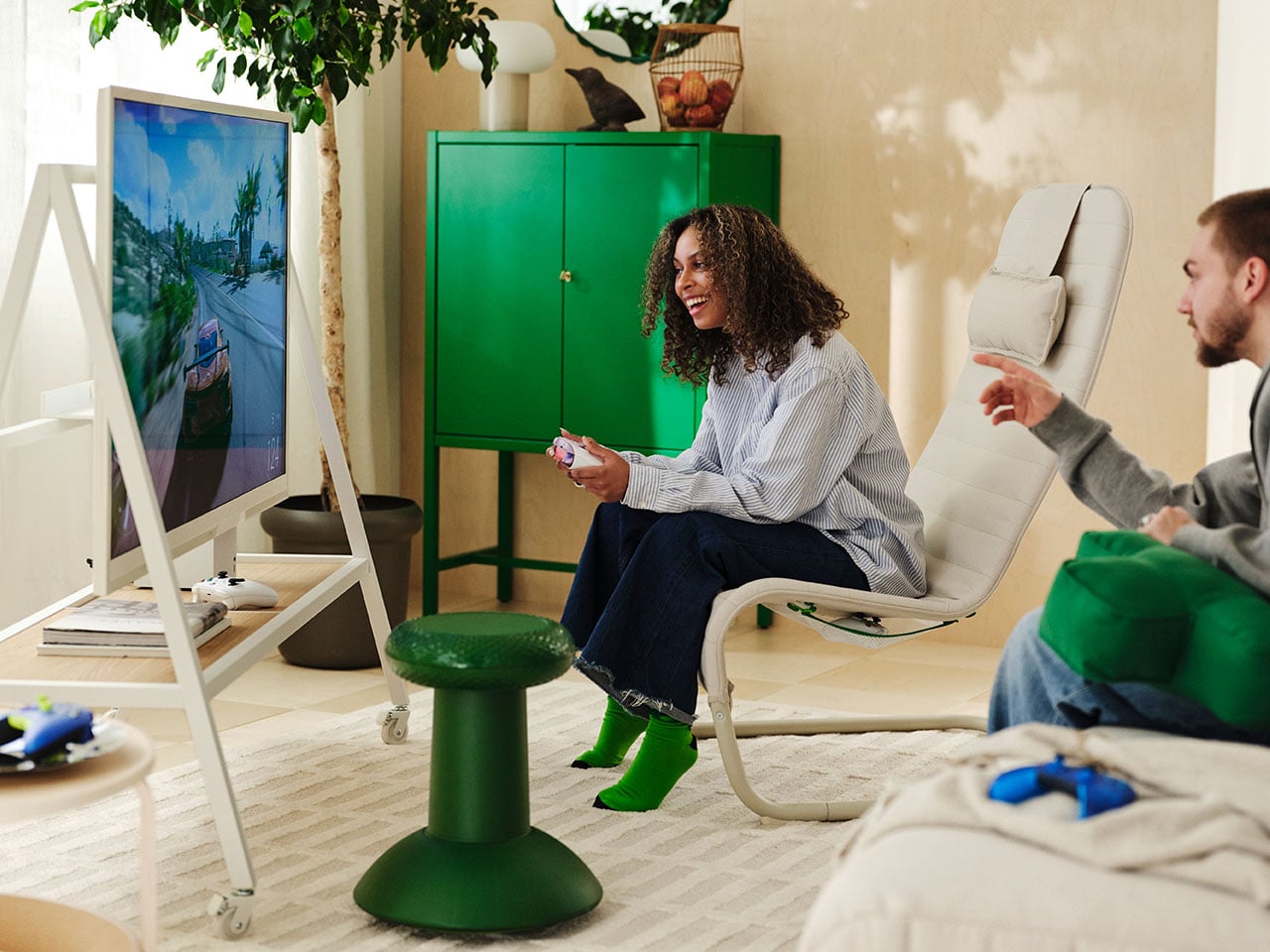
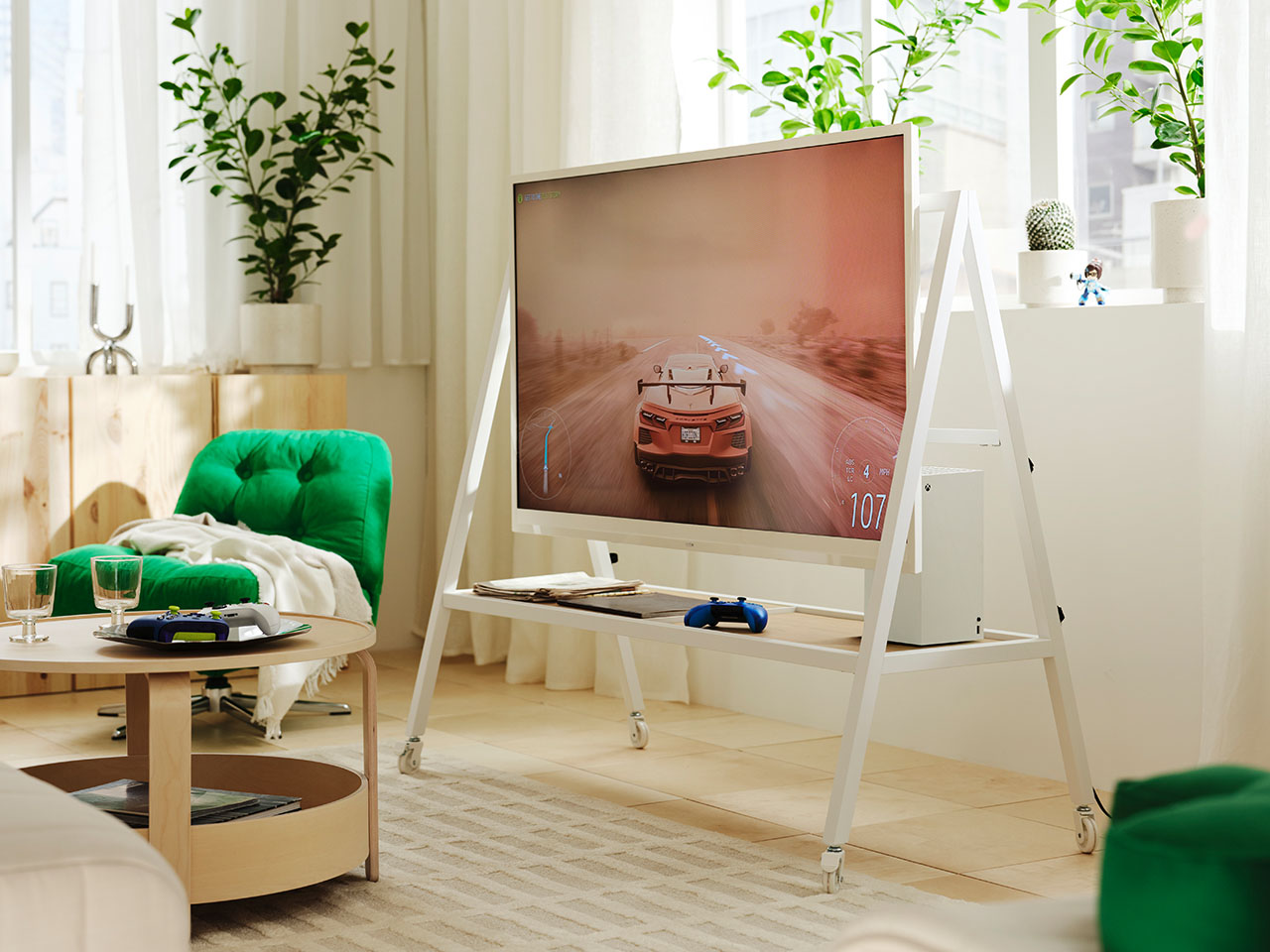
The IKEA and Xbox YXSTABY collection is nine pieces of furniture designed around the specific reality of a living room that doubles as a gaming and viewing setup. The rolling TV stand, the thumbstick-shaped stool, the D-pad cushion: each piece reads clearly as part of the same visual language while functioning as real, everyday furniture rather than themed décor that announces itself too loudly. It is the first time a gaming identity has been built into a living room collection at this level of design seriousness, and the craftsmanship reflects it.
For the person whose living room already functions as a game-day headquarters, these pieces solve the organizational and seating problems that quietly accumulate around a serious setup over time. The rolling TV stand keeps equipment mobile without the floor clutter of static furniture that never quite sits right. The stools double as extra seating the moment the couch fills up before kickoff. Launched in IKEA stores October 1, 2026, the collection ties the room together rather than adding another device to a pile that is already complicated enough.
What We Like
- Nine coordinated pieces mean gifting one item or several works without the room looking inconsistent, since everything belongs to the same design system from day one.
- The rolling TV stand solves the real logistical problem of rearranging a viewing setup without unplugging and re-routing every cable in the process.
What We Dislike
- The gaming-identity aesthetic is deliberate and visible, which suits the target audience perfectly but narrows the appeal for someone who prefers a more neutral living room look throughout their space.
- Availability in specific IKEA markets should be confirmed before purchasing, since not every location will carry the full nine-piece range at launch without advance stock checks.
7. Department of Play 3-in-1 Table
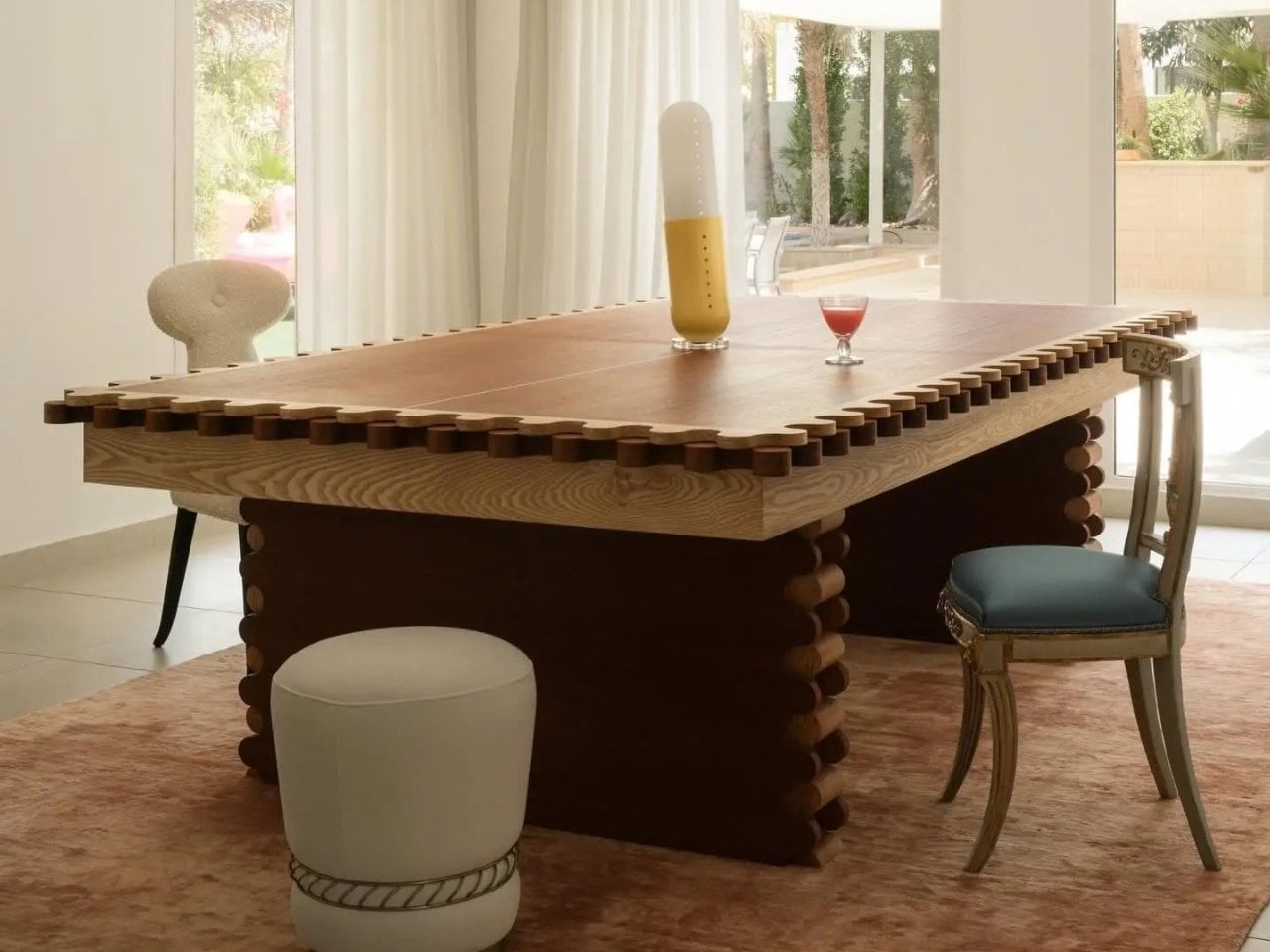
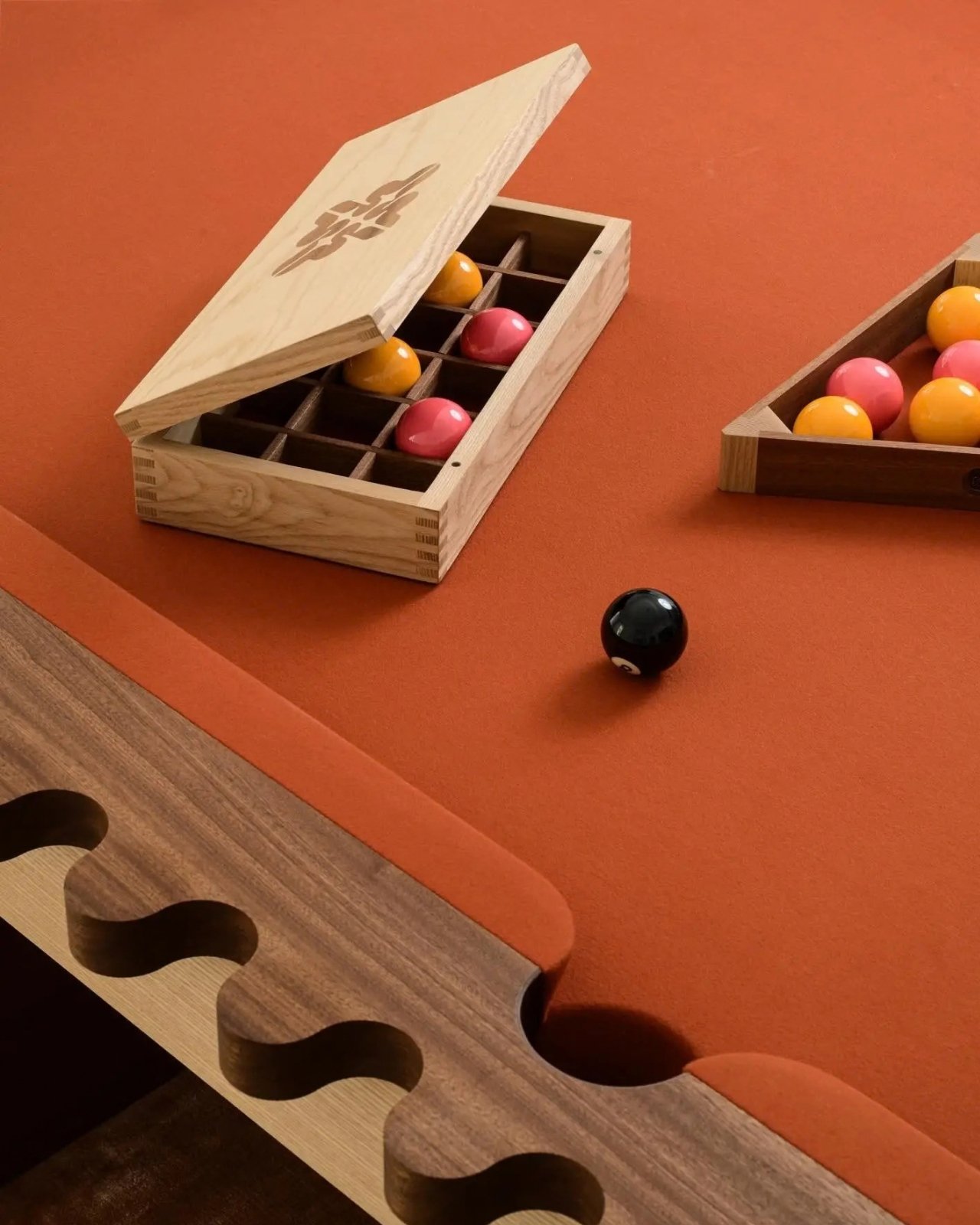
Sanne’s Department of Play table does the math that most game-room setups never quite solve: one table, three games, and no dedicated room required. It converts between pool, ping pong, and dining configurations, which means it earns its square footage in a normal-sized living room rather than demanding a basement or a spare room nobody actually has. For the person who has maxed out the screen and sound side of their setup, this is the piece that extends the experience past the final whistle into the rest of the evening.
Halftime has a specific energy problem. The game pauses, but the room does not settle with it. A table that converts to pool or ping pong in a few steps gives that energy somewhere productive to go rather than everyone drifting toward their phones and losing the thread of why they came over in the first place. It is also the one item on this list that earns equal weight during the offseason, which makes it the most defensible large-format gift in the group by a considerable margin.
What We Like
- Three fully functional game configurations in one piece means it does not feel like a compromise on any of the three: pool, ping pong, and dining each hold up entirely on their own.
- It earns its keep in the offseason in a way that purpose-built game-day furniture rarely manages once the season wraps up and the schedule clears.
What We Dislike
- The footprint is significant, and the room should be measured carefully before committing, especially if the living room already has an established furniture layout that functions well as-is.
- Converting between configurations takes time and some physical effort, which feels less appealing mid-game when a quick round between plays was the actual goal going in.
8. Hisense CanvasTV

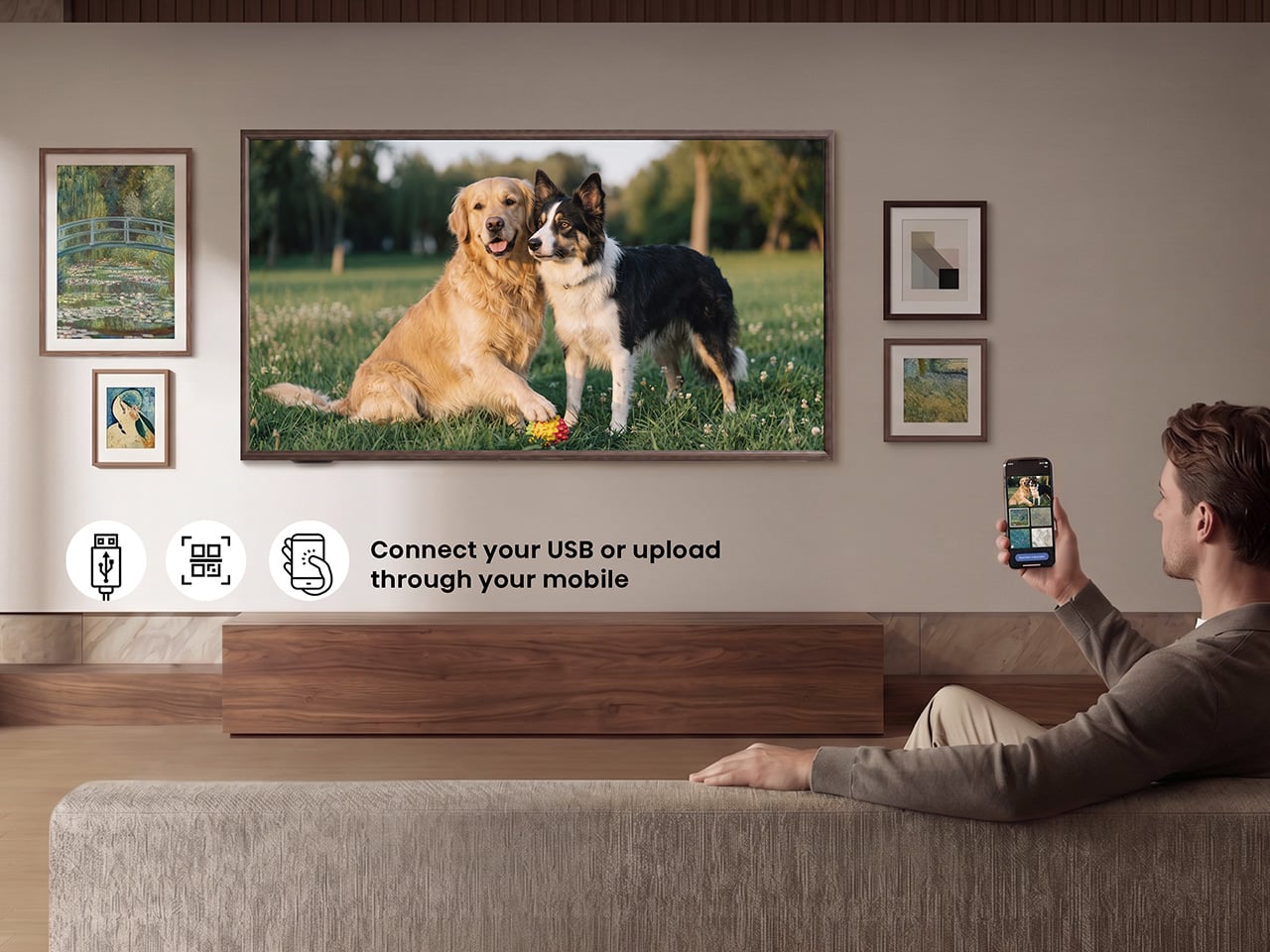
The CanvasTV solves the problem most televisions ignore entirely: what the screen looks like when the game is not on. A 4K QLED Google TV wrapped in a teak frame, it ships with an UltraSlim wall mount already included in the box, letting the panel hug the wall closely enough to read as a framed painting rather than a floating screen. A Hi-Matte anti-glare panel and an RGB light sensor allow it to adapt to the room’s actual lighting conditions throughout the day without anyone touching a setting.
When no one is watching, the Motion Detector blanks the display, cutting to a neutral screen the moment the room empties and switching back to art the moment someone returns. Access to more than 1,000 curated artworks comes built in at no extra subscription cost. At $1,997.99, it is the top-of-list anchor gift for someone whose living room already performs during the game and deserves a screen that holds its own for the other twenty-two hours of the day when the broadcast is off, and the room still needs to look right.
What We Like
- The UltraSlim wall mount included in the box removes the most common installation friction point and makes the all-in price considerably more honest than it first appears.
- Over 1,000 curated artworks with no subscription fee attached is a genuine differentiator against competitors that charge a monthly rate for access to their art libraries.
What We Dislike
- The teak frame aesthetic is specific and intentional, working beautifully in the right interior but unlikely to suit every room style with the same effortless ease.
9. Side A Cassette Speaker

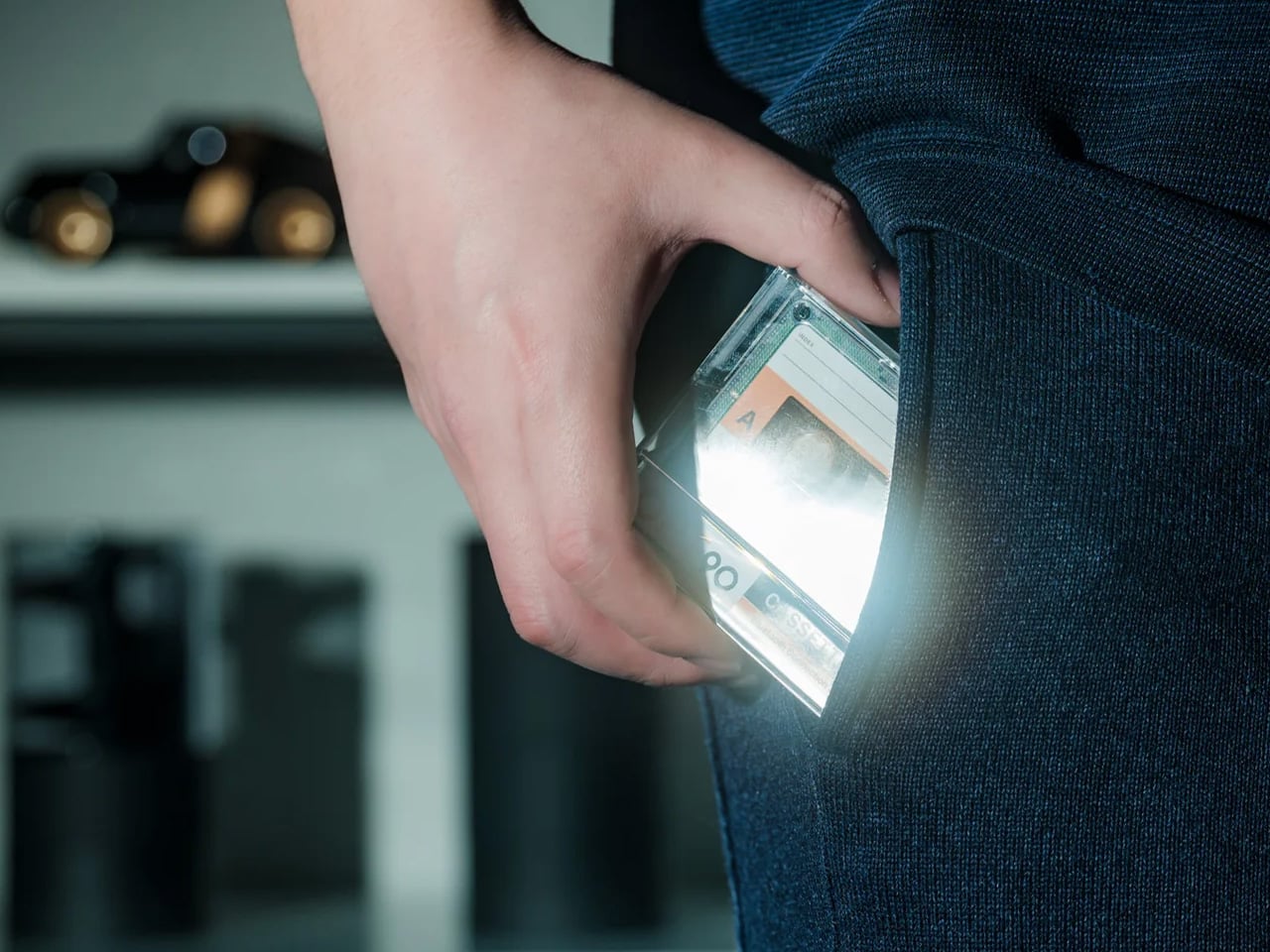
The Side A Cassette Speaker is the easiest item on this list to explain and the hardest to put down once it is in your hands. A Bluetooth speaker shaped and sized exactly like a cassette tape, it sits on a shelf, a coffee table, or a windowsill and reads as a found object rather than a piece of tech left out between uses. For a room that has been carefully assembled piece by piece, it is the kind of small detail that signals genuine taste without demanding any attention at all from the people in the room.
At $49 on YD Select, it functions as the natural lower-budget pick in this lineup: the item that rounds out a larger gift or works entirely on its own when the occasion calls for something thoughtful rather than extravagant. It plays music with enough clarity to carry the room before the main screen takes over, and it does so while looking like something that was always meant to be there rather than something plugged in and forgotten in the corner when the season gets busy and the setup expands.
Click Here to Buy Now: $49.00
What We Like
- At $49, it sits comfortably in the easy-yes gift tier: specific enough to feel genuinely considered and affordable enough to give without second-guessing the price once it is wrapped.
- The form is the function. It looks like a cassette, plays music clearly, and earns a permanent shelf spot in a room that has been put together with real care and intention over time.
What We Dislike
- Speaker output is proportional to its size. It is a pregame and ambient-listening companion rather than a replacement for a dedicated Bluetooth speaker when volume becomes the actual priority of the room.
- The cassette format is a deliberate nod to a specific era of nostalgia, which works well for the right recipient but may feel too referential for someone who prefers a forward-facing, minimal design language throughout their space.
The Room That Works All Season
A game-day room is really just a room with strong opinions about what it needs to do well. The right screen, the right sound, the right table for when the final whistle goes, and nobody is ready to pack up and head home. Every pick on this list earns its place by solving a real problem in that room rather than adding noise to a setup that is already working well enough on its own without it.
The best part of giving something to the person who has already built the room is that they will actually use it, week after week, throughout the season and past it. These are not conversation pieces or shelf fillers added for their own sake. They are objects that get switched on, picked up, sat in, and genuinely appreciated in real time during a game that matters to the people in that room, and that kind of usefulness is harder to gift than it looks.
The post 9 Best Gifts for the Person Who Turned Their Living Room Into a Sports Bar first appeared on Yanko Design.