Box Cutter Dial Lets You Make Identical Cuts Without a Ruler

Cutting a straight line should be simple, but for anyone who’s ever measured, marked, and sliced the same piece of foam board or cardboard over and over, the process is anything but straightforward or efficient in practice. The classic “measure twice, cut once” mantra is great advice until you’re making dozens of identical cuts for a project, and the ruler starts to feel like a bottleneck slowing down your entire workflow and creative process.

The BLADEE box cutter concept is a rethink of the humble utility knife designed for modern makers and professionals. By building measurement and precision into the tool itself through integrated mechanics and a dial system, it promises to make repeatable, accurate cuts faster and easier throughout your day without external measuring tools. No ruler needed, no marking required, and no guesswork involved when you’re deep into production work.

Designer: Semin Park

Create your own Aesthetic Render: Download KeyShot Studio Right Now!
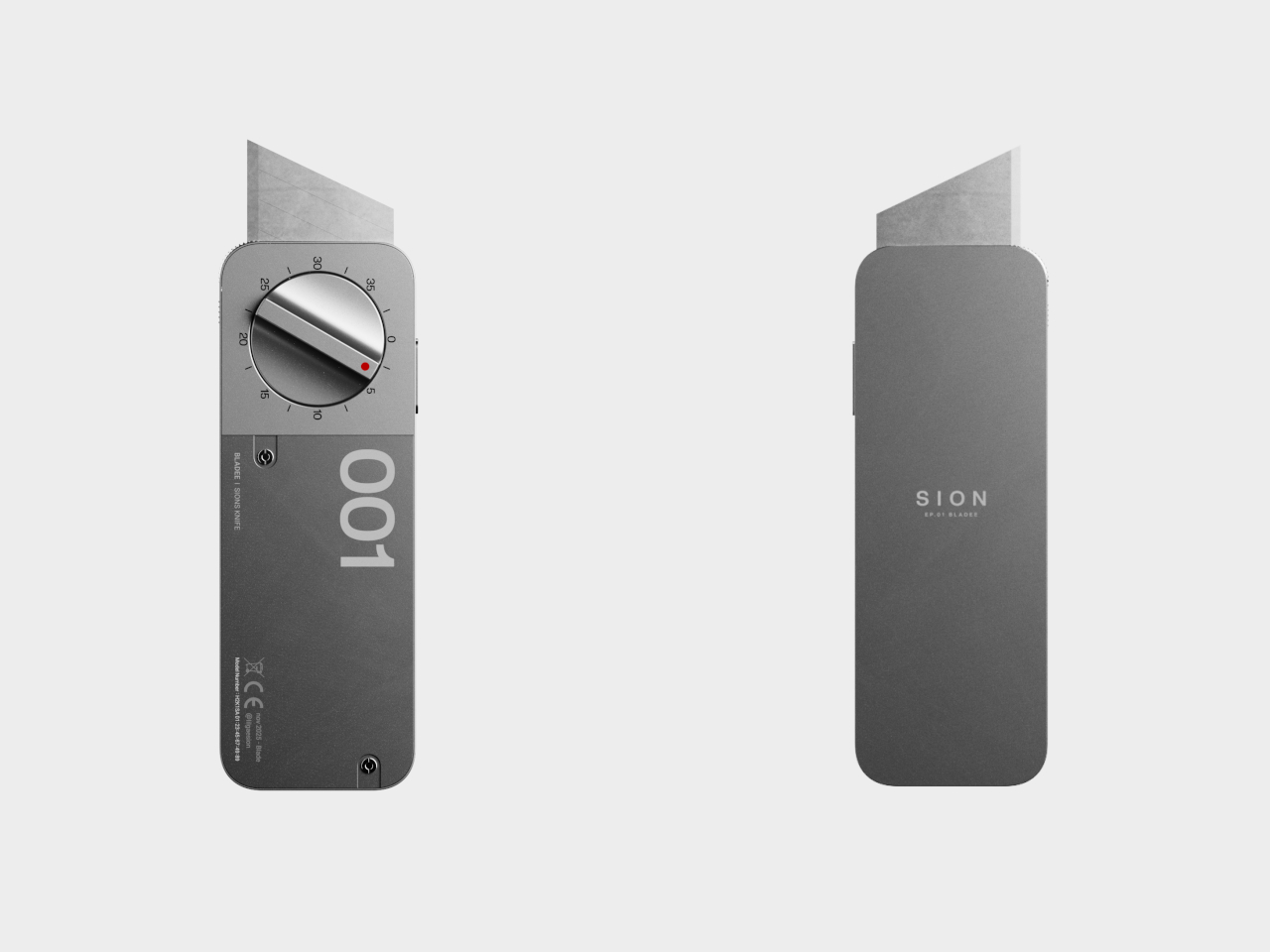
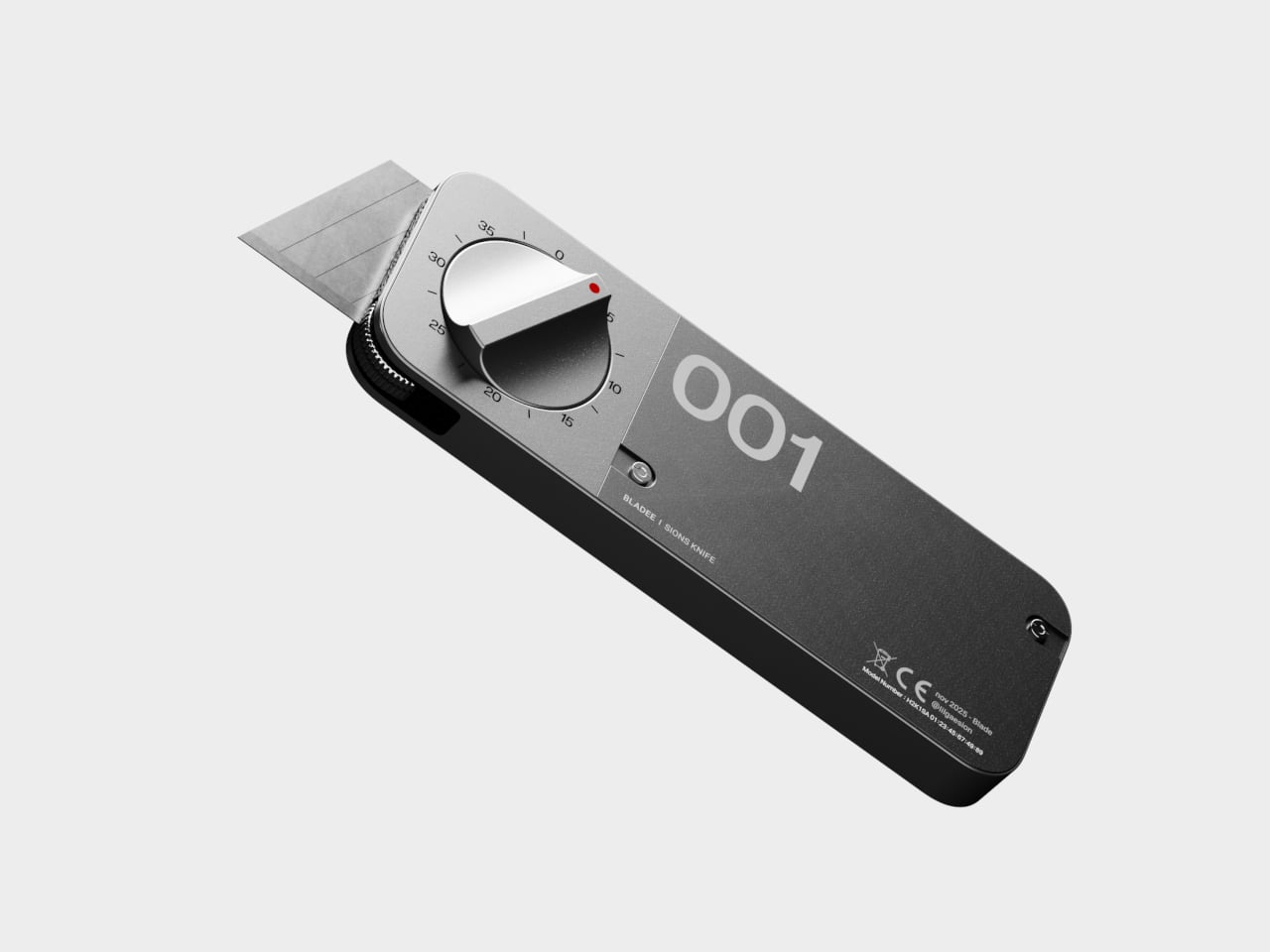
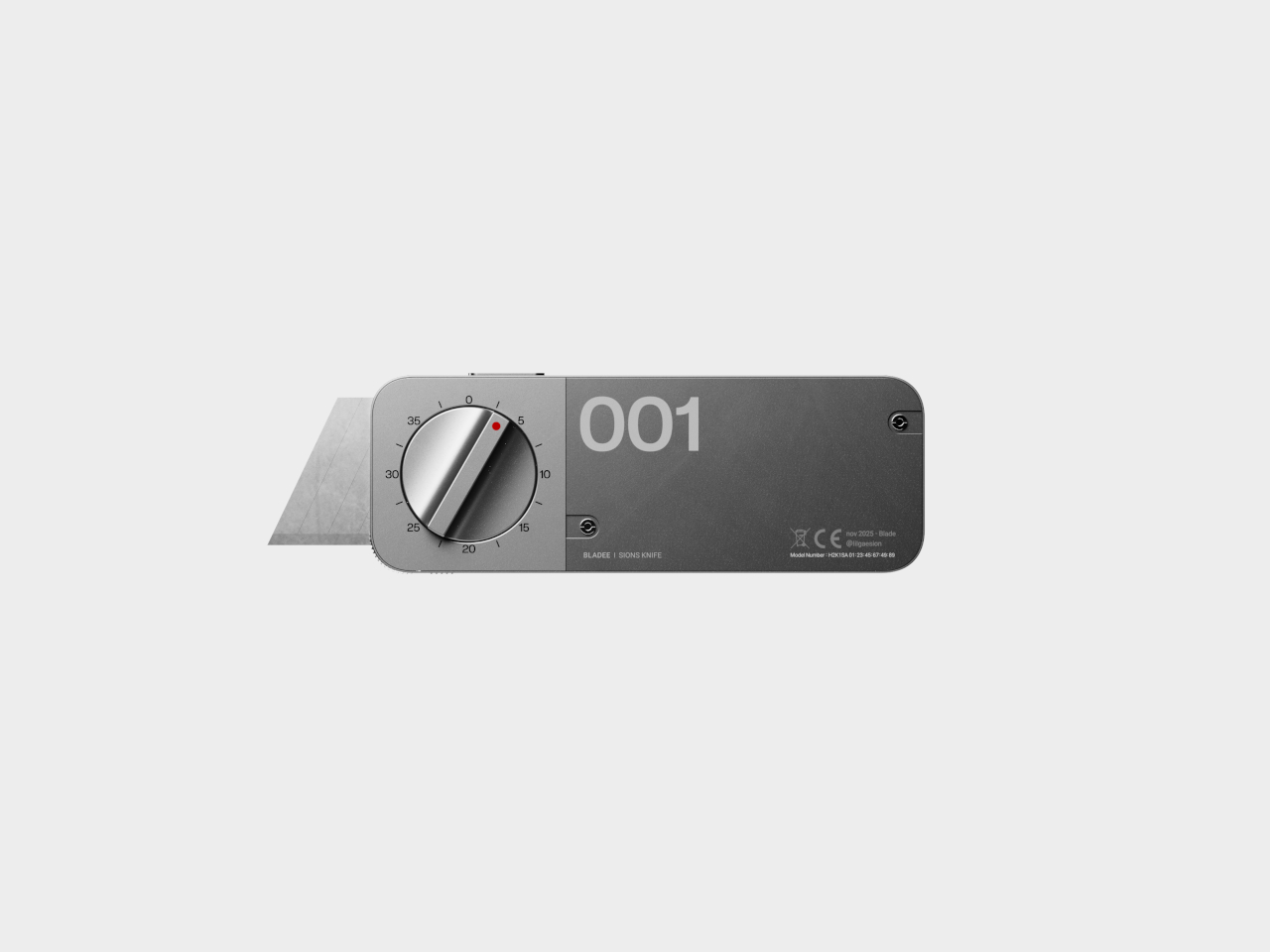
BLADEE’s minimalist, phone-sized body is all about clean lines, matte metal finishes, and a prominent dial that dominates the top surface for immediate visibility and control. The numbered dial lets you set your target cut length from 0 to 35 units, while a lower measurement wheel tracks your progress in real time as you slice through materials. As you approach the preset length, the blade gradually retracts automatically.
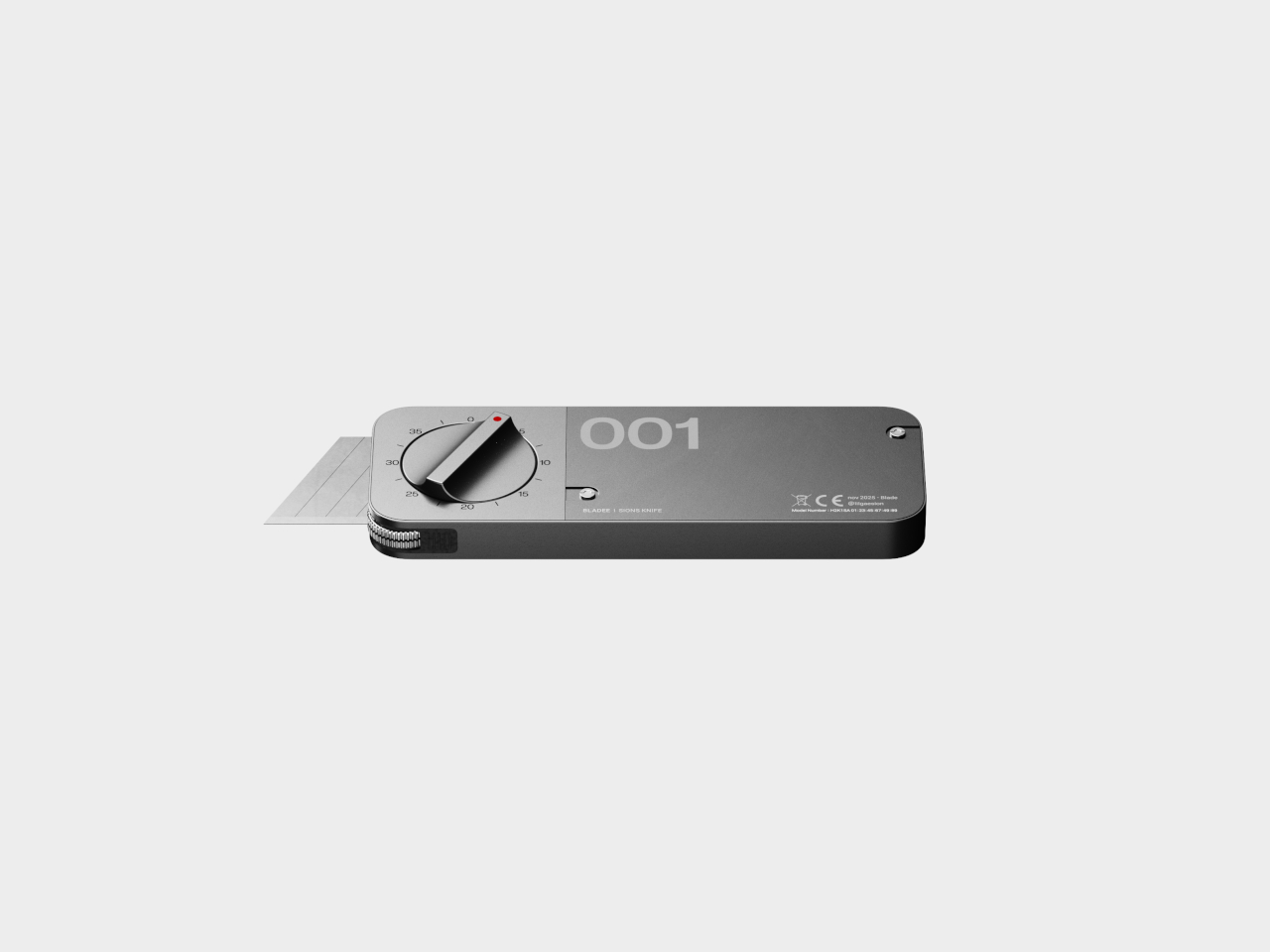
The blade always extends a fixed stroke for initial penetration, then withdraws at the set point to ensure every cut finishes smoothly and precisely at the same spot every time. The auto-lock at zero prevents accidental activation during transport or storage, and the dial only works when you press the side button for additional safety during use. This dual-safety system protects both the user and nearby materials.
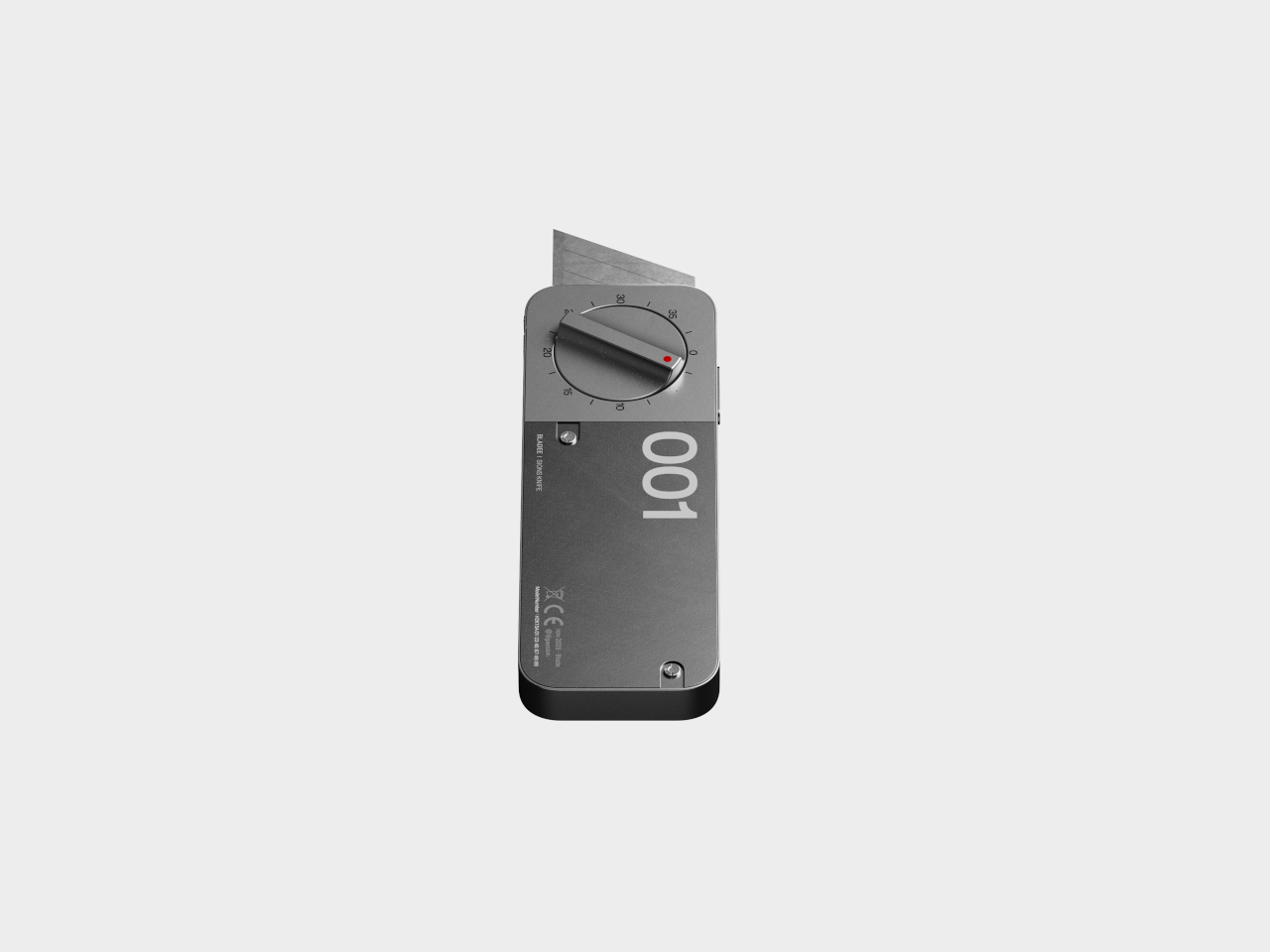
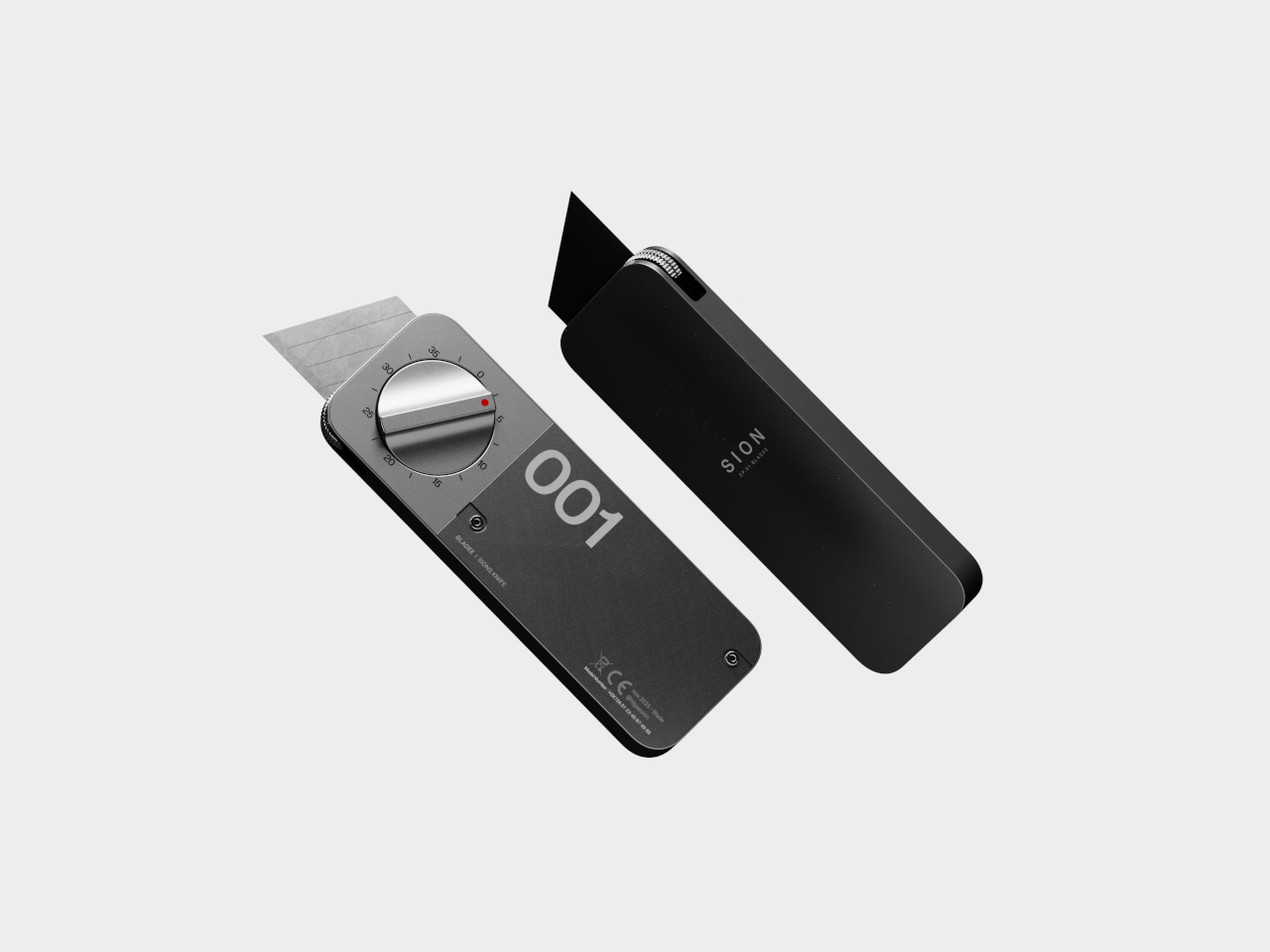
The real magic is how BLADEE changes the workflow entirely for professional and hobbyist makers alike. No more juggling rulers, pencils, and knives across your workspace while trying to maintain precision and accuracy. Just set the dial to your desired measurement, cut with confidence, and repeat as many times as needed. Whether you’re prototyping packaging designs, building architectural scale models, or crafting at home, the tool eliminates tedious marking.
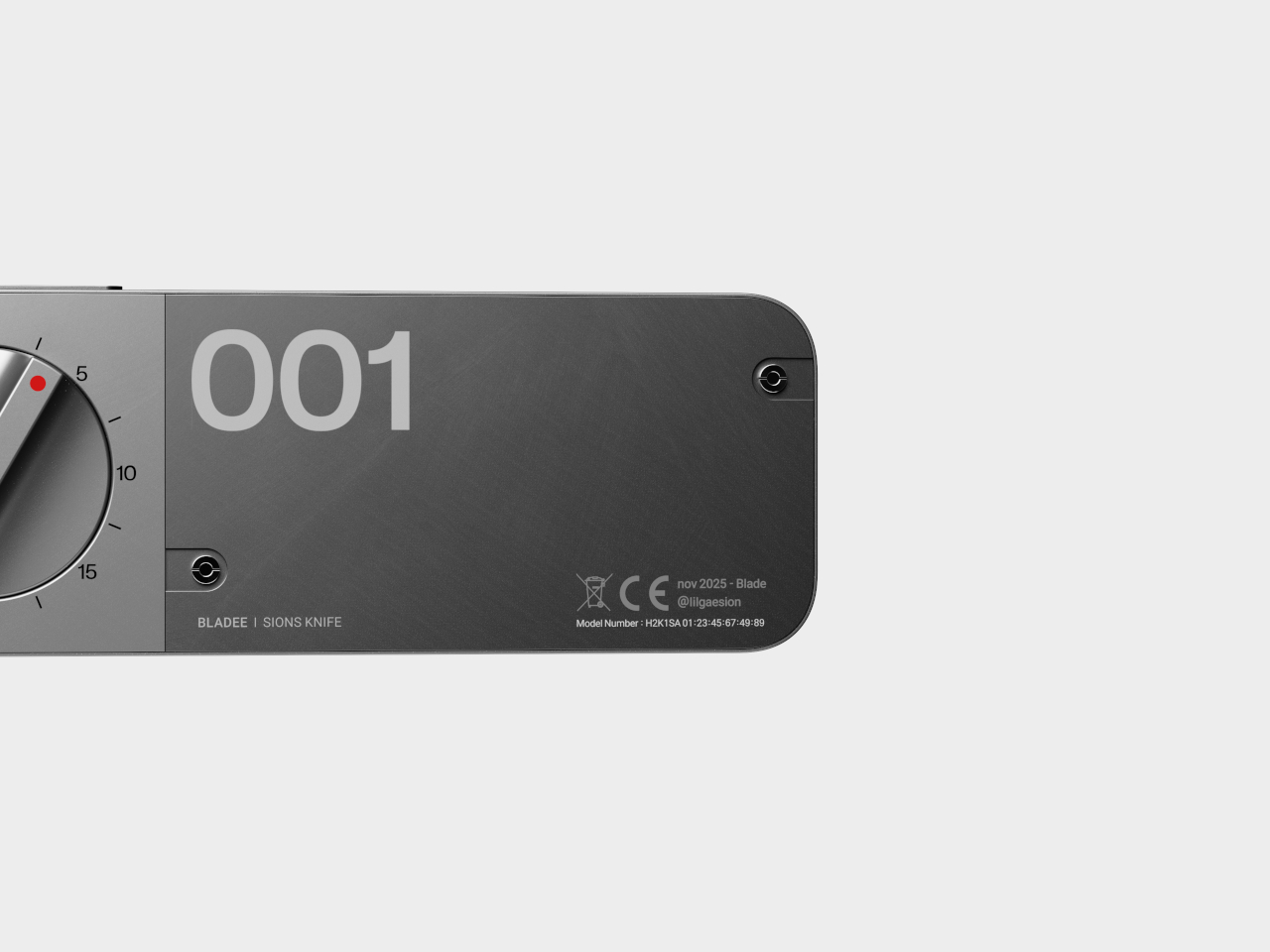
The right-hand cover is modular and swappable, letting you change colors, finishes, or even add project numbers or initials for organization and personalization. The measurement wheel rolls alongside the blade during cutting, counting travel with each pass and engaging the internal linkage for smooth, automatic retraction at the endpoint. This prevents over-cutting while reducing the risk of slips and accidents at the vulnerable end of each cut.
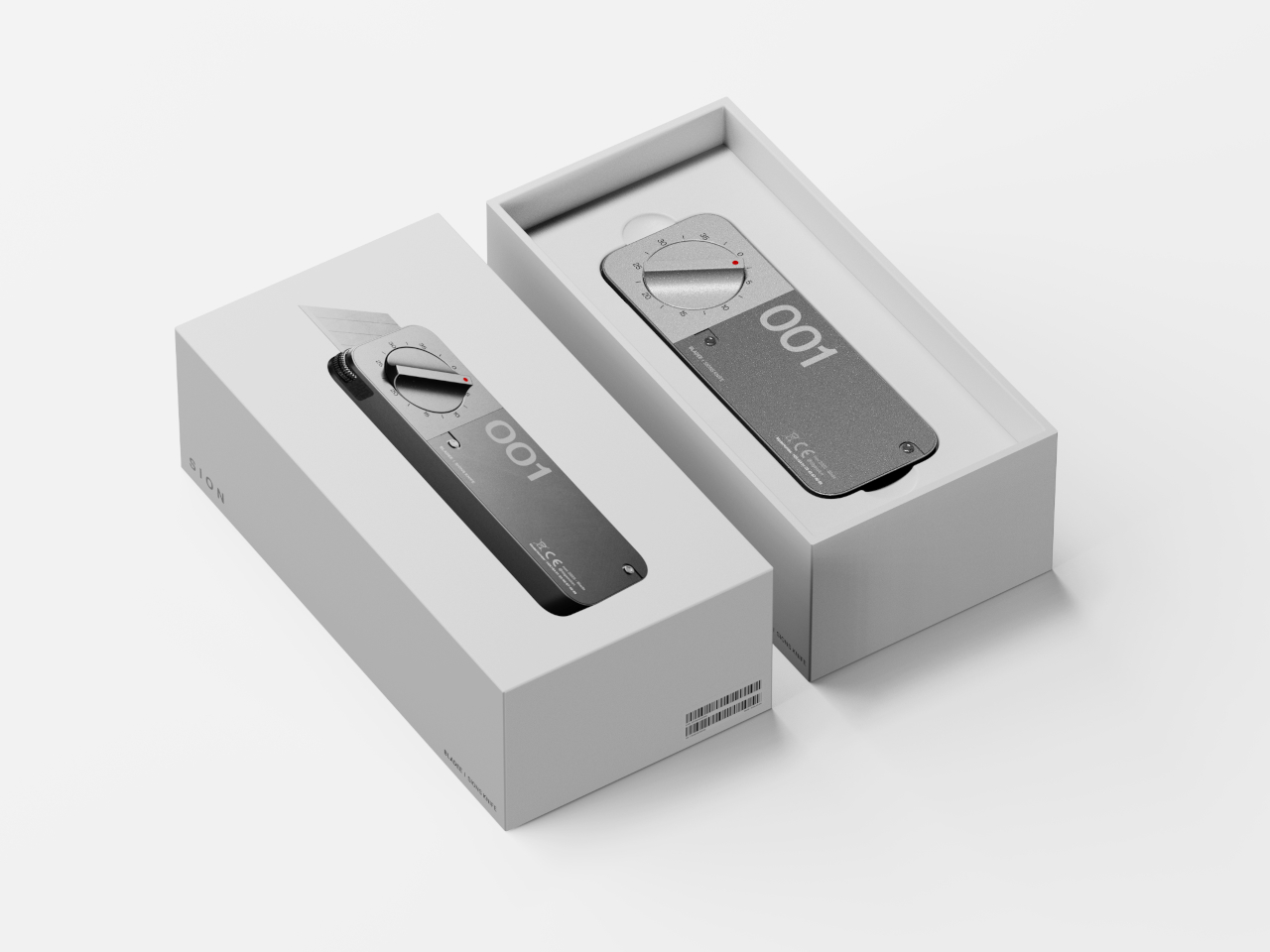
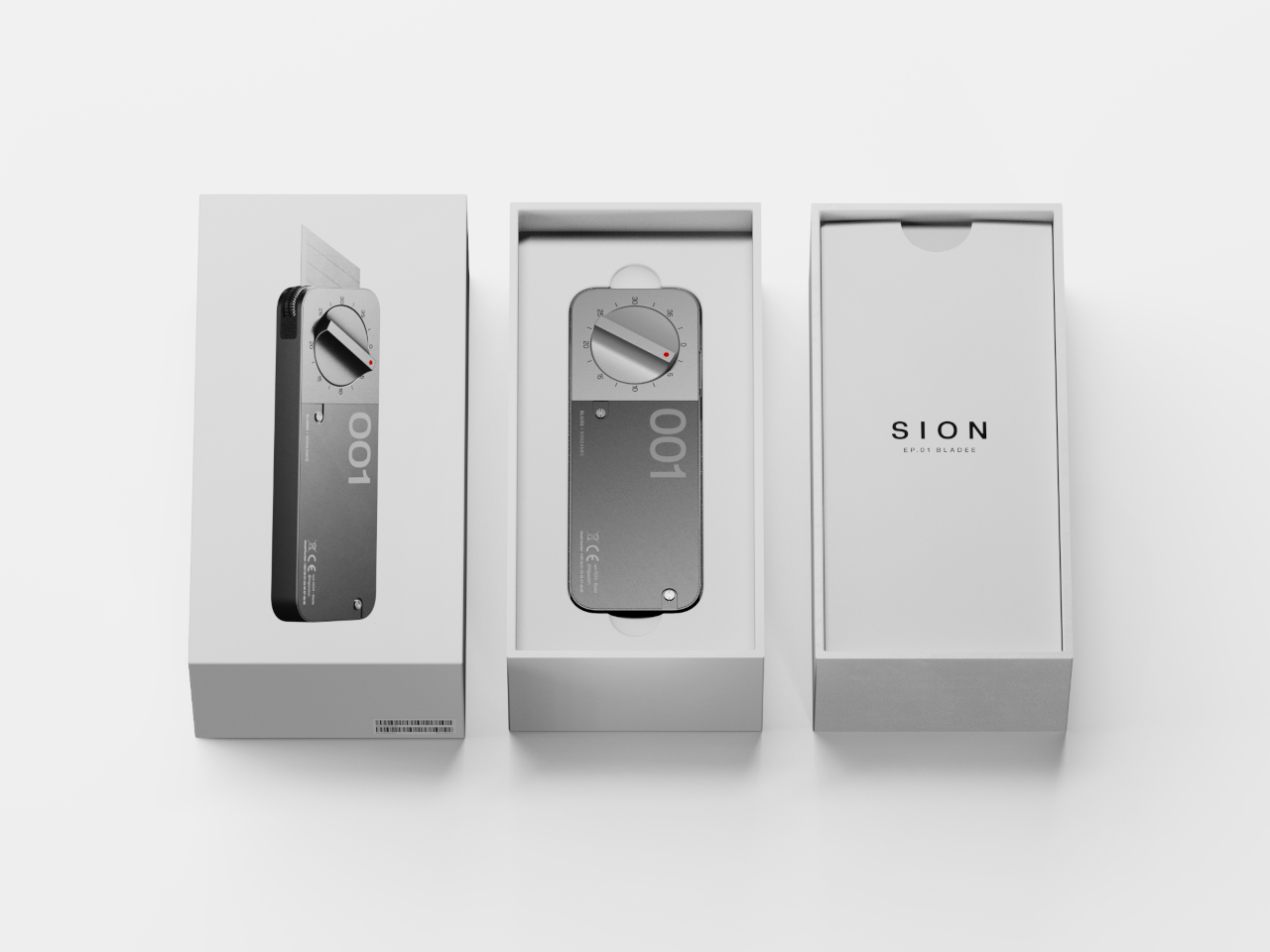
The robust metal construction, bold “001” graphics, and red pointer indicator give BLADEE a premium, professional feel that makes it as satisfying to use as it is to display prominently. For anyone who values accuracy and efficiency in their creative work, this concept offers a compelling reminder that even the most ordinary, everyday tools can be reimagined for modern workflows and contemporary creative needs when designers prioritize user experience and workflow efficiency.

The post Box Cutter Dial Lets You Make Identical Cuts Without a Ruler first appeared on Yanko Design.
Ultra-Compact Open-Source Trackball Has One Button You Can Remap

Most mice and trackballs try to do it all with extra buttons, flashy RGB lights, and complicated software that requires constant updates and configuration tweaks through bloated apps. But sometimes simplicity wins when you just need precise control and reliability without the extras. For anyone who values portability and the freedom to tinker with their gear, finding the right pointing device can be a challenge in a market flooded with gaming-focused options.

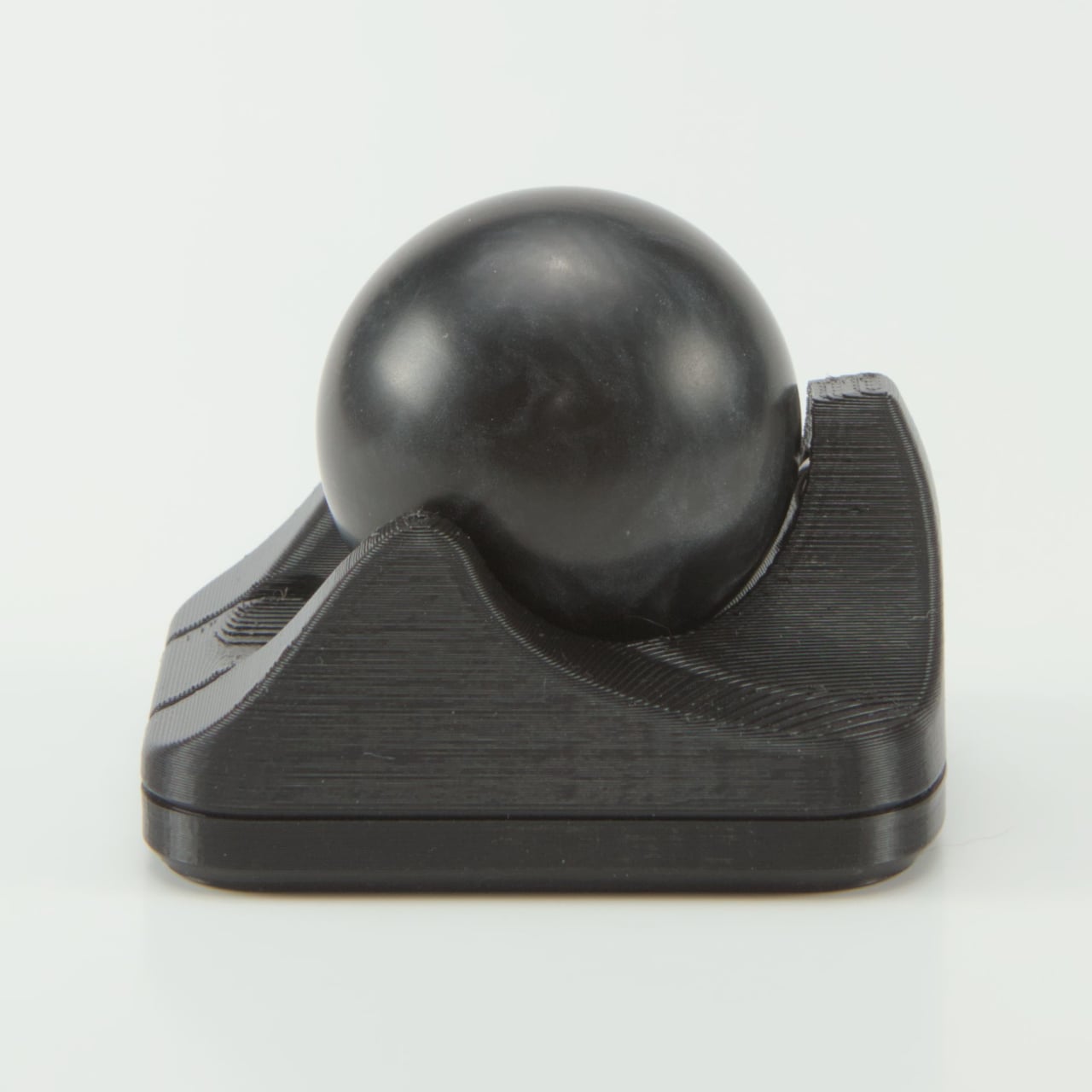
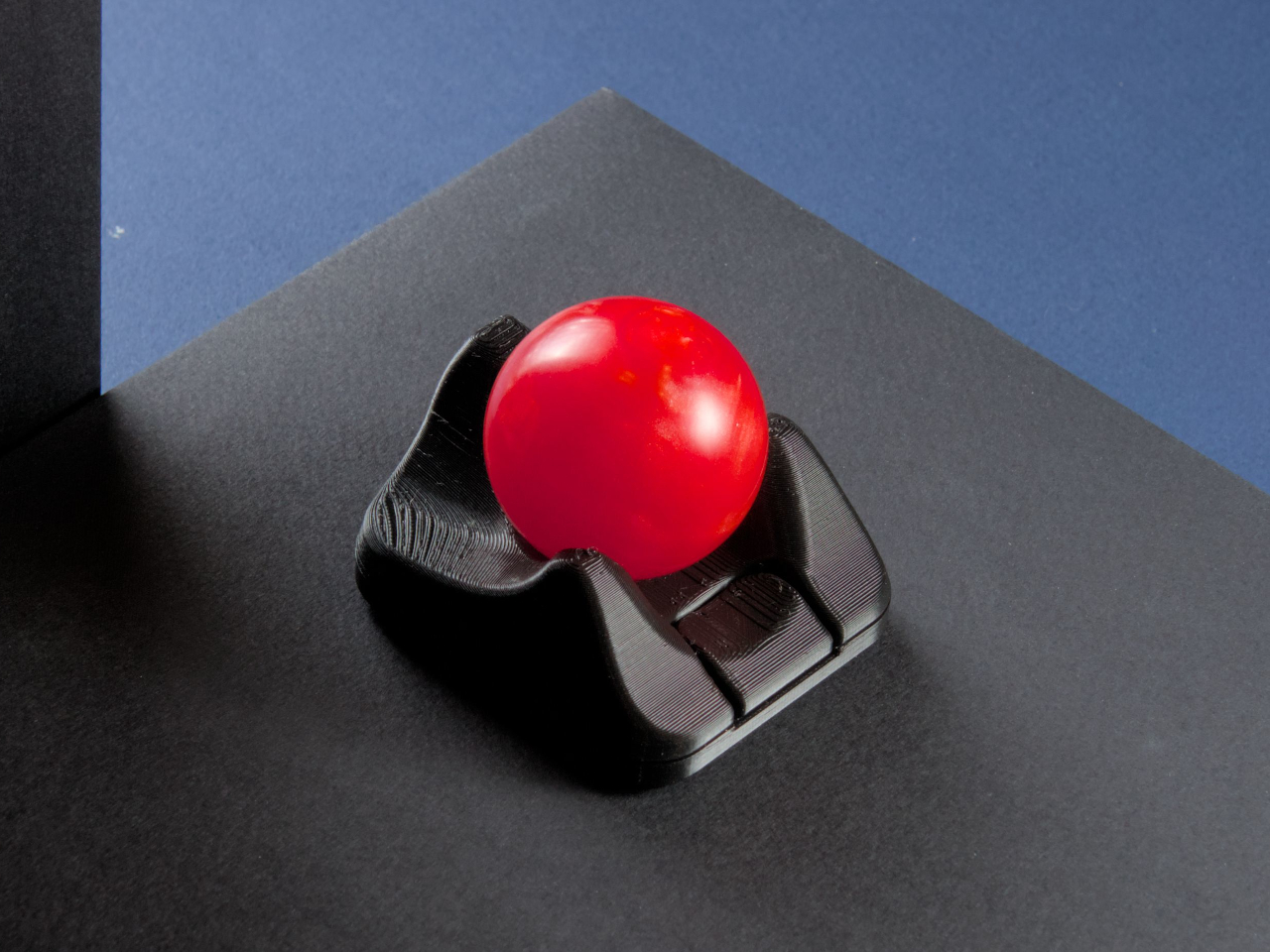
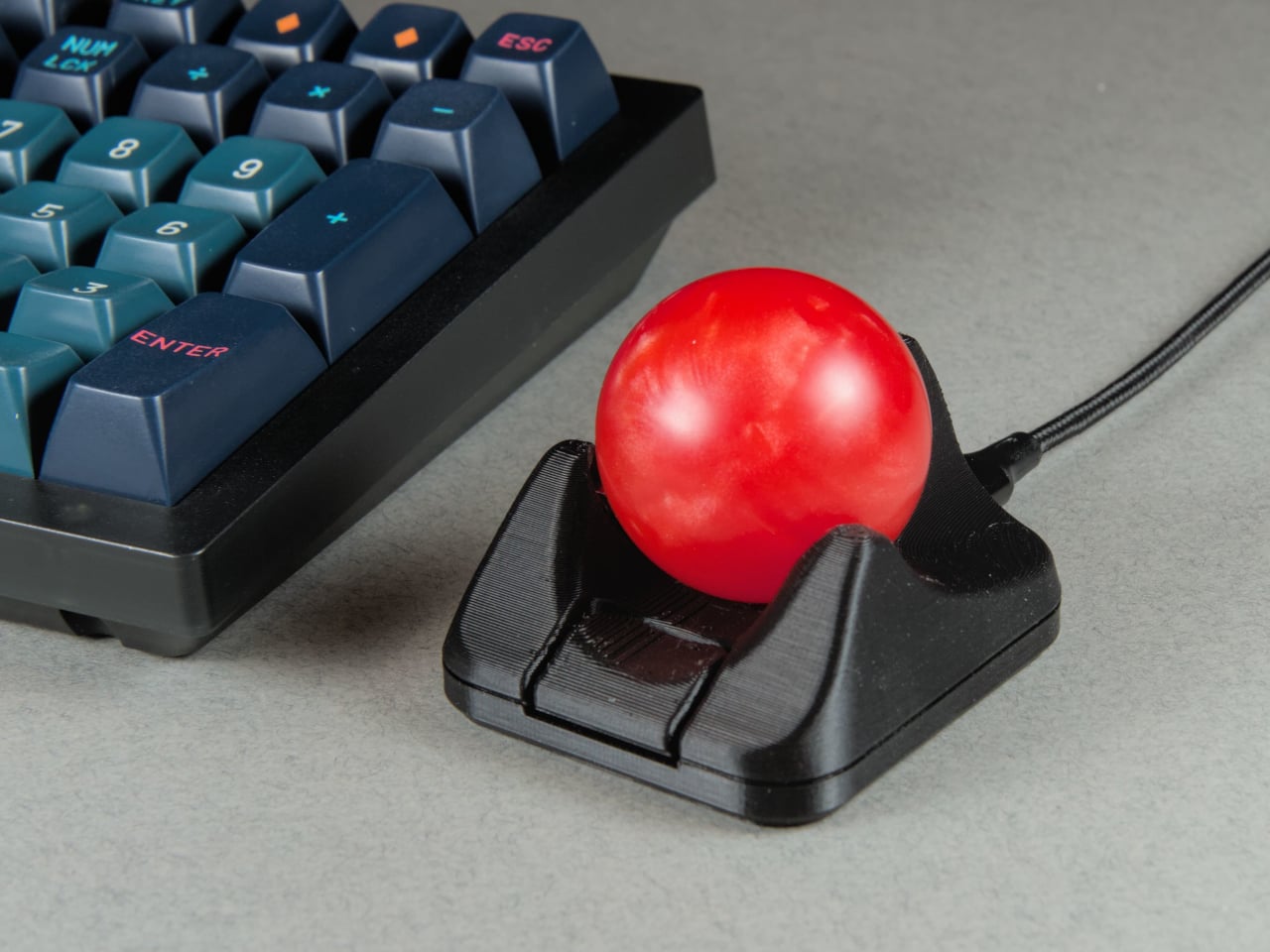
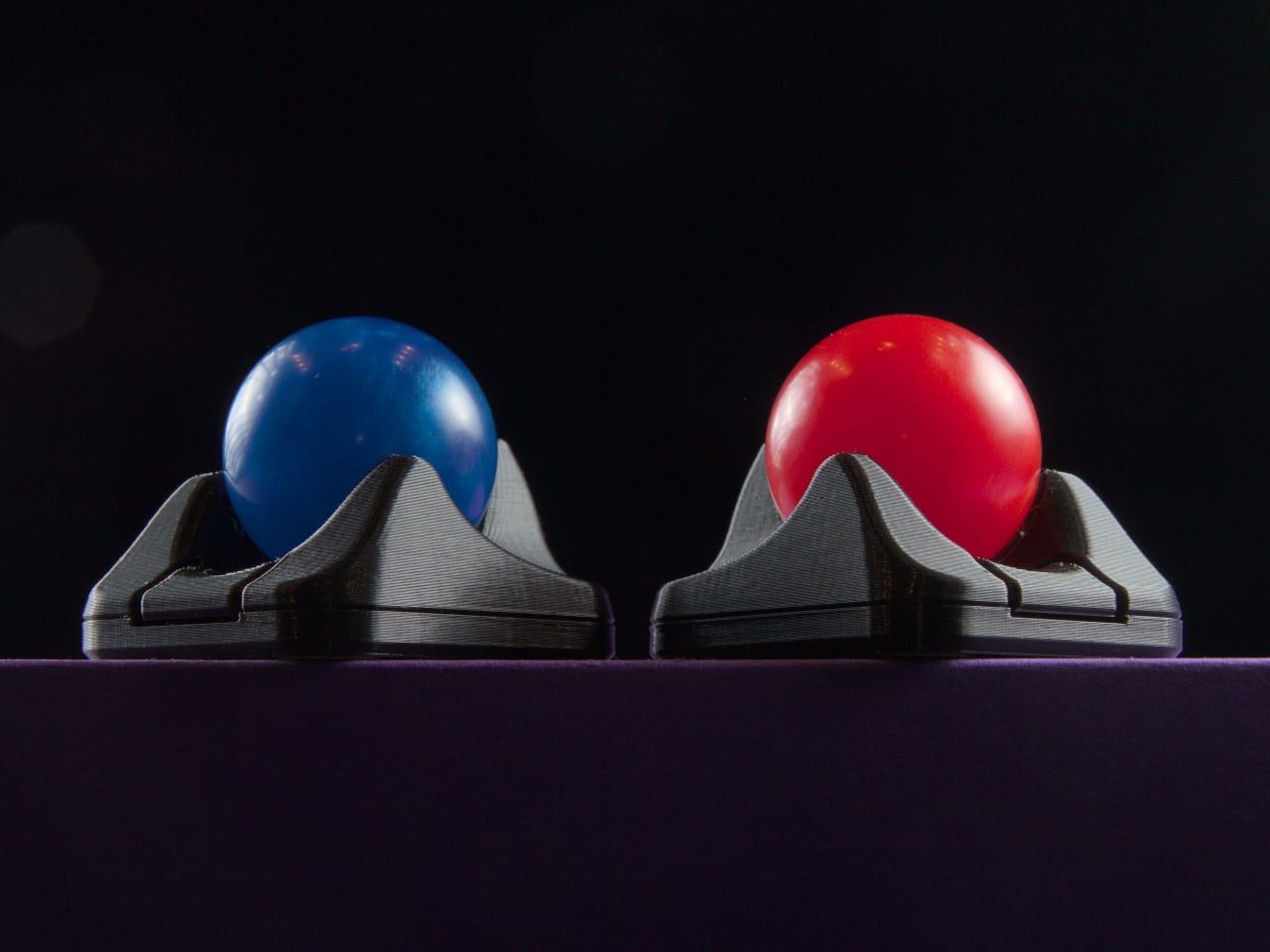
The Ploopy Nano 2 trackball is a refreshing alternative that strips away the unnecessary extras and focuses on what matters. It’s ultra-compact, open-source, and designed specifically for customization by users who want complete control over their tools. Priced at $59.99 CAD, about $43 USD, it’s made for makers, coders, and anyone who wants a mouse that fits their workflow perfectly without forcing adaptation to preset configurations.

Designer: Ploopy

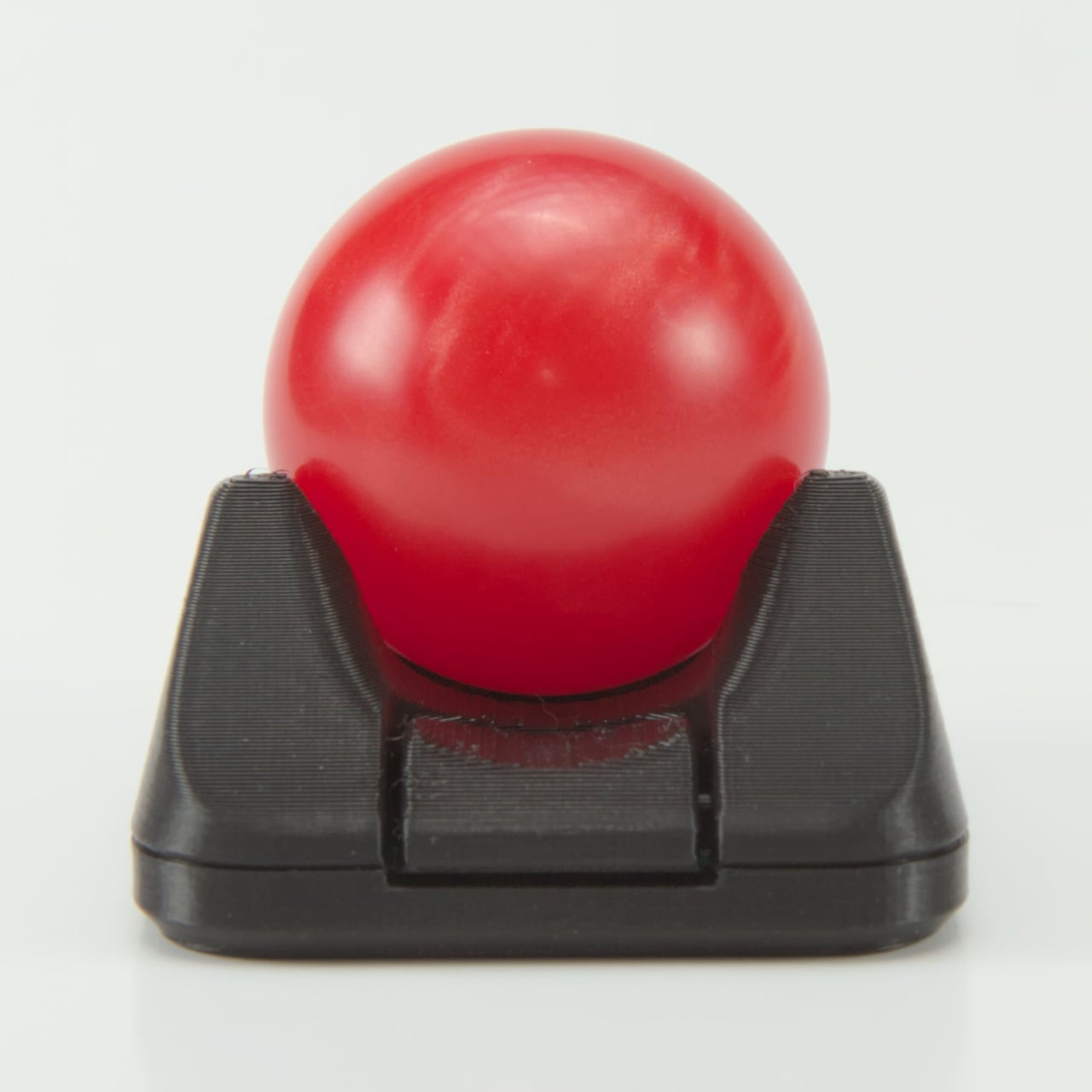
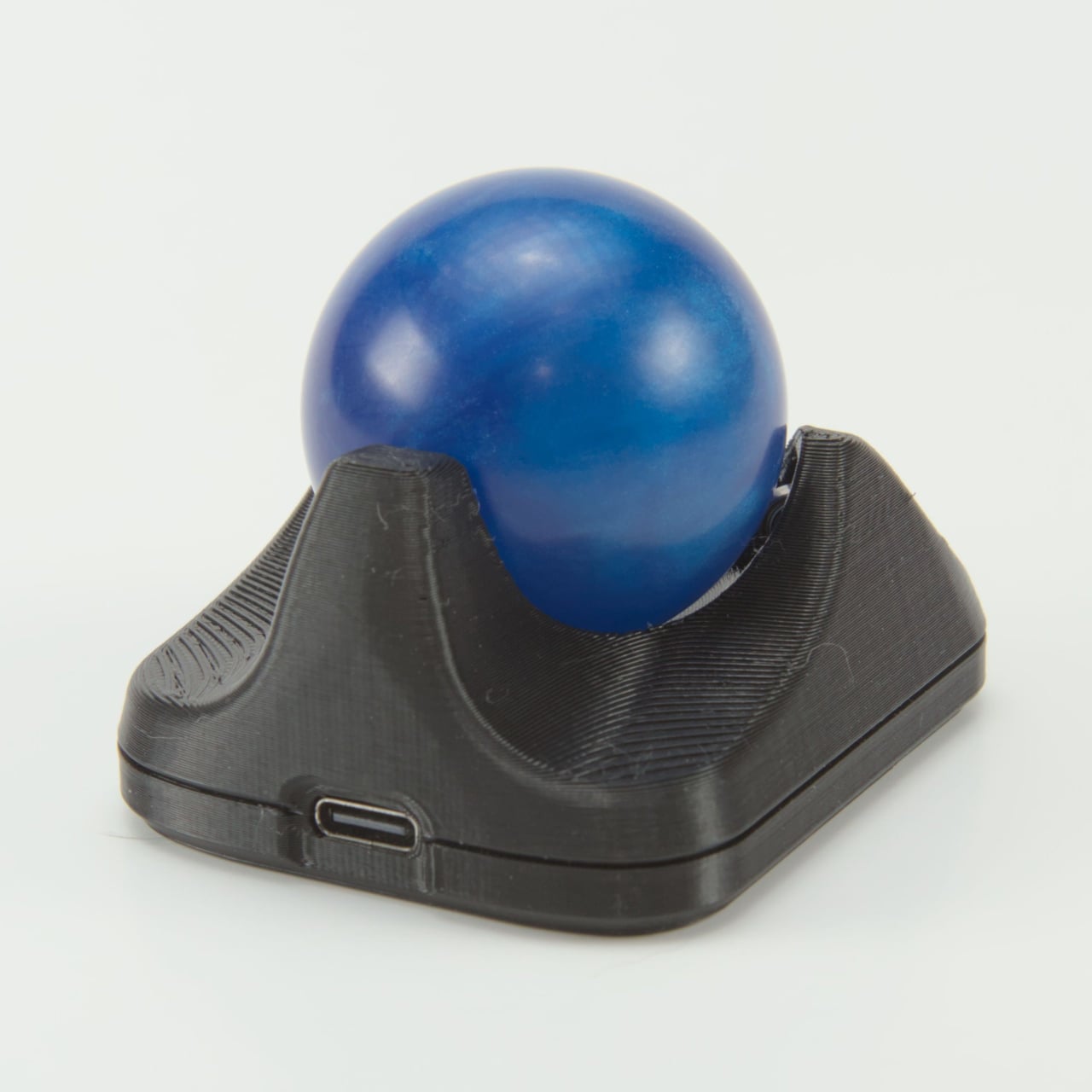
The Nano 2 features a compact footprint that sits easily beside any keyboard without dominating valuable desk space for other gear. The 3D-printed body in opaque black, paired with tracking balls in red, blue, or black for personal preference, feels solid and purposeful in use during extended sessions. The minimalist design and low profile make it easy to integrate into any setup, from home offices to creative studios, without clashing with existing equipment.

Roller bearings give the 1.5-inch ball a satisfying, tactile feel during use, though they do make a scratchy grinding sound that’s part of the Nano’s mechanical character and feedback. Some users love the audible feedback as confirmation of movement, while others may find it distracting in quiet library or office environments. The sound is noticeable but adds to the analog, mechanical feel that distinguishes it from silent optical trackballs.

The big upgrade is the PAW-3222 sensor, which delivers a polling rate over 1,000Hz, up to 4,000 CPI, and 10g acceleration for smooth, precise tracking during demanding design or coding work. The new button triggers drag scrolling by default out of the box, but thanks to QMK and VIA support, you can remap it to anything you need instantly, from click to macro to custom functions.

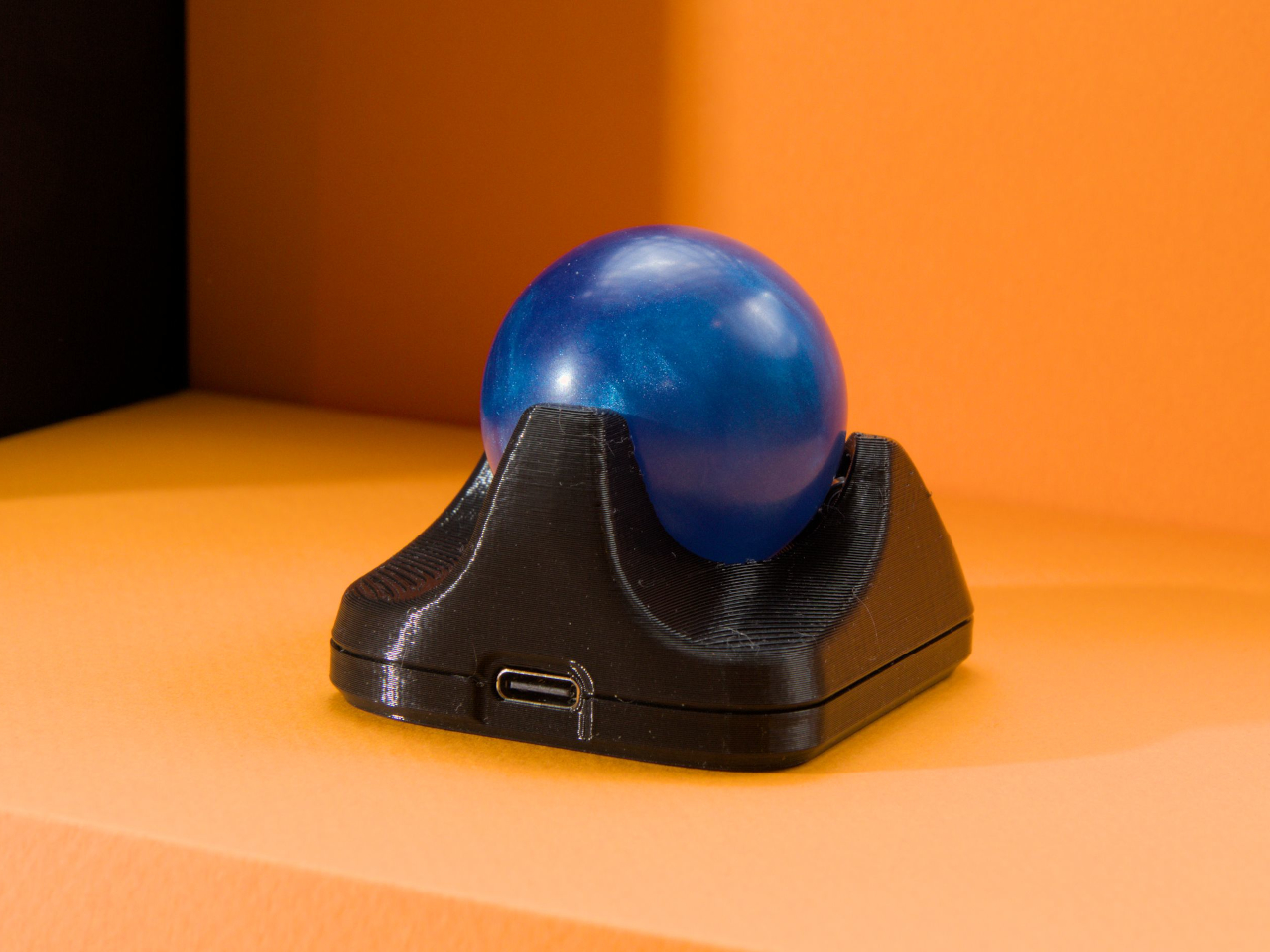
USB-C replaces the old micro-B port found on the original Nano, improving durability and making charging and programming easier for modern setups with universal cables you already own. As with all Ploopy devices, the Nano 2 is fully open-source, with hardware under the CERN OHL license and firmware under the GPL for complete transparency and user freedom. Assembly guides, modding tips, and all design files live on GitHub.

Whether you’re coding complex projects, designing graphics, or just want a minimalist pointer for your laptop bag during travels and commutes, the Nano 2 brings personality and function to your workspace effortlessly without taking up space. Its compact size, open-source roots, and tactile feel make it a conversation starter and a daily companion for anyone who values control and creativity in their desktop tools.

The post Ultra-Compact Open-Source Trackball Has One Button You Can Remap first appeared on Yanko Design.

$28 Power Bank Has 55W Wired, 15W Wireless, and a Display

Most power banks are either too bulky for a pocket or too slow to keep up with today’s fast-charging phones that demand high wattage for quick top-ups. If you’re tired of carrying bricks that weigh down your bag or waiting ages for a recharge during short coffee breaks, finding a power bank that’s both genuinely slim and powerful enough for modern devices can feel impossible in the current market.

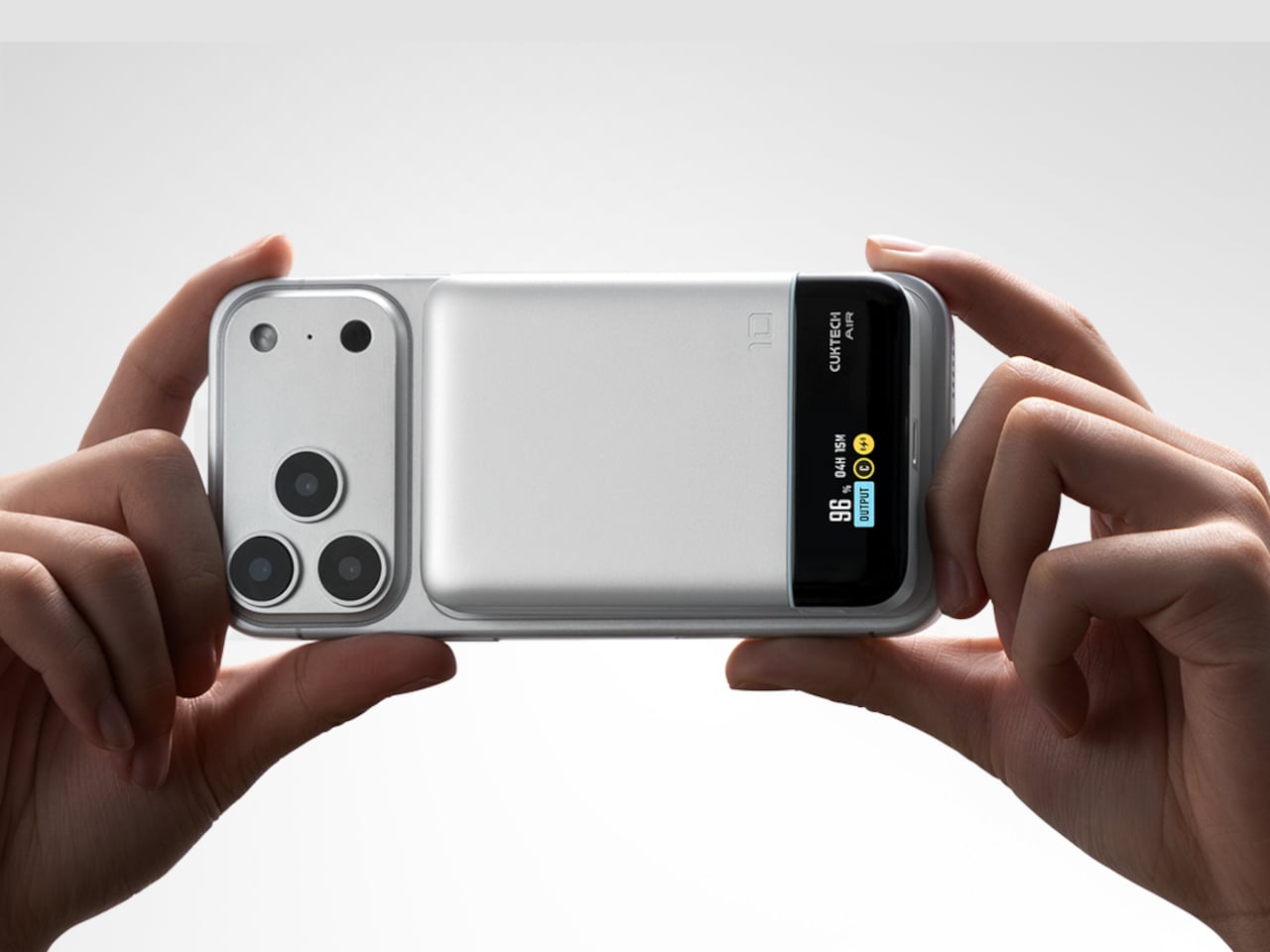
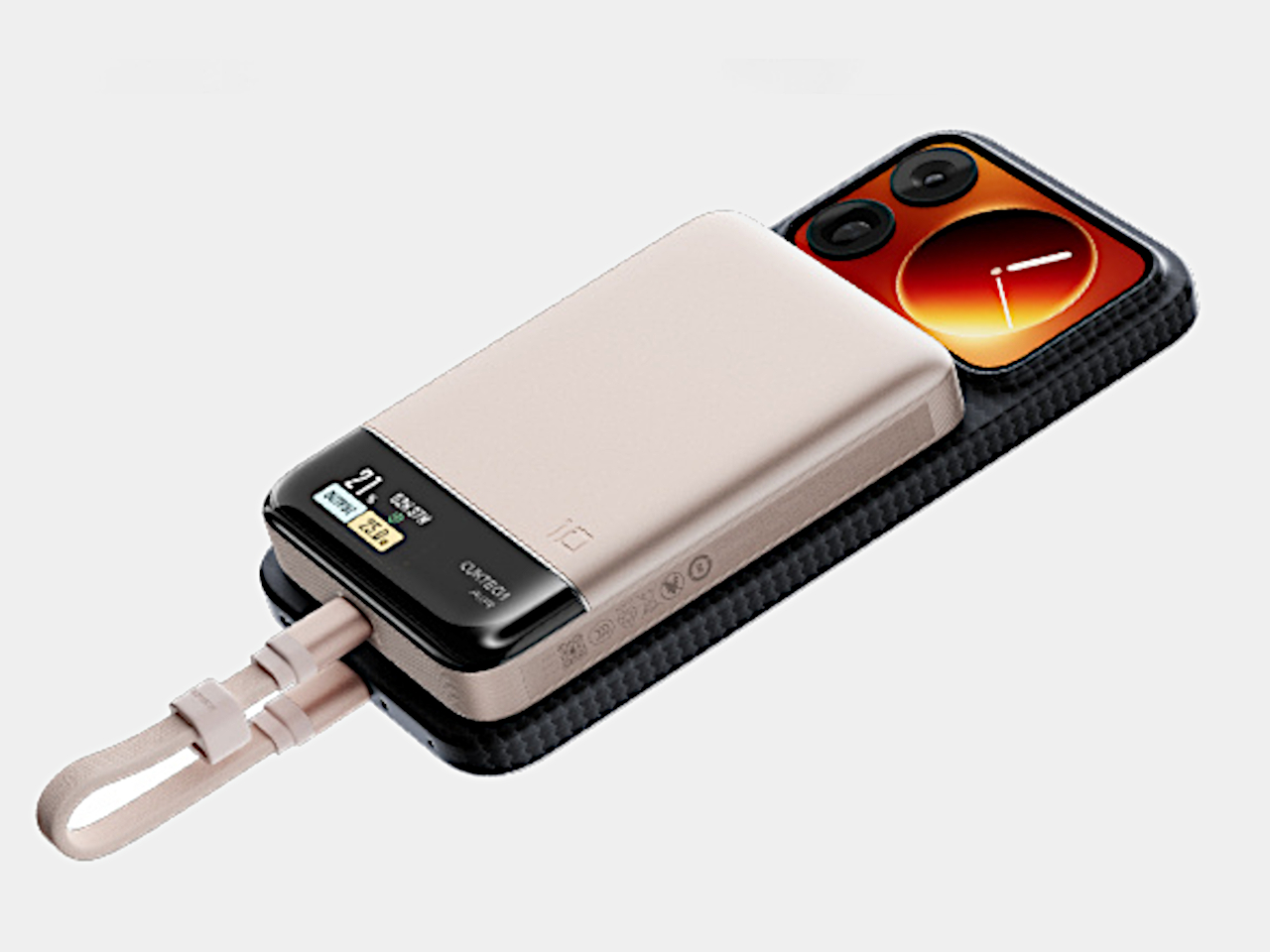
The Cuktech 10 Air offers a fresh take on portable charging for everyday carry without compromise. With a 10,000mAh capacity, 55W wired fast charging, 15W magnetic wireless charging, and a built-in display, it’s designed to slip into your pocket and keep your phone powered up quickly. At just 1.3 centimeters thick and CNY 199 (about $28), it packs premium features into an affordable package.

Designer: Cuktech (via NotebookCheck)

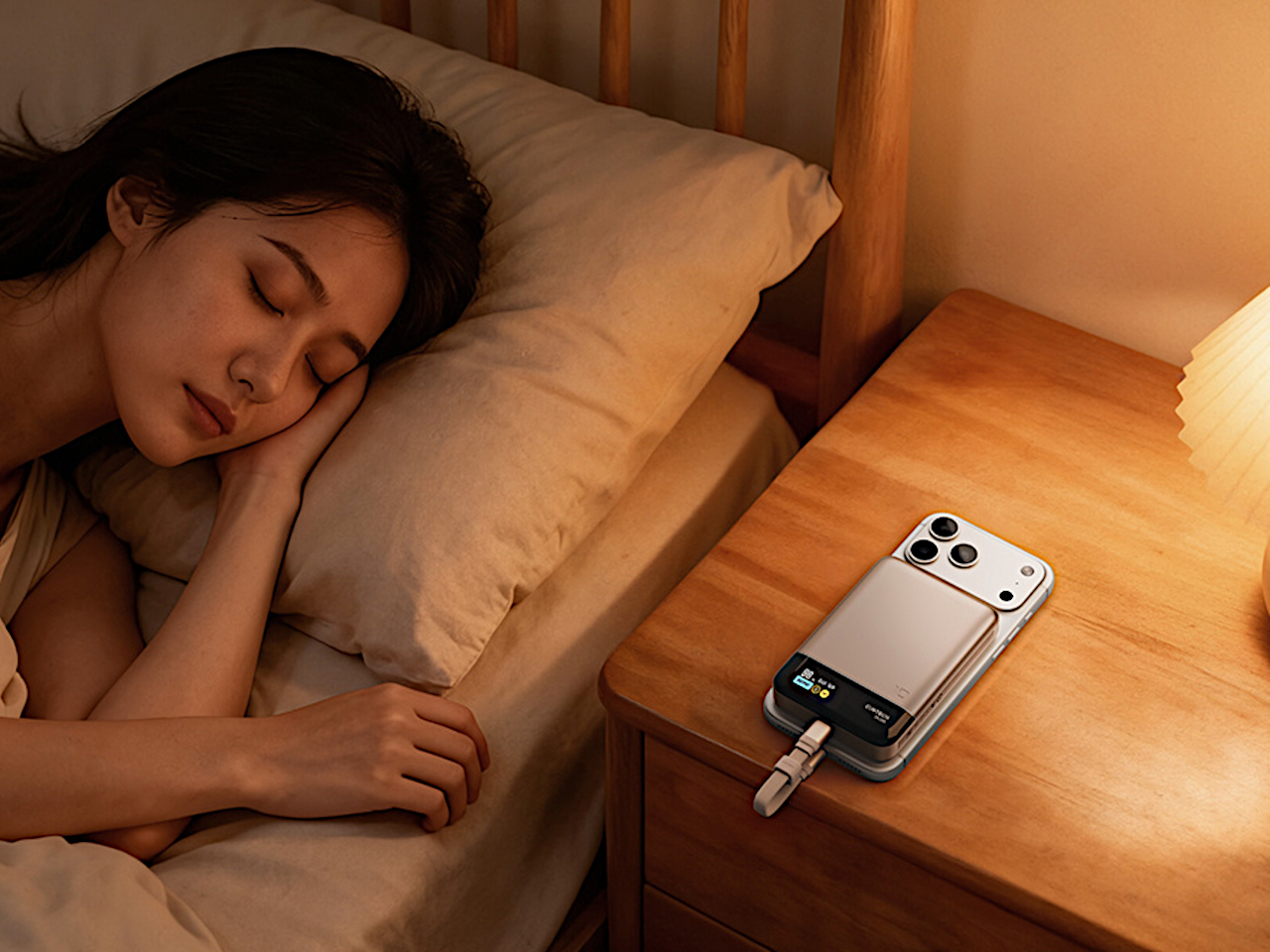
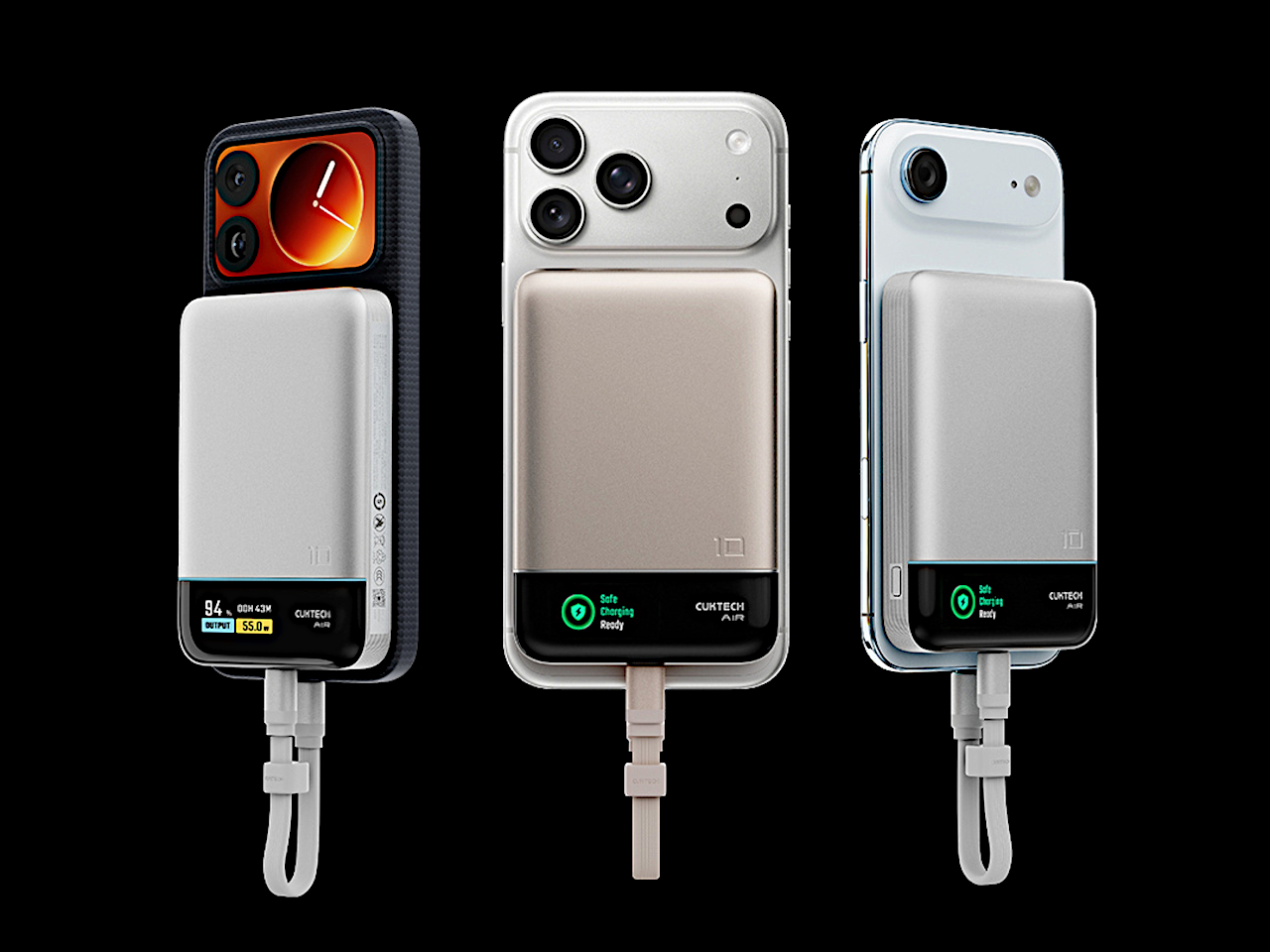
At just 1.3 centimeters thick, the 10 Air is as slim as many modern smartphones, making it easy to stack with your device magnetically or slide into a bag without creating annoying bulk or weight. The magnetic pad attaches securely to MagSafe-compatible phones for cable-free charging on the go, while the smooth, rounded shell comes in silver or gold for a modern, minimalist look that complements any device.

The built-in TFT display is a standout feature that sets the 10 Air apart from generic power banks cluttering the market. It shows real-time battery percentage, charging status, and power mode, so you’re never guessing about your next top-up or wondering if your device is actually charging properly. The transparency is refreshing compared to blind LED indicators that most competing power banks use without context.

Inside, the 10 Air uses two 5,000mAh cells for a total of 10,000mAh, rated at 5,800mAh and 38.5Wh due to voltage conversion losses. Wired charging delivers up to 55W through the USB-C port, enough to get a Xiaomi 17 Pro to 67 percent in just 30 minutes, or an iPhone 17 to nearly 70 percent in the same timeframe without overheating.

Wireless charging offers 15W for MagSafe devices, perfect for quick top-ups without fumbling for cables when your hands are full or you’re on the move. The self-storing USB-C cable measuring 13cm adds convenience by keeping everything together in one package, while support for PPS, PD, and other protocols ensures compatibility with a wide range of devices from different manufacturers worldwide.

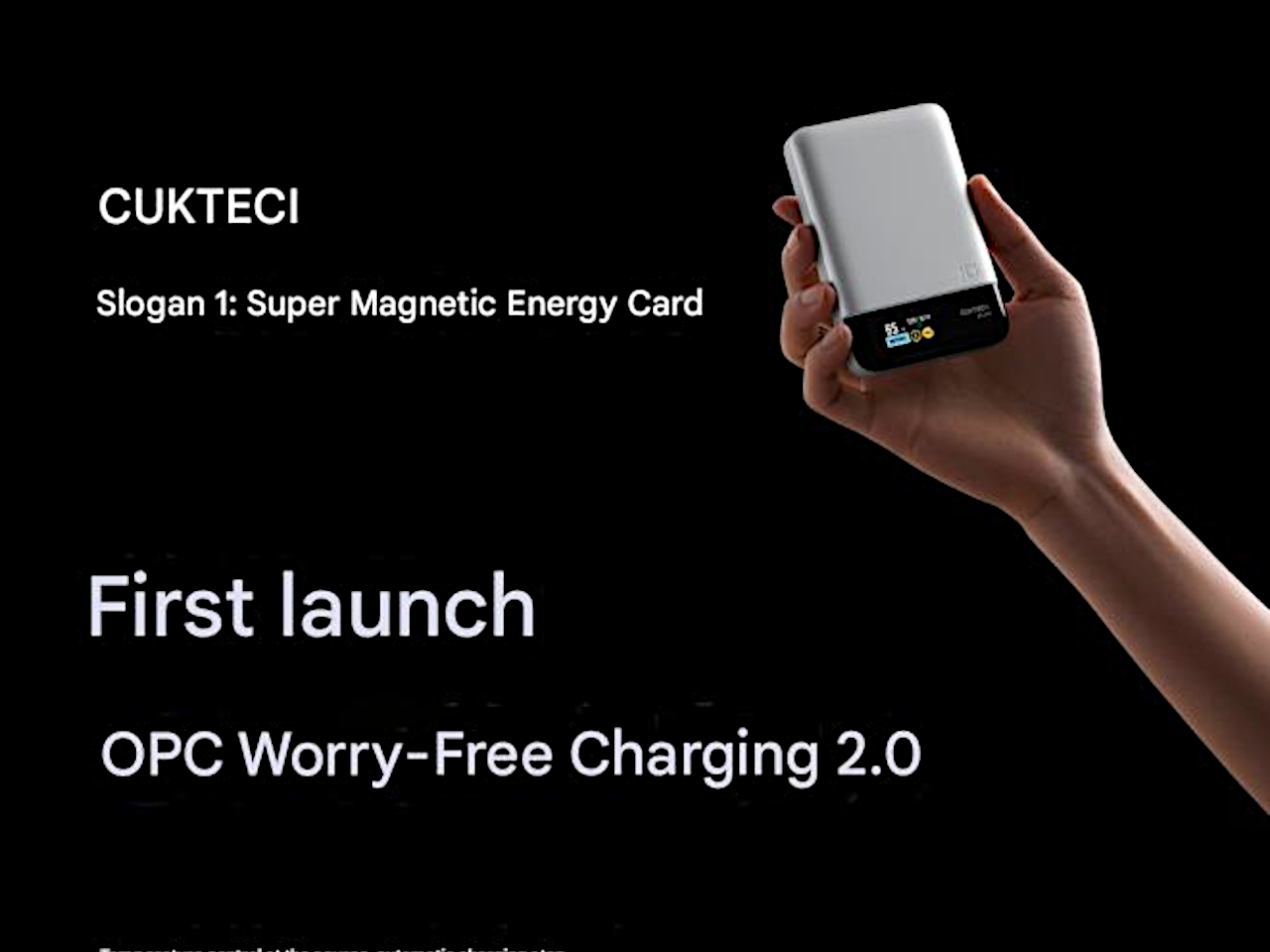
Cuktech’s OPC 2.0 worry-free charging system manages temperature intelligently, automatically stops charging when full, and protects battery health over time through smart algorithms and hardware monitoring. Hardware-level safeguards prevent overcharging, overheating, and short circuits, so you can leave your phone charging overnight without worry or anxiety. The power bank is airline-compliant at 38.5Wh, making it ideal for frequent travelers who cross borders regularly.

Whether you’re commuting, traveling internationally, or just need a slim backup for your phone during long days away from outlets, the Cuktech 10 Air fits naturally into modern life. The combination of genuine slimness, fast dual charging modes, magnetic attachment, and real-time display transparency makes it a compelling choice for anyone tired of bulky, outdated chargers.

The post $28 Power Bank Has 55W Wired, 15W Wireless, and a Display first appeared on Yanko Design.

This 6.5g Quick-Release Titanium Keychain Opens With One Hand

Most of us have struggled with key rings that jam in your pocket, carabiners that tangle with everything else in your bag, or split rings that pop open at the worst possible moment when you’re rushing to unlock something important. Everyday carry should be about readiness and preparation, not frustration and fumbling with gear that fights you instead of helping you stay organized and efficient throughout your day.

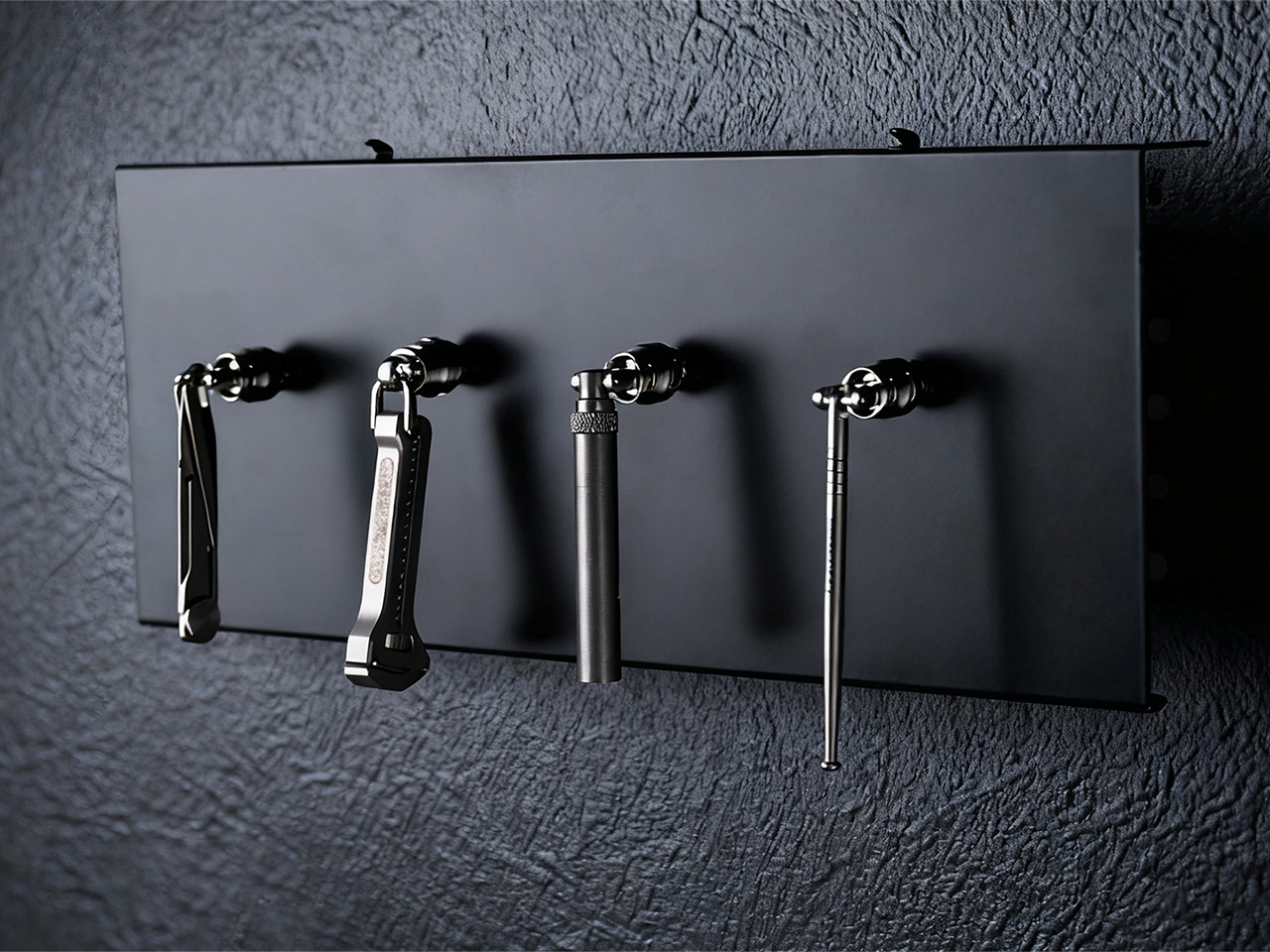
The Titaner Quick-Release EDC Carry System offers a completely different approach by blending aerospace-grade GR5 titanium, a patented magnetic-mechanical lock, and a modular design that adapts to your gear and your daily routine without adding unnecessary bulk or complexity. It features four sub-connectors that support various carrying use cases, from everyday carry to professional outdoor gear. Best of all, it feels as good as it looks, engineered to disappear into your pocket until the exact moment you need quick, one-handed access to whatever you’re carrying.

Designer: Titaner

Click Here to Buy Now: $36 $65 (45% off). Hurry, only a few left! Raised over $94,000.

Crafted entirely from GR5 titanium, the Titaner system manages to be both ultra-light and incredibly strong for its compact size. Each connector is CNC-machined with precision tooling and finished with careful attention to edge smoothness, available in your choice of stonewashed, machine, or bold anodized finishes in yellow and blue. The result is gear that feels warm and tactile rather than cold and industrial.

The minimalist form follows function precisely without wasting a single millimeter on unnecessary features or decorative elements. Weighing just 6.5 grams, lighter than two sheets of paper, the main connector is barely noticeable in your pocket yet tough enough to survive years of daily use and harsh outdoor environments without failing. The titanium construction means it will never rust, discolor, or irritate your skin during extended contact with sweat or seawater.

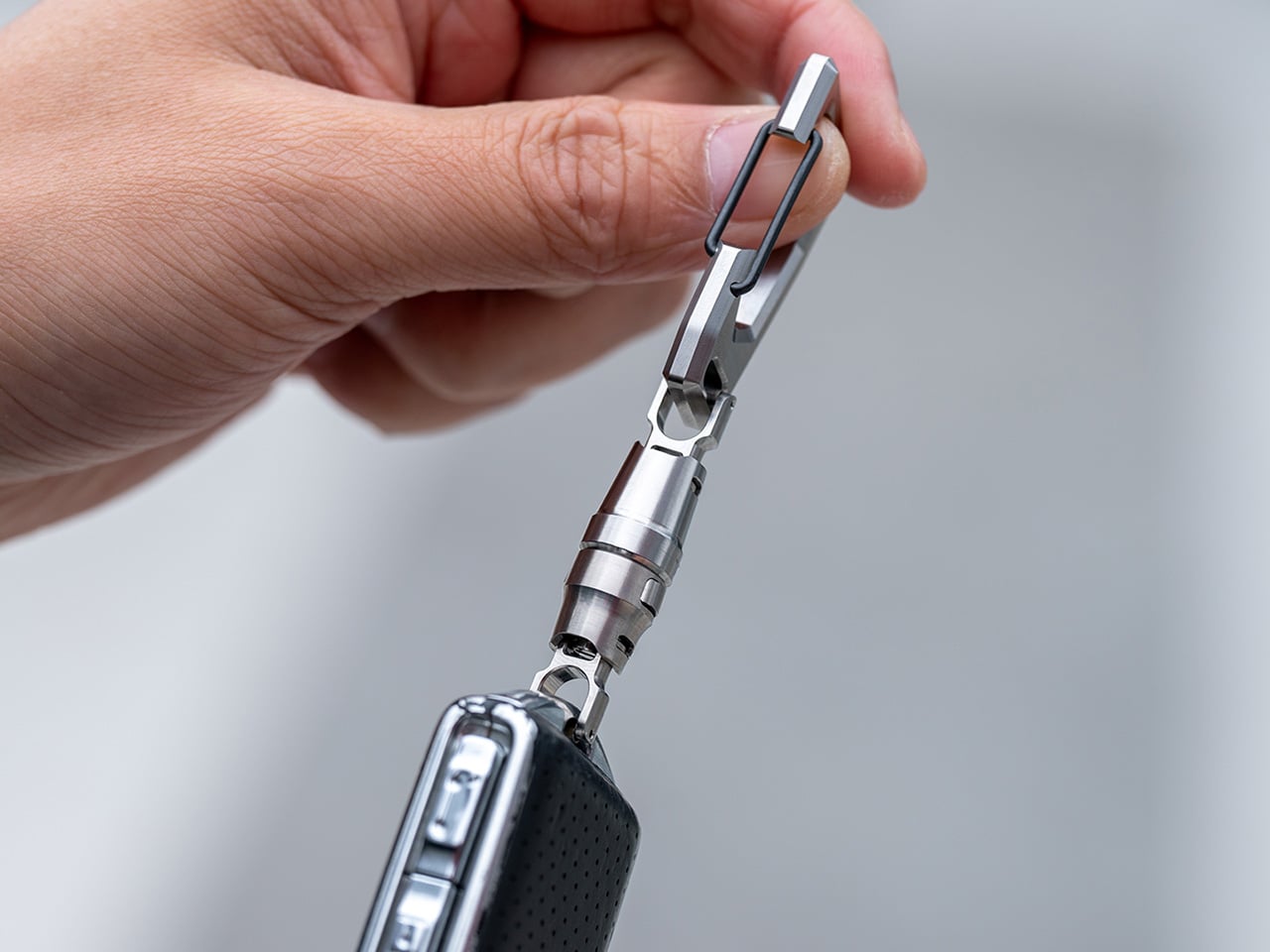
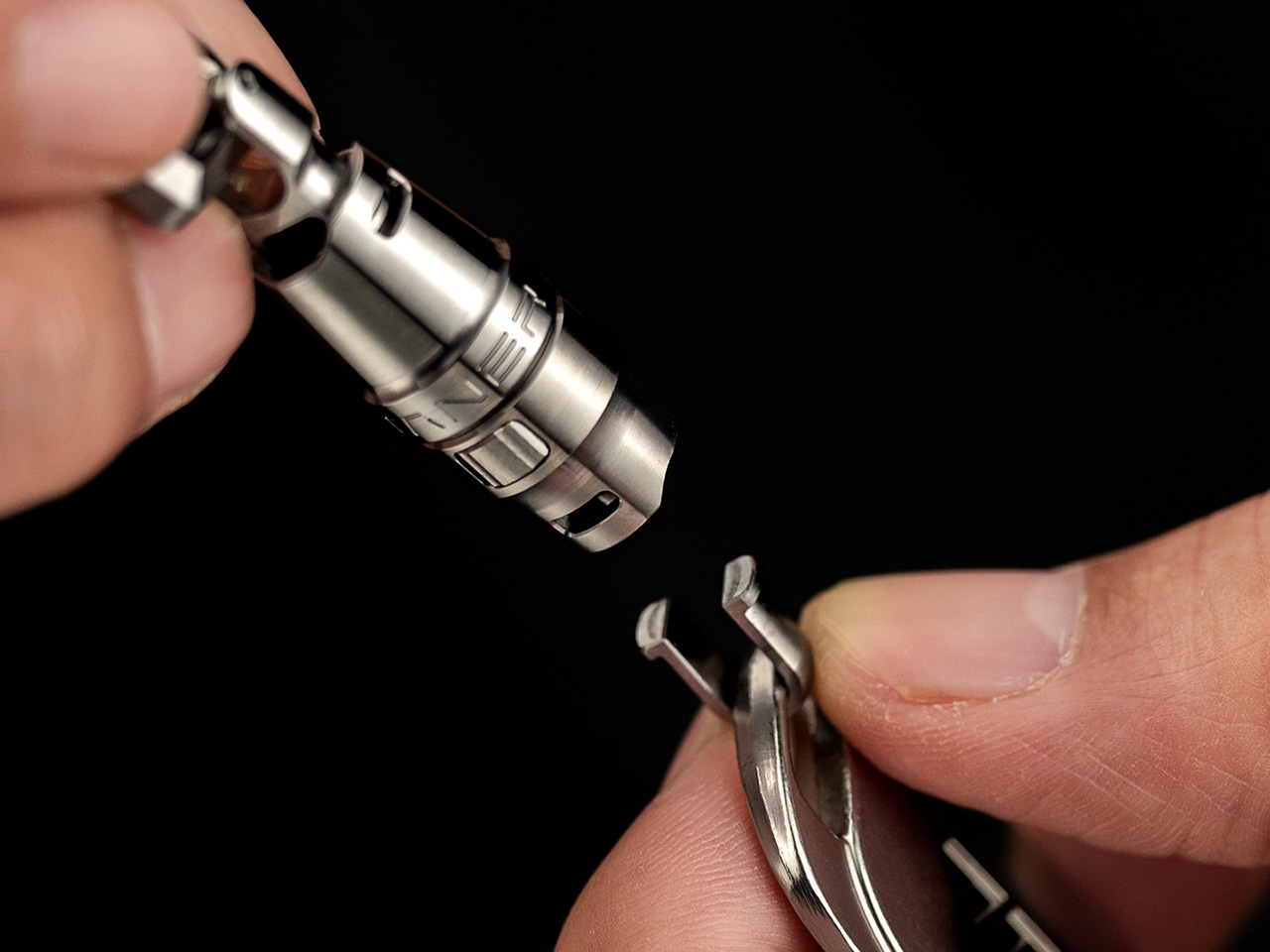
The heart of the system is a patented dual-action lock combining an N56 neodymium magnet for effortless alignment with a physical GR5 titanium lock for absolute security you can trust completely. Connecting your gear is as simple as snapping the pieces together with a satisfying, audible click that confirms proper engagement, but releasing them requires a deliberate press and 90-degree twist motion that prevents accidental detachment.

This dual-action approach ensures your keys, tools, or tech never detach by accident during daily activities, no matter how much you pull, shake, or jostle your bag during commutes, hikes, or outdoor adventures. The connector maintains its hold through vibration, snagging, and heavy use in demanding conditions, providing peace of mind for carrying expensive equipment you can’t afford to lose unexpectedly or replace on short notice.

The newly launched EDC Connector modular system eliminates the need for traditional key rings entirely through four distinct sub-connector types that attach directly to the main buckle. This direct-attach approach removes bulk, weak points, and the annoying jingle that comes with metal rings clanking together in your pocket. Each sub-connector is purpose-built for specific carry needs, from single items to webbing straps, letting you build a setup that actually makes sense for your lifestyle.

There are four types of sub-connectors that work seamlessly with the main buckle for different purposes. The U-Series provides balanced carry for single items, the X-Series features a reinforced titanium pin for tools with small attachment holes, the D-Series stacks keys quietly like pages in a book for flat carry, and the E-Series creates ultra-stable anchor points for webbing and backpack straps.

Whether you’re organizing house and car keys for daily commutes, hanging a flashlight or multitool from your belt, attaching gear to a backpack for outdoor adventures, or keeping pet tags secure during walks through the neighborhood, the system adapts seamlessly to different scenarios throughout your day. The 360-degree swivel keeps everything tangle-free and automatically positions gear in the most convenient orientation for immediate, effortless access.

Every edge is finished smooth for absolute comfort, and the connector’s action is so precise and crisp that you’ll find yourself clicking it open and closed just for the tactile satisfaction and stress relief it provides. The titanium is hypoallergenic and completely corrosion-resistant, maintaining its appearance and performance even after years of sweaty hikes, rainy commutes, or daily handling without showing degradation or requiring special maintenance.

The finishes let you match your gear to your personality and specific use case preferences. Stonewashed provides a rugged texture that hides daily wear and tells your adventure story, machine finish showcases pure titanium with clean technical elegance, and anodized versions make a bold visual statement with vibrant color that distinguishes your carry from typical EDC gear most people settle for every day.

The Titaner Quick-Release EDC Carry System delivers minimalist design, technical innovation, and everyday practicality in a package that feels both premium and approachable for serious users who demand quality. For anyone who wants their gear to be as reliable and refined as the rest of their daily routine, this titanium connector system offers a thoughtful alternative to the clunky key rings and unreliable split rings most people simply tolerate.

Click Here to Buy Now: $36 $65 (45% off). Hurry, only a few left! Raised over $94,000.

The post This 6.5g Quick-Release Titanium Keychain Opens With One Hand first appeared on Yanko Design.

13,000-Lumen Flashlight With Smart Cooling Also Charges Your Phone

There’s something exhilarating about pushing into the wild after dark, whether you’re cycling down a forest trail, hiking a canyon, or just exploring the world beyond the city lights where streetlamps don’t reach and the natural darkness takes over. But adventure after sunset demands gear that’s as tough and adaptable as you are, and most flashlights just aren’t up to the challenge of serious outdoor use in unpredictable, demanding conditions.

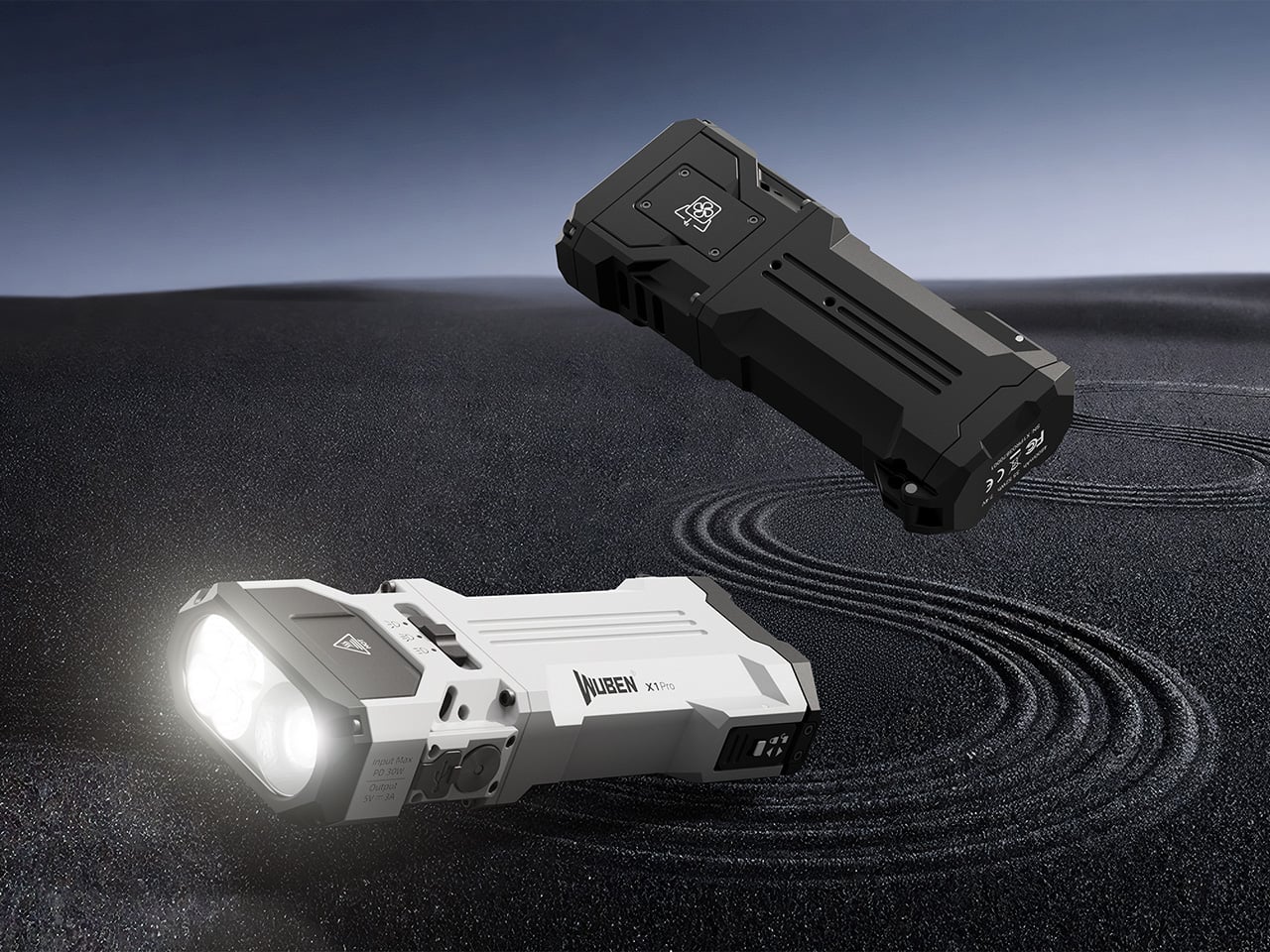
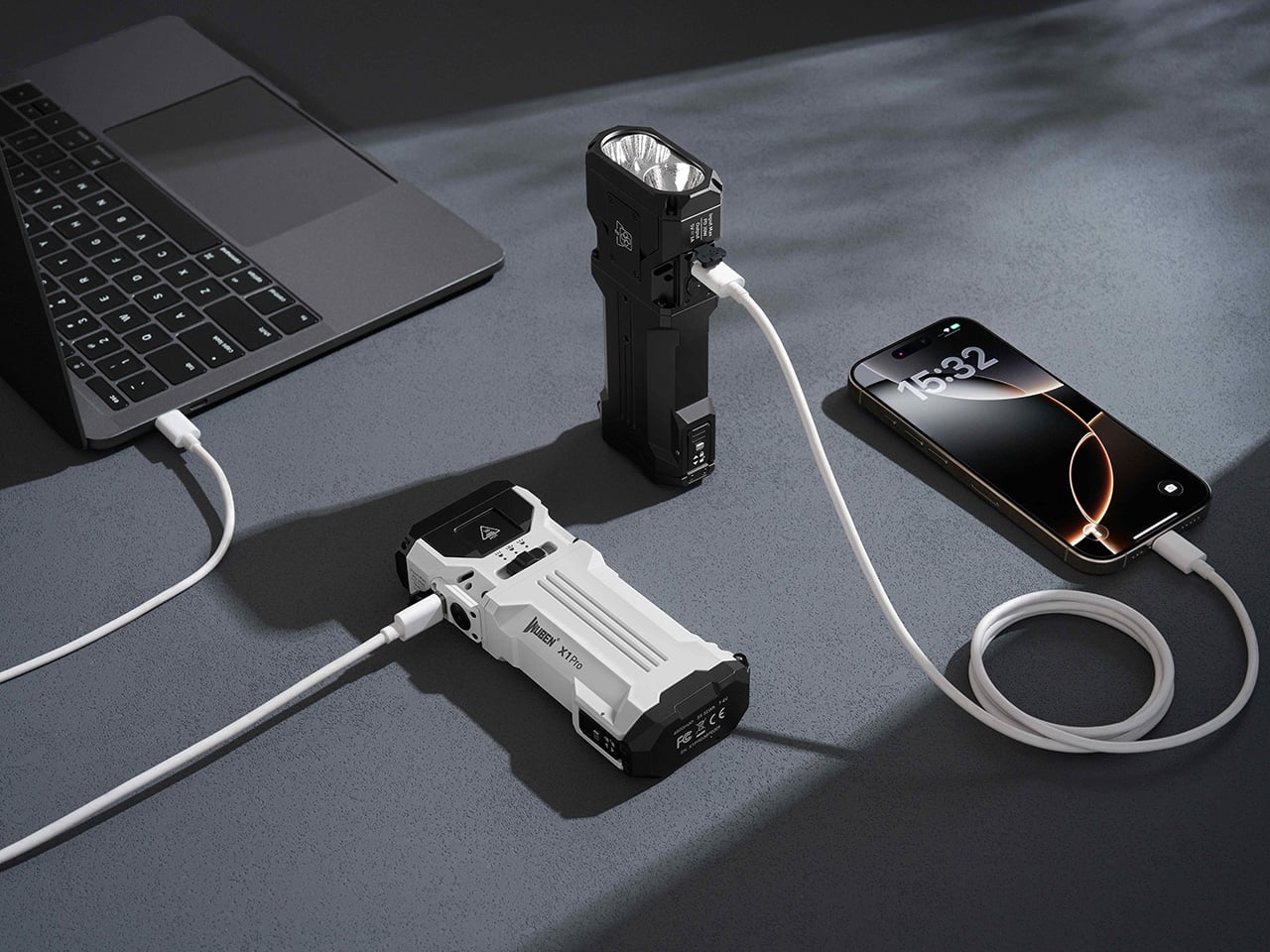
The WUBEN X1 Pro is built for explorers who want more than a basic beam and simple on-off functionality from their gear. With 13,000 lumens of combined flood and spot light, a rugged aluminum alloy body, and smart cooling to keep things running smoothly under heavy use, it’s a flashlight that’s as ready for action as you are, designed to handle whatever the night throws at you without fail.

Designer: Mr. Tan (Manager of Wuben Brand)

Click Here to Buy Now: $119 $149 (20% off). Hurry, only a few left! Raised over $181,000.

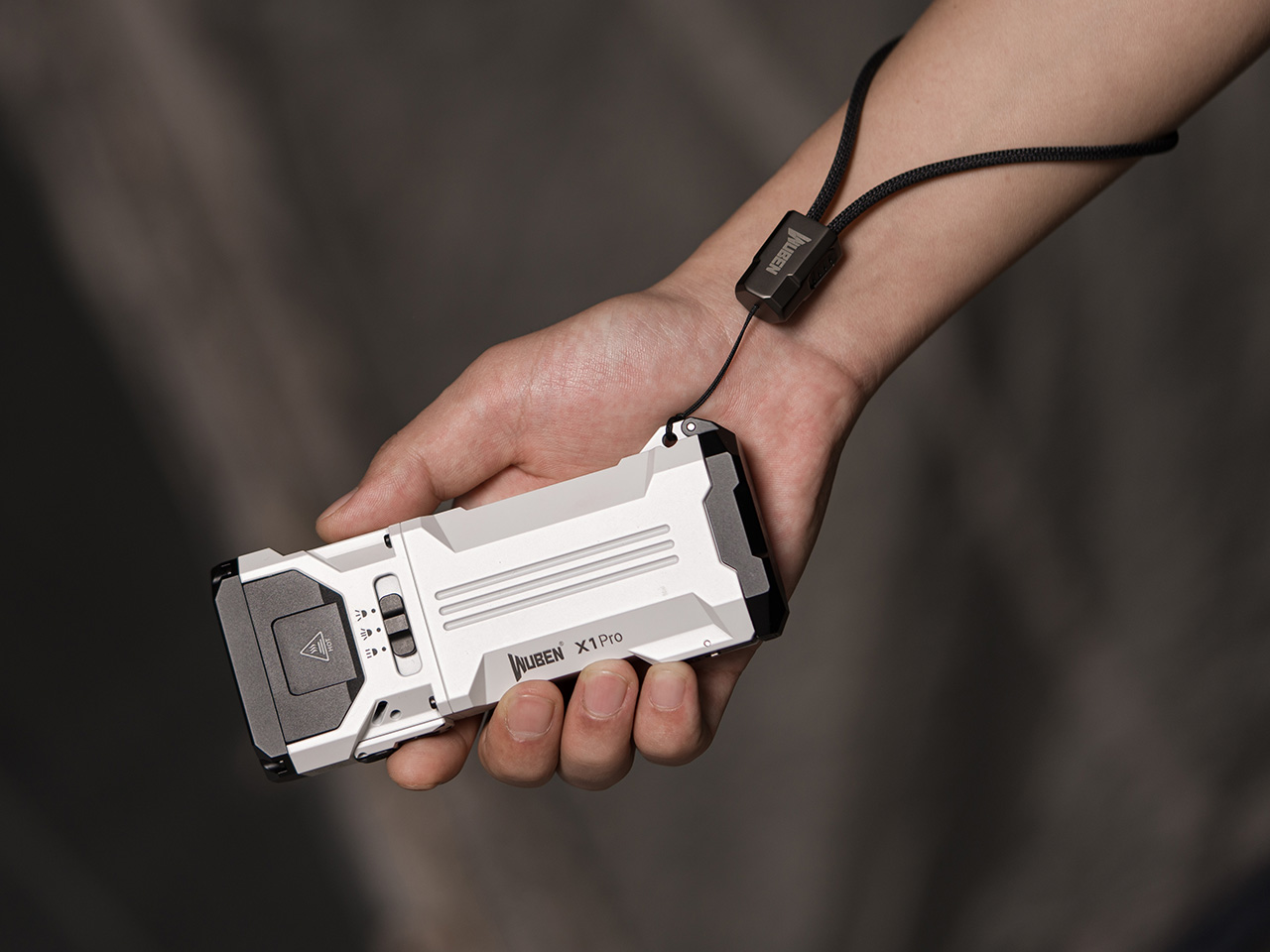
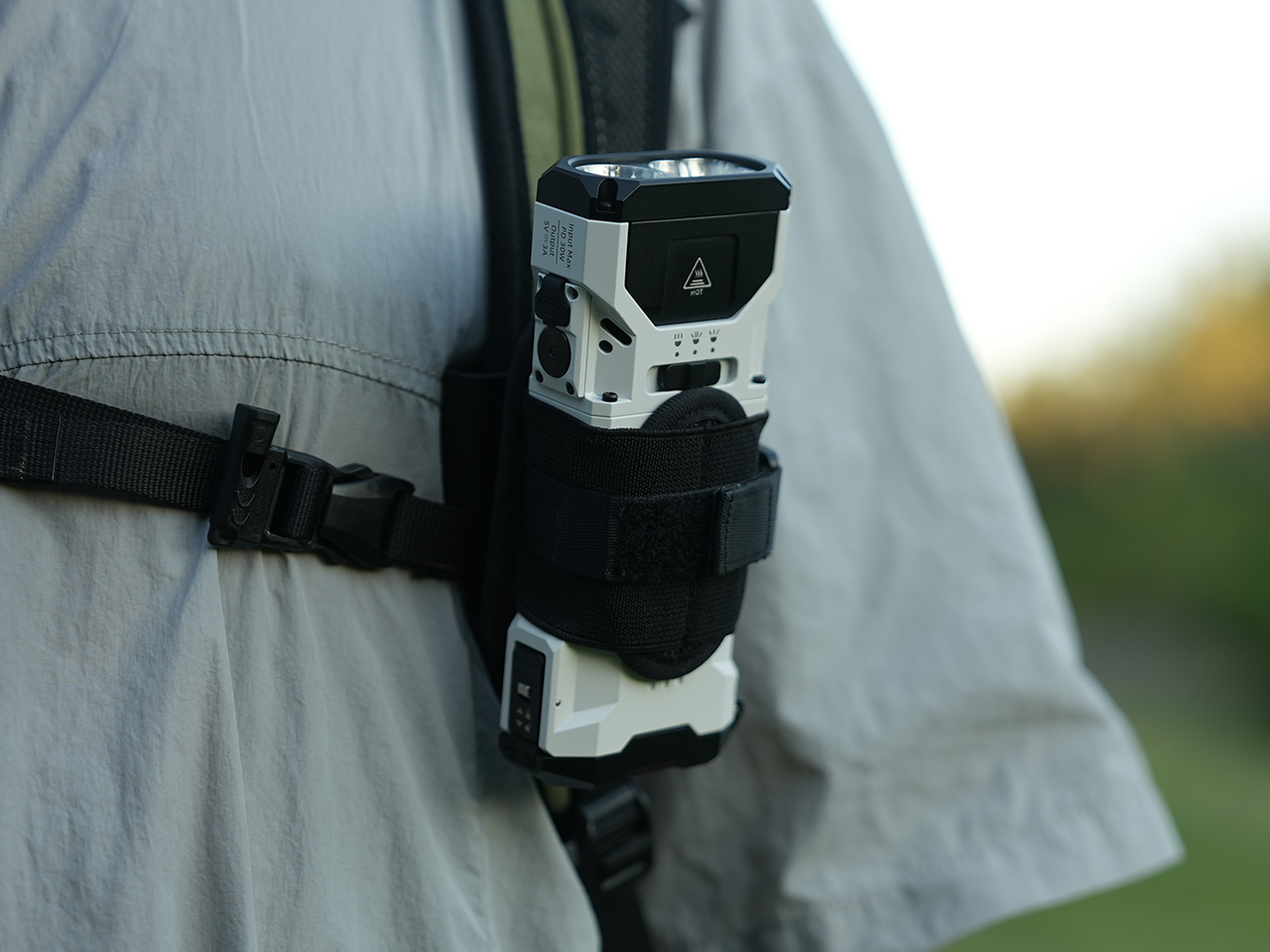
The WUBEN X1 Pro’s angular, aluminum alloy body feels solid and substantial in your hand, with sculpted lines and a one-handed grip that’s easy to hold even with gloves on during cold-weather expeditions. At 383 grams and just under 14 centimeters long, it packs serious power into a form that fits in a jacket pocket or bike bag without creating annoying bulk or weighing you down.

The minimalist button layout and matte finish look refined and purposeful, while the floating chassis and visible cooling vents hint at the engineering inside that keeps everything running at safe temperatures. It’s a flashlight that looks as good clipped to a backpack as it does on a nightstand, blending outdoor toughness with considered industrial design that doesn’t compromise aesthetics.

With three high-output LEDs arranged for both wide coverage and distance, the WUBEN X1 Pro delivers a wide, 125-degree flood for lighting up campsites or work areas and a focused spot beam that throws up to 337 meters into the distance. Switching between modes is seamless, letting you adapt to changing conditions on the fly without fumbling through complicated menu systems or awkward multi-press combinations.

Multiple brightness settings from Turbo to Eco mean you can go all out for a midnight ride through challenging terrain or conserve power for a long hike that stretches into days. The 13,000-lumen Turbo mode is bright enough to turn night into day across entire clearings, while lower settings stretch battery life for extended trips where charging opportunities are limited or nonexistent.

The WUBEN X1 Pro runs on two replaceable 21700 lithium batteries, providing a combined 9600mAh of capacity that powers hours of high-output use without fading. That’s enough juice for serious adventures, and when you need to recharge your phone or GPS device during extended trips, the flashlight doubles as a 15W power bank via USB-C output without compromising your lighting needs or leaving you in the dark.

Smart cooling keeps everything running safely without overheating or sudden performance drops during extended use. A detachable fan module and copper midframe dissipate heat efficiently, so you can use maximum brightness without worrying about thermal throttling or damage to internal components, no matter how long the adventure lasts or how demanding the conditions become during your exploration.

The X1 Pro is designed for versatile carry, with a rope hole for secure lanyards, and a redesigned bike mount for hands-free lighting on the move. The IP54 rating means it shrugs off rain and dust confidently, while the rugged aluminum build stands up to drops and rough handling during outdoor activities without showing significant damage.

Whether you’re setting up camp in complete darkness, fixing a flat tire at midnight on a deserted road, or leading a group through a dark trail where visibility matters for everyone’s safety, the WUBEN X1 Pro brings confidence and clarity to every situation. Its sculpted design, powerful dual-beam output, and clever features like replaceable batteries and power bank functionality make it a reliable companion for every adventure, big or small.

Click Here to Buy Now: $119 $149 (20% off). Hurry, only a few left! Raised over $181,000.

The post 13,000-Lumen Flashlight With Smart Cooling Also Charges Your Phone first appeared on Yanko Design.

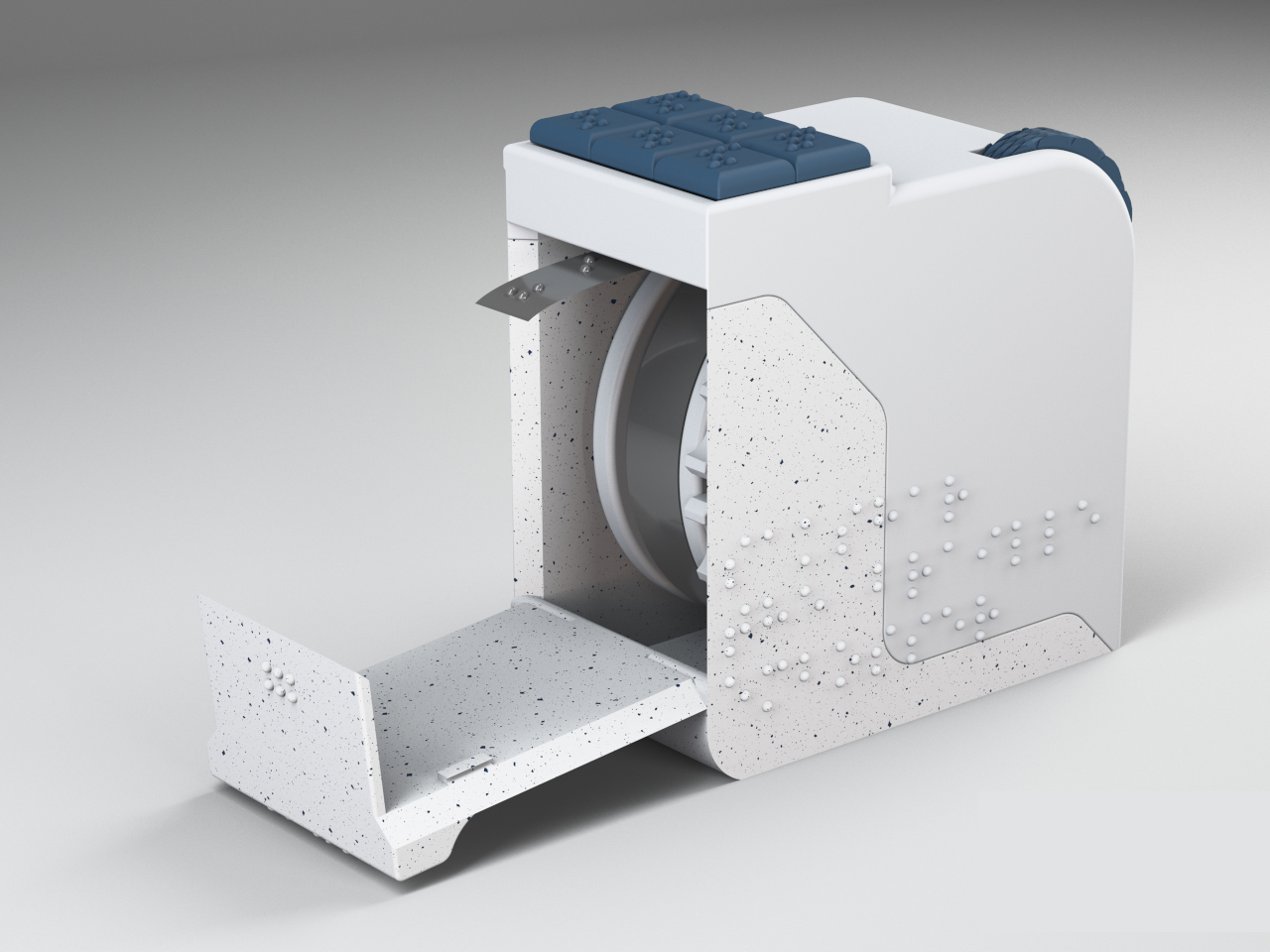
Mechanical Braille Embosser Labels Medicine, Food With No Power

For visually impaired people worldwide, identifying everyday items like medications, kitchen containers, switches, or personal belongings can be a daily challenge that affects independence, safety, and quality of life. Most labeling solutions are either expensive, complicated, or simply not designed with accessibility in mind, forcing users to rely on others or expensive assistive technology for basic organization. Finding a simple, affordable way to create tactile labels remains frustratingly difficult.

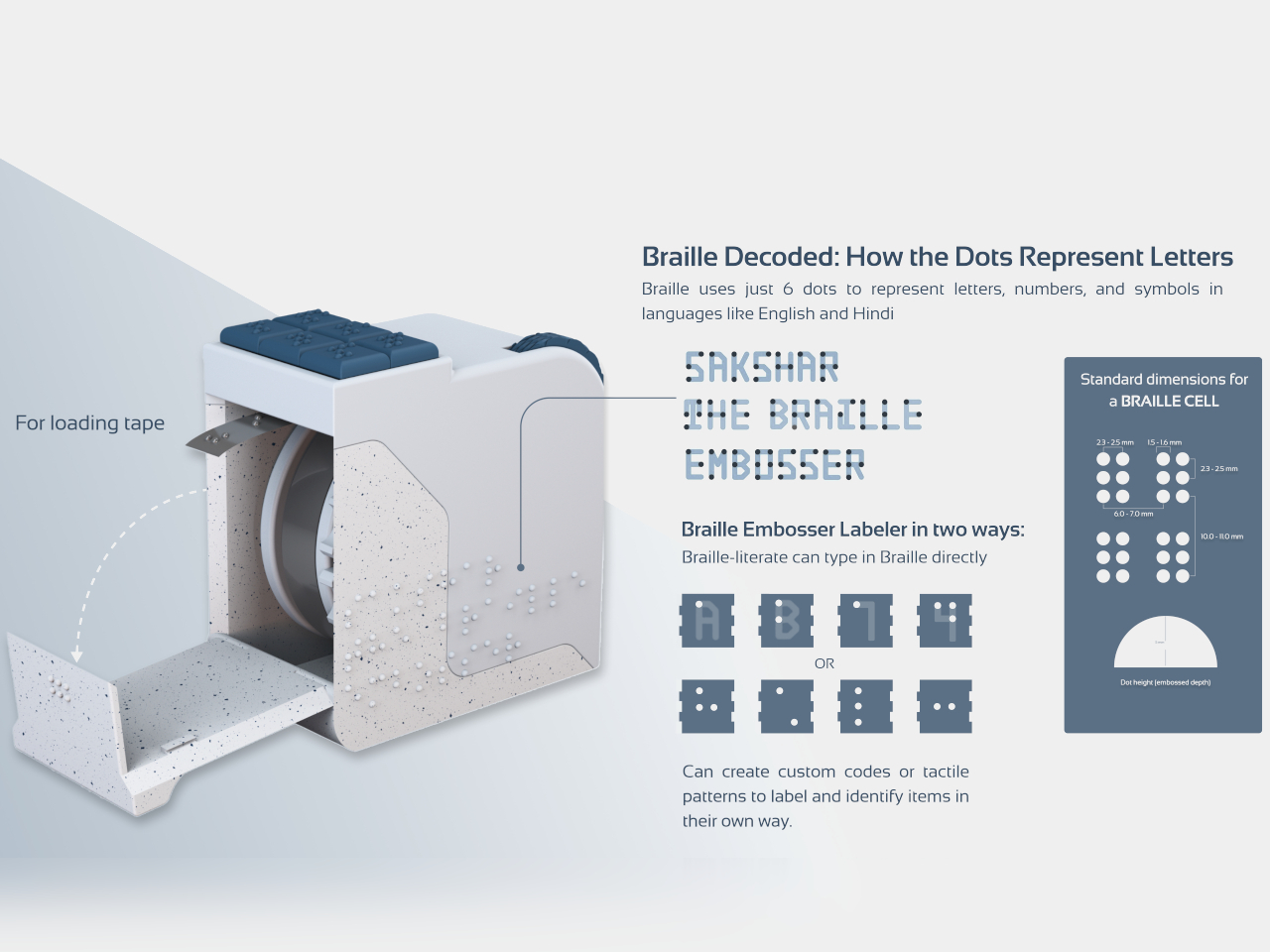
The Sakshar Braille Embosser concept reimagines labeling as a tactile, intuitive experience that anyone can master quickly without extensive training. By combining a mechanical interface with smart ergonomics and careful attention to usability, it aims to bring independence and dignity to visually impaired users everywhere, making Braille labeling a simple part of daily life. Sakshar means “literate” in Hindi, reflecting the concept’s mission to empower through accessible information.

Designer: Shruti Kushwaha

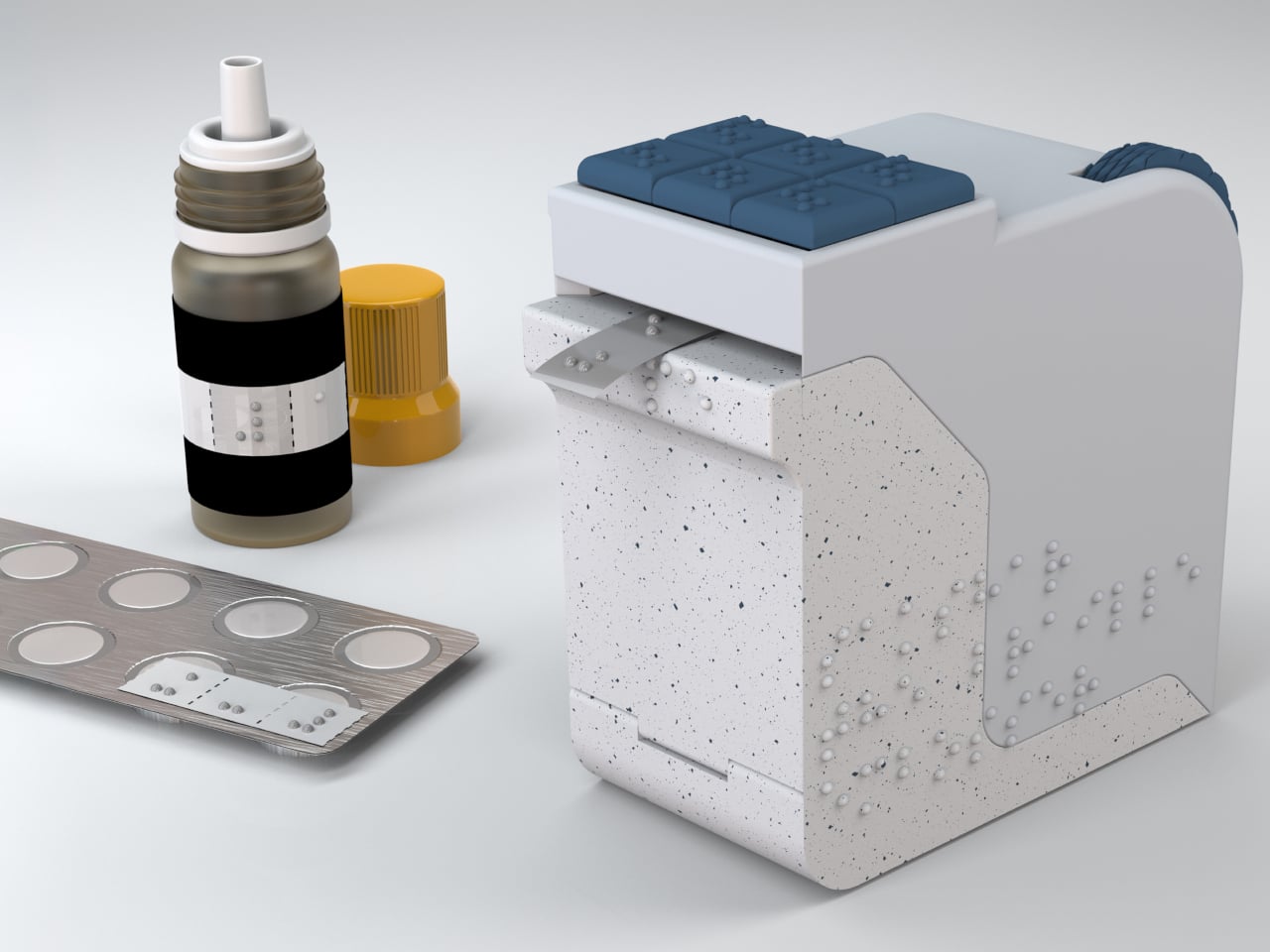
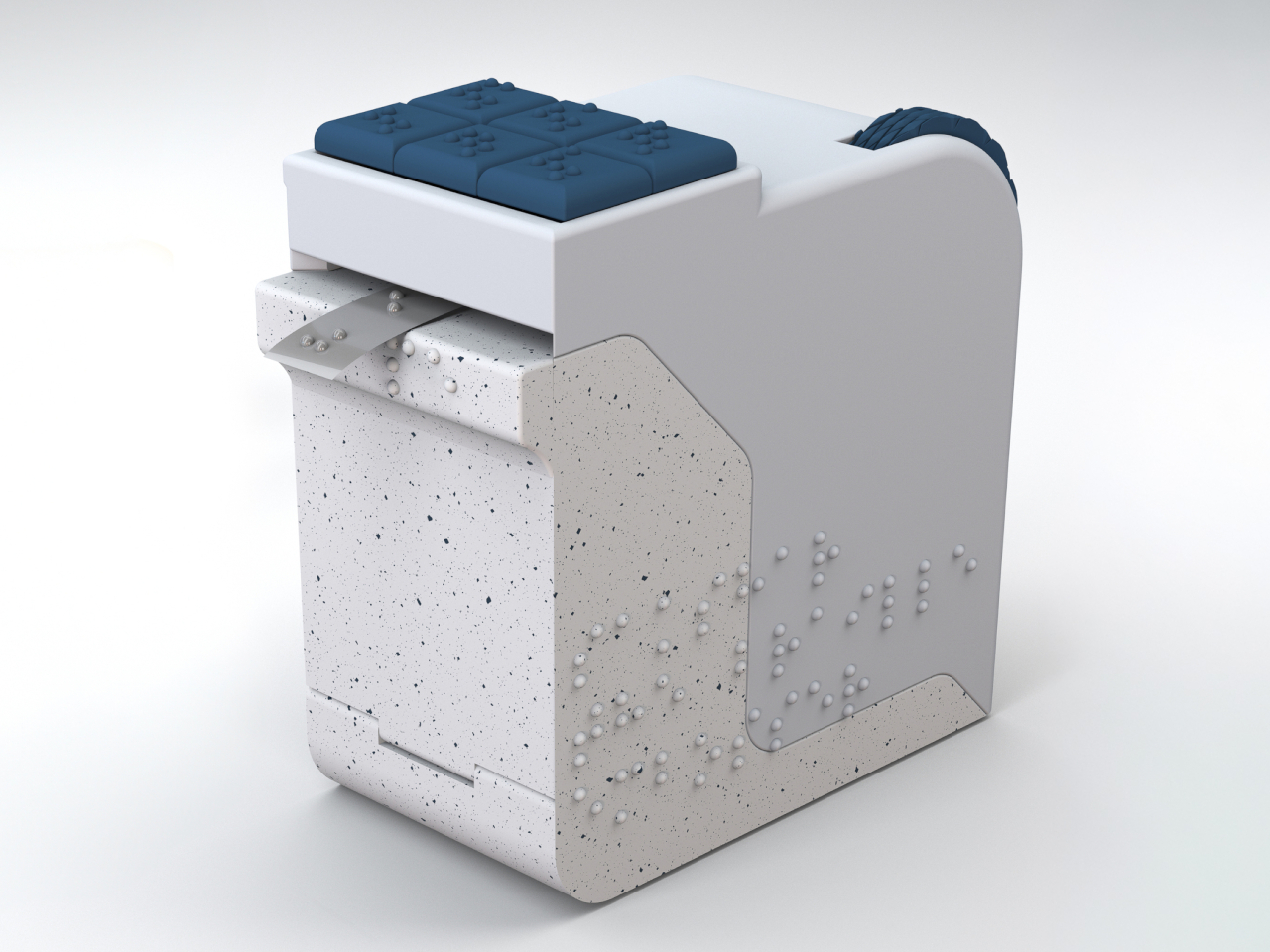
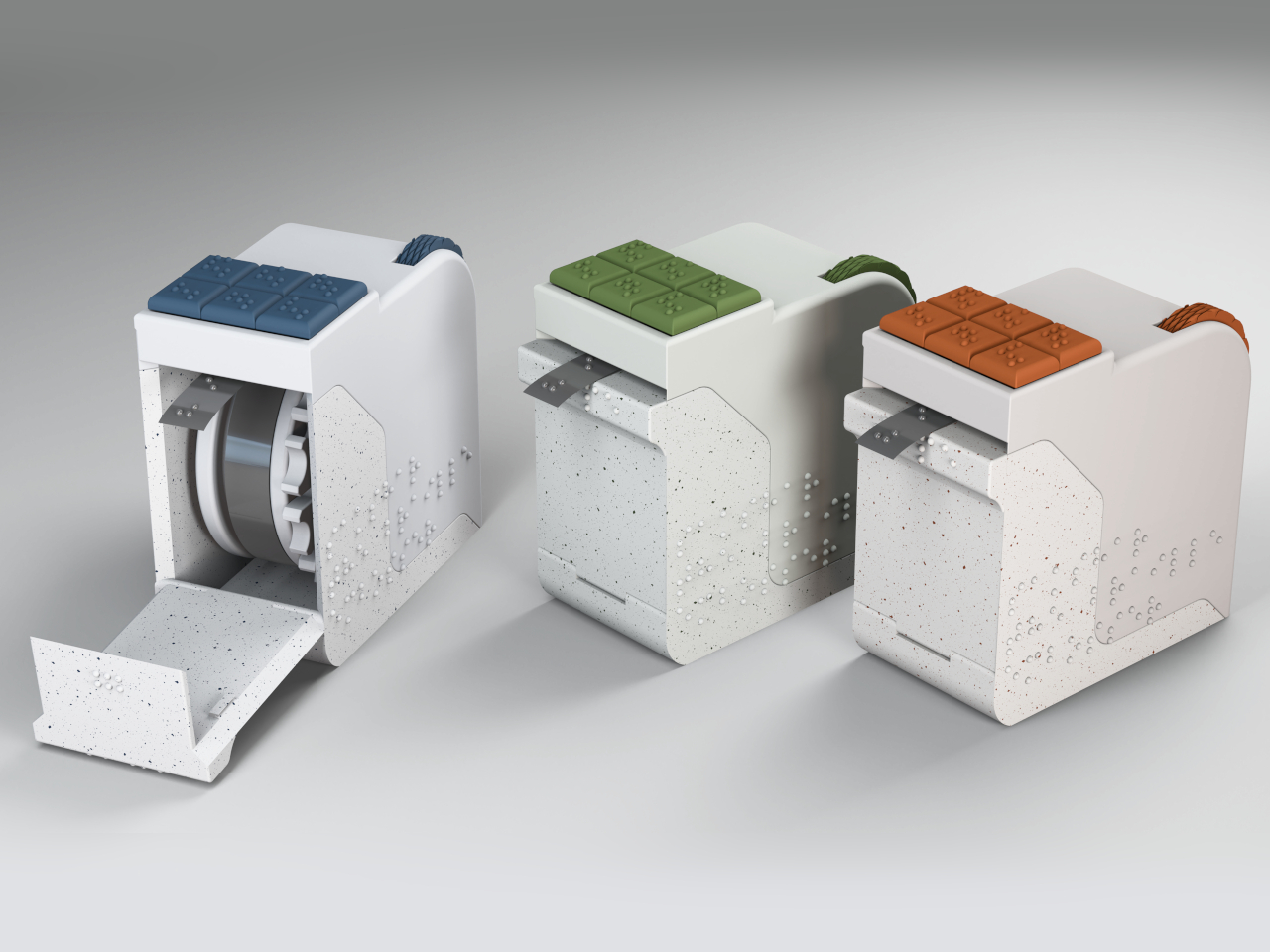
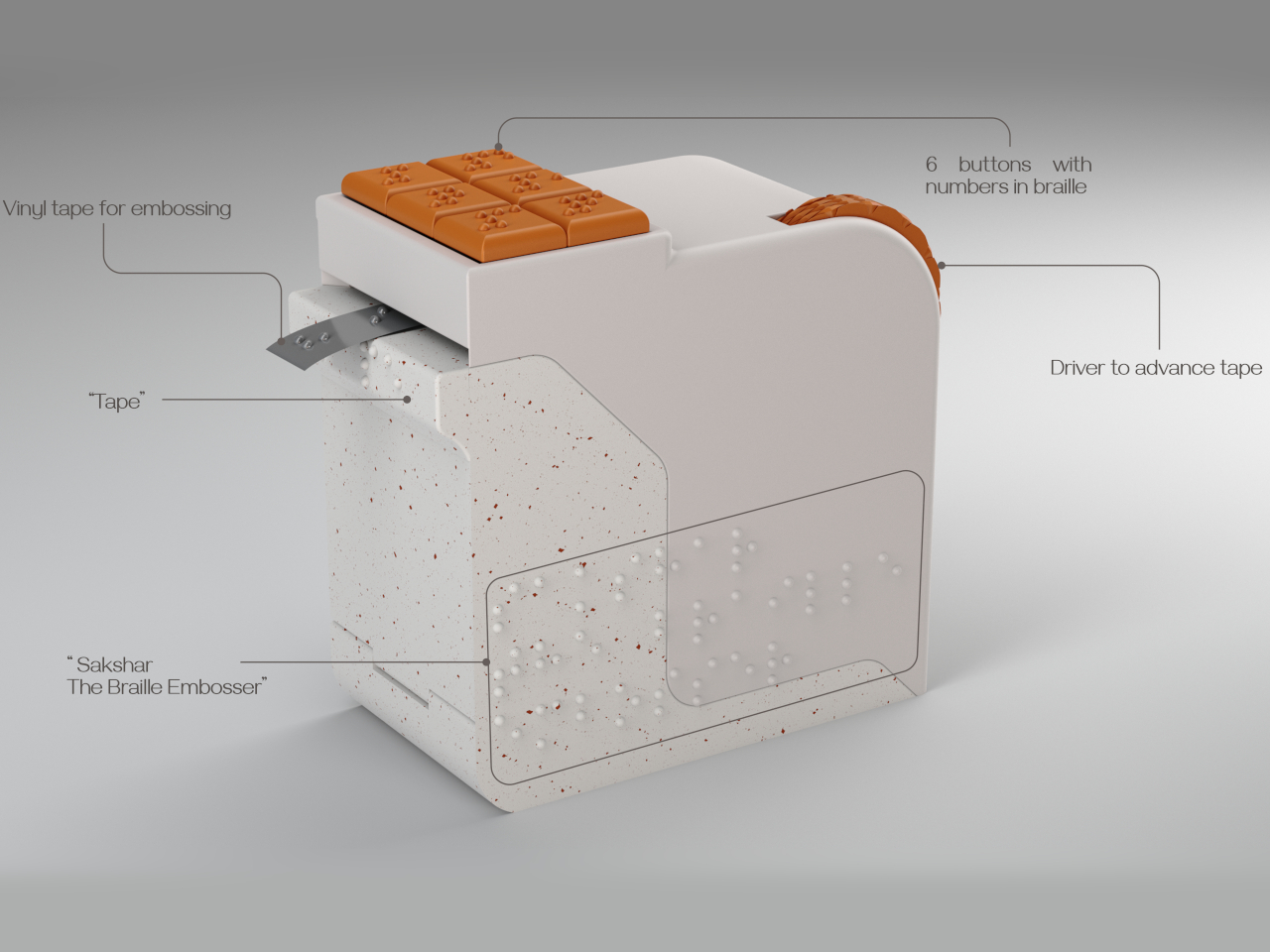
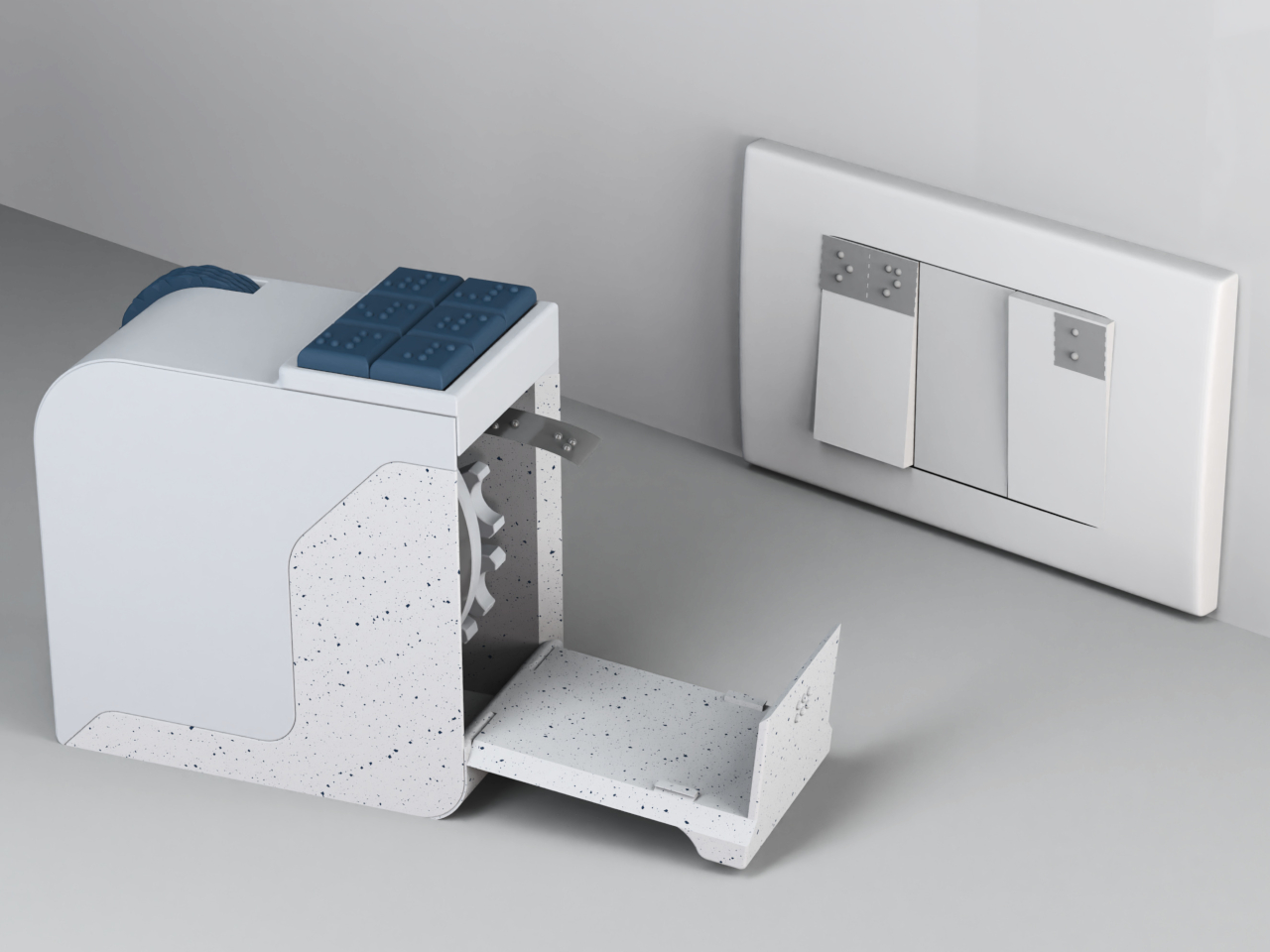
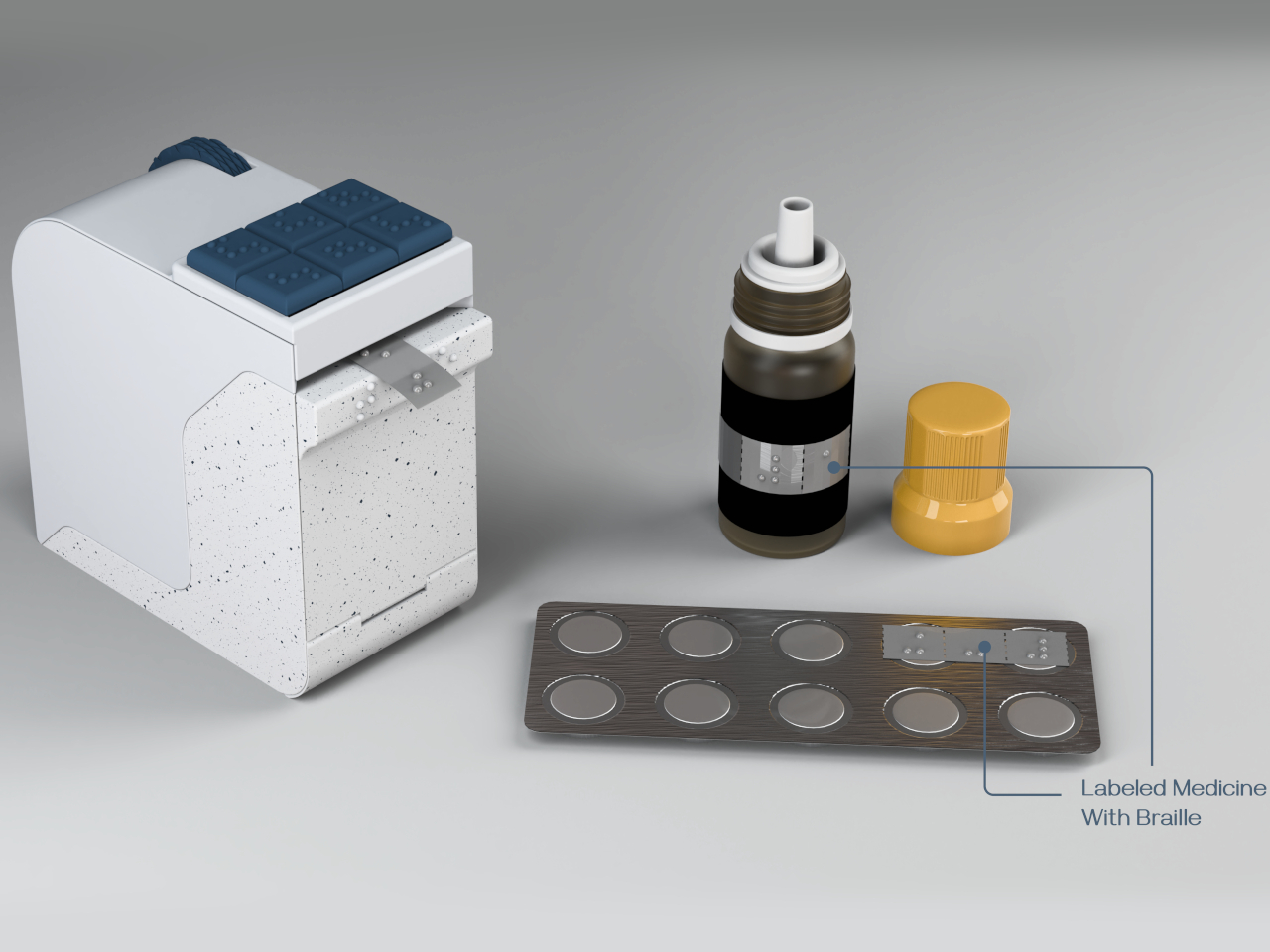
Sakshar’s compact, tabletop form is both modern and approachable, with a rectangular body, rounded edges, and large, raised buttons for Braille dot selection across the top panel. The device is shown in a range of colors, including orange, green, and blue, making it easy to identify by touch or sight for sighted family members. The clean, minimalist aesthetic fits naturally into kitchens, bathrooms, or workspaces.

The tactile interface is designed specifically for comfort and ease during extended labeling sessions, with button spacing and feedback optimized for users with limited dexterity or hand strength. The embosser’s compact size and stable base make it easy to use at home, school, or work without requiring special furniture or a dedicated workspace. The handle makes it portable enough to carry between rooms or take when traveling.

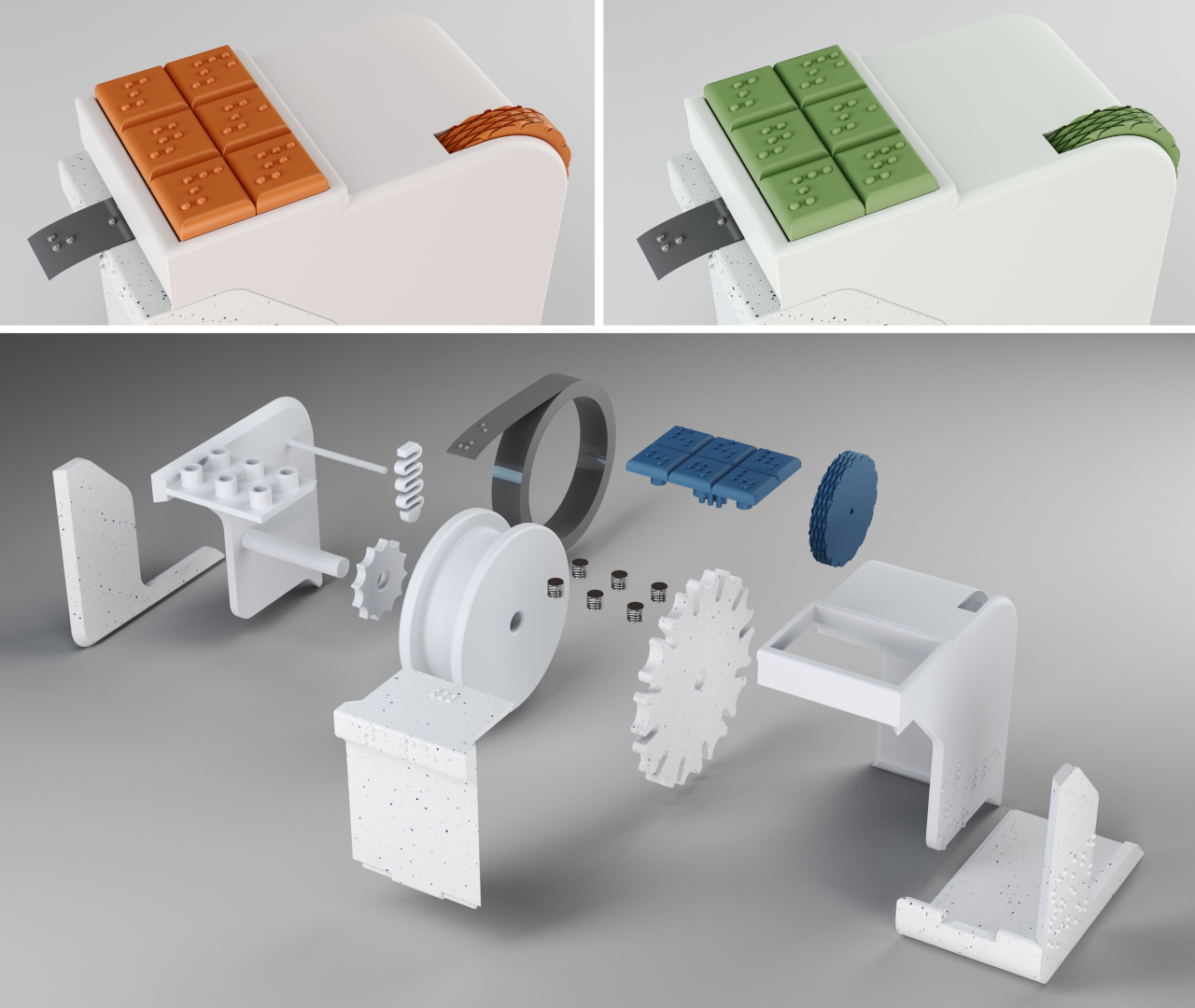
At the heart of Sakshar is a precise Geneva mechanism that advances vinyl tape automatically after each character is embossed, ensuring consistent spacing and proper alignment for readable Braille throughout longer labels. Users simply press the tactile buttons to select Braille dots representing specific letters or numbers, roll the driver to advance the tape forward, and tear off the finished label when complete.

The device is fully mechanical, requiring no electricity or batteries whatsoever, making it reliable and low-maintenance for users in any environment, location, or economic situation. The mechanical operation means there’s nothing to charge, no software to update, and no risk of digital failure when you need to create labels quickly for important items. This simplicity makes Sakshar accessible to users of all ages and technical comfort levels.

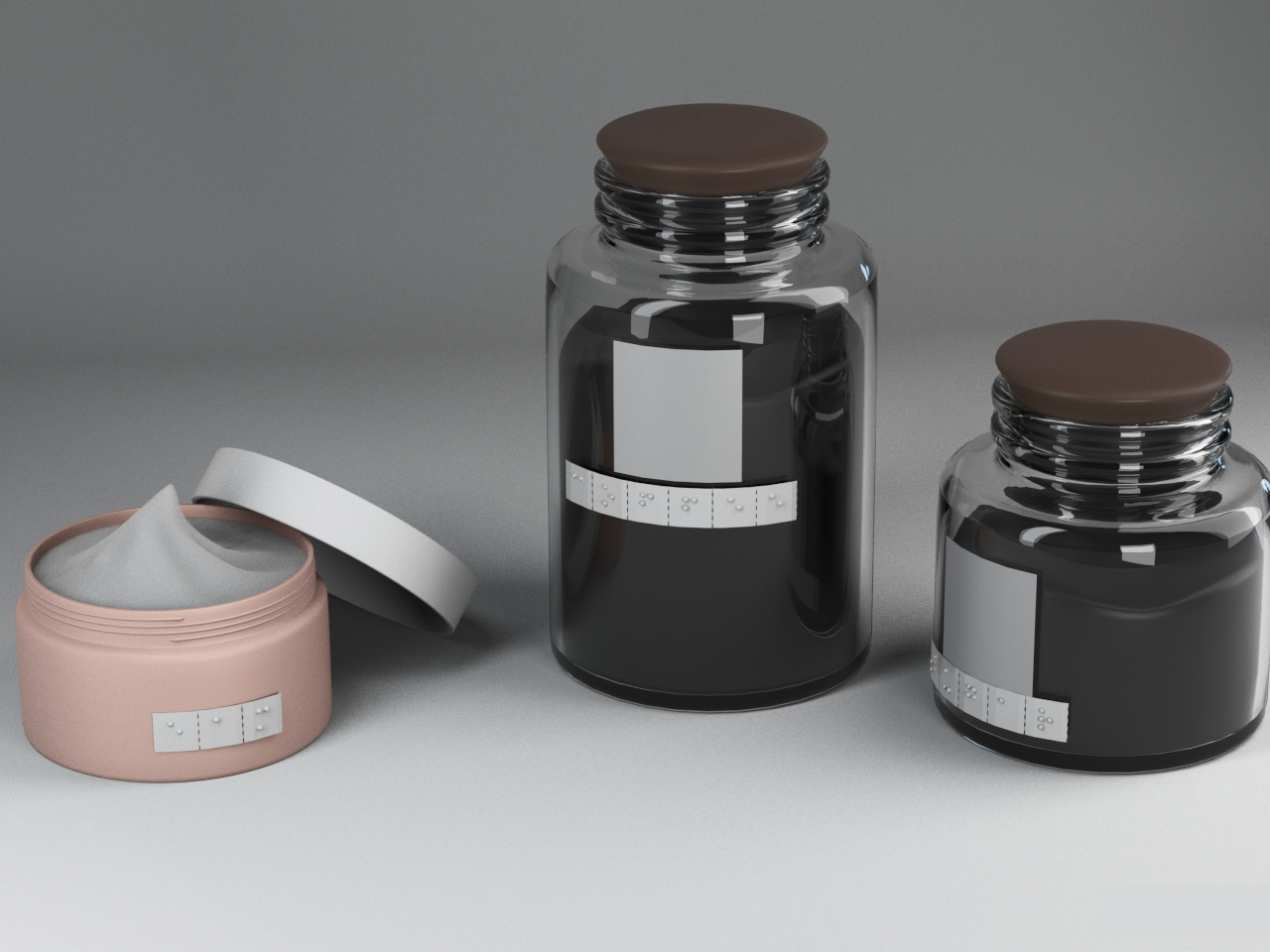
Sakshar is built from durable, easy-to-clean materials designed to withstand daily use in demanding environments, with water-resistant construction for use in kitchens, bathrooms, or medical settings where spills happen regularly. The vinyl tape is strong, self-adhesive, and sticks securely to medicine bottles, pill strips, light switches, storage containers, or any household item that needs identification. The embossed text is concave and convex for enhanced readability and durability over time.

By making Braille labeling accessible, affordable, and intuitive through thoughtful design principles, Sakshar empowers visually impaired users to organize their lives independently without constantly asking for help from family members or caregivers. The concept supports a wide range of ages and abilities, offering tactile feedback and a frustration-free experience that respects users’ autonomy and dignity in managing their personal spaces and belongings throughout daily routines.

The post Mechanical Braille Embosser Labels Medicine, Food With No Power first appeared on Yanko Design.
This 3-in-1 Mouse Just Fixed Everything Wrong with Magic Mouse


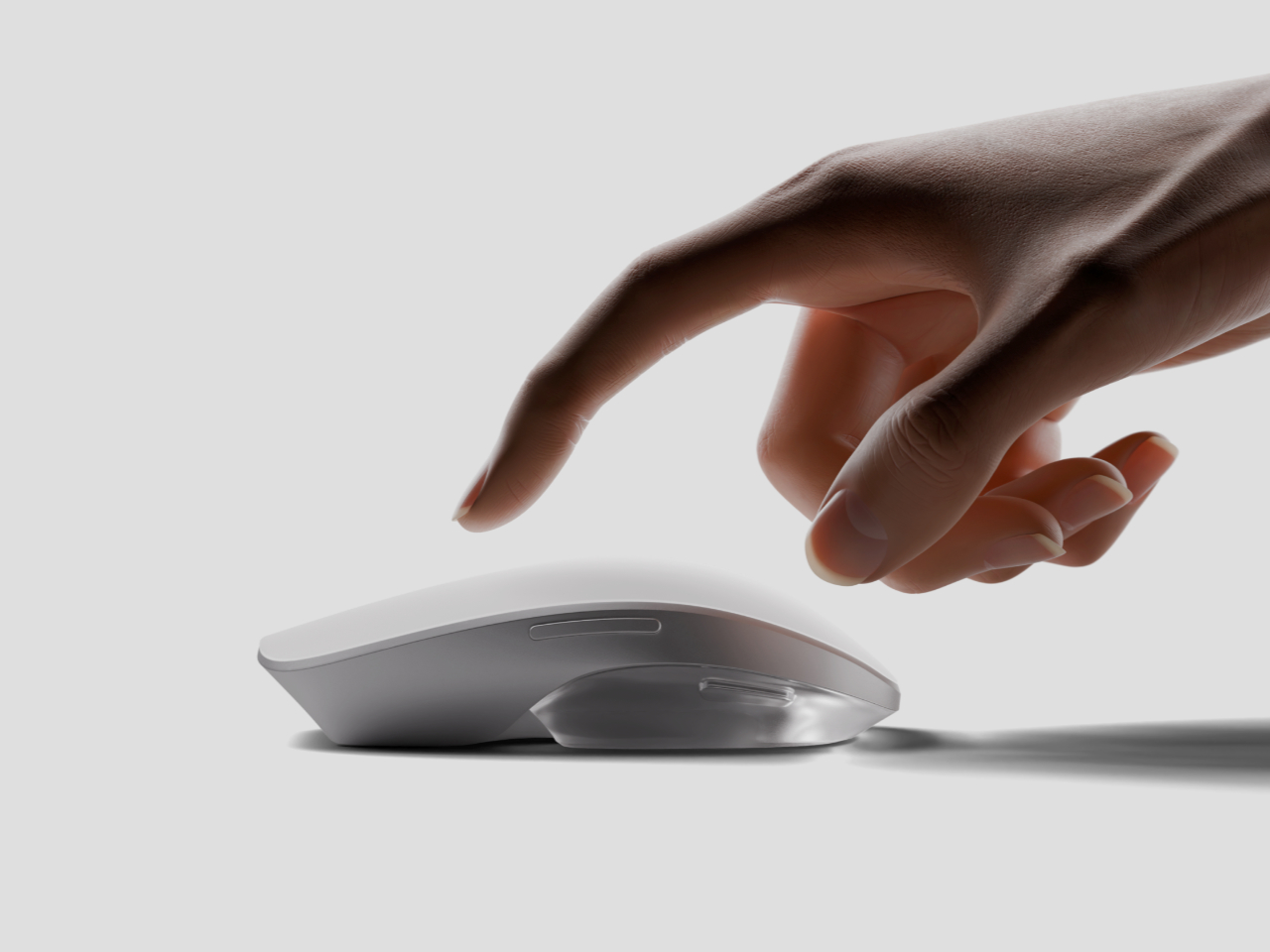
The computer mouse has barely evolved in decades. Sure, we’ve added more buttons, improved the sensor technology, made them wireless, and added haptic feedback, but the fundamental interaction remains stubbornly unchanged. The Melt Mouse arrives to challenge that stagnation with a radical proposition that transforms a single device into a mouse, a trackpad, and a customizable shortcut pad, all wrapped in a seamless aluminum body with clean lines and an uninterrupted surface.

What makes this device remarkable goes beyond its ability to multitask. The Melt Mouse represents a philosophical shift in how we think about input devices. Rather than cluttering your workspace with separate peripherals for different tasks, Melt Interface has created a unified tool that adapts to your workflow instead of forcing you to adapt to it.

Designer: Melt Interface

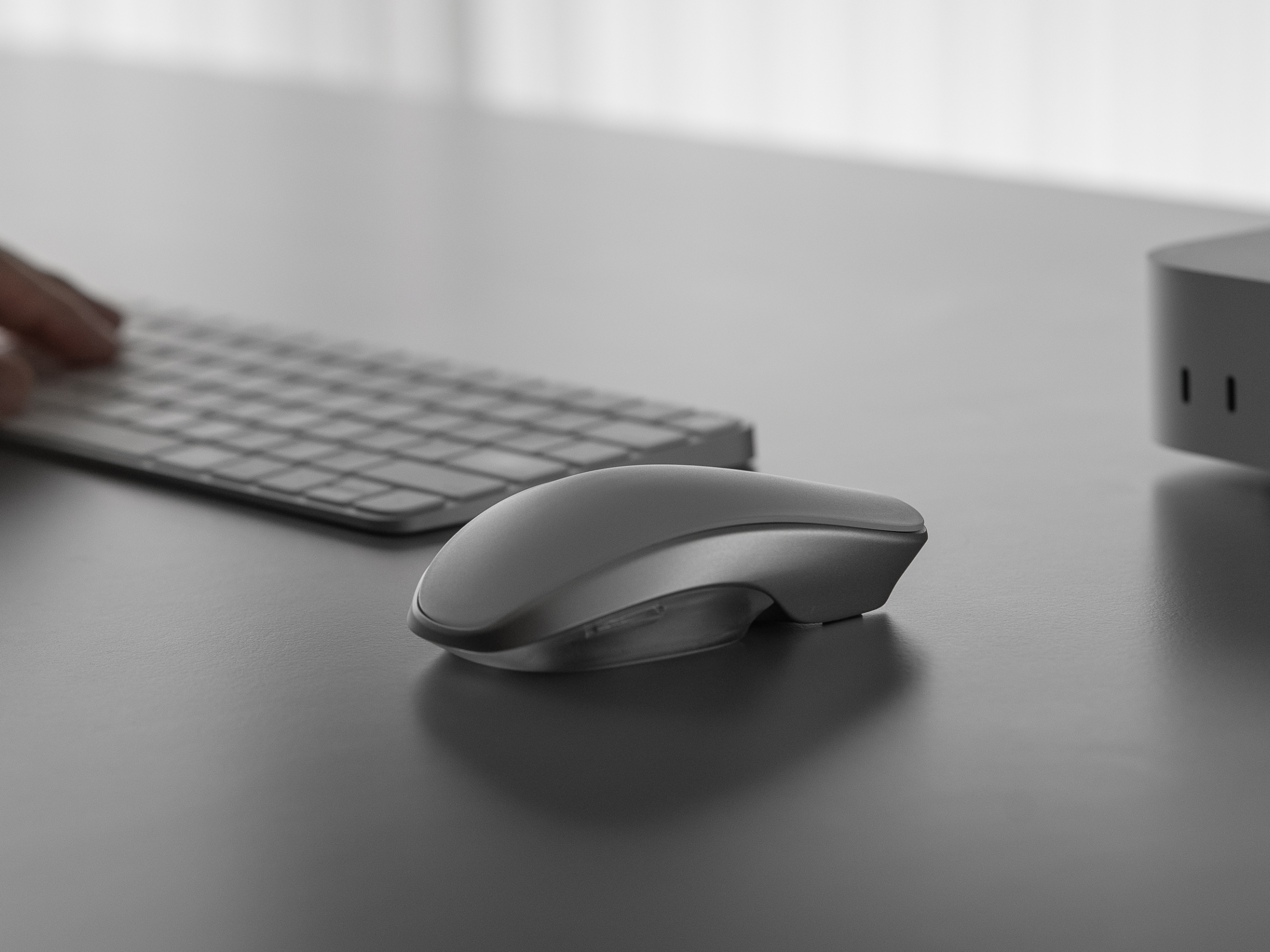
The design language clearly draws inspiration from Apple’s Magic Mouse aesthetic. That same smooth, button-free glass surface and minimalist aluminum construction creates an immediate visual connection. However, where Apple’s approach prioritizes form over function to sometimes frustrating results, the Melt Mouse appears to learn from those missteps.

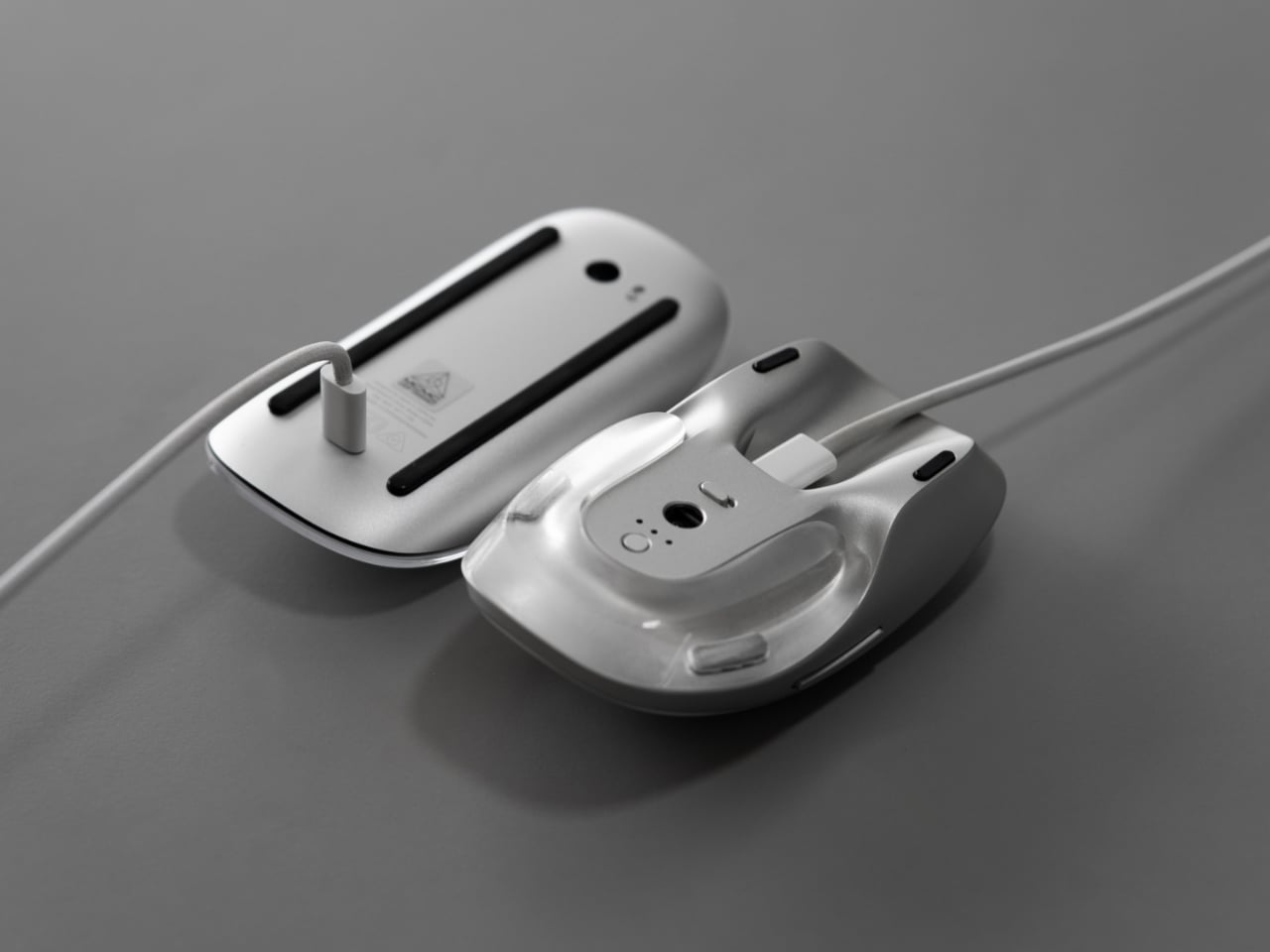
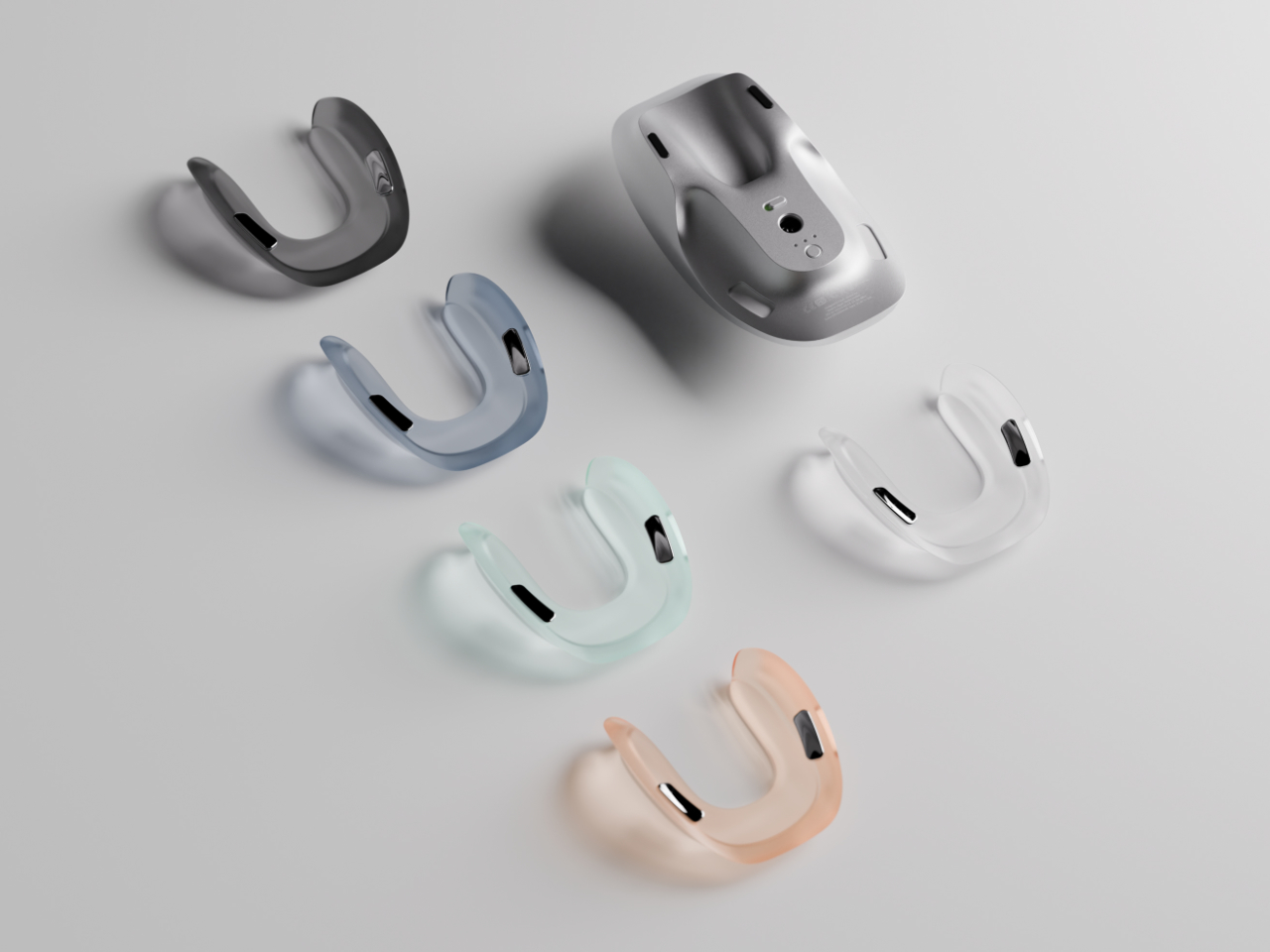
The charging port sits in a practical location rather than underneath the device. The ergonomic profile offers more substantial palm support than the Magic Mouse’s notoriously flat design. This feels like taking Apple’s design philosophy and asking what happens when you actually prioritize the user experience alongside the visual appeal.

Where the Magic Mouse offers basic touch gestures, the Melt Mouse takes that concept considerably further. The entire top surface consists of a single curved plane of micro-textured glass that functions as a precision touchpad. The surface recognizes multi-finger gestures while maintaining the ergonomic advantage of a mouse form factor. For tasks requiring pixel-perfect precision in design work, it offers up to 6,000 DPI resolution.

Physical buttons have disappeared from the front, replaced by haptic feedback technology that provides tactile responses mimicking traditional scroll wheels and clicks. The system promises silent operation while maintaining sensory confirmation for each action. Users can customize the pressure sensitivity, adjusting from light taps to firm presses depending on preference. This button-free approach maintains the minimalist profile while potentially reducing mechanical failure points over time.

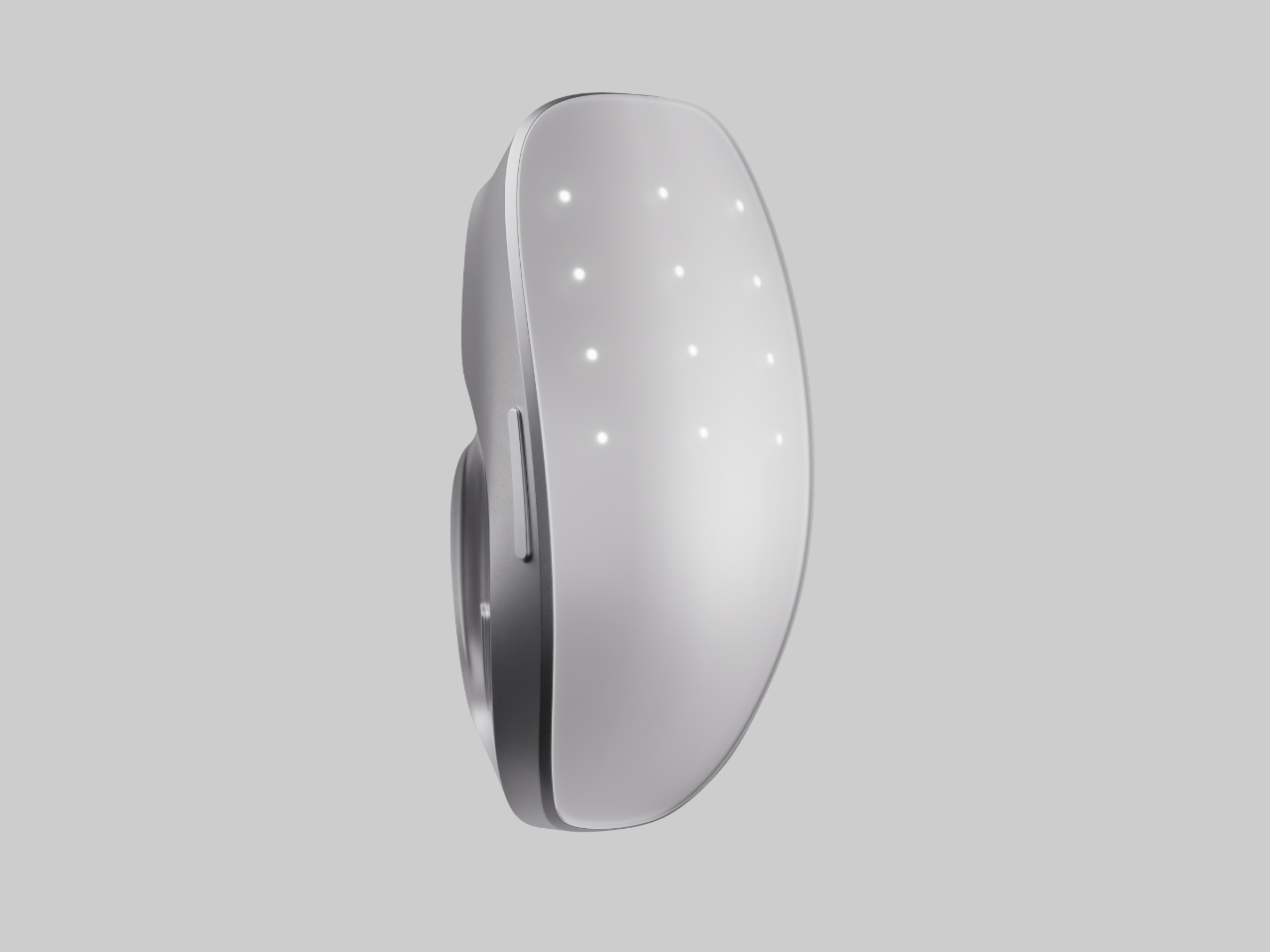
The device offers mode-switching through customizable gestures like double tapping or long pressing. These actions transform the mouse into a trackpad, number pad, or shortcut pad on demand. Twelve dots appear on the glass surface in numpad mode, providing visual reference points for number entry. Those same twelve positions become programmable shortcuts that can trigger macros or application-specific commands. The software allows different profiles for different applications, with the mouse adapting its shortcut layout accordingly.

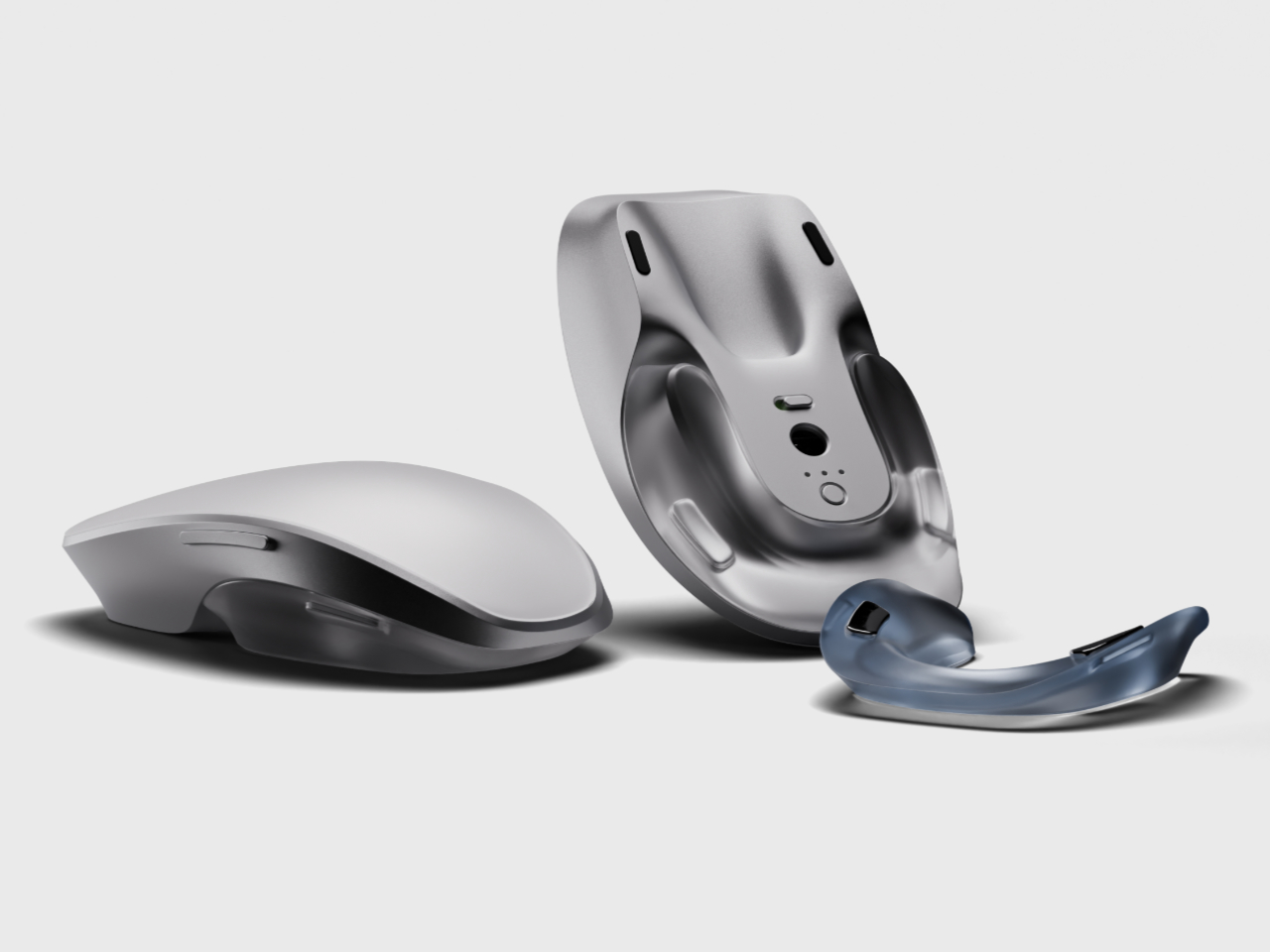
The body gets machined from a single block of aluminum with an anodized finish that adds durability and refined tactile quality. The seamless construction eliminates gaps where dirt accumulates or mechanisms fail. Every surface transition flows smoothly into the next, creating an object that looks substantial on any desk setup. The shape follows the natural resting position of your hand, with curves that cradle your palm.

Customization extends beyond software to the physical design through the MagSole system. The bottom sole attaches magnetically and swaps effortlessly between five different colors. This allows users to match the mouse to their desk setup or simply change the look based on mood. The magnetic attachment system makes switching between colors a matter of seconds without tools or complicated mechanisms.

Wireless connectivity keeps desks free from cable clutter while maintaining the responsiveness required for professional creative work. Two physical buttons remain on the side of the device for functions that benefit from traditional tactile feedback. The combination of wireless freedom, sensor accuracy, and hybrid input methods creates a technical foundation designed to support rather than limit creative possibilities. Customizable software manages profiles, shortcuts, and sensitivity settings across different applications.

Melt Interface has created something that challenges assumptions about mouse design. The Melt Mouse demonstrates that minimalist aesthetics and multiple functions can coexist in a single device. By combining mouse, trackpad, and shortcut pad capabilities into one seamless package, they’ve proposed a new direction for interaction design that attempts to bridge physical and digital workflows through consolidated hardware.

The post This 3-in-1 Mouse Just Fixed Everything Wrong with Magic Mouse first appeared on Yanko Design.
How to Fix Your Beautiful But Cluttered Desk

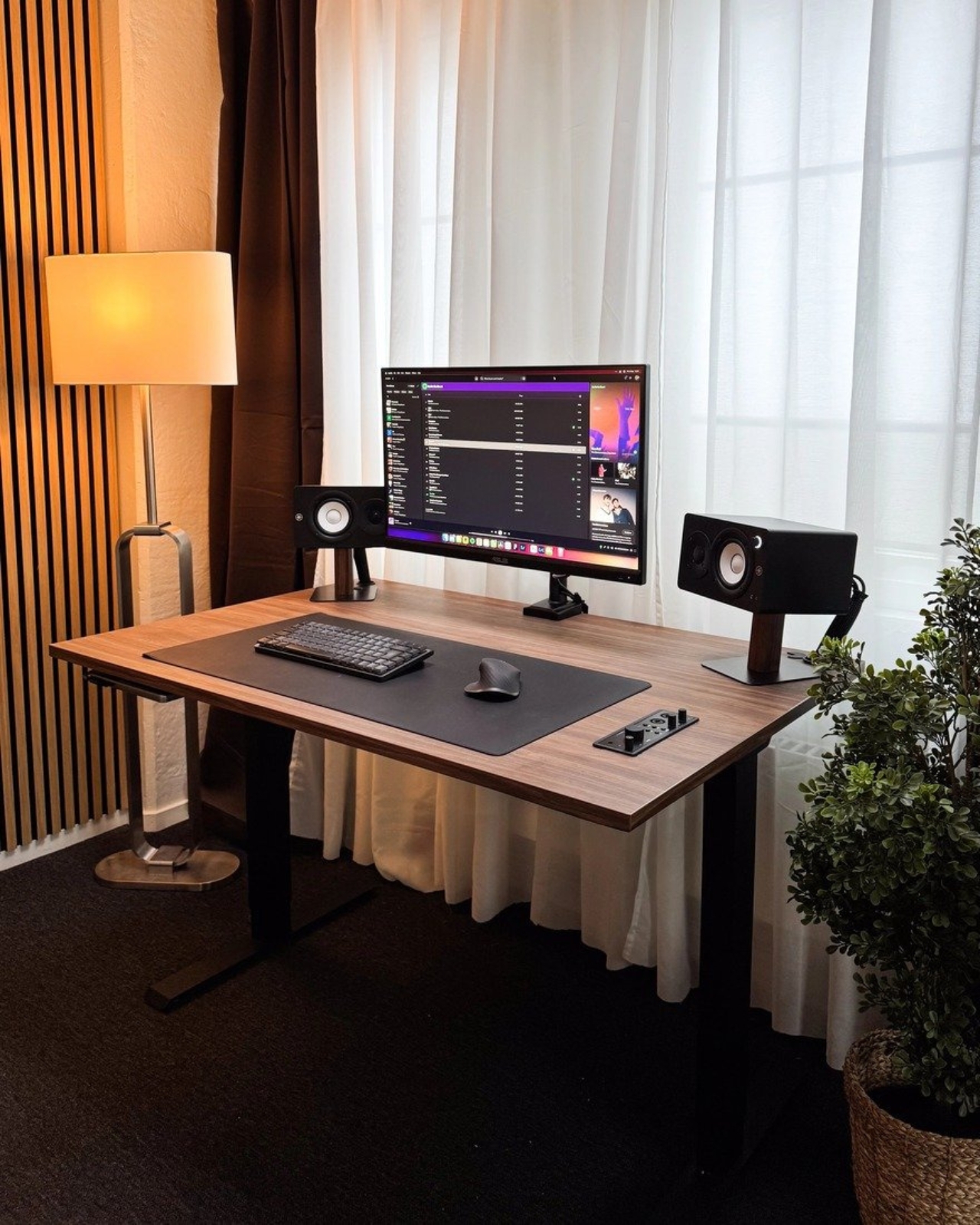
You know that feeling when you sit down at your desk and immediately feel overwhelmed? It’s not you. It’s your desk. More specifically, it’s the fact that modern desks have basically turned into minimalist slabs with zero storage solutions. Sure, they look sleek in furniture showrooms, but try working on one every day and you’ll quickly realize something crucial is missing.

Enter Tidy Desk and their Desk Dock System, a collection of add-on storage solutions that feel less like accessories and more like the missing pieces modern workspaces desperately need. The brand has essentially created what I’d call “remedial design” for the era of beautiful but impractical furniture. And honestly, it’s about time someone did.

Designer: Tidy Desk

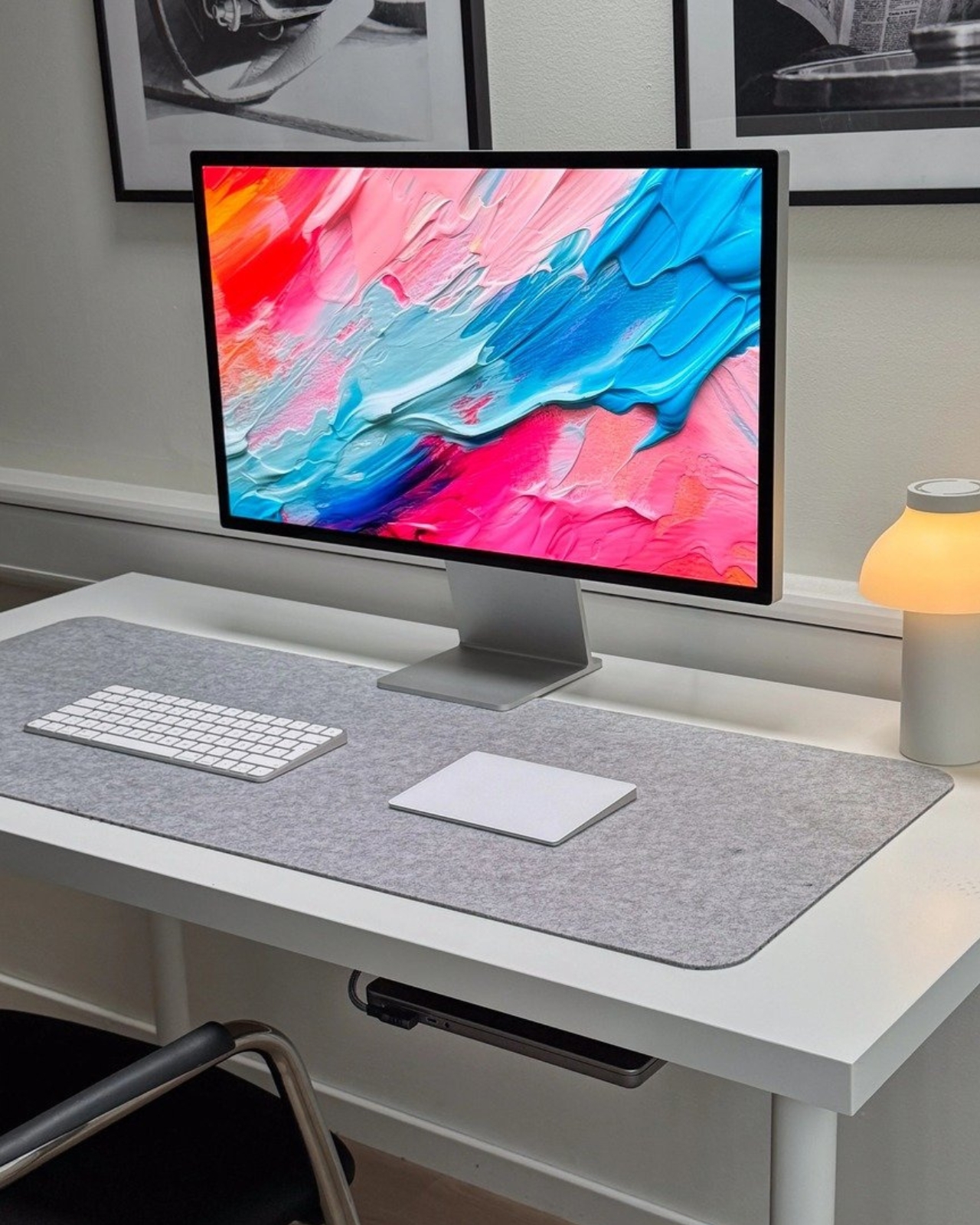
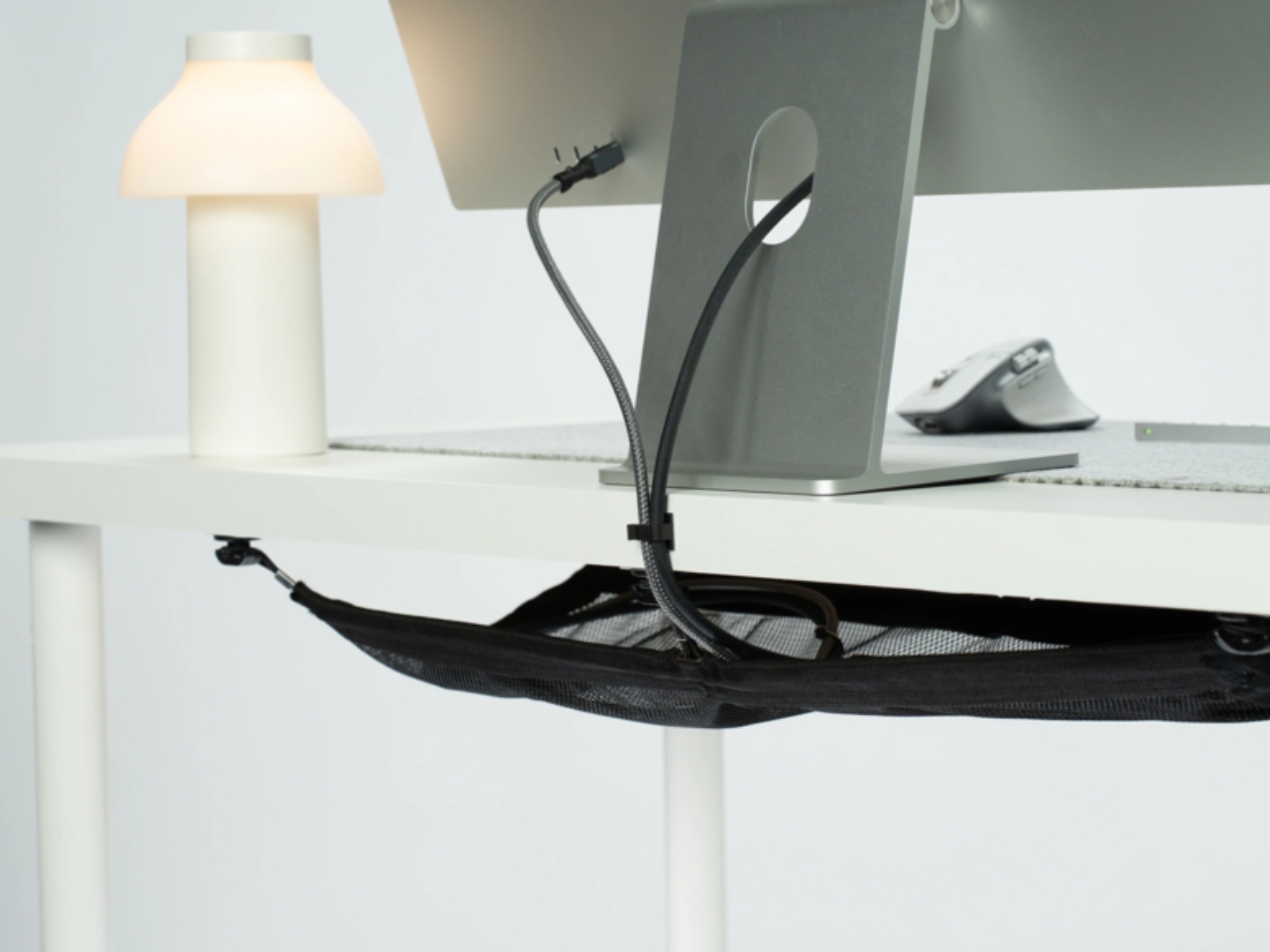
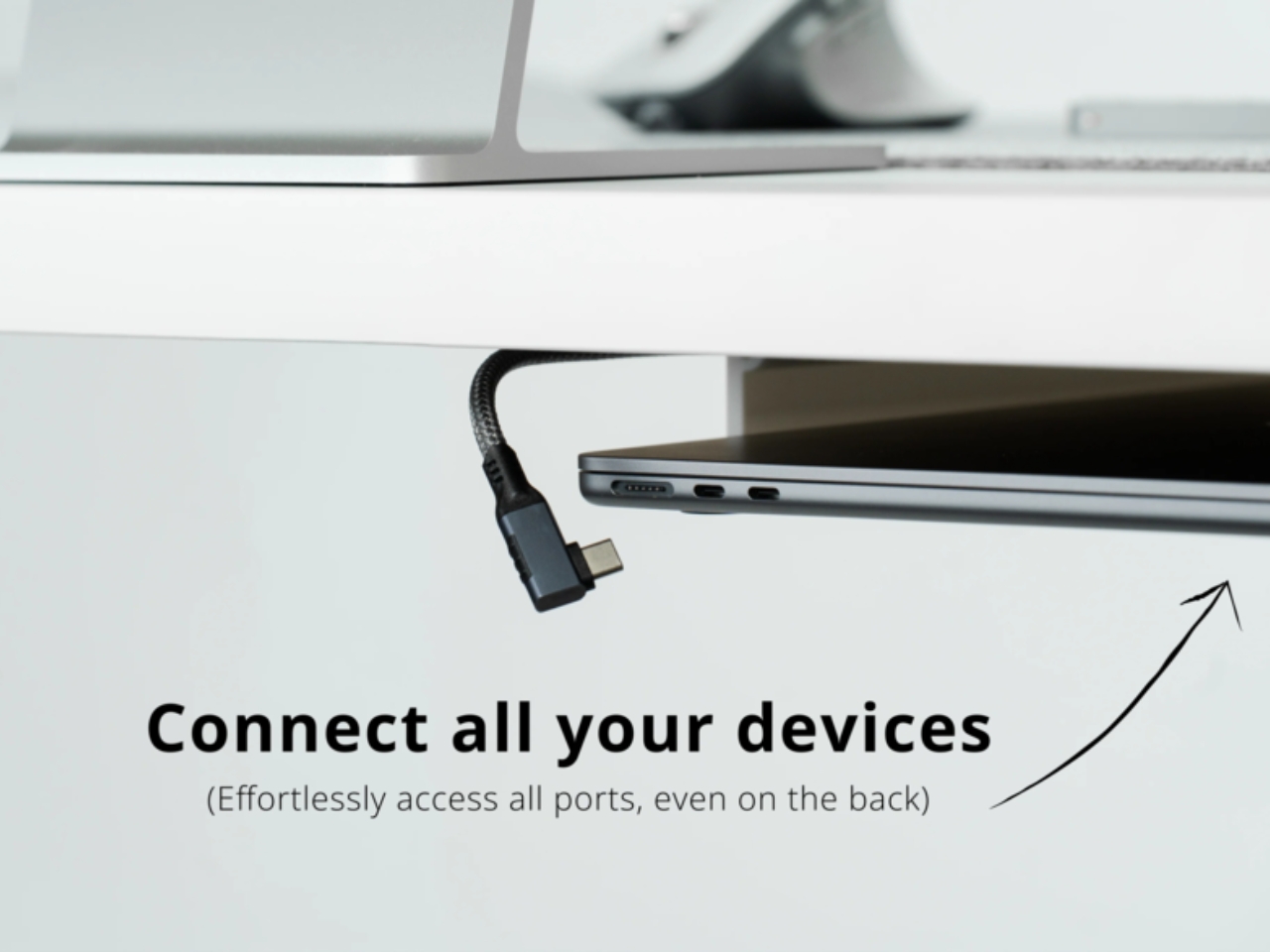
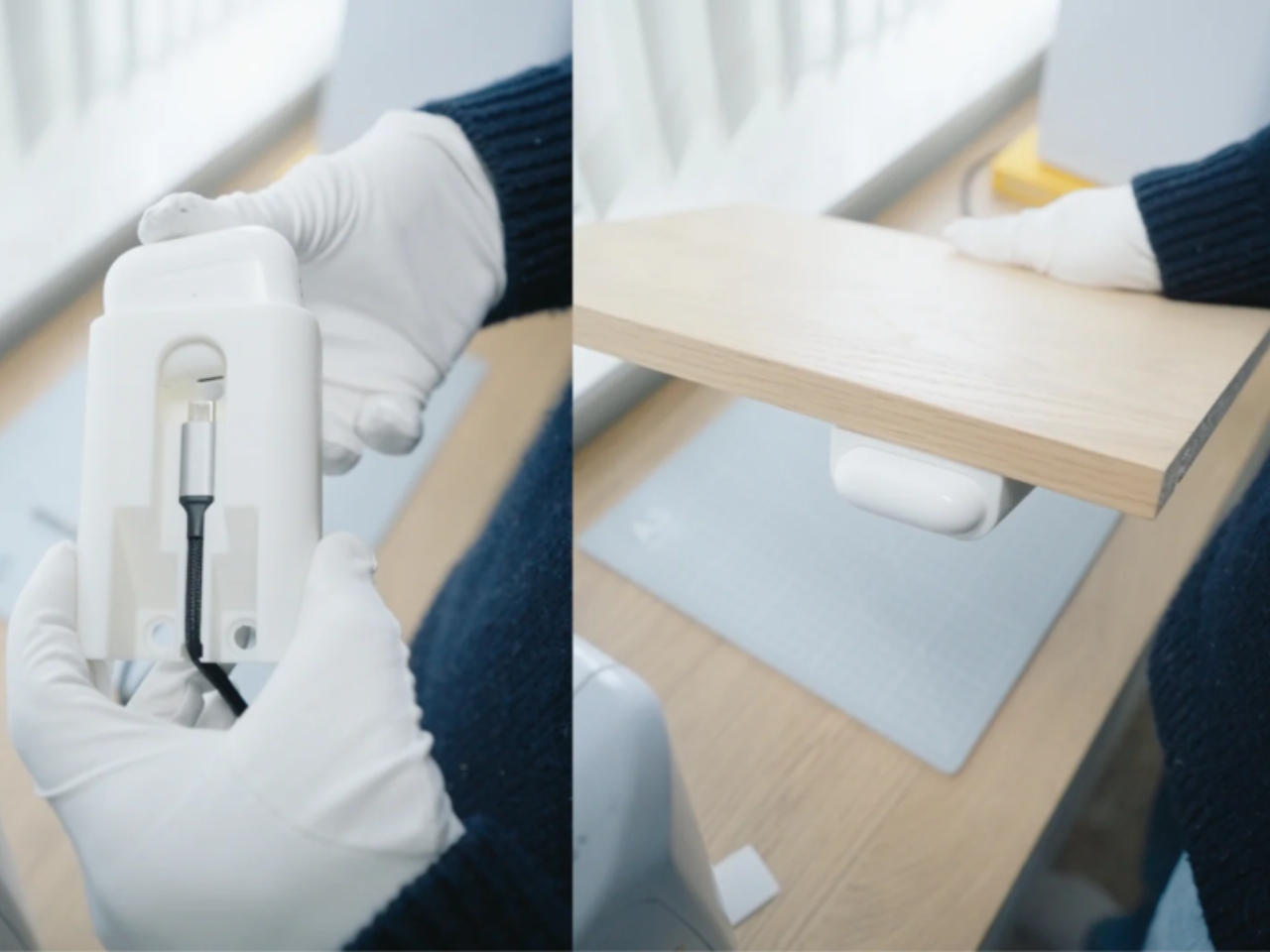
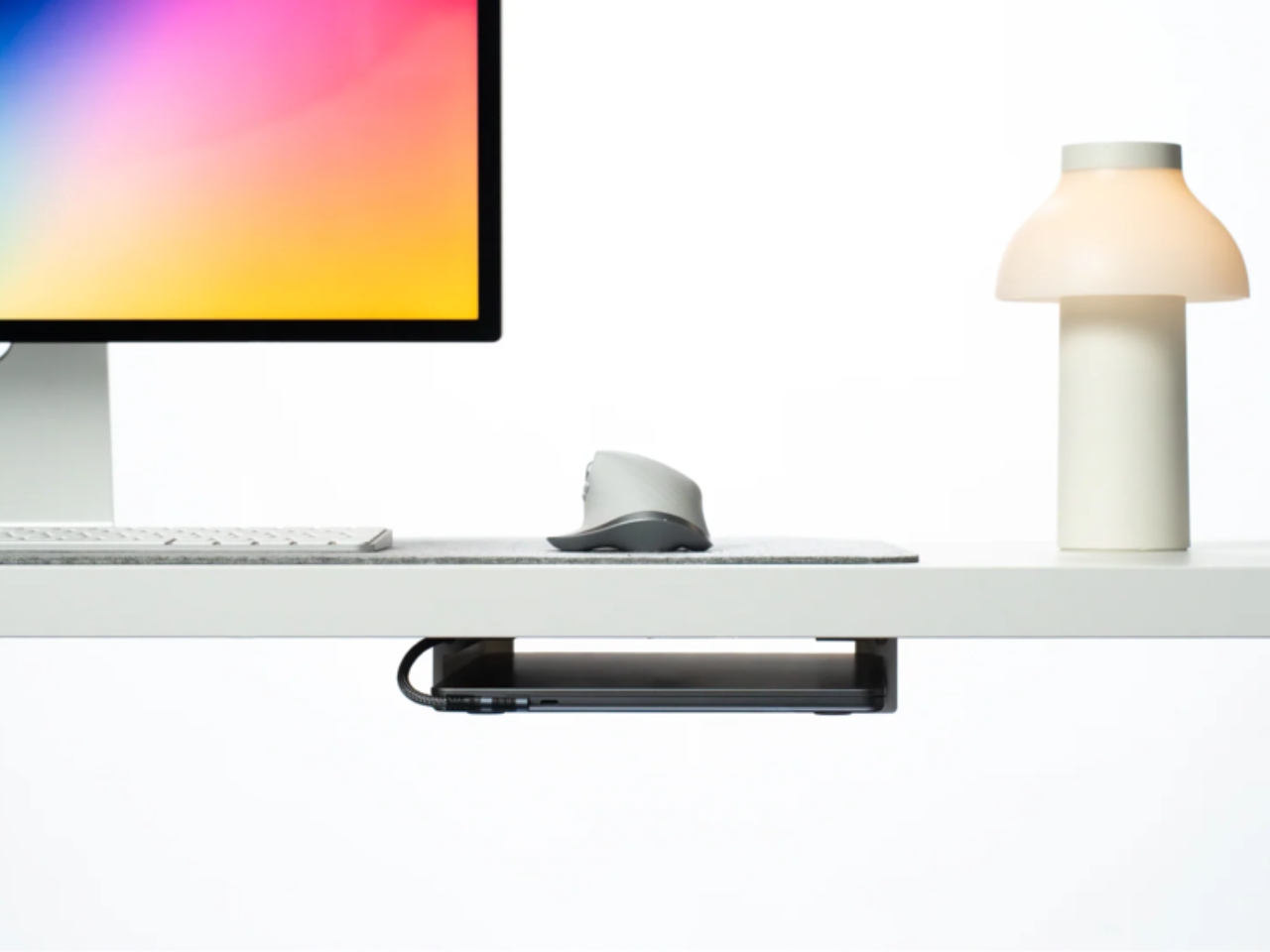
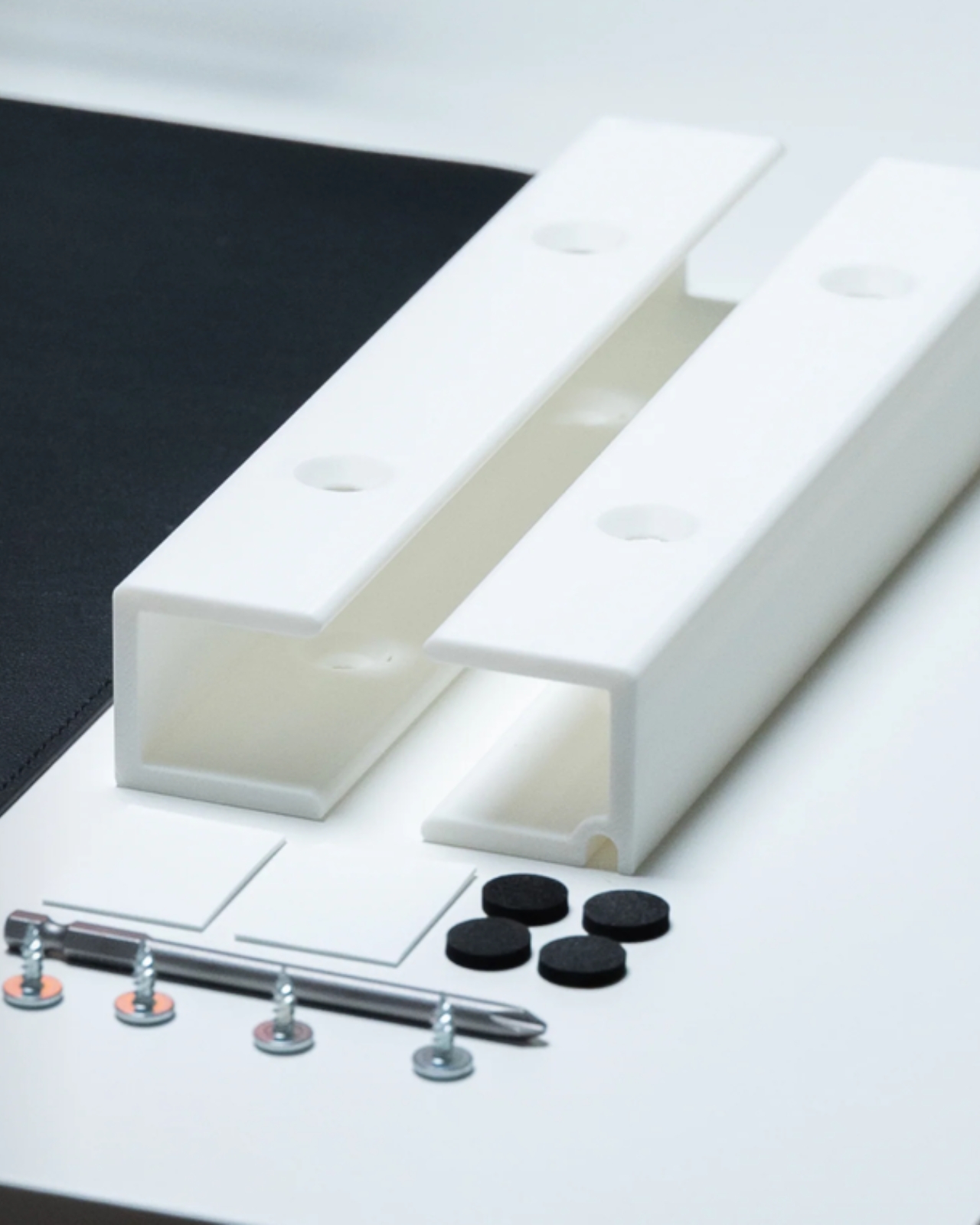
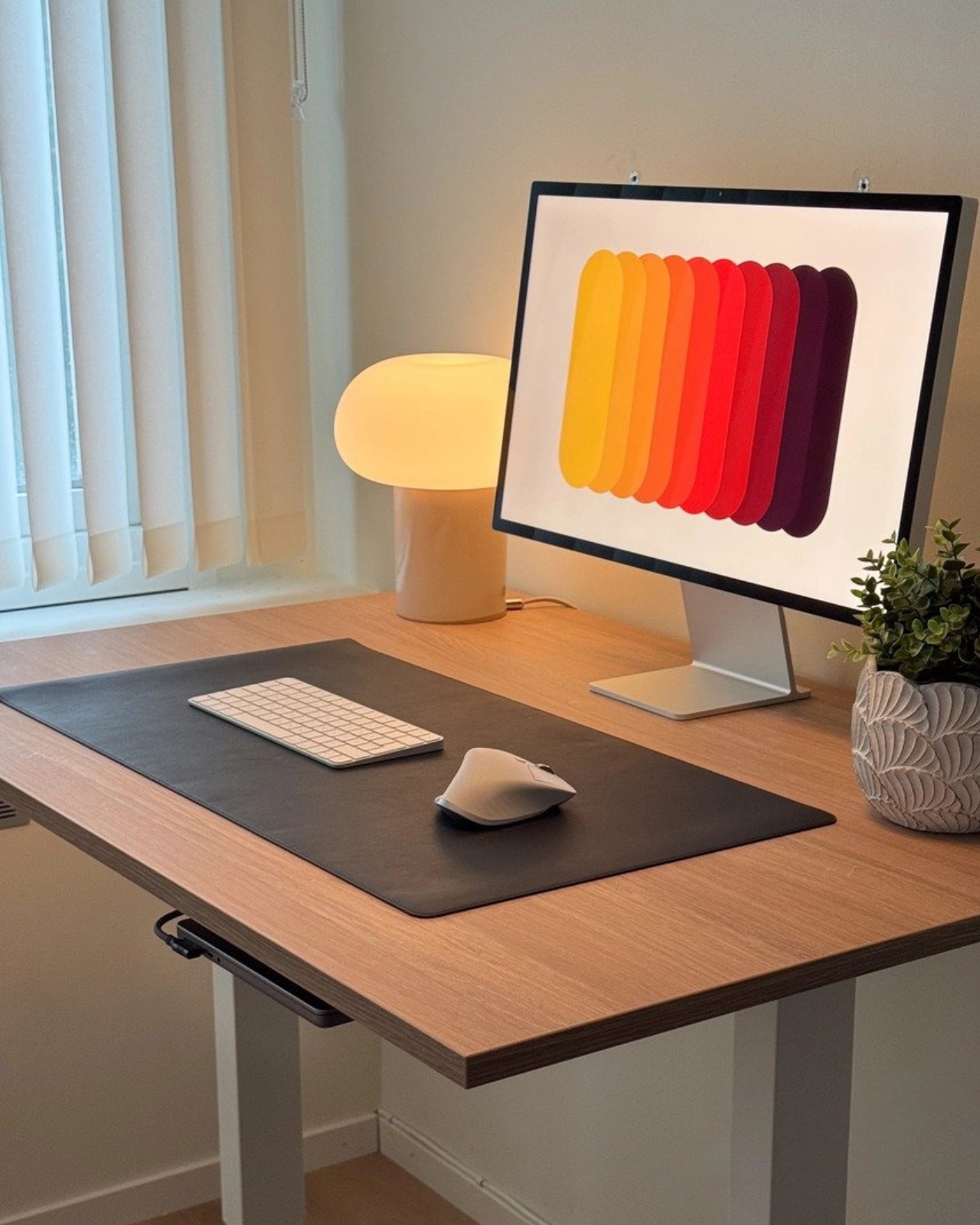
The star of the show is the Invisible Laptop Dock, which does exactly what the name suggests. It hides your laptop under your desk while keeping it accessible and properly ventilated. Think about it: your laptop just sits there taking up premium real estate on your desk surface, surrounded by a tangle of charging cables and dongles. The Invisible Laptop Dock mounts underneath, giving you full access to all ports from both sides, so whether you’re using a single USB-C dock or plugging in multiple cables, everything stays organized and out of sight. What makes this particularly clever is that it doesn’t just hide your laptop. It actually improves your workflow. One customer put it perfectly when they said, “Finally got my laptop out of the way. Desk looks cleaner and somehow I just focus better now.” That connection between visual clutter and mental clarity isn’t just aesthetic preference. It’s psychology at work.

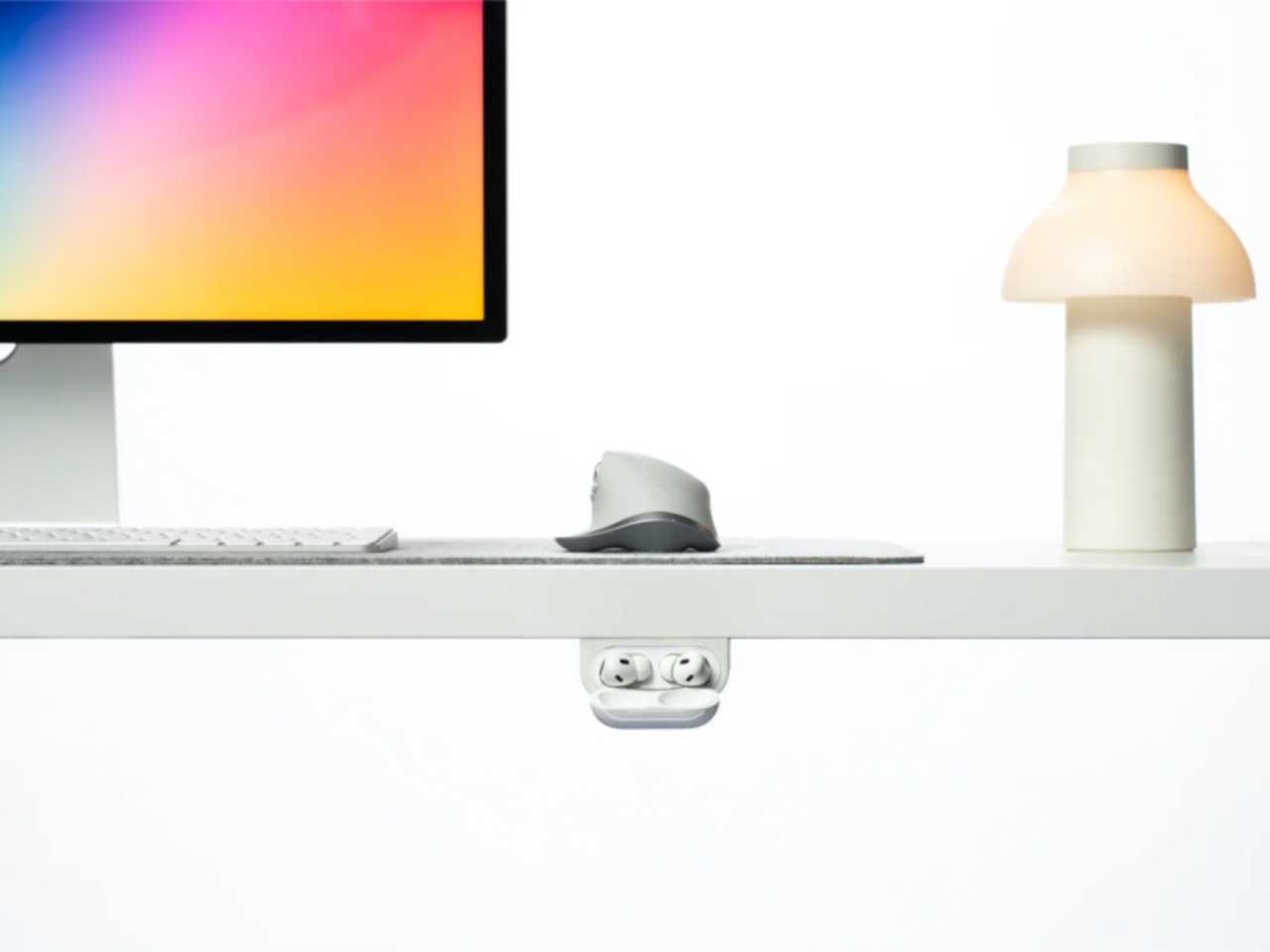
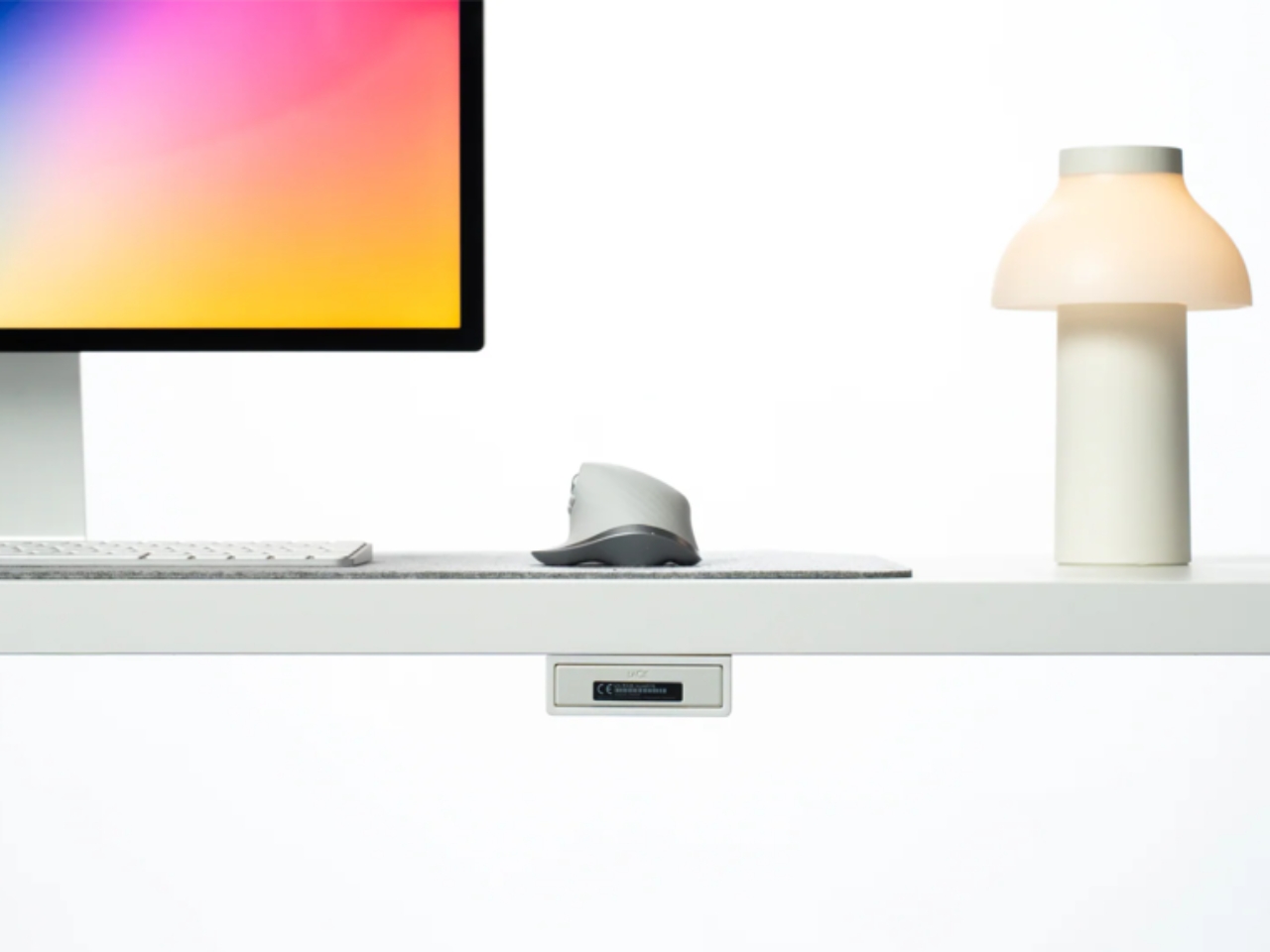
But Tidy Desk didn’t stop at laptops. They’ve expanded the Desk Dock System to include custom solutions for specific tech gear. The Focusrite 2i2 Dock is designed specifically for the popular audio interface, keeping it locked in place and accessible without eating up desk space. There’s also a Fast Connect LaCie Dock for external hard drives, featuring USB-C with 10 Gbps data transfer speeds and multiple ports. These aren’t generic cable management clips. They’re thoughtfully designed docks that treat each piece of equipment as if it deserves its own intentional home.

The whole system operates on a simple premise: why should we adapt to poorly designed furniture when we can just fix the problem? The rise of sit-stand desks and aesthetic-focused workspace design has given us gorgeous offices, but at the cost of practicality. Drawers disappeared. Cable management became an afterthought. And suddenly everyone was posting photos of their “clean desk setup” while their actual workspace looked like a rat’s nest of wires and adapters. What Tidy Desk understands is that minimalism isn’t about having less stuff. It’s about having the right systems to manage your stuff invisibly. Their tagline says it all: “Craft Your Perfect Workspace.” From cable management to laptop docks, the system aims to keep you focused, organized, and actually proud of your setup.

The products are surprisingly affordable too, with most items ranging from $35 to $37. That’s less than what many people spend on decorative desk accessories that don’t actually solve any problems. And the modular approach means you only buy what you need. Got a laptop and a Focusrite interface? Get those two docks. Just need cable management? Grab that piece. The system grows with your needs.

There’s something refreshing about design that acknowledges real-world messiness instead of pretending we all live in impossibly tidy showrooms. Another user review captures this perfectly: “Didn’t think hiding a few cables would do much, but damn it actually helps. Feels like my mind’s clearer when my desk is too.” Since we’re living at a time where we’re obsessed with standing desks, ergonomic chairs, and expensive monitors, it’s oddly satisfying to see someone focus on the unglamorous stuff that actually makes daily work better. Because at the end of the day, your desk should work for you, not against you.

The post How to Fix Your Beautiful But Cluttered Desk first appeared on Yanko Design.
This Genius Modular Power Strip Lets You Swap Outlets, USB Ports, and Wireless Pads Like LEGO Bricks

Every power strip you’ve ever bought was designed for someone else. Too many USB-A ports when you need USB-C. No wireless charging. Or it has wireless charging but not enough wired ports. You’re stuck buying what manufacturers think you need, not what you actually need. TobenOne flips that script entirely. It’s a modular magnetic charging hub you build yourself. Snap on the modules you want, skip the ones you don’t. Need more USB-C? Add a module. Upgrade your setup later? Swap it out. It’s your desk, your devices, your rules.

The concept sounds almost embarrassingly obvious once you see it. A sleek aluminum rail serves as your base, and four circular magnetic modules snap onto it in whatever configuration makes sense for your setup. One module handles Qi wireless charging for your phone. Another packs three USB-C ports. There’s a USB-A 2.0 module for legacy gear and a hybrid USB-A 3.0 plus USB-C module for high-speed data transfer (I’ll dive into this later). The whole thing connects to your laptop via a single cable, and from there you can rearrange the modules however you want. It’s like someone finally asked “what if power strips worked like LEGO?” and actually followed through.

Designer: Tobenone

Click Here to Buy Now: $89 $179 (50% off). Hurry, only 262/500 left!


Most of us have been through this cycle multiple times. You buy a hub or power strip based on your current gear. Six months later you upgrade your phone or laptop or tablet, and suddenly the thing you bought has the wrong port mix. Maybe you needed more USB-C than you thought. Maybe that wireless charging pad you bought separately is now just another piece of desk clutter taking up space. The traditional solution is to buy another hub, add to your desk clutter like another Jenga block along with other power strips/bricks/dongles, and pretend your cable management isn’t spiraling into chaos.

TobenOne’s approach means you buy a system once and just shape-shift it based on your current or future needs. The modules are independent of the strip itself, so when USB-C becomes even more dominant than it already is, you don’t trash your entire hub. You just swap out one module for another. It’s a small shift in thinking that has surprisingly large implications for how we manage our tech ecosystems. And this doesn’t just mean convenience, it’s a much more sustainable approach too. E-waste from obsolete charging gear is a legitimate problem, and modular design that lets you replace components instead of entire devices is one of the few practical ways to address it without requiring everyone to become minimalist monks who own three possessions.

The execution is incredibly clean – the modules themselves are incredibly sleek, all brushed metal sides and matte black tops with minimal branding. When you snap them onto the base, they sit flush and lock in with what appears to be strong enough magnetic force to stay put during normal use. There’s even a volume control module that lets you adjust your computer’s audio directly from the hub, which feels like the kind of small quality-of-life feature that gives your power strip some power-user features. No more fumbling with software volume sliders or keyboard shortcuts. Just twist the module. Clever, no?

The modules attach to the front, but two USB-C ports on the side deliver power input and output. Plug the TobenOne into a power source and it’s good to go… plug the other USB-C end into your laptop and it becomes a passthrough charger while also giving those modules data connectivity to your laptop. That means you can use USB-A ports not just for charging devices, but also for connecting thumb drives, hard disks, etc. for high-speed data transfer. Suddenly your power strip is capable of so much more. And you could choose to keep the TobenOne on your table, or even wall-mount it so that you can attach your phone to its MagSafe module directly to the wall. That gives you full control without all the desk clutter. It’s a power strip, but it’s also a dongle, but it’s also a convenient companion that doesn’t get in the way of your minimalist desk setup.

And the LEGO meets IKEA meets MagSafe meets every tech user’s needs approach is just sheer genius (I honestly wonder why nobody built this before). You’re literally building your own charging solution the way you’d build with blocks, except these blocks and the arrangements you make have actual utility beyond satisfying your inner child. It’s personal, just the way your IKEA furniture feels personal because you made it ‘for yourself’. The magnetic attachment system borrows from Apple’s MagSafe philosophy. That satisfying click when things snap into place, the alignment guides that make sure everything sits correctly, the ease of detachment when you need to reconfigure. There’s no complex assembly. No configuration software. No firmware updates to manage. You literally just snap things together and they work. That balance is harder to strike than it sounds, and most modular tech products fail by skewing too far in one direction or the other.

The modular design gives you a whopping eleven total ports and charging options across all four modules when fully loaded. That’s wireless charging plus ten wired connections, which should be more than enough for most desk setups unless you’re running a home server farm. The base model at roughly $89 USD feels extremely value-forward for what’s being offered, but early bird Kickstarter pricing always provide discounts to attract early adopters. Expect the retail price to land somewhere around $179 once this actually ships. Even at that price point, the value proposition holds up when you consider you’re replacing multiple separate chargers, hubs, and wireless charging pads with a single integrated system.

I spent all of 2025 touting how GaN chargers were the future of tech (because of how tiny and powerful they are)… the TobenOne fleshes out an alternate reality in which the power strip isn’t ‘dead’, it’s replaced by something more shape-shifting, more modular, more ‘you’. Want to JUST have plug points? Go ahead. Maybe want to swap them ALL for USB ports? That’s allowed too. Can sacrifice one idle module? Take it out and add a MagSafe charger for your phone… or better still, the volume knob that lets you control your desktop/laptop’s system volume. The power strip suddenly becomes a hub… and stops being the archaic device that never really changed in all these decades. Pretty cool, isn’t it?

Click Here to Buy Now: $89 $179 (50% off). Hurry, only 262/500 left!

The post This Genius Modular Power Strip Lets You Swap Outlets, USB Ports, and Wireless Pads Like LEGO Bricks first appeared on Yanko Design.
Waveshare MK20 Macro Keyboard Turns LCD Keys Into Creative Tools

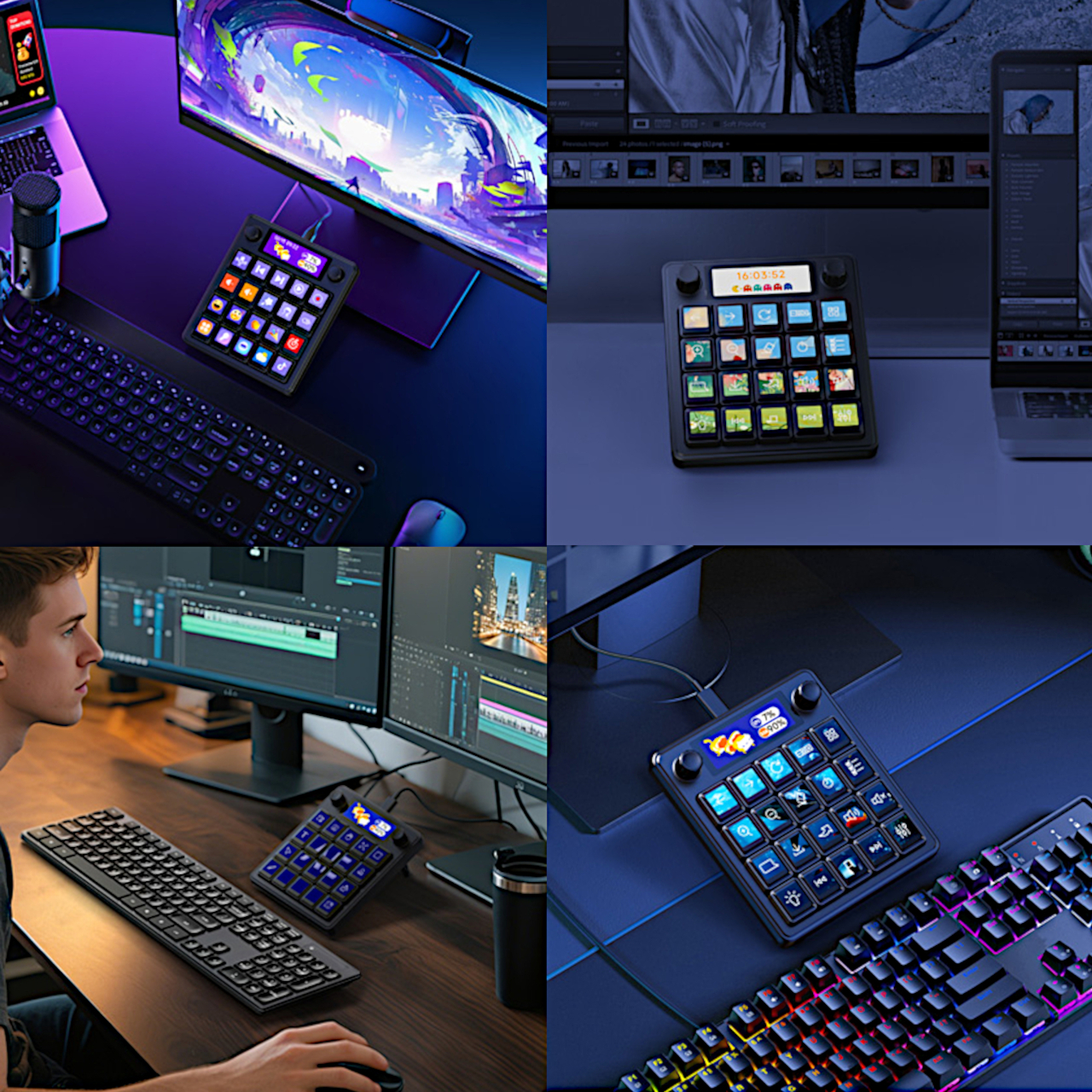
For anyone who juggles creative projects, streaming, or multitasking throughout the day, a regular keyboard just doesn’t cut it anymore for complex workflows. Shortcuts, macros, and visual feedback can make or break your workflow, but most macro pads feel either too basic for serious work or too locked down to customize the way you actually need them to function properly for your specific use case.

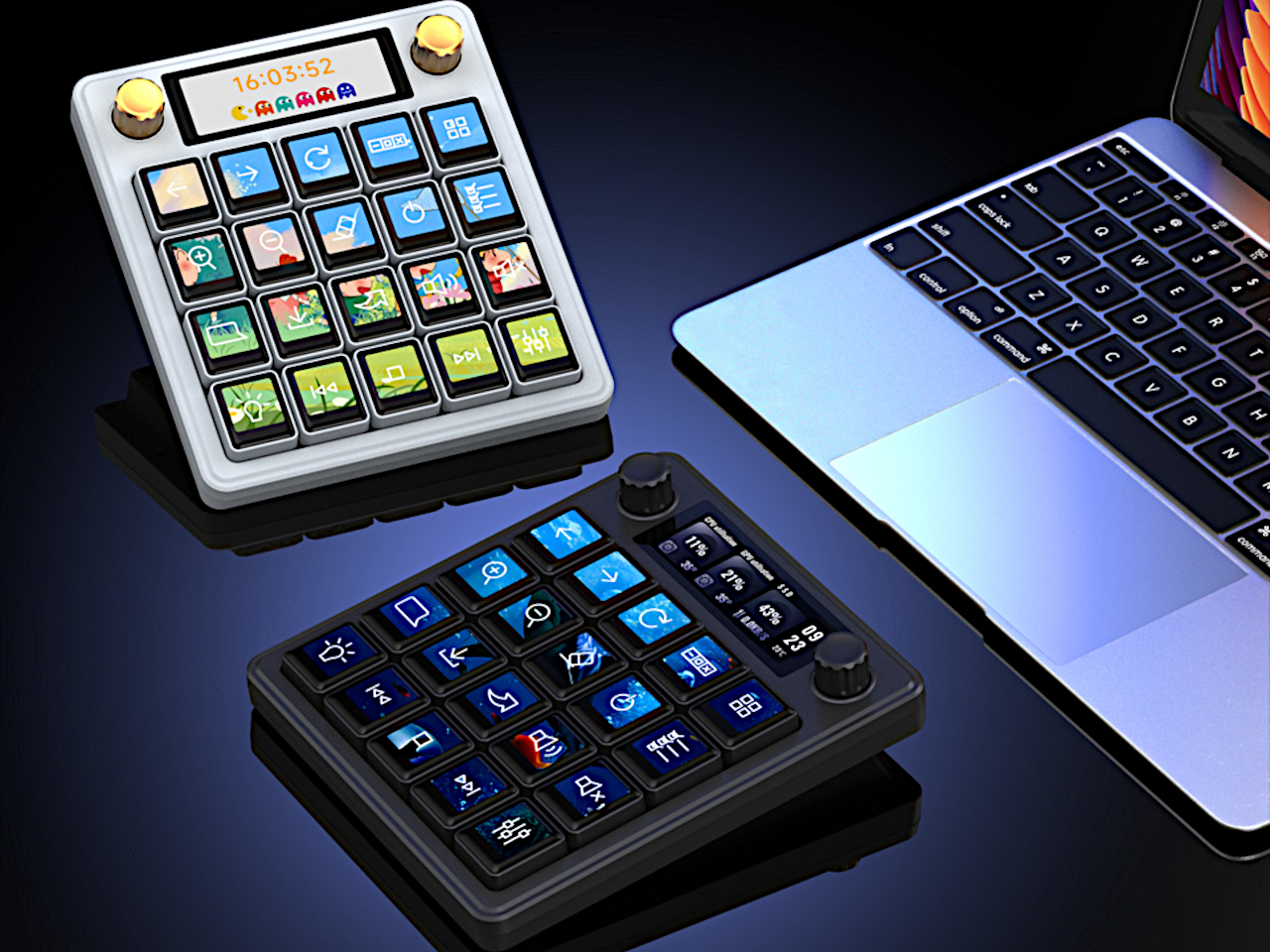
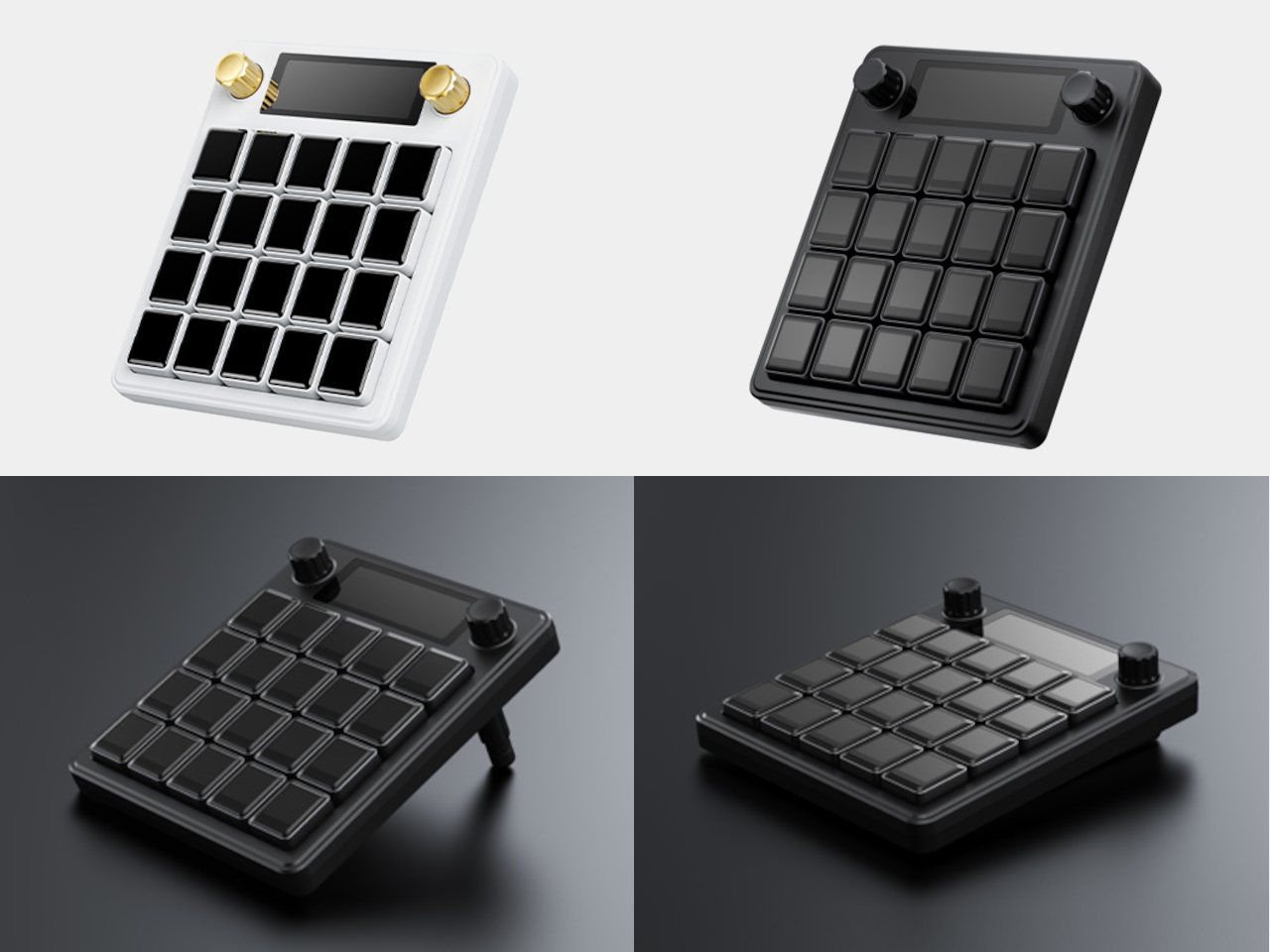
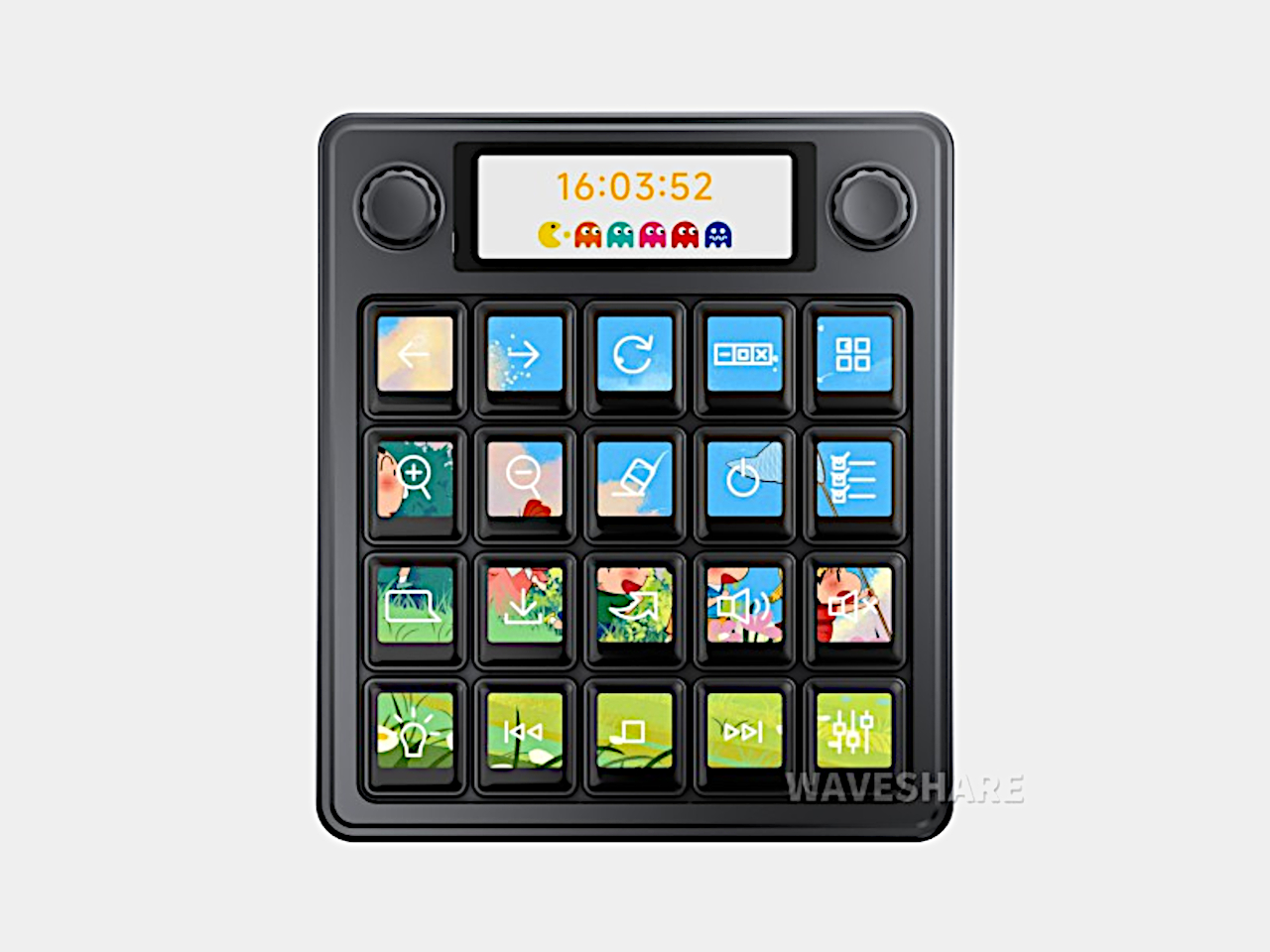
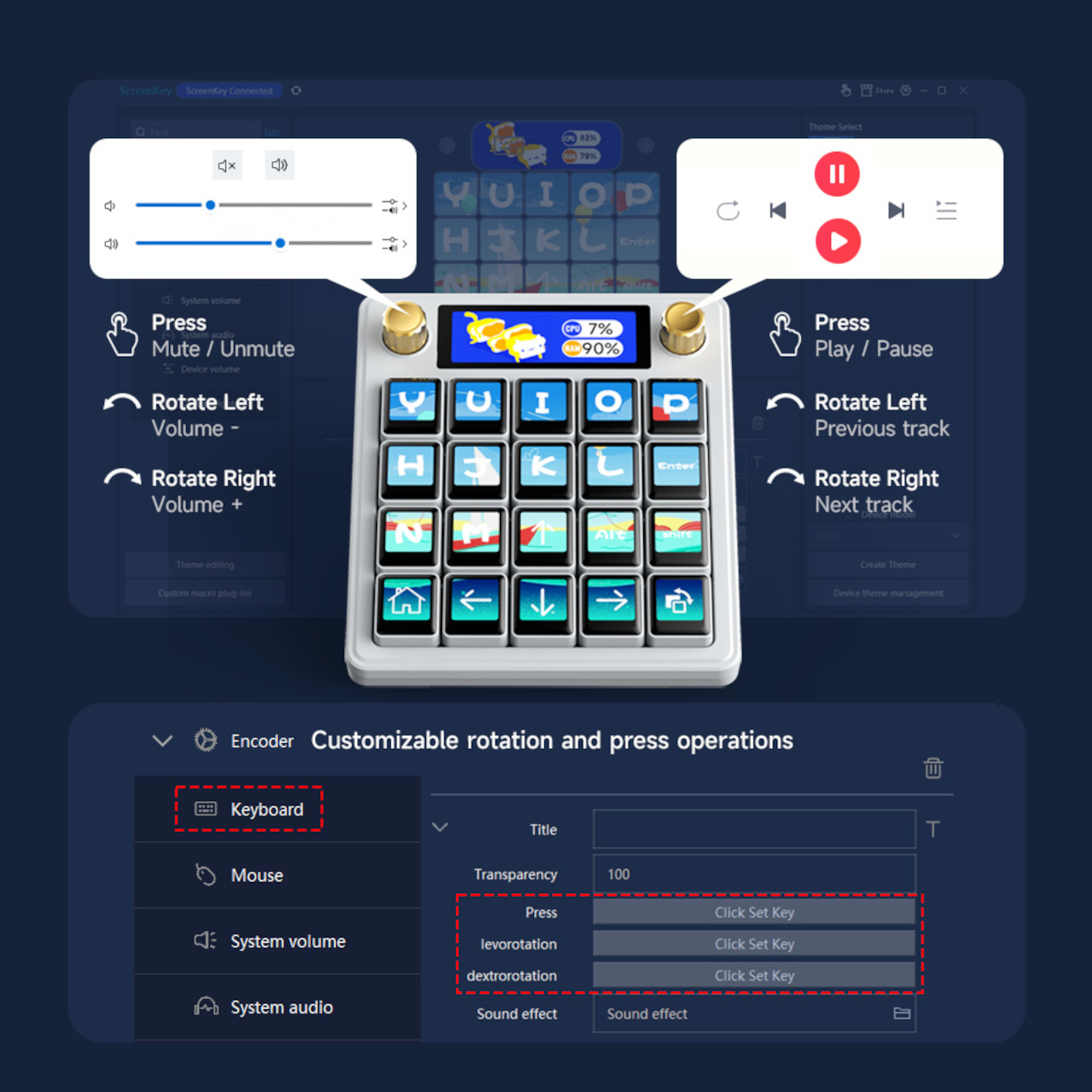
The Waveshare MK20 macro keyboard changes the game with 20 mechanical keys, each topped with a full-color LCD display, a 2.8-inch secondary screen, and dual programmable knobs for precise control. It’s a control deck that’s as expressive as it is powerful, designed for users who want complete creative freedom over their workspace and workflow without compromising on build quality or functionality.

Designer: Waveshare

The MK20’s compact, square form is crafted from aluminum alloy with a 2.5D high-transparency acrylic lens, giving it a premium, sturdy feel that matches high-end keyboards and professional gear. Available in black or white finishes, it looks right at home next to professional monitors and mechanical keyboards on any creative desk. The build quality is immediately apparent, with satisfying tactile feedback and durable materials throughout.

Each 0.85-inch LCD keycap can display static images, animated GIFs, or even video snippets, letting you theme your deck for different apps, games, or moods throughout your day and workflow changes. The secondary 2.8-inch display up top shows system stats, weather widgets, or custom information at a glance. The 20-screen splicing feature lets you create panoramic backgrounds across all keys for stunning visual effects.

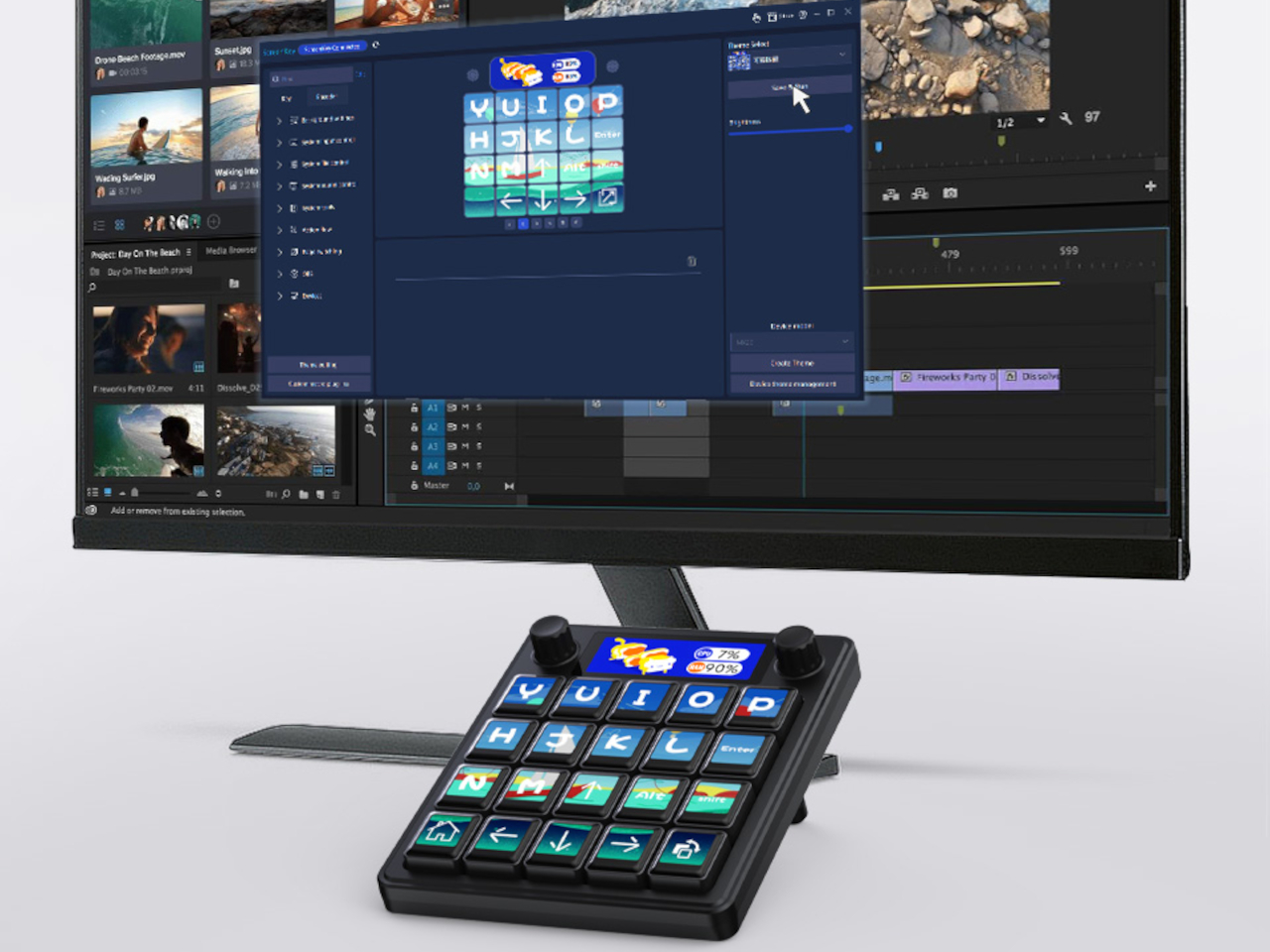
Two high-precision, anti-slip aluminum knobs can be programmed for volume, timeline scrubbing, zoom, or any function you need during work or play sessions. Both rotation and press actions are supported, making them perfect for creative software like Premiere Pro or Photoshop, where precision control matters most. The tactile feel and smooth operation make adjustments satisfying and accurate every time you use them.

The MK20 runs a dual-system architecture with a T113-S3 processor running Linux for complex display logic and a GD32 MCU running QMK firmware for zero-latency mechanical input. Macros, key combinations, and mouse control are natively supported in QMK, and the drag-and-drop theme editor means you don’t need coding skills to make it your own or share configurations with the community.

The keyboard supports dynamic theme editing, real-time data widgets like CPU temperature and network stats through LibreHardwareMonitor integration, and even AI voice interaction for hands-free control during busy sessions. Home Assistant integration lets you control smart lights, devices, or automation with a single tap. The feature set goes far beyond basic macro functionality into true workspace automation territory.

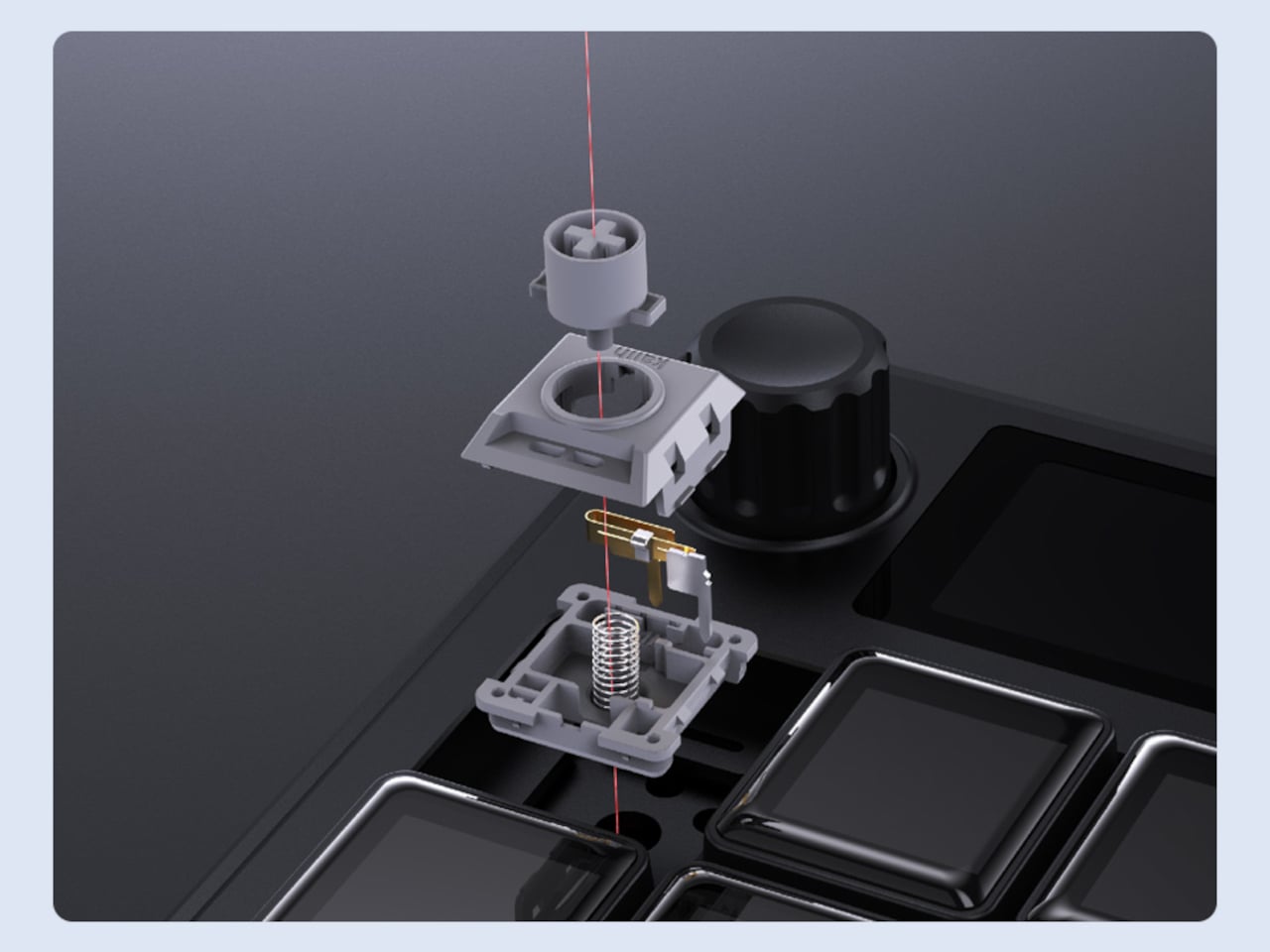
With a detachable 24-degree stand, USB-C connectivity, Kailh Box Silent switches for quiet operation, and hot-swappable keys, the MK20 adapts to any workspace setup seamlessly. Whether you’re editing video timelines, streaming gameplay, or automating repetitive office tasks, it brings both power and personality to your desktop without taking up excessive space or requiring complicated software installation procedures.

The Waveshare MK20 is a macro keyboard built for users who want complete creative control over their workflow and visual environment. With its LCD keys, dual knobs, and open-source foundation, it offers the kind of flexibility and personality that typical macro pads simply cannot match, making it a compelling upgrade for anyone serious about their desktop productivity and creative expression.
The post Waveshare MK20 Macro Keyboard Turns LCD Keys Into Creative Tools first appeared on Yanko Design.