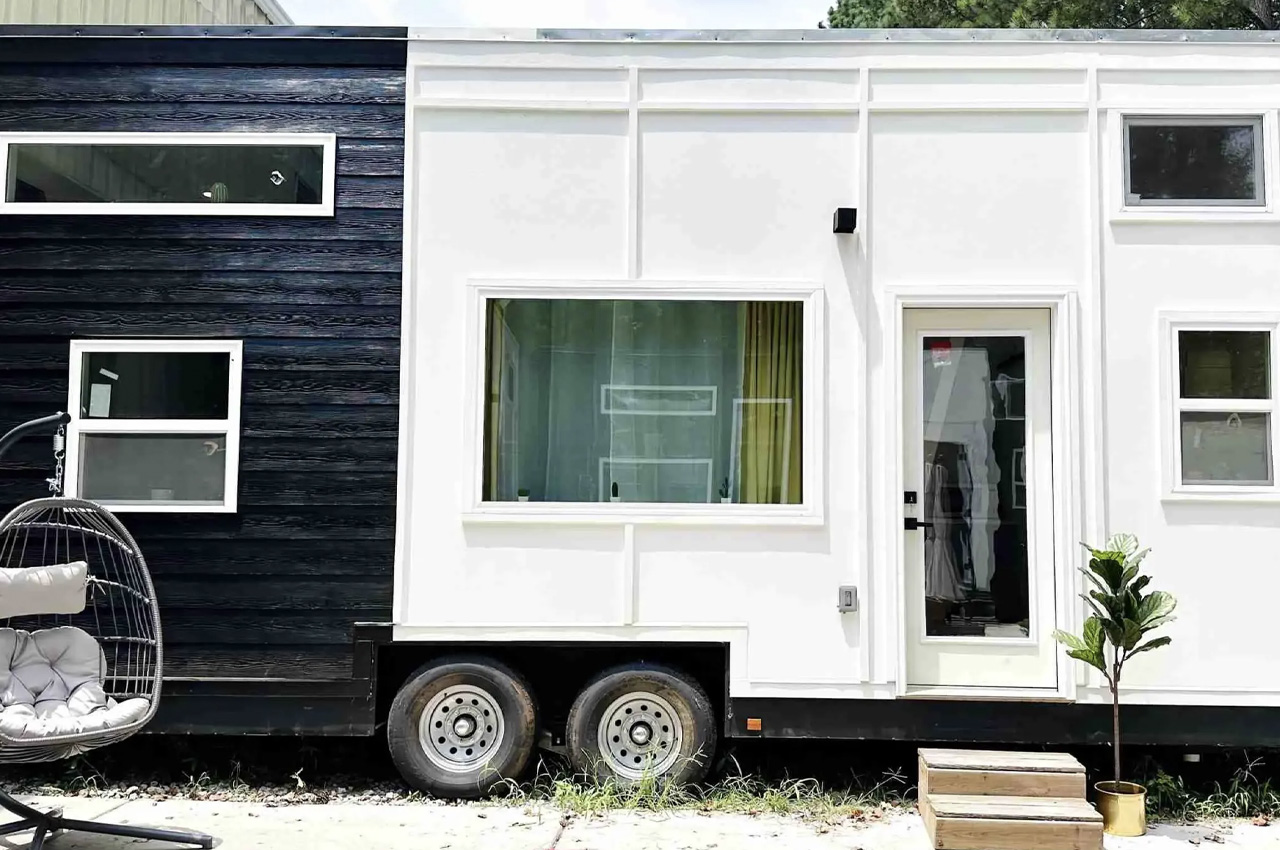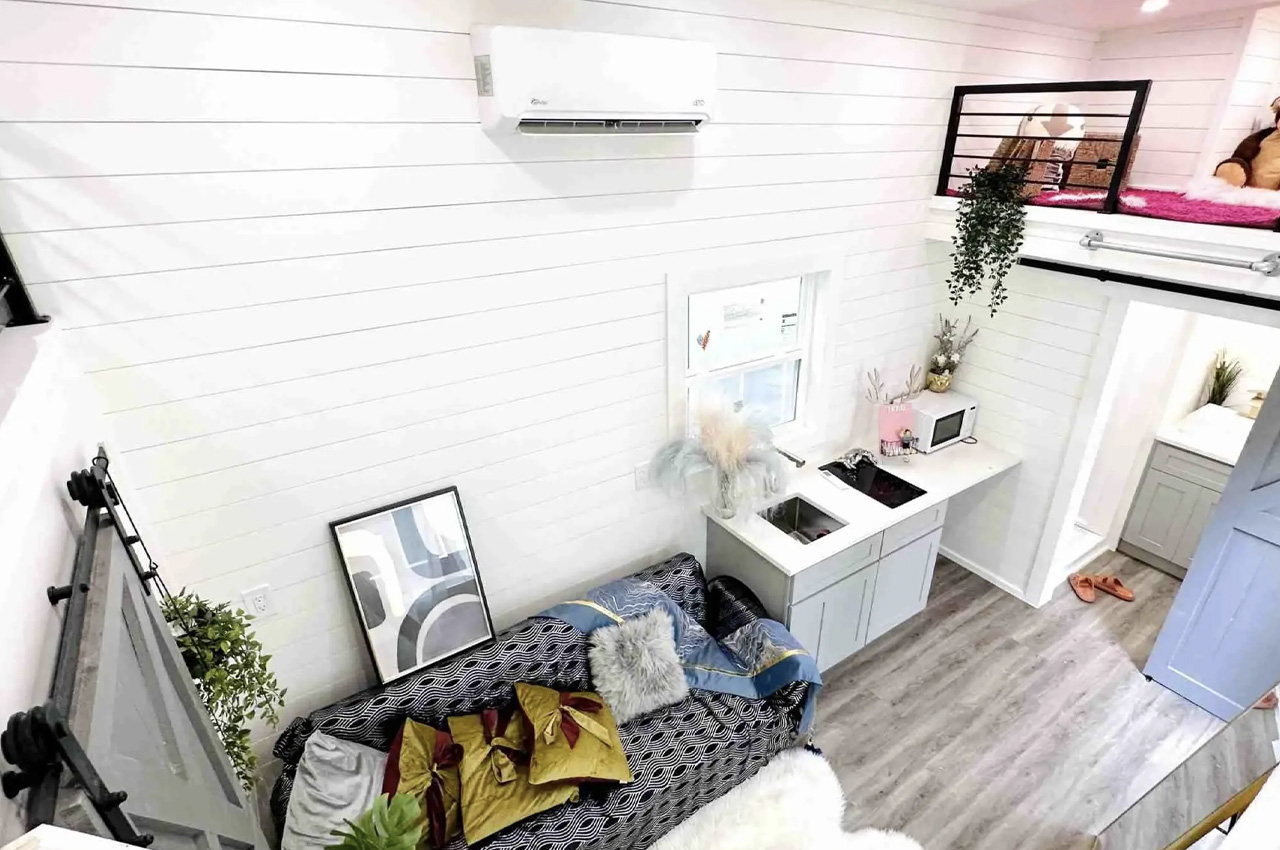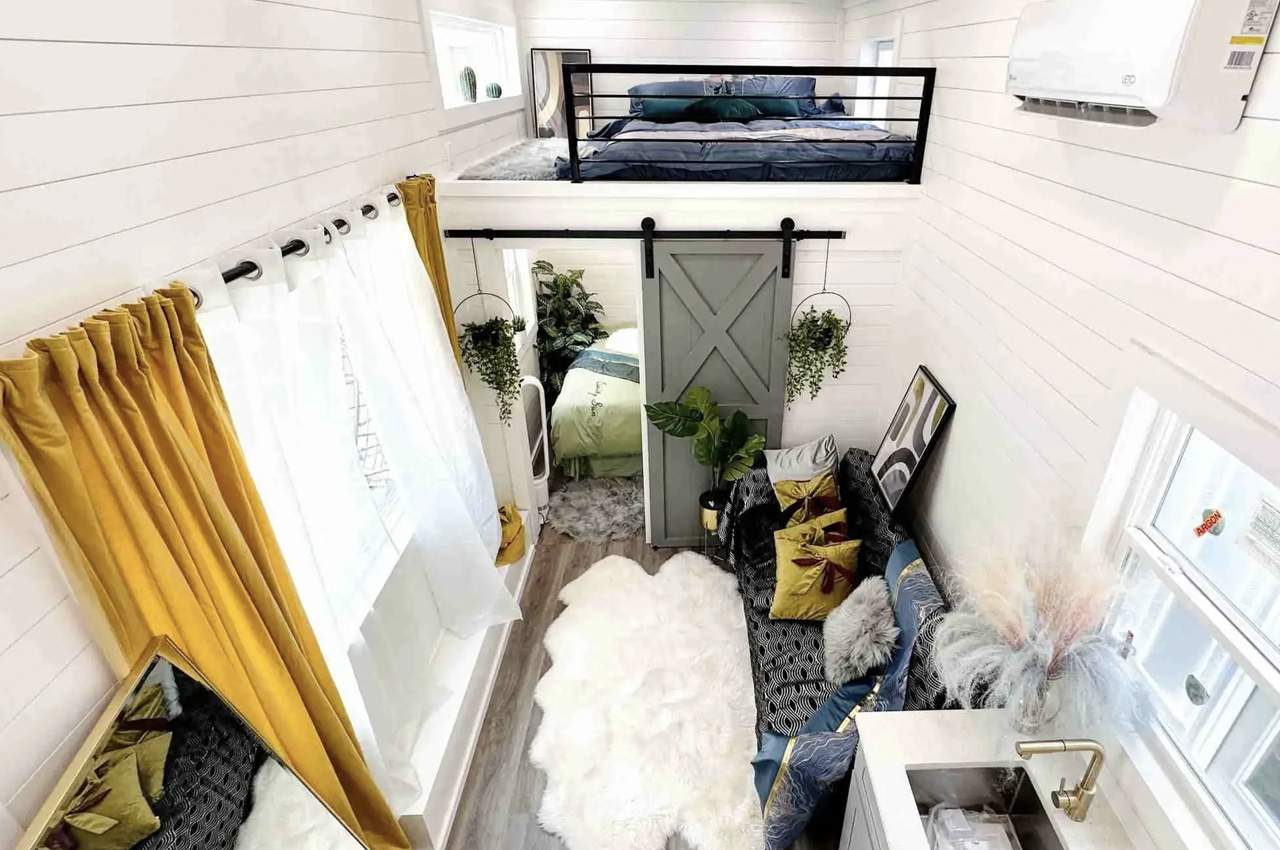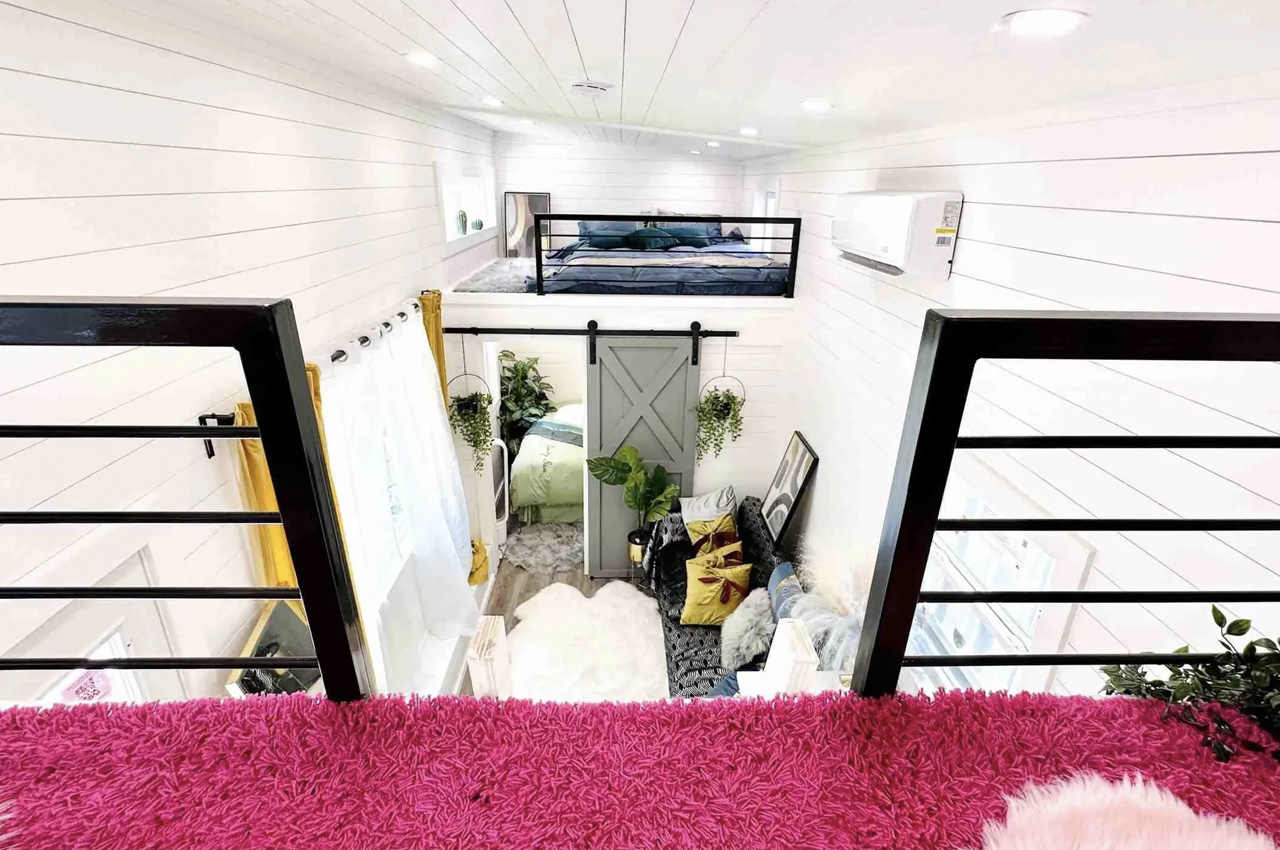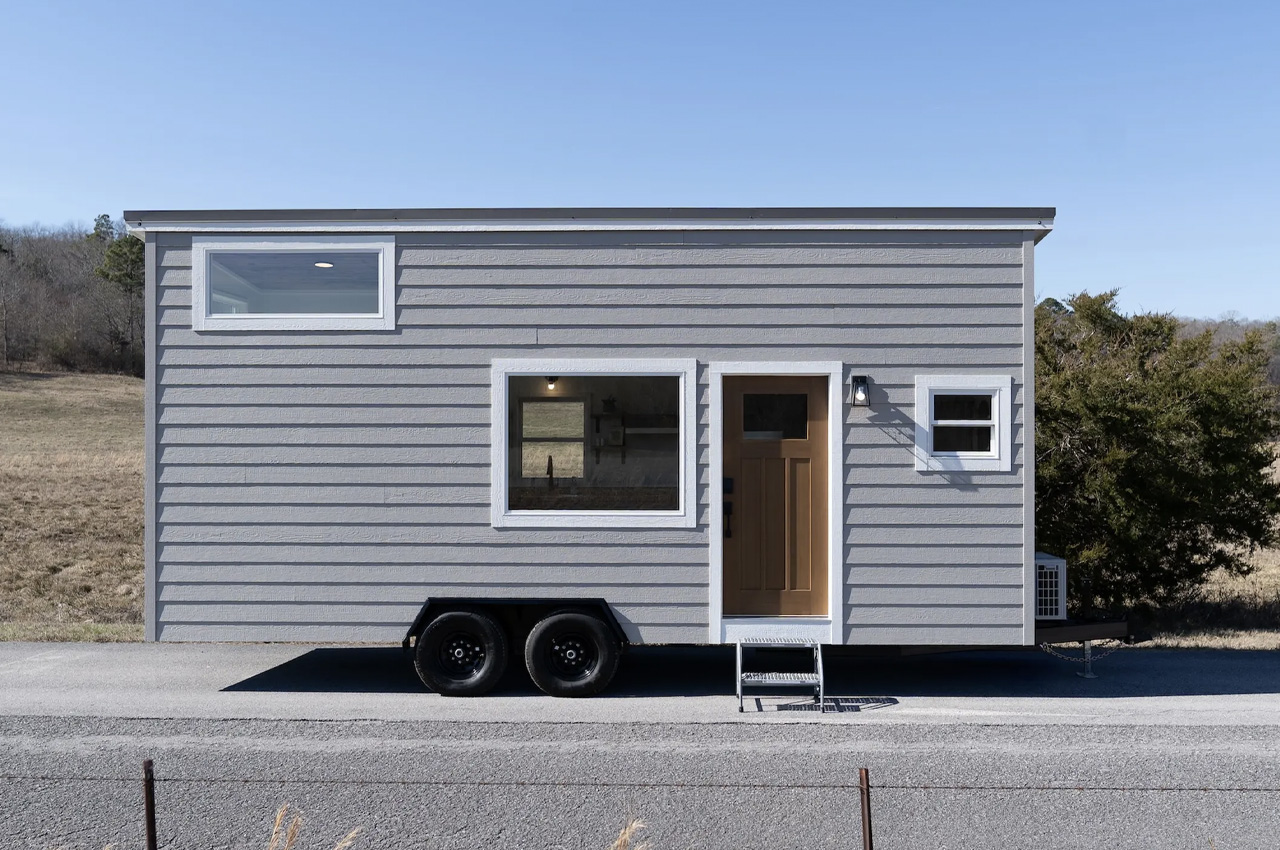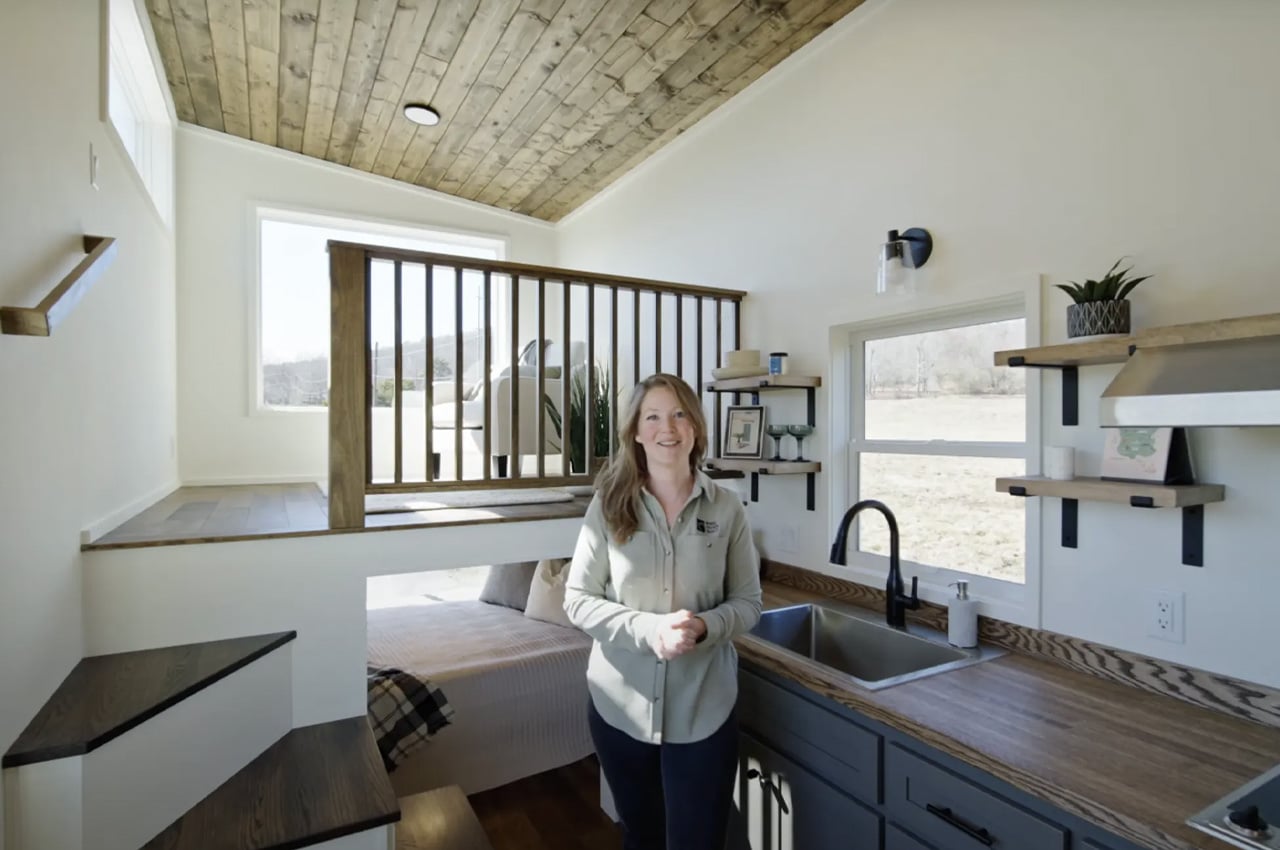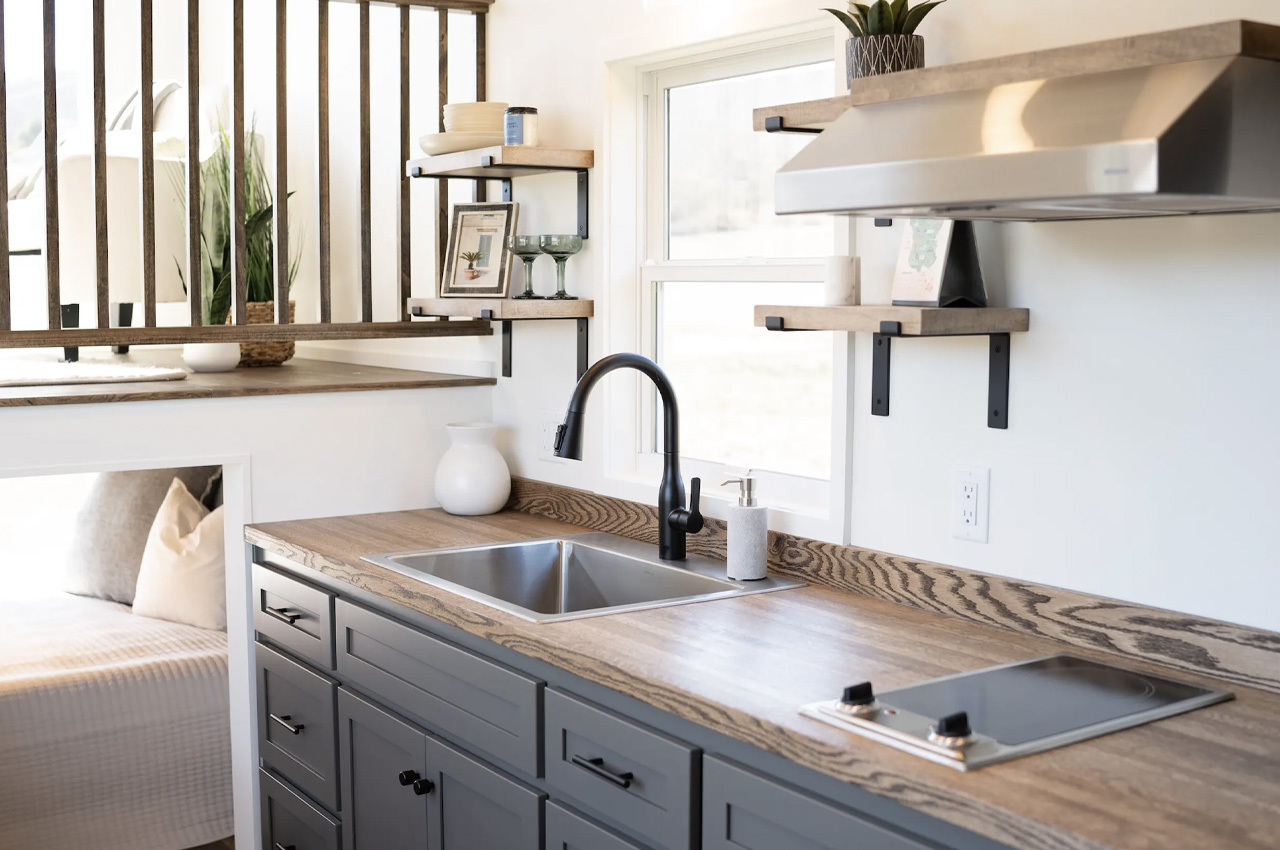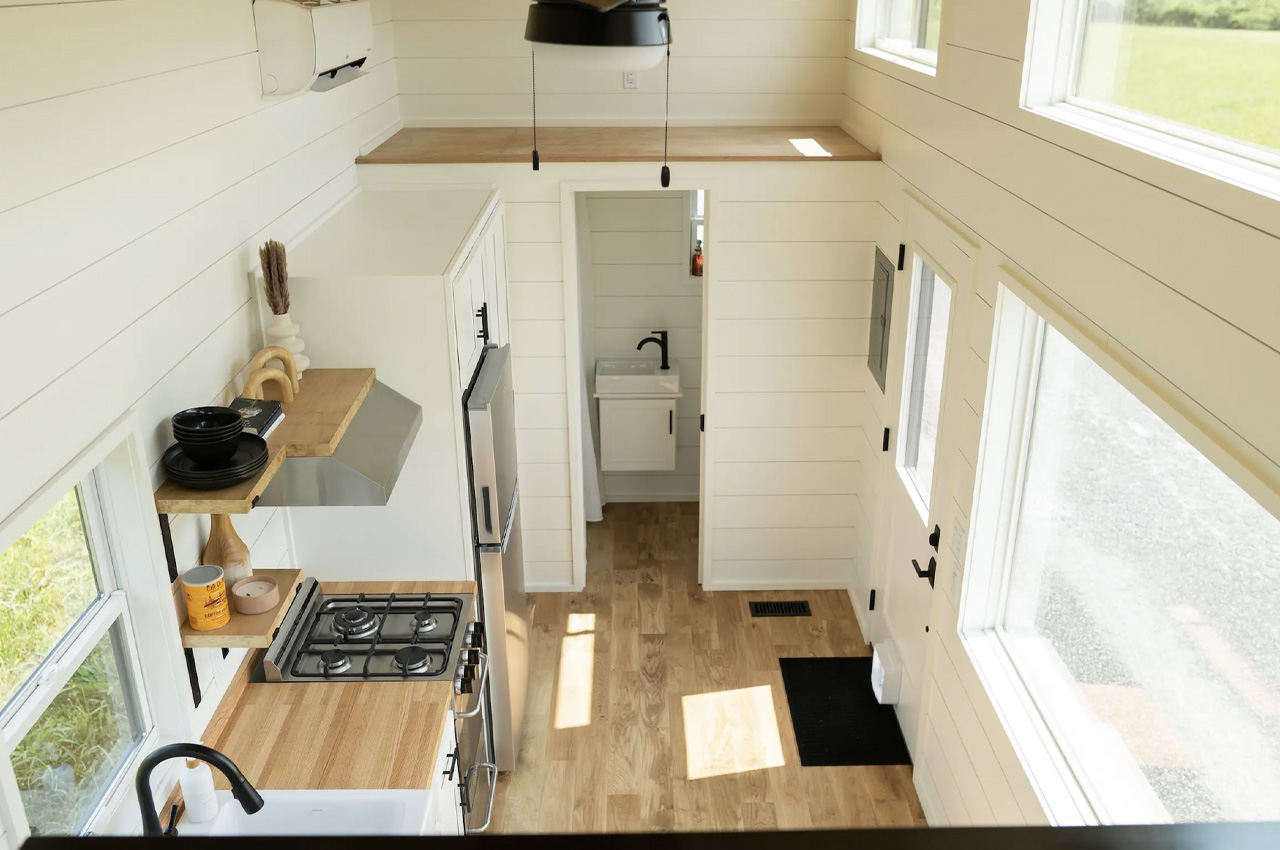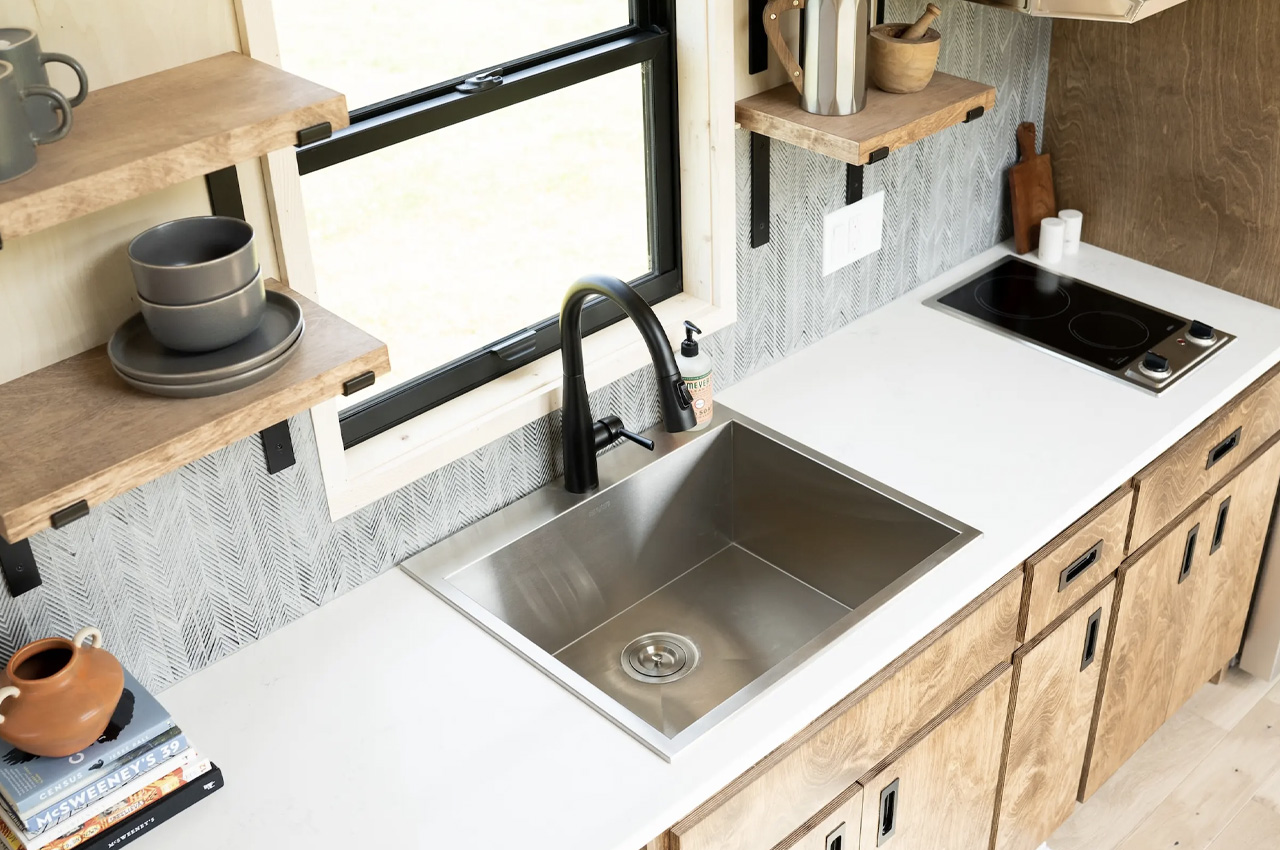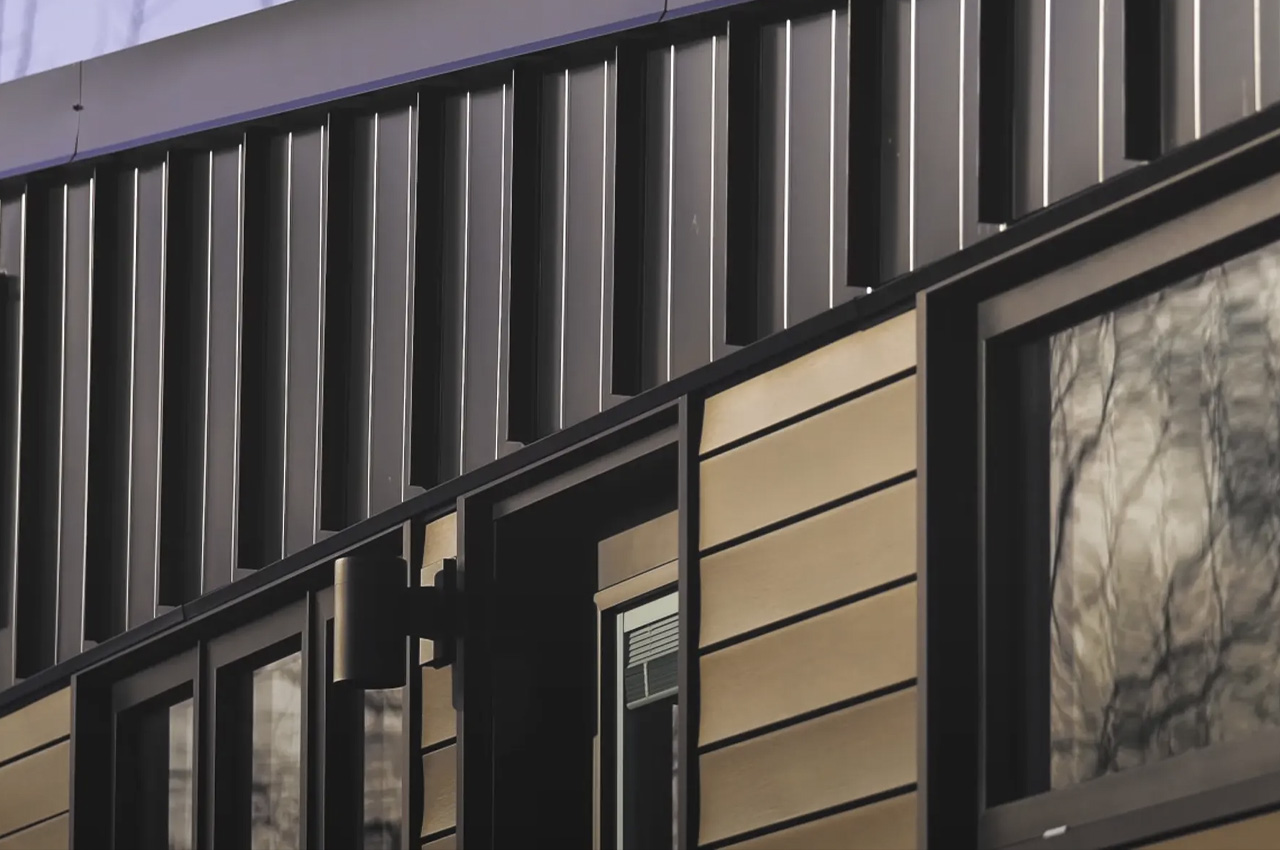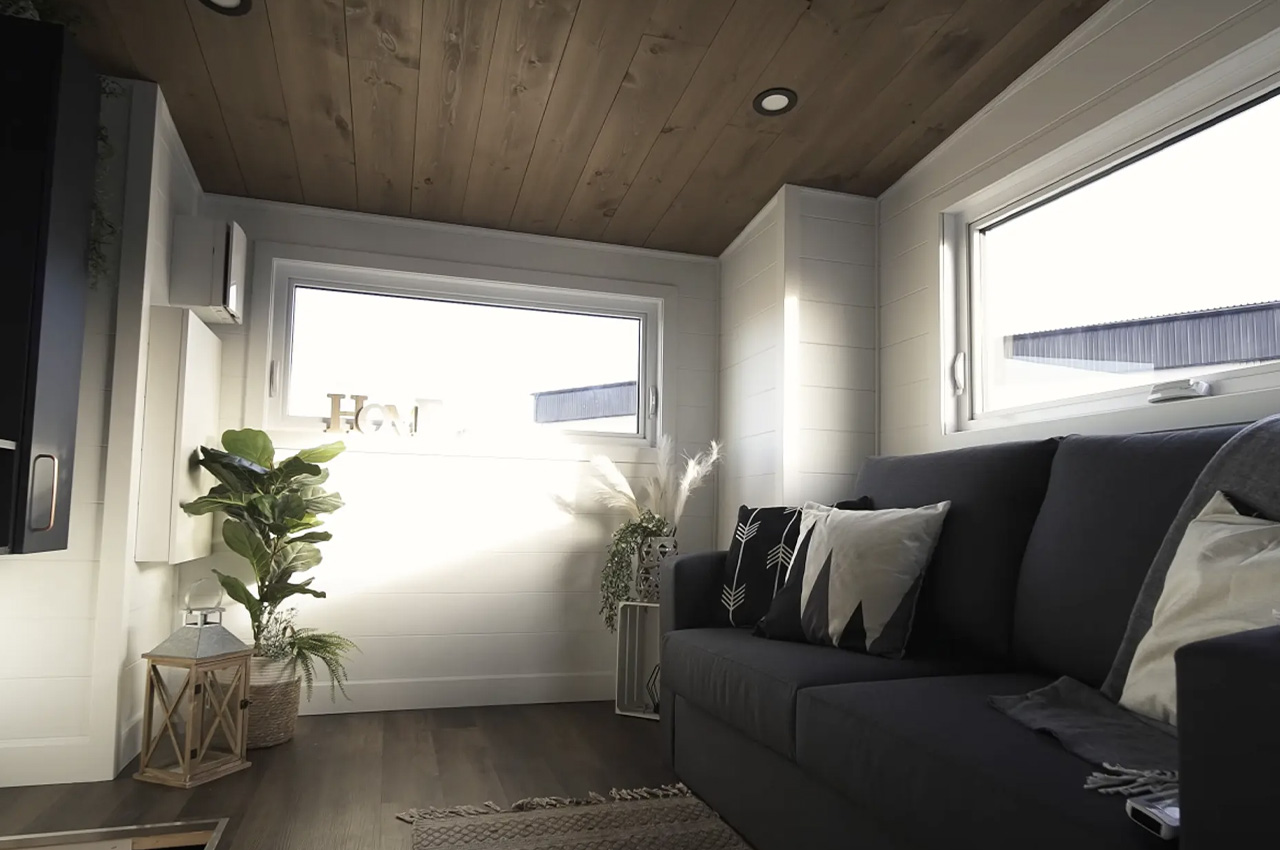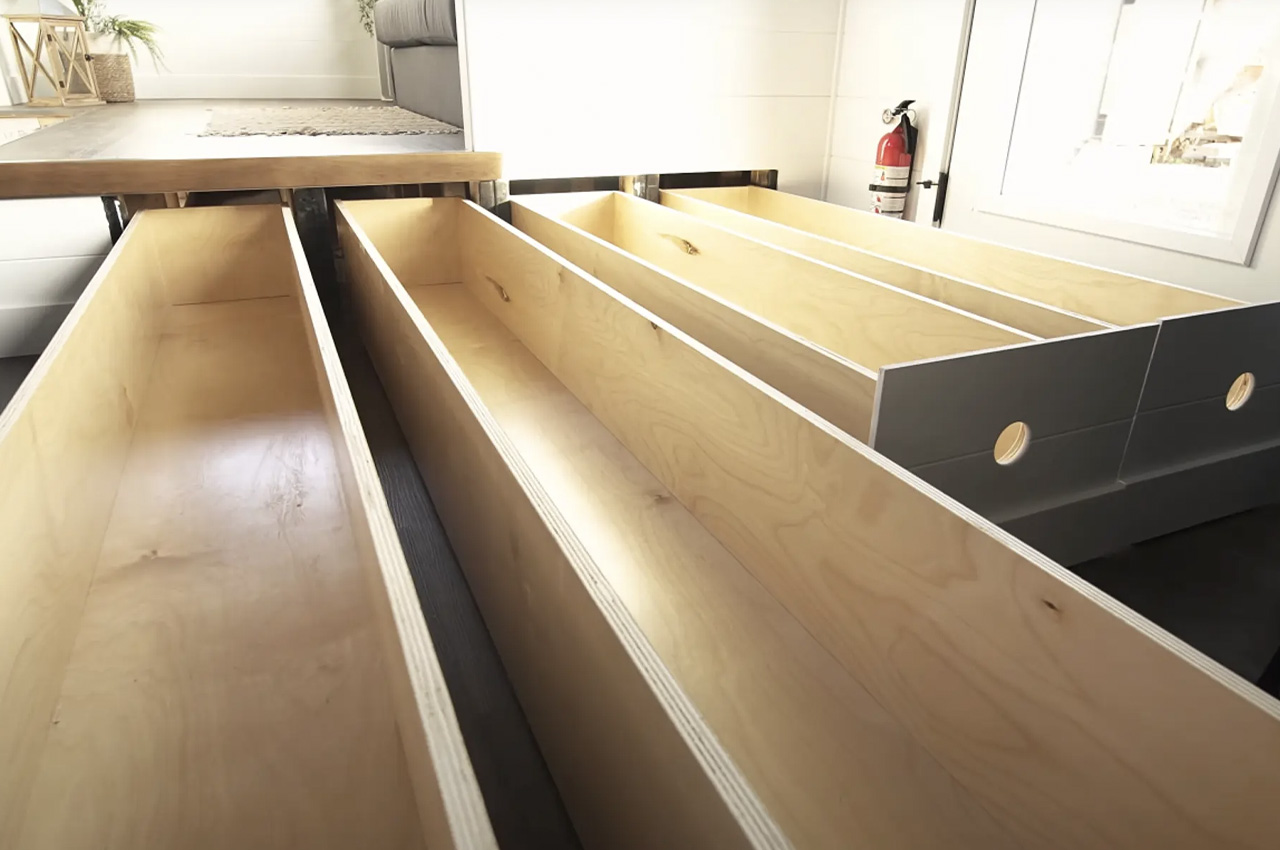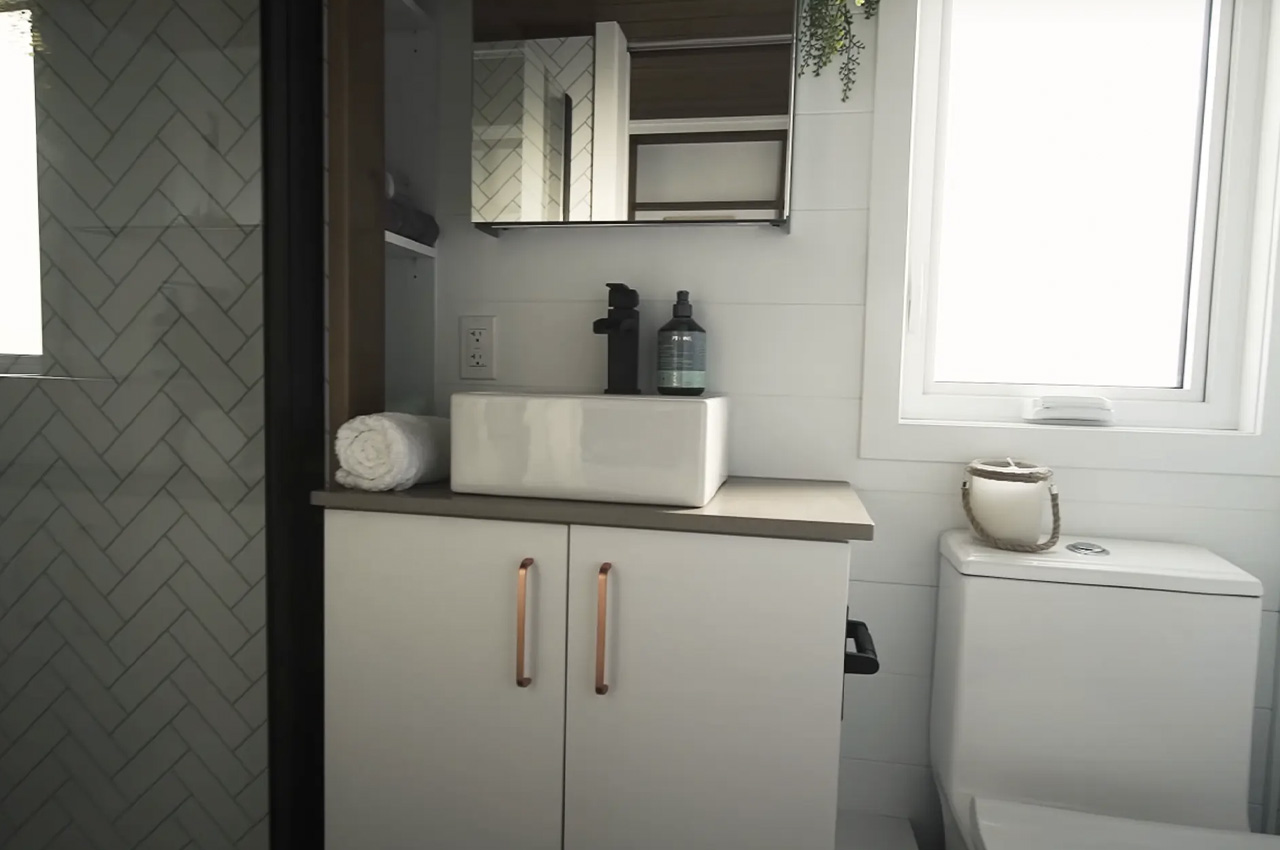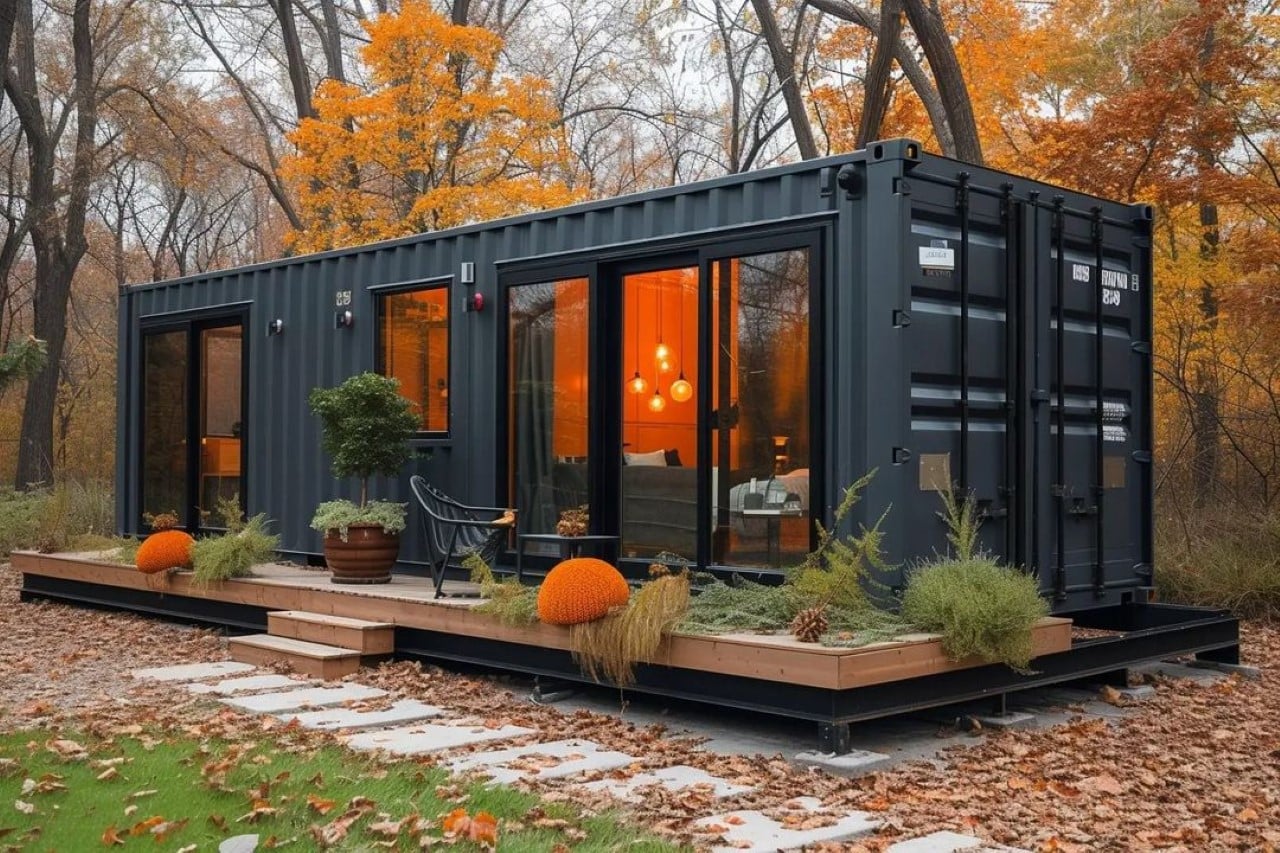
Container homes have gained traction as a trendy, supposedly eco-friendly alternative to traditional housing. While the appeal of transforming a robust steel box into a chic minimalist abode is undeniable, several pragmatic concerns often go overlooked. These homes, once idealized as the epitome of innovative living, may not be the smart investment they’re touted to be. We’ve covered tiny homes extensively on YD, and I still stand by my opinions on micro-living being great… but as far as container homes go (and we at YD speak from personal experiences), they may look beautiful but can pose significant challenges based on where you live and how you plan on building your home. Even if you have your heart set on these homes, here are 5 things you need to keep in mind before you embark on this journey.
1. Climate Control Challenges

One of the most significant challenges of living in a container home is maintaining a comfortable internal climate. These steel boxes were designed to transport goods across oceans, not for human habitation, and their basic structure is not conducive to temperature regulation. In summer, the steel walls absorb and conduct heat, transforming the container into an oven. Conversely, in winter, the same metal walls shed heat rapidly, turning the home into a refrigerator.
Effective climate control in such environments necessitates robust insulation systems. However, the installation of these systems is neither straightforward nor inexpensive. Traditional insulation methods often fall short, requiring specialized, high-performance solutions such as spray foam, which adheres to the metal and creates a thermal and moisture barrier. Yet, even with top-notch insulation, the energy costs associated with heating and cooling a metal box can be exorbitant, as the metal’s inherent properties continuously work against these efforts.
If all that wasn’t enough, these metal containers can sometimes act as Faraday cages, completely obliterating any mobile network connectivity while indoors. Unless your container home has ample open windows that allow cellular waves to pass through freely, you may experience massive dead zones for mobile connectivity throughout the house.
2. Rust and Corrosion Problems
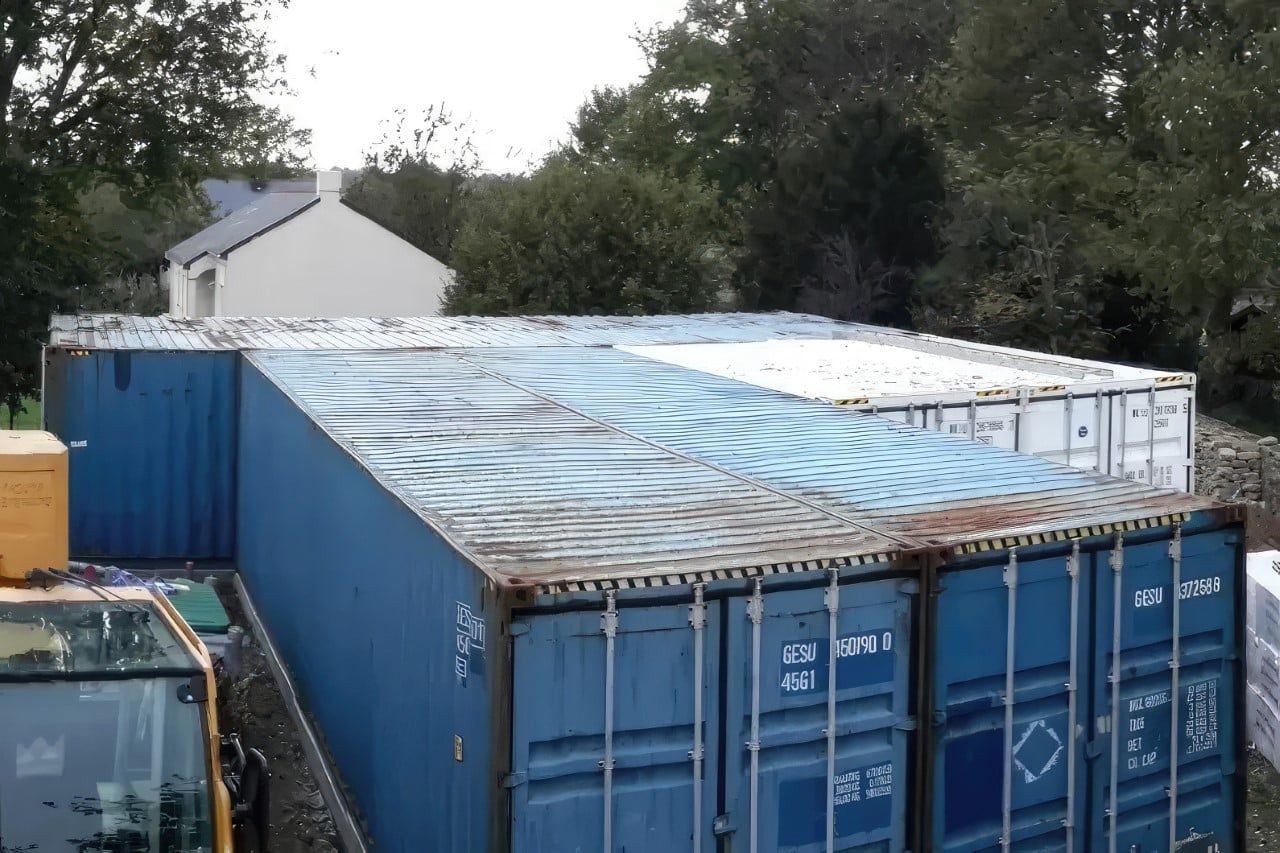
Shipping containers are built to withstand the rigors of sea travel, which makes one assume they can handle anything nature throws their way. However, once repurposed as homes and exposed to different environmental conditions without proper maintenance, they can quickly succumb to rust and corrosion. The protective coatings used on these containers are designed for saltwater exposure, but once breached by cuts and modifications necessary for windows, doors, and other home amenities, they become vulnerable.
The battle against rust is ongoing and costly. Regular application of rust-proofing measures, careful inspection, and maintenance are required to keep a container home in good shape. In coastal areas or places with high humidity, the rate of corrosion can accelerate, potentially compromising the structural integrity of the home over time. For instance, residents in coastal regions have reported accelerated wear and degradation, necessitating frequent and costly maintenance that eroded the initial savings from choosing a container home.
3. Structural Integrity Issues + Lack Of Modification
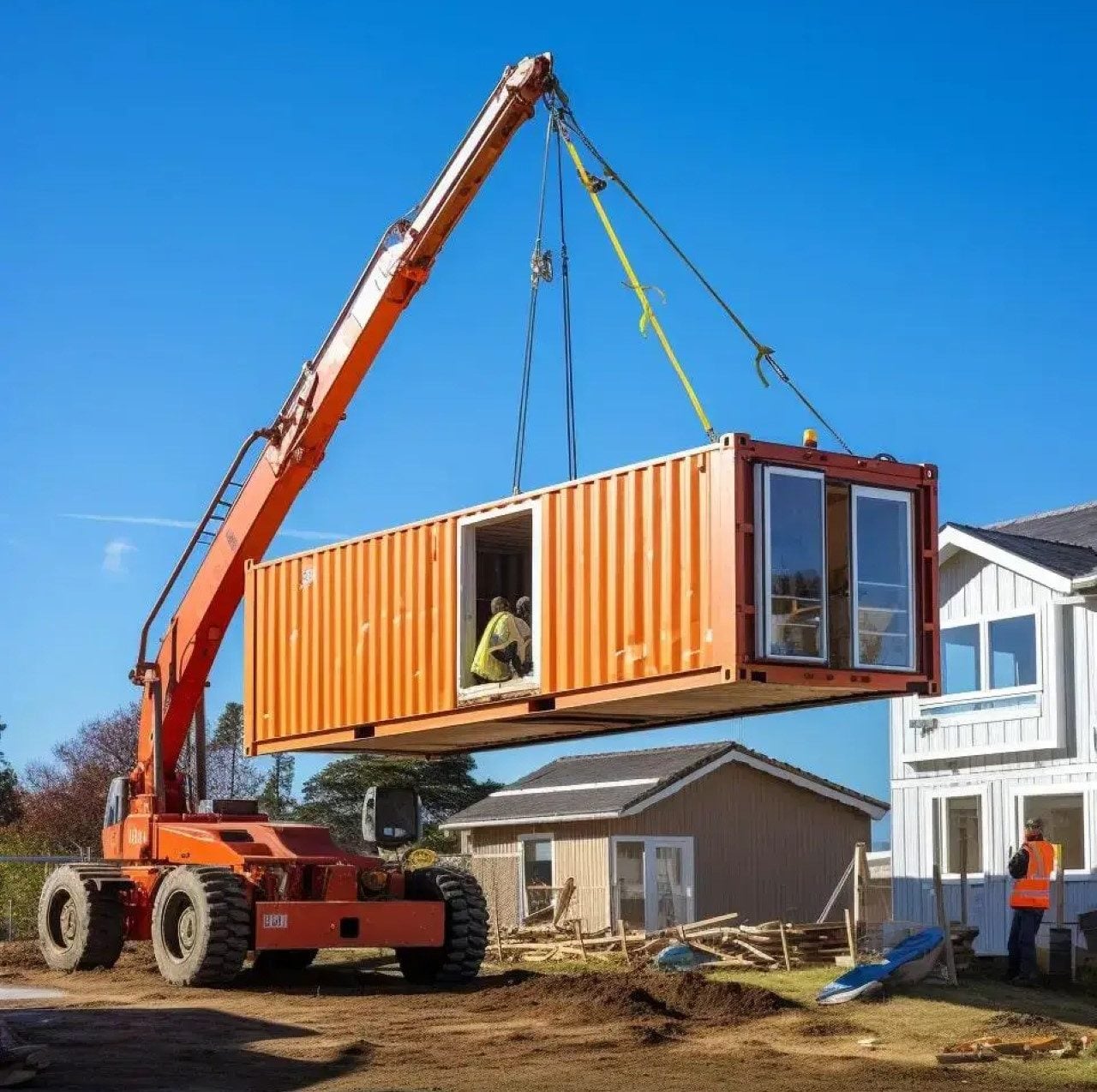
While shipping containers are inherently strong, the process of converting them into habitable spaces often involves modifications that can compromise this strength. Cutting large openings for windows, doors, and room transitions removes parts of the container’s load-bearing walls. To counteract this, additional structural reinforcements, such as steel beams or wooden framing, must be installed.
This modification process is not only complex but can also be more costly than expected. It requires precise engineering to ensure safety and compliance with local building codes, which are often not designed with container homes in mind. The necessity for skilled labor to carry out these modifications safely adds another layer of expense, which can surprise many first-time container home builders.
4. Acoustic Challenges
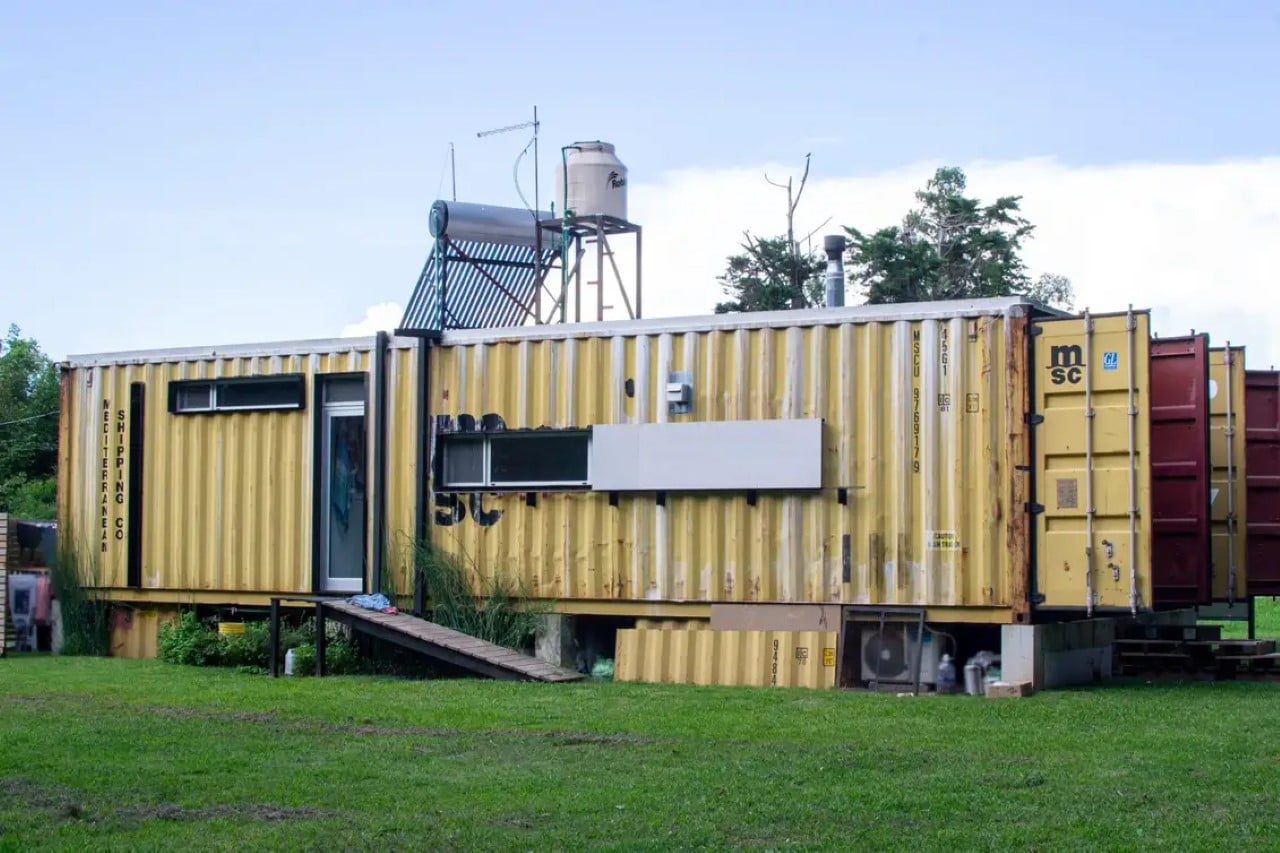
The acoustic properties of steel can turn a container home into an echo chamber, amplifying sounds within and transmitting external noises inside. This can make living in a container home less comfortable than anticipated, especially in noisy urban environments or if the home is not adequately insulated against sound.
Implementing effective sound insulation is crucial but can be tricky. Materials that can dampen sound, such as dense foam or specialized acoustic panels, must be integrated into the walls, floors, and ceilings. These materials not only add to the cost but also take up precious interior space, further challenging the comfort and functionality of the home. Moreover, the need for such insulation can detract from the aesthetic simplicity many seek in a container home.
5. Insulation and Condensation
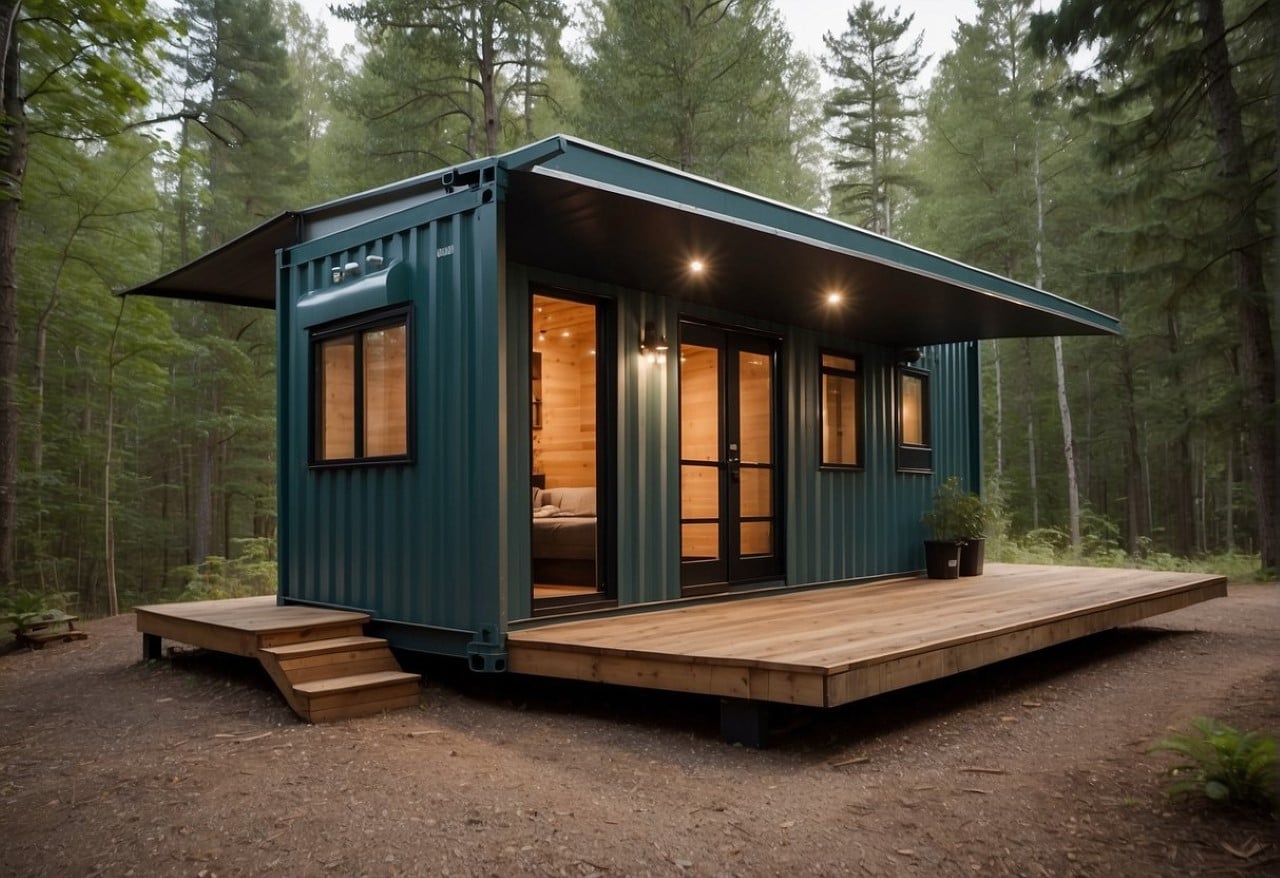
Insulation challenges extend beyond temperature control and sound. Steel walls are prone to condensation whenever there is a temperature differential between the inside and outside. This condensation can lead to moisture accumulation inside the walls, fostering mold growth and reducing air quality. Proper insulation must therefore include a vapor barrier to prevent condensation, which is an additional cost and complexity in the building process.
For those living in climates with significant seasonal changes, managing humidity and preventing condensation are ongoing issues. Many container home residents have had to retrofit dehumidifiers and additional ventilation systems post-construction, as initial plans did not fully address the moisture issues inherent to living in a metal box.
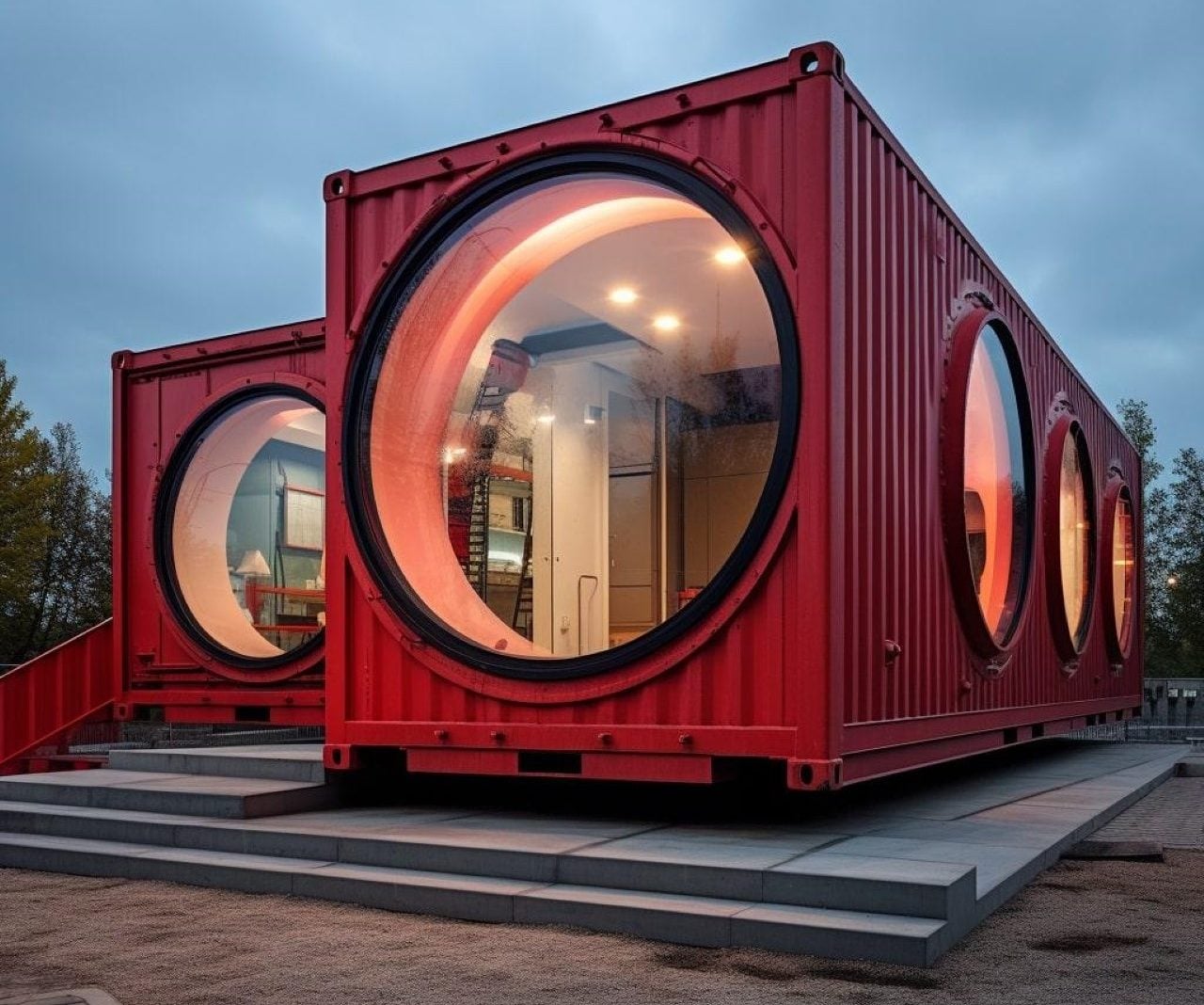
Choosing a container home is undoubtedly an attractive idea, especially for those drawn to minimalist, sustainable living. However, the reality of residing in a repurposed steel box can be far from the idyllic life pictured in glossy magazine spreads. From battling the extremes of climate to managing rust and ensuring the structure remains sound and comfortable, the challenges are many and often costly.
If the novelty and aesthetics of a container home still appeal to you, consider these factors carefully and weigh them against more traditional building methods that might offer fewer surprises in the long run. After all, the true comfort of a home comes not just from its walls but from living in peace with one’s choices—preferably, without the constant echo of regrets.
The post DON’T Buy A Container Home: 5 Reasons Why They Might Be A Bad Idea first appeared on Yanko Design.