SwitchBot Light Bars Add Matter and 800-Lumen White
SwitchBot's $45.99 RGBICWW Light Bars combine 12 color zones, adjustable white light, magnetic mounting, and Matter over Wi-Fi.
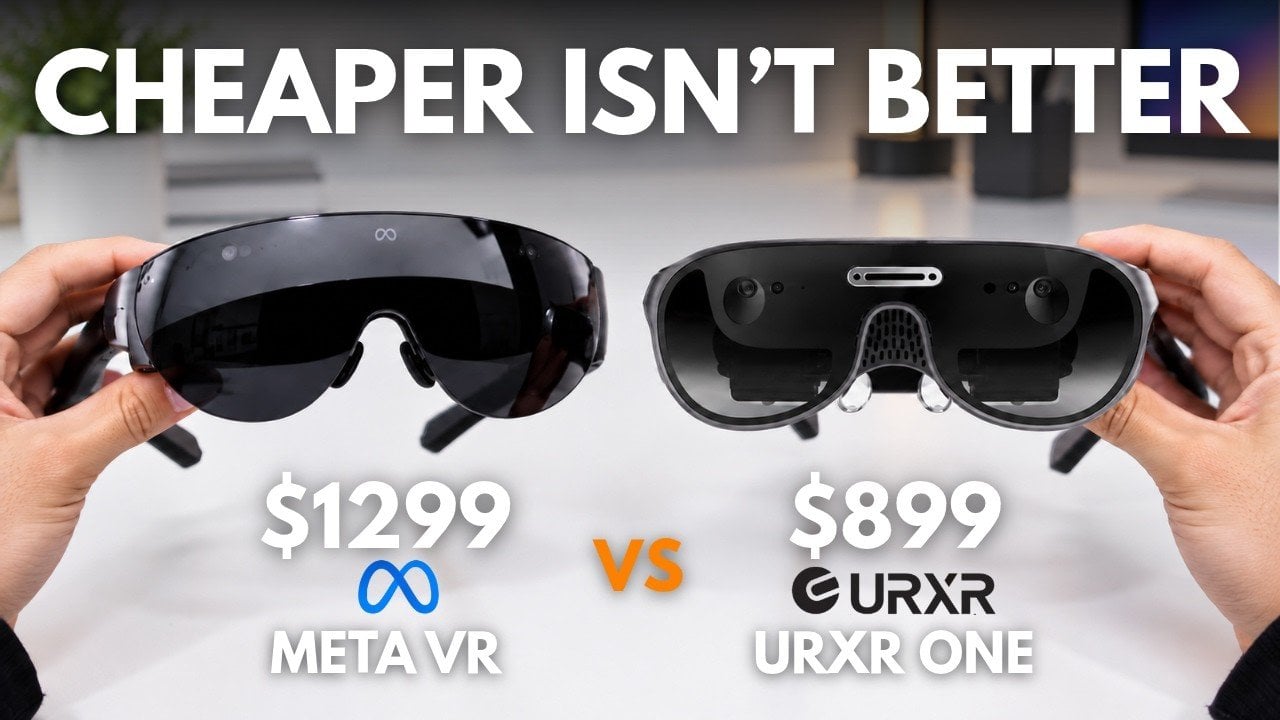
Meta’s latest VR glasses stand out in the crowded wearable tech market by offering a fully integrated computing platform that operates independently of external devices. Unlike competitors such as the URXR1 and XRE 1 Pro, which rely on tethered connections to smartphones or PCs, these glasses are equipped with built-in processing power, storage and an […]
The post Meta VR Glasses Ditch the PC with a Standalone OS appeared first on Geeky Gadgets.
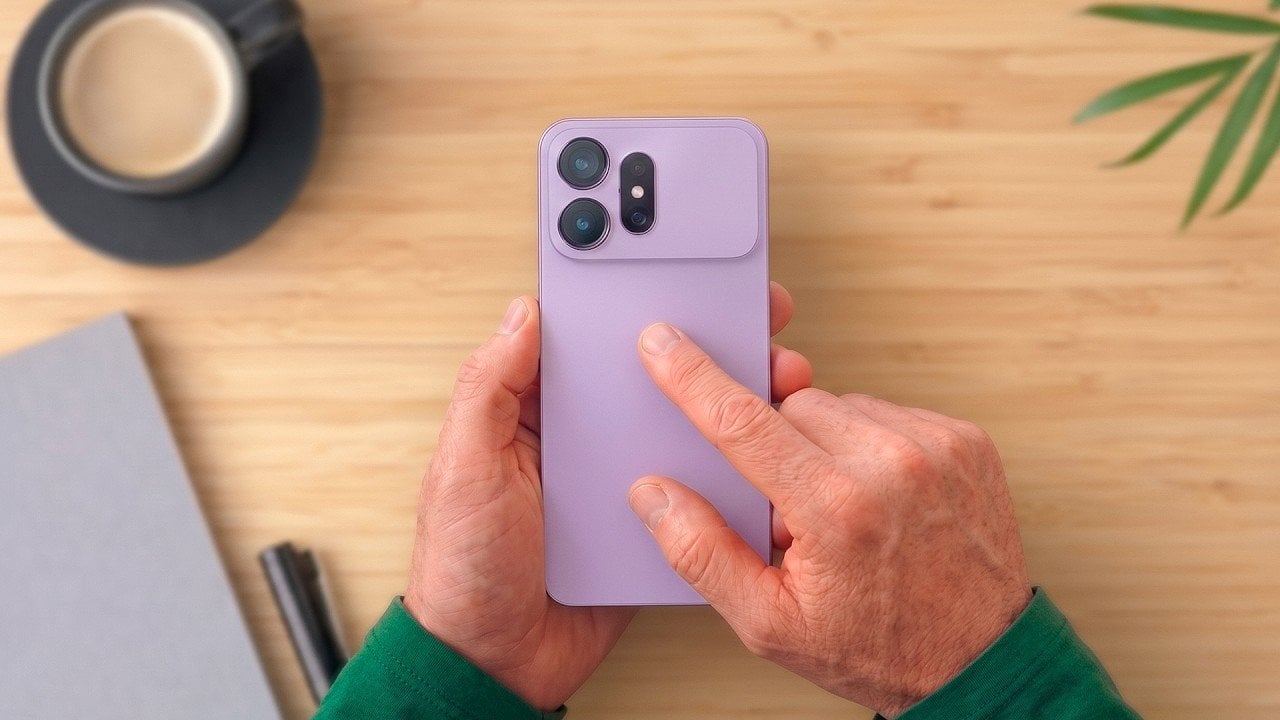
The Samsung Galaxy S27 Ultra represents a bold step forward in smartphone technology, combining innovative advancements with practical enhancements to meet the evolving needs of users. With its innovative battery technology, upgraded camera system, enhanced privacy features, and improved performance, this flagship device is designed to deliver a seamless and elevated mobile experience. Here’s an […]
The post Samsung Is Reinventing the Ultra: What’s Changing in 2027 appeared first on Geeky Gadgets.
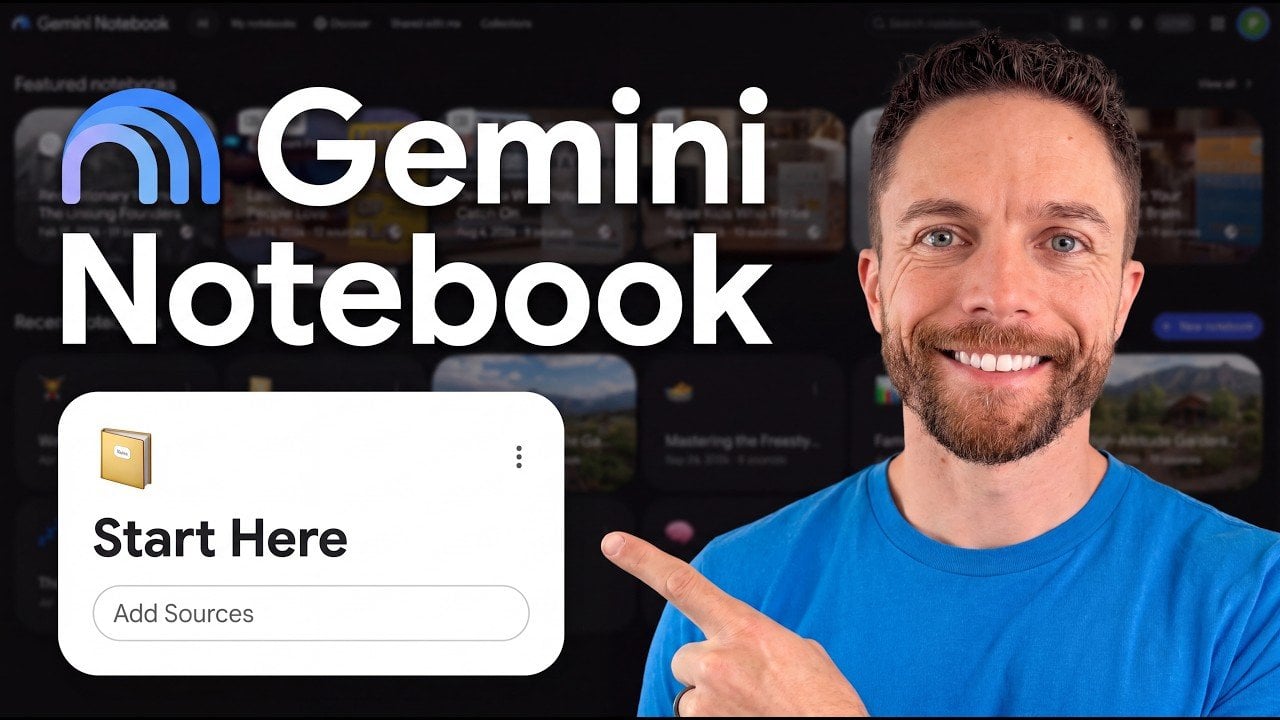
Gemini Notebook, previously called NotebookLM, is a platform that integrates research, organization and content creation into a cohesive workflow. Paul Lipsky outlines its core structure, which includes three sections: Sources, Chat and Studio. The Sources panel, for instance, enables users to upload documents, link websites, or import other materials, offering a centralized hub for managing […]
The post Gemini Notebook for AI Research Workflows: Upgrade from NotebookLM Today appeared first on Geeky Gadgets.
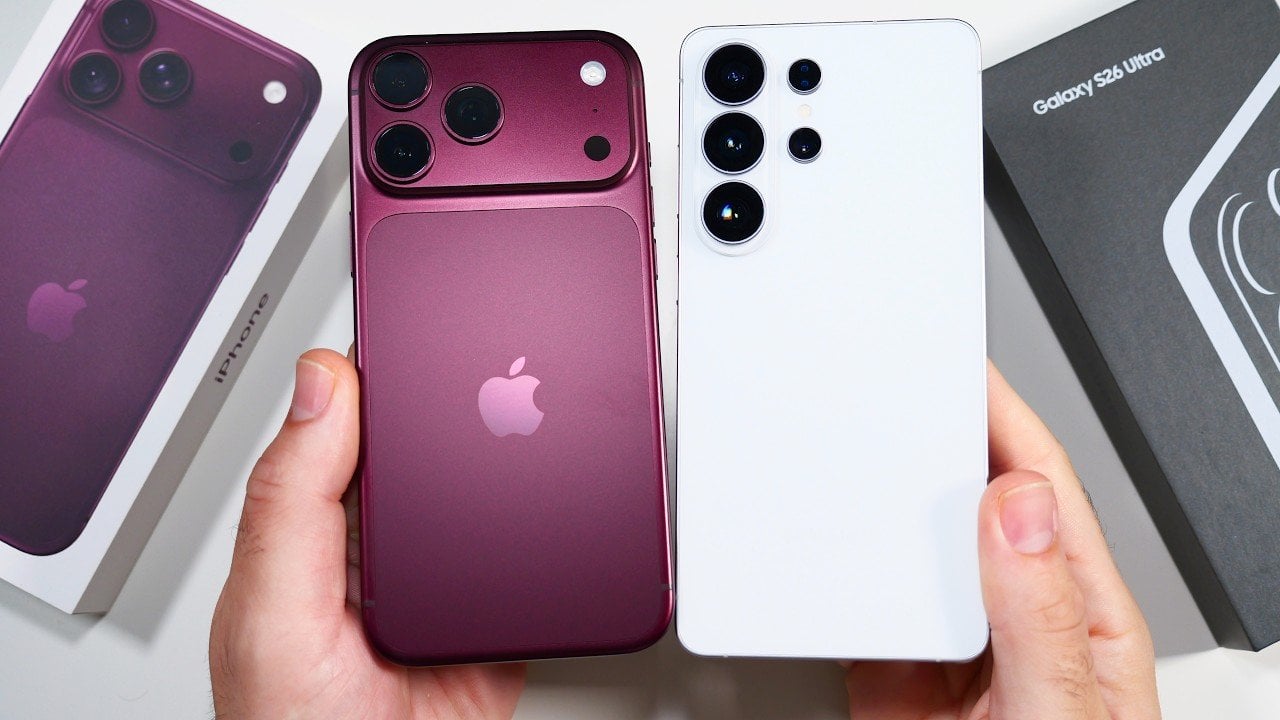
The iPhone 18 Pro Max and Galaxy S26 Ultra stand as two of the most advanced flagship smartphones available today, showcasing the latest in mobile technology. Both devices cater to users seeking premium features, but their differences make them suitable for distinct preferences. Whether you prioritize battery life, display quality, or ecosystem compatibility, understanding these […]
The post iPhone 18 Pro Max vs. Galaxy S26 Ultra: Which Flagship Deserves Your Money? appeared first on Geeky Gadgets.
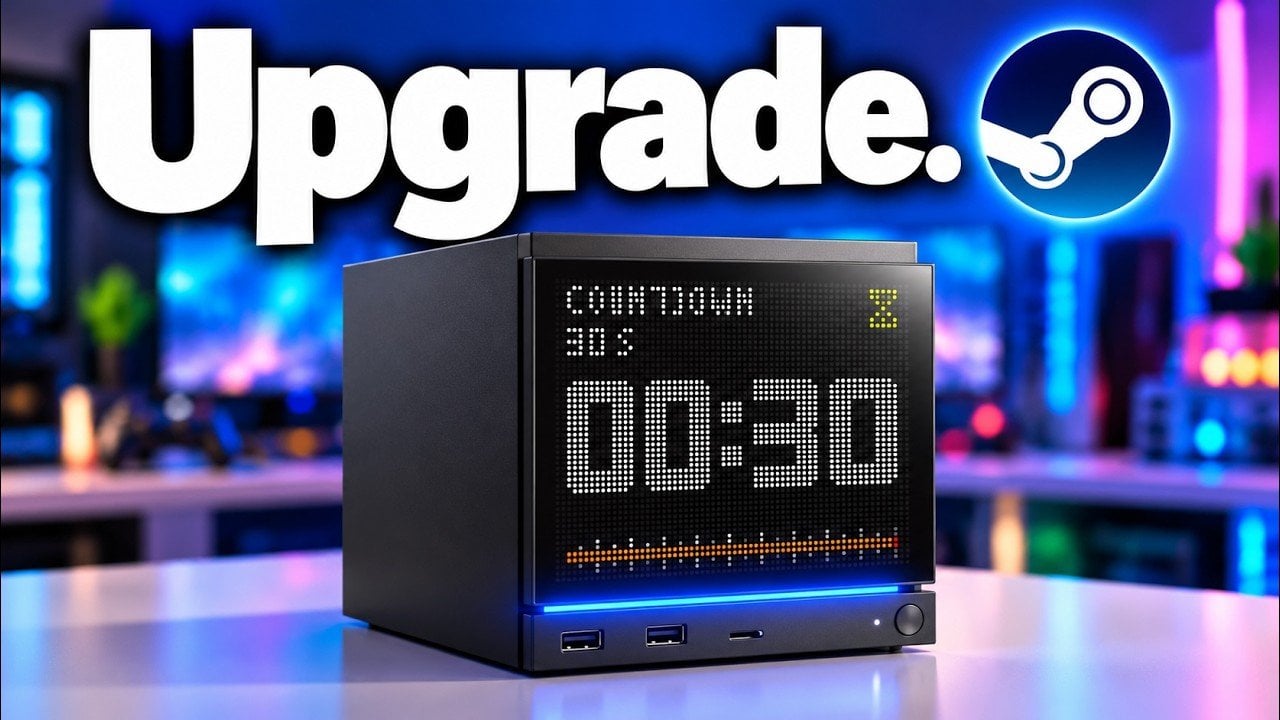
The Pixel Matrix Steam Machine by JSAUX combines customization with repairability, offering a unique approach to gaming hardware. Its design are two interchangeable faceplates: the energy-efficient E-Ink display and the vibrant Dot Matrix display. The E-Ink option provides extended battery life of up to 23 days, making it ideal for users prioritizing longevity, while the […]
The post JSAUX Pixel Matrix Steam Machine: E-Ink vs Dot Matrix Screens appeared first on Geeky Gadgets.
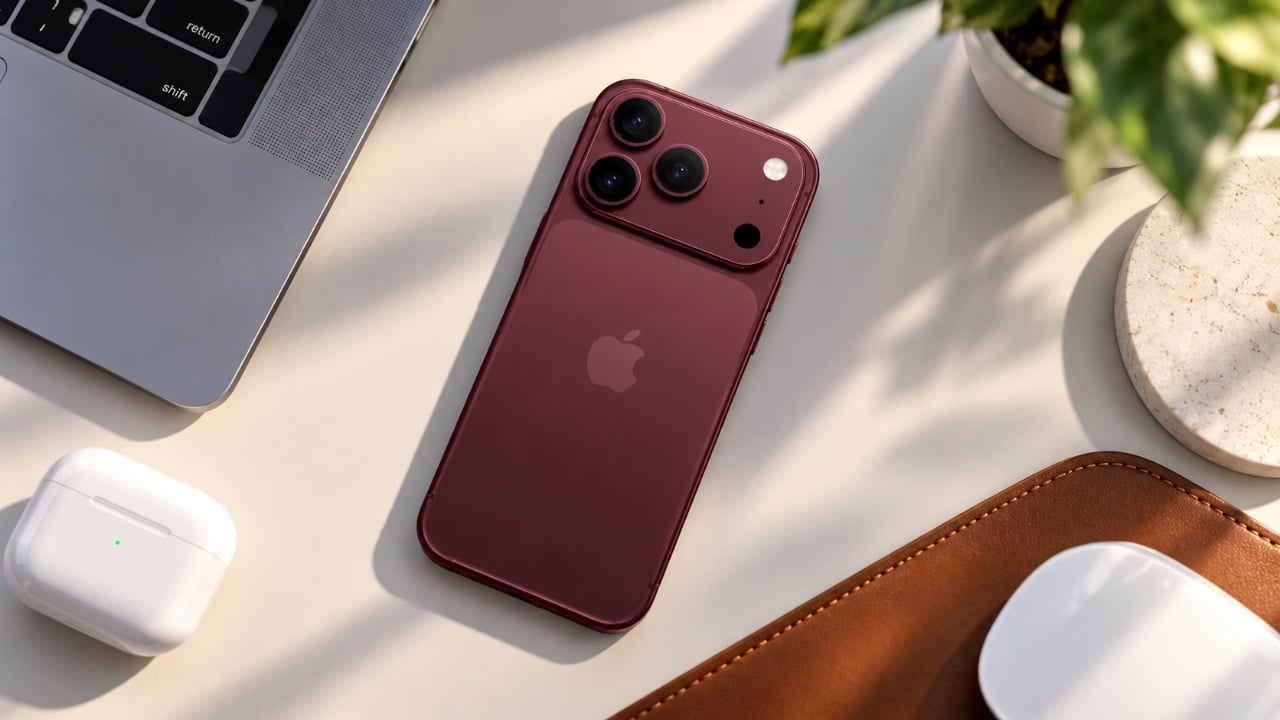
Apple’s latest flagship lineup, the iPhone 18 Pro and Pro Max, represents the pinnacle of smartphone innovation in 2026. This year, Apple has streamlined its offerings by omitting a standard iPhone 18, leaving consumers with two premium options. While these models share a host of advanced features, they differ significantly in size, weight, battery life, […]
The post iPhone 18 Pro vs. Pro Max: The Buying Trap Everyone Falls For appeared first on Geeky Gadgets.
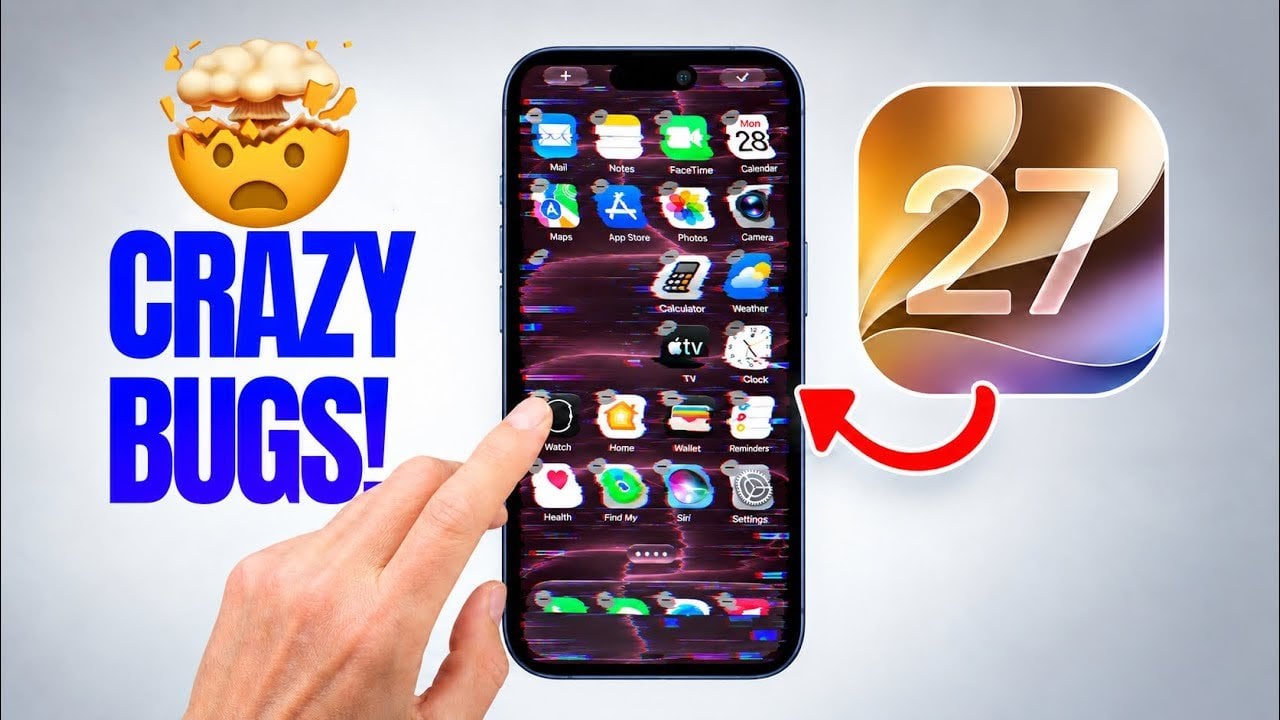
The rollout of iOS 27 has introduced a significant bug that can render iPhones temporarily unresponsive under specific, deliberately triggered conditions. This issue primarily impacts the touchscreen and home screen functionality, requiring a hard reset to restore normal operation. While the bug does not occur during typical usage, its presence raises concerns about the overall […]
The post The Worst iOS 27 Bugs Yet: More Details Revealed appeared first on Geeky Gadgets.

iOS 27 introduces a new way to personalize your iPhone by allowing you to set a video or GIF as your lock screen wallpaper. This feature allows you to transform your lock screen into a dynamic and visually engaging display. Whether you want to showcase a favorite memory, a creative animation, or a design that […]
The post How to Put a Video or GIF on Your iPhone Lock Screen in iOS 27 appeared first on Geeky Gadgets.

Your phone focuses by firing an invisible laser pulse at whatever you’re aiming it at, timing the bounce, and telling a tiny motor to move some glass. The whole loop finishes in a few hundredths of a second and nobody has thought about it since roughly 2017. VIVIFoCAL has taken that identical hardware recipe, a time of flight sensor, a microcontroller and an actuator, and bolted it onto a pair of glasses pointed at the world instead of at your brunch. The S1 measures how far away the thing you’re looking at is, works out the optical power your eyes need, and mechanically shifts the lenses into position in under 0.1 seconds. It’s autofocus, except the sensor is on your face.
Dr. Zhao, who earned his doctorate at a world-leading university and previously ran an optical R&D laboratory at a major optics company, built VIVIFoCAL around a piece of physics that has not yet been widely adopted by the general public. The S1 uses Alvarez lenses, two complementary freeform elements that change optical power when one slides sideways across the other. Nobel laureate Luis Alvarez patented the principle, and it was then stranded for decades because somebody had to do the sliding. A motor does it now. The result covers 8 inches to infinity in a 40 gram frame, and it launches with VIP pricing from $289.
Designer: VIVIFoCAL
Click here to Reserve Now: $10 (VIP pricing from $289).

Three sensors do the work rather than one. A time of flight laser reads distance, a G-sensor tracks head posture, and an infrared wear detection sensor tells the glasses whether they’re on a face at all, which is how the battery survives being pushed up onto your head mid-conversation. The microcontroller sits between them, converting a distance reading into a lens position and commanding the motor in a single pass. The lenses simply change optical power to match whatever distance you’re looking at, the same job your eyes handle on their own before presbyopia kicks in. VIVIFoCAL calls that loop Instant Focus, and the same time of flight hardware we’ve watched migrate into phones, robot vacuums and door locks is what makes it affordable in eyewear.
Fitting a moving lens assembly, a rangefinder, a motion sensor, a microcontroller, a motor and a battery into something that still reads as eyewear is the harder half of this product. VIVIFoCAL has pushed the electronics into the brow bar and the temple arms, keeping the optical stack shallow enough that the frame sits on a face instead of announcing itself as hardware. The 160.5 x 160 x 43.5mm envelope is ordinary spectacle territory, which is the entire argument. Every packaging decision is downstream of one goal, helping the wearer see clearly across distances without thinking about the machine doing it.

Presbyopia is projected to affect 2.1 billion people by 2030, and the standard answer for most of them is a progressive lens with three prescriptions blended into one lens, near at the bottom, distance at the top, intermediate smeared between. Finding the right part of the glass means tilting your chin, and the tradeoff is the narrow tunnel vision that progressive wearers describe, with softness creeping in toward the edges. VIVIFoCAL calls its answer Full-Lens Clarity, where the Alvarez lenses deliver one consistent optical power across the whole lens at every setting instead of splitting it into zones. There is nothing to hunt for and less peripheral distortion to work around. I’ve watched that chin-tilt dance play out for years, so the appeal is obvious.
Progressive glasses are generally built around everyday reading tasks, and for closer or more detailed work plenty of wearers still reach for a second pair or a magnifier. S1’s focusing range starts at 8 inches, which brings fine detail inside the same lens handling everything else. VIVIFoCAL demoed the glasses at WonderFest 2026 against a 1/35 scale miniature, the sort of precision hobby work that has kept optical visors and loupes in business for a century, and the testers who work with their hands responded the way you’d expect. One early tester shared that using S1 in a data center was a productivity gain and a huge plus, because he could walk past equipment and read tiny serial numbers without interrupting his workflow to take out extra readers, switch to other glasses, or use additional visual aids. He no longer carries multiple pairs when he leaves the house.
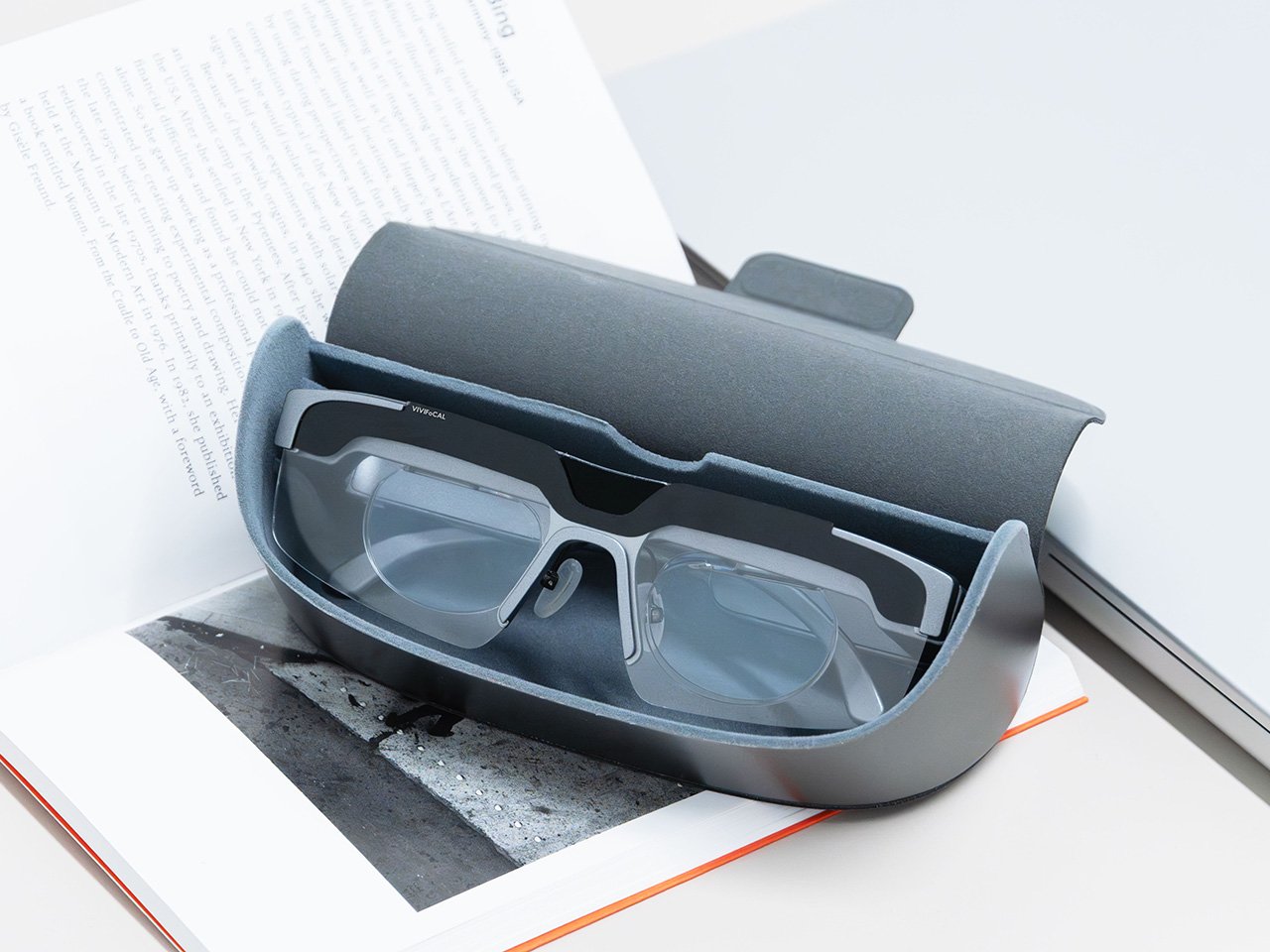
VIVIFoCAL designed around the fact that head sizes and nose bridge heights vary far more than eyewear brands usually admit, which is why S1 ships with flexible spring hinges and three sizes of interchangeable nose pads to adapt across face shapes. The frame lands at 40 grams bare and 50 with the magnetic front clip, built on TR90 temples, the same material that has quietly taken over lightweight frames and wearable arms across the industry. Those numbers matter because forgetting you’re wearing them is the whole point of automating focus in the first place. A 250mAh battery holds up through 8 hours of constant refocusing and refills over USB-C in about an hour, with normal use stretching to a full day. Glasses that can run flat is still a new idea to make peace with.
A separate pair of lenses attaches behind the Alvarez elements, so one pair carries your prescription to see near and far. Magnetic polarized sunglass lenses snap onto the front for outdoor use with adaptive focus still running underneath. The polycarbonate lenses carry anti-reflective and anti-smudge coatings, transmit more than 90 percent of light, and sit inside a field of view above 110 degrees. The app adds a ±0.5D fine-tuning range on top of the automatic correction, which is how the glasses absorb the slow drift of a presbyopic prescription instead of being replaced. Presbyopia correction tops out at 3.5D, so the deepest cases fall outside what S1 can currently handle.
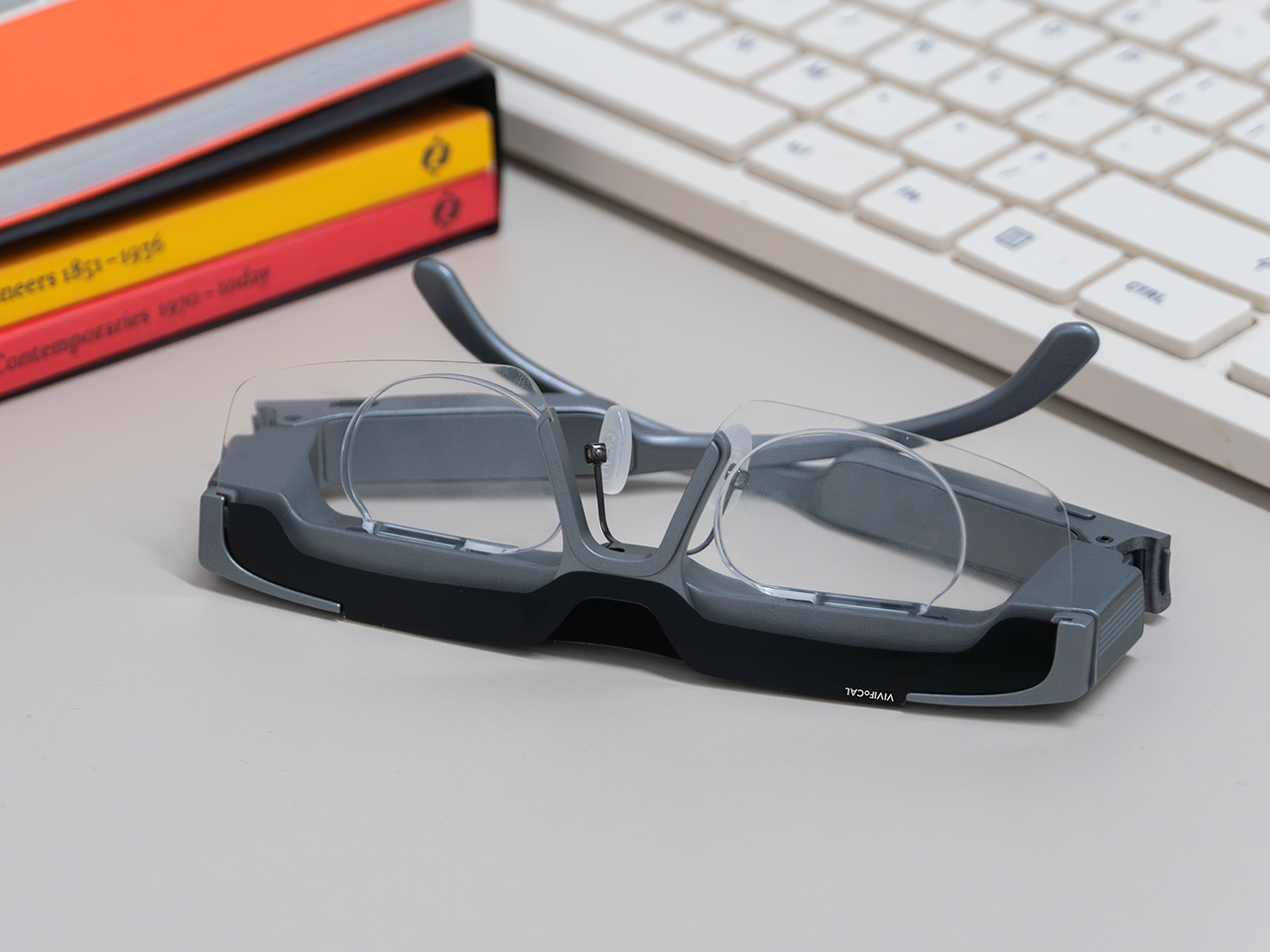
The company isn’t chasing this idea alone. Other teams are working on adaptive focus through liquid crystal lenses or eye tracking instead of a mechanical shift, and the category is young enough that the approaches are still diverging. VIVIFoCAL is betting on the refractive route, real glass moving to change optical power rather than a pixelated layer simulating it, and that bet buys the two things that matter most in eyewear you keep on your face all day. S1 holds above 90 percent light transmittance and a field of view past 110 degrees, which is why the image through it behaves like a lens instead of a screen.
Alvarez lenses have been a lab curiosity since 1967 for one reason, which is that the sliding had to be automated by something small enough to live inside a temple arm. Sensors, motors and microcontrollers have finally shrunk far enough to make that trivial, which makes S1 a triumph of packaging, and packaging is where most wearables actually get decided. Autofocus earned its invisibility in cameras by working so fast nobody noticed it, and 0.1 seconds across 8 inches to infinity puts the same disappearing act in front of your eyes. S1 ships with a 1-year warranty, and a refundable $10 deposit locks in VIP pricing at $289 ahead of the official launch, with either the prescription lens service or the sunglass lens bundle included depending on which one you need. Sixty years is a long time for a good idea to wait for its motor.
Click here to Reserve Now: $10 (VIP pricing from $289).
The post The VIVIFoCAL S1 Glasses Focus Themselves So Your Eyes Don’t Have To first appeared on Yanko Design.