It really warms my heart when I see Gen Z and Gen Alpha kids collecting physical media from their favorite artists. These are people who probably weren’t even born yet when cassette tapes and CDs were our Spotify and Apple Music. One problem, though: while CD sales keep growing, there are still only a handful of decent, affordable CD players on the market. So there are some people out there, some people is me, who collect CDs but honestly don’t have anywhere to play them.
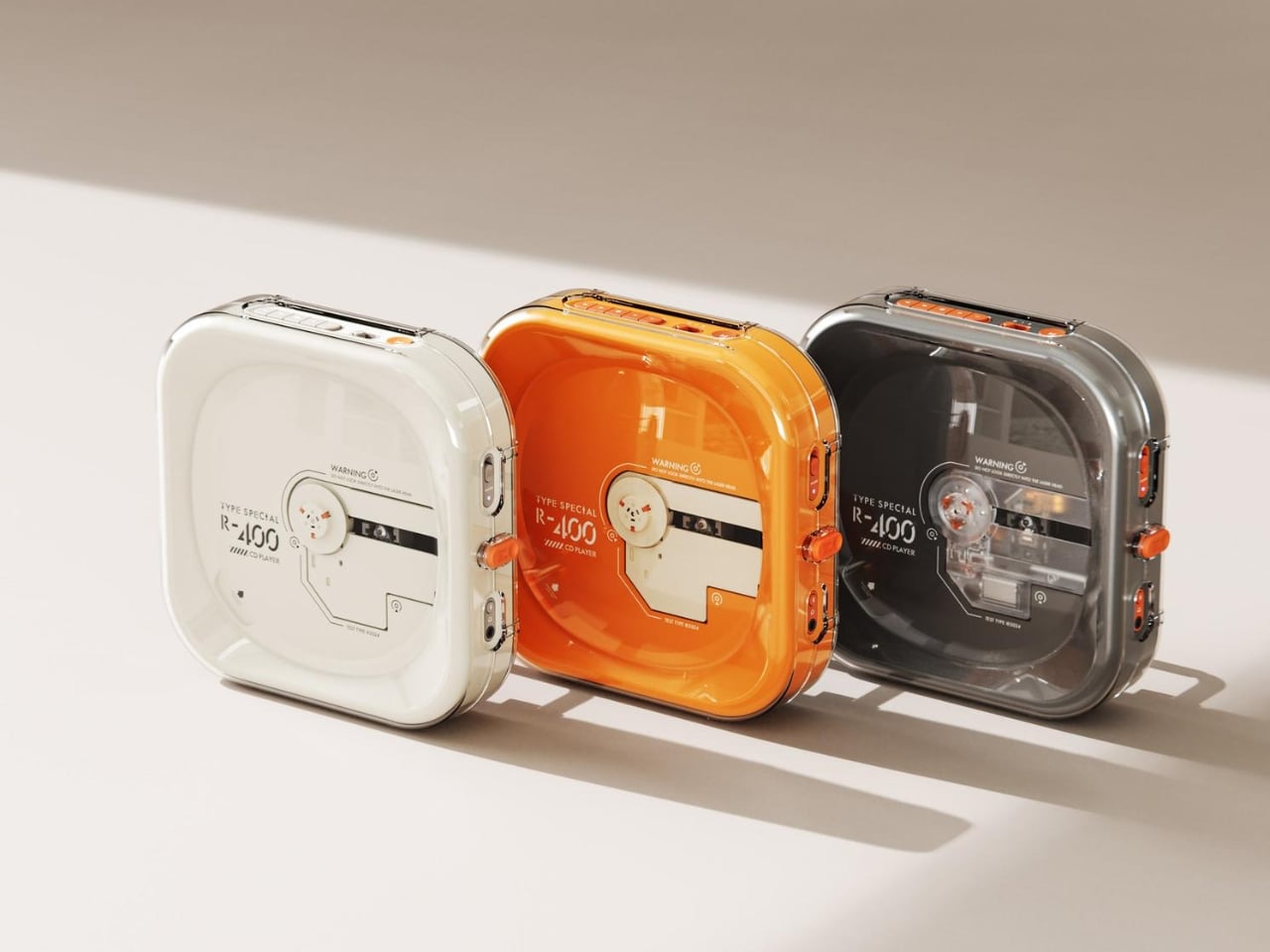
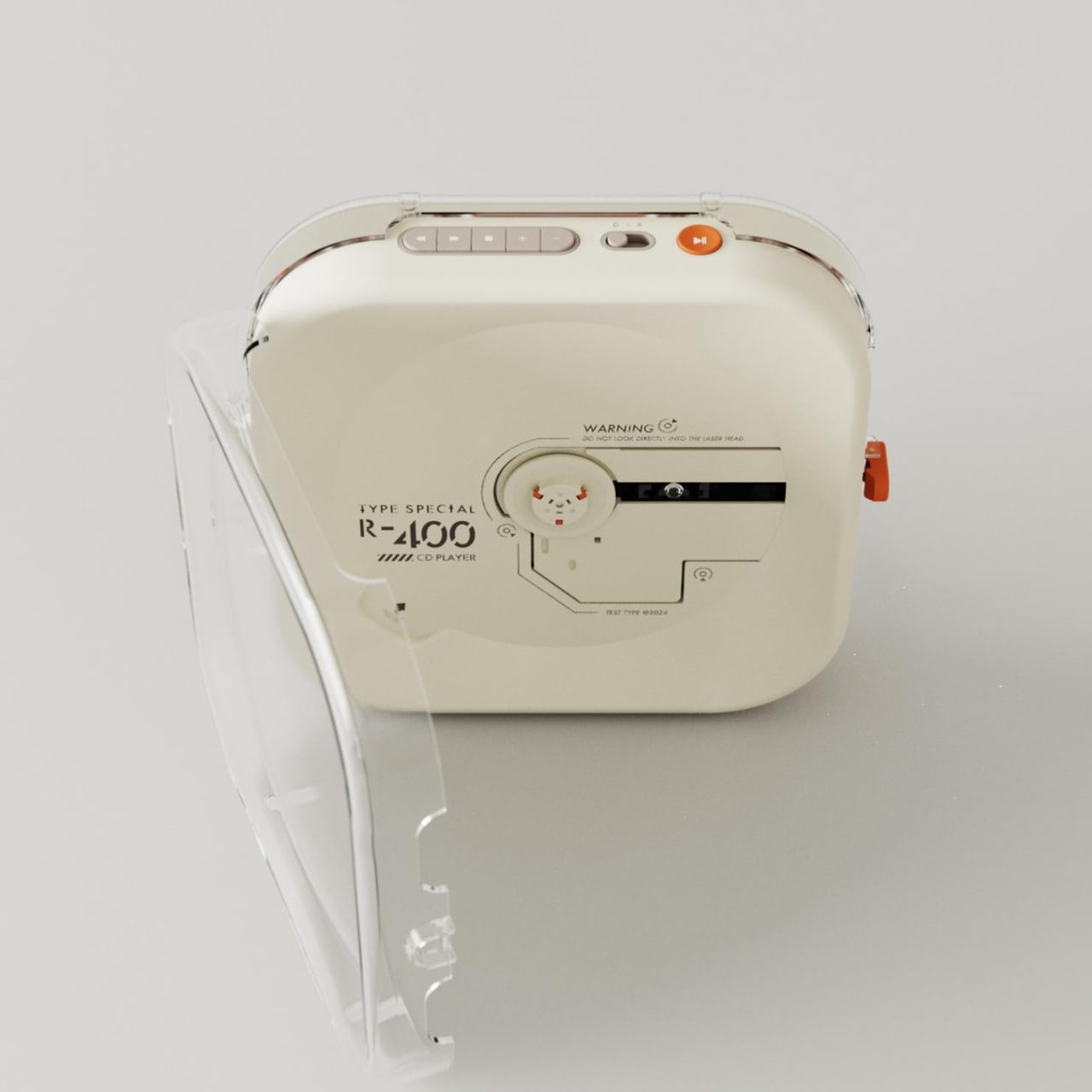
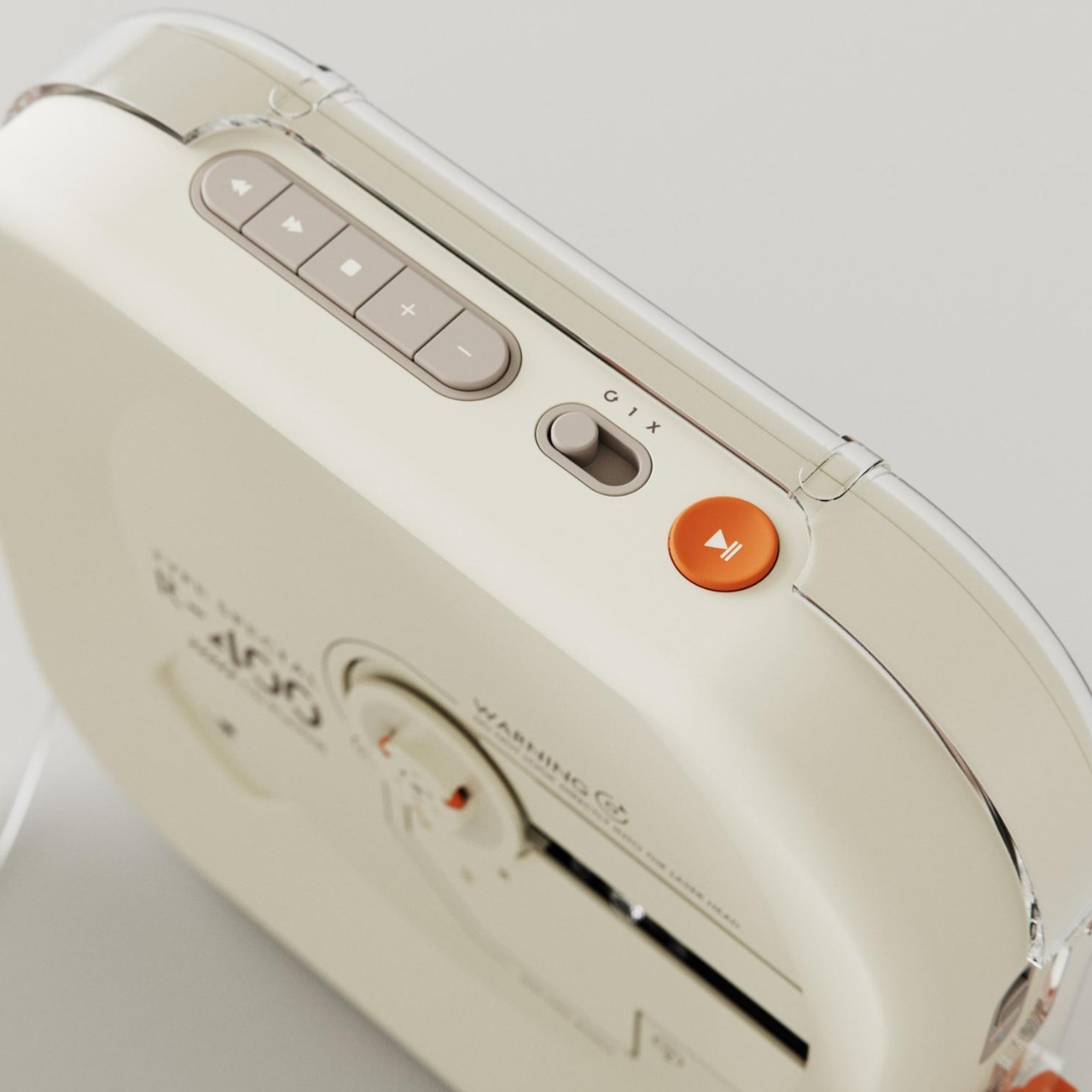
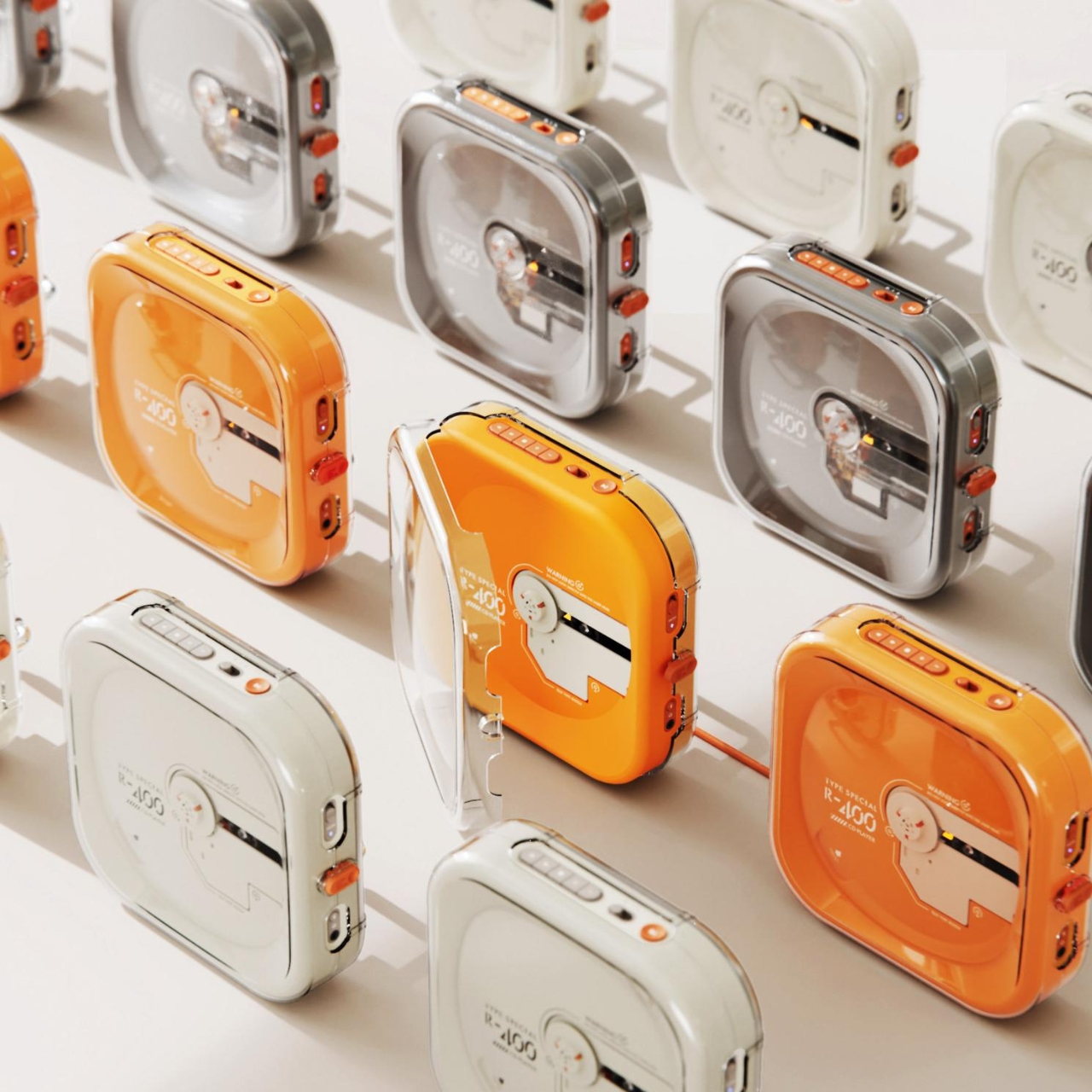
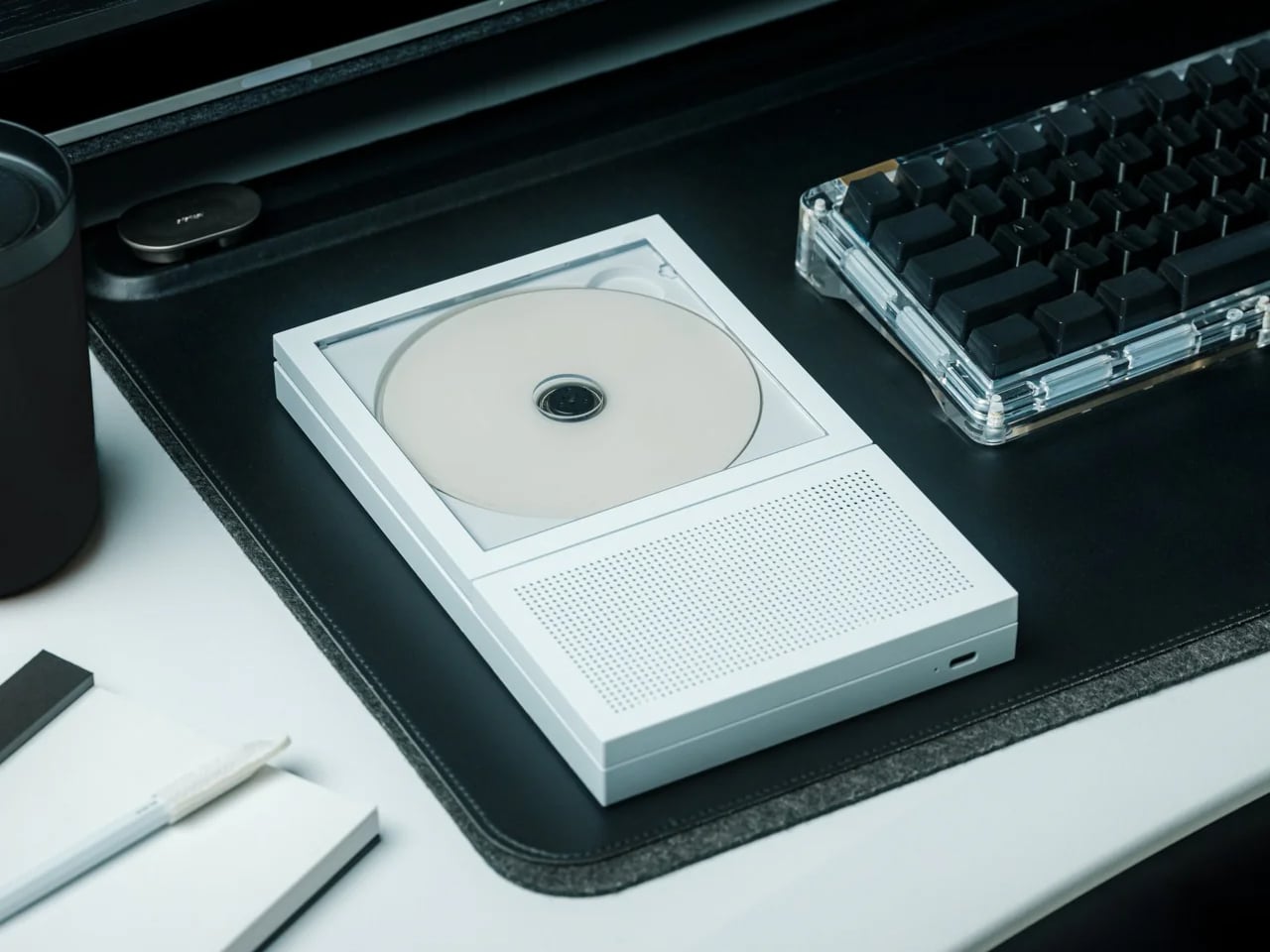
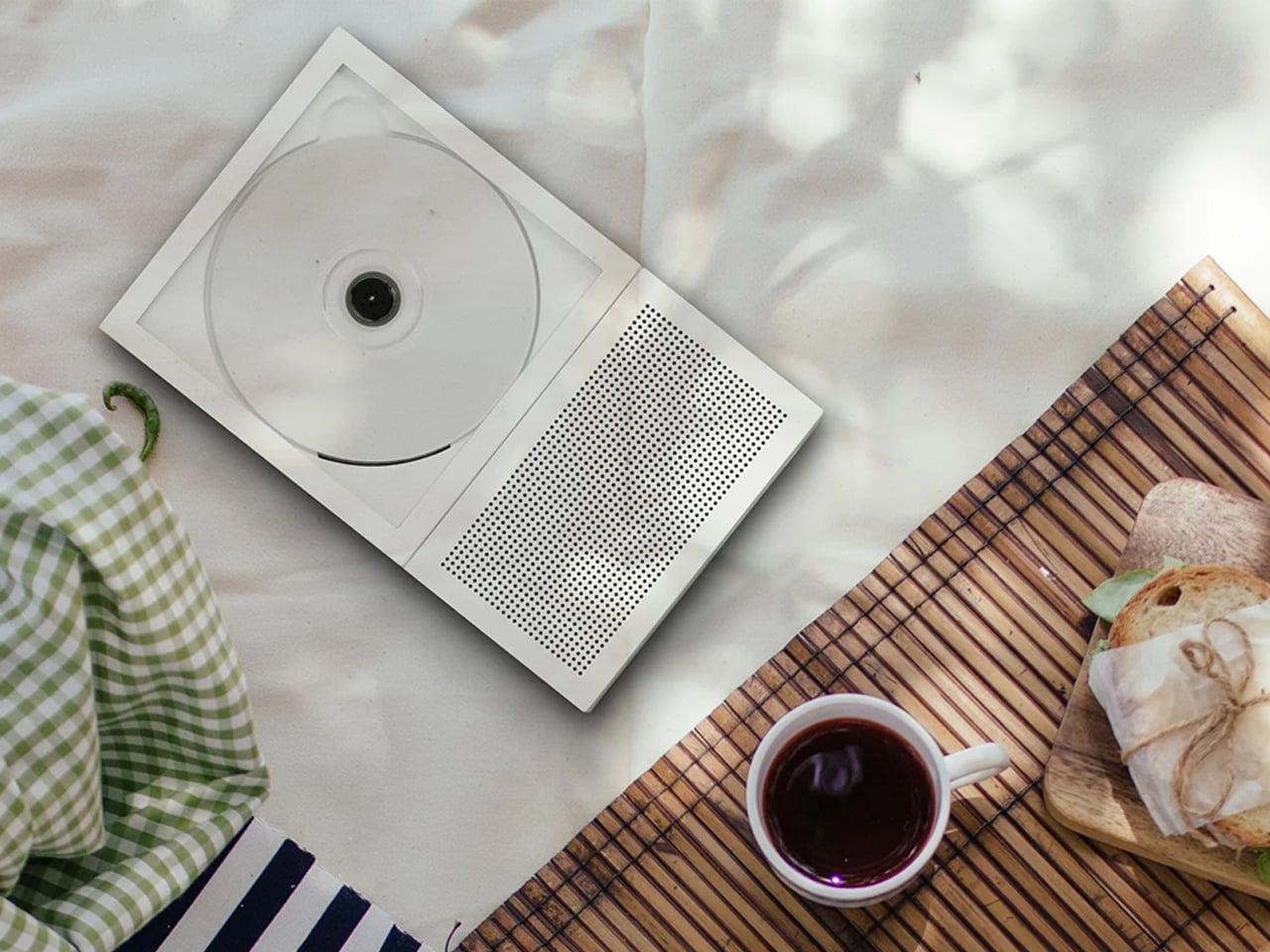
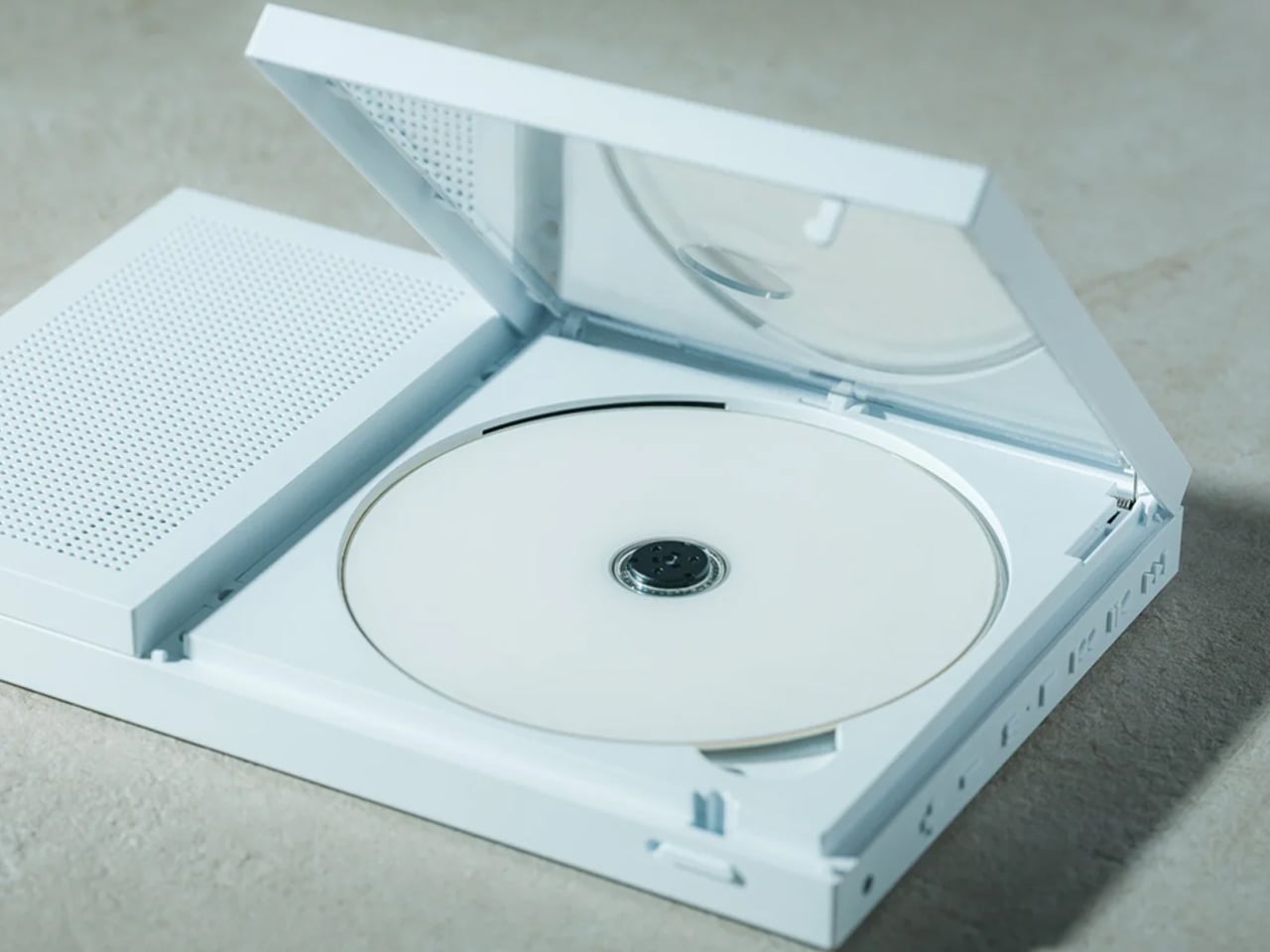
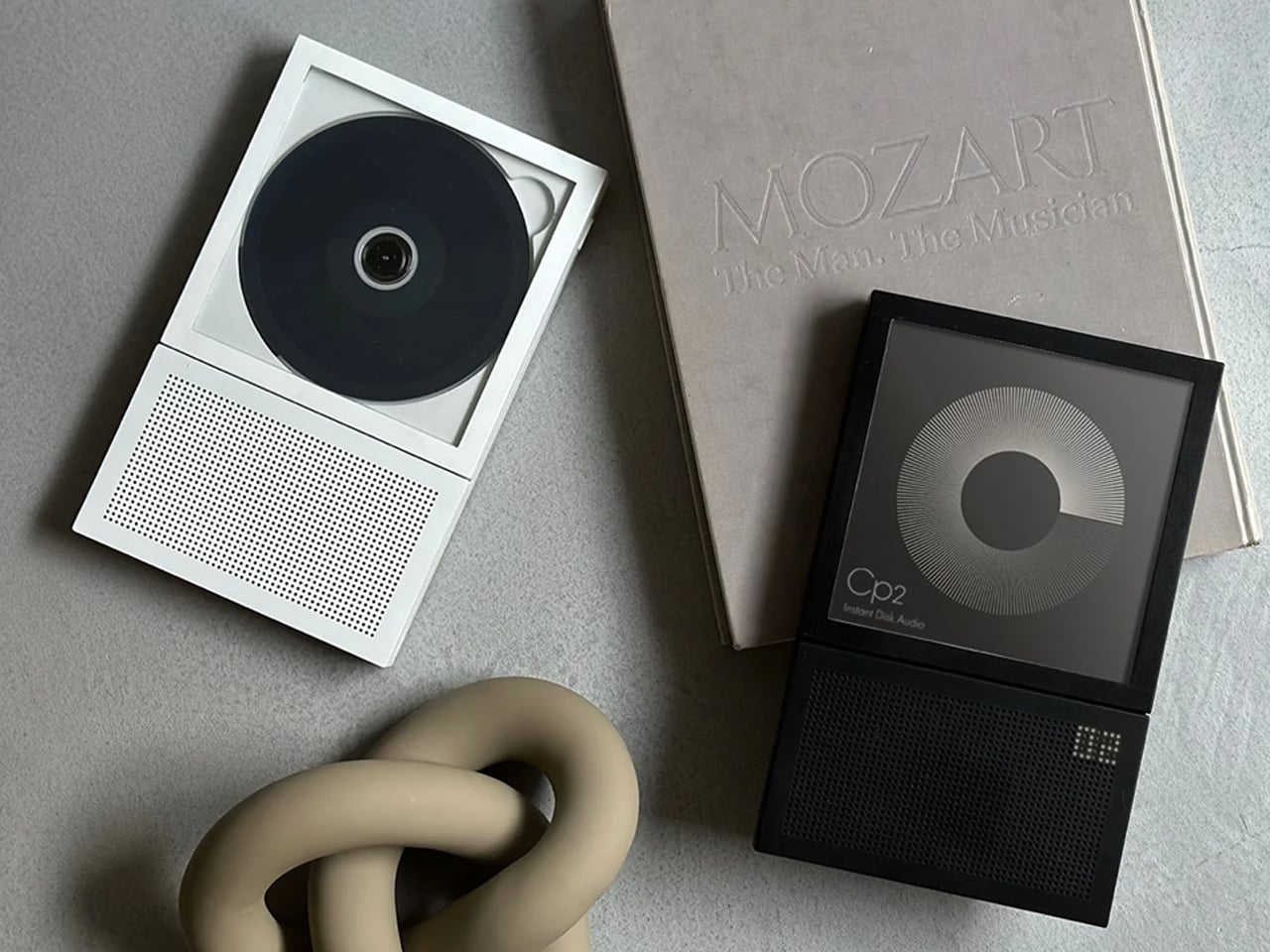
That’s exactly the gap the Syitren R400 CD Player, designed by ORGDOT Design, is trying to fill. It’s an entry-level, portable Bluetooth CD player built for young people who are either curious about physical music or already knee-deep in a growing CD collection. Think of it as the more affordable younger sibling to Syitren’s premium R300 player, which won a 2025 MUSE Design Award Gold. The R400 recently picked up its own hardware, too, winning a Silver A’ Design Award in 2026 in the Audio and Sound Equipment category, proof that this isn’t just a cute gadget, but a genuinely well-thought-out piece of design.
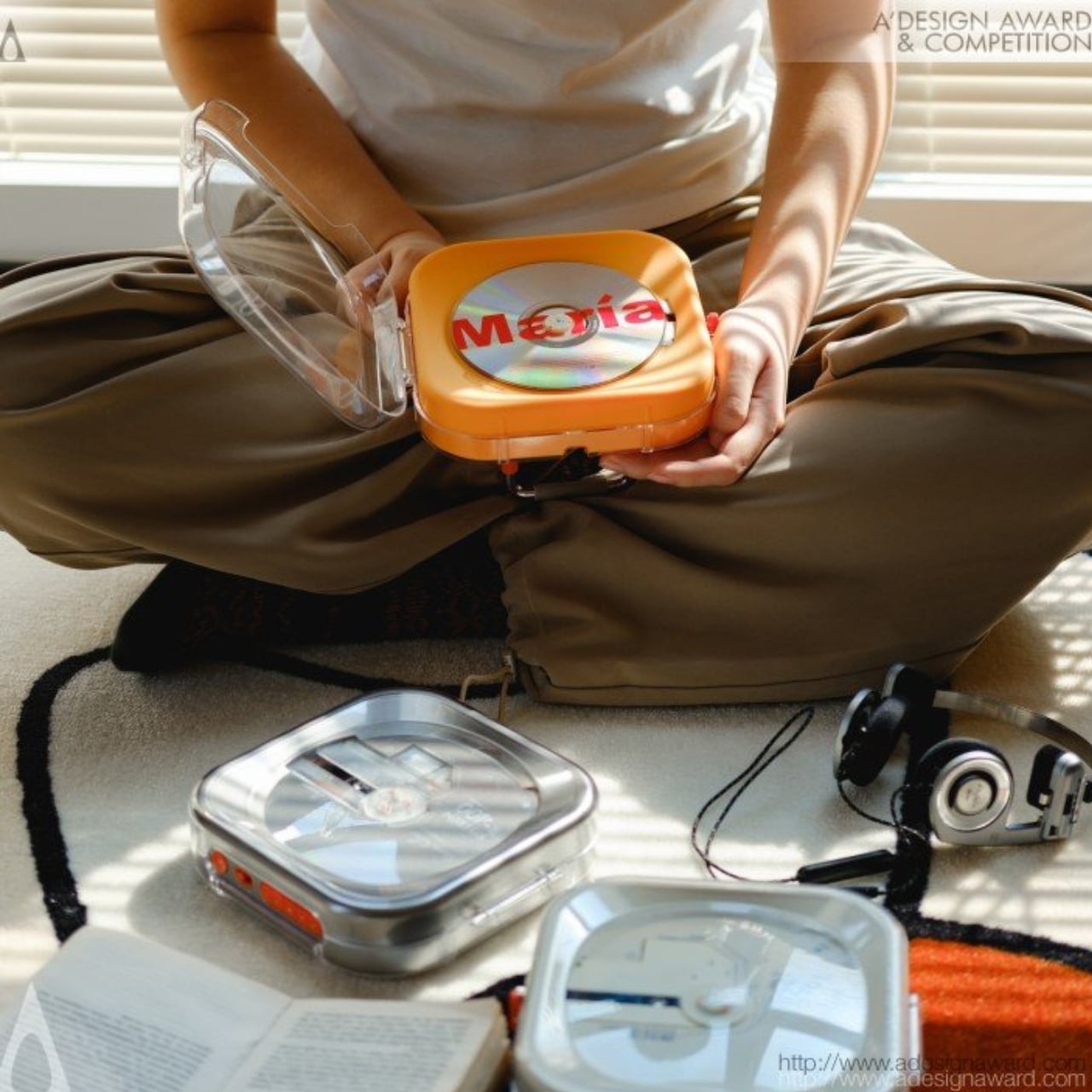
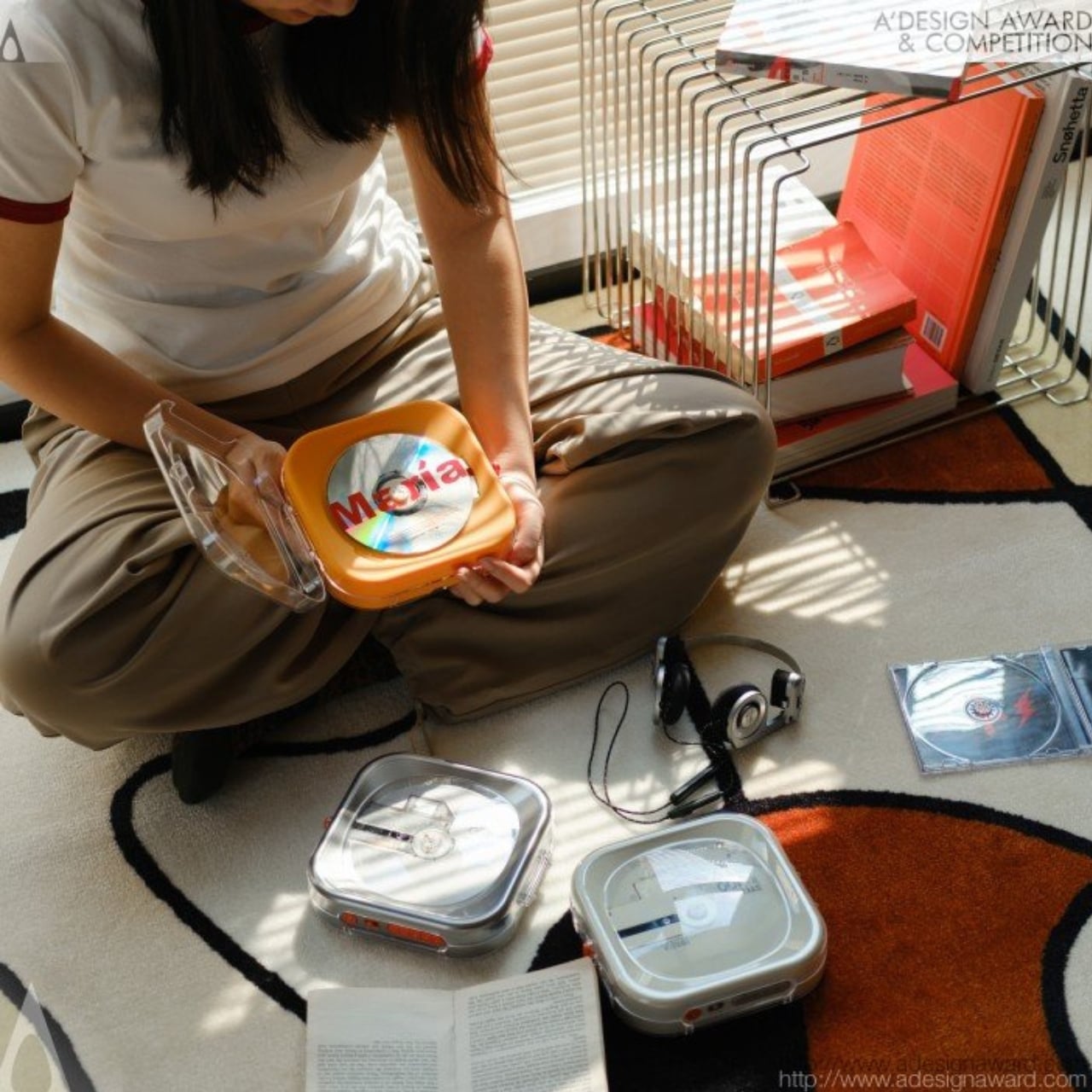
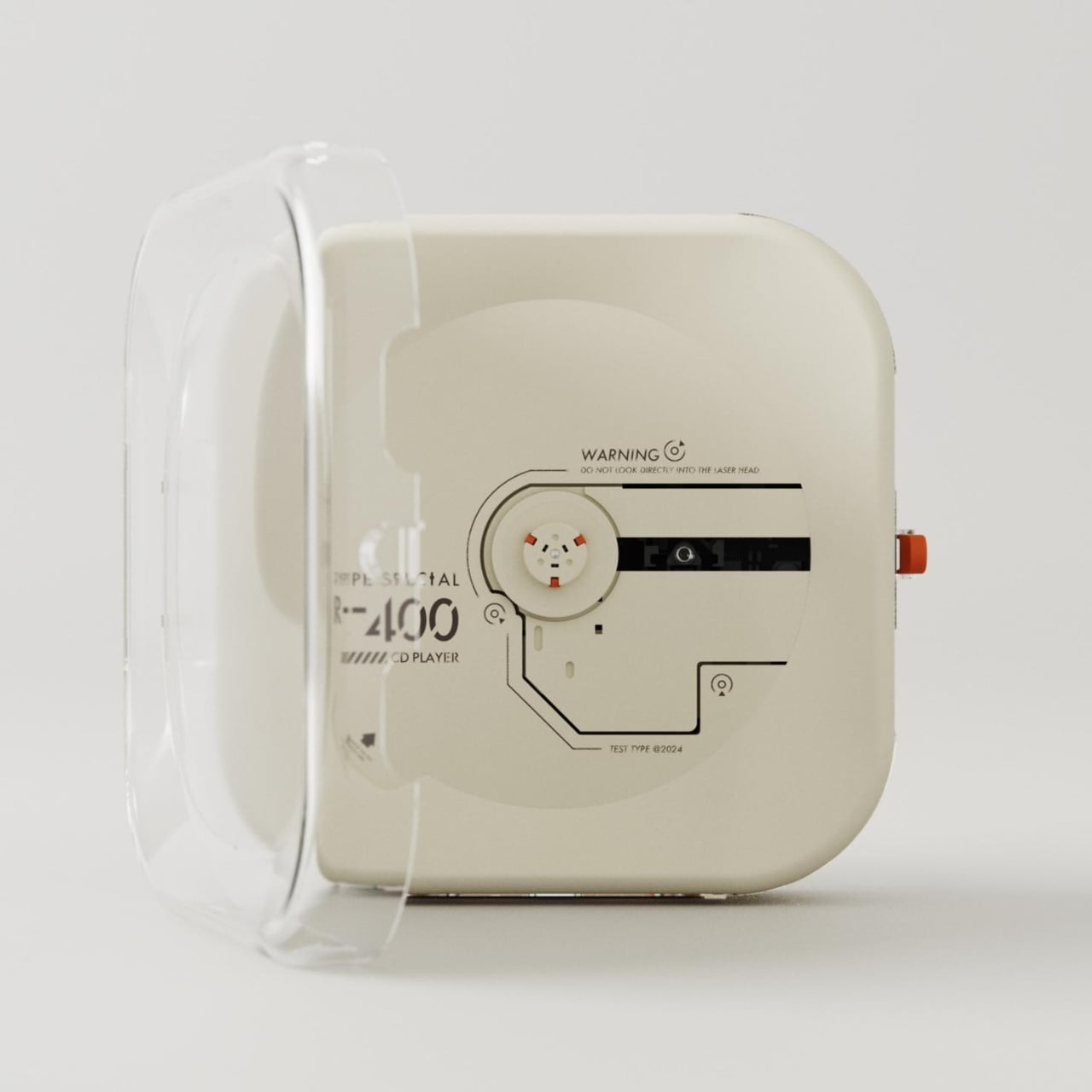
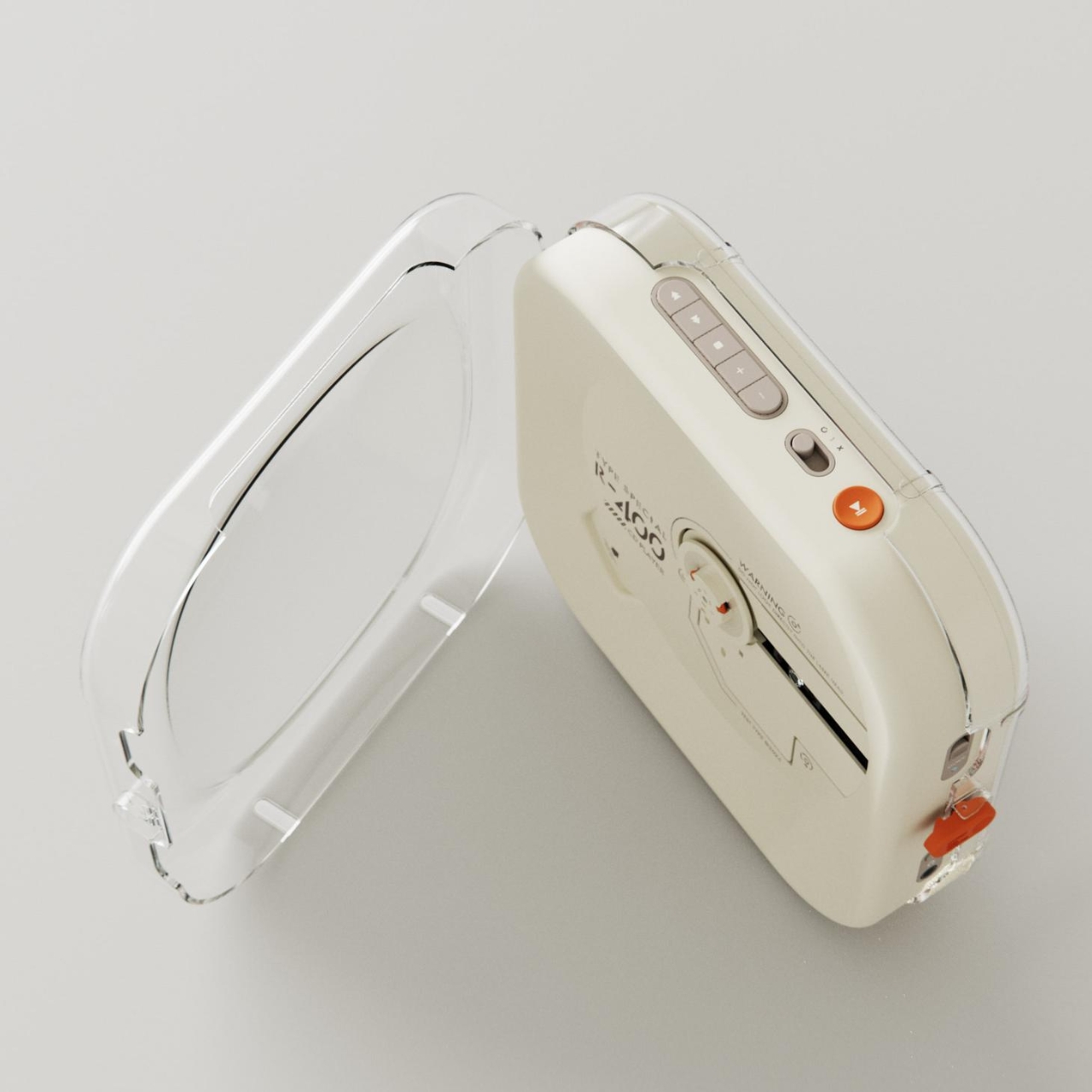
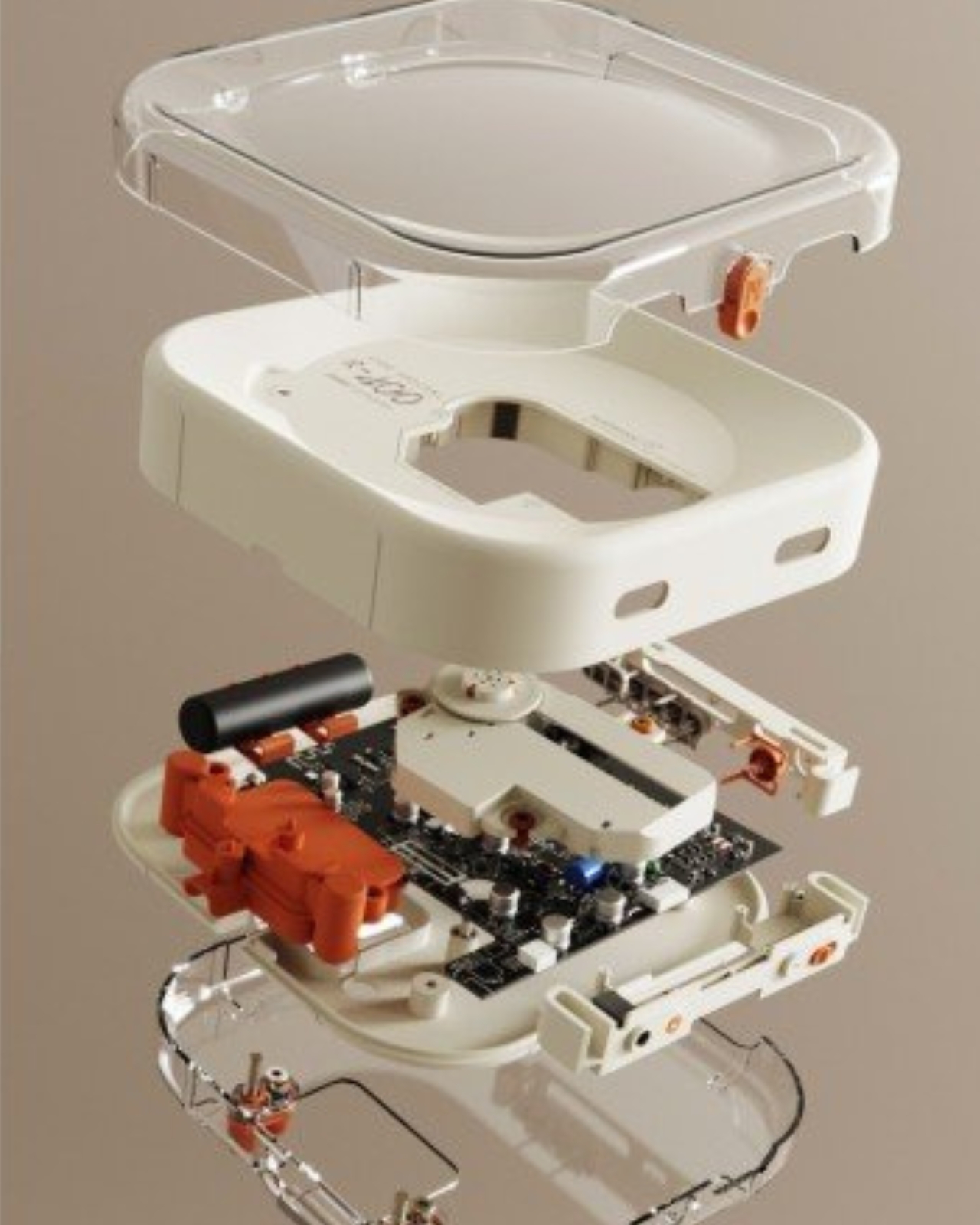
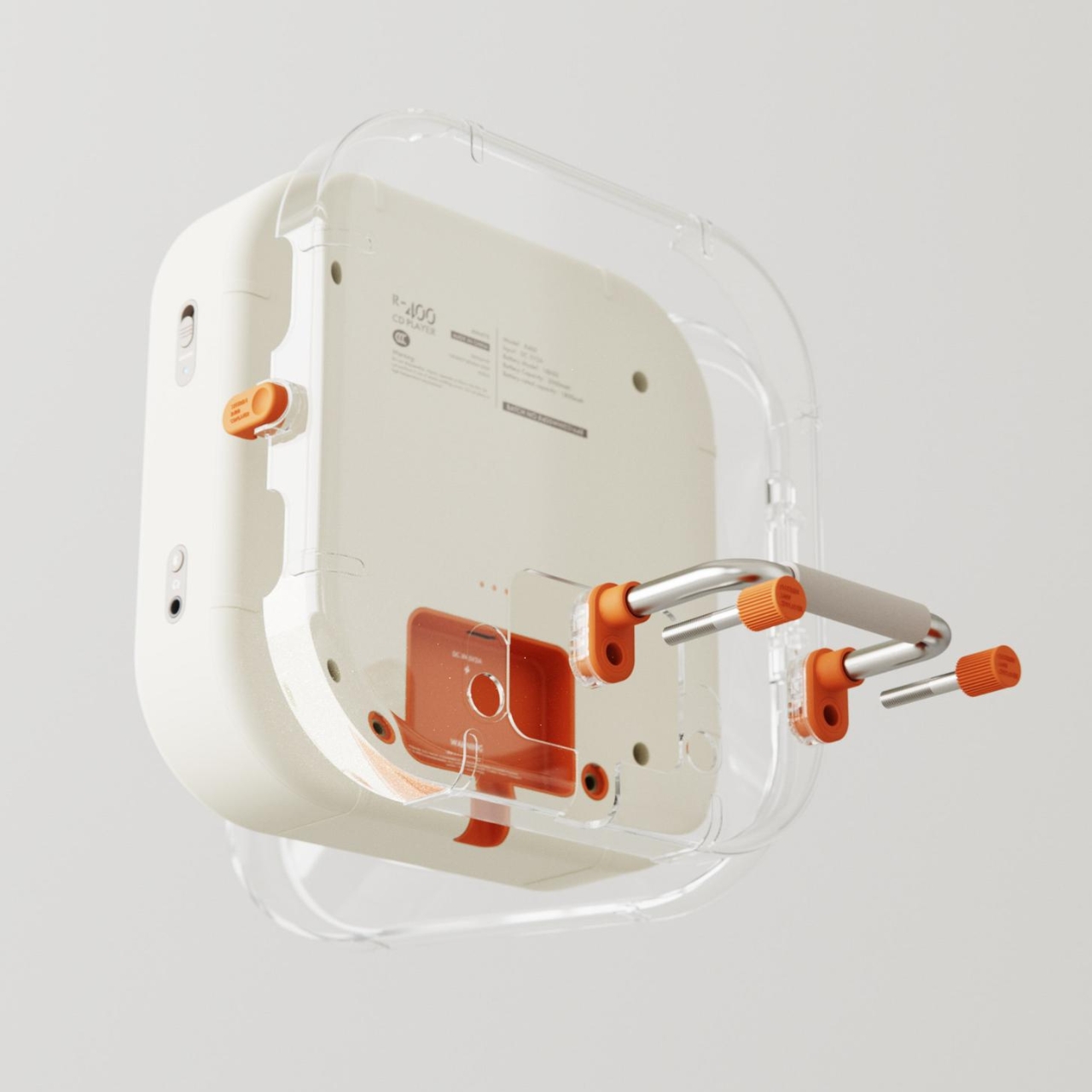
Here’s where the R400 gets interesting. Instead of just slapping a cheap plastic shell on a budget player, ORGDOT’s design team asked a different question: what if the shell wasn’t permanent at all? Their solution was a detachable, modular shell that separates the protective cover from the core unit. That single decision lowers the base cost significantly, but it doesn’t make the player feel cheap, it makes it feel customizable. Buyers can pair the R400 with a transparent, decorate-it-yourself cover (perfect for stickers or doodles), snap it onto the included stand for a tidy desk setup, or later add a wall-mount bracket that turns it from a tabletop player into an actual piece of room decor.
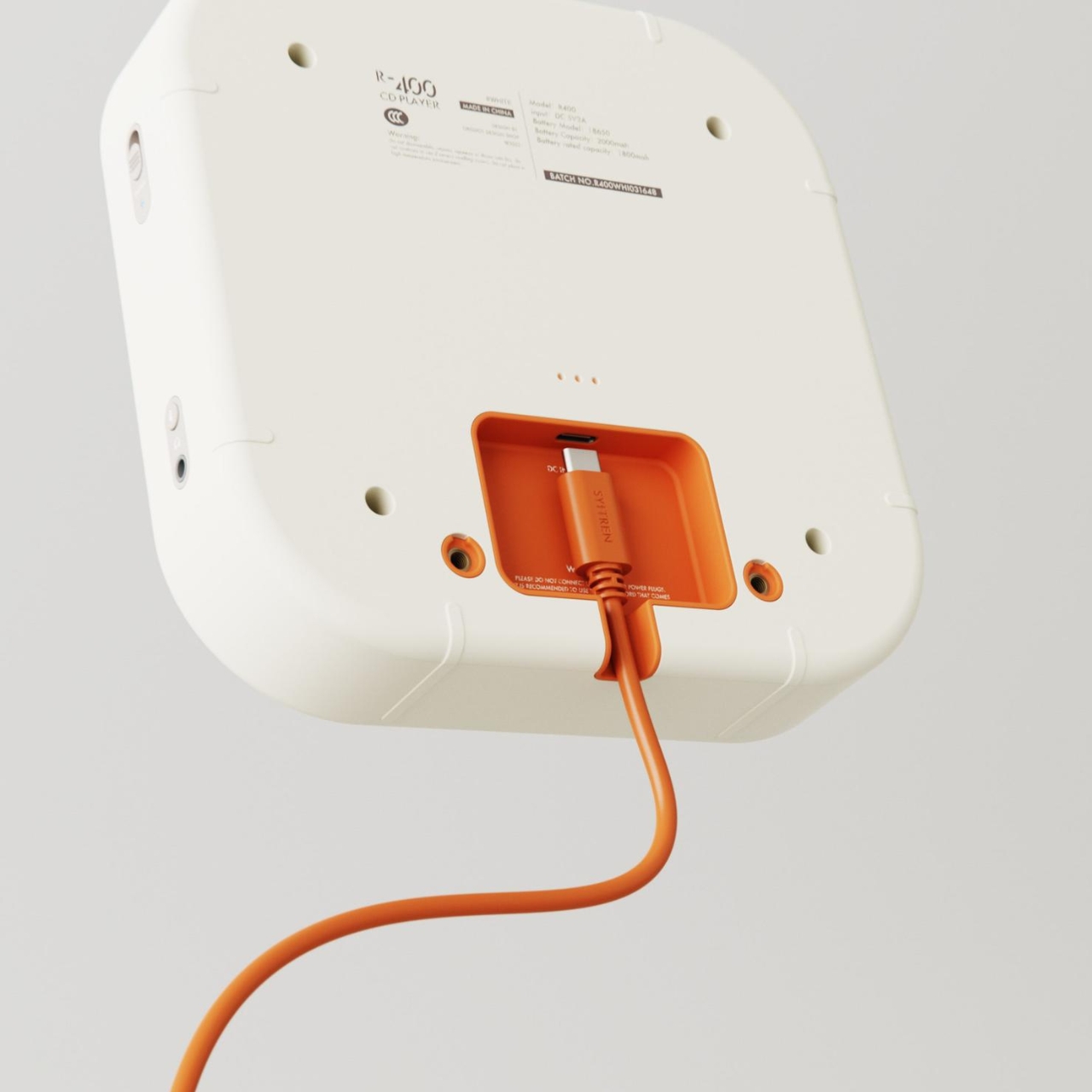
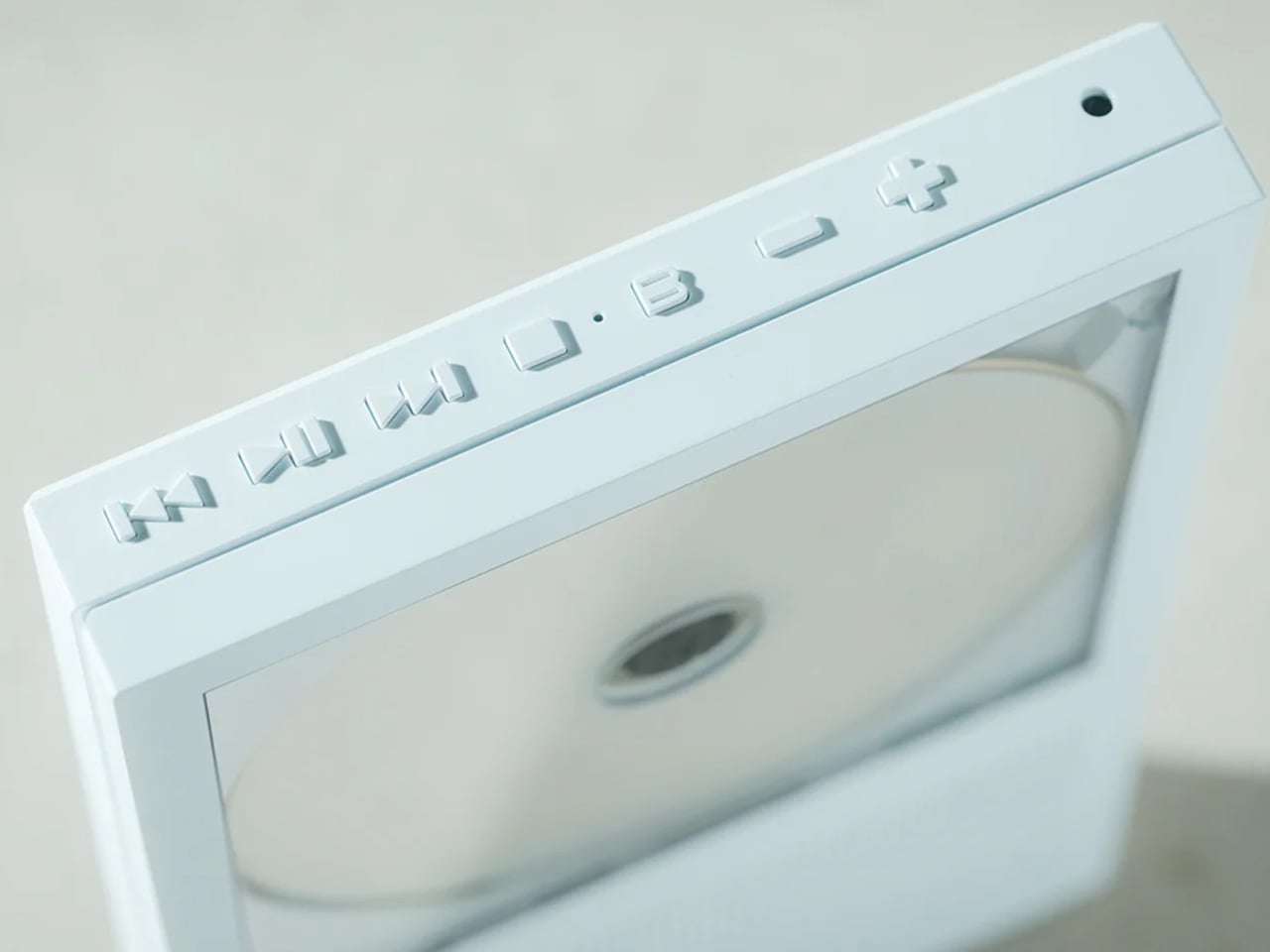
Even installing the shell was designed to feel less like a chore and more like a small ritual, a nice touch for a product aimed at a generation that genuinely enjoys unboxing and personalizing their tech. The body itself uses a dual-material construction that gives it a sturdier, more premium feel than you’d expect at this price, and there’s a sunken charging compartment with a built-in wire groove so your charging cable doesn’t bend or fray over time. It’s a small detail, but it’s the kind of thing that tells you someone actually thought about how this thing gets used every day.
Under the hood, the R400 runs on a custom Syitren “pure CD core” for solid playback quality, paired with a 70dB signal-to-noise ratio for clean, high-fidelity sound. Since it’s meant to be carried around, it also has anti-vibration engineering, so you won’t get skips or jitter while commuting or walking around listening to your favorite album. You can go wireless with Bluetooth 5.3 for easy streaming and pairing, or if you want to lean into the “retro” experience, there are wired options that work with headphones, speakers, or even a car stereo. Battery life clocks in at more than four hours of continuous playback per charge, which is plenty for a workday or a long commute.
For years, Sony basically owned the portable CD player category, from the original Discman to more recent boombox style units like the CFD-S70. But Sony has actually been quietly pulling back from that space, discontinuing several of its CD boomboxes in the U.S. in recent years. That’s left a real opening for brands like Syitren to step in, and the R400 takes a noticeably different approach than the old Sony playbook. Where the CFD-S70 was a bulky, four pound boombox built around AM/FM radio and cassette tapes as much as CDs, the R400 is compact, Bluetooth first, and designed from the ground up for a generation that wants their gear to look good on a desk or a wall, not just play music. At a similar price point to what those old Sony units used to sell for, the R400 feels like it’s actually built for how people listen today.
For anyone sitting on a shelf of unplayed CDs, or anyone who just wants a fun, tactile way to slow down and listen to a full album again, the R400 makes a genuinely compelling case. It’s affordable, it’s customizable, and it doesn’t ask you to choose between good design and good sound. Sometimes the best way forward really is looking back.
If you think compact discs are a thing of the past, you probably haven’t been around a K-pop fan or a hoarder who still has their CDs from decades ago. Then there are people like me who have a stack of CDs collected over the years but no actual CD player to enjoy them on, since options that are strong on both quality and design are hard to come by.
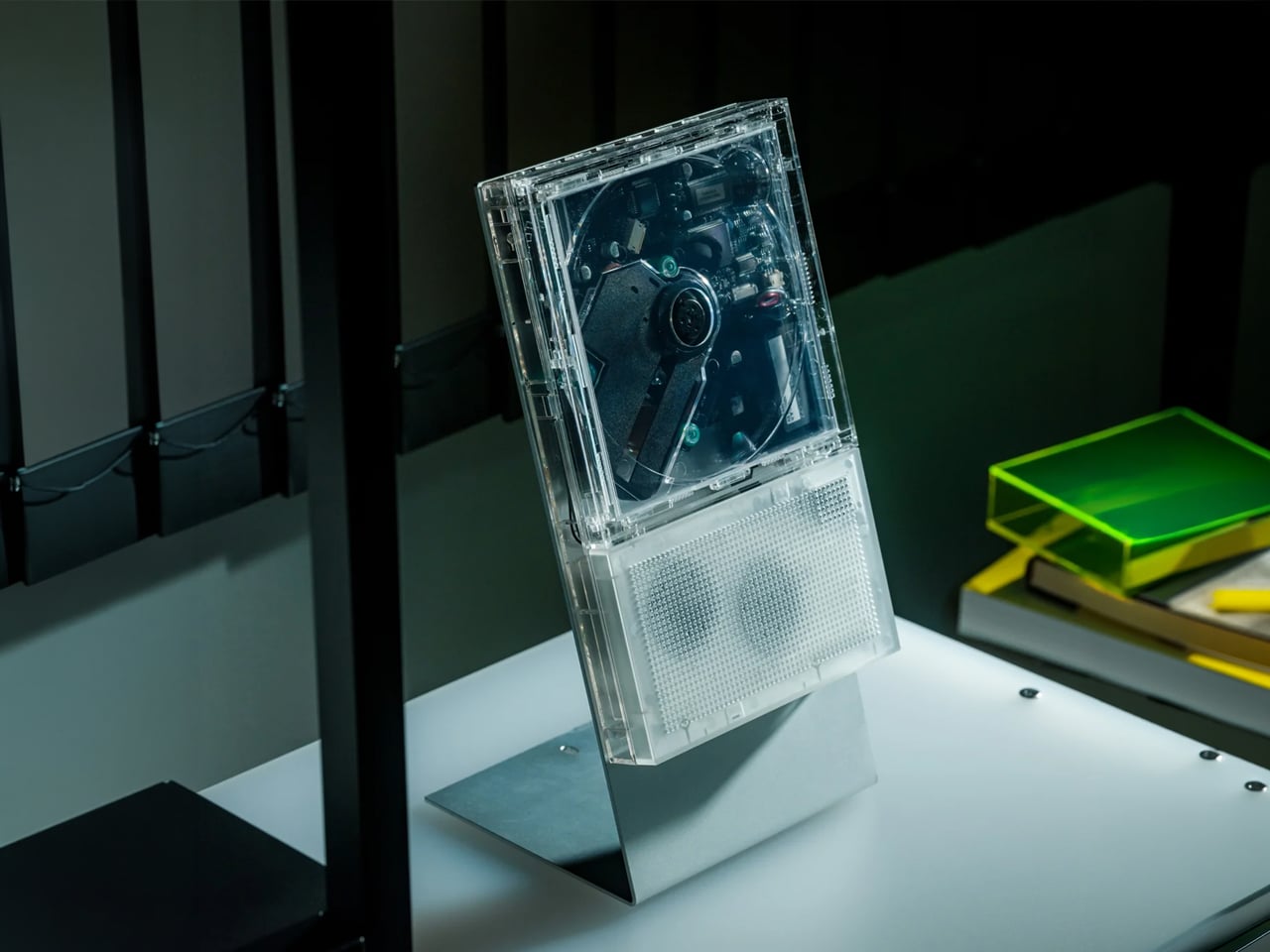
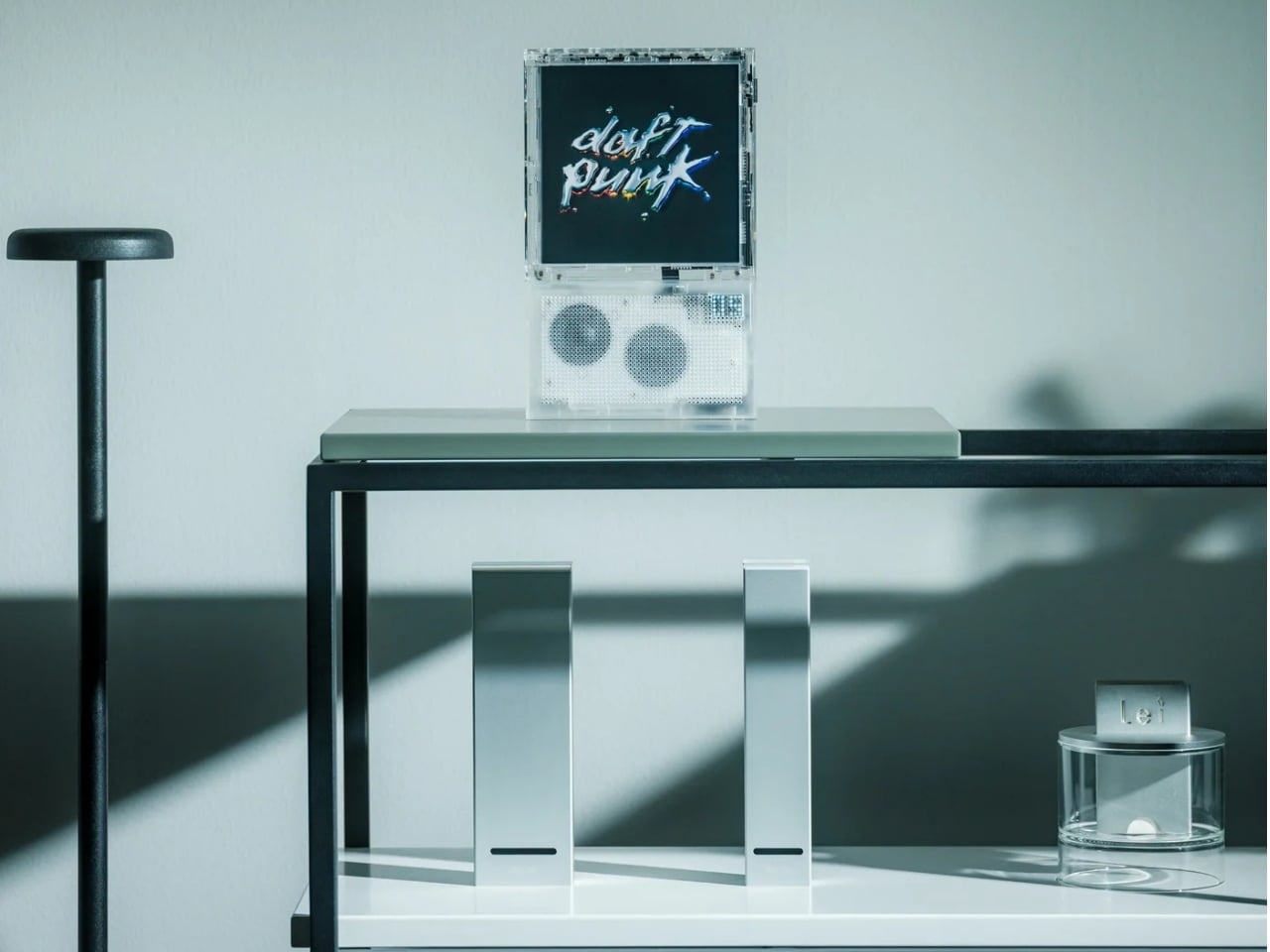
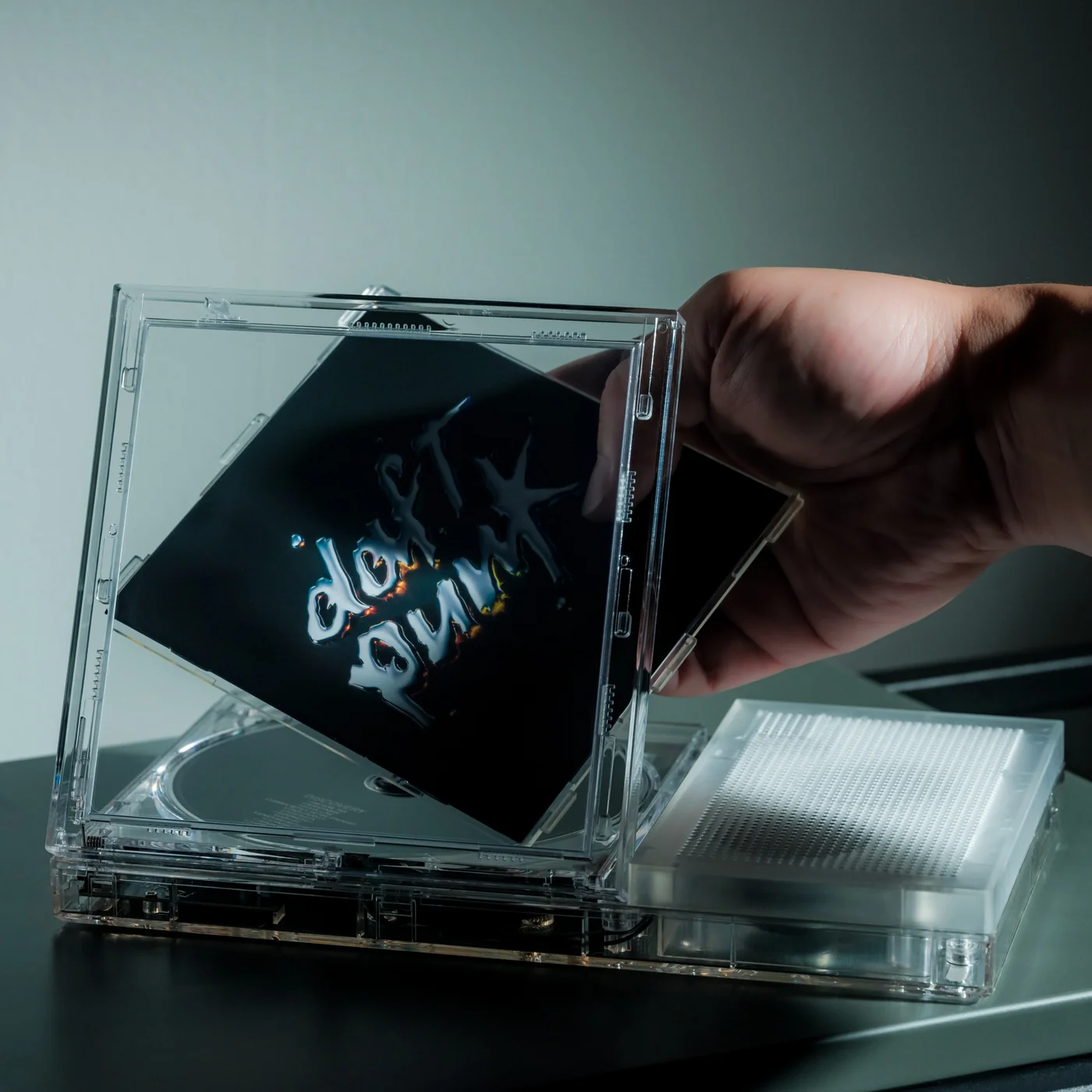
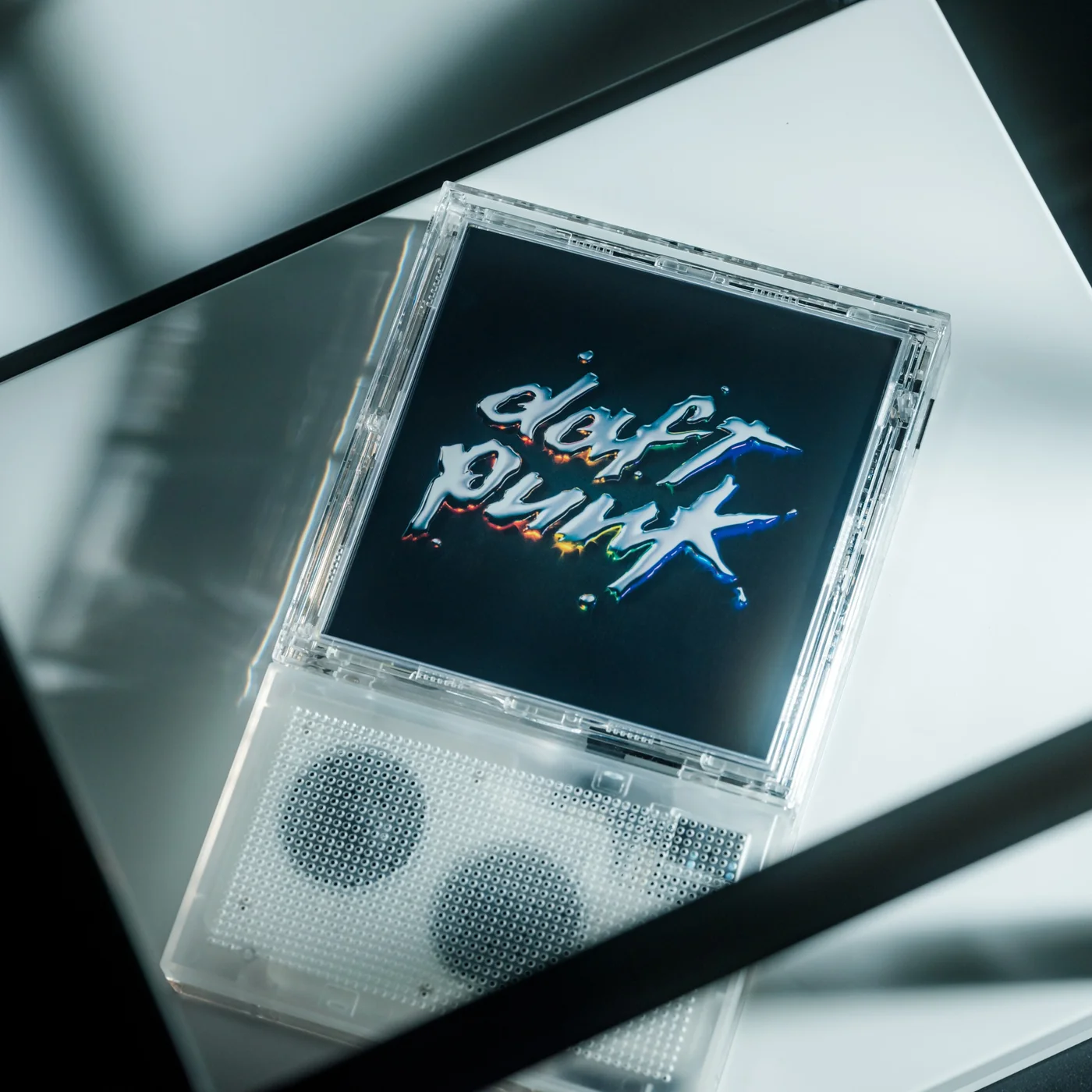
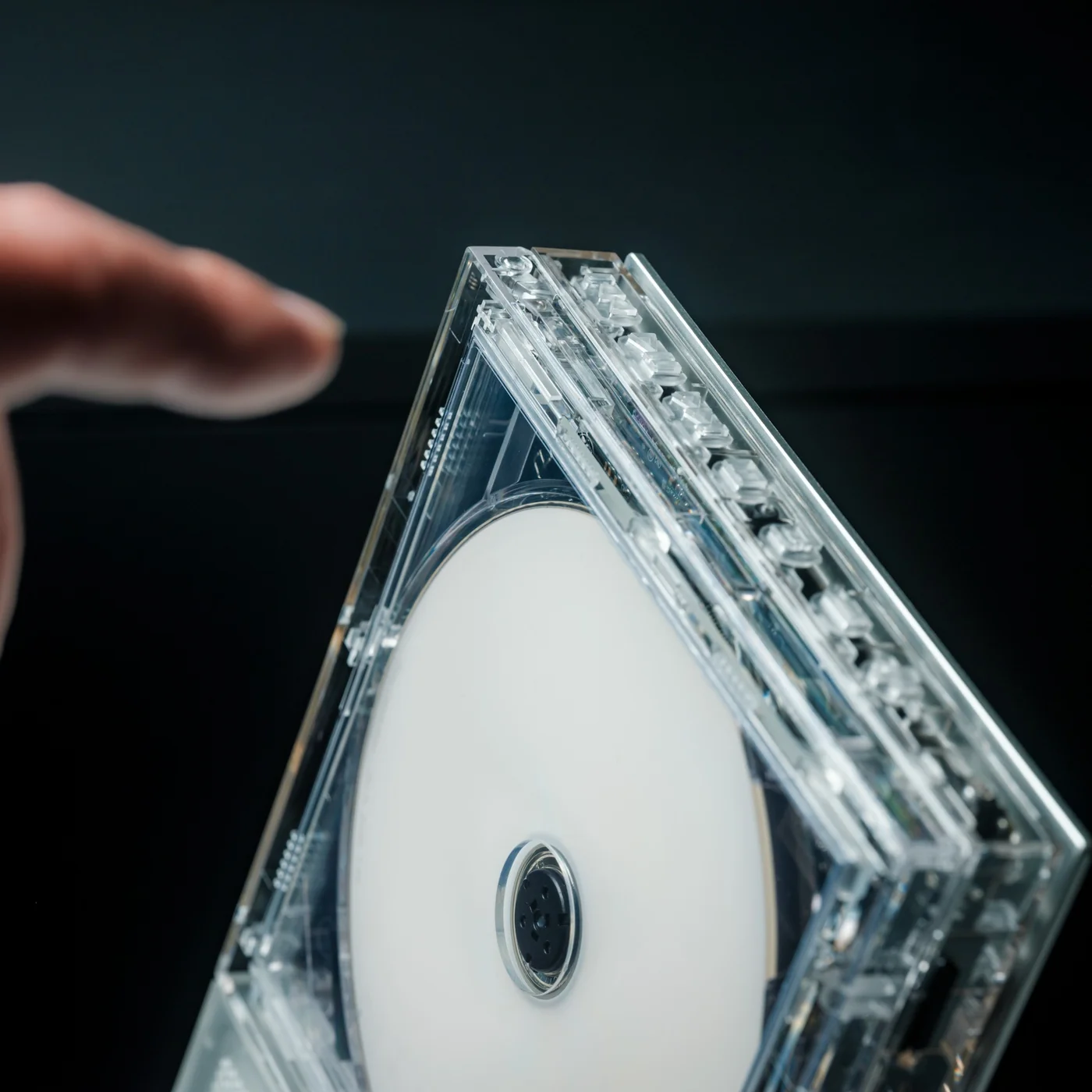
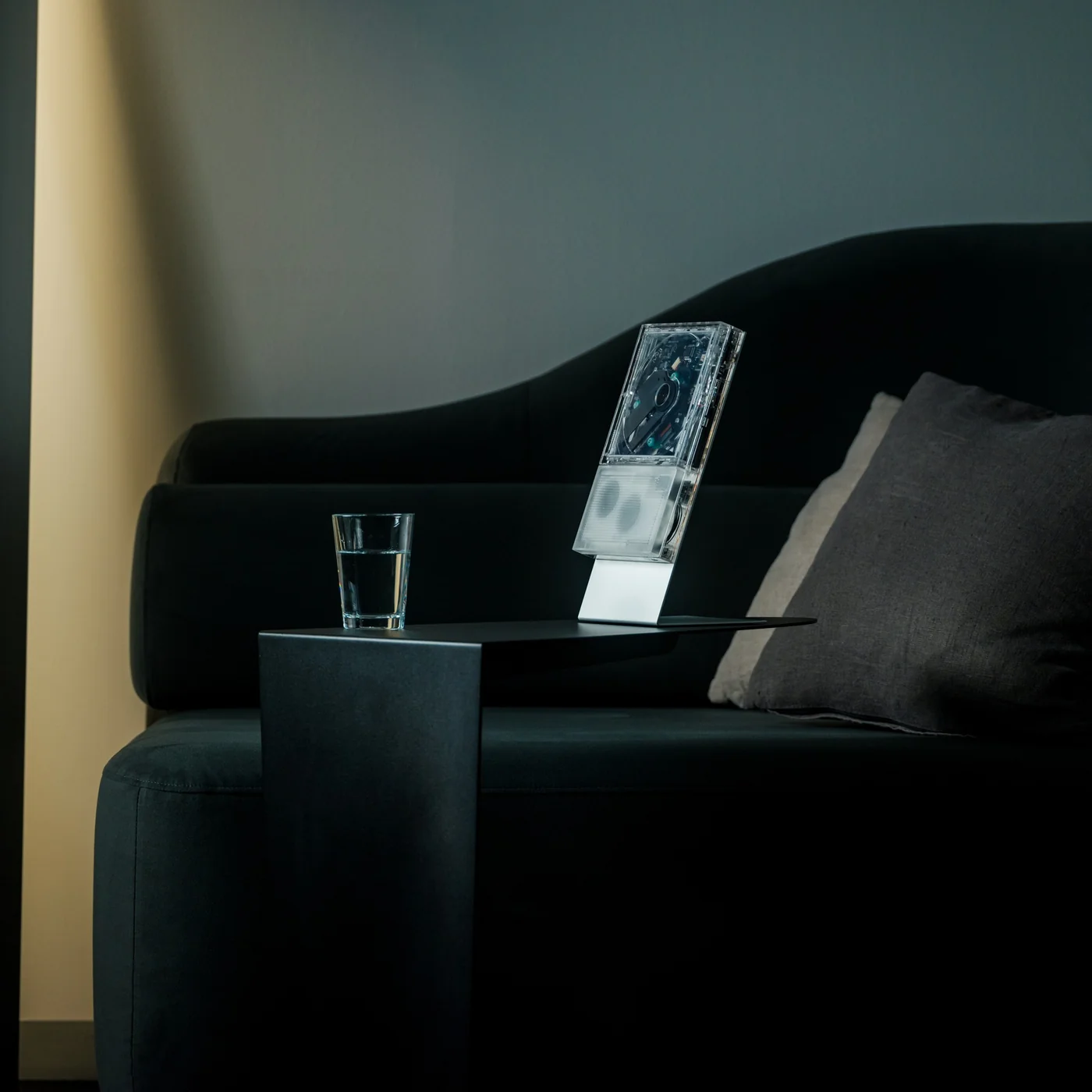
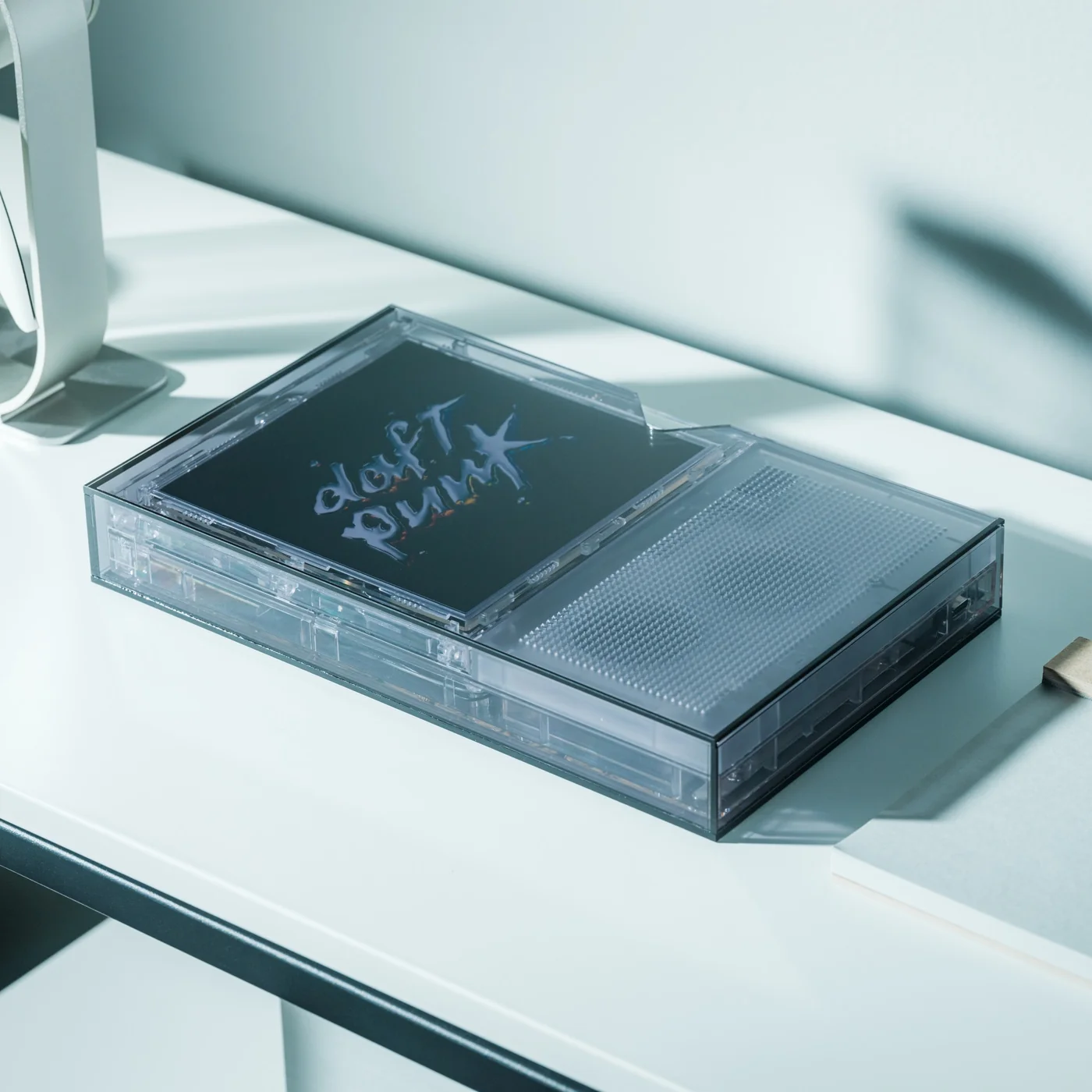
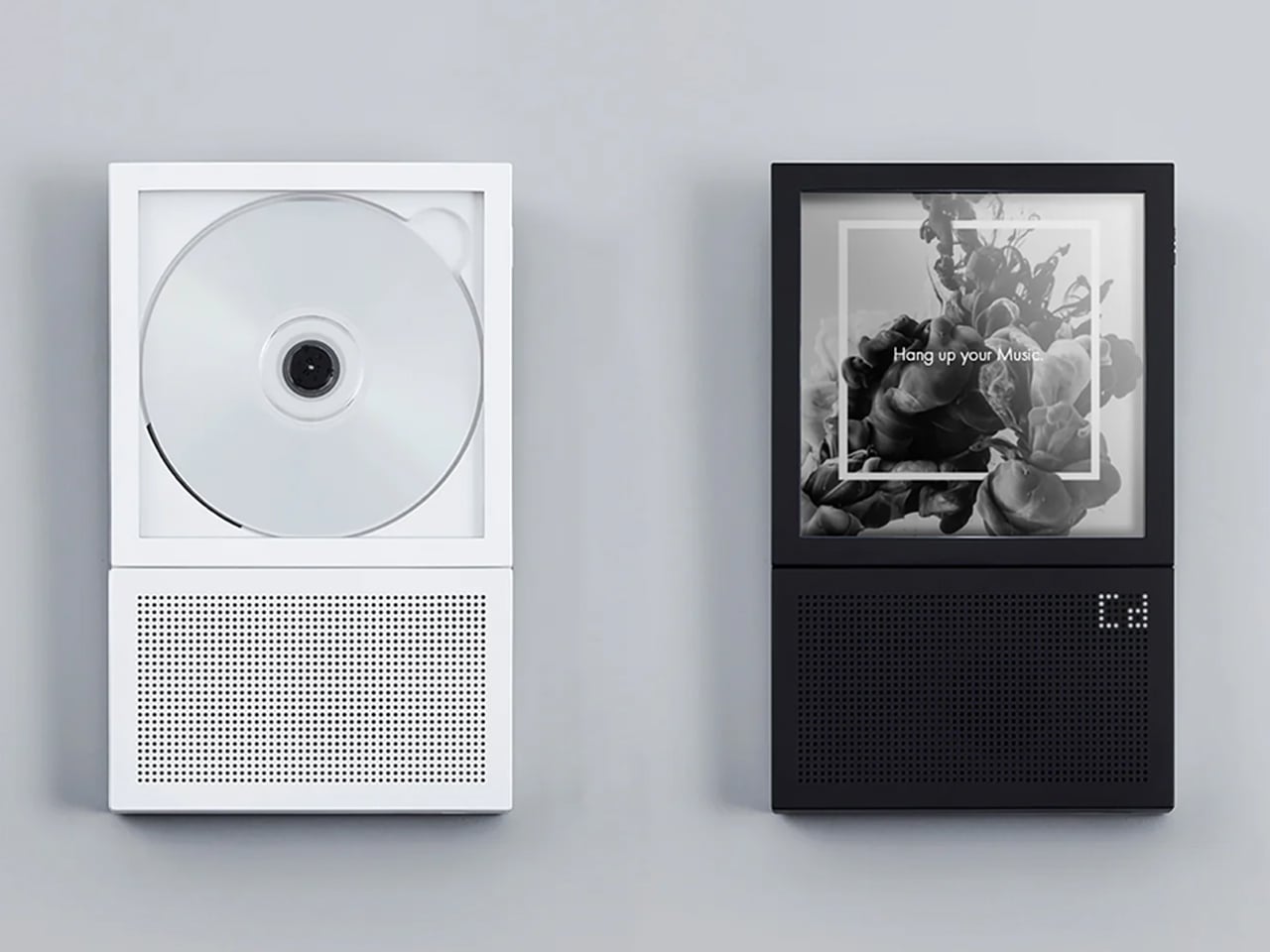
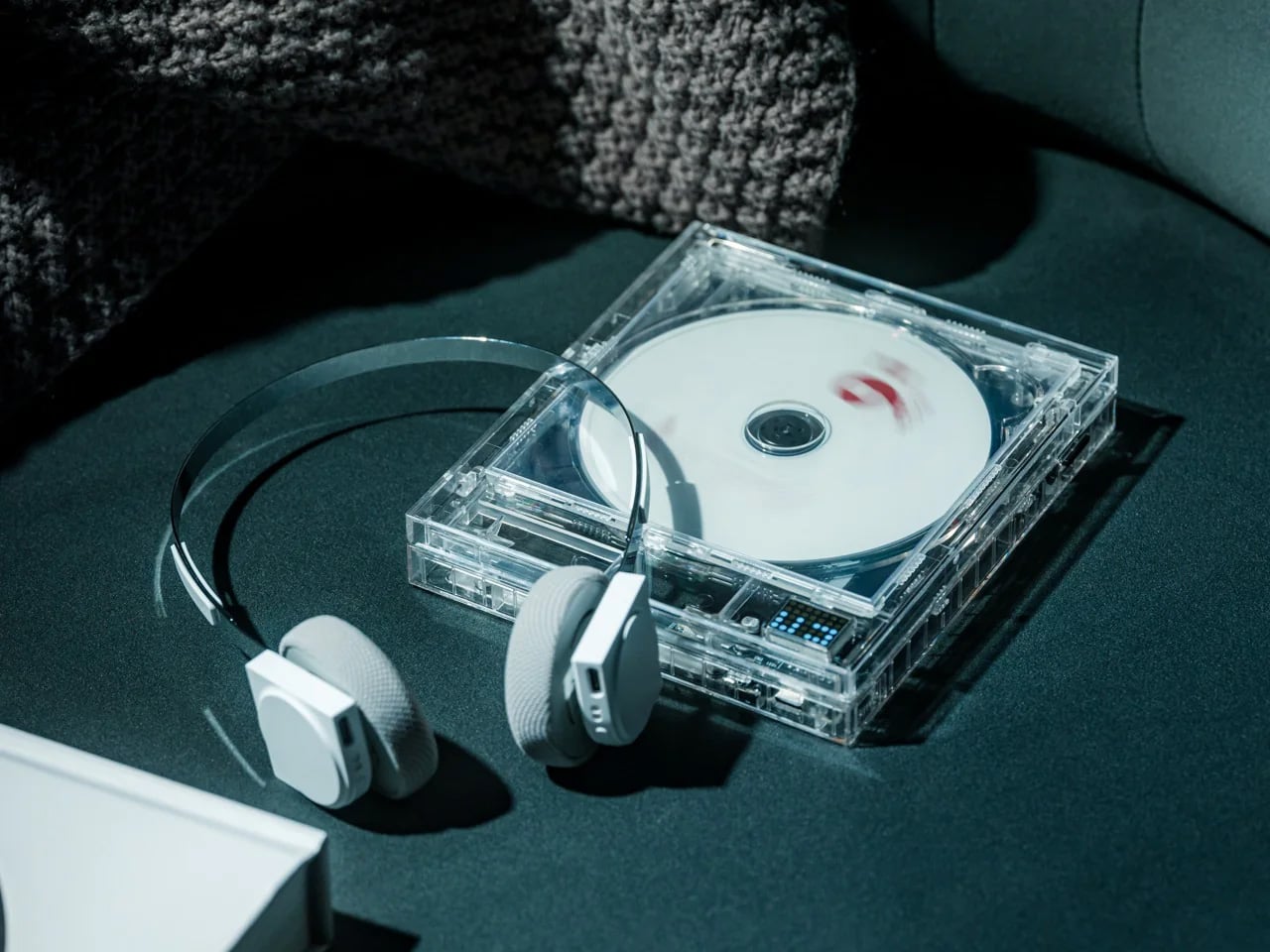
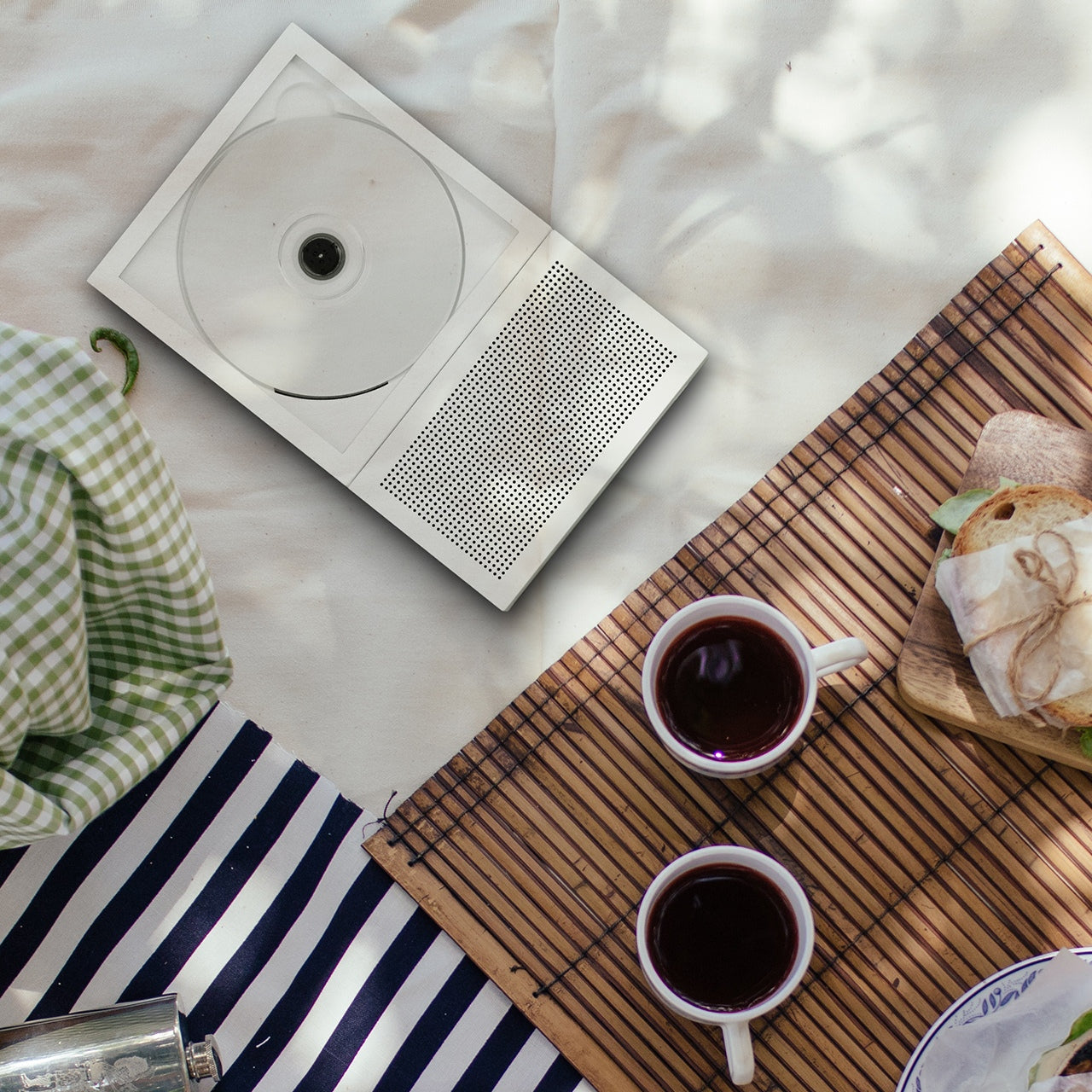
The ClearFrame Speaker CD Player is a solid choice for anyone looking for a visually stunning player that won’t let a CD’s album art go to waste. It lets you slot the jacket art onto the front of the player so it becomes a rotating piece of wall or shelf art. Or, if you’d rather show off the mechanics, you can leave the artwork out and display the transparent body itself, watching your CD spin with all its moving (and non-moving) parts in full view.
Whenever I come across beautiful album art, I can’t help but think it’s wasted if it only ever gets seen as a tiny digital thumbnail on a streaming app. A player like the ClearFrame Speaker CD Player lets you put that kind of artwork on full display while you’re enjoying the music in your room. Seeing something that the artist, and the album art designer, worked hard on come to life while it spins gives it the justice it deserves. And if you’d rather see the clear, polycarbonate-style body become a piece of art in its own right, just take out the album cover and let it shine in all its transparent glory.
This is also an upgraded version of the original, and already popular, ClearFrame CD Player, since it now comes with a built-in speaker. That means you no longer need to hook it up to an external Bluetooth speaker or wired setup, which makes it even more flexible to display anywhere in your home. You actually have three ways to listen to your favorite CDs: through the built-in 40mm speaker, with wired headphones through the 3.5mm jack, or over Bluetooth 5.3 to external speakers or headphones if you already have a better setup you’d like to use.
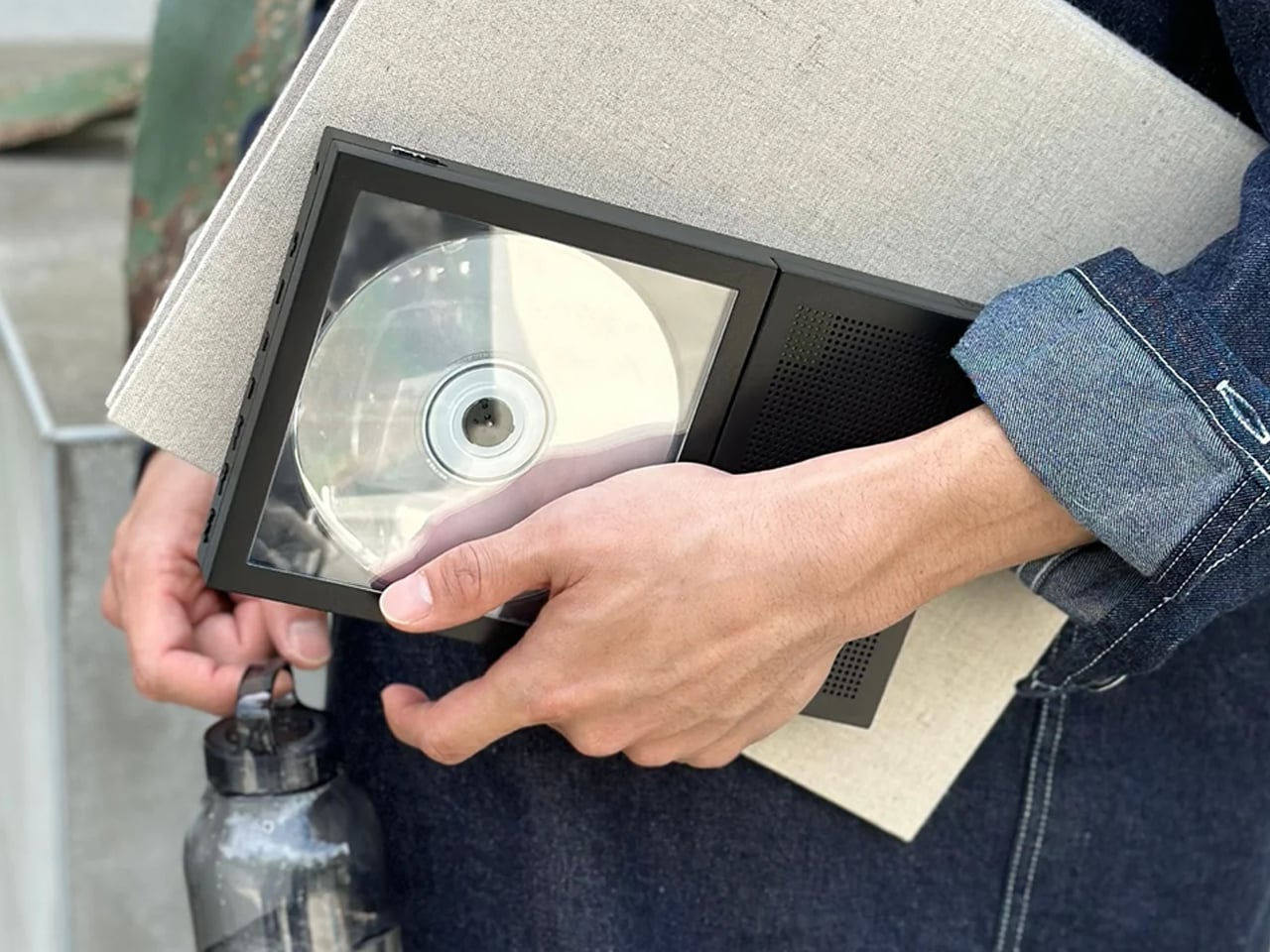
Beyond the listening options, the ClearFrame Speaker CD Player was clearly designed with portability in mind. At just 454 grams (about a pound) and roughly the size of a hardcover book, it’s light enough to carry from your bedroom to your living room without a second thought. Its 1,800mAh battery gives you around six to seven hours of playback through the built-in speaker, or seven to eight hours if you’re streaming over Bluetooth, so you can enjoy a few albums back-to-back before needing to recharge via USB-C. There’s even a retro-style LED Nixie tube display that adds a warm, nostalgic touch to the whole experience, plus a 2MB SDRAM anti-shock buffer so accidental bumps won’t make your music skip.
For collectors, this player also solves a real problem: what to do with all the CDs sitting untouched in a drawer somewhere. Instead of treating them like outdated clutter, the ClearFrame gives them a reason to come back out, whether that’s a K-pop photocard-era album, a mix your best friend burned for you in high school, or a boxed set you’ve been meaning to revisit. It turns “old technology” into a genuine decor piece you’d be proud to leave out on a shelf.
If you’re looking to gift this to someone (or, let’s be honest, treat yourself), the ClearFrame Speaker CD Player comes in a few configurations depending on how you plan to display it. You can pick it up on its own, or add a wall mount, book case, or display stand, so it fits neatly into whatever corner of your home you have in mind. It isn’t the cheapest CD player on the market, but if you have a stack of CDs with nowhere to go and album art too good to keep hidden, this one earns its price tag by turning something you already own into something worth looking at every single day.
The iMac G3’s translucent Bondi Blue shell sold 800,000 units in its first five months, which was Apple’s way of proving that exposing a computer’s internal geometry could be its single most compelling feature. Nothing put a transparent back on a phone in 2022 and made every other Android’s solid slab look like it had something to hide. Skeleton mechanical watches have been charging a premium for visible gear trains for centuries. Teenage Engineering turned exposed PCBs into a full aesthetic identity. The pattern is clear enough: when mechanisms are beautiful, hiding them is just a waste. CD sales have been quietly growing for four years now, physical music is back in force, and the SYITREN RM1 arrives to give CD players the transparent treatment they probably always deserved.
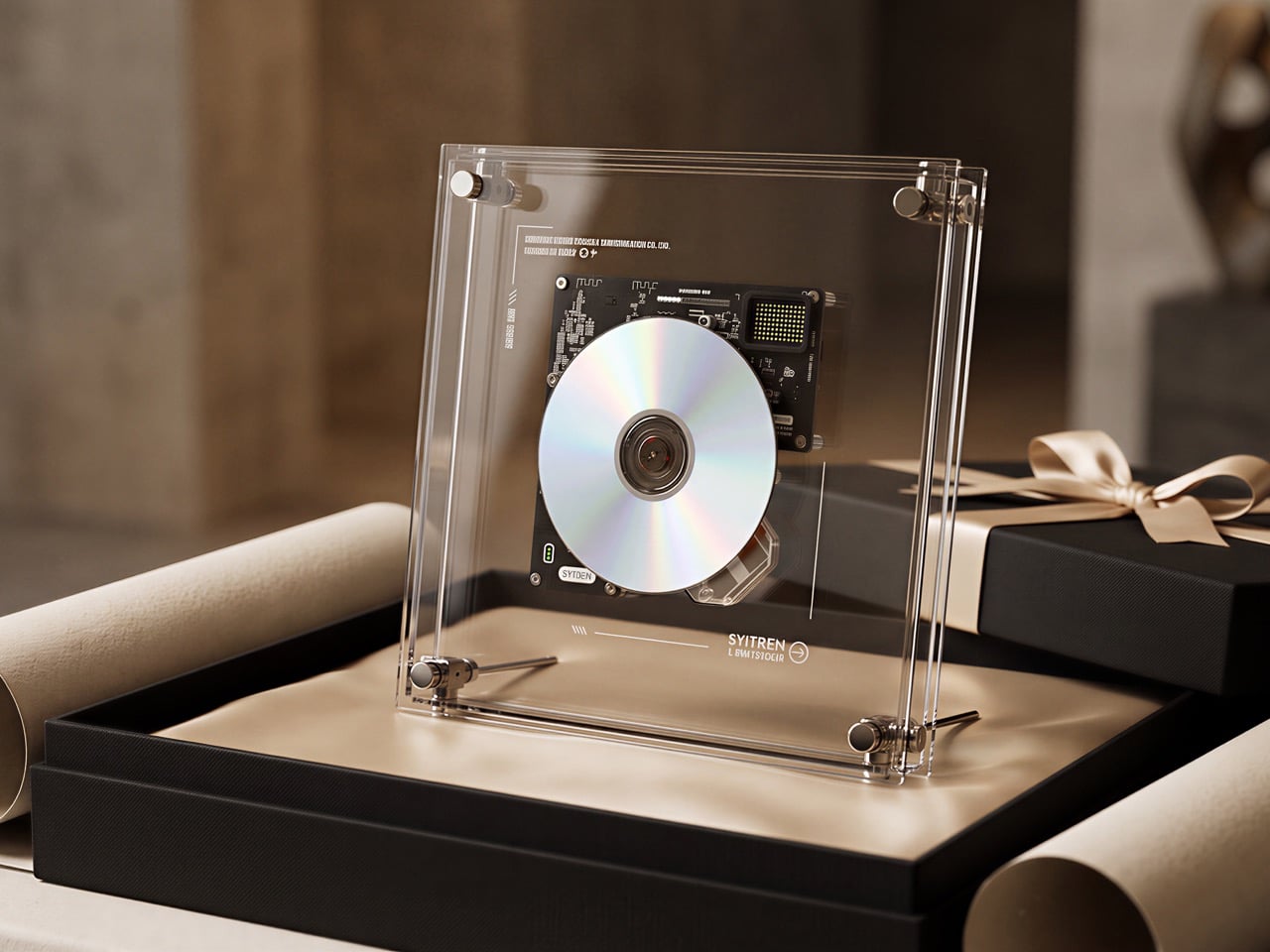
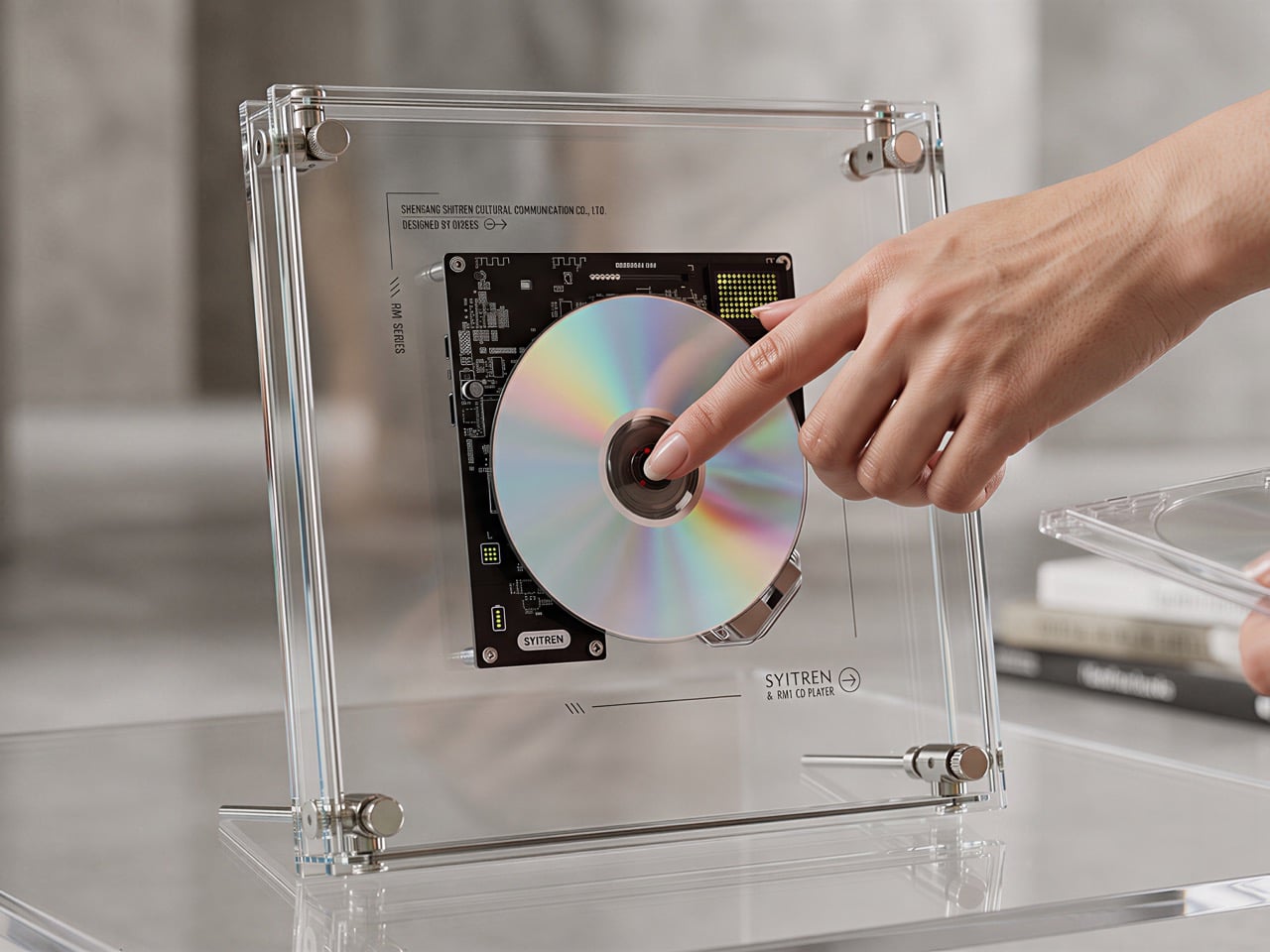
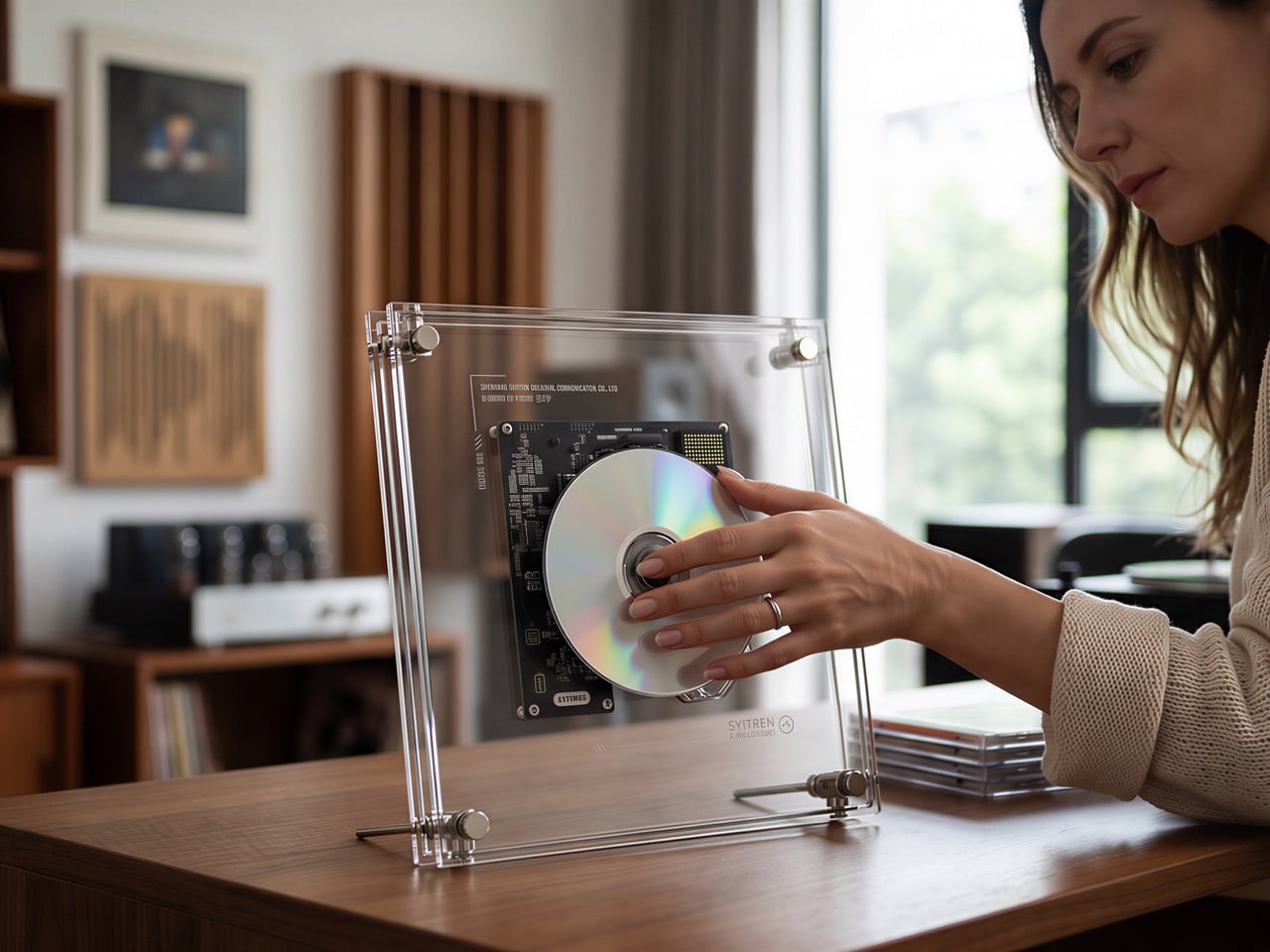
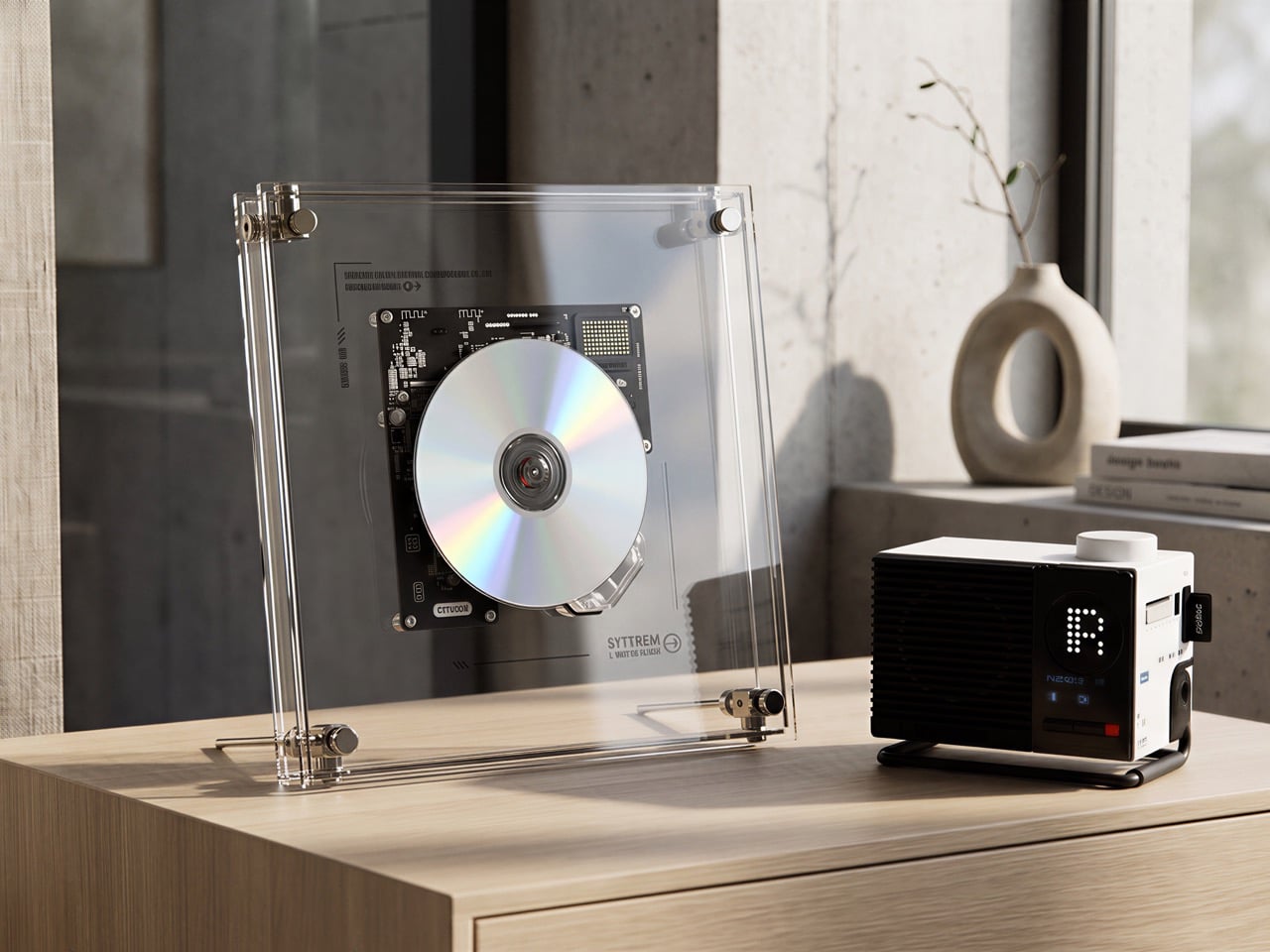
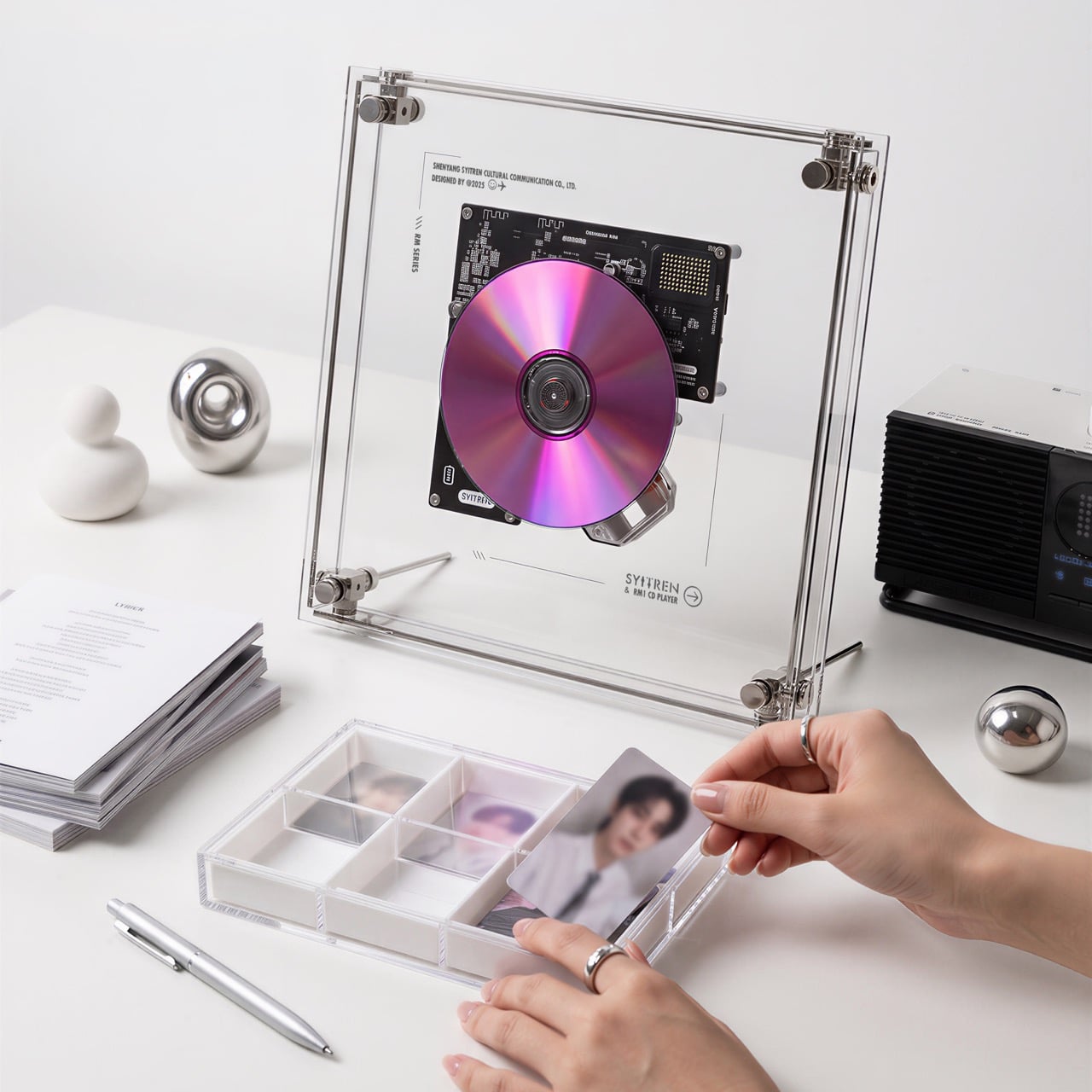
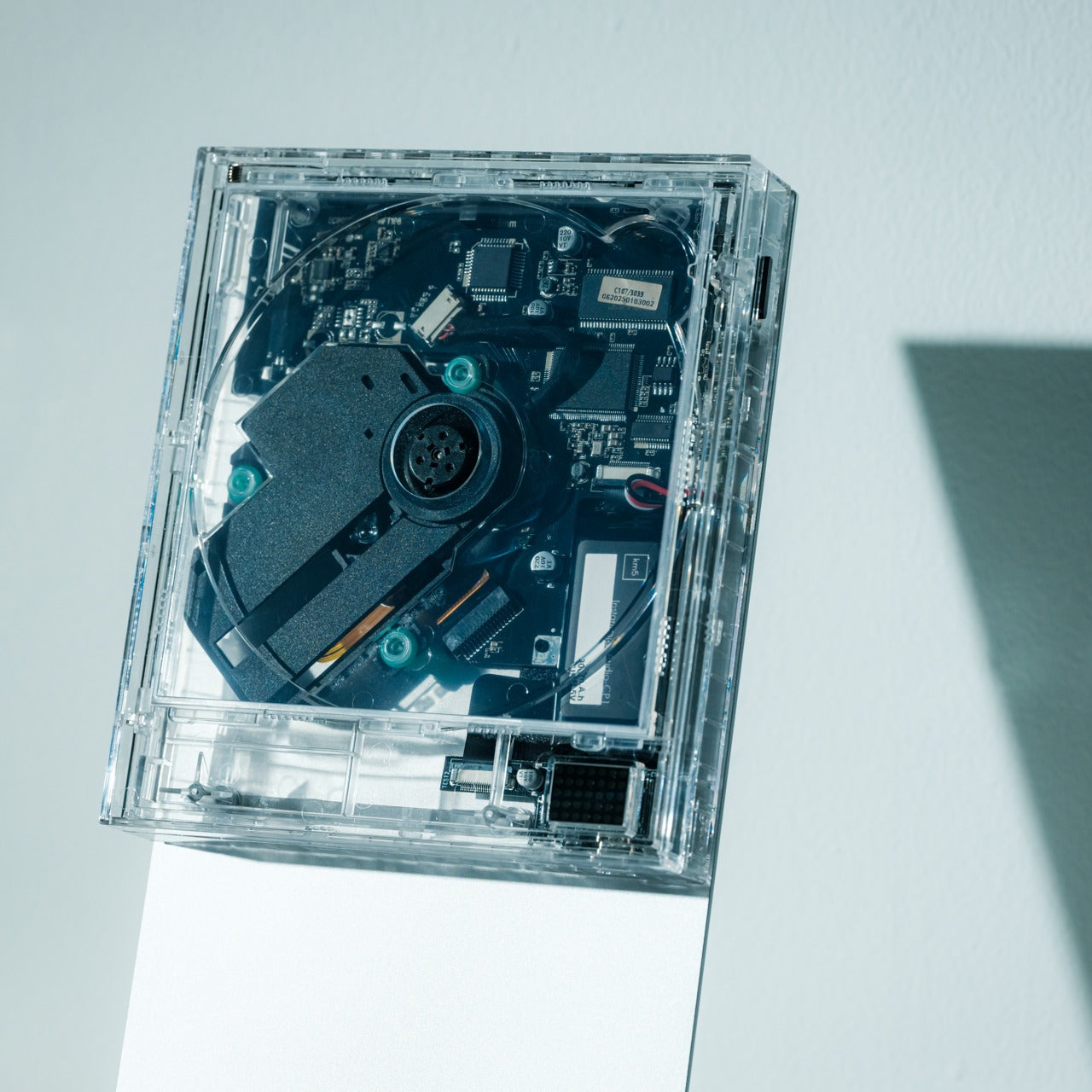
The RM1 houses its full CD mechanism inside a dual-layer ultra-clear acrylic frame, with precision metal corner pillars and the disc, optical pickup, and PCB all visible from the front. SYITREN, founded in 2017 and recognized by the MUSE, London, French, IDA, and A’ Design Awards, designed it with the CD’s own iridescence as a feature rather than a side effect. You press a disc onto the transport and suddenly there’s a spinning, light-catching object on your desk or wall that is also playing music. Audio routes out via Bluetooth 5.3 or 3.5mm AUX, with SYITREN leaving the speaker out entirely and trusting you to own one already. It measures 260 x 260 x 42mm, weighs 0.9kg, and starts at $89.
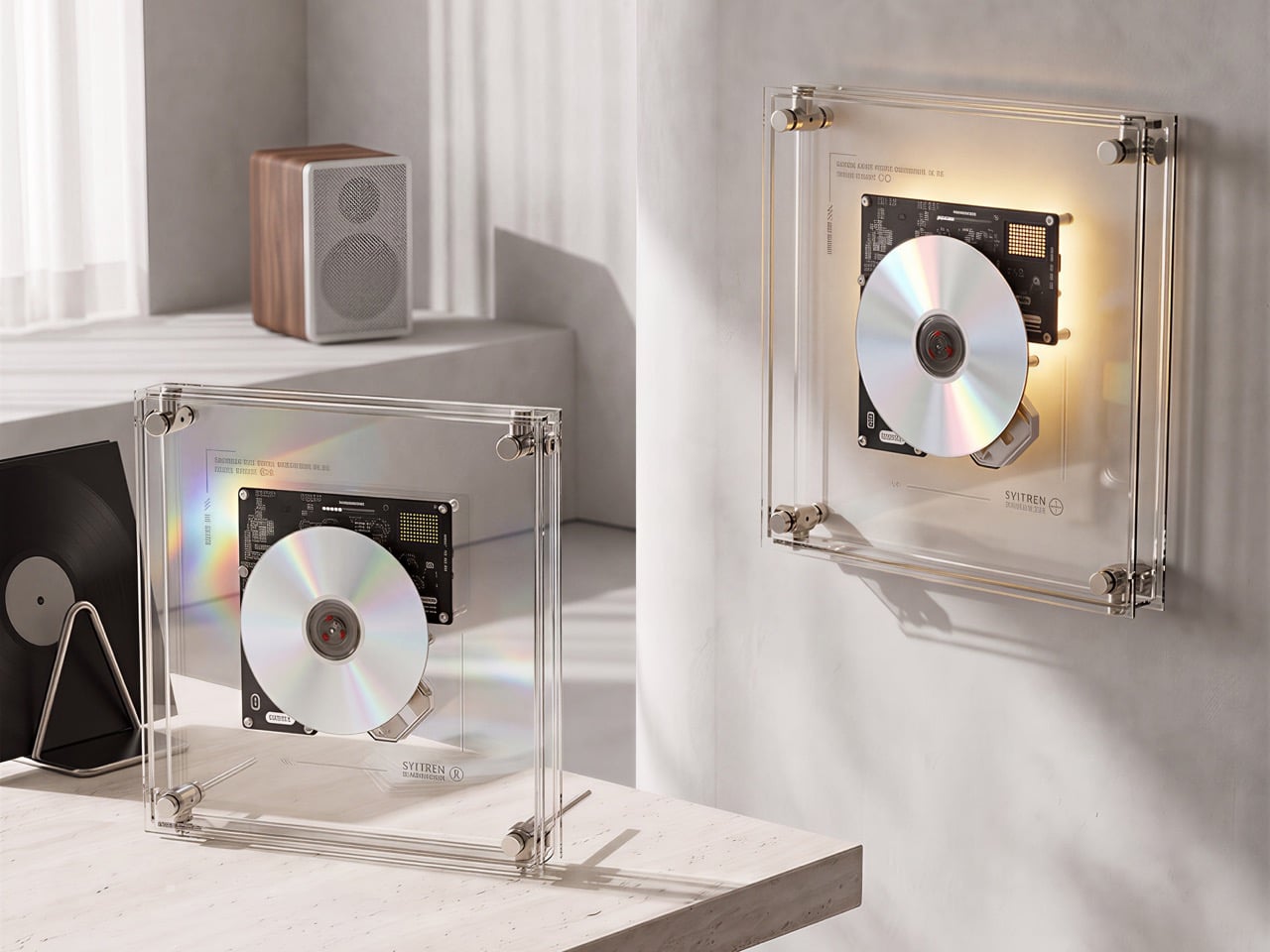
Dual-layer acrylic panels sandwich the CD mechanism between them, and the precision metal corner pillars at each corner read as structural jewelry rather than hardware fasteners. As the disc spins, its iridescent surface catches ambient light through the panels and scatters it differently depending on the label design, the printing, and the reflective surface underneath. Some discs glow gold under warm room lighting, others catch cool blue from overhead. A disc with a dense printed label plays completely differently as a visual object than a silver-surface one, which means every album in your collection has a slightly different personality in this frame.
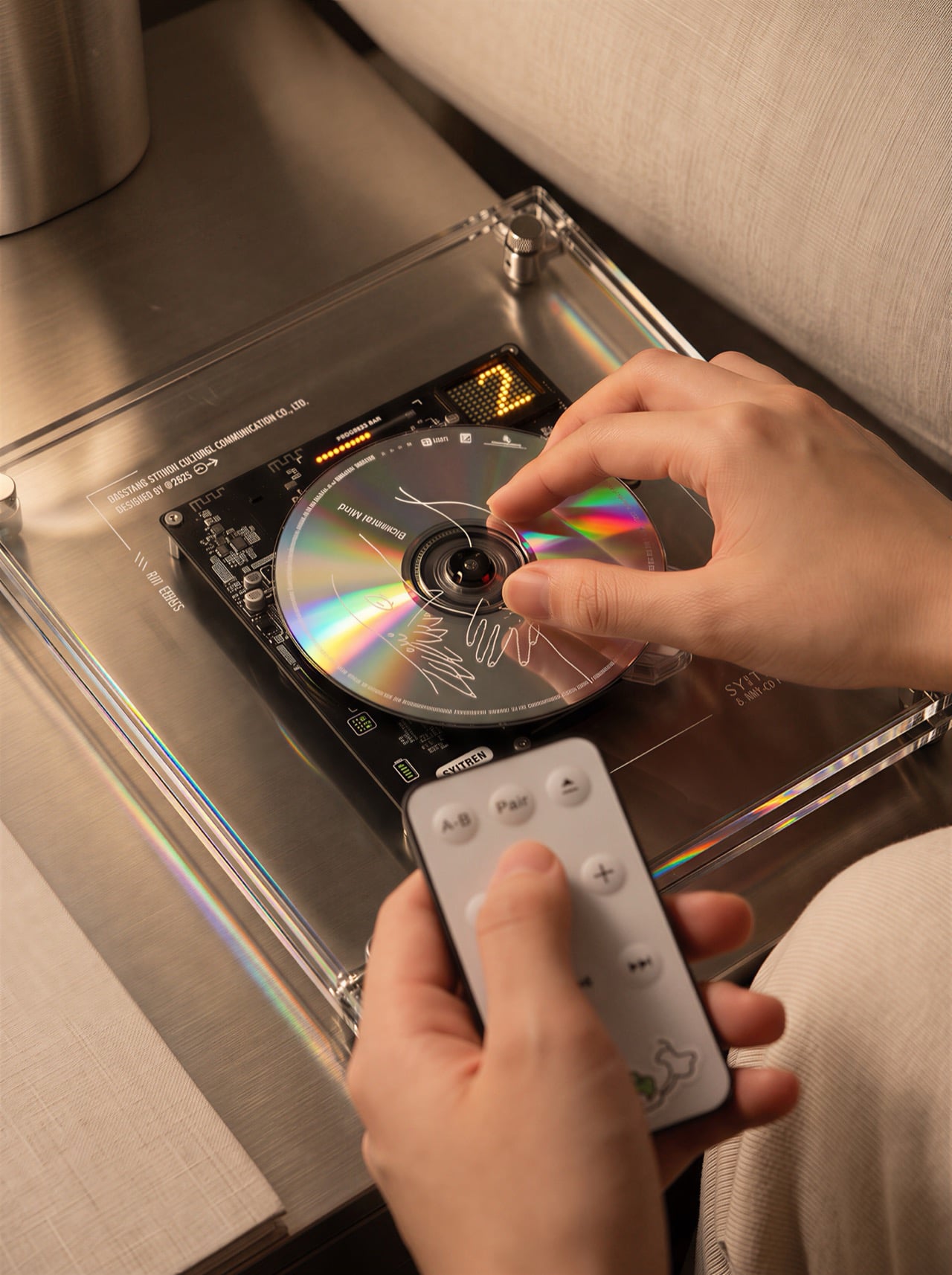
A warm-yellow 2×8 LED matrix, visible through the acrylic from the front, shows track number, animated visuals, and volume level alongside a linear progress bar. The amber glow against the spinning disc creates what SYITREN calls a “visual rhythm,” and it’s a phrase that actually earns its keep here. Warm lighting and a slowly rotating disc at the center of a room does something to the quality of an evening that a Spotify queue on a phone simply cannot. It’s a mood object as much as an audio component. The choice of warm yellow over a cooler white or blue LED tone is clearly deliberate, positioning the RM1 alongside lamps and wood furniture rather than making it look like something pulled from a server rack.
SYITREN’s decision to ship the RM1 without a built-in speaker is both a nod to the Discman-meets-headphones culture, but also just fair common-sense engineering. Squeezing a driver into a 42mm-thick transparent frame would have produced tinny, directionally compromised sound that undermined everything else about the product. Instead, the RM1 connects to your existing speakers or headphones via Bluetooth 5.3 at a 10-meter range with a 95 dB SNR, or through a 3.5mm AUX jack for wired setups. For anyone who already owns a decent Bluetooth speaker or a bookshelf stereo, this approach makes the RM1 a source component and a visual object, which is exactly what it should be. It’s the same logic that drives high-end audio separates: source, amplification, and output each handled by the component built specifically for that job.
A built-in 16-bit DAC and 24-bit DSP sit at the core of the RM1’s signal chain, sampling at 8-48 kHz with a CD audio SNR of ≥85 dB and total harmonic distortion plus noise below 0.1 percent. Dynamic range lands at ≥70 dB, which is a respectable figure for a consumer portable at this price. Supported formats include standard audio CDs, MP3 discs, and WMA discs, which covers everything from your 2004 burned collection to freshly pressed albums. Playback modes offer repeat one, sequential play, and shuffle, with a remote control included in the box. The battery is an 18650 cell rated at 2000mAh, charging via USB-C in one to two hours and delivering six to eight hours of continuous playback.
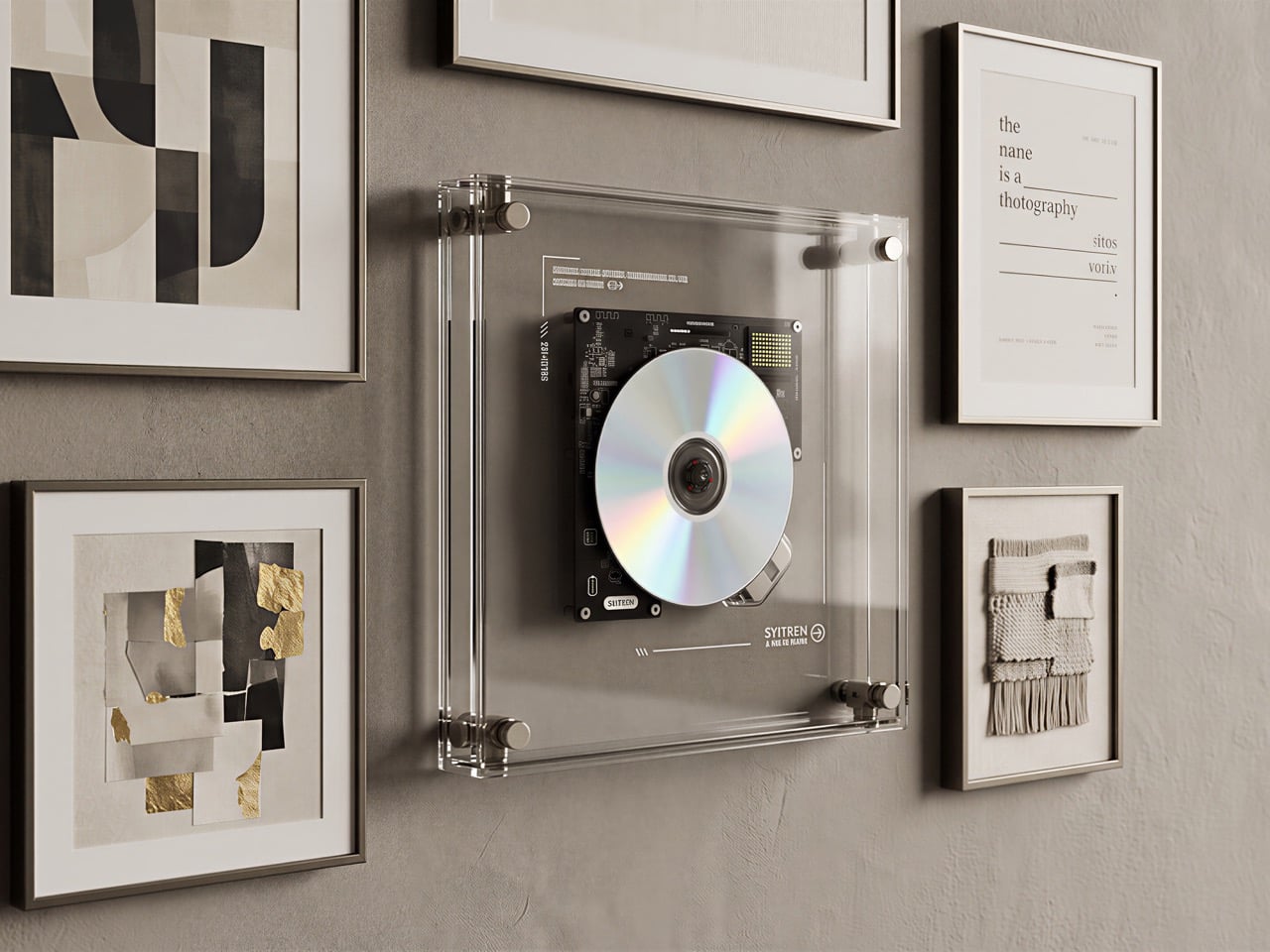
Wall-mounting a CD player requires solving a problem that horizontal-tray consumer units have never had to worry about. CD optical pickups are designed to track a horizontally spinning disc, and tilting the whole assembly vertically introduces vibration and skip risks that would make most standard mechanisms unreliable on a wall. SYITREN addressed this with a 40-second anti-shock buffer for standard audio CDs and a 120-second buffer for MP3 discs, pre-reading and caching audio data so that ambient vibration or minor disturbances can’t interrupt playback. The optical pickup itself was also specifically engineered for vertical operation. Most people who buy the RM1 will probably never think about any of this, which is precisely where engineering and design blur together in the best way.
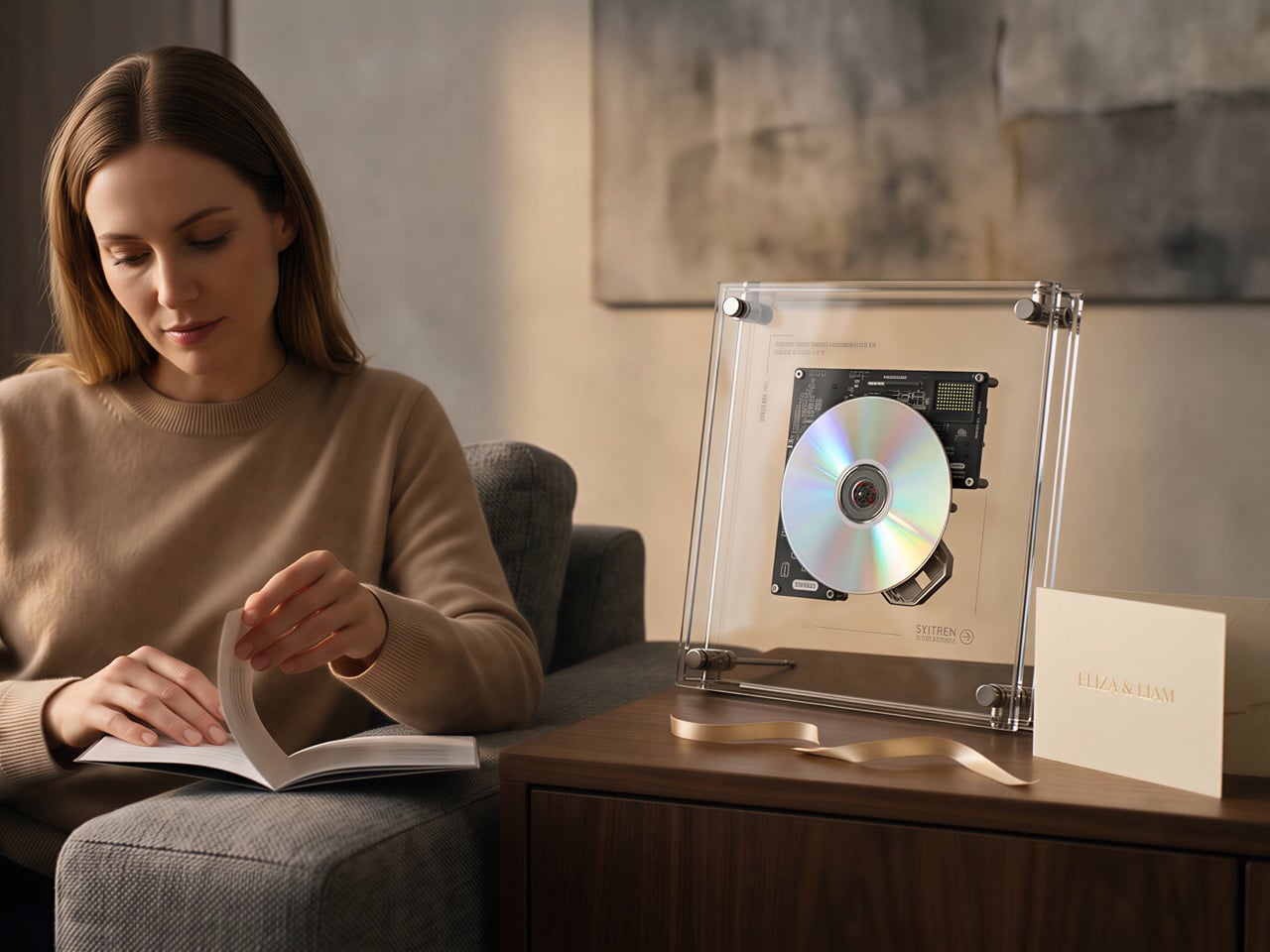
The RM1 ships with both a wall-mount system and a detachable desk stand, making the placement decision entirely yours and entirely reversible. Hung against a wall between picture frames, it reads as a kinetic art piece during playback and a minimal geometric object when the disc isn’t loaded. On a desk or shelf, the angled stand positions the disc facing you directly, turning the player into the kind of object your eye keeps returning to from across the room. SYITREN’s own imagery places it in apartments, studios, cafes, and living rooms, and the transparent form factor genuinely holds up across all of those contexts. At 0.9kg and 42mm deep, it’s also considerably lighter and thinner than photographs tend to suggest.
The RM1 starts at $99 and is available through SYITREN’s campaign, with the N200 Bluetooth speaker bundled together for a price of $139. The 18650 cell charges via USB-C in one to two hours and delivers up to eight hours of continuous playback, so the unit is genuinely portable if you want to move it between rooms. SYITREN doesn’t publish a formal warranty term in its current materials, so confirm those details directly before purchasing. The company has been manufacturing and shipping audio hardware since 2017, with distribution across more than 15 US retail cities and five global markets. At $99, the RM1 is the most considered CD player I’ve seen that treats the format as something worth displaying, and for anyone sitting on a collection of discs that hasn’t been played in years, that’s a genuinely compelling reason to dust them off.
Every household has one drawer nobody wants to open. It’s full of cables that match nothing, a phone charger for a handset you haven’t owned in a quarter century, and somewhere near the bottom, a beige CD-ROM drive that hasn’t spun a disc in about the same amount of time. We keep this stuff out of guilt, not usefulness. Throwing away hardware that still technically works feels like a small betrayal, so it just sits there gathering dust and doing nothing for anyone.
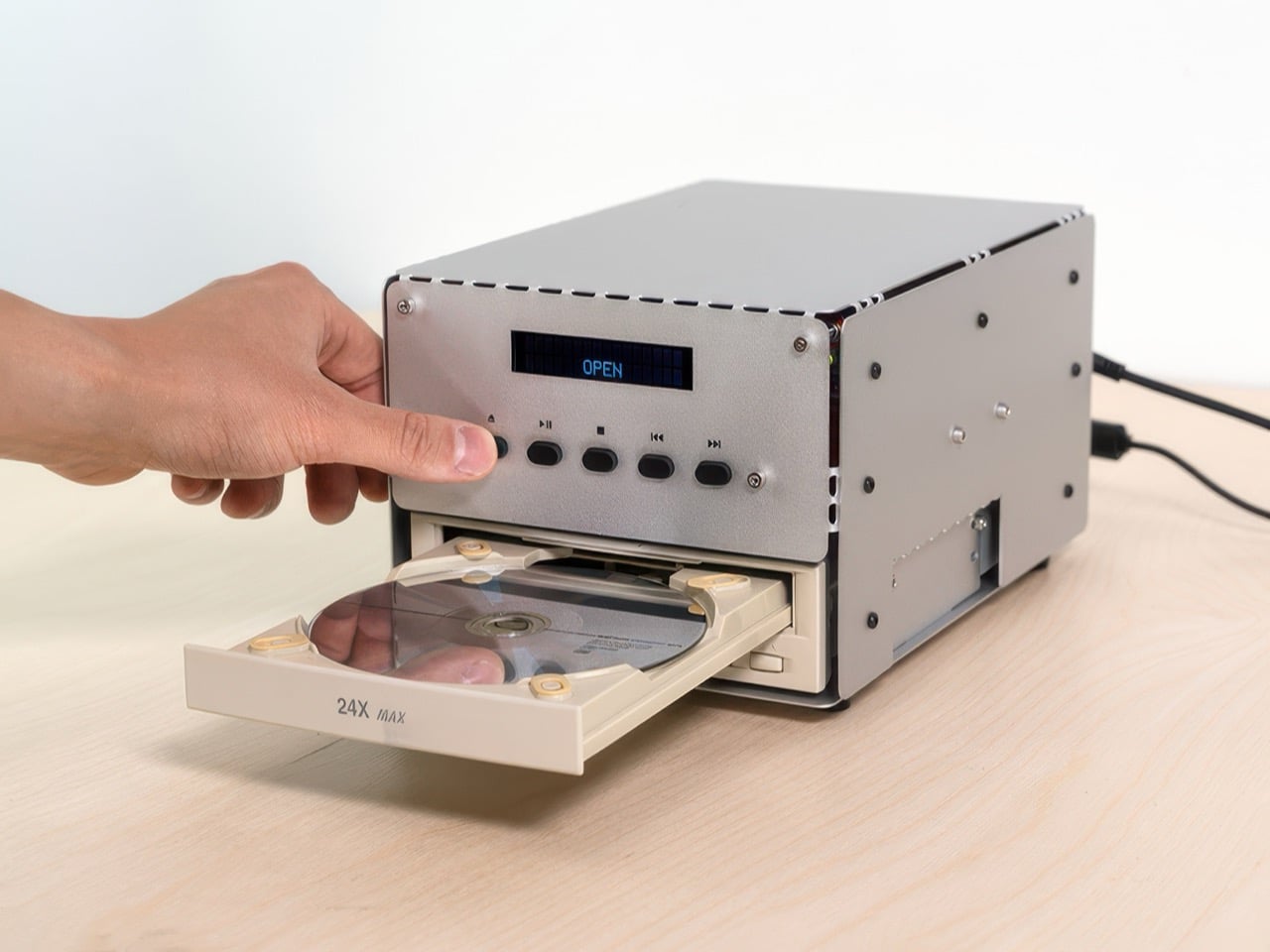
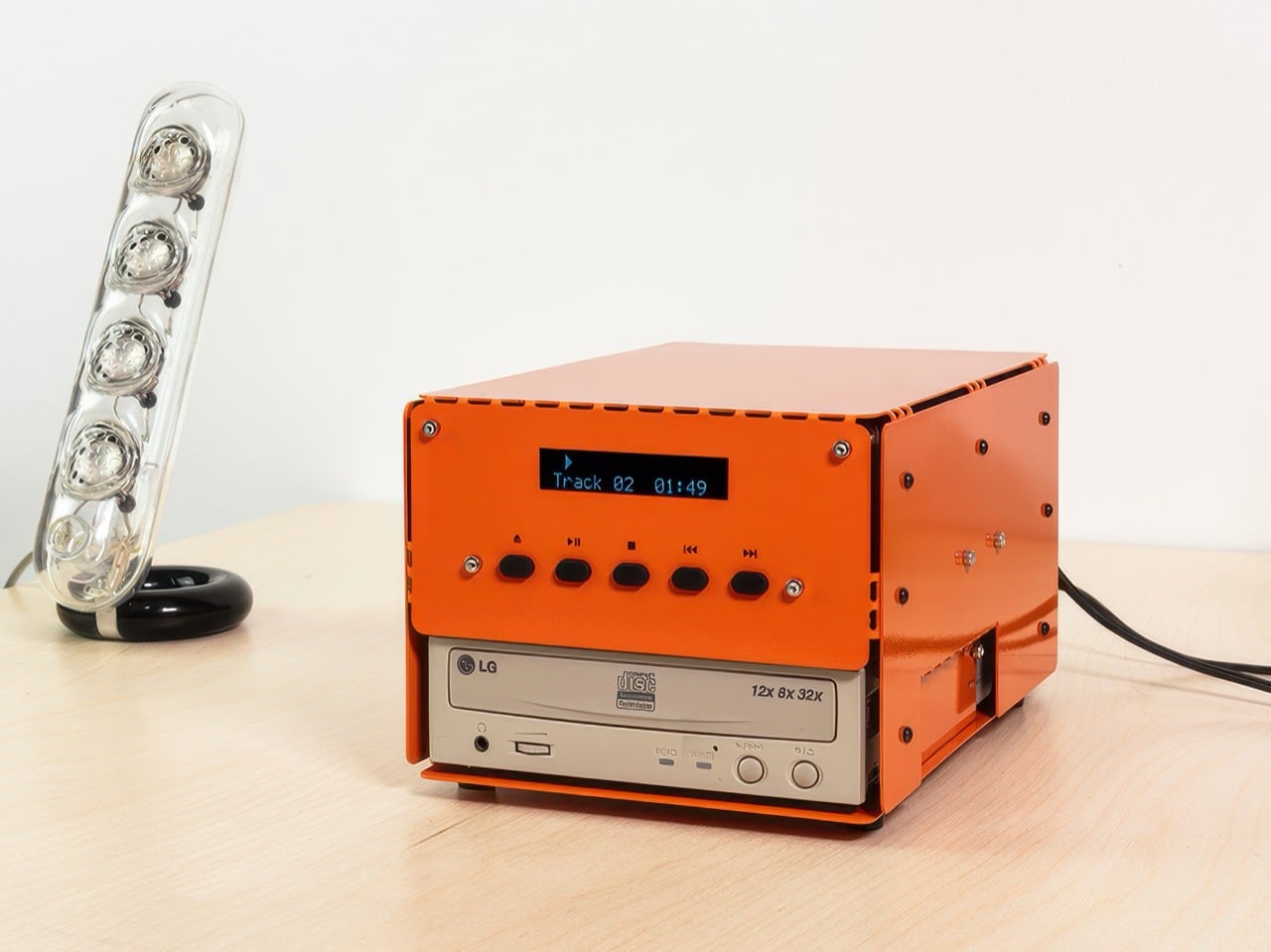
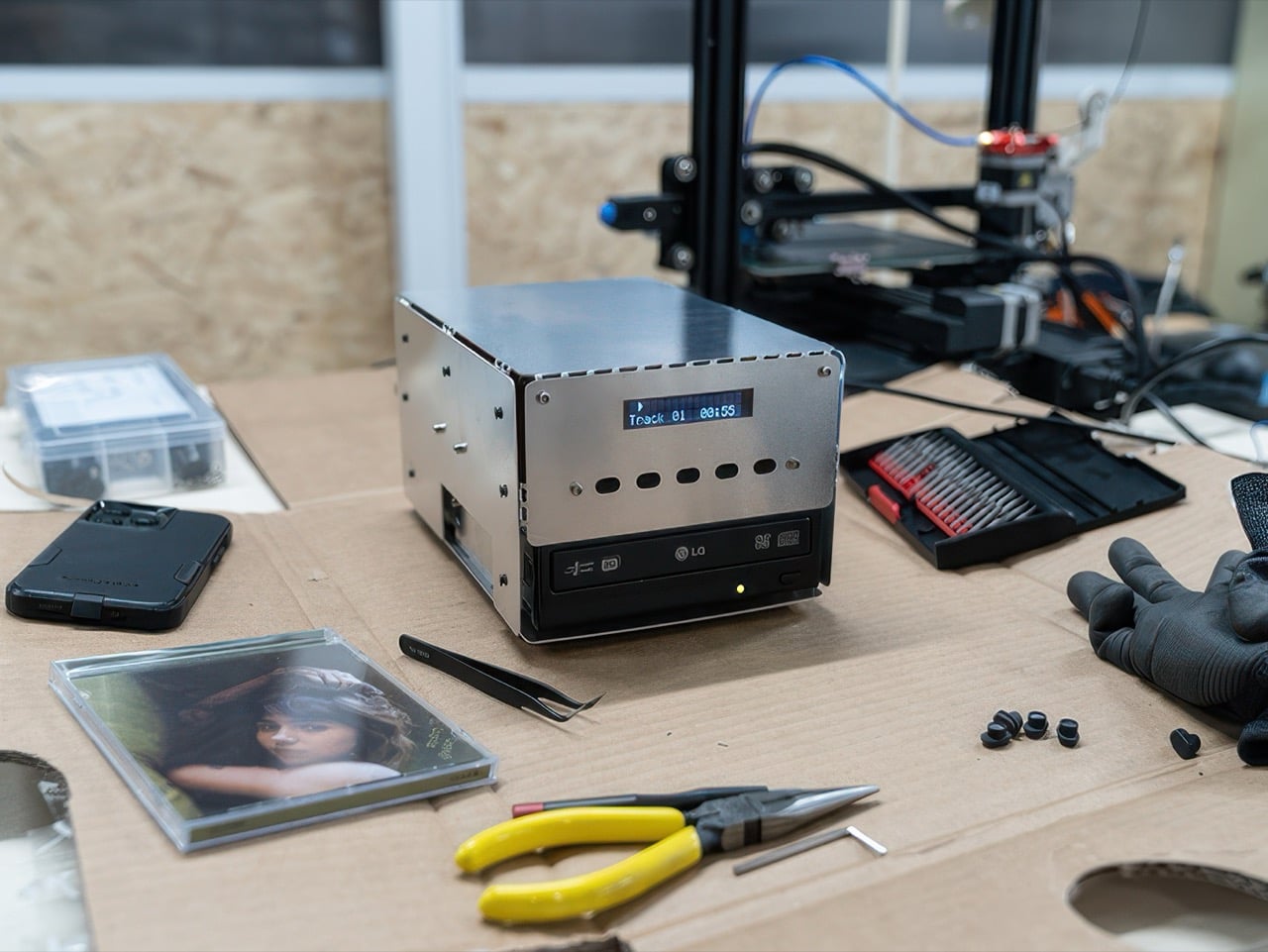
Korean studio das_POD looked at that exact drawer and decided the guilt was solvable. Their answer is CD-ROM PLAYER 01, a build-it-yourself audio kit that turns your dead PC’s optical drive into an actual, functioning CD player again. You supply the drive, they supply a laser-cut aluminum shell, a control board, and instructions that skip the soldering iron entirely. The result looks intentional on the outside and slightly chaotic on the inside, which is probably the most honest metaphor for building your own tech that I’ve come across all year.
Designer: das_POD – Seong Heum Na
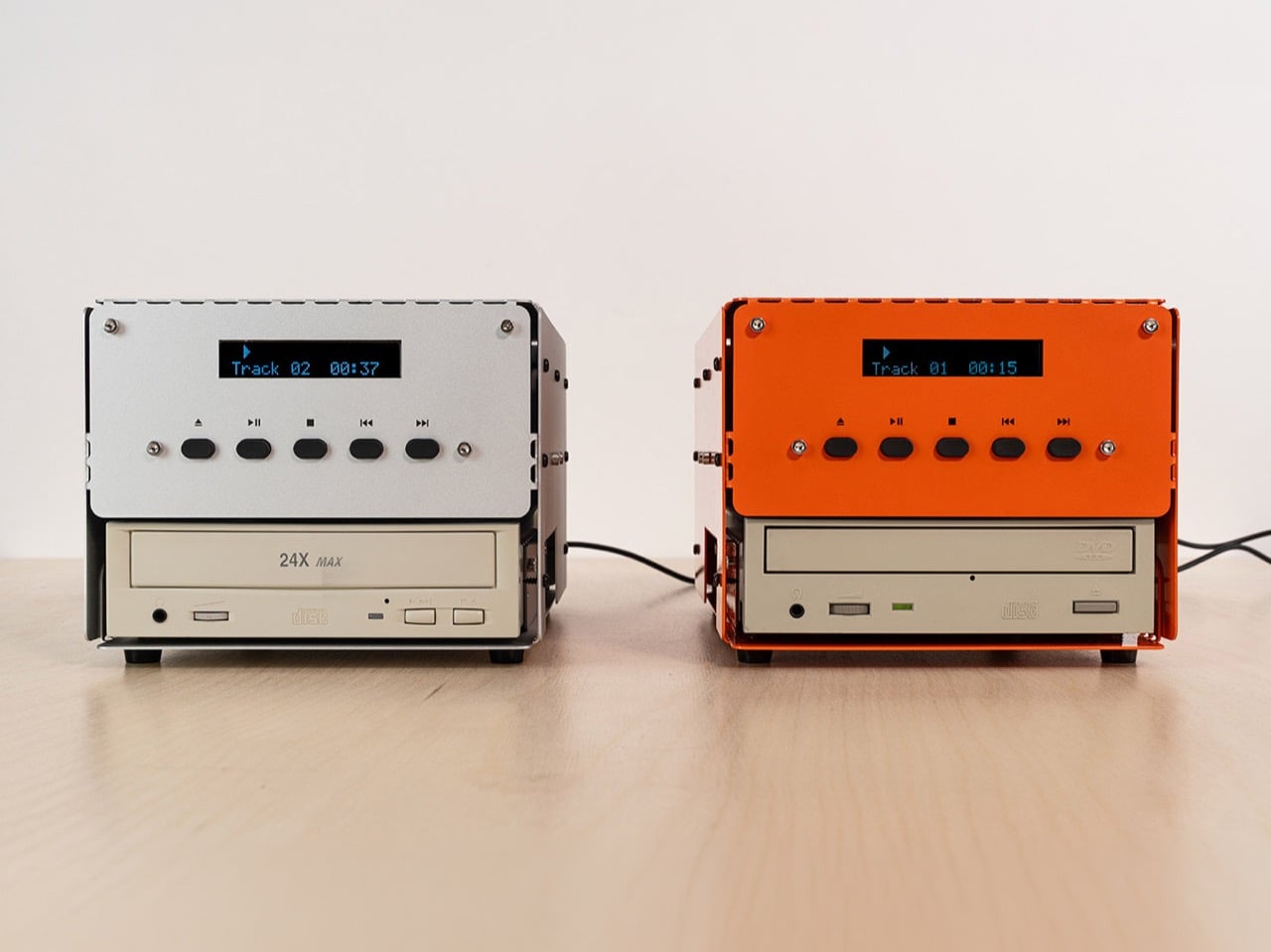
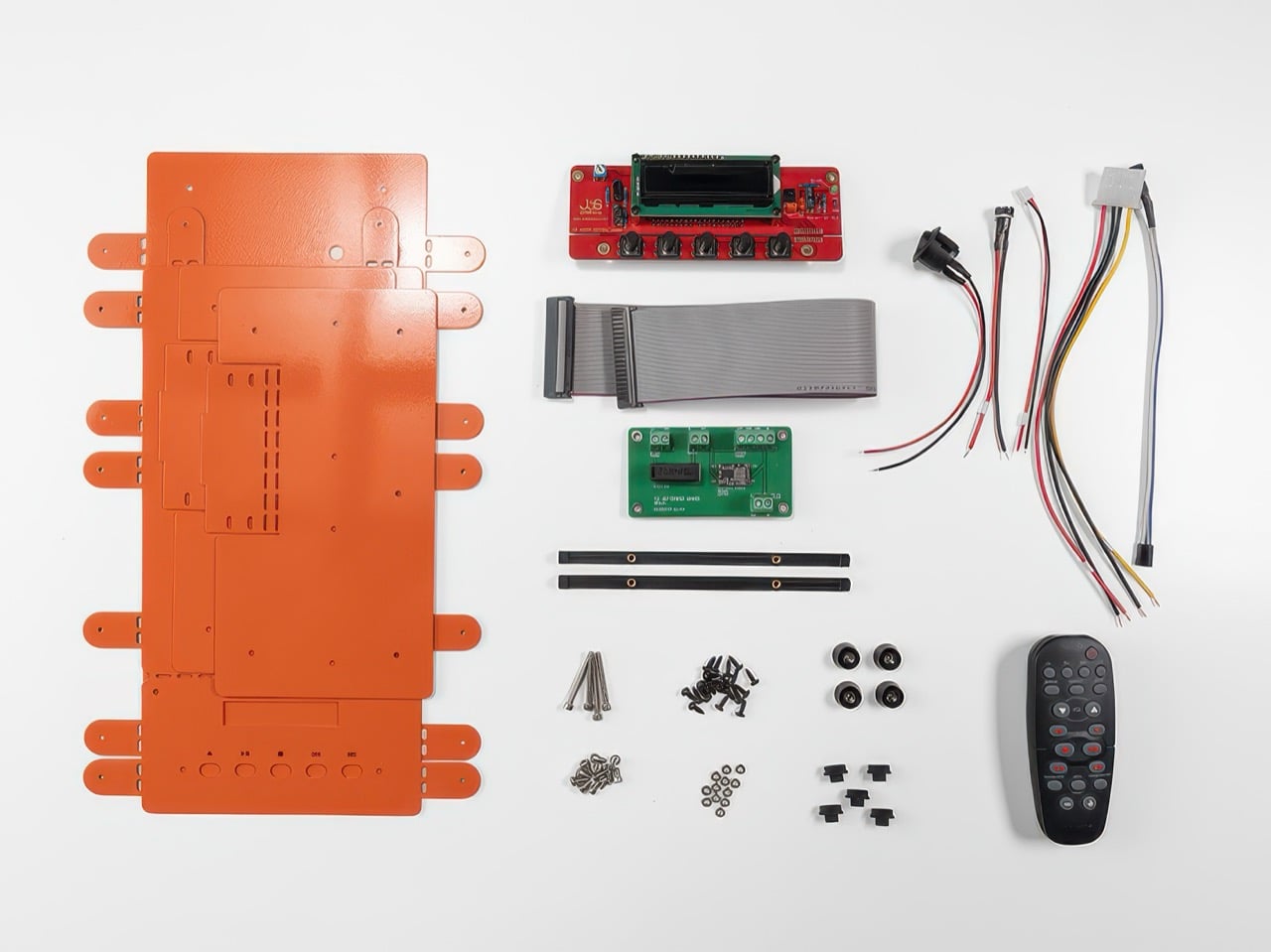
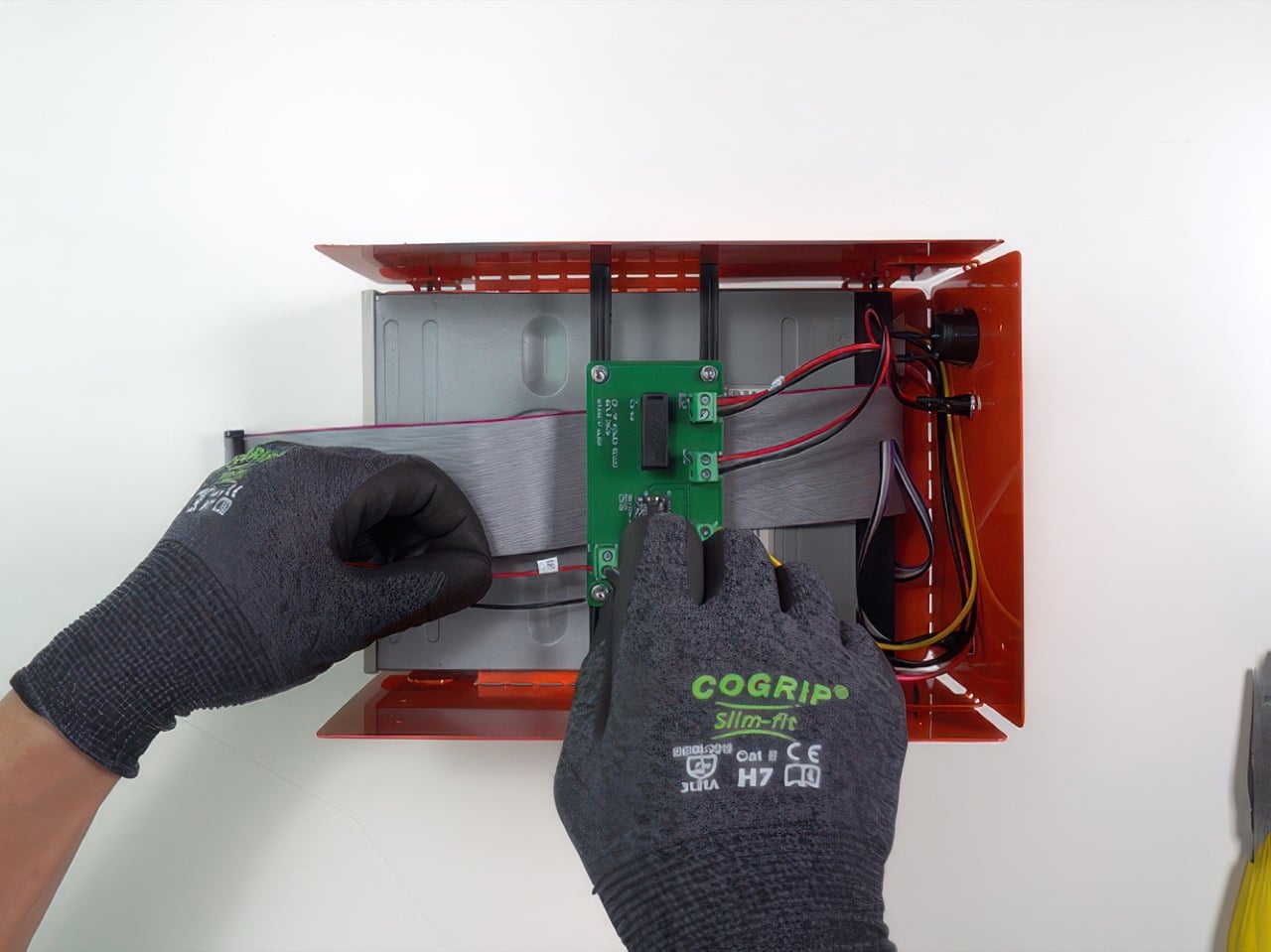
Nobody hands you a finished object here. The kit ships with laser-cut aluminum panels, an IDE controller board, a power PCB, a remote, and a bag of cables and hardware, but the actual CD-ROM drive isn’t included. You go find one yourself, from an old tower in the garage, a recycling center, or das_POD’s own stash of refurbished drives running $10 to $40. Assembly needs nothing more exotic than a multi-bit screwdriver, takes somewhere between 30 and 60 minutes, and every completed unit ends up looking slightly different depending on which drive you fed it.
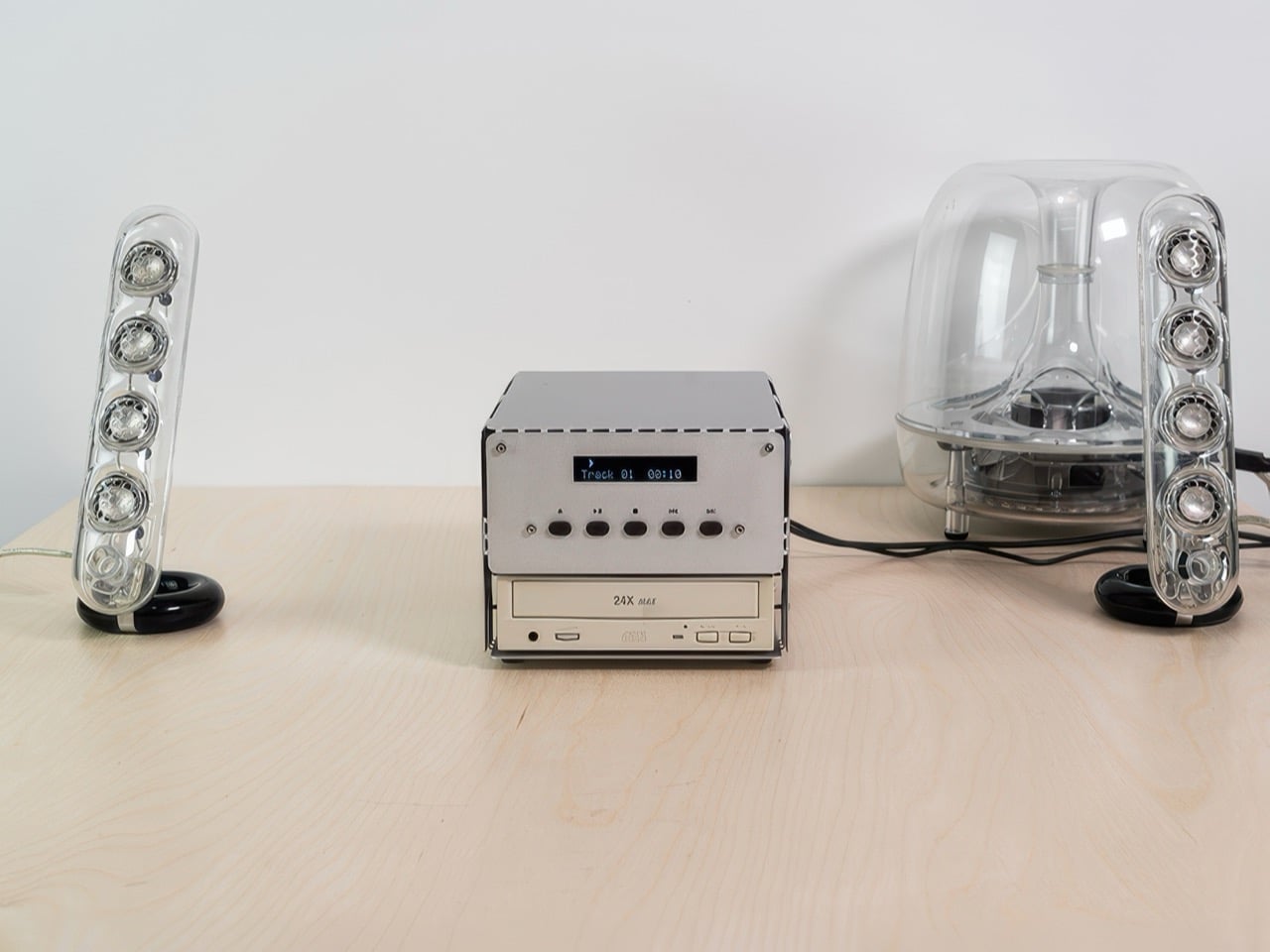
The design decisions live in what das_POD chose to control and what it deliberately left alone. The enclosure comes in three finishes: a shot-blasted semi-gloss anodized version at $220, and matte black or orange powder coat, both at $190. The front panel keeps it simple, a small dot-matrix display for track number and time, five buttons for eject, play, stop, and skip. None of that hides the drive itself, which juts out below the panel wearing whatever branding it came with. That contrast, polished metal above, scuffed beige plastic below, is doing all the storytelling here.
We wrote about Teenage Engineering’s computer-2 last year, a PC case built from one folded sheet of plastic that the company gave away for free, purely to prove a case didn’t need to cost anything. das_POD is running the exact same playbook in reverse. Same bring-your-own-hardware logic, same flat-pack, screw-light assembly, except here you’re paying $190 to $220 for the shell and providing the part that actually plays music. One company treats the enclosure as a marketing stunt. The other treats it as the entire product. Neither is wrong, but it’s a funny thing to watch happen twice in one year.
There’s a built-in expiration date worth naming honestly. CD-ROM PLAYER 01 only works with older IDE drives, not the SATA ones from the last fifteen years, because IDE drives carried their own analog audio output, and that’s what makes the whole circuit work without extra decoding hardware. Which means the supply of compatible drives only shrinks from here. Kind of poetic for a project built entirely around giving old junk a second act.
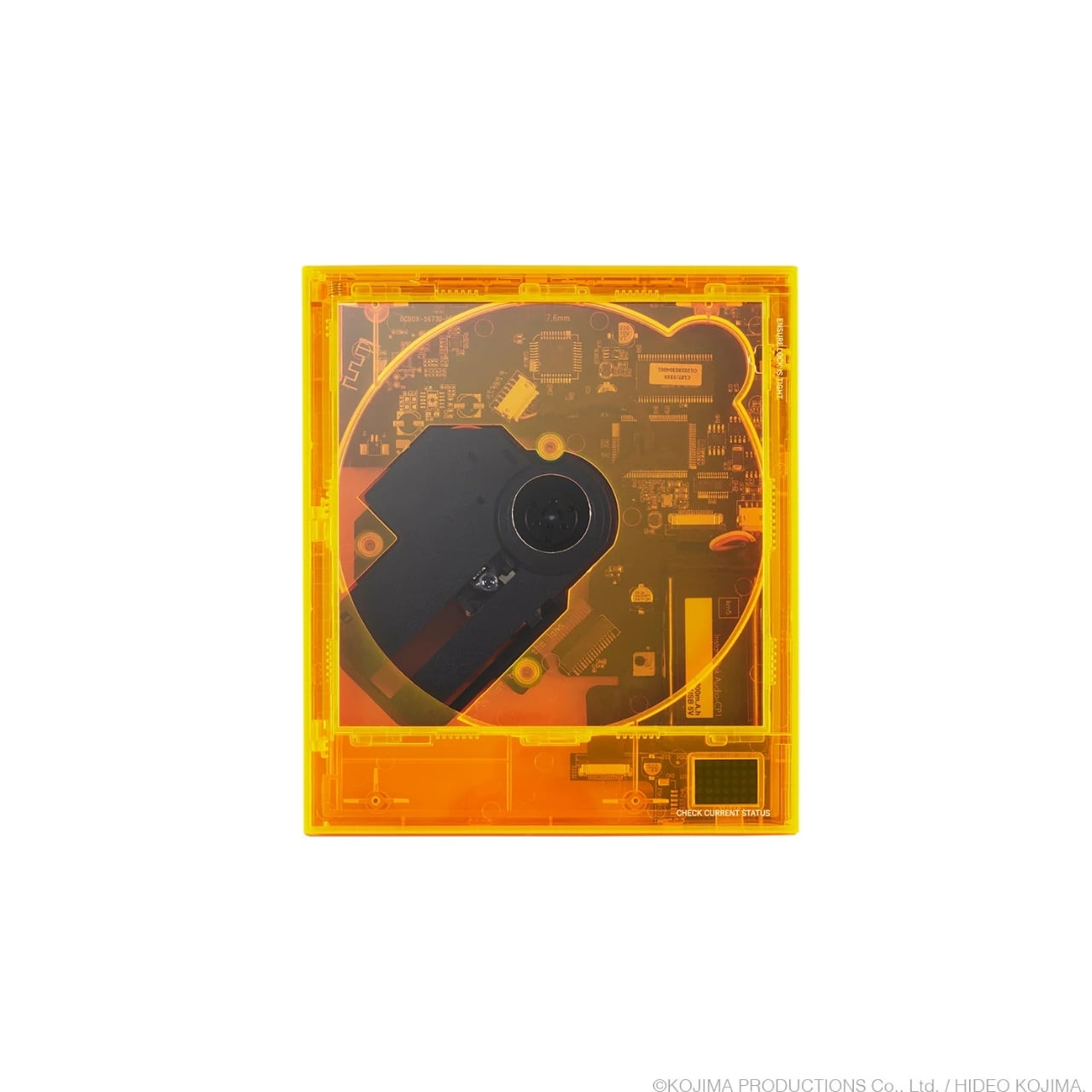
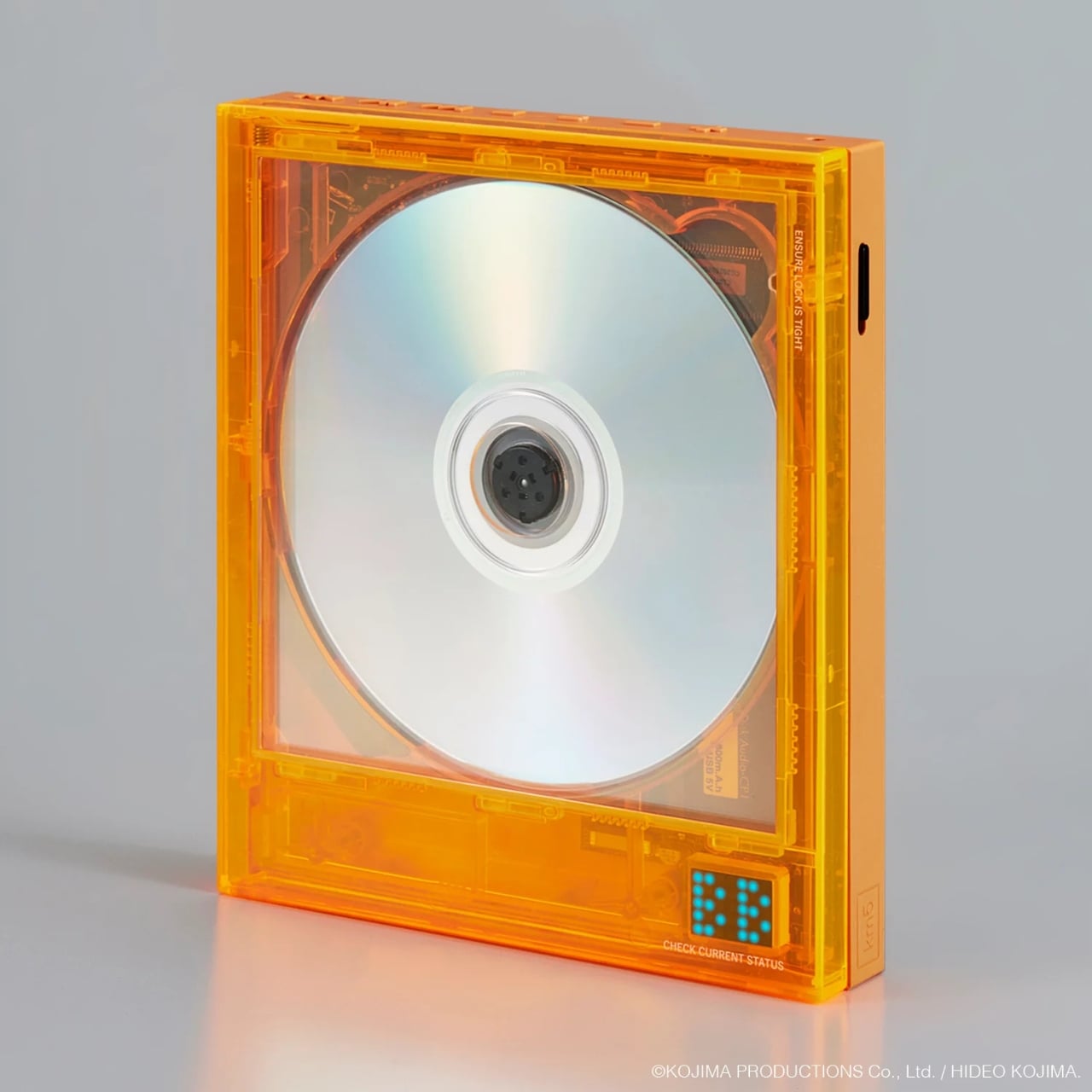
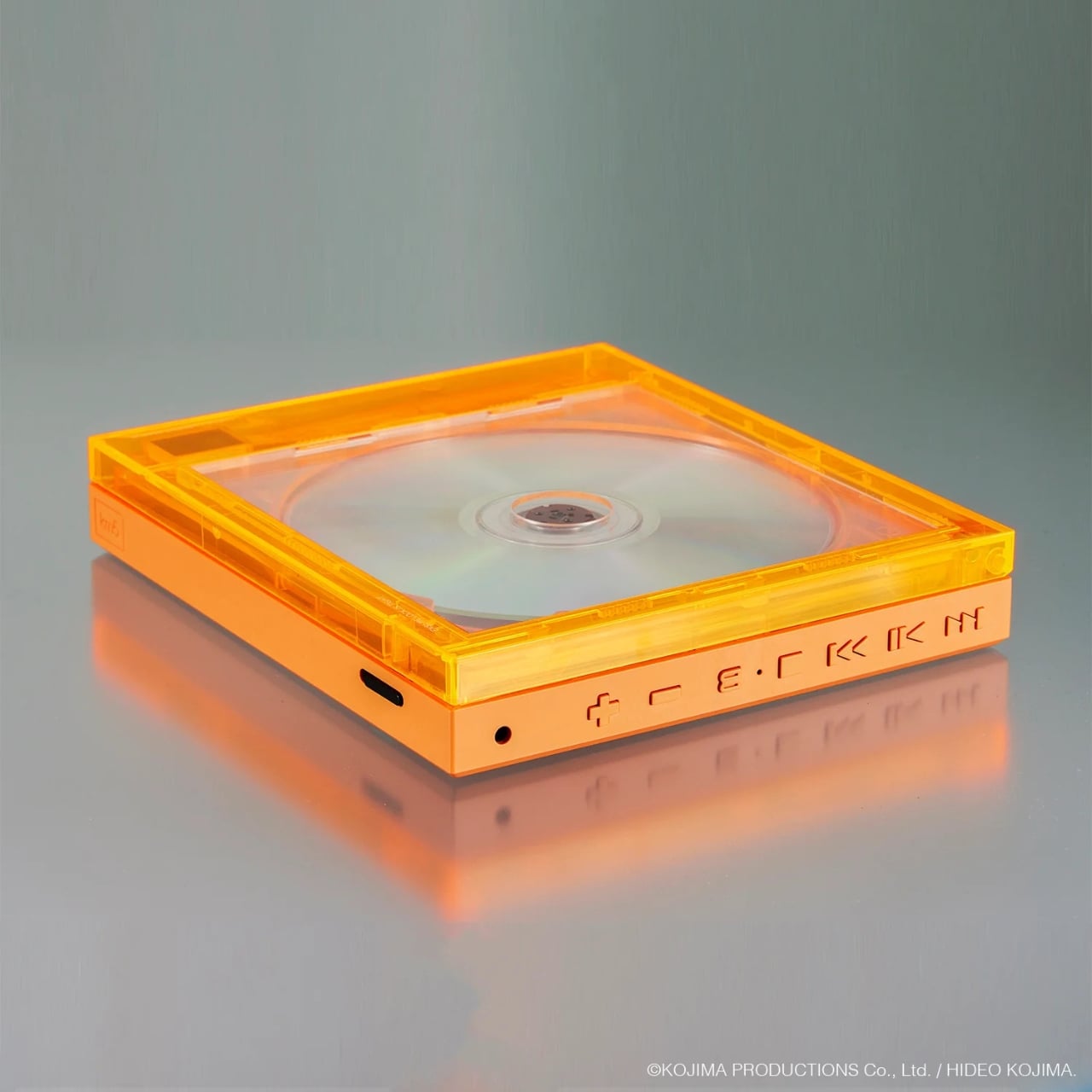
When Kojima Productions does something, it rarely feels like a simple product release. It feels like a statement. The new Instant Disc Audio Cp1 DEATH STRANDING 2 Model, a limited-edition wireless CD player made in official collaboration with Japanese audio brand km5, is proof of exactly that. It dropped on August 1, 2026, and it may be the most thoughtfully designed piece of gaming merchandise I’ve seen in years.
If you’ve played Death Stranding, you already know what a BB Pod is. If you haven’t, here’s the short version. BB stands for Bridge Baby, a term for an unborn infant kept alive inside a transparent life-support unit called a Pod, which serves as a supernatural navigation tool in the game’s hauntingly quiet, post-apocalyptic world. The Pod is one of Death Stranding’s most memorable visual symbols: eerie, delicate, and somehow deeply moving, a small glowing capsule that you cradle, protect, and come to care about over the course of the game. Turning that object into a CD player is either a stroke of genius or complete madness. I’m going with genius.
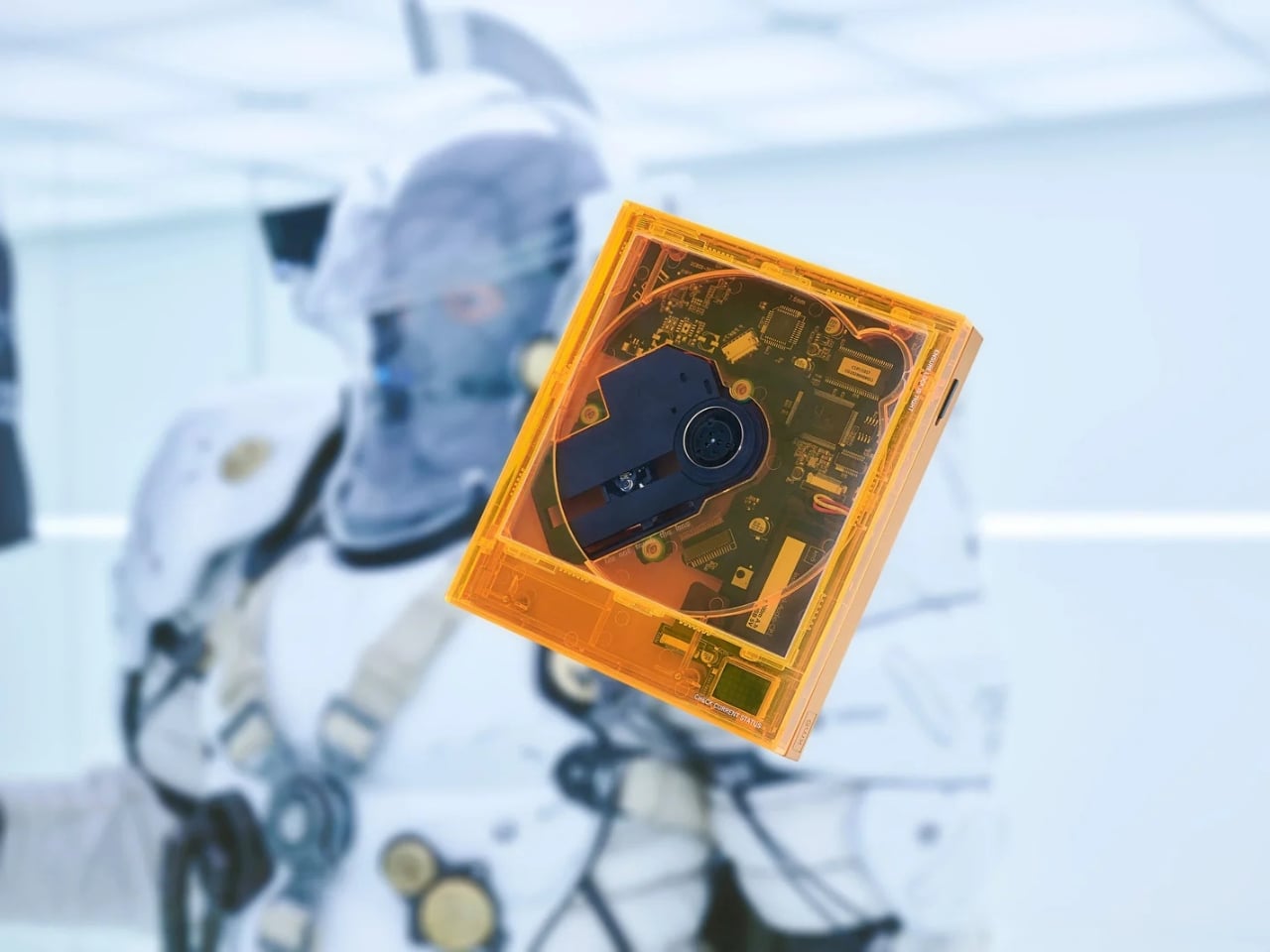
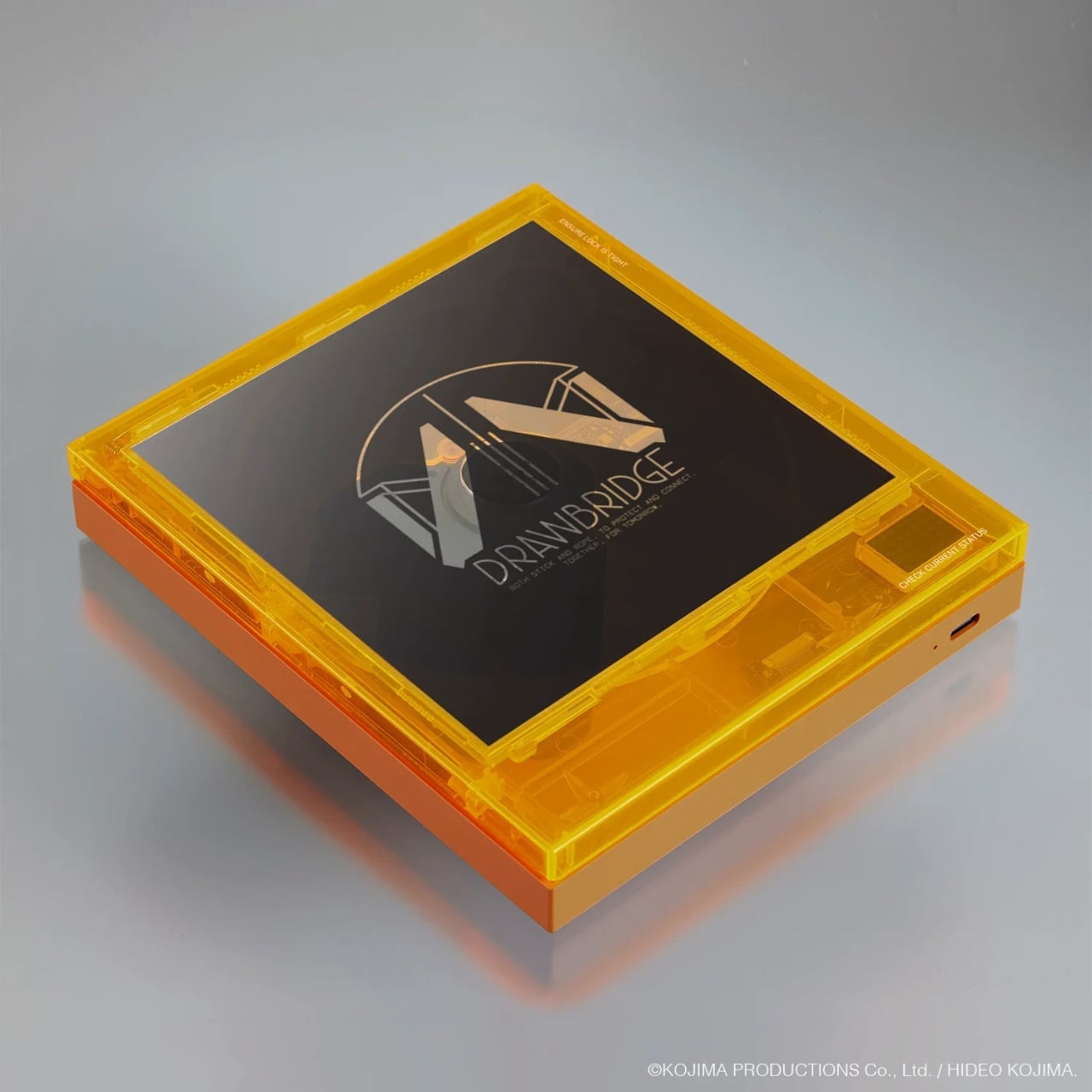
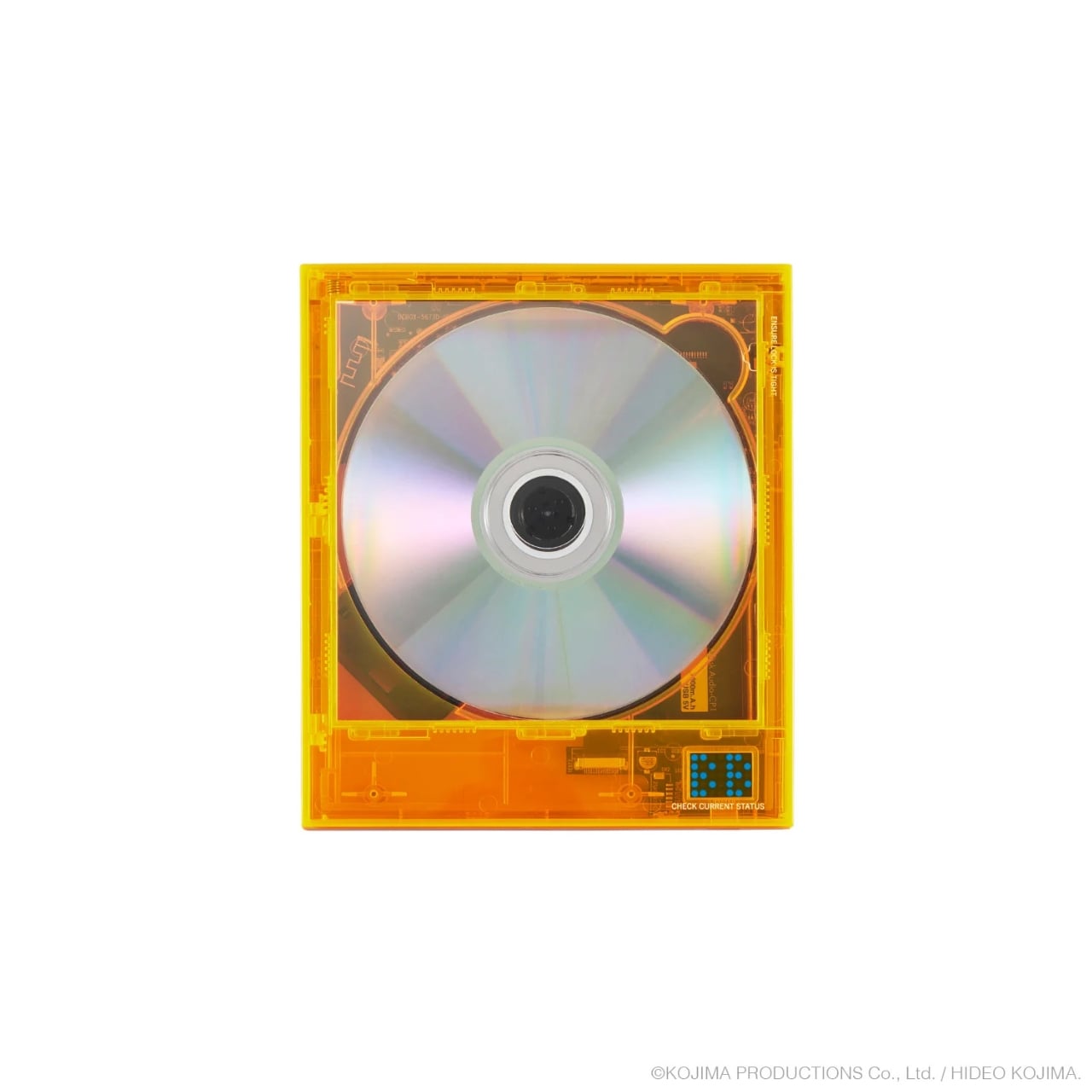
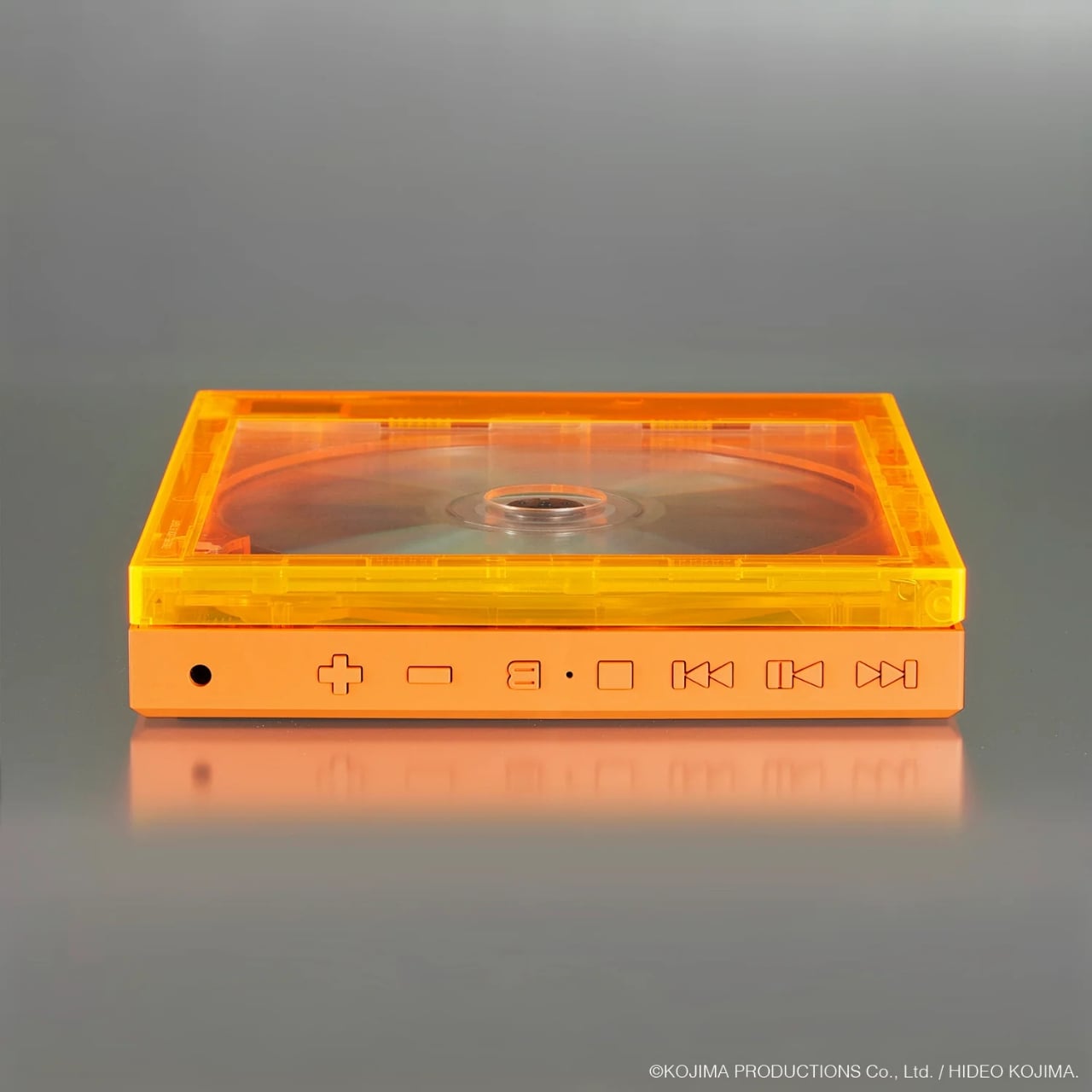
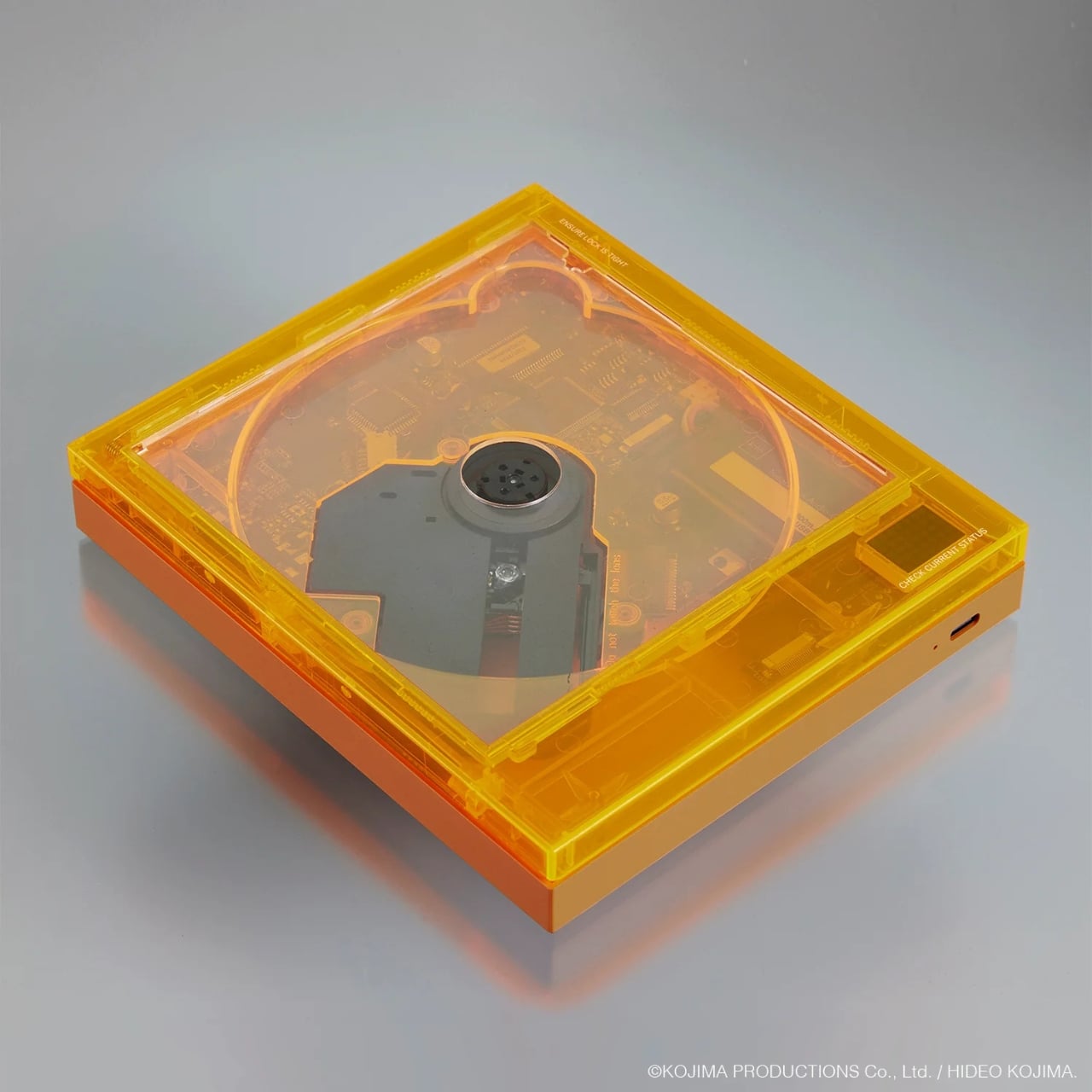
The design is where this whole thing earns its price tag. The Cp1 features a translucent orange shell, and that’s not just for aesthetics. It lets you actually watch the disc spin and the internal mechanics move in real time. As someone who grew up watching cassette tapes wind through their spools, that level of visible mechanical action hits a very specific nostalgic nerve. The translucency echoes the BB Pod’s gel-filled, see-through casing, and it works so well that it almost feels like the CD player was always meant to look this way. It didn’t need Death Stranding to be beautiful, but the collaboration gave it a context that makes it feel intentional rather than just decorative.
The base Cp1 by km5 isn’t a new product. It’s been around for a while as a compact, Bluetooth-enabled CD player with a Nixie tube-style LED display and a wall-mount option that honestly makes it look more like modern furniture than consumer electronics. The Death Stranding 2 model takes that foundation and pushes it into collector territory. Priced at 25,300 yen, around $160, it connects via Bluetooth 5.3, runs for approximately 7 to 8 hours on a single charge, and notably doesn’t come with a built-in speaker. You’re meant to pair it with your own headphones or external audio setup, which keeps the device compact, sculptural, and true to its aesthetic. It’s not trying to be a Bluetooth boombox. It’s something much quieter and more considered than that.
The fact that this exists at all says something interesting about where we are with physical media right now. CD sales have been quietly climbing again, especially among younger audiences who want a more intentional, tactile way to listen to music. Vinyl gets most of the headlines, but CDs are genuinely having their own moment, and a device like this taps right into that energy. It gives you a reason to care about the format all over again, not just as a nostalgia trip, but as an object worth owning and displaying on a shelf next to your records.
The timing works in its favor, too. Death Stranding 2: On the Beach launched earlier this year and carries forward everything the first game did best: gorgeous world-building, deeply strange storytelling, and a visual identity unlike anything else in gaming. Releasing this CD player alongside that cultural wave makes it feel like part of something larger, not a cash grab bolted onto a recognizable franchise. km5 and Kojima Productions clearly put thought into this, and the result reflects that. This isn’t just a piece of merch. It’s a collaboration that understood its source material well enough to let the design carry the story.
The Instant Disc Audio Cp1 DEATH STRANDING 2 Model is available directly through km5’s official website and at the KOJIMA PRODUCTIONS × PARCO GAMES STRAND STORE in Shibuya PARCO. Stock is limited, and if history tells us anything about Kojima collaborations, waiting around is usually the fastest way to miss out entirely.
Nobody really announced the CD comeback. It didn’t arrive with a glossy campaign or some grand industry reset. It just started happening quietly, then all at once. Record stores began giving discs more shelf space. Artists started slipping them into merch drops. And younger listeners, people who grew up with every song ever made living inside an app, started buying physical albums they could have streamed in seconds.
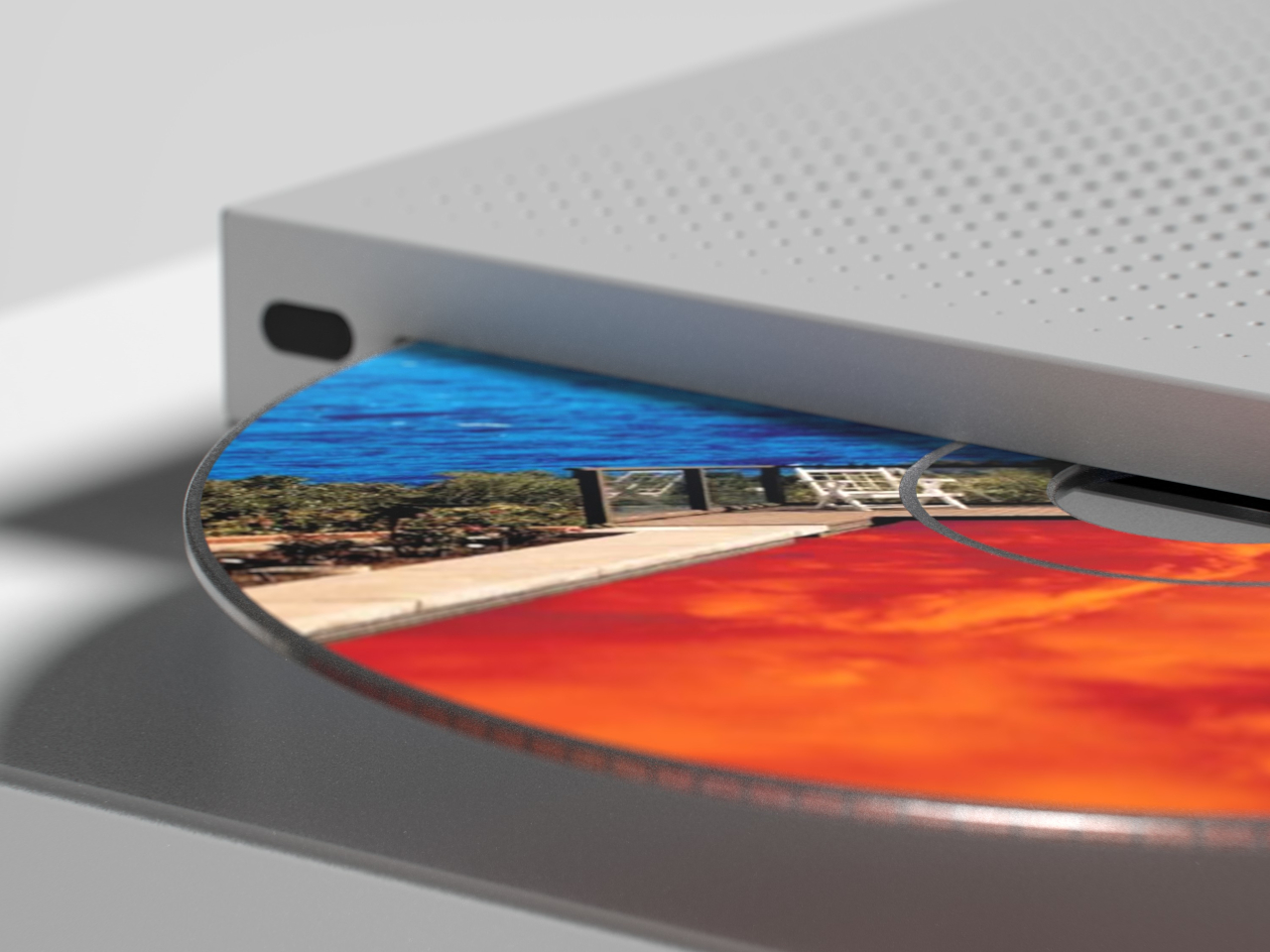
Quick take: This Portable CD Cover Player is designed around displaying the album cover while it plays. Compact, Bluetooth-connected, USB-C charged, and $199. The best reason to start buying CDs again.
The easy explanation is nostalgia, but that no longer covers it. A lot of the people buying CDs in 2026 do not miss the nineties. What they miss is something streaming never fully replaced: the feeling that music had shape. That an album was more than a handful of tracks waiting to be shuffled into the background. Streaming solved access completely. It never solved presence.
The Player That Makes the Comeback Make Sense
That is exactly why the Portable CD Cover Player feels so right for this moment. Most CD players treat the disc as the point and the cover art as packaging. This one flips that. The album cover faces outward while the disc plays, turning the artwork into part of the listening experience instead of something you glance at once and put away.
At first, that sounds like a small design decision. In practice, it changes the whole feel of the object. Music that used to sit invisibly inside a playlist suddenly has a face again. What you are listening to is no longer buried inside a phone screen or reduced to a thumbnail in a queue. It is present, visible, and strangely harder to ignore.
The player itself is compact, clean, and easy to move from desk to shelf to bedside table. It connects via Bluetooth or 3.5mm, charges over USB-C, and plays standard audio CDs. None of that is especially radical. What makes it interesting is that someone thought carefully about what should happen to the album art while the music plays, and built the whole object around that answer.
Why CDs Feel Different Again
When every song is equally available, every song starts to feel a little less anchored. The album loses its edges. The sequence matters less. Even the act of choosing starts to feel thinner. CDs bring some of that back. Not because they are more efficient, but because they ask for a little more intention. You pick an album. You put it on. You let it occupy space.
After a couple of weeks of listening this way, the shift is subtle but real. Albums I had not touched in years felt worth revisiting. New releases felt more memorable. I found myself choosing records partly because I wanted to see the cover on the desk while I worked, which turned out to be a better reason than most algorithmic suggestions ever offered. More importantly, it made streaming feel flatter by comparison. Not useless. Just thinner. Less present. Like music had been pushed slightly out of the room without me noticing.
Who It’s For
The listener rediscovering physical music
For anyone with a stack of CDs who wants a reason to use them again.
The desk listener
A better answer than propping your phone against a monitor and calling it a setup.
The album person
For people who still think in full records, not playlists and singles.
The Portable CD Cover Player is for $199. In a moment when music is available everywhere but feels present almost nowhere, that starts to sound less like a novelty and more like a correction.
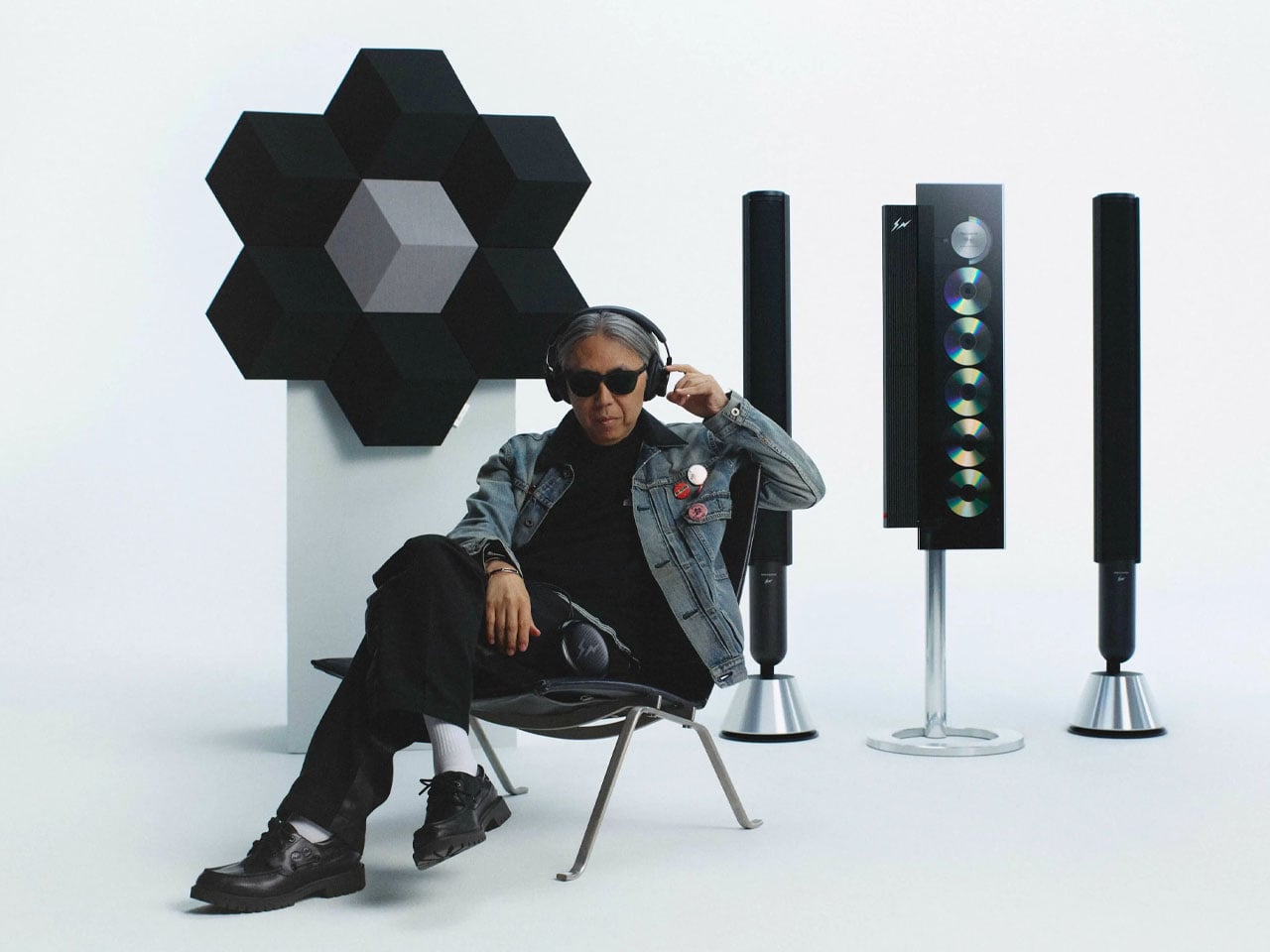
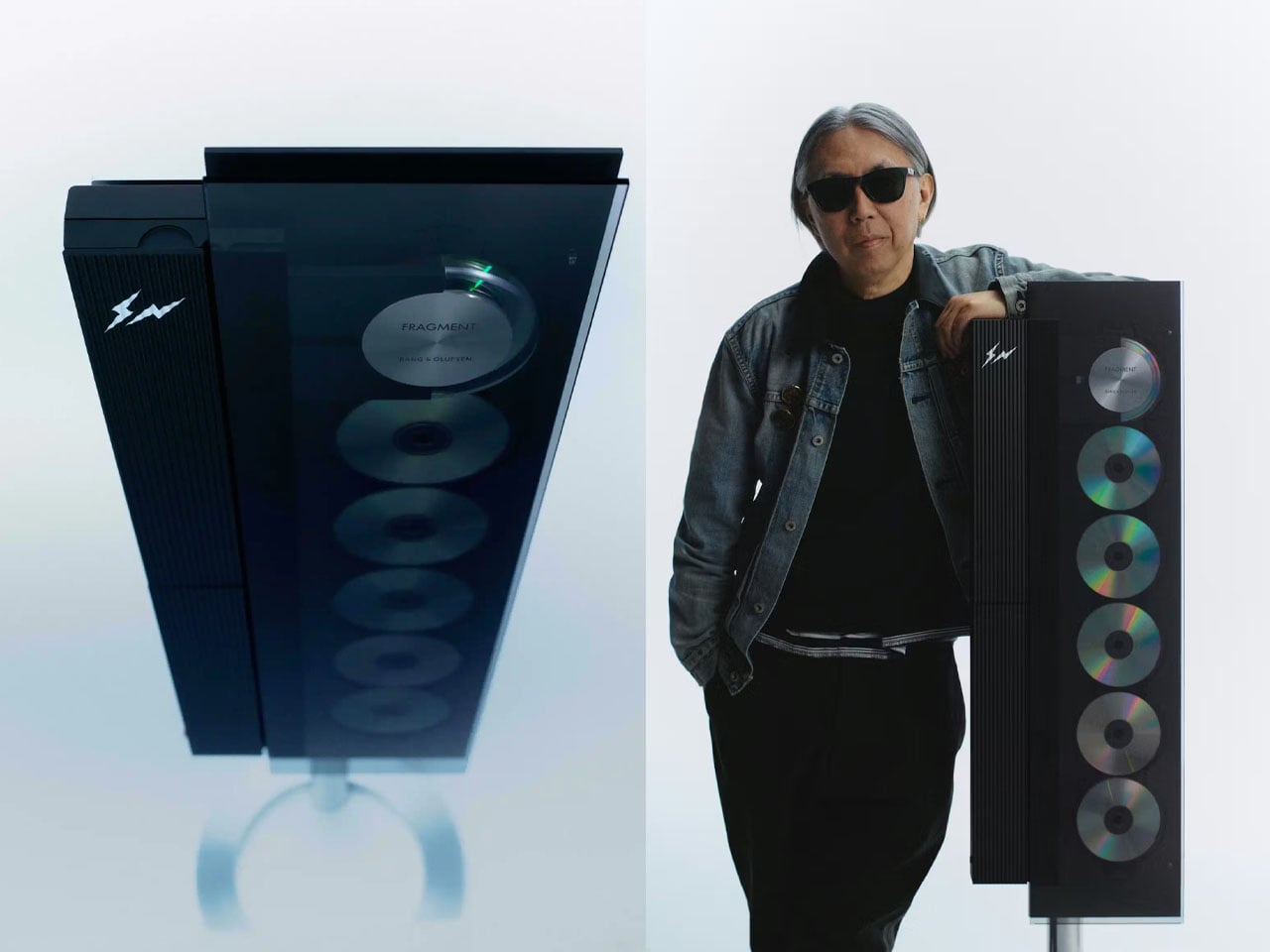
Hiroshi Fujiwara has had his influence stamped in multifaceted spheres – Carrera Chronograph x Fragment Limited Edition and the MC20 Cielo Fuoriserie are some impressive examples we came across. The streetwear legend has now teamed up with audio pioneers Bang and Olufsen for a collection that is destined for a minimalist yet classy living room setup.
The designer has long been fascinated by B&O and has desired to collaborate with the high-end Danish audio brand someday. While Hiroshi had installed their Beocenter 2300 integrated sound system at home in 1991, it actually took 35 long years to work on a project with them. That moment is right now, as Hiroshi (under his design studio Fragment Design) has worked on four B&O masterpieces to give them the black finish only achievable by hand.
The famed collection is slated for debut today, with it being shown off until next week inside the Isetan Department Store in Shinjuku, Tokyo. Thereafter, it’ll be rolled out across Japan from 27 May for display, before eventually being released on 3 June globally and in stores for eager buyers.
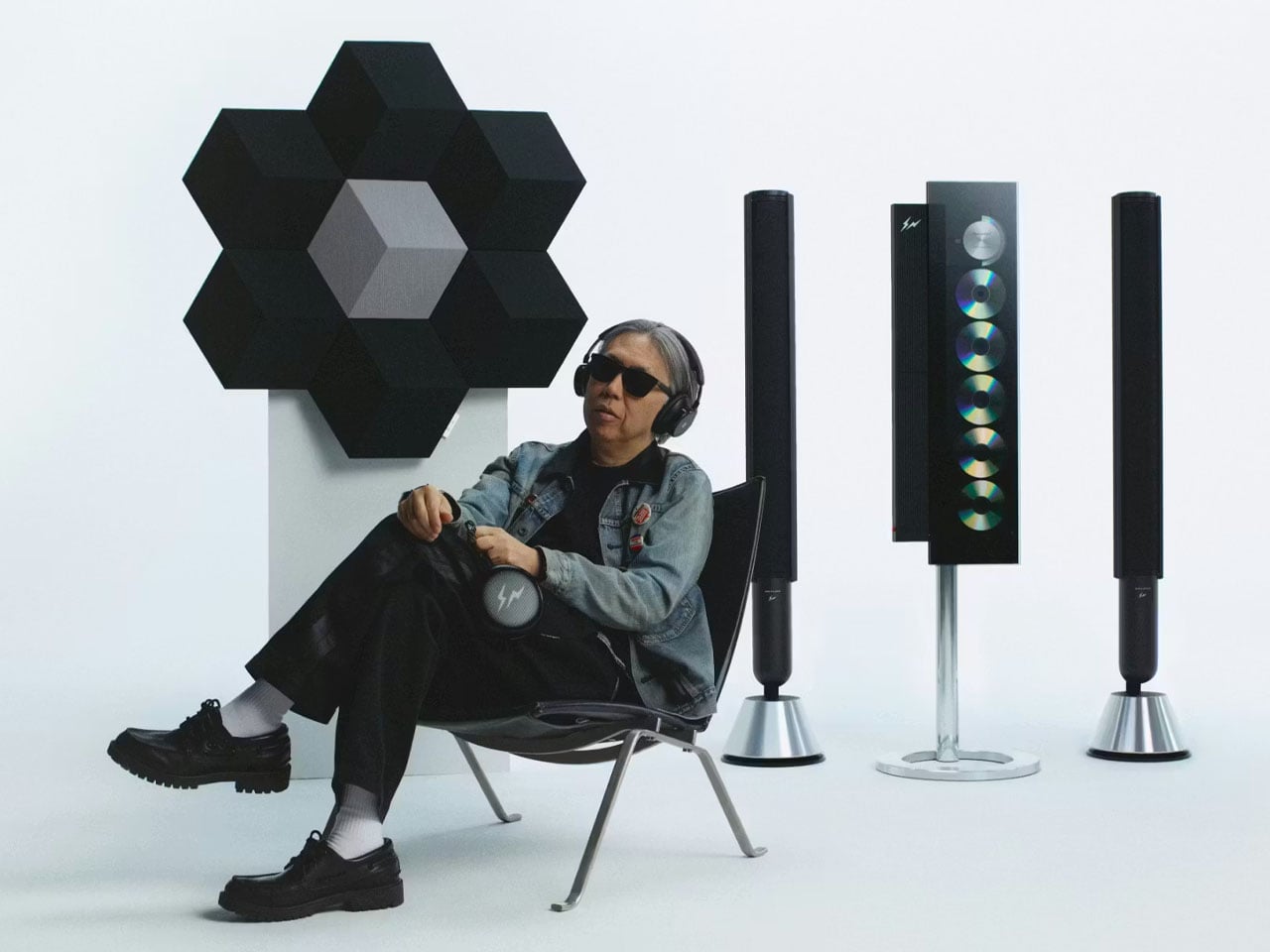
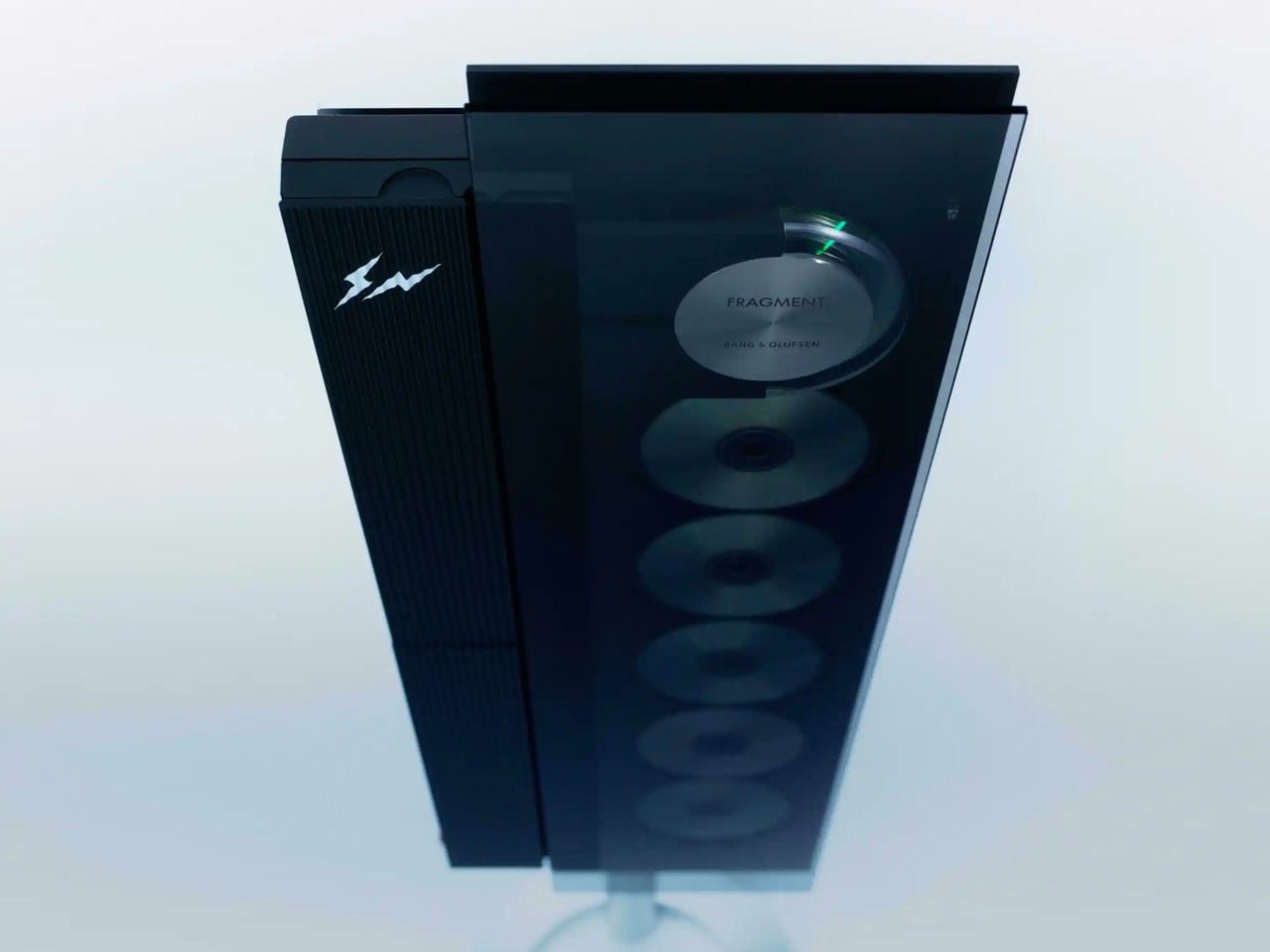
Instead of working on a completely new model for the collaborative, the consensus was settled on reworking the Beoplay H100 headphones, Beosound A1 portable speaker, Beosound Shape speaker, and Beosystem 9000c triple pillar CD system. These signature B&O products are slapped with the designer’s signature monochrome aesthetic. Of course, B&O’s artisanal skills come into play as the team of designers lends these brand’s classics anodized, hand-polished finish for that perfect liquid-like high gloss finish.
Beoplay H100 and Beosound A1 3rd Gen Fragment Edition
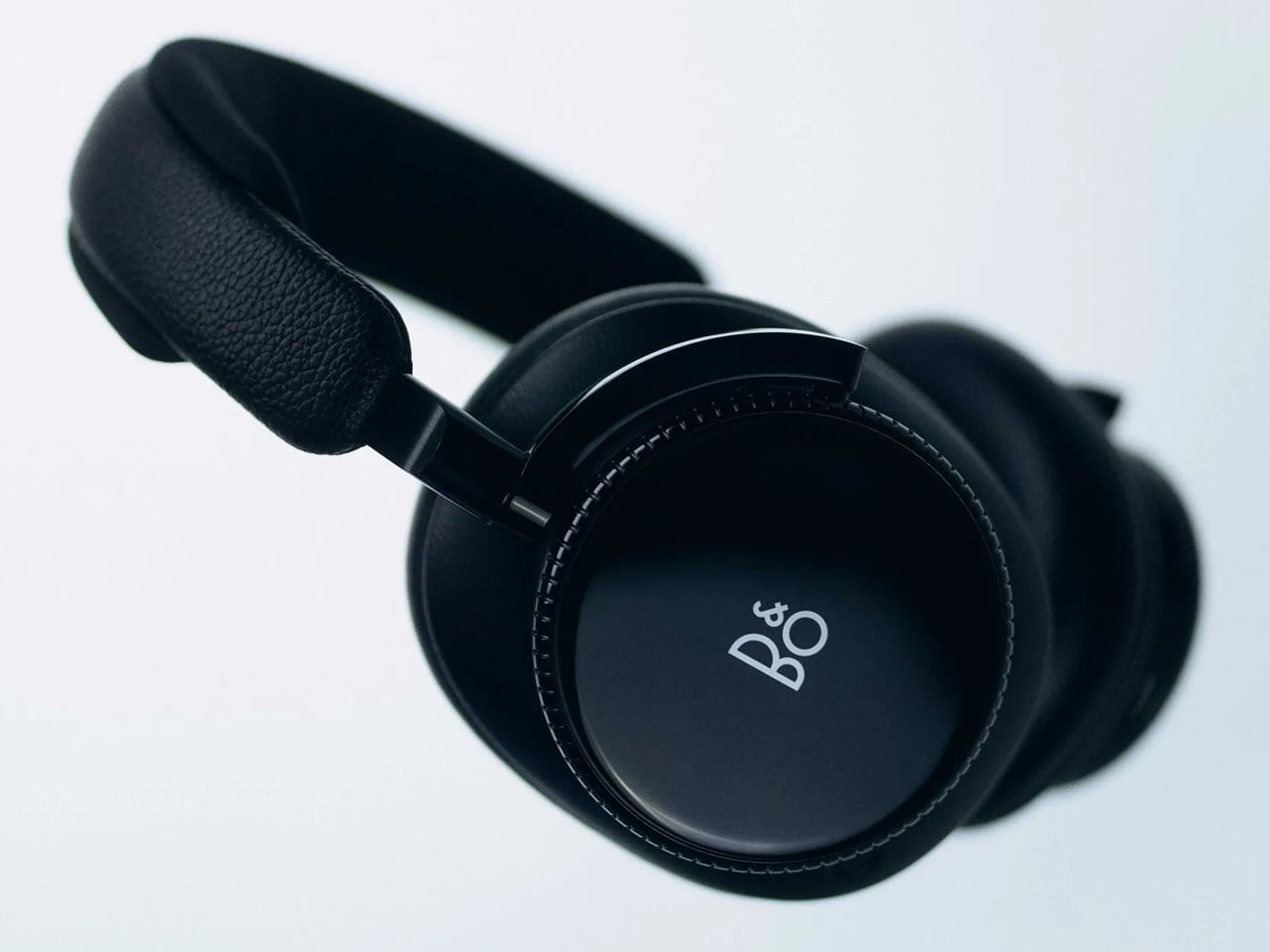
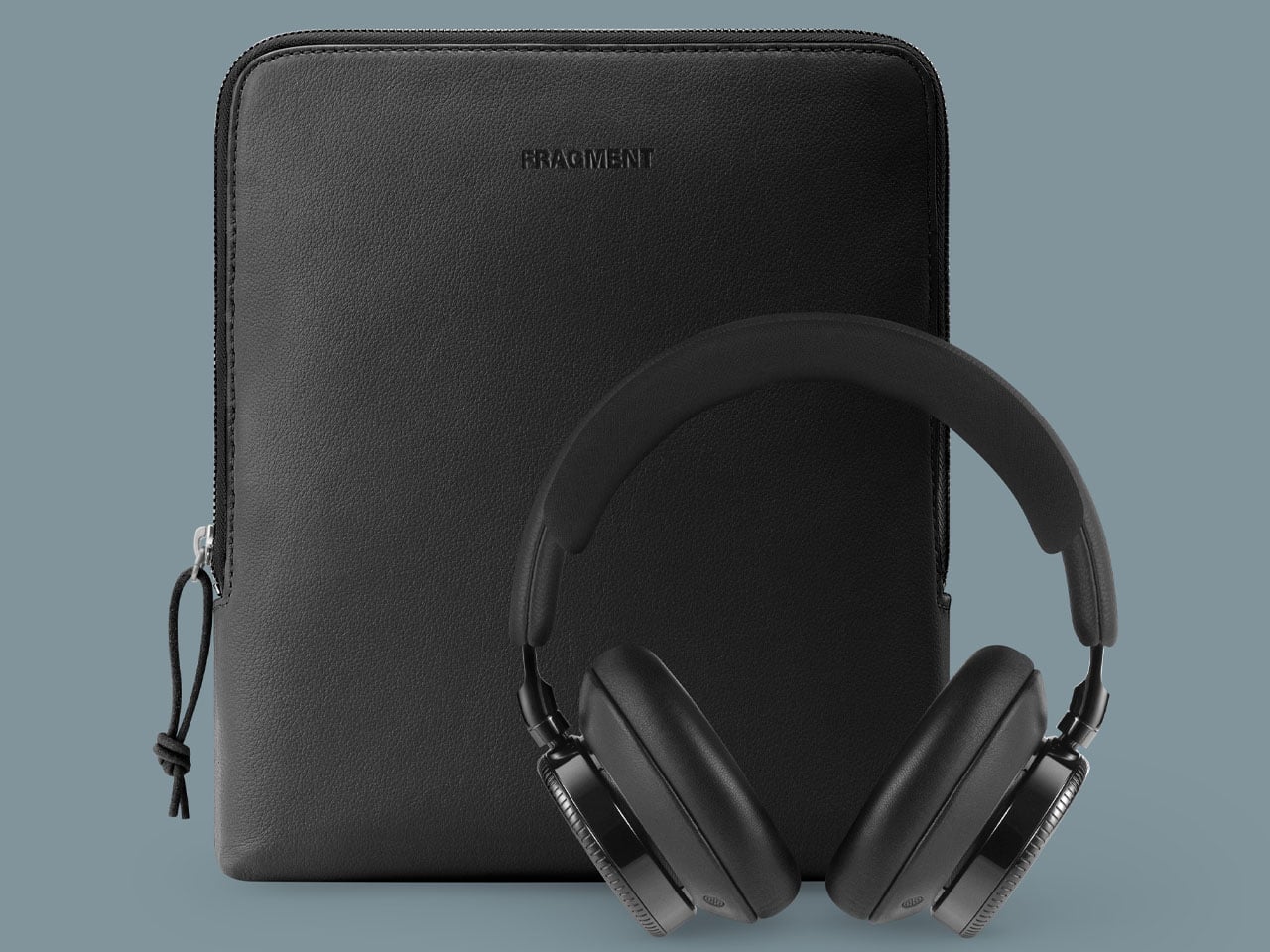
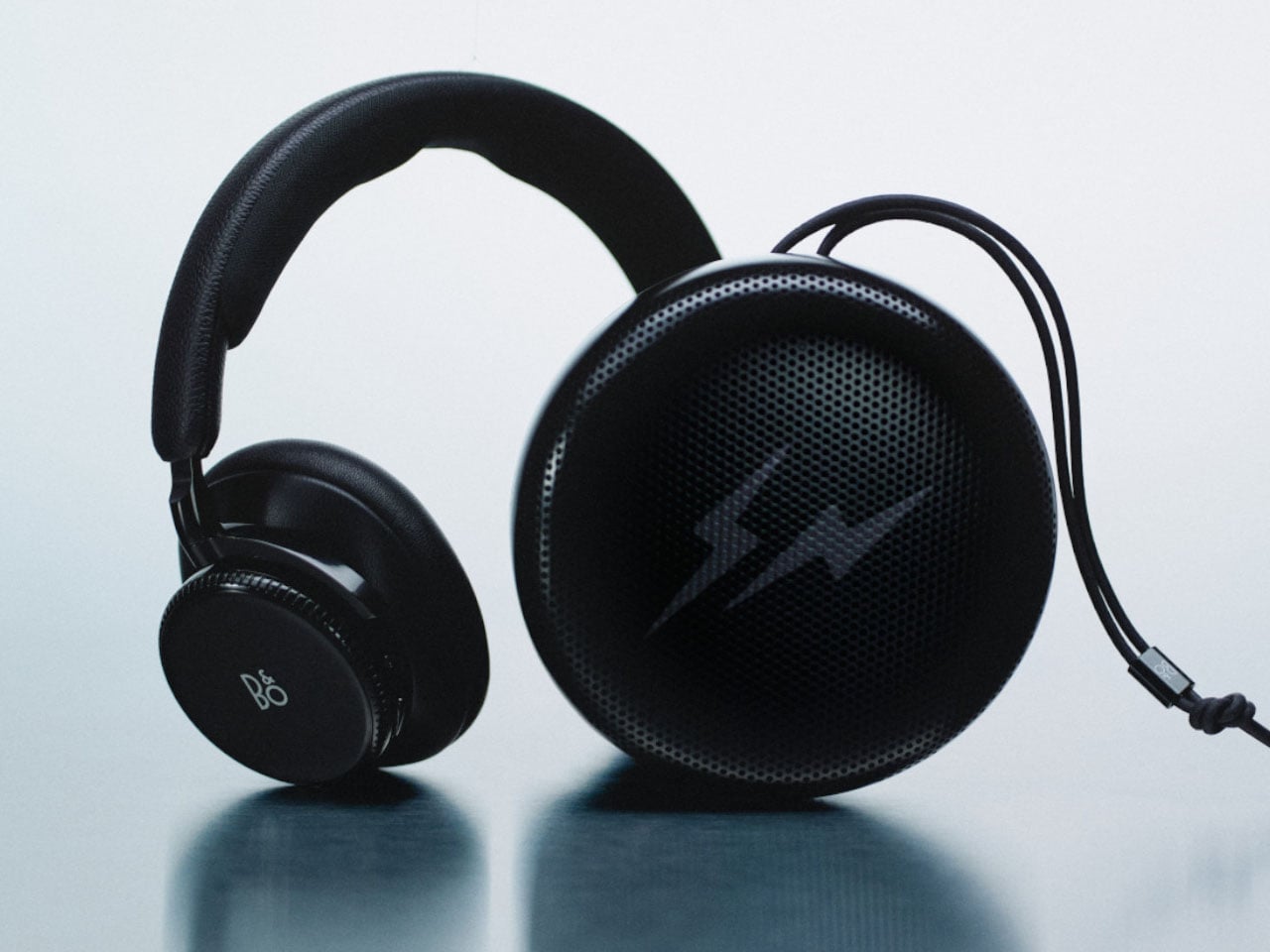
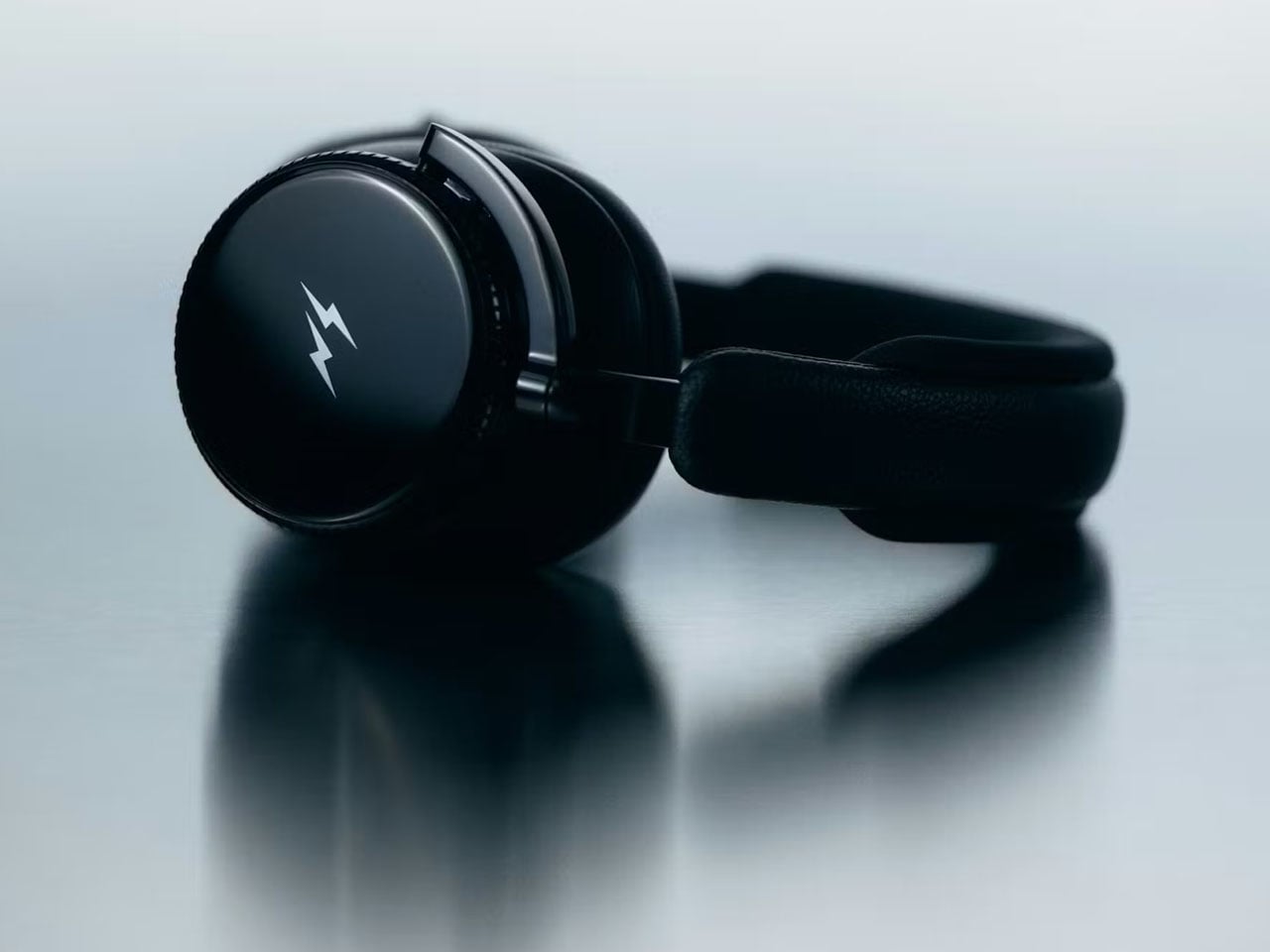
It doesn’t get any darker than the Beoplay H100 Fragment Edition headphones, as they exude pure class in gloss black anodized skin. This finish is complemented by the black leather headband and cushions for all-day wear comfort. Contrasting the dark is the white Fragment Studio and B&O logos on the outside of each of the earcups. The over-the-ear headphones are priced at a steep $2,400, but that is expected when two big names collaborate.
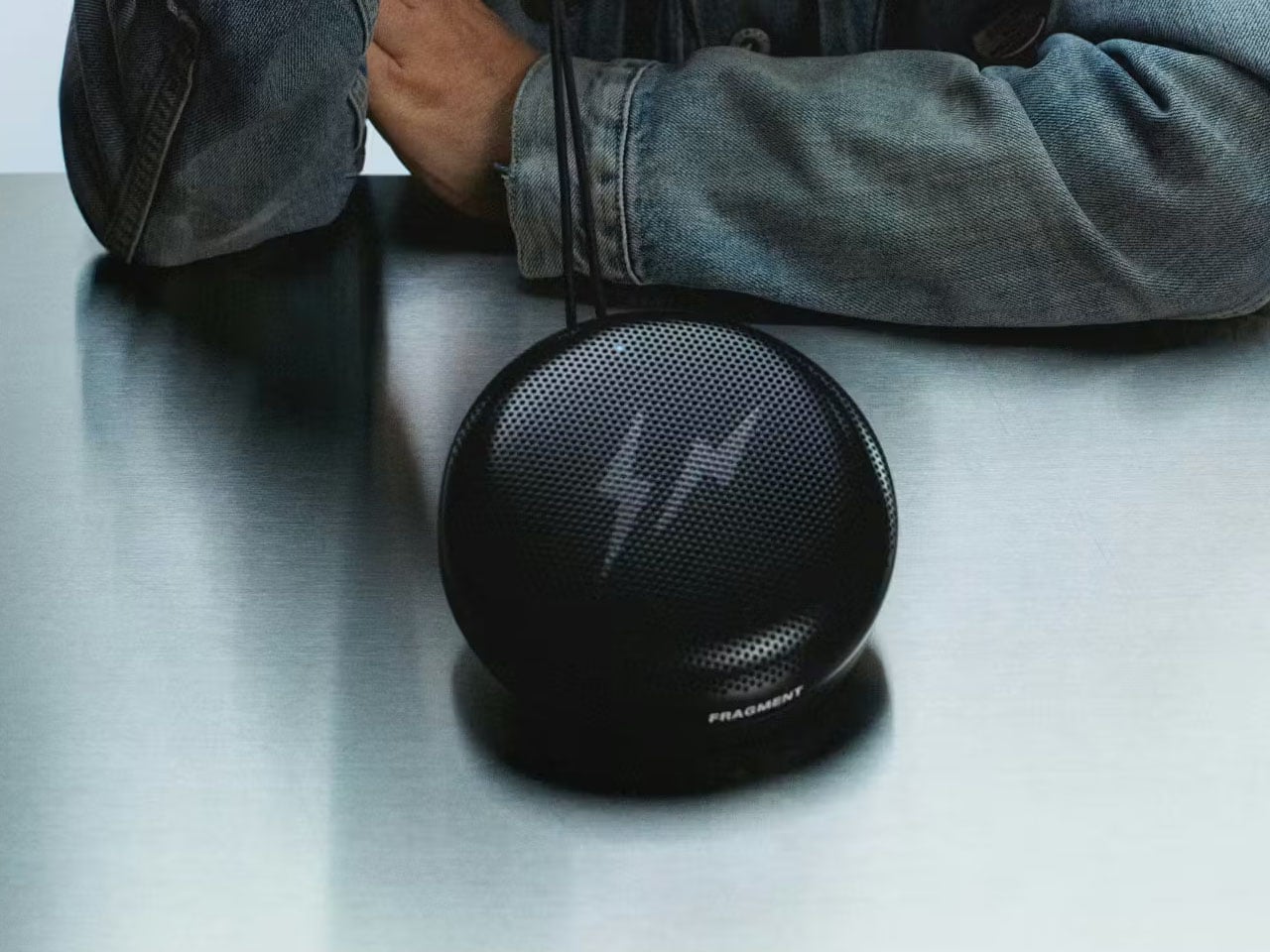
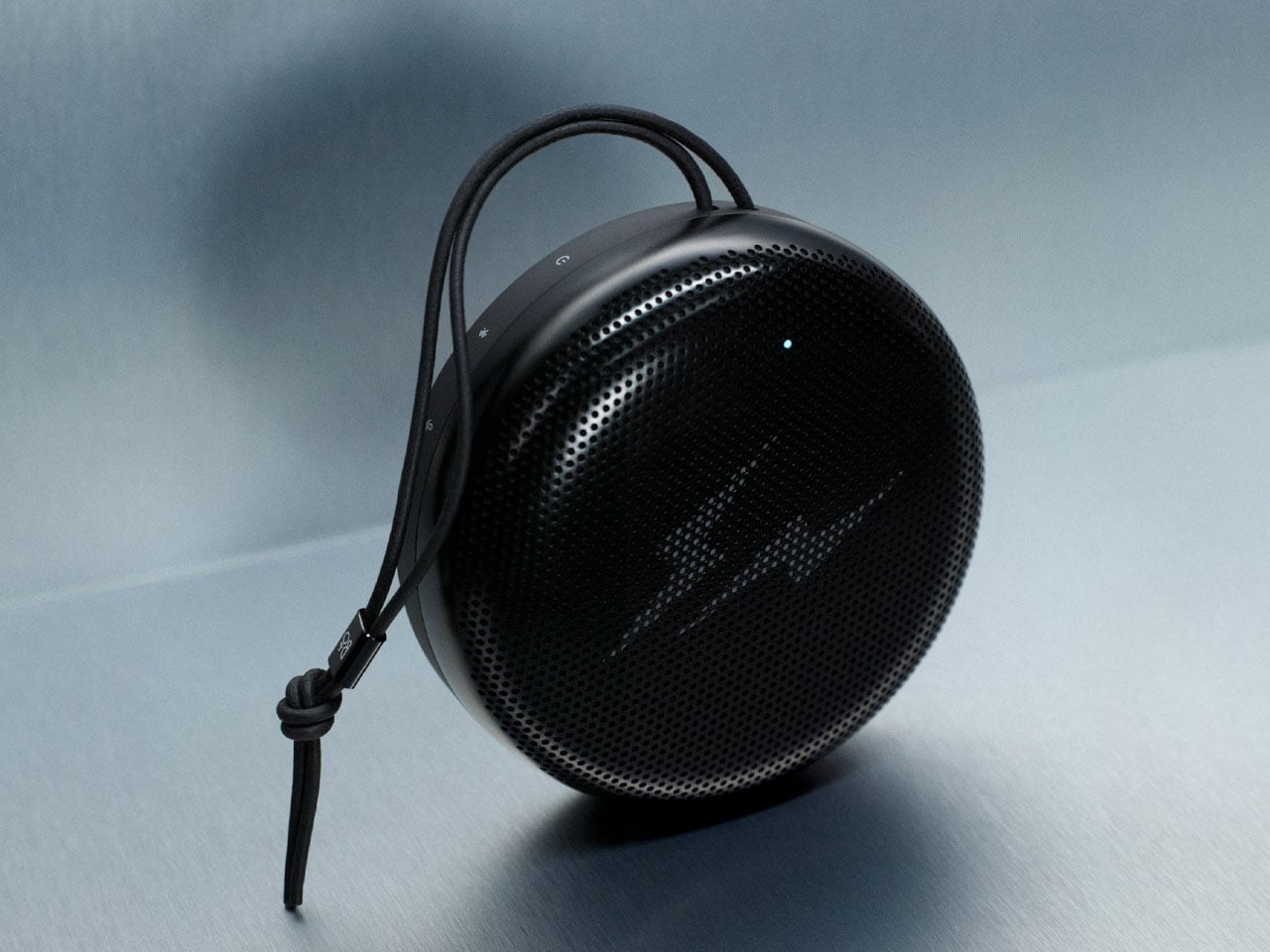
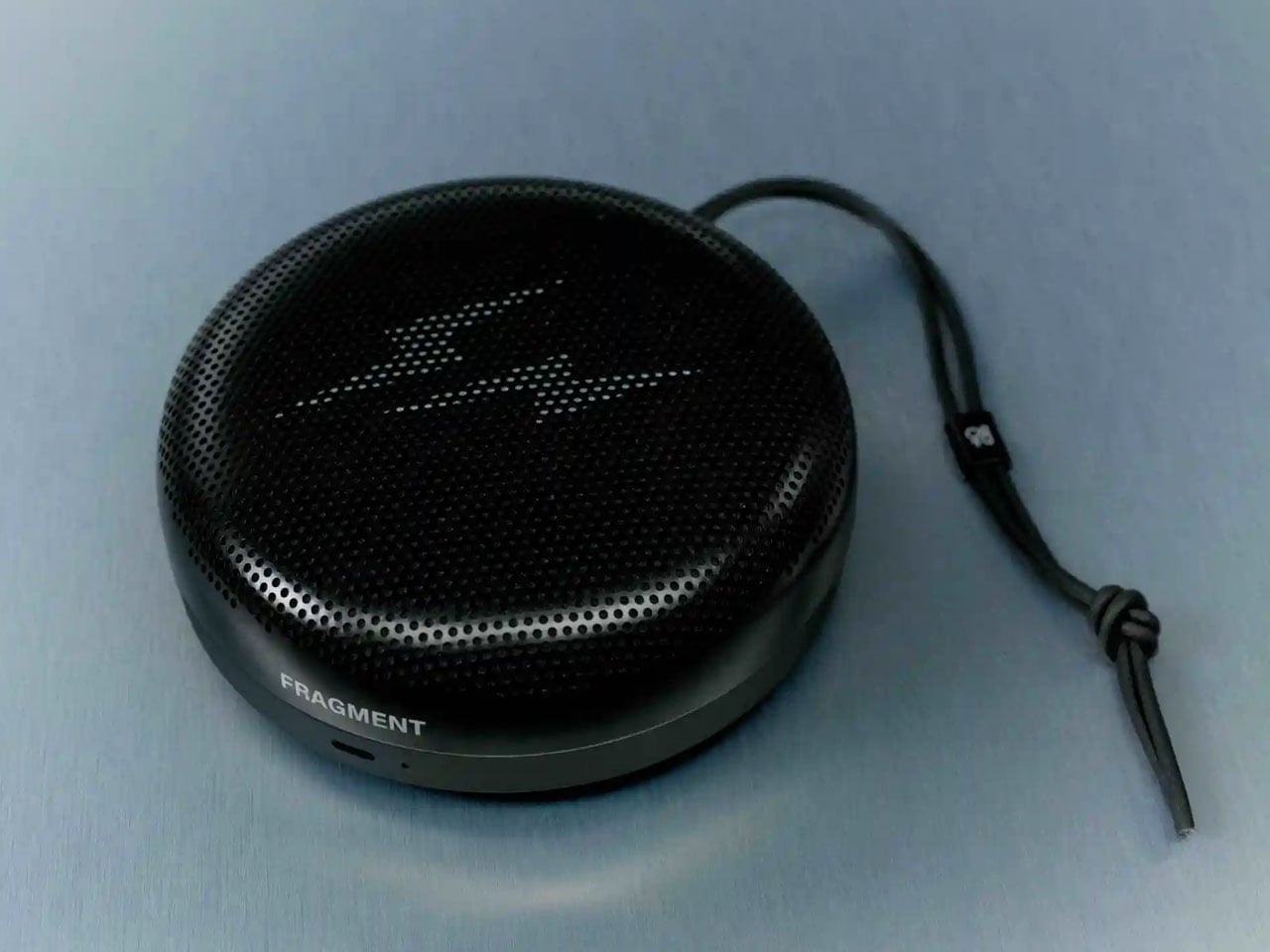
Then there is the more sober Beosound A1 3rd gen portable Bluetooth speaker priced at $475. Predictably, this one too has the high-gloss finish and the brand’s double lightning logo etched under the grille. According to Kresten Bjørn Krab-Bjerre, Bang & Olufsen’s Senior Director of Design, the “artisanal anodization and polishing process” has been implemented for the first time on their portable collection.
Beosound Shape and Beosystem 9000c Fragment Edition
With these two creations, you begin to fathom the gravity of this collaboration. The Beosound Shape is a wall-mounted speaker system that combines flower-shaped driving units to bring sublime sound to the living room. The modular audio system gets the monochrome fabric treatment for the six surrounding petals, and the inner gray unit completes the aesthetic look. Priced at $7,100, this beautiful audio system is one for a minimalist living room setting. Apparently, Fujiwara headed straight to his hotel room after seeing the original Shape speakers and sketched the seven-title flower configuration for his version.
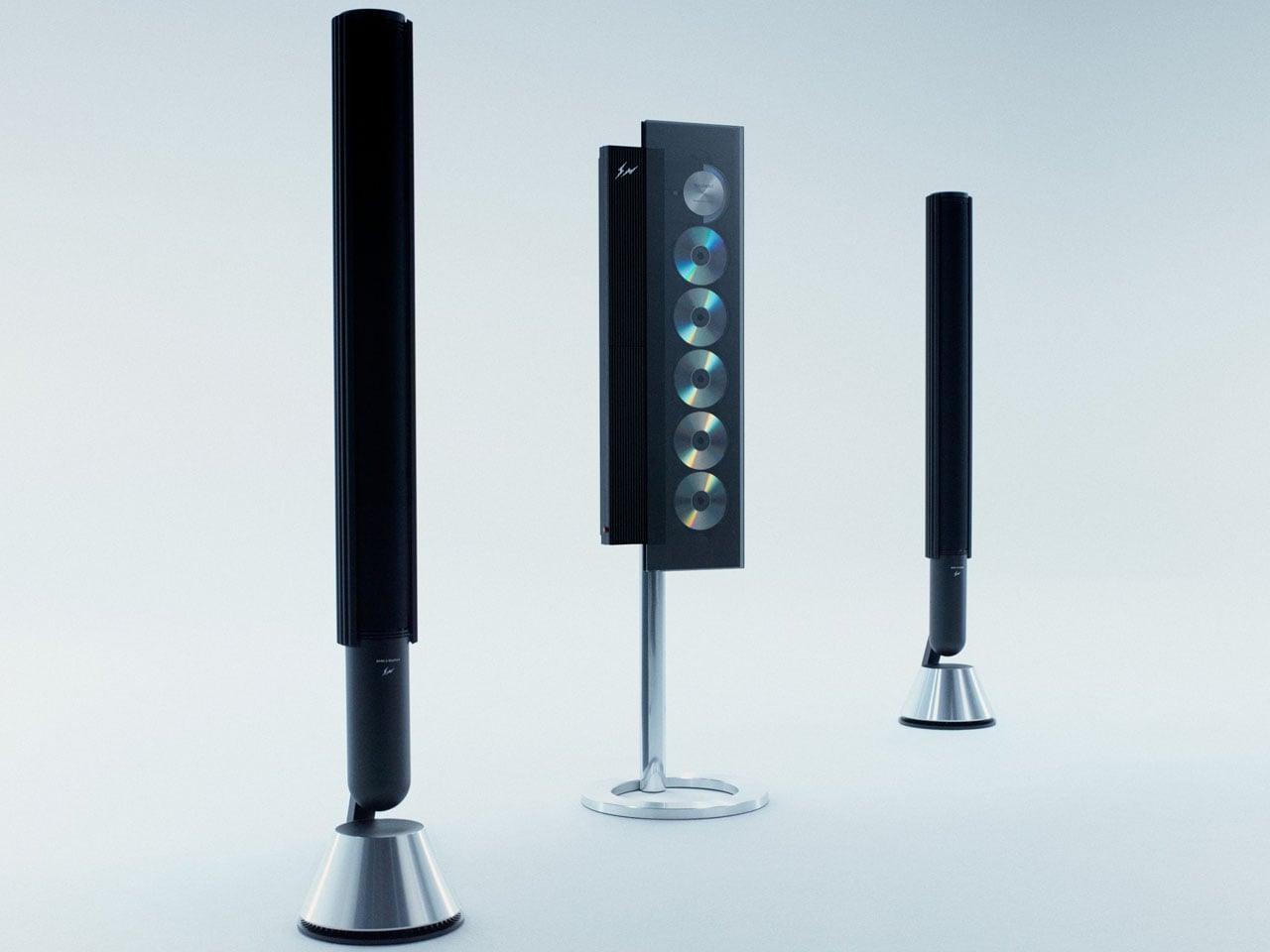
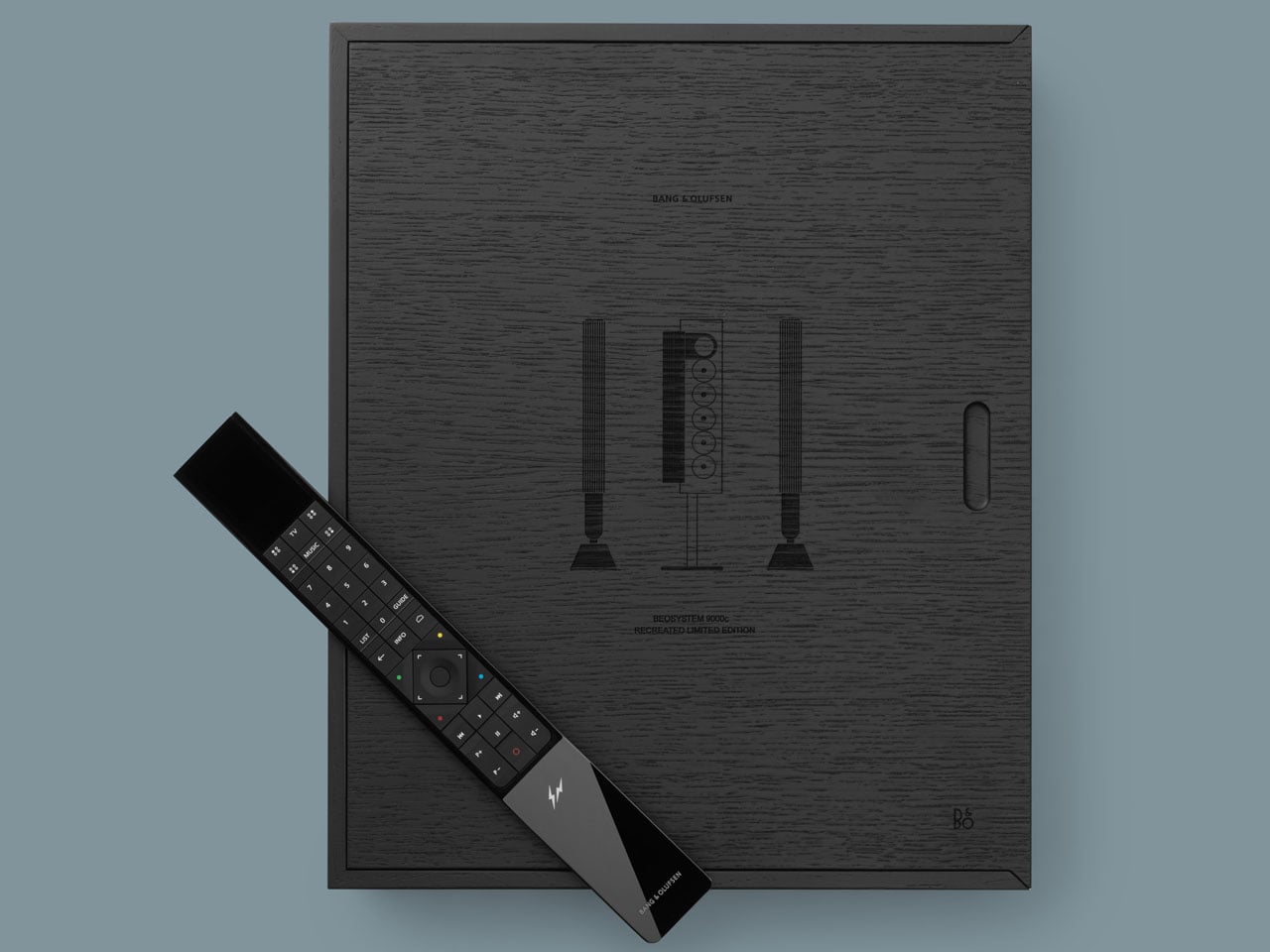
The collector’s piece of the line-up is the Beosystem 9000c Fragment Edition, which defines the amount of skill and expertise put into making it. This is a made-to-order setup that costs a mind-numbing $69,650 and is Japan-exclusive only. It’s in itself a collection as it has the dedicated CD system, Beolab 28 loudspeakers, and the Beoremote One two-way remote. The six-disc 90s CD player is famed for its automatic CD swapping mechanism once the playback is finished on one disc.
Hiroshi Fujiwara has had his influence stamped in multifaceted spheres – Carrera Chronograph x Fragment Limited Edition and the MC20 Cielo Fuoriserie are some impressive examples we came across. The streetwear legend has now teamed up with audio pioneers Bang and Olufsen for a collection that is destined for a minimalist yet classy living room setup.
The designer has long been fascinated by B&O and has desired to collaborate with the high-end Danish audio brand someday. While Hiroshi had installed their Beocenter 2300 integrated sound system at home in 1991, it actually took 35 long years to work on a project with them. That moment is right now, as Hiroshi (under his design studio Fragment Design) has worked on four B&O masterpieces to give them the black finish only achievable by hand.
The famed collection is slated for debut today, with it being shown off until next week inside the Isetan Department Store in Shinjuku, Tokyo. Thereafter, it’ll be rolled out across Japan from 27 May for display, before eventually being released on 3 June globally and in stores for eager buyers.
Instead of working on a completely new model for the collaborative, the consensus was settled on reworking the Beoplay H100 headphones, Beosound A1 portable speaker, Beosound Shape speaker, and Beosystem 9000c triple pillar CD system. These signature B&O products are slapped with the designer’s signature monochrome aesthetic. Of course, B&O’s artisanal skills come into play as the team of designers lends these brand’s classics anodized, hand-polished finish for that perfect liquid-like high gloss finish.
Beoplay H100 and Beosound A1 3rd Gen Fragment Edition
It doesn’t get any darker than the Beoplay H100 Fragment Edition headphones, as they exude pure class in gloss black anodized skin. This finish is complemented by the black leather headband and cushions for all-day wear comfort. Contrasting the dark is the white Fragment Studio and B&O logos on the outside of each of the earcups. The over-the-ear headphones are priced at a steep $2,400, but that is expected when two big names collaborate.
Then there is the more sober Beosound A1 3rd gen portable Bluetooth speaker priced at $475. Predictably, this one too has the high-gloss finish and the brand’s double lightning logo etched under the grille. According to Kresten Bjørn Krab-Bjerre, Bang & Olufsen’s Senior Director of Design, the “artisanal anodization and polishing process” has been implemented for the first time on their portable collection.
Beosound Shape and Beosystem 9000c Fragment Edition
With these two creations, you begin to fathom the gravity of this collaboration. The Beosound Shape is a wall-mounted speaker system that combines flower-shaped driving units to bring sublime sound to the living room. The modular audio system gets the monochrome fabric treatment for the six surrounding petals, and the inner gray unit completes the aesthetic look. Priced at $7,100, this beautiful audio system is one for a minimalist living room setting. Apparently, Fujiwara headed straight to his hotel room after seeing the original Shape speakers and sketched the seven-title flower configuration for his version.
The collector’s piece of the line-up is the Beosystem 9000c Fragment Edition, which defines the amount of skill and expertise put into making it. This is a made-to-order setup that costs a mind-numbing $69,650 and is Japan-exclusive only. It’s in itself a collection as it has the dedicated CD system, Beolab 28 loudspeakers, and the Beoremote One two-way remote. The six-disc 90s CD player is famed for its automatic CD swapping mechanism once the playback is finished on one disc.
Streaming hasn’t killed physical media. It’s made us crave it more. CDs are back in rotation, showing up in record stores, apartments, and design studios with a renewed sense of purpose. Some of it comes down to sound: a format that doesn’t compress or buffer. A lot of it is about the object itself. A disc, a sleeve, a machine worth looking at. Things that feel considered in a world that mostly isn’t.
The players featured here range from transparent sculptures to boombox revivals, from minimalist concept blocks to award-winning portables with genuine design credentials. Each one has a clear point of view. Whether you’re rebuilding a hi-fi setup or just want something to put a CD in that doesn’t feel like a relic, this list proves that the format and the hardware around it can be genuinely beautiful. Seven players. Seven reasons to press play.
1. ClearFrame CD Player
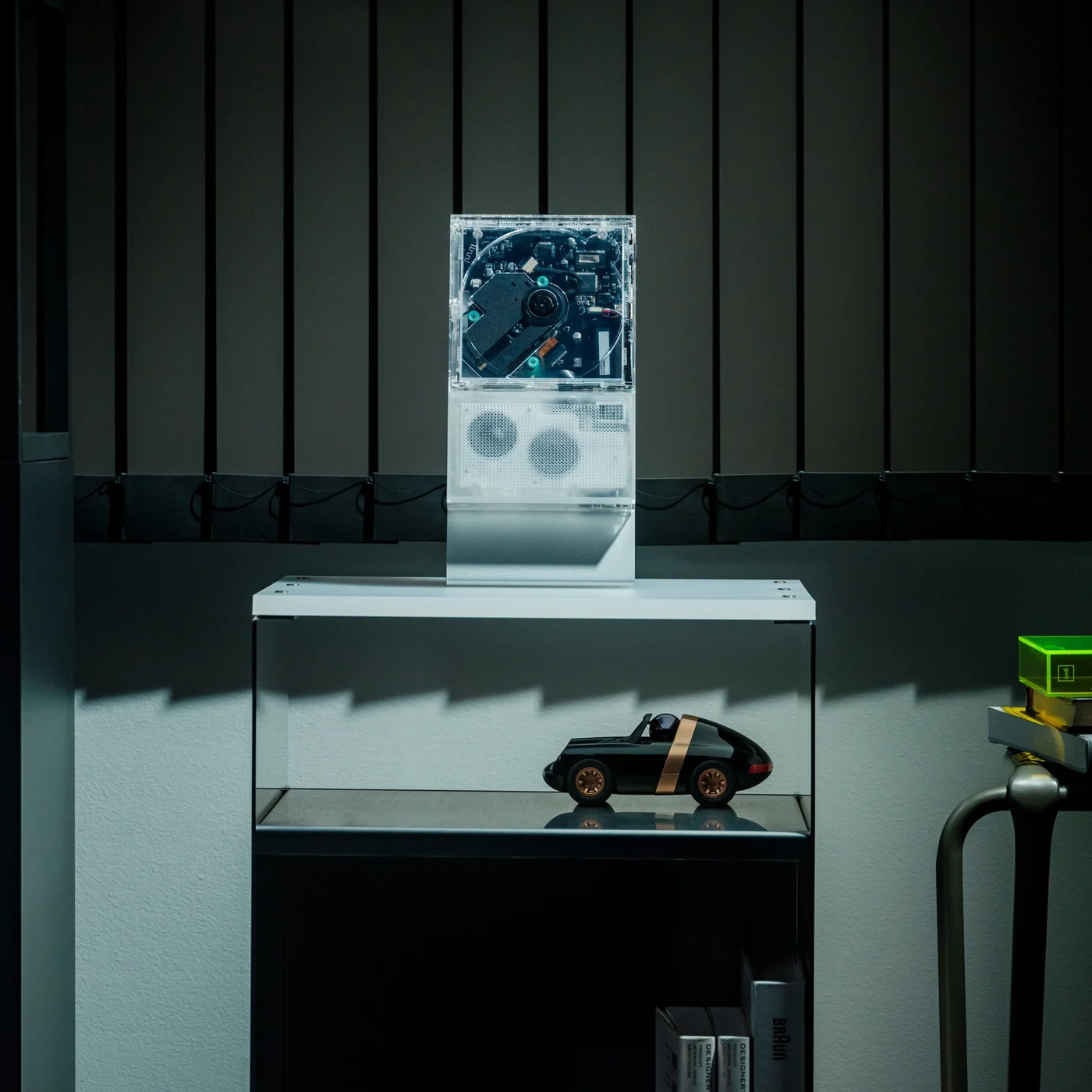
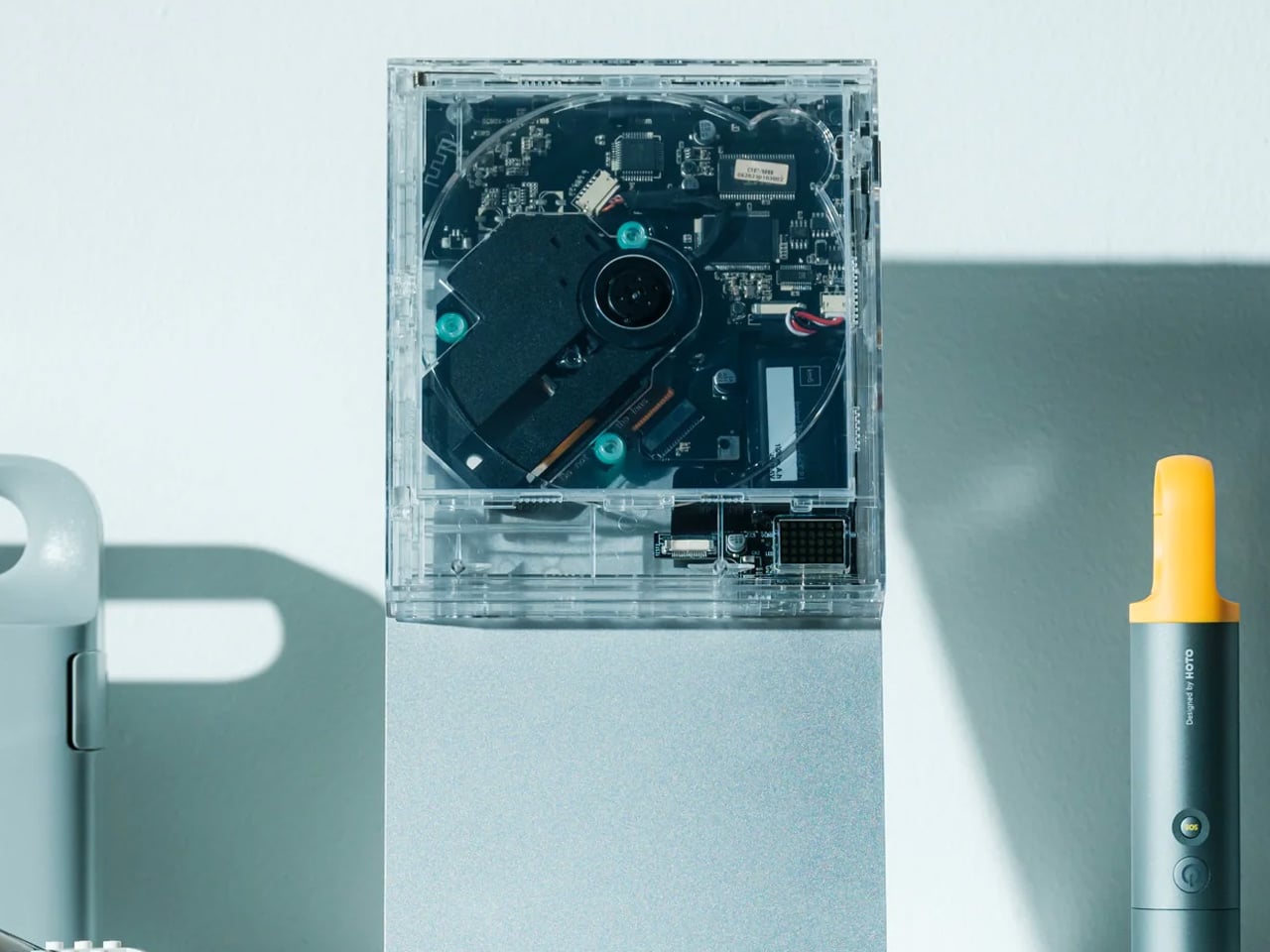
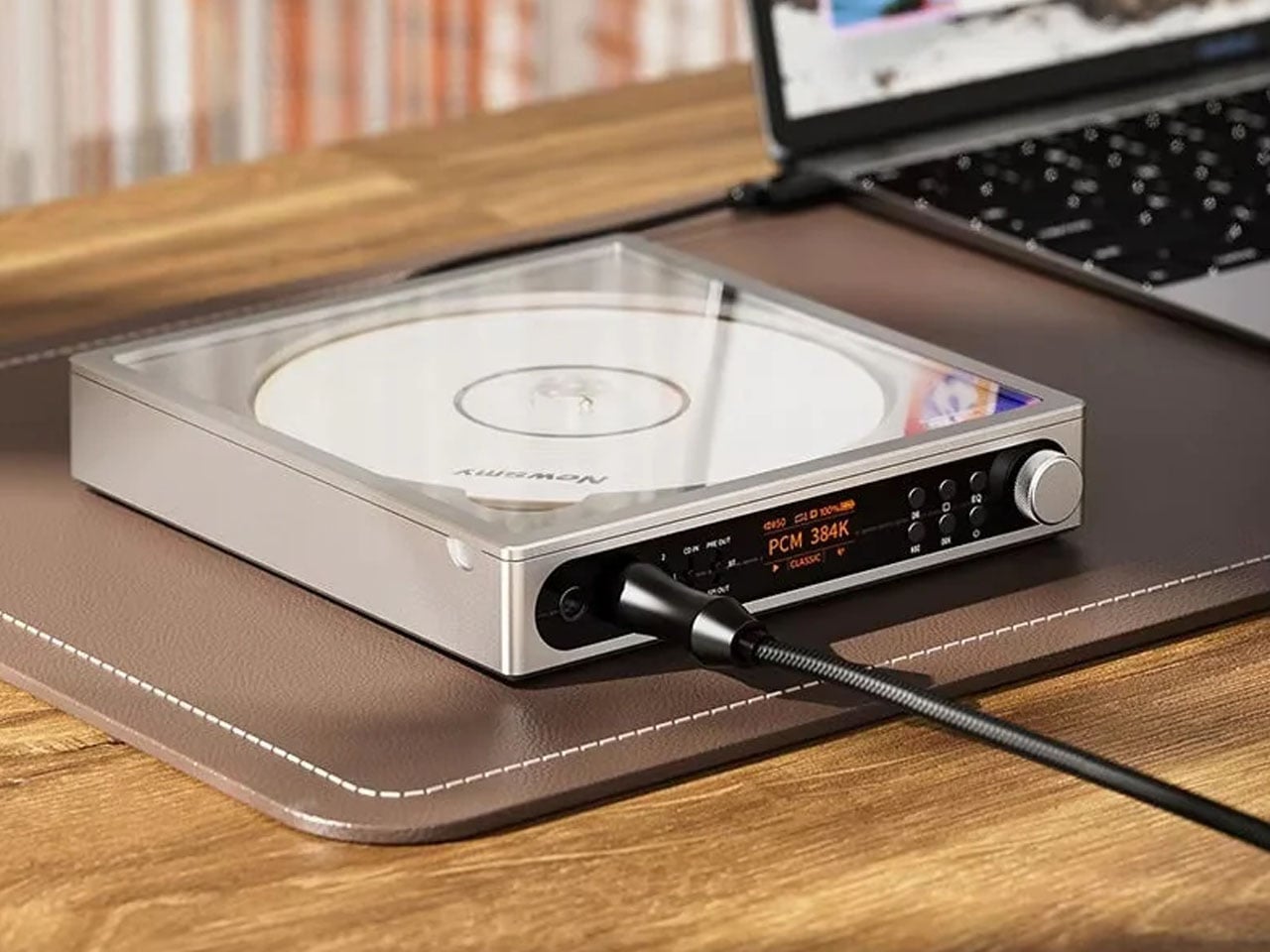
Most CD players hide their engineering. The ClearFrame does the opposite, wrapping everything in crystal-clear polycarbonate so the circuit board becomes part of the experience. The result sits somewhere between gadget and display piece: you see the disc spin, the components work, the music moves through the machine. It’s built for people who love the ritual of physical media and want that ritual to look good doing it, on a shelf, a desk, or mounted on a wall.
Slide in the disc and prop the album sleeve in the front window. The ClearFrame turns your favorite record into a framed display. With Bluetooth 5.1, a seven-hour rechargeable battery, and multiple playback modes, it’s practical enough to go wherever you do. The square silhouette keeps things gallery-clean while the exposed circuitry underneath adds texture and personality. It’s the kind of object that makes you want to rebuild a CD collection just to have something worth putting on display.
The transparent body doubles as an album frame, making the sleeve a visible part of the experience
Bluetooth 5.1 and a seven-hour battery make it genuinely portable without sacrificing the display concept
What We Dislike
The clear polycarbonate housing will show fingerprints and dust more readily than any solid casing
Wall mounting requires a separately purchased bracket, which adds to the overall cost
2. Bumpboxx BB-777
The BB-777 doesn’t whisper. It makes a statement. Bumpboxx pulled directly from the GF-777, one of the most iconic boomboxes of the 1980s, and rebuilt it for the present day. Stretching 29.6 inches across with dual cassette bays, four large front-facing drivers, a long analog tuner strip, and two telescoping antennas, it reads instantly as the kind of machine that belongs center stage. CD, cassette, radio, Bluetooth: a format-agnostic system that refuses to stay in the background.
At 270W, it fills a room without asking permission. The wide horizontal body, the carry handle, the spacing of the controls — every detail is faithful to the original without veering into nostalgia-trap territory. The BB-777 plays CDs, cassettes, and the radio while connecting wirelessly via Bluetooth. It’s designed to be heard and seen in equal measure, the kind of system that changes the energy of whatever space it lands in. Not a background device. A destination.
The faithful ’80s aesthetic is executed with full commitment, not as a gimmick or a costume
270W output paired with multi-format playback makes it a genuine room-filling entertainment system
What We Dislike
At 29.6 inches wide, it demands a significant and very specific amount of physical space
The maximalist retro aesthetic won’t suit every interior or every taste
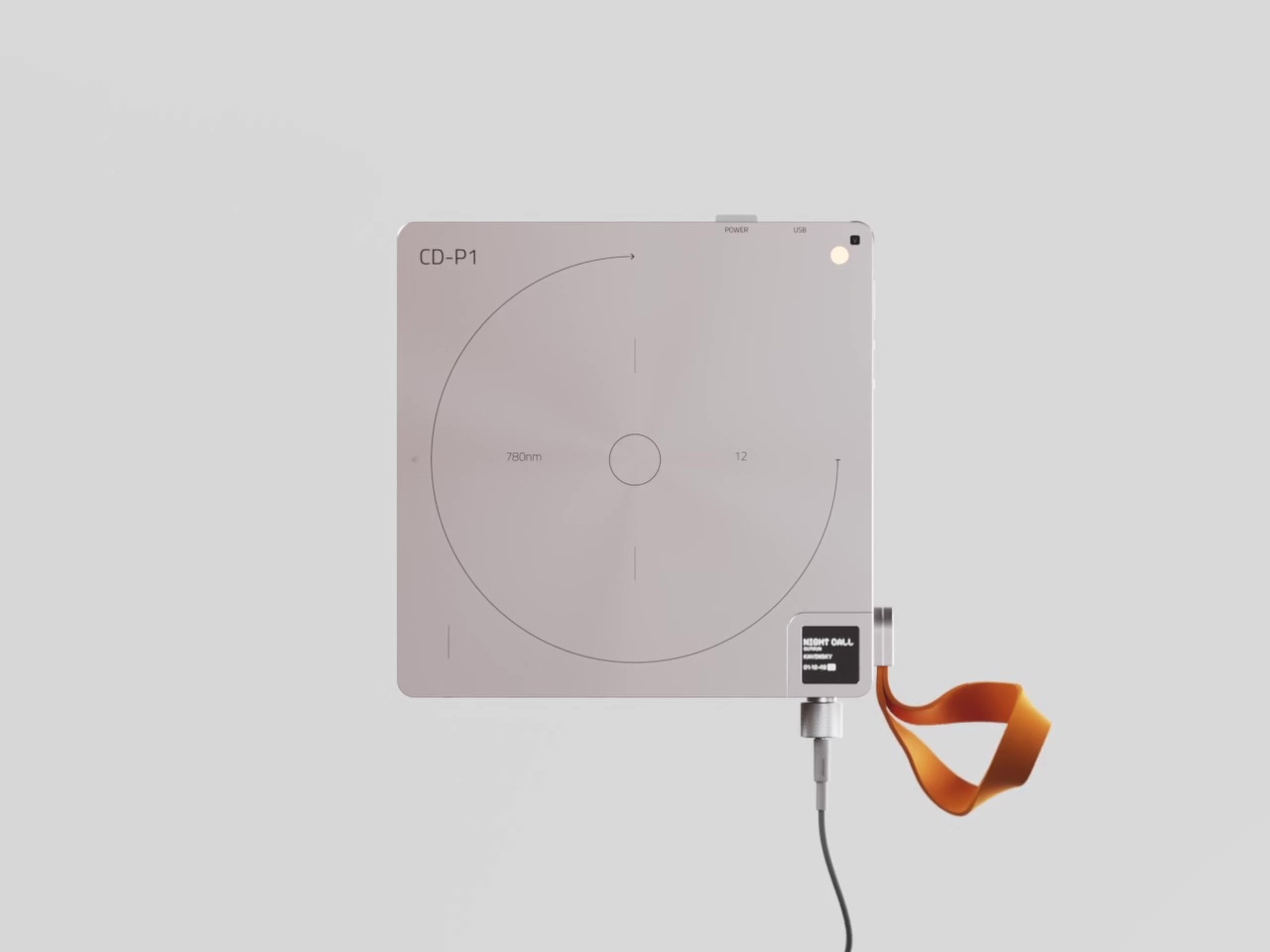
3. CD-P1
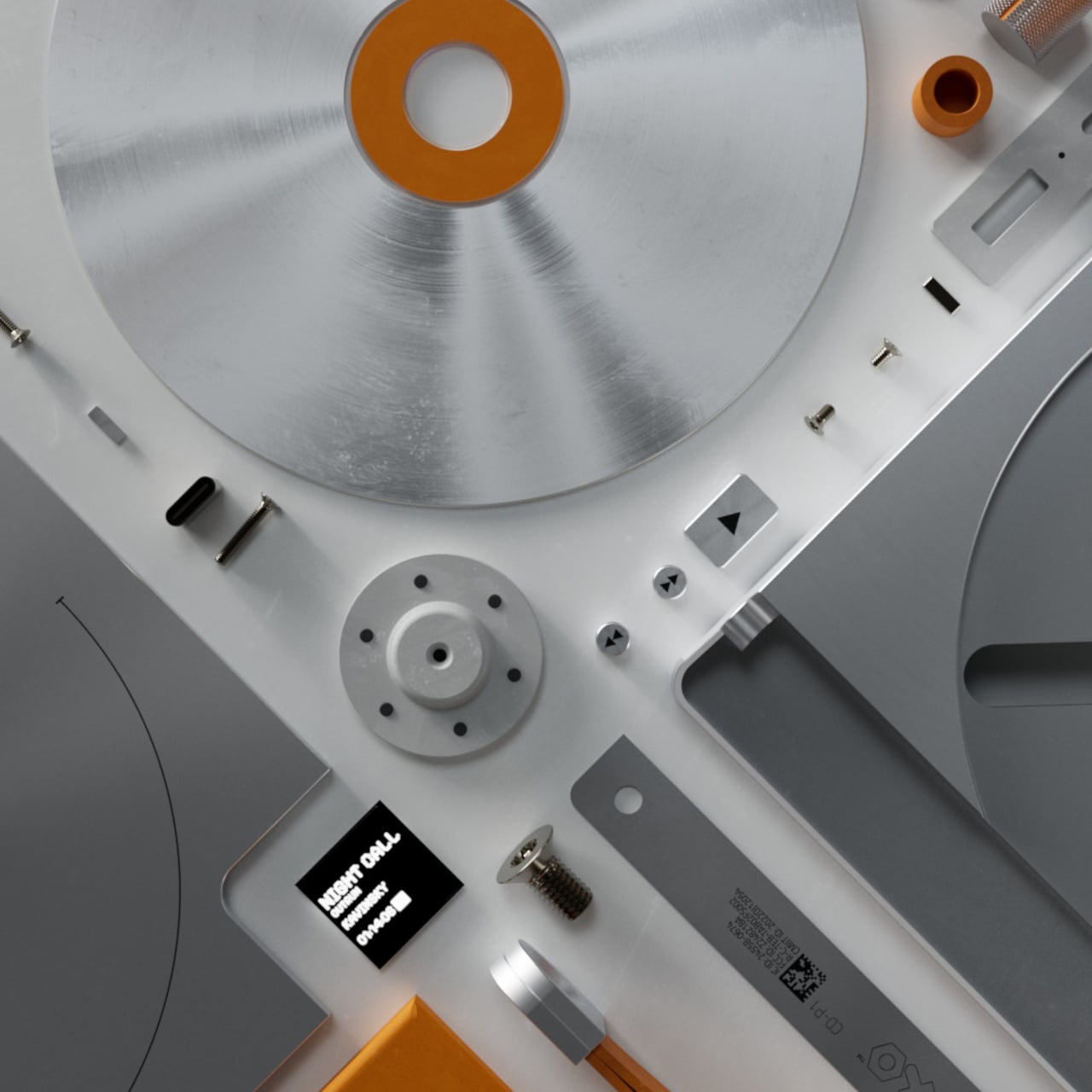
This concept takes Teenage Engineering’s most recognizable quality, restraint, and applies it to a format that usually gets treated as background technology. The result is a metallic square block with almost nothing readable on its surface. The CD bay barely announces itself, just a thin circle scored into the top face, until you realize the entire top surface lifts as one. For a machine built around spinning discs, the absence of visual noise is startling and exactly right.
Every control element earns its place. A volume knob disappears into one of the rounded corners, flush with the body until your fingers find it. The headphone jack breaks from the minimalist logic: a small knurled cylinder jutting from the bottom edge, textured and tactile, almost inviting you to pull or twist it. The concept leaves some functional details open, but the design language is unambiguous. This is what a CD player looks like when you refuse to make compromises anywhere.
What We Like
The volume knob hidden inside a rounded corner is a quietly brilliant piece of design thinking
The metallic square format sits in any space without drawing unnecessary attention to itself
What We Dislike
As a concept, key functionality and production specifications remain unconfirmed
The extreme minimalism may make basic operations less intuitive in everyday use
4. SYITREN R300
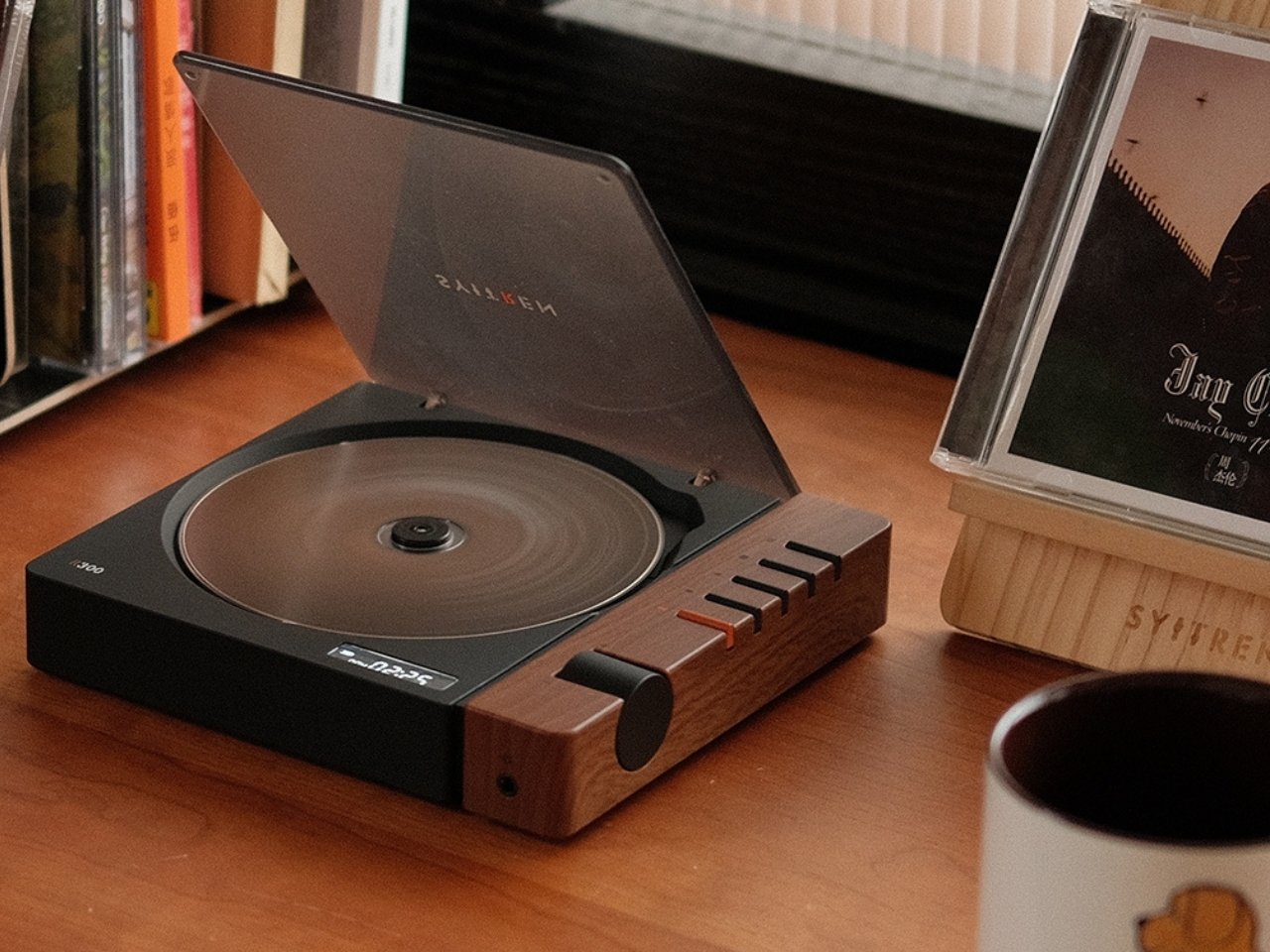
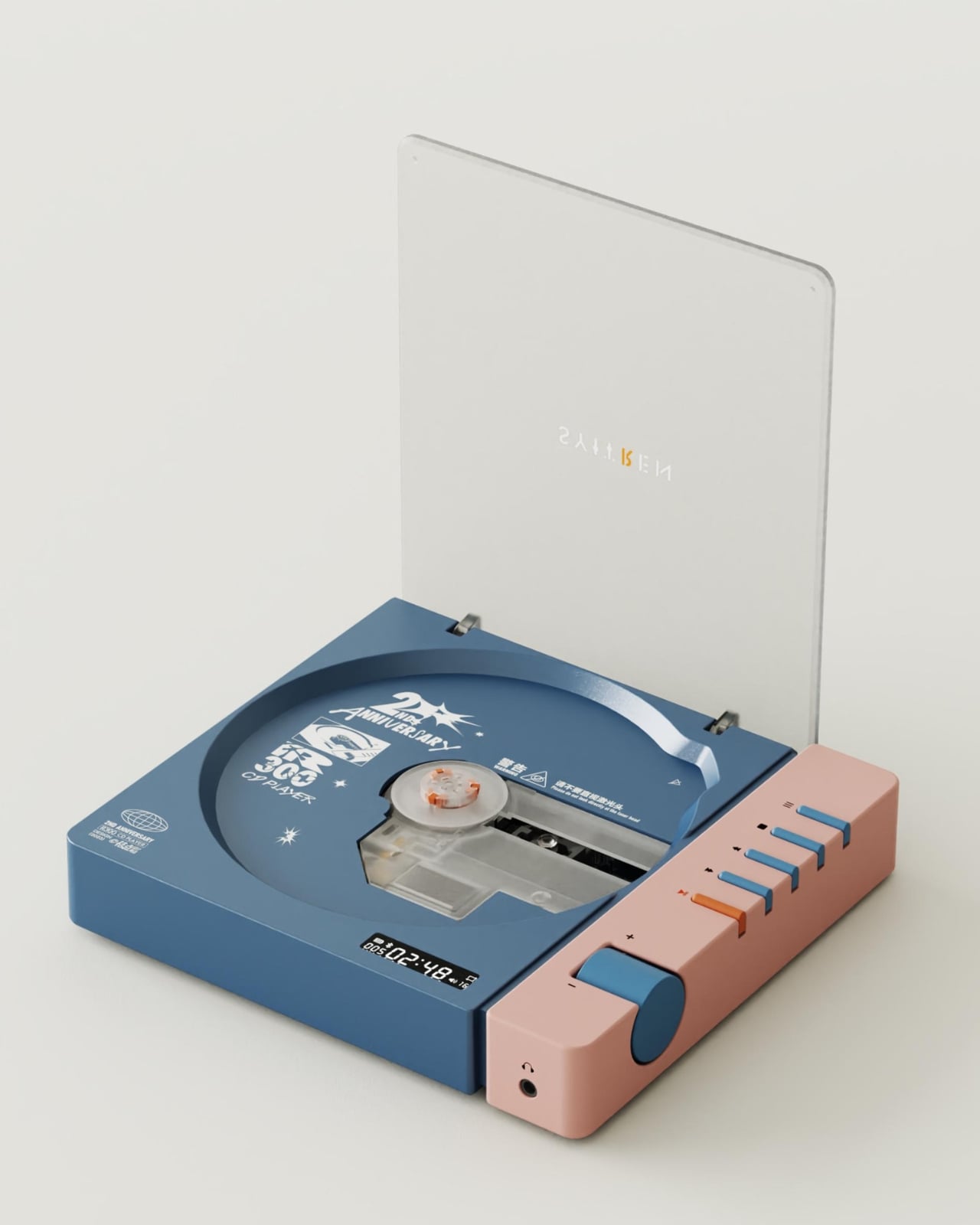
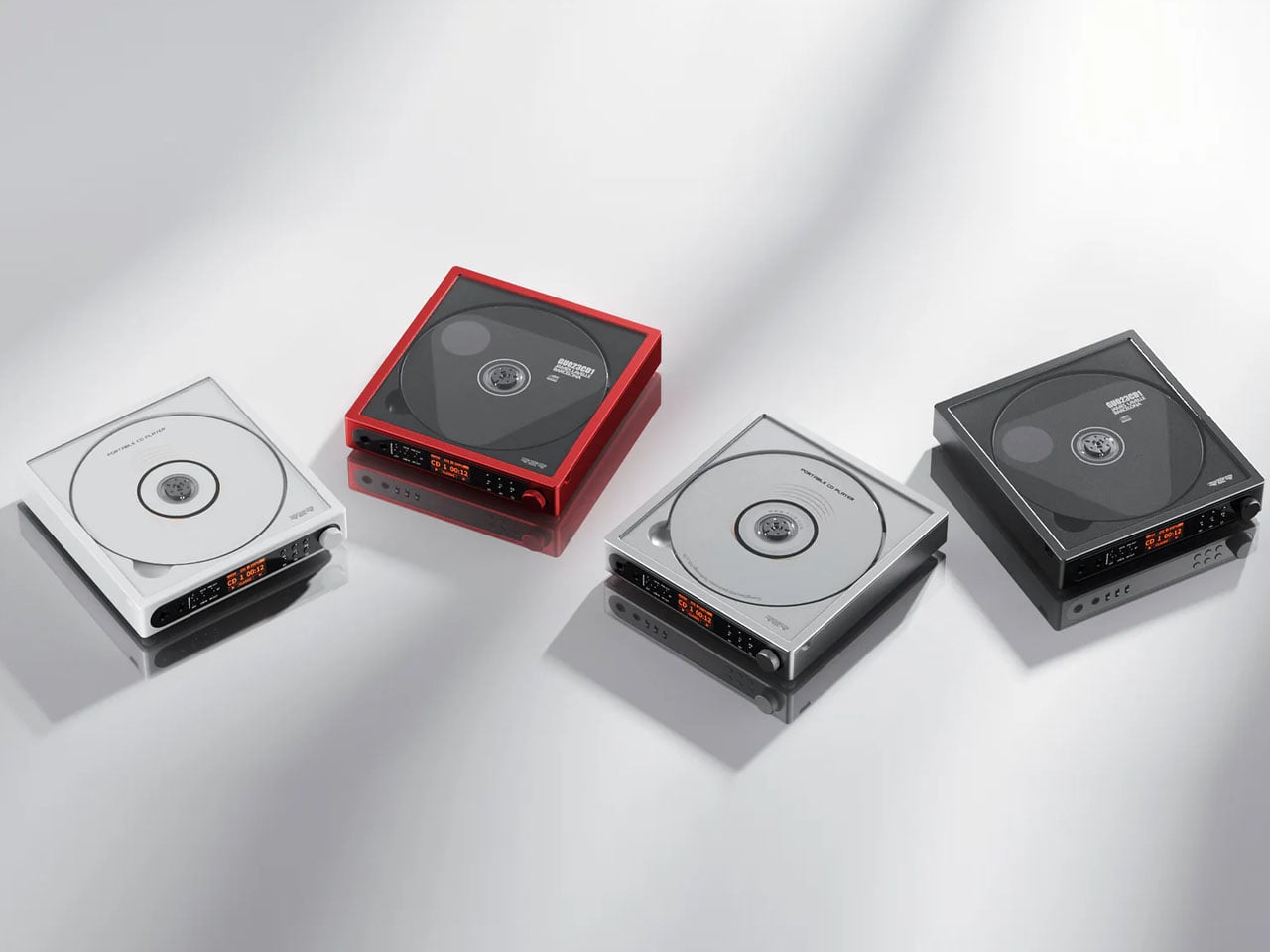
The R300 arrived wearing its intentions clearly. Those finish options, wood grain, clean white, and a fruit green that has no business looking as good as it does, signal that audio equipment doesn’t need to default to satin black to be taken seriously. A MUSE Design Gold Award in the Audio and Video Devices category validated what you can already see: this is a player that understood the brief and executed it with genuine care for the object.
The dynamic area button on the right side is designed for intuitive, tactile control, the kind of physical interaction you want from a portable you pick up and put down regularly. It supports CD, CD-R, and CD-RW formats, covering virtually every disc in most collections. Whether it sits on a kitchen shelf or a coffee table, the R300 settles into a space without looking like an afterthought. It carries the quiet confidence of a product that knows exactly what it is.
What We Like
The fruit green finish is a bold, deliberate choice that actually earns its place in any room
The MUSE Design Gold Award reflects a product that delivers well beyond the surface of its aesthetics
What We Dislike
Three colorway options may still feel limiting for those wanting something more singular or custom
The retro-leaning design language will resonate more naturally with some aesthetics than others
5. Portable CD Cover Player
This one solves a problem most people didn’t know they had: what to do with the album art while the music plays. The CD Cover Player keeps the sleeve front-facing while the disc spins, turning a listening session into something closer to a gallery moment. A built-in speaker and rechargeable battery mean you can carry it from room to room or hang it on a wall. It shifts how you relate to your collection by making the visual half of it fully visible.
The minimalist form keeps everything balanced. Nothing competes with the artwork’s framing. Music becomes visual here, and that’s deliberate. There’s real value in slowing down enough to look at what you’re listening to, and the Cover Player builds that pause into its design. Whether it sits on a desk or mounts like a picture frame, it handles both functions without compromise, suiting anyone who thinks of their CD collection the same way they think about the art on their walls.
Displaying the album cover while music plays adds a genuinely new dimension to the listening ritual
The wall-mountable design functions as striking home decor even when music isn’t playing
What We Dislike
The wall mount bracket is sold separately, which adds to the overall cost of the experience
The built-in speaker, while practical, may not satisfy more critical or discerning listeners
6. FiiO DM15 R2R
The DM15 R2R is where the CD revival gets serious. FiiO built this successor to the DM13 around a compact aluminum chassis with a transparent top panel that lets you watch the disc spin, a small but satisfying detail for anyone drawn to the physicality of the format. The R2R discrete ladder DAC architecture underneath is the real draw, bringing a level of engineering to a portable form that most standalone players at this size simply don’t attempt.
Beyond disc playback, the DM15 R2R works as a full USB DAC outputting up to 32-bit/384kHz PCM and native DSD256, figures that put it well above what its compact size suggests. A seven-hour rechargeable battery handles long sessions wire-free, while optical, coaxial, 3.5mm, and balanced 4.4mm outputs cover every system you’re likely to connect it to. For anyone building a physical media setup around sound quality, this is the component that makes everything around it perform better.
What We Like
R2R discrete ladder DAC architecture is genuinely rare to find in a portable CD player at any price
USB DAC mode at 32-bit/384kHz PCM and native DSD256 extends its usefulness well beyond CDs
What We Dislike
The depth of technical specification may exceed what casual listeners need or want from a portable
The understated aluminum chassis, while elegant, won’t appeal to those wanting a more expressive object
7. Orion
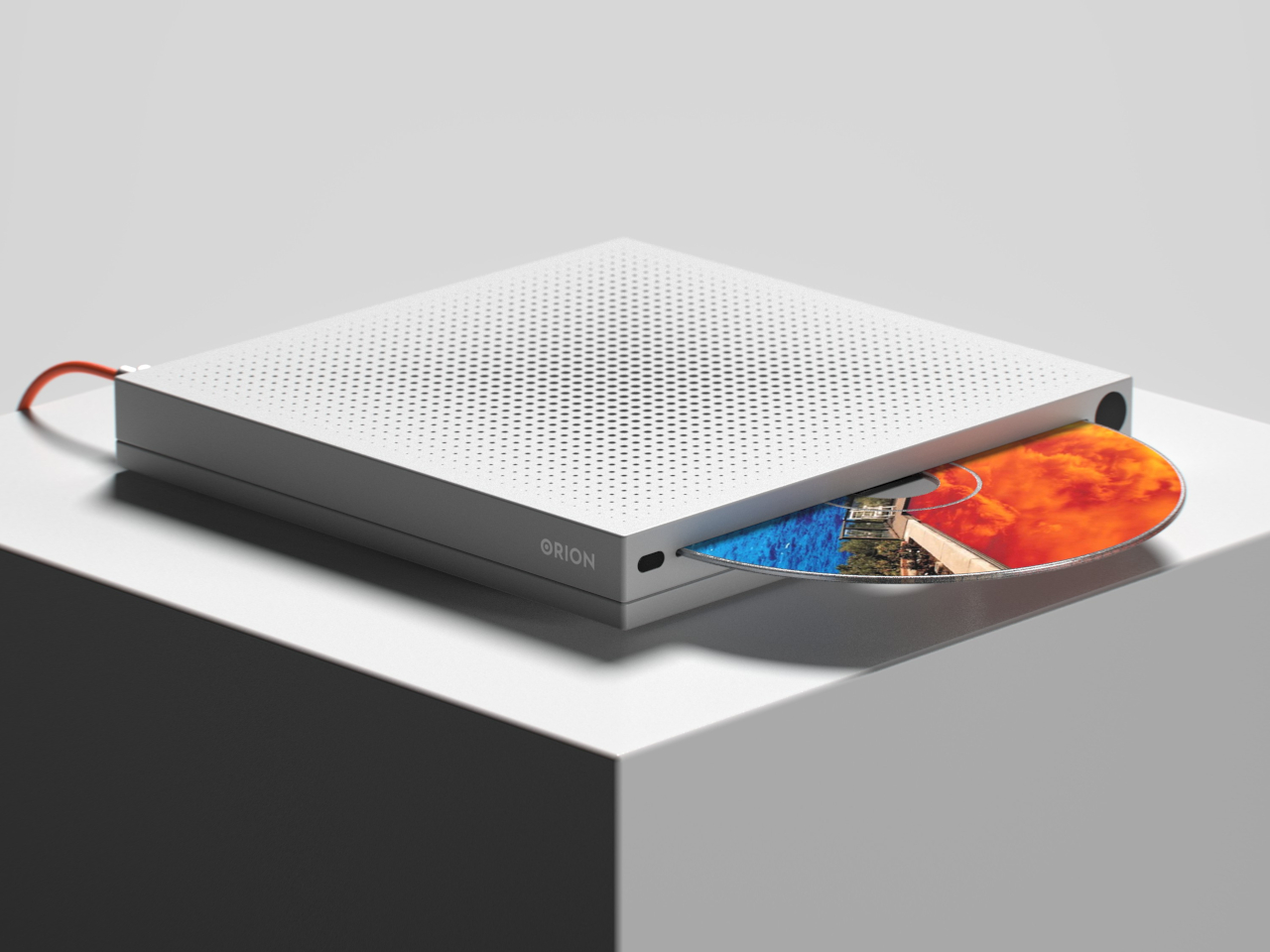
Designed by Vladimir Dubrovin, the Orion doesn’t bother with flaps or hinged lids. You slide the disc in through a thin front slot, and that’s it. A powder-coated metal body gives it an industrial calm, with almost nothing on the surface to distract from its form. An eject button, an IR receiver at the front, a power socket at the back — the controls are so reduced they barely register. It’s the kind of restraint that takes more confidence to execute than decoration ever would.
What keeps it from tipping into cold territory is the top surface. The perforations up there follow a parametric logic: holes grow larger toward the center, then taper back out toward the edges. The pattern was generated using Grasshopper 3D, a node-based parametric system that creates a logical relationship between each perforation and its proximity to the device’s outer contour. It’s a quiet flourish in an otherwise clinical design — the one place where the Orion lets geometry do the talking, and it’s enough.
What We Like
The parametric perforation pattern is engineered with genuine logic, making it feel earned rather than decorative
Front-loading slot design removes all mechanical clutter, keeping every surface clean and purposeful
What We Dislike
As a concept, it remains unproduced with no confirmed specifications or release timeline
The extreme restraint in controls may feel inaccessible to those who prefer tactile, readable interfaces
The Disc Is Back. And It Brought Better Hardware With It.
The CD player doesn’t need defending anymore. These seven designs make the case without argument: physical media is back, and it looks better than ever. Whether you want transparency, volume, minimalism, or award-winning color, there’s a player here that fits the shelf space and the listening habit. The format never lost its quality. It just needed the hardware to catch up with what the moment demands.
Put a disc in something beautiful and see what happens. The ritual is still there, the sleeve, the track listing, the deliberate act of choosing a record and committing to it. These players don’t compete with streaming. They offer something streaming can’t: a reason to sit still and listen. That’s the real comeback. Not nostalgia. A better way of paying attention to music you already love.
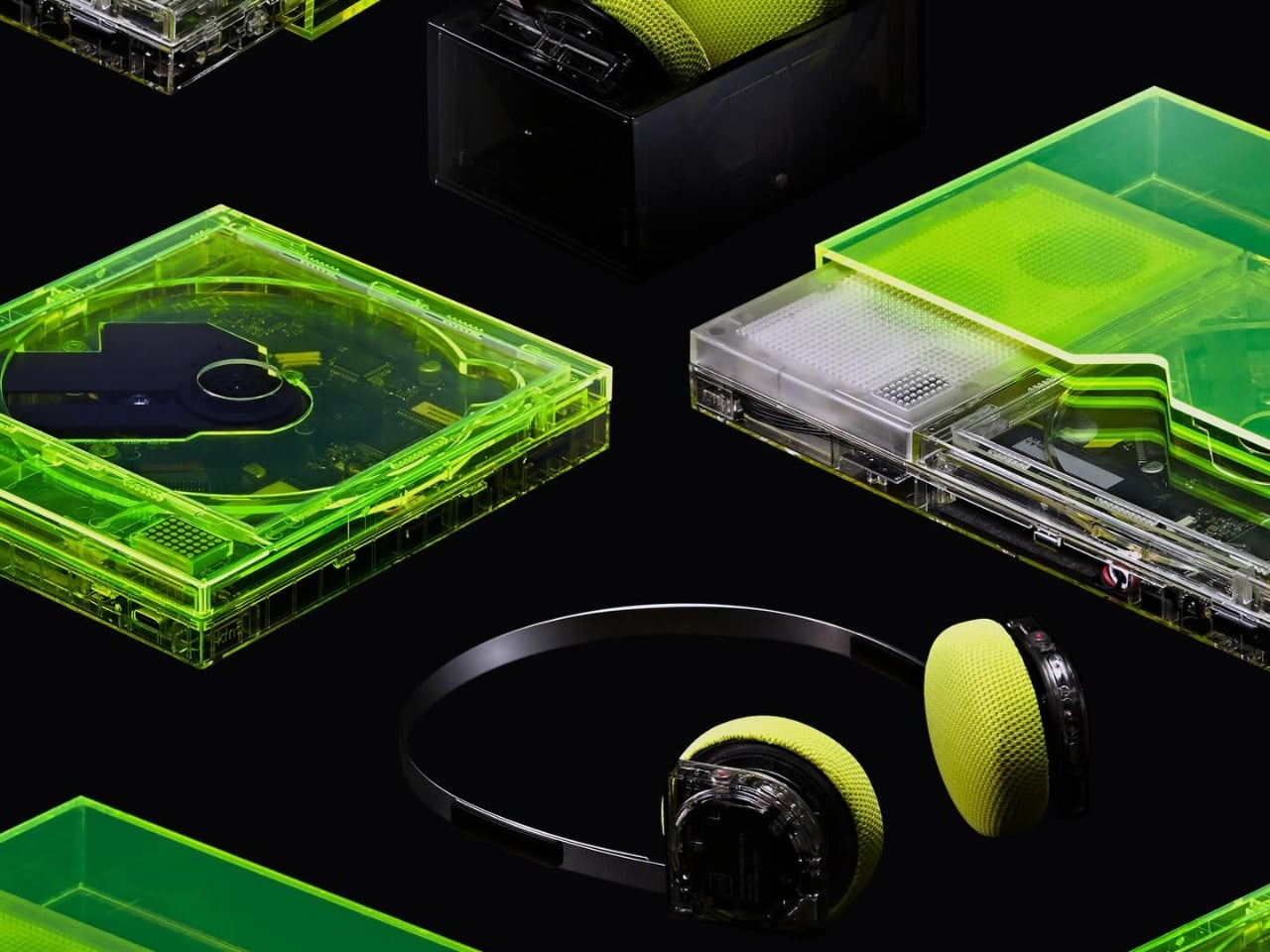
Most brands spend their entire design budget hiding what’s inside a product. km5, the Tokyo audio label that’s been quietly rewriting how people think about CD players, just did the opposite. Their latest drop, released through bPr BEAMS, puts the circuit boards, the laser mechanism, the wiring, all of it, front and center. And it looks extraordinary.
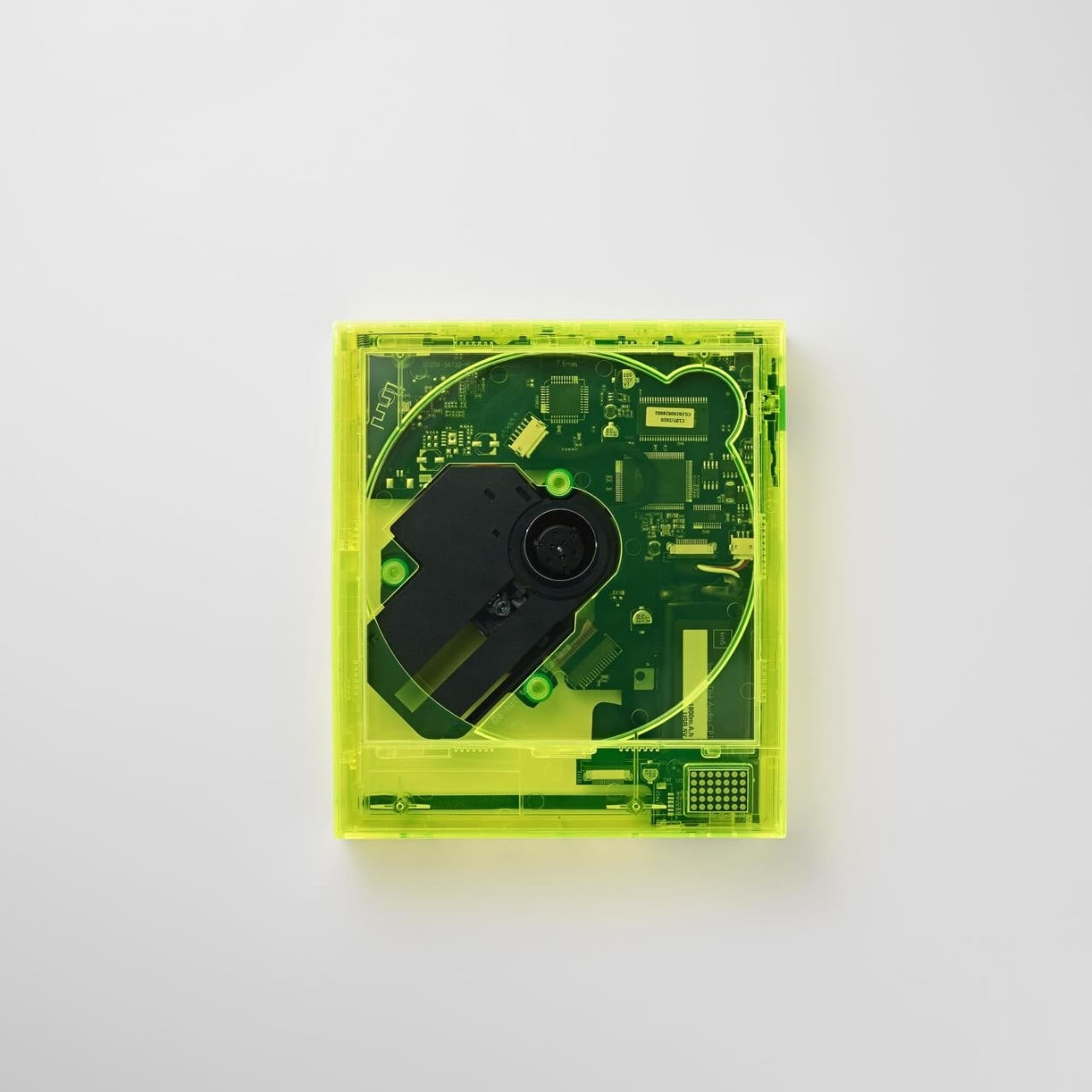
The collection introduces three new color variations: the Cp1 in Neon Yellow, the Cp2 in Clear, and the Hp1 headphones in Clear. Available starting April 1st as an exclusive pre-sale at select bPr BEAMS stores and the km5 online shop, these aren’t just color refreshes. They’re a statement about what audio design can actually look like when a brand commits to a philosophy all the way through.
km5’s original aesthetic has always been rooted in rigorous minimalism, the idea that a CD player should be as easy to look at as anything else in a considered space. Their Cp1 was designed like an instant photo frame, built to display the album jacket as art. Their Cp2 had the silhouette of a slim hardback, something you’d be comfortable leaving on a shelf. The Hp1 headphones weighed just 103 grams and arrived with a polished stainless steel band that belonged in a gallery as much as on a commute. The design language has always been controlled, quiet, deliberate.
This new drop takes that same discipline and applies it to a completely different tension. The concept km5 describes as pursuing a contrast between “transparent” and “neon,” a play between the mechanical cool of visible engineering and the almost aggressive energy of neon light. It’s a bold shift in mood that somehow still feels entirely on-brand.
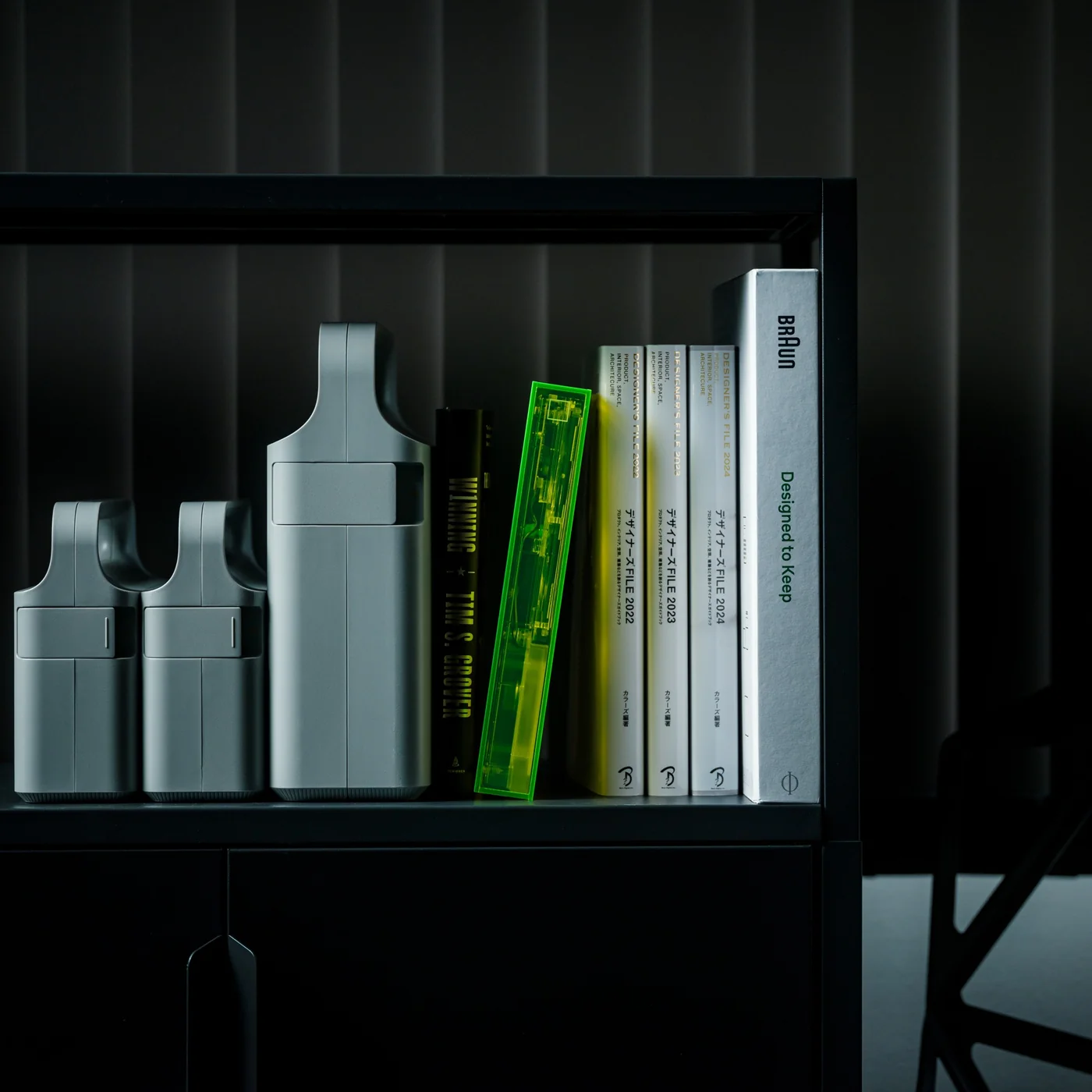
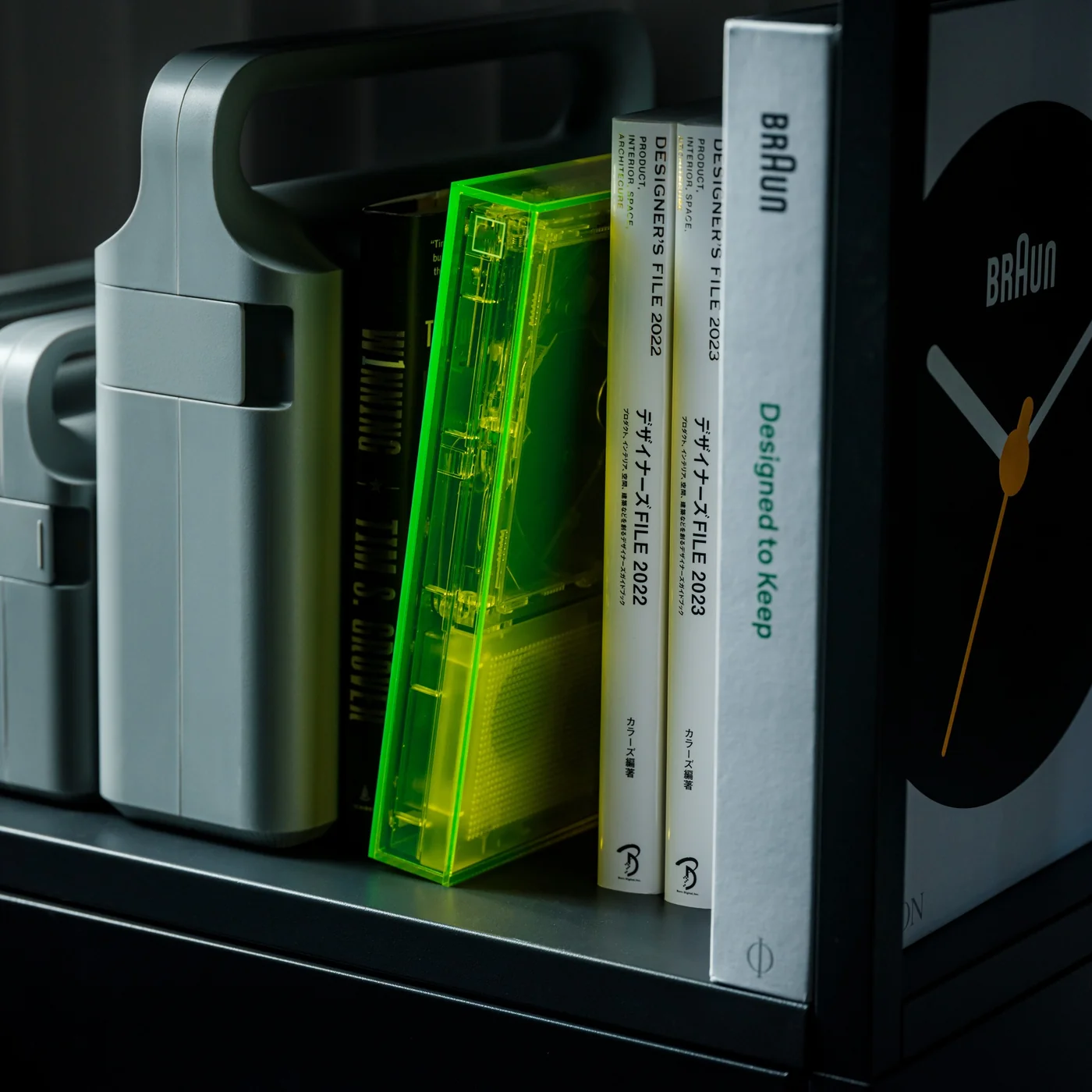
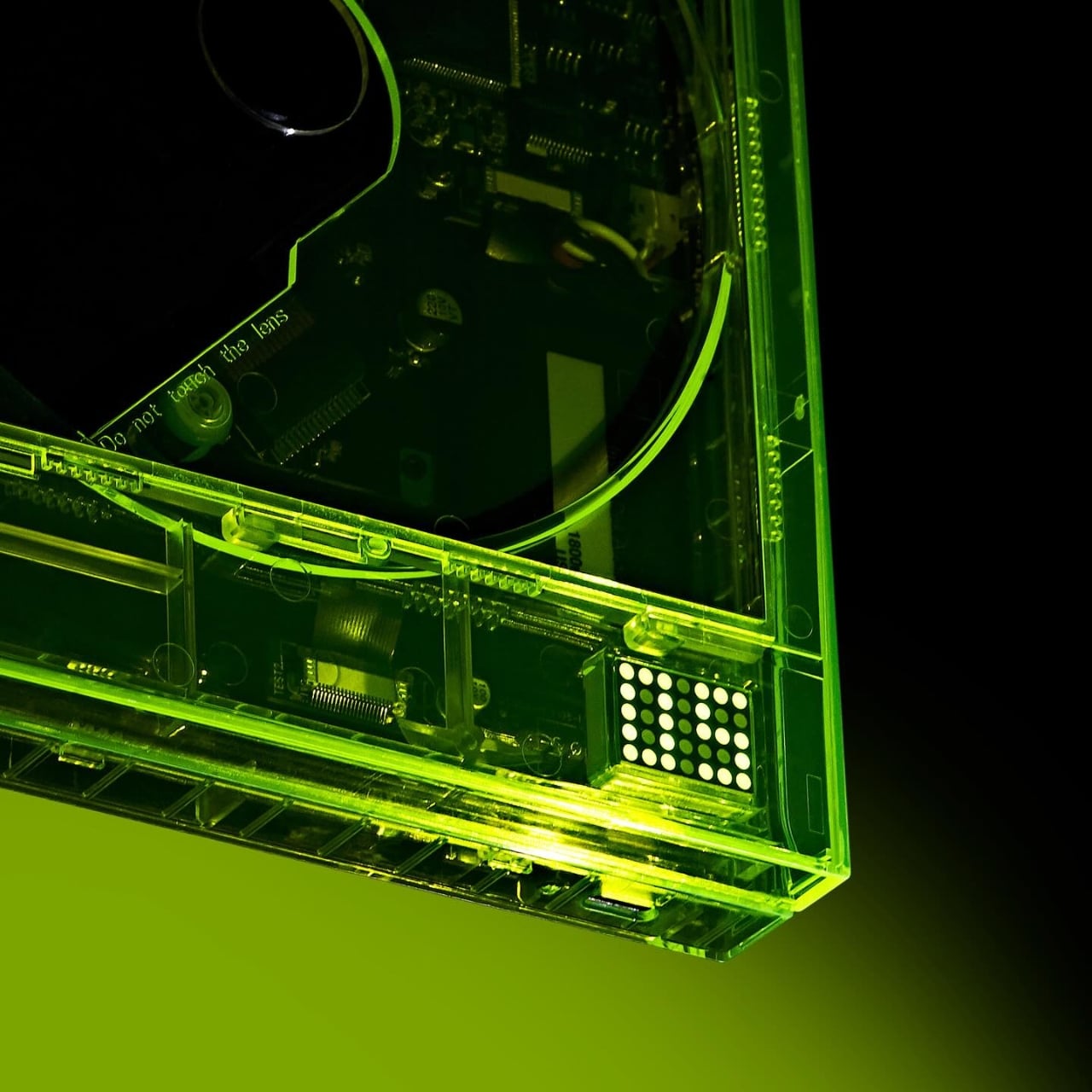
The Cp1 in Neon Yellow is the most immediately striking. The entire frame is cast in that charged, electric green-yellow, and when you look at it, you can see every component underneath lit by the color of the shell itself. It doesn’t look like a product. It looks like something you’d find in a design museum sandwiched between an Olivetti typewriter and an early Apple prototype. The edges illuminate in a way that makes it feel alive, like it’s doing something even when it’s sitting still.
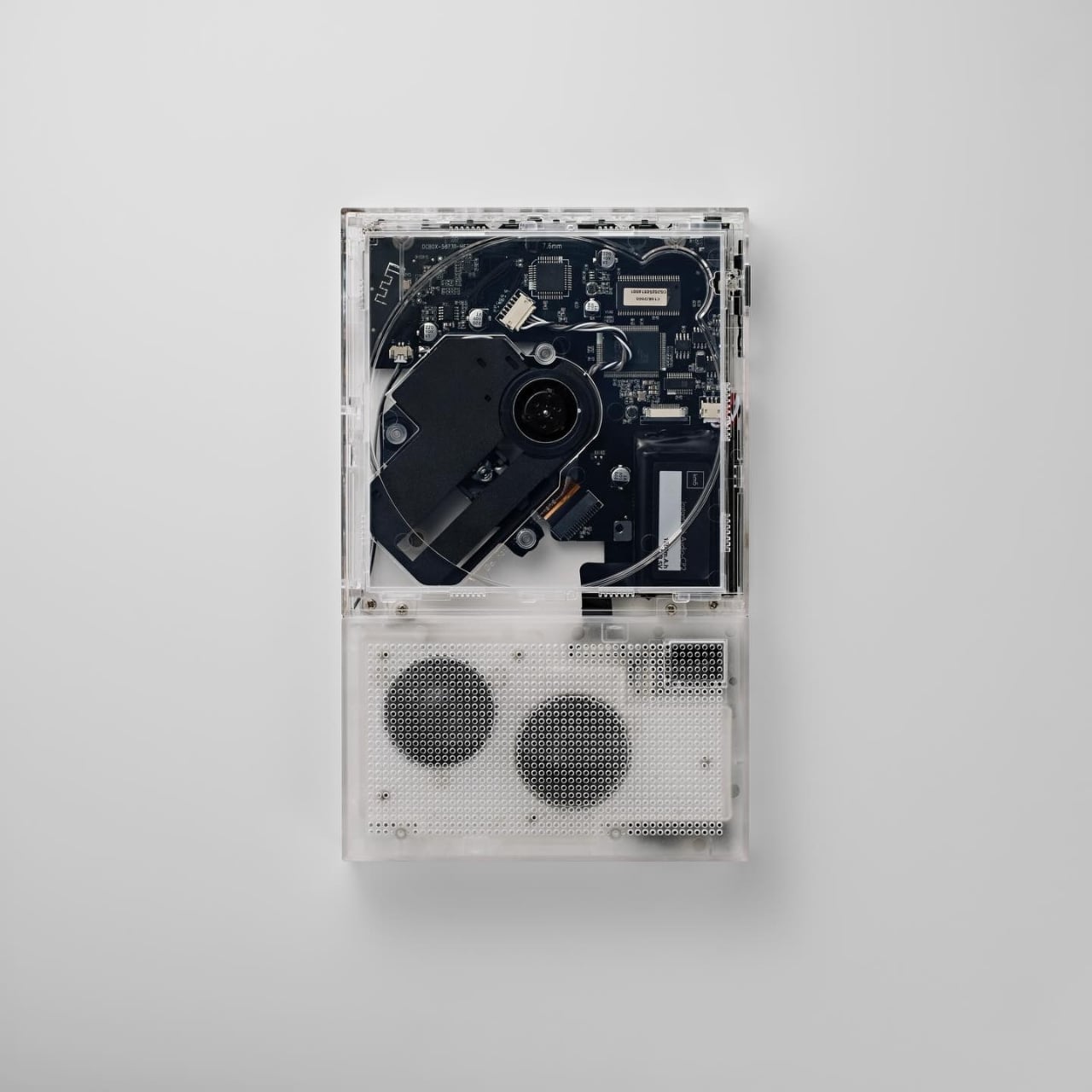
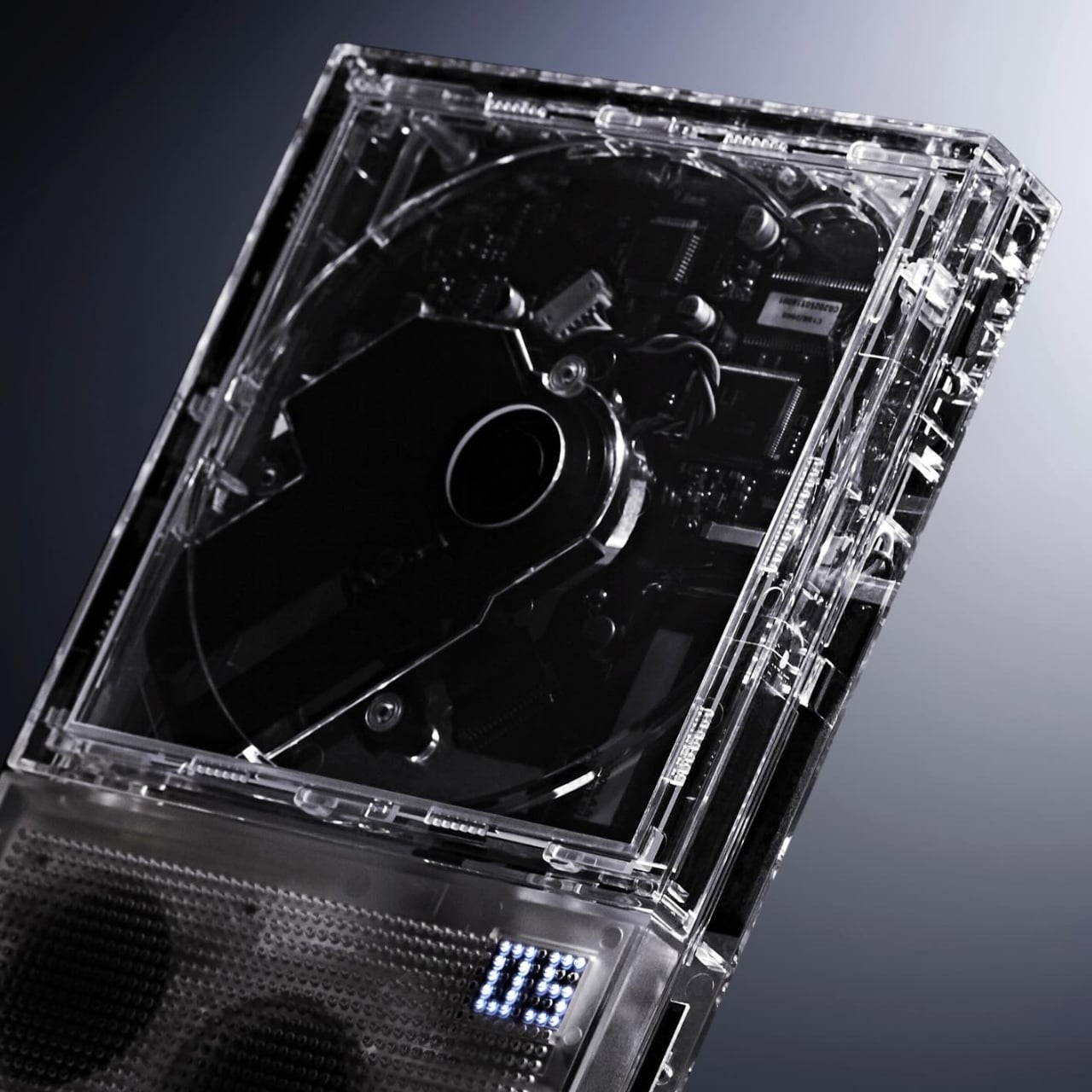
The Cp2 Clear is the one I keep coming back to, though. It’s been a long time coming, because fans of the CP series have been wanting a transparent version of the speaker-equipped Cp2 since the model launched. Now that it exists, it earns every bit of the wait. The internal structure, the laser mechanism, the circuit boards, the speaker grille, all of it sits behind the clear shell in a way that reads more like an exploded technical drawing than a consumer product. It’s serious, it’s cool, and it’s genuinely beautiful in a way that no amount of matte white plastic could replicate.
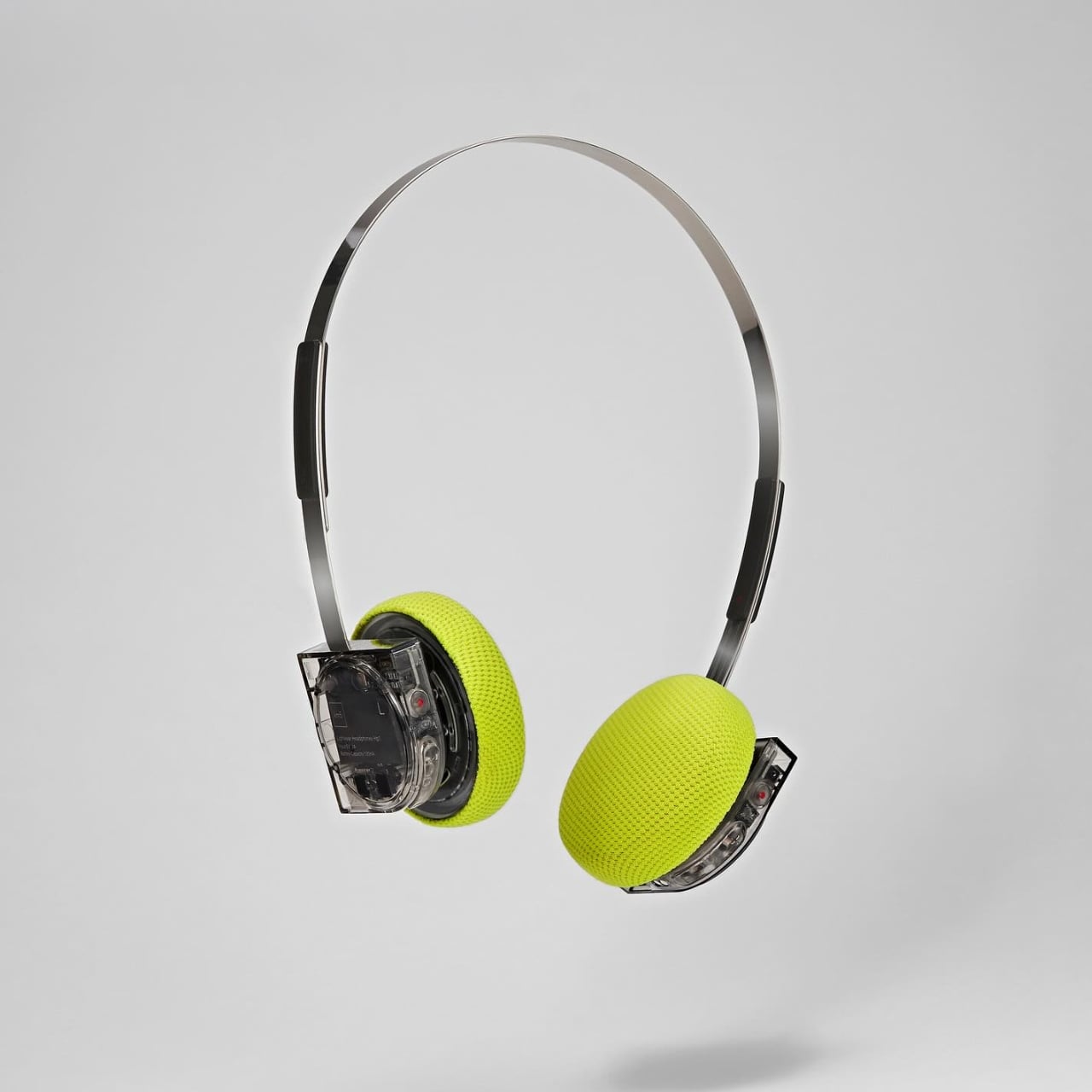
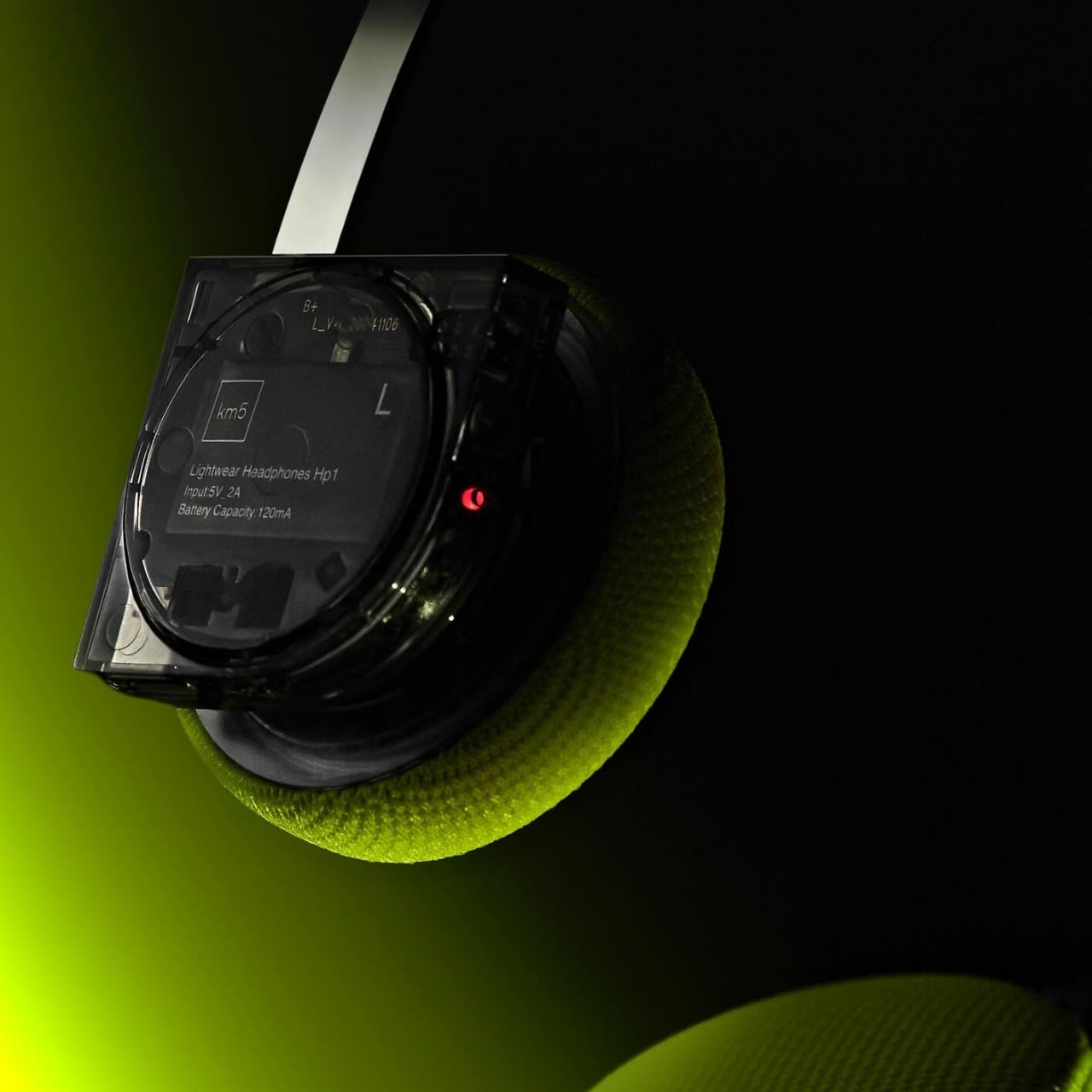
The Hp1 Clear follows the same logic. The housing is stripped back to transparent, the internals are exposed, and then the lime yellow ear pads arrive as the whole color story’s punctuation mark. It’s a contrast that shouldn’t work as well as it does. The clear mechanical housing next to those soft, textured yellow cushions is the kind of pairing that reads as both street-ready and gallery-worthy at the same time. Techwear people are going to love this. Interior people are going to love this. That’s a rare overlap.
The thing km5 keeps getting right, and this drop confirms it again, is that they understand what the people who buy beautiful objects are actually buying. It’s not just function. It’s not even just aesthetics. It’s the feeling that the people who made the thing cared. That they thought about it all the way down to the part you’d normally never see. Making the inside visible is, in some ways, the ultimate expression of that care. You have nothing to hide when everything you make is worth looking at.