We knew it was coming, but now we have a date: Bobby Kotick will officially step down as CEO of Activision Blizzard on December 29, 2023. Blizzard and King vice chairman Humam Sakhnini will also leave at the end of December, Activision Blizzard chief communications officer Lulu Meservey is out in January, and a handful of other executives will leave in March, according to an internal memo from Xbox head Phil Spencer published by The Verge.
Activision Blizzard vice chairman Thomas Tippl, Blizzard president Mike Ybarra and King president Tjodolf Sommestad will remain at the studio and report to Matt Booty, Microsoft's president of gaming content and studios. Otherwise, leadership teams across Activision, Blizzard and King will stay the same, according to the memo.
Kotick has been the head of Activision since 1991. At Activision Blizzard, he oversaw massively popular franchises including Call of Duty, Diablo, Starcraft and World of Warcraft, and once the company acquired mobile studio King in 2016, he added Candy Crush to that list. The company is a AAA powerhouse and it generated $7.5 billion in revenue in 2022.
Activision Blizzard was sued by California's Civil Rights Department in 2021 over allegations of systemic sexism, discrimination and harassment at the studio, and executives were accused of fostering a frat-house style culture. At the time, all top leadership roles at Activision Blizzard were filled by white men. The Securities and Exchange Commission filed a separate, related lawsuit against the studio a few months later. In November 2021, The Wall Street Journal reported Kotick had long ignored and helped cover up instances of sexual harassment at the studio. In response, workers at Activision Blizzard held walk-outs and demanded Kotick's resignation, but a shareholder vote in 2022 kept him in place.
Microsoft announced its intent to purchase Activision Blizzard in early 2022, lawsuits and all. The deal was valued at $69 billion, and considering the scale of both companies involved, it faced intense scrutiny from regulators in the US and the UK. The acquisition was approved in October, after 21 months of legal arguments and concessions. Microsoft is now the third-largest video game studio in the world by revenue and it's the face of the ongoing consolidation craze tearing through the industry.
Once Microsoft's purchase went through, Kotick said he'd stay on through the end of 2023. According to Bloomberg, Kotick is set to make $375 million from the acquisition, and he's expecting a golden parachute of $14.6 million.
This article originally appeared on Engadget at https://www.engadget.com/bobby-koticks-reign-at-activision-blizzard-ends-december-29-2023-194225817.html?src=rss
Welcome back to our weekly gaming news roundup. As the year comes to a close, we’re looking back on 12 months of massive change for the video game industry, driven by acquisitions, layoffs and unionization. You can read my story on consolidation for more on gaming's tough year.
This week’s stories
No Game Pass for Baldur's Gate 3
Baldur’s Gate 3 is officially the Game of the Year and after months as a PlayStation console exclusive, it’s finally available on Xbox. However, if you’re waiting for it to become available on Game Pass, stop. Baldur’s Gate 3 is never coming to Xbox or PC Game Pass, according to Larian Studios founder Swen Vincke. It’s a fantastic, big and lengthy game sold at a standard price of $70 — take it or leave it.
The Last of Us Online is dead
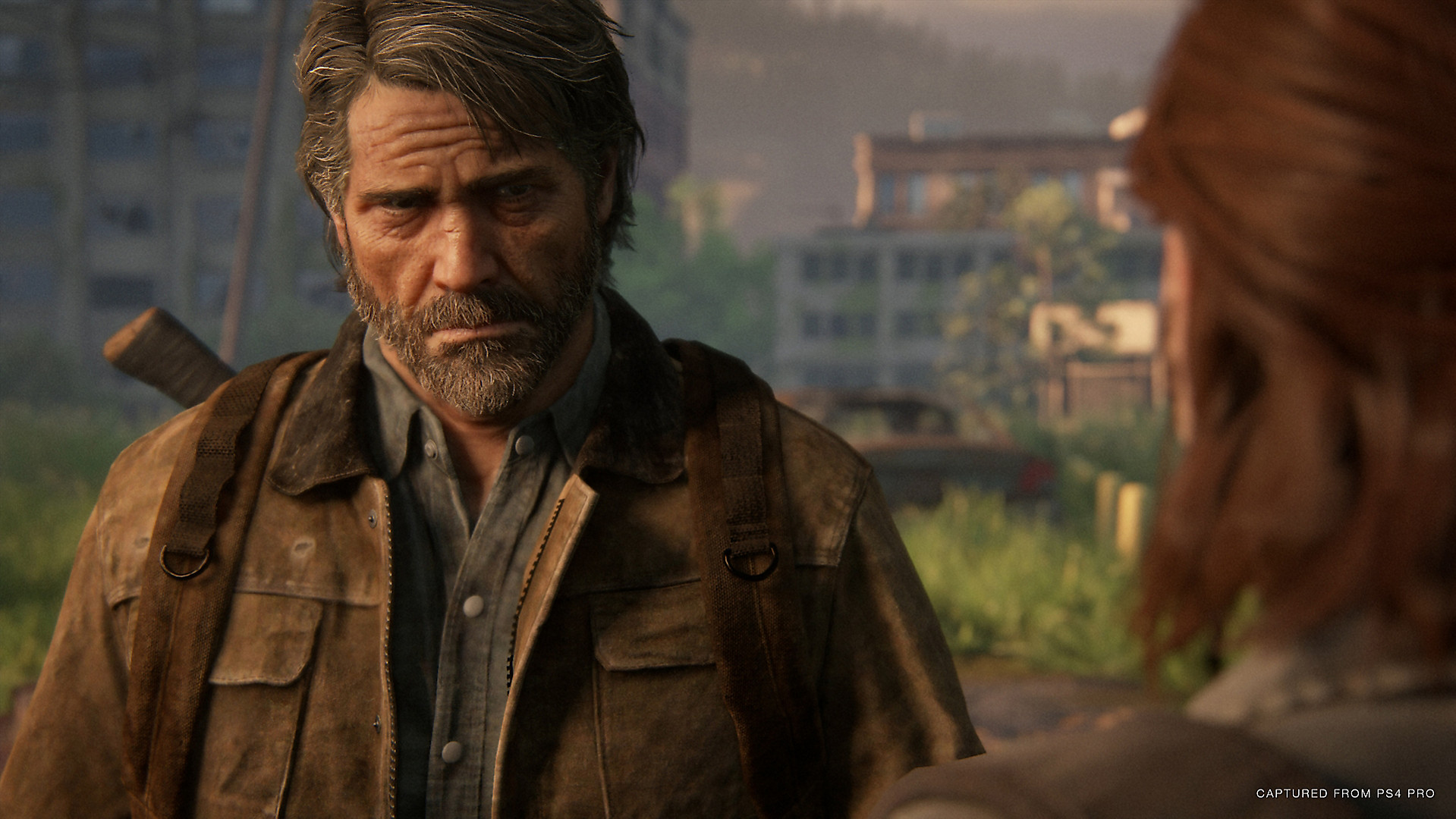
Naughty Dog has canceled The Last of Us Online, its multiplayer spinoff that’s been in the works for years. This isn’t too surprising, considering the lack of updates about the game, but it is now official. Naughty Dog said it didn’t have the resources to support a live-service game and also create new single-player narrative experiences, which are historically its thing. The studio has more than one of these games in development right now.
2023 was a pivotal year in games
2023 was a year of upheaval in video games. There were three main factors molding the industry: consolidation, layoffs and unionization.
In terms of consolidation, the biggest story of the year was the approval of Microsoft’s purchase of Activision Blizzard King for $69 billion. Microsoft is now the third-largest video game business in the world by revenue, right behind Sony and Tencent. Today, the Xbox umbrella covers nearly 40 studios, including Arkane, Bethesda, id Software, Infinity Ward, Mojang, Ninja Theory, Playground Games, 343 industries, and Turn 10.
Sony is more subtle than Microsoft about its attempts at total domination, but it owns 21 development teams, including Bungie, Guerrilla Games, Haven Studios, Insomniac, Naughty Dog and Sucker Punch Productions. It’s made a lot of purchases in the past three years, and invested heavily in studios like Epic Games and FromSoftware.
And then there’s Tencent, which has thousands of tentacles spread across the industry. Tencent owns a portion of Bloober Team, Paradox Interactive, PlatinumGames, Remedy, Roblox and Ubisoft, among others. It has a majority stake in Supercell, Tequila Works, Techland and others. It fully owns Riot Games, Funcom and, of course, others. It also runs multiple internal development companies and publishing labels.
Tencent also owns a 40 percent stake in Epic Games. This alone means any time you buy a game built on Unreal Engine, Tencent is getting a cut. If you played something this year, Tencent was probably involved.
There are clear short-term benefits of being bought by a larger company, but there are downsides to relinquishing independence. Acquired studios are held accountable by people outside of the actual development of a game, and the bigger the company, the further away its bosses are from the creative process.
The most extreme negative outcomes for an acquired indie studio are, of course, layoffs and closures. We saw a lot of these in 2023.
An estimated 9,000 people lost their jobs in the video game industry this year, up from about 1,000 in 2022. This is a crisis level of loss, and it was spurred by over-eager acquisition sprees by the companies at the top. Embracer Group, which owns more than 100 video game studios, laid off more than 900 people and it completely shut down multiple studios.
Unity laid off about 900 people this year. In November, the company reported a yearly revenue increase of 69 percent and executives told investors, “We continued to manage costs well.”
Epic Games fired about 830 people in 2023, including a chunk of the team at Fall Guys studio Mediatonic, which it purchased in 2021. EA dropped more than 1,000 employees this year, including significant cuts at Codemasters, a studio it purchased in 2021. CD Projekt RED, Sega, Ubisoft, and Microsoft’s 343 Industries also laid off at least 100 people each.
Looking back on the carnage this year, it feels like a warning — as consolidation efforts increase, more studios will be controlled by just a handful of companies, and they’ll be vulnerable to moves like mass layoffs and closures. We’re laying the foundation for the future of video games right now, and consolidation only makes the industry smaller and more generic. What will rampant consolidation mean for all of these acquired studios in five years’ time? What will it mean when these teams aren’t shiny, new investments any longer, and the people at the top are ready to get lean again?
Unionization is one approach that can help protect the livelihoods of people in the video game industry, and there was progress on this front in 2023. Developers at multiple studios now have union support, from small indies to AAA powerhouses. Microsoft is currently the home of the industry’s largest union, with representation for more than 300 quality assurance workers at ZeniMax Media.
Other companies with unions established in the past two years include Avalanche Studios, Anemone Hug, CD Projekt RED, Experis Game Solutions, Keywords Studios, Sega of America, Tender Claws and Workinman Interactive. We love to see it — and for the industry to remain stable, we need to see more of it.
Now playing
I’ve been unable to get The Talos Principle II out of my head since I previewed it and interviewed the developers a few months ago, and I’m finally, happily playing the game in its totality. I’m playing on a Steam Deck OLED, and I'm having a great time solving laser puzzles and talking about the meaning of life with a bunch of robots. I highly recommend you try the same.
This article originally appeared on Engadget at https://www.engadget.com/2023-was-a-year-of-layoffs-and-acquisitions-this-weeks-gaming-news-163028348.html?src=rss
This was a year of upheaval in video games. The industry has shapeshifted over the past 12 months, and it’s not all due to Microsoft’s lengthy acquisition of Activision, Blizzard and King. While Xbox executives were defending the legality of a $69 billion deal that would create the third-largest video game studio in the world, smaller companies were firing staff and shutting down entire teams, even amid fervent collective-bargaining efforts. It’s been a wild ride.
In 2023, the main factors molding the video game landscape were consolidation, layoffs and unionization, with each of these phenomena feeding into each other. This past year, the video game industry shrank, even as it grew financially.
Consolidation
When its purchase of Activision-Blizzard-King was legally approved on October 12, 2023, Microsoft became the world’s third-largest video game studio by revenue. As the owner of the Xbox ecosystem, Microsoft was already a massive player in video games, but purchasing a tentpole AAA studio solidified its position in the top three. Activision and Blizzard are the owners of Call of Duty, Diablo, Overwatch, World of Warcraft and Starcraft, but the real meat of this deal comes from King, the mobile division. King operates Candy Crush Saga, a game with 238 million monthly active users, which is more than twice as many as Activision Blizzard’s combined player bases. Candy Crush Saga has generated more than $20 billion in lifetime revenue, and King routinely outperforms Activision and Blizzard in terms of quarterly returns. Mobile gaming remains a huge business, especially in the Chinese market, which represents the largest and most lucrative audience in video games.
Though the $69 billion Activision deal was the biggest in Microsoft’s history — beating its purchase of LinkedIn for $26 billion in 2016 — it wasn’t the company’s first video game acquisition. Microsoft owns nearly 40 developers and it bought a chunk of those in the past five years. The Xbox umbrella covers 343 industries, Arkane Studios, Bethesda, Compulsion Games, Double Fine Productions, id Software, Infinity Ward, Mojang Studios, Ninja Theory, Playground Games, Tango Gameworks and Turn 10, among dozens more.
Charley Gallay via Getty Images
With these studios at its back, Microsoft is leaning hard into cloud gaming while attempting to build a device-agnostic ecosystem powered by the Xbox brand. These moves are designed to unlock the mobile market even more, putting Xbox games on all devices, everywhere, all the time.
Still, Sony is bigger than Microsoft by revenue. Though Microsoft is often the face of the game-studio acquisition spree, Sony is the owner of 21 development teams, including Bungie, Guerrilla Games, Haven Studios, Housemarque, Insomniac Games, Media Molecule, Naughty Dog and Sucker Punch Productions. Sony has been subtlyexpandingitsroster — more subtly than Microsoft, at least — over the past three years, and it’s also made heavy investments in studios like Epic Games and FromSoftware.
With this lineup, Sony is betting heavily on ongoing games, and it has 12 live-service titles in production right now, on top of Bungie’s Destiny franchise. These include Haven’sFairgame$ and a multiplayer Horizon title from Guerilla.
“By expanding to PC and mobile, and… also to live services, we have the opportunity to move from a situation of being present in a very narrow segment of the overall gaming software market, to being present pretty much everywhere," Sony Interactive Entertainment president and CEO Jim Ryan said in 2022.
For the companies at the top, total domination is the goal.
Even still, Tencent is bigger than both Sony and Microsoft. Tencent is not a console manufacturer, so it isn’t a household name among most players, but it’s one of the largest companies in the world, and it wields a ridiculous amount of financial power in video games. Tencent owns a portion of Bloober Team, Bohemia Interactive, Don’t Nod, Epic, Paradox Interactive, PlatinumGames, Remedy Entertainment, Roblox and Ubisoft, among others. It has a majority stake in Supercell, Grinding Gear Games, Klei Entertainment, Tequila Works, Techland, Yager Development and others. It fully owns Riot Games, Funcom, Sharkmob, Turtle Rock Studios, and, of course, others. It also runs multiple internal development companies, including the Level Infinite and Tencent Games publishing labels.
Xinhua News Agency via Getty Images
Sure, Sony has a stake in Epic, but Tencent’s is bigger. This investment alone means any time you buy a game built on Epic’s Unreal Engine, Tencent (and Sony) is getting a cut. Tencent is the biggest investor in games, with thousands of tendrils across the industry — if you played something this year, Tencent was probably involved.
On a smaller scale, companies like Netflix and Devolver Digital have also dipped their toes in the acquisition pond recently. Devolver started buying studios in 2020, and it now owns Croteam, Dodge Roll, Doinksoft, Firefly Studios, Nerial and System Era Softworks. Annapurna Interactive bought South African studio 24 Bit Games in November. Netflix launched its Games division in 2021, and it’s already purchased four studios, including Oxenfree developer Night School and Alphabear company Spry Fox.
Night School co-founder Sean Krankel told Engadget in June that the move to Netflix was a boon for the studio, providing financial security, a dedicated working space and plenty of marketing support for its projects.
“A small subset of teams are good to go for the next 10 years, but others have these peaks and valleys, and we were somewhere in between,” Krankel said. “We weren't in danger of anything going sideways. But we were at a spot where we're like, it would be cool to tether to somebody who has a similar vision, and somebody that we could work with that would like, de-risk us.”
Netflix
This is the short-term benefit of being bought by a larger company, but there are downsides to relinquishing independence. Having a corporate overseer can result in rigid production timelines, hindering a studio’s ability to pivot, and despite all of the promises otherwise, developers may be forced to adhere to a specific tone, vibe or game-development structure. Owned studios are held accountable by people outside of the actual development of a game, and the bigger the company, the further away its bosses are from the creative process.
The most extreme negative outcomes for an acquired indie studio are, of course, layoffs and closures. We saw a lot of these in 2023.
Layoffs
The post-acquisition power dynamic is playing out in public and in real-time. It’s estimated that more than 9,000 people in video games were laid off this year and the firings affected teams of all sizes. This is a crisis amount of cuts. In 2022, just 1,000 video game jobs were lost, according to layoffstracker.com.
The Embracer Group provides the clearest example of rampant, surprise layoffs in 2023. Embracer has spent the past few years acquiring prominent midsize studios, including Gearbox Software (Borderlands), Crystal Dynamics (Tomb Raider), Eidos-Montreal (Deus Ex) and Square Enix Montreal (Deus Ex Go). In the past decade, Embracer grew its portfolio to cover more than 100 game studios, including Volition (Saints Row), Coffee Stain (Goat Simulator), Free Radical Design (TimeSplitters) and Zen Studios (Pinball FX). The holding company also secured the rights to The Lord of the Rings in 2022, promising to turn it into “one of the biggest gaming franchises in the world.”
Volition
In June 2023, Embracer announced a six-year, $2 billion funding deal had fallen through, and it was going to restructure — meaning, layoffs and studio closures. Since this announcement, Embracer has shut down Volition, Free Radical Design and Campfire Cabal, it divested Goose Byte and it’s fired developers at Saber Interactive. More than 900 people lost their jobs during these moves. Meanwhile, Embracer’s share price rose by 11 points in November.
This wasn’t the only layoff round of the year. Unity lowered its headcount three times in 2023, affecting about 900 jobs. In its quarterly financial results in November, Unity reported a yearly revenue increase of 69 percent and it told investors, “We continued to manage costs well.”
Sony cut 100 jobs at Bungie, a company it bought for $3.6 billion in 2022. According to developers that are still there, Sony executives are attempting to use this upheaval to wrest more control of the studio from Bungie founders and leaders.
Epic Games fired roughly 830 people this year, or 16 percent of its staff. This included significant job cuts at Mediatonic, the studio behind Fall Guys that Epic purchased in 2021.
Mediatonic
“For a while now, we've been spending way more money than we earn,” CEO Tim Sweeney wrote about the layoffs. He continued, “I had long been optimistic that we could power through this transition without layoffs, but in retrospect I see that this was unrealistic.”
Electronic Arts was one of the first video game companies to institute significant layoffs this year, with a reduction of 6 percent of its workforce, or about 800 employees, in March. EA later cut jobs at Dirt and F1 studio Codemasters, which it purchased in 2021 for $1.2 billion. EA culled an estimated 1,130 jobs in 2023.
CD Projekt RED and Sega each laid off about 100 people in the past 12 months, while Ubisoft fired an estimated 255 employees. Microsoft cut 10,000 jobs across its businesses early in the year, and that included about 100 people at Halo studio 343 industries.
343 industries
These are just some of the biggest names in layoffs in 2023. Looking back on the carnage, it feels like a warning — as consolidation efforts increase, more game studios will be controlled by just a handful of companies, and they’ll be vulnerable to moves like mass layoffs and closures. We’re laying the foundation for the future of video games right now, and consolidation only makes the industry smaller and more generic, as accountants, investors and shareholders push for low-risk concepts, rather than innovation and change.
What will rampant consolidation mean for all of these acquired studios in five years’ time? What will it mean when these teams aren’t shiny, new investments any longer, and the people at the top are ready to get lean again? Remember that many of the shuttered studios listed above were purchased within the past three years.
Being acquired is a cost-benefit analysis for smaller studios, where the benefits are immediate and the costs are potential. It’s easy to say that won’t happen to us. But it can happen, and it does, and as consolidation increases, bulk layoffs are only going to occur more often.
Unions
Unionization is one approach that can help protect the livelihoods of people in the video game industry, and there was progress on this front in 2023. Developers at multiple studios now have union support, from small indies to AAA powerhouses.
Microsoft is currently the home of the industry’s largest union, with representation for more than 300 quality assurance workers at ZeniMax Media. ZeniMax is the parent company of Bethesda, id Software and Arkane, and Microsoft purchased the whole caboodle for $7.5 billion in 2021. Microsoft formally recognized the ZeniMax union this January and the parties started negotiating in April. In December, Microsoft announced it would hire 77 contract workers as full-time employees under the ZeniMax Workers United-CWA union. The deal guaranteed a pay raise, paid holidays and sick leave, and a copy of Starfield, the game they helped ship.
Bethesda Softworks
“We are now stronger at the bargaining table and are working to secure a fair contract for all workers — direct employees and contractors," ZeniMax union member Chris Lusco said. "We are all a part of ZeniMax Studio’s success and we all deserve our fair share. We hope to set a new precedent for workers across Microsoft and the entire gaming industry so that all workers, regardless of their employment status, are able to improve their working conditions through collective bargaining."
Meanwhile, executives at Microsoft’s newest acquisition, Activision Blizzard, spent the past few years stalling internal unionization efforts. However, QA employees at Raven Software, a subsidiary of Activision, successfully voted to unionize in May 2022. Microsoft has vowed to respect organization attempts now that Activision-Blizzard-King is under its control.
Other companies with unions established in the past two years include Avalanche Studios, Anemone Hug, CD Projekt RED, Experis Game Solutions, Keywords Studios, Sega of America, Tender Claws and Workinman Interactive.
This article originally appeared on Engadget at https://www.engadget.com/video-games-in-2023-acquisitions-layoffs-unions-143037174.html?src=rss
Apple says it’s testing a new App Store feature called contingent pricing to lure customers into cheaper subscriptions based on their other purchases. This contingent pricing model will let developers offer discounts to customers who already have subscriptions to other services, be it those developers’ own apps or connected partner apps.
According to 9to5Mac, Apple says these bundled discounts will be highly visible to customers both on the App Store and “in off-platform marketing channels” — so elsewhere too. It’s starting with a select group of participants before rolling out to more developers “in the coming months.”
It’s been a year of increased scrutiny into Apple’s App Store and how it handles in-app purchases. Just this fall, Apple asked the Supreme Court to reverse the previous ruling that required it to allow developers to use outside payment systems, circumventing Apple’s 30 percent transaction fee. This is a way, of sorts, to get back in developers’ good graces.
According to Larian Studios founder Swen Vincke in an interview with IGN, Game of the Year, Baldur’s Gate 3, won’t come to Microsoft’s Game Pass. Vincke also noted this was always the plan, and the title had never been considered for Microsoft’s subscription gaming platform. Vincke says Baldur’s Gate 3 is a “big game” available for a “fair price.” He also touted the title’s lack of microtransactions and its complete story, saying “you get what you pay for.”
Meta Quest users can now write reports, edit spreadsheets and create presentations — if they even want to do any of those tasks on a VR headset. Support for the basic Microsoft Office suite has arrived on the original Oculus Quest, the Meta Quest 2, the Quest Pro and the Quest 3. Users can now download Microsoft Word, Excel and PowerPoint from the Meta Quest store for free. That said, typing on the Quest’s onscreen keyboard is not particularly easy, so you might want to bring your Bluetooth keyboard along for virtual office hours.
This week, Engadget Senior Editor Jessica Conditt joins Cherlynn and Devindra to talk about the death of E3 and what it means for the gaming industry. They also explore some of the highlights (and low points) of last week’s Game Awards, which couldn’t quite balance celebrating video games and functioning as a marketing tool. We’re particularly excited for Light No Fire, the next ambitious game from the folks behind No Man’s Sky. (Oh, you should check out Jessica’s video on the subject.)
Chinese manufacturer Nio is about to start selling an EV with a “semi-solid state” 150kWh battery (140kWh usable). That’s the biggest battery of any passenger EV so far. Nio CEO William Li drove a prototype version of the ET7 1,044km (650 miles) in 14 hours, a distance surpassing many gas-powered vehicles. The ET7’s 150kWh battery will only be available on a lease separate from the car, much as we’ve seen with some cars sold in Europe. We’re unlikely to see this specific battery pack in the US, however. With the Biden administration’s latest rules, some US cars, like Tesla’s Model 3 Long Range, that use specific Chinese battery components will no longer receive the full $7,500 tax credit.
Don’t hold your breath waiting for Baldur’s Gate 3 to show up on Game Pass. It’s not happening, according to Larian Studios founder Swen Vincke in an interview with IGN. The game designer said point blank that “it’s not going to be on Game Pass.” Vincke went on to note that this was always the plan and that the title had never been considered for placement in Microsoft’s subscription gaming platform. These statements occurred just one week after the game officially launched on Xbox Series X/S consoles.
At the root of this decision is perceived value. Vincke says that Baldur’s Gate 3 is a “big game” that’s available for a “fair price.” He also touted the title’s lack of microtransactions and its complete story, saying “you get what you pay for.” To that end, a completionist run in Baldur's Gate 3 takes more than 140 hours, according to HowLongToBeat.That breaks down to about 40 cents an hour, which seems like a good value to me.
Larian Studios isn’t Microsoft. This is a small company that needs all the money it can get, with Vincke suggesting that players who pay full-price for Baldur’s Gate 3 will allow the developer to “continue making other games.”
This speaks to a larger issue within the gaming community regarding the “all-you-can-eat” nature of streaming subscription platforms like Game Pass. Obviously, paying $10 each month for access to hundreds of games is a great deal for consumers, but it remains to be seen how it impacts developers. Some smaller developers praise the added exposure that comes with launching on Game Pass, while others like Take Two call it a “lost opportunity” for publishers. Sony head Jim Ryan even called the platform “value destructive,” but he’s speaking about a primary competitor so, grain meet salt.
Microsoft has held steady to the idea that Game Pass actually increases sales of included titles, as players fall in love with certain games and want to own them outright. There’s some evidence to support this. Starfield was available on the subscription service since launch day but still managed to be the best-selling title of September, according to figures published by VentureBeat. However, that old adage about cows and free milk must apply to some gamers.
Most importantly, Baldur’s Gate 3 doesn’t need Game Pass. It’s one of the most popular and critically-acclaimed releases of the year, racking up a boatload of trophies at The Game Awards and selling around 20 million copies on Steam alone. The game’s also available on PS5 and, as mentioned, Xbox Series X/S.
This article originally appeared on Engadget at https://www.engadget.com/larian-studios-chief-says-baldurs-gate-3-will-never-come-to-game-pass-175245059.html?src=rss
Alas, The Last of Us Online will never see the light of day. Naughty Dog has announced that it has "made the incredibly difficult decision to stop" its development. It explains that the online team had a clear vision of the project and had already refined its gameplay. However, it soon became clear when the company was ramping the game up to full production that it was going to bite off more than it can chew. If it releases an online game, it has to dedicate all its resources to supporting post launch content in the future. That means becoming a studio that exclusively offers live gaming services — one with no capacity to release more single-player narrative games like the original The Last of Us titles.
The studio first gave us a peek at concept art from the project in 2022, but it offered very little in terms of updates since. After the PlayStation Showcase in May, it admitted that it knows fans of the franchise are looking forward to hearing more about the game but that it realized that it needed more time to work on it and couldn't share details just yet. Bloomberg reported shortly after that, though, that the studio had already reassigned developers working on the project to other teams and was reconsidering its viability. Clearly, Naughty Dog has decided its path, and it doesn't lead to the release of an online title. The developer says it has "more than one ambitious, brand new single player game" in the works and will be sharing what's next when it's ready.
This article originally appeared on Engadget at https://www.engadget.com/naughty-dog-cancels-development-on-the-last-of-us-online-055333989.html?src=rss
The Video Game History Foundation set up shop back in 2017 and offers a gigantic collection of gaming-related archival materials, from magazines to art books and even source code. Previously, you’d have to make the trek to Oakland, California to peruse the archive, but that changes soon. The VGHF just announced a digital library that will offer remote access.
These tools will be made available to researchers, academics and garden-variety gaming enthusiasts like the rest of us. The library will offer access to the collection “for free from anywhere in the world.” There’s a video that shows the archive in action, hosted by library director Phil Salvador.
The VGHF has an eventual goal of digitizing the entire archive, but this is a massive undertaking. It’ll be a while before the whole collection is digitized, as this stuff takes time. Just ask any museum curator. The organization has already been at it for two years, but some of that was spent designing the search technology and interface platform. The library is expected to launch sometime next year and will likely release with a sampling of the catalog.
Once completed, however, this will be an absolutely crucial tool for preserving the legacy of gaming for future generations. The collection includes print magazines, design documents, audio assets, press materials, concept art and so much more. Some of the current physical archive is already grouped into handy collections, like media chronicling the atmosphere surrounding the Nintendo Entertainment System’s launch in the US. Perhaps the digital archive will do the same.
The VGHF has an extraordinary pedigree. The organization was founded by games journalist Frank Cifaldi, who ran a popular website about unreleased games called Lost Levels. Cifaldi is also known for his journalism work at Gamasutra. He's joined by a team of industry veterans like Game Developers Conference leader Simon Carless and Smithsonian exhibit creator Chris Melissinos, among others.
Beyond the archive, the VGHF is heavily involved with restoring media materials from companies like Bethesda, Capcom, SNK and others. The foundation is also an advocacy group for game preservation.
This article originally appeared on Engadget at https://www.engadget.com/the-video-game-history-foundation-will-open-a-digital-version-of-its-research-library-182800502.html?src=rss
In October, Insomniac Games launched Marvel's Spider-Man 2 without key features like New Game+ and audio descriptions. Just before the game's release, Insomniac's community and marketing director, James Stevenson, shared that New Game+ "should" arrive before the end of 2023. However, Insomniac has now released a statement explaining that it's targeting the next Marvel's Spider-Man 2 update for early 2024.
Insomniac shared the news on X: "We know players have been eagerly awaiting features such as New Game+ and Audio Descriptions, among many more. We have been working vigilantly on these features and require more testing to ensure the quality is up to our standards. We are now targeting Early 2024 for the next game update, and we'll have a feature-complete list closer to its release."
Insomniac went on to explain that it's adding more "highly requested features" to the game, such as replaying missions and changing the time of day. Many users' responses on X were positive, encouraging Insomniac to take all the time it needs and expressing their love for the company — some of which got answers from the company sharing its thanks and appreciation.
The original Marvel's Spider-Man game has New Game+, allowing players to start the game over while holding on to items they acquired during previous gameplay. But, despite the few missing features, we're big fans of Marvel's Spider-Man 2. Gamers can play as Peter Parker or Miles Morales across a world that's expanded to include parts of Brooklyn and Queens. The story, side-quests, and more minor activities all added to the gameplay, creating a sequel that is "both bigger and better."
This article originally appeared on Engadget at https://www.engadget.com/spider-man-2s-new-game-mode-pushed-back-to-2024-102622924.html?src=rss
Update December 15, 2:10PM ET: As expected, Nintendo lawyers stepped in to force Itch.io to take down the game, so unfortunately it is no longer available to download. Our original coverage follows below.
An anonymous and inventive Nintendo fan has recreated the Game Boy classic The Legend of Zelda: Link’s Awakening with a twist that separates it from the official 2019 remaster. The widescreen Windows remake adds high frame rate support and lets you zoom out to view a larger portion — or even all — of Koholint Island. But the game may not last long as Nintendo has a habit of crushing copyright-infringing fan games, even when crafted lovingly and offered for free like this one.
Spotted on X (alongside a writeup by Polygon), Link’s Awakening DX HD is a love letter to the 1993 original and its 1998 color re-release. The unofficial port recreates the quirky Zelda installment with 120 frames per second (FPS) support, which the developer describes as adding “unparalleled fluidity.”
The homebrew port also gets rid of the original’s transitions, which loaded a new screen every time you walked to the next one (old-school Zelda style). In this version, the camera pans fluidly as Links strolls around the island, something we imagine was no small task for the unnamed creator.
linksawakeningdxhd / itch.io / Nintendo
Zoom level, available in the in-game settings menu, lets you pan out to a 1:1, half or one-third pixel scale, allowing you to view as much as the entire island simultaneously. This isn’t a static perspective, either. Each visible section is fully activated (as if Link were on it in the original) and swarming with enemies. You can move around in the panned-out views, swinging your sword at Moblins and searching for the next task without pausing to consult a static game map.
The game’s developer posted the '90s love letter anonymously, likely to shield them (for a time, anyway) from Nintendo’s litigation-happy legal team. The 24 MB Link’s Awakening DX HD is a free download on itch.io, but we wouldn’t count on it staying there for much longer. Either way, you can watch a snippet of gameplay in the video below.
I've found out that there's a port of Zelda Link's Awakening for PC and I'm amazed with it. This version not only offers widescreen support, but the game now runs at a single screen without any transitions and you can zoom out to see more of the overworld. pic.twitter.com/yQBbbFeytn
This article originally appeared on Engadget at https://www.engadget.com/fan-made-zelda-links-awakening-remake-lets-you-zoom-out-to-see-the-entire-island-214345008.html?src=rss
Meta has been promising as much for a while, and now Meta Quest 2, 3 and Pro owners can now stream hundreds of games through Xbox Cloud Gaming. You'll need an Xbox Game Pass Ultimate membership, compatible controller, solid internet connection and the most recent Quest software update. Then, you'll be able to snag the Xbox Cloud Gaming (Beta) app and hop into games such as Starfield, Cocoon and Halo Infinite on a large virtual screen.
Meta says you'll be able to choose from four virtual display sizes. You can opt to play games in an Xbox-themed virtual space or make it appear as though the display is floating in mid-air thanks to the Quest 3 and Pro's full-color passthrough features. As for supported controllers, Meta says Xbox gamepads, PlayStation 4 peripherals and the Nintendo Switch Pro all work. Support for the PlayStation 5's DualSense will be available at a later date.
This is the second major cross-platform collaboration that has arrived on Quest in the last couple of weeks. It's now possible to wirelessly play PC VR games on the headsets thanks to Steam Link support. While some folks were already able to access Xbox Cloud Gaming on Quest headsets via workarounds, the arrival of the app will make it much easier for anyone to dive in and play something when, say, they're traveling or someone else is occupying the TV.
This article originally appeared on Engadget at https://www.engadget.com/xbox-cloud-gaming-lands-on-meta-quest-headsets-204929253.html?src=rss