A Camping Kit Actually Designed for Kids, Not Just Dragged Along

If you’ve ever taken kids camping, you know the scene: the tent is up, the fire is going, and the kids are on their phones. It’s not laziness and it’s not bad parenting. Most of the time, it’s a design failure. The gear around them was never built with them in mind, and at some point, that sends a message even kids can feel.

Camping equipment has always been an adult enterprise. The coolers are heavy, the tent poles are complicated, the chairs are sized for grown-up bodies, and the whole setup sends one unintentional message: wait here while we do the real stuff. Kids get handed snacks and a patch of ground while adults handle everything that looks interesting. At some point, a screen starts to feel like a more welcoming invitation than the campsite does.

Designer: Chenyu
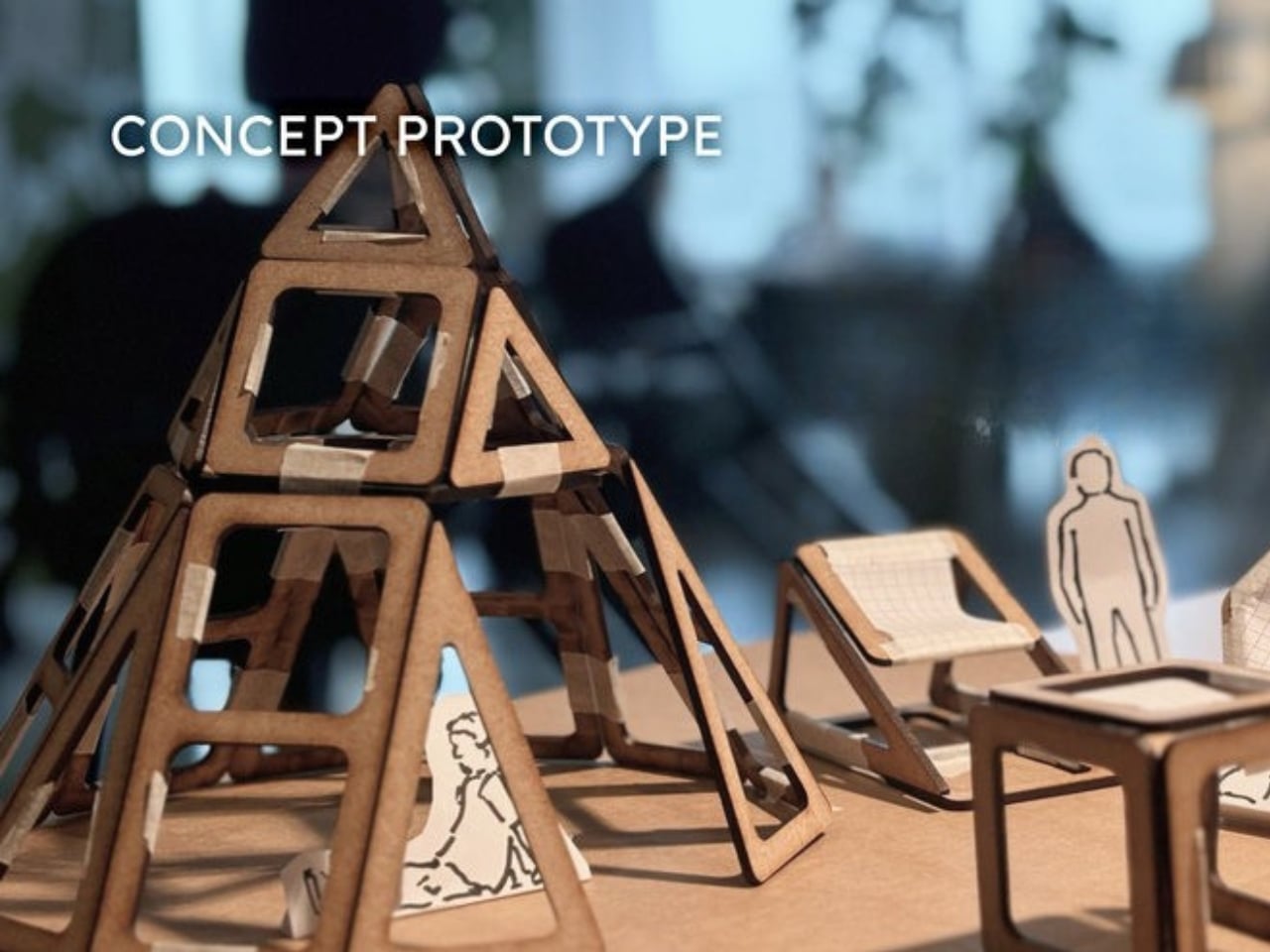
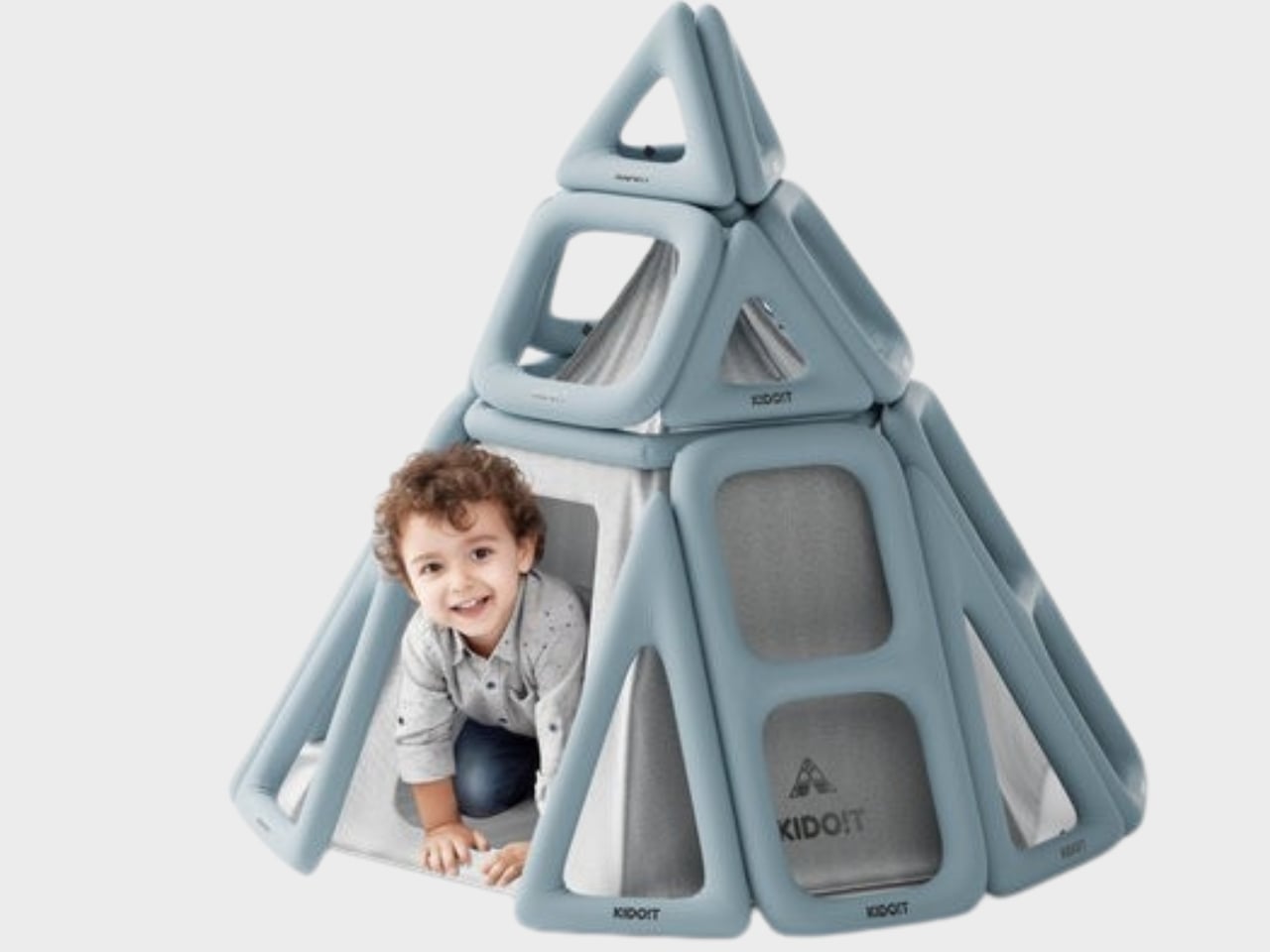
That’s the gap designer Chenyu set out to close with KIDO!T, a modular outdoor adventure kit built specifically for children. And it’s worth paying attention to, not just as a clever product idea but as a genuine rethinking of how we design for younger people in outdoor spaces. The concept is straightforward: give kids their own gear to build and configure, and suddenly the campsite becomes theirs to shape. Ownership changes everything.

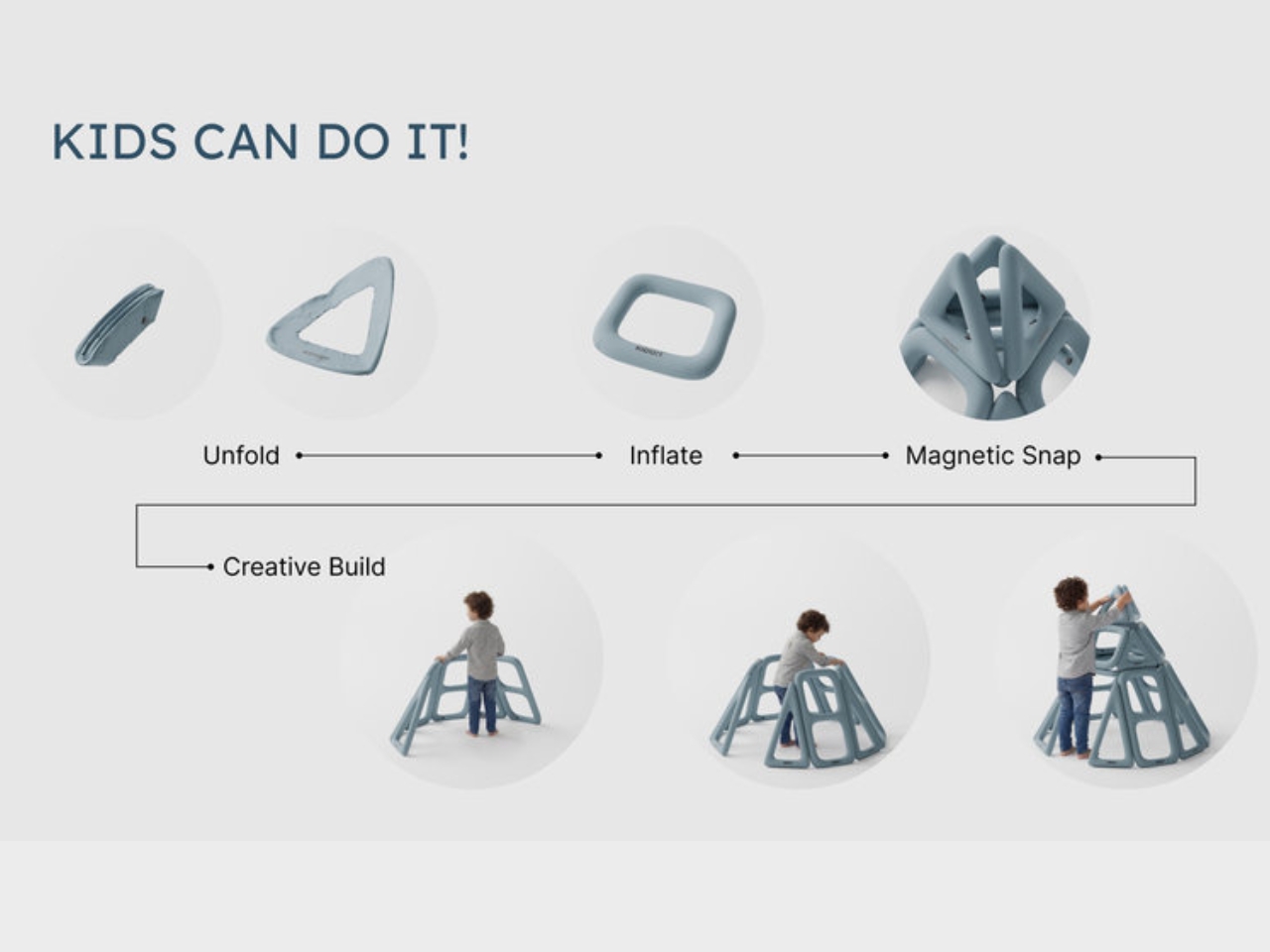
At the core of KIDO!T are inflatable bricks. Each one has a rubber inner air chamber for structure and a durable nylon outer layer, making them light enough for a toddler to carry but sturdy enough to actually sit on. What makes them click as a system, literally, is embedded magnetic sheeting that lets the bricks snap together intuitively. No instructions required. No adult supervision necessary. Children can build forts, lounges, exploration bases, or whatever their imagination lands on that afternoon.
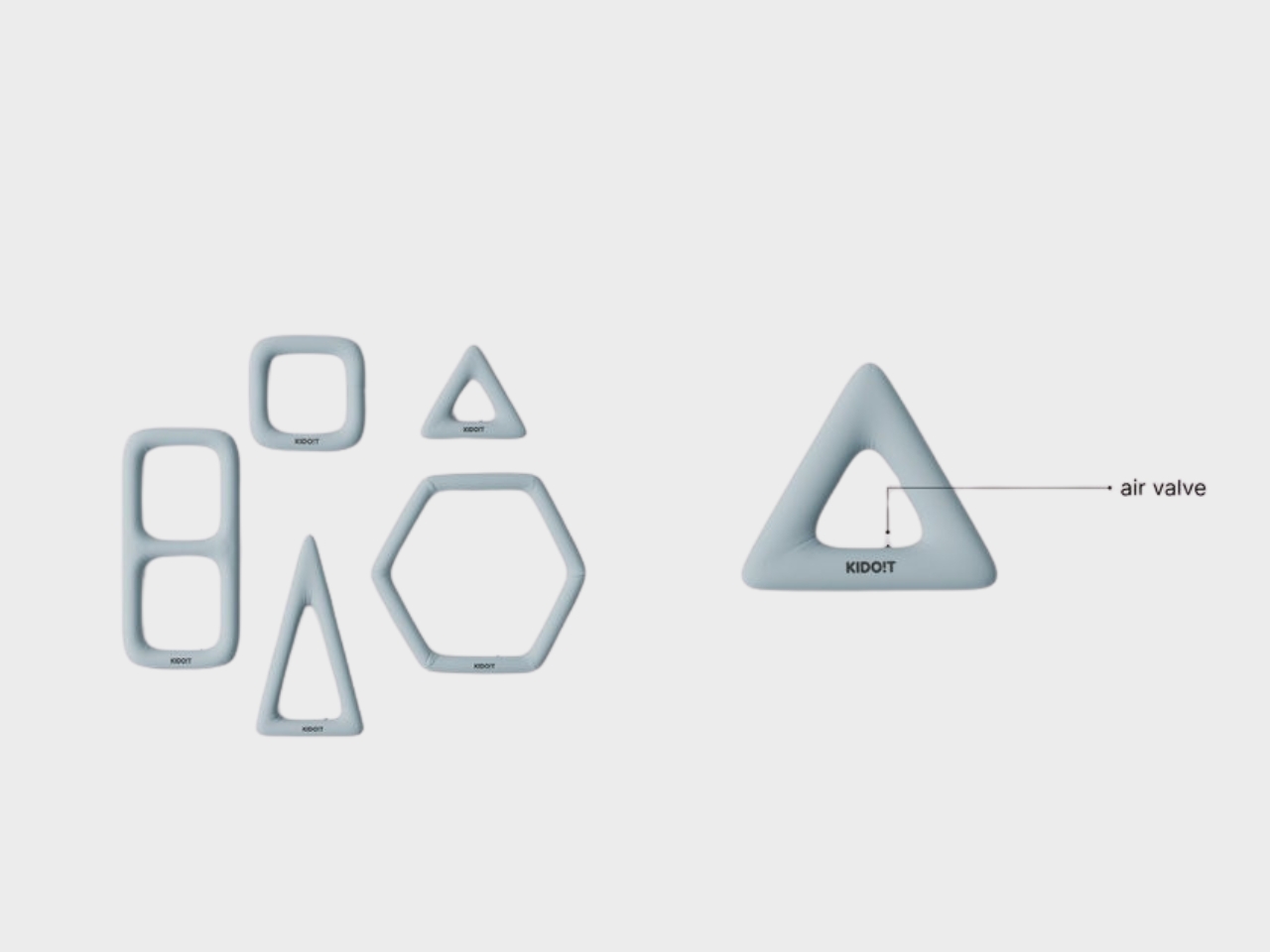
The design was thought through with specific age groups in mind, and that kind of granular attention is where it gets genuinely interesting. For kids between three and five, the priority is sensory play and safety. Ages six through eight lean into curiosity and the desire to actually build things. Teenagers, who are often the forgotten middle ground in family gear design, get something that offers independence and a social space they can call their own. One kit, three different relationships with play. That kind of design intelligence is rare.

Chenyu describes the generation growing up today as living in a “forest of concrete,” and that framing sticks because it’s accurate. Between screens, structured academics, and urban environments, many kids are logging less and less time in genuinely unscripted outdoor spaces. Camping is often a family’s attempt to correct that, which makes it all the more frustrating when the experience doesn’t actually pull kids in. The intent is there. The gear just hasn’t caught up.
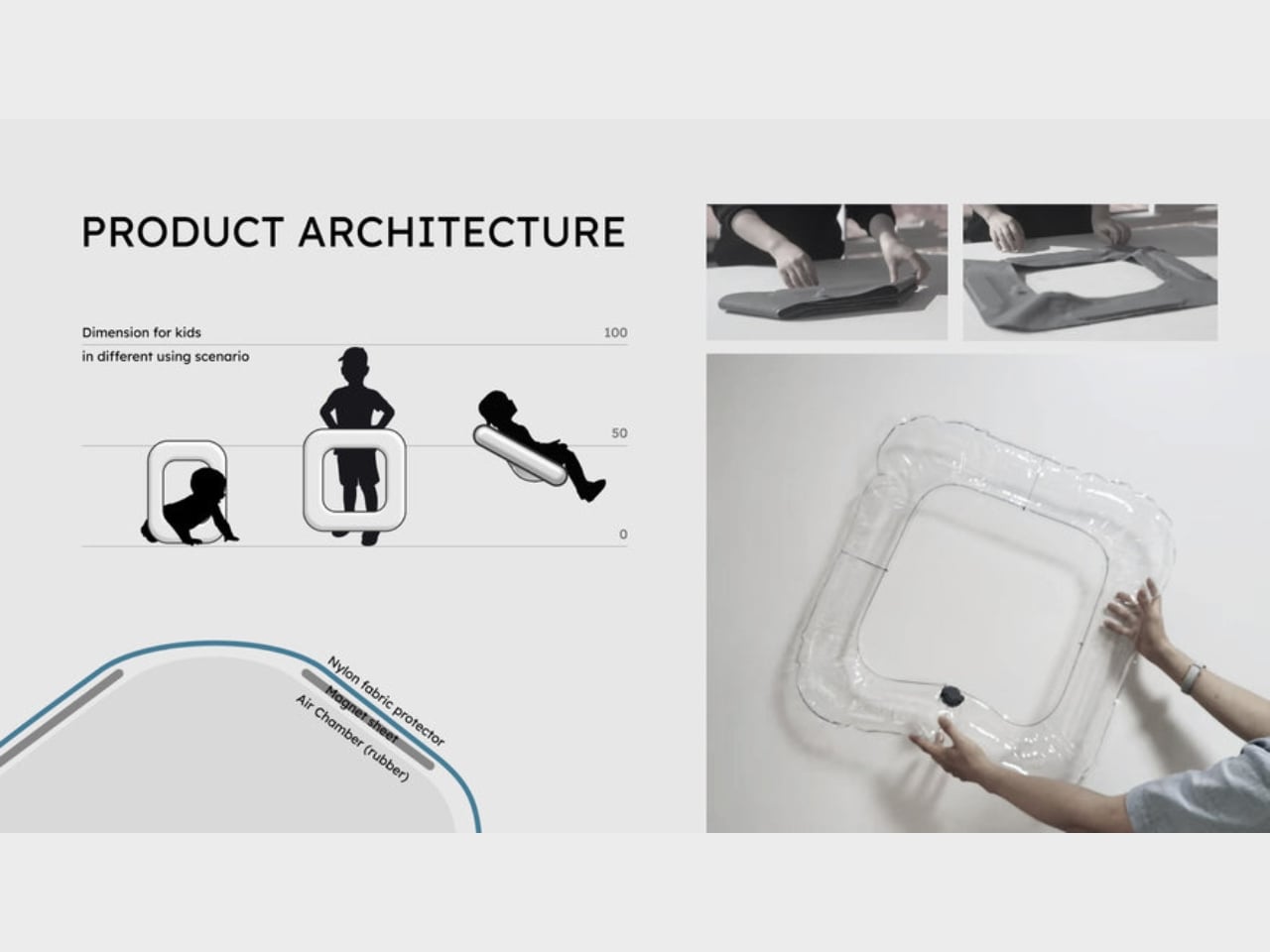
The activity modules bundled into the system take it further still. Rather than sitting passively while the adults make dinner, a child can plug into a structured activity that ties directly to the outdoor setting around them. It’s a quiet but meaningful shift in how we position nature to kids: not as a backdrop to adult activities, but as a destination in its own right.

KIDO!T earns its place in the conversation about modern outdoor design because it reframes the problem entirely. The question isn’t how to get kids to put their phones down. It’s how to make the alternative more compelling than anything a screen can offer. Inflatable bricks that snap together magnetically and become whatever a child imagines? That’s a stronger argument than any screen time limit.

Good design for children is a specific craft. It can’t just be adult design scaled down or made colorful. It has to understand how kids actually think, what motivates them, where their attention goes and why. KIDO!T feels like a response to that challenge rather than an afterthought to it. The campsite has always been beautiful. Now there might finally be a corner of it that belongs entirely to the kids.
The post A Camping Kit Actually Designed for Kids, Not Just Dragged Along first appeared on Yanko Design.


Why Xreal Aura’s $1,500 AR Glasses Are Ditching Traditional VR for Spatial Computing

Why Xreal Aura’s $1,500 AR Glasses Are Ditching Traditional VR for Spatial Computing User interacting with Android XR productivity apps using Xreal Aura hand tracking

The Xreal Aura represents a significant step forward in augmented reality, blending AR and VR capabilities into a sleek, glasses-style device. Designed with practicality in mind, it offers features like a 70° field of view and electrochromic dimming, which allows users to adjust lens transparency across five levels for optimal visibility in different lighting conditions. […]

The post Why Xreal Aura’s $1,500 AR Glasses Are Ditching Traditional VR for Spatial Computing appeared first on Geeky Gadgets.

Posted in Uncategorized

Meet Soul, Terra, and Luna: the GPT-5.6 Models Restricted to Trusted Organizations

Meet Soul, Terra, and Luna: the GPT-5.6 Models Restricted to Trusted Organizations Conceptual graphic showing a locked digital gateway representing restricted AI access.

OpenAI’s latest release, GPT-5.6 Sol, introduces three specialized models, Soul, Terra and Luna, each tailored to distinct use cases. From the cybersecurity-focused Soul to the cost-efficient Luna, these models showcase advancements in performance and efficiency, such as improved token utilization and real-time monitoring capabilities. However, as Universe of AI highlights, access to these systems is […]

The post Meet Soul, Terra, and Luna: the GPT-5.6 Models Restricted to Trusted Organizations appeared first on Geeky Gadgets.

Posted in Uncategorized

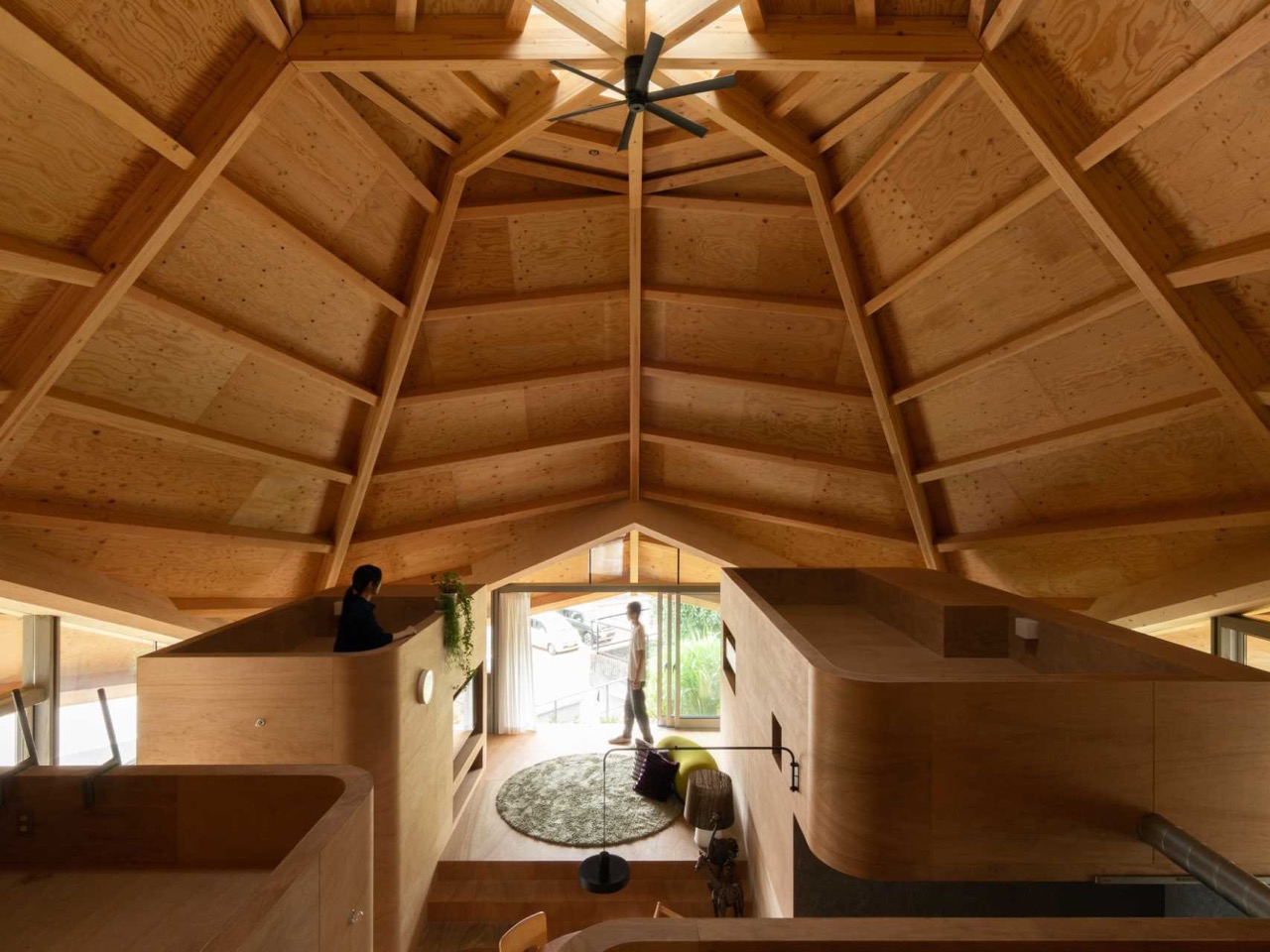
A Spiderweb-Shaped Home in Japan Has No Fixed Rooms and Adapts as the Family Grows

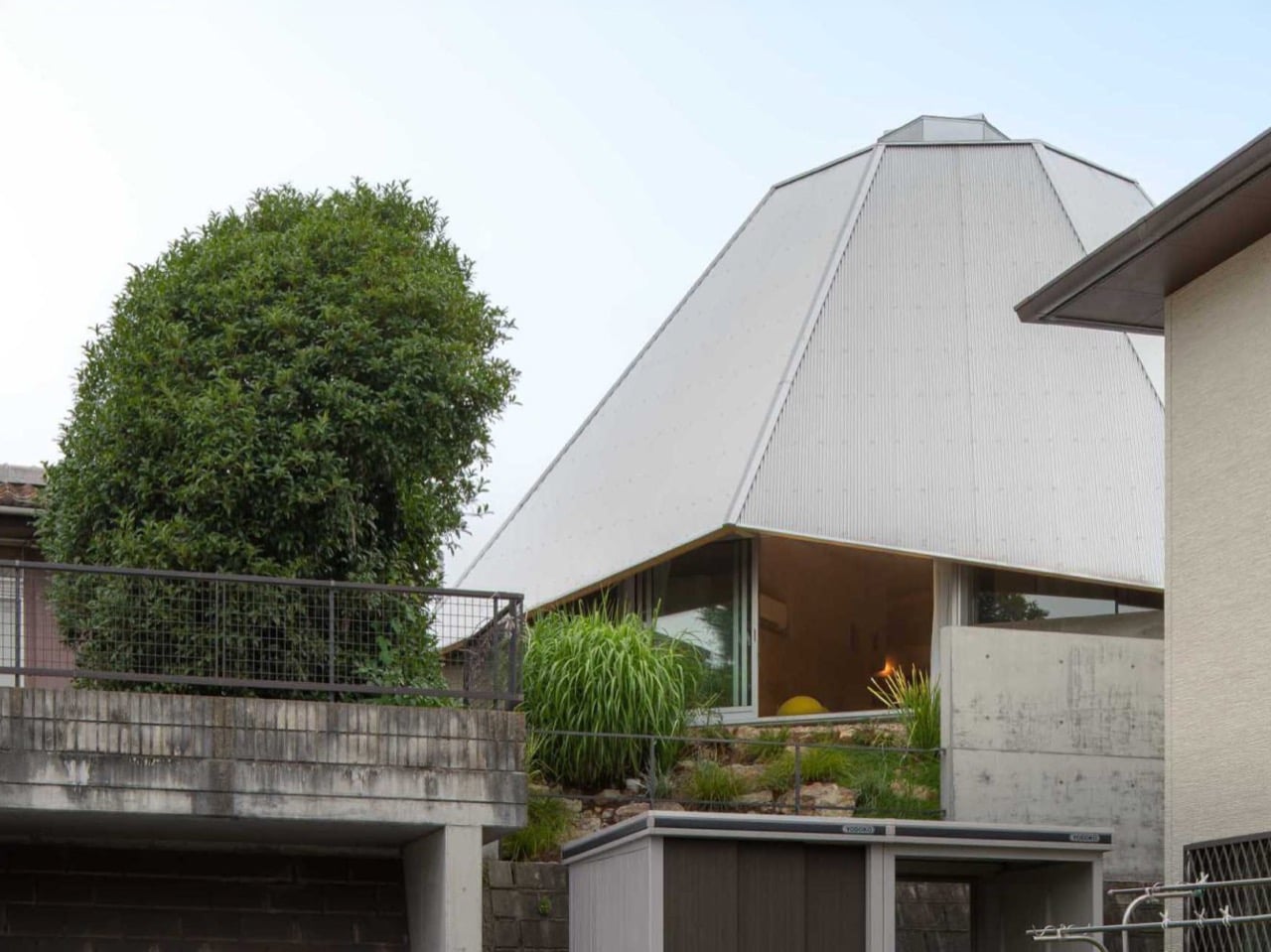
Spiders have been building radial webs for about 100 million years, spinning silk into a geometry that spreads weight around with an efficiency engineers spent centuries trying to copy. The web holds up because every strand pulls toward the center, so stress gets shared across the whole thing instead of piling up in one spot. Architecture has borrowed this trick before, from geodesic domes to tensile fabric roofs, but a regular family home almost never commits to the idea this literally. UID Architects looked at a spiderweb and saw a floor plan. In Fukuyama, Japan, they turned that into a house where a family of four actually lives.

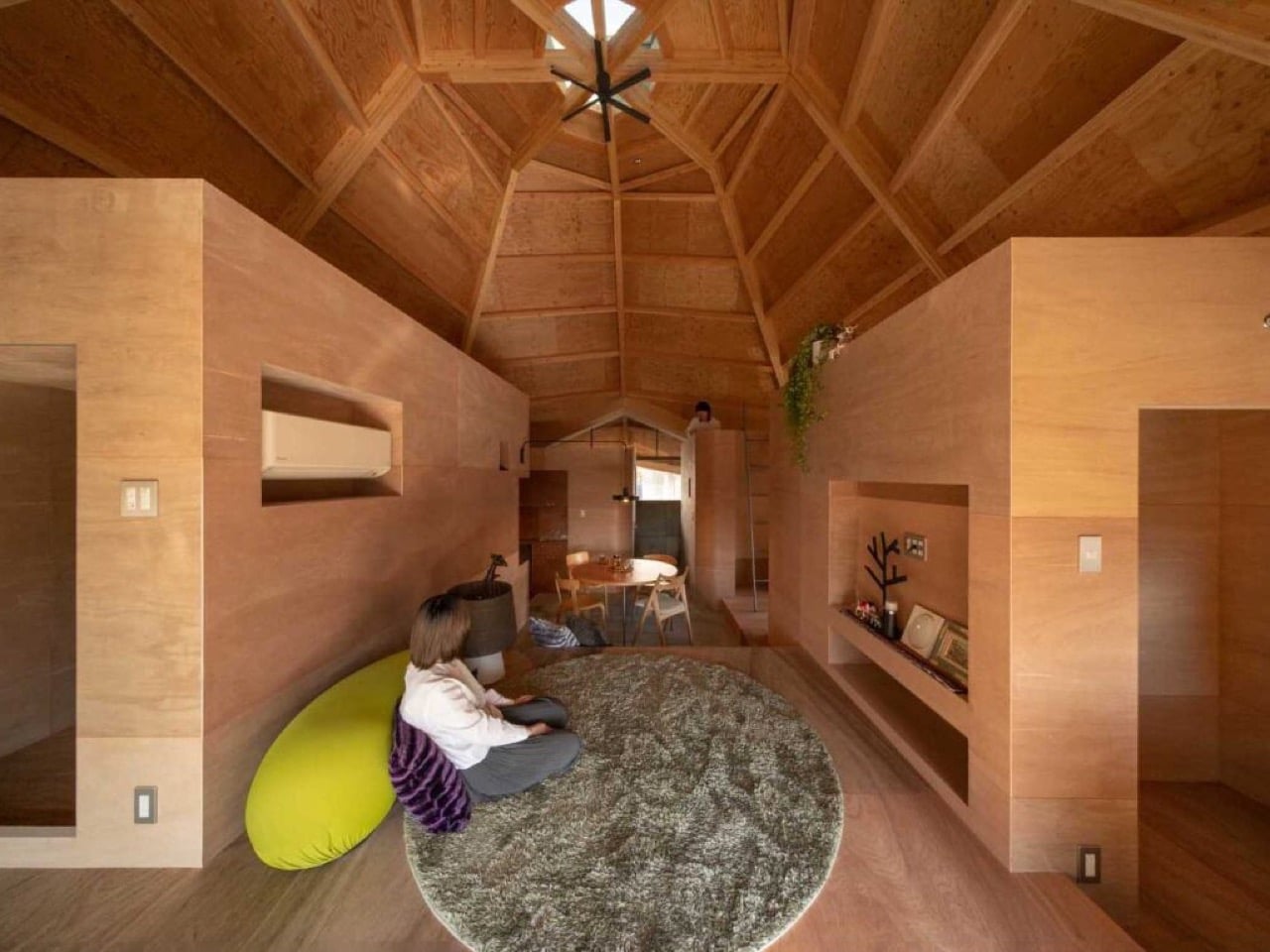
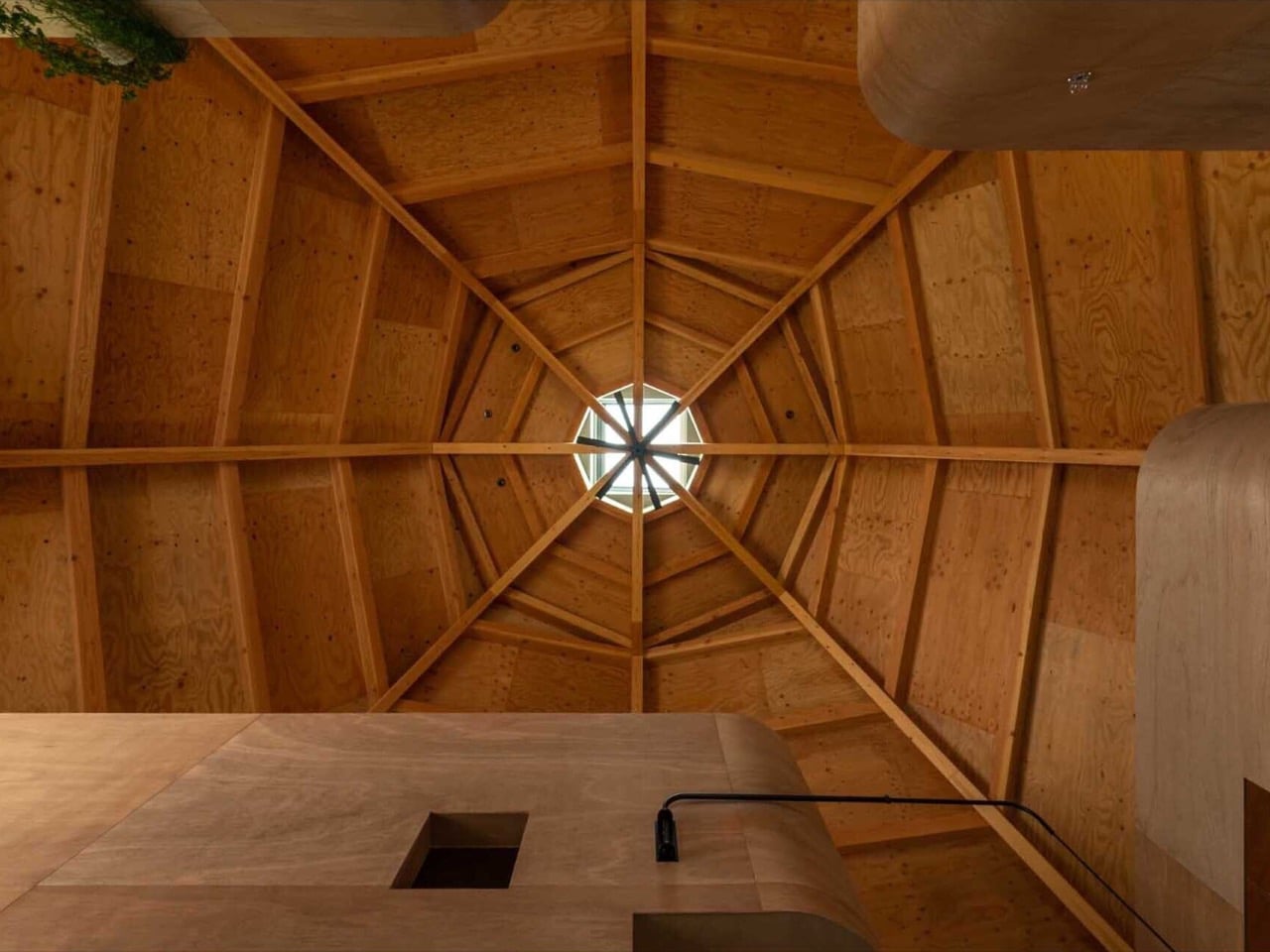
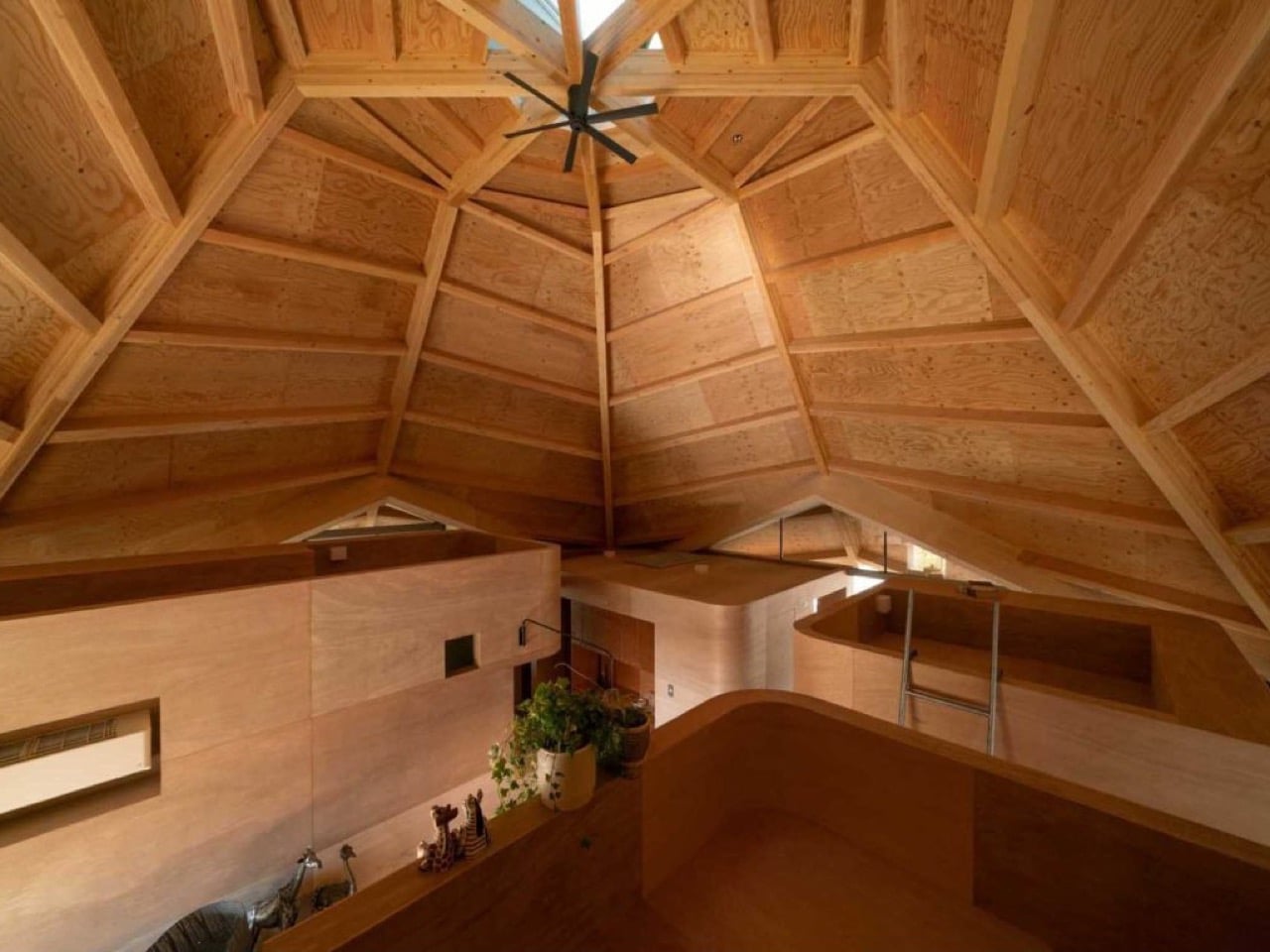
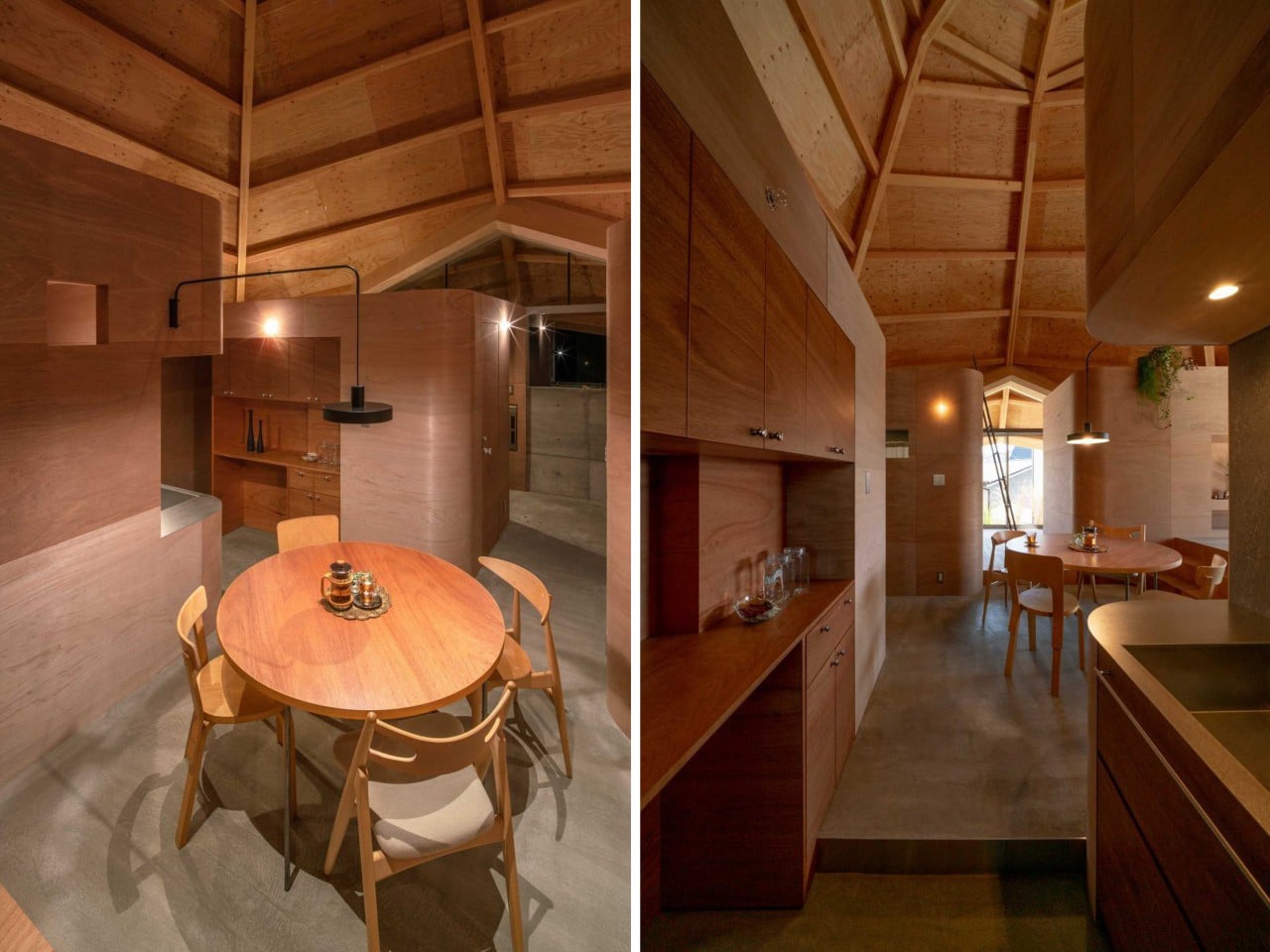
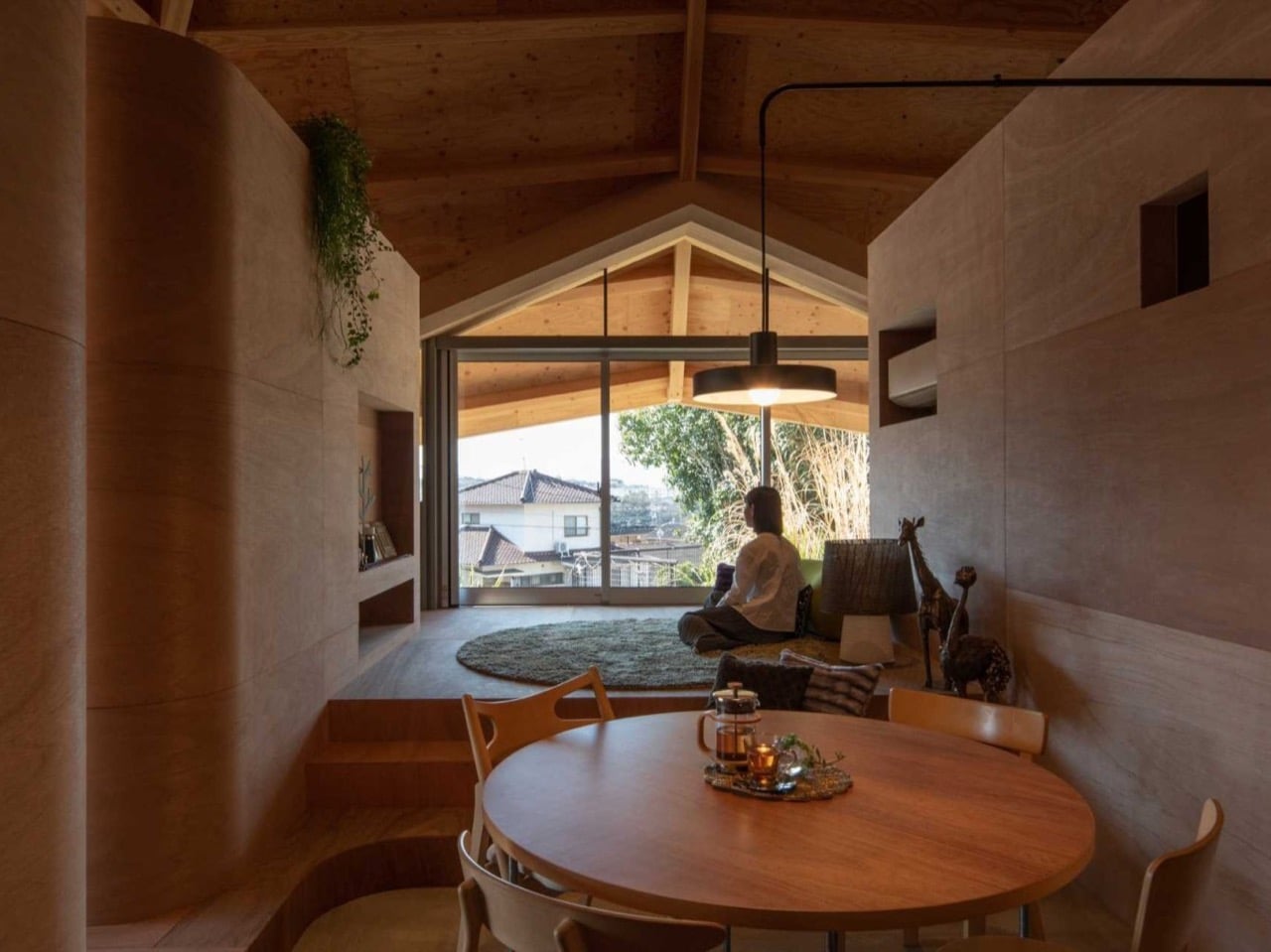
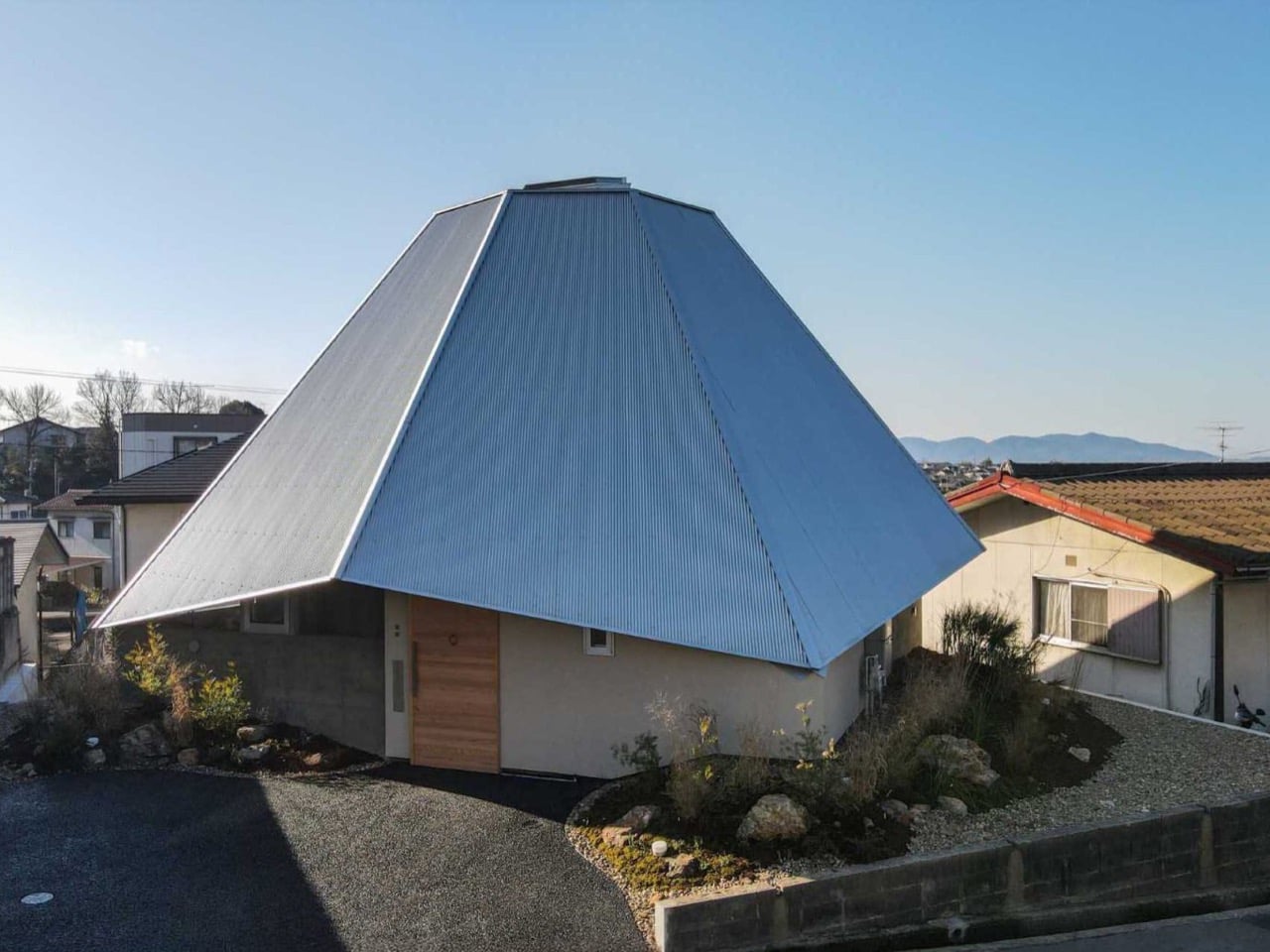
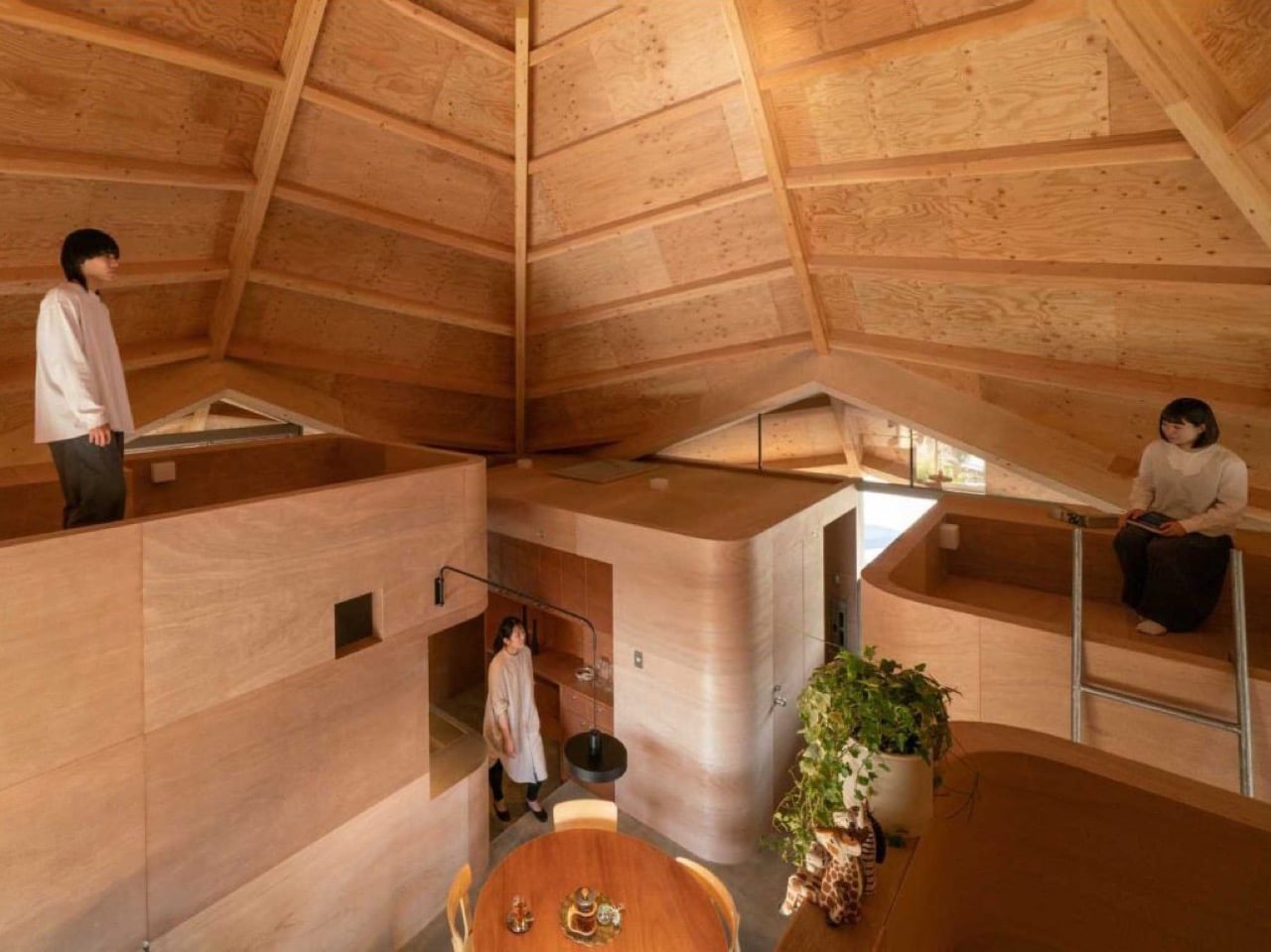
The home is an octagonal timber structure turned 45 degrees across its sloping suburban plot, topped by a roof whose beams all converge on a glazed opening at the center. UID balanced the entire volume on four points and wrapped triangular openings around the edges to pull in light from every direction. Inside, the roughly 828 square feet stays open on purpose, skipping conventional rooms in favor of four rounded plywood boxes that guide you through the space like a corridor. The dining table sits right under the middle of the web, putting the family’s social life at the structural heart of the house. It is a home you read from the ceiling down.

Designer: UID Architects

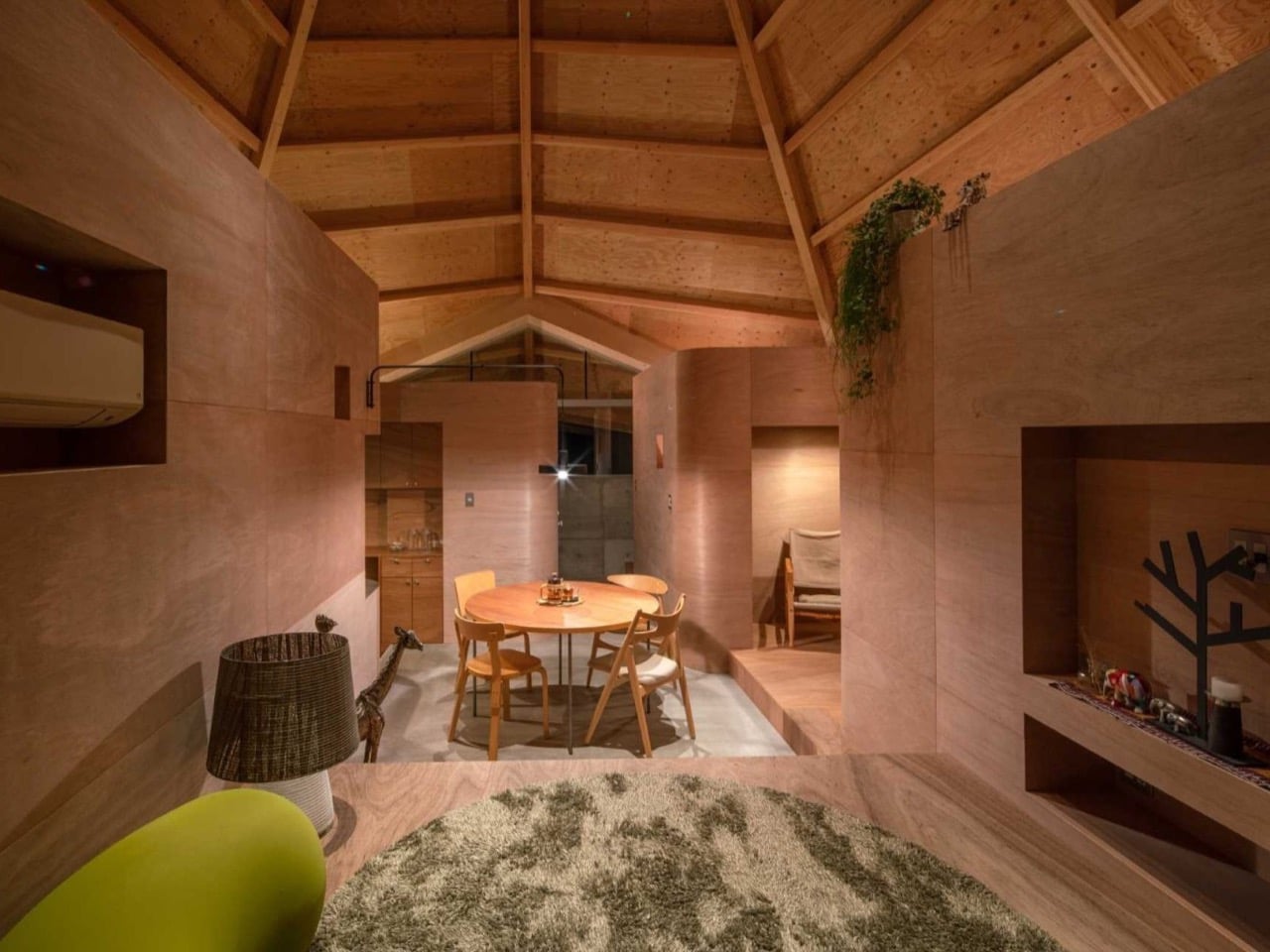
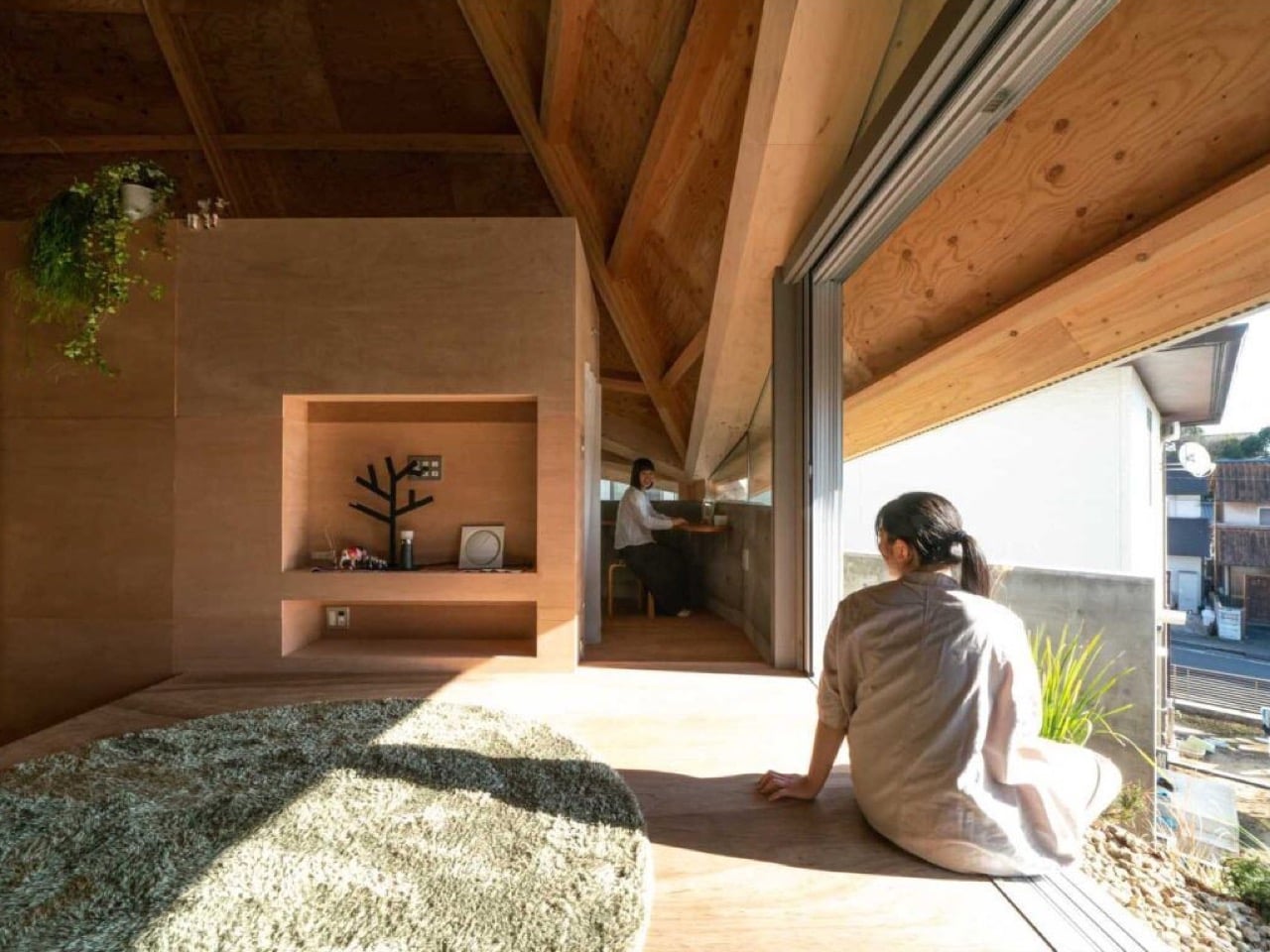
Eight timber beams run up from the perimeter and meet at a small glazed oculus that drops daylight straight into the middle of the plan. Looking up, the whole thing reads as a literal web frozen in wood, every strand under tension and pulling toward the same hub. From outside it flips into something else entirely, a faceted metal cone that rises over the neighboring rooftops like a spinning top someone left on the street. That shift between the warm wooden interior and the cool metal shell makes the house feel bigger and stranger than its footprint suggests. You read it as a tent from the driveway and a cathedral once you walk in.

A sunken lounge with a round shag rug steps up to the raised dining level, so the open plan never collapses into one undifferentiated room. The four plywood boxes handle the rest of the organizing, standing low enough that the soaring ceiling flows over all of them without interruption. Their corners are rounded rather than sharp, a small move that softens the heavy plywood and keeps the place from feeling like a furniture warehouse. You move between these volumes the way you would wander through a small village, never quite walled in, never fully out in the open. The boxes suggest where to sit, cook, or gather without ever issuing an order.

There are almost no permanent interior walls, which means the family can reassign space as their lives shift instead of calling a contractor. A corner that works as a play area now can quietly become a study, then a home office, all inside the same shell. Most homes get designed for one stage of family life and then fight the people living in them for the next thirty years. UID dodged that trap by building rooms that are really just zones, defined by furniture and habit rather than drywall. It is a smart, patient way to think about a house someone plans to keep for decades.

Plywood usually gets buried under veneer the moment a budget allows, treated as the cheap stuff you hide. UID does the opposite, letting warm plywood climb from the floor all the way up into the ceiling so the wood becomes both the structure and the finish. The one exception is the kitchen, where a darker, redder cabinetry tone marks it as its own little district within the larger space. That single shift in wood gives the cooking zone an identity without breaking the calm consistency holding the rest of the home together. Everywhere else, the material repeats until the house feels carved from a single block.

Building a giant timber web in a neighborhood of beige boxes takes real nerve, and the renderings could easily have collapsed into a gimmick once construction started. They did not, mostly because the geometry earns its keep, handling light, ventilation, privacy, and circulation in one gesture rather than decorating over them. Japan has a long history of small homes that punch far above their square footage, from the metabolist experiments of the sixties to the tight urban houses we cover constantly, and this one sits comfortably in that lineage. UID built a house that should still make sense long after the kids have grown and moved out. I keep thinking about who gets to redraw their own floor plan just by moving the furniture.

The post A Spiderweb-Shaped Home in Japan Has No Fixed Rooms and Adapts as the Family Grows first appeared on Yanko Design.
PlayStation 6 Expected to Hit $1,500 Amid Ongoing Chip Shortages

PlayStation 6 Expected to Hit $1,500 Amid Ongoing Chip Shortages A conceptual design of the upcoming Sony PlayStation 6 console.

Sony has announced that the PlayStation 6 could carry a price tag of $1,500, a figure that highlights the rising costs of advanced gaming hardware. According to RGT 85, this steep pricing is tied to factors such as the increasing demand for high-performance chips, driven by advancements in AI technology and ongoing supply chain constraints. […]

The post PlayStation 6 Expected to Hit $1,500 Amid Ongoing Chip Shortages appeared first on Geeky Gadgets.

Posted in Uncategorized

Olivia Rodrigo’s New LEGO Collection Hides Loads of Easter Eggs, Just Like Her Music Videos

Heartbreak made Olivia Rodrigo famous, then rage made her interesting. SOUR arrived as a teenage gut-punch of betrayal and longing, all trembling ballads and bedroom devastation. GUTS answered it two years later with distortion pedals and a sneer, the sound of someone who had cried enough and picked up an electric guitar instead. The whiplash between those two modes is the most compelling thing about her, and any tribute worth its salt has to hold both at once.

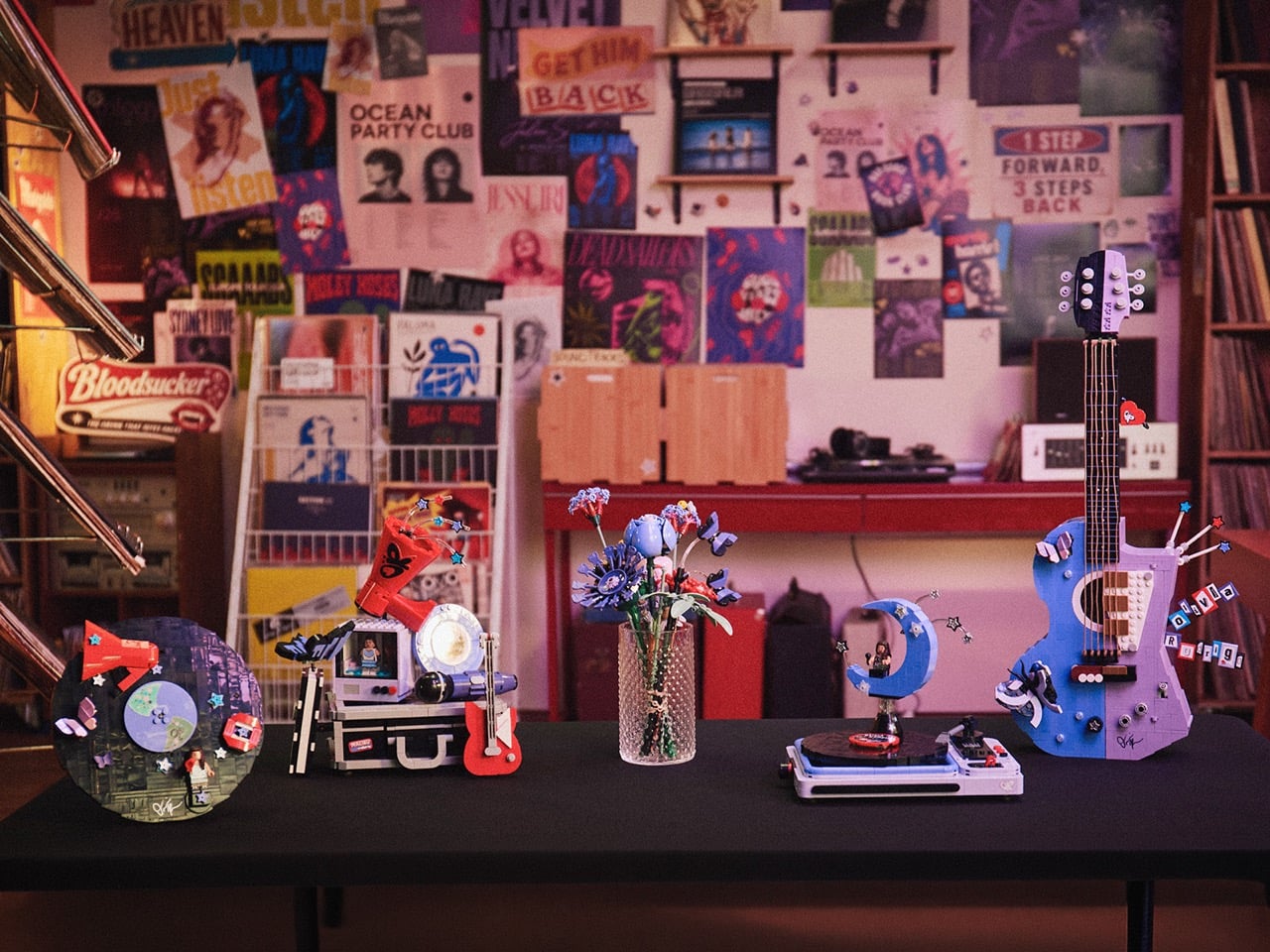
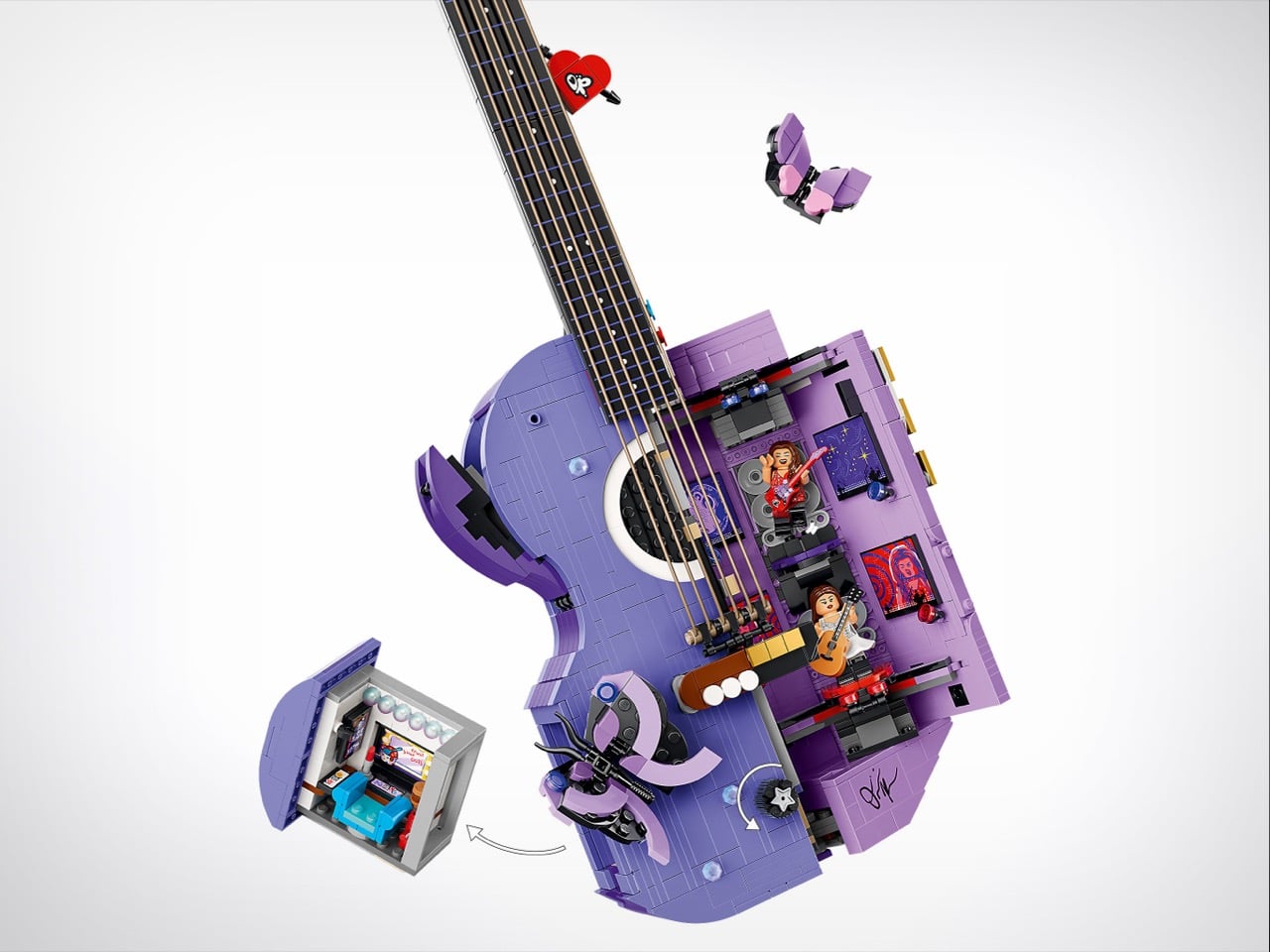
The new LEGO Editions Olivia Rodrigo collection gets that completely. Across five collectible sets, the range swings from soft to loud and back again, and the flagship Dual Guitar build (43031) literally splits the difference, fusing an acoustic and an electric into one 1,228-piece object that opens to reveal hidden stage scenes inside. It is a collection that understood the assignment was always about duality, right down to the minifigures and their two faces. And like the best Rodrigo music videos, every set is salted with easter eggs you are meant to hunt down, the kind of buried references the Livies will be freeze-framing and cataloguing for weeks.

Designer: LEGO Group (Amy Corbett – Senior Design Manager)

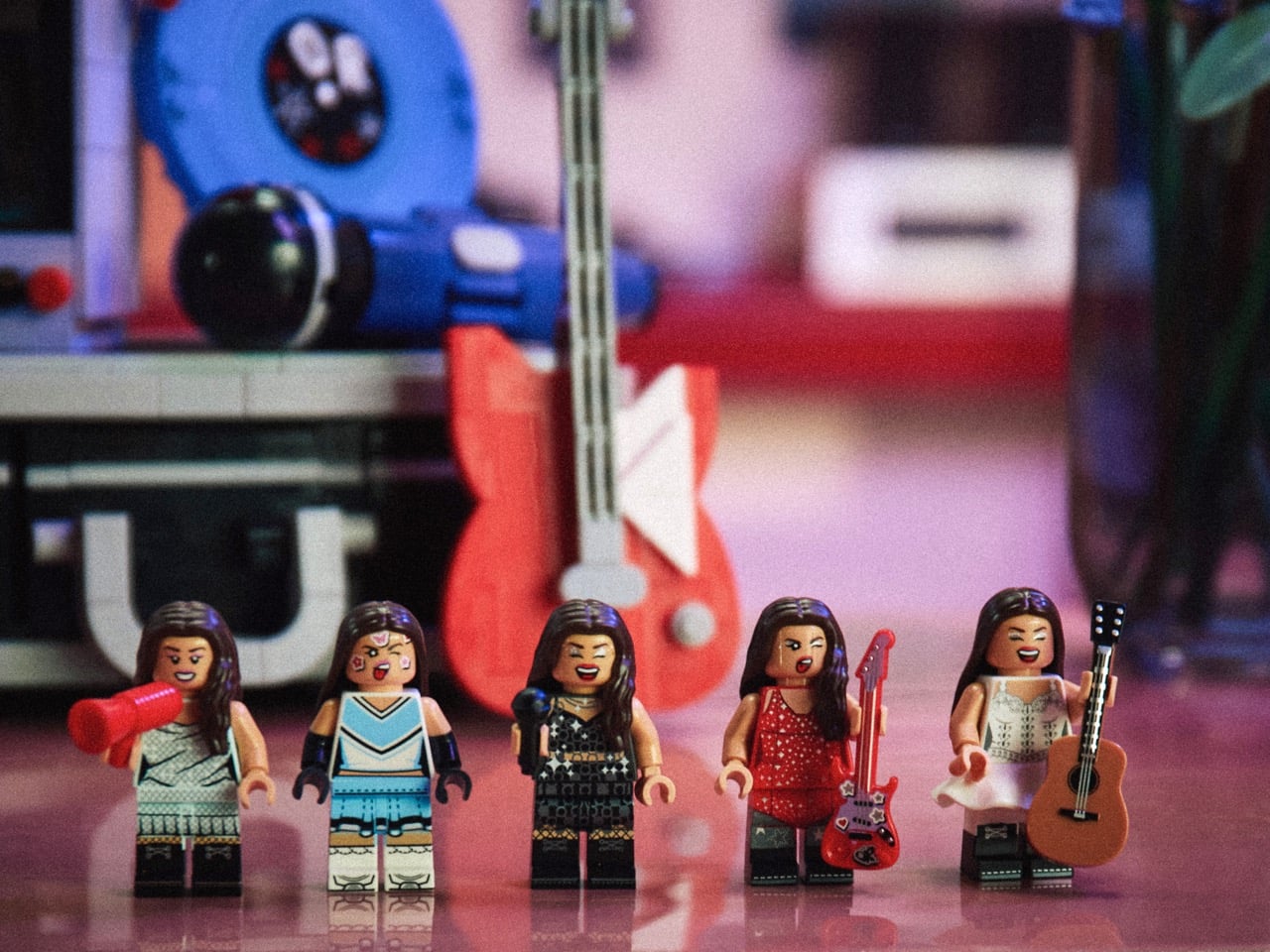
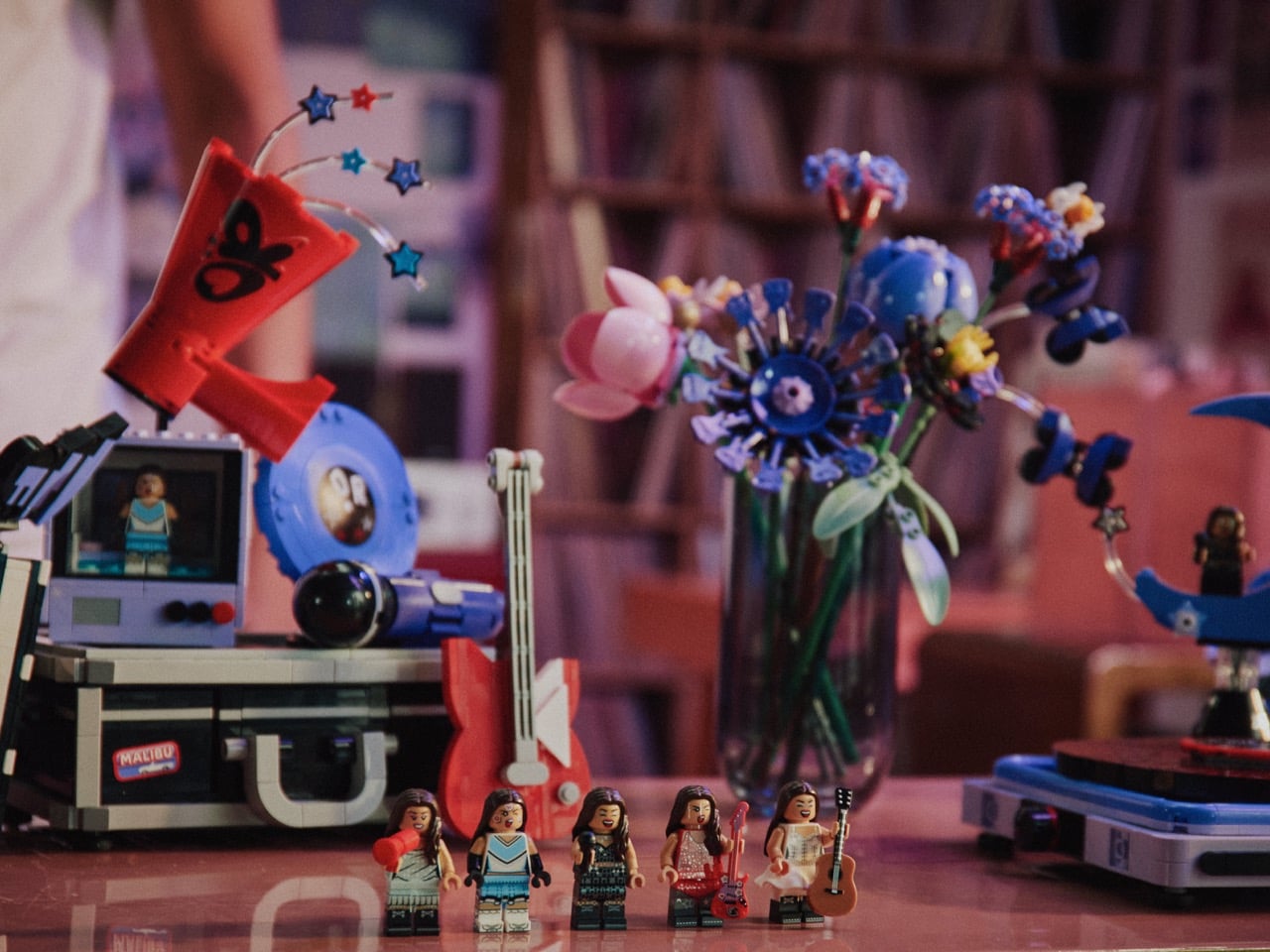
That duality is a genuine milestone too, because Rodrigo becomes the first musician in history to receive multiple dedicated LEGO sets in one go, arriving with five new minifigures modeled on her most recognizable stage looks. The detail I keep grinning at is that every one of those minifigs carries two different facial expressions, so you can flip a single character between the wide-eyed ballad version and the snarling festival version depending on which Olivia the scene calls for. Amy Corbett led the design direction and worked directly with Rodrigo to refine each element, and that collaboration shows in how much of the collection is built around slow discovery rather than instant payoff.

The clearest proof of that is a clever piece of industrial sleight-of-hand in the LEGO Botanicals Flower Bouquet (11507). Rodrigo is the first partner LEGO has ever let personalize one of its Botanicals sets, and rather than a generic posy, the 400-piece arrangement is built around a striking purple flower assembled out of electric guitars, with further floral nods to her Filipino heritage threaded through the petals. It is the kind of part-repurposing that makes a designer grin, taking an instrument silhouette and coaxing it into a botanical form. Look closely and you will find a tiny visitor buzzing around the stems, which is exactly the sort of easter egg the Livies will lose their minds over.

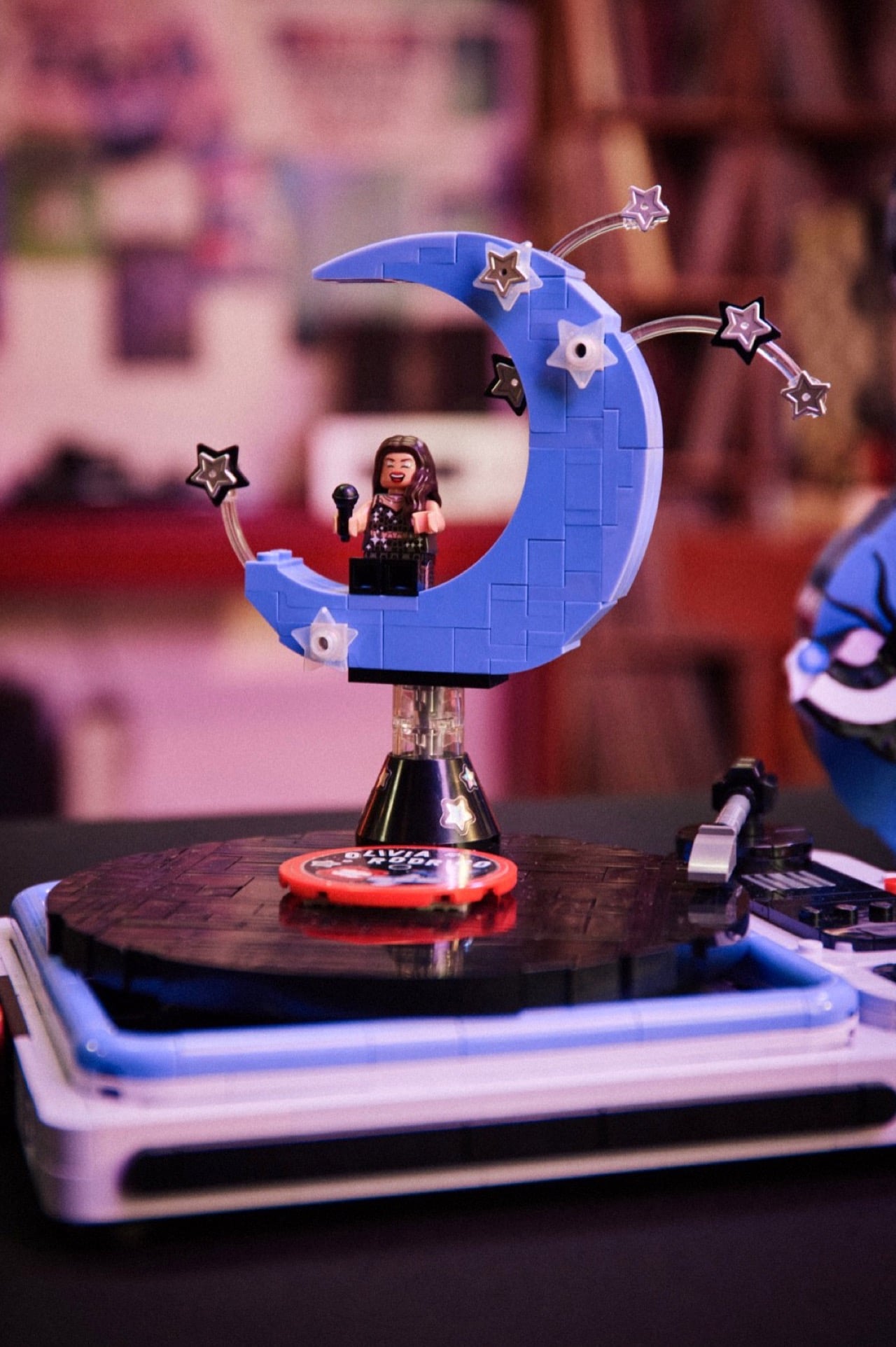
The Concert Moon (43029) is the showstopper for me, a 670-piece recreation of that viral GUTS tour moment where Olivia drifts above the crowd on a giant glowing moon. What elevates it past a static diorama is the engineering tucked behind the spectacle, with hidden drawers and picture holders worked into the body of the thing, so the prop that floated over a stadium doubles as a tiny functional curio on your shelf.

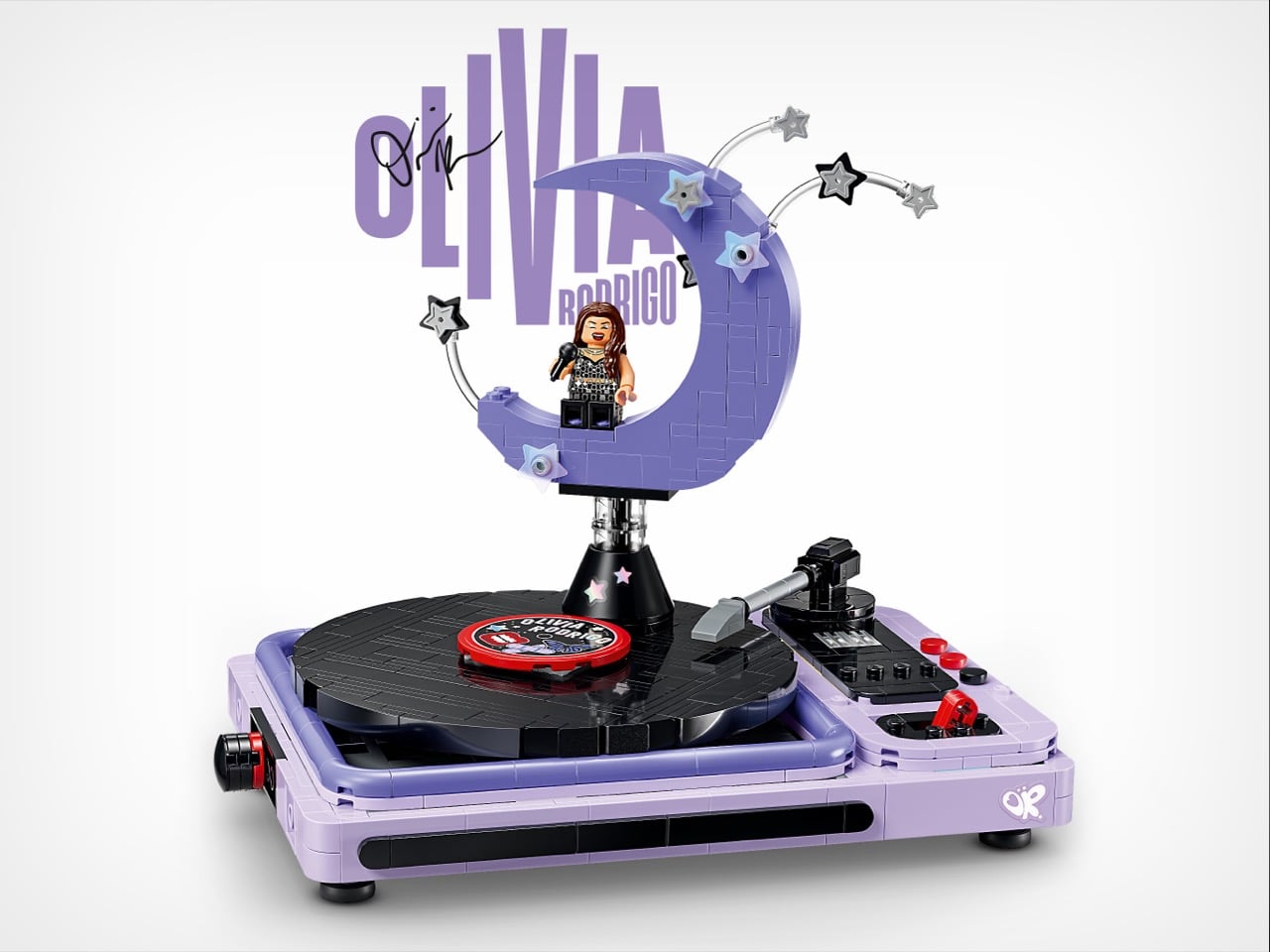
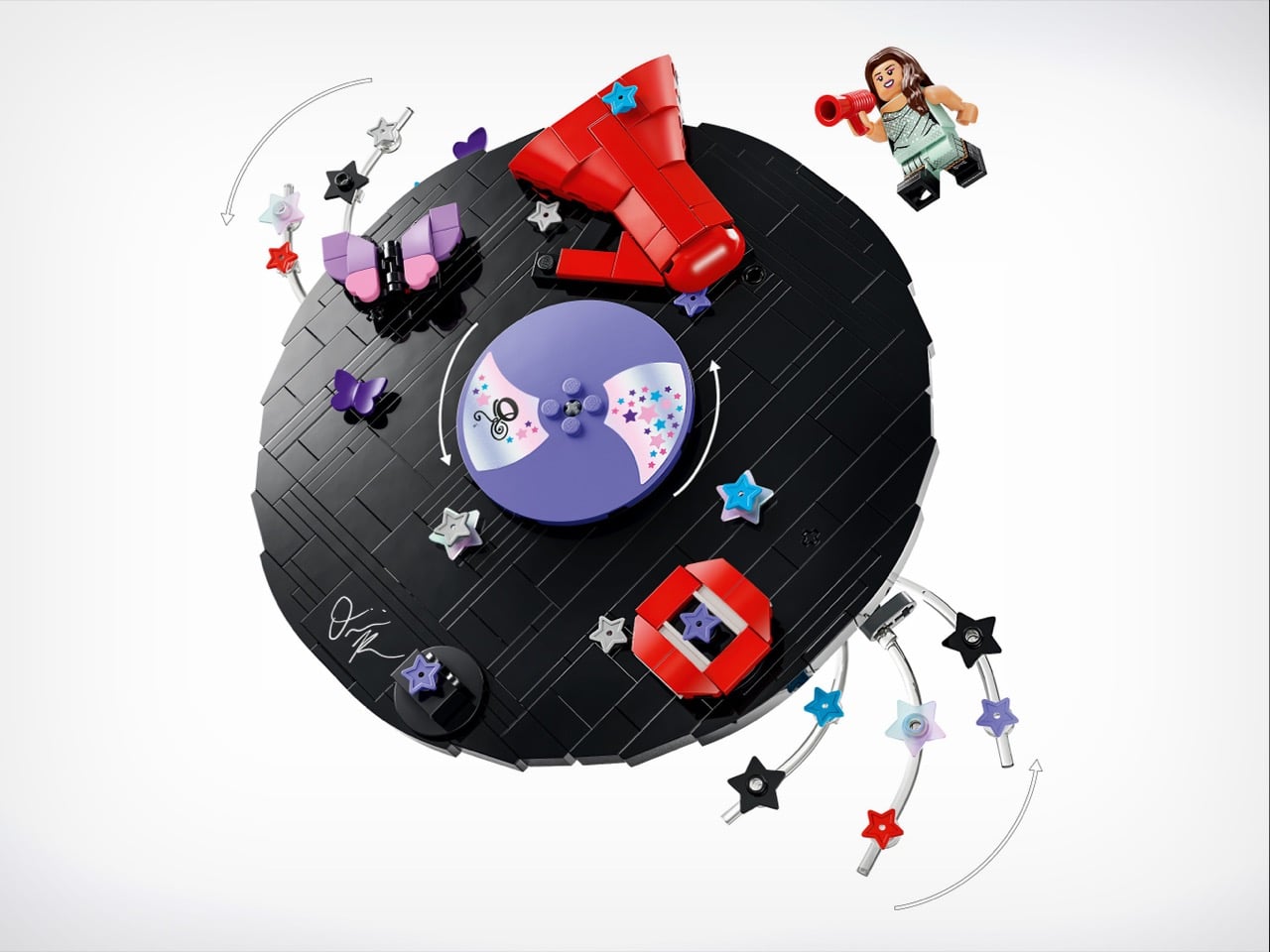
The Dual Guitar (43031) earns its flagship billing the longer you sit with it, because the headline trick from up top, an acoustic and an electric fused into one 1,228-piece instrument, turns out to be only half of it. The body opens to reveal hidden stage scenes, backstage details, and secret storage compartments waiting to be decoded, one side soft and dreamy, the other ready to make some noise. From there the range dials down with the Vinyl (43028), which compresses her career into a 360-piece brick-built record display salted with callbacks and fresh clues hinting at what is still to come. And the Secret Storage (43030) closes things out, gathering her signature symbols into one 1,085-piece collectible, the red festival-tour guitar, the GUTS megaphone, a notebook pulled from those handwritten SOUR lyric books, each prop hiding a compartment that keeps it doing double duty.

So much of this collection is mechanism disguised as merchandise. A pop-star tie-in could so easily have been five pretty busts and a logo, but Corbett and her team kept asking what each object could do, which is why you get faces that swap, drawers that slide, guitars that open, and a moon that hides its own secrets. Pitched at ages nine to fourteen but plainly aimed at the adult collectors who grew up alongside this music, the sets read as display pieces with a puzzle-box heart.

The collection launches globally on August 1, 2026, at LEGO.com, LEGO stores, and selected retailers, with the Dual Guitar, Concert Moon, and Flower Bouquet already up for pre-order. Prices run from a friendly 34.99 USD for the Vinyl to 119.99 USD for the Dual Guitar, which feels fair for what is essentially a working brick instrument. If I had one wish, it would be a single playable string on that Dual Guitar, some tiny Technic mechanism that lets it twang just once. Give me that, and this goes from a great tie-in to an instant classic.

The post Olivia Rodrigo’s New LEGO Collection Hides Loads of Easter Eggs, Just Like Her Music Videos first appeared on Yanko Design.