This AI Music Sketchbook Captures Ideas Before They Disappear

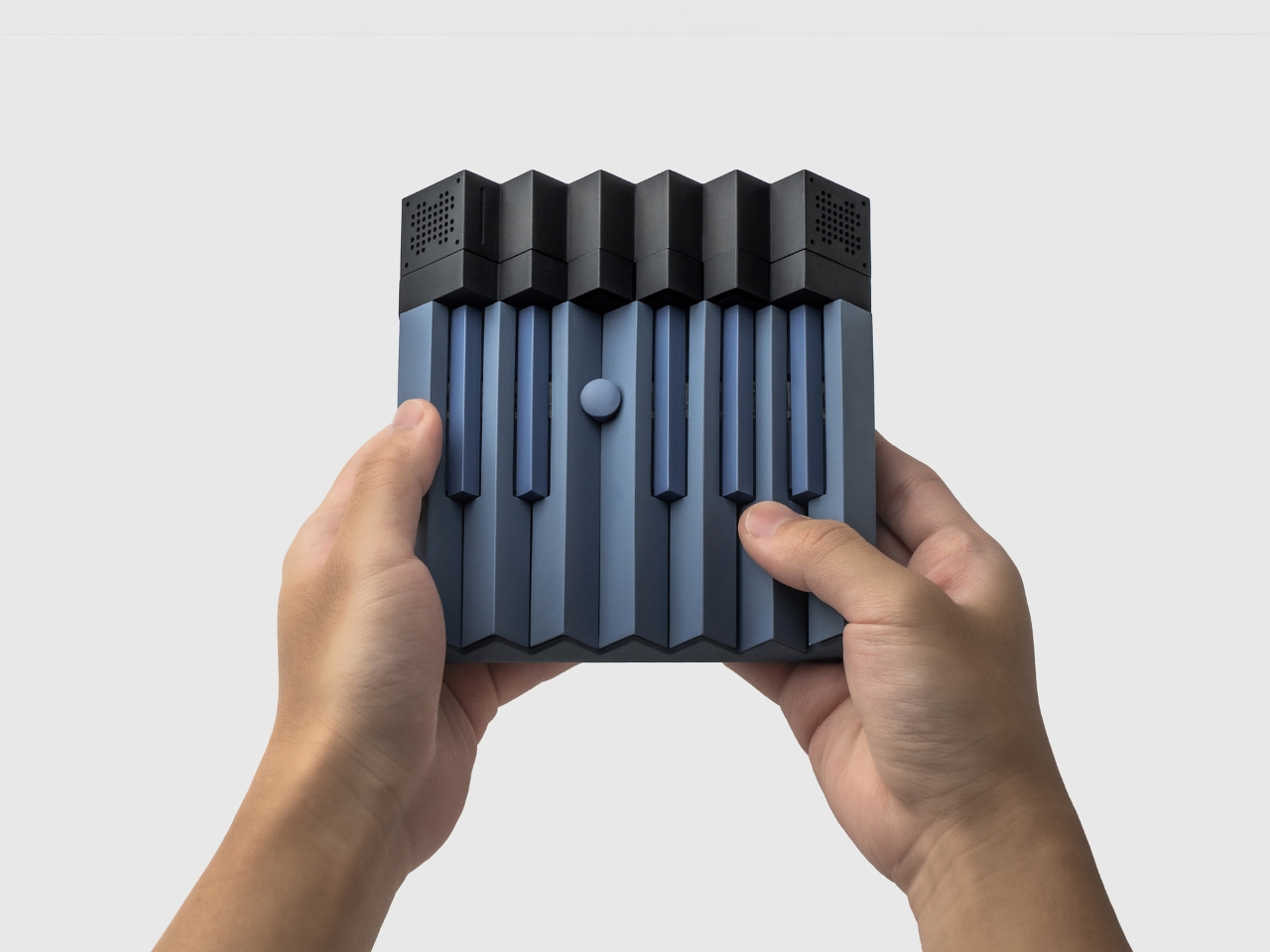
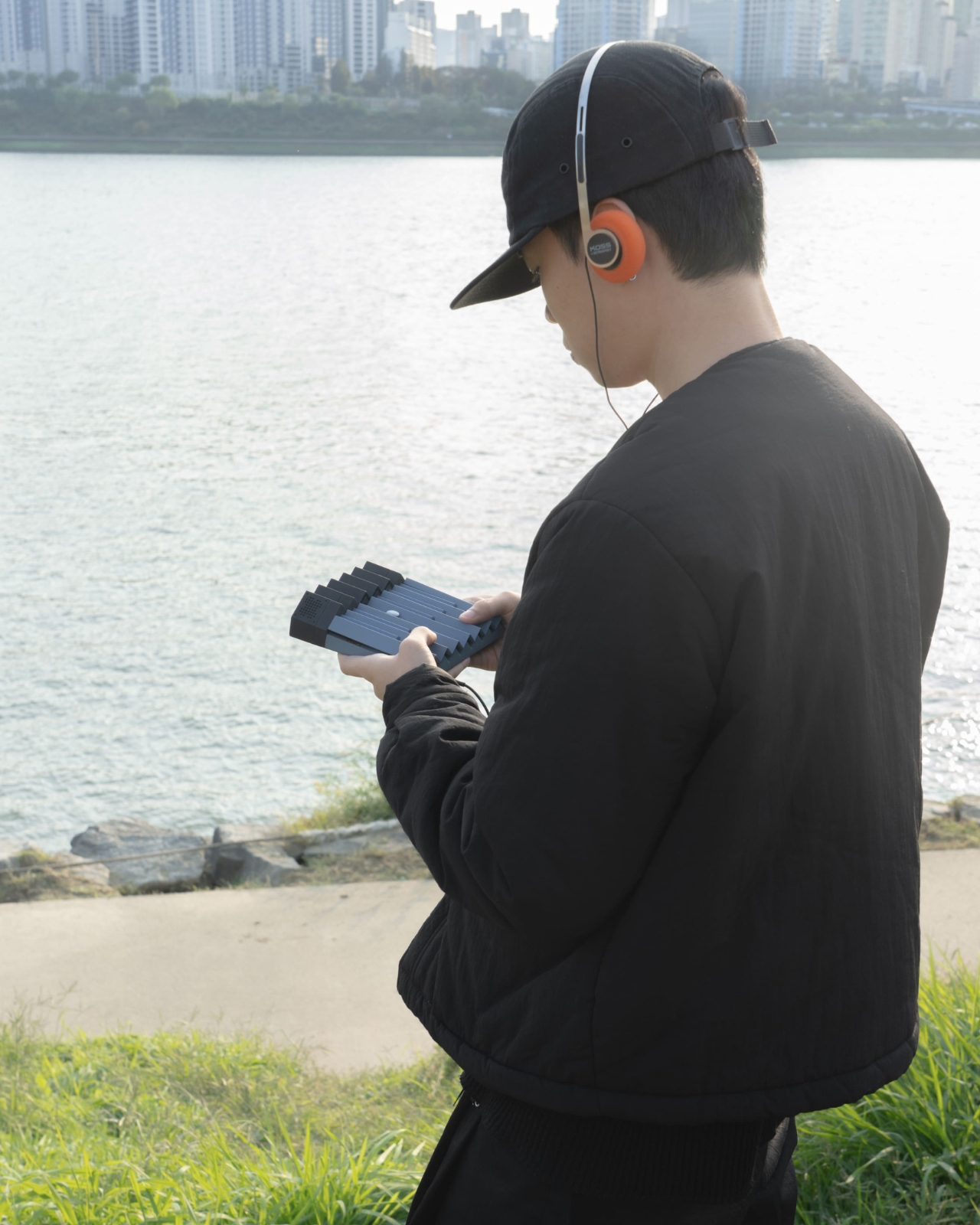
You know that feeling when a melody pops into your head while you’re walking down the street, but by the time you pull out your phone to record it, the magic’s already gone? Or when you’re hit with a musical idea but don’t have the technical skills to translate it into something real? That frustrating gap between inspiration and creation is exactly what designer Woojin Jang is trying to bridge with their concept project, Everglow.

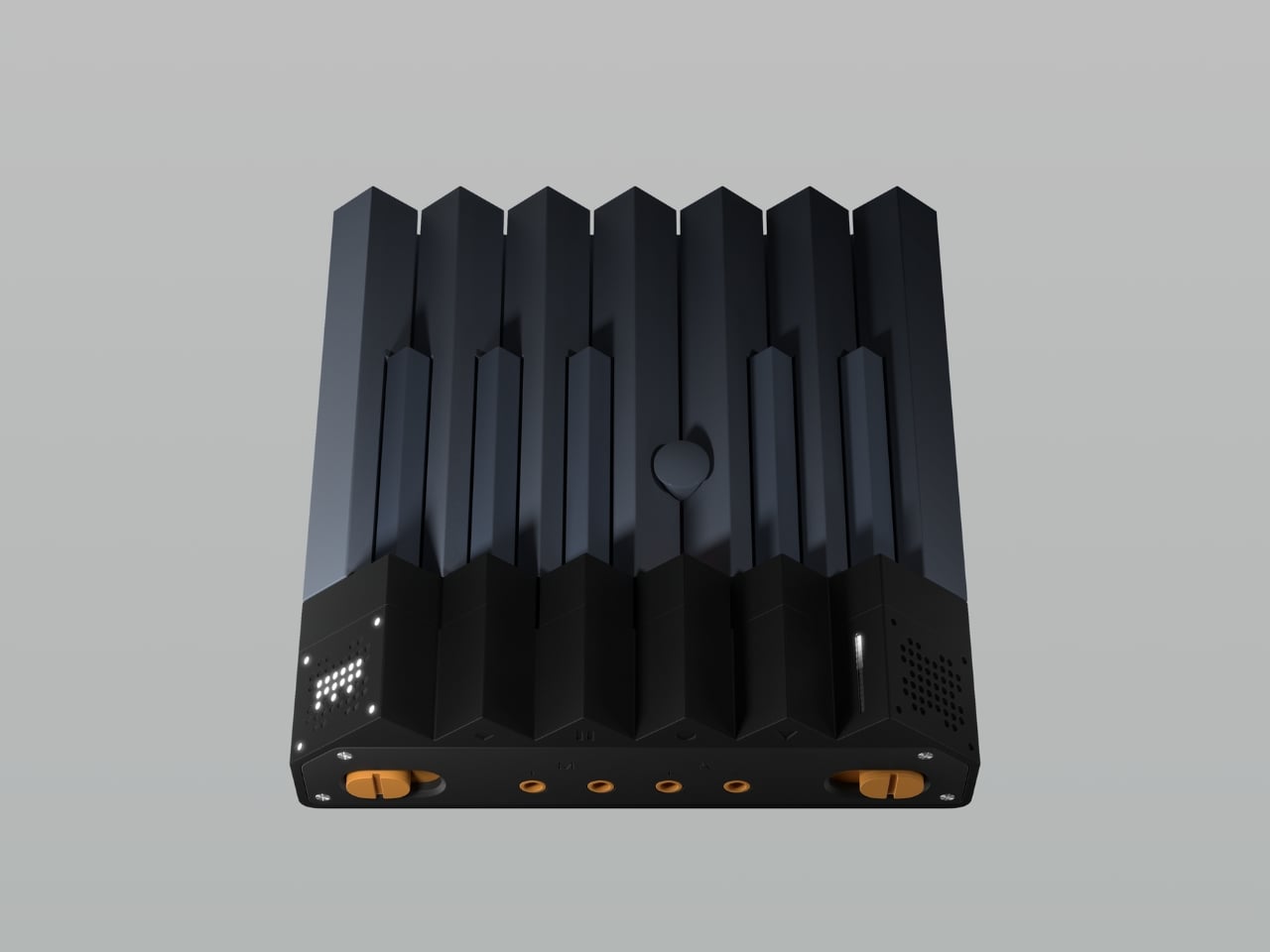
Think of it as a sketchbook, but for sound. Just like artists carry notebooks to capture visual ideas before they fade, Everglow is designed to help musicians and creators capture sonic inspiration in real time. The concept combines a physical hardware interface with generative AI technology, creating something that feels both wonderfully tactile and futuristic at the same time.

Designer: Woojin Jang
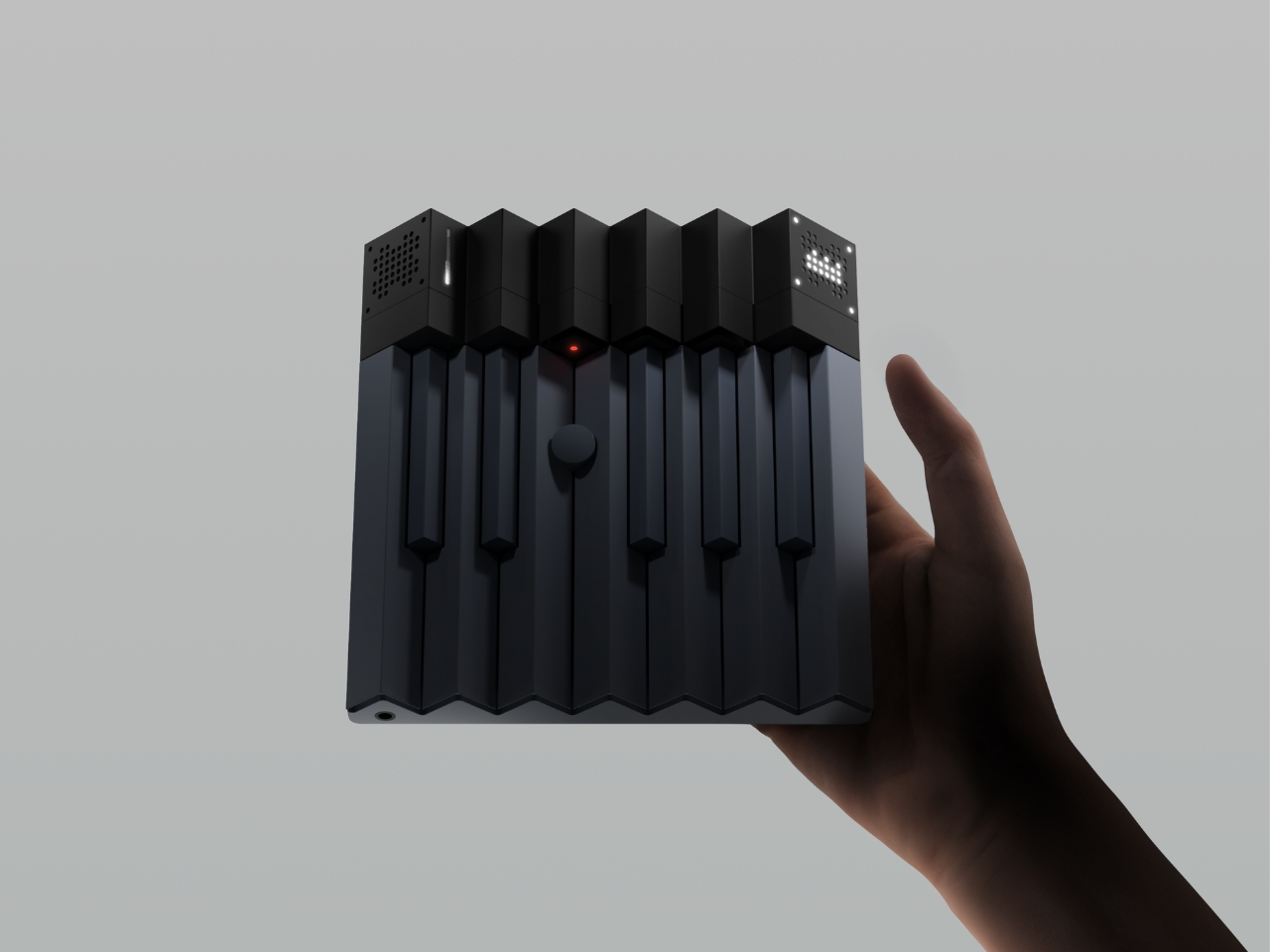
What makes this particularly interesting is how it rethinks the relationship between humans and music-making tools. Traditional instruments require years of practice, and digital audio workstations can feel overwhelming with their endless menus and options. Everglow sits somewhere in between (hence the design name “InBetween”), offering immediate access to sound creation without the steep learning curve.
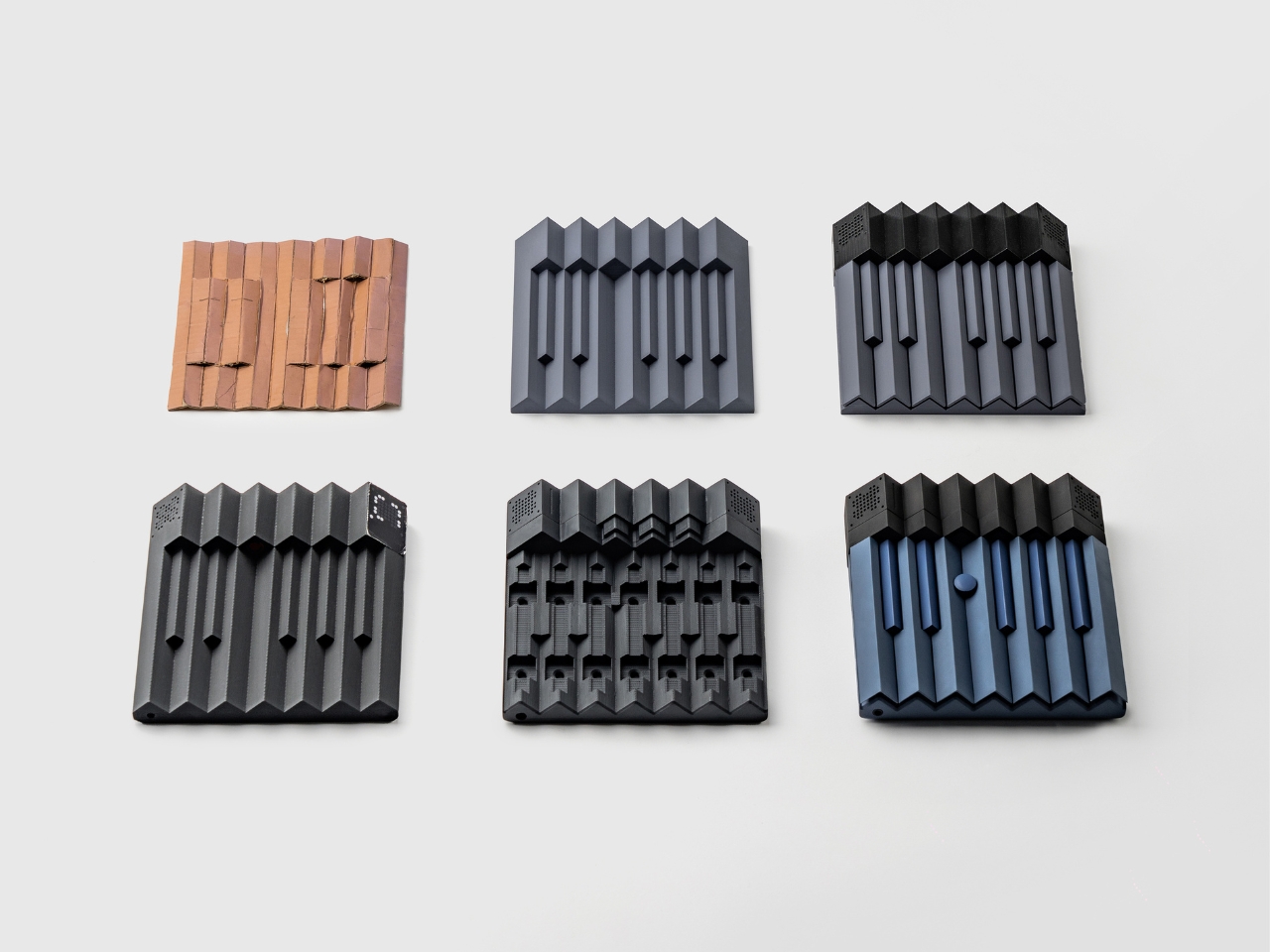
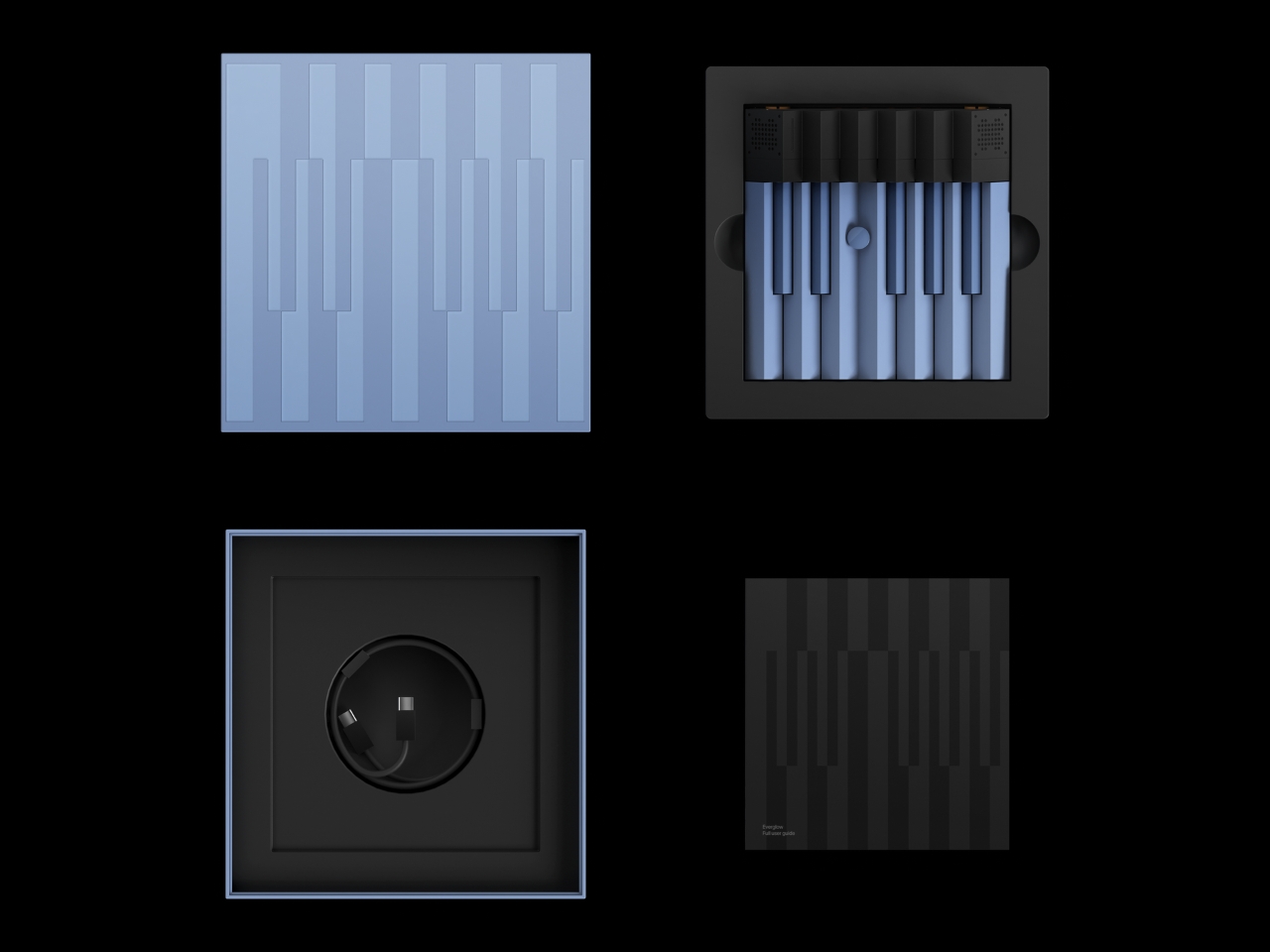
The hardware interface is key here. Instead of clicking around on a screen or fumbling with software, you’d interact with physical controls that respond to your touch and gestures. This tactile element matters more than you might think. There’s something about physically manipulating sound that connects you to the creative process in a way that mousing around never quite achieves. It’s the difference between typing a description of a drawing and actually sketching it with your hands.
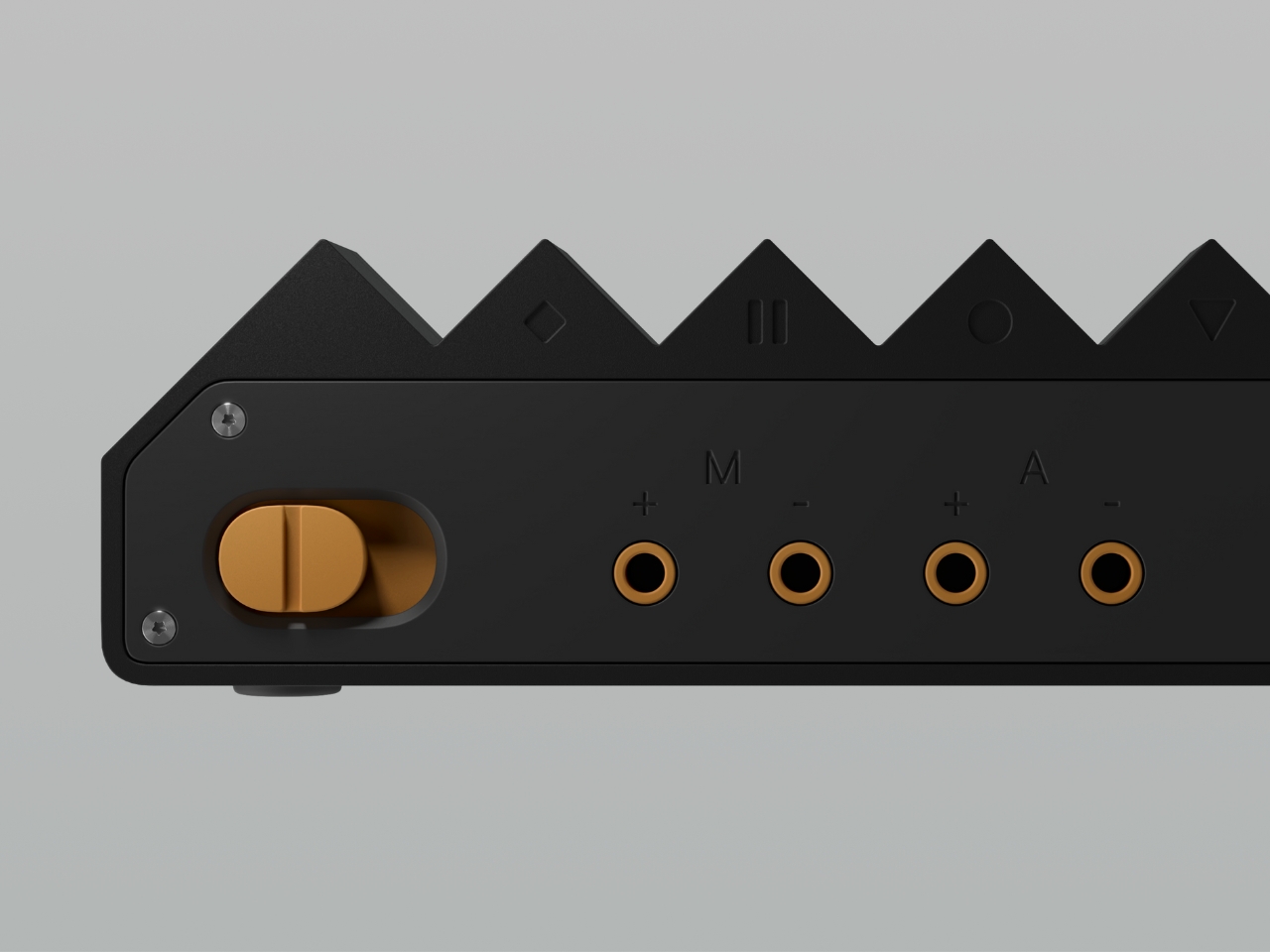
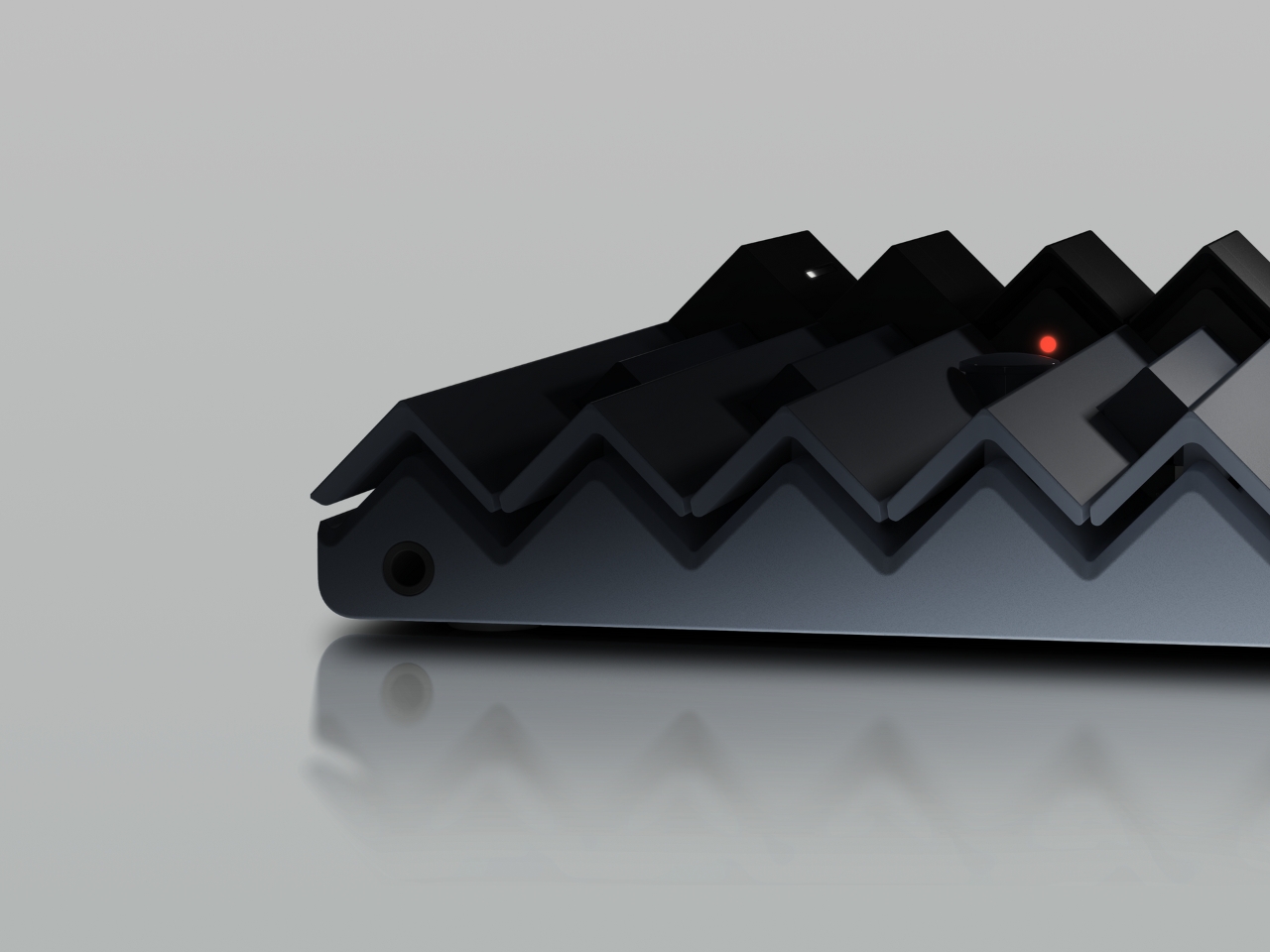
But the real innovation happens when you pair that physical expressiveness with AI-generated sound. The generative system doesn’t just play preset sounds or samples. Instead, it responds to your input by creating and shaping audio in real time, almost like having a collaborative partner who instantly understands where you’re trying to go musically. You guide it with your gestures and adjustments, and it fills in the gaps, suggesting possibilities you might not have considered. This approach democratizes music creation in a fascinating way. You don’t need to know music theory or have mastered an instrument to explore sonic ideas. The concept suggests a world where musical literacy isn’t a prerequisite for musical expression, where the barrier between “I hear something in my head” and “here’s what it sounds like” becomes paper-thin.

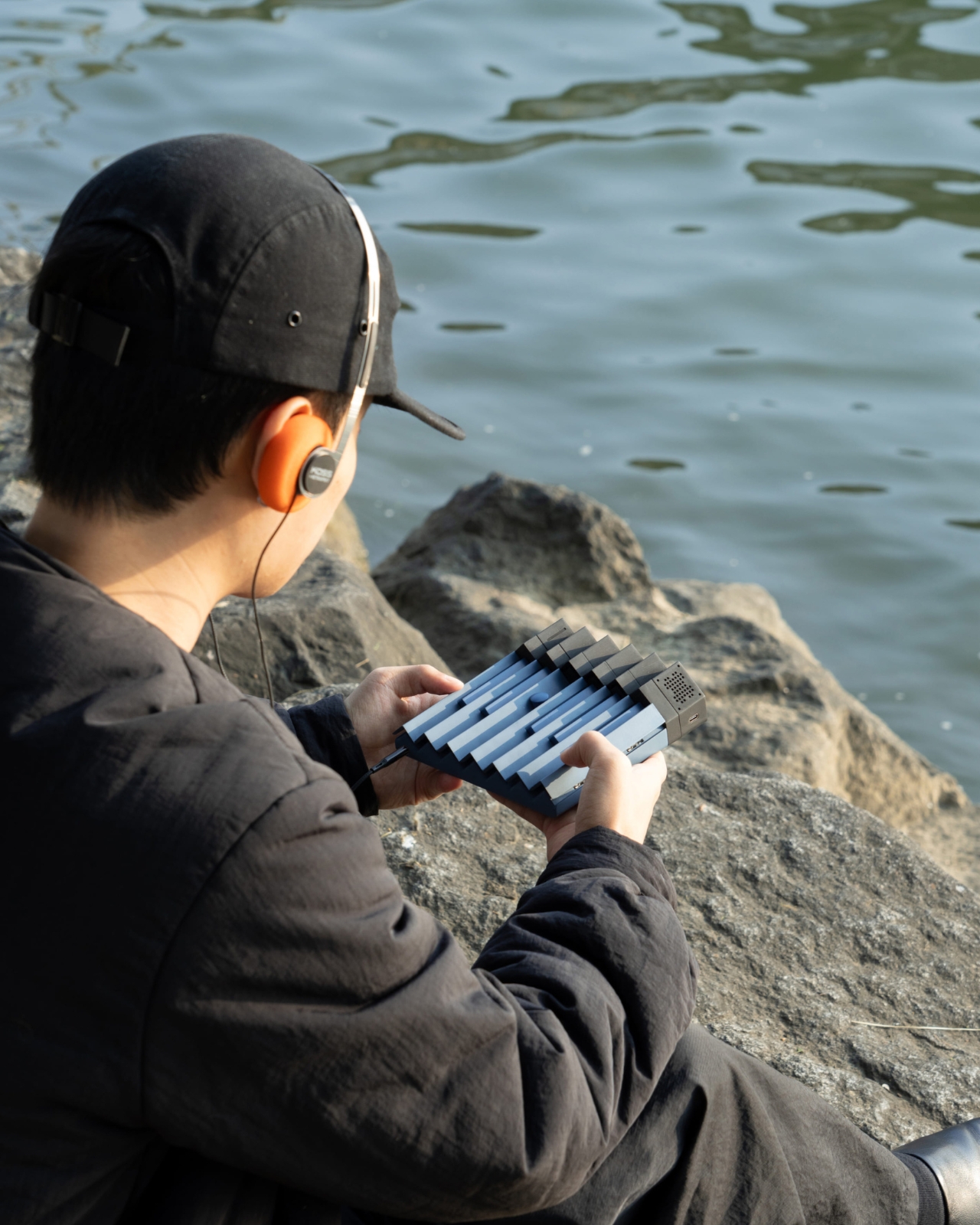
Of course, as a concept, Everglow exists in that exciting space where possibility meets imagination. We’re not looking at a finished product you can buy tomorrow, but rather a vision of what music-making tools could become. That’s what makes design concepts so valuable. They push our thinking forward, challenge assumptions about how things should work, and inspire both creators and technologists to pursue new directions.


The timing feels right, too. We’re living in an era where AI is rapidly transforming creative tools, from image generation to writing assistance. Music has been part of this evolution, but often in ways that feel disconnected from the physical, intuitive experience of making sound. Everglow suggests a different path, one where AI enhances rather than replaces the human touch, where technology becomes invisible enough that you can focus on the creative flow rather than the technical obstacles.
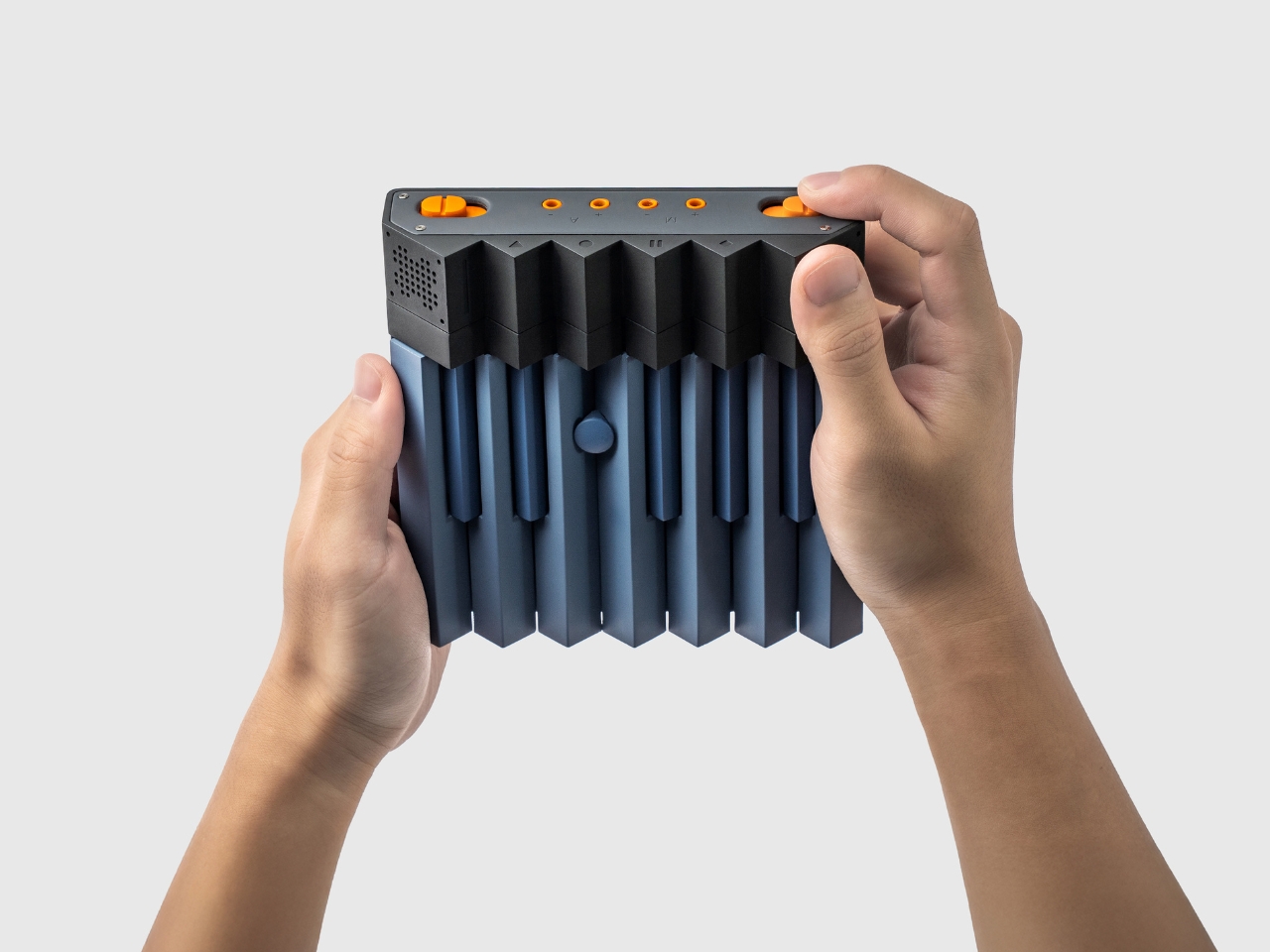
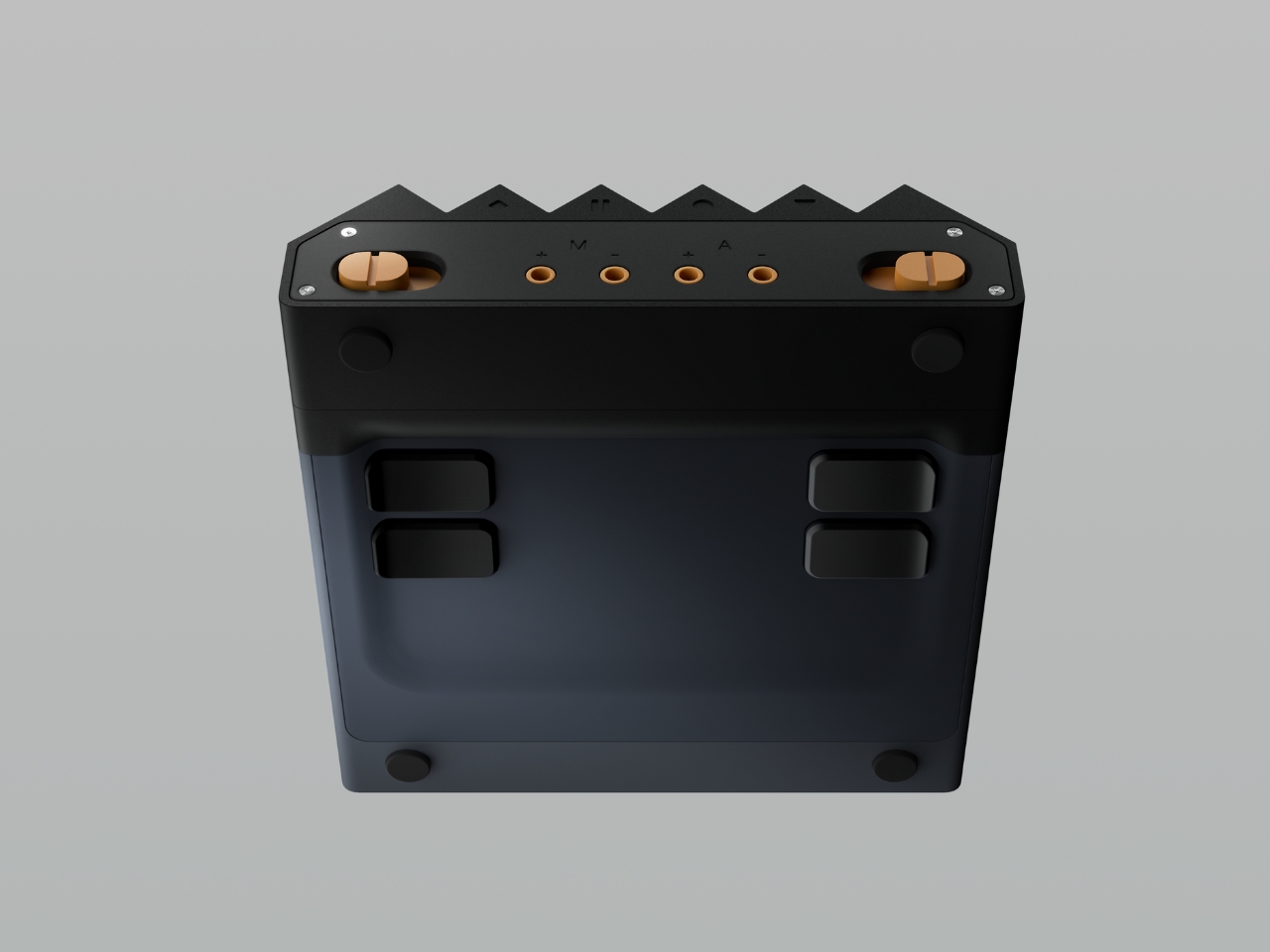
Whether or not Everglow itself becomes a reality, the questions it raises are worth sitting with. How do we design tools that capture the fleeting nature of inspiration? What’s the right balance between human control and AI assistance in creative work? And how can we make music creation feel as natural and immediate as doodling in a notebook? For anyone who’s ever had a musical idea slip away before they could catch it, concepts like this offer a glimpse of a more intuitive future. One where the tools get out of the way, and the space between imagination and creation becomes just a little bit smaller.

The post This AI Music Sketchbook Captures Ideas Before They Disappear first appeared on Yanko Design.
Top 5 Incredible AI-Generated Automotive Masterpieces You Need To See

About a year ago AI tech became mainstream, and since then its popularity has been growing amongst designers and creators. Tools like Midjourney are capable of astounding realism, capturing even the tiniest of details and creating designs that seem truly lifelike. AI doesn’t botch up and ruin designs or elements of the real world or even the human body. It’s reached a point where automotive enthusiasts, or people with even the slightest interest in cars are using it to create powerful and incredibly realistic automotive images which seem more like conceptual renders by experienced automotive designers. And, we’ve curated a few of our favorite AI-generated automotive designs for you – dive in!

1. Apple Car

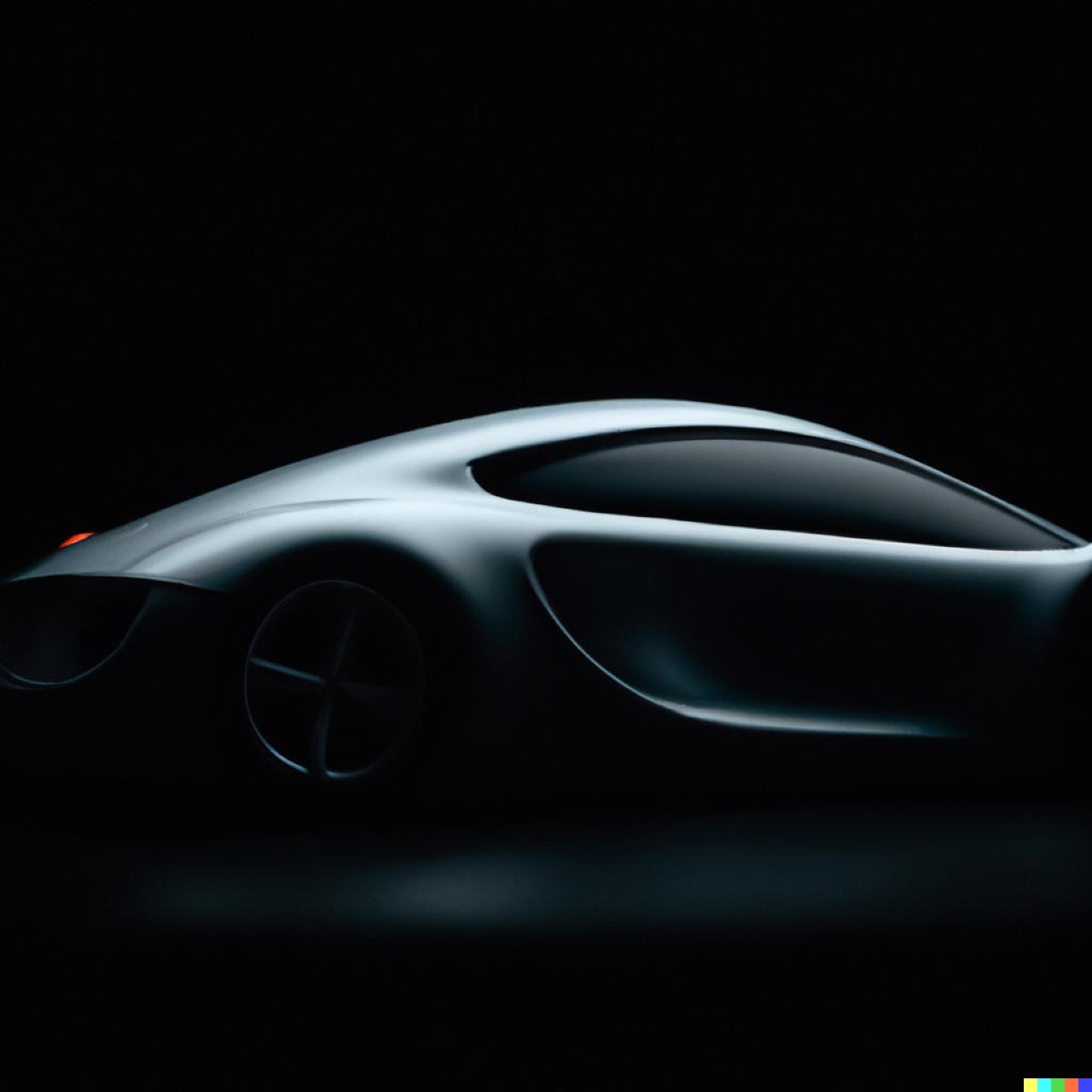
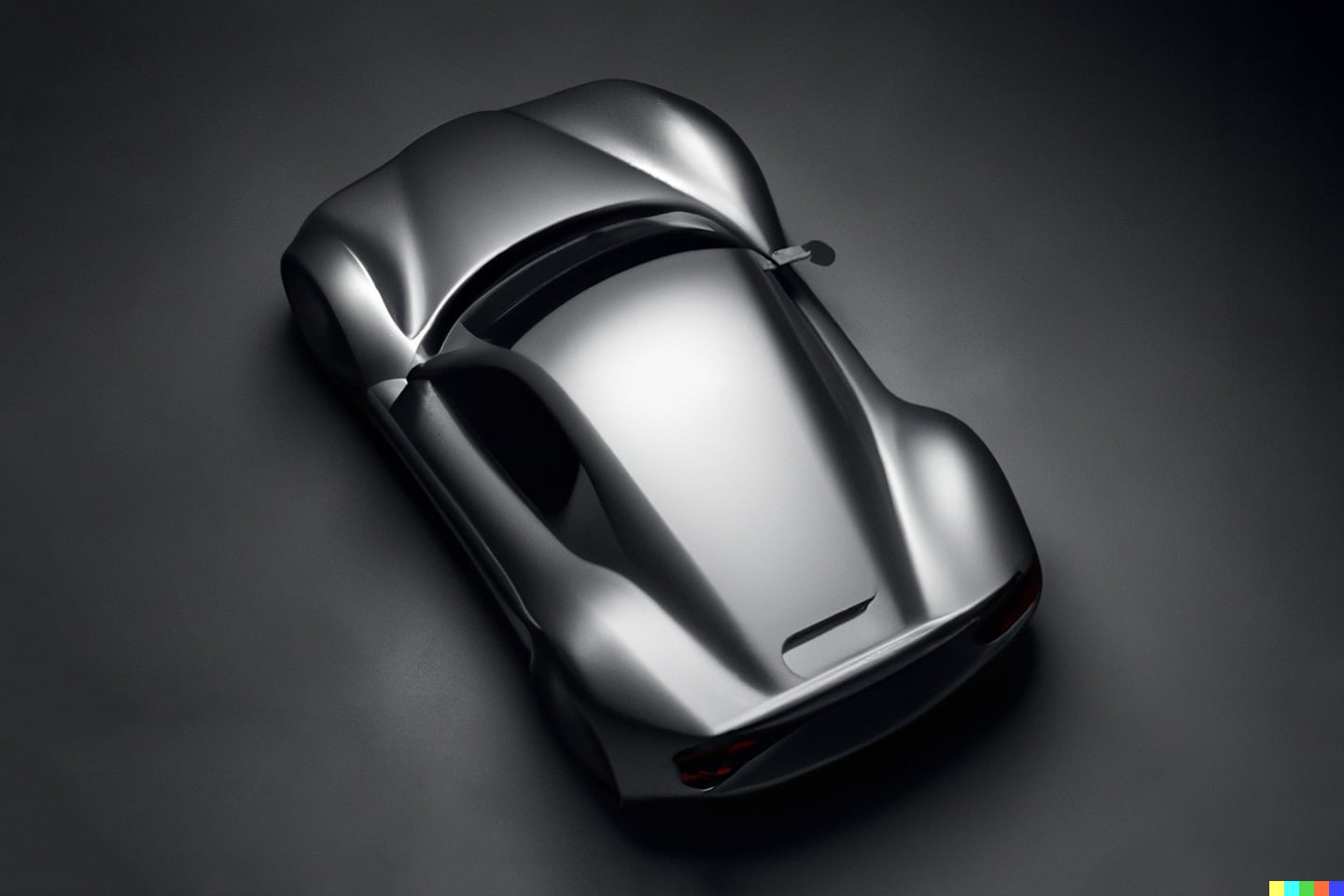
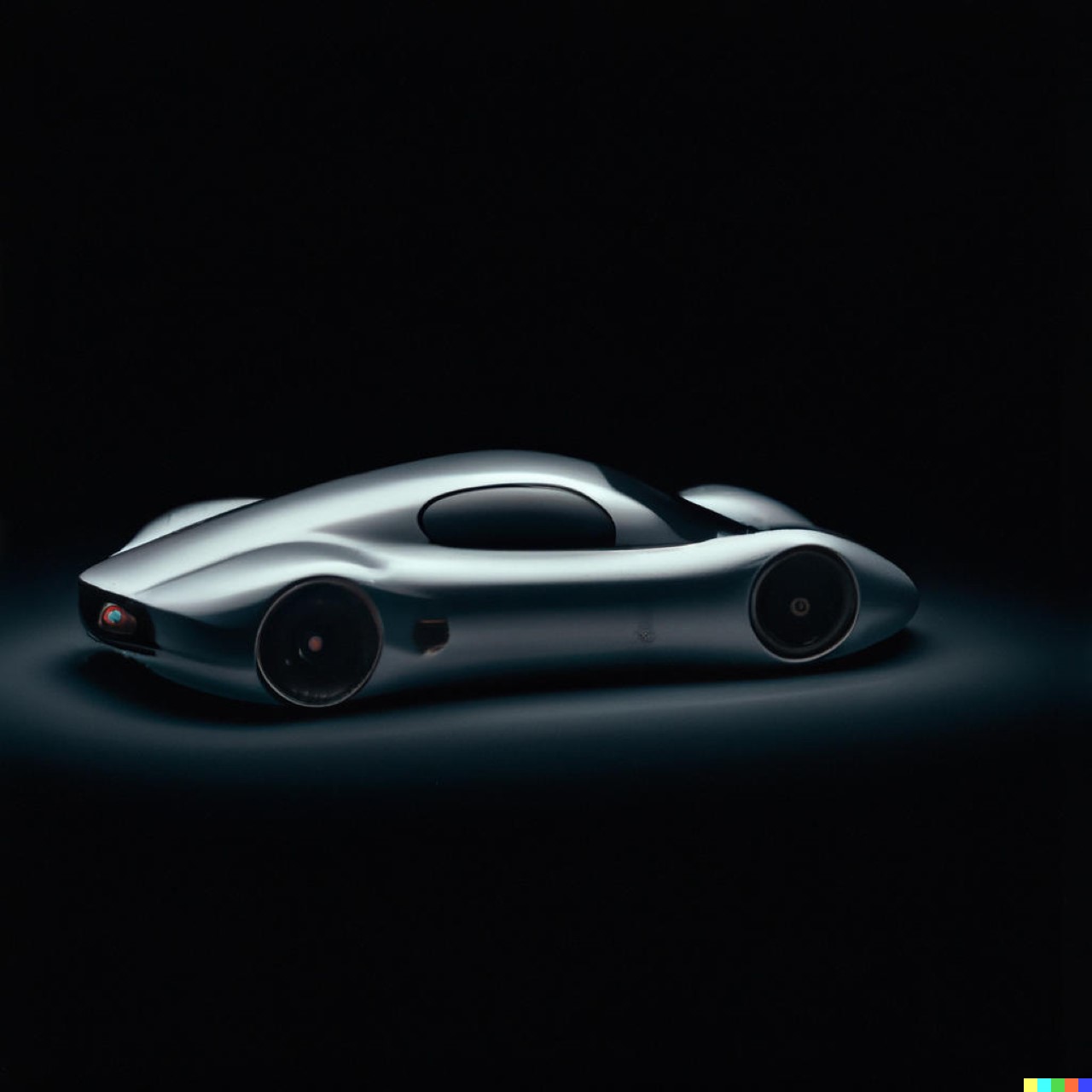
Designed by Dall-E 2, this Apple Car was based on a text prompt from designer, educator, and YouTuber John Mauriello. This incredible car is pretty fascinating and designed to be a ‘minimalist Sportscar inspired by a Macbook and a Magic Mouse, built out of aluminum and glass’. The car is really quite stunning to look at, and it has a sleek and curvilinear quality to it! It is equipped with a machined aluminum body and zero breaks in the surface. Unlike most Apple Car concepts which are either too boring or simply too insane – this design is really quite perfect. It is sleek, luxurious, and aerodynamic – all the makings for an exceptional sportscar.

2. Bugatti Supercar

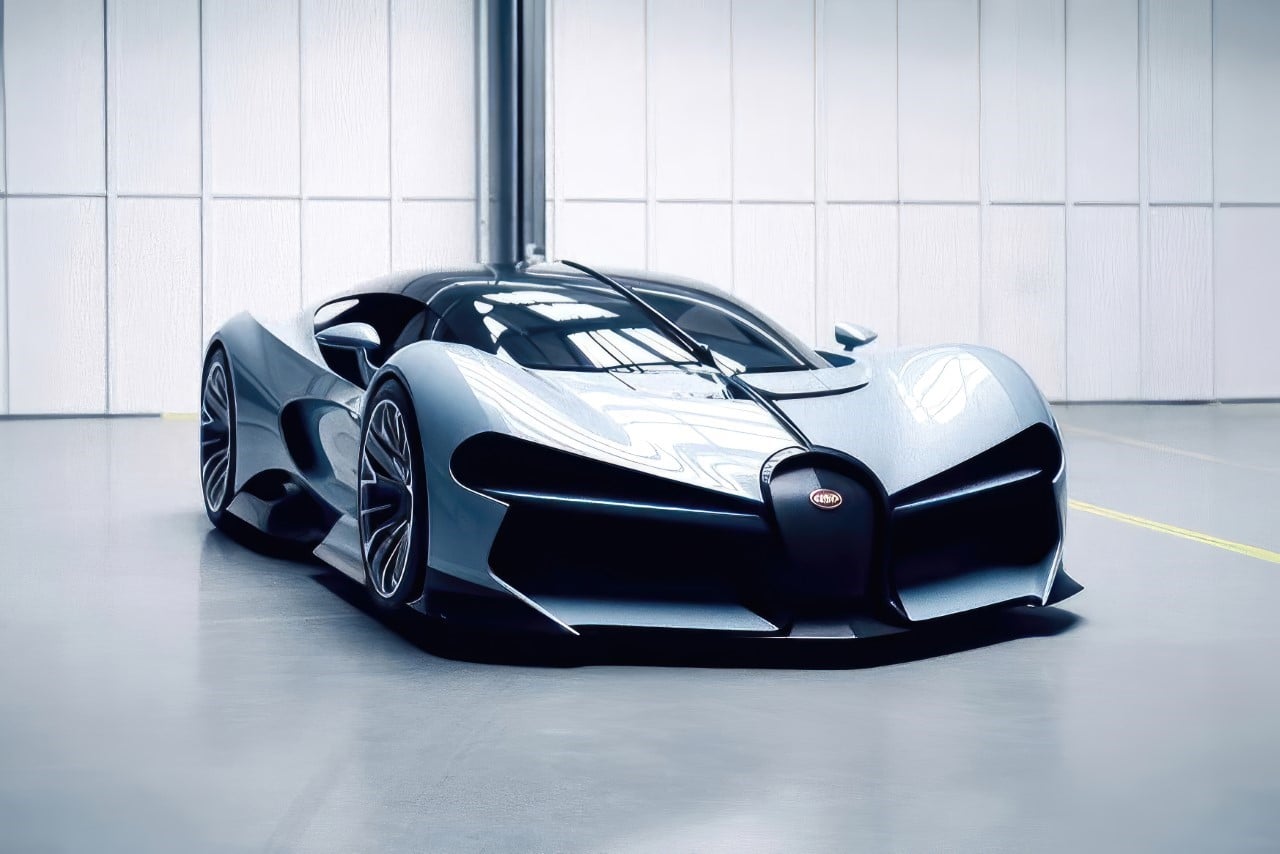
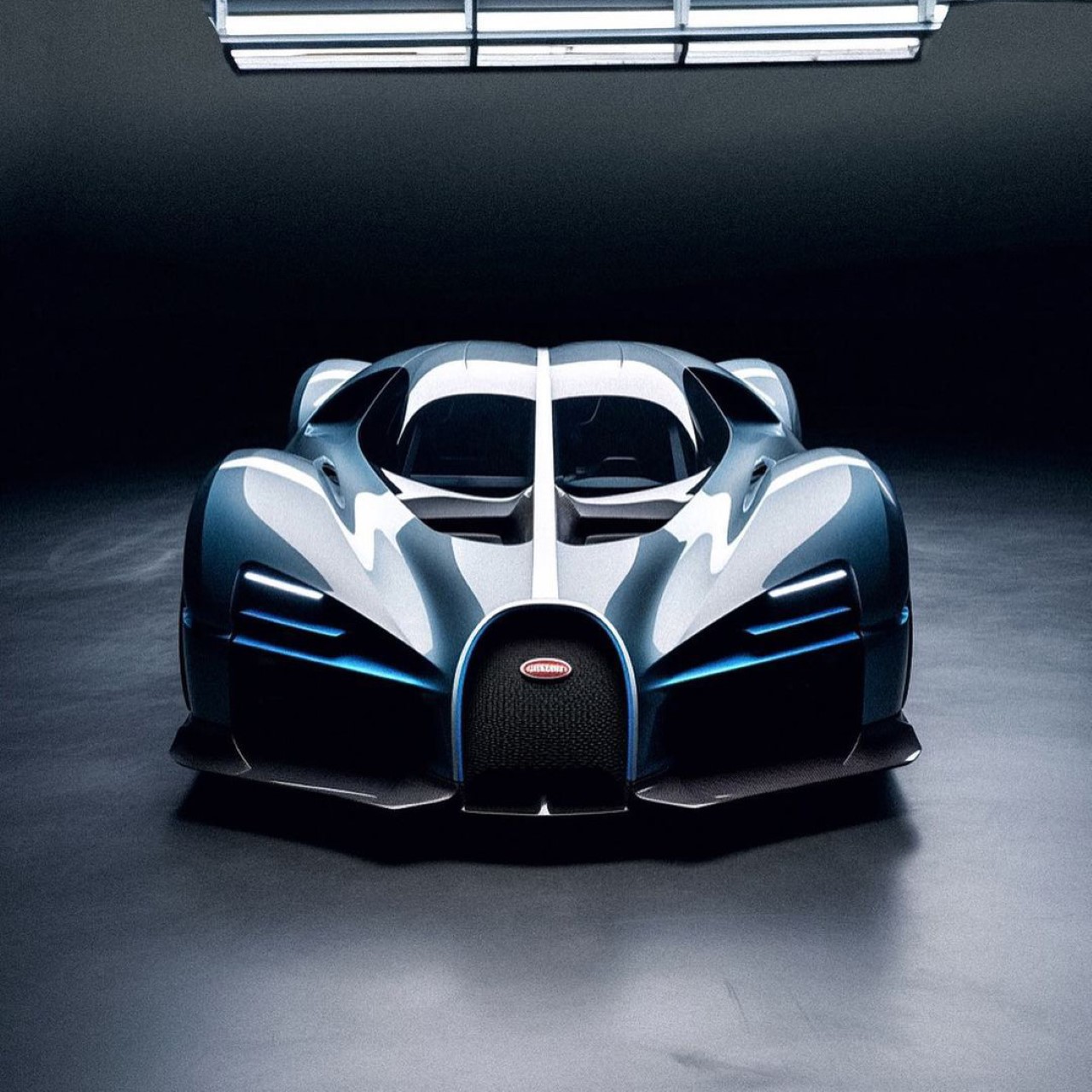
Cole Kessel explored Bugatti’s aesthetic and design language using Midjourney and Photoshop’s AI Tools. The end result showed us how spectacularly AI can handle design cues, while perfectly reinforcing Bugatti’s own design language. The experiment displays how all of the company’s cars have the same visual DNA. The cars look like they were designed by the French marque’s automotive design division, although it seems like the images were edited to put the actual Bugatti logos since AI does have the tendency to mess up logos.

3. Zaha Hadid-Inspired Car

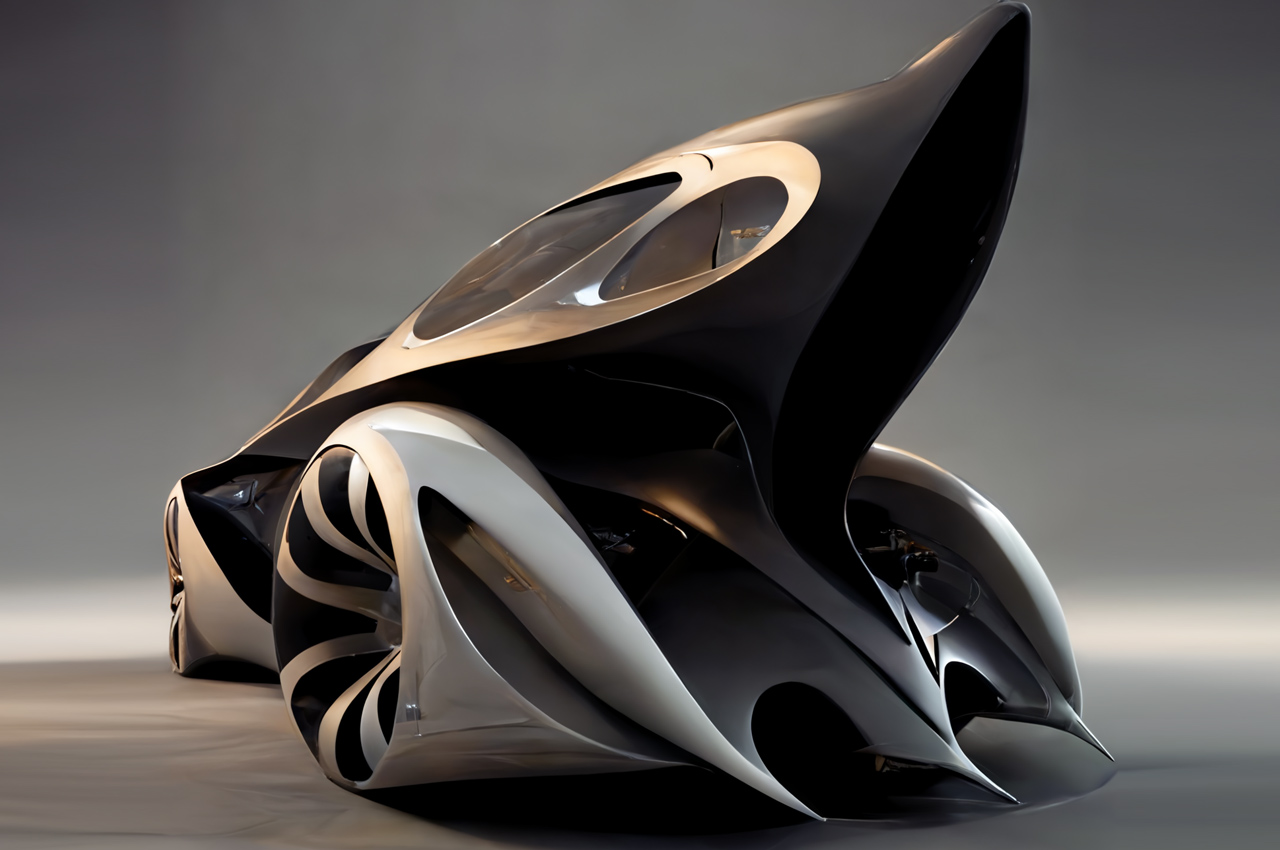
Moss and Fog used the AI generator tool ‘Midjourney’ to bring together two very contrasting and different industries – automotive and architecture. They designed never-before-seen cars in the style of famous architects of the 20th century. And this magnificent car embodies the design language of renowned architect Zaha Hadid. The car displays the signature style of Hadid and includes a series of modular steel panels reimagined in the form of abstracted layers in a very precise and immaculate manner.

4. Canoo-Inspired Vehicles

Canoo is a renowned American automotive company that engineers electrical vehicles and is helping the automobile industry transition to the world of clean and sustainable energy. @mobilitylabs.ai reimagines a whole series of Canoo-inspired automobiles which seem perfect for the outdoor off-terrain life! The two-wheelers have an almost menacing all-black aesthetic to them, featuring thickly treaded wheels and a bulky body with angular edges. I could totally imagine these as tangible vehicle designs that could take on all kinds of challenging terrains!

5. Snowmobiles

Designed by @mobilitylabs.ai, these revved-up and powerful snowmobiles have been generated with AI – adding a thrilling and exciting twist to classic designs. The dominating and huge wheels look ready to tackle challenging snowy terrains and harsh weather conditions. The conventional old snowmobiles get the ultimate makeover, featuring heightened functionality, coolness, and persona.

The post Top 5 Incredible AI-Generated Automotive Masterpieces You Need To See first appeared on Yanko Design.

AI-Generated Floating Glass Museum Is Intended To Be a Symbol Of Environmental Awareness & Sustainability

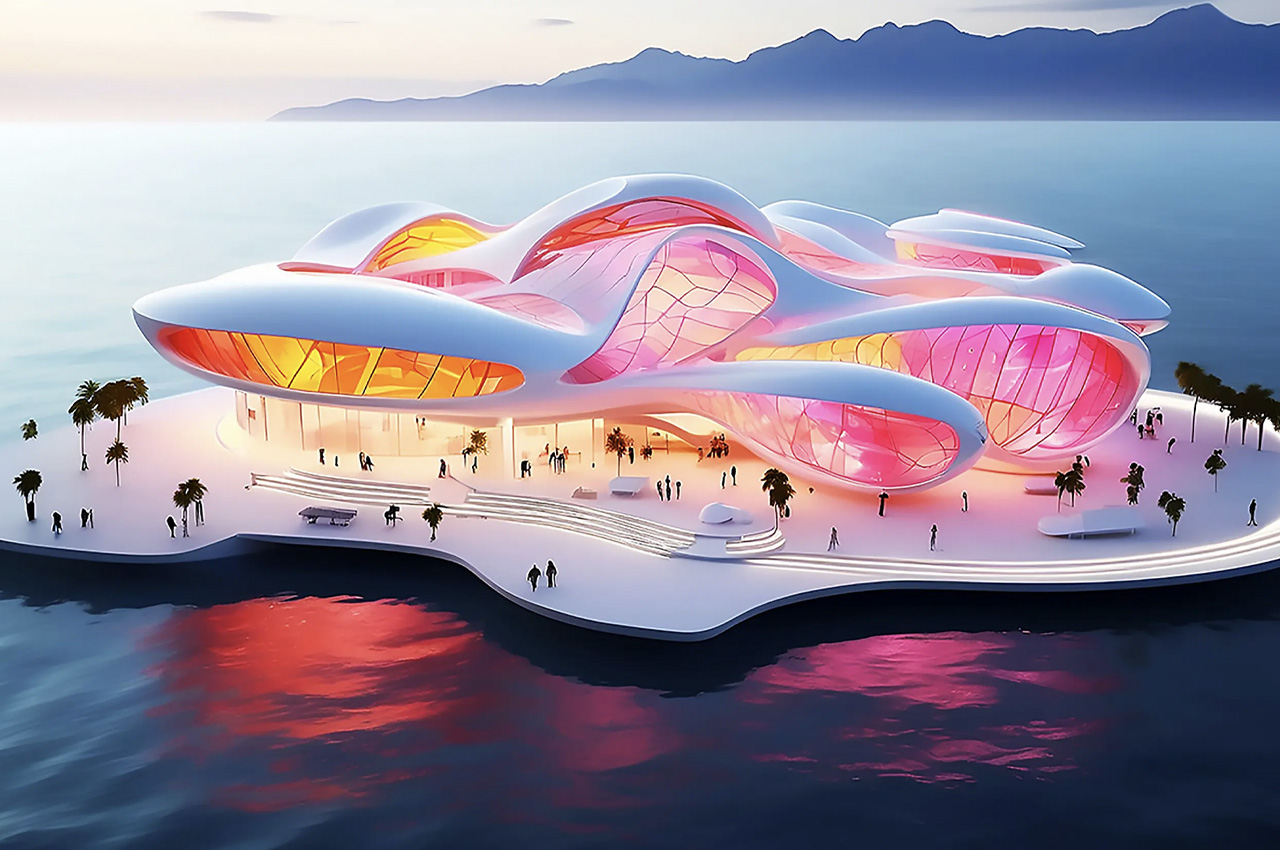
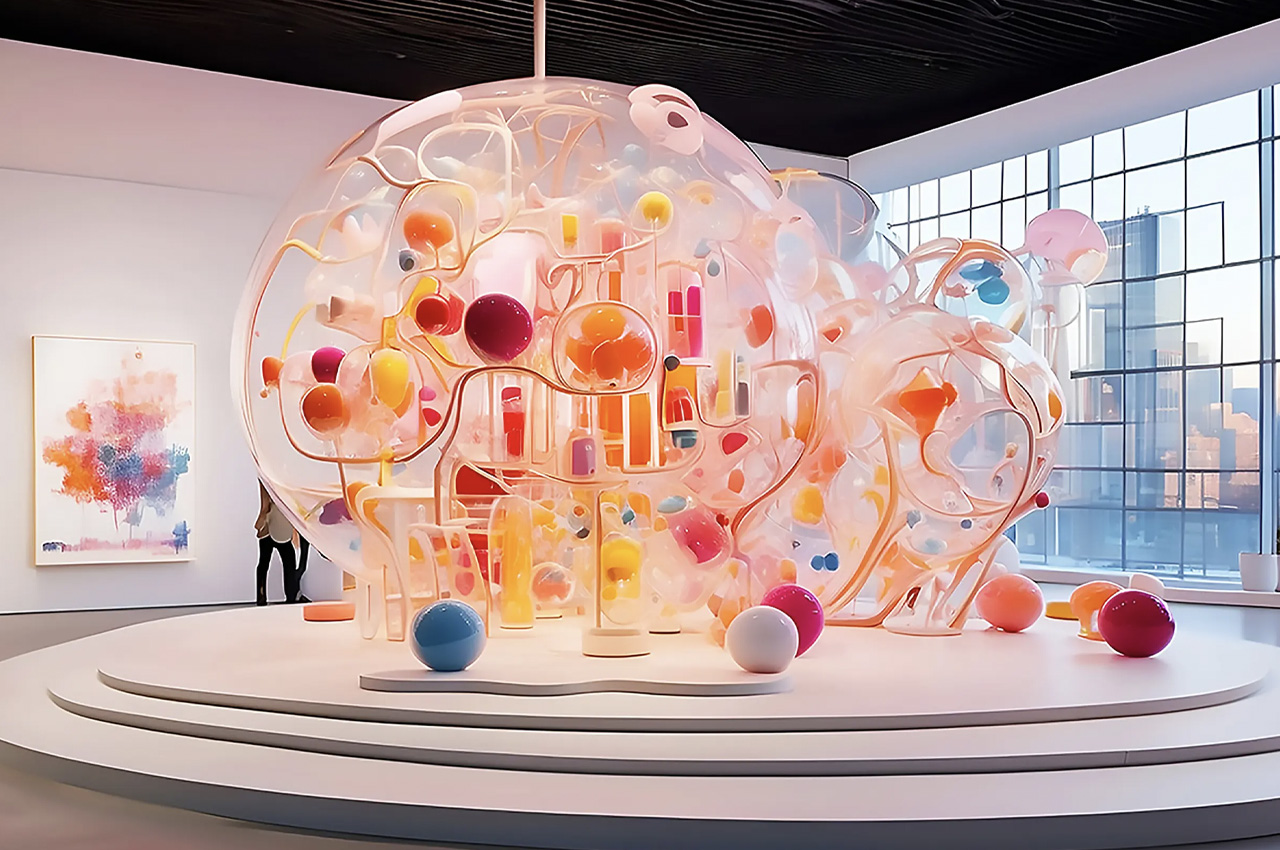
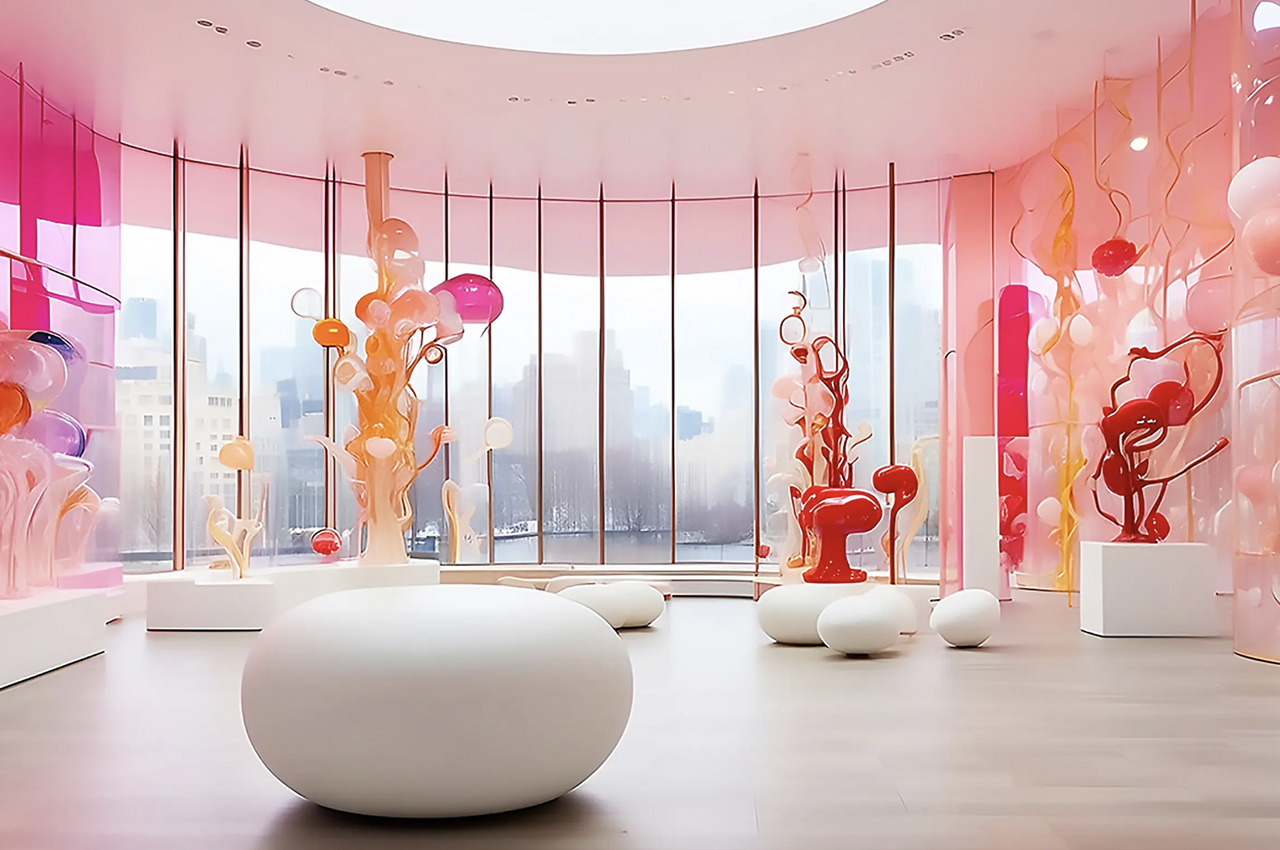
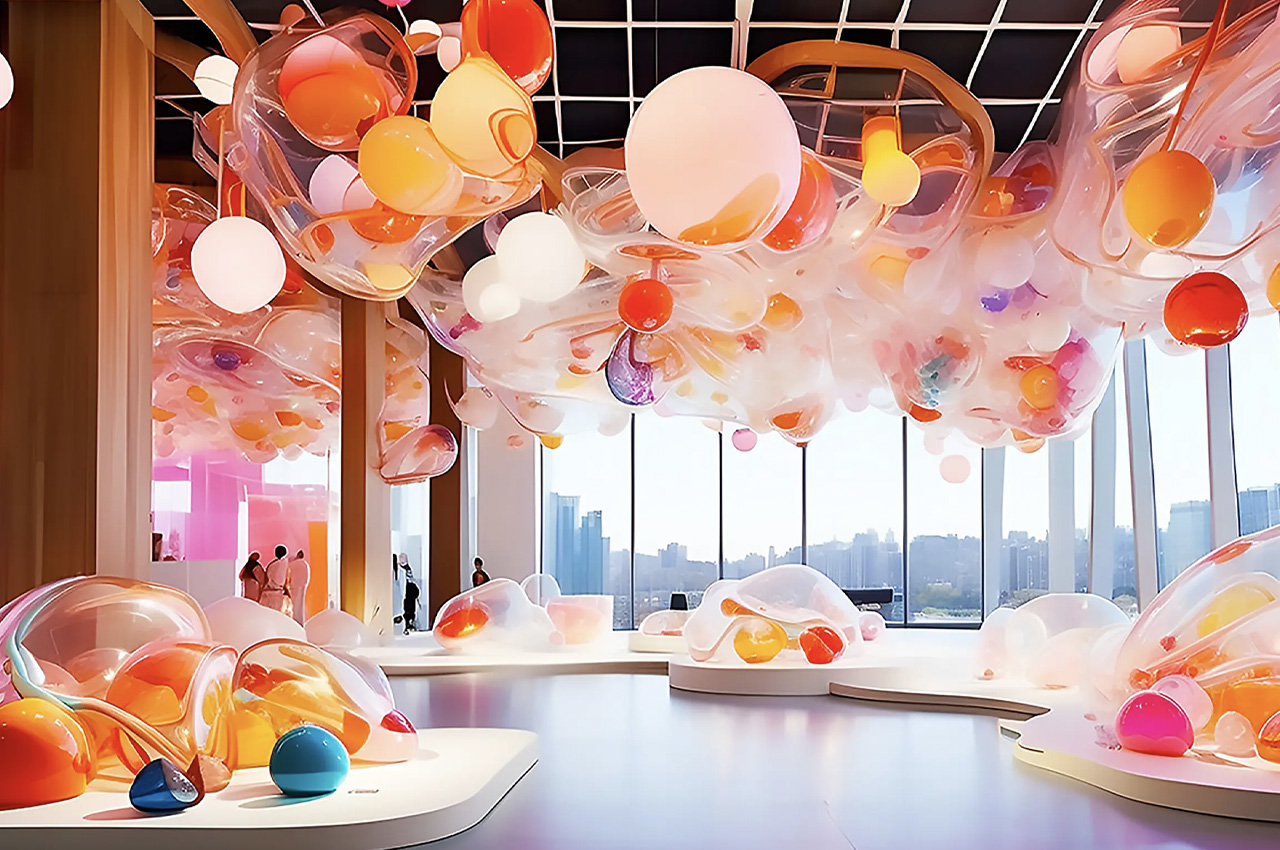
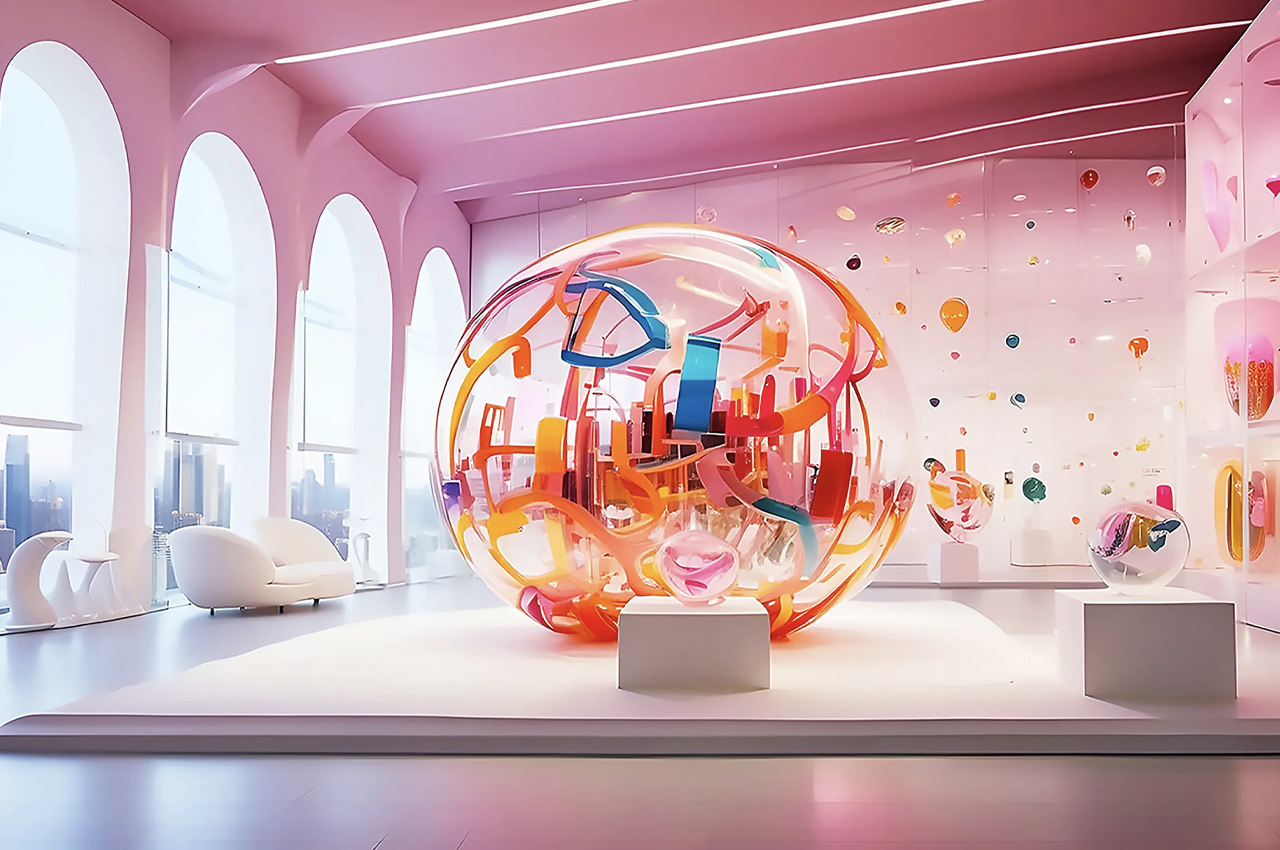
Dubbed the Floating Glass Museum, this mesmerizing and jaw-dropping structure by Luca Curci architects in collaboration with Giulia Tassi Design is something to give a nod to. Designers and architects from around the world, as well as AI were also used to design the fantastic building. It is proposed as a unique and innovative symbol of environment awareness and sustainability, “where the history of glass meets the contemporary experimentation”. While designing the structure, the international design team drew inspiration from the fine art of glass-blowing that has been practiced by Venetians for around 1500 years. They harnessed the amazing power of AI to build the floating exhibition, which looks fragile and yet extremely powerful at the same go.

Designer: Luca Curci Architects x Giulia Tassi Design

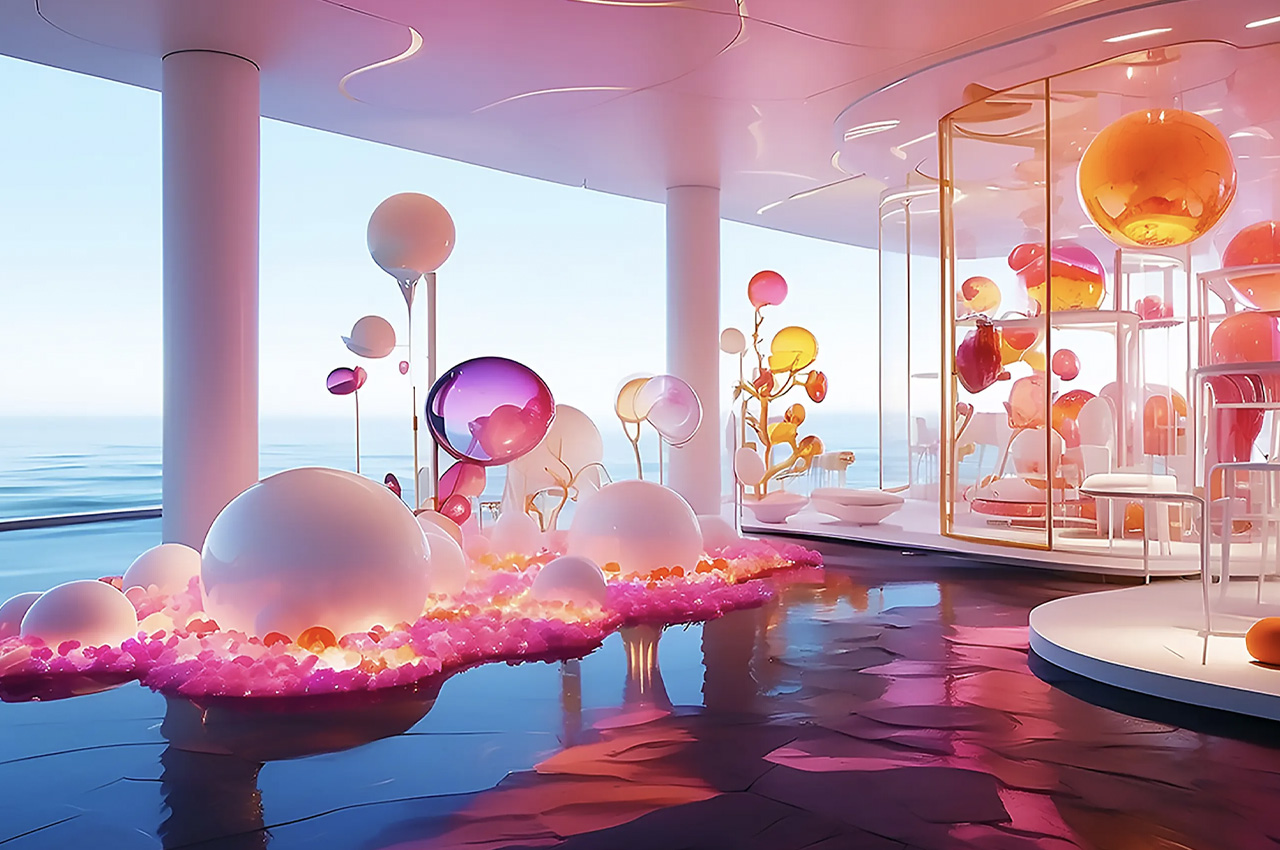
The setting of the museum is truly beautiful. As you look at it, you will be transported to another world, where the water on which it sits is reimagined as a canvas for artistic expression, while also sending an important message out to the world – the issue of climate change. “Climate change is now affecting every country on every continent,” reads the press release. “It is disrupting national economies, communities, and countries dearly today and even more tomorrow. Weather patterns are changing, sea levels are rising, weather events are becoming more extreme and greenhouse gas emissions are now at their highest levels in history.”

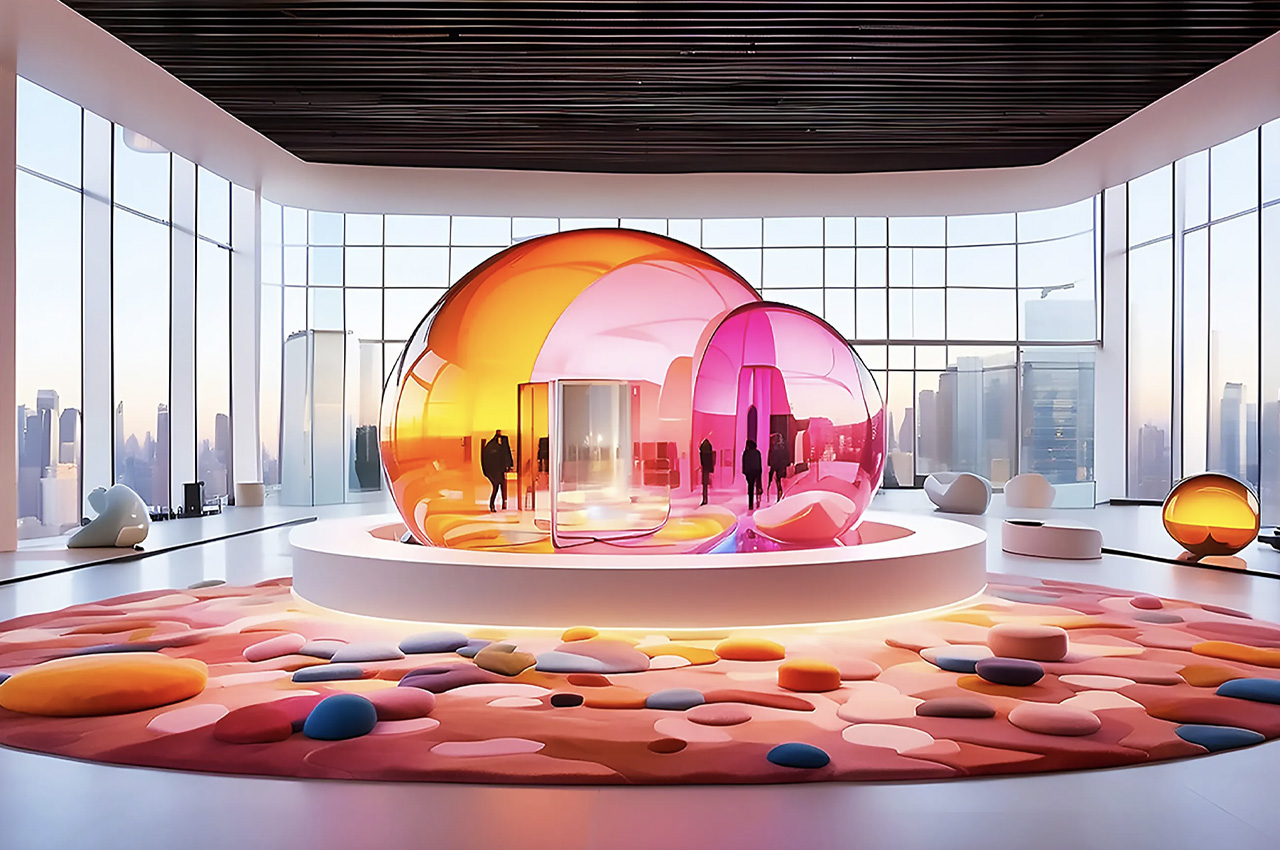
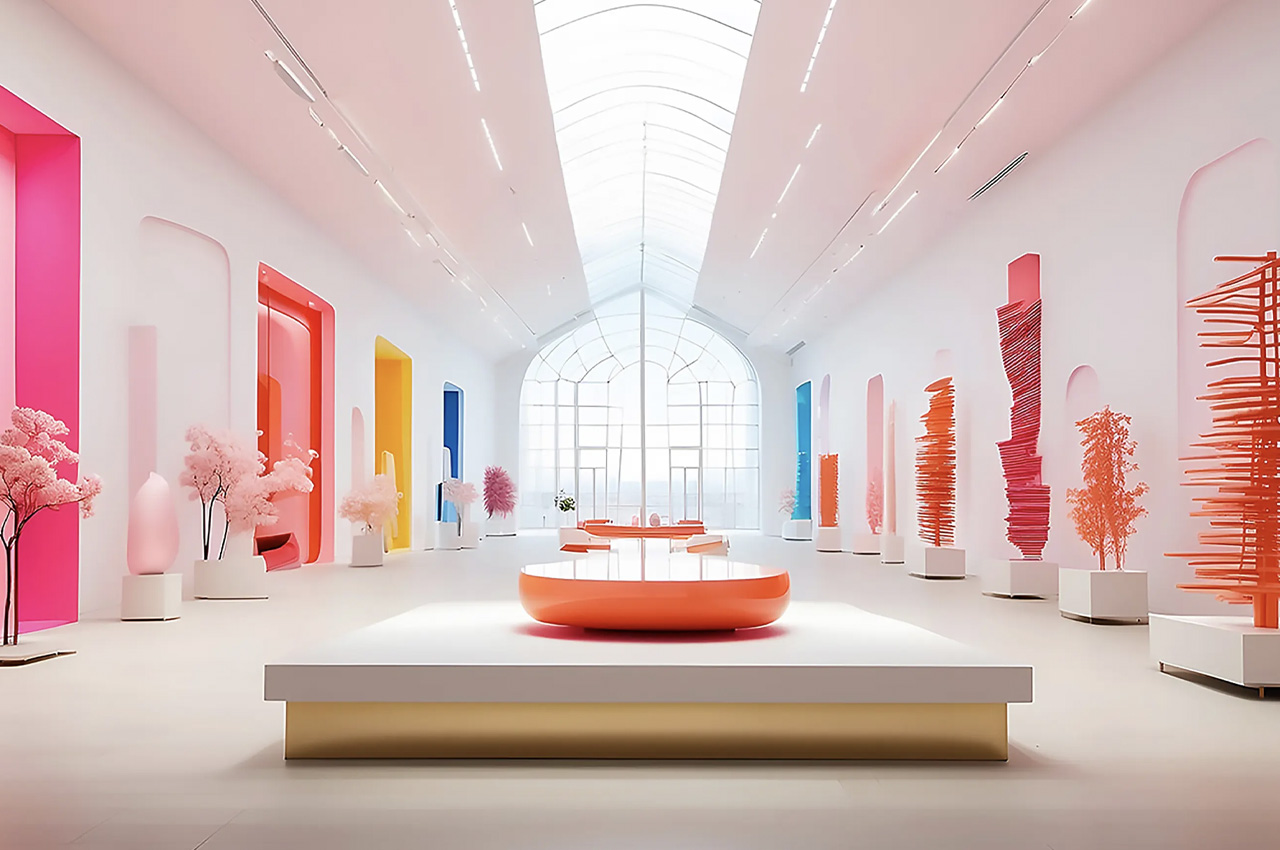
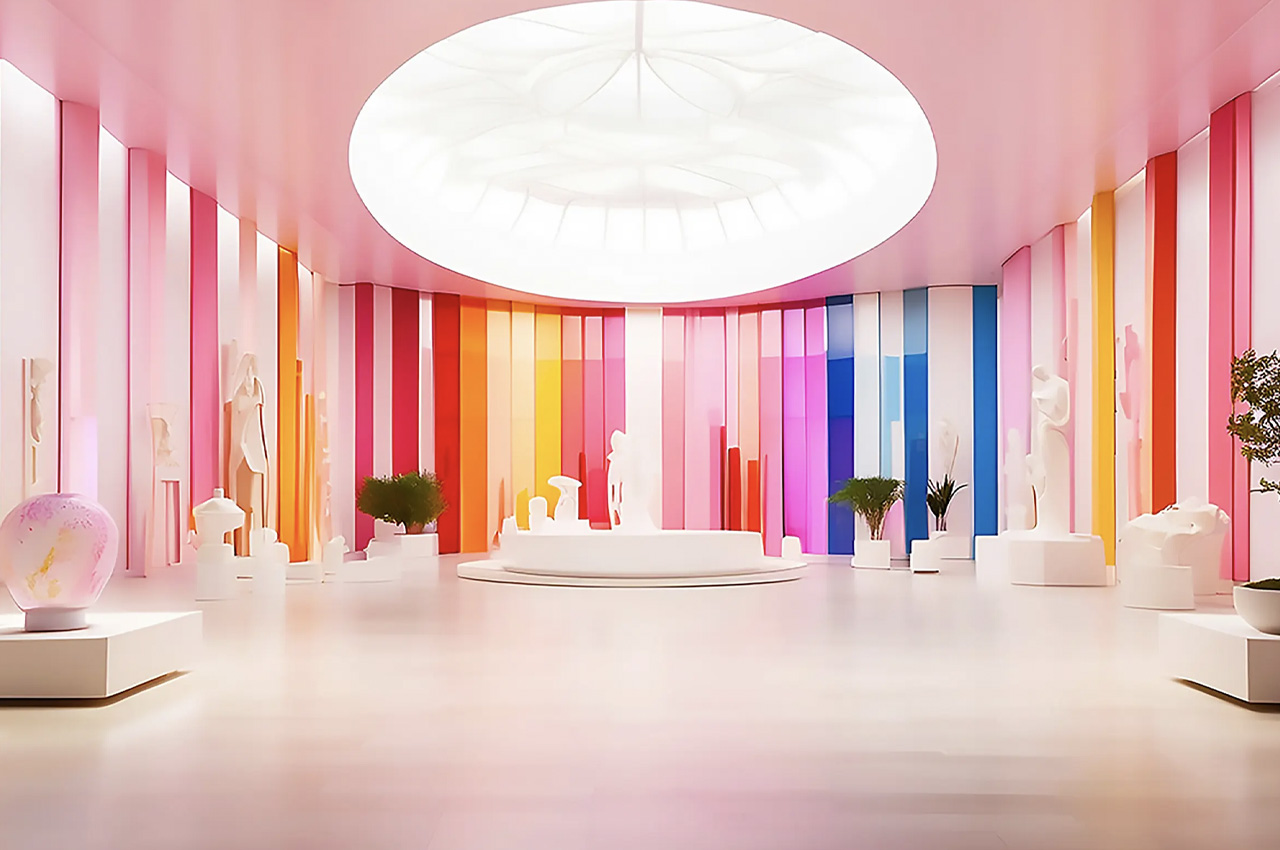
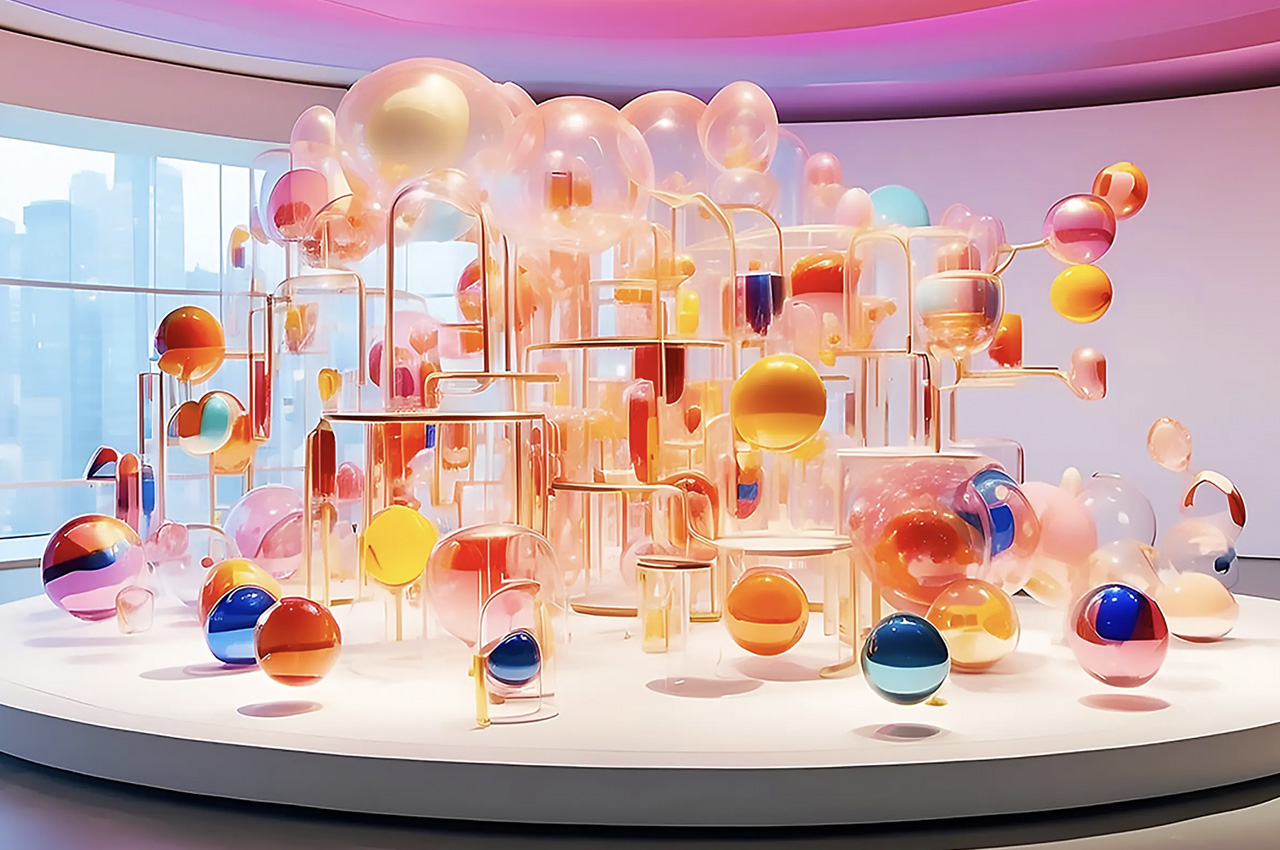
The AI-generated images and visuals showcase beautiful pastel-colored pieces of various sizes, ranging from hues of yellows, and oranges to pinks, offering viewers with an imagery that is bright, powerful, and almost frenetic. These loud pieces manage to create a space that is tranquil and almost meditative, while other pieces feature bright red and orange glass trees, and rather real-looking pink ones which establish a strong connection to the environment and nature. Other pieces seem to resemble massive chemistry sets!

The Floating Glass Museum is designed to represent a global environmental initiative, and it is created to be a space “where art, nature, and tradition converge: the balanced fusion of contemporary art and sustainable design that will invite contemplation, reflection and discovery” in the context of “cutting-edge design and a dedication to sustainability.”

The post AI-Generated Floating Glass Museum Is Intended To Be a Symbol Of Environmental Awareness & Sustainability first appeared on Yanko Design.