Samsung’s New Wearable Audio Concept Looks More Like Jewelry Than Tech

Wearable technology has spent too long looking like wearable technology. Slac breaks that mold with a refreshingly honest approach: if something lives on your body all day, it should look like it belongs there. The circular ear ring and accompanying wrist piece read more like contemporary jewelry than consumer electronics, which is exactly the point.

This concept taps into how Gen Z actually relates to their audio devices. These aren’t tools you begrudgingly carry. They’re expressions of taste, mood shapers, and now with Slac, genuinely attractive accessories. The open hoop design that hugs your ear offers a sculptural quality that traditional earbuds simply can’t match. When paired with the sleek wrist component, you get a cohesive audio system that understands fashion and function aren’t opposing forces. They’re partners in creating technology people actually want to wear.

Designers: Youngha Rho, Minchae Kim, Doa Kim, Si Heon Song, Seunghee Kim

Three components make up the full system: an open ear ring handling audio output, a wrist-worn ring tracking your listening data, and a home charging station. That circular form factor pulls double duty in ways most earbud designs completely miss. Wrapped around your ear, it creates this architectural presence without jamming anything into your ear canal. You stay aware of conversations, traffic, your entire sonic environment while your music layers on top. When you’re done listening, the ear ring snaps magnetically onto the wrist component, transforming the whole setup into what reads as a chunky watch band or bracelet. Nobody’s shoving these into a pocket case like loose change.

The AI running behind the scenes tracks your full 24-hour audio cycle and starts building preference profiles automatically. Machine learning analyzes sound intensity, pitch variations, and tonal characteristics from everything flowing through those ear rings. Cycling to work means you probably want traffic noise punched up alongside your playlist. Grinding through spreadsheets at a coffee shop means the background chatter gets filtered while your focus playlist stays crisp. The system generates these sound filtering categories in real time, and you can tweak individual layers through sliders in the app. Boost voices, drop mechanical hum, amplify nature sounds, whatever combination your brain needs in that specific moment.

They’ve included this gesture control called “Slate” that actually seems thought through. You rotate your hand in a circular motion while wearing both rings, mimicking that clapperboard snap before a film take. One rotation flips you between content-focused mode and environment-focused mode. Your podcast drops to background levels while street sounds come forward, or vice versa. No app diving, no button fumbling, just a quick physical gesture.

The aesthetic commits fully to the jewelry angle without hedging. Both black and metallic colorways show up in the renders, and that wrist component carries enough visual mass to register as intentional rather than apologetic. You could wear this setup to contexts where regular earbuds feel socially awkward. Dinner with your partner’s parents, a work presentation, anywhere those telltale white stems signal that you’re half-checked-out. This project emerged from a design team working within Samsung’s development programs, and you can feel years of wearable experience informing every choice. Slac points toward where personal audio needs to go: context awareness, all-day wearability, and designs that enhance your aesthetic rather than forcing compromises.

Will this exist any time soon? I honestly doubt it. A lot of these large-scale internship/incubation programs are aimed at imagining an alternate reality or future and working to build the technology in that direction, in the hopes that insights and innovations will trickle into existing products. The Slac, as we see it, probably won’t exist… but its overarching theme of technology as jewelry is already fairly popular. Smartwatches and AI Pins are a great example of this, and given how often we already wear TWS earbuds, the idea of an earbud that also masquerades as jewelry seems like a fairly clever route…

The post Samsung’s New Wearable Audio Concept Looks More Like Jewelry Than Tech first appeared on Yanko Design.

HMD’s $28 ANC Earbuds Cost The Same As A Movie Ticket, Which Is Ridiculous

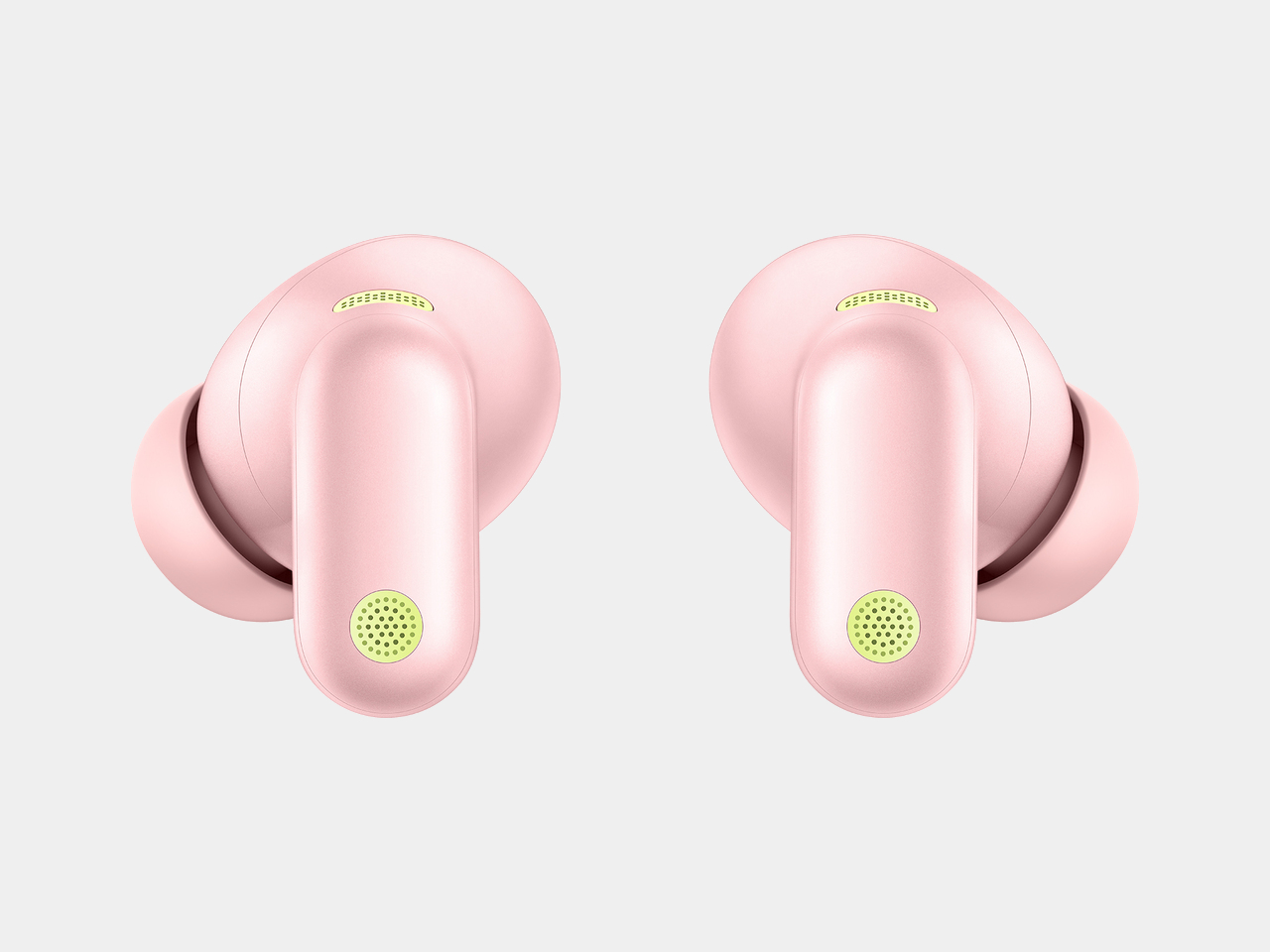
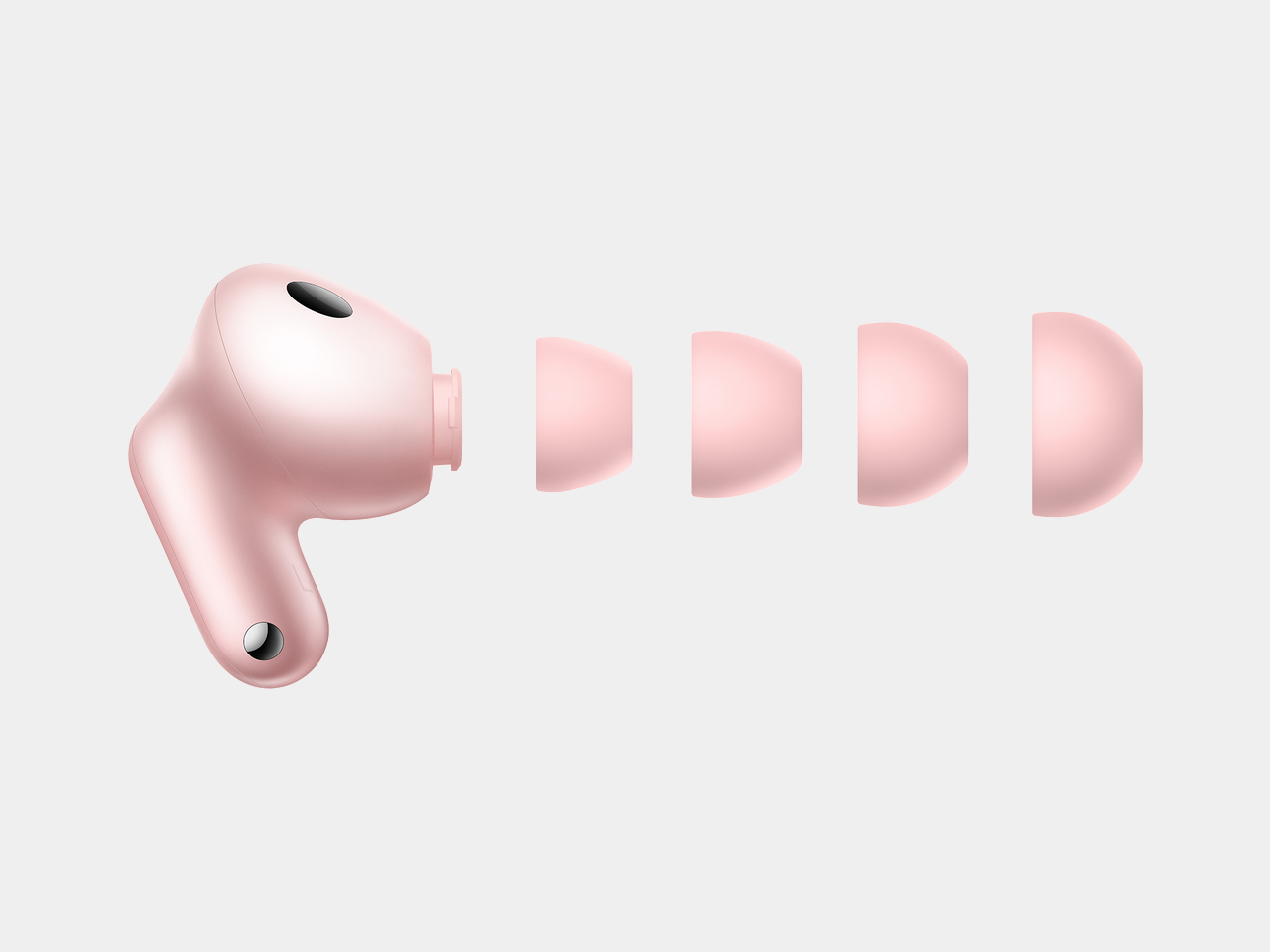
Twenty-five euros buys you a decent lunch in most European cities, maybe two movie tickets if you’re lucky, or apparently a pair of true wireless earbuds with active noise cancellation from a company that’s been manufacturing consumer electronics for years. HMD just launched the DUB X50 Pro in India at ₹2,000, which converts to roughly $28.7 USD depending on exchange rates, and the spec sheet reads like someone accidentally typed an extra zero into the pricing database. We are talking ANC, a claimed 60 hours of total battery life, multipoint connectivity, IPX4 water resistance, and a companion app, all at a price point where most brands would be cutting Bluetooth codecs and shipping you mono earbuds in a cardboard sleeve. On paper, this thing looks like a midrange product that woke up in a bargain bin.

The budget TWS space has been heating up for a while, with brands like Baseus and SoundPEATS dragging ANC down into the 20 to 30 dollar range. But HMD is not a random logo slapped on an ODM shell; this is the same outfit that rebuilt Nokia’s phone business and is now pushing its own HMD branded phones and wearables. That context matters, because a known manufacturer shipping €25 ANC earbuds through proper retail channels hits very differently from a mystery brand on a marketplace listing. If these are even moderately competent, they start to reset expectations for what entry level audio should look like. The question becomes less “how are these so cheap” and more “what exactly are the expensive guys charging for”.

Designer: HMD

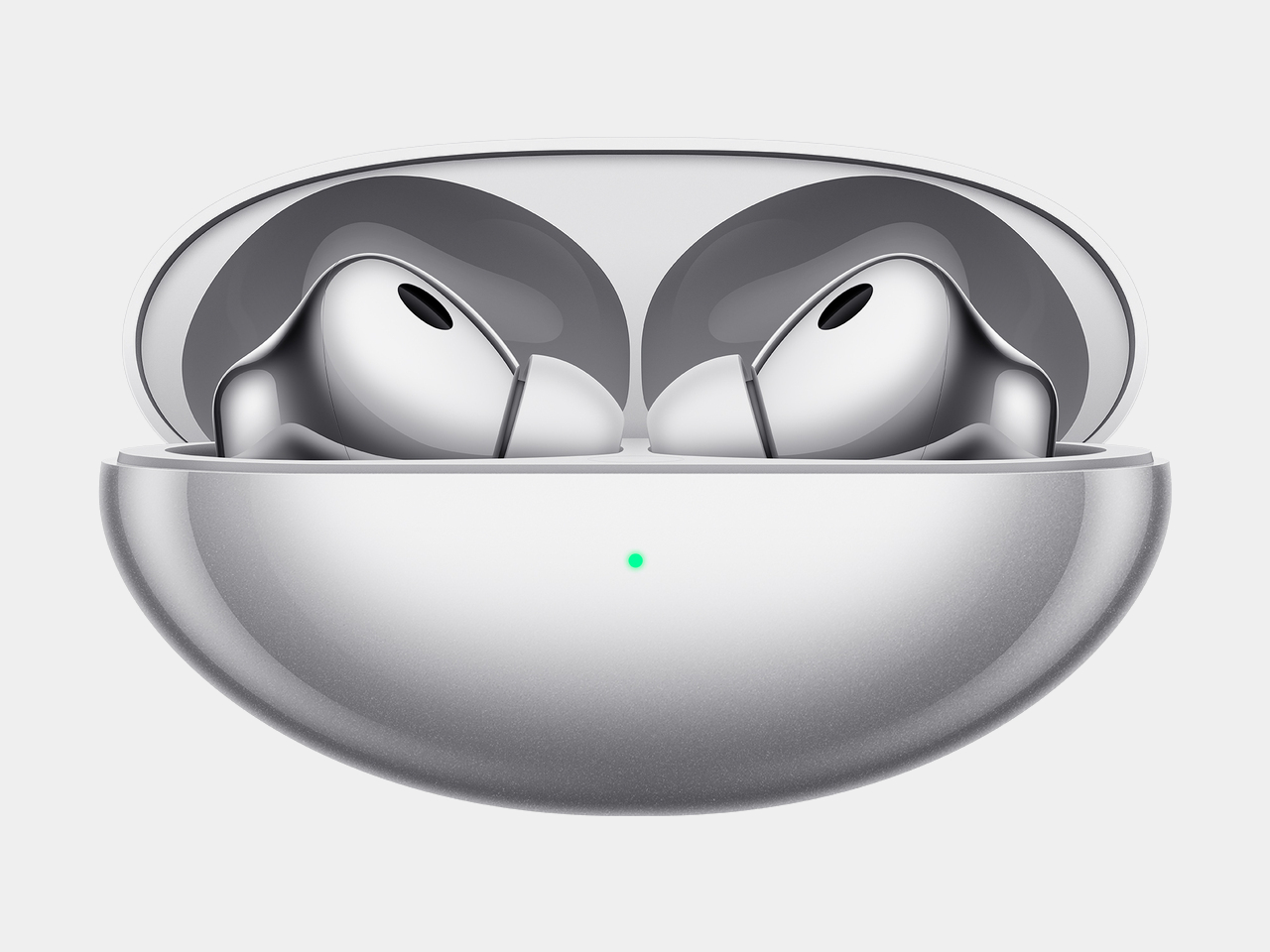
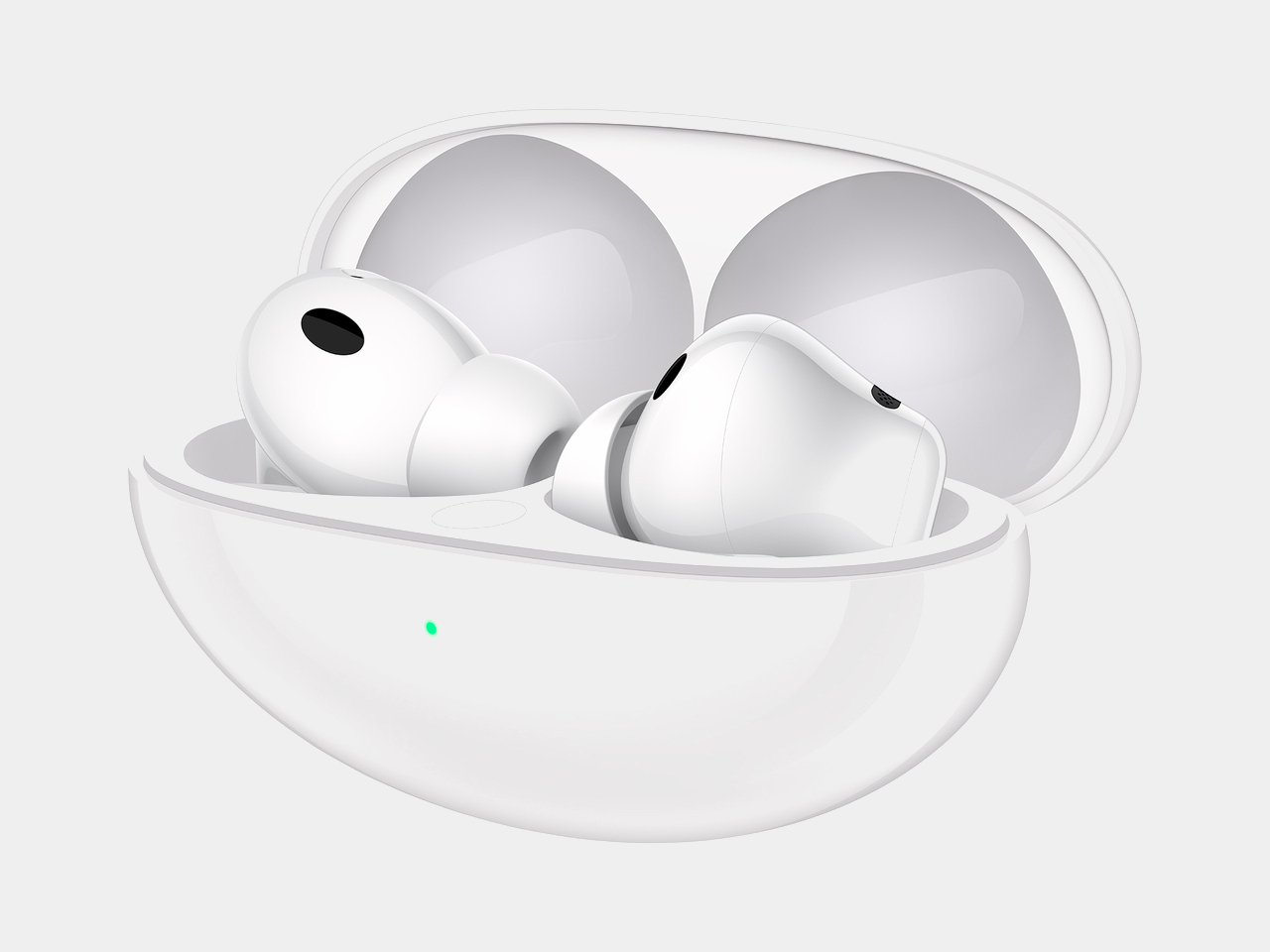
Specs first, feelings later. HMD claims up to 60 hours of total playback with the case, which likely breaks down to around 9 or 10 hours per charge in the buds and roughly five recharges from the case under ideal conditions. With ANC on and real world volume, you are probably looking at closer to 6 or 7 hours per session and maybe 40 to 45 hours total, which is still excellent at this price. Bluetooth 5.3, multipoint pairing, low latency mode, in ear detection, and voice assistant support round out the feature list. The case is about 51 x 65 x 25 mm and 60 g, so pocketable without feeling like a pebble cosplay of AirPods. IPX4 water resistance covers sweat and rain, not swimming.

ANC is where the fantasy usually cracks – cheap implementations either barely touch low frequency rumble or they attack everything so hard you get hiss and pressure fatigue. HMD talks about ANC plus AI powered four mic ENC for calls, which is the standard 2026 marketing cocktail. Execution is what matters. If this lands in the same effectiveness band as the Baseus BP1 Pro, which genuinely cuts down bus and office noise for around the same money, then HMD has done something very disruptive. If it behaves like the usual budget ANC that flickers every time the wind shifts, you end up with an impressive spec sheet and a feature you toggle off after a day.

The design story is predictably unexciting… but that’s not a bad thing. Stemmed in ear buds, rounded case, muted colors like blue and silver. This is classic HMD: hardware that tries to disappear into your life instead of screaming “new toy”. That fits their broader strategy. They are building an ecosystem now, with HMD phones, DUB earbuds across three series, and new Watch X1 and Watch P1 wearables. Picture a bundle in a Middle Eastern or Indian retail store where you walk out with phone, watch, and ANC earbuds for less than a single pair of AirPods Pro. That is the competitive pressure this kind of product creates.

Whether you should care comes down to your tolerance for compromise. At €25, no one sane expects Sony level soundstage or Bose level cancellation. What matters is whether HMD clears the “good enough to live with” bar: stable connection, non-annoying ANC, tuning that does not turn everything into a muddy mess, and hardware that survives daily abuse. Given their track record with sturdy, sensible phones, I would not bet against them hitting that baseline. If they do, the DUB X50 Pro becomes less of a curiosity and more of a line in the sand for what budget ANC has to look like from here on.

The post HMD’s $28 ANC Earbuds Cost The Same As A Movie Ticket, Which Is Ridiculous first appeared on Yanko Design.
TWS Earbuds With Built-In Cameras Puts ChatGPT’s AI Capabilities In Your Ears

Everyone is racing to build the next great AI gadget. Some companies are betting on smartglasses, others on pins and pocket companions. All of them promise an assistant that can see, hear, and understand the world around you. Very few ask a simpler question. What if the smartest AI hardware is just a better pair of earbuds?

This concept imagines TWS earbuds with a twist. Each bud carries an extra stem with a built in camera, positioned close to your natural line of sight. Paired with ChatGPT, those lenses become a constant visual feed for an assistant that lives in your ears. It can read menus, interpret signs, describe scenes, and guide you through a city without a screen. The form factor stays familiar, the capabilities feel new. If OpenAI wants a hardware foothold, this is the kind of product that could make AI feel less like a demo and more like a daily habit. Here’s why a camera in your ear might beat a camera on your face.

Designer: Emil Lukas

The industrial design has a sort of sci fi inhaler vibe that I weirdly like. The lens sits at the end of the stem like a tiny action cam, surrounded by a ring that doubles as a visual accent. It looks deliberate rather than tacked on, which matters when you are literally hanging optics off your head. The colored shells and translucent tips keep it playful enough that it still reads as audio gear first, camera second.

The cutaway render looks genuinely fascinating. You can see a proper lens stack, a sensor, and a compact board that would likely host an ISP and Bluetooth SoC. That is a lot of silicon inside something that still has to fit a driver, battery, microphones, and antennas. Realistically, any heavy lifting for vision and language goes straight to the phone and then to the cloud. On device compute at that scale would murder both battery and comfort.

All that visual data has to be processed somewhere, and it is not happening inside the earbud. On-device processing for GPT-4 level vision would turn your ear canal into a hotplate. This means the buds are basically streaming video to your phone for the heavy lifting. That introduces latency. A 200 millisecond delay is one thing; a two second lag is another. People tolerate waiting for a chatbot response at their desk. They will absolutely not tolerate that delay when they ask their “AI eyes” a simple question like “which gate am I at?”

Then there is the battery life, which is the elephant in the room. Standard TWS buds manage around five to seven hours of audio playback. Adding a camera, an image signal processor, and a constant radio transmission for video will absolutely demolish that runtime. Camera-equipped wearables like the Ray-Ban Meta glasses get about four hours of mixed use, and those have significantly more volume to pack in batteries. These concept buds look bulky, but they are still tiny compared to a pair of frames.

The practical result is that these would not be all-day companions in their current form. You are likely looking at two or three hours of real-world use before they are completely dead, and that is being generous. This works for specific, short-term tasks, like navigating a museum or getting through an airport. It completely breaks the established user behavior of having earbuds that last through a full workday of calls and music. The utility would have to be incredibly high to justify that kind of battery trade-off.

From a social perspective, the design is surprisingly clever. Smartglasses failed partly because the forward-facing camera made everyone around you feel like they were being recorded. An earbud camera might just sneak under the radar. People are already accustomed to stems sticking out of ears, so this form factor could easily be mistaken for a quirky design choice rather than a surveillance device. It is less overtly aggressive than a lens pointed from the bridge of your nose, which could lower social friction considerably.

The cynical part of me wonders about the field of view. Ear level is better than chest level, but your ears do not track your gaze. If you are looking down at your phone while walking, those cameras are still pointed forward at the horizon. You would need either a very wide angle lens, which introduces distortion and eats processing power for correction, or you would need to train yourself to move your whole head like you are wearing a VR headset. Neither is ideal, but both are solvable with enough iteration. What you get in return is an AI that can actually participate in your environment instead of waiting for you to pull out your phone and aim it at something. That shift from reactive to ambient is the entire value proposition, and it only works if the cameras are always positioned and always ready.

The post TWS Earbuds With Built-In Cameras Puts ChatGPT’s AI Capabilities In Your Ears first appeared on Yanko Design.
For Me Buds: The Travel TWS Earbuds That Double as an AI-Powered Sleep Monitor

The TWS Earbud market is absolutely flooded with products right now. Go to Amazon or even Temu and you won’t find hundreds of smart earbuds, you’ll find hundreds of thousands of them… all in the ‘Audio’ category. The “For Me Buds” are probably the only ones that would fit in a ‘Wellness’ category instead. Designed to be the first health-focused earbuds, the For Me Buds are perhaps the only sleep-monitoring earbuds on the market. They come from Sleepwave, a team of former LG engineers dedicated to developing a sleep-health-centric ecosystem of products.

The For Me Buds are a set of ANC earbuds designed for people who need help with fixing or optimizing their sleep schedule. The buds were predominantly designed for travelers, who often see the highest amount of sleep routine disruption over a day-to-day basis, but the earbuds are made for general light sleepers too. Aside from being worn during the day to listen to audio, the For Me Buds are designed to be worn while asleep too. Set up your sleep routine, put the buds in, and they perform real-time sleep monitoring.

Designer: Sleepwave

Click Here to Buy Now: $99 $179 (45% off). Hurry, only 2334 units left! Raised over $173,000.

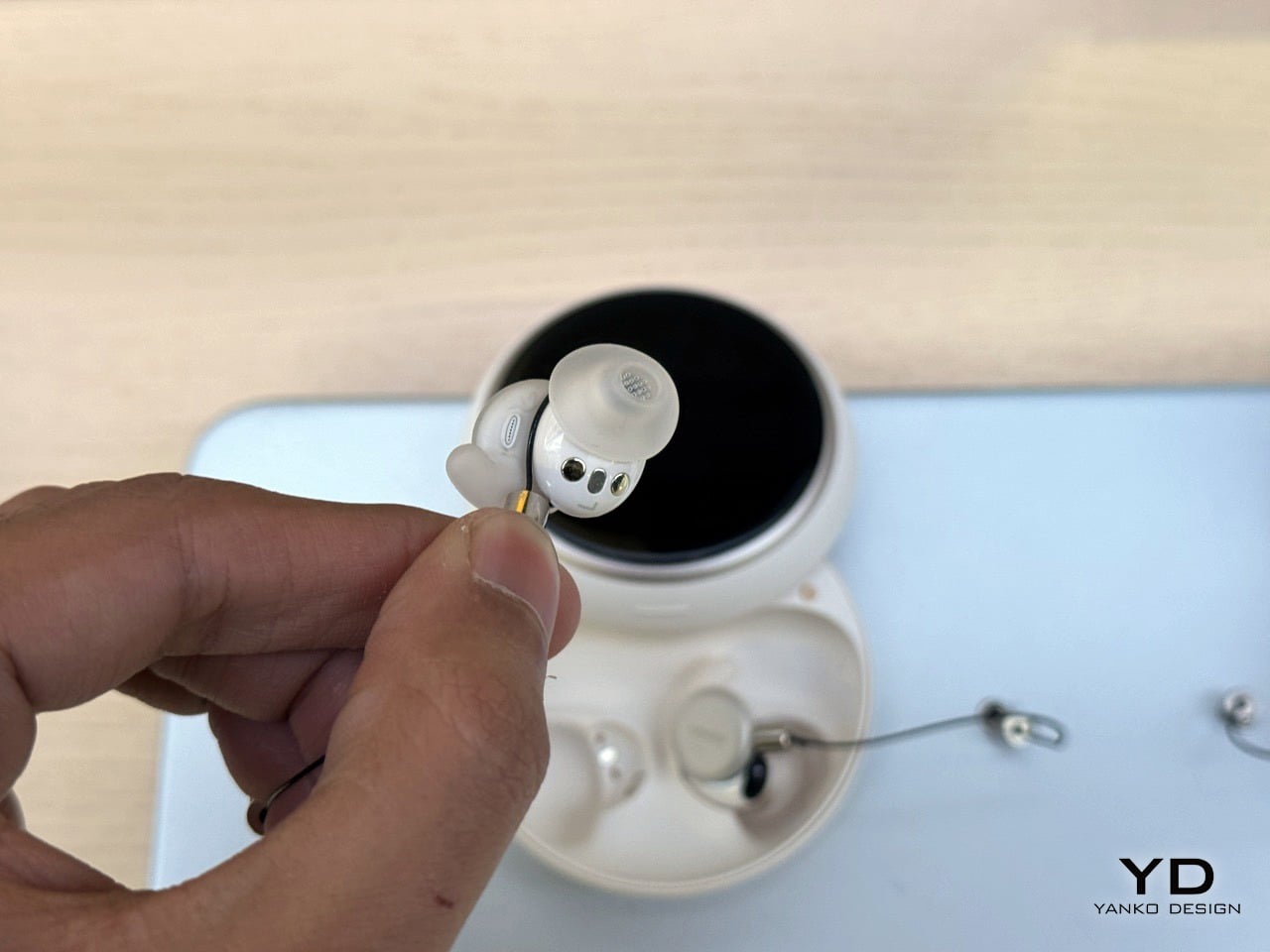
The buds analyze your sleep and provide personalized sound tailored to the user, while AI monitors sleep quality and adjusts performance in real-time. A built-in PPG sensor and motion sensor work in tandem to analyze heart rate and other health metrics, along with body movement during sleep. Unlike smartwatches that only perform sleep analysis, the For Me Buds analyze sleep stages in real-time and provide dynamic binaural beats tailored to each stage. Their unique design as in-ear earbuds offers the added advantage of delivering personalized sound to enhance sleep quality. Additionally, the companion app utilizes AI to analyze your sleep and provide feedback to help improve your sleep patterns.

Sleepwave’s patented DB Beats™(Dynamic Binaural Beats) technology delivers personalized sound. This technology synchronizes brainwaves by playing different frequencies in each ear that dynamically change over time. Its effectiveness has been clinically validated and published in the Oxford Sleep Journal. Beyond improving sleep quality, it also offers various modes tailored to users’ needs. For example, at night, the “Sleep Mode” helps users achieve their sleep goals, while during the day, the “Refresh Mode” supports relaxation or maintaining a focused state.

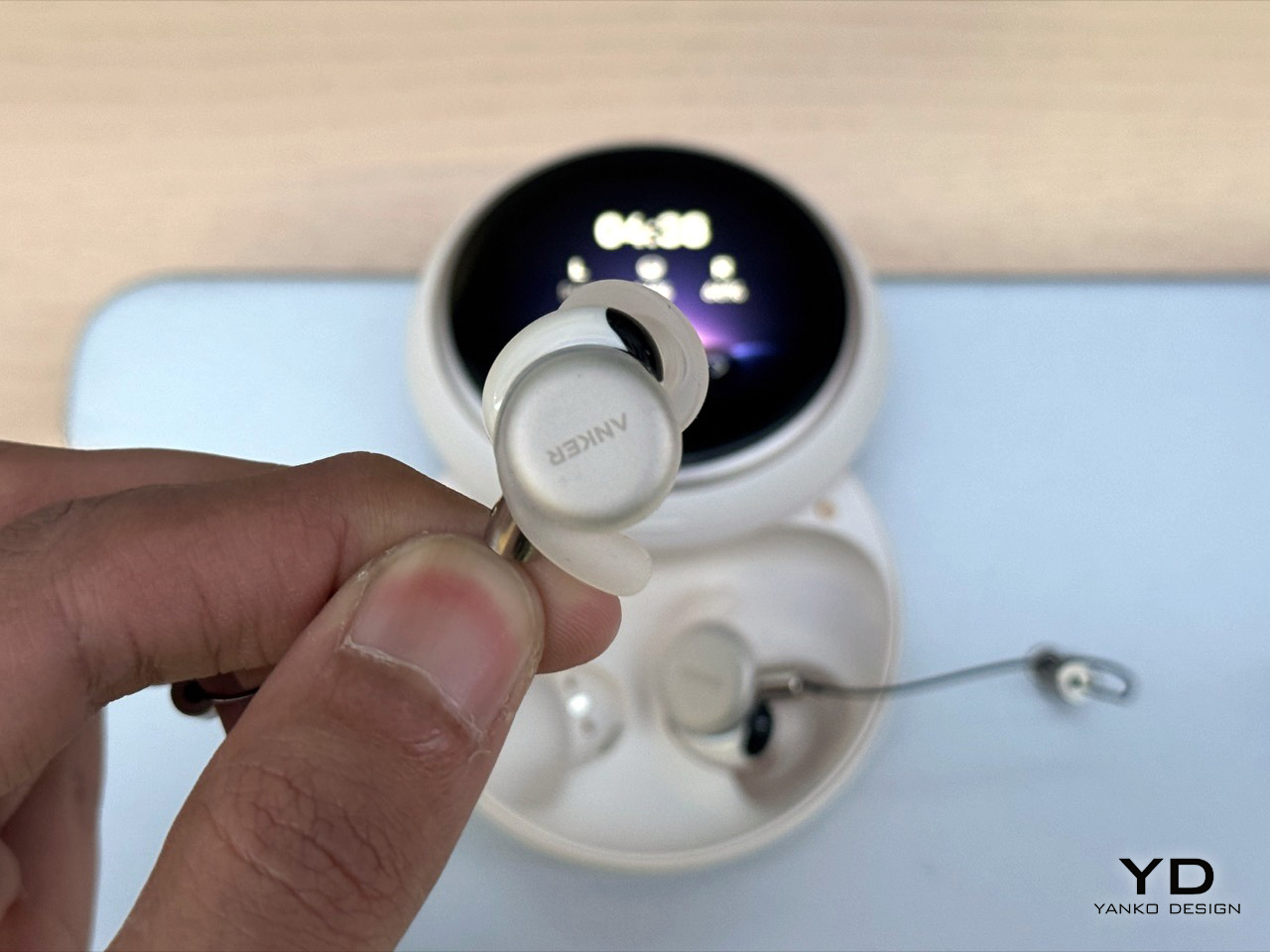
The comfort factor is a big deal here. The earbuds are designed to be so small and lightweight that they feel almost unnoticeable, especially when your ear is pressed against a pillow. Thanks to their sleep-friendly ergonomic design, they can be worn comfortably by users lying down or sleeping on their side. Additionally, the hybrid ANC effectively blocks out external noise, creating a serene and quiet environment, whether you’re on an airplane seat or in bed.

Speaking of regular TWS earbuds, the For Me Buds double as those too, helping with music and playback. Given that booming audio isn’t its primary focus, don’t expect an extra-pumped bass or high-decibel audio with the For Me Buds. The overall output offers a balanced soundstage that’s great for music, podcasts, audiobooks, etc. rather than being a one-trick pony. The earbuds come with Bluetooth 5.3, which maintains a steady connection even if you’re shifting around in bed. Compatibility with both Android as well as iOS means everyone gets access to great audio and better sleep, regardless of their product ecosystem. IPx4 keeps the buds dry in most conditions, in case you’re a bit of a sweaty sleeper, or you choose to wear the buds during or after workouts.

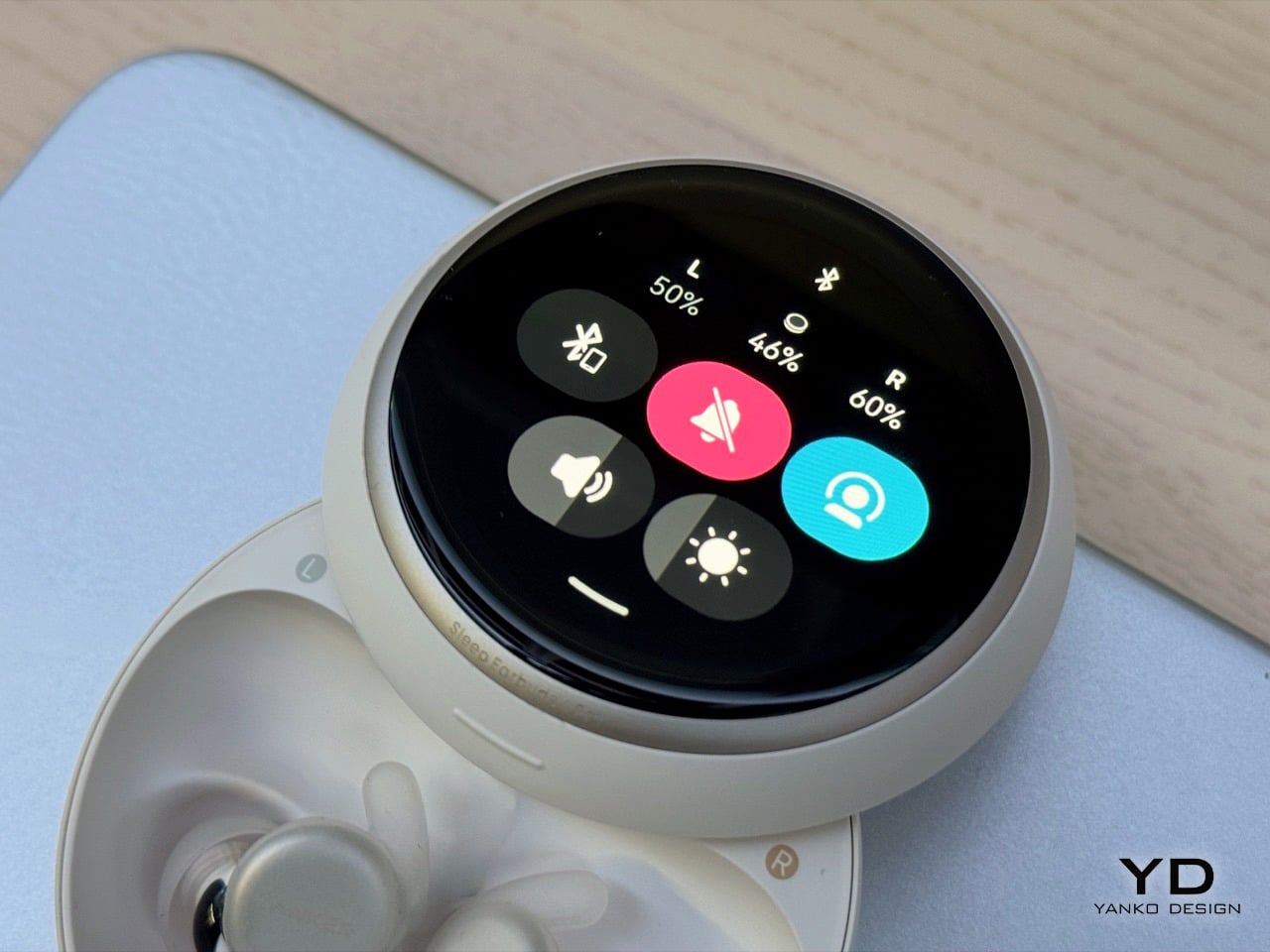
The companion app lets you do more than just toggle the earbuds’ basic settings—it actually includes sleep-tracking capabilities that analyze your sleep duration and quality based on your listening patterns and other inputs. This isn’t medical-grade data, of course, but it does give a decent snapshot of your sleep trends and patterns over time. It’s a nice bonus for users who are interested in improving their sleep hygiene, as it provides some feedback without requiring a separate device like a smartwatch. And if sleep science isn’t your thing, the app still lets you customize your listening experience, from volume limits to noise calibration, to make sure the For Me Buds adapt to your specific environment.

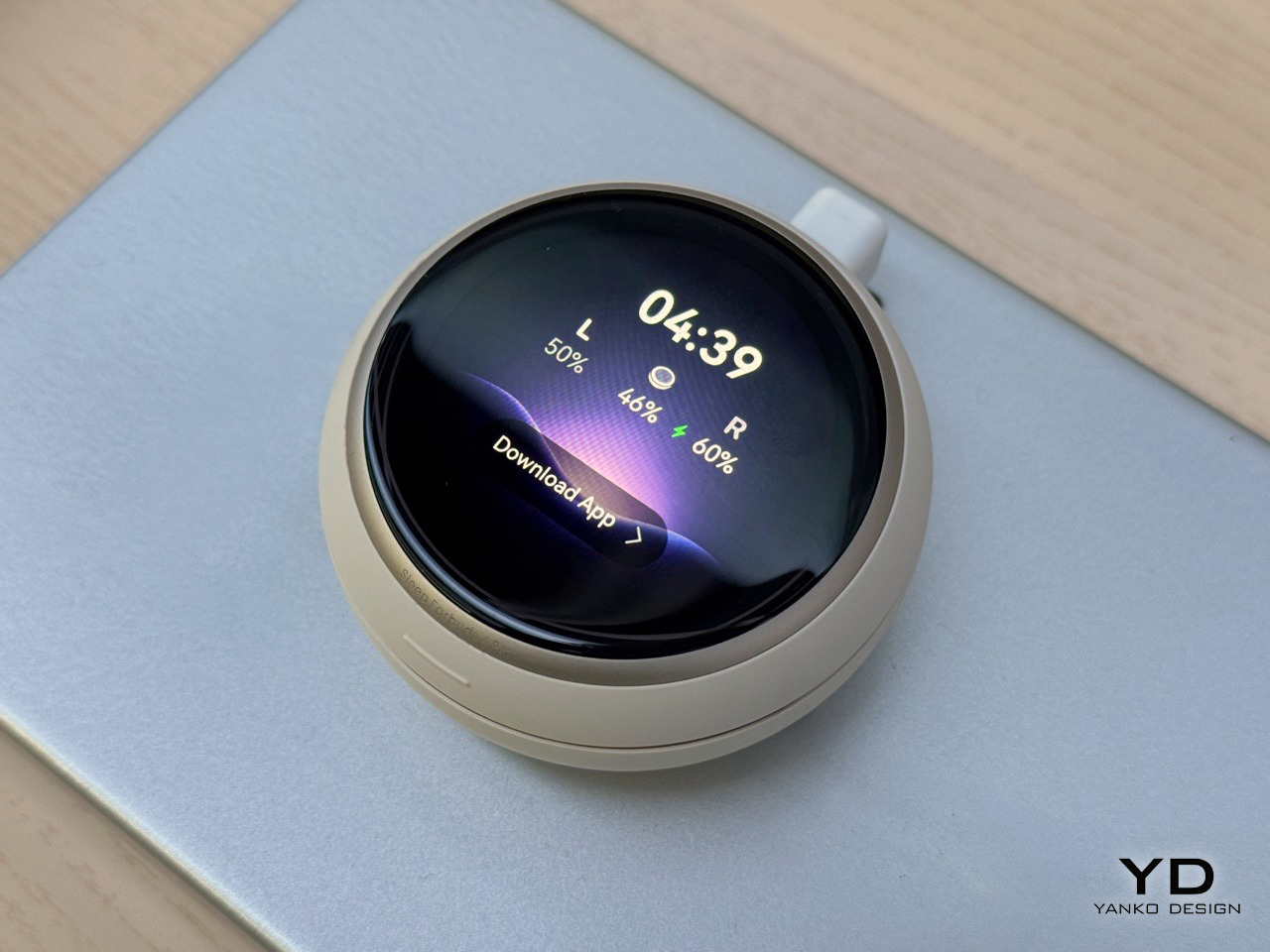
The battery life is a crucial part of the sleep-friendly equation. Each charge lasts around ten hours, enough to cover a full night’s sleep for most users, with the charging case holding up to 5 additional charges to keep you covered. The math checks out well: you could use them every night for almost a week without needing to find an outlet, or alternatively, charge them just once during the day if you plan on using them for sleep as well as things like music, meetings, etc. A USB-C port helps the buds’ case to charge, or alternatively, support for wireless charging means you can place the case on any charging mat to juice up the battery.

Although the market for ‘sleep earbuds’ is incredibly niche, it isn’t what the For Me Buds is pitching. The For Me Buds is more of an earbud that does a better job at sleep monitoring than your smartwatch, making it a great hybrid device to have on you instead of earbuds AND a fitness bracelet. The earbuds are obviously great for travelers who find themselves taking frequent red-eye flights, or anyone who thinks great sleep requires a little more than just a sleep-monitoring watch or mattress. Besides, the future of earbuds is clearly more than just playing audio. With the inclusion of various sensors that help track heart activity, body temperature, and even brain activity by extension, the For Me Buds are the perfect blend of audio tech and health wearable.

The For Me Buds start at an affordable $99, which includes the buds and case. The companion app is free to use, offering AI features without any added cost or subscription. The For Me Buds ship globally in January 2025, and come with a 1-year warranty.

Click Here to Buy Now: $99 $179 (45% off). Hurry, only 2334 units left! Raised over $173,000.

The post For Me Buds: The Travel TWS Earbuds That Double as an AI-Powered Sleep Monitor first appeared on Yanko Design.
Nothing Ear (open) earbuds review: Embrace Sound and Surroundings

PROS:


  • Very comfortable to wear

  • Impressive battery life

  • Stylish design

  • Good sound quality for open-ear design

CONS:


  • No wireless charging

  • Struggle with volume in very noisy environments

RATINGS:

AESTHETICS
ERGONOMICS
PERFORMANCE
SUSTAINABILITY / REPAIRABILITY
VALUE FOR MONEY

EDITOR'S QUOTE:

The Nothing Ear (open) headphones are a worthwhile investment that complements a modern, mindful lifestyle.

Staying connected while being aware of our surroundings is more important than ever in today’s fast-paced world. Initially, I was skeptical about the need for open-ear headphones, assuming they were primarily designed for runners or cyclists. As someone who doesn’t fall into either category, I never considered them a necessity. My go-to audio devices have been in-ear earbuds equipped with Active Noise Cancelling (ANC) features for years. While ANC is fantastic for creating a peaceful personal space, I noticed it led to an unintended consequence: a sense of isolation from the world around me. The ability to block out external noise made me unconsciously perceive the outside world as a distraction, even an irritation.

Open-ear headphones, however, offer a different experience. They allow you to enjoy audio content while maintaining awareness of your surroundings, keeping you grounded and connected to the world. The Ear (open), a new audio device from Nothing, promises to deliver this balance. I tested them for about 3 weeks and took these headphones on recent trips and day hikes, testing them in various settings including buses, trains, and planes, even on an overnight flight. Here’s my comprehensive review of the Nothing Ear (open).

Designer: Nothing

Aesthetics

Nothing is renowned for its unique design philosophy, and the Ear (open) earbuds are no exception. They embody the brand’s iconic transparent and sleek aesthetic while featuring rounded shapes that add a touch of softness, perfectly aligning with the device’s philosophy of openness and awareness.

The Ear (open) includes familiar elements, such as a case with a transparent top and a white bottom for a striking contrast, a secure magnetic clasp, a central nub on the case top, and a color-coded system. The left earbud has a red dot, while the right earbud has a white dot, both mirrored on the case for easy storage.

The signature aesthetics extend to the earbuds themselves. They feature an iconic transparent outer casing that reveals the internal components, while silver tips encase the battery and serve as counterweights for enhanced stability. Connecting these components is a flexible arm that contours to the ear for a snug fit.

Ergonomics

For those with smaller ears, finding comfortable earbuds can be a challenge. In-ear earbuds often cause discomfort after prolonged use, and I frequently find myself readjusting them, especially my left earbud, which tends to fall out even when I’m not moving much. The Nothing Ear (open), however, offers a solution to these issues with its thoughtful ergonomic design.

The earbuds sit comfortably on the outer part of the ear, with a soft, silicon-like arm that surrounds the ear, providing stability without the intrusive feeling of in-ear designs. I found them comfortable enough to wear for extended periods, sometimes even forgetting I had them on.

They sit securely in my ears, even when I jog or shake my head, ensuring they won’t slip out during physical activity. Wearing glasses or lying down presents no comfort issues, allowing for freedom of movement. This secure fit and versatility make them ideal for everyday use, whether exercising, working, or simply relaxing.

A notable aspect of the design is the lightweight nature of the earbuds, each weighing only 8.1 grams. This lightness contributes significantly to comfort, ensuring that the earbuds do not exert unnecessary pressure on the ears, even during long listening sessions. One thing to note, though, is that the metal-looking tip can get a bit cold if the Ear (open) is stored in a cool place, which might be uncomfortable in colder climates.

The case itself is also designed with portability in mind, being only 19mm thick. This slim profile makes it easy to slip into pockets or bags without adding bulk, making it an ideal companion for those on the go.

Performance

The performance of the Nothing Ear (open) is generally impressive, particularly in quieter environments. The open-ear design excels at maintaining awareness but doesn’t seal the ear canal, lacking ANC capabilities. This can be a drawback in noisy settings, such as planes or subways, where audio can be difficult to hear.

In such noisy environments, even cranking up the volume might not suffice, leading me to prefer ANC-equipped earbuds for full audio immersion. Despite this limitation, the sound quality of the Ear (open) is commendable. Boasting a 14.2mm dynamic driver, earbuds deliver full sound with good bass, especially for an open-ear form factor.

The microphone on the Nothing Ear (open) is another strong point, delivering clear voice quality during calls. This ensures that conversations are crisp and intelligible, even in moderately noisy environments, making it suitable for both personal and professional use.

Sound leakage is minimized by the thoughtful design of the Nothing Ear (open). This feature helps keep your audio private, ensuring it doesn’t disturb those around you—unless you’re listening at high volume in a quiet place.

The Ear (open) is equipped with Bluetooth 5.3, allowing you to connect to two devices and seamlessly switch between them. This feature is particularly useful for those who frequently use multiple devices. Additionally, with an IP54 rating, the Ear (open) is resistant to dust and splashes, making it suitable for a variety of environments.

One of the standout features of the Ear (open) is its battery life. Nothing claims up to 30 hours of playback, which is supported by 8 hours of use from the earbuds themselves and an additional 22 hours provided by the charging case. This extended battery life ensures that you can enjoy your music or podcasts throughout the day without frequent recharging.

The Ear (open) also offers various pinch controls, including single pinch, double pinch, triple pinch, and pinch and hold. These controls are highly responsive and can be customized through the Nothing app, allowing users to tailor the functionality to their specific needs and preferences.

Additionally, the Nothing app offers one of the most advanced equalizer (EQ) features available, with an 8-band EQ that provides unparalleled customization options. This sophisticated EQ allows users to fine-tune their audio experience to match their personal preferences precisely.

Another useful feature for users of Nothing phones is the ability to access ChatGPT directly via the earbuds. This integration allows for seamless interaction and enhances the functionality of the earbuds, making them not just a tool for listening but also for communication and information retrieval.

Overall, while it certainly does not replace ANC earbuds in very noisy settings, the Nothing Ear (open) offers a unique blend of features and performance that cater to a diverse range of listening preferences, enhanced by its advanced EQ capabilities, long battery life, and customizable pinch controls.

Sustainability

Nothing has taken significant steps to ensure the sustainability of the Ear (open) headphones, and their transparency in sharing this information on their product page is truly admirable. This openness not only demonstrates a commitment to sustainability but also shows that the brand values informed consumer choices.

The carbon footprint of the device is relatively low, with emissions of just 3.0 kg CO₂e. This is an important consideration for environmentally conscious consumers looking to reduce their impact on the planet. Additionally, the headphones are manufactured using 100% recycled tin solder paste, which reduces the demand for virgin materials and supports recycling efforts.

Furthermore, Nothing is committed to using 100% renewable energy for the final assembly of the Ear (open). This commitment not only reduces the carbon footprint associated with production but also sets a positive example for the electronics industry, highlighting the feasibility and importance of sustainable manufacturing practices.

The brand’s dedication to sustainability is truly commendable, as it not only benefits the environment but also aligns with the values of consumers who prioritize eco-friendly practices. By making this information readily available, Nothing reinforces its commitment to reducing environmental impact while delivering high-quality audio products, setting a standard for transparency and responsibility in the industry.

Value

The Nothing Ear (open) headphones offer a compelling value proposition for those seeking a balance between audio quality, comfort, and sustainability. Priced at $149, they provide an accessible entry point into the world of open-ear audio technology without compromising on design or functionality.

Considering the thoughtful ergonomic design, robust audio performance, and impressive battery life, the Ear (open) headphones deliver excellent value for the price. Additionally, the brand’s commitment to sustainability—evident in their use of recycled materials and renewable energy for assembly—adds to the overall appeal for environmentally conscious consumers. For users who prioritize both quality and eco-friendliness, the Nothing Ear (open) headphones represent a worthwhile investment that aligns with modern values and expectations.

Verdict

The Nothing Ear (open) headphones present a unique offering in the audio market, blending style, performance, and sustainability. With their open-ear design, they cater to users who value staying connected to their surroundings while enjoying audio content. This makes them ideal for everyday use, especially in quieter settings.

While they may not replace ANC-equipped earbuds in noisy environments, the Ear (open) excels in delivering quality sound and comfort. Their ergonomic design ensures a comfortable fit for extended wear, and the impressive battery life supports long listening sessions without frequent recharging.

The integration of advanced features, like customizable pinch controls and seamless interaction with Nothing phones, enhances the user experience. Additionally, the brand’s commitment to sustainability is commendable, aligning with the values of eco-conscious consumers and setting a positive example in the industry.

With its relatively affordable price tag, the Nothing Ear (open) offers great value for those seeking a balance of audio quality, comfort, and environmental responsibility. For users who prioritize these aspects, the Ear (open) headphones are a worthwhile investment that complements a modern, mindful lifestyle.

The post Nothing Ear (open) earbuds review: Embrace Sound and Surroundings first appeared on Yanko Design.
Nothing launches sports-friendly Ear (open) earphones with built-in ChatGPT for just $149

No, it isn’t Phone (3), but to be honest, haven’t we had enough phone launches already?!

Say hello to the Nothing Ear (open), the latest ‘hearable’ from London-based tech-brand Nothing. Designed in vein with their existing Nothing Ear series, the Ear (open), as its name suggests, is an open-ear wearable and the first of its kind from the company. The newly launched device introduces a distinctive open-ear design that prioritizes comfort, situational awareness, and superior sound quality. This marks the company’s fourth mainline set of earbuds, not counting special editions (like the Nothing Ear (stick)) and their CMF budget line. Known for pushing the boundaries of audio tech with a bold design, Nothing seems intent on revolutionizing the way we experience audio on the move.

Designer: Nothing

One glance at the Nothing Ear (open), and you immediately notice the company’s signature minimalist aesthetic. Transparency is the name of the game here. Rather than having earpieces with silicone tips that create an airtight seal to lock in sound and minimize audio leakage, these open-ear wearables rest against your ear canal, firing audio directly in without compromising your ability to hear the world around you. Sort of like how holding your phone up to your ear lets you hear calls but also lets environmental sounds to make it to your ear so you’re aware of your surroundings. “A lot of people were skeptical internally, but I was really bullish on this form factor because you see people wearing regular earbuds these days, and sometimes they only wear earbuds with one bud in the ear and the other one out… because they want to what’s, you know, happening all around them”, says Nothing founder Carl Pei. “But this form factor opens up, so that you can hear all your surroundings without having to do that.”

Staying true to their design philosophy, the Ear (open) showcases a slim, see-through form factor that emphasizes the craftsmanship behind its sleek exterior. Weighing just 8.1 grams per earbud, these are designed to be lightweight and portable, and with the case measuring a mere 19 mm in thickness, you can easily slip them into your pocket. The buds also come equipped with a smart case that mirrors the same transparency-focused design the company has come to be known for, along with a dimple in the center of the lid for fidgeting purposes. Obviously, the case acts as a charging dock for the earphones when not in use.

The Ear (open) shines with its Open Sound Technology, a software feature that aims to let users enjoy immersive sound while staying connected to their environment. Whether you’re on a busy city street or in a park, these earbuds let ambient sounds like traffic or birdsong through, without drowning out your music or calls. This makes them ideal for those who want to stay aware of their surroundings—whether for safety reasons or just to feel more present.

Supplementing the open-ear design is the Sound Seal System and directional speakers. These features work together to minimize sound leakage, ensuring that you get a rich, personal listening experience without disturbing those around you. This system’s privacy-oriented design addresses one of the common pain points with open-ear earbuds, giving you the best of both worlds—situational awareness and high-quality sound.

The earbuds feature a three-point balance system that, alongside flexible silicone ear hooks, ensures the earbuds sit securely in your ears. Designed with the intent of being worn while running, exercising, cycling, or just walking through the city, the Ear (open) promises a secure fit that won’t fall out during your activities. Combined with their feather-light weight, these earbuds are designed to make you forget you’re even wearing them.

On the performance front, the Ear (open) delivers with its custom patent-pending diaphragm, titanium coating, and ultra-light driver setup. These earbuds are built to handle both the deep lows and the crisp highs, offering a balanced soundstage that’s sort of rare for open-ear designs (although we intend to verify this when we get our review unit!) The bass is further enhanced by an automatic Bass Enhance algorithm, giving the low frequencies an extra punch without distorting the sound quality… something we’ll definitely confirm once we try these bad-boys on.

You’ll get 8 hours of continuous playback on a single charge, with the total extending to 30 hours when factoring in the charging case. And if you’re pressed for time, a quick 10-minute charge provides an additional 2 hours of playback. For those who take a lot of calls on the go, the Clear Voice Technology uses AI-enhanced processing to deliver crystal-clear call quality, even in noisy environments. Trained on over 28 million noise scenarios, this tech ensures that your voice comes through loud and clear, regardless of your surroundings. Additionally, Dual Connection allows seamless switching between devices, and a Low Lag Mode is designed specifically for gaming, ensuring minimal audio delay during gameplay.

Earlier in the year, Nothing announced it was bringing ChatGPT to all its earphones, and the Ear (open) gets this feature too, allowing you to tap into GPT instead of your phone’s assistant for a more intuitive, intelligent conversation. Need to check the weather before heading out or quickly look up an answer to that random question nagging at you? Just ask—no need to fumble for your phone. The ChatGPT feature is accessible directly from your earbuds via the Nothing X app, making real-time information just a voice command away. Whether it’s getting directions, solving a debate, or grabbing quick updates on the go, ChatGPT turns your earbuds into more than just audio devices. That’s more than you can say for a pair of AirPods that are still yet to get Apple Intelligence.

The Nothing Ear (open) will be available for pre-order starting September 24th, with the official launch on October 1st. Priced at $149 USD (£129/€149), these earbuds are positioned to offer great value for those who want cutting-edge technology and user-friendly design without breaking the bank. If you’re the kind who needs music while exercising or training, these open-ear wearables might just be perfect to give a try. Especially at that affordable price point.

The post Nothing launches sports-friendly Ear (open) earphones with built-in ChatGPT for just $149 first appeared on Yanko Design.
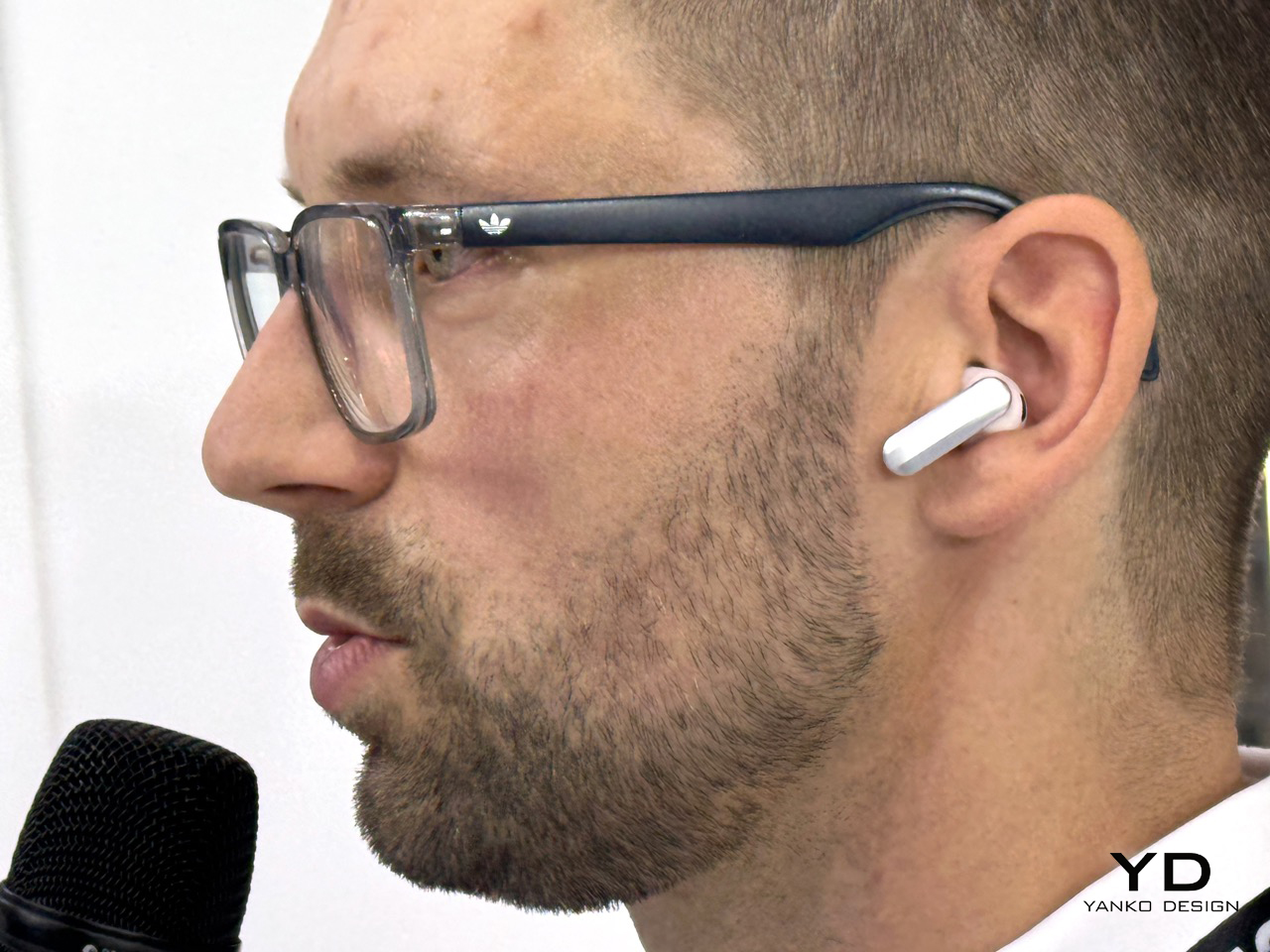
JBL Tour PRO 3’s futuristic charging case can perform feats no other case can

True Wireless Stereo or TWS earbuds continue to evolve every year, but their charging cases have mostly been nothing more than portable battery packs. In 2022, JBL showed that there’s so much potential in those pebble-shaped devices when it slapped a touch screen on them. That may look fancy and cool, but some might think it’s also just a gimmicky feature. It is, however, just the tip of the iceberg, because the second-gen screen-toting Smart Charging Case that comes with the new JBL Tour PRO 3 definitely offers more, proving that there’s plenty of room for improvement and creativity if you’re willing to also pay the literal price.

Designer: JBL

A touch screen on an earbuds charging case is admittedly more of a nice convenience than a killer feature. It allows you to control playback, screen calls, and view media information without having to pull out your phone. It’s definitely an eye-catching design that made JBL’s earbuds look like they’re from the future, but the capabilities of the next-gen charging case can be qualified as a necessity, especially for globetrotters and frequent flyers.

The JBL Tour PRO 3’s second-gen Smart Charging Case can function as a wireless audio transmitter, practically replacing the role of a Bluetooth dongle. Simply plug the case into a USB or analog socket and have the audio stream to the earbuds instantly and with lower latency than Bluetooth. This feature was made with in-flight entertainment systems in mind, giving travelers more flexibility and peace of mind, knowing they don’t have to rely on fickle and unstable Bluetooth dongles ever again.

The Tour PRO 3 charging case is also one of the first few to support the new Auracast technology. The case becomes the source of an audio broadcast, allowing other Auracast-compatible earbuds, earphones, and speakers to share and enjoy the same tunes. You can also join other Auracast broadcasts by tapping on the case. Of course, there’s also a measure of privacy with a password to keep random people from joining your party.

The JBL Tour PRO 3 earbuds themselves won’t be overshadowed by its charging case, boasting a new head tracking technology that makes audio sound like they’re coming from outside your head and stays fixed in place no matter how much you swing or turn your head. For all these advanced features, however, the buds will set you back around $334, which isn’t exactly a small amount. The JBL Tour PRO 3 will arrive in mid-September bearing Black and “Latte” colorways, though availability in the US has not been announced yet.

The post JBL Tour PRO 3’s futuristic charging case can perform feats no other case can first appeared on Yanko Design.
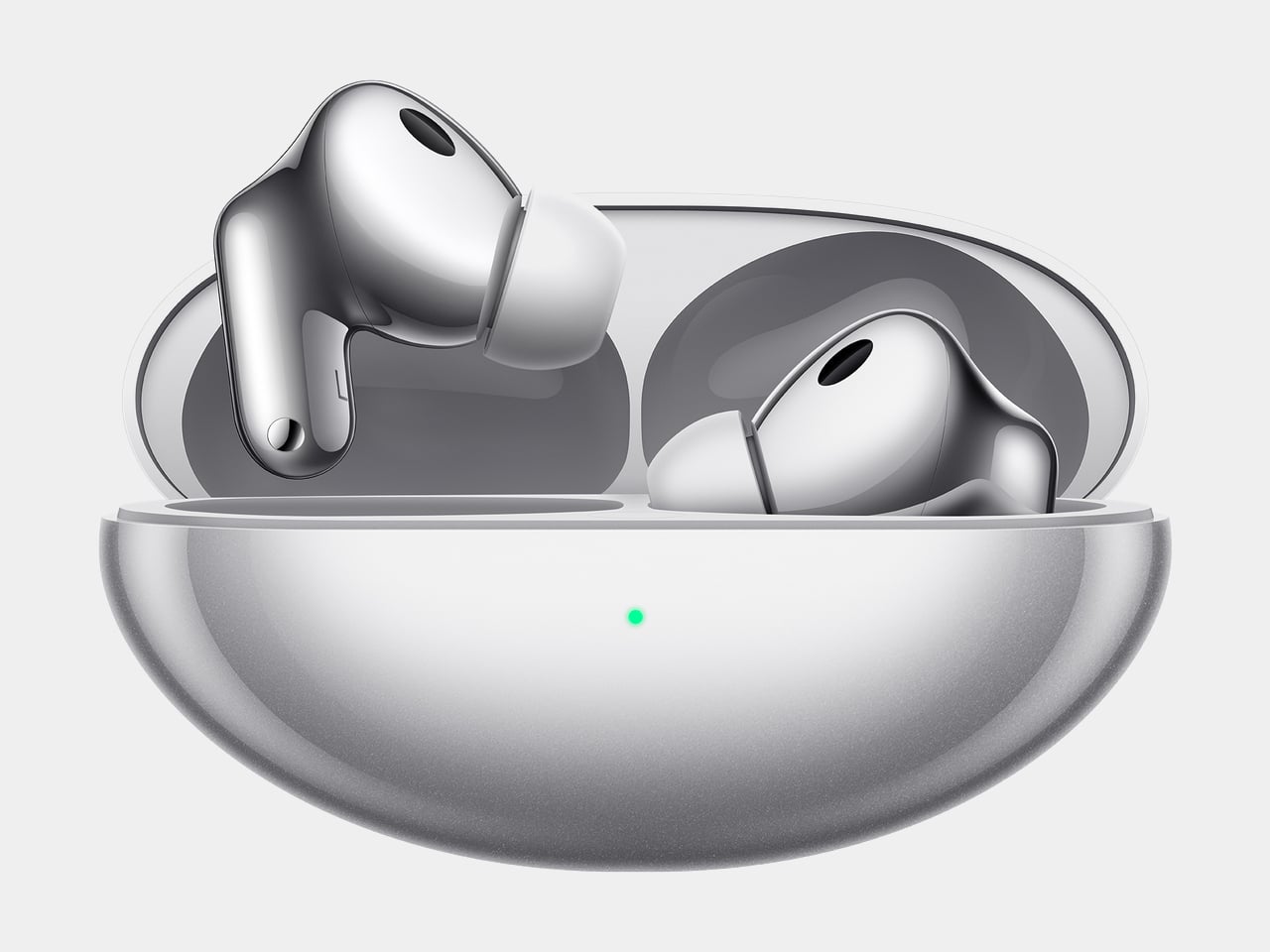
Google Pixel Buds Pro 2 make first appearance as a display unit ahead of official launch

The options for premium true wireless earbuds have gotten more interesting since the Samsung Galaxy Buds 3 Pro debuted with the stem design. Now, users have more reasons to rejoice as Google Buds Pro 2 is just around the corner, according to reliable leaks. The new ANC earbuds for the Pixel ecosystem are slated to make an appearance at the Made by Google event on August 13. The Pixel 9 series smartphones will be released at this event, and we have our calendars marked already.

According to numerous leaks and rumors, the buds will have wings for a secure grip, and unlike the Galaxy Buds 3 Pro that have adapted the stem design (very similar to the AirPods) this time, the Google’s audio accessory will continue with the stemless aesthetic of the current generation. As it goes in the gadget rumor mill, the Buds Pro 2 display unit has been received at a Reddit user’s store.

Designer: Google

User [nothighandmighty] has not been shy about sharing the picture of the display model of the upcoming earbuds. For the most part, the new buds will be a lowkey upgrade to the previous version with incremental improvements that help them stay at par with heavyweights like Sony WF-1000XM5, Bose QuietComfort Earbuds II and Jabra Elite 10 Gen 2. The Buds Pro 2 will be smaller than the current generation Pro model which makes them comfortable and compatible with small ears. Also, the wingtip is slightly larger for a more secure fit and will be color-matched with the chosen option. According to a leak by Dylan Roussel, the earbuds will come in peppy color options including Raspberry, Mojito, Porcelain and Haze.

The case will be smaller as well which makes them easier to carry around in a pocket. [nothighandmighty] notes that there is a small speaker mesh at the bottom, most probably to beam sound for the Find My Device feature just in case you happen to lose them a lot.

The post Google Pixel Buds Pro 2 make first appearance as a display unit ahead of official launch first appeared on Yanko Design.
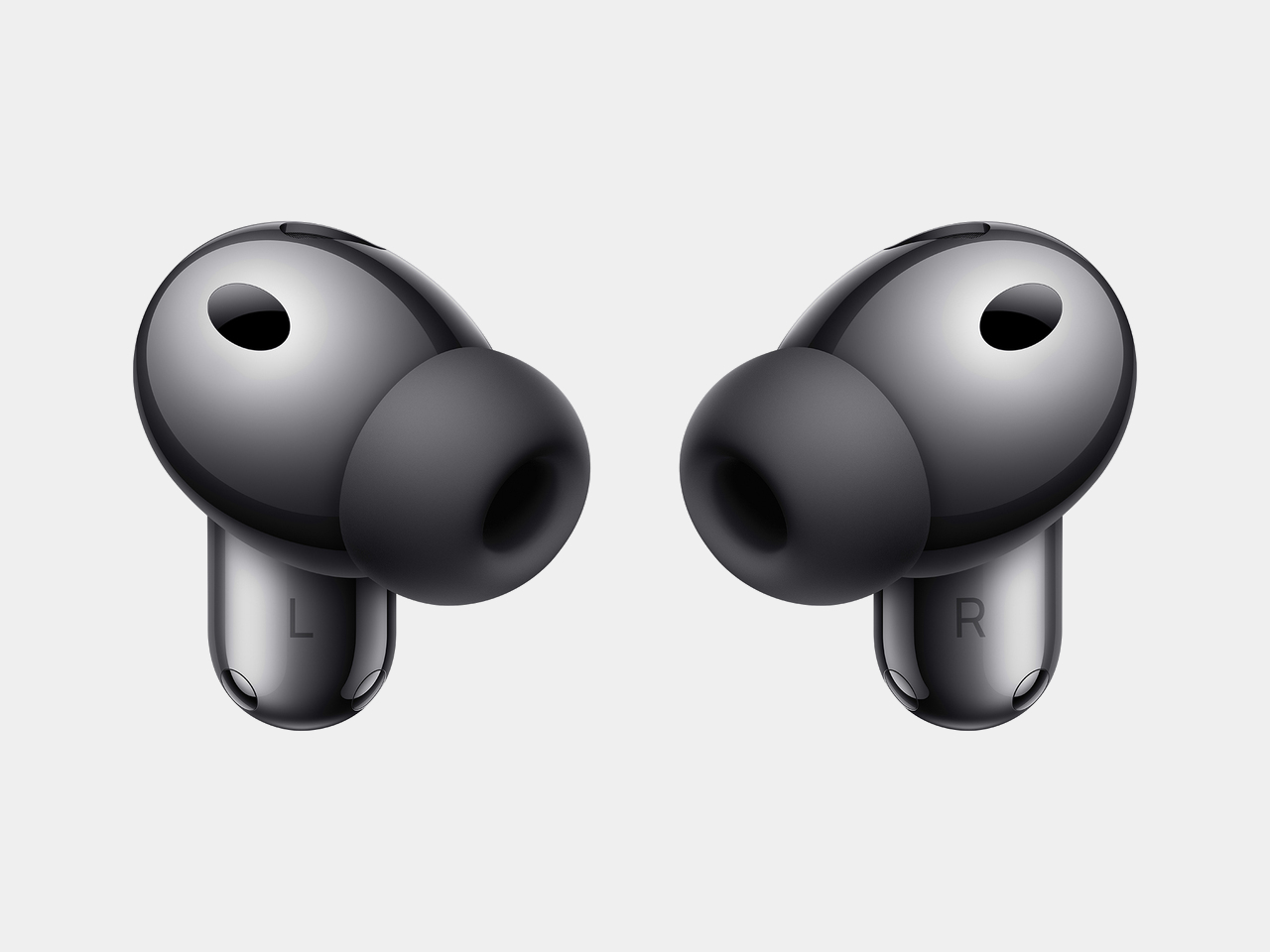
Celebrate International Cat Day with this Adorable Sleeping Cat-shaped TWS Earbuds Case!

The TWS Earbuds case is perhaps the most fertile ground for design exploration. Companies have put screens on them, buttons on them, even shaped them like Deadpool or a Pokeball, and now Japan-based Radius Co., Ltd. is turning the humble earbuds case into a symbol of feline love. Dubbed the Neko Earbuds, these wearables come in a case that looks like a little cat snoozing in a cat basket. The case sports a variety of cat-themed colors, from white to beige and black, and flip the cat open and you see it casually warming your earbuds the way sometimes pets snooze on your slippers to keep them toasty!

Designer: Radius Co., Ltd.

TWS earbuds are literally a dime a dozen, and I’ll be honest, most of them have absolutely uninspiring designs. That’s where something like the Neko really catches the eye. The outer appearance is really a perfect playground for design intervention, and the folks at Ritual did an absolutely stand-up job. The Neko instantly catches the eye and melts the heart. The cat resting adorably in its cat-bed is a universal symbol of eternal cuteness. The cats come in 3 colors, the bed features fish-shaped LED battery indicators, and the inside of the case houses earbuds with a marbled plastic design, ensuring that no two earbuds look the same – sort of like how no two cats have the same personality.

Designed less to be carried in your pocket and more for WFH or tabletop audio requirements, the Neko TWS Earbuds feel almost like a desktop collectible than like tech. Sure, you can slip them right into your pocket or backpack if you want to travel, but given how adorable they look, they’re best suited kept on your table along with other toys and trinkets, etc.

As far as hardware goes, the Neko boasts pretty solid mid-level specs. You’ve got 6.1 mm dynamic drivers, a 20 Hz-20,000 Hz frequency response, Bluetooth 5.3 for up to 10 meters (33 feet) of wireless audio transmission, and IPX4 water resistance (just like cats, keep these earphones away from water). However, the product’s UX boasts a neat twist. Any announcements for calls are made in a feline voice, and tapping your earbuds 5 times activates the Neko’s ‘Purr Mode’, which gives you 3 glorious minutes of purring sounds playing directly in your ear.

The fish-shaped battery indicator is a beautiful touch, adding an easter-egg of sorts to the already adorable design. Speaking of battery, the earphones deliver a solid 3.5 hours of use, extendable to 17.5 hours when used with the charging case. Flip it over and a USB-C port on the back lets you nourish your cat-themed earphones.

The Neko TWS Earbuds were announced as a precursor to International Cat Day (on the 8th of August), for people who love to wear their feline love on their sleeve or in their ears. Priced at 8,822 Yen (around $60 USD), the earbuds garnered more than 10,000 pre-orders on the website following virality on social media (I totally understand the hype).  The earbuds are due to ship starting 8th August, and a portion of the sales are also going to be donated to a rescue organization for street cats in Japan.

The post Celebrate International Cat Day with this Adorable Sleeping Cat-shaped TWS Earbuds Case! first appeared on Yanko Design.
boAt Deadpool-edition TWS Earbuds: The Best Marvel Tech Merch for Deadpool vs. Wolverine Fans

The world’s favorite merc got himself some merch!

A perfect accessory to have around you to celebrate the release of what could be the most highly anticipated Marvel movie since Endgame, these TWS earbuds come literally shaped to look like Deadpool’s mask. Designed by the folks at boAt Lifestyle, the Immortal 121 earbuds (that’s a fun name) have cutting-edge features bundled in a package that just costs Rs. 1699 INR ($20.35 USD). You’re looking at 40 hours of playback (with the charging case), 40 milliseconds of latency, Bluetooth 5.3, adjustable EQ, IPx4 water resistance, and a game-changing 10-minute charging time so you’re never out of energy… just like the overtly verbose hitman in red.

Designer: boAt Lifestyle

Click Here to Buy Now

The Immortal 121 launched back in December 2023, but only recently saw a Deadpool-specific edition. The design for the most part remains unchanged, but call it a coincidence that the earbuds case lends itself perfectly to the shape of the Deadpool mask. In fact, the two black eye patches are actually transparent tinted too, letting you somewhat peek into the case to see the earbuds.
The TWS earbuds themselves are exceptional for their price point, especially coming from India’s largest audio hardware company. 10mm drivers deliver a frequency range of 20Hz-20,000Hz, while touch-sensitive sides let you control music playback, volume, and answer/reject calls. The earphones themselves deliver 180 minutes of listening time, while the case brings that up to 40 hours. boAt’s ASAP™ Charge feature lets you enable 10-minute fast-charging when you’re in a rush. With the ASAP™ Charge disabled, the case will take 1.5 hours to charge from 0 to 100, helping conserve battery health in the process.

Other features on the Immortal 121 include boAt’s Beast Mode, which gives the earbuds 40ms of latency for wireless audio while gaming. The earbuds come with adjustable EQ, quad mics for clear voice calls, ENx™ or environmental noise cancellation, and a feature every gamer will love, LEDs that glow to make the case come to life!

All that in a $20 pair of TWS earbuds is highly impressive… and that ISN’T including the fact that the case literally looks like Deadpool’s mask. The boAt Immortal 121 Deadpool Edition rings in the upcoming Deadpool vs. Wolverine movie that launches on the 26th of this month. boAt sells a Hulk edition of the Immortal 121 too, but that honestly doesn’t feel as perfect as this match made in heaven!

Click Here to Buy Now

The post boAt Deadpool-edition TWS Earbuds: The Best Marvel Tech Merch for Deadpool vs. Wolverine Fans first appeared on Yanko Design.