Nike’s 1,677-Piece Stadium Sets Up Anywhere (Even Mountains)

Not all countries or places have spaces where kids and grownups can play football. While there are places where you can find a pitch in almost every town or city, there are also places where it’s quite difficult to be able to construct one, whether it’s because of space, weather, or money. Those who want to kick around a football have to settle for street football, futsal, or some other iteration of the world’s most popular sport.

Nike is offering a solution to this problem with their ACG All Conditions Cup System, created together with Amsterdam Berlin. Basically, it’s an entire system that you can set up whatever the terrain or weather is so that whoever wants to play football can do so. The movable, modular stadium system has more than 1,500 portable components and tries to change the notion that playing football always requires permanent infrastructure.

Designers: Nike and Amsterdam Berlin

This system was originally created for a collaborative event between Nike and Inter Milan last January to celebrate the launch of the Nike ACG x Inter fourth kit collection. The five-a-side match was held in a remote mountainous space in the Piedmont region in Italy, proving that the system can be pitched anywhere, whether it’s rocky, snowy, mountainous, desert, or uneven terrain.

This system is made up of 1,677 portable components, which includes the actual pitch made up of lightweight neon orange straps that are staked into the ground just like you would a camping tent. You also have two foldable goals that are made from anodized aluminum tubes with built-in interlocking click-fit connections and anchors that stabilize it on uneven terrains. You also get seven-meter-tall floodlights that sit at each of the pitch’s four corners, consisting of 1.2-meter-diameter balloon lamps supported by lightweight aluminum tripod frames.

It’s not just players that will benefit from this, as it comes with a seating system made up of 80 chairs, with the waterproof ripstop fabric stretched between the frames to form sling-like seats. The way it’s designed is that spectators will have to assemble it themselves, adding a participatory element to it. The system also has a kit rack that can be fitted between trees or rocks and comes with aluminum hangers and carabiners so you get a makeshift storage and kit display.

The entire system is designed to be transported on foot or with sleds, meaning you don’t need vehicles or heavy machinery to bring football to remote locations. Everything packs down into custom-designed weather-resistant ripstop bags, making it truly portable in every sense of the word. The assembly process is similar to pitching a giant tent. No special tools required, just hands and determination.

What makes this system particularly clever is its use of the 50-millimeter-wide recycled aluminum tubes throughout the construction. This specific sizing strikes the perfect balance between being ultra-lightweight for portability and durable enough to withstand harsh outdoor conditions. The bright orange colorway isn’t just for aesthetics either. It ensures visibility in adverse weather and wilderness environments where visibility can be challenging. The system is also fully modular, meaning it can be repurposed, modified, and expanded in all directions. With some adjustments, it could transform into a tennis court, volleyball field, or even a hockey rink.

While countries spend billions constructing permanent stadiums (Qatar famously spent $220 billion building eight stadiums for the 2022 World Cup), Nike’s approach offers a radical alternative. This isn’t about replacing traditional infrastructure. It’s about bringing the game to places where traditional infrastructure simply isn’t possible or practical. For communities in mountainous regions, small islands, temporary settlements, or anywhere space and resources are limited, this system could be transformative. It democratizes access to organized sport, proving that you don’t need a billion-dollar stadium to create meaningful athletic experiences. You just need 1,677 well-designed components and the will to set them up.

Whether Nike plans to make this system commercially available remains to be seen, but as a proof of concept, the ACG All Conditions Cup System brilliantly reimagines what’s possible when design prioritizes accessibility over permanence, and participation over passive consumption.

The post Nike’s 1,677-Piece Stadium Sets Up Anywhere (Even Mountains) first appeared on Yanko Design.
Nike Just Turned Air Into Team USA’s Smartest Olympic Jacket

Remember when Nike introduced the Air Milano jacket a few months back? The inflatable jacket that promised to solve the age-old runner’s dilemma of overheating mid-run? Well, it just made its official debut at the 2026 Winter Olympics in Milan, and Nike’s chief design officer Martin Lotti is making it clear: this isn’t some novelty stunt.

The jacket’s now being worn by Team USA athletes during medal ceremonies, which is pretty much the ultimate endorsement for any piece of sportswear. But beyond the Olympic spotlight, there are some fascinating new details emerging about why this jacket matters more than you might think.

Designer: Nike

Lotti explained that Nike has been working with air as a cushioning technology in footwear for half a century, but they’ve barely scratched the surface of what air can do. The interesting twist? From a design perspective, they’re working with a medium that’s completely invisible. You can’t see air, you can’t touch it in the traditional sense, yet it’s proving to be one of the most versatile materials in their arsenal.

The real game changer here is how the jacket addresses temperature regulation. According to Lotti, runners face this problem constantly. You start your morning run when it’s cold, you warm up as you go, and then what? Most of us just tie the jacket around our waist without thinking about it. It’s such an automatic response that we don’t even realize we’re settling for an imperfect solution.

With the Air Milano, that problem disappears. The jacket inflates with a small battery-powered fan through a valve on the front, and it takes about 20 seconds to go from windbreaker to mid-weight puffer. Need to cool down? Press the same valve and gradually release the air. The whole process happens while you’re moving, which means you can adjust your warmth on the fly without breaking stride or stopping to fuss with layers.

One of the most compelling arguments for this technology is the weight-to-warmth ratio. Traditional down puffers have a fatal flaw: when they get wet, they lose their insulating properties. The feathers clump together, the jacket gets heavy, and suddenly you’re wearing a soggy, useless shell. Because the Air Milano uses actual air as insulation, water doesn’t compromise its performance. It stays light, it stays warm, and it doesn’t wet out.

Nike also revealed that this jacket showcases what they’re calling A.I.R. Technology, which stands for Adapt, Inflate, Regulate. The whole design is informed by body mapping data from Nike’s Sport Research Lab and uses computational design to create those sculptural baffles you see on the surface. It’s not just about making something that looks cool; it’s about strategically placing air where your body needs warmth most.

The Team USA version comes with some exclusive touches that weren’t part of the original announcement. There are sculpted design elements, a custom ACG pump (instead of the generic battery-powered fan initially mentioned), metallic twill branding, and an interior lining graphic depicting the Garden of the Gods in Colorado Springs, where Team USA trains. More importantly, Nike built in accessibility features like interior thumb loops on the bottom hem and a magnetic zipper specifically designed to help Paralympic athletes put on and close the jacket independently.

What’s particularly interesting is that this isn’t Nike’s first rodeo with inflatable outerwear. They’ve been experimenting with this concept for 20 years, starting with the ACG Airvantage jacket and continuing with the ISPA Adapt Sense Air. But the Air Milano represents a major evolution in both technology and wearability. It’s lighter, faster to inflate, and actually solves a practical problem instead of just being a technical curiosity.

Lotti’s perspective on this is refreshing. He’s adamant that the Air Milano isn’t a gimmick because it addresses a real issue that athletes face every single time they go for a run. That’s the difference between innovation for innovation’s sake and design that actually improves how people move through the world.

The jacket is positioned as part of Nike’s broader FIT system of apparel, which includes Therma-FIT insulation, Aero-FIT cooling, Dri-FIT moisture-wicking, and Storm-FIT weather protection. It’s not meant to replace every jacket you own, but rather to fill a specific need for adaptive warmth in changing conditions.

Seeing Team USA athletes wearing these jackets on the podium in Milan gives the whole project a very different context. It’s not just a prototype or a concept piece anymore. It’s performance gear that’s being tested at the highest levels of athletic competition, which means Nike has confidence it can handle real-world demands.

The post Nike Just Turned Air Into Team USA’s Smartest Olympic Jacket first appeared on Yanko Design.
LEGO and Nike revive the Air Max 95 Neon for a spring release next year

LEGO and Nike make an impactful pairing. We have seen that in the past, and it’s a story that will repeat itself in the Spring of 2026, when the two stalwarts revive the Nike Air Max 95 in its OG colorway for the love of brick fans. Designed by Sergio Lozano, Air Max 95 is often regarded as the most popular Nike sneaker, and now, with its collaborative revisit after twenty years since release in 1995, the LEGO x Air Max 95 “Neon”⁠ is going to have some definite takers.

Nike and LEGO have been redefining the norm with their collaborations since the first fully co-branded Nike Dunk x LEGO Set. The idea behind their partnership has been to give kids a world where sports and creative play always win. In that accord, an inspiring celebration of the sneaker culture and creative imagination of LEGOs was the LEGO x Nike Air Max Dn that painted the internet yellow on its release in the summer this year.

Designer: Nike x LEGO

After dropping these beauties, the two now have their eyes set on the release of the LEGO x Air Max 95 next spring. The sneaker in its neon colorway has a drawn-on upper and an evident love affair with LEGO bricks. The reimagined “Neon” colorway of the Air Max 95 is confirmed in Grad School and Pre School sizes, and is remarkably apparent in its inspiration even though it doesn’t feature the typical suede side panels.

The new LEGO Air Max 95 has a T-toe, which appears stretched on both sides and climbs up to the laces in shiny leather. The illustrated gradient panels – reaching up to the mesh upper – in a smooth progress from deep black to smoky gray and up to metallic silver, have a sense of charm in themselves. But what stands out is the vibrant neon accents that illuminate the lace eyelets, the Swoosh branding, and also finds a hint in the pressurized Air units within the midsole.

The volt green is not limited to the abovementioned accents, you can also find it in the underfoot, where it livens up the Air Max bubbles. The iconic square LEGO logo with the brand name outlined in white font is featured on the tongue and insoles. But what subtly makes its presence felt are the LEGO mini figs on the heel tab – one with a trophy in the hand and the other heading a football. If you like what you see, you can get the LEGO x Nike Air Max 95 Neon starting March 28, 2026. It will be released through Nike and select retailers, both online and in-store, in grade school and pre-school sizing, starting $162 and $132, respectively.

The post LEGO and Nike revive the Air Max 95 Neon for a spring release next year first appeared on Yanko Design.
Nike Air Max 90 turned into fully playable SNES console is the ultimate retro-modern mashup

Sneaker culture and gaming go a long way back, good enough reason we’ve seen many interesting collaborations that signify the retro-modern charm of reliving the golden era. The excitement of playing arcade titles that defined the ’80s and ’90s keeps the creative juices of inventive DIYers flowing. While having the superficial elements of gaming on a pair of sneakers is common, having an actual gaming console running right off your sneaker is worth the attention.

Designer Gustavo Bonzanini has come up with a unique way to celebrate the Super Nintendo’s 35th anniversary since its release in Japan. The one-off sneaker running the 16-bit SNES games is a homage to the 90s fashion and gaming technology. He calls them the AIR SNES since they are based on the Nike Air Max 90, which are as nostalgic as the arcade games we are all obsessed with. He positions them as comfort-laden classic runners that bring the thrill of 16-bit adventure.

Designer: Gustavo Bonzanini

The Singapore-based designer has a knack for creating unique wearable art from everyday shoes. This time, he’s hit the note right with the retro arcade vibe of gaming consoles of yesteryear. The idea for the build came from his Street Fighter II gaming streak, as he noticed Ryu launching fireballs from the device linked to the foot. Gustavo asked himself a question: why can’t a pair like the Nike Air Max 90 that looks like a video game double as a gaming console? Hence came the idea of designing sneaker shoes with built-in gaming capabilities. The best thing is that they are completely wearable, and you can play games right off them. The majority of the shoe remains the same, like the air cushioning system, but the magic happens right up at the tongue. The section is loaded with a Raspberry Pi Zero W tiny computer that’s no bigger than a business card.

It is paired with a small battery placed in the footbed, which provides 30 minutes of playtime. You can just plug it into an old school TV and play, since it has RCA output ports (instead of an HDMI output) to retain the classic feel. According to him, this was done, “to make the design feel like it could exist in 1990.” Of course, you need a controller to enjoy the games, so he had to tinker around with the regular SNES controller to get going. He modified the peripheral with a new internal for improved reliability and Bluetooth connectivity via the 8BitDo Mod Kit. That had to be done as the shoe’s contraption could not fit the input for the controller and would have added to the overall weight.

The AIR SNES can be used to play titles like Super Mario World or The Legend of Zelda: A Link to the Past via the microSD card slot, which is slotted inside the tongue. Gustavo has even gone the length to test the sneakers on the road and thereafter play games on them to make the build as authentic as possible. The final element comes in the form of a gray and purple palette of the sneakers, complemented by the light purple stitching along the seam to replicate the controller’s button layout. Unfortunately, these sneakers are not available to buy, and you’ll have to follow Gustavo’s build to create one for yourself.

The post Nike Air Max 90 turned into fully playable SNES console is the ultimate retro-modern mashup first appeared on Yanko Design.
Nike’s $210 G.T. Cut 4 Claims to Have the Most Responsive Cushion Ever

There’s something almost sci-fi about the way Nike’s latest basketball shoe looks. The G.T. Cut 4 feels like the kind of sneaker you’d see in a movie about athletes competing on another planet, with its sleek, low-profile silhouette and those distinctive vents running along the side panels. But here’s the thing: this isn’t just about looking cool (though it absolutely does). Nike really went all-in on making what they’re calling their most responsive basketball shoe yet, and honestly, the tech behind it is pretty wild.

This is the fourth iteration in Nike’s Greater Than series, a line that’s been carving out its own space in the basketball world since 2021. Unlike some signature shoes that lean heavily on athlete branding, the G.T. Cut series has always been about the tech and the feel. It’s built for the players who make things happen through movement: the ones constantly creating space, cutting hard, and changing direction on a dime. The original G.T. Cut made waves with React cushioning, while the third version went lighter with full-length ZoomX foam. Now, with the G.T. Cut 4, Nike’s doubled down on everything players loved and pushed it further.

Designer: Nike

Let’s talk about what’s actually happening underfoot, because that’s where things get interesting. Nike packed this shoe with ZoomX 3.0 foam in the midsole, which is their softest and most responsive cushioning technology. This stuff is usually reserved for elite running shoes, so seeing it adapted for the hardwood is a big deal. But they didn’t stop there. The ZoomX 3.0 works alongside a parabolic Zoom Strobel, RBR-X foam for stability, and a Cushlon carrier for support. It sounds like a lot, but what all these layers do together is create a setup that doesn’t just absorb impact when you land. It actually gives energy back, which translates to more explosive movements and quicker first steps off the dribble.

The traction pattern is another standout feature. Nike developed a new generative design that’s informed by biomechanics research, which is a fancy way of saying they studied how players actually move on the court and created a sole that responds to those movements. For anyone who’s ever slipped during a crucial cut or felt their shoe lag behind their intention, this kind of attention to traction matters a lot.

Then there’s the fit. Nike went with a 3D-molded collar, a molded vamp tongue, and what they call an exoskeleton-casted containment upper. Translation: the shoe wraps around your foot in a way that locks you in without feeling restrictive. There are only four lace loops, which keeps the profile clean and minimal. The whole design philosophy here seems to be about making the shoe feel like an extension of your body rather than something you’re wearing. Ross Klein, Nike Basketball’s VP and Creative Director, said they took insights from players around the world to create a shoe for the future of basketball, and you can see that player-informed approach in every detail.

The debut colorway, called “Preheat,” is genuinely eye-catching. It features an iridescent metallic finish in Persian Violet and Glacier Blue with black and chrome accents. WNBA star Paige Bueckers was spotted wearing them during All-Star Weekend, and the photos definitely turned heads. The colorway fits perfectly with the shoe’s futuristic vibe, looking like something that could be at home on a runway as much as on the court.

At $210, the G.T. Cut 4 sits in that premium basketball shoe territory, but considering the level of innovation Nike crammed into this design, it’s not an unreasonable price point for serious players or collectors. The shoe drops in January 2026 on Nike’s website and at select retailers, with more colorways expected to roll out throughout the year.

What’s really cool about the G.T. Cut 4 is how it represents where basketball shoe design is heading. The game itself is evolving, with faster transitions, sharper cuts, and more positionless play. Nike’s response isn’t just to tweak last year’s model. They’re actively rethinking what a basketball shoe needs to do, pulling from athlete feedback and biomechanics data to create something that feels genuinely new. It’s performance gear that happens to look like the future, and that combination is always exciting to see.

The post Nike’s $210 G.T. Cut 4 Claims to Have the Most Responsive Cushion Ever first appeared on Yanko Design.
Nike’s Cherry Blossom Air Force 1 Is Peak Spring Mood

There’s something about cherry blossom season that makes you stop in your tracks. Maybe it’s the pink petals floating through the air like confetti celebrating nature’s comeback, or the way entire neighborhoods transform into Instagram-worthy backdrops overnight. Nike gets it, and their latest Air Force 1 ’07 PRM “Cherry Blossom” turns that fleeting springtime magic into something you can actually wear.

Dropping in spring 2026, this isn’t your standard AF1 colorway. Nike’s taking the iconic silhouette and giving it a dual personality. The sneaker features a removable cherry blossom shroud that drapes over the entire shoe, laser-cut with delicate floral petals that mimic the way sakura flowers blanket the ground during peak bloom. It’s like wearing a piece of that magical moment when Washington D.C.’s Tidal Basin or Tokyo’s parks become pink wonderlands.

Designer: Nike (photos from snkr_collector123c)

But here’s where it gets interesting. This is essentially two sneakers in one. Remove that floral overlay, and you’re left with a completely different vibe: a soft hairy suede base in a two-tone color story mixing light grey and pale pink. The toebox and side panels get that blush pink treatment, while the toe, lace panel, heel, and tongue rock the grey. A crisp white leather Swoosh and steel grey midsole keep things grounded. The color palette reads like a spring sunset: Malt, Light Soft Pink, Particle Rose, and Mauve Grey. These aren’t your basic bubblegum pinks. They’re sophisticated, almost dusty tones that feel elevated rather than loud. The kind of colors that work just as well with vintage denim as they do with a flowing midi skirt or tailored joggers.

Nike’s been on this nature kick lately, and honestly, it’s working. This Cherry Blossom release follows their “Autumn Leaves” (also called Leaf Camo) edition that used the same removable shroud concept but with fall foliage. It’s part of a larger narrative Nike’s building around turning their heritage models into wearable seasonal art. The Air Force 1, which has been a street style staple since 1982, keeps proving it can evolve without losing that essential cool factor that made it iconic in the first place.

What makes this release particularly smart is the cultural resonance. Cherry blossoms carry deep symbolism around renewal, beauty, and the transient nature of life. In Japanese culture, hanami (flower viewing) is an entire tradition built around appreciating cherry blossoms. By tapping into this imagery, Nike’s doing more than just making a pretty shoe. They’re connecting to something bigger, a cross-cultural appreciation of nature’s cycles that transcends geography.

The construction stays true to what makes Air Force 1s workhorses. You still get that padded collar and cushioned midsole that made them basketball legends before they became streetwear essentials. The perforations on the toe box keep breathability in check. These aren’t just for show; they’re built to be worn daily, which is crucial because the last thing anyone wants is a beautiful sneaker that sits in a box.

At $130, the price point sits in that sweet spot where it feels premium without requiring you to enter raffles or battle bots on release day. It’s Nike acknowledging that great design should be accessible, especially when you’re celebrating something as universally appreciated as spring’s arrival. The removable shroud feature is genius from a practical standpoint too. Start your day with the full floral drama, then strip it down to the suede base for a more subtle evening look. It’s versatility baked right into the design, giving you styling options without needing multiple pairs of kicks cluttering your closet.

Nike’s turning seasonal transitions into collectible moments, and the Cherry Blossom Air Force 1 might be their most poetic attempt yet. It captures that brief window when everything feels possible, when winter’s weight finally lifts and the world remembers how to bloom. That’s a lot of meaning to pack into a sneaker, but when it looks this good, who’s complaining?

The post Nike’s Cherry Blossom Air Force 1 Is Peak Spring Mood first appeared on Yanko Design.
Nike Unveils 3D printed Air Max 1000 that reimagines Air Max 1 in red laceless silhouette

Nike seems to be on a roll, innovating beyond the obvious territories. After its collaborative Monopoly Game Set with Hasbro, the Swoosh brand is now teaming up with German shoe company, Zellerfeld, to give its original Air Max a 3D printed makeover in a vibrant red laceless design.

Nike Air Max 1 originally designed by Tinker Hatfield has always had a special place in our hearts for the incredible future-forward design. Easily the greatest sneaker, the Air Max is now a revolution, which has come a long way since its inception with continuous air technology innovations with every new release. This time it’s not the sole or regular manufacturing, in fact, it’s the entire thought of the shoe that will rock the show at ComplexCon 2024.

Designer: Nike

Zellerfeld founded in 2015, is a shoe company that specializes in 3D-printing thoughtful designs. Nike collaborated with the German outfit to delve into Air Max legacy and bring out a 3D-printed re-imagination that would launch at the ComlexCon on November 16 and 17, 2024. The groundbreaking rendition of the iconic Air Max 1, the Nike Air Max 1000, showcases the evolution of air technology along with new manufacturing techniques.

This combination of Air and 3D printing creates an engaging underfoot experience that according to the design team produces “the same comfort and responsiveness” of the original silhouette. At the foundation of this new creation of course is Nike’s obsession with cushioning besides that Air band and the mudguard wave make apparent nuances that tag the 3D printed version to the original.

The wavy lines forming the mudguard and the air unit in the heel do not make the Air Max 1000 much different, but the sneaker’s laceless design truly propels it into a new fan category – delightfully pleasing in a bright red colorway. The blend of smooth and textured print in the upper half of the AM 1000, goes well with the single Swoosh banding and the carved outsole. There is no word on the price, but I believe, the sneaker is worth whatever it comes for!


The post Nike Unveils 3D printed Air Max 1000 that reimagines Air Max 1 in red laceless silhouette first appeared on Yanko Design.
Nike and Hasbro collaborate over Limited-Edition LeBron themed Monopoly Game

Footwear icon Nike and the creators of the classic Monopoly game set, Hasbro, have come into a special collaboration to celebrate the 90th anniversary of the board game on November 19 with a limited-edition Monopoly game set themed after the basketball legend LeBron James. Dubbed LeBron 22, the game set is fine memorabilia for both sports and Monopoly fans across all age groups.

The board game, with a fresh twist, is not a solitary-themed item born out of this collaboration that no one saw coming. Anyway, comes along with exclusive LeBron sneakers inspired by the Monopoly’s design elements. The game set on the other hand comes with LeBron-themed playing pieces including rings, basketballs, sneakers, and jerseys that take the gameplay to the next level of fandom.

Designer: Nike x Hasbro

Hasbro x Nike Monopoly-themed speakers come in two distinct designs. The Currency and Token. While the first is inspired by the graphic approach of the money in the game of Monopoly, the latter is envisioned after the game tokens in luxurious blue and gold floral print. Both have their own journey and style but live up to the common goal of celebrating LeBron’s admirable gameplay and lifestyle, and Monopoly’s iconic status. The Currency colorway is ready to drop on November 15 with Token arriving on the 19th.

Aside from the release of the game of Monopoly and the thematic sneakers, Nike and Hasbro plan on bringing the LeBron 22 Monopoly Game Set to LeBron James’ House Three Thirty community center in Akron, OH, to celebrate Monopoly Day on November 19. Along with a life-size version of the game being hosted at LeBron’s I Promise School where sixth to eighth-grade students will have a chance to experience Monopoly in a brand-new avatar. The idea of the large game board is to promote financial literacy with interactive gameplay.

The post Nike and Hasbro collaborate over Limited-Edition LeBron themed Monopoly Game first appeared on Yanko Design.
Nike earbuds concept is an active lifestyle accessory oriented towards minimalist lifestyle

Weak sales forecasts and the relentless innovation by Adidas have forced Nike on the back foot. They’ve banked too much on the success of the Air Force 1, while the low-rise multi-colored Samba and Gazelle sneakers by Adidas are the current rage. Does that signal a bleak future for Nike footwear? We hope not and expect Nike to bounce back with a successful pair similar to the Air Jordan.

Foraying into the highly competitive yet lucrative audio accessories market could be on the cards. If Nike does decide to extend its influence beyond the athletic apparel and footwear line this could be it. This concept design for a pair of earbuds with the Nike branding gives active individuals a fair idea of what they’ll be like if they ever exist.

Designer: Jinkyo Han

Crafted for Nike, these concept earbuds are sporty and have a comfortable fit with a secure design that should stay in even during intense physical activity. The design is minimal making them lightweight and easy to use. This means people with active lifestyles will love them. Due to the small size don’t expect drivers comparable to the flagship earbuds like B&W Pi8, Sennheiser Momentum True Wireless 4, Technics AZ 80, or Denon Pearl Pro.

They have a very recessed form that flows to the case that has a unique top in a sporty finish. In a way they emulate the soles of a shoe and that goes well with the theme. Just like the Nothing Ear (2) buds they have a horizontal positioning of the buds in the case, but in the face first position which can make them harder to take out.

The Nike branding is embellished on the sides very aggressively and I hope there are touch controls in there since they are the norm these days even with budget options out there. Jinkyo doesn’t enlist any specifications or features on this one, but I assume there should be ANC and transparency options too. Overall, this concept is heavily weighed in towards the design and look, but a little more imagination in the features and functionality of the buds would have spiced up things.


The post Nike earbuds concept is an active lifestyle accessory oriented towards minimalist lifestyle first appeared on Yanko Design.
Nike’s Sustainable Dumbbells Turn Footwear Waste into Fitness Gear

In an age where sustainability meets everything, why not fitness? Nike has taken a bold step with the introduction of their Nike Grind Dumbbells, a product that marries functionality with an eco-conscious mindset. These dumbbells are not just a tool for training but a statement in Nike’s ongoing commitment to reduce waste and create a better future for both athletes and the planet.

Designer: Nike

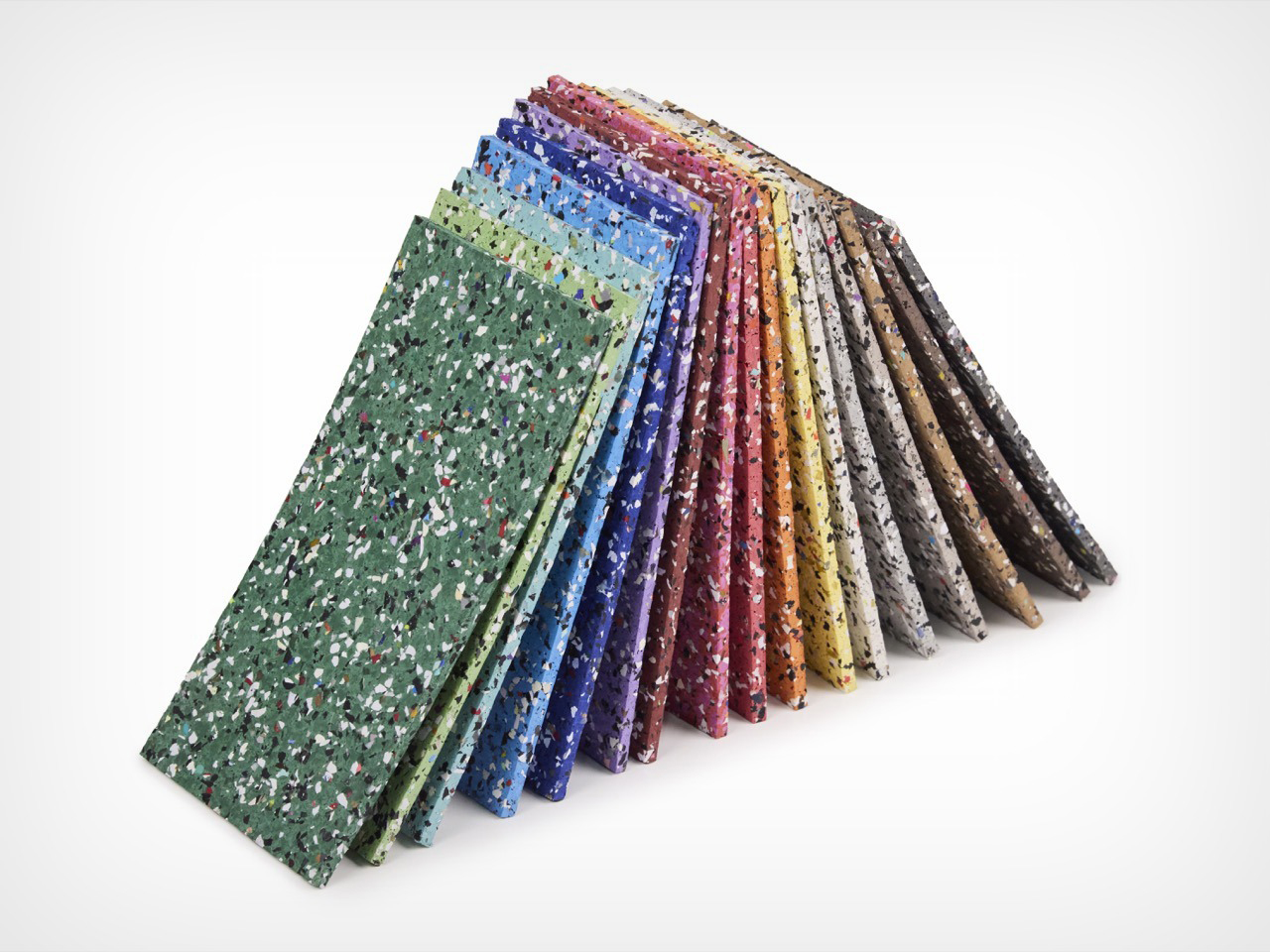
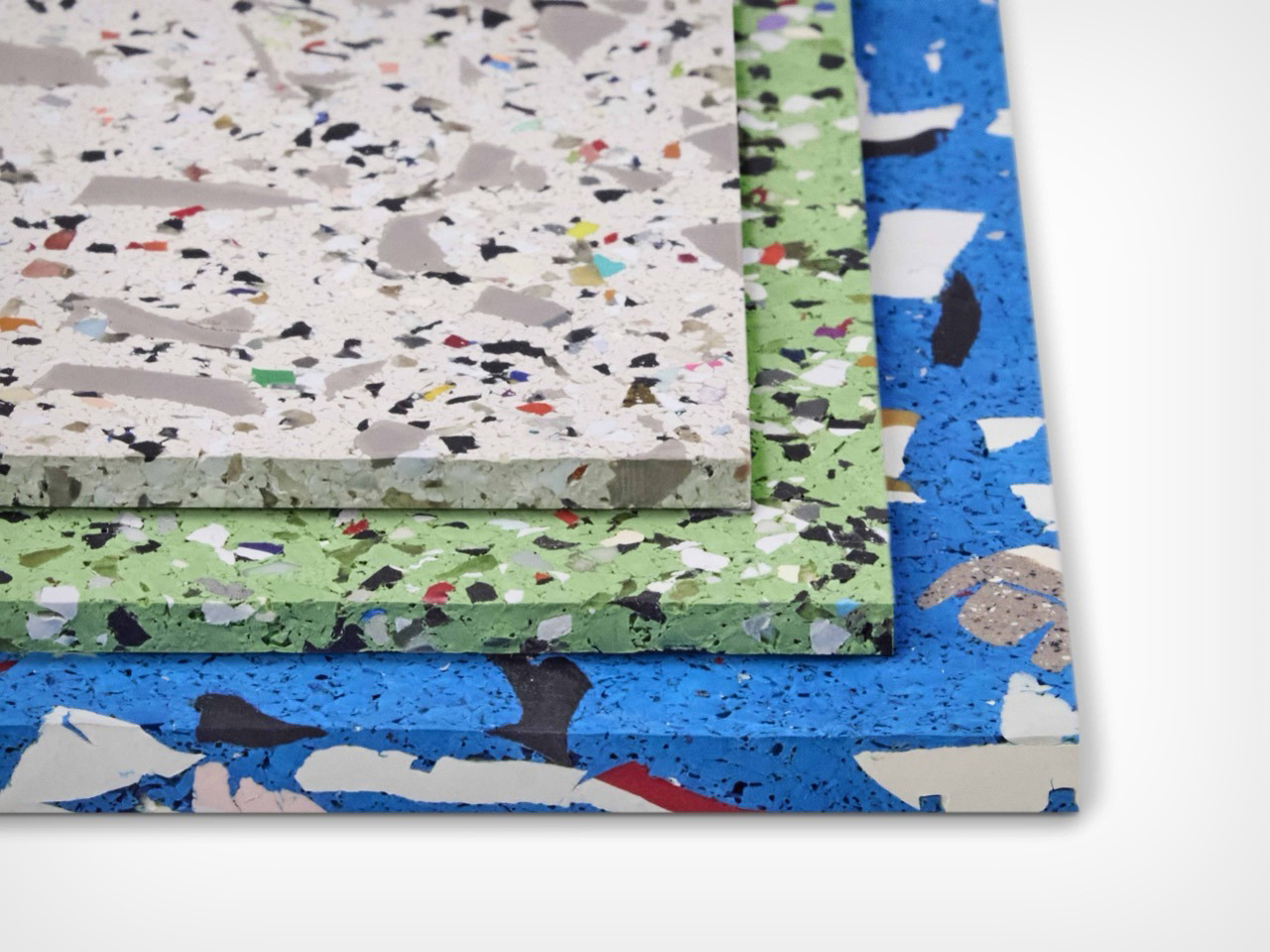
At the heart of this innovation is Nike Grind Rubber, a material made from the waste generated during the footwear manufacturing process. Each Nike Grind Dumbbell contains at least 20% of this recycled rubber by volume, making it a sustainable choice for those looking to reduce their carbon footprint while maintaining a rigorous fitness routine. The incorporation of Nike Grind Rubber gives these dumbbells a unique texture—durable and rubbery, built to withstand the toughest of workouts while maintaining comfort and grip. It’s sort of like the KitKat business model. Just like how damaged KitKats get reused as the wafer inner filling for KitKats, the waste from Nike’s footwear business gets used as raw material for its dumbbells.

Nike has paid special attention to the design of the dumbbells, ensuring they are not only functional but also comfortable to use. The handles are ergonomically shaped, with their diameter increasing as the weight goes up, providing a secure and tailored grip no matter the load. For lighter weights, starting at 2.5 lbs and going up to 25 lbs in 2.5-lb increments, the thinner handles offer precision and control. As the weights increase to 50 lbs in 5-lb increments, the handles thicken to match the increased demand for strength and stability, ensuring a comfortable grip for every user.

The medium-knurled handle provides just the right balance of friction and control, making these dumbbells ideal for a wide variety of exercises. Whether you’re pushing through an intense HIIT workout or performing slow, controlled movements, the grip offers confidence and security, allowing you to focus fully on your training.

One of the standout features of the Nike Grind Dumbbells is their versatility. Dumbbells are arguably one of the most essential pieces of equipment in any gym, and Nike’s offering is no exception. These weights support countless workout movements, from compound lifts like squats and lunges to isolation exercises like bicep curls and tricep extensions. The hexagonal rubber construction prevents rolling, making them stable and safe to use on various surfaces, while also protecting floors from damage.
In true Nike fashion, the Nike Grind Dumbbells come with a design flair that sets them apart from other gym equipment. Due to the nature of the recycled material, each set features a unique color blend depending on the footwear colorways Nike produces during any given season. While the base color remains a stylish grey, the Nike Grind particles within the dumbbell vary, making each pair truly one-of-a-kind. This limited-edition aspect of the dumbbells adds a sense of exclusivity for those looking to own a unique piece of Nike’s sustainable innovation.
The Nike Grind Dumbbells are sold in pairs, with pricing ranging from $30 for the 2.5-lb set to $210 for the 50-lb set. Given the combination of quality, durability, and sustainable design, these dumbbells offer excellent value for those serious about their fitness and environmental impact.

Nike’s iconic “Just Do It” slogan has always been about pushing boundaries, whether in sports or in life. With the Nike Grind Dumbbells, that ethos extends to sustainability, offering a product that not only supports your physical training but also contributes to reducing waste. This dumbbell is a perfect fit for athletes who want to make a difference both in their workouts and in the world.

The post Nike’s Sustainable Dumbbells Turn Footwear Waste into Fitness Gear first appeared on Yanko Design.