ASUS ROG Raikiri II Pro adapts to every game with switchable triggers and 8,000Hz input speed

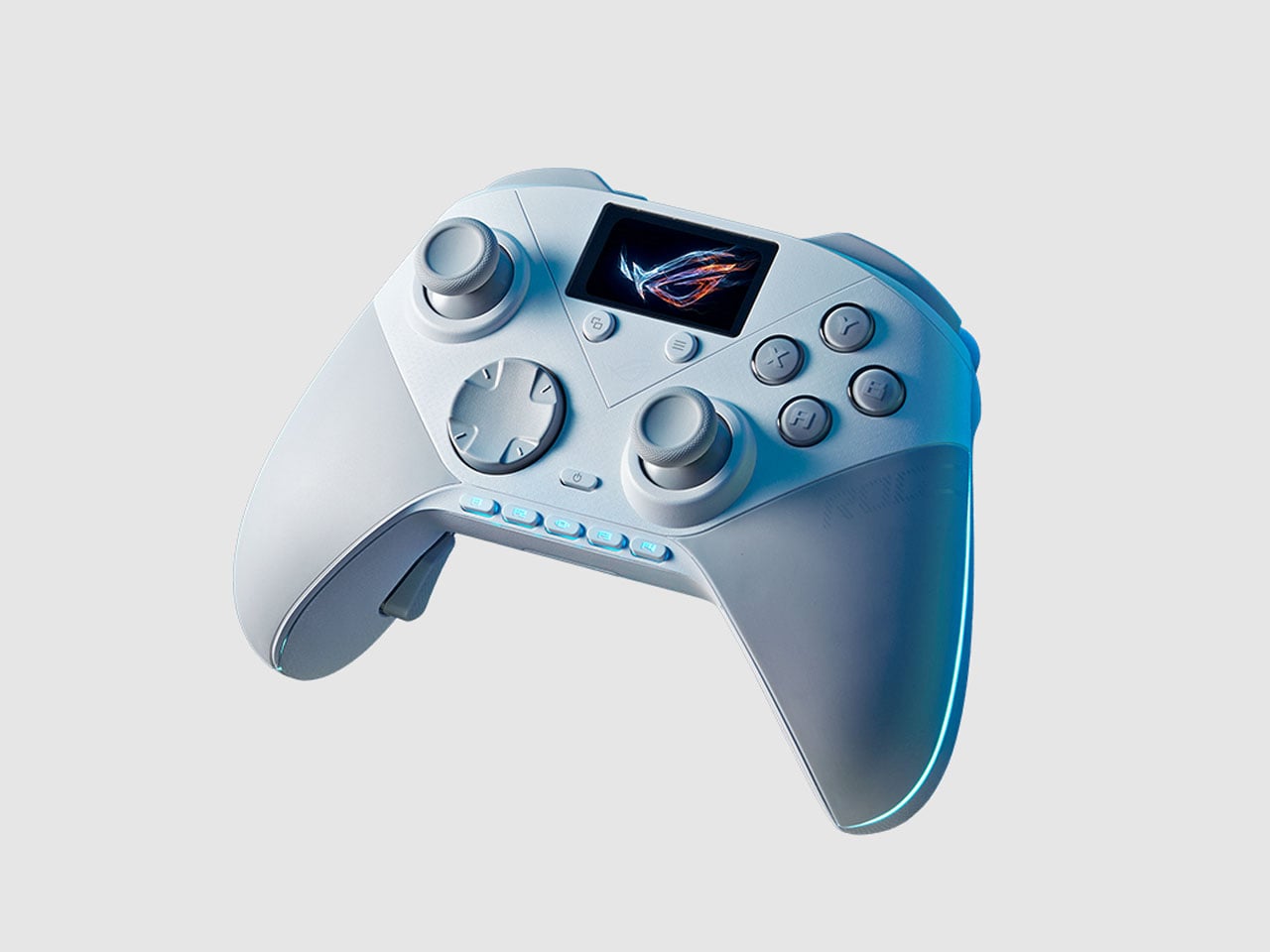
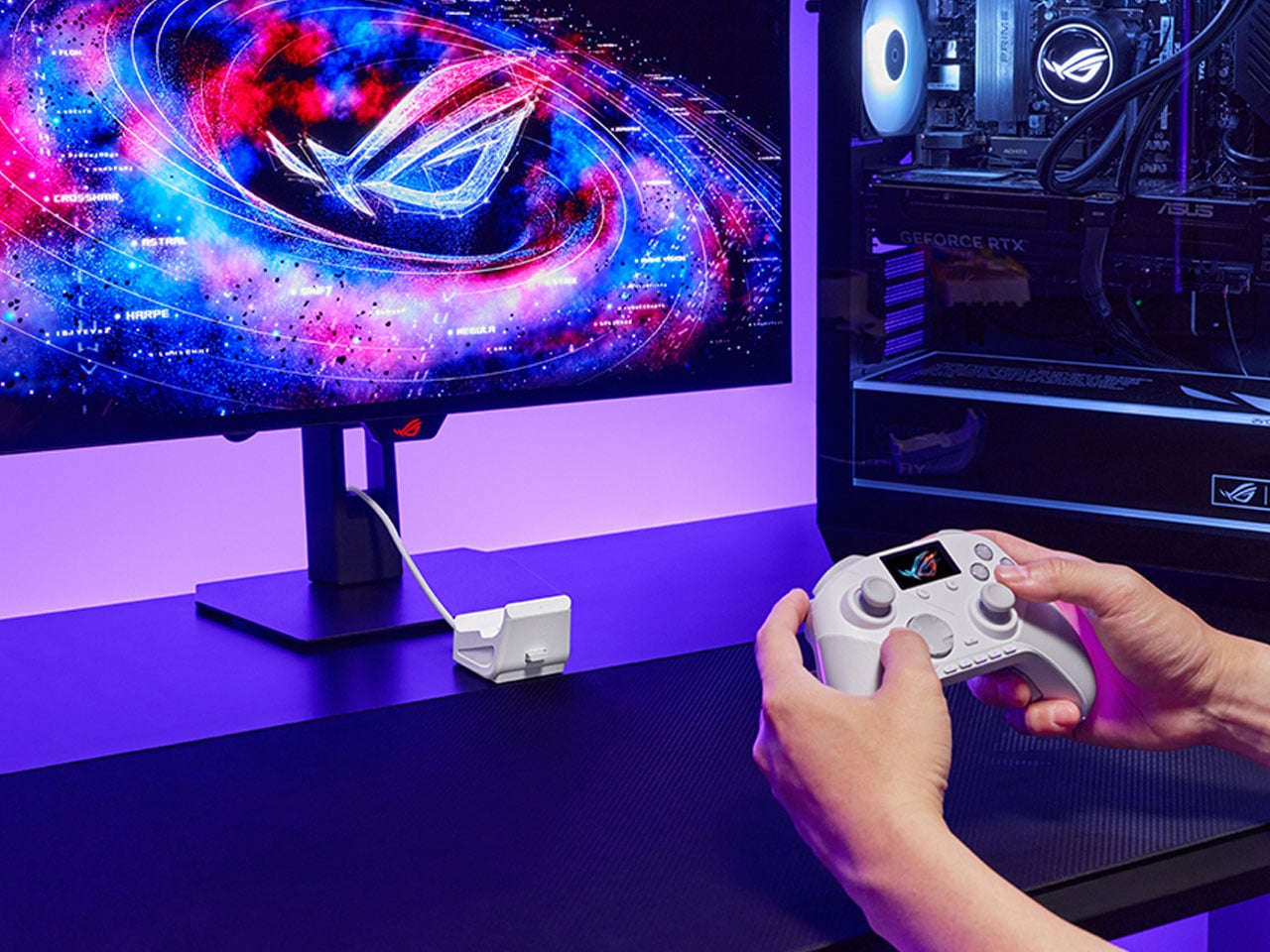
When the ROG Raikiri Pro controller burst onto the scene at CES 2023, the gamepad was ahead of its time courtesy of a dedicated 1.3-inch mini OLED display. Now, after nearly three years, Asus has revealed the next version of the controller with improved features and upgrades to entice gamers who are always on the lookout for the endgame accessories.

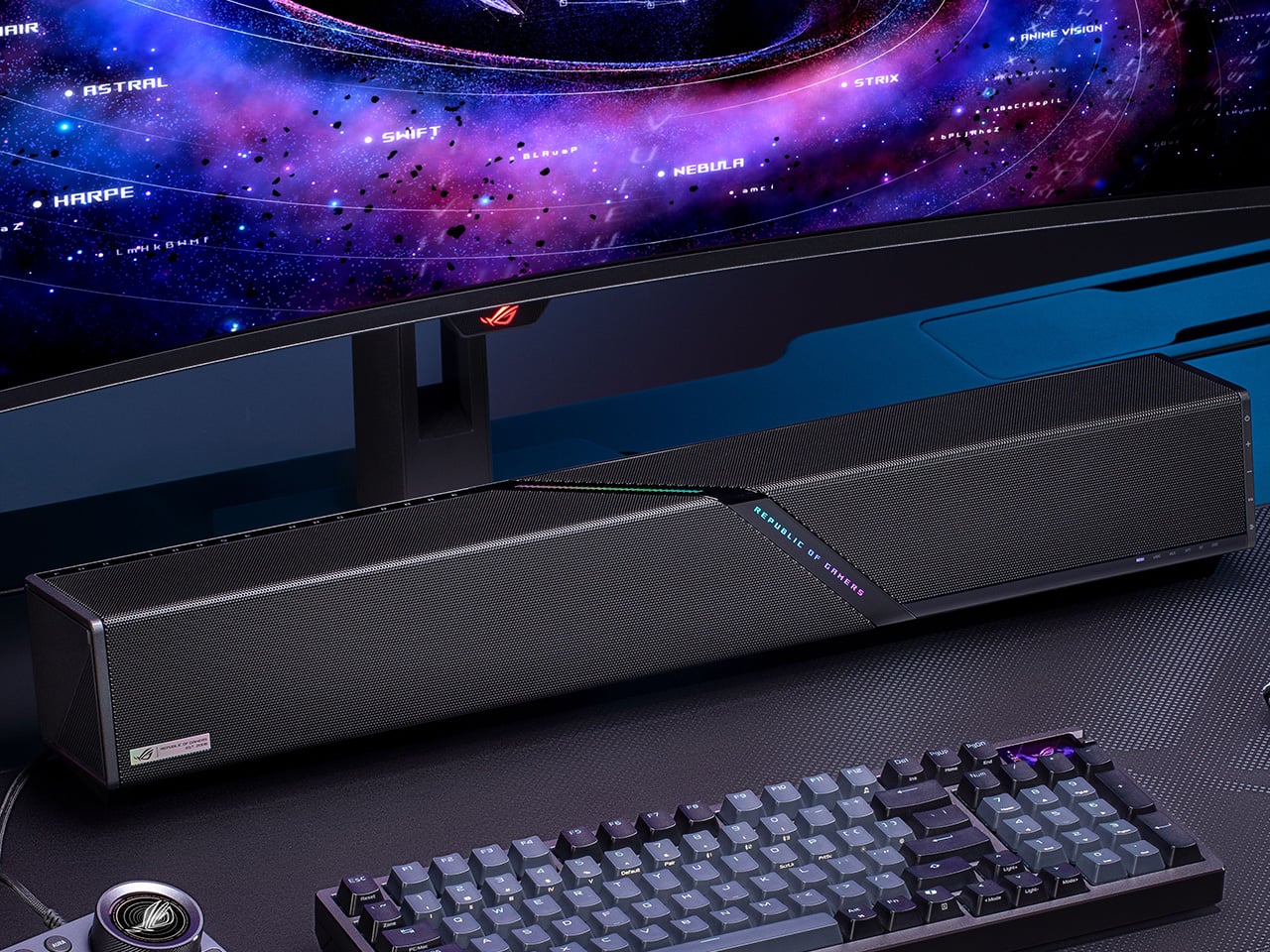
This comes on the back of Asus ROG’s 20th anniversary celebration, wherein other products, including the triple-mode gaming monitor and Gjallar Gaming soundbar, were also announced by the brand.

Designer: Asus

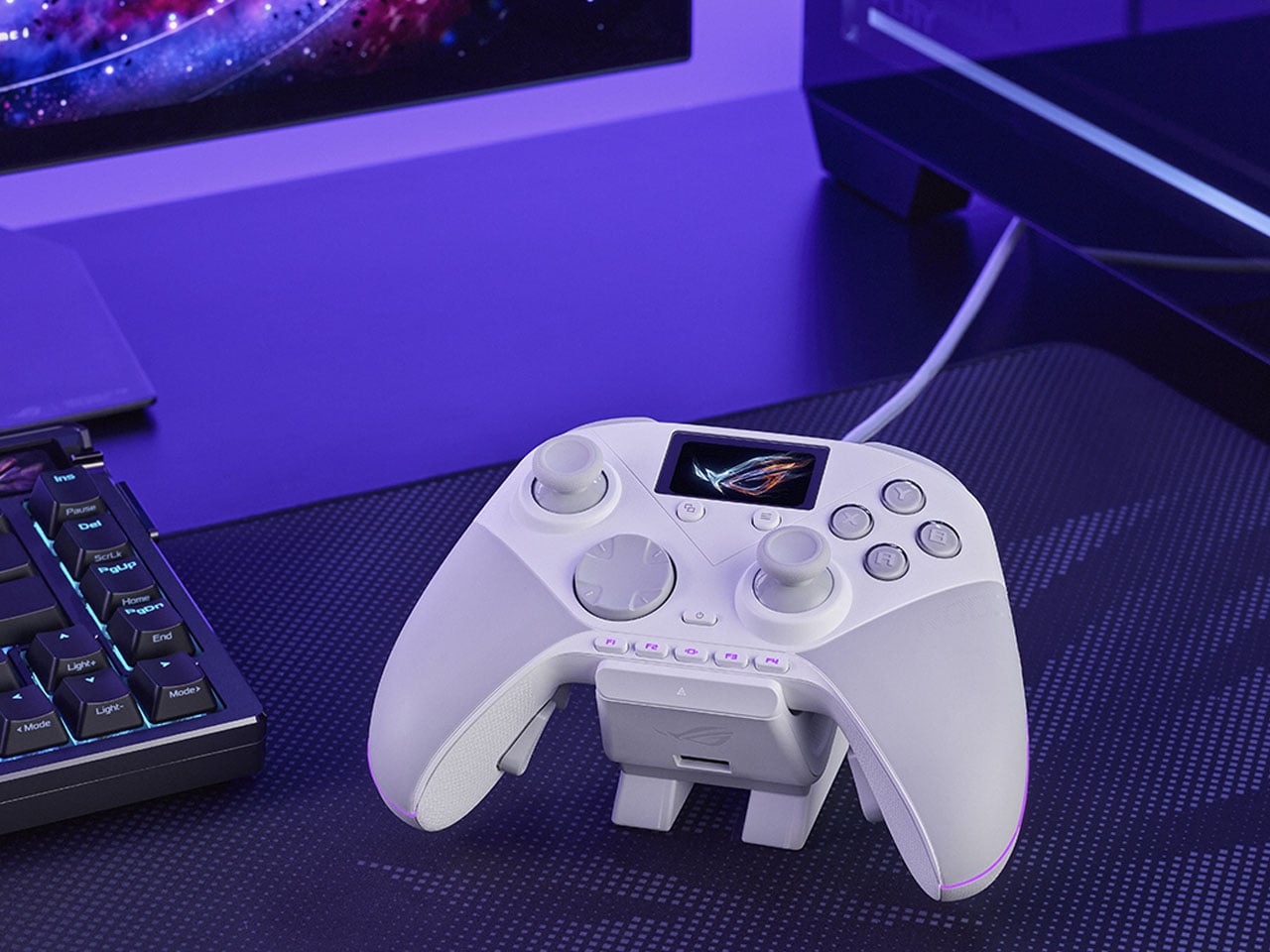
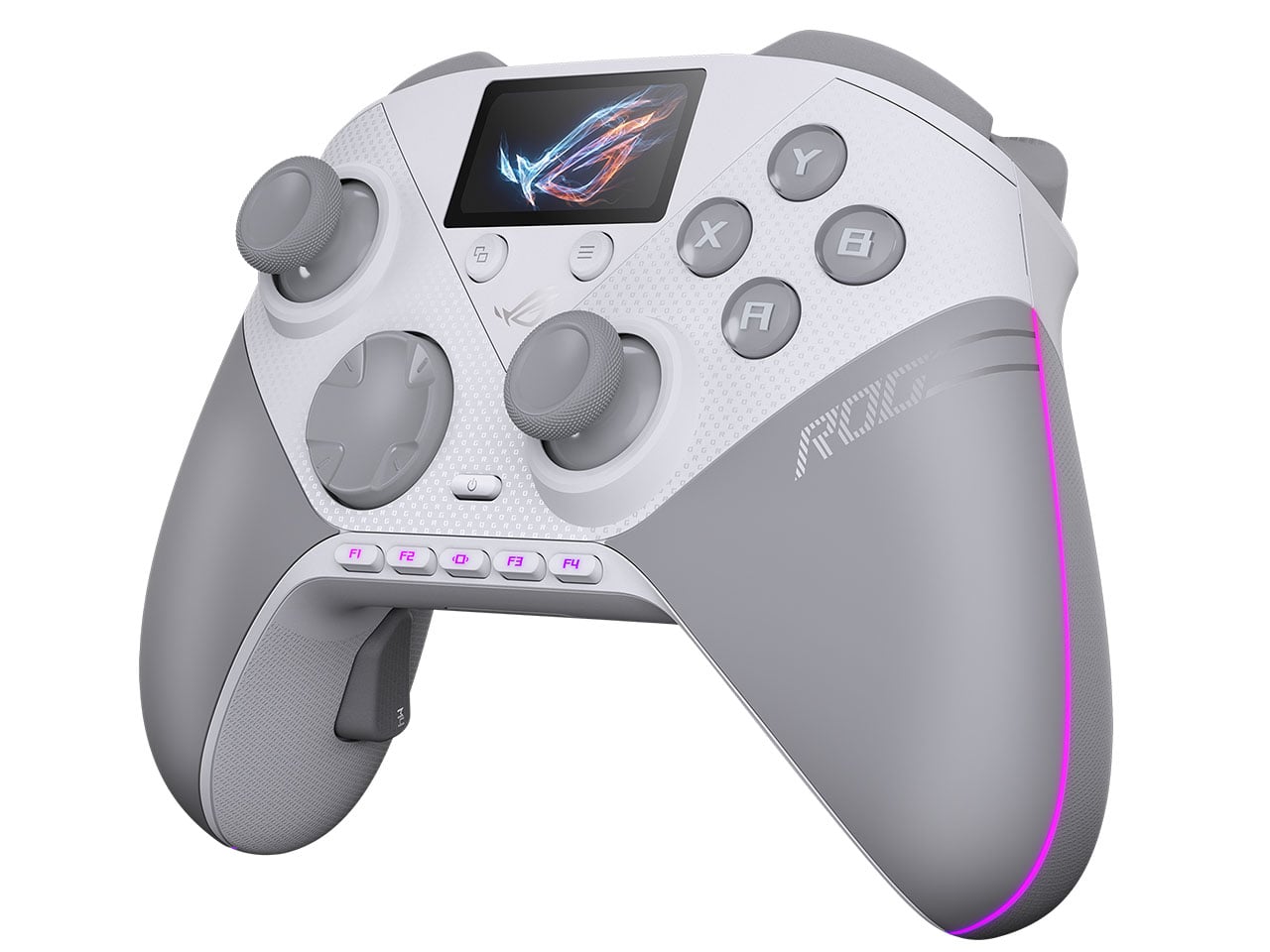
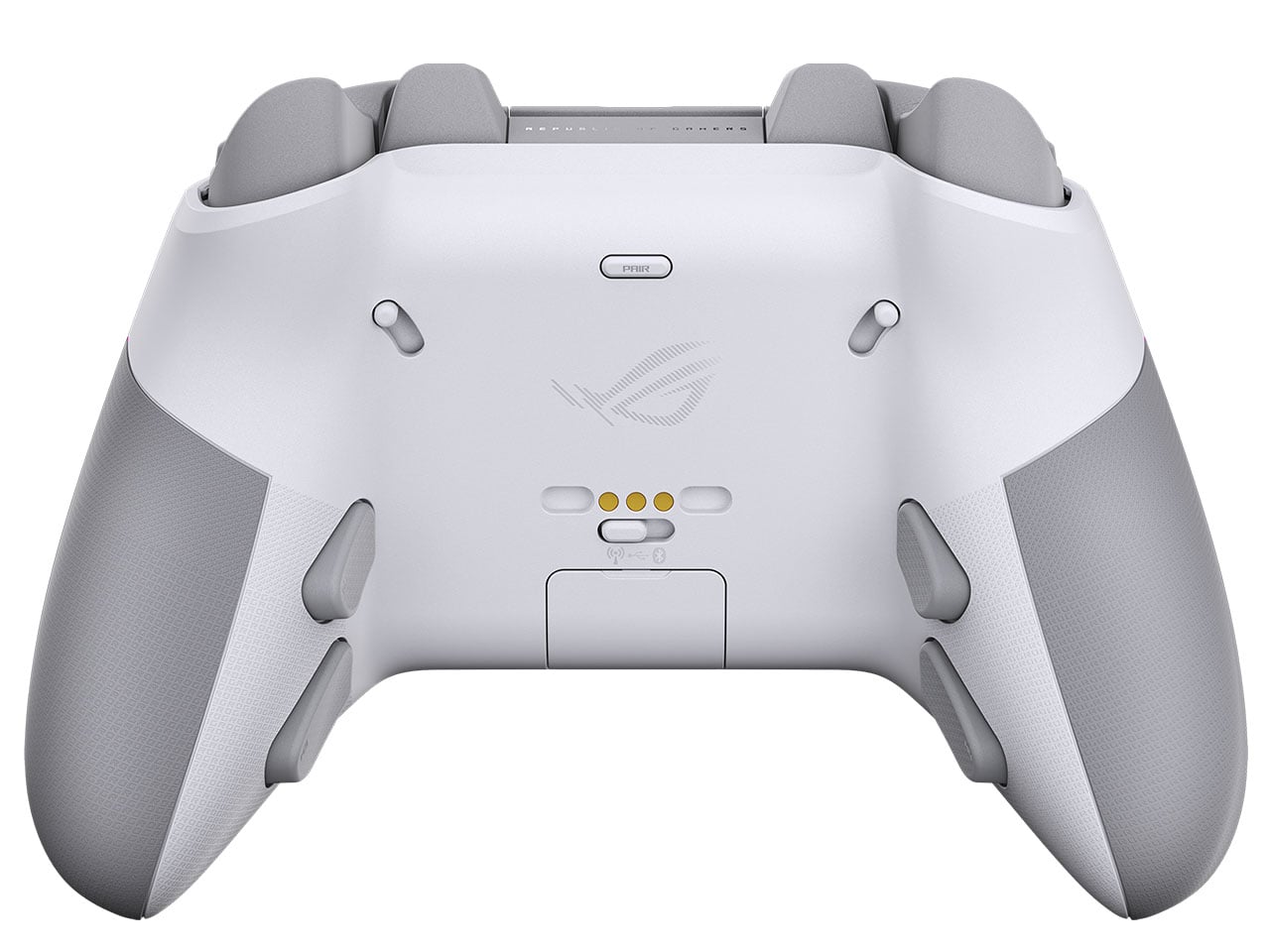
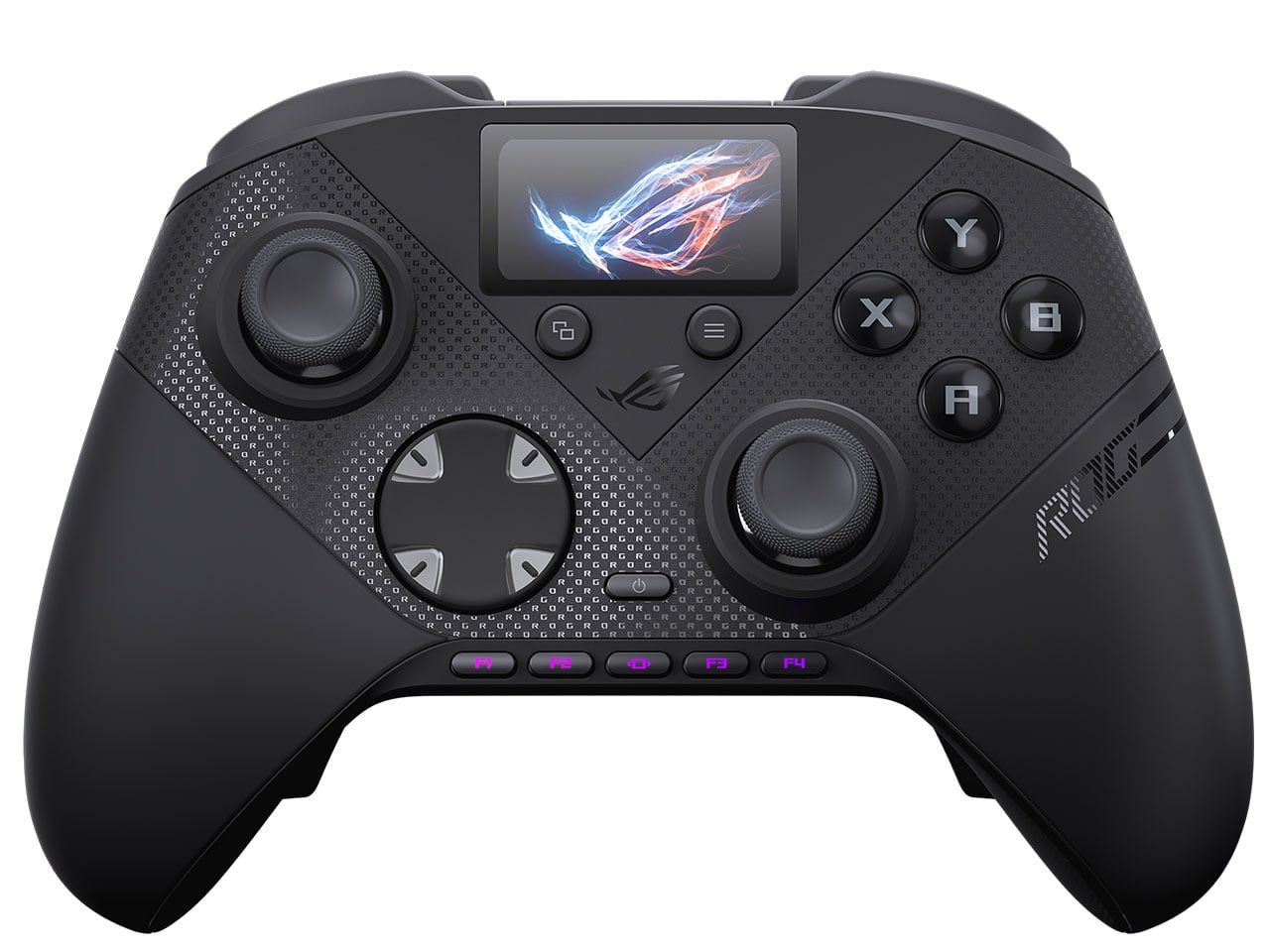
Unlike its predecessor, the new ROG Raikiri II Pro shifts its focus from flashy extras to competitive performance and precision. Built primarily for PC gamers, the controller delivers an impressive 8,000Hz polling rate in wired mode for ultra-low input latency, while ASUS’ SpeedNova wireless technology is designed to provide a fast and stable 2.4GHz connection with improved power efficiency. The controller also supports Bluetooth and USB-C connectivity, allowing players to switch between multiple gaming setups with ease.

ASUS has also redesigned the controls to improve responsiveness during long gaming sessions. Every primary input, including the D-pad, ABXY buttons, shoulder buttons, and rear paddles, now uses micro switches that deliver crisp tactile feedback with faster actuation. The controller also introduces dual-mode triggers, letting users instantly swap between short-travel micro-switch triggers for competitive shooters and full-range TMR sensor triggers for racing titles or games that benefit from precise analog control. Combined with anti-drift TMR thumbsticks, the Raikiri II Pro controller offers consistent accuracy and longer durability than traditional analog sticks.

Customization remains one of the controller’s biggest strengths. Through ASUS Gear Link software, users can remap buttons, adjust stick sensitivity, fine-tune trigger dead zones, modify vibration levels, and create multiple profiles for different genres. RGB lighting, onboard profile storage, and interchangeable thumbstick caps further allow players to personalize both the aesthetics and feel of the controller. ASUS also bundles a charging dock and a protective carrying case that can recharge the controller while stored, making it easier to keep the accessory ready for travel or daily gaming.

Alongside the controller, ASUS also introduced the ROG Gjallar Gaming Soundbar as another premium addition to its gaming ecosystem. The 2.1.2-channel setup supports Dolby Atmos and combines front-facing speakers, dedicated tweeters, upward-firing drivers, and a 65W wireless 6.5-inch subwoofer to create a more immersive soundstage. The company says the system is tuned to improve positional audio, helping players better identify in-game movement and environmental cues.

Like the Raikiri II Pro, the Gjallar supports ASUS Gear Link software, allowing users to customize audio settings and integrate it into a broader ROG gaming setup. The two new accessories showcase ASUS’s emphasis on high-performance gaming peripherals that prioritize responsiveness, customization, and immersion, while marking another milestone in the company’s two-decade journey as the Republic of Gamers brand!

The post ASUS ROG Raikiri II Pro adapts to every game with switchable triggers and 8,000Hz input speed first appeared on Yanko Design.
WiiM’s First Soundbar Has a Round Touch Display Built Into the Front

The soundbar has become the default home theater upgrade for anyone who doesn’t want to fill a room with floor-standing speakers and receiver cabinets. It’s a sensible trade-off, but most soundbars operate as completely passive objects once they’re set up, reflecting nothing about what’s actually playing or offering any real interaction beyond a remote nobody can ever find. The visual side of the experience has always been an afterthought.

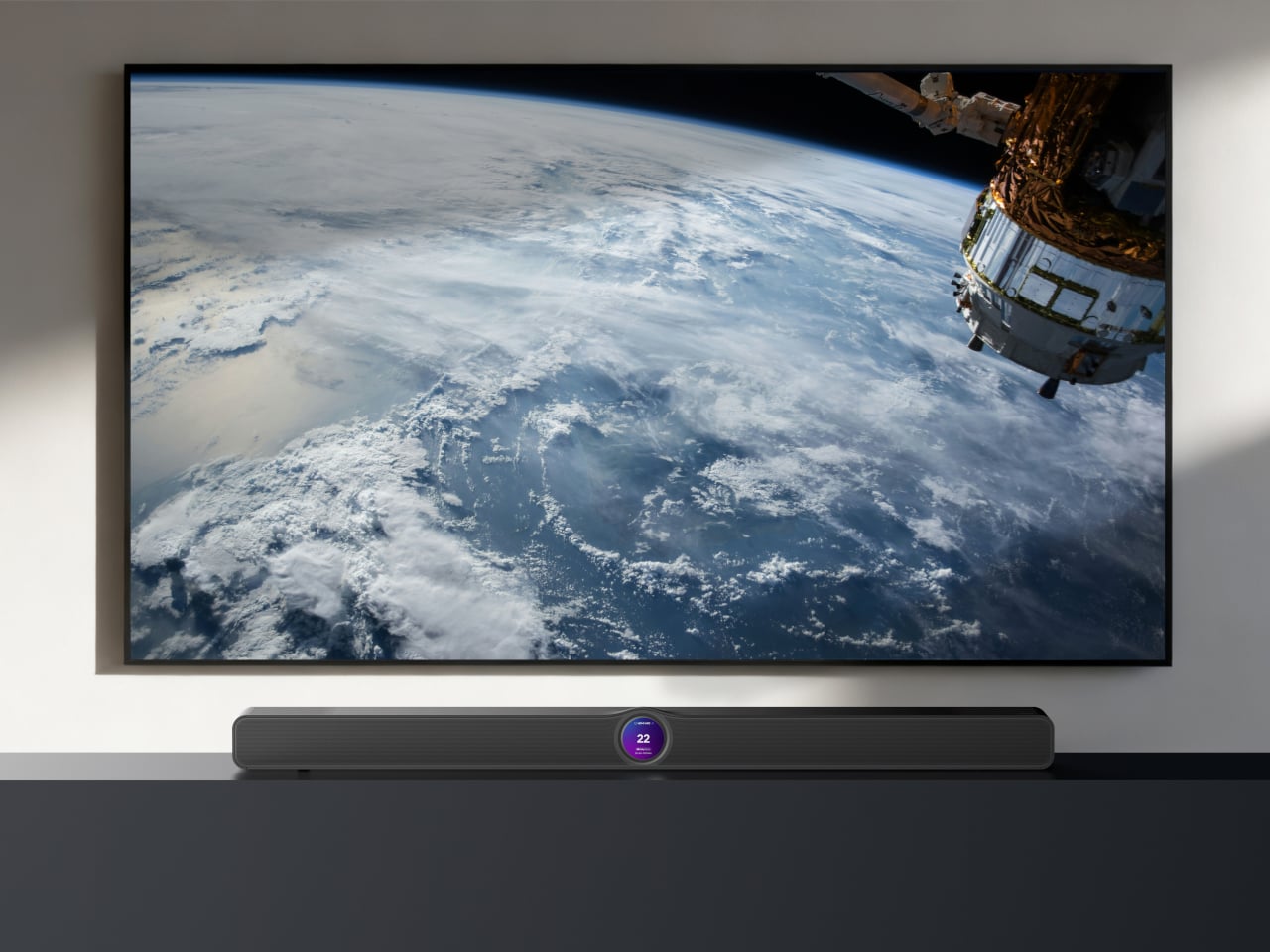
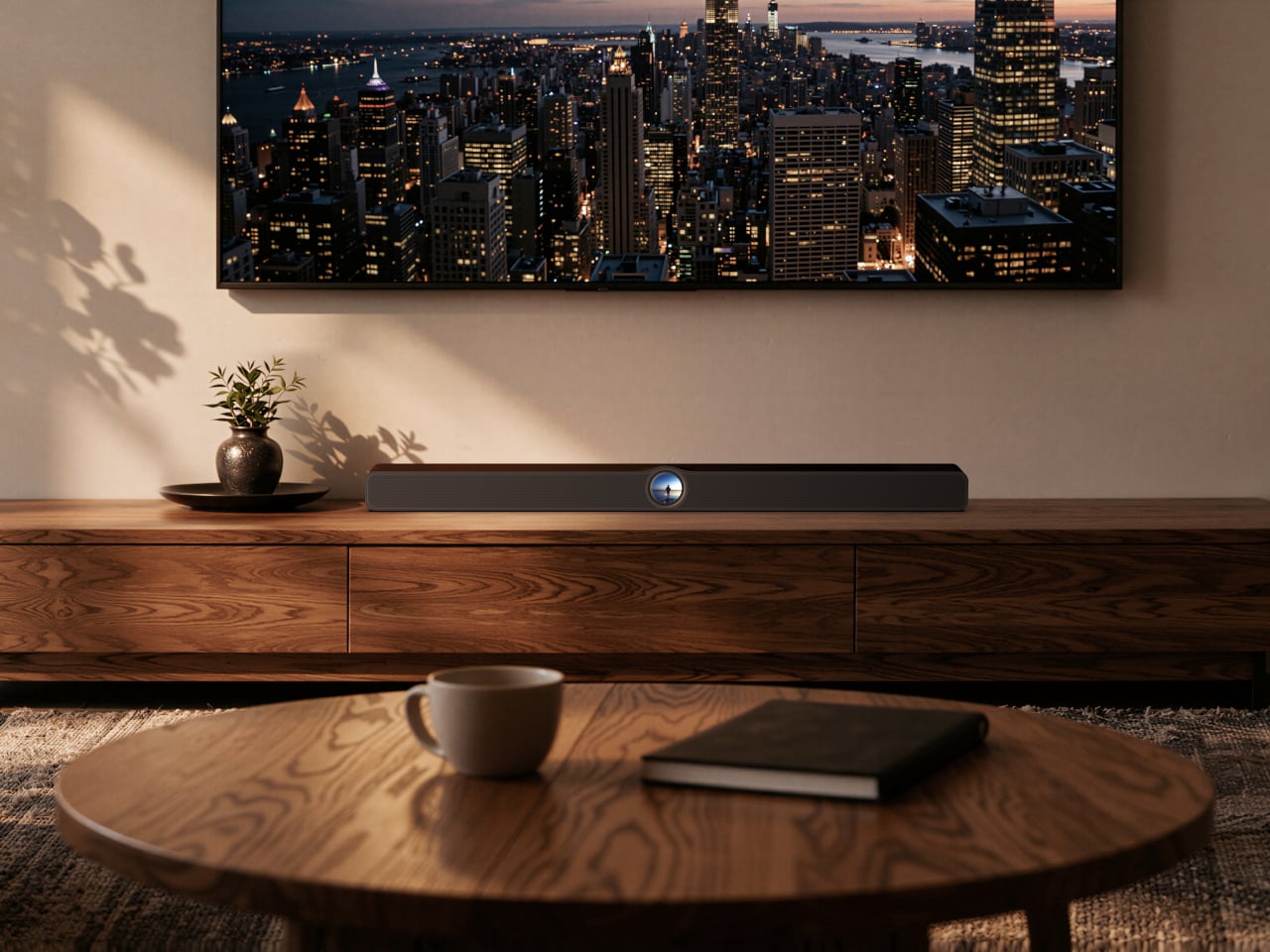
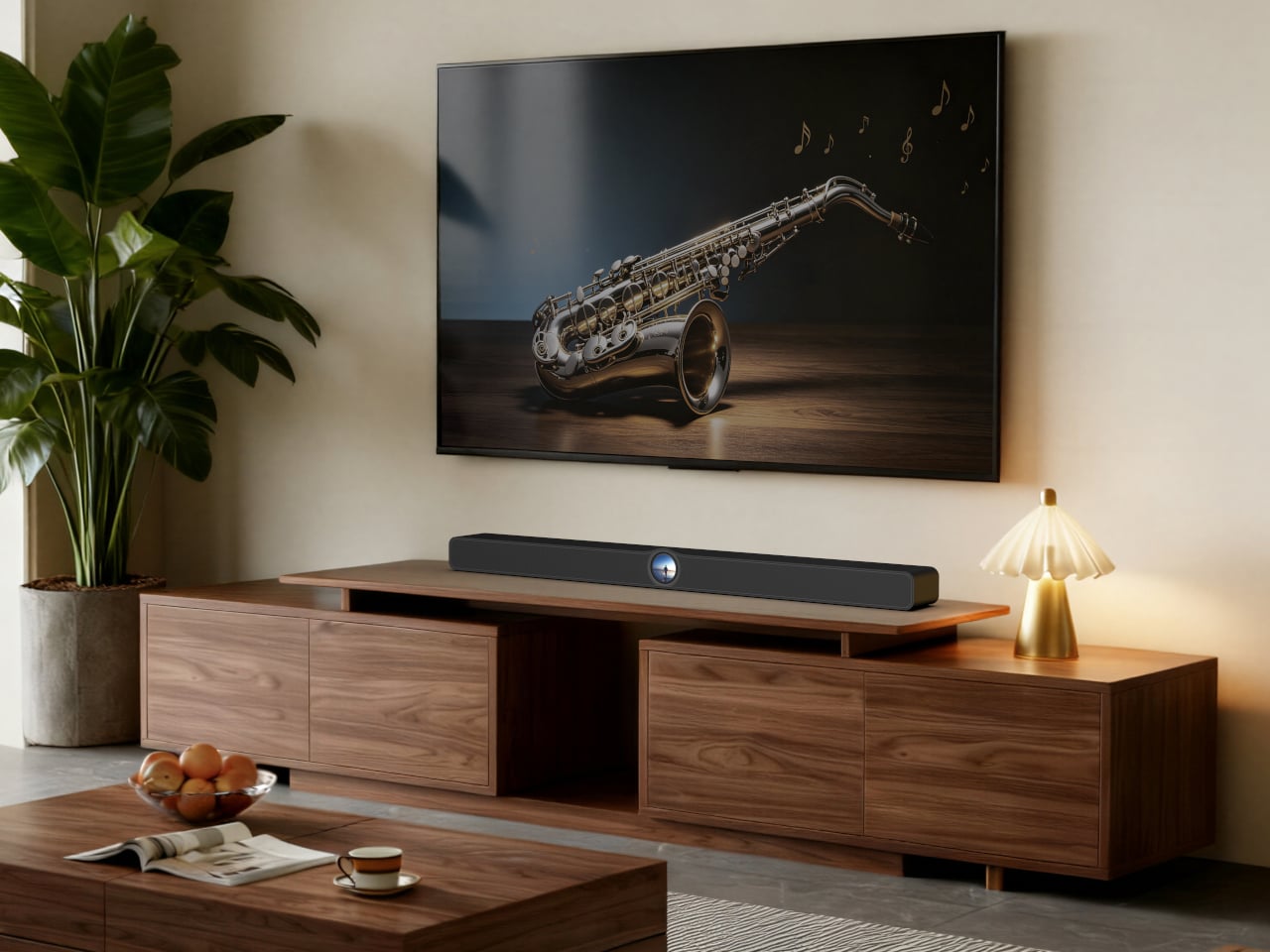
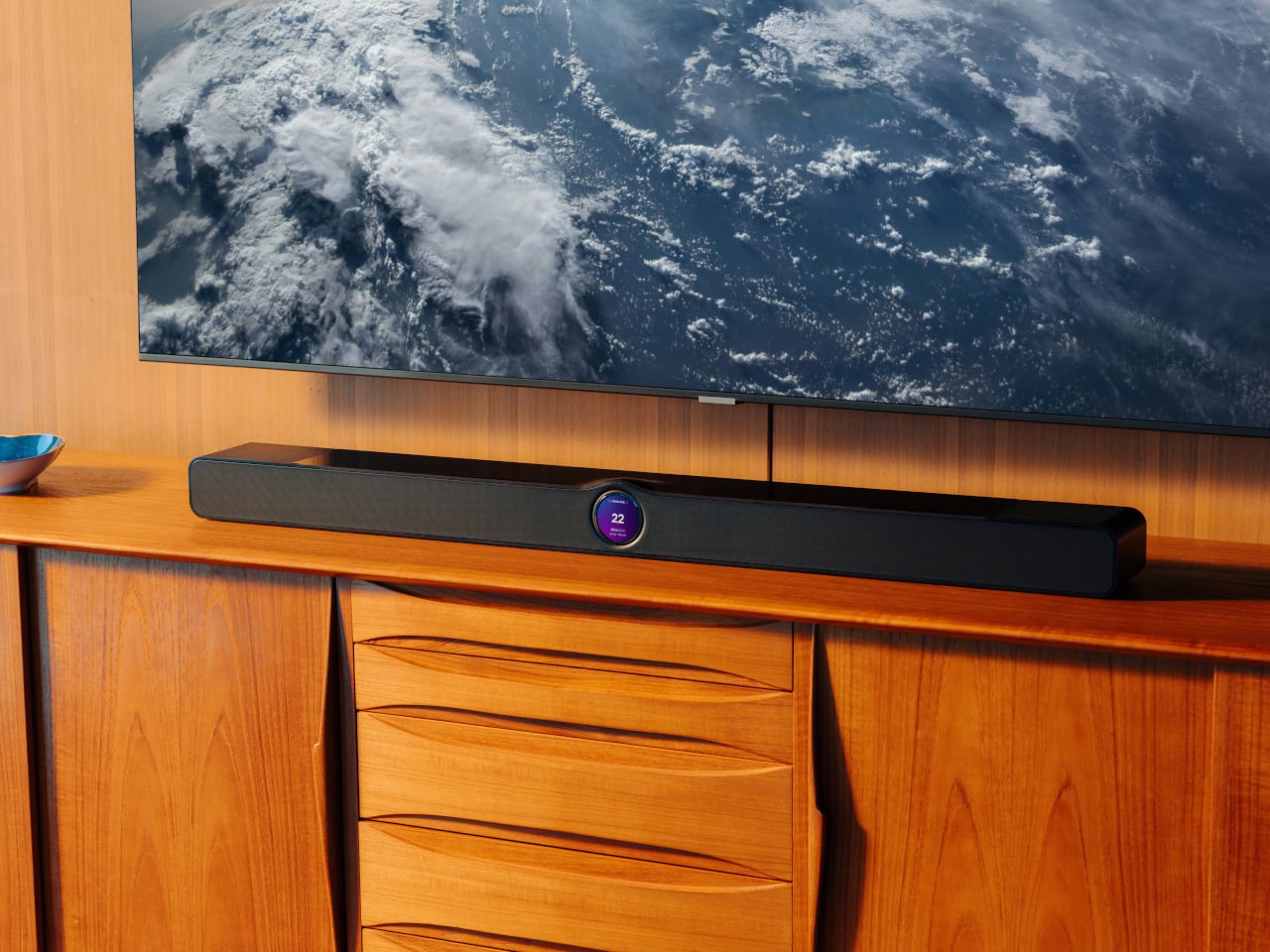
WiiM is entering the soundbar market for the first time with the WiiM Bar, and the defining choice it made is a 2.1-inch round touch display embedded in the center of the bar’s front face. That decision drives the entire product concept, making the soundbar itself a point of interaction rather than something you control exclusively from your phone or a remote that lives behind a couch cushion.

Designer: WiiM

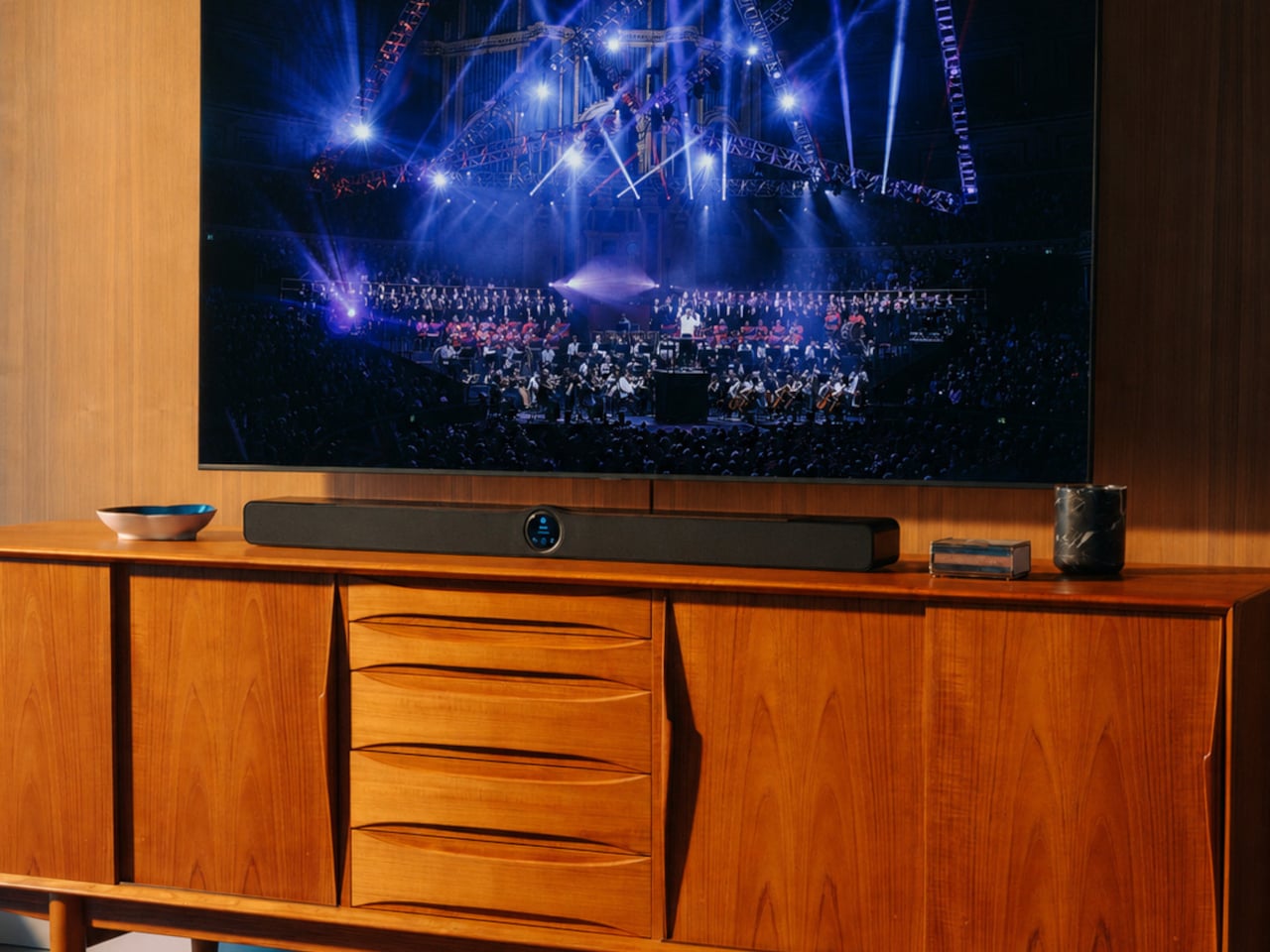
The glass-covered round display sits within a gentle wave-shaped recess on the bar’s surface, showing album art, track info, the time, EQ settings, Smart Presets, and Recently Played content in a format readable from across the room. A tap plays, pauses, skips, switches sources, or selects an EQ profile without reaching for anything else. Clock faces and dynamic wallpapers take over when nothing’s actively playing.

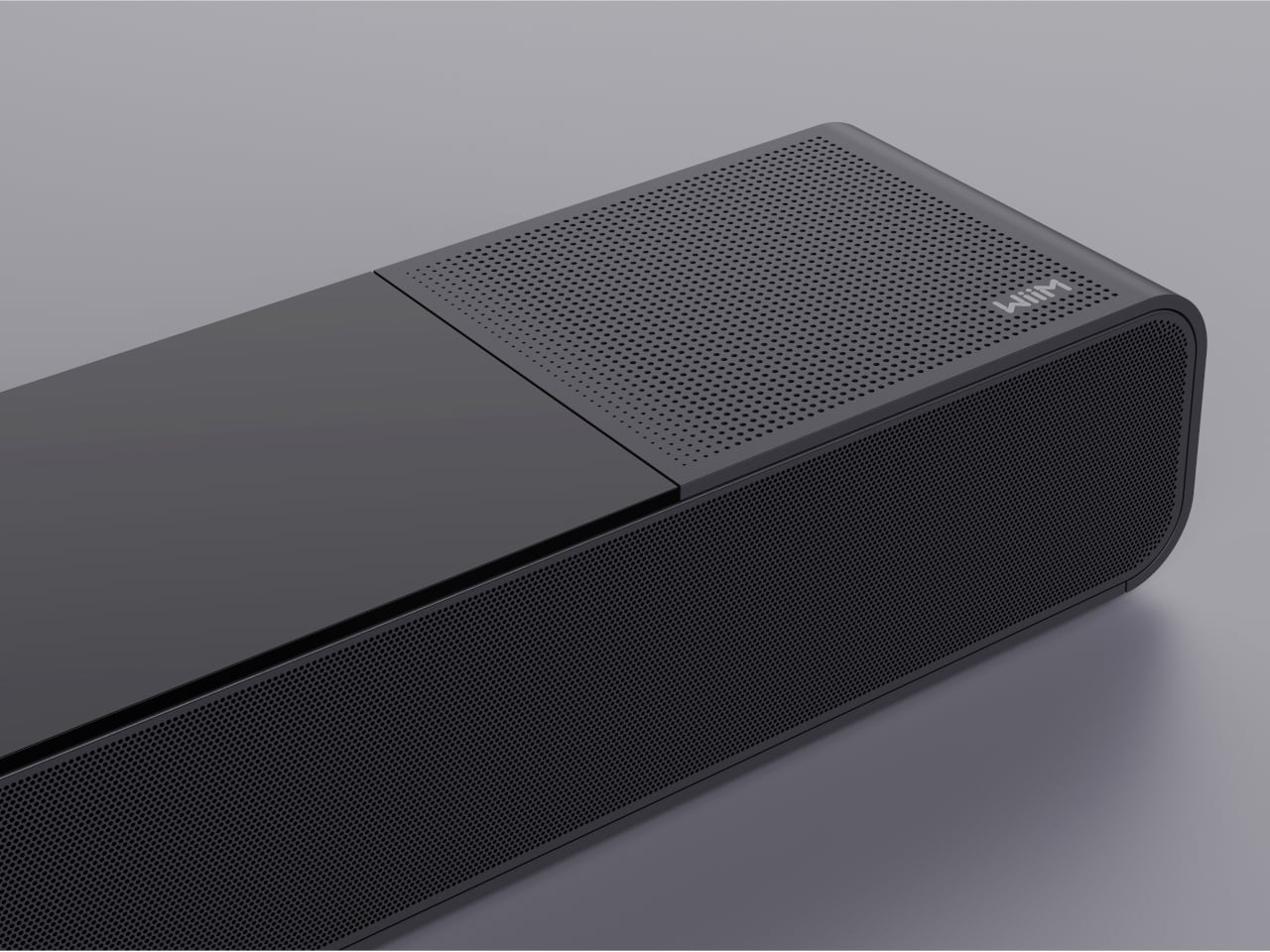
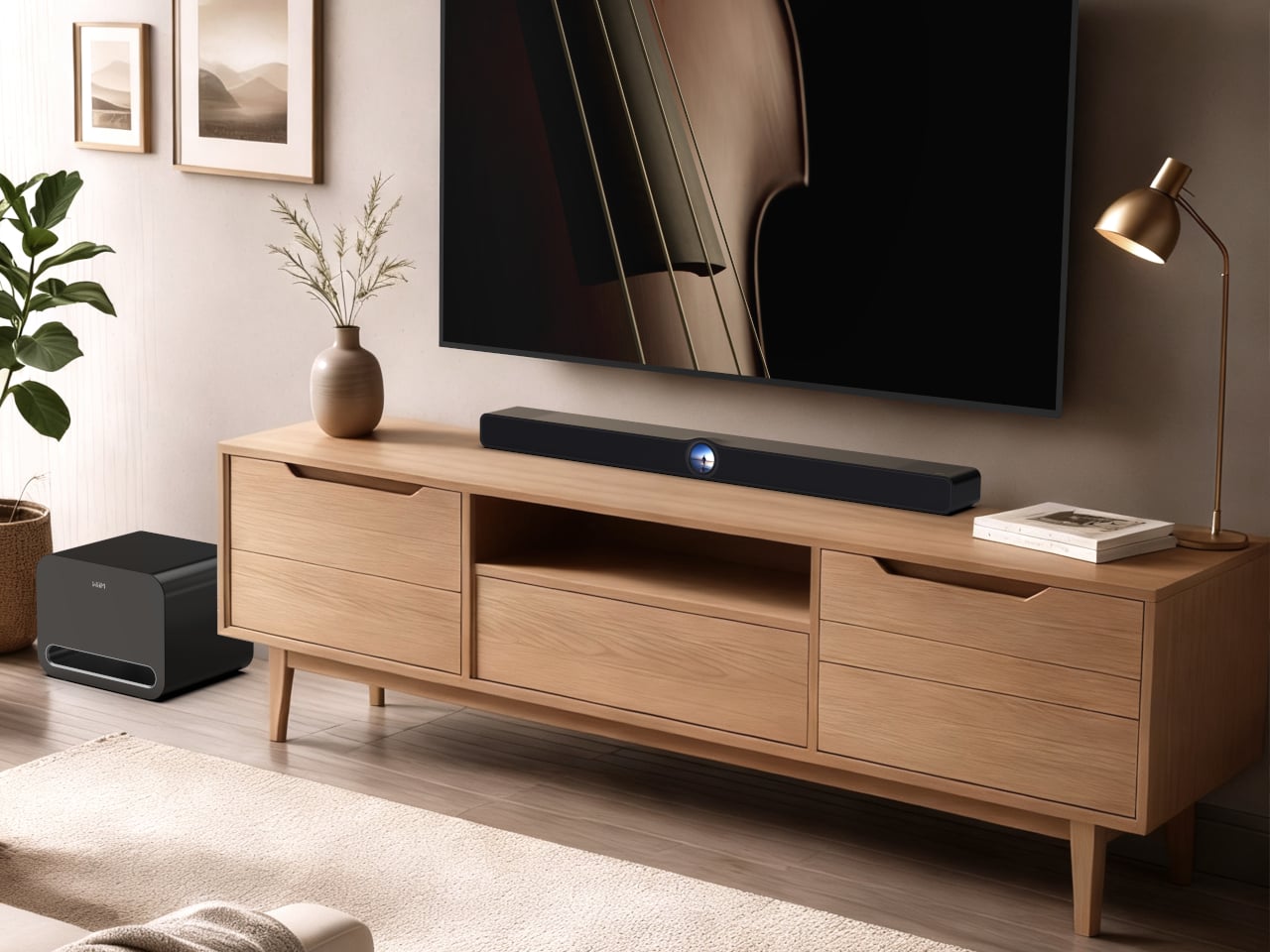
Sonically, the WiiM Bar delivers a true 3.0.2 Dolby Atmos configuration using an eight-driver array: three front mid-woofers, three front tweeters, and two full-range drivers on top that fire upward for height effects. Four passive radiators, two on the front and two on the rear, extend the bass response. The system peaks at 135W and includes HDMI eARC alongside optical, line-in, and configurable USB audio connections.

RoomFit auto-correction measures the acoustic characteristics of the space and adjusts the output accordingly, so placement against a wall doesn’t work against the sound. A Clear Voice mode uses AI-powered dialogue separation in real time, which is genuinely useful for anyone who reaches for subtitles not because a show is quiet, but because the mix buries speech under effects. Night Mode keeps that clarity intact at lower volumes.

The 3.0.2 configuration is a starting point rather than a ceiling. Compatible WiiM devices can be added wirelessly as surrounds and a subwoofer, taking the system to a full 5.1.2 home theater without additional wiring. The WiiM Home App manages EQ, Smart Presets, and multi-room grouping, letting the bar sync with WiiM Amp, Ultra, Pro, and Mini devices across the rest of a home.

Streaming reaches over 20 services through the app, with direct casting via Spotify Connect, TIDAL Connect, Qobuz Connect, Google Cast, Roon, and Amazon Music Cast. Wi-Fi 6E covers all three bands, Ethernet offers a wired fallback, and Bluetooth 5.4 with LE Audio handles device pairing. A USB host port lets the bar serve a personal media library to other WiiM and DLNA devices on the network.

The WiiM Bar ships in July 2026, priced at $479, available for pre-order now through wiimhome.com, Amazon, and select retail partners. For a market full of soundbars that treat control as an afterthought and expansion as an expensive aftermarket exercise, it offers a fairly direct argument: an on-device touch interface, honest Dolby Atmos performance, and a clear path to a proper surround setup whenever the moment calls for it.

The post WiiM’s First Soundbar Has a Round Touch Display Built Into the Front first appeared on Yanko Design.
B&O Just Launched a $5,000+ Soundbar That Costs More Than Your First Car

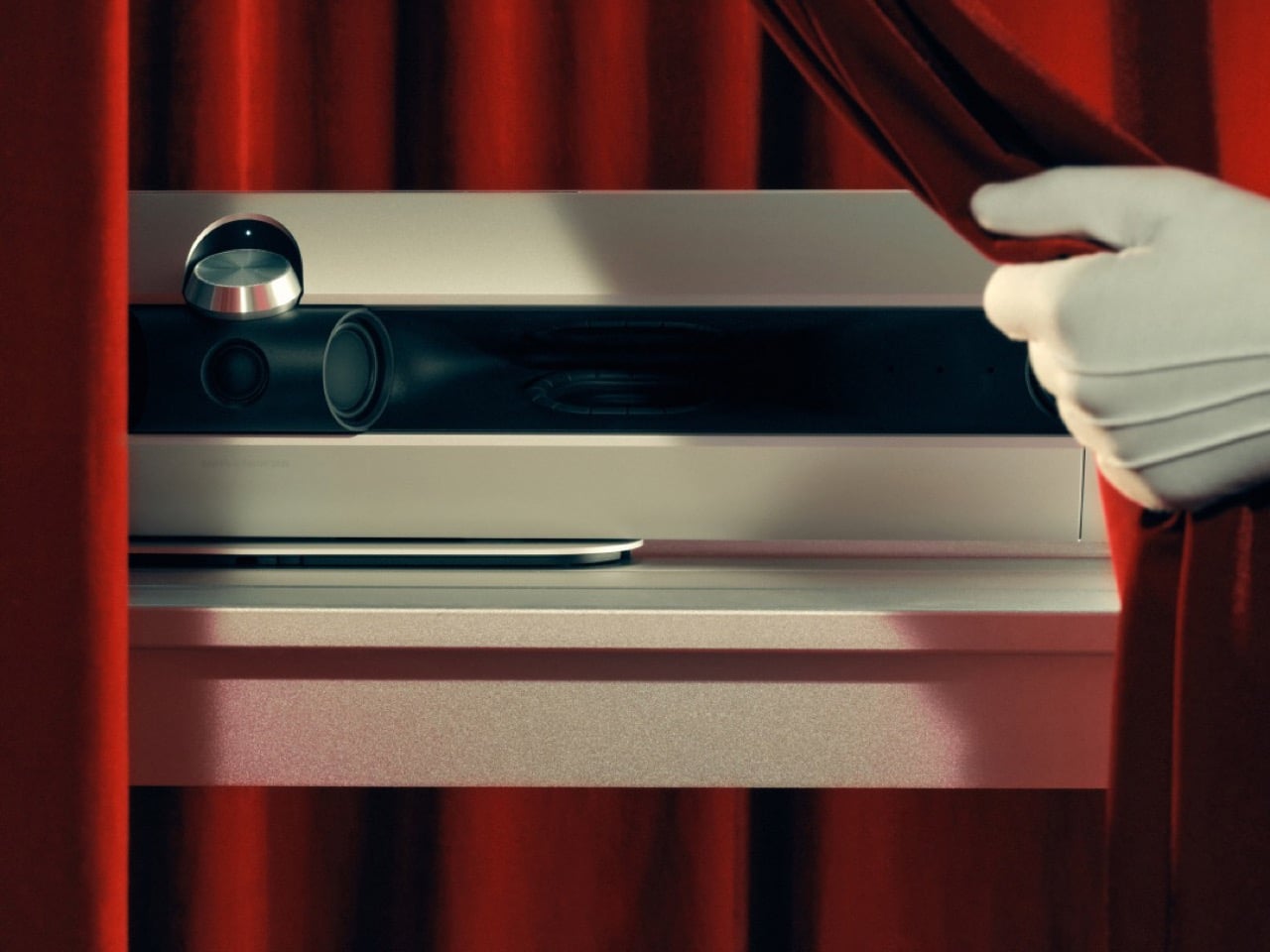
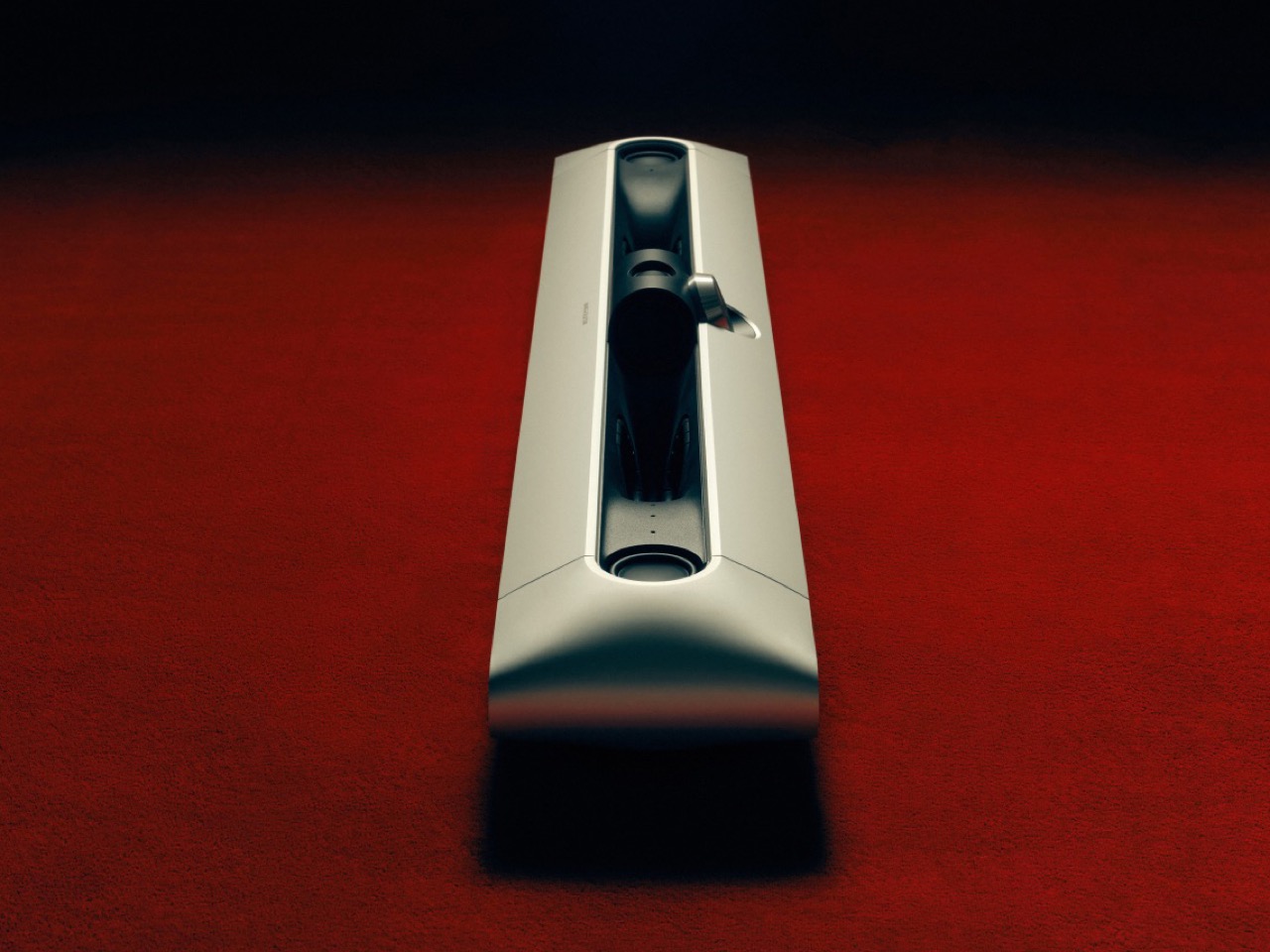
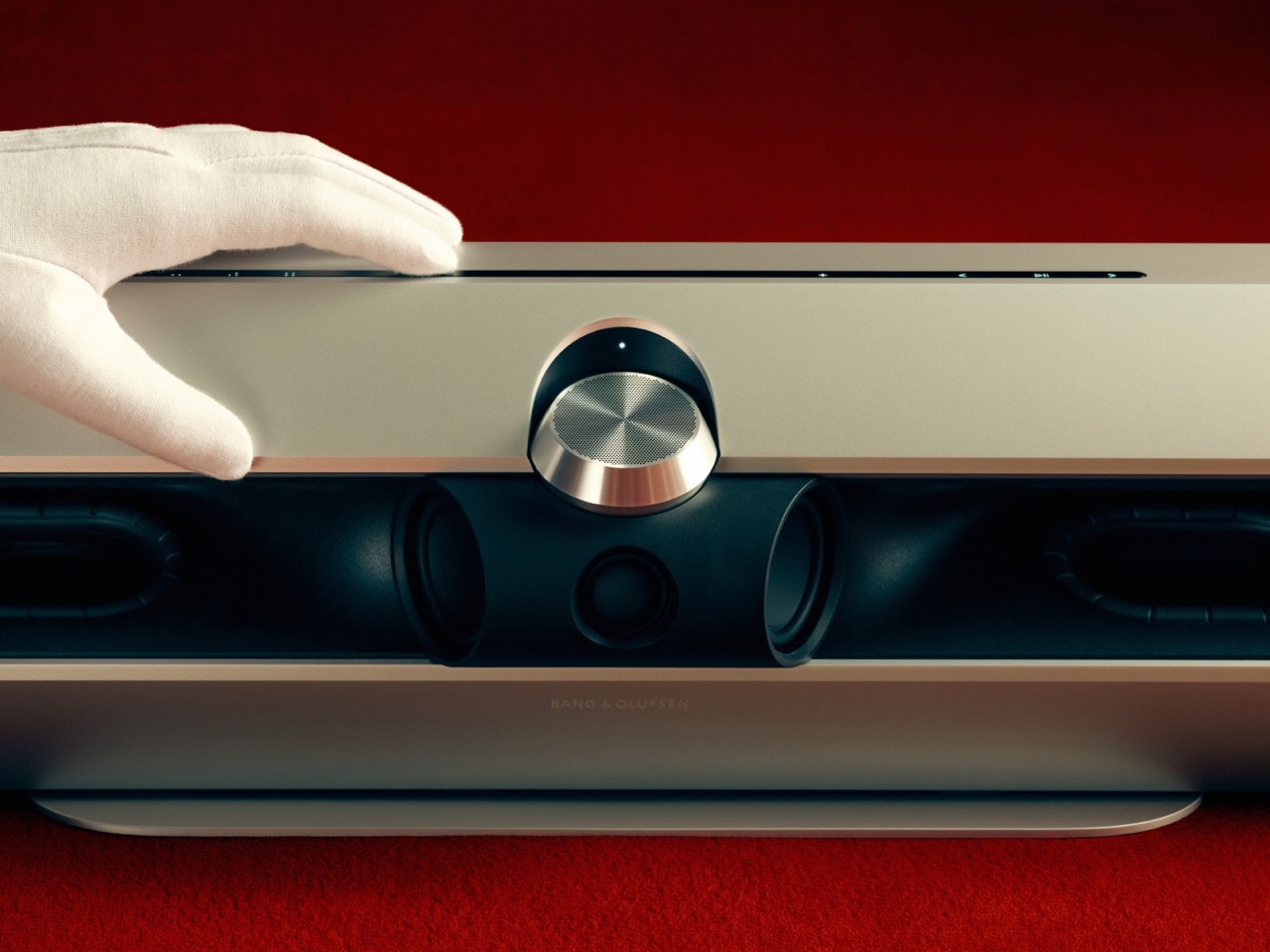
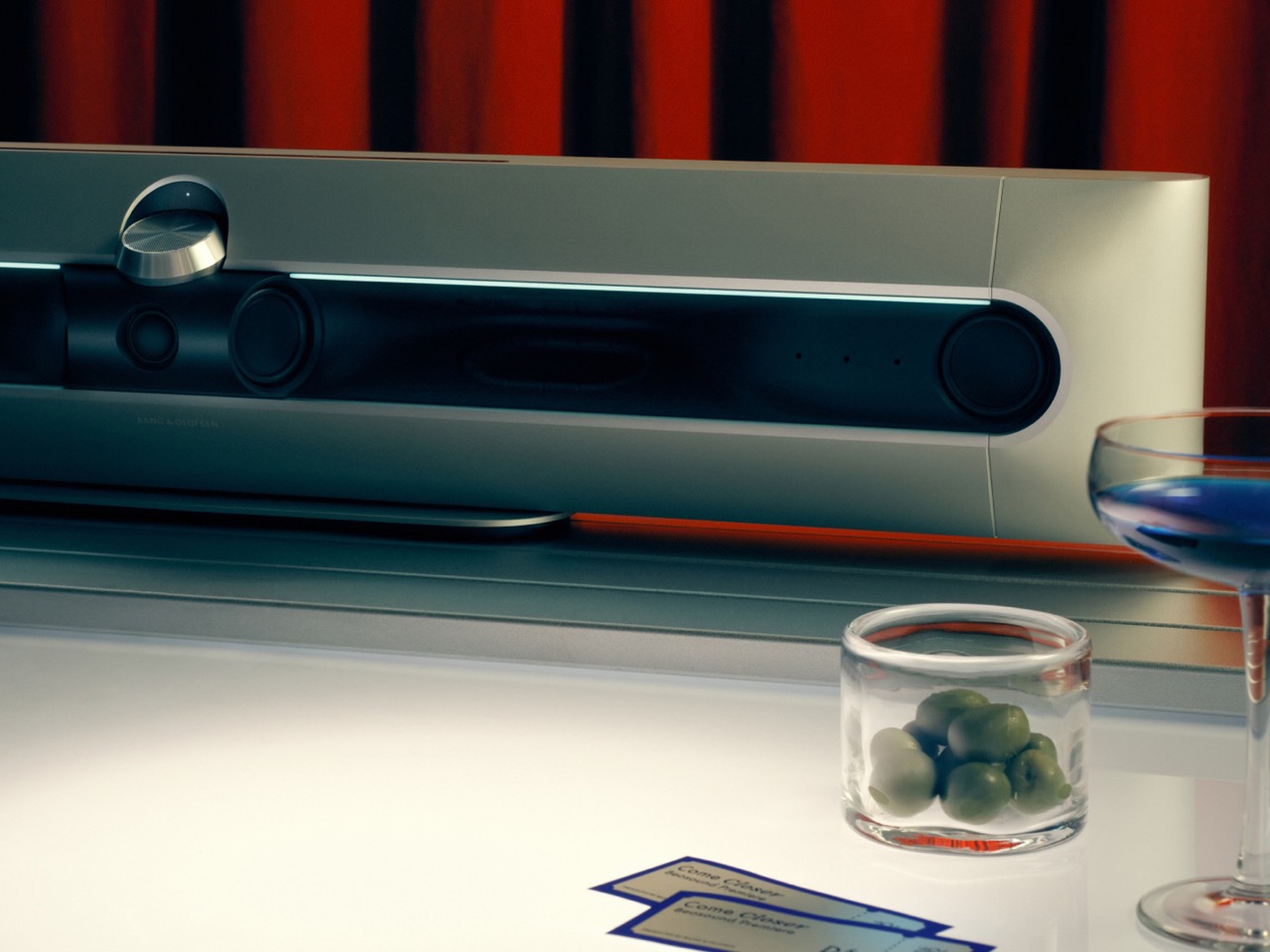
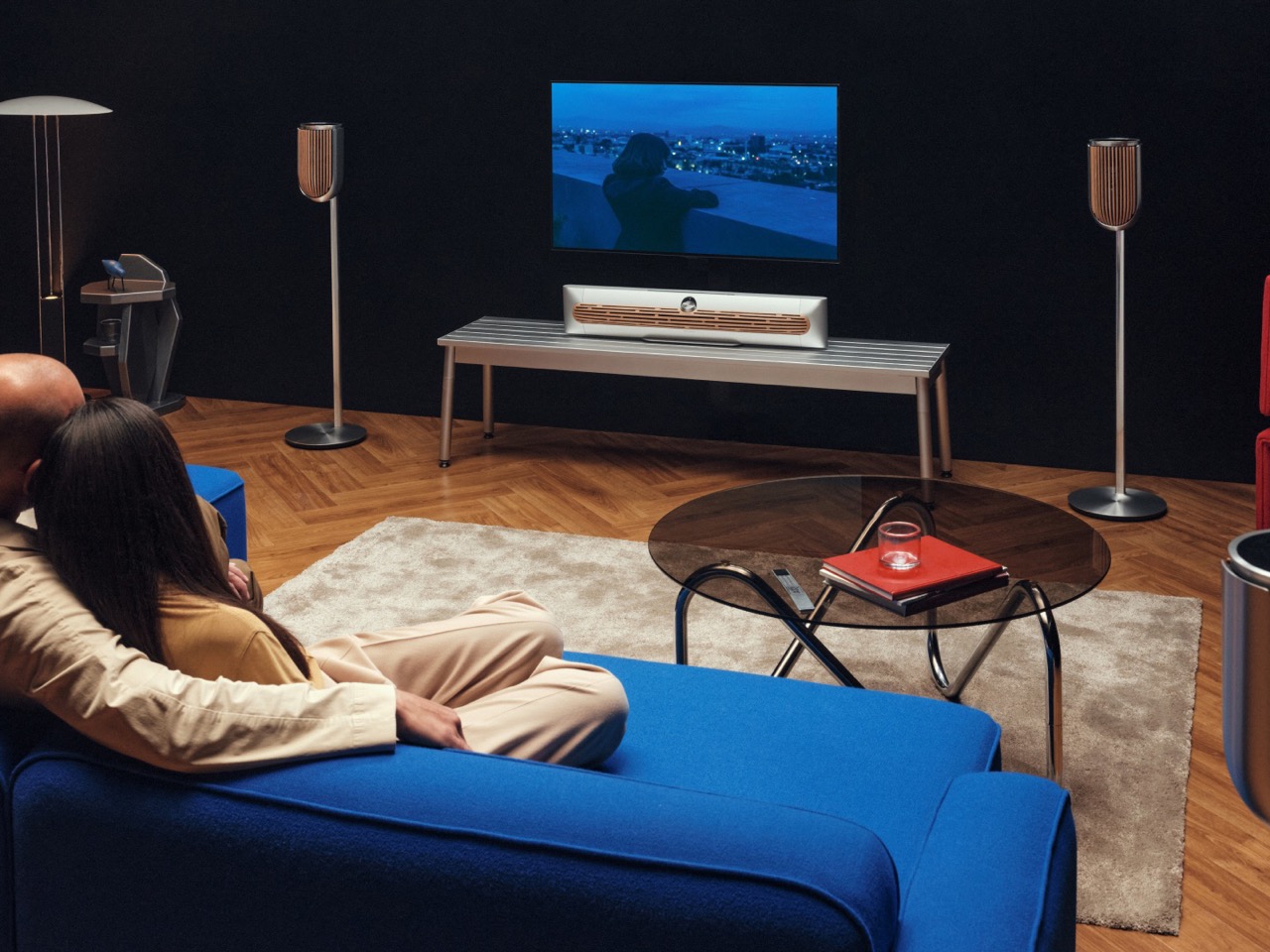
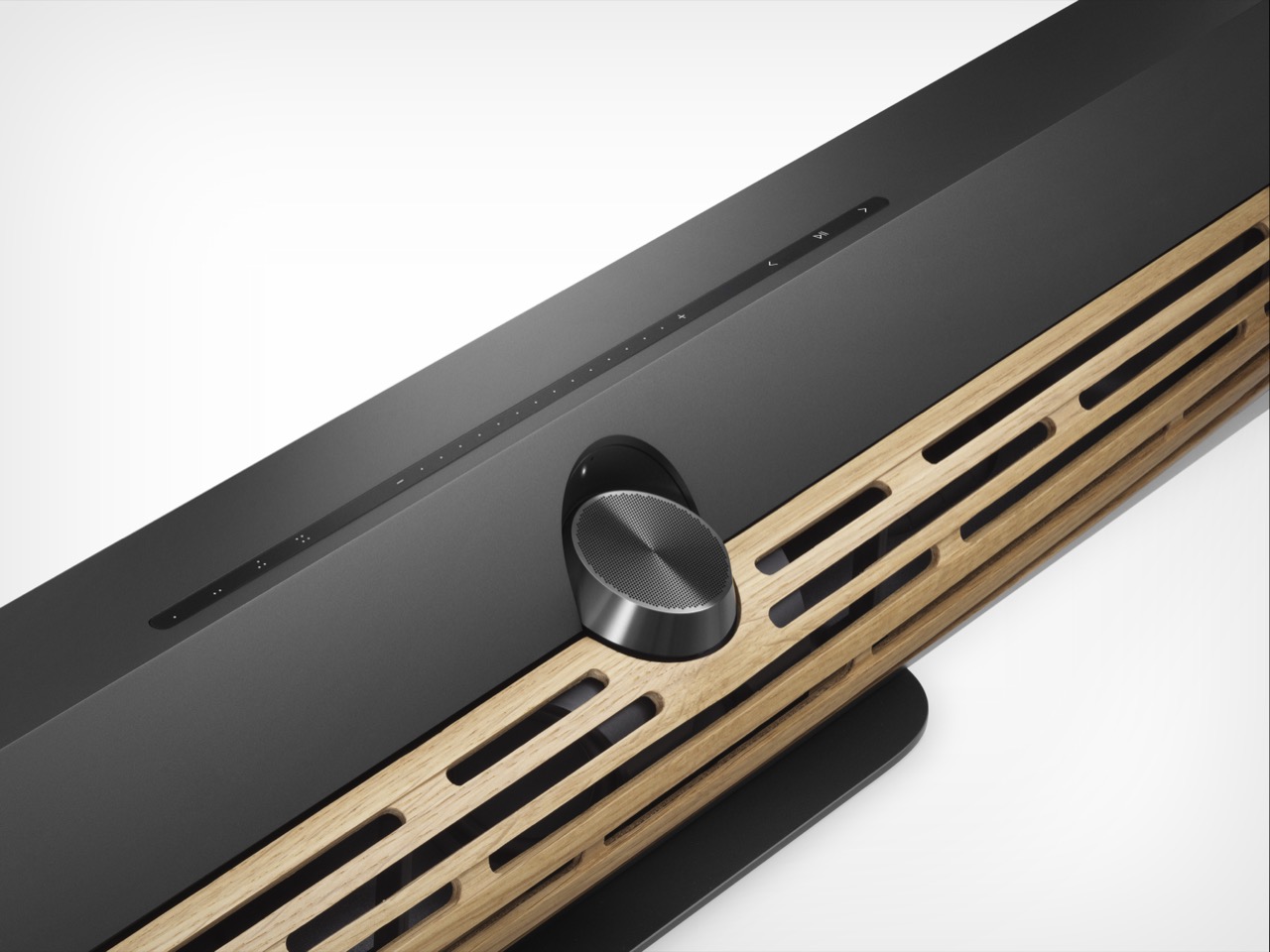
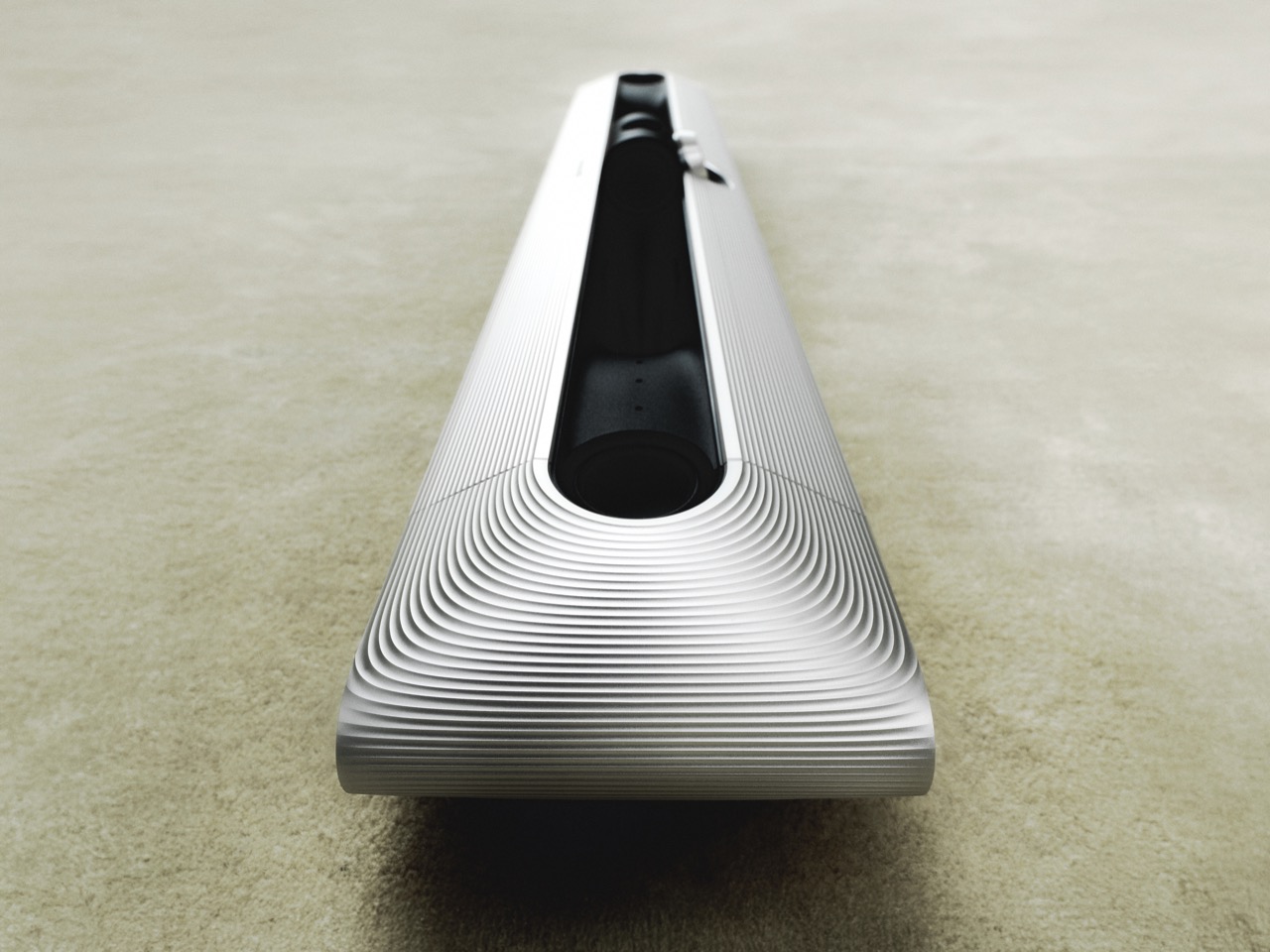
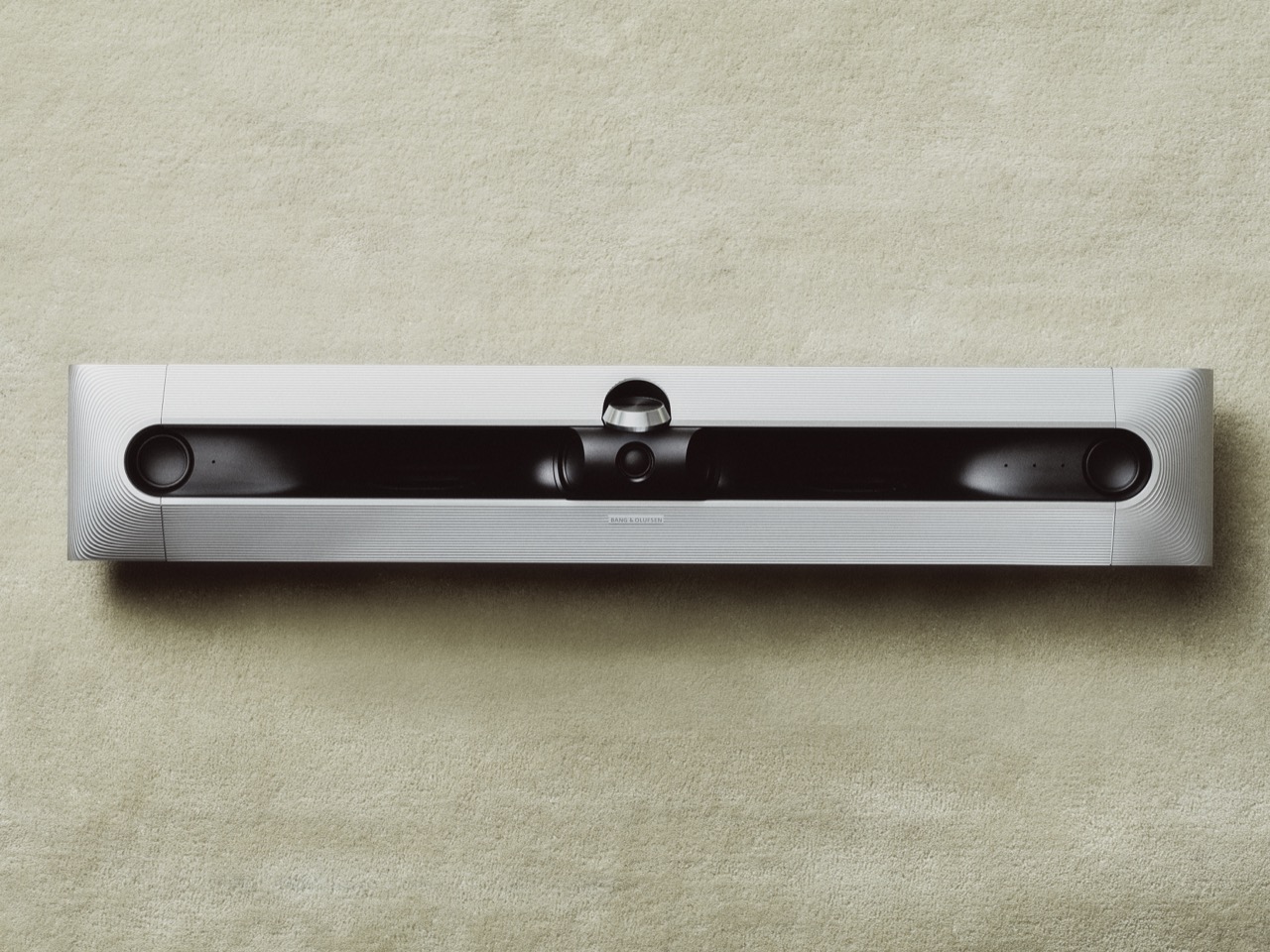
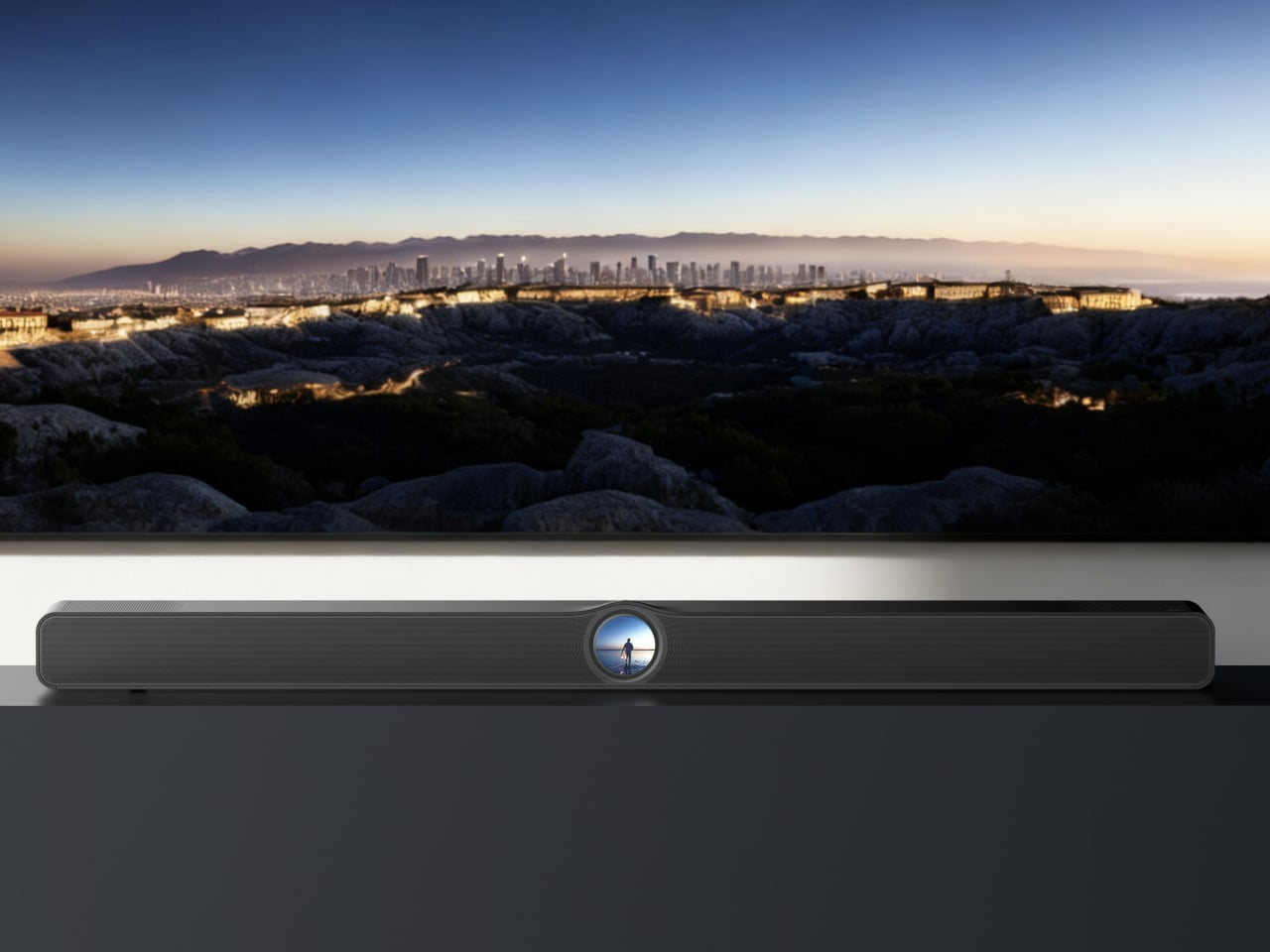
Bang & Olufsen’s Beosound Premiere lands like a spaceship in a room full of toasters. That’s not an exaggeration; it’s just what happens when a company known for treating speakers like sculpture decides to rethink the soundbar. This thing doesn’t just sit under your TV. It commands the room, a slab of pearl-blasted aluminum that looks like it was milled from a single ingot of the future. And yes, it costs £3,900, which is about as much as most people pay for rent, but let’s be real, if you’re the kind of person who buys a soundbar as a statement, you’re not exactly shopping for Black Friday deals.

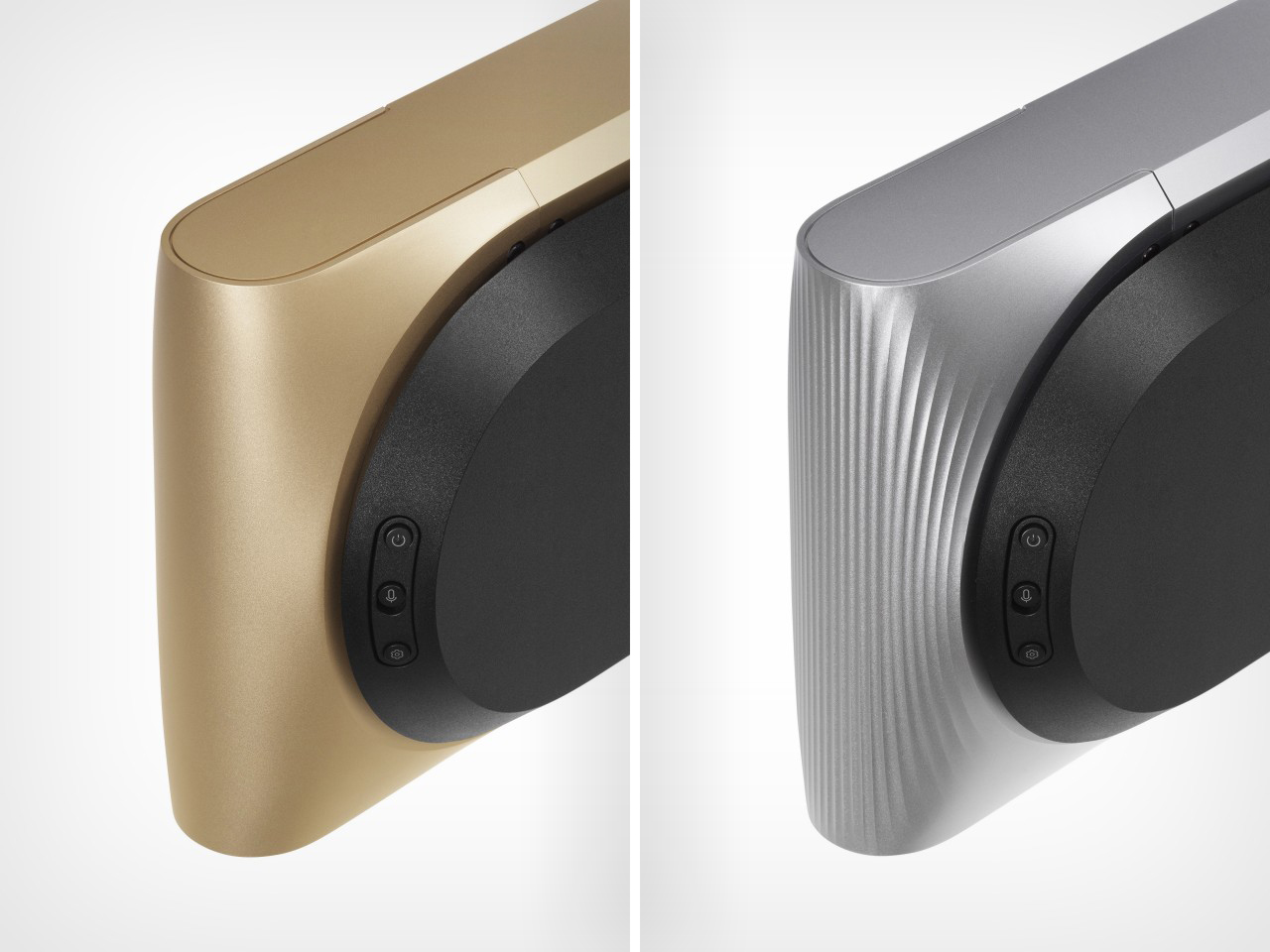
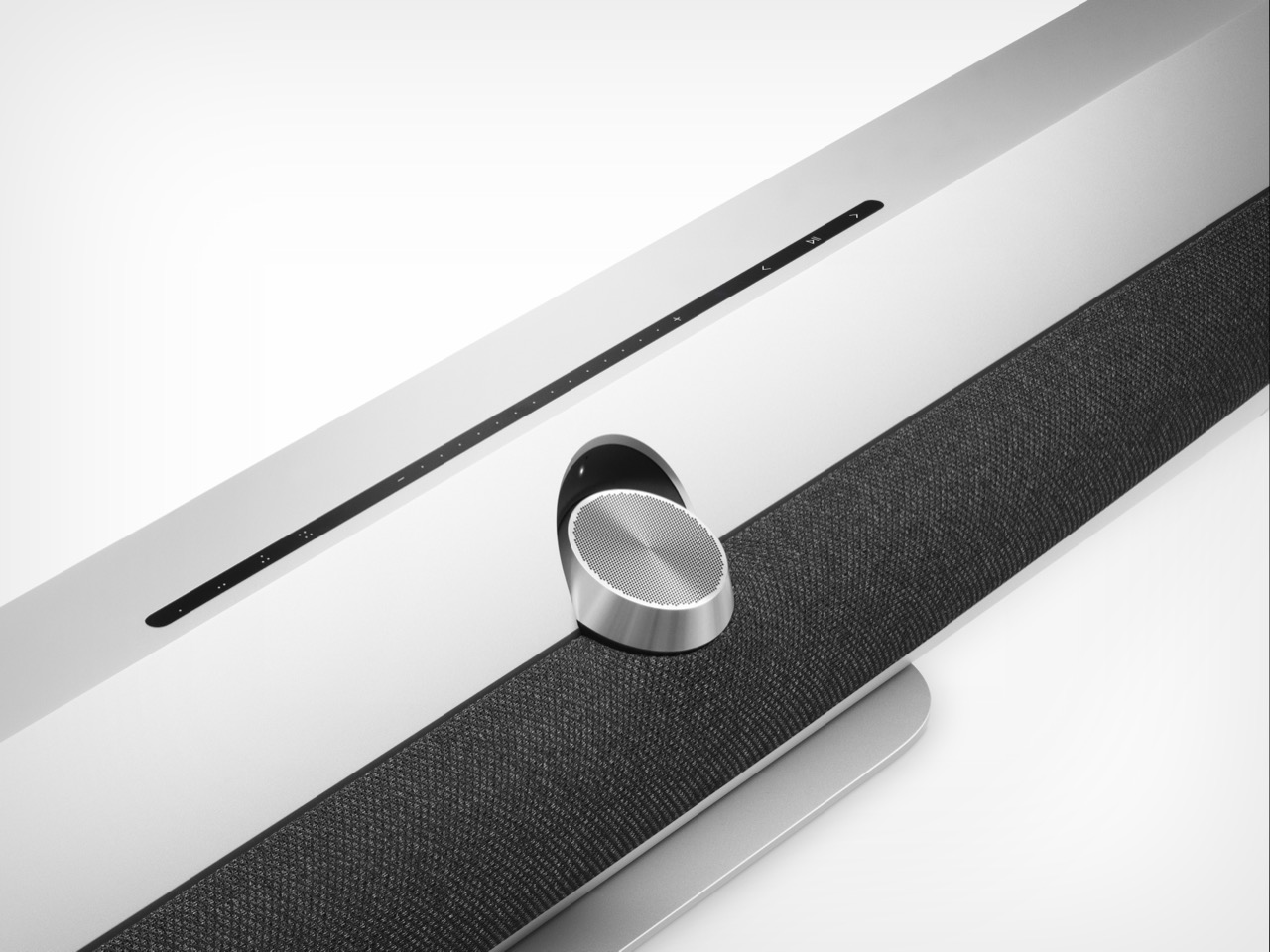
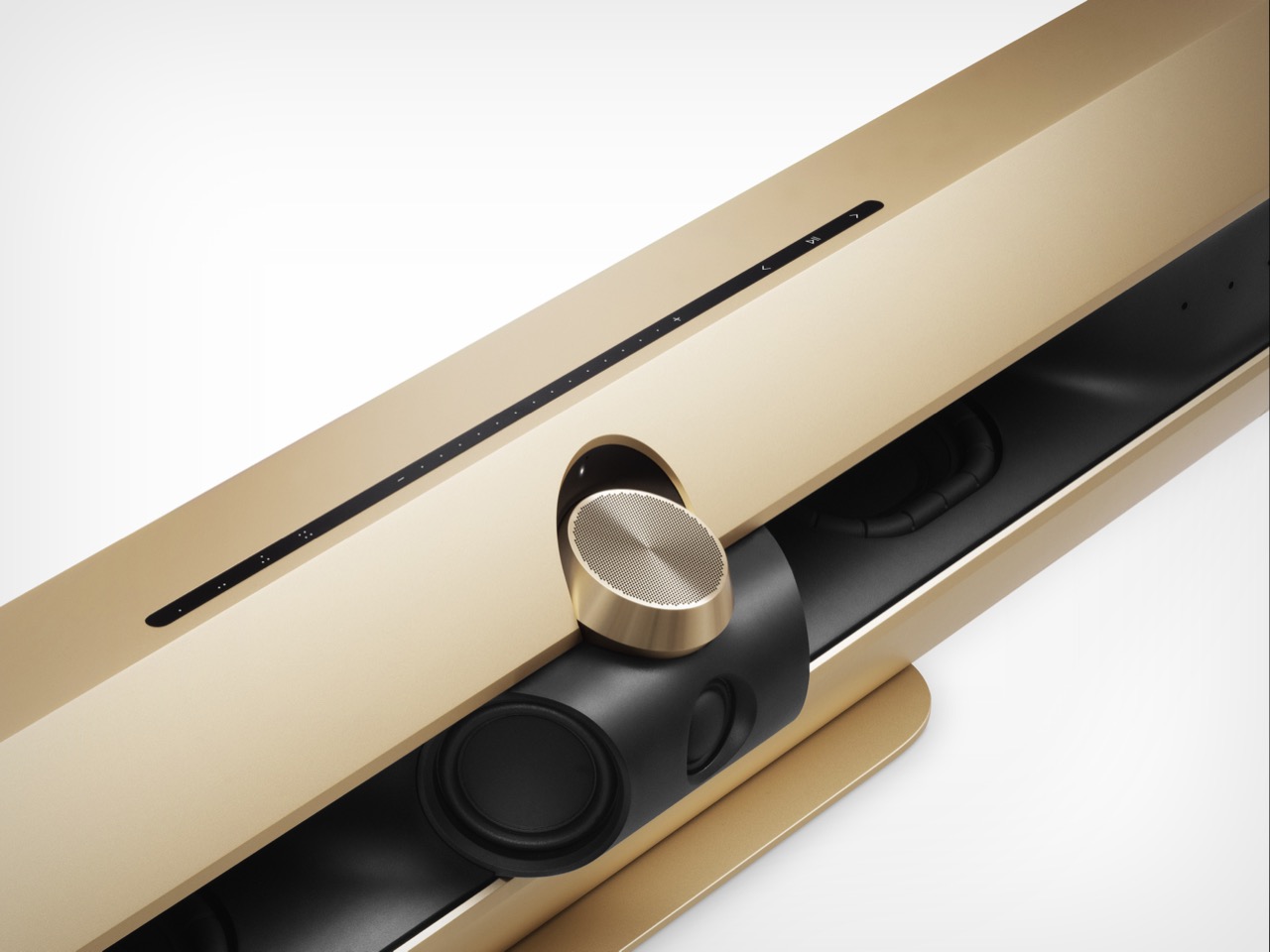
The Premiere’s design is what happens when industrial designers are given free rein and a budget that doesn’t flinch. The up-firing tweeter sits center stage like a jewel, surrounded by 1,925 precision-machined perforations, a nod to Bang & Olufsen’s 1925 founding year, because of course it is. The aluminum chassis isn’t just for show; it houses ten custom drivers, including four racetrack woofers and a tweeter that looks like it belongs in a museum. The side-firing and up-firing drivers are part of the visual language, a reminder that this isn’t a black plastic slab pretending to be invisible. Then there’s the lighting: 90 LEDs that pulse and shift with your adjustments, because why should your soundbar be any less extra than the rest of your smart home?

Designer: Bang & Olufsen

You’d think all this design flair would come at the cost of actual performance, but the specs tell a different story. Ten amplifiers push 70 watts to the woofers and 50 watts to the rest, delivering a frequency range of 32 Hz to 23 kHz. The Dolby Atmos 7.1.4 decoding is paired with Bang & Olufsen’s proprietary True Image algorithm, which supposedly creates a soundstage wider than the unit itself. The company calls it Wide Stage Technology, and while I haven’t heard it yet, the idea of a soundbar that can convincingly fake a surround setup without extra speakers is intriguing. The max output of 102 dB at 1 meter means this thing can get loud, but the real test will be how it handles the subtleties: dialogue clarity, spatial separation, that kind of thing.

The connectivity suite is what you’d expect from a flagship product in 2025, but with a few Bang & Olufsen twists. HDMI eARC with 8K passthrough is table stakes at this point, but the inclusion of an Ethernet switch with three 1Gbit ports is a nice touch for anyone tired of juggling network cables. Bluetooth 5.4 and AirPlay 2 are here, obviously, but the real party trick is Beolink Surround, which lets you wire up additional B&O speakers for a true multi-channel setup. The fact that you can still use analog audio via USB-C (with an adapter) feels like a nod to the audiophiles who refuse to let go of their turntables. And yes, there’s a voice assistant option, but it requires an external Google device, because Bang & Olufsen would rather you use their app than bark commands at a microphone.

Now, the elephant in the room. £3,900 is a lot for a soundbar, but let’s put it in context. The Premiere isn’t competing with Sony or Sonos; it’s competing with high-end AV receivers and speaker setups that cost twice as much. The Haute Edition, limited to 25 pieces and priced at £11,000, is another story entirely. That’s not a soundbar; that’s a flex. Each one is hand-milled with a pattern that takes 17 hours to carve, because why not? It comes with a numbered certificate and a wooden box for the remote, because at that price, you’re not just buying audio equipment; you’re buying a piece of design history. Or at least, that’s the pitch.

The real question is whether the Premiere can justify its existence beyond being a conversation piece. Bang & Olufsen has a reputation for building products that sound as good as they look, but the soundbar market is crowded with solid performers at a fraction of the cost. The Premiere’s trick will be convincing people that its spatial audio and design justify the premium. For now, it’s hard to deny that this is one of the most interesting pieces of audio gear to come out in years. Whether it’s worth the price of a used car is another matter entirely. But if you’re the kind of person who sees a soundbar as an extension of your aesthetic, the Premiere might just be the centerpiece you’ve been waiting for.

The post B&O Just Launched a $5,000+ Soundbar That Costs More Than Your First Car first appeared on Yanko Design.
Modular speaker concept creates an immersive audio experience anywhere

Portable wireless speakers are becoming quite ubiquitous these days as a way to enjoy your favorite music anywhere you are, whether you’re outside or just in another room. In exchange for their portability, however, the quality of the sound these speakers produce is less impressive compared to bigger and more stationary equipment found at home. It would be nice if you could have the best of both worlds, enjoying an audio system that follows you around the house without missing a beat. You could try to buy multiple wireless speakers and hope they can be connected to each other, or you can hope that this peculiar speaker system concept becomes a reality, allowing you to pick up one or two speakers from their base as easily as you would pick up your takeout meal.

Designers: Junwoo Kim, Yoonjeong Lee, Heeyeol Yang, Jaehoon Jeong

For an audio experience to be considered truly immersive, it has to sound like it’s coming from all around you. More specifically, the right sounds have to come from the correct direction rather than equally from all directions. Making this possible with a single speaker or even a pair of headphones is possible but difficult to accomplish, requiring sophisticated algorithms and precise control to create the illusion of surround sound. Of course, you could set up a surround sound system in your entertainment den, but then that magic only takes effect in that room.

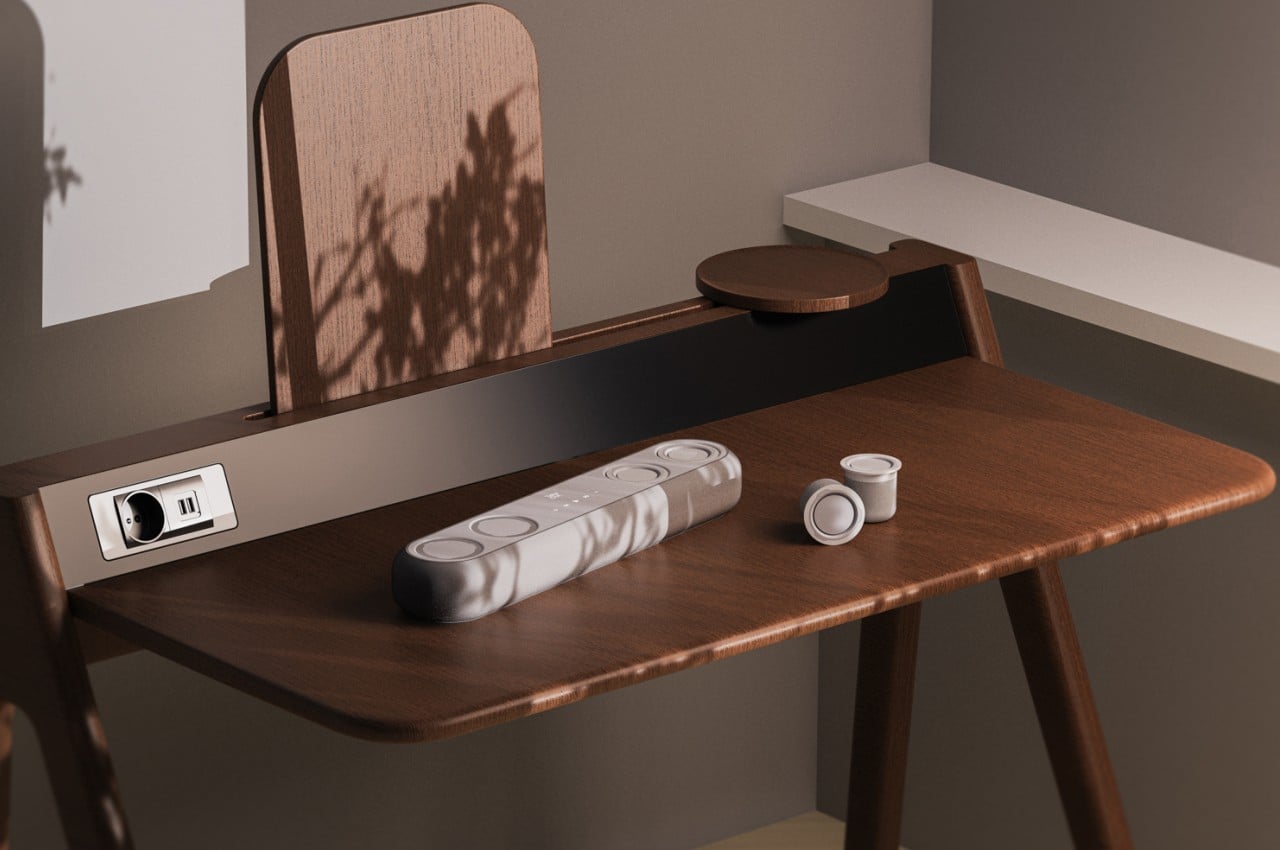
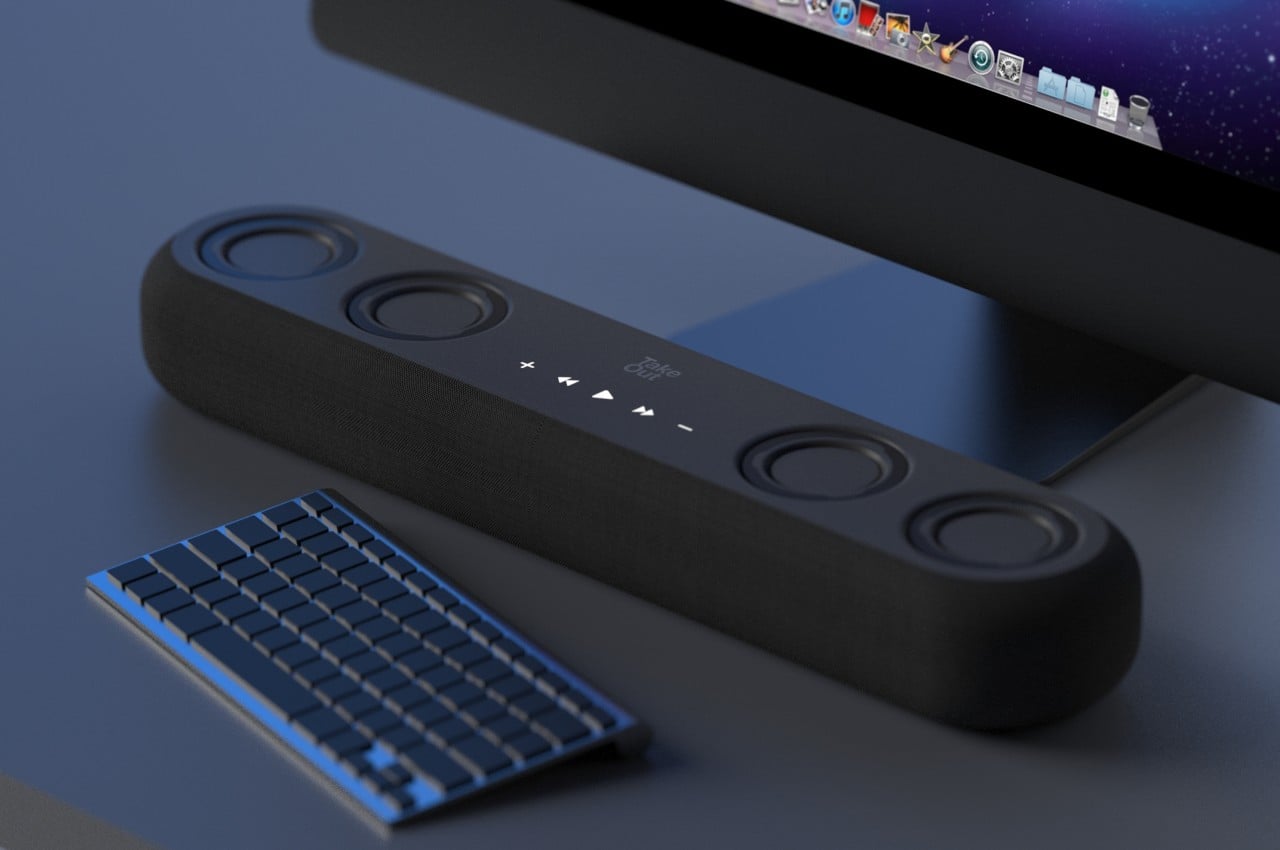
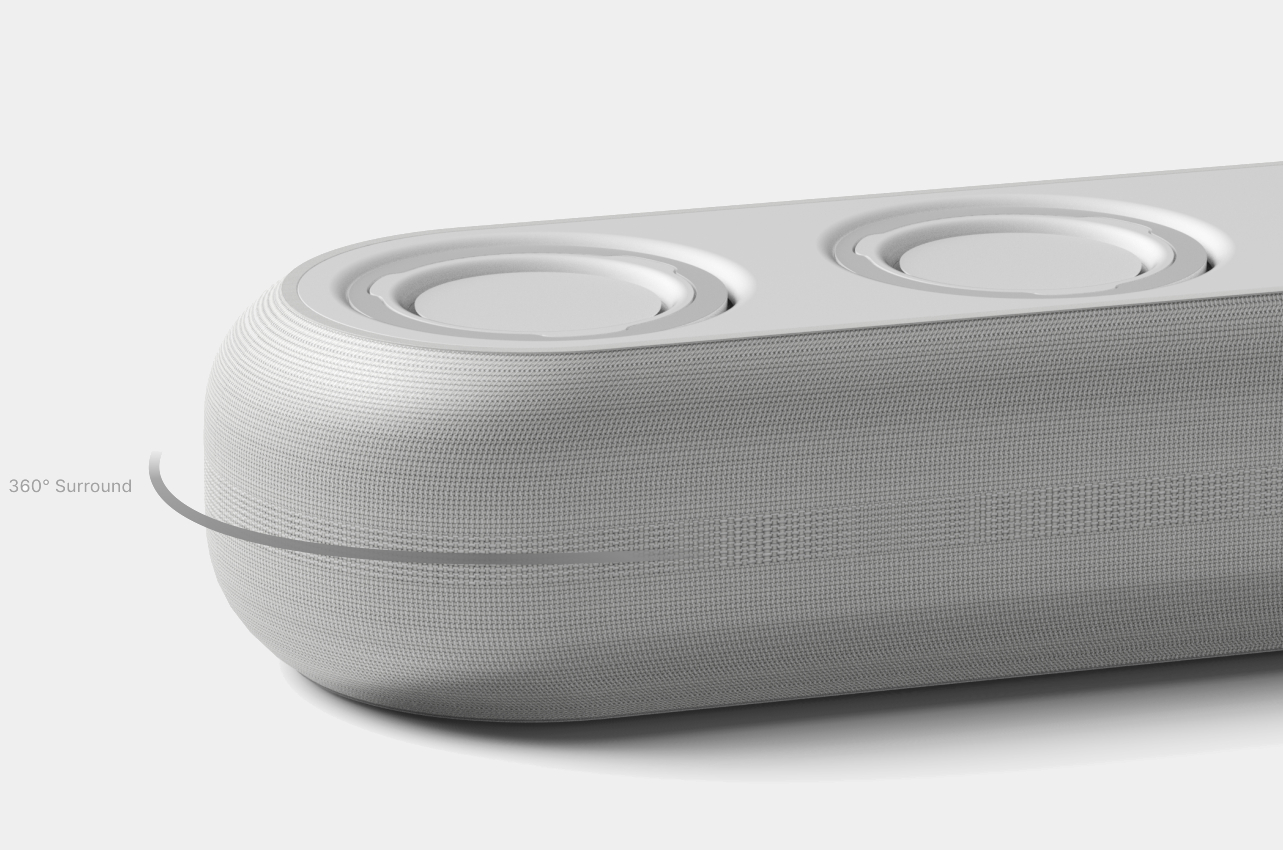
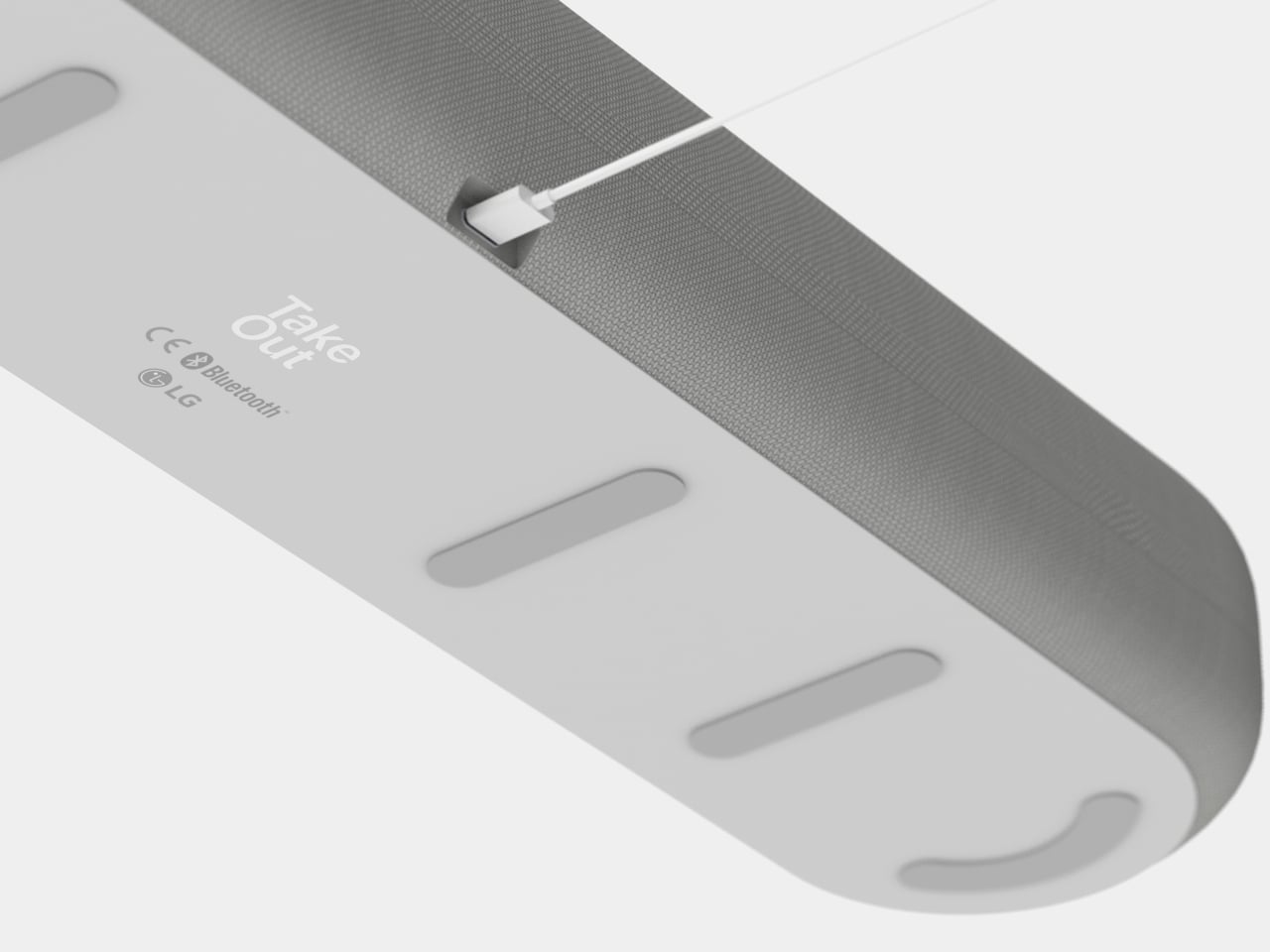
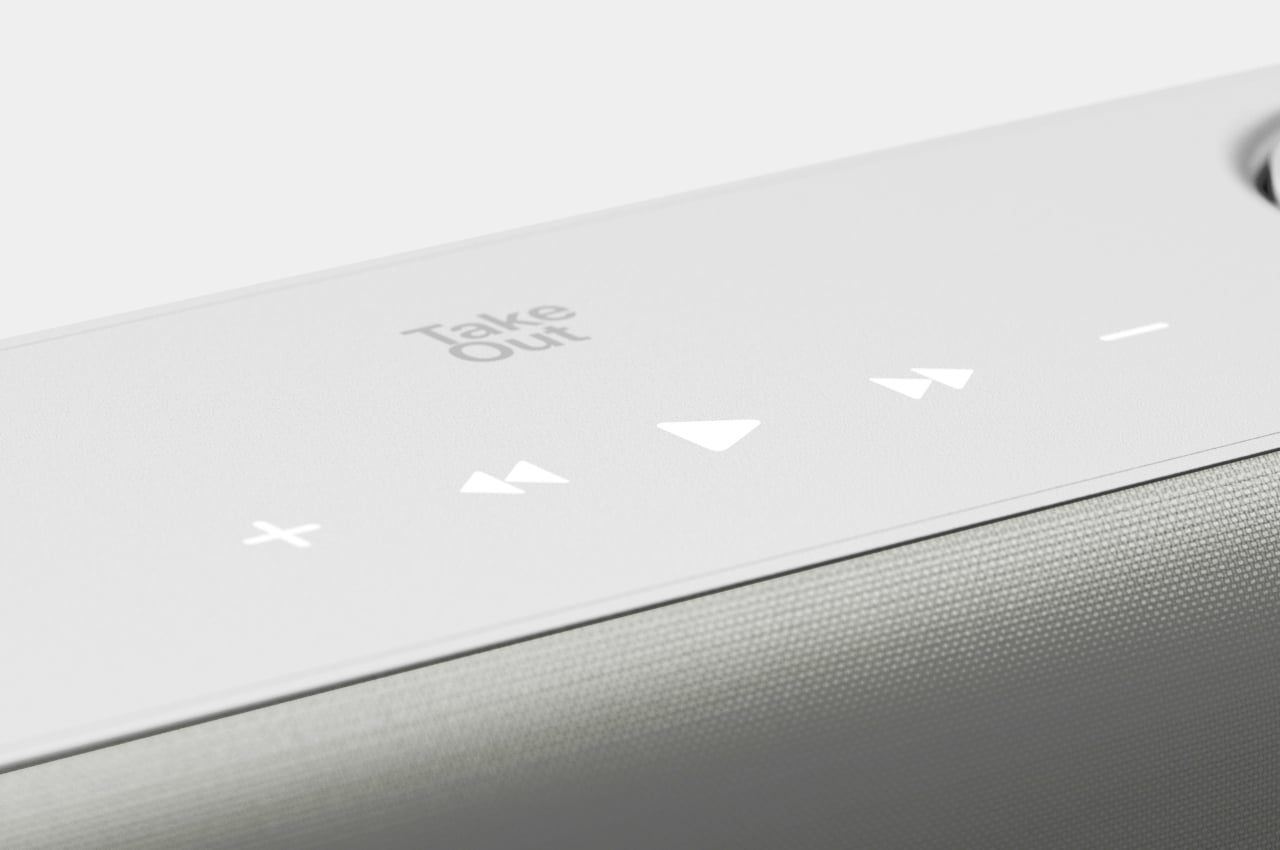
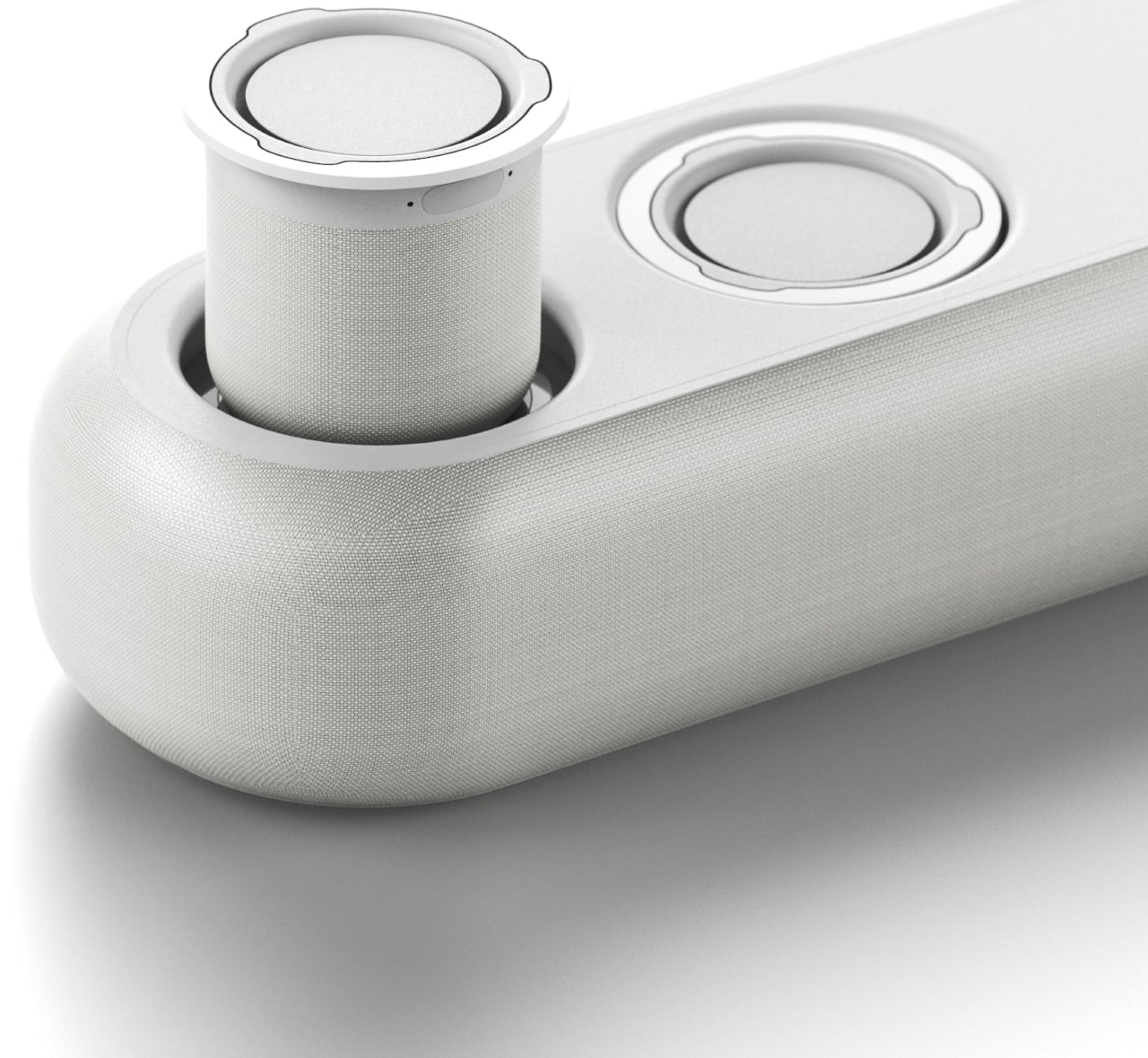
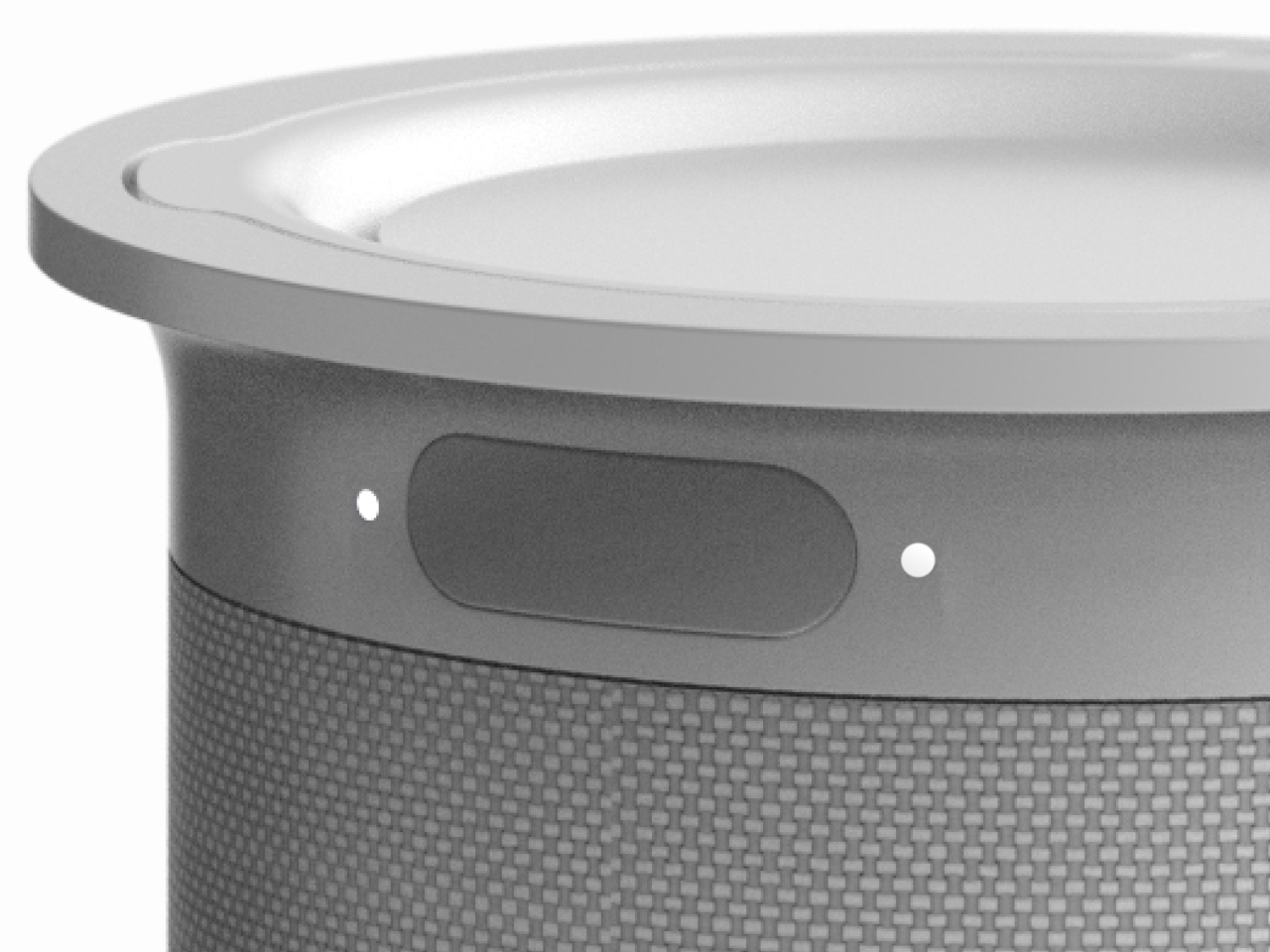
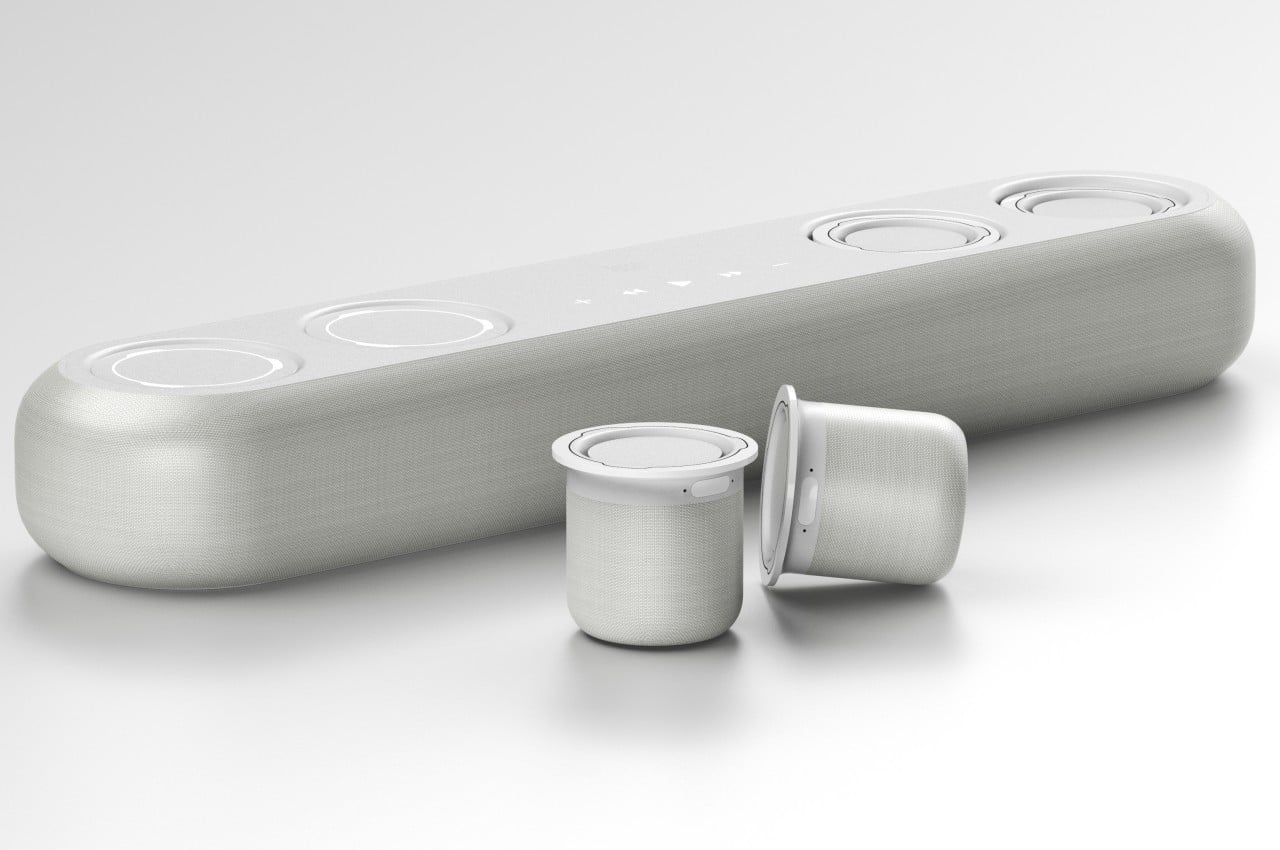
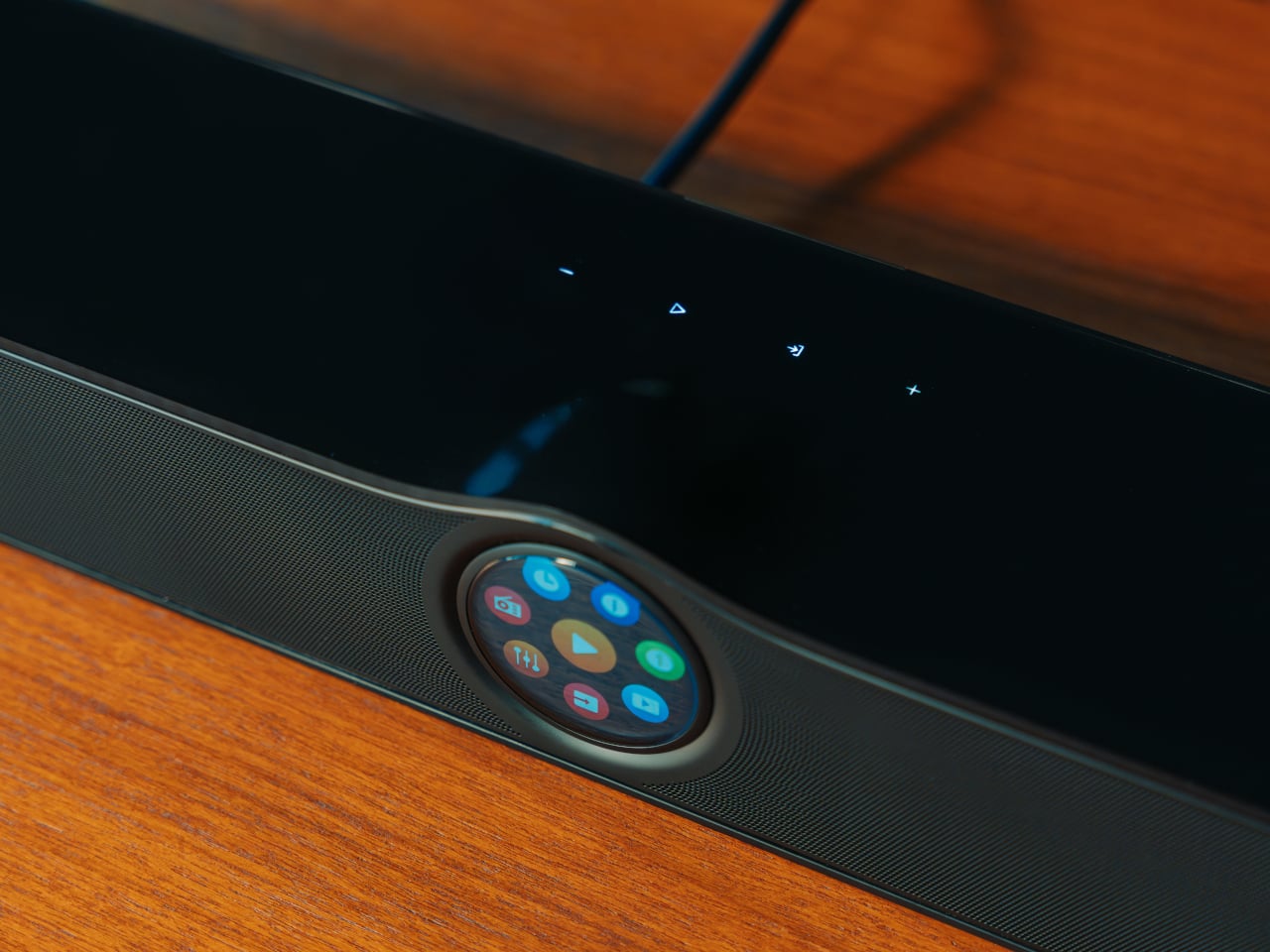
TakeOut is an LG-inspired concept for a modular speaker system that lets you design your own audio space in a snap. At its core is a 360-degree soundbar that tries to bring the sound to you wherever you are in the room by blasting it in all directions. But when you push down on one of the circles on the top of the soundbar, a short cylindrical wireless speaker pops up. It’s not a completely independent speaker and it works in tandem with the soundbar, but its most important feature is that you can take it anywhere with you in the house.

This portability means that you can set up your audio experience just the way you want it, whether you’re listening in the same room or elsewhere. Need to go to your home office for a while? Just pop out one of the speakers and let the music follow you there. You can also create your surround sound setup in a flash by positioning the four “sub-speakers” around the room, though that doesn’t necessarily mean that the system will know which sound needs to come from which speaker.

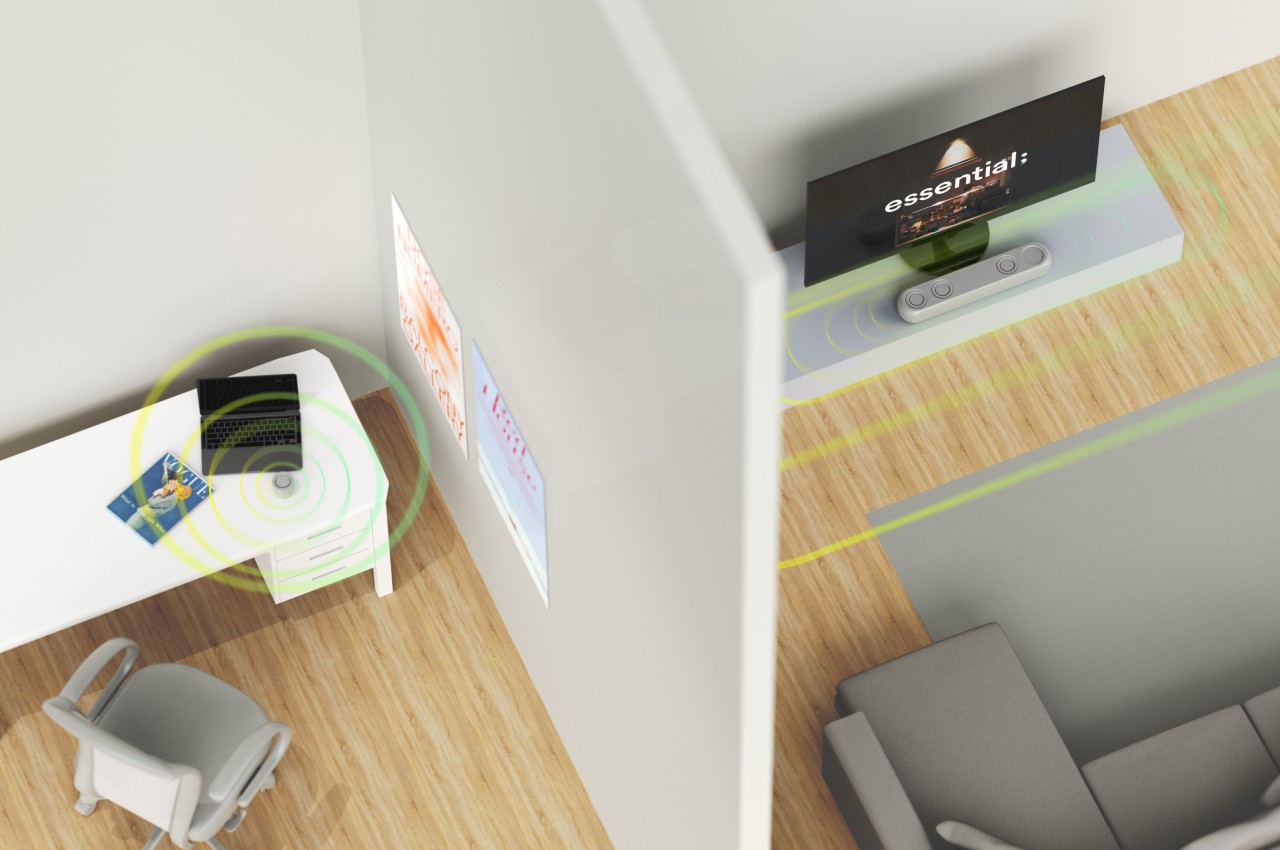
While the design of TakeOut is quite interesting, there might be some practical issues with it as well. For one, the concept doesn’t clarify if the individual speakers can be used separately from the soundbar or if they’re completely dependent on it. If it’s the latter, it also means that the speakers won’t function properly if they ever go out of range of the soundbar or if the data can’t reach them because of obstacles like walls. Those details, however, could actually be ironed out with some features that don’t take away anything from the spirit of this modular and immersive audio system.

The post Modular speaker concept creates an immersive audio experience anywhere first appeared on Yanko Design.
BlueAnt Soundblade Hands-on at CES 2024: Revolutionizing the Desktop Audio Experience

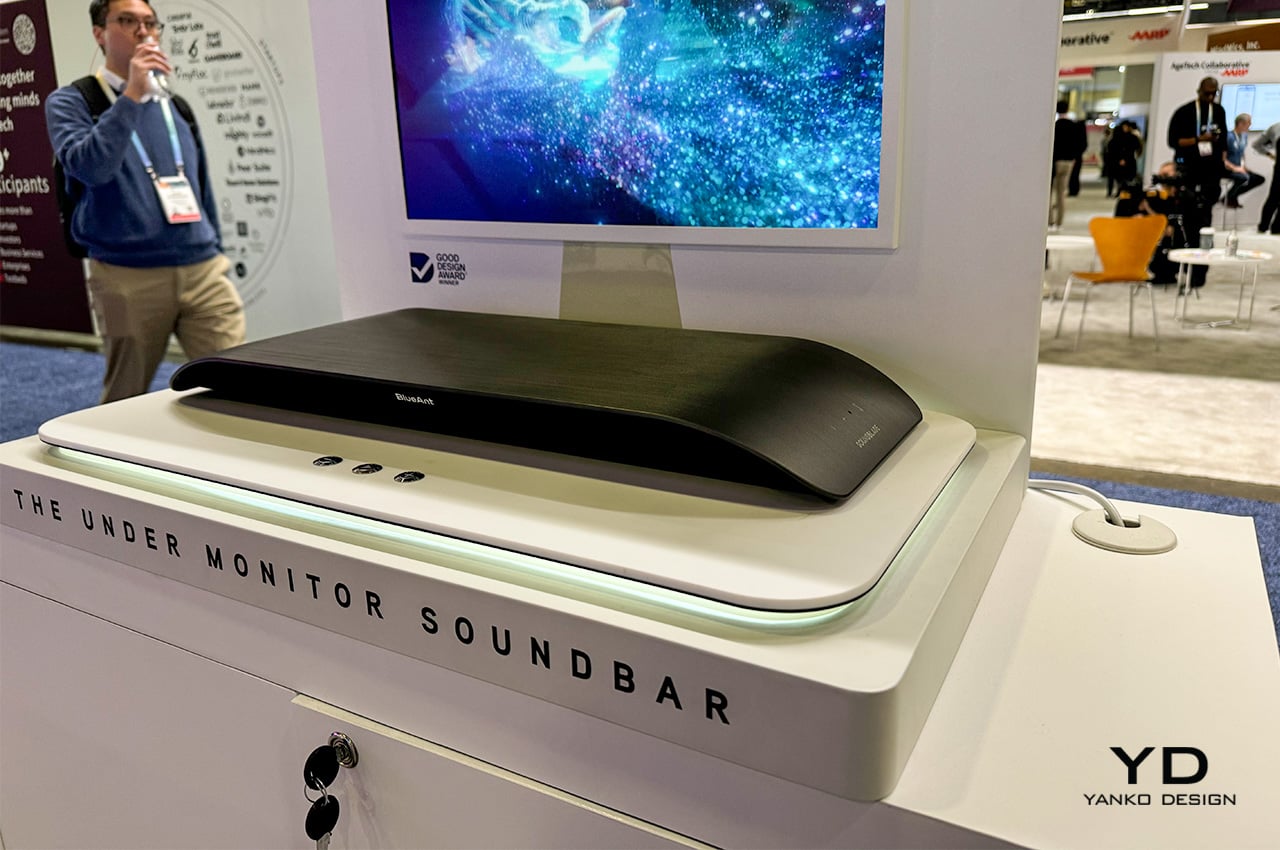
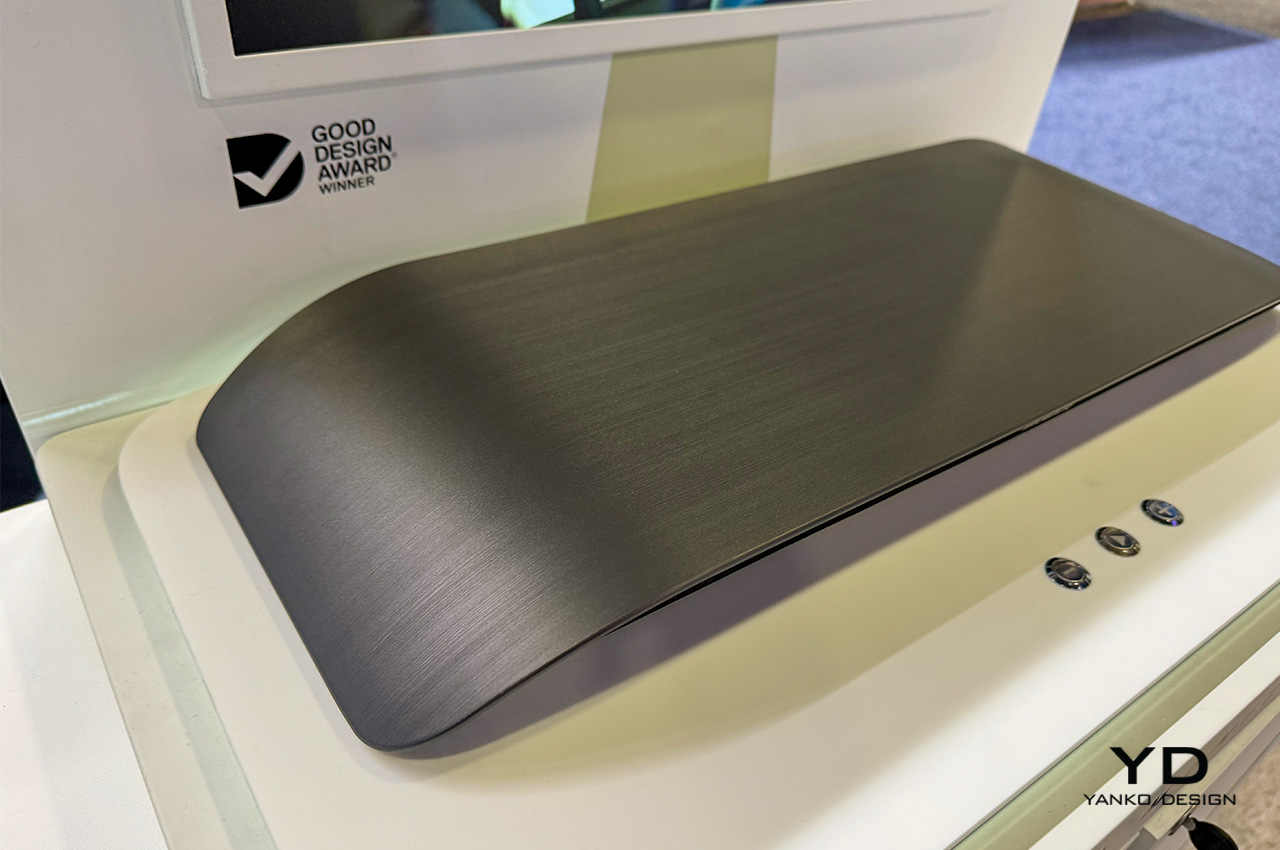
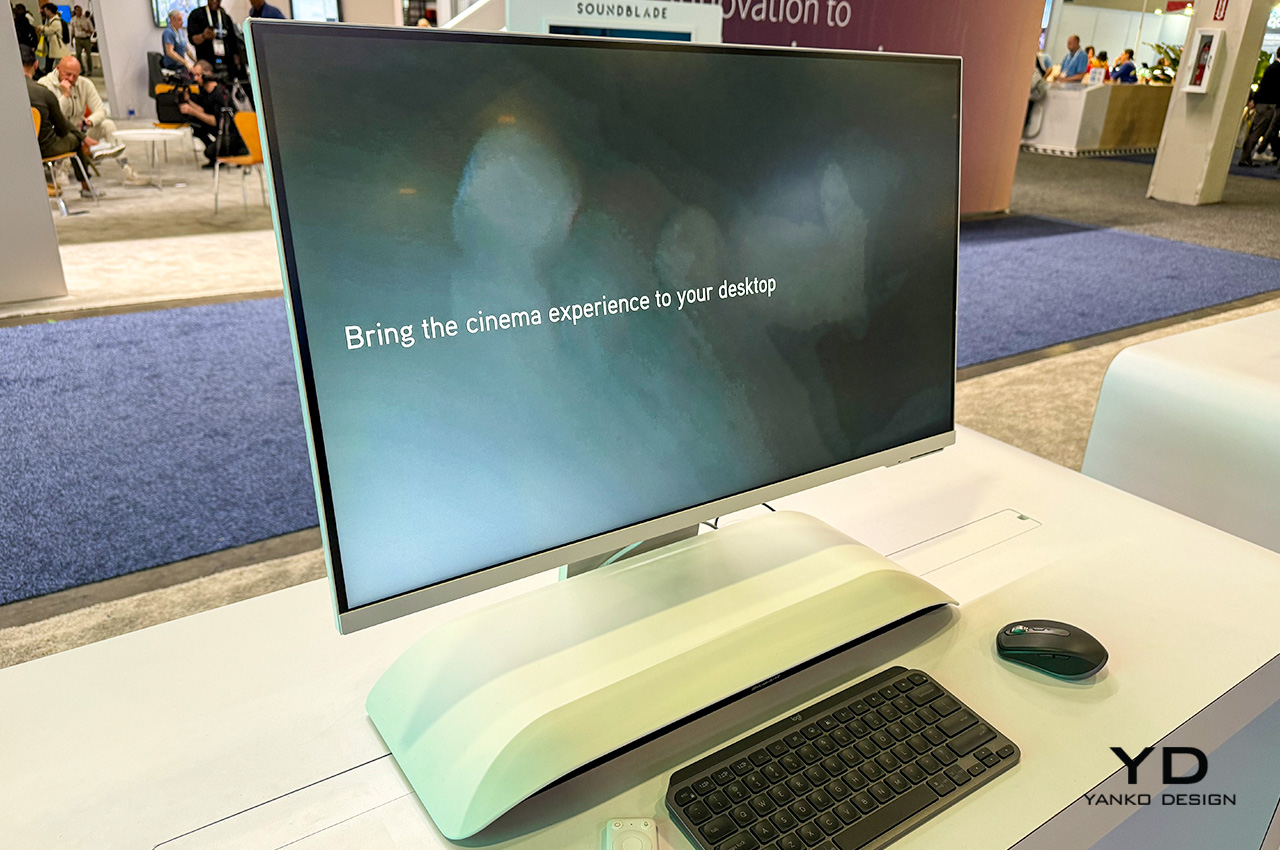
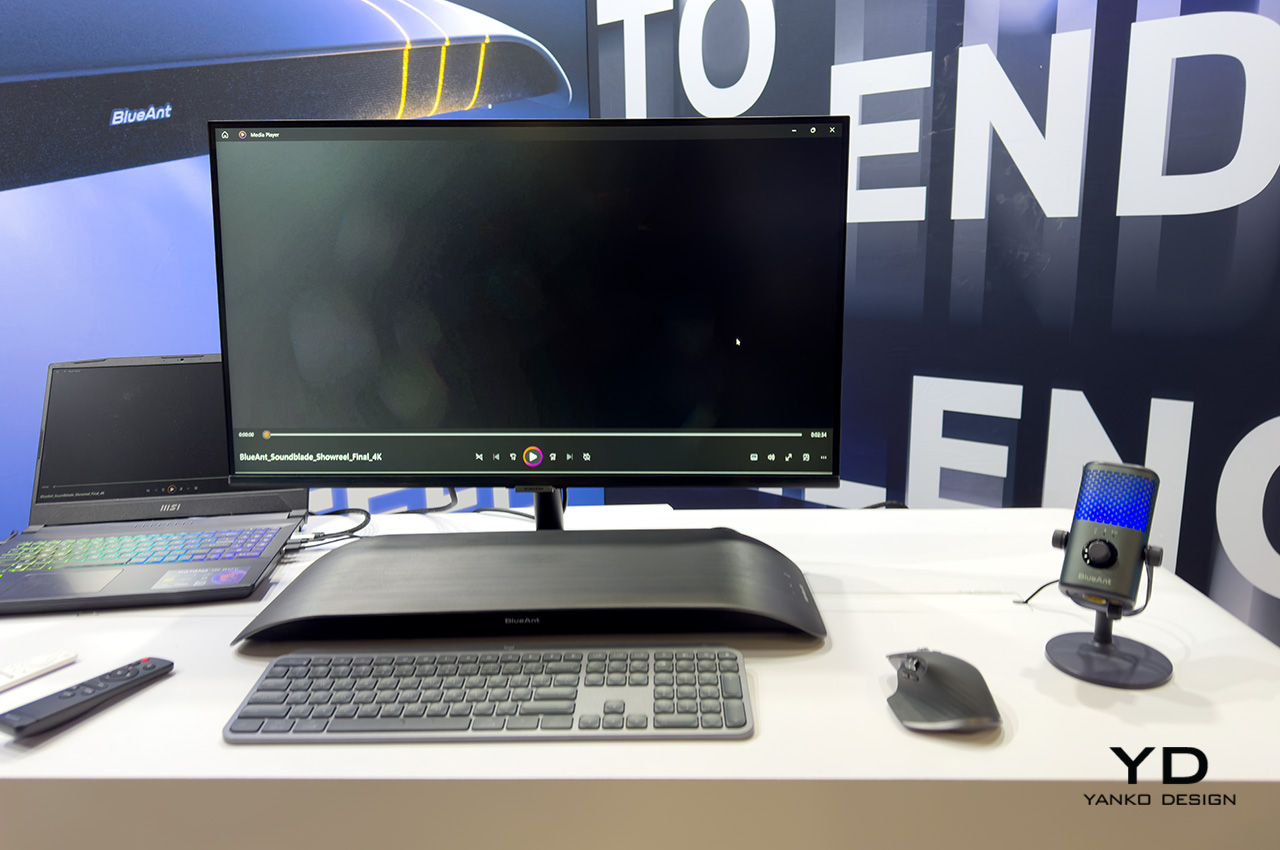
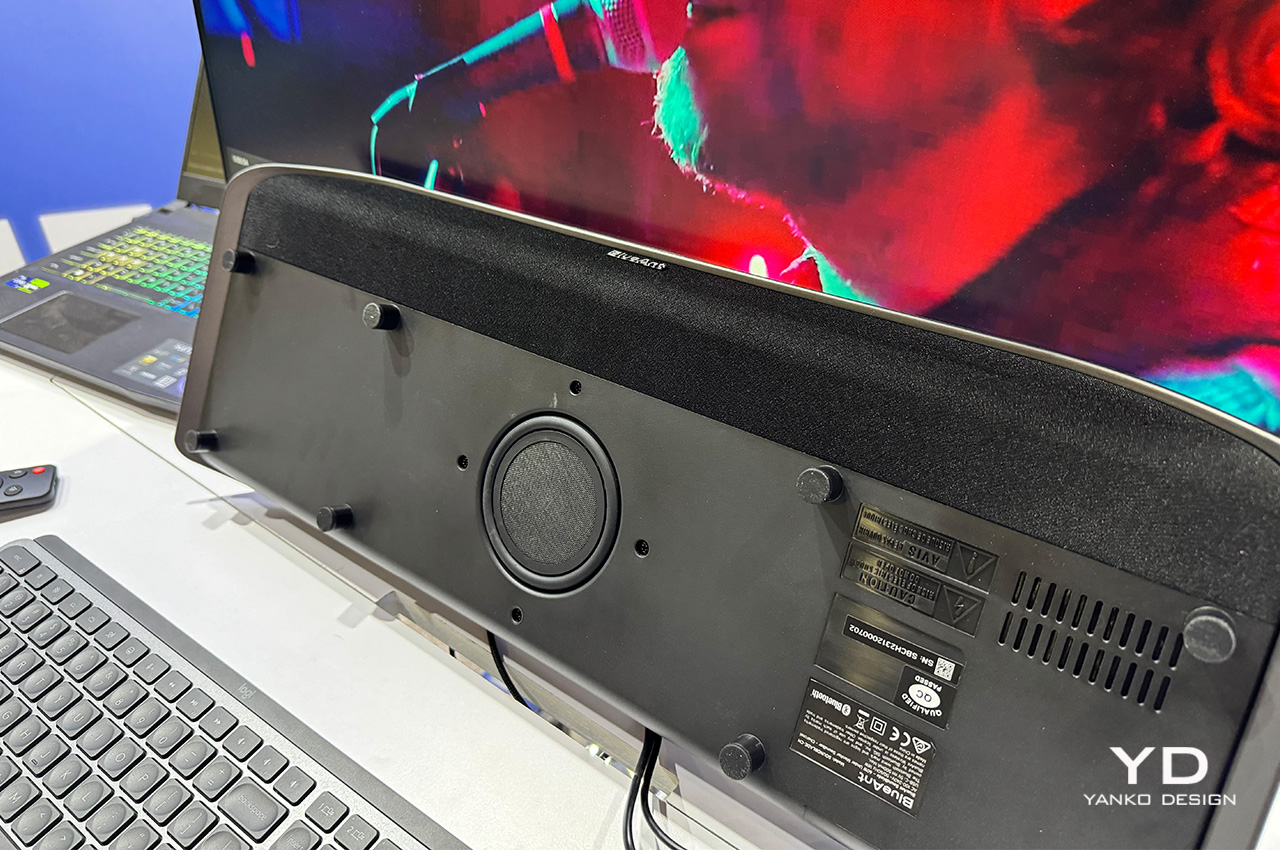
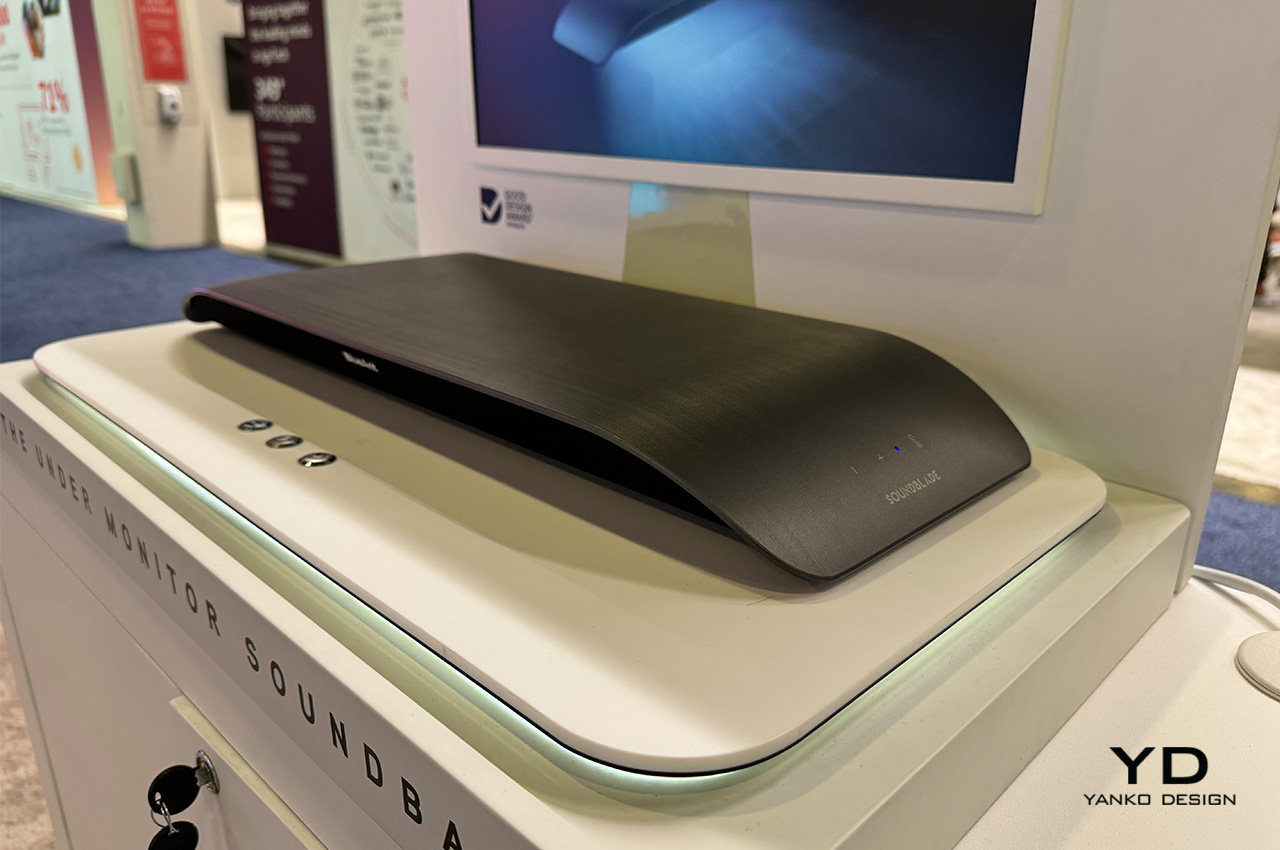
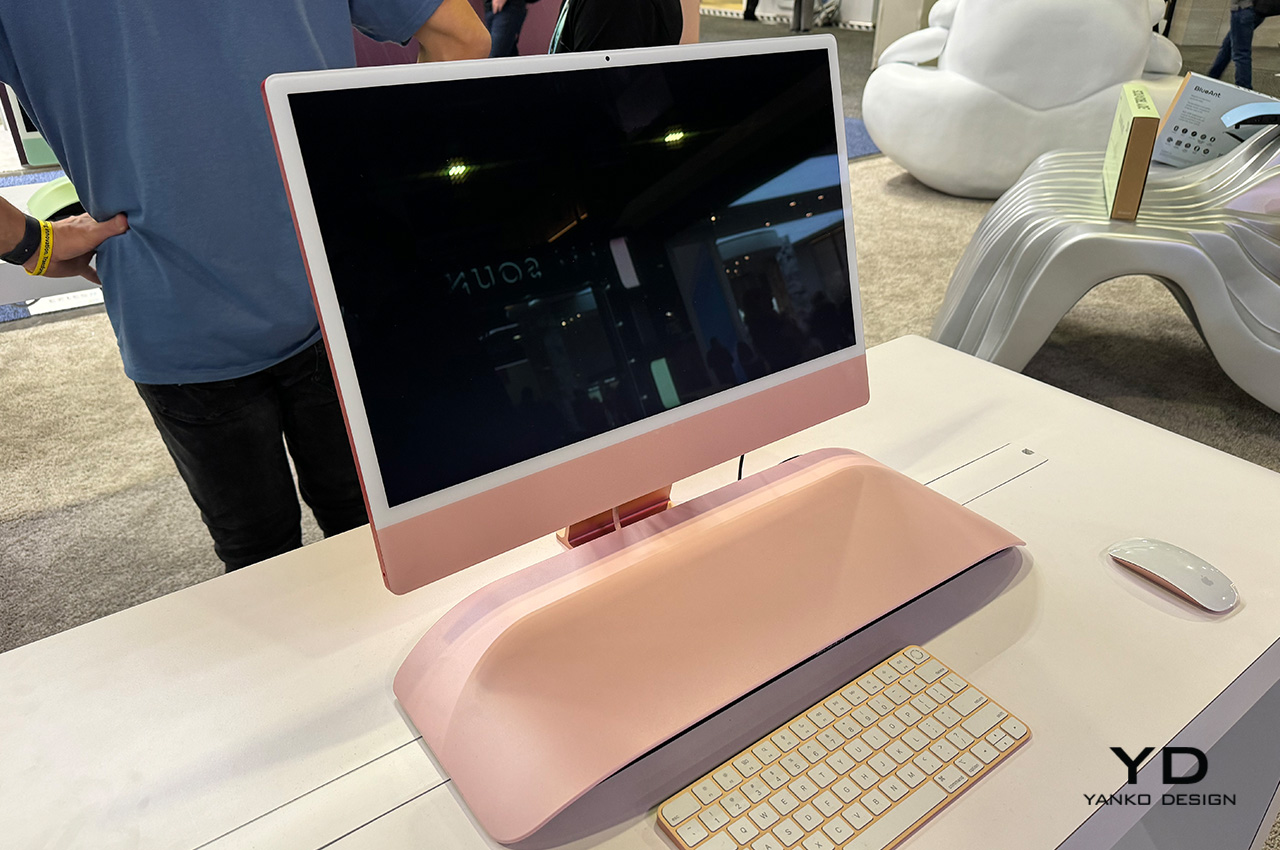
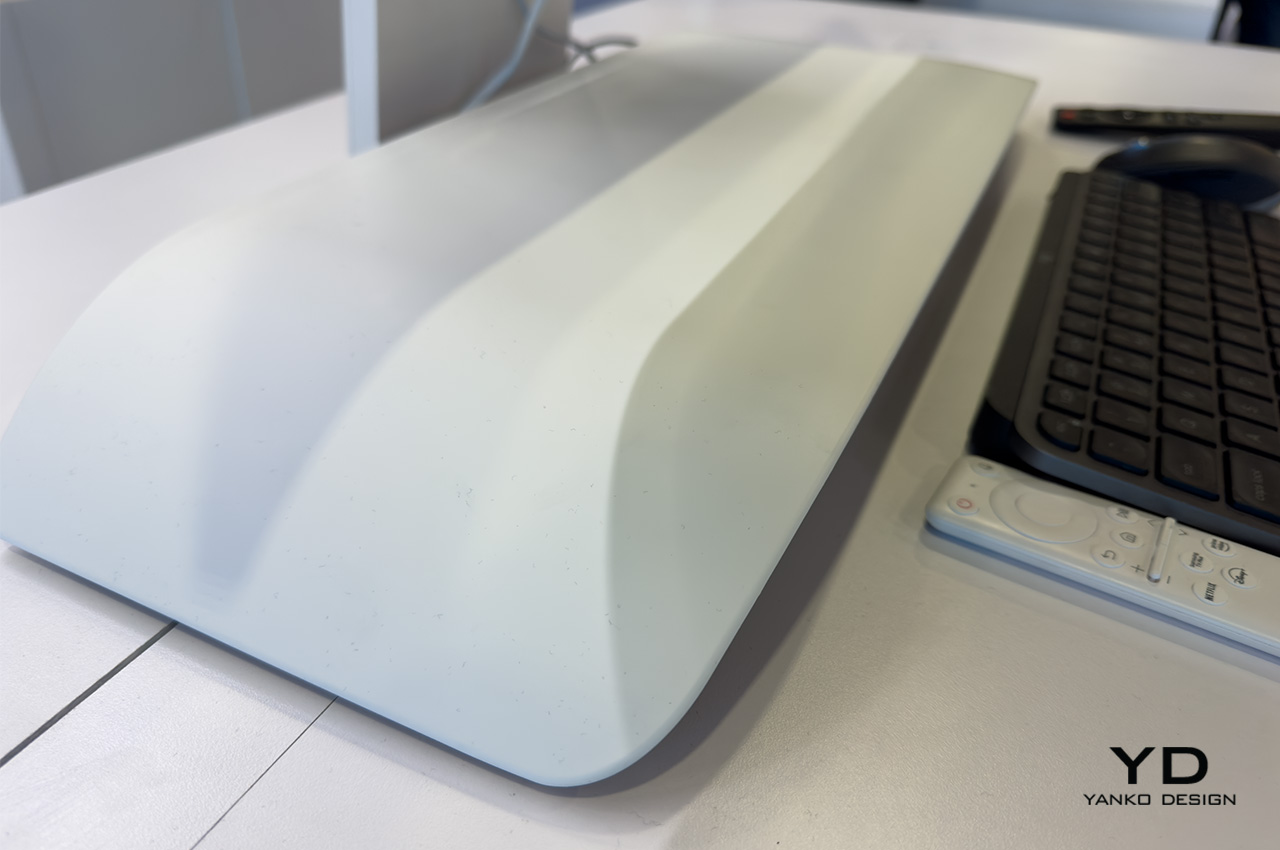
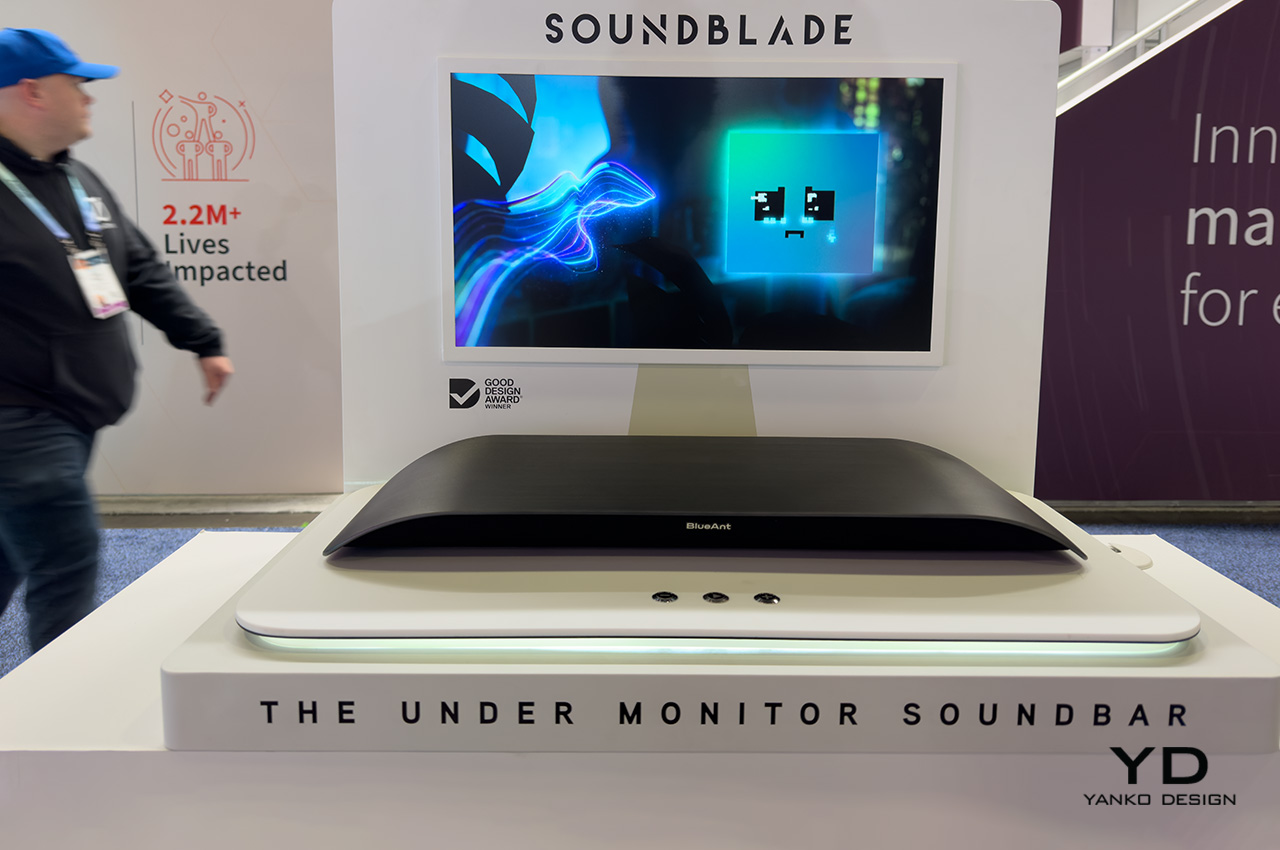
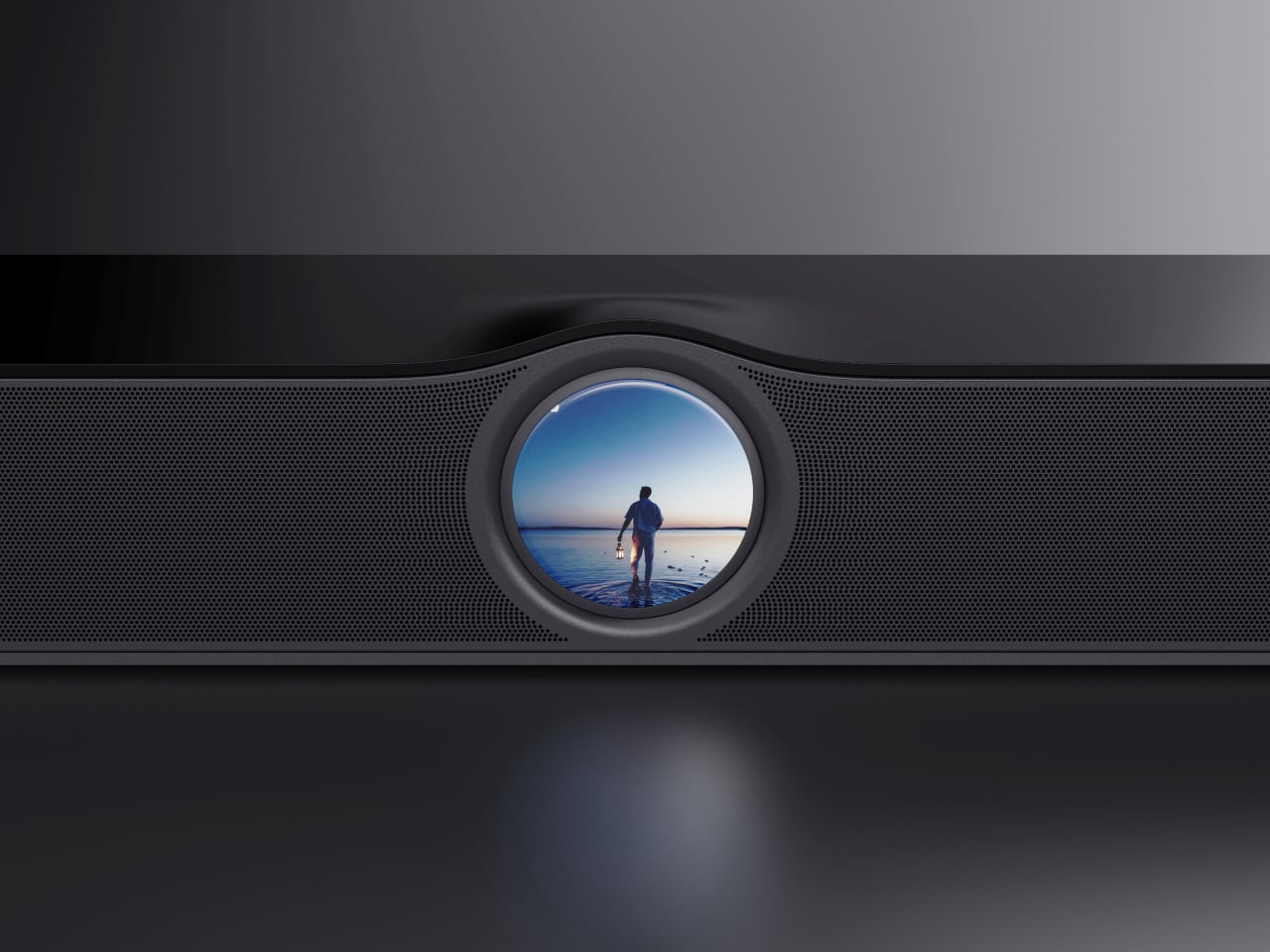
As I roamed the show floor of CES 2024, I was captivated by the BlueAnt Soundblade, an under-monitor soundbar that promised to revolutionize the desktop audio and visual experience. Its sleek and modern design immediately caught my attention, blending seamlessly with any workspace.

Designer: BlueAnt

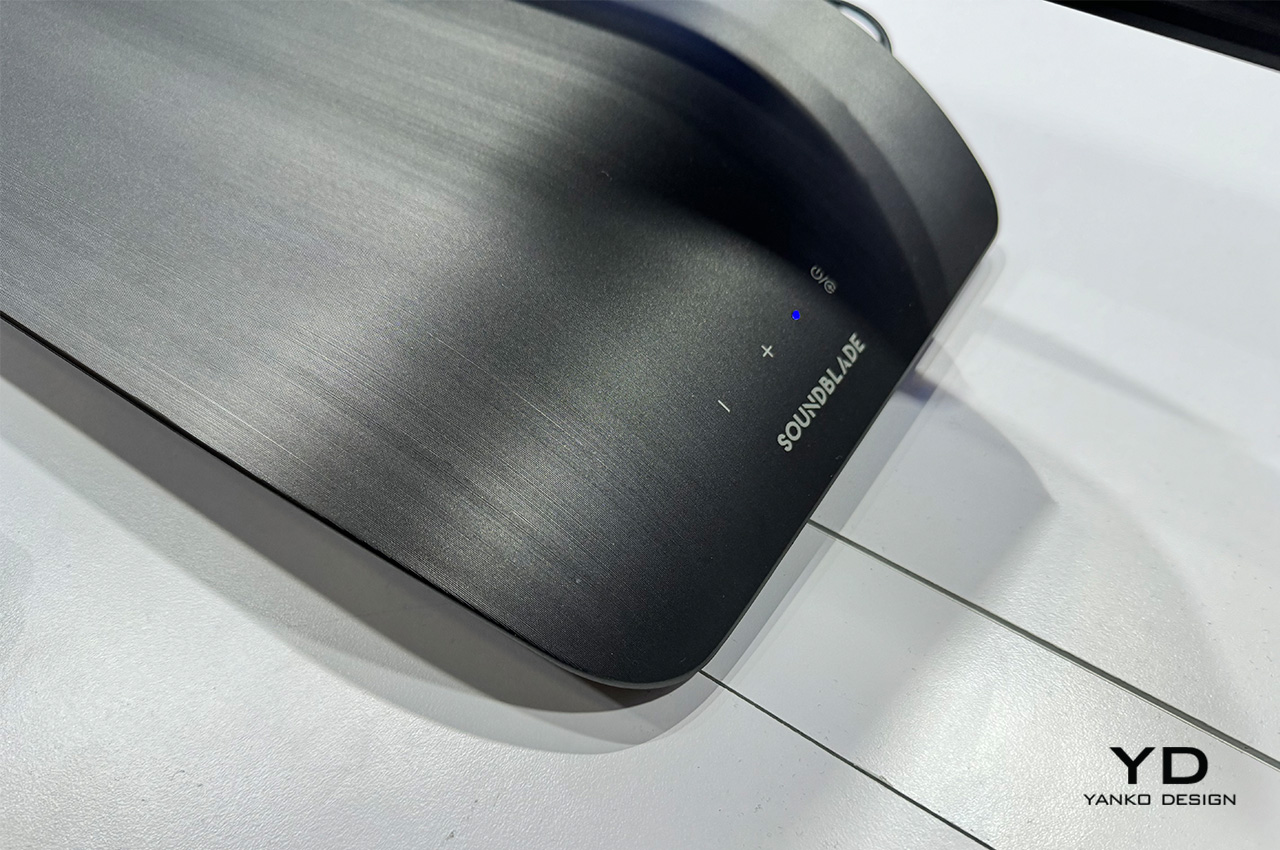
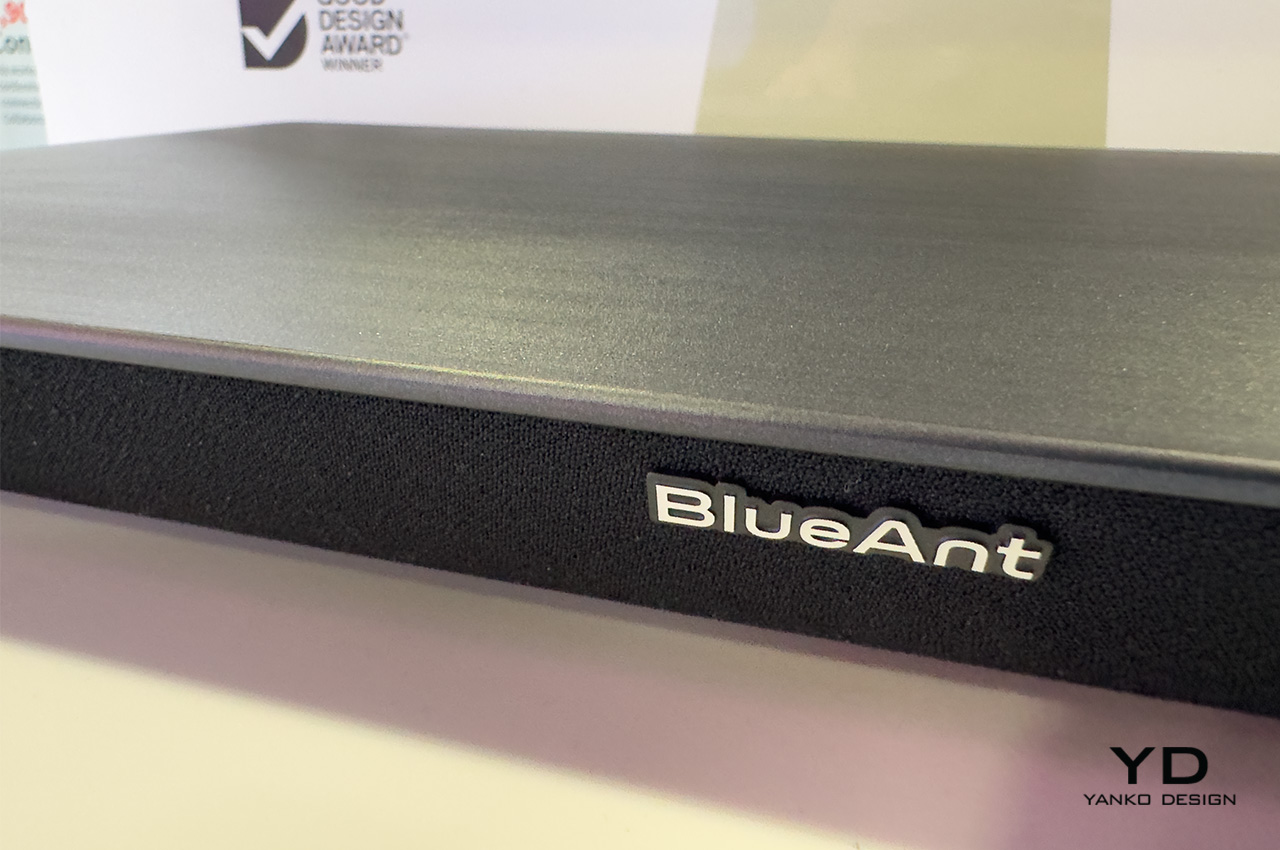
BlueAnt’s Soundblade soundbar boasts an elegant design that combines aesthetics with functionality. It’s a perfect fit for any desktop, and its sleek form adds to any setup’s overall visual appeal. It’s clear that the designer paid close attention to detail when crafting this product. Stuart Ralston, Chief Technology Officer for
BlueAnt, informed me that their target audience is the ‘Gen Z’ demographic. This is mainly because the colors of their products match Apple’s iMac. In fact, based on his observation, the pink one was extremely popular among women.
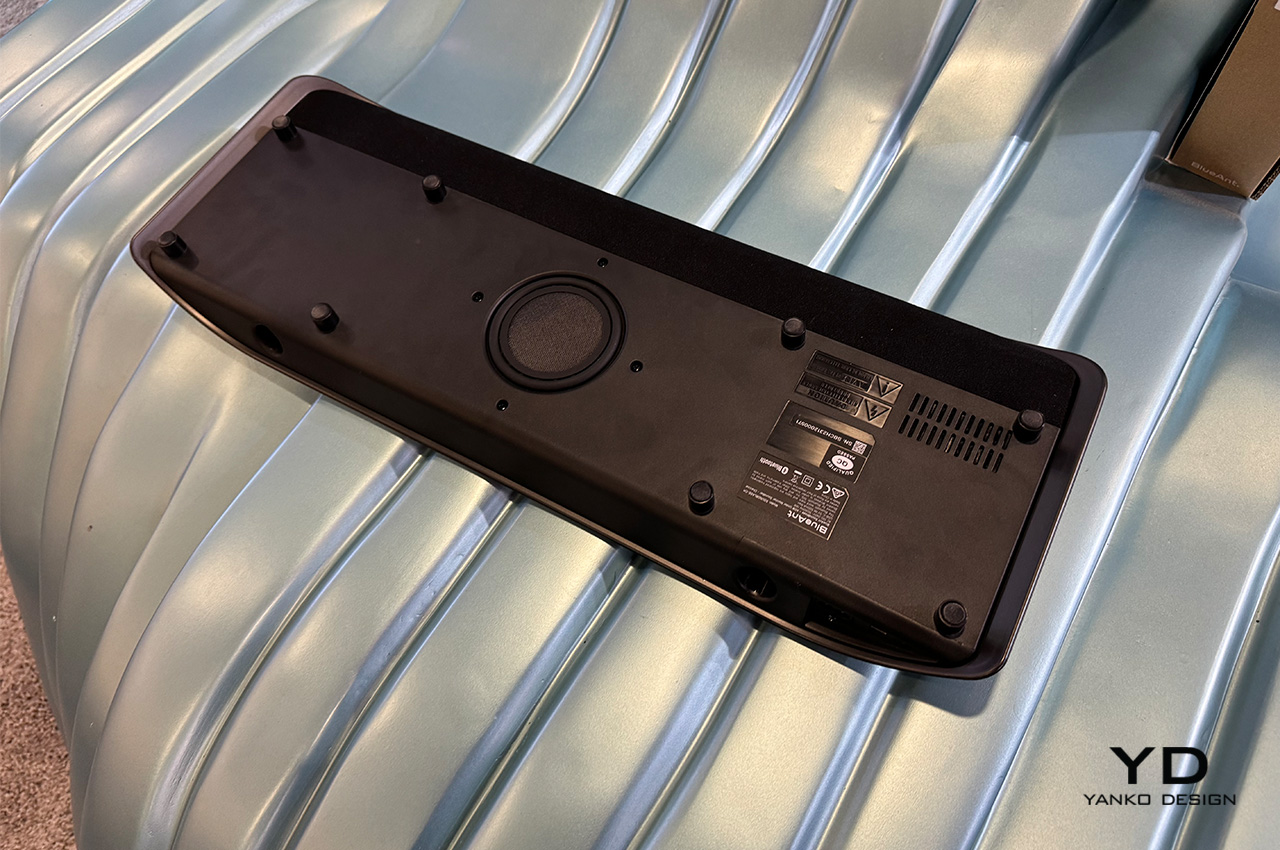
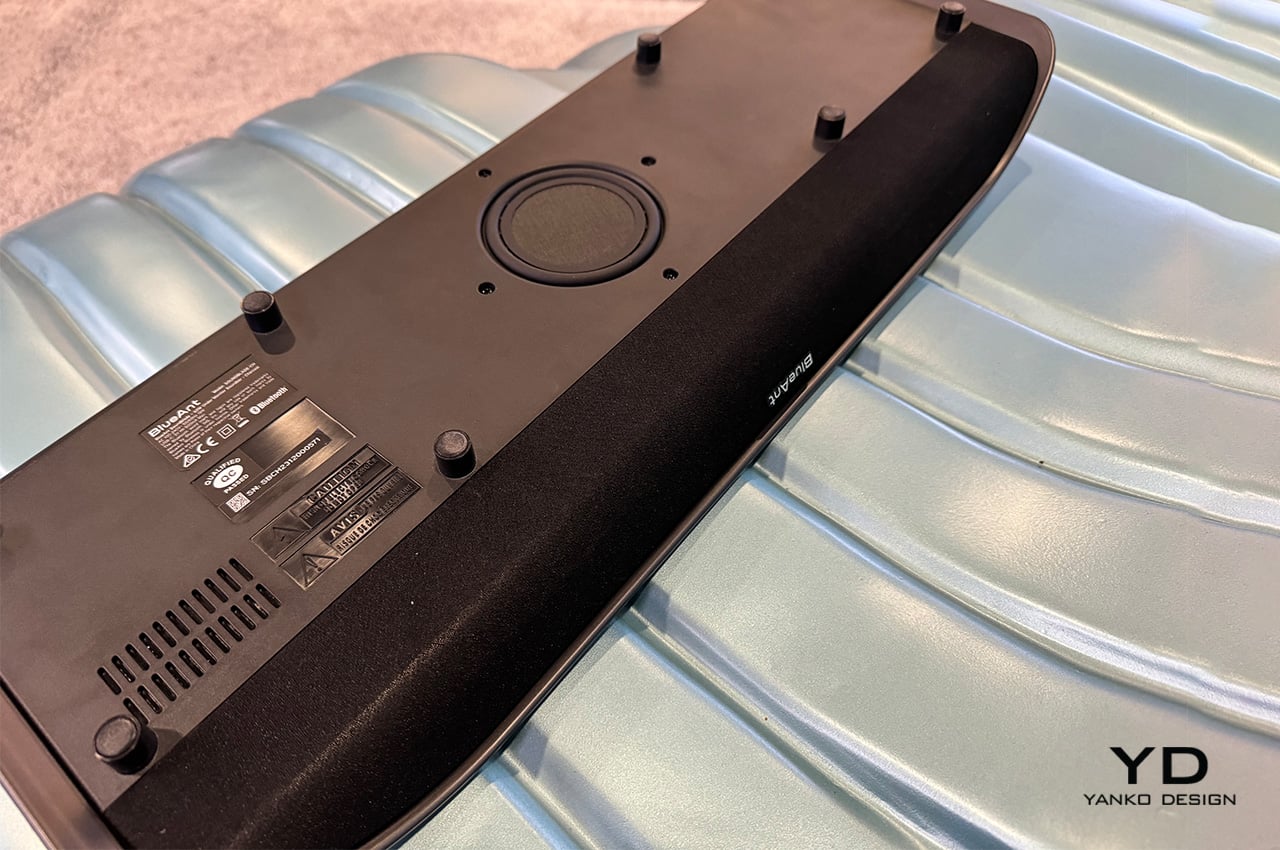
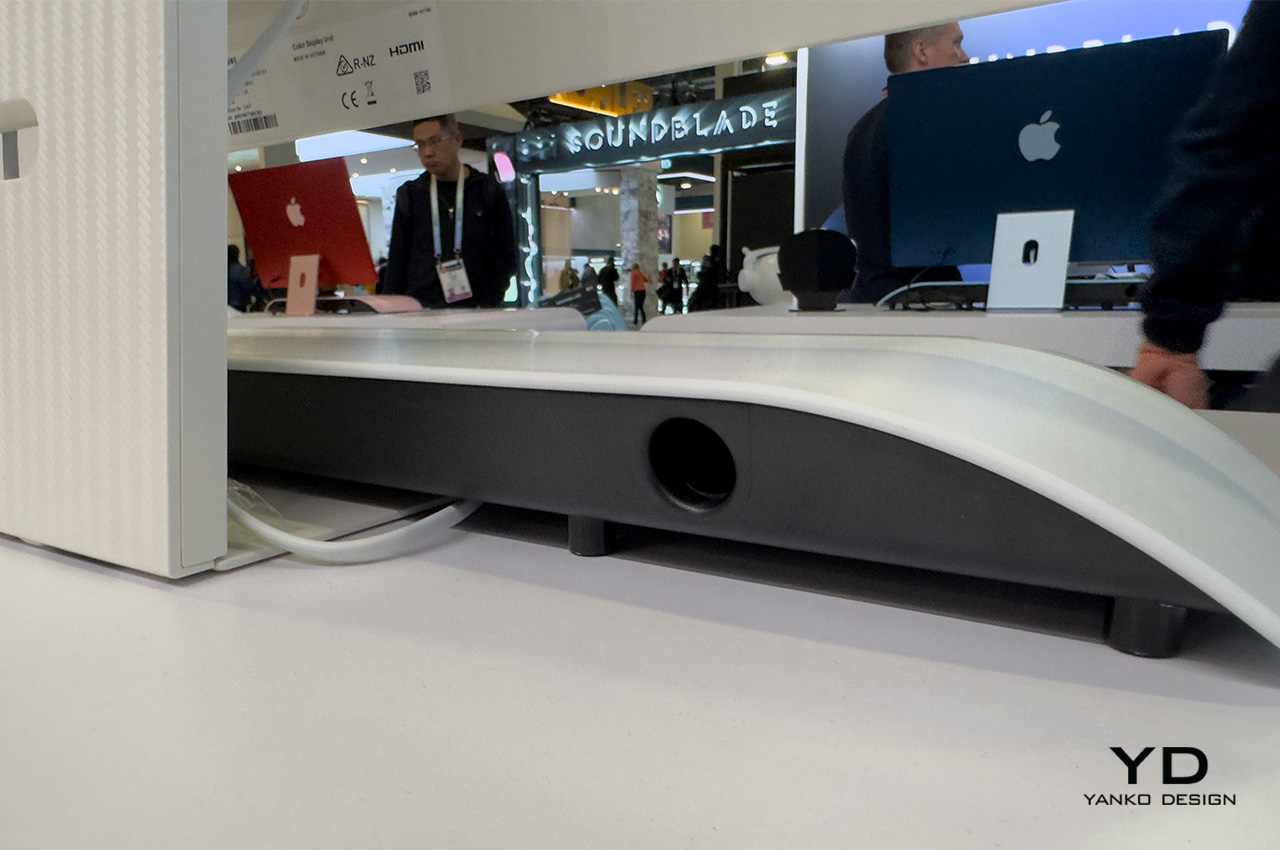
The Soundblade looks great and delivers an impressive audio experience that makes you feel like you are part of the action. The 120W peak power output ensures that every sound, from dialogue to sound effects, is crystal clear and full of detail. The 2.1 channel sound configuration, built-in 80mm neodymium subwoofer, and dual full-range neodymium drivers produce a rich, immersive audio journey.

I was particularly impressed by the Soundblade’s ability to bridge the gap between monitor speakers and the visual experience. Whether I was watching a movie, playing a game, or indulging in AI-generated media, the soundbar transported me into the heart of the action. The auditory details were so vivid that I could feel the intensity of cinematic storytelling and the thrill of being “in the game.” The Soundblade truly elevated the overall gaming and streaming experience.

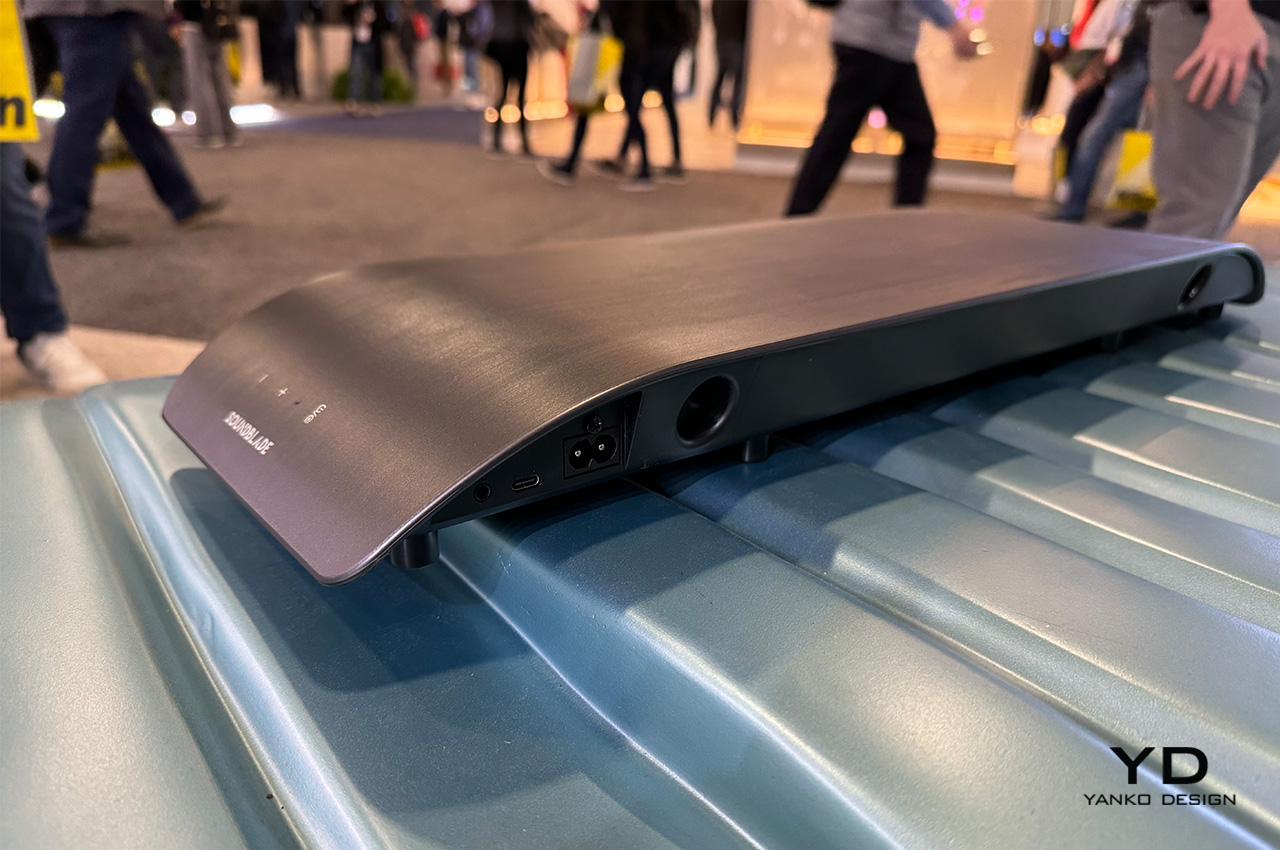
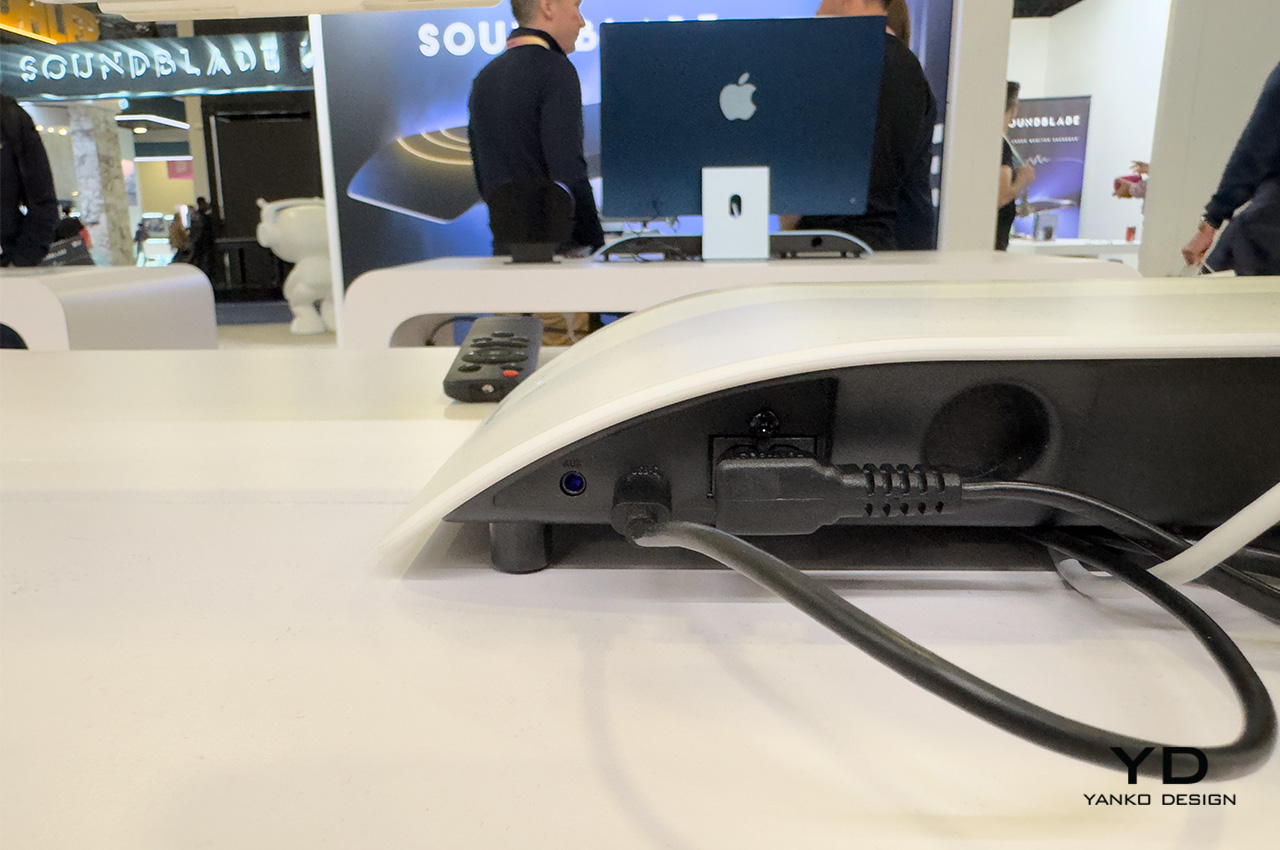
In terms of specifications, the Soundblade boasted an array of impressive features. Its compatibility with PC, Mac, PS5, PS4, Bluetooth, and AUX seamlessly integrates with various devices. The connectivity options, including USB-C, Bluetooth 5.3, and a 3.5mm auxiliary input, ensured versatile usage across different tech ecosystems.

The device measures 584 x 218 x 54mm (23 x 8.58 x 2.13in) and weighs 1.7kg (3.75 pounds), making it a compact and unobtrusive addition to any desktop setup. It has a remote control for easy operation and offers three built-in EQs tailored explicitly for different media types: Games, Movies, and Music.

Overall, my hands-on experience with the BlueAnt Soundblade at CES 2024 left me thoroughly impressed. Its stunning award-winning design, HD audio quality, and powerful performance make it an ideal choice for design enthusiasts seeking a superior desktop audio solution. Whether you’re a movie buff, a gaming enthusiast, or someone who appreciates high-quality sound, the Soundblade will elevate your desktop audio experience to new heights.

The post BlueAnt Soundblade Hands-on at CES 2024: Revolutionizing the Desktop Audio Experience first appeared on Yanko Design.