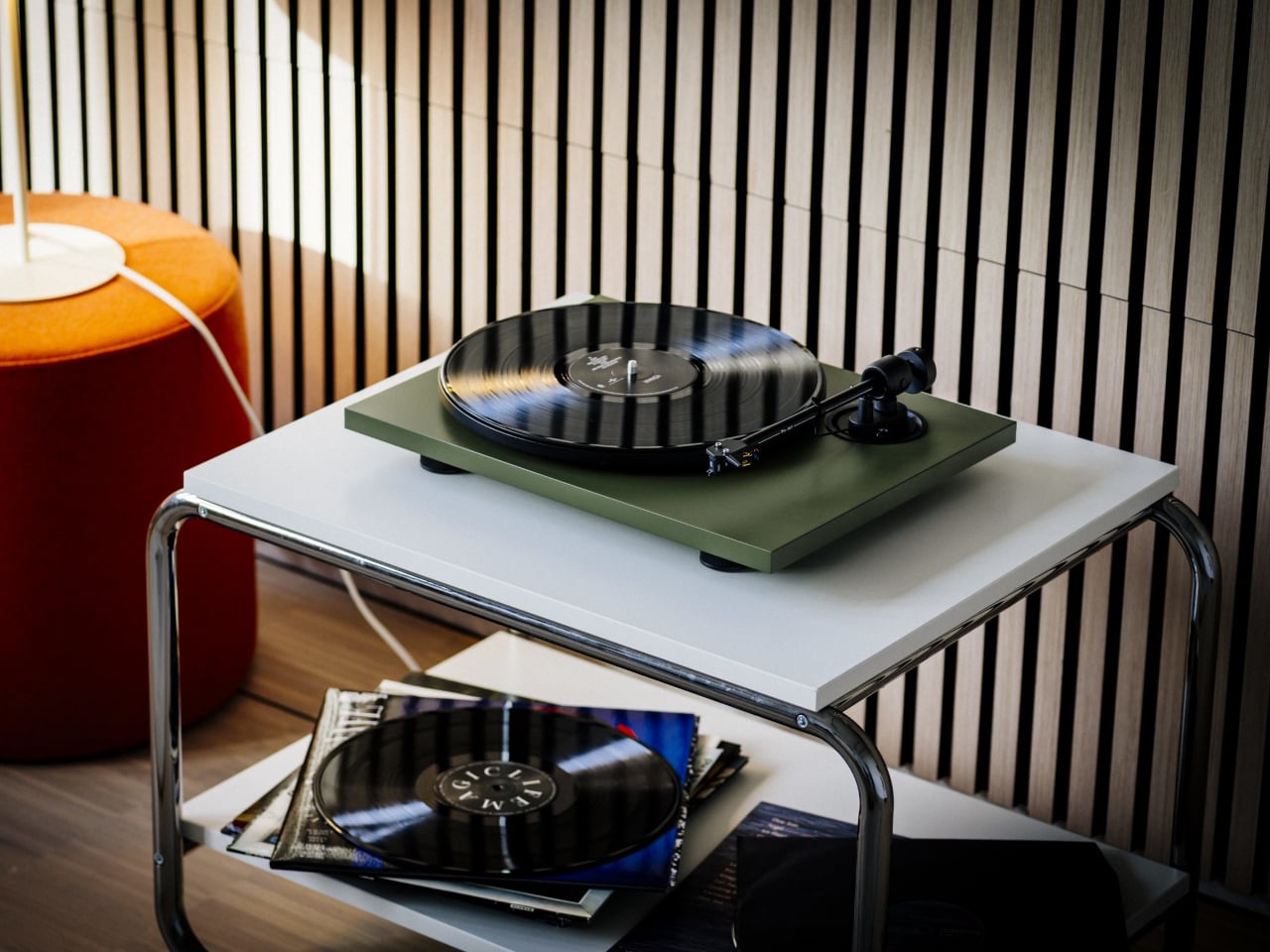
The entry-level turntable market has a pattern that rarely changes. A manufacturer adds Bluetooth, a built-in preamp, USB output, and auto-stop into one device, prices it somewhere between $100 and $250, and markets it to people who wouldn’t otherwise know what to do with a separate phono stage. The result is usually a table that does many things poorly rather than one thing well, and the vinyl experience that follows tends to confirm whatever doubts that person had about the format.
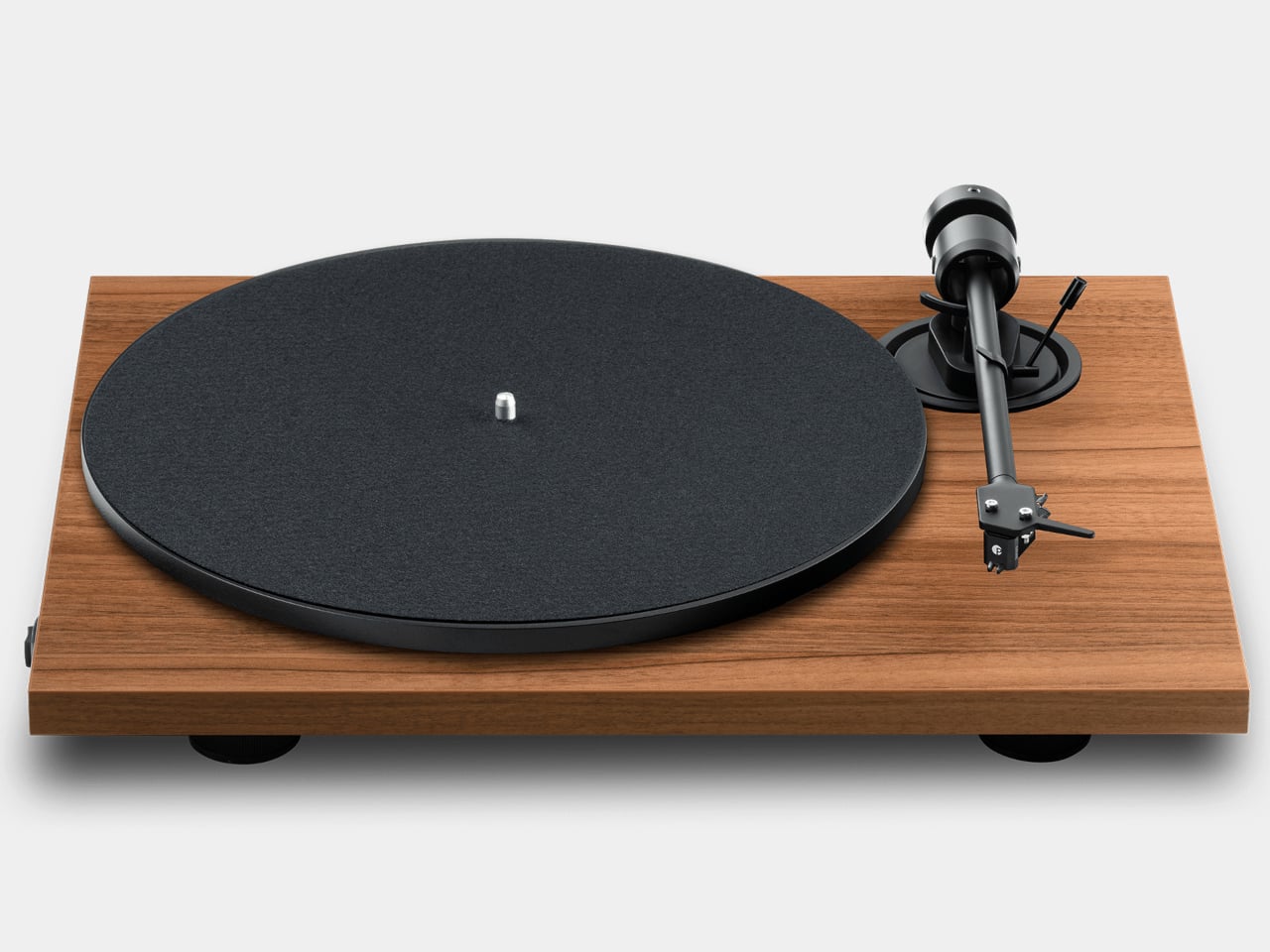
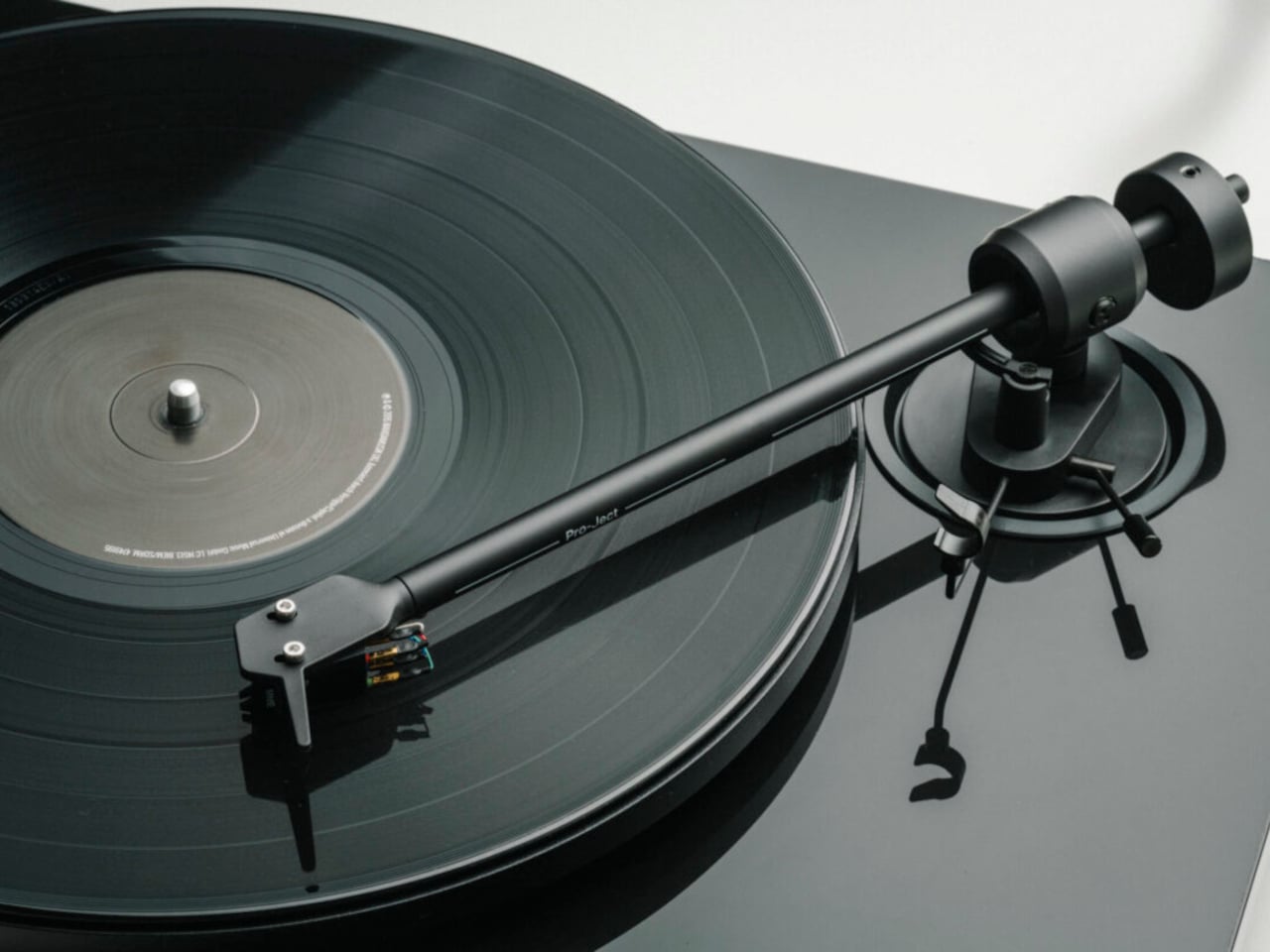
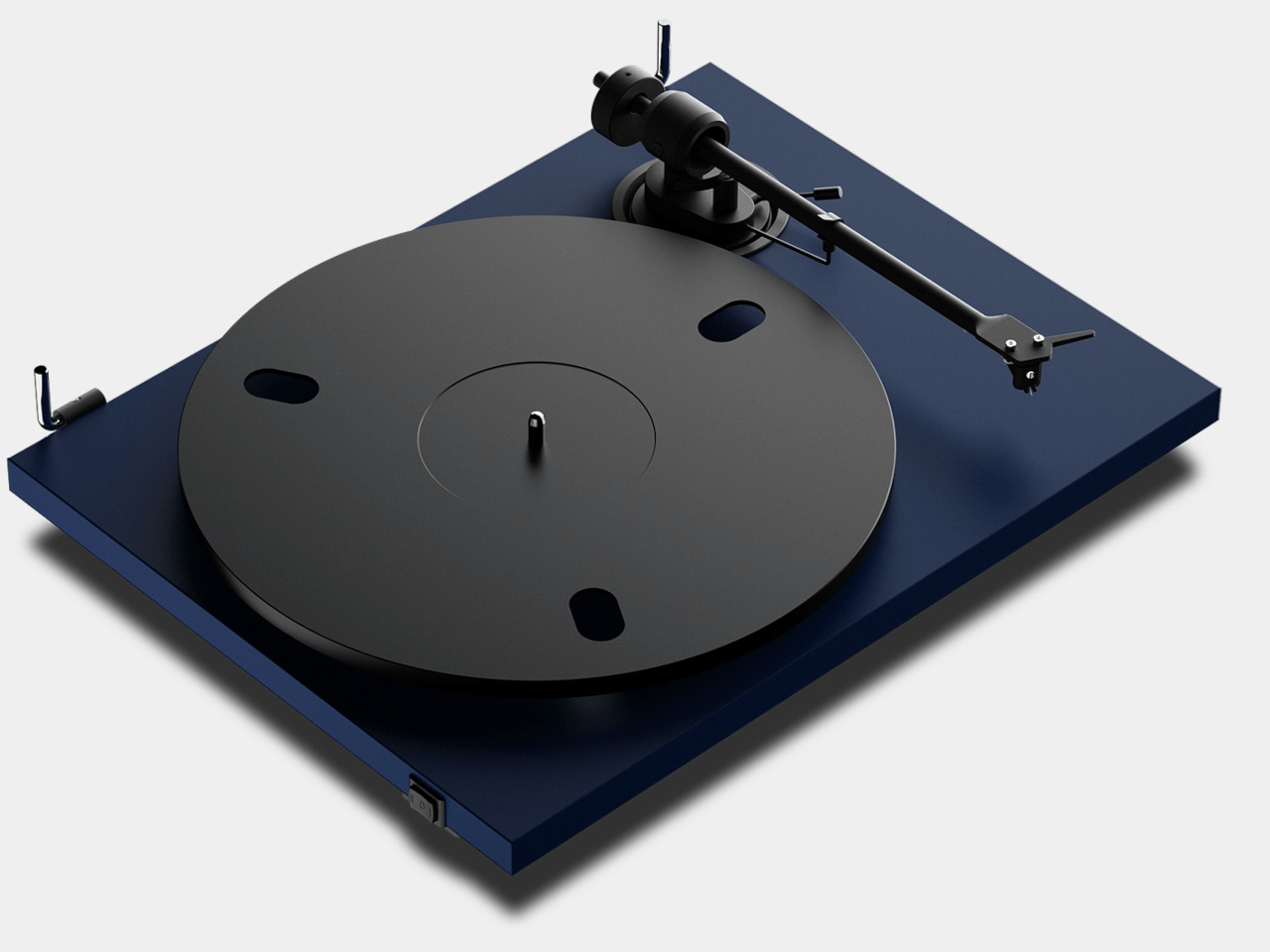
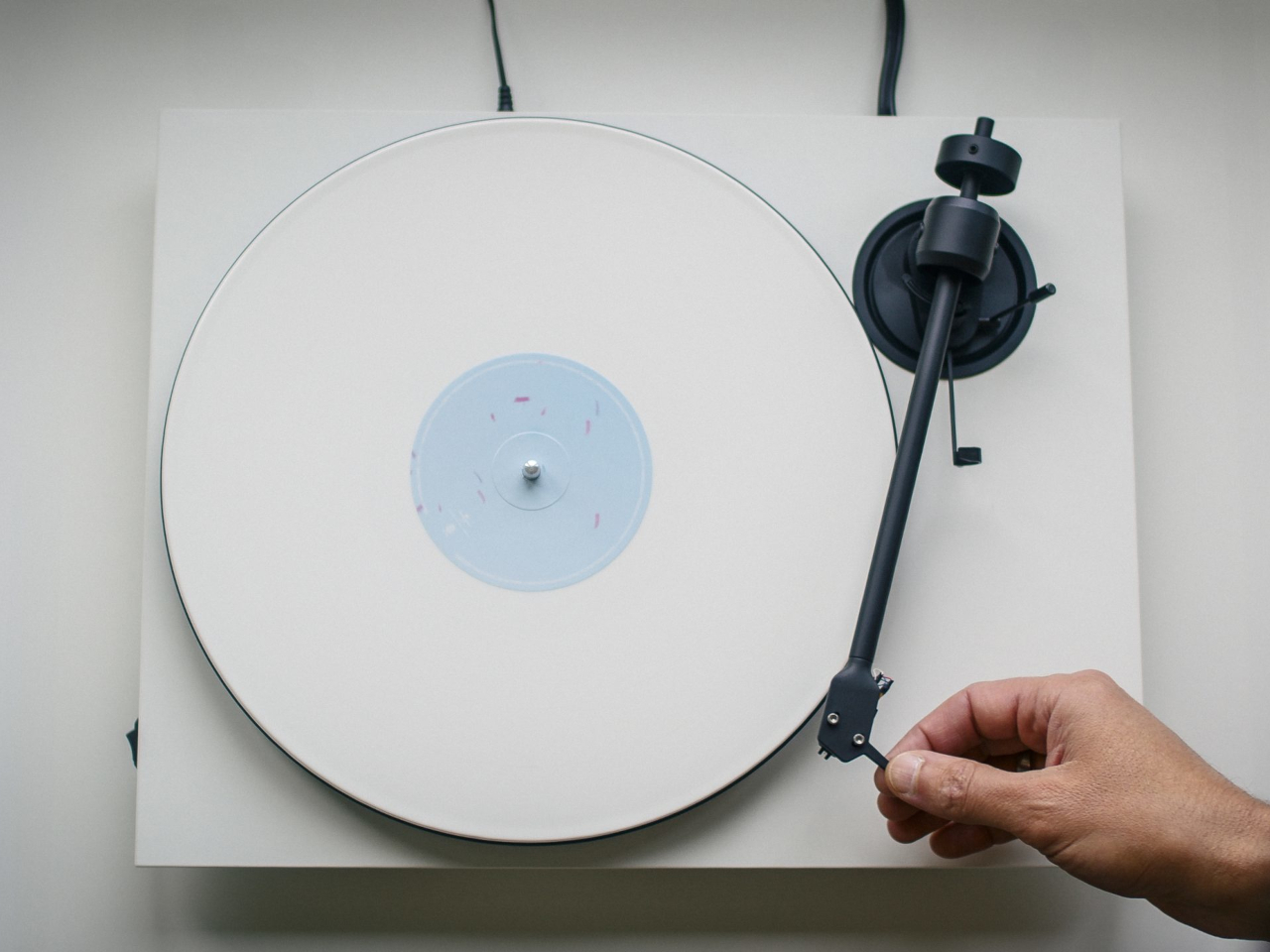
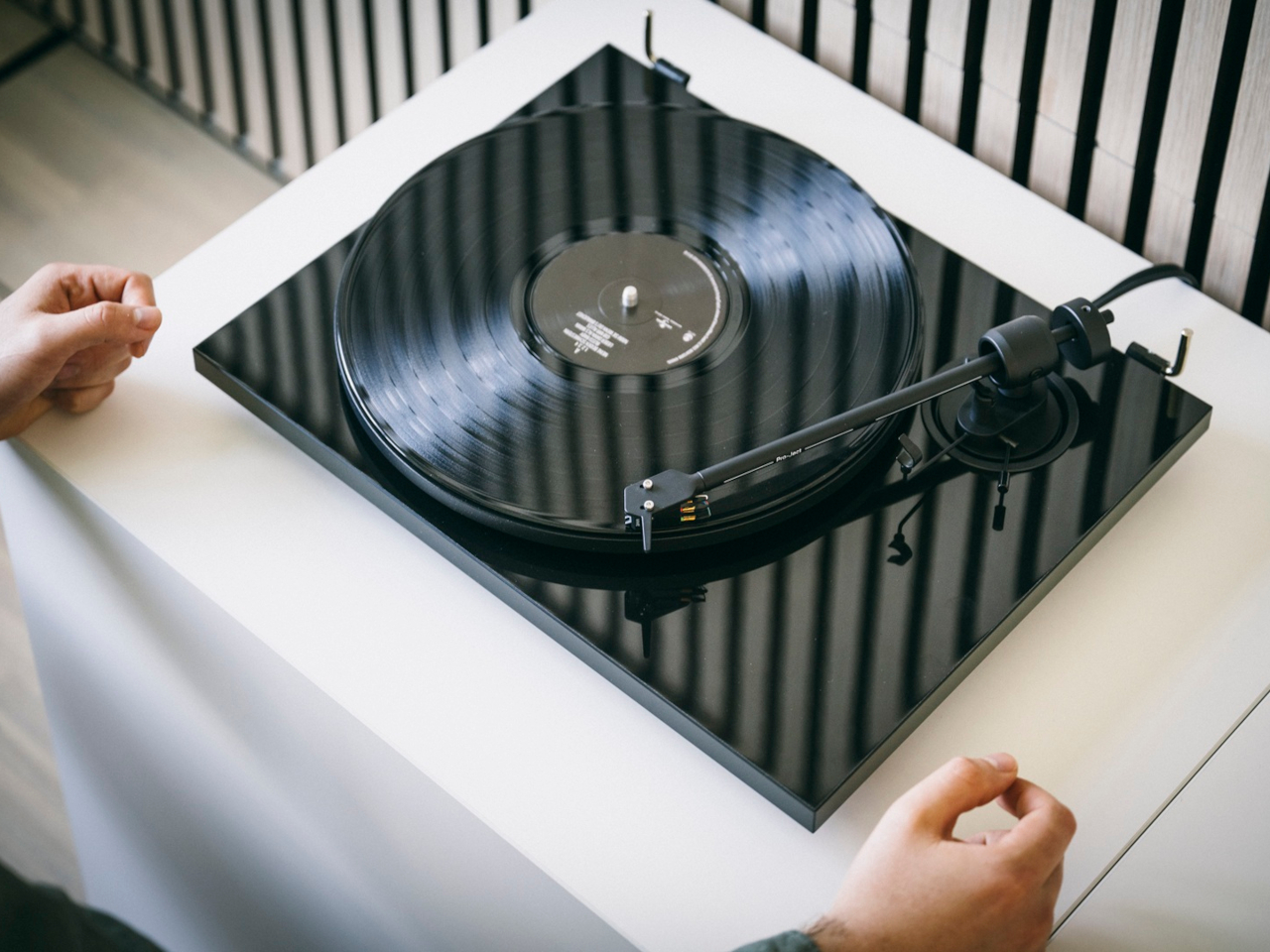
Pro-Ject has spent three decades making a different argument. The E1.2, which launched last year as a stripped-down, fully manual belt-drive turntable with no Bluetooth and no built-in preamp, was that argument restated clearly at a more approachable price. It borrowed the sub-platter design from the company’s Debut line, fitted a 730 g die-cast aluminium platter with a TPE damping ring, and used an 8.6-inch aluminium tonearm with a carbon-reinforced headshell. No extras, no compromises to the core hardware.
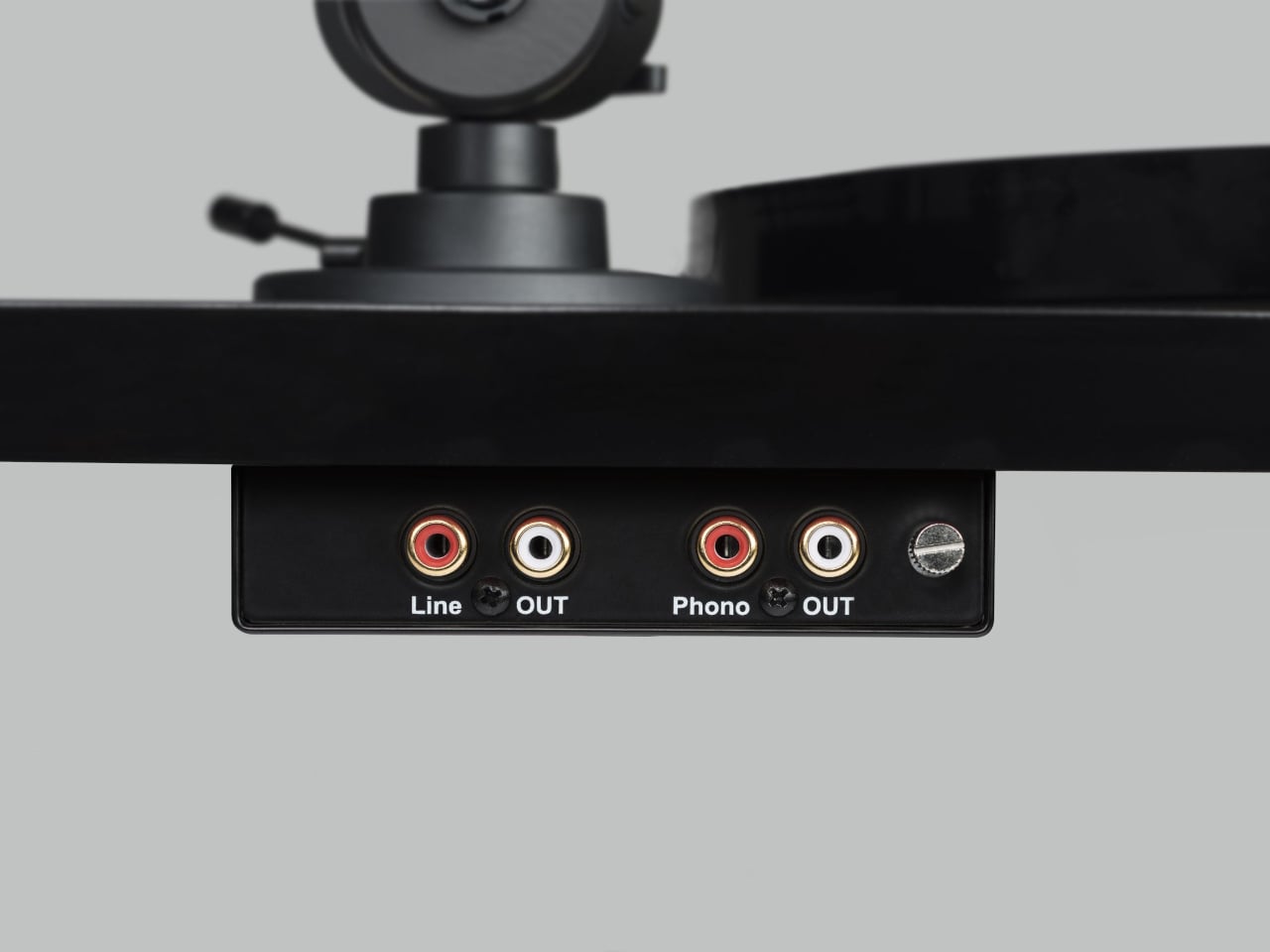
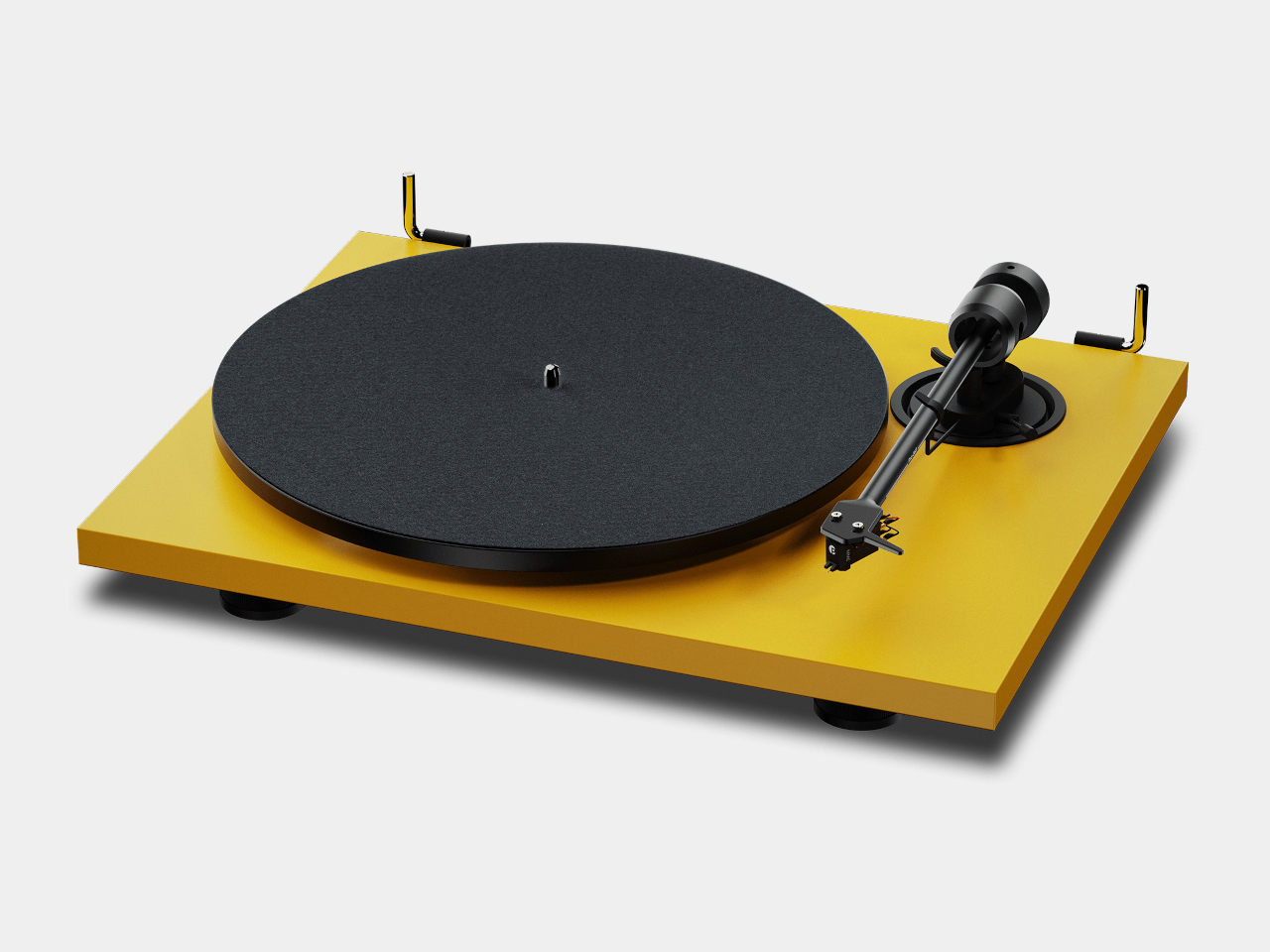
The new E1.2 BT and E1.2 Phono editions extend that platform rather than rethink it. The BT version adds Bluetooth 5.4 with aptX HD and aptX Adaptive codec support, allowing it to stream vinyl wirelessly to speakers, headphones, or compatible amplifiers. The Phono edition, in contrast, adds a built-in phono preamplifier for anyone connecting to an amplifier or active speakers that don’t already include one. The hardware underneath each variant is identical; the choice between them is a question of what your listening setup actually needs.
The Bluetooth functionality is a meaningful step up from the aptX implementations that have become common at this price tier. AptX Adaptive, in particular, transmits at near-lossless quality with variable bitrate, which makes a practical difference when the source material is a well-pressed record played back through a properly aligned cartridge. You’re not losing most of what the stylus picks up before it reaches your ears. For a household where the stereo system is in one room and the better speakers are elsewhere, that matters.
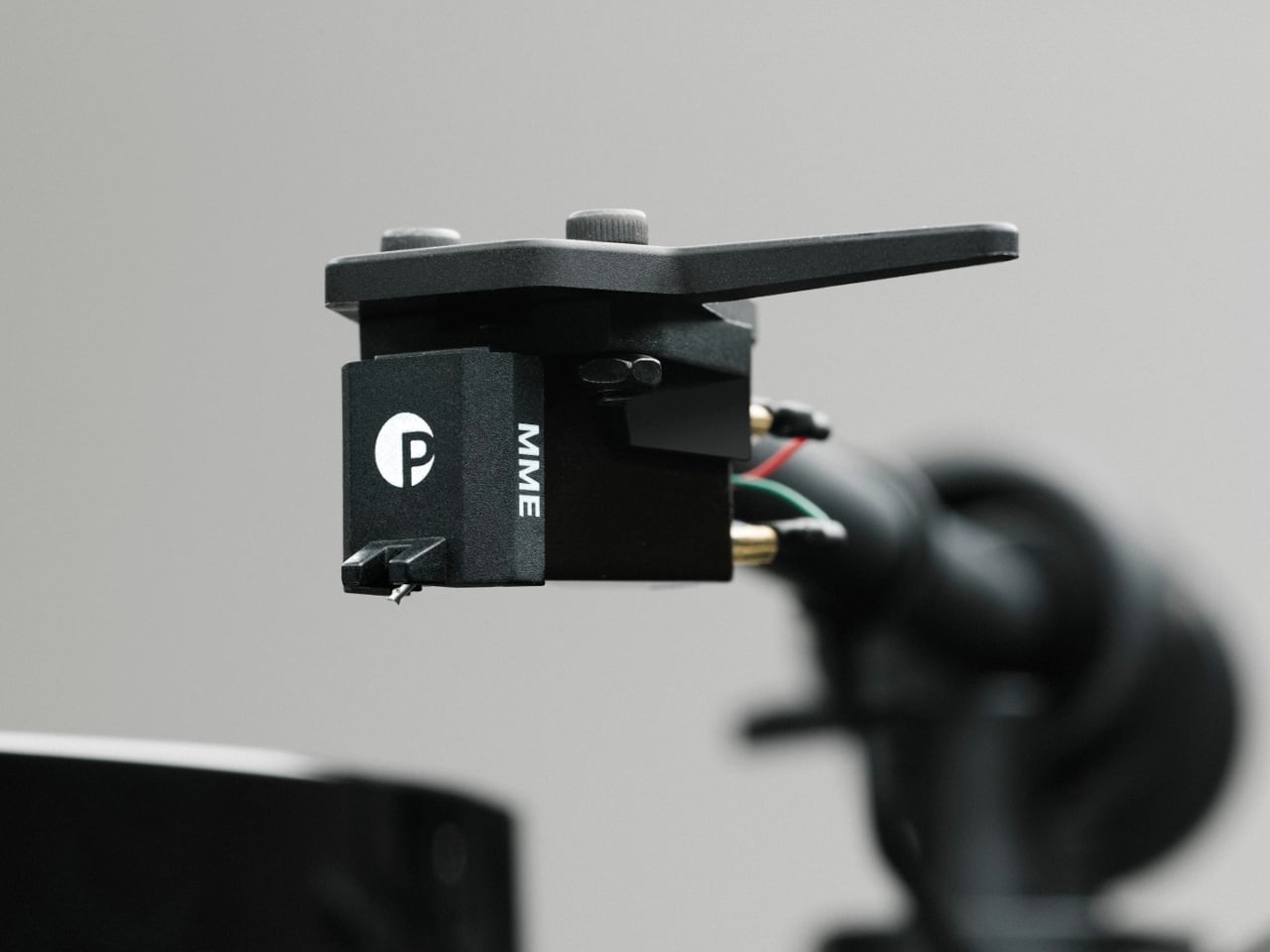
The Phono edition solves the other common access problem. Most modern integrated amplifiers, AV receivers, and streaming systems don’t include a phono stage, and asking a newcomer to source a separate one before they’ve even put their first record on is a reliable way to end the conversation. Having the preamp built in removes that step without downgrading the deck’s core components. The factory-fitted Pro-Ject Pick it MM E cartridge, a moving magnet design with a conical diamond stylus and miniature neodymium magnet, stays the same across all three variants.
Both new models come in the same finishes as the standard E1.2 and add additional color options. The BT sits at £399 / €399 in High Gloss Black or Walnut, stepping up to £449 / €449 for color finishes including Satin White and Satin Golden Yellow. The Phono edition is priced at £319 / €359. The standard E1.2, still available, remains at £249 / €329 for those who already have a phono stage and don’t need wireless output.
What makes the three-variant strategy work is that it doesn’t try to collapse every possible need into one model. Each one handles a specific friction point between a first-time buyer and their record collection, and none of them compromise the mechanical quality that the E1.2 built its reputation on in the first place. The BT streams well. The Phono connects simply. The standard version gets out of the way and plays records.
Some collaborations make perfect sense the moment you hear about them. Fritz Hansen and Technics pairing up feels like that kind of announcement, the sort that makes you stop scrolling and actually read the press release. A Danish design house with a lamp rooted in 1936 Bauhaus tradition, and a Japanese audio brand whose turntables have been part of serious listening rooms for decades. On paper, it sounds almost too considered. And yet, the result is exactly that: deeply considered.
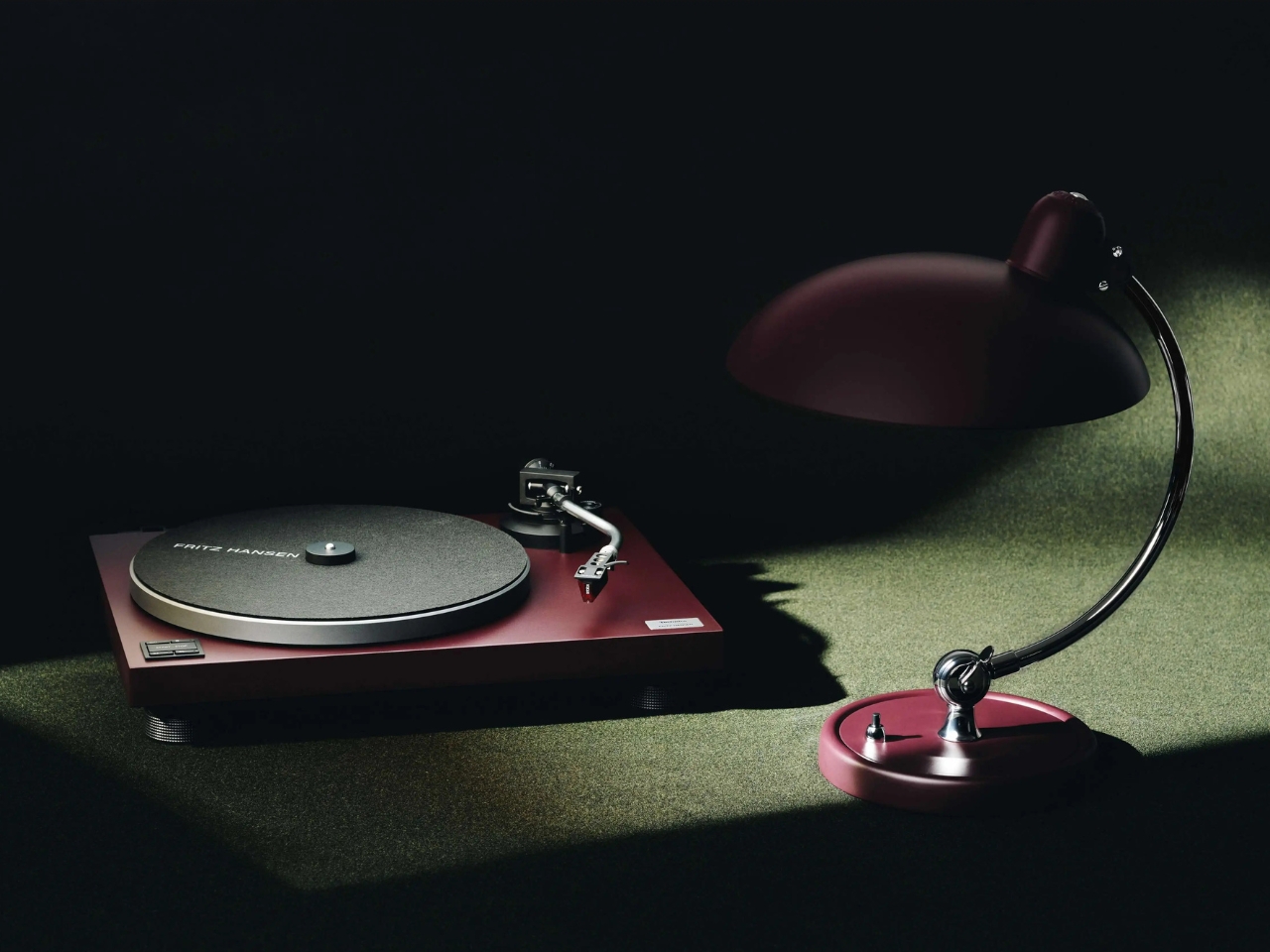
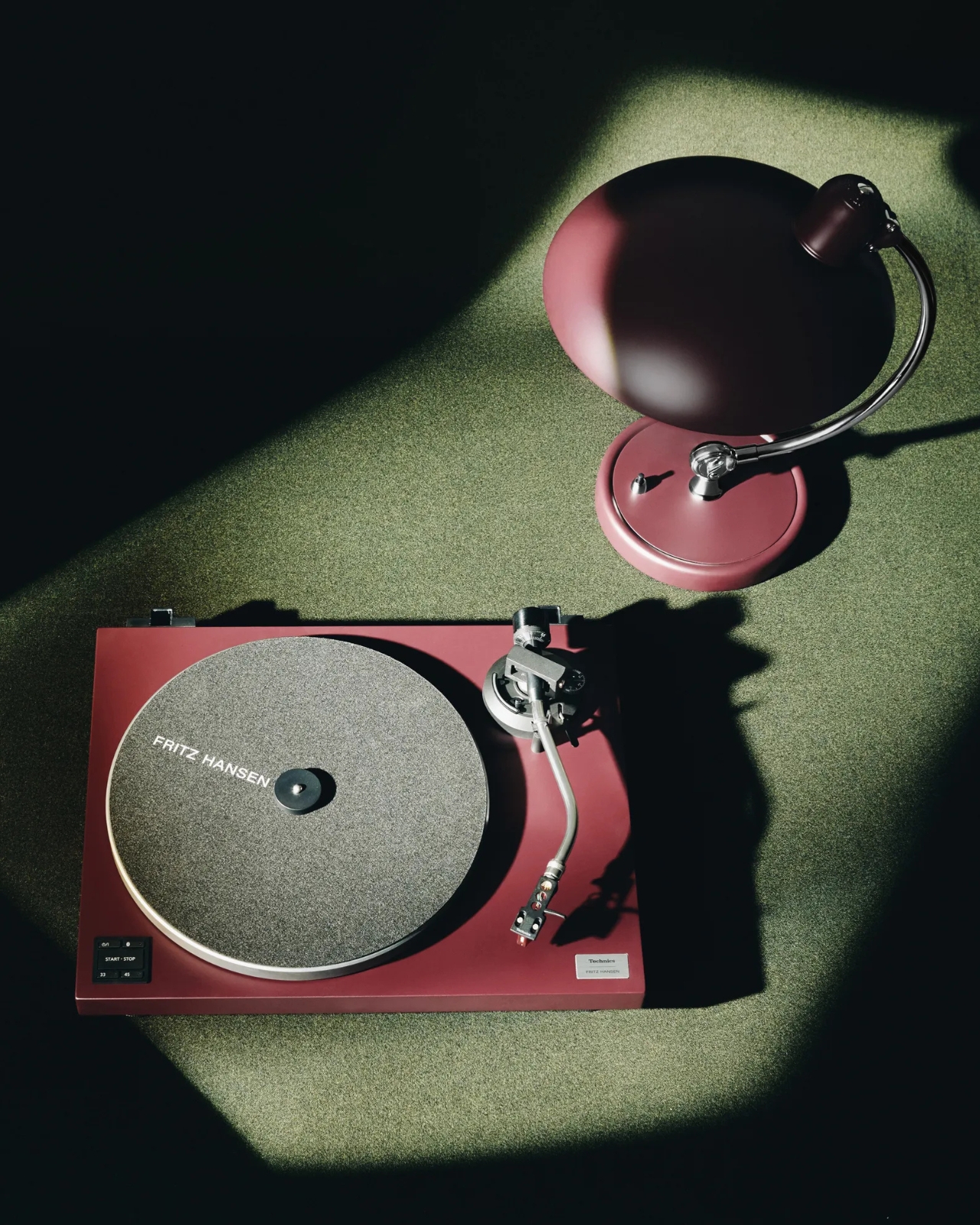
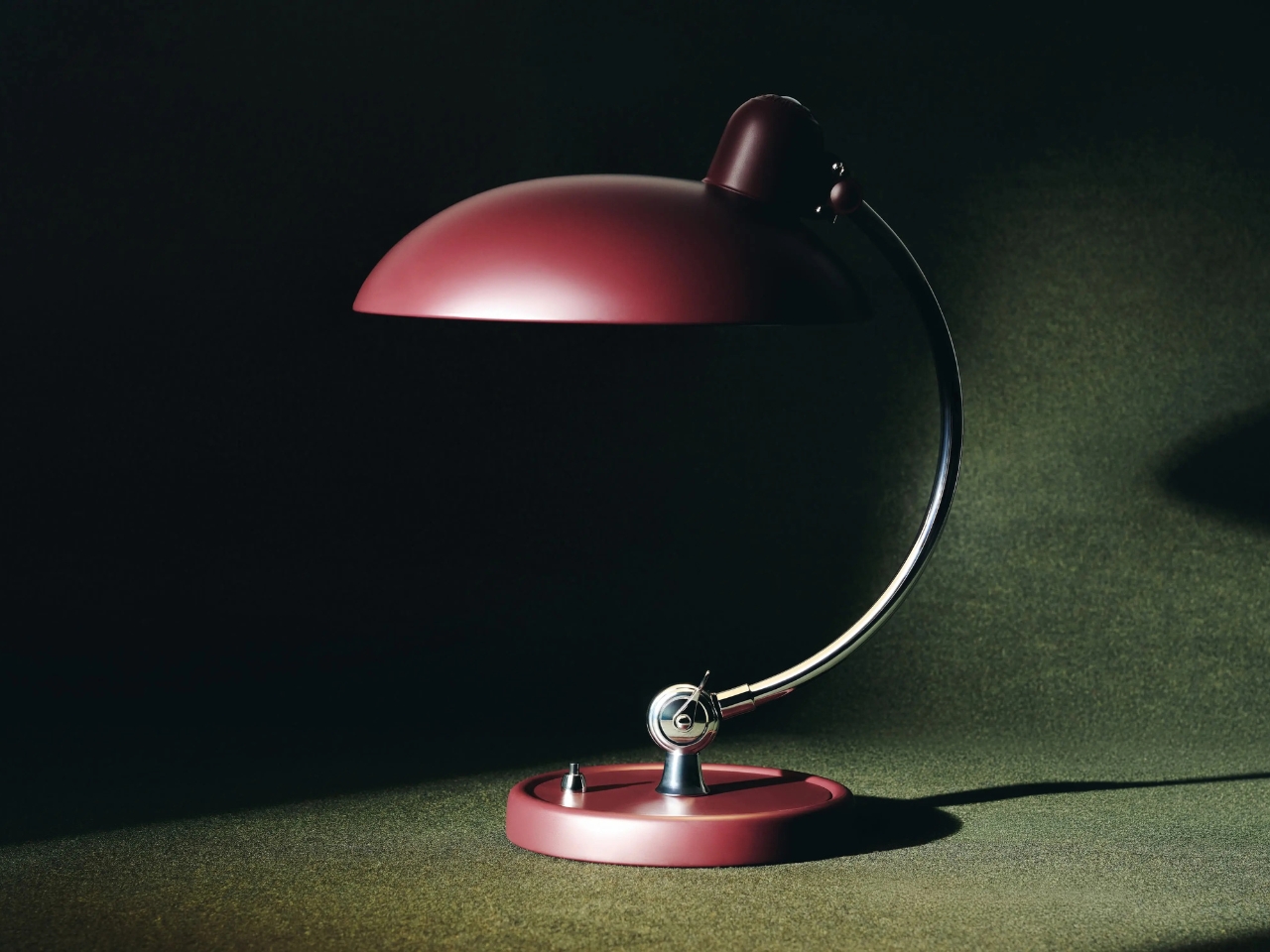
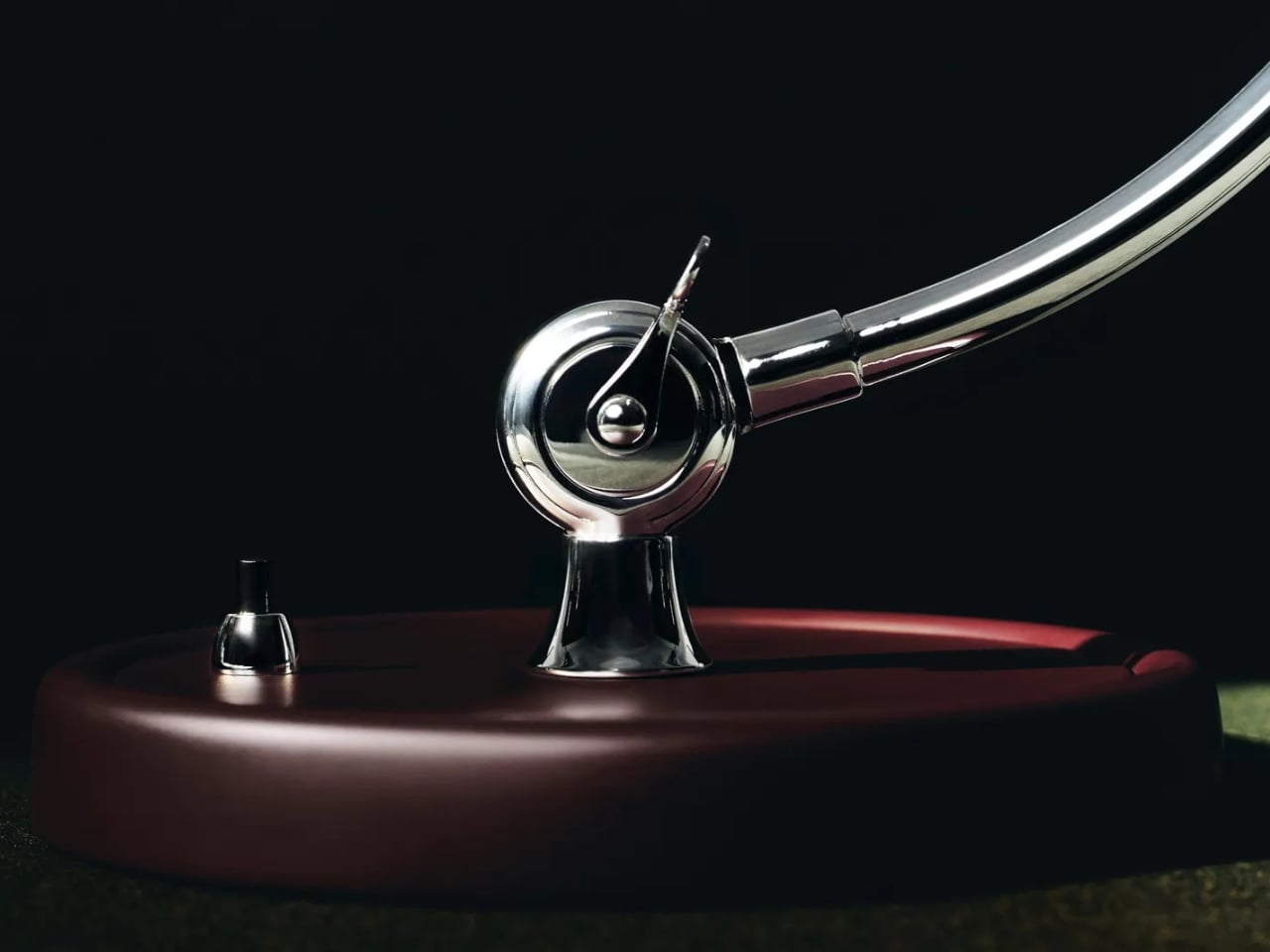
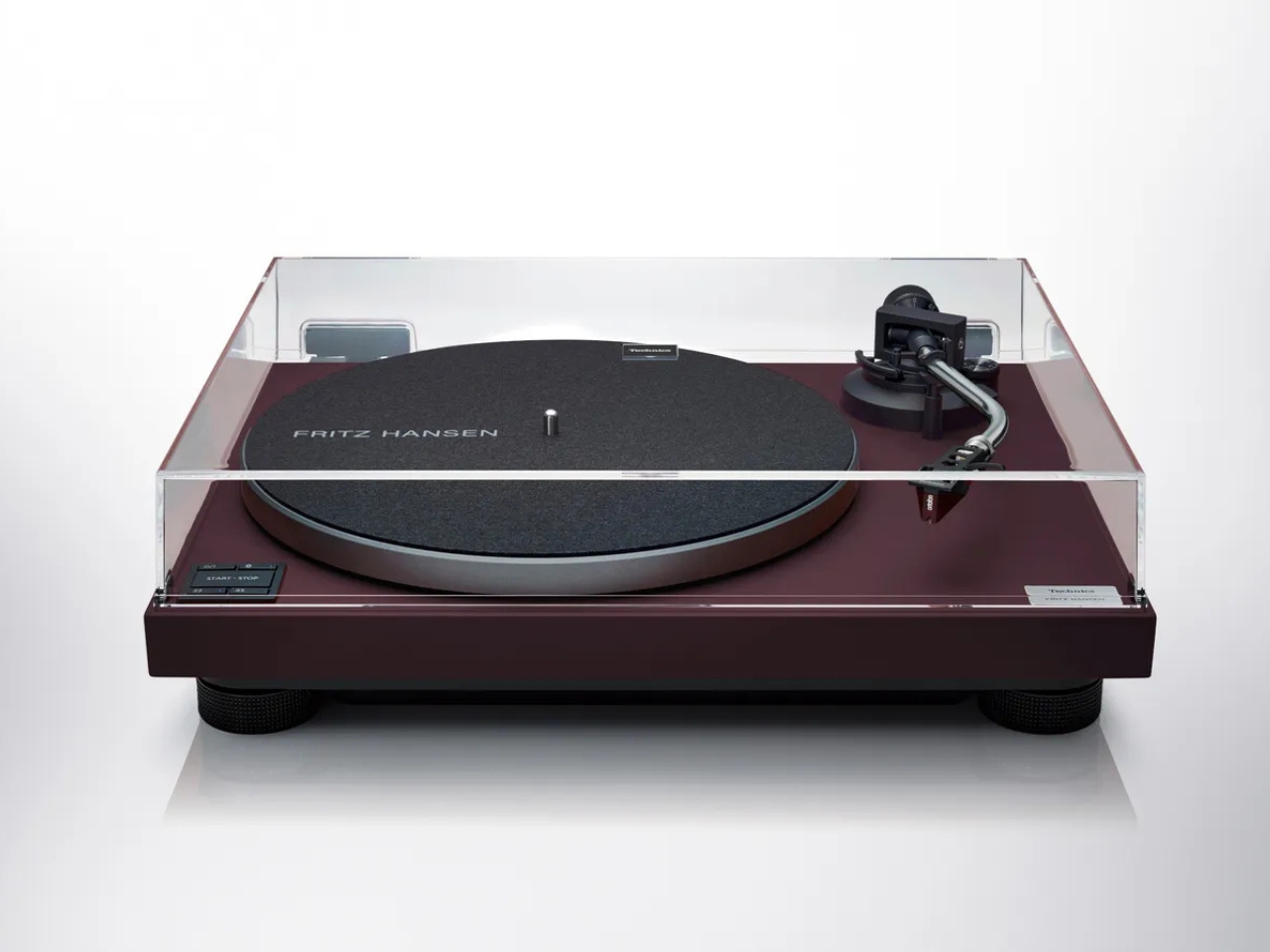
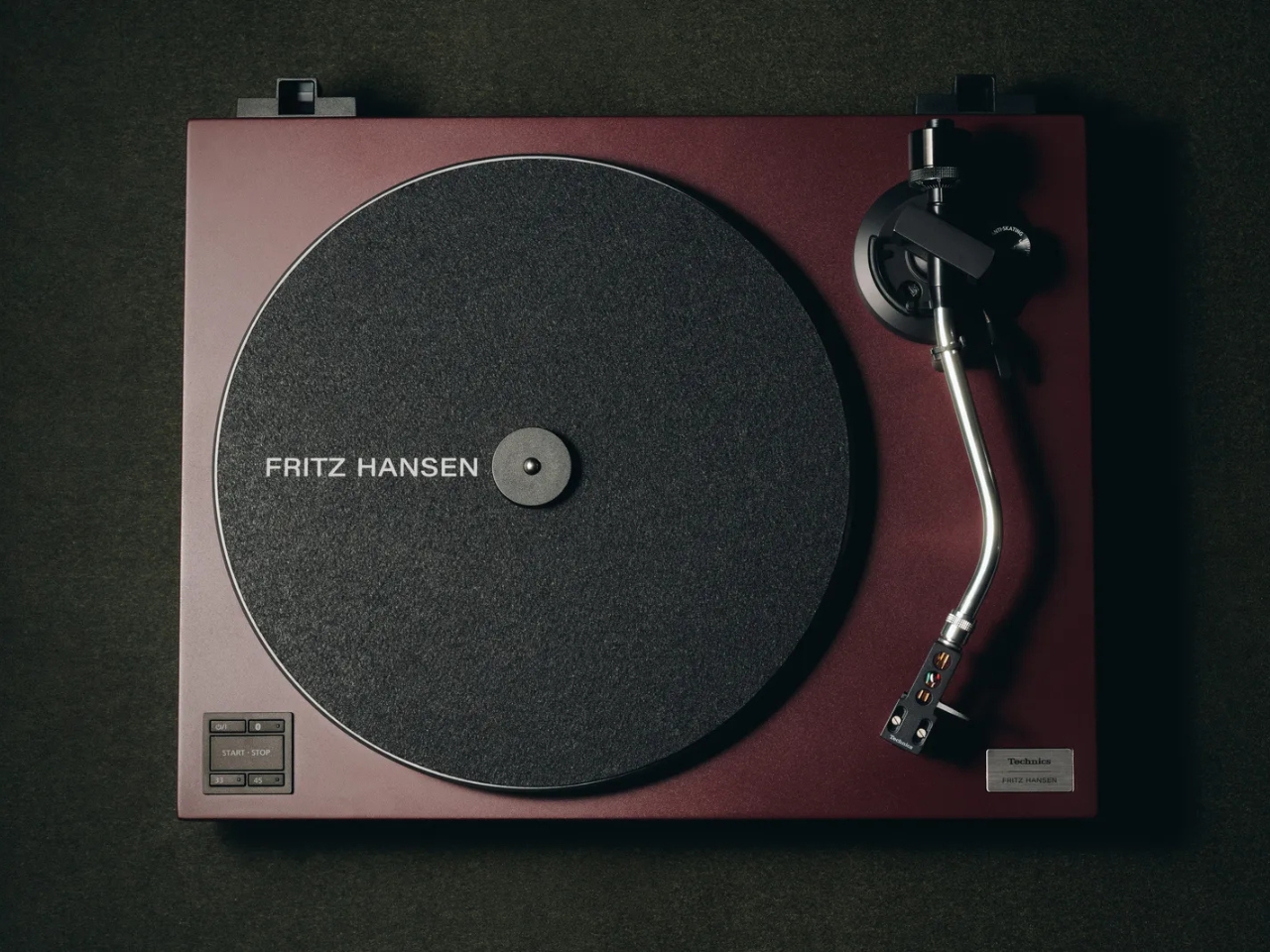
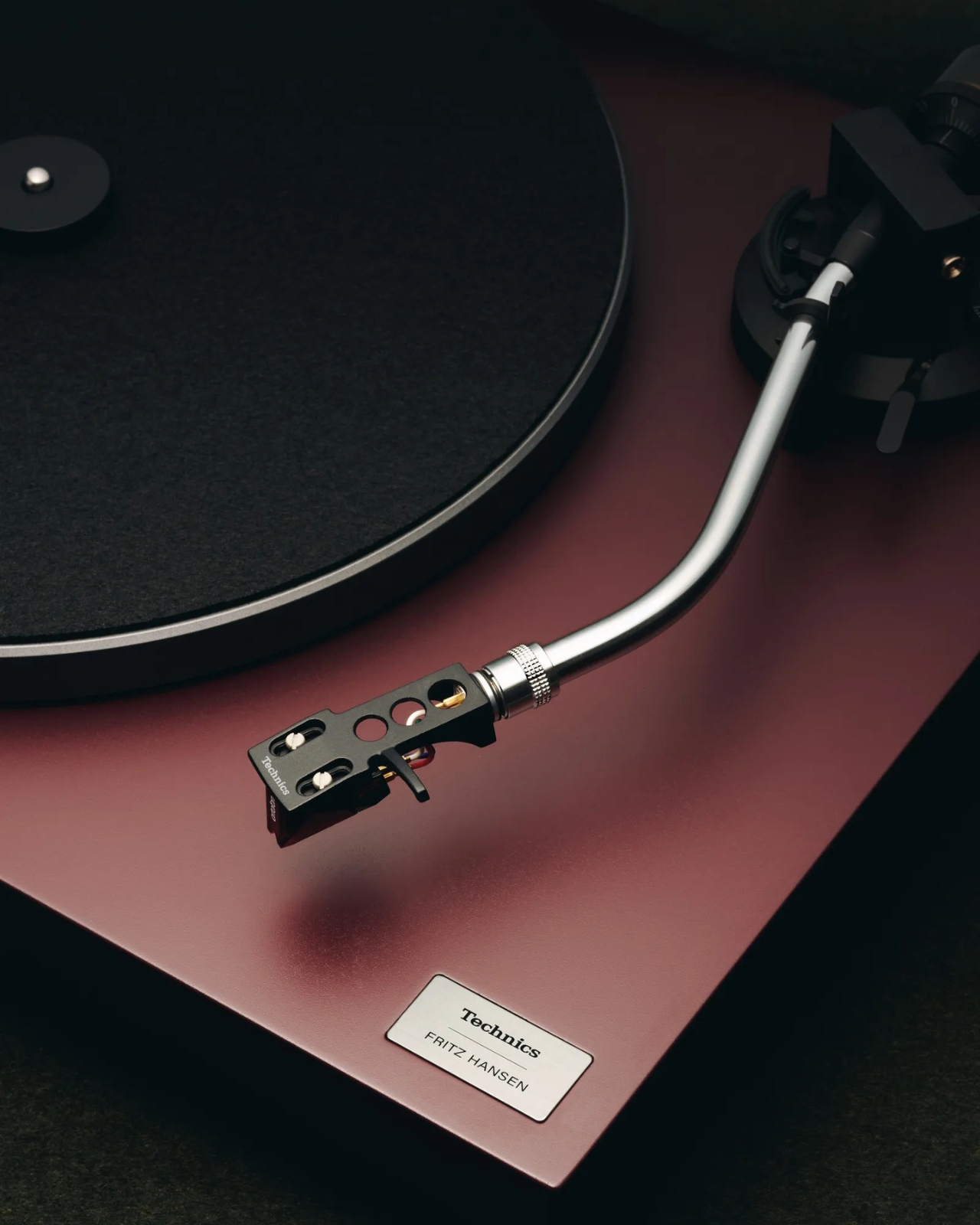
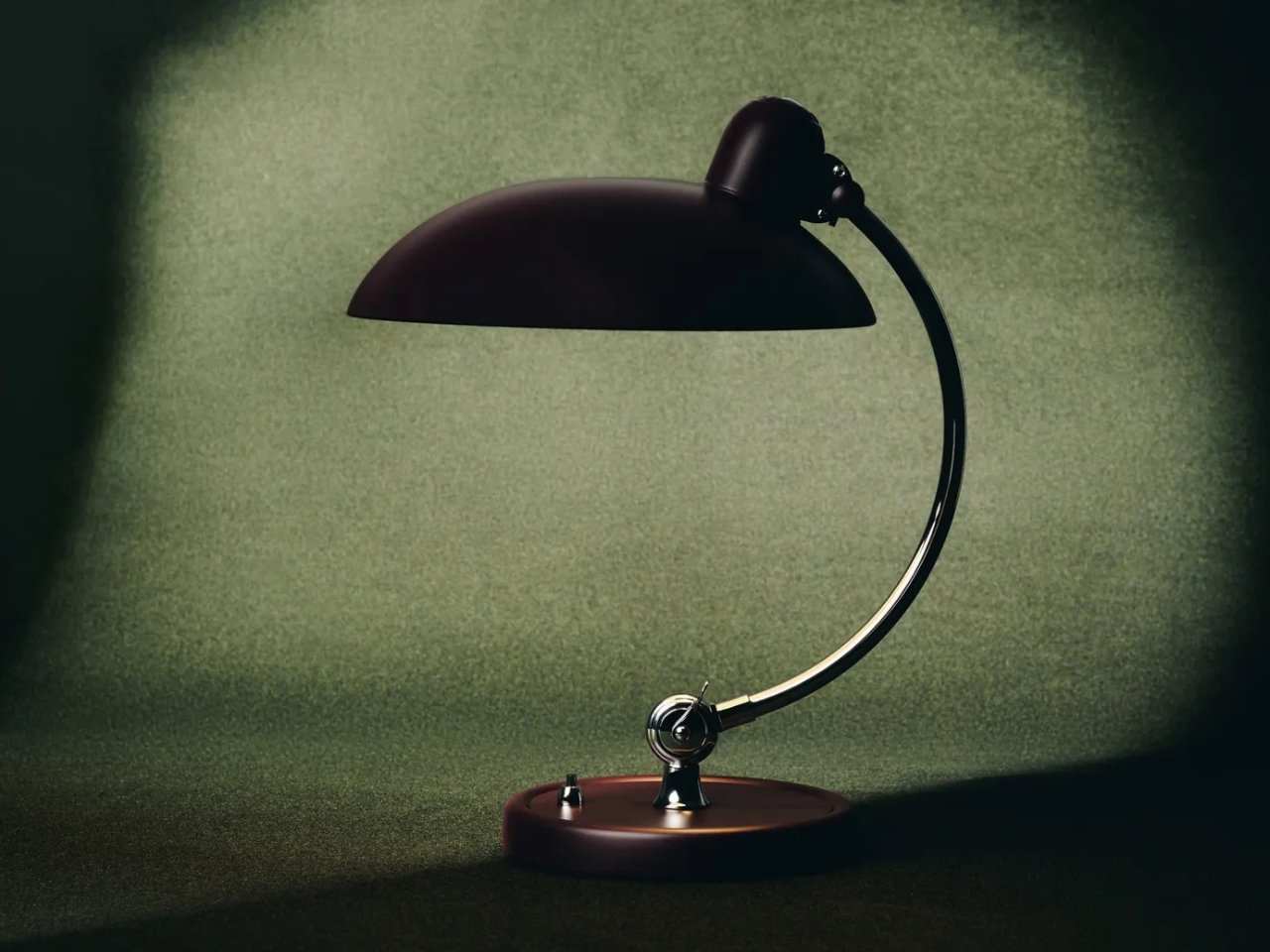
The collaboration brings two limited-edition objects together under a shared identity: the Kaiser idell Luxus 6631-T lamp and the Technics SL-40CBT turntable, both finished in a matte deep burgundy that reads quietly elegant rather than bold. It is the kind of color that does not announce itself but still shifts the entire mood of a room the moment you place it in one. Fritz Hansen will produce 200 lamps, Technics will offer up to 300 turntables, and both launch in October 2026. Those numbers alone tell you this is not a product launch so much as an edition, something that is meant to be lived with rather than simply owned.
Designers: Fritz Hansen and Technics
The Kaiser idell 6631-T is worth talking about on its own. The lamp traces its origins back to 1936, a Bauhaus-era design reissued by Fritz Hansen, featuring a conical shade, an adjustable arm, and a brass base that develops a patina over time. It is one of those designs that feels neither vintage nor modern because it has simply always been correct. Pairing it with a contemporary turntable could have gone sideways quickly, forced nostalgia dressed up in burgundy, but the Technics SL-40CBT holds its own. It is a direct-drive turntable with Bluetooth capability, the kind of piece that respects the ritual of vinyl while being honest about the fact that convenience matters too.
What makes this collaboration genuinely interesting is not just the color match but the philosophical argument behind it. Dario Reicherl of Fritz Hansen put it well: “Sound and light both change how a space feels without touching its structure.” That sentence cuts right to the point. We talk a lot about interior design in terms of furniture and materials, but light and sound are arguably the two most powerful variables in how a room actually feels to be in. The fact that two heritage brands decided to frame a product launch around that idea rather than simply trading on each other’s prestige feels like a more honest creative decision.
The collaboration was previewed at 3 Days of Design 2026 in Copenhagen, where the two pieces were displayed on original Fritz Hansen Bauhaus-style tables pulled from the archive. That context mattered. Seeing them in a listening bar setting, as part of the Fritz Hansen Sound Club installation, gave the objects a sense of purpose rather than just aesthetic. They were not styled for a campaign. They were placed the way you would actually use them, together, in a room designed for paying attention.
Ryo Ogasawara from Technics offered a different angle on the same idea: “Music is an art of time.” He described how sound quietly imprints itself on our emotions, and how light shapes the space in which that happens. It is a poetic framing, but it is not empty. It reflects something real about the experience of listening to music at home, the way a good lamp and a record player together create a setting that invites you to slow down.
At £819 for the lamp and €999 for the turntable, this is not an impulse purchase. But then, it was never meant to be. These are objects for people who think carefully about the things they bring into their homes, who understand that a limited run of 200 or 300 units means something will eventually hold both sentimental and material value. The deep burgundy will age. The brass will develop character. The records will keep playing. And the room they exist in will be better for all of it.
Vinyl outsold CDs in the U.S. for the first time since 1987 back in 2022, with 41 million records moved compared to 33 million compact discs. That number was not driven by audiophiles chasing warmer bass response. It was driven by people who missed the ritual: pulling a record from its sleeve, lowering a needle, and sitting with an album the way its creators intended. Streaming made music frictionless, and in doing so, it made music forgettable.
The turntables on this list understand that tension between convenience and ceremony. None of them are trying to replace a Spotify subscription, and none of them should. What they offer instead is a physical relationship with music that no algorithm can simulate, wrapped in design languages that range from invisible minimalism to brutalist sculpture. These five are worth the counter space.
1. Miniot Black Wheel
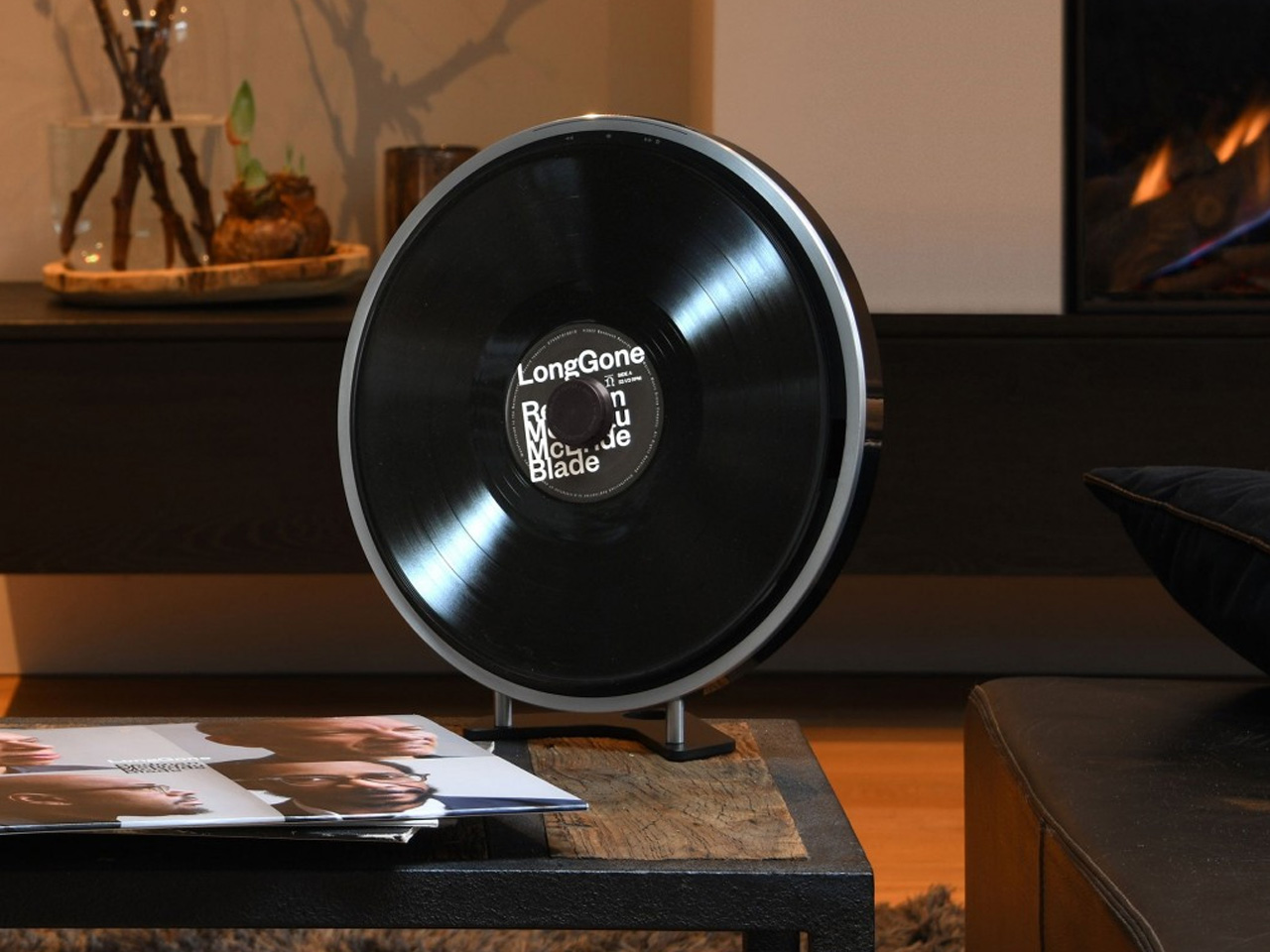
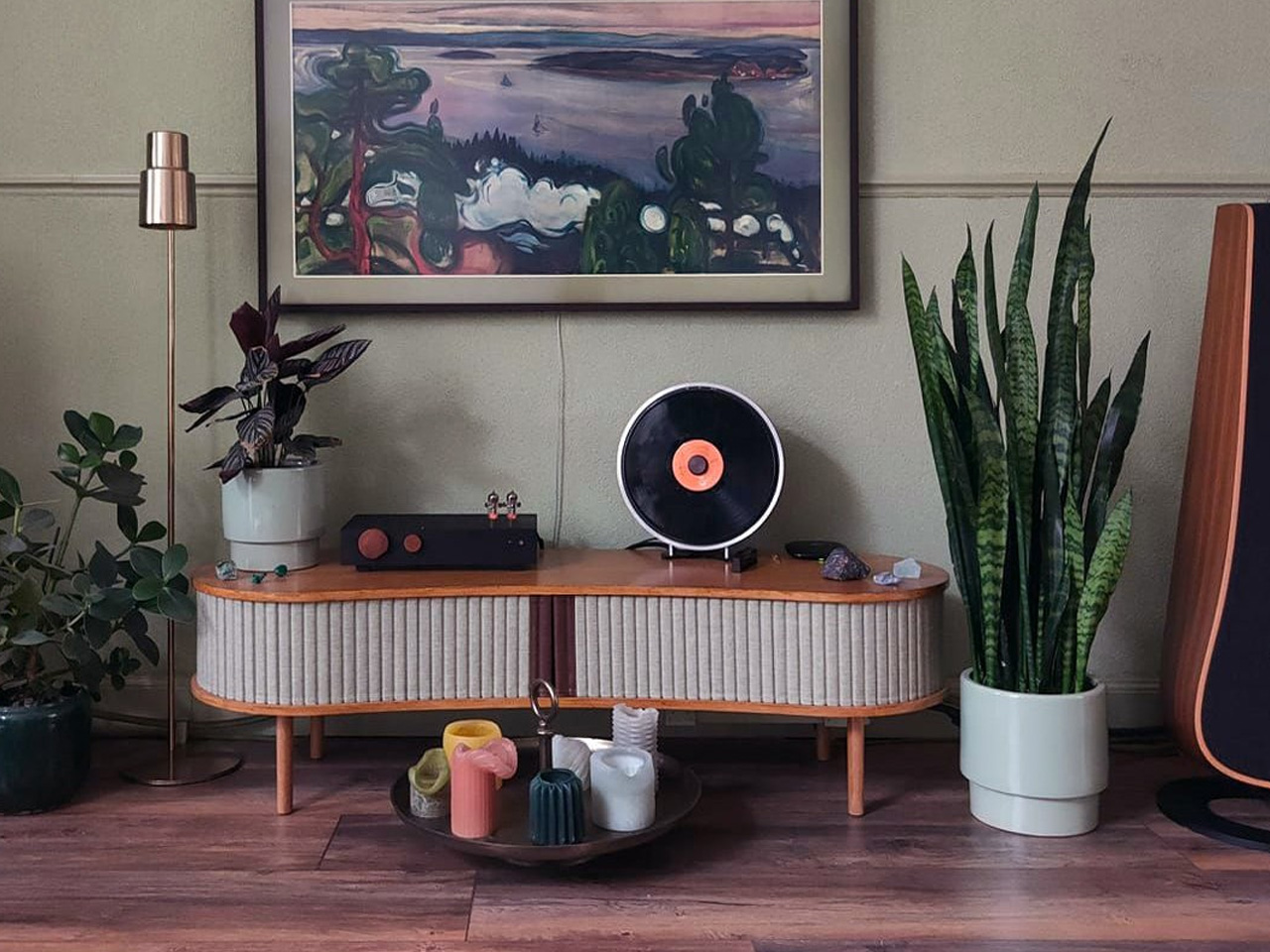
The turntable has not changed much in form since the 1970s: platter, tonearm, plinth, visible mechanism. Miniot’s Black Wheel throws all of that away. Every electronic and mechanical component sits inside a thin circular body that disappears completely once a record is placed on top. What remains visible is the record itself, spinning in what looks like mid-air.
Standing the Wheel upright amplifies the illusion, turning a turntable into a floating disc of sound. A tactile Slide Track hidden along the edge handles volume, track selection, and even stylus weight adjustment through a single physical interface. Slide or push, and the controls respond without ever breaking the visual spell. Despite the impossibly slim profile, Miniot has not sacrificed audio quality for the sake of the trick, which is the part that separates this from a design exercise.
What we like
The disappearing-body design makes the record the only visible element, turning playback into a visual experience as much as an auditory one.
The hidden Slide Track control system is intuitive and tactile, eliminating buttons and knobs without removing physical interaction from the equation.
What we dislike
The minimal form factor means no dust cover, leaving the record and stylus exposed to the environment between listening sessions.
Repairing or servicing the internals of such a tightly integrated body is likely far more complex than working on a traditional turntable.
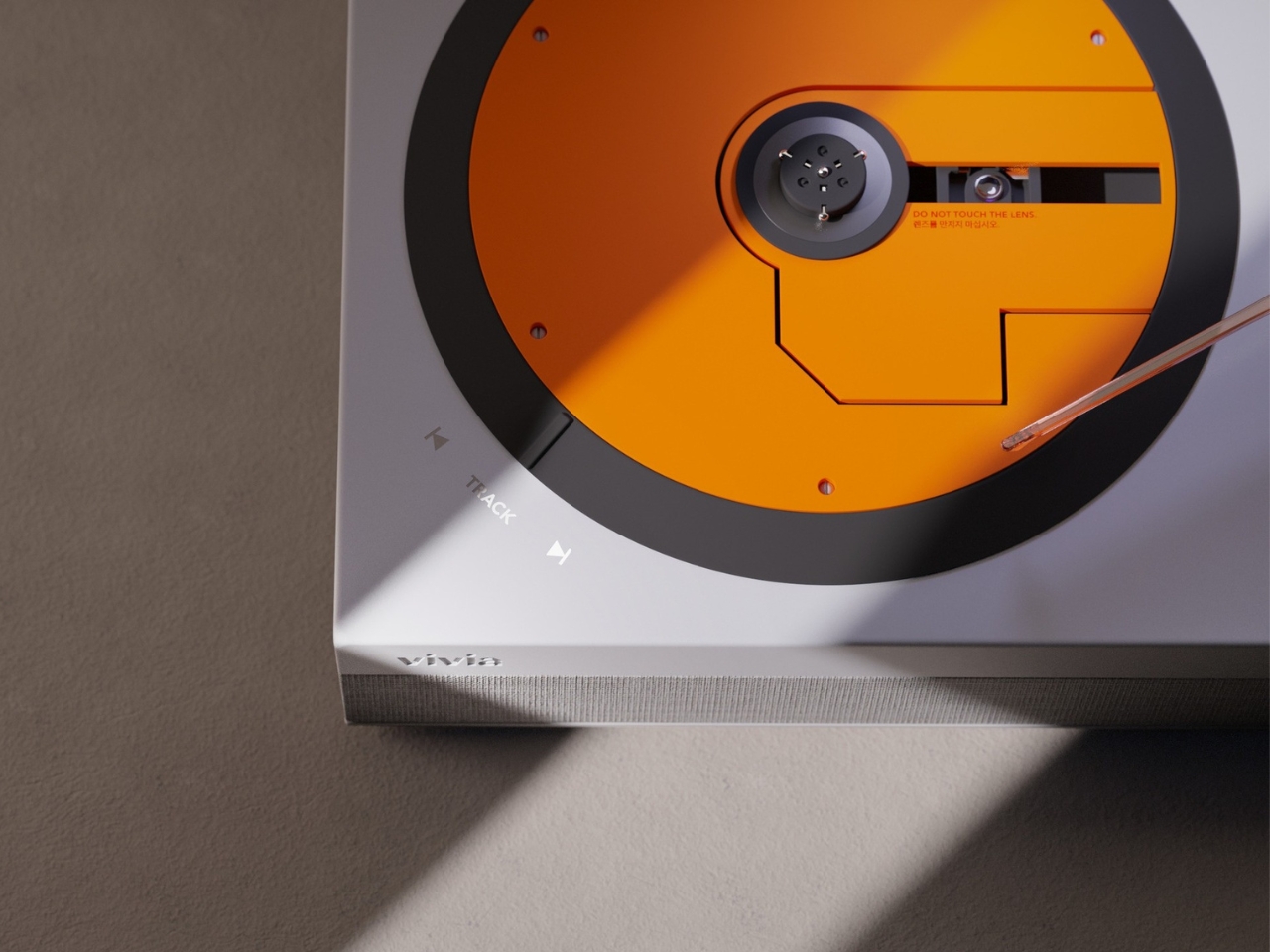
2. Vivia CD Turntable
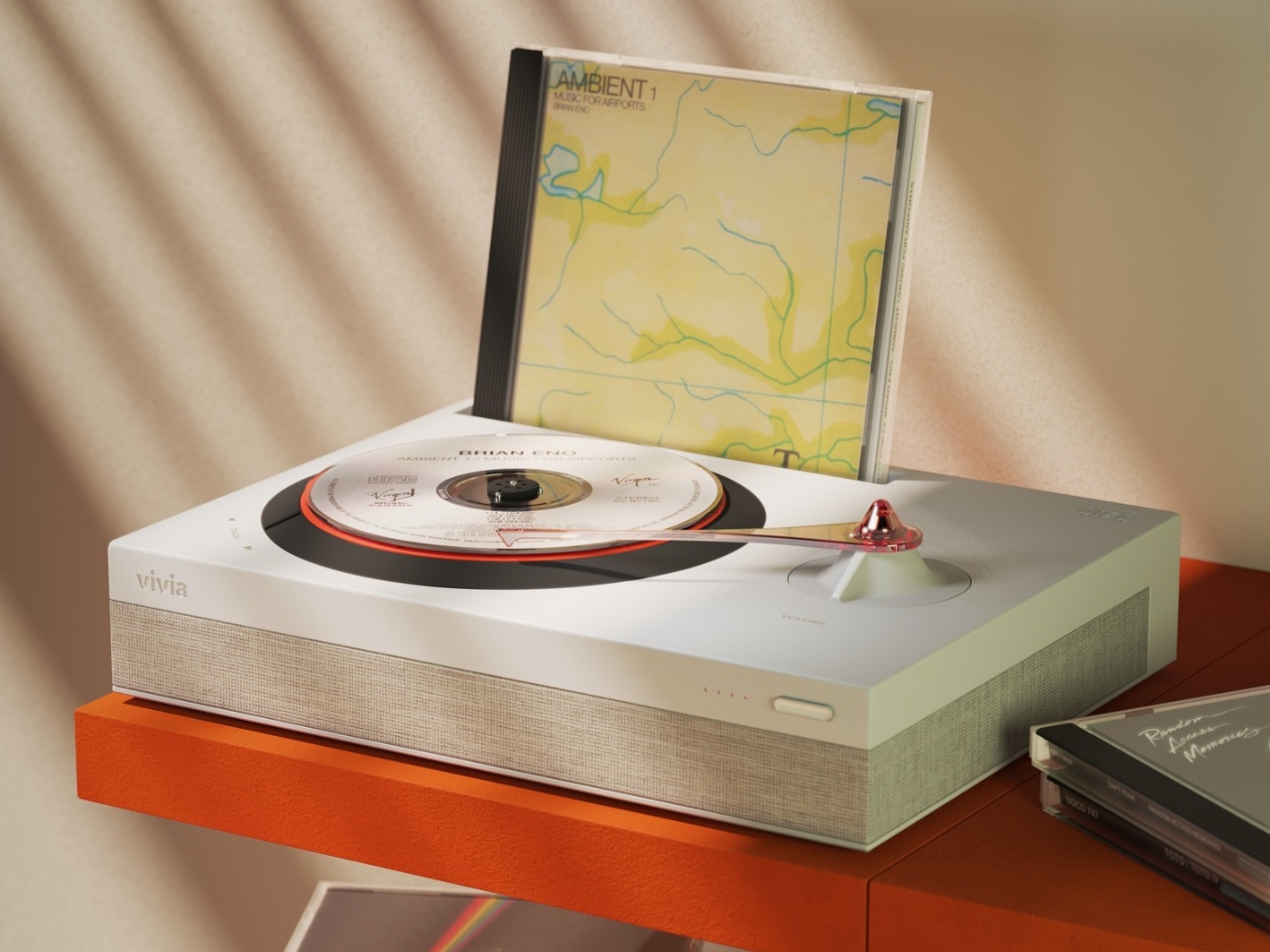
Here is where this list takes a deliberate left turn. Vivia is not a vinyl turntable at all. It is a turntable designed for compact discs, and the audacity of that idea is exactly why it belongs here. The concept takes the ritualistic appeal that drove vinyl’s comeback and applies it to a format that the industry abandoned in favor of streaming, even though CDs deliver superior audio clarity to most compressed digital files.
Vivia reimagines the CD listening experience as something tactile and intentional. Loading a disc, watching it spin, and physically interacting with playback controls recreates the ceremony that made vinyl appealing again, but for a format that has spent two decades collecting dust in storage boxes. The design borrows the visual grammar of analog turntables (the platter, the visible rotation) and translates it into a CD context that feels more like a statement about how we consume music than a product trying to compete on specs alone.
What we like
Visual design language borrows from analog turntables in a way that makes CD playback feel deliberate and special rather than outdated.
What we dislike
This remains a concept with no confirmed production timeline, pricing, or technical specifications to evaluate.
CD collections have shrunk dramatically, so the audience for a premium CD turntable is narrow compared to the growing vinyl market.
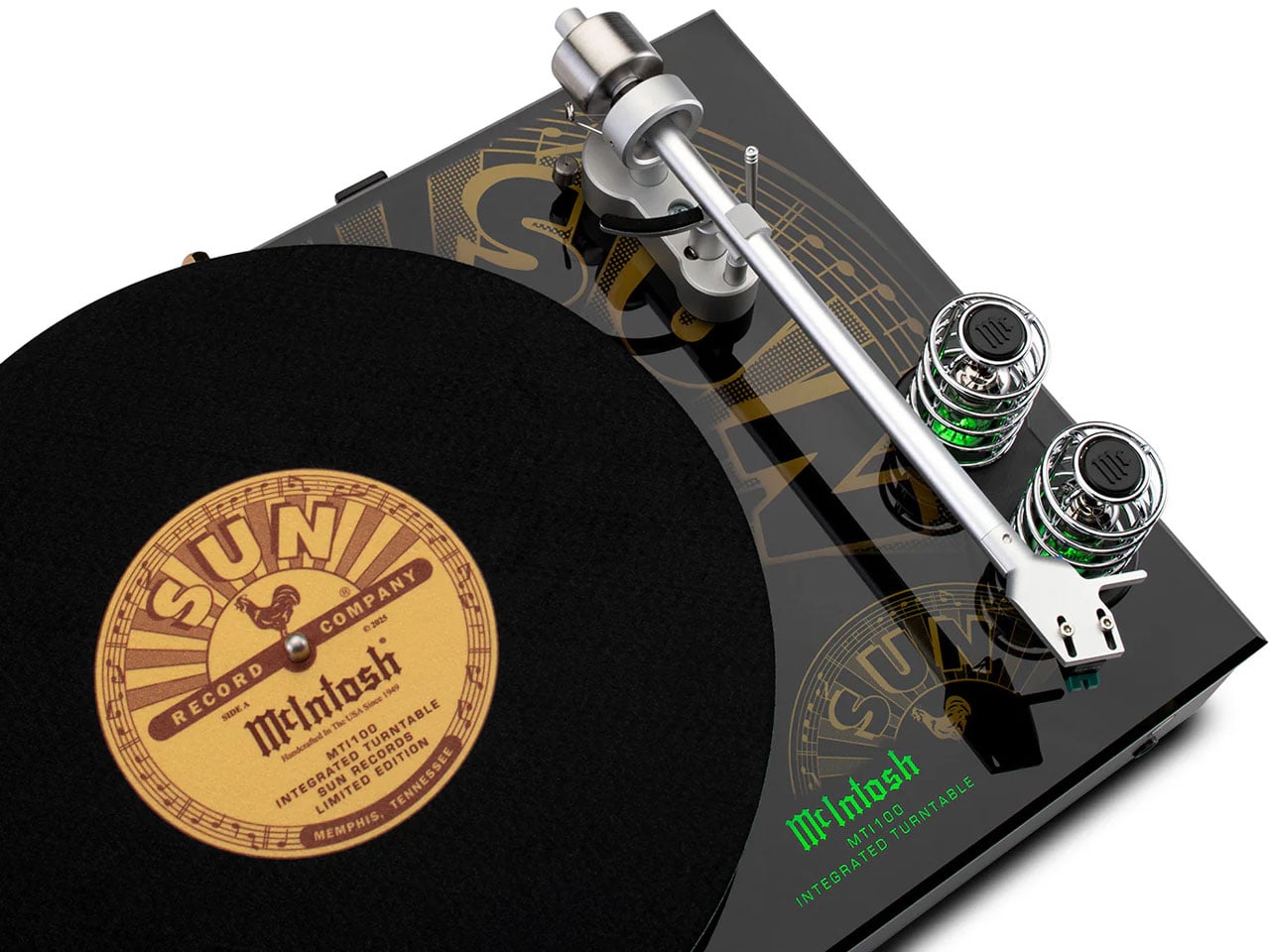
3. McIntosh x Sun Records Limited Edition MTI100
McIntosh has been building audio equipment since 1949, and the MTI100 carries that lineage into a format that appeals to listeners who want a complete system without a rack full of separates. This special edition, created in collaboration with Sun Records (the label that launched Elvis Presley, Johnny Cash, and Jerry Lee Lewis), packs a turntable, preamplifier, and amplifier into a single integrated unit with Bluetooth and auxiliary inputs.
The catch, and it is a deliberate one, is that speakers are not included. McIntosh recommends pairing with their own XR50 bookshelf or XR100 floorstanding speakers, but the unit connects to any audiophile-grade loudspeaker or even a pair of headphones for private listening. That flexibility is the real design move here. Instead of locking buyers into a closed ecosystem, the MTI100 acts as a hub that adapts to whatever speaker setup already exists in a room. The Sun Records branding adds a layer of music history that gives the limited edition a collectible weight beyond its audio performance.
What we like
The all-in-one integration of turntable, preamp, and amplifier eliminates the need for a multi-component audio rack while preserving high-fidelity output.
Bluetooth and auxiliary inputs mean the unit pulls double duty as a hub for digital sources alongside its vinyl playback function.
What we dislike
Speakers sold separately means the total system cost climbs well above the sticker price, especially if pairing with McIntosh’s own recommended models.
The limited edition Sun Records branding, while collectible, adds a premium that does not change the underlying audio performance of the base MTI100.
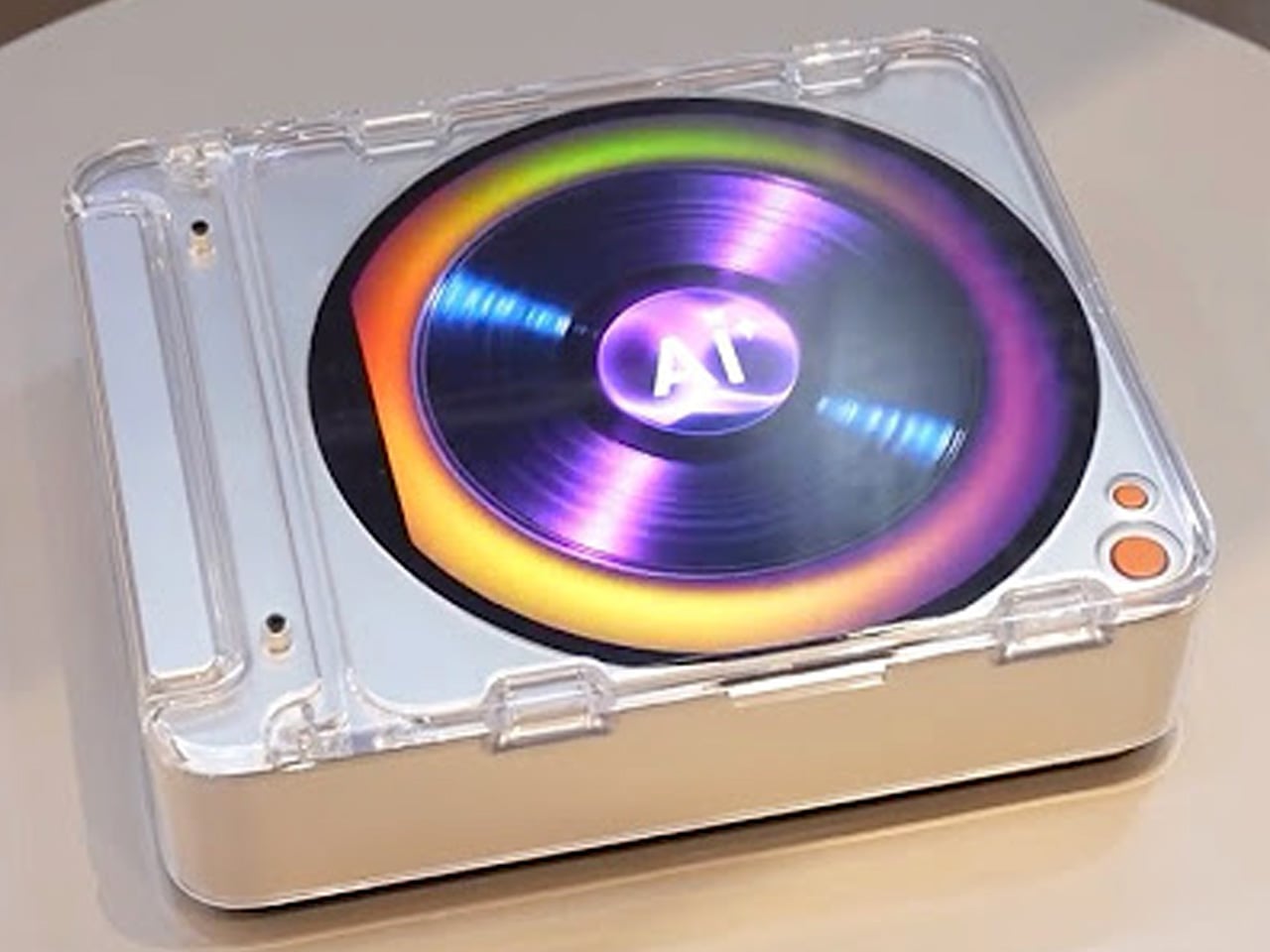
4. Samsung AI OLED Turntable
Samsung’s concept entry takes the turntable form factor and fills it with a 13.4-inch circular OLED touchscreen, turning the platter into a display surface that shows images, videos, and ambient visuals while music plays. It is part music player, part art installation, part conversation piece, and it makes no apologies about prioritizing spectacle over audiophile purity.
The circular OLED display becomes the centerpiece of whatever room it occupies, commanding attention in a way that most modern tech actively avoids. Imagine hosting friends and having the turntable surface shift between album art, ambient animations, and visual patterns that respond to the music. The design asks whether a turntable needs to be functional in the traditional sense to earn its place in a room, or whether the experience around the music matters just as much as the playback itself. Samsung has not confirmed production plans, but as a direction for where music hardware could go, this concept is more provocative than most finished products.
What we like
The 13.4-inch circular OLED display transforms a turntable into a visual centerpiece that adds ambiance to any room, not just sound.
The concept pushes the definition of what a music player can be, treating the listening experience as multi-sensory rather than purely auditory.
What we dislike
Concept status with no production timeline means this exists as a provocation rather than something listeners can actually buy and use.
The emphasis on visual spectacle raises questions about whether audio quality is a priority or an afterthought in the design.
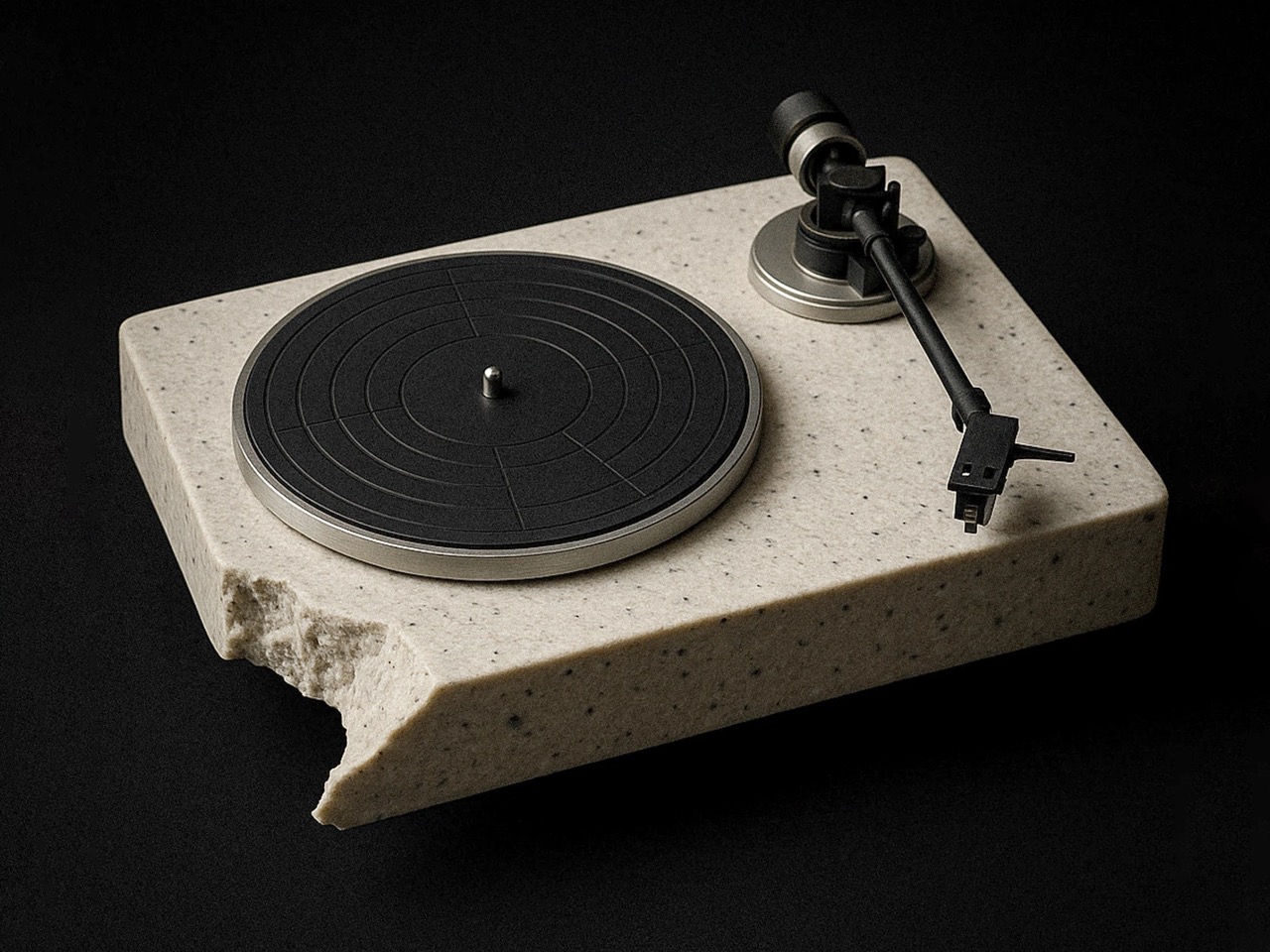
5. RA84 Reycycled Plastic Turntable
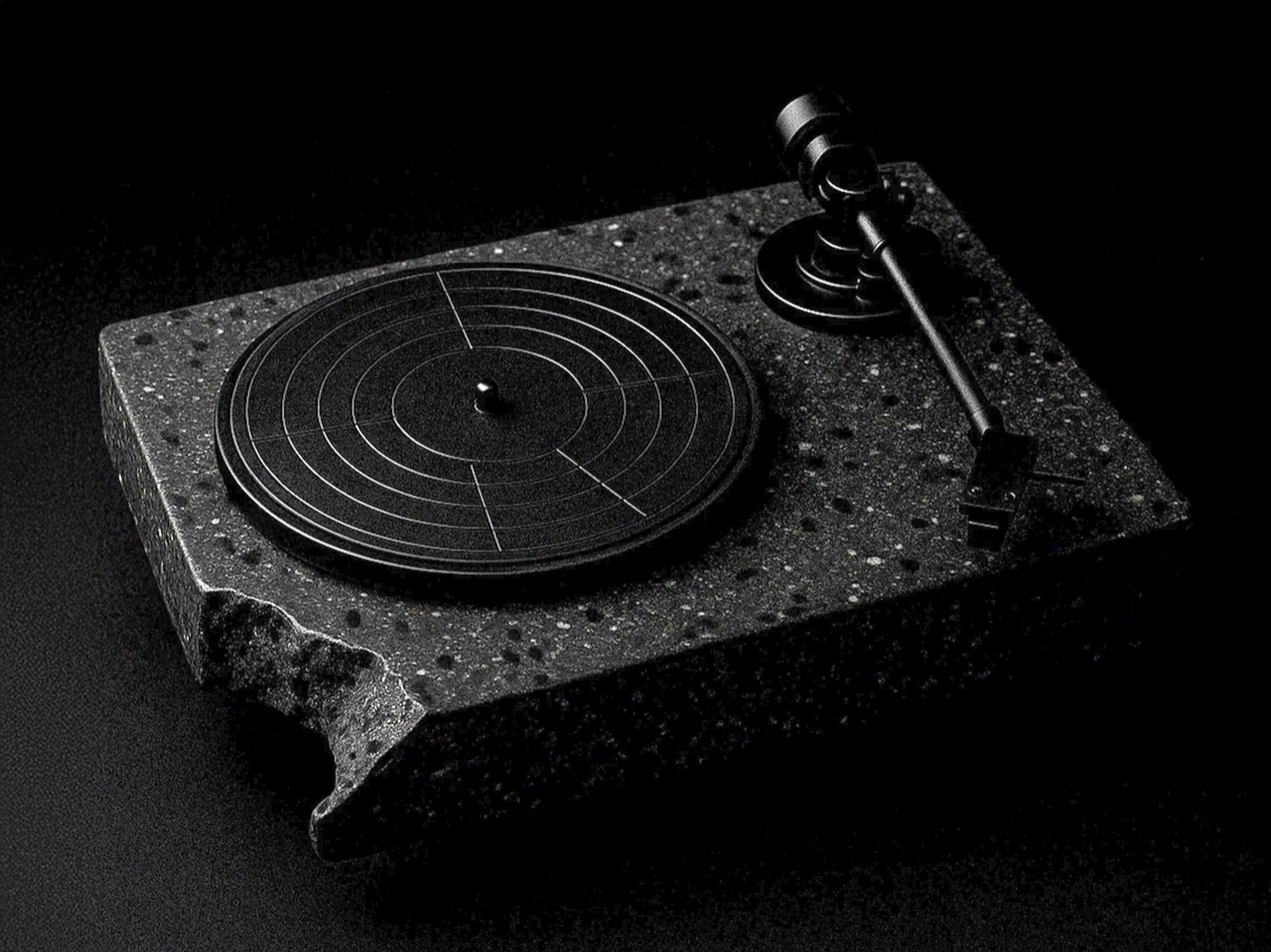
Ron Arad’s original Concrete Stereo from 1984 was a brutalist statement piece that treated audio equipment as sculpture. Stu Cole’s RA84 revives that same energy, but swaps the concrete for recycled plastic that mimics the look and weight of stone so convincingly that the difference is nearly impossible to detect without touching it. Available in concrete grey or a black finish that reads like expensive terrazzo, the RA84 is a turntable that doubles as furniture.
The material choice is more than an environmental gesture. That heft and density kill vibration, which is the enemy of clean vinyl playback. Recycled plastic performs surprisingly well acoustically in this application, delivering isolation results that rival traditional stone or concrete builds. Built-in speakers make this a complete system out of the box, and the deliberately chipped corners reveal the recycled material’s texture in a way that turns sustainability into a design detail rather than a hidden compromise. Cole’s execution proves that environmental responsibility and luxury do not need to compete with each other.
What we like
Recycled plastic construction achieves the vibration-dampening performance of concrete while being lighter and more environmentally responsible.
Built-in speakers deliver a complete, ready-to-play system that does not require separate components or additional purchases.
What we dislike
The brutalist aesthetic is polarizing, and the sheer visual weight of the RA84 will dominate a room whether the owner wants it to or not.
Built-in speakers, while convenient, limit upgrade paths for listeners who want to evolve their audio setup over time.
The needle and the algorithm
These five turntables (and one very bold CD player concept) share a common argument: that music playback is a designed experience, not just a data delivery mechanism. Streaming solved the problem of access. Every song ever recorded lives in a pocket now. But access without friction created a generation of listeners who consume music the way they scroll feeds, passively and endlessly. The turntable is the antidote to that passivity.
What makes this current wave of designer turntables different from the vinyl nostalgia of a decade ago is the ambition of the design thinking behind them. These are not retro objects cosplaying as vintage gear. They are new ideas about what a music player can look like, what it can be made from, and what role it plays in a room and a life. The best turntable in 2026 is not the one with the flattest frequency response. It is the one that makes someone sit down and listen to an entire album, start to finish, without reaching for their phone.