Spotify Record Player brings tactile experience of enjoying vinyls to the streaming world

Enjoying music is much more than just setting up your listening gear, putting on the headphones, and getting lost in a melodic world. Spotify is currently one of the most used streaming services to enjoy music, anywhere, anytime. However, some inventive DIYers go the extra mile to elevate the experience as no one has done before. The Prestodesk Spotify desk music player by AKZ Dev is a good example.

The software engineer is back with another creation to showcase his love for Spotify and, obviously, music. To bring the tactile experience of loading and playing records via Spotify is a totally new and exciting idea. AKZ explores this with his intuitive engineering skills to add the satisfying feeling of loading a vinyl record and then playing it via the Spotify service.

Designer: AKZ Dev

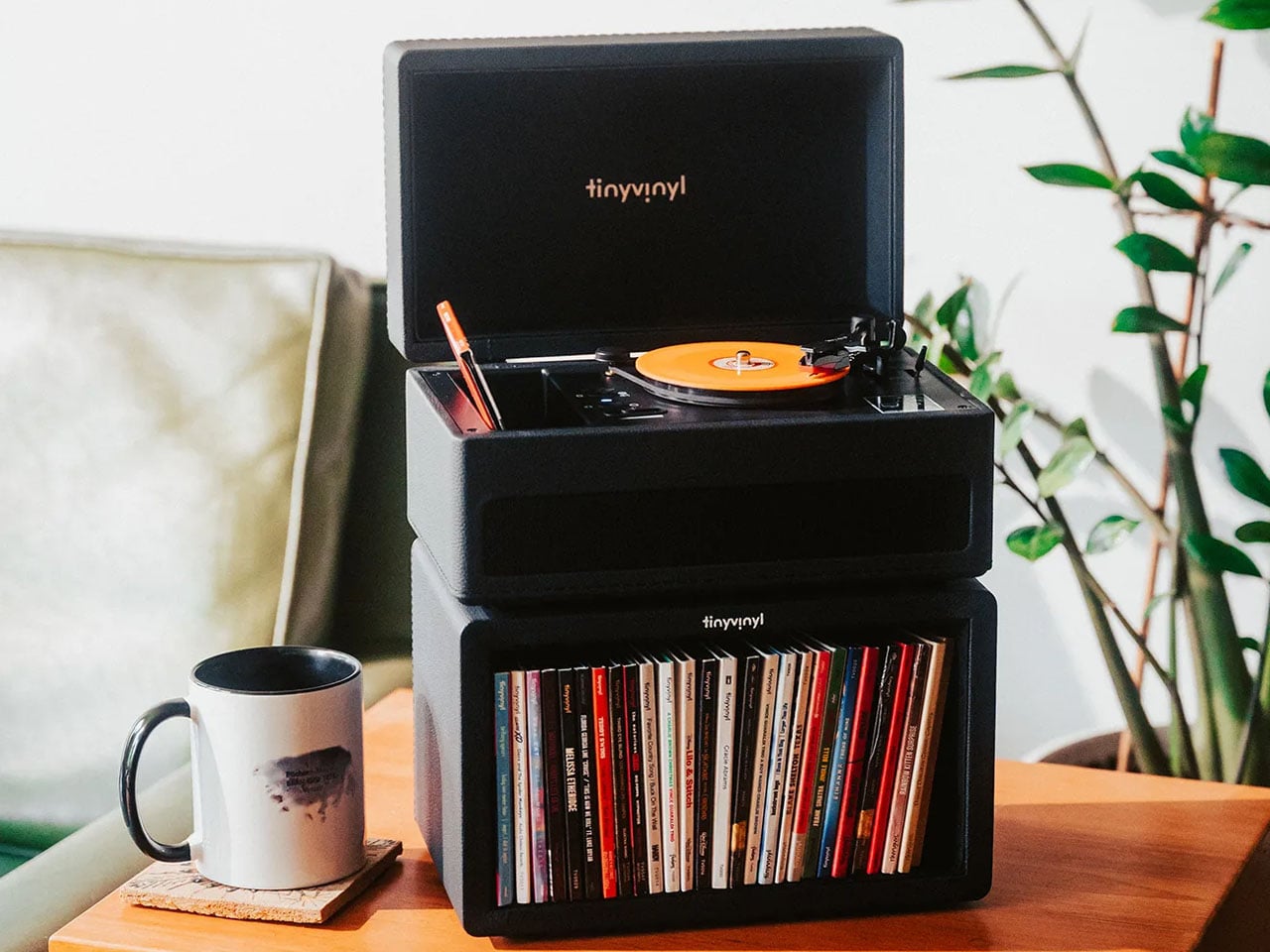
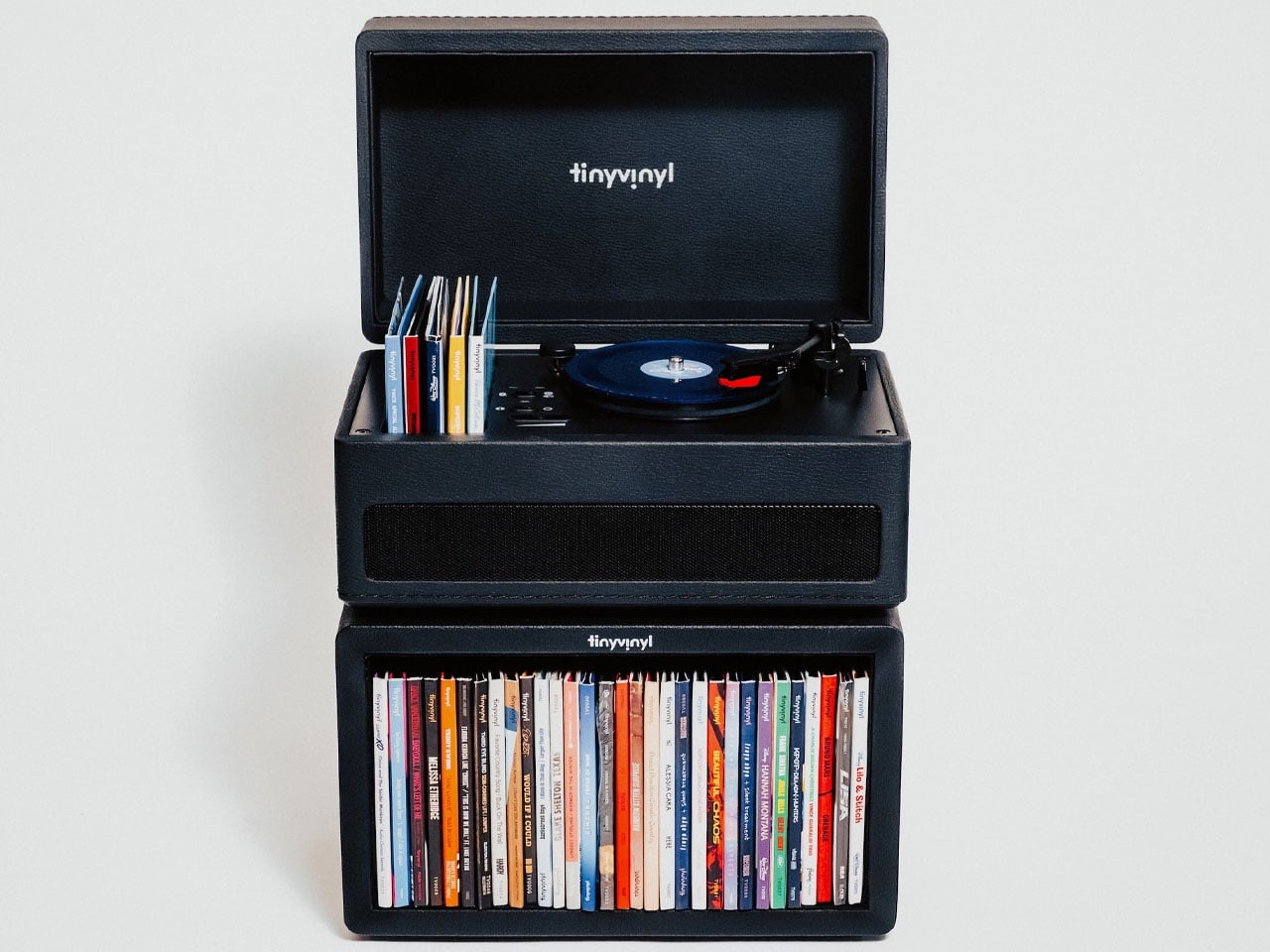
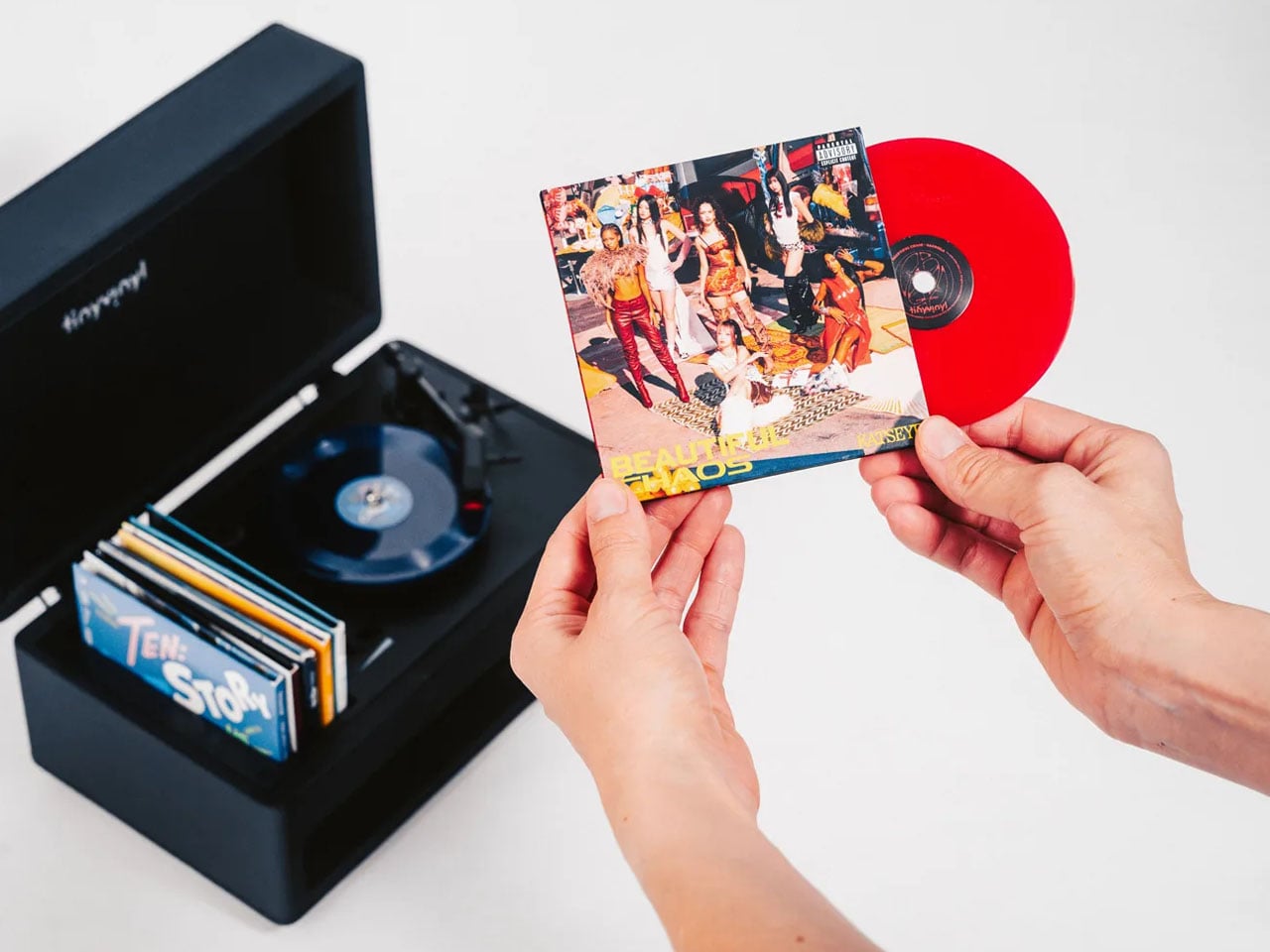
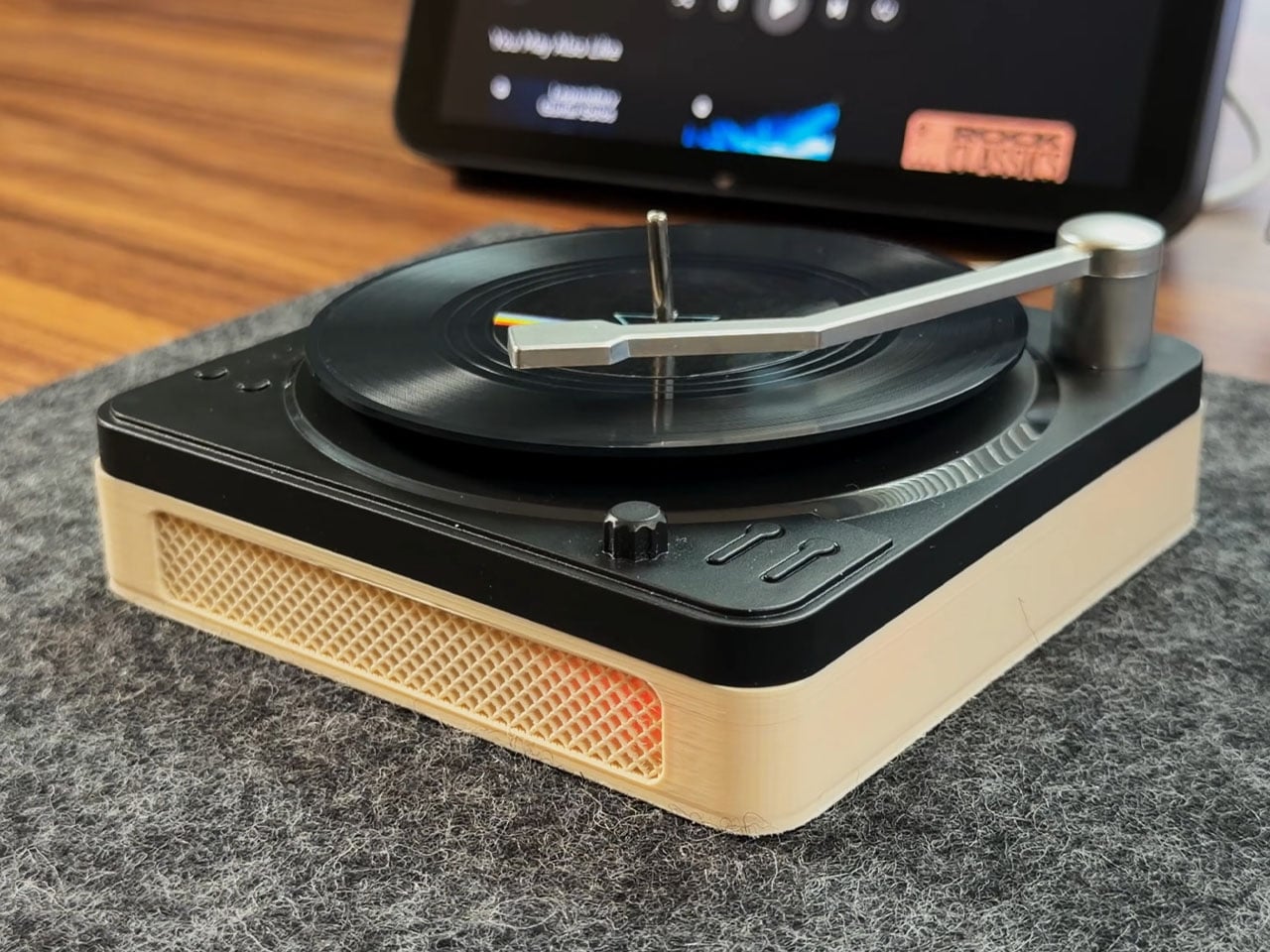
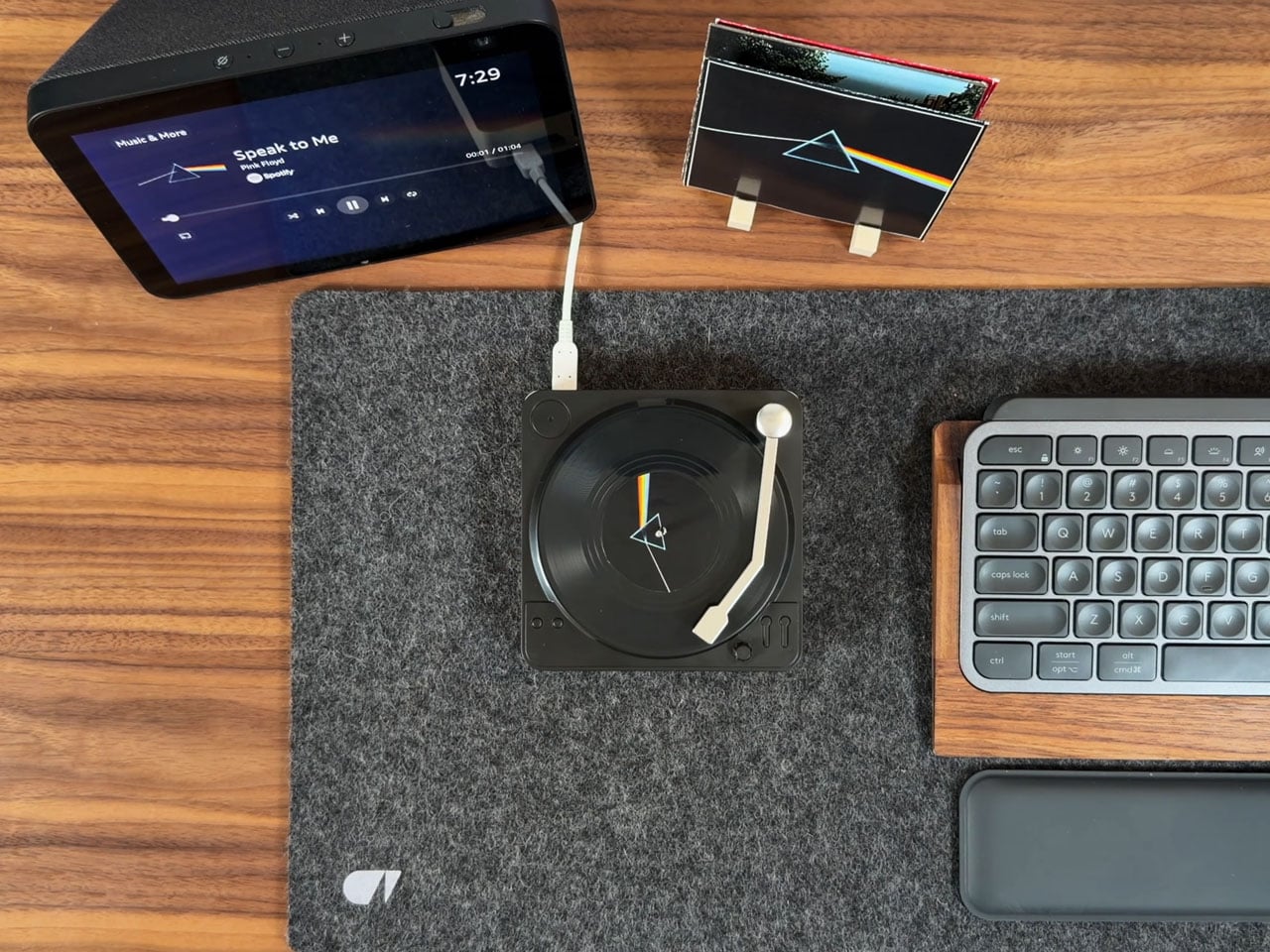
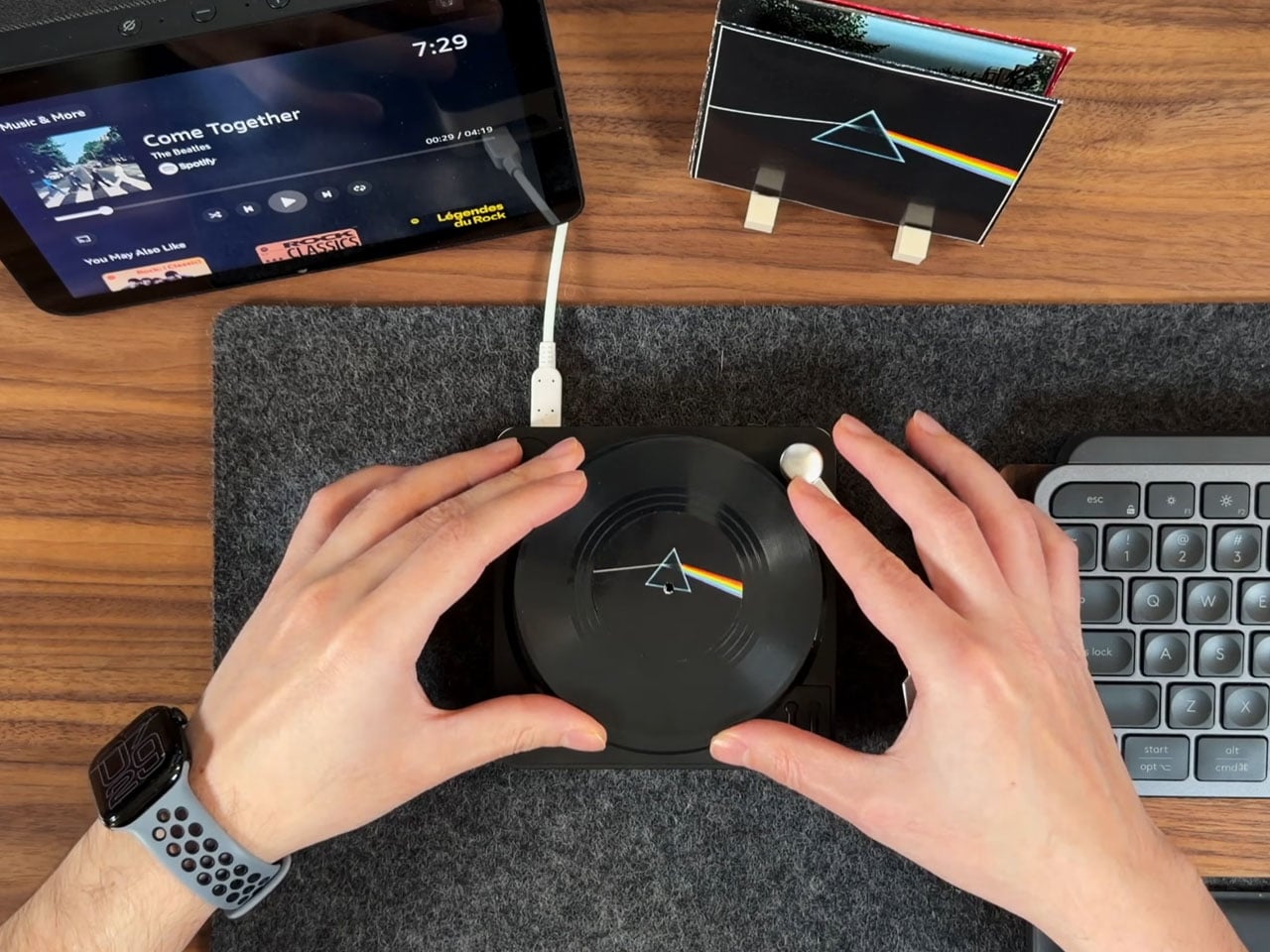
At the heart of this DIY record player is a Raspberry Pi that does all the complex handling and an RFID reader that turns a simple desk accessory into something interesting. The idea struck the DIY’er when he saw the gifted miniature vinyl record coasters lying on his desk, and he presumed they could do so much more than just hold a cup of coffee. The mini records move on the coaster base (which is modified to make space for the electronics) courtesy of the stepper motor, and to detect the tonearm position, he uses a hall effect sensor that’s found in most gaming controllers.

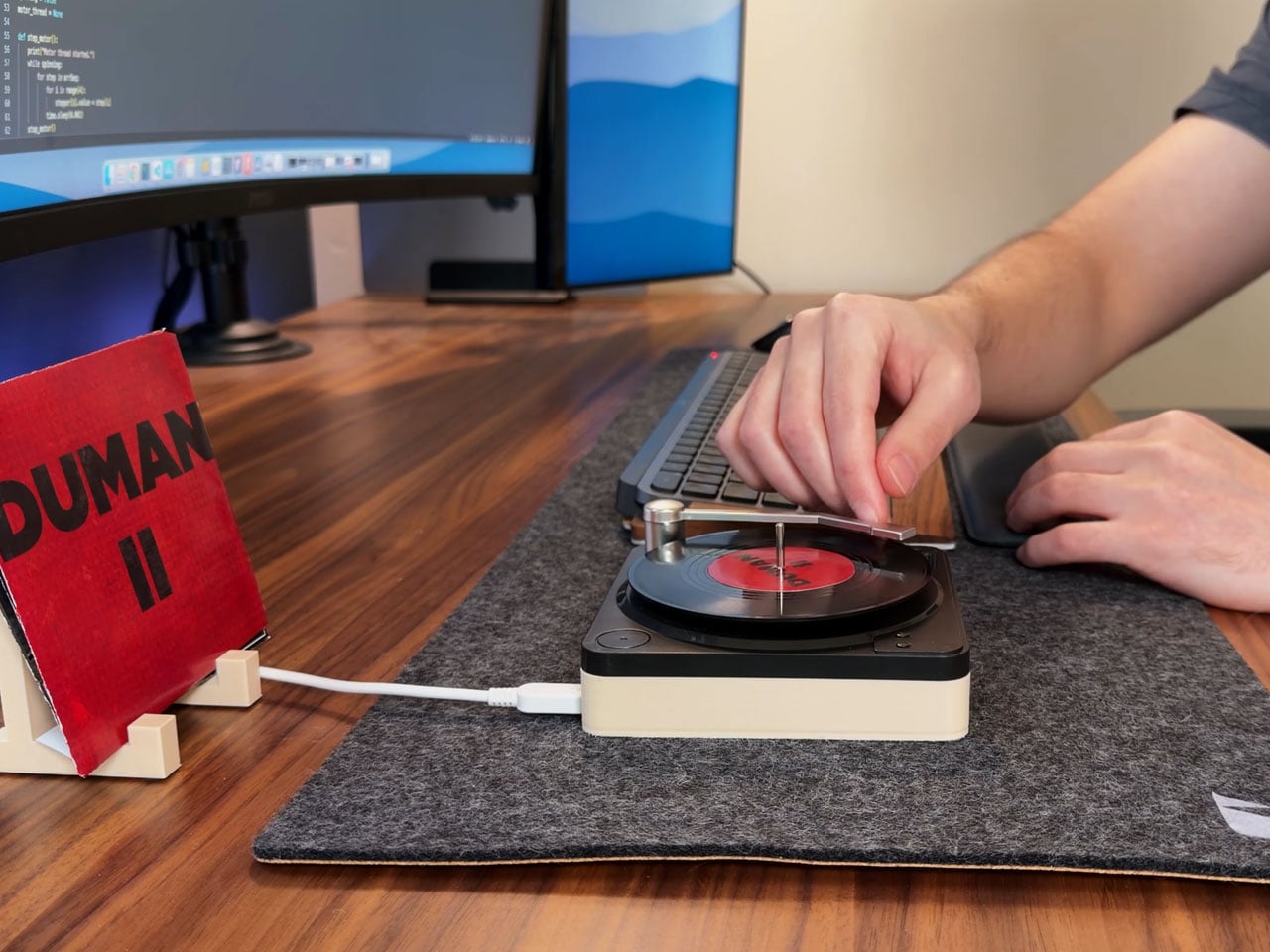
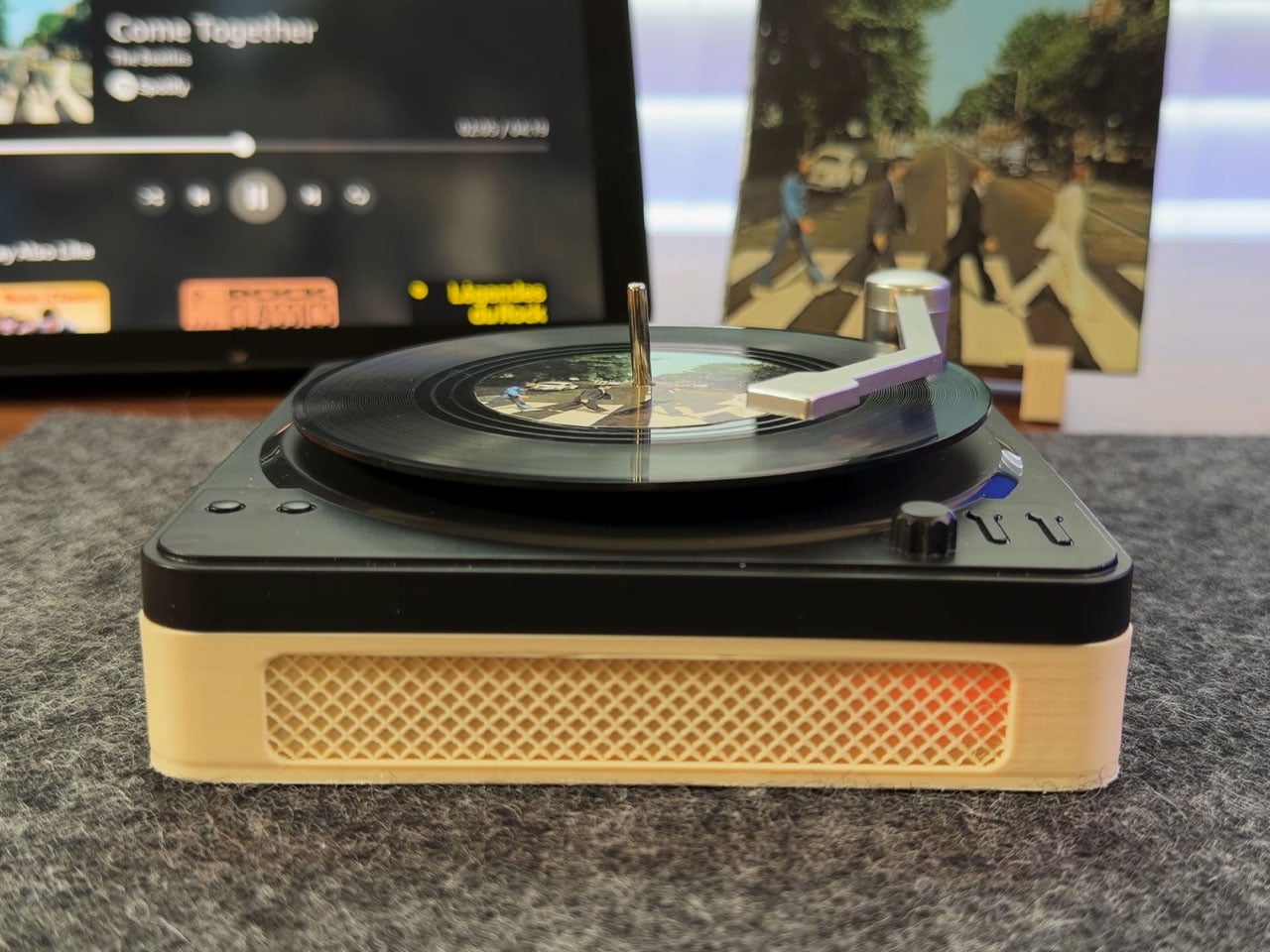
The enclosure below the coaster stand is 3D printed for a snug fit and gives the platter a genuine record player feel. After putting everything in place, the magnet is attached to the tone arm. The stepper motor lies beneath the spindle, so that the vinyl can spin seamlessly. The next step involves preparing the vinyl records for the musical nirvana. NFC stickers are placed behind the vinyl record, and custom labels are printed to make things feel authentic. AKZ also 3D printed a record stand to showcase the whole setup on the desk.

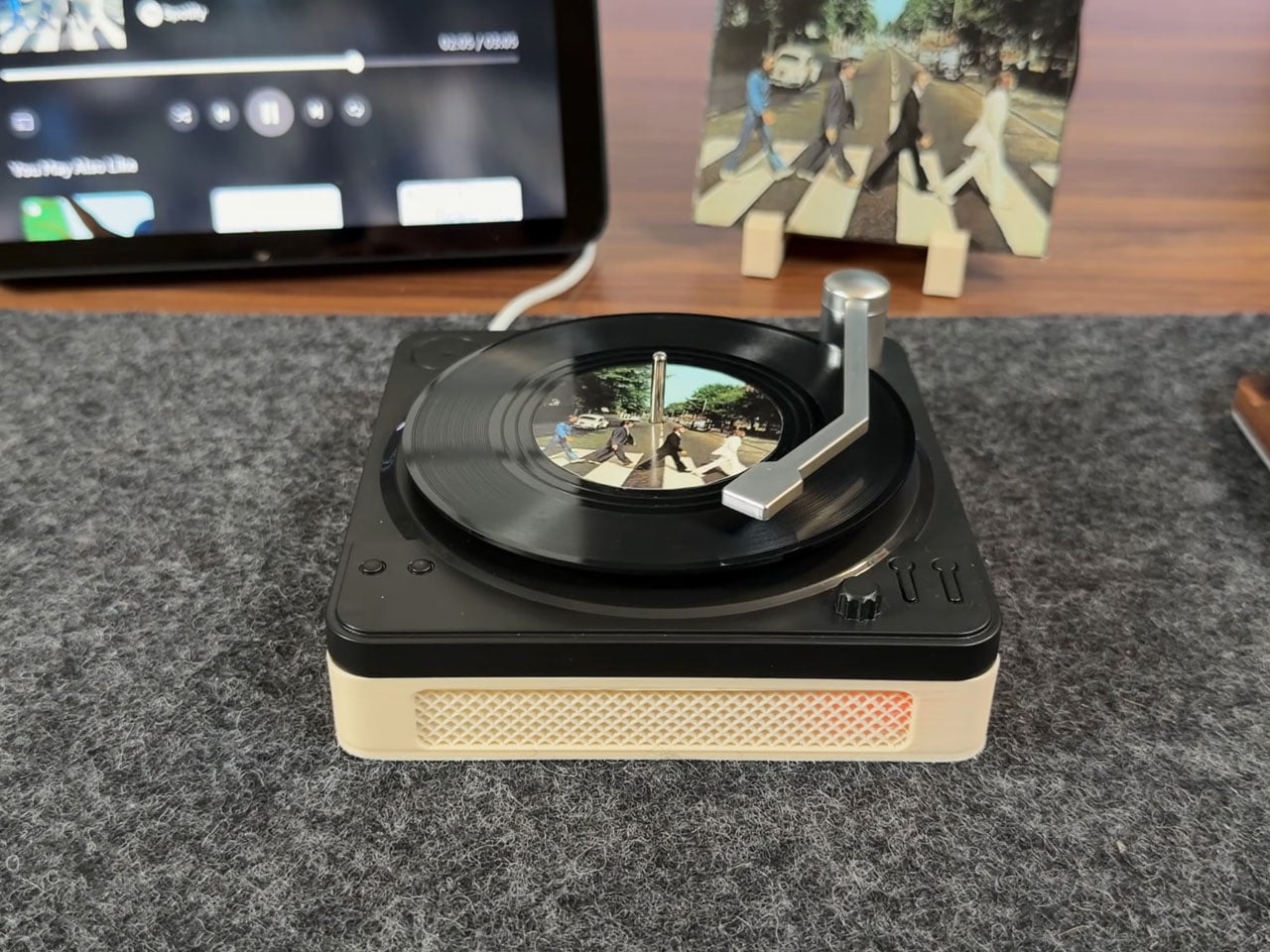
After doing a bit of tinkering with the Raspberry Pi software and connecting it to the Spotify API, the record player is ready to rock the desk. Basically, the music does not play off the record; the RFID tag on the mini vinyl record player is detected by the moving tonearm. This triggers the playback of the associated music from Spotify’s library. Pretty nifty, isn’t it? The DIYer is kind enough to share all the project files on GitHub, and tells that the record player can be improved further with volume controls, or by integrating the speaker unit inside the main enclosure.


The post Spotify Record Player brings tactile experience of enjoying vinyls to the streaming world first appeared on Yanko Design.
An Artist Carved His Dead Oak Into Records That Play Bird Songs

One thing that the world has been learning the past few years is that people deal with grief differently. That’s why we can never judge how people react to death of loved ones, beloved pets, other living creatures, and even life changes. Artists and creative people in particular sometimes have profound ways of honoring whatever it is that they have lost.

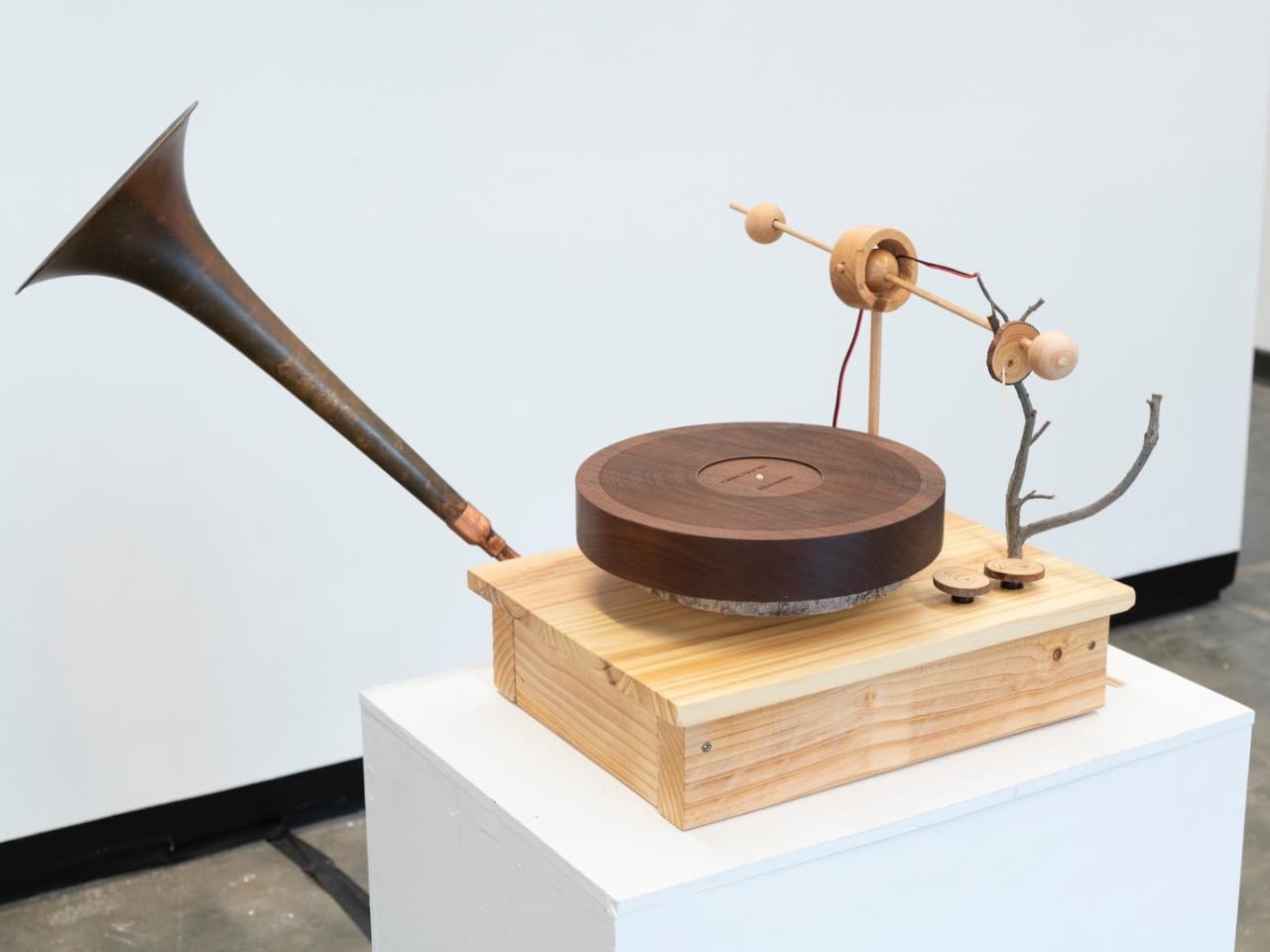
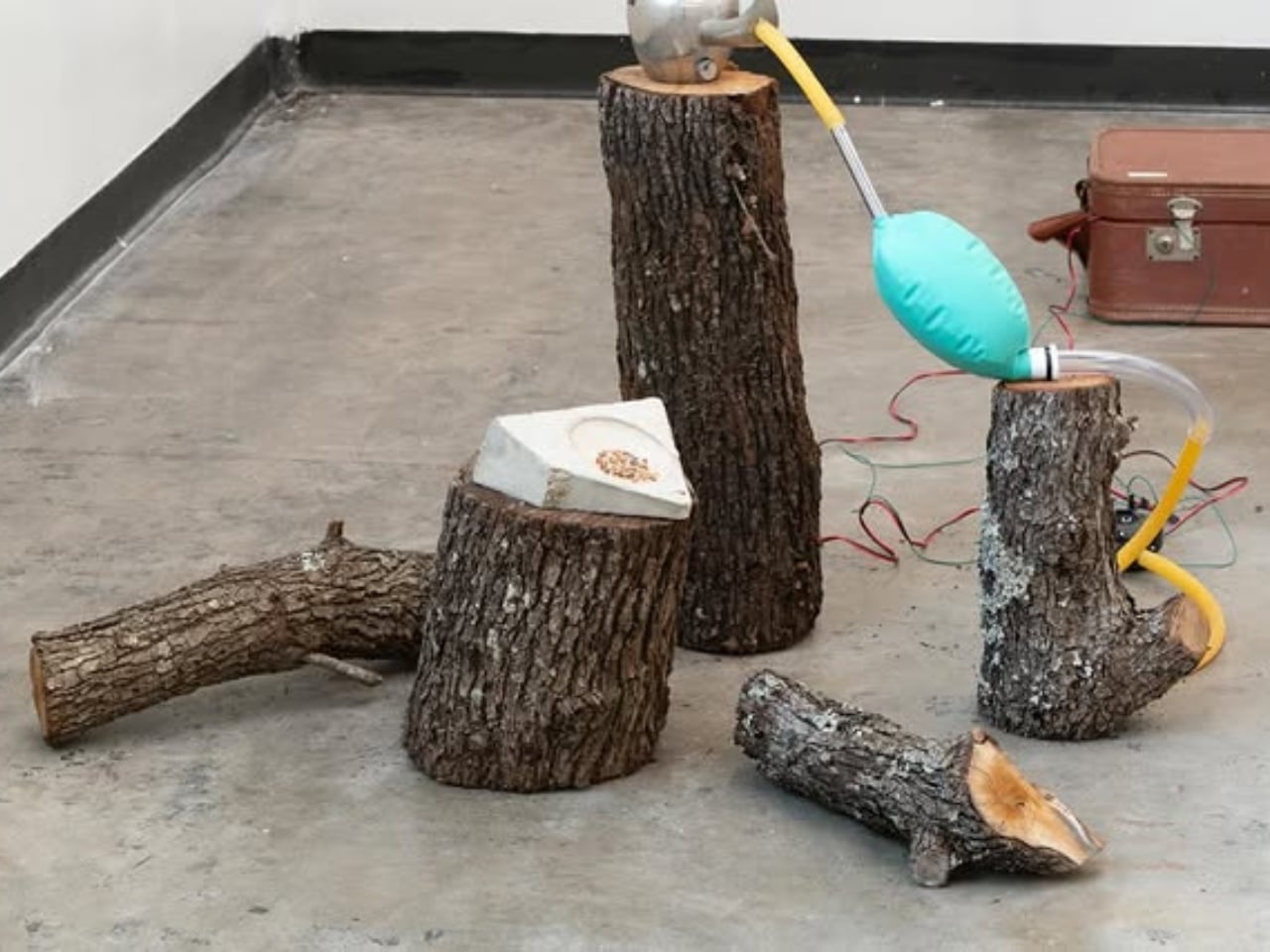
When a 65-year-old oak tree in Steve Parker’s front yard died from a fungal disease called oak wilt, he wanted to create a tribute to this tree that served as a refuge for migratory birds in their area. What he created was a sound sculpture, a record player that could play actual discs with bird songs, a fitting honor to the life and legacy of the tree.

Designer: Steve Parker

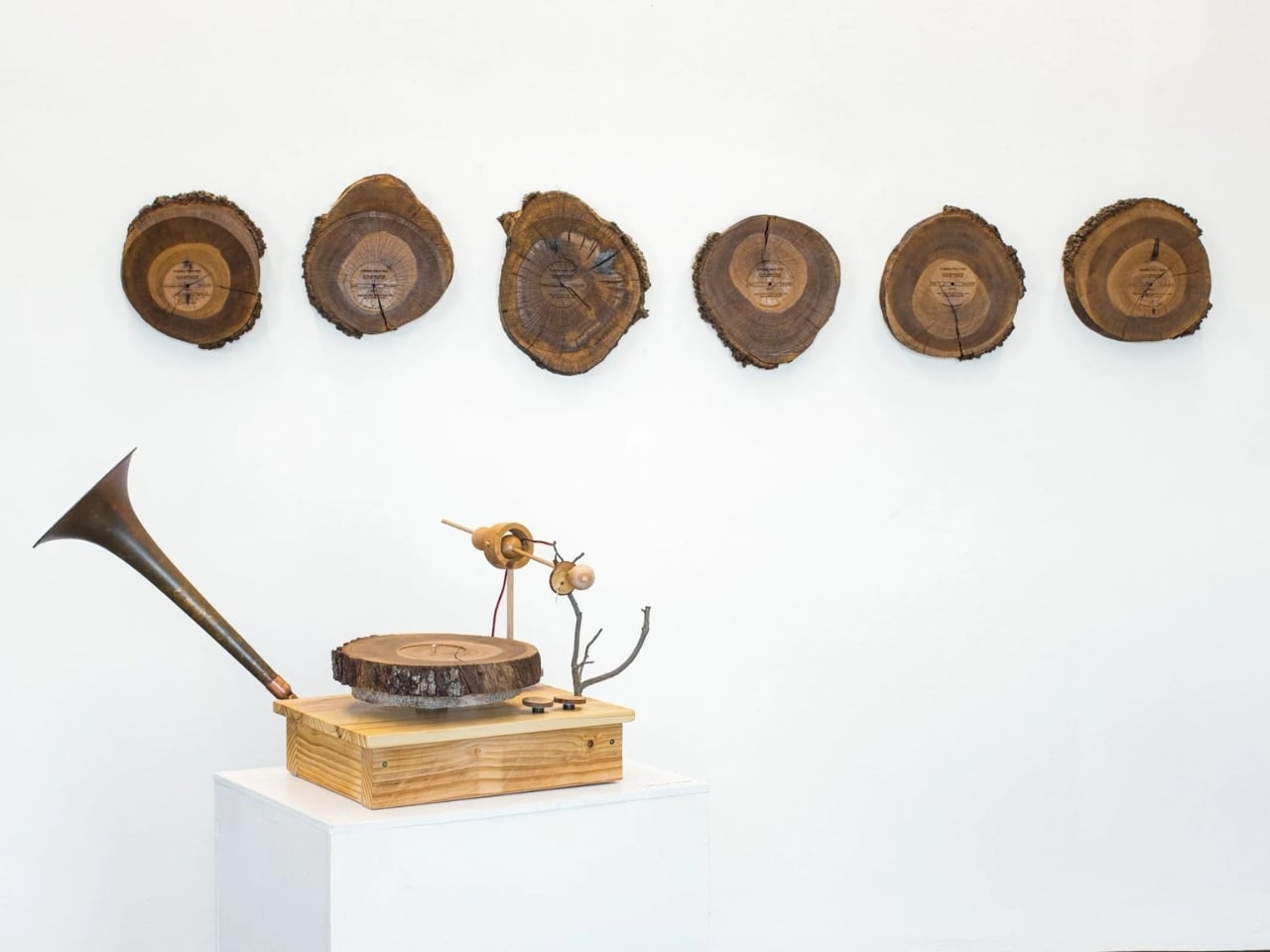
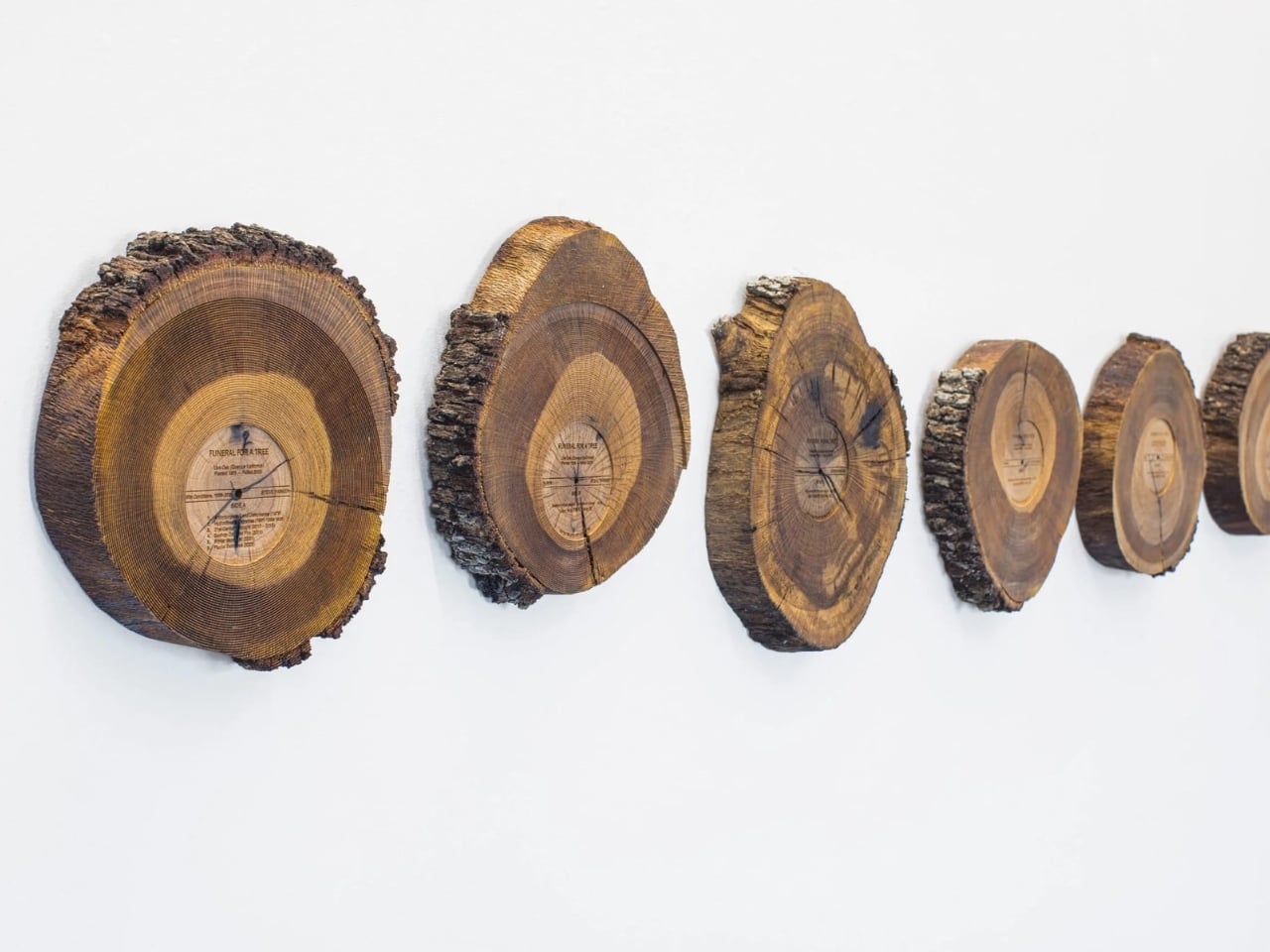
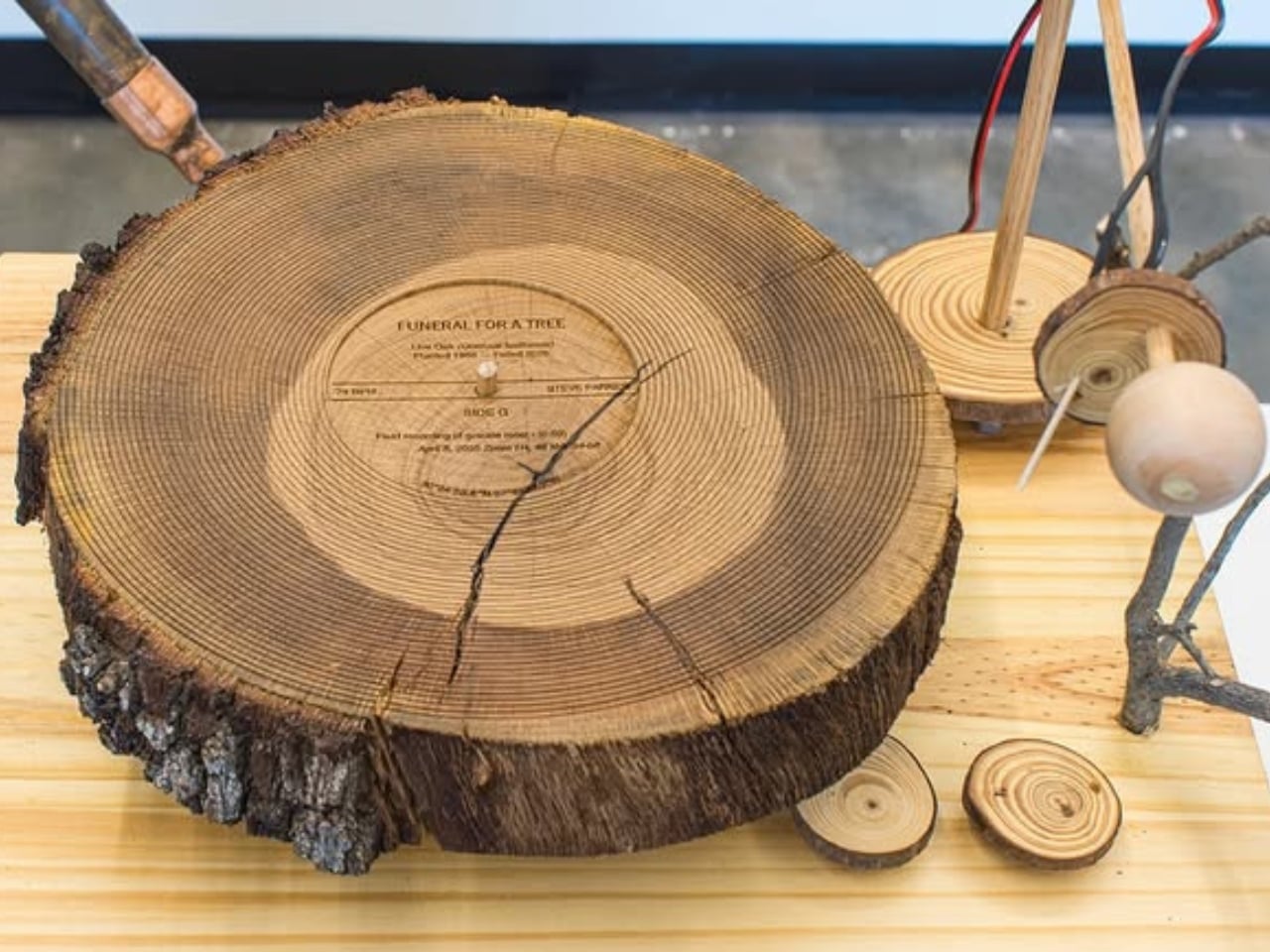
Parker cut the trunk of the diseased tree into “wood cookies” or cross-sectional slices. He then carved grooves directly into the discs to create playable records. He then built a victrola or record player that is specifically designed to play the wooden records. This player is placed on a pedestal and the round tree slices are displayed on the walls behind it.

What plays on the wooden records is equally special. He etched the songs of migratory birds that once nested in the oak tree. You hear a scratchy, wooden sound which actually reminds you of that branch that would hit the side of an old farm house, which can be nostalgic or creepy depending on your experience of it.

Creating these wooden records wasn’t easy. Live oak is notoriously difficult to work with because it cracks as it dries, and many woodworkers avoid it entirely. But Parker saw those imperfections as part of the piece’s authenticity. Those cracks and warps in the sound aren’t flaws, they’re features that honor the tree’s natural character even in death.

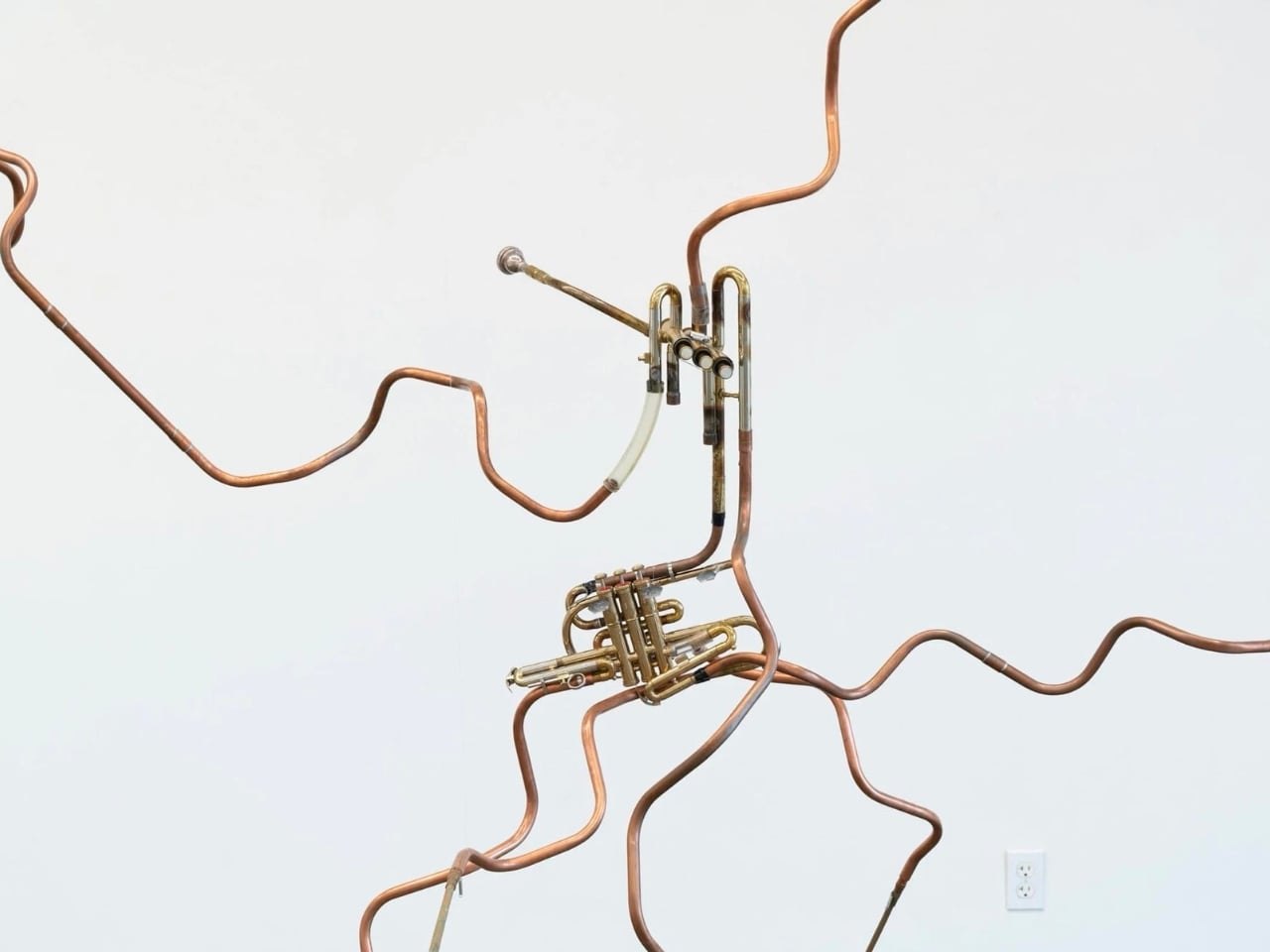
But the wooden records are only part of “Funeral for a Tree.” Parker also created a companion sculpture called “Sheng Shrine”: a plant-like, valve-driven instrument built from salvaged brass valves from euphoniums and trumpets, copper tubing, and breathing bags. What makes this piece particularly moving is what animates it: CPAP machines and ventilators, the same medical equipment used to help people breathe when they’re ill.

These breathing machines give life to discarded Chinese shengs (mouth organs). The sheng is traditionally associated with the phoenix, and the word itself means life, voice, and sound in Mandarin. Parker collaborated with sheng virtuoso Jipo Yang, who interpreted the bird calls and performed short compositions around them. The sounds you hear include the clicks of tiny relays, the grunts of air pumps that almost sound like snores, and the wheezing as air pushes through the reeds. It’s mechanical yet deeply emotional.

There’s another layer to this work that makes it even more poignant. Parker realized that his grief for the tree echoed the loss of his father to cancer. Both were slow, inevitable declines where care could not prevent loss. When his father was really sick, Parker’s family monitored his breathing to assess his comfort and sense where his body was going. Those CPAP machines and ventilators in “Sheng Shrine” carry those memories. They’re devices associated with life support, transformed into instruments that give breath to dead instruments playing songs for a dead tree.

What makes “Funeral for a Tree” so powerful is that it’s not Steve Parker performing a requiem for the tree. It’s the tree performing its own memorial service. The wood itself becomes the instrument, the bird songs it once sheltered become the music, and the breath that once rustled through its leaves is replaced by mechanical breathing that keeps the dirge alive.

In transforming something most people would haul away as waste into a functioning musical instrument, Parker reminds us that grief doesn’t have to be silent or passive. Sometimes the most profound way to honor a loss is to let it speak for itself, to give it voice and breath and let it tell its own story. In doing so, he’s created something that transcends the personal: a meditation on memory, loss, and the ways we try to hold onto what’s gone.

The post An Artist Carved His Dead Oak Into Records That Play Bird Songs first appeared on Yanko Design.
This concentric turntable with a CD player is the ultimate Hi-Fi system for newbie audiophiles

Revival of the vinyl records and CD players was inevitable, as we’re seeing a swarm of physical media players that bring the invincible charm of analog music with the twist of modern design and technology. The rich and warm sound of record players is unmatchable, and the resurgence of physical audio is not going to tone down anytime soon.

Mixx Audio, known for their affordable turntables, wants to spice up the audio accessories market with a turntable that lets you have the best of both worlds – CDs and vinyl record players. Driven by the need to create a player that fits modern homes, the Analog Plus 2-in-1, fully automatic vinyl turntable has a built-in CD player. That means you don’t have to buy separate players for both to enjoy your vinyl records and CDs.

Designer: Mixx Audio

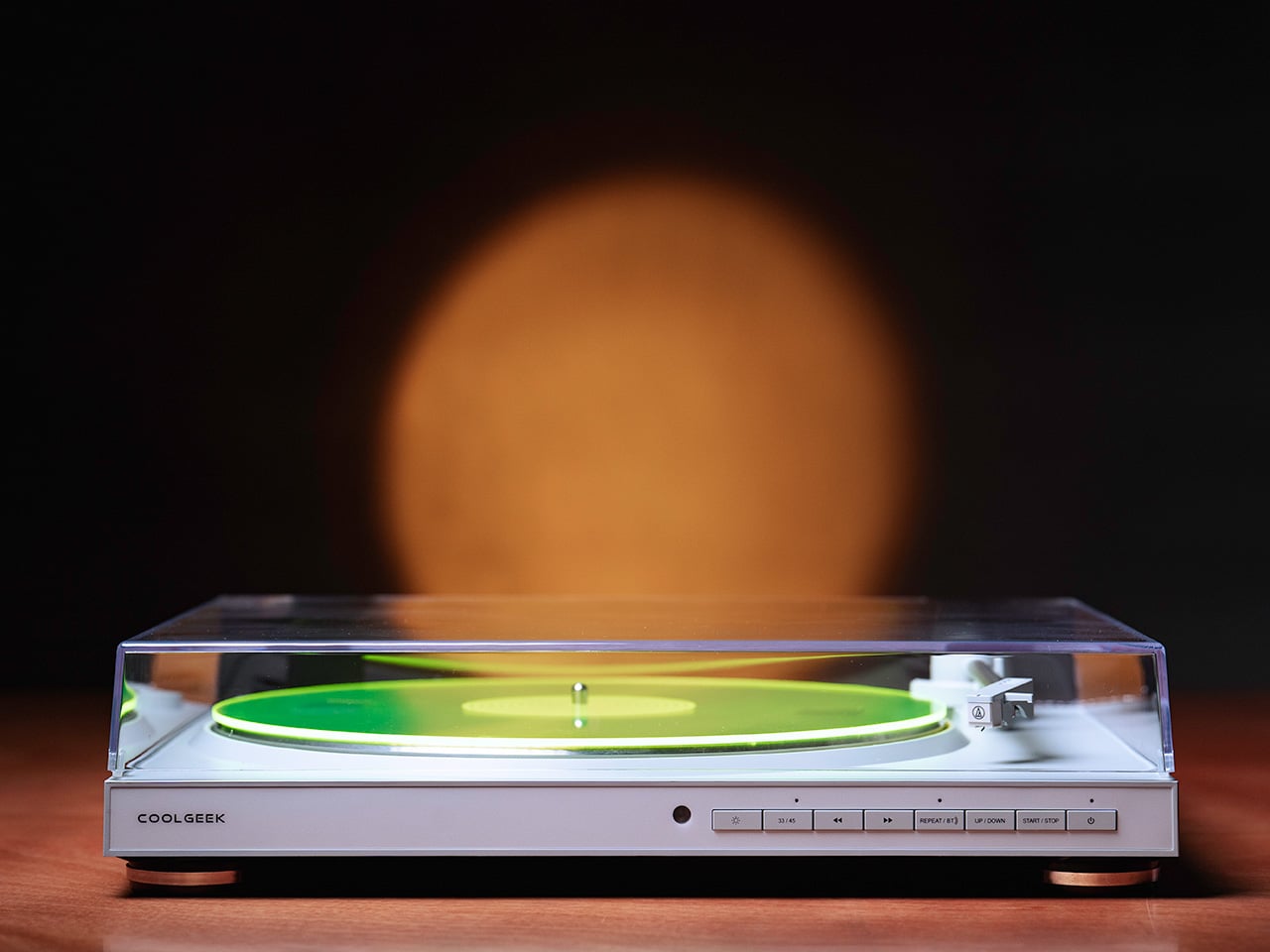
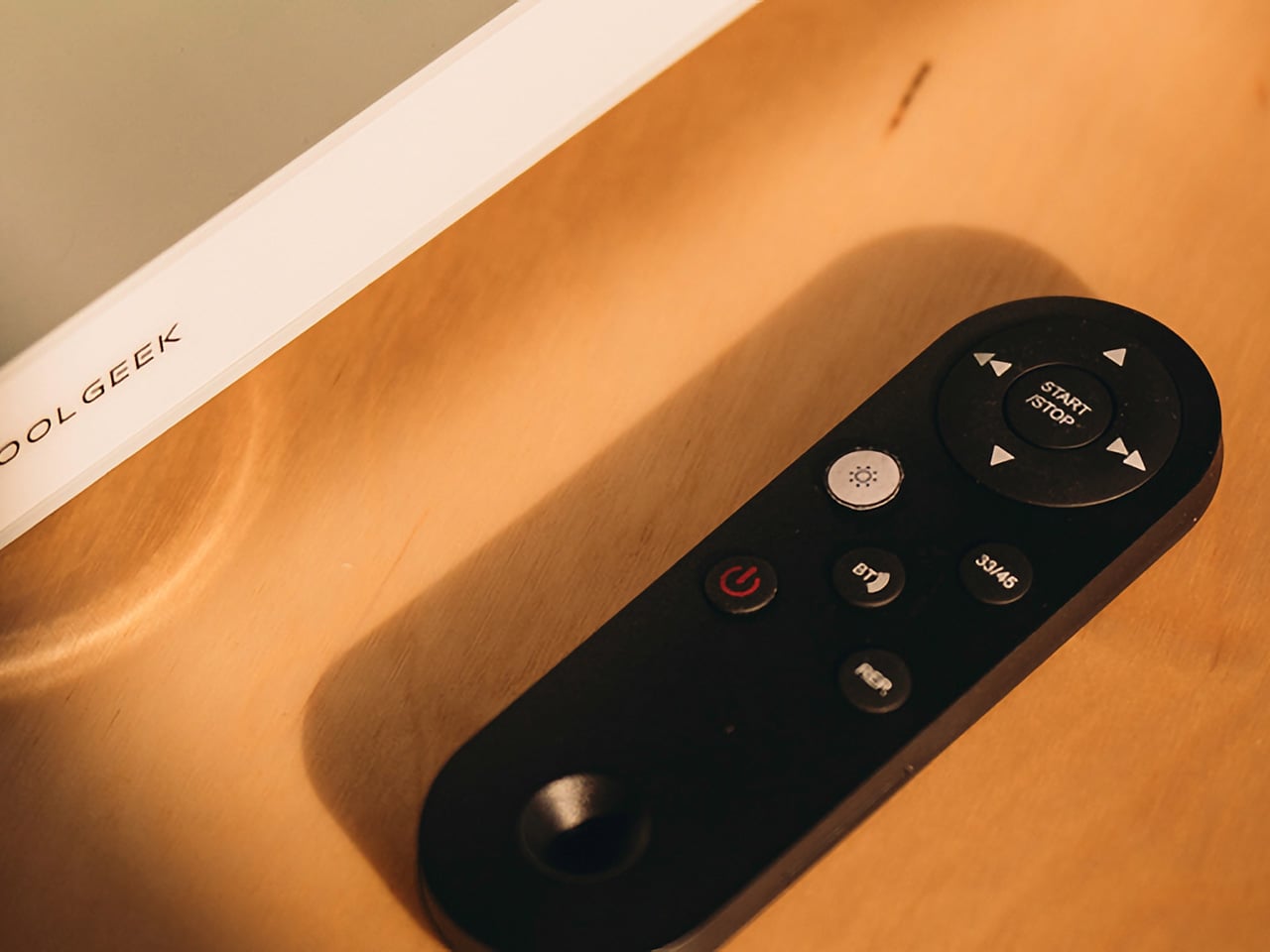
Design takes precedence here as the concentric turntable makes judicious use of the space below the platter for fitting in the CD player. The idea is to make it simple for listeners who want to enjoy both their vinyls and CDs with minimum fuss. Analog Plus is inspired by the industrial design of the 80s hi-fi components that weighed heavily into the sharp angular visuals. On the inside, it gets the Audio Technica AT3600L moving magnet cartridge, capable of playing 7-inch and 12-inch records at 33/45 rpm. Apart from this, you can enjoy your digital media as well, since there’s Bluetooth 5.3 and aux output. The included remote makes it convenient to toggle tracks, volume, or other player options.

The physical controls are mounted on the front for ease of use, alongside the small display that shows the current track progress and the mode selection buttons. The CD player of the turntable has a top-loading mechanism at the center. You can play normal CDs, or audio CDs, and RW discs as well. The audio quality output from these digital audio files is quite good, as it plays MP3 and WMA at up to 16-bit/44.1 kHz, and WAV files at 48kHz. Of course, the delivered audio will depend on the audio equipment you hook it to via the RCA audio outputs. That way, you can connect it to traditional hi-fi systems or modern speakers.

Mixx Audio has chosen the minimalist white and black color options for the record player that should go well with any interior. Analog Plus 2-in-1, priced at £299 (approximately $400), is a good starting point for budding audiophiles who want to ease into the hobby. The added convenience of loading your CD into the platter is another big advantage that goes a long way for music lovers.

The post This concentric turntable with a CD player is the ultimate Hi-Fi system for newbie audiophiles first appeared on Yanko Design.
The Sleekest Vinyl Player of 2025 Hides Its Turntable Mechanism

Here’s the thing about most vinyl record players: they’re either trying way too hard to look vintage, complete with faux leather suitcase vibes and knobs that belong in your grandparents’ attic, or they’re sleek modern machines that feel more like lab equipment than music players. The PARON III from Shenyang Orgot Design? It’s neither, and that’s exactly why it works.

This award-winning turntable is what happens when designers actually think about how modern life happens. You know how we’re all supposed to be downsizing, living with intention, and making every object in our homes earn its spot? The PARON III gets it.

Designer: Shenyang Orgot Design

What makes this player different starts with that lowered platter design. Instead of sitting on top of the unit like a hat that doesn’t quite fit, the turntable mechanism is recessed into the body. It’s a subtle move, but it completely changes the visual profile. The whole thing becomes more compact and unified, with this gorgeous layered depth that makes it actually interesting to look at, not just functional.

The materials tell their own story here. Black wood grain paired with metallic paint finishes creates this interesting tension between warmth and precision. It’s the kind of combination that reads as both reliable and refined without screaming for attention. And that slim transparent dust cover? It does its job protecting your vinyl without adding unnecessary visual weight. The whole aesthetic feels considered rather than calculated.

Let’s talk about what this means for your actual space. Traditional turntables demand real estate. They sprawl. They dominate. They require you to build your room around them. The PARON III’s minimalist square form takes up less footprint while somehow feeling more substantial. It’s the design equivalent of that friend who’s quietly confident rather than loudly insecure. The team behind this clearly understood that people who buy vinyl in 2025 aren’t doing it purely for nostalgia. Sure, there’s romance in the ritual of dropping a needle, but we also want that ritual to fit into homes that don’t look like vintage record shops. We want our tech to integrate, not dominate.

This is part of a larger shift happening in audio design. As vinyl has made its comeback, the market has been flooded with all-in-one players that prioritize convenience over quality or retro reproductions that prioritize aesthetic over integration. The PARON III splits that difference beautifully. It delivers high-quality audio performance (which, let’s be honest, is the actual point) while looking like something that belongs in a contemporary space.

What’s particularly smart is how the design enhances mechanical precision. That lowered platter isn’t just about looks. It actually improves performance by centralizing weight and reducing vibration. Form following function, function enhancing form. It’s the kind of circular design thinking that separates good products from great ones. There’s also something quietly rebellious about this approach. In a market that keeps telling us retro is cool, vintage is authentic, and older is better, the PARON III says: what if we just made something that worked really well and looked clean doing it? What if we stopped pretending we live in 1972 and designed for the homes and lives we actually have?

The PARON III doesn’t need to cosplay as vintage to justify its existence. It’s confident enough in what vinyl actually offers (that tangible connection to music, the intentionality of listening, the superior sound quality when done right) to present itself honestly. No fake wood grain, no retro fonts, no winking nostalgia. For anyone who’s been wanting to get into vinyl but couldn’t stomach another clunky conversation piece, this feels like permission. The PARON III proves that loving analog music doesn’t mean sacrificing modern design sensibilities. Sometimes the best way to honor tradition is to stop trying to recreate it and instead figure out what it means for right now.

The post The Sleekest Vinyl Player of 2025 Hides Its Turntable Mechanism first appeared on Yanko Design.
Colorful retro turntables bring back the free-spirited 50s to the present

The predominant minimalism design trend has created hundreds of products with trivial, often singular color schemes with muted hues. Although there’s no rule that it has to be such, this has become the standard practice for those adhering to this aesthetic. This has caused some to label such designs as boring and lifeless, though many will undoubtedly beg to differ.

The retro fever gripping many fields, however, is throwing a splash of color and whimsy on products, whether they’re actually vintage designs or even modern-day objects. Taking inspiration from mankind’s equally colorful history, retro designs like these turntables capture the charm of the past and blend it with the comforts of the present to create an experience that is more memorable and more satisfying than simply listening to music off Bluetooth speakers.

Designer: Gadhouse

Although the television might have only shown black and white, the 50s was characterized by an overabundance of bright, saturated colors, sometimes to a disconcerting degree. The decade also saw the rise of the “Long Play” record format, popularizing the record players and turntables that are being revived today. It seems only fitting that a true-blooded vintage record player pays homage to its roots, at least on the surface.

The Brad Retro Mk II definitely looks the part with its boxy designs, analog controls, and, more importantly, its colorful personality. With a belt-driven mechanism, three-speed play, and support for 7-12″ vinyl, this retro-style record player brings out the analog goodness of the medium, letting you hear it just the way the music was supposed to be heard. Built-in 10W speakers even recreate that experience of not having to plug in speakers just to listen to music.

Of course, the Brad Retro Mk II is also a child of modern technology, and it doesn’t disappoint either. If you do want to play your music louder, you can stream to a nearby Bluetooth speaker or go old-school with a 3.5mm jack. What’s new in this second-gen model is a USB-C port of power, allowing you to play anywhere you want.

The Brad Retro Mk II comes in five color combinations to appeal to as many tastes as possible. The turntables exude a playful charm typical of that period, while still meeting the needs of discerning audiophiles. With vibrant hues, tactile controls, a unique tonality, and modern connectivity, this record player isn’t just a blast from the past but is also a product of humanity’s cumulative history.

The post Colorful retro turntables bring back the free-spirited 50s to the present first appeared on Yanko Design.
Retro devices reimagined with fun 16-bit displays

Retro designs in technology continue to be a strong trend, from retro consoles to instant cameras to record players. Most of these products try to update the classic aesthetics to modern standards, reinterpreting them without straying too far from the original. In other words, they’re mostly modern devices simply paying homage to the past.

There might be times, however, the original designs still have a lot of pull, especially for eyes that have never seen them before. This series of concepts tries to imagine some of those with completely classic designs, save for the addition of 16-bit displays and a splash of 80s colors that make them funky and hip in their own unique ways.

Desigers: Ahmed Esmael, Marwan Abbass

1

Music streaming has pretty much replaced the radio for most people, but the medium hasn’t completely died out. Radios, however, have become rarer outside of vehicles, and most designs these days tend to make the device almost invisible. This concept, in contrast, is as loud as it can be, both in sound and in appearance with its pink body and clashing color combinations.

What sets it apart, however, is the square display beside the circular front speaker. It’s not a modern touch screen for controlling the radio, but more of a useless but fun embellishment to the experience. It displays a 16-bit video that looks at home in games of that era, rendering an accompanying visual to the audio, whether it makes sense or not.

Very few people these days listen to cassette tapes. Unlike vinyl records, there’s almost no special audio quality to these small rectangular containers for brown tape that all too often gets tangled up. That said, some people still have a collection of these tapes, and this cassette player concept adds a unique twist to the device without twisting those tapes.

The color scheme for the device this time is a faded yellow, complete with green streaks of corrosion. But just like the radio above, the flat tape player integrates a screen that can play 16-bit videos. Although it doesn’t serve any practical function, it adds a bit of fun flavor to the music being played, making you want to look at the device even when it’s lying on the table.

The record player in this Timeless Treasure collection steps farther back in time, adopting the form of a 40s gramophone. Its green, flower-shaped sound horn looks like copper that has aged over time, while the boxy platform has a mix of industrial and Art Deco details. Only the dominantly yellow color motif looks out of place and out of time, giving it an odd anachronistic flavor.

The large 16-bit display is again the center of attraction here, playing a pixelated video of an opera or orchestra performance. It could be related to the track being played, though it’s more likely a very generic clip for any and all kinds of records. It would probably be nice if each video was customized for different kinds of music, perhaps using some AI magic to make it happen.

Old-school audio devices aren’t the only ones getting this 80s retro facelift, though a watch is hardly that old to qualify. More like an old-fashioned kids’ digital watch, this particular concept adds a lo-fi feel to this somewhat modern wearable, particularly when an alarm plays. Like the rest of the collection, it’s a fun touch that doesn’t add any functional advantage but gives the designs a new flavor.

The post Retro devices reimagined with fun 16-bit displays first appeared on Yanko Design.
A turntable for picky audiophiles who crave high-end vinyl playback experience

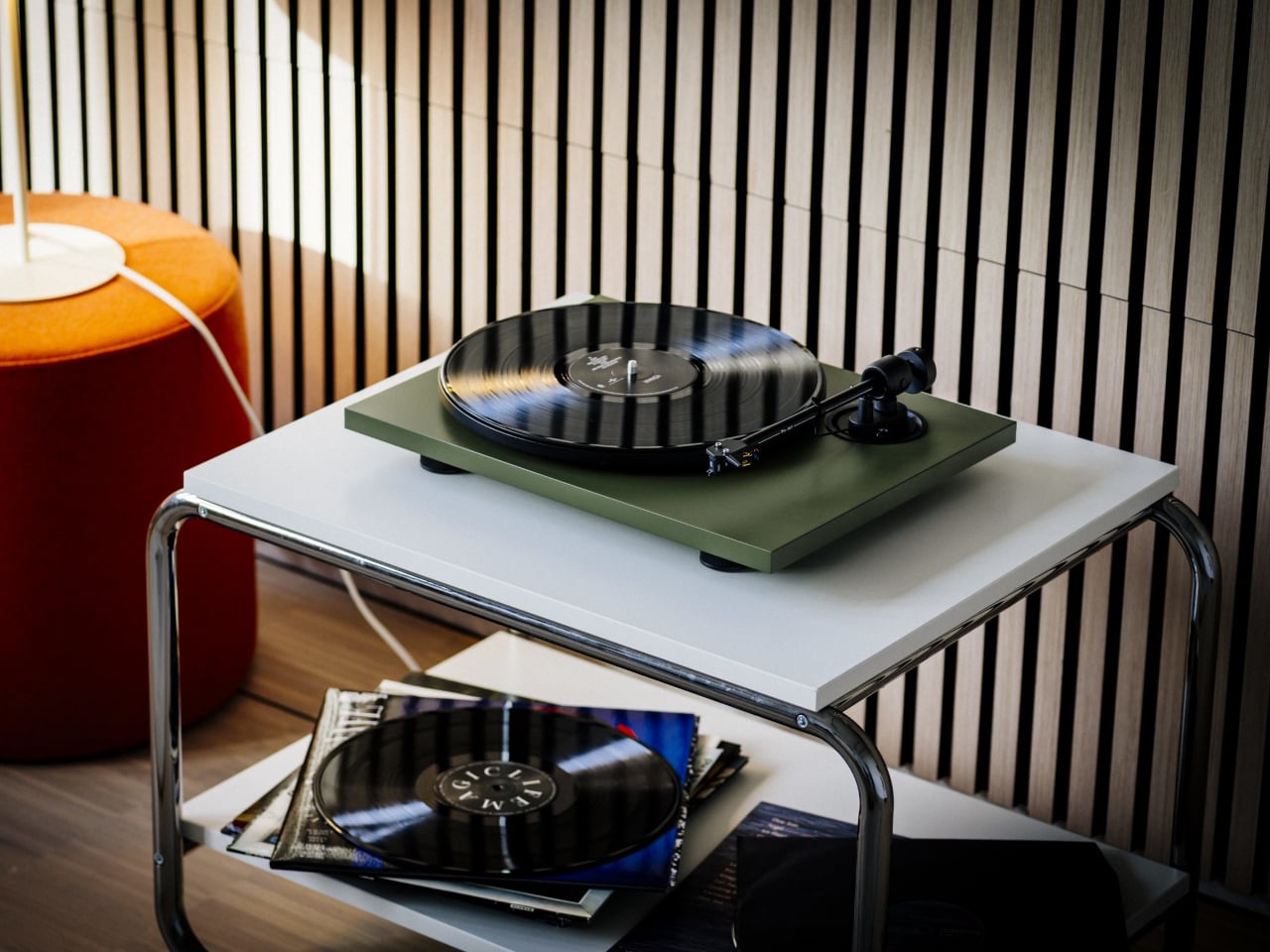
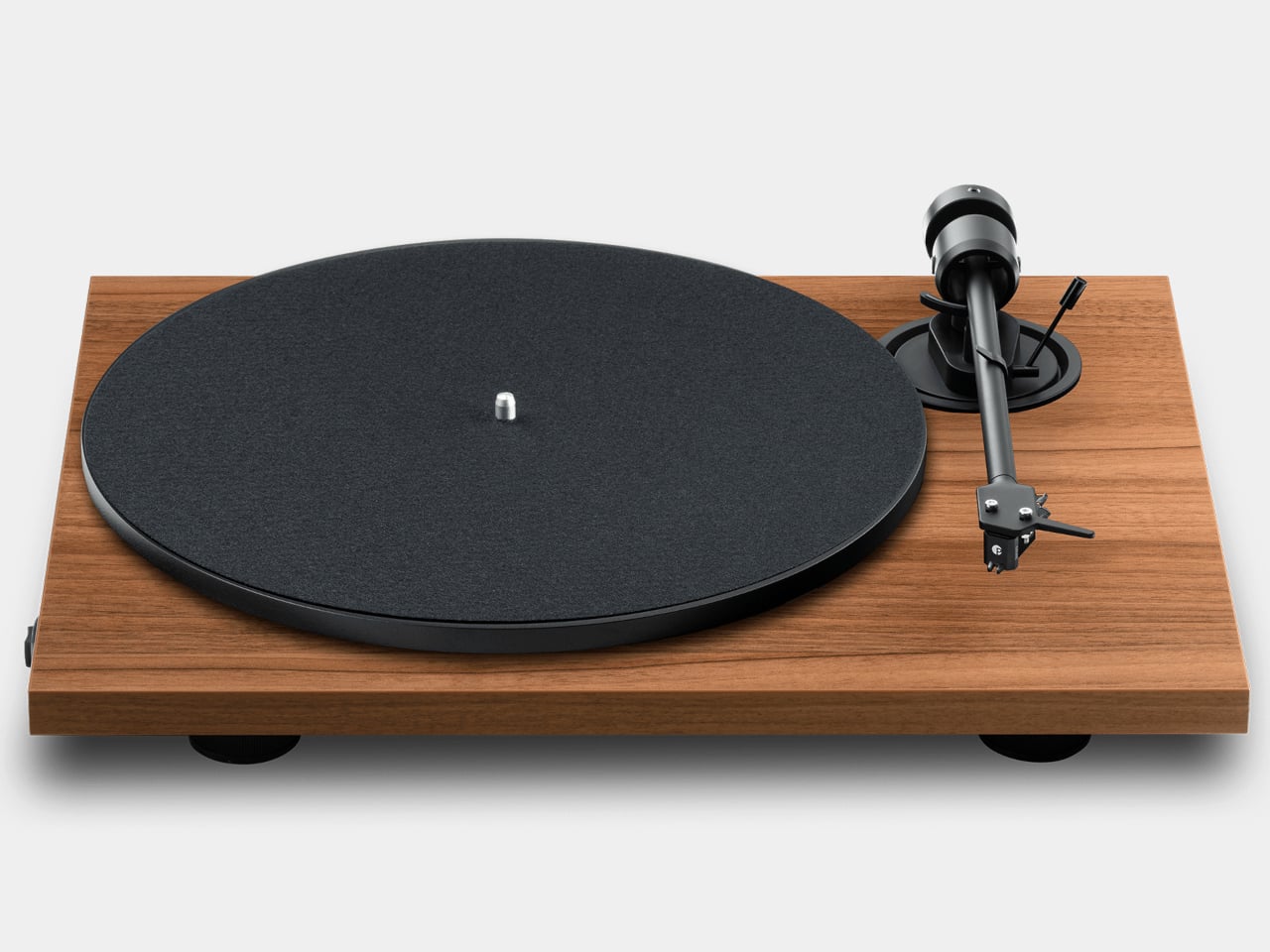
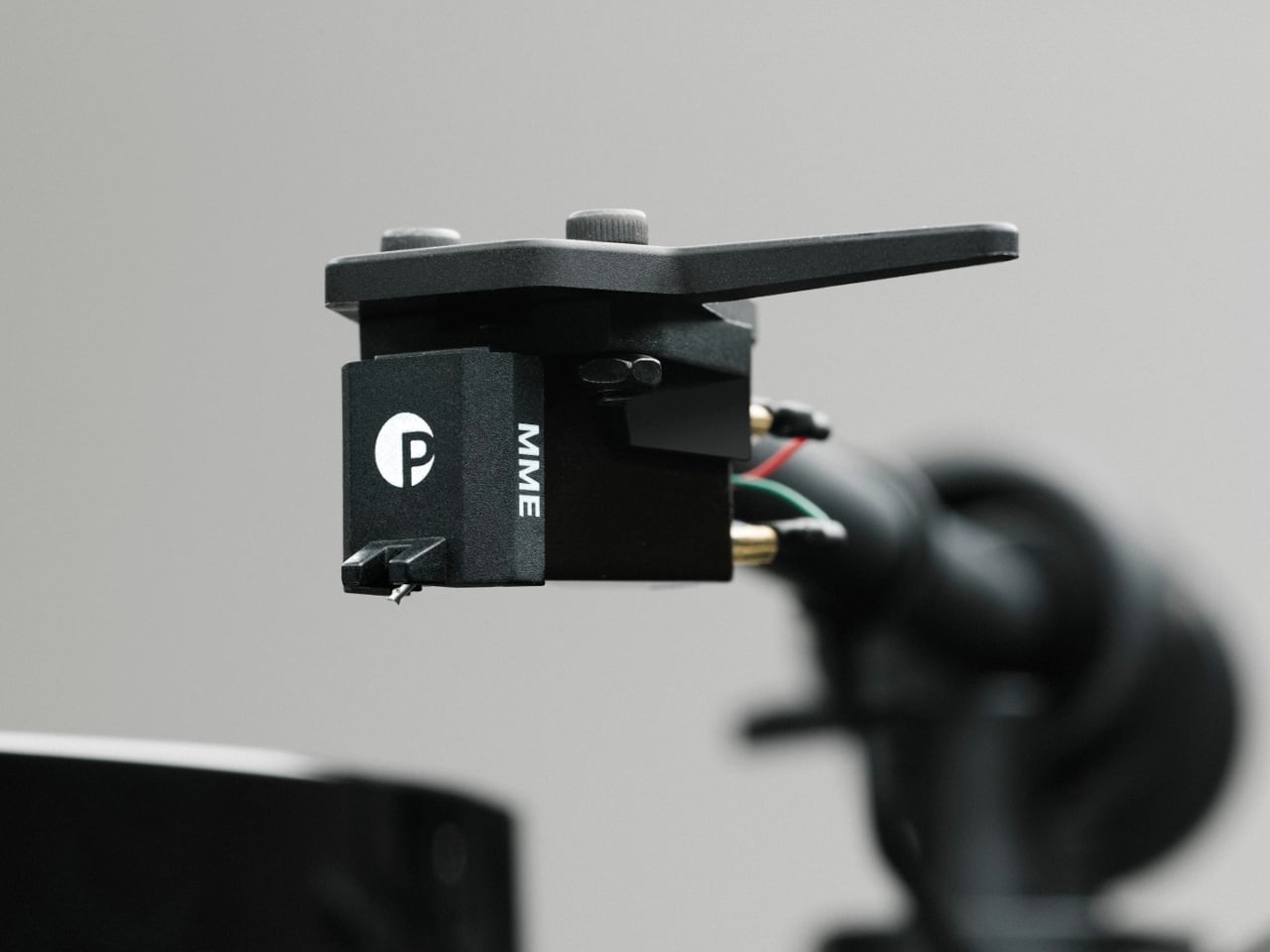
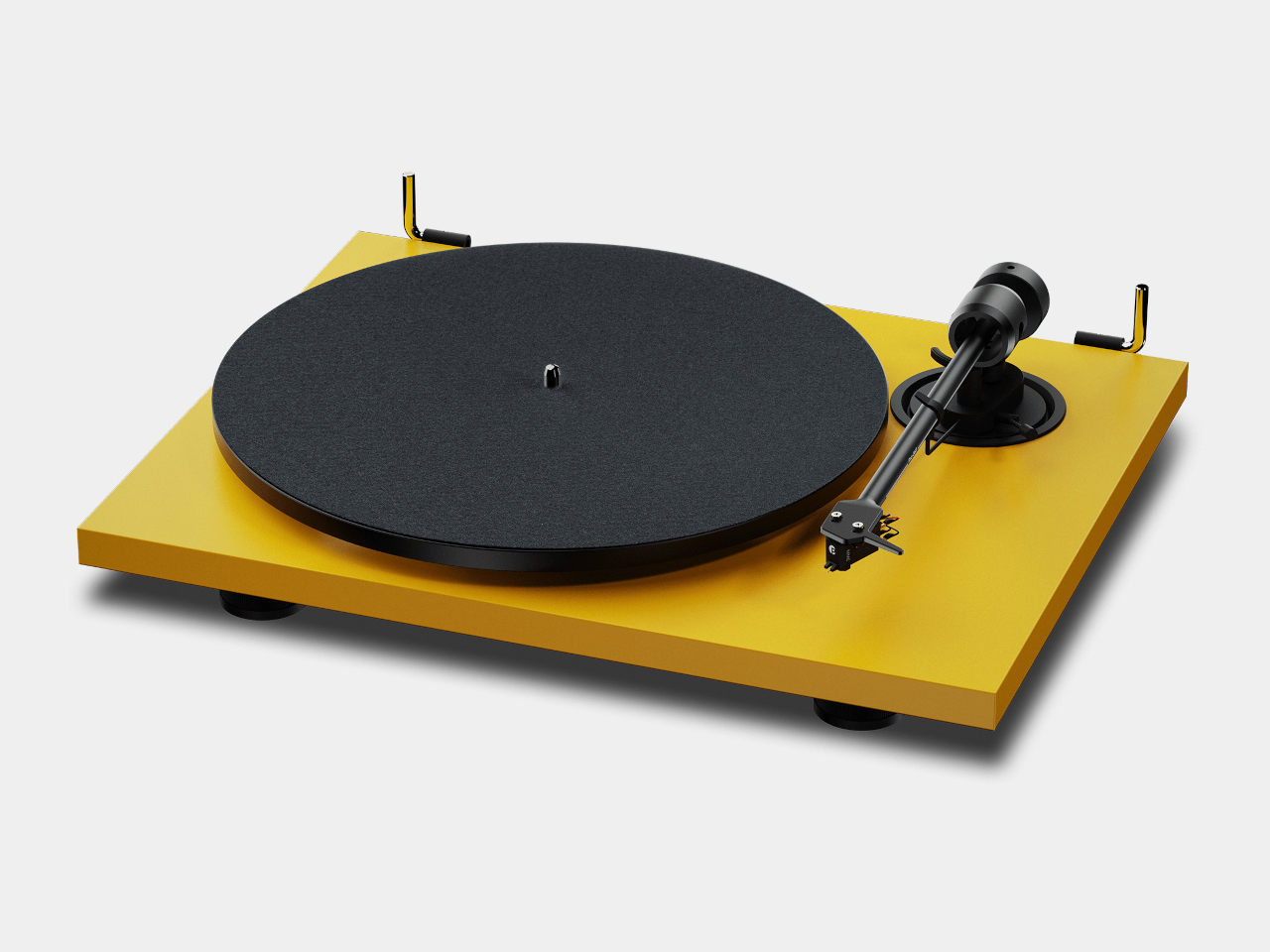
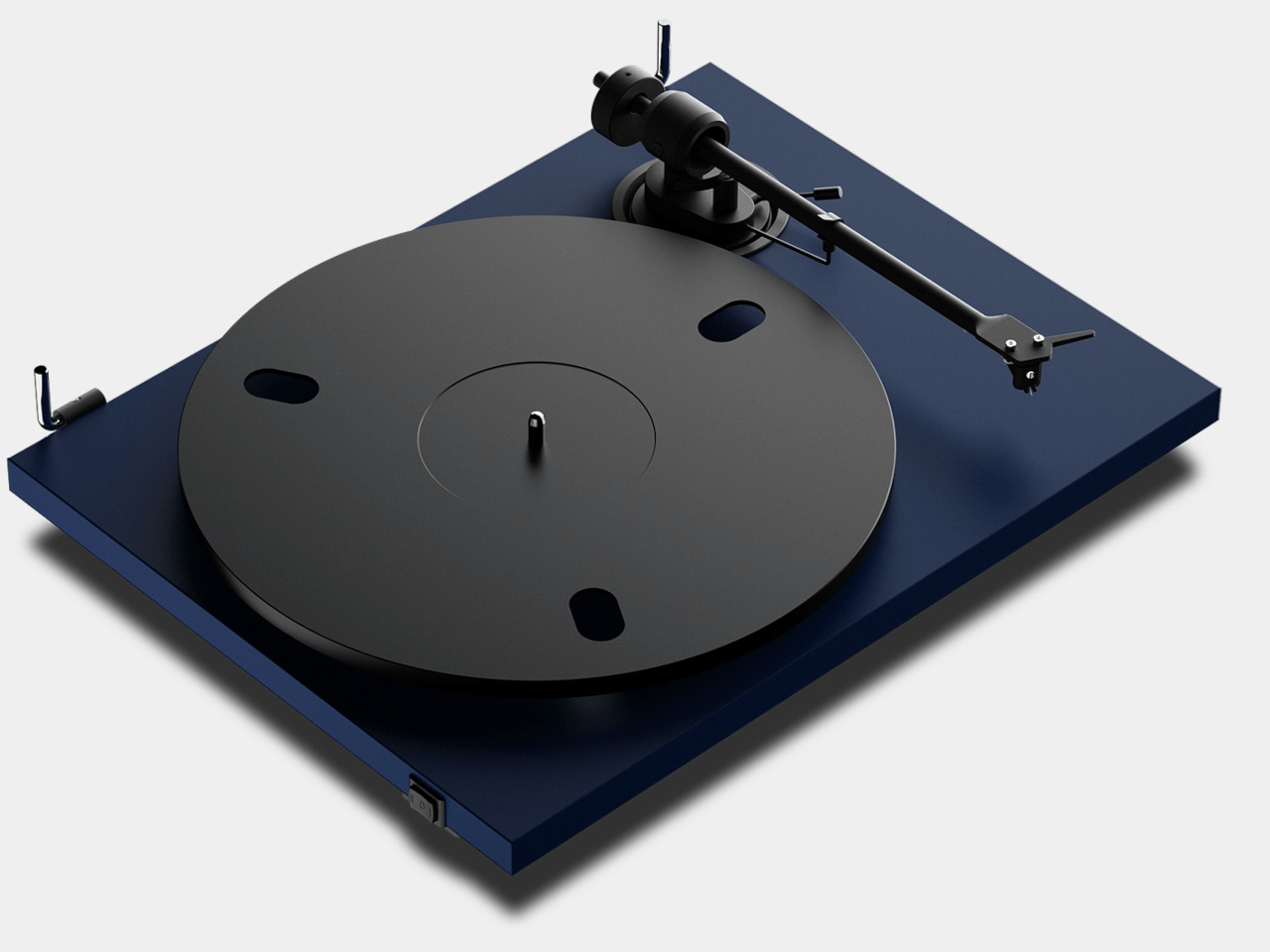
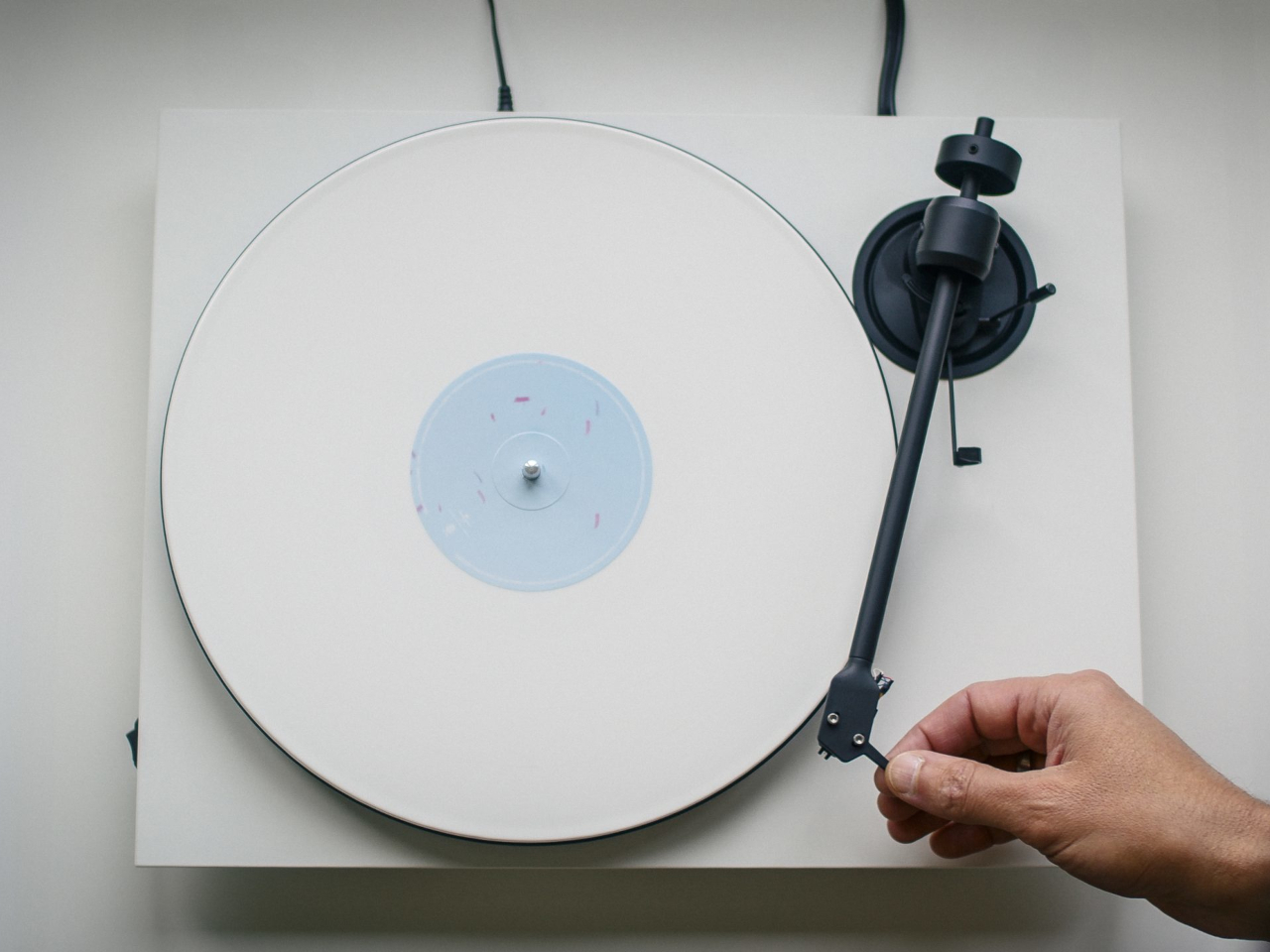
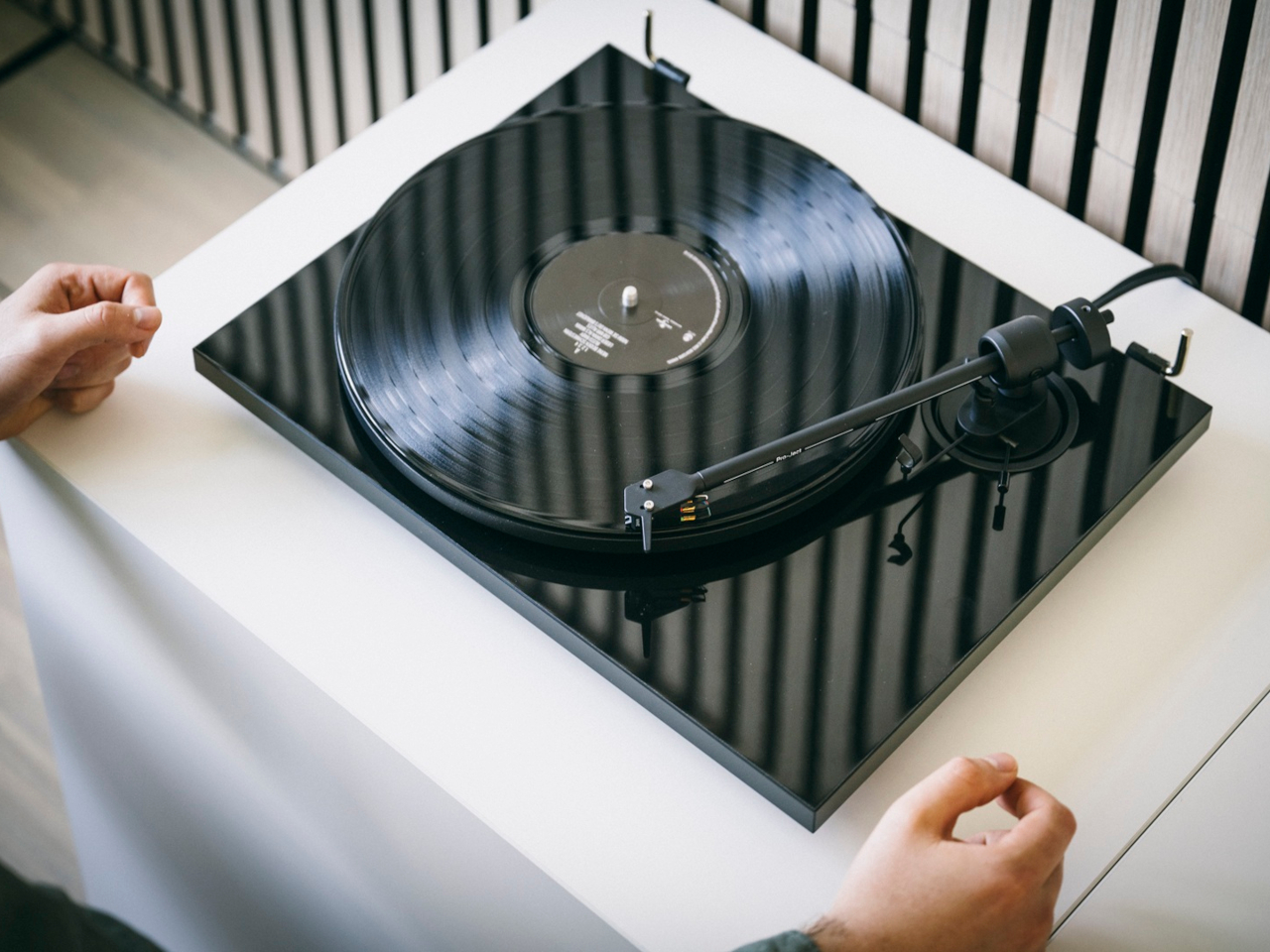
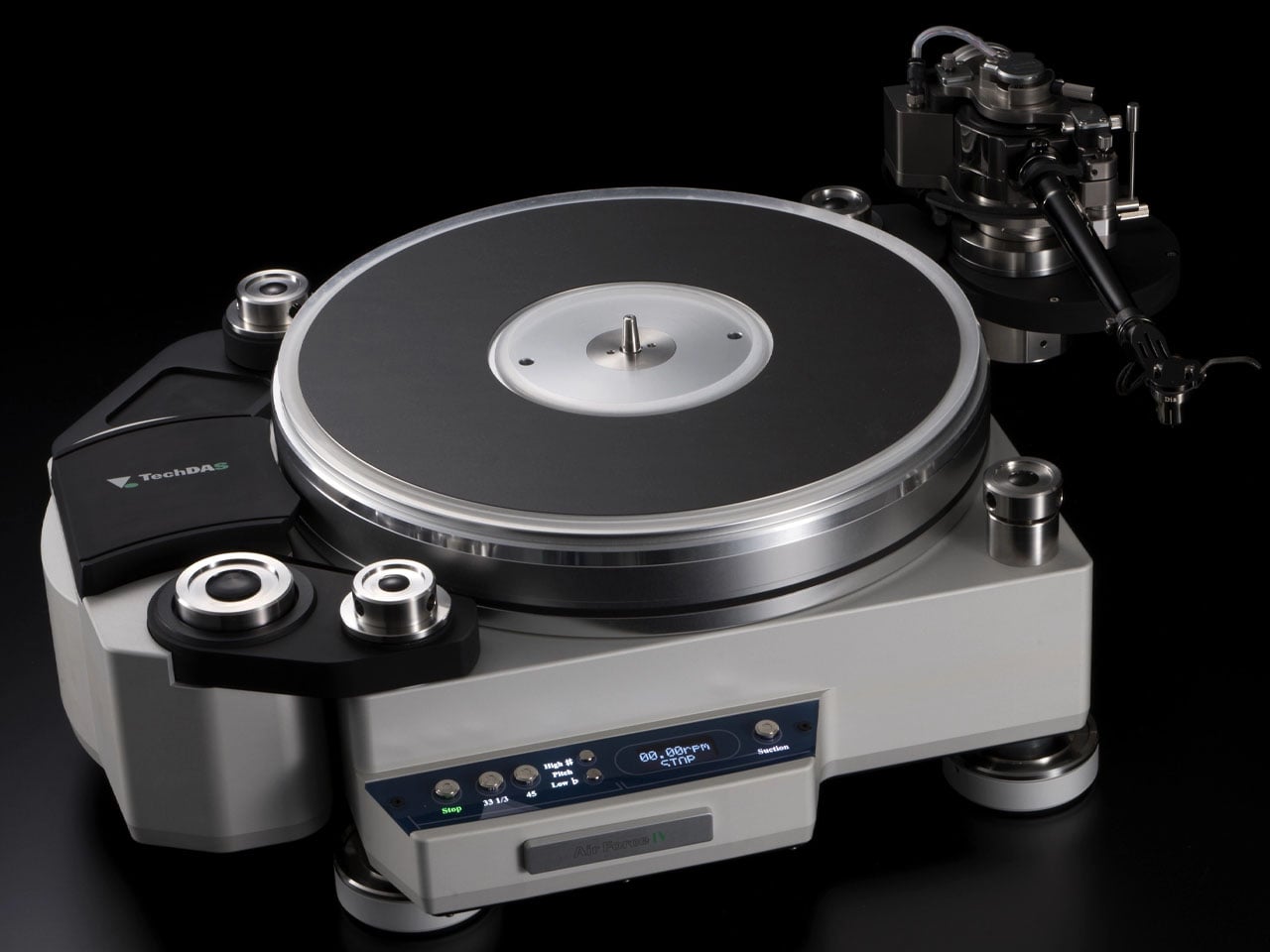
Pro-Ject is the first name that pops up when we speak of high-quality turntables. The Austria-based company launched the entry-level T1 EVO range for audiophiles on a budget last month. Now they’ve revealed the flagship Signature 12.2 turntable for music lovers who want the ultimate sonic experience from their favorite vinyl.

This turntable represents the highest-level technology at the most accessible price, even though $15,000 is way beyond any normal audiophile’s budget. The audio accessory is a successor to the acclaimed Signature 12 turntable that made it to the top rankings of the most reliable audio equipment reviewers.

Designer: Pro-Ject

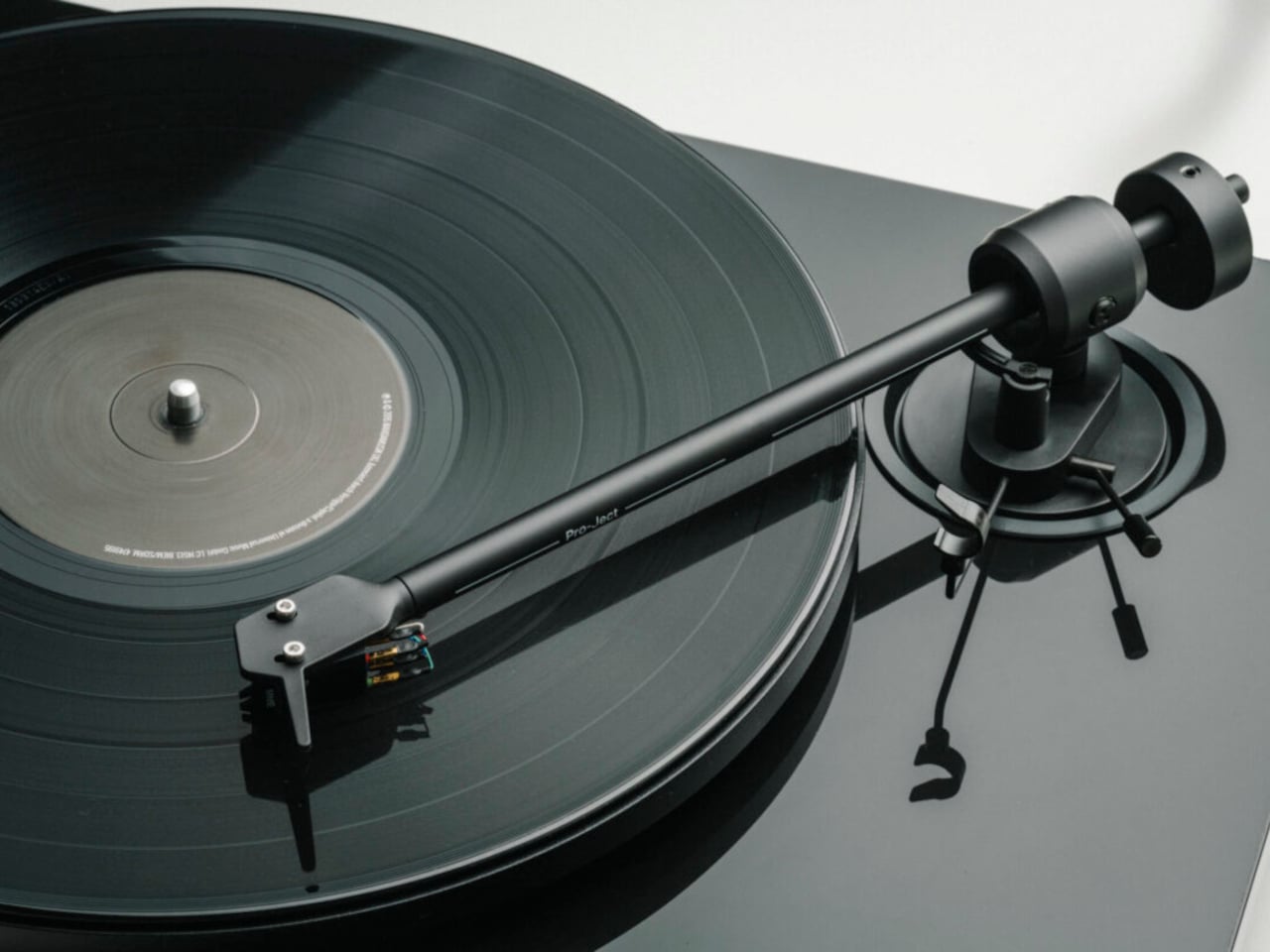
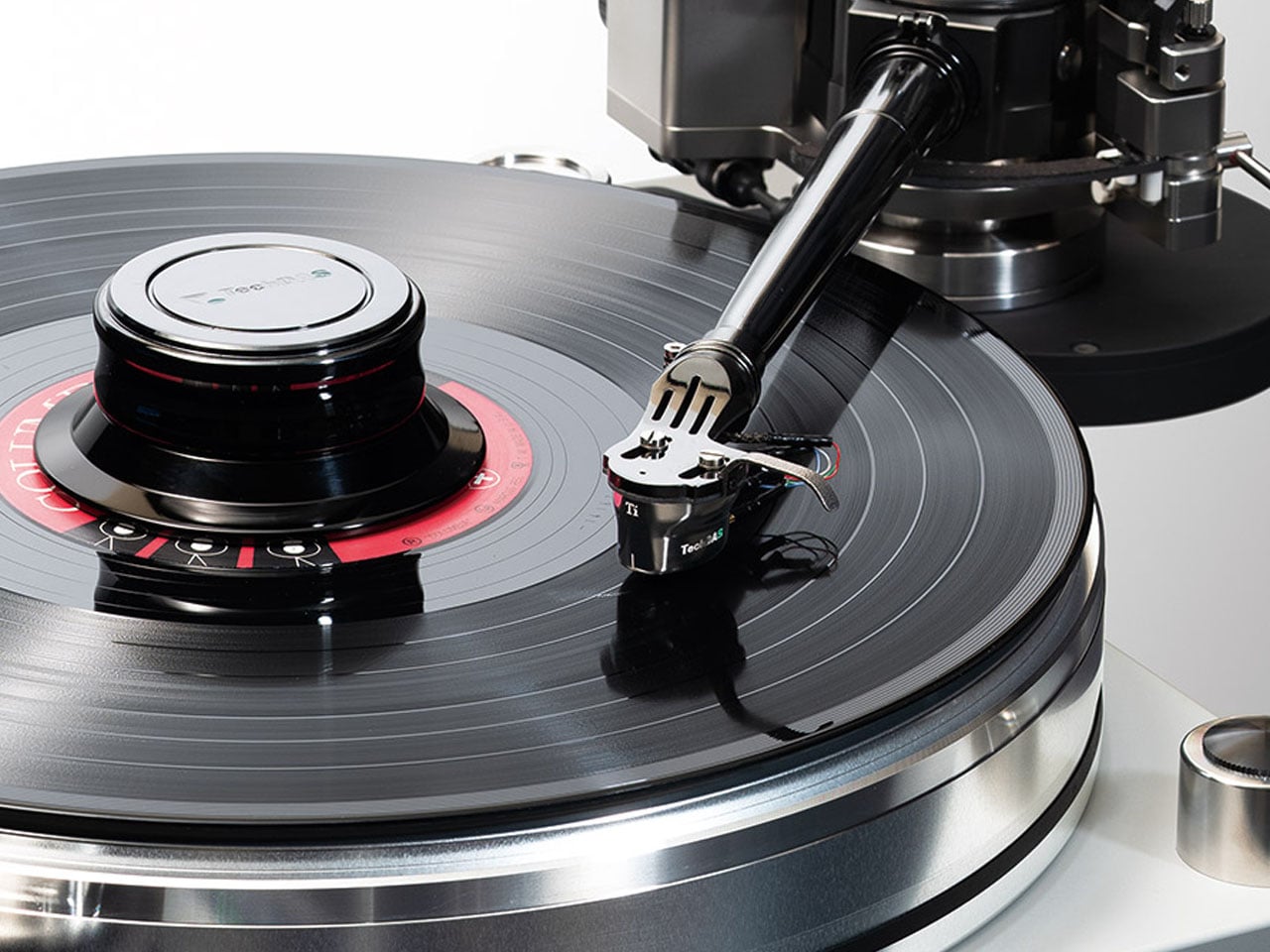
Known for their tenacity to bring high-quality record players to the audiophiles who can spend an exorbitant amount to follow their hobby, Pro-Ject has gone all out on this one. The turntable weighs around 80lb with the high-mass record platter weighing more than 25 lb and anti-resonant MDF made from stainless steel weighting 50 pounds. The platter is dampened underneath, spinning on an inverted ceramic ball bearing having a magnetic support. The use of more than 100 precision CNC-machined components provides stability and dampens any external interferences resulting in sonic sound reproduction that’s very close to how the artist intended.

According to Pro-Ject, listeners are in for a treat as the Signature 12.2 delivers “a deep, full and immersive sound quality that’ll deliver new sonic experiences — even from songs users have heard a thousand times.” The flywheel belt-drive turntable is loaded with a 12-inch S-shaped aluminum tonearm having a 3-point pivot bearing and a removable headshell for easy swapping of phono cartridges. If you are into choosing your preferred cartridge, the Signature 12.2 doesn’t come with one of its own. That said, the player is compatible with 33⅓rpm and 45rpm playback speeds. If you want to be precise between this range, there’s the electronic speed change option too.

The records are hooked onto the platter with a Signature Record Puk that comes included in the package. To enhance the premium appeal sturdiness of the unit, Pro-Ject hand-painted the record player’s MDF plinth in 10 coats, and it’s loaded with steel pellets to further reduce vibrations. With all the advanced tech fitted inside this beautiful vinyl player, you would expect it to do complete justice to your collection of records.

Rather than having a display for all the controls, Pro-Ject has opted to go with a hand-polished aluminum panel to avoid any unwanted electromagnetic radiation. The elegant analog look complements the whole look and feel. The high-end playback record player in piano-black finish will begin shipping in November 2024 for a retail price tag of $14,999.

The post A turntable for picky audiophiles who crave high-end vinyl playback experience first appeared on Yanko Design.
Vinyl player concept shows off transparent design

You would think that in this age when we mostly listen to music through streaming services, old school ways of listening to music would be all but extinct. While we probably won’t see cassette tapes make a comeback soon, we still see CDs and vinyls have a pretty niche but passionate market. So we’re seeing several music players that are able to still play these “relics”, mostly for the vinyls (sadly, I have yet to see excellently designed CD players with great sound quality).
Designer: Vadzim Sadouski

There is no lack of great-looking and great-sounding turntables out there if you’re in the market for one. And there is also no dearth of interesting concepts for vinyl players, ranging from retro to cutesy to premium to sci-fi/out there levels. This concept for a “record player transparent design” is one of those that catches the eye and would be interesting to see as an actual vinyl player (and hopefully it gets a specific name too). From the moniker itself, you probably have an idea of what it would look like even if you don’t see the renders.

There’s a certain fascination with transparent things now and seeing how the inside looks like as it does its thing. This one is inspired by the play of light inside ribbed glass as the light refracts and plays around. The designer says the starting point for the design are things like glass, lighthouse lenses, tableware, and even lamps. What you get is a vinyl player with its base showing off the light inside from the glass grills.

Now as to how the vinyl records would sound like from having a transparent design like this is a problem for another day. But the concept itself seems pretty interesting and is definitely eye-catching. But real music lovers would tell you that no matter how well designed something is, the important thing is the sound quality of course.

The post Vinyl player concept shows off transparent design first appeared on Yanko Design.