
Volkswagen confirms cutting 50,000 jobs as part of its survival plan
The Volkswagen Group has revealed a 'transformation program' that includes layoffs, potential factory closures and brand shutdowns.

Omarchy is a Linux distribution created by David Heinemeier Hansson (DHH) that blends the adaptability of Arch Linux with a focus on user accessibility. Built on Arch’s rolling-release model, Omarchy streamlines the setup process by including pre-configured elements such as the Hyprland tiling window manager and the Quickshell interface. These features aim to simplify system […]
The post DHH Creates Omarchy to Simplify Arch Linux with AI Tools appeared first on Geeky Gadgets.
Most keychains carry dead weight. A rubber tag from a hotel you forgot, a bottle opener you have used twice, a fob that only unlocks a car you no longer own. Meanwhile, the one piece of real estate you touch dozens of times a day sits completely underused, when it could be doing actual work.
The five gadgets below all fit that same small footprint but solve real problems, from finding your keys in the dark to surviving the emergency that pepper spray and good intentions cannot fix alone. Every pick here is either shipping through a verified campaign or purchasable directly, and every spec below comes straight from the maker.

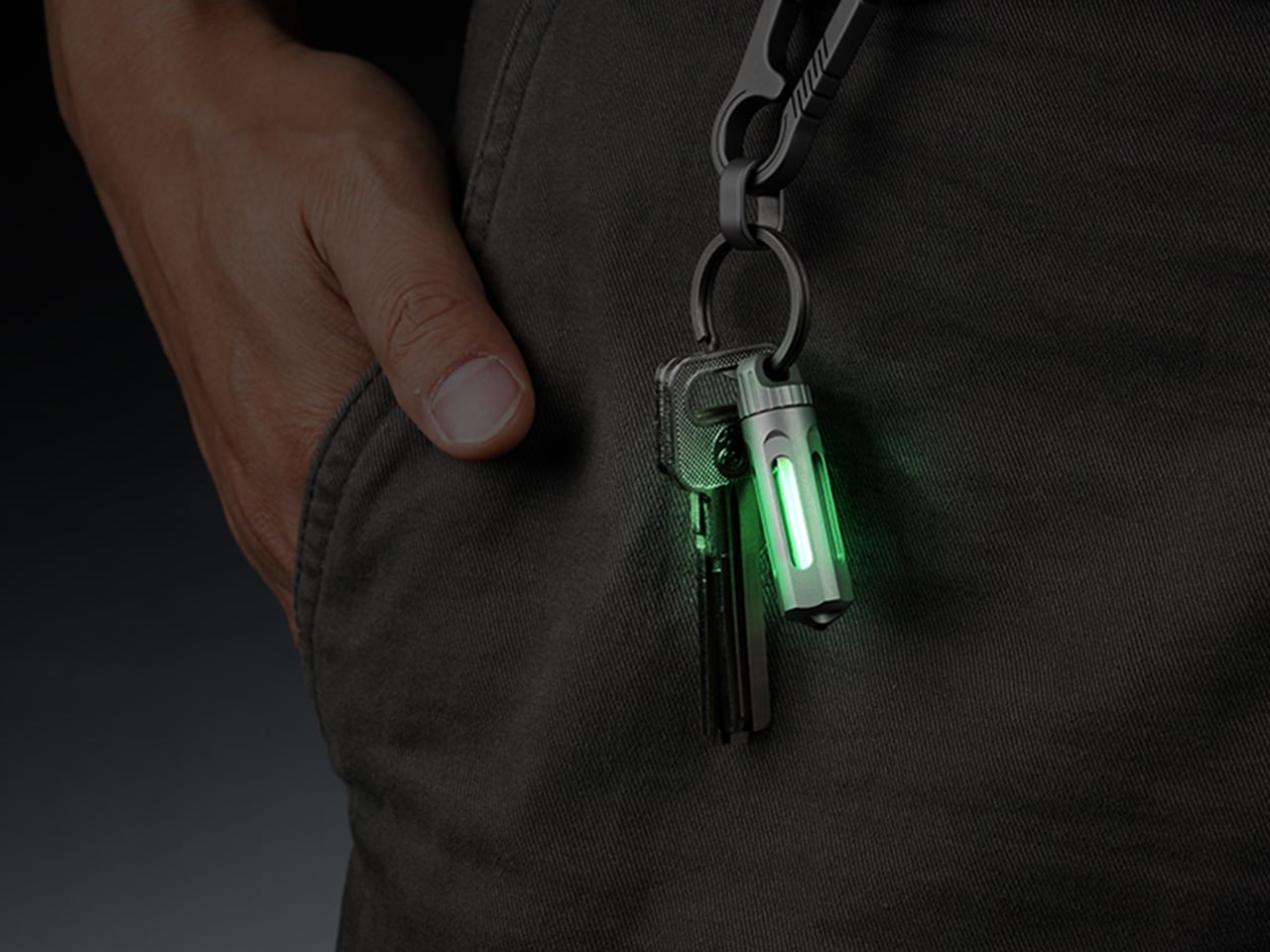
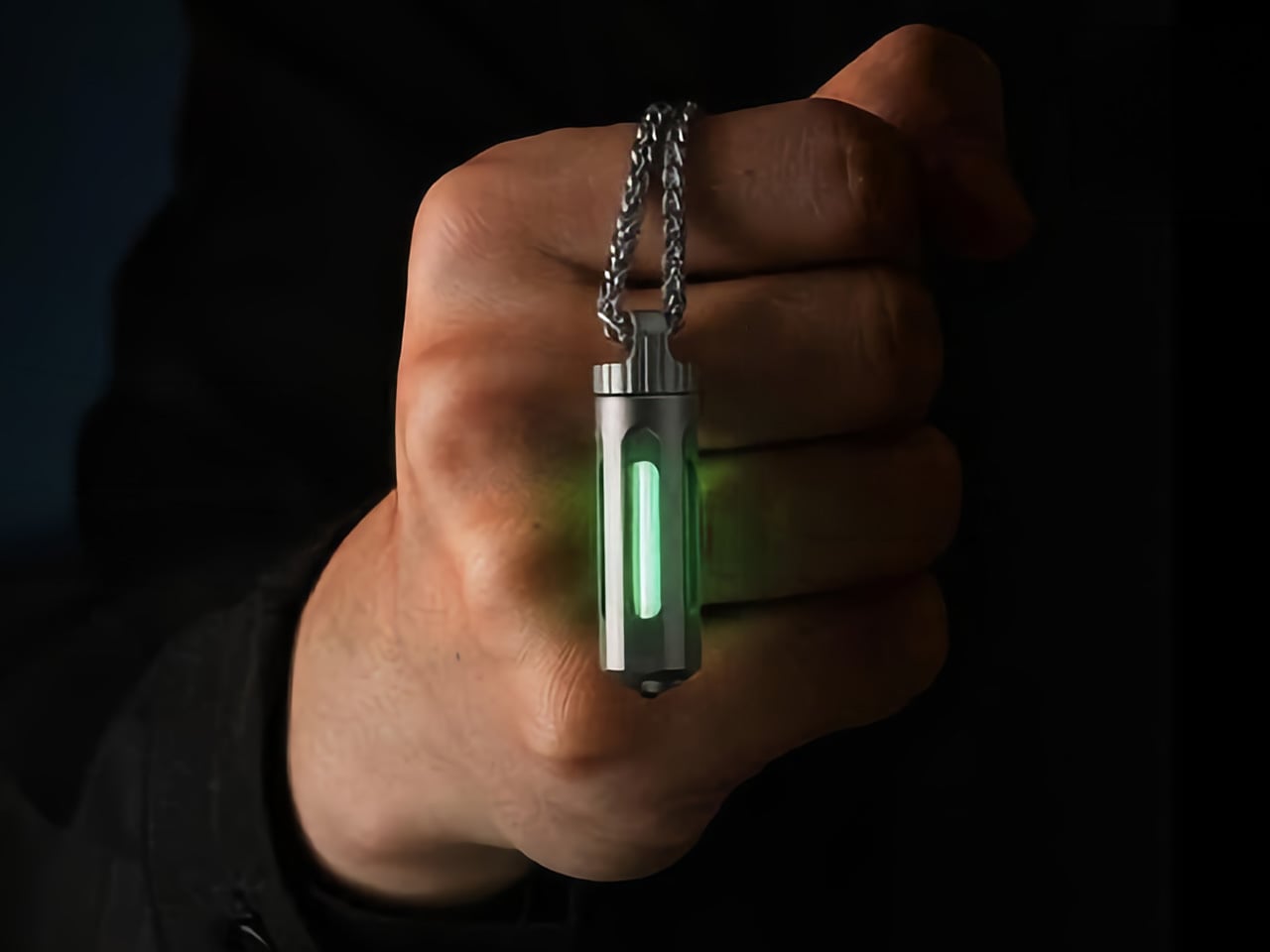
Tritium is a hydrogen isotope with a 12.3-year half-life, and as it decays, beta particles strike a phosphor coating to produce light with no electricity and no chemical reaction involved. It is the same physics behind emergency exit signs, military watches, and aviation instruments, chosen for one reason: nothing else in consumer lighting can promise 25 years of steady glow with zero maintenance. Xedge packaged that science into a 45mm titanium cylinder built specifically for keychain carry.
The tritium vial sits inside a precision quartz tube with 92 percent light transmission, wrapped in a CNC-machined Gr5 titanium body weighing just 10.7 grams. The whole thing is serviceable, so when brightness fades after two decades, you simply push the old tube out and slide a new one in. A ceramic-tipped glass breaker sits at one end for real emergencies, and the floating core glows visibly from every angle.
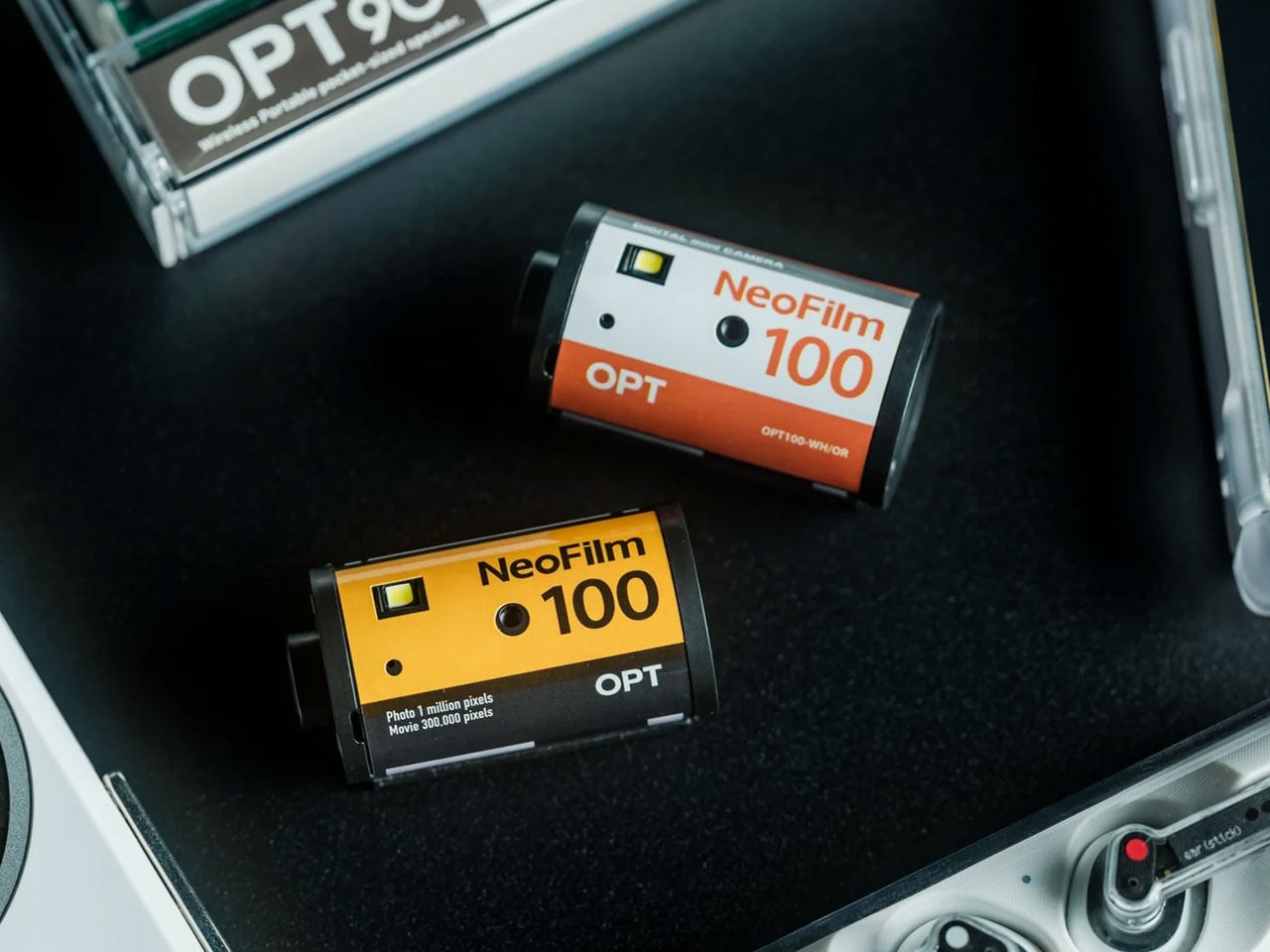
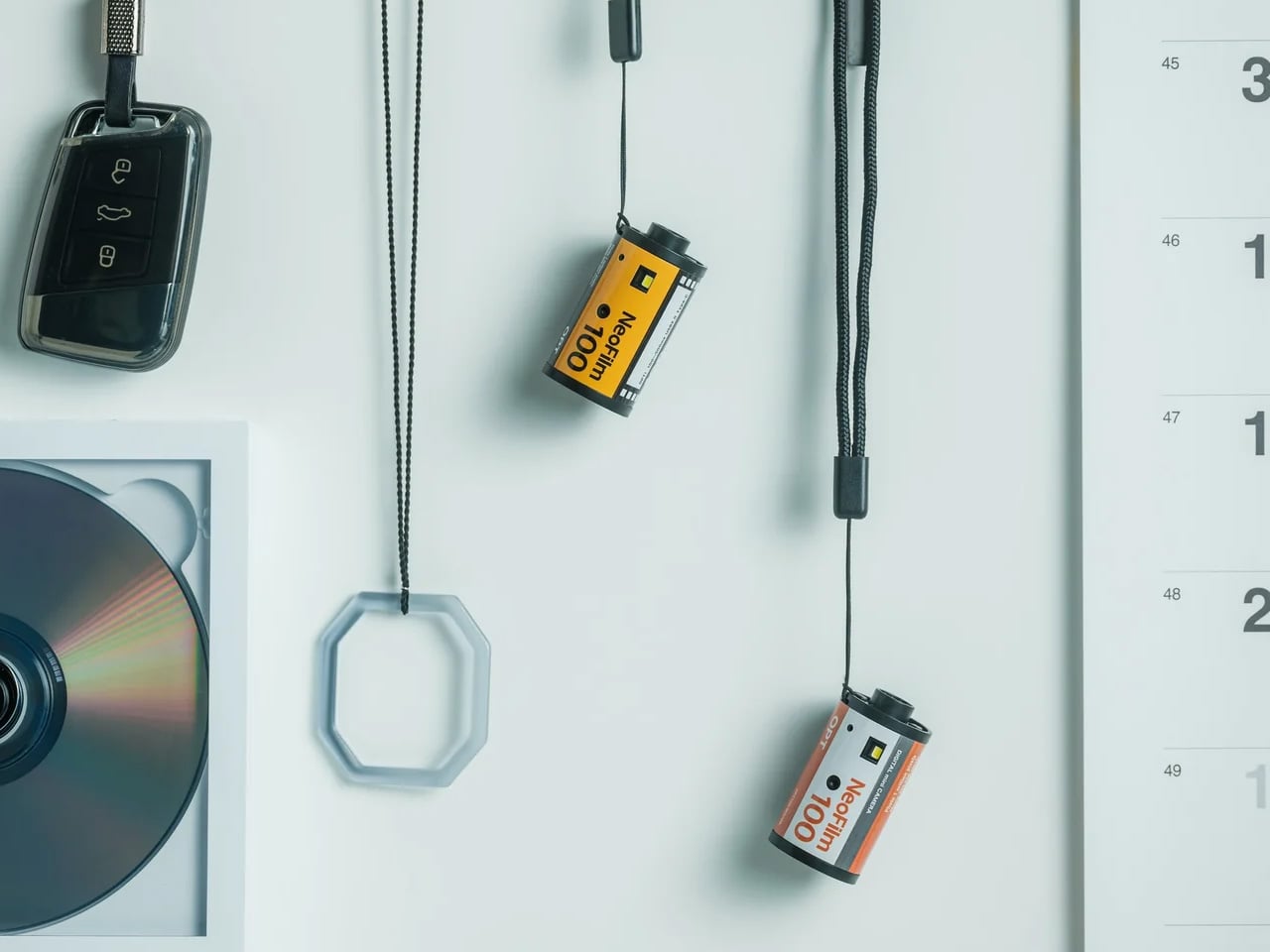
Pick up the Analog Capsule, and it looks exactly like a roll of 35mm film, right down to the box it ships in, except every part of that illusion hides a fully functional digital camera. Instead of chasing the technical perfection modern sensors are obsessed with, it leans into grain, softness, and blown highlights as features rather than flaws, giving every photo the unmistakable texture of something shot decades ago rather than seconds ago.
Its 1-megapixel CMOS sensor keeps the experience intentionally lo-fi, while built-in digital playback lets you review a shot the moment you take it. USB-C connectivity and microSD storage handle the archiving without ceremony. At just 25 grams and small enough to hang from a bag on its included strap, it is less a camera you pack and more a charm you happen to shoot with, priced at $55.
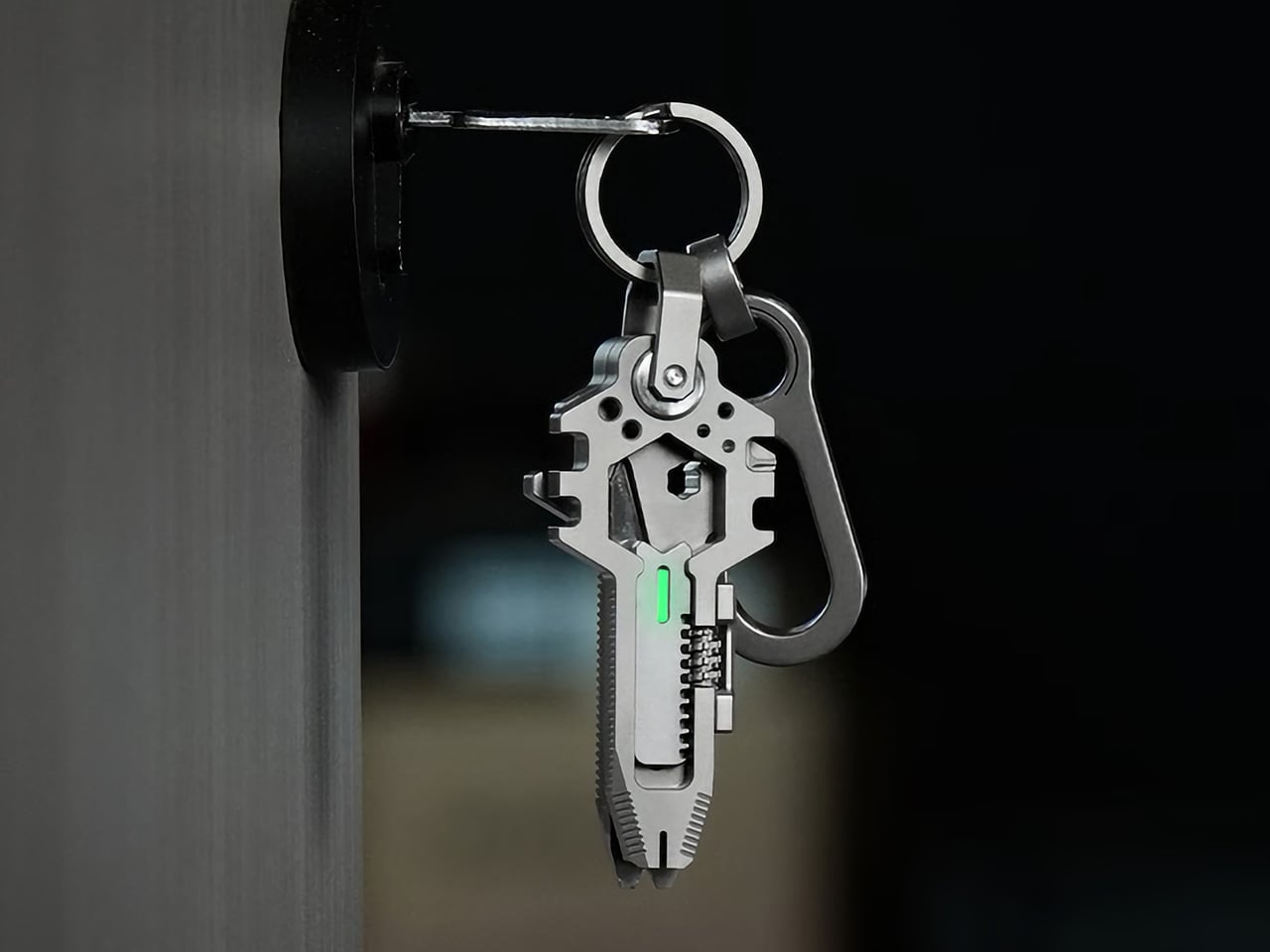

Keys are the one object nearly everyone carries with total consistency, which is exactly why EDC Monster built a multi-tool shaped like one. The original KeyMaster launched in 2023 as a 14-in-1 titanium tool; version two expanded the function count, and three years later, KeyMaster 3.0 rebuilds the concept around real adaptability rather than just adding more blades to a crowded body.
At 74.5mm and 53.7 grams of Grade 5 titanium, it sits flat on a keyring next to a car fob without adding bulk. The headline upgrade is an adjustable spanner covering 0 to 16mm, replacing six fixed wrenches with one that actually fits the bolt in front of you, paired with a magnetic bit driver that locks bits without slippage. A pry bar, screwdrivers, a mini saw, and a spoke wrench round out the twenty-plus tools.
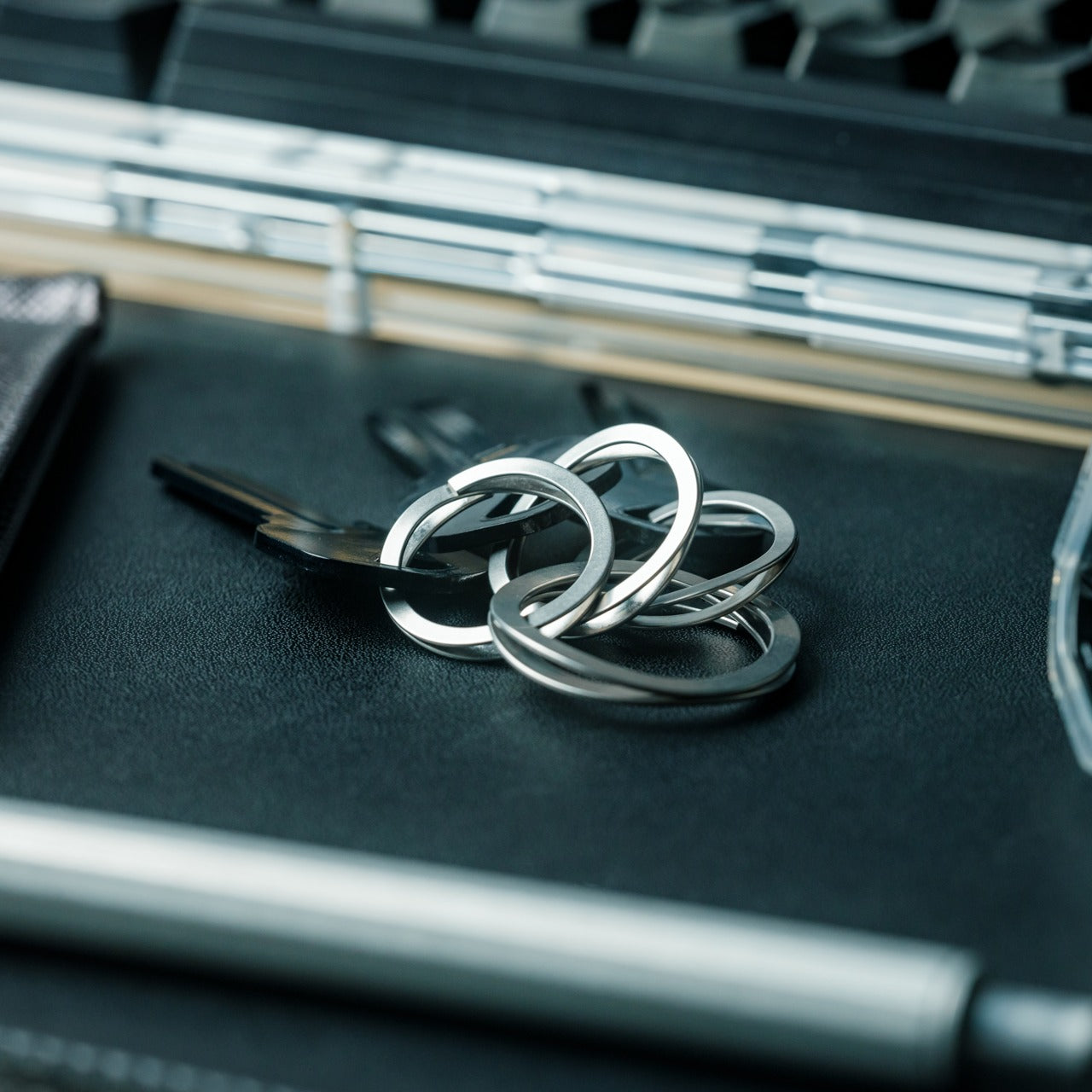
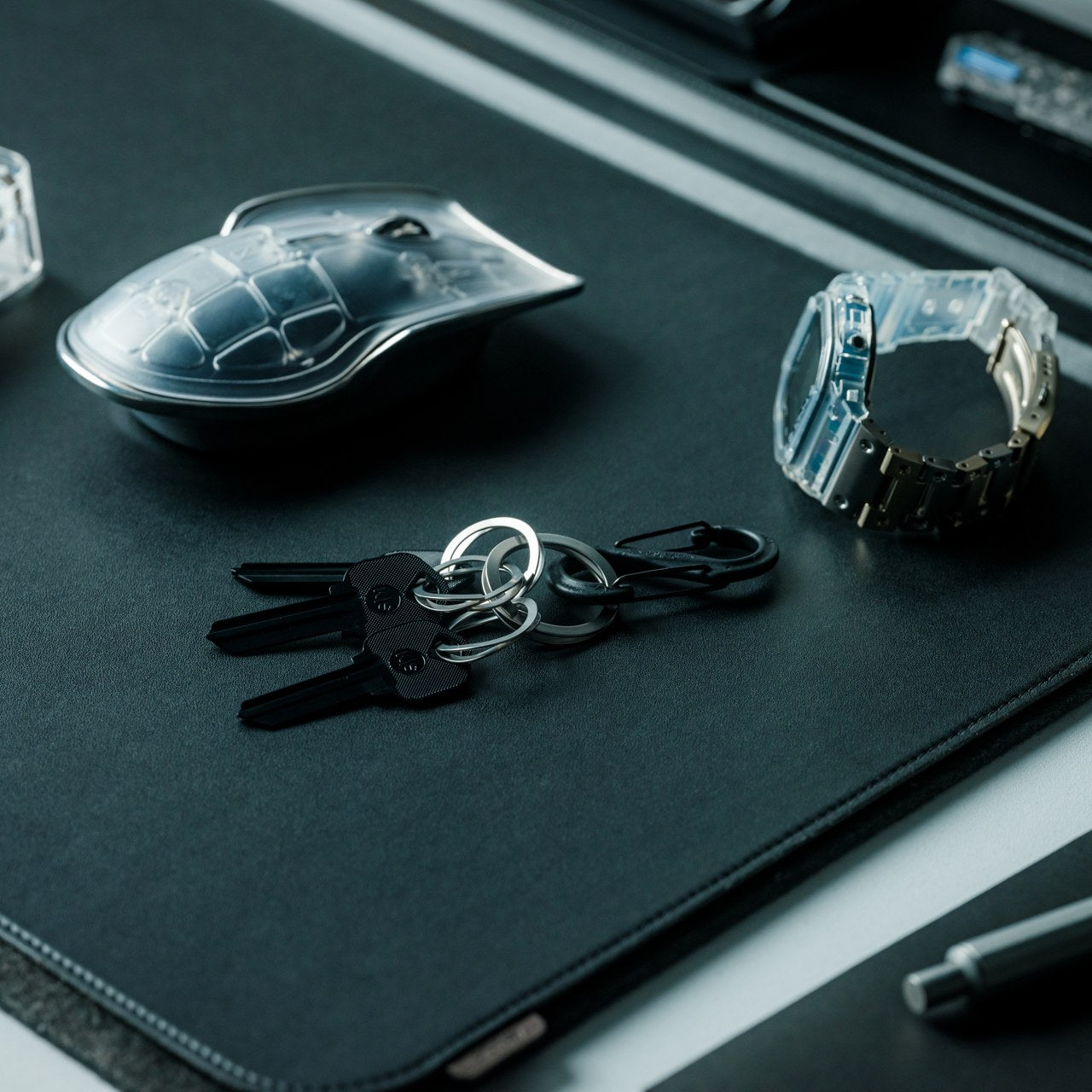
Putting a key onto a standard split ring means prying apart two tightly sprung layers with a fingernail, a tiny frustration repeated so often it barely registers anymore. Painless Key Ring exists because someone finally decided that reaction was unnecessary, changing the geometry itself so a continuous wave shape gives keys an easier point of entry, letting you slide one on without forcing anything.
The wave design was pulled from coiled wave springs used in aerospace and high-speed rail, applied here to one of the most mundane objects anyone owns. At just 3.0 grams, it weighs roughly half of a conventional ring, and its high-tension stainless spring steel carries a tensile strength of 1,750 MPa against roughly 800 MPa for a standard ring. It flexes to fit thicker keys, then snaps back to shape instead of staying stretched.

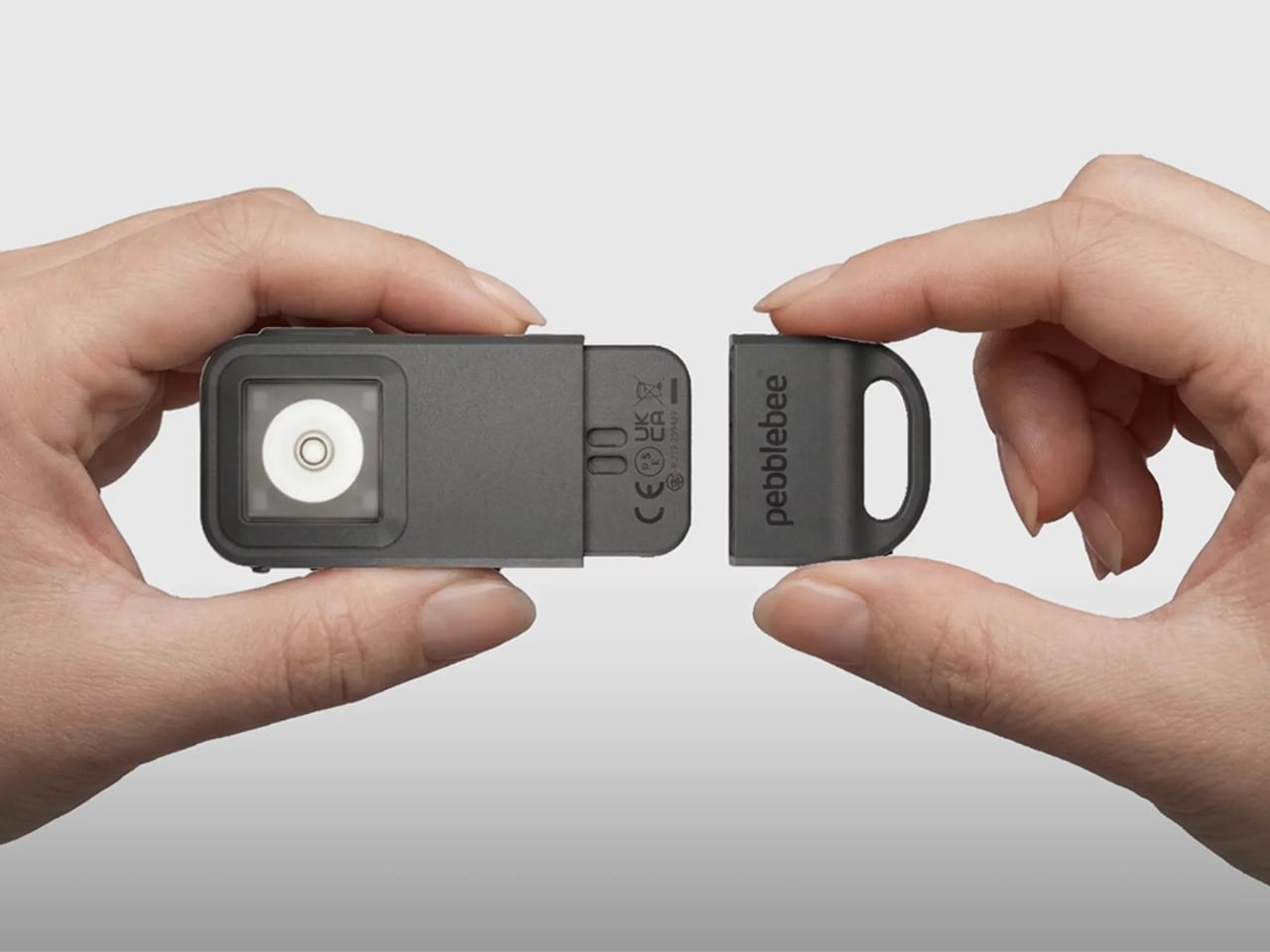
Most people run through the same mental checklist before leaving the house: phone, wallet, keys. Pebblebee is making the case for adding a fourth item, a keychain-sized device called the Halo that tracks lost items, lights up a dark parking lot, and screams at 130 decibels if something actually goes wrong. That last function is the one that separates it from the standalone alarm keychains that came before it.
Pulling the device apart triggers a 130dB siren, a 150-lumen strobe, and real-time location sharing with up to five contacts in what Pebblebee calls a Safety Circle, all through one instinctive motion rather than an app you have to fumble with mid-emergency. Rapid presses of the side button send a silent alert instead, for situations that call for discretion over noise.
None of these gadgets ask you to overhaul how you carry your keys; they simply ask your keychain to start pulling its weight. A glow tube that never needs charging, a camera disguised as film, a tool shaped like the key beside it, a ring that stops fighting your fingernails, and an alarm that activates faster than you can think. Each one replaces a specific moment of friction with something quietly better.
The real test for any of these is whether you would still reach for them a year from now, past the initial novelty of owning something small and clever. Every pick here earns its spot by solving a problem you already have rather than inventing one you did not, which is the only standard that actually matters for something destined to live in your pocket every single day.
The post 5 Tiny Gadgets & Gear That Are Better Than Anything on Your Keychain Right Now first appeared on Yanko Design.

Apple’s iOS 27 is set to refine and enhance the iPhone experience with its upcoming public release. As the final beta phase wraps up, the focus has shifted toward performance improvements and system stability, rather than introducing a host of new features. With the highly anticipated iPhone 18 launch just days away, the Release Candidate […]
The post iOS 27 Drops Next Week: What to Expect Before You Hit Update appeared first on Geeky Gadgets.

Selecting the right Mac mini can be a challenging task, given the variety of models Apple offers, each designed to cater to different user requirements and budgets. Whether you’re considering the state-of-the-art M6 model or exploring more affordable options like the M2, this guide will help you navigate the choices and identify the Mac mini […]
The post New M6 Mac Mini: Which Model Should You Get? appeared first on Geeky Gadgets.

Managing a high-volume inbox can quickly become a time-consuming challenge, but building an AI email agent offers a structured way to automate this task. In this step-by-step guide, Corbin explains how to create a system that integrates with platforms like Gmail or Outlook, uses AI models such as OpenAI’s GPT and incorporates customizable rules to […]
The post Build an AI Email Agent with OpenAI ChatGPT and the Gmail API: Beginners Guide appeared first on Geeky Gadgets.

The Sleep feature on iPhone is a practical tool designed to help you establish a consistent sleep routine, ultimately enhancing your overall sleep quality. By integrating features such as Sleep Focus, Wind Down, and Sleep Screen, it minimizes distractions and fosters a calming environment conducive to rest. Accessible through both the Clock and Health apps, […]
The post A Complete Guide to Setting Up and Using Sleep on iPhone appeared first on Geeky Gadgets.

JayzTwoCents dives into the ambitious task of upgrading a Steam Machine to an unprecedented 128GB of RAM, far exceeding its typical configuration. While the Ryzen architecture supports this capacity, the process revealed significant challenges, such as navigating BIOS adjustments, addressing stability issues and dealing with the system’s inherent limitations when handling extreme memory setups. Most […]
The post Does Adding 128GB of RAM to the Steam Machine Improve Performance? appeared first on Geeky Gadgets.

Efficient data management in Power Query often involves choosing between different methods for loading and processing data. In a recent breakdown by Excel Off The Grid, two approaches were tested to compare their impact on performance: creating separate connections for each sheet in an Excel workbook versus referencing a single connection multiple times. Using a […]
The post Power Query Connections vs References: Performance Comparison appeared first on Geeky Gadgets.
As someone who enjoys making lists, whether it’s productivity lists, pop culture rankings, journaling spreads, or actual listicles for work, I have accumulated more notebooks and apps than I probably need. Sometimes, though, what you really need isn’t another app or another notebook. What you need is something that forces you to focus on the one task that actually matters instead of getting distracted by pop-up windows, social media notifications, or the colorful pens and stickers calling your name from the journaling aisle.
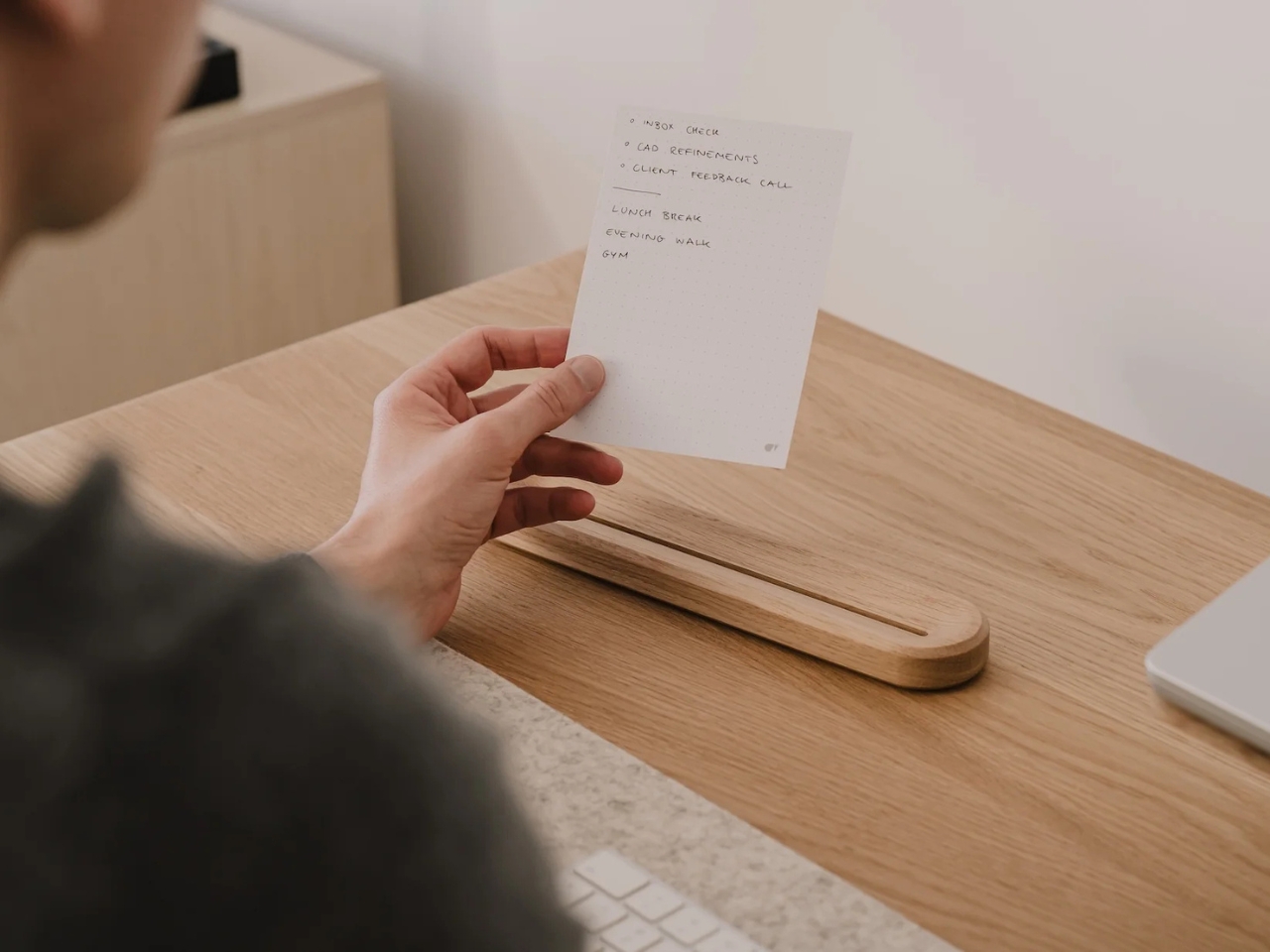
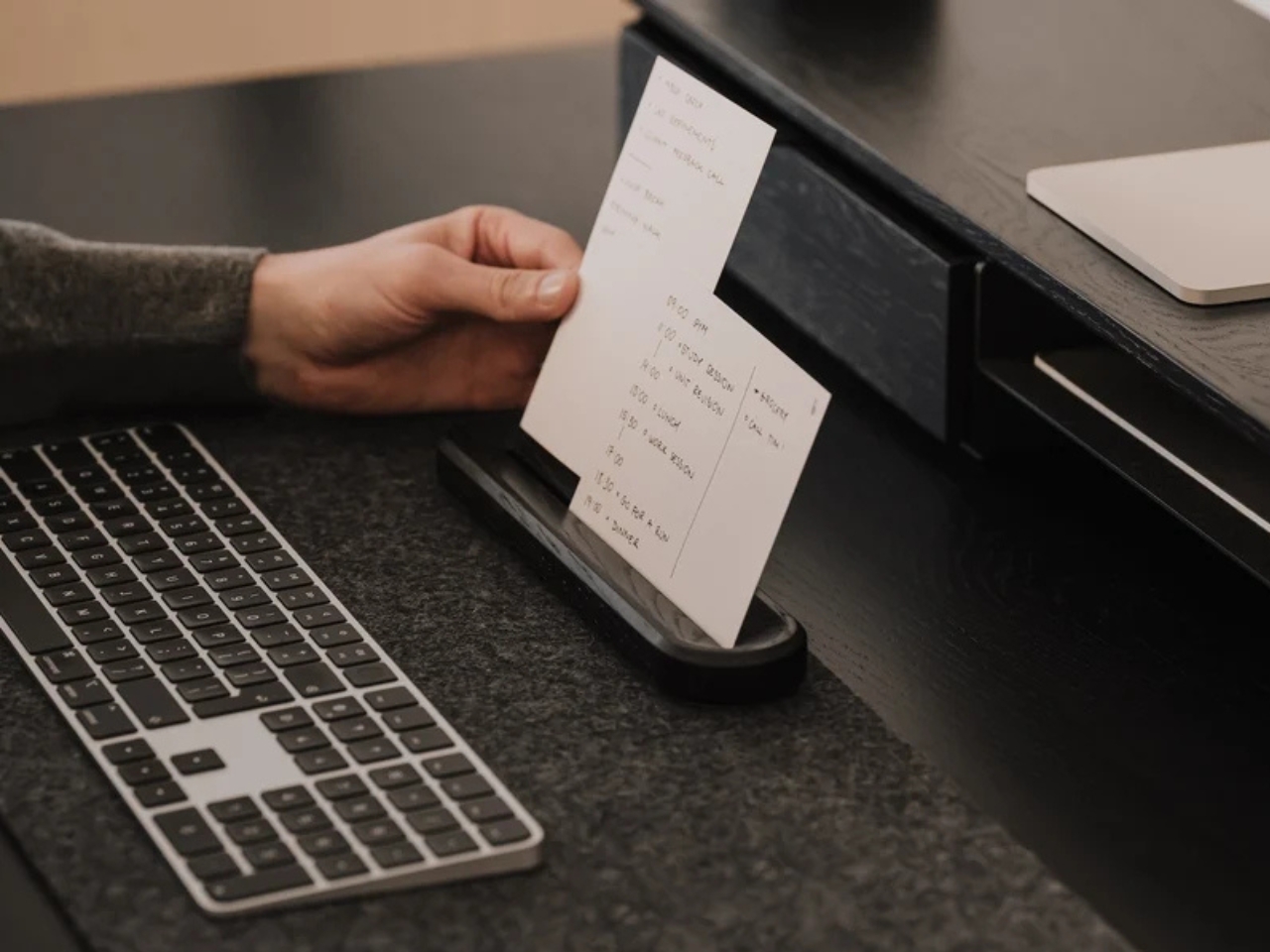
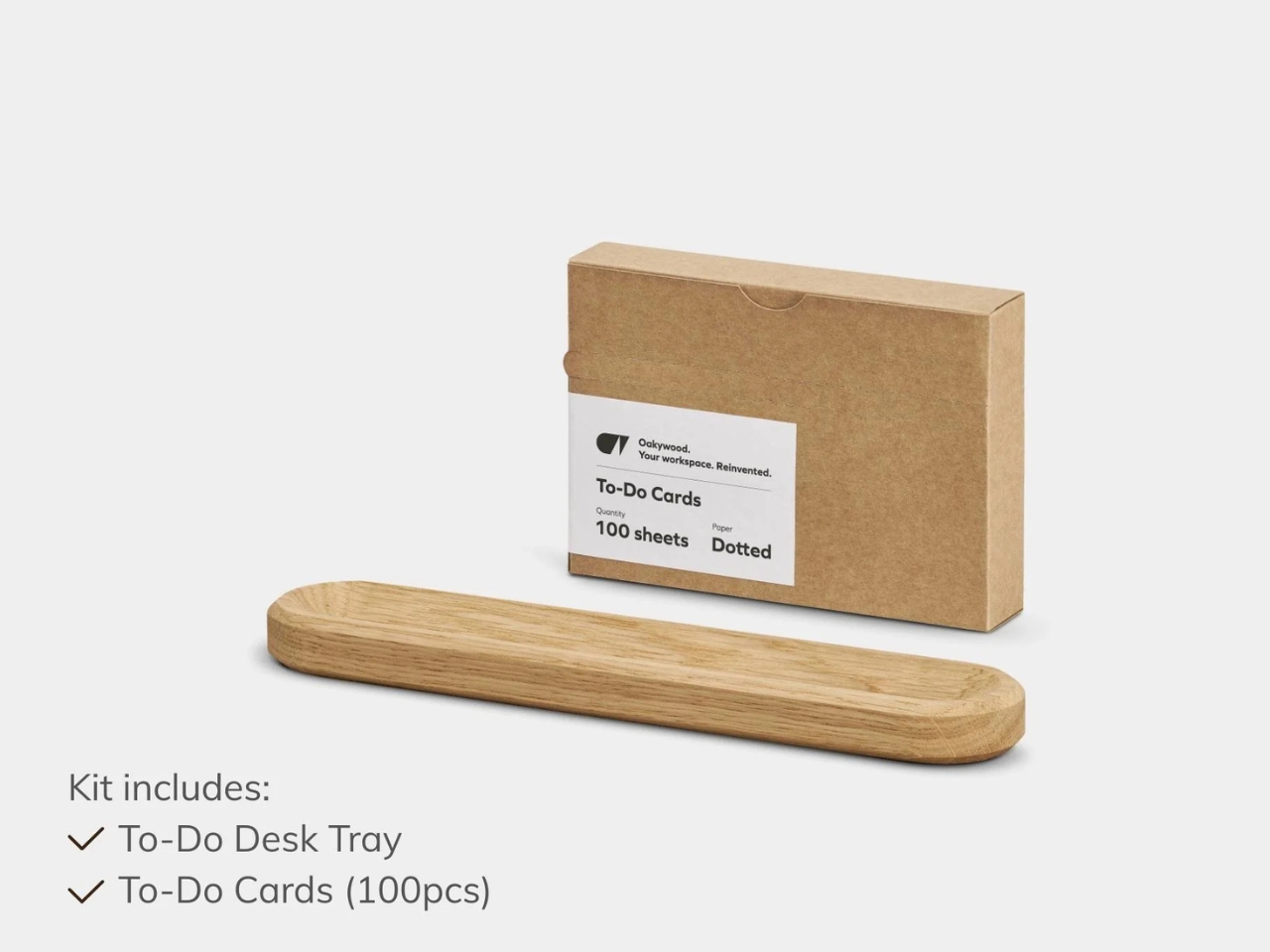
The To-Do Desk Kit from Oakywood wants to solve exactly that problem by narrowing your focus down to a single piece of paper, placed on a small wooden card holder, sitting right at eye level on your desk. It’s a simple, minimalist tool, but it’s designed with a clear purpose: to bring a bit of analog calm back to what is probably a screen-cluttered and object-cluttered workspace. Sure, you could just grab a notepad or scribble on a whiteboard, but this is a far more aesthetic and intentional way to work on your productivity, and it looks good doing it.
Design: Oakywood
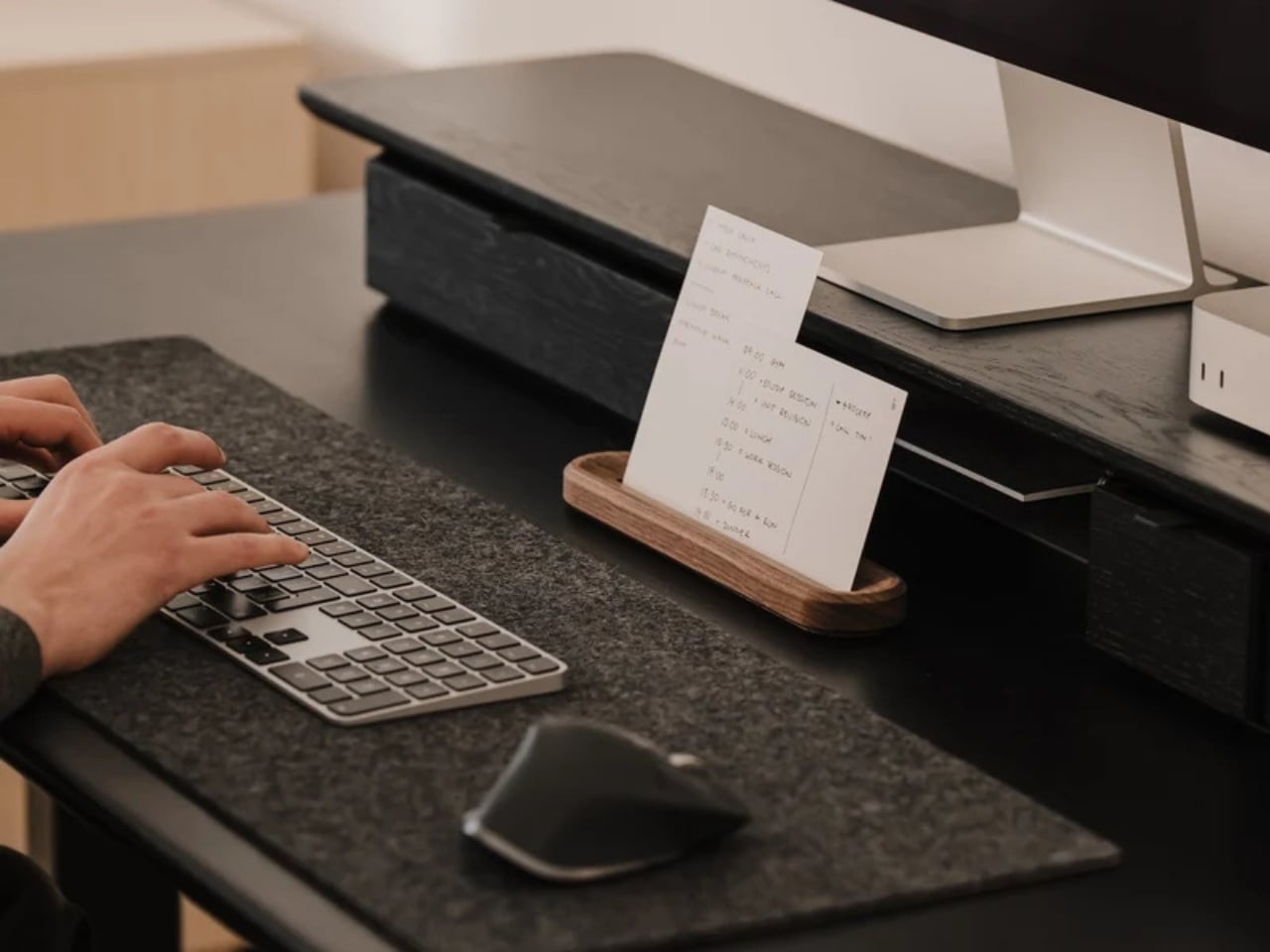
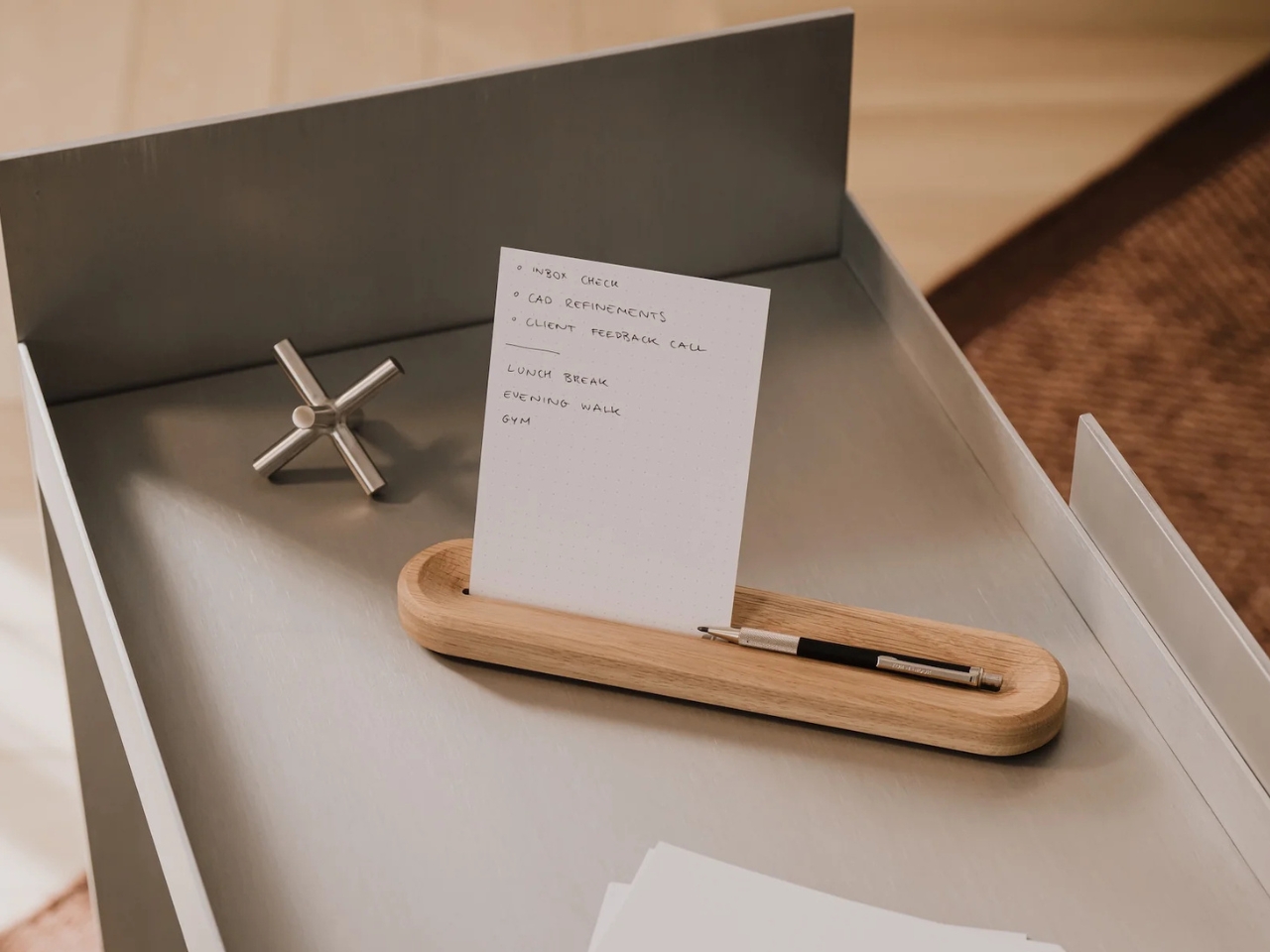
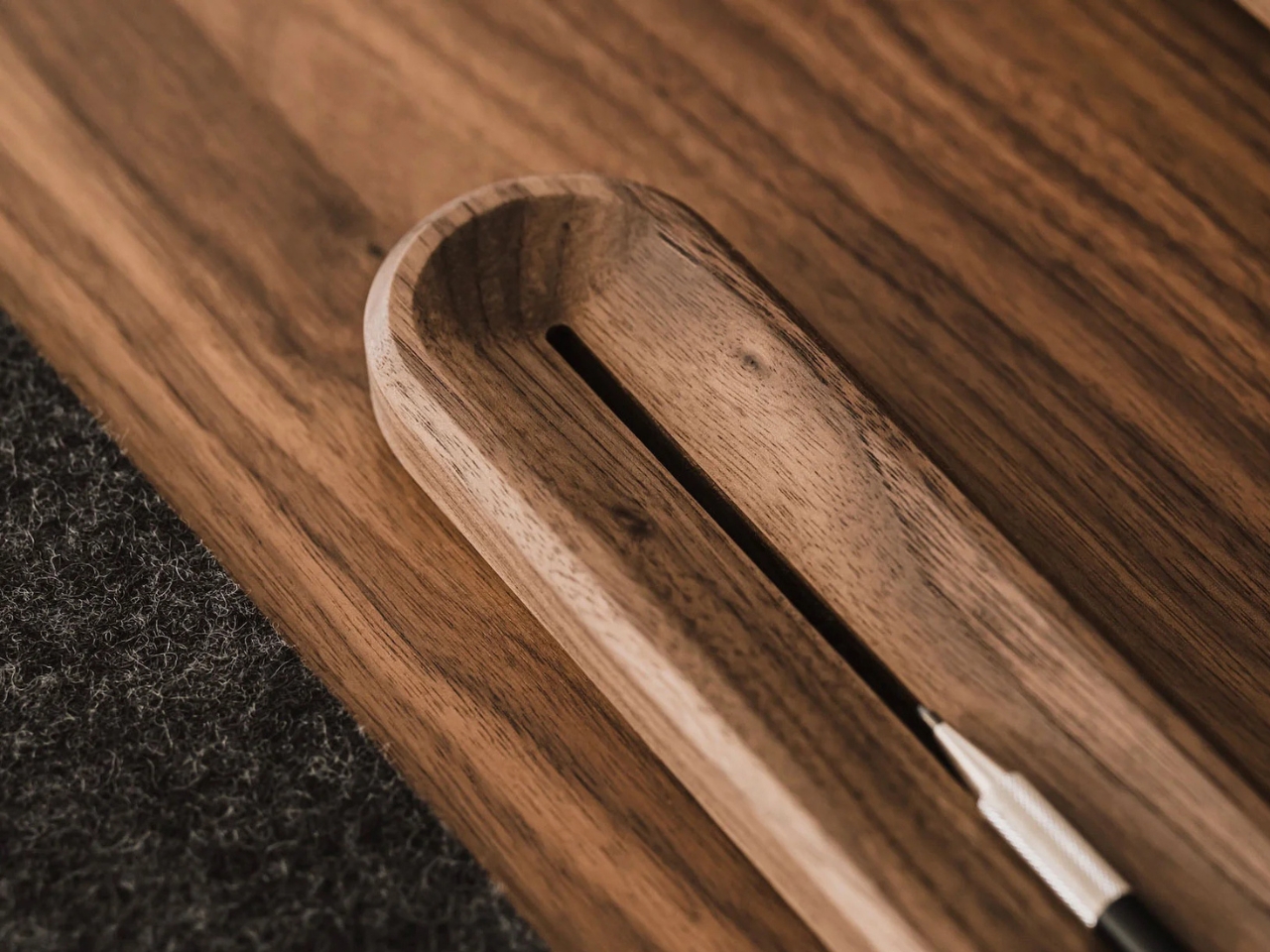
Oakywood, the brand behind the kit, is known for handcrafted wooden desk accessories, and this piece fits right into that world. The holder itself is made from solid oak or solid walnut, with a black finish also available if you prefer a more subdued look. There’s a slot to hold one or two cards vertically at eye level, so you can glance over whenever you need a reminder of what you’re supposed to be accomplishing, whether you’re deep in work on your computer or handling something entirely analog. Behind that visible card, the holder can actually stack up to eight more, so you’re never digging through a pile of loose paper to find your list.
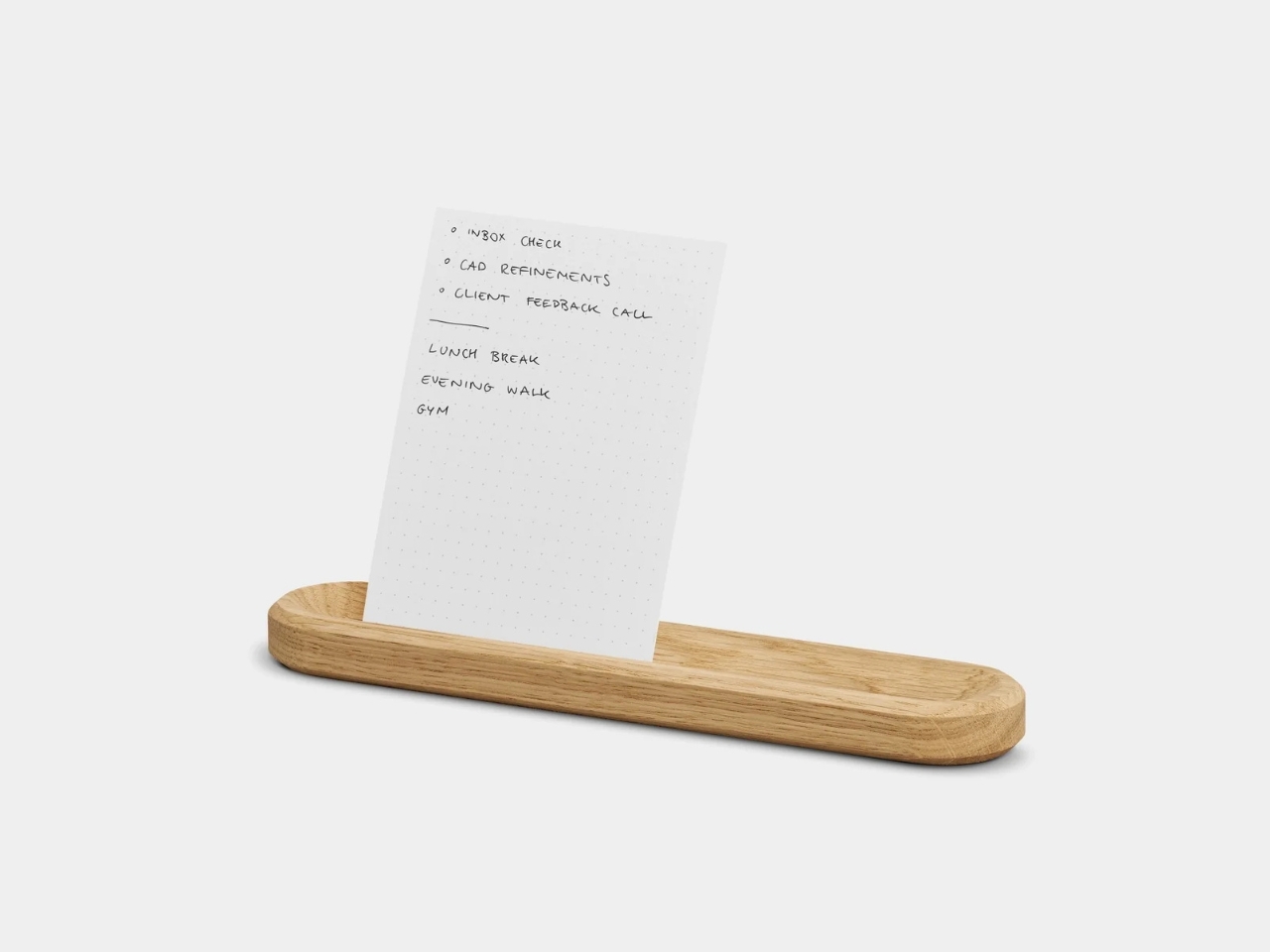
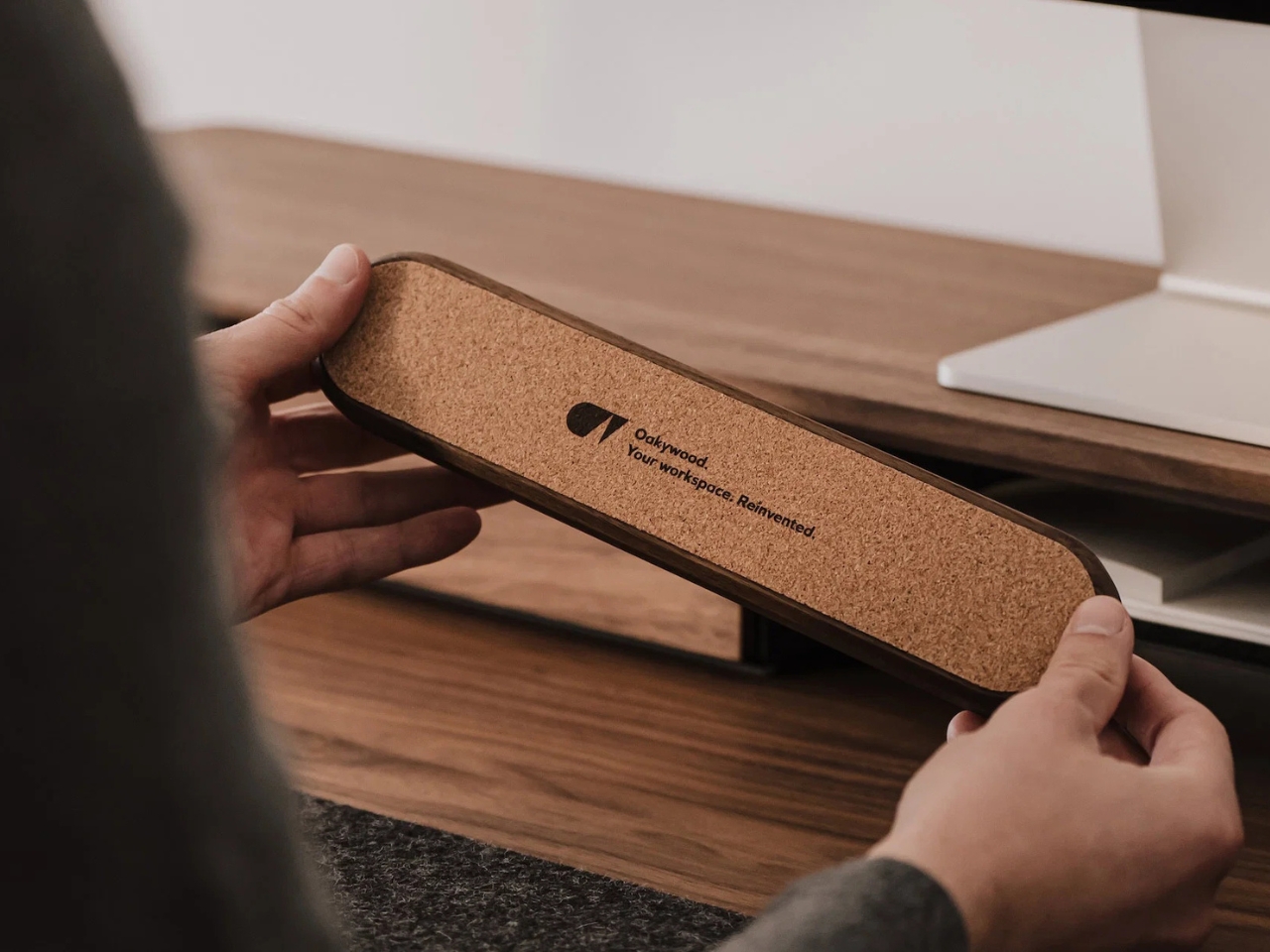
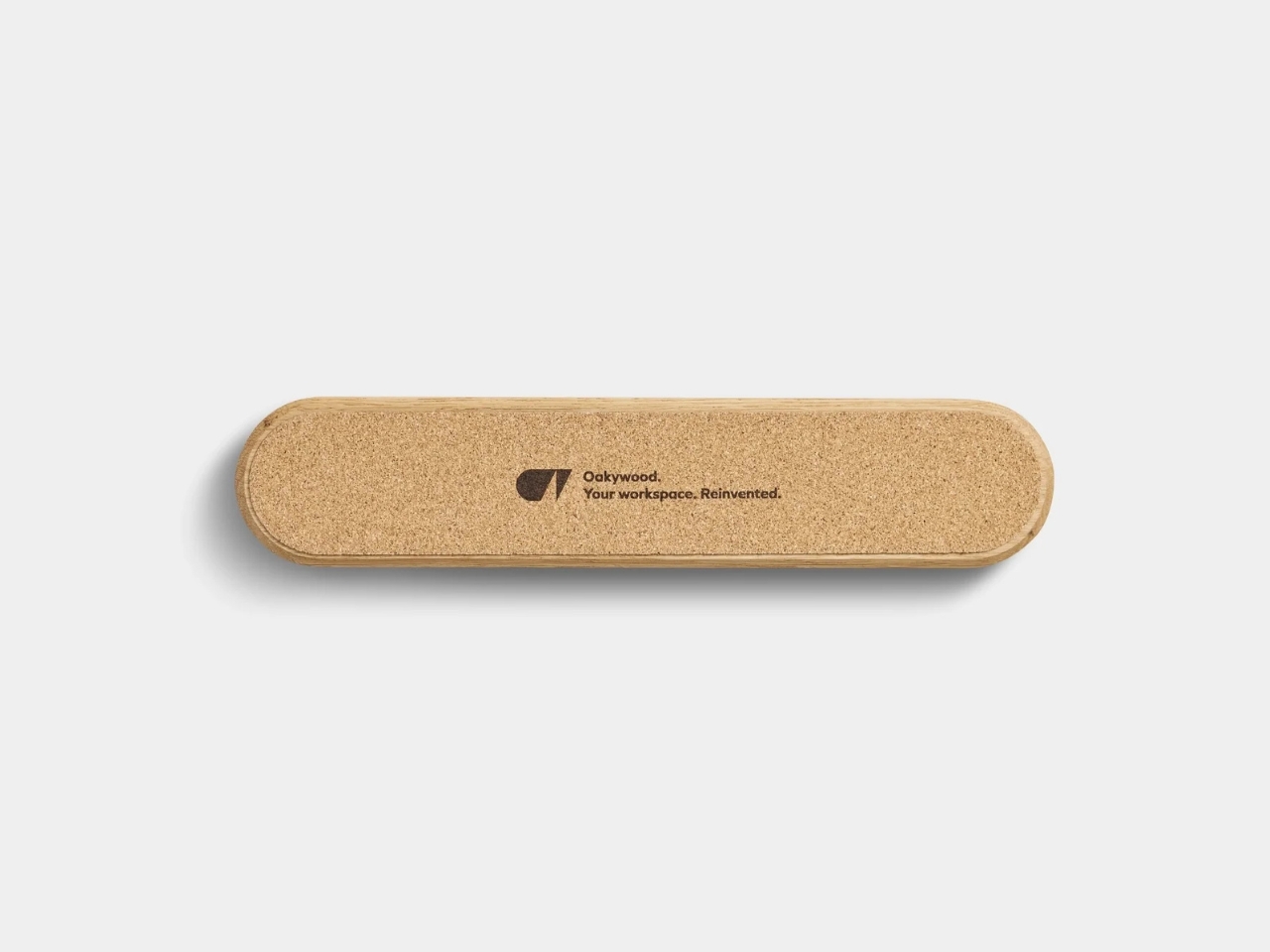
One of my favorite small details is the contoured groove carved into the block, which doubles as a pen dock. Instead of hunting around your desk for a pen every time you want to add a task or cross one off, it’s already sitting right there, built into the design. The base is lined with natural cork, too, which means it stays put on your desk and won’t leave scratches behind, no matter what material your desk is made of. It’s a small touch, but it shows the kind of thoughtful design that Oakywood puts into all of its pieces.
The kit also comes with a starter pack of 100 To-Do Cards, printed with a soft dotted grid on the front, similar to what you’d find in a bullet journal, and a completely blank back if you want more freedom. That blank side is a nice bonus for anyone who occasionally needs to sketch out an idea, map out a plan, or jot down something that does not fit neatly into a to-do list format. The cards are printed on premium 250-gram uncoated, FSC-certified offset paper, so pens, pencils, and even fountain pens will not smudge or bleed through. Refill packs are sold separately once you run through the starter set, though you could just as easily swap in your own card stock if you want to write your own affirmations, motivational quotes, or reminders instead.

It’s also worth mentioning that Oakywood plants a tree for every product sold, and the cards themselves are made from FSC-certified paper. If you already own an Oakywood laptop stand, pen tray, or wireless charger, the To-Do Desk Kit fits right into that same warm, wood-toned ecosystem, making your desk feel like one cohesive space instead of a pile of mismatched gadgets.
Priced at around fifty dollars, give or take a discount depending on when you catch it on sale, the To-Do Desk Kit isn’t just a productivity gadget. It’s a small, tactile object that makes sitting down to work feel a little more intentional. For anyone who loves collecting beautifully made desk pieces as much as they love checking things off a list, this feels like an easy addition to a growing collection, and an even easier way to talk yourself into finally starting that task you have been putting off. Sometimes all it takes is one card, one pen, and one clear line of sight to get moving again.

The post Finally Focus Without Your Phone: The $54 Wooden To-Do Kit first appeared on Yanko Design.