Top Ten Reasons Why Prefab Homes are Gaining Momentum

Prefabricated construction involves manufacturing building components in a controlled factory environment and then transporting them to the site for assembly and finishing. Innovations in manufacturing, coupled with a growing emphasis on sustainability, have empowered companies to develop prefabricated solutions for residential, commercial, and industrial structures worldwide. Explore the benefits of prefabricated construction.

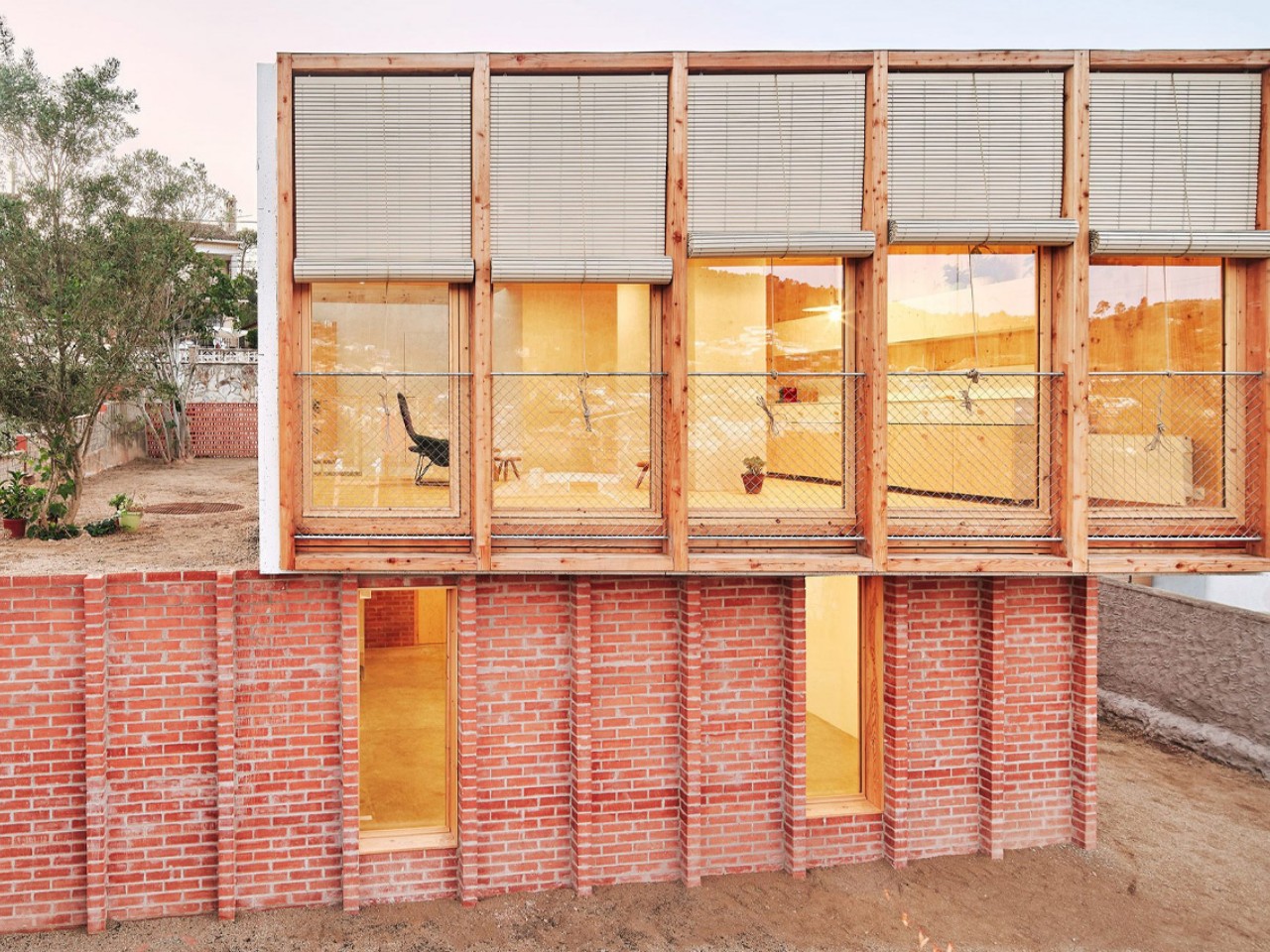
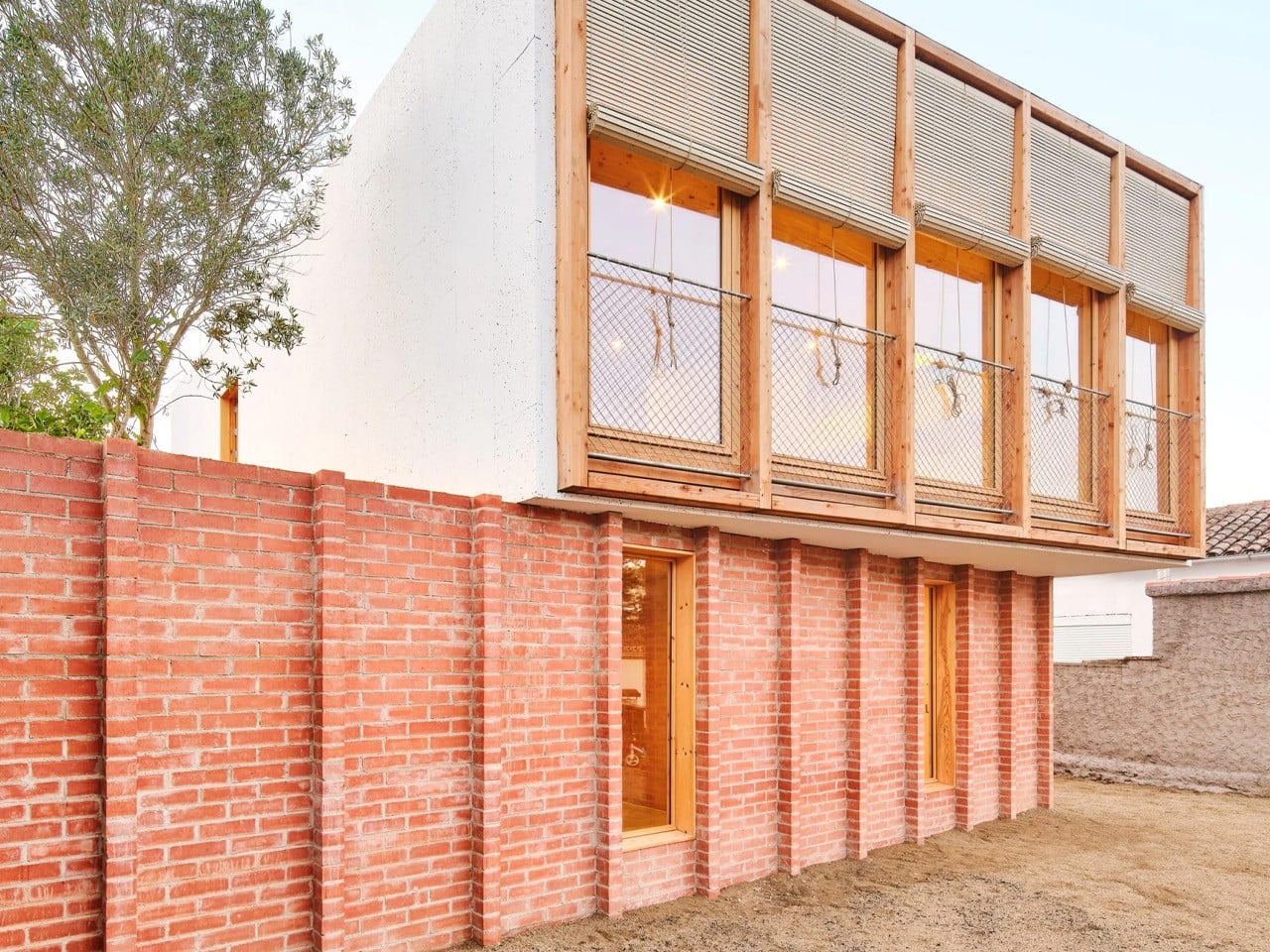
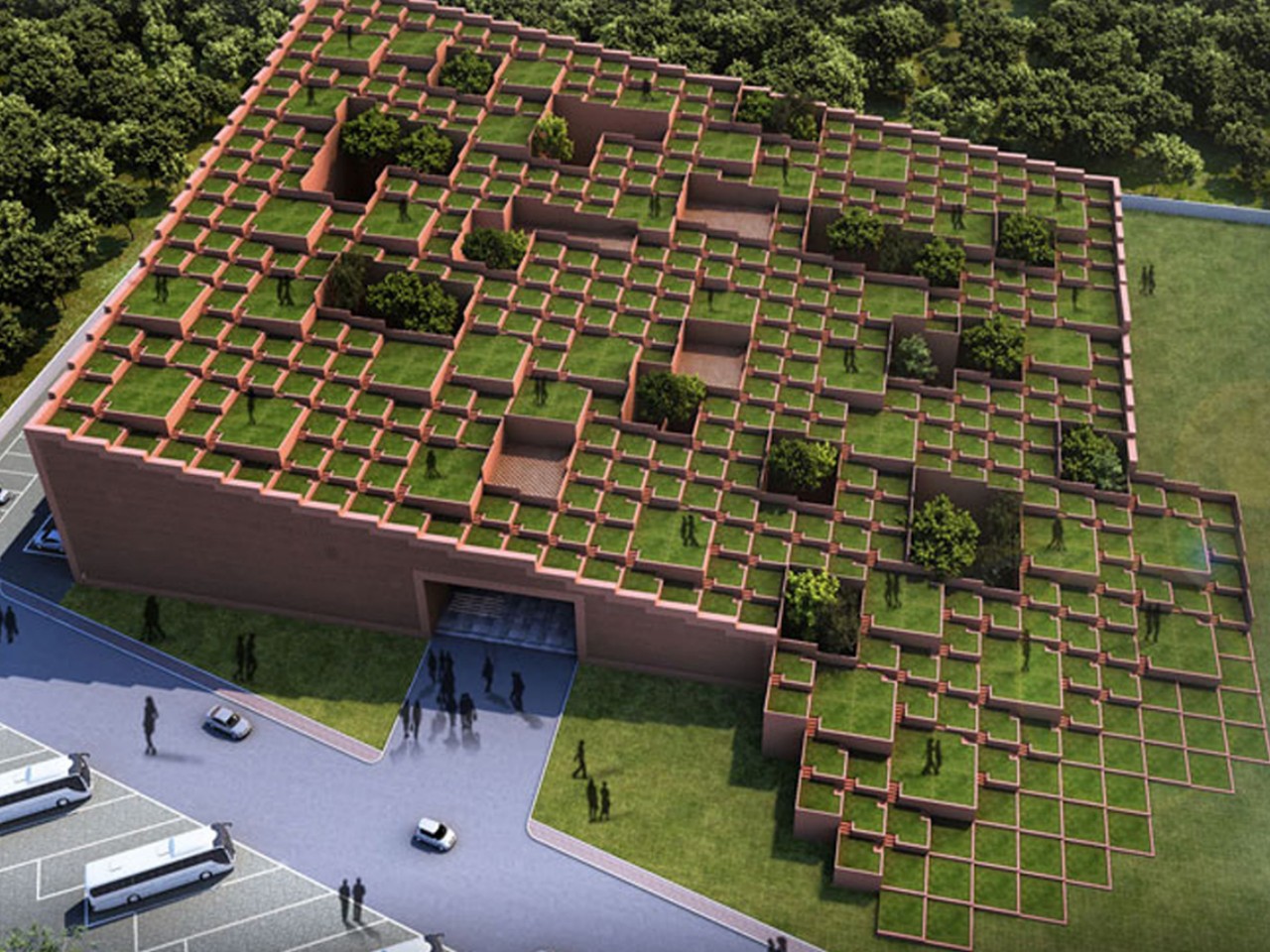
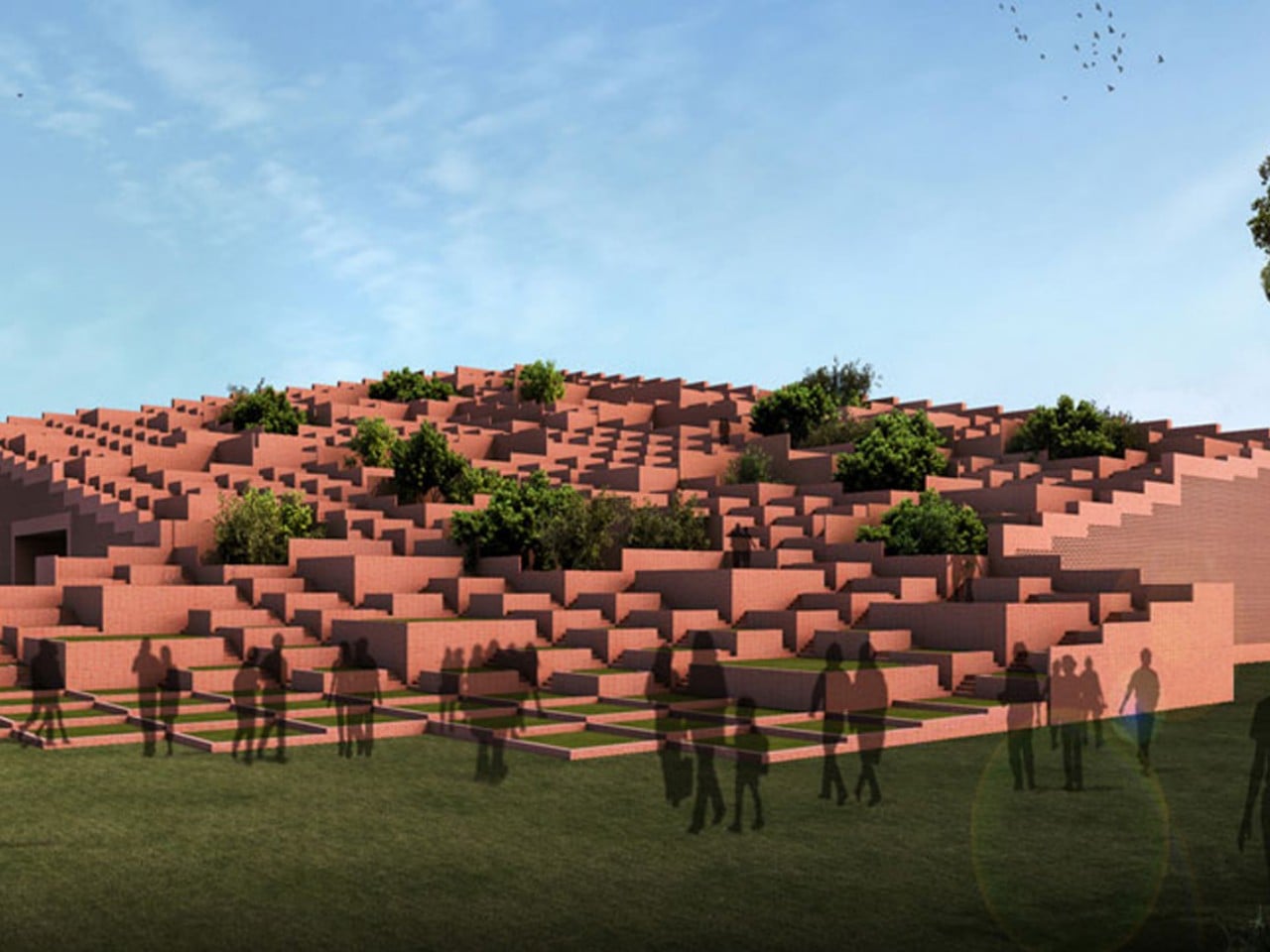
Designers: Ryan Street Architecture Studio & Escobedo Group

1. Highly Durable Materials

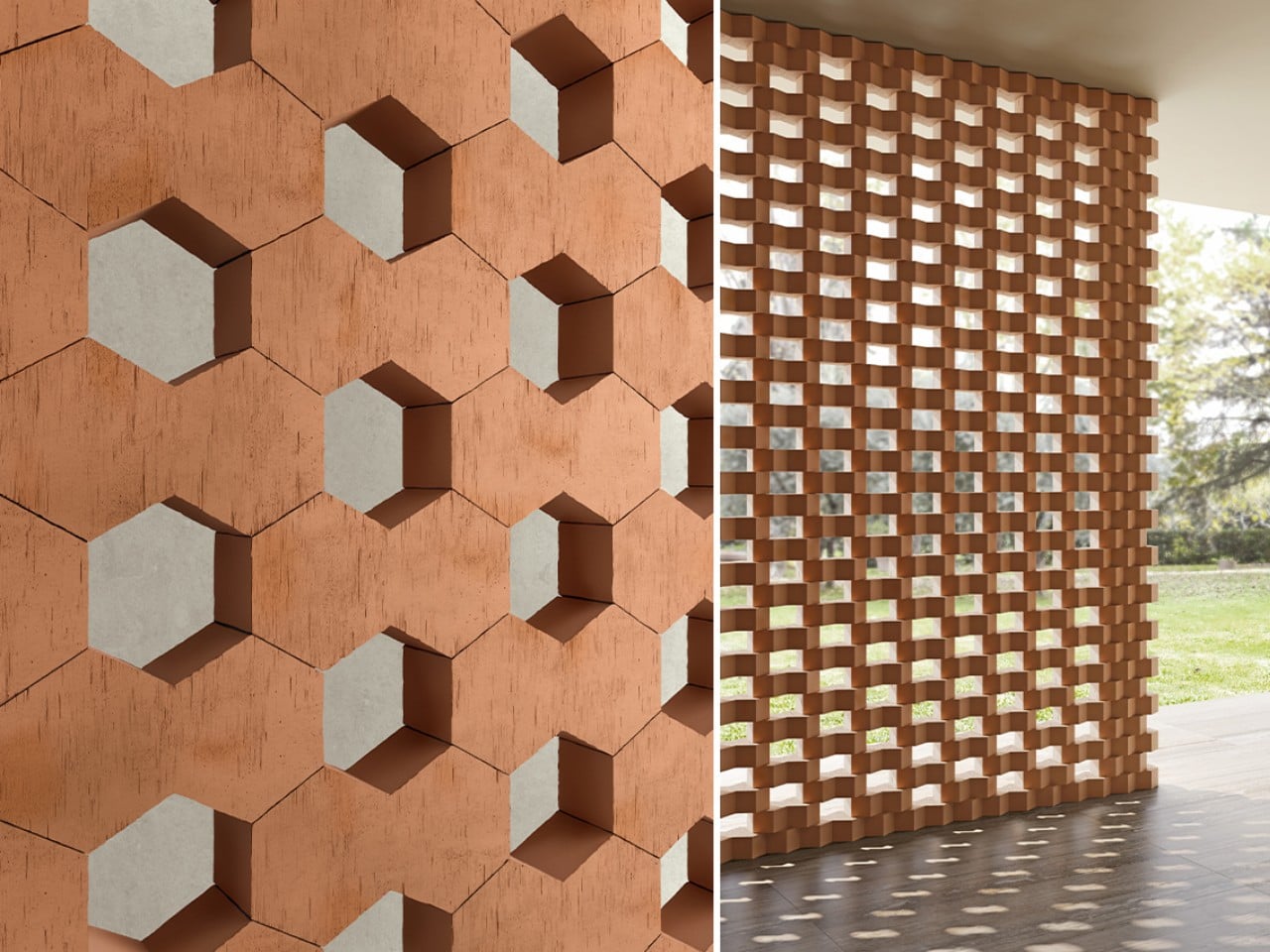
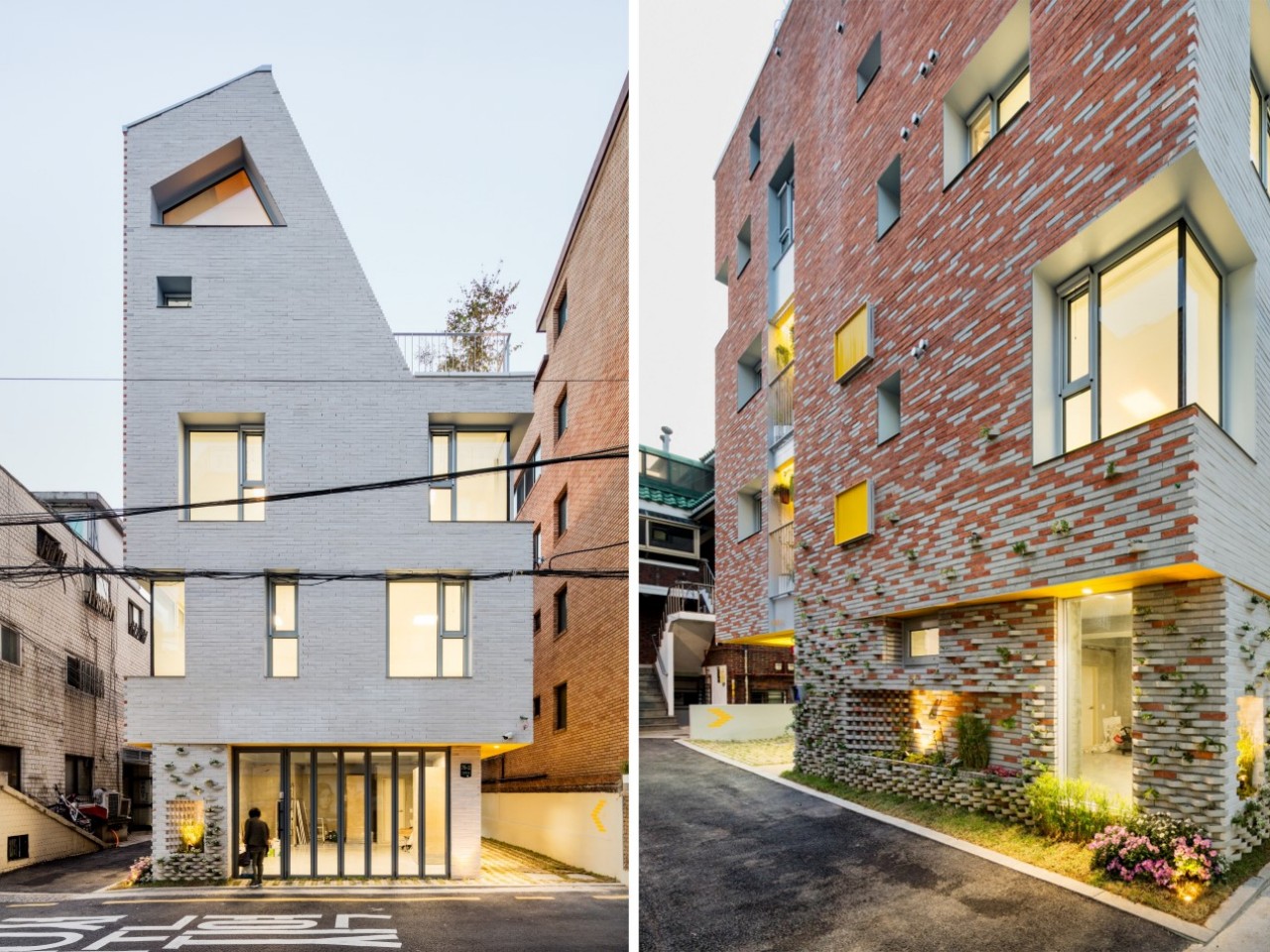
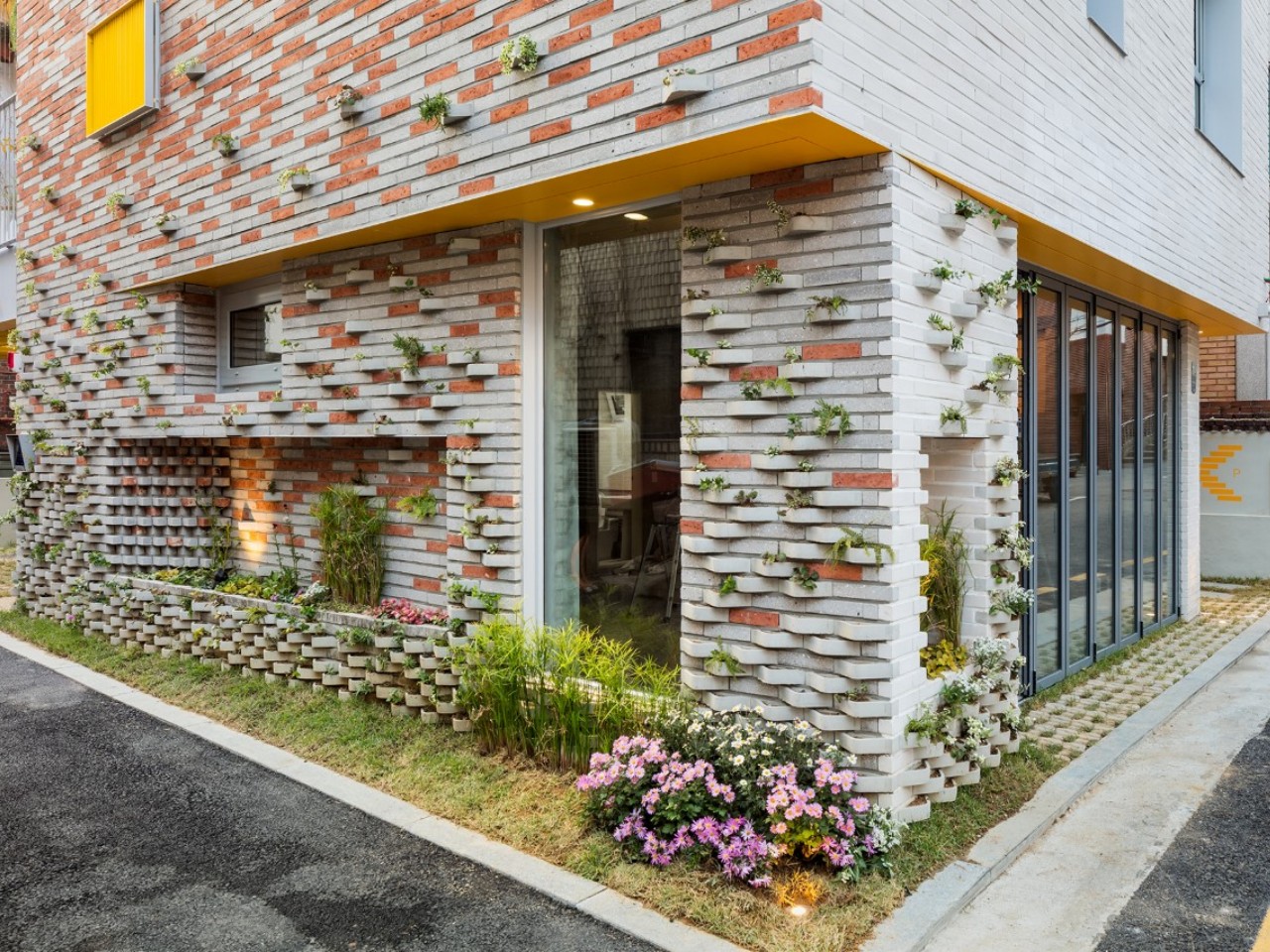
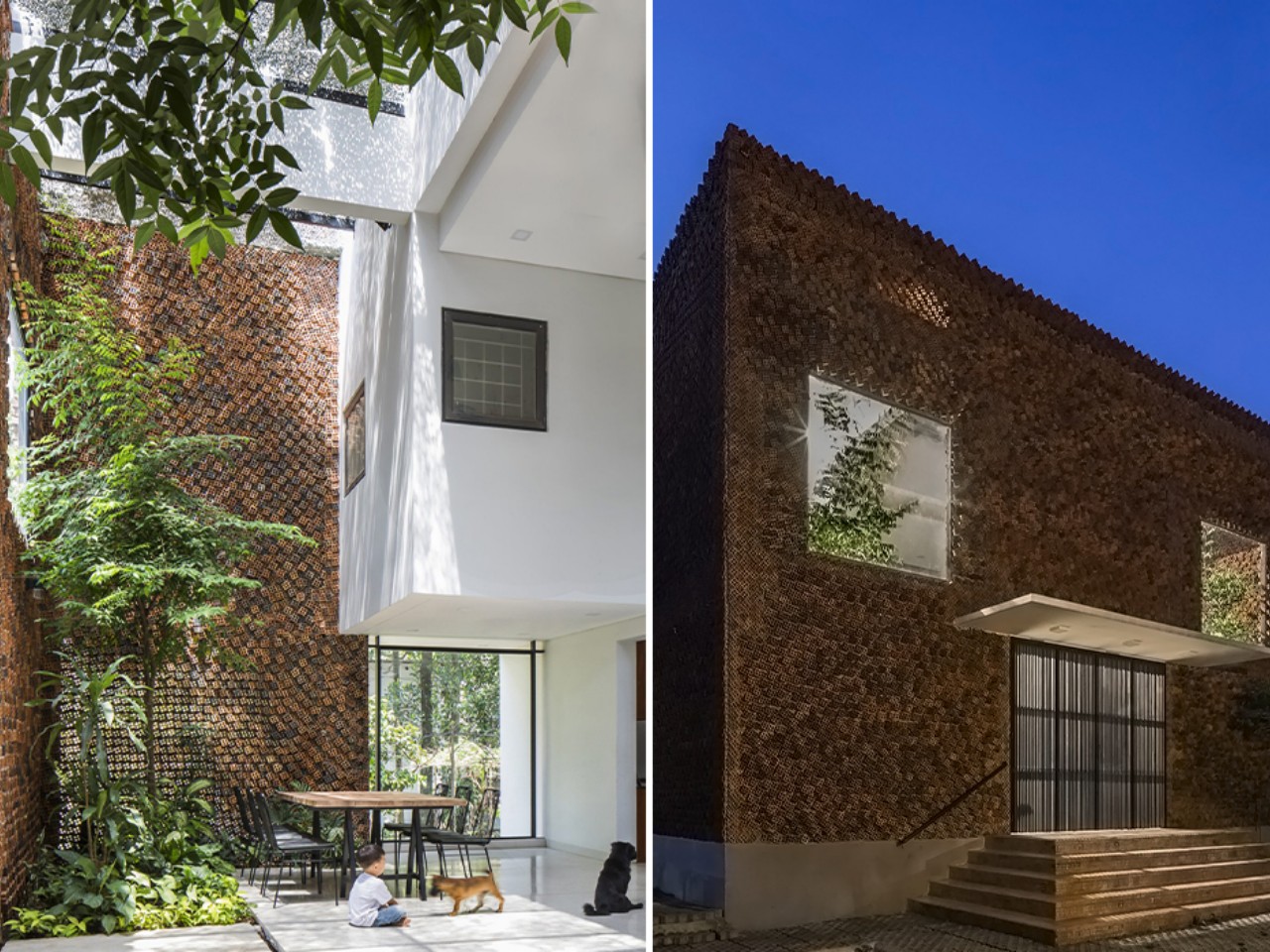
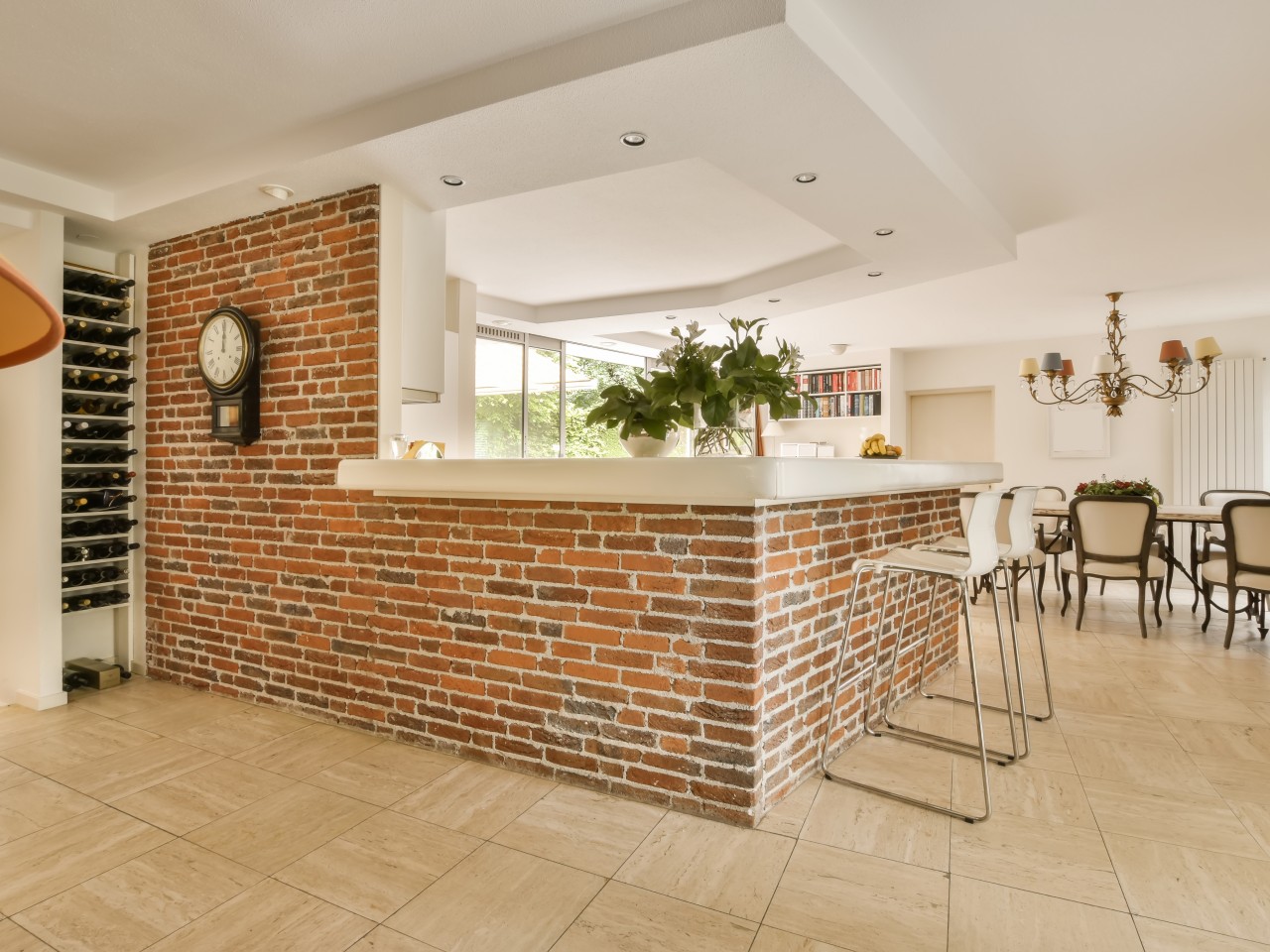
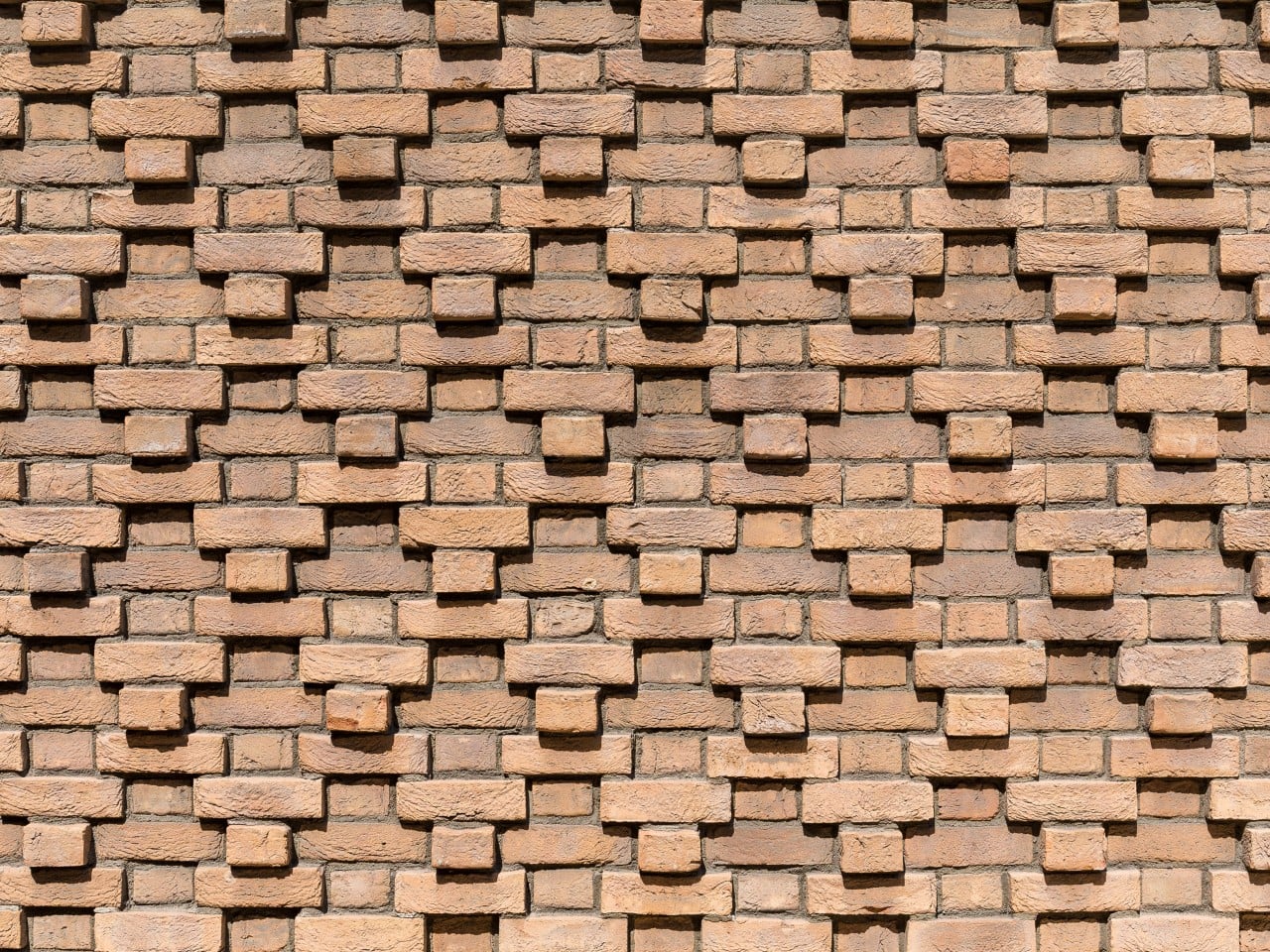
Prefabrication materials, such as precast concrete panels and light-gauge steel frames, are renowned for their exceptional durability, specifically engineered for extended transport to the site. Notably, they eliminate issues commonly associated with traditional materials like efflorescence on bricks.

2. Rapid Construction

Prefab homes, whether modular or panelized, have an off-site assembly, reducing on-site attachment time significantly compared to traditional stick-built homes. As a result, prefab homes are usually the quickest option for homeowners needing to adhere to tight construction timelines. Employing pre-assembled frames can cut construction time in half compared to traditional methods. Panels can be cast simultaneously with foundation work, and essential elements like insulation are already integrated, simplifying the process.

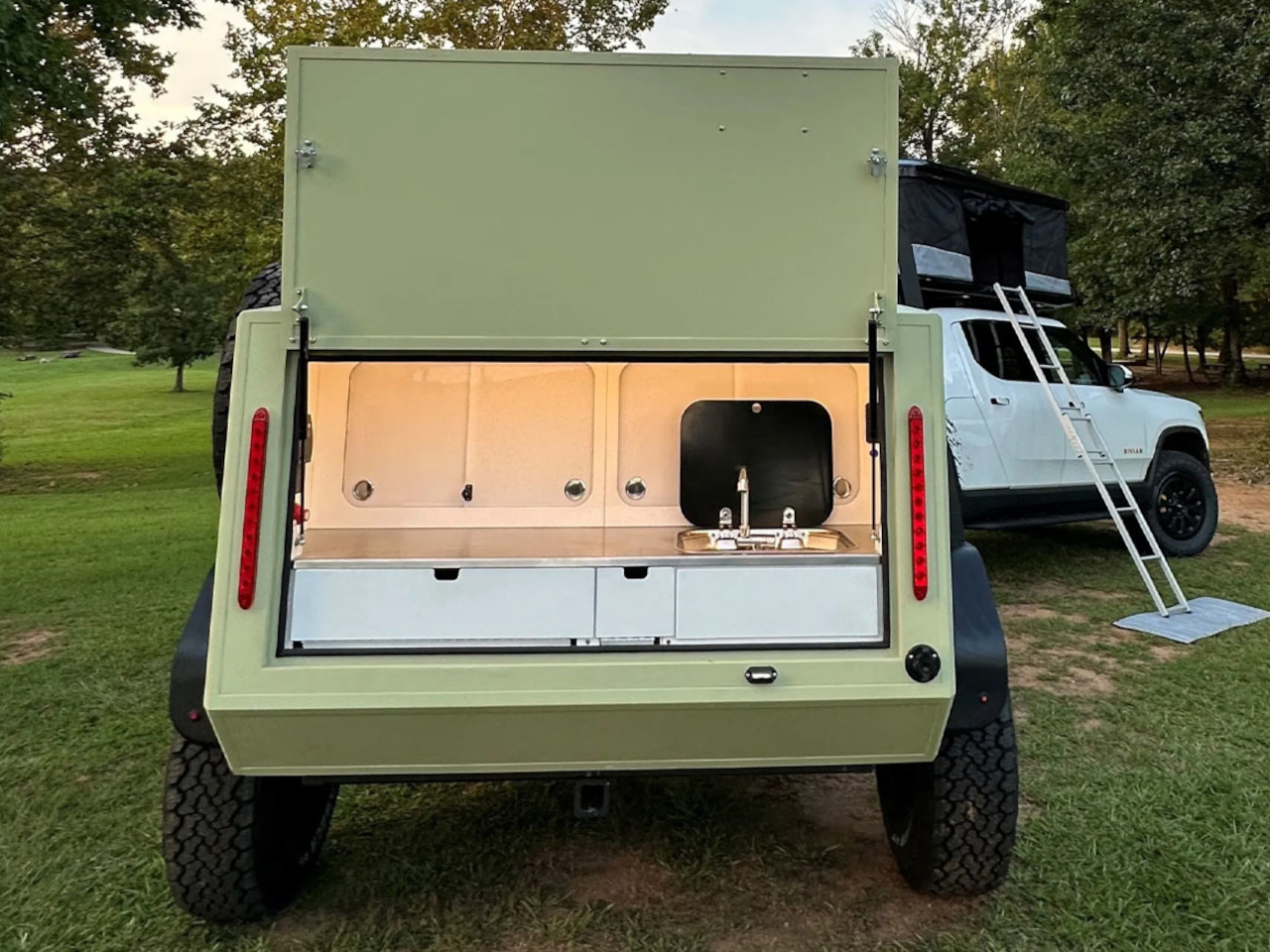
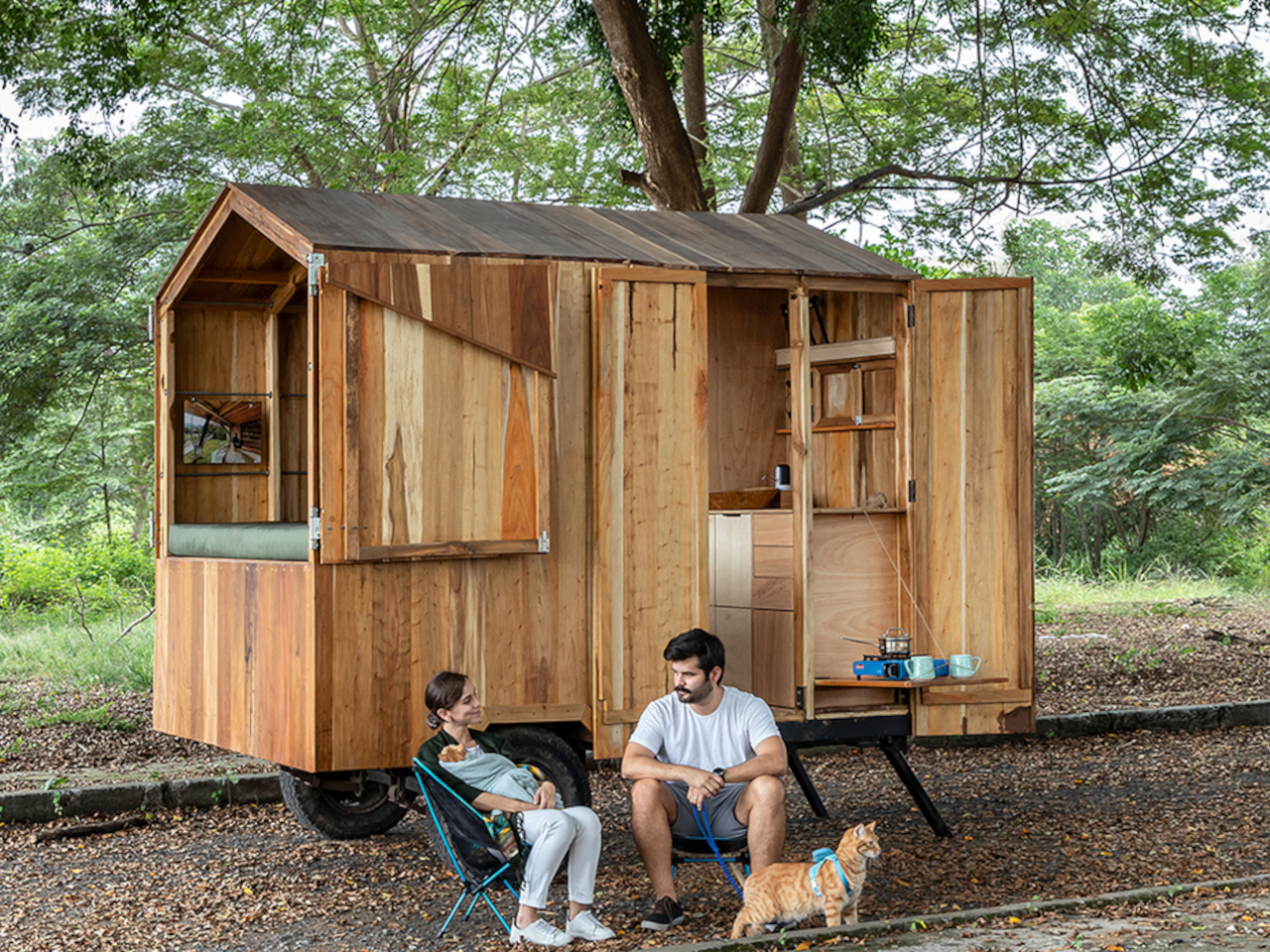
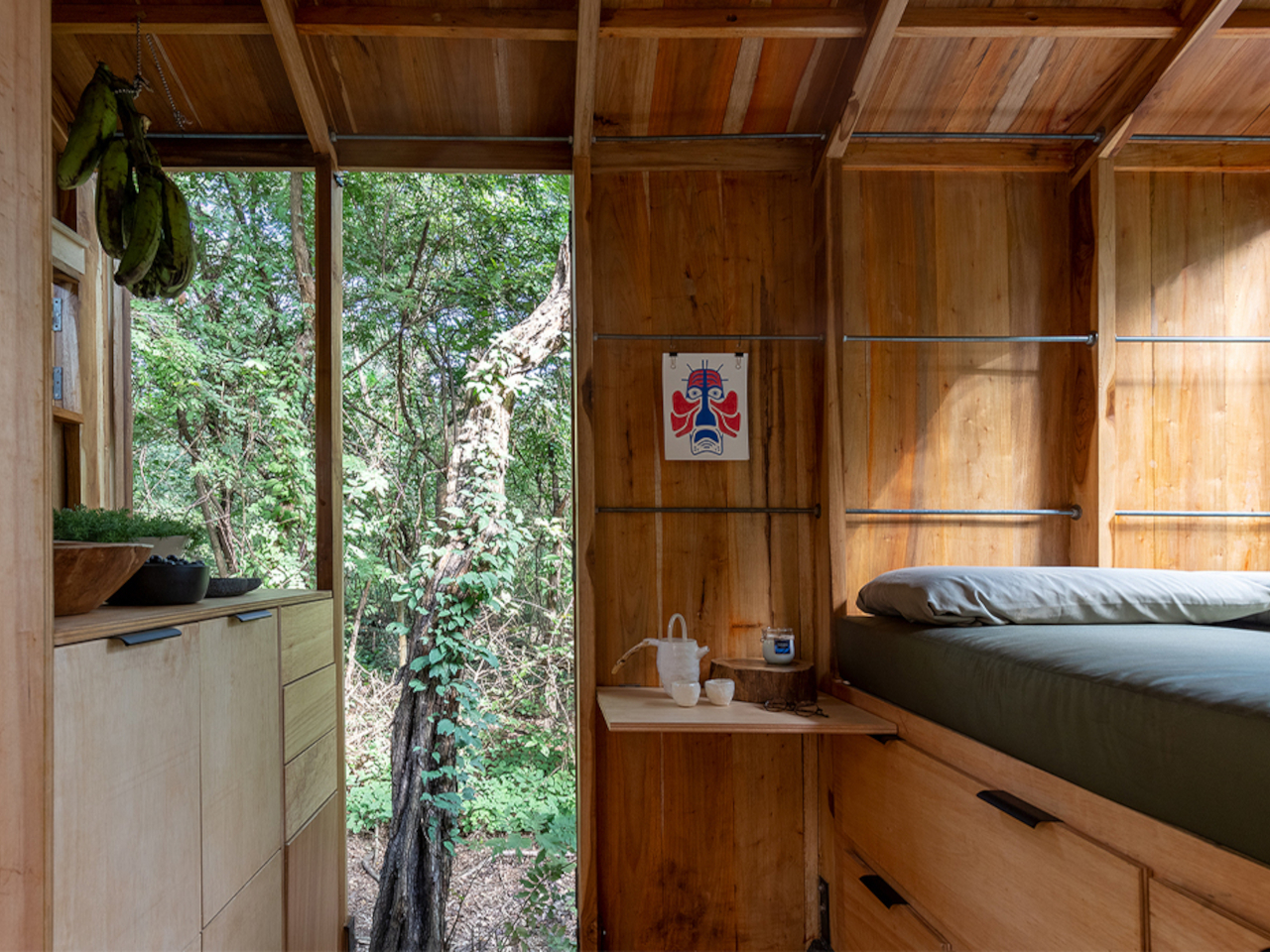
Designer: Brette Haus

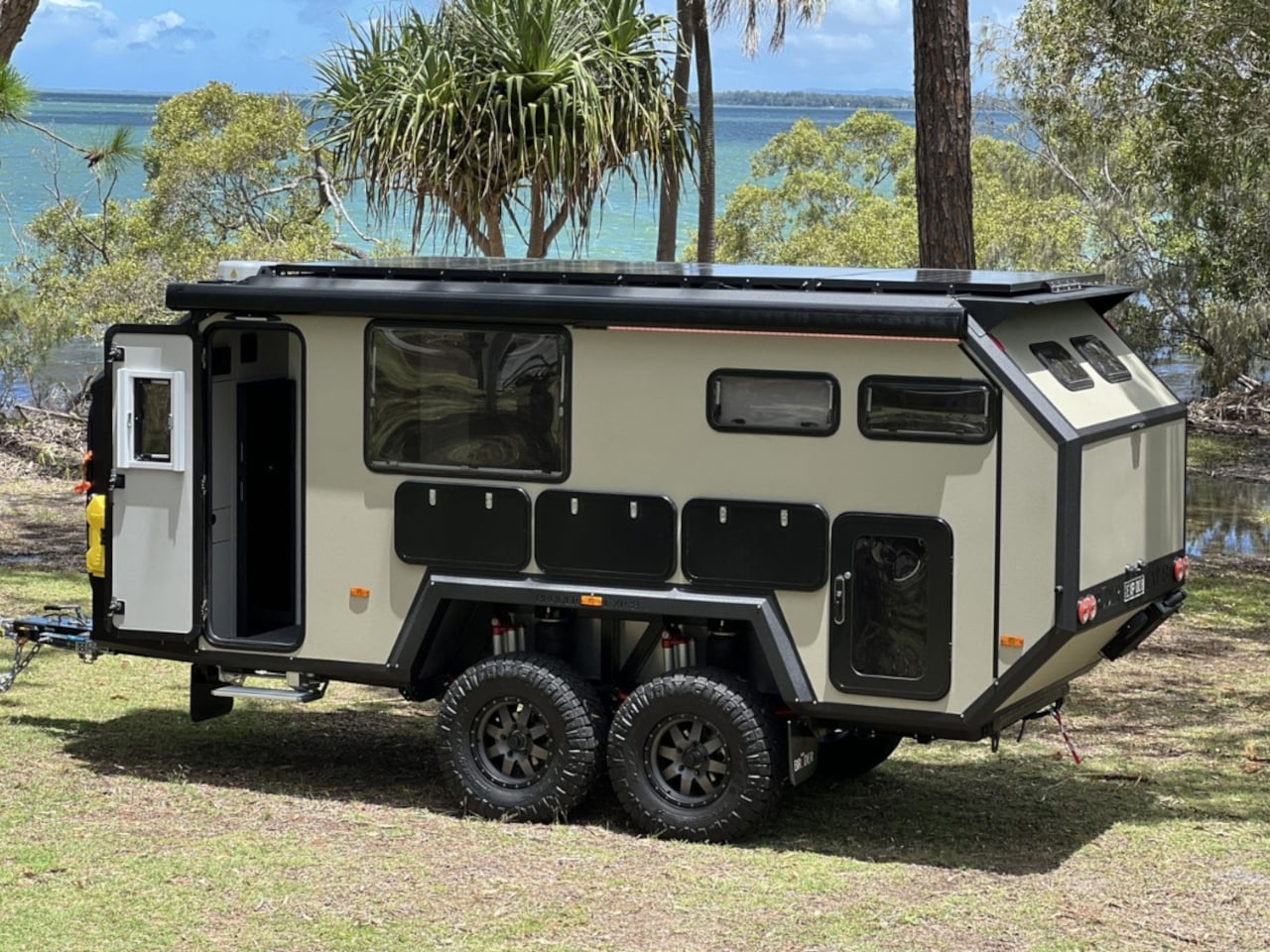
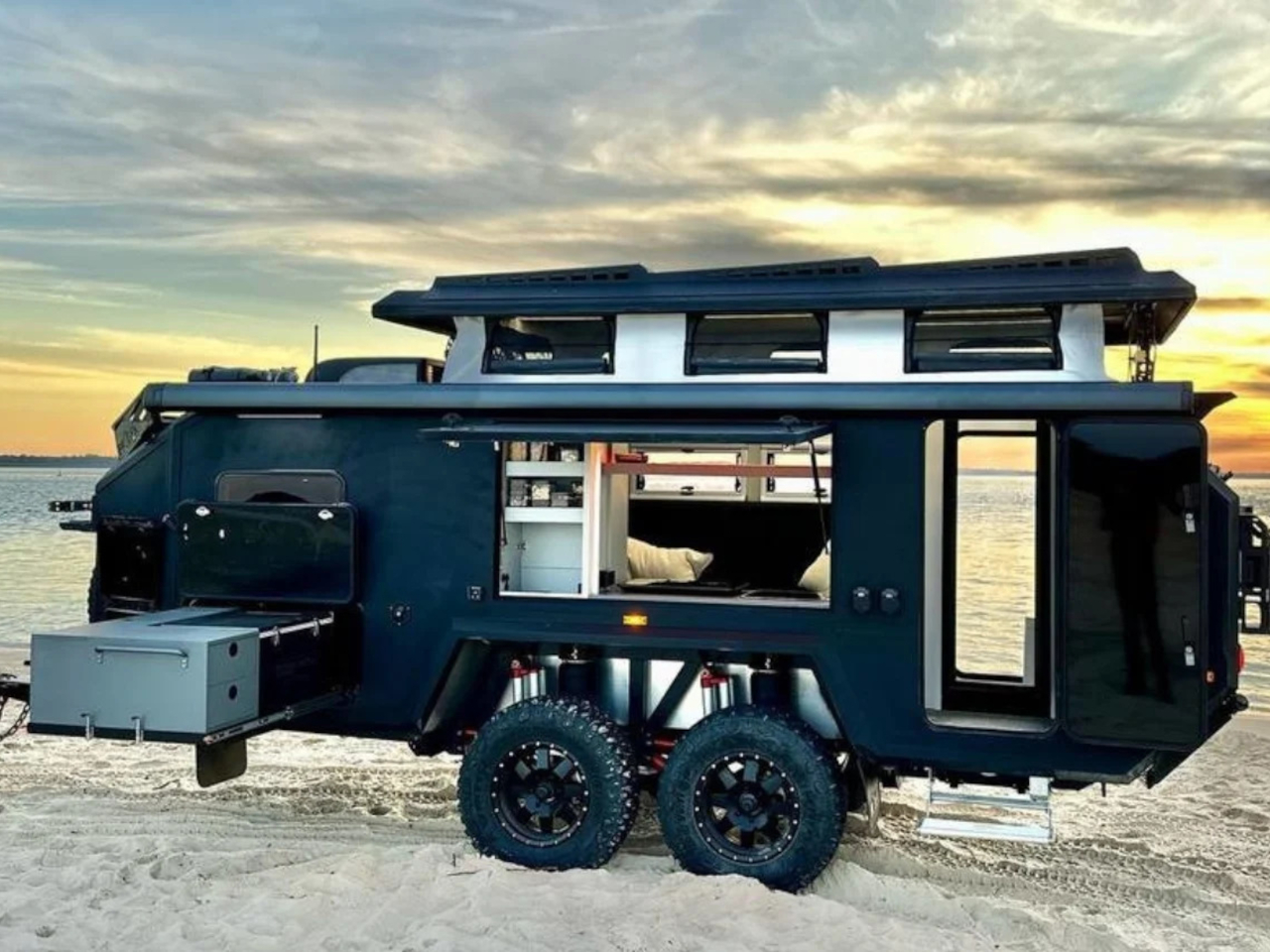
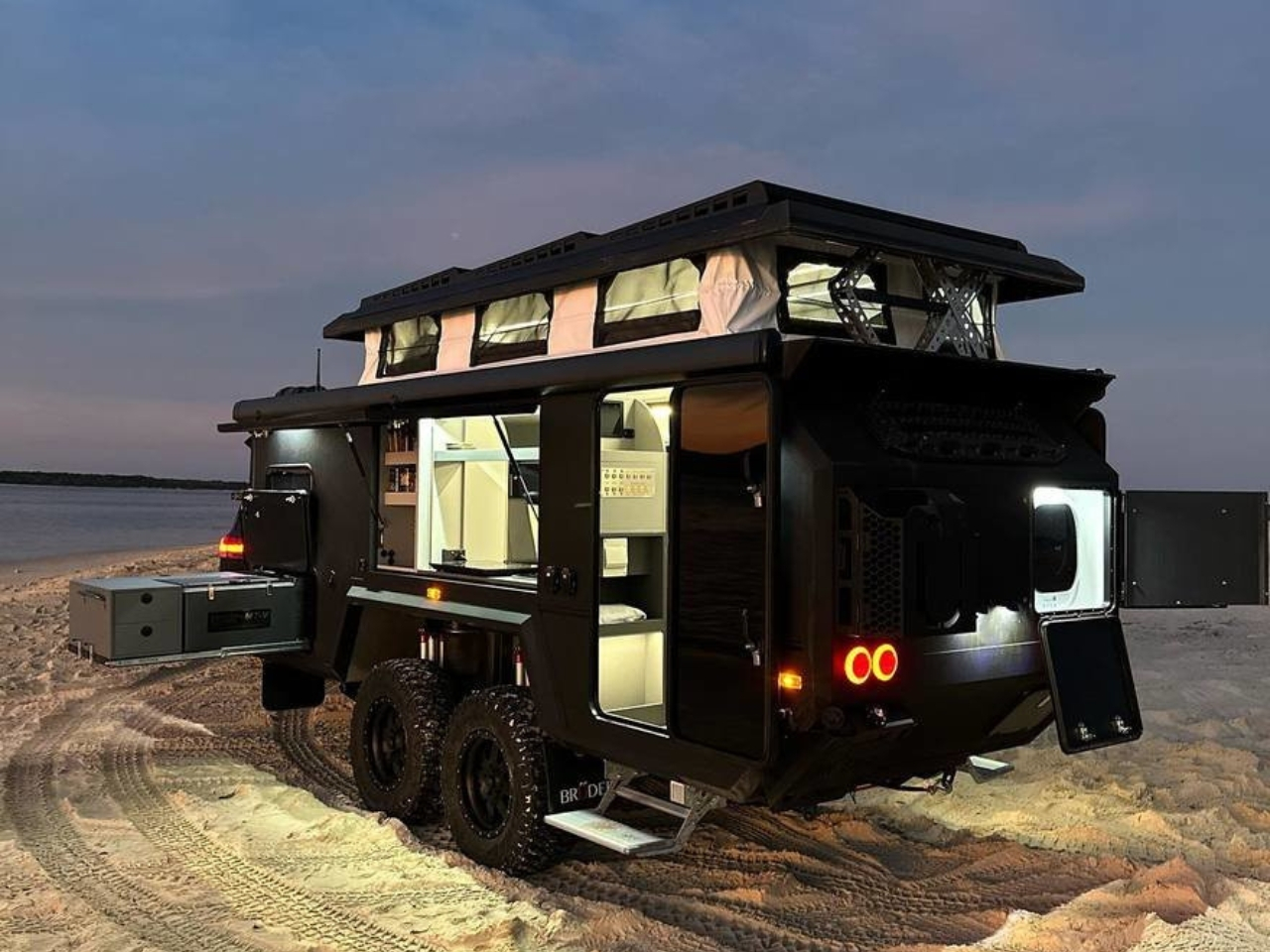
Brette Haus prefabricated cabins redefine “Home Delivery” by arriving directly on a trailer to the location. Within 3 hours, these cabins unfold and secure into livable spaces spanning 22 to 47 sq. ft. Crafted from carbon-neutral, weather-proof cross-laminated timber, each cabin takes 8 weeks to fabricate. With no need for a permanent foundation, they easily unfold on leveled ground and secure with screw piles. Featuring hinges enduring up to 100 folding cycles, these cabins offer exceptional portability. Optional add-ons like waste tanks and solar panels enable comfortable off-grid living.

3. Quality Control

Given the difficulty of controlling quantity at the construction site, the prefab manufacturing process facilitates individual quality checks for prefabricated components before dispatch. This ensures that essential standards such as fire resistance or heat insulation are met before construction begins.

Designer: Leap Factory

The House in Chamois caters to outdoor enthusiasts, blending seamlessly with the alpine landscape while prioritizing environmental sustainability and robust security against extreme weather. Its modular design allows for versatile adaptation to various lifestyles, complemented by integrated furniture and warm interior details. With meticulous attention to detail, the house offers well-lit spaces conducive to personal expression and harmony with nature. Leap Factory’s innovative approach marks a significant shift towards zero-impact dwelling in the construction industry.

4. Affordable Construction

Prefabrication offers significant cost reduction potential. With standardized panel measurements, readily available off-the-shelf plans are common. Additionally, economies of scale from mass-produced and bulk-purchased prefabricated materials further contribute to savings.

Designer: ARCspace

Initially developed to address extreme homelessness in Los Angeles, ARCspace offers a diverse range of accommodation options ranging from 160 to 10,000 square feet. With the construction industry contributing to 28% of global emissions, ARCspace focuses on innovative designs and sustainable, cost-effective prefabricated homes. All ARCspace structures are prefabricated, resulting in efficient builds that minimize emissions and waste. Residents can personalize their homes with options for off-grid power and water, including Hydropanels and solar panels. ARCspace prioritizes energy efficiency and health-conscious features, utilizing eco-friendly materials and advanced technologies to create cleaner, more efficient, and equitable living environments.

5. Use of Sustainable Materials

Today’s prefabrication materials often use eco-friendly or recycled materials, like local timber or other sustainable options. They can switch materials as new techniques emerge to reduce harm to the environment and there is less waste from construction.

Designer: TRIAS

Minima is a 215-square-foot prefab module designed for versatility, serving as a tiny home or backyard addition. Constructed with sustainable CLT, it features a modern exterior with cypress battens and a steel roof. Inside, its Japandi-inspired layout maximizes space with integrated furniture and essential amenities. Compact yet stylish, Minima embodies sustainable, adaptable architecture.

6. Energy Efficient

Prefab homes prioritize energy efficiency by adhering to strict design guidelines, ensuring airtight seams that prevent leaks and airflow, resulting in long-term cost savings for homeowners. Additionally, as sustainability is gaining momentum among consumers, prefab home architects, designers, and contractors are integrating eco-friendly features like solar panels, wind turbines, and rainwater catchment systems into prefab home designs.

Designer: Taller Aragonés

The Pi House, a shining example of prefab architecture, was assembled in just 45 days in Mexico City’s Bosques de las Lomas. This highly energy-efficient home features a customizable modular construction system with aluminum framing. Its innovative design allows for easy expansion and customization, while its double-glazed windows and thermal insulation ensure comfort and sustainability. The Pi House’s aluminum construction makes it easily recyclable, contributing to its eco-friendly profile. With international patents and plans for expansion, this affordable prefab home represents the future of accessible and sustainable homeownership.

7. No Wastage

Since prefab homes are built in a factory setting, there is virtually no on-site material waste. Within the factory, any leftover materials from the construction of one home can be efficiently reused in the assembly of another manufactured home.

8. Use of Simple Construction Methods

Due to the utilization of straightforward construction methods, the site may necessitate fewer managers and less specialized training compared to stone or brick masonry. Additionally, it allows smaller teams to accomplish more in safer indoor environments alongside improved planning and fewer delays.

9. Sustainable Construction

Modern prefabrication materials commonly utilize eco-friendly or recycled materials, including seasonal or locally sourced timber. Advancements in manufacturing techniques allow for material substitution, reducing the ecological footprint, and resulting in minimal construction waste. This is because the materials possessing a low ecological footprint are readily recyclable, providing economical and environmentally friendly choices for reuse when a building reaches the end of its life. Moreover, disassembly is straightforward, often involving merely reversing the construction steps.

Designer: STUDIOROCA

VMD (Vivienda Minima de Descanso) by STUDIOROCA offers prefabricated tiny homes made from repurposed shipping containers in Mexico. These homes feature off-grid capabilities and modern luxuries. STUDIOROCA’s innovative design transforms containers into sleek living spaces with open layouts, eco-friendly materials, and smart home systems. Built with a minimal impact process, each home is customizable and includes preset elements like FSC-certified oak flooring and smart appliances. Available in one-, two-, or three-bedroom options, clients can add features like outdoor decks into the design.

10. Modular Extensions are Easy to Attach

The best aspect of prefab buildings is their adaptability. Adding a modular extension, using identical materials, is quicker and more cost-effective than relocating or acquiring additional land for future growth.

Designers: Undecorated, Studio Detroit, Prince Concepts, D.I.R.T. Studio, and SteelMaster

The Caterpillar, a pioneering modular residence crafted from Quonset hut structures, features compact cubes within each unit for essential services like bathrooms, showers, and kitchens. This innovative 9,000-square-foot sculpture in Detroit’s Core City neighborhood includes six residences and two live-and-work spaces, soaring 23-foot ceilings, and a contemporary design. Each unit integrates a central “Jetsons” style genesis chamber, fostering a communal living experience. With inspiration drawn from diverse sources, the Caterpillar embraces porch culture with 36 openings, flooding the space with natural light and creating a welcoming ambiance.

However, note that there are some drawbacks of Prefab homes. Firstly, there’s the issue of land costs, including expenses such as the price of land and ground leveling. Limited customization options compared to stick-built homes restrict choices to what the manufacturer offers. Additionally, planning for utilities and site-specific requirements can be challenging, although some prefab home companies offer assistance with these tasks.

The post Top Ten Reasons Why Prefab Homes are Gaining Momentum first appeared on Yanko Design.

The History of Architecture: Important Timelines

Architecture is a fluid art that blends various periods and styles while architectural history can be used as a method for tracking the development of architecture or buildings across diverse cultures and time periods, starting from the Stone Age to ancient Egyptian architecture and the building edifices of the modern era. Additionally, the construction styles have evolved across different centuries in different parts and civilizations of the world. Let’s delve into the architectural timeline, which spans from prehistoric times to the mid-20th century, and explore the different eras across various social and cultural backgrounds, influenced by early civilizations, religion, and social shifts.

Image courtesy of: wirestock

1. Prehistoric Architecture (11,600 BCE -3,500 BCE)

Prehistoric architecture refers to an era where there were no records of written history and shelters were primarily used for protection and storage of food out of organic materials like mud, foliage, stone, and animal products such as bone and hide. During this period some tombs and ceremonial structures were also constructed and these were often circular to reflect the celestial design. Stonehenge forms one of the first prehistoric monuments that was built nearly 5,000 years ago.

Image courtesy of: wirestock

2. Ancient Egyptian Architecture (3050 BCE – 900 BCE)

The ancient Egyptian civilization spans over 3000 years and one of the most notable examples of Egyptian architecture is the pyramids. The materials used for the excavated temples, palaces, and tombs were constructed using local materials like mud brick and limestone. The construction included the post and lintel method and many structures were aligned astronomically. Additionally, the structures included intricate carvings that were adorned with paint, but the paint has eroded over time.

Image courtesy of: Unai82

Image courtesy of: Givaga

3. Mesopotamian Architecture (3200 BCE – 330 BCE)

Mesopotamian architecture forms the ancient architecture along the Tigris and the Euphrates. Some of the key achievements in Mesopotamian architecture include contributions towards urban planning and using the concept of courtyard houses. Another notable structure of this civilization was the design of the Ziggurats which was a massive structure in the form of a terraced step pyramid constructed with receding stories that led to a temple at the summit.

Image courtesy of: wirestock

4. Ancient Greek Architecture (900 and 30 BCE)

Ancient Greek architecture is renowned for its temples like the Parthenon, processional gateways, public squares enclosed by storied colonnades, town council buildings, public monuments, grand tombs, and stadiums. Temples, in particular, were conceived as sculptural entities harmonizing with their landscapes, often situated on elevated terrain to showcase their proportions and play with light. This architectural tradition introduced the division of styles into three orders: the Doric, Ionic, and Corinthian, profoundly influencing later Western architecture.

Image courtesy of: sokorspace

Image courtesy of: Netfalls

5. Ancient Roman Architecture (600 BCE – CE 476)

Ancient Roman architecture, initially influenced by Greek design, evolved into a distinct style, considered part of classical architecture. Thriving during the Roman Republic and Empire, it produced the most surviving structures. Romans used innovative materials like concrete and technologies such as arches and domes, resulting in sturdy buildings. This style emerged during the Imperial period, blending Etruscan and Greek elements, giving rise to classical architecture. It shifted from column-and-lintel construction to massive walls with arches and domes. The Roman architecture featured grand public structures, engineering marvels, and improvements in housing and sanitation, elevating living standards.

Image courtesy of: Givaga

Image courtesy of: a_medvedkov

6. Byzantine Architecture (330 – 554)

Byzantine architecture was the architectural style of the Byzantine Empire, also known as the Eastern Roman Empire which spans from 330 AD, marked by Constantine the Great’s establishment of a new Roman capital in Byzantium (later Constantinople), to the empire’s fall in 1453. Notably, the early Byzantine architectural style is distinguishable from earlier Roman architecture in both aesthetics and structure as it developed into a distinct artistic and cultural entity, centered on the new capital of Constantinople (modern-day Istanbul), rather than Rome and its surroundings.

Hagia Sophia

Image courtesy of: tatiana_bralnina

Image courtesy of: ABBPhoto

7. Romanesque Architecture (790 – 1150)

Romanesque architecture, characterized by semi-circular arches, emerged in medieval Europe, and it evolved into the Gothic style, recognizable by its pointed arches. Romanesque architecture blends elements from ancient Roman, Byzantine, and local traditions, featuring robust construction with thick walls, round arches, sturdy pillars, barrel vaults, tall towers, and decorative arcades. Structures display clear, often symmetrical forms, emphasizing simplicity compared to later Gothic edifices. While numerous castles were constructed during this era, churches predominate, with notable abbey churches still in use today.

Image courtesy of: ABBPhoto

8. Gothic Architecture (1130-1500)

Gothic architecture, prevalent in Europe, evolved from Romanesque architecture and originated in northern France. The distinctive feature that defines Gothic architecture is the pointed or ogival arch, which, in turn, gave rise to the emergence of pointed rib vaults and flying buttresses, complemented by intricate tracery and stained-glass windows. Gothic architecture is evident in ecclesiastical buildings like cathedrals and churches, as well as castles, palaces, town halls, universities, and more.

Statuary of the West Front of Salisbury Cathedral

Image courtesy of: clodio

9. Renaissance Architecture (1400 – 1600)

Renaissance architecture marked a deliberate revival of elements from ancient Greek and Roman culture. The Renaissance style prioritized symmetry, proportion, geometry, and regularity, drawing inspiration from classical antiquity, especially ancient Roman architecture. It featured orderly arrangements of columns, pilasters, lintels, semicircular arches, hemispherical domes, niches, and aediculae, departing from the complex proportional systems and irregular profiles of medieval buildings.

Florence Baptistry

10. Baroque Architecture (1584 -1750)

Baroque architecture, emerging in early 17th-century Italy, promoted by the Catholic Church, aimed for astonishment and awe. Architects heightened and adorned Renaissance elements, using quadratura, trompe-l’œil, and gilding to create heavenly illusions. Dramatic lighting, sculpted angels, twisted columns, and elaborate decorations defined the opulent style, notably in grand palaces. Baroque can be broadly classified into Early Baroque, High Baroque, and Late Baroque styles.

Image courtesy of: frimufilms

Image courtesy of: wirestock

11. Rococo Architecture (1723-1759)

Rococo is a highly decorative and theatrical architectural and artistic style marked by asymmetry, scrolling curves, gilding, pastel colors, sculpted molding, and trompe-l’œil frescoes, aiming to create surprise, motion, and drama. Rococo exudes exuberant decoration with abundant curves, undulations, and nature-inspired elements. Exteriors are typically simple, while interiors are ornate, aiming to impress immediately. Complex floor plans with interlocking ovals are common in churches, while palaces feature grand staircases offering varied perspectives of the décor.

Eglise Notre-Dame, Bordeaux

Ceiling of Santi Giovanni e Paolo, Venice, by Piazzetta

12. Neoclassical Architecture (1640-1850)

Neoclassical architecture, also known as Classical Revival architecture, aimed to return to a purer classical style, shedding the excesses of Late Baroque while adapting to contemporary needs. This architectural style emphasizes wall structure over ornamentation, emphasizing symmetry, simple geometry, and societal function. It contrasts with the naturalistic ornamentation of the Rococo style and incorporates classicizing features from the Late Baroque tradition.

Oudenbosch Basilica

Arc de Triomphe du Carrousel

13. Modern Architecture (1900 to Present)

Modern architecture, or modernist architecture, is an architectural style rooted in innovative construction technologies, including glass, steel, and reinforced concrete. It emphasizes functionalism, minimalism, and the elimination of ornamentation. Emerging in the early 20th century, it dominated architecture after World War II until the 1980s when it gave way to postmodern architecture.

Designer: Frank Lloyd Wright

Designers: Le Corbusier, Pierre Jeanneret

14. Postmodern Architectural History (1964 to Present)

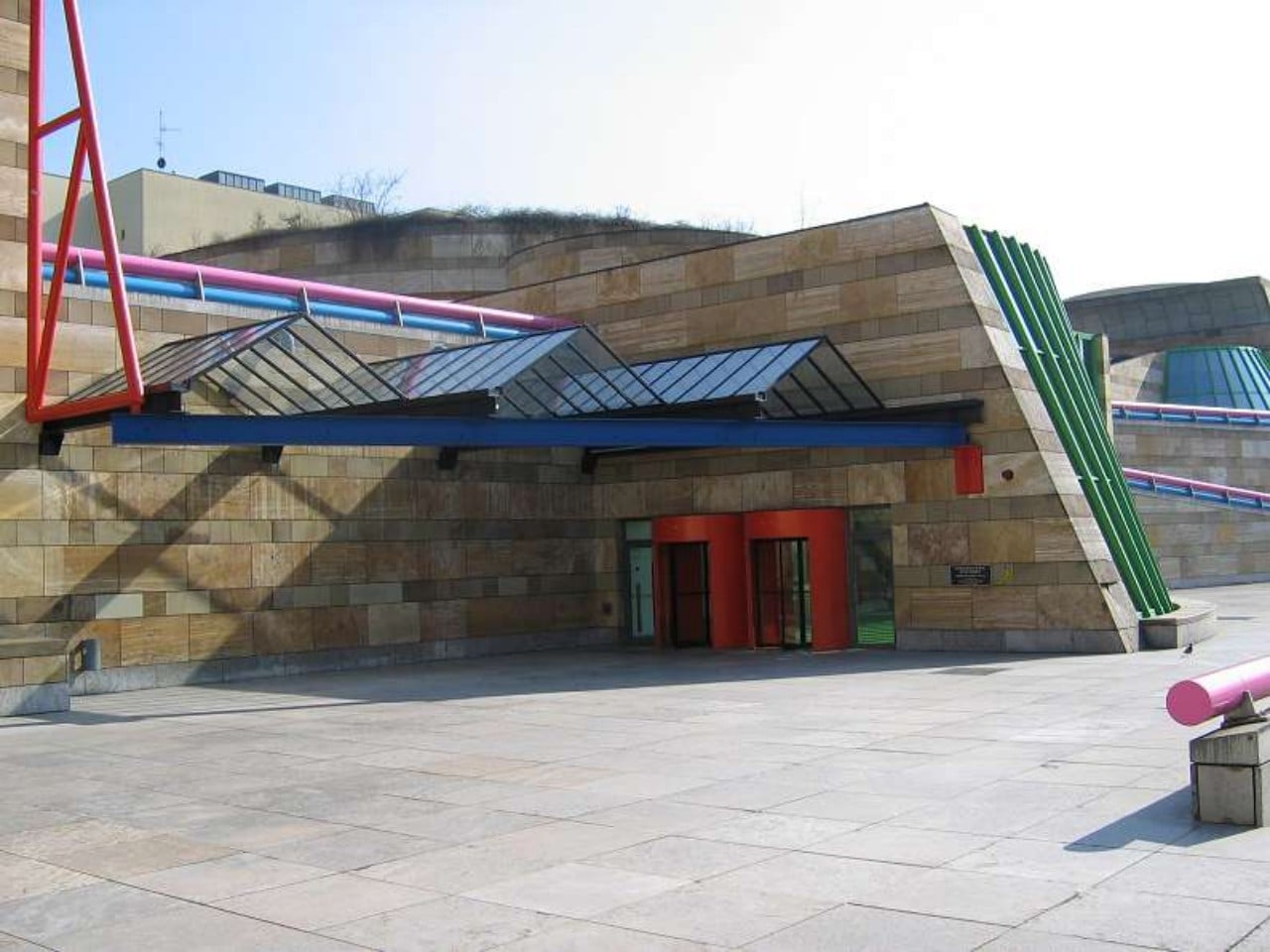
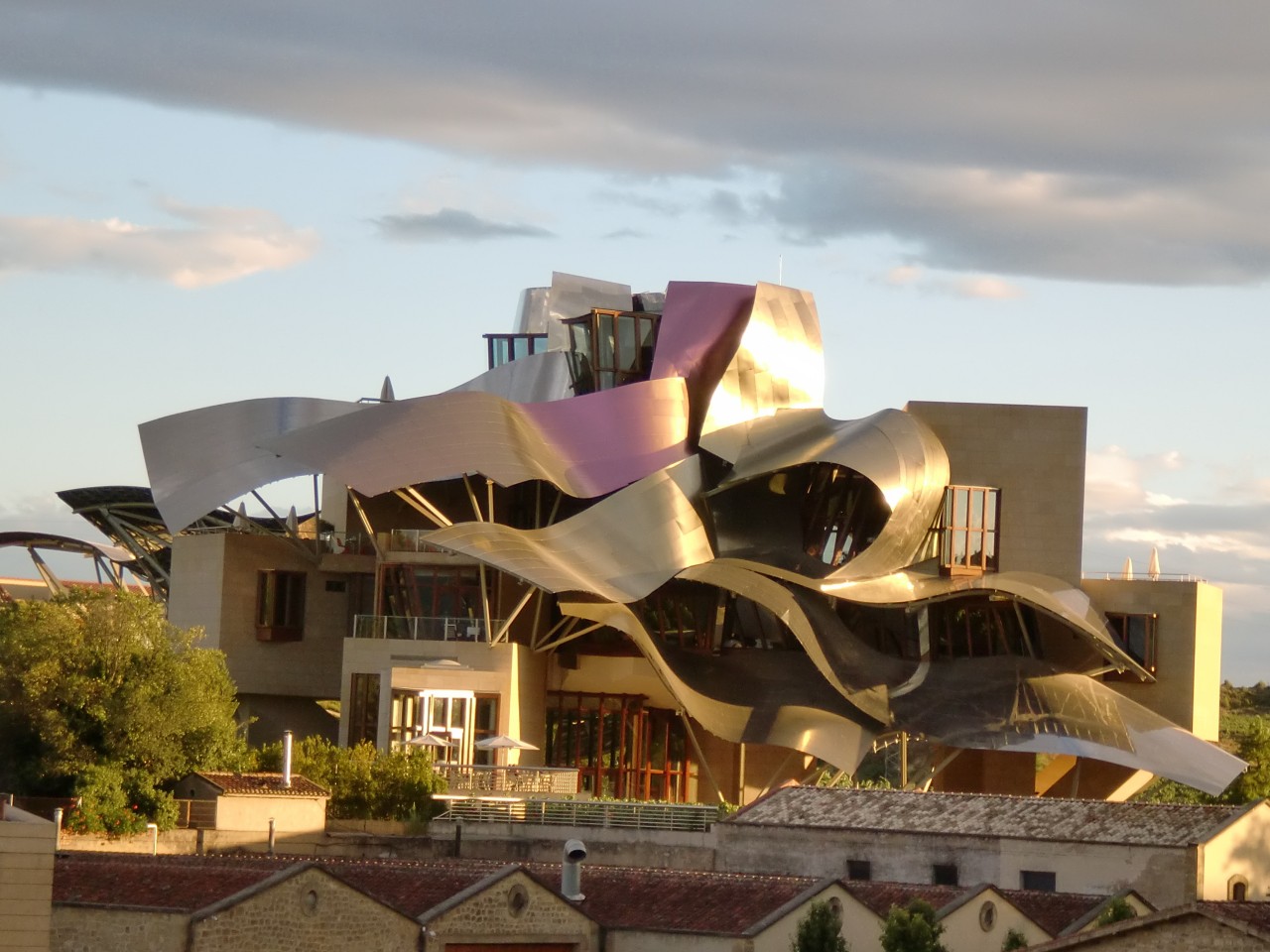
Postmodern architecture, emerging in the ’70s and ’80s, reacted against modernism and the international style by revisiting architectural history through references, quotations, and sampling. It aimed to reconnect with the public, resulting in a diverse range of buildings blending classicism and contemporary elements to create innovative designs.

Designer: Frank Gehry

Petronas Twin Towers

Image courtesy of: GaudiLab

Image courtesy of: tampatra

Burj Khalifa

Image courtesy of: photocreo

Image courtesy of: wirestock

The post The History of Architecture: Important Timelines first appeared on Yanko Design.

20 Best Ways to Style Your Home Using Vases

One of the easiest ways to style your home is with vases, whether it be brimming with fresh, exquisite flowers or serving as ornamental artifacts. Vases lend a beautiful finishing touch to any space. Moreover, these versatile pieces can be showcased in a multitude of ways, be it when artfully grouped on a mantelpiece or a side table or as a captivating centerpiece on a dining table. The best part about incorporating vases is that they seamlessly blend into any room, making it possible to distribute your cherished pieces throughout your entire home.

Designer: Hideaki Miyauchi

Click Here to Buy Now: $39

1. Mantel Décor

Image courtesy of: pro_creator

Creating a beautiful mantel decoration involves arranging an assortment of vases with varying shapes and heights. It is highly recommended to opt for a collection of artisanal, handcrafted ceramic vases that not only serve as an appealing permanent display but are also versatile and can be filled with seasonal blooms, ensuring that the mantel maintains a fresh and attractive look throughout the year.

2. Inside the Niche

Image courtesy of: indigolotos

Image courtesy of: towfiqu98

Craft an eye-catching arrangement in a contemporary living space by adorning the niches with an artisan-crafted ceramic vase in abstract or transparent forms, artistic finishes, and even vibrant hues.

3. Brighten the Entrance Foyer

Image courtesy of: Mint_Images

As the entrance foyer forms the initial space that greets any guests, this space forms the most appropriate place for displaying vases that overflow with fresh flowers. In the entryway, a console table or sideboard becomes a vital inclusion that can be embellished with decorative vases and other artful objects, cherished family photographs, and one can introduce a touch of nature through strategically positioned plants.

4. Add Volume to Empty Spaces

Image courtesy of: StudioVK

Exceptional vases should be displayed to enhance empty corners by employing a set of two vases, either with similar or contrasting shapes, and filling them with dried flowers. This method not only adds character to the vacant space but also provides volume and an appealing design element.

5. Beautify with Bud Vases

Image courtesy of: Aeril01

Single stems in small vases can be equally as striking as a grand centerpiece and truly highlight the beauty of each bloom. One can employ bud vases for swift and sophisticated table arrangements, ranging from single stems to a combination of petite bouquets. Being lightweight, these vases can be easily relocated when it’s time to serve food, and there’s no need to be concerned about them toppling over due to their size.

6. Create a Centerpiece

Image courtesy of: bluejeanimages

Enhancing a center table or dining table with seasonal blooms or artificial flowers is a delightful way to infuse a room with both color and fragrance. Moreover, they serve as ideal accent pieces to adorn and enhance the interior decor. Note that while it’s always pleasant to have a vase on the dining room table when hosting, one can also adorn the sideboard with a few vases.

7. Colorful Vase Display

Vibrant vases provide an enchanting method to showcase lively blooms, crafting a vivid arrangement while also serving as a practical solution for hiding messy stems.

Image courtesy of: Rawpixel

A cluster of differently-sized and colorful vases creates a pretty display and makes a characterful addition to the interiors.

Image courtesy of: kathkarnowski

To create a breathtaking display, place a collection of them on a windowsill where they will sparkle in the sunlight.

Image courtesy of: annakhomulo

Various vases from the same series, featuring different colors and heights, come together to form an intriguing composition. Their slender necks look elegant but can hold only a limited number of flowers.

8. Arrange Sculptural Vases on the Table

Image courtesy of: svitlini

When curating the interiors with decorative vases, create rhythm and balance by incorporating vases of varying heights. Consider a single-color palette or opt for pieces with captivating sculptural shapes and textures. Alternatively, one can go for pieces from the same family but in different colors for a cohesive look.

9. A Tall Vessel for Artistic Branches

Image courtesy of: timofeevavalentina_foto

When enhancing your indoor spaces one can effortlessly craft a captivating sculptural centerpiece using just a few leafy branches. In this example, the tall vase has an earthy vibe and it is complemented with wheat spikelets.

10. Playful Pieces

Image courtesy of: natanavo

Vibrant hand-painted or unique-shaped vases form a beautiful display on the mantel, shelf, or side table. One can mix and match vases in various styles and materials to create an eye-catching arrangement. Whimsical vases can add a cheerful and playful touch to any interior making it a characterful addition.

11. Pair Vases with Different Heights

Image courtesy of: voronaman111

Go for floor vases in different heights just as in this image. For the spring and summer season, go for ceramics in nature-inspired textures and soothing tones like shades of blue or cream. Additionally, one can mix and match designs of different heights as the tall and short pieces impart a visually pleasing look.

12. On the Bedside Table

Image courtesy of: alinabuphoto

In this bedroom with a minimalist aesthetic, the bedside table incorporates a vase and transforms into a warm and inviting space.

13. On the Open Shelves

Image courtesy of: mariiaplosh

Enhance your open shelf with wall-color-matching vases by placing a vase on a lower shelf to add color and vibrancy to the interiors. For a longer-lasting arrangement, choose dried flowers, especially if the room lacks natural light. Hence one does not have to hide flower vases in a utility cabinet and can display them on open shelves or in a glass-fronted cabinet for an appealing and easily accessible presentation.

14. Add Tactility

Image courtesy of: liudmilas

These vases feature a three-dimensional pattern on their surfaces, introducing a tactile element to the interior decor. The timeless turquoise blue in a three-dimensional Criss cross design when paired with vibrant green plants, breathes life into the space.

15. Hanging Vases

Image courtesy of: Dimaberlin

Enhance your wall with multicolored hanging planters, creating a form of wall art that’s ideal for empty walls, adding character to them. The earthy hues of these planters can complement the decor, especially if it follows a nature-inspired color palette.

16. Add Pattern

Image courtesy of: kostiuchenko

The lively vase incorporates a design that adds visual appeal to a neutral environment. Make sure it complements the interior’s color palette to craft an energizing presentation. Unfilled vases can form striking arrangements, particularly when they boast charming hues, intricate sculptural shapes, and captivating textures.

17. Introduce Biophilia

Image courtesy of: Olesya22

This vase brings a touch of biophilia into the interior by incorporating vein-shaped patterns and a tactile quality on the golden vase. Leaf fronds further enhance the overall aesthetic.

Image courtesy of: avanti_photo

Just see how these vases, with assorted leaf-shaped designs and sizes, also imbue the interior with a biophilic atmosphere.

18. Infuse Tactility

Image courtesy of: oleksandrsh

Vases can introduce a tactile dimension to the interior, as seen here with the textured appearance of three distinct vase designs. While they exhibit variation, they share a common design theme.

19. Dual Color Vase

Image courtesy of: stockfilmstudio

A two-toned vase introduces color to the decor while harmonizing with the color scheme.

20. Metal Vase

Image courtesy of: ammarant

A metal vase not only adds a touch of luxury to the decor but can also function as a decorative object, and by adding branches, you can ensure they remain upright in tall vases.

These ideas will surely help you decorate your home with flower vases, a timeless decor accessory that has remained fashionable for centuries. Whether you’re aiming for a sleek and modern setup or a vintage one, you’ll always find a vase to match your personal style.

The post 20 Best Ways to Style Your Home Using Vases first appeared on Yanko Design.

Top Ten Wallpaper Installation Mistakes To Avoid

Wallpaper serves both aesthetic and functional purposes, it not only creates a focal point but also adds color, texture, and pattern to the room décor. When designing any space, wallpapers are a popular and versatile way to decorate and add value to the interiors but avoiding errors is key. Therefore, it is important to measure accurately, handle the wallpaper carefully, and allow proper drying time for flawless results. Classic patterns like stripes or florals suit traditional settings, while geometric or abstract designs lend a modern touch. With a wide range of colors, patterns, and textures, wallpaper can suit any style and can simultaneously conceal the imperfections on the walls.

Image courtesy of: bialasiewicz

During the installation of wallpaper, make sure to handle the wallpaper carefully to avoid any form of damage. Note that mishandling can lead to tears, creases, or other unsightly damage. Use clean, dry hands and gently unroll and unfold the wallpaper. Be cautious of liquids near the wallpaper and avoid excessive stretching or pulling to maintain pattern integrity.

Image courtesy of: pro_creator

Here are several common mistakes that occur during wallpaper installation.

Mistake No. 1: Avoid Papering Over Old Wallpaper

Image courtesy of: olgar23

It is crucial to remove the old wallpaper before any new application. Moisture from the new wallpaper’s backing could reactivate the adhesive of the original, resulting in bubbling those damages both layers. To avoid this, rent a chemical or power steamer to strip away the existing wallpaper, readily available at local hardware, paint, and home improvement stores.

Mistake No. 2: Not Choosing the Right Wallpaper Material

Image courtesy of: pro_creator

Image courtesy of: KarinaBost

Each wallpaper type has its ideal setting, as not all wallpapers are suitable for every location. For example, natural wallpapers like grasscloth are not water-repellent, making them susceptible to damage in high-humidity areas like kitchens and bathrooms or fading in direct sunlight. Additionally, it is important to safeguard wallpaper from heat sources like ranges or fireplaces and research the best wallcovering for each specific environment to prevent damage. The different types of wallpaper materials include metallic, vinyl, paper-backed fabrics like silk and linen, hand-painted wallpaper, and grasscloth wallpaper. Choose the one that is best suited for your home or any other area of application.

Mistake No. 3: Wrong Scale and Print of Design

Image courtesy of: Raul_Mellado

When choosing wallpaper, consider the size of the prints carefully. Small prints work well in small spaces, providing a smart look without overwhelming. Conversely, larger spaces benefit from larger-scale patterns, as small patterns may impart a pixelated look and blend into the background. After the installation of the wallpaper, retaining leftover wallpaper pieces is crucial for repairing any damages that may occur. Make sure to keep the extra pieces for future repairs, as finding exact matches later can be tricky.

Mistake No. 4: Ordering Less Quantity of Wallpaper

Image courtesy of: FollowTheFlowStudio

Accurate measuring and planning before wallpaper installation is crucial for purchasing the right amount. Despite the high cost per foot, there’s a tendency to order only the minimum needed. Underestimating the quantity of wallpaper often leads to delays and potential color mismatches, especially with hand-painted or printed patterns. Prioritize precise measurements of wall dimensions, considering pattern matching and trimming.

Image courtesy of: hemul75

Pro Tip: Another mistake is purchasing wallpaper rolls before measuring the walls, leading to overspending or acquiring insufficient quantities. Therefore, it is important to measure the wall beforehand to ensure the correct size is used and to streamline the process. Note that the more the number of doors and windows, more is the wastage especially if the wallpaper has a patterned design.

Mistake No. 5: Unmatched Seams

Image courtesy of: pro_creator

Misaligned seams are a common wallpaper installation issue, often caused by factors like incorrect adhesive usage or inadequate leveling of the first panel. To avoid this eyesore, prioritize arranging straight, even seams during installation for a polished, professional finish. Additionally, choosing the right wallpaper adhesive is crucial for a smooth installation. Different types of wallpaper require different pastes, so follow the manufacturer’s recommendations. Using the appropriate adhesive ensures proper adhesion and prevents issues like peeling or bubbling. It is important to invest time in precise alignment, utilize tools like plumb lines for straight application, and ensure seams are tightly joined for a flawless finish.

Mistake No. 6: Installation on Damaged Walls

Image courtesy of: MandriaPix77

Before installation of wallpaper, inspect the wall for damage or moisture issues and fix any problems beforehand to ensure a durable and flawless installation. Defects like cracks, peeling paint, damp areas, and patching holes need to be addressed and they should be allowed to cure fully before smoothing with sanding if needed. Make sure to rectify sources like leaks or mildew before proceeding with installation. Prioritize surface preparation before wallpaper installation. Don’t overlook cleaning, especially for textured walls, which may require scraping for smoothness.

Mistake No. 7: Assuming Wallpaper Adheres to All Wall Surfaces

Image courtesy of: bialasiewicz

Assuming wallpaper sticks to all wall surfaces is a common mistake. Textured walls like orange peel or popcorn should be avoided or prepared for installation by grinding, sanding, and priming. Note that primer is essential not only before wallpapering but also before painting to prevent wallpaper from peeling off poorly painted walls.

Mistake No. 8: Going the DIY Way

Image courtesy of: ShintarTatsiana

While many mistakes occur during wallpaper installation, it’s not an area to cut corners. Amateur installation can lead to costly errors and premature replacement. Even peel-and-stick wallpaper isn’t foolproof. To avoid DIY mishaps, designers recommend hiring experienced professionals for proper wall preparation, precise measurements, and steady installation. Try to rely on professionals for a flawless result, emphasizing the investment in quantity and expertise required for satisfactory outcomes.

Tip: If opting for a DIY approach, prioritize cleanliness and dust prevention for a seamless installation. Invest in proper equipment and adhere to organized schedules to minimize dust settling, avoiding compromised adhesion. Practice careful handling and ensure clean hands to prevent marks on the wallpaper.

Mistake No. 9: Presence of Air Bubbles

Image courtesy of: DC_Studio

Bubbling in wallpaper, caused by trapped air pockets or poor adhesion, is a common issue. To remove bubbles, locate and cut an opening, inject adhesive, and flatten with a smoothing tool. Prevent bubbling by using high-quality wallpaper, applying it carefully, and using a wallpaper primer for a smooth surface. Promptly addressing bubbles and taking preventive measures can maintain a smooth finish.

Image courtesy of: bialasiewicz

Tip: For smooth wallpaper application and prevention of air bubbles, start smoothing from the center outward, and if bubbles appear after drying, moisten the area and puncture the bubble to release air.

Mistake No. 10: Not Cleaning Wallpaper After Installation

Image courtesy of: Vladdeep

Once the wallpaper is applied, make it a point to promptly inspect and clean any areas with excess paste residue to prevent shiny spots. Use a clean bucket with fresh water and a damp sponge to wipe down the wallpaper immediately after completion. It’s essential to consult the wallpaper label for specific instructions on smoothing and cleaning based on the type of finish.

Image courtesy of: pro_creator

In conclusion, installing wallpaper requires careful attention and time, and rushing the process can lead to errors. Ensure accurate alignment, trimming, and adherence to manufacturer’s instructions. Avoid common mistakes like inadequate wall preparation and mishandling. With precision and quality materials, one can achieve a seamless and attractive result that reflects your taste and style.

The post Top Ten Wallpaper Installation Mistakes To Avoid first appeared on Yanko Design.

How to Use Patterned Tiles in the Kitchen: 15 Ways to Uplift Your Cooking Space

The kitchen has transcended its traditional role as merely a space for food preparation. Today, considerable attention is paid to its aesthetics, from the choice of cabinetry to the color scheme. A prevailing trend involves integrating patterned tiles into both the floors and walls, transforming them into interesting design elements. Notably, the backsplash serves a dual purpose, not only safeguarding the walls from food splatters but also serving as a canvas for creative expression. Additionally, ensuring the floors are slip-resistant is crucial for preventing accidents and maintaining safety in the bustling kitchen environment.

Designer: Florian Beser

1. Introduce Jewel Tones

Image courtesy of: photocreo

The varied jewel tones of green in the backsplash form an intriguing pattern, beautifully contrasting with the dark charcoal grey cabinets, elevating the kitchen’s appearance. They introduce richness and a touch of biophilia, as the green pattern tiles mimic the appearance of leaves within this compact kitchen unit.

2. Say Yes to Chequered Tiles

Instead of opting for patterned tiles, consider using black and white tiles to craft an intriguing pattern on the backsplash of this all-white kitchen. This choice breaks the monotony of the white kitchen, and the black countertop complements the backsplash tiles. Also, hanging pendant lights from an all-white ceiling can enhance the aesthetic appeal.

Incorporating chequered tiles for the flooring disrupts the off-white and pastel-green kitchen and creates a bold pattern on the floor, offering a striking contrast.

Image courtesy of: pro_creator

In this compact kitchen, the chequered tiles extend seamlessly from the floor to the ceiling, establishing a sense of continuity in the kitchen’s design.

3. Add Geometric Patterns

Image courtesy of: FollowTheFlowStudio

Geometric patterns arranged spontaneously generate a dynamic composition, infusing a vibrant energy ideal for modern and minimalist kitchens.

4. Consider Hexagonal Patterns

Image courtesy of: Vladdeep

The hexagonal pattern, nature’s favorite geometric motif, is showcased through a combination and random arrangement of black and white tiles, forming a stunning composition. This interplay contrasts with the white overhead cabinets, black base cabinets, and wooden countertops.

Image courtesy of: Lobachad

If you prefer to avoid a stark contrast, the hexagonal patterns can harmonize with the off-white overhead and base cabinets. The wall tiles feature a blend of plain and patterned tiles to achieve a subtle appearance, while the hexagonal grid forms the underlying pattern.

5. Beautify with Wall Art

Who says that patterned tiles are solely reserved for backsplashes and floors? Sensory tiles or intricately textured and patterned ones can serve as captivating wall art, elevating the kitchen’s aesthetic. However, if opting for textured tiles, it’s advisable to avoid placing them near the cooktop. The textured surfaces may trap cooking residue, making maintenance challenging over time, which is one drawback to consider.

Designer: Duffy London

The Abyss Wall Tile is a versatile and sustainable wall decoration inspired by the ocean’s depths. Crafted with hexagonal tiles featuring intricate layered designs reminiscent of contour maps, this innovative product offers endless possibilities for wall arrangements. With three distinct patterns available, each hexagon seamlessly integrates to create a unified composition, allowing for easy customization and modification. Made from plexiglass, recycled plastic, and brushed stainless steel, the Abyss Wall Tile is visually captivating and environmentally friendly. One can bring the beauty of the abyss into your kitchen space with this handcrafted, flexible wall decor solution.

Designer: bioMATTERS

The MYCO-ALGA is a revolutionary 3D-printed tile system. Crafted from natural waste and living organisms, these tiles offer a unique, organic aesthetic. These tiles use sustainable processes, including 3D printing and organism cultivation to be transformed into lightweight yet sturdy tiles. Enhanced with bio-pigments from harvested algae, each tile boasts a visually striking, non-repeating pattern, resembling crawling organisms. Not only visually captivating but also 100% sustainable and biodegradable. Redefine the look of your kitchen space with MYCO-ALGA tiles—a conversation piece that’s both eco-friendly and stylish.

6. Experiment with Moroccan Tiles

Image courtesy of: BGStock72

The vibrant hues and intricate patterns of Moroccan tiles enhance the appeal of any kitchen backsplash, infusing it with a distinctive blend of geometric motifs and rich colors. These vibrant tones not only elevate the aesthetic but also imbue the kitchen design with a sense of luxury and warmth.

7. Traditional Herringbone Pattern

Image courtesy of: pro_creator

The stunning herringbone pattern elevates the appearance of any kitchen backsplash and can be created using simple tiles arranged strategically. The resulting joint lines form an intriguing pattern that injects dynamism into the walls. Herringbone consists of equally sized rectangular pieces arranged in a staggered zig-zag layout.

8. Go for Azulejos Tiles

Image courtesy of: pro_creator

Azulejo represents a style of tin-glazed ceramic tile work originating from Portugal and Spain. When used as a kitchen wall backsplash, it infuses an artistic flair, elevating the ambiance to new heights. The varied shades of blue impart a refreshing and calming effect to the wall, complementing white kitchen settings seamlessly.

9. Introduce Pastel Hues

Image courtesy of: lyulkamazur

Patterned tiles in various designs are artfully arranged to create a lively pattern, yet the beauty lies in how the soft pastel hues gracefully enhance the kitchen without overwhelming the space.

10. Chevron Patterns

Image courtesy of: irinapavlova1

In the kitchen backsplash, the chevron pattern, alternating between light and subtly contrasting shades, enhances the overall beauty. The alternating patterns introduce an intriguing element, while the darker tones add depth. Chevron, characterized by its inverted V shape, seamlessly creates a zig-zag pattern, making it a favored choice for backsplashes.

11. Glass Mosaic Tiles

Image courtesy of: pro_creator

The reflective surface of the glass mosaic enhances the kitchen’s appearance by creating reflections of its surroundings. The multicolored glass mosaic pattern creates a pixilated effect and injects dynamism into the kitchen space, adding a luxurious touch. Additionally, the ease of cleaning glass surfaces is a notable advantage, and it lends a pixelated aesthetic to the kitchen.

12. Go for a Patterned Border

Image courtesy of: pro_creator

When using patterned tiles, the overall design can appear overwhelming and busy. However, if you still desire a simple and minimalist look with patterns, consider this approach: defining the lower section of the tiles with the pattern while keeping the upper portion plain. In this example, light grey cabinets complement the design seamlessly, creating a balanced and sophisticated appearance that feels neat and refined.

13. Use Natural Stone

Image courtesy of: jamurka

Natural stone materials are highly durable, making them perfect for kitchen backsplashes. They possess unique grain patterns, ensuring each stone slab is one of a kind. This organic quality adds character to the kitchen space. For example, the backsplash, with its beautiful green and white hues, beautifully contrasts with the natural marble countertop. This timeless combination ensures an enduring style that never goes out of fashion.

14. Design the Carpet Flooring

Image courtesy of: pro_creator

While carpets inject a burst of color and pattern into any space, they’re not the most practical choice for the kitchen due to the likelihood of spills and food stains. However, if you still desire patterned flooring, patterned tiles offer a solution. These tiles can be arranged to form a permanent “carpet” on the floor. Despite the aesthetic appeal of patterned flooring, its permanence is a drawback. In this kitchen and dining area, a combination of plain and patterned tiles is used for the flooring. The position of the dining table remains fixed, breaking the monotony of the terracotta-hued tiles.

15. Add Vibrancy with Bold Color Tiles

Image courtesy of: ADDICTIVE_STOCK

Instead of opting for patterned tiles, utilize a mix of bold square tiles arranged randomly to form a dynamic composition. This approach yields a striking effect, blending warm and cool colors harmoniously.

The post How to Use Patterned Tiles in the Kitchen: 15 Ways to Uplift Your Cooking Space first appeared on Yanko Design.

Top Ten Ways to Give a Stylish Makeover to Your Existing Kitchen

The kitchen is not only a space for cooking but it has evolved into a space for family bonding as well as an interactive space during social gatherings. Just like we pay attention to the décor of the living room and bedroom, it is advisable to enhance the overall look of the kitchen. Since it is not practical to dismantle an existing kitchen, here are some smart and easy ways to enhance the overall look of the kitchen without completely replacing it.

Designer: MAGPIE

1. Paint the Kitchen Cabinets

Image courtesy of: FollowTheFlowStudio

Painting the cabinets can enhance the look of the kitchen at a fraction of the cost. When deciding on the color of the kitchen cabinets, make sure that the cabinets match with color of the countertop and the walls. Opt for glossy or matte finish paint on the cabinets and replace old knobs and handles with new ones as it is one of the easiest ways to upgrade the look of the kitchen cabinets.

2. Install Designer Tiles

Image courtesy of: FollowTheFlowStudio

The kitchen backsplash can transform into a beautiful canvas for introducing color and pattern into your kitchen décor. Tiles come in a variety of styles, colors, and textures, and have the ability to completely transform the appearance of any kitchen just like in this example above. The geometric tile patterns in hues of white, black, and grey combine with the all-white cabinetry to elevate the overall look of the kitchen and impart a modern look to the interiors.

3. Introduce Dual Tones

Image courtesy of: vanitjan

Break away from the conventional, monochromatic color scheme like whites, off-whites, and browns that are found in most kitchens. Instead, consider incorporating a bold, contrasting color or a vibrant shade to infuse a sense of joy into your kitchen’s design. One effective approach to achieve this is by incorporating dual tones, like the bold color combination of tomato red and dark grey overhead and base cabinets of this contemporary kitchen design.

4. Accessorize the Kitchen

One can enhance the overall ambiance of the kitchen by incorporating decorative cookware that is not only functional but also serves as stylish accessories. Some of the most commonly used items that can make a statement include colanders, platters, pots, pans, ladles, and dishes. They effortlessly form a vibrant and eye-catching display with their various shapes, sizes, and colors. Make it a point to keep the counters clean and clutter-free as cluttered surfaces pull down the look of the kitchen.

Designer: Ernest Perera

Dish racks not only hold plates, utensils, and glassware but also serve a dual role by facilitating the drying process via effective water drainage. The Aurea drying racks are crafted from “stratify wood,” and they resemble wooden cutouts that can be used for accommodating plates, openings for wine bottles, and raised sections for cups.

Designer: Gianluca Soldi for SoldiDesign

The Ovetto wastebin is designed by Gianluca Soldi for SoldiDesign while this egg-shaped waste and recycling bin is named after the Italian word for egg and it features an artistic and functional design. The bin includes three compartments for easy waste and recyclable sorting. In this bin, users can simply push one of the three circular hatches to dispose of their waste, and when it’s full, the sides can be opened for removal. Another interesting feature is that the bin has a concealed integrated bottle crusher on top, while its curved shell gives it an elegant sculptural appearance that makes it a decorative statement piece when not in use.

5. Layered Lighting

Image courtesy of: anontae2522

One of the easiest ways to upgrade the look of the kitchen is by designing the space with a layered lighting scheme. This includes ambient lighting for the overall illumination of the space, and task lighting, such as under-cabinet lighting or chimney lighting, which provides focused illumination for food preparation. One can replace ordinary pendant lights with decorative pendant lights in the kitchen or install statement lights above the kitchen island. Also LED lights can be used to illuminate the cabinets.

6. Introduce a Green Thumb

Introduce color and create an artistic kitchen space by hanging planters to showcase your greens or simply grow microgreens. This arrangement not only looks good but also provides organic food for the family while a fresh bouquet of flowers is also an interesting way to elevate the look of the kitchen.

Designer: Tilden Cooper (Assoc. AIA)

Nutraponics is an automated hydroponics system, that functions as a self-sustaining indoor garden that uses water-based solutions instead of soil. This innovative device simplifies plant care by managing growth and monitoring the crops. It combines various technologies, like the balanced light spectrum of the Grow Ring and an electronically controlled water pump, which delivers nutrient-rich water to plant roots through a patented water distribution panel, ensuring plants receive the necessary nourishment as and when required promoting efficient and heat-free growth.

7. Introduce Built-in Appliances

Image courtesy of: pro_creator

Upgrade the overall look of the kitchen and give it a clutter-free appearance with built-in appliances as they work as ergonomic space savers that ensure easy maintenance and create an organized and efficient workspace. Concealing appliances behind closed doors adds sophistication and gives the look of bespoke furniture with a seamless look. However, make sure that the cabinet finishes the match with the appliance fronts. Additionally, one can incorporate the range hood into custom cabinetry to complement the overall kitchen design.

Designer: Alperen Çağdaş

The HIDE is a sleek built-in oven with a hidden interface panel that functions as a hidden handle. This appliance combines the convenience of modern automatic doors, which seamlessly integrates with the kitchen aesthetics.

Designer: Samsung

Samsung has ventured into the Bespoke line that aims to enhance consumers’ lives through innovative design collaborations with artists and designers. The brand actively promotes global participation and recognizes the power of collaboration. Samsung’s Bespoke concept empowers customers to create designs that reflect their unique personality, transforming it into a creative partnership that fosters self-expression for both artists and consumers.

8. Create a Sitting Area

Image courtesy of: bialasiewicz

In an open-style kitchen, one can improve the functionality of the kitchen by introducing a cozy breakfast counter with head-turning stools. This is a functional addition that not only provides extra seating but also serves as an interesting design statement.

9. Upgrade the Sink

The choice of sink material and the design of the faucets can immediately enhance the look of the kitchen and one can choose from options such as stainless steel, enamel-coated, fire clay, or granite sinks.

Designer: Shubh Wadel

The Grifo-A Sliding Faucet is an innovative faucet that is designed to tackle the challenges associated with conventional dishwashing methods. The faucet reimagines the sink’s functionality, reducing water wastage, introducing height-adjustable sink options, simplifying and expediting procedures, and implementing an efficient leftover food disposal system.

10. Install a Kitchen Island

A kitchen island helps create an extra countertop, that helps in creating a clutter-free space for cooking, and entertaining, and enhancing the overall look of the area.

Designer: Falper

The Falper’s Small Living Kitchens aims to revolutionize the kitchen experience in compact homes. It features kitchen islands that are meticulously crafted to impart a sense of spaciousness and luxury to even the tiniest kitchen spaces. The Small Living Kitchen makes a statement and seamlessly integrates into a variety of home settings, from apartments to houses. These tips will surely help you to upgrade the overall look of your kitchen like a pro.

The post Top Ten Ways to Give a Stylish Makeover to Your Existing Kitchen first appeared on Yanko Design.

What is Jesmonite and Why is it Gaining Popularity in Contemporary Product Design?

Jesmonite, a flexible substance crafted from a fusion of gypsum sourced from sedimentary rock and water-based acrylic resin, is gaining popularity among artists, eco-conscious enterprises, and DIY enthusiasts. This material emerged in the UK in 1984 and is credited to Peter Hawkins. Jesmonite is known for its durability, flame resistance, and impact resistance, is ideal for crafting objects of all sizes, readily accepting colored pigments and metal powders when mixed. Additionally, it is a preferred option over alternatives like fiberglass, plaster, polyester, or resin because of its safety, eco-friendliness, and user-friendliness.

Designer: Pepper Please Studio

How is Jesmonite made?

Jesmonite, derived from the natural mineral Gypsum is ground into a fine powder and is then blended with a water-based resin. Resembling stone when fully cured, Jesmonite has a rapid setting time of as little as 30 minutes. However, it gradually cures over 24 hours.

What are the benefits of using Jesmonite?

The top benefits of using jesmonite include:

• Versatile Material:

Jesmonite, a versatile material, can replicate any texture and can be pigmented to achieve any color. It is adaptable to various shapes and sizes, effortlessly mimicking the appearance and surface finish of numerous materials such as wood, stone, metal, and even leather.

• Flexible:

Jesmonite can be molded into various shapes and can be used to create both simple and complex designs.

Female sculptor working in pottery studio workshop sculpting human head.

Image courtesy of: zoranzeremski

• Lightweight:

Although Jesmonite can give the appearance of stone, concrete, or metal it is light in weight which makes it user-friendly and easy to handle. Due to its lightweight nature, Jesmonite is favored in other fields where casting and molding are prevalent, particularly in architectural stone and plasterwork applications that demand reduced weight.

• Highly Durable:

Jesmonite is renowned for its durability, withstanding cracking, chipping, and damage while remaining waterproof when sealed. It also resists staining, making it suitable for both indoor and outdoor use, effortlessly handling everyday wear and tear.

• Multiple Finishing Options:

Jesmonite offers versatile finishing options, easily customizable from smooth and matte to rough and textured, making it ideal for crafting unique decor pieces. Unlike concrete and plaster, Jesmonite requires minimal effort to achieve desired finishes without the need for specialized tools or techniques.

• Eco-Friendly:

It is non-toxic, does not emit harmful VOCs, and can be combined with other recyclable materials, further helping to reduce environmental impact.

What are the applications of Jesmonite?

Jesmonite can be used for multiple purposes across various fields and is primarily employed in sculpting and crafting three-dimensional artworks, it also doubles as a suitable painting substrate when paired with other materials. Additionally, Jesmonite functions adeptly as a surface material in construction, offering an appealing alternative to resin-based options like polyester and fiberglass, and is utilized for casting and laminating tasks.

Designer: Pepper Please Studio

Note: Despite being low-hazard, with no need for harmful solvents during mixing and emitting no toxic fumes, caution is urged during mixing, requiring protective gear like rubber gloves, eye protection, and a dust mask in a well-ventilated area, while cleanup is easily done with water.

1. Furniture

Designer: Malgorzata Bany

The Contemporary Jesmonite Side Table – Acacia, designed by Malgorzata Bany, draws inspiration from daily cleansing rituals and natural decay. The ACACIA collection embodies an intuitive construction method, carving the material to create foam molds, ensuring each piece is unique as each mold is used only once. Additionally, the textured body of the acacia vessel recalls Japanese Tsukubai, ceremonial washbasins symbolizing purification for visitors at holy places.

Designer: Hilda Hellström

Crafted by Swedish designer Hilda Hellström, this artistic table is composed of a blend of plaster and jesmonite, and serves various functions as a centerpiece, game, or dining table. Showcasing remarkable artistic vision and practicality, it stands as a true testament to elegance and sophistication.

2. Wall Planters

Designer: Préssec Design

Flora combines a cork pinboard with hanging jesmonite planters, offering a stylish WFH wall accessory. As hybrid and remote work is becoming a popular norm, innovative designs for home office accessories have emerged, including multifunctional solutions integrating storage and organization features. Sydney-based Préssec Design created Flora during the lockdown, initially experimenting with concrete casting before transitioning to jesmonite for seamless integration with the corkboard. Customizable with colorful thumbtacks, Flora maintains crisp edges through meticulous prototyping, using silicone molds for jesmonite casting.

3. Sculpture

Designer: Manny Woodard

Manny Woodard’s sculptures, such as “The Flying Man,” embody contemporary figurative jesmonite sculpture. Woodard’s works prioritize the nuanced dynamics between individuals rather than superficially attractive subject matter, often portraying ordinary people regardless of conventional beauty standards, occasionally depicting individuals who are overweight.

4. Lamps

Designer: Emily Marlin

This lamp is meticulously crafted in Wales from jesmonite/terrazzo material and is perfect for adorning bedside tables or coffee tables next to any sofa. The lamp features a captivating blend of black, white, and copper fragments, exuding modern elegance. Complete with a 1.5m black fabric cable and switch, it offers both style and functionality to illuminate any space with sophistication.

Designer: Egg Designs

The Totem lamp collection draws inspiration from Brutalist forms and incorporates hand-applied details for an individual artisanal flair. Crafted with a terracotta base finished in textured black Jesmonite plaster, each lamp is paired with a shaped raffia shade and polished brass stem, ensuring versatility to complement various interior styles.

5. Stone Carving

Samar, created by British stone carver Zoë Wilson, pays homage to friendship through its intricately precise multidirectional ridges, forming a captivating geometric pattern. Crafted from Jesmonite with a Portland finish, Samar derives its title from the Arabic word meaning ‘to sit together in conversation at sunset.’ The stone craftsmanship embodies a strikingly modern yet timeless aesthetic, effortlessly blending into various environments.

Designer: Zoe Wilson

In Zoë Wilson’s stone carving “Breath,” crafted from Jesmonite with a Portland finish, delicate overlapping circles form a hypnotic pattern, symbolizing the tranquillity she finds in the creative process.

6. Eco-Friendly Products

Designer: Sarah Christensen

Sarah Christensen utilizes Jesmonite, a popular eco-friendly alternative to resin-based products, along with spent coffee grounds to craft everyday homeware. These materials are combined to create solid objects resembling terrazzo, with each product consisting of 40% coffee grounds and 60% Jesmonite. Christensen’s focus on plant pots, candle holders, and soap dishes encourages indoor gardening and mindfulness while repurposing coffee waste. Additionally, she aims to integrate her homeware into the circular economy by utilizing broken pieces for other purposes, showcasing how coffee can continue to benefit the world beyond its primary function of energizing individuals.

7. Homeware

Designer: Grace

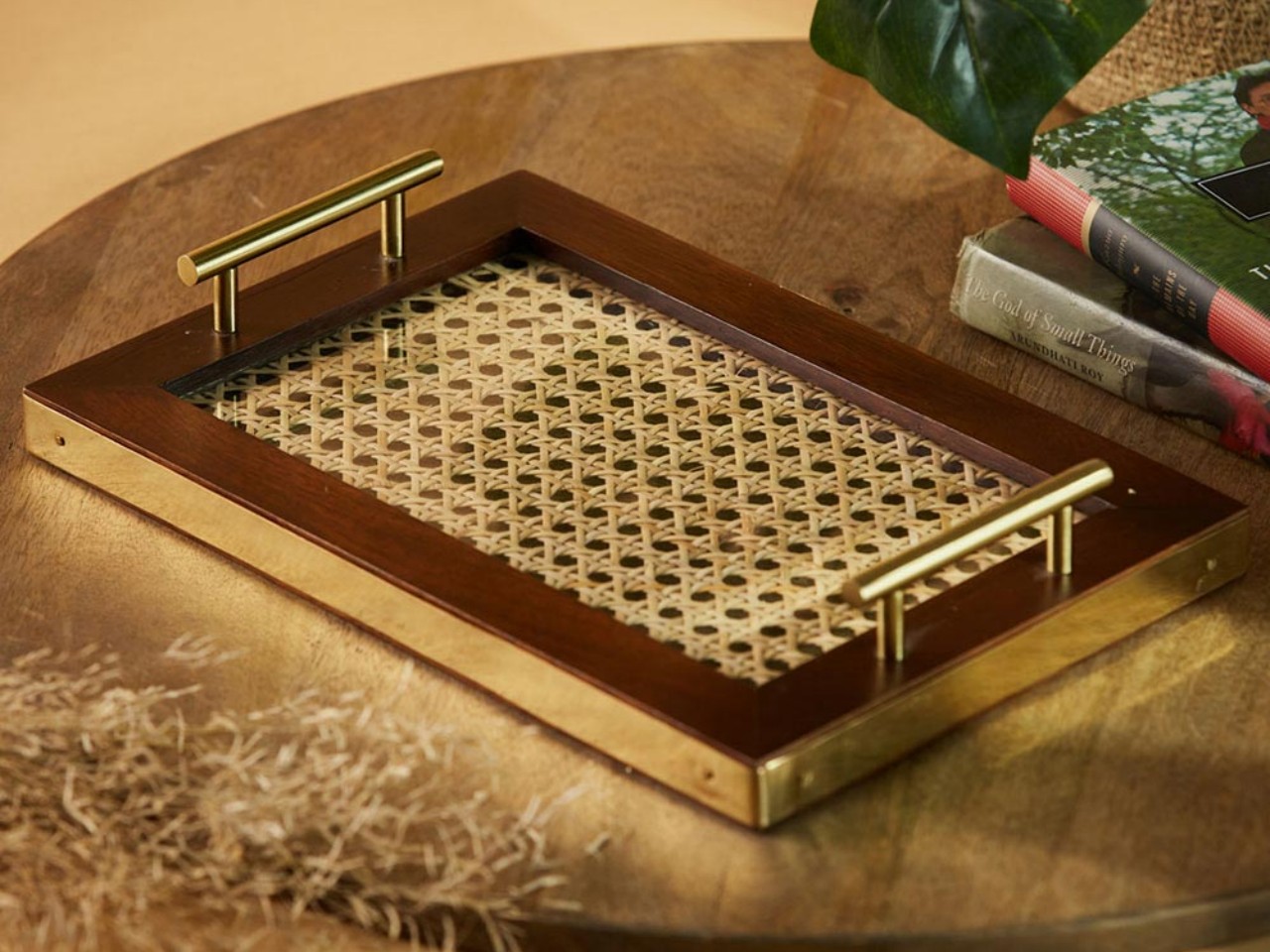
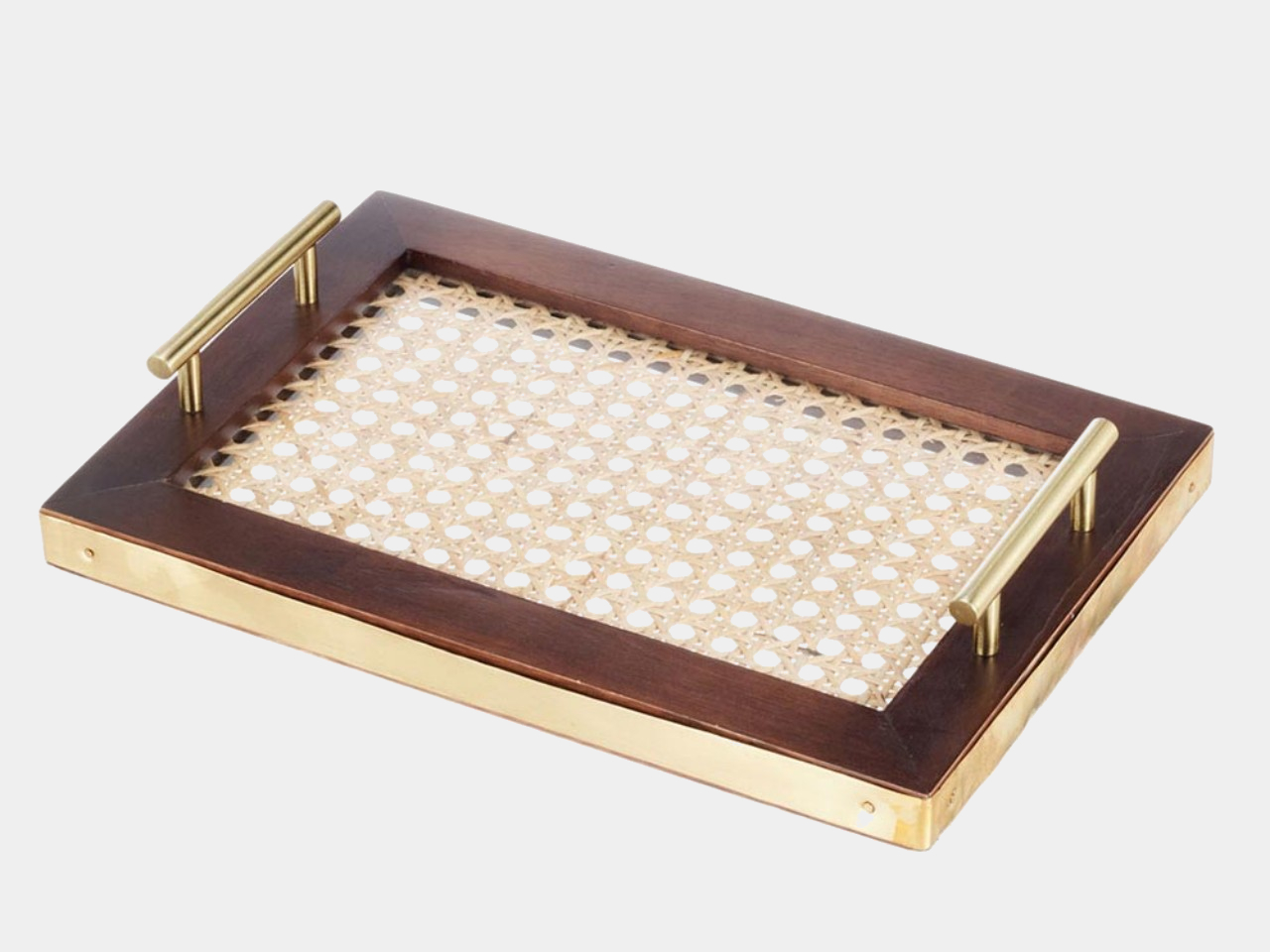
Jesmonite lends itself well to molding into diverse shapes, making it an excellent option for crafting various decor pieces such as trays, cups, jars, and other homeware items. These decorative jesmonite trays blend artistry with functionality. Jesmonite products, composed of a reactive mineral base and water-based acrylic resin, are non-solvent and free of VOCs, making them eco-friendly and versatile for various uses at home.

Designer: Marta

The one-of-a-kind multi-colored terrazzo-style bowl, crafted entirely by me using Eco resin and Jesmonite materials and pastel hues.

8. Wall Relief

Designer: Theodóra Alfreðsdóttir

The ‘Wall Jesmonite Relief’ by Theodora Alfredsdottir is a captivating geometric artwork that seamlessly blends artistry, geometric shapes, and functionality, perfect for interior decor. Crafted from versatile jesmonite with a discreet keyhole for easy wall mounting, it looks stunning in various color options.

In conclusion, Jesmonite is highly versatile, durable, and lightweight, finding extensive use across construction, architecture, and art industries. Its ability to replicate natural materials, along with its strength and durability, makes it an ideal choice for diverse projects and design applications.

The post What is Jesmonite and Why is it Gaining Popularity in Contemporary Product Design? first appeared on Yanko Design.
Top Ten Ways To Integrate Storage With Multifunctional Furniture

The latest trend in furniture design revolves around multifunctional furniture integrated with clever storage solutions. Choosing furniture with built-in storage offers numerous advantages, making it a smart choice for individuals and households alike. Here are some emerging trends in furniture design that are gaining popularity.

Designer: Vank

1. Embrace Flexibility

Modular multifunctional furniture pieces showcase creativity by adjusting to available space according to specific needs, whether it’s altering height, built-in storage configuration, or layout. This adaptability empowers homeowners to tailor their living spaces to fit their needs, rather than the other way around.

The Vank Cube is a modular furniture system by the Polish brand Vank. Crafted from flax and hemp fibers, these versatile “building blocks” can transform into storage units, space dividers, tables, and desks. Designed for adaptability, they seamlessly blend minimalist aesthetics with functionality, perfect for various interiors from homes to offices. With reversible connectors, modifications are quick and easy, while optional add-ons like upholstered cushions and biomaterial side panels offer further customization. Sustainable, sleek, and adaptable—the Vank Cube is the modern solution for versatile furniture needs.

2. Focus on Minimalism

Numerous minimalist furniture pieces prioritize sleek design aesthetics. These pieces feature smooth curves and seamlessly integrate storage options too.

Designer: Julian Topor

The KURVE furniture collection is a blend of minimalist design and functional innovation. Crafted from simple curved layers of plywood, each piece seamlessly integrates storage solutions into its sleek aesthetic. From the throne-like KURVE chair with a backless storage box to the KURVE Couch featuring a central console and ample storage space, every element maximizes utility without compromising style. The table and nightstand complete the collection, offering practicality with their trapezoidal designs and clever storage solutions.

3. Go for the Compact Home Office

In the post-COVID era, remote work became the new standard with the rise of WFH (work from home), and now, hybrid work models are becoming permanent fixtures. Consequently, our homes must now serve the dual purpose of living and office spaces. This shift is particularly challenging for urban dwellers residing in compact homes, leading to an increased demand for compact home office setups.

Designer: Gökçe Nafak

The Portable Compartment Desk Looha is a transformative piece designed for the contemporary workspace. Crafted with portable wire compartments, it redefines organization while seamlessly integrating practicality and aesthetics. Foldable legs ensure mobility and flexibility, allowing easy transitions between spaces. With adaptable trays for storage and pinboard functionality, this desk promotes efficiency and personalization. Made from durable, eco-friendly materials, Looha combines functionality with timeless design, elevating any workspace into a haven of productivity and style.

4. Prioritize Organization

Structured environments guarantee clutter-free spaces, achieved through multifunctional furniture equipped with storage solutions down to the smallest details. Take, for example, this gaming console.

Designer: Bauhutte

Bauhutte, renowned for its gaming comfort has introduced a sleek, organized solution which is a specially designed cabinet for storing game consoles and accessories. Featuring open shelves and a dark color scheme, it ensures optimal ventilation and maximizes storage space. Equipped with a hidden cable box and compatibility for multiple consoles, Bauhutte’s cabinet combines functionality and style for the ultimate gaming setup.

5. Say Yes to Quirky Furniture

Not all furniture needs to be serious; it can also infuse a playful touch into home decor while integrating storage and serving multifunctional purposes in any living space.

Designer: Priyam Doshi

The Moose Cabinet is a whimsical yet functional statement piece that is designed to infuse joy into your living space. Crafted by Priyam Doshi and winner of the A’ Design Award, this handmade cabinet features a playful silhouette inspired by the majestic moose. Made from Oakwood with a water-based matte finish, it integrates four storage areas, including open compartments in the legs and concealed storage in the body and face. The tabletop surface comes equipped with trays for organizing small items, while the moose’s tail features a built-in mirror. With horns that serve as convenient hangers, this cabinet adds both charm and practicality to any room.

6. Consider Rotating Furniture

Compact spaces inspire creativity and drive innovative product design. Consider a single piece of furniture that effortlessly functions as both a bedroom and an office, boasting a sleek and minimalist design without appearing bulky.

Designer: Expand Furniture

The Compatto Rotating Office Murphy Bed with Desk is the ultimate space-saving solution for small living spaces. This innovative furniture piece seamlessly transitions from a comfortable bed to a functional workspace and multimedia area with just a few rotations. Its wide desk offers ample space for dual monitors, TV screens, or all-in-one iMacs, while also providing storage for files, books, and decorations. Thoughtfully designed with provisions for power cords and wires, this compact yet versatile unit is perfect for those seeking a stylish bed and workstation combination.

7. Invest in Space Saving Furniture

To maximize storage capacity, make sure to use the walls effectively, transforming them into functional furniture when needed. This innovative approach revolutionizes design, optimizing space utilization in multifunctional ways.

Designer: Friday Furniture

This Space-Saving Marvel by Friday Furniture is closed with a sleek 6.6-inch fixture against the wall. Once opened it reveals a spacious workstation with a built-in webcam and warm LED lighting. Crafted from sturdy birch plywood, it seamlessly combines style and function, offering room for the monitor, accessories, and storage, along with smart features like cork pinboards and USB ports for organization. With dimmable LED lighting and a foldable design, it’s the perfect space-saving solution for any urban setting.

8. Experiment with Interlocking Storage

Leveraging 3D printing technology opens up boundless creative possibilities. Through 3D printing, multifunctional furniture pieces emerge, featuring interlocked storage options and fluid curves that craft captivating compositions while offering dedicated storage compartments.

Designer: Deniz Aktay for recozy

The Drop Side Table is a sleek and versatile piece of furniture designed by Deniz Aktay. Crafted with minimalist elegance, it’s 3D-printed using recycled materials for sustainability. Its unique asymmetrical twisting point allows for flexible usage from every angle, doubling as stylish storage for books, magazines, or decor. With a space-saving design and geometric aesthetic, the Drop Side Table effortlessly enhances any room with its functional charm and modern appeal.

9. Integrate Technology

As Generation Z enters the workforce, they are heavily influenced by technology and the digital era. Their preference leans towards furniture that is technologically advanced and can enhance storage capabilities.

Designer: KOREA DESIGN MEMBERSHIP PLUS (Chaewon Lee, Chan woo Park, Jungwon Lee, Da-yeon Choi)

PRISOOM is the ultimate party companion designed collaboratively by LG and KDM for the MZ generation. This sleek mobile serving table doubles as storage and features integrated lighting for captivating photos and a powerful speaker for the perfect party vibe. With customizable hues and user-friendly controls, PRISOOM enhances interaction and ambiance. Its stable design ensures items stay secure, while convenient cable management keeps things tidy. As the go-to solution for house parties, PRISOOM offers compact functionality tailored to modern socializing.

10. Add Interest in 3D Furniture

Three-dimensional furniture injects a dynamic vibe into interiors, doubling as an artful accent piece in any space, with the added functionality of accommodating storage.

Designer: Deniz Aktay

The ‘Overlap’ Table is a sleek and versatile furniture piece designed by the renowned Deniz Aktay. This innovative table combines functionality with minimalist elegance, serving as both a coffee table and a compact storage solution. Crafted from interlocking wooden boxes, it maximizes storage while maintaining a small footprint, perfect for modern living spaces. Whether as a centerpiece or tucked into a corner, the ‘Overlap’ Table offers both style and practicality for today’s homeowners.

The post Top Ten Ways To Integrate Storage With Multifunctional Furniture first appeared on Yanko Design.
What Is A Wellness Kitchen? Top 10 Trends For A Healthier Lifestyle

The kitchen serves as the heart of the home, and it plays a key role in determining a healthy lifestyle. In such a context, a wellness kitchen strives to deepen our bond with nature by integrating cutting-edge technology to improve both efficiency and comfort. With a focus on revamping food storage, preparation, cooking, consumption, and disposal for fresh, organic ingredients, an ideal Wellness Kitchen integrates elegant designs that inspire social interactions and eco-friendly lifestyles that nurture the mind, body, and soul. Check out the top 10 trends in wellness kitchens

Designer: MAGPIE

1. Healthy Eating

In wellness-focused kitchens, gardens are vital, enabling you to grow nutritious produce and promote healthy eating while reducing reliance on stores. Integrating them brings joy and tranquillity, whether through simple planters or innovative hydroponic setups like ‘refrigerator’ gardens. Hydroponic systems offer indoor vegetable cultivation, needing consistent light typically from grow lights, best suited for separate spaces like a pantry to avoid disrupting evening routines.

Designer: Igor Abakumov

Introducing Home Garden, a sleek herb drawer designed by Igor Abakumov. This innovative solution seamlessly integrates into your kitchen, providing access to fresh herbs year-round without sacrificing counter space. Equipped with a smart system, Home Garden monitors plant moisture, temperature, freshness, and readiness for use, all adjustable via smartphone. Its compact design makes it perfect for any kitchen, catering to both urban apartments and spacious suburban homes. With Home Garden, enjoy the convenience of having your favorite herbs at your fingertips while adding a touch of greenery to your culinary space.

2. Encourages Interaction

Image courtesy of: BGStock72

A vital aspect of a wellness kitchen is its capacity to nurture social connections. A key design trend involves crafting spaces that encourage collaboration and interaction. One effective method is designing a generous kitchen island with space for food preparation, allowing multiple people to engage in cooking, alongside areas for standing and conversing, as well as seating for comfortable interaction, including defining a clear boundary between the kitchen and living area.

3. Good Ventilation

Image courtesy of: Kattecat

The wellness kitchen should incorporate air purification systems, including kitchen chimneys and exhaust fans, to reduce toxins, minimize pollutants, and ensure clean indoor air quality. Adhering to VOC limits for interior paints, coatings, adhesives, sealants, insulation, and flooring is also essential. The kitchen should also feature windows to facilitate natural ventilation and improve indoor air quality by replacing stale indoor air with fresh outdoor air.

4. Natural Light

Enhancing natural light by enlarging windows and adding skylights brings proven health benefits such as increased productivity, improved moods, and energy conservation. LED lighting, with its longevity and energy efficiency, further complements natural light, while also potentially alleviating seasonal affective disorder. A well-designed lighting scheme should include ambient, task, and accent lighting to create a layered effect, promoting overall well-being in the wellness kitchen.

Designer: Nat Martin and Sean Hammett

The Sunday Light, conceived by designers Nat Martin and Sean Hammett, is a groundbreaking overhead LED fixture designed to bring the mood-boosting effects of daylight to any space, particularly in dreary English winters. Suspended beneath a reflective panel, it diffuses light akin to Earth’s atmosphere, promising to infuse rooms with the invigorating sensation of a sunny day. Serving as a remedy for seasonal affective disorder, it delivers 30,000 lumens of warm, comforting light, boasting a CRI value of 93 for a natural and pleasant ambiance. Its intense yet gentle illumination experience uplifts mood, energy, and alertness.

5. Use of Natural Materials

Image courtesy of: Mint_Images

As people seek a deeper connection to nature for greater happiness and tranquillity, natural materials are gaining popularity in kitchen design, with stone and wood being prime examples. Combining these natural elements with modern ones seamlessly integrates both aesthetics, capturing the essence of each.

Designer: Sebastian Cox with Ninela Ivanova

Sebastian Cox’s Mycelium pendant lamps are grown, not made, utilizing mycelium—a sustainable, vegan alternative to suede and leather. Teamed with researcher Ninela Ivanova, the “Mycelium + Timber” project explores mycelium’s potential in commercial furniture design. Each lamp undergoes a 4–12-week growth process, where mycelium fibers bind with willow wood inside molds filled with cultivated fungus, resulting in a unique, compostable composite material.

6. Introduce Pocket Doors

Designer: Accuride

To maintain cleanliness and organization, it’s advisable for a wellness kitchen to minimize open shelving. Yet, for those who favor the appearance of ample open shelves, pocket doors offer an excellent solution. These doors enable convenient access to stored items during meal preparation and can be closed to keep shelves free from dust when not in use.

7. Display & Storage

Designer: True Manufacturin

In a Wellness Kitchen, fresh produce is showcased through glass refrigerator doors or grown in a kitchen garden, promoting accessibility. To meet consumer needs, refrigeration options in the ideal Wellness Kitchen offer varied temperatures and humidities for organized and visually appealing storage, featuring glass doors, multiple compartments, and concealed compressors to minimize noise pollution.

8. Biophilia

Biophilia, rooted in Greek for “life” and “love,” embodies the human urge to connect with nature, essential in wellness kitchen design. This strategy integrates natural elements like plant walls, greenery, nature-inspired crockery, skylights, and large windows to foster physical and psychological well-being, reduce stress, and boost creativity.

Designer: BTS Design

Ensure that conversation never runs dry with these shark wine glasses, which seamlessly infuse a biophilic vibe into your gatherings. Inspired by nature’s elegance, these glasses not only serve as functional vessels but also spark intriguing discussions about the natural world. Crafted to evoke the graceful movement of sharks, they bring a touch of the ocean’s beauty to your table setting. With their sleek design and captivating aesthetic, these glasses are sure to captivate guests and elevate the ambiance of any occasion.

9. Inclusive Design

Image courtesy of: sofiiashunkina

Enhancing wellness involves considering homeowners’ ages, heights, and abilities during the planning process, including features like non-skid floors, a raised dishwasher for comfortable access to top and bottom racks, various seating heights at the island to accommodate all family members, and deep drawers organized for easy access. Additionally, ensuring enough space for wheelchair maneuverability and adapting countertop heights for cooking or food preparation contributes to a more inclusive and accessible kitchen design.

10. Compost

Effectively managing food waste in an eco-conscious manner is a significant concern for individuals striving for sustainability, as placing food waste in the garbage leads to unpleasant odors, attracts pests, and necessitates more frequent collection. Composting emerges as a wellness kitchen trend, with innovative compost bins efficiently managing food scraps, effectively eradicating kitchen odors and fruit flies. With benefits like reducing landfill waste and promoting garden growth, composting seamlessly integrates into the ethos of a wellness kitchen design.

Designer: Byeonkyu Park

The rise in food delivery services has significantly impacted our eating habits, often leading to unhealthy lifestyles and increased waste. While some services offer healthier options and sustainable packaging, they often fall short in reducing overall waste. Enter Toggle, a composting device designed to transform uneaten food and its packaging into nourishment for plants. This innovative solution allows you to process leftover meals and materials like paper and wood at home, reducing waste volume and producing homemade fertilizer. Toggle’s discreet design resembles a stylish can, featuring safety measures and user-friendly interfaces. It encourages a more responsible lifestyle, ensuring both your plants and the planet benefit from your choices.

The post What Is A Wellness Kitchen? Top 10 Trends For A Healthier Lifestyle first appeared on Yanko Design.
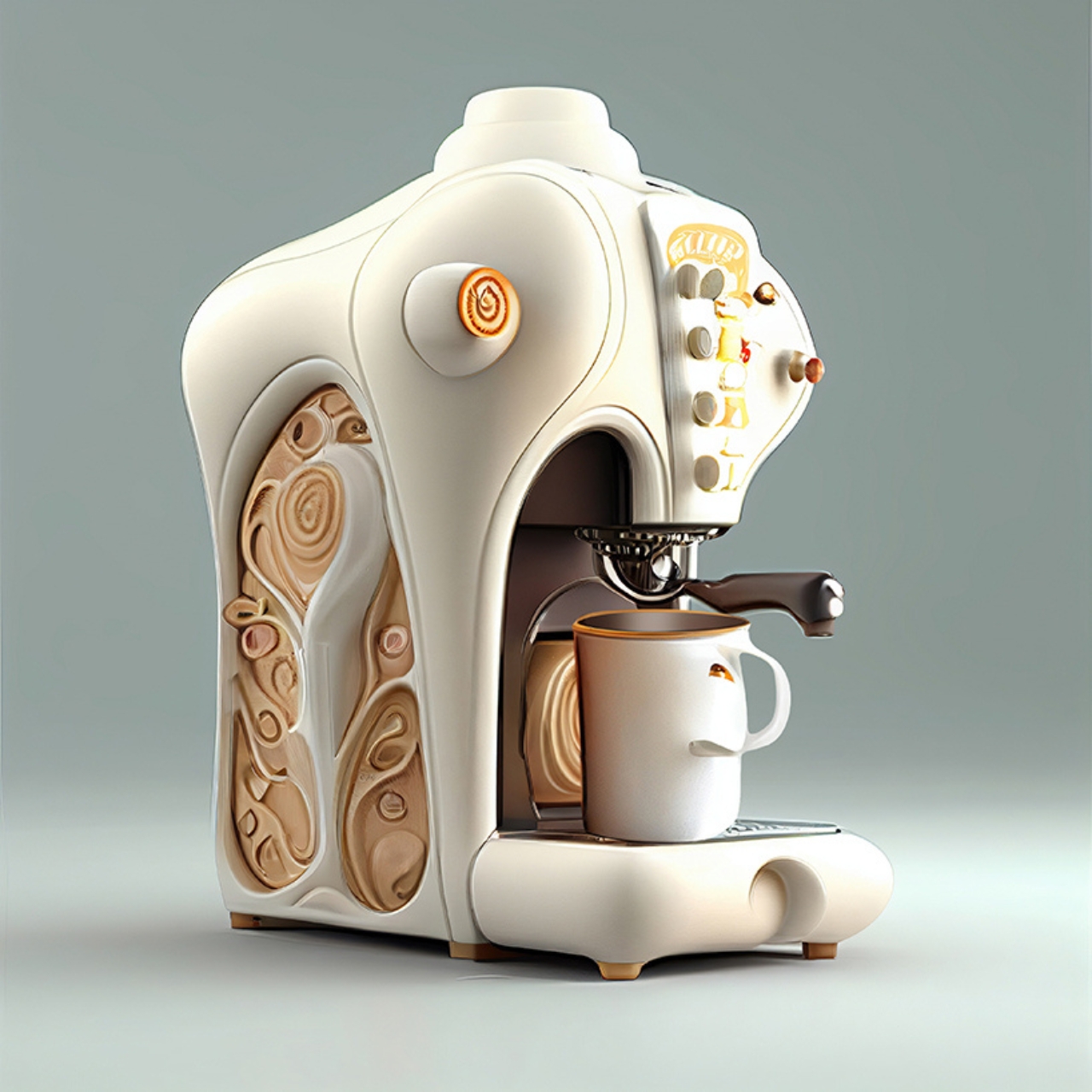
Sensory Design in Architecture: What Are Its Core Principles

Sensory design in architecture considers all human experiences within a building, including sounds, textures, aromas, and flavors. Architects create environments fostering emotional connection, cognitive engagement, and well-being. Core principles prioritize immersive experiences, human comfort, emotional resonance, and cultural relevance of sensory stimuli. Here’s how architecture integrates the built and unbuilt environment to engage the senses.

Designer: Grant Associates, WilksonEyre

1. Sight

Visual components are pivotal in architectural planning. Incorporating light, color, shape, and texture can evoke distinct feelings and enrich spatial awareness. Architects manipulate visual elements like light, shadow, and contrasting hues to navigate occupants through environments and establish focal points. Our perception of space, light, color, and texture relies on our visual senses.

The Gardens by the Bay Sound and Light Show is a mesmerizing multimedia event at Gardens by the Bay in Singapore. The Supertrees, iconic vertical gardens, dazzle with synchronized lights and music, creating an immersive experience. These Supertrees also feature integrated solar panels, enhancing their futuristic design as they illuminate the night sky during the show.

Image courtesy of: duallogic

Check out the aerial view of the rockery backyard garden that immerses you in a tactile experience, where lush greens contrast against a backdrop of textured rocky terrain.

2. Sound

Sound greatly influences our perception of space. Architects carefully consider acoustics to create environments suitable for different activities. Whether it’s using sound-absorbing materials in libraries or incorporating natural sounds outdoors, the goal is to enhance the auditory experience and establish harmony. Elements like water features, wind chimes, or musical instruments contribute to a soundscape that enriches the atmosphere.

Experience the mesmerizing Magic of Light through a VFX Projection Mapping Show on a building!

Image courtesy of: YouraPechkin

The presence of sound in a water fountain not only creates delight but also adds a sensory dimension, while visually enhancing the relaxing vibe it offers.

In high winds, the wind chime’s music harmonizes with the natural sounds of the wind, resulting in a captivating sensory experience. Whether placed in gardens or at entrances, these chimes emit sweet, melodic notes that enhance the ambiance.

3. Touch

The tactile aspect of architecture involves the physical interaction between people and their surroundings. Architects select materials based on their texture, temperature, and tactile qualities to create immersive environments. Whether it’s marble’s sleekness or wood’s warmth, each surface contributes to the overall tactile experience. Architectural design can also engage the sense of touch through textures, inviting individuals to interact with surfaces. Material selection can influence the temperature and atmosphere, offering comfort or stimulation. Well-designed elements like gloss finish tiles or travertine stone finish on walls pleasant tactile experiences, enhancing the overall impression of a space.

Designer: Shneel Malik

Indus is a tile-based, modular bioreactor wall system designed by architect Shneel Malik to address water pollution in India’s artisan and textile industry. Inspired by leaf architecture, the system utilizes algae in a symbiotic relationship to extract pollutants from wastewater through bioremediation. Locally fabricated using traditional methods and materials, Indus empowers rural artisan communities to regenerate water for reuse in their manufacturing processes. Compact and naturalistic, it offers a sustainable solution to water pollution, recognized internationally for its innovative design.
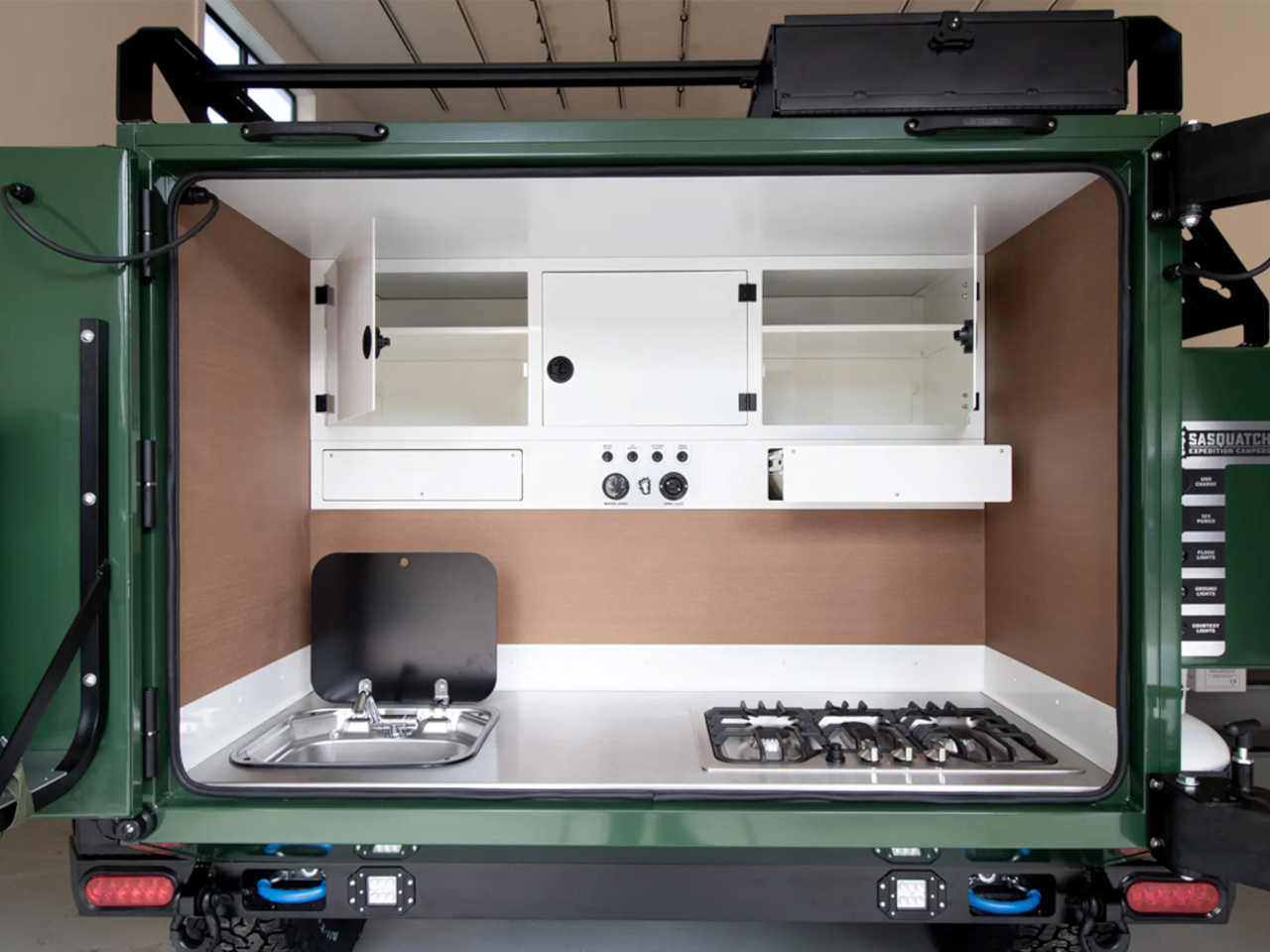
Image courtesy of: wirestock

The rough, coarse walls evoke a sense of ruggedness and solidity, offering both tactile and visual stimulation. The variety of colors, patterns, and textures in the stones creates an intriguing environment, enriched further by the play of light and shadow on the uneven surface.

Designer: Gessi

The Jacqueline tap by Gessi is a sensory masterpiece for your bathroom. Crafted from bamboo as part of the Gessi Spa Collection, it offers a blend of sustainability and elegance. Meticulously shaped using hot bending techniques, the bamboo roots provide a tactile and visually appealing experience. This tap not only adds style but also engages the senses with its attention to detail and eco-friendly design.

4. Smell

Smell, often underestimated in architecture, greatly influences a space’s atmosphere. Natural materials and greenery can bring in subtle scents, linking to nature and providing refreshment. Strategically placed essential oils or aromatic plants can establish a calming or invigorating environment. Architects can incorporate natural ventilation, fragrant plants, and scented materials to enhance the design’s sensory aspects. Whether it’s the aroma of baked goods in a bakery, the scent of wet earth after rain, or the woody fragrance of a forest, smells enrich the ambiance.

Image courtesy of: monkeybusiness

Scents quickly imprint in our memory, offering relaxation or therapy like lavender’s calm or jasmine’s stimulation.

Image courtesy of: vanitjan

The indoor landscape blends forest scents, including the aroma of rocks, moss, and trees, providing a sensory delight that engages the senses.

Designer: Hanyoung Lee

Elevate your indoor environment effortlessly with the compact Forest Scent Diffuser, infusing your space with the invigorating scent of the forest or the soothing aroma of the sea all day long. Inspired by the simplicity of a mailbox, this eco-friendly device utilizes tea bags or coffee scraps to emit your desired fragrance, promoting relaxation and focus wherever you place it in your home. Crafted from fabric and metal, its sleek design resembles a wireless speaker, discreetly enhancing your surroundings with the essence of nature while reducing stress and fatigue.

5. Taste

While taste isn’t commonly linked to architectural design, it can indirectly influence experiences, especially in restaurants and cafes. These spaces demonstrate how design can enhance culinary experiences by complementing the food with layout and aesthetics. Material choices also impact taste perception; for example, natural materials promote a more mindful connection with food. Architects in hospitality settings consider factors like dining area layout and food presentation to create a multisensory dining experience, where the smell of freshly brewed coffee further enhances the ambiance.

Image courtesy of: BlackBoxGuild

The aroma of freshly brewed coffee enhances the dining experience in cafes and restaurants, adding to the sensory delight of enjoying the space within the establishment.

6. Perception

Perception is pivotal, involving manipulation of space, height, color psychology, and light to shape interaction with surroundings. Architects use techniques like mirrors, patterns, and colors for optical illusions of space and depth. Strategic window placement and perforated screens regulate natural light, resulting in dynamic interplays of shadow, pattern, and light.

Image courtesy of: tampatra

Singapore’s Jewel Changi Airport offers a unique sensory experience, with its expansive skylight flooding the interior with natural light and creating a tranquil atmosphere. The centerpiece is the mesmerizing indoor waterfall, the Rain Vortex, which cascades down several stories amidst lush greenery, evoking wonder and awe. The scent of foliage fills the air, enhancing the immersive experience, while a silent train glides through the indoor forest, providing a unique perspective for travelers within this bustling terminal. Jewel Changi Airport is not just a transportation hub; it’s a destination where visitors can escape into a world of light, water, and nature.

Image courtesy of: Thaitoystory

Square cutouts allow natural light to enter, casting shadows on the floor. The patterns shift with the sun’s orientation, creating a spacious and dynamic atmosphere within the all-white space.

Image courtesy of: micheledeblock

Geometric patterns and shadows form an abstract design.
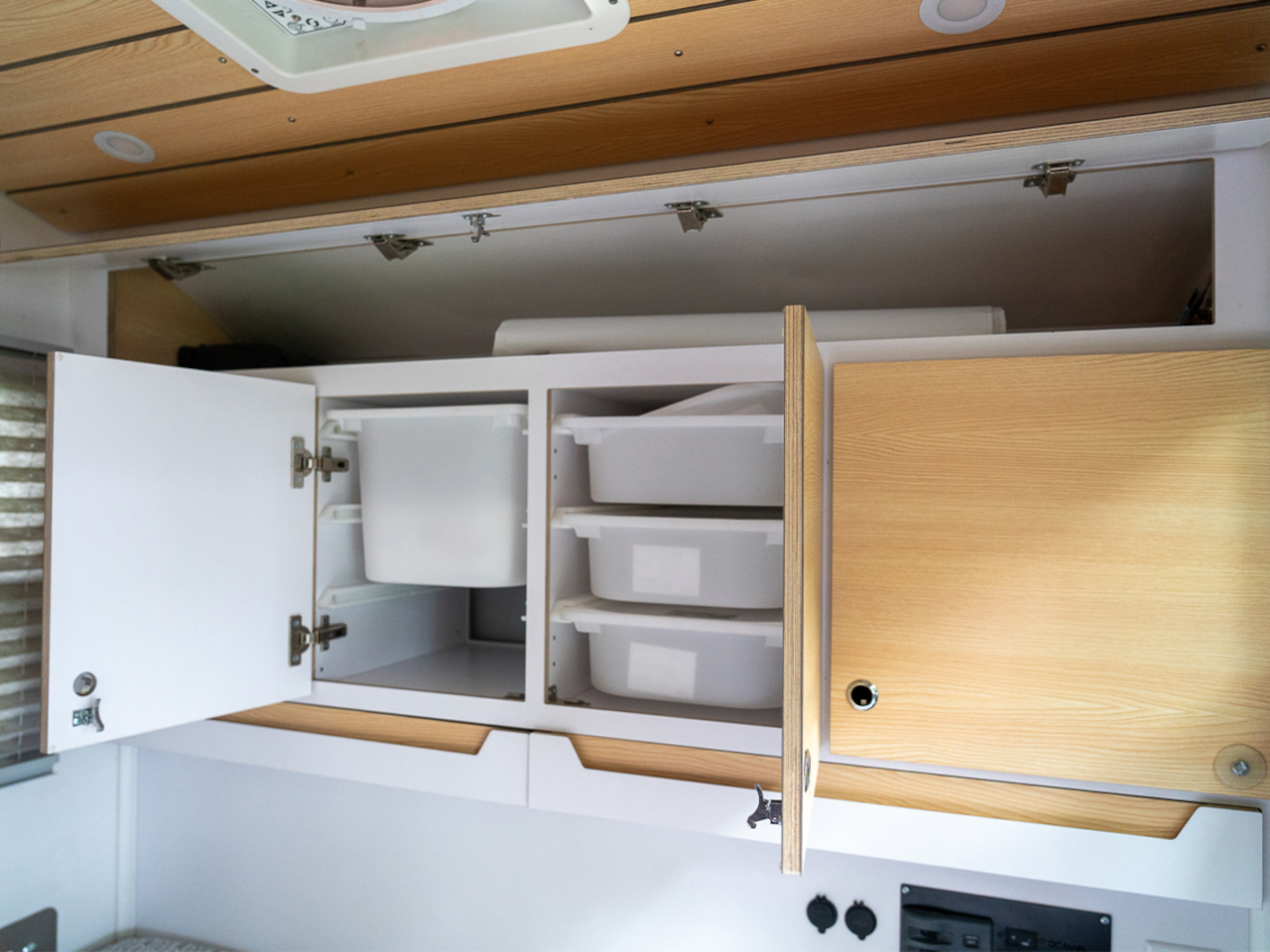
In architecture, sensory design seamlessly integrates all senses, engaging occupants holistically and nurturing their well-being while fostering a profound connection to the environment. By integrating sight, sound, touch, smell, and taste, architects create spaces that deeply resonate with occupants, fostering connection and enriching the overall human experience.

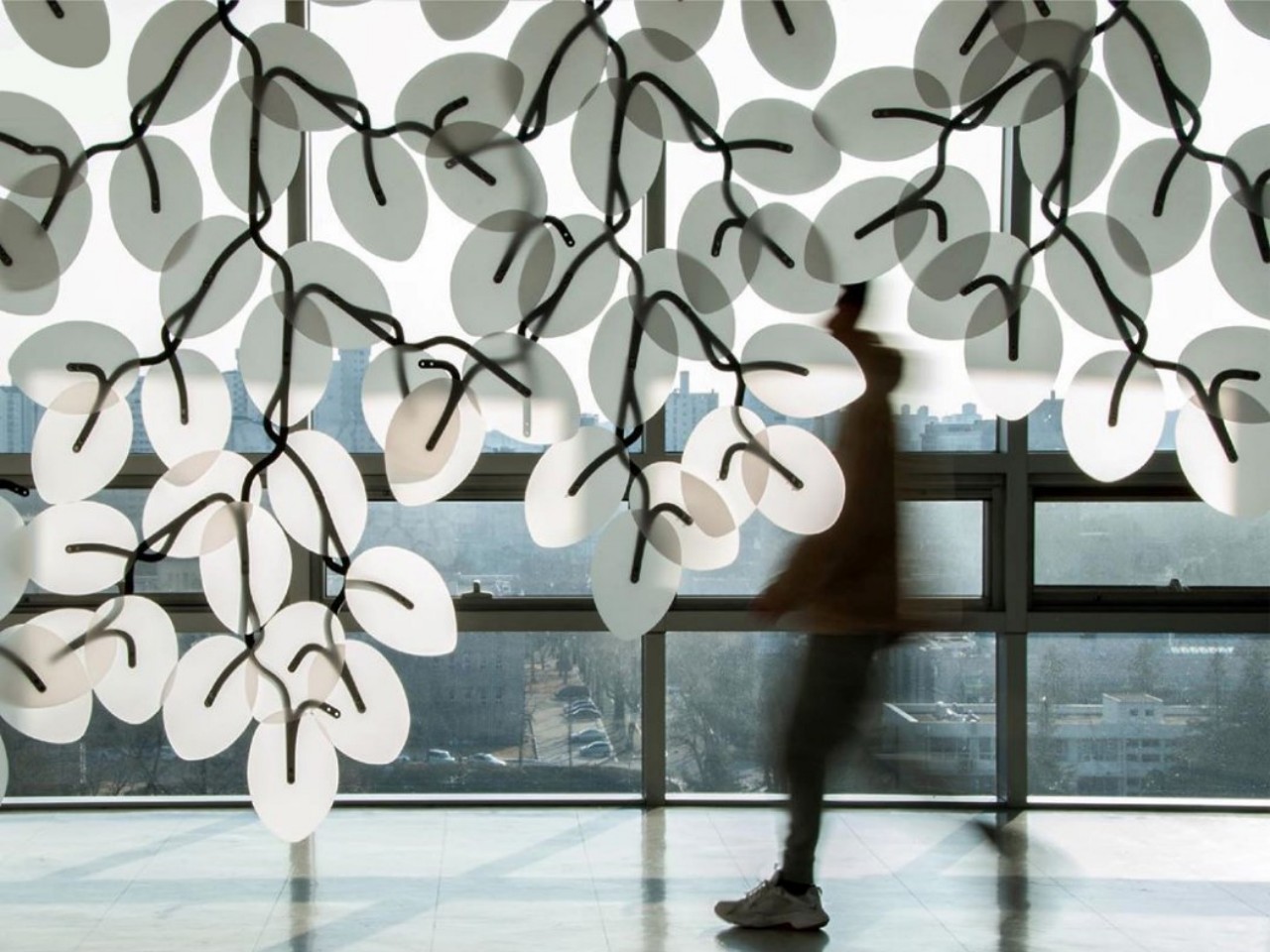
The post Sensory Design in Architecture: What Are Its Core Principles first appeared on Yanko Design.