2023 was a year of layoffs and acquisitions | This week’s gaming news

Welcome back to our weekly gaming news roundup. As the year comes to a close, we’re looking back on 12 months of massive change for the video game industry, driven by acquisitions, layoffs and unionization. You can read my story on consolidation for more on gaming's tough year.


This week’s stories

No Game Pass for Baldur's Gate 3


Baldur’s Gate 3 is officially the Game of the Year and after months as a PlayStation console exclusive, it’s finally available on Xbox. However, if you’re waiting for it to become available on Game Pass, stop. Baldur’s Gate 3 is never coming to Xbox or PC Game Pass, according to Larian Studios founder Swen Vincke. It’s a fantastic, big and lengthy game sold at a standard price of $70 — take it or leave it.

The Last of Us Online is dead

Naughty Dog has canceled The Last of Us Online, its multiplayer spinoff that’s been in the works for years. This isn’t too surprising, considering the lack of updates about the game, but it is now official. Naughty Dog said it didn’t have the resources to support a live-service game and also create new single-player narrative experiences, which are historically its thing. The studio has more than one of these games in development right now.

2023 was a pivotal year in games

2023 was a year of upheaval in video games. There were three main factors molding the industry: consolidation, layoffs and unionization.

In terms of consolidation, the biggest story of the year was the approval of Microsoft’s purchase of Activision Blizzard King for $69 billion. Microsoft is now the third-largest video game business in the world by revenue, right behind Sony and Tencent. Today, the Xbox umbrella covers nearly 40 studios, including Arkane, Bethesda, id Software, Infinity Ward, Mojang, Ninja Theory, Playground Games, 343 industries, and Turn 10.

Sony is more subtle than Microsoft about its attempts at total domination, but it owns 21 development teams, including Bungie, Guerrilla Games, Haven Studios, Insomniac, Naughty Dog and Sucker Punch Productions. It’s made a lot of purchases in the past three years, and invested heavily in studios like Epic Games and FromSoftware.

And then there’s Tencent, which has thousands of tentacles spread across the industry. Tencent owns a portion of Bloober Team, Paradox Interactive, PlatinumGames, Remedy, Roblox and Ubisoft, among others. It has a majority stake in Supercell, Tequila Works, Techland and others. It fully owns Riot Games, Funcom and, of course, others. It also runs multiple internal development companies and publishing labels.

Tencent also owns a 40 percent stake in Epic Games. This alone means any time you buy a game built on Unreal Engine, Tencent is getting a cut. If you played something this year, Tencent was probably involved.

There are clear short-term benefits of being bought by a larger company, but there are downsides to relinquishing independence. Acquired studios are held accountable by people outside of the actual development of a game, and the bigger the company, the further away its bosses are from the creative process.

The most extreme negative outcomes for an acquired indie studio are, of course, layoffs and closures. We saw a lot of these in 2023.

An estimated 9,000 people lost their jobs in the video game industry this year, up from about 1,000 in 2022. This is a crisis level of loss, and it was spurred by over-eager acquisition sprees by the companies at the top. Embracer Group, which owns more than 100 video game studios, laid off more than 900 people and it completely shut down multiple studios.

Unity laid off about 900 people this year. In November, the company reported a yearly revenue increase of 69 percent and executives told investors, “We continued to manage costs well.”

Epic Games fired about 830 people in 2023, including a chunk of the team at Fall Guys studio Mediatonic, which it purchased in 2021. EA dropped more than 1,000 employees this year, including significant cuts at Codemasters, a studio it purchased in 2021. CD Projekt RED, Sega, Ubisoft, and Microsoft’s 343 Industries also laid off at least 100 people each.

Looking back on the carnage this year, it feels like a warning — as consolidation efforts increase, more studios will be controlled by just a handful of companies, and they’ll be vulnerable to moves like mass layoffs and closures. We’re laying the foundation for the future of video games right now, and consolidation only makes the industry smaller and more generic. What will rampant consolidation mean for all of these acquired studios in five years’ time? What will it mean when these teams aren’t shiny, new investments any longer, and the people at the top are ready to get lean again?

Unionization is one approach that can help protect the livelihoods of people in the video game industry, and there was progress on this front in 2023. Developers at multiple studios now have union support, from small indies to AAA powerhouses. Microsoft is currently the home of the industry’s largest union, with representation for more than 300 quality assurance workers at ZeniMax Media.

Other companies with unions established in the past two years include Avalanche Studios, Anemone Hug, CD Projekt RED, Experis Game Solutions, Keywords Studios, Sega of America, Tender Claws and Workinman Interactive. We love to see it — and for the industry to remain stable, we need to see more of it.

Now playing


I’ve been unable to get The Talos Principle II out of my head since I previewed it and interviewed the developers a few months ago, and I’m finally, happily playing the game in its totality. I’m playing on a Steam Deck OLED, and I'm having a great time solving laser puzzles and talking about the meaning of life with a bunch of robots. I highly recommend you try the same.


This article originally appeared on Engadget at https://www.engadget.com/2023-was-a-year-of-layoffs-and-acquisitions-this-weeks-gaming-news-163028348.html?src=rss

Master & Dynamic MW75 Neuro headphones analyze brainwaves to optimize your work-life balance

Master & Dynamic can satisfy the most finicky audiophiles with the highest-quality audio solutions. Already on the high spectrum of the headphones industry, the NY-based company now wants to break the shackles and venture into the new age of music listening experience.

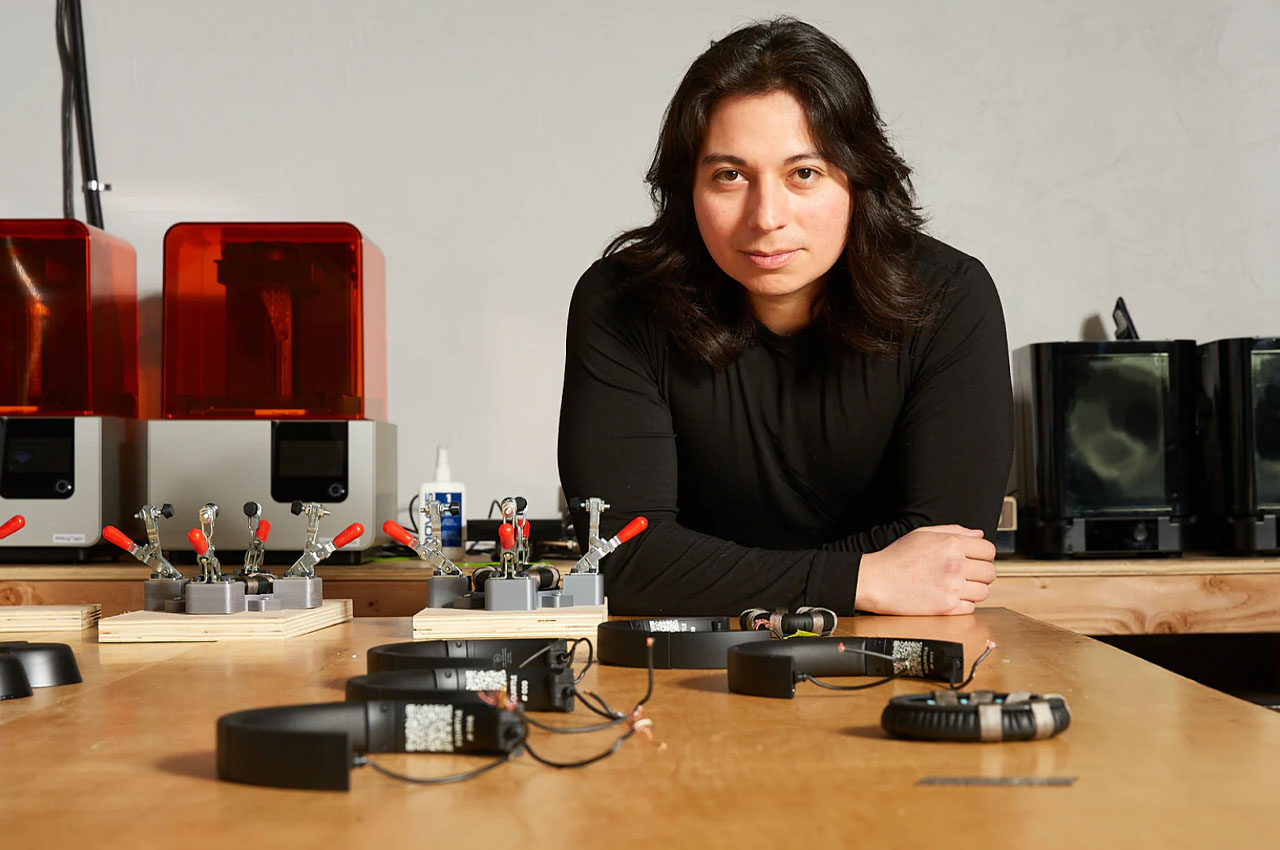
They’ve collaborated with Neurable, a tech company focused on bringing neuroscience to everyday gadgets for user’s well-being. The result is a pair of cans that are smart enough to know when you are stressed or need to focus on the task at hand. In a way these headphones are not just about listening to music, rather they are about optimizing your mental state for peak focus or stress relief to get you through the day.

Designer: Master & Dynamic and Neurable

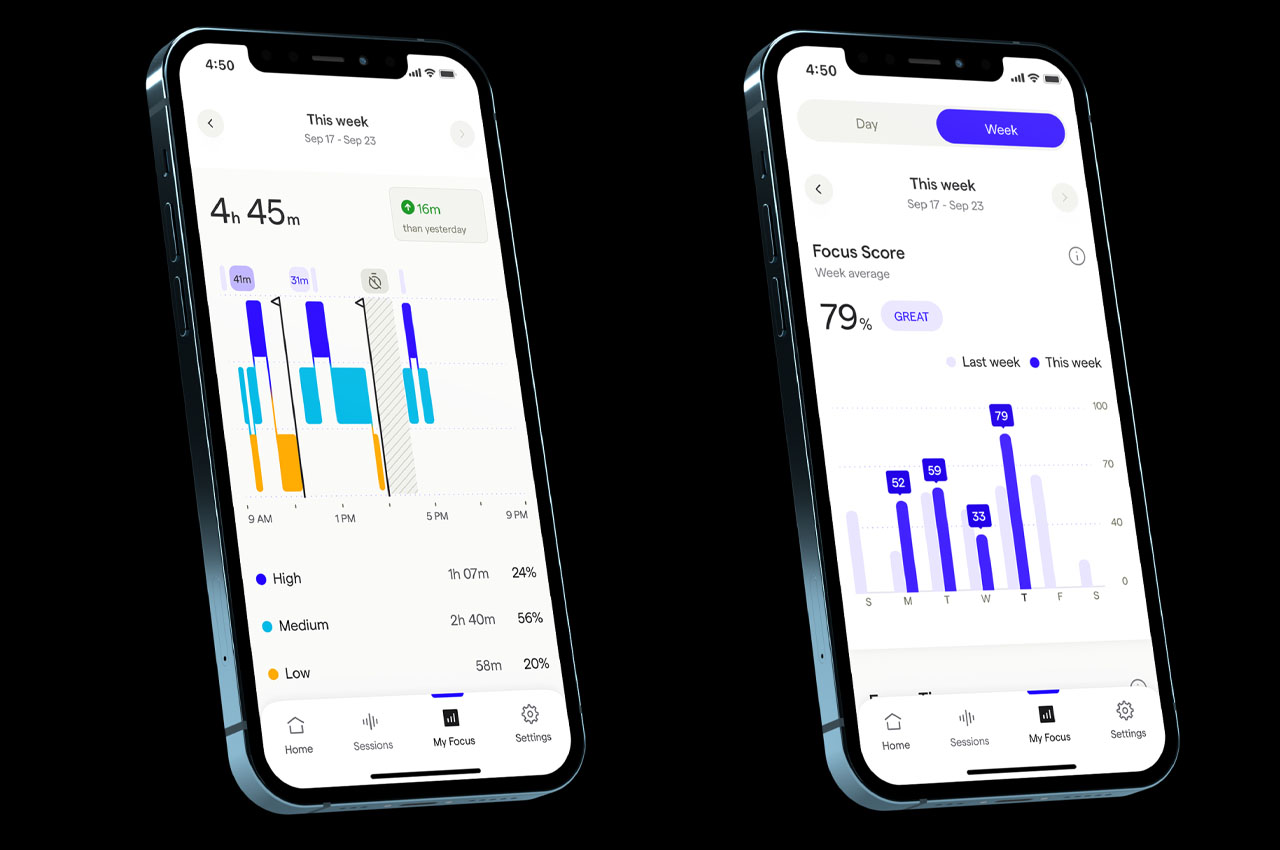
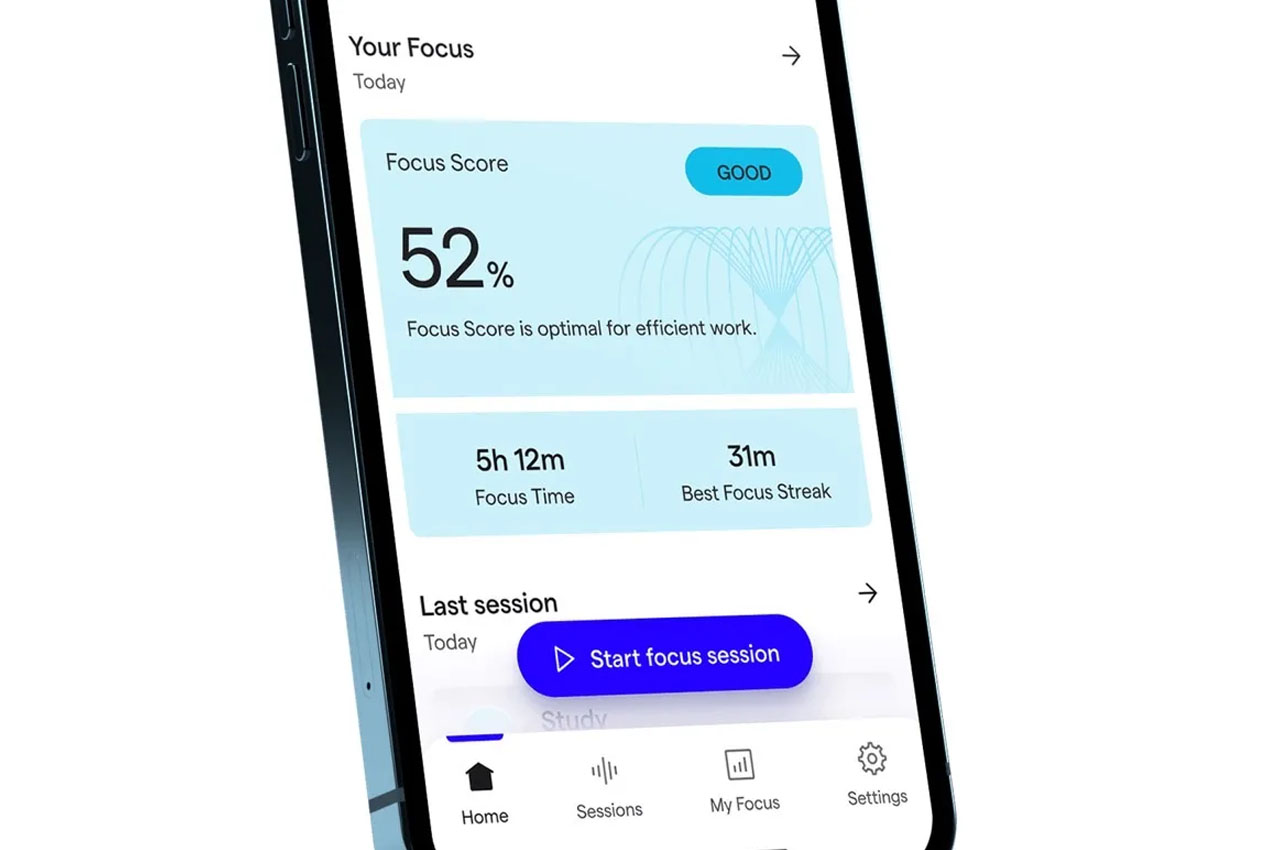
Dubbed the MW75 Neuro, these high-tech wireless headphones provide precise statistics and graphs for analysis, so that you can plan your day to maximize productivity. This is of course done via the accompanying app that highlights the most productive times to the moments of stress. On their own, the MW75 Neuro can mute notifications, enable Do Not Disturb mode and activate the Active Noise Canceling mode if it determines your brain has too much fluff to filter out in a period of focus tasks. All the fancy tech will be housed in the padded earcups of the headies and they look and feel almost like any other luxury headphones.

As clear from the name, these advanced headphones are based on the brand’s acclaimed MW75 headphones that have class-leading audio performance courtesy of the 40mm Beryllium drivers, ANC capabilities thanks to the 4 microphones that toggle the ANC levels based on the environmental sounds and stellar 28 hours battery life with ANC turned on. The MW75’s Master & Dynamic wants to usher into a new era of BCI-enabled wearable technology with these cans, and this is a clear sign of where the industry is heading toward, taking the next big leap in audio.

As Jonathan Levine, Master & Dynamic founder & CEO put it, “The greatest advancement of audio technology over the last decade has been the migration from analog to Bluetooth wireless devices. Moving now into brain sensing thrusts the industry into a new wave of innovation. We’re proud to lead the charge with Neurable.”

The Neuro variant will be available in four colors (Onyx, Argent, Olive, and Navy) for early adopters in the first quarter of 2024 for a price tag of $649. That’s only $50 more than the standard MW75 version which increases its likelihood of being picked up by geeks who want to experience more than just sublime audio. The M&D headphones will be a game changer for professionals who strive for a balanced work-life regime and audiophiles who are too obsessed with the technical and specifications!

The post Master & Dynamic MW75 Neuro headphones analyze brainwaves to optimize your work-life balance first appeared on Yanko Design.

Watch an AI robot learn how to demolish humans at a marble maze game

Researchers have developed an AI-powered robot they claim can beat the physical marble game Labyrinth faster than humans are capable of. Thomas Bi and Raffaello D’Andrea of ETH Zurich created CyberRunner, which combines model-based reinforcement with the dexterity required to beat a game that requires physical skill, coordination and precision.

For the uninitiated, the aim of the game is to guide a marble through a maze without falling into any holes. The player controls the movement of the ball by rotating two dials, which tilt the board.

CyberRunner learns through experience. A camera observes the game and an algorithm learns more about it from each attempt. "Based on its understanding of the game it recognizes which strategies and behaviors are more promising," the researchers say. As such, the robot kept getting better at the game.

The researchers gave CyberRunner and several humans around six hours of practice with the game. While the humans by and large struggled to beat Labyrinth after that time, CyberRunner was able to conquer it in just under 14.5 seconds. The researchers claim that's faster than any previously recorded time.

CyberRunner became so adept at the game that it was able to use some unintended shortcuts. The researchers had to step in and instruct the AI to follow the maze's correct path.

We've seen AI models outperform humans in other games, such as chess, Go and Dota 2. However, we haven't seen too many instances of AI performing better than humans in games that require a physical skill component.

Meanwhile, the researchers are open-sourcing CyberRunner. Maybe I can help train it to be better at Screwball Scramble than I ever was as a kid.

This article originally appeared on Engadget at https://www.engadget.com/watch-an-ai-robot-learn-how-to-demolish-humans-at-a-marble-maze-game-161554199.html?src=rss

2023 was a big year for CRISPR-based gene editing but challenges remain

2023 was an important year for patients with sickle cell disease. Prior to CRISPR, the only cure for the life-long ailment was a bone marrow transplant, which is notoriously dangerous and costly. This month, the FDA approved Vertex’s “Casgevy,” a CRISPR-based therapy for the treatment of sickle cell disease in patients 12 and older. The landmark approval made the therapeutic the first genetically edited therapy to reach the general market.

Casgevy, which also received the greenlight from regulators in the UK for another blood disorder called beta thalassemia, works by being administered in a single-infusion of genetically modified stem cells to a patient. Clinical study participants that took Casgevy were free from symptoms associated with sickle cell disease, like periodic episodes of extreme pain due to blocked blood flow through vessels, for up to a year.

CRISPR, which modifies precise regions of a human’s DNA strands, was once thought to be a far off scientific innovation. Human cells were first modified using CRISPR in clinical trials in China back in 2016. Less than a decade later, these landmark approvals have set the stage for future nods by regulators for other CRISPR-based therapies that can treat things like HIV, cancers and high blood pressure. “Gene therapy holds the promise of delivering more targeted and effective treatments,” Nicole Verdun, director of the Office of Therapeutic Products within the FDA’s Center for Biologics Evaluation and Research said in a recent press release.

The Vertex Pharmaceuticals logo is seen, Friday, March 17, 2023, in Boston. (AP Photo/Michael Dwyer)
ASSOCIATED PRESS

CRISPR-based gene editing can be designed as a therapeutic for a number of diseases. A scientist can either delete, disrupt or insert segments of DNA to treat conditions by either targeting specific genes or engineering new cell therapies. The editing process can occur ex vivo (outside the body), in the same way Casgevy does, or in vivo (inside the body). Using CRISPR, sickle cell patients’ blood stem cells are modified in a lab before they are re-infused via a single-dose infusion as part of a hematopoietic transplant.

Neville Sanjana, a core faculty member at the New York Genome Center and associate professor in the Department of Biology at New York University, runs the Sanjana lab, which develops gene therapies for complex diseases like autism and cancer. “One of the really fundamental characteristics of CRISPR is its programmability,” Sanjana told Engadget. While working at the Zhang lab at the Broad Institute of MIT and Harvard, Sanjana says he helped design the “guide RNA” that became the blueprint for Vertex’s Casgevy. “CRISPR screens can be powerful tools for understanding any disease or genetic trait,” Sanjana said. Right now, he said biomedical folks are focused on applying CRISPR-based therapies for really serious inheritable diseases.

While it does “set a precedent” to have these first CRISPR-based gene therapies out there, it could also mean that regulators and the general public will regard future innovations in the space as “less novel,” Katie Hasson, a researcher with the Center for Genetics and Society (CGS) told Engadget. The CGS is a public interest and social justice organization that is focused on making sure gene editing is developed and distributed for good. Hasson explained, it doesn't mean that because one got approved that all other innovative therapies to come after it will not get as much scrutiny.

Beyond therapeutics, gene editing has very broad applications for the discovery and understanding of diseases. Scientists can use CRISPR to explore the origins of things like cancer and pave paths for therapeutics and incurable diagnoses, but that's not all there is to it. Scientists still need to conduct “considerable experimental research” when it comes to bringing an actual therapeutic to fruition, Sanjana said. “When we focus on therapeutic activity at a particular site in the genome, we need to make sure that there will not be any unintended consequences in other parts of the genome.”

Still, the spotlight will always shine a brighter light on the flashy developments of CRISPR from a therapeutic standpoint. Currently, a new gene editing method is being developed to target specific cells in a process called “cancer shredding“ for difficult-to-treat brain cancer. Scientists have even discovered a pathway to engineer bacteria to discover tumorous cells. However, there are barriers to using CRISPR in clinical practice due to the lack of “safe delivery systems to target the tissues and cells.”

“Maybe by curing one disease, you might give them a different disease — especially if you think of cancer. We call that a secondary malignancy,” Sanjana said. While there is strong reason for concern, one cure creating a pathway for other diseases or cancers is not unique to CRISPR. For example, CAR T cell therapy, which uses an entirely different approach to cell-based gene therapy and is not reflective of CRISPR, is a lifesaving cancer treatment that the FDA discovered can, in certain situations, cause cancer.

“We definitely don't want any unintended consequences. There are bits of the genome that if you edit them by mistake, it's probably no big deal but then there are other genes that are vitally important,” Sanjana said. Direct assessment of “off-target effects” or events in which a gene edit incorrectly edits another point on a DNA strand in vivo is challenging.

The FDA recommends that after a clinical trials’ period of investigatory study looking at the efficacy of a gene editing-based therapy, there needs to be a 15-year long term follow up after product administration. Peter Marks, director of the FDA’s Center for Biologics Evaluation and Research, said that the agency’s approval of Casgevy follows “rigorous evaluations of the scientific and clinical data.” Right now, researchers are focused on improving the precision and accuracy of gene editing and having the proper follow up is absolutely well merited, Sanjana explained. “The process right now is a careful one.”

Hasson believes that the 15-year recommendation is a good start. “I know that there is a big problem overall with pharmaceutical companies actually following through and doing those long term post-market studies.”

That’s where new approaches come into play. Base editing, a CRISPR-derived genome editing method that makes targeted changes to DNA sequences, has been around since 2016. Drugs that use base editing have already made headway in the scientific community. Verve Therapeutics developed a gene edited therapy that can lower cholesterol in patients with a single infusion. At higher doses, Verve said the treatment has the potential to reduce proteins associated with bad cholesterol for 2.5 years. Base editing, like CRISPR, has many potential applications for treatment and discovery. For example, base editing could repair a gene mutation that causes childhood blindness. Researchers at Weill Cornell Medicine also found base editing could help understand what genetic changes influence a patient’s response to cancer therapies.

Base editors use CRISPR to bring another functional element to a specific place in the genome. “But it doesn't matter whether it's CRISPR cutting or base editing… any time you're modifying DNA…you would want to know what the off target effects are and you can bet that the FDA wants to know that too. You're going to need to collect data using standard models like cell culture, or animal models to show there are zero or near zero off-target impacts,” Sanjana said.

CRISPR-based therapies already show high therapeutic potential for conditions beyond sickle cell disease. From blood based treatments, to edited allogeneic immune cells for cancers, there are a number of human clinical trials underway or expected to start next year. Trials for gene-edited therapies that target certain cells for cancer and autoimmune diseases are expected to begin in 2024.

Boston, MA - December 5: The lobby at Crispr Therapeutics. (Photo by Jonathan Wiggs/The Boston Globe via Getty Images)
Boston Globe via Getty Images

It won't be until 2025 before we get a better understanding of how Excision BioTherapeutics’ CRISPR-based therapy works to treat HIV. The application of gene editing as a therapeutic for Alzhiemer’s is still in the early stages, with mice at the forefront of research. Similarly, University College London researchers proved that CRISPR has promise as a potential therapeutic for treatment-resistant forms of childhood epilepsy. In a recent study, a gene edited therapy developed in the lab was shown to reduce seizures in mice.

But the clinical process of getting CRISPR to safely and effectively work as it's intended isn’t the only hurdle. The pricing of CRISPR and related therapies in general will be a huge barrier to access. The Innovative Genomics Institute (IGI), a research group that hopes to advance ethical use of these gene editing in medicine, estimates that the average CRISPR-based therapy can cost between $500,000 and $2 million per patient. The IGI has built out an “Affordability Task Force” to tackle the issue of expanding access to these novel therapies. Vertex’s sickle cell treatment costs a cool $2.2 million per treatment, before hospital costs. David Altshuler, the chief scientific officer at Vertex, told MIT Tech Review that wants to innovate the delivery of the therapeutic and make it more accessible to patients. “I think the goal will be achieved sooner by finding another modality, like a pill that can be distributed much more effectively,” Altshuler said.

“Access is a huge issue and it's a huge equity issue,” the CGS’ Hasson told Engadget. “I think we would also like to look at equity here even more broadly. It's not just about who gets access to the medication once it comes on the market but really how can we prioritize equity in the research that's leading to these treatments.” The US already does a poor job of providing equitable healthcare access as it is, Hasson explained, which is why it's important for organizations like CGS to pose roundtable discussions about implementing guardrails that value ethical considerations. “If you support people having access to healthcare, it should encompass these cutting edge treatments as well.”

This article originally appeared on Engadget at https://www.engadget.com/2023-was-a-big-year-for-crispr-based-gene-editing-but-challenges-remain-160009074.html?src=rss

Researchers found child abuse material in the largest AI image generation dataset

Researchers from the Stanford Internet Observatory say that a dataset used to train AI image generation tools contains at least 1,008 validated instances of child sexual abuse material. The Stanford researchers note that the presence of CSAM in the dataset could allow AI models that were trained on the data to generate new and even realistic instances of CSAM.

LAION, the non-profit that created the dataset, told 404 Media that it "has a zero tolerance policy for illegal content and in an abundance of caution, we are temporarily taking down the LAION datasets to ensure they are safe before republishing them." The organization added that, before publishing its datasets in the first place, it created filters to detect and remove illegal content from them. However, 404 points out that LAION leaders have been aware since at least 2021 that there was a possibility of their systems picking up CSAM as they vacuumed up billions of images from the internet. 

According to previous reports, the LAION-5B dataset in question contains "millions of images of pornography, violence, child nudity, racist memes, hate symbols, copyrighted art and works scraped from private company websites." Overall, it includes more than 5 billion images and associated descriptive captions (the dataset itself doesn't include any images but rather links to scraped images and alt text). LAION founder Christoph Schuhmann said earlier this year that while he was not aware of any CSAM in the dataset, he hadn't examined the data in great depth.

It's illegal for most institutions in the US to view CSAM for verification purposes. As such, the Stanford researchers used several techniques to look for potential CSAM. According to their paper, they employed "perceptual hash‐based detection, cryptographic hash‐based detection, and nearest‐neighbors analysis leveraging the image embeddings in the dataset itself." They found 3,226 entries that contained suspected CSAM. Many of those images were confirmed as CSAM by third parties such as PhotoDNA and the Canadian Centre for Child Protection.

Stability AI founder Emad Mostaque trained Stable Diffusion using a subset of LAION-5B data. The first research version of Google's Imagen text-to-image model was trained on LAION-400M, but that was never released; Google says that none of the following iterations of Imagen use any LAION datasets. A Stability AI spokesperson told Bloomberg that it prohibits the use of its test-to-image systems for illegal purposes, such as creating or editing CSAM.“This report focuses on the LAION-5B dataset as a whole,” the spokesperson said. “Stability AI models were trained on a filtered subset of that dataset. In addition, we fine-tuned these models to mitigate residual behaviors.”

Stable Diffusion 2 (a more recent version of Stability AI's image generation tool) was trained on data that substantially filtered out 'unsafe' materials from the dataset. That, Bloomberg notes, makes it more difficult for users to generate explicit images. However, it's claimed that Stable Diffusion 1.5, which is still available on the internet, does not have the same protections. "Models based on Stable Diffusion 1.5 that have not had safety measures applied to them should be deprecated and distribution ceased where feasible," the Stanford paper's authors wrote.

Correction, 4:30PM ET: This story originally stated that Google's Imagen tool used a subset of LAION-5B data. The story has been updated to note that Imagen used LAION-400M in its first research version, but hasn't used any LAION data since then. We apologize for the error.

This article originally appeared on Engadget at https://www.engadget.com/researchers-found-child-abuse-material-in-the-largest-ai-image-generation-dataset-154006002.html?src=rss

QR code attacks probably aren’t coming for your scan-to-order menus

QR code-based phishing attacks appear to be on the rise. For this “new” hacking vector, someone gets a phishing email asking them to scan a QR code, that code redirects to a malicious link (usually to steal credentials) and an account takeover occurs. Local news organizations have warned the public to watch out, security leadership publications tell executives to be careful and security companies really, really want you to call it quishing.

To be fair, there have been some notable headlines about it lately. A large-scale version of this against an unnamed “major” US energy company went after Microsoft logins, according to a Cofense report in August. Security researchers have unanimously reported some level of uptick or spike in the attack vector this year. Even the Federal Trade Commission warned consumers of the dangers.

The fanfare around these attacks, however, mostly outweighs the threat of using QR codes in your daily life. Phishing has been, and will likely always be, a prevalent way to trap victims, and what we’re seeing when people talk about QR code attacks is just another way to do that. That’s why despite how the reports may generalize the dangers of QR codes as a whole, some common sense security practices that you already use to avoid phishing can help you avoid this tactic, too. Other, advanced QR-based attack vectors outside of phishing are likely too technically complicated and low reward for bad actors to attempt, or for you to worry about.

Phishing attacks that work by pointing a victim to a malicious link are incredibly common, and QR codes are essentially just another way to execute them. QR codes are “jumping into a security gap,” said Randy Pargman, director of threat detection at security firm Proofpoint. It forces a victim away from their computer and onto a cell phone or another device, adding a level of distraction. Plus, people are more likely to fall for a phishing link on a mobile device, according to Pargman.

The smaller scale makes it harder to tell what’s legit, for example you can’t easily see a full link to point out discrepancies, and we generally tend to feel safer in our handheld world. Scanning a QR code on a phone takes a victim away from their computer. That could mean it has fewer security plugins installed on its browser that would warn you to stay away from suspicious sites, although more browsers have automatic protections against both. Or, if it's taking you from a work device to a personal device, a security team probably supports the computer, but not your cell phone, with extra protections in place to stop you from falling victim. But on the flip side, this is a lot less efficient for scammers to set up. It assumes the victim has access to two devices, rather than just clicking a link.

Plus, people tend to scan the QR codes, even if they’re from an unfamiliar source, because we’re so used to it, according to Fae Carlisle, principal security engineer at cybersecurity company Carbon Black. “People are regularly told to scan a QR code to show them a map of a place, to vote in a competition, to visit Instagram, etc,” Carlisle said. “Because of inherent trust, people go along with it.” Hackers seemingly saw this trend and figured out they could exploit it.

While the application of QR codes to phishing attacks is fairly straightforward, the hype around their use in other malicious vectors mostly ends there. Security professionals advise against scanning unknown QR codes, in the same way you shouldn’t plug a random thumb drive into your device. But, while you should always be on guard to protect against phishing attacks, you don’t really have to worry about using QR codes in your daily life because it’s still rare to see them used as a hacking tactic.

This matters because when we think of QR codes, we don’t usually think of getting them in emails. You’re probably more familiar with them from real world interactions, like a call to action on a flier or a scan-to-order menu at a restaurant. Looking at my own inbox and desktop, the instances of getting a QR code are few and far between, with maybe the exception of some multifactor authentication apps and cross-login for VPNs. Basically, for a hacker going after everyday targets, the less effort the better, and plastering a poisoned QR code all over physical space in the hopes someone will scan it is a whole lot of work, according to Pargman. Bulk sending phishing emails is just a heck of a lot more efficient.

While it’s also possible to imagine a link takeover situation, where the destination of legitimate QR codes is redirected to a malicious URL, that really hasn’t been seen yet. Not only is it a lot of effort, but it would require an attacker to identify a widely-used QR code. That would mean sourcing the code information, and then hoping it was worth the work. “Quishing” may be legit, but avoiding QR codes at all costs probably goes a step too far.

If something seems off about scanning a QR code, pause before proceeding. “If you're scanning a menu of the restaurant's and it's asking you to login to your Gmail account to access the menu, that's a highly unexpected step,” said Olesia Klevchuk, product marketing director at security company Barracuda Networks. “Those are the kinds of things we want to be on the lookout for.” But if you just want to learn more about an exhibit at a museum or have a contactless check-in at the gym, you probably have nothing to worry about.

This article originally appeared on Engadget at https://www.engadget.com/qr-code-attacks-probably-arent-coming-for-your-scan-to-order-menus-153006742.html?src=rss

Apple Pay, Apple Card and Wallet were down for some users this morning

Apple's financial services, including Apple Pay, Apple Cash, Apple Card and Wallet, experienced service disruptions for some users between 6:15 AM and 6:49 AM Eastern this morning, according to the company's System Status page. As AppleInsider notes, it's unclear how widespread the issues were, but the company has experienced intermittent Apple Pay issues earlier this year. 

On a personal note, I was able to use Apple Pay without issue around 9AM ET to make a pick-up order at Starbucks. After launching in 2014, it took a while for Apple Pay (and other contactless payments options) to reach widespread support in the US. These days you can tap your phone or Apple Watch to pay at most major retailers (except for Home Depot, for some reason). 

Update, December 20 2023, 11:00AM ET: This story has been updated to reflect that these issues have been resolved.

This article originally appeared on Engadget at https://www.engadget.com/apple-pay-apple-card-and-wallet-are-facing-outages-151139333.html?src=rss

MSI SPATIUM M570 PRO FROZR PCIe 5.0 SSD and SPATIUM M482

MSI SPATIUM M570 PRO FROZR PCIe 5.0 SSD

MSI has recently expanded its product line with the launch of two new solid-state drives (SSDs), the SPATIUM M570 PRO FROZR PCIe 5.0 SSD and SPATIUM M482. These SSDs not only represent a significant step forward in terms of technology and performance, but they also reaffirm MSI’s commitment to delivering high-quality, innovative products to its […]

The post MSI SPATIUM M570 PRO FROZR PCIe 5.0 SSD and SPATIUM M482 appeared first on Geeky Gadgets.

Sony has sold 50 million PS5 consoles over three years

The PlayStation 5 has officially hit the 50 million sales milestone, Sony confirmed in a blog post. That's an impressive figure, considering the litany of supply chain issues that kept PS5s in limited supply after its November 2020 launch. And notably, the PS5 manage to reach 50 million sales just a week longer than it took the PlayStation 4, which wasn't bogged down by as many supply chain issues or a worldwide pandemic. 

Sony has also outsold the Xbox Series X and S by almost three to one this year, the Financial Times reports, based on data from Ampere Analysis. While Microsoft doesn't release official Xbox sales numbers (you can take a wild guess as to why), Ampere estimated that Microsoft sold 7.6 million next-gen systems this year (a 15 percent drop from 2022), while Sony's sales exploded by 65 percent to reach 22.5 million units sold. 

It's not hard to see why the PS5 is in more demand: Sony has pumped out far more must-have games this generation (including the recent Spider-Man 2, as well as anticipated sequels like God of War Ragnarok), while Microsoft has stumbled with its more high profile releases, like Halo Infinite and Redfall. But it could just be that Microsoft has a different goal. It's far more focused on pushing subscriptions to Xbox Game Pass, which also allows players to stream titles over the cloud and play on PC with its ultimate tier.   

This article originally appeared on Engadget at https://www.engadget.com/sony-has-sold-50-million-ps5-consoles-over-three-years-145835145.html?src=rss

Rebuilding a Game Gear from the 90s with a Raspberry Pi

Raspberry Pi Sega Game Gear handheld games

The nostalgia of the Sega Game Gear is undeniable for those who grew up in the ’90s, but imagine taking that sentiment and infusing it with today’s technology. This is exactly what happened when a defunct Game Gear that was revitalized using a Raspberry Pi, the already iconic credit-card-sized computer that has become a staple […]

The post Rebuilding a Game Gear from the 90s with a Raspberry Pi appeared first on Geeky Gadgets.