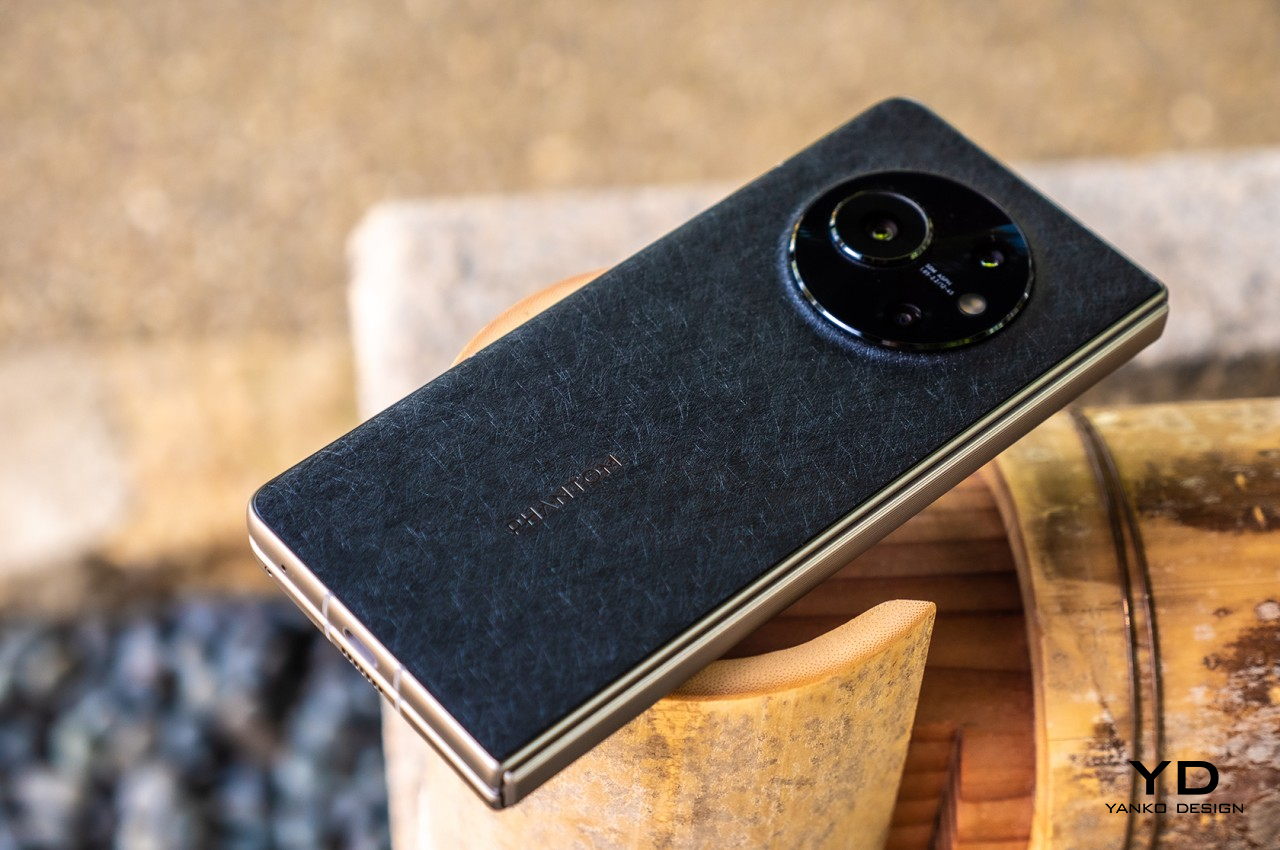
Tecno just introduced three super cool camera technologies during its Future Lens 2023 event in Shanghai. These innovations are set to change smartphone photography and take it to the next level. The W-shaped Adjustable Physical Aperture, which features a patented artificial cuttlefish lens, is a breakthrough in light management for photography. It effectively eliminates harsh glare, thus resulting in more balanced shots. On the other hand, the Liquid Telephoto Macro Lens is a compact yet powerful innovation that uses voltage-controlled curvature adjustment to enable the camera to adapt lens curvature in real time while maintaining a sleek form factor. Lastly, the Universal Tone multi-skin tone imaging solution uses extensive skin tone spectral data and advanced research methods to offer vibrant and true-to-life portraits and videos. These technologies exemplify TECNO’s commitment to pioneering solutions that improve photographic capabilities and enhance user experience, reflecting a significant step forward in mobile imaging.
Over dinner, sitting next to Laury Longfei Bai, Tecno’s global CMO, provided a deeper insight into Tecno as a company, its vision for the future, and target buyers. Tecno Mobile, a subsidiary of Transsion Holdings, is renowned for its affordable, feature-rich smartphones, primarily targeting emerging markets in Africa and South Asia. The company emphasizes local market needs, offering devices with region-specific features and designs. Known for competitive pricing, Tecno caters to budget-conscious consumers seeking high-quality mobile experiences. The brand has also made notable advancements in smartphone photography, frequently introducing innovative camera technologies in its products.
W-shaped Adjustable Physical Aperture
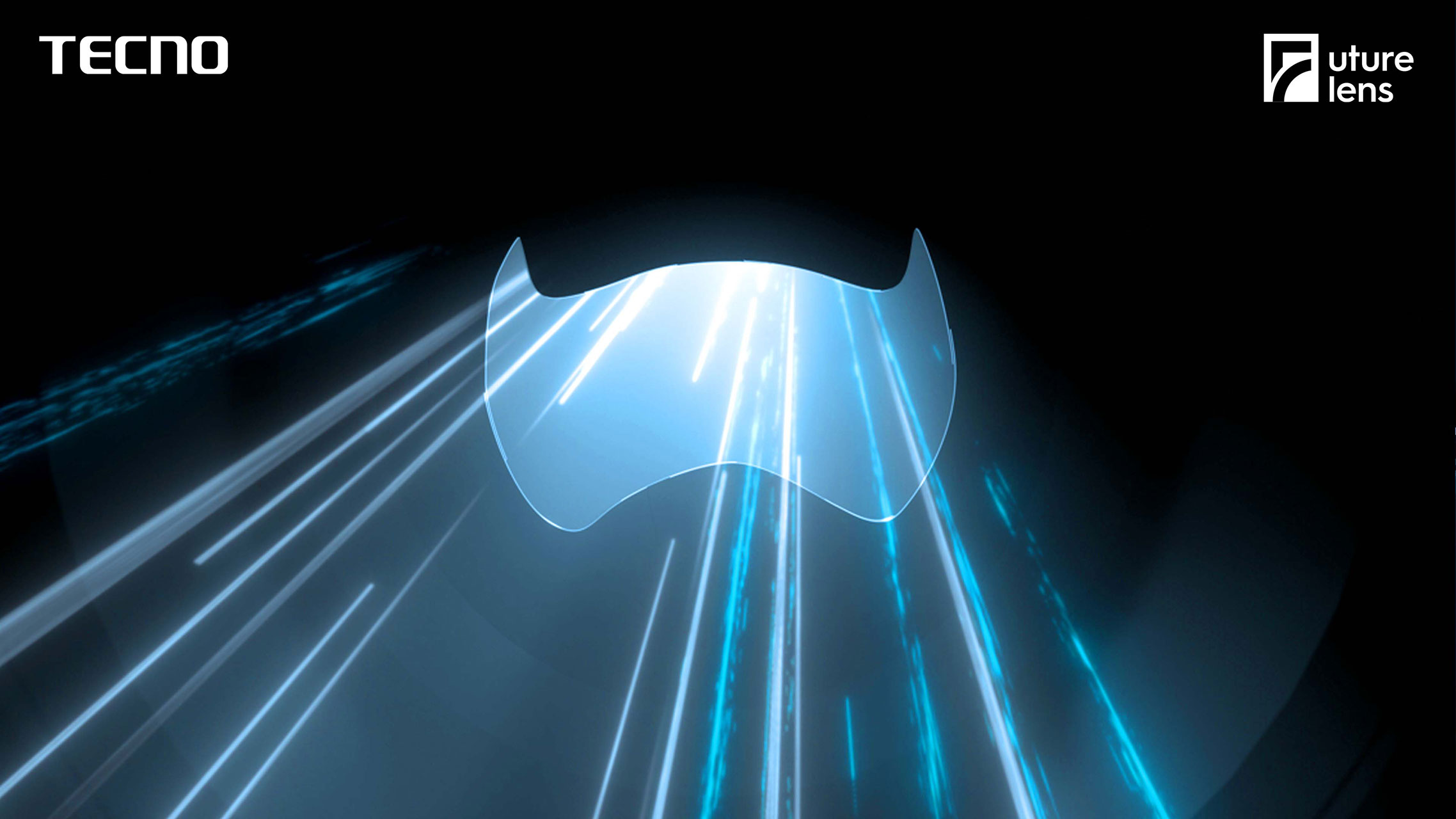
The W-shaped Adjustable Physical Aperture represents a significant advancement in smartphone photography. This ingenious technology addresses common issues associated with backlight photography, such as overexposure and loss of detail.
At its core, the W-shaped Adjustable Physical Aperture functions differently from the fixed apertures typically found in smartphone cameras. A standard fixed aperture limits the light entering the lens, which can be problematic in varying lighting conditions. In contrast, Tecno’s W-shaped aperture is dynamically adjustable, allowing for more precise control over the light that reaches the camera sensor.
This adjustability is crucial for enhancing photo quality in different lighting scenarios. In bright, backlit environments, narrowing the aperture reduces the amount of light entering the lens, preventing overexposure and preserving detail. Conversely, widening the aperture in low-light conditions allows more light to reach the sensor, improving image brightness and clarity.
The W-shaped design is particularly effective because it offers a broader range of aperture sizes compared to traditional circular apertures. This flexibility ensures that users can capture high-quality images regardless of lighting conditions, making it a versatile tool for amateur and professional photographers.
Moreover, the physical nature of this aperture system marks a departure from software-based solutions commonly used in smartphone photography. While software enhancements can improve image quality, they often cannot fully compensate for the limitations of a fixed aperture. Tecno’s approach, combining hardware innovation with software algorithms, provides a more comprehensive solution.
In practical terms, this technology translates to significantly improved performance in challenging photographic situations. Users can expect sharper, more detailed images when shooting against bright backgrounds, such as sunsets or brightly lit windows. Similarly, in dimly lit environments, the technology helps capture clearer, brighter images without the excessive noise often associated with high ISO settings.
The W-shaped Adjustable Physical Aperture is a testament to Tecno’s commitment to pushing the boundaries of smartphone imaging technology. By offering a hardware-based solution to a common photographic challenge, Tecno positions itself as a leader in the field, particularly in emerging markets where smartphone photography is rapidly evolving. This technology enhances the user experience and broadens the creative possibilities available to smartphone photographers.
Liquid Telephoto Macro Lens
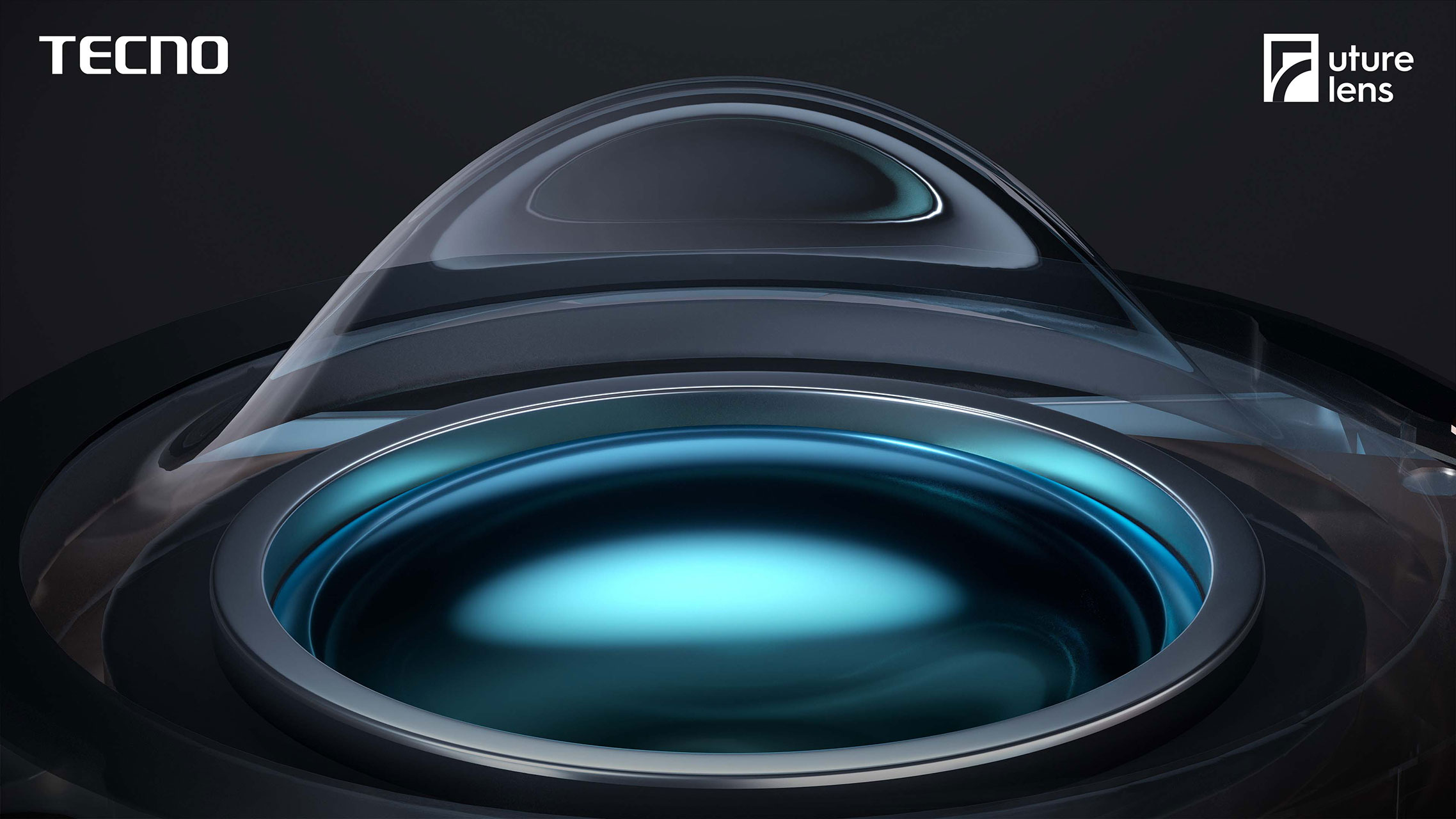
Tecno’s Liquid Telephoto Macro Lens represents a groundbreaking advancement in smartphone camera technology. This lens system is designed to enhance macro photography capabilities, allowing users to capture highly detailed close-up images with greater clarity and precision than traditional smartphone cameras.
The innovation lies in the unique use of a liquid lens, a technology that differs significantly from the conventional solid lenses found in most smartphone cameras. The liquid lens can change its shape dynamically, allowing for rapid and precise focusing at varying distances. This adaptability is crucial in capturing high-quality macro images, where focusing accuracy is critical for detailed and sharp results.
One of the primary benefits of the Liquid Telephoto Macro Lens is its compactness. Traditional telephoto lenses, known for their bulkiness, are often challenging to incorporate into the slim form factor of a smartphone. However, the liquid lens technology enables a much more compact design without compromising on the telephoto capabilities. This allows users to enjoy advanced macro photography features in a portable, user-friendly device.
The functionality of the Liquid Telephoto Macro Lens is based on the principle of electrowetting, where an electrical charge is applied to alter the shape of the liquid within the lens. By adjusting the voltage, the curvature of the liquid lens changes, thus modifying the focal length. This process allows for quick and precise adjustments in focus, essential for capturing the tiniest details in macro photography.
Another advantage of this technology is its versatility. The lens can seamlessly switch between telephoto and macro modes, offering users a range of photographic options. This dual functionality enhances the user experience and expands the creative possibilities available to smartphone photographers.
In practical terms, users can expect to capture stunning close-up images with remarkable detail and clarity. The lens’s ability to rapidly adjust focus ensures that even the smallest subjects, such as insects or intricate patterns, are rendered with exceptional sharpness. Additionally, the telephoto capabilities allow for high-quality zoomed-in shots, making it a versatile tool for various photography scenarios.
So, Mr. Bai told me this new technology is coming out soon. He said it won’t be ready for a couple of years, but he did mention that we’ll be able to try it out at the Mobile World Congress in 2025. How cool is that?!
Tecno has committed to innovation in smartphone imaging with the Liquid Telephoto Macro Lens. This advanced lens technology addresses a common limitation in smartphone cameras, mainly macro photography. By integrating this development, Tecno is enhancing the capabilities of its smartphones and establishing itself as a pioneer in the industry, particularly in markets where mobile photography is increasingly popular.
Universal Tone Technology – UT

Tecno’s Universal Tone technology is a revolutionary multi-skin tone imaging technology, a key highlight of their Future Lens 2023 event. It uses the most extensive skin tone spectral data and rigorous research methods, ensuring vibrant, true-to-life portraits and videos. This technology is particularly beneficial for its ability to produce images that accurately and beautifully represent a wide range of skin tones. It addresses a long-standing challenge in photography of rendering diverse skin colors naturally and attractively.
The technology works by combining three computational engines powered by AI. The Multi-Skin Tone Restoration Engine uses a spectral matrix of skin colors, which has been derived from extensive research on chromatic skin colors. This engine adjusts and calibrates skin tones in portraits to make them appear more natural and harmonious. It is essential to avoid the common issue of inaccurately representing skin tones in photography.
Complementing this, the Local-Tuning Engine plays a vital role in ensuring the portrait harmoniously integrates with its surroundings. It reconstructs image tone mapping and uses an adaptive 3D-LUT (Look-Up Table) algorithm. This approach enables the technology to ensure perfect interaction between the human subject and the environment in the photo, and it can be customized per region or country. This localization aspect is significant, as it considers the diverse aesthetic preferences and cultural contexts of different user bases.
The third component, the AI-Powered Computational Portrait Engine, is designed to craft vibrant, personalized portraits. This engine considers Tecno’s localized aesthetic preferences and cultural nuances, ensuring that the portraits it produces are not just technically proficient but also culturally resonant and aesthetically pleasing.
Tecno’s Universal Tone technology thus represents a significant advancement in smartphone photography, particularly in its capacity to handle diverse skin tones with accuracy and sensitivity. By integrating these three sophisticated AI engines, Tecno has created a system that not only enhances the technical quality of images but also respects and celebrates the diversity of its users. This technology demonstrates their commitment to inclusive and user-centric technology development, setting a new standard in smartphone photography.
Final Thoughts
At Tecno’s Future Lens 2023 event in Shanghai, three groundbreaking camera technologies were introduced, impressing media attendees with their potential to revolutionize smartphone photography. The W-shaped Adjustable Physical Aperture, Liquid Telephoto Macro Lens, and Universal Tone technology showcase innovative approaches to light management, lens adaptability, and skin tone representation, signifying a substantial leap in mobile imaging. These advancements, eagerly anticipated for future experiences, highlight their dedication to pioneering photographic capabilities and enhancing user experiences.
The post Tecno’s Future Lens 2023: Impressions on Unveiled Mobile Camera Tech first appeared on Yanko Design.