This guide is designed to show you how to boost your iPhone performance.Are you struggling with a sluggish iPhone, especially an older model or one with a battery life hanging by a thread? You will be pleased to know that there are several tricks to get your device running smoothly again. This article delves into […]
Valve has introduced new rules to abide by that will allow the company to add more games with AI content to its Steam gaming platform. To start with, it's updating its content survey form for developers so that they can give the company a description of how they use artificial intelligence in their games. If they used AI tools to generate art, code, sound or any other kind of content for their title, developers must ensure that they do not include anything illegal or anything that infringes on someone else's copyright. Valve says it will evaluate each game and check if the developer has submitted truthful information.
For live-generated AI content, developers have to tell the company what kind of guardrails they've put up to prevent their games from creating anything considered illegal. And since Valve will not be able to review all content games create in real time, it's launching a new system on Steam that will allow players to easily send in a report. If a player sees anything they believe should've been caught by appropriate guardrails, they can use Steam's new in-game overlay to notify the company.
Valve said it will also be transparent with gamers when it comes with what kind of AI content a developer's title has by including their disclosure on their Steam store page. The company explained that the new rules are a result of it improving its "understanding of the landscape and risks" in the AI space. Last year, Valve admitted that it was still "working through" how to account for AI content in its review process after developers complained that the company was rejecting their submissions. It needed "some time to learn about the fast-moving and legally murky space of AI technology," Valve clarified in its new post. The company said it still can't release games with live-generated adult sexual content right now, but that it will revisit its rules as it learns more about the technology and as the legal issues surrounding it evolves.
This article originally appeared on Engadget at https://www.engadget.com/valves-new-guidelines-will-allow-for-more-ai-content-in-games-134515623.html?src=rss
Photography and videography enthusiasts, take note: MAVEN has just unveiled its latest series of high-quality filters, designed to elevate your visual storytelling to new heights. Building on the momentum of their successful initial Kickstarter campaign, MAVEN’s Wave 2 filters are here to cater to the needs of both amateur and professional image creators. This new […]
Sennheiser announced two very different sets of wireless earbuds at CES 2024 here in Las Vegas, extending its Momentum line with a fourth-generation flagship model and a high-tech sport version. The company's premium earbuds have offered excellent sound quality for a while now, consistently earning the best overall audio in our best wireless earbuds list. We paid Sennheiser a quick visit to see how the two new sets stack up.
There's no need to mince words here: The audio performance on the Momentum True Wireless 4 is outstanding. I only listened to them for a few minutes, but I had a hard time walking away. The jazz demo tracks the company selected played to the earbuds' strengths with excellent clarity and pleasant, inviting tuning. Active Noise Cancellation (ANC) also seems to be improved as I was able to silence a noisy hotel suite at the press of a button. Transparency mode is also better and more natural sounding, but you still don't get as much of your voice beamed back through the earbuds as you do on the AirPods Pro.
Sennheiser clarified during my demo that its stated battery life on the Momentum True Wireless 4 of seven and a half hours is with ANC off. However, it explained that it has narrowed the gap in regards to noise cancellation impacting battery life as enabling it only reduces play time by 30 minutes.
Sennheiser Momentum Sport
Photo by Billy Steele/Engadget
I'm also happy to report there's no discernible drop off in audio quality with the Momentum Sport. There's still crisp, clear sound that's evenly tuned despite the company's goal of "impressive bass" for workouts. There's ample low-end tone here, but it didn't seem to be cranked any higher than the Momentum True Wireless 4. The size of the Sport model makes them very comfortable to wear and the ANC seemed to do a solid job blocking the roar of CES surrounding us.
The Momentum True Wireless 4 goes on sale March 1 and the Momentum Sport will be available April 9. I'll be putting both sets of earbuds through their paces closer to their respective launch dates.
We're reporting live from CES 2024 in Las Vegas from January 6-12. Keep up with all the latest news from the show here.
This article originally appeared on Engadget at https://www.engadget.com/sennheiser-momentum-4-and-momentum-sport-hands-on-excellent-sound-in-two-very-different-earbuds-133029171.html?src=rss
The original iPhone convinced me (and many others) that typing on touchscreens was the future. So the last thing I expected to test out during CES 2024 here in Las Vegas was a mobile accessory that’s trying to bring back the physical keyboard. And, while I wanted to dismiss Clicks as a thing for people who can’t let go of yesteryear, what I found was a gadget that’s solving some modern problems by taking cues from the past.
Clicks’ design couldn’t be simpler. It’s a silicone case (Clicks’ website actually says it’s Liquid Silicon, but I think that’s a typo) with a physical keyboard bolted on the bottom. There’s a small vegan leather accent on the back, little bumps to accommodate buttons and switches, and a passthrough connector at the bottom (either Lightning or USB-C depending on your device). At launch, Clicks will be available for three devices starting at $139: the iPhone 14 Pro, the iPhone 15 Pro and the iPhone 15 Pro Max.
Photo by Sam Rutherford/Engadget
The first problem that Clicks tries to address is giving you back your screen space, because when you don’t need to display a virtual keyboard at the bottom all the time, suddenly things feel a lot roomier. And Clicks accomplishes this with flying colors. But personally, with the increasing size of phones (especially new-fangled foldables), this has never really been an issue for me. But that doesn’t mean this isn't a problem for others so it’s nice to see Clicks providing people with alternatives to typing on glass.
Another big goal for Clicks is optimizing your device by providing tons of shortcuts, which to me is much more appealing. It almost gives your phone the type of speed and productivity you enjoy on a laptop. You can press CMD+H to go home, tap the Spacebar to scroll in Safari, hit CMD+Space to open up Spotlight search and so much more. Some commands even work in third-party apps like Instagram, which is just really handy. And after seeing Apple add a single Action key on the iPhone 15 Pro, my head is already swimming with the possibilities of having 30+ customizable shortcuts.
Finally, there’s the simple joy of having physical keys to wail away on. While you don’t get mechanical switches like on a desktop keyboard (Clicks features rubber domes), the tiny nickel-plated keycaps feel solid and offer a nice tactile bump with each press. You also get some handy backlighting so you don’t have to suffer in dark rooms. The one issue is that after years of typing on screens, I’m not entirely sure I want to go back. And that probably goes double for anyone who prefers swipe-based entry methods.
After years of typing on glass, just banging out a short text using Clicks felt lethargic. And even with their circular design which leaves ample space in between the keys, I found myself fumbling. But then old habits started coming back and I can easily see how those yearning for their old Blackberrys, Sidekicks, or Motorola Envys might be enchanted.
Now that I’ve used it, I can’t deny that there’s something endearing about Clicks. But when it comes to getting more use out of a device, I lean more towards foldable phones or simply bigger screens. Plus, there are a few other minor issues, like iPhones not being able to handle charging and data over USB-C at the same time, which could be an issue for anyone who relies on wired CarPlay while using Clicks. Also by tacking a keyboard onto the bottom of an iPhone, which already have extra long 19.5:9 aspect ratios, you may feel like you’re lugging around a stack of rulers. And if you have an Android handset, you’re just plain out of luck (at least for now). But there’s no doubt that Clicks is a charming device, especially those flashy yellow and blue/pink models.
Clicks will be available starting on February 1 for the iPhone 14 Pro with the other models following sometime later this spring.
We're reporting live from CES 2024 in Las Vegas from January 6-12. Keep up with all the latest news from the show here.
This article originally appeared on Engadget at https://www.engadget.com/clicks-hands-on-a-charming-keyboard-for-2024-thats-relying-on-more-than-just-nostalgia-131537619.html?src=rss
The US Department of Labor (DOL) published a final rule to the Federal Register on Wednesday that would increase the difficulty of classifying workers as independent contractors. If the rule survives court challenges unscathed, it will replace a business-friendly Trump-era regulation that did the opposite. It’s scheduled to go into effect on March 11.
The new rule, first proposed in 2022, could have profound implications for companies like Uber and DoorDash that rely heavily on gig workers. It would mandate that workers who are “economically dependent” on a company be considered employees.
The rule restores a pre-Trump precedent of using six factors to determine workers’ classification. These include their opportunity for profit or loss, the financial stake and nature of resources the worker has invested in the work, the work relationship’s permanence, the employer’s degree of control over the person’s work, how essential the person’s work is to the employer’s business and the worker’s skill and initiative.
In its decision to publish the new guidance, the DOL cites a “longstanding precedent” in the courts predating the Trump administration’s hard right turn. “A century of labor protections for working people is premised on the employer-employee relationship,” Acting Labor Secretary Julie Su said in a press call with Bloomberg.
“Misclassifying employees as independent contractors is a serious issue that deprives workers of basic rights and protections,” Su wrote in the announcement post. “This rule will help protect workers, especially those facing the greatest risk of exploitation, by making sure they are classified properly and that they receive the wages they’ve earned.”
Mike Kemp via Getty Images
If the rule takes effect, it’s expected to increase employer costs. The US Chamber of Commerce, a non-government lobby for business interests, unsurprisingly opposes it. “It is likely to threaten the flexibility of individuals to work when and how they want and could have significant negative impacts on our economy,” Marc Freedman, VP of the US Chamber of Commerce, said in a statement to Reuters.
DoorDash sounds optimistic that the rule wouldn’t apply to its workforce. “We are confident that Dashers are properly classified as independent contractors under the FLSA, and we do not anticipate this rule causing changes to our business,” the company wrote in a statement. “We will continue to engage with the Department of Labor, Congress, and other stakeholders to find solutions that ensure Dashers maintain their flexibility while gaining access to new benefits and protections.”
Groups with similar views are expected to mount legal challenges to the rule before it goes into effect. A previous attempt by the Biden Administration to void the Trump-era rules met such a fate when a federal judge blocked the DOL’s reversal.
Although the most prominent theoretical applications of the rule would be with gig economy apps like DoorDash, Lyft and Uber, it could stretch to sectors including healthcare, trucking and construction. “The department is seeing misclassifications in places it hasn’t seen it before,” Wage and Hour Division Administrator Jessica Looma said to Bloomberg on Monday. “Health care, construction, janitorial, and even restaurant workers who are often living paycheck to paycheck are some of the most vulnerable workers.”
This article originally appeared on Engadget at https://www.engadget.com/new-department-of-labor-rule-could-reclassify-countless-gig-workers-as-employees-130836919.html?src=rss
My experience with smoking meat has been entirely outdoors, using a mix of grills that burn charcoal, wood or pellets. Not everyone has the space for one of those setups, but thanks to GE Appliances' latest device, you can bring the barbecue indoors. Plus, you don't even have to been there while it's cooking. At the company's CES 2024 booth in Las Vegas, I finally got a taste of that the GE Profile Smart Indoor Smoker is capable of cooking.
Lousiville-based chef and Food Network Chopped champion Dallas McGarity is with GE Appliances at CES this week. He explained that he's been using the Smart Indoor Smoker in his restaurant for infusing flavor in everything from spices to cheese and deviled eggs. Of course, when most people think of smoking foods, they think of meat. McGarity prepared a one-bite sampler to showcase the type of flavor we can expect from the device: beef tenderloin with a sweet and spicy rub, roasted garlic barbecue sauce, Southwest breadcrumbs and scallions. An elevated taster, for sure, but not too far from something you might prepare at home.
After just a couple of hours in the Smart Indoor Smoker, the beef had noticeable flavor from the wood pellets. McGarity was also preparing a pork butt, but it still had several hours to go before it would be ready. Given my experience with outdoor smokers, even just one bite gave me a sense of what the GE Profile model was capable of. My main concern was the amount of smoke flavor it would impart, and it was great to see that the device managed infuse an ample amount in a limited time period. That bodes well for an 8- to 12-hour low-and-slow smoke session.
One other aspect of the Smart Indoor Smoker that I was able to see in action was the Clear Smoke function. Or, I should say, I got to see what happens when you don't use it. McGarity was keeping the beef bites warm in the device and, rather than make me wait 10 minutes for the cooking chamber to clear of smoke, he opened the unit and smoke wafted up in the air. Ideally, you wouldn't want to do this in your kitchen, but he worked fast and the cloud was minimal. Even still, the Smart Indoor Smoker recovered quickly, getting back to its target temperature with visible smoke returning in seconds.
The cooker costs $1,000 and, unlike many other gadgets launched at CES, is already available at some retailers.
Photo by Billy Steele/Engadget
We're reporting live from CES 2024 in Las Vegas from January 6-12. Keep up with all the latest news from the show here.
This article originally appeared on Engadget at https://www.engadget.com/we-tried-meat-from-the-ge-profile-smart-indoor-smoker-and-it-was-delicious-130029336.html?src=rss
Honda unveiled its latest concept cars at the Consumer Electronics show in Las Vegas, the Honda 0 EV Series, and the two models in the range include the Saloon version and the Space-Hub Version. The Saloon is the flagship concept model of the Honda 0 Series. Sitting on a dedicated EV platform, the Saloon delivers […]
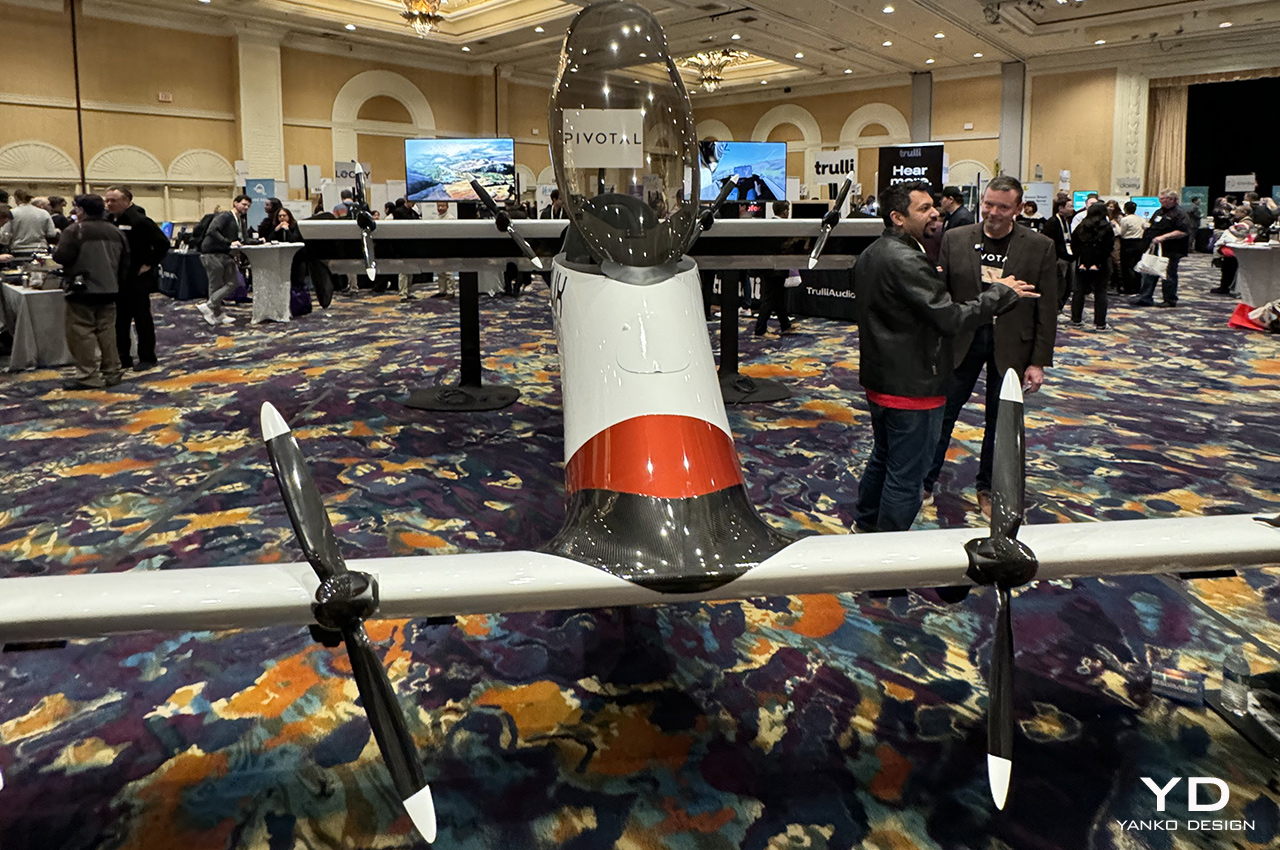
One day, the future of aviation will be the electric vertical and take-off aircrafts! This is a journey of thought that started over a decade back when the idea of flying cars was in its total frenzy. Manufacturers around the world have since deviated a little, and come up with various concepts/prototypes of eVTOLs aircrafts, with the idea of making short-distance aviation much quieter, with fewer emissions, and potentially safer than helicopters and other forms of flying crafts.
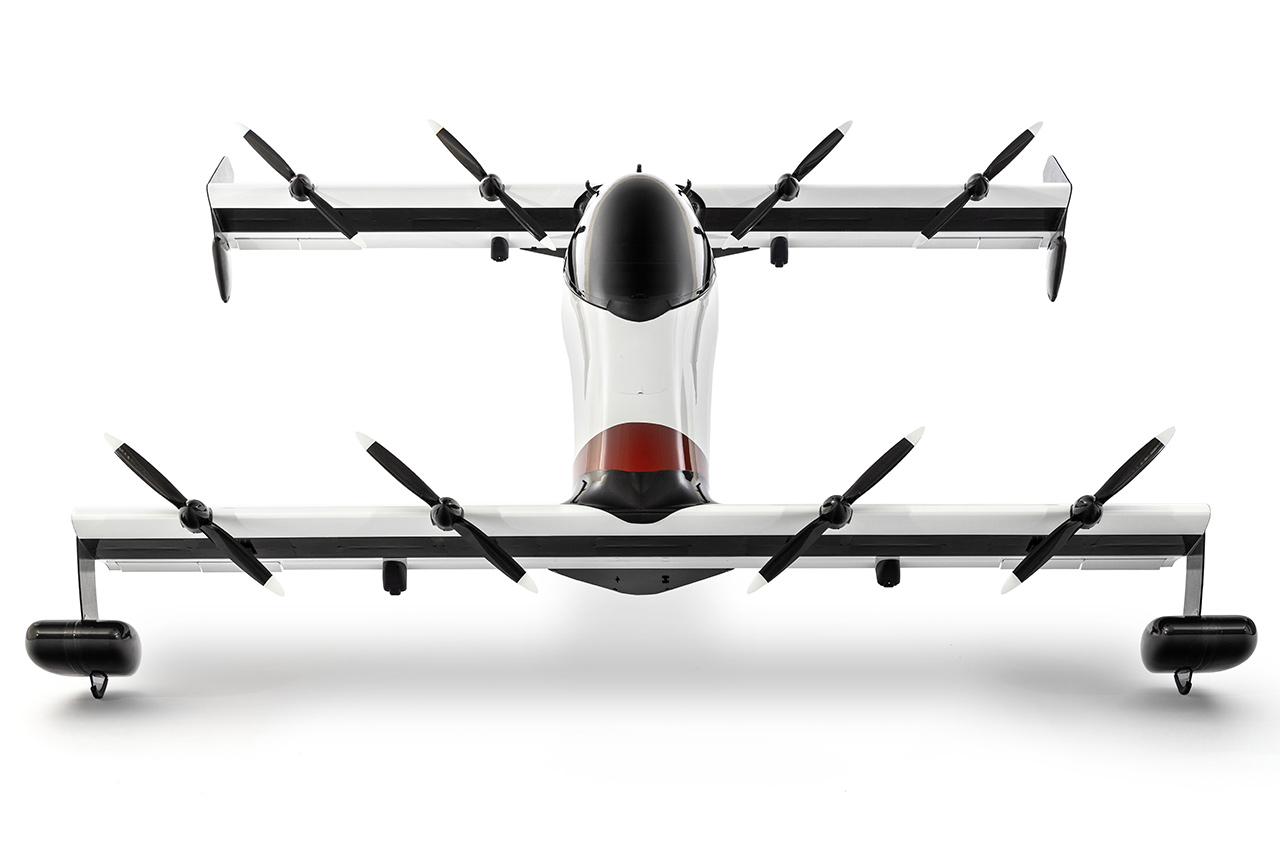
The main reason for the eVTOL lagging behind and not making it into mass production is essentially because of the demands of the Federal Aviation Administration in America. But that hasn’t stopped companies from working through time to prove to regulators that VTOL aircrafts can operate safely. Seems, the reasoning has met sane ears, and the first eVTOL, dubbed Helix, is now at CES 2024, and all set to be produced in larger volumes and shipped starting June 10.
The lightweight electric VTOL aircraft has been in the works by Palo Alto, California-based company Pivotal for over a decade. After numerous phases, the final aircraft is ready to take-off and land vertically without needing a runway or a pilot’s license to go airborne.
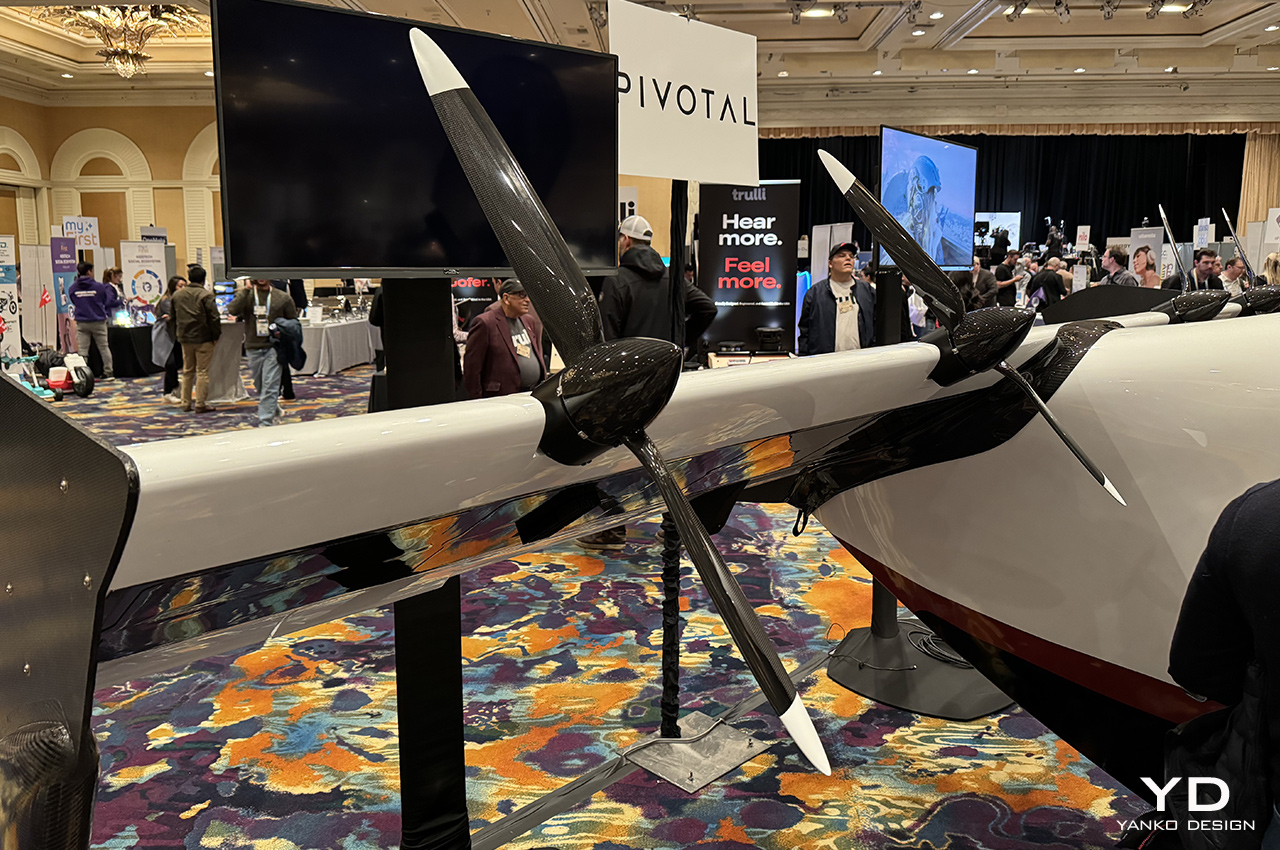
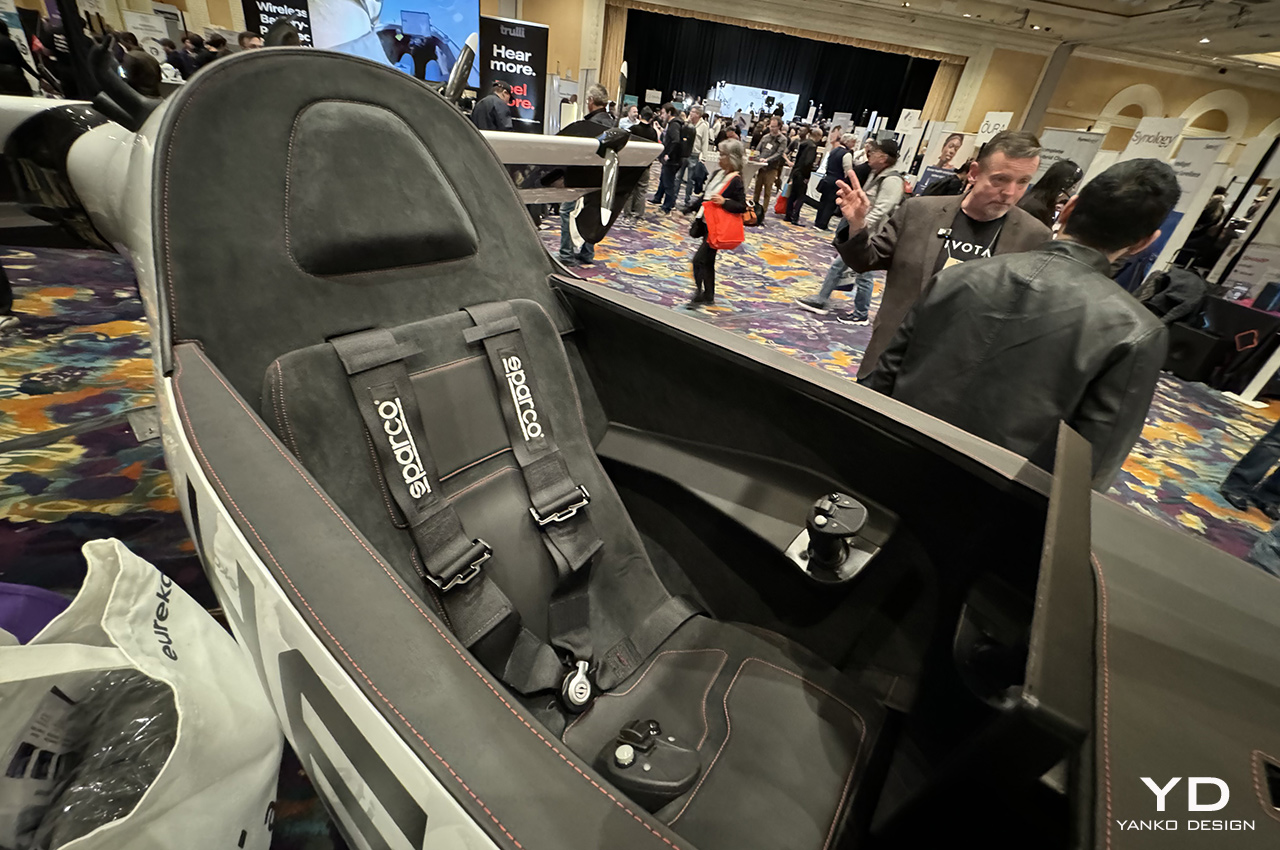
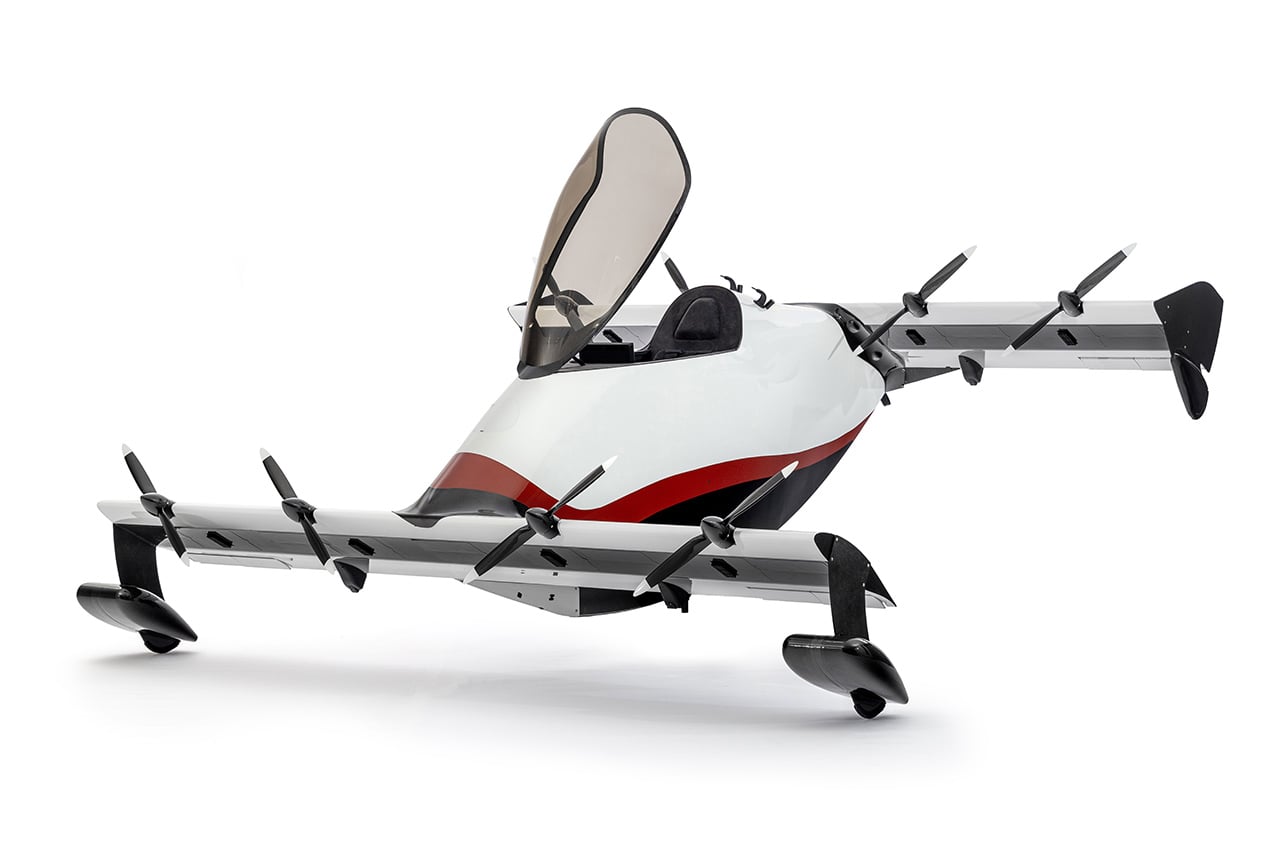
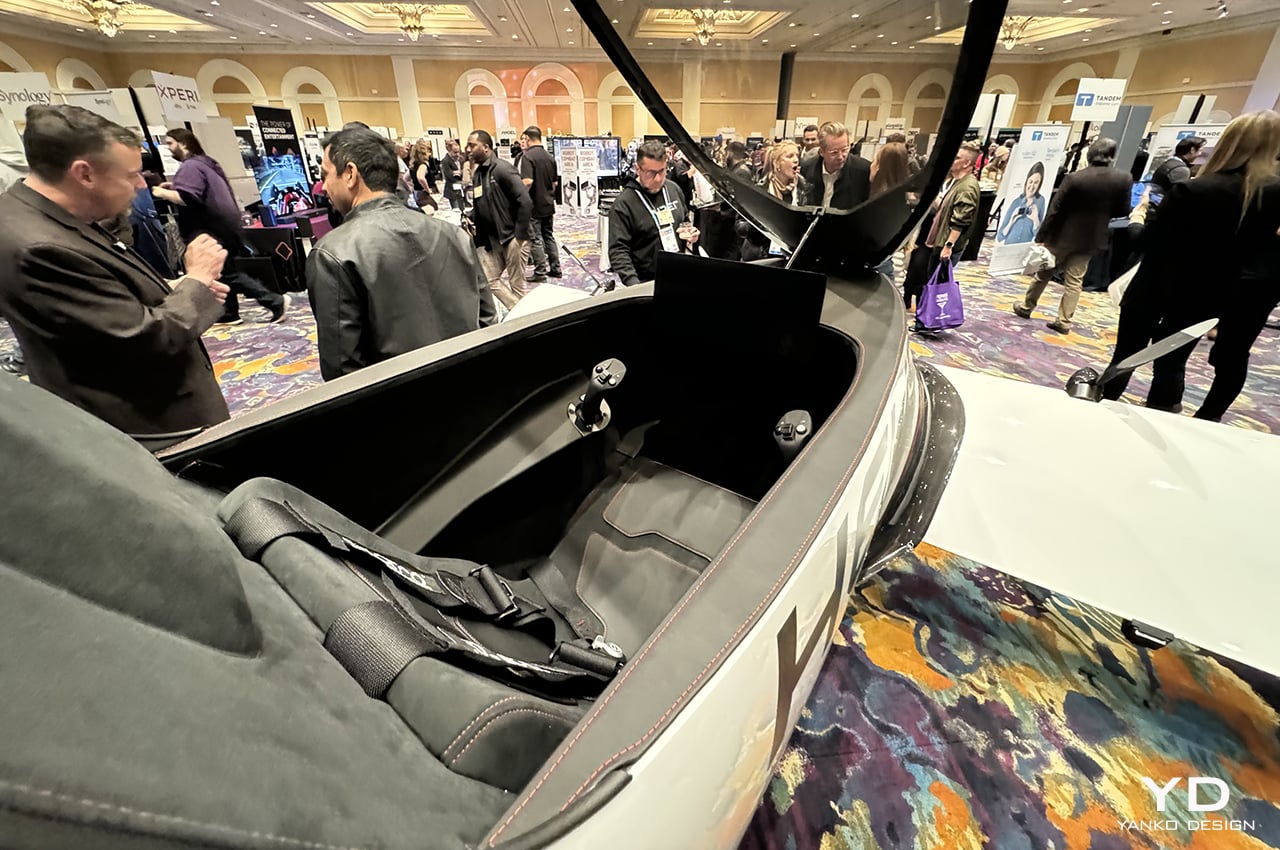
The Pivotal Helix, with fixed rotors and tandem wings, is a single-seat aircraft that can be flown without an FAA pilot certification, but the manufacturing company requires prospective fliers to go through hours of simulator and training sessions to fly the 348-pound eVTOL craft in the USA. Before you intend to shell out your savings to be the first Pivotal customer; you must be 18 years and above, have a body weight of fewer than 220 pounds, and you shouldn’t measure more than 6.5 feet tall, else you may not fulfill the company’s buyer requirement for the Helix.
Even though a pilot’s license is not necessary to fly the eVTOL, FAA requires the aircraft to be flown only above non-congested areas and at a considerable distance from airports. There is no other additional requirement as to why you cannot fly the Helix once it becomes available (and you have close to $200K odd to spare).
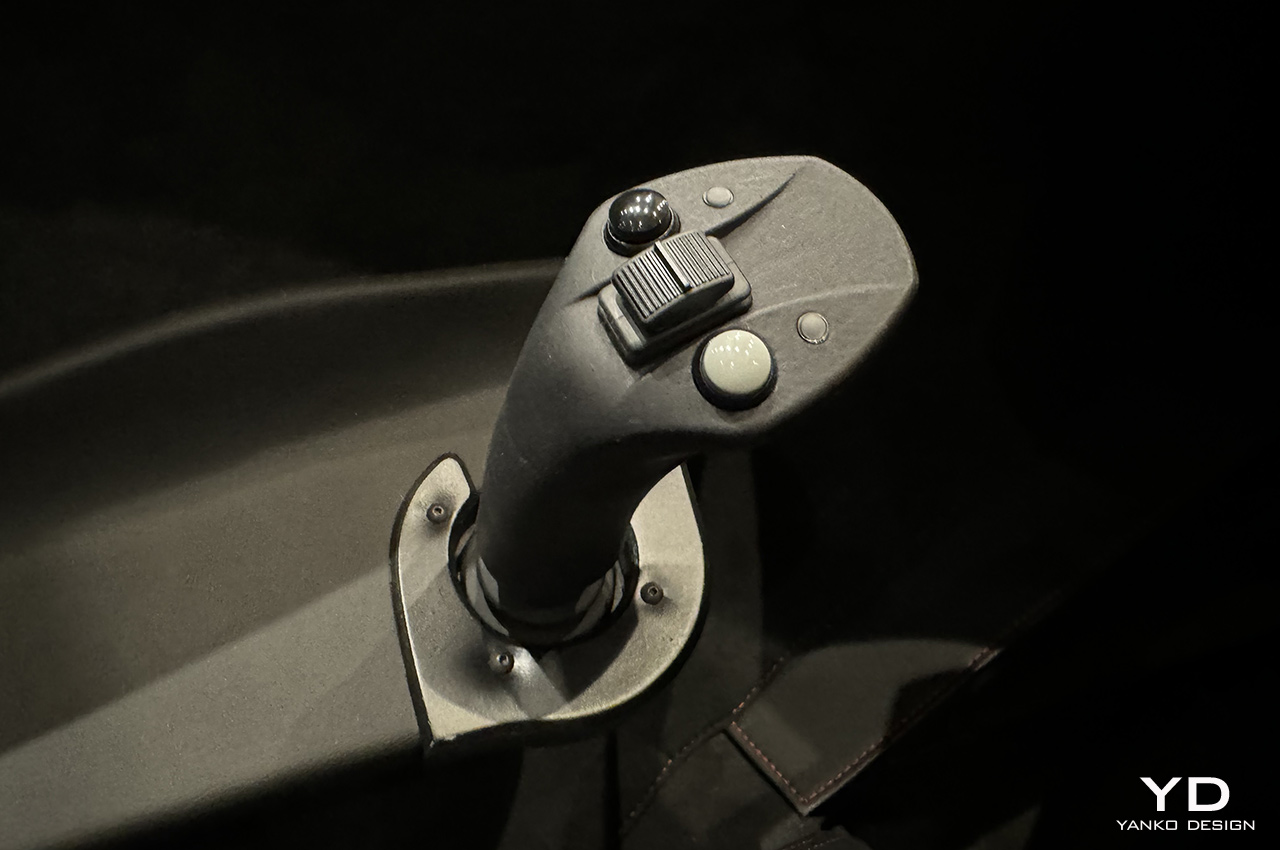
To make flying easy, the Pivotal Helix features a wide-angle view from the cockpit, and thriving on the electric engine, it guarantees silent operation. The battery renders 20 miles of range to the Helix, which can charge 100 percent in about 75 minutes using a 240V charger.
Helix scheduled for June, will come in three configurations. The base model with a white carbon fiber exterior, a digital flight panel, and an HD camera for landing will start at $190,000. The model with gloss white and striped carbon fiber exterior, 4K camera with landing assist will set you back $240,000, while the third model with a premium flight deck, customizable interior and exterior will cost $260,000. The first production lightweight eVTOL aircraft in the US can now be pre-ordered via $250 nonrefundable application fee, and a $50,000 booking deposit.