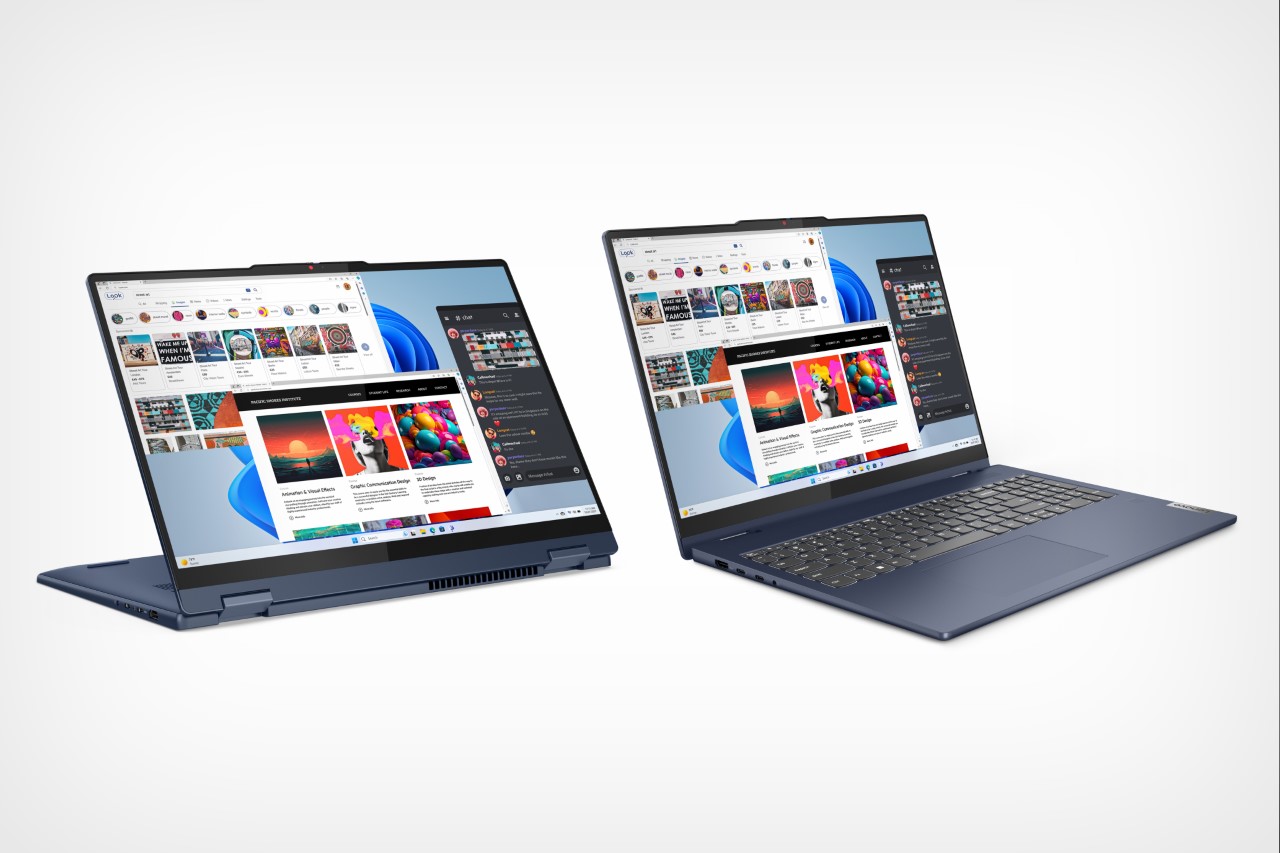
The Lenovo ThinkBook Plus Gen 5 is the funkiest gadget mashup at CES 2024

Typically a 2-in-1 is something that can transform into multiple modes (e.g., a notebook that converts to tablet or vice versa). But with the ThinkBook Plus Gen 5 hybrid, Lenovo smashed two gadgets together to create one of the funkiest and most interesting laptops we've seen here at CES 2024 in Las Vegas.

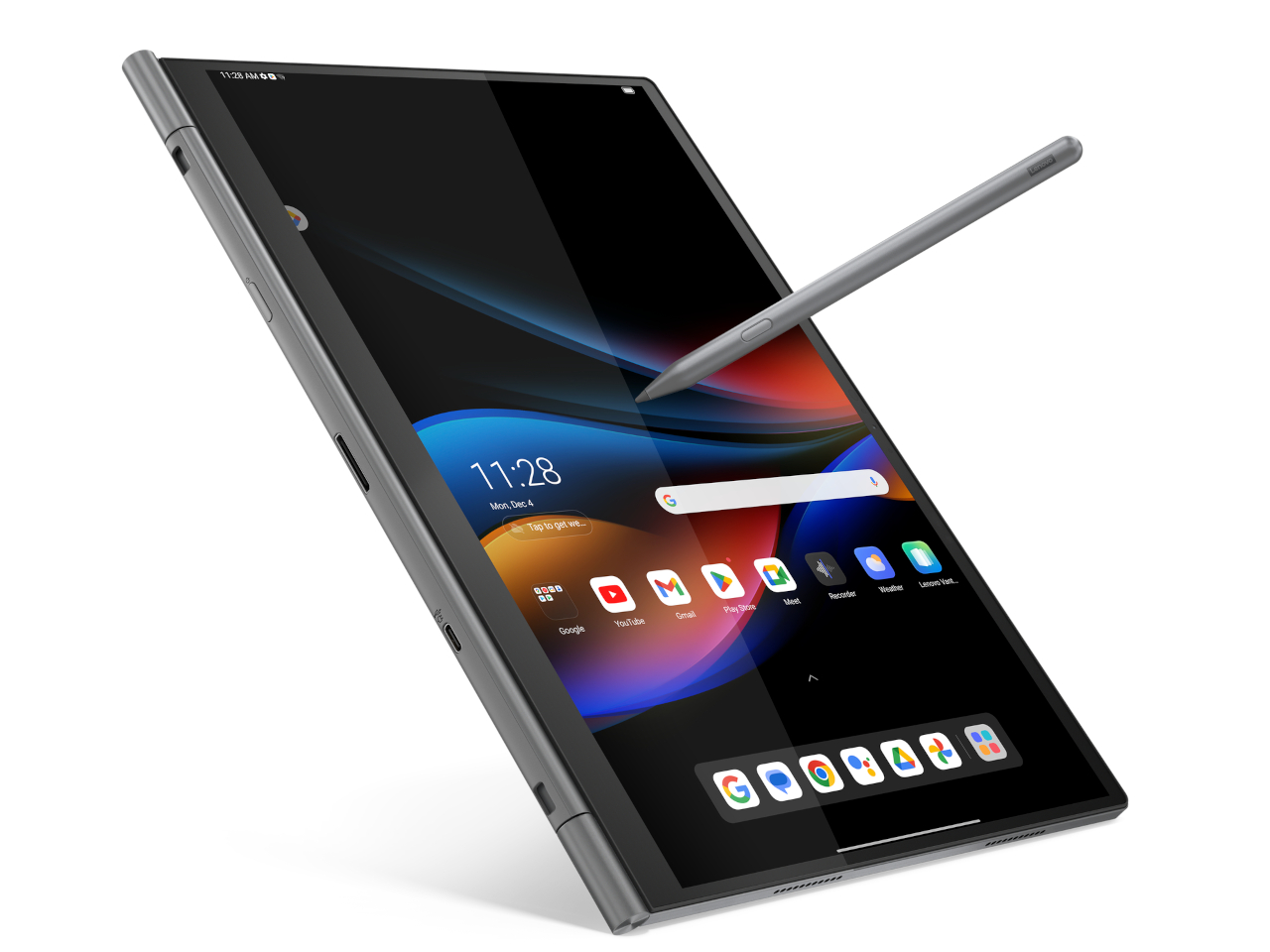
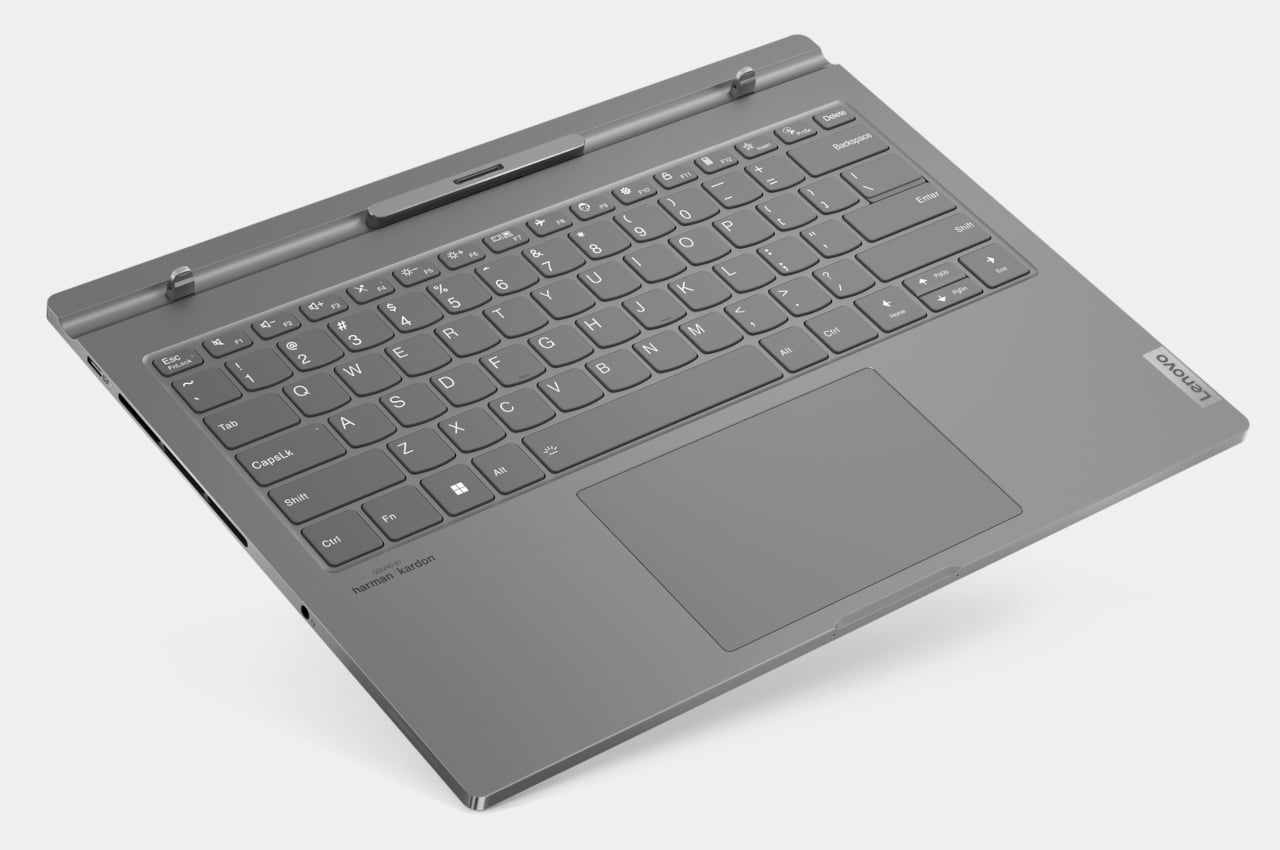
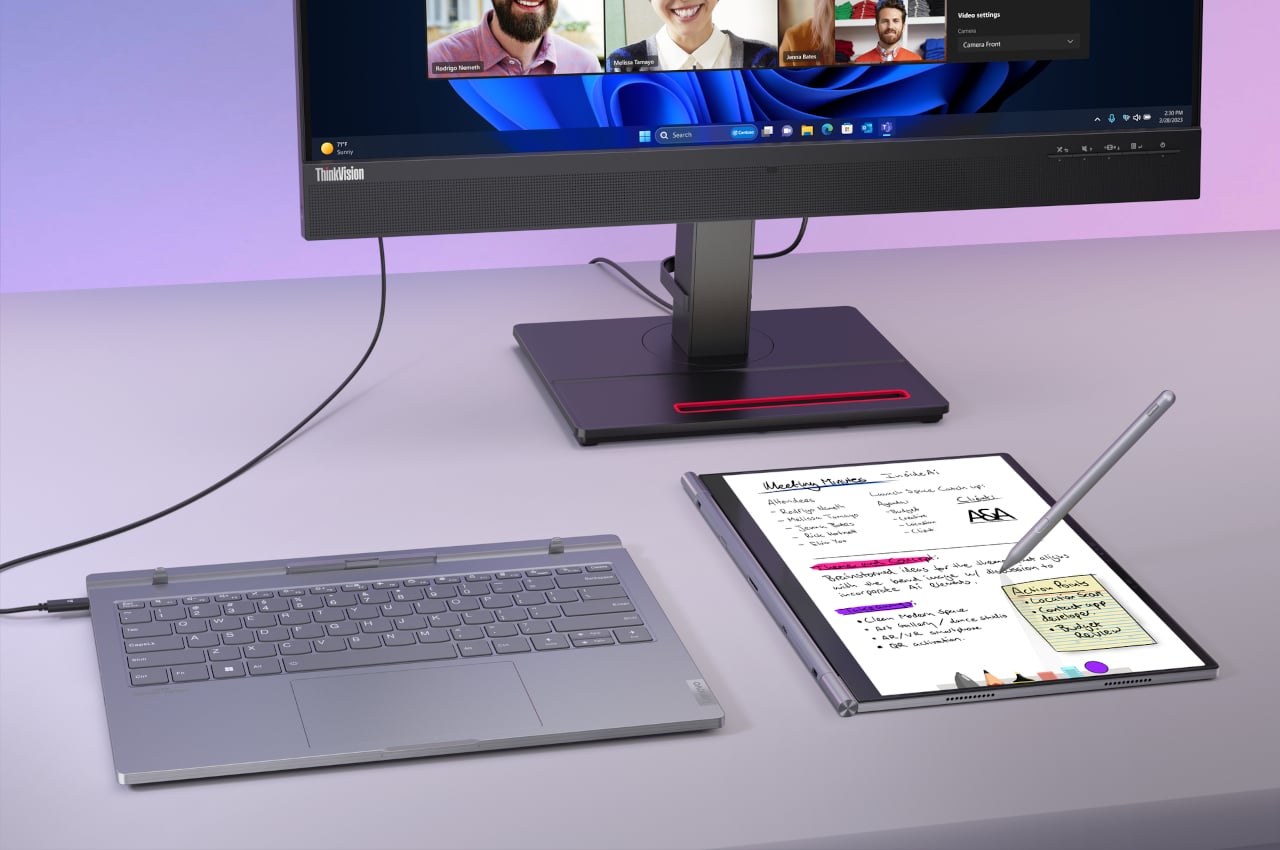
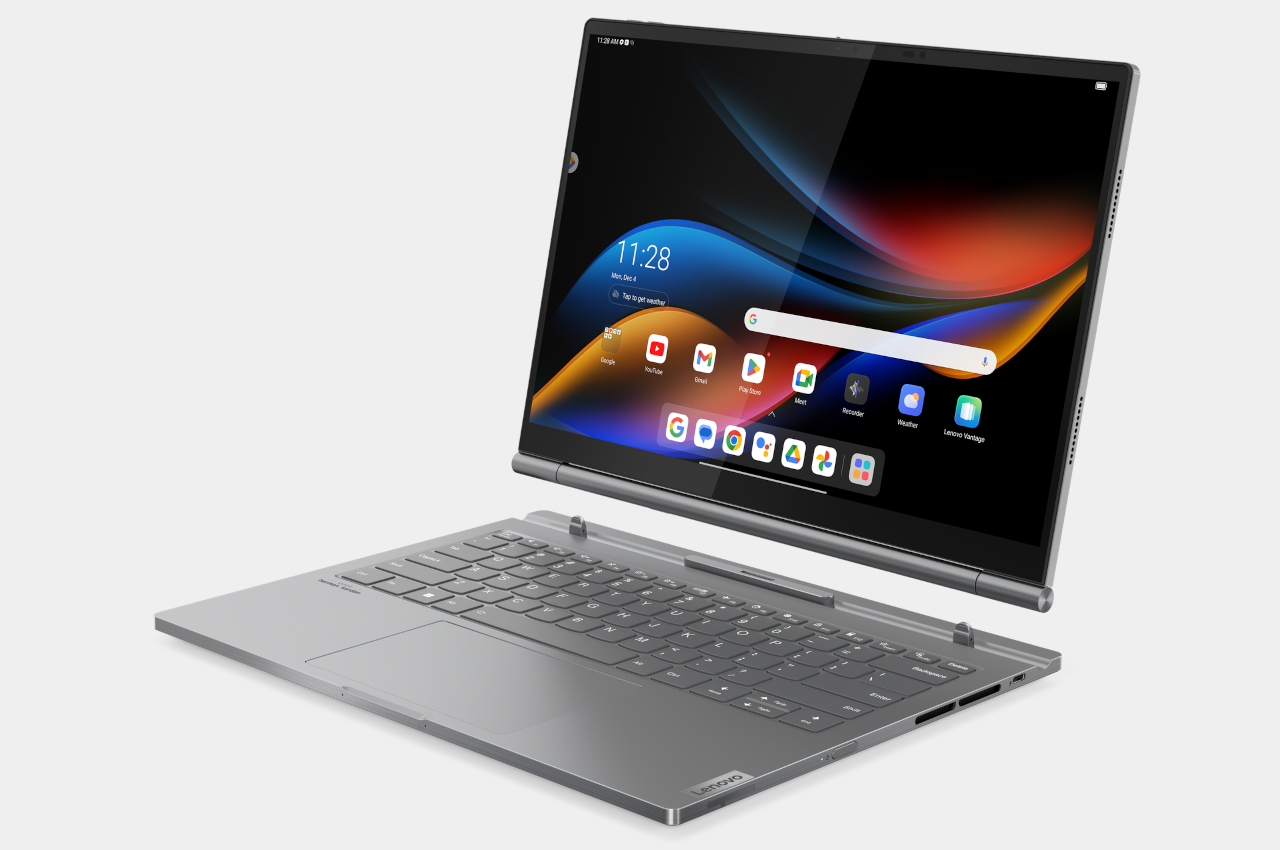
At first glance, the ThinkBook Plus looks like an ordinary clamshell. However, if you pull up on the display, it lifts right off and becomes a 14-inch tablet while the bottom contains everything needed to power a traditional Windows PC (well, aside from a screen). From there, you can use the tablet as a standalone Android device, a wireless monitor for the laptop base, or a Wacom-like inking display via Lenovo’s Freestyle app. Meanwhile, you can use ThinkBook’s deck as a mini desktop just by plugging in an external screen.

The number of situations that might require having two separate devices running different OSes might be somewhat rare. However, this level of flexibility is rather unique. For example, if you’re browsing the web on the couch, you could just grab the tablet section and leave the bulky laptop chassis behind. Or you could give the tablet to a child while you work on the laptop. (Just be mindful of their total screen time, OK?) And to make sharing files across both devices as easy as possible, there’s a hybrid folder on both devices that syncs wirelessly. Just drag and drop and voila.

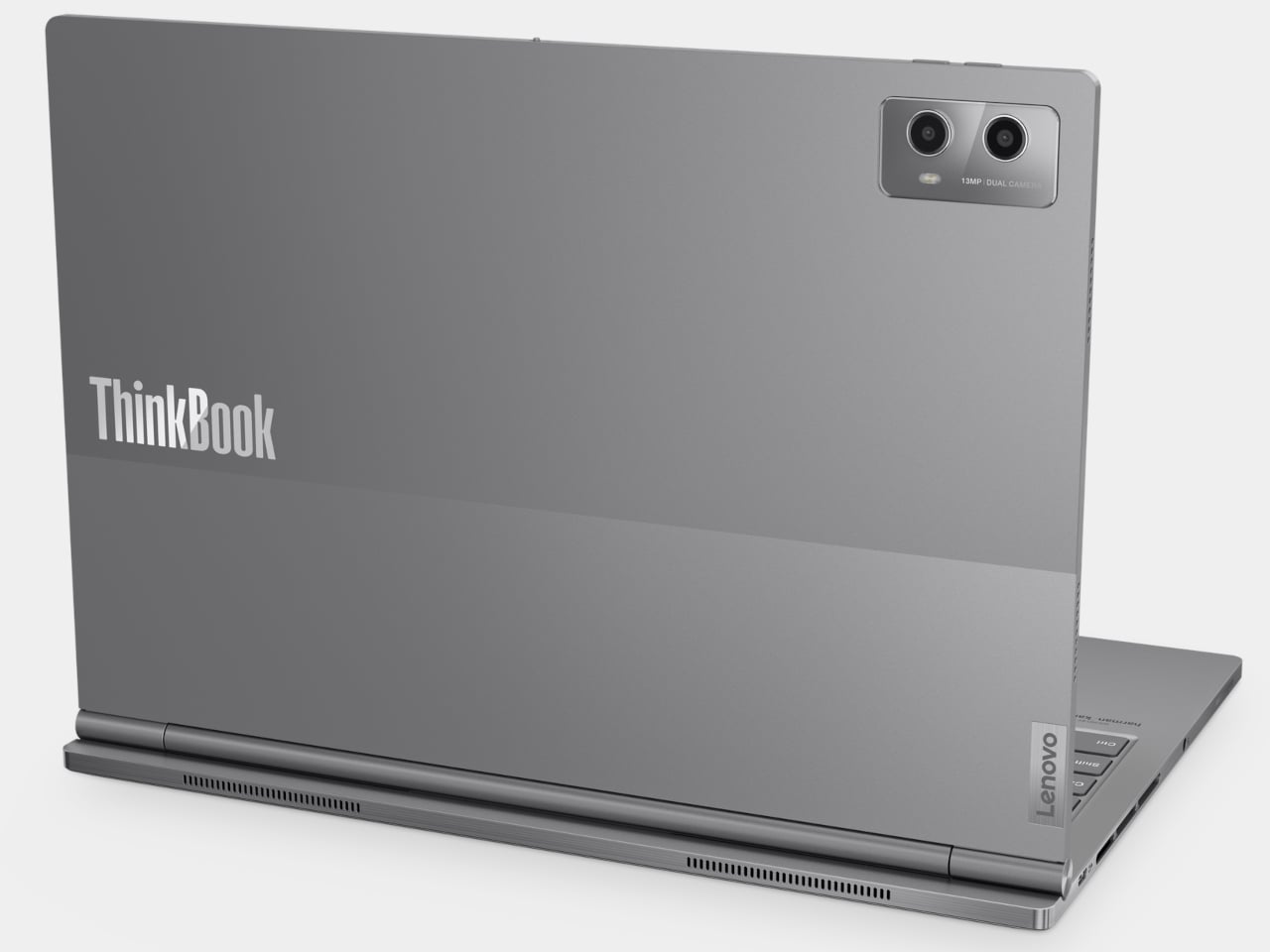
From the back, the ThinkBook Plus Gen 5 looks pretty much like any other laptop.
Photo by Sam Rutherford/Engadget

On top of that, the specs for both devices are pretty solid. The laptop is the beefier of the two packing an Intel Core Ultra 7 processor, up to 32GB of RAM, 1TB of SSD storage, Wi-Fi 6e and sizable 75Whr battery. The tablet on the other hand consists of a 14-inch 2.8K OLED screen with stylus input, Snapdragon 8+ Gen 1 chip, 12GB of RAM and a 38Whr battery. It also houses two rear cameras (13MP + 5MP) and a full HD IR selfie cam that the laptop can also use when the two are attached.

The somewhat surprising thing is that, for a pre-production device, everything functioned pretty smoothly. When I yanked off the display, the tablet instantly booted into Android. And when I placed it back on the laptop, it only took a second or two for the Windows desktop to reappear. The only software issue I ran into was when trying to use the tablet as a sketching aid. But that was more of a problem with the insane wireless congestion that you always battle during CES.

When removed from the base, the top half of the ThinkBook Plus Gen 5 is a standalone 14-inch Android tablet.
Photo by Sam Rutherford/Engadget

There were only two minor flaws that I noticed. The first is that, aside from a 3.5mm audio jack, there are only two USB-C ports. But since both are Thunderbolt 4, at least you’ll be getting excellent data speeds. The other is that the ThinkBook Plus’ keyboard is on the shallow side, so if you prefer a notebook with longer key travel, this might not be for you.

However, the ThinkBook Plus’ biggest hurdle may be its price. Because, starting at $1,999, Lenovo is charging a bit of a premium for the convenience of having two devices in one. That’s because unless you’re dead set on having a 14-inch tablet, it’s pretty easy to pick up a smaller Android slate plus a well-equipped ultraportable for way under $2,000.

One issue with the ThinkBook Plus Gen 5 is that if you want to use the bottom half as a standalone Windows PC, you'll need an external monitor which may add even more to its $2,000 starting price.
Photo by Sam Rutherford/Engadget

But if this sort of frakengadget strikes your fancy, keep an eye out for it when it goes on sale sometime in Q2 2024.

We're reporting live from CES 2024 in Las Vegas from January 6-12. Keep up with all the latest news from the show here.

This article originally appeared on Engadget at https://www.engadget.com/the-lenovo-thinkbook-plus-gen-5-is-the-funkiest-gadget-mashup-at-ces-2024-230059087.html?src=rss
Alienware m16 R2 hands-on: A sleeker gaming laptop design for CES 2024

Despite launching an all-new version of the m16 last year, Alienware has completely redesigned its mainstream 16-inch gaming laptop again for 2024 to address customer feedback while optimizing performance for the most popular configs. I got to check out the new m16 R2 ahead of CES 2024 and there’s a lot to like about Alienware’s more purpose-built revamp.

Unlike the 2023 M16, which could accommodate RTX 4090 cards, the m16 R2 tops out at an RTX 4070. In return for lowered top-end performance, you get a sleeker and lighter laptop with a larger 90 Whr battery, slimmer bezels, and a larger touchpad – all in a package with a 15 percent smaller footprint.

As before, display options will go up to a 16:10 QHD+ panel with a 240Hz refresh rate, while CPU options are getting a bump to Intel’s latest batch of Core Ultra H-series chips. Meanwhile, by eliminating the old model’s thermal shelf (which was the big protrusion that stuck out past the hinge), Alienware was able to shave off about an inch and a half in depth while also redesigning its cooling system to provide 43% more airflow. Notably, even though the new model is significantly smaller, it still offers a solid selection of ports including Ethernet, a full-size HDMI 2.1 jack, two USB Type-A 3.2 and two USB-C (one of which supports Thunderbolt 4).

There are also a handful of subtle, but much-appreciated, aesthetic changes, including a new RGB lightning loop that runs around the perimeter of the touchpad. That said, if you want to quickly hide your power level, you can instantly turn off all of the laptop’s lighting and set the system to quiet by hitting F2 and activating Alienware’s Stealth Mode. It’s a small but very handy addition that makes it easy for you to avoid drawing unwanted attention.

The removable of the thermal shelf on the new m16 R2 results in a system that's about an inch and a half less deep than last year's model.
Photo by Sam Rutherford/Engadget

Other small changes and features include user–upgradeable DDRR5 RAM and M.2 SSDs (two slots each), a new FHD IR webcam with support for facial recognition and Windows Hello and AI-powered noise-cancellation for improved video calling. Additionally, all new Alienware laptops for 2024 will receive upgraded far-field microphones, support for Wi-Fi 7 and the latest version (6.1) of the company’s Command Center app.

Even with a smaller footprint, the m16 R2 still has the same number of ports along with a new RGB-lit touchpad.
Photo by Sam Rutherford/Engadget

But most importantly, the new Alienware m16 R2 feels like it’s better designed for gaming on the go. It’s not quite as powerful as last year’s model, but it’s almost a pound and a half lighter (5.75 pounds vs 7.17 pounds). It should have better battery life too, and it’s just easier to carry around thanks to its slimmer dimensions. You still get a premium construction with smooth matte aluminum panels on top and bottom. And if you really want a 16-inch thin-and-light gaming laptop with big graphics, there’s always the Alienware x16, which hasn’t gotten a redesign but will have updated specs for 2024 including support for up to an RTX 4090.

The biggest difference in horsepower on the m16 R2 is that it only supports up to an RTX 4070, as Alienware found that very few people opted for 4080 or 4090 GPUs on the previous model.
Photo by Sam Rutherford/Engadget

The new Alienware m16 R2 is scheduled to go on sale on January 11 with select configs starting at $1,650 before more options become available later this quarter.

We're reporting live from CES 2024 in Las Vegas from January 6-12. Keep up with all the latest news from the show here.

This article originally appeared on Engadget at https://www.engadget.com/alienware-m16-r2-hands-on-a-sleeker-gaming-laptop-design-for-ces-2024-230059369.html?src=rss

Lenovo ThinkBook laptops at CES 2024 offer innovative style and flexibility

As the world’s biggest PC maker, Lenovo has to cast its net wide in order to target as many customers as possible. It’s definitely a tall order, considering how different the needs and appetites of people can be. It could try to make a product for each category under the sun, or it could instead make a smarter choice of designing its computers to be as flexible as possible. At CES 2024, Lenovo is unleashing a flood of new laptops, desktops, and accessories designed to cater to this varied audience, particularly addressing the productivity and creativity needs of today’s creators and designers, with a little help from AI, of course.

Designer: Lenovo

Lenovo ThinkBook Plus Gen 5 Hybrid

Laptops are no longer what they used to be from decades ago. They now come in different form factors, like those that can bend over backward and those that can split into two. The latter has some benefits in how you can use the tablet part independently without being weighed down by the keyboard, but there seems to be one thing missing from this design. With the new ThinkBook Plus Gen 5 Hybrid, Lenovo is adding that missing piece, allowing owners to have the best of both Windows and Android worlds while seamlessly switching between the two.

At first glance, you might mistake this 2-in-1 detachable laptop for a simple Windows or Android tablet with a keyboard base. In reality, however, these are actually two separate devices that can run independently or together, depending on what you need. The tablet side does sound like a typical Android slate with a Qualcomm Snapdragon 8+ Gen 1 processor and a large 14-inch 2.8K OLED screen that you can use with Lenovo’s active stylus pen. The laptop base that has the keyboard, however, is also a computer in its own right, powered by an Intel Core Ultra 7 processor with 32GB of RAM and Intel Arc graphics. The general idea is that you can use the device as a typical Windows 11 laptop when joined together and still enjoy the more touch-friendly Android 13 OS in tablet form.

The flexibility, however, doesn’t stop there. Both halves have their own batteries so that the Windows laptop base can run on its own even without the tablet half. Of course, you’ll have to connect an external display to see what’s going on, but it’s not that difficult a problem to solve. More importantly, you also still have access to Android running inside the tablet even when it’s docked to the laptop base via a Picture-in-Picture window. This duality and harmony offer unprecedented flexibility and capability for people who live in both worlds of Windows and Android.

Lenovo ThinkBook 13x Gen 4 SPE

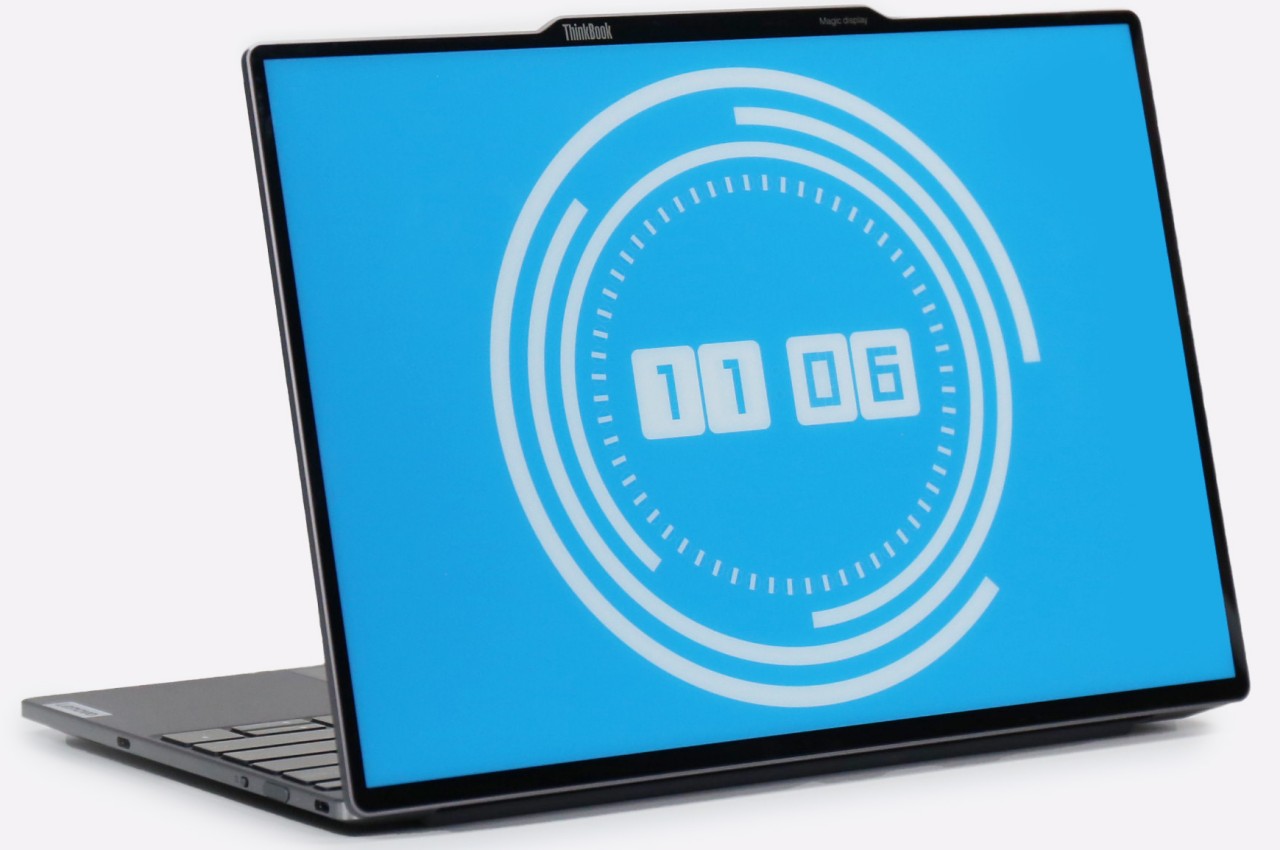
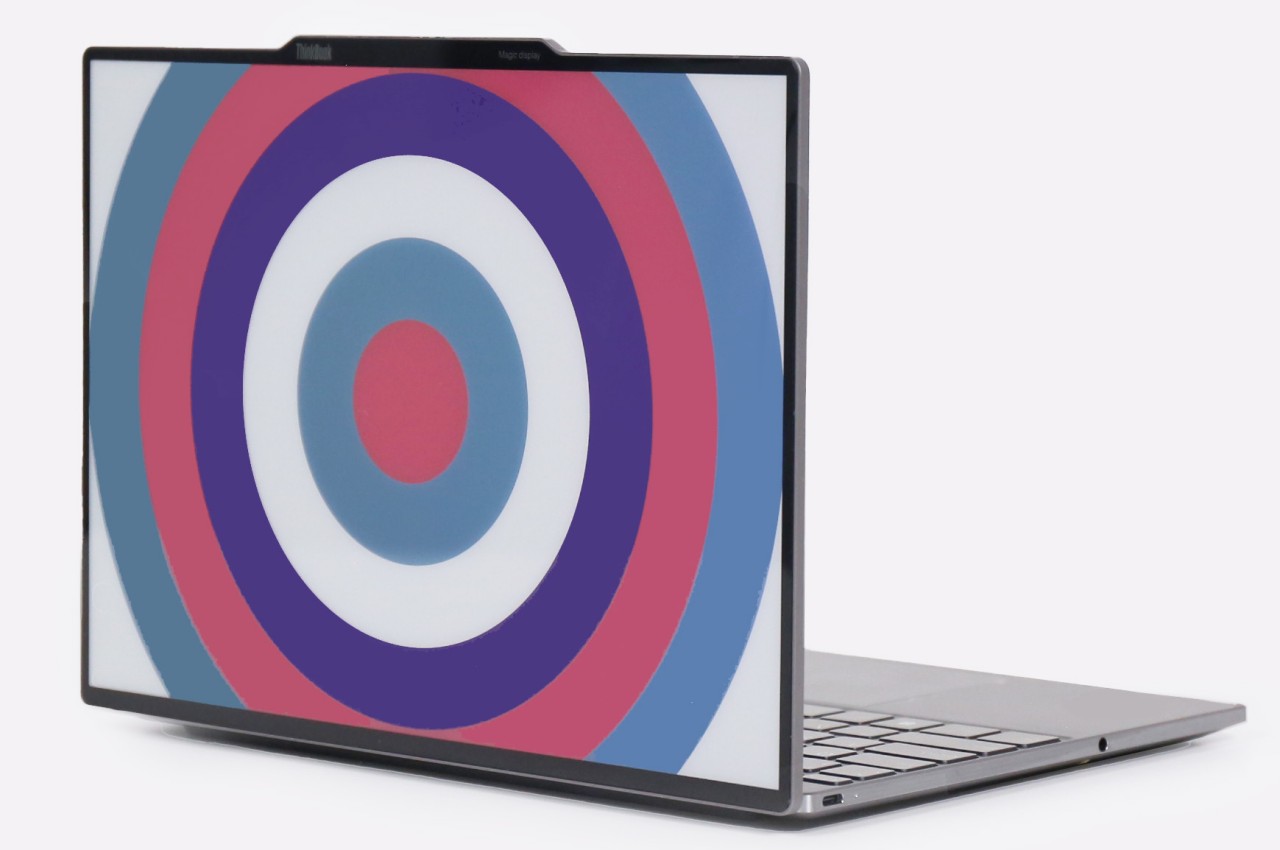
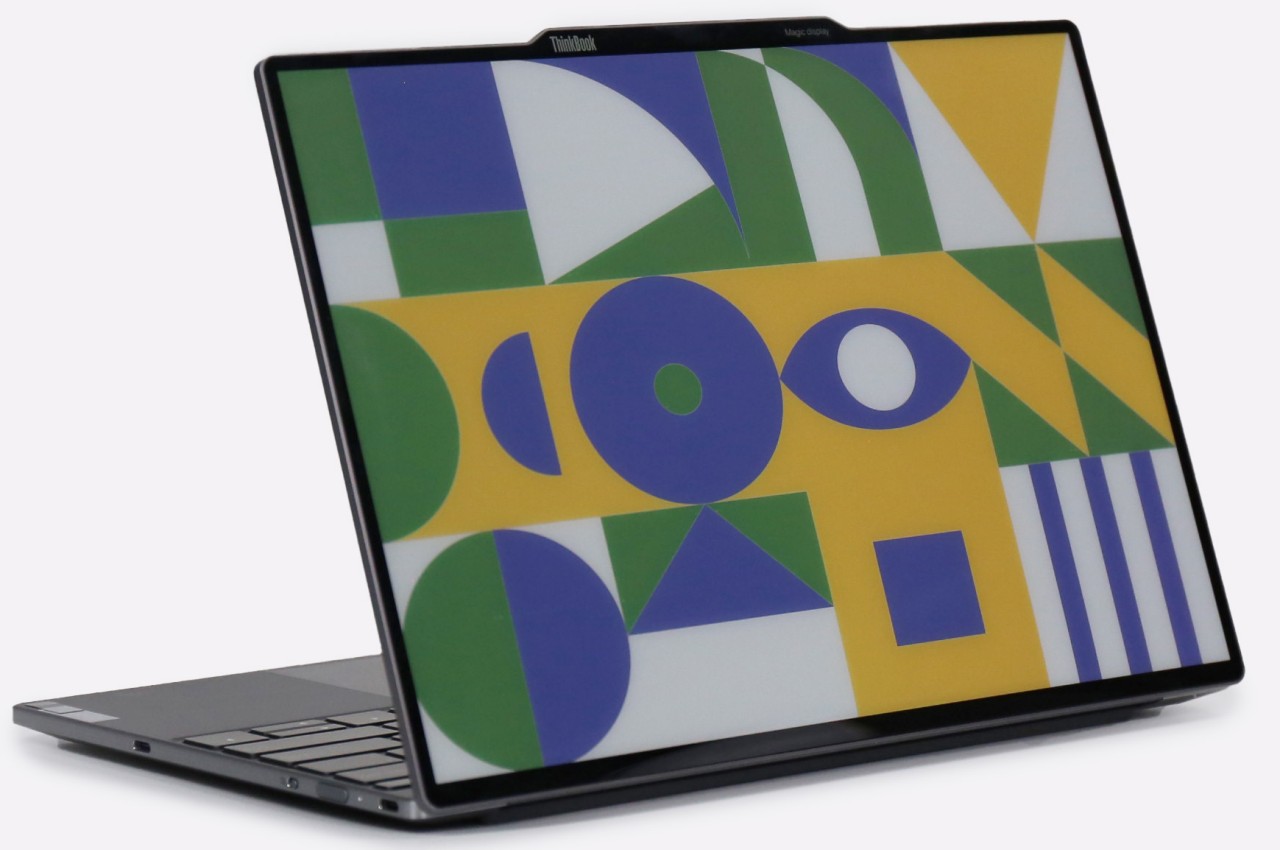
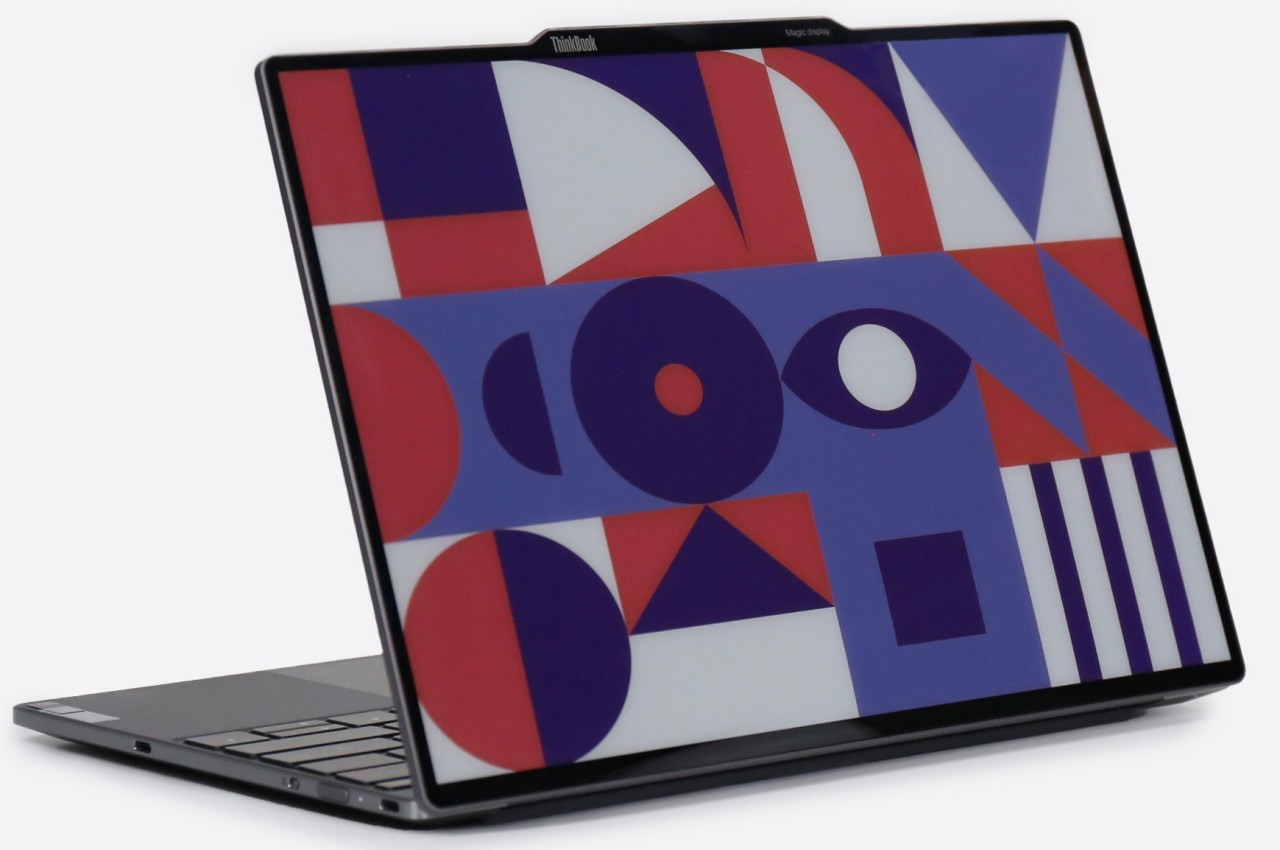
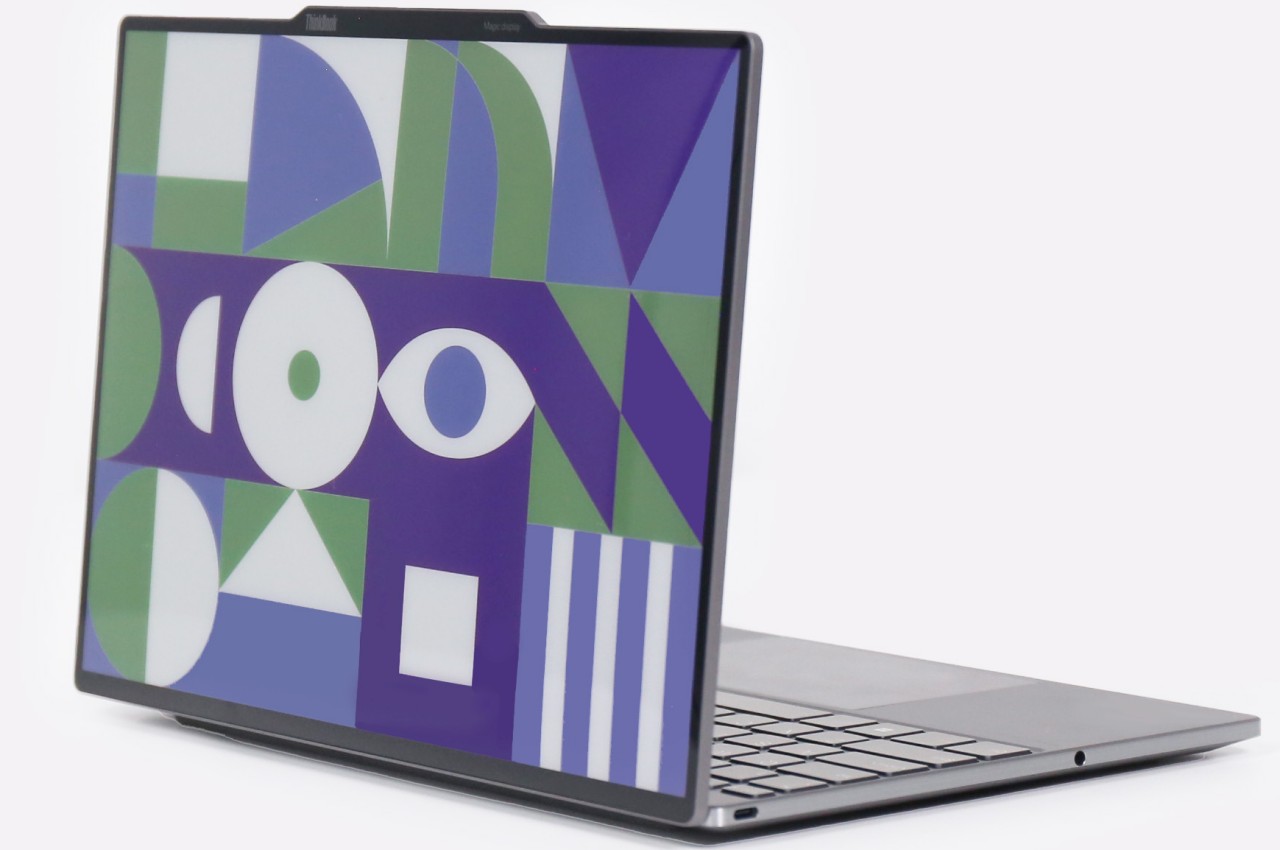
Some people prefer to keep their laptops looking clean and professional, but others like to personalize their property with all kinds of stickers that, unfortunately, leave their mark forever. There’s just no middle ground between these two extremes, at least not until the ThinkBook 13x Gen 4 SPE landed at CES 2024. Building on Lenovo’s previous E-Ink toting laptop, this proof-of-concept device takes that power-saving display technology and puts it at the service of style that everyone can enjoy.

The biggest difference with this new model is the Lenovo E Ink Prism technology that now supports a range of colors rather than just the typical grayscale of e-paper displays. This opens the door to more possibilities in terms of personalization, allowing users to customize the appearance of their laptops to their heart’s desires. Best of all, the display uses very little power, so it can even change the displayed image dynamically even when the laptop is powered off without impacting battery life.

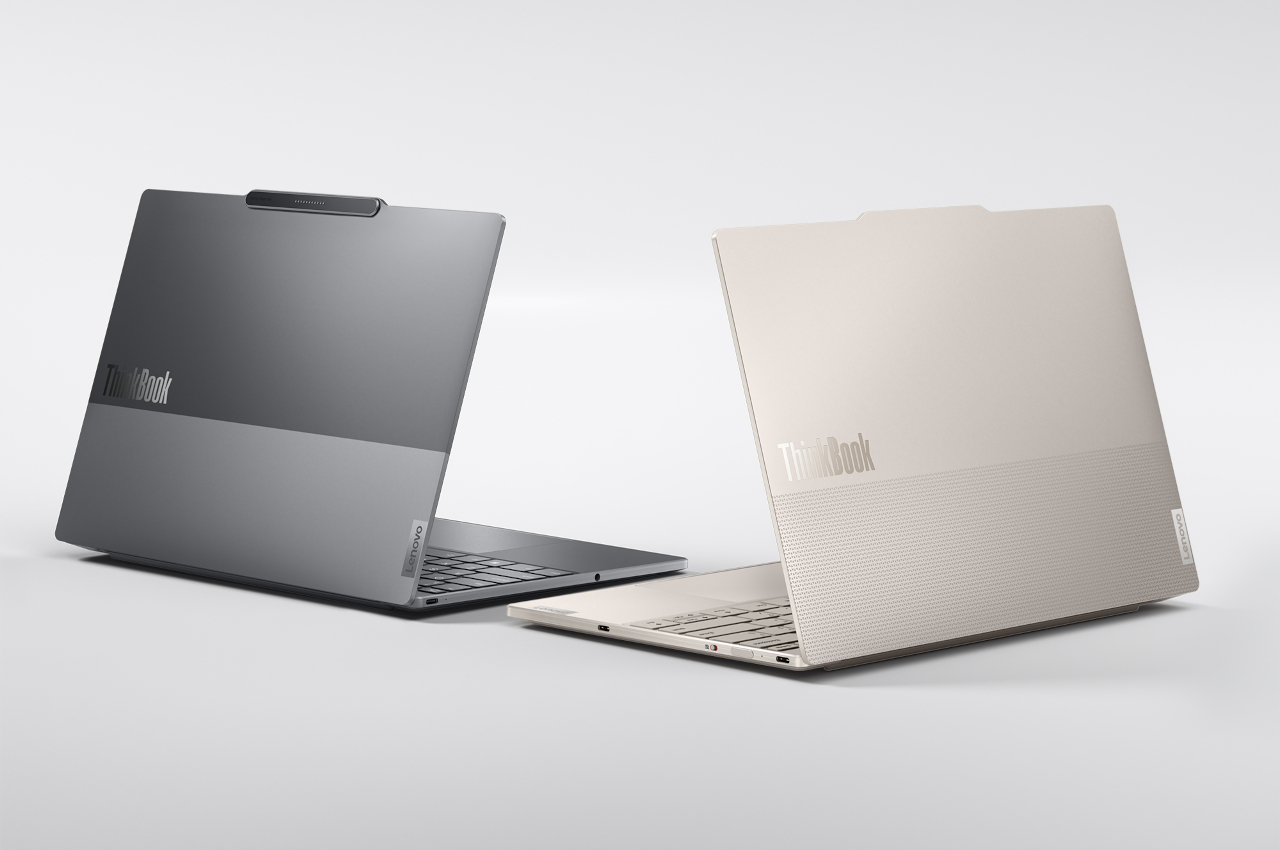
This special creative edition builds on the regular Lenovo ThinkBook 13x Gen 4, which does have a sleek and stylish dual-tone design of its own. This is powered by the latest Intel Core Ultra processors which have a dedicated neural processing unit (NPU) for AI-powered tasks like noise cancellation and system optimization. It also boasts using 50% recycled aluminum in the bottom cover of the Luna Grey colorway, 90% Post-Consumer Recycled Content (PCC) plastic in the power adapter, and 30% PCC in the speaker enclosures.

Lenovo Laptops and Desktops for All

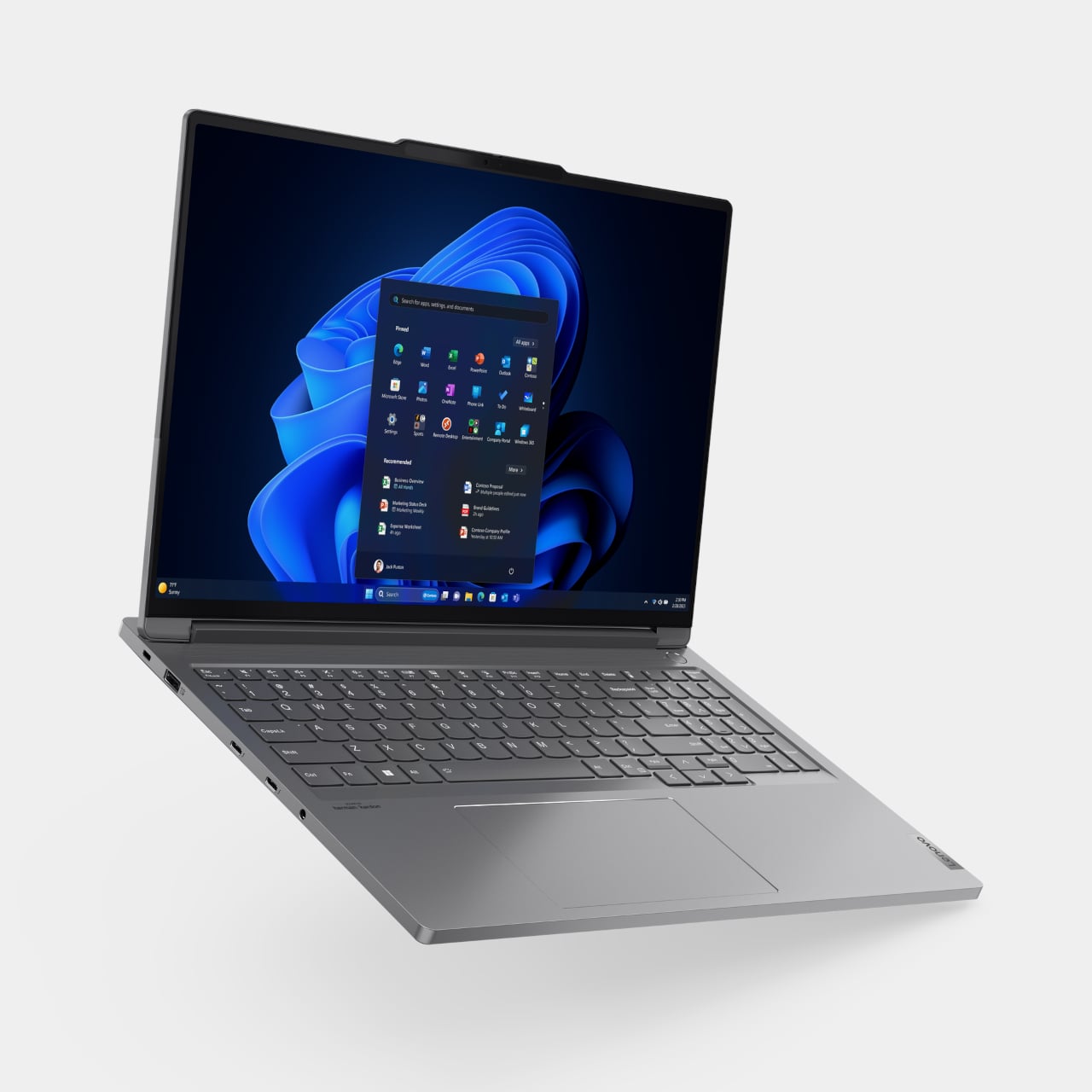
Beyond these two noteworthy laptops, Lenovo also has a few other new computers to show off in the Las Vegas showroom. The ThinkBook 14 i Gen 6+, for example, offers no-nonsense productivity behind its large 14.5-inch 3K display, delivering the power that designers need to get their work done. The ThinkBook 16p Gen5, on the other hand, pulls out all the stops with a 14th-gen Intel Core i9 processor and NVIDIA GeForce RTX 4060 laptop graphics. With an even larger 16-inch 3.2K screen, creators have more space to use when crafting their designs and projects.

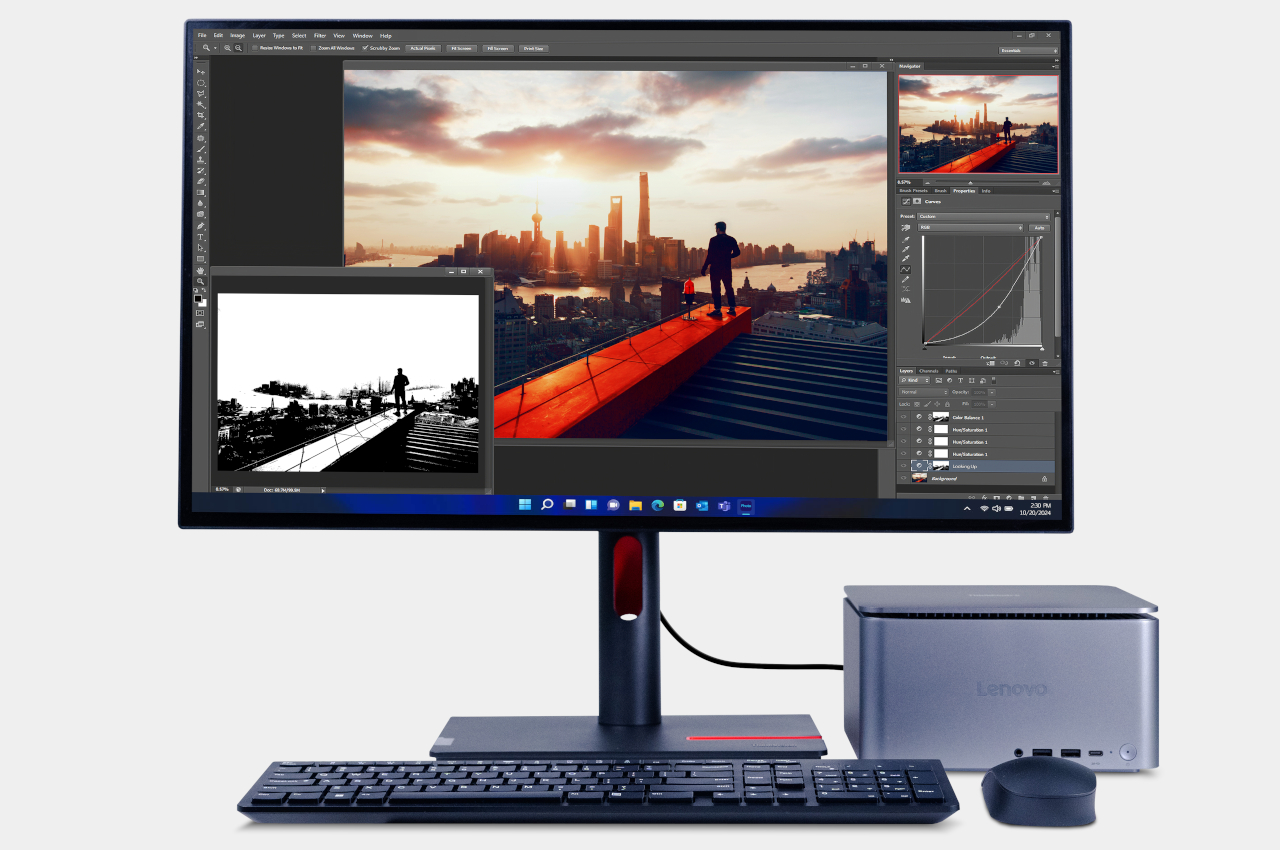
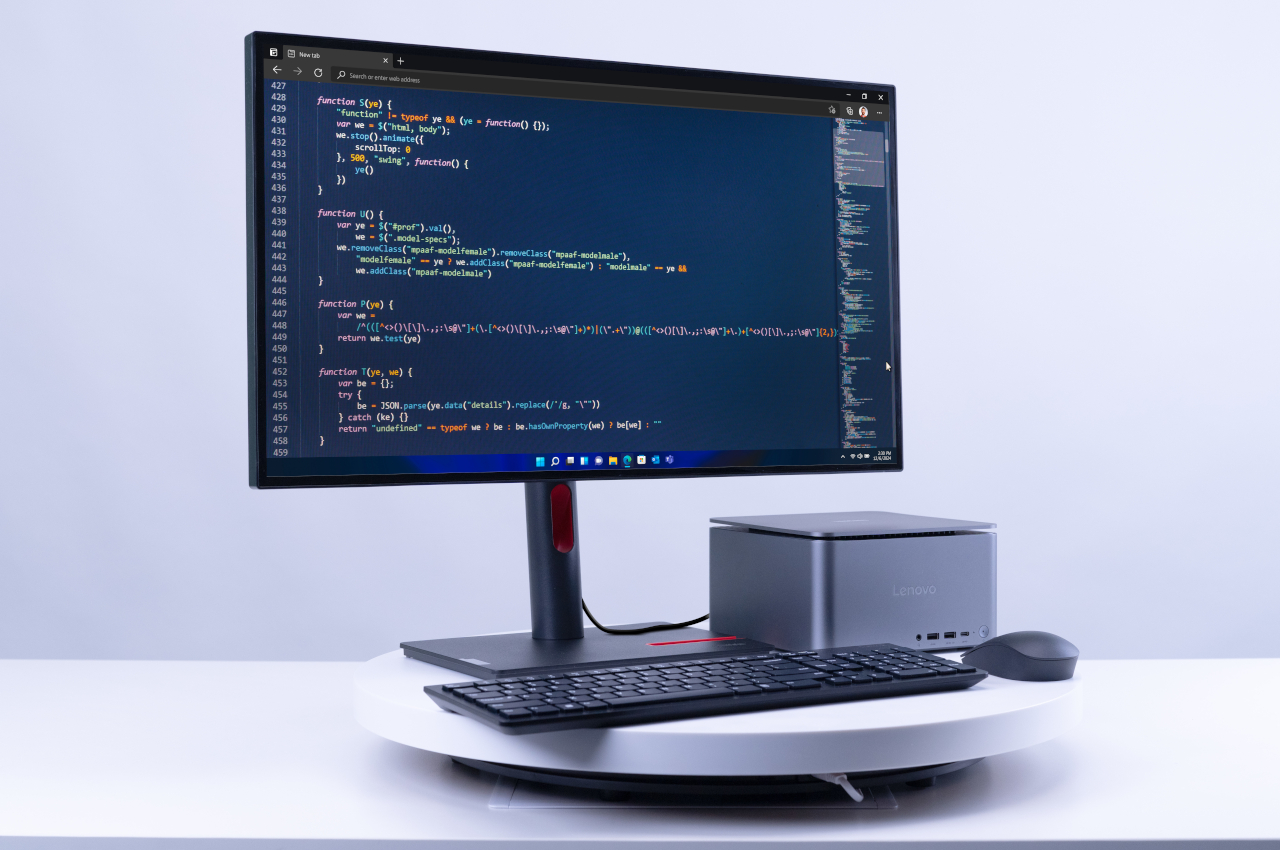
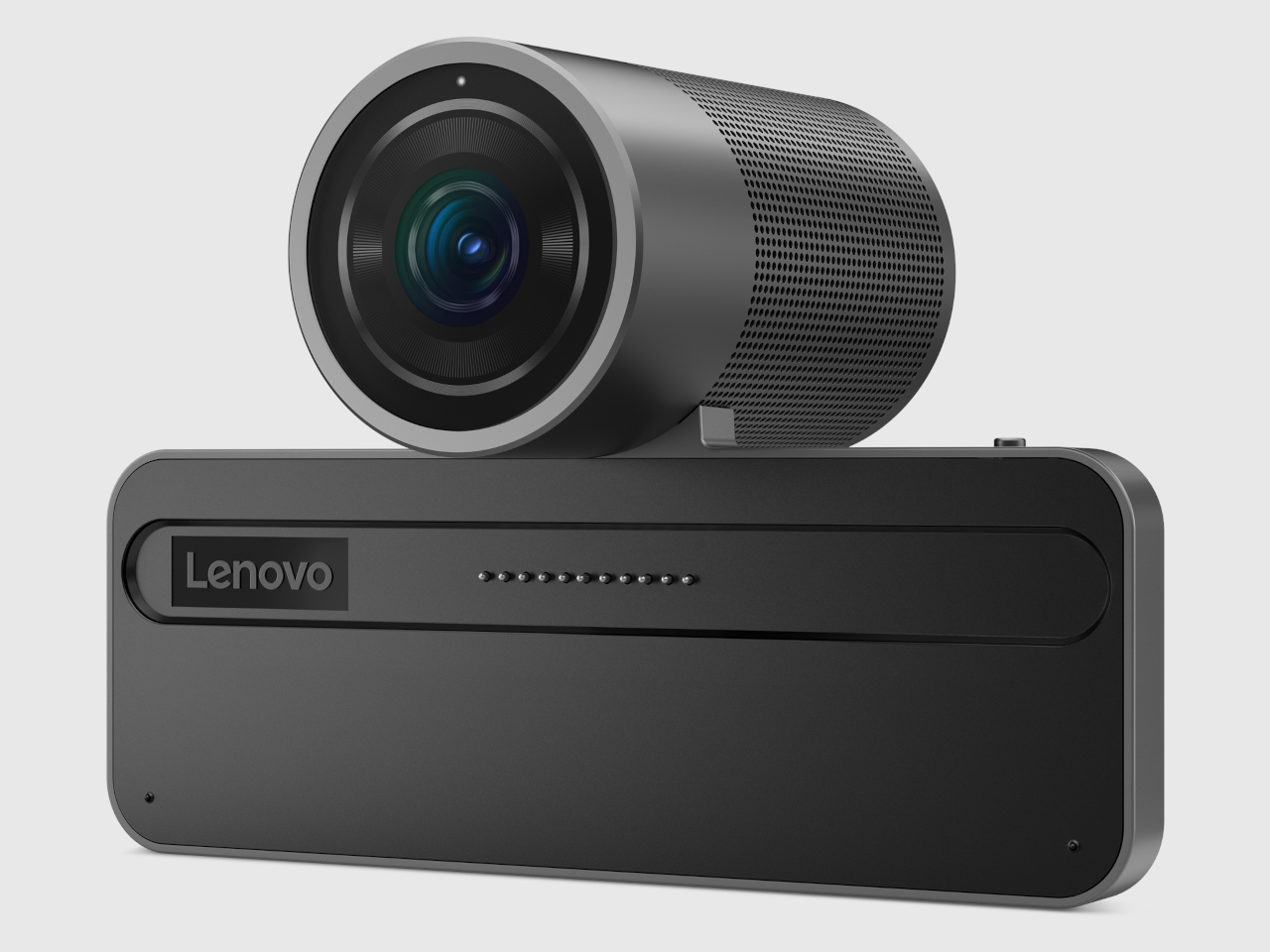
On the desktop side, the Lenovo ThinkCentre neo 50a 27 Gen 5 and ThinkCentre neo 50a 24 Gen 5 all-in-one PCs offer a sleek, space-saving design that doesn’t skimp on performance with an Intel Core i7 chip and 32GB of RAM. The real star of the show here, however, is the new Lenovo ThinkCentre neo Ultra, its first mini PC, delivering performance in a small package. It runs on an Intel Core i9 processor paired with NVIDIA GeForce RTX 4060 graphics and leverages plenty of AI-assisted features. And for those times when you need to jump on a video call, Lenovo’s Magic Bay Studio brings an AI-assisted 4K camera that will make you look clear, sharp, and professional.

Availability

  • Lenovo ThinkBook Plus Gen 5 Hybrid – Q2 2024, starting at $1,999
  • Lenovo ThinkBook 13x Gen 4 – Q1 2024, starting at $1,399
  • Lenovo ThinkCentre neo Ultra – Q2 2024, starting at $1,499
  • Lenovo ThinkCentre neo 50a 24 Gen 5, 50a 27 Gen 5 – Q1 2024, starting at $799 and $899, respectively
  • Lenovo ThinkBook 14 i Gen 6 – Q2 2024, bundle with ThinkBook Graphics Extension starting at $2,199
  • Lenovo ThinkBook 16p Gen 5 – Q1 2024, starting at $1,599
  • Lenovo Magic Bay Studio – April 2024, $199.99

Unfortunately, since it’s just a proof-of-concept design, there is no word yet on whether the E Ink Lenovo ThinkBook 13x Gen 4 SPE will be made available in the market.

The post Lenovo ThinkBook laptops at CES 2024 offer innovative style and flexibility first appeared on Yanko Design.

The Acer Predator Helios 18 has the most mesmerizing hinge on a laptop at CES 2024

Without a new generation of NVIDIA GPUs to accommodate, this year at CES 2024 in Las Vegas, laptop manufacturers have been forced to come up with other ways of getting attention. Some OEMs have opted for complete redesigns while others have introduced smaller (and super light) versions of existing models. But on the 2024 Predator Helios 18, Acer has opted for the flashiest method yet, featuring a captivating new hinge along with updated specs.

Compared to last year’s model, the outside of the Helios 18 doesn’t look that much different. It features a familiar matte black chassis and, at 7.17 pounds and 1.14 inches thick, it’s about the same size and weight as well. But then you get to the back where its new hinge is waiting to dazzle you with a seemingly endless series of RGB lights to gawk at. It’s a cool effect that Acer has dubbed the Infinity Mirror lighting bar, and while I’m not sure that alone would cause me to buy one, it’s certainly fun to stare into. All hail the hypno hinge.

Aside from that, the other new design change is the introduction of Acer’s MagKey 3.0 on the Helios 18’s WASD buttons, which allows you to swap not only the keycaps but also the mechanical switches beneath for a truly customized gaming experience. The laptop will come with two extra sets of keycaps and switches in the box. I just wish Acer allowed owners to swap out every key and keycap instead of just WASD. Unfortunately, because I only saw a pre-production model, I didn’t have the chance to try it myself.

The Predator Helios 18 is boasts updated specs and an updated design, while the Neo line offers similar features but with a more affordable price.
Photo by Sam Rutherford/Engadget

Inside, the Helios 18 has been refreshed with an Intel Core i9-14900X CPU and support for up to 32GB of RAM, 4TB of storage and NVIDIA RTX 4090 graphics. Meanwhile, to keep its operating temps in check, Acer has upgraded to 5th-gen Aeroblade 3D fans and switched to liquid metal thermal grease for improved heat conductivity. And as you’d expect on a system this big and starts at $2,000, the Helios 18 has great connectivity including Wi-Fi 7 and tons of ports (full-size HDMI 2.1, Ethernet, microSD, dual USB-C and more). The Helios 18’s display has also gotten some attention with the move to a 250Hz mini LED panel with a peak brightness of 1,000 nits and a gamut that covers 100 percent of DCI-P3.

And while I didn’t get to see it myself, if you don’t want a gaming laptop this big, there will also be a Predator Helios 16 that offers all the same specs (up to an RTX 4090) including a 90 Whr battery, but in a chassis that weighs 5.95 pounds and measures 1.05 inches thick.

Pictures don't fully capture the majesty of Acer's new Infinity Mirror hinge.
Photo by Sam Rutherford/Engadget

But it doesn’t stop there because at CES 2024, Acer is announcing more budget-friendly Neo versions of the machines above. Also available with 16- and 18-inch screens, the Predator Helios Neo 18 and Predator Helios Neo 16 come with the same i9-14900X chip, but with a slightly slower 240Hz display and GPU options that cap out at an RTX 4070. Sadly, similar to the Predator Helios 18, the Helios Neo 16 I saw was a pre-production model and had some finishes and speaker grilles that didn’t match the rest of the system, though Acer says that will be fixed on retail models.

Regardless, Acer will have a bunch of updated 16 and 18-inch gaming laptops for you to consider no matter your budget.

The Predator Helios 18 uses a new MagKey 3.0 feature that allows owners to swap out both the keycaps and the switches of the WASD buttons.
Photo by Sam Rutherford/Engadget

The Predator Helios 16 will start at $1,900 and go on sale in January, followed by the Predator Helios 18 at $2,000, which will arrive sometime in March. Alternatively, the Predator Helios Neo 18 and Neo 16 will start at $1,550 and $1,500 respectively, with both officially launching in March.

Update, January 8 2024, 6:00PM ET: This post has been updated with hands-on video.

We're reporting live from CES 2024 in Las Vegas from January 6-12. Keep up with all the latest news from the show here.

This article originally appeared on Engadget at https://www.engadget.com/the-acer-predator-helios-18-has-the-most-mesmerizing-hinge-on-a-laptop-at-ces-2024-230045775.html?src=rss

Alienware teases a 32-inch 4K QD-OLED gaming monitor at CES

Alienware is following up its 34-inch ultrawide QD-OLED display with a pair of upgraded models that promise to deliver enhanced in-game visuals: 4K QD-OLED and 360Hz QD-OLED monitors. The company unveiled them at CES 2024 in Las Vegas, and is touting each as a “world’s first” in some regard. 

First up, there’s the Alienware 32 4K QD-OLED (AW3225QF), which the company calls the “world’s first 4K QD-OLED gaming monitor.” This display has Dolby Vision HDR, a curved panel and a peak luminance up to 1000 nits. The AW3225QF also boasts a 240Hz native refresh rate, a 0.03ms gray-to-gray response time and NVIDIA G-Sync compatibility.

You can expect inky dark black levels and lots of color coverage. In fact, Alienware promises blacks that are 10 times darker than a standard picture. It also claims you’ll have access to “colors never seen before on a screen," which seems like a lofty promise, but hey, we won’t have long to find out. It'll be available on January 11, with a list price of $1,200.

A monitor front and back.
Alienware

Alienware also announced the AW2725DF 360Hz QD-OLED gaming display. As you can tell from the name, this screen boasts an astounding 360Hz native refresh rate. Alienware touts another record being smashed here, calling this the “world’s first” 360Hz QD-OLED display.

The screen also features a 0.03ms gray-to-gray response time for “near instantaneous pixel response” and VESA DisplayHDR True Black 400. The monitor comes with AMD FreeSync Premium Pro and VESA AdapativeSync tech. The stand is fully adjustable to suit different setups and the minimal hexagonal base allows for added real estate on the desk for accessories.

The 27-inch AW2725DF will also be available on January 11, coming in at $900. Both of these monitors come with a 3-year limited warranty for OLED burn-in, which is certainly handy given the increased risk of this issue with OLED displays.

We're reporting live from CES 2024 in Las Vegas from January 6-12. Keep up with all the latest news from the show here.

This article originally appeared on Engadget at https://www.engadget.com/alienware-teases-a-32-inch-4k-qd-oled-gaming-monitor-at-ces-230045701.html?src=rss

Razer’s Blade laptop lineup shines bright with stunning screens at CES 2024

Razer was so proud of the screens on its updated Blade laptops it announced some details a week before CES. Now that I’ve seen them, I can say they look even better in person.

The big upgrade for the Blade 16 is without a doubt its screen, which Razer says is the world’s first 16-inch 240Hz OLED display. The impressive thing is that, even when compared to the Blade 14 and Blade 18’s panels which both look great, the one on the 16 just pops a little bit more. Colors look rich and it covers 100 percent of DCI-P3 color gamut, plus its response time of just 0.2ms is super fast. You also get VESA ClearMR 11000 and DisplayHDR True Black 500 certifications. And while its QHD+ resolution isn’t quite 4K, you can always opt for the dual mode mini LED screen Razer introduced last year.

Inside, you get a new 14th-gen Raptor Lake Core i9-14900HX chip and up to an RTX 4090 with a TDP of 175 watts. While the Blade 16’s starting price looks pretty steep at $3,000, it’s important to note that that figure includes the brand new OLED display and 4070 graphics, which is better than the 4060 cards you get as base from a lot of Razer’s rivals. The Blade 16 is on sale today. 

While the design is the same, the Blade 14 has gotten a new AMD Ryzen 8000 CPU for 2024.
Photo by Sam Rutherford/Engadget

As for the Blade 14, it’s got a new AMD Ryzen 9 8945HS chip and up to an RTX 4070 GPU with a TDP of 140 watts. As for its display you’re looking at a 16:10 QHD+ panel with a 240Hz refresh rate. And all this comes in a chassis that still weighs 4.05 pounds and measures 0.7 inches thick, which might make this my favorite of the three due to its combination of power and portability. I just wish that it had the OLED display from the Blade 16. Pricing is still to be determined, though pre-orders are slated for the end of January.

Finally, there’s the Blade 18, whose most important new feature is the world’s first 18-inch 4K 165Hz display. Now I should mention that this display is so new, the model we saw at CES has a placeholder lid, so the system I saw was significantly thicker than it will be at launch. The other big claim is that the Blade 18 will feature a Thunderbolt 5 port, which is the first time I’ve heard any company pledge to include this connector. Unfortunately, that’s all we know about the Blade 18 for now, as it’s not scheduled to launch until sometime later this year.

In addition to having the world’s first 4K 165Hz 18” display, the Blade 18 is one of the first laptops that is expected to get a Thunderbolt 5 port.
Photo by Sam Rutherford/Engadget

One last notable change for 2024 is that across the entire Blade family, you’ll now be able to equip each system with up to 96GB of RAM and 8TB of SSD storage. Those are pretty monstrous figures and you can bet upgrading won’t come cheap, but if you need it, you need it.

Update, January 8 2024, 6:14PM ET: This post has been updated with hands-on video.

We're reporting live from CES 2024 in Las Vegas from January 6-12. Keep up with all the latest news from the show here.

This article originally appeared on Engadget at https://www.engadget.com/razers-blade-laptop-lineup-shines-bright-with-stunning-screens-at-ces-2024-230044688.html?src=rss

Lenovo Unveils Powerful Yoga and IdeaPad Laptops at CES 2024, along with its own Generative AI app

New Year New Gear, as they all say… which holds especially true for tech enthusiasts as CES comes rolling in. Lenovo’s taking this opportunity to announce a series of devices that are set to redefine our interaction with personal technology. The spotlight this year is on the Yoga, Tab, and IdeaPad devices, each a testament to Lenovo’s commitment to innovation, sustainability, and user-centric design. With the explosion of AI over the past year, Lenovo’s also shining a light on its own AI offering, the Yoga Creator Zone – a generative AI that comes built into its Yoga-series laptops running Microsoft Windows 11.

Designer: Lenovo

Lenovo Yoga Pro 9i 16-inch Gen 9

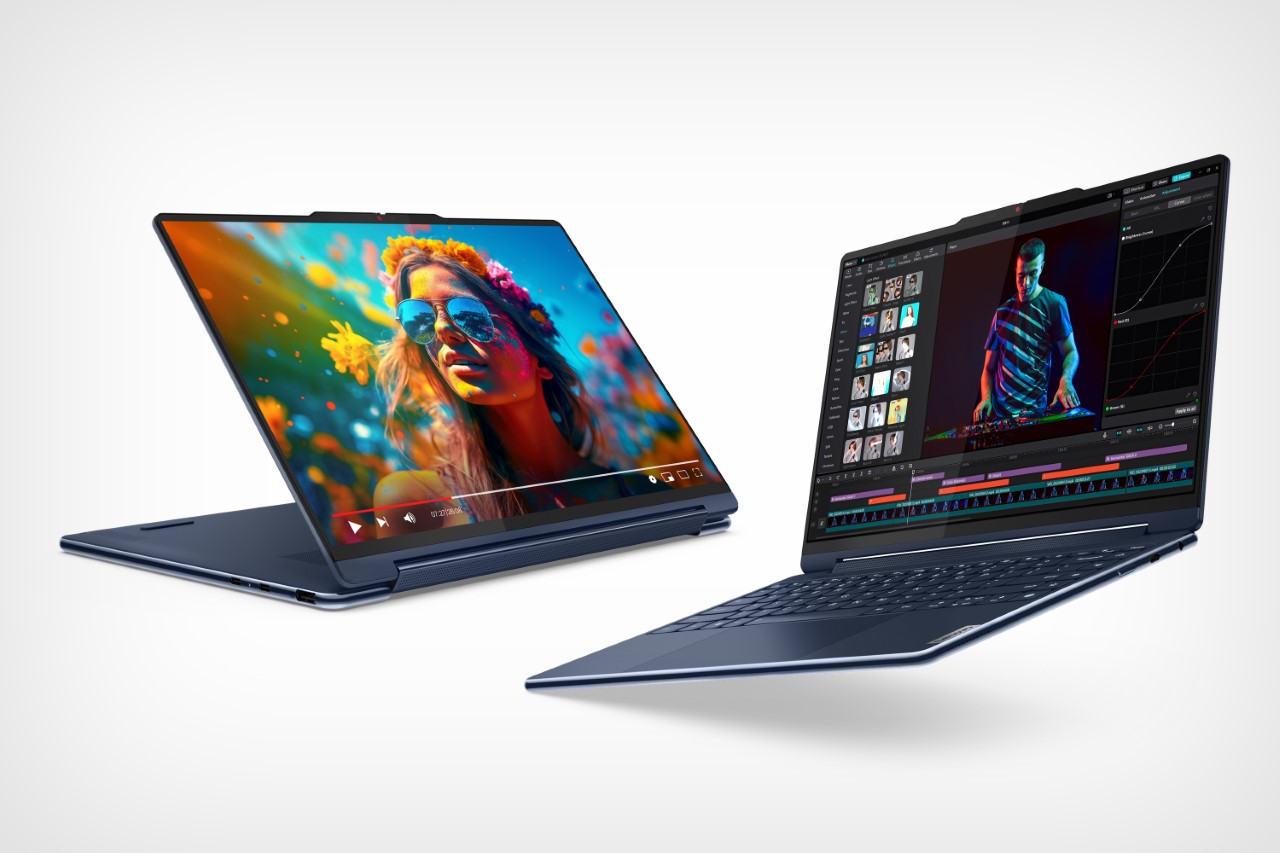
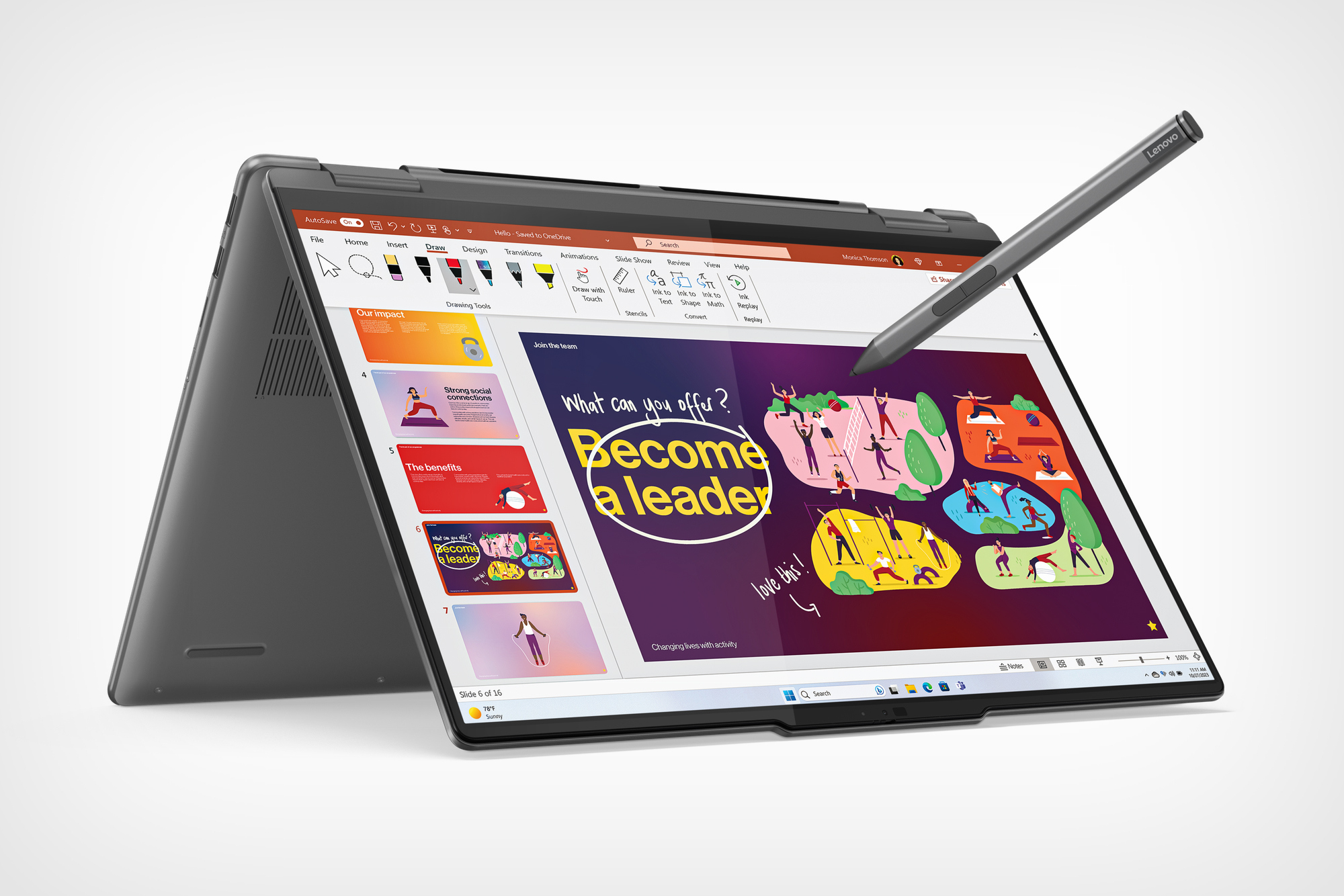
Lenovo Yoga 9i 2-in-1 14-inch Gen 9

Yoga Series: The Pinnacle of Premium Personal Computing

The Yoga series has long been synonymous with premium quality and cutting-edge technology, and the new additions continue this legacy with flair and function.

  • Yoga Pro 9i (16” 9): This laptop is a fusion of power and elegance. The NVIDIA GeForce RTX 4070 Laptop GPU makes it a beast for high-end creative tasks, gaming, and AI applications. The PureSight Pro Mini-LED 3.2K screen isn’t just about stunning visuals; it’s about bringing your creative visions to life with impeccable clarity and color accuracy. The six-speaker system, with enhanced bass, transforms your laptop into an auditory theater, ensuring that every note and sound effect is heard with crystal clear precision. It’s not just a laptop; it’s an experience.
  • Yoga 9i 2-in-1 (14” 9): This device redefines versatility. As a 2-in-1, it easily switches between a high-performance laptop and a dynamic tablet, adapting to your needs on the fly. The PureSight OLED 2.8K screen offers visuals that are as vivid as they are smooth, perfect for professional-grade design work or enjoying your favorite media. Coupled with the rotating soundbar featuring Bowers & Wilkins speakers, the audio is just as immersive as the display. Add in the Lenovo Smart Pen, and you have a tool that’s ready for whatever creative task you throw at it.
  • Yoga Slim 7i: This model is the epitome of sleek, portable computing. It’s designed for those who are always on the move, offering a balance between performance and portability. With advanced Intel processors and an optional 4K display, the Slim 7i doesn’t compromise on power or visuals. It’s slim, it’s light, and it’s ready to accompany you wherever your work or creativity takes you.
  • Yoga Pro 7i: This laptop is a balance of performance and aesthetics. It’s built for those who demand top-tier functionality and a design that stands out. With its high-performance processors and stunning display options, the Yoga Pro 7i is ready for everything from intensive work sessions to movie marathons. And with its stylish design, it’s sure to turn heads wherever you go.
  • Yoga Pro 7: Designed for professionals who demand durability and performance, the Yoga Pro 7 comes equipped with features that make multitasking a breeze. Its robust build quality ensures it can handle the rigors of daily use, while its high-performance internals mean it’s ready to tackle any task. It’s a workhorse that doesn’t skimp on style or functionality.
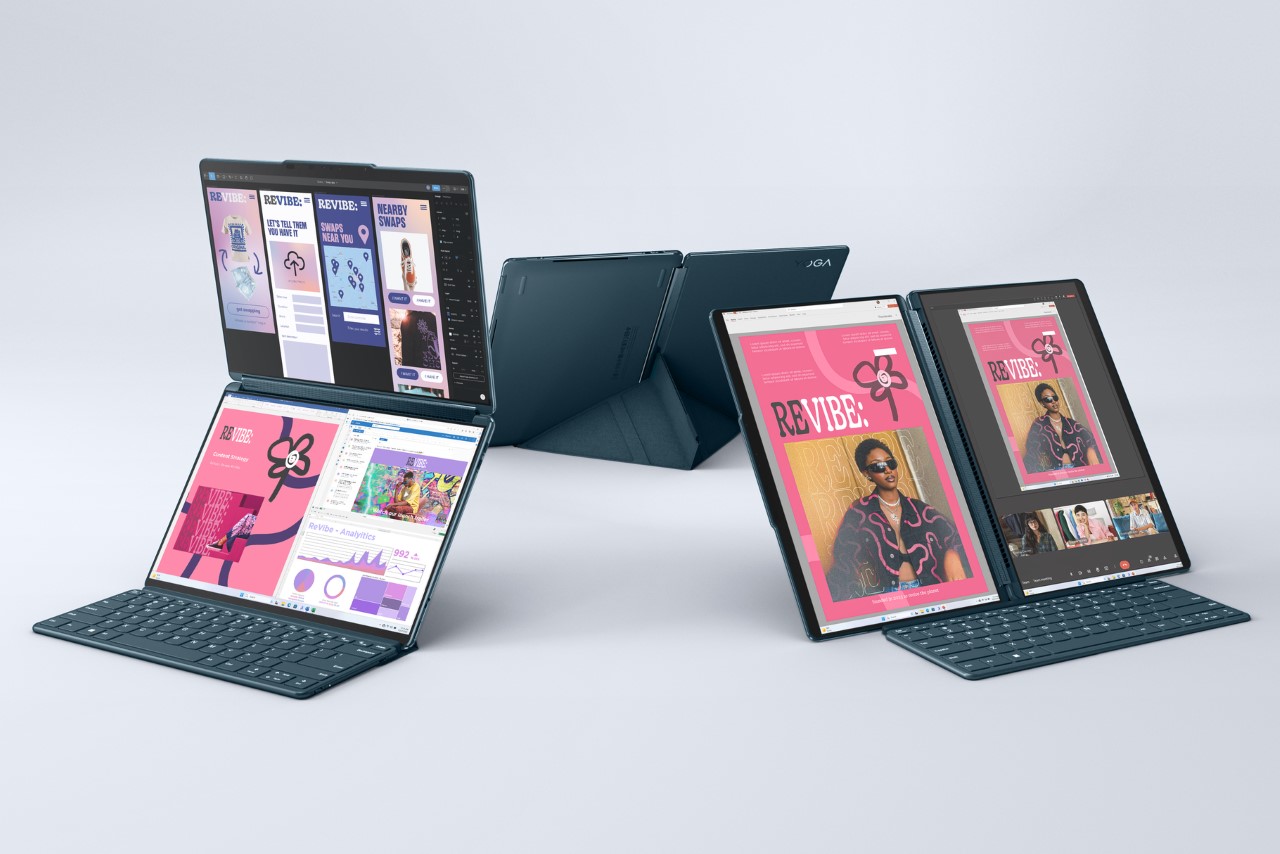
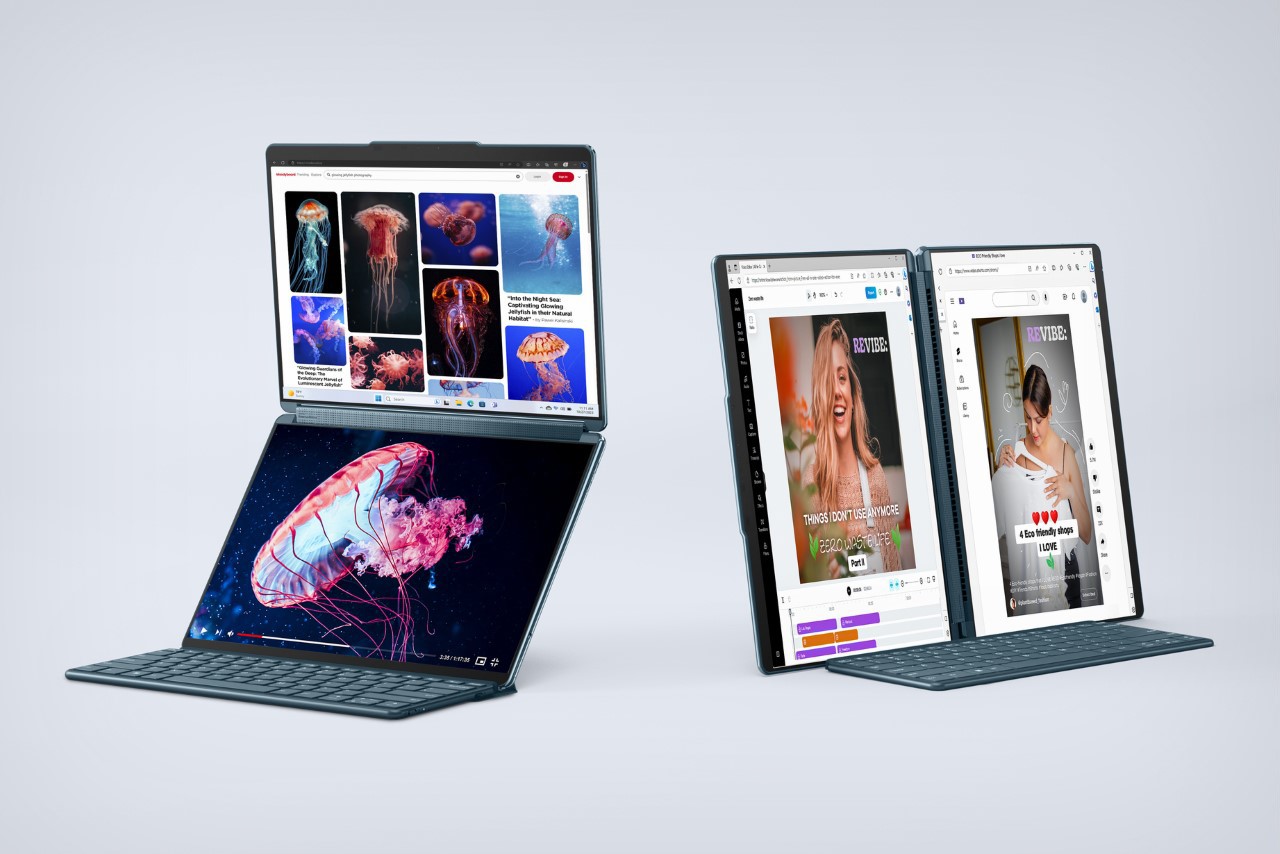
  • Yoga Book 9i: This innovative device pushes the boundaries of what’s possible with a laptop. Featuring a unique dual-screen design, the Yoga Book 9i allows for unparalleled multitasking and creativity. Use it as a traditional laptop, or take advantage of the extra screen real estate for drawing, designing, or extending your workspace. It’s a glimpse into the future of personal computing, offering a new way to work and play.

Lenovo Yoga Book 9i Gen 9

Yoga Creator Zone: AI Features for Lenovo’s Yoga lineup
In a groundbreaking shift, Lenovo’s latest array of Microsoft Windows 11 Yoga laptops come equipped with the Lenovo Yoga Creator Zone, an AI text-to-image software exclusively designed for creators, artists, and anyone eager to leverage the simplicity and privacy of generative AI. Positioned as a catalyst for creativity, the Lenovo Yoga Creator Zone simplifies the process of transforming text descriptions or sketches into vivid imagery, eliminating the need for intricate prompts, codes, or setups. Users can effortlessly input their vision, and the system promptly materializes it into a visual form.

For those using Lenovo Yoga Pro devices with specialized GPUs, including the powerful NVIDIA® GeForce RTX™ 4070 Laptop GPU, the Lenovo Yoga Creator Zone introduces an advanced feature called Image Training. This unique Lenovo capability enables users to cultivate a personalized model that resides directly on the device. With each image or series of images fed into the system, the Lenovo Yoga Pro laptop becomes more attuned to the user’s artistic inclinations, generating images that reflect their distinct style and preferences. Whether a user is drawn to the geometric intricacies of cubism or the bold vibrancy of pop art, Image Training ensures their creations are consistently aligned with their tastes, without the need for repetitive specification. The result is a series of stunning creations that are deeply personal, offering a bespoke reflection of the user’s artistic identity.
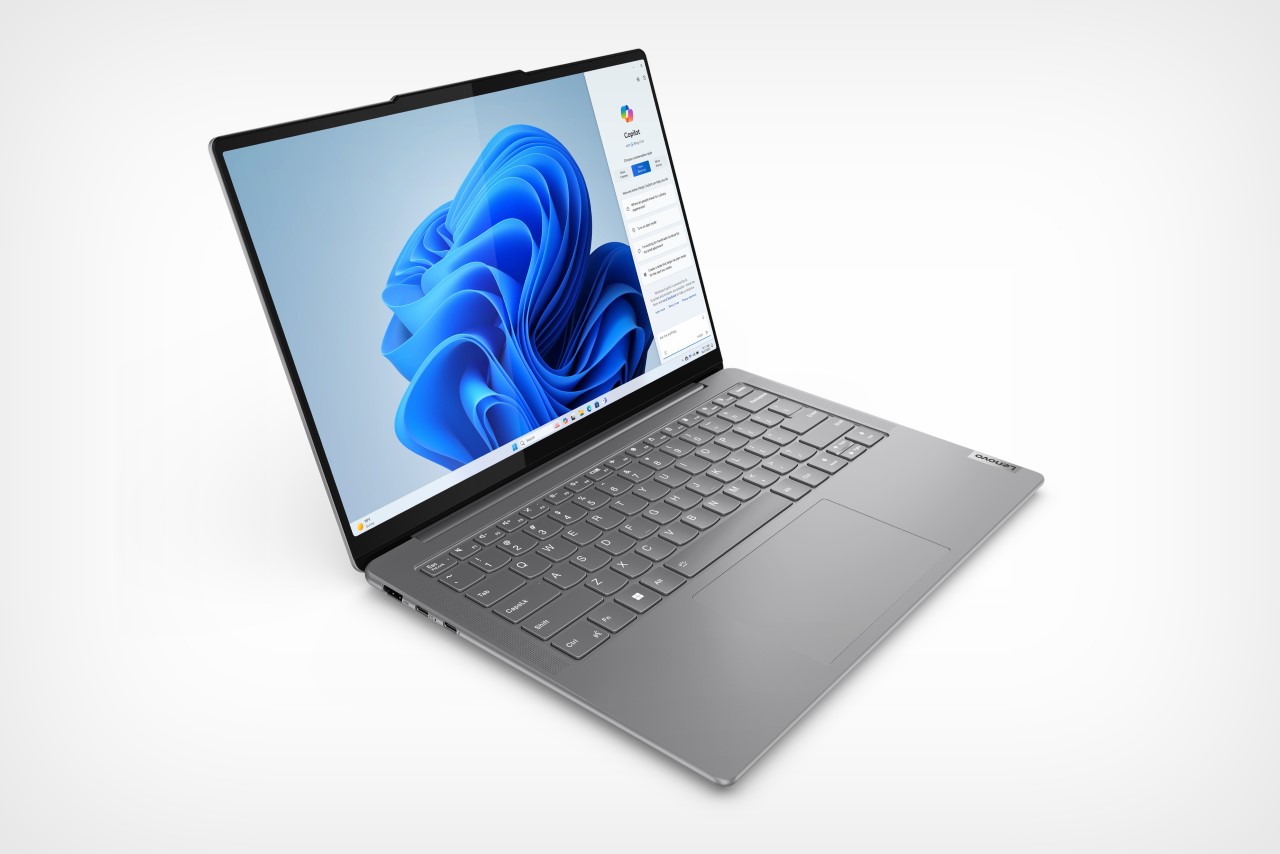
Lenovo Yoga Slim 7i 14-inch Gen 9

Lenovo Yoga Slim 7i 2-in-1 16-inch Gen 9

Lenovo Tab M11: Entertainment and Education in One

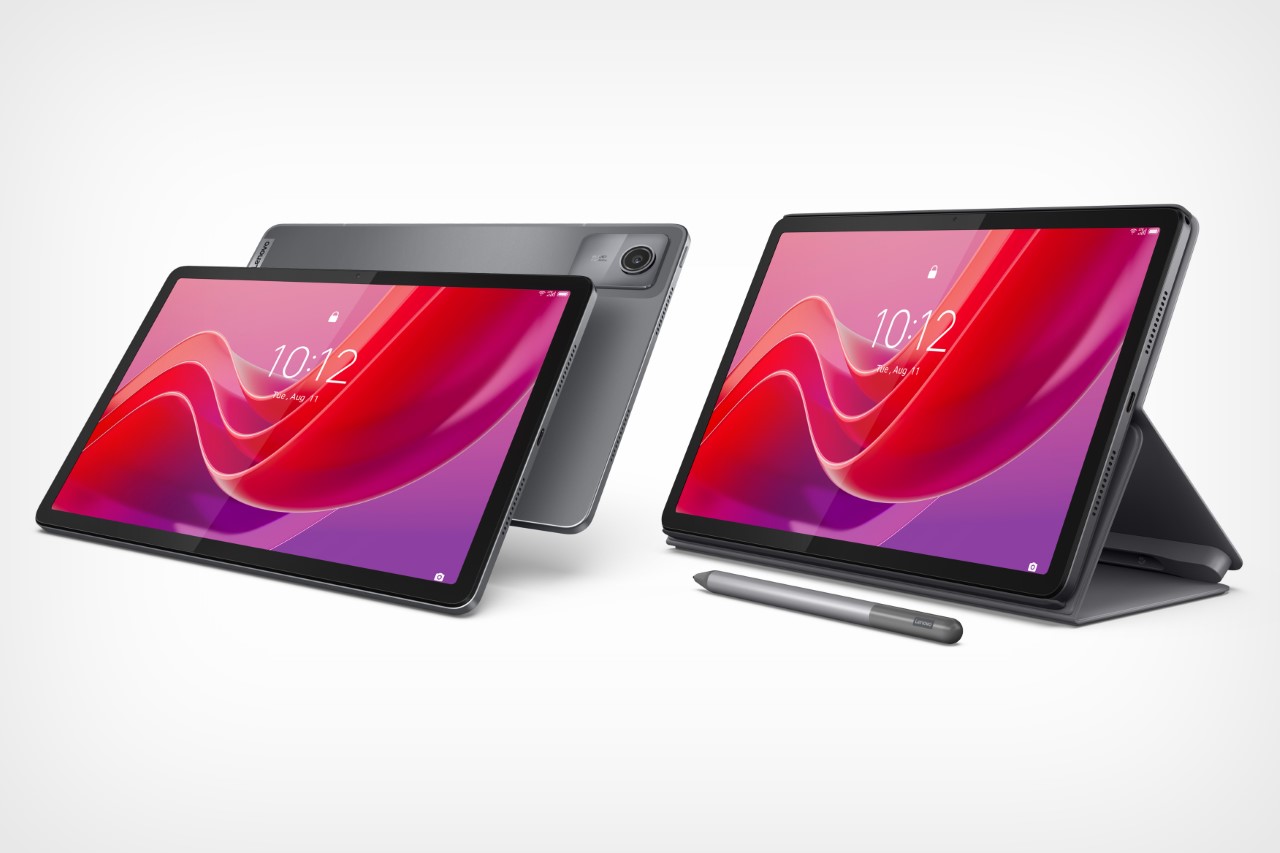
The Lenovo Tab M11 is a testament to Lenovo’s understanding that technology should be accessible and enjoyable. Designed for students and entertainment enthusiasts, the Tab M11 features an 11-inch FHD screen that makes learning and leisure a visual treat. The dual-screen capability and the Lenovo Tab Pen transform it from a reading device to a digital canvas, offering a versatile tool for both productivity and play.

Lenovo Tab M11

IdeaPad Series: Powering Everyday Excellence

The IdeaPad series is where innovation meets the everyday, offering a range of laptops that are as diverse as the users they’re designed for.

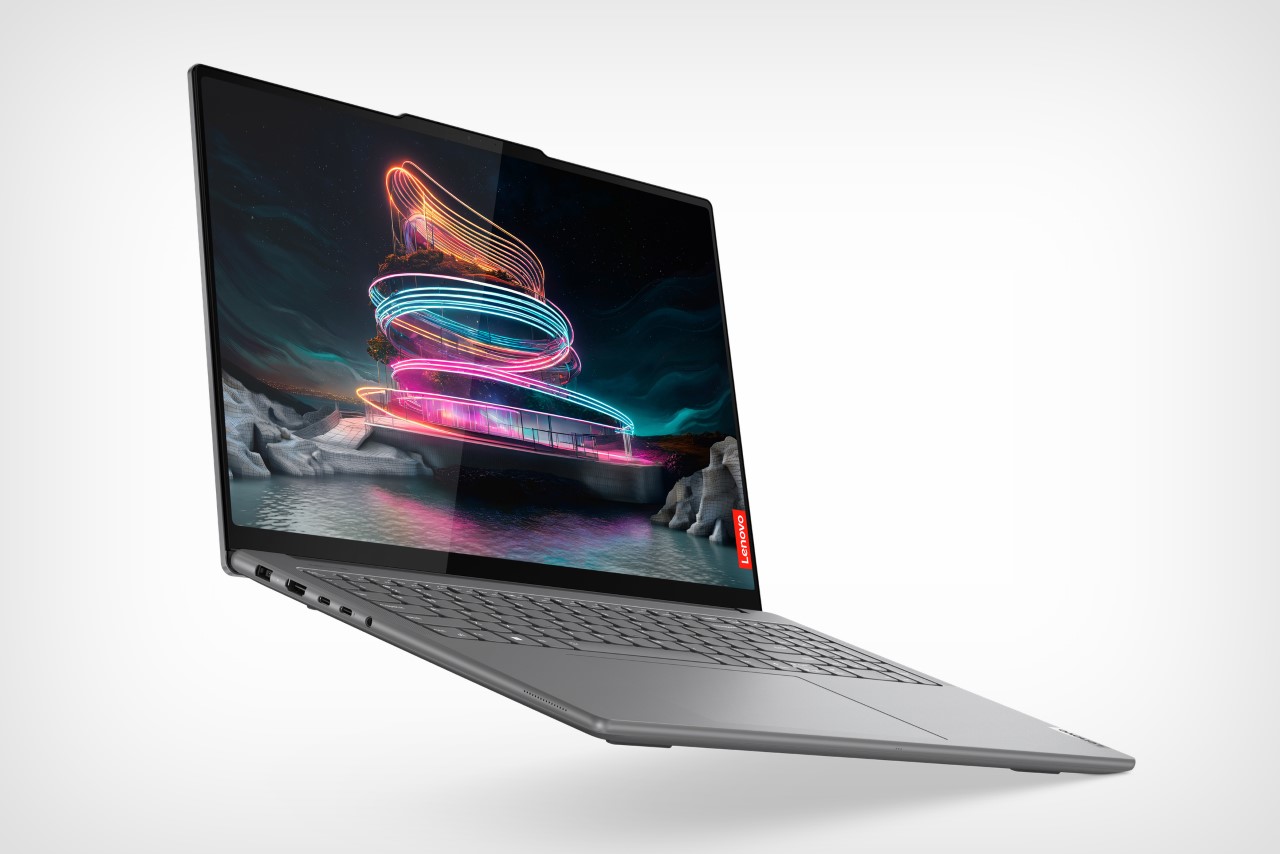
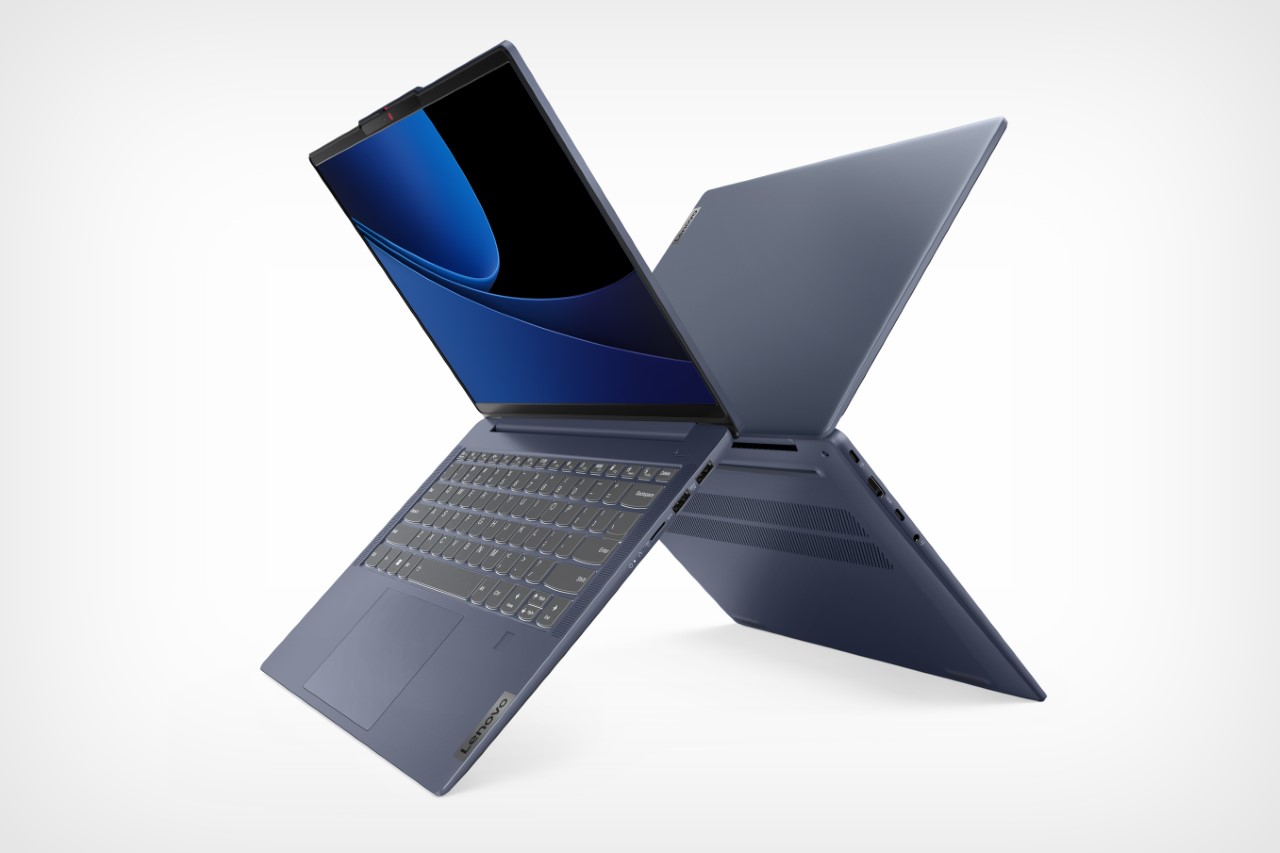
  • IdeaPad Slim 5i (15″, 9): The Lenovo IdeaPad Slim 5i (15”, 9) introduces a new form factor to the IdeaPad family, offering a 15.3-inch 16:10 display that provides more screen real estate for your ideas to roam free. The WUXGA display with 90% AAR and 100%sRGB ensures ultra-vibrant, accurate color reproduction, making every visual more immersive and every detail crisper. With an edge-to-edge keyboard design and two full-function USB Type-C™ ports, it offers extended compatibility with peripherals. The up to 76WHr Polymer battery with Rapid Charge Boost ensures that your creative flow isn’t interrupted by a search for power outlets.
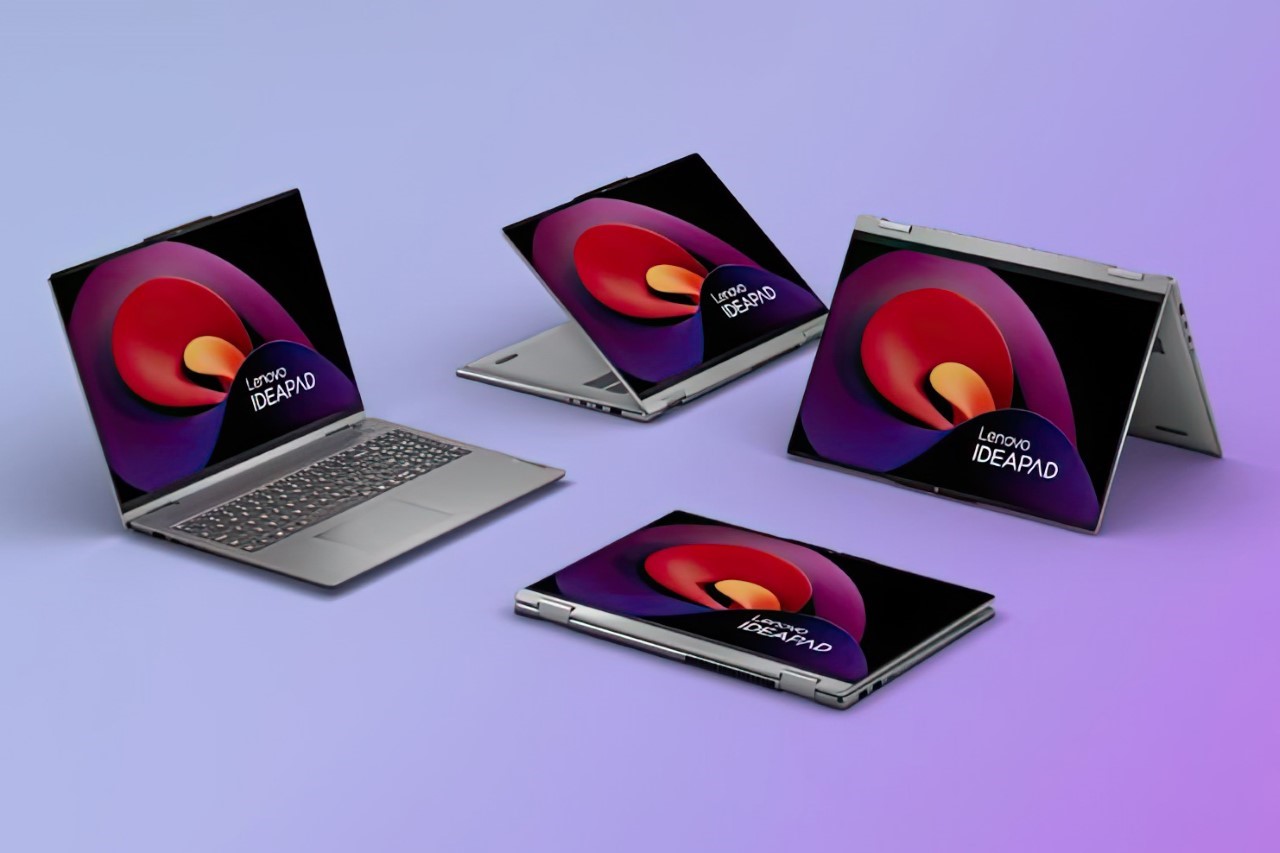
  • IdeaPad 5i 2-in-1: The Lenovo IdeaPad 5 and 5i 2-in-1 convertibles redefine what it means to be versatile. Available in both 16-inch and 14-inch sizes, these devices offer OLED displays that bring every image to life with stunning clarity and color. Whether you’re working in laptop mode or exploring your creativity in tablet mode, the full touch functionality ensures a smooth, intuitive experience.

Lenovo IdeaPad Slim 5i G9

Sustainability and Eco-Friendliness

Lenovo’s dedication to sustainability can be seen across its entire lineup. The entire Yoga, Tab, and IdeaPad lineup reflects a commitment to a greener tomorrow, with recycled materials and plastic-free packaging being standard across the board.

Pricing and Availability: Innovation Within Reach

With a range of products designed to cater to various needs and budgets, Lenovo ensures that innovation is accessible. Starting April 2024, the Yoga, Tab, and IdeaPad devices will be available, with prices ranging from the affordable Lenovo Tab 11 at $179.99 to the premium Yoga Book 9i at $1999.99.

Lenovo IdeaPad 5i 2-in-1 Gen 9

The post Lenovo Unveils Powerful Yoga and IdeaPad Laptops at CES 2024, along with its own Generative AI app first appeared on Yanko Design.

Shokz debuts its OpenSwim Pro waterproof bone conduction headphones at CES 2024

Shokz has making Bluetooth bone conduction headsets for years, including a personal favorite: the OpenRun Pro. However, you may have overlooked one of company's more niche variants. In 2019 the company launched a model called Xtrainerz, a bone conduction headset with an IP68 waterproof rating, 4GB of onboard storage and no Bluetooth. This was pitched as an all around training headset with a focus on swimmers. Recently it was renamed OpenSwim, but today at CES 2024 in Las Vegas the company has announced its improved successor, the OpenSwim Pro waterproof headphones.

As with many products being announced at CES this year, the OpenSwim Pro supports Bluetooth 5.3. The big change is that it includes Bluetooth at all, making it a more useful all-around headset and less specifically targeted to swimming or triathlon use. The OpenSwim Pro also has 32GB of onboard storage, which is a healthy bump from the previous 4GB limit.

You get nine hours of battery life (one extra hour from the previous gen) and we’re told that it offers fast charging, although those details haven’t been provided yet. If it matches up to other Shokz models, that would be 1.5 hours with just five minutes of charging, which I’ve found immensely useful. If you’re actively using these while swimming, you can only be submerged for two hours without tempting the limits of its IP68 waterproof rating.

The sound quality for this model should be similar to the OpenRun model, with 8th-gen bone conduction tech. The need for a more enclosed design means it can’t quite match the slightly bassier output of the OpenRun Pro, which uses venting to enhance the low end. This model does have microphones, however, which is a new addition for the OpenSwim series. It certainly seems to be a necessary feature for a Bluetooth headset, so it’s a welcome addition.

The Shokz OpenSwim Pro will be available later in the year, although pricing and a specific launch date have yet to be determined. Those interested in receiving updates can sign up on the Shokz website.

We're reporting live from CES 2024 in Las Vegas from January 6-12. Keep up with all the latest news from the show here.

This article originally appeared on Engadget at https://www.engadget.com/shokz-debuts-its-openswim-pro-bone-conduction-waterproof-headphones-at-ces-2024-230036513.html?src=rss

Lenovo announces new gaming laptops at CES that feature proprietary cooling tech and performance-enhancing AI chips

Lenovo just announced a handful of new gaming laptops at CES 2024 in Las Vegas. Each of these computers features the company’s proprietary Legion Coldfront: Hyper cooling technology that keeps temperatures low while making sure the fans don’t get too loud. They're also packed with AI chips for improved speed and performance. These laptops ship with Windows 11 and come with three free months of Xbox Game Pass Ultimate.

The Lenovo Legion 9i is the flagship model with the most features and the highest asking price. This is a refresh of the similarly named laptop that was released back in September, but this one packs a 14th-gen Intel CoreTM Gen i9-14900HX CPU and up to the NVIDIA GeForce RTXTM 4090 GPU. It also features the company’s upgraded LA3-P AI chip, which automatically adjusts power to the CPU and GPU based on what you’re doing with the computer.

Additionally, the AI chip enables Lighting Audio Sync, which matches up the laptop’s RGB lights with sound to increase immersion. You get a 16-inch Mini-LED display panel with 3.2K resolution, a 16:10 aspect ratio and a snappy 165Hz refresh rate. You can choose up to 64GB of DDR5 RAM and up to 2TB of Gen4 PCIe internal storage. It also features a nifty-looking forged carbon top cover, which sets the aesthetics apart from similar gaming laptops. The Lenovo Legion 9i releases later this month, with a starting price of $4,400.

The Lenovo Legion Pro 7i boasts the all-new Intel Core 14th Gen i9-14900HX CPU, an NVIDIA GeForce RTX 4090 GPU in top-end models, up to 32GB of RAM and up to 2TB of internal SSD storage. There’s a 16-inch IPS display that supports refresh rates up to 240Hz and 500 nits of brightness. This upgraded PureSight panel features 100 percent DCI-P3 coverage. In short, this thing is a beast. The Legion Pro 7i will be available this March with a starting price of $2,700. There’s also the lower-powered Legion Pro 5i, which is available this month for $1,500.

A laptop.
Lenovo

In addition, the company announced standard Lenovo Legion 7i and 5i models. They don’t boast the “Pro” moniker, but should still be sufficient for modern gamers. These laptops are available in a variety of colorways, which is neat, and can be outfitted with up to the latest Intel Core i9 14900HX chips and up to the NVIDIA GeForce RTX 4070 GPU. Both models include 16-inch displays, up to 32GB of RAM and up to 1TB of SSD storage. The Legion 7i releases in March with a starting price of $2,100, while the 5i launches in April with a starting price of $1,400. There’s also a smaller and lighter version of the 5i coming in April that starts at $1,500.

Lenovo didn’t just announce gaming laptops. This is CES, after all. The company also unveiled a fair amount of gaming peripherals and accessories. The coolest of the bunch is the Lenovo Legion K510 Pro Mini Keyboard. This compact gaming keyboard is packed with mechanical key switches and 16.8 million color per-key RGB support. It’s expected this June for $70.

We're reporting live from CES 2024 in Las Vegas from January 6-12. Keep up with all the latest news from the show here.

This article originally appeared on Engadget at https://www.engadget.com/lenovo-announces-new-gaming-laptops-at-ces-that-feature-proprietary-cooling-tech-and-performance-enhancing-ai-chips-230035119.html?src=rss

MSI is going big with three new 18-inch gaming laptops at CES 2024

CES often sets the tone for all of a manufacturer’s products that year. And apparently the theme for MSI in 2024 is “big.” It’s kicking things with three new 18-inch gaming laptops at CES 2024, plus one of the best-looking budget systems around.

As usual, MSI’s roster of gaming notebooks is headlined by the Titan series, in this case the Titan 18 HX. For those familiar with the previous generations, you may notice a lack of a two-letter tag in front of the system’s names (e.g., GT, GE, et cetera), a move MSI is making across all of its laptops to simplify its naming scheme.

In addition to a revamped design based on a new magnesium alloy chassis, the Titan 18 HX is crammed full of the most powerful components you can fit in a laptop including up to a 14th-gen Intel Core i9-14900HX chip, RTX 4090 GPU, 128GB of RAM, three SSD slots, Wi-Fi 7 and more. In total, we’re talking about a TDP of 270 watts with stable clock speeds of up to 5.2GHz across the CPU’s eight performance cores.

In case the Titan 18 HX's size and design don't draw enough attention, it also packs a touchpad with customizable RGB lighting.
Photo by Sam Rutherford/Engadget

Its display also shines thanks to what MSI claims is the world’s first 18-inch 4K Mini LED display with a 120Hz refresh rate, which boasts VESA DisplayHDR 1000 certification. Meanwhile, for gamers who don’t feel like plugging in an external mouse, there’s a haptic touchpad that boasts eye-catching RGB backlighting. The only drawback is that with a starting price of $5,000, the Titan is only for people with equally large bank accounts.

For those who want a big gaming machine that’s still very fast but a tiny bit more affordable there’s the Raider 18 HX, which starts at around $3,500 to $4,000 (exact pricing still TBA). It sports a similar design to the Titan, except this there’s a big lightbar in front to really show off your love of RGB. The Raider also supports up to an i9-14900HX CPU and RTX 4090 GPU, but with a slightly lower overall 250-watt TDP. Unfortunately, the model we saw wasn’t functioning, so there wasn’t much more to glean from it.

While the Stealth 18 AI Studio isn't quite as sleek as its small siblings, it offers a significant two-pounds weight savings compared to the Titan 18 HX and Raider 18 HX.
Photo by Sam Rutherford/Engadget

Then there’s the Stealth 18 AI Studio, which is the first time MSI’s best-selling thin-and-light line has been available in this size. At 6.3 pounds, it’s almost two pounds lighter than both Titan and Raider while still supporting up to an RTX 4090 (but with a lower 185-watt TDP). The main difference is that as its name implies, it’s based on a 14th-gen Meteor Lake chip instead of Raptor Lake refresh, so it has a dedicated NPU for handling AI tasks.

The coolest part of the Cyborg 14's design might be its translucent bottom panel.
The translucent plastic from the 90s is making a comeback.
Photo by Sam Rutherford/Engadget

Finally, I saw the Cyborg 14 and, if you’re a fan of old-school gadgets made out of translucent plastic, you’re going to appreciate MSI’s new approach to budget chassis design. Instead of a bunch of bulky plastic with too much RGB, the Cyborg has smoky gray accents scattered across its body – from its WASD keys to its sides and bottom panel. And its specs are solid for a system starting at around $1,000. It has a 16:10 144Hz display, support for up to an RTX 4060 and 13th-gen Core i7 chip. So not blisteringly fast, but not too shabby either. It’s a good value and has a little flair that shows that a company put some thought into a product beyond the price. And while it may not get a ribbon, if Dell’s G-series was the best-looking budget laptop at CES last year, the Cyborg 14 looks to be the early favorite in 2024.

That said, these four laptops were only a sample of all the new systems MSI is launching in Las Vegas, which includes spec refreshes for existing systems like the Stealth 14/16 alongside bigger revamps for others like the Vector line.

MSI has yet to announce full pricing and availability info for the Titan 18 HX, Raider 18 HX, Stealth 18 AI Studio and the Cyborg 14, so stayed tuned for updates.

Update, January 8 2024, 6:16PM ET: This post has been updated with hands-on video.

We're reporting live from CES 2024 in Las Vegas from January 6-12. Keep up with all the latest news from the show here.

This article originally appeared on Engadget at https://www.engadget.com/msi-is-going-big-with-three-new-18-inch-gaming-laptops-at-ces-2024-230028061.html?src=rss