NVIDIA is bringing streaming day passes and G-Sync to GeForce Now

NVIDIA had more news up its sleeve at CES 2024 beyond a slew of new GPUs. The company also announced a bunch of updates for its GeForce Now cloud gaming service, including the addition of G-Sync tech and streaming day passes for paid subscribers.

Cloud G-Sync support, which is coming soon, will work on displays with variable refresh rates as well as monitors that are compatible with G-Sync. GeForce Now will adjust the display’s refresh rate to match the streaming rate, in the aim of minimizing latency and stutter to deliver smoother gameplay.

If you're an Ultimate subscriber, you'll also have access to increased NVIDIA Reflex support on certain titles. Alongside a 240fps mode, Reflex (another feature designed to reduce latency) will soon support streams up to 4K resolution and at 60fps or 120fps to give players more options. In addition, Android users will soon be able to stream GeForce Now to their devices at 1440p resolution.

Starting in early February, you'll be able to check out the GeForce Now Ultimate and Priority tiers without having to sign up for one or six months out of the gate thanks to day passes. These provide 24 hours of access to the respective tier with all of Ultimate or Priority features enabled. Both tiers offer ray-tracing with Ultimate offering access to DLSS 3.5 and Reflex as well. An Ultimate day pass costs $8, while a Priority day pass will run you $4. The monthly price for each tier is $20 and $10, respectively.

Elsewhere, NVIDIA has revealed a bunch of high-profile games that are coming to GeForce Now soon. Overwatch 2 and Diablo IV are the next Activision Blizzard titles to hit the service following NVIDIA's pact with the publisher's new owner Microsoft. Three Call of Duty titles hit the service in November. The Steam versions of both Blizzard games will be available at first, though NVIDIA notes that support for the Battle.net launcher is on the way. Capcom's dinosaur shoot-'em-up Exoprimal (arriving January 18), Honkai: Star Rail from Genshin Impact developer HoYoverse and Mainframe Industries’ Pax Dei are on the way too.

Last but not least, NVIDIA is bringing GeForce Now to Japan this spring. It's doing so with the help of Japanese telecom company KDDI.

We're reporting live from CES 2024 in Las Vegas from January 6-12. Keep up with all the latest news from the show here.

This article originally appeared on Engadget at https://www.engadget.com/nvidia-is-bringing-day-passes-and-g-sync-to-geforce-now-182518914.html?src=rss
The Morning After: CES 2024 kicks off with transparent displays from Samsung and LG

Viva Las Vegas! I am contractually obliged to write that in at least one of our posts at CES 2024. So I’m getting it out of the way early. This year, LG and Samsung brought out the big guns, both revealing similar (but technically very different) transparent displays for assembled media and analysts to gaze at and wonder… why.

I’m being cynical, of course. LG, first of all, revealed a wireless transparent OLED. The 77-inch OLED T also taps into the company’s work in wireless transmission technology, reducing wiring needs to power alone. To ensure the display still offers black-enough blacks, a contrast screen rolls down into a box at the base of the OLED T.

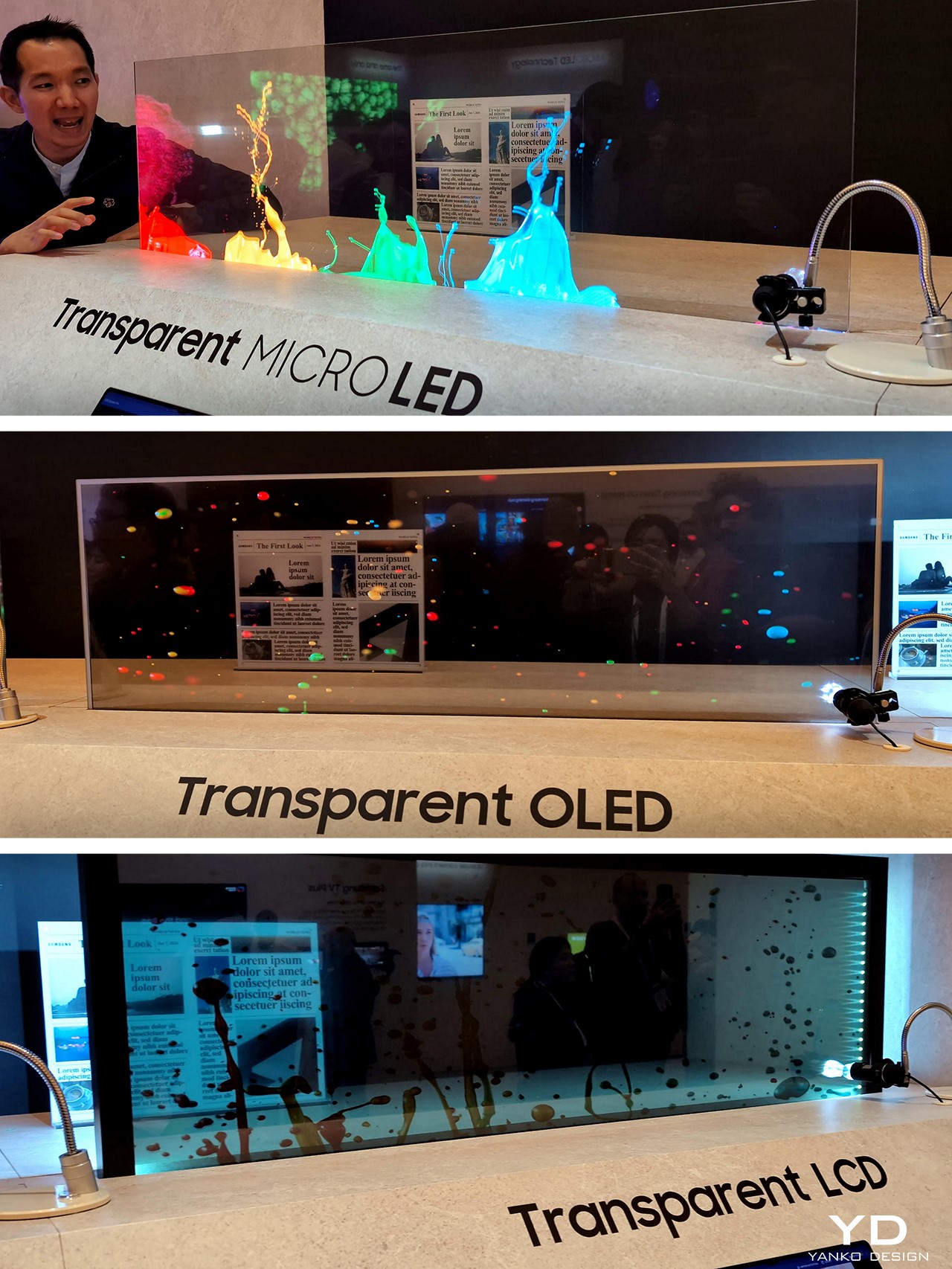
A few hours later, Samsung revealed its own transparent display, but it used MicroLED. Samsung showcased the transparent MicroLED display side-by-side next to transparent OLED (oh, snap) and transparent LCD models to emphasize the brighter capabilities of MicroLED. Oh, and it wasn’t only bezel-less — it was frameless.

Lots of questions remain: pricing, availability, and once again, why? The onus is on LG and Samsung to make a case for what will be incredibly expensive displays.

Remember to follow along with all the big CES reveals (and insider views) right here.

— Mat Smith

​​You can get these reports delivered daily direct to your inbox. Subscribe right here!

The biggest stories you might have missed

Belkin’s Stand Pro iPhone dock uses Apple’s DockKit to track you around a room

The Oppo Find X7 Ultra is the first phone with two periscope zoom cameras

AMD debuts the Radeon RX 7600 XT at CES for entry-level 1440p gaming

Volkswagen thinks ChatGPT integration will make its voice assistant good

NVIDIA reveals RTX 40 Super GPUs at CES 2024

Victrola’s latest streaming turntable, the Stream Sapphire, costs an eye-popping $1,499

The Flappie AI cat door stops your pet from gifting you dead mice

Pet tech for CES 2024.

TMA
Engadget

You know what’s also transparent? A cat flap. Don’t worry, it’s also high-tech and expensive. Flappie’s AI-powered cat door automatically locks if your kitty tries to bring in its caught prey. The flap uses sensors and cameras to detect if your cat has a present — very dead present — for you. Flappie says it has compiled a “unique and proprietary” dataset over the years, which ensures its AI-powered detection system is accurate more than 90 percent of the time. Flappie plans to launch its pet door in Switzerland and Germany later this spring, but there are plans for a US launch. It’ll be $399.

Continue reading.

Samsung made a stylish Frame speaker to match its Frame TV

Hide Dolby Atmos audio behind your framed photos.

TMA
Engadget

This just looks… nice? Samsung also announced the Music Frame. It’s a wireless speaker that pulls double duty as home decor, like Samsung’s popular Frame TV series. There’s no screen here, though. Instead, you literally use it as a frame for your printed photos or art. There is no word on pricing or availability for the Music Frame, but expect to hear more in 2024.

Continue reading.

The Apple Vision Pro goes on sale in the US on February 2 for $3,499

What’s CES?

I love it when Apple just elbows CES in the ribs with its own announcements. The company says the hotly anticipated device will arrive in the US on February 2. Pre-orders for the mixed reality headset, which starts at $3,499 for 256GB of storage, will open on January 19. It’s notable as the first new major product since the Apple Watch, which launched almost 10 years ago. Anyway, back to CES stuff.

Continue reading.

JBL adds a touchscreen case to 3 new wireless earbud models

Sure, put a screen on it.

JBL showed off a set of true wireless earbuds that featured a touchscreen-equipped smart case at last year’s CES. It must have been a hit because the company is bringing the feature to three more devices. The Live Buds 3, Live Beam 3 and Live Flex 3 will all get a smart case as well as customizable adaptive noise cancellation, LDAC support for high-res listening, six mics for calls, wireless charging and multipoint Bluetooth connectivity.

Continue reading.

This article originally appeared on Engadget at https://www.engadget.com/the-morning-after-ces-2024-kicks-off-with-transparent-displays-from-samsung-and-lg-182001128.html?src=rss

Waymo’s driveless cars are hitting Phoenix’s freeways at long last

Waymo just announced it’s ready to start testing driverless vehicles on highways and freeways. The experiments start in and around Phoenix in the next few weeks and include the autonomous Jaguar I-Pace SUV. The company had already partnered with Uber to offer driverless taxis throughout the city, but the vehicles were restricted to city streets at low speeds. Now, these robo-taxis will be careening down the highway, bringing us one step closer to a world where we won’t have to sully ourselves with the task of driving.

Unlike the Waymo One service, which is available to regular customers, these autonomous highway tests will only be available to company employees and their guests. This will change when the vehicles have been on the road for a while without any serious incidents. Waymo says the data collected during these tests will be used to provide faster routes throughout the area, with a particular emphasis on Phoenix airports.

The company’s cars had already been allowed on highways, but only with a specialist in the front seat to handle any issues. This next step removes the specialist, for a true self-driving experience. Waymo says it has been incrementally ramping up testing on freeways throughout the past year to get ready for this move.

The company touts the speed of highway driving over local streets, saying that a trip to Sky Harbor Airport from the northern parts of Scottsdale will be twice as fast on AZ-101 compared to local routes. This is obvious and the reason why highways exist in the first place. Still, customers have long been unsatisfied with autonomous vehicles’ penchant for side streets and slow speeds.

To that end, Waymo hasn’t announced any speed limits for highway driving or if there are any maximum distance limits. Engadget reached out to Waymo for more information and will update this post when we hear back. The company has been offering driverless rides in Phoenix since 2020. It also has quite a sterling reputation when it comes to safety. Waymo's own safety data, as reported by Ars Technica, indicated its driverless vehicles traveled over seven million miles in California and Arizona, with only three minor injuries.

Driverless rival Cruise hasn’t been so lucky. In October, a Cruise robotaxi was involved in an incident in which a woman was dragged underneath a vehicle. There have also been reports that the self-driving algorithm had trouble recognizing children. This all led to the CEO resigning, multiple layoffs and, eventually, a hiatus of the service.

This article originally appeared on Engadget at https://www.engadget.com/waymos-driveless-cars-are-hitting-phoenixs-freeways-at-long-last-180009825.html?src=rss

Exobrew is the latest machine trying to make homebrewing beer beginner friendly

Exobrew is latest in a long line of companies to try and make homebrew beer as compact and beginner friendly as possible. Everyone from startups like Picobrew and Brewie, to major corporations like LG and Whirlpool have taken a stab at an all-in-one brewing systems with varying amounts of success (or lack there of). On its surface, the Exobrew doesn't seem to stray too far from those who have come before it, other than the eye-catching keg in a lovely shade of orange. The company is demoing the device at CES 2024 in Las Vegas this week, and I had a chance to get a preview at CES Unveiled on Sunday evening.

That keg is the heart of the system; it handles heating, cooling, fermentation and serving. During the actual brewing process it pumps hot water out the top and circulates it over the grains for the mash. When the time comes for the boil, water is redirected to avoid over extraction. Above the grain hopper is a rotating dispenser for hop additions that drops them (in adorable little muslin bags) straight into the keg. 

Close up of the Exobrew's grain hopper at CES Unveiled 2024.
Terrence O'Brien

The temperature controlled keg then cools things off for your yeast addition and you pop on the the fermentation lid. The whole process takes about four hours start to finish and requires basically no human intervention. The Exobrew is controlled entirely through an app and it downloads recipes from the cloud. Since its targeting inexperienced home brewers, there's a lot of focus on kits that come with all the ingredients pre-parsed, crushed and ready to go. But you can design your own recipes, or use recipes from other users. Unfortunately that privilege will be locked behind a $9 a month (or $90 a year) subscription.

The fact that everything from the mash, to the boil, to fermentation, to serving happens from a single vessel, with no need for refrigeration definitely sets the Exobrew apart from a lot of other systems (it's even self cleaning). But it also comes with its own set of challenges. However, it has features to avoid some of the more common beermaking pitfalls that produce off flavors: a clever system for keeping dimethyl sulfide from dripping back into your brew; a filter in the top of the keg helps clear out some sediment; and the interior of the keg is conical, with a small valve at the bottom to remove the trub (another form of sediment.) 

The trub drain on the Exobrew at CES Unveiled 2024
Terrence O'Brien / Engadget

It's clear that a lot of thought went into the design of the Exobrew. But it still has some tough hills to climb. For one, it's relatively large. While it will technically fit on a counter, it's not something anyone will want to leave out in the kitchen all the time, no matter how pretty that orange keg is. It also doesn't come cheap. $879 is hefty investment for a beginner, especially when you could probably make your first batch of homebrew with a $10 bucket from the hardware store and what you already have in your kitchen. And, while the Exobrew definitely makes things convenient — you can literally start it and walk away for four hours — it might suck some of the fun out of it for experienced brewers.

But, if you just want to enjoy the freshest beer you possibly can, have little interest in getting your hands dirty and have some money to burn, pre-orders for the Exobrew are open now. The company is asking for a down payment of $165, with the rest due when manufacturing commences. Production units are expected to ship sometime in the first quarter of the year. 

We're reporting live from CES 2024 in Las Vegas from January 6-12. Keep up with all the latest news from the show here.

This article originally appeared on Engadget at https://www.engadget.com/exobrew-is-the-latest-machine-trying-to-make-homebrewing-beer-beginner-friendly-174055765.html?src=rss

Anker power banks and charging gear are up to 43 percent off right now

Team Engadget is on the ground at CES 2024 to bring you all the biggest (and strangest) tech news from Las Vegas this week. To help make that happen, our editors and reporters need to keep their phone and laptop batteries topped up, and that's where power banks come in. While you might not be running around the showfloor at a convention center, you may need to juice up your devices while you're on the go too. As such, there's some good news for you, since many of Anker's power banks and charging accessories are on sale for up to 43 percent off.

Those with an iPhone may be interested in picking up the Anker 622 Magnetic Battery, which can charge MagSafe-compatible devices by attaching it to the rear. The device also supports USB-C charging. This charger has dropped to $40, which is $30 off the regular price and a record low.

This gizmo has a handy PopSockets grip, which should make it easier for many folks to hold their iPhone while it's charging. It can also act as a stand, so you can prop up your phone to watch videos or play games while topping up the battery. The 622 has a capacity of 5,000mAh, which Anker claims will provide your phone with up to 17 hours of extra use.

Next up, we have Anker's 3-in-1 Cube with MagSafe charging stand, which has dropped to $112.46. That's also a record low as it's nearly $38 off the regular price of $150.

This is a very handy piece of travel gear as it will let you charge your iPhone, Apple Watch and AirPods all at the same time. The top of the cube tilts open so you can comfortably watch videos on your iPhone while it's charging via MagSafe. The Cube will charge your phone at up to 15W (it comes with a 30W USB-C charger). Anker also notes that the Cube can fully charge an Apple Watch Series 8 in around 70 minutes.

Meanwhile, those looking for a USB-C cable with a high power throughput (likely for laptop use) may be interested in picking up a two-pack for $15. The dual six-foot USB-C to USB-C cables usually cost $23, and this marks another record low.

Follow @EngadgetDeals on Twitter and subscribe to the Engadget Deals newsletter for the latest tech deals and buying advice.

This article originally appeared on Engadget at https://www.engadget.com/anker-power-banks-and-charging-gear-are-up-to-43-percent-off-right-now-171544198.html?src=rss

Mojawa put an AI running coach in its bone-conducting headphones

Mojawa, maker of bone-conduction headphones, has turned up to CES 2024 in Las Vegas with its new HaptiFit Terra. Unlike many other bone-conduction bands, it comes with a built-in AI sports trainer that, the company promises, will help you meet your goals. The AI can cook up custom exercise plans and tracks your heart rate, step count, pace, calories burned and distance. If you’re a swimmer, it’ll also monitor your swimming lap and distance, offering haptic feedback to keep you aware of how you’re doing.

HaptiFit Terra boasts clear, dynamic sound with magnetically-levitated bass with an elegant design. The band also packs glowing lights that’ll glow when you’re running the darkness and warn you if your heart rate gets too high. And the haptic guidance will buzz you to let you know how you’re doing and also offer 3D pressure-sensitive controls for fine-grain control on the go. With 32GB of on-board storage and eight hours of battery life, the company hopes you’ll have little reason to bring your phone along for your workout.

The hardware is available to pre-order today and, should you order one now, you’ll get a fairly hefty early bird discount. HaptiFit Terra will set you back $200 now (with the code HFPRE1 at checkout) but, if you shilly-shally until it releases in March, you’ll have to pay an extra hundred in penance for delaying.

If there’s a downside to this, it’s that Mojawa is treading a path that plenty of companies have already wandered down with only moderate success. After all, Vi from 2017 offered AI-infused audio commentary while you ran around wearing its neckband earphones. Even earlier, SMS Audio, in partnership with Intel, boasted of dynamic fitness coaching from inside its wired earbuds. Hopefully MoJawa can make a bigger splash where those other names didn't. 

We're reporting live from CES 2024 in Las Vegas from January 6-12. Keep up with all the latest news from the show here.

This article originally appeared on Engadget at https://www.engadget.com/mojawa-put-an-ai-running-coach-in-its-bone-conducting-headphones-170054566.html?src=rss

Victrola’s latest streaming turntable, the Stream Sapphire, costs an eye-popping $1,499

Victrola has made a somewhat surprising move into high-end, streaming-capable turntables over the last few years, and it's showing off the latest in the lineup at CES 2024. The Victrola Stream Sapphire is a $1,499 turntable with "premium" components and materials that can connect to Sonos and Roon streaming systems and also supports the Universal Plug and Play protocol (UPnP). It can also output up to 24-bit/48kHz lossless FLAC audio. 

Getting beyond the jargon, this means that the Stream Sapphire can output your vinyl to a Sonos system once it's set up on the same network as your Sonos speakers. I've tried this with the Stream Carbon turntable from 2022 and it works pretty seamlessly and is easy to set up, so I wager the Sapphire will be similarly straightforward. 

As for Roon, it's a more complex, server-based system that pulls together music files and streaming services and broadcasts them to compatible speakers and output devices. The variety of hardware you can use is much larger than the Sonos ecosystem, but it sounds like Roon support works the same way. Once you get the Sapphire connected to your Roon setup in Victrola's Stream app, the turntable will output audio to whatever speakers are in that setup. And since Roon integrates with other protocols like Apple AirPlay and Google Chromecast, you should be able to send the turntable's audio to devices like the HomePod or any Chomecast-compatible speakers. Similarly, any speakers or audio receivers that support UPnP can output audio from the Sapphire, as well. 

The Stream Sapphire has a few other upgrades over the existing Stream turntables as well. Probably most notable is that it uses the Ortofon 2M Blue cartridge, compared to the 2M Red. The Sapphire also has a lovely walnut veneer over its MDF and aluminum body, and it has the same high-end carbon fiber tonearm and aluminum platter as the Stream Carbon. It also has adjustable-height aluminum feet with a sound-dampening base to help reduce vibration and make sure the turntable is level on whatever surface it sits on. And, in a nod to the traditional, it has gold-placed RCA jacks for hooking up wired speakers.

This turntable follows the $800 Stream Carbon, which can send music to Sonos speakers; Victrola followed that up with the more affordable $600 Stream Onyx at CES 2023. Since then, the company also announced the Hi-Res Carbon and Hi-Res Onyx, two turntables that opt for Bluetooth or aptX wireless audio output. I really enjoyed using the original Stream Carbon with my Sonos system when I first tested it, but even that felt like a niche device — I'm wondering how big of a market there is for a $1,500 wireless turntable, but Victrola now has a pretty wide range of streaming record players at this point, from the Hi-Res Onyx that's currently selling for $300 all the way up to the new Sapphire. Victrola says the Stream Sapphire will be on sale this spring.

We're reporting live from CES 2024 in Las Vegas from January 6-12. Keep up with all the latest news from the show here.

This article originally appeared on Engadget at https://www.engadget.com/victrolas-latest-streaming-turntable-the-stream-sapphire-costs-an-eye-popping-1499-170037014.html?src=rss

NVIDIA reveals RTX 40 Super GPUs at CES 2024, including the $999 4080 Super

After rounding out its RTX 40 GPUs in 2023 with the RTX 4060 and 4060 Ti, NVIDIA has brought the inevitable follow-ups to CES 2024: slightly faster Super cards! In Las Vegas today, NVIDIA has unveiled the RTX 4080 Super, RTX 4070 Ti Super and RTX 4070 Super GPUs, upgrades over its previous GPUs which aim to compete directly with AMD's cheaper high-end cards. And of course, NVIDIA can't help but tout how useful they'll be for on-device AI tasks.

The RTX 4080 Super will sell for $999 when it arrives on January 31, while the RTX 4070 Ti Super will go for $799 on January 24th. AMD's Radeon 7900 XTX and XT launched at $999 and $899 a year ago — now NVIDIA has high-end options that don't involve shelling out $1,199 for the original RTX 4080 or an eye-watering $1,599 for the RTX 4090. For most buyers though, the mid-range $599 RTX 4070 Super may be the most compelling value when it lands on January 17.

NVIDIA isn't divulging the full specs for these cards yet, but it says the RTX 4080 Super is twice as fast as the 3080 Ti in games while using DLSS 3 Frame Generation. Recent leaks suggest it'll have 10,240 CUDA cores, compared to 9,728 on the 4080, as well as faster clock speeds and beefier 23 Gbps memory. 

The RTX 4070 Ti will get a very helpful 16GB memory upgrade (instead of 12GB on the previous card), which edges it closer to the 20GB VRAM the Radeon 7900 XT. The RTX 4070, meanwhile, will sport 20 percent more cores than the original model to be "faster than an RTX 3090 at a fraction of the power," according to NVIDIA.

We're reporting live from CES 2024 in Las Vegas from January 6-12. Keep up with all the latest news from the show here.

This article originally appeared on Engadget at https://www.engadget.com/nvidia-reveals-rtx-40-super-gpus-at-ces-2024-163041585.html?src=rss

Samsung’s ‘First Look’ at CES includes some of their most Uniquely Innovative displays

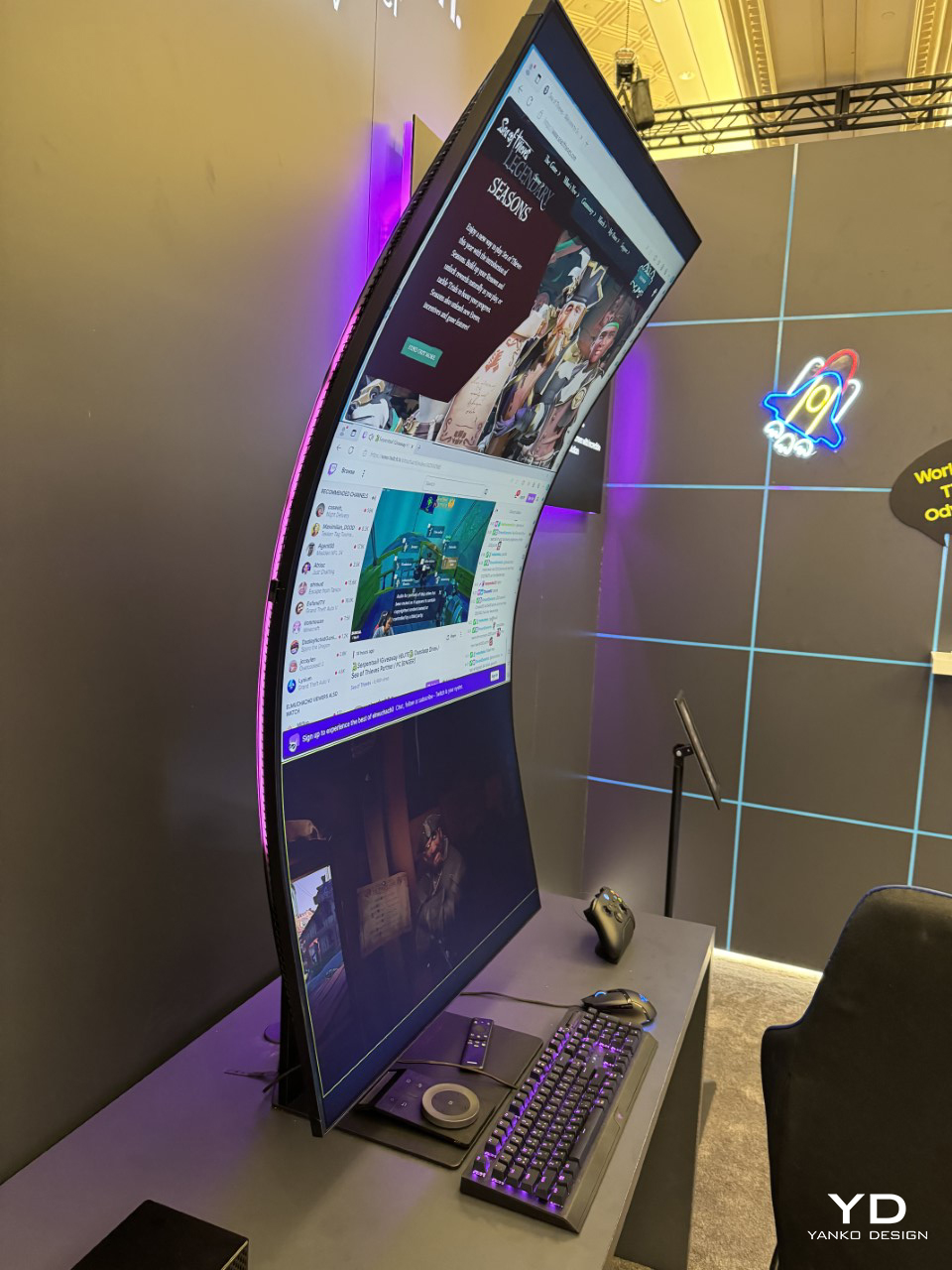
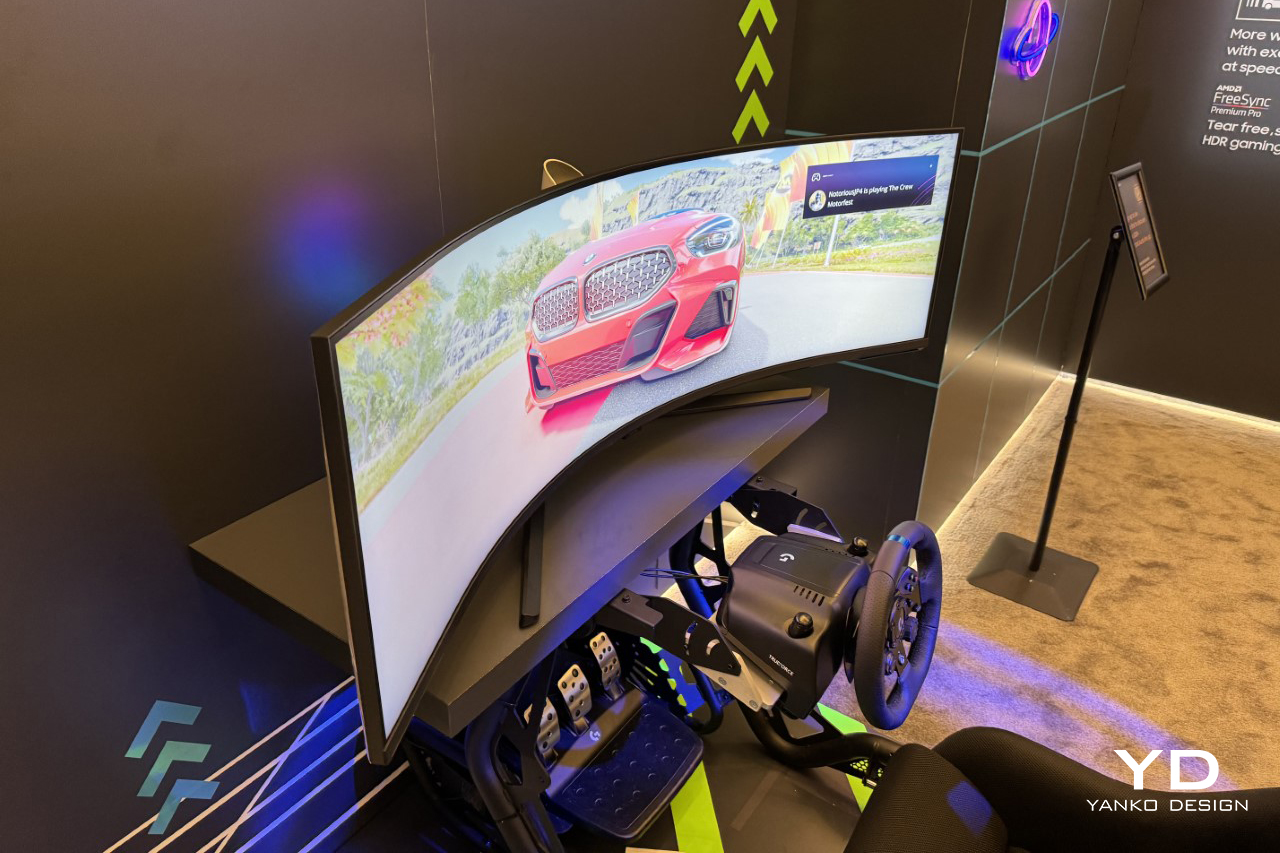
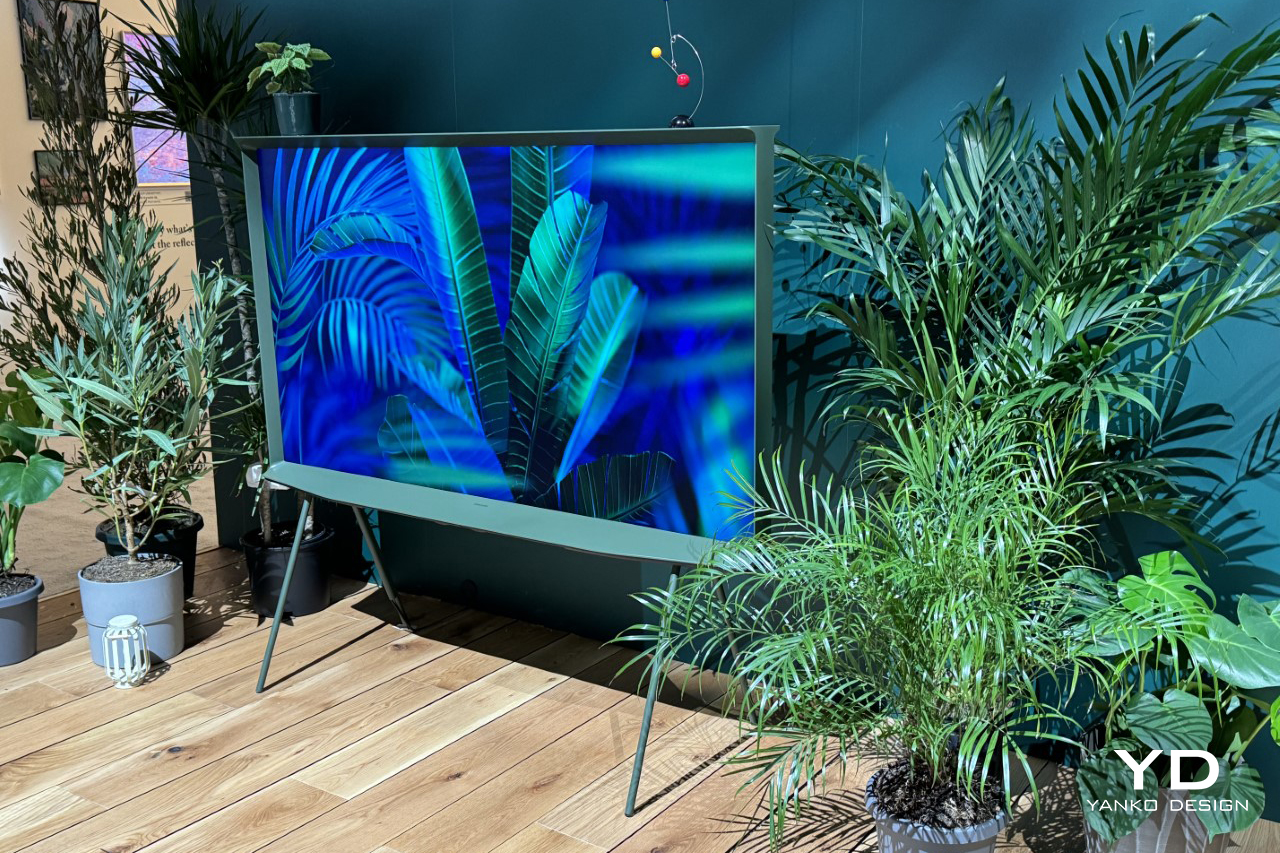
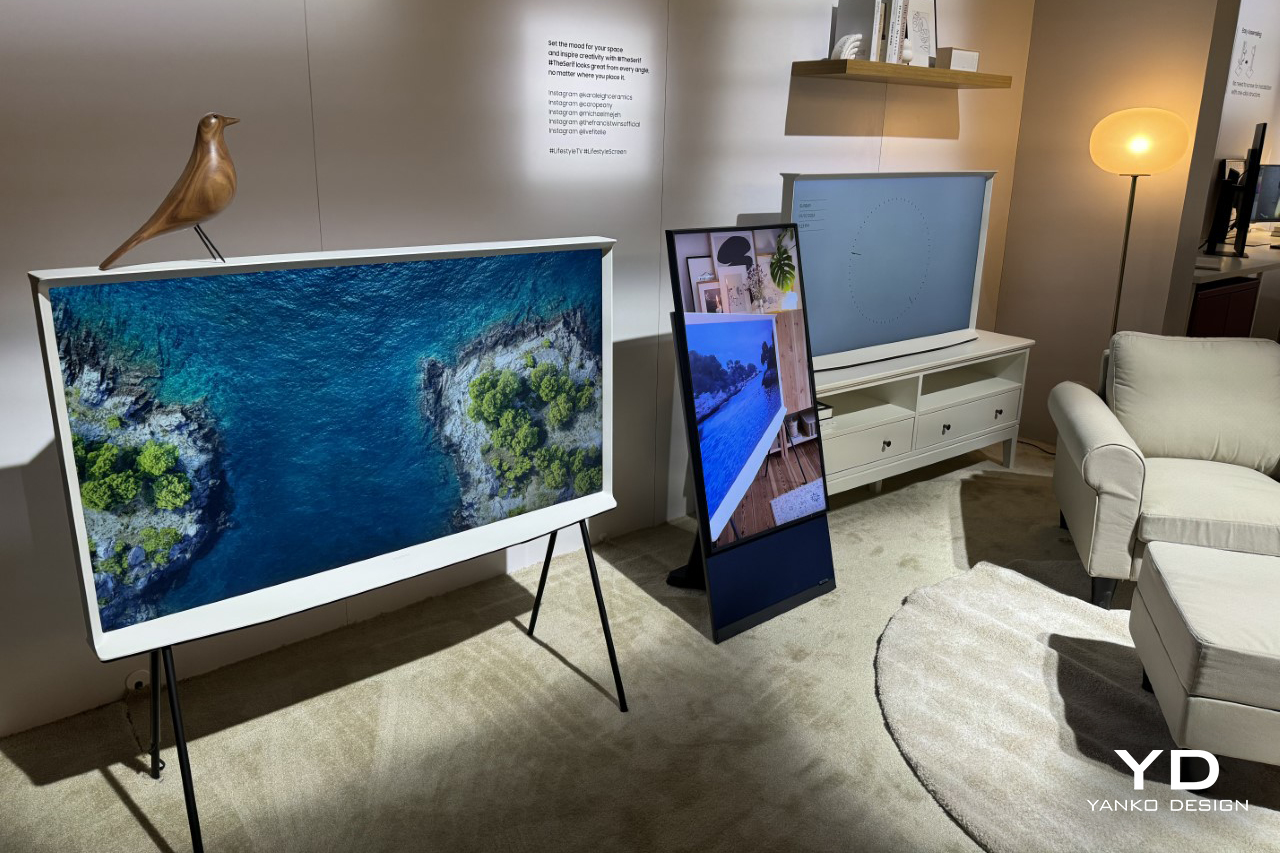
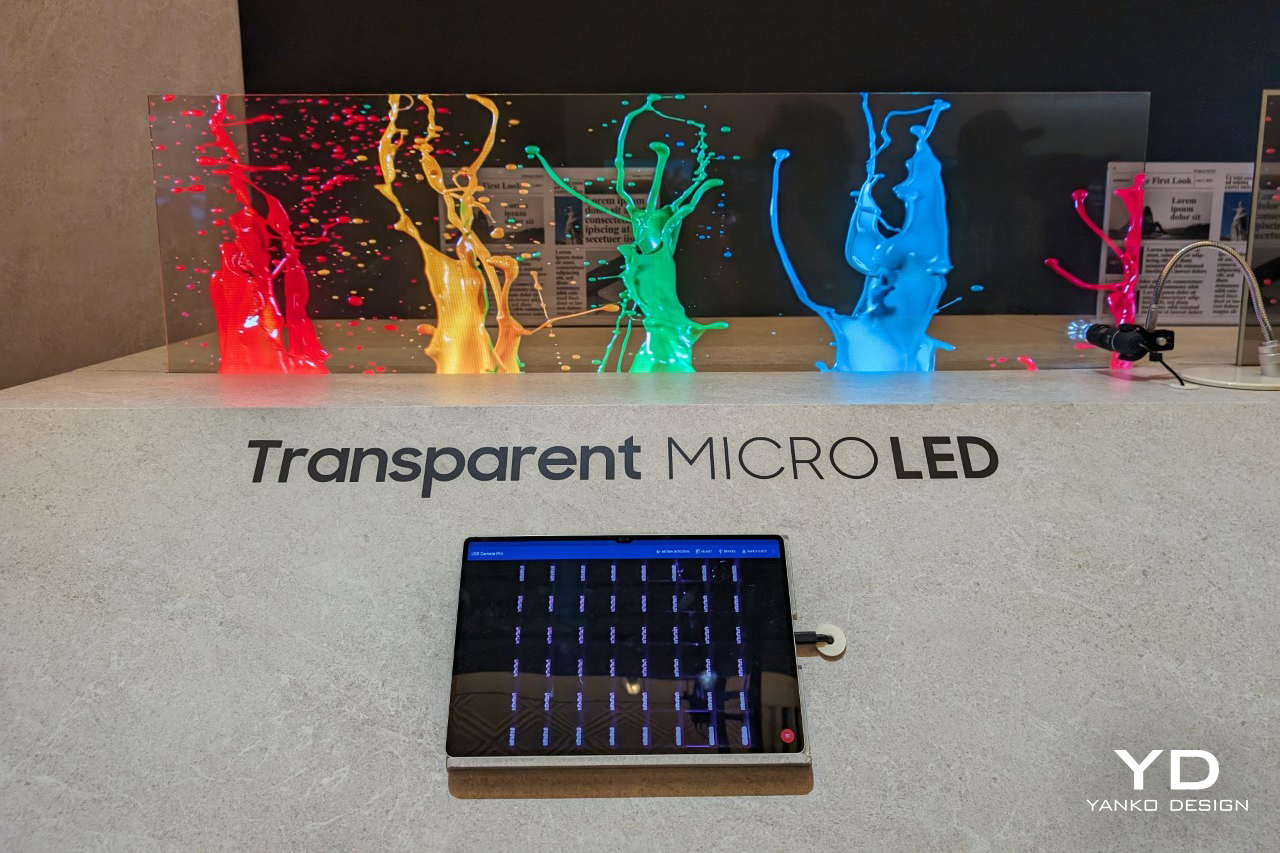
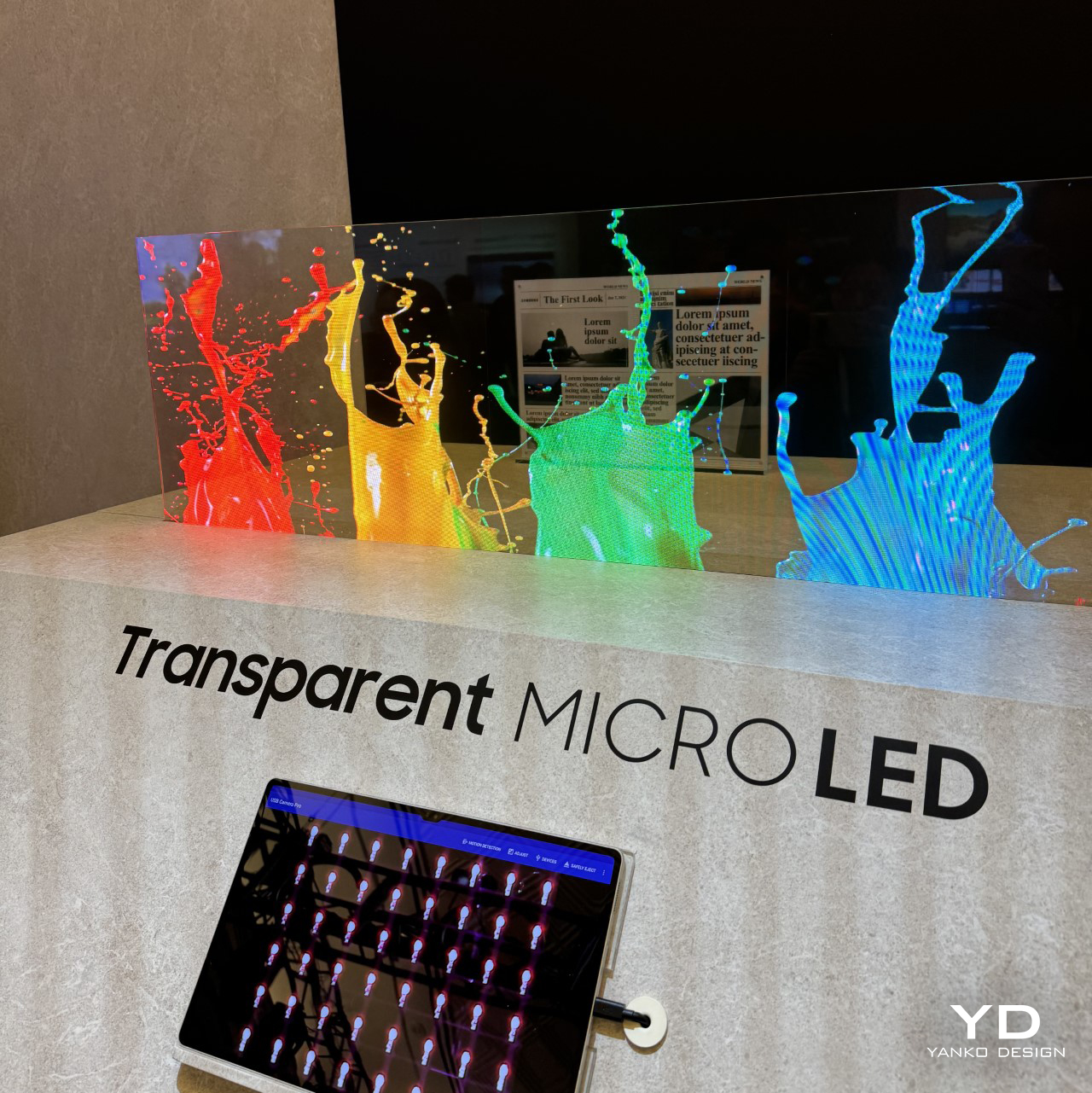
Set against the backdrop of the Augustus Ballroom at the Caesar’s Palace, Samsung unveiled its entire lineup for CES this year. From new versions of the Freestyle Projector to showcasing the behemoth Odyssey Ark Gen 2, there was a lot to lay eyes on (some could even marvel the Neo QLED TVs on display), but our eyes caught the most unique exhibits on the floor. Samsung’s undoubtedly the juggernaut in the display category, and when it flexes, it absolutely shows. The company showcased its latest transparent MicroLED tech, put its massive curved monitors on full blast, and even reintroduced us to the elegant Serif and Sero TVs.

Designer: Samsung

The Transparent MicroLED was impressive on its own, but even more so when showcased beside the other transparent displays from Samsung. When kept beside Transparent OLEDs and Transparent LEDs, the differences were quite literally between day and night. The MicroLEDs have much better illumination and color, while the OLEDs look frankly like yesterday’s news in comparison. The LCDs don’t have a light source of their own, resulting in a display that was dark and dull without the backlight. Notably, aside from being the brightest and most vibrant, the Transparent MicroLEDs also had virtually no bezels on the side, resulting in an edge-to-edge experience.

The other goliaths to make their appearance at the First Look event were the Odyssey Ark Gen 2 (shown above), and the Odyssey G9 (below). The Ark display, which made its appearance earlier last year, stood tall with its massive 55″ screen boasting a 4K resolution and the ability to rotate into portrait mode, transforming instantly into a multi-screen display (because who really needs 55 inches of landscape vision, amirite?) The Ark Gen 2’s ability to work as a multi-screen display (when in portrait) is perhaps its most useful feature… but for people looking for an immersive landscape monitor, the 49″ Odyssey G9 gives you all the immersion your eye really needs, as the world’s first 32:9 aspect ratio OLED gaming monitor.

Finally, Samsung also flexed its design chops with the Serif and Sero, some of their more visual-focused TVs that aren’t just about hardware chops. The Serif, which made its appearance years ago, got an elegant makeover, still retaining its shelf-like design with the typography-inspired side profile. The Sero, on the other had, is best known for being able to rotate into portrait mode for watching vertical content (especially social media). Unlike the Odyssey Ark Gen 2, however, it doesn’t bend to capture your entire periphery. However, the fact that it comes with its own easel stand makes it a perfect addition to most rooms.

The post Samsung’s ‘First Look’ at CES includes some of their most Uniquely Innovative displays first appeared on Yanko Design.

BT Group to turn street cabinets into EV chargers

BT Group

The BT Group has announced a new pilot program in the UK to turn some of its street cabinets into EV chargers, the company plans to repurpose end-of-life green street cabinets in the UK and provide EV chargers for the public for their electric vehicles. There are around 60,000 of these green street cabinets that […]

The post BT Group to turn street cabinets into EV chargers appeared first on Geeky Gadgets.