Elevate your convenience store game with American Weigh Scales' Pocket and Travel Scales. Precision, affordability, and convenience all in one handy gadget!
Elevate your convenience store game with American Weigh Scales' Pocket and Travel Scales. Precision, affordability, and convenience all in one handy gadget!
Bright and vibrant colors thanks to RGBICW LED technology
Superb color-matching using a future-proof camera system
Incredible value for its price
CONS:
Camera design is a bit awkward and might not fit thicker TVs
Wi-Fi connectivity is compatible with 2.4GHz networks only
RATINGS:
AESTHETICS
ERGONOMICS
PERFORMANCE
SUSTAINABILITY / REPAIRABILITY
VALUE FOR MONEY
EDITOR'S QUOTE:
With rich colors, fast color-matching, and unbeatable price value, the Govee TV Backlight 3 Lite with Dune-themed packaging helps fully immerse viewers in the content they're watching.
TVs today are more than just large boxes that show moving pictures. They have also become pieces of decoration that add to the ambiance of a space, whether they’re turned on or not. The lush and vibrant colors that a TV can display can definitely light up a dark room, but that glow stops at the TV’s frame. Yes, the TV’s light can bounce off nearby walls, depending on where it’s placed, but you have absolutely no control over what happens. TV backlights were made to help better immerse you in the show or movie you’re watching by making sure that the light behind and around your TV reflects the content that’s on screen. Smart lighting expert Govee recently launched its latest contender in that category and even partnered with Warner Bros to tie in with the studio’s latest new science fiction film, Dune: Part Two. It’s the perfect time, then, to take a close look at the Govee TV Backlight 3 Lite, particularly with this Dune-themed packaging, to see what value it adds to your viewing experience and if it’s tempting price tag sounds too good to be true.
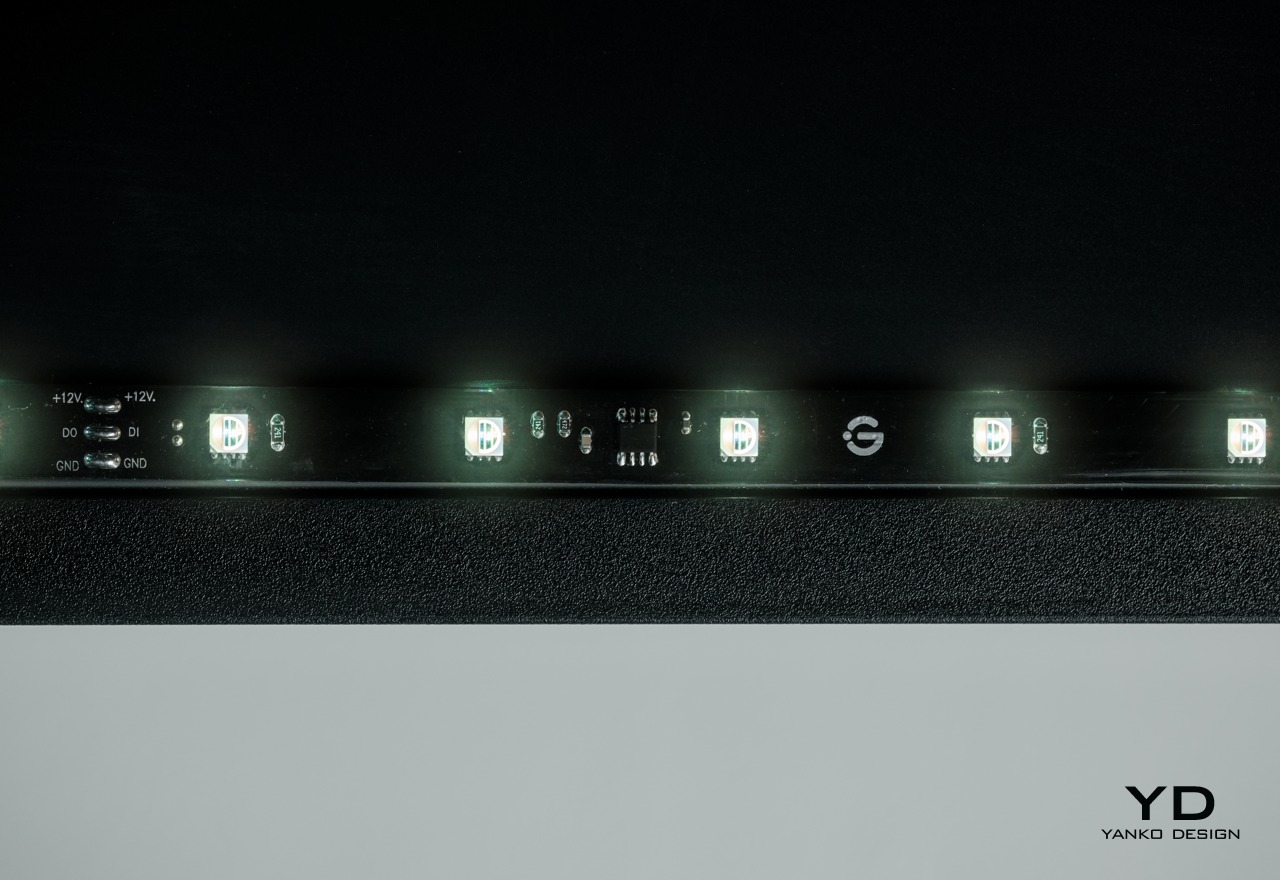
For something you will never see again after you’ve installed it, the Govee TV Backlight 3 Lite has quite an interesting appearance. Of course, it’s just a flat strip of LEDS grouped into four segments that need to go around your large TV, but the transparent material that covers the LEDs and some of the circuitry that controls allows you to see some of the secrets behind the magic. It’s not unlike that trend in consumer electronics where transparent cases showed off the parts that actually made the product work. It’s not as sophisticated as those, but it still adds a bit of flavor to the design.
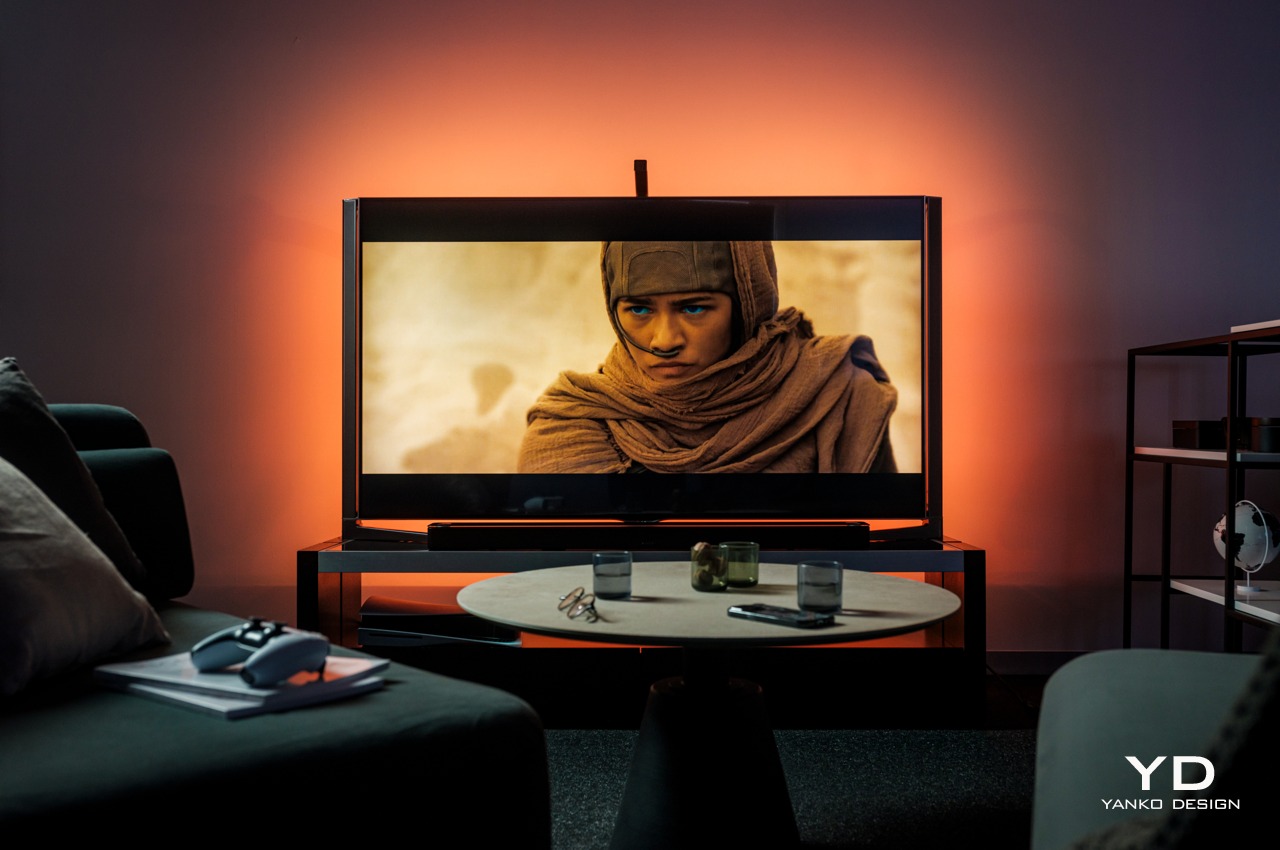
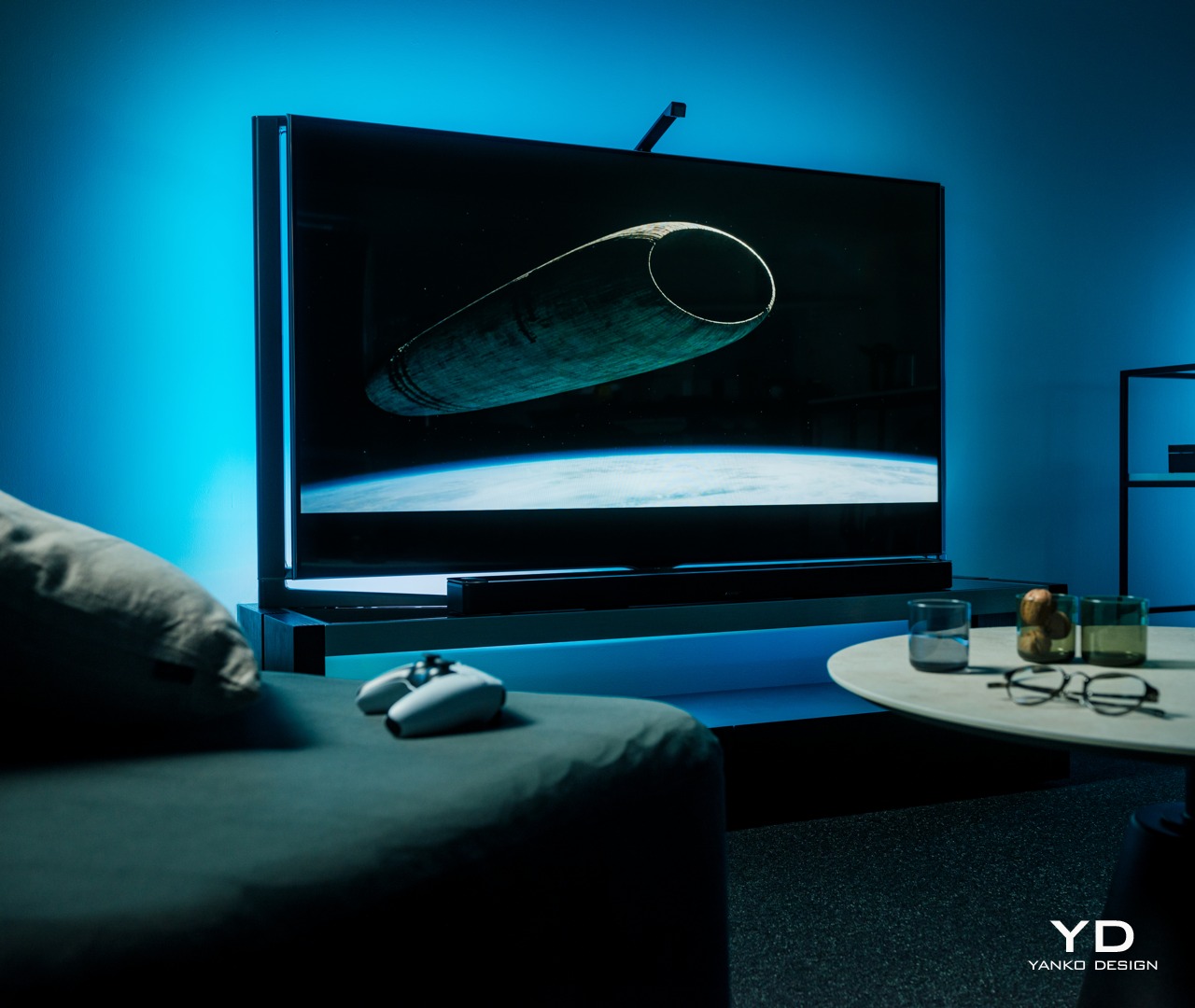
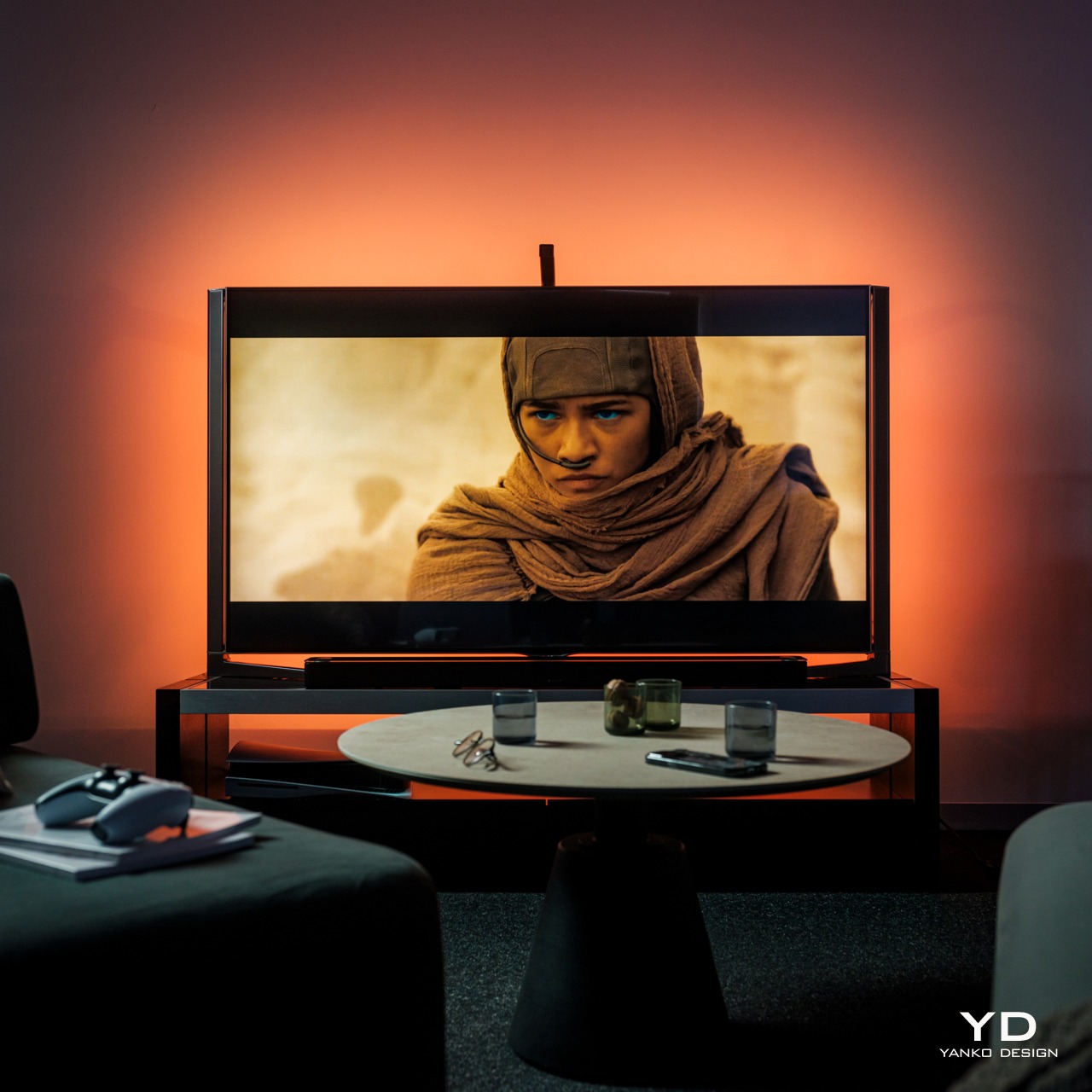
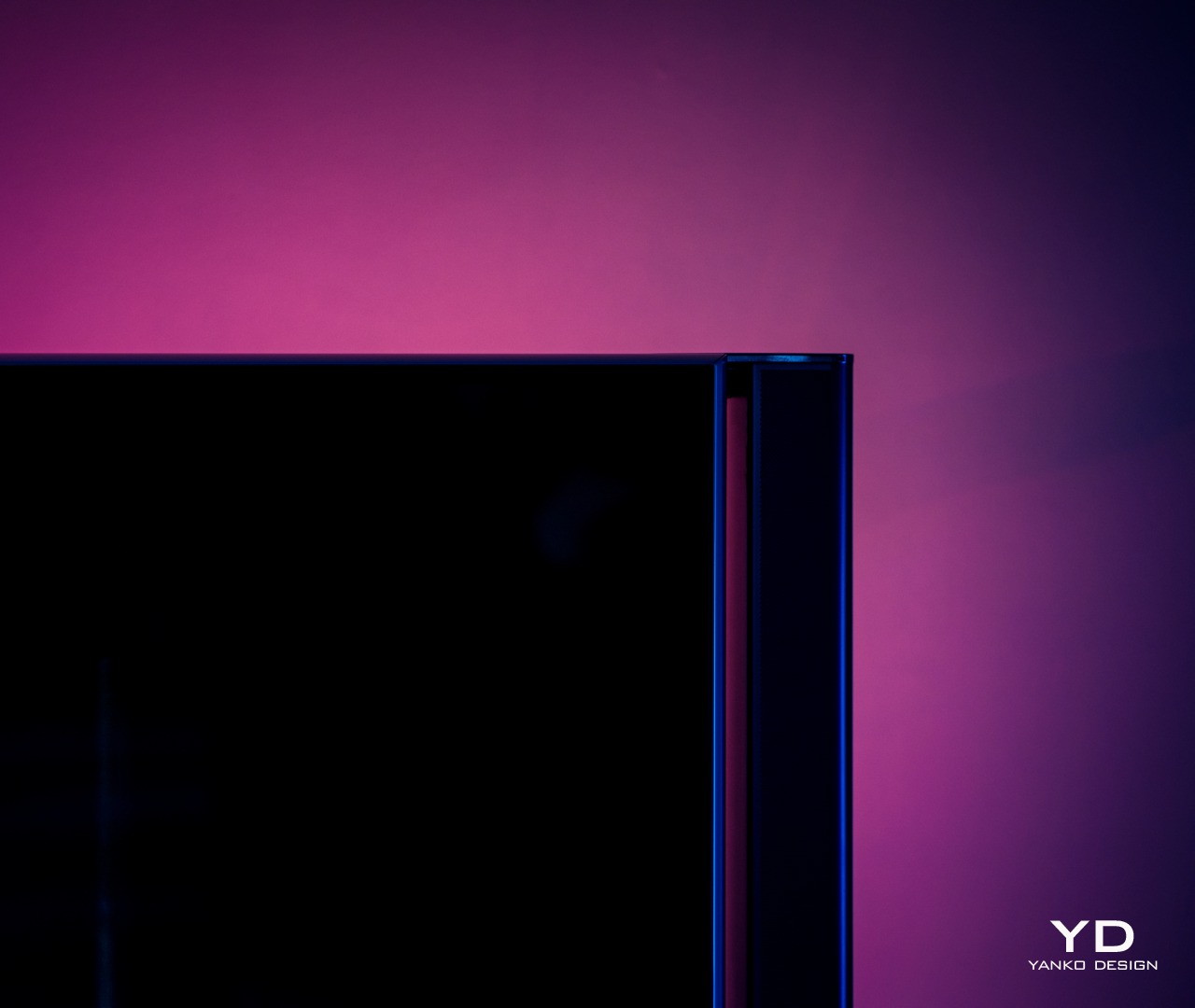
Of course, the Govee TV Backlight 3 Lite’s beauty really shines, literally, it has been installed and enabled, and boy does it shine! The light the strips produce is quite bright, especially in a dim room, and the colors are rich and vibrant. The way those colors shift almost instantly to match what’s on the screen is also magical, making it look like the TV actually goes beyond its frame. We’ll get to the technical details that make that possible in a bit, but suffice it to say, the backlight definitely delivers an enriching experience when watching any kind of content on TV.
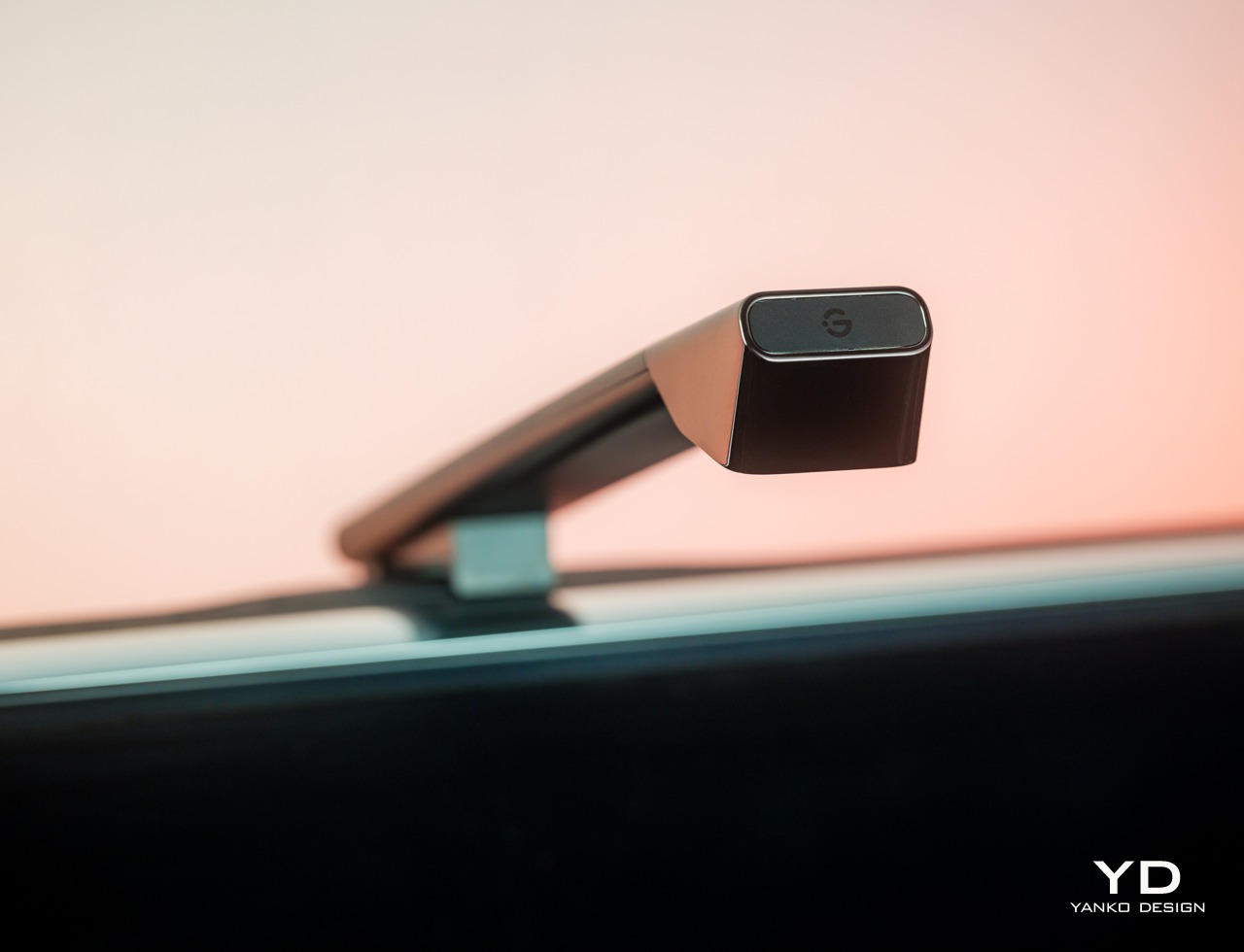
While the backlight itself is something you won’t see, there is one part of the system that is actually always visible and, depending on your setup, always in your face. Given how the Govee TV Backlight 3 Lite works, it’s necessary to have that camera hanging from the top of the TV, extending a bit forward from the frame. Depending on the design of the TV itself, this black cantilever-like part may or may not easily stand out, and it will definitely add a little blemish to more artful TV designs. Unfortunately, there is no other way to implement this kind of dynamic color-matching system, so it’s a cost that owners will have to live with. Fortunately, it might actually be the biggest cost after all.
Ergonomics
Since the Govee TV Backlight 3 Lite is not something you’ll be using in your hand every time, its ergonomics mostly apply to the installation process as well as the hands-free control of the lights. In that regard, Govee’s light strip is not really unlike others in this market, which isn’t completely a good thing either. Installing the lights on the TV is a very involved process, which will be even more difficult if your TV is mounted on a wall.
In a nutshell, you attach the four segments of the strip on the four edges of the TV’s back. The exact placement of the strips will depend on the shape of that rear, with curved ones being the trickiest. The strips are attached using 3M adhesive, which will worry some owners about the permanence of the installation and the marks it will leave behind when removed. Special care must also be taken to hide the loose cables at the corners so that they don’t peek out of the frame or cast shadows when the lights are turned on.
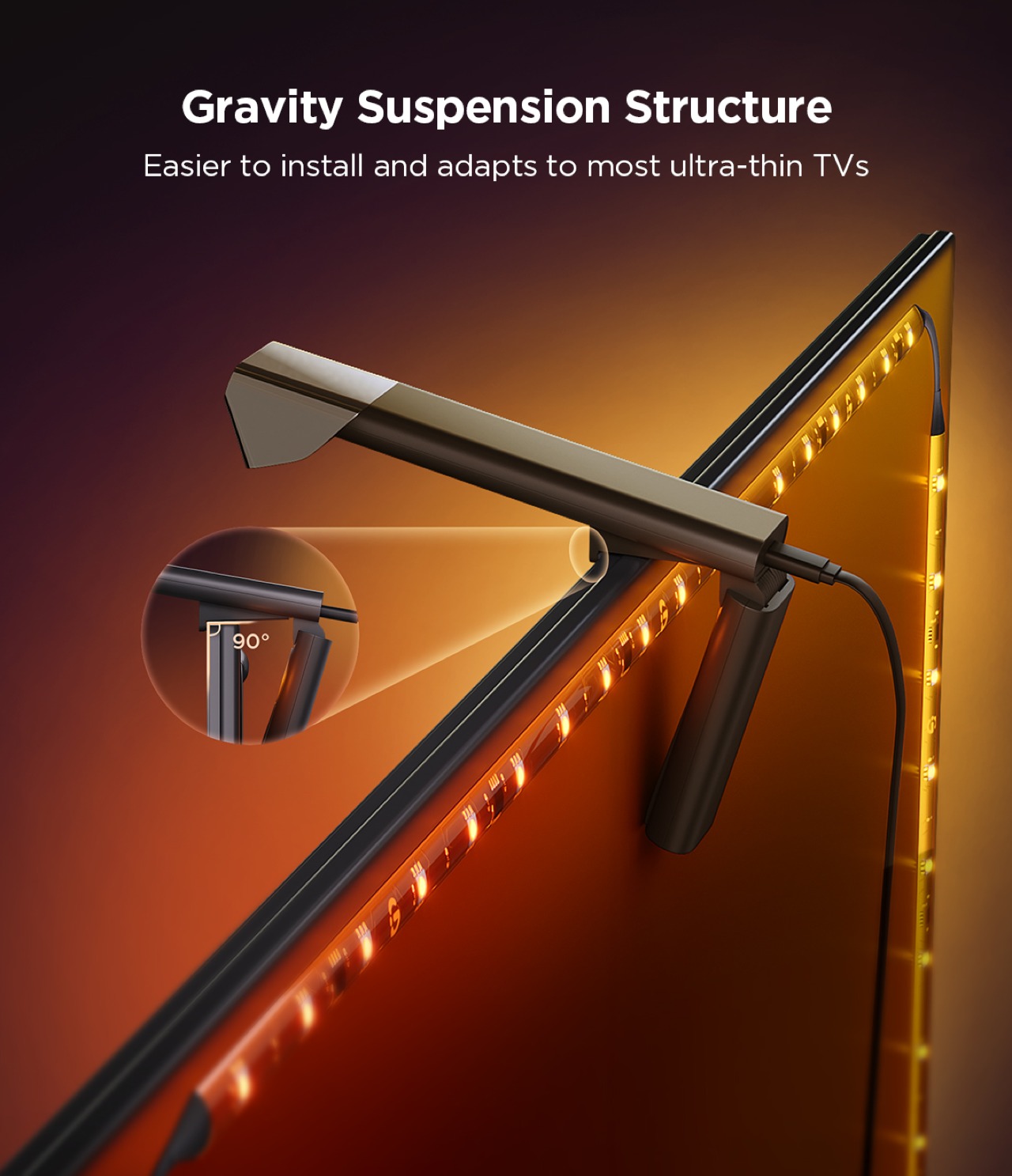
Compared to its previous two TV backlights, Govee changed the design of the camera bracket significantly. It no longer uses an adhesive and instead relies on gravity and the weighted bracket to attach the camera to the top of the TV without sticking it with an adhesive. In theory, it works and won’t wobble too much (unless you’re constantly moving the TV), but some might worry enough to actually use the included adhesive anyway. The bigger problem, however, is that this design also limits the bracket to certain TVs, particularly thinner ones. It’s certainly possible to attach it to other TVs, but not without putting in a lot more effort as well.
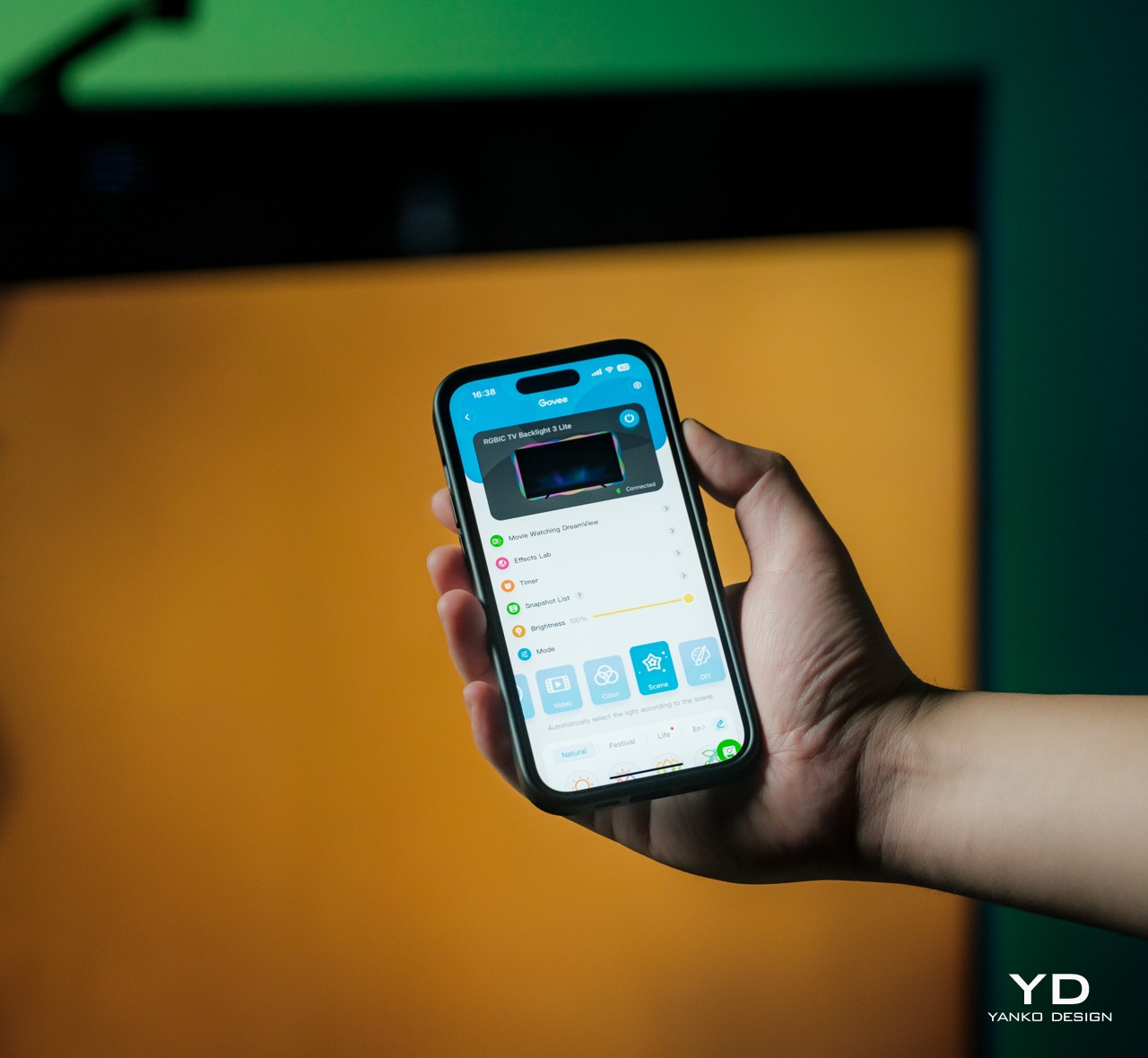
Once that hard work is done, however, the rest of the setup is easy as pie. You only need to turn the control box on, connect it to the Govee app on your phone, and go through the initialization process. That will include calibrating the camera by placing removable orange markers on the front edges of the TV, and that’s pretty much it. The mobile app has tons of settings and modes you can play with, but even leaving it at the default color-matching mode is more than enough to enhance your watching experience. You don’t even need that app if you connect it to your Wi-Fi so that you can control it by voice using smart home platforms, though like any Govee product, it requires 2.4GHz Wi-Fi, so 5GHz-only routers will be incompatible.
Performance
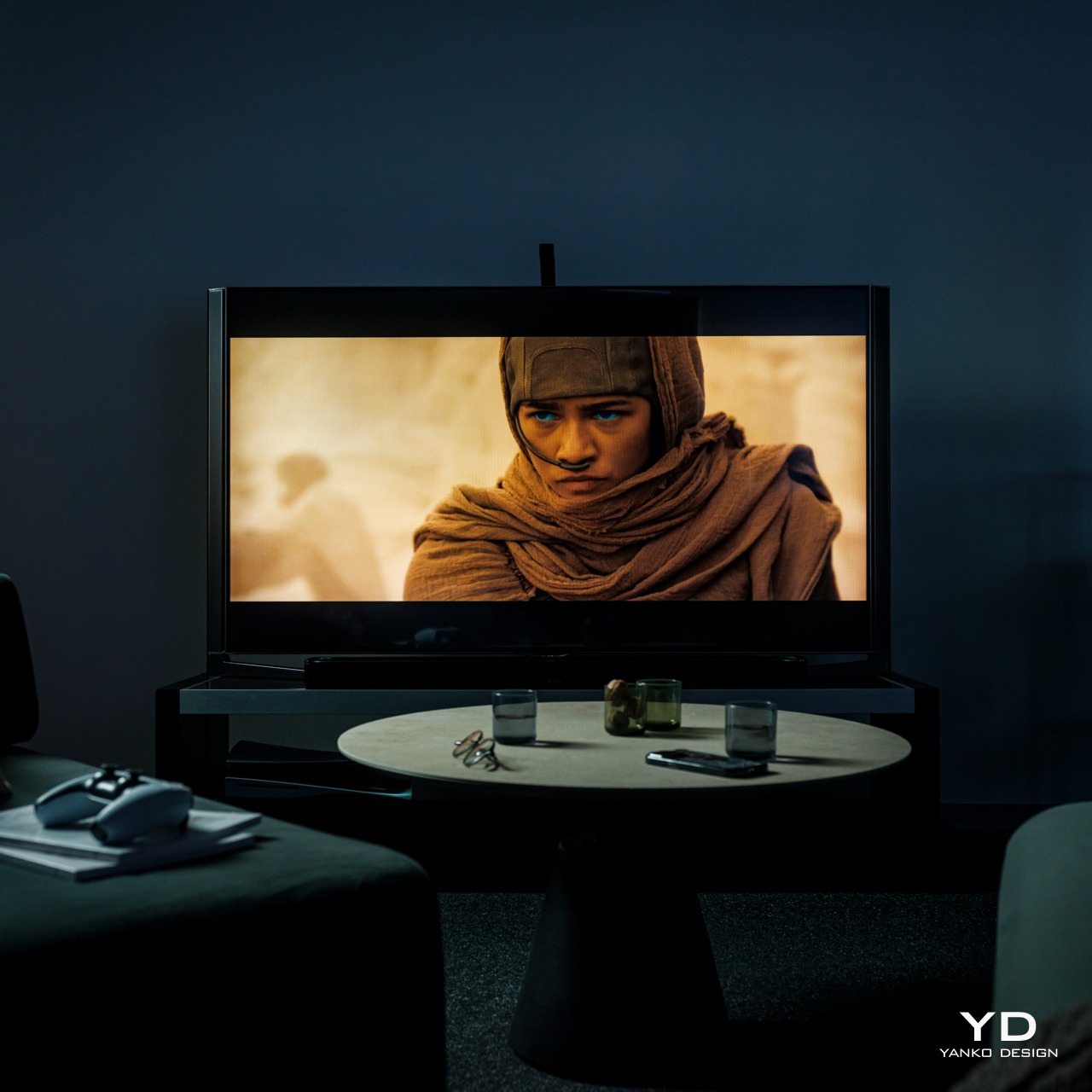
Without the Govee TV Backlight 3 Lite
Although TV backlights are not uncommon, dynamic color-matching ones are still hard to come by, especially at the price point that the Govee TV Backlight 3 Lite with Dune-themed packaging comes with. It’s even harder to find one that works so well, which is why this Govee product is actually impressive and a dream come true for TV owners who want to take their cinematic experience to the next level.
With the Govee TV Backlight 3 Lite
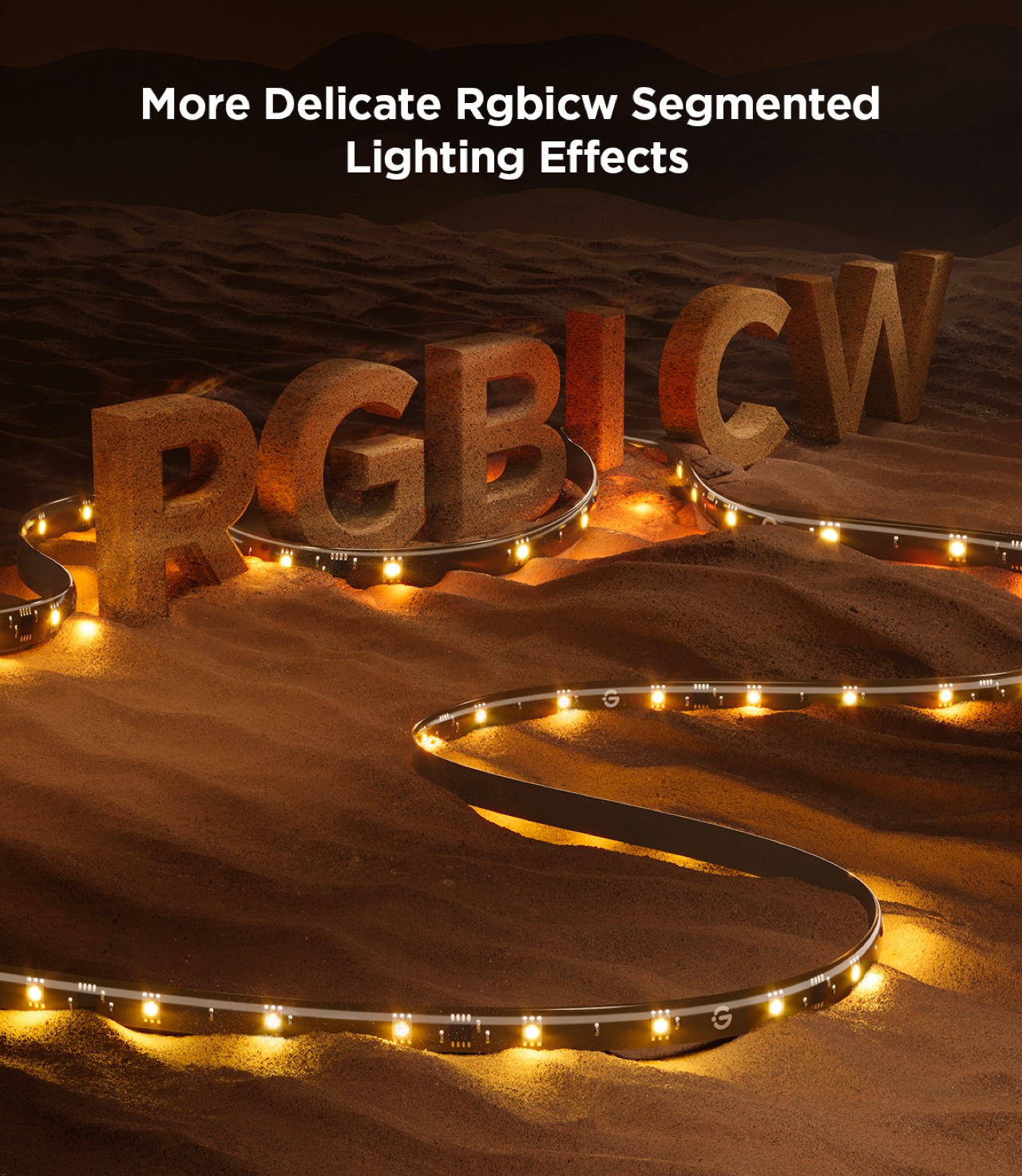
Govee upgrades the backlight from its usual RGBIC LEDs to a new RGBICW tech which adds a fourth color to the combination. With a dedicated white LED, the lights can cover even more colors as well as different white temperatures. The lights become more expressive and more vibrant, able to better match the colors being displayed on the screen in front.
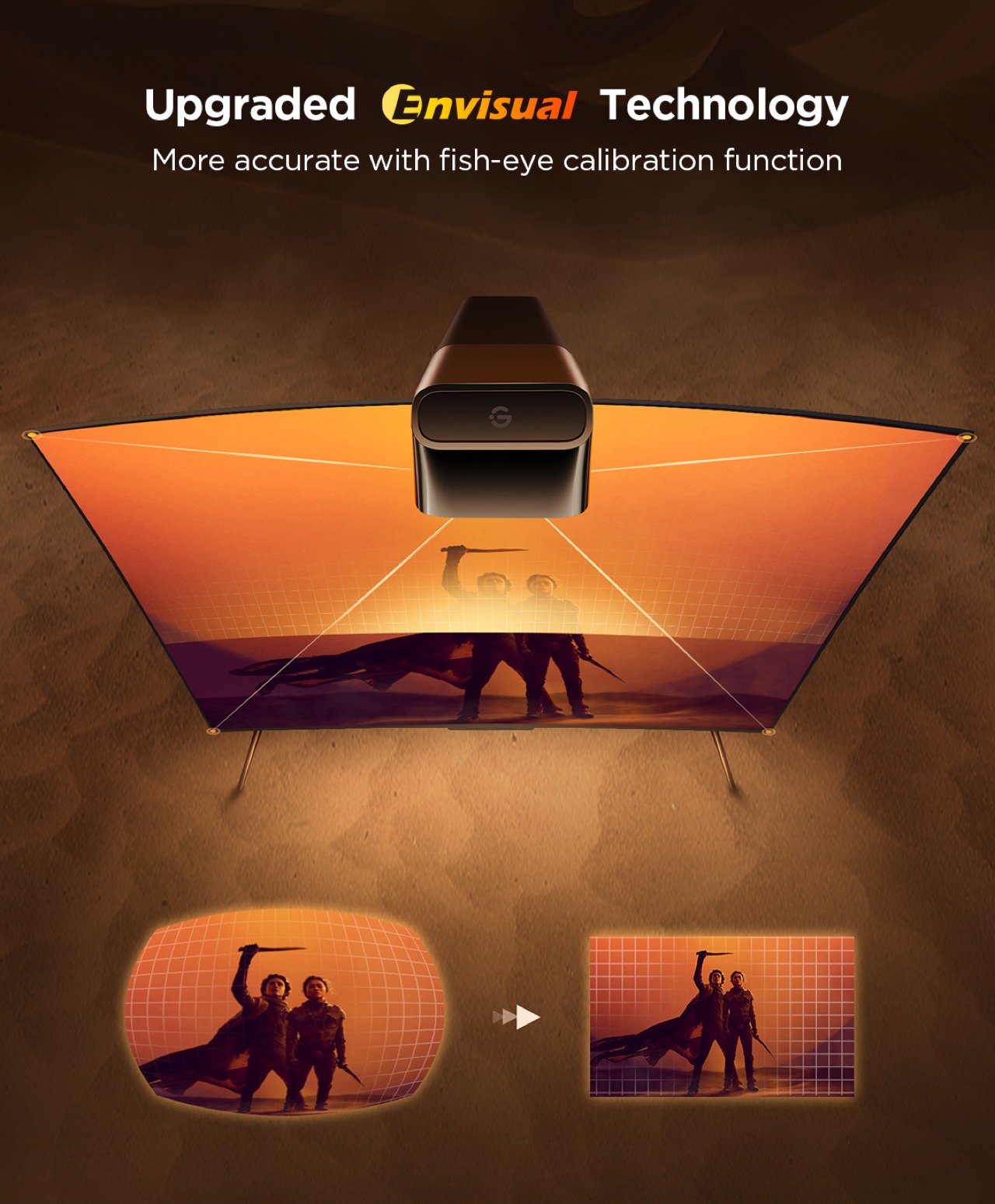
Of course, that color-matching doesn’t happen by magic, which is where that odd protruding comes in. With improved Envisual technology and upgraded processors, the Govee TV Backlight 3 Lite is able to identify colors on the screen faster and adjust the lights accordingly. The new fish-eye correction also makes sure that the 180-degree field of view camera sees the edges correctly as well. Admittedly, there’s still about a split-second delay between what happens on the screen and the backlight changing, but it’s almost negligible, to say the least. An HDMI control box would have made things faster but that would only work for content coming through HDMI sources and might not support future versions of the HDMI standard. This camera-based system is, therefore, more flexible and more future-proof, making that milliseconds delay a small price to pay.
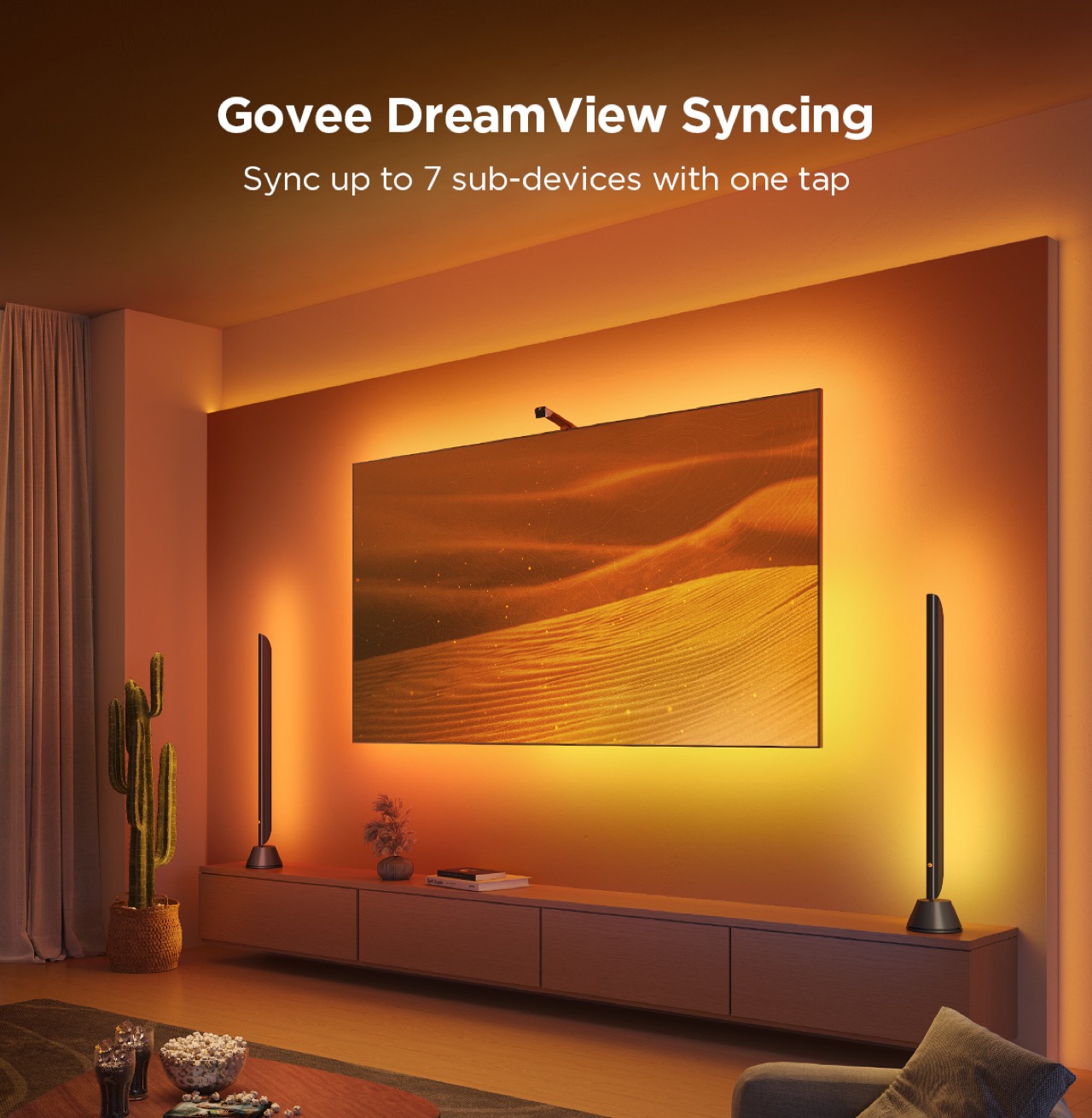
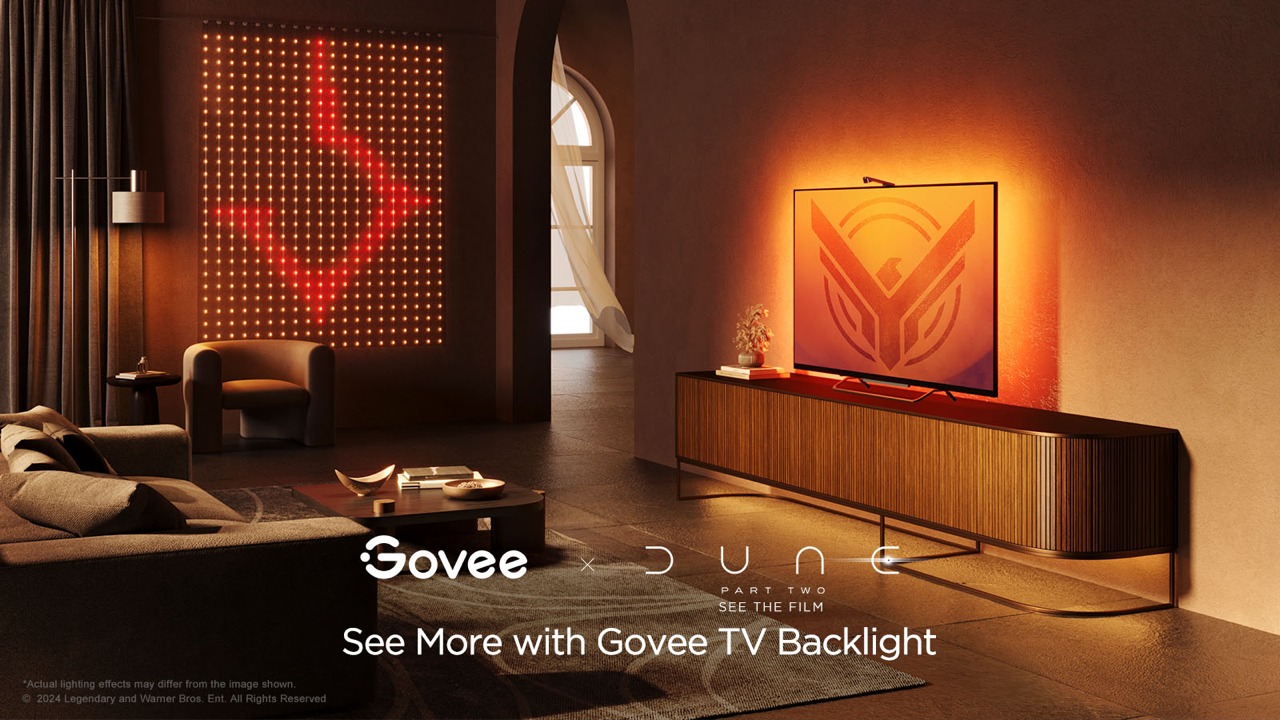
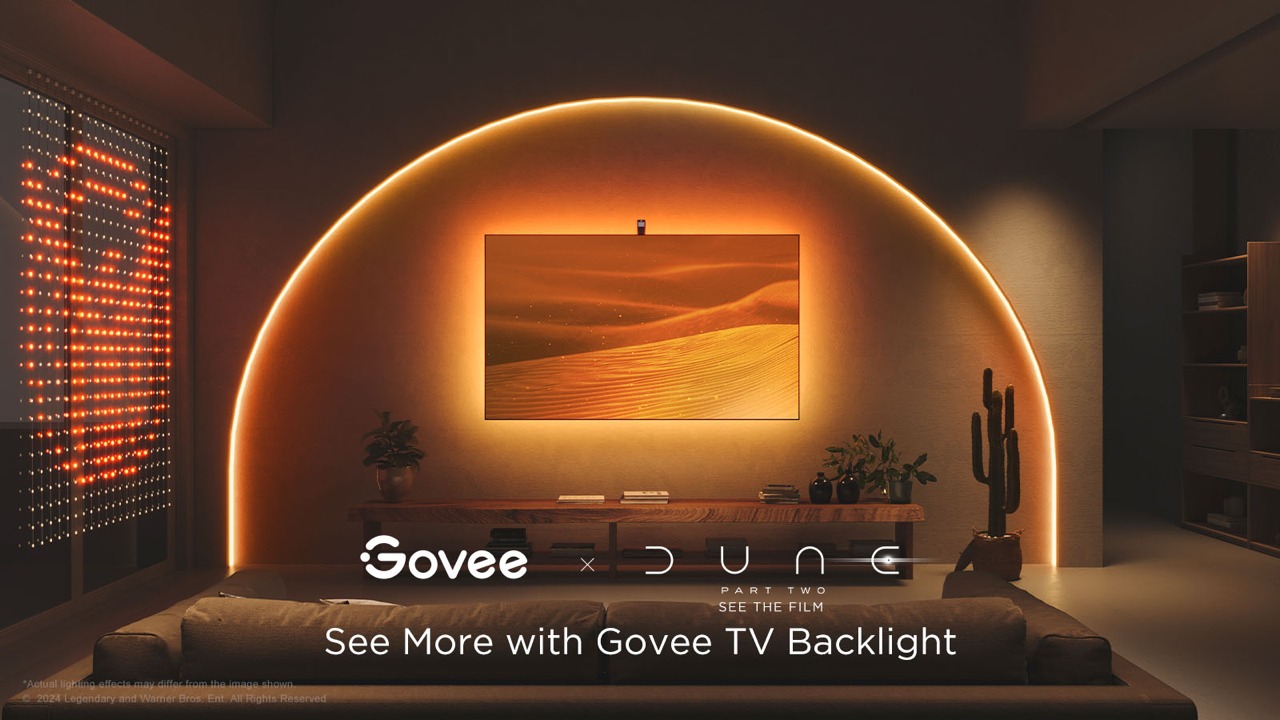
Although the color-matching feature is already incredible, the Govee app still has a lot in store for those who want to customize every detail. That includes different modes for what lights to play, even if that means not matching what goes on screen. This is where the collaboration with Warner Bros. comes in, turning the Govee TV Backlight 3 Lite into a portal into the world of Dune: Part Two. There are two new lighting effects, namely Arrakis and Spice, that will make you feel like you’re actually in that fictional world. Even the app itself gets a Dune theme to match. But if you really want to be transported to Arrakis, Govee’s DreamView technology allows you to sync with other Govee lights in the room, bathing you in the warm orange glow of the planet’s environment.
From its fast responsive color-matching to its bright, vibrant colors, the Govee TV Backlight 3 Lite definitely delivers on its promises. It’s not a perfect solution, of course, at least not yet, but the company seems to be heading in the right direction. And with tons of customizable options, including those from the Dune: Part Two collab, the design definitely has a lot to offer, especially if you have other Govee lights in the room.
Sustainability
Sustainability in lighting can be a difficult goal to chase after. Many of the materials needed to make such electronics work are sadly not sustainable by nature. One can only do so much to offset their negative effects, like using recycled materials for packaging or using more power-efficient lights like LEDs, but those can only go so far. Making matters worse is that the Govee TV Backlight 3 Lite, like any other TV backlight, isn’t exactly repairable by design. Once an LED gets busted or a part of the strip stops working, there’s no recourse possible. The whole thing becomes unusable and you either have to replace it or ship the whole thing for repairs. Either way, that means you have to pull it off the TV’s back, which will be tricky with that much adhesive used, and then go through the installation process again with the new strip.
Value
Compared to other TV backlights, the Govee TV Backlight 3 Lite with Dune-themed packaging is quite a steal at $74.99 for 55-65 inches with this sweet deal for Yanko Design readers, especially when considering all you’re getting for that price. You have bright and vibrant RGBICW LEDs that can display almost any hue and color-matching capabilities that can quickly follow the action on the screen. You also have plenty of customization options for modes and effects, including immersing yourself in the desert world of Arrakis if you want to.
The camera will probably be the most contentious part of its design, but it’s a flexible solution that is guaranteed to work regardless of TV and display technologies of the future. Hopefully, Govee will be able to create a better design for the camera in future iterations, but TV owners will just have to live with something hanging at the top of their TV in exchange for a more cinematic viewing experience.
Verdict
It’s actually astounding how a little change of light can affect the atmosphere in a room, even more so when you have a dazzling burst of color to match a mood. TV backlights are one of those things you never knew you needed until you actually try it out and realize how “dead” even the most colorful TV can be without colorful lights shining behind and around it. Some TVs these days come with their own ambient backlighting system, but those come at added cost and no upgrade path for the future.
The Govee TV Backlight 3 Lite with Dune-themed packaging brings that flood of light and color in a package that almost anyone can afford. Its upgraded Envisual color-matching technology is simply mind-blowing in its ability to keep up with the fast-paced action on the screen, and the gamut of colors provided by new RGBICW LEDs helps make the content pop out even more. The variety of customization options, including Arrakis and Spice lighting effects inspired by the Dune: Part Two makes sure that no viewing experience will be plain and boring ever again.
After a decade of rumors and speculation, the Apple Car is dead. Last week, Bloomberg reported that the multibillion-dollar project had finally been scrapped. Reports about the electric vehicle never quite seemed real, but now we have many new details about the car that never was thanks to an excellent post-mortem from Bloomberg’s Mark Gurman.
The story includes many astonishing details about various Apple executives’ plans for the car, and why the project ultimately failed. But some of the best details are the descriptions of what the vehicle was supposed to look like.
At one point, Apple’s leaders were adamant that the autonomous “microbus” should not include a steering wheel or pedals. It would have “club seating like a private plane” and curved sides and a glass roof. Famed Apple designer Jony Ive thought the interior should be “covered in stainless steel, wood and white fabric,” and that it should only come in one color: white.
Since any actual mock-ups of the car, which Gurman says was sometimes referred to as the “Bread Loaf,” are presumably locked deep inside a well-guarded Apple office, I did the next best thing and asked AI. The results are, actually, kind of cute?
This article originally appeared on Engadget at https://www.engadget.com/ai-has-spoken-the-apple-car-would-have-been-adorable-020527007.html?src=rss
After a decade of rumors and speculation, the Apple Car is dead. Last week, Bloomberg reported that the multibillion-dollar project had finally been scrapped. Reports about the electric vehicle never quite seemed real, but now we have many new details about the car that never was thanks to an excellent post-mortem from Bloomberg’s Mark Gurman.
The story includes many astonishing details about various Apple executives’ plans for the car, and why the project ultimately failed. But some of the best details are the descriptions of what the vehicle was supposed to look like.
At one point, Apple’s leaders were adamant that the autonomous “microbus” should not include a steering wheel or pedals. It would have “club seating like a private plane” and curved sides and a glass roof. Famed Apple designer Jony Ive thought the interior should be “covered in stainless steel, wood and white fabric,” and that it should only come in one color: white.
Since any actual mock-ups of the car, which Gurman says was sometimes referred to as the “Bread Loaf,” are presumably locked deep inside a well-guarded Apple office, I did the next best thing and asked AI. The results are, actually, kind of cute?
This article originally appeared on Engadget at https://www.engadget.com/ai-has-spoken-the-apple-car-would-have-been-adorable-020527007.html?src=rss
A former Google engineer was arrested in California on Wednesday for stealing more than 500 files containing artificial intelligence trade secrets from the company and using the information to benefit rival tech companies in China.
In an indictment that was unsealed in a federal California court, prosecutors accused Linwei Ding, a 38-year-old Chinese national who started working at Google in 2019, of uploading trade secrets from his Google-issued laptop to personal cloud storage accounts. The documents that Ding stole involved “building blocks” of Google’s AI infrastructure, according to the indictment. He uploaded them to his personal accounts over a period of one year from May 2022 to May 2023.
Ding was arrested in Newark, California, and charged with four counts of theft of trade secrets. If convicted, he can be sentenced up to 10 years in prison and a fine of up to $250,000 for each count.
“We have strict safeguards to prevent the theft of our confidential commercial information and trade secrets,” Google spokesperson José Castañeda told Engadget. “After an investigation, we found that this employee stole numerous documents, and we quickly referred the case to law enforcement. We are grateful to the FBI for helping protect our information and will continue cooperating with them closely.”
The development comes at a time of heightened tensions between the United States and China over the explosion of artificial intelligence. Last year, the Biden administration banned the export of advanced AI chips designed by American companies like NVIDIA to China to stop the country from using AI to strengthen its military. “Today’s charges are the latest illustration of the lengths affiliates of companies based in the People’s Republic of China are wiling to go to steal American innovation,” said FBI director Christopher Wray in a statement. “The theft of innovative technology and trade secrets from American companies can cost jobs and have devastating economic and national security consequences.”
The indictment revealed all kinds of details about the nature of the crime. Ding allegedly copied information from Google’s files into Apple Notes on his laptop first, and then converted them to PDF files that he uploaded to his personal Google account to evade detection by Google’s data loss prevention systems. He also gave his Google badge to another Google employee in California to make it seem like he was working from Google’s offices in the state while actually working for rival companies in China. Prosecutors said that Ding helped in raising capital for one of the Chinese companies he worked with as its chief technology officer. Last year, he also founded another AI company in China and served as its CEO.
This isn’t the first time that the US has arrested a Chinese national for stealing trade secrets from American companies. In the last few years, the US attorney’s office in San Francisco has charged three former Apple employees for stealing trade secrets related to the Apple Car, a project the company recently canceled, and siphoning them off to companies in China. Last month, one of those engineers was sentenced to six months in prison and asked to pay nearly $150,000 in fines.
This article originally appeared on Engadget at https://www.engadget.com/a-former-google-engineer-was-arrested-for-allegedly-stealing-ai-secrets-for-chinese-rivals-010846023.html?src=rss
A former Google engineer was arrested in California on Wednesday for stealing more than 500 files containing artificial intelligence trade secrets from the company and using the information to benefit rival tech companies in China.
In an indictment that was unsealed in a federal California court, prosecutors accused Linwei Ding, a 38-year-old Chinese national who started working at Google in 2019, of uploading trade secrets from his Google-issued laptop to personal cloud storage accounts. The documents that Ding stole involved “building blocks” of Google’s AI infrastructure, according to the indictment. He uploaded them to his personal accounts over a period of one year from May 2022 to May 2023.
Ding was arrested in Newark, California, and charged with four counts of theft of trade secrets. If convicted, he can be sentenced up to 10 years in prison and a fine of up to $250,000 for each count.
“We have strict safeguards to prevent the theft of our confidential commercial information and trade secrets,” Google spokesperson José Castañeda told Engadget. “After an investigation, we found that this employee stole numerous documents, and we quickly referred the case to law enforcement. We are grateful to the FBI for helping protect our information and will continue cooperating with them closely.”
The development comes at a time of heightened tensions between the United States and China over the explosion of artificial intelligence. Last year, the Biden administration banned the export of advanced AI chips designed by American companies like NVIDIA to China to stop the country from using AI to strengthen its military. “Today’s charges are the latest illustration of the lengths affiliates of companies based in the People’s Republic of China are wiling to go to steal American innovation,” said FBI director Christopher Wray in a statement. “The theft of innovative technology and trade secrets from American companies can cost jobs and have devastating economic and national security consequences.”
The indictment revealed all kinds of details about the nature of the crime. Ding allegedly copied information from Google’s files into Apple Notes on his laptop first, and then converted them to PDF files that he uploaded to his personal Google account to evade detection by Google’s data loss prevention systems. He also gave his Google badge to another Google employee in California to make it seem like he was working from Google’s offices in the state while actually working for rival companies in China. Prosecutors said that Ding helped in raising capital for one of the Chinese companies he worked with as its chief technology officer. Last year, he also founded another AI company in China and served as its CEO.
This isn’t the first time that the US has arrested a Chinese national for stealing trade secrets from American companies. In the last few years, the US attorney’s office in San Francisco has charged three former Apple employees for stealing trade secrets related to the Apple Car, a project the company recently canceled, and siphoning them off to companies in China. Last month, one of those engineers was sentenced to six months in prison and asked to pay nearly $150,000 in fines.
This article originally appeared on Engadget at https://www.engadget.com/a-former-google-engineer-was-arrested-for-allegedly-stealing-ai-secrets-for-chinese-rivals-010846023.html?src=rss
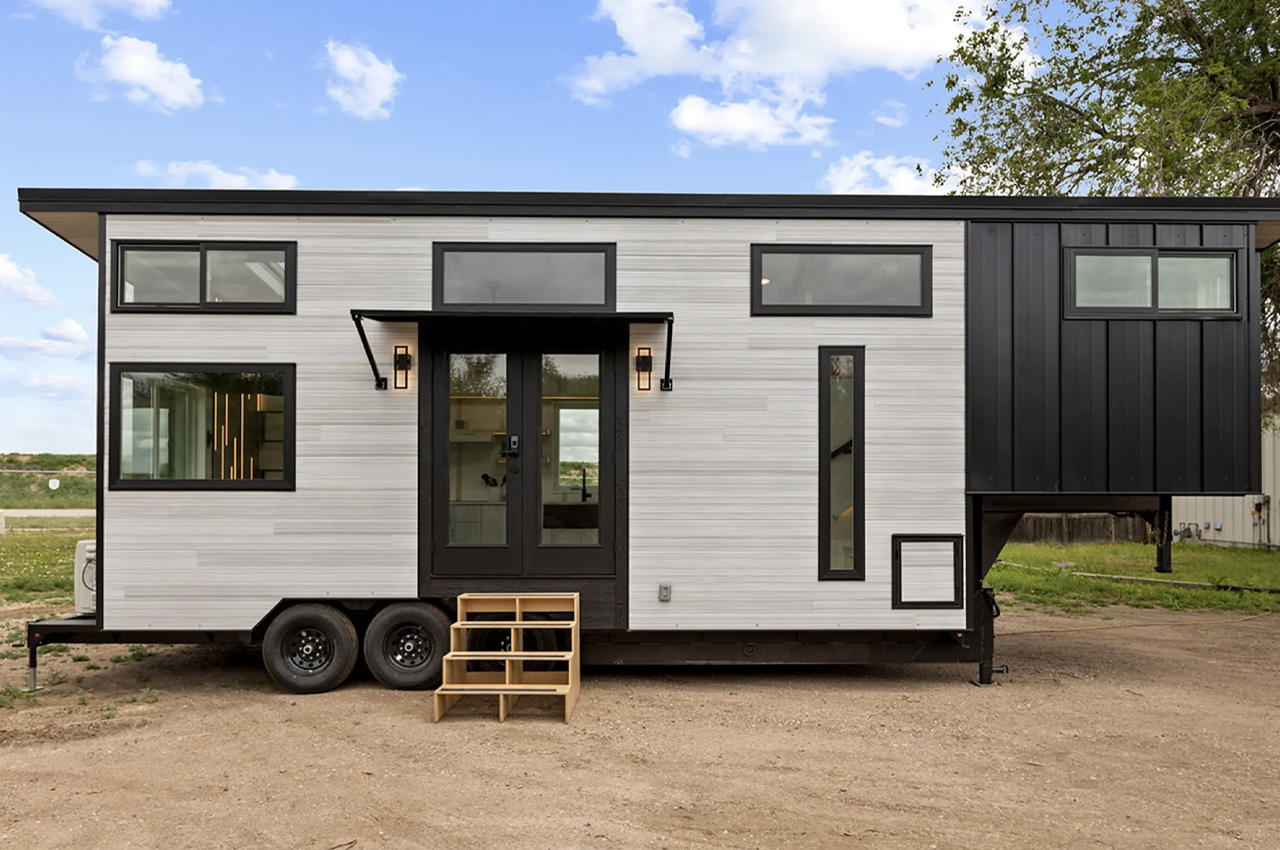
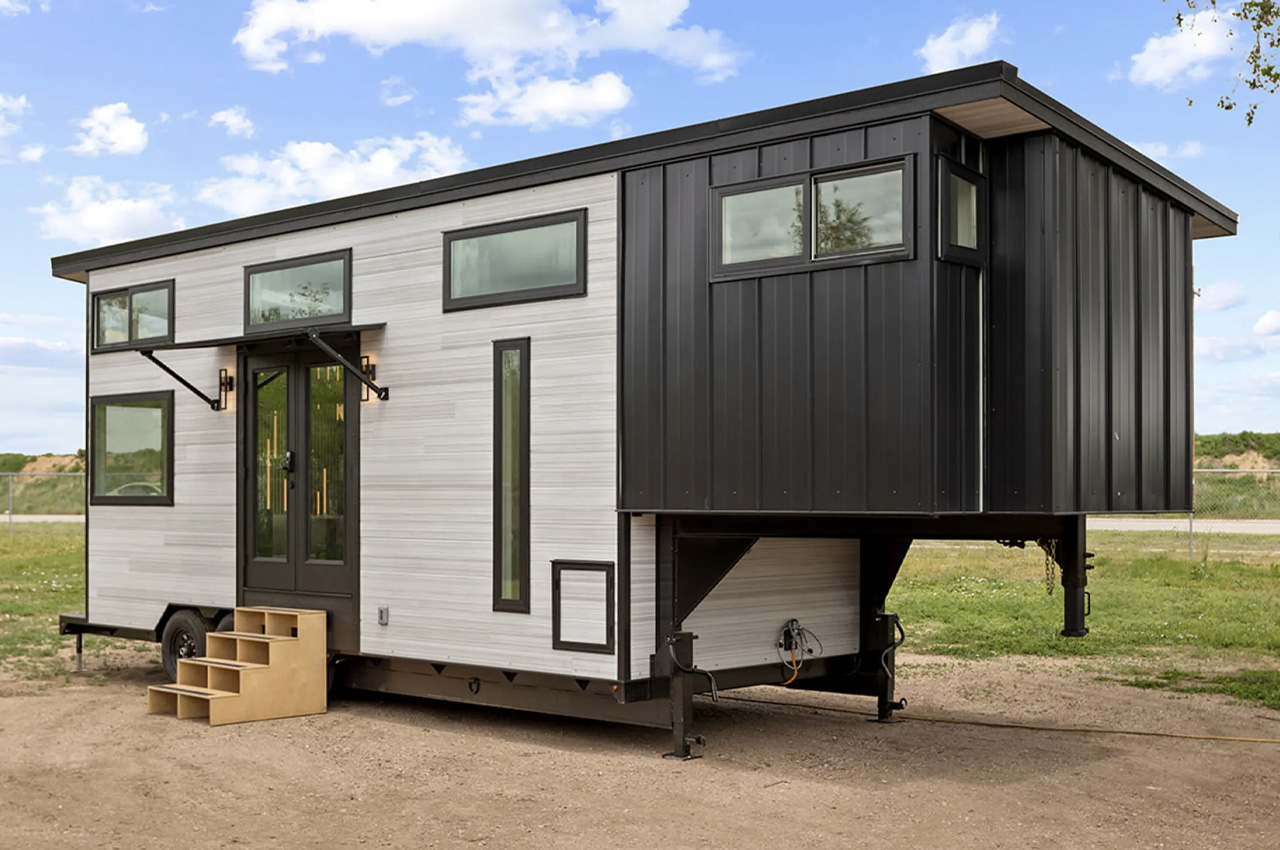
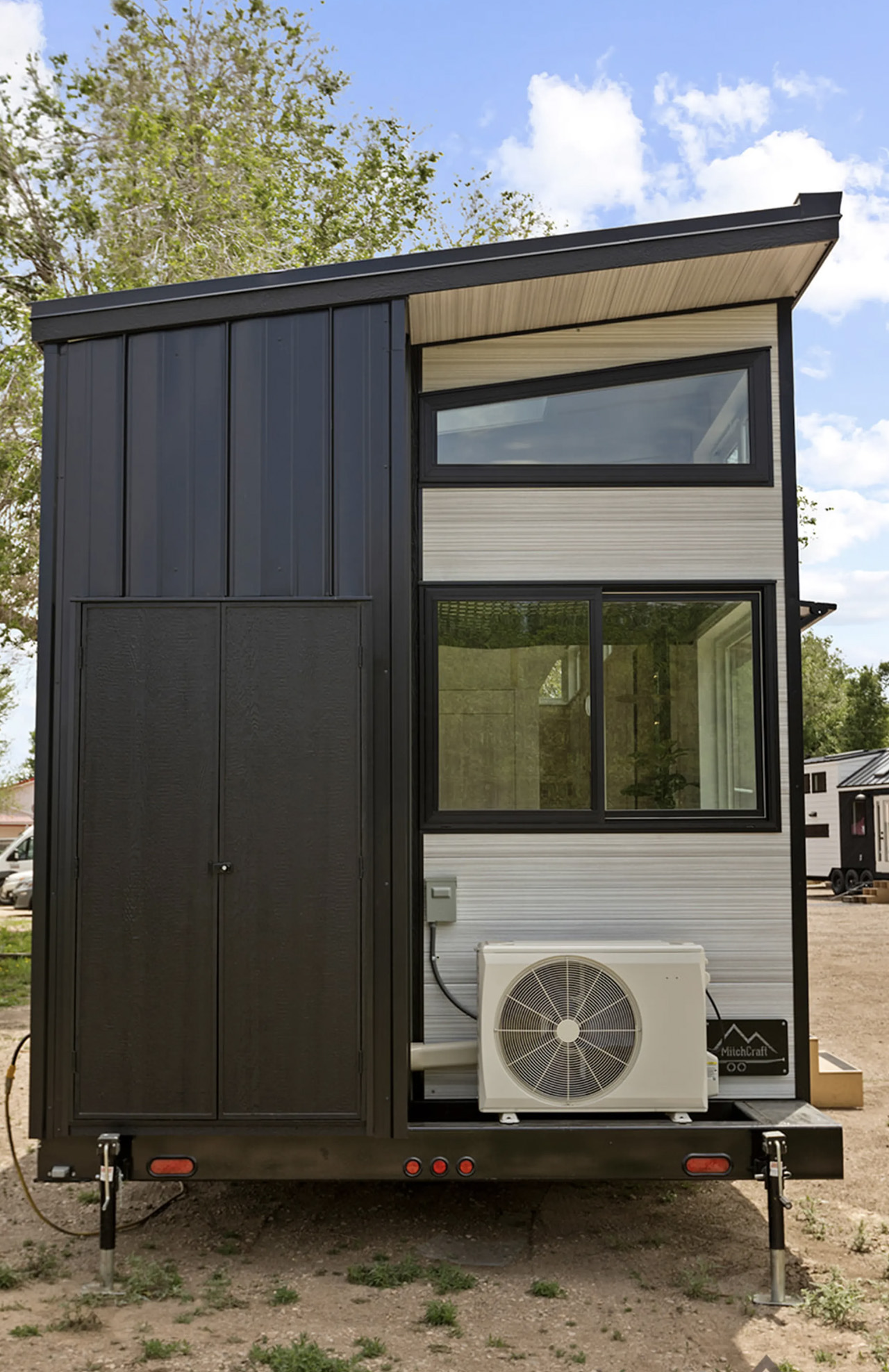
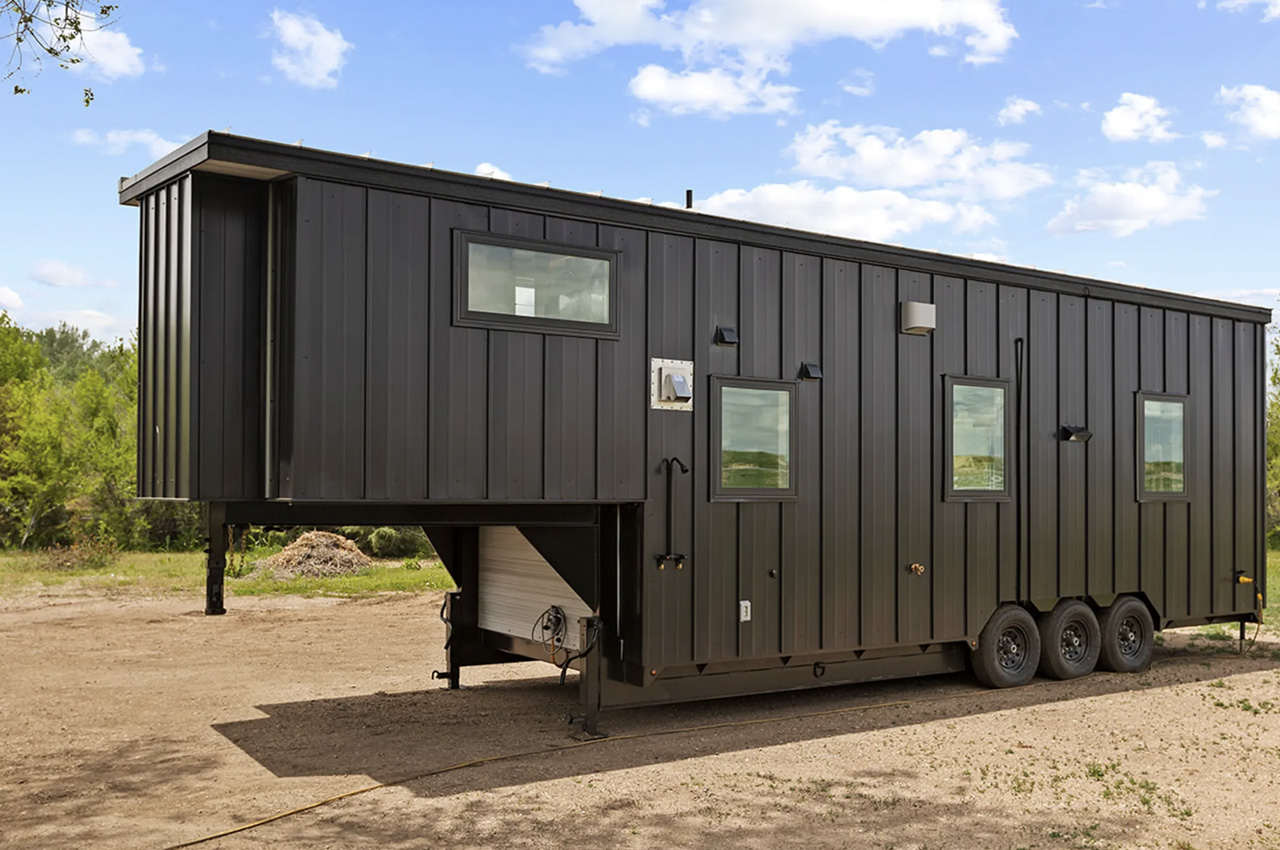
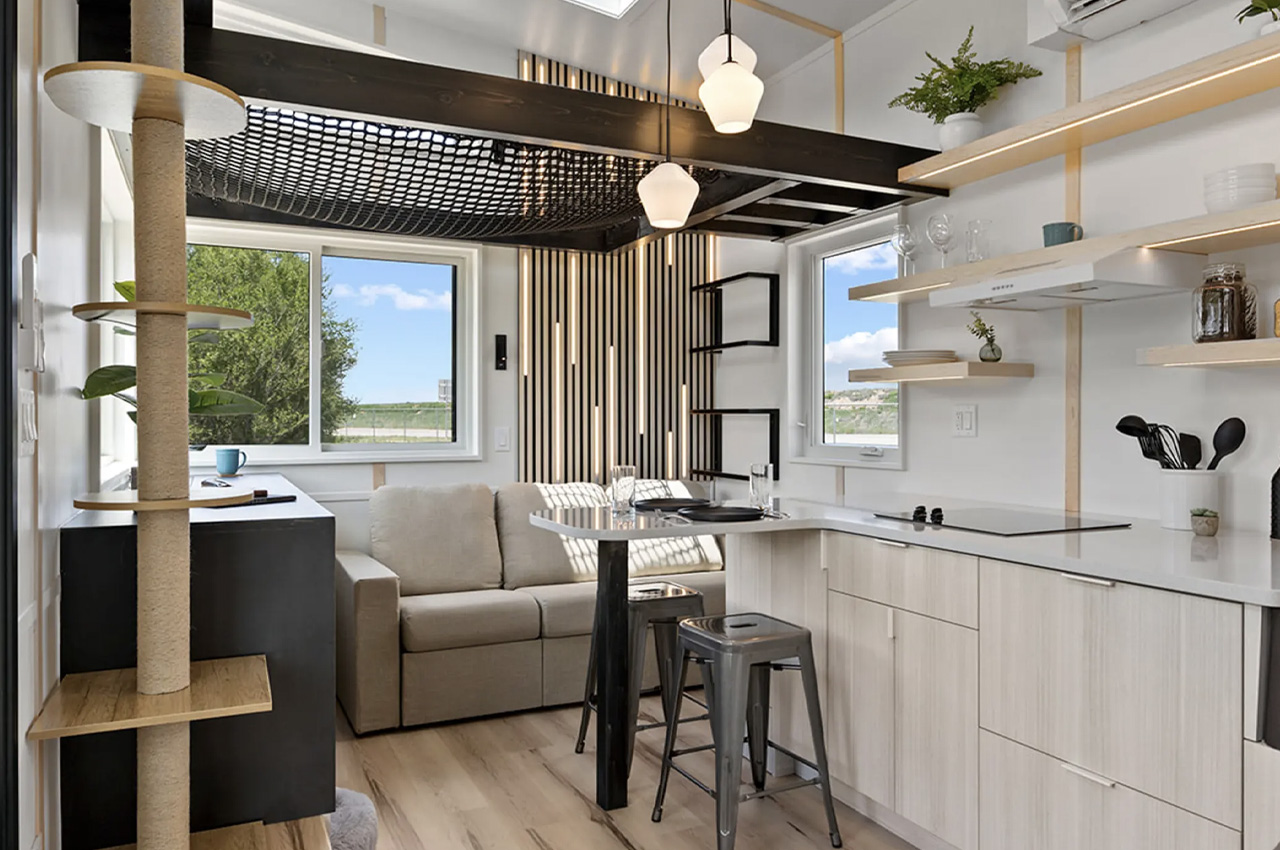
Designed by MitchCraft Tiny Homes, Casey’s 32′ x 10′ Tiny Home is equipped with all the luxurious features you would expect from a full-sized home. The interior is filled to the brim with storage, and it also showcases a light-filled and flexible living space, with excellent elements like underfloor heating, a netted loft space, a dishwasher, and a large bedroom with loads of headroom to stand straight.
Designer: MitchCraft Tiny Homes
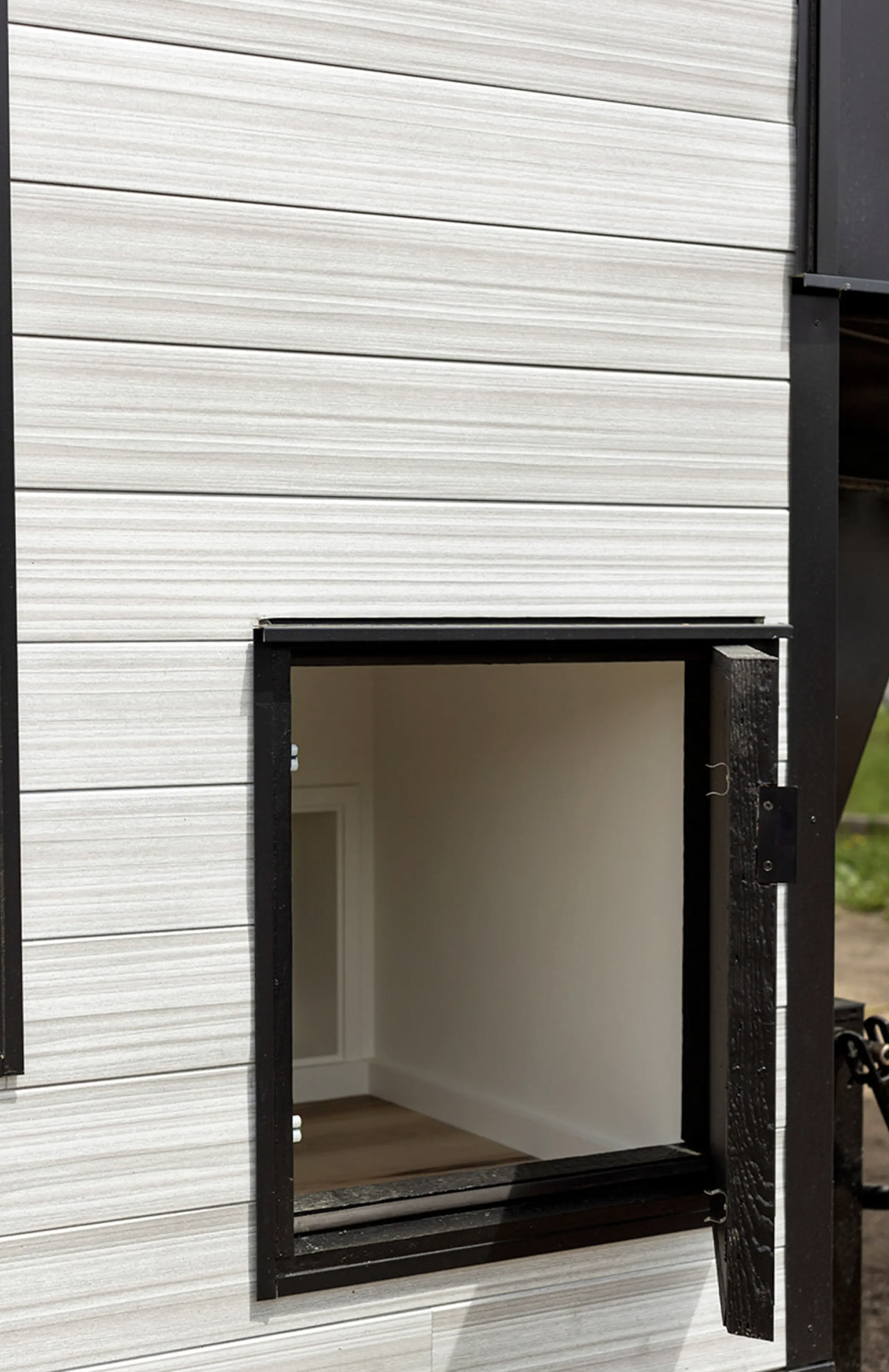
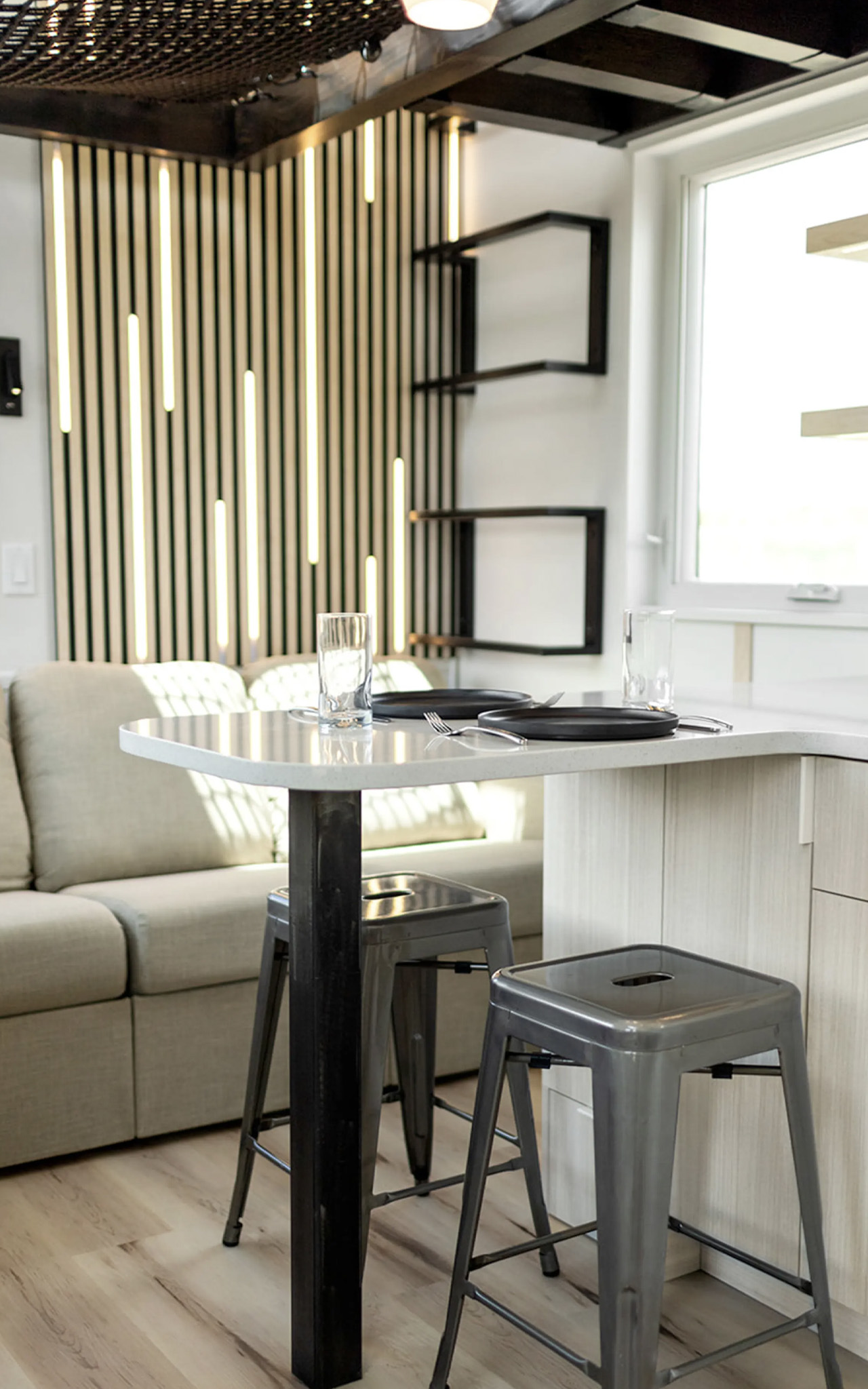
Casey’s 32′ x 10′ Tiny Home is founded on a triple-axle gooseneck trailer, and it features an extra-wide frame. It has a spacious and house-like layout inside, hence it will need a permit to tow on the road. The interior of the home measures 390 square feet, and as you enter the home, you are welcomed by a large kitchen in the center of the house. The kitchen is equipped with a dishwasher, sink, electric stovetop, a dining table for two, and loads of storage space. It also includes a large cat tree, a cat flap, and an exterior door providing access for the owner’s pets.
The living room is located close to the kitchen, and it includes a sofa, and storage unit with a TV, that can be stowed away when not in use. The home is equipped with ladder-style steps that can be integrated into the wall to provide access to the netted loft area, which increases the living space, without cutting off the natural light streaming in from the skylight above.
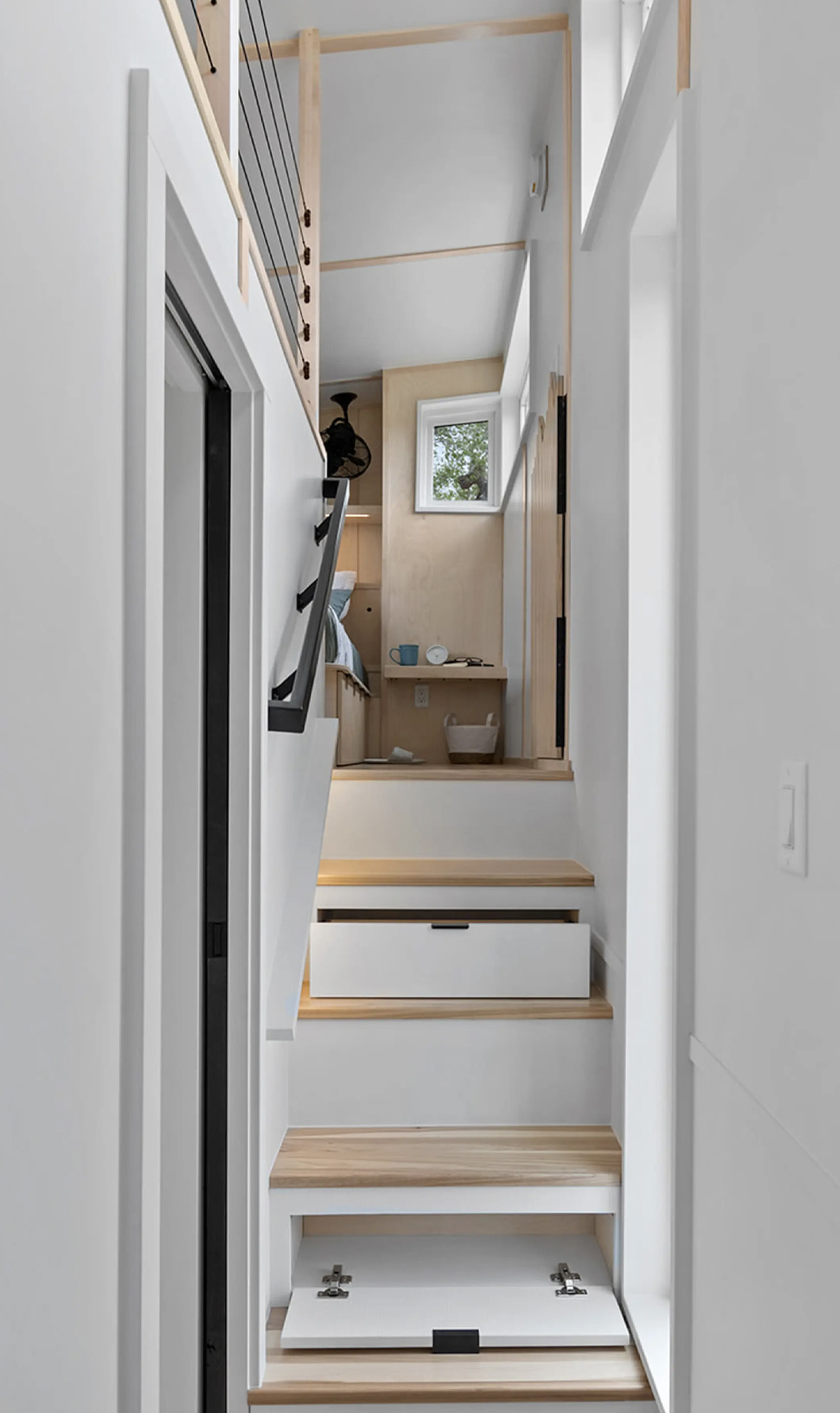
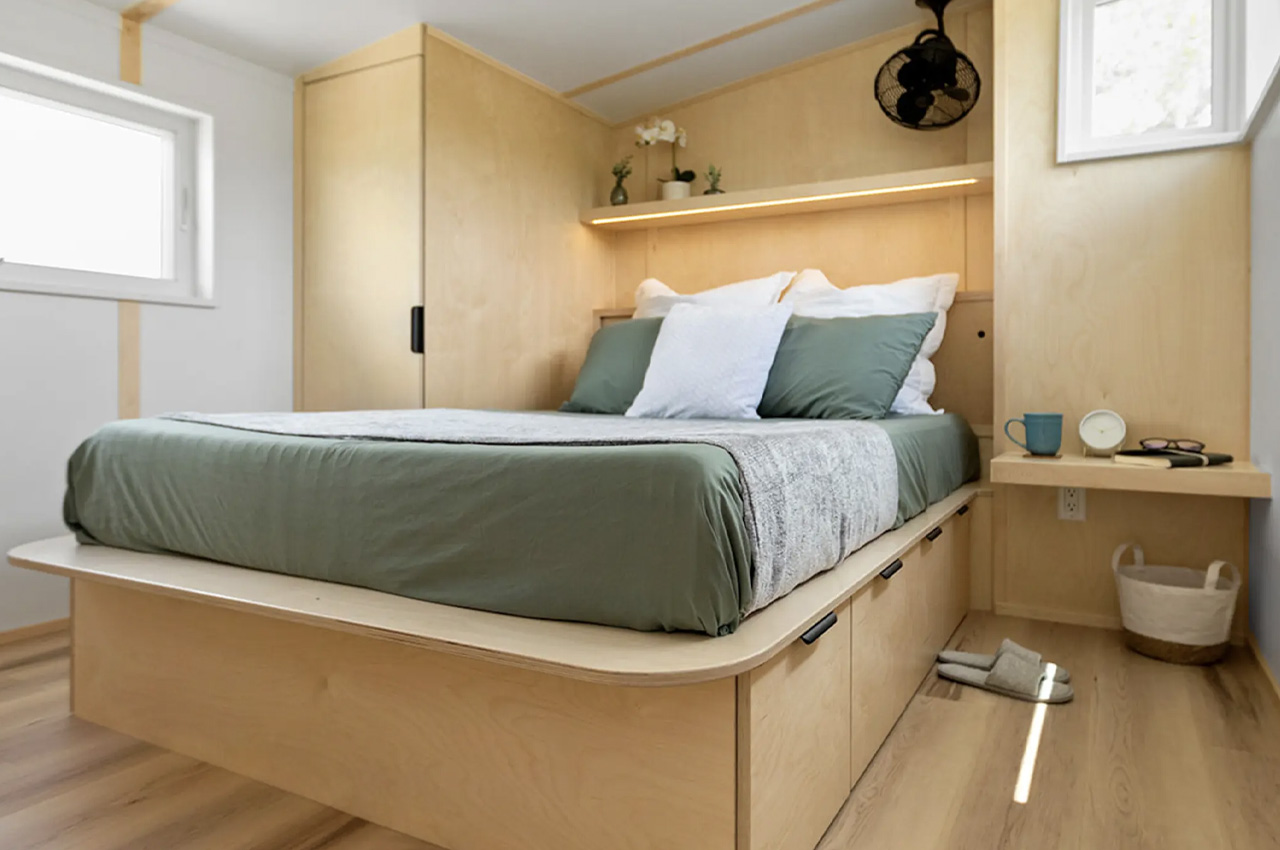
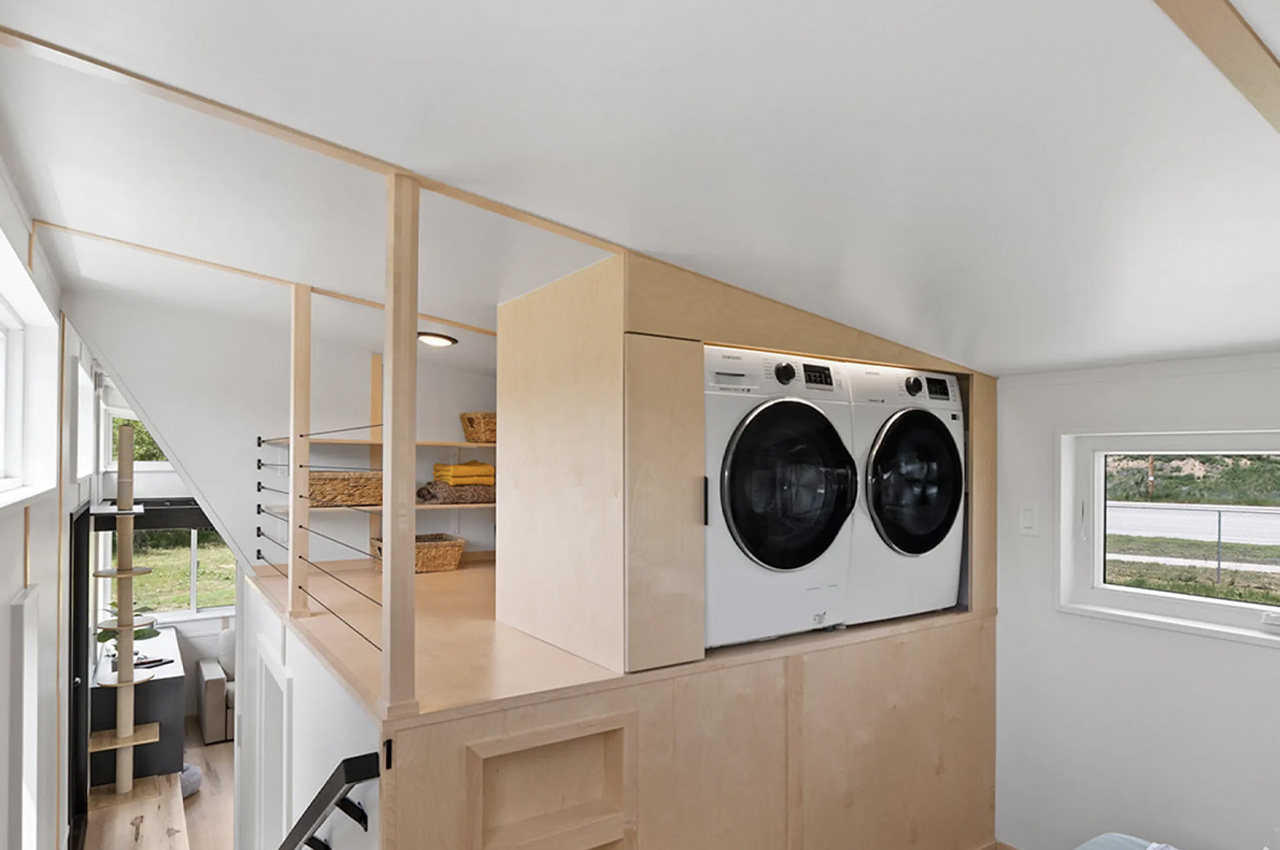
On the other end of the kitchen is the bathroom equipped with underfloor heating to keep your toes warm as you step out of the shower. There is also a sink, and a flushing toilet, as well as some storage space. A storage-integrated staircase leads you to the master bedroom nestled in the gooseneck part of the trailer. This space has loads of headroom allowing visitors to stand upright, which isn’t always seen in tiny homes. It also includes a double bed and more storage space, as well as a separate washing machine and dryer. The second loft area is utilized for storage.
Remember the Clicks Keyboard from earlier this year? What if you could somehow build your own and carry it around in an Altoids tin??
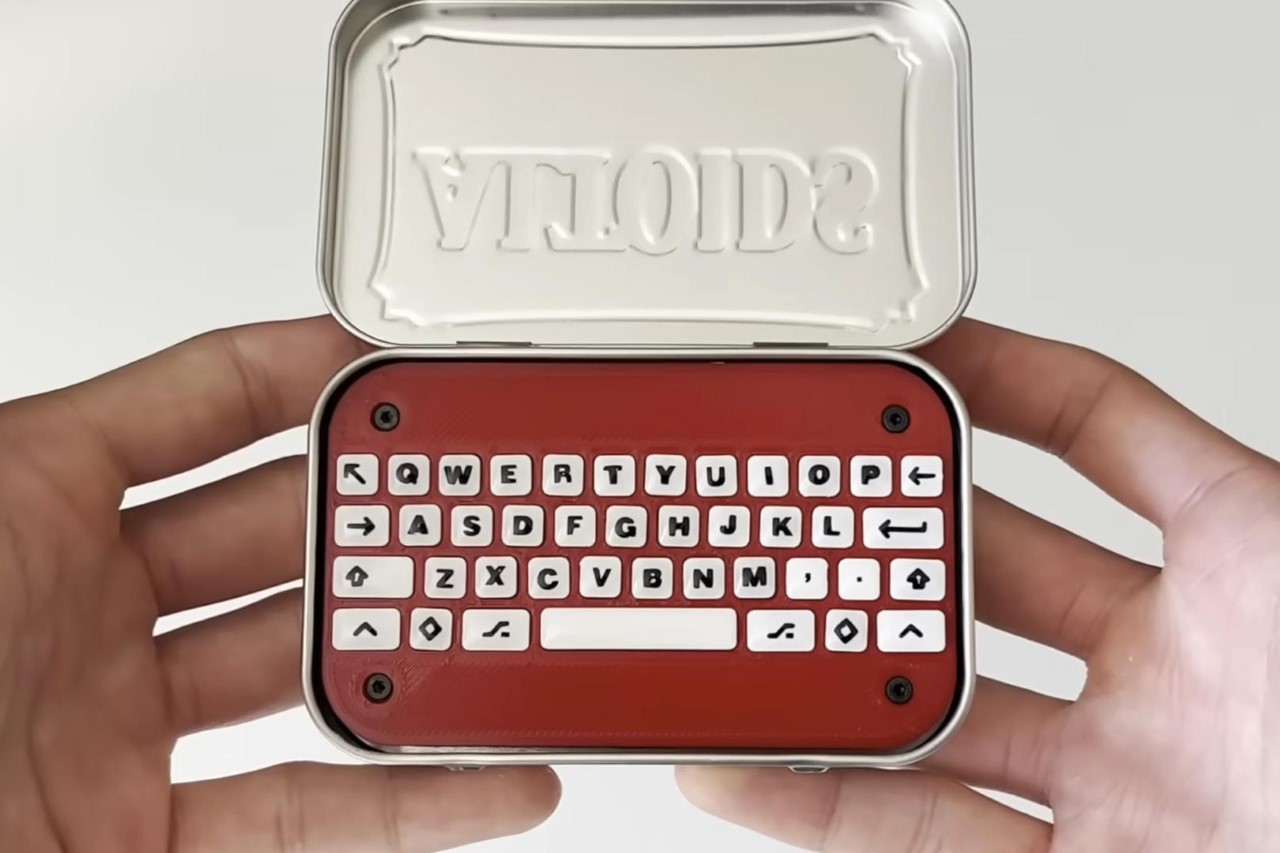
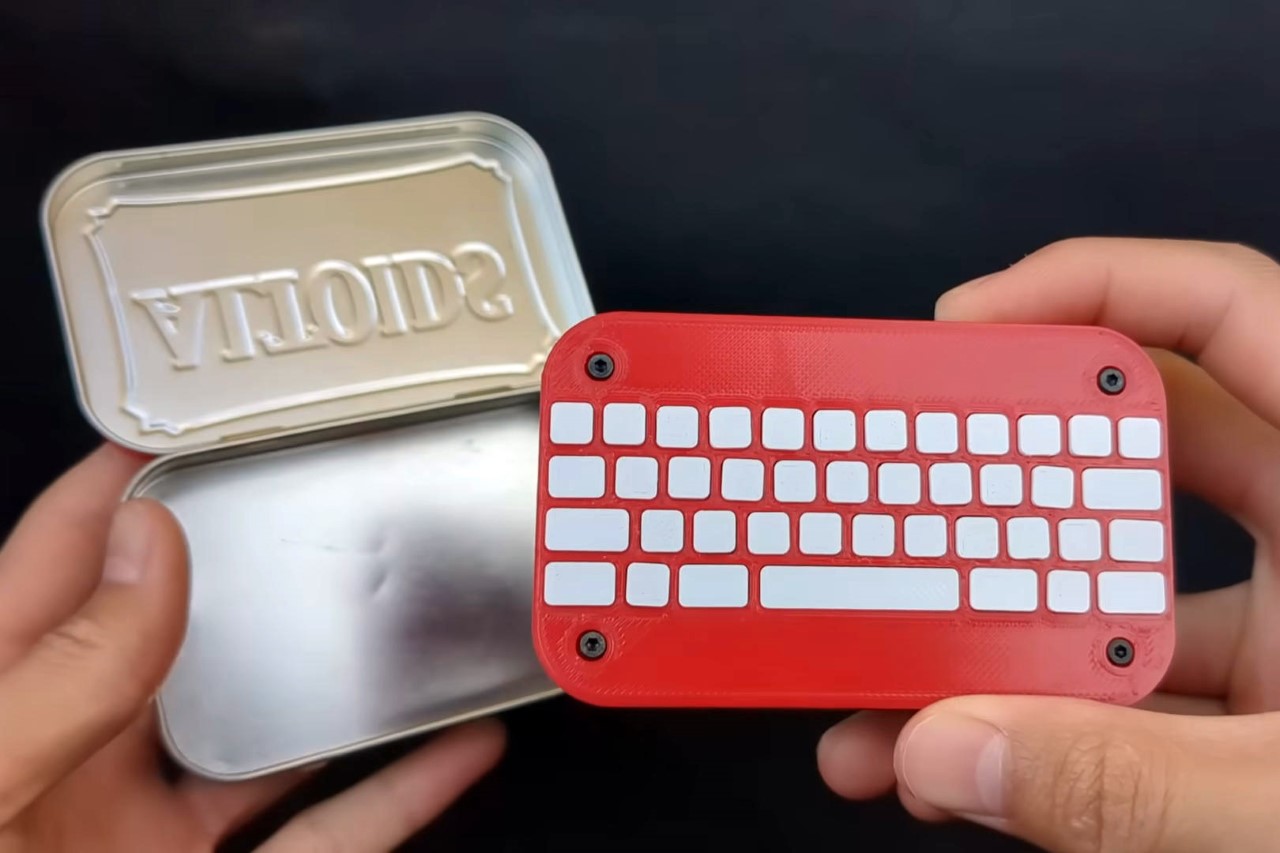
YouTuber ‘Flurples’ decided the Altoids tin was honestly the perfect vehicle for this miniature keyboard. It was roughly the width of your standard Blackberry phone, which means the keys would be perfectly thumb-sized, and it had the added benefit of coming with its own metal case and lid that made carrying it around incredibly easy. The only thing left was to actually build the keyboard.
Designer: Flurples
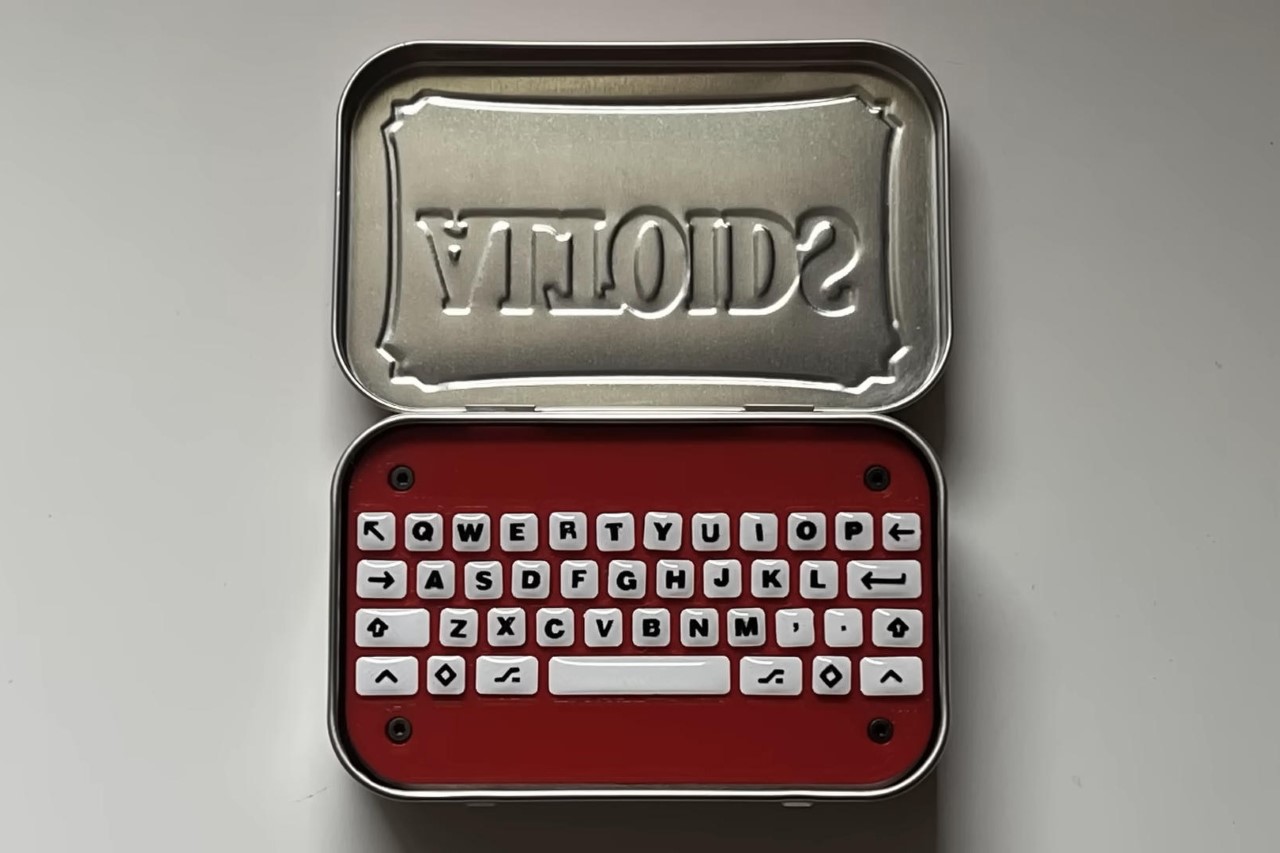
Dubbed the Mint Board, this tiny keyboard is quite the tactile dream come true. It fits in your pocket, has an on/off switch, and wirelessly connects to any Bluetooth-capable device to turn into a keyboard. While it’s incredibly small, it’s perfectly usable (even more so than those godawful touchscreen keyboards) although most people will sorely miss the presence of a number row on top. The Mint Board also charges via USB-C, although Flurples didn’t mention what the battery life of the keyboard is on a full charge.
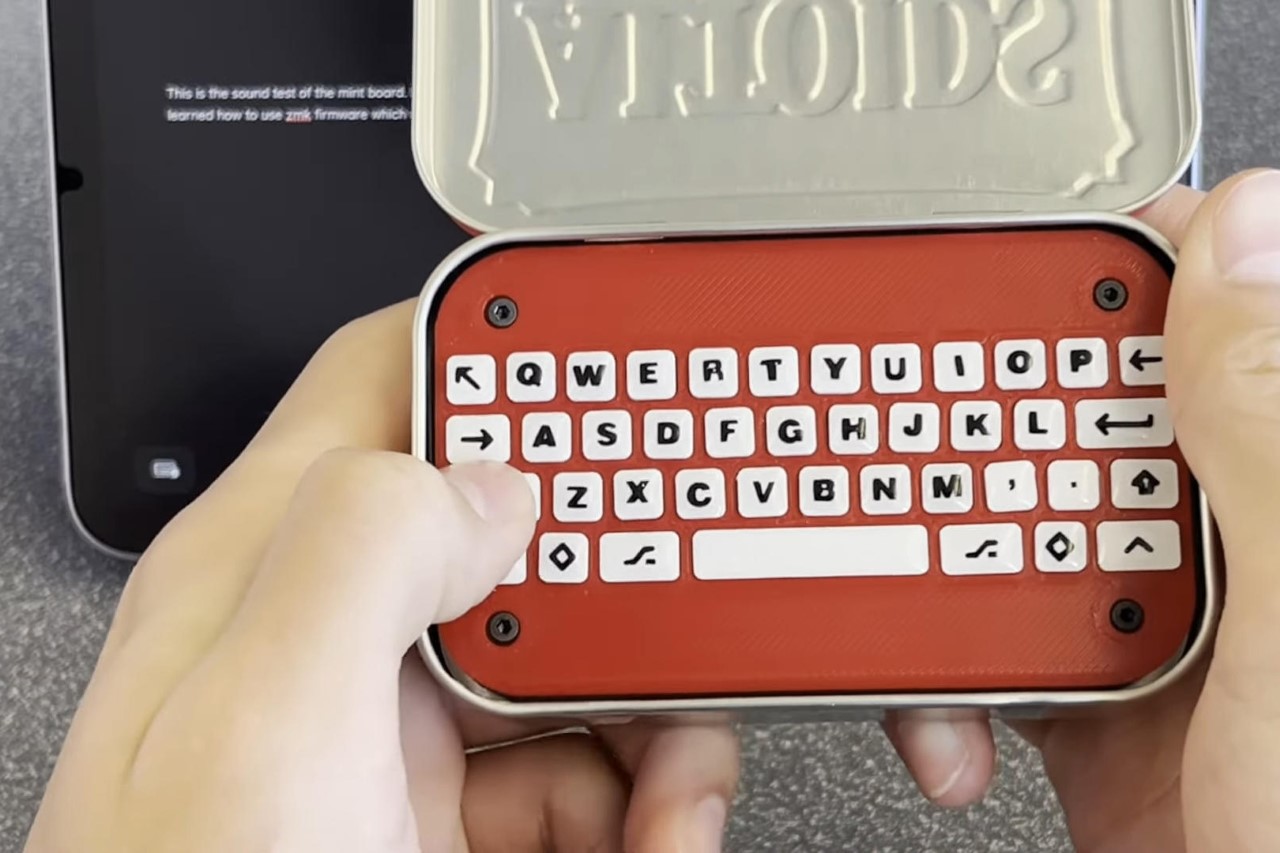
The Mint Board works with an iPad, allowing you to type on a tactile surface and have the letters appear on screen
Initially conceptualized as a 60% layout keyboard, the Mint Board’s design journey was marked by meticulous planning and adaptation to spatial constraints, ultimately settling for a 40% layout that would only feature the essential Qwerty and special keys (no numbers either). Key spacing and switch selection were pivotal considerations when it came to choosing this layout, ensuring optimal utilization of the limited space within the tin.
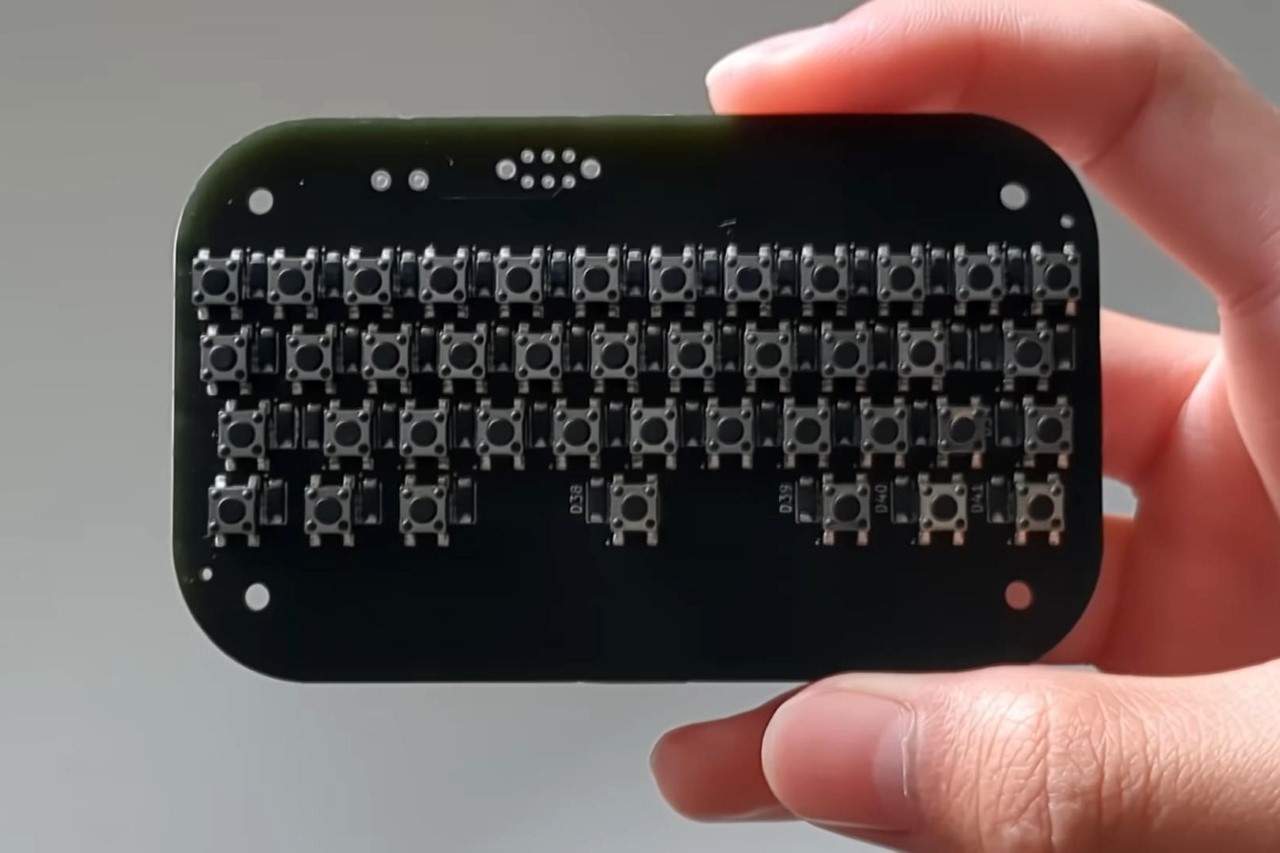
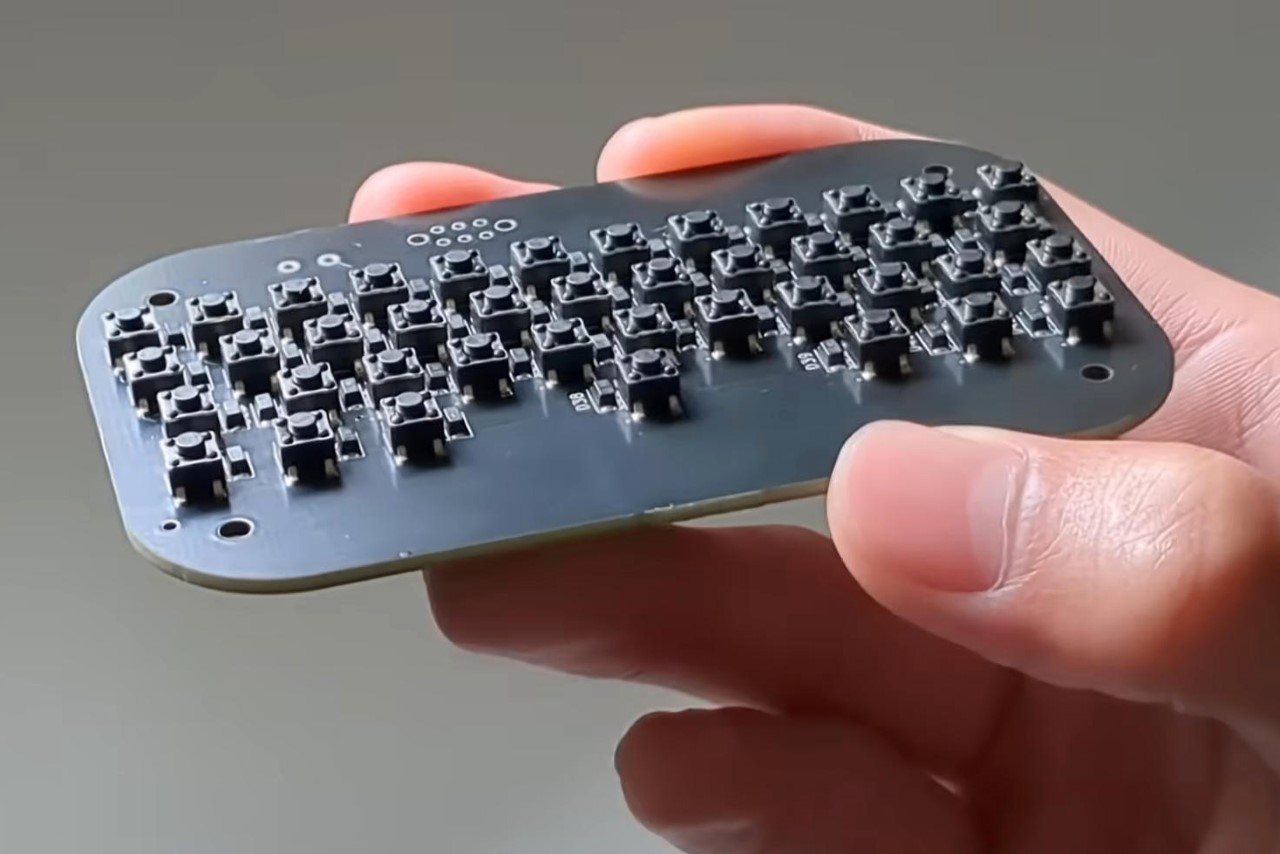
At the core of the Mint Board lies a meticulously crafted PCB, meticulously designed to accommodate switches, diodes, a microcontroller, and an on/off switch. Firmware development was a strategic endeavor, with Flurples opting for a Nice Nano microcontroller and ZMK firmware to enable Bluetooth connectivity. Despite the transition from the familiar QMK firmware, Flurples found solace in the shared conceptual framework, facilitating a seamless integration process. The assembly process proved to be both a challenge and a triumph, as Flurples meticulously soldered each component, including the microcontroller and battery, with precision and finesse. However, unforeseen challenges arose, such as tight keycaps, prompting Flurples to undertake a redesign.
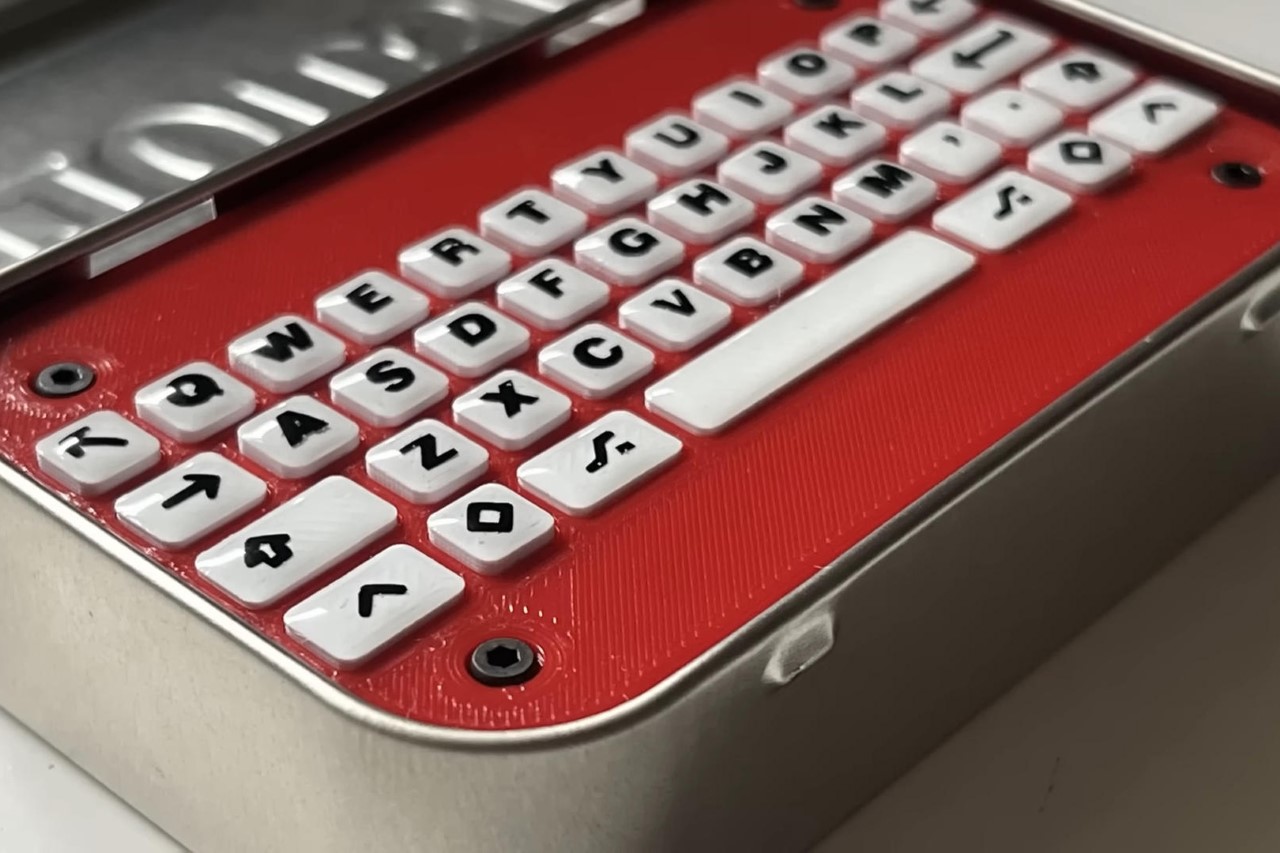
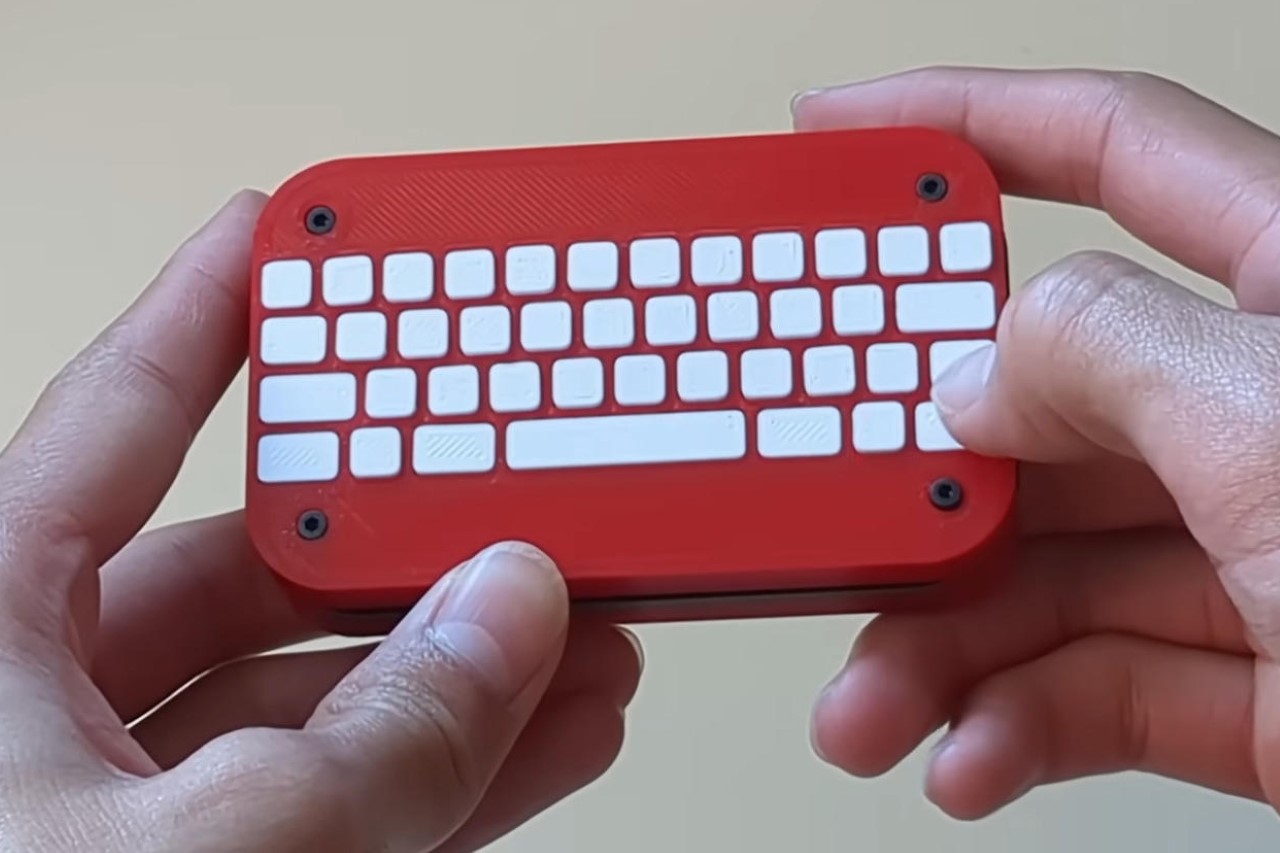
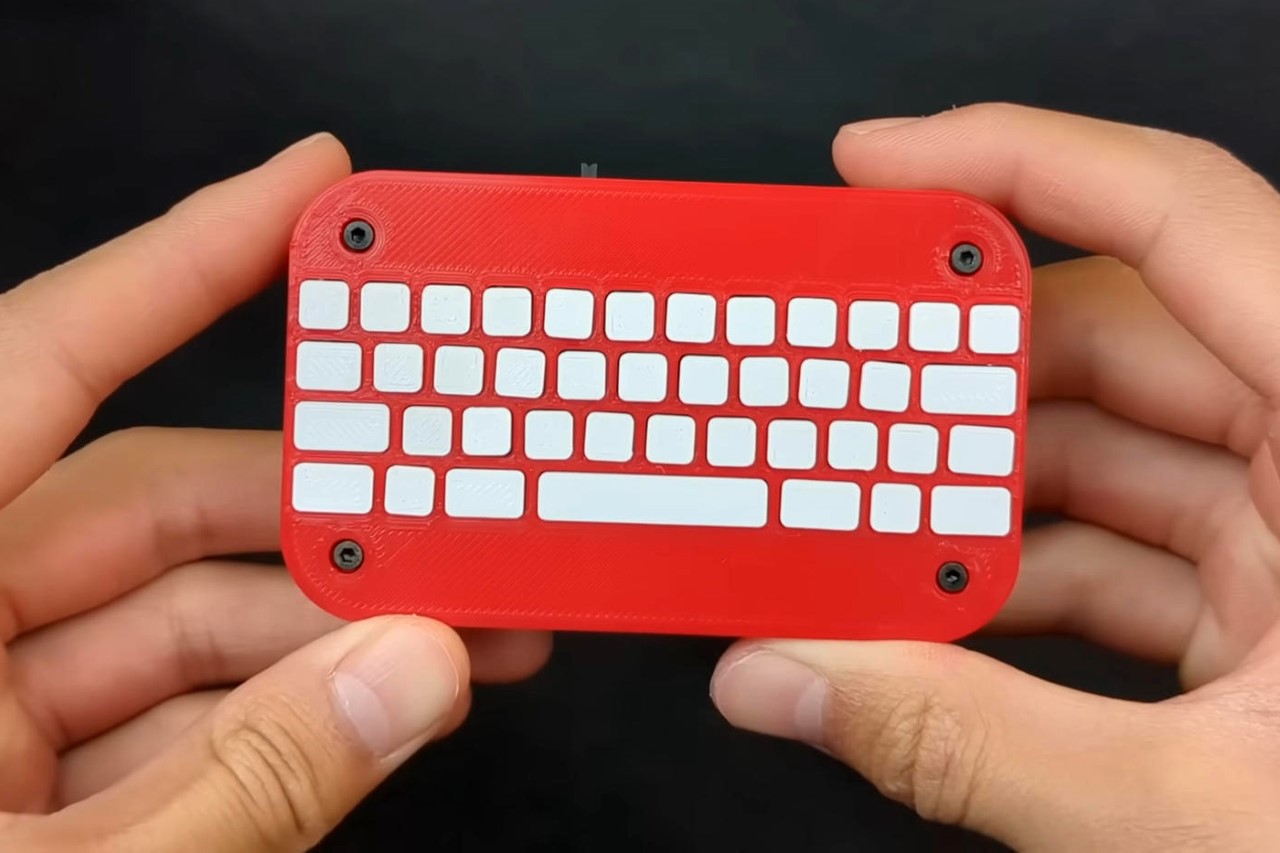
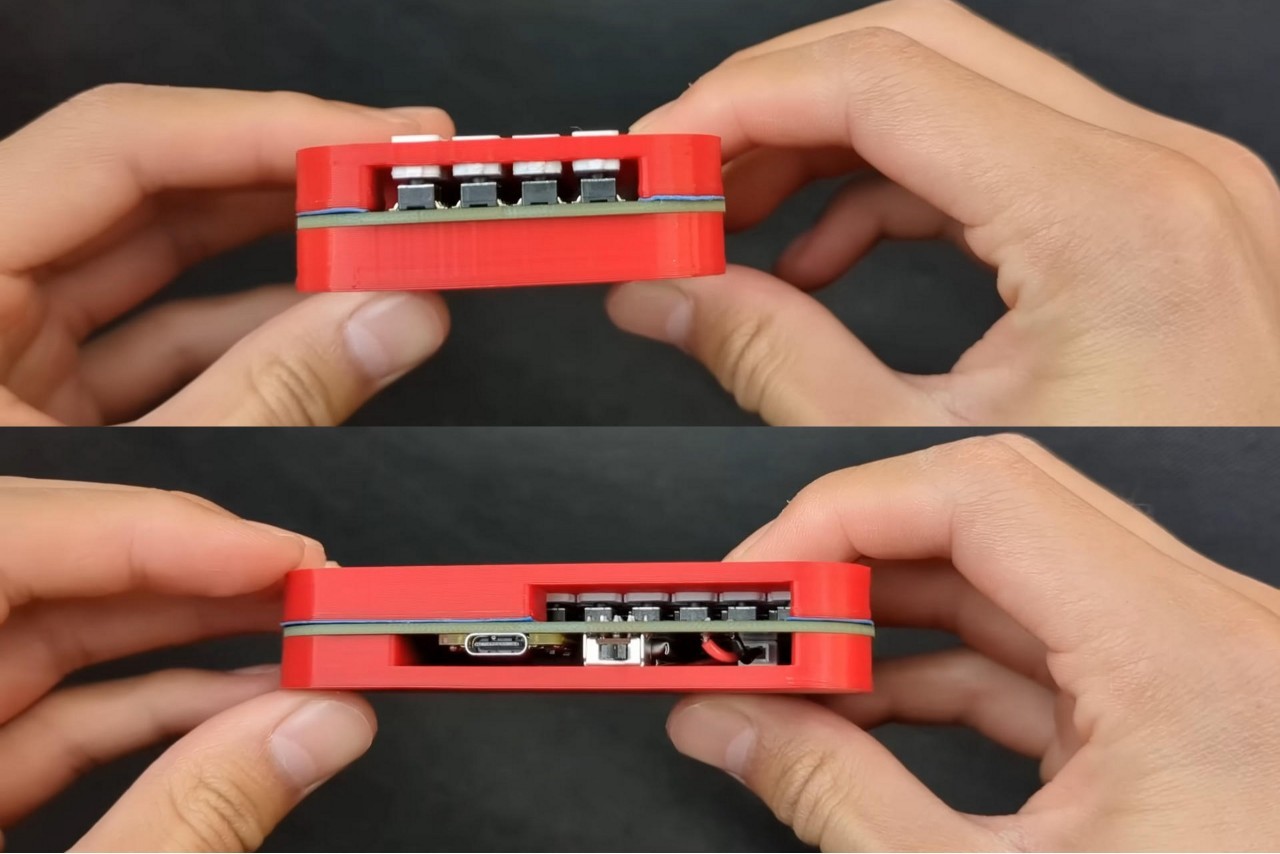
Once the inner workings were ready, Flurples built the outer housing, relying on a 3D printer to make the upper and lower halves of the keyboard body, as well as the 41 individual keys. The keyboard was secured together using four screws that sandwiched the PCB in between the plastic components, and glued into the Altoids tin, whose sides had cutouts made to coincide with the ports and switches on the Mint Board’s PCB.
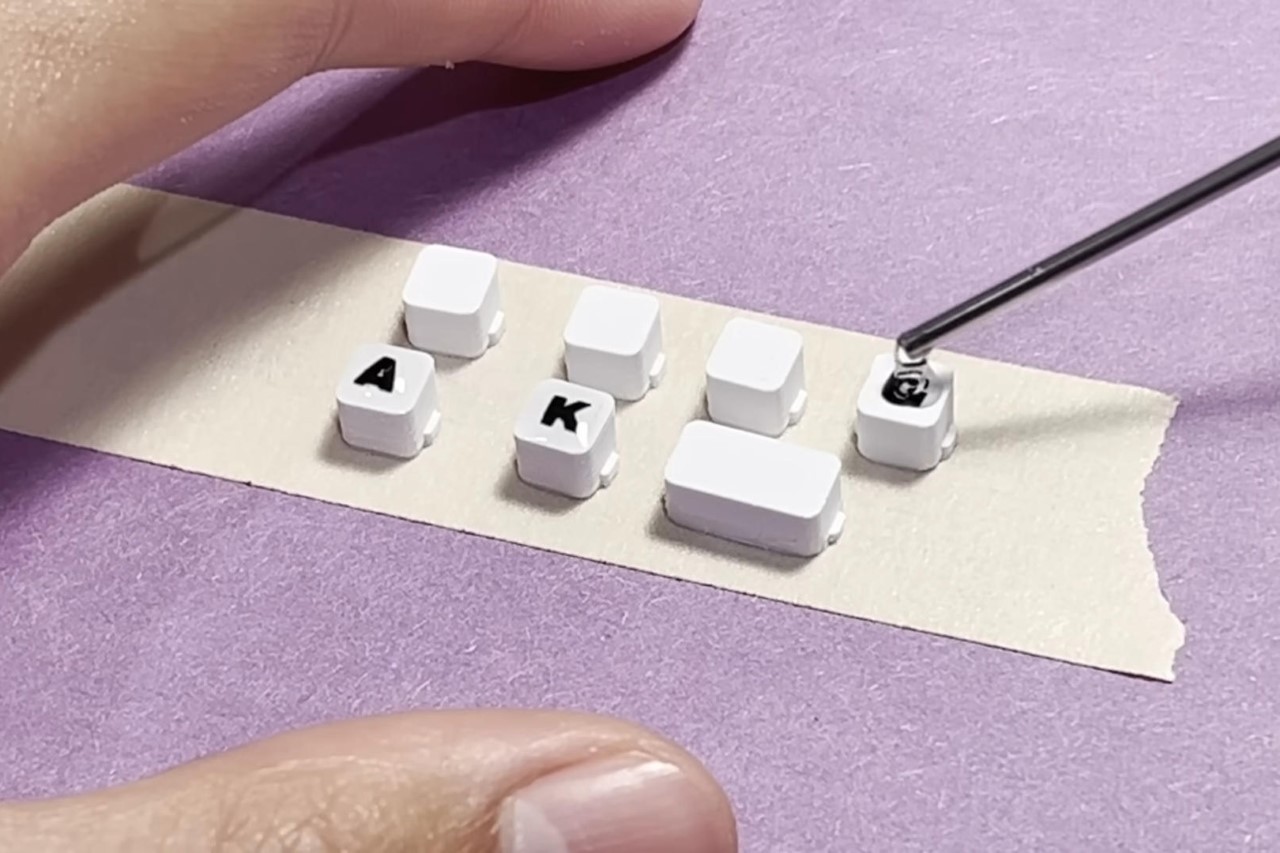
Yet, the true pièce de résistance of the Mint Board lies in its personalized keycaps, each painstakingly crafted with legends created in Illustrator, cut using a Cricut Machine, and finished with a layer of clear-coat resin to give it its signature domed shape. Using the keyboard proved to be gorgeously tactile too, with satisfying click sounds that most Blackberry users will fondly remember. The best part, the entire keyboard could wirelessly connect to pretty much any device, giving you a familiar typing experience on everything from your smartphone to even your iPad.
Flurples should seriously consider building a screen into the lid and turning this into a miniature laptop!
Microsoft and Atlus said today that the Expansion Pass for Persona 3 Reload will be available on March 12. The bundle will include the story’s final chapter DLC, Episode Aigis -The Answer-, which arrives in September. Game Pass Ultimate subscribers can get the Expansion Pass for free with their membership.
In the original Persona 3, the epilogue was called The Answer in the English version and Episode Aegis in the Japanese version, leading to the combined title in the remake’s DLC. Like the base game, the DLC will transform the original story with “cutting-edge graphics, modernized quality-of-life features and all the upgrades that came with Persona 3 Reload.”
The DLC’s story begins in a Groundhog Day-style time loop. “After unravelling the mysteries of the Dark Hour, fighting epic battles through Tartarus, and all the unforgettable events of Persona 3 Reload, the S.E.E.S. members find themselves trapped in a never-ending March 31st,” Xbox communication manager Michael Carven wrote. You’ll play as Aigis, a human-like android with Persona-summoning abilities.
“Persona 3 Reload would not be complete without Episode Aigis –The Answer-,” General Producer Kazuhisa Wada wrote. “The epilogue is sure to satisfy both those who have played the original Persona 3 FES and those who are just starting out.”
The Expansion Pass will also add new music and costumes. The updated tracks will include remixes and “fan-favorite tracks from previous Persona titles.”
Microsoft says Persona 3 Reload is developer Atlus’ fast-selling title, surpassing a million sales in its first week.
This article originally appeared on Engadget at https://www.engadget.com/episode-aigis--the-answer--will-wrap-up-persona-3-reloads-story-in-september-214804635.html?src=rss